Aditi Verma is a skilled tech content writer with a talent for making complex ideas easy to understand. She crafts engaging articles, breaking down intricate tech topics into simple words that anyone can grasp. Aditi is your go-to writer for all things tech.
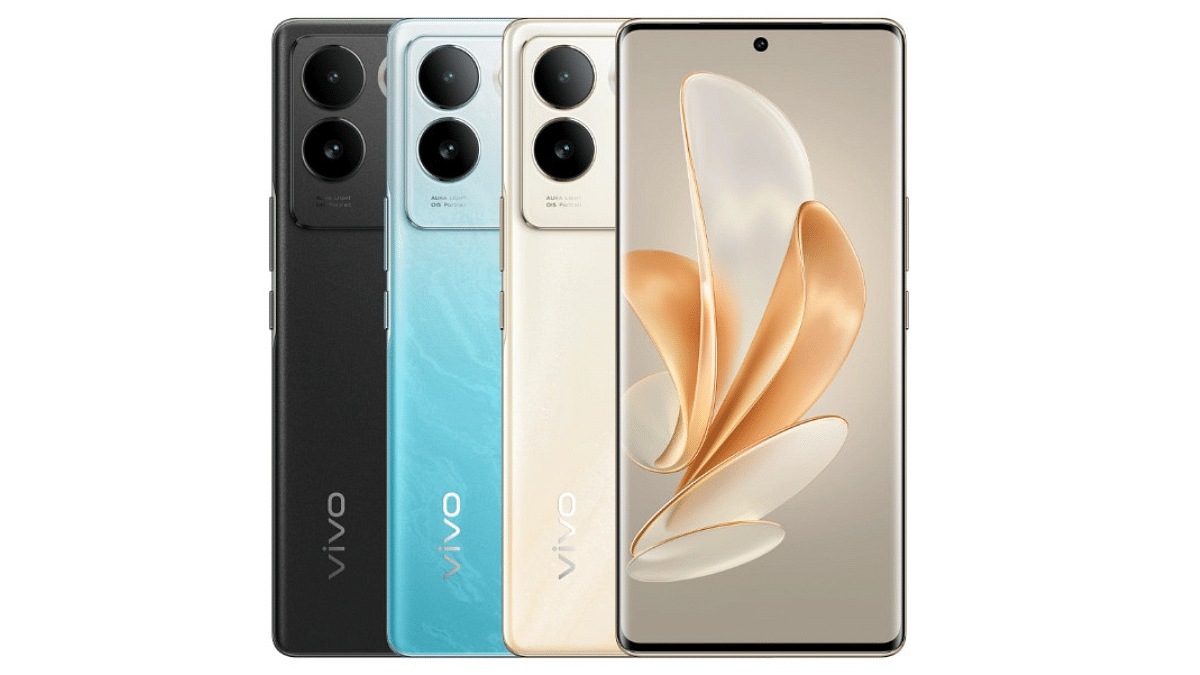
Vivo unveiled the first smartphone in the S17 series – the Vivo S17e. The launch has come as a surprise as the brand usually launches the entire S-series together in China. The Vivo S17e is a mid-range smartphone with impressive specifications that can give tough competition to other smartphones in the same category.
64MP primary camera with OIS + 2MP secondary camera
Front Camera
16MP
Operating System
Android 13 with OriginOS 3
RAM
Up to 12GB LPDDR4X
Storage
128GB or 256GB UFS2.2
Dimensions
164.20×74.90×7.4mm
Weight
178g
The Vivo S17e is equipped with a 6.78-inch FHD+ 120Hz 60° 3D curved AMOLED display. The device is powered by MediaTek Dimensity 7200 SoC, which provides fast and smooth performance. The phone features a 4600mAh battery with support for 66W fast charging, which can charge the device from 0 to 100% in just 35 minutes.
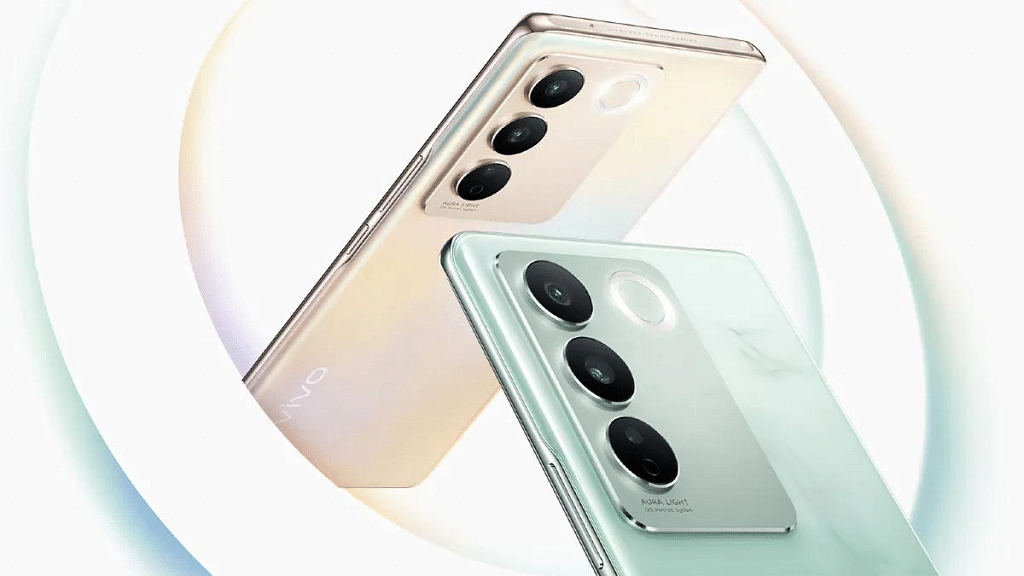
The Vivo S17e has a rear camera setup consisting of a 64MP primary camera with OIS and a 2MP secondary camera, along with a unique ring LED that the company refers to as the Aura light. The ring LED is a standout feature that makes the device look elegant and unique. The device also features a 16MP front camera for selfies and video calls, which can capture clear and detailed photos.
This phone includes an in-display fingerprint sensor for secure unlocking, dual SIM support for added convenience, USB Type-C audio for high-quality sound output, stereo speakers for an immersive audio experience, and Hi-Res audio support. Running on Android 13 with OriginOS 3, the device offers up to 12GB LPDDR4X RAM and a choice between 128GB or 256GB UFS2.2 storage options.
It supports 5G SA/NSA networks, ensuring high-speed internet access. Additionally, the device is equipped with dual 4G VoLTE, Wi-Fi 6 802.11 ac, Bluetooth 5.3, GPS (L1 + L5) for precise location tracking, USB Type-C for seamless data transfer, and NFC for contactless payments. The device has dimensions of 164.20×74.90×7.4mm and weighs 178g.
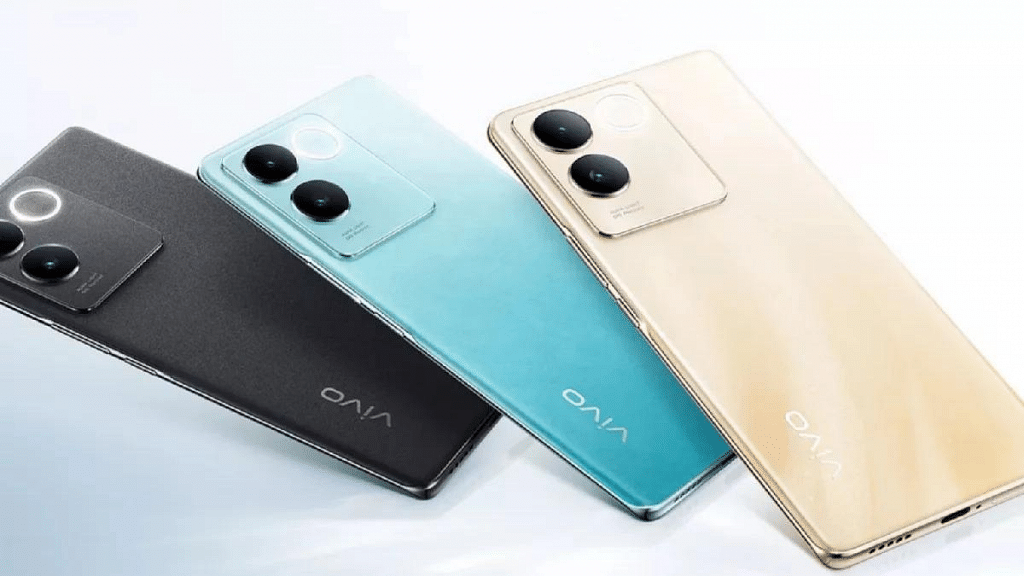
The Vivo S17e smartphone is now available for order and is set to release in China on May 20th. It comes in three different colours – Quick Sand Gold, Sunny Blue, and Midnight Black. The device offers two storage variants: 8GB+128GB and 8GB+256GB, priced at 2099 yuan (approximately ₹23,650) and 2299 yuan (approximately ₹25,850), respectively. Additionally, the 12GB+256GB version is available for 2499 yuan (approximately ₹28,100).
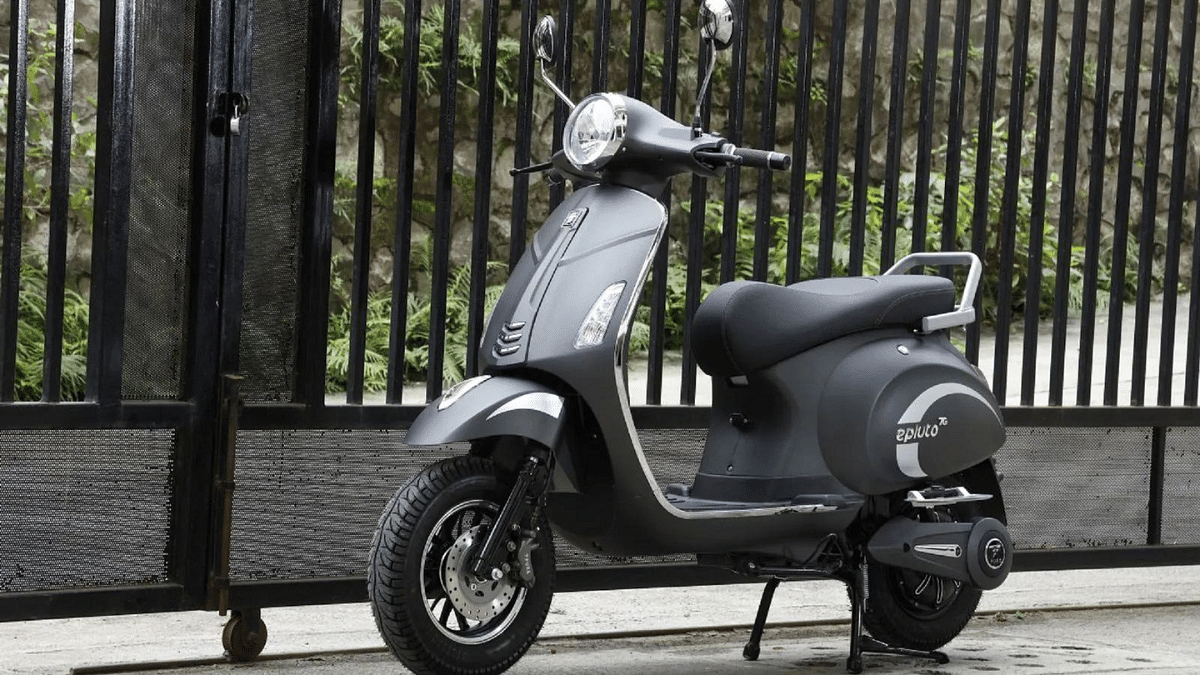
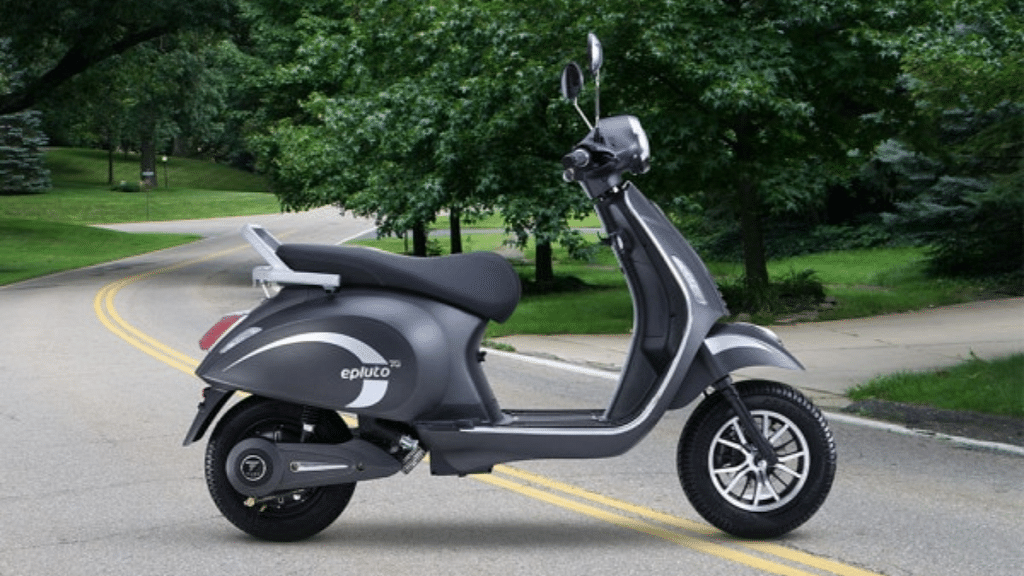
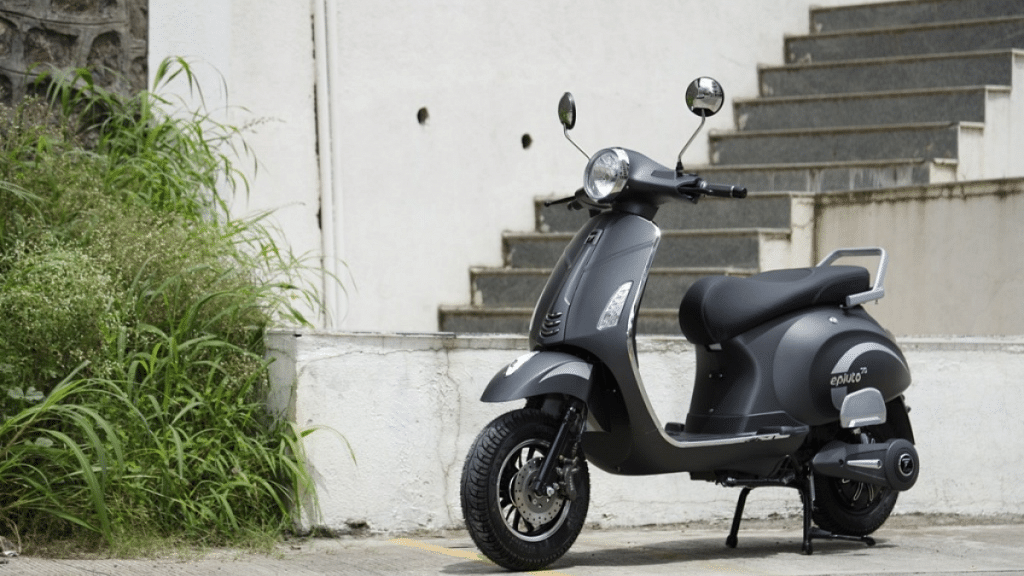
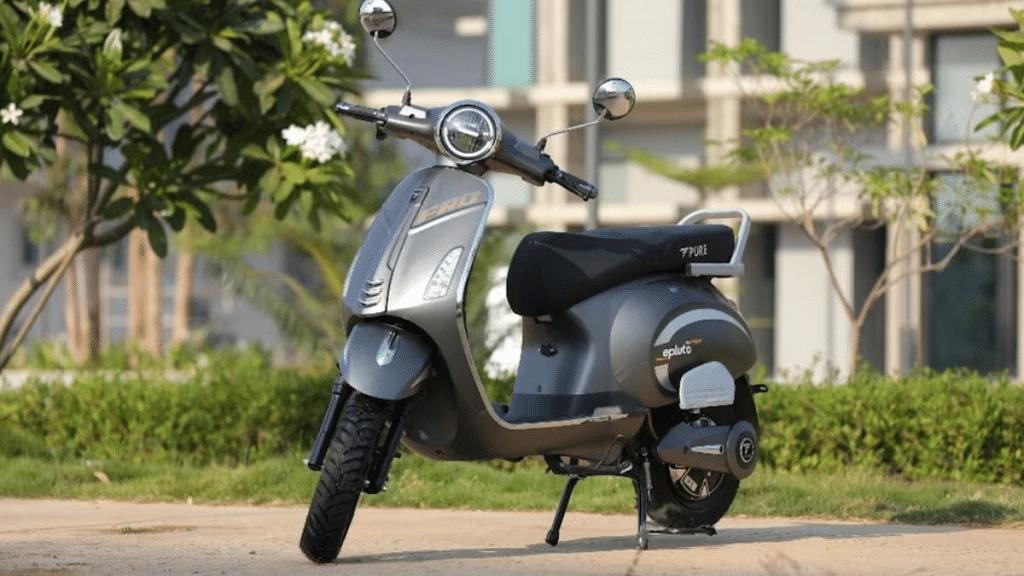
India-based electric vehicle manufacturer PURE EV has recently launched its latest ePluto 7G Pro electric scooter. The ePluto 7G Pro is an updated version of the ePluto 7G with an extended range of up to 150 km on a single charge with a range of up to 150km and an ex-showroom price of under Rs. 1 lakh. In this article, we will take a closer look at the design, powertrain, battery, and price of this new electric scooter.
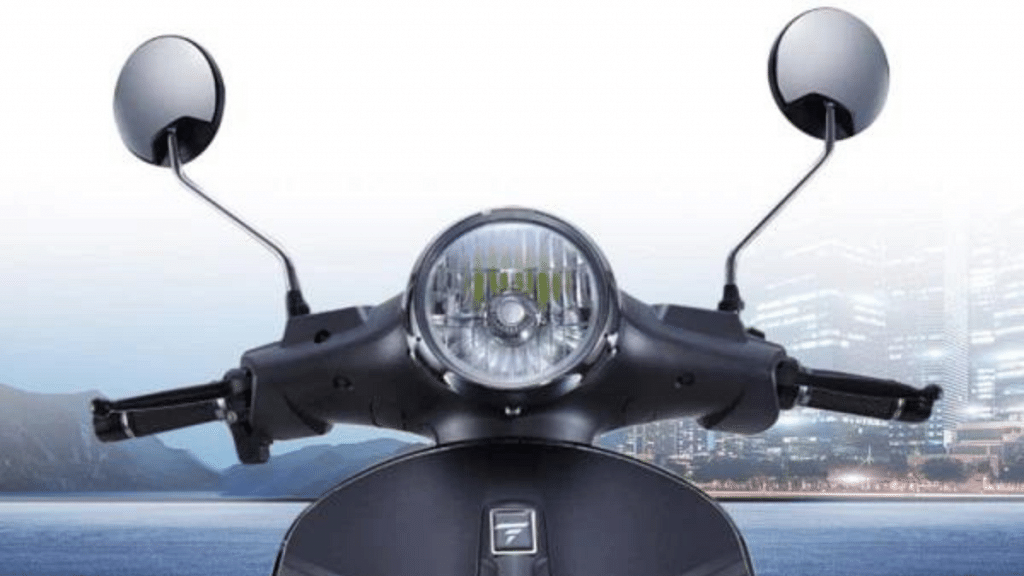
The ePluto 7G Pro is available in three different colours: Grey, White, and Matte Black. It features a sleek and aerodynamic design with alloy wheels and a high-torque motor with rear suspension. It also has an LED headlamp, ladies’ footrest, anti-theft smart lock, and disc brakes for enhanced safety and convenience. With its modern and stylish look this electric scooter is sure to turn heads on the road.
PURE EV ePluto 7G Pro Electric Scooter: Powertrain
A 1.5 KW motor, 2.4 KW motor control unit (MCU), and CAN-based charger power the ePluto 7G Pro. It has four microcontrollers and can go from 0-40kmph speed in just 5 seconds. With three different driving modes, the electric scooter provides a range of 100km to 150km. It also has a top speed of 60 KMPH making it a viable option for longer journeys.
The ePluto 7G Pro comes with an AIS 156-certified portable 3.0 KWH battery, as well as a Battery Management System (BMS) and Bluetooth-enabled Mobile App. The same battery technology was used in PURE EV’s ecoDryft motorcycle platform, providing reliable and long-lasting power for the electric scooter.
The ex-showroom price of the ePluto 7G Pro in India is Rs. 94,999. The actual price, however, may vary depending on state-level subsidies and regional transport office (RTO) costs. Customers can book the electric scooter at any PURE EV dealership, with deliveries starting at the end of May.
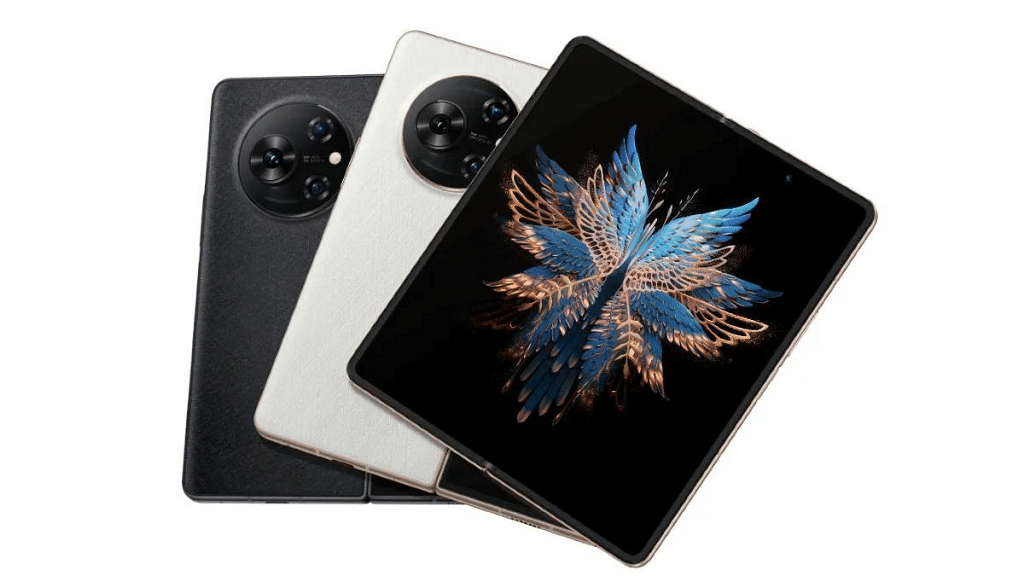
Tecno Phantom V Fold: 7.85″ screen with stylus support.
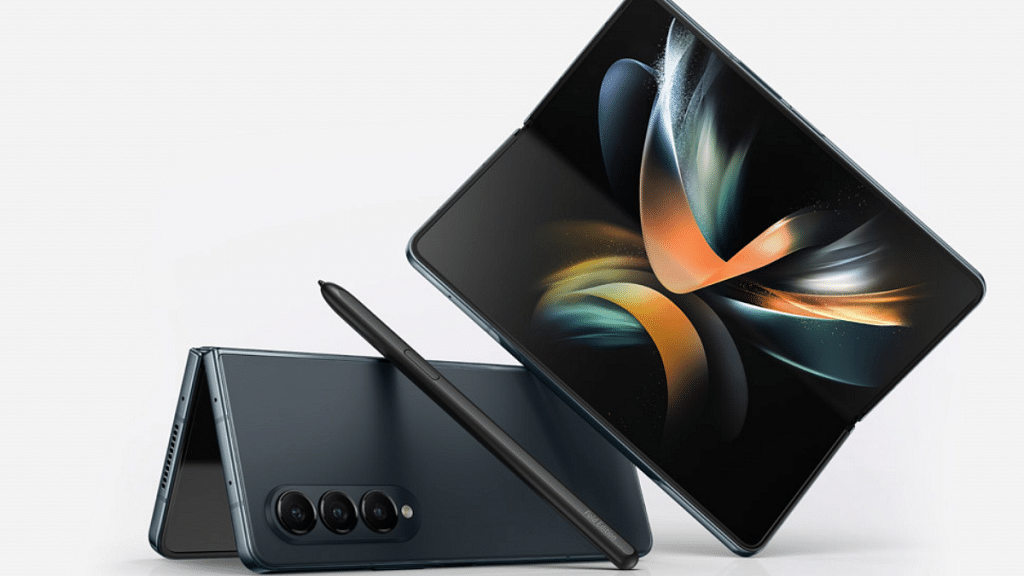
Galaxy Z Fold 4: 7.6″ improved hinge, S Pen.
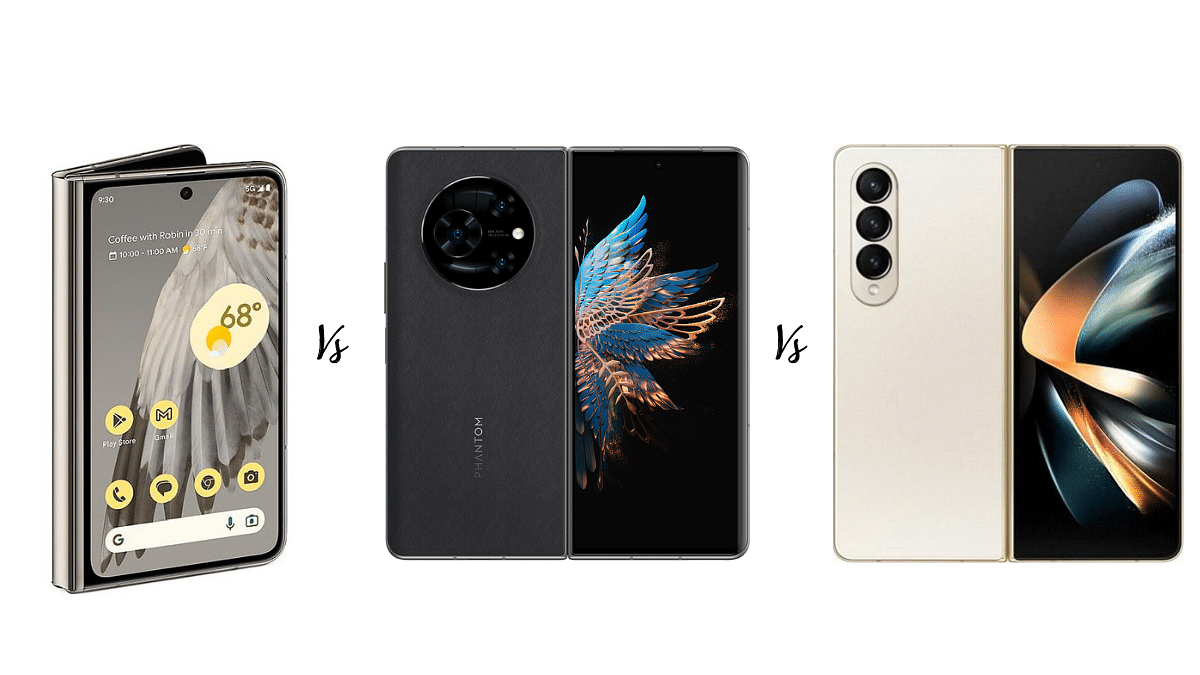
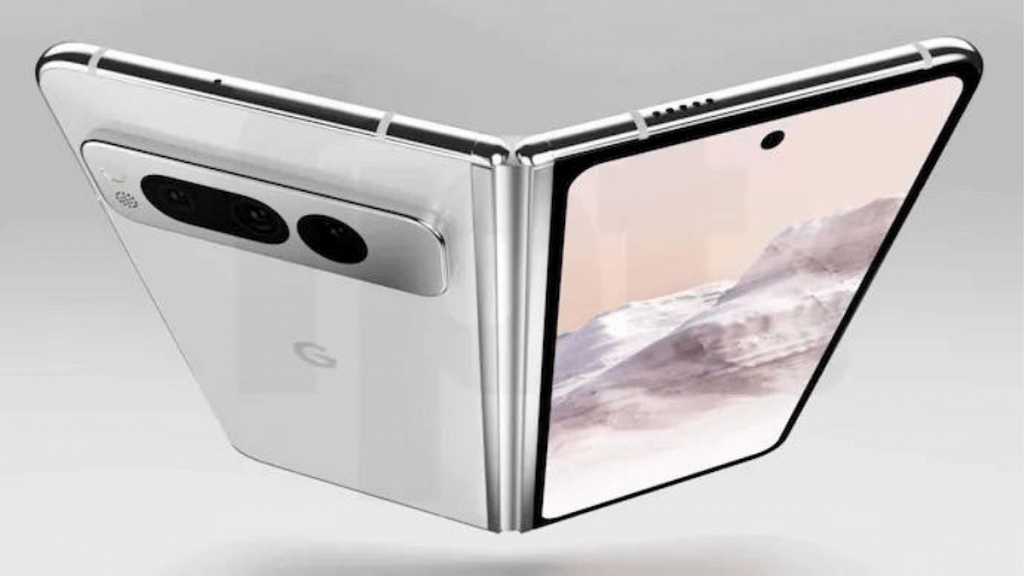
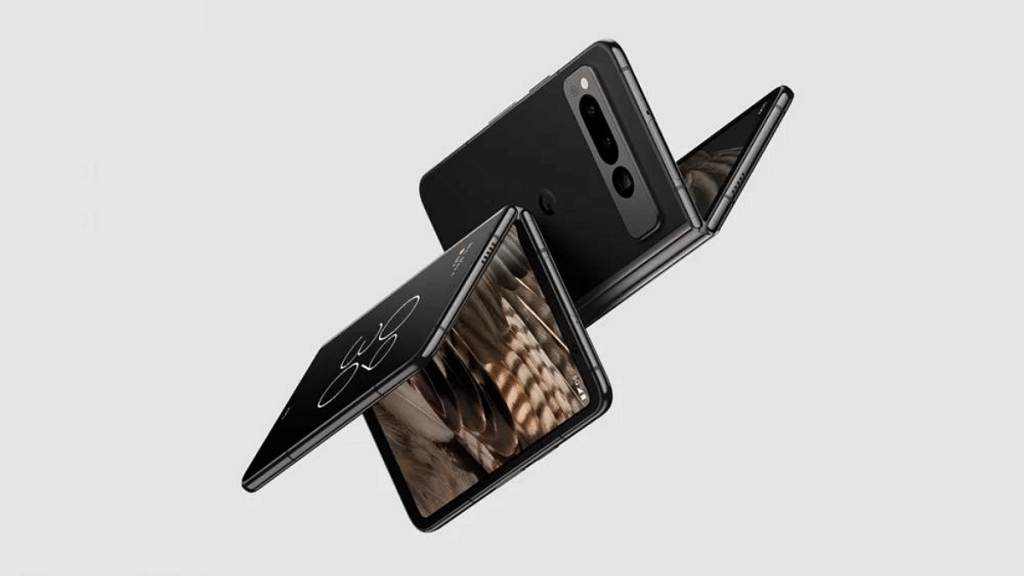
Google’s Pixel Fold, Tecno’s Phantom V Fold, and Samsung’s Galaxy Z Fold 4 comes with advanced features and specifications. These foldable devices promise an immersive viewing experience, high-performance, and sleek designs.
In this article, we’ll compare the three devices and highlight their unique features to help you decide which one to buy.
Google Pixel Fold Vs Tecno Phantom V Fold Vs Galaxy Z Fold 4: Display
Model
Display Type
Main Screen Size
Main Screen Resolution
Cover Screen Size
Cover Screen Resolution
Google Pixel Fold
Foldable OLED, 120Hz, HDR10+, 1000 nits
7.6 inches
1840 x 2208 pixels
5.8 inches
1080 x 2092 pixels
Tecno Phantom V
Foldable LTPO AMOLED, 1B colors, 120Hz
7.85 inches
2000 x 2296 pixels
6.42 inches
1080 x 2550 pixels
Galaxy Z Fold 4
Foldable Dynamic AMOLED 2X, 120Hz, HDR10+
7.6 inches
1812 x 2176 pixels
6.2 inches
904 x 2316 pixels
The Google Pixel Fold features a foldable OLED display with a 120Hz refresh rate, HDR10+, and a peak brightness of 1450 nits. The primary display size is 7.6 inches, with a resolution of 1840 x 2208 pixels, which results in a density of 378 ppi. The cover display measures 5.8 inches and has a resolution of 1080 x 2092 pixels, with a pixel density of 408 ppi.
On the other hand, the Tecno Phantom V Fold comes with a foldable LTPO AMOLED display with a 120Hz refresh rate, 1B colors, and a peak brightness of 1100 nits. The primary display size is 7.85 inches, with a resolution of 2000 x 2296 pixels, resulting in a density of 388 ppi. The cover display measures 6.42 inches, with a resolution of 1080 x 2550 pixels and a pixel density of 431 PPI.
The Galaxy Z Fold 4 has a foldable Dynamic AMOLED 2X display with a 120Hz refresh rate, HDR10+, and a peak brightness of 1200 nits. The primary display size is 7.6 inches, with a resolution of 1812 x 2176 pixels, which results in a density of 373 ppi. The cover display measures 6.2 inches, with a resolution of 904 x 2316 pixels and a pixel density of 23.1:9 ratio.
The Pixel Fold stands out with its triple rear camera setup that includes a 48 MP wide lens, a 10.8 MP telephoto lens with 5x optical zoom, and a 10.8 MP ultrawide lens. It also has an 8 MP front-facing camera and a 9.5 MP cover camera, both with HDR and panorama features.
The Tecno Phantom V Fold boasts a 50 MP wide lens, a 50 MP telephoto lens with 2x optical zoom, and a 13 MP ultrawide lens. Its cover camera has a 32 MP wide lens, and its front-facing camera is a 16 MP wide lens. All cameras come with PDAF and dual-LED flash, while the selfie camera has HDR and panorama features.
Finally, the Galaxy Z Fold 4 has a triple rear camera setup with a 50 MP wide lens, a 10 MP telephoto lens with 3x optical zoom, and a 12 MP ultrawide lens. Its under-display front-facing camera is a 4 MP wide lens, while its cover camera is a 10 MP wide lens. All cameras come with HDR, while the rear camera setup boasts LED flash and panorama features. Additionally, it is capable of 8K video recording.
The Google Pixel Fold comes with the latest Android 13 OS and is powered by Google Tensor G2 (5 nm) chipset and Mali-G710 MP7 GPU. It has an internal storage of 256GB or 512GB and a 12GB RAM with UFS 3.1 technology. Its battery is a Li-Po 4821 mAh, non-removable, and supports wired charging with PD3.0.
The Tecno Phantom V Fold also comes with Android 13 OS and HiOS 13 Fold UI. It is powered by the Mediatek Dimensity 9000+ (4 nm) chipset, which has an octa-core CPU and Mali-G710 MC10 GPU. It has an internal storage of 256GB or 512GB and a 12GB RAM with UFS 3.1 technology. Its battery is a Li-Po 5000 mAh, non-removable, and supports 45W wired charging that can charge up to 100% in just 55 minutes.
The Galaxy Z Fold 4 runs on Android 12L OS, upgradable to Android 13, and One UI 5.1. It is powered by the Qualcomm SM8475 Snapdragon 8+ Gen 1 (4 nm) chipset, which has an octa-core CPU and Adreno 730 GPU. It has an internal storage of 256GB, 512GB, or 1TB and a 12GB RAM with UFS 3.1 technology. Its battery is a Li-Po 4400 mAh, non-removable, and supports 25W wired charging, 15W wireless charging, and 4.5W reverse wireless charging.
Google Pixel Fold Vs Tecno Phantom V Fold Vs Galaxy Z Fold 4: Price
Phone Model
Price (in INR)
Availability
Google Pixel Fold
Rs. 1,47,490
Launching in Sept.
Tecno Phantom V Fold
Rs. 88,888
Amazon, online stores
Galaxy Z Fold 4
Rs. 1,54,999
Samsung website, more
The Google Pixel Fold is set to launch in September with a price tag of Rs. 1,47,490, placing it between the Tecno Phantom V Fold at Rs. 88,888 and the Samsung Galaxy Z Fold 4 at Rs. 1,54,999. While the Tecno Phantom V Fold can be purchased on Amazon, online retail stores, the Galaxy Z Fold 4 is available on the Samsung website and more.
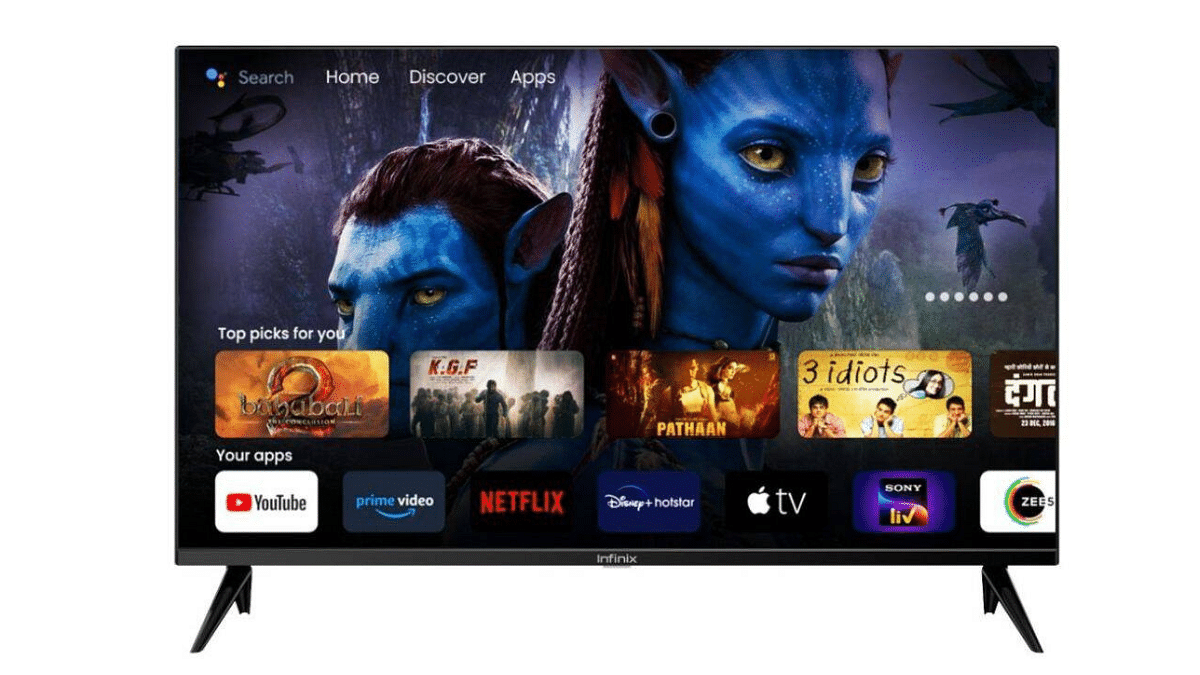
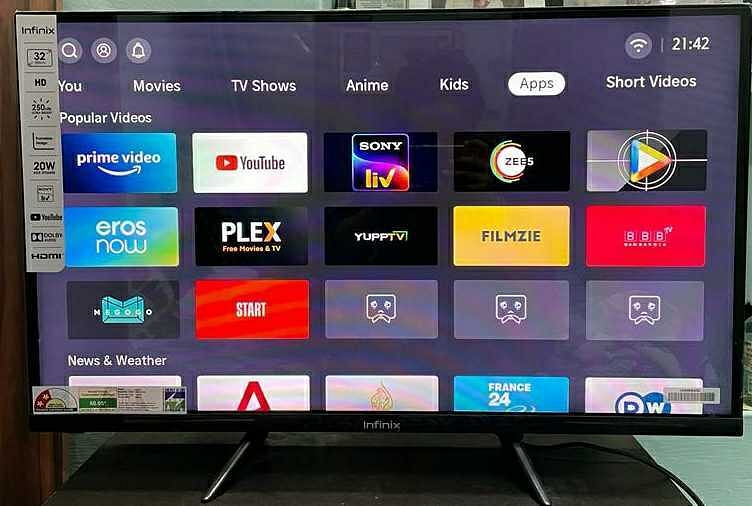
Infinix has launched a new range of affordable smart TVs in India called the X3IN.
The X3IN series is available in two different screen sizes – 32-inch and 43-inch.
The 32-inch variant is priced at Rs 9,799, while the 43-inch variant costs Rs 16,999.
Both models offer an almost bezel-less design, with support for HDR, HLG, and MEMC tech.
Infinix has entered the smart TV segment with the launch of its latest X3IN series. The new Infinix X3IN smart TV series is a budget-friendly offering with two different screen sizes – 32-inch and 43-inch. The base variant with a 32-inch display has a price tag of Rs 9,799, whereas the 43-inch variant is priced at Rs 16,999.
1366×768 pixels (32-inch) and 1920 x 1080 pixels (43-inch)
Brightness
Up to 250 nits
Technology
HDR, HLG, and MEMC
Processor
Quad-core MediaTek
RAM
1GB
Internal Storage
8GB
Operating System
Android 11 TV
Connectivity
2 USB 2.0 ports, 2 HDMI ports, Ethernet, Wi-Fi 802.11 ac, Bluetooth 5.0
Audio
20W speaker with Dolby Atmos
Price
Rs 9,799 (32-inch) and Rs 16,999 (43-inch)
The new Infinix X3IN smart TVs come with an almost bezel-less design with a slightly thick chin for the sensors and the Infinix branding. The 32-inch variant offers an HD resolution of 1366×768 pixels, while the 43-inch variant has a Full HD resolution of 1920 x 1080 pixels. Both models offer up to 250 nits of brightness, HDR, HLG, and MEMC technology.
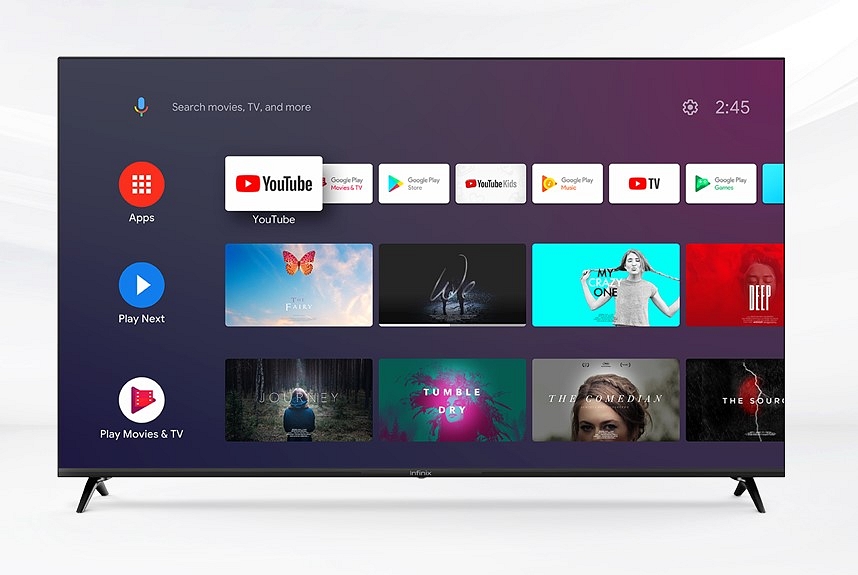
Under the hood, the X3IN series is powered by a quad-core MediaTek processor, but the company did not provide any details about the processor. The smart TVs come with 1GB of RAM and 8GB of internal storage. The X3IN series runs Android 11 TV and comes with a built-in Chromecast, Google Assistant, and Google Play Store.
The Bluetooth remote that comes with the smart TV has hotkeys for various apps and services like Netflix, Prime Video, YouTube, and Google Play. It also has a microphone cutout that can be used to invoke the voice assistant on the TV and perform tasks.
In terms of connectivity options, the X3IN smart TVs come with two USB 2.0 ports, two HDMI ports, an Ethernet port, support for Wi-Fi 802.11 ac (2.4 GHz + 5GHz), Bluetooth 5.0, and more. The X3IN series also features a 20W speaker setup with support for Dolby Atmos.
The Infinix X3IN smart TVs will be available for purchase via Flipkart starting May 18, 2023. The 32-inch variant of the X3IN has a price tag of Rs 9,799, while the 43-inch variant is priced at Rs 16,999.
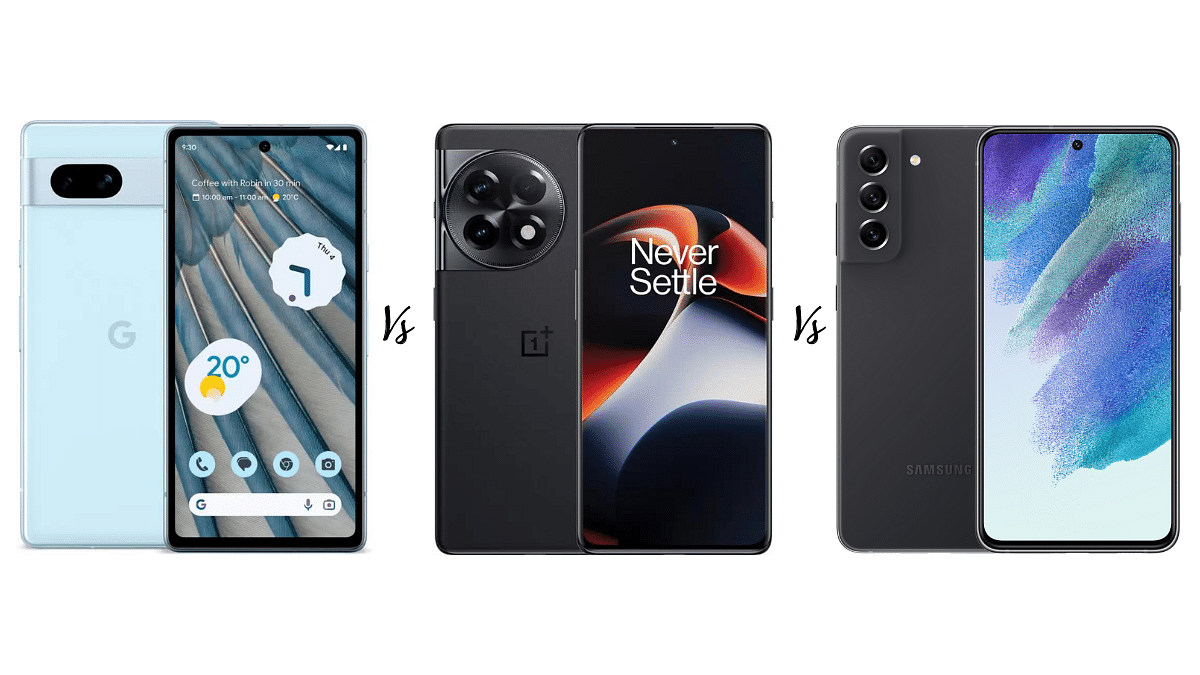
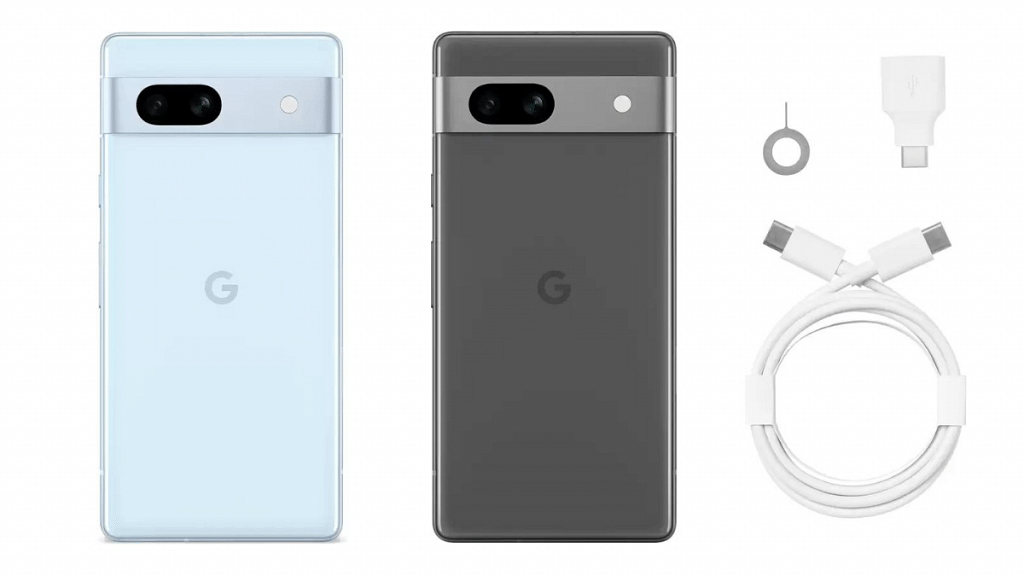
Google Pixel 7a is powered by Google’s advanced AI technology.
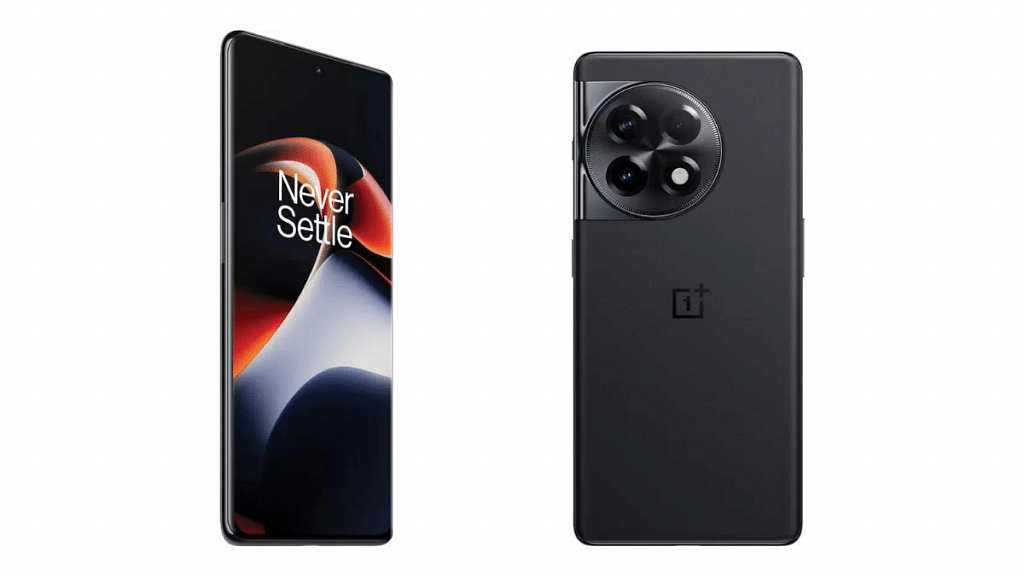
OnePlus 11R comes with 120Hz refresh rate display.
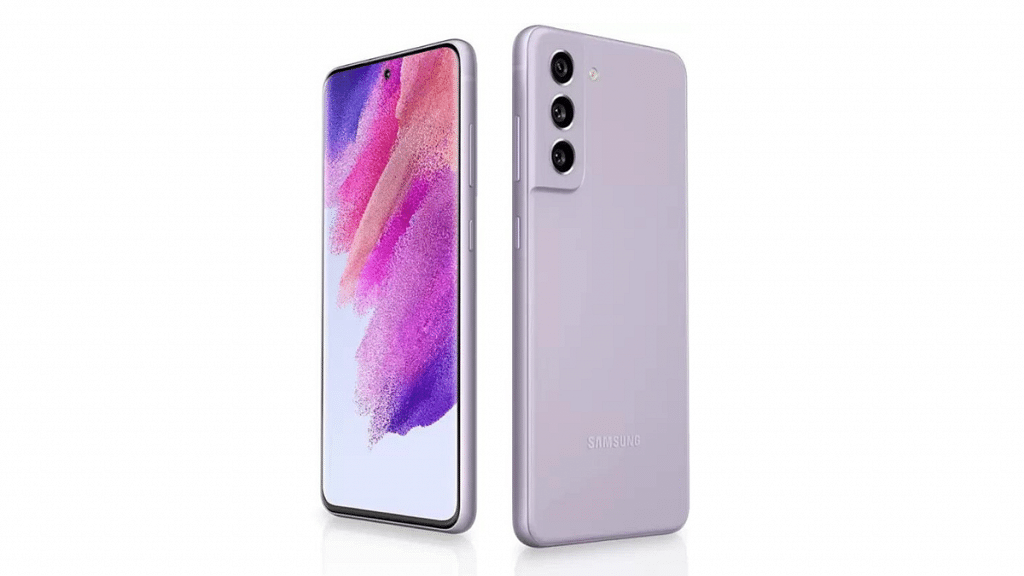
Samsung Galaxy S21 FE boasts a Super AMOLED display.
As the competition for the best premium smartphones under Rs.50,000 heats up, the Google Pixel 7a, OnePlus 11R, and Samsung Galaxy S21 FE are emerging as top contenders.
In this article, we compare and contrast the Google Pixel 7a, OnePlus 11R, and Samsung Galaxy S21 FE, highlighting their pros and cons to help you make an informed decision.
Google Pixel 7a Vs OnePlus 11R Vs Samsung Galaxy S21 FE: Display
Specification
Google Pixel 7a
OnePlus 11R
Samsung Galaxy S21 FE
Display Type
OLED, HDR, 90Hz
Fluid AMOLED, 1B colours, 120Hz, HDR10+
Dynamic AMOLED 2X, 120Hz, HDR10+
Display Size
6.1 inches, 90.7 cm2
6.74 inches, 109.2 cm2
6.4 inches, 100.5 cm2
Screen-to-body Ratio
~81.8%
~90.0%
~86.7%
Display Resolution
1080 x 2400 pixels, 20:9 ratio
1240 x 2772 pixels, 20:9 ratio
1080 x 2340 pixels, 19.5:9 ratio
Pixel Density
~429 ppi
~451 ppi
~403 ppi
Protection
Corning Gorilla Glass 3
N/A
Corning Gorilla Glass Victus
The Google Pixel 7a boasts a 6.1-inch OLED screen with HDR support and a fast 90Hz refresh rate, making it great for watching videos and playing games.
On the other hand, the OnePlus 11R has a larger 6.74-inch Fluid AMOLED display with an impressive 120Hz refresh rate and HDR10+ support, making it ideal for gaming and streaming high-quality content. The Samsung Galaxy S21 FE comes with a 6.4-inch Dynamic AMOLED 2X screen, which offers a smooth 120Hz refresh rate and HDR10+ support, delivering stunning visuals with rich colors and deep blacks.
All three phones also come with Corning Gorilla Glass protection. Additionally, the Google Pixel 7a and Samsung Galaxy S21 FE feature always-on displays that show the time, notifications, and other useful information at a glance.
The Google Pixel 7a features a dual-camera setup with a 64MP primary sensor and a 13MP ultrawide sensor, both with optical image stabilization. The phone also supports Pixel Shift technology that captures multiple images to produce a more detailed final result.
The OnePlus 11R has a triple-camera setup, with a 50MP primary sensor, an 8MP ultrawide sensor, and a 2MP macro sensor. The phone’s camera offers multi-directional PDAF, HDR, and gyro-electronic image stabilization.
The Samsung Galaxy S21 FE also has a triple-camera setup, including a 12MP primary sensor, an 8MP telephoto sensor with 3x optical zoom, and a 12MP ultrawide sensor. The phone’s camera comes with optical image stabilization, auto-HDR, and supports HDR10+ video recording.
In terms of selfie cameras, the Google Pixel 7a and Samsung Galaxy S21 FE both offer 4K video recording and HDR, while the OnePlus 11R’s selfie camera can shoot 1080p video with HDR.
Google Pixel 7a Vs OnePlus 11R Vs Samsung Galaxy S21 FE: Chipset, Memory & Battery
Specifications
Google Pixel 7a
OnePlus 11R
Samsung Galaxy S21 FE
Platform OS
Android 13
Android 13, OxygenOS 13
Android 12, upgradable to Android 13, One UI 5.1
Chipset
Google Tensor G2
Qualcomm SM8475 Snapdragon 8+ Gen 1
Qualcomm SM8350 Snapdragon 888 5G
CPU
Octa-core
Octa-core
Octa-core
GPU
Mali-G710 MP7
Adreno 730
Adreno 660 – Version 1, Mali-G78 MP14 – Version 2
Memory
128GB 8GB RAM,
128GB 8GB RAM, 256GB 16GB RAM,
128GB 6GB RAM, 128GB 8GB RAM, 256GB 8GB RAM
Battery
4385 mAh,
5000 mAh
4500 mAh,
Charging
Wired, PD3.0
100W wired
25W wired,15W wireless, Reverse wireless
The Google Pixel 7a runs on the Google Tensor G2 chipset and comes with 8GB of RAM and 128GB of internal storage, while the OnePlus 11R is powered by the Qualcomm Snapdragon 8+ Gen 1 chipset, with options for 8GB or 16GB of RAM and 128GB or 256GB of internal storage.
The Samsung Galaxy S21 FE comes in two chipset versions: the Qualcomm Snapdragon 888 5G and the Exynos 2100, both with options for 6GB or 8GB of RAM and 128GB or 256GB of internal storage. In terms of battery, the Google Pixel 7a comes with a 4385mAh battery with wired and wireless charging support. The OnePlus 11R features a 5000mAh battery with blazing-fast 100W wired charging, while the Samsung Galaxy S21 FE has a 4500mAh battery with 25W wired charging and 15W wireless charging, as well as reverse wireless charging.
Google Pixel 7a Vs OnePlus 11R Vs Samsung Galaxy S21 FE: Price & Availability
Phone Model
Price in India
Google Pixel 7a
Rs.43,999
OnePlus 11R
Rs.39,999
Samsung Galaxy S21 FE
Rs.49,999
The Google Pixel 7a, OnePlus 11R, and Samsung Galaxy S21 FE are all available in India through various online and offline retailers. The Google Pixel 7a is priced at Rs.43,999, while the OnePlus 11R is priced at Rs.39,999 for the 128GB variant and Rs.44,999 for the 256GB variant. The Samsung Galaxy S21 FE is priced at Rs.49,999. All three phones can be purchased from popular e-commerce websites such as Flipkart and Amazon, as well as offline stores such as Croma and Vijay Sales.
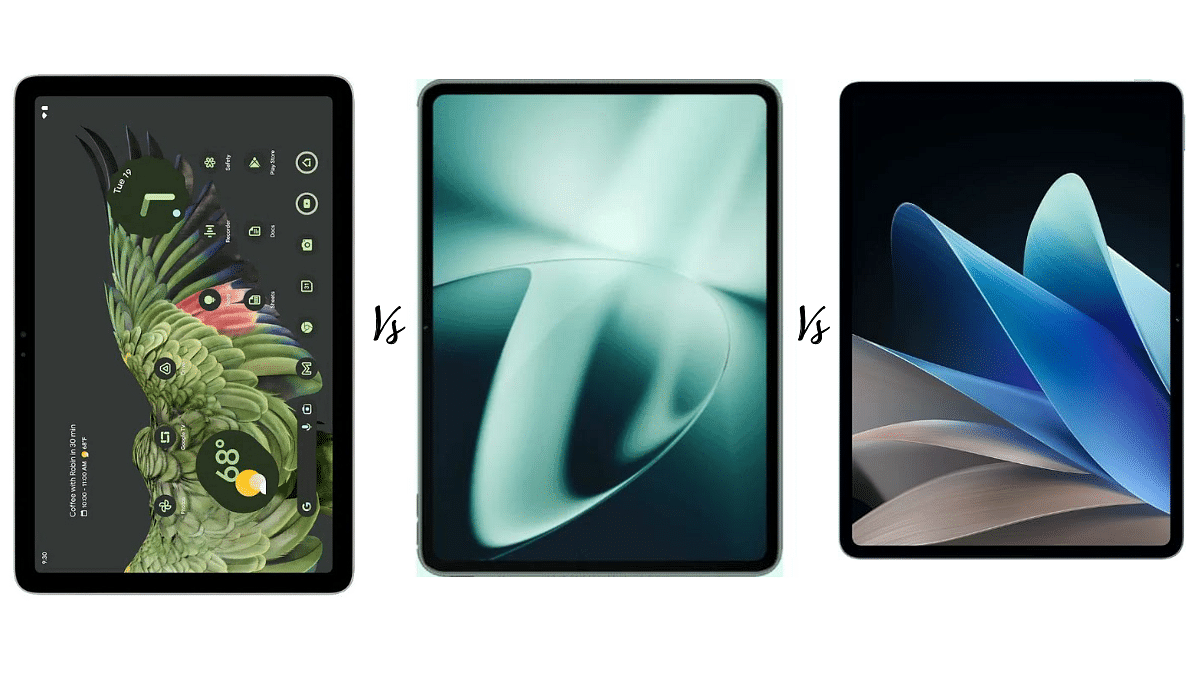
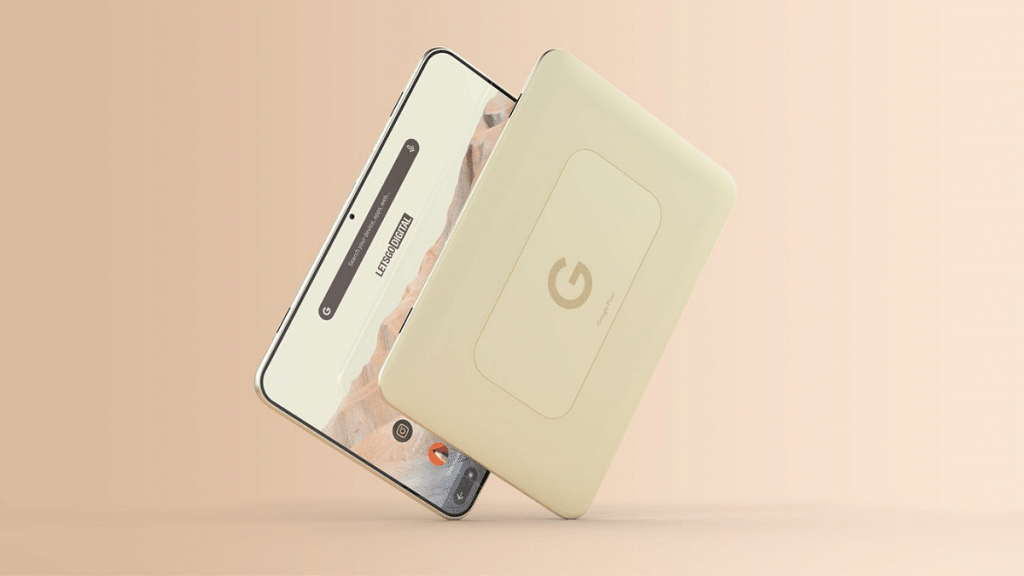
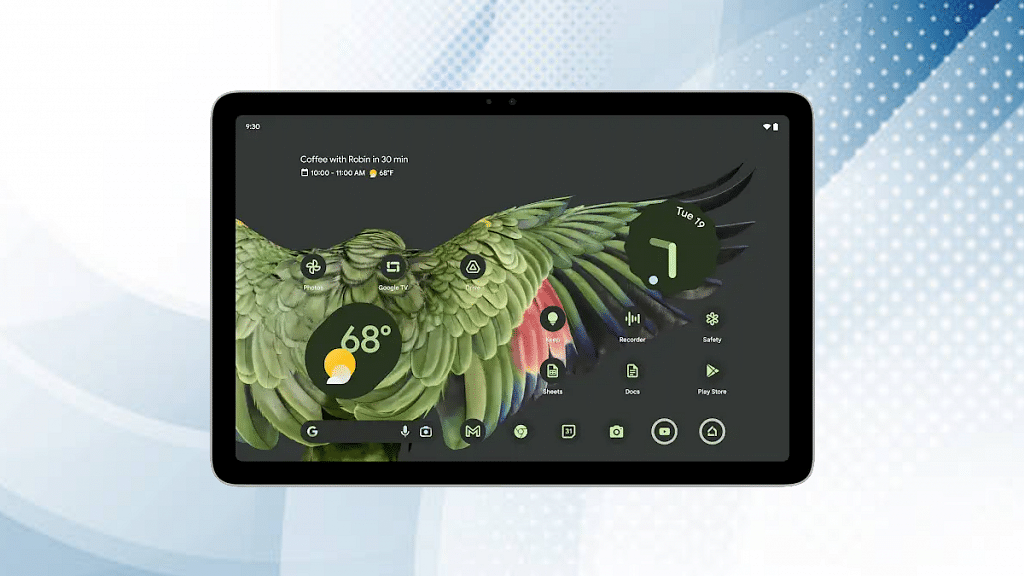
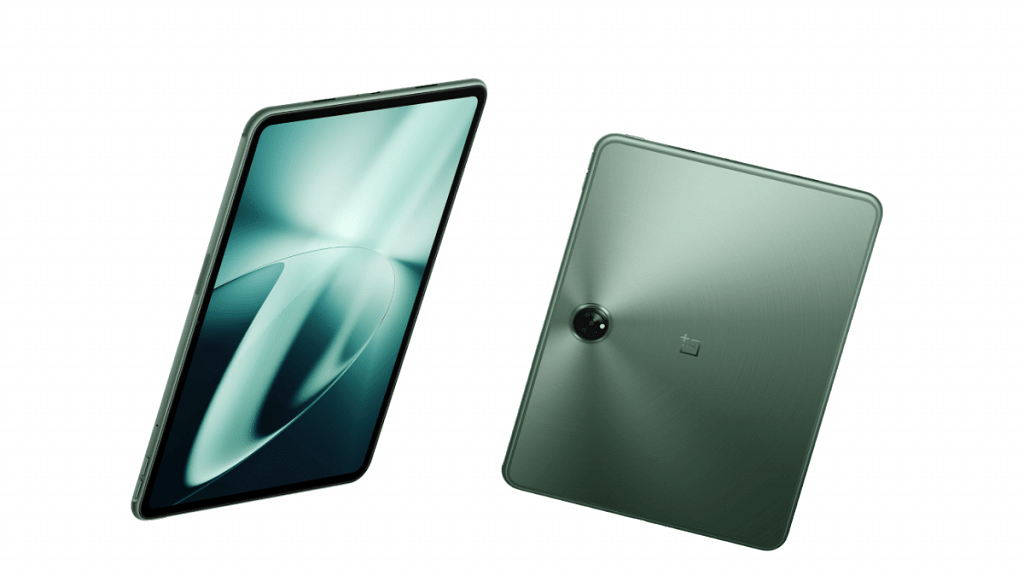
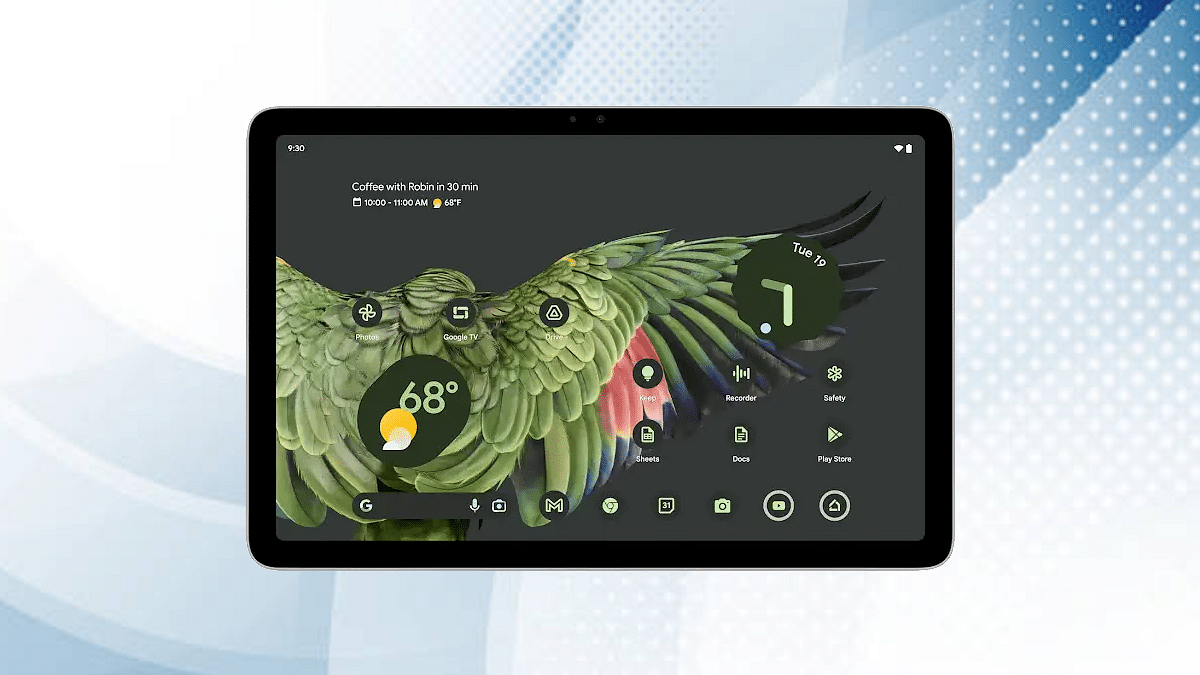
Google Pixel Tablet: IPS LCD display with vibrant colors.
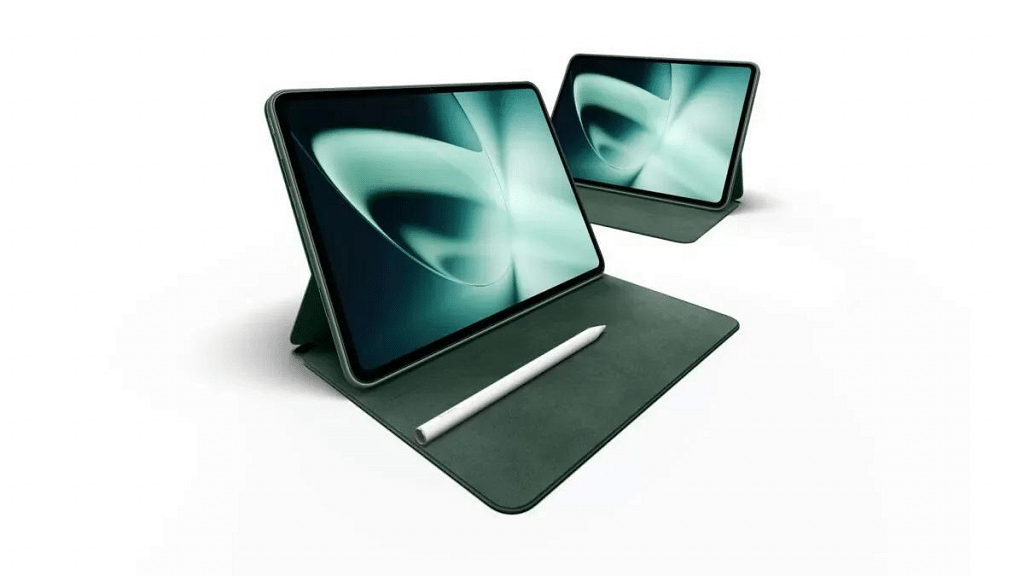
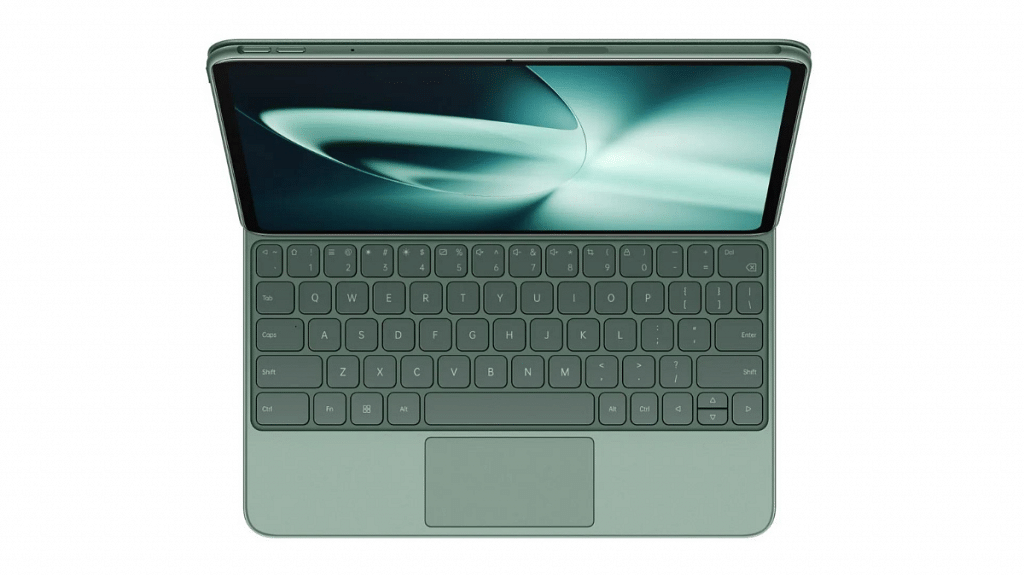
OnePlus Pad: IPS LCD display with Dolby Vision and HDR10+ support.
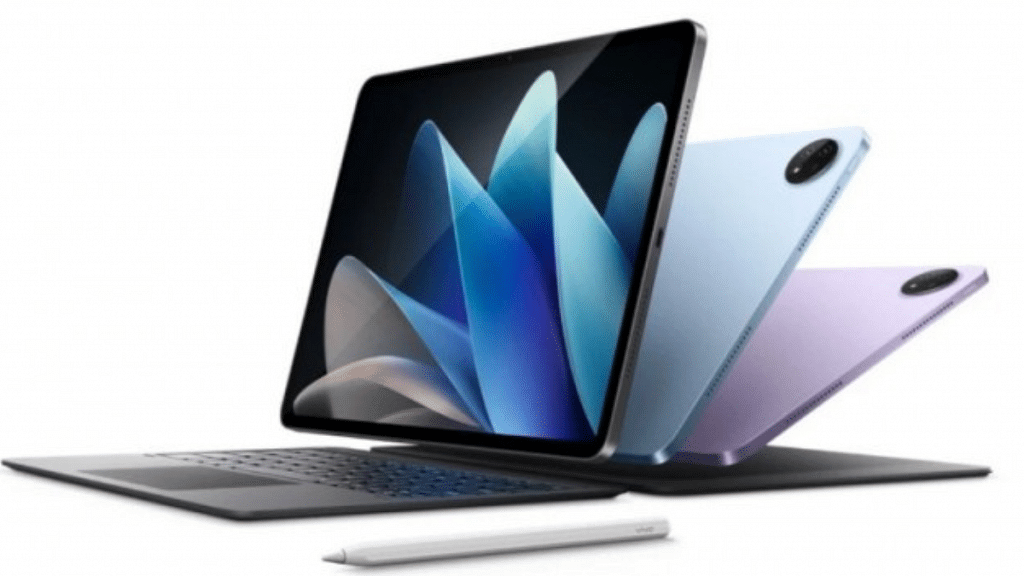
Vivo Pad 2: Large IPS LCD display with 144Hz refresh rate and HDR10 support.
All three tablets offer flagship-level performance and features at a competitive price point.
The Google Pixel Tablet, OnePlus Pad, and Vivo Pad 2 are some of the top value flagship tablets on the market today. These tablets come packed with the latest technology and powerful processors to deliver top-notch performance.
In this article, we will compare these three tablets across several key areas, including display, chipset, memory, battery, camera, price, and availability.
Google Pixel Tablet Vs OnePlus Pad Vs Vivo Pad 2: Display
Tablet
Display Size
Display Type
Resolution
Pixel Density
Refresh Rate
Additional Features
Google Pixel Tablet
11.0 inches
IPS LCD
1600 x 2560 pixels
~274 ppi
N/A
N/A
OnePlus Pad
11.61 inches
IPS LCD
2000 x 2800 pixels
~296 ppi
144Hz
Dolby Vision, HDR10+
Vivo Pad 2
12.1 inches
IPS LCD
1968 x 2800 pixels
~284 ppi
144Hz
HDR10, 600 nits
When it comes to the display, all three tablets – Google Pixel Tablet, OnePlus Pad, and Vivo Pad 2 – offer great viewing experiences, but there are some differences in their specifications. The Google Pixel Tablet comes with an 11.0-inch IPS LCD display with a resolution of 1600 x 2560 pixels and a pixel density of around 274 ppi.
The OnePlus Pad, on the other hand, boasts a slightly larger 11.61-inch IPS LCD display with a resolution of 2000 x 2800 pixels and a pixel density of around 296 ppi. The display of the OnePlus Pad also comes with additional features such as Dolby Vision, HDR10+, and a 144Hz refresh rate. The Vivo Pad 2, on the other hand, comes with a larger 12.1-inch IPS LCD display with a resolution of 1968 x 2800 pixels and a pixel density of around 284 ppi.
Additionally, it also offers HDR10 and a 144Hz refresh rate, and a higher brightness of 600 nits. Overall, the Vivo Pad 2 has the largest display and the highest brightness, while the OnePlus Pad has the highest refresh rate and additional display features like Dolby Vision and HDR10+.
The Google Pixel Tablet is powered by the Google Tensor chipset, built on a 5nm process, and has an octa-core CPU comprising 2×2.80 GHz Cortex-X1, 2×2.25 GHz Cortex-A76, and 4×1.80 GHz Cortex-A55, along with a Mali-G78 MP20 GPU. It comes with 6GB or 8GB of RAM and internal storage options of 128GB or 256GB.
In contrast, both the OnePlus Pad and Vivo Pad 2 are powered by the MediaTek MT6983 Dimensity 9000 chipset, built on a 4nm process, and have an octa-core CPU with a combination of Cortex-X2, Cortex-A710, and Cortex-A510 cores, along with a Mali-G710 MC10 GPU. The OnePlus Pad comes with 8GB or 12GB of RAM and internal storage options of 128GB or 256GB, while the Vivo Pad 2 offers internal storage options of 128GB, 256GB, or 512GB with 8GB or 12GB of RAM.
In terms of battery, the Google Pixel Tablet has a 7680mAh battery, while the OnePlus Pad has 9510 mAh battery with 67W fast charging capability whereas Vivo Pad 2 come with a larger 10,000mAh battery. Overall, the OnePlus Pad and Vivo Pad 2 offer similar specifications in terms of chipset and memory, with the Vivo Pad 2 offering higher internal storage options.
Google Pixel Tablet Vs OnePlus Pad Vs Vivo Pad 2: Camera
Features
Google Pixel Tablet
OnePlus Pad
Vivo Pad 2
Rear Camera
Dual 8 MP
Single 13 MP
Dual 13 MP + 2 MP
Rear Camera Specs
4K@30fps, 1080p@30fps
4K@30fps, 1080p@30fps
4K@30fps, 1080p@30fps
Front Camera
Single 8 MP
Single 8 MP
Single 8 MP
Front Camera Specs
1080p@30fps
1080p@30fps
1080p@30fps
The Google Pixel Tablet features a dual-camera setup with two 8 MP sensors and can record videos in 4K at 30fps or 1080p at 30fps. The selfie camera is a single 8 MP sensor that can record videos at 1080p at 30fps.
In comparison, the OnePlus Pad features a single 13 MP rear camera with an f/2.2 aperture and a wide-angle lens of 23mm. It also features LED flash and gyro-electronic image stabilization and can record videos in 4K at 30fps or 1080p at 30fps. The selfie camera is an 8 MP sensor with an f/2.3 aperture and can record videos at 1080p at 30fps.
On the other hand, the Vivo Pad 2 has a dual-camera setup with a 13 MP ultra-wide sensor and a 2 MP macro sensor. The ultra-wide sensor has an f/2.2 aperture and a wide-angle lens of 21mm, while the macro sensor has an f/2.4 aperture. It also features LED flash and panorama and can record videos in 4K at 30fps or 1080p at 30fps. The selfie camera is an 8 MP sensor with an f/2.0 aperture and can record videos at 1080p at 30fps.
Overall, the OnePlus Pad offers the highest resolution for its main camera compared to the Google Pixel Tablet and Vivo Pad 2. However, the Vivo Pad 2 provides more camera versatility with its dual-camera setup, featuring an ultra-wide and a macro sensor
Google Pixel Tablet Vs OnePlus Pad Vs Vivo Pad 2: Price & Availability
Tablet Model
Price in India
Google Pixel Tablet
Rs. 48,000
OnePlus Pad
Rs. 37,999
Vivo Pad 2
Rs. 28,600
The Google Pixel Tablet will reportedly cost Rs. 48,000 for the 128GB model in India, while the OnePlus Pad is expected to be priced at Rs. 37,999. The Vivo Pad 2 is the most budget-friendly option of the three, priced at Rs. 28,600.
As for availability, the Google Pixel Tablet and the OnePlus Pad are expected to be available in major retail stores in coming months and online marketplaces such as Amazon and Flipkart.
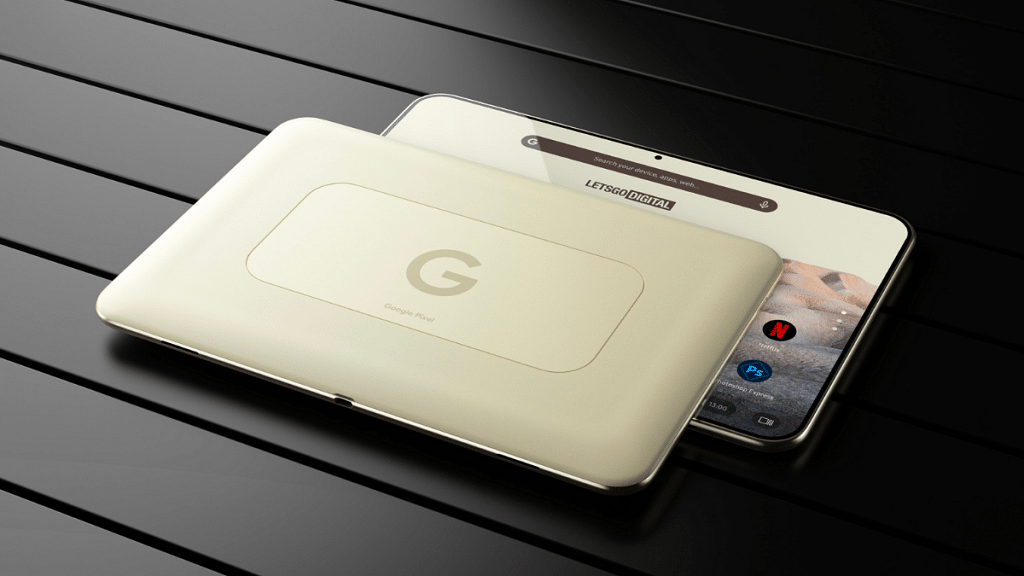
Google Pixel Tablet officially debuts at Google I/O 2023.
The tablet will be available to purchase on Flipkart , 11 May onwards.
It comes with a 27Wh battery that lasts up to 12 hours on a single charge.
Priced at Rs.48,000
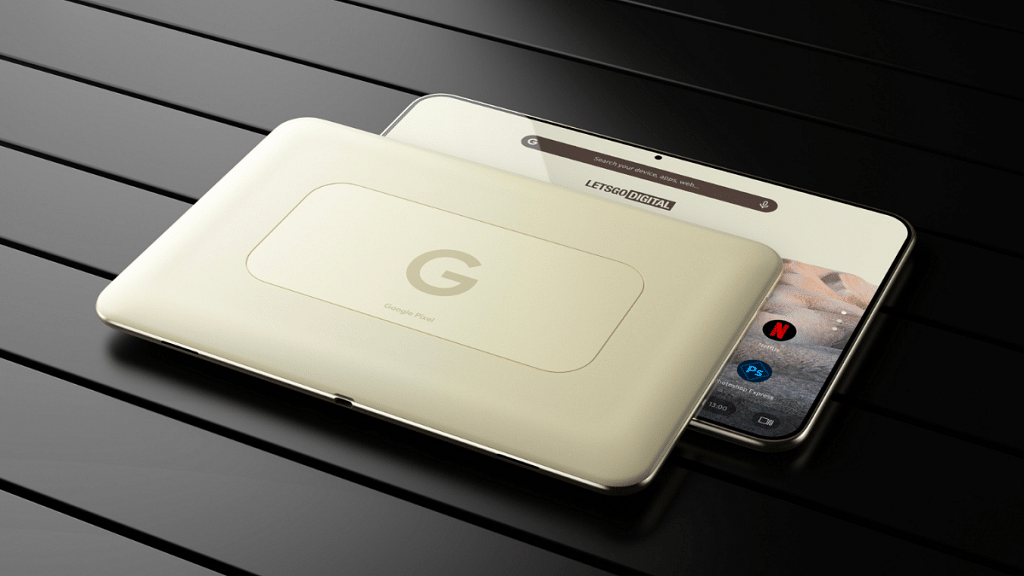
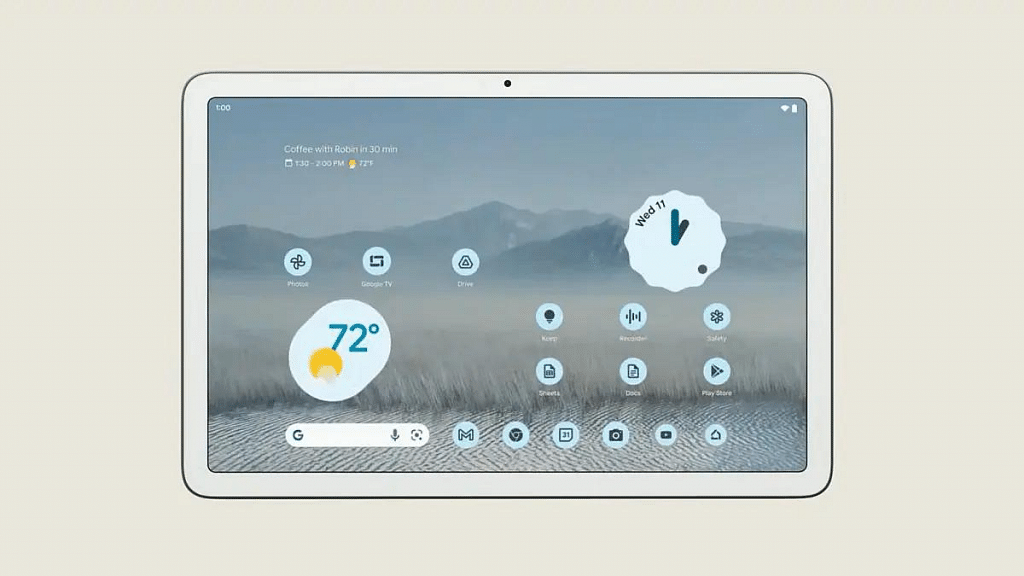
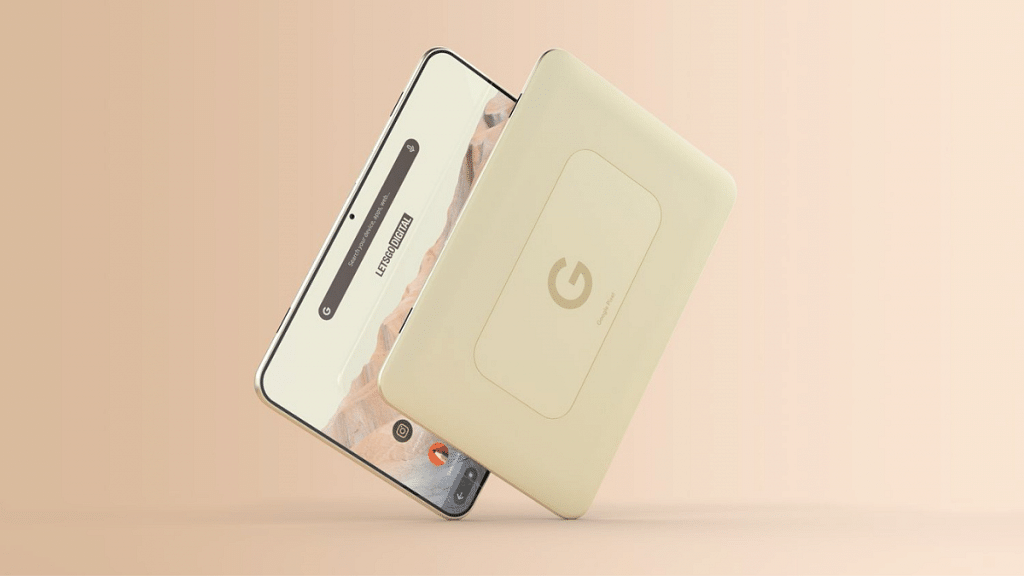
The Pixel Tablet has marked its official debut as Google’s first-ever Android tablet at the annual Google I/O 2023 developer conference hosted at Shoreline in Mountain View, California today. This value flagship tablet has been introduced alongside the affordable Google Pixel 7a and the company’s first fodable phone called the Google Pixel Fold. The firt Pixel tablet will be available for purchase via Flipkart starting May 11 onwards.
With the Pixel Tablet, Google has set a new standard for tablets, offering a powerful Tensor G2 Processor and 27Wh battery for extended usage. Now, let’s delve deeper into the specifications and pricing of the Google Pixel Tablet to see how it stacks up against the competition.
The Google Pixel Tablet boasts a sleek design with an LCD screen that measures 10.95 inches. The screen has a resolution of 1600 x 2560 pixels and support a peak brightness of 500 nits making it perfect for streaming movies, playing games, or reading e-books. Additionally, the tablet supports the USI 2.0 Stylus pen which will allow users to create artwork and take notes with ease.
In terms of optics, the Google Pixel Tablet features an 8MP main camera at the rear and a single 8MP camera at the front for selfies and video calling. This should allow users to capture high-quality photos and videos.
At its core, the Pixel Tablet is powered by the Google Tensor G2 processor combined with an 8GB LPDDR5 RAM and 128GB/256GB storage option (UFS 3.1). This hardware sheet promises to deliver unparalleled performance with multitasking and offers ample storage space for all your files, photos, and apps.
The Google Pixel Tablet is a premium device that boasts top-of-the-line specs and features with powerful Google Tensor G2 processor, 8GB LPDDR5 RAM, and 128GB/256GB storage options (UFS 3.1) for which it is priced accordingly at Rs. 48,000. The Pixel Tablet falls into the high-end range of tablets that will be sold via Flipkart starting May 11.
ASUS has launched its latest creator and VivoBook series laptops in India.
The laptops are designed for premium consumers who require high-end features for creative work.
The new laptops offer powerful performance, OLED displays, and long battery life.
The models are now available in India via ASUS Exclusive stores, ROG stores, and online through ASUS e-shop, Flipkart, and Amazon India.
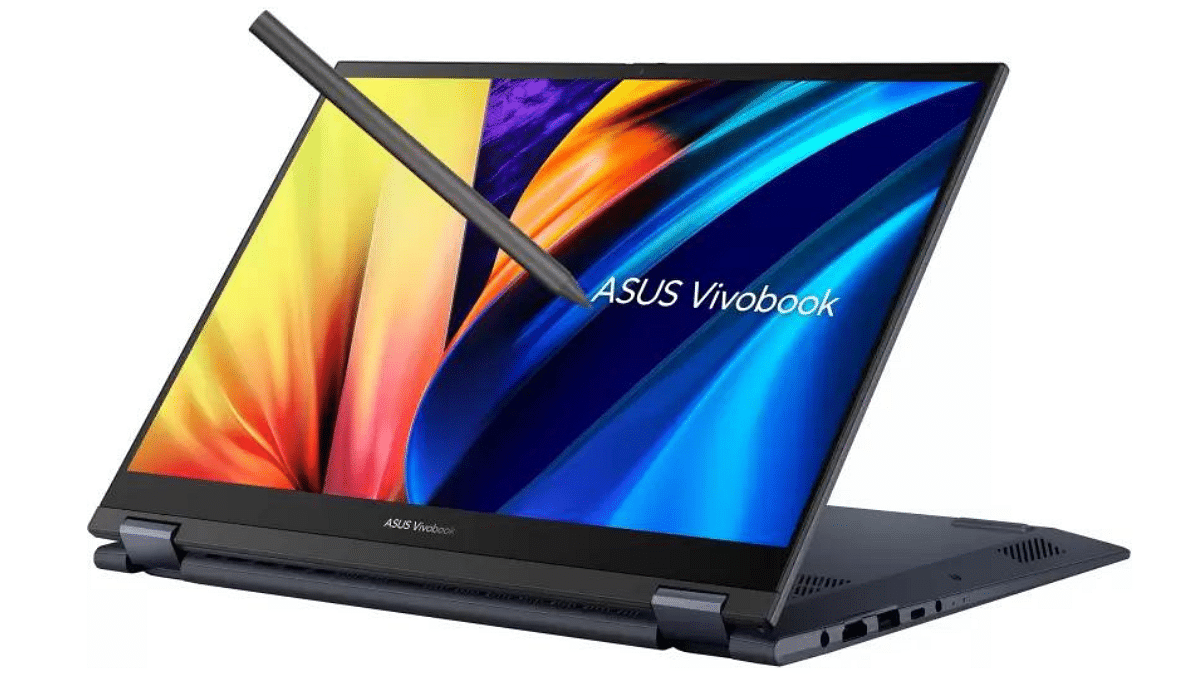
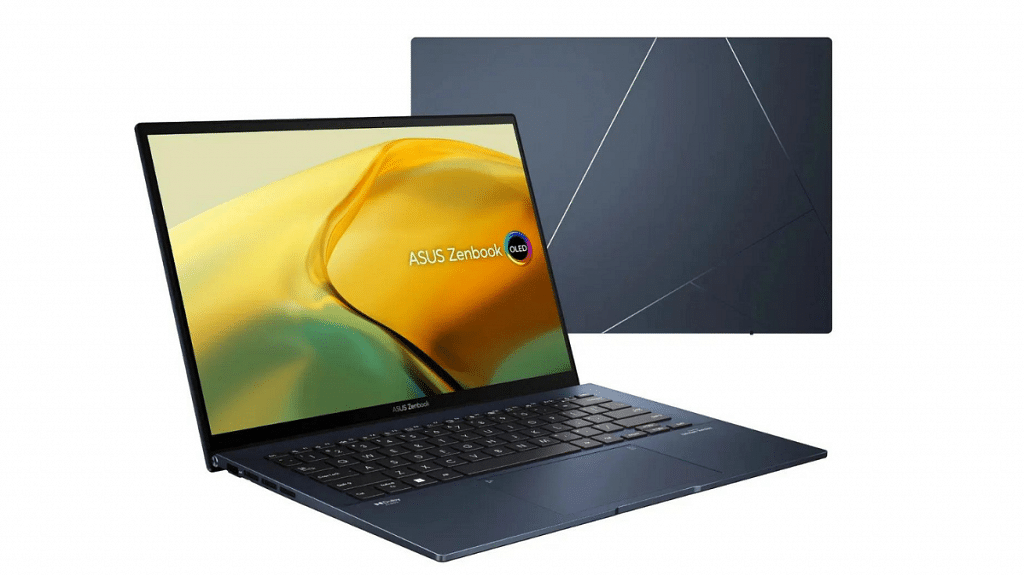
ASUS has recently launched its latest series of laptops, the Creator Series, designed for content creators, 3D graphic designers, and vloggers. The Taiwanese electronics manufacturer has introduced five models in the series with powerful performance, stunning displays, and multiple connectivity options. The laptops are now available for premium consumers in India.
12.7-inch 120Hz touchscreen with stylus input support
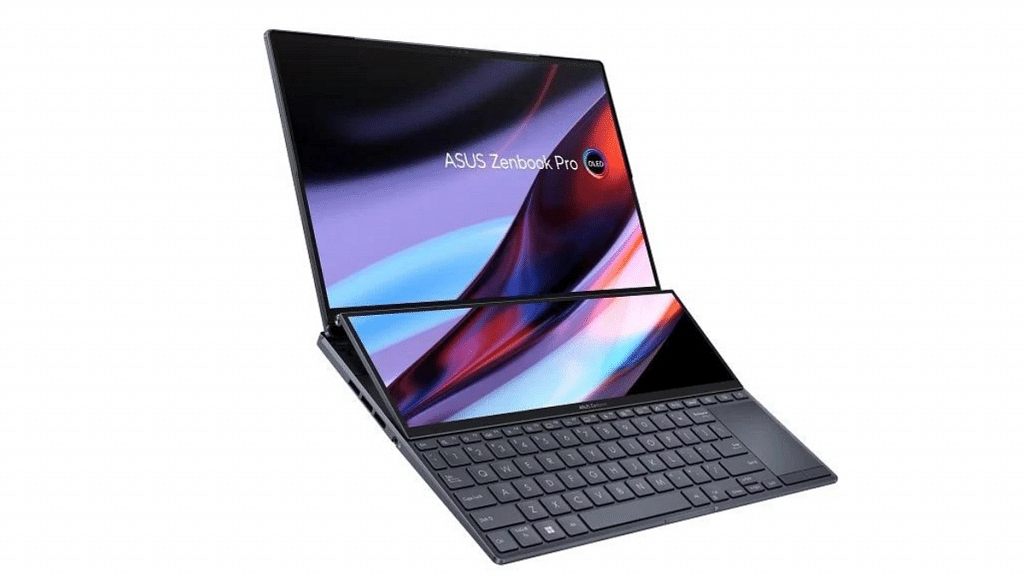
The Zenbook Pro 14 Duo OLED is the first laptop in the Creator Series. It comes with a sleek and portable chassis and features a 13th Gen Intel Core i9 CPU, NVIDIA GeForce RTX 4050 graphics, and 32GB of memory. The laptop has a 14.5-inch 2.8K OLED display with a resolution of 2880 x 1800 pixels and a 120Hz refresh rate. Additionally, the Zenbook Pro 14 Duo OLED comes with a 12.7-inch 120Hz touchscreen, called the ScreenPad Plus display, that supports stylus input, providing creators with a versatile user experience while editing photos and videos.
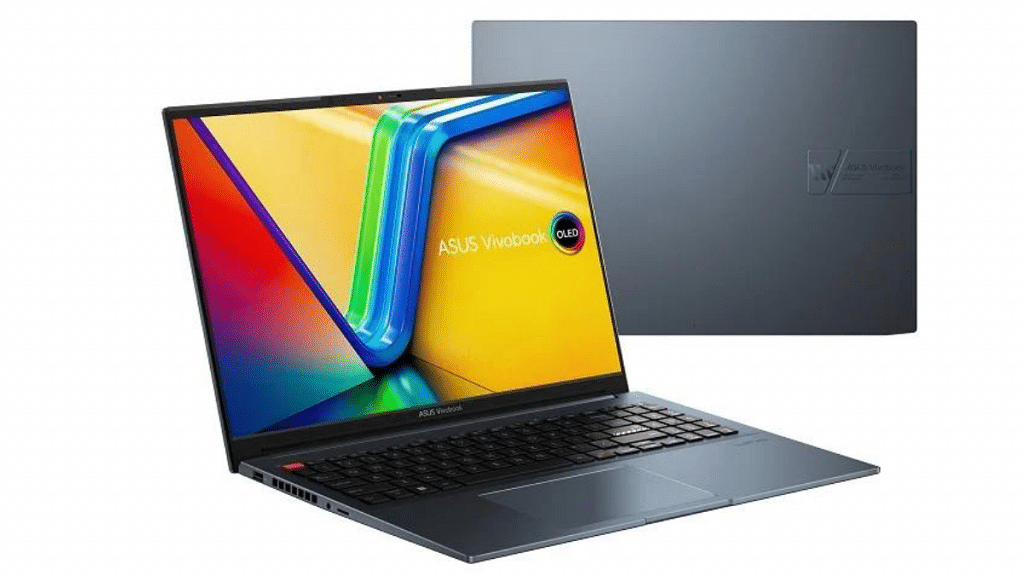
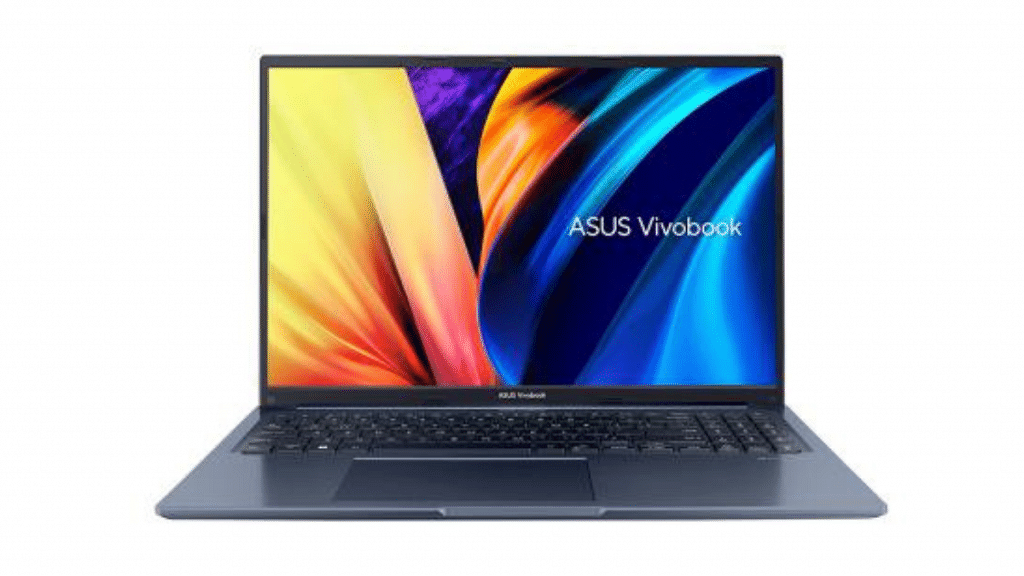
The next laptop in the series is the Vivobook Pro 16 OLED (K6602). It features a 16-inch 3.2K ASUS Lumina OLED display with 100% DCI-P3 and Pantone validated colors. The laptop utilizes the latest 13th Gen Intel Core processors, with the topmost model packing a Core i9-13900H chipset with 16GB DDR5 RAM. The graphics are powered by an NVIDIA GeForce RTX 4050 GPU. The Vivobook Pro 16 OLED also has a 96WHr battery with 150W AC fast-charging, Wi-Fi 6E, Bluetooth 5, and Thunderbolt 4 connectivity. Additionally, it features a fingerprint scanner with Windows Hello for enhanced security and privacy.
Wi-Fi 6, Bluetooth 5.2, USB Type-C, USB Type-A, HDMI, SD card reader
Audio
Harman Kardon certified
Keyboard
Backlit, with 1.4mm key travel
Touchpad
Precision Touchpad (PTP) with up to four finger smart gestures
Battery
70Whr, with fast charging support
Colors
Quiet Blue, Cool Silver
The ASUS Vivobook Pro 15 OLED (K6502) features a 15.6-inch display laptop that provides creators with a brighter and more detailed viewing experience. The notebook’s display features a 1,000,000:1 contrast ratio and a peak brightness of 600 nits. The laptop can be customized with processor and storage options up to Intel Core i9-13900H and 32 GB 4800 MHz DDR5 and 2 TB PCIe 4.0 SSD with dual M.2 Slot. The laptop utilizes a Precision Touchpad (PTP) technology which allows users to use up to four finger smart gestures. The laptop is available in two colors, Quiet Blue and Cool Silver.
ASUS Vivobook 14X, Vivobook 14X OLED, and Vivobook 16X
Model
Display
Processor
Graphics
Memory
Connectivity
Vivobook 14X
14-inch
Up to 13th Gen Intel Core processors
NVIDIA graphics
Up to DDR5 RAM
Wi-Fi 6, Bluetooth 5
Vivobook 14X OLED
14-inch OLED
Up to 13th Gen Intel Core processors
NVIDIA graphics
Up to DDR5 RAM
Wi-Fi 6, Bluetooth 5
Vivobook 16X
16-inch
Up to 13th Gen Intel Core processors
NVIDIA graphics
Up to DDR5 RAM
Wi-Fi 6, Bluetooth 5
ASUS has also introduced the Vivobook 14X, Vivobook 14X OLED, and Vivobook 16X models in the new series. The Vivobook 14X models come with a 14-inch display, with one of them having an OLED panel, while the 16X packs a 16-inch screen. The OLED variant has a 0.2ms response time, and all displays utilize a 16:10 aspect ratio. The Vivobook 14X OLED boasts a 1,000,000:1 contrast ratio, up to 600-nit peak brightness, and a slim bezel design, providing creators with a more immersive viewing experience. The laptops are powered by up to the latest 13th Gen Intel Core processors, NVIDIA graphics, and DDR5 RAM. They also come with Wi-Fi 6 and Bluetooth 5 connectivity options.
DTS sound, 2-speaker system, built-in array microphone, AI noise-canceling technology
DTS sound, 2-speaker system, built-in array microphone, AI noise-canceling technology
Color
Graphite Black
Graphite Black
Weight
2.30kg
2.60kg
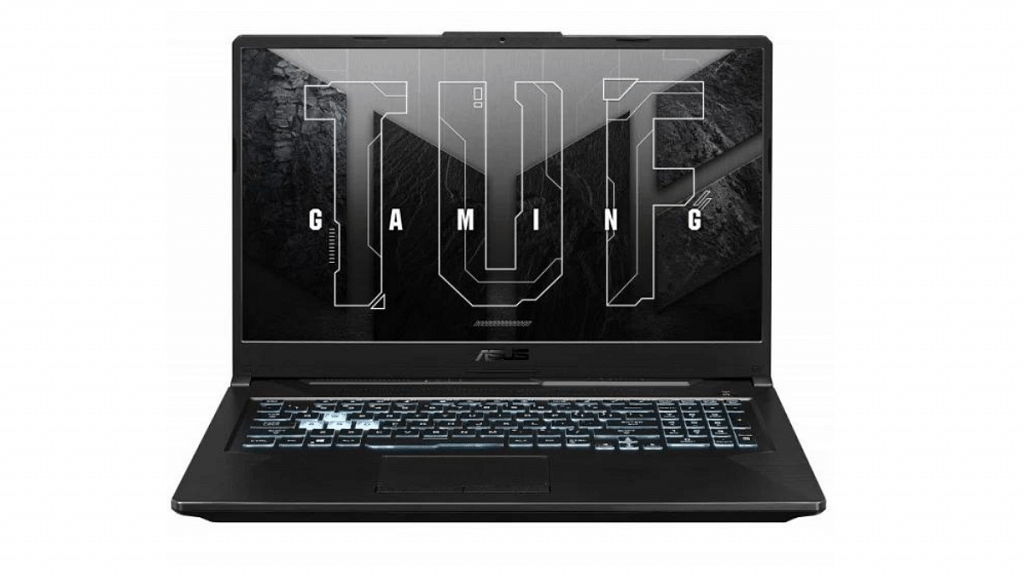
Thes laptops come equipped with a 720p HD camera, a backlit chiclet keyboard with 1-zone RGB lighting, a 2-speaker system, built-in array microphone, AI noise-canceling technology, and DTS sound. They also have a 48WHrs battery (90WHrs for the 17″ model) and a 150W AC adapter, providing extended hours of uninterrupted gaming. Running on Windows 11 Home, gamers can enjoy the latest features and security updates.
The laptops come in a Graphite Black color and weigh 2.30kg and 2.60kg respectively. Their powerful cooling system amplifies CPU performance and keeps acoustics stealthy. The laptops also have military-grade durability, making them ideal for gaming on the go. With a 144Hz refresh rate, a 16:9 aspect ratio, and a 250nits brightness, gamers can enjoy crisp and clear visuals while playing their favorite games.
Asus Creator, VivoBook Series Laptops: Pricing & Availabilty
Laptop Model
Price in INR
Price in USD
ASUS Zenbook Pro 16 OLED
Rs.199,990
$2,445
ASUS Vivobook Pro 16 OLED
Rs.124,990
$1,528
ASUS Vivobook Pro 15 OLED
Rs.122,990
$1,508
ASUS Vivobook 14X OLED
Rs.79,990
$978
ASUS Vivobook 16X
Rs.68,990
$843
ASUS Vivobook 14X
Rs.62,990
$770
ASUS TUF Gaming F15
Rs.62,990
$770
ASUS TUF Gaming F17
Rs.62,990
$770
These models can be purchased from ASUS Exclusive stores, ROG stores, and online via ASUS e-shop, Flipkart, and Amazon India. Customers can choose from a wide range of options and purchase the laptop model that suits their needs and budget.
Lenovo upgrades ThinkStation & ThinkPad P series with the latest CPUs and GPUs.
New ThinkStation models include P3 Tower, P3 Ultra, and P3 Tiny.
New ThinkPad P series includes P16 Gen 2, P1 Gen 6, P16v i Gen 1, and P14s i/P16s i Gen 2.
ThinkStation P3 Tower supports up to 128GB of DDR5 RAM and Nvidia RTX A5500 GPU.
Lenovo has recently launched its new and refreshed models of the popular ThinkStation and ThinkPad P series of workstation PCs in the Chinese market. The upgraded PCs will feature the latest Intel CPUs and Nvidia GPUs, promising enhanced performance and increased productivity for content creators and professionals.
The ThinkStation models launched by Lenovo include the ThinkStation P3 Tower, ThinkStation P3 Ultra, and ThinkStation P3 Tiny. The flagship model of the lineup, the P3 Tower, is now equipped with 13th Gen Intel Core CPUs and Nvidia RTX A5500 graphics cards, and can support up to 128GB of DDR5 RAM. The P3 Ultra and P3 Tiny models also feature Intel’s 13th Gen chips, paired with Nvidia T1000 and RTX A550 GPUs, respectively.
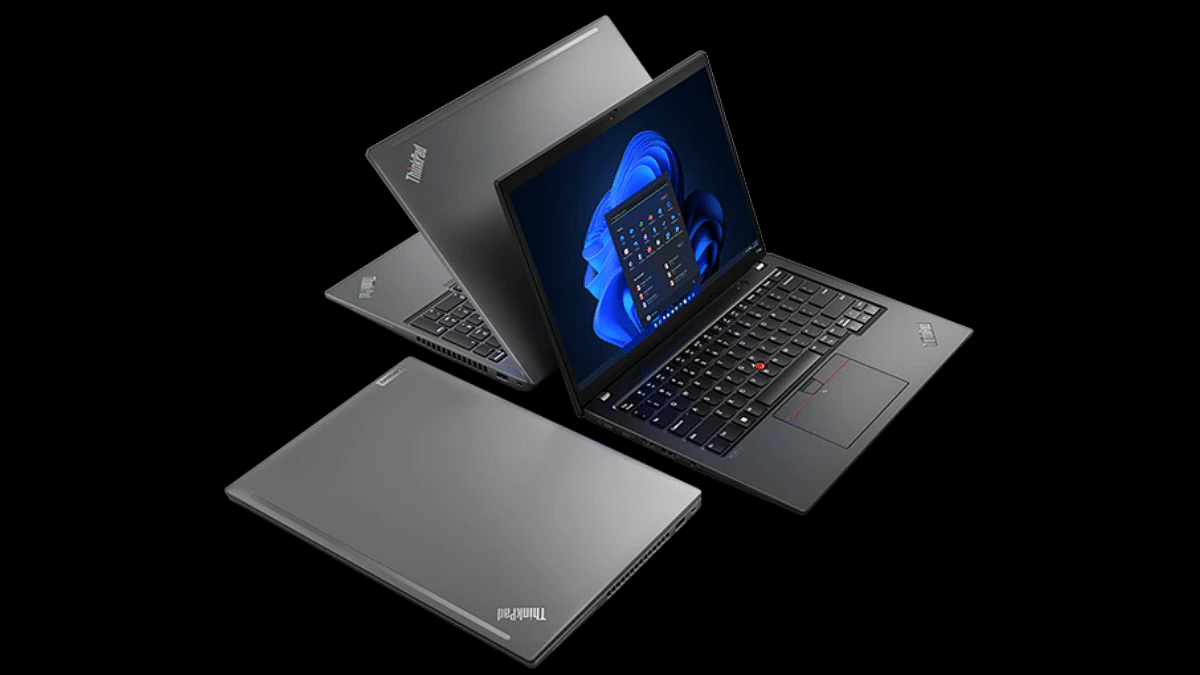
Lenovo has also announced some of its ThinkPad P series of workstation notebook refreshes. The brand is bringing five new laptops, including the ThinkPad P16 Gen 2, ThinkPad P1 Gen 6, Thinpad P16v i Gen 1, and the ThinkPad P14s i and P16s i Gen 2 models. The ThinkPad P16 Gen 2 is equipped with the 13th Gen Intel Core HX series CPUs and Nvidia’s Quadro RTX 5000 graphics cards with up to 192GB of DDR5 RAM the top-of-the-line model in the lineup.
Other models in the series also feature updated specifications, including Quadro RTX 5000 series or even the latest and greatest RTX 4090 GPU in their new laptops. The ThinkPad P1 Gen 6 even features a 16-inch OLED touchscreen panel. Mid-range workstation laptops powered by Intel 13th Gen H series CPUs and RTX 2000 series graphics cards are also available in the series.
Unfortunately, Lenovo has not yet revealed the pricing for these new and refreshed PCs. However, the upgraded ThinkStation and ThinkPad P series are expected to go on sale by the end of this month, promising users an enhanced computing experience with the latest Intel CPUs and Nvidia GPUs.
Ather Energy, Hero MotoCorp, and TVS to reimburse customers for overpriced portable chargers.
Violation of FAME II subsidy guidelines being investigated by the Indian Government.
Ather to reimburse Rs. 140 crore to 95,000 customers; TVS to pay Rs. 15.61 crore to 87,000 customers; Hero to refund Rs. 2.23 crore to 1,100 customers.
Total payout of approximately Rs. 292.23 crore to customers as reimbursements.
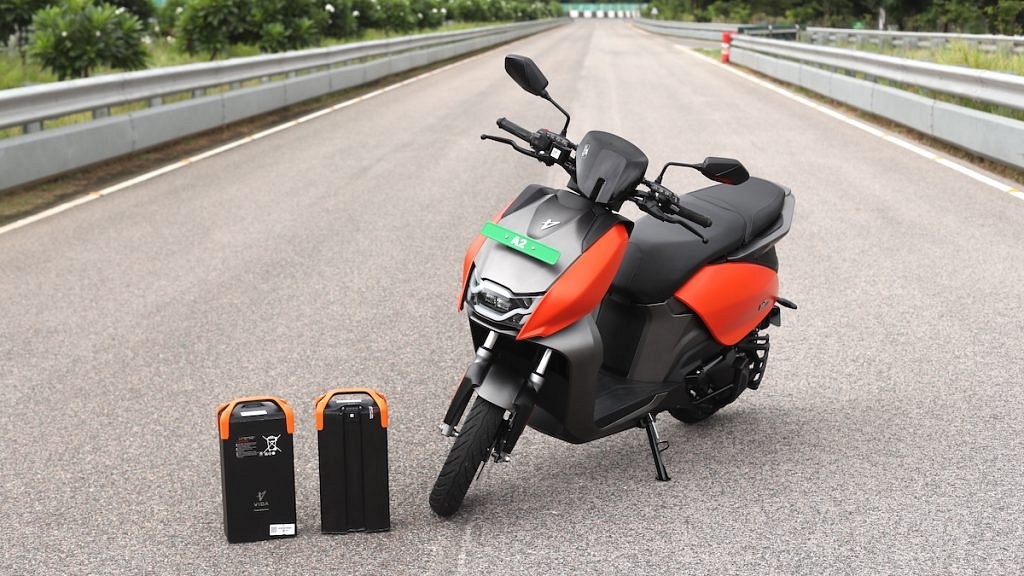
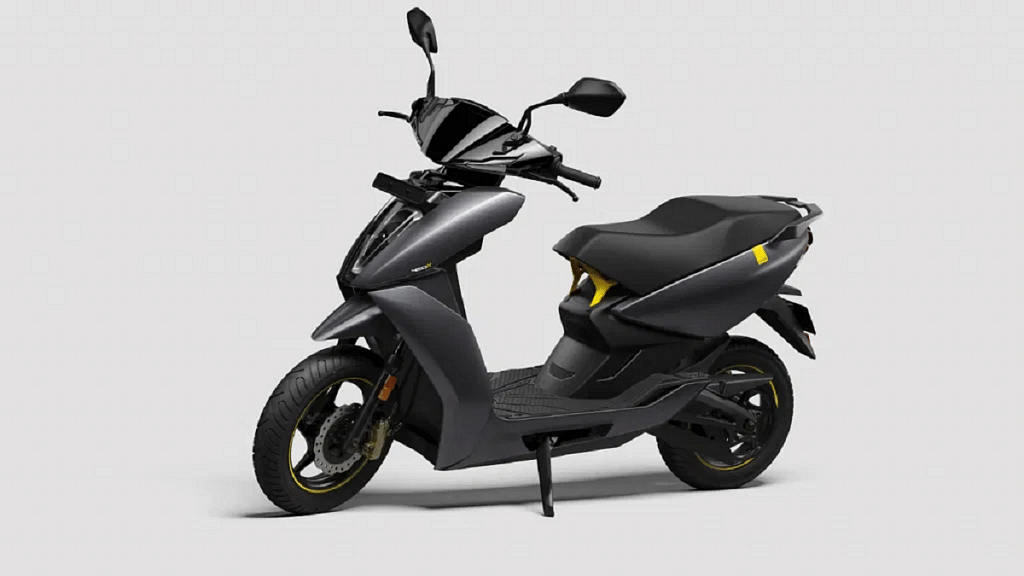
Ather Energy, Hero MotoCorp, and TVS Motor Company have been ordered by the Ministry of Heavy Industries (MHI) to reimburse customers who were overcharged for portable electric scooter chargers, making them eligible for government subsidies under the Faster Adoption and Manufacturing of Electric Vehicles in India (FAME II) scheme. The three companies have agreed to pay a total of approximately Rs. 290 crore to their customers.
These companies were summoned by the MHI after Ola Electric was also found to be in violation of FAME II guidelines. The government accused them of charging customers for portable chargers instead of including them in the vehicle price. The MHI has received inputs from other government bodies like the International Centre for Automotive Technology and the Automotive Research Association of India, which have been investigating the issue of FAME II subsidy violations.
Reimbursements for Overpriced Electric Scooter Chargers
Ather Energy has agreed to pay out Rs. 140 crore in refunds to the MHI. This amount will be reimbursed to 95,000 customers who purchased an Ather 450X between January 1 and April 12, 2023. The company will also pay an additional Rs. 25 crore to the MHI for selling electric scooters with reduced battery capacity to customers who did not opt for the advanced software package.
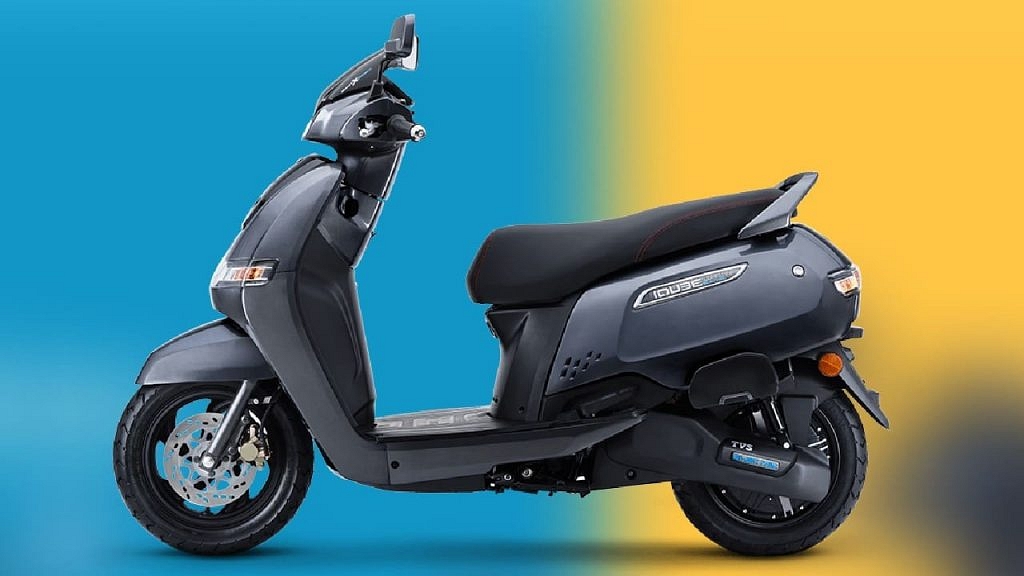
TVS Motor Company has agreed to compensate 87,000 customers who purchased the TVS iQube electric scooter between May 2022 and March 2023, for an amount of Rs. 15.61 crore. Similarly, Hero MotoCorp will refund Rs. 2.23 crore to 1,100 customers who purchased Vida V1 e-scooters from the start until March 2023.
The FAME II scheme aims to encourage the adoption of electric vehicles by providing incentives for their purchase. Under the scheme, electric scooters with a minimum speed of 40 km/h and a range of at least 80 km per charge are eligible for subsidies. The scheme provides a subsidy of up to Rs. 15,000 per kWh of battery capacity, subject to certain conditions.
According to the scheme guidelines, the portable charger should be included in the vehicle’s price and not sold separately. The government is trying to recover over Rs. 800 crore in subsidies that were wrongly claimed by various electric vehicle manufacturers.