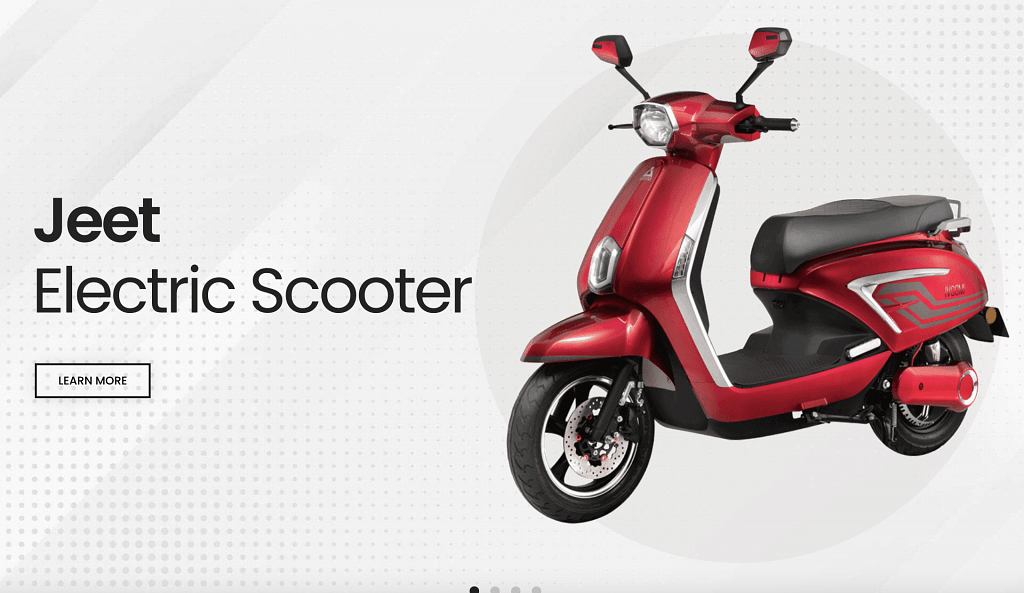
The electric mobility space is booming in India. iVOOMi Energy has been selling electric two wheelers for sometime now and their next product will be the Jeet X. It will be based on the current Jeet electric scooter and official launch will happen on 22nd August. The company has released an official teaser but it tight lipped on the specifications. Here is all that we know about the iVOOMi Jeet X as of now.
The marketing campaign around the Jeet X is “DiscoverTheExtra. This hint could be in terms of both design as well as specifications. The regular Jeet is already a smart looking EV and sold in two versions of standard and Pro. The Jeet X could get design tweaks in order to make it the flagship model. We expect a price hike of Rs 5-15k and this will also cover increased number of features including connectivity options. The scooter might deliver 130km of riding range and will come with removable battery pack.
This is how the regular Jeet looks like
The iVOOMi Jeet X will also come with matt colour options. The company says that the Jeet X is conceptualised to revolutionise the EV industry’s craftsmanship and to further fuel the customer experience and bring upgraded mechanisms to EVs. With diverse features, iVOOMi encourages consumers to make a viable and greener choice for future generations. The newborn electric scooters will take shape at its R&D and engineering centre in Pune, Maharashtra.
In other news, Ola Electric has launched a more affordable alternative to the S1 Pro – its simply called the S1 and is now on sale at Rs 99,999. Check it out HERE.
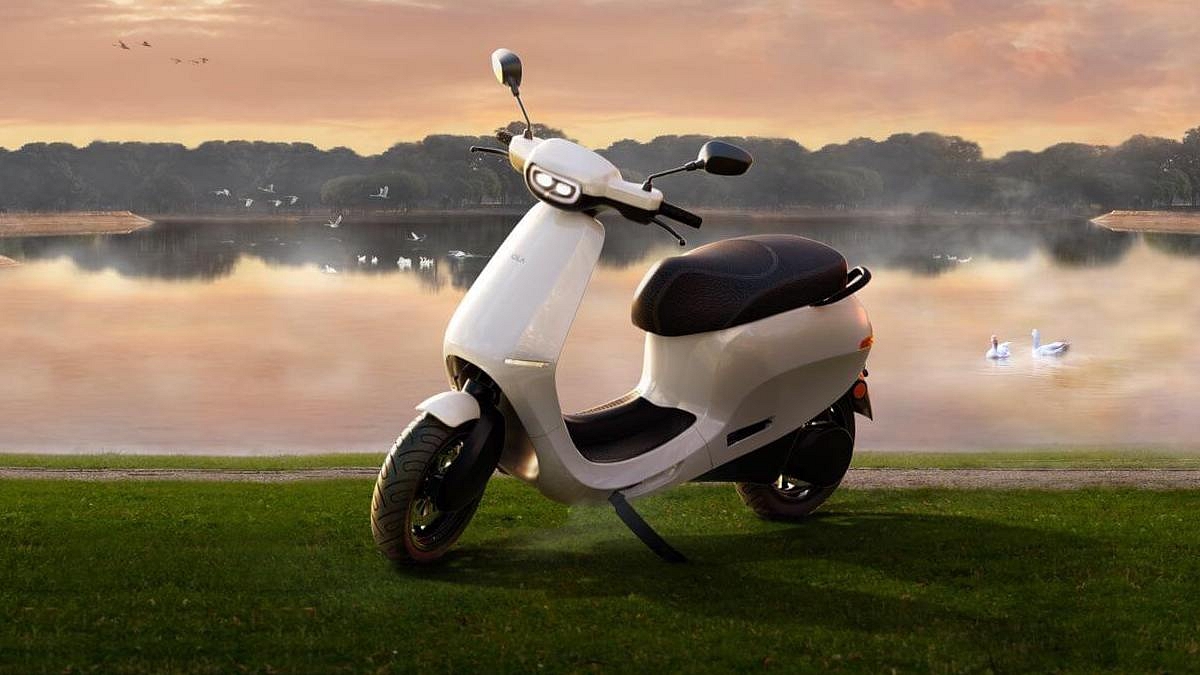
It was one year back on the 15th of August 2021 when Ola entered the EV space in India. And year later, they announced a more affordable version of the popular S1 Pro electric scooter. This one sheds the ‘pro’ name, has a lower price tag and aims to give tough competition to the recently updated Ather 450X and upcoming Simple One electric scooter. Here is a quick look at what all you should know about the new Ola S1 e-scooter.
The S1 looks identical to the S1 Pro. The only difference here are the number of colour options on offer. While the S1 Pro can be had in as many as 11 different shades, it’s cheaper sibling is offered in five colours only. Top speed drops from 116 km/h to 95 and so does acceleration. The S1 Pro can sprint from 0 to 60 in just 2.9 seconds. The S1 will take about 3.8 seconds. All this has been done to keep range as high as possible and this is because the new S1 comes with a smaller battery pack of 3 kWh, 25% smaller than what we see on the S1 Pro. The plus point is that the S1 is lighter by 4 kilos.
Ola says the S1 e-scooter will take 5 hrs to charge (full) and will offer 141km of range as per ARAI certification. It will continue to come with riding modes of Eco, Normal and Sports. The ‘Hyper’ mode is only reserved for the S1 Pro which carries a premium of Rs 40,000. Interested? You can book the Ola S1 e-scooter for just Rs 499only and this can be done via the regular Ola app also. Customers who avail early access will be able to make the final payment on 1st September, and for others, the full payment window will open starting 2nd September. Deliveries will start next month itself.
Apart from the smaller battery pack, the Ola S1 e-scooter also misses out on a few features. We will explain this in a proper comparison article soon. Stay tuned!
Globally, the idea of portable personal mobility took shape a lot of years back. The concept of having a foldable electric scooter has been gaining popularity internationally and the same trend will soon be accepted in India as well. As of now, the market is disorganised in terms of safe and reliable options but Gleeve aims to change this completely. We spent a few days with their Protos model and this is what you need to know about it.
Size Matters
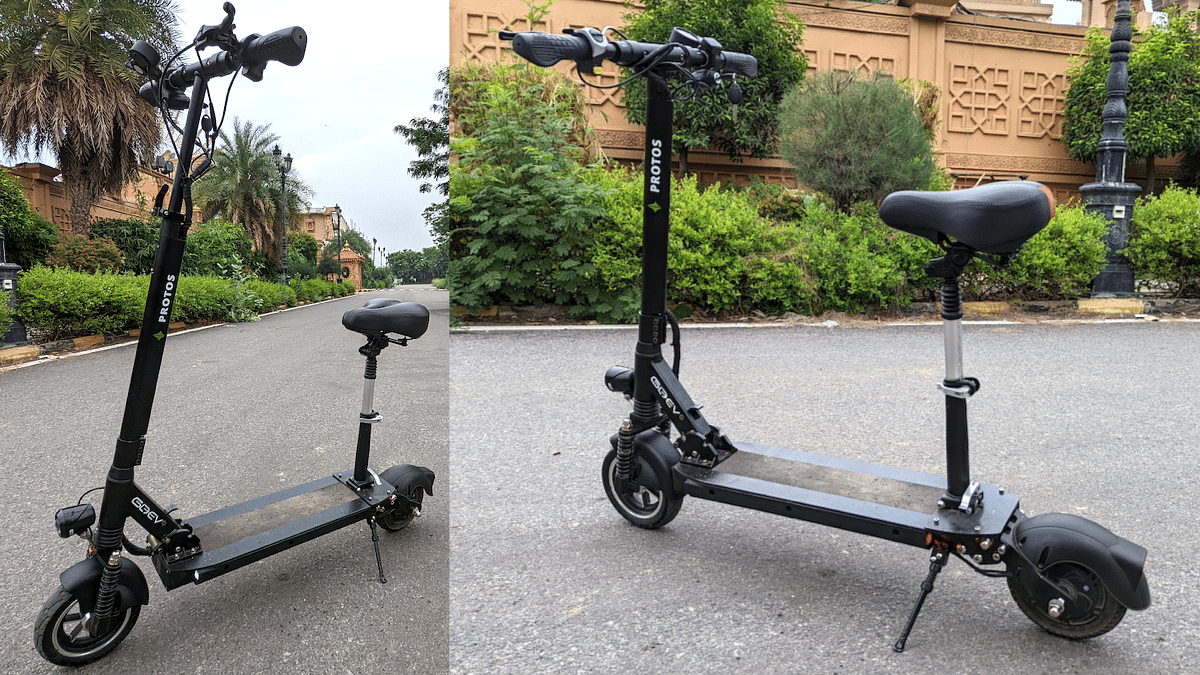
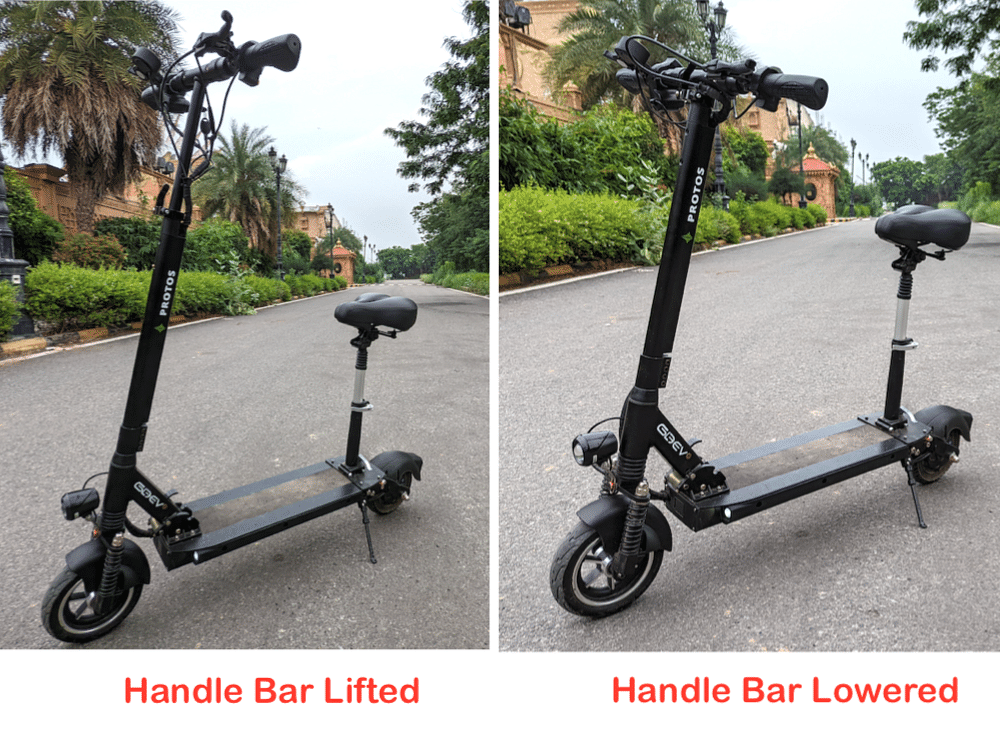
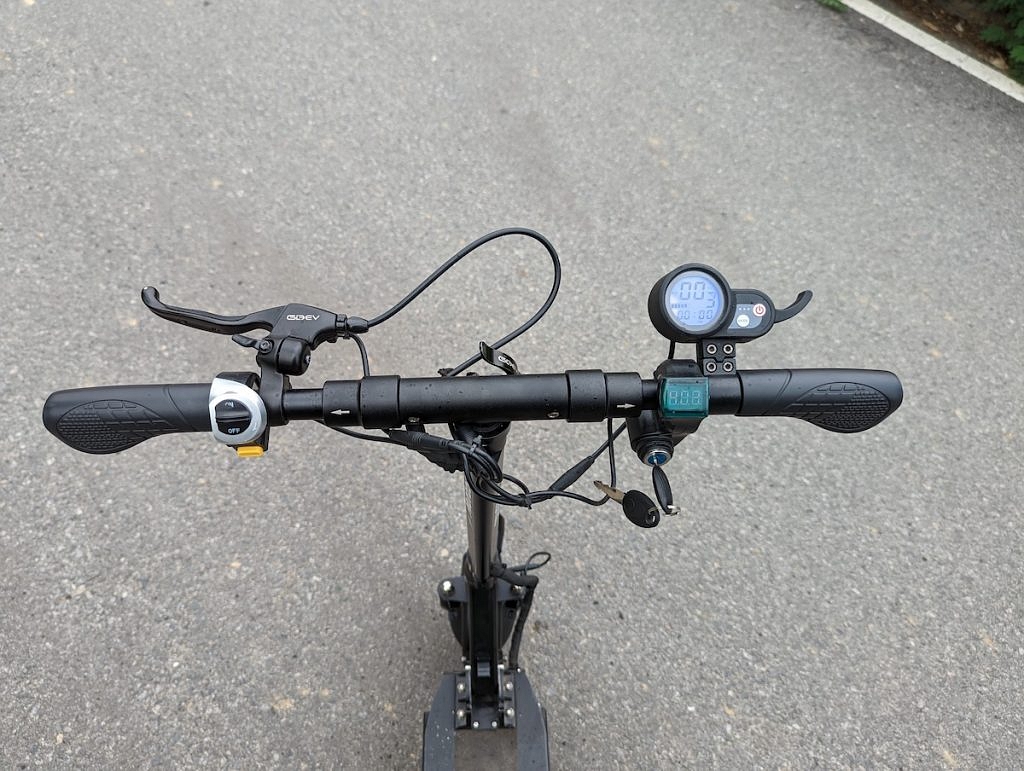
This foldable electric scooter is small enough to make you think twice. However, don’t be fooled by its dimensions as it did impress us a lot overall! It weighs in at just 17.5 kilos which means picking it ins’t a big task. To make it truly portable, it takes a small press of your foot and within a second, the vertical handlebar arm collapses down. You can even make the horizontal handlebar narrower – both the grips on either ends can be bend down completely. This means the Protos becomes tiny enough to be stowed away in the boot of even small hatchbacks. At the same time, when you want to ride it, the height of the handle bars is adjustable. Likewise, it also comes with an option to mount a small seat on the rear of the standing platform.
Heart of the matter
The Gleeve Protos comes with a 250 watts, 36 Volt BLDC motor. Given its low weight, this motor is peppy enough to put a smile on your face. Giving this motor all the juice is a 15.6 Ah lithium-ion battery that takes about 3 hours for a full charge in and in turn, can give you a riding range of as much as 55km. But this depends on how you ride it. There are three speed modes and these can be controlled from the two buttons placed inside the little speedometer console. The modes give you option to limit the top speed to 10, 18 and 25 km/h respectively. And with a heavy rider like me (100+ kgs), I did see 25 on the speedometer easily. But ride it this way and I am sure range would drop significantly.
Feature loaded
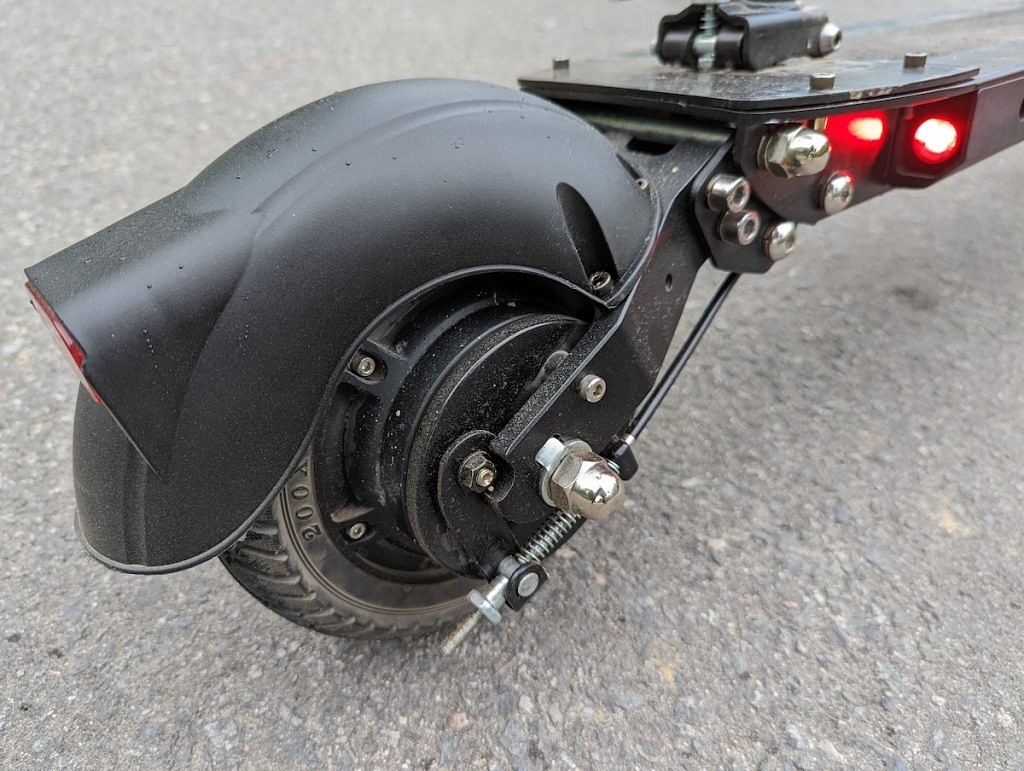
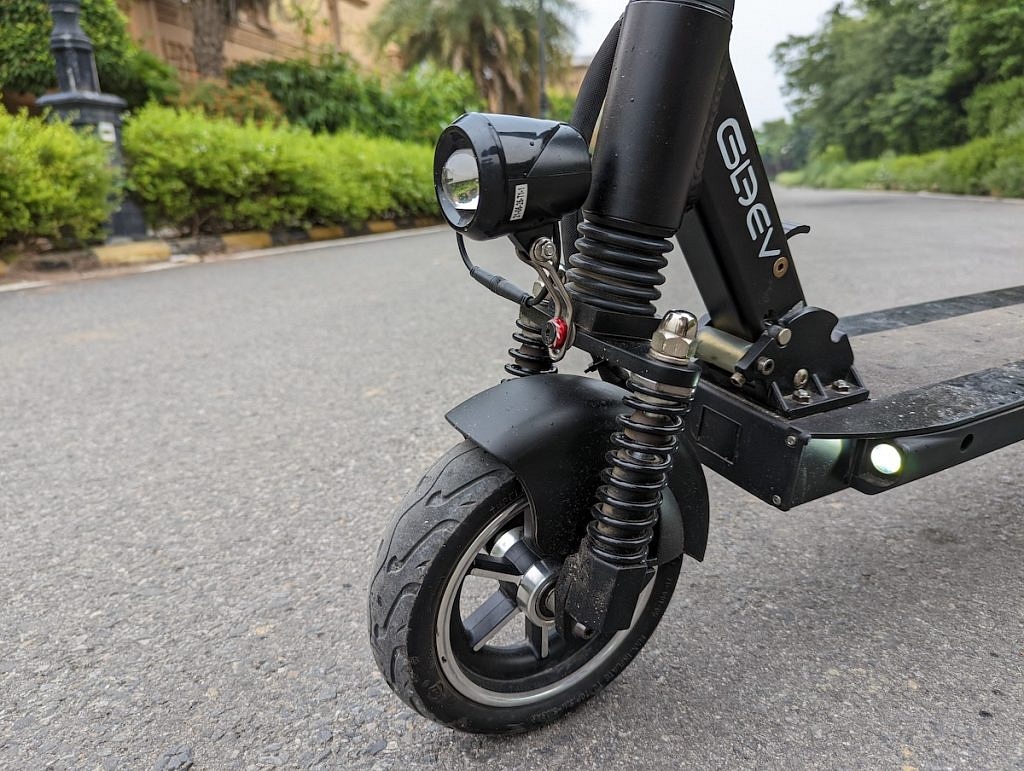
Gleeve has worked hard to make the Protos useful for next-gen clients. For example, it comes with a cruise mode – yes, this on a low cost foldable electric scooter. It also has regenerative electronic braking system – another surprise here. And then something that Gleeve calls as ‘Kick Start Option’. This feature is where the Protos will not move ahead (from a standstill) on accelerator inputs alone. You need to push it ahead with one feet (like you do on a skateboard) and this takes off some initial load from the motor. Clever. It also comes with a USB charging port, little headlight, lower deck lights (they look cool), a brake light and self-error diagnostics.
Riding it
Both me and team mate Jatin (under 75kg) rode the Protos a lot. This included parking lots and narrow lanes of Gurgaon. Happy to report that this little thing rides well enough to make you smile. Acceleration is brisk and even doing this while standing does not make you feel nervous. Yes, the tyres look tiny but you can still take curves while riding it at its top speed. Talking of which, while the rear wheel is solid (no air..), the front is a tubeless one. You also have a double coil underbelly rear suspension and a triple spring front suspension unit. These do the job while riding over speed breakers or smaller potholes. That said, the Gleeve Protos folding electric scooter isn’t mean for larger public roads. The battery makes up for big proportion of the weight and this is placed in the standing platform. This also keeps the center of gravity low enough.
Costing & Usage
Electric vehicles are never cheap and this is also the case with the Protos. It is priced at Rs 44,444 and they provide free delivery anywhere in NCR. This price might sound high but then, there is nothing like this on sale in India. It has been tested and approved by NATRAX, it makes use of aircraft grade aluminium and feels very sturdy enough. At less than 10 paise per km, running costs are shocking low as well. As a last mile connectivity option, or a transport solution for big campuses, resorts and townships, this clever little folding electric scooter makes a lot of practical sense. Want one? Get in touch with them via their website.
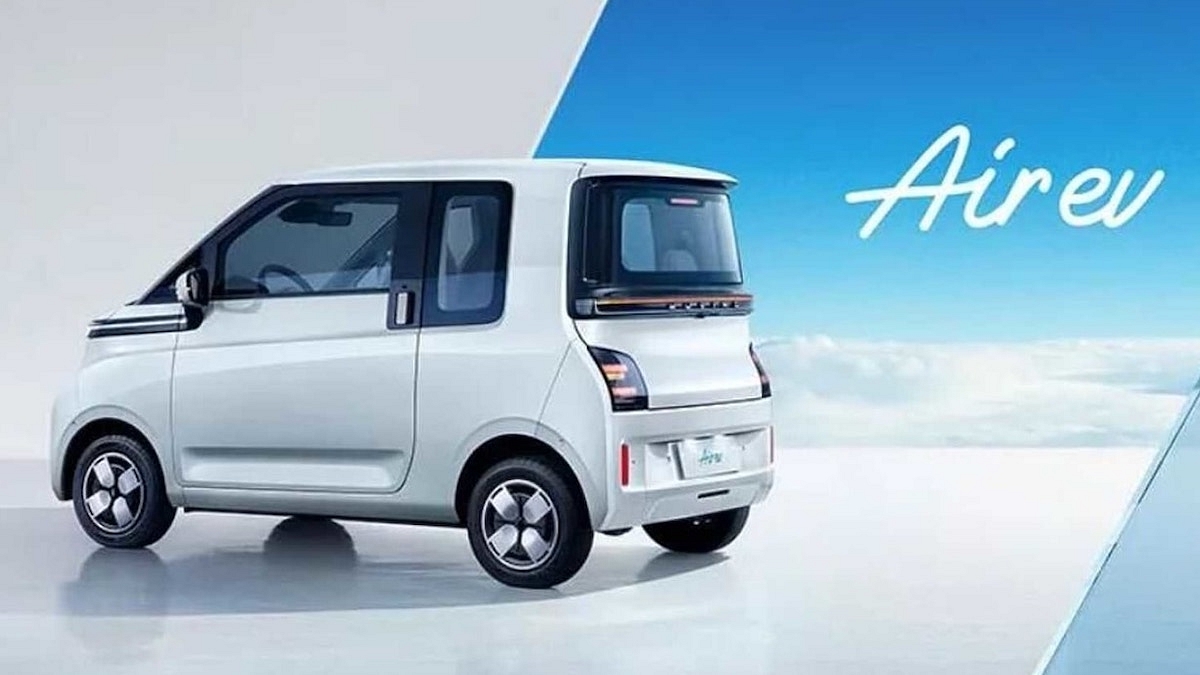
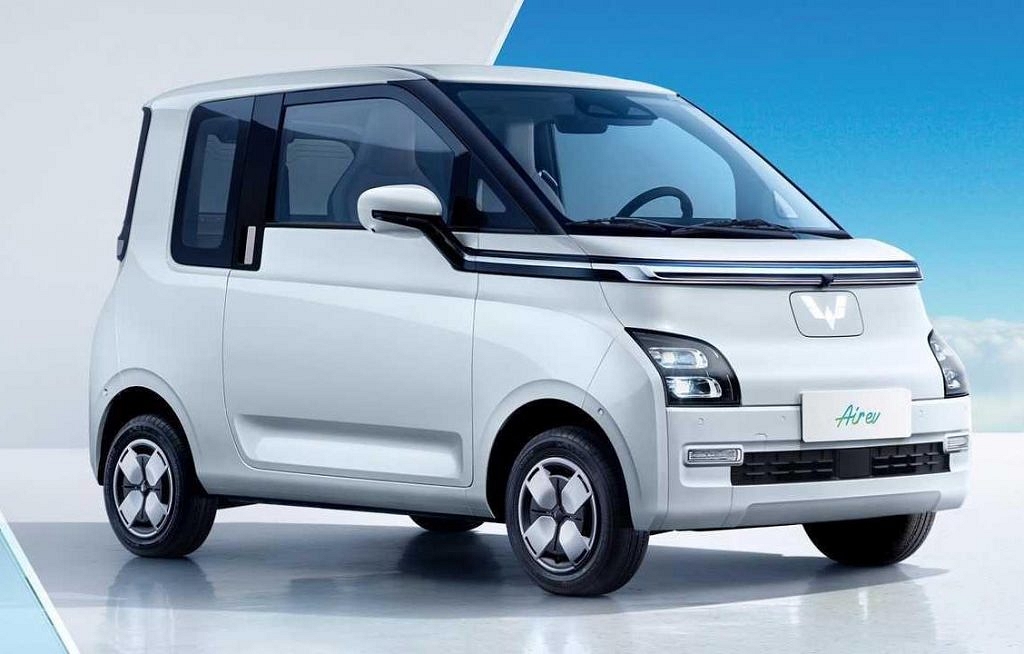
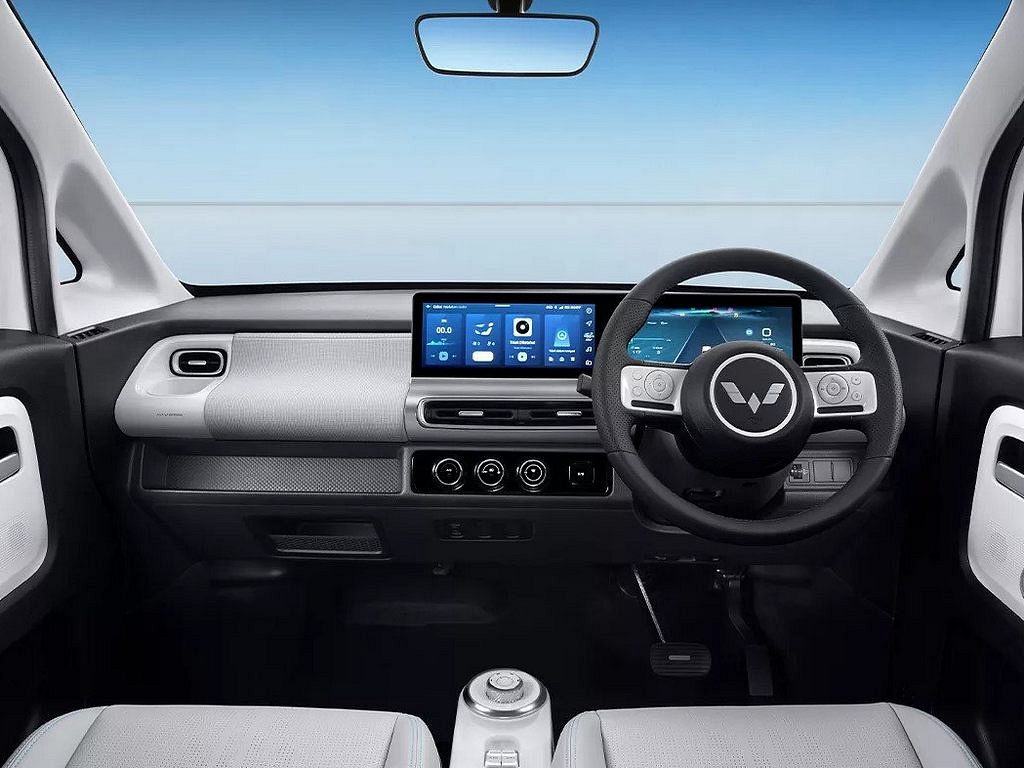
During the 2020 Auto Expo, Morris Garages had showcased its tiny, compact electric car, the E200 (see video). The company has now started real world testing and evaluation of what could be the most affordable electric car on sale in India. It seems MG will showcase the production ready unit for the Indian market at the upcoming Auto Expo in 2023 and the car could go on sale before mid 2023. While the official name isn’t out yet, the internal code name, as we understand is E230. The images you see here are for reference and belong to MG’s sister concern company, Wuling.
MG has already showcased its prowess in the EV space with the ZS EV SUV. It has been a successful product but positioned in the premium space. The upcoming smaller EV however could go on sale for less than Rs 10 lakh. This is still a lot of money but given the extremely low running cost, for urban users, the E230 could be the perfect choice. Its dimensions are also apt for congested lanes and narrow streets. No official word is out yet in terms of features or specifications. However, it is safe to assume that like all MG products, this one will be feature loaded including connected car apps and high levels of safety.
The most affordable electric car could end up getting a 35-40 bhp electric motor. Given the low weight of the car, the motor will give it good performance levels. Maximum range is expected to be about 150-170km in real world scenario. It will come with a 20-25 kWh battery pack and this will be sourced from Tata AutoComp. The MG E230 will support fast charging as well and the company will include a home charging unit in the price of the vehicle.
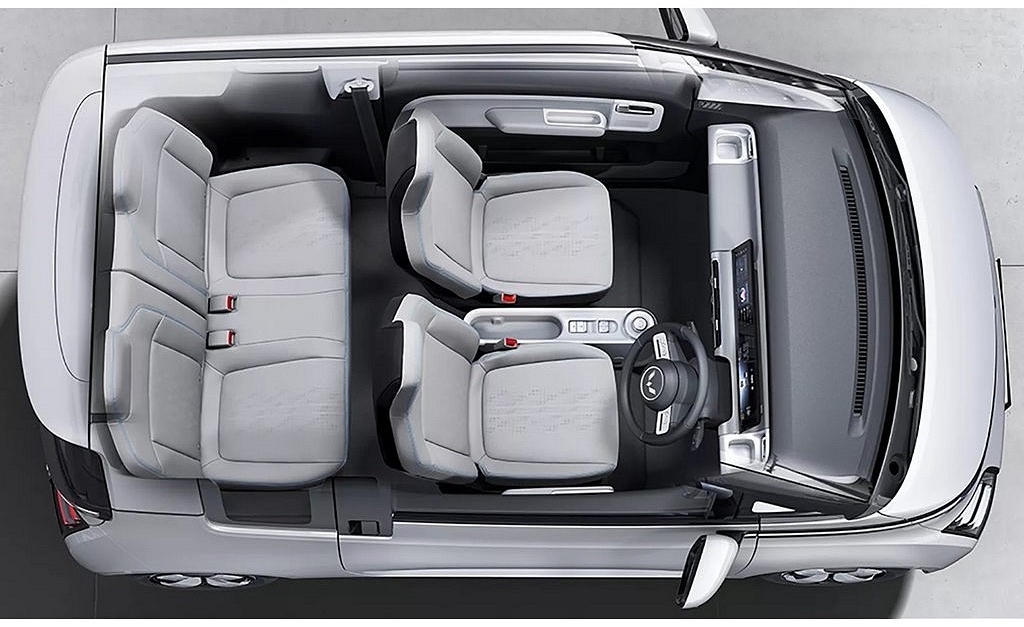
As you can see here, this upcoming EV looks nothing like we have seen before. The images you see here are of Wuling Air EV and the Indian model will be based on it but with revisions done for our market. We might also see minor tweaks in the overall design. When it does go on sale, it will be smallest car on Indian roads. There are just two doors but it does support seating for four pax.
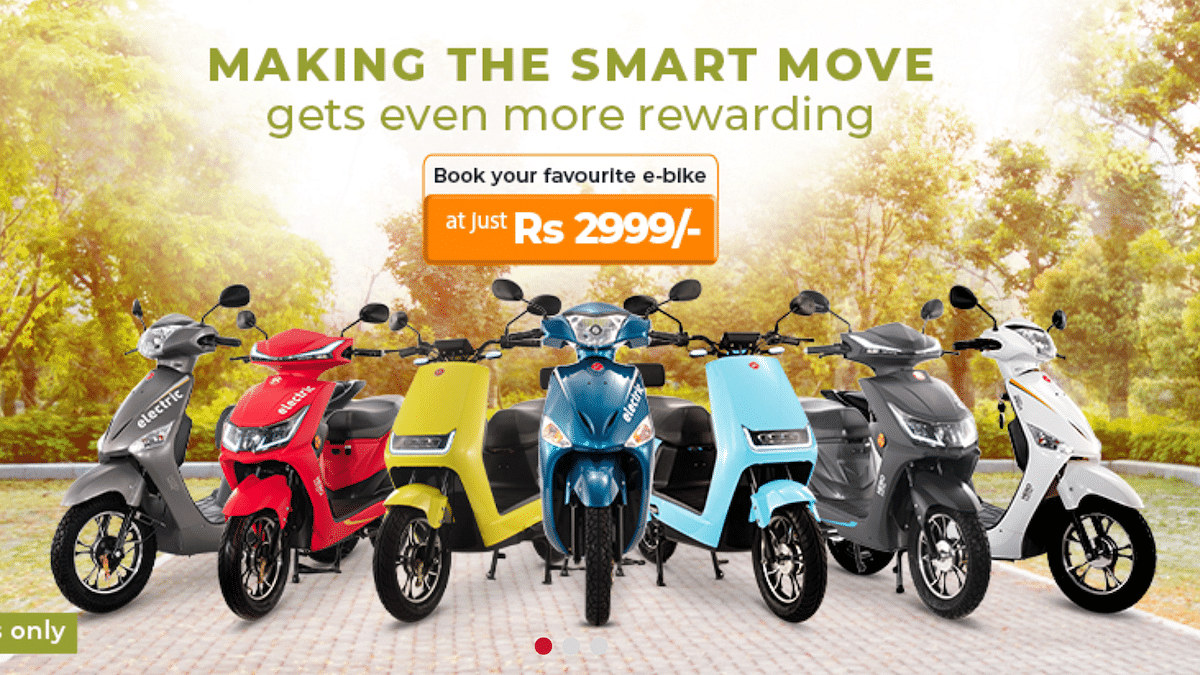
Hero Electric has been one of the oldest names in the electric two wheeler space. Keeping up with modern times, the company recently begun accepting online orders for its range of electric scooters. This is an effort to expand its client base and meet the rising demand for EVs. In accordance with this sales strategy, the manufacturer will accept online reservations and distribute the scooters via its network of dealerships.
According to Hero Electric, the company can sell more than 2.50 lakh electric vehicles by the end of this year based on the pattern of rising bookings. Hero is now ready and able to satisfy this request. However, the delivery timeline isn’t very user friendly. Do remember, Bounce also started selling electric scooters online few days back – READ.
Speaking about the launch of the new sales model Sohinder Gill, CEO, Hero Electric said, “The company believes in the face-to-face interaction of the customers with our well-trained network to touch, feel and ride the bikes before buying one.” He continued by saying that some of its potential consumers are now comfortable purchasing our bikes online since they are familiar with the brand and have heard positive things from their references and acquaintances who have owned one.
“The customers can buy online and take deliveries at their convenience, by walking into the designated showroom and pick up the product they ordered or can also use the services of home deliveries. As a leading brand we constantly strive to enhance the purchase experience for our customers across the country to widen our footprints and fasten the green mobility shift,” he added.
The online process involves three main steps but the actual delivery may take as long as 60 days. The first step is your pick your preferred Hero Electric two wheeler and then the dealership that is closest to your place. Next you need to enter your details like name, phone number, email address and so on. And finally the payment part – this may be a partial payment and not full as we understand. Once done, the dealership will touch base with you.
In India, one of the most popular two-wheeler manufacturers is Hero Electric. With net sales of 52,559 vehicles the brand has seen a 30 percent increase in numbers overall. The brand has teamed with numerous companies to offer services like leasing and roadside assistance to improve the customer experience.
Hero Electric currently offers a selection of City and Comfort speed scooters. Hero Optima, Photon, and Nyx are a few of the scooters that are readily accessible.
Owning a vehicle was once considered a luxury in India. However, with the changes in fast-paced world and technological advancements, owning a vehicle has now become a necessity. Vehicle ownership increased from a meagre 2 vehicles per 1000 people in 1965 to a staggering 140 vehicles per 1000 people in 2015. At this rate, there will be one vehicle for every four members in no time. Now that it is evident that Indians will purchase an increasing number of vehicles in the coming years. The next big question that comes to mind for them is, “Which vehicle should I buy?” Should I buy a conventional vehicle or try an electric vehicle?
We consider a variety of factors before making a purchase, but cost and return on investment have always been the most important in helping us in making a purchase decision.
Let’s take a deep dive into few important factors to learn the facts and debunk myths that will help us in making a purchase decision.
INITIAL INVESTMENT:
We are all aware that the average cost of an electric vehicle is significantly higher than that of a conventional vehicle. However, most of us are likely unaware of the government’s incentives and subsidies for the purchase of EVs. Many state governments are eager to increase the number of EVs on the road and are offering numerous incentives to do so. On an average Each state government is providing a maximum subsidy of around 20,000 RS for 2W’s and 1,50,000 RS for 4W’s. The majority of state governments also offer a complete exemption from the Road Tax. All of these incentives are lowering the overall cost of EVs and making now an excellent time to buy one.
OPERATING COST:
One of the most significant advantages of EV is its low operating costs. An EV’s operating costs is typically 8-10 times lower than that of a conventional vehicle. The rise in fuel prices has been a major concern for all vehicle owners. The price of petrol and diesel has never stopped rising and will continue to rise in the future, making electric vehicles the best option to purchase. The operational costs of EVs will not rise significantly in the future, making now an excellent time to purchase an EV.
For a long time, traditional ICE vehicles were thought to be the only viable option. People are now looking for alternative options with changing circumstances. The rising cost of fuel has been a major source of concern for all ice vehicle owners. The increasing cost of fuel increased the vehicle’s overall operating costs. This is one of the main reasons why people are looking for other options.
Many people still regard EVs as an expensive investment and do not see it as a cost-effective option, even in the long run. But is this true? Which is more cost-effective in the long run, an EV or an ICE vehicle?
Let’s debunk a few myths and see which one is more cost-effective in the long run. We compare the Tata Nexon EV and the Tata Nexon ICE to see which one is more cost effective and how much money can be saved by driving an EV.
The ICE model is approximately 4,92,003 less expensive than the EV model. Different state governments are providing subsidies ranging from 1,50,000 to 2,50,000 on EV’s. This will reduce the difference of 4,90,000 to 2,40,000-3,40,000.
After the initial investments, the operational costs add up as the next significant cost to the total costs. Let’s look at the operational costs of both models.
The annual operating cost of the EV model is approximately 90,000 less than that of the ICE model for 12000 kms distance travelled per year. The difference will grow larger as the distance travelled increases.
The difference in initial investment will be covered within the first four years, and with the same amount of savings each year, you will save approximately 540,000 over a ten-year period. This figure will only keep rising as fuel prices rise and consumption rises.
CHARGING INFRASTRUCTURE:
The availability of charging services has been one of the most major factor preventing many people from purchasing an Electric Vehicle over the years. In such a fast-paced world, customers expect services to be available at all times and without any waiting time. This long-standing concern is no longer an issue; India now has approximately 2000 public charging stations, with approximately 60% located in major cities. This figure has increased 2.5 times in the last 4-6 months. With new ev charging station manufacturers coming up in the market everyday, charging station setup is no longer an issue. With rising demand, the government of India and all EV charging infrastructure providers are working hard to increase the number of charging stations. According to some reports, by 2030, many of the world’s leading automobile manufacturers will only produce EVs. EV charging stations are now available in every public place, on highways, and on public roads within short distances.
The number will only rise in the future, making now an excellent time to purchase an Electric Vehicle.
With EVs checking all the boxes – Affordability, Charging-service availability, High reliability, and Low operating costs – there is no reason not to buy one.
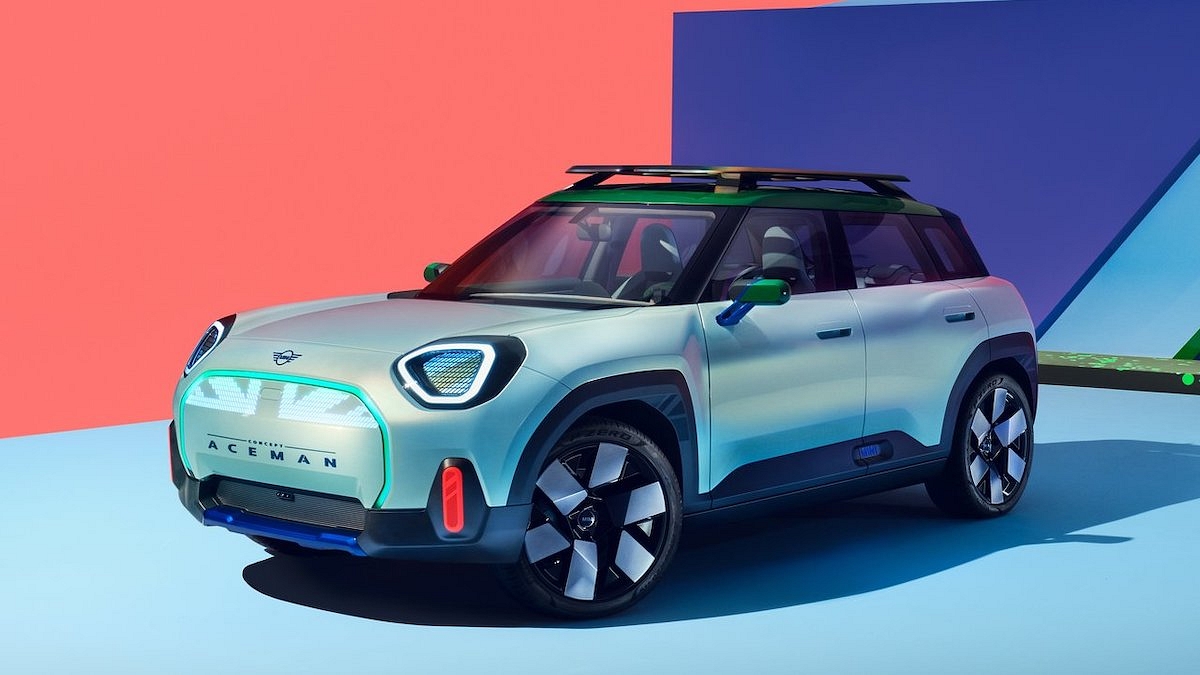
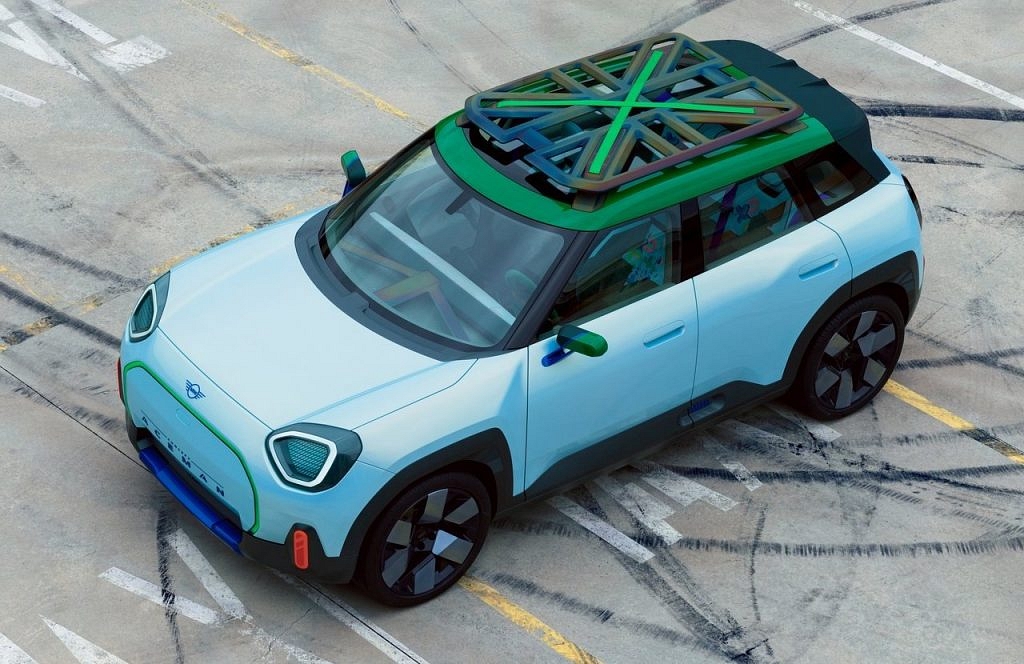
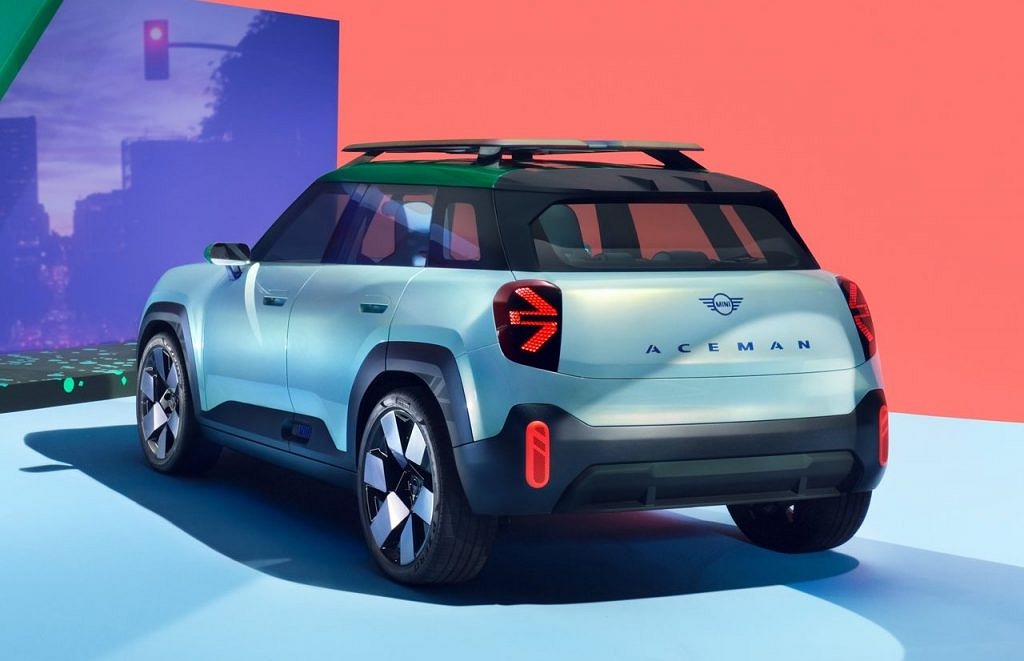
MINI has finally showcased the Aceman EV Crossover concept. This new MINI features the brand’s latest design language and uses recycled (hence green) parts for interior design. This one features radical styling that is set to be followed by all the upcoming MINI cars soon. The Aceman EV also uses recycled material for interior construction that should go down well with environmental conscious audience. It will make its first public appearance on August 23 in Germany and will go on sale internationally next year.
MINI Aceman EV has definitely become eye candy for worldwide auto enthusiasts. The new car from the brand is based on a new styling that is retro-modern. The simplistic design language is called ‘Charismatic Simplicity’ and MINI has plans to introduce this into all of its upcoming cars in the future.
“The design language of the MINI Concept Aceman heralds the beginning of a new design era for MINI,” explains Adrian van Hooydonk, Head of BMW Group Design. In our opinion, Design themes typical of the MINI brand have always been unique. Hooydonk goes on to say. “We are returning to these now, but at the same time consistently combining them innovative technology. With this approach we are redeveloping the MINI design icons, with all their analogue strengths, for the digital future”.
The attractive design is inspired by the 1959 original MINI Cooper hatchback. The main highlights of its design contained minimalism, sustainability, and the use of the latest technology altogether. The dimensions of the Aceman resemble to that of the MINI Countryman and the MINI hatchback itself. As per the company, it is 4050 mm long, 1990 mm wide and 1590mm tall. The overall size hints that the Aceman will be positioned in between both cars (countryman and hatchback
On the exterior, the new LED headlights look cool and simple. The use of butch body lines helps achieve an SUV or crossover stance. On the side, the use of futuristic alloy wheels with diamond-cut and looks fantastic. The rear end is equipped with the iconic British flag-inspired LED taillights.
Use of Recycled Material
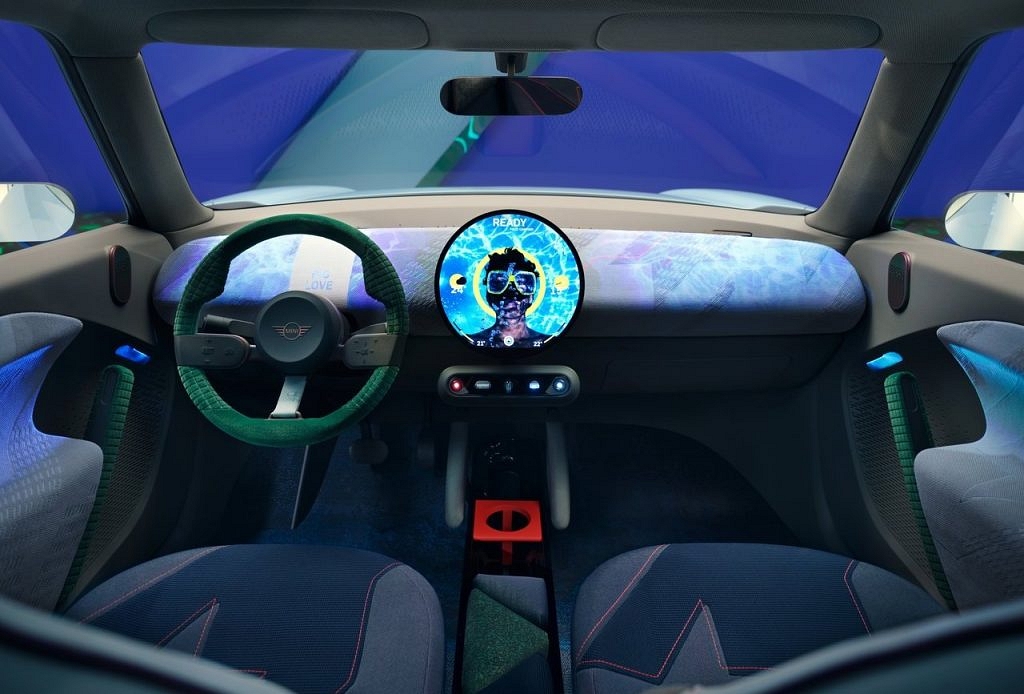
Inside the cabin, the Aceman delivers its inspiration from the old-gen MINIs from the 60s. The dashboard is minimal and simplistically designed as well. There is a single circular OLED touchscreen that acts as most of the HVAC control unit as well as the infotainment unit. The steering wheel is two-spoke.
MINI claims that it has used recycled material to make the interior bits. The dashboard, for example, uses recycled sustainable material for its construction. This hints that the Aceman EV is completely inclined towards providing green mobility.
MINI has not declared any details about the electric powertrain of the Aceman till now. We suspect that all of the details will be out on the official public debut on August 23 in Germany. Will it make to India? Yes, given how luxury brands are now entering the e-space in the country.
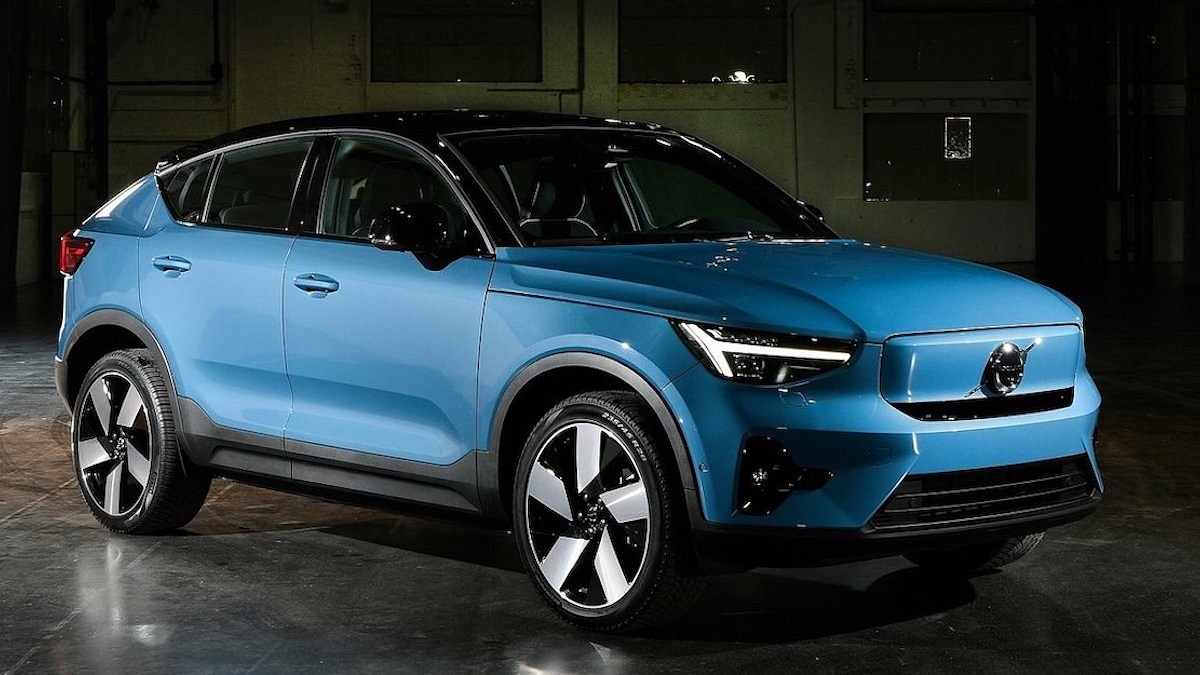
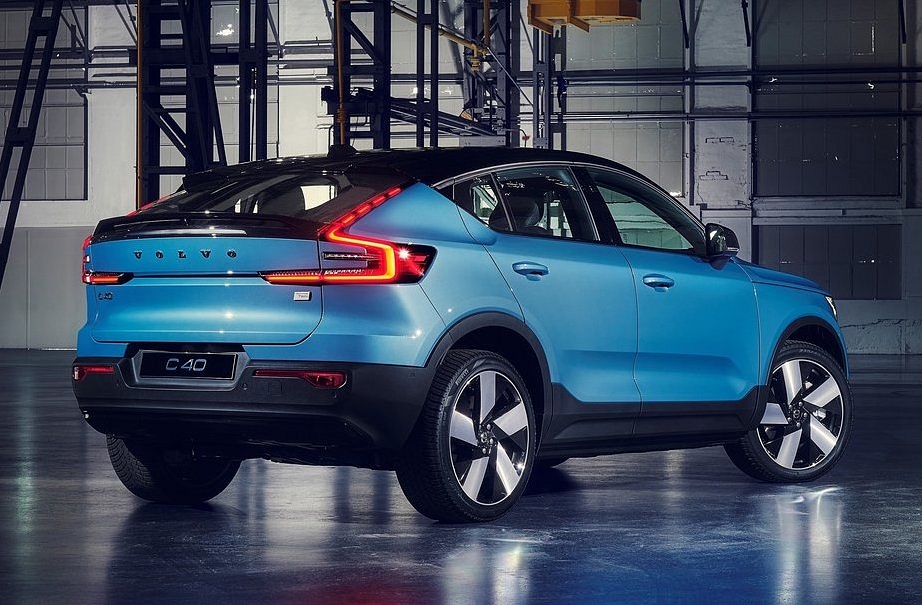
Volvo India recently launched the XC40 Recharge e-SUV in the domestic market. The entire stock is currently sold out but there is good news for prospective customers. The Swedish manufacturer has also revealed plans to introduce the C40 Recharge Coupe SUV at a later stage. Although the company hasn’t provided a specific debut date, the new Volvo C40 Electric Recharge SUV will reach in Indian market sometime in 2023. The upcoming Volvo electric SUV, the C40, will be based on the XC40 Recharge. Lets take a quick look into this smart looking e-SUV.
The Volvo C40 Recharge appears to be a coupe version of the XC40 Recharge. The Compact Modular Architecture (CMA) of the XC40 Recharge will also be included in the C40. Both vehicles boast identical front fascia, but the C40 has a sloping roofline at the back that gives it a coupe appearance. Along with a twin pod roof spoiler, it also has distinct LED tail lamps and a rear spoiler. This is what gives the C40 is own unique identity. We must add, it does end up looking sporty, in a sexy manner.
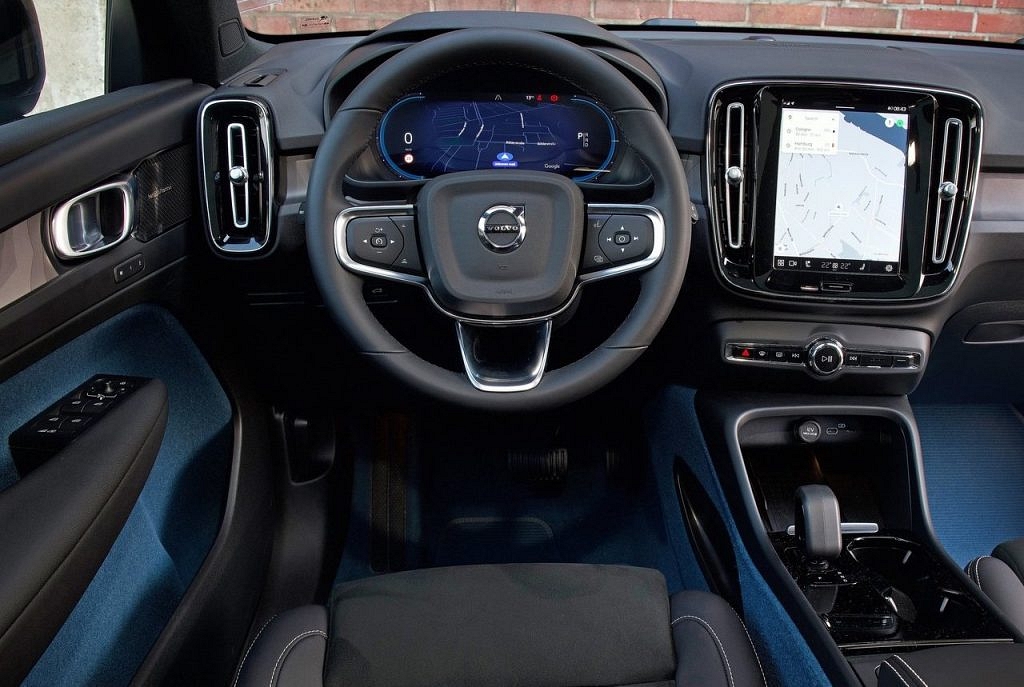
The interior design of this new e-SUV is simple yet elegant. The dashboard layout, as expected, is same as that of the XC40 Recharge. The Volvo C40 electric gets an Android OS-powered touchscreen infotainment display with several pre-installed apps. Additionally, it has a 360-degree camera, a premium sound system by Harman Kardon, a panoramic sunroof, and other convenience features. It’s important to note that the C40 Recharge will follow the example set by the XC40 Recharge in not having leather seats. By 2025, the brand wants all of its vehicles to be leather-free.
As expected, the XC40’s battery pack and motor will also be used to power the Volvo C40 Electric. This means Volvo’s you will get a 78kWh battery pack and two electric motors powering each axle. It is able to produce 660 Nm of peak torque and 407 bhp of peak power. The C40’s WLTP range with the 78 kWh powertrain will be around 420 km. The C40 also comes in a single electric motor variant for the foreign market. During our review of the XC40 (see) , we managed to drive an easy 150km with 50% charge still left in the battery. Similarly, the C40 will also offer a real world range of an easy 300km.
Volvo C40 Recharge Launch & Price
Volvo C40 Recharge will get to Indian showrooms by 2023 but the company has not provided a specific date. The C40 Recharge will cost approximately Rs 60-65 lakh (ex-showroom) if it is produced in India. The pricing, however, could increase if the brand intends to introduce the C40 via the CBU method. Watch this space for more.
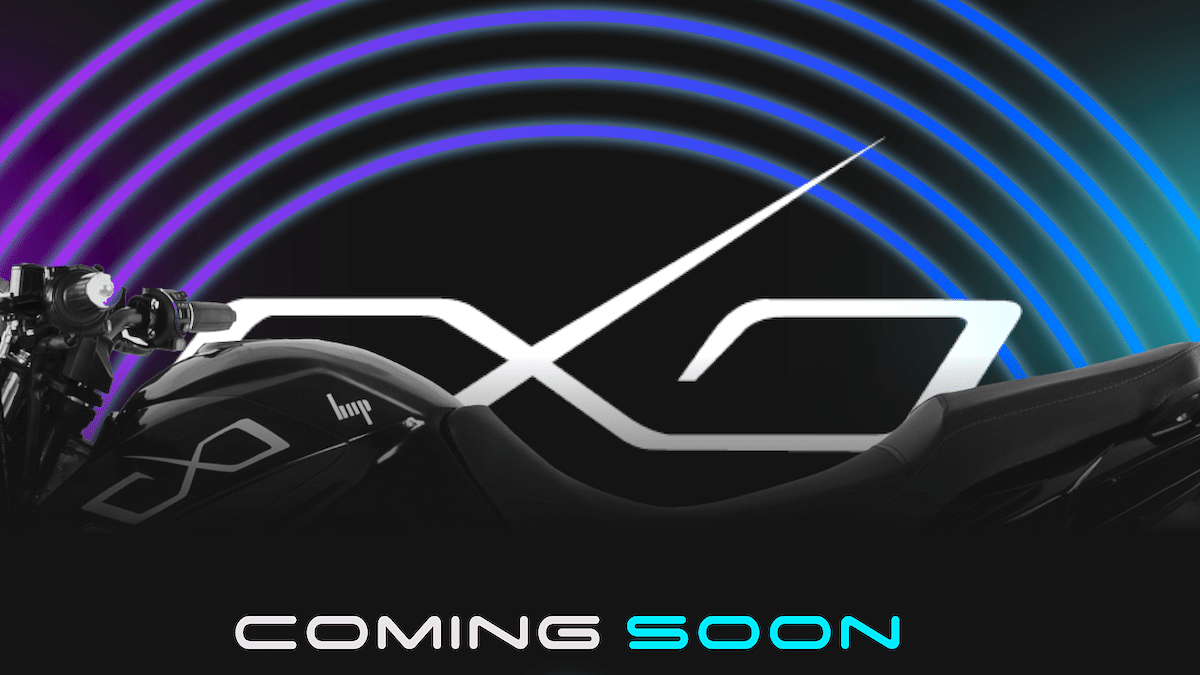
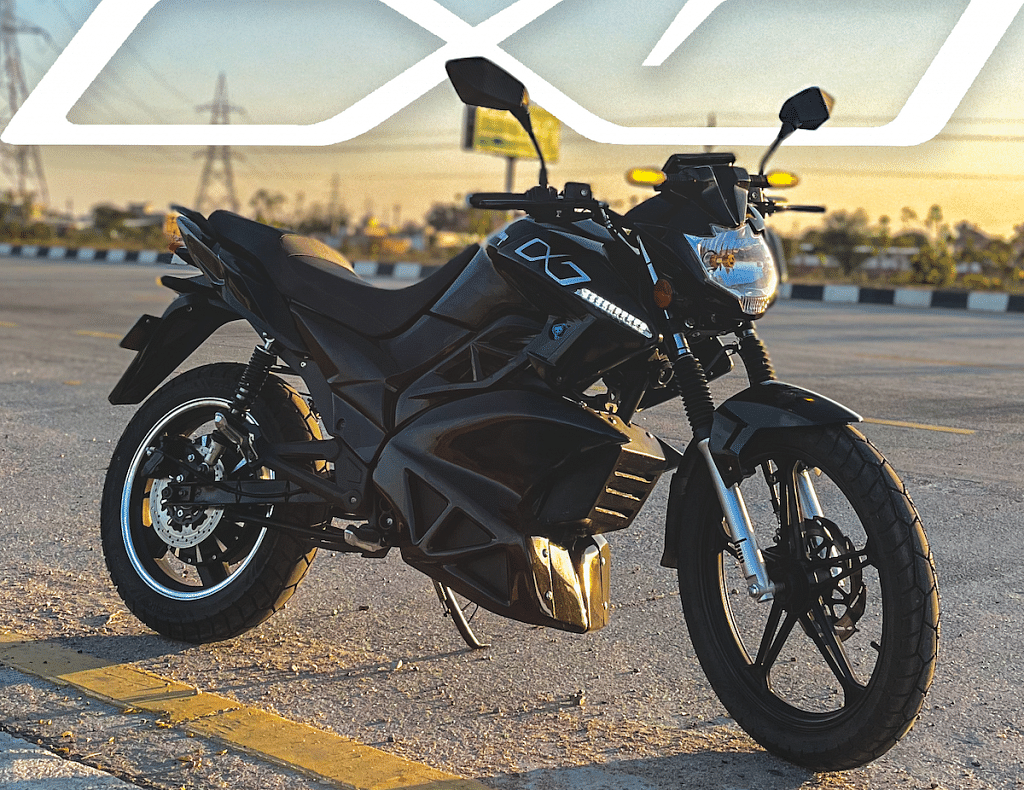
HOP Electric’s third offering for the Indian two-wheeler market will come in the form of the upcoming Oxo electric motorcycle. The company claims it has received over 5,000 bookings already ahead of the expected launch in August 2022. HOP had opened pre-bookings for a short duration of time but the same have been closed now.
Interestingly, the upcoming Hop Oxo has also cleared all the tests by ARAI and completed 1 lakh km of road testing in 20 cities. This high-speed electric motorcycle is also certified for the AIS 156 test that is conducted for the batteries. A few teasers on how it looks are already out.
The company also hopes to garner a lot of attention from the Indian market citing a huge dealership network in the country. The electric two-wheeler manufacturer has a total of 140 dealerships in India. Also, Hop Mobility opened about 60 new dealerships in the country over the last six months. You can locate the nearest outlet to your place here.
Some words by Rajneesh Singh, CMO, Hop Electric Mobility
During the #OXOSNEAKPEEK program, we received great response and feedback. We did anticipate demand, but clocking 5000 bookings from our dealer partners even before the commercial launch is overwhelming, to say the least. For now, we have put the next booking window for dealer partners on hold as retail bookings will open soon.
We are gearing up our supply chain and production facilities to accelerate the deliveries. At the current pace, we expect to sell more than 50,000 electric two-wheelers over the next 12 months,” said Rajneesh Singh, Chief Marketing Officer, HOP Electric Mobility.
We and our extended family, including dealer partners managing HOP Experience Centres across 140 touchpoints, are committed to accelerating the adoption of sustainable mobility solutions in India. Our growing portfolio of electric two-wheelers, including high-speed HOP OXO and another electric scooter in the pipeline, is a progressive step in that direction, added Rajneesh.
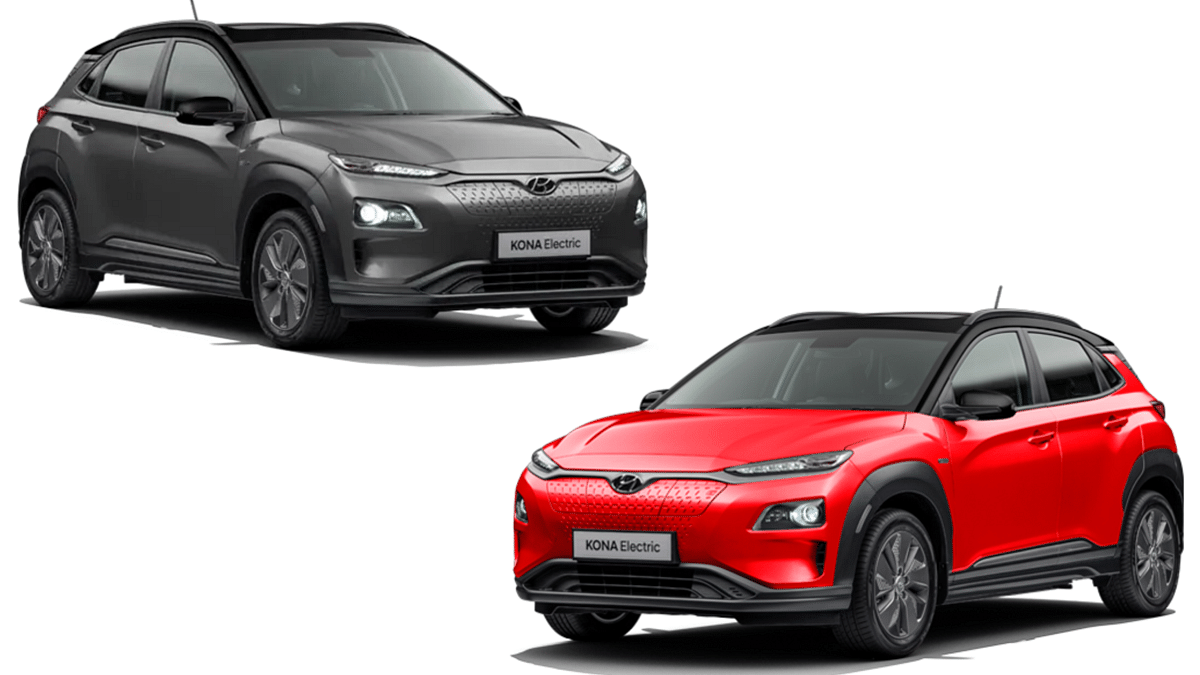
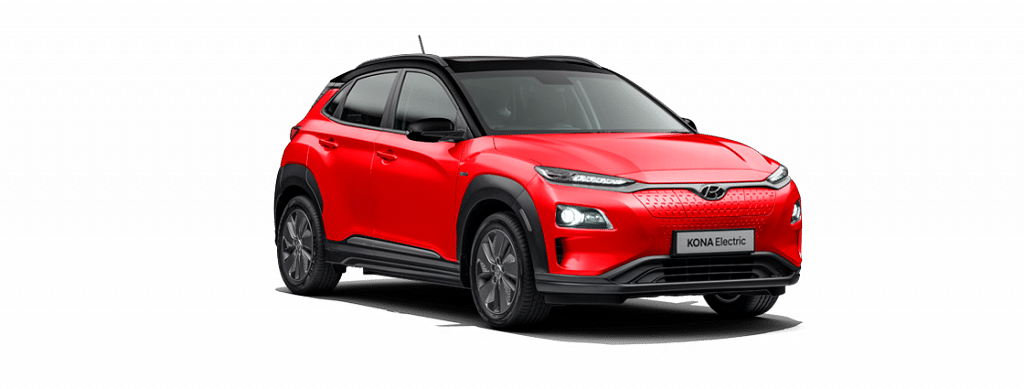
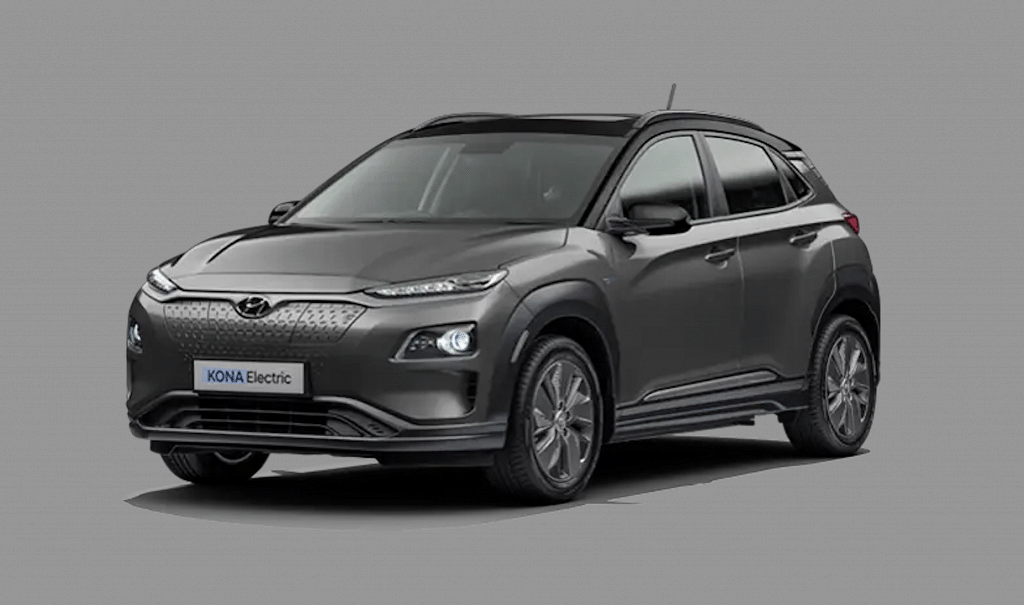
Long before the MG ZS EV and the Tata Nexon EV entered the electric mobility space in India, Hyundai had given us Indian a glimpse of this technology in the form of the Kona. The Korean giant has now updated the Kona electric SUV’s color palettes for the Indian market. In come two new dual-tone colours for the e-SUV and these are called the ‘Fiery red with a Phantom Black roof’ and ‘Titan grey with a Phantom Black roof’. At the same time, the Typhoon Silver colour has now been discontinued. No other changes have been made to the vehicle.
For new owners, there are now a total of five colours available the Kona electric. These include Polar White, Polar White with a black roof, Phantom Black, Titan Grey, and Fiery Red with Phantom Black roof dual-tone options.
It is interesting to know that for the international markets, Hyundai gave the Kona a facelift few months back. This also means the Indian-specific model is due for an upgrade and this will help it justify the premium over the MG ZS EV. The Kona electric is the South Korean brand’s only electric SUV available in India. Also, Hyundai will soon introduce the IONIQ 5, a larger electric SUV that will expand the brand’s EV lineup.
Hyundai Kona Electric Powertrain & Features
The Kona EV gets a 39.2 kWh battery that generates 134 bhp of power and 395 Nm of maximum torque. The Kona Electric has a 452 km claimed range. In 57 minutes, a DC charger can fill the battery to 80% of its capacity. An AC charger, on the other hand, takes 6 hours and 10 minutes to fully charge the vehicle.
It comes with a plethora of features, including a 7-inch touchscreen infotainment system, Apple CarPlay, and Android Auto, an electric sunroof, various drive modes, and button-type shift-by-wire technology, among others. Six airbags, ABS with EBD, ESC, vehicle stability management, hill assist control, a rear parking camera with sensors, TPMS, and other features are part of the vehicle’s safety package.
The monotone color variant of the Hyundai Kona electric costs Rs 23.84 lakh (ex-showroom). The price of the dual-tone colour variant is Rs. 24.02 lakh (ex-showroom). The freshly upgraded MG ZS EV competes with the Kona at this pricing tier.