As the Assistant Editor, Sandeep is generating tech-oriented content and also monitoring the content published on the website. He has over six years of experience in tech journalism and has expertise in product reviews, news articles, listicles, and media campaigns.
Indian government has drafted a blueprint for a ban on different apps and games
All apps have been sorted into three categories
Betting and gaming apps under the radar
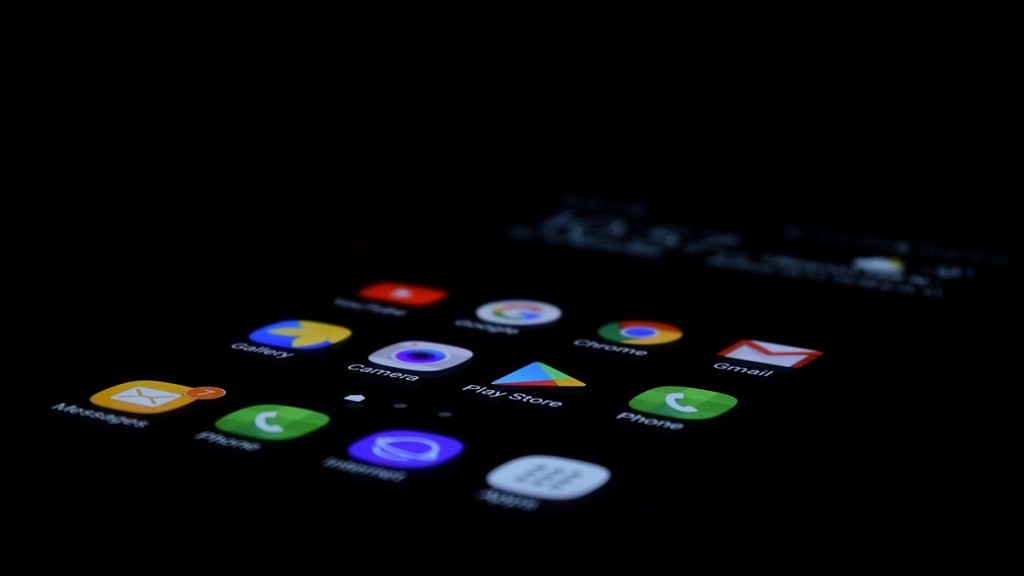
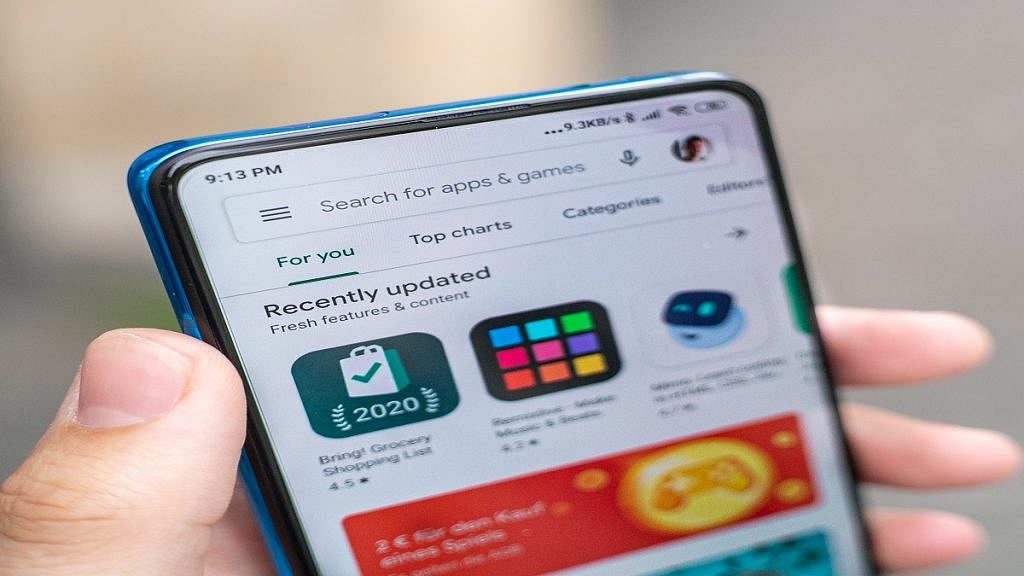
Google Play Store in India is a host to numerous third-party mobile applications. Users can easily download and install both paid and free versions of apps from the Play Store. Gaming, messaging, social media, and OTT are the most downloaded apps on the Google Play Store. Off late, the Indian government has been monitoring all the apps available on the Google Play Store and Apple App Store; specifically gaming apps that have a history of developing addiction amongst the users.
Recently, BGMI made a comeback in the country post the ban. But seems like the government is again concerned with the multiple issues that such apps and will likely impose a blanket ban going forward. Is BGMI in trouble again? Which all apps will take a hit? Read the details below:
Addictive Betting, Gaming Apps Getting Banned In India?
Going by the online reports, the Indian government has submitted a blueprint draft that calls for restrictions on addictive games and apps available on both Android and iOS app stores. The government has categorized these games and apps into three different segments that will be banned.
Rajeev Chandrasekhar, Union Minister for Electronics and Information Technology (IT), has confirmed that the Indian government for the first time has created a dedicated framework for online gaming. The drafted blueprints include the apps and games sorted into categories that are set to be prohibited from future use in the country. Below is the categorization:
Betting-Related Apps: All the games that directly or indirectly are associated with betting will be banned. One of the prime reasons is the financial losses in addition to the addiction.
Violent Graphic Games: All the games that show violent or graphic content which somehow influences users will be prohibited in the country. This will help to avoid any bad influence on players specifically kids.
Addictive Games: The government has also suggested prohibition of the apps and games that are addictive in nature and can impact both the physical and mental health of any gamer.
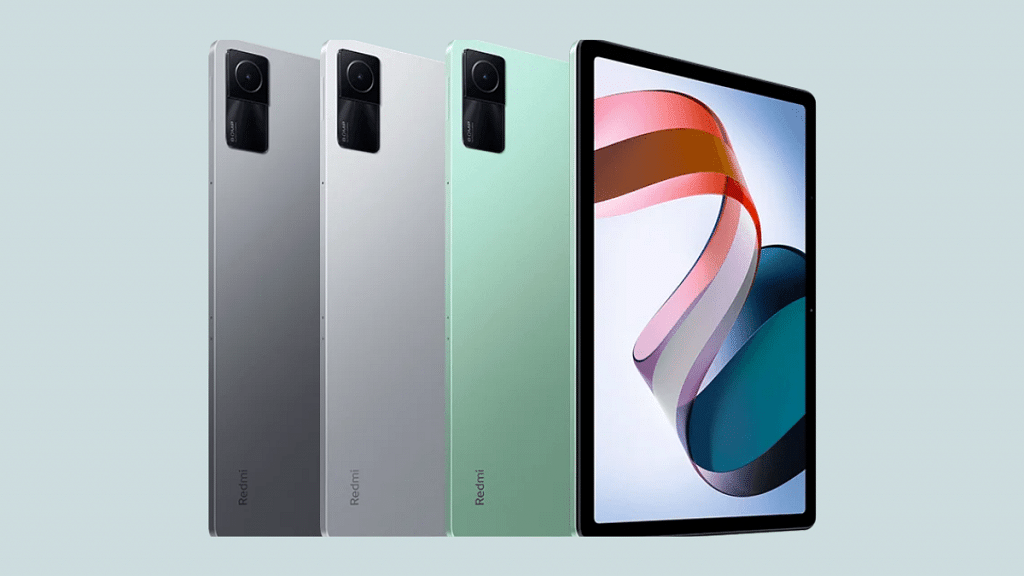
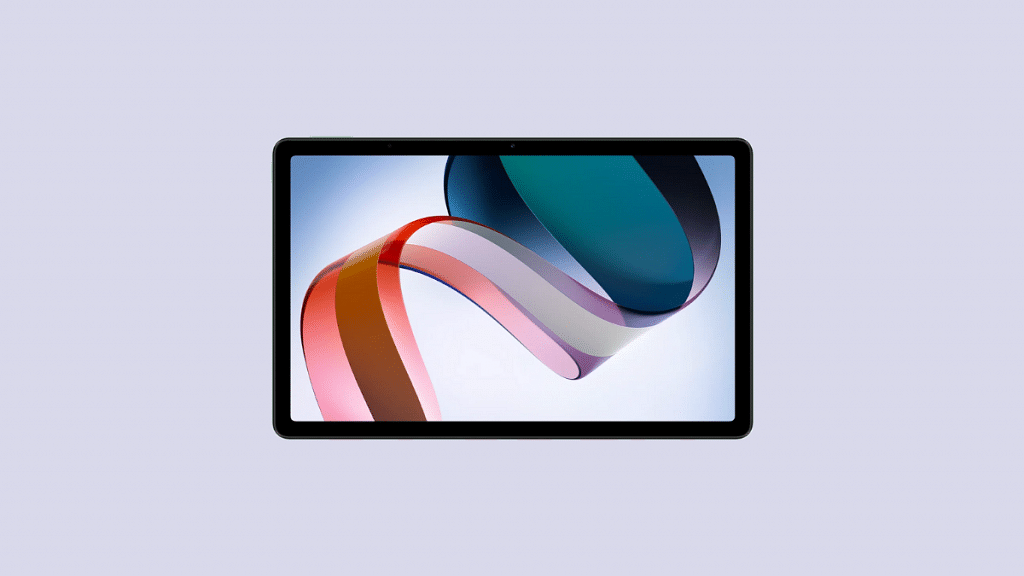
After the Xiaomi Pad 6 series, Xiaomi is ready to add another tablet to its portfolio. This time the company will be expanding the Redmi Pad lineup with the launch of the Redmi Pad 2 tablet. The upcoming mid-range tablet has been spotted a couple of times via leaks online. Now, a popular Chinese tipster has revealed the specifications of the Redmi Pad 2 tablet. Below are the details:
The upcoming Redmi Pad 2 features have been leaked by Digital Chat Station. The tipster has shared the expected spec sheet of the second-generation Redmi Pad tablet via the Chinese microblogging website Weibo.
The Redmi Pad 2’s latest leak suggests the tablet will sport an LCD display similar to the first-gen model. The screen size tipped is between 10 to 11 inches. The leak also mentions a 2K screen resolution and 90Hz refresh rate. For reference, the previous-generation model features the same display specs as tipped for the new model.
As for the performance, Digital Chat Station suggests the Redmi Pad 2 tablet will be using a mid-range 4G chipset from Qualcomm. The second-generation Redmi Pad tablet will be using the Snapdragon 680 chipset as its brain of operations. Now, this is an upgrade compared to the last-generation model which draws power from the octa-core MediaTek Helio G99 chipset.
Unfortunately, this leak hasn’t detailed the Redmi Pad 2’s configuration details. But considering the tipster hints the Redmi Pad 2 tablet is an entry-level model, we can expect up to 6GB or a maximum of 8GB RAM capacity. The storage option could be up to 128GB. But this is a general speculation, we will have to get more details on the configuration.
Furthermore, the Redmi Pad 2 new leak reveals a single 8MP camera in the back panel. Whereas, for selfies and video calling, this mid-range Xiaomi tablet will be using a 5MP camera. The battery capacity tipped for the Redmi Pad 2 tablet is 8,000 mAh. Currently, the charging speeds aren’t confirmed, and remains to be seen if this tablet will come with any fast charging support.
When Is Redmi Pad 2 Launching In India And Globally? How Much It Will Cost?
The Remdi Pad 2 tablet’s launch details aren’t revealed just yet. However, the tablet has started getting certified via different portals which hint at its imminent launch. We could get some information from Xiaomi in the coming months and will keep you updated with the details. As for the pricing, it is also a mystery. But since the Redmi Pad 2 will be a mid-range tablet, it could possibly be priced under Rs. 20,000 in India.
Competes against OnePlus Pad 5G with a cheaper price tag
Other rivals/alternatives listed below
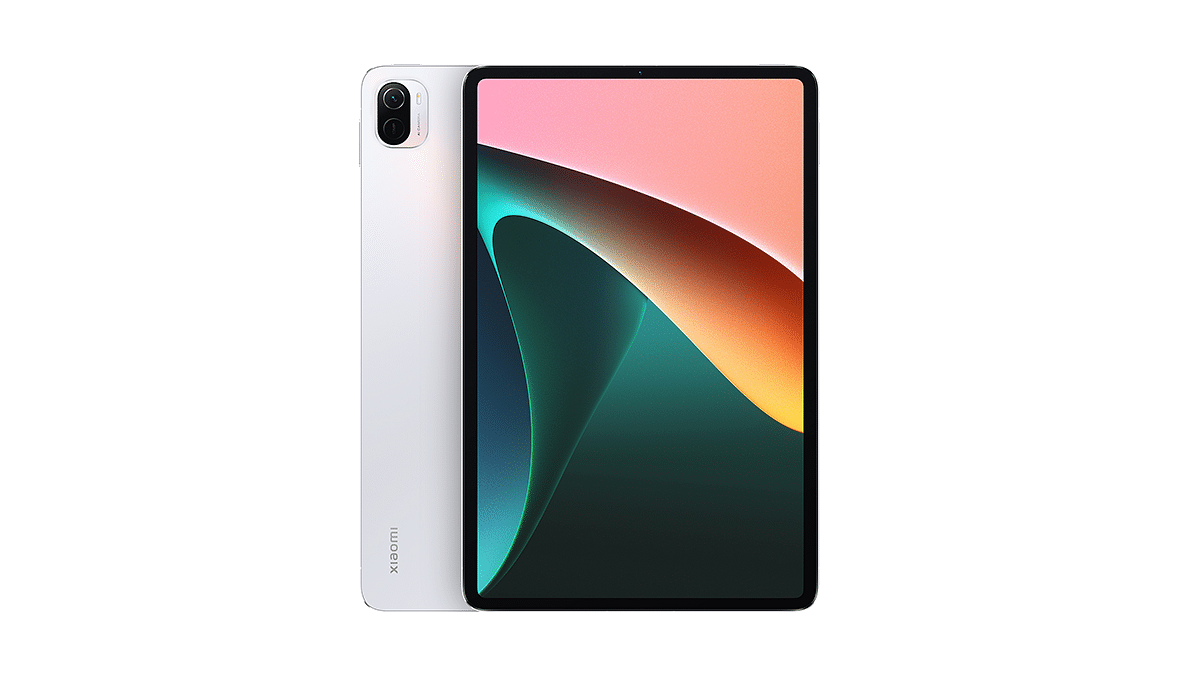
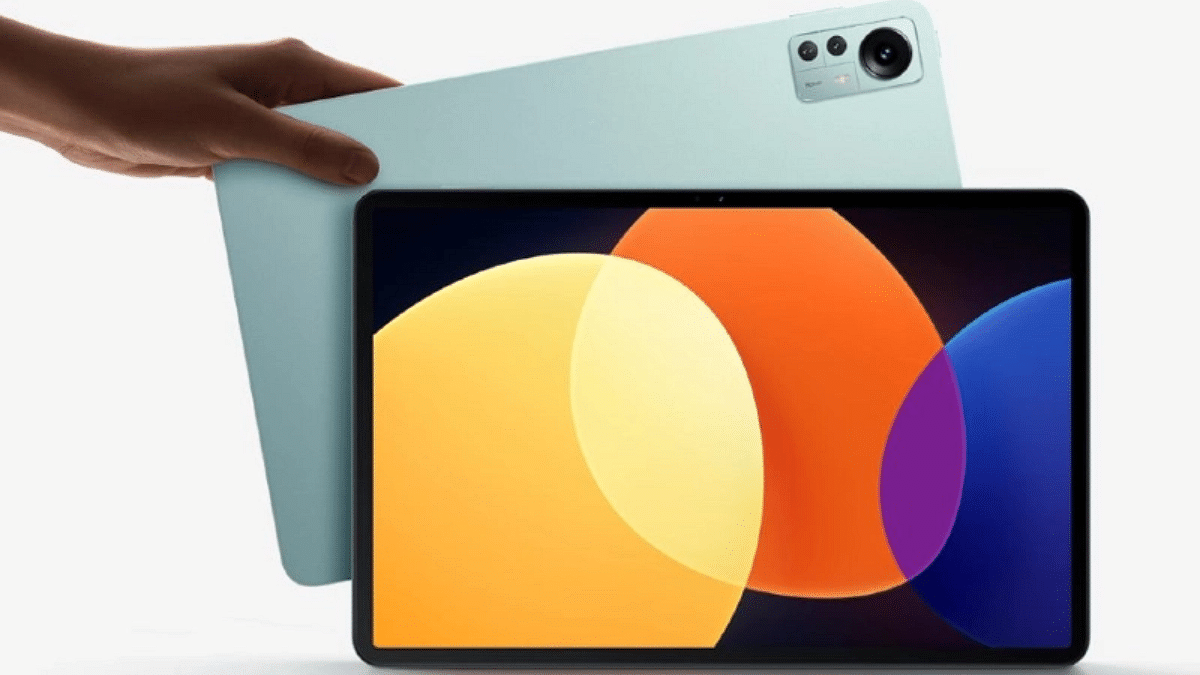
Xiaomi has grabbed the headlines for its latest premium Android tablet in India called the Pad 6. The successor to the Xiaomi Pad 5 comes at an asking price of Rs. 26,999 for the base variant and Rs. 29,999 for the top-end model. The new-generation Xiaomi Pad 6 tablet is giving stiff competition to the recently launched OnePlus Pad 5G and some of the other popular flagship-grade tablets. Which all tablets can be considered the best rivals against the Xiaomi Pad 6 in India in 2023. Let’s find out:
Top Xiaomi Pad 6 Alternatives In India In 2023
Model
Starting Price
OnePlus Pad 5G
Rs. 37,999
Xiaomi Pad 5
Rs. 25,999
Realme Pad X 5G
Rs. 19,999
Lenovo Tab P11 Plus
Rs. 26,499
OnePlus Pad 5G Tablet
OnePlus Pad is the first Android tablet from the Chinese tech giant in the Indian as well as the global markets. This premium 5G Android tablet has all the necessary features that makes it a strong contender against the Xiaomi Pad 6.
Sports an 11.61-inch LCD with 2800 x 2000 pixels resolution, 144Hz refresh rate
Is equipped with MediaTek Dimenisty 9000 octa-core processor
Available with up to 12GB LPDDR5 RAM+ 256GB UFS 3.1 storage
Features a single 13MP rear camera with up to 4K@30fps video recording
Comes with an 8MP selfie lens
Powered by a 9,150 mAh battery combined with 67W fast charging
If you need a cheaper alternative to the Xiaomi Pad 6 that doesn’t compromise much on performance than the Realme Pad X 5G starting at Rs. 19,999 is one of the best options.
Flaunts an 11-inch LCD that supports a 2000 x 1200 pixels resolution
Draws power from the octa-core Qualcomm Snapdragon 695 5G chipset
4GB/ 6GB RAM option and 64GB/128GB storage configuration
Has a single 13MP rear camera with HDR and AI scene recording
Uses an 8,340 mAh battery clubbed with 33W fast charging
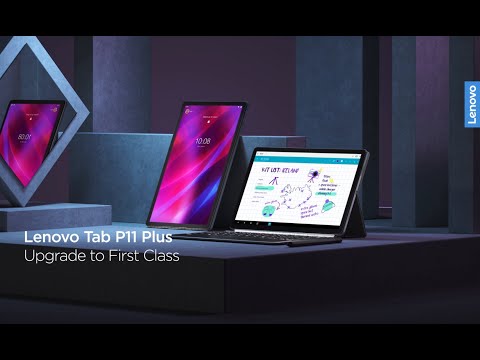
The Lenovo Tab P11 Plus is a another premium mid-range tablet that packs sufficient hardware for power delivery and compete against the Xiaomi Pad 6 in India.
Has an 11-inch UPS LCD supporting a 2000 x 1200 pixels resolution
Uses the MediaTek Helio G90T octa-core chipset for performance delivery
Comes with up to 6GB RAM and a 128GB storage option
Optics setup includes a 13MP rear camera and an 8MP selfie camera
Integrates a 7,770 mAh battery unit aided by 20W fast charging
KTM is set to foray into the electric scooter market with its own maxi-style electric scooter. The Australian motorcycle brand is well-known for its street and adventure motorcycles but is seizing the opportunity in the emerging EV space. The upcoming KTM electric scooter’s development has been confirmed by the latest test mule spotting. Here’s all the development:
KTM Maxi-Style Electric Scooter Prototype Spotted
KTM Maxi-Style Electric Scooter
Powertrain
Battery
Bajaj-manufactured
Motor
8kW
Top Speed
100 kmph
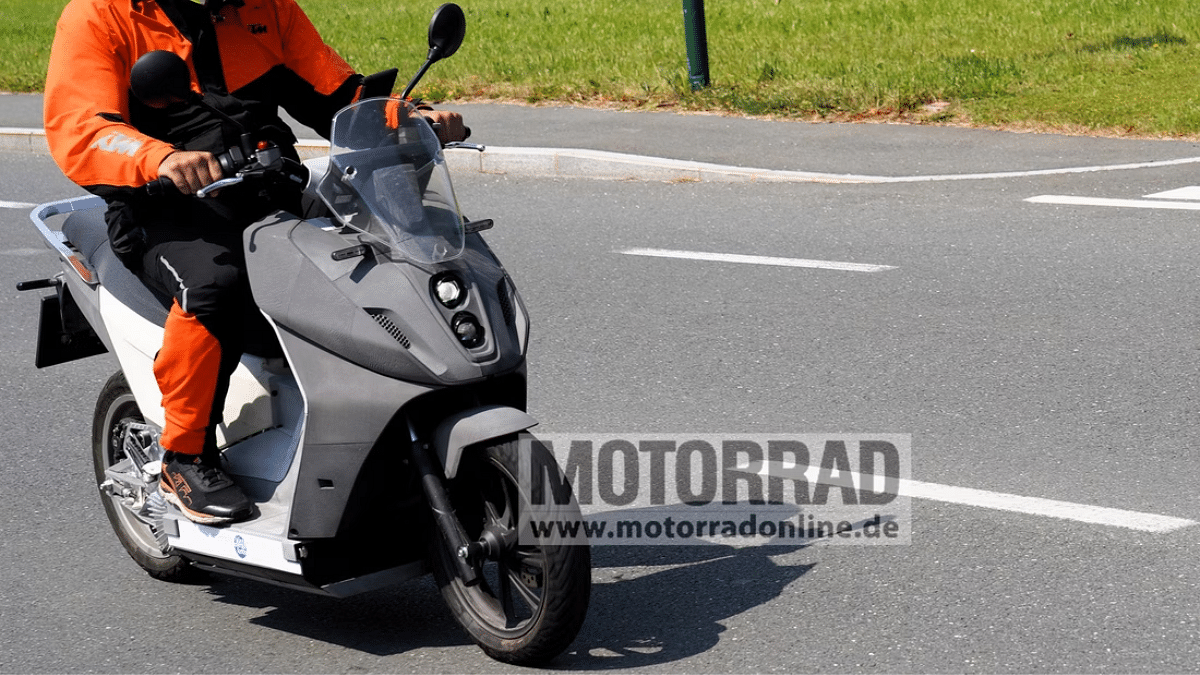
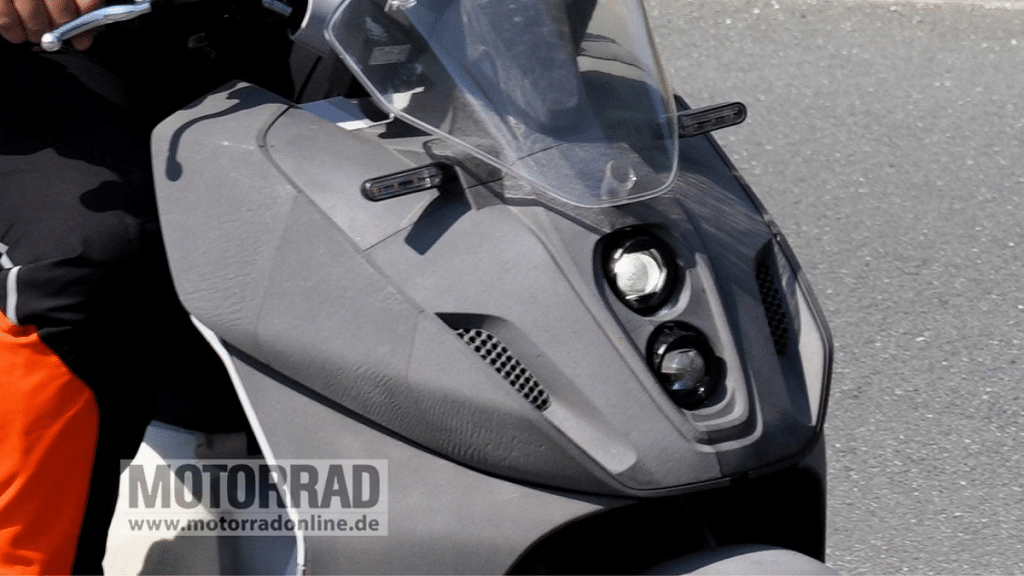
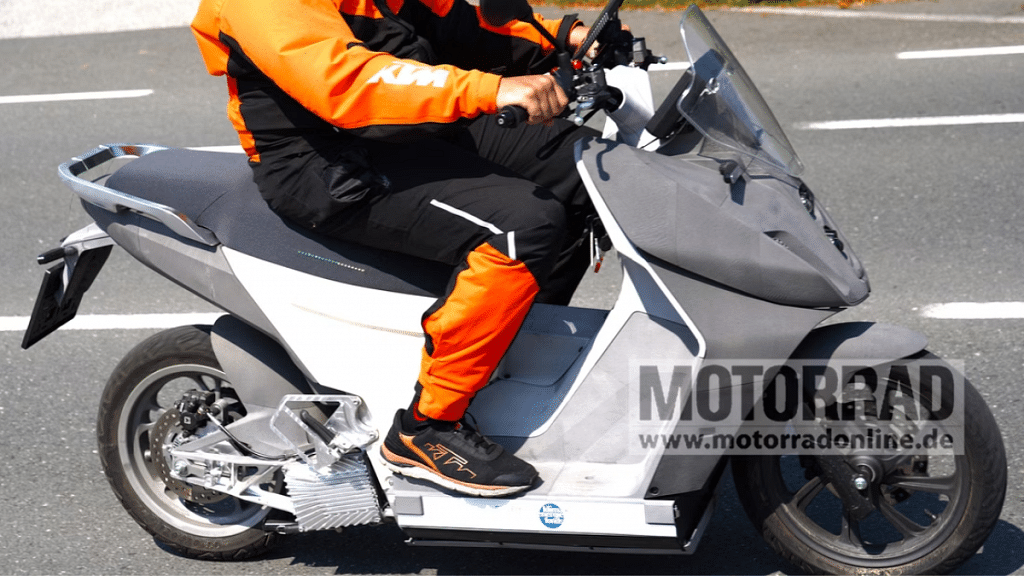
The KTM maxi-style electric scooter has been spotted being tested out in the wild. Motorrrad Online has been the first to spot and share the images of the KTM Maxi-Style electric scooter’s prototype. The KTM electric scooter is being tested in the European markets currently and if we go by the reports, it is in the initial development phase.
It is worth mentioning that KTM has already showcased the electric scooter. However, the concept that KTM revealed previously looked more aggressive compared to the prototype spotted being tested on the roads.
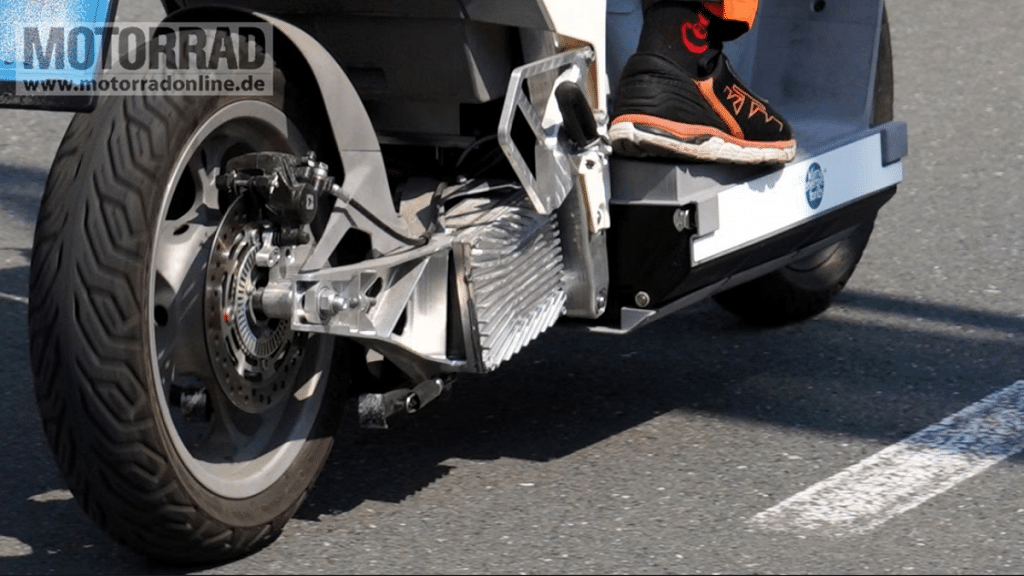
In fact, the images show aluminum body parts including the foot pegs and the swing arm. Also, most of the body components of the KTM maxi electric scooter are possibly 3D printed. This could be specifically for the test runs and the actual model will use different body material.
If we talk of the design changes compared to the concept model then the entire frame design seems less aggressive than the one shown in the concept. The KTM electric scooter’s floorboard isn’t flat as is the case with most maxi-style electric scooter. The thickness of the floorboard suggests the battery module could be mounted on it.
The upcoming electric scooter from KTM will have a flat seat design according to the leaked prototype images. This is a practical design for longer ride comforts for both the rider and the pillion. The leaked test mule images of the KTM electric scooter show alloy wheels and disc brakes. Up front, the KTM electric scooter prototype images show also show a windscreen.
If we talk of the powertrain, the KTM maxi-style electric scooter is said to use a Bajaj-manufactured battery pack. However, the battery capacity isn’t unspecified. Rumors are rife that the KTM electric scooter will be packed with an 8kW electric motor. The peak power capacity isn’t revealed but the electric scooter will possibly offer 100 kmph top speed.
KTM Maxi-Style Electric Scooter Official Launch Date
The KTM maxi-style electric scooter will likely make its debut in 2025 in India and the remaining markets. The rumor mill is expected to share the developments going forward.
Xiaomi after all the anticipations and hype have launched the premium Pad 6 tablet in India. The latest Xiaomi Android tablet has arrived as a successor to the Pad 5 in the country. The brand has also launched the Redmi Buds 4 Active TWS alongside the latest premium Android tablet. As expected, the Xiaomi Pad 6 tablet has debuted for under Rs. 30,000 and offers flagship hardware including Snapdragon 870 chipset and 33W fast charging.
Xiaomi Pad 6 Android Tablet (Indian Model) Key Specifications
Xiaomi Pad 6
Key Specifications
Display
11-inch LCD, 2.8K resolution, 144Hz refresh rate
Camera
13MP rear, 8MP front
Chipset
Qualcomm Snapdragon 870
Battery
8,840 mAh
The Xiaomi Pad 6 tablet is equipped with an 11-inch display. The panel used is IPS LCD which is similar to the previous-gen model. This tablet’s screen supports a 2.8K resolution of 1800 x 2800 pixels, 144Hz variable refresh rate, and 240Hz touch sampling rate. The screen further comes with HDR10 certification and Dolby Vision that enhances the overall viewing experience.
For photography, the Xiaomi Pad 6 tablet comes with a single 13MP rear camera that has an f/2.2 aperture and PDAF (Phase Detection Autofocus). The selfie snapper is the same as the previous-gen model, i.e, an 8MP sensor with an f/2.0 aperture.
For power delivery, the Xiaomi Pad 6 tablet uses the octa-core Snapdragon 870 chipset which gets Adreno 650 GPU support. The Pad 6 tablet comes in the Indian market with up to 8GB LPDDR5 RAM and 256GB UFS 3.1 storage option. The Xiaomi Pad 6 tablet has been pre-loaded with Android 13 OS which comes with MIUI 14 custom user interface on top.
In terms of connectivity, the Xiaomi Pad 6 tablet has Wi-Fi 6 802.11 and Bluetooth 5.2 wireless network support. This tablet also gets a USB Type-C port and USB 3.2 Gen 1 ports. The battery capacity of the Xiaomi Pad 6 tablet is 8,840 mAh battery unit which gets 33W fast charging support.
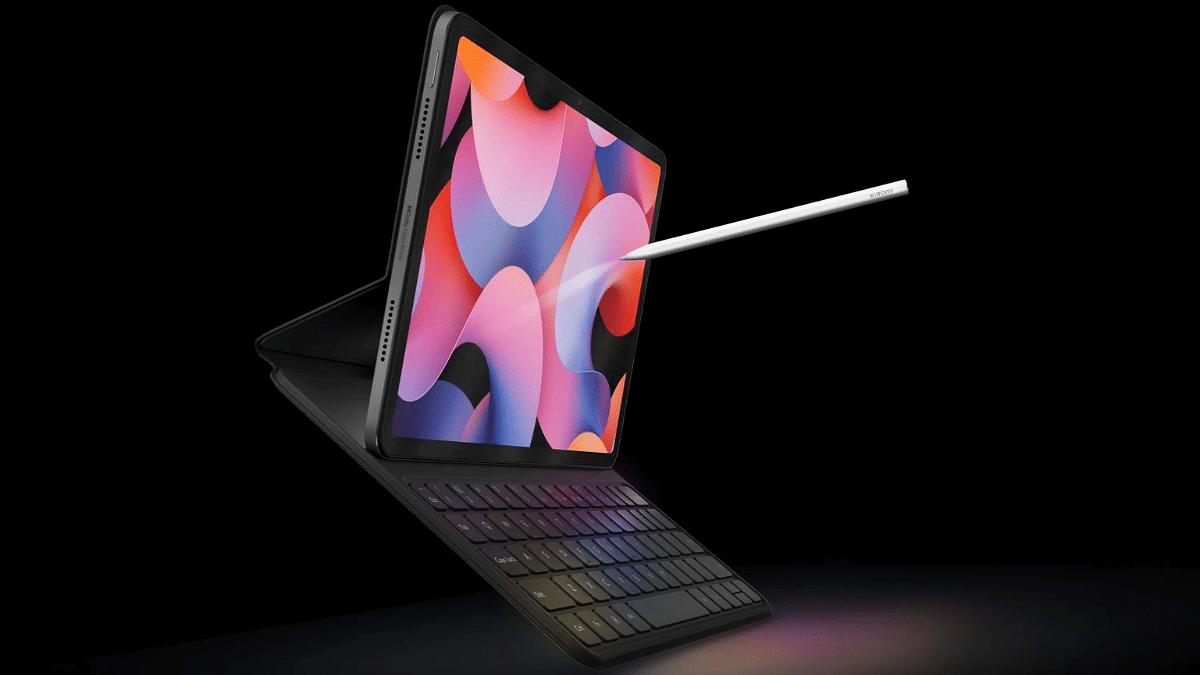
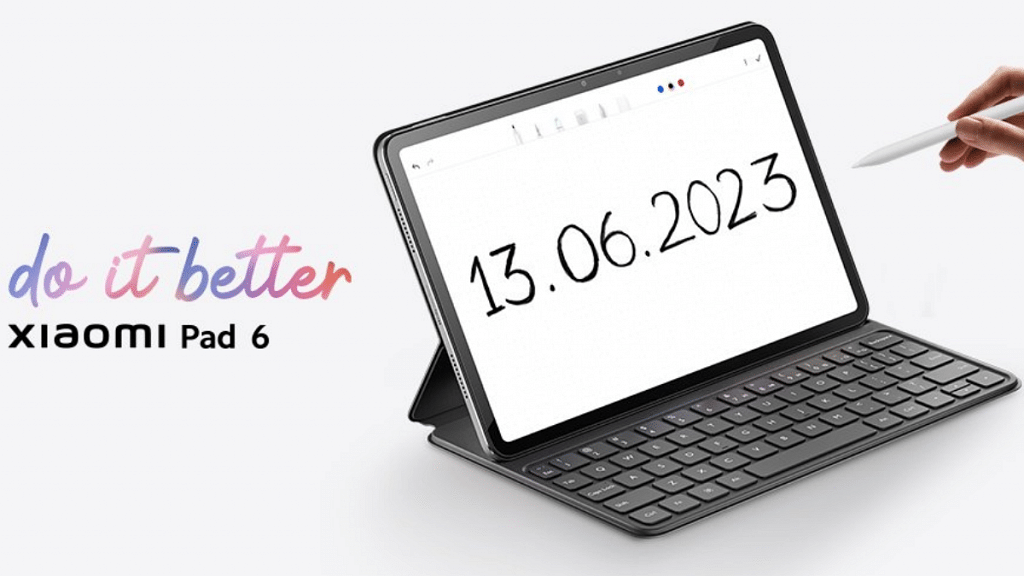
Additionally, the Xiaomi Pad 6 tablet is compatible with Xiaomi Smart Oen second generation, Xiaomi Pad 6 Smart Cover, and smart keyboard. All these will be sold as added accessories.
The Xiaomi Pad 6 tablet with 6GB RAM and 128GB storage option is priced at Rs. 26,999, while the 8GB RAM+ 256GB storage variant can be purchased at Rs. 28,999. The Xiaomi Pad 6 tablet will be sold via Amazon, Xiaomi India’s official website and Xiaomi retail stores starting June 21.
As for the prices of the accessories, the Xiaomi Smart Pen will be available at Rs. 5,999, while the Keyboard will be sold at Rs. 4,999. The Pad 6’s Smart Cover is priced at Rs. 1,499.
Crossbeats has a wide catalog of smartwatches in India
Both Ignite Surge and Armour Dive are priced under Rs. 4,000
Both come with multiple health-centric features
Bluetooth calling is also available
Crossbeats is emerging as a strong contender in the smart wearable market with its pocket-friendly and feature-rich smartwatches. The brand recently updated its portfolio with two new models called the Ignite Surge and Armour Dive. Both these new watches are priced under Rs. 4,000 and bring advanced health features, digital voice assistant support, and more. If you are planning on upgrading or buying a new feature-loaded smartwatch under budget then this comparison article will help you decide the suitable pick.
Design Comparison
Model
Dial Shape
Crossbeats Ignite Surge
Square-Shaped
Crossbeats Armour Dive
Round
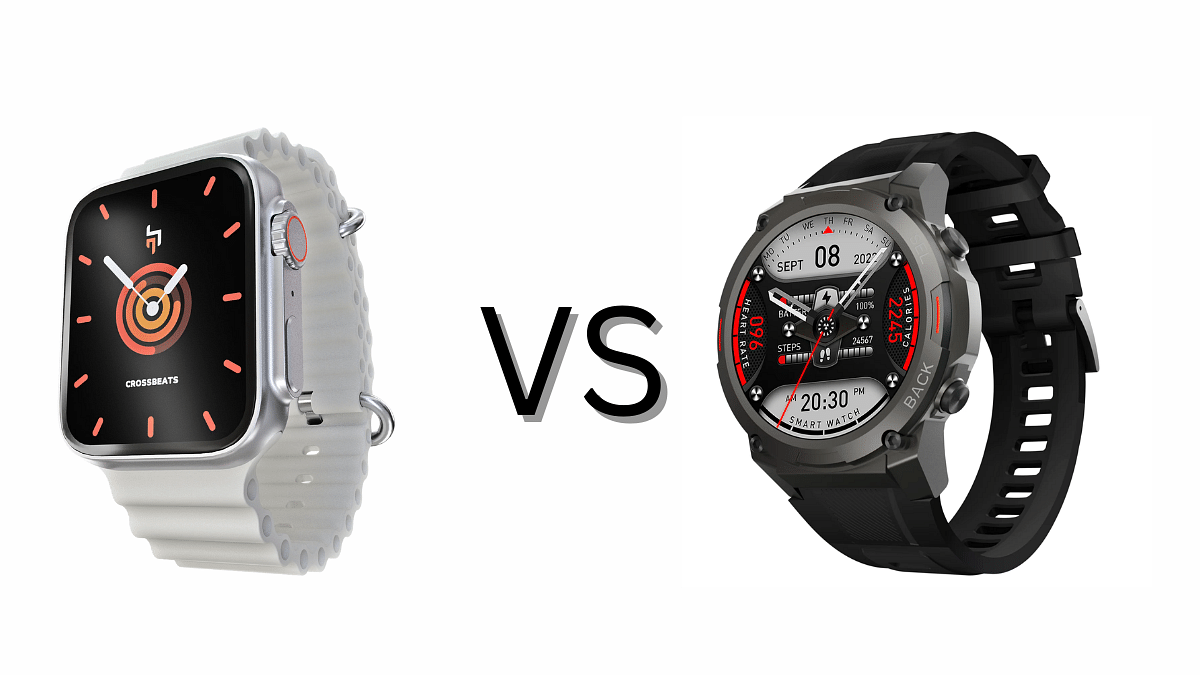
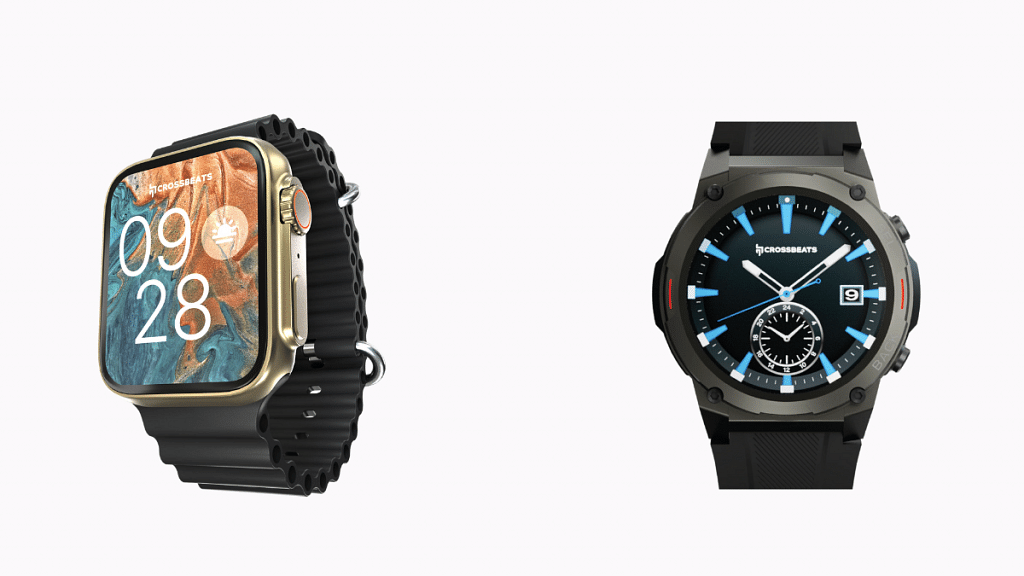
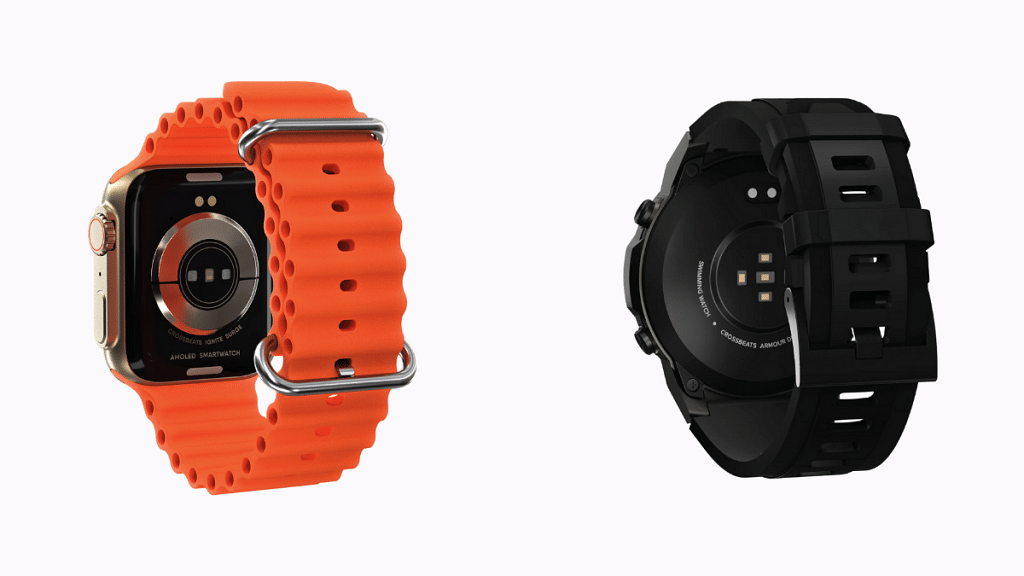
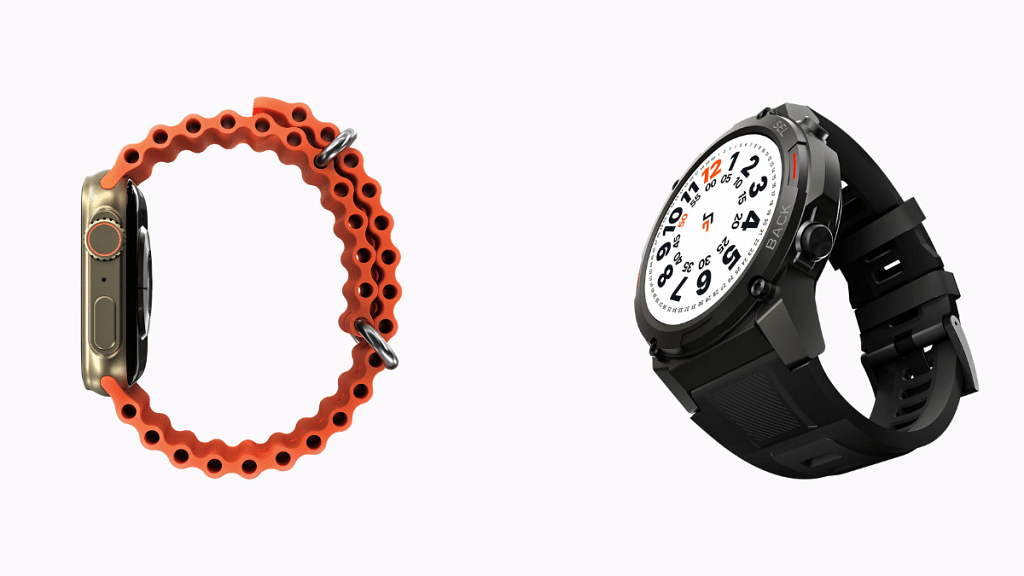
Both Ignite Surge and Armour Dive smartwatches flaunt a modern style statement that fits well with all kinds of wardrobes. The Ignite Surge smartwatch offers a squarish dial and detachable strap design. The metallic dial casing integrated with a digital crown and control key is aesthetically appealing. The straps of the Ignite Surge smartwatch are constructed using a soft silicone material which you’ll find comfortable for daily wear. Also, the straps are detachable and can be replaced at any given point.
If we speak of the Crossbeats Armour Dive, then this variant offers a round dial design contrary to the square-shaped dial offered by the Ignite Surge. The straps of the Armour Dive are also detachable. In fact, this model ships with an additional strap pair which you can use later on if you wish to change the strap color so that it goes well with your get-up.
Just like the Ignite Surge, the Armor Dive’s dial is also encased within an aluminum frame. This makes both these smartwatch durable and rugged for daily use. However, the Armor Dive’s dial has a clickable digital crown instead of a rotating crown offered by the Ignite Surge. Overall, the design statement is stylish with both these smartwatches and you can pick the preferred model as per your preference
The Crossbeats Ingnite Surge smartwatch packs an AMOLED display. The dial measures 1.83 inches and supports the Always-on feature. The watch’s screen has 1000 nits of peak brightness levels that allow clear visibility both outdoors and indoors.
The screen is touch-enabled and you can easily scroll through the menu using gestures and select the contents or settings using simple taps. The Armour Dibve smartwatch’s round dial measures 1.43 inches. It is also an AMOLED panel that supports a 466 x 466 pixels resolution for good clarity levels.
The peak brightness levels offered by the Armour Dive watch model is lower compared to the Ignite Surge. The former comes with just 650 nits peak brightness compared to 1000 nits brightness offered by the Ignite Surge. The screen will offer decent visibility outdoors but the Ignite Surge’s clarity levels are better.
Crossbeats has loaded both Ignite Surge and the Armour Dive with numerous health-centric features. The Ignite Surge comes with over 500 watch faces that one can use for customizations. This smartwatch offers approximately 125 training modes along with AI health trackers. It can also provide real-time health data to track fitness on the go. The smartwatch also comes with an advanced BT calling feature which lets users take calls directly via the smartwatch. It uses ClearCommTM technology that improves the calling experience.
The Crossbeats Armour Dive smartwatch is integrated with 4th Gen Health Trackers that include a Heart rate monitor, Blood Oxygen (SpO2), Blood pressure, and Sleep monitor. This watch is also compatible with some of the popular health trackers including Google Fit and Apple Health. Both these smartwatches can be easily paired with Android and iOS devices.
Battery Comparison
Model
Battery Size
Battery Backup
Crossbeats Ignite Surge
300 mAh
Up to 5 days
Crossbeats Armour Dive
400 mAh
Up to 15 days
Speaking of the battery capacity and backup, the Crossbeats Ignite Surge is packed with a 300 mAh battery unit which is claimed to deliver around 5 days of backup on a single charge. The smartwatch is IP67 certified which protects it from dust and water splashes.
If you need a longer battery backup then the Crossbeats Armour Dive offers a better deal. This smartwatch can last up to 15 days on a single charge with its 400 mAh battery unit.
The Corssbeats Ignite Surge has been launched at Rs. 3,499 in India, while the Armour Dive can be purchased at Rs. 3,999 in the country. The rugged build with Military-grade certification and longer battery backup makes the Armour Dive a good option if you are considering a fully-loaded watch with all the necessary features.
Comes in 43-inch, 50-inch, and 55-inch screen size option
Price starts at Rs. 38,990
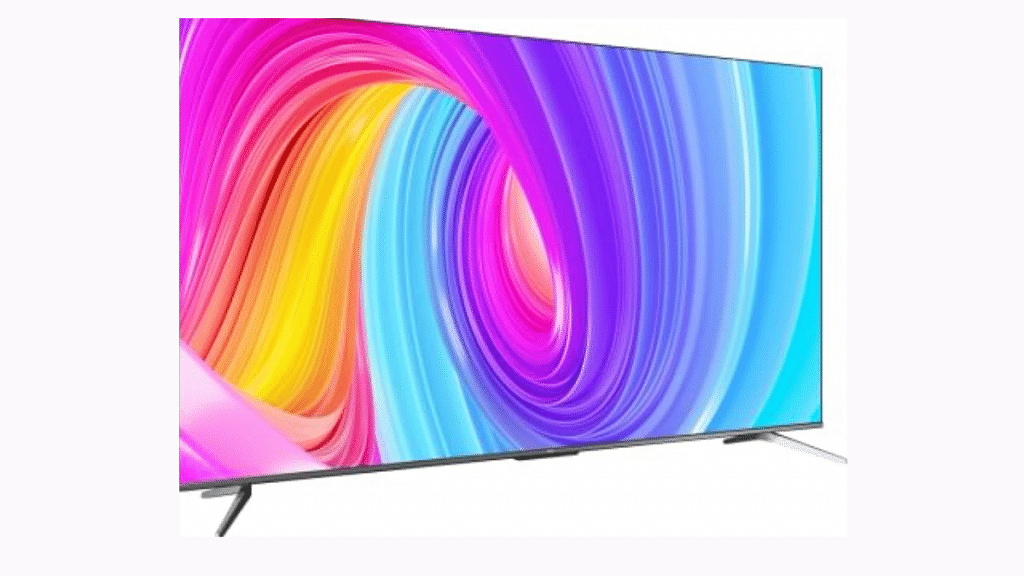
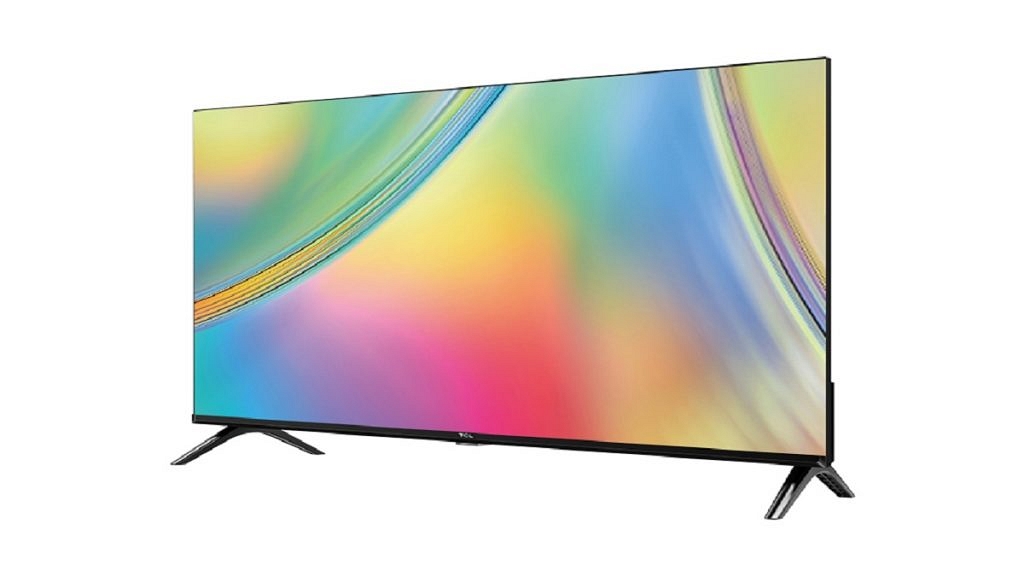
TCL has been consistently expanding its portfolio in India with its premium range of smart TVs. The brand has now introduced the T6G QLED smart TV in the country in three different screen sizes featuring an ultra 4K resolution and Dolby Vision support. What features does this new TCL T6G smart TV offer and how much it costs? Read the details below:
TCL T6G Smart TV Key Features And Specifications
TCL T6G QLED smart TV
Key Specifications
Display size options
43”, 50”, 55”
Dolby Vision
Yes
HDR10+
Yes
MEMC
Available
Dolby Atmos
Yes
DTS Virtual:X
Yes
The TCL T6G smart TV has been launched in three different panel sizes. Users can select from 43-inch, 50-inch, and 55-inch screen sizes. All three TCL T6G models feature a sleek bezel-less design where the panel has an end-to-end edge design. This smart TV has a slim form factor and comes with both wall and table mount options.
The TCL T6G QLED smart TV’s display supports ultra 4K resolution and has Dolby Vision support for an immersive viewing experience. The T6G’s screen also has HDR10+ certification and a MEMC algorithm that reduces blurs on the screen with motion.
These advanced technologies also help reduce image tearing which improves the overall picture quality. Users also get access to multiple movies and shows via OTT platforms. This TV further elevates the viewing experience with added Google services including Google Watchlist, Google Photos, and Google Kids. The TCL T6G QLED smart TV
The TCL T6G QLED Google TV features digital voice assistant (Google Assistant) support which allows hands-free control. This premium TV also has AMD Free sync technology that helps with seamless and lag-free gaming visuals on the screen.
The T6G QLED TV also has a game master feature that allows the users to unlock the advanced display and audio technology for a smooth streaming experience. For audio, the TCL T6G QLED Google smart TV has Dolby Atmos and DTS Virtual:X technology that allows it to deliver rich audio.
TCL T6G QLED Google TV Price In India, Buying Details
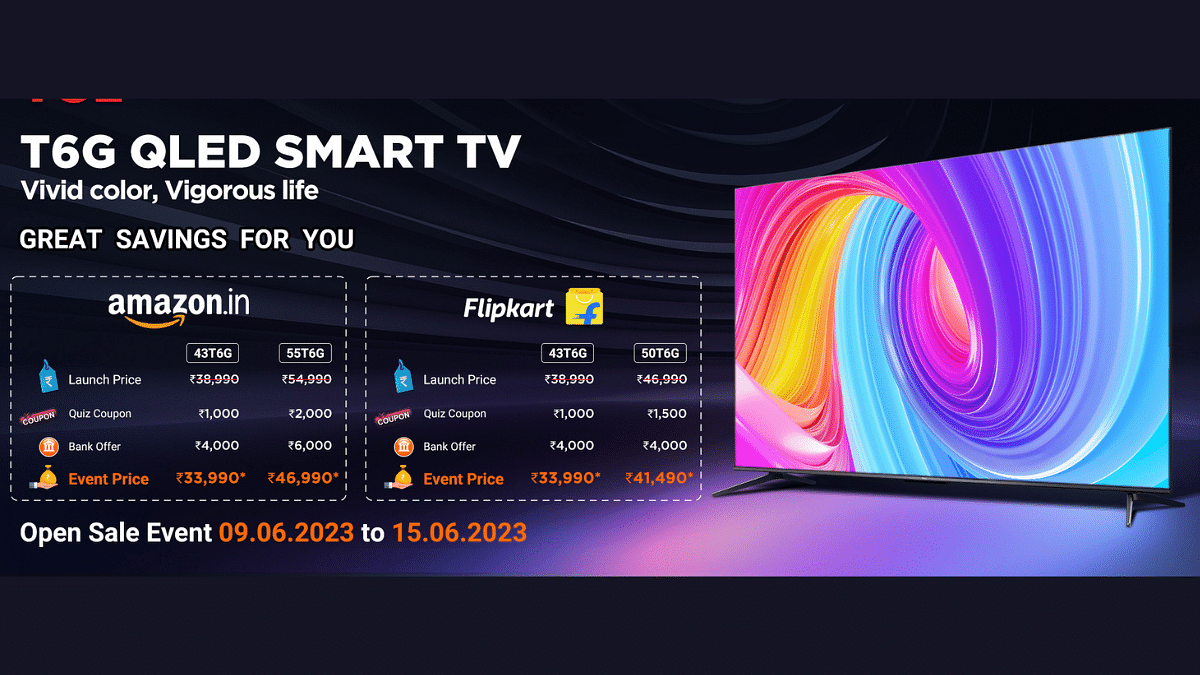
The TCL T6G QLED smart TV has been introduced starting at Rs. 38,990. This is the price of the 43-inch variant. The top-of-the-line T6G QLED TV with a 55-inch screen size can be purchased at Rs. 54,990. The TCL T6G QLED smart TV will be up for grabs via both Amazon and Flipkart along with a bunch of offers.
Xiaomi unveiled its most premium Android tablet lineup called the Pad 6 back in April this year. Since then, the global launch has been pending. Just a few days ago, Xiaomi confirmed the launch of the vanilla Pad 6 in the Indian market this month itself. Now, the tablet has paid a visit to the benchmark website Geekbench that confirms the chipset along with the benchmark scores.
Xiaomi Pad 6 Indian Model Geekbench Listing Details
The Xiaomi Pad 6 Indian model has been spotted on the Geekbench benchmark website right ahead of the June 13 launch. The online listing of the tablet not only confirms the final testing phase before the official launch but also the model number. The Pad 6 tablet is spotted with the 23043RP34I model number on Geekbench.
Additionally, the Geekbench listing also confirms the octa-core Qualcomm Snapdragon 870 chipset for power delivery. It is worth adding that the Xiaomi Pad 6 has been launched in the Chinese market with the same flagship mobile processor. The Pad 6’s Indian variant will come with an 8GB RAM option according to the benchmark website. It will ship with Android 13 OS and will feature a custom MIUI interface similar to the Chinese variant.
Coming to the benchmark scores, the Xiaomi Pad 6’s Indian model has logged a total of 875 points in the single-core test and 2615 points in the multi-core tests. While the remaining spec-sheet is not revealed by the Geekbench listing, we know it will be coming along with the same spec sheet as the international model.
Xiaomi Pad 6 Indian Model Remaining Features And Specifications
Xiaomi Pad 6 (Indian Model)
Key Features
Display
11-inch LCD
Chipset
Snapdragon 870
Camera
13MP rear, 8MP selfie
Battery
8,840 mAh
The Xiaomi Pad 6 will be launched with an 11-inch IPS LCD screen which will come with 1800 x 2800 pixels resolution. The display will further support 550 nits peak brightness and Dolby Vision. It will also have HDR10 compatibility and a 144Hz refresh rate.
The Xiaomi Pad 6 tablet’s Indian model will offer a single 13MP back camera which will have an f/2.2 aperture and will be combined with dual-LED flash. The rear camera will be capable of recording up to 4K@30fps videos. An 8MP front camera will be packed for selfies and video calling. This premium Xiaomi tablet will be packed with an 8,840 mAh battery unit with 33W fast charging.
WhatsApp Channels message broadcast feature released
Similar to Telegram broadcast feature
Channels isn’t end-to-end encrypted
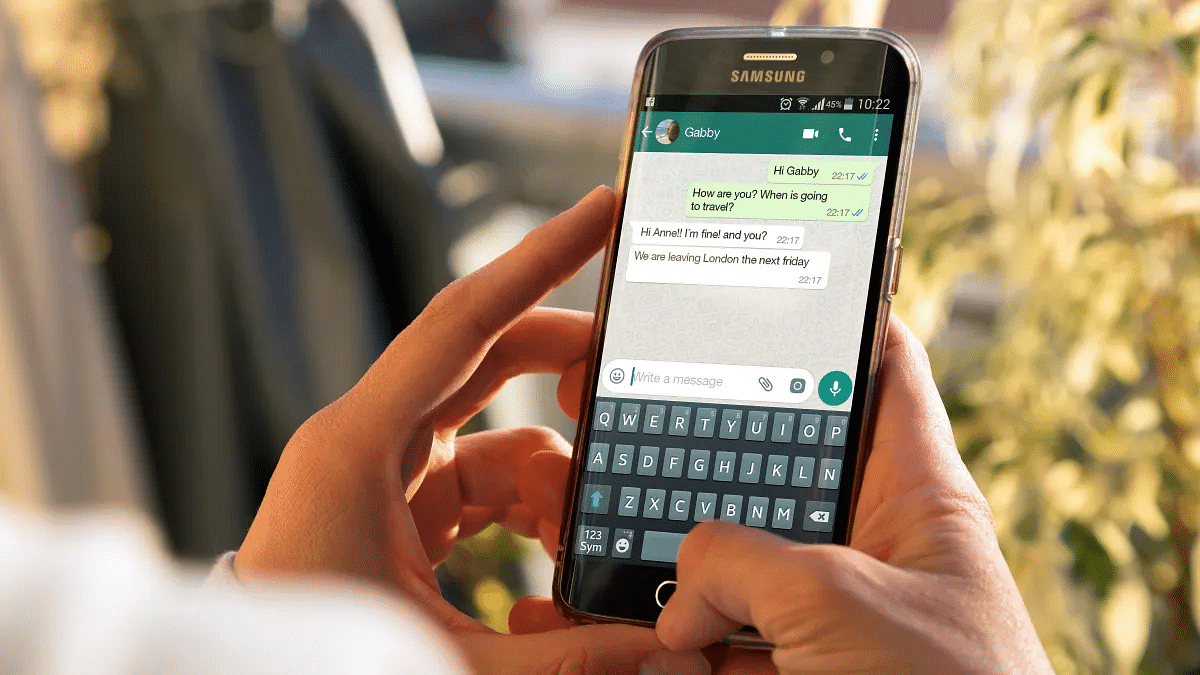
WhatsApp is consistently working on providing a superior messaging experience to the masses. After launching multiple chat-centric features, the brand has now released a new broadcast feature that will definitely elevate the messaging experience on Android and iOS devices. What is the new broadcast feature introduced by WhatsApp and how does it work? Below are the details:
WhatsApp Channels Message Broadcast Feature: What Is It? How To Use?
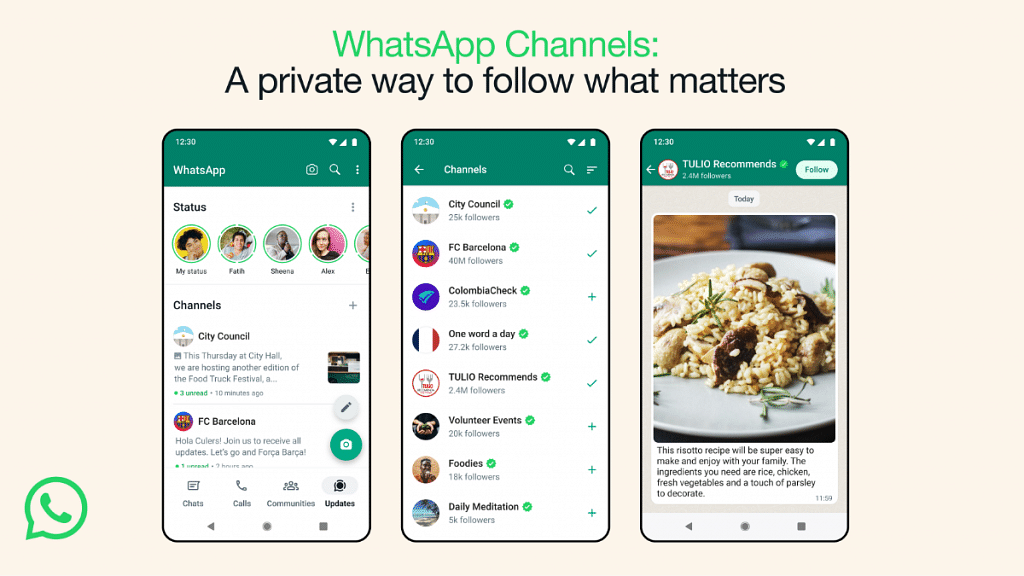
WhatsApp Channels is a one-way broadcast tool that will allow users to get important updates from organizations, groups, or users. The latest message broadcast feature introduced by WhatsApp has been already available with Telegram and is quite popular amongst the masses.
With the WhatsApp Channels, group admins will be able to share different types of content easily. Admins will be allowed to broadcast media files including images and videos. Also, Channels will allow users to broadcast or share stickers and polls.
WhatsApp is creating a new tab called Updates where this Channels tool can be accessed. A searchable directory is also in the works where users will be able to find channels based on their interests including sports and others.
Channel admins can send invite links via e-mails or chats so that interested users can join the Channel. Also, the Status updates of the channels will be shown separately from the contacts status window. Additionally, WhatsApp has revealed that the channel’s history will be stored on the brand’s servers for up to 30 days. Going forward, WhatsApp plans to make the Channel updates disappear faster for the users.
The WhatsApp Channels message broadcast feature is currently released in limited markets only. WhatsApp users in Colombia and Singapore can use the Channels features. The company is expected to roll out Channels messaging services to the remaining regions including India in the coming months.
Meta Verified Blue tick subscription packs released in India.
Subscription cost starts at Rs. 699 for Android and iOS.
Web users will have to Rs. 599 for a subscription.
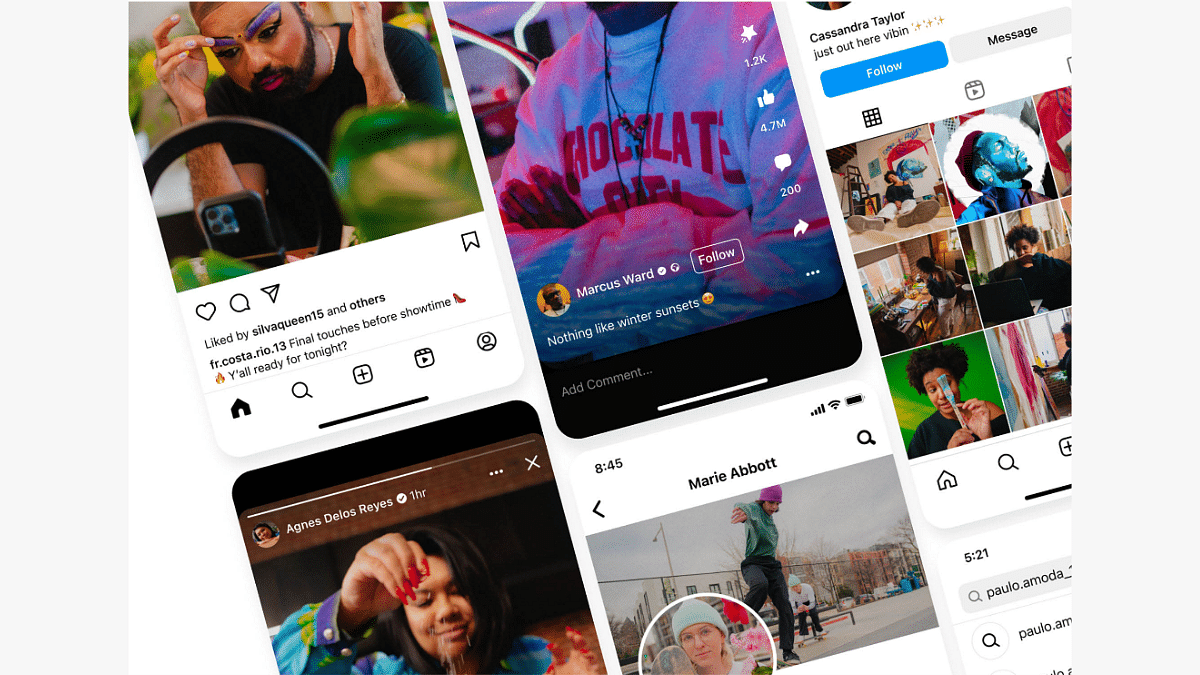
Blue Tick verifications are quite hype on the social media space. Getting verified on popular social media platforms previously required users and content creators to follow and meet specific guidelines to earn the verification badge. But following Twitter’s footsteps, Meta has also introduced subscription-based Blue Badge for Facebook and Instagram users in the country.
Both Facebook and Instagram account holders can now get their profile verified in India with a blue tick. The Meta Verified badge is available for purchase in the country for all the respective Facebook and Instagram users. How much one needs to pay to get verified on Facebook and Instagram in India and if there are any conditions one needs to follow? Check out the details below:
Meta Verified Blue Ticks Price For Instagram And Facebook
Meta has released the Verified Badge/ Blue subscription rates for Facebook as well as Instagram. The users of both respective social media platforms can buy the blue ticks using Android and iOS devices at the moment. The Facebook and Instagram web version will get the Blue tick subscription plans in the next few months. However, the timeline for the same is not announced by Meta.
Speaking of the rates, the Meta Verified blue tick for Facebook and Instagram is priced at Rs. 699. As mentioned, both Android and iOS users can buy the Meta verified tag at this rate. Whereas, the Meta Verified subscription rate is less for the web version. It will cost just Rs. 599 per month for the Facebook and Instagram web users.
Meta Verified/ Blue Ticks For Facebook And Instagram: Key Points To Note
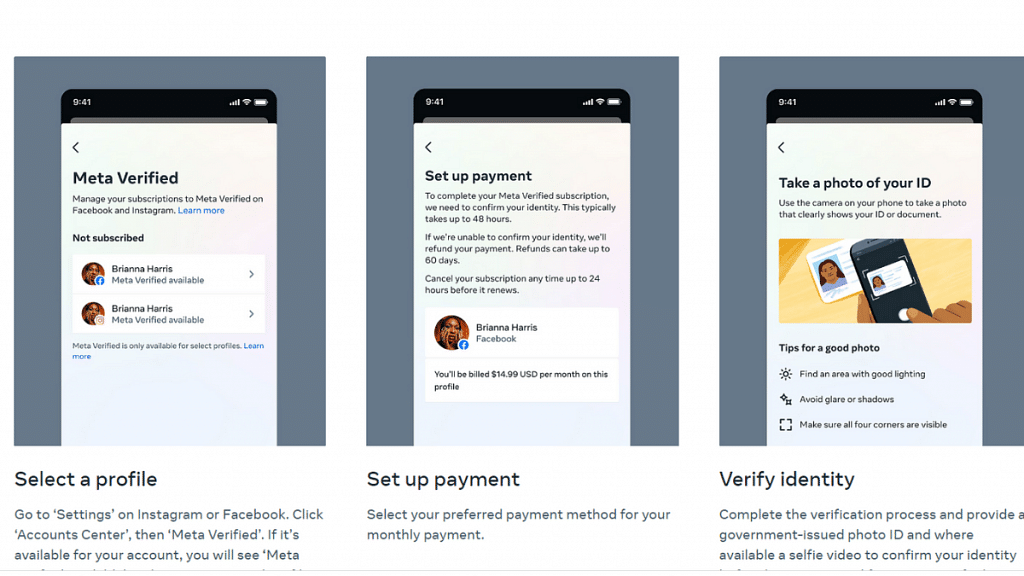
Eligibility Criteria: The Meta Verified Blue tick will be available to the new and existing users who meet the set criteria of minimum 18-year-old age. Also, a user would require to have some post-sharing history in order to get Meta Verified for Facebook and Instagram.
Selfie Verification: To verify the account and the user, Meta could as for selfie verification from certain users.
Government ID: Both Facebook and Instagram users will need to provide valid government ID proof for the verification process.
After all the documents and accounts are verified, the Blue Tick will be visible on the respective Instagram and Facebook profiles.
Language Support: Currently only English language support is available for Indian users. Going forward the Hindi language support will also be added.