Categories
Comparison Featured Info Tablet

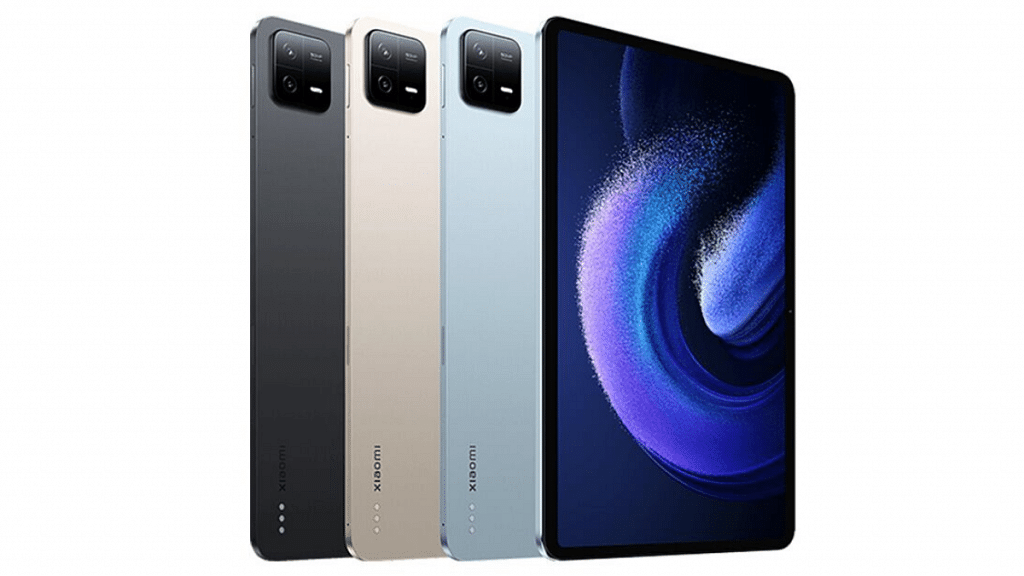
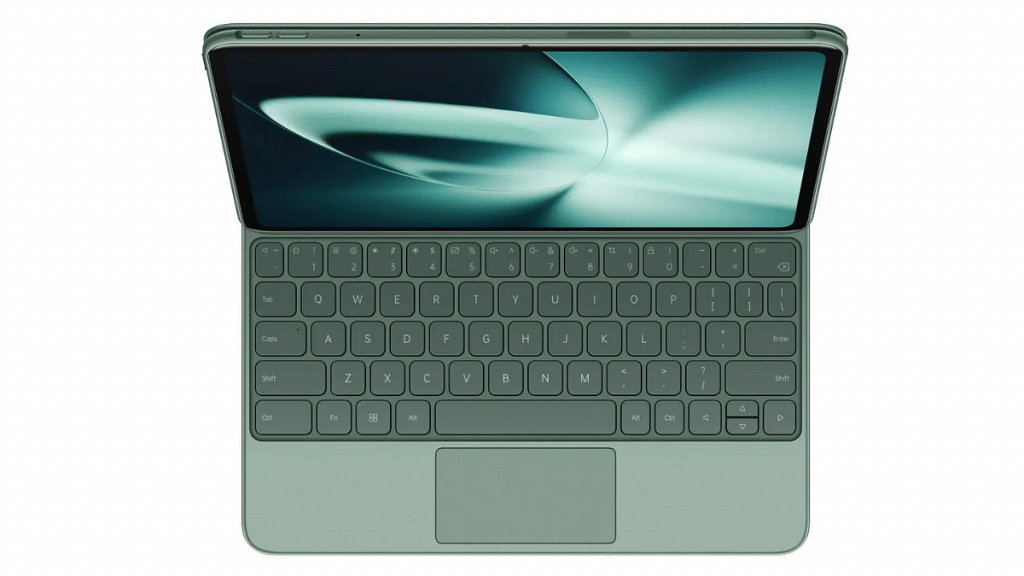
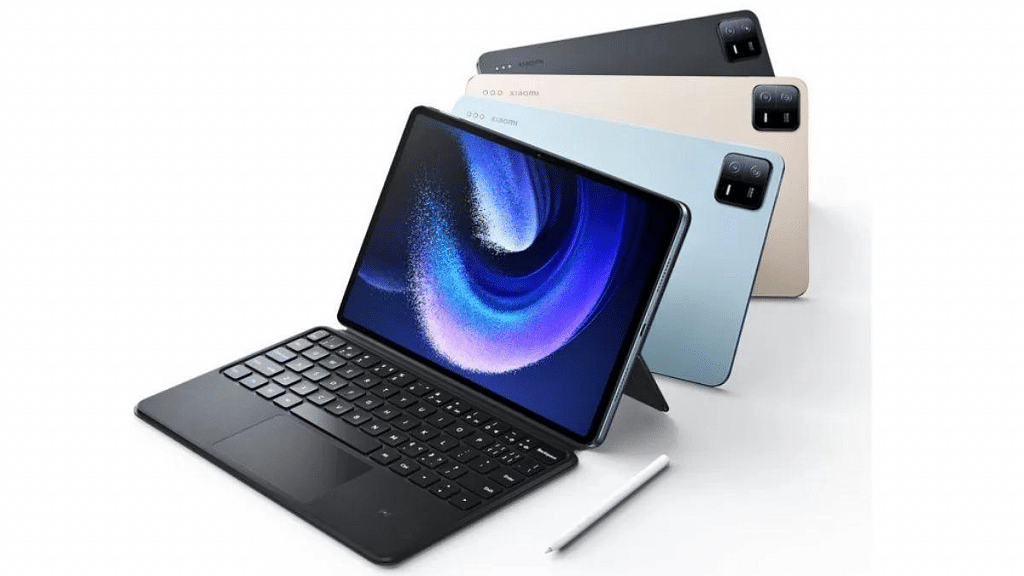
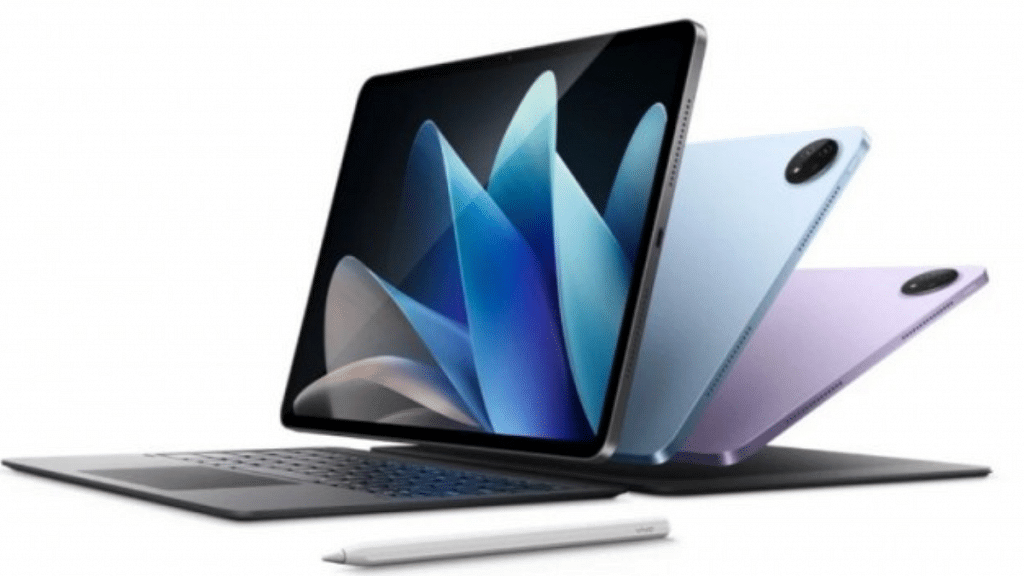
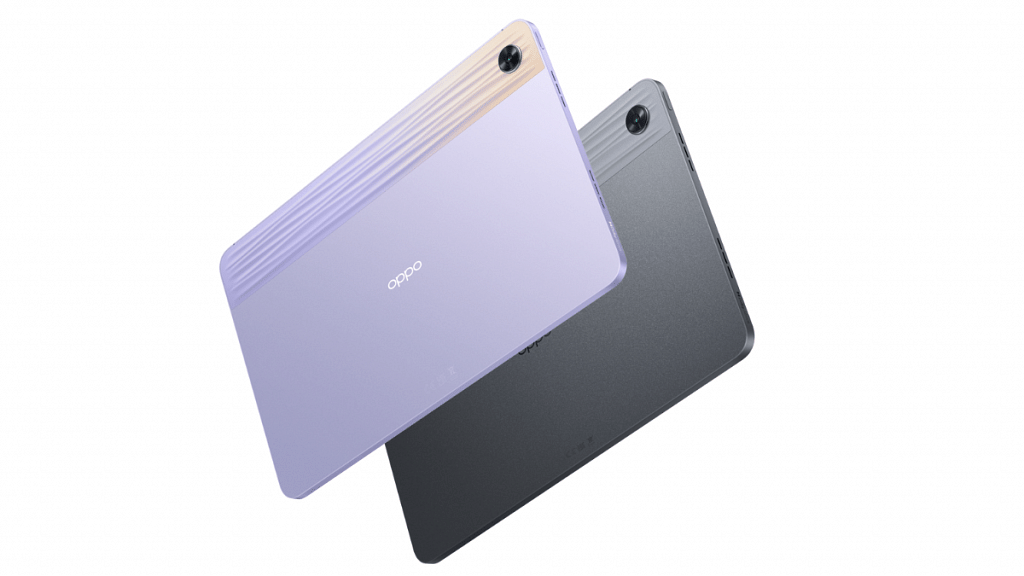
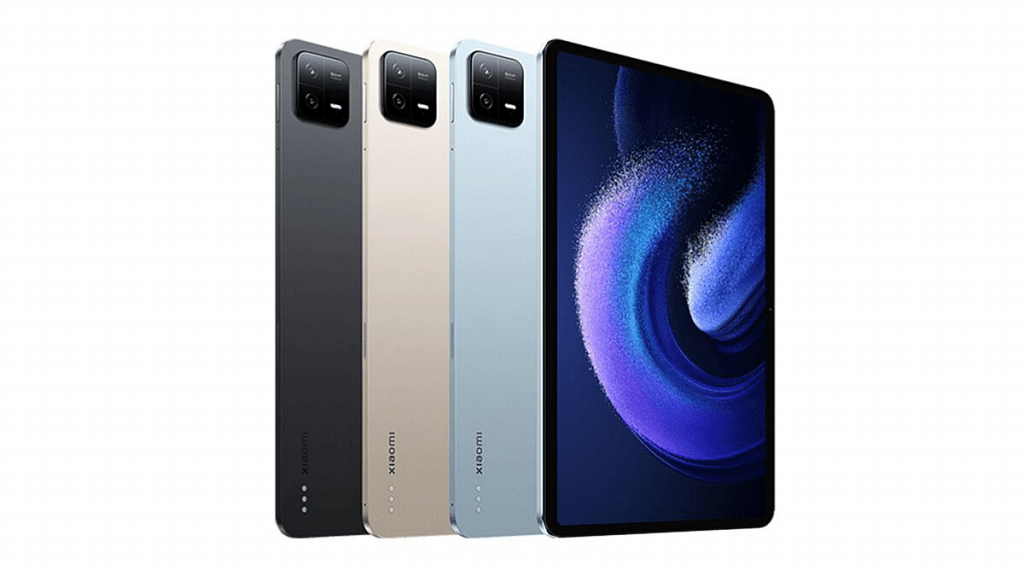
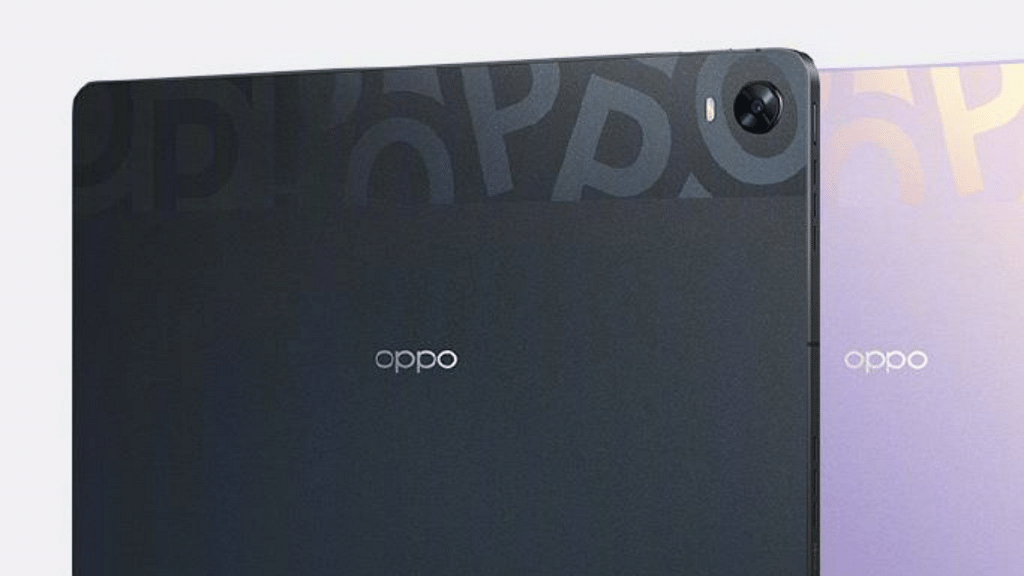
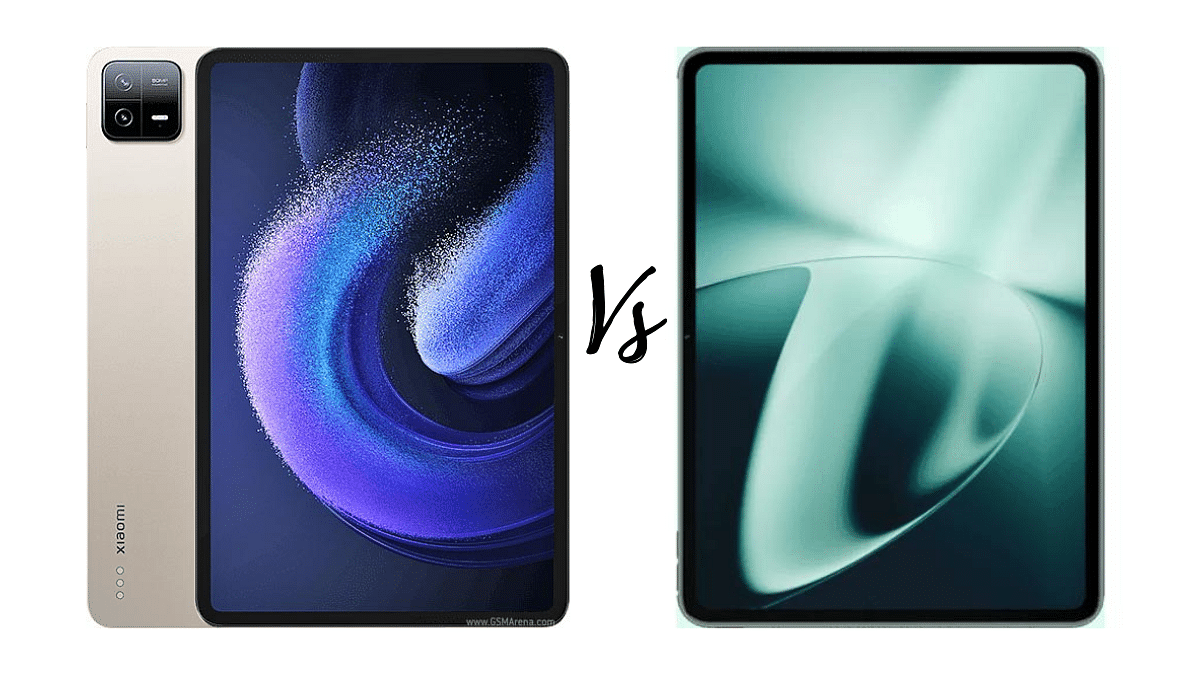
Xiaomi Pad 6 Vs OnePlus Pad 5G: Best Premium Android Tablet In India In 2023

Key Highlights

  • Xiaomi Pad 6: Affordable with impressive display.
  • OnePlus Pad 5G: Superior camera and performance.
  • Detailed comparison of Xiaomi Pad 6 and OnePlus Pad 5G.

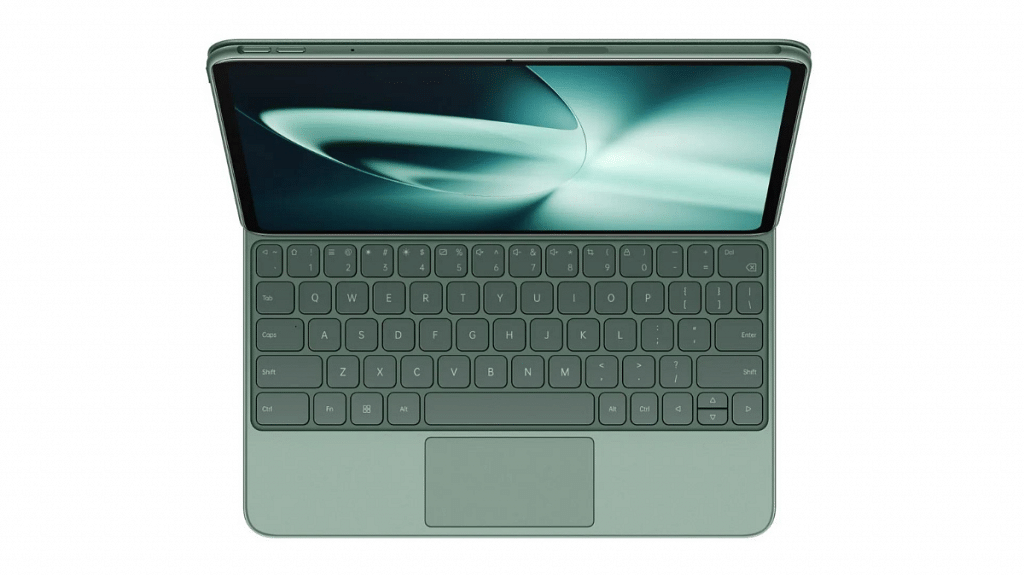
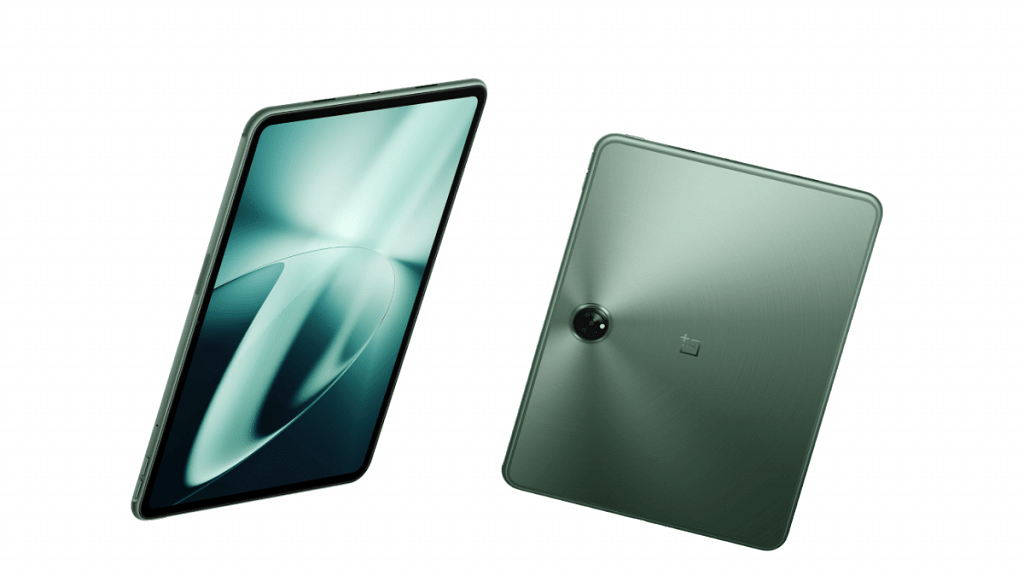
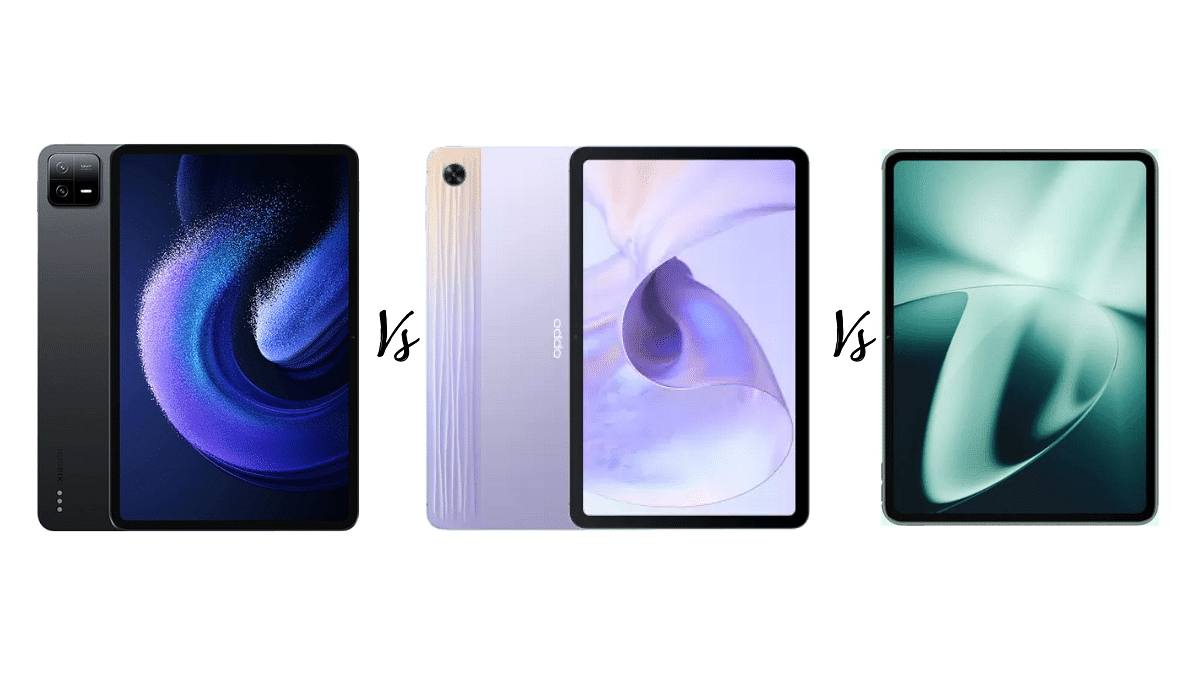
When it comes to premium Android tablets, Xiaomi and OnePlus are two brands that have gained a significant reputation in the market. In 2023, Xiaomi Pad 6 and OnePlus Pad 5G are two highly anticipated offerings from these companies.

Let’s compare the tablets across various aspects to determine which one emerges as the best option for consumers in India.

Also Read: Xiaomi Pad 6: Top Alternatives In India In 2023

Xiaomi Pad 6 Vs OnePlus Pad 5G: Display

FeaturesXiaomi Pad 6OnePlus Pad 5G
Display11.0-inch IPS LCD panel11.61-inch IPS LCD panel
Resolution1800 x 2880 pixels2000 x 2800 pixels
Pixel Density309 ppi296 ppi
Refresh Rate144Hz144Hz
HDR SupportHDR10, Dolby VisionHDR10, Dolby Vision, HDR10+
Color ReproductionVibrant colors, excellent visualsExcellent color reproduction
DurabilityCorning Gorilla Glass 3 protectionNot specified

Both tablets boast impressive displays, but Xiaomi Pad 6 takes the lead in this category. It features an 11.0-inch IPS LCD panel with a resolution of 1800 x 2880 pixels, delivering a sharp pixel density of 309 ppi. The display supports a 144Hz refresh rate, HDR10, and Dolby Vision, ensuring vibrant colors and smooth visuals. Additionally, the Corning Gorilla Glass 3 protection enhances durability.

On the other hand, the OnePlus Pad 5G offers an 11.61-inch IPS LCD display with a resolution of 2000 x 2800 pixels. While it also supports a high 144Hz refresh rate and Dolby Vision, its pixel density is slightly lower at 296 ppi.

However, the OnePlus Pad 5G compensates with its excellent color reproduction and HDR10+ support.

Also Read: Xiaomi Pad 6 Premium Android Tablet With Powerful Snapdragon 870 Chipset Launched In India: Price, Sale Date, Full Specifications

Xiaomi Pad 6 Vs OnePlus Pad 5G: Camera

FeaturesXiaomi Pad 6OnePlus Pad 5G
Main Camera13 MP, f/2.2, PDAF13 MP, f/2.2, PDAF
Video Recording4K@30fps, 1080p@30/60fps4K@30fps, 1080p@30fps

In terms of camera capabilities, the OnePlus Pad 5G has an edge over the Xiaomi Pad 6. The OnePlus Pad 5G features a 13 MP primary camera with a wider aperture of f/2.2, allowing for better low-light photography. It also includes features like LED flash and can record 4K videos at 30fps. The Xiaomi Pad 6, while sporting a similar 13 MP camera, lacks some of these advanced camera features, giving OnePlus the advantage in this department.

Also Read: Google Pixel Tablet Vs OnePlus Pad Vs Vivo Pad 2: Top Value Flagship Android Tablet In 2023

Xiaomi Pad 6 Vs OnePlus Pad 5G: Processor, Memory

FeaturesXiaomi Pad 6OnePlus Pad 5G
ProcessorQualcomm Snapdragon 870 5GMediatek MT6983 Dimensity 9000
GPUAdreno 650Mali-G710 MC10
RAM6GB, 8GB8GB, 12GB
Internal Storage128GB, 256GB128GB, 256GB

The Xiaomi Pad 6 and OnePlus Pad 5G come equipped with powerful processors and ample memory. The Xiaomi Pad 6 runs on the Qualcomm Snapdragon 870 5G chipset, an octa-core processor with impressive performance. It offers options for 6GB or 8GB of RAM, ensuring smooth multitasking. The OnePlus Pad 5G, on the other hand, features the Mediatek MT6983 Dimensity 9000 chipset, another capable processor. It comes with 8GB or 12GB of RAM, providing a substantial amount of memory for demanding tasks.

Also Read: Xiaomi Pad 6 Vs Oppo Pad Vs OnePlus Pad: Top Latest Premium Android Tablet In 2023

Xiaomi Pad 6 Vs OnePlus Pad 5G: Battery

FeaturesXiaomi Pad 6 OnePlus Pad 5G
Battery Capacity8840 mAh9510 mAh
Charging33W wired charging67W wired charging

When it comes to battery life, both tablets offer solid performance. The Xiaomi Pad 6 houses a 8840 mAh non-removable battery, which provides enough power to last through a day of heavy usage. It supports 33W wired charging, allowing for quick top-ups.

On the other hand, the OnePlus Pad 5G packs a larger 9510 mAh battery, ensuring even longer usage time. It also supports faster 67W wired charging, which means it can be charged to full capacity in a shorter time compared to the Xiaomi Pad 6.

Also Read: Vivo Pad 2 vs OnePlus Pad vs Xiaomi Pad 6: Flagship Tablet That Takes The Top Spot

Xiaomi Pad 6 Vs OnePlus Pad 5G: Price
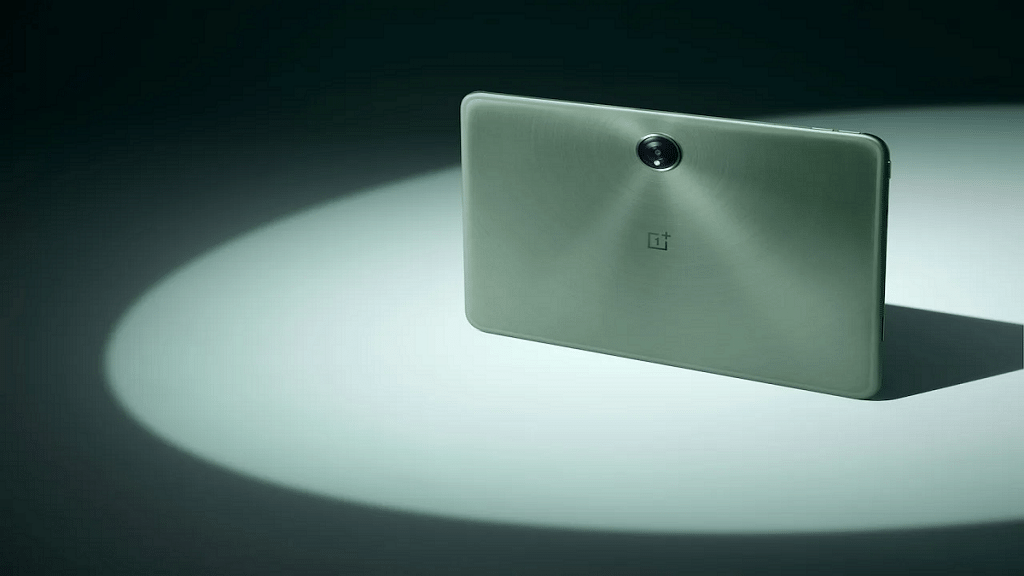
The Xiaomi Pad 6 is expected to come with an attractive price tag of Rs.26,999, making it a more budget-friendly option. On the other hand, the OnePlus Pad 5G is anticipated to be priced at Rs.37,999, positioning it in a higher price bracket.
Also Read: Vivo Pad 2: Top Alternatives Worth Considering

Categories
Comparison Featured Smart Watch

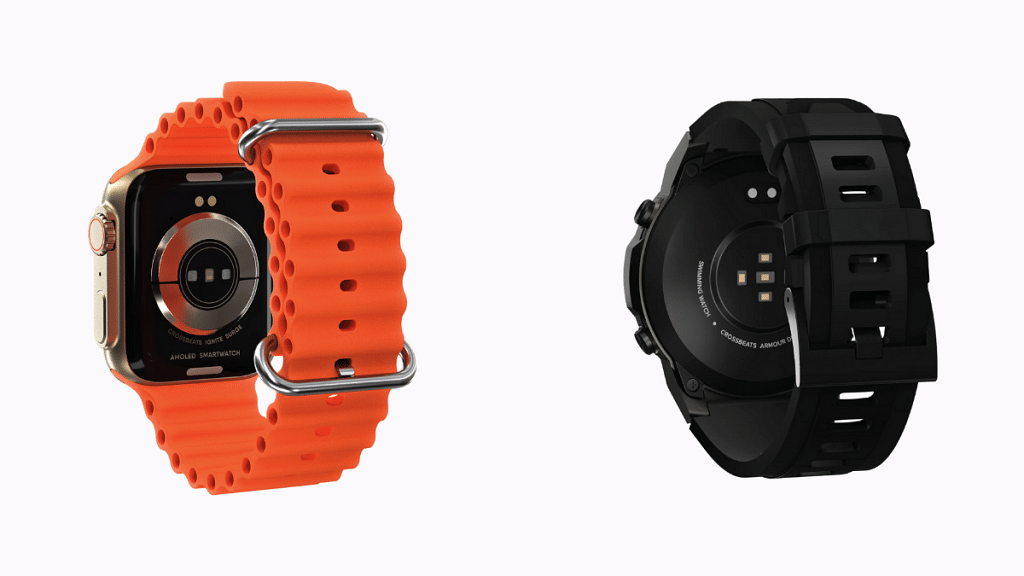
Crossbeats Ignite Surge Vs Armour Dive Smartwatch Comparison: Best Bluetooth Calling Smartwatch In 2023 Under Rs. 4,000

Key Highlights

  • Crossbeats has a wide catalog of smartwatches in India
  • Both Ignite Surge and Armour Dive are priced under Rs. 4,000
  • Both come with multiple health-centric features
  • Bluetooth calling is also available

Crossbeats is emerging as a strong contender in the smart wearable market with its pocket-friendly and feature-rich smartwatches. The brand recently updated its portfolio with two new models called the Ignite Surge and Armour Dive. Both these new watches are priced under Rs. 4,000 and bring advanced health features, digital voice assistant support, and more. If you are planning on upgrading or buying a new feature-loaded smartwatch under budget then this comparison article will help you decide the suitable pick.

Design Comparison

ModelDial Shape
Crossbeats Ignite Surge Square-Shaped
Crossbeats Armour DiveRound

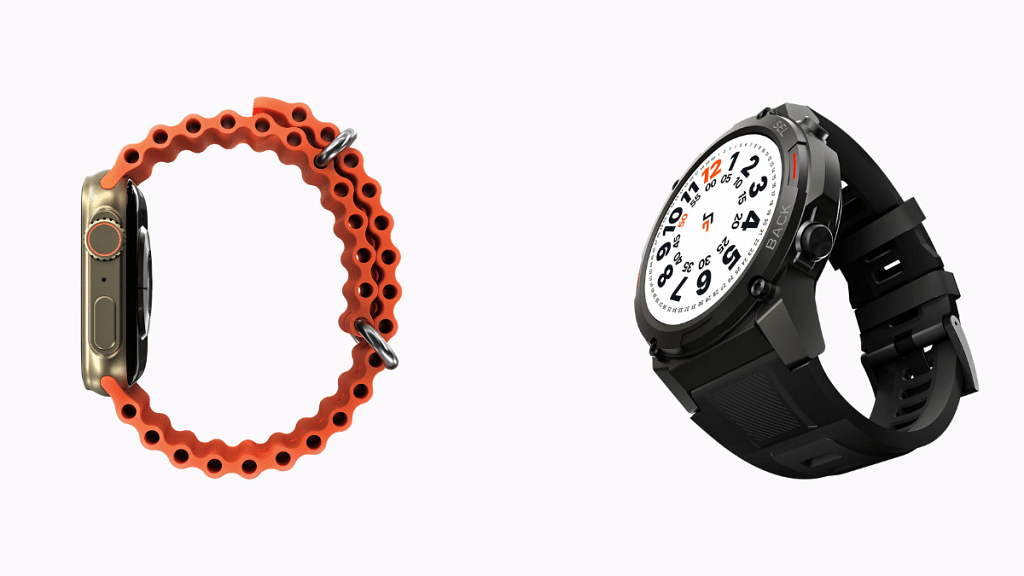
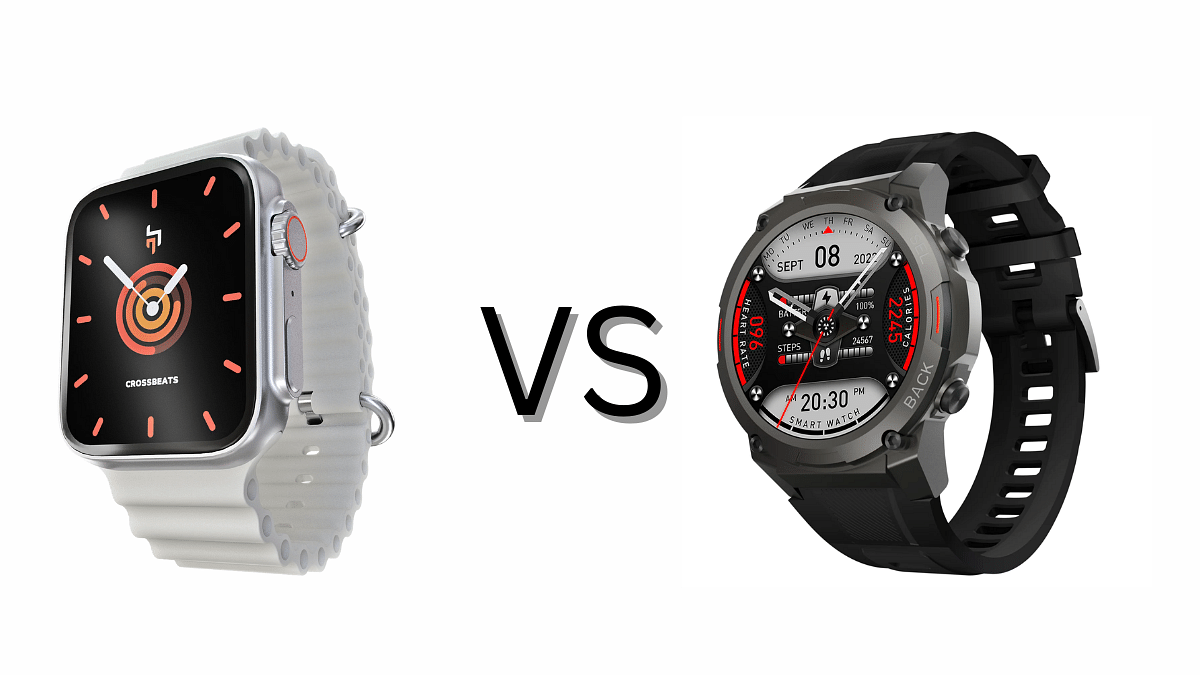
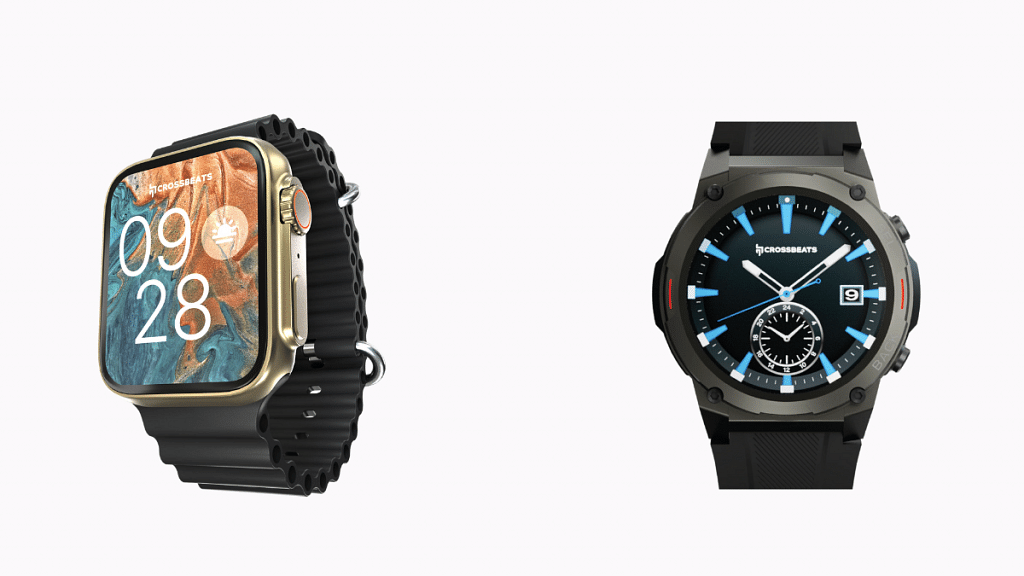
Both Ignite Surge and Armour Dive smartwatches flaunt a modern style statement that fits well with all kinds of wardrobes. The Ignite Surge smartwatch offers a squarish dial and detachable strap design. The metallic dial casing integrated with a digital crown and control key is aesthetically appealing. The straps of the Ignite Surge smartwatch are constructed using a soft silicone material which you’ll find comfortable for daily wear. Also, the straps are detachable and can be replaced at any given point.

If we speak of the Crossbeats Armour Dive, then this variant offers a round dial design contrary to the square-shaped dial offered by the Ignite Surge. The straps of the Armour Dive are also detachable. In fact, this model ships with an additional strap pair which you can use later on if you wish to change the strap color so that it goes well with your get-up.

Just like the Ignite Surge, the Armor Dive’s dial is also encased within an aluminum frame. This makes both these smartwatch durable and rugged for daily use. However, the Armor Dive’s dial has a clickable digital crown instead of a rotating crown offered by the Ignite Surge. Overall, the design statement is stylish with both these smartwatches and you can pick the preferred model as per your preference

Also Read: Crossbeats Ignite Surge Review: Ideal Daily-Use Smartwatch Under Rs. 4,000

Display Comparison

ModelDisplay SizeDisplay Type
Crossbeats Ignite Surge1.83-inchAMOLED
Crossbeats Armour Dive1.43-inchAMOLED

The Crossbeats Ingnite Surge smartwatch packs an AMOLED display. The dial measures 1.83 inches and supports the Always-on feature. The watch’s screen has 1000 nits of peak brightness levels that allow clear visibility both outdoors and indoors.

The screen is touch-enabled and you can easily scroll through the menu using gestures and select the contents or settings using simple taps. The Armour Dibve smartwatch’s round dial measures 1.43 inches. It is also an AMOLED panel that supports a 466 x 466 pixels resolution for good clarity levels.

The peak brightness levels offered by the Armour Dive watch model is lower compared to the Ignite Surge. The former comes with just 650 nits peak brightness compared to 1000 nits brightness offered by the Ignite Surge. The screen will offer decent visibility outdoors but the Ignite Surge’s clarity levels are better.

Also Read: Smartwatch Buying Guide 2023: Top Four New Smartwatches Launched In India With Bluetooth Calling And Health-Centric Features

Feature Comparison

Crossbeats has loaded both Ignite Surge and the Armour Dive with numerous health-centric features. The Ignite Surge comes with over 500 watch faces that one can use for customizations. This smartwatch offers approximately 125 training modes along with AI health trackers. It can also provide real-time health data to track fitness on the go. The smartwatch also comes with an advanced BT calling feature which lets users take calls directly via the smartwatch. It uses ClearCommTM technology that improves the calling experience.

The Crossbeats Armour Dive smartwatch is integrated with 4th Gen Health Trackers that include a Heart rate monitor, Blood Oxygen (SpO2), Blood pressure, and Sleep monitor. This watch is also compatible with some of the popular health trackers including Google Fit and Apple Health. Both these smartwatches can be easily paired with Android and iOS devices.

Battery Comparison

ModelBattery SizeBattery Backup
Crossbeats Ignite Surge300 mAhUp to 5 days
Crossbeats Armour Dive400 mAhUp to 15 days

Speaking of the battery capacity and backup, the Crossbeats Ignite Surge is packed with a 300 mAh battery unit which is claimed to deliver around 5 days of backup on a single charge. The smartwatch is IP67 certified which protects it from dust and water splashes.

If you need a longer battery backup then the Crossbeats Armour Dive offers a better deal. This smartwatch can last up to 15 days on a single charge with its 400 mAh battery unit.

Also Read: Best Smartwatches With Bluetooth Calling, Fitness Features Under Rs. 5,000 In 2023

Final Verdict

The Corssbeats Ignite Surge has been launched at Rs. 3,499 in India, while the Armour Dive can be purchased at Rs. 3,999 in the country. The rugged build with Military-grade certification and longer battery backup makes the Armour Dive a good option if you are considering a fully-loaded watch with all the necessary features.

Also Read: List Of Best Smartwatches You Can Buy Under Rs. 500 In India

Categories
Accessories Comparison Featured

Mivi Duopds K1 Vs Wings Phantom 345 Budget TWS Comparison: Best Earbuds Under Rs. 1,500

Key Highlights

  • Mivi Duopds K1: Basic design, decent audio.
  • Wings Phantom 345: Trendy transparent case, gaming mode.
  • Both offer affordable options under Rs.1,500.

TWS earbuds have become immensely popular due to their convenience and portability. Mivi Duopds K1 and Wings Phantom 345 are two budget-friendly options that offer a range of features.

Let’s compare them in terms of design, audio quality, calling performance, pairing, controls, battery life, and overall performance to determine which one is better suited for your needs.

Also Read: New Skullcandy Smokin’ Buds TWS Earbuds: Affordable, Eco-Friendly, and Long-Lasting

Mivi Duopds K1 Vs Wings Phantom 345: Design

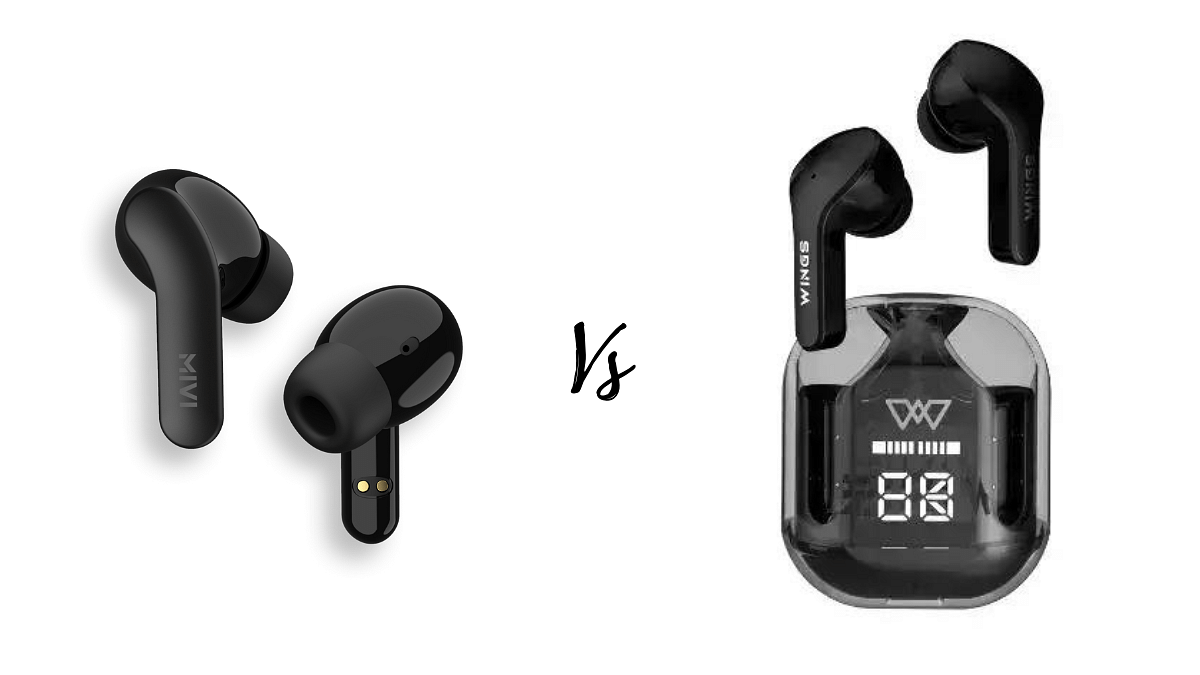
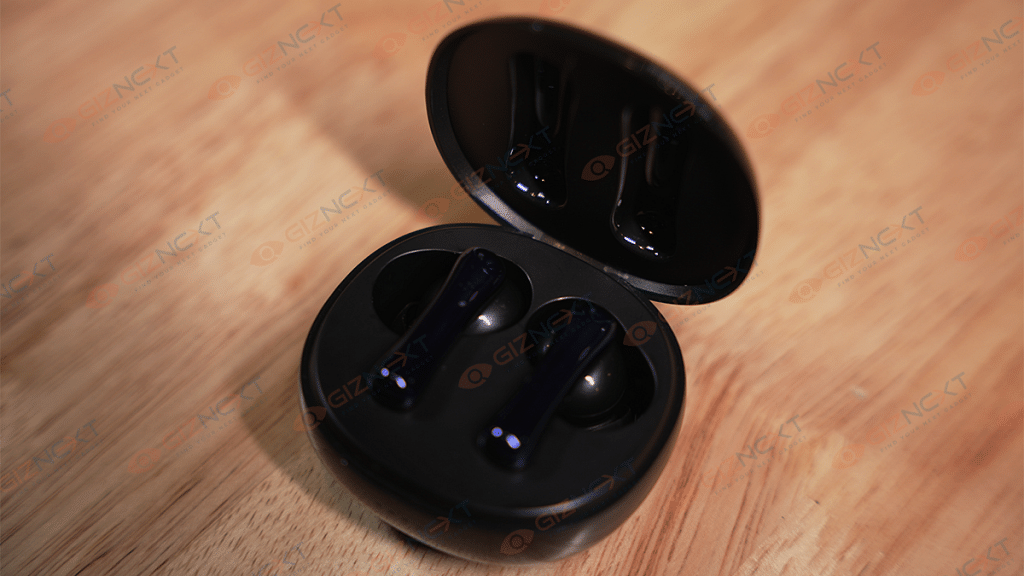
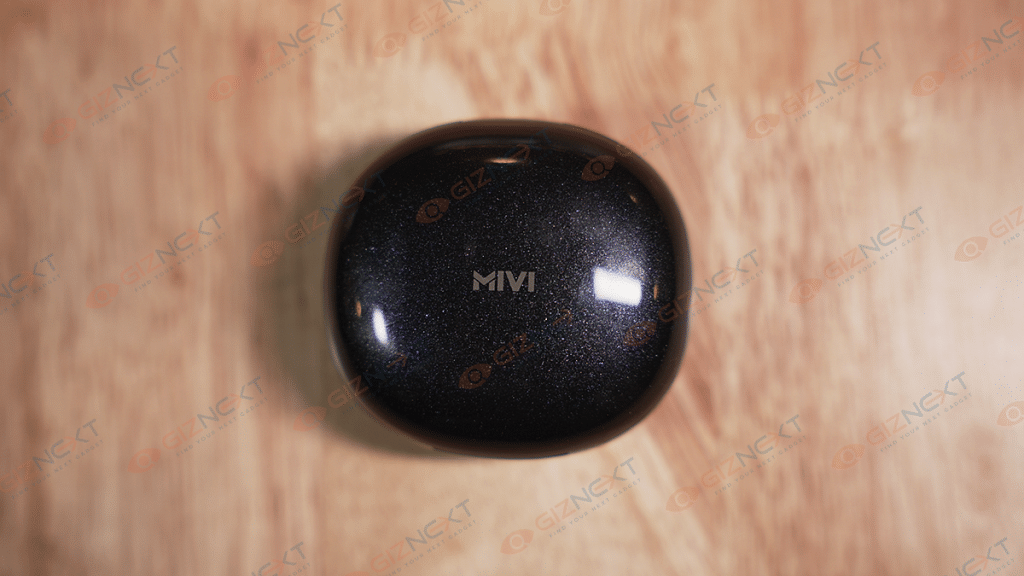
The Mivi Duopds K1 features a capsule-shaped case constructed with decent-quality plastic. The case has a matte finish, which helps resist fingerprints and smudges. It has an IPX4 certification, making it dust and water-resistant. The earbuds themselves are bullet-shaped and offer a comfortable fit.

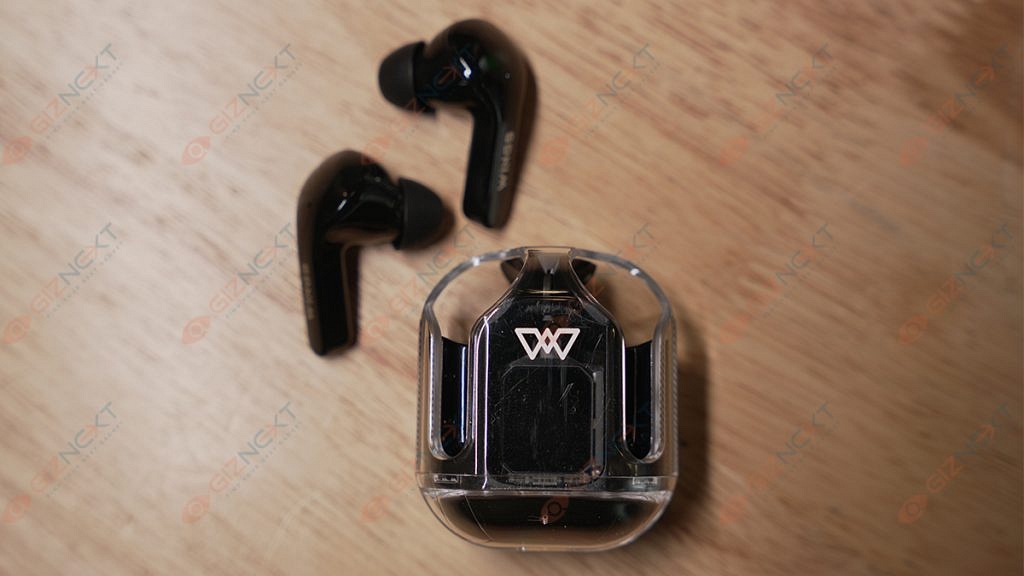
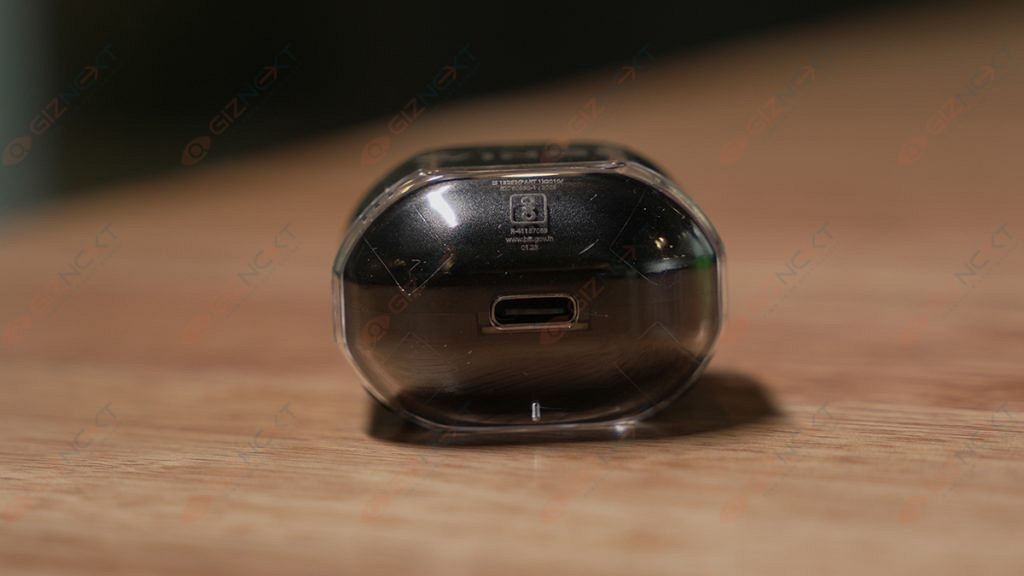
On the other hand, the Wings Phantom 345 boasts a trendy transparent case design with carbon fiber grooves. It has a digital display to show the battery level and is available in black and white variants. Both earbuds have a lightweight design, but the Wings Phantom 345 stands out with its unique aesthetic.

Also Read: Wings Phantom 380 TWS Gaming Earbuds Review: Should You Go For This One?

Mivi Duopds K1 Vs Wings Phantom 345: Audio, Calling Performance

The Mivi Duopds K1 is equipped with 10.5mm dynamic drivers, offering decent audio quality with good bass. The overall loudness levels are satisfactory, and the earbuds support AI ENC Noise Cancelling for clearer calling and listening experiences. The Wings Phantom 345 features 13mm high-fidelity drivers and environmental noise cancellation technology. While the audio quality is decent, it should be noted that expectations should not be too high at this price point. The Wings Phantom 345 stands out with its dedicated Gaming mode, providing a low latency of 40ms for an immersive gaming experience.

Also Read: Wings Phantom 340 Earbuds Launched At An Introductory Price Of Rs 1499

Mivi Duopds K1 Vs Wings Phantom 345: Pairing, Controls, Battery

Both earbuds support Bluetooth connectivity, with the Mivi Duopds K1 featuring Bluetooth 5.3 and the Wings Phantom 345 featuring Bluetooth with a range of 15m. Pairing is a simple and fast process for both models. The Mivi Duopds K1 has a basic control setup with an MFB key, while the Wings Phantom 345 features touch sensors for easy control over functions like play/pause, volume, and calls.

In terms of battery life, the Mivi Duopds K1 offers over three to four hours of playback time with the case providing an additional backup of almost two days. The Wings Phantom 345 claims a total playback time of 50 hours, with 10 hours of playtime for the earbuds themselves. The charging time is around 1.5 hours for both models.

Also Read: MIVI Duopods K1 Budget TWS Review: Basic Yet Practical

Mivi Duopds K1 Vs Wings Phantom 345: Which One is Better

When it comes to price, the Mivi Duopds K1 is available at Rs.1,299, while the Wings Phantom 345 is priced slightly higher at Rs.1,499. Both earbuds fall within the budget-friendly range of under Rs.1,500, making them accessible options for those looking for affordable TWS earbuds.

If you prioritize a basic yet practical design, good audio performance, and decent battery life, the Mivi Duopds K1 is a suitable choice. On the other hand, if you value a trendy transparent case design, gaming mode with low latency, and longer battery life, the Wings Phantom 345 is worth considering.

Also Read: Wings Phantom 345 TWS Gaming Earbuds Review: Trendy And Affordable

Categories
Comparison Featured mobile

Xiaomi Civi 3 Or Realme 11 Pro Plus: Which Is The Better Option For You?

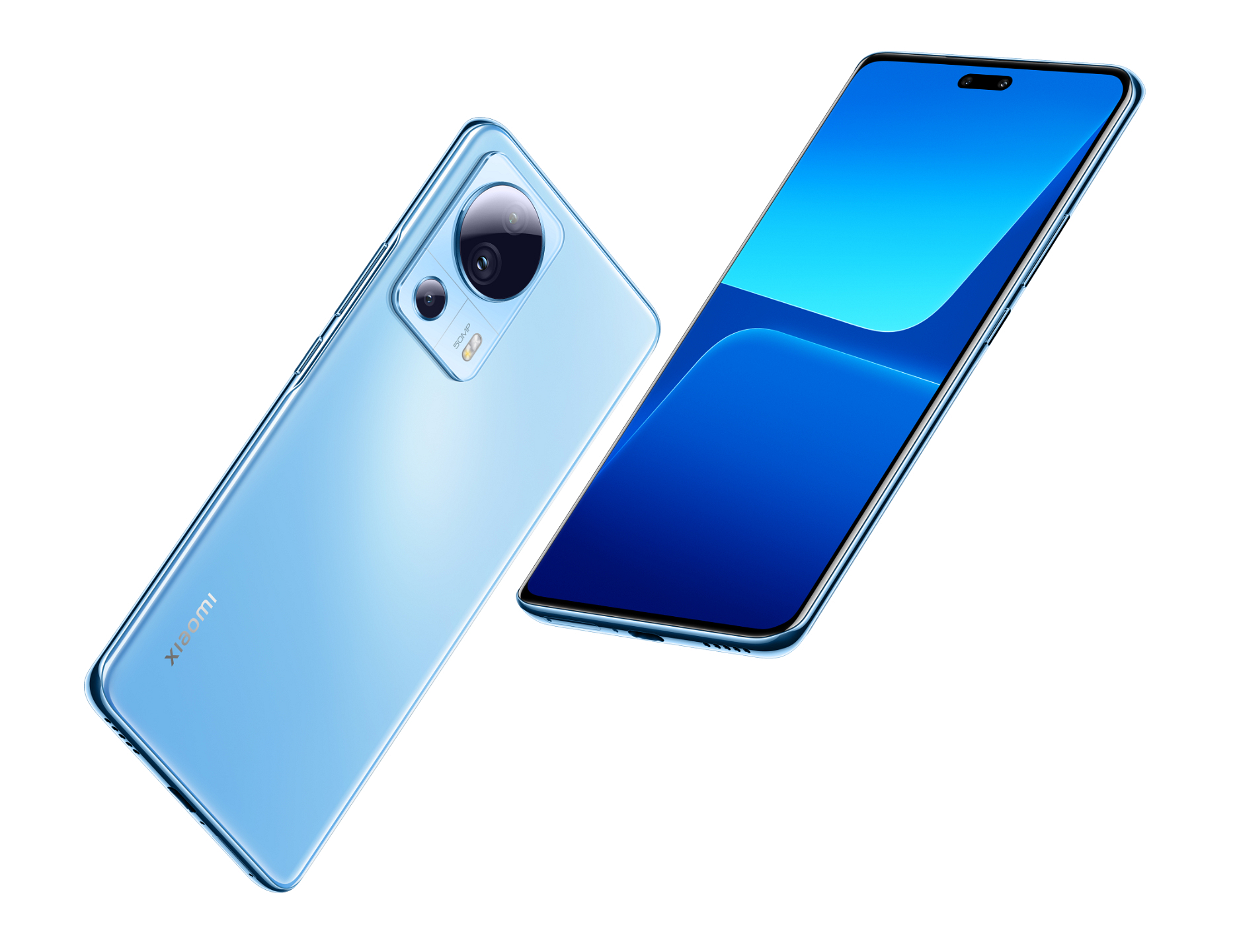
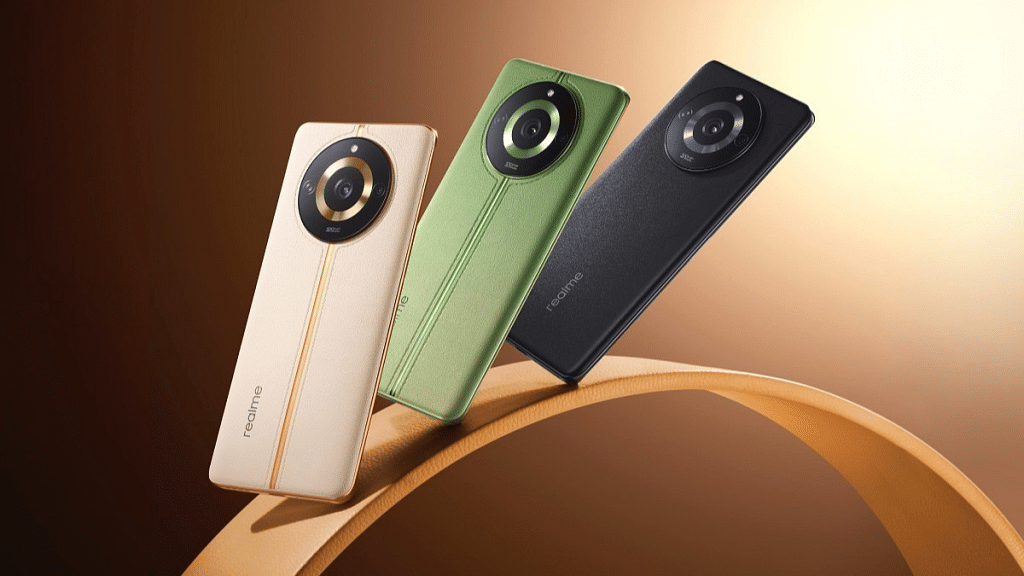
Xiaomi and Realme are two brands that have made a name for themselves in the cutthroat world of smartphones through continual innovation and excellence, but notably because of the price-quality ratio of their devices. The Xiaomi Civi 3 and the Realme 11 Pro+ are two of the premium options that we’ll be evaluating today. Both of these smartphones, which are upper-midrange phones to be precise, were just released and feature high-end specifications. Let’s examine the specifics to determine which of the two wins.

Also Read: Xiaomi’s TV S Series: 55-inch And 85-inch Versions Now Available

Xiaomi Civi 3 vs Realme 11 Pro Plus: Specifications

Model Xiaomi Civi 3Realme 11 Pro Plus
Display 6.55-inch Full HD+6.7-inch Full HD+
Camera 50 + 8 + 2 MP (rear)
32+ 32MP (front)
200 + 8 + 2 MP (rear)
32MP (front)
Battery 4500 mAh
67W
5000 mAh
100W
Chipset Mediatek Dimensity 8200 UltraMediatek Dimensity 7050

Display Comparison

Both smartphones use AMOLED displays, which provide vivid colors and deep blacks. A 6.55-inch Full HD+ display with a 1080 x 2400 pixel resolution is included on the Xiaomi Civi 3. Contrarily, the 6.7-inch Full HD+ display with a resolution of 1080 x 2412 pixels is slightly larger on the Realme 11 Pro+. The Realme 11 Pro+ has the advantage thanks to its slightly larger screen and significantly higher resolution, while both displays provide a clear and immersive viewing experience. The refresh rate is 120 Hz in both situations.

Also Read: Realme Pro And Pro+: All The Latest Details On India Launch Date And Specs

Camera Comparison

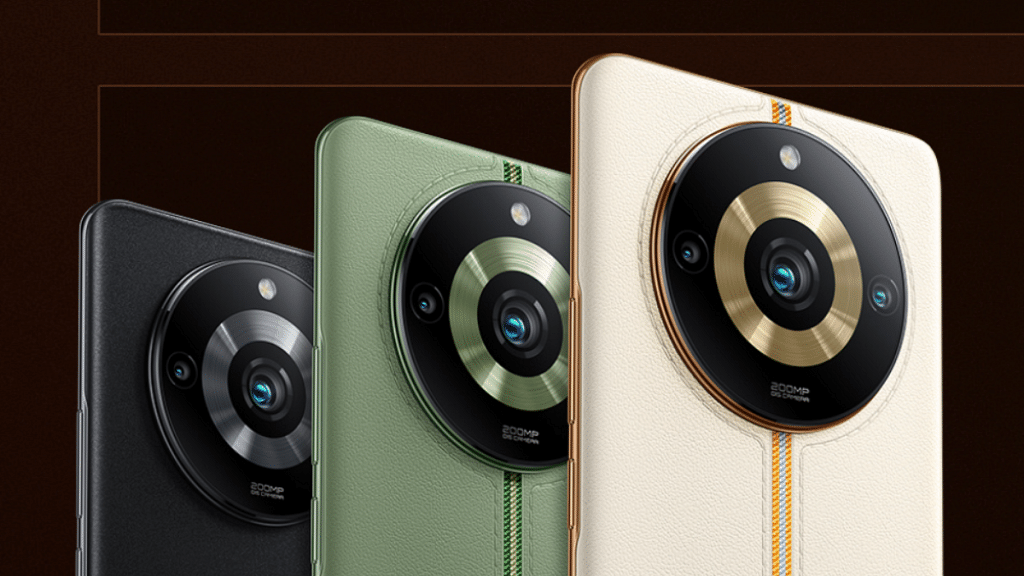
The Xiaomi Civi 3 has a dual 32 + 32 MP front camera as well as a triple rear camera configuration with 50 + 8 + 2 MP sensors. The Realme 11 Pro+ has a single 32 MP front camera and a triple back camera configuration with 200 + 8 + 2 MP sensors. The Realme 11 Pro+’s 200MP main back sensor promises great detail in photographs, in contrast to the Xiaomi Civi 3’s dual front cameras, which might appeal to selfie enthusiasts.

Chipset

The Mediatek Dimensity 8200 Ultra, an octa-core CPU running at 3.1 GHz, is what powers the Xiaomi Civi 3. The Mediatek Dimensity 7050, an octa-core CPU with a 2.6 GHz clock speed, powers the Realme 11 Pro+. While both processors produce responsive and effective performance, the Xiaomi Civi 3’s processor has a slight advantage in terms of raw processing power due to its faster clock speed. Both phones have amazing memory capacities that provide lots of room for programs, multimedia files, and other data. There are two RAM configurations available for the Xiaomi Civi 3: 12 GB with 256 GB or 512 GB of storage, or 16 GB with 1 TB of storage. With 256 GB, 512 GB, or 1 TB of storage, the Realme 11 Pro+ delivers 12 GB of RAM. Although both phones have huge storage options, the Xiaomi Civi 3 has an advantage due to its 16 GB RAM option.

Both devices utilize Android 13. The Realme 11 Pro+ uses Realme UI, while the Xiaomi Civi 3 comes with Xiaomi’s exclusive MIUI user interface. Both user interfaces provide a variety of customization choices, so selecting one over the other will mostly depend on preference.

Also Read: Realme 11 Series With MediaTek Dimensity 7050, AMOLED Display, 200MP Camera Launched In China: Specs, Price

Battery Comparison

A 4500 mAh battery powers the Xiaomi Civi 3, which also supports 67W rapid charging. On the other hand, the Realme 11 Pro+ has a bigger 5000 mAh battery and offers even quicker 100W charging. Although the Xiaomi Civi 3 delivers remarkable charging speed, the Realme 11 Pro+ stands out in this category because of its greater capacity and quicker charging.

Also Read: Xiaomi Pad 6 Vs Oppo Pad Vs OnePlus Pad: Top Latest Premium Android Tablet In 2023

Categories
Auto Expo Comparison Featured

Simple One Electric Vs Ather 450x Vs Bajaj Chetak Electric Premium: Top E-Scooter To Buy in 2023

Key Highlights

  • Simple One Electric: Dual battery setup, 225km range.
  • Ather 450X: Quick acceleration, 165km driving range.
  • Bajaj Chetak Electric Premium: 80km per charge, 5-hour charging time.
  • Powertrain: Simple One – 7kW motor, Ather 450X – 6.4kW motor, Bajaj Chetak – 4kW continuous power.

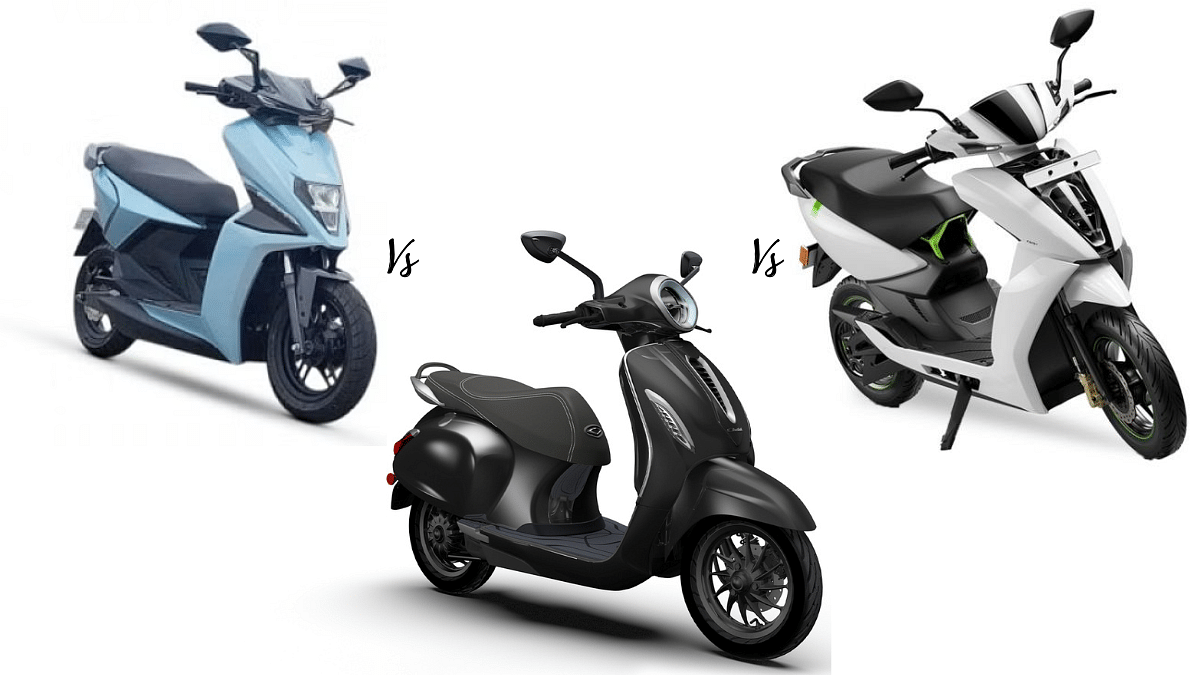
Among the top contenders in the market, the Simple One Electric, Ather 450X, and Bajaj Chetak Electric Premium stand out with impressive features, including powerful powertrains, extended battery life, and innovative design elements. Now, let us delve into the detailed specifications of each electric scooter.

Simple One Electric Vs Ather 450x Vs Bajaj Chetak Electric Premium: Design

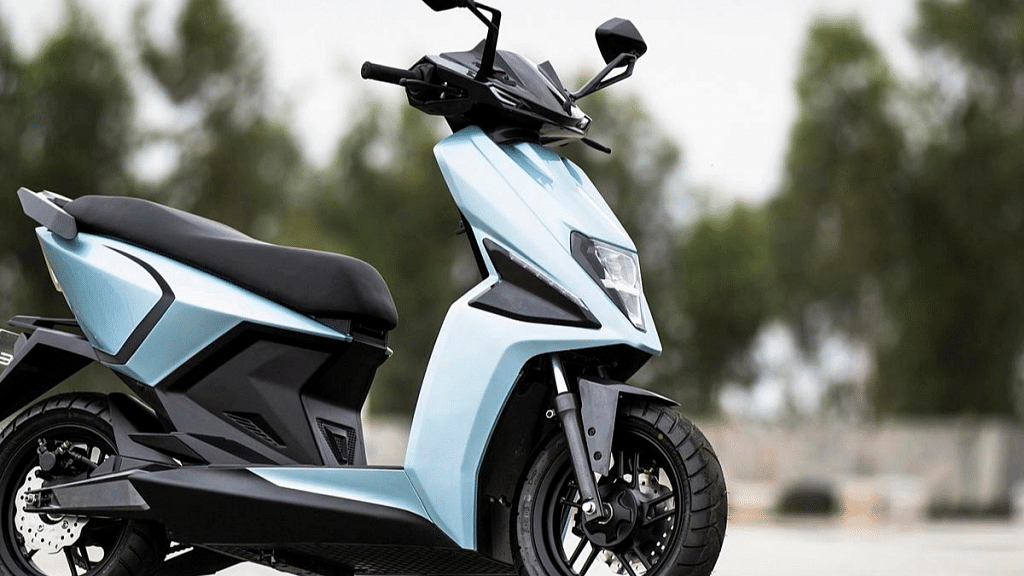
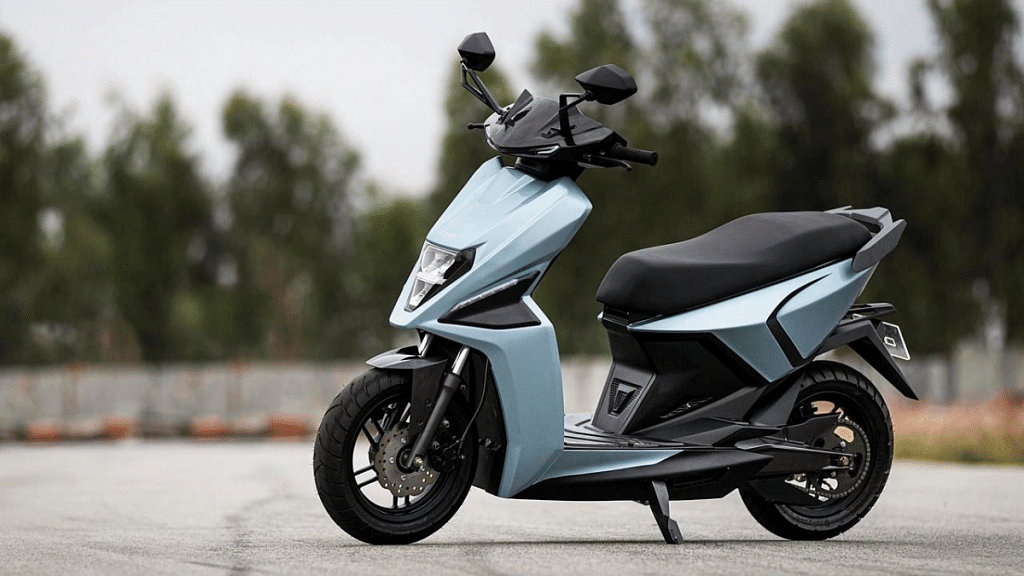
The Simple One Electric boasts a sleek and modern look with all-LED lighting and a 7-inch TFT instrument cluster. It stands out with its massive 30-litre under-seat storage and the convenience of swappable batteries.

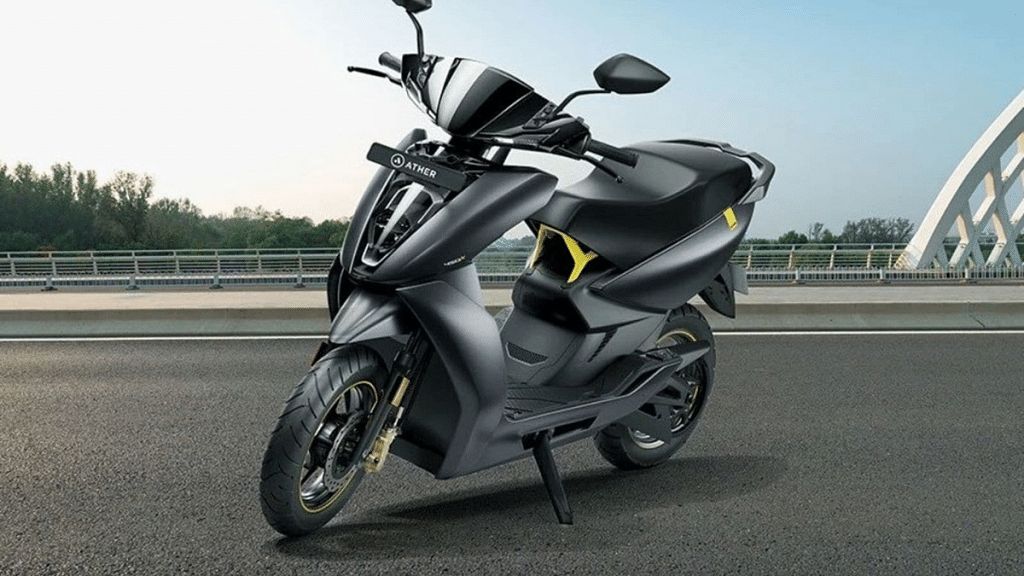
The Ather 450X, on the other hand, features an IP65-rated 7-inch greyscale capacitive touchscreen console, providing a futuristic and intuitive interface. With the optional Pro Pack add-on, it gains a colored screen with adaptive brightness, 4G LTE connectivity, and Google Maps navigation, among other features.

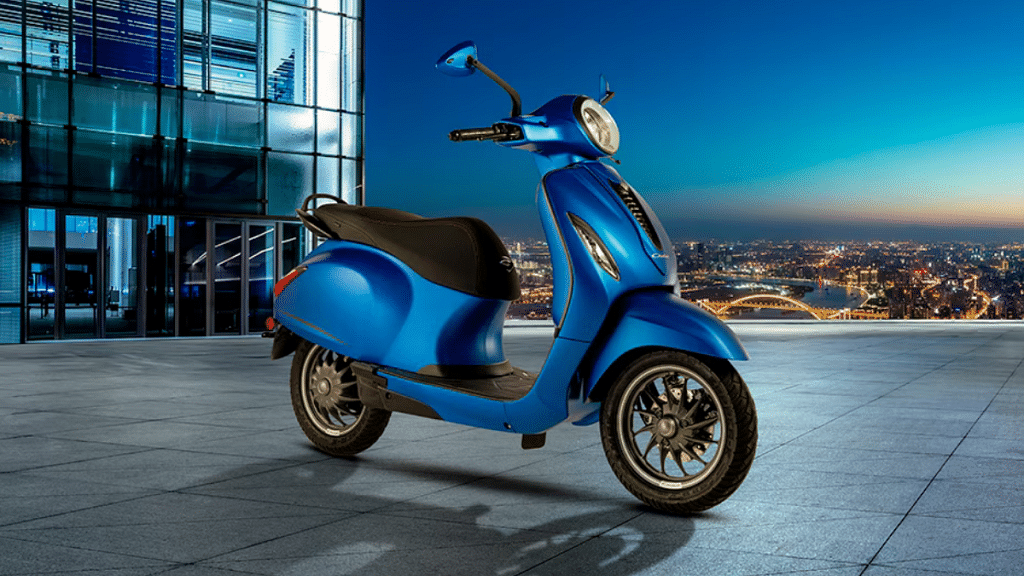
Meanwhile, the Bajaj Chetak Electric Premium impresses with its elegant design and compact dimensions, offering an additional storage capacity of 18 litres.

Also Read: Simple One Electric Vs Ola S1 Pro Vs Hero Vida V1: Top E-Scooter Model That You Can Buy In 2023

Simple One Electric Vs Ather 450x Vs Bajaj Chetak Electric Premium: Powertrain

Electric ScooterMotor Power (kW)Torque (Nm)0-40kmph AccelerationBattery Capacity (kWh)Charging Time (Approx.)
Simple One Electric7kW72Nm2.85 seconds4.8kWh (dual battery setup)Fixed: 2.75 hours, Swappable: 75 minutes
Ather 450X6.4kW26Nm3.3 seconds3.7kWh5 hours and 40 minutes
Bajaj Chetak Electric Premium4kW (continuous power), 4.2kW (motor power)16.2Nm at 1400 rpm4.5 seconds3 kWh2.75 hours

The Simple One Electric features a 7kW motor that delivers an impressive 72Nm of torque. It accelerates from 0 to 40kmph in just 2.85 seconds. Additionally, it offers a unique dual battery setup, combining a fixed battery and a 7kg removable battery pack, providing a total capacity of 4.8kWh. The fixed battery can be charged to 80% in 2.75 hours, while the swappable battery takes only 75 minutes. With a claimed range of 236km, the Simple One offers an exceptional combination of power and range.

In comparison, the Ather 450X is powered by a PMSM electric motor with a peak power of 6.4kW, achieving a top speed of 90kmph and accelerating from 0 to 40kmph in 3.3 seconds. It utilizes a belt drive setup on its rear wheel and features a 3.7kWh lithium-ion battery with an IP67 rating. Charging the Ather 450X fully takes around 5 hours and 40 minutes in the Pro-pack variant.

On the other hand, the Bajaj Chetak Electric Premium offers continuous power output of 4000W and a maximum torque of 16.2Nm at 1400 rpm. Its motor has a power rating of 4200W. The scooter provides a range of 90km per charge in Eco mode and 80km per charge in Sport mode. It features remote start, push-button start, and an IP rating of 67 for the motor.

Also Read: Simple One Electric Scooter Vs Ather 450X Vs TVS iQube Comparison: Best Budget-Friendly Electric Scooter To Buy In 2023

Simple One Electric Vs Ather 450x Vs Bajaj Chetak Electric Premium: Battery, Range

Electric ScooterBattery CapacityCharging TimeClaimed Range
Simple One Electric5kWh (dual battery setup)80% in 5 hours and 54 minutes (home charger)225km
Ather 450X3.7 kWhApproximately 5 hours and 40 minutes165km
Bajaj Chetak Electric Premium50.4V / 60.4Ah5 hours80km

The Simple One Electric offers a unique dual battery setup, comprising a fixed battery and a removable 7kg battery pack, providing a total capacity of 5kWh. Priced at Rs 1.45 lakh for standard color schemes and Rs 1.5 lakh for X dual-tone color schemes, it offers fast charging capabilities, with a one-minute charge providing a claimed range of 1.5km. The company claims an impressive range of 225km for the Simple One.

On the other hand, the Ather 450X is equipped with a 6400 watt PMSM motor and a 3.7 kWh battery. It takes approximately 5 hours and 40 minutes to fully charge the battery, offering a driving range of 165 km per charge.

As for the Bajaj Chetak Electric Premium, it takes 5 hours to fully charge its 50.4V / 60.4Ah battery. It provides a claimed range of 80 km per charge.

Also Read: Ather 450X 2023 Under Rs. 1 Lakh: Features To Check Out

Simple One Electric Vs Ather 450x Vs Bajaj Chetak Electric Premium: Price

Electric ScooterPrice (Ex-showroom)
Simple One ElectricRs 1.45 lakh (standard color schemes) & Rs 1.5 lakh (X dual-tone color schemes)
Ather 450XRs 98,079 (Standard variant) & Rs 1,28,443 (450X with Pro-pack add-on)
Bajaj Chetak Electric PremiumRs 1.52 lakh (2023 model)

The Simple One Electric is competitively priced at Rs 1.45 lakh for the standard color schemes and Rs 1.5 lakh for the X dual-tone color schemes (ex-showroom Bengaluru, including the latest FAME-II subsidies).

On the other hand, the Ather 450X offers two variants, with the Standard variant priced at Rs 98,079, while the 450X with Pro-pack add-on comes at a price of Rs 1,28,443 (both ex-showroom Delhi).

As for the Bajaj Chetak Electric Premium, it is priced at Rs 1.52 lakh (ex-showroom Delhi) for the 2023 model.

Also Read: Hero Vida V1 Plus, V1 Pro Electric Scooter Price In India Axed By Up to Rs. 25,000: Check New Prices, Powertrain, Features

Categories
Comparison Featured Info Mobile

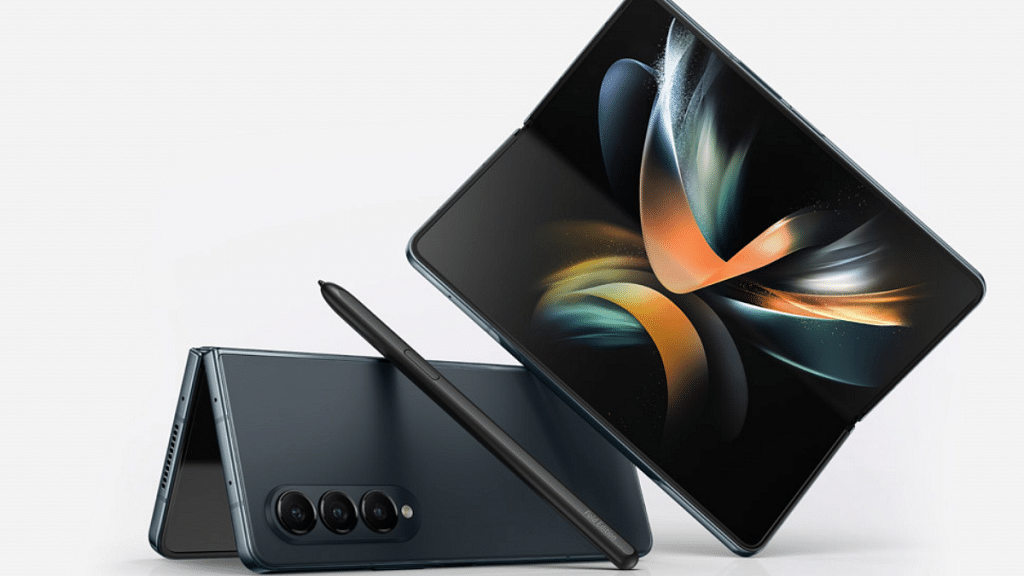
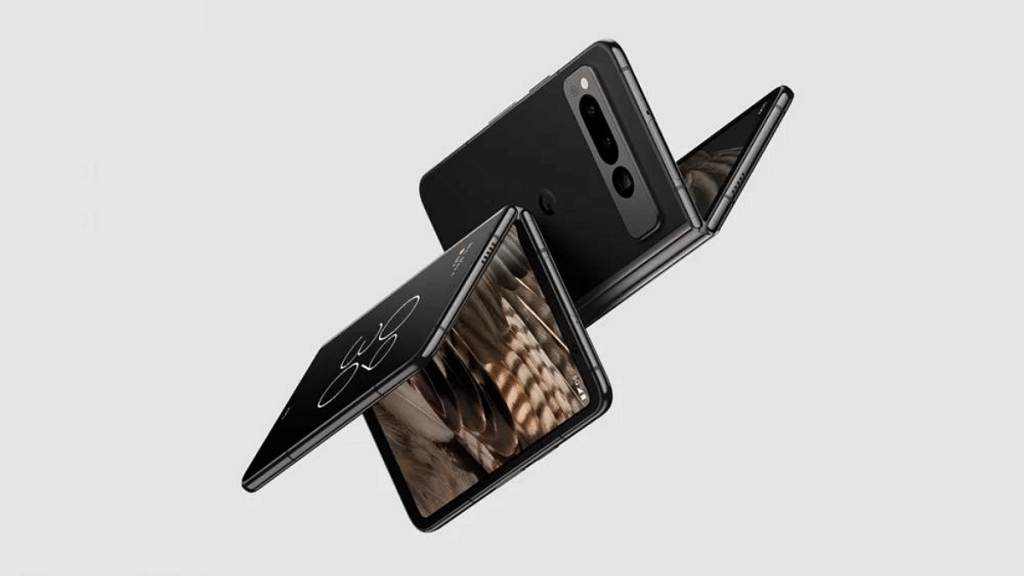
Google Pixel Fold Vs Tecno Phantom V Fold Vs Galaxy Z Fold 4: Premium Foldable Smartphone to Buy in 2023

Key Highlights

  • Google Pixel Fold: 7.6″ 120Hz display.
  • Tecno Phantom V Fold: 7.85″ screen with stylus support.
  • Galaxy Z Fold 4: 7.6″ improved hinge, S Pen.

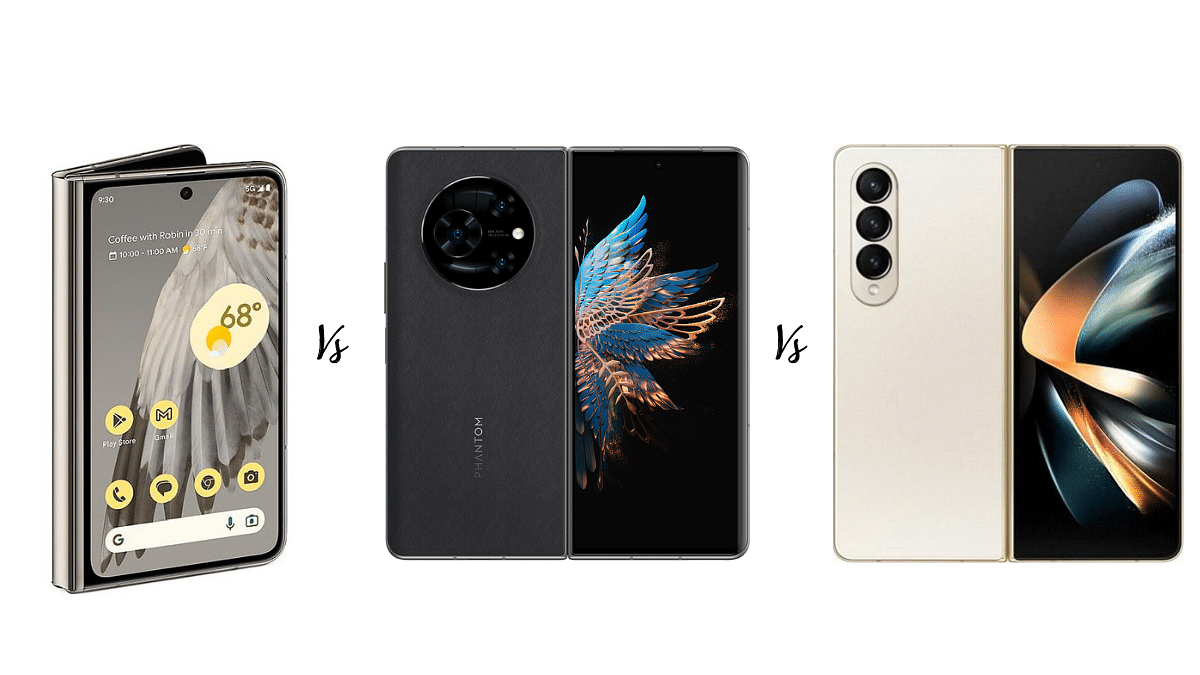
Google’s Pixel Fold, Tecno’s Phantom V Fold, and Samsung’s Galaxy Z Fold 4 comes with advanced features and specifications. These foldable devices promise an immersive viewing experience, high-performance, and sleek designs.

In this article, we’ll compare the three devices and highlight their unique features to help you decide which one to buy.

Also Read: Itel pad 1 vs Samsung Galaxy Tab A7: Best Budget Tablet Under Rs. 15,000

Google Pixel Fold Vs Tecno Phantom V Fold Vs Galaxy Z Fold 4: Display

ModelDisplay TypeMain Screen SizeMain Screen ResolutionCover Screen SizeCover Screen Resolution
Google Pixel FoldFoldable OLED, 120Hz, HDR10+, 1000 nits7.6 inches1840 x 2208 pixels5.8 inches1080 x 2092 pixels
Tecno Phantom VFoldable LTPO AMOLED, 1B colors, 120Hz7.85 inches2000 x 2296 pixels6.42 inches1080 x 2550 pixels
Galaxy Z Fold 4Foldable Dynamic AMOLED 2X, 120Hz, HDR10+7.6 inches1812 x 2176 pixels6.2 inches904 x 2316 pixels

The Google Pixel Fold features a foldable OLED display with a 120Hz refresh rate, HDR10+, and a peak brightness of 1450 nits. The primary display size is 7.6 inches, with a resolution of 1840 x 2208 pixels, which results in a density of 378 ppi. The cover display measures 5.8 inches and has a resolution of 1080 x 2092 pixels, with a pixel density of 408 ppi.

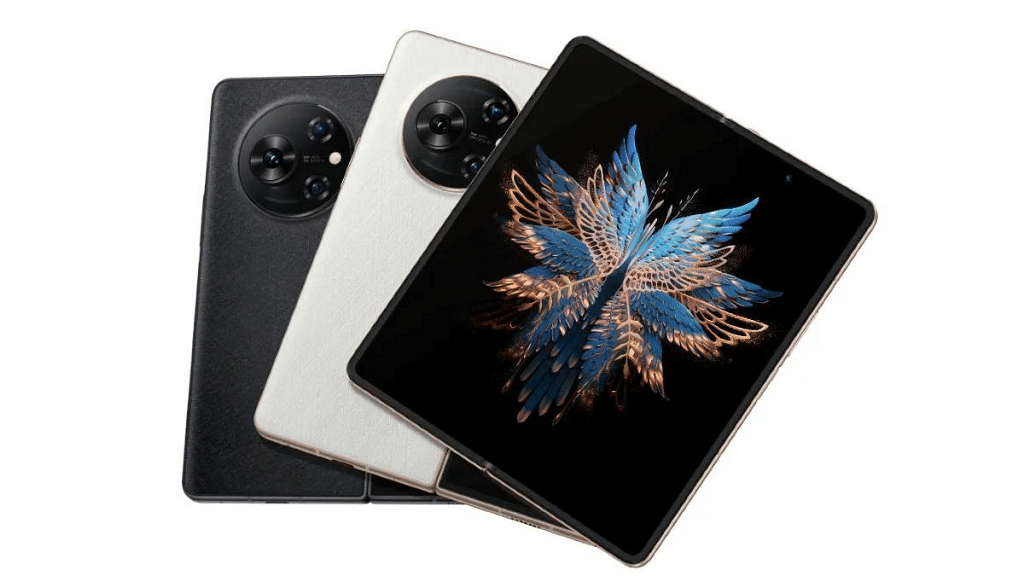
On the other hand, the Tecno Phantom V Fold comes with a foldable LTPO AMOLED display with a 120Hz refresh rate, 1B colors, and a peak brightness of 1100 nits. The primary display size is 7.85 inches, with a resolution of 2000 x 2296 pixels, resulting in a density of 388 ppi. The cover display measures 6.42 inches, with a resolution of 1080 x 2550 pixels and a pixel density of 431 PPI.

The Galaxy Z Fold 4 has a foldable Dynamic AMOLED 2X display with a 120Hz refresh rate, HDR10+, and a peak brightness of 1200 nits. The primary display size is 7.6 inches, with a resolution of 1812 x 2176 pixels, which results in a density of 373 ppi. The cover display measures 6.2 inches, with a resolution of 904 x 2316 pixels and a pixel density of 23.1:9 ratio.

Also Read: Google Pixel 7a Vs OnePlus 11R Vs Samsung Galaxy S21 FE: Best Premium Smartphones Under Rs.50,000

Google Pixel Fold Vs Tecno Phantom V Fold Vs Galaxy Z Fold 4: Camera

FeatureGoogle Pixel FoldTecno Phantom V FoldGalaxy Z Fold 4
Main Camera48MP/10.8MP/10.8MP50MP/50MP/13MP50MP/10MP/12MP
Video Recording4K@30/60fps, 1080p@30/60/120/240fps, 10-bit HDR4K@30fps, 1080p@30/60fps8K@24fps, 4K@60fps, 1080p@60/240fps (gyro-EIS), 720p@960fps (gyro-EIS), HDR10+
Selfie Camera8MP16MP4MP
Cover camera9.5MP32MP 10MP
FeaturesDual-LED flash, HDR, panoramaDual-LED flash, HDR, panoramaLED flash, HDR, panorama

The Pixel Fold stands out with its triple rear camera setup that includes a 48 MP wide lens, a 10.8 MP telephoto lens with 5x optical zoom, and a 10.8 MP ultrawide lens. It also has an 8 MP front-facing camera and a 9.5 MP cover camera, both with HDR and panorama features.

The Tecno Phantom V Fold boasts a 50 MP wide lens, a 50 MP telephoto lens with 2x optical zoom, and a 13 MP ultrawide lens. Its cover camera has a 32 MP wide lens, and its front-facing camera is a 16 MP wide lens. All cameras come with PDAF and dual-LED flash, while the selfie camera has HDR and panorama features.

Finally, the Galaxy Z Fold 4 has a triple rear camera setup with a 50 MP wide lens, a 10 MP telephoto lens with 3x optical zoom, and a 12 MP ultrawide lens. Its under-display front-facing camera is a 4 MP wide lens, while its cover camera is a 10 MP wide lens. All cameras come with HDR, while the rear camera setup boasts LED flash and panorama features. Additionally, it is capable of 8K video recording.

Also Read: Best smartphones under Rs, 3000

Google Pixel Fold Vs Tecno Phantom V Fold Vs Galaxy Z Fold 4: Chipset, Memory & Battery

FeatureGoogle Pixel FoldTecno Phantom V FoldGalaxy Z Fold 4
Platform/OSAndroid 13Android 13, HiOS 13 FoldAndroid 12L,One UI 5.1
ChipsetGoogle Tensor G2 Mediatek Dimensity 9000+Qualcomm SM8475 Snapdragon 8+ Gen 1
CPUOcta-core Octa-core Octa-core
GPUMali-G710 MP7Mali-G710 MC10Adreno 730
Memory256GB 12GB RAM, 512GB 12GB RAM256GB 12GB RAM, 512GB 12GB RAM256GB 12GB RAM, 512GB 12GB RAM, 1TB 12GB RAM
Battery type4821 mAh5000 mAh4400 mAh
ChargingWired, PD3.045W wired, 40% in 15 min, 100% in 55 min 25W wired, 50% in 30 min, 15W wireless, 4.5W reverse wireless

The Google Pixel Fold comes with the latest Android 13 OS and is powered by Google Tensor G2 (5 nm) chipset and Mali-G710 MP7 GPU. It has an internal storage of 256GB or 512GB and a 12GB RAM with UFS 3.1 technology. Its battery is a Li-Po 4821 mAh, non-removable, and supports wired charging with PD3.0.

The Tecno Phantom V Fold also comes with Android 13 OS and HiOS 13 Fold UI. It is powered by the Mediatek Dimensity 9000+ (4 nm) chipset, which has an octa-core CPU and Mali-G710 MC10 GPU. It has an internal storage of 256GB or 512GB and a 12GB RAM with UFS 3.1 technology. Its battery is a Li-Po 5000 mAh, non-removable, and supports 45W wired charging that can charge up to 100% in just 55 minutes.

The Galaxy Z Fold 4 runs on Android 12L OS, upgradable to Android 13, and One UI 5.1. It is powered by the Qualcomm SM8475 Snapdragon 8+ Gen 1 (4 nm) chipset, which has an octa-core CPU and Adreno 730 GPU. It has an internal storage of 256GB, 512GB, or 1TB and a 12GB RAM with UFS 3.1 technology. Its battery is a Li-Po 4400 mAh, non-removable, and supports 25W wired charging, 15W wireless charging, and 4.5W reverse wireless charging.

Also Read: Vivo V27 Pro Vs OnePlus 11R: Which Smartphone Should You Buy?

Google Pixel Fold Vs Tecno Phantom V Fold Vs Galaxy Z Fold 4: Price

Phone ModelPrice (in INR)Availability
Google Pixel FoldRs. 1,47,490Launching in Sept.
Tecno Phantom V FoldRs. 88,888Amazon, online stores
Galaxy Z Fold 4Rs. 1,54,999Samsung website, more

The Google Pixel Fold is set to launch in September with a price tag of Rs. 1,47,490, placing it between the Tecno Phantom V Fold at Rs. 88,888 and the Samsung Galaxy Z Fold 4 at Rs. 1,54,999. While the Tecno Phantom V Fold can be purchased on Amazon, online retail stores, the Galaxy Z Fold 4 is available on the Samsung website and more.

Also Read: Samsung Galaxy Z Flip 4 5G vs OPPO Find N2 Flip: Best Foldable Smartphone for 2023

Categories
Comparison Featured Info mobile

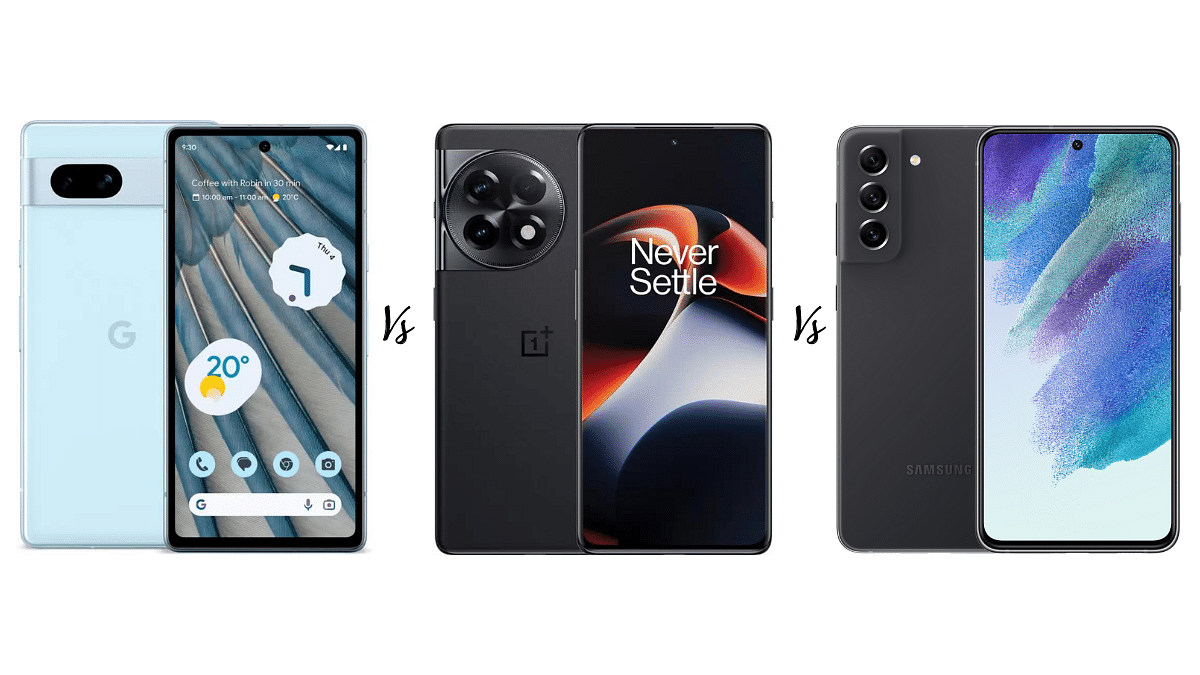
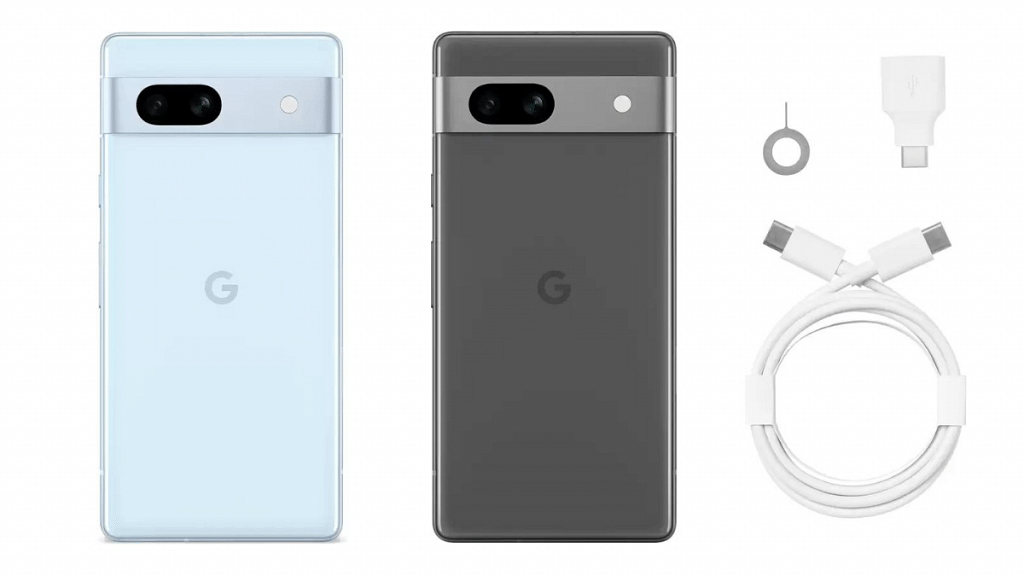
Google Pixel 7a Vs OnePlus 11R Vs Samsung Galaxy S21 FE: Best Premium Smartphones Under Rs.50,000

Key Highlights

  • Google Pixel 7a is powered by Google’s advanced AI technology.
  • OnePlus 11R comes with 120Hz refresh rate display.
  • Samsung Galaxy S21 FE boasts a Super AMOLED display.

As the competition for the best premium smartphones under Rs.50,000 heats up, the Google Pixel 7a, OnePlus 11R, and Samsung Galaxy S21 FE are emerging as top contenders.

In this article, we compare and contrast the Google Pixel 7a, OnePlus 11R, and Samsung Galaxy S21 FE, highlighting their pros and cons to help you make an informed decision.

Google Pixel 7a Vs OnePlus 11R Vs Samsung Galaxy S21 FE: Display

SpecificationGoogle Pixel 7aOnePlus 11RSamsung Galaxy S21 FE
Display TypeOLED, HDR, 90HzFluid AMOLED, 1B colours, 120Hz, HDR10+Dynamic AMOLED 2X, 120Hz, HDR10+
Display Size6.1 inches, 90.7 cm26.74 inches, 109.2 cm26.4 inches, 100.5 cm2
Screen-to-body Ratio~81.8%~90.0%~86.7%
Display Resolution1080 x 2400 pixels, 20:9 ratio1240 x 2772 pixels, 20:9 ratio1080 x 2340 pixels, 19.5:9 ratio
Pixel Density~429 ppi~451 ppi~403 ppi
ProtectionCorning Gorilla Glass 3N/ACorning Gorilla Glass Victus

The Google Pixel 7a boasts a 6.1-inch OLED screen with HDR support and a fast 90Hz refresh rate, making it great for watching videos and playing games.

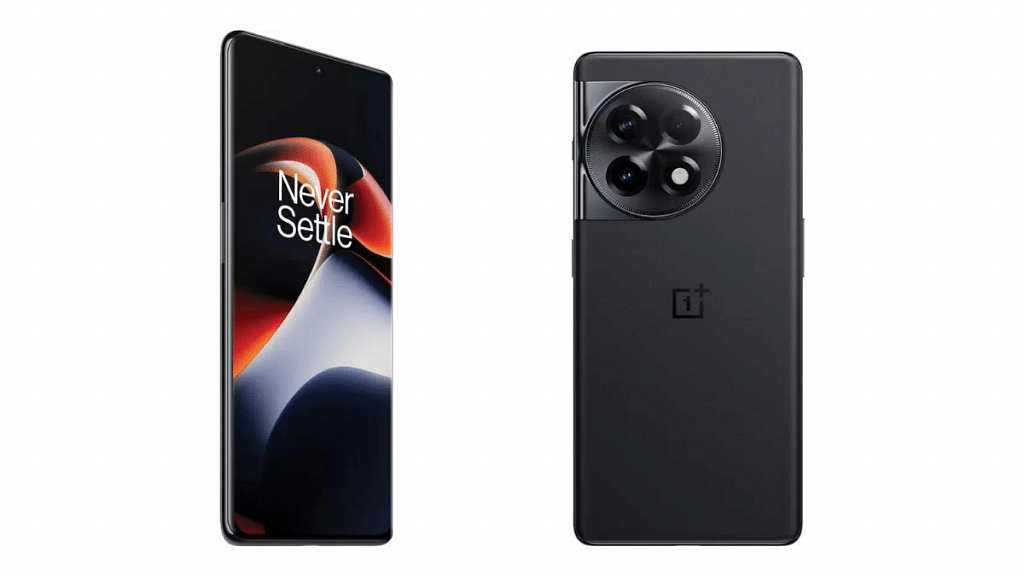
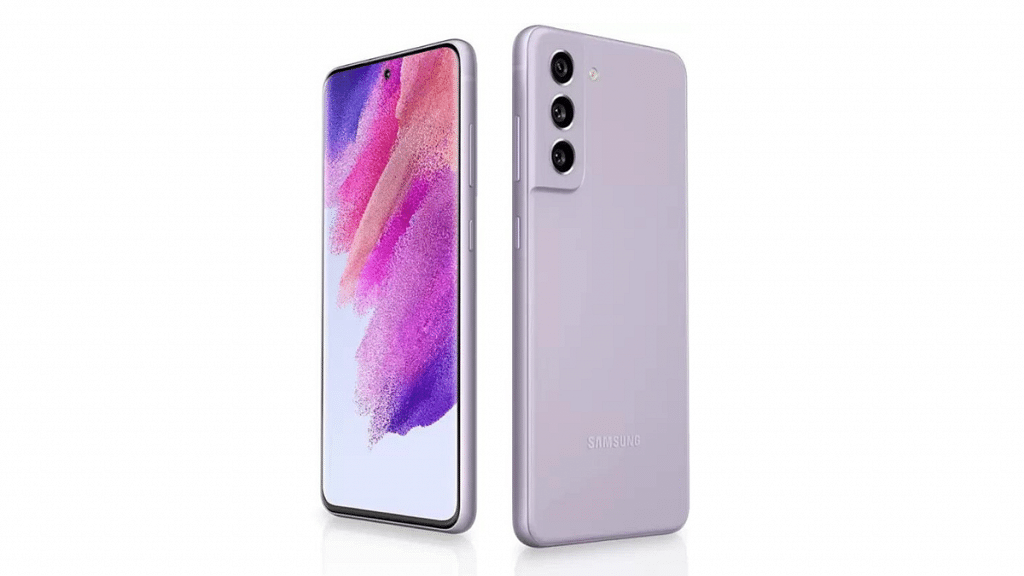
On the other hand, the OnePlus 11R has a larger 6.74-inch Fluid AMOLED display with an impressive 120Hz refresh rate and HDR10+ support, making it ideal for gaming and streaming high-quality content. The Samsung Galaxy S21 FE comes with a 6.4-inch Dynamic AMOLED 2X screen, which offers a smooth 120Hz refresh rate and HDR10+ support, delivering stunning visuals with rich colors and deep blacks.

All three phones also come with Corning Gorilla Glass protection. Additionally, the Google Pixel 7a and Samsung Galaxy S21 FE feature always-on displays that show the time, notifications, and other useful information at a glance.

Also Read: Tips For Buying A Smartphone Under Rs. 7,000 In 2023

Google Pixel 7a Vs OnePlus 11R Vs Samsung Galaxy S21 FE: Camera

SpecsGoogle Pixel 7aOnePlus 11RSamsung Galaxy S21 FE
Main CameraDual: 64 MP + 13 MPTriple: 50 MP + 8 MP + 2 MPTriple: 12 MP + 8 MP + 12 MP
Video Recording4K@30/60fps, 1080p@30/60/120/240fps, OIS4K@30/60fps, 1080p@30/60/240fps, gyro-EIS4K@30/60fps, 1080p@30/60/240fps, 720p@960fps, HDR10+, gyro-EIS
Selfie Camera13 MP, f/2.2, 20mm (ultrawide), 4K@30fps, 1080p@30fps, HDR16 MP, f/2.4, 24mm (wide), 1080p@30fps, HDR32 MP, f/2.2, 26mm (wide), 4K@30/60fps, 1080p@30/60fps, HDR
Special FeaturesPixel Shift, Dual-LED flash, Auto-HDR, panoramaLED flash, HDR, panoramaLED flash, auto-HDR, panorama, HDR10+

The Google Pixel 7a features a dual-camera setup with a 64MP primary sensor and a 13MP ultrawide sensor, both with optical image stabilization. The phone also supports Pixel Shift technology that captures multiple images to produce a more detailed final result.

The OnePlus 11R has a triple-camera setup, with a 50MP primary sensor, an 8MP ultrawide sensor, and a 2MP macro sensor. The phone’s camera offers multi-directional PDAF, HDR, and gyro-electronic image stabilization.

The Samsung Galaxy S21 FE also has a triple-camera setup, including a 12MP primary sensor, an 8MP telephoto sensor with 3x optical zoom, and a 12MP ultrawide sensor. The phone’s camera comes with optical image stabilization, auto-HDR, and supports HDR10+ video recording.

In terms of selfie cameras, the Google Pixel 7a and Samsung Galaxy S21 FE both offer 4K video recording and HDR, while the OnePlus 11R’s selfie camera can shoot 1080p video with HDR.

Also Read: Samsung Galaxy Z Flip 4 5G vs OPPO Find N2 Flip: Best Foldable Smartphone for 2023

Google Pixel 7a Vs OnePlus 11R Vs Samsung Galaxy S21 FE: Chipset, Memory & Battery

SpecificationsGoogle Pixel 7aOnePlus 11RSamsung Galaxy S21 FE
Platform OSAndroid 13Android 13, OxygenOS 13Android 12, upgradable to Android 13, One UI 5.1
ChipsetGoogle Tensor G2 Qualcomm SM8475 Snapdragon 8+ Gen 1 Qualcomm SM8350 Snapdragon 888 5G
CPUOcta-core Octa-core Octa-core
GPUMali-G710 MP7Adreno 730Adreno 660 – Version 1, Mali-G78 MP14 – Version 2
Memory128GB 8GB RAM, 128GB 8GB RAM, 256GB 16GB RAM, 128GB 6GB RAM, 128GB 8GB RAM, 256GB 8GB RAM
Battery 4385 mAh,5000 mAh4500 mAh,
ChargingWired, PD3.0100W wired25W wired,15W wireless, Reverse wireless

The Google Pixel 7a runs on the Google Tensor G2 chipset and comes with 8GB of RAM and 128GB of internal storage, while the OnePlus 11R is powered by the Qualcomm Snapdragon 8+ Gen 1 chipset, with options for 8GB or 16GB of RAM and 128GB or 256GB of internal storage.

The Samsung Galaxy S21 FE comes in two chipset versions: the Qualcomm Snapdragon 888 5G and the Exynos 2100, both with options for 6GB or 8GB of RAM and 128GB or 256GB of internal storage. In terms of battery, the Google Pixel 7a comes with a 4385mAh battery with wired and wireless charging support. The OnePlus 11R features a 5000mAh battery with blazing-fast 100W wired charging, while the Samsung Galaxy S21 FE has a 4500mAh battery with 25W wired charging and 15W wireless charging, as well as reverse wireless charging.

Also Read: Vivo V27 Pro Vs OnePlus 11R: Which Smartphone Should You Buy?

Google Pixel 7a Vs OnePlus 11R Vs Samsung Galaxy S21 FE: Price & Availability

Phone ModelPrice in India
Google Pixel 7aRs.43,999
OnePlus 11R Rs.39,999
Samsung Galaxy S21 FERs.49,999

The Google Pixel 7a, OnePlus 11R, and Samsung Galaxy S21 FE are all available in India through various online and offline retailers. The Google Pixel 7a is priced at Rs.43,999, while the OnePlus 11R is priced at Rs.39,999 for the 128GB variant and Rs.44,999 for the 256GB variant. The Samsung Galaxy S21 FE is priced at Rs.49,999. All three phones can be purchased from popular e-commerce websites such as Flipkart and Amazon, as well as offline stores such as Croma and Vijay Sales.

Also Read:Best smartphones under Rs, 3000

Categories
Comparison Featured Info Tablet

Google Pixel Tablet Vs OnePlus Pad Vs Vivo Pad 2: Top Value Flagship Android Tablet In 2023

Key Highlights

  • Google Pixel Tablet: IPS LCD display with vibrant colors.
  • OnePlus Pad: IPS LCD display with Dolby Vision and HDR10+ support.
  • Vivo Pad 2: Large IPS LCD display with 144Hz refresh rate and HDR10 support.
  • All three tablets offer flagship-level performance and features at a competitive price point.

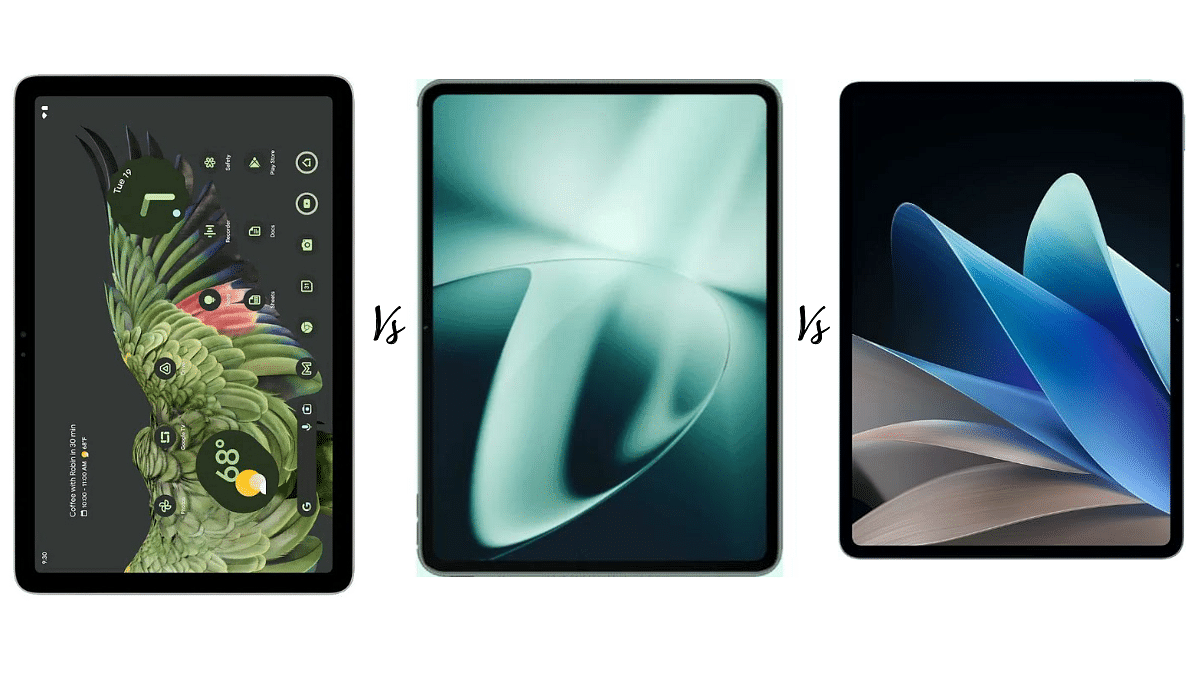
The Google Pixel Tablet, OnePlus Pad, and Vivo Pad 2 are some of the top value flagship tablets on the market today. These tablets come packed with the latest technology and powerful processors to deliver top-notch performance.

In this article, we will compare these three tablets across several key areas, including display, chipset, memory, battery, camera, price, and availability.

Also Read: Xiaomi Pad 6 Pro Vs OnePlus Pad Vs Vivo Pad 2: Top Flagship Android Tablet 2023 Battle

Google Pixel Tablet Vs OnePlus Pad Vs Vivo Pad 2: Display

TabletDisplay SizeDisplay TypeResolutionPixel DensityRefresh RateAdditional Features
Google Pixel Tablet11.0 inchesIPS LCD1600 x 2560 pixels~274 ppiN/AN/A
OnePlus Pad11.61 inchesIPS LCD2000 x 2800 pixels~296 ppi144HzDolby Vision, HDR10+
Vivo Pad 212.1 inchesIPS LCD1968 x 2800 pixels~284 ppi144HzHDR10, 600 nits

When it comes to the display, all three tablets – Google Pixel Tablet, OnePlus Pad, and Vivo Pad 2 – offer great viewing experiences, but there are some differences in their specifications. The Google Pixel Tablet comes with an 11.0-inch IPS LCD display with a resolution of 1600 x 2560 pixels and a pixel density of around 274 ppi.

The OnePlus Pad, on the other hand, boasts a slightly larger 11.61-inch IPS LCD display with a resolution of 2000 x 2800 pixels and a pixel density of around 296 ppi. The display of the OnePlus Pad also comes with additional features such as Dolby Vision, HDR10+, and a 144Hz refresh rate. The Vivo Pad 2, on the other hand, comes with a larger 12.1-inch IPS LCD display with a resolution of 1968 x 2800 pixels and a pixel density of around 284 ppi.

Additionally, it also offers HDR10 and a 144Hz refresh rate, and a higher brightness of 600 nits. Overall, the Vivo Pad 2 has the largest display and the highest brightness, while the OnePlus Pad has the highest refresh rate and additional display features like Dolby Vision and HDR10+.

Also Read: OPPO Pad 2 Vs OnePlus Pad 2 Vs Lenovo Tab P11 Pro (2nd Gen): Powerful Android Tablet Battle

Google Pixel Tablet Vs OnePlus Pad Vs Vivo Pad 2: Chipset, Memory & Battery

SpecsGoogle Pixel TabletOnePlus Pad Vivo Pad 2
ChipsetGoogle TensorMediaTek MT6983 Dimensity 9000MediaTek MT6983 Dimensity 9000
Process5nm4nm4nm
CPUOcta-coreOcta-coreOcta-core
CPU Cores2×2.80 GHz Cortex-X1, 2×2.25 GHz Cortex-A76, 4×1.80 GHz Cortex-A55Cortex-X2, Cortex-A710, Cortex-A510Cortex-X2, Cortex-A710, Cortex-A510
GPUMali-G78 MP20Mali-G710 MC10Mali-G710 MC10
RAM6GB or 8GB8GB or 12GB8GB or 12GB
Storage128GB or 256GB128GB or 256GB128GB, 256GB, or 512GB
Battery7680mAh9510mAh with 67W fast charging10000mAh

The Google Pixel Tablet is powered by the Google Tensor chipset, built on a 5nm process, and has an octa-core CPU comprising 2×2.80 GHz Cortex-X1, 2×2.25 GHz Cortex-A76, and 4×1.80 GHz Cortex-A55, along with a Mali-G78 MP20 GPU. It comes with 6GB or 8GB of RAM and internal storage options of 128GB or 256GB.

In contrast, both the OnePlus Pad and Vivo Pad 2 are powered by the MediaTek MT6983 Dimensity 9000 chipset, built on a 4nm process, and have an octa-core CPU with a combination of Cortex-X2, Cortex-A710, and Cortex-A510 cores, along with a Mali-G710 MC10 GPU. The OnePlus Pad comes with 8GB or 12GB of RAM and internal storage options of 128GB or 256GB, while the Vivo Pad 2 offers internal storage options of 128GB, 256GB, or 512GB with 8GB or 12GB of RAM.

In terms of battery, the Google Pixel Tablet has a 7680mAh battery, while the OnePlus Pad has 9510 mAh battery with 67W fast charging capability whereas Vivo Pad 2 come with a larger 10,000mAh battery. Overall, the OnePlus Pad and Vivo Pad 2 offer similar specifications in terms of chipset and memory, with the Vivo Pad 2 offering higher internal storage options.

Also Read: Xiaomi Pad 6 Pro Vs OnePlus Pad Vs Vivo Pad 2: Premium Android Tablet Battle 2023

Google Pixel Tablet Vs OnePlus Pad Vs Vivo Pad 2: Camera

FeaturesGoogle Pixel TabletOnePlus PadVivo Pad 2
Rear CameraDual 8 MPSingle 13 MPDual 13 MP + 2 MP
Rear Camera Specs4K@30fps, 1080p@30fps4K@30fps, 1080p@30fps4K@30fps, 1080p@30fps
Front CameraSingle 8 MPSingle 8 MPSingle 8 MP
Front Camera Specs1080p@30fps1080p@30fps1080p@30fps

The Google Pixel Tablet features a dual-camera setup with two 8 MP sensors and can record videos in 4K at 30fps or 1080p at 30fps. The selfie camera is a single 8 MP sensor that can record videos at 1080p at 30fps.

In comparison, the OnePlus Pad features a single 13 MP rear camera with an f/2.2 aperture and a wide-angle lens of 23mm. It also features LED flash and gyro-electronic image stabilization and can record videos in 4K at 30fps or 1080p at 30fps. The selfie camera is an 8 MP sensor with an f/2.3 aperture and can record videos at 1080p at 30fps.

On the other hand, the Vivo Pad 2 has a dual-camera setup with a 13 MP ultra-wide sensor and a 2 MP macro sensor. The ultra-wide sensor has an f/2.2 aperture and a wide-angle lens of 21mm, while the macro sensor has an f/2.4 aperture. It also features LED flash and panorama and can record videos in 4K at 30fps or 1080p at 30fps. The selfie camera is an 8 MP sensor with an f/2.0 aperture and can record videos at 1080p at 30fps.

Overall, the OnePlus Pad offers the highest resolution for its main camera compared to the Google Pixel Tablet and Vivo Pad 2. However, the Vivo Pad 2 provides more camera versatility with its dual-camera setup, featuring an ultra-wide and a macro sensor

Also Read: Xiaomi Pad 6 Vs Oppo Pad Vs OnePlus Pad: Top Latest Premium Android Tablet In 2023

Google Pixel Tablet Vs OnePlus Pad Vs Vivo Pad 2: Price & Availability

Tablet ModelPrice in India
Google Pixel TabletRs. 48,000
OnePlus PadRs. 37,999
Vivo Pad 2Rs. 28,600

The Google Pixel Tablet will reportedly cost Rs. 48,000 for the 128GB model in India, while the OnePlus Pad is expected to be priced at Rs. 37,999. The Vivo Pad 2 is the most budget-friendly option of the three, priced at Rs. 28,600.

As for availability, the Google Pixel Tablet and the OnePlus Pad are expected to be available in major retail stores in coming months and online marketplaces such as Amazon and Flipkart.

Also Read: Vivo Pad 2 vs OnePlus Pad vs Xiaomi Pad 6: Flagship Tablet That Takes The Top Spot

Categories
Comparison Featured Tablet

Xiaomi Pad 6 Vs Oppo Pad Vs OnePlus Pad: Top Latest Premium Android Tablet In 2023

Key Highlights

  • Top premium Android tablets of 2023.
  • Three leading brands – Xiaomi, Oppo, and OnePlus.
  • In-depth comparison of specs and features.

In recent years, Android tablets have become increasingly popular, providing a more portable and lightweight alternative to traditional laptops. Three major players in the Android tablet market are Xiaomi, Oppo, and OnePlus. With the release of their latest devices, the Xiaomi Pad 6, Oppo Pad, and OnePlus Pad are vying for the title of best premium Android tablet.
Also Read: Xiaomi Pad 6 Pro Vs OnePlus Pad Vs Vivo Pad 2: Premium Android Tablet Battle 2023

Xiaomi Pad 6 Vs Oppo Pad Vs OnePlus Pad: Display

SpecificationXiaomi Pad 6Oppo PadOnePlus Pad
Display TypeIPS LCDIPS LCDIPS LCD
Display Size11.0 inches, 350.9 cm2 (~83.6% screen-to-body ratio)11.0 inches, 350.9 cm2 (~84.9% screen-to-body ratio)11.61 inches, 411.3 cm2 (~84.2% screen-to-body ratio)
Display Resolution1800 x 2880 pixels, 1600 x 2560 pixels, 2000 x 2800 pixels
Refresh Rate144Hz120Hz144Hz
HDR SupportHDR10, Dolby VisionN/ADolby Vision, HDR10+
Max Brightness550 nits480 nits500 nits (typ)

When it comes to the display, each of the three tablets has its unique features. The Xiaomi Pad 6 has an 11-inch IPS LCD display with a resolution of 1800 x 2880 pixels and a high 144Hz refresh rate. It also supports HDR10 and Dolby Vision, which enhances the video-watching experience. On the other hand, the Oppo Pad has an IPS LCD display that is 11 inches in size with a resolution of 1600 x 2560 pixels and a 120Hz refresh rate. While it has a slightly lower resolution, it boasts a higher brightness level of 480 nits.

The OnePlus Pad has the largest display, measuring 11.61 inches, with a resolution of 2000 x 2800 pixels and a 144Hz refresh rate. It also supports HDR10+ and Dolby Vision, like the Xiaomi Pad 6. In terms of screen-to-body ratio, the Oppo Pad has the highest, followed closely by the OnePlus Pad, while the Xiaomi Pad 6 has the lowest.
Also Read: OPPO Pad 2 Vs OnePlus Pad 2 Vs Lenovo Tab P11 Pro (2nd Gen): Powerful Android Tablet Battle

Xiaomi Pad 6 Vs Oppo Pad Vs OnePlus Pad: Chipset, Storage & Battery

SpecificationsXiaomi Pad 6Oppo PadOnePlus Pad
ChipsetQualcomm Snapdragon 870 5GMediaTek Dimensity 9000Qualcomm Snapdragon 870 5G
GPUAdreno 650Adreno 650Mali-G710 MC10
Storage128GB/256GB128GB/256GB128GB/256GB
RAM6GB/8GB6GB/8GB8GB/12GB
Battery8840mAh8360mAh9510mAh

When it comes to performance, all three devices are equipped with the latest hardware. The Xiaomi Pad 6 and Oppo Pad are powered by the Snapdragon 870 5G chipset, while the OnePlus Pad is powered by the slightly more powerful MediaTek Dimensity 9000 chipset.
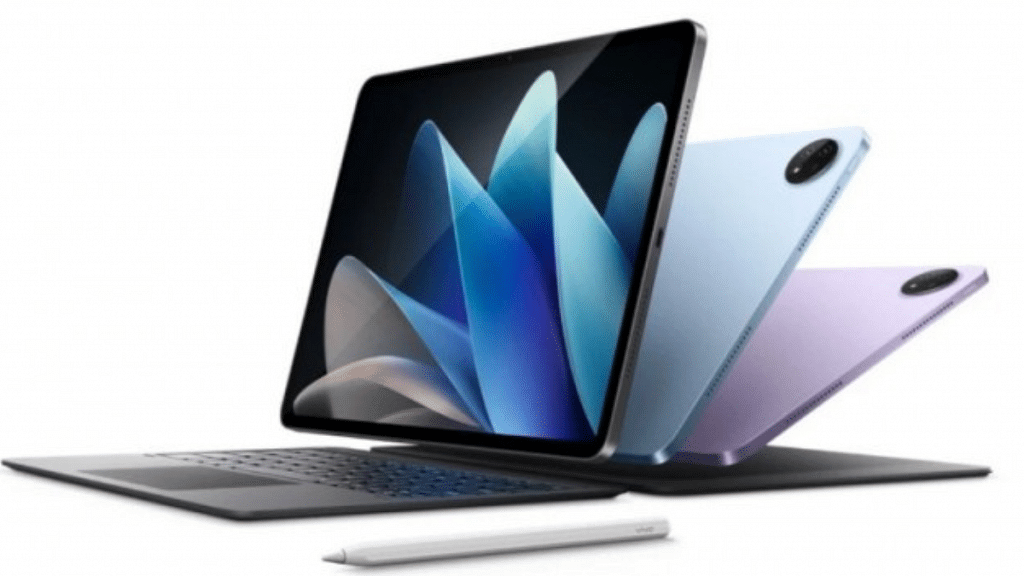
In terms of storage, the Xiaomi Pad 6 and Oppo Pad comes with either 6GB or 8GB of RAM and 128GB or 256GB of internal storage while the OnePlus Pad has 8GB or 12 GB of RAM and 128GB or 256 GB of internal storage.

In terms of battery capacity, the OnePlus Pad takes the lead with a massive 9510 mAh battery, followed by the Xiaomi Pad 6 with an 8840 mAh battery, and the Oppo Pad with an 8360 mAh battery.

Also Read: Vivo Pad 2 vs OnePlus Pad vs Xiaomi Pad 6: Flagship Tablet That Takes The Top Spot

Xiaomi Pad 6 Vs Oppo Pad Vs OnePlus Pad: Camera

SpecsXiaomi Pad 6Oppo PadOnePlus Pad
Main CameraSingle 13 MP, f/2.2, PDAFSingle 13 MP, f/2.2, 26mm (wide), AFSingle 13 MP, f/2.2, 23mm (wide), LED flash
Camera FeaturesDual-LED flash, HDR, panoramaLED flash, panoramaLED flash
Main Camera Video4K@30fps, 1080p@30/60fps1080p@30fps4K@30fps, 1080p@30fps, gyro-EIS
Selfie CameraSingle 8 MP, f/2.2, 1/4″, 1.12µmSingle 8 MP, f/2.0, 27mm (wide)Single 8 MP, f/2.3, (wide), 1/4″, 1.12µm
Selfie Camera Video1080p@30fps1080p@30fps1080p@30fps

In terms of camera specifications, the Xiaomi Pad 6 and the Oppo Pad have very similar main camera specs with both devices featuring a 13MP lens with an aperture of f/2.2. However, the Xiaomi Pad 6 boasts additional features such as dual-LED flash, HDR, and panorama modes. The Xiaomi Pad 6 also offers a higher video recording resolution with 4K recording capabilities at 30fps, while the Oppo Pad only offers 1080p recording at 30fps.

The OnePlus Pad has the same 13MP main camera specification as the Xiaomi Pad 6 and the Oppo Pad but comes with additional features such as gyro-EIS stabilization and 4K video recording capabilities at 30fps. The selfie camera for all three devices is 8MP, but the OnePlus Pad offers a slightly wider lens with a 23mm focal length compared to the 26mm and 27mm lenses found on the Xiaomi Pad 6 and the Oppo Pad respectively. Overall, while all three devices have similar camera specs, the Xiaomi Pad 6 edges out the Oppo Pad in terms of features, while the OnePlus Pad has a slight advantage with its video recording capabilities.

Also Read: Xiaomi Pad 6 Pro Flagship Tablet Top Alternatives: Samsung, Lenovo, OnePlus And More

Xiaomi Pad 6 Vs Oppo Pad Vs OnePlus Pad: Price

In terms of pricing, the Xiaomi Pad 6 is expected to be the most affordable option, with an expected price of Rs. 22,999 in India. The Oppo Pad is expected to be priced slightly higher, with an expected price of Rs. 27,370. Meanwhile, the OnePlus Pad is expected to be the most expensive of the three, with an expected price of Rs. 37,999.

Also Read: Honor Pad V8 First Premium Mid-Range Tablet With Dimensity 8020 Chipset, 2.5K Display Launched: Price, India Availability Timeline

Categories
Auto Expo Comparison

Simple One Electric Vs Ola S1 Pro Vs Hero Vida V1: Top E-Scooter Model That You Can Buy In 2023

Key Highlights

  • Simple One Electric offers the highest range and quickest acceleration.
  • Ola S1 Pro has a frame-mounted mid-drive motor and a large boot space.
  • Hero Vida V1 combines retro and futuristic design, with a removable battery pack.
  • Prices vary, with Simple One Electric being the most expensive and Ola S1 Pro being the most affordable option.

With the convenience and eco-friendliness of e-scooters, it’s no surprise that more and more people are opting for this mode of transportation. In 2023, there are several e-scooter models available, but three stand out as the top choices: the Simple One Electric, the Ola S1 Pro, and the Hero Vida V1.

In this article, we’ll compare the design, powertrain, battery range, and price of each model to help you decide which one is the best fit for you.

Also Read: Simple One Electric Scooter Vs Ather 450X Vs TVS iQube Comparison: Best Budget-Friendly Electric Scooter To Buy In 2023

Simple One Electric Vs Ola S1 Pro Vs Hero Vida V1: Design

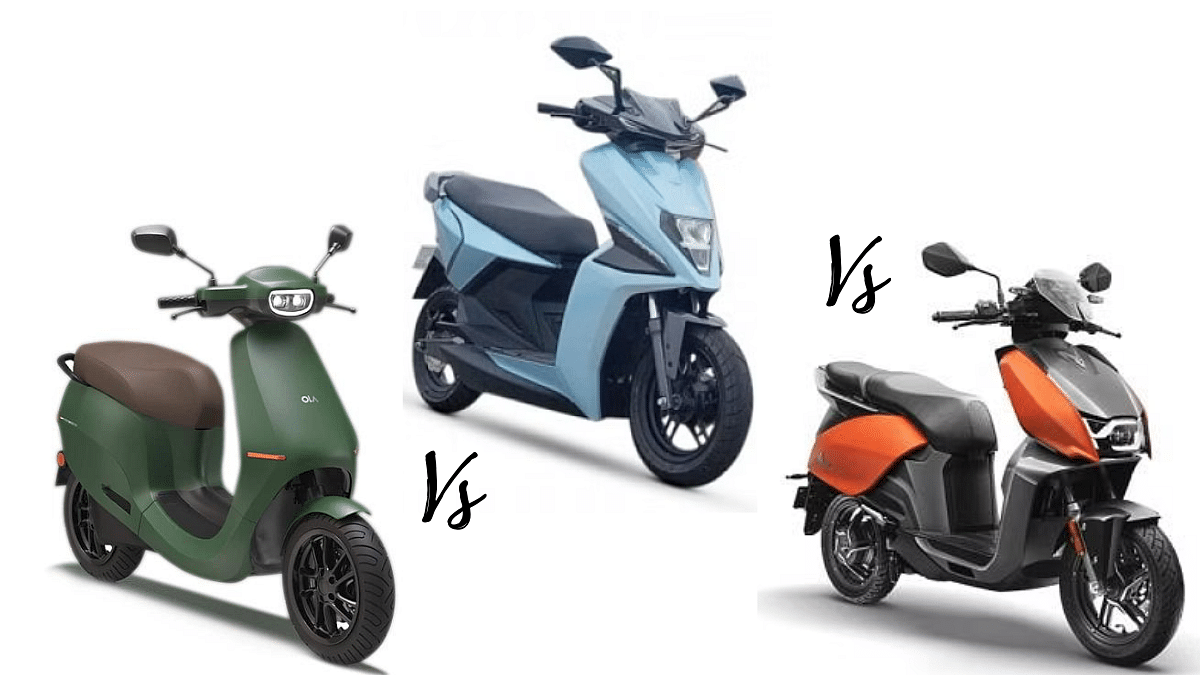
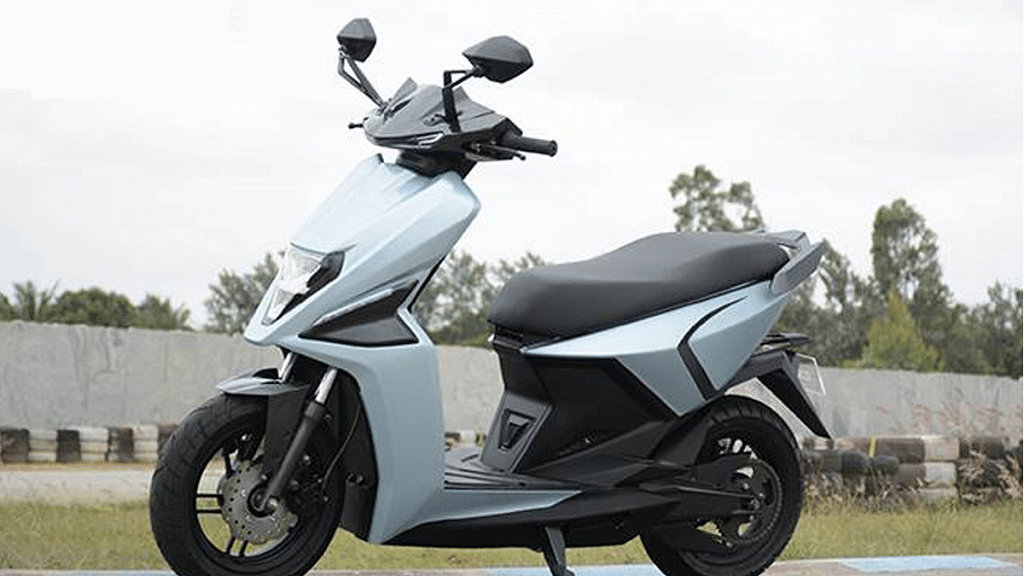
The Simple One Electric, Ola S1 Pro, and Hero Vida V1 have distinct design aesthetics that cater to different tastes. Simple One Electric has a minimalistic and futuristic approach to its design, with a flared body and sharp tail unit.

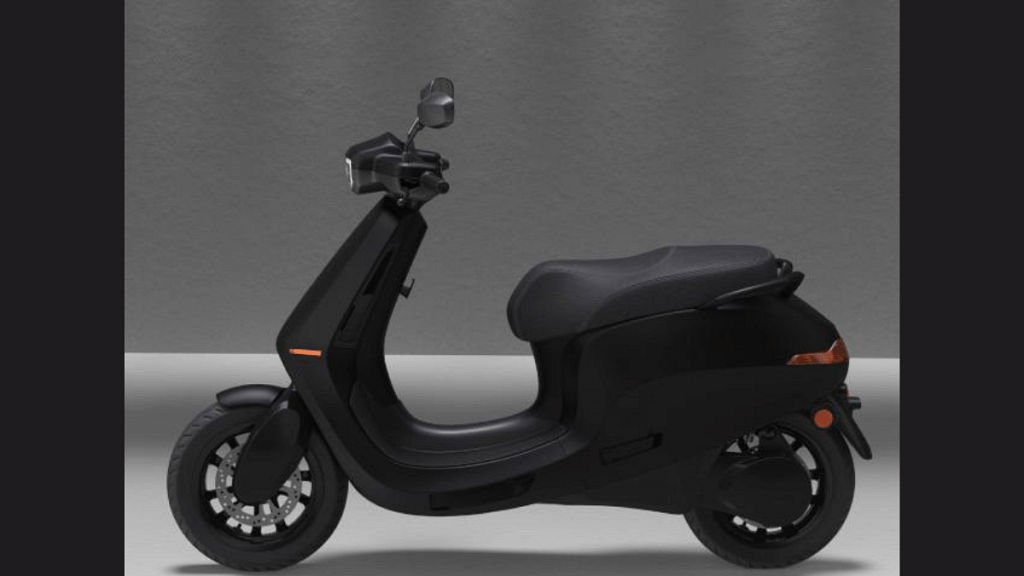
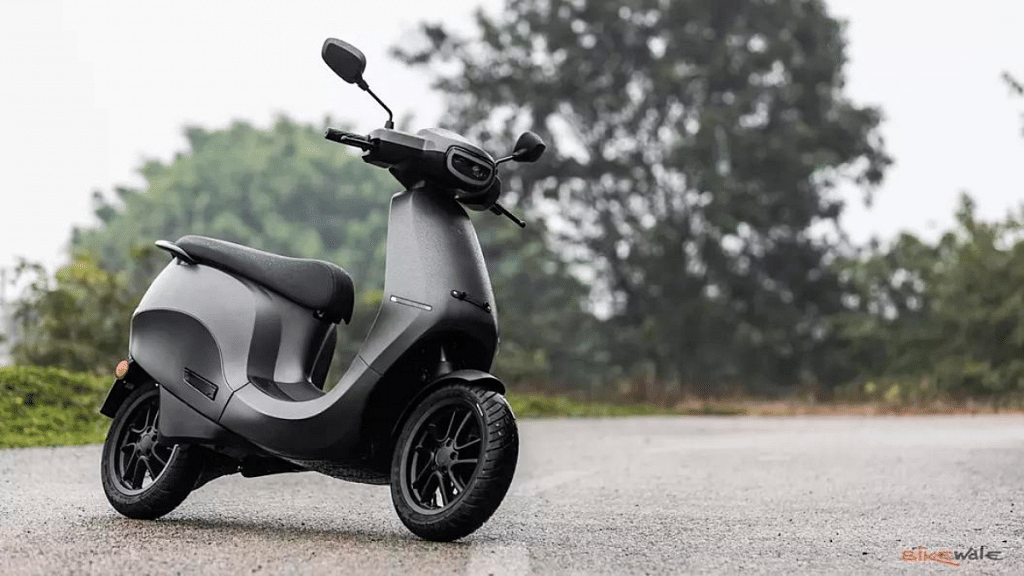
The Ola S1 Pro has a fluid design with mono-colored panels and alloy wheels. It also comes with a 36-litre large boot space and sculpted seating for pillion’s comfort.

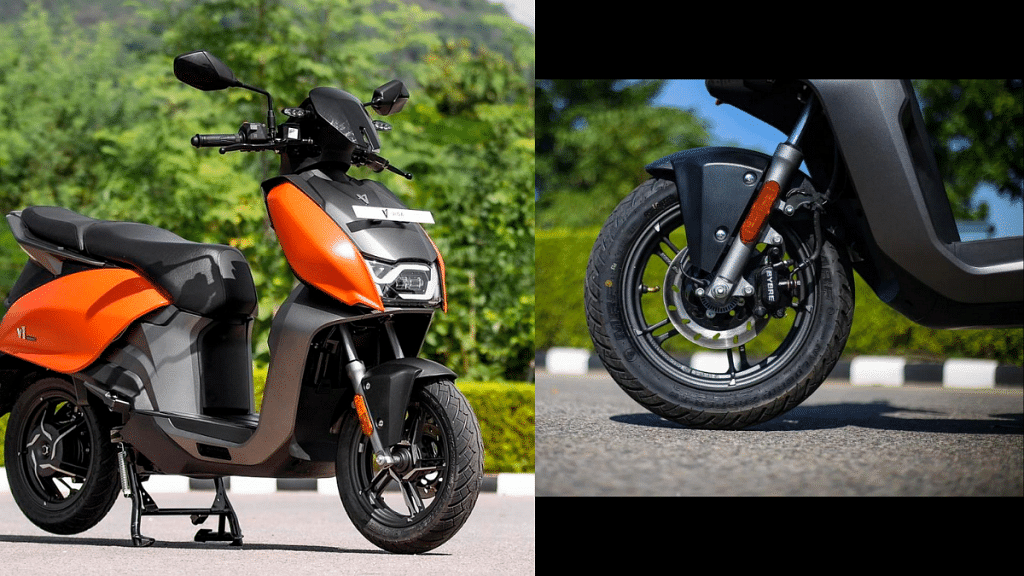
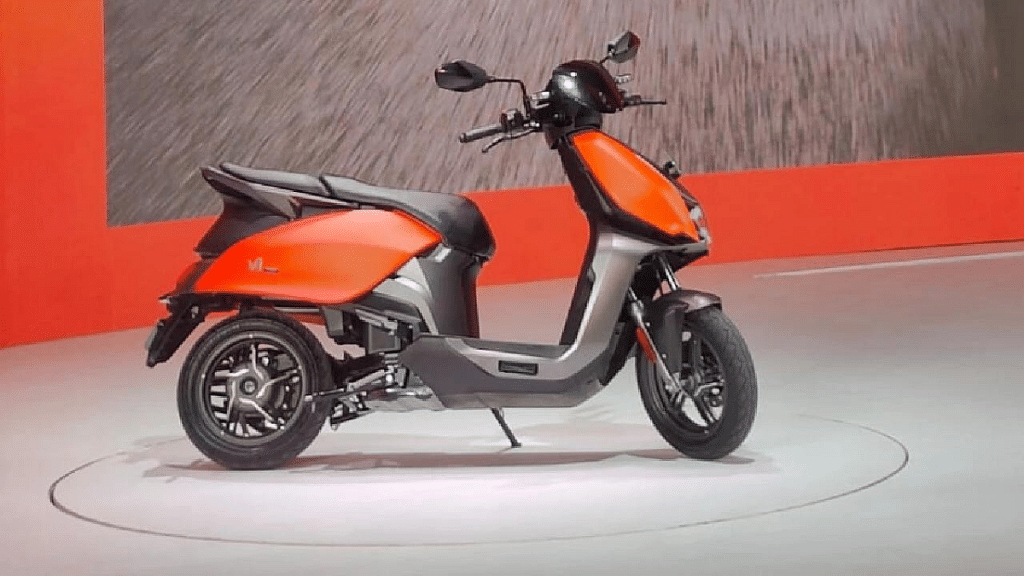
The Hero Vida V1 combines retro and futuristic styling, with an attractive design language featuring a sharp-looking fascia and LED headlight setup that resembles the face of a robot. Each of these e-scooters has its own unique design, making them stand out from each other.

Also Read: Simple One Electric Scooter Vs Ather 450X Vs TVS iQube Comparison: Best Budget-Friendly Electric Scooter To Buy In 2023

Simple One Electric Vs Ola S1 Pro Vs Hero Vida V1: Powertrain

E-ScooterBattery CapacityRange (IDC)Top Speed0-40kmph TimeChassis
Simple One Electric4.8kWh / 6.4kWh236km / 300km105kmph2.85 secondsUnderbone with Telescopic Fork
Ola S1 Pro4kWh170km / 135km116kmph2.9 secondsFrame-mounted Mid-Drive Motor
Hero Vida V13.44kWh / 3.94kWh143km / 165kmTelescopic Fork with Monoshock
Note: IDC stands for Indian Driving Cycle. The range and speed mentioned are claimed by the manufacturers, and may vary depending on factors such as riding conditions and user behavior.

The Simple One Electric Standard variant is powered by a 4.8kWh lithium-ion battery and offers an impressive 236km range in Eco mode. However, the newer additional battery variant offers a whopping 6.4kWh battery with a claimed IDC range of over 300km. The One is also the quickest scooter on sale in India, with a 0-40kmph time of just 2.85 seconds. It uses a traditional underbone chassis and is propped up by a telescopic fork and monoshock setup, with disc brakes at both ends getting the added assurance of CBS.

In comparison, the Ola S1 Pro is powered by a frame-mounted mid-drive motor capable of producing a peak power of 8.5kW and 58Nm of peak torque. It has a top speed of 116kmph and can reach 0-40kmph in 2.9 seconds. The S1 Pro comes with an IP55/67 rated 4kWh battery unit which gives the scooter a True Range of 170km in Eco mode and 135km in Normal mode, with an ARAI-certified range of 181km.

Also Read: Yulu Wynn Low-Speed Electric Scooter With 250W Motor Launched In India: Available Under Rs. 60,000

The Hero Vida V1 Plus is powered by a 6kW motor and has a 3.44kWh removable battery pack, offering a claimed IDC range of 143km. The V1 Pro gets a slightly bigger 3.94kWh removable battery pack and has an impressive IDC range of 165km. It features a telescopic fork and monoshock suspension setup, with a disc brake up front and a drum at the rear for braking.

Also Read:List Of Top Five Electric Scooters Loaded With Premium Features Under Rs. 1.50 lakh

Simple One Electric Vs Ola S1 Pro Vs Hero Vida V1: Battery

E-scooter ModelCharging Time
Simple One Electric1 hour 5 minutes
Ola S1 Pro6.5 hours
Hero Vida V15 hours 55 minutes

The Simple One Electric offers a convenient charging time of just 1 hour and 5 minutes. In comparison, the Ola S1 Pro takes a longer time of 6.5 hours to fully charge, which could be a drawback for those who need to use their e-scooter frequently throughout the day. The Hero Vida V1, on the other hand, takes 5 hours and 55 minutes to get charged, which is slightly faster than the Ola S1 Pro but still longer than the Simple One Electric. Overall, the Simple One Electric has the advantage of a quick charging time, which can be a major plus point for people with busy schedules.

Also Read: Hero Vida V1 Electric Scooter Now Up For Grabs Via Flipkart: Check Price, Warranty, Discount Offers, And Features

Simple One Electric Vs Ola S1 Pro Vs Hero Vida V1: Price

E-scooter ModelPrice (ex-showroom Delhi)Variants
Simple One ElectricRs. 1.09 Lakh – Rs. 1.44 LakhSTD, One Extra Range
Ola S1 ProRs. 1.24 LakhSTD
Hero Vida V1Rs. 1,35,705 – Rs. 1,46,880Vida V1 Plus, V1 Pro

The Simple One Electric, Ola S1 Pro, and Hero Vida V1 all have different price points that cater to different budgets. The Simple One Electric’s price starts at Rs. 1.09 Lakh and goes up to Rs. 1.44 Lakh for the top variant, One Extra Range. The Ola S1 Pro’s price starts at Rs. 1.24 Lakh and is only offered in one variant. On the other hand, the Hero Vida V1 is available in two variants, Vida V1 Plus priced at Rs 1,35,705 and the V1 Pro at Rs 1,46,880 .

Also Read: Top Latest Budget Electric Scooter Launched In India: Ola And Okaya