Categories
Chipset Comparison Featured

MediaTek Dimensity 7050 Vs Qualcomm Snapdragon 888 Chipset Comparison: Best Mobile Processor For Power Performance

Key Highlights

  • Popular: MediaTek Dimensity 7050, Qualcomm Snapdragon 888.
  • Snapdragon 888: faster CPU, GPU than Dimensity 7050.
  • Unique features suit diverse user needs.

With constant innovation and upgrades in technology, there are numerous chipsets available in the market. MediaTek Dimensity 7050 and Qualcomm Snapdragon 888 are two of the most popular mobile processors in the market today. In this article, we will compare the two processors in terms of their CPU architecture, GPU performance, memory, and multimedia capabilities.

ChipsetMediaTek Dimensity 7050Qualcomm Snapdragon 888
CPUOcta-coreOcta-core
GPUArm Mali-G68 MC4Adreno 660
MemoryLPDDR4X, LPDDR5LPDDR5
RAM Speed2666 MHz3200 MHz
Fabrication6nm5nm

Also Read: MediaTek Dimensity 7200 Vs Qualcomm Snapdragon 870 Premium Mobile Processor Comparison: CPU, GPU, Memory, And More

MediaTek Dimensity 7050 Vs Qualcomm Snapdragon 888 Chipset: Fabrication, CPU Architecture

MediaTek Dimensity 7050 is fabricated on 6nm process technology, while Qualcomm Snapdragon 888 is fabricated on a more advanced 5nm process technology, making it more power-efficient.

The Dimensity 7050 features an octa-core CPU with a 2+6 configuration, with two powerful Cortex-A78 cores running at 2.8 GHz and six Cortex-A55 cores running at 2.0 GHz. In contrast, the Snapdragon 888 features an octa-core CPU with a 1+3+4 configuration with a powerful Kryo 680 core running at 2.84 GHz.

The Snapdragon 888’s CPU architecture is superior to the Dimensity 7050 due to its faster clock speeds and more powerful cores. However, the Dimensity 7050’s configuration is optimized for power efficiency and delivers better battery life.

Also Read: MediaTek Dimensity 9000 Vs Qualcomm Snapdragon 870 Processor: Best Chipset For Value Flagship

MediaTek Dimensity 7050 Vs Qualcomm Snapdragon 888 Chipset: GPU Comparison
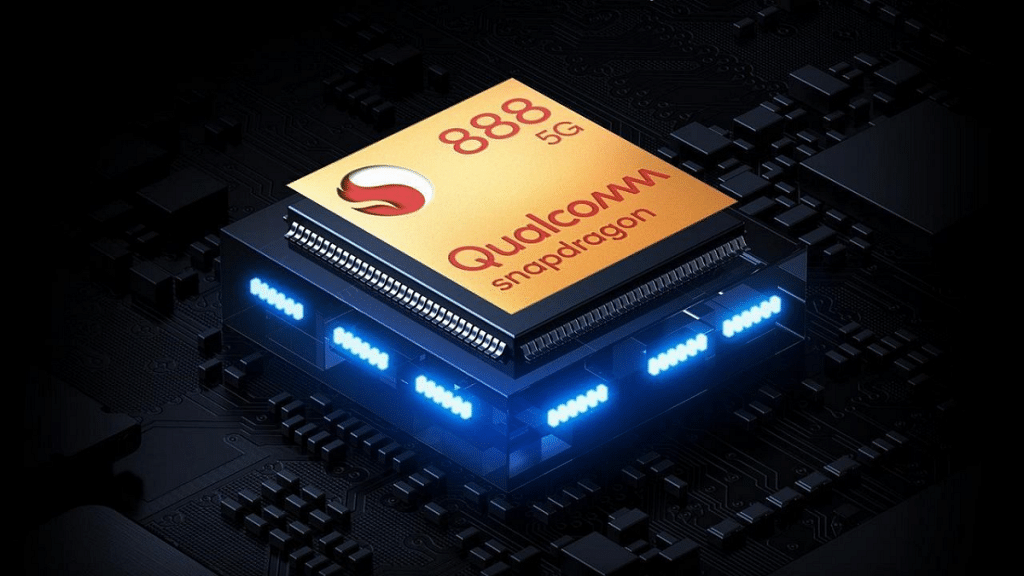
The GPU is another essential aspect of a mobile processor. The Dimensity 7050 features an Arm Mali-G68 MC4 GPU, while the Snapdragon 888 features an Adreno 660 GPU.

The Adreno 660 GPU is more powerful than the Mali-G68 MC4 and delivers better graphics performance. The Snapdragon 888 can handle high-end games and intensive graphics tasks with ease.

Also Read: Qualcomm Snapdragon 888 Vs MediaTek Dimensity 1300 Chipset Quick Comparison

MediaTek Dimensity 7050 Vs Qualcomm Snapdragon 888 Chipset: Memory, Multimedia (ISP) Comparison
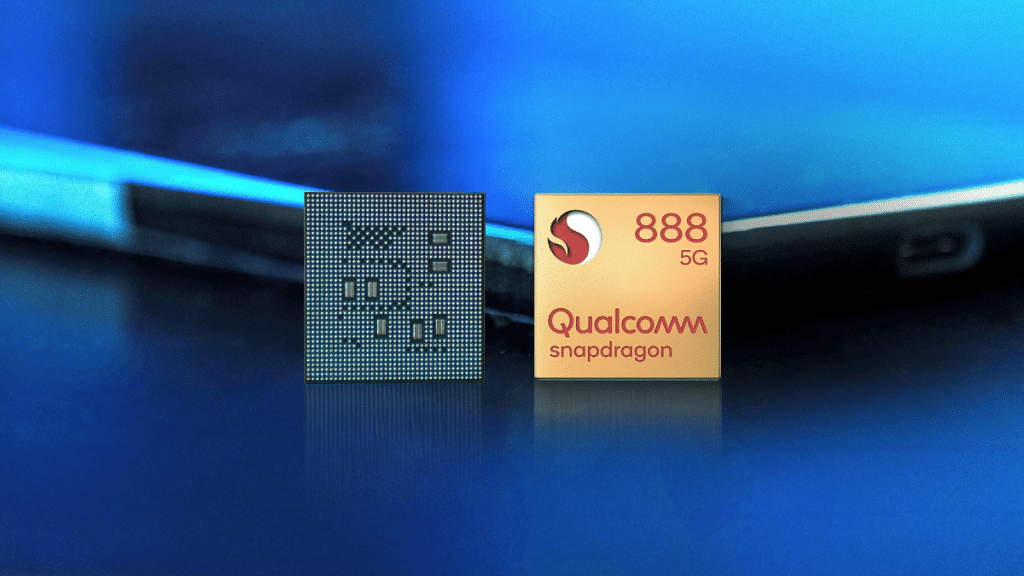
When it comes to memory, Dimensity 7050 support LPDDR4X and LPDDR5 RAM whereas Snapdragon 888 supports only LPDDR5 RAM. However, the Snapdragon 888 supports faster RAM speeds of up to 3200 MHz, while the Dimensity 7050 only supports RAM speeds of up to 2666 MHz.

In terms of multimedia, both chipsets feature powerful image signal processors (ISPs). The Dimensity 7050 supports up to a 200 MP camera and can record 4K videos at 60fps. The Snapdragon 888, on the other hand, also supports up to a 200 MP camera but can record 8K videos at 30fps.

Also Read: Best MediaTek-Powered Gaming Phones Under Rs. 20,000 In India

MediaTek Dimensity 7050 Vs Qualcomm Snapdragon 888 Chipset: Final Verdict
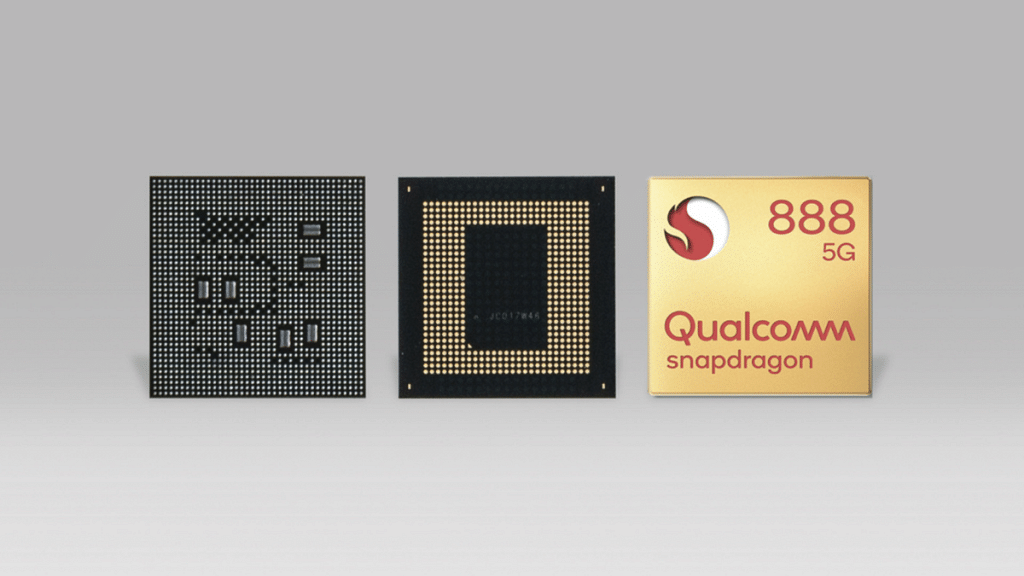
Both the MediaTek Dimensity 7050 and Qualcomm Snapdragon 888 are powerful mobile processors. The Snapdragon 888 is more powerful when it comes to CPU and GPU performance, but the Dimensity 7050 delivers better power efficiency and better battery life.

Also Read: MediaTek Helio G36 Vs Qualcomm Snapdragon 480 Entry-Level Gaming Chipset Comparison
Categories
Auto Expo Comparison Featured

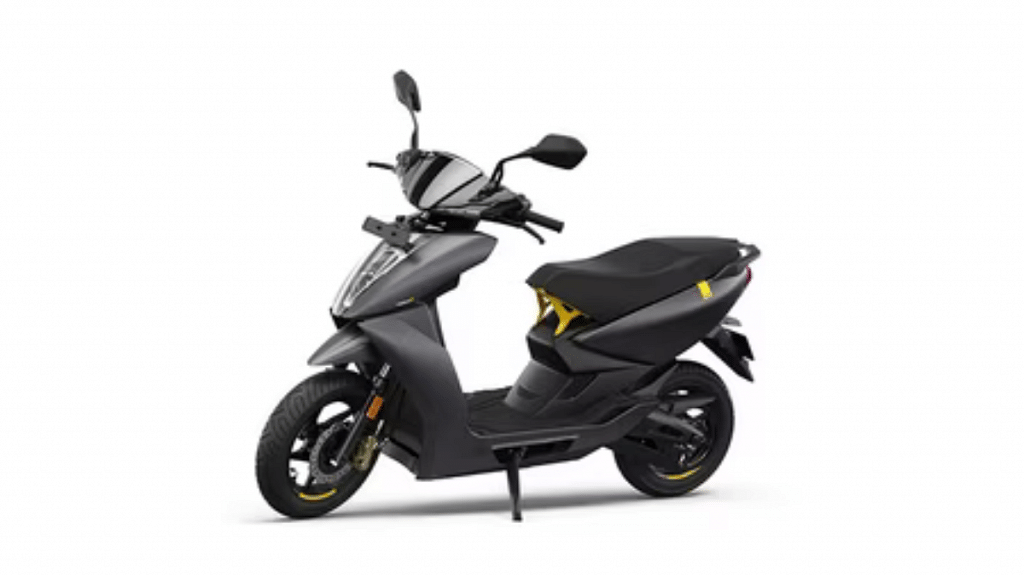
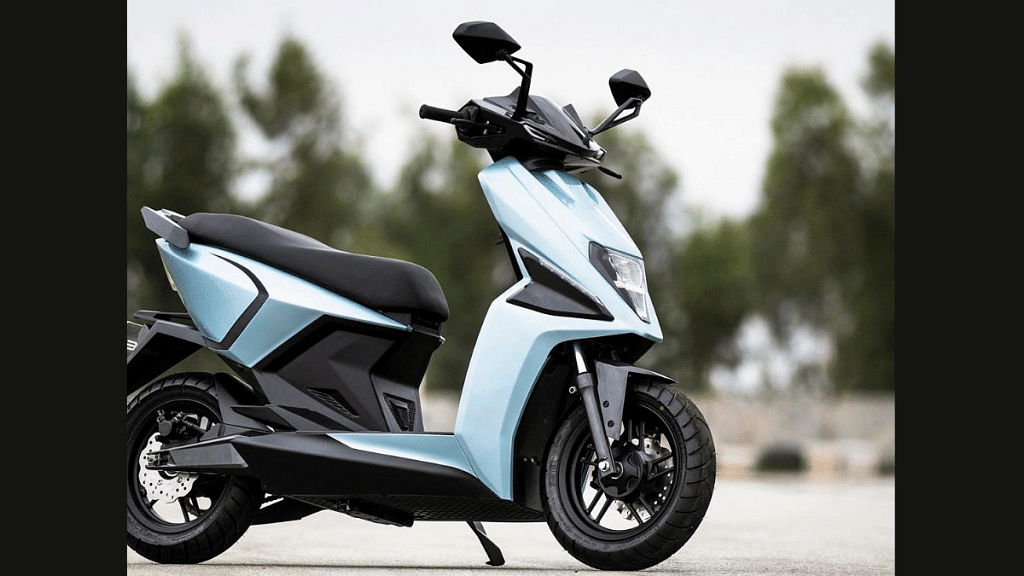
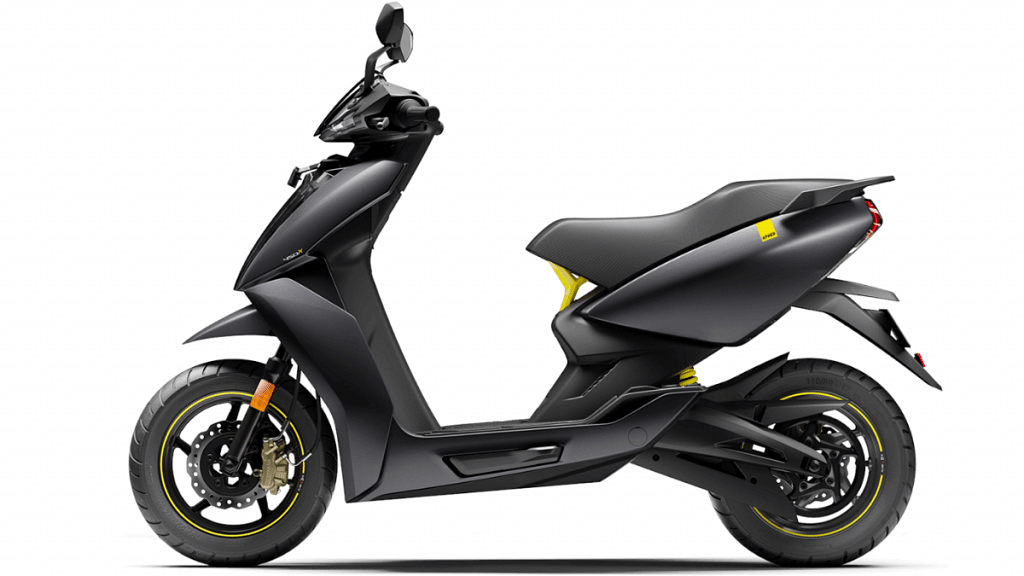
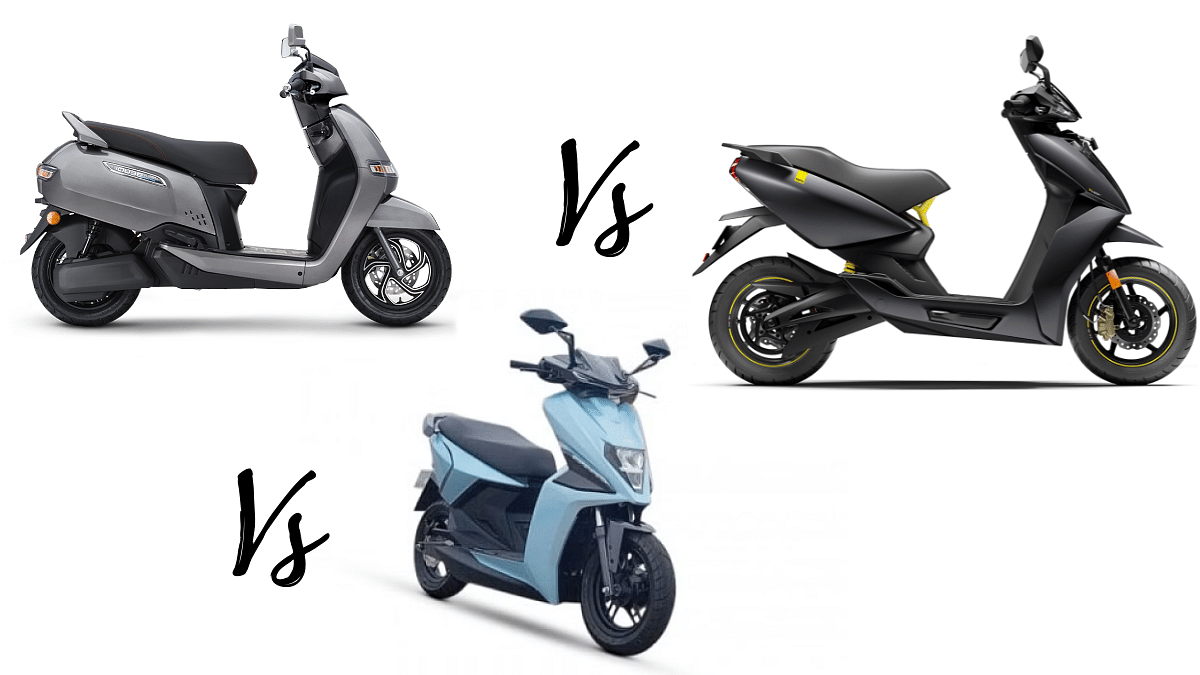
Simple One Electric Scooter Vs Ather 450X Vs TVS iQube Comparison: Best Budget-Friendly Electric Scooter To Buy In 2023

Key Highlights

  • Simple One Electric Scooter offers the longest range among the three options.
  • Ather 450X has the quickest acceleration and is the most technologically advanced.
  • Simple One Electric Scooter is the most budget-friendly option with a competitive price tag.

As the demand for eco-friendly transportation options continues to rise, the electric scooter market has seen significant growth over the past few years. With a variety of options available, it can be challenging to decide which one to buy. To make things easier, we have compared three popular budget-friendly electric scooters: Simple One Electric Scooter, Ather 450X, and TVS iQube.

Also Read: Simple One Premium Electric Scooter With 236km Range India Launch Set For May 23: Price, Powertrain, Features

Simple One Electric Scooter Vs Ather 450X Vs TVS iQube: Design

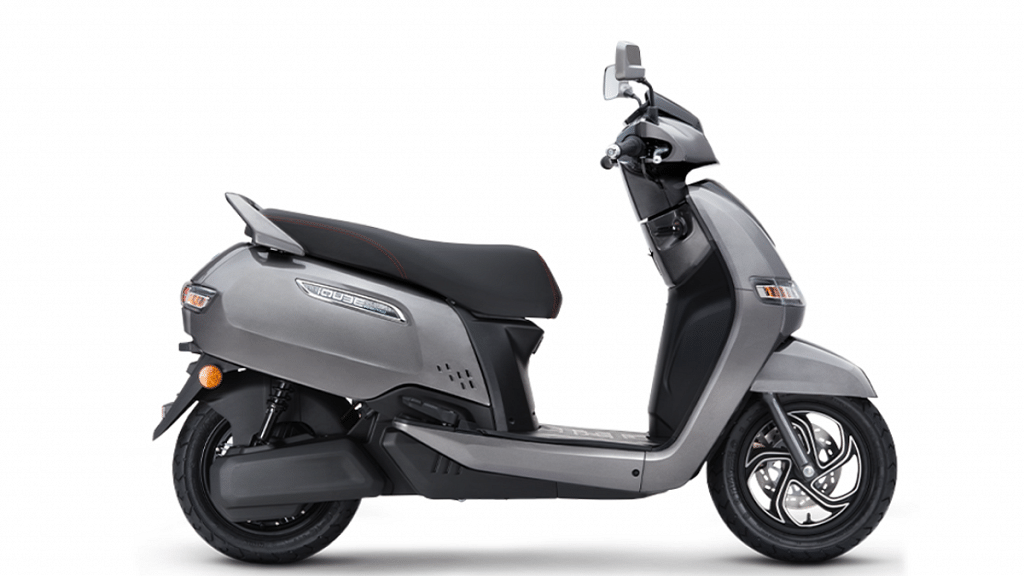
The Simple One Electric Scooter, Ather 450X, and TVS iQube have similar wheel sizes of 304.8 mm for both the front and rear wheels. However, the type of wheels used in each scooter differs. The Simple One Electric Scooter and Ather 450X both have alloy wheels, while the TVS iQube uses pressed steel wheels.

Alloy wheels are generally considered to be more durable and provide better performance than pressed steel wheels. The use of alloy wheels in the Simple One Electric Scooter and Ather 450X may give them a slight edge in terms of performance and longevity.

The Simple One Electric Scooter comes in four colour options, namely black, blue, red, and white. In comparison, the Ather 450X offers six colour options, including mint green, space grey, white, and more. The TVS iQube comes in five colour options, such as white, red, blue, black, and grey.

Also Read: List Of Top Five Electric Scooters Loaded With Premium Features Under Rs. 1.50 lakh

Simple One Electric Scooter Vs Ather 450X Vs TVS iQube: Powertrain

PowertrainSimple One Ather 450XTVS iQube
Torque (wheel) (in Nm)140140140
Torque (motor) (in Nm)722633
Continuous Power (in kW)4.53.33
Top Speed (in kmph)1059078

When it comes to the powertrain, the Simple One Electric Scooter stands out with its impressive torque output of 140 Nm at the wheel and 72 Nm from the motor. It has a continuous power of 4.5 kW and a top speed of 105 kmph. The Ather 450X has a wheel torque of 140 Nm, motor torque of 26 Nm, continuous power of 3.3 kW, and a top speed of 90 kmph. The TVS iQube has a wheel torque of 140 Nm, motor torque of 33 Nm, continuous power of 3 kW, and a top speed of 78 kmph.

Overall, the Simple One Electric Scooter has the most powerful powertrain among the three.

Simple One Electric Scooter Vs Ather 450X Vs TVS iQube: Battery, Range

Electric Scooter ModelRange per ChargeCharging Time
Simple One236 km1 hour 5 minutes
Ather 450X146 km 5 hours 40 minutes
TVS iQube100 km5 hours

The Simple One Electric Scooter offers an impressive range of 236 km per charge, which is significantly higher than the Ather 450X’s range of 146 km per charge in its ride mode. The Simple One’s charging time is also relatively quick, taking only 1 hour and 5 minutes to reach a full charge. In comparison, the Ather 450X takes 5 hours and 40 minutes to fully charge.

The TVS iQube, on the other hand, has a range of 100 km per charge and takes 5 hours to reach a full charge. When it comes to powertrain, the Simple One offers an edge over its competitors with its impressive range and quick charging time.

Also Read: Top Latest Budget Electric Scooter Launched In India: Ola And Okaya

Simple One Electric Scooter Vs Ather 450X Vs TVS iQube: Price

Electric Scooter ModelPrice
Simple OneRs. 1.09 Lakh
Ather 450XRs. 1.28 Lakh
TVS iQubeRs. 1.61 Lakh

The Simple One Electric Scooter has priced at Rs. 1.09 Lakh, making it the most budget-friendly option among the three electric scooters compared. The Ather 450X is priced at Rs. 1.28 Lakh, which is slightly more expensive than the Simple One. The TVS iQube, on the other hand, is the most expensive option with a price tag of Rs. 1.61 Lakh.

Despite being the most affordable option, the Simple One offers impressive features like a long range and quick charging time, making it a great value-for-money option in the electric scooter market.

Also Read: MG Comet EV Vs Tata Tiago EV Vs Citroen eC3 Budget Electric Car Comparison: Which Is The Best?

Categories
Auto Tech Comparison Featured

MG Comet EV Vs Tata Tiago EV Vs Citroen eC3 Budget Electric Car Comparison: Which Is The Best?

Key Highlights

  • MG Comet EV;s debut has rattled the budget EV car market in India
  • Tata Tiago EV and Citroen eC3 prime rivals
  • MG Comet EV is the cheapest amongst all three
  • Citroen eC3 is the most expensive out of all three

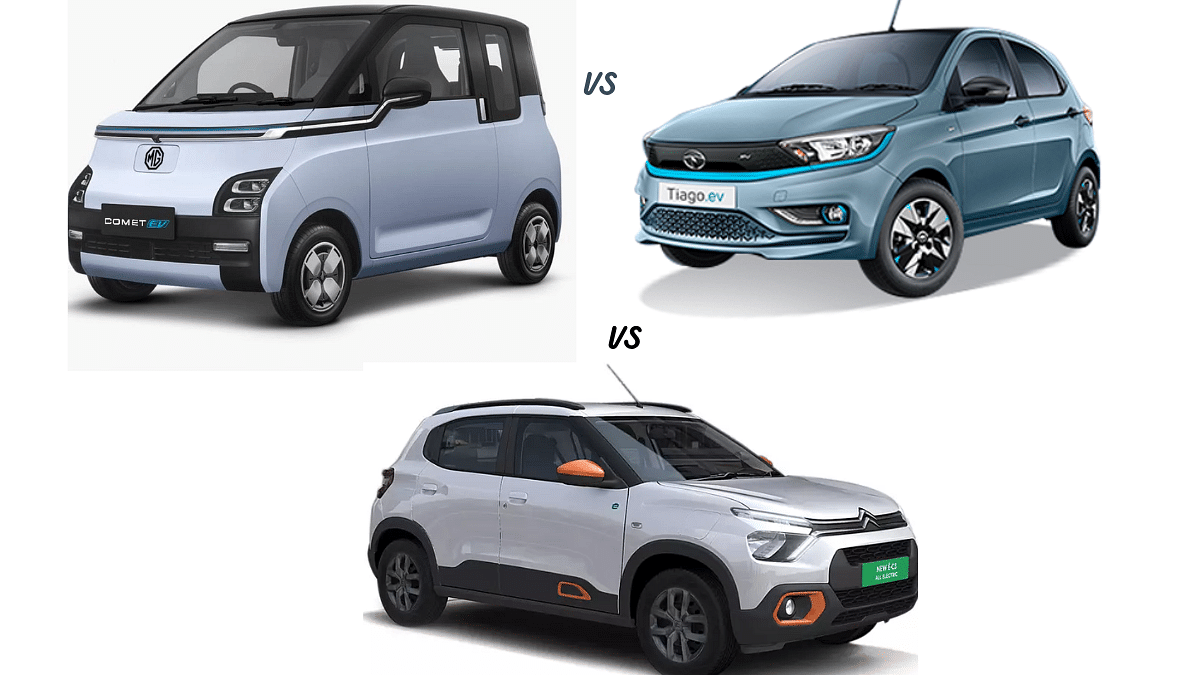
The Indian EV market is growing bigger with each passing year. And options for budget consumers are also rapidly increasing. MG Motors got done with the most affordable electric car launch in the country called the MG Comet EV. Apparently, MG Comet EV has stolen the tag of the cheapest electric car available in the Indian market. Both Tata Tiago EV and the Citroen eC3 previously were dominating the budget EV car space. Does the MG Comet EV change the game for both Tata and Citroen? Let’s find out in this comparison article:

MG Comet EV Vs Tata Tiago EV Vs Citroen eC3: Design

Dimensions ComparisonMG Comet EVTata Tiago EVCitroen eC3
Length2974 mm3769 mm3981 mm
Width1505 mm1677 mm1733 mm
Height1640 mm1536 mm1586 mm
Wheelbase2010 mm2400 mm2540 mm
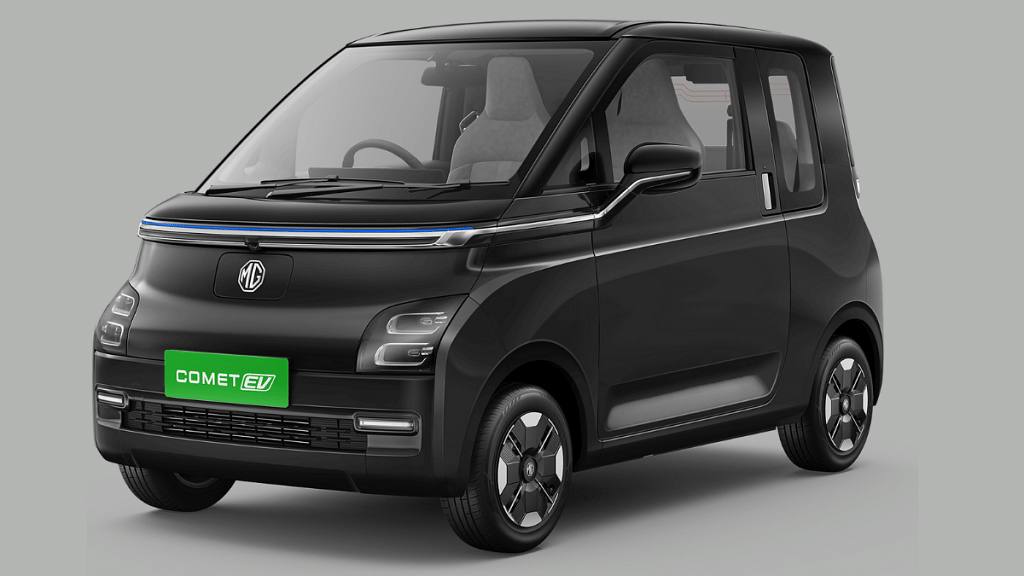
MG Comet EV

All three cars in this list flaunt a compact design that is apt for city drives. The MG Comet EV is the only variant that features a three-door design, while the rest comes with standard five-door design. Also, the MG Comet has the widest range of color options and customizations compared to the remaining two. The dimension comparison is mentioned below:

MG Comet EV Vs Tata Tiago EV Citroen eC3: Powertrain Comparison

PowertrainMG Comet EVTata Tiago EVCitroen eC3
MotorPMSM electricPMSM electricPMSM electric
Peak power41 bhp56 bhp60 bhp
Peak torque110 Nm114 Nm143 Nm
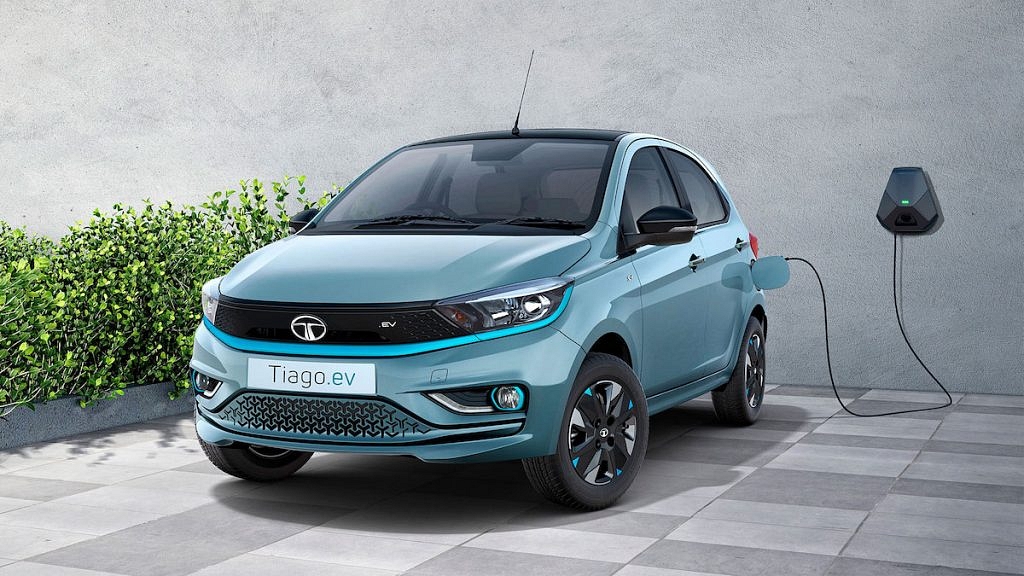
Tata Tiago EV

The MG Comet EV uses a single PMS (Permanent Magnet Synchronous Motor) electric motor that churns out 41 bhp of peak power and 110 Nm torque. The Tata Tiago EV’s PMS electric motor delivers around 56 bhp of peak power and 143 Nm of torque which is better compared to the Comet EV. Likewise, the Citroen eC3’s electric motor delivers around 60 bhp of peak power and 110Nm of peak torque.

Also Read: MG Comet EV Officially Launched As Most Affordable Compact Electric Car In India: Check Price, Powertrain, Features

MG Comet EV Vs Tata Tiago EV Vs Citroen eC3: Battery Specs

Key SpecsMG Comet EVTata Tiago EVCitroen eC3
Battery17.3 kWh19.2 kWh, 24 kWh29.2 kWh
Range230 km250 km/ 315 km320 km
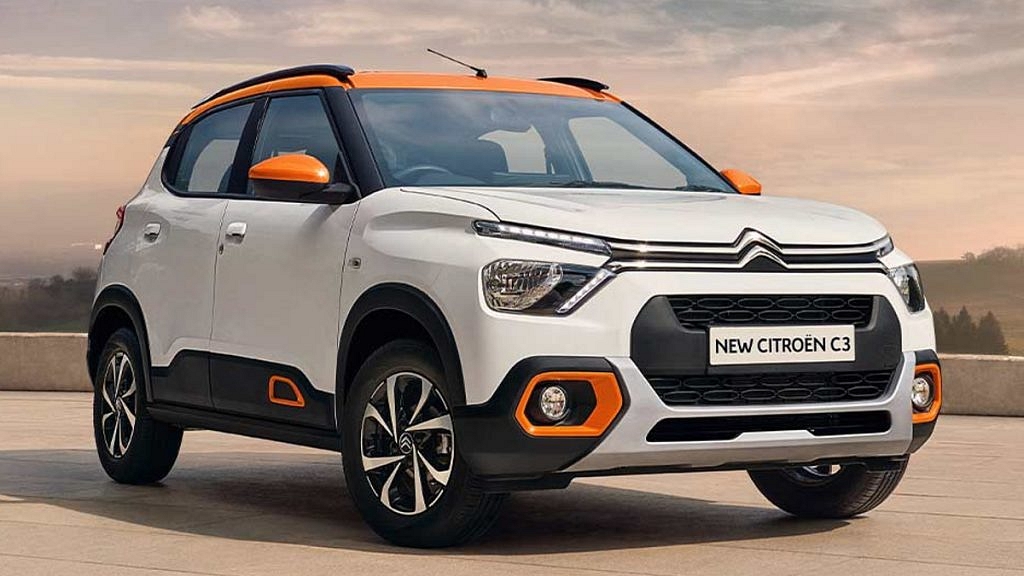
Citroen eC3 EV

Talking about the battery specs, the MG Comet EV uses a 17.3 kWh battery capacity and can offer a claimed range of up to 230 km per charge. On the other hand, the Tata Tiago EV is available with dual battery configuration of 19.2 kWh and 24 kWh. The former variant offers up to 250 km per charge range, while the latter can offer up to 315 km per charge. Lastly, the Citroen eC3 packs a 29.2 kWh battery pack which can produce around 320 km per charge.

Also Read: Citroen eC3 Electric Car Officially Teased Ahead Of India Launch: A Premium Hatchback Rivaling Upcoming Tata Punch EV

MG Comet EV Vs Tata Tiago EV Vs Citroen eC3: Price

ModelPrice
MG Comet EVRs. 7.98 lakh
Tata Tiago EVRs. 8.69 lakh*
Citroen eC3Rs. 11.50 lakh

Looking at the pricing, it is clear that the MG Comet EV is the cheapest electric car that you can in India followed by the Tata Tiago EV and Citroen eC3 respectively.

Also Read: Tata Tiago EV vs Tata Tigor EV || Sibling Rivalry || Electric Hatch or Electric Sedan?

Categories
Chipset Comparison Featured

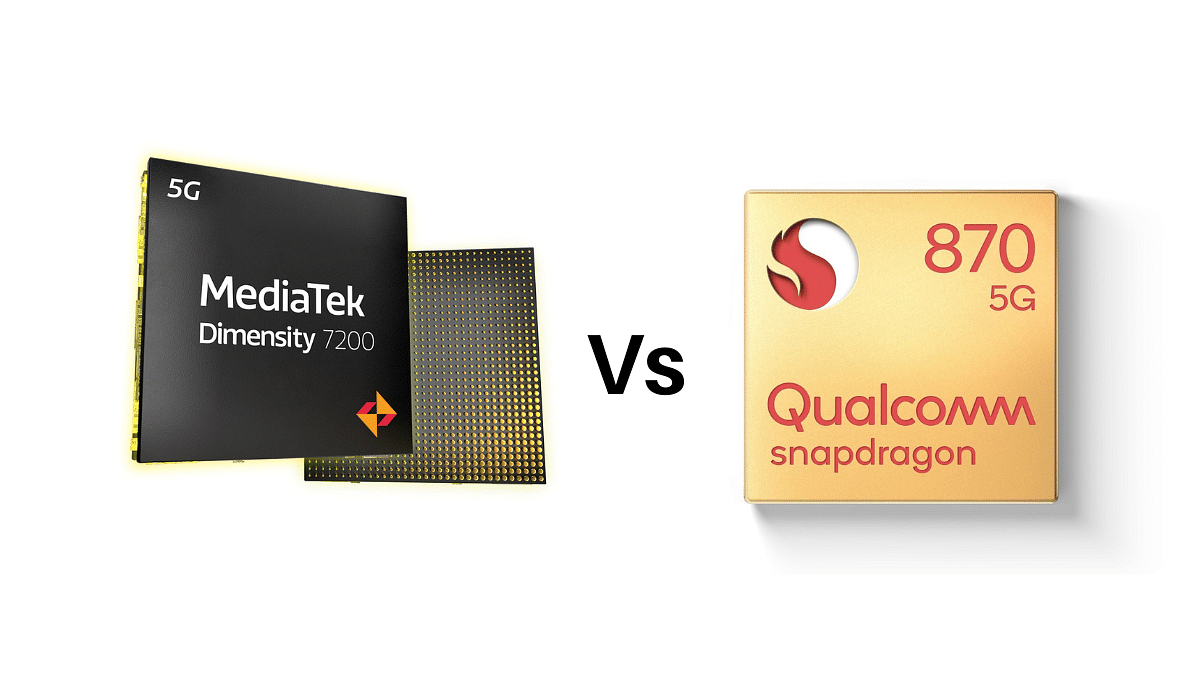
MediaTek Dimensity 7200 Vs Qualcomm Snapdragon 870 Premium Mobile Processor Comparison: CPU, GPU, Memory, And More

Key Highlights

  • Latest and most powerful mobile processors – MediaTek Dimensity 7200 vs Qualcomm Snapdragon 870.
  • Detailed comparison of CPU, GPU, memory, and multimedia capabilities.

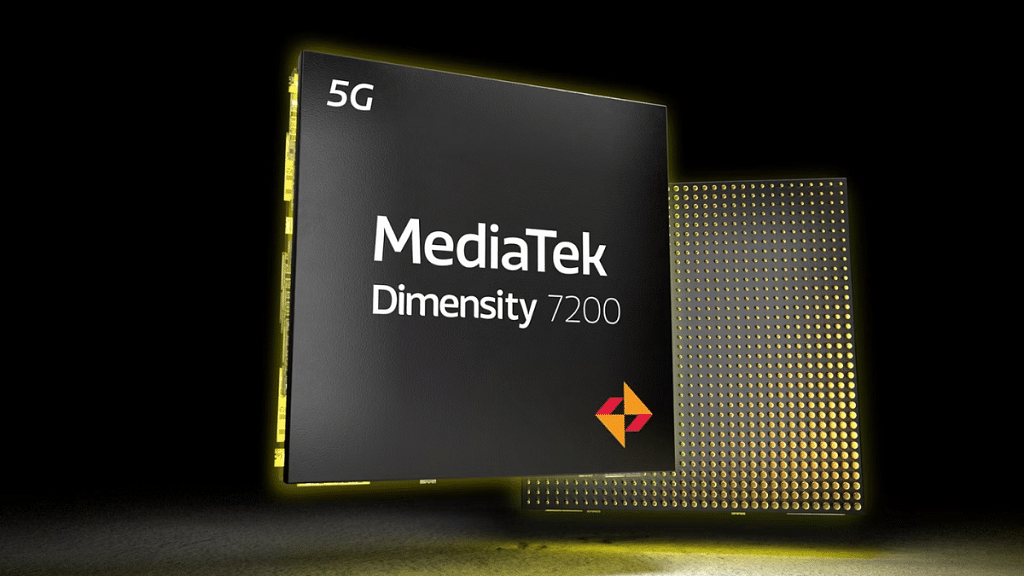
This article will focus on two of the latest and most powerful mobile processors in the market – the MediaTek Dimensity 7200 and the Qualcomm Snapdragon 870. Both processors are designed to cater to the high-end mobile device segment, offering top-notch performance and advanced features.

ChipsetMediaTek Dimensity 7200Qualcomm Snapdragon 870
CPUOcta-coreOcta-core
GPUMali-G610 MC4Adreno 650
MemoryLPDDR5LPDDR5
StorageUFS 3.0UFS 3.0 and UFS 3.1
Fabrication4nm7nm

MediaTek Dimensity 7200 Vs Qualcomm Snapdragon 870 Processor: CPU Architecture

The MediaTek Dimensity 7200 features a 4nm manufacturing process and an octa-core CPU that includes two two ARM Cortex-A715 cores clocked at 2.8 GHz and six Cortex-A510 cores clocked at 2.0 GHz.

On the other hand, the Qualcomm Snapdragon 870 features a 7nm manufacturing process and an octa-core CPU that includes 3.2GHz Kryo 585 Prime core, three 2.42GHz Kryo 585 Gold cores, and four 1.80GHz Kryo 585 Silver cores. The Qualcomm Snapdragon 870 has faster clock speeds than the MediaTek Dimensity 7200.

Also Read: MediaTek Dimensity 9000 Vs Qualcomm Snapdragon 870 Processor: Best Chipset For Value Flagship

MediaTek Dimensity 7200 Vs Qualcomm Snapdragon 870 Processor: GPU Comparison

The GPU is responsible for handling the graphics processing of a device. The MediaTek Dimensity 7200 features a Mali-G610 MC4 GPU, while the Qualcomm Snapdragon 870 features an Adreno 650 GPU. The Adreno 650 GPU is known for its powerful graphics capabilities and is often considered one of the best mobile GPUs in the market. While the Mali-G610 MC4 is a capable GPU, it may not be able to match the performance of the Adreno 650.

Also Read: Qualcomm Snapdragon 780G Vs MediaTek Dimensity 8200 5G: Best Future Ready Gaming Chipset Comparison
MediaTek Dimensity 7200 Vs Qualcomm Snapdragon 870 Processor: Memory, Multimedia (ISP) Comparison

The MediaTek Dimensity 7200 supports LPDDR5 RAM and UFS 3.1 storage, while the Qualcomm Snapdragon 870 supports LPDDR5 RAM and UFS 3.0 & 3.1 storage. Both processors are capable of handling high-speed memory and storage solutions, but the MediaTek Dimensity 7200 has a slight edge in this category with support for UFS 3.1 storage.

In terms of multimedia capabilities, the MediaTek Dimensity 7200 features a 32MP+32MP dual-camera setup and can support up to a 200MP single-camera sensor. The Qualcomm Snapdragon 870, on the other hand, features a triple-camera setup that can support up to a 200MP single-camera sensor 25MP+25MP dual-camera . While both processors are capable of supporting high-end camera sensors, the MediaTek Dimensity 7200 has better camera setup.

Also Read: Best MediaTek-Powered Gaming Phones Under Rs. 20,000 In India

MediaTek Dimensity 7200 Vs Qualcomm Snapdragon 870 Processor: Final Verdict

Both the MediaTek Dimensity 7200 and Qualcomm Snapdragon 870 are powerful and capable processors that can handle demanding tasks with ease. However, the Snapdragon 870 has a slight advantage in terms of CPU architecture and GPU performance, while the MediaTek Dimensity 7200 has an edge in terms of storage solutions. It ultimately comes down to personal preferences and the specific requirements of the device.

Whether you choose the MediaTek Dimensity 7200 or Qualcomm Snapdragon 870, you can rest assured that you will be getting a high-quality and reliable processor for your premium mobile device.

Also Read: MediaTek Dimensity 8200 VsQualcomm Snapdragon 870: Best 5G Chipset For Value Flagships

Categories
Comparison Featured Tablet

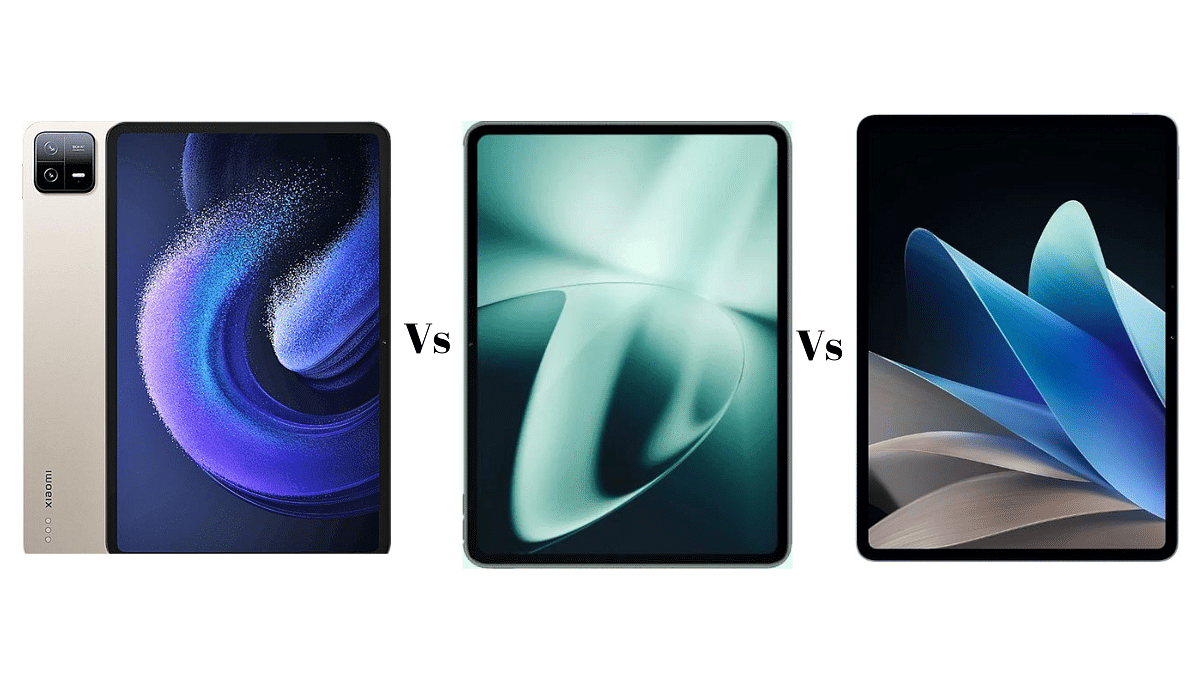
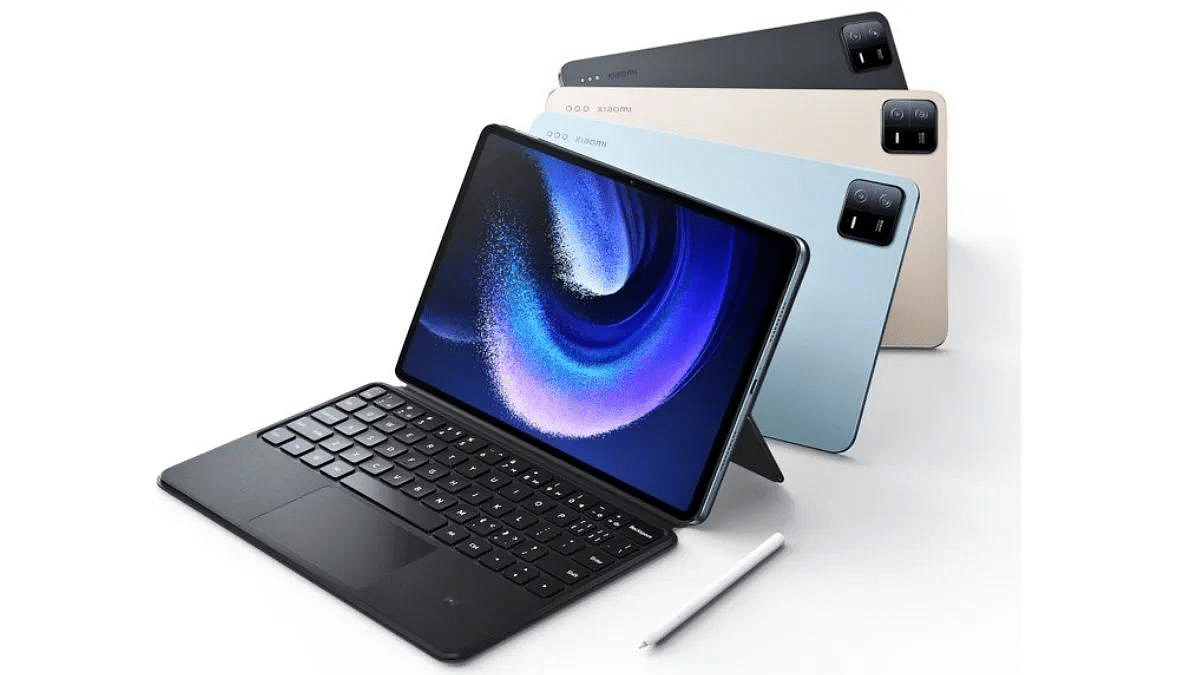
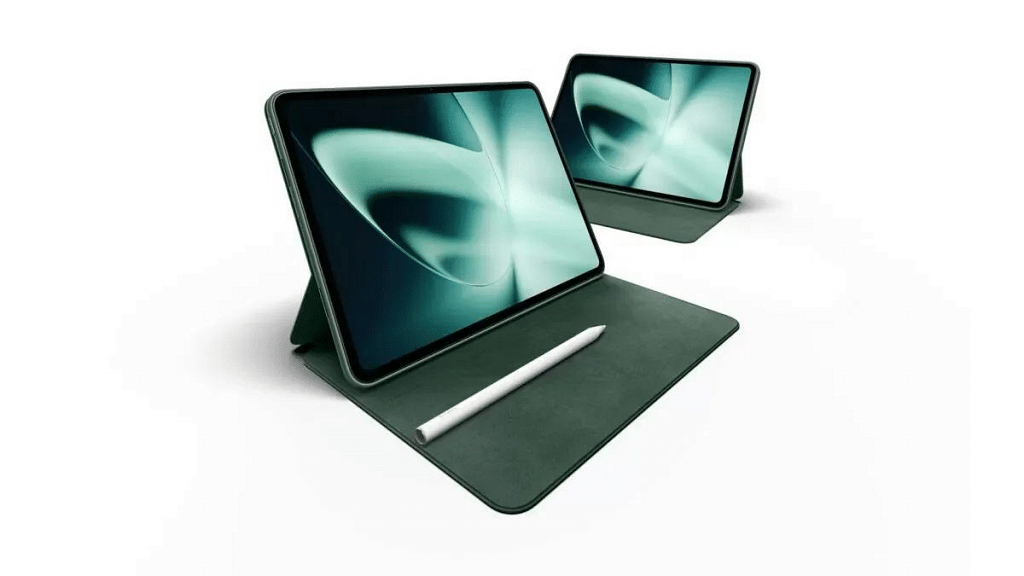
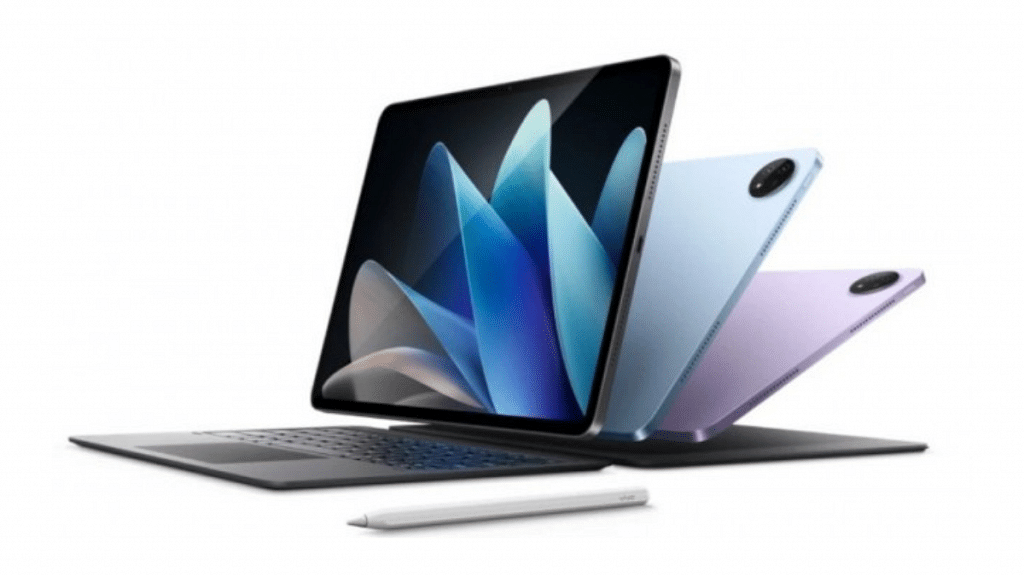
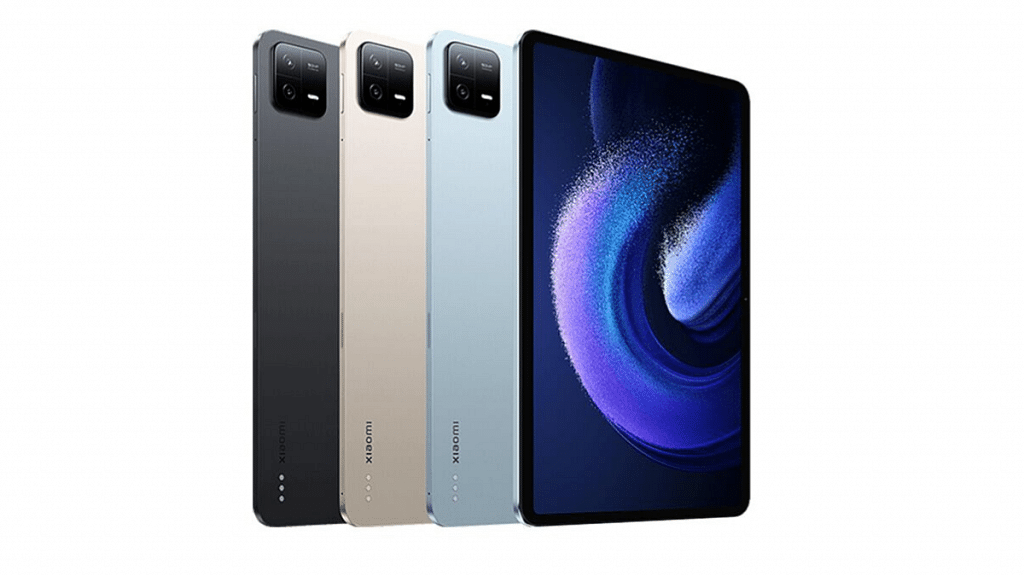
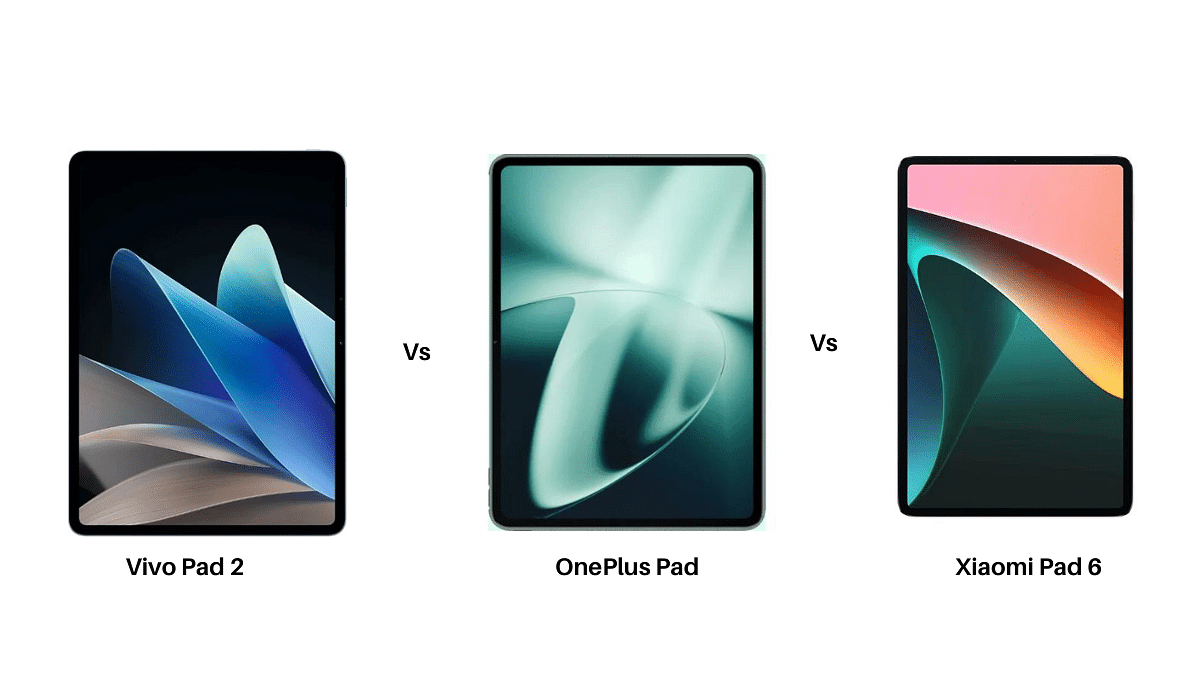
Vivo Pad 2 vs OnePlus Pad vs Xiaomi Pad 6: Flagship Tablet That Takes The Top Spot

Key Highlights

  • Comes with a powerful MediaTek Dimensity 9000 processor in Vivo Pad 2 & OnePlus Pad.
  • Fast charging capabilities, ranging from 33W to 67W.
  • Ample storage options up to 512GB.

Tablets have become an essential gadget for many people. They are used for entertainment, productivity, and even as a substitute for laptops. The market has been flooded with various brands of tablets, and it can be confusing to choose the best one.

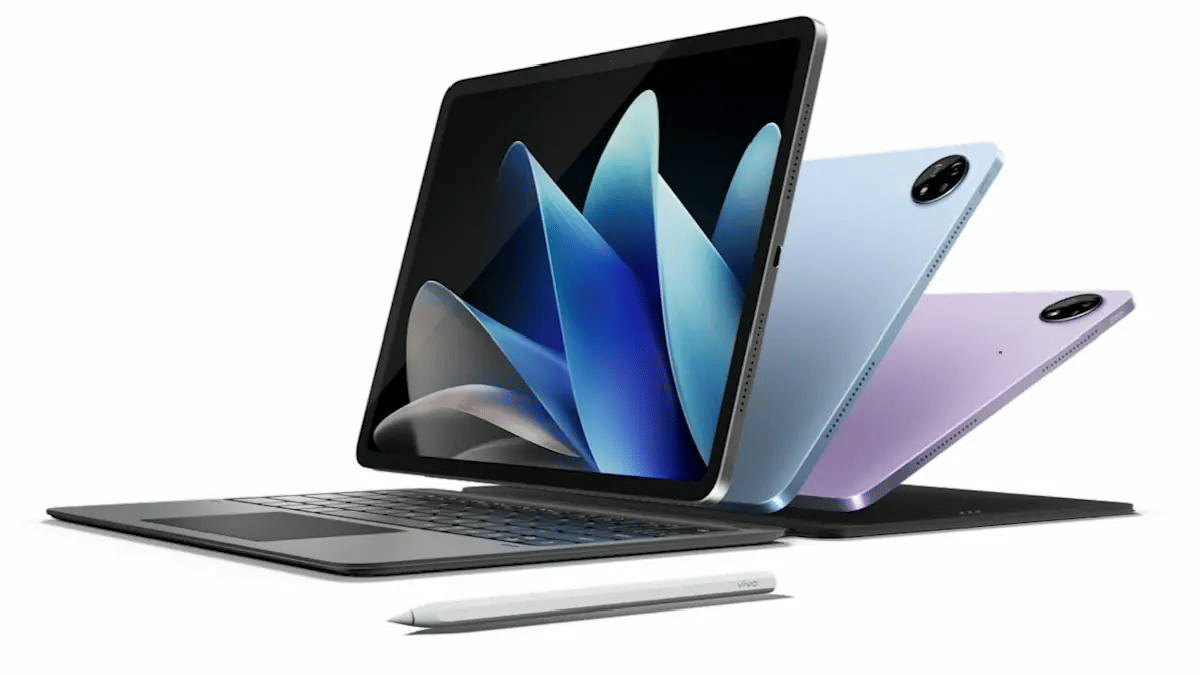
In this article, we will compare three of the best flagship tablets in the market: Vivo Pad 2, OnePlus Pad, and Xiaomi Pad 6. We will look at their display, chipset, battery, camera, and price to determine which one takes the top spot.

Also Read: Xiaomi Pad 6 Pro Vs OnePlus Pad Vs Vivo Pad 2: Premium Android Tablet Battle 2023

Vivo Pad 2 vs OnePlus Pad vs Xiaomi Pad 6: Display Comparison

FeaturesVivo Pad 2OnePlus PadXiaomi Pad 6
Display 12.1-inch11.61-inch11-inch
Display TypeIPS LCDIPS LCDIPS LCD
Screen Resolution1968 x 2800 pixels2000 x 2800 pixels1800 x 2880 pixels
Refresh Rate144Hz144 Hz144 Hz
Screen-to-body ratio86.6%84.2%83.6%

The Vivo Pad 2 comes with a 12.1-inch IPS LCD display with a resolution of 1968 x 2800 pixels. The OnePlus Pad has an 11.61-inch IPS display with a resolution of 2000 x 2800 pixels. The Xiaomi Pad 6 has an 11-inch IPS LCD with a resolution of 1800 x 2880 pixels.

The Vivo Pad 2 has the largest display, but it is only slightly bigger than the OnePlus Pad. All three tablet comes with an IPS LCD type. However, the Xiaomi Pad 6 has a more affordable price tag than the Vivo Pad 2 and OnePlus Pad.

Winner: Vivo Pad 2 for having the largest and most vibrant display.

Also Read: Xiaomi Pad 6 Pro Vs OnePlus Pad Vs Vivo Pad 2: Top Flagship Android Tablet 2023 Battle

Vivo Pad 2 vs OnePlus Pad vs Xiaomi Pad 6: Chipset, Battery

FeaturesXiaomi Pad 6OnePlus PadVivo Pad 2
ProcessorQualcomm Snapdragon 870 5GMediaTek Dimensity 9000MediaTek Dimensity 9000
Memory Upto 8GBUpto 8GBUpto 12GB
StorageUpto 256GBUpto 128GBUpto 512GB
Battery 8840 mAh9,510 mAh10,000 mAh
Fast Charging33W67W44W

The Vivo Pad 2 is powered by a MediaTek Dimensity 9000 chipset, while the OnePlus Pad uses the MediaTek Dimensity 9000 chipset. The Xiaomi Pad 6 runs on a Qualcomm Snapdragon 870 5G chipset.

The Vivo Pad 2 and OnePlus Pad have a battery capacity of 10,000 mAh and 9,510 mAh, respectively. The Xiaomi Pad 6 has a smaller battery capacity of 8,840 mAh. However, the Xiaomi Pad 6 supports 33W fast charging, while the Vivo Pad 2 and OnePlus Pad only support 44W and 67W fast charging, respectively.

Winner: Vivo Pad 2 for having the most powerful chipset and a larger battery capacity.

Also Read: OPPO Pad 2 Vs OnePlus Pad 2 Vs Lenovo Tab P11 Pro (2nd Gen): Powerful Android Tablet Battle

Vivo Pad 2 vs OnePlus Pad vs Xiaomi Pad 6: Camera Comparison

FeaturesXiaomi Pad 6OnePlus PadVivo Pad 2
Rear Camera13MP13MP13MP+2MP
Video recording (back)Upto 4K@30fpsUpto 4K@30fpsUpto 4K@30fps
Front Camera8MP8MP8MP
Video recording (front)1080p@30fps1080p@30fps1080@30fps

The Vivo Pad 2 has a 13MP rear camera a 2 MP secondary camera and an 8MP front camera. The OnePlus Pad has a 13MP rear camera and an 8MP front camera. The Xiaomi Pad 6 has a 13MP rear camera and an 8MP front camera.

Vivo Pad 2 has a better rear camera than both the OnePlus Pad and Xiaomi Pad 6. However, all three tablets have 8MP front camera.

Winner: Vivo Pad 2 for having the best rear and front camera setup.

Also Read: OPPO Pad 2 Vs Xiaomi Pad 5: Premium Android Tablet To Consider In 2023

Vivo Pad 2 vs OnePlus Pad vs Xiaomi Pad 6: Price, Which One to Buy

Finally, let’s talk about the price in India. The Vivo Pad 2 is expected to be priced around Rs.29,990, the OnePlus Pad at around Rs.37,999, and the Xiaomi Pad 6 at around Rs.23,890. The Vivo Pad 2 and OnePlus Pad are more expensive than the Xiaomi Pad 6, but they come with better features.

Vivo Pad 2 seems to offer a compelling option for buyers who are looking for an affordable yet feature-packed device. With an expected price tag of 29,990 INR in India, the Vivo Pad 2 is significantly cheaper than OnePlus Pad while offering similar specifications.

Also Read: Xiaomi Pad 5 Vs Honor Pad 8 Vs Realme Pad X: Best Premium Mid-Range Tablet

Categories
Comparison Featured mobile

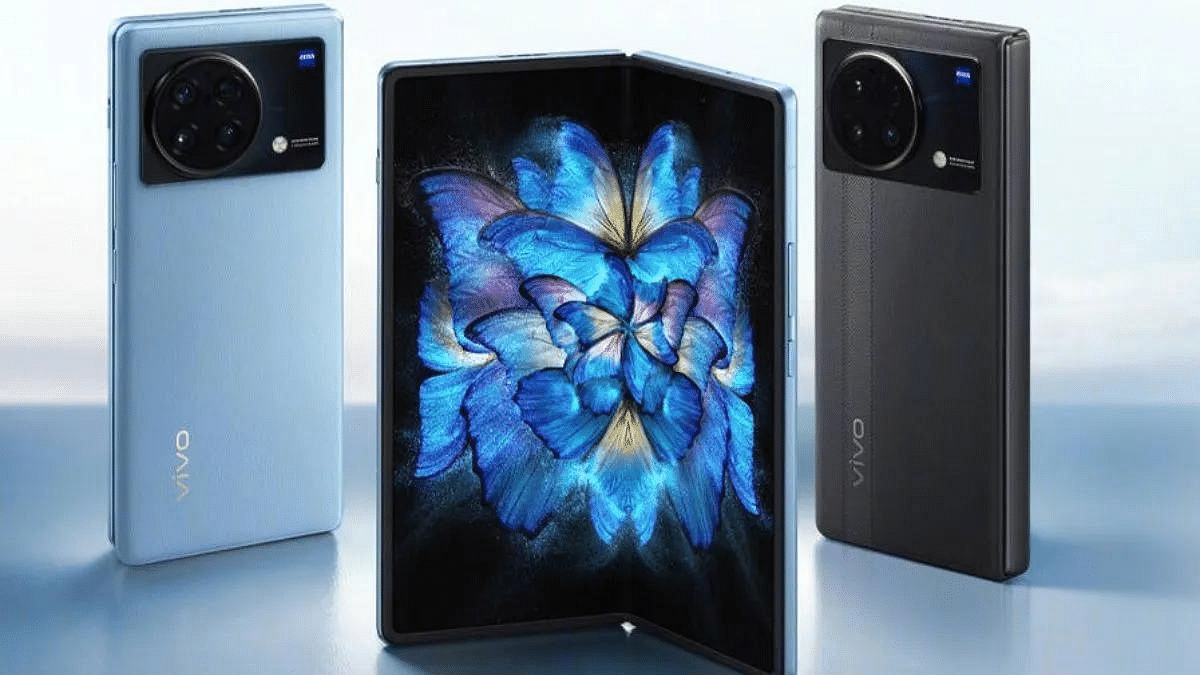
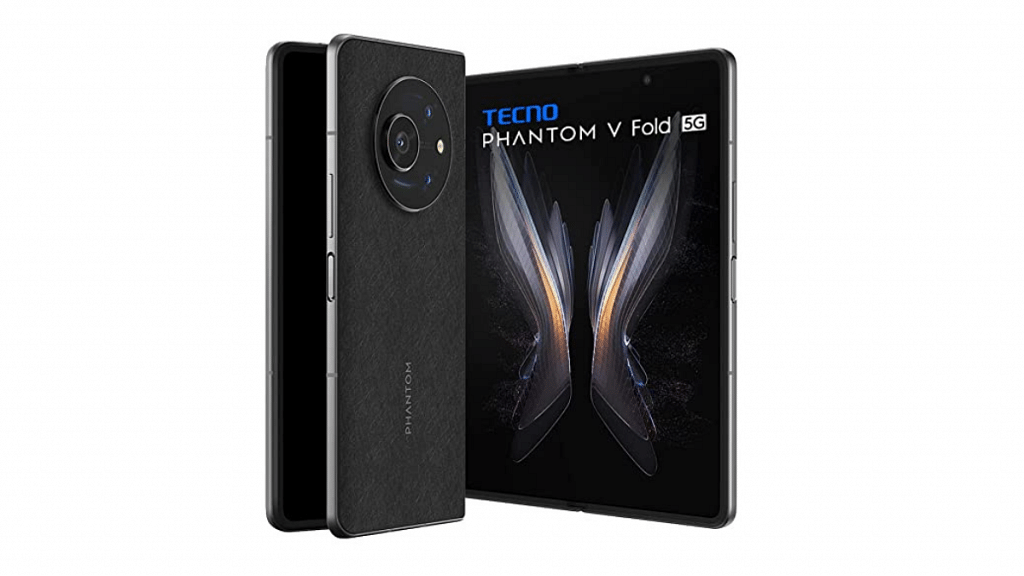
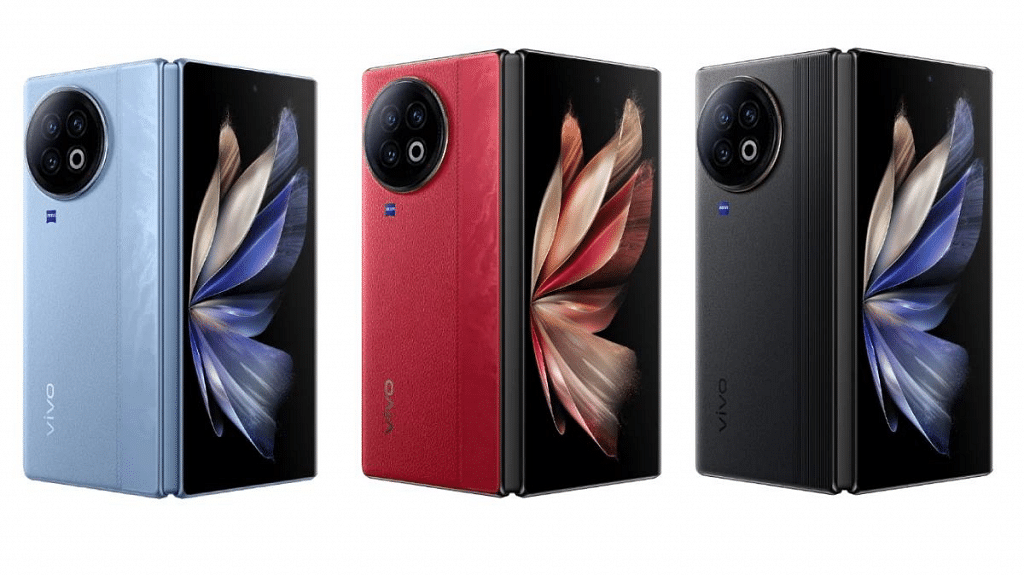
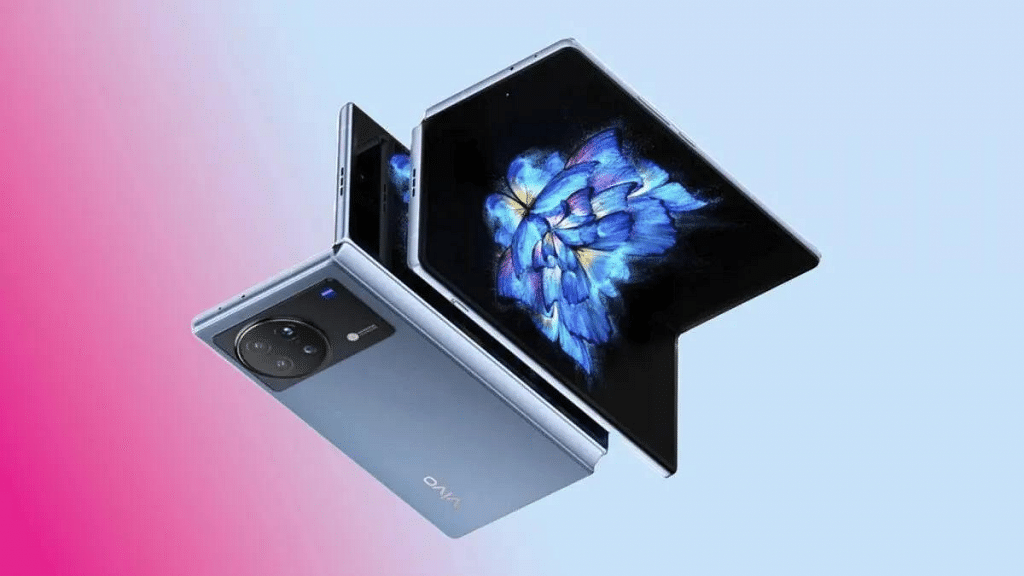
Vivo X Fold 2 Vs Techno Phantom V Fold Vs Samsung Galaxy Fold 2: Latest Foldable Phone That Takes The Top Spot

Key Highlights

  • Vivo X Fold 2 has an 8.01-inch display, Techno Phantom V Fold and Samsung Galaxy Fold 2 have 7.8-inch and 7.6-inch displays, respectively.
  • Techno Phantom V Fold has a superior triple rear camera setup.
  • All three phones are 5G capable.

The battle for the best foldable smartphone is heating up as three new contenders enter the arena: Vivo X Fold 2, Techno Phantom V Fold, and Samsung Galaxy Fold 2. Each phone has its unique features and advantages. In this article, we will compare the three phones in terms of display, chipset, battery, camera, and overall performance to determine which one takes the top spot.

Also Read: Tecno Phantom V Fold Vs Samsung Galaxy Z Fold 4: Price, Full Specs Comparison

Vivo X Fold 2 Vs Techno Phantom V Fold Vs Samsung Galaxy Fold 2: Display Comparison

FeaturesVivo X Fold 2Techno Phantom V FoldSamsung Galaxy Fold 2
Display8.03-inch7.85-inch7.6-inch
Display TypeFoldable LTPO4 AMOLEDFoldable LTPO AMOLEDFoldable Dynamic AMOLED 2X
Resolution1916 x 2160 pixels2000 x 2296 pixels1768 x 2208 pixels
Refresh Rate 120 Hz120 Hz120 Hz
Screen-to-body ratio89.3%88%88.6%

The display is the most crucial factor when it comes to foldable phones. The Vivo X Fold 2 features an 8.03-inch AMOLED screen with a resolution of 1916 x 2160 pixels. On the other hand, Techno Phantom V Fold and Samsung Galaxy Fold 2 have a 7.85-inch and 7.6-inch display, respectively. Both phones use AMOLED technology with a resolution of 2200 x 2296 pixels and 1768 x 2208 pixels respectively. The Vivo X Fold 2 offers a slightly bigger screen, but Techno Phantom V Fold have excellent resolution and display quality.

Also Read: Samsung Galaxy Z Flip 4 5G vs OPPO Find N2 Flip: Best Foldable Smartphone for 2023

Vivo X Fold 2 Vs Techno Phantom V Fold Vs Samsung Galaxy Fold 2: Chipset, Battery

FeaturesVivo X Fold 2Techno Phantom V FoldSamsung Galaxy Fold 2
ProcessorQualcomm Snapdragon 8 Gen 2MediaTek Dimensity 9000+Snapdragon 865 5G+
Memory12GB12GB12GB
Storage256GB/512GB256GB/512GB256GB/512GB
Battery 4800 mAh5000 mAh 4500 mAh
Fast Charging120W45W25W

The Vivo X Fold 2 is powered by the Qualcomm Snapdragon 8 Gen 2 chipset, while Techno Phantom V Fold and Samsung Galaxy Fold 2 use the MediaTek Dimensity 9000+ and Snapdragon 865 5G+ chipsets, respectively. In terms of storage, all the three phones comes with 12GB RAM and two storage option of 256GB and 512GB.

The Vivo X Fold 2 has a 4800 mAh and Techno Phantom V Fold has a 5000mAh battery, while Samsung Galaxy Fold 2 has a slightly smaller 4500mAh battery. All three phones support fast charging, and the Vivo X Fold 2 and Samsung Galaxy Fold 2 also have wireless charging capabilities.

Also Read: Tecno Phantom V Fold: Top 10 Features Of India’s Most Affordable Foldable Smartphone

Vivo X Fold 2 Vs Techno Phantom V Fold Vs Samsung Galaxy Fold 2: Camera Comparison

FeaturesVivo X Fold 2Techno Phantom V FoldSamsung Galaxy Fold 2
Rear Camera50MP+12MP+12MP50MP+50MP+13MP12MP+12MP+12MP
Video Recording (back)8K@30fps4K@30fps4K@60fps
Front Camera16MP16MP10MP
Cover Camera16MP32MP10MP
Video Recording (front)1080@30fps1080@60fps4K@30fps

The camera is another essential factor for smartphone users. The Vivo X Fold 2 boasts a triple-camera setup on the back with a 50MP primary sensor, 12MP ultra-wide lens, and 12MP telephoto lens. It also has a 16MP selfie camera. The Techno Phantom V Fold has a triple-camera setup with a 50MP primary sensor, 13MP ultra-wide lens and a 50MP telephoto lens. It also has a 16MP selfie camera. The Samsung Galaxy Fold 2 has a triple-camera setup with a 12MP primary sensor, 12MP ultra-wide lens, and 12MP telephoto lens. It also has a 10MP selfie camera. The Vivo X Fold 2 and Techno Phantom V Fold have a more impressive camera setup, but the Samsung Galaxy Fold 2 still takes excellent photos.

Also Read: Honor Pad 8 Vs Realme Pad Vs Redmi Pad: Mid-Range Android Tablet Comparison

Vivo X Fold 2 Vs Techno Phantom V Fold Vs Samsung Galaxy Fold 2: Price, Which One to Buy

DetailsVivo X Fold 2Techno Phantom V FoldSamsung Galaxy Fold 2
PriceRs.1,07,490Rs.89,999Rs.89,990

Choosing the best foldable smartphone depends on what features you value the most.

The Vivo X Fold 2 is expected to be priced at around Rs.1,07,490, the Techno Phantom V Fold is priced at around Rs.89,999, and the Samsung Galaxy Fold 2 is priced at around Rs.89,990.

If you’re looking for a larger screen, the Vivo X Fold 2 is an excellent choice. It also has a powerful Qualcomm Snapdragon 8 Gen 2 chipset and an impressive camera setup. The Techno Phantom V Fold is an excellent mid-range option with a triple-camera setup and a MediaTek Dimensity 9000+ chipset. The Samsung Galaxy Fold 2 may not have the most impressive specs on paper, but it’s still a great phone with a reliable Snapdragon 865 + chipset and a triple-camera setup. It also has the added advantage of being a Samsung product, which means better integration with other Samsung devices.

Also Read: Best Phones Under Rs. 20,000 in India

Categories
Comparison Tablet

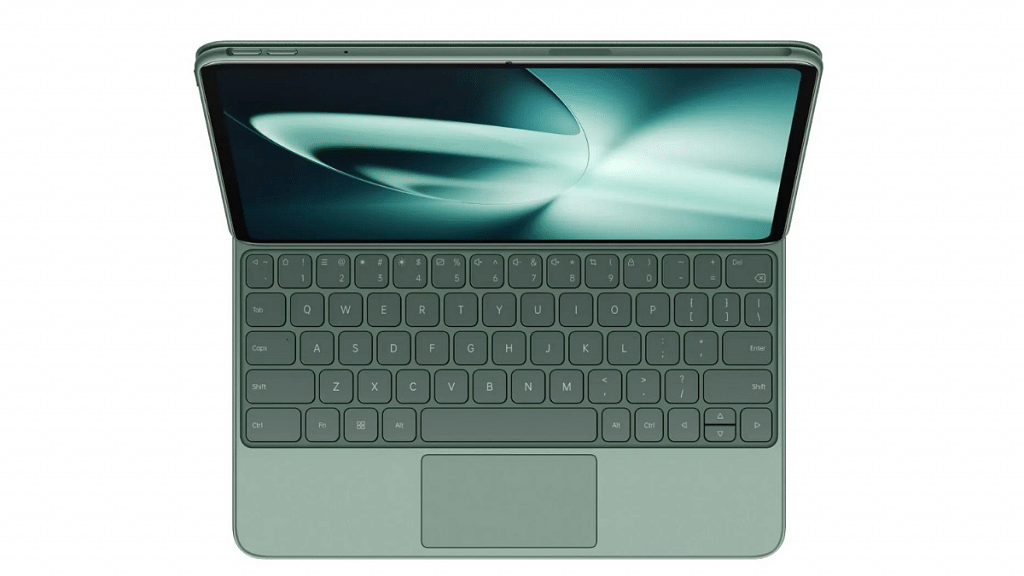
Xiaomi Pad 6 Pro Vs OnePlus Pad Vs Vivo Pad 2: Top Flagship Android Tablet 2023 Battle

Key Highlights

  • High-end specs with powerful Snapdragon 8+ Gen 1 & MediaTek Dimensity 9000 processor.
  • Fast charging capabilities, ranging from 33W to 67W.
  • Ample storage options up to 512GB.

Xiaomi Pad 6 Pro, OnePlus Pad, and Vivo Pad 2 are the latest entrants in the Android tablet market. These three tablets are considered the top flagship Android tablets in 2023, and in this article, we will compare them based on their display, chipset, battery, camera, price, and availability.

Also Read: OPPO Pad 2 Vs Xiaomi Pad 5: Premium Android Tablet To Consider In 2023

Xiaomi Pad 6 Pro Vs OnePlus Pad Vs Vivo Pad 2: Display

FeaturesXiaomi Pad 6 ProOnePlus PadVivo Pad 2
Display11-inch11.61-inch12.1-inch
Display TypeIPS LCDIPS LCDIPS LCD
Screen Resolution1800 x 2880 pixels2000 x 2800 pixels1968 x 2800 pixels
Refresh Rate 144Hz144Hz144Hz
Screen-to-body ratio83.6%84.2%86.6%

When it comes to the display, Vivo Pad 2 is a clear winner. Xiaomi Pad 6 Pro features an 11-inch IPS LCD display with a resolution of 1800 x 2880 pixels. The screen-to-body ratio is an impressive 83.6%, making it perfect for streaming movies and playing games. The OnePlus Pad has a slightly larger 11.61-inch IPS LCD display with a resolution of 2000 x 2800 pixels and an 84.2% screen-to-body ratio. The Vivo Pad 2 features a 12.1-inch IPS LCD display with a resolution of 1968 x 2800 pixels and an 86.6% screen-to-body ratio. The Vivo Pad 2 has the biggest display, followed by the OnePlus Pad and then the Xiaomi Pad 6 Pro.

Also Read: OPPO Pad 2 Vs OnePlus Pad 2 Vs Lenovo Tab P11 Pro (2nd Gen): Powerful Android Tablet Battle

Xiaomi Pad 6 Pro Vs OnePlus Pad Vs Vivo Pad 2: Chipset, Storage & Battery

FeaturesXiaomi Pad 6 ProOnePlus PadVivo Pad 2
Processor Qualcomm Snapdragon 8+ Gen 1MediaTek Dimensity 9000MediaTek Dimensity 9000
Memory Upto 12GBUpto 8GBUpto 12GB
StorageUpto 512GBUpto 128GBUpto 512GB
Battery 8,600 mAh9,510 mAh10,000 mAh
Fast Charging 67W67W44W

When it comes to the chipset and battery, all three tablets are almost identical. The Xiaomi Pad 6 Pro is powered by Qualcomm Snapdragon 8+ Gen 1, OnePlus Pad, and Vivo Pad 2 is powered by the MediaTek Dimensity 9000 processor.

The Xiaomi Pad 6 Pro and OnePlus Pad come in 128GB, 256GB, and 512GB storage options, providing ample space for apps, media files, and documents. The Vivo Pad 2, on the other hand, offers 64GB and 128GB storage variants, which may be sufficient for those who use their tablet for basic tasks.

The Xiaomi Pad 6 Pro comes with an 8,600 mAh battery, OnePlus Pad comes with a 9510 mAh battery and the Vivo Pad 2 comes with a slightly larger 10,000 mAh battery. All three tablets support fast charging, with the Xiaomi Pad 6 Pro and OnePlus Pad having the fastest charging speed of 67W.

Also Read:OnePlus Pad 5G Tablet India Price And Top Alternatives

Xiaomi Pad 6 Pro Vs OnePlus Pad Vs Vivo Pad 2: Camera

FeaturesXiaomi Pad 6 ProOnePlus PadVivo Pad 2
Rear Camera50MP+2MP13MP13MP+2MP
Video Recording (back)Upto 4K@30fpsUpto 4K@30fpsUpto 4K@30fps
Front Camera20MP8MP8MP
Video Recording (front)1080@30/60fps1080p@30fps1080@30fps

Xiaomi Pad 6 Pro features a dual camera setup, including a 50MP primary sensor and a 2MP depth sensor. The OnePlus Pad features a single 13MP camera. The Vivo Pad 2 also features a dual-camera setup, including a 13MP primary sensor and a 2MP macro sensor. Overall, Xiaomi Pad 6 Pro has the best camera setup.

Also Read: OPPO Pad 2 Vs Xiaomi Pad 5: Premium Android Tablet To Consider In 2023

Xiaomi Pad 6 Pro Vs OnePlus Pad Vs Vivo Pad 2: Price and Availability

FeaturesXiaomi Pad 6 ProOnePlus PadVivo Pad 2
PriceRs.29,990Rs.37,999Rs.29,990

When it comes to price and availability, the Xiaomi Pad 6 Pro and OnePlus Pad are currently available in China, and the Vivo Pad 2 is yet to be released.

The Vivo Pad 2 is expected to be the first to hit the Indian market on April 24, with the Xiaomi Pad 6 Pro following on April 30. The OnePlus Pad is expected to be released, on April 28. All three tablets are highly anticipated, but the Xiaomi Pad 6 Pro is generating particular buzz due to its rumoured high-end specs and sleek design.

Talking about the price, the Xiaomi Pad 6 Pro and Vivo Pad 2 is expected to be priced at around Rs.29,990, while the OnePlus Pad is anticipated to carry a higher price tag than its competitors, with a rumoured cost of around Rs.37,999.

Also Read: OnePlus Pad Vs iPad Air: Best Premium Android Tablet

Xiaomi Pad 6 Pro Vs OnePlus Pad Vs Vivo Pad 2: Best Buy

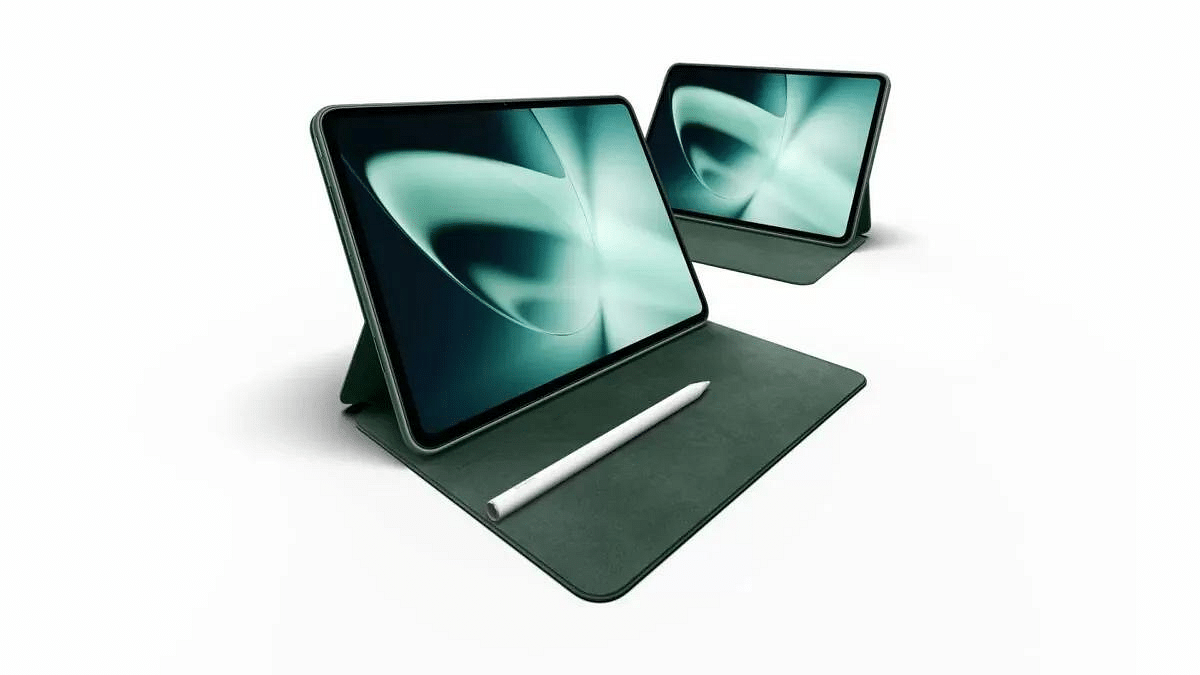
All three tablets are excellent, and the best buy depends on individual preferences. If you are looking for a tablet with the best display and camera setup, Xiaomi Pad 6 Pro is the clear winner. If you are looking for a more premium option, the OnePlus Pad is a great choice.

Also Read: Xiaomi Pad 6 Pro Flagship Android Tablet: Top Features You Can’t-Miss

Categories
Comparison Info Tech Gadgets

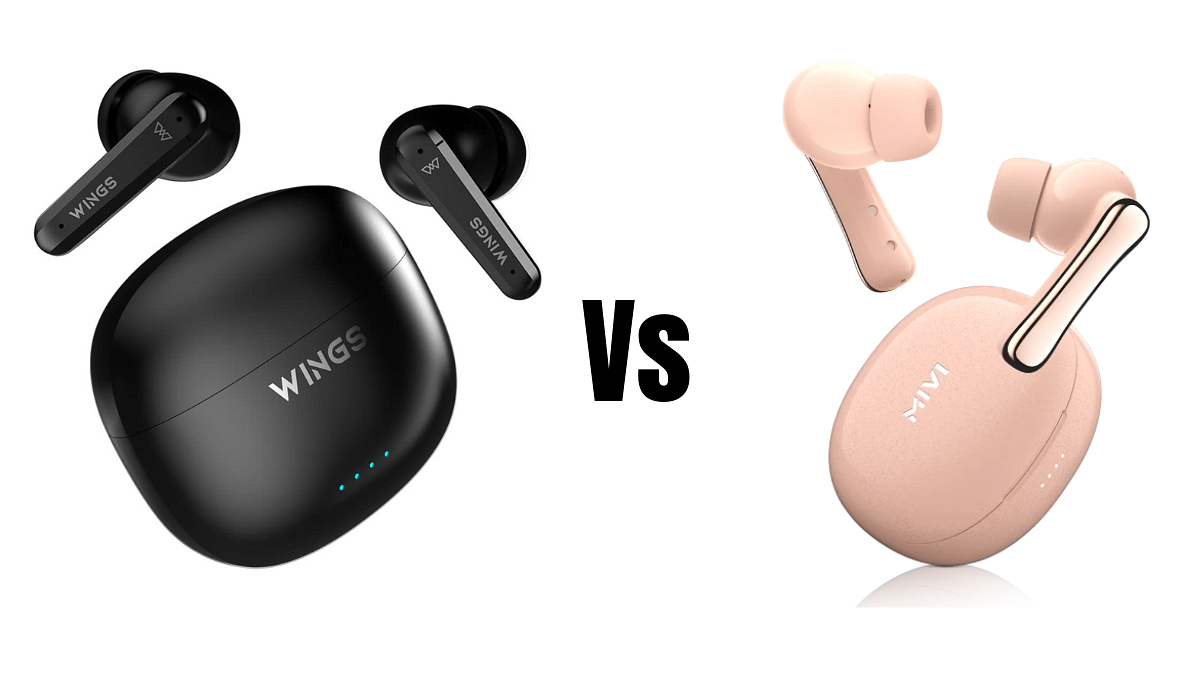
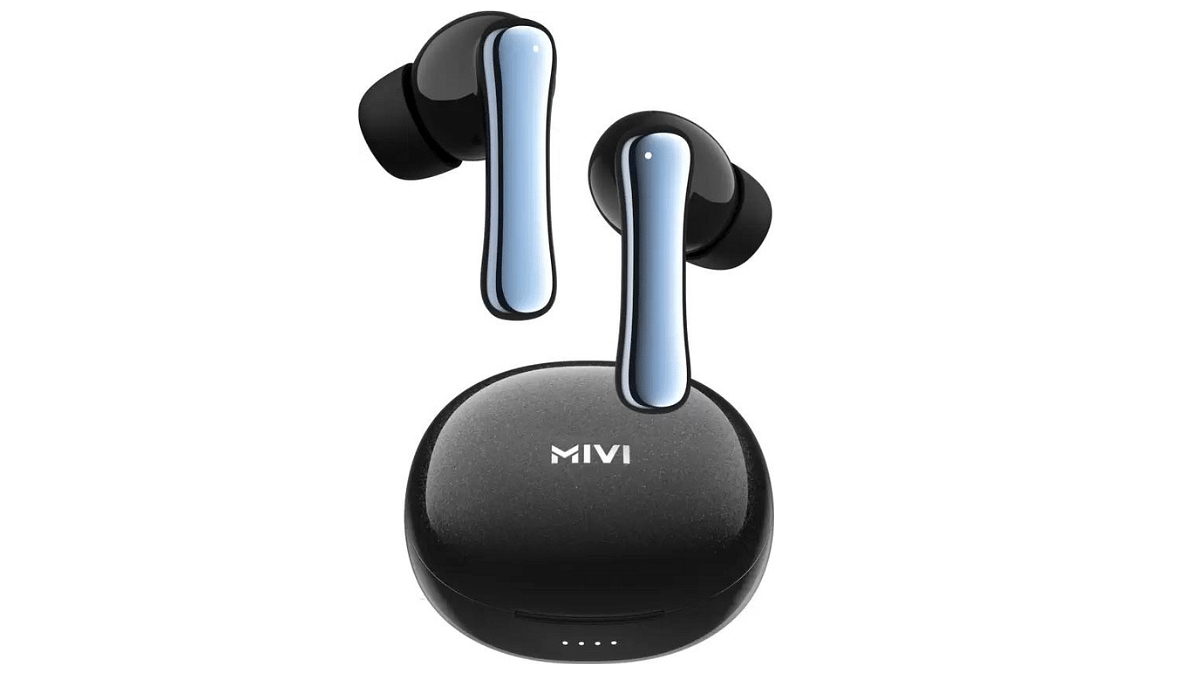
Wings Phantom 380 TWS Gaming Buds Vs Mivi Duopds K7: Best Budget TWS Under Rs. 2,000 In India

Key Highlights

  • Wings Phantom 380 TWS Gaming Buds available for Rs.1,799 on Amazon & Flipkart.
  • Designed for gaming with low latency and touch controls.
  • Priced above Mivi Duopods K7 but offers superior sound and gaming features.

The two contenders for the title of the best budget TWS under Rs. 2,000 are the Wings Phantom 380 TWS Gaming Buds and the Mivi Duopds K7. Both earbuds offer excellent value for their price, but how do they compare in terms of design, sound quality, battery life, connectivity, and controls?

Let’s take a closer look and see which one comes out on top.

Also Read: OnePlus Buds Pro 2 Zen Mode Air Feature: What Is It? How To Use?

Wings Phantom 380 TWS Gaming Buds Vs Mivi Duopds K7: Specs & Features

FeaturesWings Phantom 380 TWSMivi Duopods K7
Noise CancellationActive (up to 30dB)Dual Mic ENC
Battery LifeUp to 50 hoursUp to 28 hours
Bluetooth Version5.25.3
Wireless Range10m10m
Voice AssistanceYes (Wings Sync App)Yes
Connector TypeUSB Type-CNo
Gaming ModeYes (Triple tap earbud)Yes (Triple tap earbud)

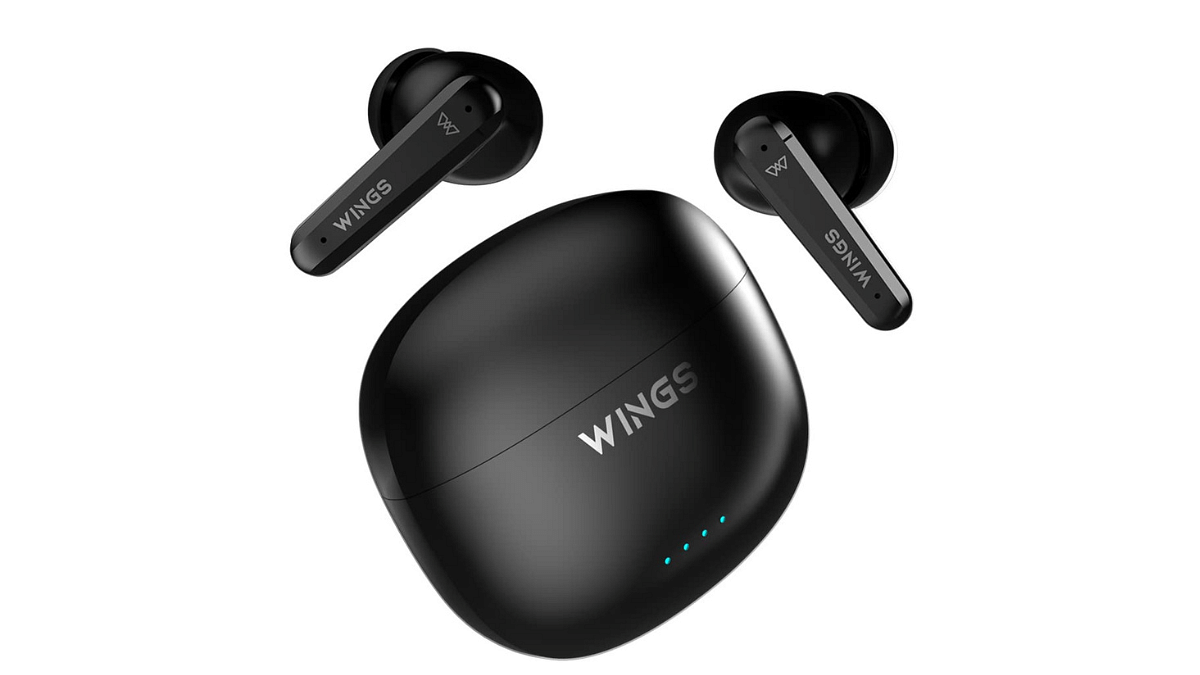
The Wings Phantom 380 TWS Gaming Buds comes with Active Noise Cancellation (ANC) technology, external noise can be reduced up to 30dB, ensuring uninterrupted audio.

Additionally, its Transparent Mode allows you to stay aware of your surroundings while still enjoying your audio. The Wings Sync App provides several customization options to enhance your audio experience, allowing you to locate your earbuds, customize touch controls, and change the blinking patterns. The Phantom 380 also features a Quad ENC Mic, providing clear and stable calls, even in noisy environments.

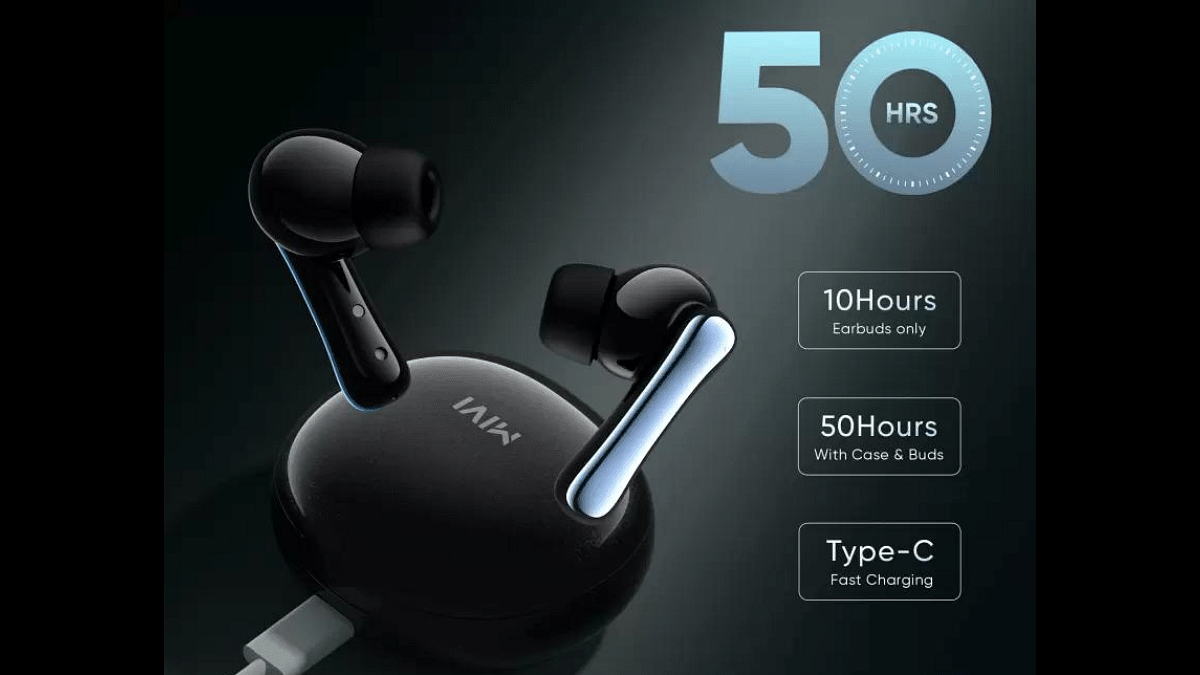
The Wings Phantom 380 TWS Gaming Buds offer impressive battery life, providing up to 50 hours of total playtime. With 10 hours of earbuds playtime without ANC and up to 35 hours of total playtime including 7 hours of earbuds playtime with ANC.

On the other hand, Mivi Duopds K7 are equipped with Artificial Intelligence enabled ENC (Environmental Noise Cancellation), which enhances call clarity. The Swift charging feature allows for a quick charge, with just 10 minutes of charge providing up to 500 minutes of playtime.

The earbuds come with a Type-C cable for easy charging. The Duopods K7 also features a gaming mode that can be activated by triple-tapping the left earbud, making it a good option for gamers. Additionally, the earbuds offer voice assistance, which can be activated by triple-tapping the right earbud.

The earbuds do not have a connector type, and use Bluetooth version 5.3 with a wireless range of 10 meters. Overall, the Mivi Duopods K7 is a decent option for those looking for budget-friendly TWS earbuds with decent features.

Also Read: Jabra Elite 4 Premium ANC TWS Earbuds With Bluetooth Multipoint, Fast/Swift Pair Technology Launched In India: Price, Features

Wings Phantom 380 TWS Gaming Buds Vs Mivi Duopds K7: Price , Verdict

In terms of pricing, both earbuds offer excellent value for their price. The Wings Phantom 380 TWS Gaming Buds are priced at Rs. 2,999 which can be purchased at just Rs.1,799 on Amazon, while the Mivi Duopds K7 is priced at Rs. 1,499 and can be purchased at just Rs.999 on various online platform.

Overall, both earbuds are excellent options for anyone looking for a budget TWS earbud. The Wings Phantom 380 is priced slightly higher than the Mivi Duopods K7, but offers better sound quality and gaming features.

Also, the Wings Phantom 380 TWS Gaming Buds are a great option for gamers who prioritize bass, while the Mivi Duopds K7 offers a more balanced sound signature and a more comfortable fit. Ultimately, it comes down to personal preference and what you prioritize in a TWS earbud.

Also Read: Xiaomi To Launch Star Wars-Themed TWS Earbuds Sometime Soon: Details We Know

Categories
Comparison Featured

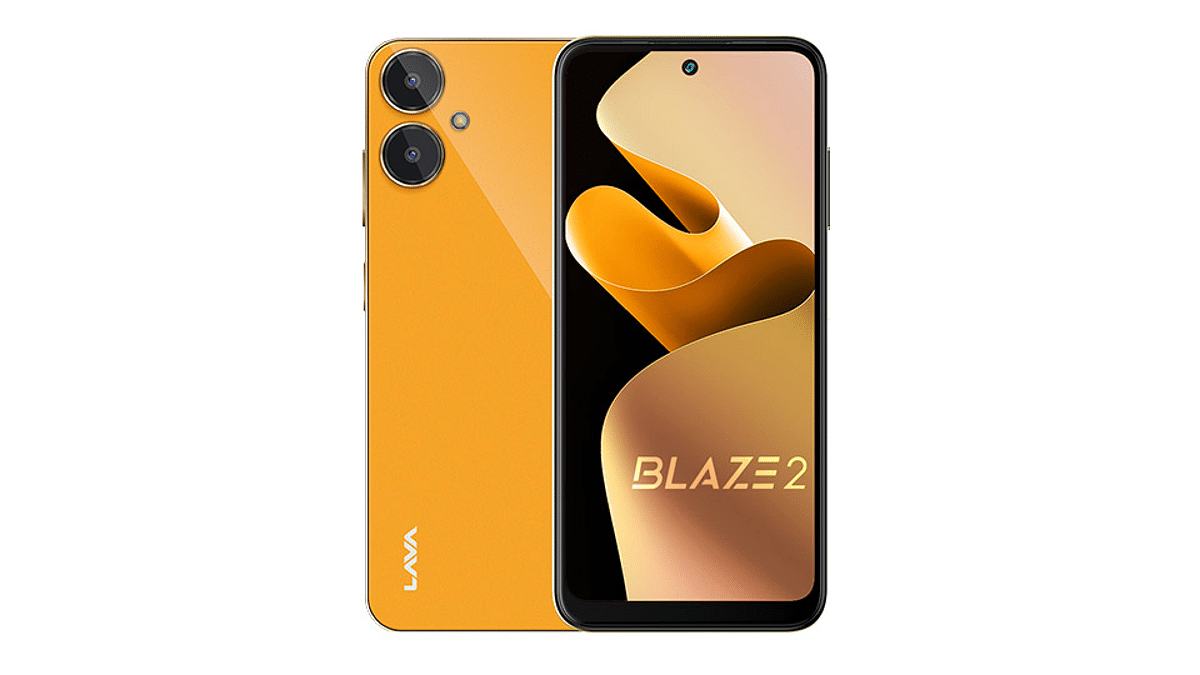
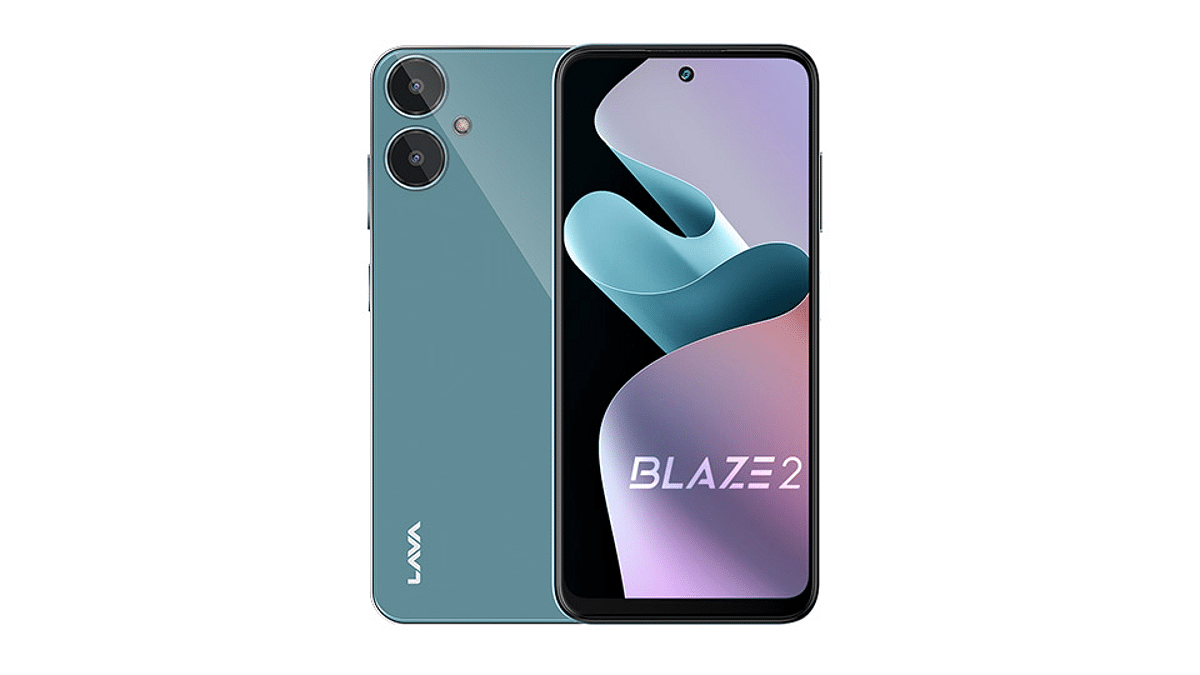
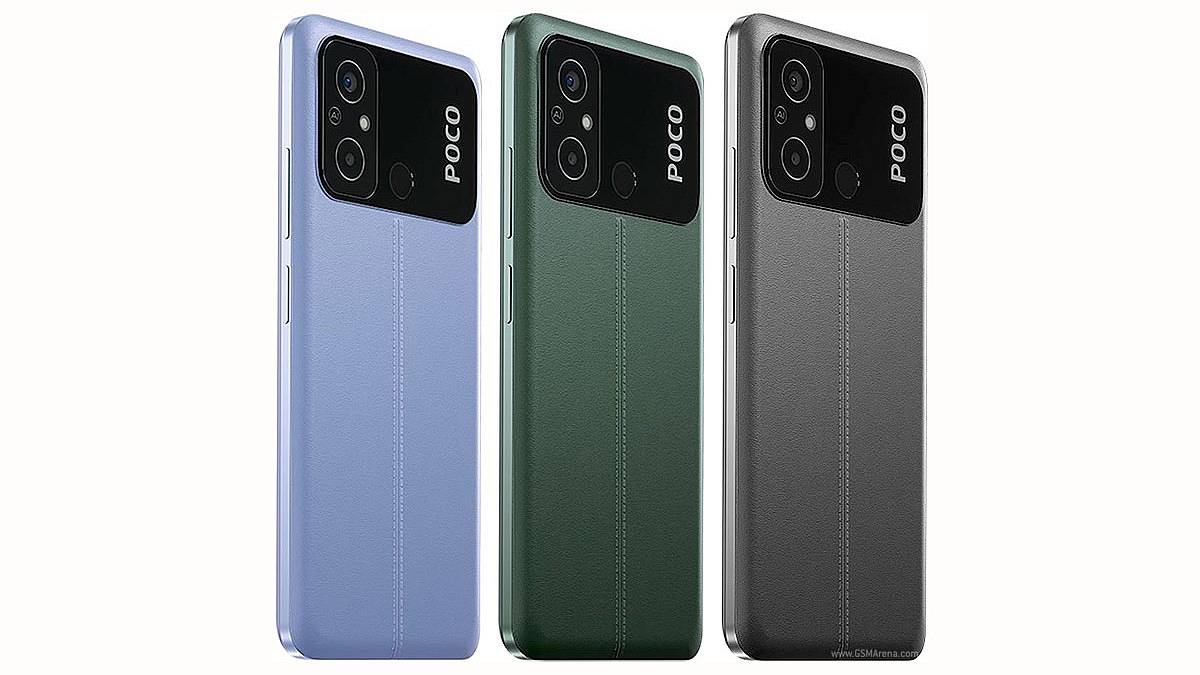
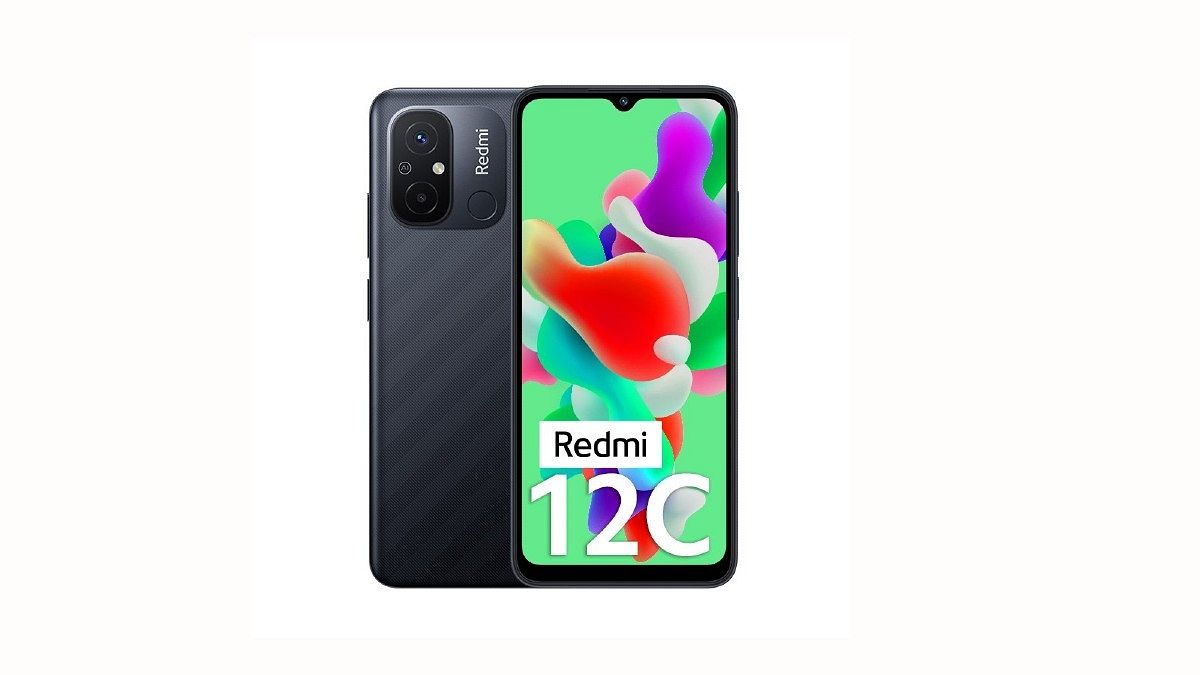
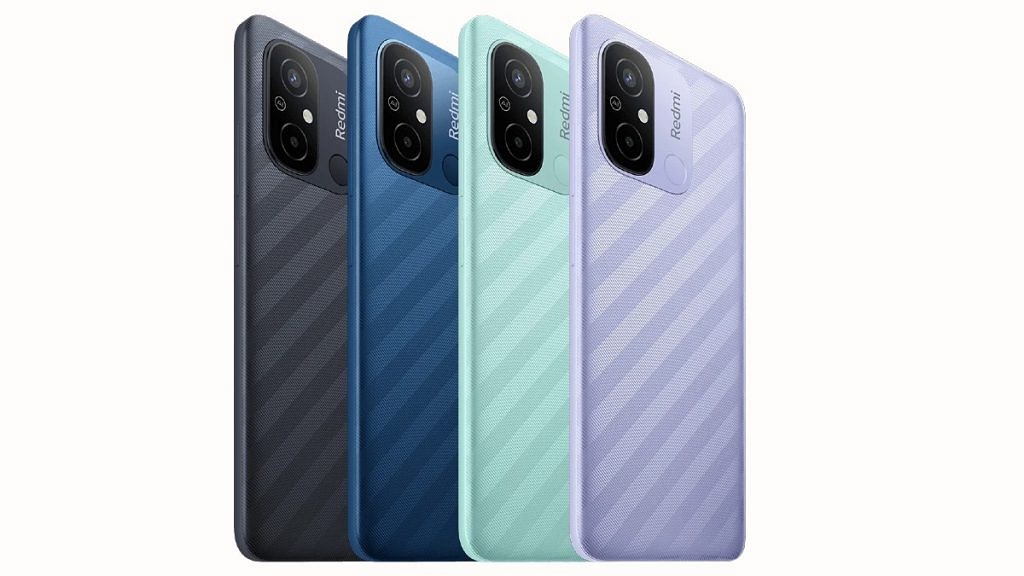
Lava Blaze 2 Vs Poco C55 Vs Redmi 12C: Top Pick In 2023 Under Rs. 10,000 In India

Key Highlights

  • Lava just launched a new budget Android phone called Blaze 2
  • Lava Blaze 2 gets stiff competition from Poco C55 and Redmi 12C
  • All three phones are priced under Rs. 10,00 in India

The budget smartphone industry is primarily dominated by the Chinese smartphone giants, but lately, homegrown brands such as Micromax, iTel, and Lava are also gradually upgrading their catalogue with new devices. Lava just joined this list and introduced the Blaze 2 entry-level Android phone in the country. This latest Lava phone is also priced under Rs. 10,000 and offers some decent spec-sheet at a low budget price point.

The Lava Blaze 2 goes up against some of the recent launches in this league including the Poco C55. If you already are considering these two options and are confused which one to buy then this comparison article is what you need. In addition to these two handsets, we are also pitting down the Redmi 12C in the mix so that its easy for you to pick the best latest Android handset under Rs. 10,000 in 2023.

Lava Blaze 2 Vs Poco C55 Vs Redmi 12C: Display Specification

ModelLava Blaze 2Poco C55Redmi 12C
Display size6.5-inch6.71-inch6.71-inch
ResolutionHD+HD+HD+
Refresh rate90Hz60Hz60Hz

Lava has introduced the Blaze 2 with a 6.5-inch display. The panel type is standard IPS that supports a 720P HD+ resolution. The screen supports 90Hz refresh rate which is one of the Key USP’s of this budget Android phone. The Poco C55 is slightly taller compared to the Lava Blaze 2 and flaunts a 6.71-inch display that supports a standard HD+ resolution and 60Hz refresh rate.

Xiaomi has also used an IPS display on the Redmi C12 which supports an HD+ resolution and 90Hz refresh rate similar to the Poco C55. The screen size is also identical, i.e, 6.7-inch. Out of all three models, the Lava Blaze 2’s 90Hz refresh rate is what makes it better compared to the rest.

Also Read: Stop Call Recording Announcement On Realme Smartphones: Here’s How

Lava Blaze 2 Vs Poco C55 Vs Redmi 12C: Camera Hardware

ModelLava Blaze 2Poco C55Redmi 12C
Rear cameraDual (13MP+ 2MP)Dual (50MP+ 0.08MP)Dual (50MP+ 0.08MP)
Front camera8MP5MP5MP

The Lava Blaze 2 has a dual rear camera module which comprises a 13MP main camera and an 8MP selfie sensor. The camera features offered by the Blaze 2 includes Beauty, HDR, Night, Portrait, Panorama, slow-motion, and more. The Poco C55 also flaunts a dual lens rear camera module. However, the sensor here is larger compared to the Lava Blaze 2.

It features a 50MP main rear camera along with a secondary 0.08MP depth lens. The camera features offered by this Poco C series model is similar to that of the Blaze series handset. The same goes for the Redmi 12C which features a 50MP main rear camera and a 0.08MP secondary lens. The selfie sensor is bigger on the Lava Blaze 2. It accommodates an 8MP selfie lens upfront, while the Poco C55 and the Redmi 12C features a 5MP front camera.

Also Read: Nokia C12 Vs Poco C50: Best Phone To Buy Under Rs. 8,000 In India?

Lava Blaze 2 Vs Poco C55 Vs Redmi 12C: Chipset And Battery Comparison

ModelLava Blaze 2Poco C55Redmi 12C
ChipsetUnisoc T616MediaTek Helio G85MediaTek Helio G85
CPUocta-coreocta-coreocta-core
Battery5,000 mAh5,000 mAh5,000 mAh
Charging18W10W10W

The Lava Blaze 2 features the octa-core Unisoc T616 mobile processor under the hood and ships with Android 12 OS. Both Poco C55 and the Redmi 12C are powered by the octa-core Helio G85 mobile processor. For power delivery, the Poco and Redmi phones offer slightly better specs compared to the Lava Blaze 2.

The battery capacity is 5,000 mAh on all three handsets. However, the Lava Blaze 2 supports an 18W fast charging support, while the Poco C55 and the Redmi 12C features standard 10W charging.

Also Read: Realme C55 Vs Vivo Y35: Latest Affordable Android Phones Battle

Lava Blaze 2 vs Poco C55 Vs Redmi 12C: Final Verdict

The Lava Blaze 2 price in India sale starts April 18 at a special launch price of Rs. 8,999. The Poco C55 base model price starts at Rs. 9,499, while the Redmi 12C comes at an asking price of Rs. 8,999. This means the Lava Blaze 2 and the Redmi 12C comes with a similar price label in the country. On the other hand, the Poco C55 is slightly expensive.

But considering the price difference is marginal, it wouldn’t really burn a hole in the pockets. The octa-core game-centric Helio G series chipset is the USP of the Poco and the Redmi handset, while a high refresh rate and fast charging support is what the Lava Blaze 2 offers. You can select the variant depending on your requirements and prefrences since all three phones have a neck-to-neck competition.

Also Read: How To Disable Get Apps on Xiaomi, Redmi, and Poco Phones Effectively: Three Ways To Disable Get Apps

Categories
Comparison Featured Mobile

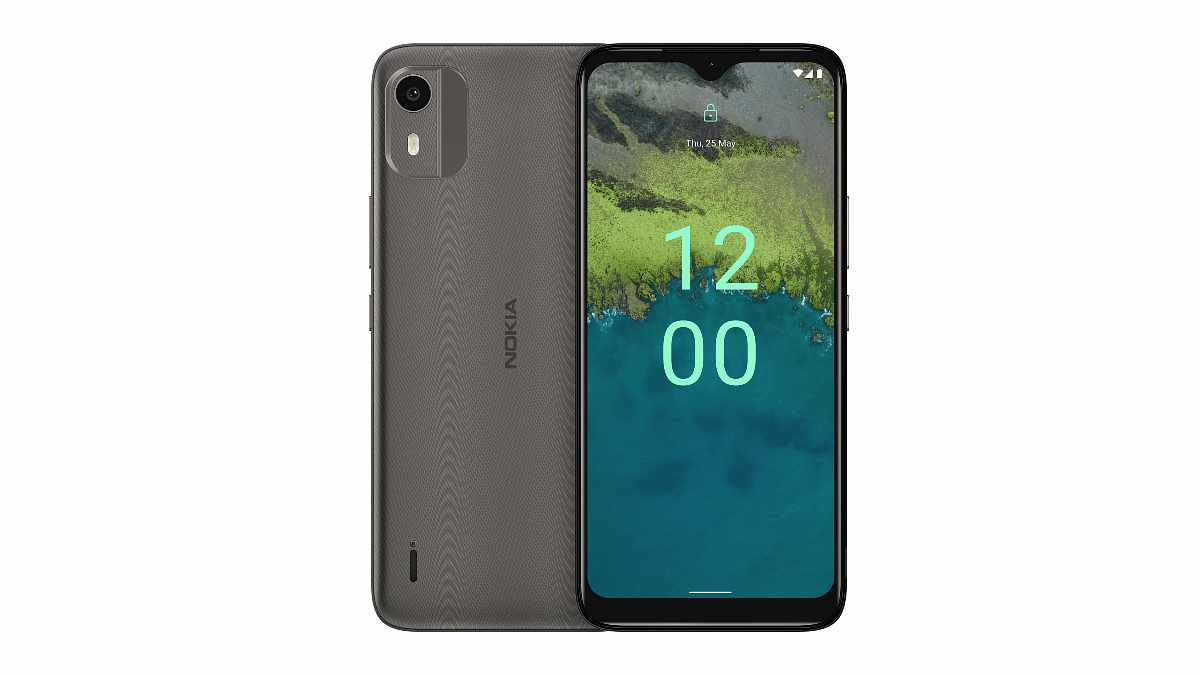
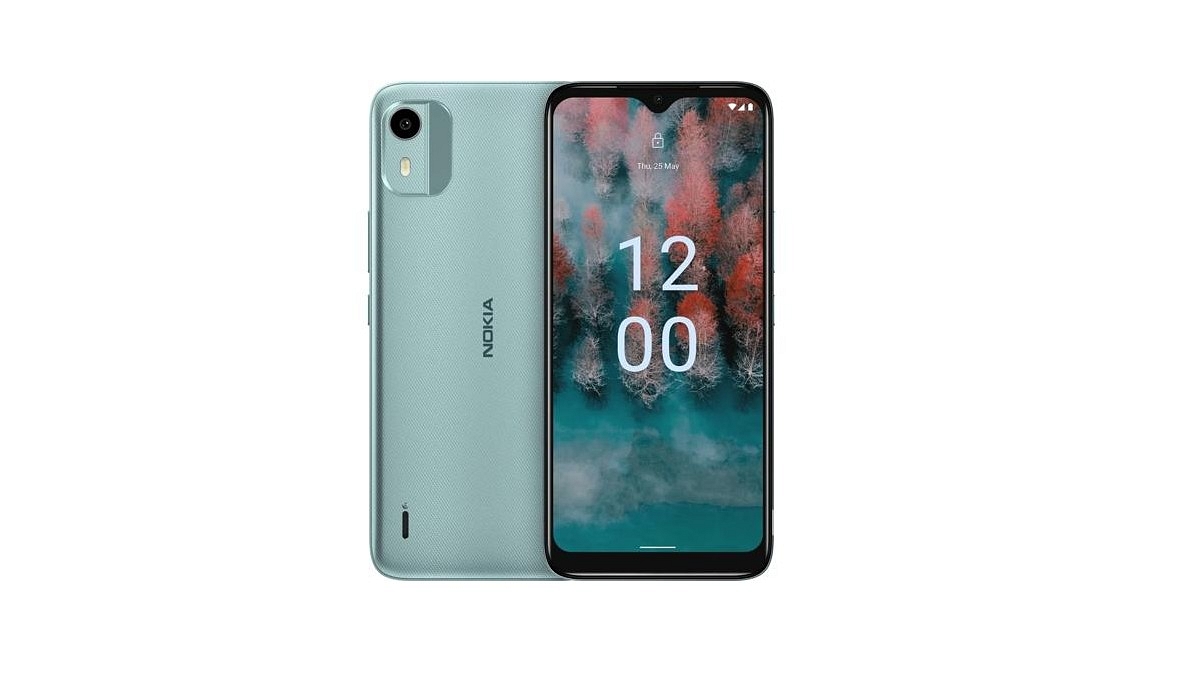
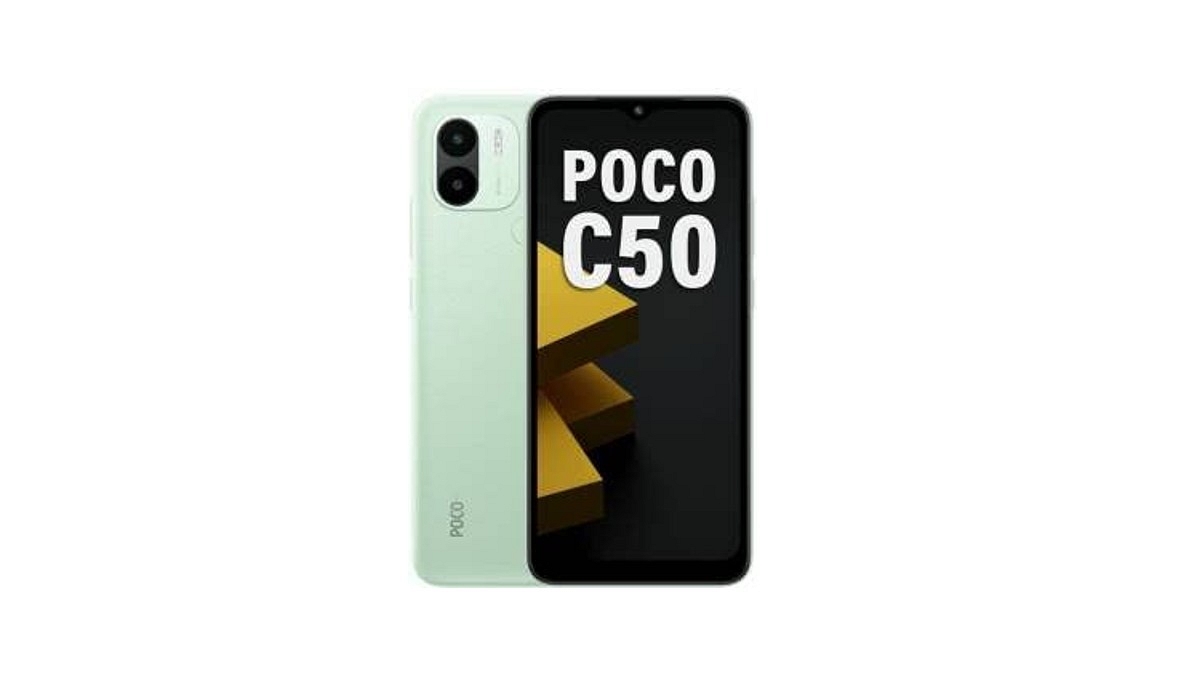
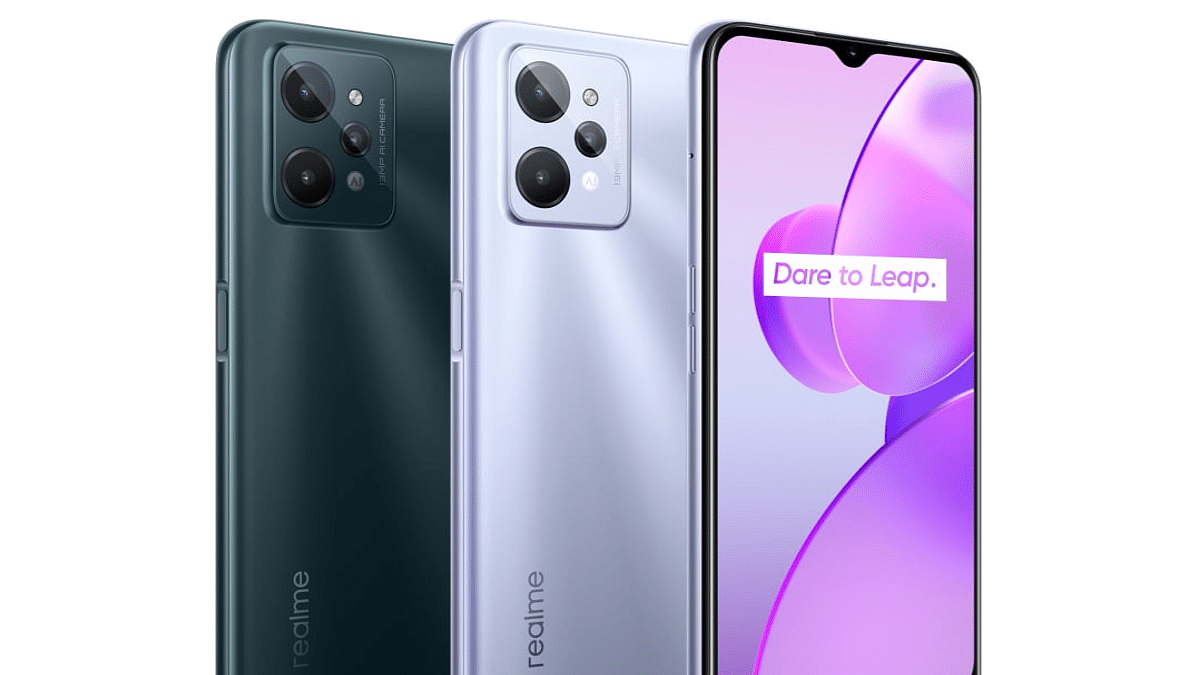
Nokia C12 Plus Vs Poco C50 Vs Realme C30: Top Pick Under Rs. 8,000 In 2023 In India

Key Highlights

  • Nokia C12 Plus is the latest entry-level Android phone under Rs. 8,000 in India
  • Poco C50 and Realme C30 competes against the Nokia C12 Plus
  • All three phones offer an HD+ LCD screen
  • Nokai C12 Plus has a smaller 4,000 mAH battery, while the rest pack a 5,000 mAh unit

HMD Global expanded its budget portfolio in India this year with multiple Nokia C series phones. The Finnish tech giant introduced the Nokia C12 lineup featuring the vanilla Nokia C12, Nokia C12 Pro, and the Nokia C12 Plus. All three phones have been launched under Rs. 8,000 price bracket. Not just Nokia, multiple other brands including some prominent players have launched handsets in the aforementioned segment.

The Poco C50 is one of such new entrants in the budget category which offers a capable spec-sheet. This article is a comparison between the Nokia C12 Plus and the Poco C50 both of which makes for the best deals under Rs. 8,000. We are also comparing the Realme C30 alongside these two models. Take a look:

Nokia C12 Plus Vs Poco C50 Vs Realme C30: Display Comparison

ModelNokia C12 PlusPoco C50Realme C30
Display6.3-inch6.5-inch6.5-inch
PanelIPS LCDIPS LCDIPS LCD
ResolutionHD+HD+HD+

All three phones in this category offer a big screen that is apt for video playback and general gaming. The Nokia C12 features a 6.3-inch LCD panel with 720 x 1520 pixels HD+ resolution and 267 PPI pixel density. The Poco C50 features a taller 6.5-inch IPS LCD screen with a standard 720p resolution and 269 PPI pixel density. The Realme C30 also packs an LCD screen measuring 6.5-inches supporting 720 x 1600 pixels resolution.  

Also Read: Nokia C12 Vs Poco C50: Best Phone To Buy Under Rs. 8,000 In India?

Nokia C12 Plus Vs Poco C50 Vs Realme C30: Chipset Comparison

ModelNokia C12 PlusPoco C50Realme C30
ChipsetUnisoc SC9863A1MediaTek Helio A22Unisoc Tiger T612
CPUOcta-coreQuad-coreOcta-core
GPUIMG8322PowerVR GE8320Mali-G57
AndroidAndroid 12 (Go Edition)Android 12 (Go Edition)Android 11

Performance delivery on the Nokia C12 Plus is handled by the Unisoc SC9863A1 processor which has PowerVR IMG8322 GPU support. The Poco C50 runs on the MediaTek Helio A22 mobile chipset fabricated using 12nm process and combined with PowerVR GE8320 GPU support. The Realme C30 gets its power from the Unisoc Tiger T612 SoC clubbed with Mali G57 GPU.

Also Read: Poco C50 Vs Infinix Smart 7: Latest Entry-Level Android Phones Battle

Nokia C12 Plus Vs Poco C50 Vs Realme C30: Camera Hardware Comparison
ModelNokia C12 PlusPoco C50Realme C30
Rear Camera8MP8MP+ 0.8MP8MP
Selfie Camera5MP5MP5MP

The camera hardware is basic on all three phones. The Nokia C12 Plus has a single 8MP rear camera and a 5MP selfie lens. On the other hand, the Poco C50 sports a dual rear camera including a 8MP main sensor and a 0.08MP depth lens. The Realme C30 is also equipped with a single 8MP rear sensor as the Nokia C12 Plus. A 5MP selfie sensor is common across all three models.

Also Read: Tecno Spark Go 2023 Vs Poco C50 Vs Samsung Galaxy A04: Entry-Level Android Phone Comparison

Nokia C12 Plus Vs Poco C50 Vs Realme C30: Battery

ModelNokia C12 PlusPoco C50Realme C30
Battery4,000 mAh5,000 mAh5,000 mAh
Charging speed10W10W10W

The Nokia C12 Plus has a 4,000 mAh battery unit under the hood. Only this model in this list has this small battery capacity. The remaining two models including the Poco C50 and the Realme C30 are powered by a 5,000 mAh battery. All three phones comes with a standard 10W charging support.

Also Read: How To Disable Get Apps on Xiaomi, Redmi, and Poco Phones Effectively: Three Ways To Disable Get Apps

Nokia C12 Plus Vs Poco C50 Vs Realme C30 Verdict: Which One To Buy?

The Nokia C12 Plus is priced starting at Rs. 7,999 in India, while the Poco C50 is a bit cheaper at Rs. 6,499. The Realme C33 falls in between these two models and costs Rs. 6,999 in the country. The spec-sheet is not much different on all three phones. The performance delivery will almost be similar on these phones. However, for a better camera, the Poco C50 with a dual-rear lens setup will be a good pick.

Also Read: Budget Phone Battle: Realme C55 vs Moto G31 vs Poco C55