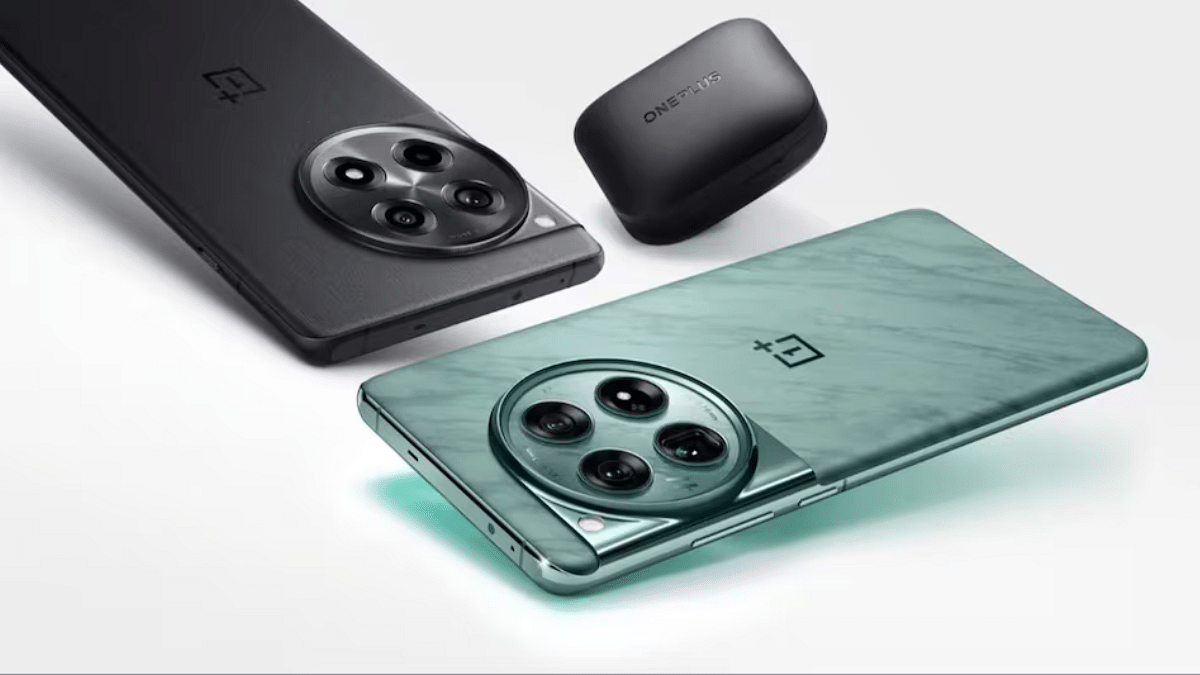
OnePlus 12 price slashed on Flipkart to Rs. 63,027, 3% off
6.82-inch ProXDR Display, Snapdragon 8 Gen 3, Hasselblad Cameras
5,400mAh battery, 100W SUPERVOOC, 50W AIRVOOC fast charge
The OnePlus 12 hit the market approximately two months ago and quickly became one of the most desired smartphones out there. Initially, the base model was priced at Rs. 64,999, while the higher-end variant came with a price tag of Rs. 69,999. Now, for the first time ever, the phone is available at a reduced price. If you’ve been eyeing this smartphone for a while, this is your opportunity to snag it. Also Read | Best Smart Phones Under Rs. 25,000
Price Cut On Flipkart
You can now find the OnePlus 12 on Flipkart at a discounted rate of three percent. The new price is Rs. 63,027. Additionally, users with Citi-branded Credit Cards can enjoy up to Rs. 2,000 off on EMI transactions. HSBC credit card holders can also avail a discount of up to Rs. 1,500 on EMI transactions.
OnePlus 12: Specifications
Display
6.82-inch ProXDR Display
Processor
Snapdragon 8 Gen 3
Rear Camera
50MP main camera, 48MP wide camera, 64MP telephoto camera with 3X optical zoom, 48MP ultra-wide camera
Front Camera
32MP
Battery
5,400 mAh
Fast Charging
100W SUPERVOOC, 50W AIRVOOC
Colors
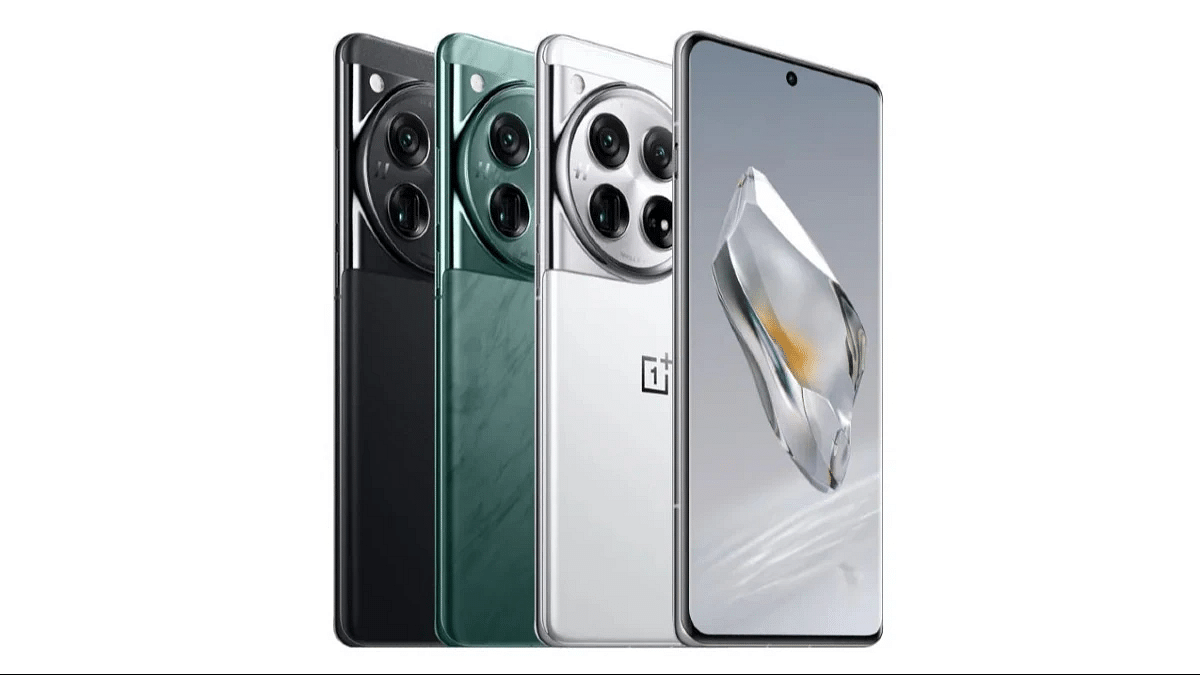
Flowy Emerald, Silky Black
Operating System
OxygenOS with Android 14
Connectivity
5G, Wi-Fi 6E, Bluetooth 5.2, NFC
Other Features
Haptic motor, Alert Slider, Gesture Controls
The OnePlus 12 boasts a 6.82-inch display, offering sharp visuals and ProXDR Display technology. With a refresh rate of up to 120Hz, the display is further shielded by sturdy Corning Gorilla Glass Victus.
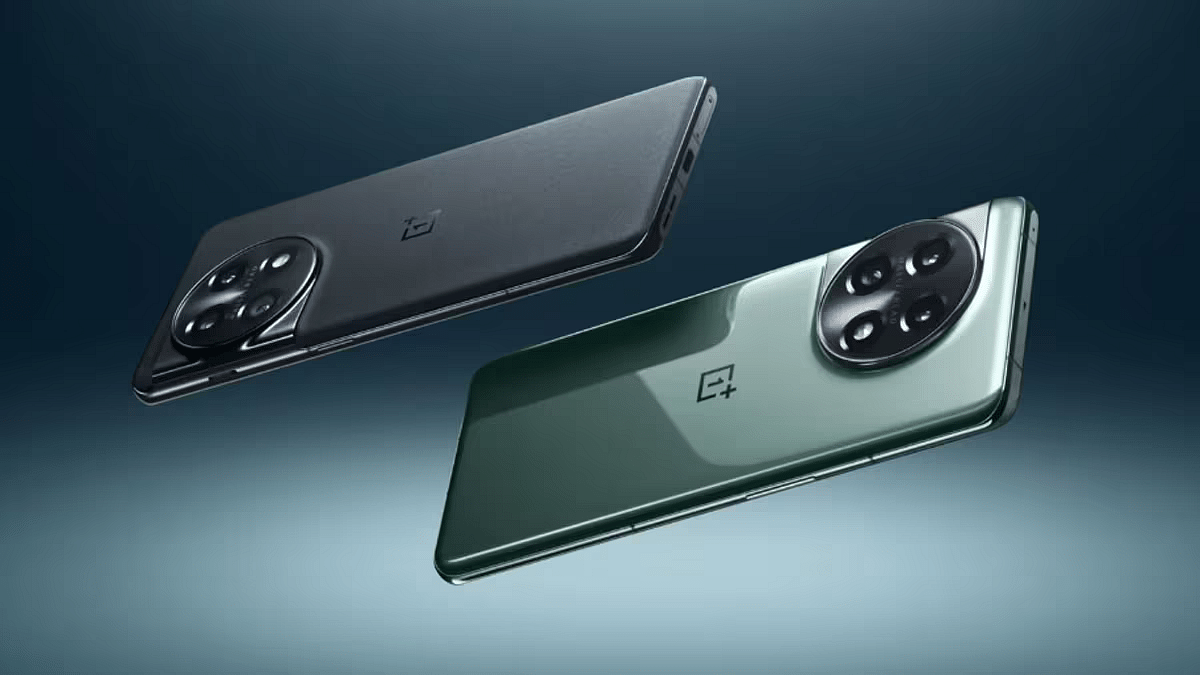
The OnePlus 12 maintains a sleek and comfortable design. Available in Flowy Emerald and Silky Black colors, the phone runs on OxygenOS and comes with Android 14 straight out of the box. Underneath the surface, it’s powered by the Snapdragon 8 Gen 3 processor.
When it comes to battery life, the OnePlus 12 doesn’t disappoint, featuring a 5,400mAh battery that promises to last all day. Moreover, the battery is complemented by 100W SUPERVOOC and 50W AIRVOOC fast charging capabilities. The phone also incorporates a Haptic motor for vibration feedback and various buttons including Gestures, on-screen navigation support, Alert Slider, Power button, and Volume buttons.
In terms of photography, the OnePlus 12 excels with its Hasselblad Camera technology and functionalities like Nightscape and Portrait Mode. The smartphone is equipped with a 50MP main camera, 48MP wide camera, 64MP telephoto camera with 3X optical zoom, 48MP ultra-wide camera, and a 32MP front camera. Additionally, it supports remarkable video recording capabilities, including 8K at 24 fps, 4K at 30/60 fps, and 1080p at 30/60 fps, with Dolby Vision HDR.
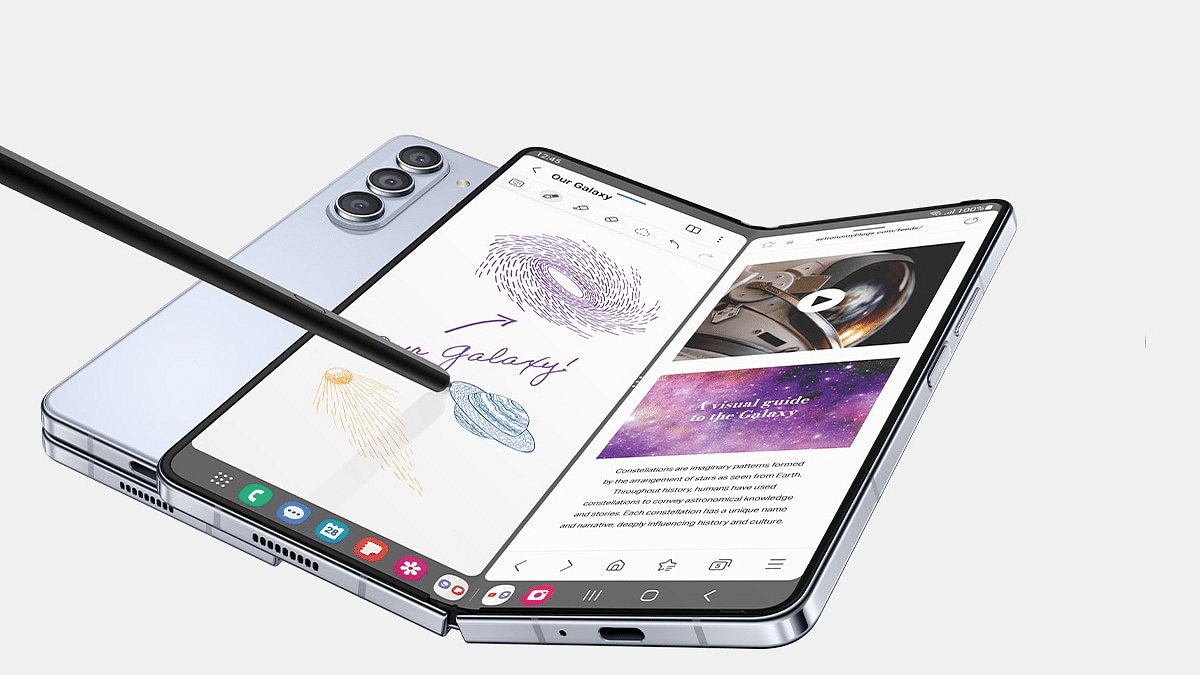
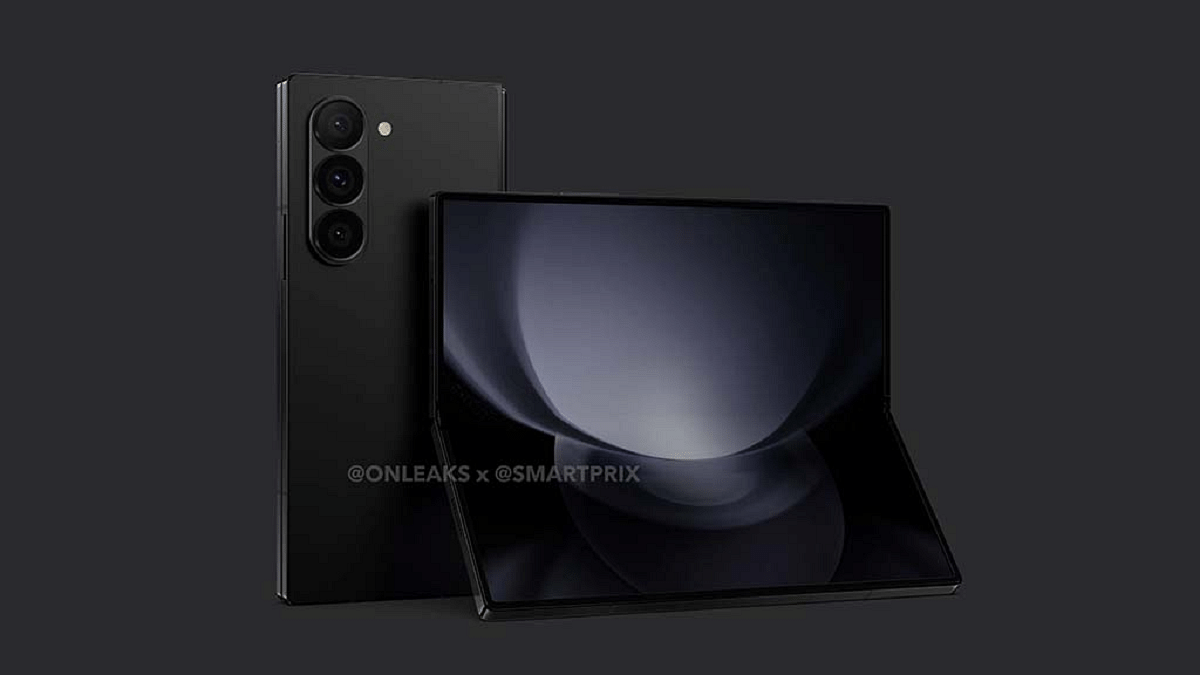
Recent reports suggest that Samsung might surprise us with not just one, but two smartphones in the Z Fold 6 series: a standard Galaxy Z Fold 6 and an Ultra model. This anticipation has kept tech enthusiasts on the edge of their seats, eager to see what Samsung has in store for its loyal customers.
Tipster Drops A Bombshell
A renowned tipster, Revegnus, shared a bombshell revelation on social media platform X (formerly Twitter). According to the tipster, the Samsung Galaxy Z Fold 6 is set to revolutionize the industry with its titanium frame. Although the original post by the tipster is no longer available, reports from Gizmochina confirm the news.
The Power Of Titanium
Why is titanium such a big deal? Well, for starters, it’s incredibly strong yet lightweight. This means the Galaxy Z Fold 6 could offer both durability and a luxurious feel without compromising on weight. Furthermore, titanium’s resistance to scratches and dents could make the device even more robust, ensuring it stands the test of time.
Aside from the titanium frame, rumors are swirling about other exciting features of the Galaxy Z Fold 6. It’s expected to pack a punch with the Snapdragon 8 Gen 3 processor, along with enhancements like improved cooling, a redesigned hinge for smoother folding, fortified Gorilla Glass Armor, and a long-lasting 4,600mAh battery. Plus, brace yourselves for a sleek new boxy design that’s sure to turn heads.
Bigger And Better Displays
Display analyst Ross Young dropped another bombshell, suggesting that the Galaxy Z Fold 6 and Galaxy Z Flip 6 might boast even larger displays than their predecessors. This means more screen real estate for all your multitasking needs.
Expected Release Date
When can we get our hands on the Galaxy Z Fold 6? While nothing is set in stone, speculation is rife that both the Galaxy Z Fold 6 and its sibling, the Galaxy Z Flip 6, could hit the shelves around mid-July 2024. Keep your calendars marked for what could be a monumental moment in smartphone history.
Conclusion
As anticipation builds for the Samsung Galaxy Z Fold 6, one thing is clear: Samsung is gearing up to redefine the foldable smartphone landscape once again. With its titanium frame and a slew of other innovative features, the Galaxy Z Fold 6 promises to be a game-changer in the world of mobile technology.
When Lava made its comeback in the Indian market, many doubted its success against the dominance of Chinese smartphones. However, today’s landscape has shifted, with Chinese brands competing in higher price brackets. In this scenario, Lava introduces the Blaze Curve 5G, taking a more modest approach compared to its rivals.
Priced below Rs. 18,000, this new addition to the Blaze series not only impresses with its design but also offers stock Android without any unnecessary pre-installed apps, a rarity in its price segment. After more than a week of testing, it’s evident that the Blaze Curve 5G is a strong contender, particularly as it represents a homegrown brand. However, every phone has its flaws. Now, the question arises: Could Lava’s new-entry wear the crown for budget smartphone champion of 2024? To find out, let’s delve into the review of the Lava Blaze Curve 5G. Also Read | OPPO F25 Pro Long Term Review: A Performance-Oriented Mid-Ranger
Pros
Cons
Curved display, sleek design
Limited outdoor visibility in sunlight
Stock Android experience
Slightly dated software
Long-lasting battery
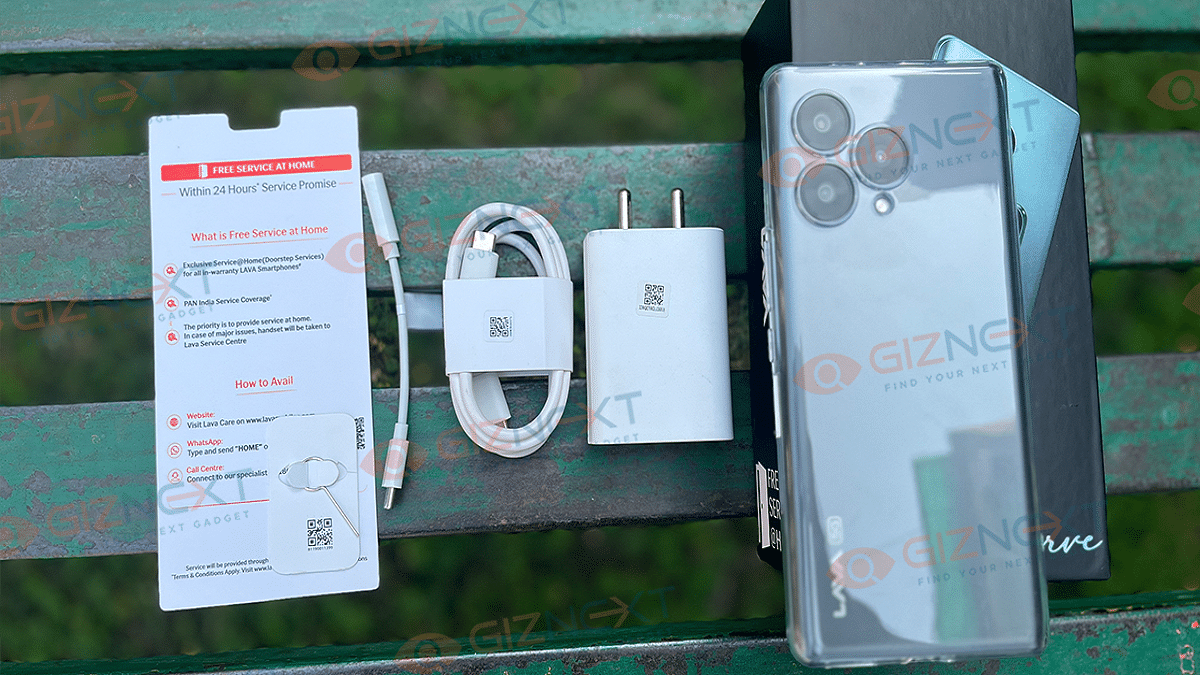
What’s Inside The Box?
Lava Blaze Curve 5G Box Content
Lava Blaze Curve 5G handset (Iron Glass)
Charger
Data cable
SIM ejector pin
Service leaflet
Back cover
C to 3.5mm jack
Design: A Touch Of Elegance
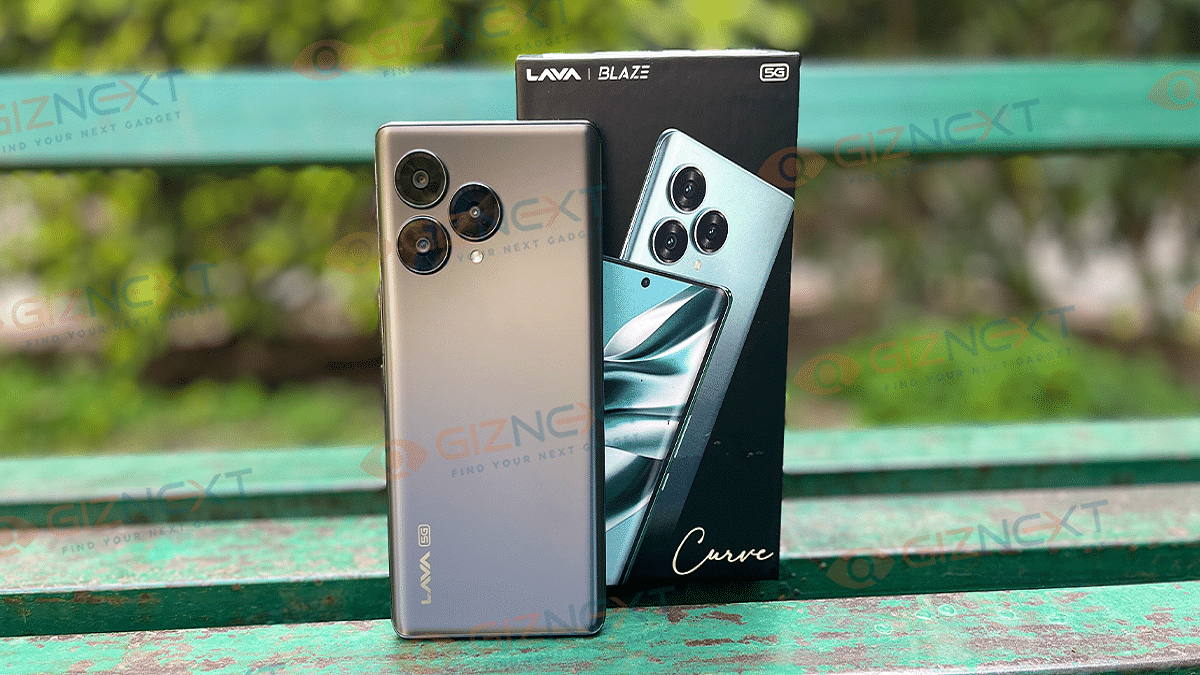
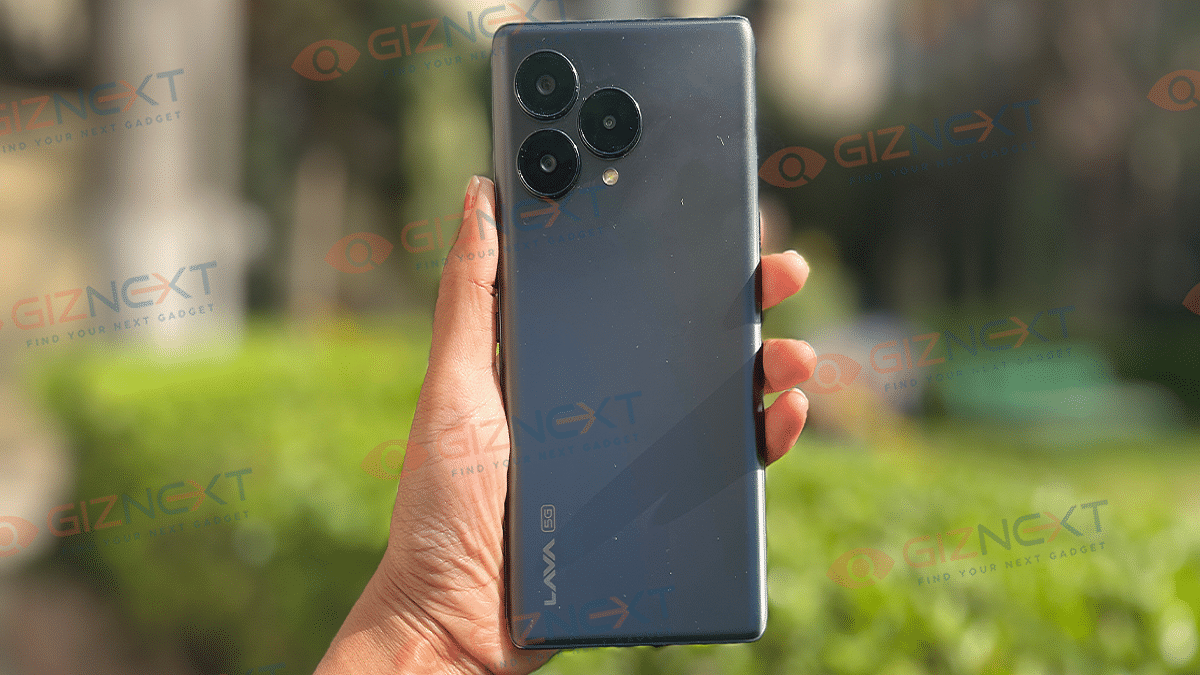
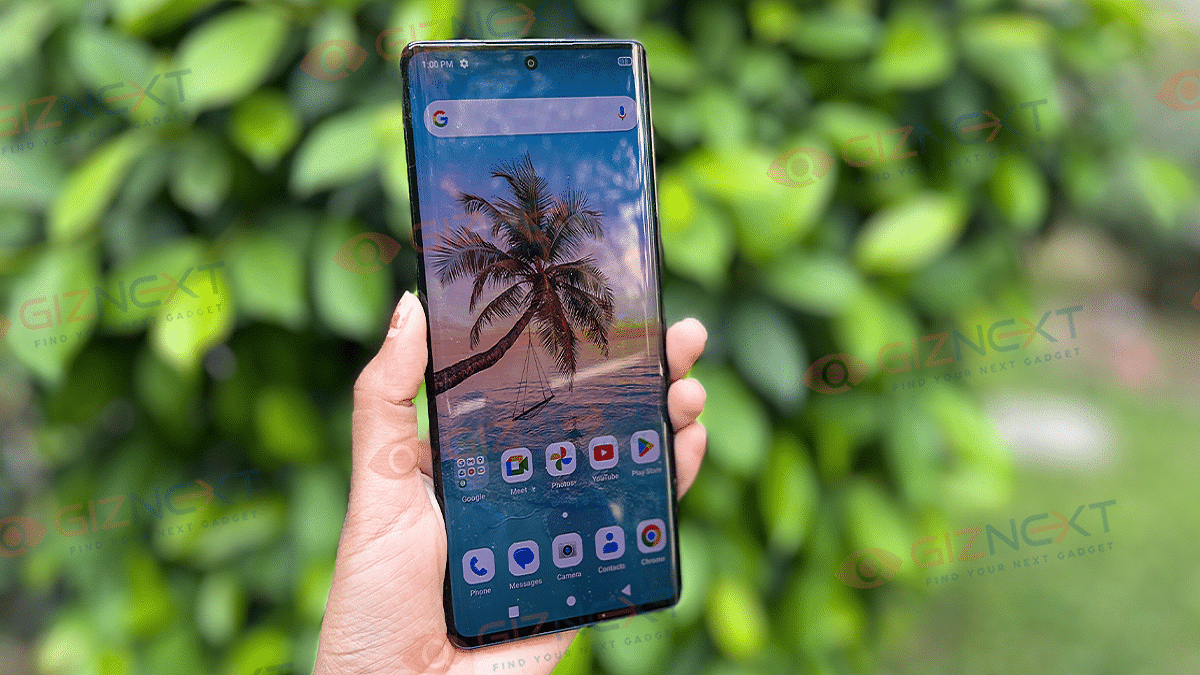
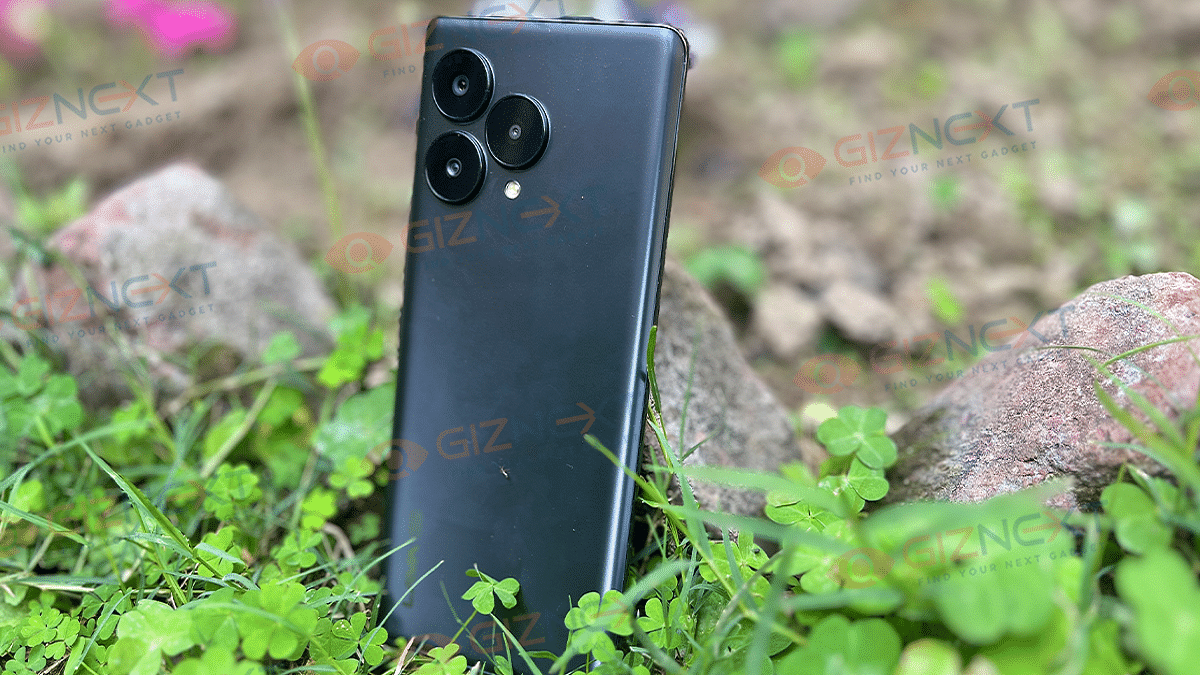
From the moment I unboxed it, the design of the Lava Blaze Curve 5G has consistently impressed me. It displays a premium feel that surpasses even pricier phones. This is largely thanks to two standout features: the curved AMOLED display, which is a rarity in this price range according to Lava, and the matte-finish back glass. Not only does this panel look sleek, but it also keeps away fingerprints and smudges, albeit making it a tad slippery to grip. Moreover, the device is available in two sophisticated colors: Iron Glass and Viridian Glass. I got the former variant for the review.
The weight distribution is well-balanced, avoiding any top-heaviness. I commend Lava for opting for a subtle and minimalist design approach with the finish and color choices, a refreshing departure from the flashy finishes commonly found in this segment.
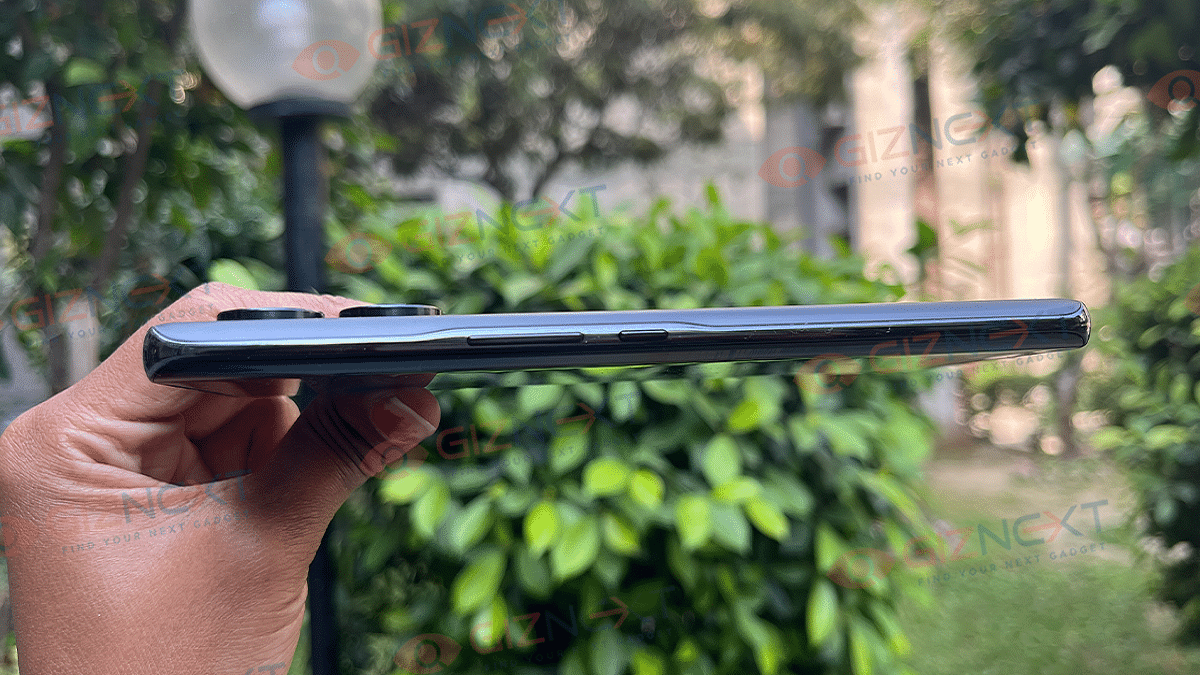
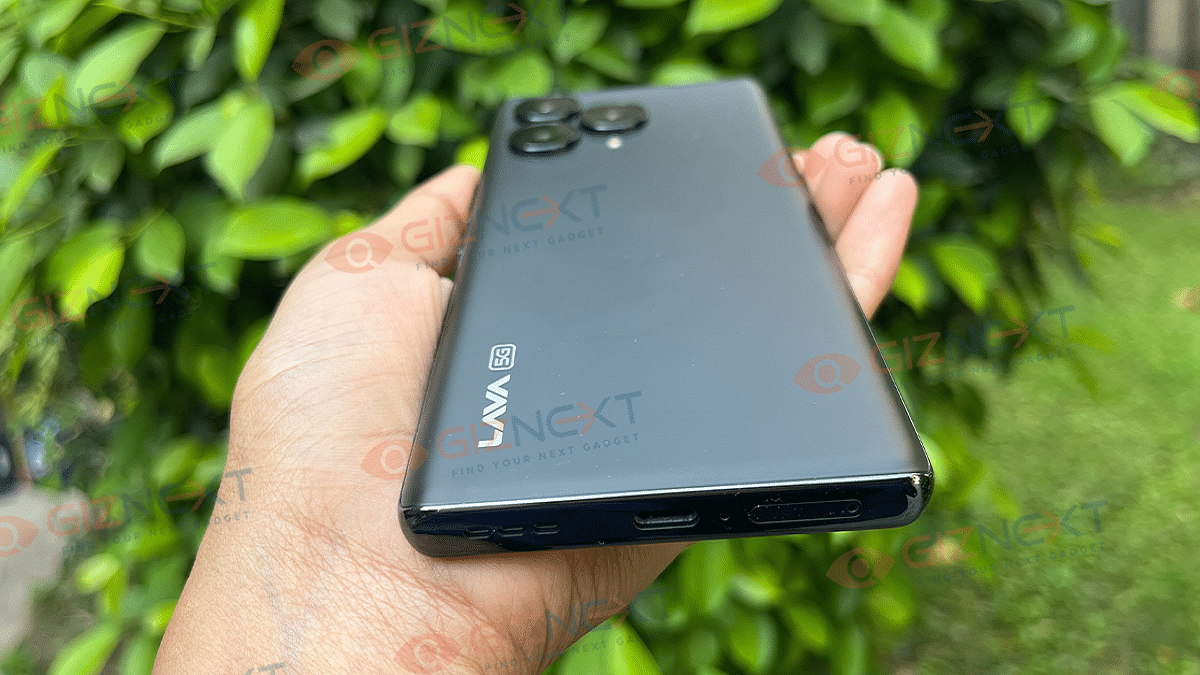
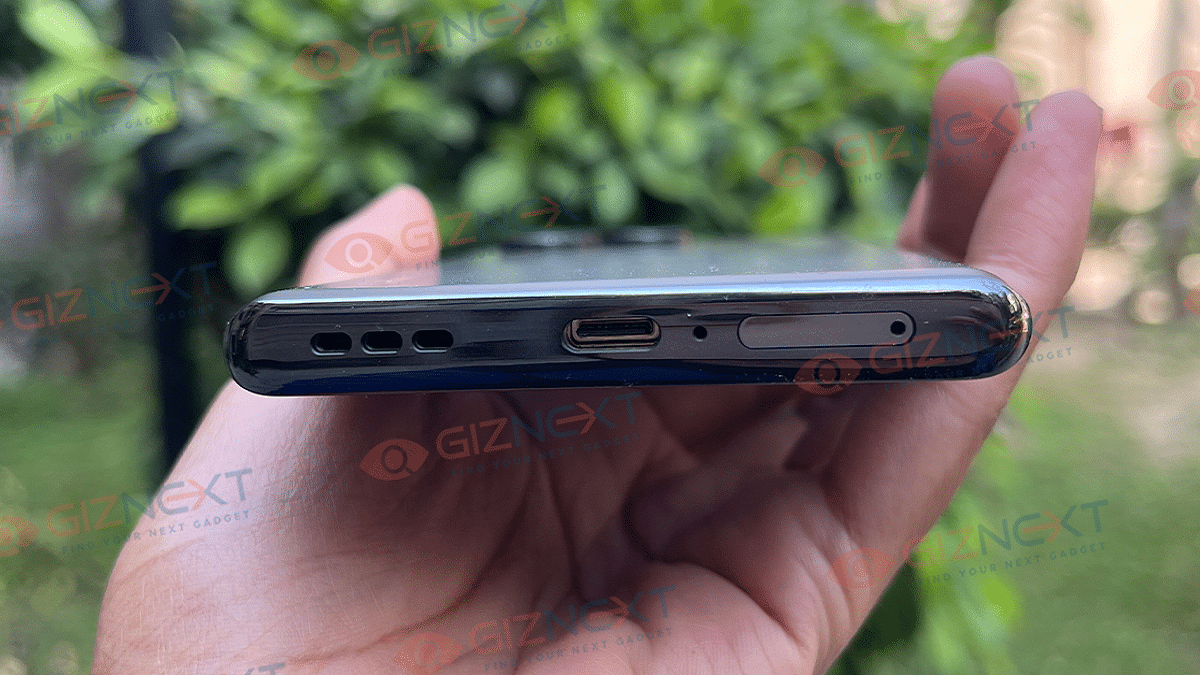
The placement of the power button and volume rockers along the right side of the phone ensures easy access without requiring finger frowns. In terms of connectivity, the handset features a USB Type-C port at the bottom for charging and data transfer, alongside the speaker grille. Up top, the speaker’s like a mini concert maker, giving you stereo sound for fun times. And for keeping your phone safe, there’s a fingerprint scanner hiding in the display.
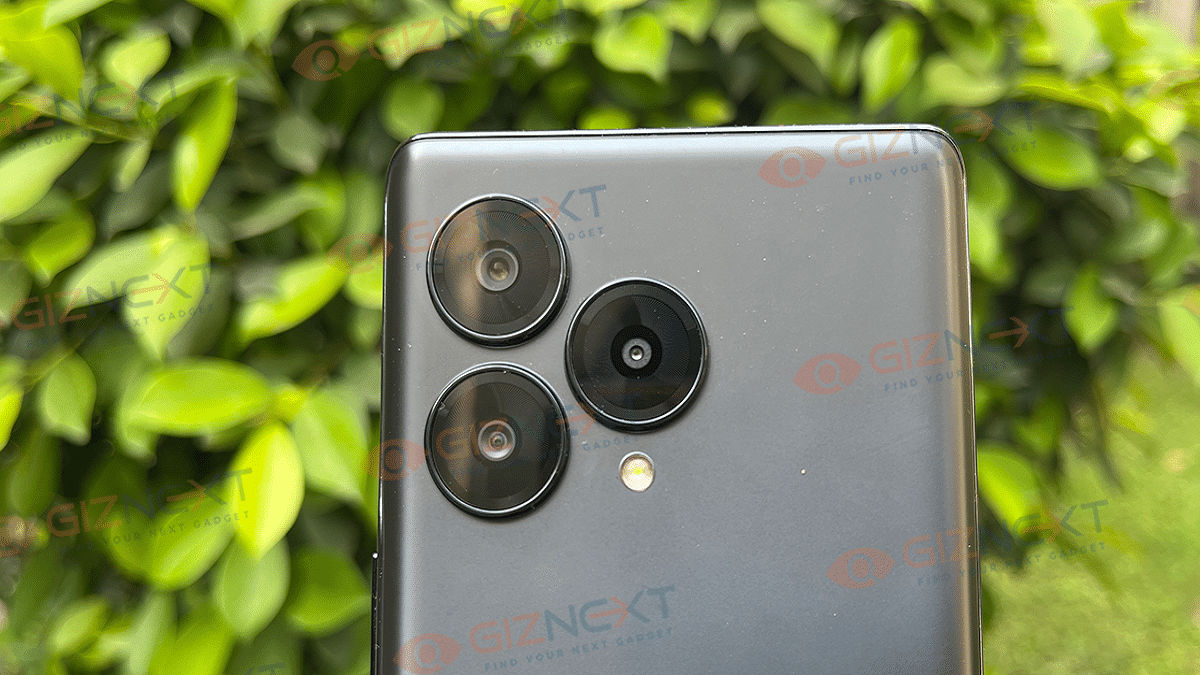
Turning to the camera module, the device boasts three different camera cutouts accompanied by a flash module. The circular design within the camera modules, coupled with the curved back merging effortlessly into the frame, lends the Curve 5G an aura of luxury and sophistication. While aesthetics are subjective, it’s safe to say that the Curve 5G stands out as one of the most visually appealing phones in the sub-20K segment.
Display: Vibrant Visuals
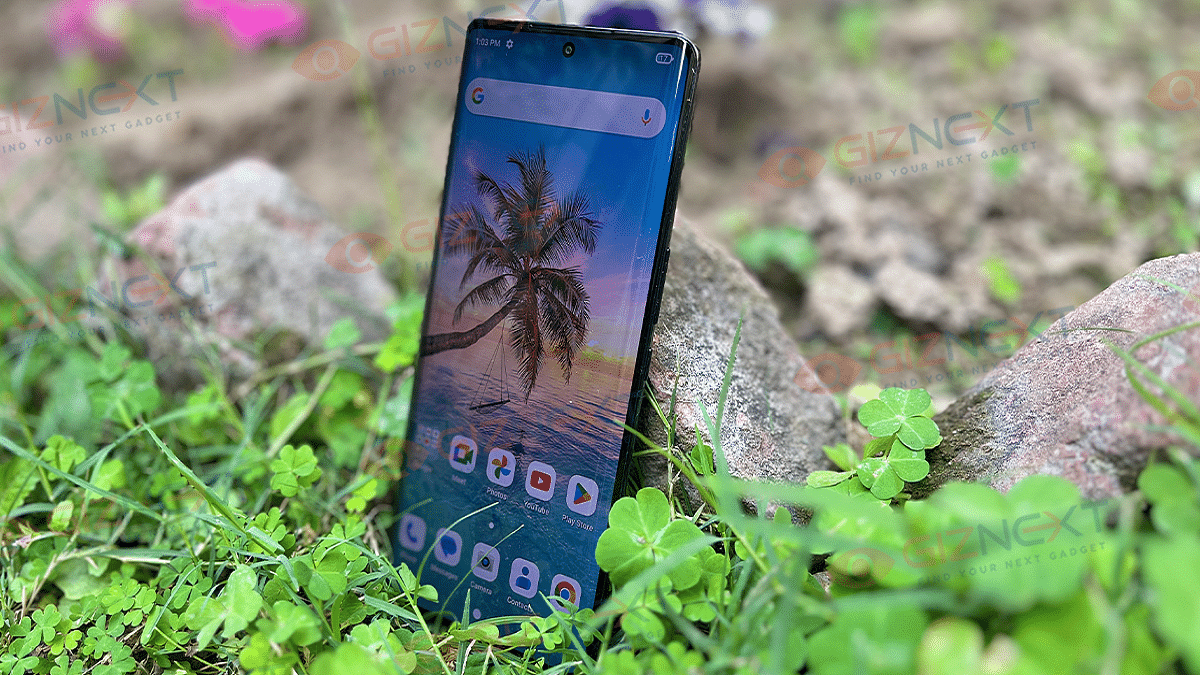
As the name suggests, the smartphone comes with a 6.67-inch FHD+ 120Hz Curved HDR10+ AMOLED display, shining bright with a peak brightness of 800 nits. Users even get a 120Hz option to lock the refresh rate. In our daily use, the display proved vibrant and colorful, perfect for enjoying content. While it may not be the most color-accurate, it nails what most users love: bold and lively visuals. Yet, the curved design has a tiny downside – sometimes it registers accidental touches on the edges.
Plus, the device supports Widevine L1, letting users binge-watch their favorite shows in top quality. But alas, outdoor visibility takes a hit. With limited brightness, it struggles in sunlight, urging us to seek shade for phone use.
Performance: A Smooth Sail Through Daily Tasks
The Lava Blaze Curve 5G impresses with its MediaTek Dimensity 7050 SoC, 8GB RAM, and either 128GB or 256GB storage. But watch out, as there’s no microSD card slot, so plan your storage needs wisely.
Using this smartphone daily is a breeze. It smoothly handles browsing, scrolling, and multitasking without a hitch. Even light gaming is a pleasure, with titles like Call of Duty and BGMI running smoothly at moderate graphics settings. While it does warm up a bit during gaming sessions, it’s nothing alarming for a non-performance-focused phone.
But what truly shines is its software. Running a clean, bloatware-free version of Android 13, it’s a breath of fresh air. It feels far from a budget device, especially with the silky-smooth 120Hz refresh rate. The only downside? The software update schedule could be better, with an expected Android 14 update in June and two years of total updates, stopping at Android 15. It would’ve been nice to see it launch with Android 14 pre-installed.
Also, a standout feature is that Lava offer free home service during the warranty, so any problems with the phone can be fixed quickly.
Before we dive deeper, let’s talk about the camera setup on the Lava Blaze Curve 5G. It packs a 64MP main camera, an 8MP UltraWide lens, and a 2MP macro camera. However, the overall camera performance is just okay. While it takes decent photos during the day, it falls short in some areas.
In daylight, the main camera captures photos with good detail, vibrant colors, and a decent dynamic range. But sometimes, it tends to overexpose objects. This isn’t uncommon for phones in this price range. The ultrawide lens provides a wide view but lacks sharpness and suffers from color distortion. The macro camera doesn’t impress much either.
In low light, the camera struggles, making it not the best choice for photography. On the bright side, the front camera, with its 32MP sensor, takes good selfies with accurate skin tones and decent detail. It also does well with portraits, providing a nice depth effect.
But there’s a noticeable shutter lag when taking photos, which can be frustrating. Videos from the main camera are sharp and stable in daylight but lack detail at night. Software updates could potentially improve the camera performance.
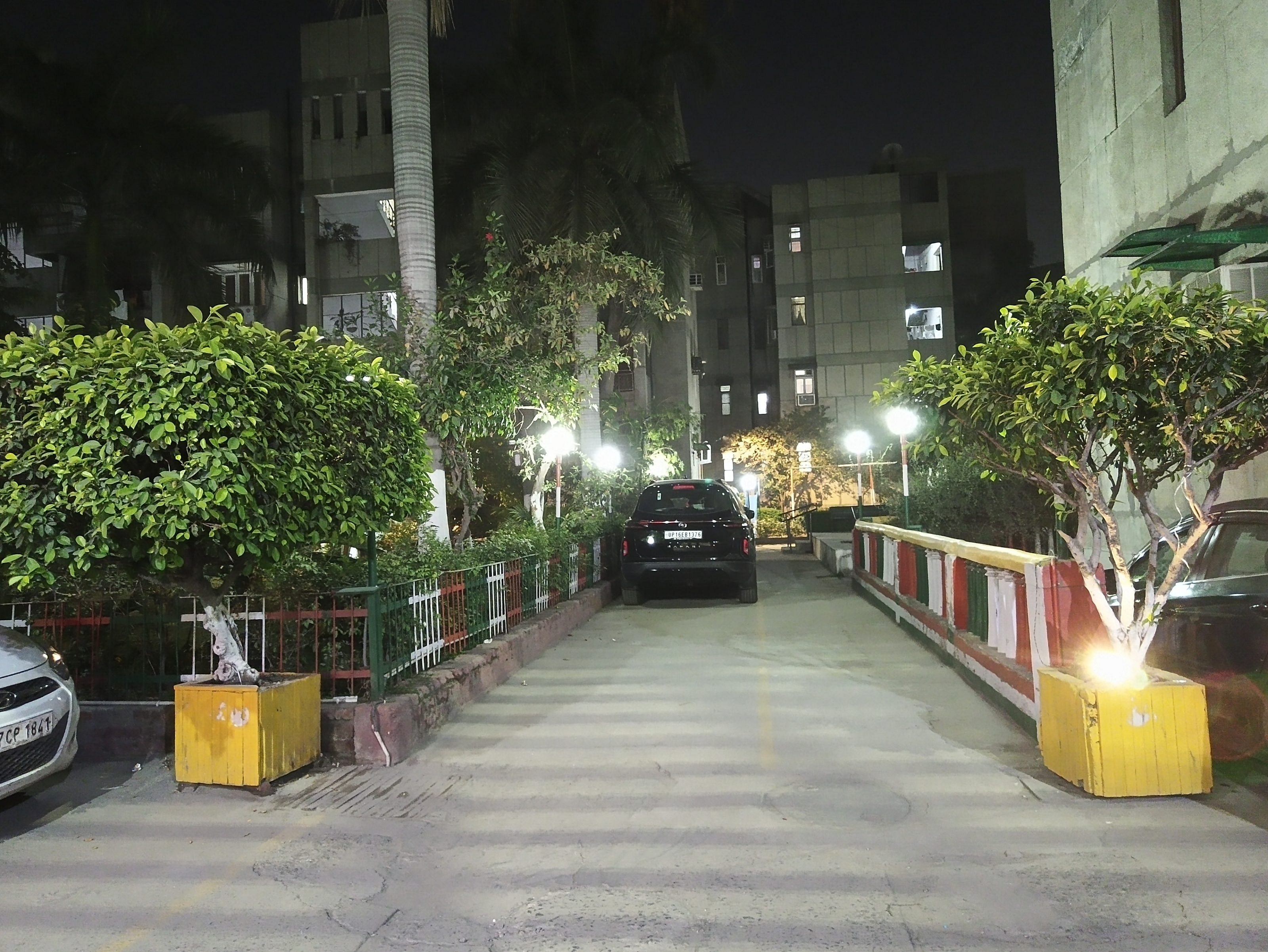
Lava Blaze Curve 5G Camera Sample (Zoom)
Lava Blaze Curve 5G Camera Sample (Zoom)
In short, while the Lava Blaze Curve 5G has potential, there’s room for improvement in its camera performance through software updates.
Battery: Endurance Tested
The Lava Blaze Curve 5G packs a heavy 5,000mAh battery. When fully recharged, it easily lasts a full day for most users. Plus, it supports 33W fast charging, which is a lifesaver when you’re in a hurry. It can juice up the battery in just 80 minutes. And kudos for including a USB-C to USB-C cable, keeping up with the trend away from the older USB-A port type. During my usage, I found it can offer over five to six hours of screen-on-time, though it does get a bit warm while charging.
Giznext’s Final Verdict: A Budget Gem Or A Missed Opportunity?
After exploring every aspect of the Lava Blaze Curve 5G, it’s clear that Lava has launched a great contender in the budget smartphone arena. Priced at Rs. 17,999, it offers a sleek design, stock Android experience, and decent performance. While the camera setup and outdoor visibility could see improvements, the device excels in everyday use and battery life, lasting a full day with ease. With its premium feel and solid features, the Blaze Curve 5G emerges as a strong competitor in its price segment, potentially competing for the title of budget smartphone champion of 2024.
Vivid display with high brightness suitable for outdoor
Powerful Sony IMX890 camera sensor
Quick charging compatibility
Cons
Bloatware in UI
Slightly thicker bezel profile
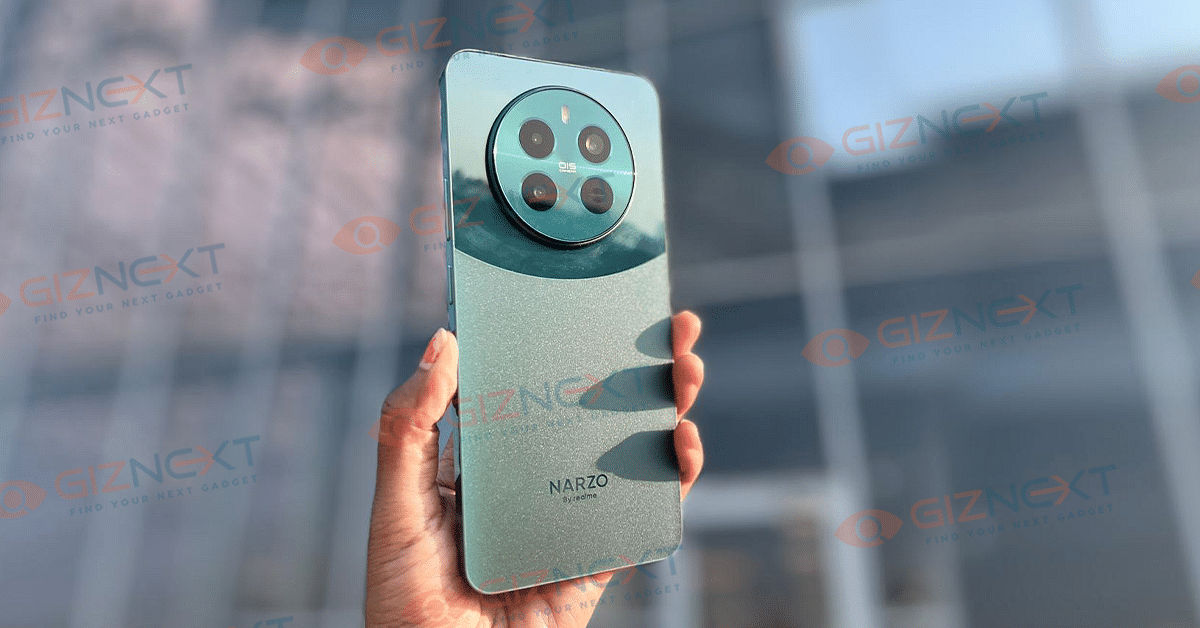
Realme today expanded its affordable Narzo lineup in India with the Narzo 70 Pro. We have seen a consistent improvement with this mid-range lineup and seems like Realme is taking now taking leaps with new innovations. The Narzo 70 Pro 5G with a price range under Rs. 30,000 brings a promising feature-range to the table. Take for instance, its super bright AMOLED screen, AI-backed advanced camera hardware, and SuperVooc fast charging supported battery. The Narzo 70 Pro seems to pack necessary punch for an all-round performance. If you are planning to buy this handset anytime soon, make sure you go through this quick review before sealing the deal.
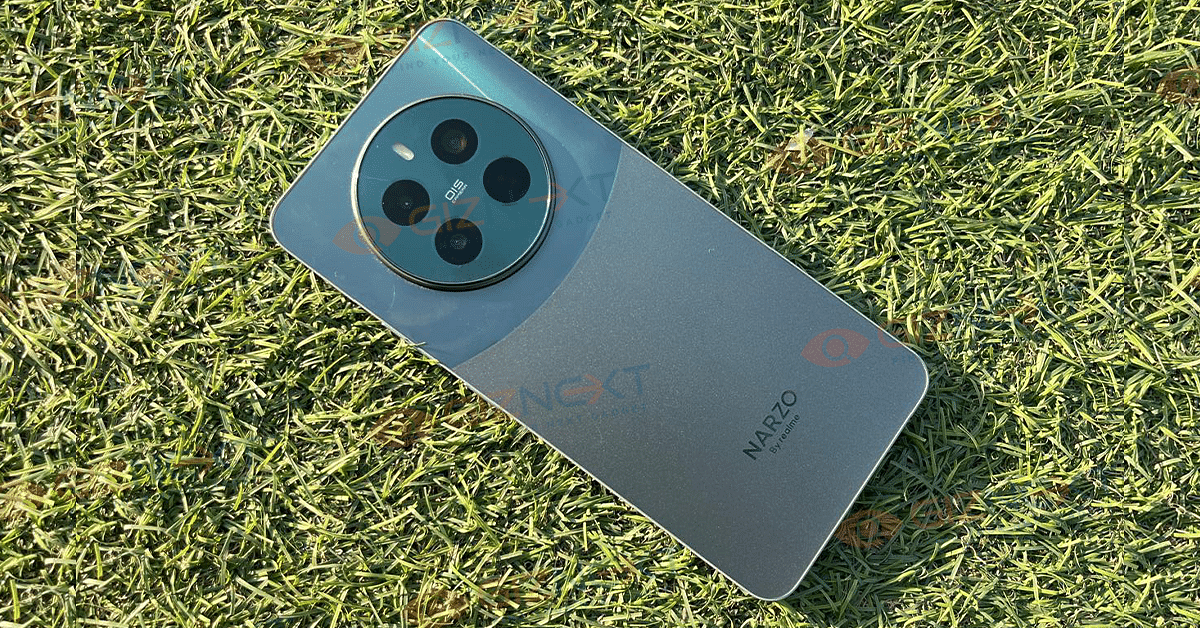
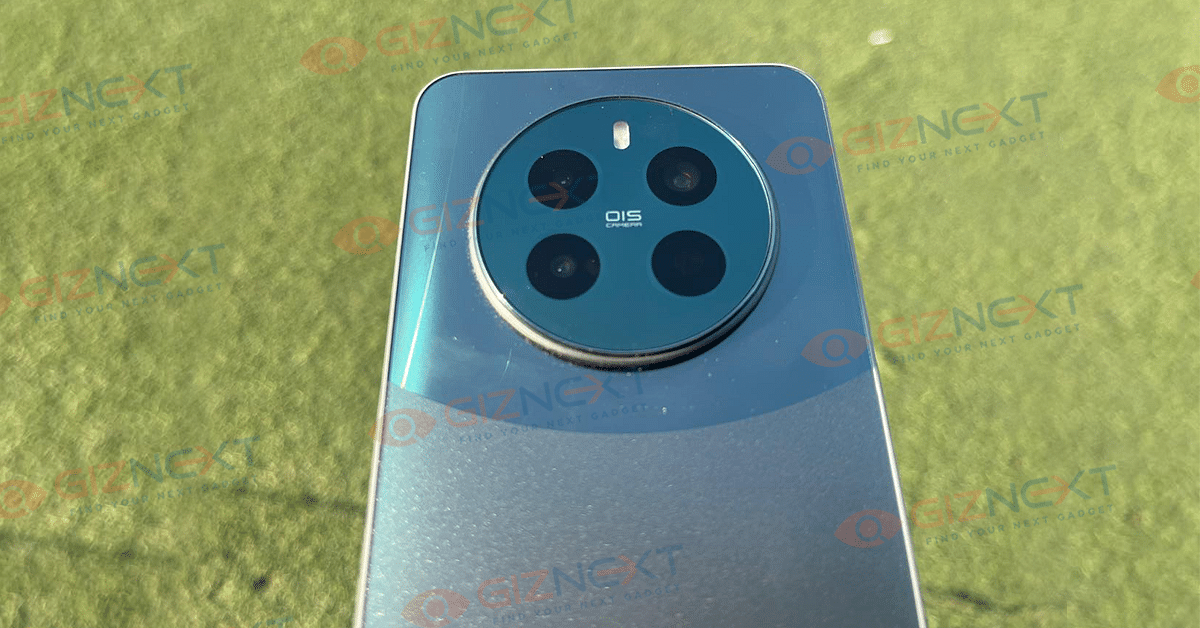
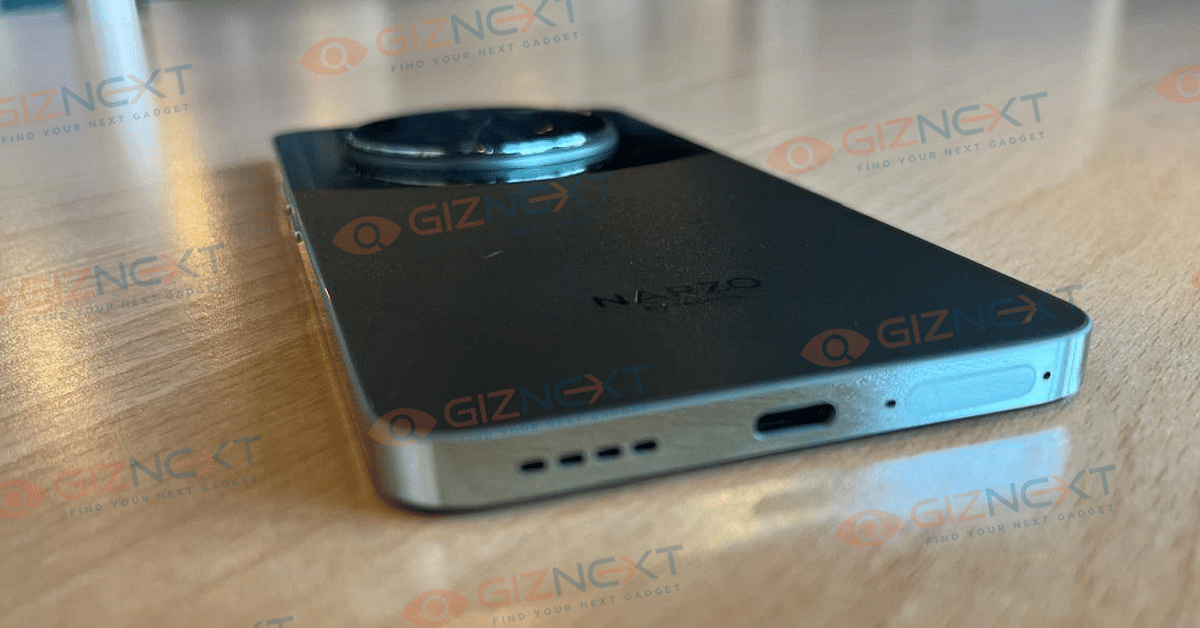
Realme surely has designed a premium looking handset which doesn’t cost a fortune. The glass back of the Narzo 70 Pro gets dual tone shade featuring a round camera module at the center top. Combined with the flat frame design, this handset’s design also gets the ergonomics correct. It offers a good hold and grip. But since it’s a glass back it might feel slippery in sweaty palms.
Super Bright AMOLED Screen
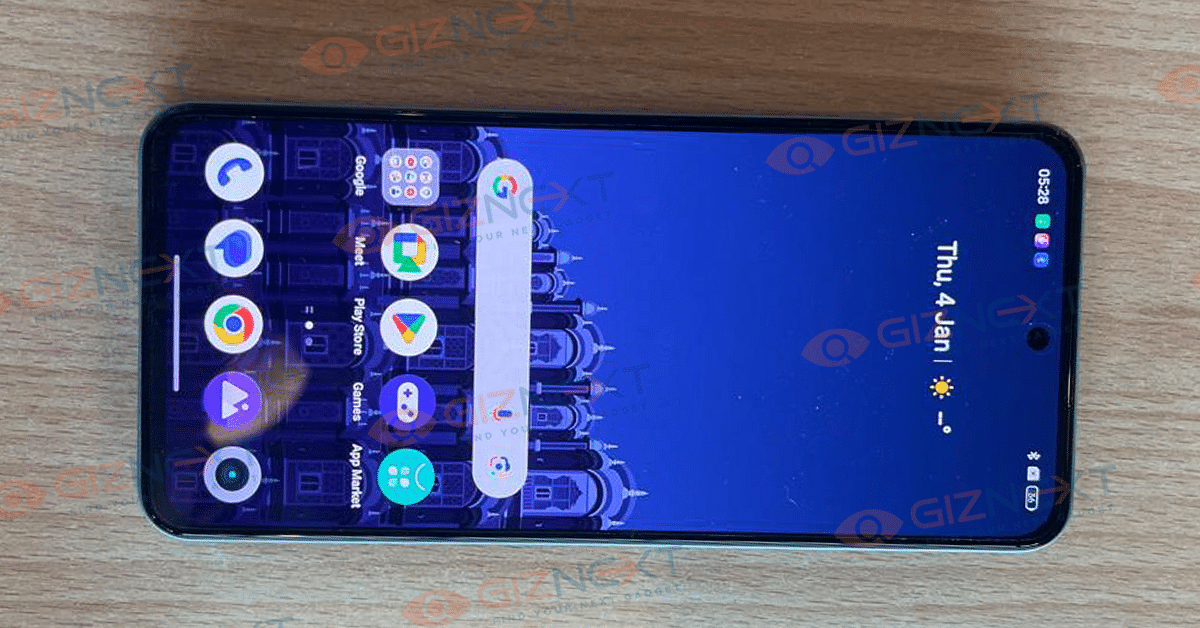
The Realme Narzo 70 Pro has one of the best-in-class screens which has high brightness levels suitable for outdoor usage. It equips a big 6.7-inch AMOLED screen supporting an FHD+ resolution and 120Hz refresh rate. There is also an HDR10+ certification for an enhanced viewing with OTT and other online platforms. We found the panel’s touch feedback smooth and the overall responsiveness is also impressive. There is an integrated in-display fingerprint scanner which has been quick and accurate during our initial testing. The 2000 nits peak brightness level makes outdoor visibility less straining, while the vivid output is a delight for both gamers and entertainment buffs.
Potent AI Camera Hardware
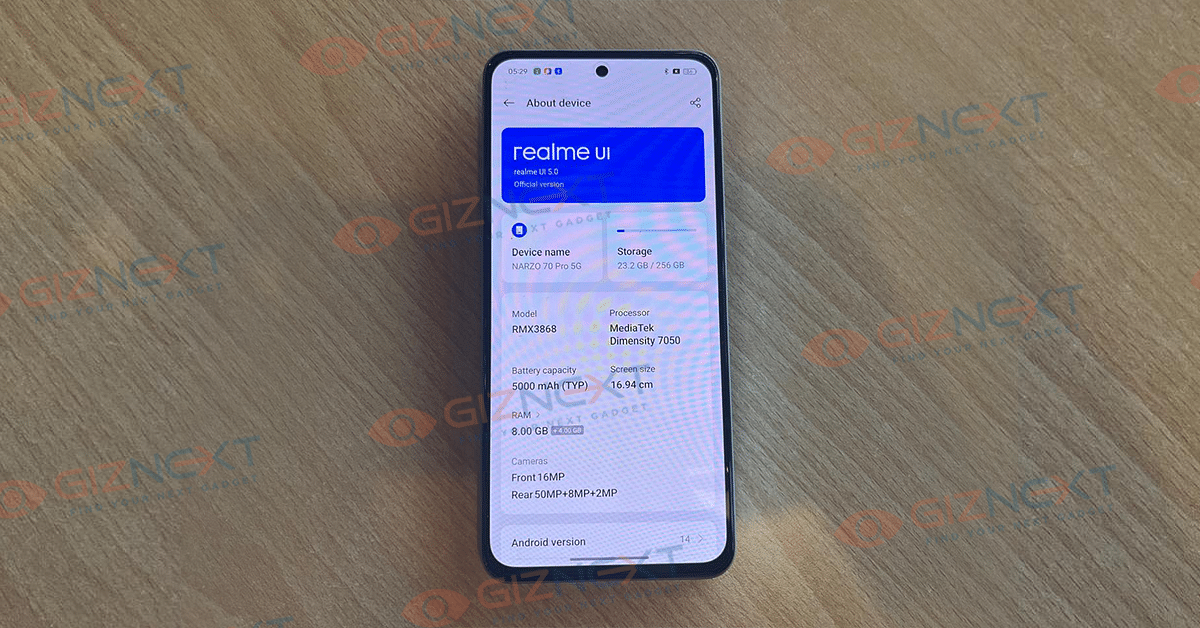
Realme has been enhancing the photography experience with each new Narzo series model. The Narzo 70 Pro 5G has also received its share of upgrade and offers a potent triple rear camera hardware backed by a flagship Sony sensor. The 50MP Sony IMX890 primary camera with an f/1.88 aperture and OIS captures super clear shots. Accompanying this flagship main lens is an 8MP ultra-wide sensor with 112° FoV and a 2MP macro sensor. The selfie snapper offered by the Narzo 70 Pro is a 16MP lens. We have currently tested the Narzo 70 Pro briefly and can say it delivers a good photography experience for its budget. We will be discussing the camera performance throughly in the long term review.
Fast Charging
Powering up the Narzo 70 Pro 5G is a 5,000 mAh battery that gets 67W SuperVooc fast charging support. This setup stores sufficient fuel to drive the handset through almost a day but with basic to moderate usage. For the instances where usage is extensive and backup required is quick, the 67W SuperVooc fast charging will address the concerns. We haven’t tested the battery to its full potential yet, but got a good feedback with the initial test runs.
The reason Narzo 70 Pro 5G’s processor gets tagged in the cons’ list is the old Dimensity 7050 chipset borrowed from its precursor, i.e., the Narzo 60 Pro. While the chipset is carried forward from the older-gen model, the performance delivery isn’t much different either. The Narzo 70 Pro has shown efficient speed delivery overall while performing extensive tasks. Gaming has also been a decent experience until now. You can opt from a single 8GB RAM option and dual storage variants including 128GB and 256GB. Out initial testing suggests the Narzo 70 Pro is also decent with handling multitasking which we have seen with the previous-gen model too.
Conclusion
The Narzo 70 Pro is Realme’s solid bet in the mid-range segment; specifically under Rs. 25,000 category which is most crowded. With the base model priced at Rs. 19,999, and the top model priced at Rs. 21,999, the Realme Narzo 70 Pro 5G is a reasonably priced 5G phone. Besides, our initial impressions have been fairly good and we expect this phone to be best suited as a daily driver. However, we are coming up with the detailed review soon where we will discuss the daily performance aspects in a longer run.
OPPO logged its name in the list of top players in the global mobile industry. The Chinese OEM has multiple Android smartphone lineups targeting different consumer segments. The fairly new OPPO F series is designed specifically for the mid-range consumers and has been receiving a good response all this while. OPPO is transforming this series with future-ready models and the latest entrant in this race comes in the form of the F25 Pro which debuted this month itself in the country.
The OPPO F25 Pro comes in two variants with the base model featuring 8GB RAM + 128GB storage priced at Rs. 23,999. Whereas, the top model with 8GB RAM and 256GB storage costs Rs. 25,999. With the sub Rs. 30,000 segment flooded with some of the advanced models, does the F25 Pro makes a cut? At Giznext, we reviewed the F25 Pro’s daily performance with a variety of tasks and here’s what we think:
OPPO has been showing a solid expertise with smartphone designing which isn’t limited to the premium but also affordable and mid-range units. With the F25 Pro too, OPPO has taken all the necessary aspects into consideration and crafted an appealing phone meeting modern day standards.
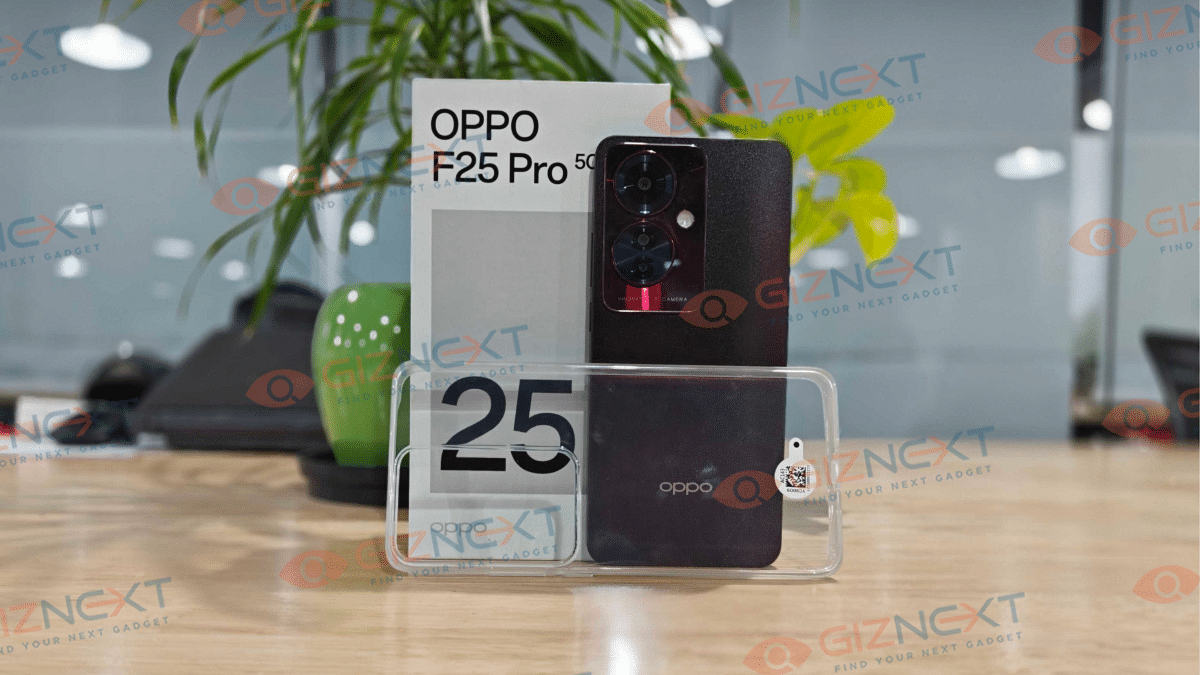
The OPPO F25 Pro gets a flat boxy yet slim profile with which it offers a comfortable user grip. The phone features just 7.44mm thickness and weighs around 177 grams. You won’t find the unit being bulky unless you add on an external case. You can opt for the OPPO F25 Pro in dual shades including Lava Red and Ocean Blue.
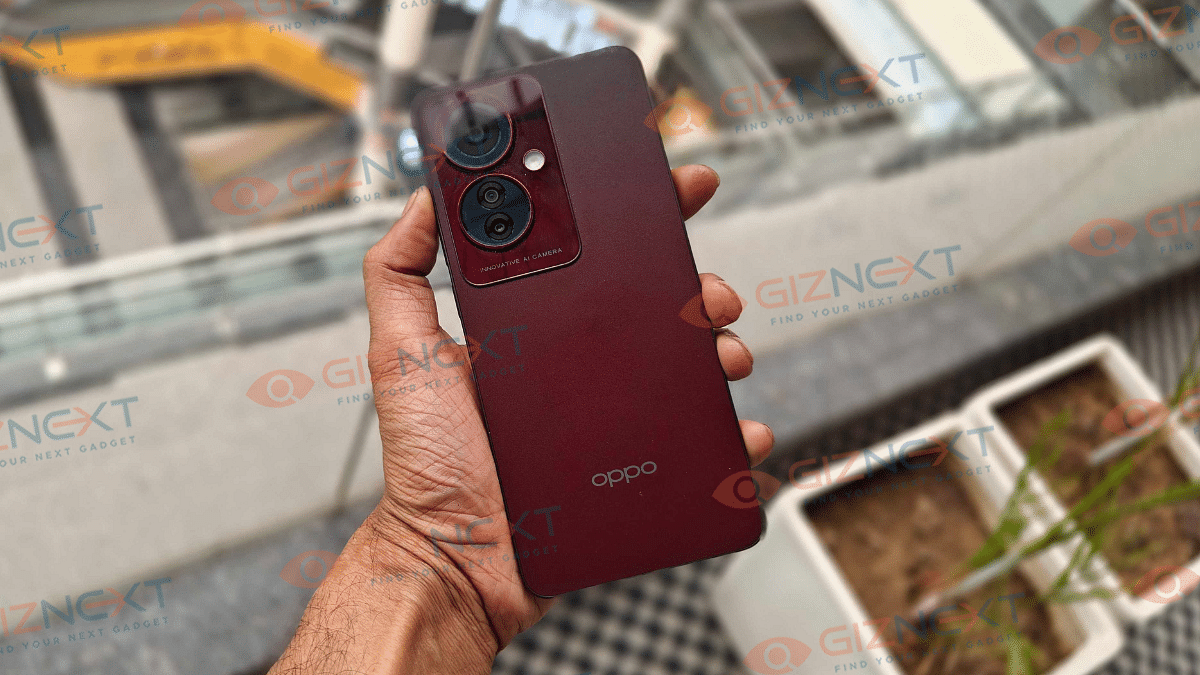
We got to test the Lava Red variant which offers a mix of dark red and burgundy tones when exposed to different light angles. The rear surface produces a shimmering effect but isn’t prone to picking up dust and fingerprints. This did impress us as keeping the phone clean and flaunting it without a cover becomes easier.
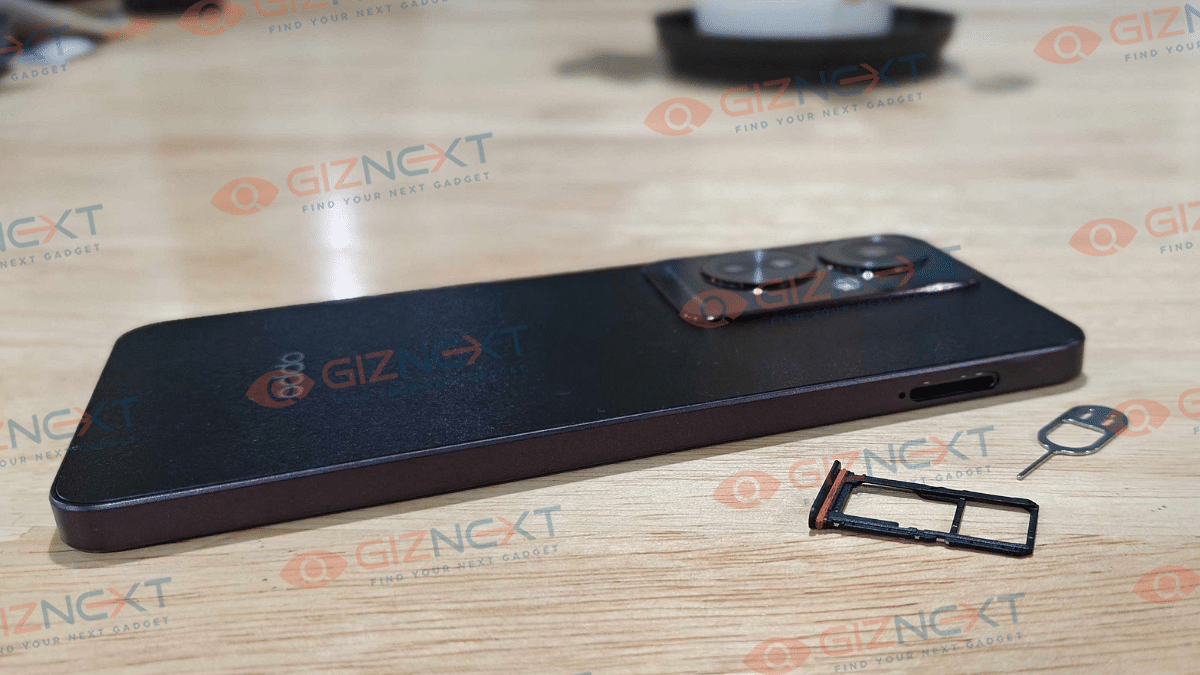
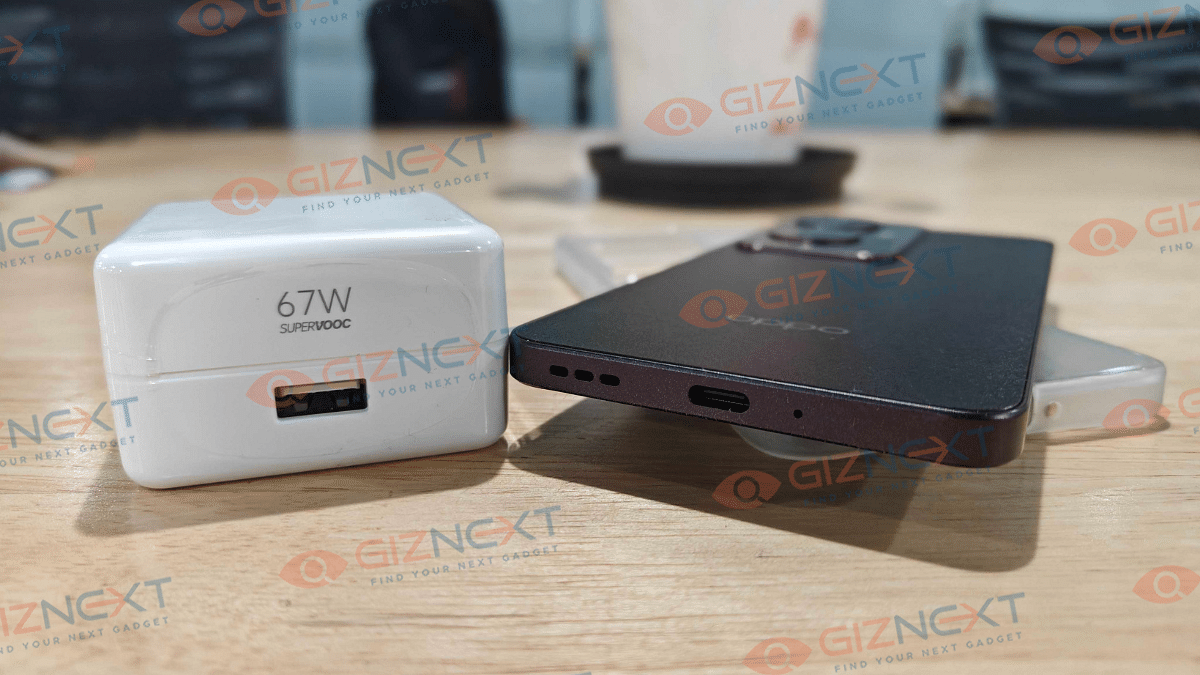
The phone’s premium design is complemented by a large rectangular camera module positioned on the top-left housing dual camera rings. Next up is the placement of the keys and ports where you get the standard positioning of the volume and power keys on the right panel. The SIM card tray is located on the left panel and the Type-C port, speaker grille are placed on the bottom panel.
Holding the OPPO F25 Pro feels premium and the IP65 certification adds additional protection from dust and water splashes. So, outdoor usage specifically in bad weather conditions doesn’t come as a big concern with the F25 Pro.
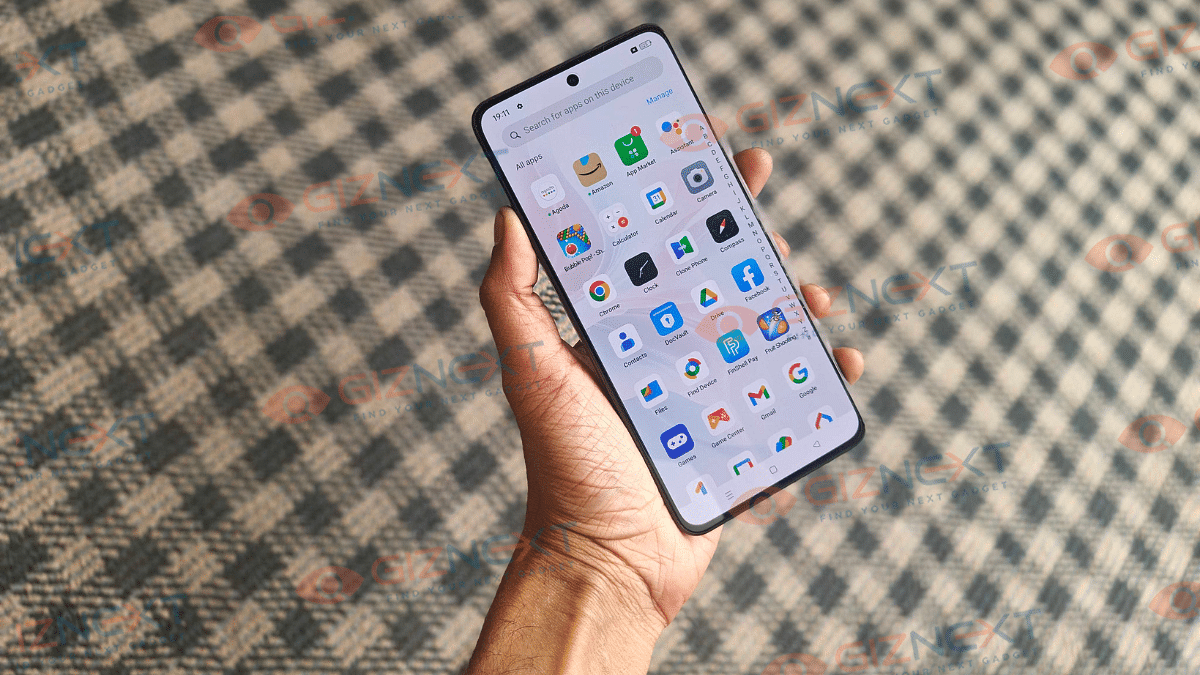
Upfront, the design is straightforward. A punch-hole cutout for the selfie camera is mounted at the centre-top of the screen and the bezel-profile is also ultra-slim on all corners. The flat frame design is adequate for consumers who aren’t a big fan of curved-edged displays.
The panel used by the OPPO F25 Pro is AMOLED with the screen size being 6.7-inch. Now, despite this tall display, the F25 Pro fits easily in the palms. Operations with a single hand is easy when its for basic web browsing and app usage. For gaming and other extensive tasks only you would need to use both hands.
Supporting an FHD+ resolution of 1080 x 2412 pixels and 120Hz dynamic refresh rate, the visual clarity is of high levels. The AMOLED panel of the F25 Pro produces clean and crisp content which allows us to binge watch shows and movies. The experience with viewing content on OTT platforms is further refined with the HDR10+ certification and 2160Hz PWM dimming features.
We tested the display’s performance with multiple such platforms including the top shots such as Netflix, Disney+ Hotstar, and others. The output kept us hooked to the screen. The same has been the case with gaming as the screen remains responsive while displaying actions. No display lag is noticeable with heavy games and you can easy tune to the moderate as well as highest settings.
The OPPO F25 Pro equips a 6nm octa-core Dimensity 7050 chipset. MediaTek’s mod-range SoC on the F25 Pro brings along 5G capabilities and speedy performance. Now, level of expectations weren’t super high before we used this handset. However, the F25 Pro surprisingly packs solid punch despite getting its power from a mid-range MediaTek chipset.
Using the phone for basic tasks has been a good experience overall. We can easily say the same for multitasking as well operations that require potent hardware. With up to 8GB of physical RAM and an additional 8GB Dynamic RAM, the F25 Pro handles all operations smoothly. If you are amongst those users who are dependent on mobiles for variety of day-to-day tasks, you wouldn’t be disappointed.
This device handles all such tasks quite efficiently with least of lags experienced. Be it app launch speed or switching between the ones running in background, there is no delay encountered. As for the storage space, the F25 Pro has dual options including 128GB and 256GB.
After selecting the variant depending on your requirements, you can further expand the storage using an external microSD card. It offers a 3-way SIM slot supporting dual SIM cards and one microSD card (up to 2TB). It’s good to see that this mid-range Android phone still retains this setup instead of a hybrid SIM slot which is being preferred by majority of the brands in this segment.
The OPPO F25 Pro boots on the Android 14 OS that has a Funtouch OS 14 UI layered on top. While OPPO has made several advancements to the UI, it still doesn’t come entirely free of bloatware. This could come a bummer for the masses who are bent towards using a cleaner UI. Thankfully, most of the pre-installed bloatware can be uninstalled manually and the app drawer’s clutter can be removed.
The OPPO F25 Pro becomes a complete package with the beefy 5,000 mAh battery capacity. This phone has provided backup of almost one full day on a single charge. However, its only if you use this handset moderately.
Take for instance, basic web browsing and social media app usage along with light gameplay. With this much of usage, the backup would be over 10 hours easily. But if your mobile usage is extensive, you might need a re-plug towards the end of the day.
The F25 Pro features 67W fast charging with which it gets a complete re-charge from 0-100 percent in less than two hours (1 hour 35 minutes approx.). While this speed is decent, we would have appreciated a slightly higher charging speeds.
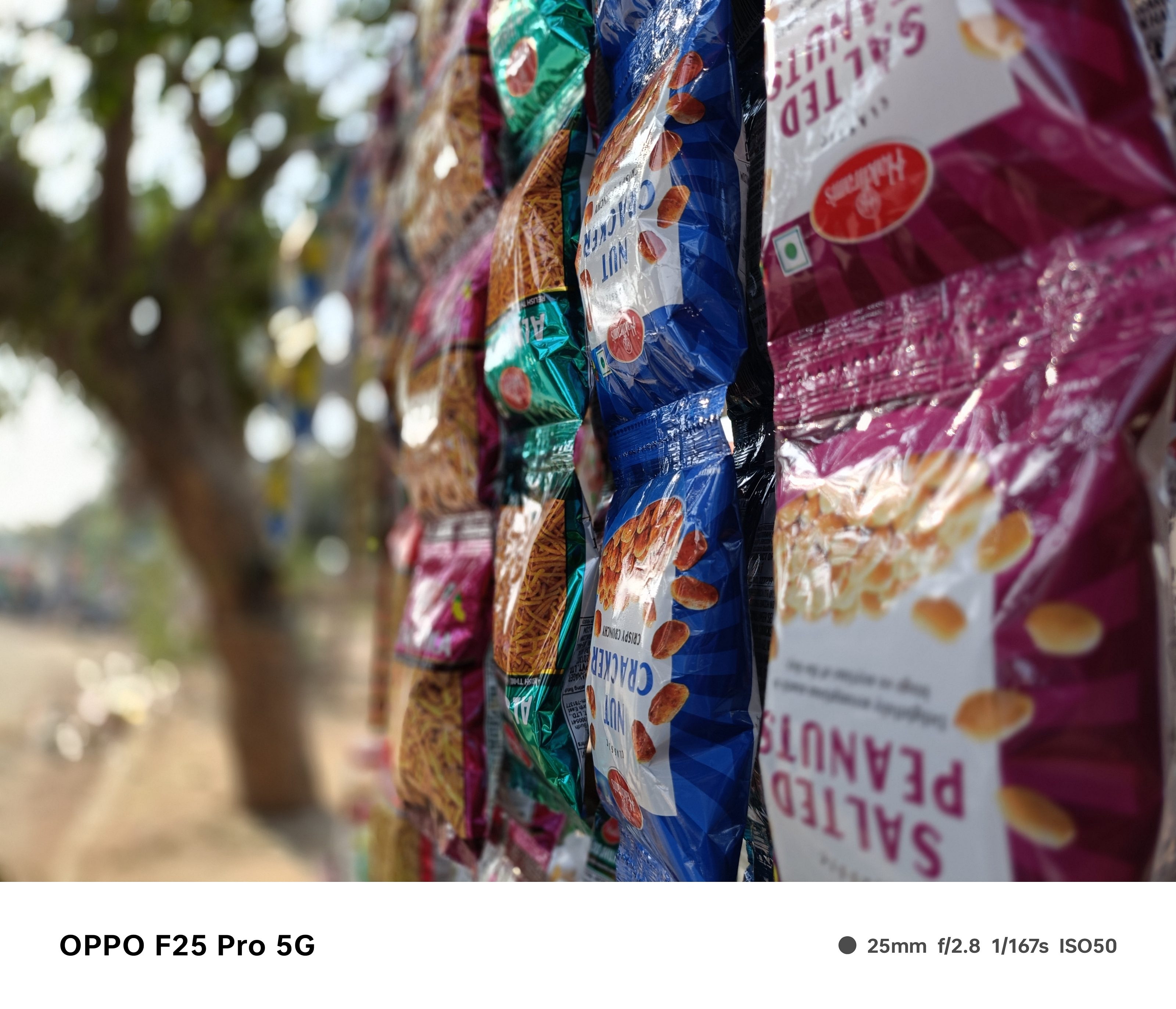
Before we proceed on to the camera performance, let’s first take a quick look at its hardware. The primary camera hardware on the OPPO F25 Pro includes triple sensors. Primary sensor is a 64MP OV64B sensor with an f/1.7 aperture and 25mm focal length. The secondary sensor is an 8MP Sony IMX355 lens with an f/2.2 aperture and 112° FoV (Field of View) which further gets paired up with a 2MP lens for close ip macro shots.
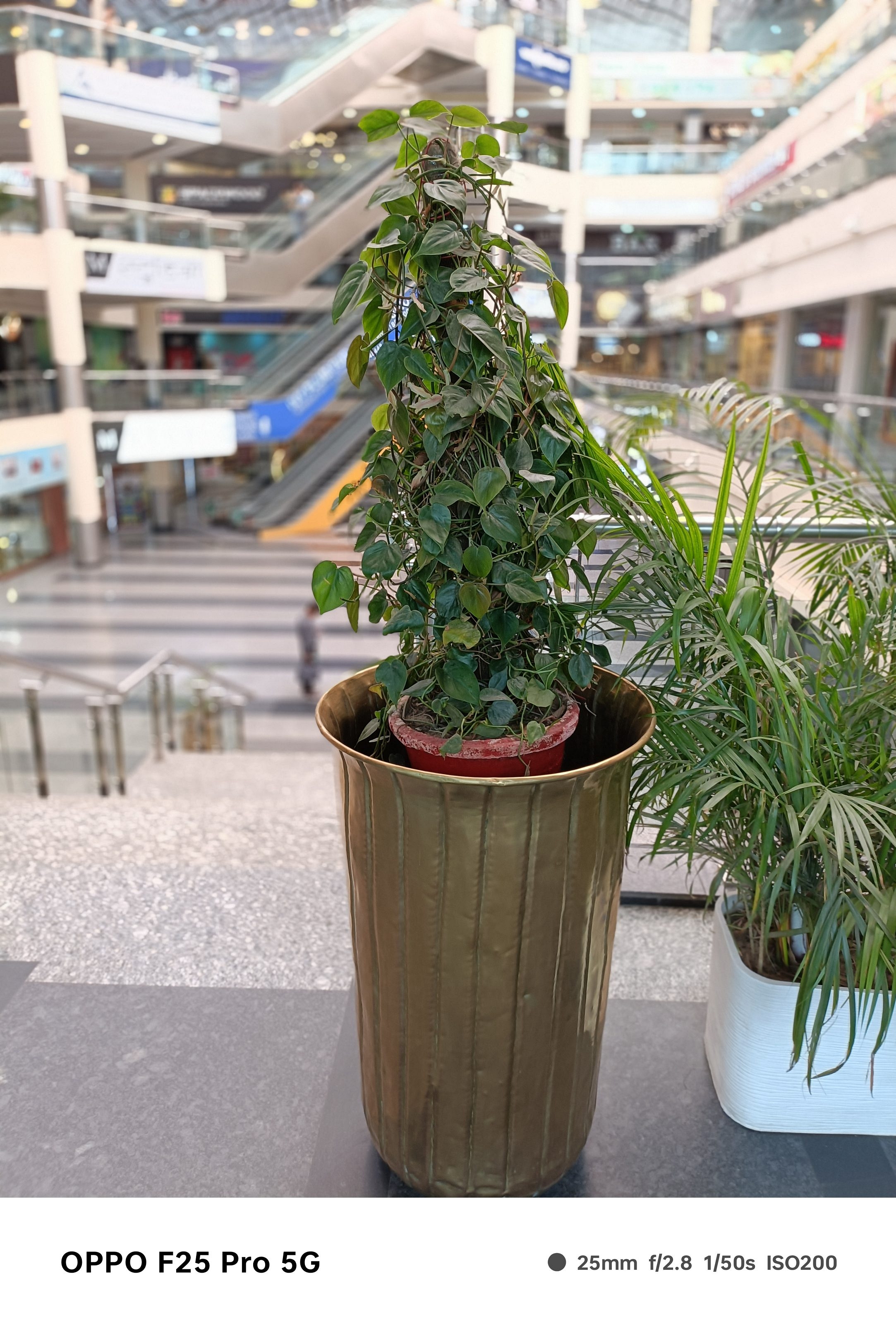
Cameras on the OPPO F25 Pro have offered a mixed package overall. The setup is potent enough to capture details with the shots that have well-lit backgrounds. Specifically, the larger primary sensor can click high-res photos while cutting down on the unwanted noise.
The AI does a good job with image processing. You might encounter the images going subtly oversaturated at times but the quality doesn’t seem inferior. For wide angle shots, the OPPO F25 Pro’s dedicated ultra-wide-lens does its job fairly well.
The output while capturing landscapes is good overall with the subjects getting properly highlighted in the frame. Color saturation as mentioned earlier tends be on the higher side by default. Portrait photography is also decent with the background blurs appearing natural. While it isn’t the best of the portrait shots you get with the F25 Pro, the overall quality isn’t disappointing either.
Well, if your requirements is a mid-range phone which is capable to perform daily tasks and offer a consistence performance, the F25 Pro makes worth the cut. This phone is reliable and efficient at the same time which is one of the primary criteria for a good mid-tier handset. Besides, the asking price range under Rs. 25,000 for a 5G phone which can deliver an all round performance gets our expert recommendation.
It will have two models: X Fold 3 and X Fold 3 Pro
Standard model priced at CNY 7,999, Pro model at CNY 9,999
Vivo is getting ready to unveil its new smartphones in China. The upcoming Vivo X Fold 3 series is generating a lot of buzz. This series will include two models: the Vivo X Fold 3 and the Vivo X Fold 3 Pro. Here’s everything we know at this point. Also Read | Oppo Launches Self-Help Assistant For Indian Smartphone Users: Here’s How To Use
Launch Announcement
The company has officially announced the launch date for these phones. The event is set to take place on March 26 at 7pm local time in Shanghai World Expo Center. Along with the phones, Vivo will also introduce a new smartwatch and a pair of TWS earphones.
Vivo X Fold 3 Series:Key Features
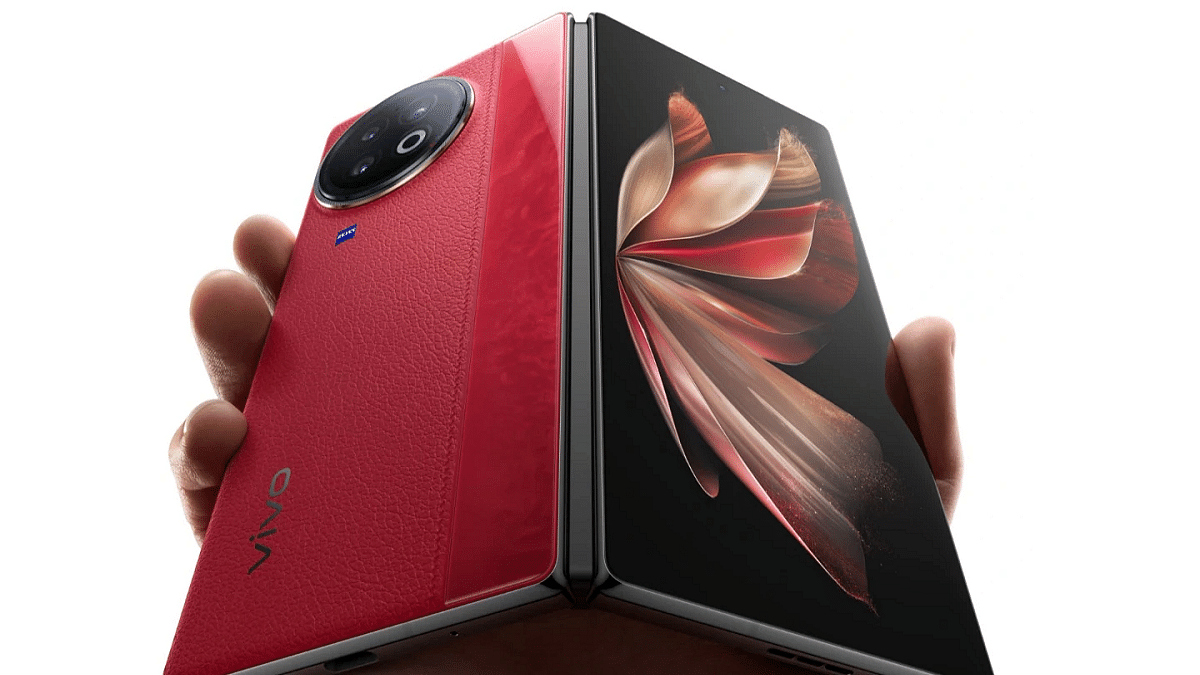
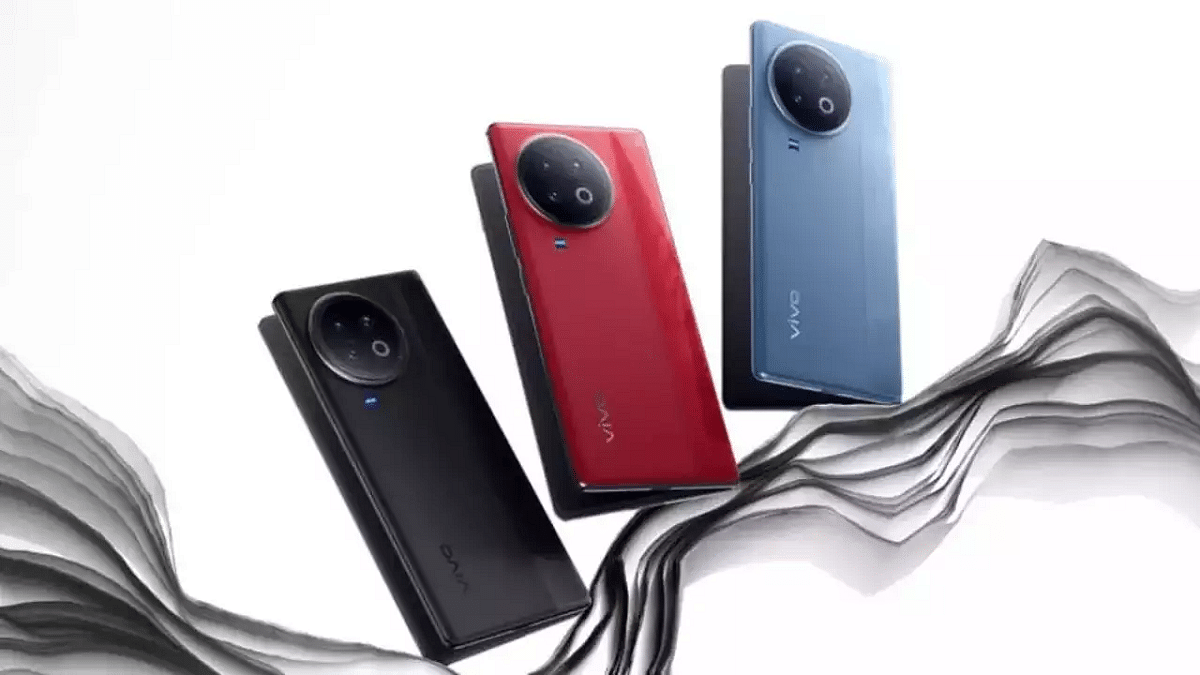
Vivo has given us a sneak peek at the design of the Vivo X Fold 3 series. They’ve teased us with images showing that the phones will come in Black and White colors.
Vivo claims that these will be the thinnest and lightest foldable smartphones ever made. They will be powered by Qualcomm’s Snapdragon 8 Gen 3 chipset. The Pro model will have an 8.03-inch display, Vivo’s V3 imaging chip, and a high-quality Zeiss-backed camera.
Vivo X Fold 3 Series:Special Design Features
The Vivo X Fold 3 series will feature an “Armor Feather” design, making them durable and resistant to drops. They will also have an IPX8 rating for splash resistance, making them safe from water damage.
These phones will come with a “Blue Ocean” battery system, promising longer battery life. They will also feature Vivo’s “Blue Heart” AI model for smarter performance.
Comparisons and Expectations
Leaked information suggests that the Vivo X Fold 3 phones will be lighter than the latest iPhone models. They are expected to run on Android 14-based OriginOS 4 and offer top-notch camera capabilities.
Expected Pricing
The standard Vivo X Fold 3 is anticipated to be priced at CNY 7,999 (approx. Rs. 94,000), while the Pro model may start at CNY 9,999 (approx. Rs. 117959).
Conclusion
With its sleek design, powerful features, and competitive pricing, the Vivo X Fold 3 series is set to make waves in the smartphone market. Stay tuned for the official launch to learn more about these exciting new devices.
Apple might rebrand Apple ID to Apple Account with iOS 18
iOS 18 could introduce a new “hearing aid mode” feature
A “hearing test” feature may also be included in iOS 18
Apple is planning a big change for its users with the release of iOS 18. They might be renaming “Apple ID” to “Apple Account.” This change could make things simpler for everyone, similar to how Google Accounts work for Android devices. Also Read | Rice Isn’t Nice: Here’s Apple’s Preferred Method For Wet iPhone Recovery
Why The Change?
The exact reason behind this change isn’t clear yet. But Apple might want to give their login system a more straightforward name.
When Will This Happen?
According to a report by Mark Gurnman from Bloomberg, this change could happen later this year. It might be announced at the World Wide Developer Conference in June when iOS 18 is introduced. The new name could be in place by September, coinciding with the launch of the iPhone 16 series.
What Does Apple ID Do?
Apple ID is what you use to sign in to your iPhone, Mac, or other Apple devices. It helps you sync data, contacts, settings, and more. When you set up your Apple device, you’re asked to create an Apple ID. You can also make one on the official website or through iTunes on Windows.
Gurnman’s earlier report also mentioned something interesting. There might be a new feature called “hearing aid mode” in iOS 18. This feature won’t add new hardware to AirPods Pro. Instead, it’ll focus on helping people with hearing difficulties.
What’s The Hearing Test Feature?
Apple is also reportedly working on a “hearing test” feature. This feature would let users play different sounds to see how well they can hear. It could be really helpful for people who have trouble hearing. This feature might make existing apps like Mimi less useful.
Conclusion
With iOS 18, Apple is not only renaming Apple ID but also introducing new features like hearing aid mode and a hearing test. These changes could make using Apple devices easier and more accessible for everyone.
Vivo as a top contender in the smartphone industry has been creating its niche in different categories with its dedicated lineups. In the premium mid-tier segment, the Vivo V series has been the brand’s strongest bet. It is one of those series which Vivo has been upgrading proactively with new models. Within a short span of just six months of the V29 Pro has received its successor in the Indian market. Called the V30 Pro, the latest V series handset also brings along a promiscuous camera hardware, unique design, and a price range under Rs. 50,000.
The base model of the Vivo V30 pro which has 8GB RAM and 256GB storage carries Rs. 41,999 price tag, while its 12GB RAM+ 512GB storage model is being sold at Rs. 46,999 via Amazon, Flipkart, and official retail partner stores. At Giznext, we received the V30 Pro for review and have been testing its performance for different aspects. Here’s what have impressed us and also our feedback whether this new V series model lives up to all expectations. Specifically, for the photography enthusiasts.
Vivo V series is well known for its well-designed aesthetics which look premium and is modern. With the V30 Pro, you might get a familiar vibe as its successor. However, Vivo has altered the overall design language in a manner that it doesn’t entirely move away from the signature styling while meeting the modern day standards.
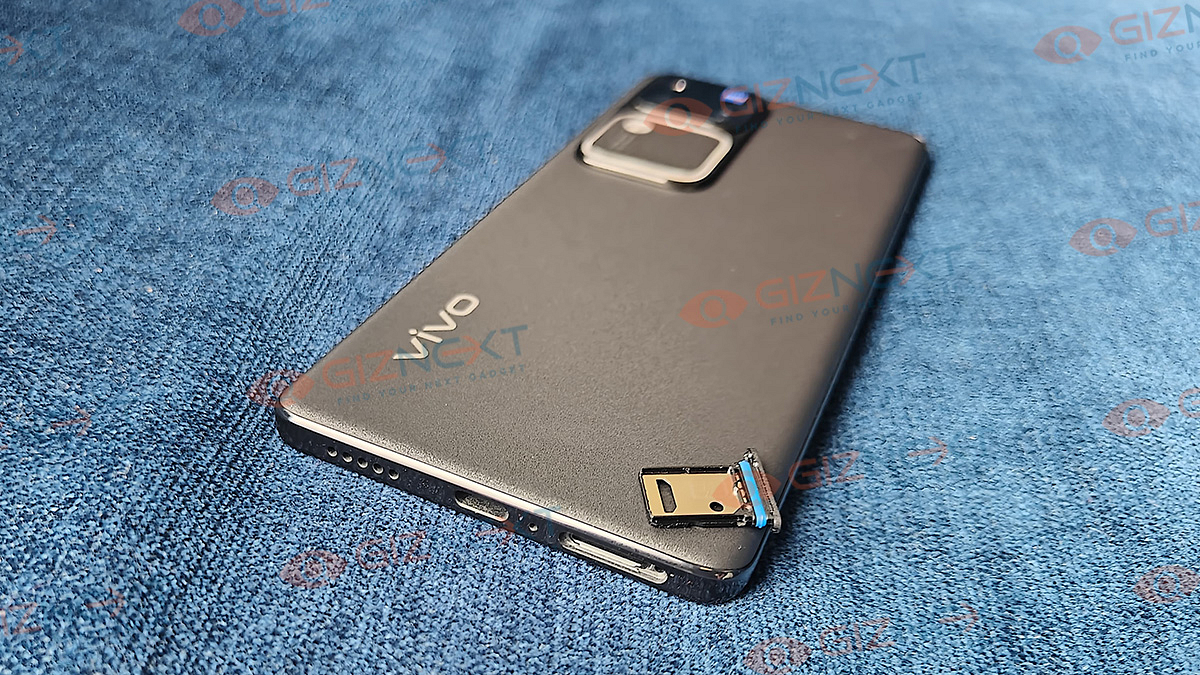
The V30 Pro retains its sleek form factor and measures just 7.5 mm in thickness. The premium design of this handset isn’t solely highlighted by the slim form factor but the 3D curved front panel, glossy rear panel all of which is encased within the metallic frame. The AG Fluorite glass back panel brings along an identical square-shaped camera module along with Aura ring light placed right below it.
We liked the touch and feel of the V30 Pro and every single time we picked it up. Both Andaman Blue and Classic Black options looks modern with the former reflecting wavy-shades in sunlight, while the latter offering glittering effect when exposed to direct light. We have received the Classic Black color variant which we found to be subtle yet premium overall.
Upfront too, the V30 Pro oozes a luxurious in the first glance. The 3D curved front glass blends seamlessly into the side frame. Ports and keys have the usual positioning, with the right spine housing the volume rockers and the power key and the bottom panel accommodating the SIM card slot, USB Type-C port, and the speaker grille.
The Vivo V30 Pro’s back panel despite offering a shimmering effect remains free of fingerprints and smudges. Now, this is a relief for the users who can’t do well with the added cases and covers. But since the unit is slightly slippery, wrapping it up with a case would be an ideal move.
Adorning a tall 6.78-inch 3D curved screen, the Vivo V30 Pro offers the best-in-class viewing experience. The panel integrated is AMOLED which combined with the large screen size and top-notch specs elevates the overall viewing experience. The screen on the Vivo V30 Pro comes with and FHD+ resolution and has HDR10+ certification, and 10-bit color depth.
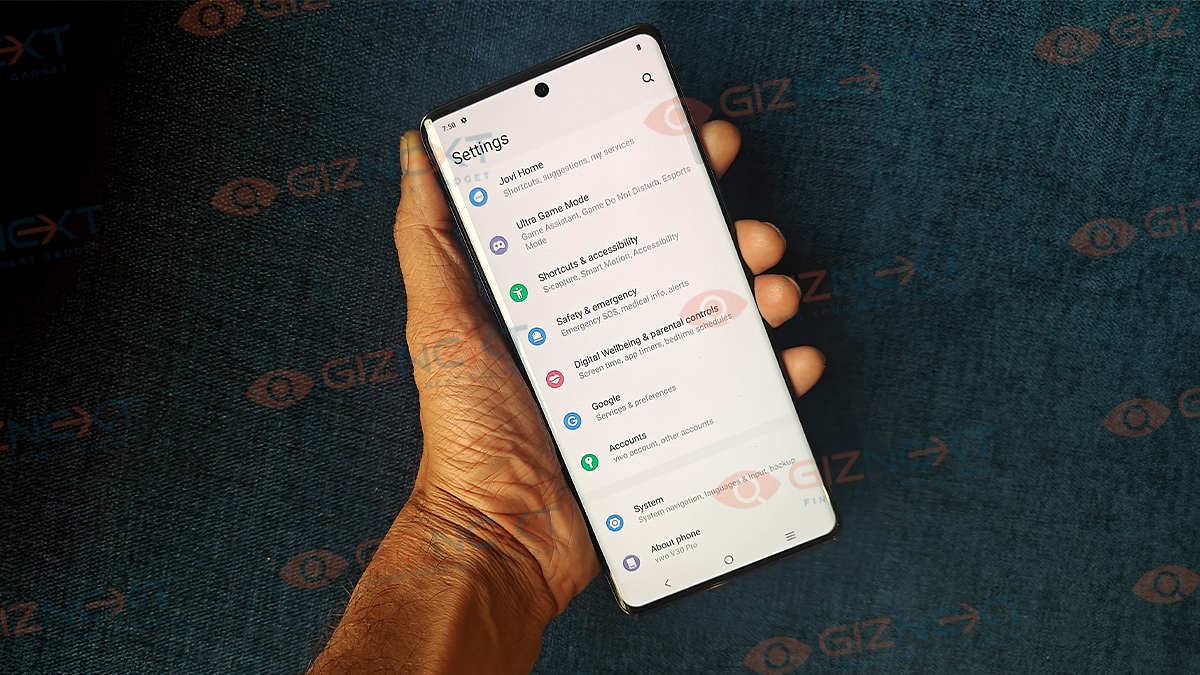
It also supports a refresh rate of 120Hz with which you can not only experience smoother touch response but also better frame transitions with extensive graphics. The viewing experience on this Vivo V series phone has been immersive throughout. The colors are accurate and the panel doesn’t produce dilapidated blacks enhancing the viewing experience with dark shows and movies. Detailing is top notch with the display and sharpness is adequate. There are several tweaks that can be done using the Display settings.
You can toggle between different screen color settings where the Default option delivers fairly good output overall. The Pro options makes adjustments to the screen output by analyzing the content type, whereas, the Bright mode improves the brightness levels of the screen for clear outdoor visibility. Now, this brings us to the V30 Pro’s screen performance under direct sunlight. Well, with up to 2800 nits peak brightness, this phone has least visibility issues when you are out on a bright sunny day.
The V30 Pro is also ideal to stream content via OTT platforms and . You will get a rich viewing experience when the media is being streamed at Netflix, Amazon Prime, Videos, Disney+ Hotstar, and other apps. The same can be said for gaming too. The V30 Pro’s screen is apt for both moderate and high-end games.
Camera hardware and performance is the undeniably the best highlight of the V30 Pro. The primary setup has been revised with a 50MP triple-lens setup. The upgraded hardware now has a 50MP main sensor which is a Sony IMX920 lens with an f/1.88 aperture and OIS (Optical Image Stabilization). This main sensor is further accompanied by another 50MP sensor which captures ultra-wide frames with 119° FoV and AF (auto focus). Lastly, a 50MP portrait sensor is also present for the bokeh effects.
The output offered by the 50MP trio is top notch and it’s by far one of the most versatile camera phones that have debuted in 2024. And after reviewing Vivo’s flagship X100 Pro we had high hopes with the V30 Pro’s imaging performance. Surely, we weren’t let down with the quality. The V30 Pro’s primary camera hardware makes sure the detailing is of high-quality.
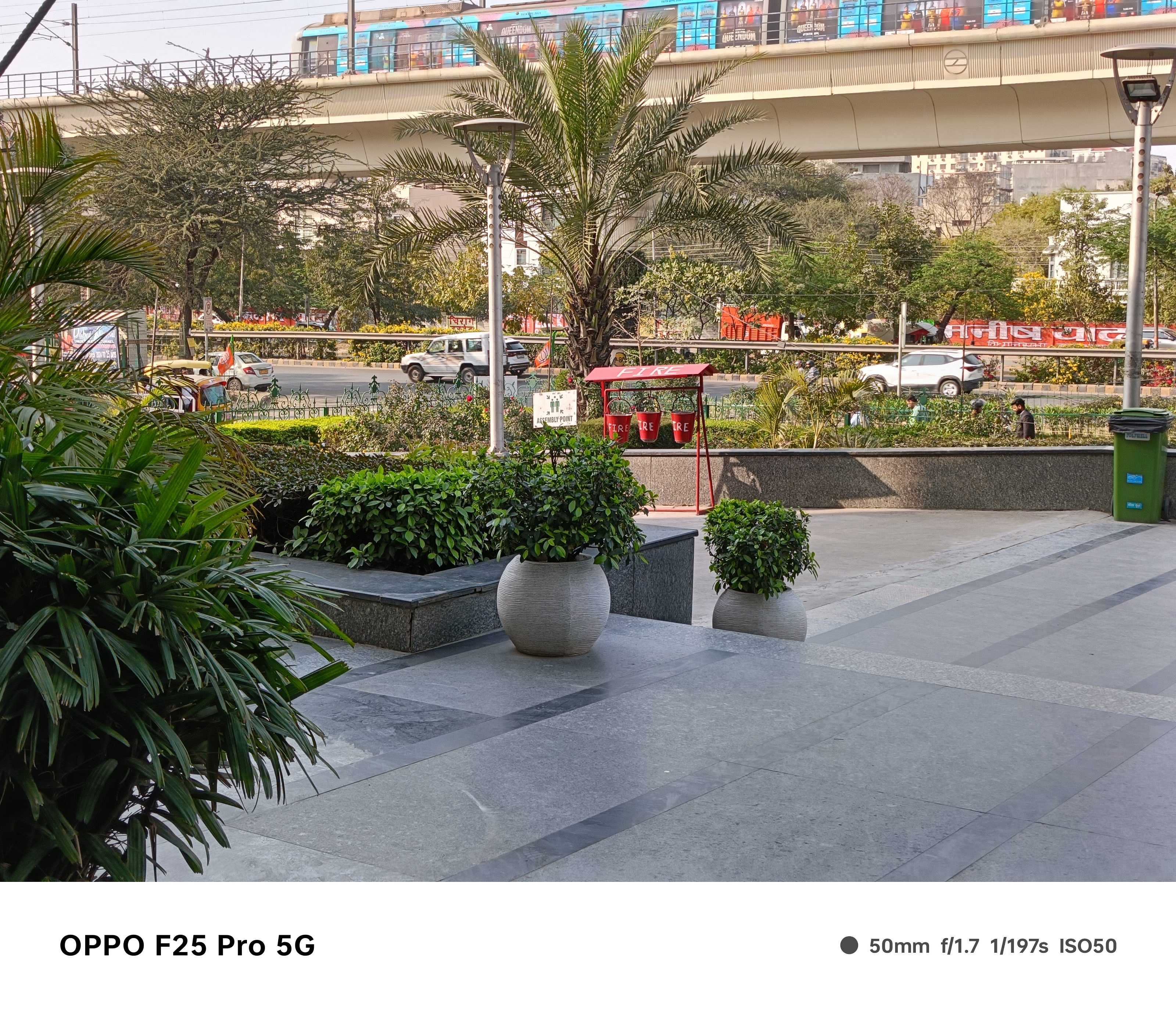
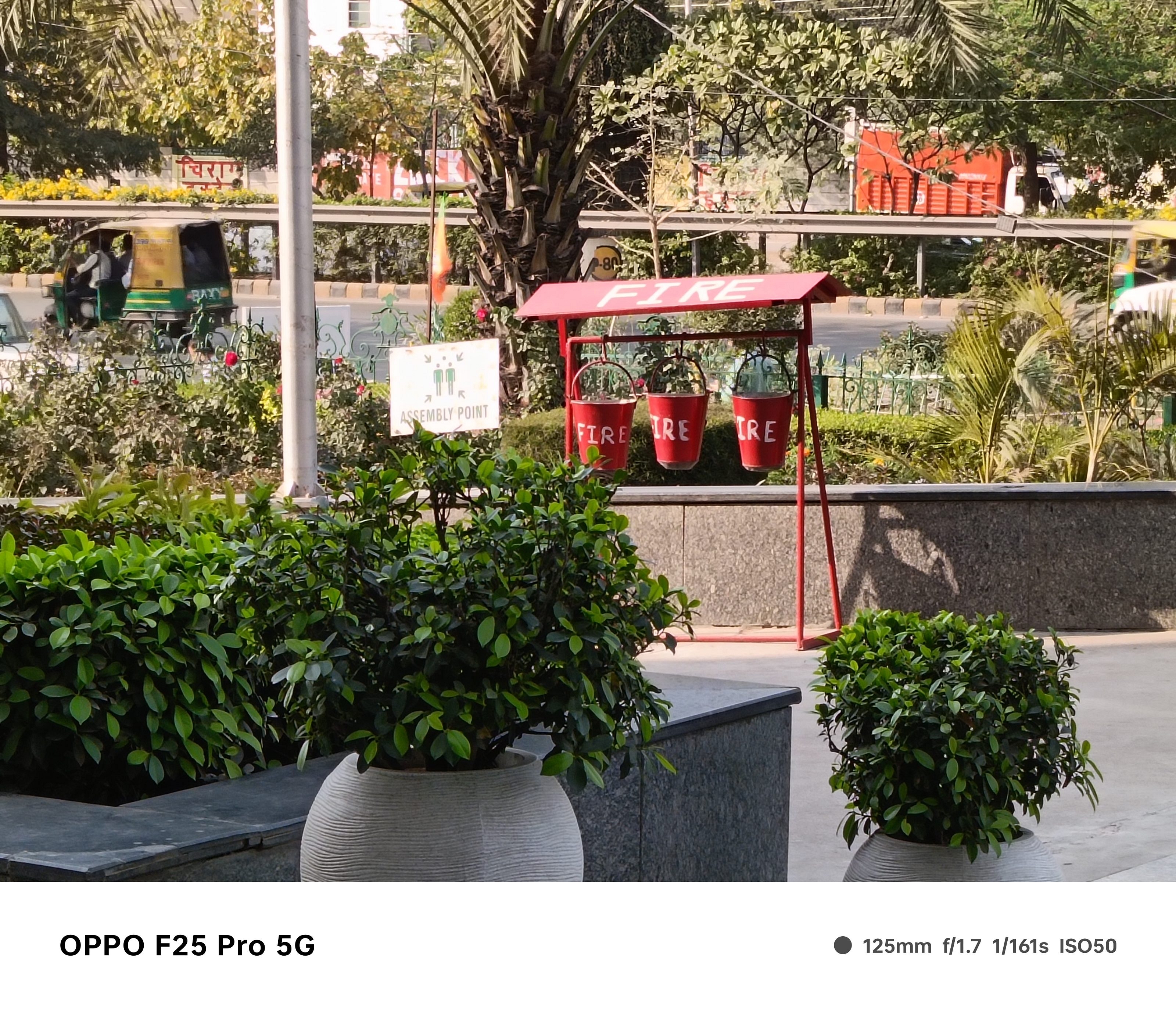
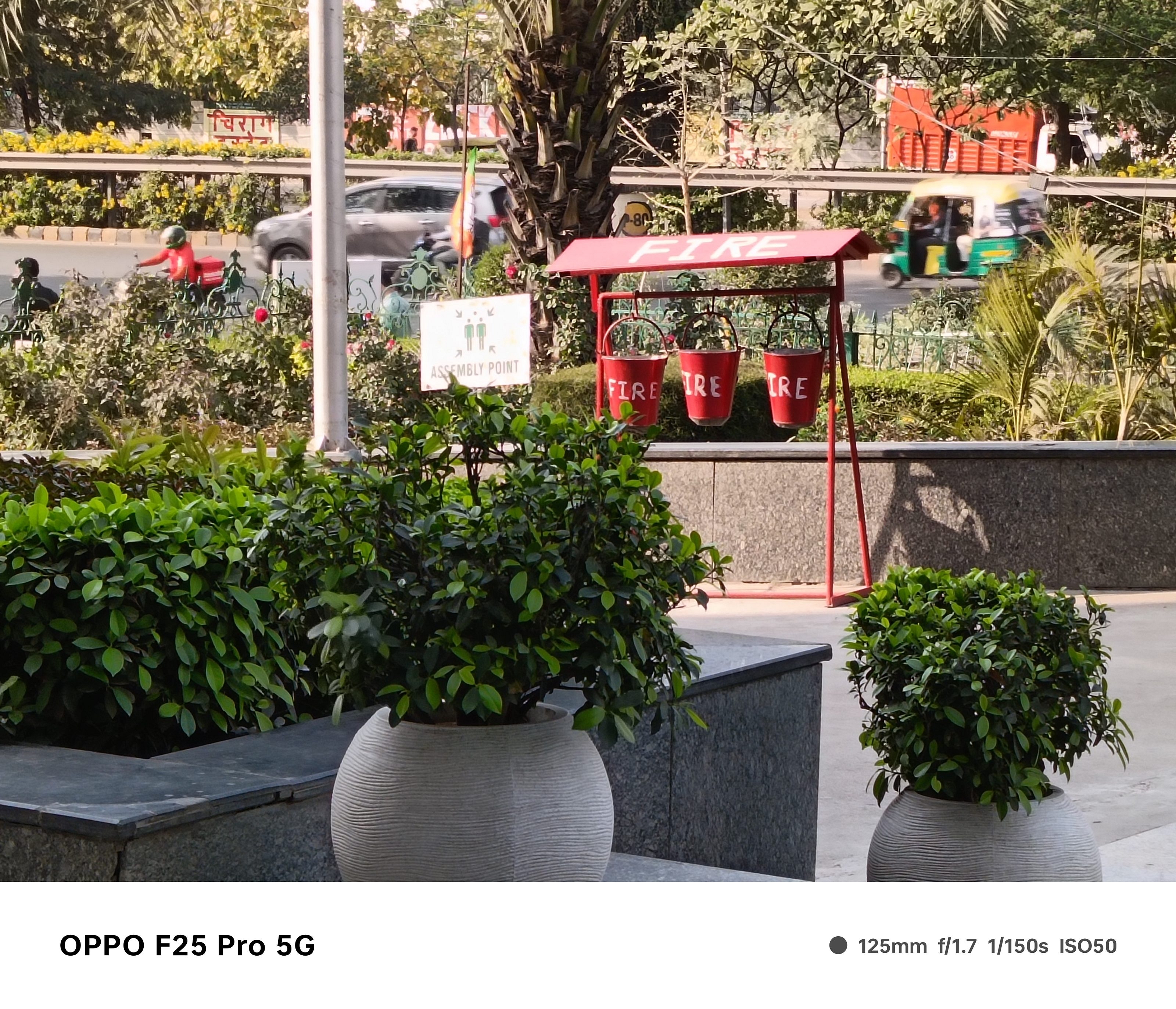
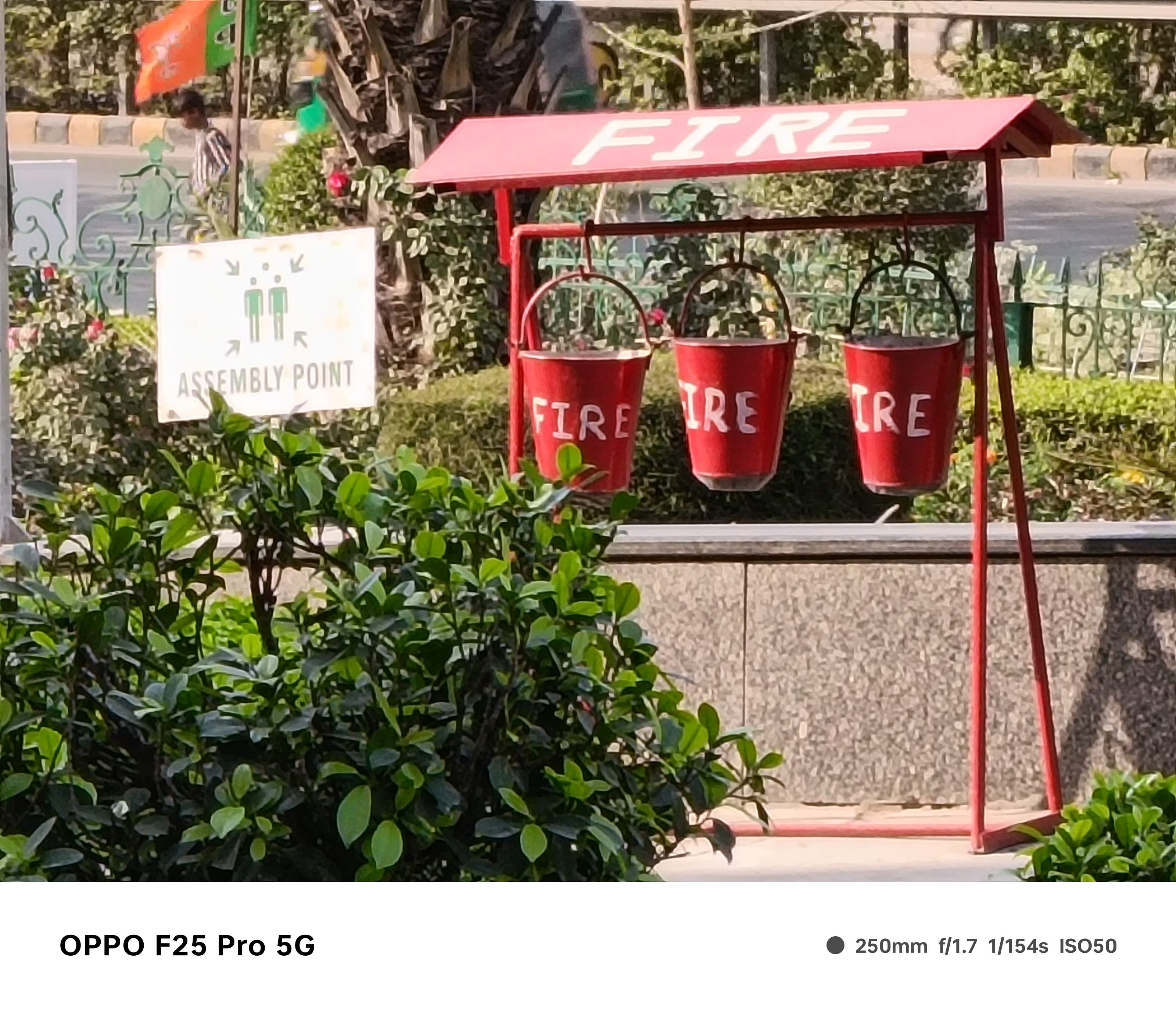
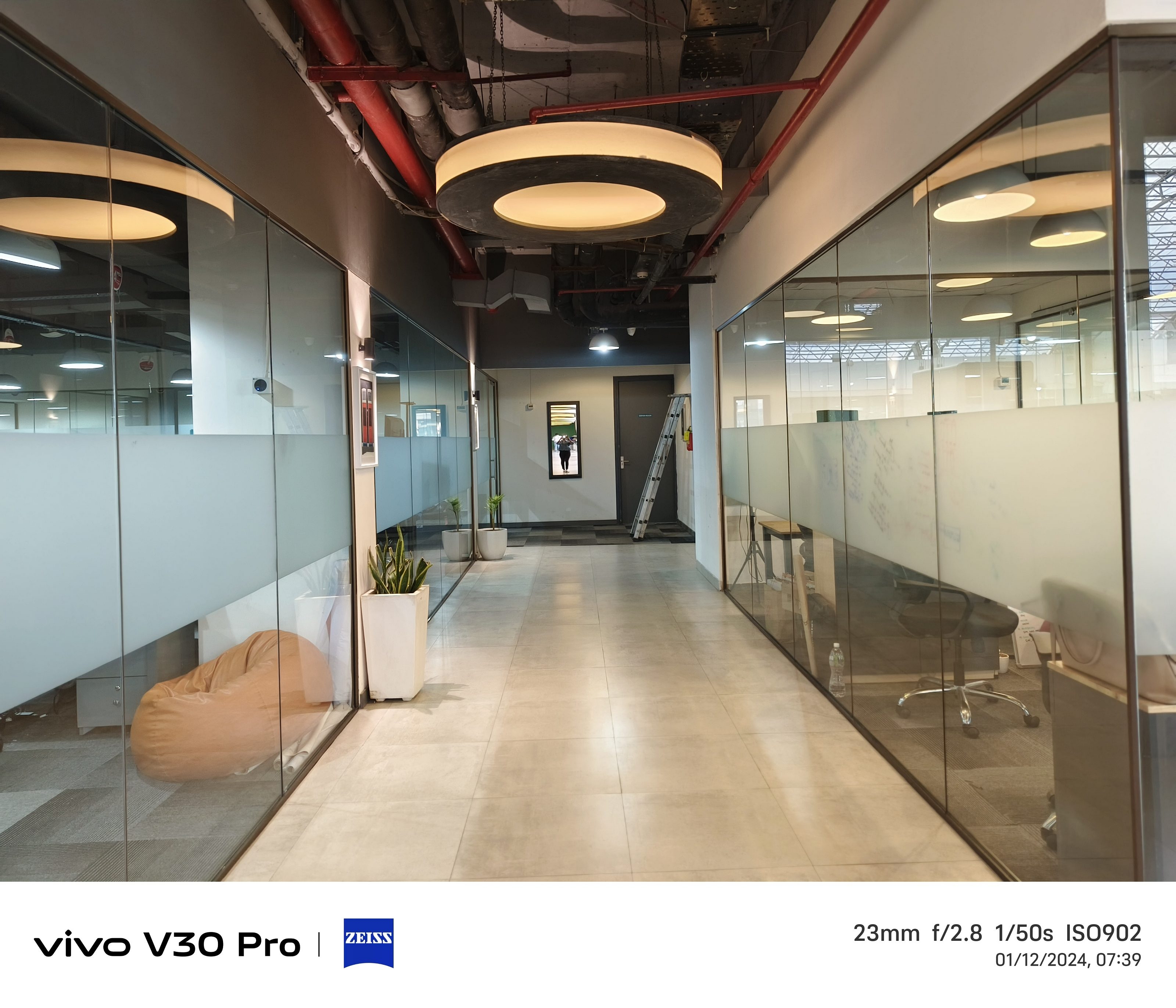
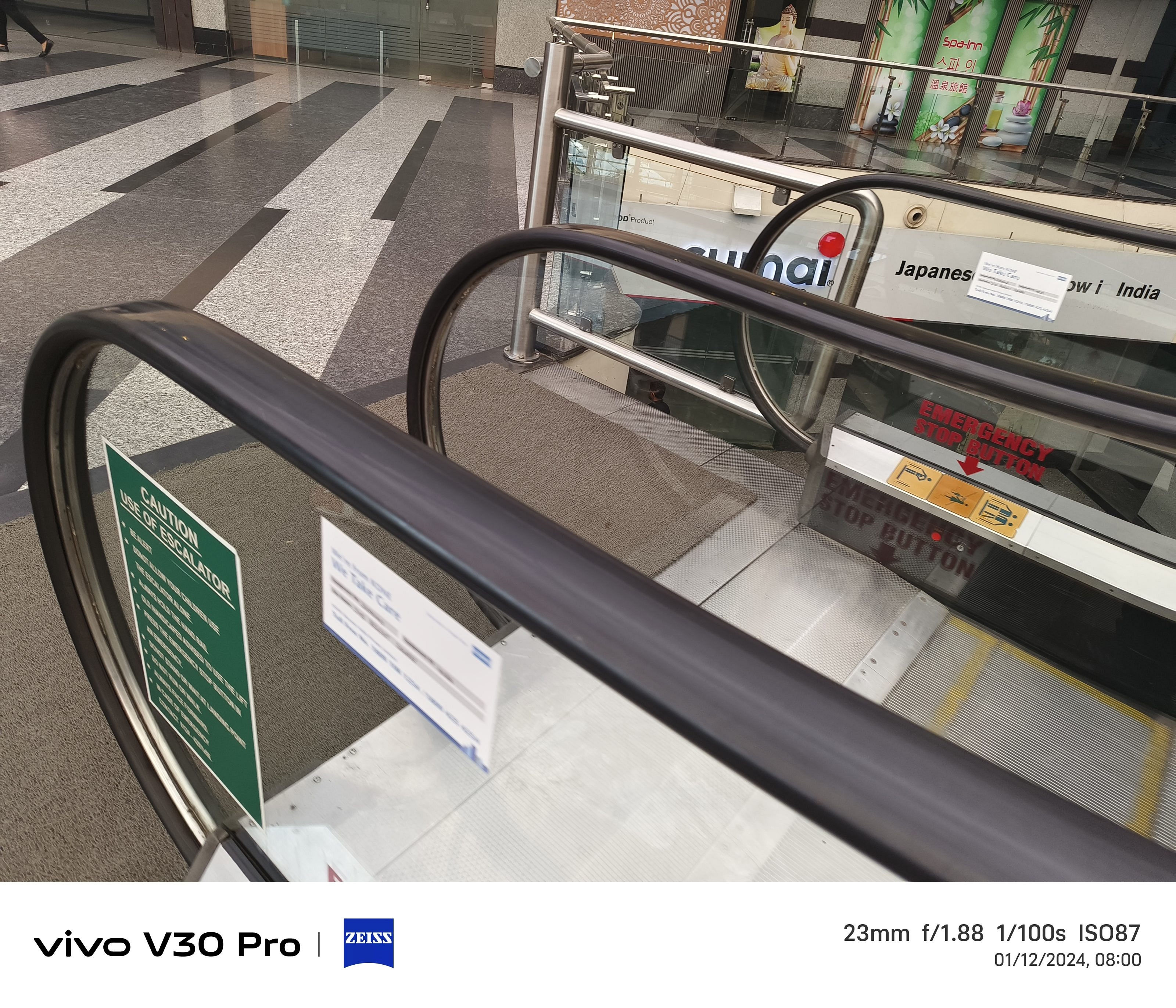
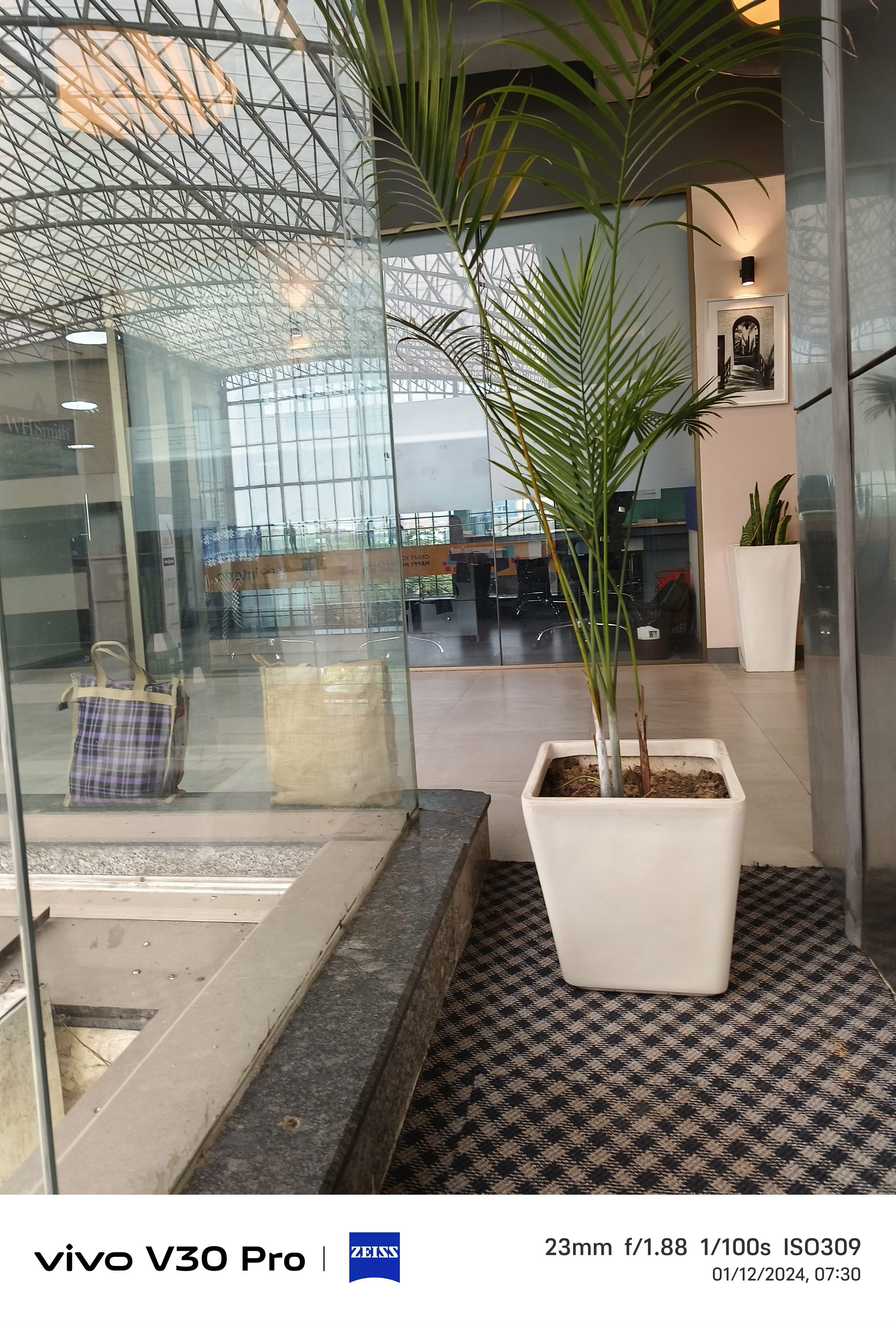
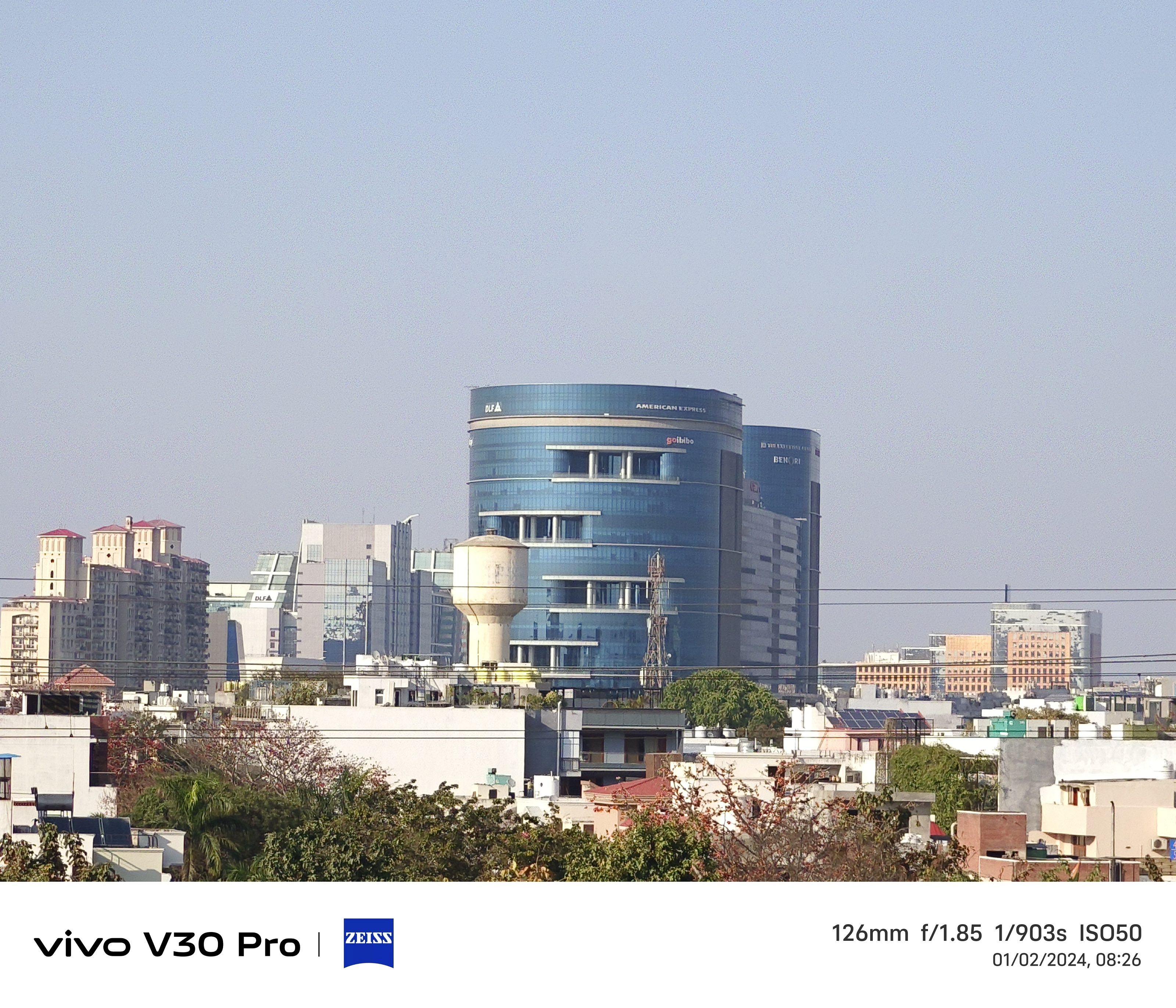
As you can see in the camera samples here, the camera setup captures stunning details in different background scenarios. The dynamic range is high with the captured shots. Edge detection is also to the point which is impressive. You can toggle through a variety of camera modes from the camera app itself.
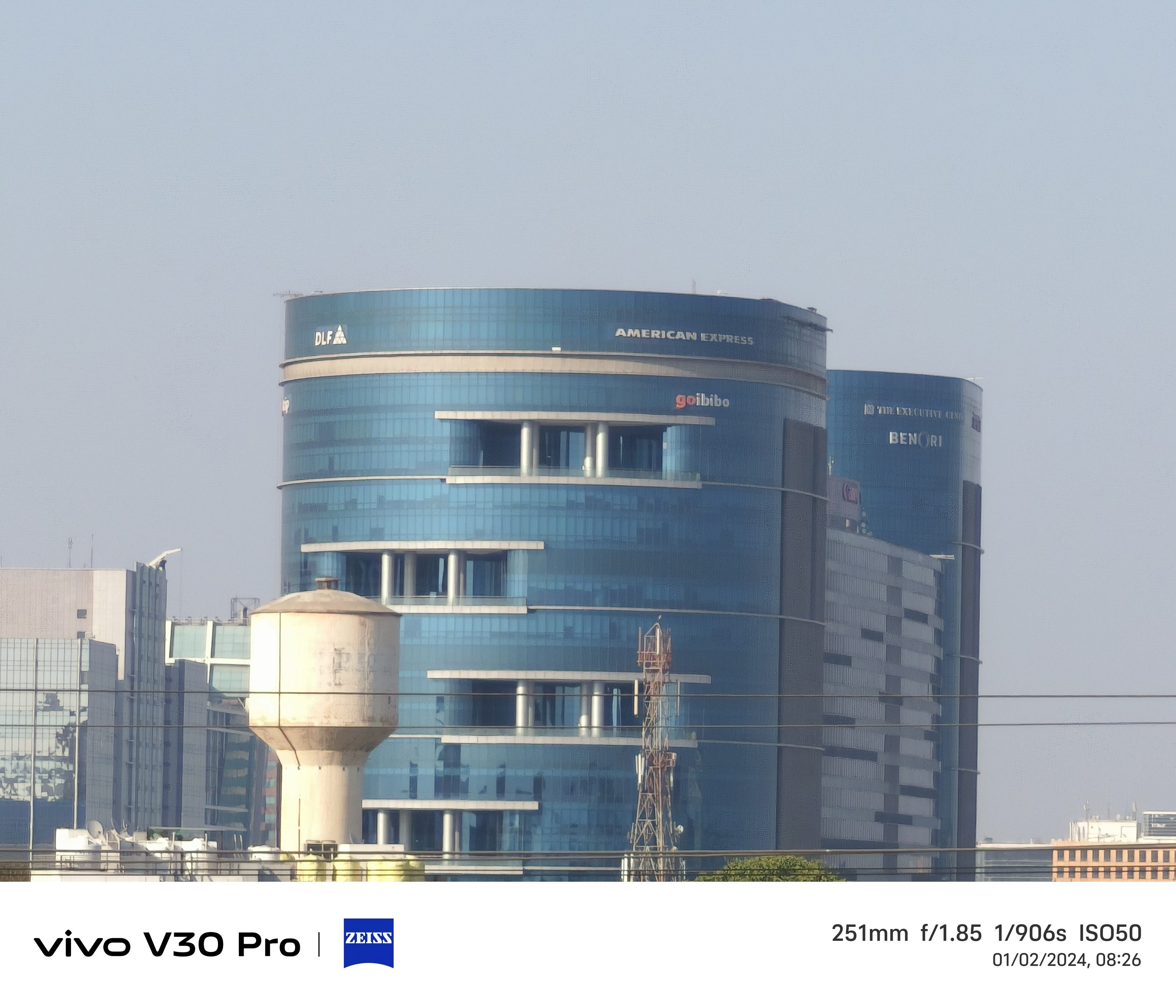
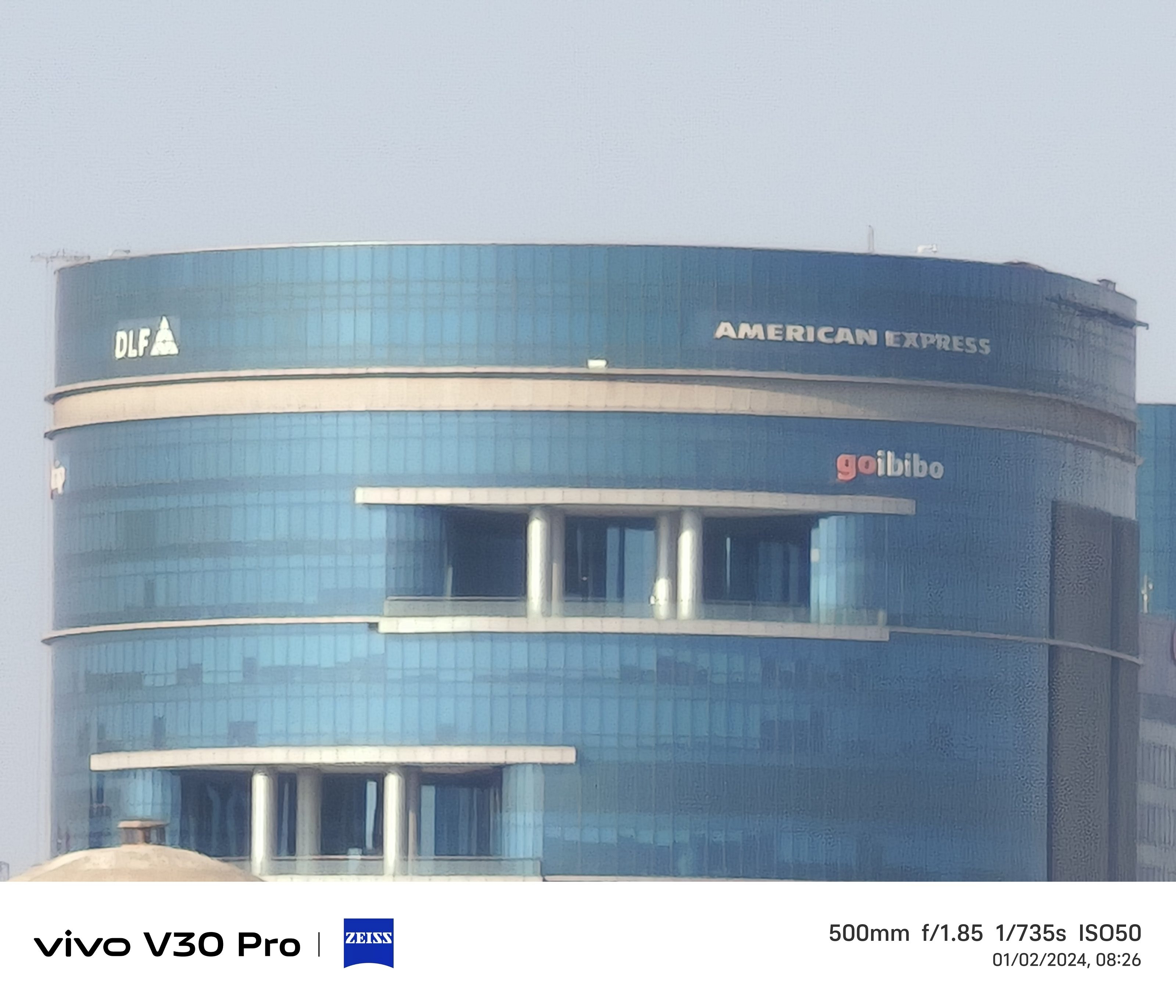
Th V30 Pro also does a good job with capturing images in zoom. Take a look above for the camera zoom performance. You will be able to see less distortion with the 10x zoom. Thanks to the large primary camera sensor the details aren’t compromised even if you click images with 10x or above zoom.
Under its hood, the Vivo V30 Pro has the MediaTek’s latest octa-core premium mid-range chipset — the Dimensity 8200. Vivo has used the upgraded chipset for better performance delivery. The premium mid-tier SoC is paired up with up to 12GB RAM and 256GB storage space. But wait, there’s an additional up to 12GB RAM (virtual) which does improves the performance output overall.
The Vivo V30 Pro offers more refined user experience when you perform a variety of tasks. This phone has been handling extensive operations with ease. This improved performance did grab our attention since we were expecting slight hiccups here and there. Surprisingly, the V30 Pro turned out to be quicker with app load and boot.
We also didn’t face any laggy or slow response when there were multiple apps including games running in the background and we had to switch between them. Thanks to the high capacity RAM (both physical and virtual combined), the V30 Pro is able to throw a consistent performance while multitasking.
The V30 Pro also gets a large vapor chamber which helps with stabilizing the temperature levels. Even if you are using this handset for prolonged media consumption or gaming, there isn’t any prominent heating issue that you will come across.
For storage requirements, you can select the suitable model offering 256GB or 512GB built-in memory. This space is ample and once can easily store large-sized files including images, videos, and other documents.
Vivo ships the V30 Pro with Android 14 OS and has layered it with the new FunTouch OS interface on top. While Vivo has massively cut down on bloatware with the V30 Pro, it isn’t entirely free of it yet. However, the experience overall while using the new UI is better than the previous-gen models. The UI also has minimum ads now and is promised to receive up to four years of security patch updates.
Rounding off Vivo V30 Pro’s hardware-sheet is the 5,000 mAh battery pack. The large battery size is efficient in terms of power delivery and easily lasts almost an entire day if the usage is moderate. With the supported 80W fast charger, the Vivo V30 Pro’s battery gets a full charge in less than an hour, while a 50 percent charge from 0 percent takes less than 30 minutes. Do note that with extensive usage, the V30 Pro’s battery pack delivers significantly lower backup. Specifically when the display brightness, audio levels are set to max for long.
Vivo V30 Pro is loaded with a solid spec-sheet which allows it to outperform some of the top contenders in its league. But what steals the show here is the V30 Pro’s refined photography. This phone is designed to please the shutterbugs. It’s 50MP camera island at the rear along with the Aura light stands out from the competition. The V30 Pro gets our special recommendation for being the best-in-class camera phone under Rs. 50,000 price range.
This section helps you fix software issues related to data, network, and device support
Answer a few questions to identify the problem and find a solution
You can rate your experience and provide feedback
If your issue remains unresolved, you can submit your contact details for further assistance.
Empowering Users
Oppo aims to empower users by providing them with the tools to solve problems on their own
Savio D’Souza, Director of Product Communications at Oppo India, believes this tool enhances the user experience.
Conclusion
Oppo’s Digital Self-Help Assistant is a convenient way to troubleshoot your smartphone. Whether you need guidance on features or help with software issues, this tool has you covered. By putting the power in the hands of users, Oppo is making smartphone usage easier and more convenient for everyone.
Likely to debut at Google I/O, like its predecessor
Leaks hint at powerful specs: Tensor G3 chipset, 8GB RAM, and fast charging
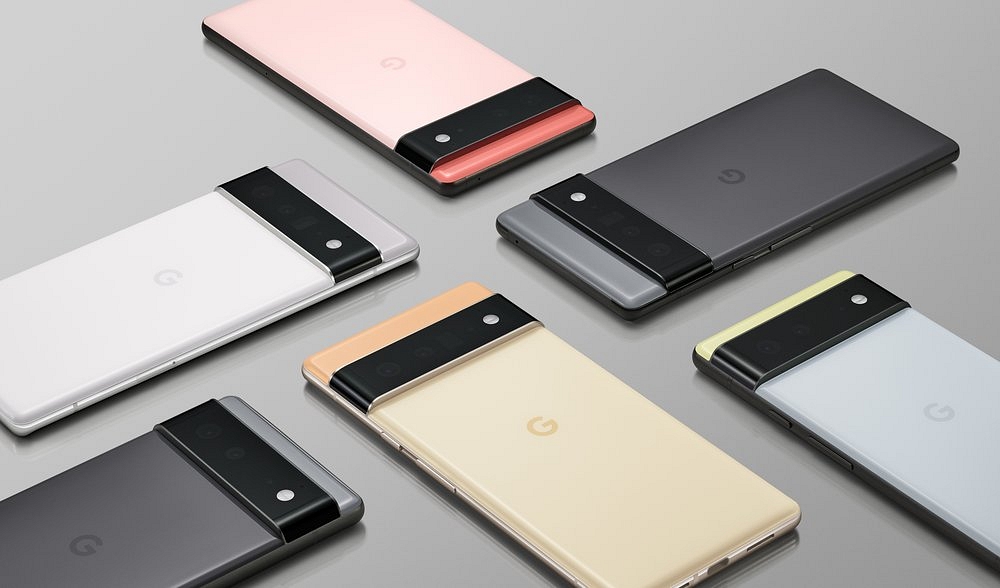
The Google Pixel 8a, a highly anticipated smartphone, is gearing up for launch in the near future. While the tech giant from Mountain View, California, has not made an official announcement, the name recently appeared on one of its support pages, hinting at an imminent release. Here we have the details surrounding the upcoming launch and what users can expect from the Pixel 8a. Also Read | Samsung Launches Galaxy A55, Galaxy A35 In India: Check Features
Likely Launch At Google I/O Event
Similar to its predecessor, the Pixel 7a, which debuted during the Google I/O conference in May 2023, the Pixel 8a is expected to make its appearance at Google’s upcoming I/O event. Previously, important features and pricing details of the alleged phone had been hinted at.
Details On IssueTracker Site
The moniker “Google Pixel 8a” was discovered on the company’s IssueTracker site. A Google employee’s response to a query about a missing battery information list indicated that this feature is exclusive to Pixel 8a models and above. This discovery strongly suggests that the Pixel 8a launch is imminent.
Features and Pricing (Expected)
Reports suggest that the Pixel 8a will be available in two variants: 8GB RAM with 128GB storage and 8GB RAM with 256GB storage. Pricing is estimated to be around EUR 570 (approximately Rs. 51,000) and EUR 630 (approximately Rs. 56,000) for the respective models. The phone is expected to come in Bay, Mint, Obsidian, and Porcelain color options.
According to leaks, the Pixel 8a may be powered by a Tensor G3 chipset with an Arm Mali-G715 GPU and 8GB of RAM, running Android 14 out-of-the-box. It could feature a 5,000mAh typical battery with 27W wired charging support. The phone’s dimensions are expected to be 152.1mm x 72.6mm x 8.9mm, with a dual-camera setup.
Comparison With Pixel 7a
In comparison, the Pixel 7a features a Tensor G2 SoC with 8GB of LPDDR5 RAM and 128GB of UFS 3.1 storage. It boasts a 6.1-inch 90Hz full-HD+ OLED display and a dual rear camera system with a 64MP primary sensor. The Pixel 7a is available in India via Flipkart in various color options.
Conclusion
As anticipation builds for the Google Pixel 8a, enthusiasts eagerly await its official launch. With promising features and upgrades, the Pixel 8a aims to deliver an enhanced user experience, continuing Google‘s legacy of innovation in the smartphone market.