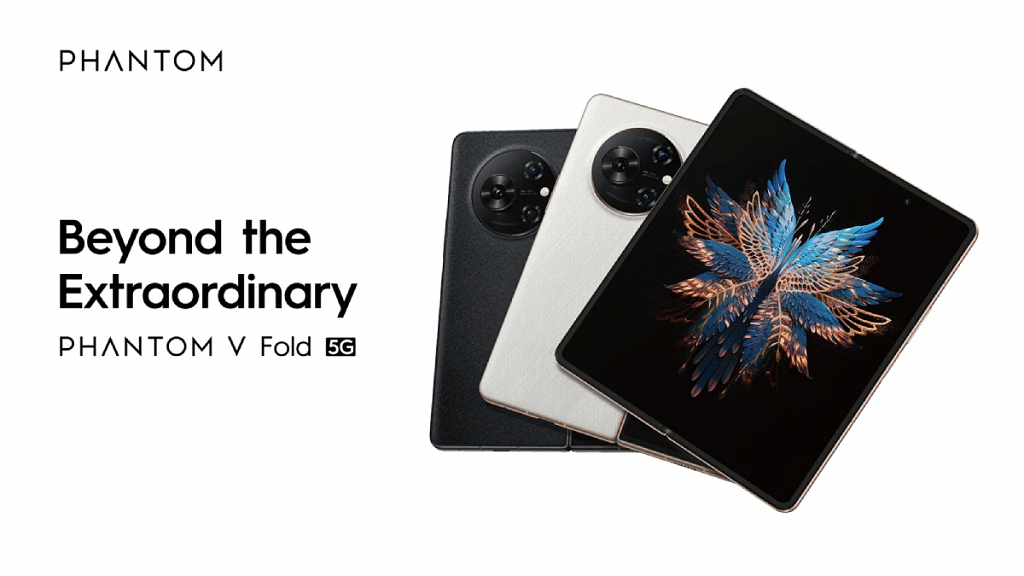
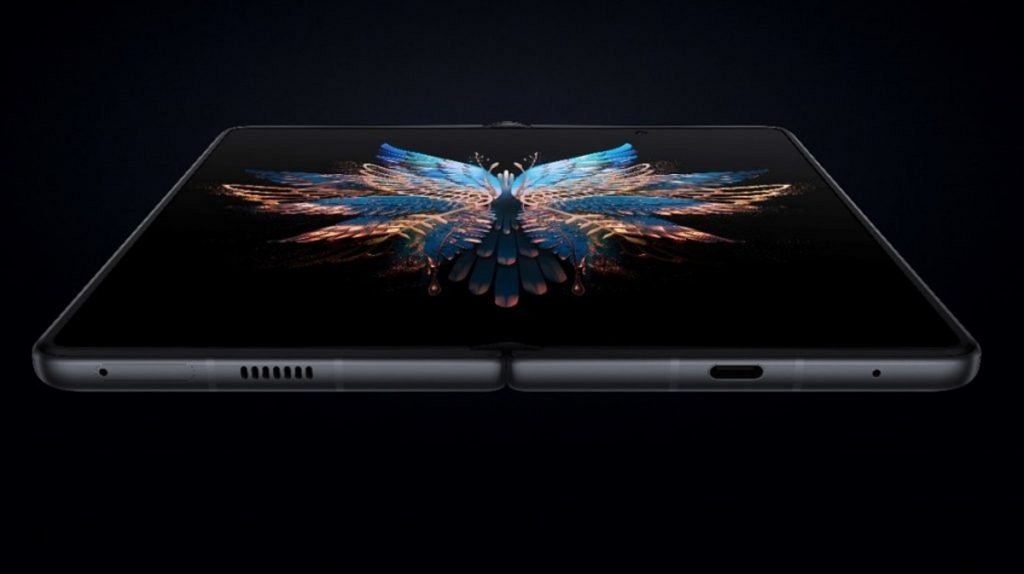
The PHANTOM V Fold features a 7.85-inch OLED display that can be folded in half to make it more compact and portable.
The camera setup enables users to capture high-quality images and videos, regardless of the lighting conditions.
The device has a massive 12GB RAM and 512GB internal storage, which provides ample space for storing files, apps, and media.
TECNO Mobile, the global premium technology brand, has taken the smartphone market by storm with the launch of its latest product, the PHANTOM V Fold. The new foldable phone was launched at the Mobile World Congress (MWC) in Barcelona in 2023, and it has generated a lot of buzz among tech enthusiasts and smartphone lovers.
TECNO PHANTOM V Fold
Specification
Display
7.85 inches
Processor
Mediatek Dimensity 9000+
Memory
12GB RAM with 256GB or 512GB
Camera
Back: 50 MP (wide), 50 MP (telephoto) and 13 MP, 120˚ (ultrawide) Front: 16MP , cover camera 32 MP
The PHANTOM V Fold is a remarkable technology that combines a foldable screen with the latest features and technology. The device comes with a 7.85-inch Foldable LTPO AMOLED display, which can be folded in half to make it more compact and portable. The screen has a resolution of 2000 x 2296 pixels, which delivers a stunning visual experience, and it can be folded in different ways, depending on the user’s preferences.
One of the standout features of the PHANTOM V Fold is its camera system. The device features a triple-camera setup that comprises a 50MP main camera, a 50MP telephoto camera, and a 13MP ultrawide camera. This camera setup enables users to capture high-quality images and videos, regardless of the lighting conditions. Additionally, the phone has a 16MP selfie camera and a 32MP cover camera that can take crisp and clear selfies.
The PHANTOM V Fold is powered by a MediaTek Dimensity 9000+ processor 4nm with a chipset, which is the latest and most powerful processor on the market. The device also has a massive 12GB RAM and 512GB internal storage, which provides ample space for storing files, apps, and media.
One of the most impressive features of the PHANTOM V Fold is its 5,000mAh battery with 45W of wired charging. While there is no wireless charging option available, TECNO claims that the Phantom V Fold can recharge up to 40% in just 15 minutes and reach a full charge in 55 minutes. This is an excellent feature for users who are always on the go and need a quick boost of battery life.
According to TECNO Mobile, the PHANTOM V Fold is designed to cater to the needs of consumers who value premium technology and innovation. The device targets individuals who are always on the go and need a device that can keep up with their fast-paced lifestyle. With its foldable screen, powerful processor, and advanced camera system, the PHANTOM V Fold is poised to become one of the most popular devices in the market.
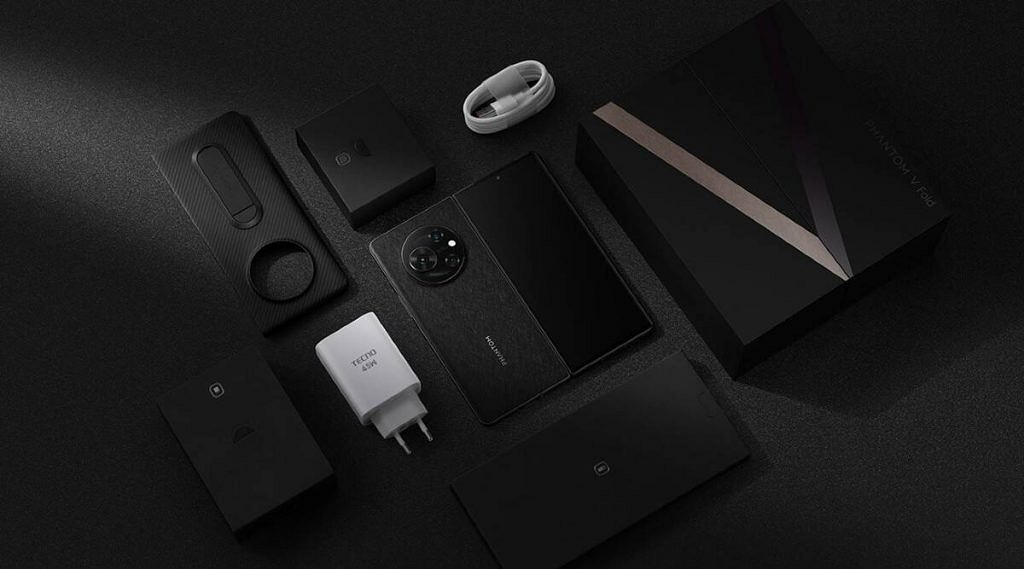
The TECNO Mobile has put a lot of effort into ensuring that the PHANTOM V Fold is durable and long-lasting. The device has a robust hinge mechanism that can withstand thousands of folds without any issues. The phone also comes with a special protective case that can protect it from scratches, drops, and other types of damage.
With its advanced features, powerful processor, and foldable screen, the PHANTOM V Fold is poised to become one of the most sought-after devices in the market. TECNO Mobile has raised the bar once again, and it will be exciting to see what the company has in store for the future.
V27 series comes with the latest flagship-level MediaTek chipsets
The smartphones bring India’s first and exclusive Wedding Style Portrait feature designed for Indian Weddings
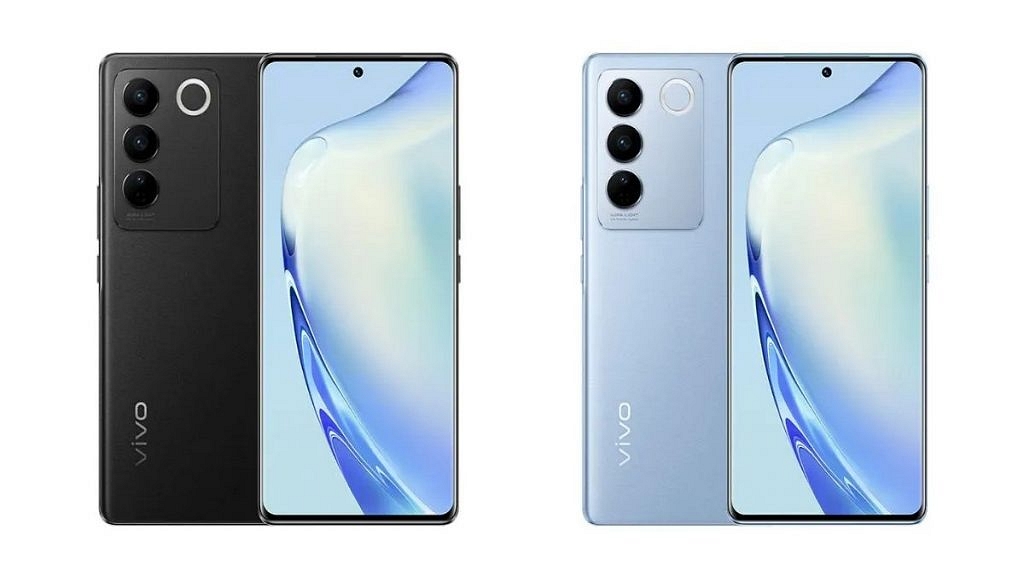
Today, Vivo officially unveiled the Vivo V27 series in India. The phone line-up includes the Vivo V27 and the Vivo 27 Pro. The mid-range Vivo V27 series includes a 3D curved display and a back panel made of Fluorite AG Glass with the much-loved color-changing technology. The smartphones include the flagship 50MP Sony IMX766V primary rear custom sensor paired with the new Aura light tech that will help users to see through the darkness and shoot night portraits and images like never before. Also Read | Vivo V25 Pro Review: Stylish Smartphone For Selfie Lovers
Vivo V27 Series Specifications
A 6.78-inch, 3D curved AMOLED screen with a high refresh rate of 120Hz and a peak brightness of 1300 is featured on the Vivo V27 and Vivo V27 Pro. The Vivo V27 Pro has a slim profile of just 7.36mm, is only 182g in weight, and has a gentle 60-degree curve. The MediaTek Dimensity 8200, a cutting-edge 4nm 5G chipset that delivers flagship-level peak performance with minimal power consumption, powers the V27 Pro. On the other hand, the Vivo V27 is powered by India’s first MediaTek Dimensity 7200 5G Processor.
In terms of camera, V27 has a 50MP Sony IMX766V proprietary primary rear sensor, which was co-developed with Sony for improved performance and OIS stabilization, as well as an 8MP wide-angle and a 2MP macro sensor. The new Night Portrait with Aura Light function, which makes use of the premium Sony IMX766V sensor, is included with the smartphones. The V27 Pro and V27 both have a 50MP advanced eye-focusing camera on the front.
In the battery department, both smartphones have 4,600mAh battery with 66W rapid charging in the area of the battery.
The V27 Pro was launched in three storage models starting at Rs. 37,999 for 8GB + 128GB, Rs. 39,999 for 8GB + 256GB, and Rs. 42,999 for 12GB + 256GB. The smartphone is available for pre-order through Flipkart, Vivo India’s e-store, and all partner retailers from today March 1, 2023.
Consumers who have pre-booked the device through online channels can take advantage of a flat rate discount of Rs. 3,000 (applicable on HDFC Bank, ICICI, and Kotak Mahindra Bank), and consumers who pre-book devices offline can avail up to Rs. 3,500 cashback at ICICI, Kotak, and HDB Financial Services.
V27 has been launched at a starting price of Rs. 32,999 for 8GB + 128GB, and Rs. 36,999 for the 12GB + 256GB variant.
V27 series is designed to bring the most comprehensive smartphone experience for consumers with the perfect amalgamation of premium technology and design. Both smartphones come in two eye-catching colors – Magic Blue (with color-changing) and Noble Black.
With the perfect amalgamation of top-tier technology and design, the V27 series is intended to offer users the most complete comprehensive experience. Both smartphones come in two eye-catching colors – Magic Blue (with color-changing) and Noble Black.
With its most recent budget-friendly smartphone Smart 7, Infinix has played shrewdly. It establishes the standard for the cost of acquiring many features. The Infinix Smart 7 has a big HD+ display of 6.6 inches, a massive 6,000 mAh battery, 7GB of RAM (including 3GB virtual Memory), a Unisoc octa-core processor, and a 13MP dual AI rear camera for a competitive price of Rs. 7,299. The Infinix Smart 7 is a champion in entertainment and endurance thanks to its enormous battery, large display, and expandable storage. I have recently used the phone, read on to know if the phone is worth the money.
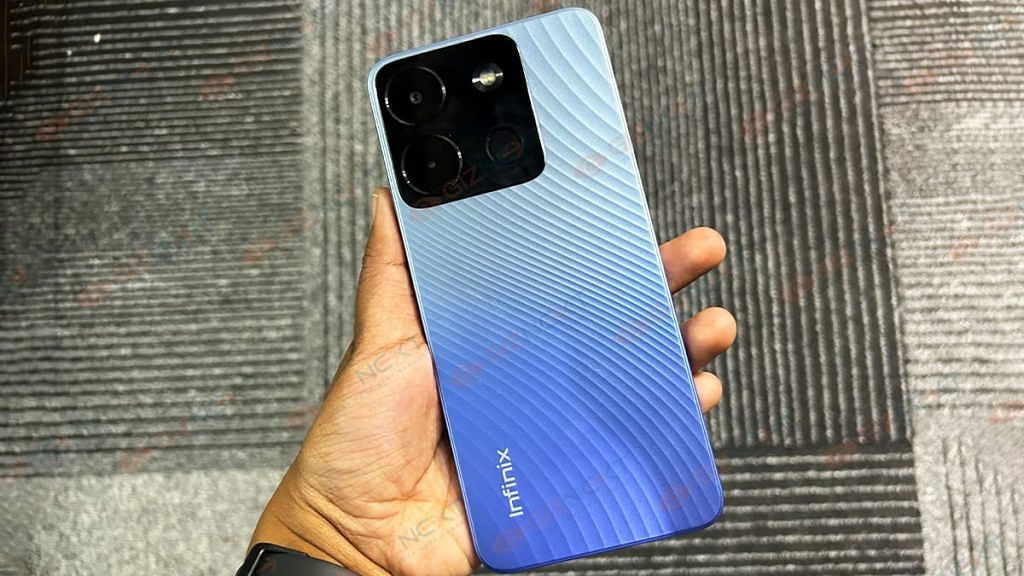
The wave pattern design on the rear of the phone makes it all trendy. The Infinix Smart 7 offers a sleek, contemporary appearance. The back also possesses antibacterial properties with the positive silver-ion-charged coating on the panel. There is a physical fingerprint sensor for security. A standard 3.5mm headphone jack is at the bottom. The Smart 7 is slightly bulky. The added weight comes from the chunky 6,000mAh battery.
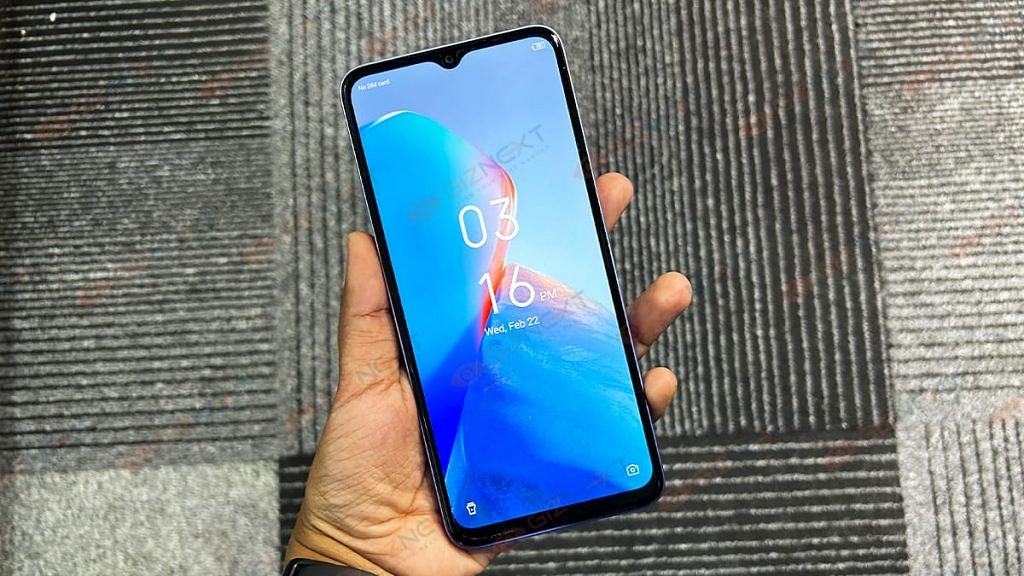
A waterdrop notch on top of the large 6.6-inch HD+ display accommodates the selfie camera. The display has a resolution of 1600 x 720 pixels and a brightness of 500 nits, making it bright enough to be viewed outside. The panel performs decently and you will be able to stream videos at 720p.
The Infinix Smart 7 is powered by an octa-core Unisoc processor, 4GB of memory (physical RAM), and 64GB of internal storage. Although the RAM might seem a little meager, Infinix has used cunning tactics here. Upgrading the RAM to 7GB is an option with the Smart 7. The handset can supplement an additional 3GB of virtual memory from internal storage. With this extended RAM capacity of up to 7GB, the smart 7 offers a lag-free multitasking. There is a dedicated microSD card slot that allows the 64GB internal storage to be increased to 2TB. The phone includes a 3-way SIM slot which supports dual SIM and one microSD card. Running on top of Android 12 is XOS 12, which powers the Infinix Smart 7.
Infinix has made some customizations with the UI and you get a few apps and games preinstalled on the smartphone. Palm Store, an alternative to the Play Store, is one of the pre-installed apps. It pushes notifications for different apps and games which can be annoying at times. I couldn’t find a way to uninstall the app but could disable it. I downloaded a few games, and the phone was able to run them decently at low graphics quality with the frame rate set to medium. I did notice stutters while playing the games, and the smartphone did slow down occasionally. If you are a gamer hoping to play titles like Call of Duty Mobile, the Smart 7 isn’t going to be satisfactory. But light gaming is a fair experience.
In terms of cameras, the 13MP dual AI setup with dual LED flash serves as the main camera on the back of the Infinix Smart 7. On the side of the dual cameras at the back is where the fingerprint scanner is located. An LED flash is provided by the front 5MP camera to take selfies in dimly lit areas.
The smart 7 has a decent camera for daylight shots. However, low-light shots lacked sharpness and the color accuracy was off. This phone doesn’t have a Night mode to improve low-light photography either. There are a bunch of shooting modes, however, you get limited options here. There is no dedicated Night mode, but you can capture low-light shots with dual LED flash. The selfie snapper is decent too. You get fair clicks that can be uploaded on social media platforms.
Battery, Connectivity
With moderate call, streaming, and browsing usage, the large 6000mAh battery ensures that the phone lasts an entire day. The Smart 7 would still have enough fuel at the end of the day for binge-watching shows and movies on OTT apps. It takes over an hour for the battery to get a full charge.
The Infinix Smart 7 supports both 3G and 4G. This smartphone has a GPS receiver built-in. There is also an FM radio in this Infinix smartphone.
The Infinix Smart 7 has been launched in India for Rs. 7,299. The phone has 4GB of RAM and 64GB of internal storage. There are three color options for the phone: Azure Blue, Emerald Green, and Night Black.
Verdict
With these specifications, specifically up to 7GB RAM, the Infinix Smart 7 excels in this price-sensitive market. Its large screen makes watching movies enjoyable and interesting. The videos are jitter-free and without missing frames, and they can be captured in high HD. With a price of INR 7,299, Infinix Smart 7 is a fantastic low-cost smartphone that undoubtedly packs a punch thanks to its feature set and stylish design. Infinix Smart 7 is a wise purchase for someone looking for a phone for daily tasks, a good display, and media consumption that won’t let them down in terms of performance and battery life while still being budget-friendly.
Fast and reliable performance with Snapdragon 8 Gen 2 SoC
Good camera performance
Good battery backup
Cons
Slightly slippery design
Low light camera performance could have been better
OnePlus has been evolving its smartphone game and has introduced some of the best-in-class value flagships until now. This year the brand has released the OnePlus 11 series comprising the vanilla OnePlus 11 5G and the OnePlus 11R. Both models are catering to premium users, however, the latter is a more affordable option for the masses.
With the OnePlus 11 5G, the company has brought in some new innovations and also revived what was missing from the previous-gen model; the iconic OnePlus alert slider. This year too OnePlus is all aggressive with the pricing and is set to grab a major chunk of the premium user segment.
Features like the Snapdragon 8 Gen 2 chipset with ray tracing, a QHD+ AMOLED display, and 100W fast charging starting at Rs. 56,999 makes the game strong for the OnePlus 11 5G. But does this mean it wins the competition and stands out of the league? We got to use the latest OnePlus flagship and here’s what we think:
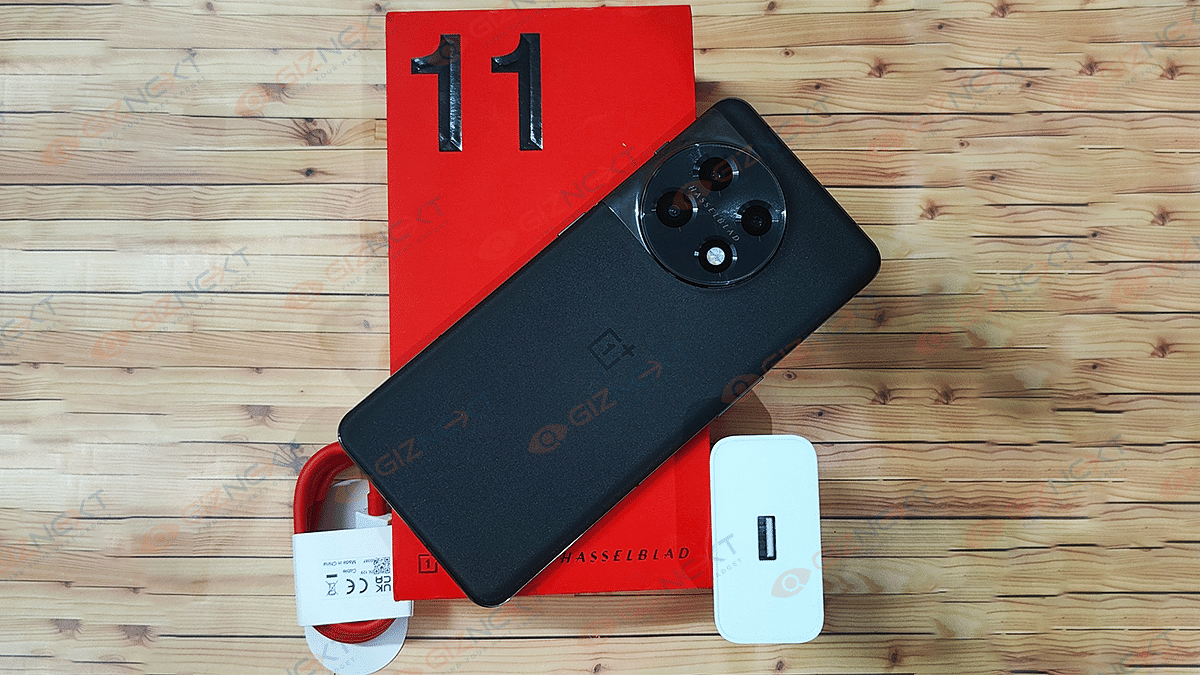
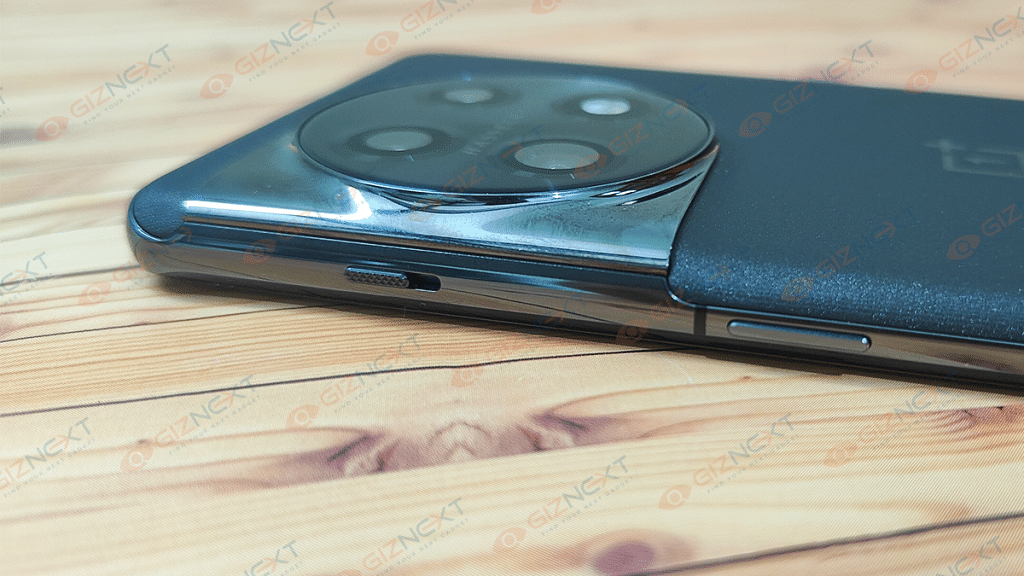
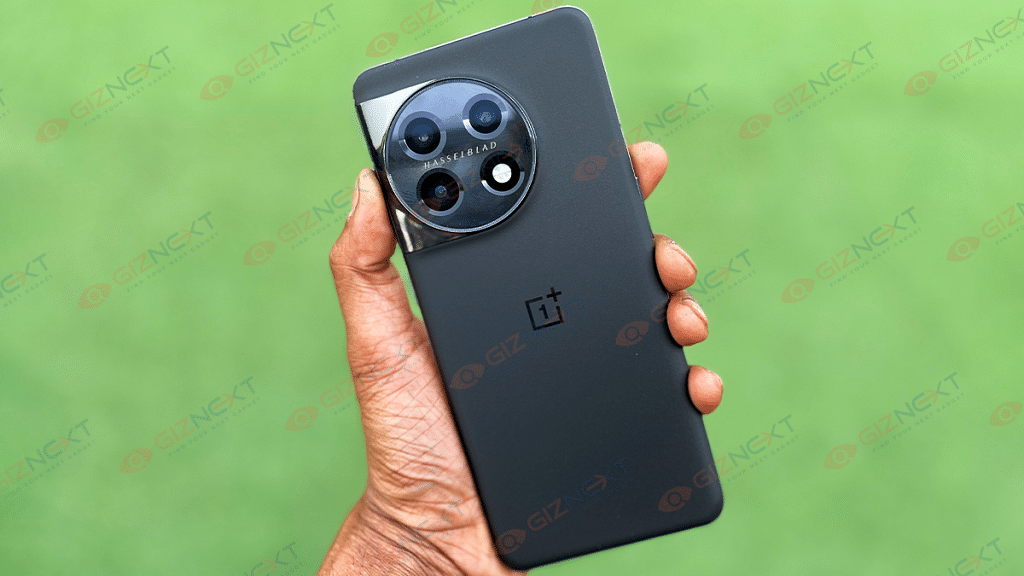
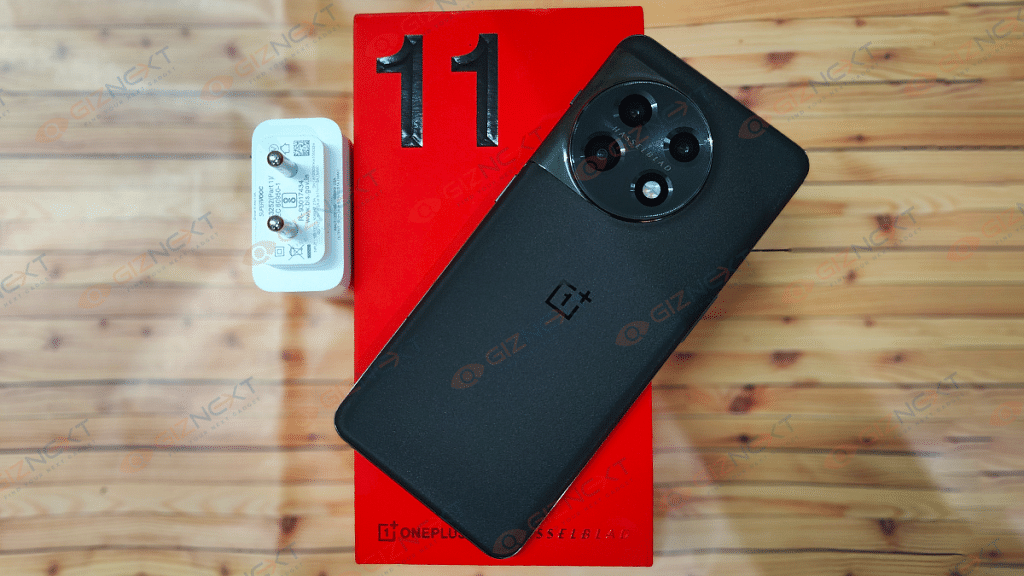
The OnePlus 11 5G bears resemblance to the last year’s OnePlus 10T, but the design overhaul is evident with the camera module and the curved panel. The camera island this time is circular instead of the squarish module that the previous-gen model featured. The camera module on the OnePlus 11 5G also has the same steel material blending into the aluminum frame.
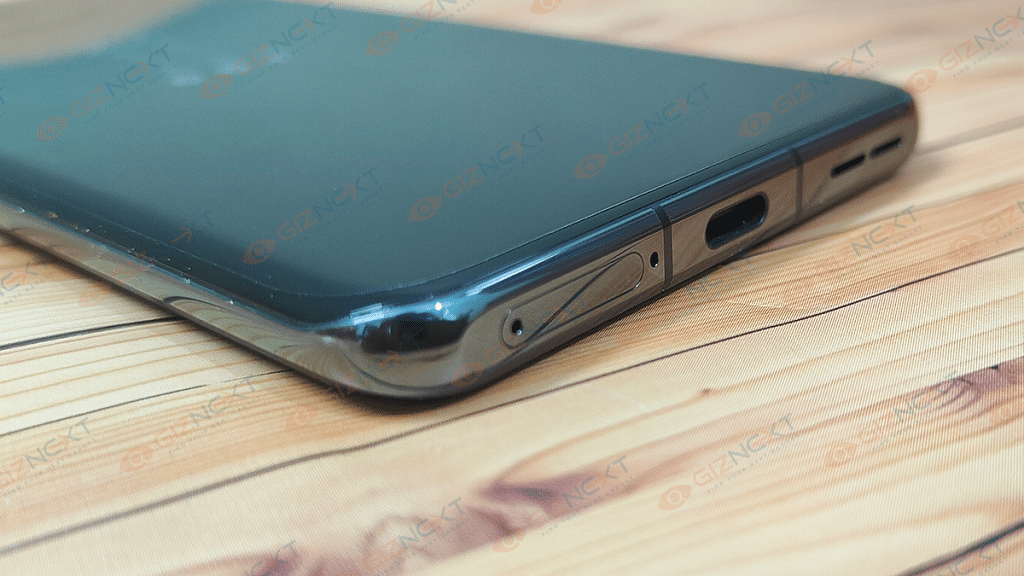
The return of the iconic OnePlus alert slider is a relief for all OnePlus fans. Only the power key is positioned on the right spine alongside the alert slider. The volume rockers are on the left panel, while the USB Type-C port is sandwiched between the SIM tray and the speaker grille at the bottom. The top and the bottom frames are flat, while the side panels are slightly rounded complementing the curved display design.
The overall look and feel of the OnePlus 11 5G is all premium and there is no compromise with the usage comfort. The curved edges and slim form factor improves the grip with single-hand usage. Even with the case, the device doesn’t feel bulky which is impressive.
You would find it easy to operate this phone with a single hand with different tasks. Of course, for extensive gaming, you will need both hands on deck. The Corning Gorilla Glass protection both upfront and the rear adds to the durability. a But overall, the OnePlus offers a fair usage experience.
OnePlus 11 5G Display Performance: Bright And Vivid
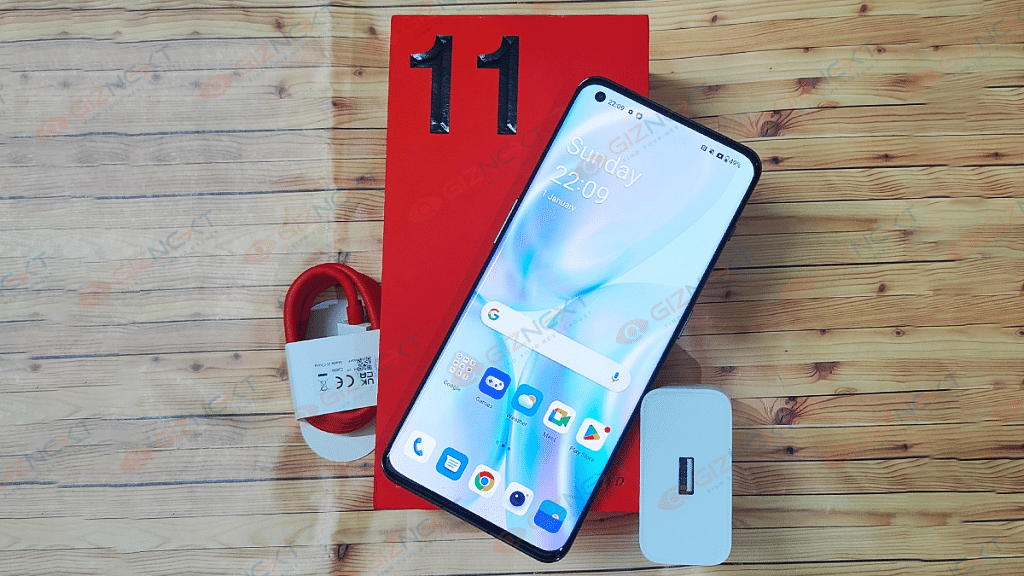
The OnePlus 11 5G bestows a massive 6.7-inch screen which offers impressive specifications. The visual experience is all enhanced with this new OnePlus phone. The panel type used Fluid AMOLED with LTPO technology. The display on the OnePlus 11 5G supports 1440 x 3216 pixels QHD+ resolution and the pixel density is 525 ppi.
This phone is capable of auto-switching between FHD+ and QHD+ resolution. There is a dedicated setting for this which when enabled changes the resolution type depending on the app. There is a dynamic refresh rate of 1- 120Hz, sRGB, Dolby Vision HDR, and 10-bit color depth. Let’s now move to the display performance.
The color production and panel clarity is super refined and we have had the best experience with video playback and gaming. With 1300 nits peak brightness level, the OnePlus 11 5G’s visibility is least hampered outdoors under direct/harsh sunlight. The high QHD+ resolution and the 120Hz refresh rate makes the game strong for OnePlus 11 5G in the display segment.
As mentioned earlier, the panel brings out vivid output which is suitable for both video consumption and gaming. You can expect no frame drops or lags while gaming with the settings tuned to the highest. Color production is crisp and the visual clarity is also top-notch. The blacks are deeper and the screen does justice to the dark scenes in any movie or TV show. The display on the OnePlus 11 5G also has an in-display fingerprint scanner integrated that enhances security. The scanner is quick and efficient with device unlocking.
Personally, I find the panel apt for binge-watching shows and movies via OTT apps including Netflix, Amazon Prime, Videos, and others. Also, the touch response is fluid, hence the feedback with scrolling and gaming is also unbeatable with this phone. It wouldn’t be wrong to say that the display game is improved with the OnePlus 11 5G.
Camera hardware on the OnePlus 11 5G is also evolved. There is a 50MP Sony IMX890 6P main lens with an f/1.8 aperture, OIS, and EIS support. It is combined with a 48MP secondary Sony IMX581 ultra-wide lens with an f/2.2 aperture and 115-degree FoV and a 32MP Sony IMX709 telephoto lens with 2X optical zoom.
Speaking of the camera modes, the OnePlus 11 5G is loaded with Night, Portrait, Movie, Panorama, Slow-motion, Time-Lapse, Xpan, Auto macro, Long-Exposure, AI scene enhancement, and more. The camera also comes with 10but Color and High-Efficiency image support.
If we talk of video recording capabilities, the OnePlus 11 5G’s rear camera can record 8K@34 fps, 4K@30/60 fps, 1080p@30/60 fps, and 720p@30/60 fps videos. The slow-motion video recording support is up to 1080p@240fps, while the time-lapse video recording supported is 4K@30fps.
This model’s camera features the Hasselblad branding as the previous-gen model. OnePlus touted the imaging prowess of the OnePlus 11 5G during the launch and we were eager to test its capabilities with different scenarios and backgrounds.
That said, the quality of the shots captured by the OnePlus 11 5G is good. Image clarity is not compromised when the background is well-lit. No noise or grains are noticeable with the daylight shots. Color saturation is balanced, nothing is overtly saturated. Enabling the AI scene enhancement does the trick to improve the quality with each click. Details are enhanced with general and close up shots. The Auto
You can also toggle on the Hi-res and Auto HDR modes to capture images with the highest clarity levels. However, you will only be able to capture images in 1x and 0.6 ultra-wide frames with the Hi-res mode on. With this, you can easily crop out unwanted scenes or objects in the background without deteriorating the image quality.
Portrait shots are good and they live up to the expectation. We are sharing some camera samples where you can check the photography quality. As for night photography, the built-in Night mode captures all the details with low-lit backgrounds. However, a bluish tint is visible if the background is completely dark. Use the apt settings and you will hardly see any noise or grains in the background. Below are the night camera sample of the OnePlus 11 5G.
For selfie fans, OnePlus has added a 16MP front camera with an f/2.45 aperture and EIS (Electronic Image Stabilization) support. The selfie snapper does a decent job of capturing self-portraits. The output is optimum for social media uploads.
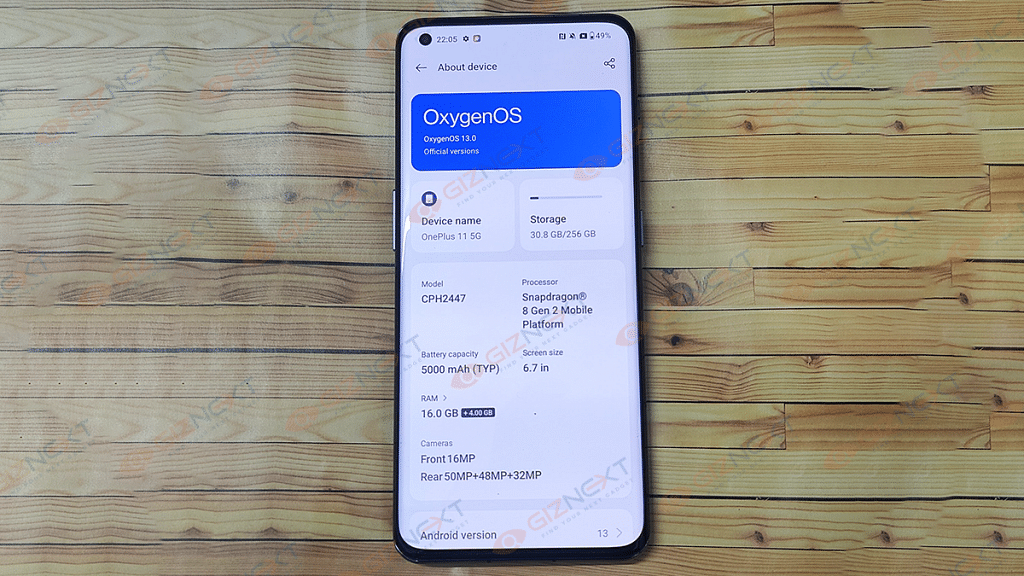
OnePlus has established itself as a flagship killer ever since its debut in the smartphone industry. With the OnePlus 11 5G, the company has definitely set new standards. The Snapdragon 8 Gen 2 mobile chipset under the hood makes it a performance beast. The latest flagship Qualcomm chipset has Adreno 740 GPU support for graphics. Onboard storage capacity options include 128GB UFS 3.1 and 256GB UFS 4.0 paired with 8GB and 16GB LPDDR5X RAM respectively.
We have received the 16GB+ 256GB variant and have experienced a lag-free performance no matter how extensive a task is thrown at it. OnePlus is one of those few Android flagships that supports hardware-accelerated Ray Tracing. However, there is no mobile game available at this point that supports or is compatible with this feature. But this doesn’t count for any limitations.
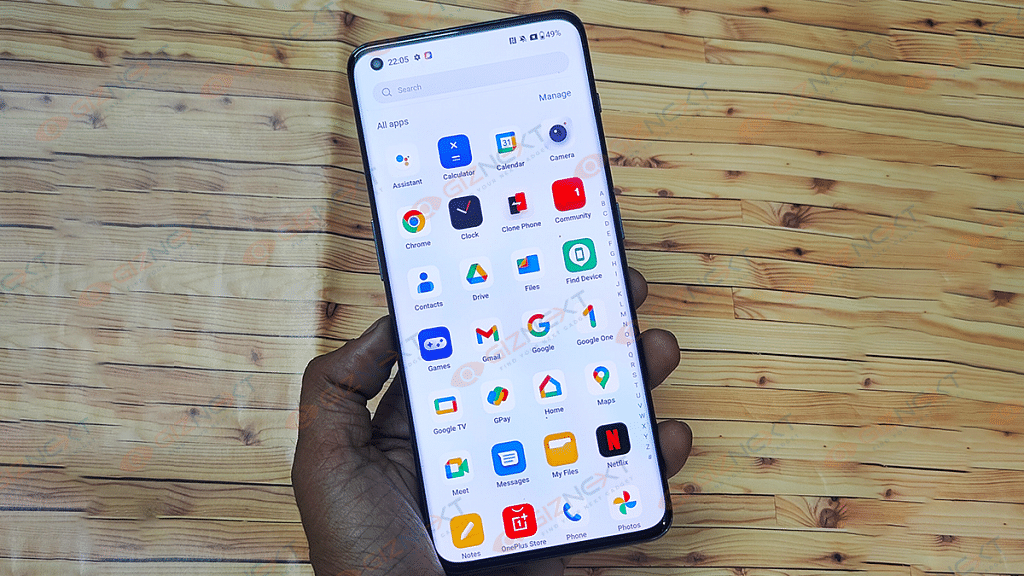
Rather, the handset is future-ready with this advanced technology. Besides, OnePlus is already providing up to four year of promised firmware updates to all of its newly launched phones and the OnePlus 11 5G isn’t different. It has the Android 12-based OxygenOS 13.0 UI pre-installed and with the added support, it will be a perfect flagship for at least the next five years. OnePlus has made several improvements to the UI and tried to add a stock Android UI appeal. Less bloatware and pre-installed third-party apps are a respite this time.
The performance delivery is stable and reliable with the top-of-the-line SD 8 Gen 2 chipset. Faster speeds and efficiency are further achieved with the high RAM and storage capacity. The multitasking experience is super smooth with the top-end variant. The same can be expected with the base model too. App loading is instant even if there are several of them are already running in the background. It’s definitely the fastest OnePlus handset released till date. We also performed a couple of benchmark tests including Geekbench 6 where the scorecard is good.
Gaming feedback is also top-notch. The improved haptic feedback complements the lag-free gameplay sessions. You will be able to play demanding games like Asphalt 9 Legend, COD, and others at the highest settings without any frame drops. There is no warm-up of temperature instability issues when you use the OnePlus 11 5G extensively or during gaming. This further improves the overall user experience. To summarize, the OnePlus 11 5G is a no compromise in terms of speed and reliability.
The OnePlus 11 5G has been packed with a 5,000 mAh battery unit. This is a 2,500 mAh dual-cell setup that supports 100W SuperVOOC flash charging. Now, this is a downgrade compared to the OnePlus 10T which offers 160W fast charging.
However, the 100W charging support doesn’t disappoint either. The handset can still get a complete refuel (zero to 100 percent) within 30 minutes. The battery drainage rate is not high unless you are using this handset extensively. Otherwise, expect over eight hours of backup with a single charge.
OnePlus has upgraded its game with the launch of the OnePlus 11 5G and is also returning to the roots of bringing in the best-in-class value flagships. This new-generation OnePlus phone is future-ready and has some of the most advanced features that any phone in this segment offers.
To recap, the OnePlus 11 5G with 8GB RAM is priced at Rs. 56,999, while the top-end model with 16GB RAM is priced at Rs. 60,999. If you are looking for phone that is no compromise in terms of speeds and performance, the OnePlus 11 5G is definitely worth considering. For photography and gaming enthusiasts too, the OnePlus 11 5G is a complete package. This handset is definitely a hit in our opinion.
Nokia changes its iconic logo for the first time in 60 years
The new logo consists of five different shapes that make up the word Nokia
The telecommunications equipment manufacturer is focused on an aggressive growth
For the first time in almost 60 years, the Finnish telecommunications and consumer electronics company Nokia modifies its logo. The original logo’s blue color has also been replaced with a range of colors that will change depending on their use. Nokia CEO Pekka Lundmark said on the eve of the annual Mobile World Congress (MWC) event in Barcelona that the logo change is part of the business strategy the company is going to follow. Also Read | Nokia T21 Vs Moto Tab G62 Vs Samsung Galaxy Tab A8: Best Android Tablet Under Rs. 20,000 In India
What Nokia CEO Said About The Logo?
After Lundmark was assigned the position of CEO, he took out a three-level strategy to improve the conditions within the company. His strategy included three steps: reset, accelerate, and scale. The reset phase is over and the company is starting the next step.
According to Pekka Lundmark, “There was the association to cellphones and today we are a business technology company. We achieved really good 21 percent growth in enterprise last year, which is presently about 8 percent of our revenues, (or) two billion euros ($2.11 billion) roughly.” “The signal is pretty clear. We only want to engage in firms where we can see global leadership,” Lundmark said. “We want to move that to double digits as rapidly as possible.”
The company also intends to review its current commercial ventures, aiming to develop only those that will enable it to become a leader on the world stage in the future. The company also plans to take steps such as divestitures to sell businesses that it deems unviable to continue.
All these actions will also enable Nokia to compete against numerous large IT corporations, such as Microsoft and Amazon.
What Does The New Logo Look Like?
The new Nokia logo consists of five different shapes. Earlier, the company logo used to consist of simple, bold blue letters. However, customers may now notice the color scheme of the logo (Nokia New Logo). This implies that the business IT market will now be the company’s new area of focus.
Vivo is all set to launch its new V series phones in the Indian market. The brand is introducing the V27 series on March 1, 2023. The leaks have been consistently pouring in detailing the key specifications and features of the V27 Pro. Now, right ahead of the upcoming Vivo V27 India launch, the full specifications of the Vivo 27 Pro have emerged online.
The Vivo V27 Pro specifications have been leaked online right ahead of the official launch by a publication called Appuals. According to the report, the next-generation Vivo V27 Pro will be arriving with a massive 6.78-inch display panel. Vivo will be using a 60-degree curved AMOLED screen on the V27 Pro. This display panel will support 1080 x 2400 pixels FHD+ resolution. It will also have 120Hz refresh rate support and a punch-hole camera cutout for the selfie lens.
The Vivo V27 Pro, like its predecessor, will be a premium mid-tier Android handset with an LPDDR5 RAM and UFS 3.1 storage support. Unfortunately, the exact RAM and storage capacity is yet to be confirmed. Additionally, the Vivo V27 Pro will ship with Android 13 OS and will be coming pre-installed with FunToch OS 13 user interface.
For imaging, Vivo will be upgrading the selfie setup by including a 50MP autofocus-enabled front camera. The V27 Pro’s back panel will also feature a 50MP main sensor which will be a Sony IMX766V lens. The main camera will be combined with an 8MP ultra-wide sensor and a 2MP macro lens.
For connectivity, there will be 5G, dual SIM, a 3.5mm headphone jack, Wi-Fi, and Bluetooth network compatibility. A 4,600 mAh battery unit with 66W fast charging is also said to handle the power delivery.
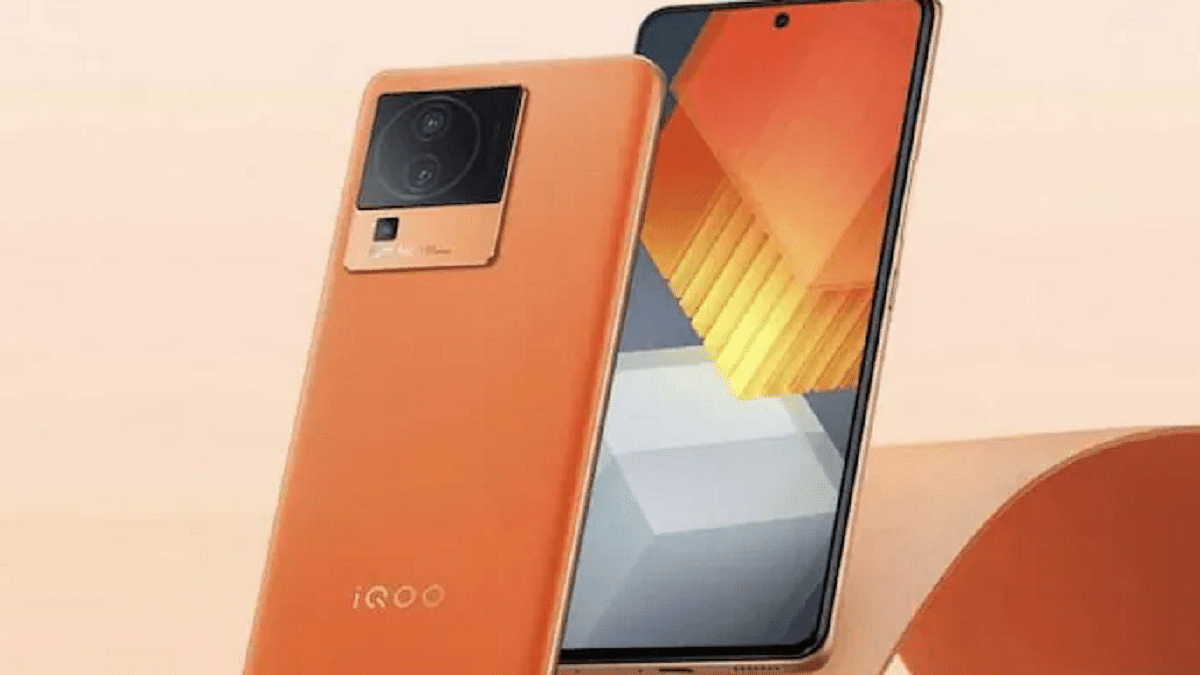
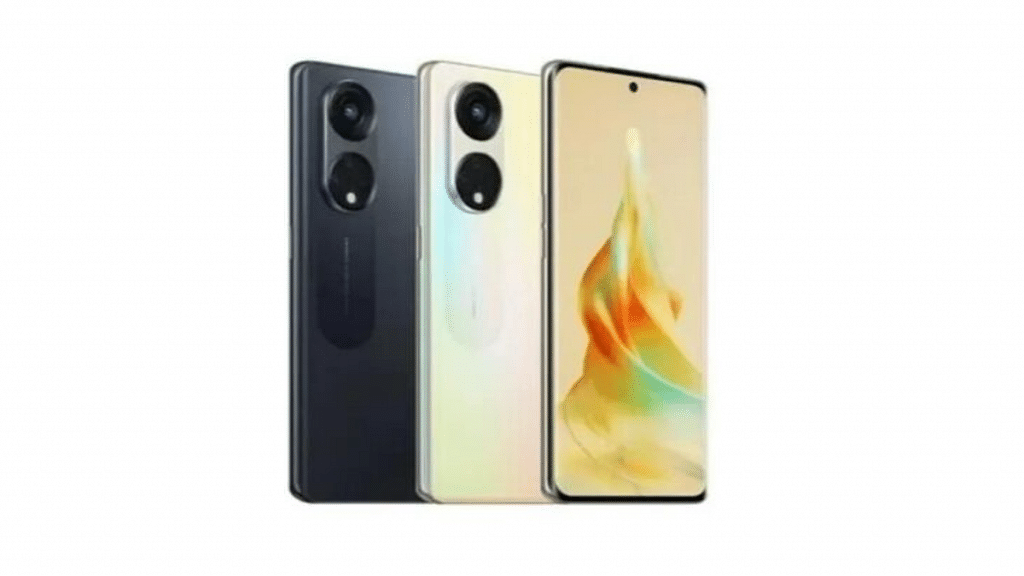
Smartphone OEMS in India are all aggressive with new product launches. Multiple new devices have been released this month under Rs. 30,000 price bracket. While OPPO expanded its popular Reno series with the Reno 8T, iQOO introduced its latest gaming handset called the Neo 7. Both these phones are performance-oriented handsets that cater to the premium mid-range audiences in the country. We are doing a quick spec sheet-based comparison between these two new premium mid-range Android phones. Let’s see which one makes for a better deal overall:
iQOO Neo 7 Vs OPPO Reno 8T: Display Features, Specs
Model
iQOO Neo 7
OPPO Reno 8T
Display
6.7-inch AMOLED
6.7-inch AMOLED
Camera
64MP triple rear
108MP triple rear
Chipset
Dimensity 8200
Snapdragon 695
Battery
5,000 mAh, 120W fast charging
4,800 mAh, 67W fast charging
Price
Rs. 29,999
Rs. 29,999
The iQOO Neo 7 accommodates a premium 6.78-inch AMOLED display with 120Hz refresh rate. The screen supports 1080 x 2400 pixels resolution and has 1000 nits peak brightness level. The visual experience is further enhanced by the HDR 10+ certification on the iQOO Neo 7. On the other hand, the OPPO Reno 8T gives the Neo 7 stiff competition with its 6.7-inch AMOLED display.
The screen resolution and refresh rate is the same as the OPPO handset, i.e, FHD+ and 120Hz respectively. However, the peak brightness level is lower at 800 nits. The visual quality is good with both iQOO Neo 7 and the OPPO Reno 8T, but the latter has a disadvantage with lower brightness levels.
When we speak of the cameras, the iQOO Neo 7 offers a 64MP triple rear camera setup for primary photography. The rear panel has a pair of 2MP sensors for depth and macro photography in addition to the 64MP main camera. The iQOO Neo 7 is capable of recording up to 4K@30fps videos and offers HDR and other key shooting modes.
In the Reno 8T, there is also a triple-lens setup at the rear, however, the primary sensor is a larger 108MP lens with an f/1.7 aperture. The remaining two sensors are a set of 2MP lenses as the iQOO Neo 7 used for bokeh effects and macro shots. The OPPO Reno 8T takes a lead with a better primary sensor than the Neo 7. Overall imaging experience, specifically daylight will be good with the Reno 8T and the Neo 7 respectively.
The iQOO Neo 7 draws its power from the Dimensity 8200 chipset. It is a new-generation MediaTek processor for premium mid-rage phones and is fabricated using a 4nm process. The CPU is integrated with Mali-G610 MC6 GPU for graphics and up to 12GB RAM for multitasking.
The OPPO Reno 8T gets its power from the Qualcomm Snapdragon 695 chipset which is also an octa-core 5G processor for premium mid-range phones. Also, the fabrication process is thicker compared to the Dimensity 8200. This chipset is designed using a 6nm process.
The GPU is Adreno 619 and the RAM capacity is up to 8GB. The Reno 8T has up to 128GB storage option which is expandable via a microSDXC slot. The iQOO Neo 7 here is better and more efficient with speeds.
As for the battery capacity, the iQOO Neo 7 has a bigger 5,000 mAh battery unit compared to the 4,800 mAh battery unit of the Reno 8T. Also, the former has a faster 120W charging support. For reference, the OPPO Reno 8T has 67W fast charging support.
iQOO Neo 7 Vs OPPO Reno 8T Final Verdict: Which One Should You Buy?
Both iQOO Neo 7 and the OPPO Reno 8T are priced starting at Rs. 29,999 in India and are amongst the best handsets available in this price bracket. Depending on the usage, you can select the suitable variant. The iQOO Neo 7 is a good fit for audiences who demand powerful performance and speeds; specifically for gaming. The OPPO Reno 8T also offers good user performance, but it is best suited for photography.
Vivo is launching a new smartphone in the Indian market. Following the expansion of the Vivo Y series, the company will now be revamping its V smartphone lineup in the country. The Vivo V27 series is all set to break covers next month in the country. The official landing page of the upcoming Vivo V27 lineup already went live on Flipkart. Now, the company itself has announced the exact launch timeline for the Vivo 27 series in India. Below are the details:
Vivo V27 Series Official India Launch Timeline
The Vivo V27 series is all set to make its official debut on March 1, 2023. Vivo has confirmed the upcoming launch timeline for the new V series phones. According to reports, the Vivo V27 lineup will include three models including the Vivo V27 Pro and the V27e besides the standard Vivo V27. To recap, the Vivo V27 series will be succeeding the Vivo V25 lineup which was introduced last year in the country.
Vivo has just announced the upcoming V27 series launch that is slated for March 1, 2023. The pricing details have been kept under wraps. We do believe Vivo will launch the V27 lineup with the same price range as the previous-generation models. This means that the pricing range of the V27 series could start at Rs. 35,000. This pricing would be for the vanilla Vivo V27. The Vivo V27 Pro could be available with a starting price range of Rs. 40,000.
Vivo V27 Series Expected Features And Specifications
Model
Vivo V27
Vivo V27 Pro
Display
120Hz AMOLED, FHD+
120Hz curved AMOLED, FHD+
Camera
Sony IMX766V primary sensor
Sony IMX766V primary sensor
Chipset
Octa-core Dimenisty 7200
Dimensity 8200
Android
Android 13
Android 13
According to recent leaks, the Vivo V27 series will be launching with a curved display design. Both vanilla Vivo V27 and the Vivo V27 Pro are expected to flaunt a 60-degree display curvature. The camera cutout will be punch-hole which will be housing the selfie snapper. The screen size of the Vivo V27 and the V27 Pro is not confirmed, but an HDR10+ certification, FHD+ resolution, and 120Hz refresh rate eee tipped.
Additionally, the vanilla Vivo V27 is rumored to launch with the MediaTek Dimensity 7200 chipset, while the Dimensity 8200 processor will possibly ship with Dimensity 8200 octa-core chipset. A custom FunTouch OS-based Android 13 UI will be pre-installed.
Imaging setup would be the key highlight of the Vivo V27 series. The company is likely to pack a Sony IMX766V main lens which will be aided by OIS (Optical Image Stabilization) support. Other than this, the color-changing back panel will also be one of the highlights of the Vivo V27 lineup.
Slightly cluttered UI with pre-installed bloatware
Average night photograpyhy
Battery capacity could have been increased
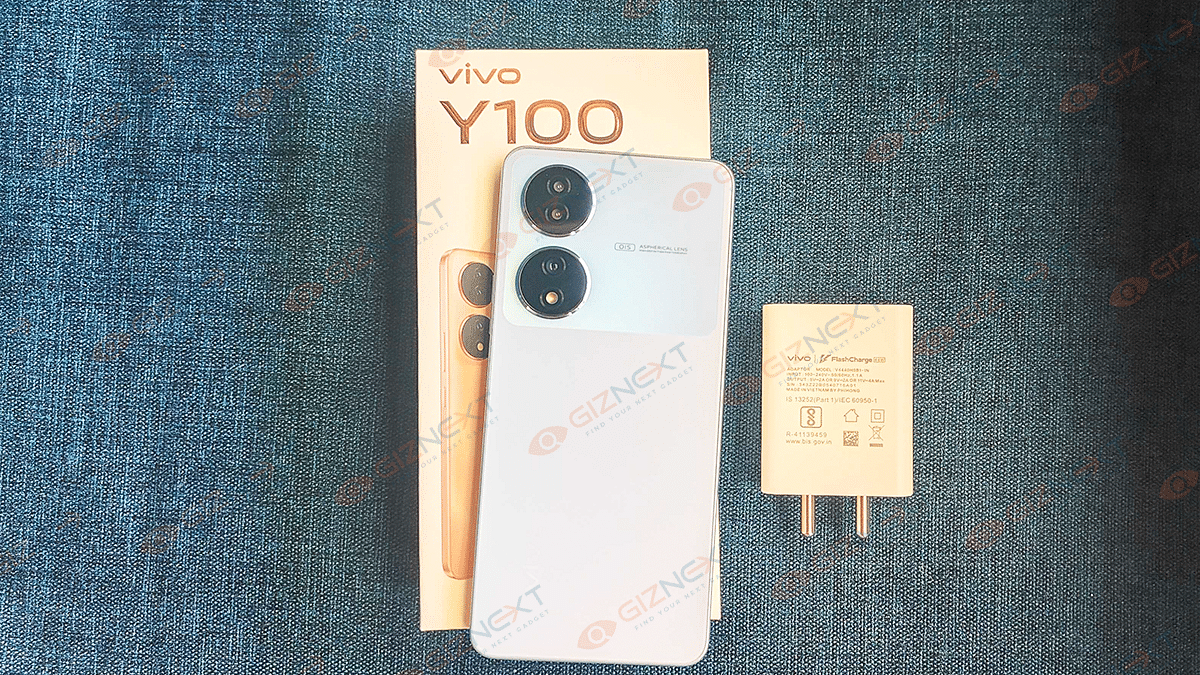
Chinese OEMs have been dominating the smartphone industry in India since the last few years. Specifically, their hold has been strongest in the affordable and mid-range segments. Vivo is one of those companies which have created a large user base in the country via offline and online retail channels. The Vivo Y series is well-known for bringing in performance-oriented budget Android phones for the masses. Keeping the legacy alive, Vivo has now introduced the Y100 which is a new pocket-friendly smartphone with 5G connectivity, a powerful chipset, and a unique color changing design.
Vivo has launched the Y100 5G at Rs. 24,999 in India and is selling it via major online retail chains including Amazon and Flipkart. The sub Rs. 25,000 price category has been crucial for all smartphone giants and innovations across this segment has been massive. Vivo bids to stand out in this league with the latest Y100 5G. But does it makes the cut? Here’s what we think:
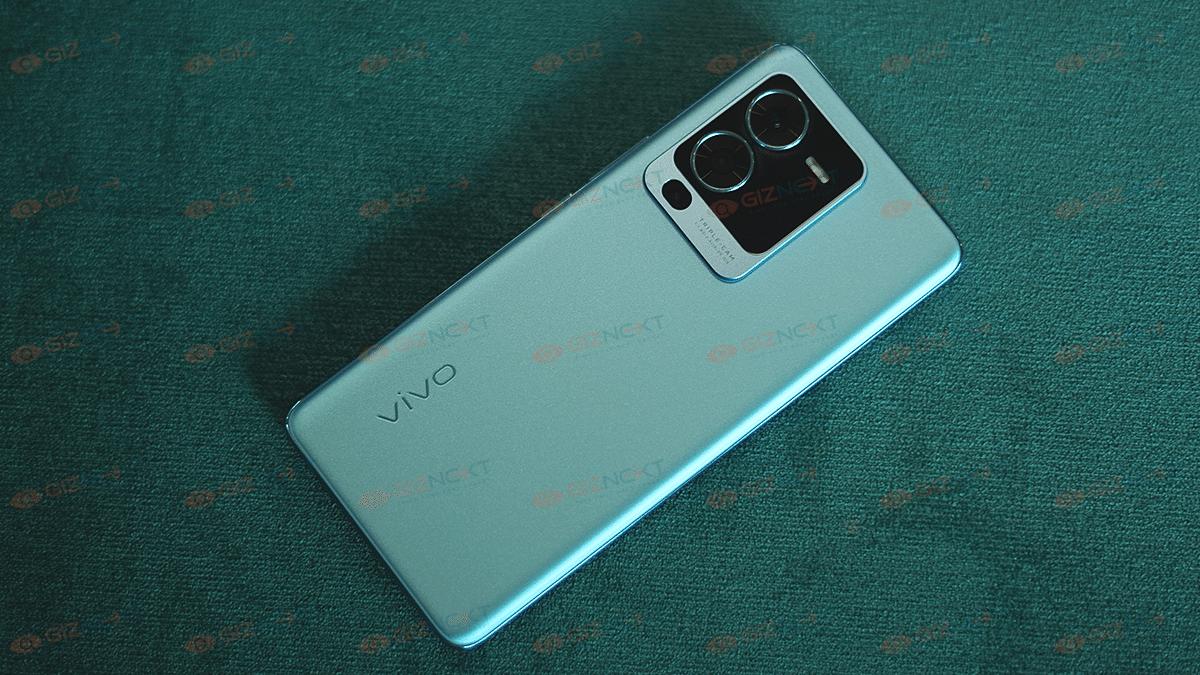
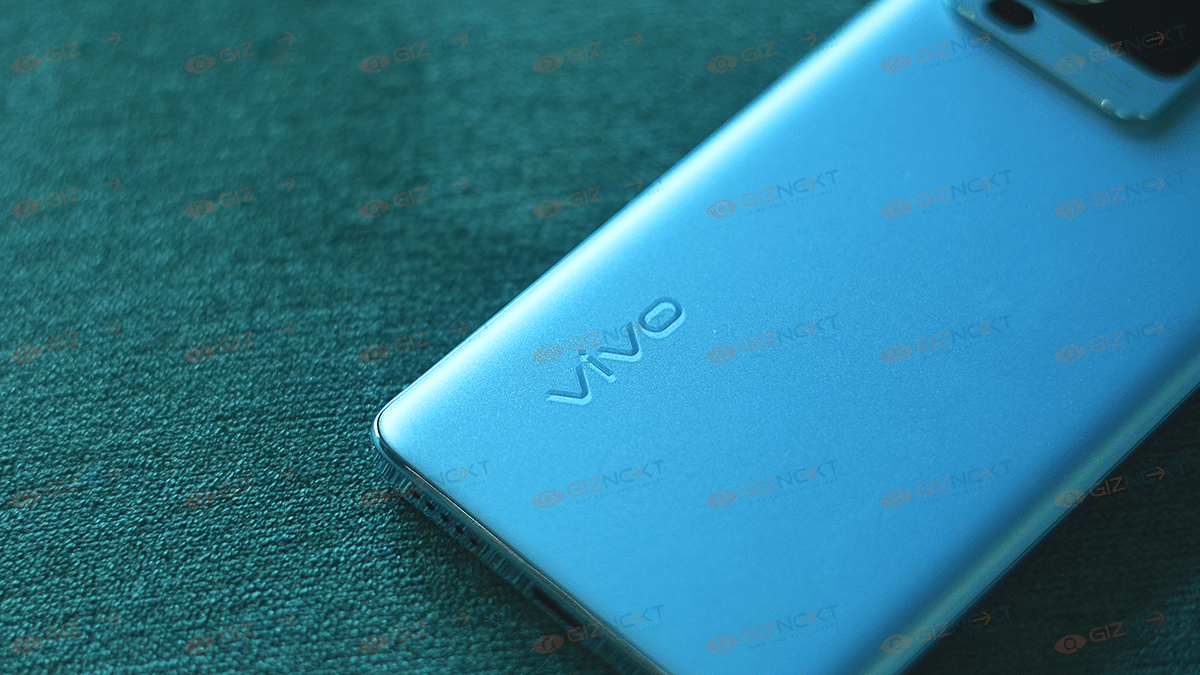
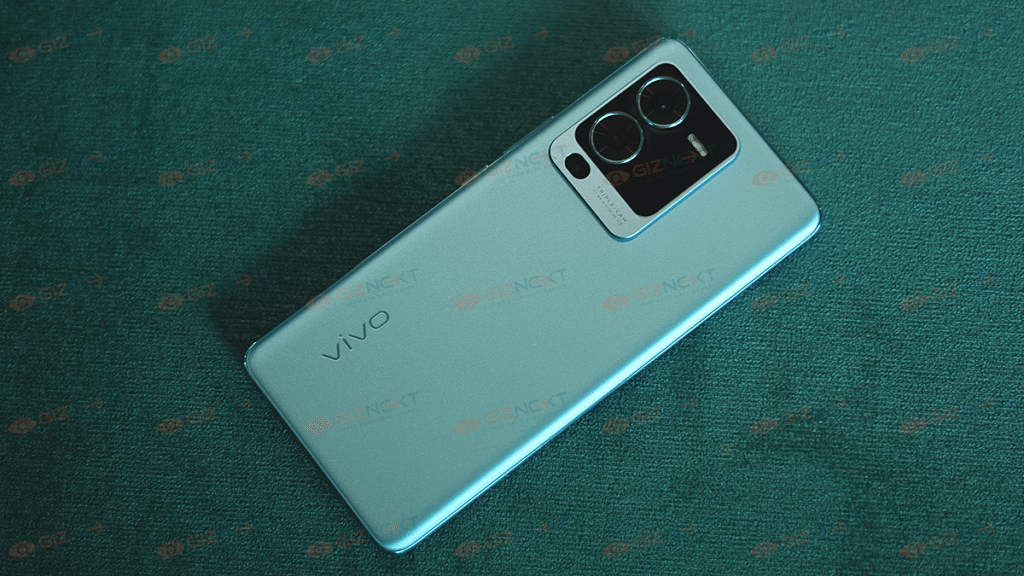
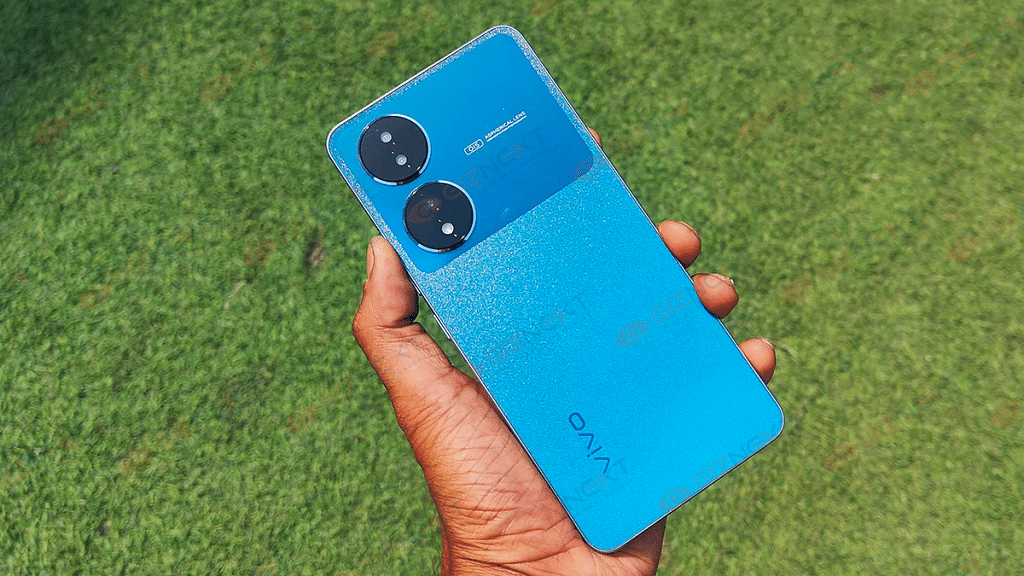
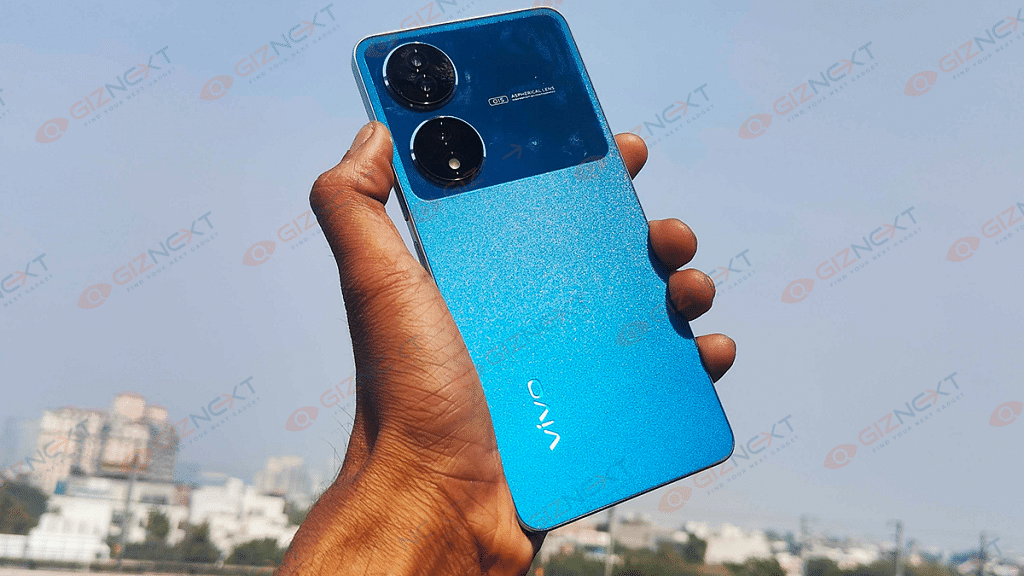
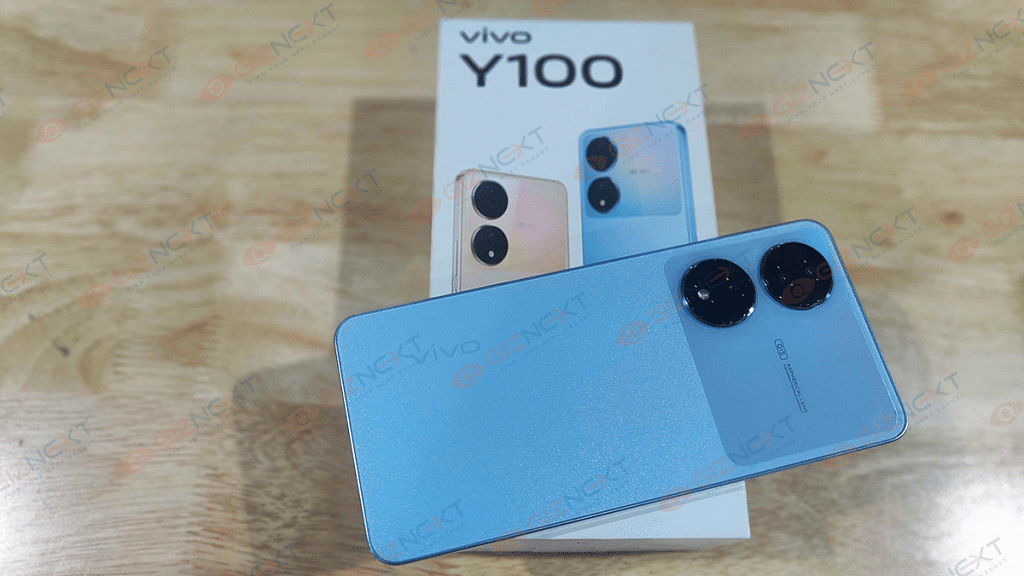
Vivo has always paid a strong emphasis on smartphone design and has introduced some futuristic phones in the last few years. The Vivo Y100 hits the sweet spot with its color-changing back panel and flat-frame thin profile. At first glance, it might look like any standard smartphone. It’s when the light rays hit the back panel that you see the magic. The color-changing pattern is what we are speaking of here. Vivo has shipped the Pacific Blue color variant to us for review which changes its skin to a different shade of aqua blue when exposed to sun rays or light.
The back panel has a shimmering surface but offers a matte finish when touched. During our usage, the back panel did pick up fingerprints and smudges frequently. Using a case or back cover is the only way to keep fingerprint impressions and dust at bay. Talking of the grip and overall hold factor, the flat-frame thin design makes it easy to hold and also slip it into the pockets. It’s worth highlighting the device is slippery. Therefore, using a case becomes a necessity.
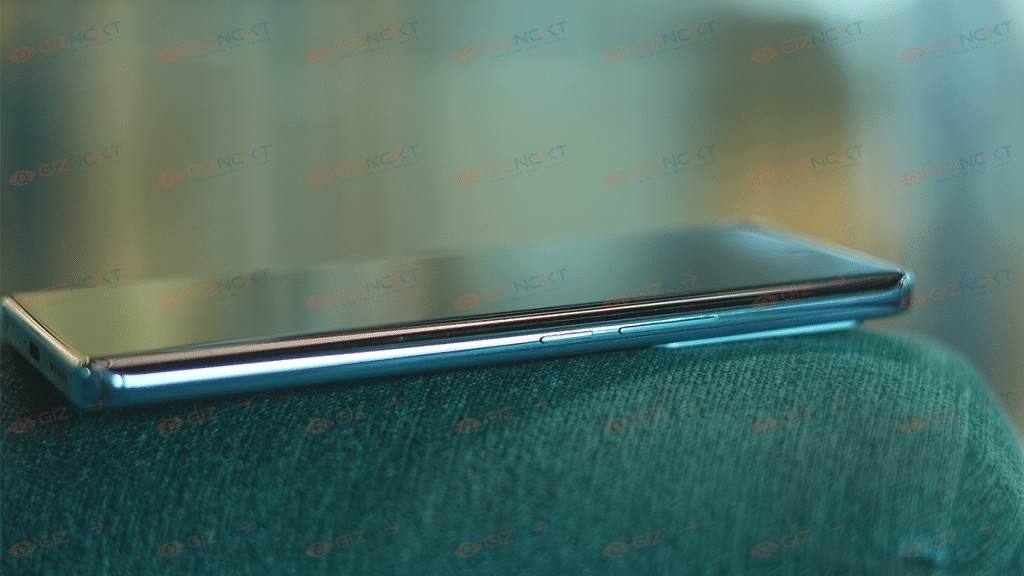
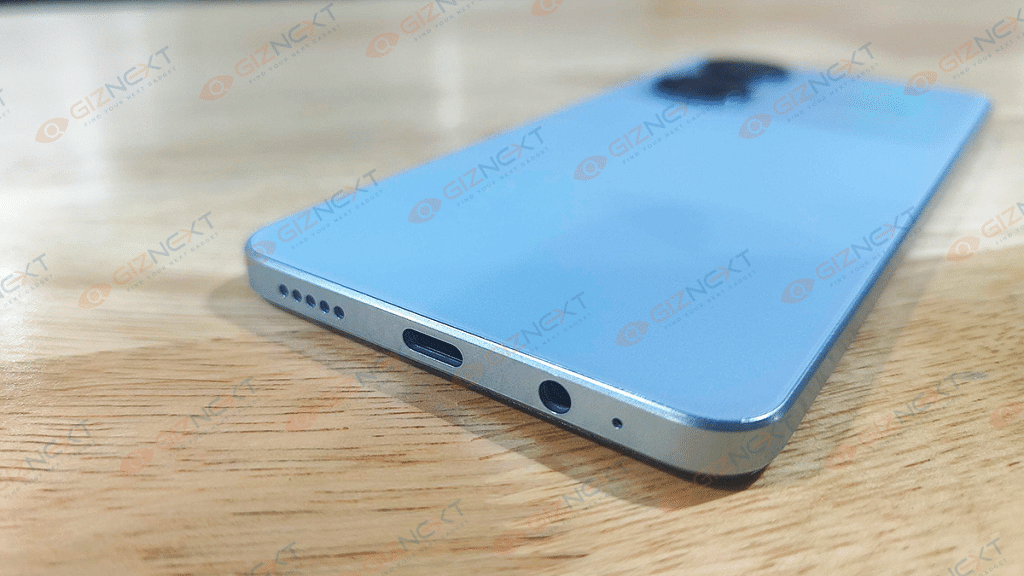
The remaining design aspects are standard as other popular Vivo Y series phones. You get the volume and the power key on the right spine, a USB Type-C port, a 3.5mm headphone jack, and the speaker grilles at the bottom. The left panel on the Y100 5G is blank, while the hybrid SIM slot is placed on the top frame.
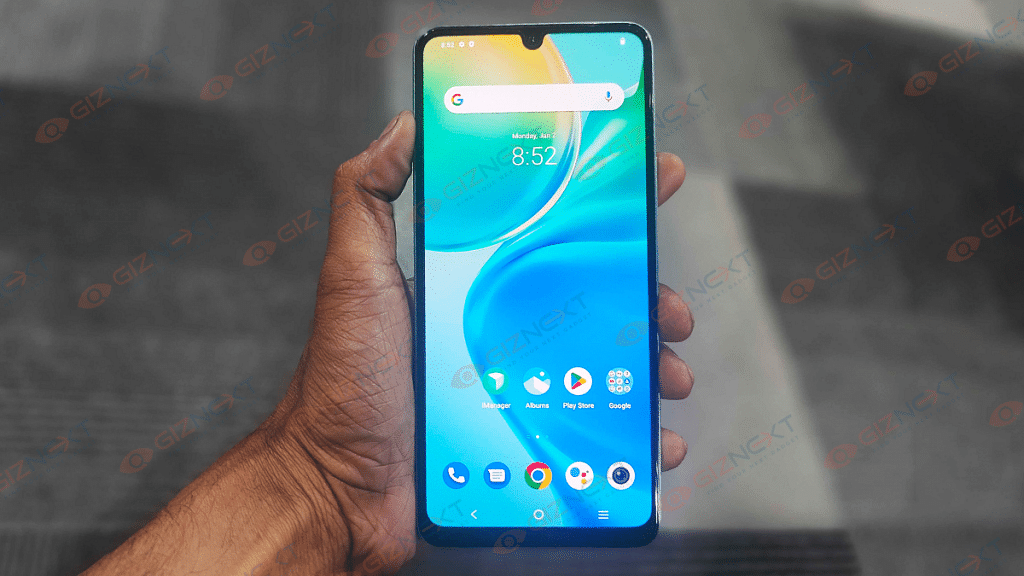
We had no trouble using the Vivo Y100 with a single hand. Specifically, when the tasks were basic such as internet browsing or texting. If we talk about the front profile, it’s the only design aspect that seems slightly dated. While the bezels have been trimmed on all corners, the chin is still considerably thick and the notch style is waterdrop instead of the modern day’s punch-hole camera cutout. The handset is sturdy overall. No complaints about the build quality. Summing it up, the Vivo Y100 flaunts an eye-catchy appeal and is practical for daily usage.
Vivo Y100 Display Performance: Apt For High-Resolution Video Playback And Gaming
The Vivo Y100 packs an impressive AMOLED screen which is vivid and bright in functionality. The screen size offered by the Vivo Y100 is 6.38 inches. Now, this might be smaller than most of the available budget phones in the country, but it still is suitable for video playback and gaming. The AMOLED screen on the Y100 has a 1080p FHD+ screen resolution and supports a 90Hz refresh rate. The touch feedback while scrolling is smooth and the visual clarity is high. The panel is able to bring out vibrant colors with deeper levels of black.
We have had a good experience with watching shows and movies. And if you are one of those users who prefer a mobile screen for entertainment, the Y100 will be a good fit. That’s also due to the fact the panel here is HDR10+ certified and has 1300 nits peak brightness, the viewing experience gets all enhanced. This caters to the demands of audiences who are always on the move and find it a hassle to use laptops or big-screen tablets for watching videos.
You won’t experience any major issues with content viewing under direct sunlight. The panel doesn’t go all black or appear dim outdoors as is the case with phones offering a lower peak brightness level. Our experience with streaming apps including Netflix, Discovery Plus, and Amazon Prime Videos has been decent throughout. While a 90Hz refresh rate is good, we have options available with up to 120Hz refresh rate. That’s one of the shortcomings of Vivo Y100’s display in our opinion.
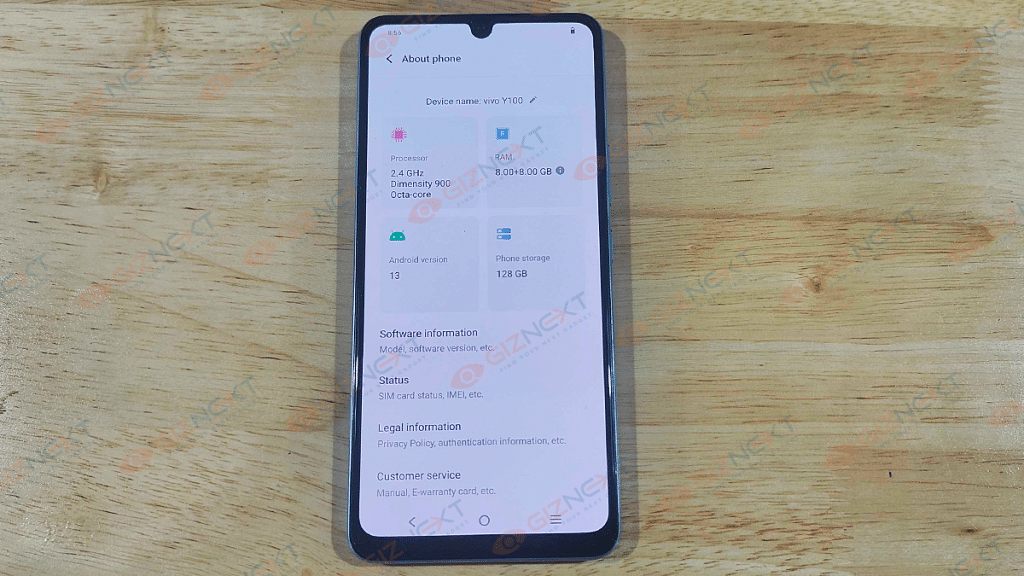
The Vivo Y100 features the octa-core Dimensity 900 mobile chipset. This is a premium mid-range mobile chipset used by a couple of other popular mid-range handsets such as the Infinix Zero 5G, OnePlus Nord CE 2 5G, and others. The performance delivery is good specifically if the tasks are basic or moderate.
With extensive tasks too, the Vivo Y100 didn’t flinch much with the power delivery and was able to perform smoothly. With the integrated Mali-G68 MC4 GPU, the Y100 further offers fluid graphics rendering speeds. That helps with lag-free gaming when the graphics settings are highest. There are slight warm-up issues with consistent gameplay sessions, but that can be avoided.
The temperature fluctuation has been random and not frequent. Vivo has packed the Y100 5G with 8GB RAM. This is the single RAM option that is available with Y100. However, this phone also can supplement an additional 8GB RAM using the virtual RAM feature. Thanks to the high RAM capacity (both physical ad virtual), we had a good experience with multitasking.
The handset is capable of firing up apps instantly. That’s the case even when there are several of applications running in the background. You won’t notice any lags with app launches. Furthermore, the onboard storage capacity of 128GB is sufficient for general file and data storage. You may expand the memory by using an external microSD card, but if you do so, you’ll only be able to use one single SIM. That’s because Vivo has added a hybrid SIM slot on the Y100 instead of a dedicated 3-way SIM slot.
The firmware pre-installed inside the Vivo Y100 5G is Android 13-based FunTouch OS 13. While Vivo has made several improvements to its in-house user interface, it still isn’t entirely free of bloatware. Therefore, the UI isn’t as neat as you get on stock Android phones. Keeping this factor aside, you’ll have access to all the Android 13 goodies for an overall improved user experience.
Battery capacity packed inside the Vivo Y100 5G is a 4,500 mAh unit. The battery size might have been significantly reduced compared to other budget Vivo handsets buy the performance aspects are least hampered.
The average backup that you get with the Vivo Y100’s battery is almost an entire day. But that’s when you use the handset moderately throughout the day. Expect a faster battery drain when gaming sessions are extensive and long. This handset ships with a 44W fast charger which refuels the unit from zero to 100 percent in less than an hour.
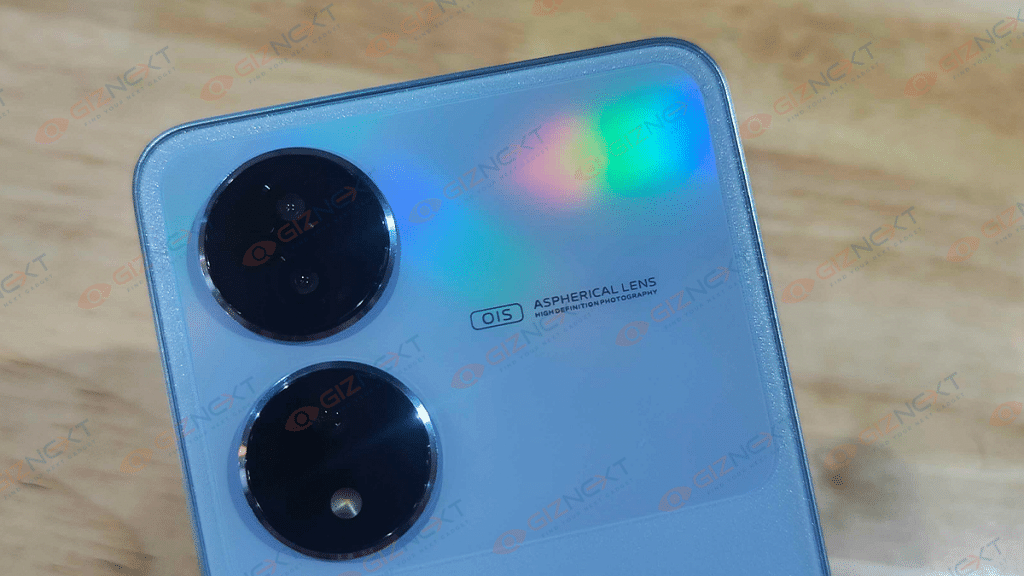
Vivo is known for offering the best-in-class mobile camera experience with its handsets. The Vivo Y100 certainly has established this fact with its capable 64MP triple rear cameras and a 16MP selfie snapper. The primary photography hardware at the rear comprises a 64MP main sensor with an f/1.8 aperture, PDAF (Phase Detection Autofocus), and OIS (Optical Image Stabilization).
Vivo is currently marketing this setup as an Anti-shake camera as the phone has a caliber of capturing clear shots despite any moving background. It’s one of the biggest advantages that the Y100’s cameras gets over the rivals. The primary 64MP snapper is paired up with a set of 2MP lenses for depth and macro photography. These dedicated sensors do an average job overall.
The background blurs and macro shots are not super refined but decent enough considering the mid-range price point. The rear cameras on the Vivo Y100 5G produce clean and vivid pictures when the background has good lighting conditions. The daylight performance of the cameras is definitely better compared to the low-light shots. The noise levels and grains are evident in night photography.
The dedicated Night mode inside the camera app doesn’t have any major impact on improving low-light image quality. Video recording support is up to 4K@60fps. However, you can also record videos at 720 and 1080p@ 30/60 fps. You will get better results with videography once you enable the stabilization feature.
For selfie fans, the 16MP snapper upfront will be a delight. The Vivo Y100’s front camera can capture self-portraits with high clarity levels.
The Vivo Y100 is a complete package for users with a budget below Rs. 25,000. It not only caters to multimedia requirements but offers a great deal for mobile gaming and photography enthusiast in the country. You can place your bet on the Vivo Y100 5G if you wish for a fully-loaded premium mid-range Android phone with a unique color changing design.
India is one of the fastest-growing smartphone markets in the world, with a large and diverse consumer base. In the last week, several new smartphones have been launched in the country, offering consumers a wide range of features and capabilities. From high-end devices with top-of-the-line specs to more affordable options with impressive features, here are the smartphones that were launched this week in India.
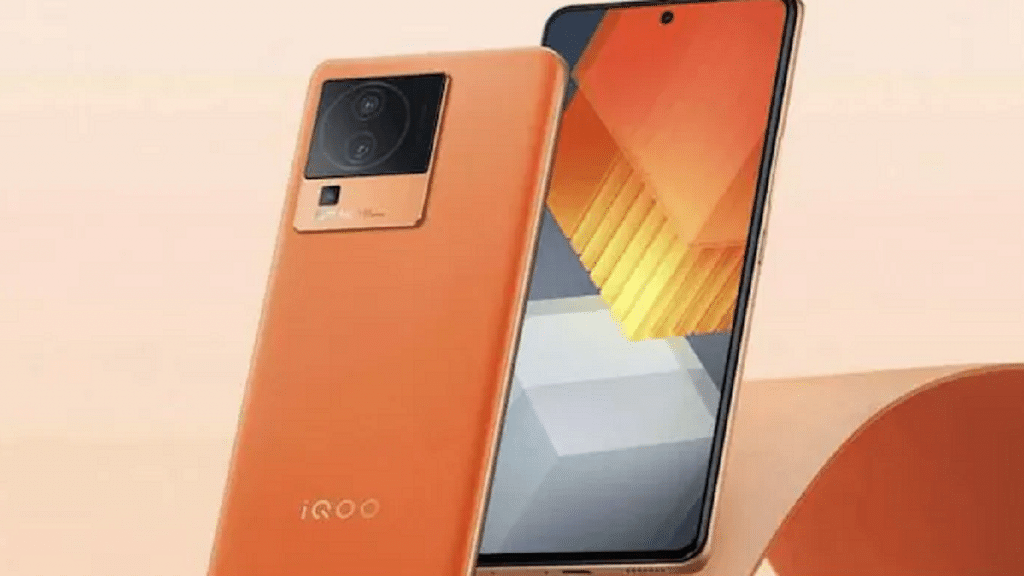
The iQOO Neo 7, which succeeds the last year’s iQOO Neo 6, has been introduced in India. It has a 6.7-inch Full-HD+ screen with a refresh rate of 120Hz and a touch sampling rate of 300Hz. It is the first phone in India to be powered by MediaTek Dimensity 8200 processor. The 8GB RAM + 128GB storage version of the iQOO Neo 7 starts at Rs. 29,999 in India.
Nokia X30 5G
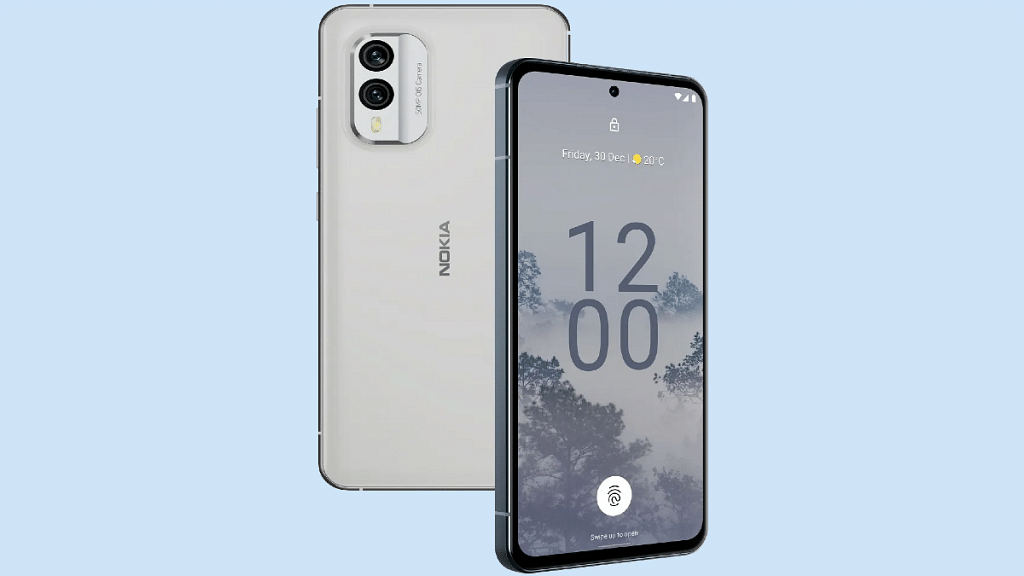
The Nokia X30 was introduced in India and instantly became the most expensive phone with the 5G-enabled Qualcomm Snapdragon 695 SoC. The 6.43-inch FHD+ AMOLED display with a 90Hz refresh rate, 50MP primary camera, and 4,200mAh battery with 33W rapid charging is among the smartphone’s prominent features. It will be available for purchase through the Amazon and Nokia websites starting on February 20 at a limited-time pricing of Rs. 48,999.
Tecno Pop 7 Pro
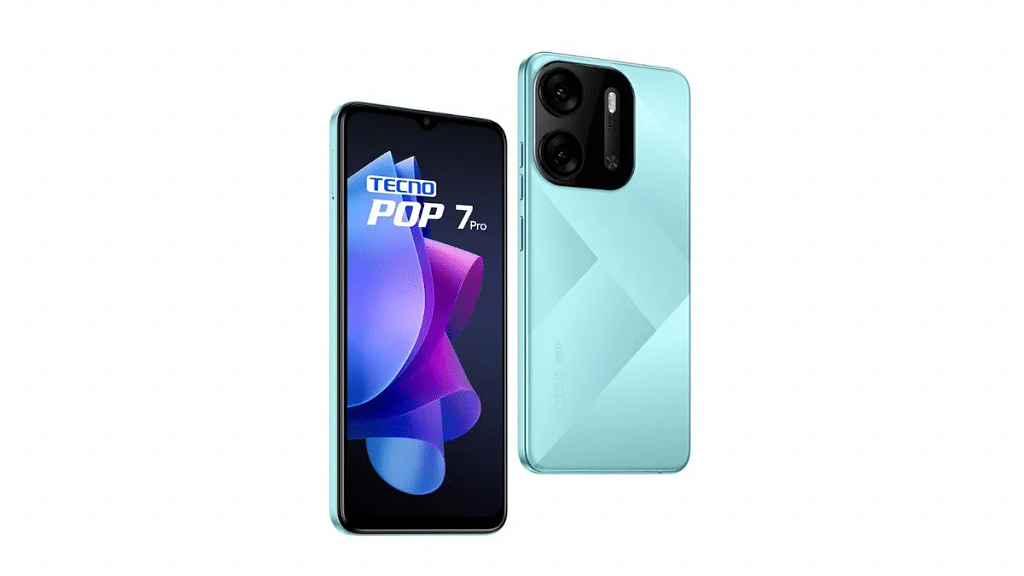
Tecno Mobile has launched the Tecno Pop 7 Pro, the company’s next budget smartphone in India, as the successor to last year’s Pop 6 Pro. It retains the 6.56 HD+ display with 120Hz touch sampling rate, and 2GHz Quad-Core MediaTek Helio A22 processor, but this now comes with 2GB and 3GB RAM variants. The cost of the smartphone is set at Rs. 6,799 for the 2GB + 64GB model and Rs. 7,299 for the 3GB + 64GB model. Beginning on February 22, the smartphone will be available on Amazon.
Vivo Y56 5G
According to reports, the Vivo Y56 has been quietly introduced through offline retailers in India. The device includes a 6.58-inch display, Android 13 OS, MediaTek Dimensity 700 SoC, a 5,000mAh battery, and support for 5G networks. According to a popular offline retailer Mahesh Telecom, the Vivo Y56 5G is available through offline stores in India. As per Mahesh Telecom, the price of the smartphone is Rs. 19,999 for the single 8GB/128GB model.