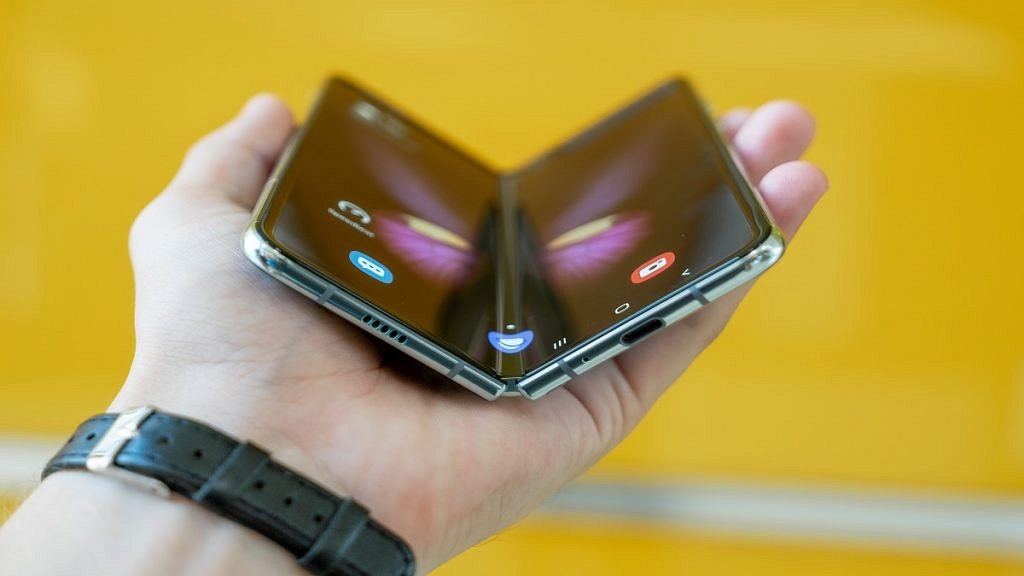
With its first-ever tri-fold smartphone, Samsung is gearing up to transform the market for foldable smartphones. The device, which is expected to make its debut in 2025, will include two hinges and a distinctive ‘G-type’ triple-folding display. Here is what we know about Samsung’s ambitious foldable, which is only expected to be produced in limited quantities.
The tri-fold device will reportedly feature a ‘G-type’ design. This allows the screen to fold into three parts. Unlike Huawei’s Mate XT Ultimate Design which uses an S-shaped in-and-out folding screen, Samsung’s design folds inward. This protects the main display from scratches.
The device is rumored to sport a main screen measuring slightly under 10 inches. This offers a large, uninterrupted viewing experience.
Limited Production Units
Components for the tri-fold smartphone are expected to enter mass production between April and June 2025.
Samsung plans to manufacture just 200,000 units of the tri-fold smartphone. This is a conservative number compared to earlier reports suggesting up to 300,000 units.
Challenges In Production
The tri-fold design brings unique challenges, such as creating ultra-thin parts for smooth folding and reliable durability.
To ensure stable production of the tri-fold device, Samsung is reportedly advancing the production of its Galaxy Z Fold 7 model.
Samsung aims to produce seven million foldable smartphones in 2025. This includes:
Galaxy Z Flip 7: Three million units
Galaxy Z Fold 7: Two million units
Galaxy Z Flip FE: 900,000 units
Tri-Fold Smartphone: 200,000 units
Stay tuned for more updates as Samsung finalizes its plans and unveils its first tri-fold smartphone.
For the tech geeks, stay updated with the latest cutting-edge gadgets in the market, exclusive tech updates, gadget reviews, and more right on your phone’s screen. Join Giznext’s WhatsApp channel and receive the industry-first tech updates.
Apple has rolled out iOS 18.3 public beta 2. It brings a range of user-centric improvements and new features to iPhones and iPads. Released initially as a public beta in December, this latest update addresses bugs and enhances the overall experience. The official release is expected in early 2025. Here’s what’s new.
Step 1: Navigate to the Settings app on your iPhone or iPad.
Step 2: Select General > Software Update and follow the prompts to install.
This update focuses on improving user convenience, boosting system performance, and offering new ways to interact with smart home devices.
For the tech geeks, stay updated with the latest cutting-edge gadgets in the market, exclusive tech updates, gadget reviews, and more right on your phone’s screen. Join Giznext’s WhatsApp channel and receive the industry-first tech updates.
Quick Share now supports QR code sharing on Android
Enables easy group sharing with one scan
Solves device detection issues effectively
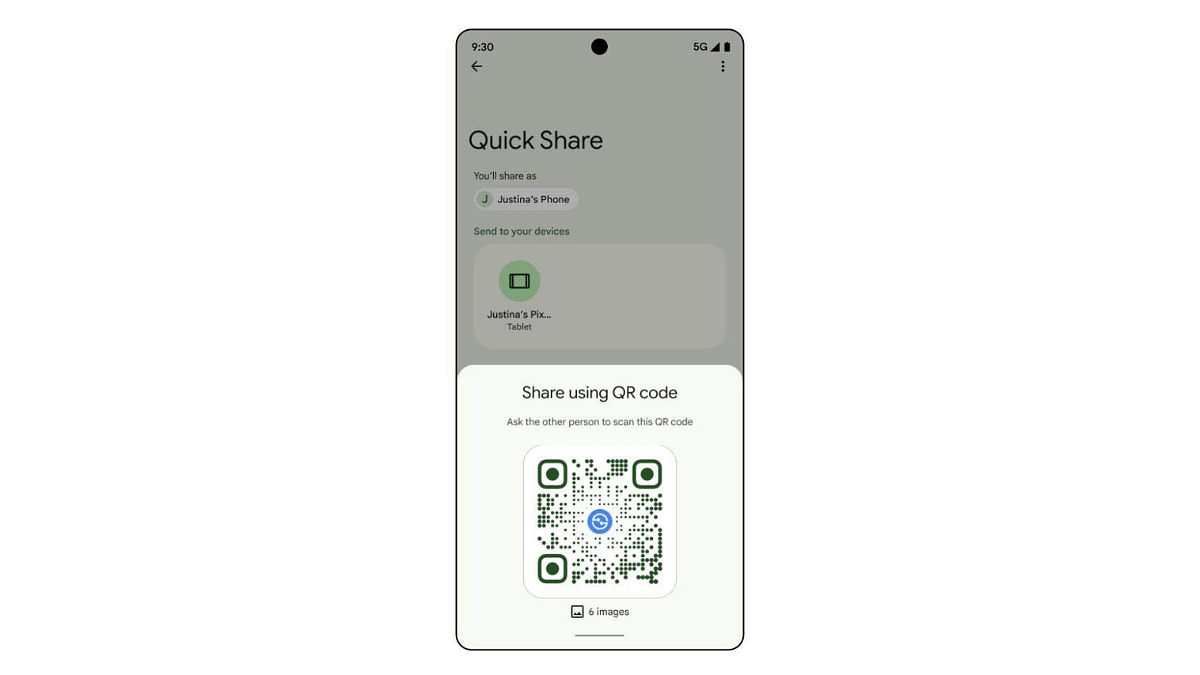
Google has introduced a new way to share files on Android. The latest update to Quick Share, which is a part of Google Play Services (version 24.49.33), now includes QR code support. This feature simplifies file transfers by allowing the users to share files without needing extra apps or settings.
Step 1: Open the Quick Share option from the share menu on your Android phone.
Step 2: In the ‘Send to nearby devices’ section, tap on ‘Use QR code.’
Step 3: A full screen interface will appear, generating a unique QR code with the Quick Share logo.
Step 4: Once the QR code is displayed, the screen brightens automatically for easier scanning.
Quick ShareQR Codes Features
The recipient only needs to open their phone’s camera app and point it at their QR code.
No contacts, device pairing, or extra settings are required.
The same QR code can be scanned by multiple people. This makes group sharing easy and efficient.
This makes it perfect for sharing event photos, group documents, or any file you need to send to several people quickly.
Addressing Previous Challenges
For many Android users, Quick Share’s device detection feature has been unreliable at times. With QR codes, this problem is solved. You no longer need to wait for devices to appear on a nearby list, a simple scan initiates the transfer instantly.
Samsung Galaxy users may find this feature familiar as Samsung Quick Share already supports QR code sharing. However, Samsung adds exclusive perks like integration with Samsung Cloud. Now, Google’s update ensures all Android users can enjoy QR code-based sharing, leveling the playing field.
For the tech geeks, stay updated with the latest cutting-edge gadgets in the market, exclusive tech updates, gadget reviews, and more right on your phone’s screen. Join Giznext’s WhatsApp channel and receive the industry-first tech updates.
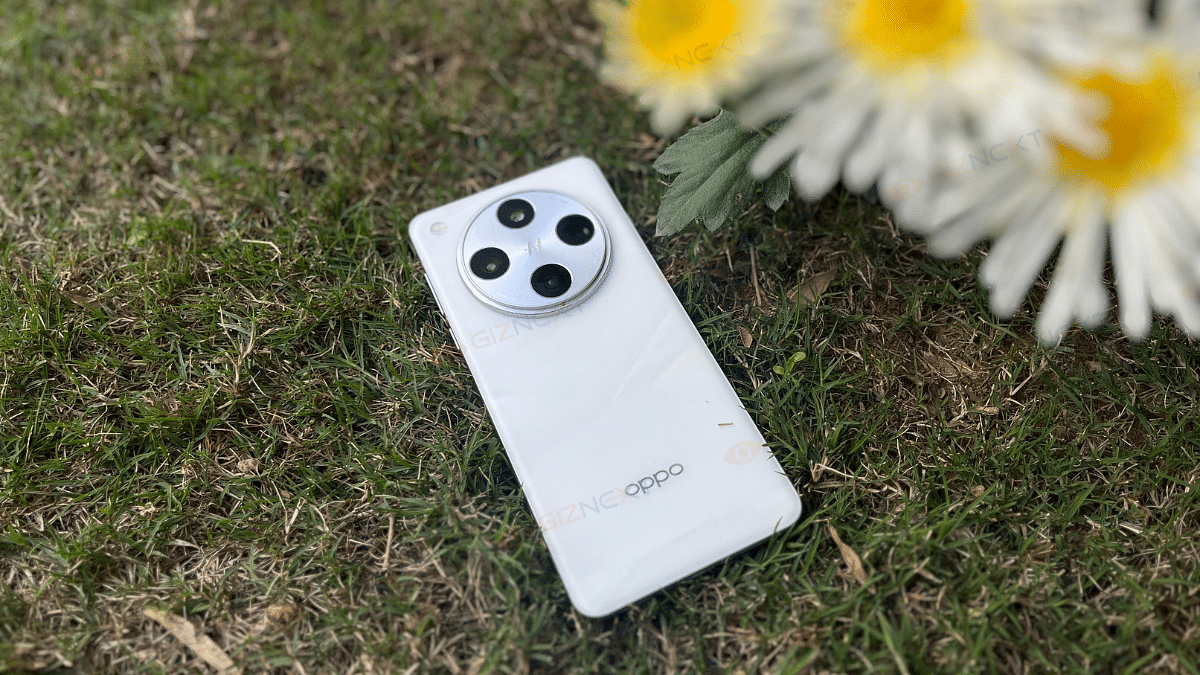
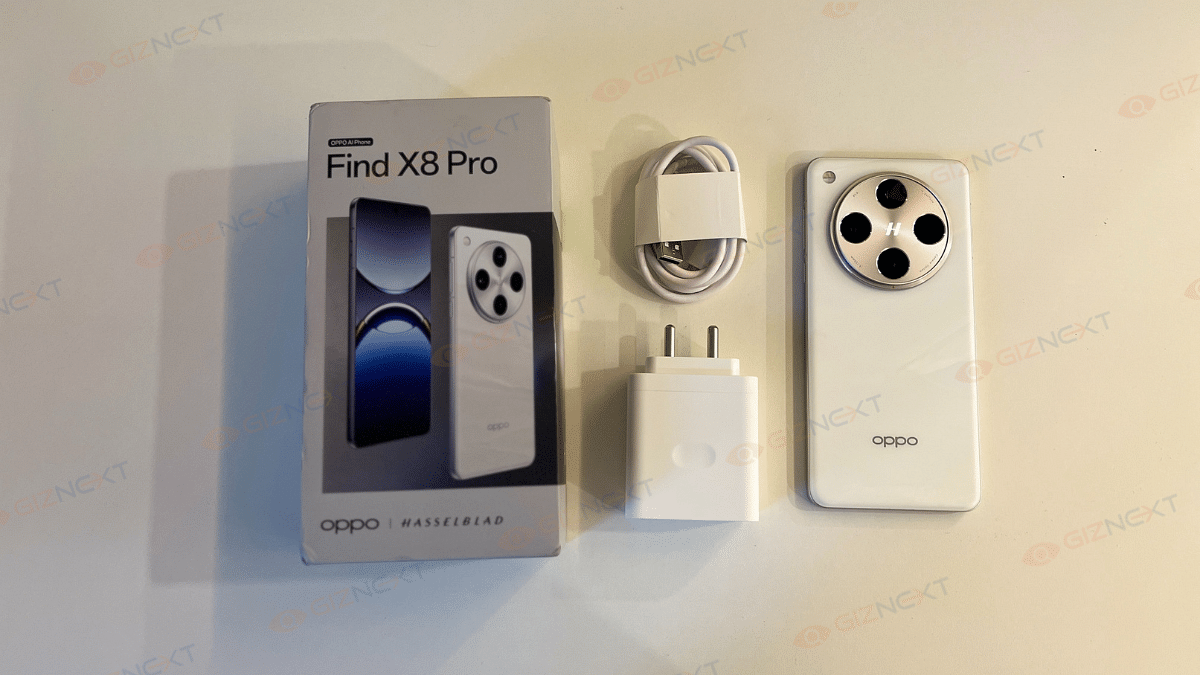
Imagine yourself being at a once-in-a-lifetime event and want to capture the perfect moment. But, your smartphone’s camera isn’t up to the mark. Isn’t it frustrating? Well, that’s exactly where the Oppo Find X8 Pro acts like a superhero. I have been using this flagship smartphone for the past several days, and I must say that it seems like Oppo wasn’t just aiming for the crown in the smartphone world, they were preparing for a full-blown tech revolution.
From its high-end MediaTek Dimensity 9400 chipset and jaw-dropping dual periscope zoom lenses, the Oppo Find X8 Pro promises a lot. Oh, and did I mention the 6,000mAh silicon-carbon battery? Yes, it has also got the stamina to match its looks. Oppo has clearly gone all out with the Find X8 Pro, and it’s finally strutting its stuff in India.
At first glance, this phone had me wondering. I thought is it a photography game-changer or just another pretty face in the flagship crowd? And that Camera Control button that seems like it belongs on an iPhone? Oppo, that’s a brave move though. Here in this review, I’m going to share my experience with the Oppo Find X8 Pro with you. Let’s get to know whether the Rs. 99,999 price tag is indeed justified or if it’s just another phone with high aspirations.
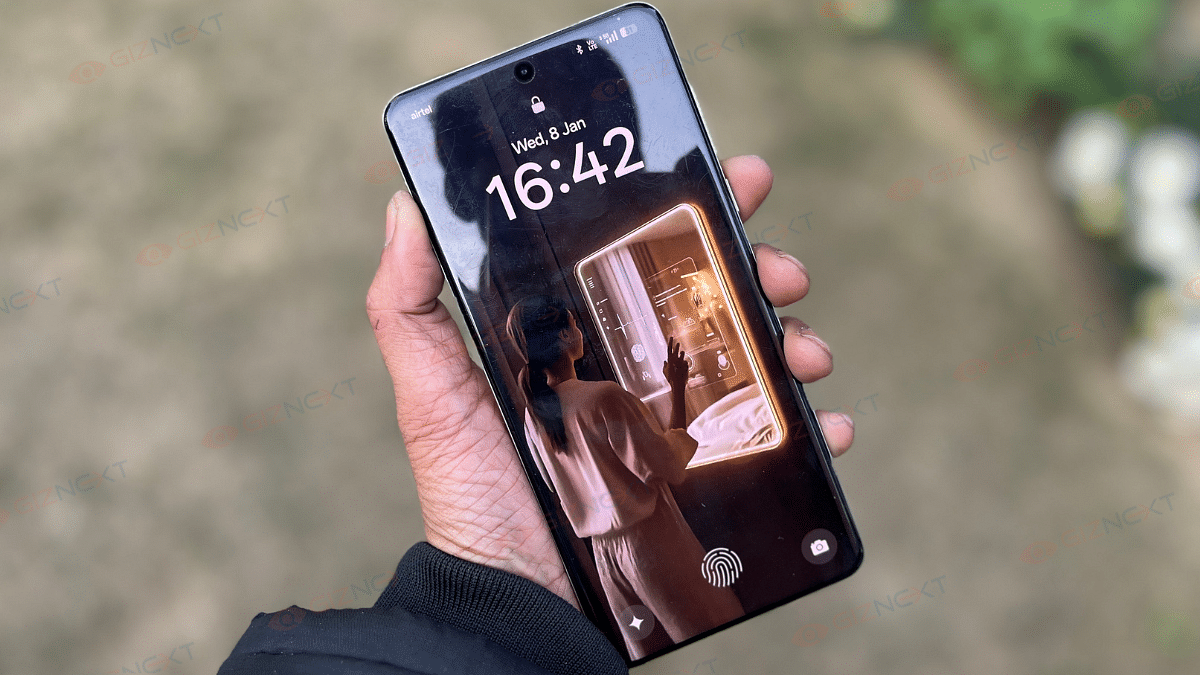
If you are not a fan of large smartphones, the size of the Oppo Find X8 Pro might seem a bit intimidating. But I personally found it comfortable to hold and use. Whether it’s binge-watching my favorite shows or scrolling reels endlessly, that big screen feels just perfect.
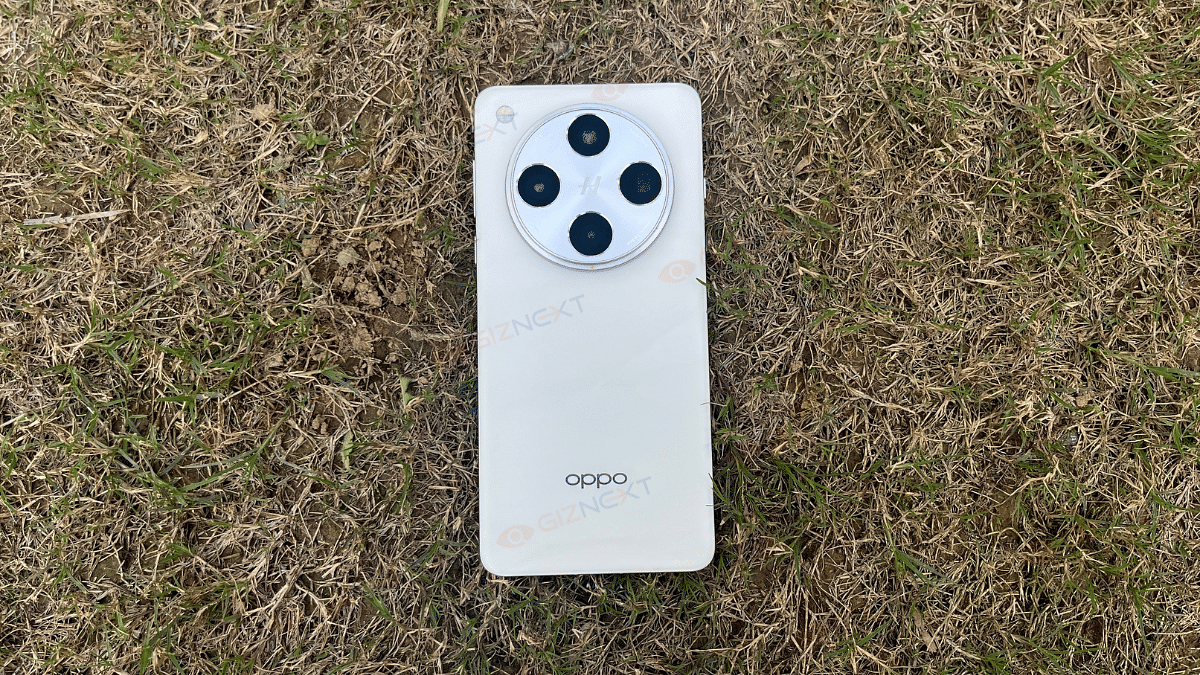
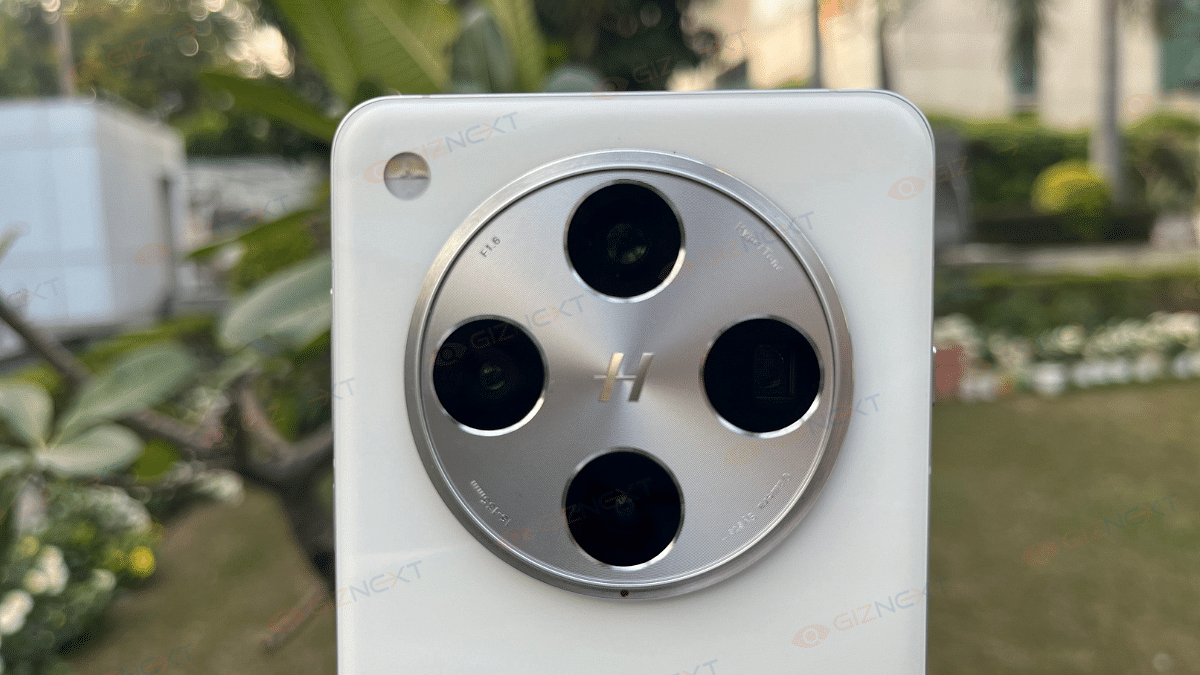
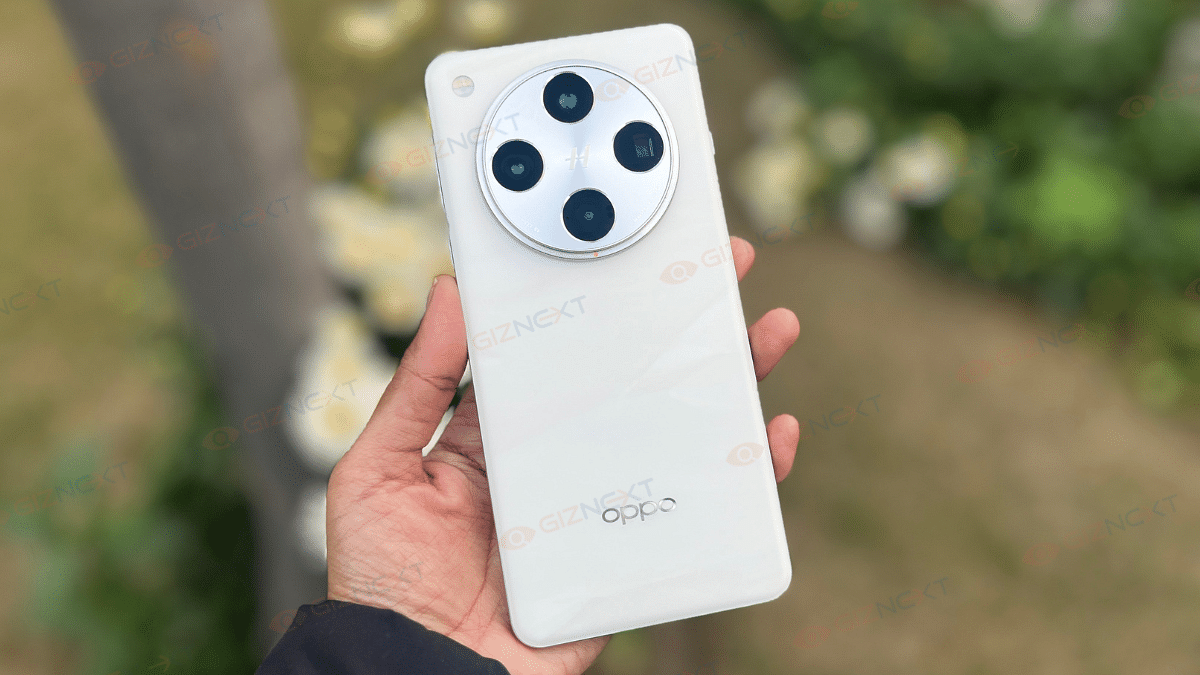
The unit I reviewed was the White variant and honestly, it’s my favorite of the two options. It has this classy and marble-like rear panel that looks premium and elegant. However, I can’t help but wish Oppo had added more color options, as Google and Apple do a great job with their flagship products.
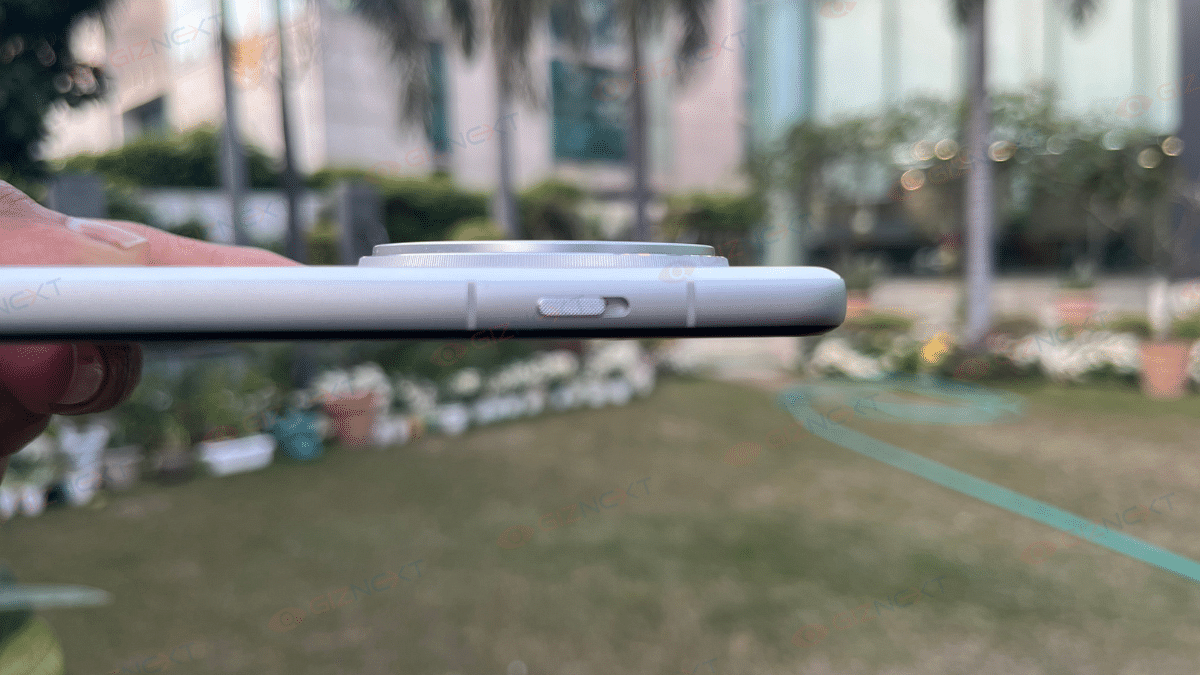
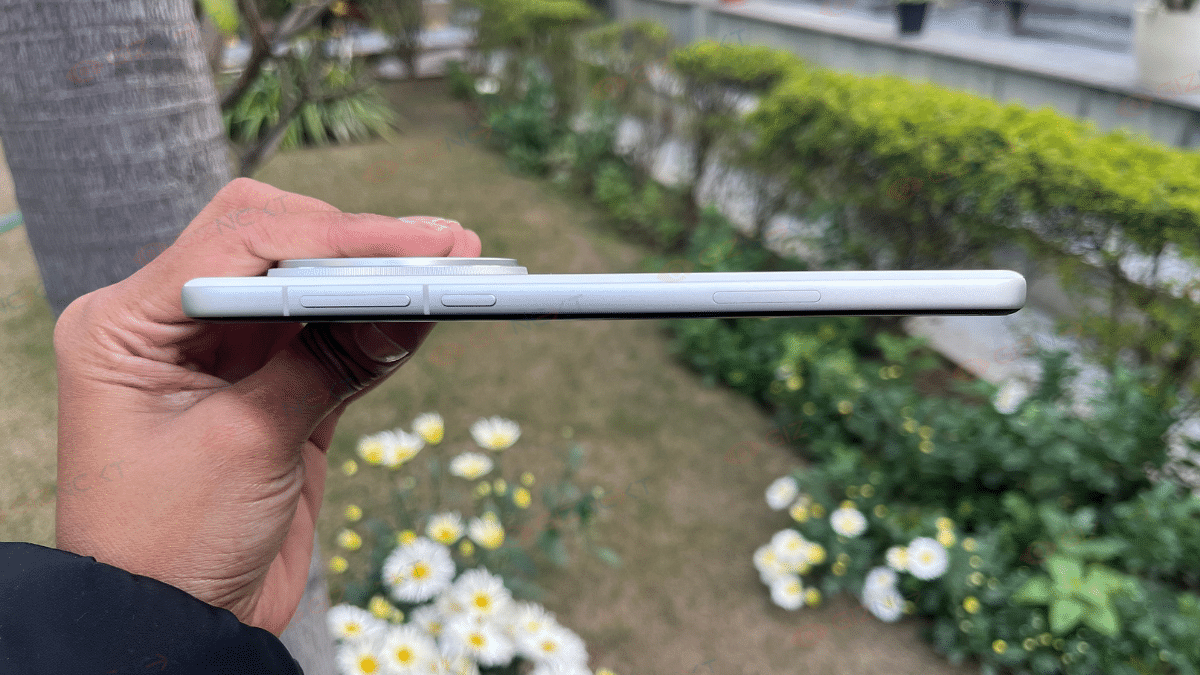
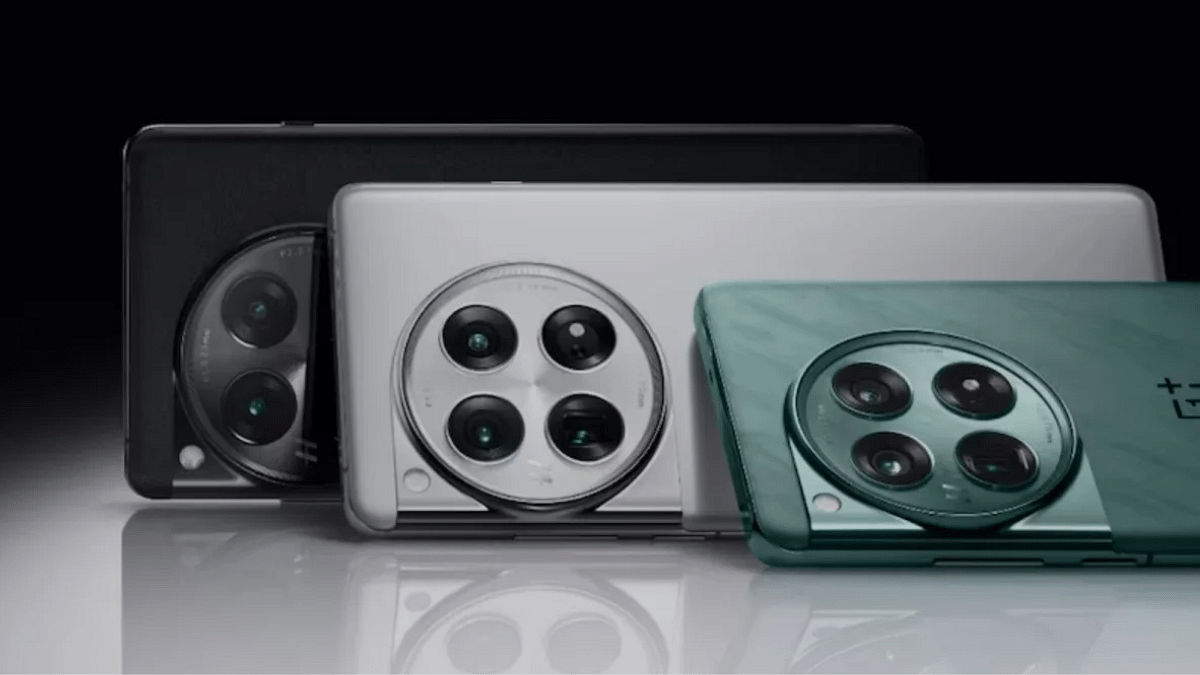
The Find X8 Pro, however, share some design resemblance with the OnePlus 13, like the large circular camera module and a quad-curved display. But Oppo takes a more practical route. It’s noticeably thinner and lighter. It also has an IP69 rating, that means, it’s practically indestructible when it comes to water and dust. The Quick Button that is inspired by the iPhone 16’s Camera Control button is a great addition.
And let’s not forget the Alert Slider from OnePlus flagships, sitting beautifully on the left side of the phone. Switching between ring, vibrate, and silent modes has never been smoother. On the right, you’ve got the volume rockers, power button, and that Quick Button, all within easy reach.
All in all, the Oppo Find X8 Pro strikes a balance between style, durability, and practicality. The smartphone proves that flagship phones can look great and handle everyday life like a pro.
Display
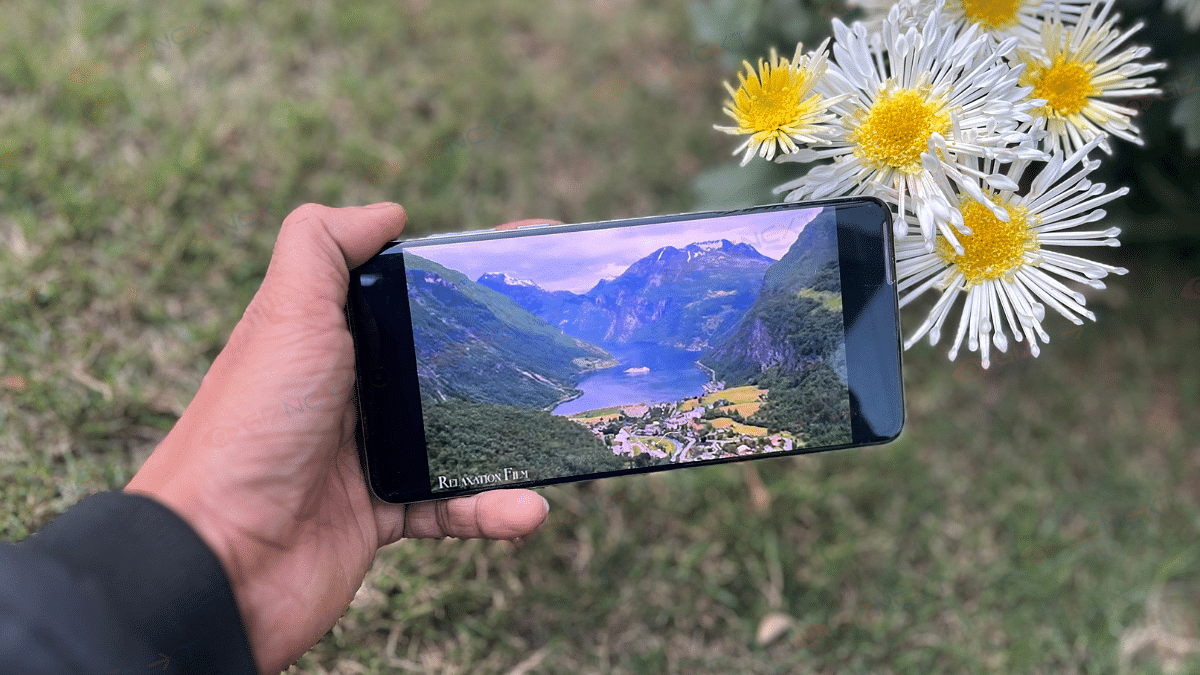
The Oppo Find X8 Pro has a 6.78-inch quad-curved AMOLED display which looks stunning. With its balanced slim bezels, the screen delivers a sleek and almost bezel-less look that feels thoroughly modern. The 2,780 x 1,264 pixel resolution offers sharp visuals while HDR10+ and Dolby Vision ensure vibrant colors and decent contrast.
However, the curved edges are purely aesthetic and can cause some annoying reflections when viewing content outdoors. Despite this, the overall experience is immersive, thanks to punchy visuals and loud stereo speakers that make movies and shows come alive. Whether binge-watching during a long journey or scrolling endlessly, this display ensures every moment looks and feels premium.
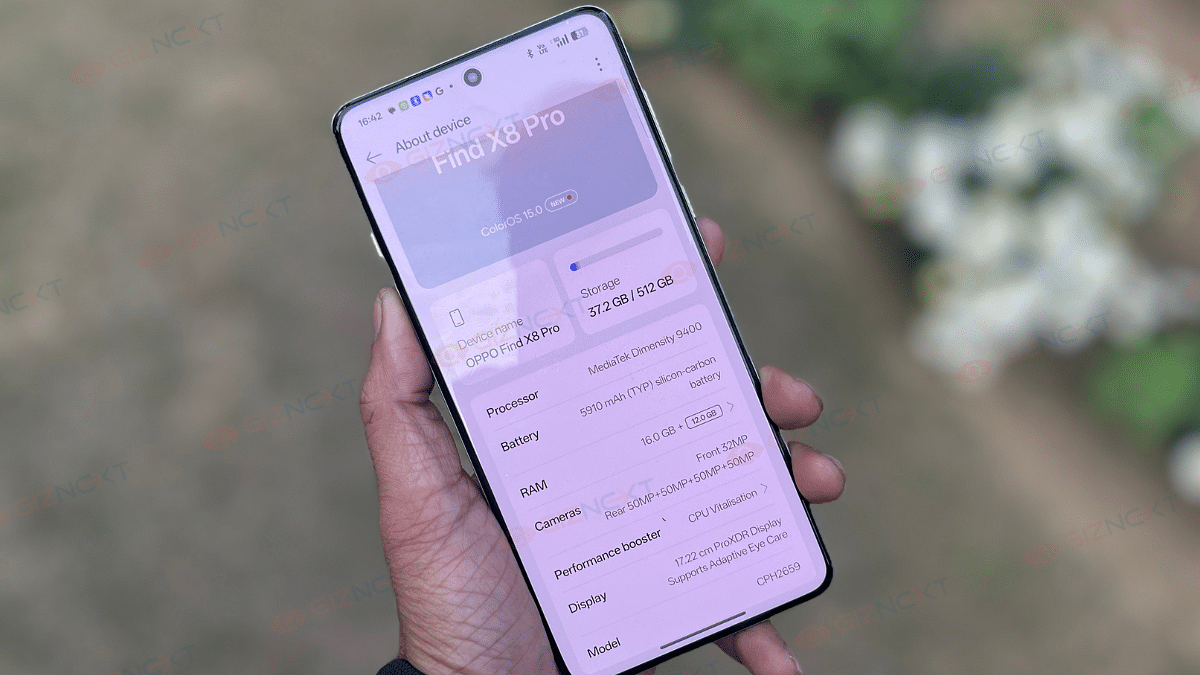
Under the hood, the Oppo Find X8 Pro is powered by the MediaTek Dimensity 9400 chipset. It comes with a 16GB of RAM and 512GB of storage. From gaming to multimedia editing, this device can perform super-fast.
While most AI features rely on the cloud, leading to a slight delay at times, this is more about software design than hardware limitations. The phone is decent in handling processor and graphics intensive applications with minimal lags. Even during long gaming or video editing sessions, performance remains smooth. Though there was a slight noticeable heating during resource-heavy tasks. However, it never hinders usability.
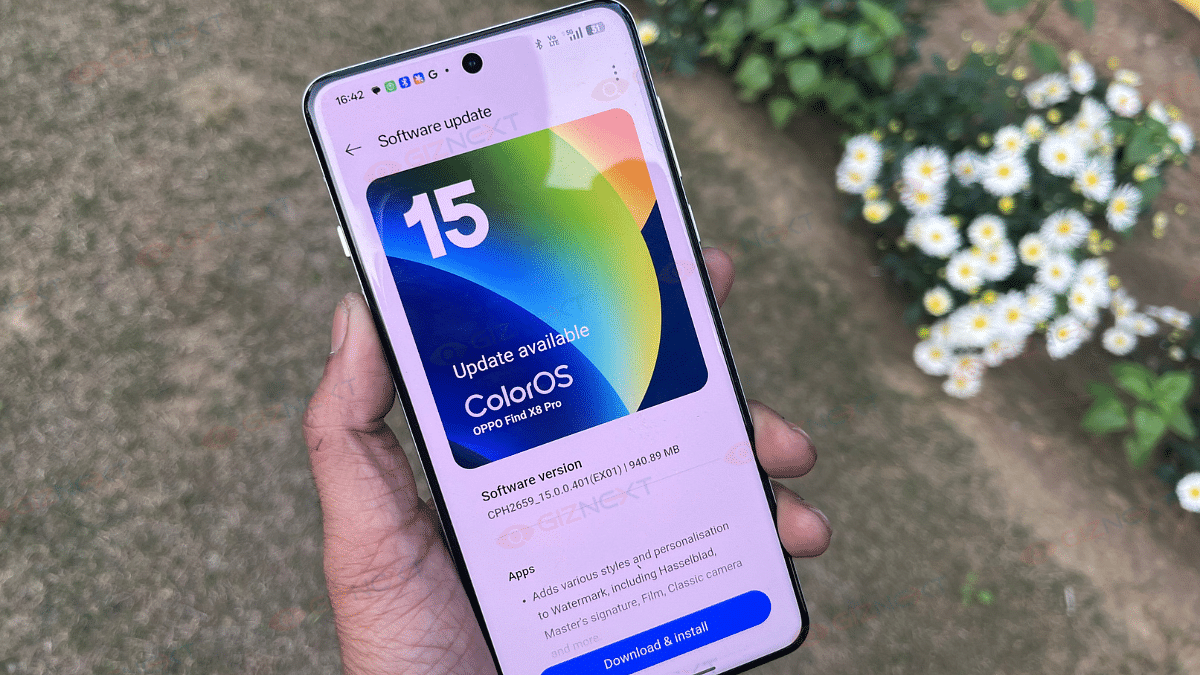
On the software front, ColorOS 15 based on Android 15 delivers a polished experience. Its revamped UI is sleek and user-friendly. The integrated AI features add a layer of convenience without being overbearing. Overall, the Find X8 Pro is a powerhouse that doesn’t disappoint.
Camera
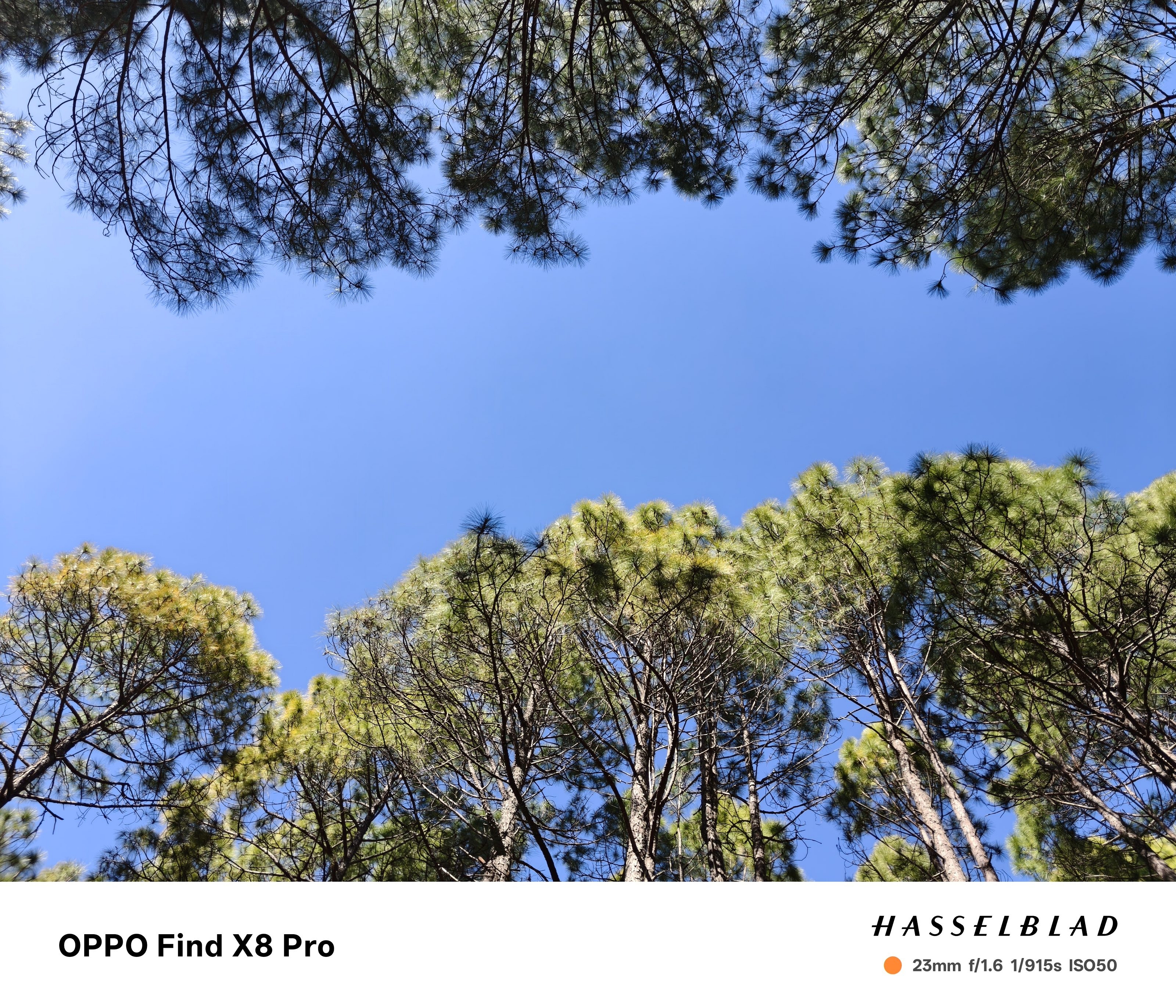
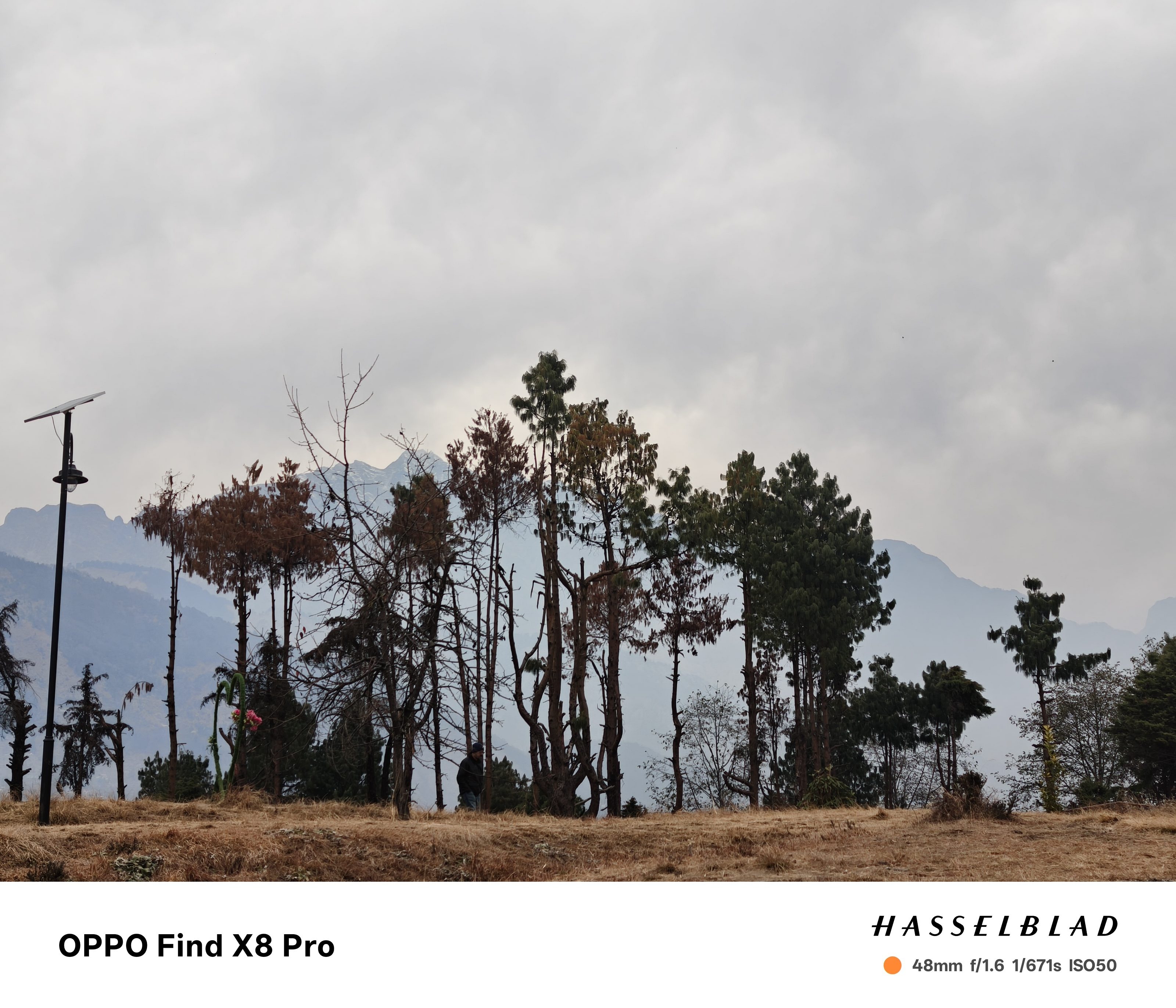
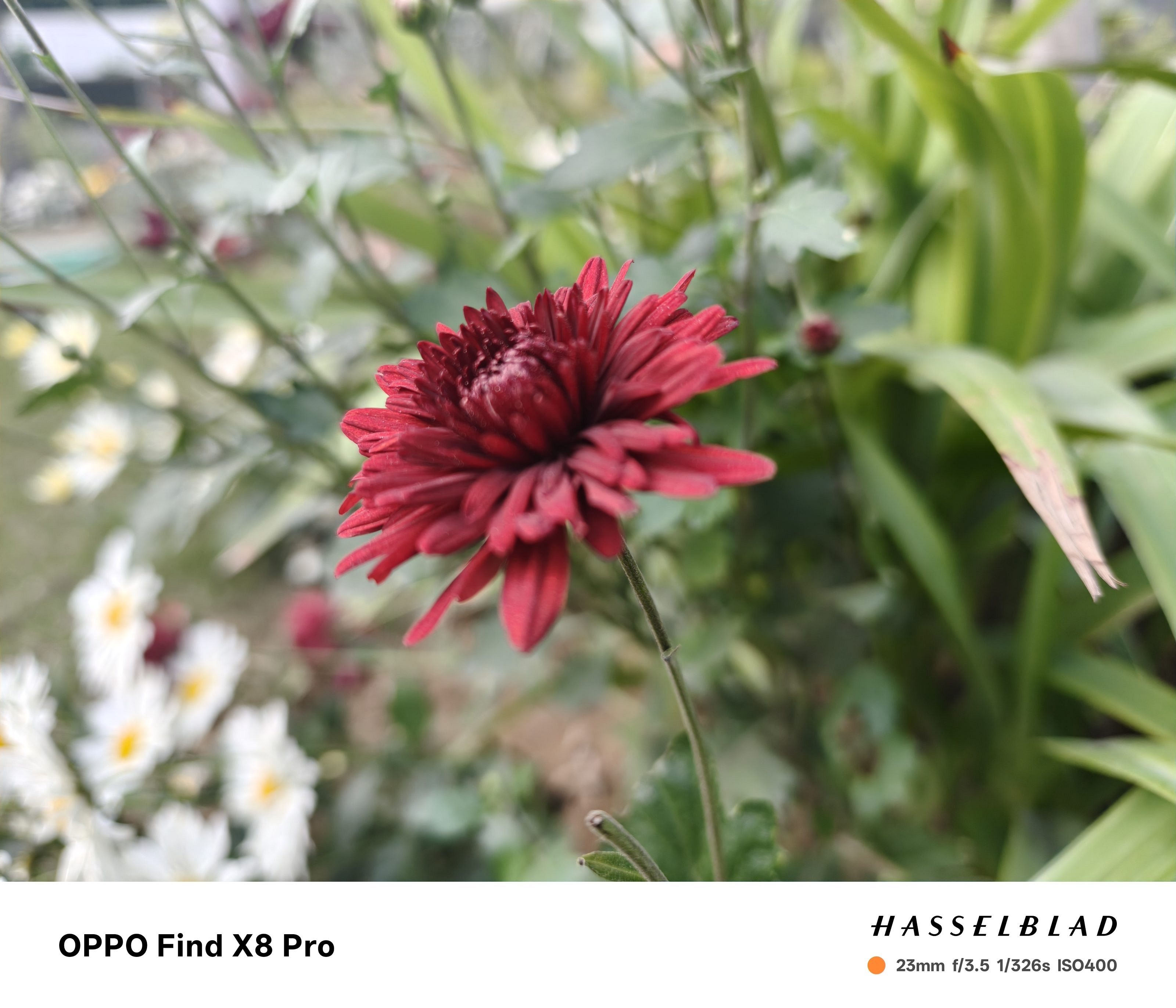
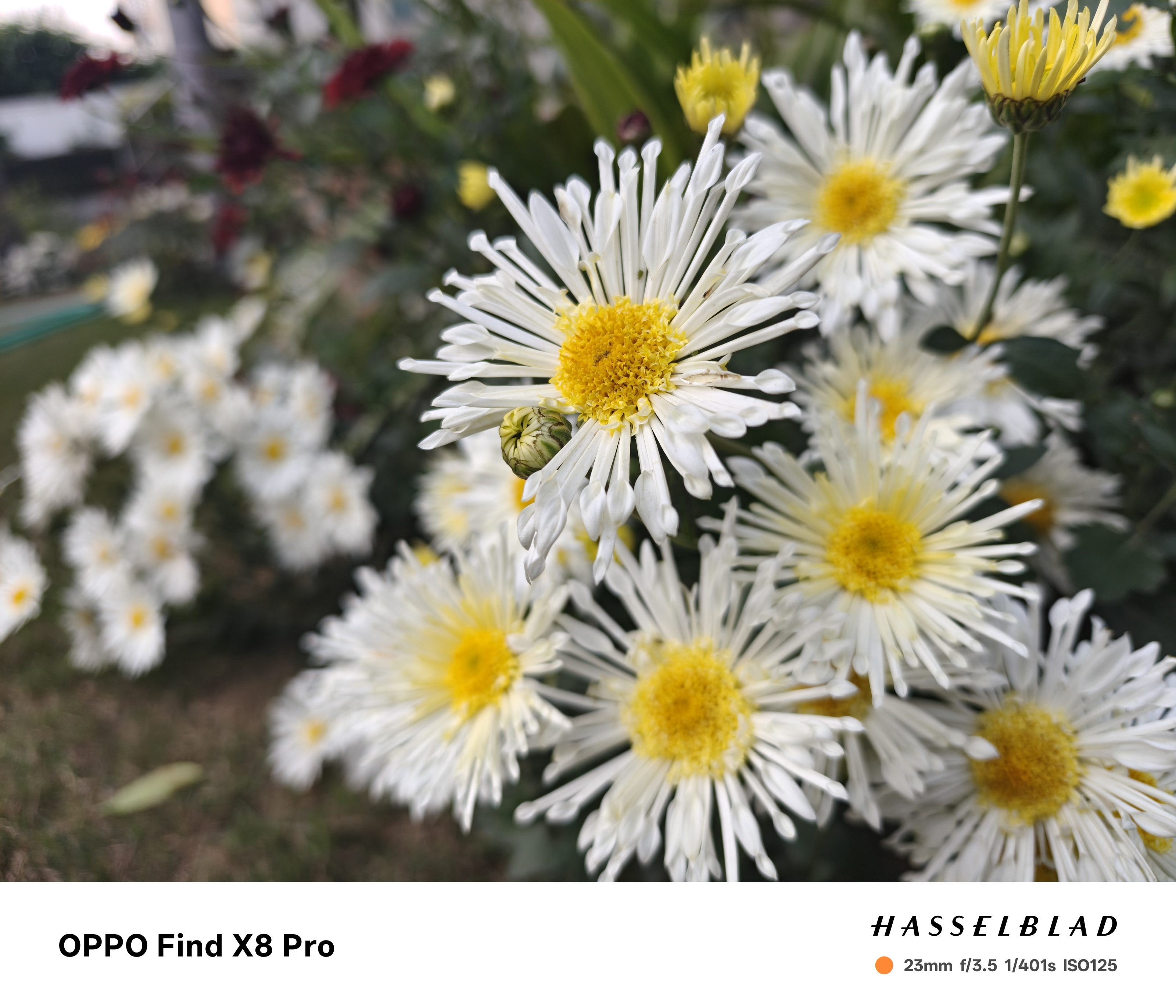
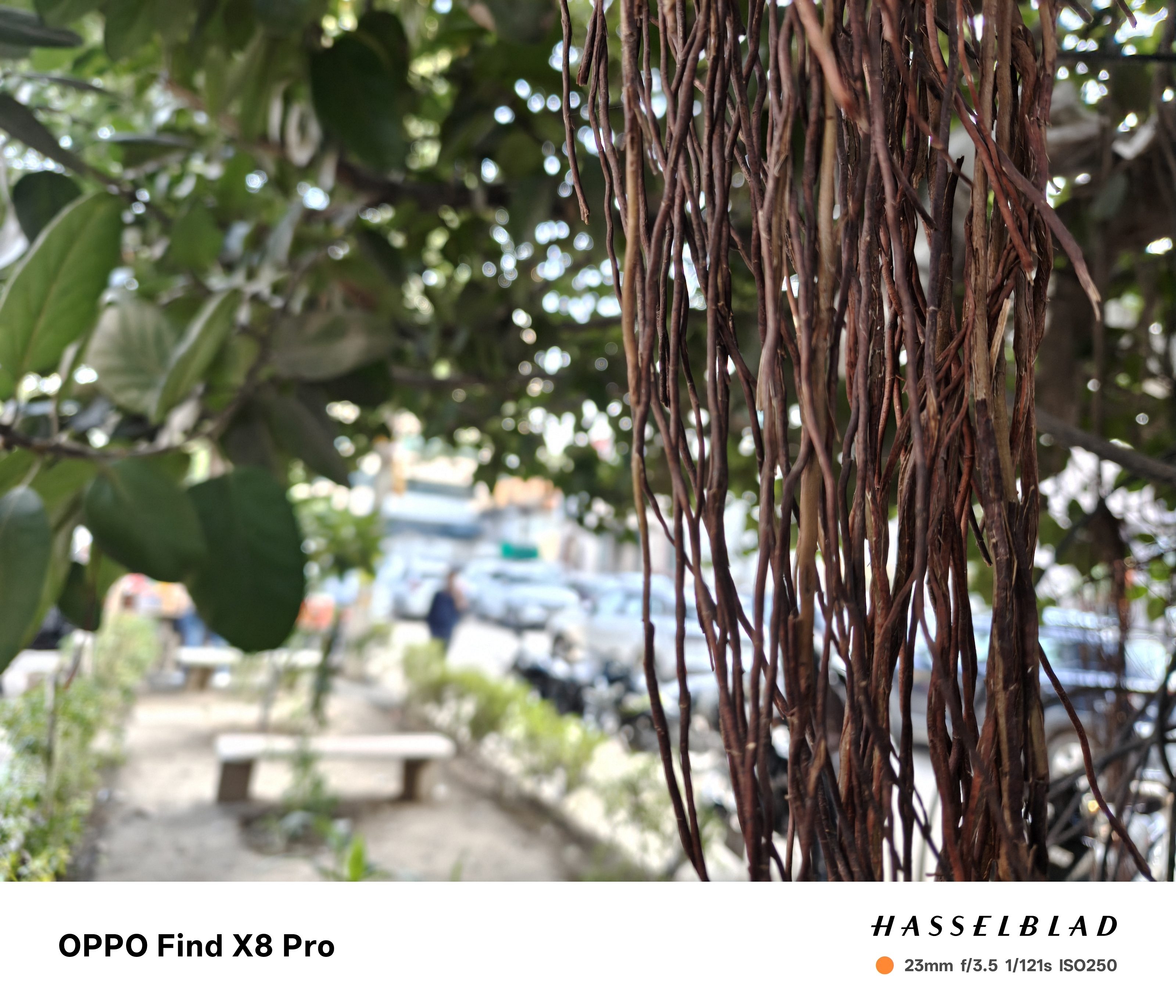
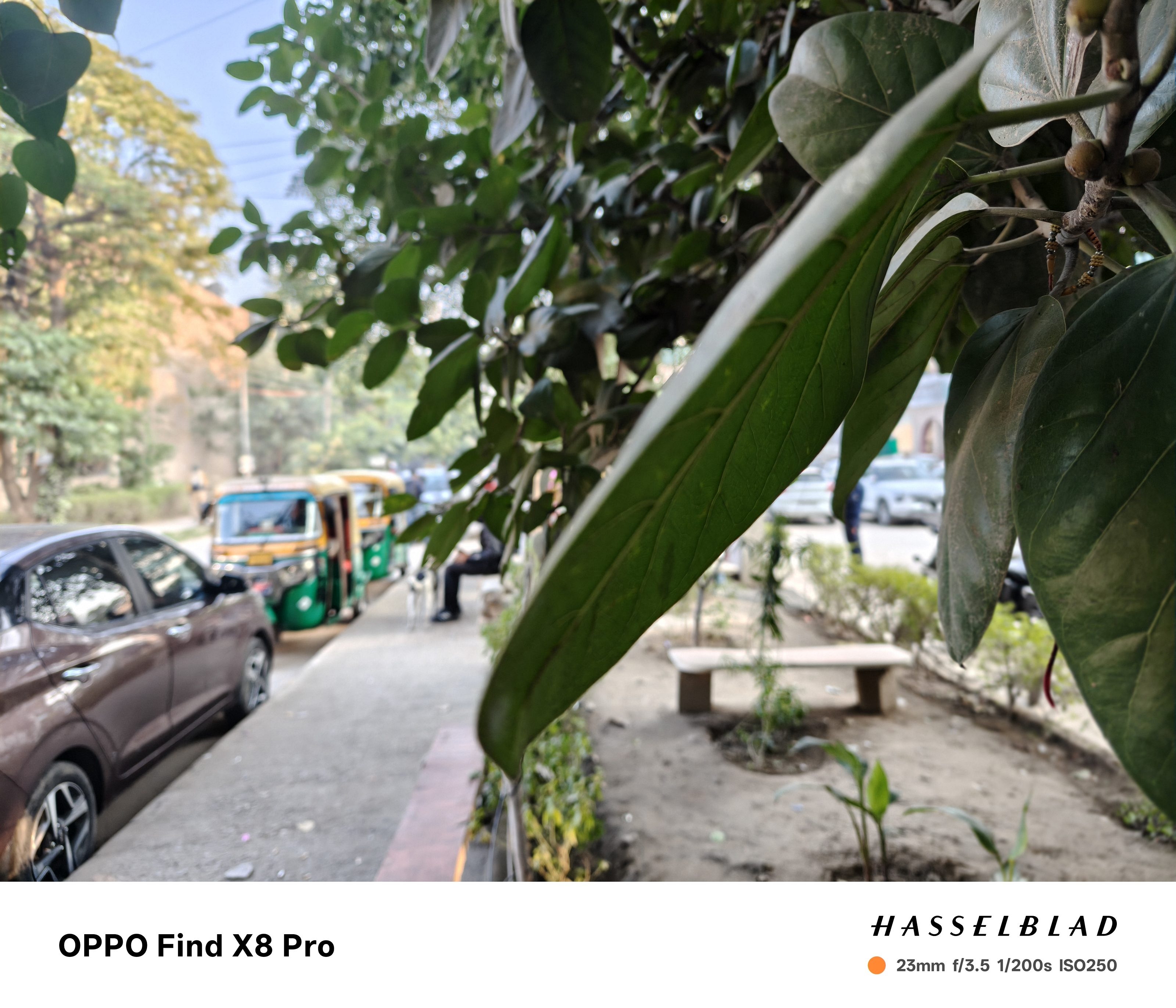
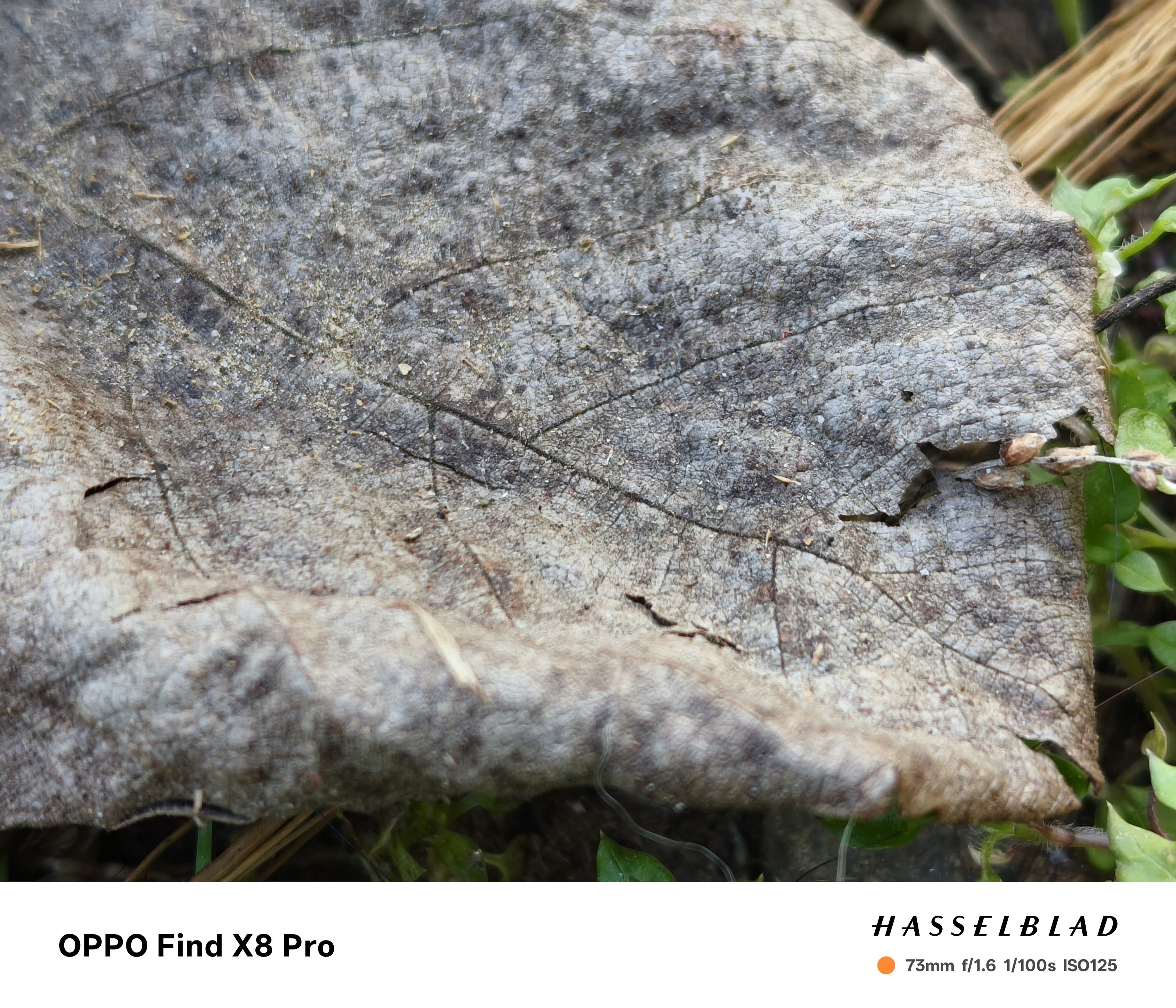
The Oppo Find X8 Pro completely transforms smartphone photography with its four 50MP sensors on the back. Without any doubt, the primary 50MP Sony Lytia LYT-808 sensor with OIS is the star of the show. It captures vibrant, detail-packed images in any lighting condition.
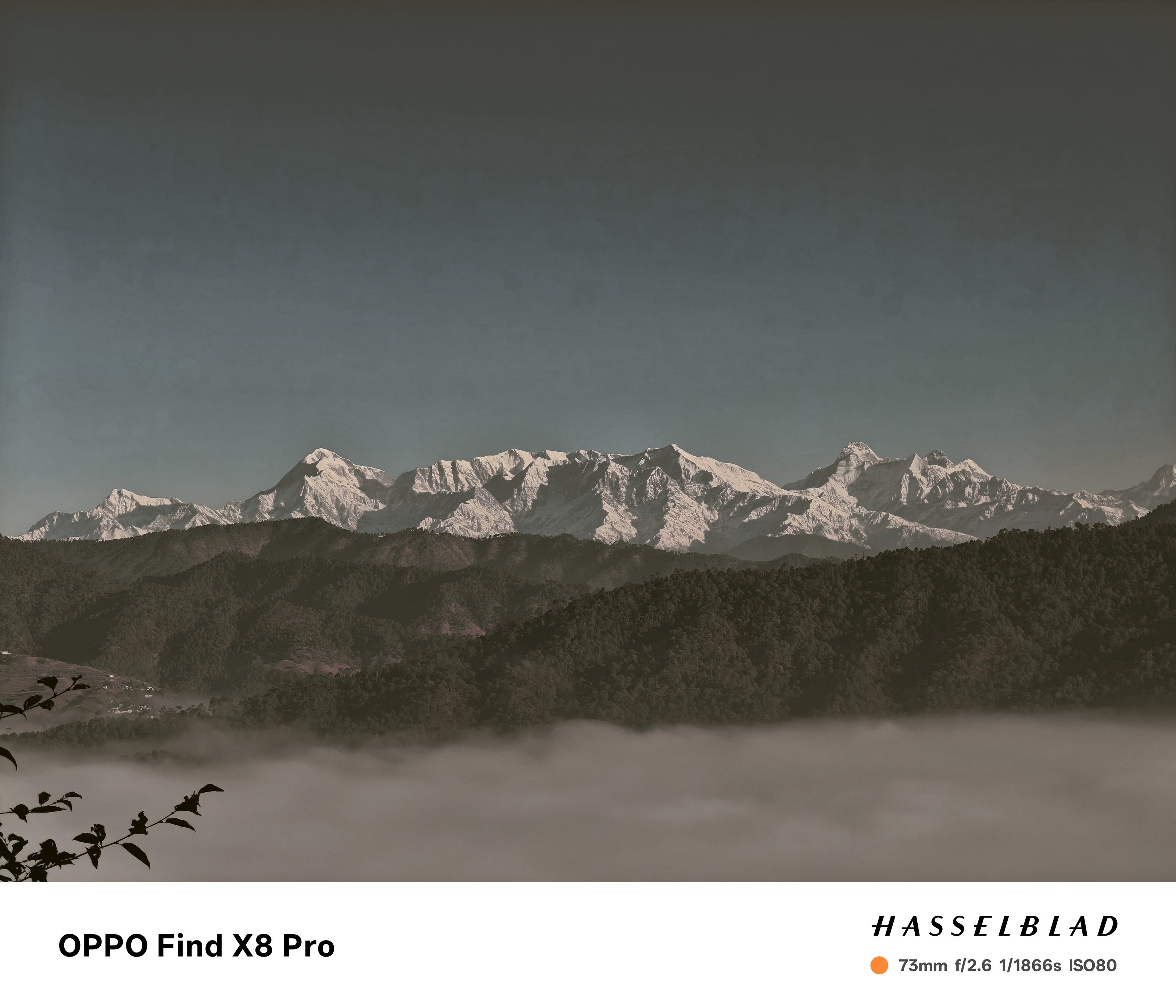
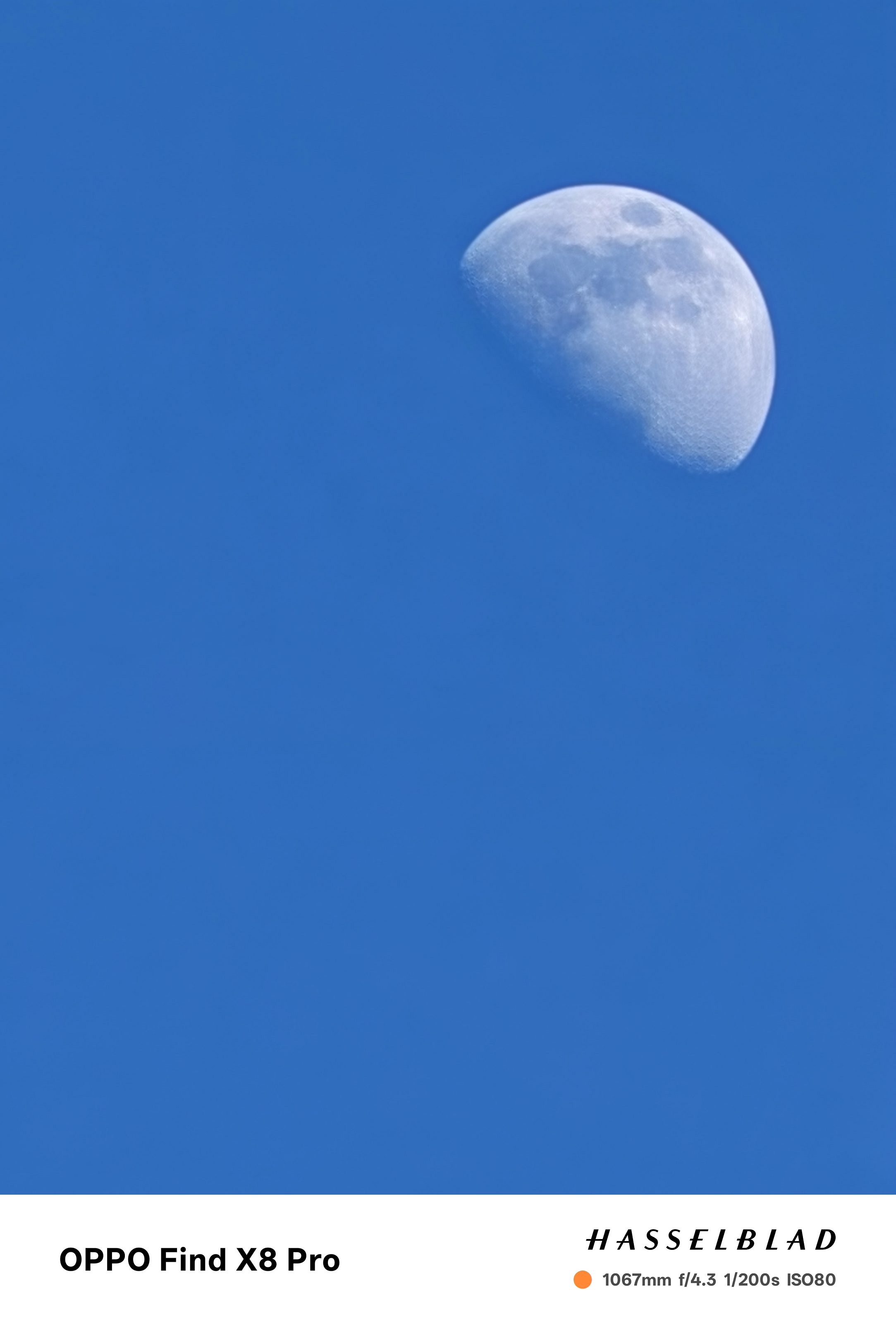
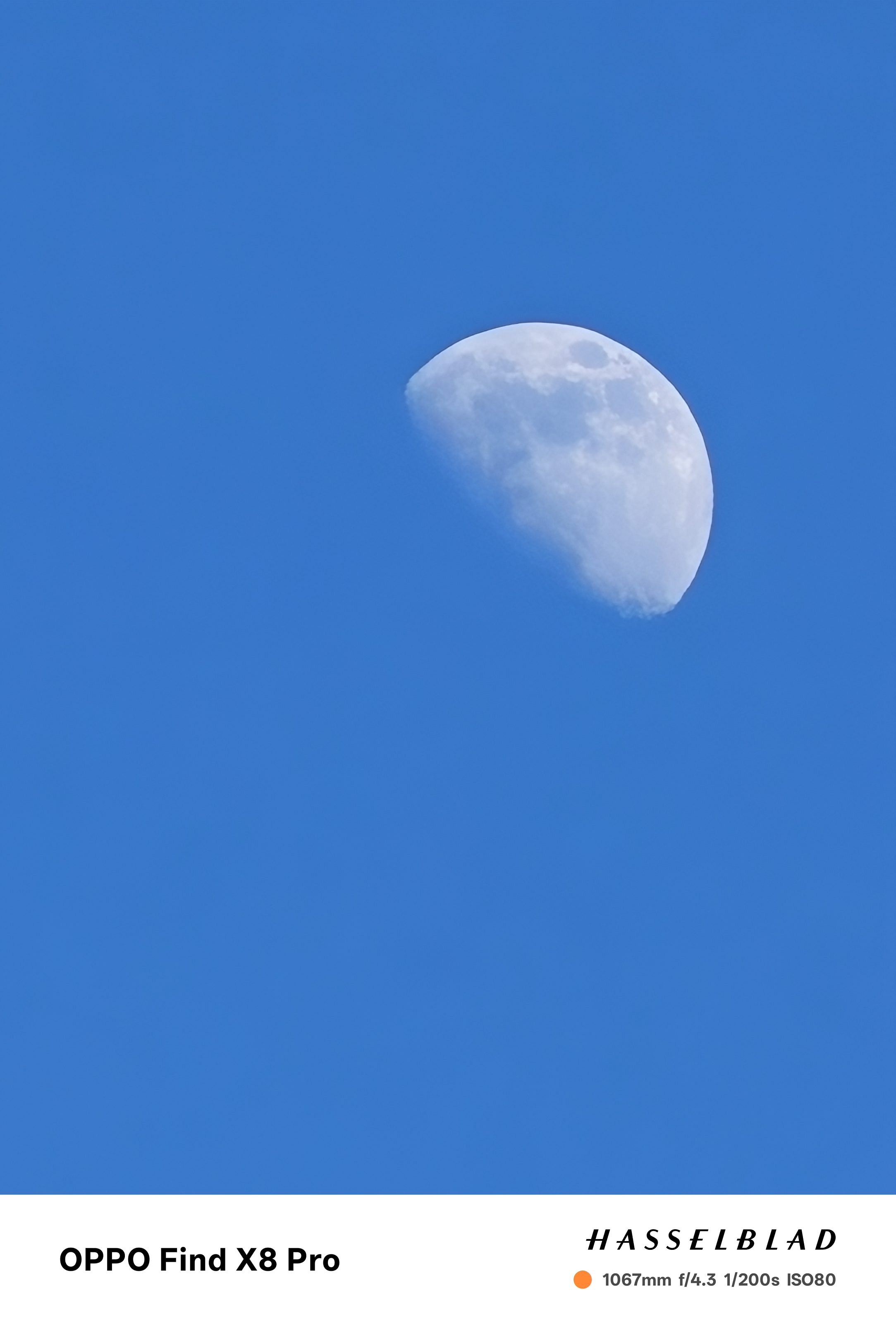
Complementing the primary sensor is a 50MP telephoto lens that offers 3x optical zoom and another 50MP telephoto lens with an impressive 6x optical zoom. The latter stands out in a market where such zoom capabilities are rare. It delivers sharp, detailed shots even at higher zoom levels.
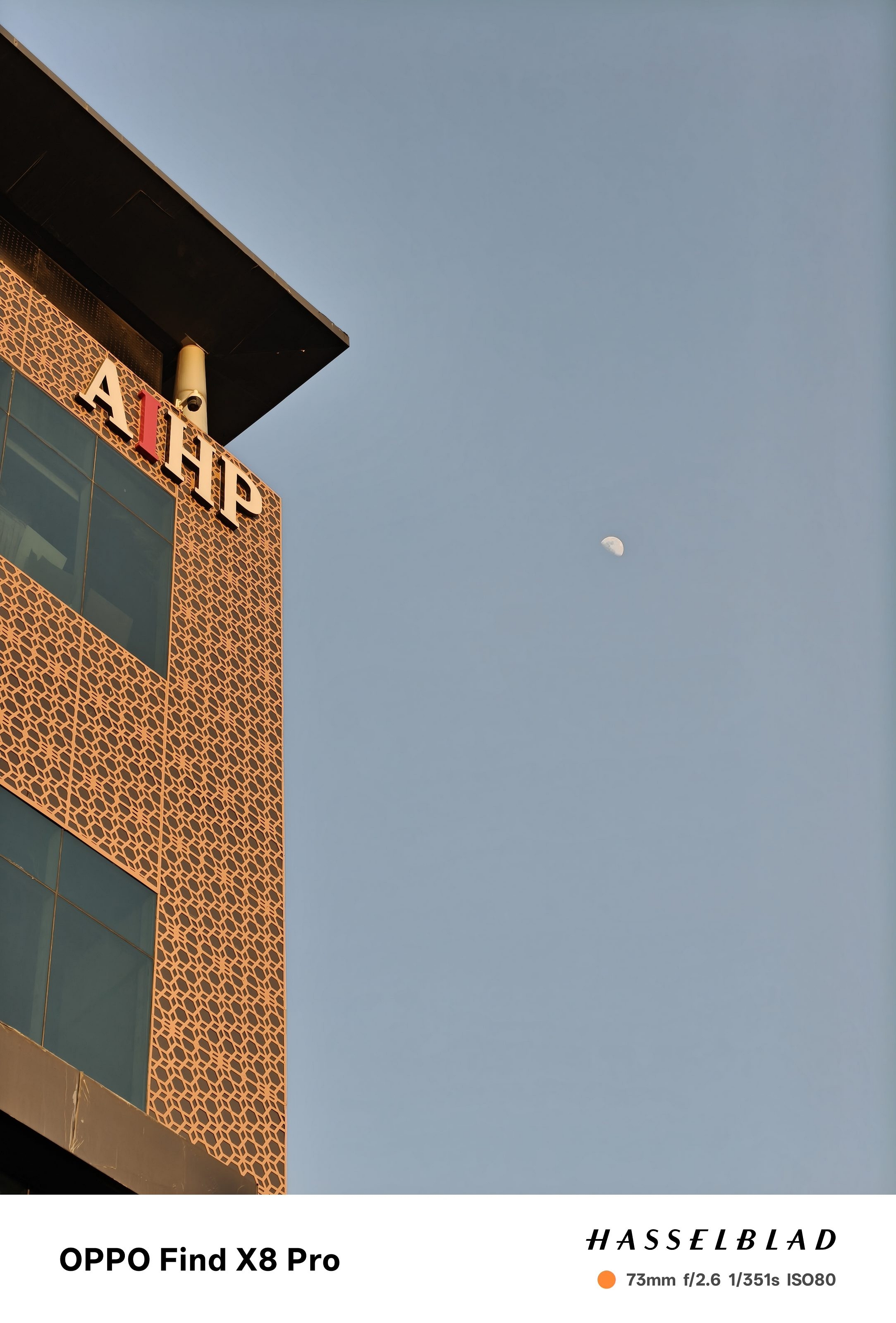
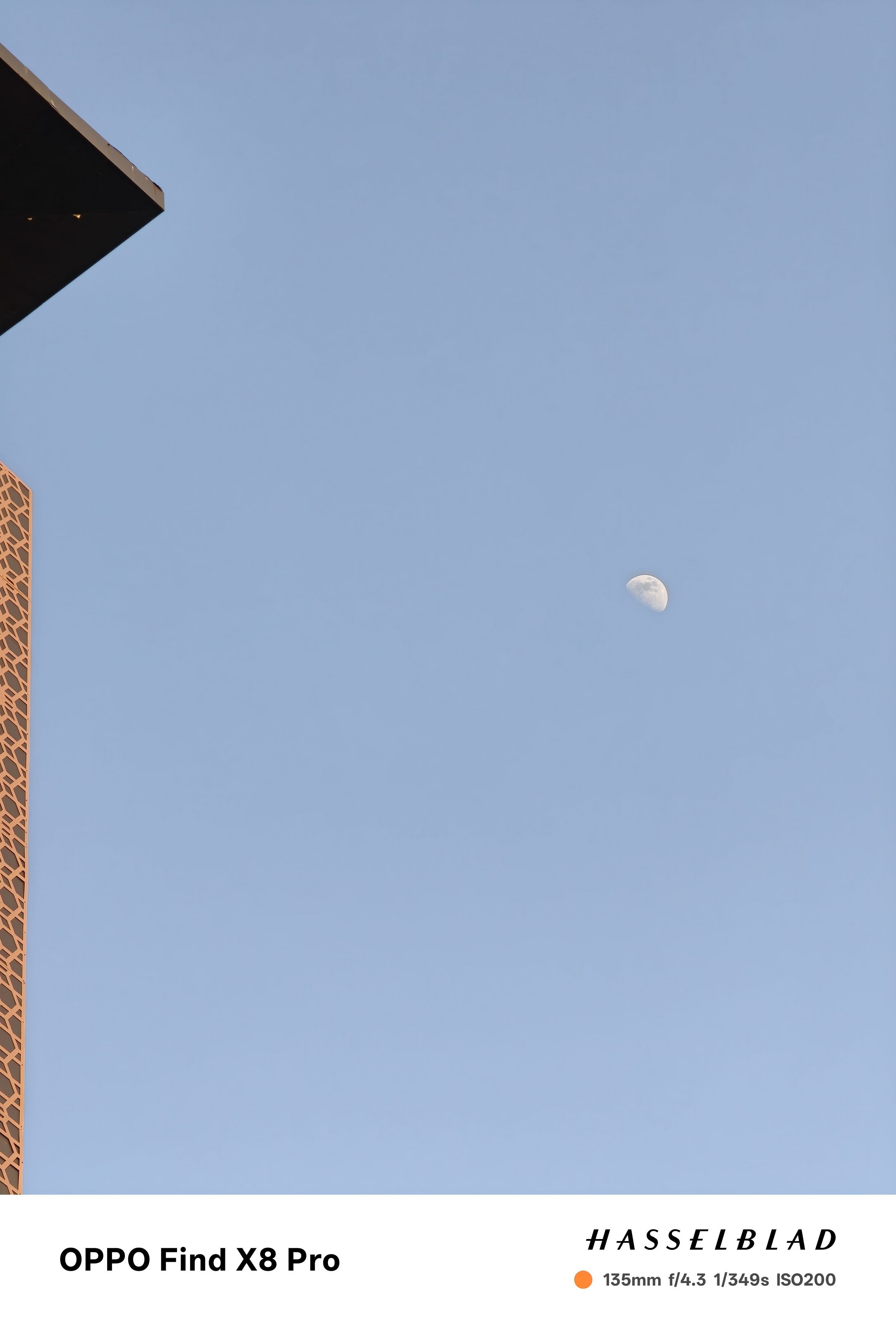
It’s super easy to zoom in with the Find X8 Pro. The 6x zoom works incredibly well. Even the results of the 15x optical zoom are social media-worthy. However, the AI Telephoto Zoom mode isn’t perfect, nonetheless it does a decent job of outlining shapes and text at extreme zoom ranges.
The ultrawide 50MP camera is another standout. It mostly outperforms most competitors in both daylight and low-light scenarios. Portrait photography is equally impressive, thanks to Oppo’s partnership with Hasselblad. The dynamic range, natural skin tones, and vibrant colors make for stunning portraits.
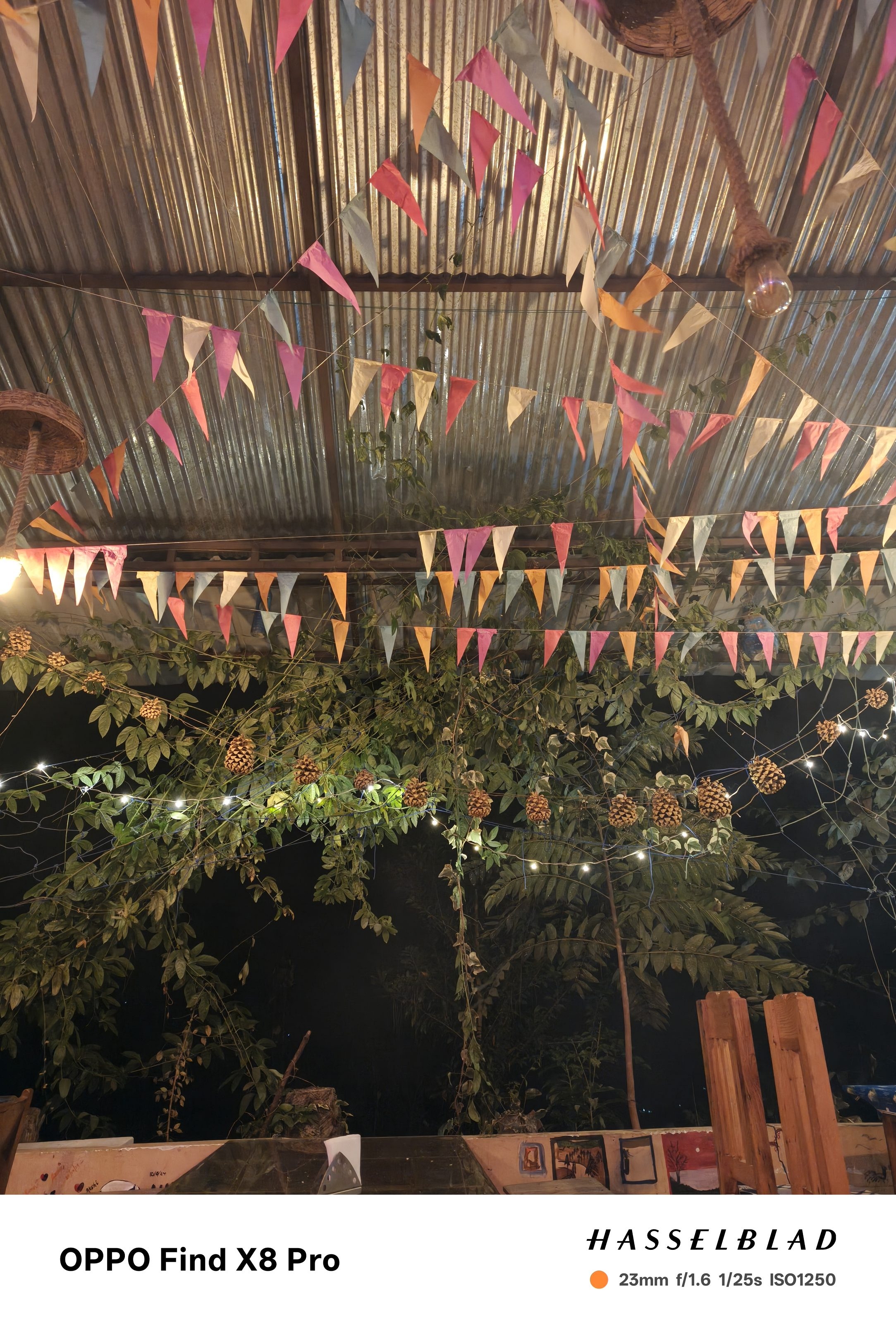
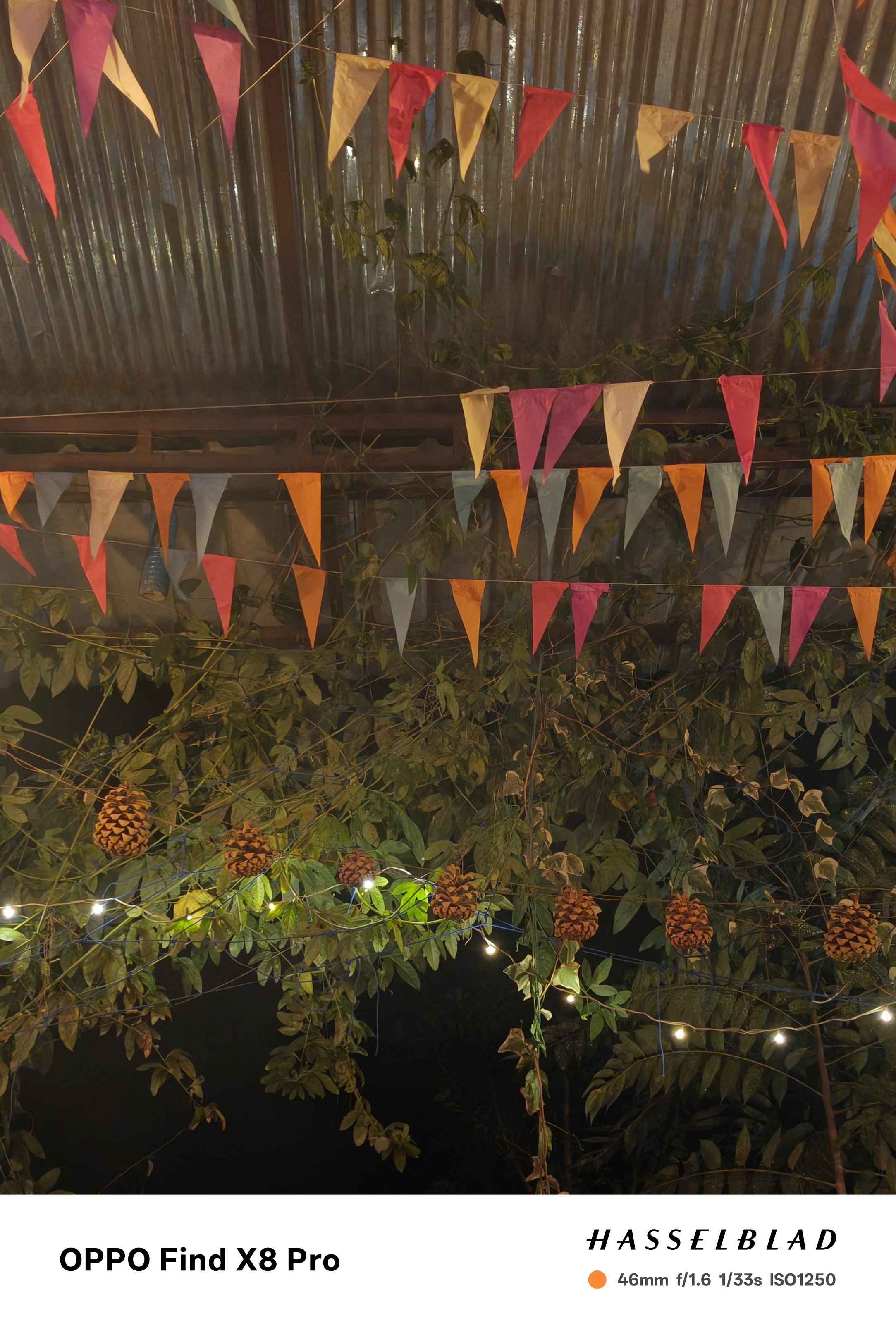
Low-light performance is where the primary sensor shines. It delivers sharp, noise-free images with great details. Indoor shots under artificial lighting are vibrant and color-accurate.
On the video front, the Find X8 Pro excels with 4K recording at 60fps on both front and rear cameras. Videos are sharp, stable, and true-to-life with a range of creative tools for those who like to experiment.
Overall, the Oppo Find X8 Pro’s camera system is a masterpiece. With Hasselblad’s expertise, this phone is a dream come true for mobile photography enthusiasts. Whether you’re zooming in on distant subjects or capturing cinematic videos, the Find X8 Pro does it all with finesse.
Battery
If battery life tops your priority list, the Oppo Find X8 Pro won’t disappoint. It is powered by a 5,910mAh silicon-carbon battery. During my usage, the phone easily lasted over a day on balanced performance mode. With lighter usage, you can expect even better longevity.
Fast charging is another win here. The 80W wired charging takes the phone from 8 percent to 100 percent in an hour with the included charger. Additionally, the phone supports 50W AirVOOC wireless charging for added convenience. Overall, the Find X8 Pro is a perfect choice for a great battery life and quick charging capabilities.
The Oppo Find X8 Pro is a near-perfect flagship with great design, top-tier performance, and an brilliant camera system. While its high price, limited color options, and slight heating under intense tasks are notable drawbacks, these are outweighed by its innovative features, long battery, and unmatched versatility. The Oppo Find X8 Pro is definitely it a worthwhile investment for tech enthusiasts.
For the tech geeks, stay updated with the latest cutting-edge gadgets in the market, exclusive tech updates, gadget reviews, and more right on your phone’s screen. Join Giznext’s WhatsApp channel and receive the industry-first tech updates.
OnePlus 3 launched with top-tier chipset and camera hardware
Competes against iQOO 13 and Vivo X200 Pro
OnePlus 13 available in two variants
Prices start at Rs. 76,999
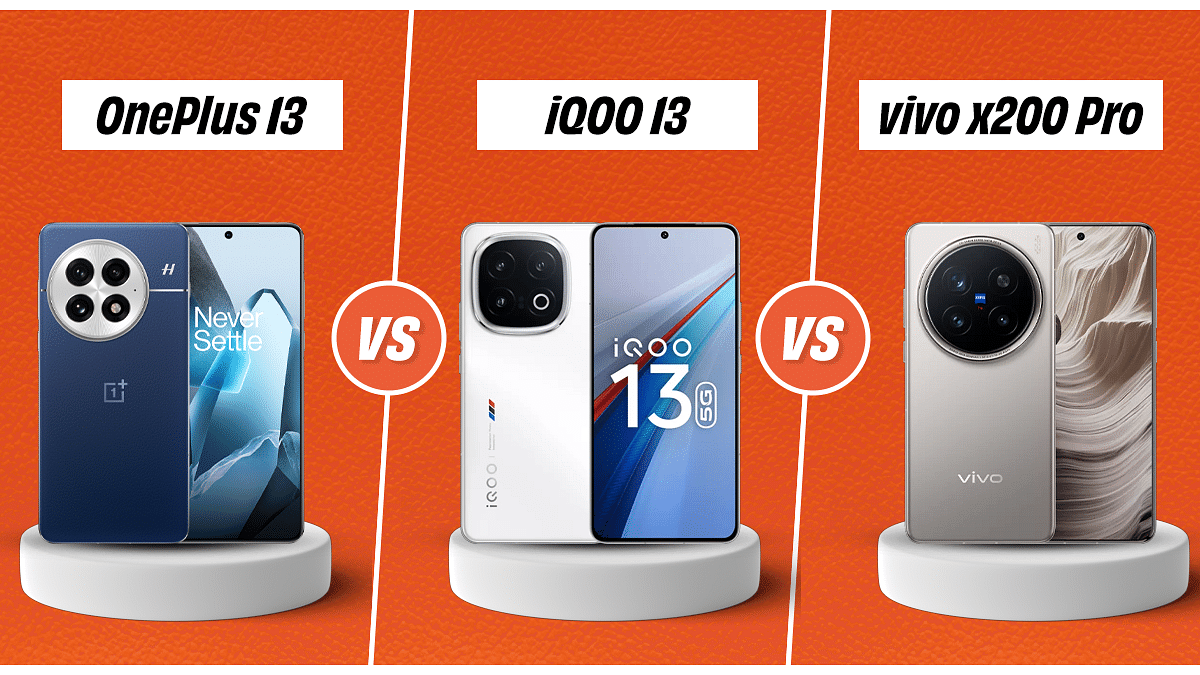
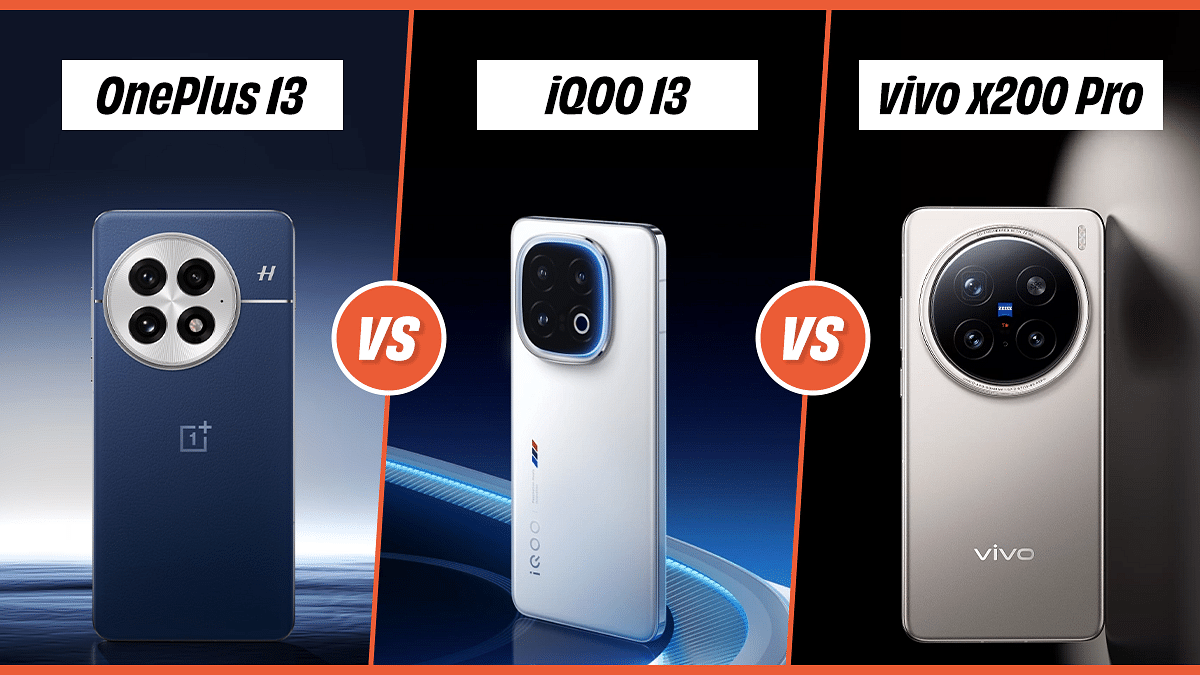
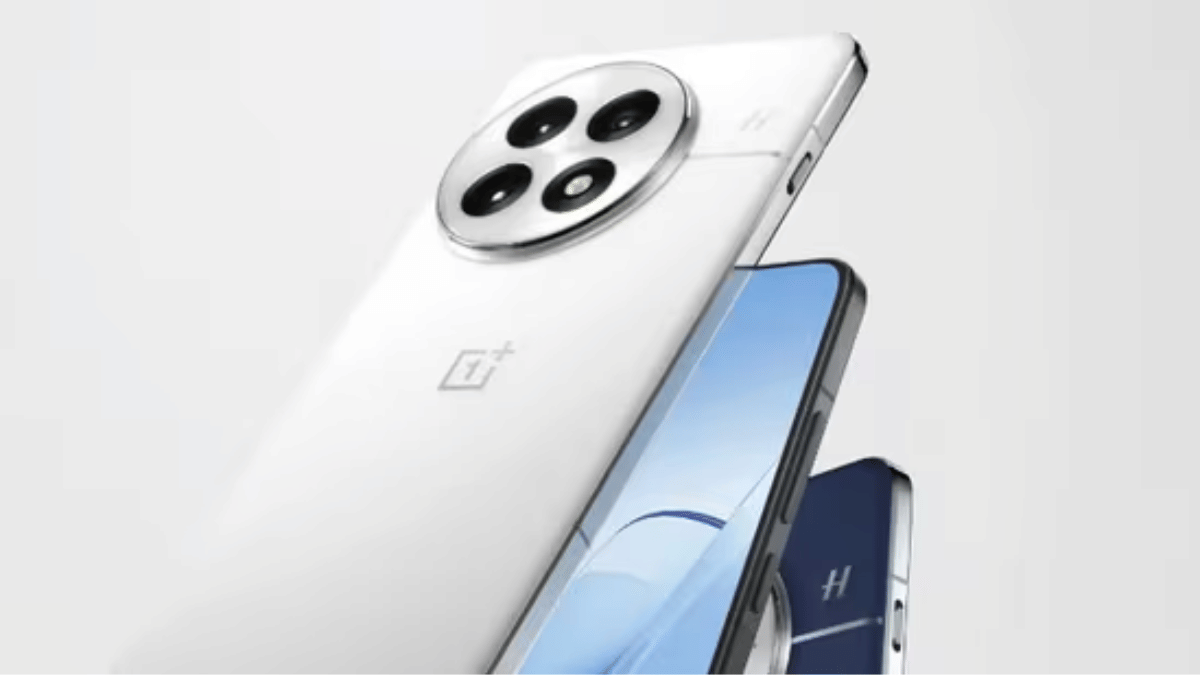
2025 has just begun and smartphone OEMs have already started competing for the top spot. OnePlus at its Winter Launch Event yesterday, took the wraps off its ultra-premium OnePlus 13 lineup. The latest flagship series from OnePlus once again brings Hasselblad camera prowess along with performance-centric chipset. OnePlus is betting high with the OnePlus 13 lineup bringing on heat for the newly launched Android flagships including the iQOO 13 and the Vivo X200 Pro. In this article, we are doing a quick spec comparison of the OnePlus 13 with these two premium iQOO and Vivo handsets. Which one steals the top spot? Let’s find out:
For the tech geeks, stay updated with the latest cutting-edge gadgets in the market, exclusive tech updates, gadget reviews, and more right on your phone’s screen. Join Giznext’s WhatsApp channel and receive the industry-first tech update.
OnePlus 13 Vs iQOO 13 Vs Vivo X200 Pro: Display Specs Comparison
Model
OnePlus 13
iQOO 13
Vivo X200 Pro
Display size
6.82-inch
6.82 inch
6.78-inch
Panel type
LTPO 4.1 ProXDR
LTPO AMOLED (Curved)
LTPO AMOLED (Curved)
Screen resolution
QHD+ (1,440×3,168 pixels)
QHD+ (1440×3168 pixels)
FHD+ (1260×2800 pixels)
Refresh rate
120Hz
120Hz
120Hz
Peak brightness
4500 nits
4500 nits
4500 nits
Pixel density
510ppi
510 ppi
453 ppi
Display specs are almost similar on all three phones which make them great for media consumption. All three phones will also be best with gaming visuals allowing users to tune into the highest graphic settings. The OnePlus 13 and the iQOO 13 are a step ahead from the X200 Pro just in terms of the display size and the screen resolution. However, the X200 Pro still gives a solid competition to both these handsets.
OnePlus 13 Vs iQOO 13 Vs Vivo X200 Pro: Hardware And Software Comparison
Model
OnePlus 13
iQOO 13
Vivo X200 Pro
Chipset
Qualcomm Snapdragon 8 Elite
Qualcomm Snapdragon 8 Elite
MediaTek Dimensity 9400
Fabrication
3nm
3nm
3nm
GPU
Adreno 830 GPU
Adreno 830
Immortalis-G925
RAM
12GB/ 16GB/ 24GB
12GB/ 16GB
16GB
Storage
256GB/ 512GB/ 1TB
256GB/ 512GB
512GB
OS
Android 15
Android 15
Android 15
User Interface
OxygenOS 15.0
Funtouch OS 15.0
Funtouch OS 15.0
Performance is one of the biggest upgrades these three flagship phones have recieved besides the camera. The OnePlus 13 and the iQOO 13 will be the performance beasts featuring the Qualcomm’s most powerful mobile chipset, the Snapdragon 8 Elite. The Vivo X200 Pro also has a top-of-the-line SoC from MediaTek, i.e., the Dimensity 9400.
All three phones stores massive power to complete any given tasks without noticeable lags. But the iQOO 13 is tuned specifically to handle extensive gaming when played at the highest graphic settings. And if its the overall speeds, all three phones here perform equally. Configuration-wise, its the OnPlus 13 which is taking up the top spot with an additional high-end variant that offers 24GB RAM and 1TB storage. We still are to test the real life processing powers of these three phones and do a thorough comparison of the same.
OnePlus 13 Vs iQOO 13 Vs Vivo X200 Pro: Camera Comparison
Model
OnePlus 13
iQOO 13
Vivo X200 Pro
Main camera (rear)
50MP Sony LYT-808 sensor
50MP Sony IMX-921 sensor
50MP Sony LYT-808 sensor
Ultra-wide angle camera
50MP
50MP
50 MP f/2.0
Periscope telephoto camera
50MP
50MP
200MP
Optical zoom
3x
3x
3.7x
Selfie camera
32MP
32MP
32MP
OnePlus and iQOO 13 have an almost identical camera hardware with the primary setup with the rear panel comprising a triple 50MP module. The picture is slightly different with the Vivo X200 Pro which has the not just the segment’s but India’s largest mobile telephoto camera, i.e., a 200MP snapper.
The OnePlus 13 and the Vivo X200 Pro gets Hasselblad, and Zeiss-tech cameras, whereas, the iQOO 13 comes void of any such collaboration. Overall imaging quality have been improved on all three models, but the Vivo X200 Pro is the clear winner here with its massive telephoto lens that can capture some super refined ultra-zoom shots.
OnePlus 13 Vs iQOO 13 Vs Vivo X200 Pro: Battery And Fast Charging Comparison
Model
OnePlus 13
iQOO 13
Vivo X200 Pro
Battery size
6,000mAh
6000 mAh
6000 mAh
Fast charging (wired)
100W wired SuperVOOC
120W flash charge
90W flash charge
Wireless charging
Supported
Not supported
Supported
Battery capacity on all three phones are the same, i.e., a 6,000 mAh unit. Its for the first time we are witnessing this trend of large battery capacities being used by the top-of-the-line Android flagships at the same time. But what gives the Vivo X200 Pro an edge is the solid state battery type which is makes it India’s first phone to offer this feature. With this battery type, the X200 series handset can deliver a good backup even in extreme climatic conditions.
OnePlus 13 Vs iQOO 13 Vs Vivo X200 Pro: The Winner?
Well, all three phones listed here are amongst the most powerful models that you can buy in 2025. The OnePlus 13 and the X200 Pro should be on your buying list if camera is your priority. Both these units are also a good performer overall offering reliable speeds and eficiency to complete all the tasks. The iQOO 3 is recommended for hardcore gaming fans as its one of the few phones that comes with hardware-enabled ray tracing feature.
OnePlus 13 starts at Rs. 69,999 for the 12GB + 256GB model
ICICI Bank credit cardholders get a Rs. 5,000 discount
The series will be available from January 10
The OnePlus 13 series has officially launched in India. The series bringing impressive upgrades over its predecessors. Packed with top-tier hardware, enhanced displays, and advanced features, the new lineup promises to redefine flagship experiences. With the OnePlus 13 and 13R, users get innovative designs, powerful processors, and improved durability.
The OnePlus 13 smartphone comes with a 6.82-inch 120Hz ProXDR LTPO 4.1 AMOLED display. It has a 4,500 nit maximum brightness. The device has a quad-curved Ceramic Glass design.
Performance
Under the hood, the OnePlus 13 runs on the latest Qualcomm Snapdragon 8 Elite processor. Users can choose between 12GB, 16GB, or 24GB of RAM and storage options of 256GB, 512GB, or 1TB.
Battery & Charging
The flagship has a huge 6,000mAh battery. It comes with 50W wireless AIRVOOC charging and 100W cable fast charging. There are now magnetic chargers and cases that provide a MagSafe-like experience.
Camera
The OnePlus 13 keeps the 50MP LYT-808 main camera, upgrades the telephoto and ultrawide lenses to 50MP. It has a 32MP front camera. The device further supports 4K/60fps Dolby Vision video.
Additional Features
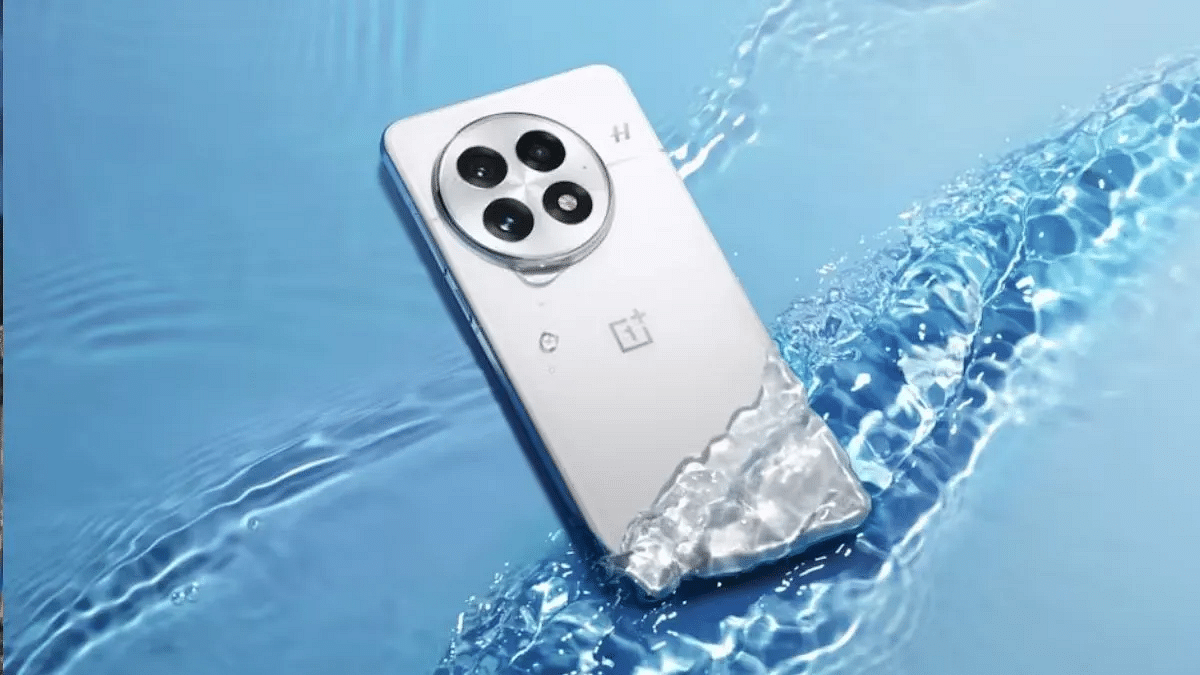
With IP68 and IP69 ratings, the OnePlus 13 offers advanced water resistance along with an ultrasonic fingerprint sensor. It runs OxygenOS 15 on Android 15 and offers six years of security updates and four years of OS updates.
OnePlus 13R: Affordable Yet Powerful
Display
6.78-inch 120Hz ProXDR AMOLED
Processor
Snapdragon 8 Gen 3
RAM & Storage
Up to 16GB, Up to 512GB
Rear Camera
50MP + 8MP + 50MP
Front Camera
16MP
Battery
6,000mAh
Protection
Gorilla Glass 7i, IP65
Software
OxygenOS 15 (Android 15)
For those seeking a performance-focused device, the OnePlus 13R offers great value.
Display
The OnePlus 13R sports a 6.78-inch 120Hz ProXDR AMOLED display. Gorilla Glass 7i protects the screen.
Processor
The Snapdragon 8 Gen 3 powers the OnePlus 13R. It comes with 512GB of storage and up to 16GB of RAM.
Battery
The smartphone comes with a huge 6,000mAh battery along with 80W SUPERVOOC wired charging. There’s no wireless support.
The OnePlus 13 series starts at Rs. 69,999 and will be available from January 10. ICICI Bank credit cardholders get a Rs. 5,000 discount, reducing the price to Rs. 64,999. The OnePlus 13R starts at Rs. 39,999 for the 12GB + 256GB variant, while the OnePlus 13 goes up to Rs. 89,999 for the 24GB + 1TB model.
For the tech geeks, stay updated with the latest cutting-edge gadgets in the market, exclusive tech updates, gadget reviews, and more right on your phone’s screen. Join Giznext’s WhatsApp channel and receive the industry-first tech updates.
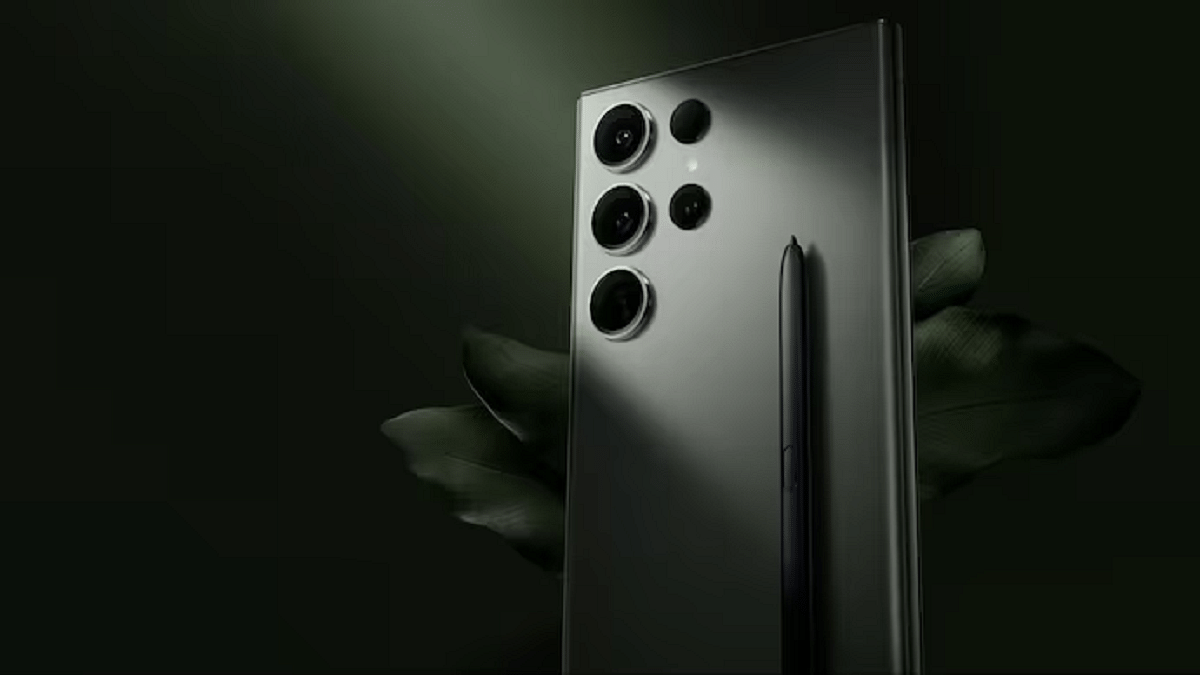
Samsung is all set to redefine mobile AI with the launch of its next Galaxy S series smartphone. Starting today, customers in India can pre-reserve their device to enjoy early access and exclusive benefits. The official unveiling will happen on January 22 at Galaxy Unpacked in San Jose, California.
Unveiling Event: January 22, 2025, at Galaxy Unpacked, San Jose, California.
Don’t miss the chance to be part of the next big leap in smartphone technology. Pre-reserve your Galaxy S series today to enjoy exclusive perks and early access. Secure your spot now.
For the tech geeks, stay updated with the latest cutting-edge gadgets in the market, exclusive tech updates, gadget reviews, and more right on your phone’s screen. Join Giznext’s WhatsApp channel and receive the industry-first tech updates.
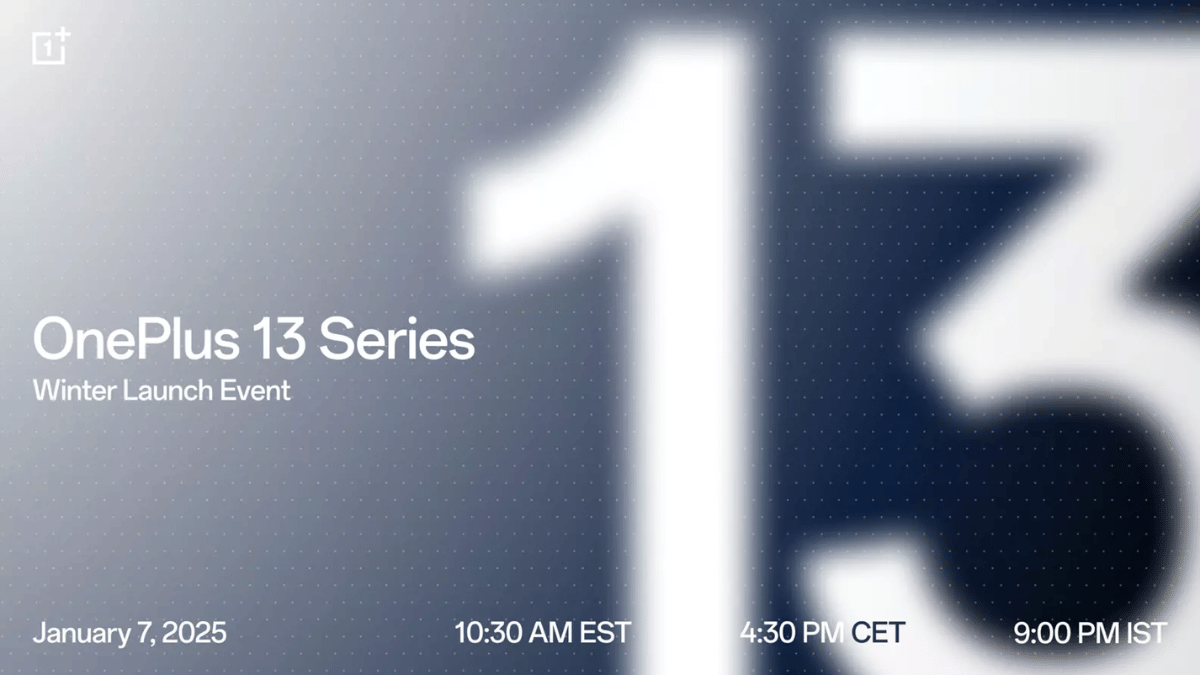
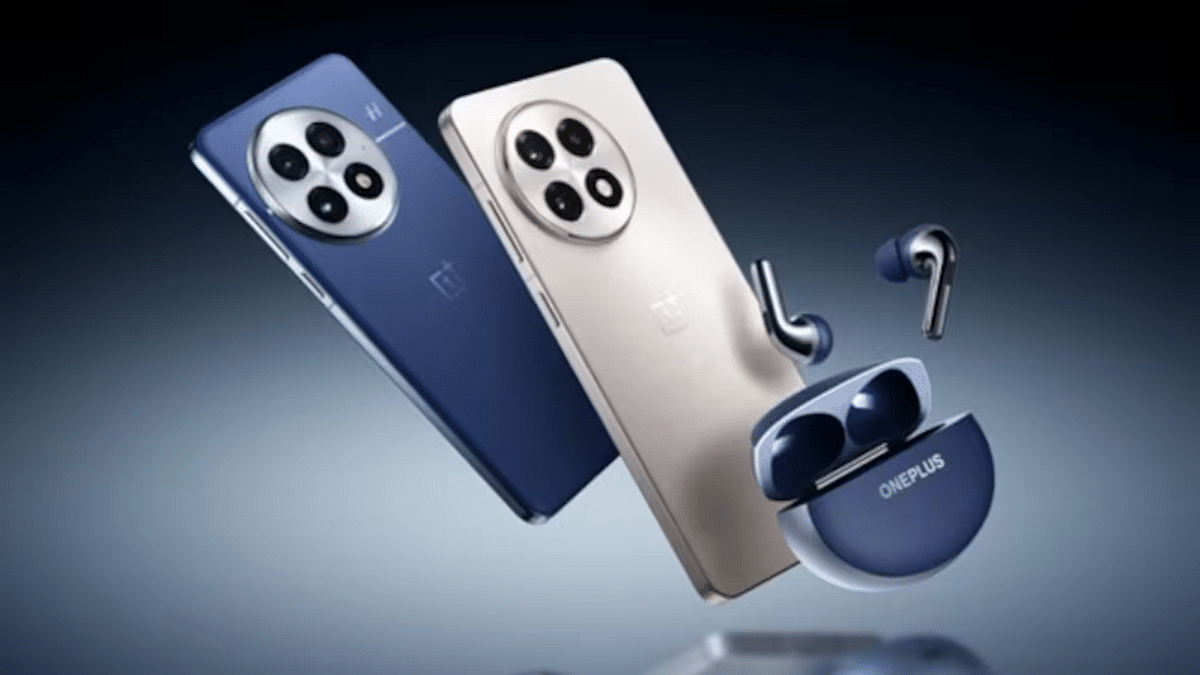
OnePlus is set to kick off 2025 with its highly anticipated Winter Launch Event today, i.e., January 7 at 9:00 PM IST. Fans in India can catch the action live on the OnePlus India YouTube channel. The event promises exciting launches, including the OnePlus 13 series, OnePlus 13R, a special OnePlus Buds Pro 3 variant, and possibly the OnePlus Watch 3.
OnePlus 13: Expected between Rs. 65,000 and Rs. 70,000.
OnePlus 13R: Expected under Rs. 50,000.
The products will be available on Amazon, OnePlus stores, and select retail outlets. Don’t miss the livestream tonight to catch all the action firsthand.
For the tech geeks, stay updated with the latest cutting-edge gadgets in the market, exclusive tech updates, gadget reviews, and more right on your phone’s screen. Join Giznext’s WhatsApp channel and receive the industry-first tech updates.
Poco X7 Series, Samsung Galaxy S25 Series follow later
As we step into 2025, the tech world is buzzing with excitement over January’s lineup of smartphone launches. From flagship models to budget-friendly options, there’s something for everyone. Let’s get to know the details of the most expected releases of this January.
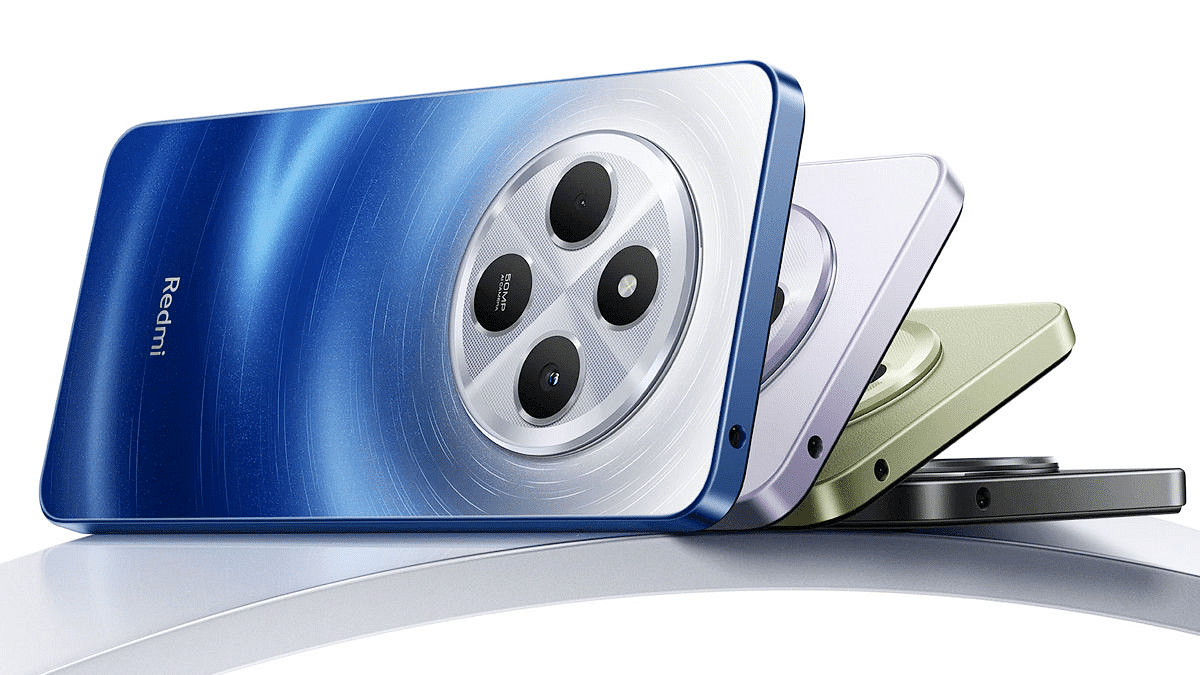
Xiaomi kicks off the year with the highly anticipated Redmi 14C, targeting budget-conscious buyers. This device is designed to offer great value for money while keeping essential features intact.
Specs (Rumored)
Redmi 14C
Display
6.88-inch
Chipset
Snapdragon 4 Gen 2
RAM + Storage
Up to 8GB, 256GB
Rear Camera
50MP with AI-powered imaging features
Front Camera
13MP
Battery
5,160mAh
Poco X7 Series
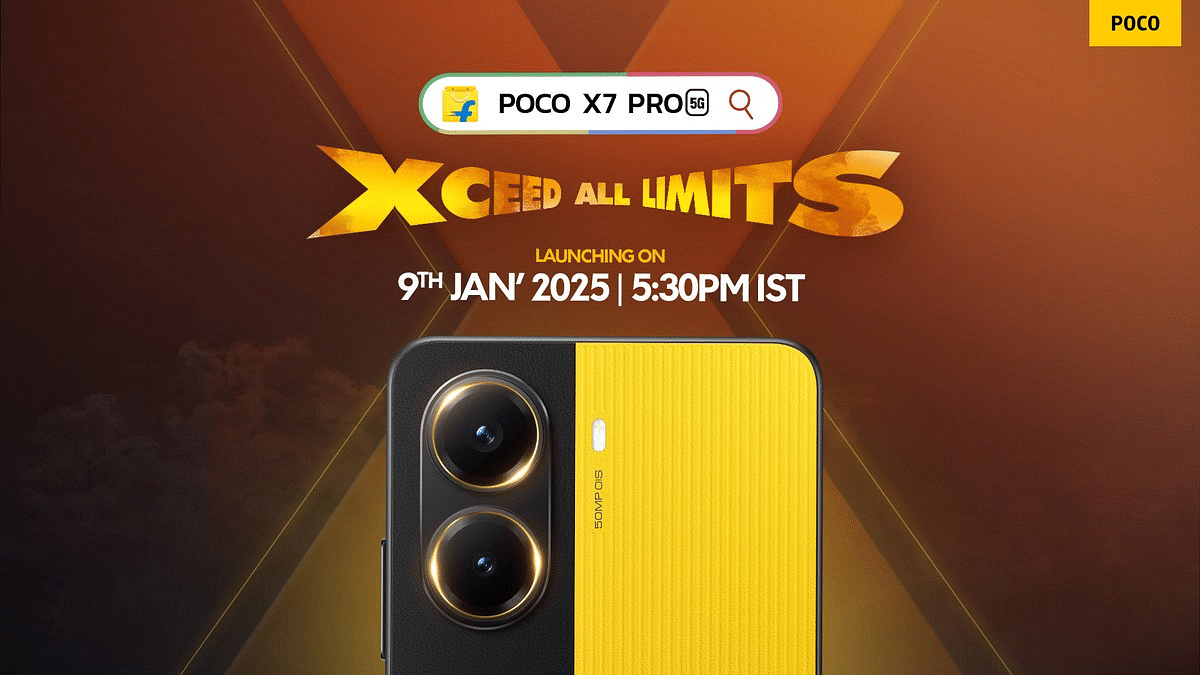
Poco continues to cater to performance lovers with the Poco X7 and Poco X7 Pro, launching on January 9. Known for their impressive specs at competitive prices, these devices are perfect for gaming and multitasking.
Specs (Expected)
Poco X7
Poco X7 Pro
Display
6.67-inch AMOLED
6.67-inch CrystalRez AMOLED
Chipset
MediaTek Dimensity 7300-Ultra
MediaTek Dimensity 8400-Ultra
RAM + Storage
Up to 12GB RAM, 512GB storage
Up to 12GB RAM, 512GB storage
Rear Camera
50MP (OIS, 2x optical zoom)
50MP Sony IMX882
Front Camera
20MP
–
Battery
5,110mAh with 45W TurboCharging
6,000mAh with 90W HyperCharging
OnePlus 13 Series
OnePlus 13 series have already impressed in China and are set to arrive with OxygenOS 15 for Indian users. Expect premium designs, powerful processors, and a variety of stylish color options.
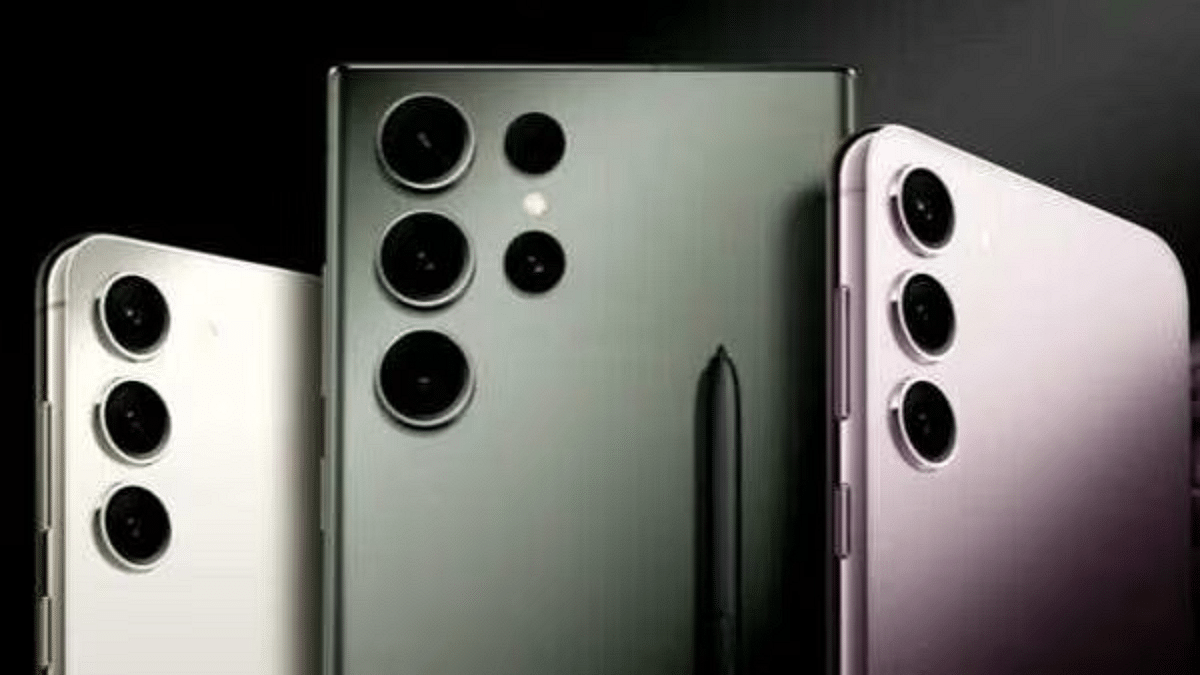
Samsung’s Galaxy S25 Series is set to steal the show at the January edition of Galaxy Unpacked 2025. As a flagship lineup, these smartphones promise cutting-edge technology and premium features, aiming to redefine the high-end market.
Specs (Rumored)
Galaxy S25
Galaxy S25+
Galaxy S25 Ultra
Display
Similar size and resolution as S24
Similar size and resolution as S24
Thinner bezels, same size and resolution as S24 Ultra
Chipset
Snapdragon 8 Elite
Snapdragon 8 Elite
Snapdragon 8 Elite
RAM + Storage
12GB, Starting from 128GB or 256GB
12GB, Up to 1TB
12GB, Up to 1TB
Rear Camera
200MP, 12MP, 10MP
200MP, 12MP, 10MP
50MP ultra-wide
Front Camera
–
–
–
Battery
4,000mAh
4,000mAh
4,000mAh
For the tech geeks, stay updated with the latest cutting-edge gadgets in the market, exclusive tech updates, gadget reviews, and more right on your phone’s screen. Join Giznext’s WhatsApp channel and receive the industry-first tech updates.
Enhanced Visual Search shares photo data with Apple by default
Privacy concerns arise despite anonymized data claims
Users can disable it in settings for better control
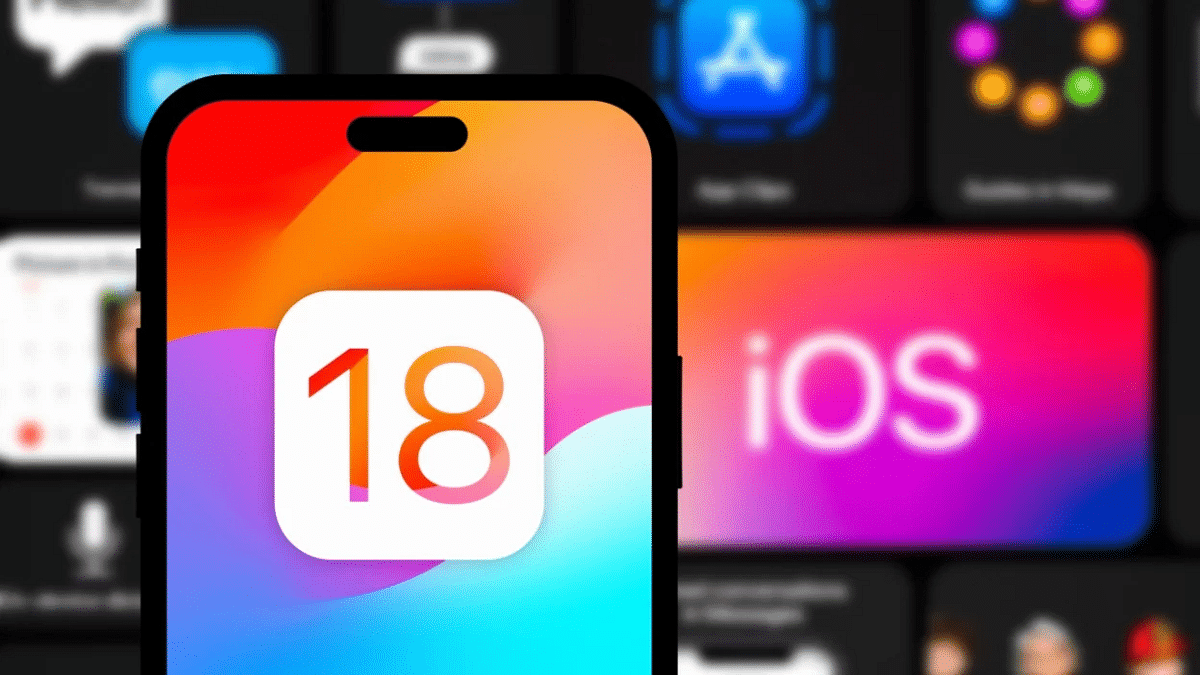
Apple has always emphasized user privacy. But a new feature in iOS 18 and macOS Sequoia has sparked debate. The ‘Enhanced Visual Search’ feature which is designed to identify landmarks in photos shares certain data with Apple servers. While Apple claims it anonymizes the data, the default setting raises privacy concerns among users.
Enhanced Visual Search allows iPhones and Macs to analyze images for landmarks. When you take a photo of a famous site, the device creates a unique ‘vector embedding’ of the image and sends it to Apple servers for identification. This feature aims to enhance the Photos app, providing users with detailed information about the landmarks they capture.
How Does It Work?
The feature uses AI to scan photos and detect landmarks.
Apple encrypts the vector embeddings before sending them to its servers.
The server compares the data with a database to identify the landmark.
Why Are Users Concerned?
Although Apple anonymizes the data, the automatic sharing of image information has raised questions. Many users may be unaware that this feature is enabled by default, which could lead to unintended data sharing. Critics argue that Apple’s opt-out model lacks transparency and might conflict with users’ expectations of privacy.
Steps To Disable Enhanced Visual Search
If you’re uncomfortable with this feature, you can turn it off on your device. Follow these steps:
On iPhone (iOS 18):
Step 1: Open Settings.
Step 2: Scroll down and tap Apps.
Step 3: Select Photos.
Step 4: Scroll to the bottom and turn off Enhanced Visual Search.
Step 3: Find and disable the Enhanced Visual Search option.
For the tech geeks, stay updated with the latest cutting-edge gadgets in the market, exclusive tech updates, gadget reviews, and more right on your phone’s screen. Join Giznext’s WhatsApp channel and receive the industry-first tech updates.