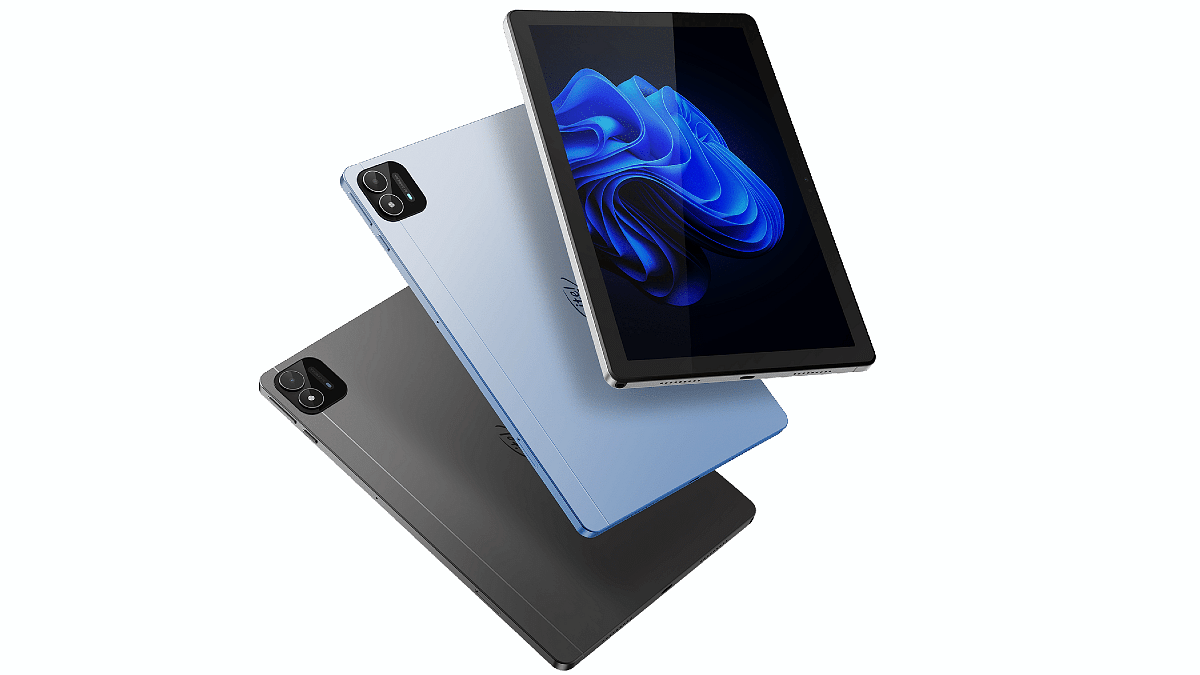
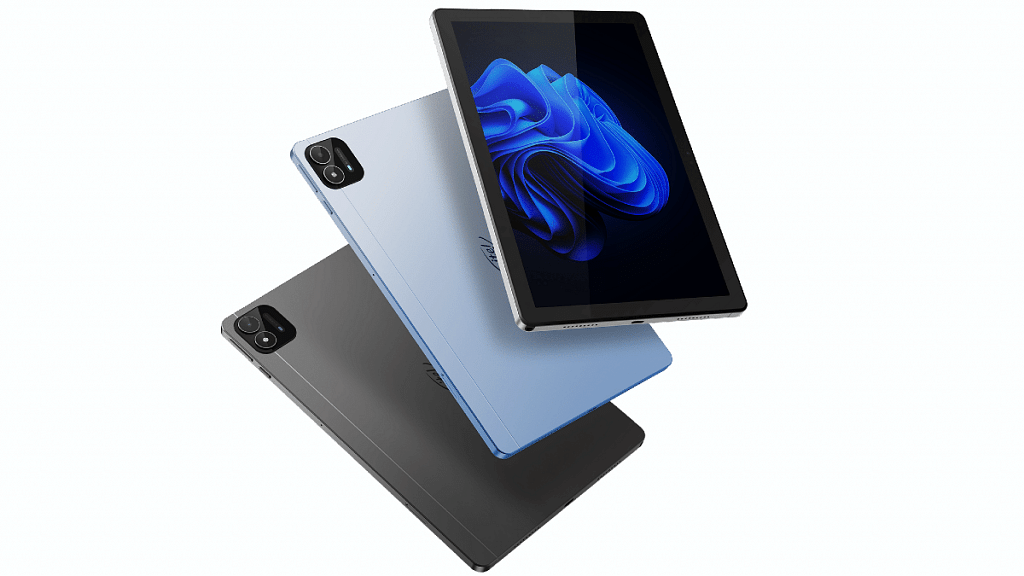
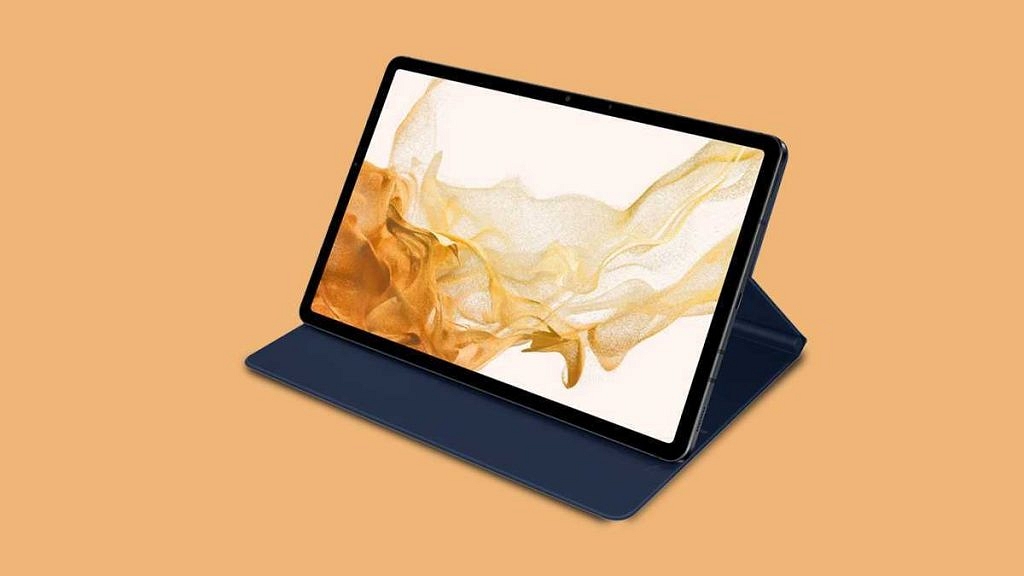
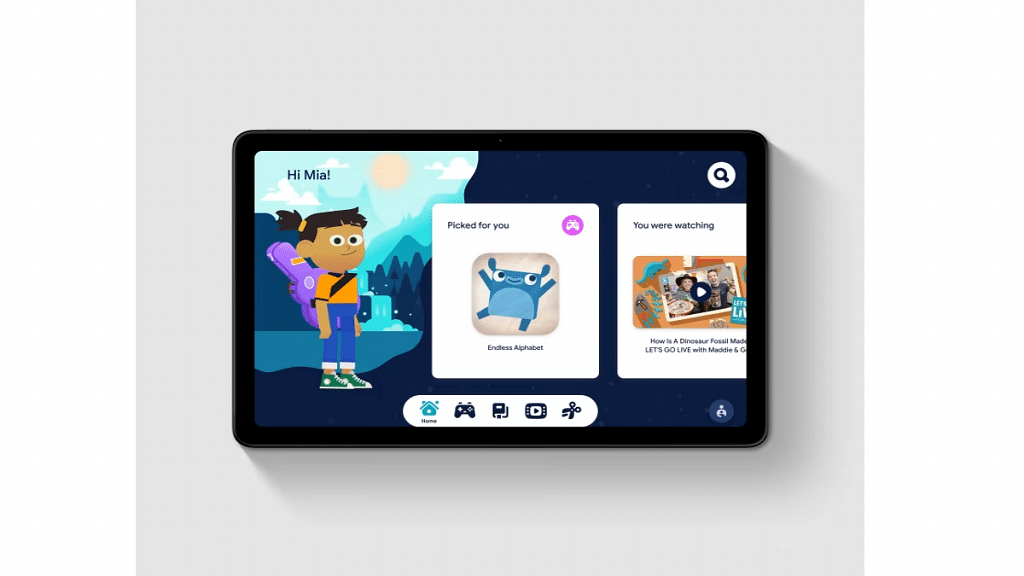
Looking for a tablet that slays? The Samsung Galaxy Tab A7 is an inexpensive choice with superior performance and aesthetics. In several ways, this technology is a more potent substitute for basic cuisine. Itel introduced the PAD 1 Tablet with 4G Calling in India. This pad includes a large display, very sophisticated features, and lightning-fast 4G VoLTE for the best performance. Are these tablets right for you? Learn more in this review.
Itel pad 1 vs Samsung Galaxy Tab A7: Display Comparison
Model
Itel pad 1
Samsung Galaxy Tab A7
Display
10.1-inch
10.4-inch
Camera
5MP(rear)+ 8MP(selfie)
8MP(rear)+5MP(selfie)
Chipset
Unisoc SC9863A1
Qualcomm Snapdragon 662
Battery
6,000mAh
7,040mAh
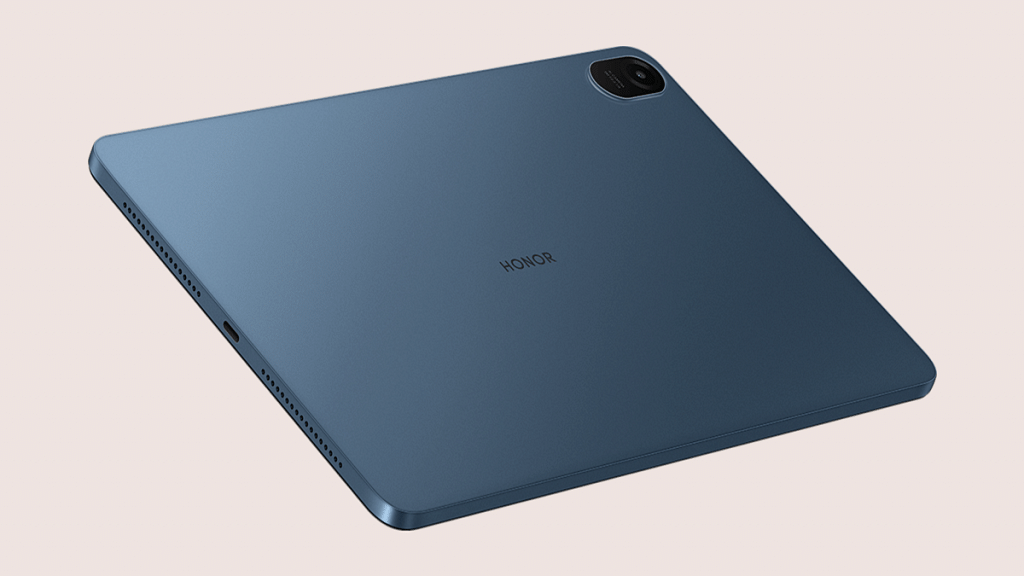
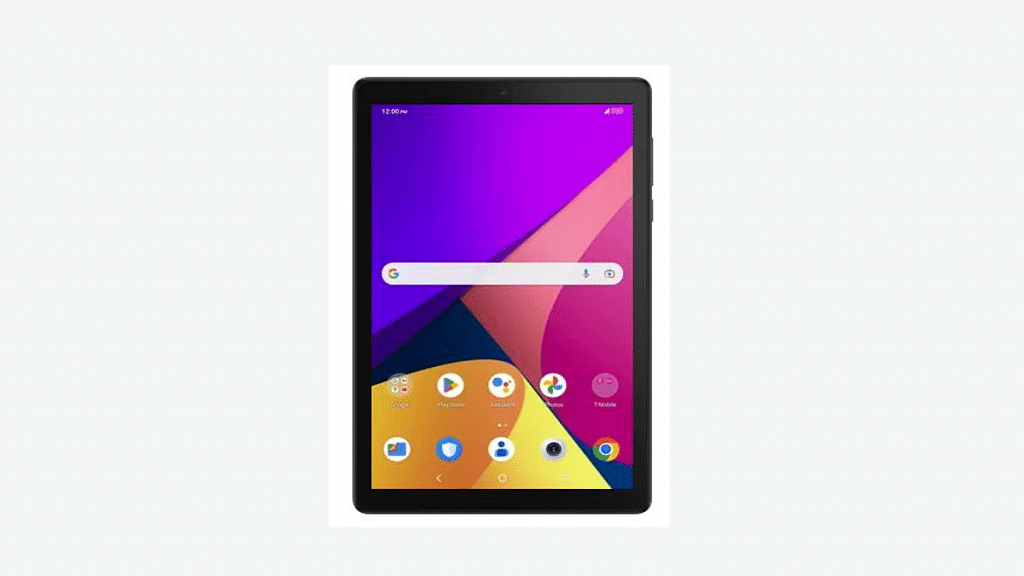
The itel PAD 1 has a 10.1″ HD+ IPS Display, and the paper-thin metal design provides users with an immersive, vibrant viewing experience. It is thin, light, and fashionable. The Samsung Galaxy A7 has a diagonal measurement of 10.4 inches and a Full HD resolution of 2,000 by 1,200 pixels. The screen on this tablet is by far the nicest I’ve seen at this price point.
Itel pad 1 vs Samsung Galaxy Tab A7: Camera Comparison
The Itel Pad 1 has a front-facing camera and a rear camera for capturing special moments. There is a 5MP camera sensor on the back and an 8MP selfie camera on the front. If customers use this tablet as a productivity tool, they may rely more on the front camera during conference calls, hence the front camera sensor is larger. The Samsung Galaxy Tab A7 offers a 5MP front-facing camera and an 8MP back camera.
Itel pad 1 vs Samsung Galaxy Tab A7: Battery And Chipset
The iTel Pad 1 is powered by Unisoc SC9863A1. This tab includes 4GB of RAM and a 128GB internal storage space that is extendable. The Itel Pad 1 is equipped with Qualcomm Snapdragon 662. The tab has 3GB of RAM and 32GB of storage.
The Samsung Galaxy A7 has excellent battery life. With an internal battery of 7,040mAh, you have more than enough power to get you through the day. The Tab A7 effortlessly surpassed 10 hours of video playback, which is more than normal for a tab of this kind. The Itel Pad 1 comes with a 6,000mAh battery and a charger that supports 10W charging.
Itel pad 1 vs Samsung Galaxy Tab A7: Verdict
The itel pad 1 does offer an attractive design with great hardware on the inside. The pad is great for people who just want a pad that can fulfill their basic needs without breaking the bank. The Samsung Galaxy Tab A7 is an entry-level Android tablet. The Tab A7 nearly has it all with a solid body, fantastic screen, incredible battery life, and other features built-in.
The tablet industry has seen a rising demand for new models; specifically, pocket-friendly options that can handle creative tasks and media playback with ease. Multiple brands are seizing this opportunity with the surging demands and have launched several options for consumers. ITel, the homegrown mobile and digital accessories brand, recently introduced the Pad 1 tablet in the country.
Similarly, Nokia also introduced an affordable tablet for consumers called the Nokia T21. This article is a quick round-up of the budget tablets launched in recent times across India and other global regions.
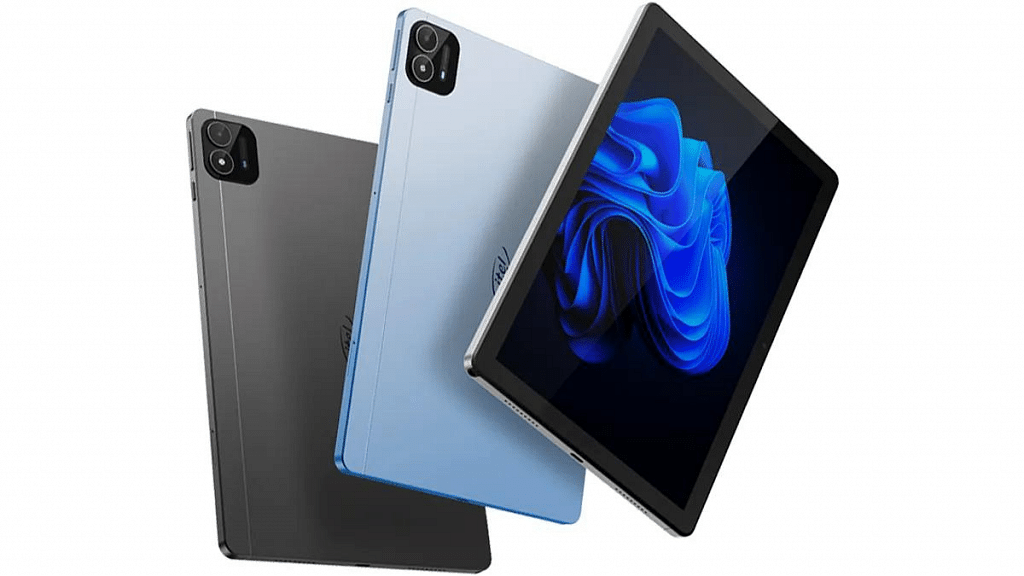
The iTel Pad One is the most recent budget Android tablet launched in the Indian market. The adorable iTel Pad One tablet flaunts an IPS LCD screen measuring 10.1 inches with a standard HD+ resolution support of 800 x 1200 pixels. The iTel Pad One tablet uses an octa-core Unisoc SC9863A1 processor clubbed with 4GB RAM for multitasking.
This tablet is available with up to 128GB storage configuration and has up to 512GB microSD card support as well. The imaging setup offered by the iTel Pad 1 tablet is a single 8MP rear camera with 80-degree FoV and a 5MP AF front camera for selfies and video calling. The iTel Pad One tablet runs on a 6,000 mAh battery and is priced at Rs. 12,999 in the country.
The Nokia T21 was announced as a successor to the popular Nokia T20 Android tablet earlier this year in India. This latest Nokia Android tablet is priced below Rs. 20,000 in the country and offers a 10.36-inch LCD display with 2K resolution. The camera hardware is somewhat similar to the iTel Pad One.
The Nokia T21 also features an 8MP rear camera for primary photography and an 8MP front camera self for portraits and online conferencing. The Nokia T21 is powered by the octa-core Unisoc T612 chipset combined with 4GB RAM and 64GB storage configuration. An 8,200 mAh battery unit keeps the processor ticking. The battery gets 18W fast charging support too. The Nokia T21 price in India starts at Rs. 17,499.
Honor after a long silence revamped its business in the Indian market with the launch of the Honor Pad 8 last year. While the tablet debuted towards the end of 2022, its official sale commenced recently in the country via Flipkart. The Honor Pad 8 tablet is equipped with a 12-inch LCD display that supports 1200 x 2000 pixels resolution.
The Qualcomm Snapdragon 680 4G chipset is used by the Honor Pad 8 for power delivery combined with up to 6GB RAM and 128GB onboard storage. The camera setup on the Honor Pad 8 tablet includes a 5MP rear and a 5MP front camera. This tablet gets a 7,250 mAh battery clubbed with 22.5W fast charging. The Honor Pad 8 price in India starts at Rs. 21,999.
TCL also refreshed its tablet lineup earlier this year. The brand launched the Tab 8 LE at the CES 2023 event. However, unlike the remaining three models, the TCL Tab 8 LE is yet to go on sale in the Indian market. Nevertheless, it will be available under Rs. 20,000 price mark in the country.
Speaking of the features, the TCL Tab 8 LE flaunts an 8-inch LCD display and has a pair of 5MP sensors for imaging both upfront and the rear. The Tab 8 LE has the quad-core MediaTek MT 8766 chipset under the hood and a 4,080 mAh battery to handle the power loads. Expected price of the TCL Tab 8 LE in India will be around Rs. 12,000.
The Mobile World Congress (MWC) in Barcelona, one of the biggest events in the tech world, has concluded its latest edition. At the Barcelona technology expo, every major smartphone manufacturer has been up to something unique, showcasing intriguing new and unheard-of technology at their booths. If you’re looking for a list of the top flagship and foldable phones introduced at MWC 2023, look no further since we have the best selection, including phones from Xiaomi, Tecno, and other top manufacturers. Also Read | Best Phones With Fast Charging Under Rs. 15,000
Best Flagship Of The MWC
Model
Price
Honor Magic 5 Pro
Rs. 1,05,400 approx
Xiaomi 13 Pro
Rs. 79,999
Realme GT3
Rs. 53,600 approx
Honor Magic 5 Pro
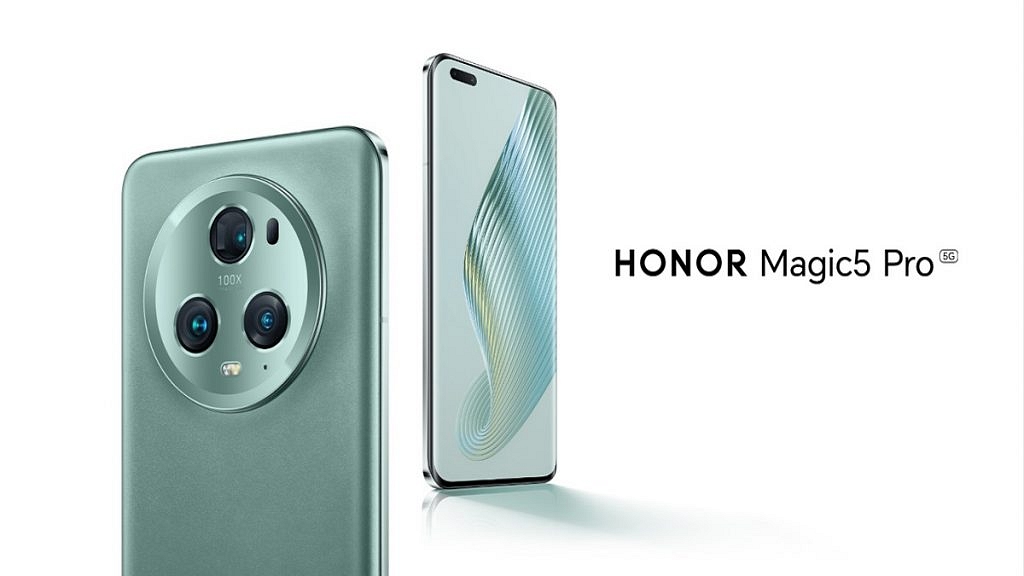
Honor’s most recent flagship smartphone, the Honor Magic 5 Pro, was unveiled at the company’s conference at MWC 2023. The smartphone has a “Quad Curved Floating Screen”. It features a 6.81-inch OLED panel with a peak brightness of 1800 nits and a refresh rate of up to 120Hz. It is also a feature-rich premium Android smartphone with features like the Snapdragon 8 Gen 2 Processor, three 50MP rear cameras, a 12MP front-facing camera, and a 5,100mAh battery with support for 66W fast charging.
Xiaomi 13 Pro
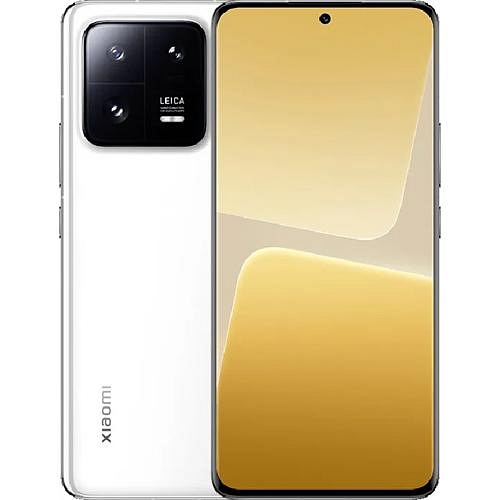
The Xiaomi 13 Pro sports a massive 6.73-inch 2K OLED panel with a refresh rate of up to 120Hz. A Qualcomm Snapdragon 8 Gen 2 processor, along with 12GB of RAM and up to 512GB of internal storage, takes care of your processing demands as well.
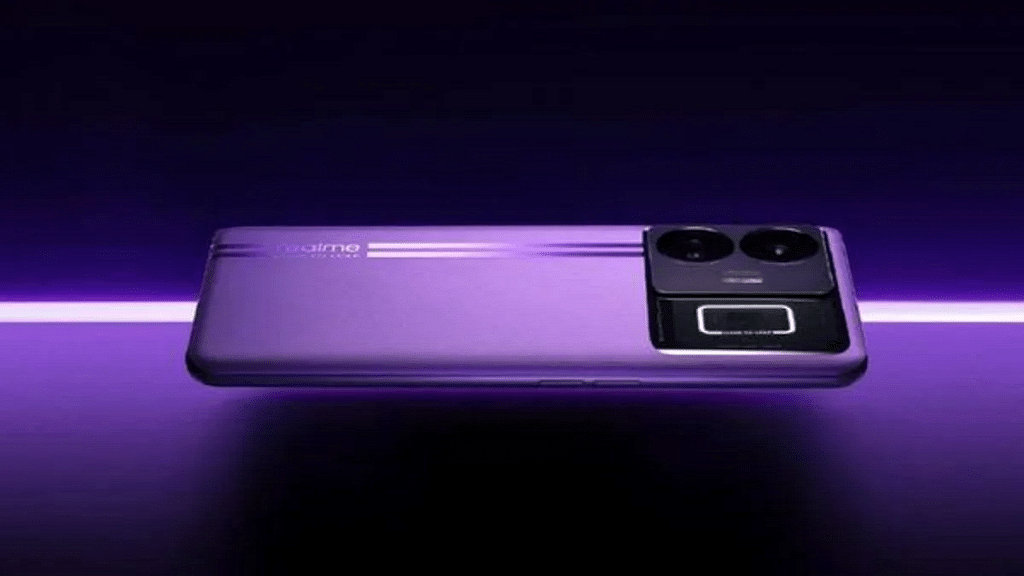
The company debuted the Realme GT3 at MWC. It only has the outdated Qualcomm Snapdragon 8+ Gen 1 processor and the standard triple camera configuration, but it has a trick up its sleeve that no other manufacturer has yet: 240W super-fast charging.
Best Foldable Of The MWC
Model
Price
Tecno Phantom V Fold
Rs. 89,999 approx.
Honor Magic Vs
Rs. 85,790 approx.
Tecno Phantom V Fold
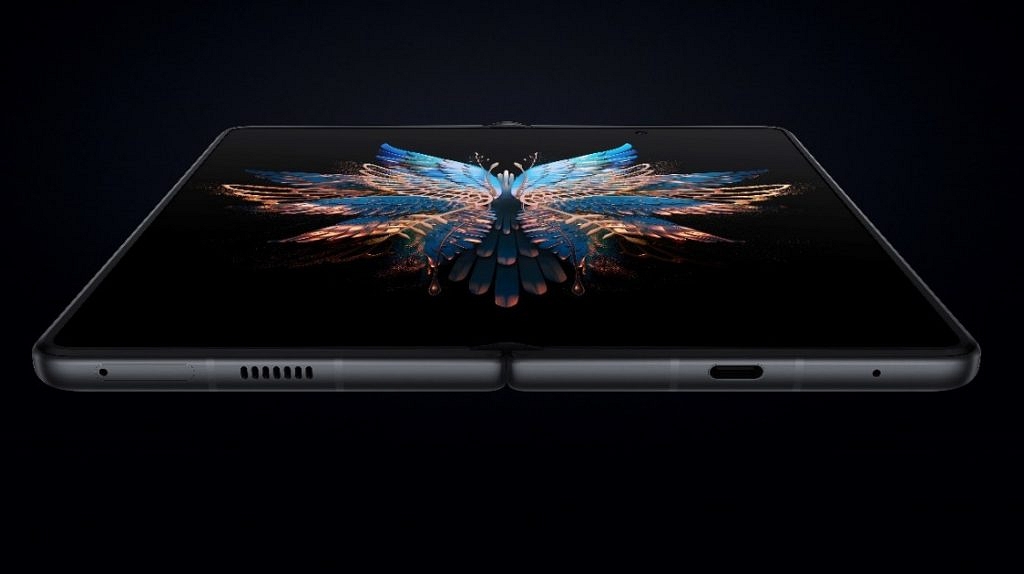
The Tecno Phantom V Fold is the main driving force behind Tecno’s effort in the global smartphone market. Other foldables in competition with the Phantom V Fold include the Samsung Galaxy Z Fold 4 and Oppo Find N2. Moreover, it has two 50MP, one 13MP, and two selfie cameras on the primary cameras.
Honor Magic Vs
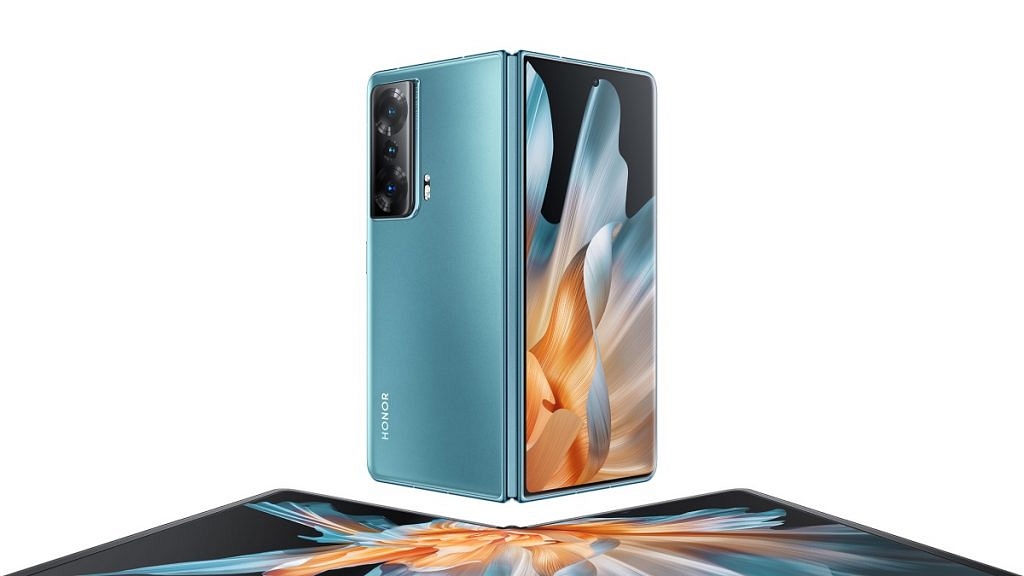
In addition to introducing the Magic5 flagship series to a worldwide audience, Honor also unveiled the Magic Vs. The smartphone, which was first launched in China three months ago, is the first horizontally-foldable smartphone with an inward-facing vertical hinge on the global stage that is not a Samsung Galaxy Z Fold, marking a new beginning for smartphone wars on the market.
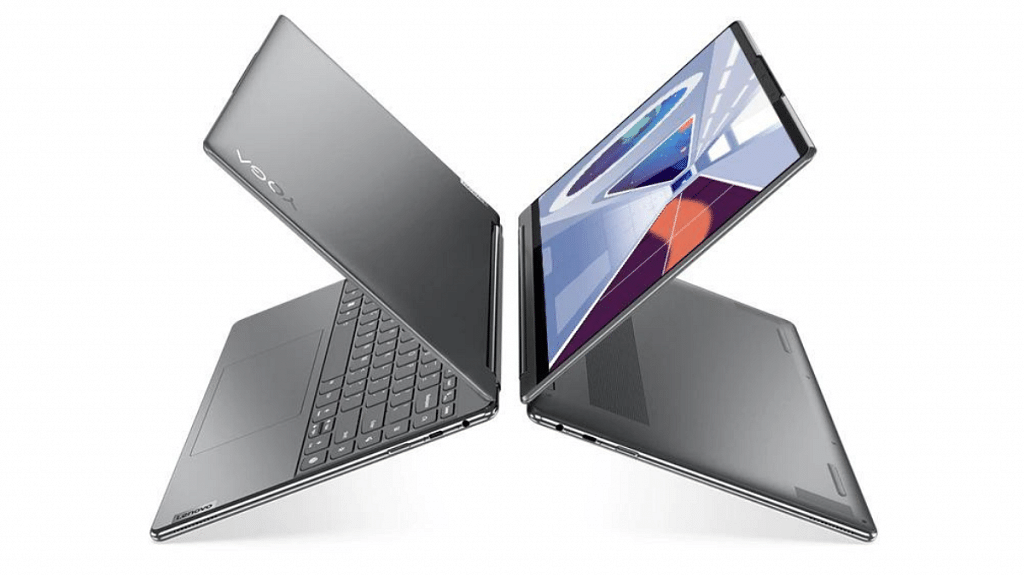
Lenovo Yoga 9i 14 (Gen 8) and Samsung Galaxy Book 3 Pro are both premium laptops with impressive features.
Lenovo Yoga 9i 14 (Gen 8) and Samsung Galaxy Book 3 Pro both offers a superior display with a 2-in-1 design.
Both laptops have excellent connectivity options and advanced security features.
The Lenovo Yoga 9i 14 (Gen 8) is more expensive than the Samsung Galaxy Book 3 Pro, making it a more premium option.
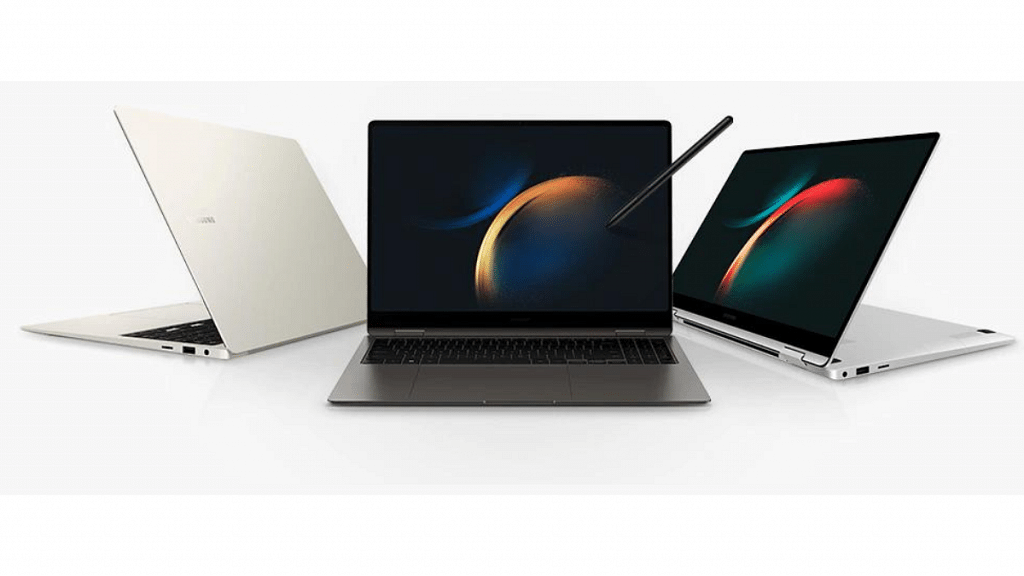
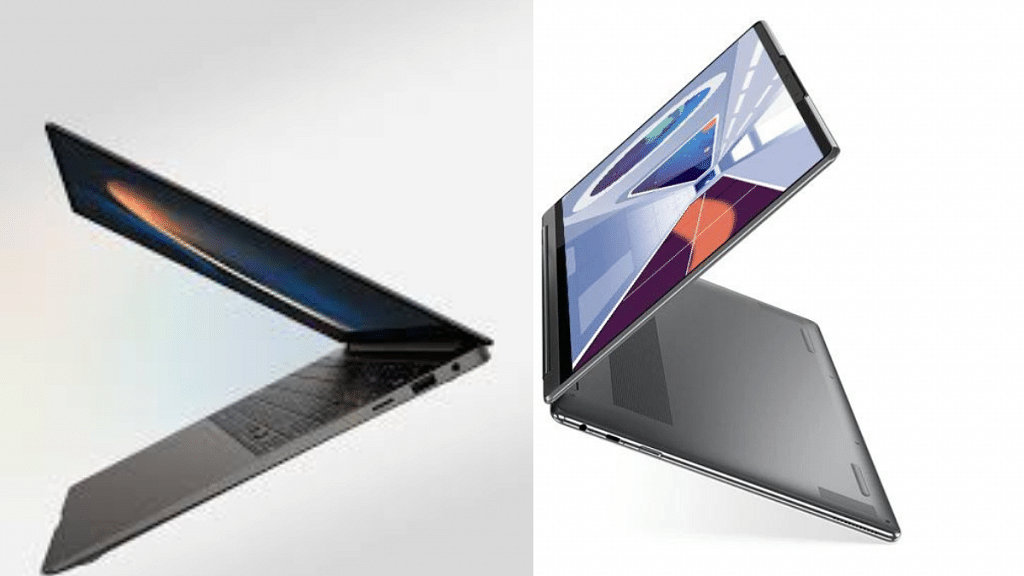
In the competitive world of premium laptops, the Lenovo Yoga 9i 14 (Gen 8) and the Samsung Galaxy Book 3 Pro are two devices that stand out from the crowd. Both laptops boast powerful processors, ample storage, and stunning displays, making them popular choices for both personal and professional use. But which one is right for you?
In this article, we will compare the features, specs, and price of the Lenovo Yoga 9i 14 (Gen 8) and the Samsung Galaxy Book 3 Pro to help you make an informed decision.
Lenovo Yoga 9i 14 (Gen 8) vs Samsung Galaxy Book 3 Pro: Display Features
When it comes to display features, both the Lenovo Yoga 9i 14 (Gen 8) and the Samsung Galaxy Book 3 Pro have impressive offerings. The Lenovo Yoga 9i 14 (Gen 8) comes with a 35.56cms (14) 4K OLED (3840 x 2400) display with an IPS panel, a 100% DCI-P3 colour gamut, and a 16:10 aspect ratio. It also has Vesa Certified Display HDR True Black 500 and Dolby Vision technology for enhanced picture quality. The display is a touchscreen with PureSight technology, providing a brightness of 400 nits and a refresh rate of 60Hz.
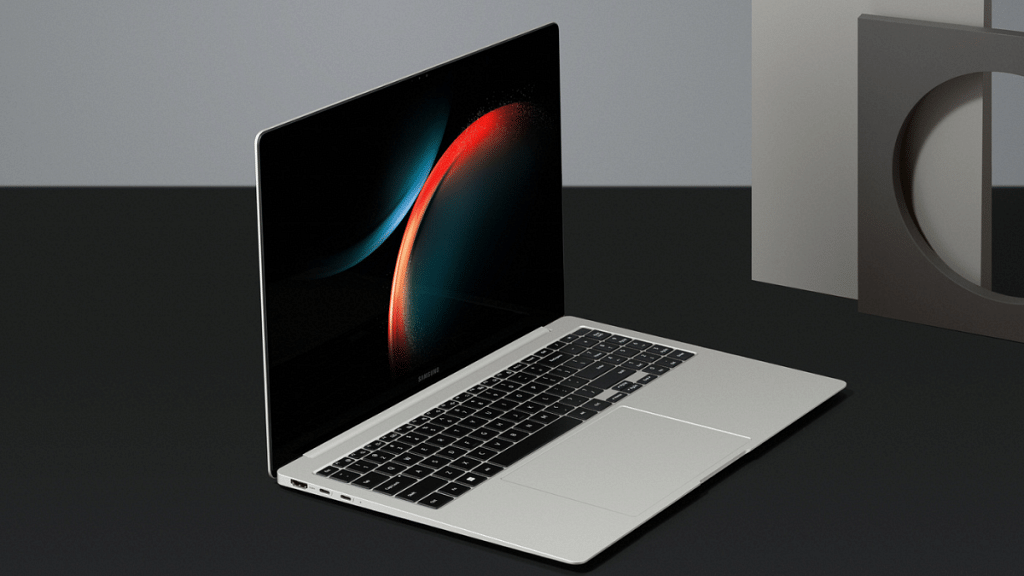
On the other hand, the Samsung Galaxy Book 3 Pro has a larger 16-inch touch display with a resolution of 2,880 x 1,800. It uses a 120Hz AMOLED 2X panel with a brightness of 400 nits and a 120 per cent DCI-P3 colour volume. The display is capable of showing high-quality content with rich colours and deep blacks.
Overall, both laptops have impressive displays, but the Samsung Galaxy Book 3 Pro’s larger touch screen and higher refresh rate give it an edge in this category.
Lenovo Yoga 9i 14 (Gen 8) vs Samsung Galaxy Book 3 Pro: Chipset, Battery
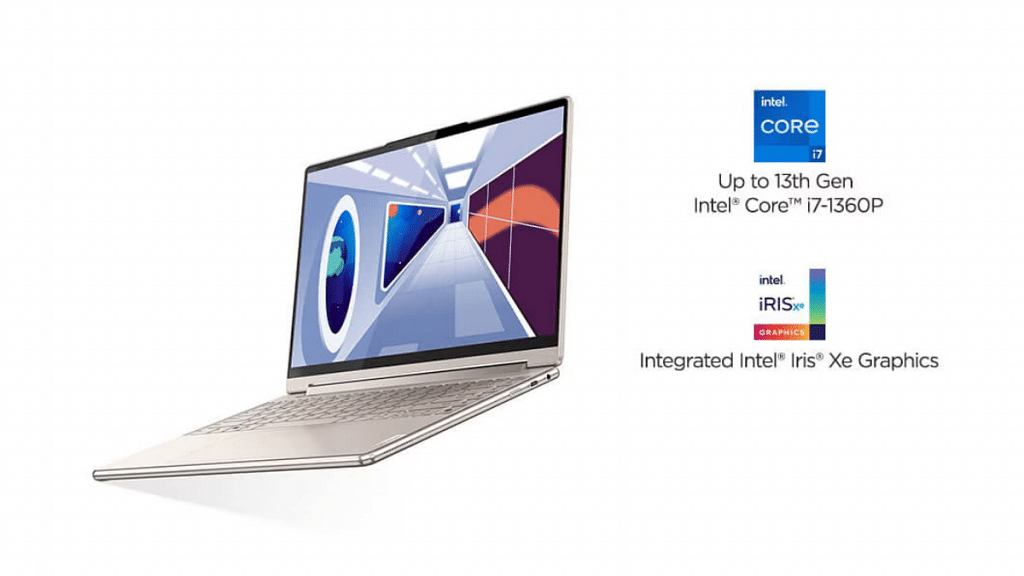
Under the hood, the Lenovo Yoga 9i 14 (Gen 8) boasts an up to 13th Gen Intel Core i7-1360P processor and up to Windows 11 Pro operating system, while the Samsung Galaxy Book 3 Pro features an Intel Core i7-1360P processor and Windows 11 Home.
In terms of battery capacity, the Lenovo Yoga 9i 14 (Gen 8) comes with a 76Wh battery that can last up to 10.5 hours on regular usage and up to 14 hours on1080p playback, with Rapid Charge Boost technology that provides 2 hours of usage with just 15 minutes of charging.
On the other hand, the Samsung Galaxy Book 3 Pro comes with a 63Wh battery that promises 7 hours of usage and is paired with Intel Iris Xe graphics and 16GB LPDDR5 memory.
Lenovo Yoga 9i 14 (Gen 8) vs Samsung Galaxy Book 3 Pro: Keyboard, Connectivity, Ports
Both the Lenovo Yoga 9i 14 (Gen 8) and Samsung Galaxy Book 3 Pro come with well-designed keyboards that offer a comfortable typing experience. The Yoga 9i has a backlit keyboard with a numeric keypad and a touchpad that supports gestures, while the Galaxy Book 3 Pro has a backlit keyboard with slight spacing between the keys and a touchpad that supports multi-touch gestures.
The Lenovo Yoga 9i 14 (Gen 8 offers slightly better connectivity options with WiFi 6E, Bluetooth 5.2, and a good selection of connectivity ports, including 2x USB-C Thunderbolt 4.0 (DisplayPort/power delivery/USB 3.2), USB-A Gen 3.2, USB-C 3.2 Gen 2 (full-function), and a headphone/mic combo. However, the Samsung Galaxy Book 3 Pro still offers a solid array of ports, including Wi-Fi 6E (Gig+), 802.11 ax 2×2, and Bluetooth 5.1. It also includes an HDMI port, which can be useful for connecting to external displays. Both laptops offer similar connectivity options, but the Yoga 9i with multiple ports may be more convenient for some users.
Lenovo Yoga 9i 14 (Gen 8) vs Samsung Galaxy Book 3 Pro: Price Compared
The Lenovo Yoga 9i 14 (Gen 8) is priced at Rs. 1,74,990, while the Samsung Galaxy Book 3 Pro is priced at Rs. 155,990. The Lenovo Yoga 9i 14 (Gen 8) is slightly more expensive than the Samsung Galaxy Book 3 Pro. However, it does come with some additional features such as the 2-in-1 portable design, IR camera, and longer battery life. Ultimately, the choice between the two laptops will depend on the user’s personal needs and preferences, as both laptops offer high-end performance and premium features.
Lenovo Yoga 9i 14 (Gen 8) vs Samsung Galaxy Book 3 Pro: Which Premium Laptop Is Better to Buy?
The Lenovo Yoga 9i 14 (Gen 8) has a stunning 4K OLED display with excellent colour accuracy, a versatile 2-in-1 design, and long battery life. It also has a comfortable keyboard and touchpad, and the audio quality is top-notch. It also has a slim and lightweight design, making it easy to carry around.
On the other hand, the Samsung Galaxy Book 3 Pro has a larger 16-inch AMOLED display with a 120Hz refresh rate which can also turn into a tablet, making it perfect for content creation and consumption. The battery life is impressive, and it has fast charging capabilities. However, it’s a bit on the heavier side, its battery capacity is less and it can get warm under heavy workloads.
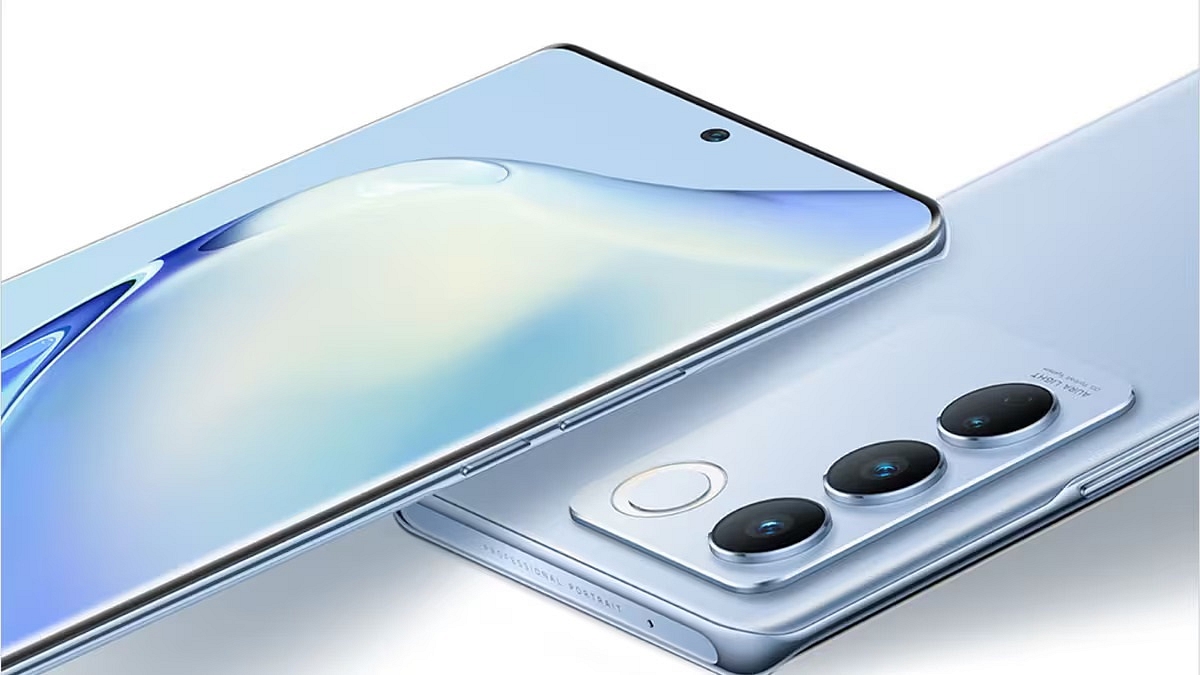
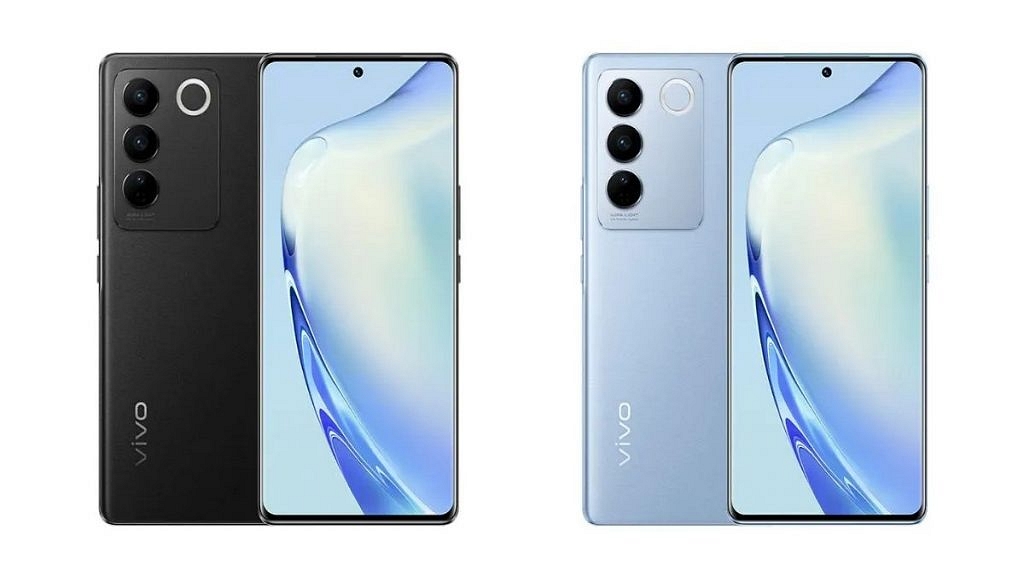
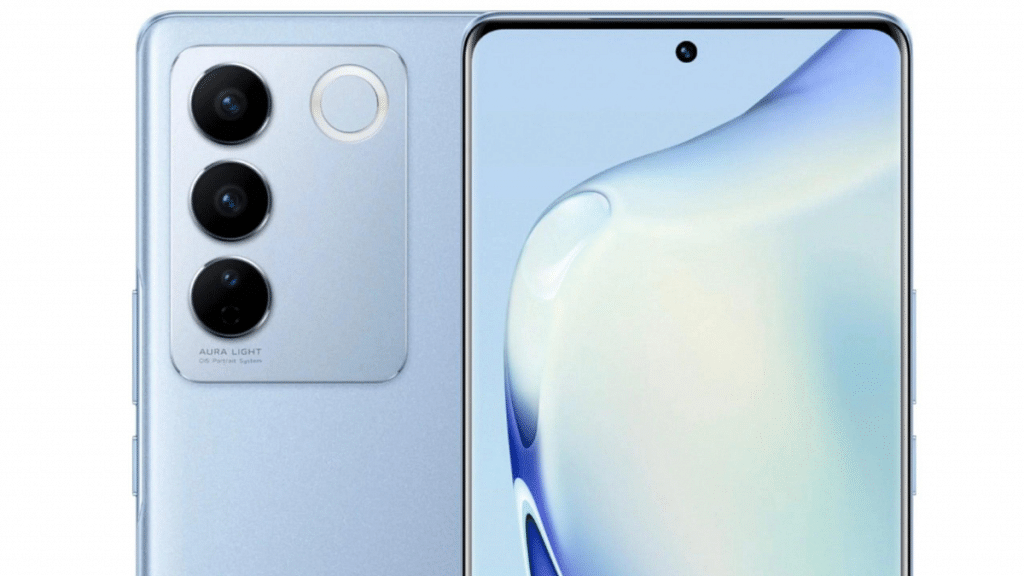
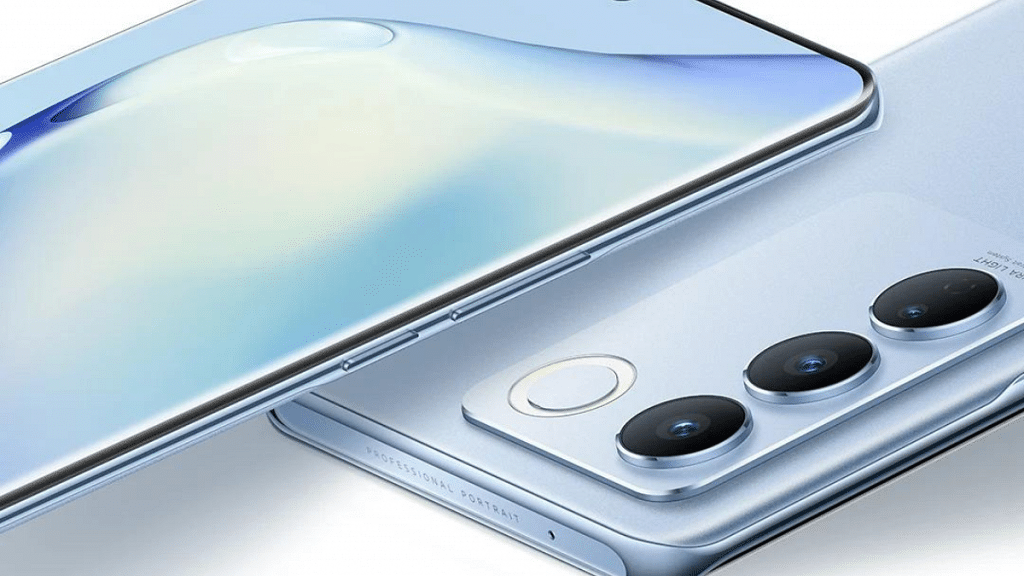
In India, Tecno has mostly targeted the mid-range market. But, it appears as if Tecno will soon compete with other manufacturers like Xiaomi, Realme, and OnePlus in the flagship category with the release of the Phantom X2. The Tecno Phantom X2 is now on sale for Rs 39,999. On the other hand, Vivo has unveiled the V27 Pro smartphone in India, continuing the V-series six-monthly renewal cycle. The phone replaces the Vivo V25 Pro and comes with updated and new features. The new V-series model features improved performance and camera capabilities in addition to a slightly revised look. All of this does sound excellent, but can these phones compete as a “value buy” with other phones of its kind? Continue reading our review to find out.
Tecno Phantom X2 Vs Vivo V27 Pro: Display Comparison
Model
Tecno Phantom X2
Vivo V27 Pro
Display
6.8-inch AMOLED
6.78-inch AMOLED
Camera
64MP(rear)+ 32MP(selfie)
50MP(rear)+ 50MP(selfie)
Chipset
MediaTek Dimensity 9000 MT6983
MediaTek Dimensity 8200 MT6896Z
Battery
5160mAh
4600mAh
Price
Rs. 25,999
Rs. 39,990
The Tecno Phantom X2 captivating 6.8-inch 120Hz AMOLED curved display. The maximum brightness of this panel is 710 nits. Gorilla Glass Victus is used as its covering for ingress prevention. The Vivo V27 Pro features a sizable 6.78-inch AMOLED display. The smartphone has HDR10+ and FHD+ (1,080 x 2,400) resolution, 120Hz refresh rate, and Widevine L1 certification.
Tecno Phantom X2 Vs Vivo V27 Pro: Camera Comparison
The Tecno Phantom X2 consists of a triple camera array of a 64MP primary sensor, a 13MP ultra-wide sensor, and a 2MP sensor with an LED flash. It includes a 64 MP selfie camera with OIS on the front of its optics. The Vivo V27 Pro comes with 50MP main sensor. Instead of a Samsung GW1, the sensor is a customized Sony IMX766V, which has a number of unique capabilities like a portrait with aura (LED) light and wedding-style portrait. The latter is a feature that is unique to India and was created with the color scheme of Indian weddings in mind. The device’s triple camera arrangement on the rear also includes a secondary 8MP wide-angle and a third 2MP macro sensor. The smartphone includes a 50MP camera up front for taking selfies and making video calls.
Tecno Phantom X2 Vs Vivo V27 Pro: Battery And Chipset
The Tecno Phantom X2 is powered by Mediatek Dimensity 9000, a 4nm-based chip with 5G future-proofing. It offers 256GB storage, 8GB RAM, and a clock speed of up to 3.05 GHz. The Vivo V27 Pro is powered by MediaTek Dimensity 8200 Chipset. The chipset is coupled with 128GB/256GB storage and 8GB/12GB of RAM. Although the storage cannot be expanded, the phone can use a portion of the storage to add up to 8GB of virtual RAM.
The Tecno Phantom X2 is equipped with a massive 5,160mAh battery with a 45W fast charging system. The Vivo V27 Pro houses a 4,600mAh battery.
The Tecno Phantom X2 features the most recent MediaTek Dimensity 9000, a simple and distinctive back design, a 120Hz curved OLED display, a solid collection of hardware, a subpar camera setup, and a good battery backup with fast charging. The Vivo V27 Pro is an incremental improvement over the V25 Pro from August of last year, with a larger screen and a camera module that more fluidly integrates with the design for a more upscale appearance and feel. The new V-series product’s performance has also been slightly improved, and the cameras now appear to be performing better than previously. However, the phone still lacks a few features, such as stereo speakers and performance suitable for gaming.
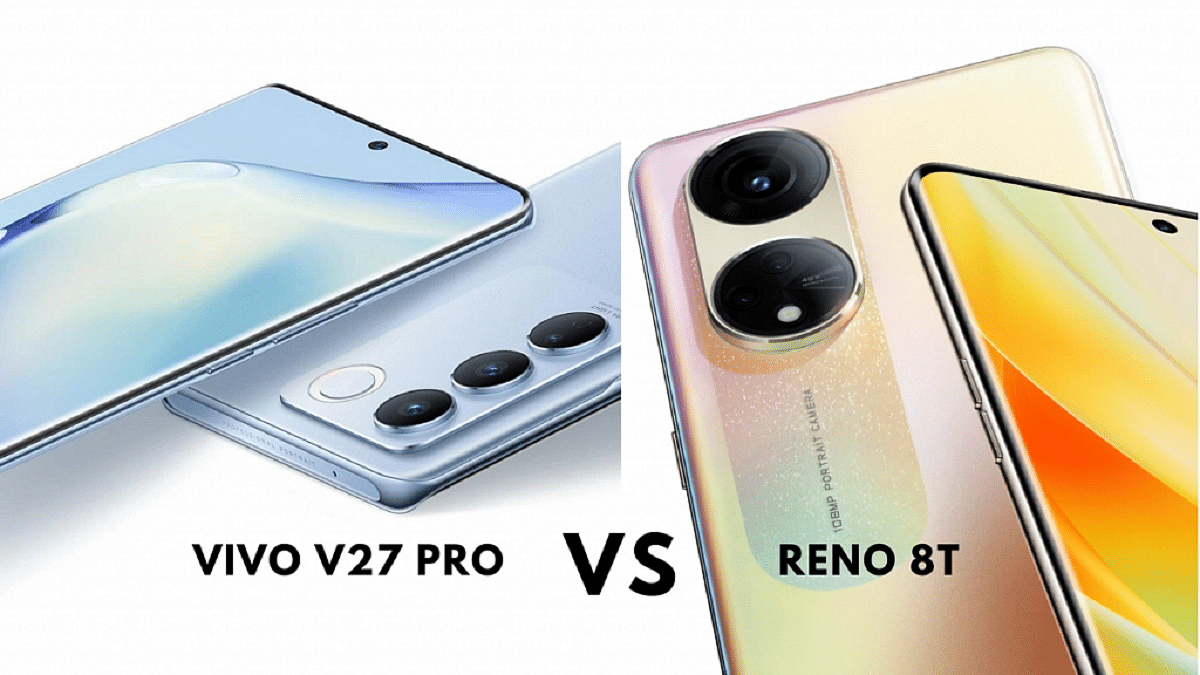
Vivo V27 Pro and Reno 8T are two new mid-range smartphones with competitive specs and affordable prices.
Both phones offer similar camera specs, but the Vivo V27 Pro has a higher-resolution front-facing camera, making it a better choice for selfie lovers.
The Vivo V27 Pro is powered by a MediaTek Dimensity 8200 chipset, while the Reno 8T has a Qualcomm Snapdragon 695 5G chipset.
The mid-range smartphone market is getting increasingly competitive, and two of the latest offerings to hit the shelves are the Vivo V27 Pro and the Reno 8T. Both phones offer great specs at an affordable price, but which one is the better to buy? Let’s take a closer look at the features and specifications of each device to find out.
The Vivo V27 Pro boasts a 6.78-inch AMOLED display with a resolution of 1080 x 2400 pixels. The screen has a high refresh rate of 120Hz, which means smoother scrolling and better gaming performance. On the other hand, the Reno 8T comes with a slightly small 6.7-inch AMOLED display with a resolution of 1080 x 2412 pixels. It also has a 120Hz refresh rate, making it equally smooth for daily use and gaming.
Both phones offer similar display features, but the Vivo V27 Pro takes the lead with its 90.4% screen-to-body ratio, as it has slightly smaller bezels around the display, resulting in a more immersive viewing experience than the Reno 8T’s 89.6% screen-to-body ratio.
When it comes to camera specifications, the Vivo V27 Pro has a triple-camera setup at the back, with a 50MP (f/1.9) primary sensor, an 8MP(f/2.2) ultra-wide-angle lens, and a 2MP(f/2.4) macro sensor. It also has a 50MP (f/2.5) wide front-facing camera for stunning selfies.
The Reno 8T, on the other hand, also has a triple-camera setup, including a 108MP (f/1.7) primary sensor, a 2MP(f/3.3) macro lens, and a 2MP(f/2.4) depth sensor. It also has a 32MP (f/2.4) front-facing camera for selfies.
Both phones offer similar camera specs, with the Reno 8T offering a far better 108MP rear camera and a 2MP depth sensor. However, the Vivo V27 Pro’s front-facing camera outshines the Reno 8T’s with its higher resolution, making it a better choice for selfie lovers.
Under the hood, the Vivo V27 Pro is powered by a 4nm MediaTek Dimensity 8200 chipset, coupled with up to 12GB of RAM and 128GB of internal storage. It also has a 4600mAh battery with support for 66W fast charging.
On the other hand, the Reno 8T is powered by a 6nm Qualcomm Snapdragon 695 5G chipset, coupled with 8GB of RAM and 256GB of internal storage. It also has a larger 4800mAh battery with support for 67W fast charging.
Both phones offer similar performance, but the Reno 8T’s slightly larger battery and faster charging capabilities make it a better choice for heavy users who need their device to last all day.
Vivo V27 Pro Vs Reno 8T Final Verdict: Which Offers Better Value for Money?
Model
Vivo V27 Pro
Reno 8T
Price
Rs. 37,999
Rs. 29,999
The Vivo V27 Pro and Reno 8T offer great value for money, but when it comes down to it, the Reno 8T takes the lead with its slightly larger battery and faster charging capabilities. However, if you’re looking for a device with a better front-facing camera, the Vivo V27 Pro is the way to go.
While both phones offer competitive specs and features, the Reno 8T comes with a more affordable price tag of Rs. 29,999 compared to the Vivo V27 Pro’s price of Rs. 37,999.
Ultimately, the choice between these two mid-range smartphones will come down to your personal preferences and needs. Whether you prioritize battery life, camera specs, or display quality, the Vivo V27 Pro and Reno 8T have much to offer.
Xiaomi is all set to launch a new Smart TV in India
It would be the first one with the Fire TV OS by the brand for the Indian market
Amazon has launched a special webpage for the upcoming Xiaomi Smart TV
Xiaomi is recognized for making smart televisions accessible to the masses in India. Their smart TVs run on Google Android TV OS with a customized MIUI for TV that includes an enhanced content recommendation system. Interestingly, Xiaomi is teaming up with Amazon to introduce its initial Fire OS-based smart TV in the Indian market.
Amazon has launched a special webpage for the upcoming Xiaomi Smart TV that runs on Fire OS 7. The TV will come with a Smart Control Hub and universal remote control. The company hasn’t explicitly revealed that its upcoming product will be supported on Fire OS, but the teaser gives a hint. Also Read | Buying A New Smart TV? Check Out The Best 43-inch Smart TVs Under Rs. 35,000 In India
An image of a tweet shared by the company has the tagline, ‘Who says entertainment can’t be fiery?’ The teaser also reveals the user interface of the smart TV is similar to that offered by the Amazon Fire Stick and Fire Stick 4K.
Experience the excitement of curtain raiser performances from the comfort of your home.
According to the listing, the TV would have a metallic exterior and no bezels. Moreover, it will reportedly offer Dual-Band Wi-Fi, Bluetooth 5.0, Miracast, and Apple AirPlay. We can expect some exciting specs on the visual and audio parts.
To recall, Xiaomi also has smart TVs worldwide running Fire OS in the form of the Xiaomi F2 TV series. They have a metal unibody design and come in 43-inch, 50-inch, and 55-inch sizes. There’s support for 1.07 billion colors, a 90 percent DCI-P3 color gamut, MEMC, HDR10, HLG, and 4K Ultra HD screen resolution.
The Smart TV has two 12W speakers, which can play Dolby Audio, DTS HD, and DTD Virtual:X audio files. A quad-core processor, Alexa voice control, and the capacity to cast phones, laptops, and tablets through Miracast and AirPlay, among other features, are further information.
Xiaomi Smart TV Price
Although the price of the upcoming Xiaomi Smart TV is unknown, we may anticipate that it will be reasonable. We shall get more details on this soon.
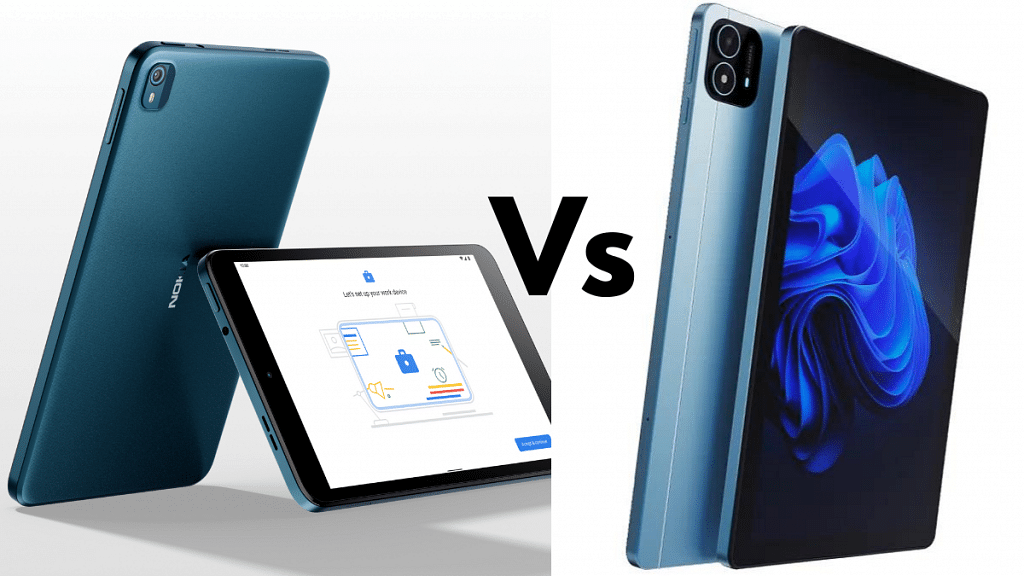
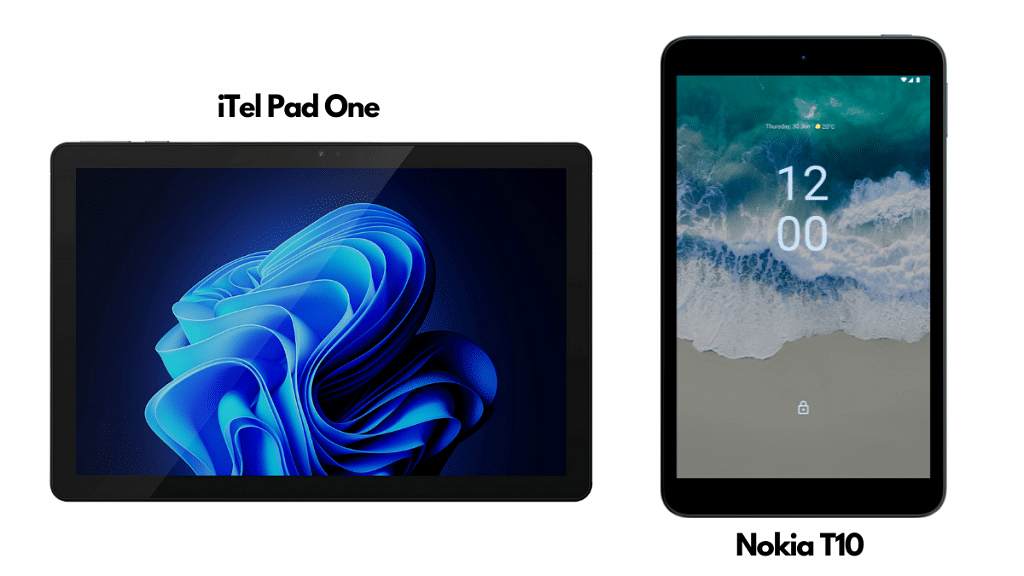
The iTel Pad One comes with a larger display than Nokia T10.
The iTel Pad One comes equipped with SC9863A1 processor whereas Nokia T10 comes equipped with 4nm Unisoc T606 chipset.
The iTel Pad One boasts a massive 6000 mAh battery while the Nokia T10 is no slouch either, packing a substantial 5250 mAh battery.
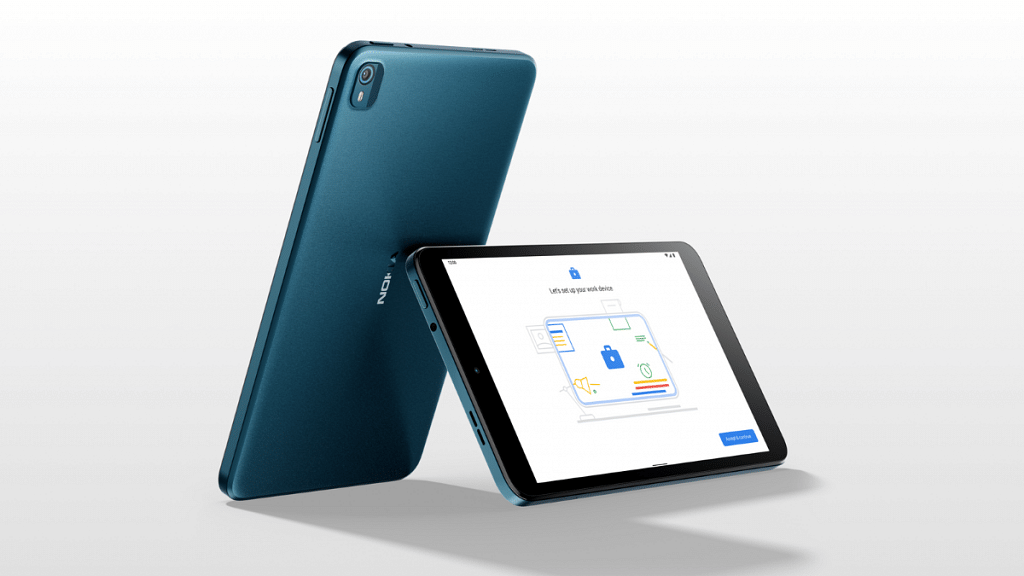
iTel and Nokia are two well-known brands and both have now a budget-friendly tablet market: the iTel Pad One and the Nokia T10. These tablets come with decent features and specifications, but which one of them is the better buy? In this article, we will be comparing the iTel Pad One and Nokia T10 to find out which one is the ultimate budget-friendly tablet.
When it comes to display, the iTel Pad One offers a 10.1-inch IPS LCD and Nokia T10 offers an 8-inch IPS LCD both with a resolution of 1280 x 800 pixels. The displays are bright and clear and offer good viewing angles. Apart from the display size, there is a key difference between the two displays: the iTel Pad One comes with a higher pixel density of 224 PPI, while the Nokia T10 has a pixel density of 189 PPI. This means that the iTel Pad One offers slightly sharper and more detailed images compared to the Nokia T10.
Another aspect to consider when comparing the displays of these two tablets is their screen-to-body ratio. The iTel Pad One boasts an 10.1-inch display with an 80% screen-to-body ratio, while the Nokia T10 with an 8-inch screen has a slightly lower screen-to-body ratio of 72.4%. This means that the iTel Pad One has a slightly more immersive viewing experience, as the bezels are thinner and the screen takes up more of the front of the device.
Overall, both the iTel Pad One and Nokia T10 offer decent displays that are suitable for everyday use, but the iTel Pad One edge ahead slightly with its higher pixel density and better screen-to-body ratio.
When it comes to cameras, the iTel Pad One and Nokia T10 are pretty evenly matched. The iTel Pad One comes with a 5MP rear camera and an 8MP wide-angle front-facing camera whereas Nokia T 10 comes with an 8MP rear camera and a 2MP front camera. The rear cameras are capable of capturing decent-quality images and videos, while the front-facing camera of iTel Pad One is suitable for video calls and selfies.
Both the tablets come with an LED flash for the rear camera. But, Nokia T10 with 8MP rear camera is better equipped for low-light photography and can produce better quality images in darker environments.
Overall, the camera specifications of both tablets are pretty basic and are suitable for casual photography and video calls.
Under the hood, the iTel Pad One is powered by a SC9863A1 processor, which is paired with 4GB of RAM and 128GB of internal storage. The Nokia T10, on the other hand, is powered by a 4nm Unisoc T606 chipset, which is paired with 3GB or 4GB of RAM and 32GB or 64GB of internal storage respectively. Both the tablets come with a microSD card slot that allows users to expand the storage up to 512GB.
In terms of battery, the iTel Pad One comes with a 6000mAh battery, while the Nokia T10 comes with a slightly larger 5250 mAh battery. Both tablets offer 10W charging capabilities and have a decent battery life and can last for a full day with moderate usage.
When it comes to performance, the iTel Pad One has the edge over the Nokia T 10, thanks to its more powerful chipset and higher amount of RAM. However, both tablet offers the ability to expand the storage further with microSD.
The iTel Pad One and Nokia T10 are two budget-friendly tablets that offer good value for money. The iTel Pad One is available at Rs.12,999 whereas Nokia T 10 is available at Rs.14,499.
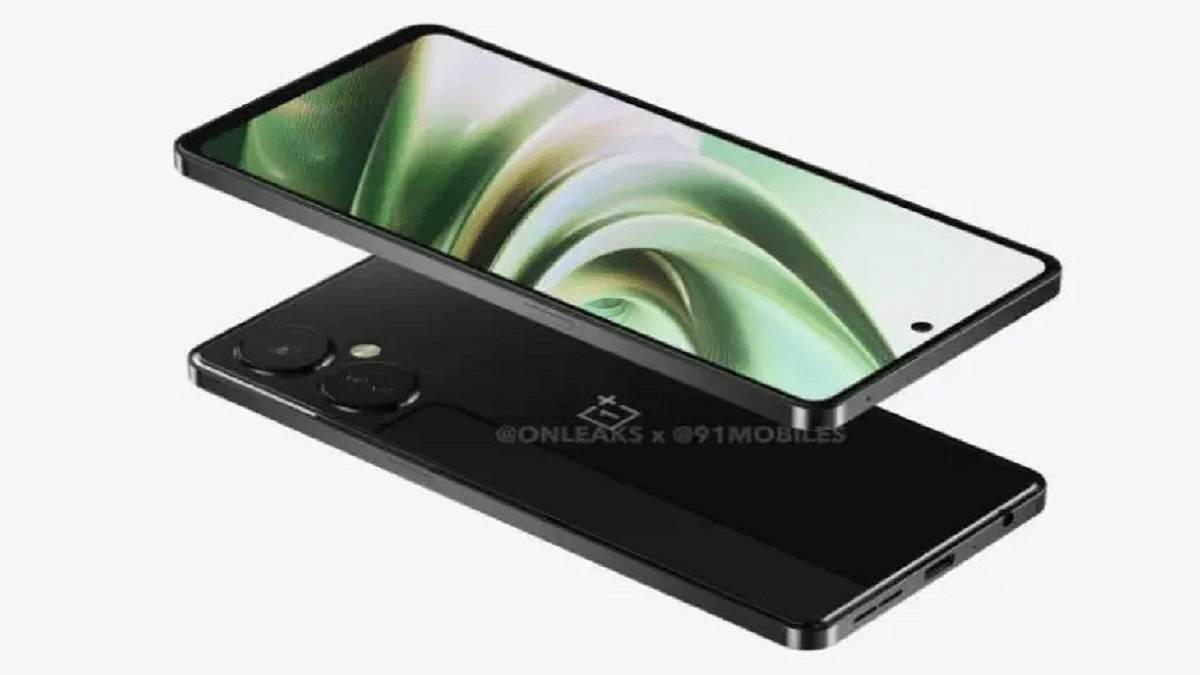
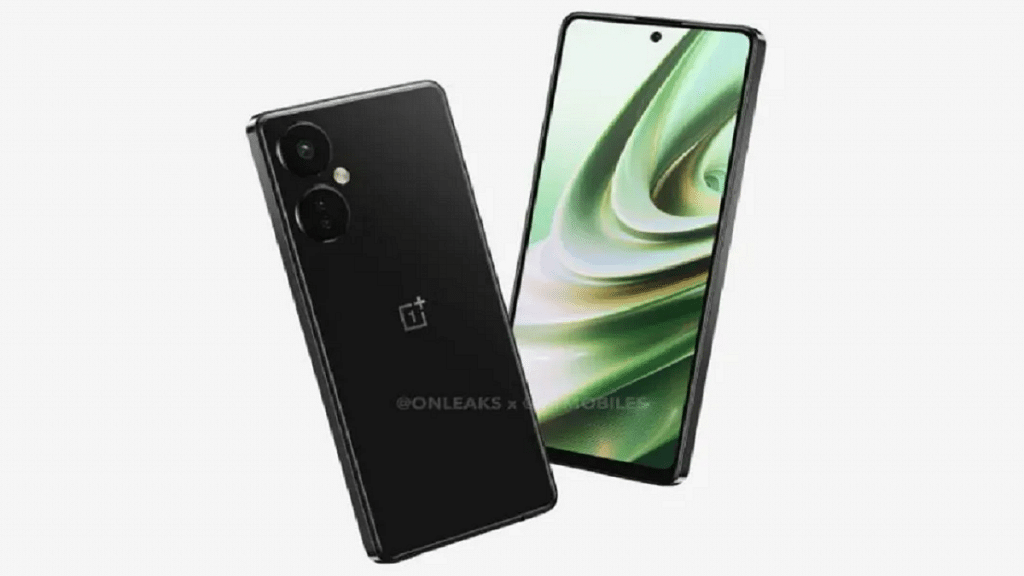
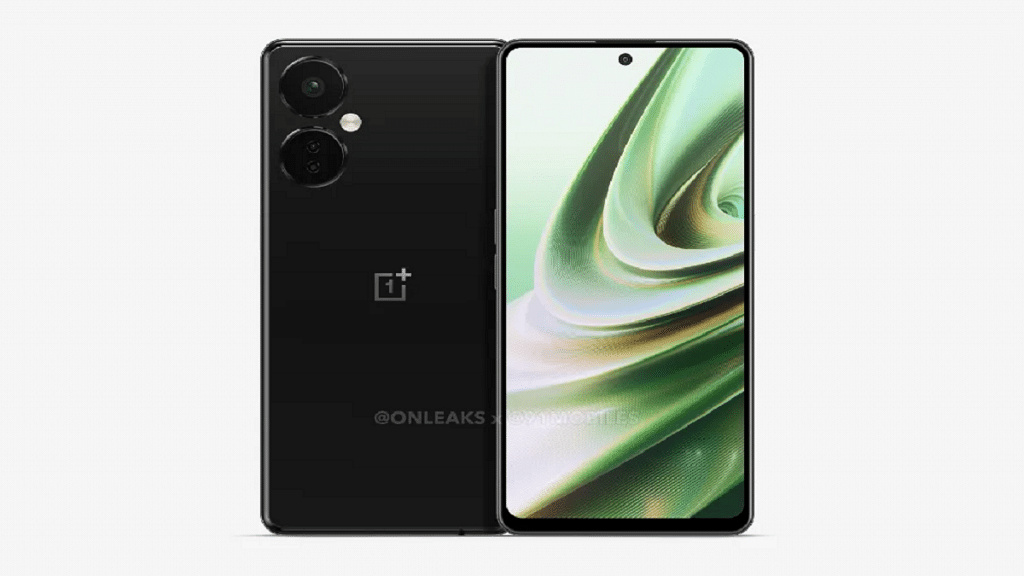
OnePlus Nord CE 3 will sport a 6.72-inch AMOLED display with a 120Hz refresh rate
The phone will be powered by the Snapdragon 782G processor
It will be equipped with a 50MP primary camera, a 16MP front-facing camera, and a 5,000mAh battery
OnePlus has released the premium OnePlus 11 5G and mid-premium OnePlus 11R 5G in India and is reportedly working on a more affordable phone, the OnePlus Nord CE 3. This device will succeed last year’s OnePlus Nord CE 2 and is expected to launch in July. MySmartPrice with information from tipster OnLeak has leaked alleged specifications ahead of the official announcement. The device is rumored to feature a 6.72-inch AMOLED display, the Snapdragon 782G SoC, and a 50MP primary camera sensor. Also Read | OnePlus 11 5G Full Review: A Step Ahead In The Right Direction!
OnePlus Nord CE 3 Leaked Specifications
As per the information, the OnePlus Nord CE 3 will feature a 6.72-inch AMOLED display with a Full HD+ resolution and a 120Hz refresh rate. An octa-core Snapdragon 782G processor will be the hardware driving the device. The phone will have an in-display fingerprint sensor for security. The smartphone will debut with 128GB/256GB of internal storage and 8GB/12GB of RAM.
According to details about the device’s optics, the phone will include a triple-camera arrangement that includes a 50MP (IMX890) sensor. A 2MP macro camera and an 8MP ultra-wide lens will be included in addition to the 50MP core sensor. A 16MP camera on the device will be in charge of taking selfies. A 5,000mAh battery that supports 80W rapid charging will power the device. These are all the features of the phone we currently have.
The alleged OnePlus Nord CE 3’s pricing is unknown, but based on its specs, it may range from Rs. 20,000 to Rs. 25,000. Last year, OnePlus released the Nord CE 2 at Rs. 23,999 (6GB RAM + 128GB storage). The top model, with 8GB of Memory, cost Rs. 24,999. The OnePlus Nord CE 2 is currently available for purchase for Rs. 18,999 and Rs. 20,999, respectively.
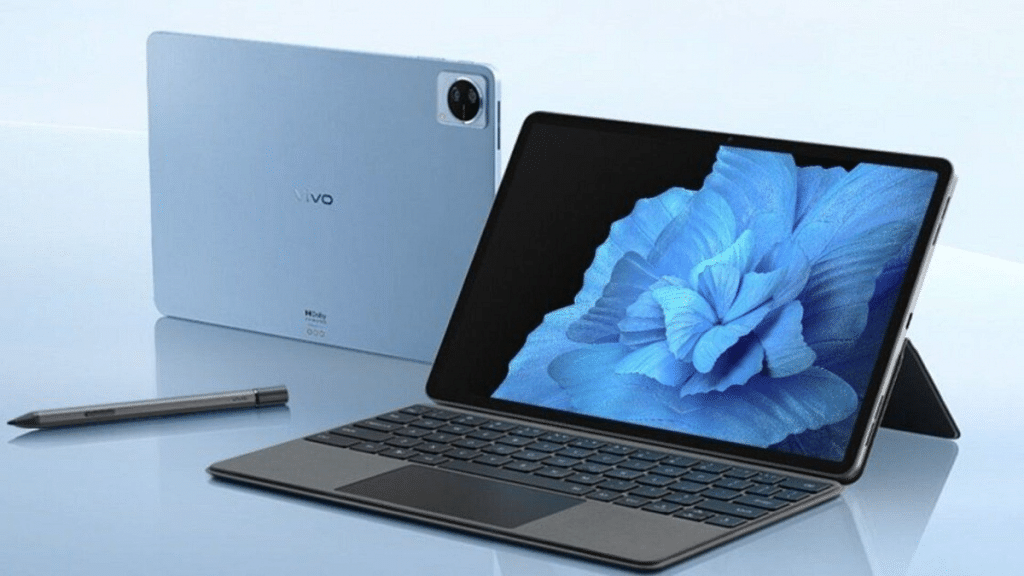
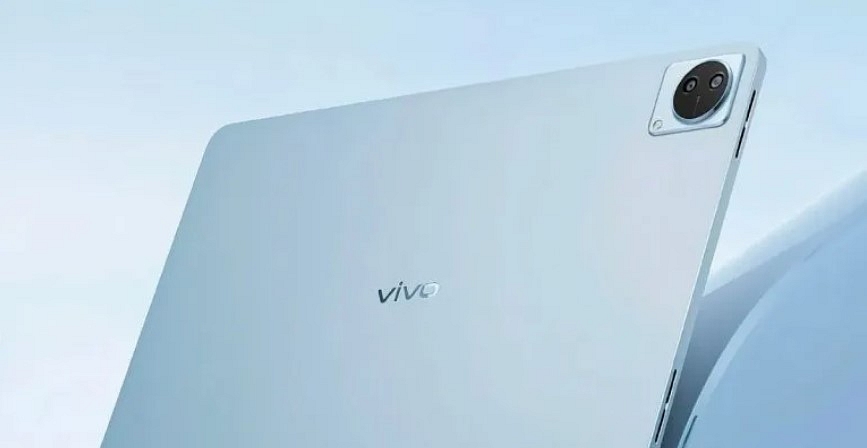
According to industry insiders, the Vivo Pad 2 is expected to launch in India in the second quarter of 2023. The exact launch date has not been confirmed by Vivo, but fans are eagerly waiting for the announcement.
Vivo Pad 2 Price In India, Buying Details
Although the exact price for the Vivo Pad 2 has not been officially announced, rumors suggest that it will be competitively priced higher than the previous Vivo Pad.
The Vivo Pad 2 is expected to be available for purchase both online and offline in India. Online platforms like Amazon, Flipkart, and Vivo’s own e-store are expected to sell the tablet. Customers can also purchase the Vivo Pad 2 from offline retail stores.
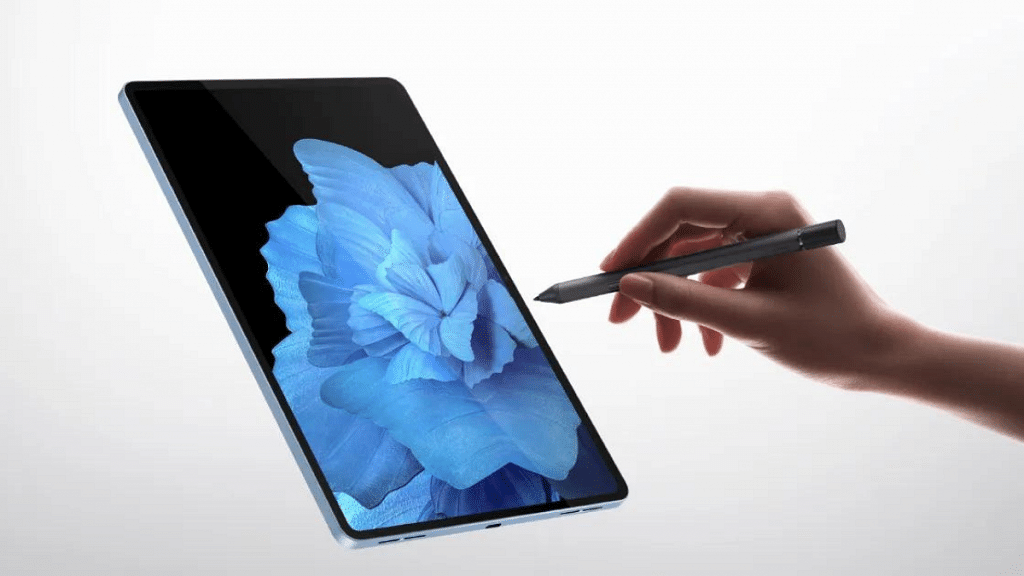
The Vivo Pad comes with a 11-inch display with a resolution of 1600 x 2560 pixels. The tablet feature a Snapdragon 870 processor, making it a high-performance device that can handle demanding applications with ease.
Leaked information regarding the Vivo Pad 2 suggests that the tablet will feature a MediaTek Dimensity 9000 processor. This powerful chipset is the same one that is expected to power the upcoming OnePlus Pad and OPPO Pad 2. The Dimensity 9000 is a high-performance processor that is built on a 4nm architecture, making it extremely efficient and capable of handling demanding applications with ease.
The Vivo Pad 2 is also expected to come with a large battery capacity than Vivo Pad which has 8040 mAh battery capacity. It is also expected to come with 5G connectivity, making it one of the few tablets in the market to support the latest technology. Other features of the Vivo Pad 2 are expected to include a dual-camera setup at the back.
According to sources, the Vivo Pad 2 is shaping up to be an exciting tablet for Vivo fans. With a powerful chipset, large battery capacity, and 5G connectivity, it is sure to be a high-performance device that can compete with the best in the market.