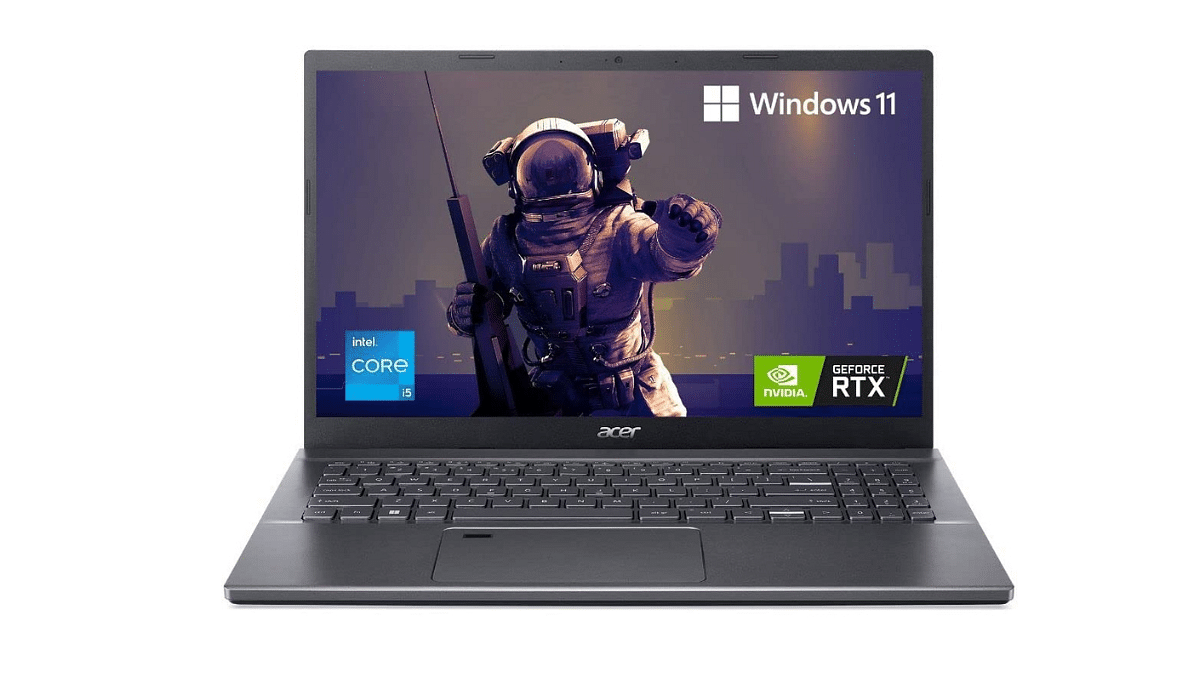
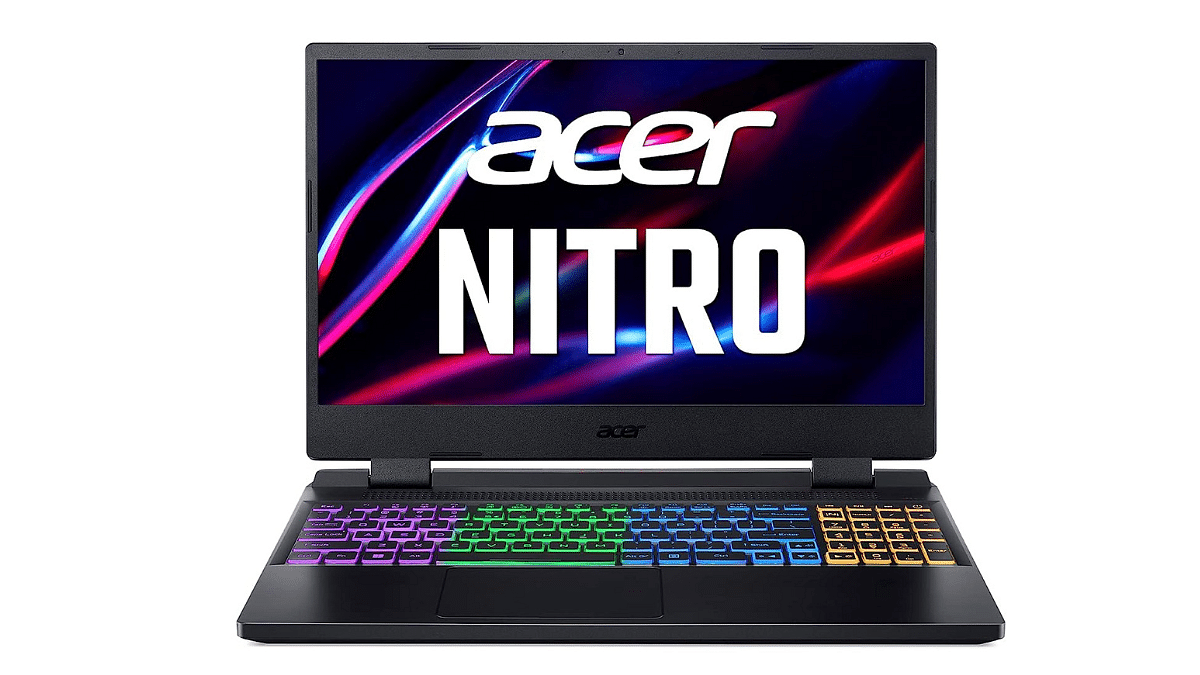
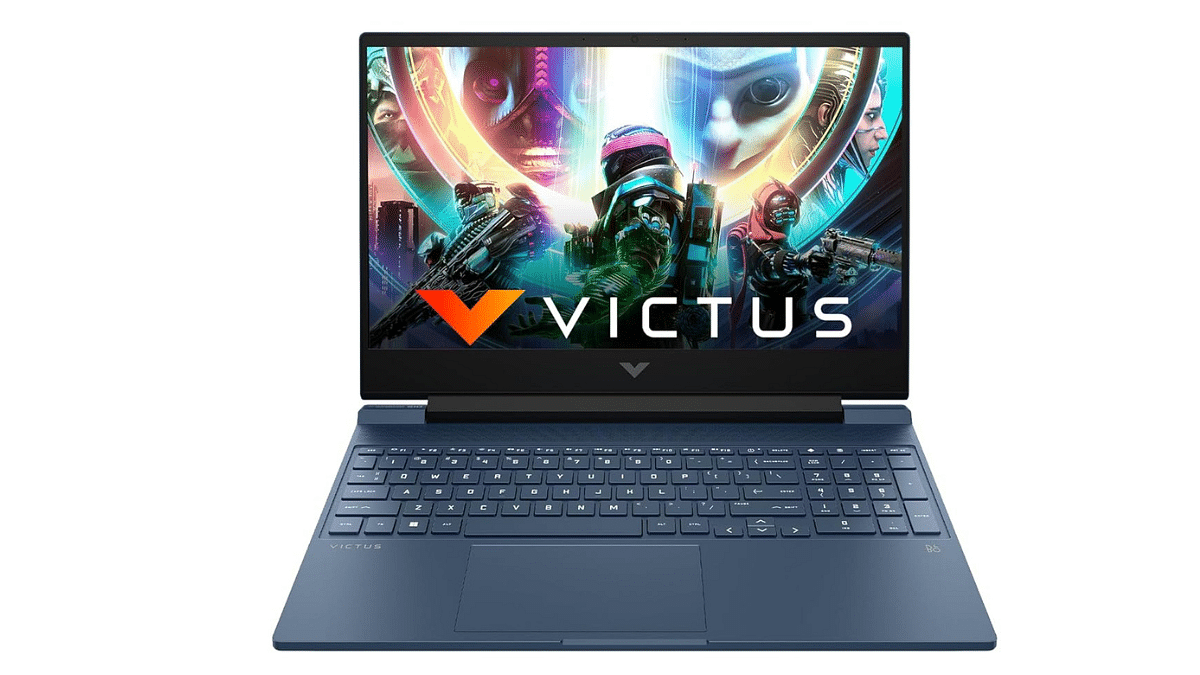
You can get high-performance gaming with these 5 laptops under 1 Lakh, all equipped with the latest 12th Gen Intel Core processors. From Acer Aspire 5 to Dell’s precision, you can get superior graphics with NVIDIA RTX series, enhanced cooling, and vivid displays. With various storage options and features like RGB keyboards, Thunderbolt ports, and fast charging, these laptops are perfect for gaming lovers.
This series features a 50MP camera with various modes for improved photography.
It faces tough competition in the market with phones from Vivo, Samsung, and more.
Pre-orders are available on Flipkart with up to 21% discounts.
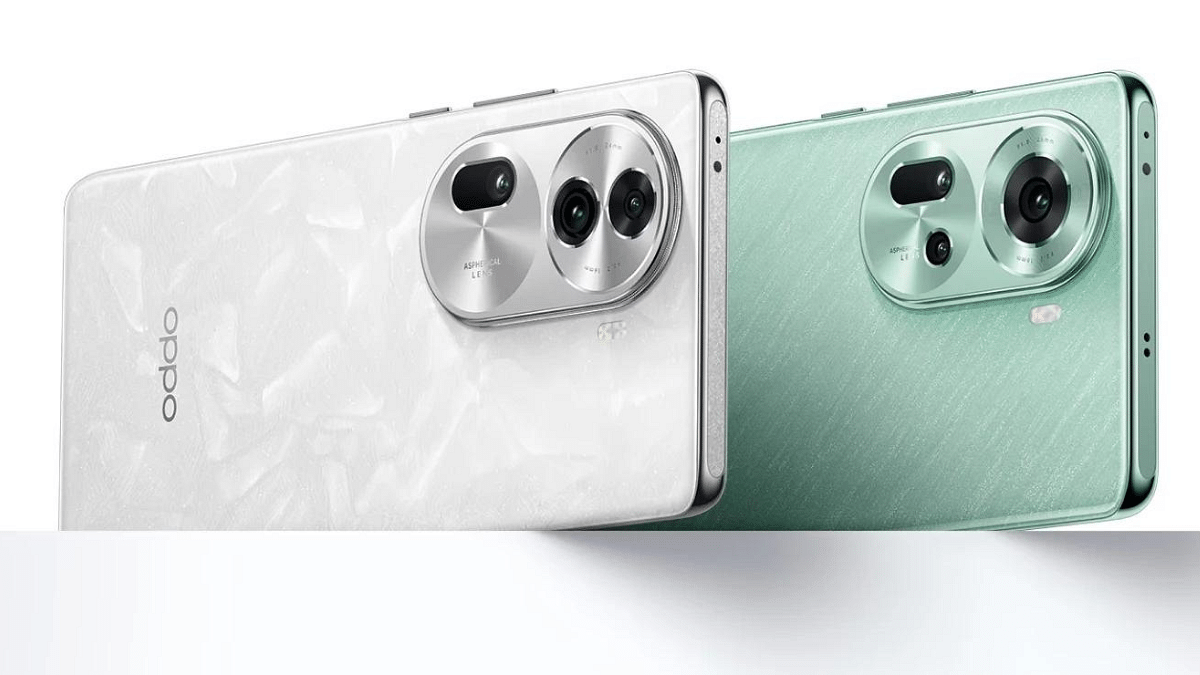
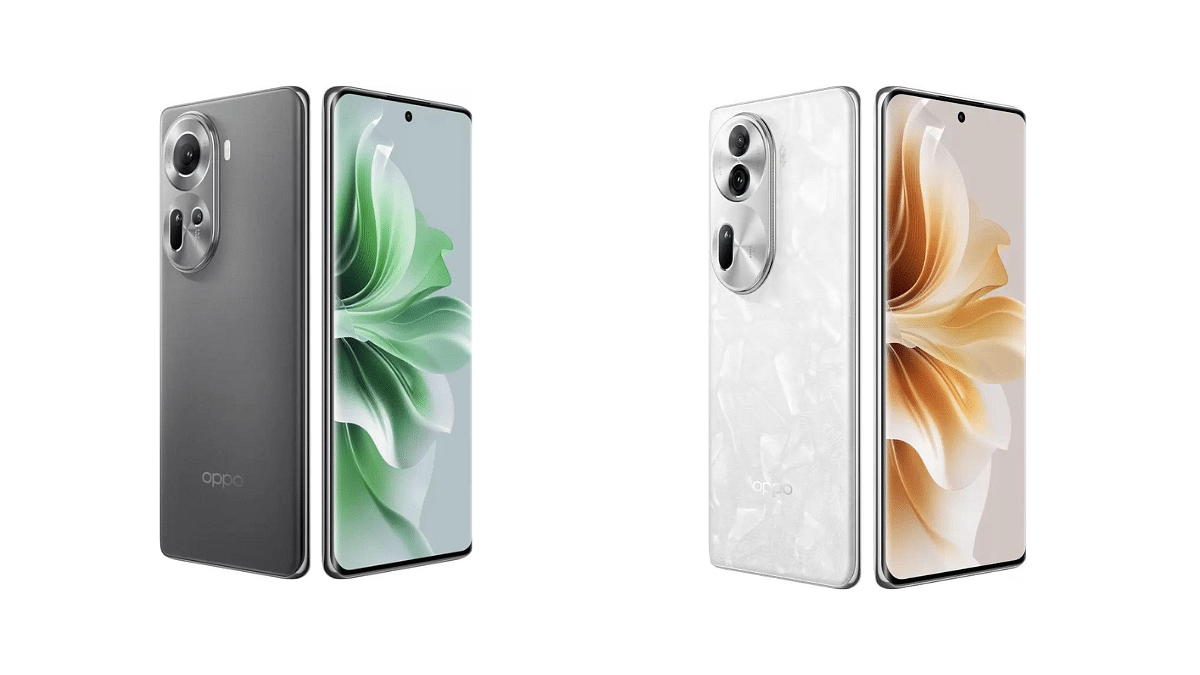
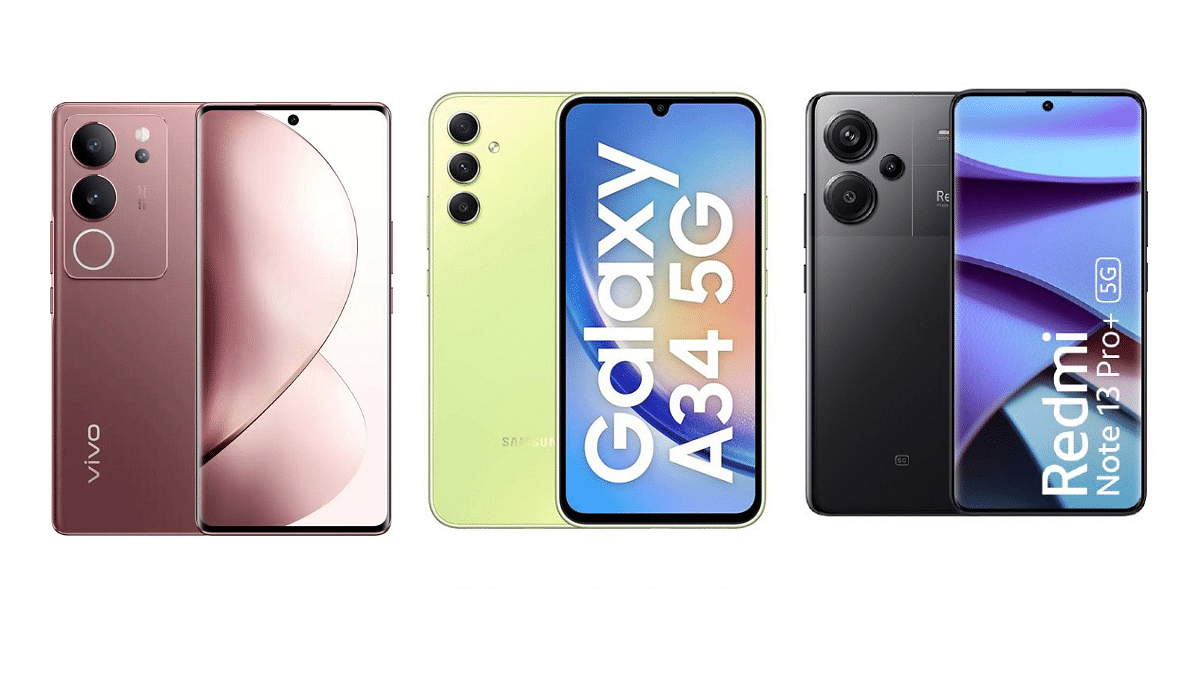
Oppo has launched its latest smartphones, the Oppo Reno 11 and Reno 11 Pro, featuring the powerful MediaTek Dimensity 8200 and a stellar 50MP camera. As these smartphones make their debut, they face formidable competition from rivals like the Vivo V29e, Samsung’s Galaxy A34, and the Redmi Note 13 Pro+ 5G.
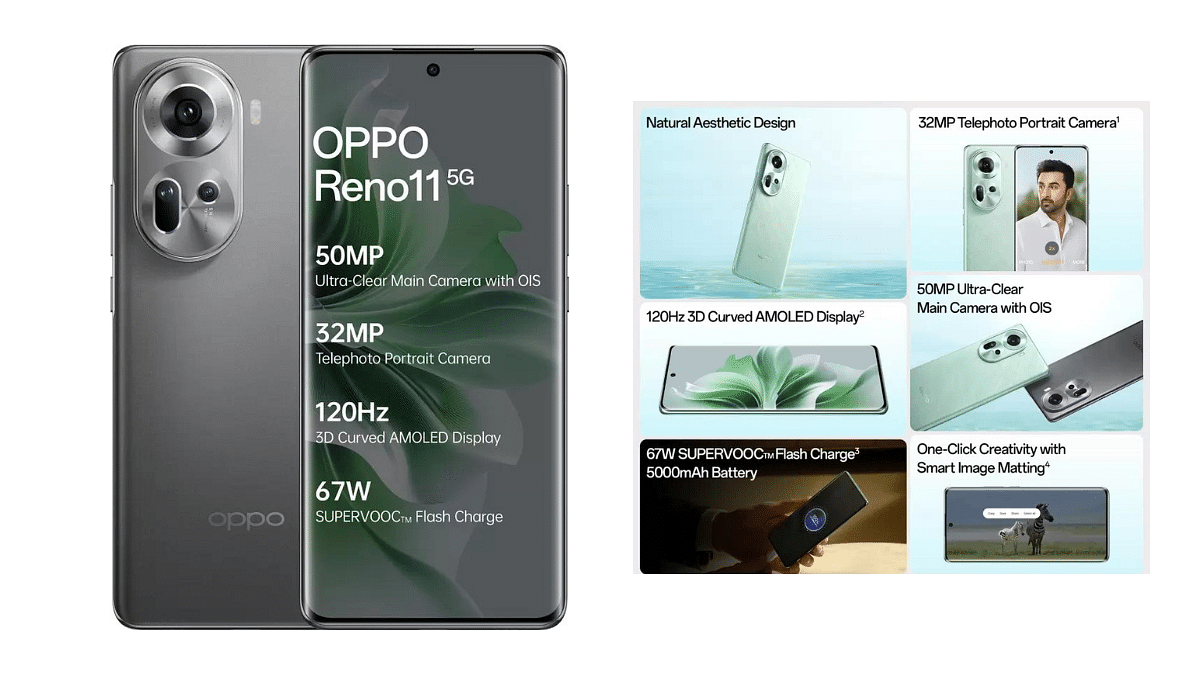
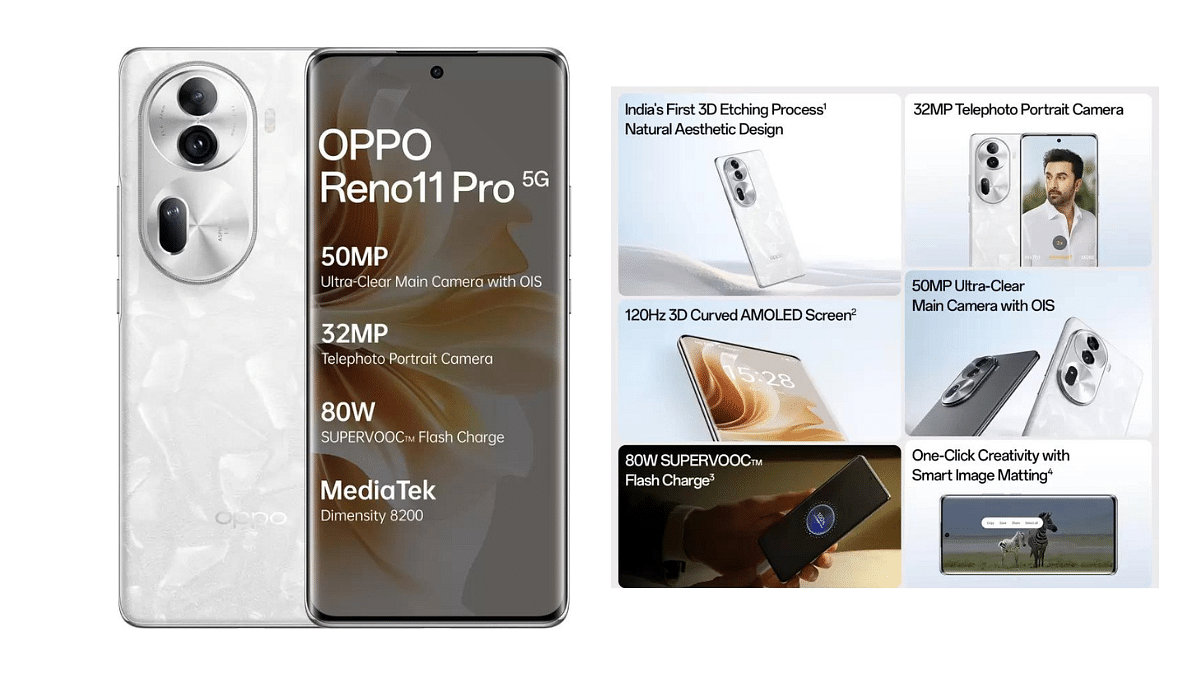
The Oppo Reno 11 5G and Oppo Reno 11 Pro 5G features a 17.02 cm (6.7 inch) Full HD+ 120Hz 3D Curved AMOLED screen. With a resolution of 2412 x 1080 pixels, it offers vibrant visuals and a high 93% screen-to-body ratio.
Powered by Mediatek processors, the Oppo Reno 11 5G runs on the Dimensity 7050 chipset, while the Oppo Reno 11 Pro 5G employs the Dimensity 8200. Both phones provide a seamless experience with octa-core CPUs, clock speeds up to 3.1 GHz, and ample memory – 8GB RAM and 128GB internal storage for the Reno 11, and 12GB RAM with 256GB storage for the Reno 11 Pro.
3. Oppo Reno 11 5G, Oppo Reno 11 Pro 5G: Camera
The camera setups on both phones are impressive. The Oppo Reno 11 5G features a versatile triple-camera system, including a 50MP main camera, 8MP wide camera, and a 32MP telephoto camera. Meanwhile, the Oppo Reno 11 Pro 5G mirrors this setup, ensuring high-quality photos with features like 3-axis EIS and OIS.
4. Oppo Reno 11 5G, Oppo Reno 11 Pro 5G: Battery
The Oppo Reno 11 5G packs a 5000mAh battery, ensuring long-lasting usage. On the other hand, the Oppo Reno 11 Pro 5G features a slightly smaller 4600mAh battery. Nevertheless, both phones support fast charging, delivering a reliable and efficient power solution.
The Oppo Reno 11 Pro 5G shares similar specifications. It features a 6.7-inch Full HD+ 120Hz 3D Curved AMOLED display with a 93% screen-to-body ratio. This smartphone is running on the Mediatek Dimensity 8200 Octa-Core processor at 3.1 GHz, coupled with 12GB RAM and 256GB internal storage.
The camera setup mirrors that of its sibling, with a 50MP main camera, 8MP ultra-wide-angle lens, and a 32MP telephoto camera. The 4600mAh battery powers the device, and it runs on Android 14 with ColorOS 14.0.
Oppo Reno 11 Series: Price, Pre-Order Available From Today
Variant
Original Price (Rs.)
Pre-Order Price (Rs.)
Reno 11 5G 8GB/128GB
38,999
29,999
Reno 11 5G 8GB/256GB
40,999
31,999
Reno 11 Pro 5G 12GB/256GB
44,999
39,999
The Oppo Reno 11 5G is priced at Rs. 38,999 for 8GB/128GB and Rs. 40,999 for 8GB/256GB. On pre-ordering through Flipkart, you can avail of special discounts, bringing the effective prices down to Rs. 29,999 and Rs. 31,999, respectively. Meanwhile, the Oppo Reno 11 Pro 5G comes with a price tag of Rs. 44,999 for 12GB/256GB, and its pre-order price on Flipkart is Rs. 39,999.
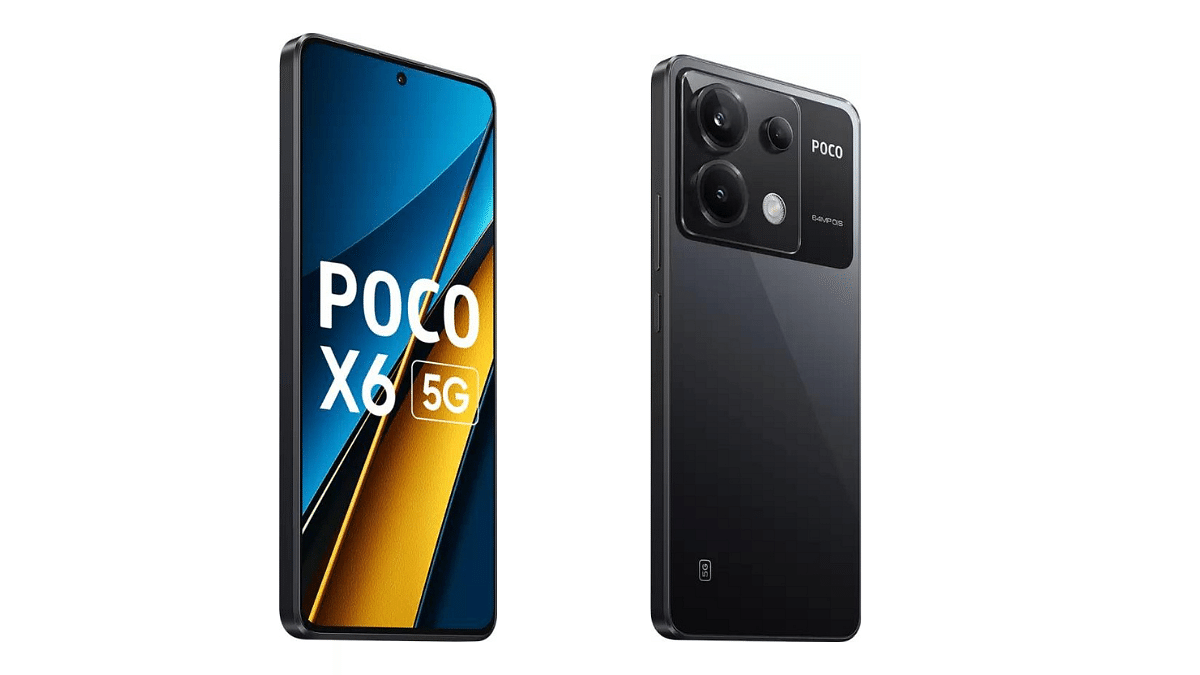
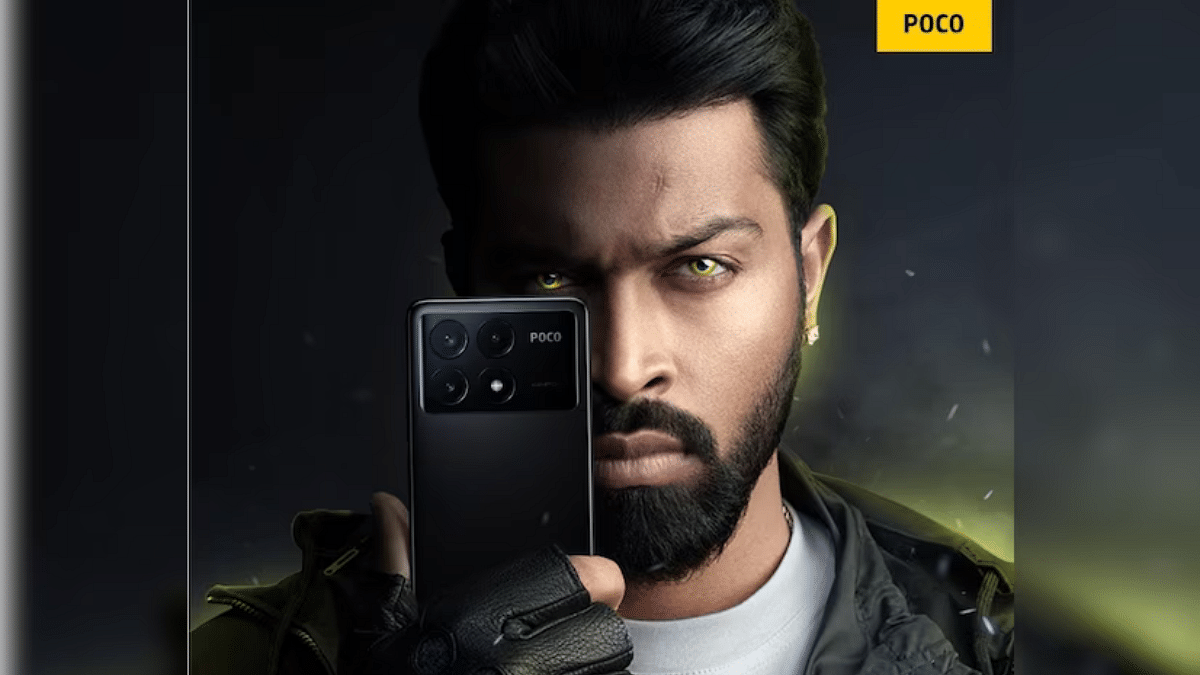
Poco X6 Series comes with 64MP Rear Camera for photography.
Equipped with Xiaomi HyperOS for improved performance.
Pre-Booking Opens Tonight, Check Details Below
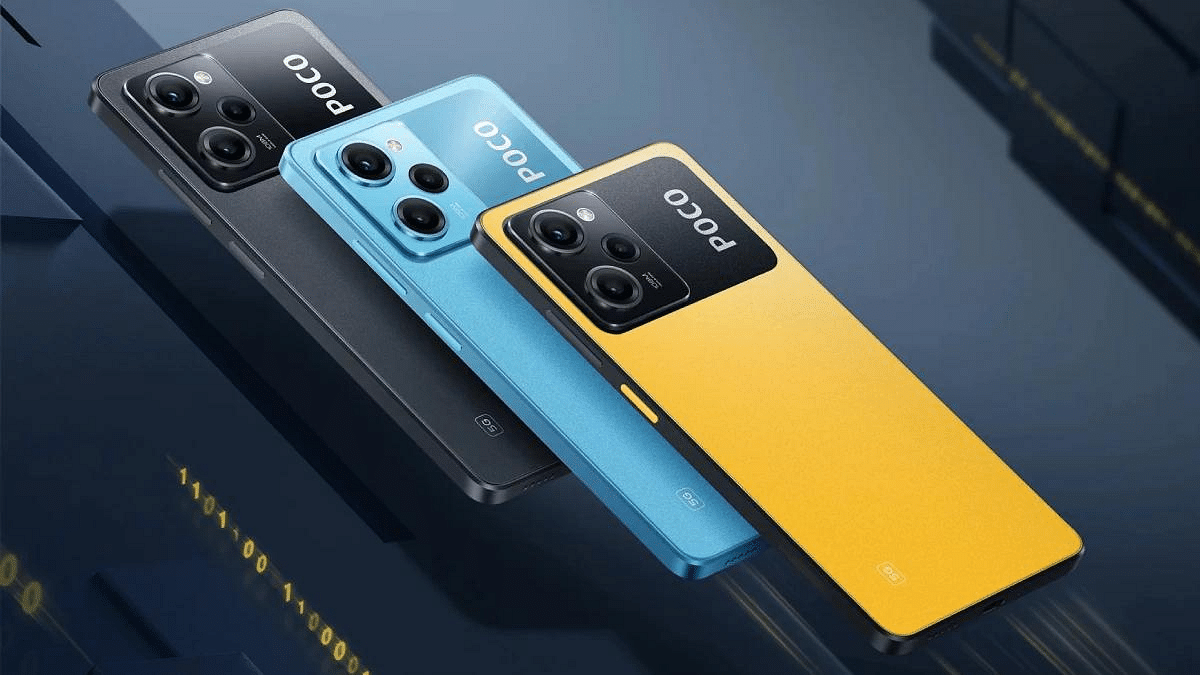
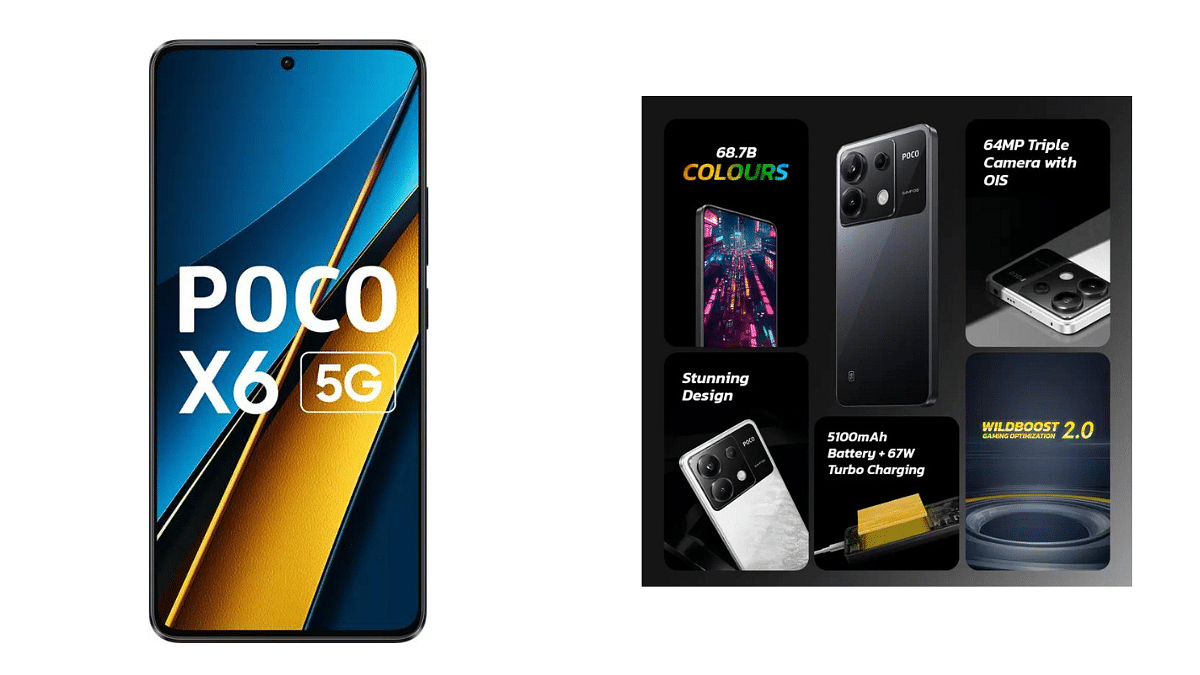
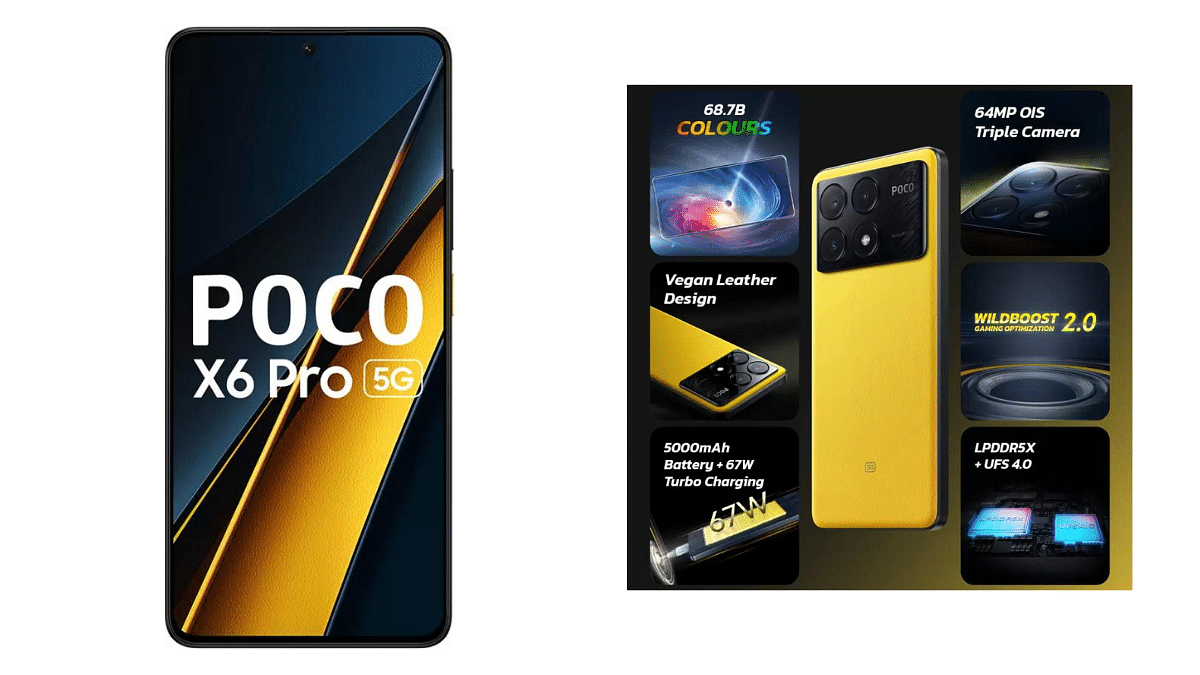
Xiaomi has launched its latest smartphones, the X6 Series, featuring a powerful 64MP camera and the new Xiaomi HyperOS. As it enters the Indian market, it faces stiff competition from rivals like vivo V29, Itel S23 Plus, realme 11x 5G, POCO M6 Pro 5G, and more. The pre-booking opens tonight at 8 pm on Flipkart.
Let’s delve into the key specifications of both models: Poco X6 5G and Poco X6 Pro 5G.
The Poco X6 5G is priced starting at Rs. 24,999 for the 8GB/256GB variant, while the Poco X6 Pro 5G comes with a starting price of Rs. 30,999 for the same configuration.
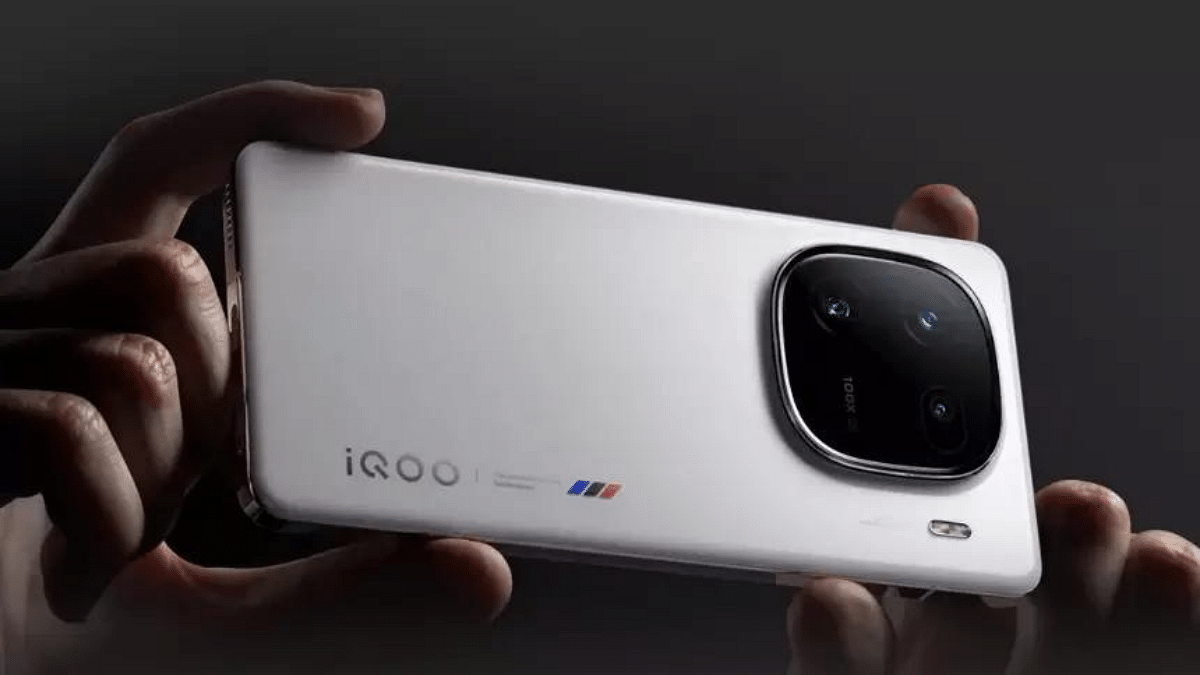
The Poco X6 Series faces tough competition from a range of smartphones, including vivo V29, Itel S23 Plus, realme 11x 5G, POCO M6 Pro 5G, vivo T2x, Xiaomi Redmi Note 13 Pro Plus 5G, iQOO Neo 7, and iQOO 12 5G.
Equipped with a 64MP camera, a high refresh rate display, and powerful processors, the Poco X6 Series establishes itself as a strong option in the mid-range category. The integration of Xiaomi HyperOS delivers a smoother user experience, improved performance, and efficient resource management.
Looking for a mid-range feature-packed smartphone?
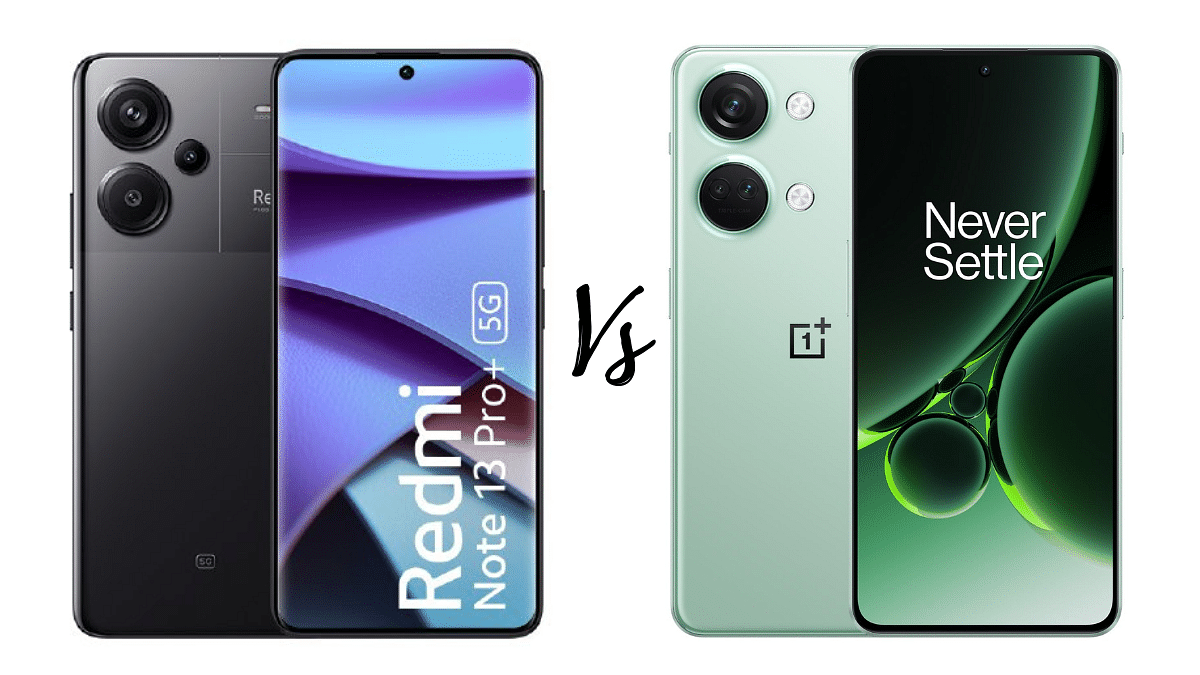
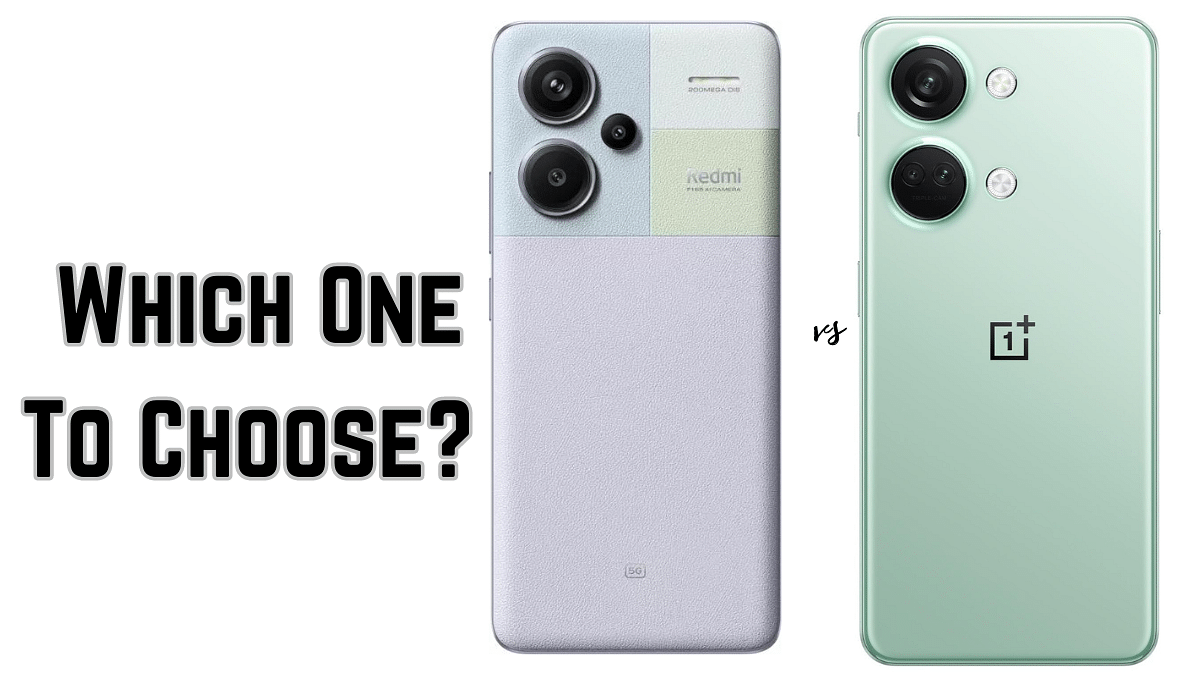
Priced at Rs. 37,999, the Redmi offers a 200MP camera and a rapid 120W HyperCharge. On the other side, the OnePlus Nord 3 5G, starting at ₹33,999, comes with a sleek design, a 120Hz Super Fluid AMOLED display, and a powerful MediaTek Dimensity 9000 processor. Let’s dive into the specs and see which one you should choose.
The Redmi Note 13 Pro+ boasts a 6.67-inch 3D curved AMOLED display with a resolution of 2712 x 1220, offering a pixel density of 446PPI. The 120Hz refresh rate, along with AdaptiveSync display and Dolby Vision support, ensures a smooth and vibrant visual experience. With a peak brightness of 1800nits and Corning Gorilla Glass Victus protection, the display is both sharp and durable.
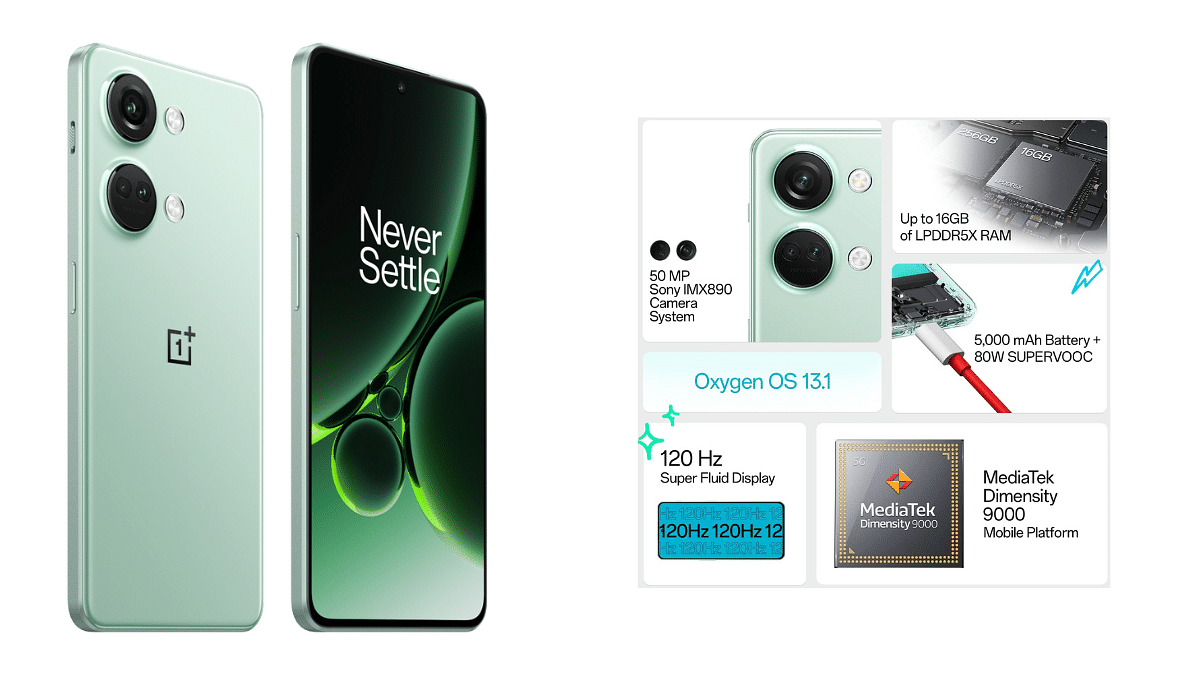
On the other hand, the OnePlus Nord 3 5G sports a 6.74-inch Super Fluid AMOLED display with a resolution of 2772 x 1240 pixels, featuring a 120Hz refresh rate and supporting HDR10+. This smartphone comes with added features like Eye Comfort and Dark Mode which makes the viewing experience more better.
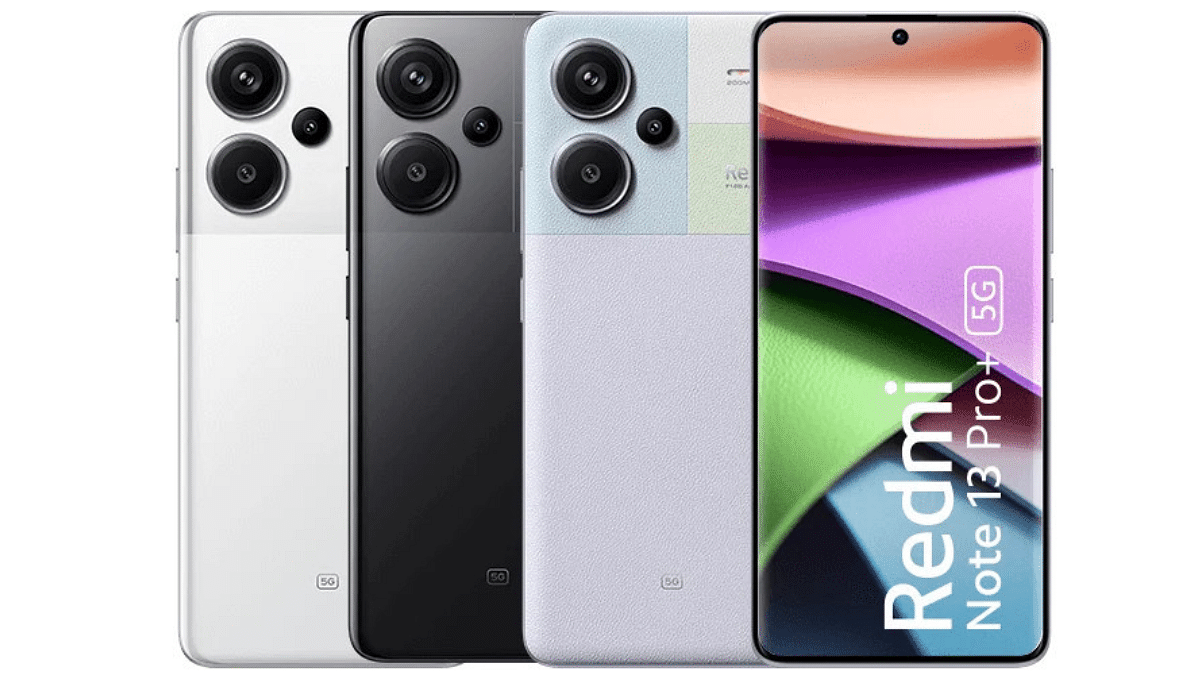
In terms of design, the Redmi Note 13 Pro+ flaunts a Fusion Black, Fusion White, and Fusion Purple color palette. The 3D curved front and glass back, along with a sleek 8.9mm thickness, contribute to a ergonomic design. Included TÜV certifications for displays that are easy on your eyes, don’t flicker, and emit low blue light.
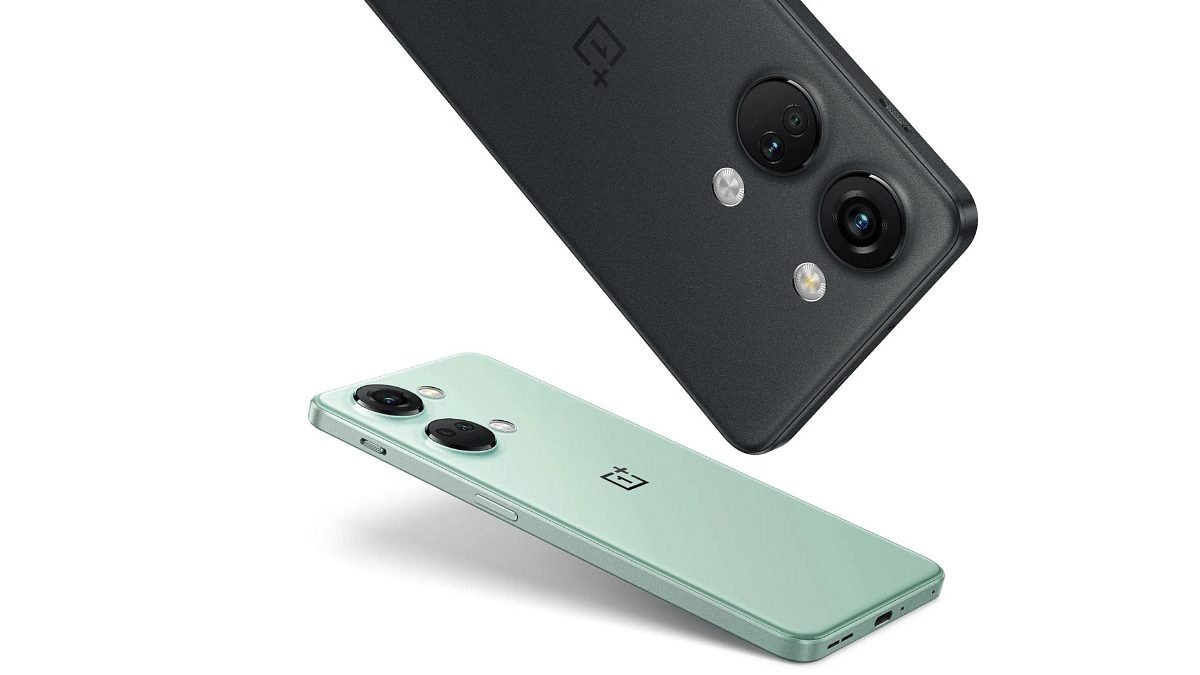
On the other hand, the OnePlus Nord 3 5G comes in Tempest Gray and Misty Green colors. It’s really slim, just 0.81cm thick, and weighs 193.5g. This makes it look and feel lightweight and slim, which is great for people who want something easy to carry around.
The Redmi Note 13 Pro+ comes with 200MP Ultra-High Res Camera powered by a Samsung ISOCELL HP3 sensor. The camera setup includes an 8MP UltraWide Angle lens and a 2MP Macro lens, offering versatile photography options. The 200MP Mode, Night Mode, and various AI-enhanced features promise a delightful photography experience.
Meanwhile, the OnePlus Nord 3 5G features a 50MP main camera (Sony IMX890 sensor) and an 8MP Ultra-wide camera, accompanied by a 2MP Macro lens. The device supports 20x zoom and various video recording modes.
Redmi Note 13 Pro+ Vs OnePlus Nord 3 5G: Processor, Storage
Feature
Redmi Note 13 Pro+
OnePlus Nord 3 5G
Processor
MediaTek Dimensity 7200-Ultra
MediaTek Dimensity 9000
Process Technology
4nm
4nm
CPU
Up to 2.8 GHz
Up to 3.05 GHz
GPU
ARM G610 MC4
Arm Mali G710 MC10
RAM
LPDDR5 + UFS3.1
8GB/16GB LPDDR5X
Storage Configurations
8+256GB, 12+256GB, 12+512GB
128GB/256GB UFS 3.1
Under the hood, the Redmi Note 13 Pro+ is powered by the MediaTek Dimensity 7200-Ultra processor, utilizing 4nm process technology. This phone comes with a CPU clocked at up to 2.8 GHz and advanced features like Smart Charging Engine.
Conversely, the OnePlus Nord 3 5G opts for the MediaTek Dimensity 9000 processor, complemented by 8GB/16GB LPDDR5X RAM and 128GB/256GB UFS 3.1 storage configurations.
Redmi Note 13 Pro+ Vs OnePlus Nord 3 5G: Connectivity, Battery & Charging
Feature
Redmi Note 13 Pro+
OnePlus Nord 3 5G
Battery Capacity
5000mAh (typ)
5000mAh (Dual-cell 2,500mAh, non-removable)
Charging Technology
120W HyperCharge
80W SUPERVOOC
Charging Time (0-100%)
19 minutes (claimed)
30 minutes (claimed)
Charging Port
USB Type-C
USB Type-C
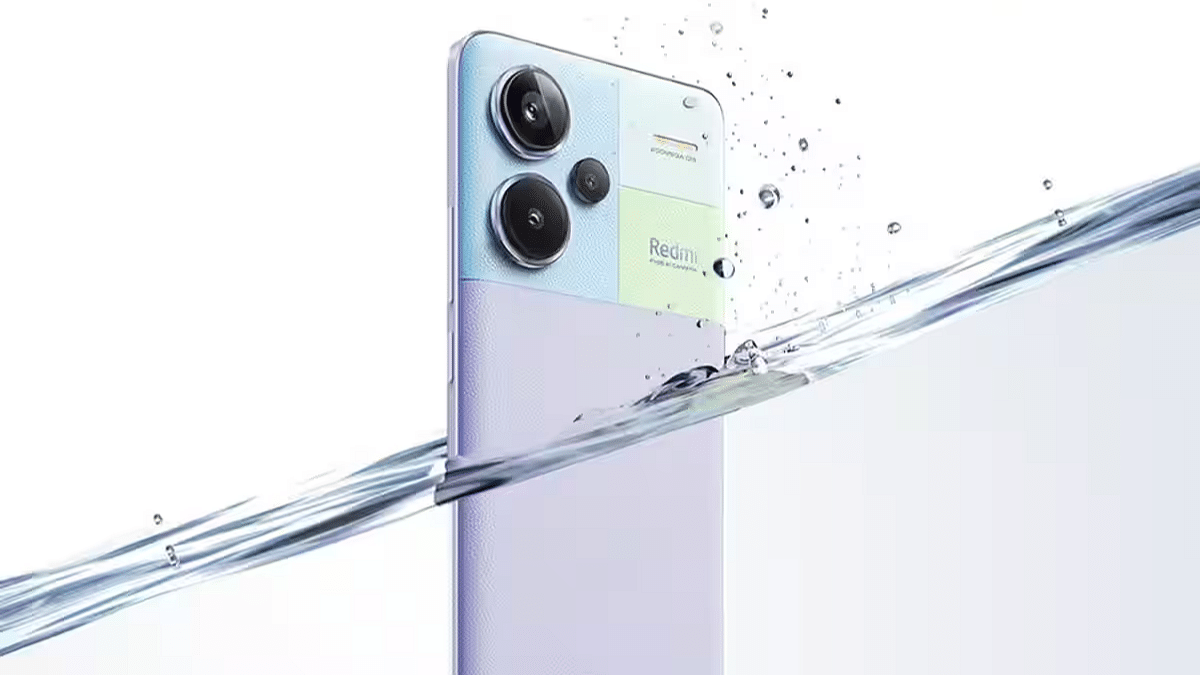
Both devices offer comprehensive connectivity options, including 5G support, Wi-Fi 6, Bluetooth v5.3, and NFC. The Redmi Note 13 Pro+ ensures water and dust resistance with an IP68 rating.
The Redmi Note 13 Pro+ integrates a 5000mAh battery and supports 120W HyperCharge technology, ensuring a rapid 19-minute full charge. It comes with the Xiaomi Surge P1 Chip and a 4000mm² VC cooling system to help manage power effectively. On the other hand, the OnePlus Nord 3 5G relies on a 5000mAh dual-cell battery, supporting 80W SUPERVOOC charging technology.
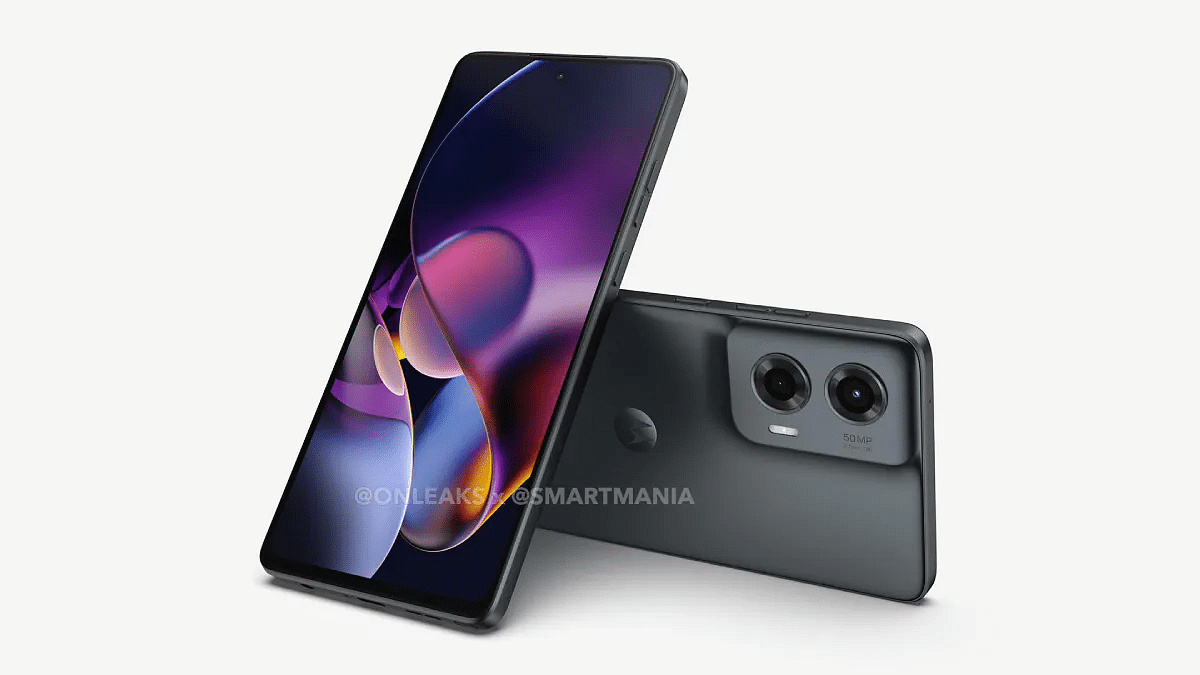
Motorola, following the success of the Moto G Stylus 5G, is set to introduce the Moto G Stylus 2024. While official details remain under wraps, a recent report provides insights into the expected design and specifications of this upcoming smartphone. Here’s all we know. Also Read | Best Gaming Phones Under Rs. 35000
Design Highlights
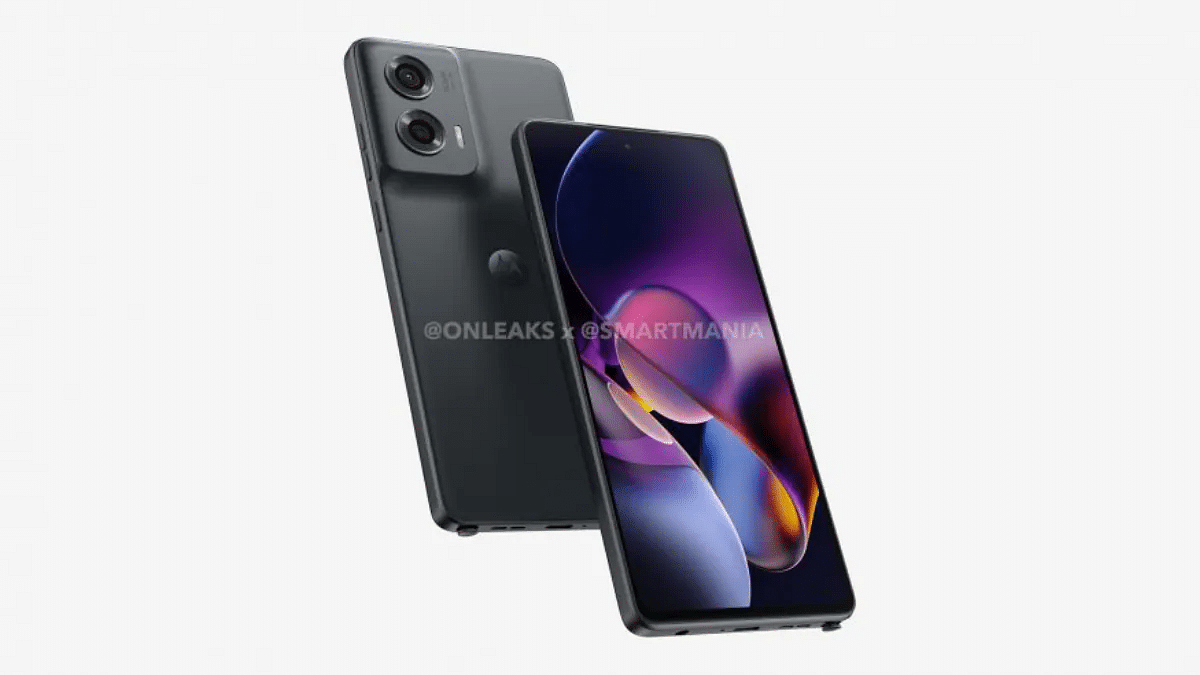
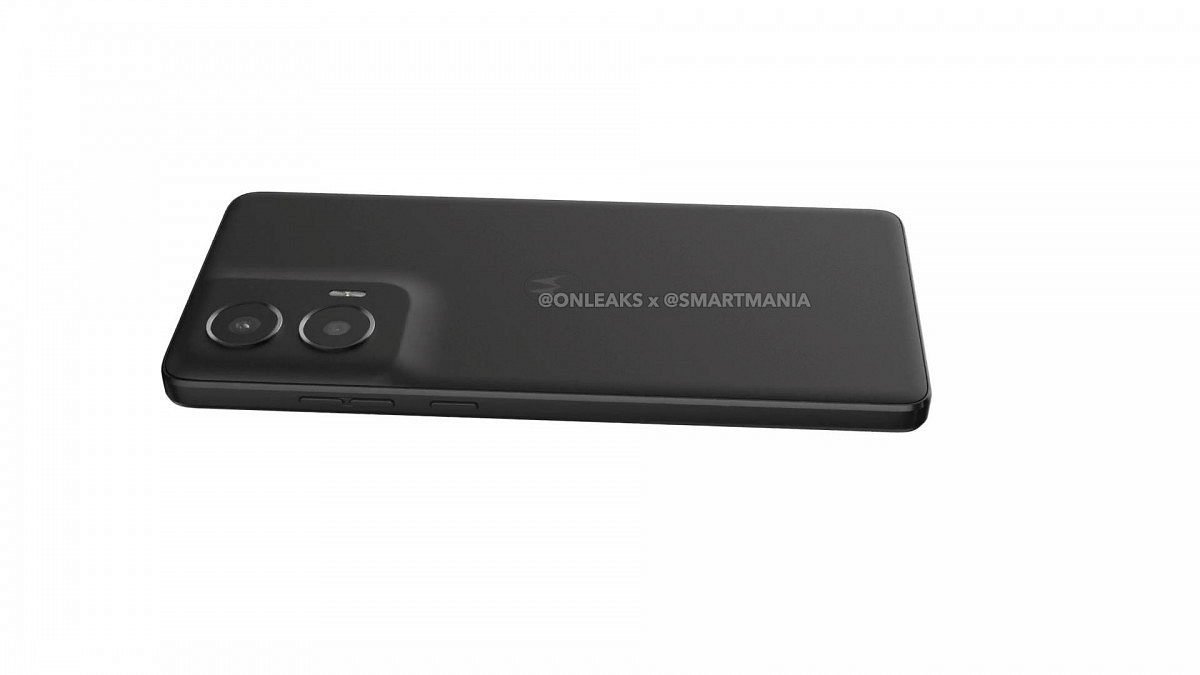
The Moto G Stylus 2024 is set to undergo a significant design transformation, departing from the conventional aesthetics of its predecessor. The anticipated design shift embraces contemporary trends, featuring a more cuboid shape with straight sides and an elegantly crafted camera module. This design philosophy is expected to extend across Motorola’s 2024 phone lineup, aligning with the Moto G Play 2024 model.
Notable Design Elements
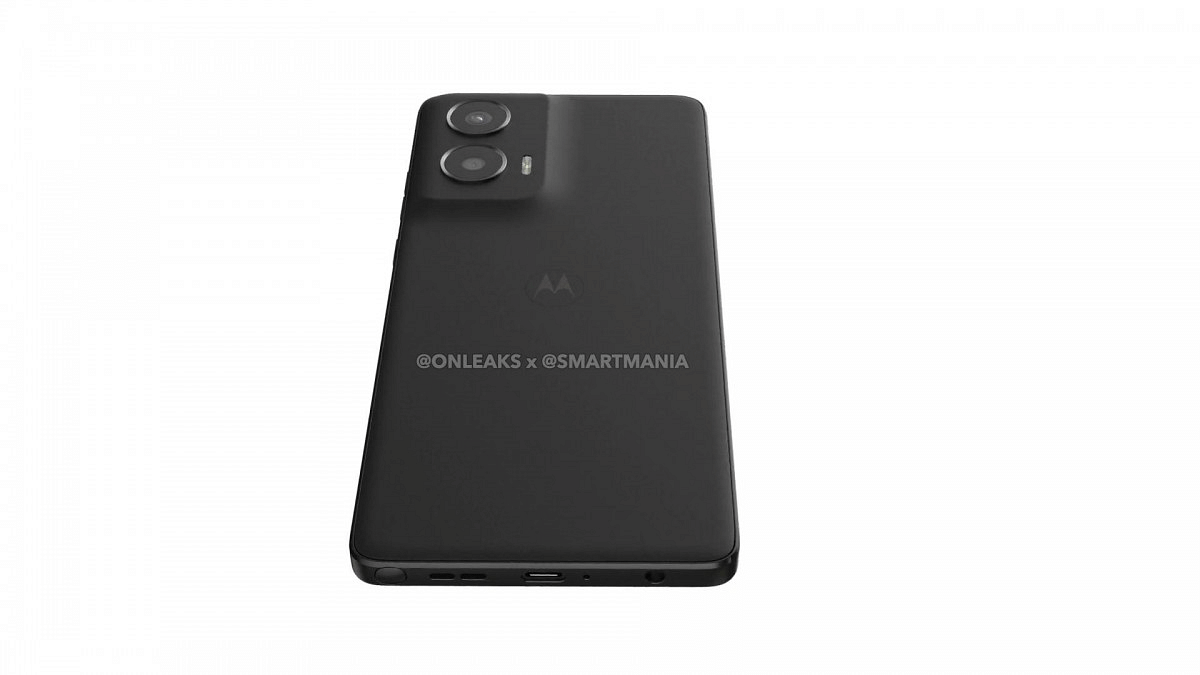
The standout feature of the Moto G Stylus 2024 is its built-in stylus, conveniently located in the lower right corner. The phone will house a 3.5mm headphone jack on the left side, and at the center, a USB-C port will be positioned. Thicker frames around the display, particularly at the bottom, suggest a departure from flagship status. The phone will boast slightly larger dimensions compared to its counterparts, featuring a 6.5-inch display. The expected measurements are 162.5 x 74.7 x 8.09mm, with a thickness of 10.28mm around the camera module area.
While Motorola has kept details about the Moto G Stylus 2024 under wraps, leaks and rumors provide a glimpse into the expected specifications.
Display: A 6.5-inch IPS LCD Full HD+ display with a 90Hz refresh rate.
Chipset: Powered by Qualcomm Snapdragon octa-core SoC; exact details yet to be disclosed.
Storage: 128GB internal storage with microSD support.
Camera Setup: Expected to feature a 50MP OIS main camera and a secondary camera with undisclosed sensor details. An 8MP front camera for selfies.
Software: Running on Android 13 OS.
Battery: Equipped with a 5,000mAh battery supporting fast charging.
Additional Features: Expected features include 5G support, Bluetooth 5.2, NFC, Wi-Fi 802.11 a/b/g/n/ac (2.4 and 5 GHz), USB-C, and GPS.
Verdict
While the Moto G Stylus 2024 may not fall into the flagship category, its blend of stylus features and affordability makes it an appealing choice for users.
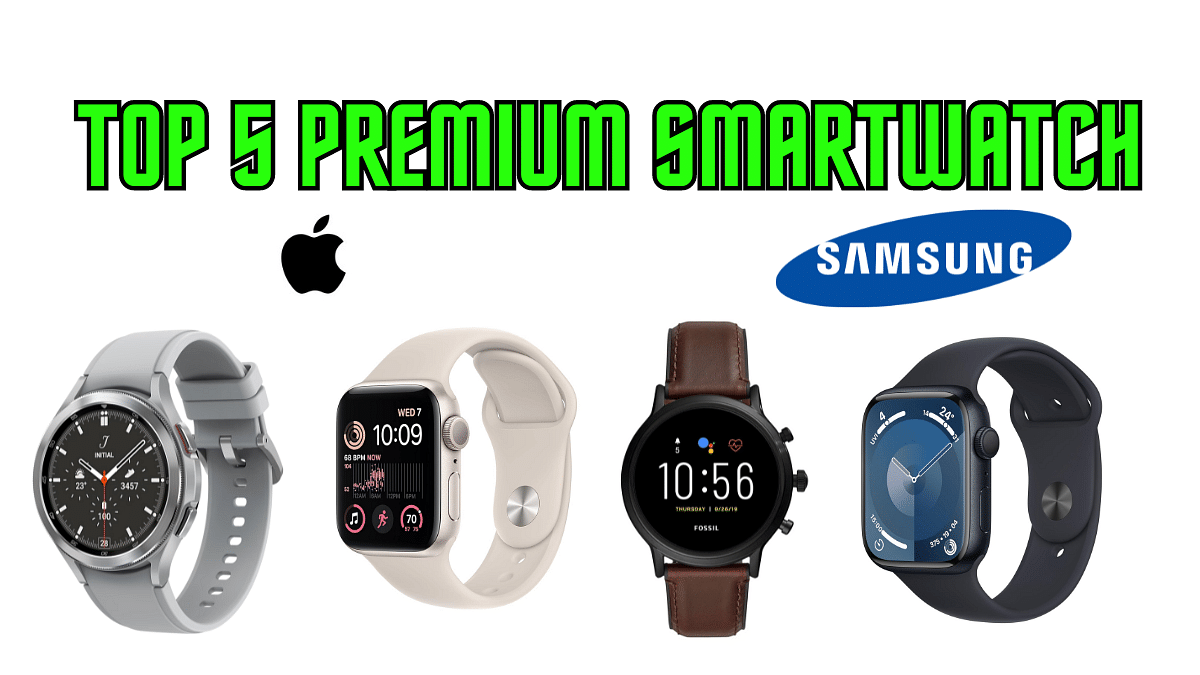
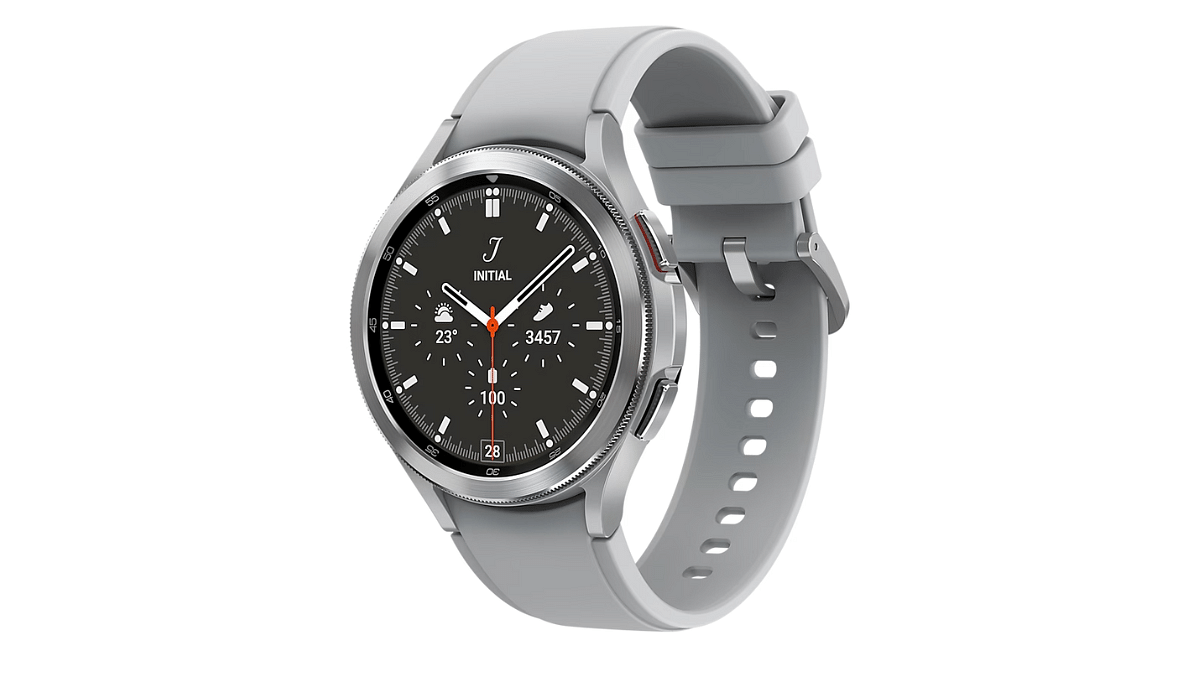
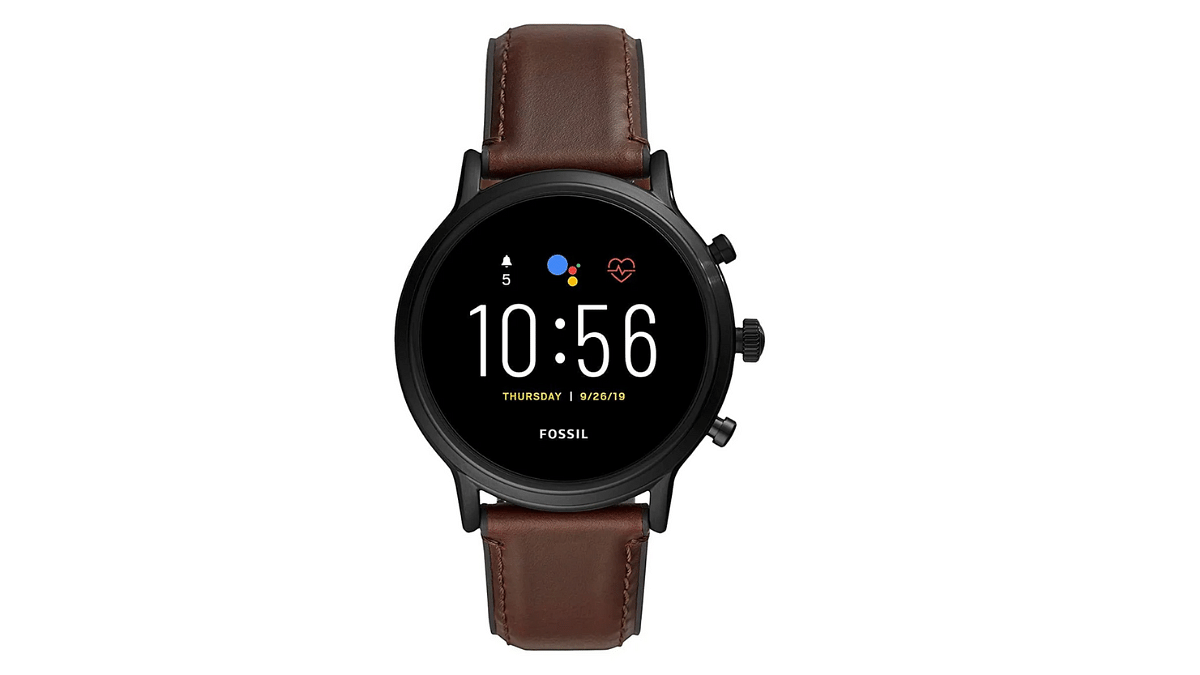
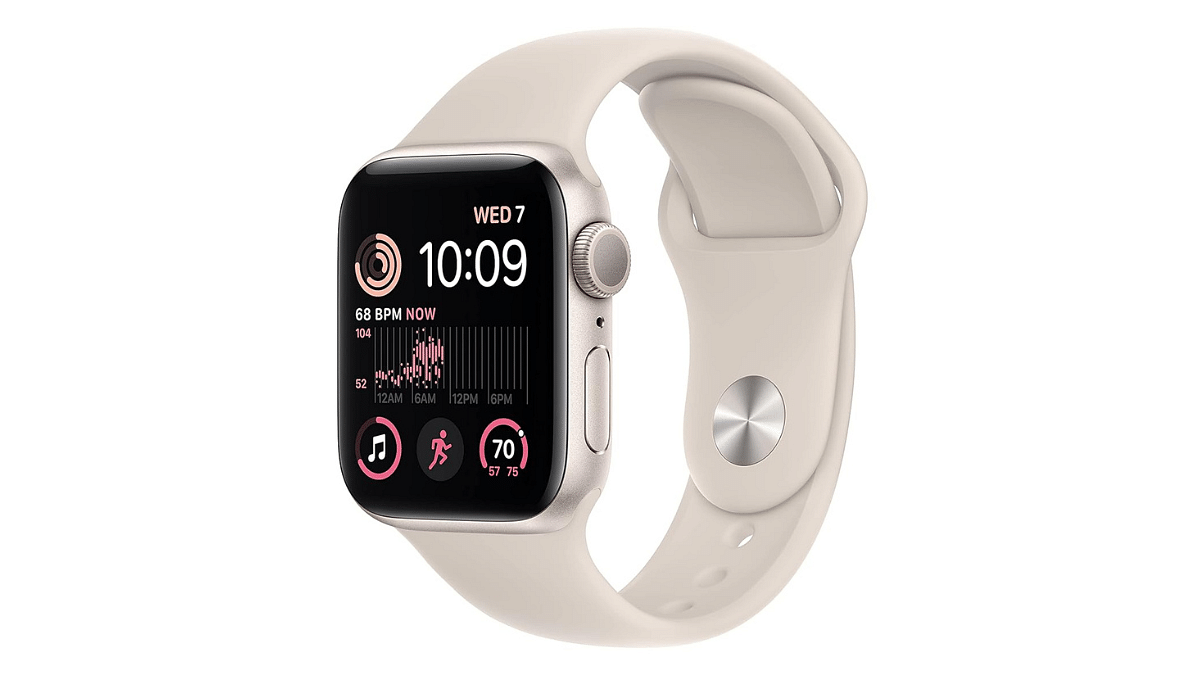
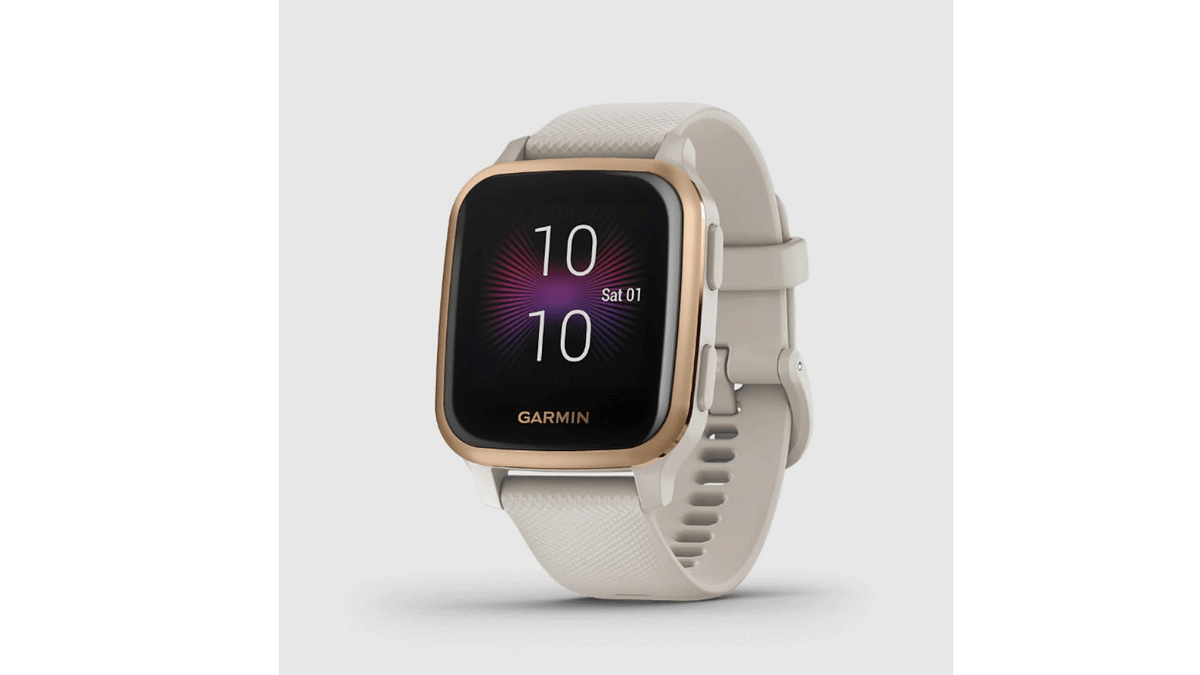
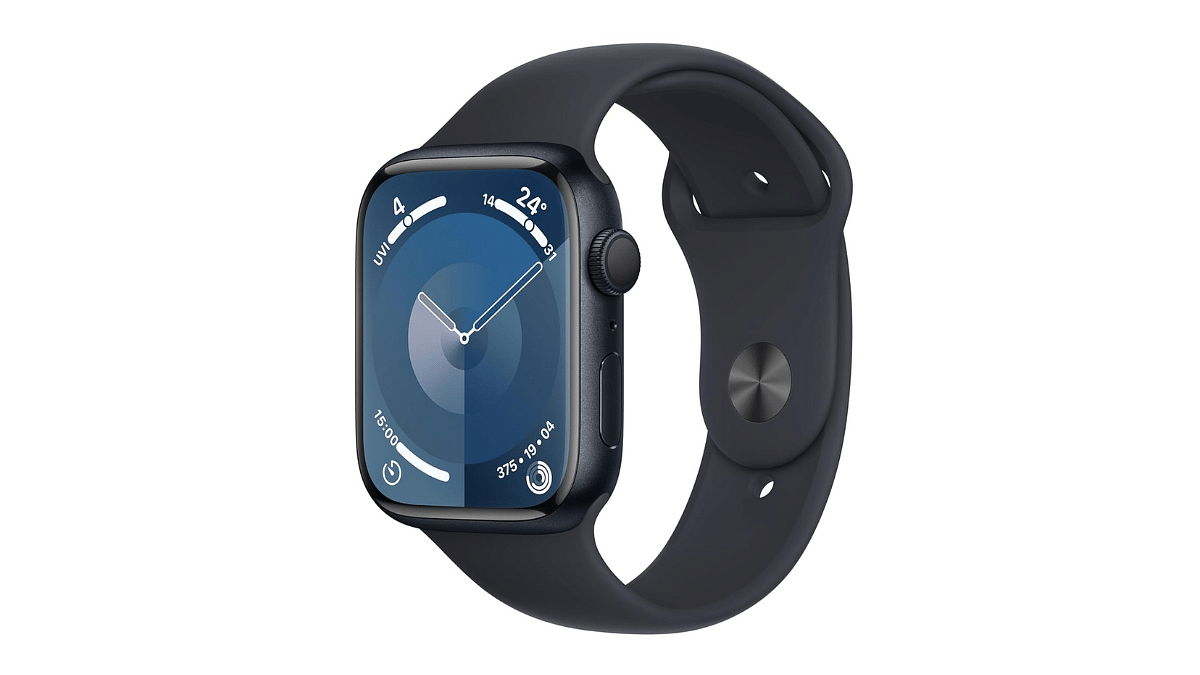
Check out the best in premium smartwatches from top brands like Apple, Fossil, Samsung, and more. You can consider the Apple Watch Series 9, featuring a powerful S9 chip, touchless interaction, and innovative health and safety features. Alternatively, the Venu Sq Music Edition by Garmin offers a vibrant display, on-device music storage, and extensive fitness tracking. Both are amazing options to choose from. Let’s explore the top 5.
LG launched the Signature OLED T transparent TV at CES 2024
This TV features transparent display technology
Pricing and availability details are yet to be unveiled
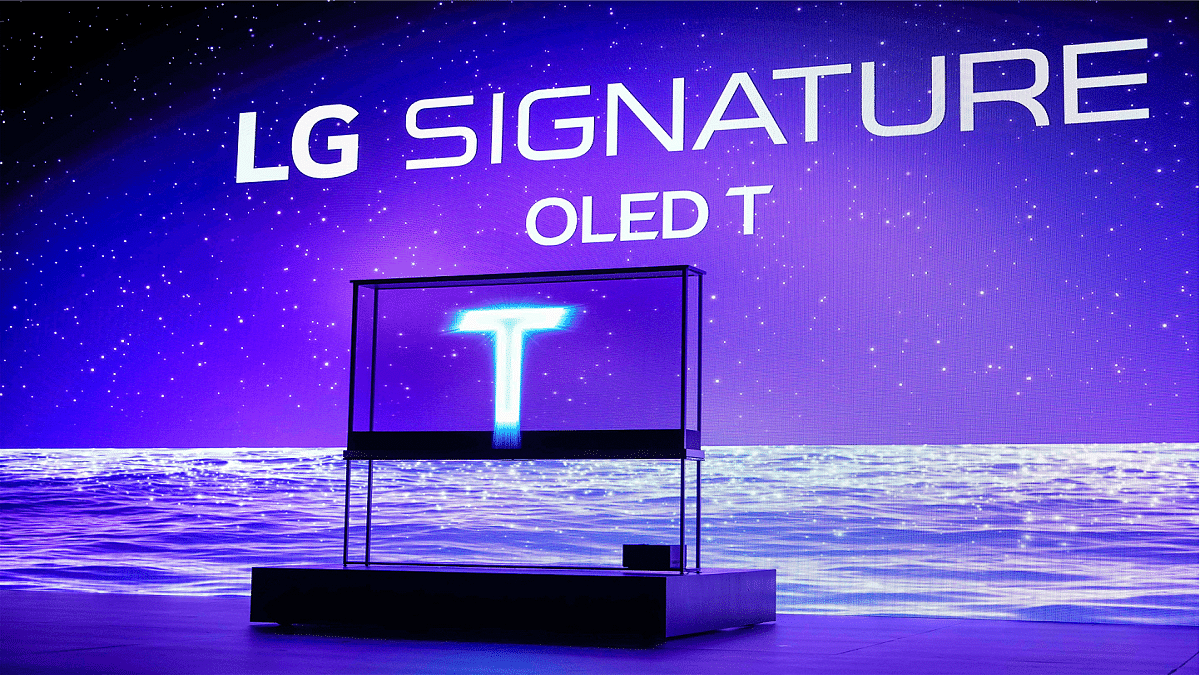
LG has taken a leap into the future with the launch of the LG Signature OLED T, touted as the world’s first wireless transparent TV. Revealed at CES 2024, this futuristic TV features transparent display technology. It not only offers a visually stunning experience but also embraces wireless capabilities through the innovative Zero Connect Box. Here’s everything we know about this newly launched device. Also Read | Redmi 43-in 4K UHD Vs Oneplus TV 43-in 4K UHD Budget Smart TV Comparison: Best TV For Your Living Room
Transparent Display Innovation
The LG Signature OLED T, a 77-inch 4K OLED masterpiece, takes center stage with its ability to seamlessly transition between transparent and traditional TV modes. Users can precisely control contrast, facilitated by a contrast film behind the transparent panel. The AOD feature further enhances the experience by allowing a continuous display of digital art, images, and videos, ushering in a new era of dynamic and customizable home entertainment.
The video and audio experiences are delivered through the Zero Connect Box, which is placed up to 30 feet away from the TV, as long as it maintains a direct line of sight. This box, equipped with built-in speakers, eliminates messy wires and enhances the overall aesthetics of your entertainment setup. The TV also features custom widgets at the bottom and an info ticker displaying weather updates and news alerts.
AI-Powered Performance
Under the hood, the LG Signature OLED T is powered by an advanced α11 processor, boasting 4x AI performance, a 70 percent boost in graphical performance, and a 30 percent faster processing speed. The pricing and availability details for this futuristic TV are yet to be unveiled.
LG Gram Pro: Sleek and Intelligent Computing
Live from #CES2024: we just announced our latest feats and newest innovations! Come explore OLED T, Affectionate Intelligence, and more, starting tomorrow at LVCC Central Hall #16008. #LGCES2024pic.twitter.com/g01c3mA57A
In addition to its TV innovation, LG showcased the LG Gram Pro at CES 2024, solidifying its commitment to pushing technological boundaries. This lightweight laptop boasts specific AI enhancements, offering a glimpse into the future of portable computing.
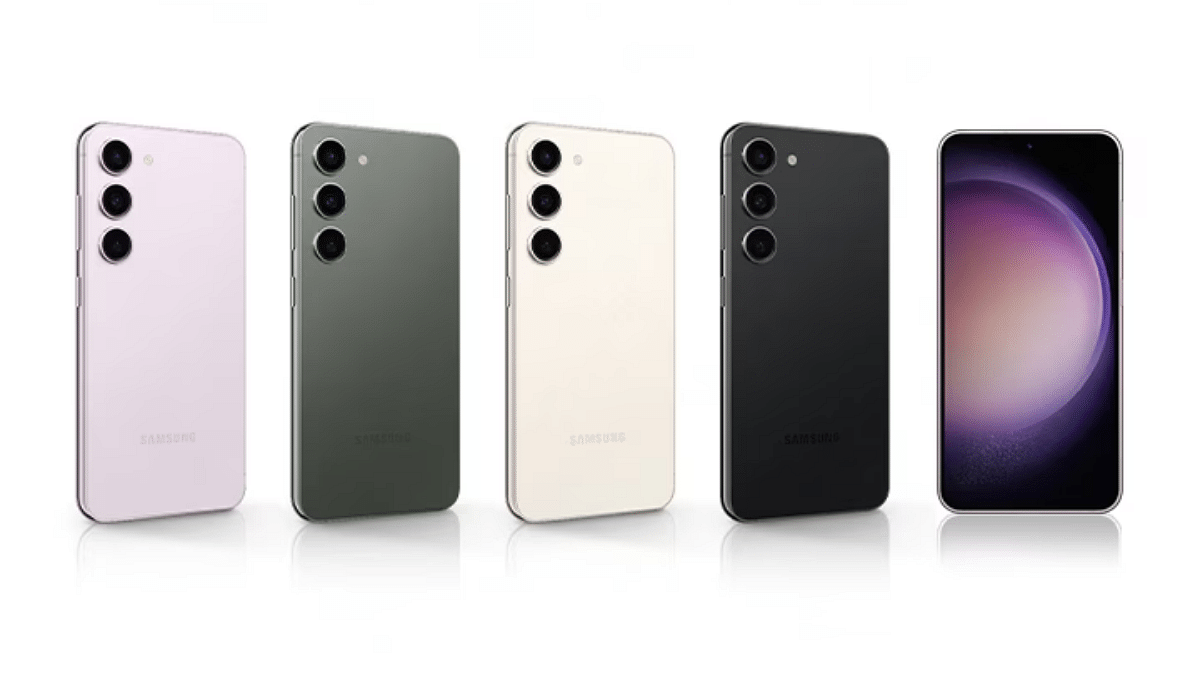
You can get these top-notch alternatives that promise powerful features and innovation. Whether it’s the sleek Samsung Galaxy S23 or the budget-friendly Apple iPhone 14, currently available at a discount, these smartphones present compelling choices. We have come up with five best alternatives for the iPhone 15, let’s explore the diverse options available in the market.
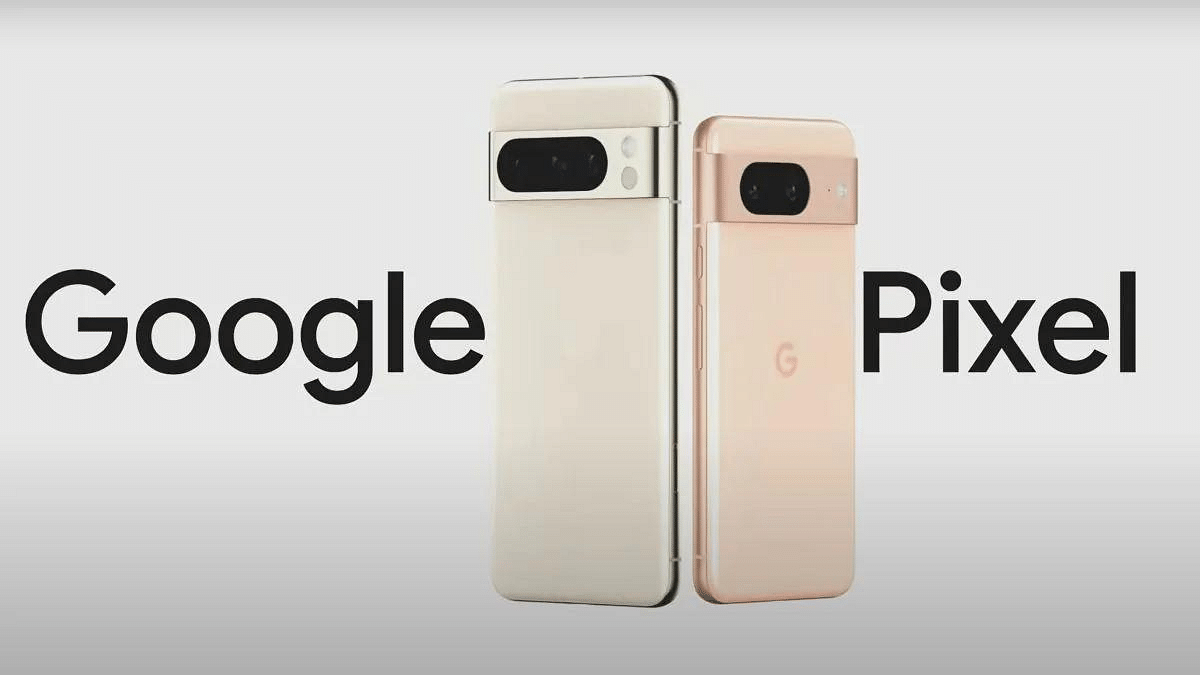
Google Pixel 8 is equipped with the powerful Google Tensor G3 chip.
The 15.7 cm high-resolution display of Pixel 8 delivers sharp, vivid colors and rich details
The Magic Editor in Google Photos allows users to add custom edits and studio-quality enhancements to photos.
Pixel 8 ensures quick access to emergency services and shares your precise location with emergency contacts, a feature also found in iPhone 14 and 15 Series, where it’s known as crash detection.
Starting at Rs. 75,999, it is a good alternative for users preferring Android phones.
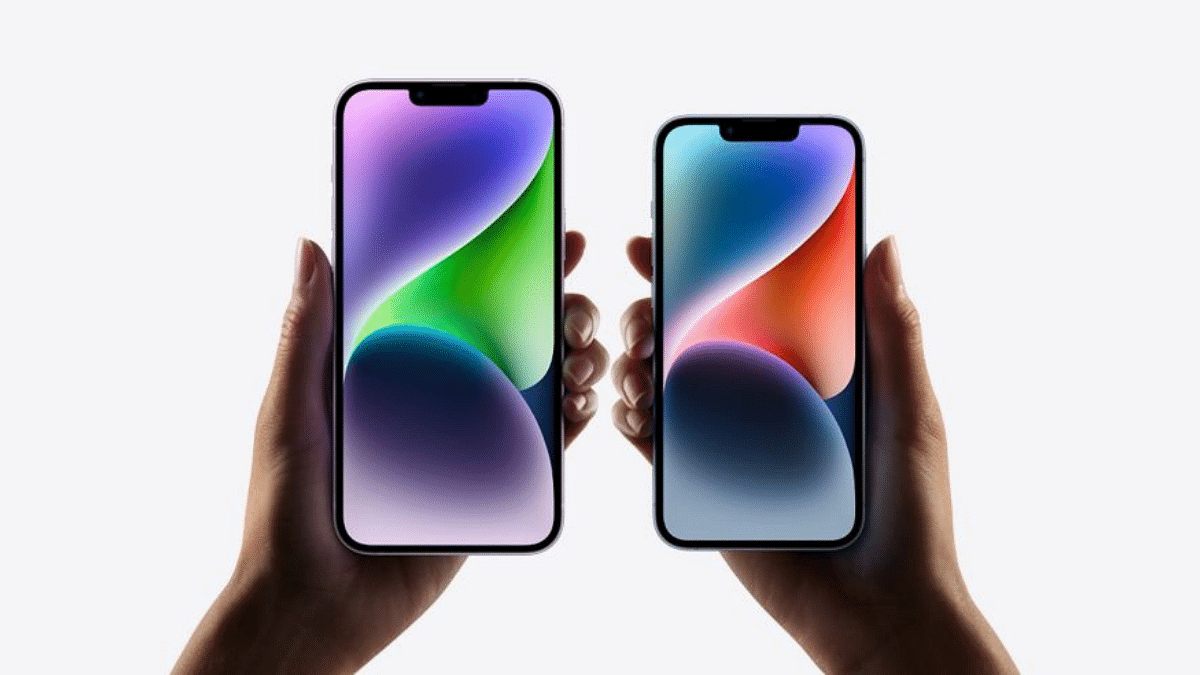
While the iPhone 14 boasts a 15.40 cm (6.1-inch) Super Retina XDR display, the iPhone 15 introduces the Dynamic Island feature. However, this addition may not be a game-changing upgrade.
The phone has cinematic mode which supports 4K Dolby Vision at up to 30 fps just like iPhone 15.
Both phones are equipped with Crash Detection feature which automatically calls for help when needed.
iPhone 14 originally priced at Rs.79,999 is now available to be purchased at just Rs.58,999 on Amazon, making it a cost-effective alternative to iPhone 15, which is available at the retail price of Rs. 72,990.
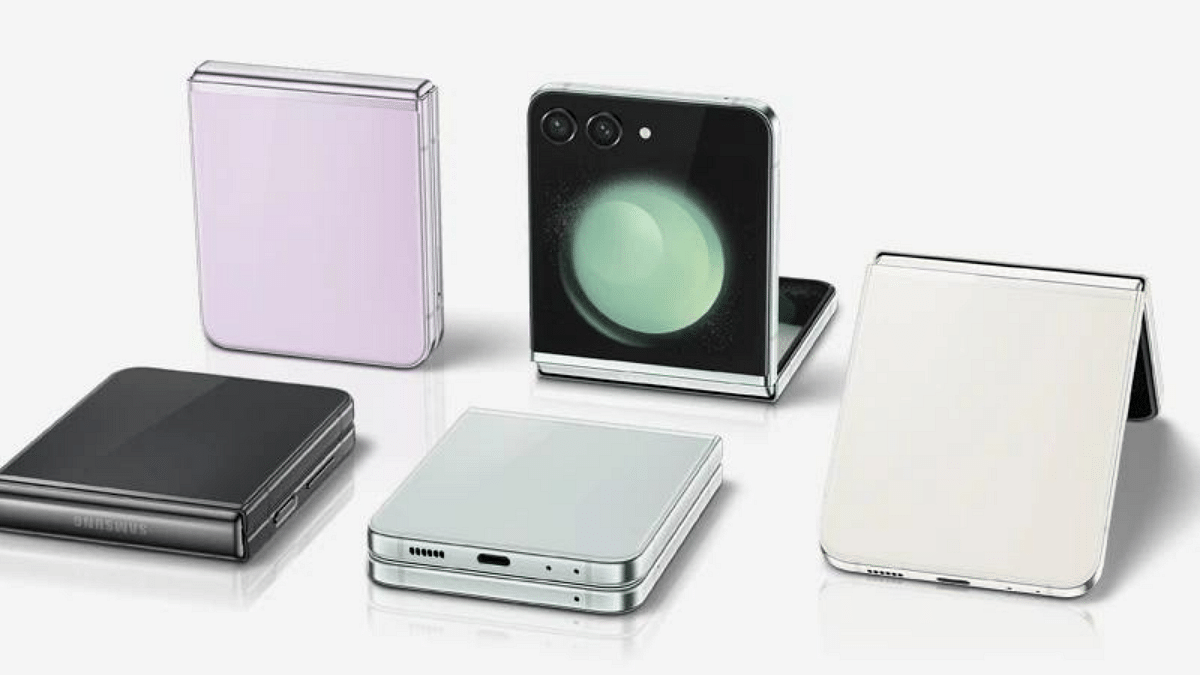
Samsung Galaxy Z Flip5 5G features an AMOLED display with resolution of 2640×1080.
Equipped with both rear and front cameras, the Galaxy Z Flip5 5G provides versatile photography options.
The foldable screen form factor enhances portability and brings a unique design whereas iPhone 15 maintains a design continuity with iPhone 13 and 14 series
The phone also comes with a good battery backup with its 3700 mAh battery.
Starting at Rs. 99,999, it is a premium alternative for users preferring Android phones.
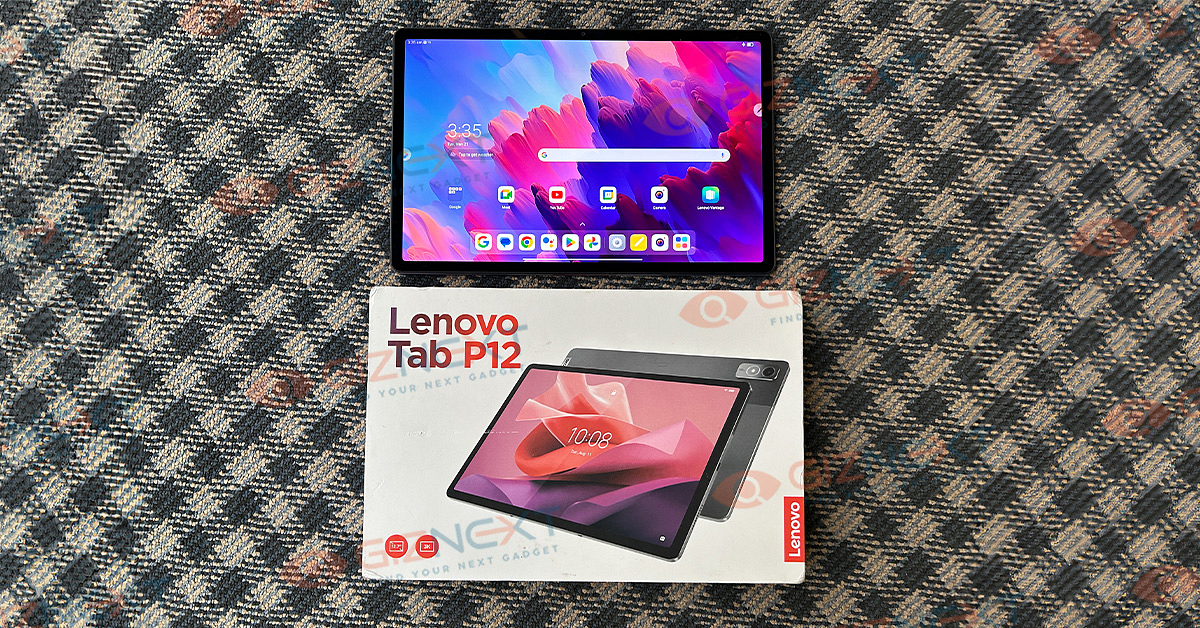
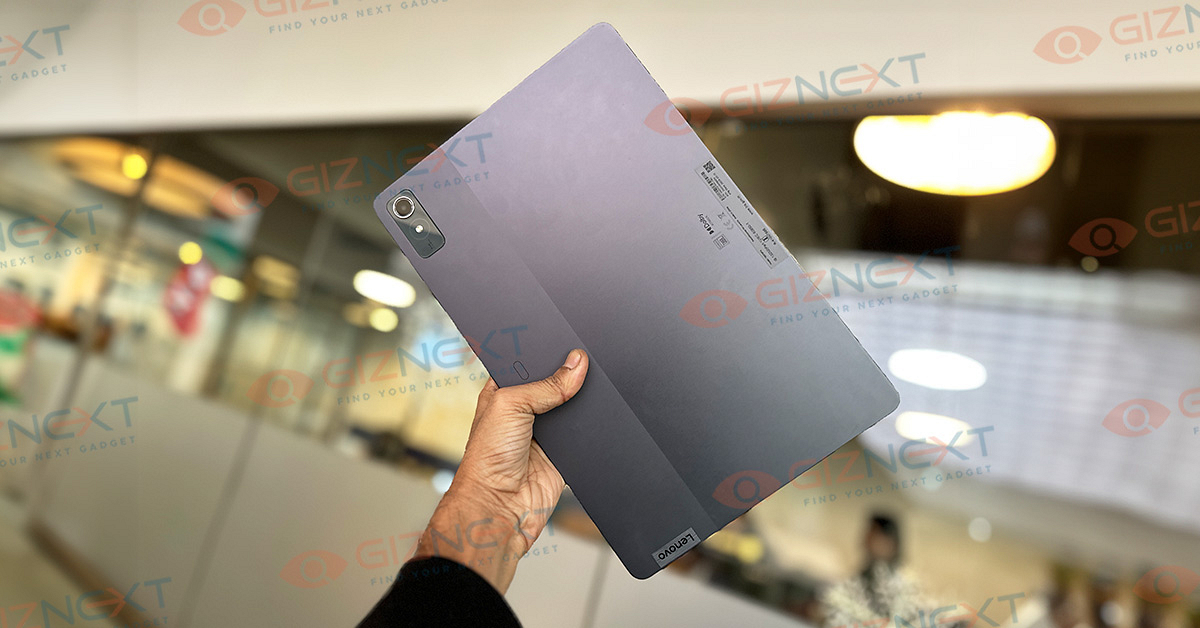
Tablet market has witnessed some extensive growth in the last few years. In India too, the demand for feature-loaded tablets is all time high. This has led to the frequent new tablet launches in the country. The numbers are high with Android tablet and not just PC giants but smartphone OEMs are equally contributing to populate this segment with new models. Lenovo‘s latest bet comes in the form of Tab P12 which marked its debut towards the end of 2023 in India. Starting at Rs. 34,999, the Lenovo Tab P12 comes as one good contender in the mid-range segment. But is the price justified? Should you invest in this Lenovo Tab P series tablet and if yes then why? We at Giznext got a chance to review the Lenovo Tab P12 tablet and have broken down the pointers what makes it a good purchase.
What’s Inside The Box
Lenovo Tab P12 tablet (main unit)
User Manuals And Warranty Card
Power adapter
USB Type-C cable
Design: Robust And Practical Ergonomics
The Lenovo Tab P12 isn’t your regular compact PC tablet. It rather flaunts a large form factor comprising a large 12.7-inch screen. The aluminum build makes it all rugged but at the same time doesn’t really add on the heft or bulkiness. This tablet features an 8.44mm thickness and measures 293.37 x 190.76 x 6.9 mm in dimensions.
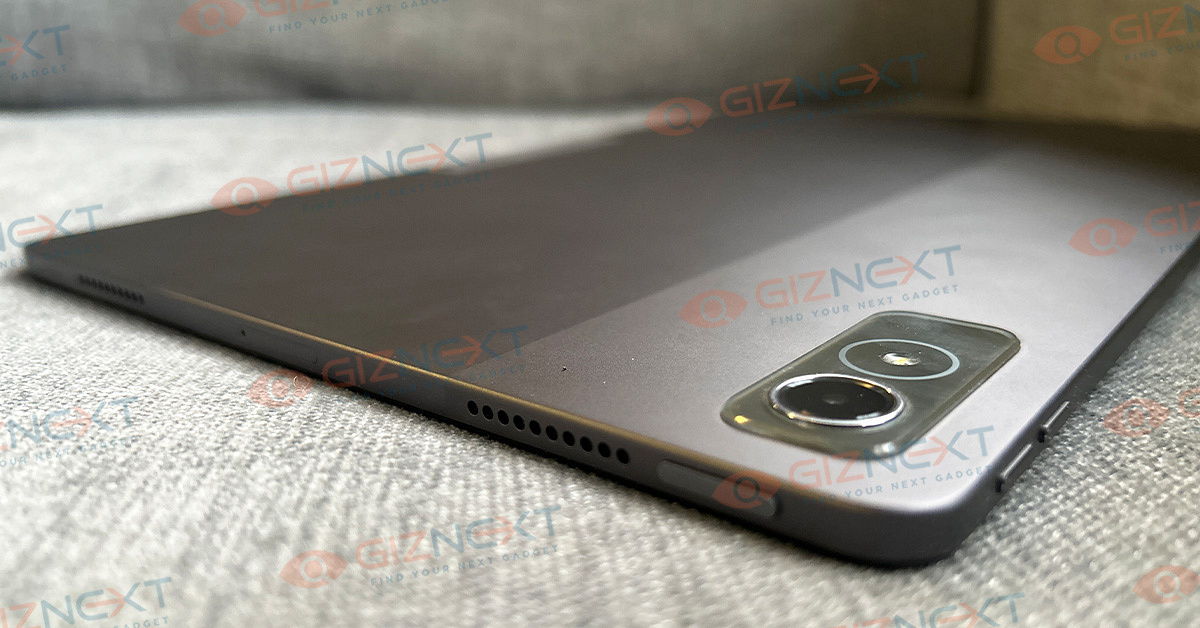
The dual tone (Storm Gray) finish is further an enhancement to the overall design language. This does look familiar to the Lenovo Tab P12 Pro model. The button placement is standard and you get the fingerprint scanner integrated within the power key.
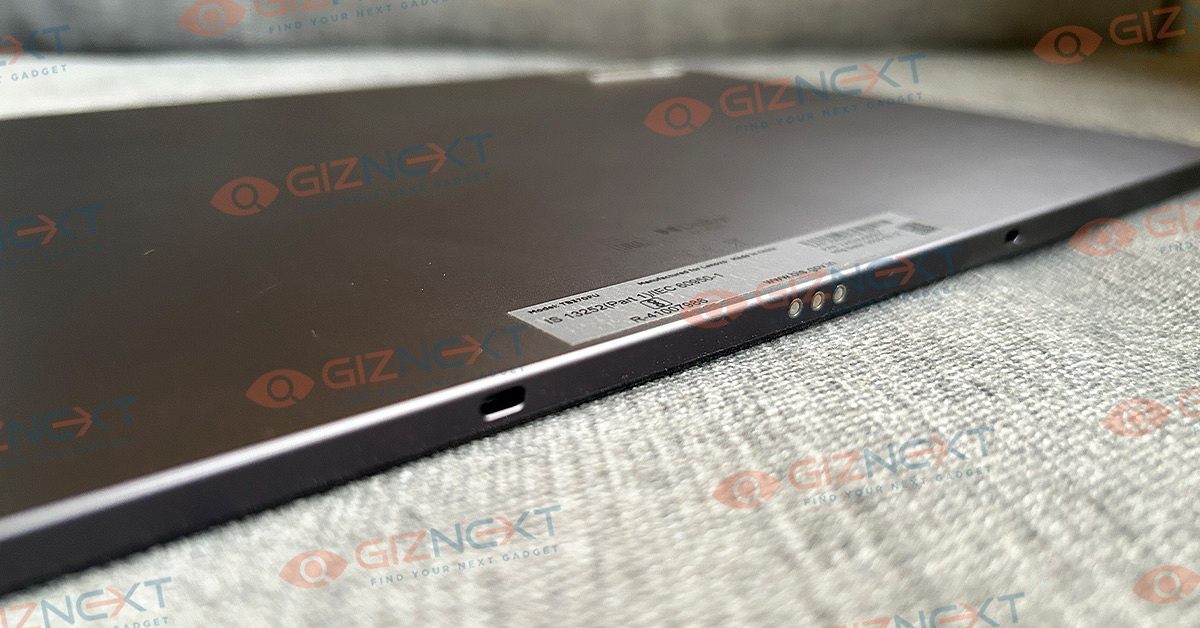
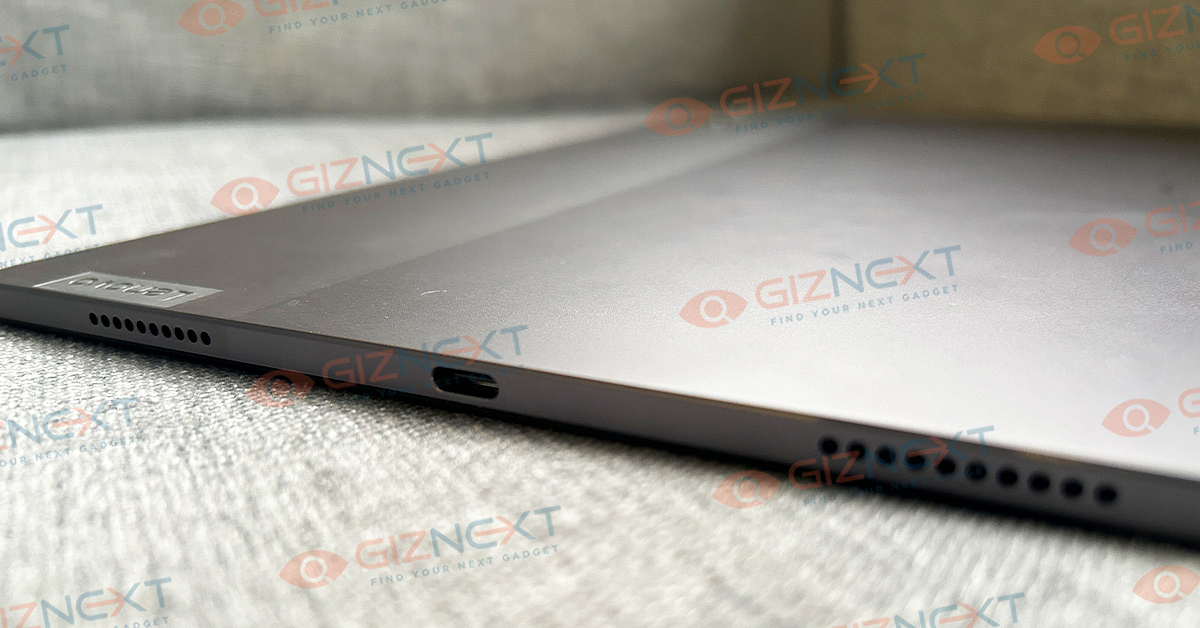
The power key is placed on the top, while the right spine accommodates the volume keys. Pogo pin connecters are placed on the left panel that will latch on to the keyboard magnetically. Notably, the Tab P12 comes void of a 3.5mm headphone jack which might drop in as a bummer for some consumers.
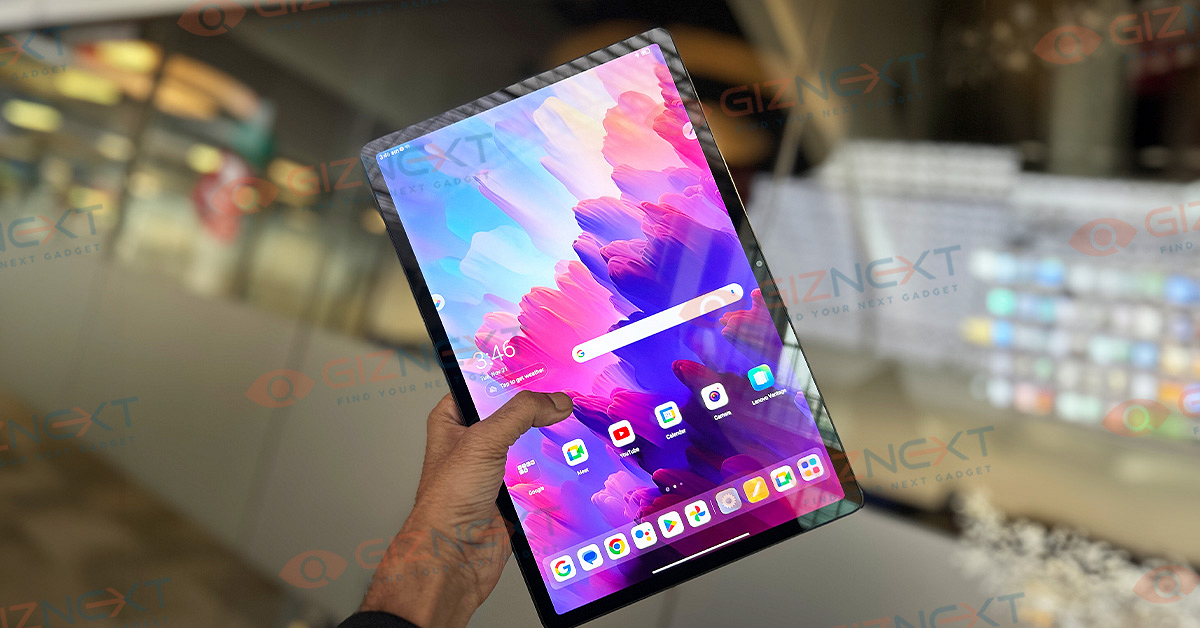
Another reason why this comes as a drawback is due to the fact that this is a big-sized tablet and multiple audio connectivity options wold only have added to the convenience. But that said, the Lenovo Tab P12 is ergonomically designed where despite the tall built it isn’t difficult to operate with one hand during basic tasks and video playback.
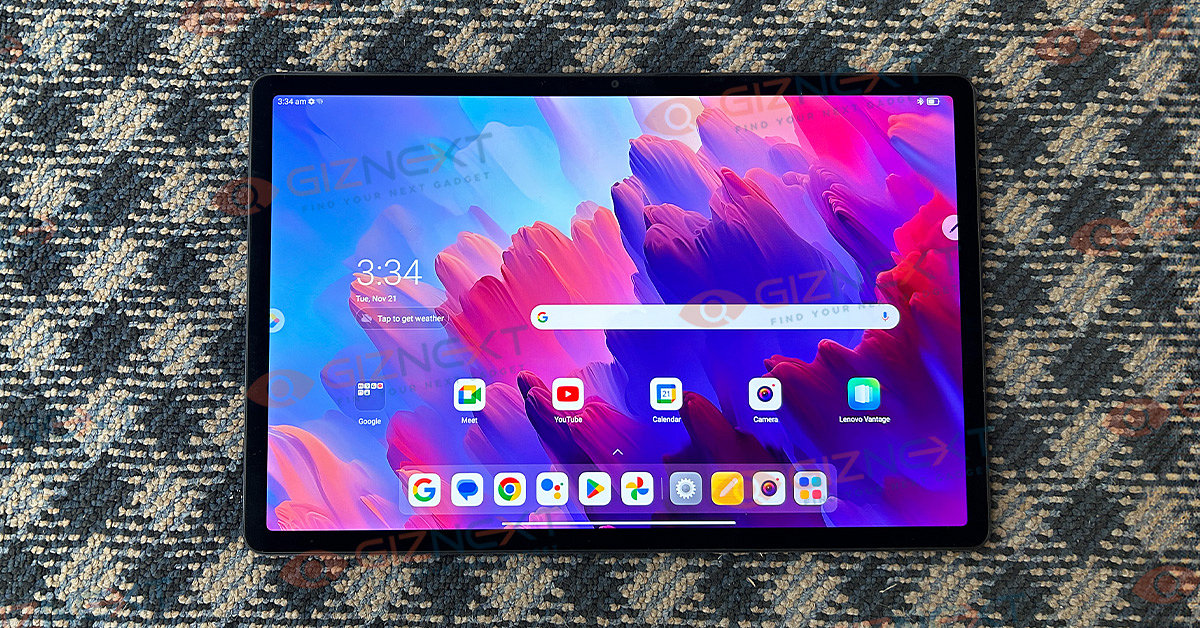
As stated above, the Lenovo Tab P12 tablet features a 12.7-inch display. The large screen used here is an LCD panel which comes with a 2944 x 1840 pixels 3K resolution. Now, this is a treat for consumers who prefer binge watching movies and TV shows on a mobile device rather than laptops or smart TVs.
The panel provides refined clarity with all formats of pictures and videos. Colors are stabilized and it doesn’t appear that the picture quality gets overtly saturated at any given point. The Tab P12’s display has 16:10 aspect ratio and 273 PPI pixel density .
The brightness levels offered is 400 nits and the refresh rate is 60Hz. Only these two are the figures where we believe the Lenovo Tab P12 could have been better. Specifically, that’s when the competitions such as the Xiaomi Pad 6 series offer higher brightness levels as well refresh rate.
It’s the smoothness with the higher refresh rate that you’ll probably miss while using this tablet. But nevertheless, the performance is adequate overall. Thanks, to the higher screen resolution and pixel density the viewing experience remains premium.
Enhancing the visuals additionally is the Quad-JBL sound speaker module combined with Dolby Atmos audio tech. Protecting the Lenovo Tab P12’s screen is the Corning Gorilla Glass 3 layer which adds resistance from unwanted scratches. There is also a Lenovo Precision Pen (stylus) support but that you have to purchase separately.
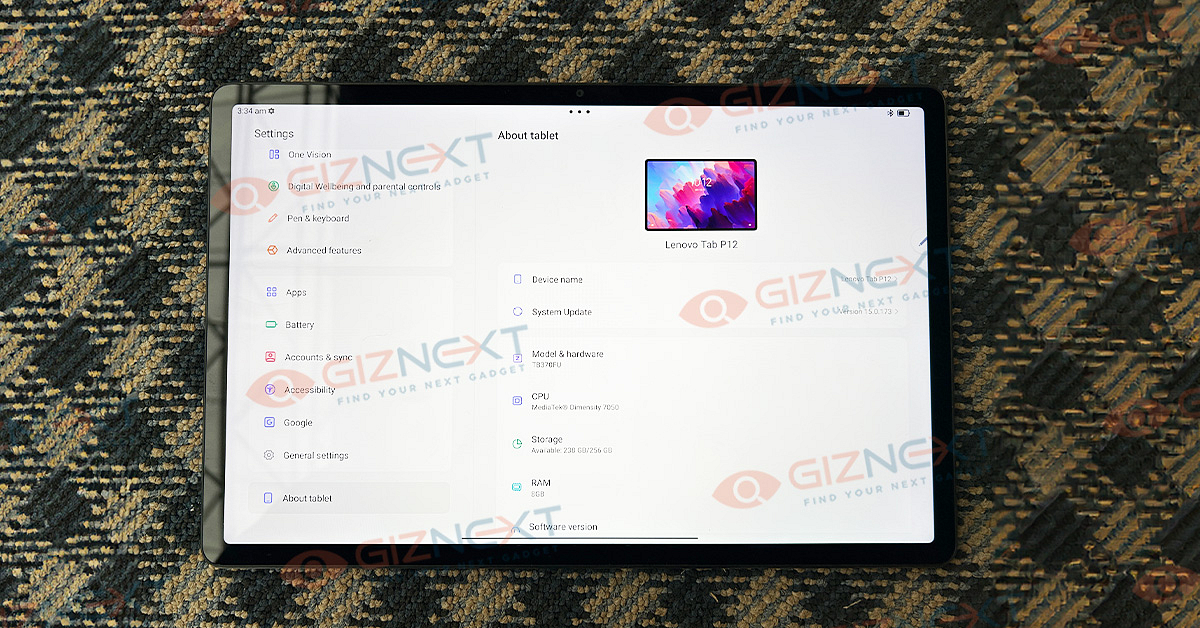
Lenovo has used a mid-range mobile chipset from MediaTek to drive the Tab P12 tablet. It employs the MediaTek Dimensity 7050 processor which MediaTek had introduced last year itself. This octa-core SoC includes two Cortex-A78 cores with 2.6GHz clock speed combined with six Cortex-A55 cores with 2.0GHz clock speed.
When we speak of the performance delivery, this new Lenovo tablet performed adequately with varied set of tasks. It is capable to take on general tasks that range from calling/ texting, multimedia playback, and web browsing. Complex tasks which including usage of heavy-sized applications and even gaming is also a fair experience overall with the Lenovo Tab P12 tablet.
There isn’t any noticeable lag when you make a switch between multiple apps. In fact, apps fire up instantly and you don’t struggle with launching multiple apps at once. The mid-range octa-core Dimensity 7050 chipset combines Mali-G68 GP that aids it with rendering some of the extensive graphics smoothly.
Moving on to the memory configuration, the Lenovo Tab P12 model we received has an 8GB RAM capacity. The RAM type os LPDDR4x which offers good speeds during multitasking. We experience fast performance overall with this RAM capacity. The onboard storage space integrated within the model we received is 256GB UFS 2.2.
Do note that the Tab P12 also gets an expandable microSD card support. This tablet has up to 1TB additional storage space that can be added via the microSD card. This means no crunch even if you load this tablet with large sized videos, images, and other graphics.
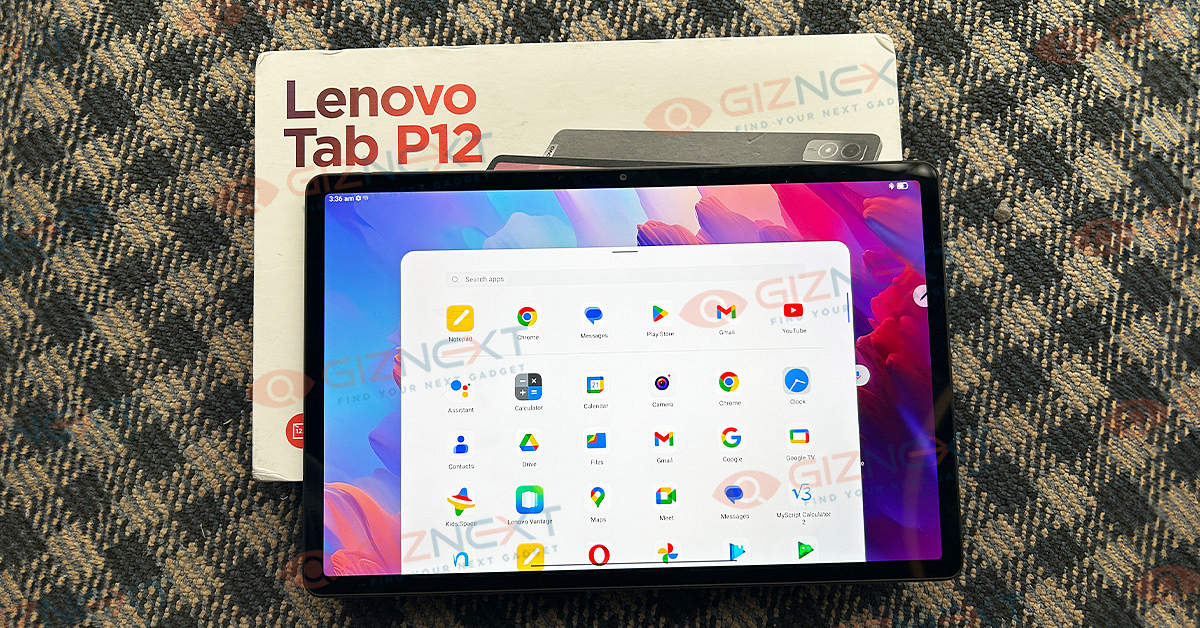
Lenovo ships the Tab P12 tablet with Android 13 OS which is further topped with the in-house ZUI 15 user interface. Despite a custom skin, the tablet’s UI is much cleaner compared to the other popular options in this league including the Xiaomi and OnePlus tablets.
Pre-loaded bloatware is also limited which helps maintaining a neater user interface. There are a bunch of customized apps that allows it to be used as a laptop. The built-in Freestyle app is one good example of the same using which you can easily mirror your Laptop/ PCs screen directly on the tablet. Multi/split screen view can also be used on the Tab P12 tablet.
Camera Performance: Decent Imaging And Video Recording
Imaging aspect on the Lenovo Tab P12 tablet is taken care of by a single lens sensor at the front and the rear. At the back panel, the primary sensor packed measures 13MP and it captures decent photos when the subject is shot with good lights in the surrounding. The same is the case with the 8MP selfie snapper. The self-portraits turn out to be better when the lighting conditions are good overall.
Images captured in the low-light background using both rear and the front camera have some levels of background noise. The dynamic range as well as the edge detection is fairly decent when the captured images have decent lights in the surrounding compared to the low-light or night shots.
The same goes for the video recording experience nothing too special. It gets the job done appropriately. Besides, if you are using this tablet for video conferencing, you’ll get a good feedback overall.
Under the hood, the Lenovo Tab P12 employs a 10,200 mAh (typical capacity) battery to keep the lights on. The backup is somewhere close to eight hours with continuous and extensive usage. It’s the lower display refresh rate and mid-range hardware that helps with lower power consumption eventually improving the battery backup.
Expect a faster battery drainage when playing graphic-hungry games or while binging on high-res videos on OTT platforms. The Lenovo Tab p12 gets a 20W fast charging support which is lower than what the competitions offer. Faster charging speeds (over 25W or 33W) would have added to the positives.
Our experience with the Lenovo Tab P12 throughout the usage have been great. It is one powerful tablet that is currently available in the mid-tier Android tablet segment. With a large 3K display and quad-JBL speaker system, it is one potent tablet that can live up to the expectations of binge watchers. Not just multimedia, but the added support for keyboard and stylus pen makes it the best option for creative tasks too. So, for a mid-range price you get a flagship-grade multi-functionality tablet.
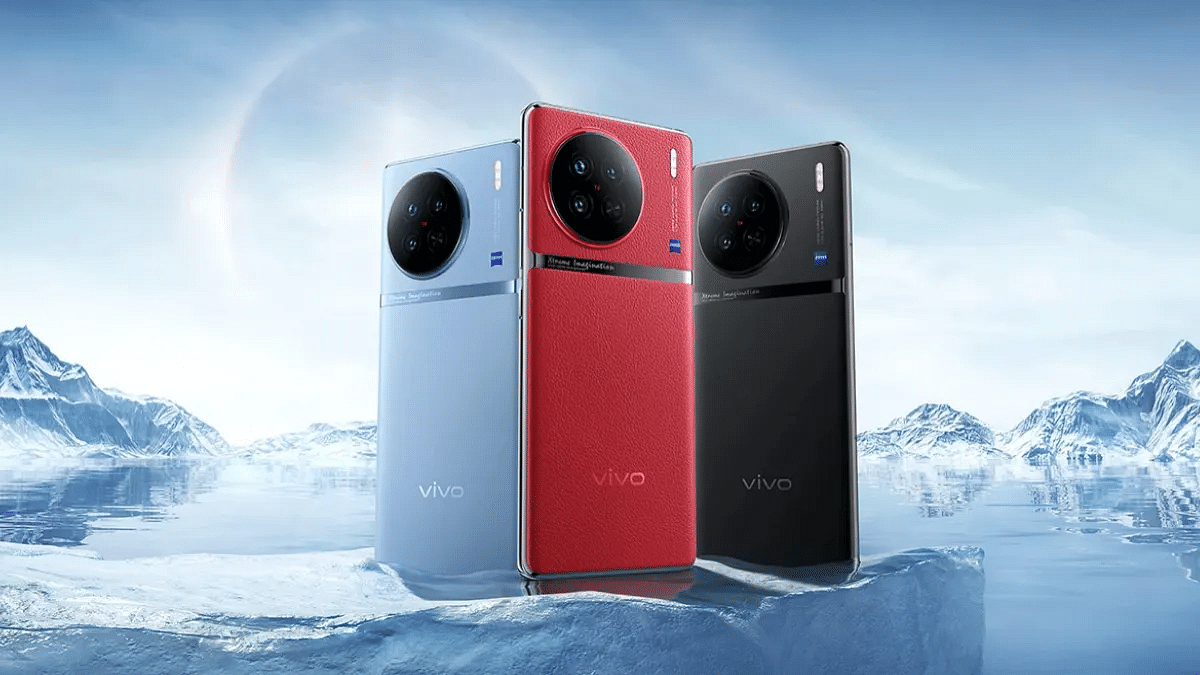
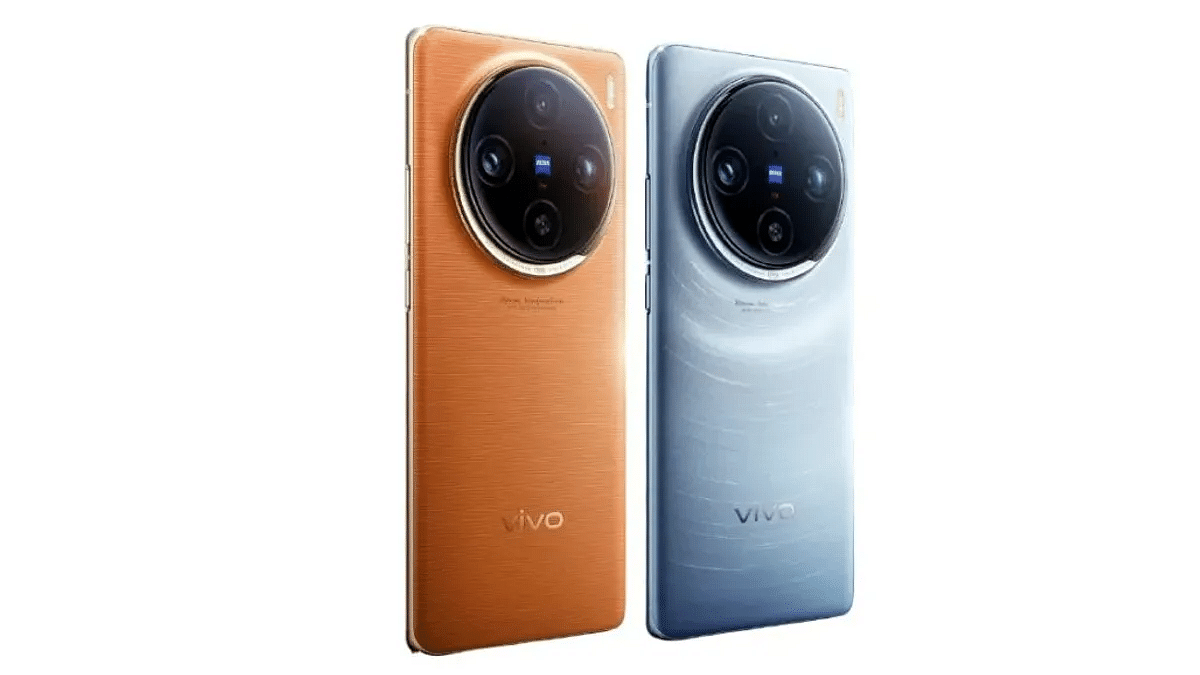
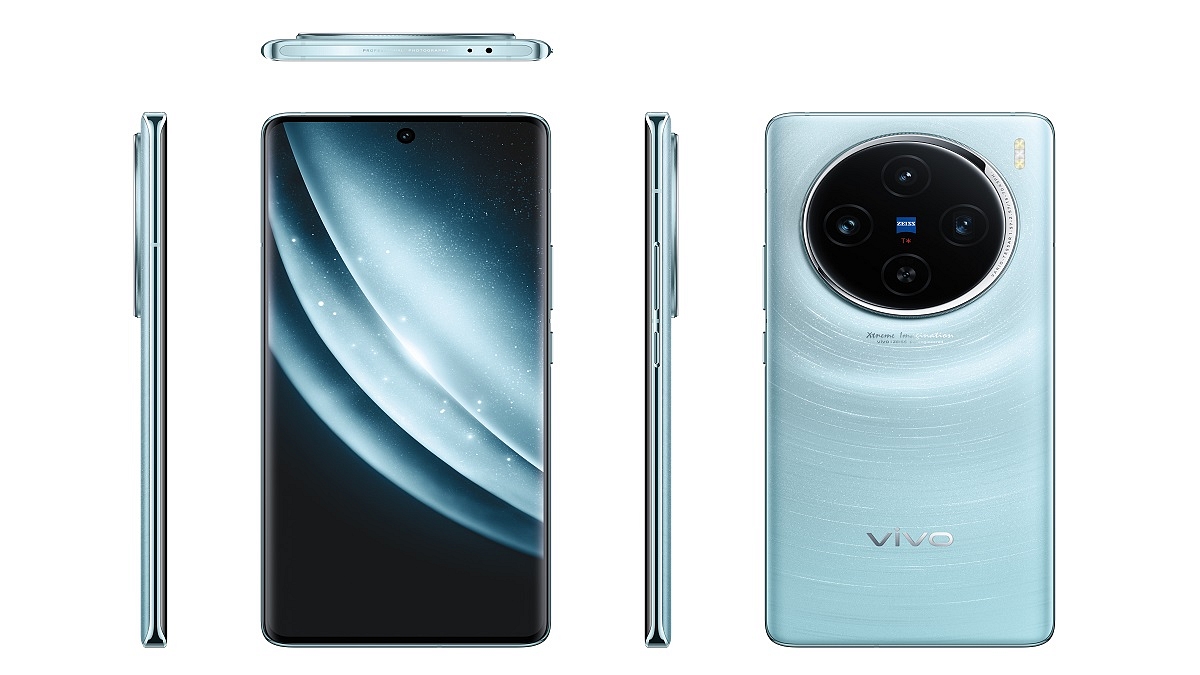
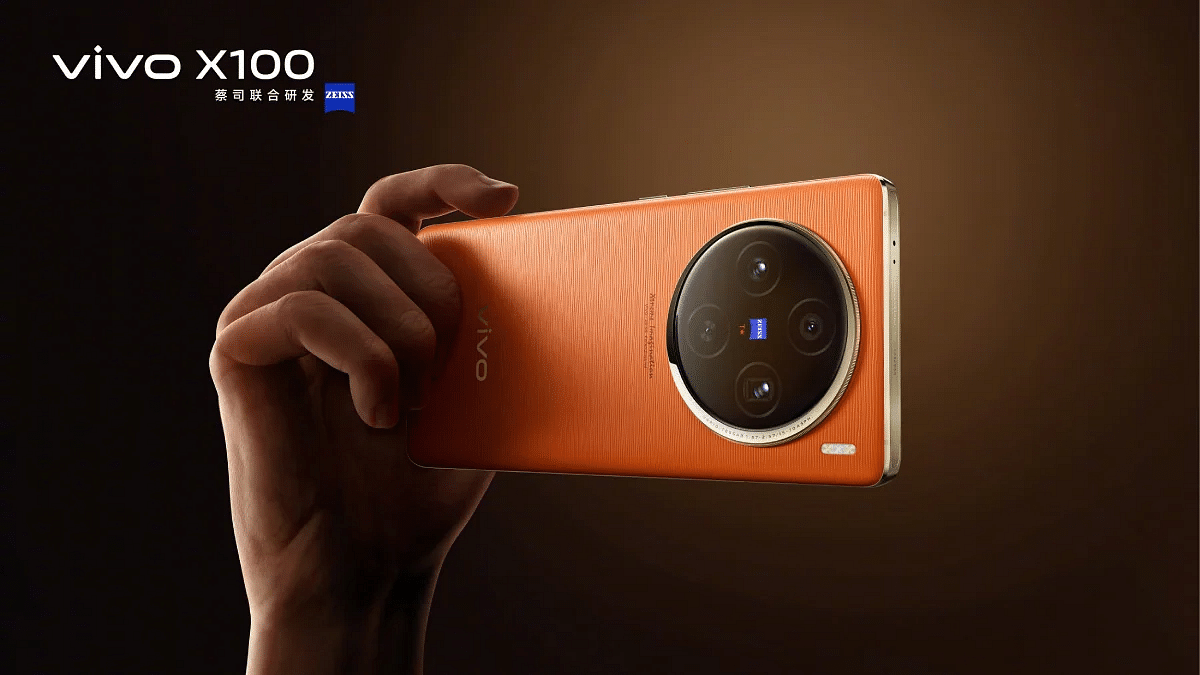
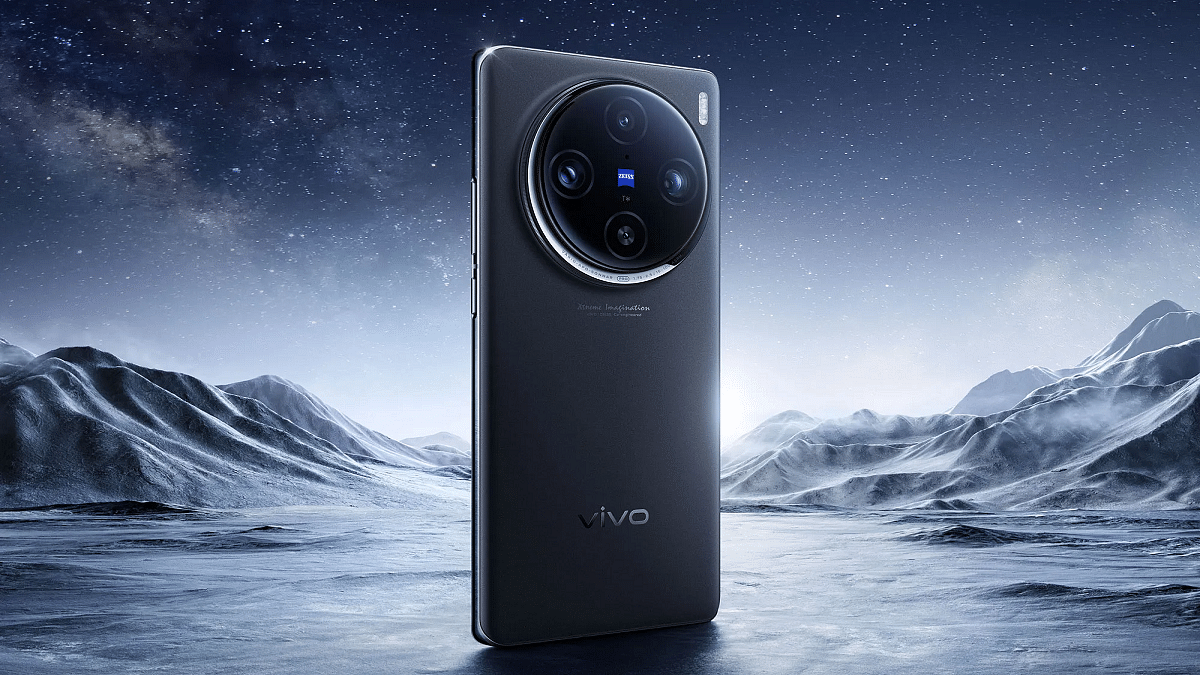
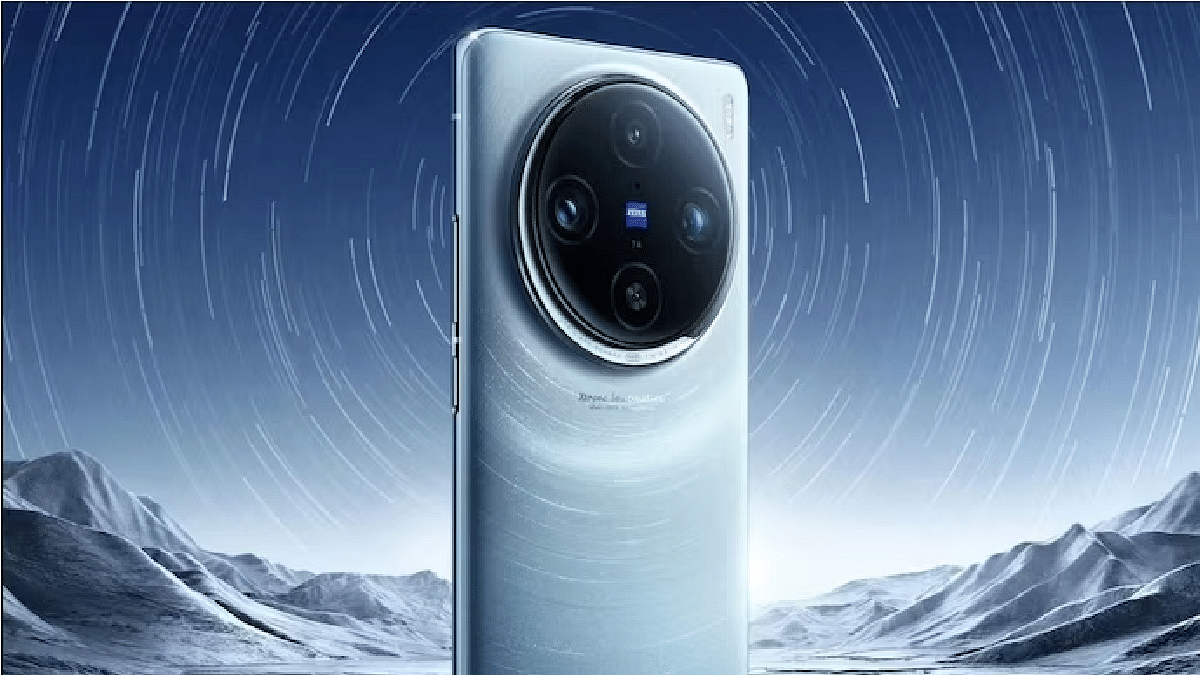
Devices run on Funtouch OS14 with features like RAM Saver, Mini Window, and Motion Blur
Vivo’s commitment to ‘Make in India’ is reflected through manufacturing at the Greater Noida facility, employing thousands of Indians.
5. Price For X100 Series
X100 Pro Variant: Available at Rs. 89,999 for the 16GB + 512GB variant
X100 Variant: Priced at Rs. 63,999 for the 12GB + 256GB variant and Rs. 69,999 for the 16GB + 512GB variant.
6. Offers And Promotions
Both devices are available through 24 Months No Cost EMI | Zero Down Payment
Mainline offers include up to 10% instant cashback on ICICI Bank and SBI Card
Flat 10% Instant Discount on Debit/Credit cards and EMI transactions through HDFC Bank and SBI Card
Additional upgrade bonus of up to Rs. 8,000.
The X100 series promises a great mobile imaging experience, powerful performance, and a premium design, reinforcing Vivo’s commitment to providing innovative and locally-made devices in India.