Government announces new norms to curb fake online products and services reviews
Buyers check user reviews to decide whether to purchase the product before buying a product
The new rules are now enabled and are applicable to e-commerce sites like Amazon, Flipkart, and more
With the government enacting new regulations to combat fake reviews and aid consumers in making informed decisions, e-commerce players like Amazon and Flipkart will be required to voluntarily disclose all paid consumer ratings of products and services supplied on their platforms. In this post, we will go over the specifics of these new regulations and how they will help consumers.
What Are The New Guidelines?
The government announced new guidelines on November 21 after constituting a committee to look into fraudulent and misleading reviews on June 10 of this year. The Bureau of Indian Standards (BIS) has issued a new standard dubbed “IS 19000:2022” that requires platforms to have review administrators who moderate reviews and filter (manually or with the use of tools) biased or fake reviews. Additionally, it stated that the ratings and publishing date must be included in reviews posted on platforms.
Consumers will no longer be able to edit their reviews after they have been submitted, per the new regulations. Those who want to post reviews must agree to the terms and conditions and give their contact details.
Additionally, a website will be penalized for unfair trading practices if it is shown to have carried fake reviews. Among the websites covered by the new standard are Zomato, Swiggy, Tata Sons, Reliance Retail, Meta, and Amazon.
New Guidelines: How Will They Benefit?
E-commerce websites routinely request consumer reviews, and many of them actually submit one. Reviews can also contain short videos and photographs in addition to “stars” and text. These reviews not only enhance a company’s or brand’s reputation but also inform consumers about the specifics of the product’s operation.
Before purchasing a product, potential buyers check user reviews to decide whether to purchase the product. Users’ reviews can help prospective purchasers decide whether or not to buy a product before making a purchase. There have been several cases where people created fictitious reviews to promote a certain product. They tricked other customers into purchasing a product that they may not have initially selected or shortlisted.
With the implementation of new guidelines, widespread fake reviews will be eliminated, enabling customers to obtain a more accurate impression of a company or product. They will be able to make a more informed choice in purchasing the products online. Also, it will push businesses to build a reputation to provide better sales experience to consumers.
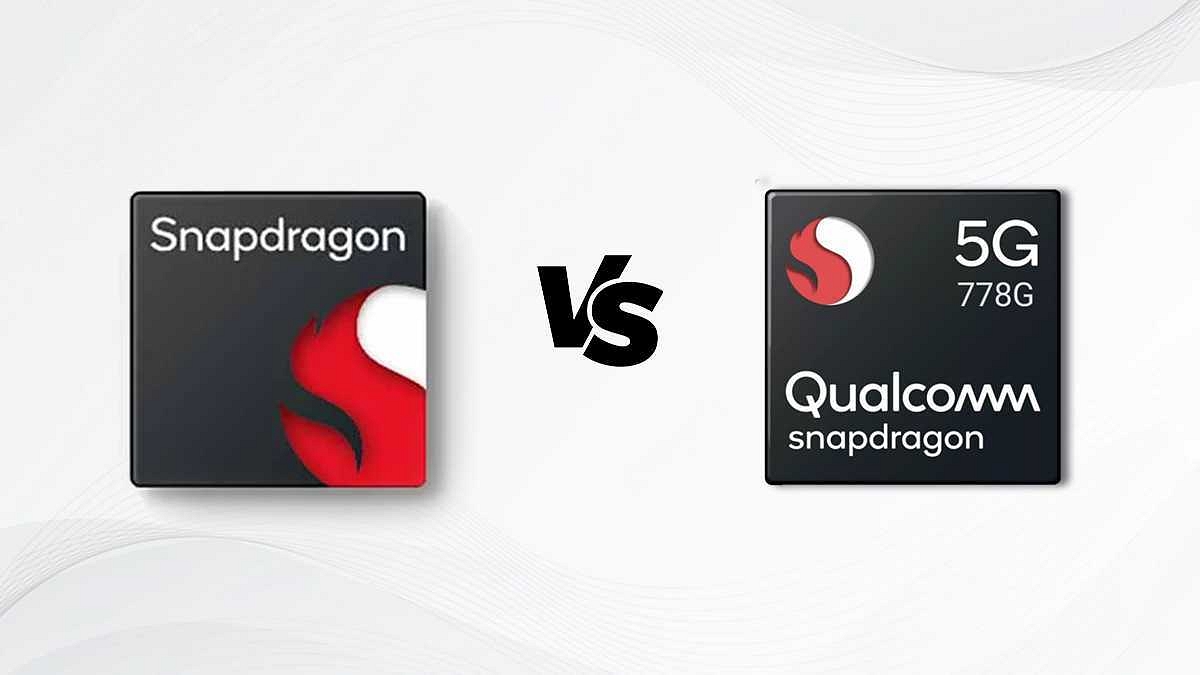
Qualcomm has launched multiple new mobile chipsets this year. The Snapdragon 782G is the brand’s latest gaming processor for premium mid-range Android smartphones. The Snapdragon 778G is currently the brand’s most popular chipset in this segment. The latest mobile processor has got several enhancements and promises to deliver better performance compared to last-generation chipsets. In this article, we have done a quick comparison between these two powerful Snapdragon 700 series processors.
Details
Qualcomm Snapdragon 782G
Qualcomm Snapdragon 778G
CPU
octa-core
octa-core
GPU
Adreno642l
Adreno642
RAM
LPDDR5
LPDDR5
Fabrication process
6nm TSMC
6nm TSMC
Qualcomm Snapdragon 782G Vs Snapdragon 778G Processor: CPU
Qualcomm Snapdragon 782G chipset uses a 6nm TSMC fabrication and has an octa-core CPU cluster. The CPU architecture on this chipset features one ARM Cortex-A78 cores with 2.7GHz clock speed, three Cortex-A78 cores clocked at 2.2GHz, and four Cortex-A55 cores clocked at 1.9GHz.
While the fabrication process used is the same for the Snapdragon 778G, i.e., TSMC 6nm, it has a slightly different core cluster design. The octa-core CPU on this premium mid-tier Android phone features a single Cortex-A78 core with 2.4GHz clock speed, three Cortex-A78 cores with 2.2GHz clock speed, and four Cortex-A55 cores with 1.9GHz clock speed. Qualcomm hasn’t used an entirely different architecture for the new generation processor but claims it offers over five percent better delivery.
Qualcomm Snapdragon 782G Vs Snapdragon 778G: GPU Differences
The Qualcomm Snapdragon 782G chipset has the latest Adreno 642L GPU integration for graphics. The Snapdragon 778G ships with the standard Adreno 642G GPU. Both these processors can easily take on most of the graphics-demanding apps easily. However, the Snapdragon 782G will offer slightly more fluid graphics compared to the Snapdragon 778G with the new GPU. Qualcomm is claiming an over 10 percent performance boost with the Snapdragon 782G’s GPU. Gaming performance will also be boosted with this enhanced GPU integration on the SD 782G chipset.
Qualcomm Snapdragon 782G Vs Snapdragon 778G: Memory, Multimedia (ISP)
Qualcomm Snapdragon 782G has been enabled with LPDDR5 RAM compatibility. This new-generation mobile processor’s memory frequency is 3200MHz and the maximum memory support is up to 16GB. Qualcomm has carried forward this LPDDR5 RAM from the Snapdragon 778G to the SD 782G. It also has the same up to 16GB maximum memory support and 3200MHz memory frequency.
Storage type is UFS 2.1, UFS 2.2, UFS 3.1, and UFS 3.0 on both Snapdragon 782G and the Snapdragon 778G. 5G compatibility is also supported by both these mobile processors.
While the Snapdragon 782G chipset can support up to 200MP maximum camera, the Snapdragon 778G only has up to 192MP camera compatibility. But the 4K@30fps video recording stays the same on both chipsets.
There isn’t much difference in the fabrication process and the processing capabilities of both these chipsets. Despite multiple similarities, the Snapdragon 782G processor is refined to deliver a 5 percent improved CPU performance.
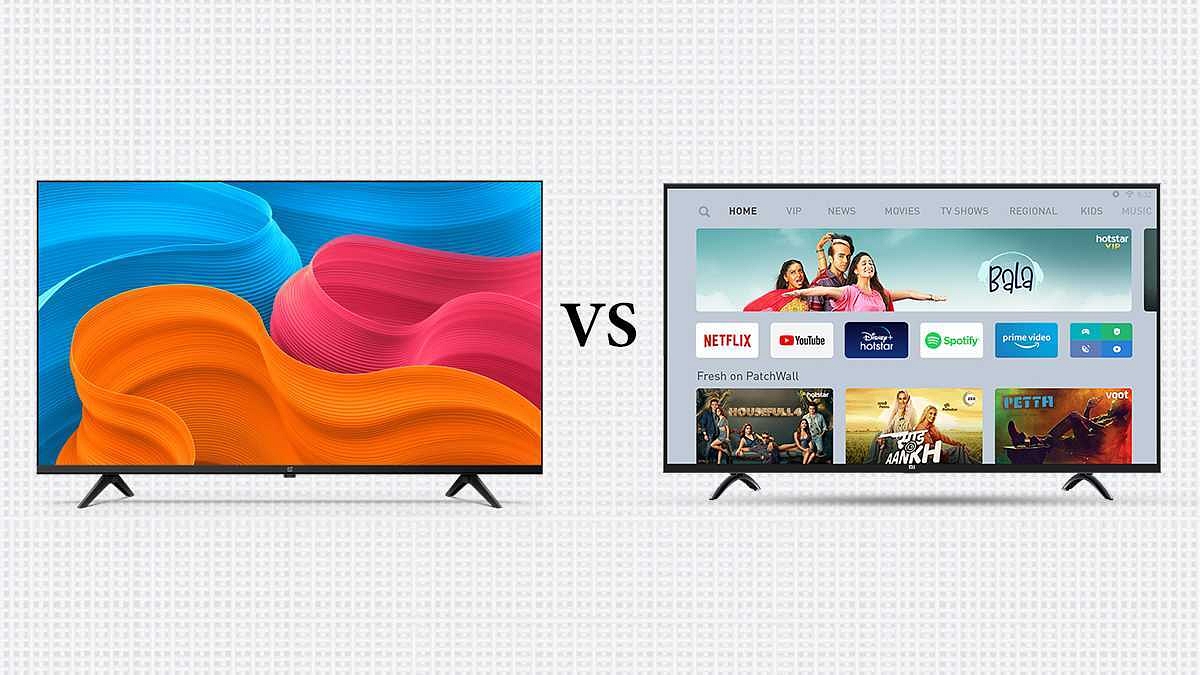
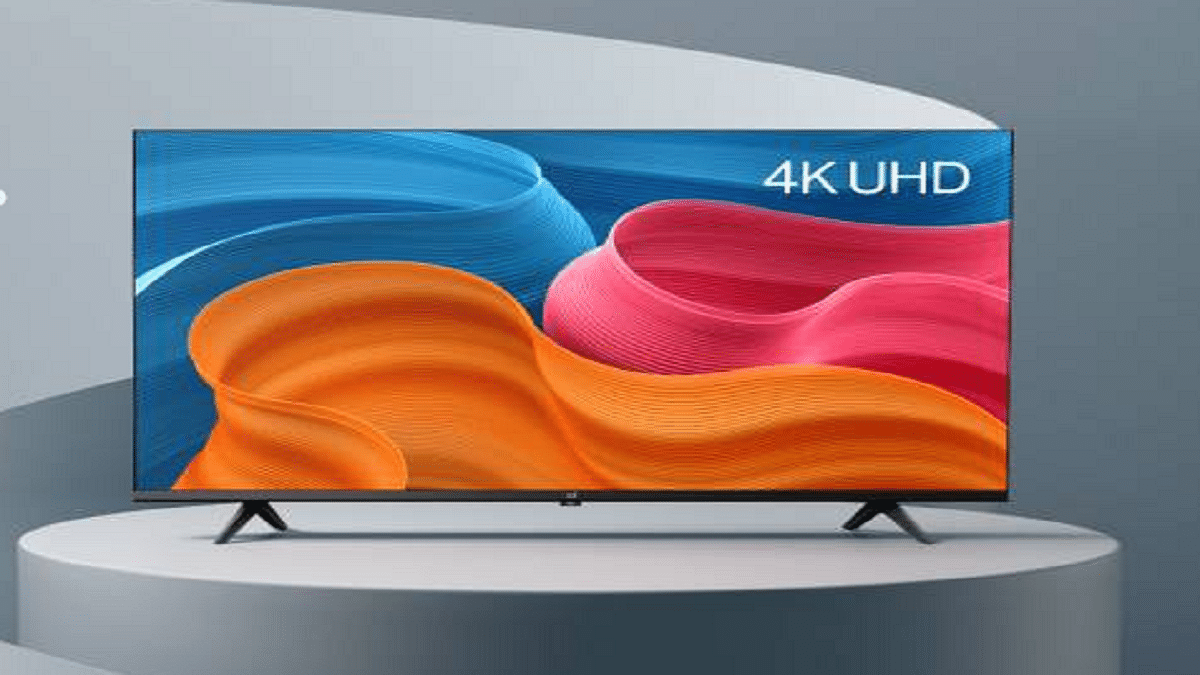
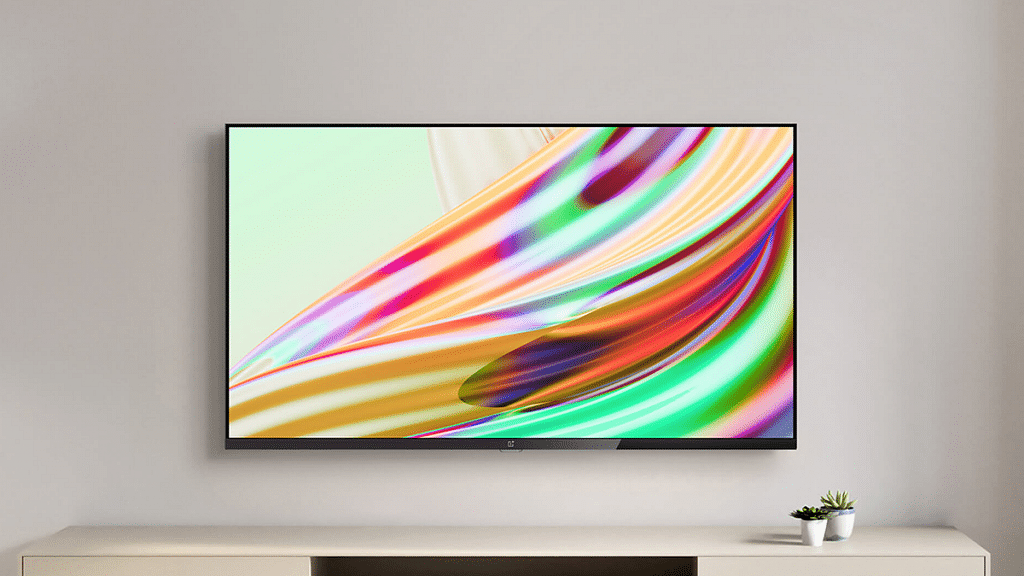
OnePlus and Xiaomi are the prime rivals in the budget smart TV market
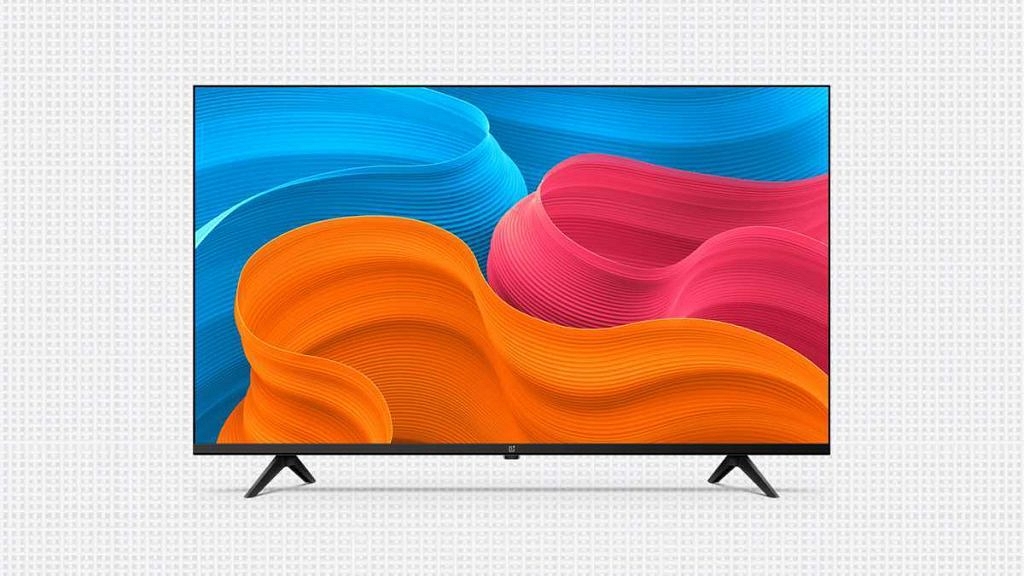
The OnePlus TV Y1s Pro 43-inch model is one good option under Rs. 30,000 in India
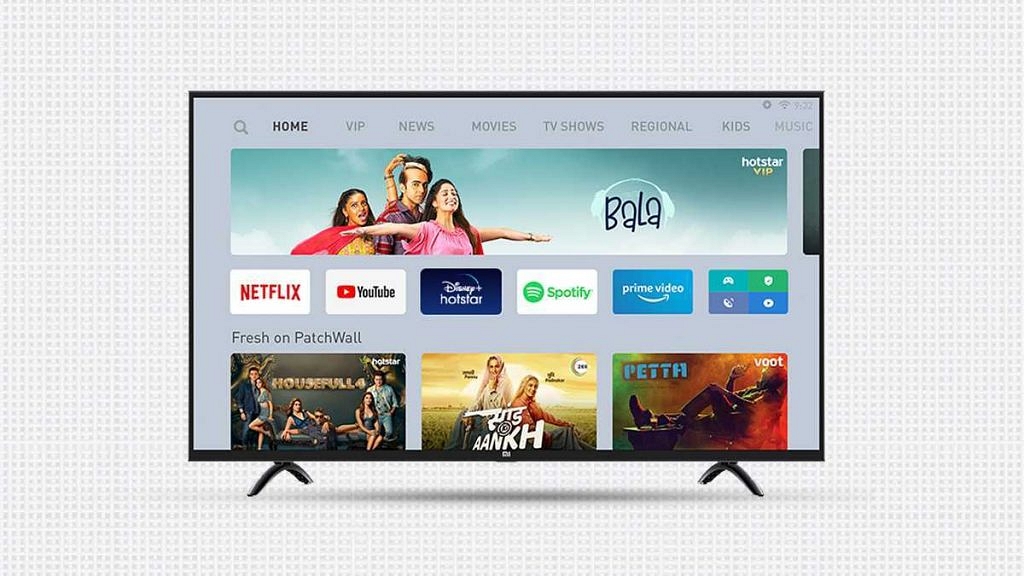
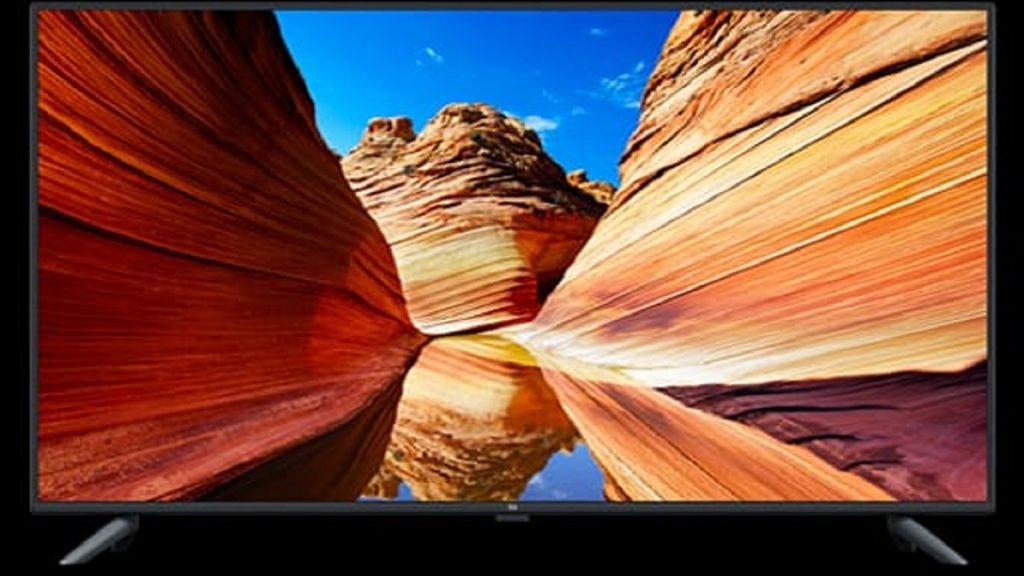
The MI TV 4X 43-inch model is another best smart TV under Rs. 30,000
Display resolution is 2160 x 3840 pixels on both smart TVs
OnePlus TV Y1s Pro offers a louder 24W audio output compared to 20W audio offered by Xiaomi MI TV 4X
OnePlus and Xiaomi are among the strongest rivals in the consumer electronics market. Both these brands initially strengthened their portfolios with smartphones and then with other consumer gadgets such as smart wearables and smart TVs. Both OnePlus and Xiaomi are the preferred choices for budget consumers demanding premium-range TVs at cheaper rates. The OnePlus TV Y1s Pro and the Xiaomi MI TV 4X series are amongst the two most-sold smart TVs in the country. Which of the two smart TVs offers a value-for-money deal? Let’s find out in this quick comparison article:
Quick Specification Comparison
Model
OnePlus TV Y1s Pro
Xiaomi MI TV 4X
Display
43-inch 4K HDR
43-inch UHD 4K
Audio
24W (dual channel speakers)
20W (dual channel speakers)
Android TV
Yes
Yes
Configuration
2GB+ 8GB
2GB+ 8GB
OS
PatchWall OS
Oxygen Play UI
Wi-Fi+ Bluetooth
Available
Available
OnePlus TV Y1s Pro Vs Xiaomi MI TV 4X spec-sheet comparison
OnePlus TV Y1s Pro Vs Xiaomi MI TV 4X: Design And Display
The OnePlus TV Y1s Pro is a modern-looking smart TV with 95.7cm x 8.6cm x 56.4 cm dimensions (without stand) and 95.7cm x 21cm x 61.2cm (with stand). It weighs around 5.9kg and 6kg without and with stand respectively. Whereas, the Xiaomi Mi TV 4x ships with 97cm x 56.9 x 61.3cm dimensions. Without the stand, the Xiaomi Mi TV 4x weighs around 7.07kgs, while with the stand it weighs around 7.13kgs. The lower weigh profile is an added benefit of the OnePlus TV Y1s Pro’s design compared to the Xiaomi MI TV 4X.
Moving on to the display, we are comparing the 43-inch variant of the OnePlus TV Y1s Pro and the Xiaomi MI TV 4X. The OnePlus TV Y1s Pro’s display delivers a screen resolution of 3840 x 2160. This 4K HDR TV also has HDR10+, HDR10, and HLG compatibility for an enhanced visual with all types of content. This OnePlus smart TV can also deliver a premium experience with streaming platforms such as Netflix, Amazon Prime Videos, Disney+ Hotstar, and others.
The Xiaomi MI TV 4X also packs a capable 4K HDR display measuring 43-inches. You can also choose different screen sizes depending on your requirements. This TV’s display offers the same 2160 x 3840 pixels screen resolution as the OnePlus TV Y1s Pro along with a 60Hz refresh rate. However, this Xiaomi smart TV comes void of HDR format support. You still can binge-watch your favorite shows via Netflix and other OTT platforms that are compatible with the PatchWall OS.
OnePlus TV Y1s Pro Vs Xiaomi MI TV 4X 43-inch: Operating System, Features
The OnePlus TV Y1s Pro smart TV is powered by a Gamma Engine and has MEMC technology for improved picture quality. This OnePlus 43-inch smart TV features Oxygen Play UI and has Android TV 10 firmware using which you can download multiple supported third-party applications. This TV also features digital voice assistant support and is compatible with Alexa and Google Assistant. This TV has 2GB RAM and 8GB storage configuration.
On the other hand, the Xiaomi MI TV 4X runs on a 64-bit quad-core Amlogic A53 processor. It is also based on Android TV platform like the OnePlus TV Y1s Pro and has the PatchWall OS UI which is used by all Xiaomi smart TVs. The configuration of this Xiaomi TV is the same as the OnePlus model, i.e., 2GB RAM and 8GB storage. The screencast feature is also available with this TV. Also, a bunch of third-party apps is pre-installed, but you can download additional apps using Play Store.
OnePlus TV Y1s Pro Vs Xiaomi MI TV 4X: Audio, Connectivity Ports
The audio delivery on the OnePlus TV Y1s Pro is handled by a dual speaker system. The maximum audio output produced by this two-channel speaker system on the OnePlus TV is 24W. There is an additional Dolby Audio support that improves the overall audio quality.
Speaking of the connectivity ports, the OnePlus TV Y1s Pro features one ethernet (RJ45), three HDMI 2.1 ports, one AV port, two USB 2.0 ports, and one Digital Audio output port.
Xiaomi has also used a dual speaker module on the MI TV 4X for audio. The speakers churn out a total of 20W output which is lower compared to the OnePlus TV. This TV also has Dolby Audio, DTS audio technologies for a rich listening experience with any TV show or movie.
If we speak of the available ports, the Xiaomi MI TV 4X offers two USB 2.0 ports, three HDMI ports, one AV port, one RF, one S/PDIF port, and a 3.5mm headphone jack. Both OnePlus TV Y1s Pro and the Xiaomi MI TV 4X support Wi-Fi and Bluetooth wireless networks as well.
OnePlus TV Y1s Pro Vs Xiaomi MI TV 4X: Which Beats The Competition?
Feature and performance-wise, the Xiaomi MI TV 4X gives the OnePlus TV Y1s Pro tough competition. Both the 4K HDR TVs have a high-screen resolution that brings out the best output with video playback. However, the OnePlus TV Y1s Pro has a bunch of elements such as added HDR 10 compatibility and louder audio output that make it slightly better compared to the Xiaomi MI TV 4X.
Official Badge feature was previously recalled soon after its release
No more fake or spam profiles will get Blue Badge
$8 subscription charge
Twitter has been the talk of the town ever since Elon Musk’s acquisition. From massive layoffs at the organization to bringing in and recalling the Official badge paid subscription, Twitter has been grabbing headlines consistently. Following several rumors, Elon Musk released paid subscription services for Blue tick profile verification. However, just days after its release, the Official badge feature was recalled for creating confusion with the authenticity of profile verification. Seems like Musk hasn’t given up yet and is bringing back the Blue Tick feature. Read about all the developments here:
Twitter Blue Badge With Paid Subscription Coming Back Again
Twitter Blue Tick has been widely popular for being associated with high-profile accounts of celebrities, media and journalists, sports, and politicians. This service was provided for free prior to Musk’s reign. Twitter later announced an $8 subscription fee per month for the Blue tick with added benefits.
But this feature was rolled back soon after its official release with the massive confusion being fuelled amongst the audience related to its actual purpose. But now, this feature is confirmed to be released again this month.
In a tweet shared by Musk, the availability of the paid Blue tick service is confirmed for November 29, 2022. The tweet shared by Musk reads, “Punting relaunch of Blue Verified To November 29th to make sure that it is rock solid”.
Punting relaunch of Blue Verified to November 29th to make sure that it is rock solid
This statement suggests Twitter has thoroughly gone through all the loopholes with this feature and has figured out how it plans to eliminate any fake or unauthentic account from getting the Blue Tick verification.
Who All Can Get Twitter Blue Tick With Paid Subscription?
The Blue tick official badge will be given to profiles of notable users such as politicians, journalists, and others. A $8 subscription charge will remain as Twitter is adamant about getting monetary benefits with this premium service. To recap, Twitter had briefly scraped off the Blue check feature once the confusion rose amongst the audience.
But currently, there is no word either from Musk or the brand officials how they will be keeping spam and fake profiles from getting the Blue Tick verification on Twitter. We could get some answers once Twitter officially rolls back this highly popular profile verification feature on November 29.
Instagram is a popular social media platform for Android and iPhone users globally. The photo-sharing app has evolved over the last few years with new tools and features that have majorly improved the user experience. Instagram has released multiple such features to boost its popularity at the same time giving opportunities to its user base to get monetary benefits from the platform.
This is one of the biggest reasons we are witnessing a surge in content creators and social media influencers choosing Instagram as a primary business module. The Meta-owned photo-sharing has brought in the provision for users to create a dedicated business profile wherein they can showcase, promote, and even sell their products.
If you have created an Instagram business account, you get the option to have a complete insight into your business and see which audience engagement is higher and how good your product is performing. The Instagram business account also lets users access a Professional Dashboard that lets them keep a track of the business performance.
Using this Professional Dashboard, users can also discover new tools and learn market strategies from Instagram that will eventually help with a boost in the business. But how can you create a new Instagram Business account? Or is there any method with which you can transform your existing Instagram account into a business or professional account? This article covers the procedure for the same. Let’s take a look:
Steps To Set Up Or Update An Existing Instagram Account To A Business Account
Step 1: Launch the Instagram application and log into your profile. If you don’t have an Instagram account yet, create one.
Step 2: Head over to your Instagram profile from the app and select the More (three horizontal lines) icon. This can be located on the top-right of the profile page.
Step 3: Click on the Settings menu (gear icon).
Step 4: Scroll to the Accounts options.
Step 5: Select the “Switch to professional” account option.
Step 6: Now, tap on the Continue option.
Step 7: In the next step, you would need to select a category for your business.
Step 8: Once the appropriate business is selected, click on OK to confirm.
Step 9: Now, tap on the Business option and hit Next.
Step 10: You now need to update your contact details for the business. If you don’t wish to update your contact details yet, select the “Don’t use my contact info” option.
Step 11: You can also link a Facebook page to boost the reach of your Instagram business account.
Step 12: Click on the “X” option on the top-right corner to return to your original profile.
OnePlus smartphones are well known for powerful performance. The brand has established its name in the premium smartphone league with its reasonably priced handsets. Besides the flagship OnePlus phones, the mid-range Nord lineup is also delivering the best-in-class user experience to consumers. With its premium range yet reasonably priced Android phones, OnePlus is consistently increasing its user base across the globe.
We even have seen iPhone buyers opting for high-end OnePlus models as an alternative. OnePlus offers several useful features for the masses with which they can easily migrate data from their old Android or iPhone models. The Clone Phone is the feature we are speaking of.
With the Clone Phone app on the OnePlus Phones, you can easily copy or transfer data such as calls history, short messages, pictures, audio, video, and other app data to the new OnePlus phone. This app also lets you create a local backup for all such data. This article is a step-by-step guide with which you can easily migrate old data and also restore data on the cloud with iPhone.
Steps To Migrate Data Using Clone App On OnePlus Smartphones From iOS Devices
Step 1: On the old iOS handset, sync the data to the iCloud. You can do so by going to the Settings menu of the iOS phone and entering the Apple ID and logging in to iCloud and then toggling on the synchronization for contacts, photos, and more.
Step 2: Once the data is backed up on iCloud, you can start Importing data to the new OnePlus phones.
Step 3: Launch the Clone Phone app on the OnePlus phone and select iPhone as the option. At the same time, open the Clone Phone app on iPhone and tap on the data that you need to migrate to the new OnePlus phone.
Step 4: Now, on the iPhone scan the QR code from the new OnePlus phone to complete the pairing process.
Step 5: Tap on Start migration to initiate the data migration process.
Step 6: Select the import Contacts and Pictures option from the iCloud login screen. Just for reference, the new OnePlus phone will act as the data recipient, while the old iPhone or Android phone will be only used for data sending.
Step 7: You shouldn’t exit the app to ensure data transfer isn’t impacted.
How Can You Restore Data On iCloud With Clone Phone App On New OnePlus Handset?
Step 1: Open the Settings menu and select the System Settings option.
Step 2: Tap on the Back up and reset option and then select Back up & migrate.
Step 3: Click on the Cloud backup option and then select the type of data that you wish to backup.
Step 4: Tap on the Start Backup menu.
Step 6: Now, launch the Clone Phone app and select the “This is the new device” menu.
Step 7: Now, tap on the Cloud backup option. From here, you can select the backup of the date that you wish to restore. Hit the Start button and the data will be restored to the former state.
The lineup will comprise the Realme 10, Realme 10 Pro, and Realme 10 Pro+ 5G
Realme has now teased the curved display of the Realme 10 series Pro models
Realme is getting ready to replace its Realme 9 series smartphones with the Realme 10 series. The Realme 10 series is anticipated to comprise the standard Realme 10, Realme 10 Pro, and Realme 10 Pro+ devices on November 9, 2022. The new devices are expected to feature curved displays which may increase their cost.
It was first made known via the TENAA listings and is expected to be featured on the Pro models. Realme has since released a new teaser that verifies the Realme 10 series’ curved display.
The Realme 10 will have a flat screen, which has already been proven by earlier images and leaks, therefore curved displays will probably come with the Realme 10 Pro and Realme 10 Pro+. Let’s take a look at what is known about the Realme 10 series so far.
Realme 10 Series Specs
According to leaks thus far, the Realme 10 will be 190 grams heavy and only 8.1 mm thick. In addition to this, it will have a 6.7-inch screen with a 2400 x 1080px FHD+ resolution and a 90Hz refresh rate. A 16MP selfie camera will be located on the front as well as a 50MP primary camera paired with a 2MP secondary lens on the back.
This device will include a MediaTek Helio G99 chipset which has recently been revealed to have received 4,00,086 points in AnTuTu benchmark results. There will be a number of storage options available along with a 4,870mAh battery pack. Depending on the configuration, the Realme 10 will have 6GB, 8GB, or 12GB of RAM and 64GB, 128GB, or even 256GB of internal storage.
According to reports, the top-tier Realme 10 Pro+ model has a 6.7-inch AMOLED screen with an FHD+ resolution. The smartphone is expected to include the MediaTek Dimensity 1080 chipset inside. The device is rumored to include up to 512GB of internal storage and up to 12GB of RAM.
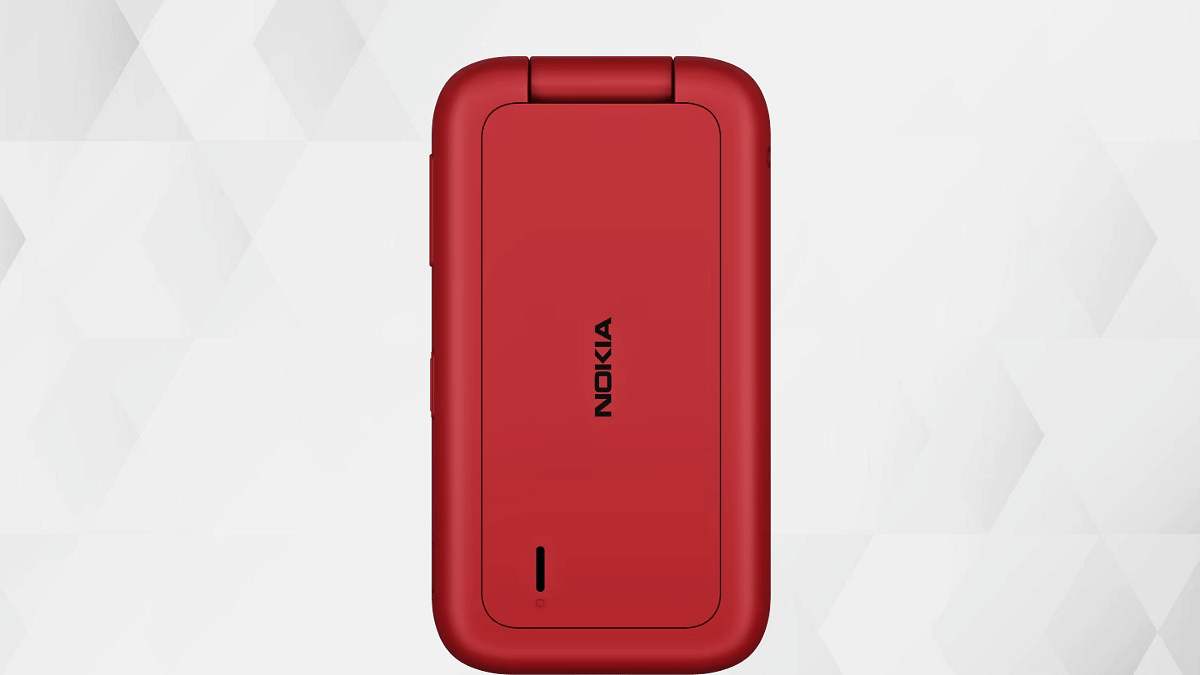
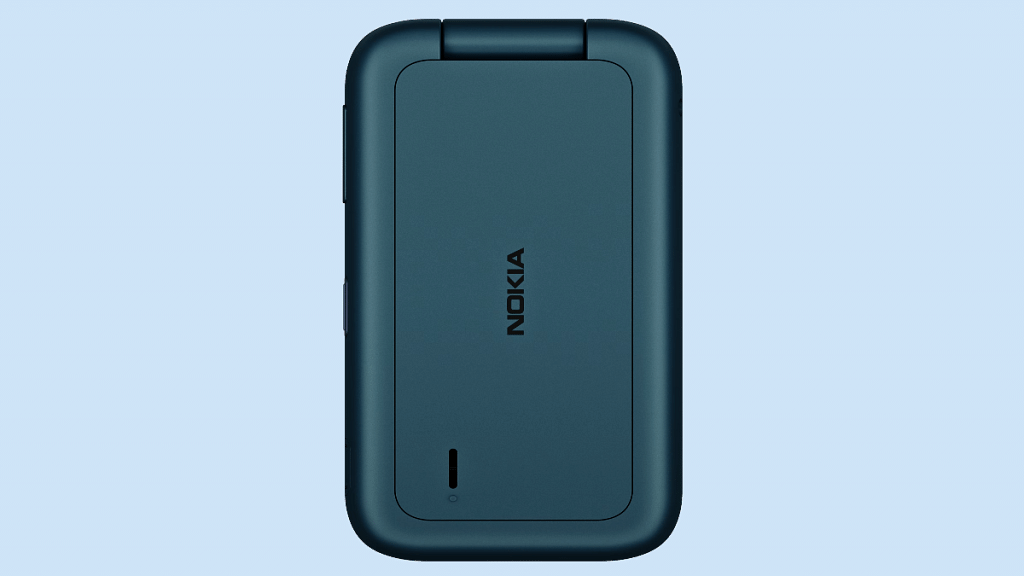
Nokia 2780 arrives as the latest feature phone with flip design
Powered by Qualcomm Snapdragon 215 chipset
Flaunts 2.7inch and 1.77-inch TFT display
Features 5MP Fixed focus camera
Mobile phones have evolved with advanced technologies and we are getting a premium user experience even with budget phones nowadays. While large touch screens and smart features well define modern-day handsets, their popularity is also high with smartphones. But Nokia has been consistent with releasing feature phones for a general audience and is dominating this market with multiple products. HMD Global has added yet another feature phone for budget-conscious audiences called the Nokia 2780. In which all markets the latest Nokia feature phone will be available for sale and what all hardware features it offers? The details are listed below:
Nokia 2780 Feature Phone Full Specifications
Design And Display
The Nokia 2780 isn’t any average-looking mobile phone. This feature phone flaunts a clamshell foldable design or the flip fold design that makes it stand out from the crowd. The Nokia 2780 inner display panel is bigger in size and measures 2.7-inches. The display panel type is TFT which is common for feature phones under budget.
The outer display is smaller compared to the internal panel and measures 1.77-inches diagonally. The inner display supports a QVGA screen resolution of 320 x 240 pixels, while the outer screen comes with a QQVGA resolution of 160 x 128 pixels.
Chipset And Configuration
For power delivery, the Nokia 2780 feature phone uses the Qualcomm 215 64-bit entry-level chipset. The GPU integrated for graphics is Adreno 308. If we speak of the configuration, this feature phone is packed with 4GB of RAM and 512MB of onboard storage capacity.
If the built-in storage isn’t sufficient, you can also expand the storage using an external microSD card to up to 32GB. The firmware pre-installed in the Nokia 2780 is KaiOS 3.1. For reference, KaiOS is a common platform for feature phones across the globe. This Nokia feature phone can store up to 1,000 contacts in the phonebook.
Camera, Battery Specifications
The imaging hardware used by the Nokia 2780 feature phone is a 5MP main camera with fixed focus. There is also an LED flash to help with low-light photography. Connectivity and other important features include Bluetooth 4.2, a USB Type-C port, a 3.5mm headphone jack, GPS/AGPS, and WiFi. The battery capacity powering the 1,450 mAh battery unit.
Nokia 2780 Flip Feature Phone Price And India Sale Dates
The Nokia 2780 Flip feature phone has been announced with $90 price tag which is around Rs. 7,417 in Indian currency. Currently, HMD Global has launched this phone in the US and is yet to release it in the remaining regions including India. The color options released are red and blue.
Modern Air Purifiers are witnessing a major surge in sales this season
One should check coverage area, types of filters before buying an air purifier
HEPA filter, carbon filter, Wi-Fi connectivity amongst other features define the performance
Modern-day lifestyle is vastly dependent on technology. We have numerous gadgets that help us with our fast-paced lifestyle and improve our quality of living. However, technology is like a blessing in disguise and as beneficial as it is for the masses, it has some adverse effects on nature. Rising air pollution is one of the major health concerns amongst the public. The quality of air getting deteriorated with each passing day is also alarmingly increasing medical bills across the country.
Since technology plays a major role in our daily lifestyle? How can it not play a vital role in improving air quality around you? Tech brands have stooped in to offer air purifiers for small and large areas helping the masses to breathe in the fresh air.
In fact, the demand for Air purifiers has surged exponentially in the last few years in India. We have all sorts of Air purifying machines laced with high-end filtering and air purifying technologies. With so many options available in the market, it could be a task to select the best air purifier that meets all your requirements and provides the freshest air free from all kinds of viruses and bacteria.
If you are looking out to buy an air purifier this season to breathe in the best air quality, we have compiled the list for you. The air purifiers we have mentioned below are equipped with some of the advanced filters that are ozone-emission free.
Best Ozone Free Advanced Air Purifiers In India
Dyson Hot+ Cool Air Purifier
Pros
Advanced Air filter with multiple health features
Equipped with a 360-degree Glass HEPA filter
Can remove harmful pollutants such as PM2.5, PM10, and NO2
Cons
Bit expensive
Dyson is one of the biggest names in the air purifier market. The British tech behemoth has one of the largest catalogs of advanced air purifiers for households and industries. The Dyson Hot+ Cool Air purifier is one of the premium air purifier models from the company that lets you breathe fresh and healthy air quality with its integrated and Activated Carbon Filter and 360-degree Glass HEPA filter.
This premium range air purifier can easily filter out dust, pollen, pet dander, VOCs, and other harmful pollutants from the air such as PM2.5, PM10, and NO2. The Dyson Hot+ Cool Air Purifier also has Wi-Fi Connectivity to let you remotely control the air purifier and easily monitor it using the Dyson Link app. The Dyson Hot+ Air Purifier is also certified by AAFA (Asthma and Allergy Foundation Of America) and can be purchased at Rs. 56,900 in India.
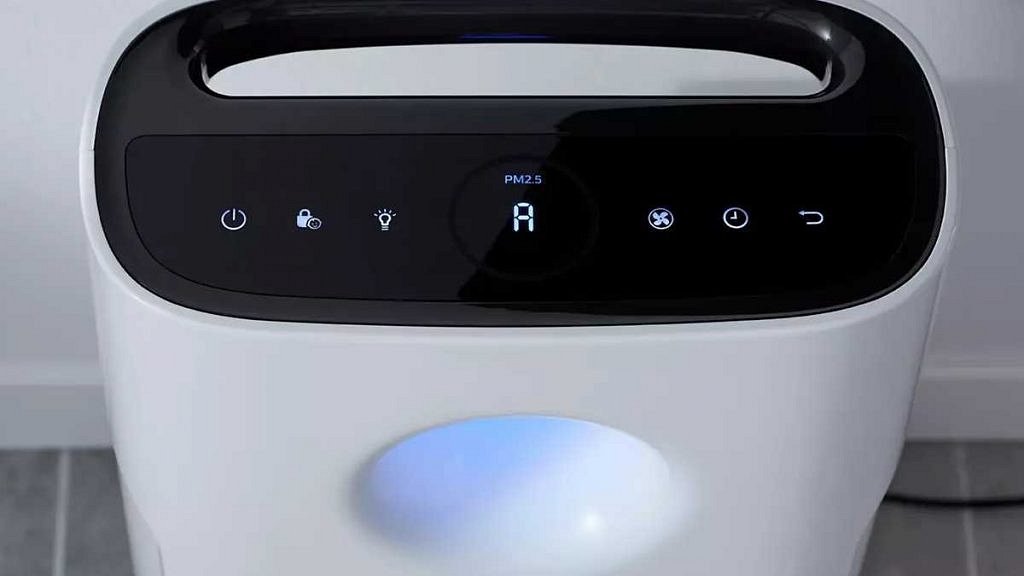
Another premium range air purifier from one of the top consumer electronics brands Philips is the 3000 Series AeraSense Air Purifier AC3256. The Philips 3000 Series AeraSense Purifier features Nanoprotect HEPA and AC Filter that keeps airborne pollutants at bay.
This high-end air purifier also comes with a dedicated Allergen mode, real-time PM 2.5 indicator, touch sensors, and a Sleep mode feature. The Philips 3000 Series AeraSense Air Purifier is also certified by multiple health organizations making it the perfect air purifier for your home. You can buy the Philips 3000 Series AeraSense Air Purifier AC3256 at Rs. 25,499 in India.
Blueair Classic 480i Air Premium Air Purifier For Ozone-Free Emissions
Pros
HEPA and SmokeStop filtration technology
Large CADR (Clean Air Delivery Rate) of 510 m3/hr
Can eliminate harmful PM2.5 particles and other harmful gaseous pollutants
Cons
Slightly expensive price tag
Bit bulky design
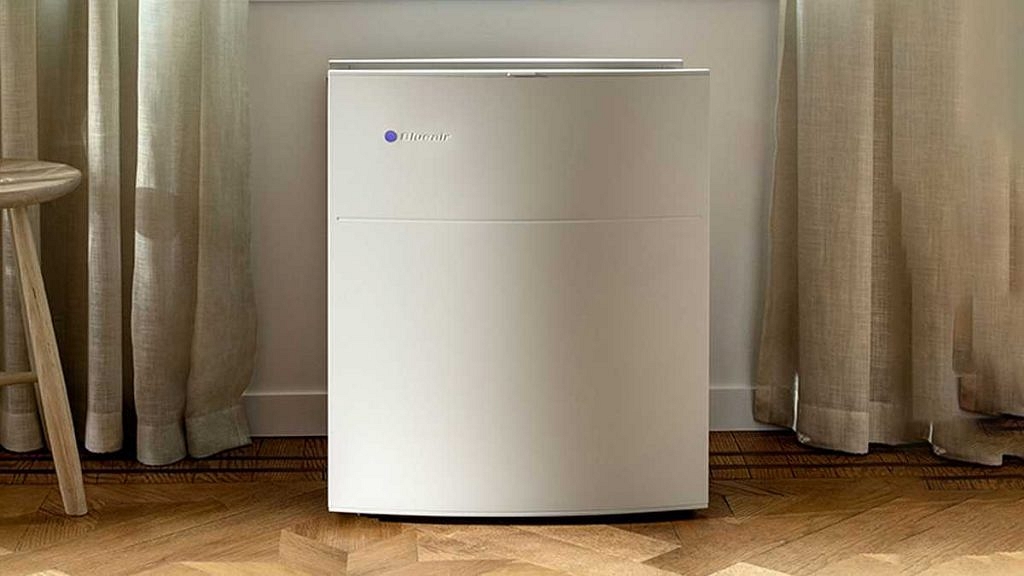
The Blueair Classic 480i Air Purifier is a premium range air purifier that competes against the likes of Dyson and Philips in the flagship category. The Blueair Classic 480i air purifier has all the modern features that you can ask for in any air Air purifier and is ozone free. This air purifier also features HEPA purification technology to filter out harmful pollutants.
The coverage area of this air purifier is large at 200 sq meters making it suitable for medium to large-sized rooms. It additionally features SmokeStop filter that eliminates heavy gaseous pollutants from your room providing clean and healthy air to breathe. The air purifier comes with Wi-Fi connectivity and is compatible with the Blueair Friends app, Auto mode, and CADR (Clean Air Delivery Rate) of 510 m3/hr. The cost of this premium air purifier is around Rs. 49,999 in the Indian market.
Pre-installed washable filters makes it easy to clean
Affordable compared to other models in this list
HEPA filter integrated to remove dust and pollutants
Cons
Not apt for large rooms
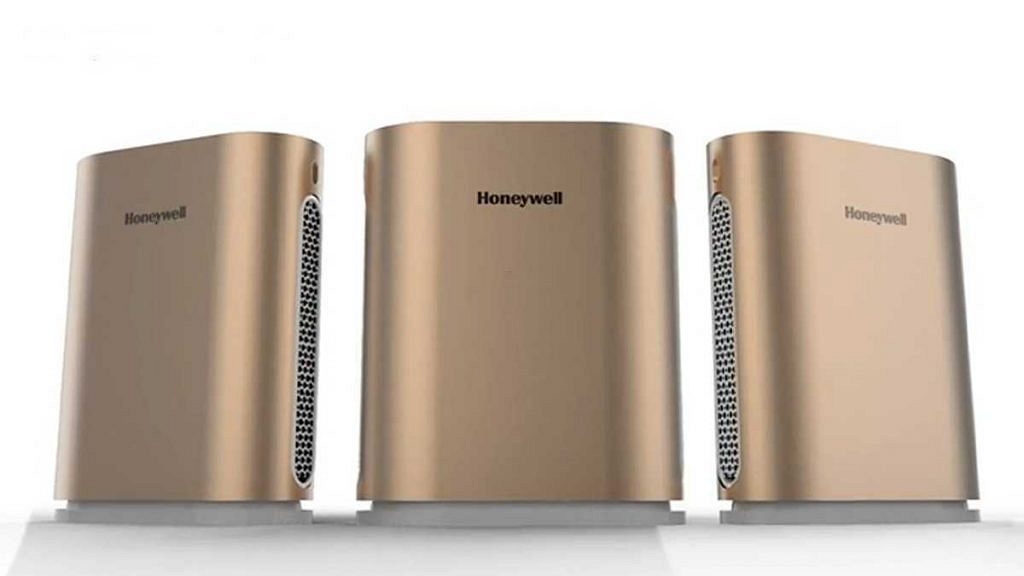
If you need an air purifier for your room loaded with features without actually burning a hole in your pockets, then Honeywell Air Touch HAC35M1101G makes for the best option. At just Rs. 12,999, you get a modern air purifier with a 450 sq.ft coverage area and a 300 m3/hr CADR (Clean Air Delivery Rate) range.
This air filter comes with a HEPA filter that can remove PM 2.5 particles and allergens with a unique honeycomb design. The Honeywell Air Touch air purifier also features washable filters which makes it easy to clean.
OnePlus has invested majorly in the smartphone business and has been delivering a premium user experience with its Android phones at a reasonable budget. The Chinese firm is gradually expanding its product portfolio and adding up devices such as audio accessories, smart wearables, and even smart TVs.
OnePlus has launched two different smart TV lineups for audiences across the globe and India. The OnePlus TV U1 and OnePlus TV Y1 series smart TVs are taking care of the large screen requirements of all categories of audiences in India. OnePlus is ensuring its smart TVs are equally premium as its smartphone series and is embedded in all the latest gen hardware for the same.
OnePlus TV lineups deliver a rich viewing experience with their high-resolution display panel and powerful audio setup. You also can easily access several pre-loaded third-party streaming and other apps on OnePlus smart TVs. OnePlus TV U and Y series is also equipped with features such as HDR10 and HDR10+, Dolby Vision, and more that enhance the entire viewing experience.
You get a theatre-like experience from the comfort of your home with OnePlus smart TVs. If you own a OnePlus Android TV, you can easily binge on your favorite TV show or movies in FHD resolution on dedicated streaming apps such as Netflix, Amazon Prime Videos, and others. If you own a OnePlus smart TV, you must know all the troubleshooting steps so that you don’t have to pay frequent visits to service centres in case of general issues.
The display issues are one of the most common with any smart TV be it OnePlus or any other brand. Take, for instance, screen flicker, blurred pictures, backlight without display issues, and others. How can you quickly resolve any display issue with the OnePlus smart TV? We have listed the steps below:
How To Fix OnePlus TV Display Issues At Home
Step 1: Power on your OnePlus smart TV.
Step 2: Go to the Settings menu and select Picture option.
Step 3: Tap on “Reset Default picture settings”.
Step 4: Go back to the home screen and check if the problem is resolved. If the issue isn’t fixed follow the next step.
Step 5: If the issue encountered is with a specific app, go to the Apps section from the Settings menu.
Step 6: Select the app with which there is an issue and click “Clear data”.
Step 7: If the issue stull persists and you think its with any external device than restart the both TV and the external source to fix the display issue.