Categories
Chipset Comparison Featured

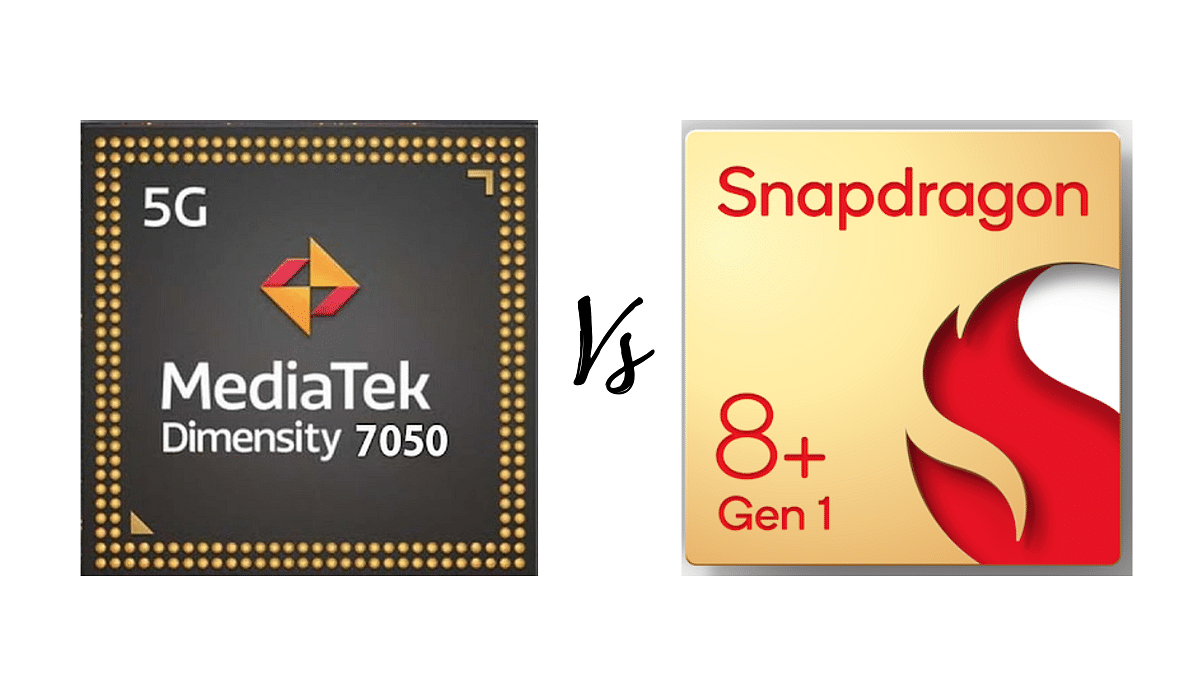
MediaTek Dimensity 7050 Vs Snapdragon 8 Gen 1: Best Mid-Range Gaming Chipset 2023

Key Highlights

  • Dimensity 7050: Balanced mid-range gaming.
  • Snapdragon 8 Gen 1: Flagship gaming prowess.
  • Full comparison below

In the rapidly evolving world of smartphone technology, gaming performance has become a crucial aspect for consumers. MediaTek and Snapdragon, two prominent chipset manufacturers, have released their latest offerings – the Dimensity 7050 and Snapdragon 8 Gen 1, both vying for the title of the best gaming chipset in 2023.

Let’s delve into a comprehensive comparison of these two contenders across various parameters.

Also Read: Snapdragon 7 Gen 1 Vs MediaTek Dimensity 6080: Battle Of Top Mid- Range Chipset 2023

MediaTek Dimensity 7050 Vs Snapdragon 8 Gen 1: Fabrication, CPU Architecture
The MediaTek Dimensity 7050 is built on the 6-nanometer process and features an octa-core CPU configuration. It comprises two powerful Cortex-A78 cores clocked at 2.6 GHz and six energy-efficient Cortex-A55 cores running at 2 GHz. On the other hand, the Snapdragon 8 Gen 1 takes advantage of the 4-nanometer process, featuring an octa-core CPU as well. This setup includes one Cortex-X2 core at 3 GHz, three Cortex-A710 cores at 2.5 GHz, and four Cortex-A510 cores at 1.8 GHz. The Snapdragon 8 Gen 1’s newer ARMv9-A instruction set provides a potential advantage in future-proofing.

Also Read: MediaTek Dimensity 7050 Vs Snapdragon 6 Gen 1: Top Mid-Range Gaming Chipset Comparison

MediaTek Dimensity 7050 Vs Snapdragon 8 Gen 1:GPU Comparison
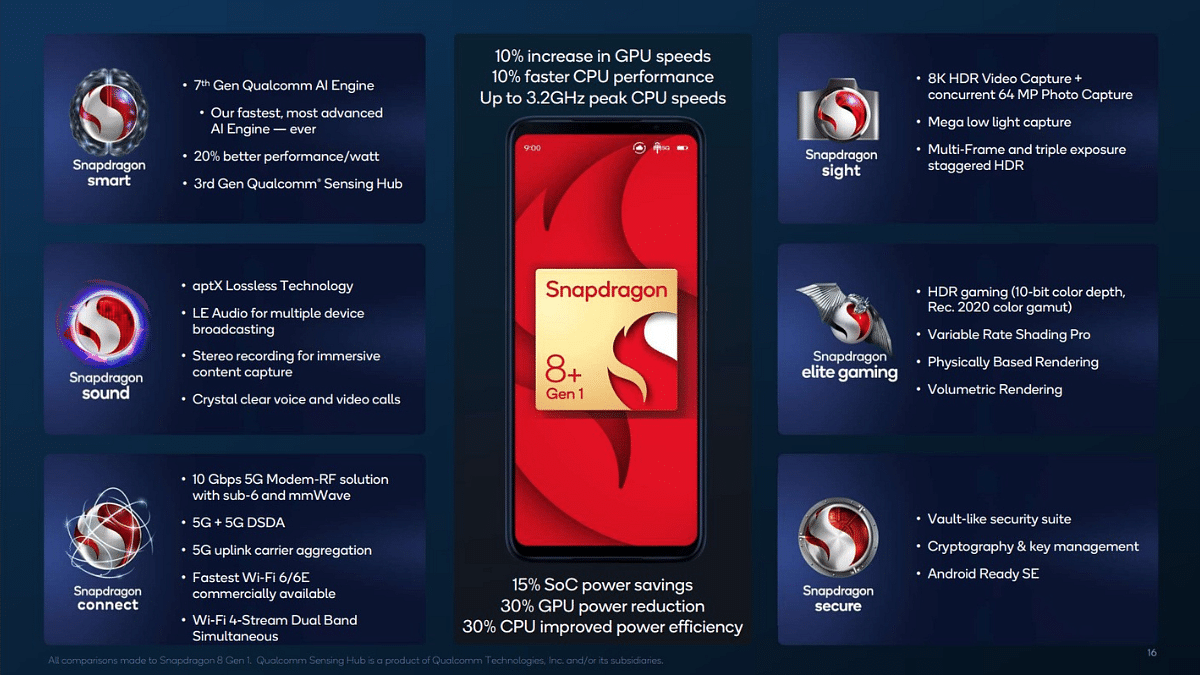
In terms of graphical prowess, the MediaTek Dimensity 7050 boasts the Mali-G68 MC4 GPU based on the Valhall 2 architecture, operating at 800 MHz. With 4 execution units and 64 shading units, it delivers a respectable 686 Gigaflops of computing power. The Snapdragon 8 Gen 1, however, sports the Adreno 730 GPU from the Adreno 700 series, running at 818 MHz. With 3 execution units and 768 shading units, it significantly surpasses the Dimensity 7050 with 2513 Gigaflops of performance. This makes the Snapdragon 8 Gen 1 a more formidable choice for graphically intensive gaming.

Also Read: MediaTek Dimensity 7050 Vs Snapdragon 7 Gen 1: Best Mid-Range Gaming Chipset

MediaTek Dimensity 7050 Vs Snapdragon 8 Gen 1:Memory, Multimedia (ISP) Comparison
Both chipsets employ LPDDR5 memory with a frequency of 3200 MHz and support for up to 16 GB of RAM. However, the Snapdragon 8 Gen 1 takes a lead in memory bandwidth, boasting a max bandwidth of 51.2 Gbit/s compared to Dimensity 7050’s unspecified bandwidth. In terms of multimedia capabilities, both chips support 200MP camera resolutions and 4K video capture at 30FPS. The Snapdragon 8 Gen 1 surges ahead with its 8K video capture and playback capabilities at 30FPS and 4K at 120FPS, while the Dimensity 7050 sticks with the standard 4K at 30FPS for both capture and playback.

Also Read: Qualcomm Snapdragon 8 Gen 3 More Details Leaked: New CPU, GPU To Improve Performance Efficiency

MediaTek Dimensity 7050 Vs Snapdragon 8 Gen 1: Final Verdict
The MediaTek Dimensity 7050 is positioned as a mid-range chipset, offering a balanced performance profile with a focus on power efficiency. Its Mali-G68 MC4 GPU and octa-core CPU configuration deliver commendable gaming performance, making it a solid choice for mid-range smartphones.

However, the Snapdragon 8 Gen 1 is a top competitor with stronger tools. Its Adreno 730 GPU, improved CPU design, and better memory power create a gaming experience that stands out from the rest. It can also handle 8K videos, making it great for people who enjoy multimedia content.

Also Read: Vivo Pad Air With Snapdragon 870 Chipset, 12GB RAM Goes Official: Price, Global Availability
Categories
Chipset Comparison Featured

Snapdragon 7 Gen 1 Vs MediaTek Dimensity 6080: Battle Of Top Mid- Range Chipset 2023

Key Highlights

  • Snapdragon 7 Gen 1: 4nm Powerhouse
  • MediaTek Dimensity 6080: Cost-Effective Performance
  • Comparison of Top Mid-Range Chipsets 2023

The mid-range devices are becoming increasingly popular due to their impressive performance without the hefty price tags of flagship devices. Two of the most anticipated mid-range chipsets of 2023 are the Snapdragon 7 Gen 1 from Qualcomm and the MediaTek Dimensity 6080.

In this comparison article, we will dive into the key features of both chipsets to determine which one stands out as the top mid-range gaming chipset.

SpecificationSnapdragon 7 Gen 1MediaTek Dimensity 6080
Fabrication Process4 nm6 nm
CPU ArchitectureOcta-coreOcta-core
CPU Cores1x 2.4 GHz – Cortex-A7102x 2.4 GHz – Cortex-A76
3x 2.36 GHz – Cortex-A7106x 2 GHz – Cortex-A55
4x 1.8 GHz – Cortex-A510
GPUAdreno 644ARM Mali-G57 MC2
Memory TypeLPDDR5LPDDR4x
Memory Frequency3200 MHz2133 MHz
Max Bandwidth25.6 Gbit/s25.6 Gbit/s
Multimedia (ISP)Dual Camera up to 16MP+16MPSingle Camera up to 108MP
Video Capture4K at 30FPS2K at 30FPS
Connectivity5G support5G support
Wi-FiWi-Fi 6Wi-Fi 5
Bluetooth5.35.1
Max Display Resolution3360 x 16002520 x 1080
GPU ArchitectureAdreno 600Valhall

Also Read: MediaTek Dimensity 7050 Vs Snapdragon 6 Gen 1: Top Mid-Range Gaming Chipset Comparison

Snapdragon 7 Gen 1 Vs MediaTek Dimensity 6080: Fabrication, CPU Architecture

The Snapdragon 7 Gen 1 is manufactured on an advanced 4-nanometer process by TSMC, featuring an octa-core CPU configuration. It consists of one Cortex-A710 core clocked at 2.4 GHz, three Cortex-A710 cores running at 2.36 GHz, and four Cortex-A510 cores clocked at 1.8 GHz.

On the other side, MediaTek Dimensity 6080 is built on a 6-nanometer process and sports an octa-core CPU architecture, combining two high-performance Cortex-A76 cores running at 2.4 GHz and six power-efficient Cortex-A55 cores operating at 2.0 GHz.

While both chipsets offer excellent performance for mid-range devices, the Snapdragon 7 Gen 1’s advanced 4nm process may provide a slight edge in power efficiency and heat management.

Also Read: MediaTek Dimensity 7050 Vs Snapdragon 7 Gen 1: Best Mid-Range Gaming Chipset

Snapdragon 7 Gen 1 Vs MediaTek Dimensity 6080: GPU Comparison

The Snapdragon 7 Gen 1 is equipped with the Adreno 644 GPU from Qualcomm’s Adreno 600 series. It features two execution units and 384 shading units, delivering up to 1014 Gigaflops of computing power.

On the other hand, the MediaTek Dimensity 6080 boasts the ARM Mali-G57 MC2 GPU based on the Valhall architecture. With two GPU cores, this configuration offers capable gaming performance.

Though both GPUs excel at handling mobile games with ease, the Snapdragon 7 Gen 1’s Adreno 644 leaps forward, showcasing a slight edge in graphical prowess.

Also Read: MediaTek Dimensity 7050 Vs Qualcomm Snapdragon 870: Best Value Flagship Chipset

Snapdragon 7 Gen 1 Vs MediaTek Dimensity 6080: Memory, Multimedia (ISP) Comparison

The Snapdragon 7 Gen 1 supports LPDDR5 RAM running at 3200 MHz, providing fast and efficient multitasking. It has a 2x 16 Bit memory bus, offering a maximum bandwidth of 25.6 Gbit/s.

On the other hand, MediaTek Dimensity 6080 supports LPDDR4x RAM with a frequency of 2133 MHz and a 2x 16 Bit memory bus, allowing a maximum bandwidth of 25.6 Gbit/s.

Both chipsets offer competitive memory performance for mid-range devices, ensuring smooth multitasking and gaming experiences.

In terms of multimedia capabilities, both chipsets are equipped with advanced ISP (Image Signal Processor) to handle camera functionalities. The Snapdragon 7 Gen 1 supports up to 16MP + 16MP dual-camera setups, capturing videos at 4K resolution at 30FPS. The Dimensity 6080 can handle up to 108MP single-camera resolution and offers 2K video capture at 30FPS.

Also Read: MediaTek Dimensity 6100+ Chipset Launched: New SoC For Mid-Range 5G Phones?

Snapdragon 7 Gen 1 Vs MediaTek Dimensity 6080: Final Verdict

Both the Snapdragon 7 Gen 1 and MediaTek Dimensity 6080 are impressive mid-range chipsets designed to deliver powerful and efficient performance for mid-range smartphones. The Snapdragon 7 Gen 1 boasts an advanced 4-nanometer fabrication process and a capable Adreno 644 GPU, offering excellent power efficiency and graphical performance.

On the other hand, MediaTek Dimensity 6080 stands out with its cost-effective 6-nanometer process, providing commendable CPU and GPU capabilities. Its support for up to 108MP single-camera resolution makes it appealing to photographers.

Also Read: Qualcomm Snapdragon 4 Gen 1 Vs MediaTek Dimensity 6020: Latest Affordable 5G Chipset For Android Devices

Categories
Chipset Comparison Featured Info

MediaTek Dimensity 7050 Vs Snapdragon 6 Gen 1: Top Mid-Range Gaming Chipset Comparison

Key Highlights

  • Dimensity 7050: Powerful AI and Multimedia
  • Snapdragon 6 Gen 1: Advanced 4nm Fabrication
  • Best Mid-Range Chipsets for Gaming

When it comes to mid-range smartphones, having a powerful and efficient chipset is crucial, especially for gamers. MediaTek and Qualcomm are renowned for their cutting-edge processors, and in this comparison article, we’ll evaluate the MediaTek Dimensity 7050 against the Snapdragon 6 Gen 1 to determine which one reigns as the top mid-range gaming chipset.

SpecificationMediaTek Dimensity 7050Snapdragon 6 Gen 1
Fabrication Process6 nm4 nm
CPU Cores2x Cortex-A78 @ 2.6 GHz4x Cortex-A78 @ 2.2 GHz
6x Cortex-A55 @ 2.0 GHz4x Cortex-A55 @ 1.8 GHz
GPUMali-G68 MC4Adreno 710
Memory TypeLPDDR5LPDDR5
Memory Frequency3200 MHz3200 MHz
Memory Bus4x 16 Bit2x 16 Bit
Multimedia (ISP)MediaTek APU 550Hexagon NPU
Storage Types SupportedUFS 2.1, 2.2, 3.0, 3.1UFS 2.2

Also Read: MediaTek Dimensity 7050 Vs Snapdragon 7 Gen 1: Best Mid-Range Gaming Chipset

MediaTek Dimensity 7050 Vs Snapdragon 6 Gen 1: Fabrication, CPU Architecture

The MediaTek Dimensity 7050 is fabricated on a 6-nanometer process, while the Snapdragon 6 Gen 1 boasts a more advanced 4-nanometer process, giving it an edge in power efficiency and thermal management.

In terms of CPU architecture, the Dimensity 7050 features an octa-core configuration, comprising two powerful Cortex-A78 cores clocked at 2.6 GHz and six efficient Cortex-A55 cores running at 2.0 GHz. On the other hand, the Snapdragon 6 Gen 1 also offers an octa-core setup but with four Cortex-A78 cores clocked at 2.2 GHz and four Cortex-A55 cores running at 1.8 GHz.

The Snapdragon 6 Gen 1’s advanced 4-nanometer process and slightly higher CPU clock speeds give it a minor advantage in overall CPU performance over the Dimensity 7050.

Also Read: Snapdragon 4 Gen 2 Budget 5G Chipset Launched

MediaTek Dimensity 7050 Vs Snapdragon 6 Gen 1: GPU Comparison

The MediaTek Dimensity 7050 is equipped with the Mali-G68 MC4 GPU, featuring four execution units and 64 shading units, operating at a frequency of 800 MHz. On the other hand, the Snapdragon 6 Gen 1 comes with the Adreno 710 GPU, which has an architecture from the Adreno 700 series and supports Vulkan version 1.1 and OpenCL version 2.0.

Although both GPUs are capable of handling modern mobile games, the Adreno 710 in the Snapdragon 6 Gen 1 offers slightly better graphical performance than the Mali-G68 MC4, giving it an advantage for gamers.

Also Read: MediaTek Dimensity 6100+ Chipset Launched: New SoC For Mid-Range 5G Phones?

MediaTek Dimensity 7050 Vs Snapdragon 6 Gen 1: Memory, Multimedia (ISP) Comparison

Both chipsets support LPDDR5 RAM with the same frequency of 3200 MHz. However, the Snapdragon 6 Gen 1 has a narrower memory bus, allowing a maximum bandwidth of 22 Gbit/s, while the Dimensity 7050 has a wider bus with a maximum bandwidth of 64 Gbit/s. This grants Dimensity 7050 a slight advantage in memory performance.

Moving on to multimedia, the Dimensity 7050 is equipped with the MediaTek APU 550 Neural Processor, offering excellent AI processing power. It supports various storage types, including UFS 2.1, UFS 2.2, UFS 3.0, and UFS 3.1, and it can handle a maximum display resolution of 2520 x 1080 and up to 200MP single-camera resolution.

Meanwhile, the Snapdragon 6 Gen 1 features a Hexagon Neural Processor (NPU) and supports UFS 2.2 storage. It can also handle a maximum display resolution of 2520 x 1080 and up to 200MP single-camera resolution.

While both chipsets offer impressive multimedia capabilities, the Dimensity 7050’s wider memory bus gives it a slight edge in memory performance, making it favourable for multitasking and handling memory-intensive tasks during gaming.

Also Read: Qualcomm Snapdragon 4 Gen 1 Vs MediaTek Dimensity 6020: Latest Affordable 5G Chipset For Android Devices

MediaTek Dimensity 7050 Vs Snapdragon 6 Gen 1: Final Verdict

Both the MediaTek Dimensity 7050 and Snapdragon 6 Gen 1 are powerful mid-range gaming chipsets with their strengths. The Snapdragon 6 Gen 1’s advanced 4-nanometer fabrication process and slightly higher CPU clock speeds contribute to a minor advantage in overall CPU performance. Additionally, the Adreno 710 GPU provides better graphical performance for an enhanced gaming experience.

On the other hand, the Dimensity 7050 shines with its wider memory bus, offering better memory performance and multitasking capabilities. Its MediaTek APU 550 Neural Processor delivers excellent AI processing power, making it appealing for multimedia-focused tasks during gaming.

Also Read: MediaTek Dimensity 7200 Vs Qualcomm Snapdragon 870 Premium Mobile Processor Comparison: CPU, GPU, Memory, And More

Categories
Chipset Comparison Featured Info

MediaTek Dimensity 7050 Vs Snapdragon 7 Gen 1: Best Mid-Range Gaming Chipset

Key Highlights

  • Dimensity 7050: Powerful CPU, AI Multimedia.
  • Snapdragon 7 Gen 1: Advanced GPU, Superior Efficiency.
  • Mid-Range Chipset: 2023’s Top Choice

MediaTek and Qualcomm have been at the forefront, offering powerful and efficient processors to cater to the gaming needs of budget-conscious users. In this comparison article, we’ll pit the MediaTek Dimensity 7050 against the Snapdragon 7 Gen 1 to determine which one emerges as the top choice for mid-range gaming smartphones.

Also Read: MediaTek Dimensity 7050 Vs Qualcomm Snapdragon 870: Best Value Flagship Chipset

MediaTek Dimensity 7050 vs Snapdragon 7 Gen 1: Fabrication, CPU Architecture

FeaturesMediaTek Dimensity 7050Snapdragon 7 Gen 1
Fabrication Process6 nanometers4 nanometers
CPU ArchitectureOcta-coreOcta-core
CPU Cores2x Cortex-A78 @ 2.6 GHz1x Cortex-A710 @ 2.4 GHz
6x Cortex-A55 @ 2.0 GHz3x Cortex-A710 @ 2.36 GHz
4x Cortex-A510 @ 1.8 GHz

The MediaTek Dimensity 7050 is built on a 6-nanometer process, while the Snapdragon 7 Gen 1 boasts a more advanced 4-nanometer process. This means that the Snapdragon 7 Gen 1 has a slight edge in power efficiency and heat management.

In terms of CPU architecture, the Dimensity 7050 is equipped with an octa-core configuration, featuring two powerful Cortex-A78 cores clocked at 2.6 GHz and six efficient Cortex-A55 cores clocked at 2.0 GHz. On the other hand, the Snapdragon 7 Gen 1 also offers an octa-core setup but with one Cortex-A710 core running at 2.4 GHz, three Cortex-A710 cores running at 2.36 GHz, and four Cortex-A510 cores running at 1.8 GHz.

While both chipsets have their strengths, the Snapdragon 7 Gen 1’s more advanced CPU architecture gives it a slight advantage in single-core performance, which can be beneficial for certain gaming scenarios.

Also Read: Realme Pad 2 With MediaTek Helio G99 Chipset Now Available For Pre-bookings In India: Full Features, Offers

MediaTek Dimensity 7050 vs Snapdragon 7 Gen 1: GPU Comparison

SpecificationMediaTek Dimensity 7050Snapdragon 7 Gen 1
GPU NameMali-G68 MC4Adreno 644
GPU ArchitectureValhall 2Adreno 600
Execution Units42
Shading Units64384

The Dimensity 7050 is equipped with the Mali-G68 MC4 GPU based on the Valhall 2 architecture, featuring four execution units and 64 shading units, with a frequency of 800 MHz. On the other hand, the Snapdragon 7 Gen 1 features the Adreno 644 GPU, which also has two execution units and 384 shading units, but it operates at a higher frequency, providing up to 1014 Gigaflops of computing power.

While both GPUs are capable of handling modern mobile games with ease, the Snapdragon 7 Gen 1’s Adreno GPU delivers slightly better graphical performance and efficiency.

Also Read: Qualcomm Snapdragon 4 Gen 1 Vs MediaTek Dimensity 6020: Latest Affordable 5G Chipset For Android Devices

MediaTek Dimensity 7050 vs Snapdragon 7 Gen 1: Memory, Multimedia (ISP) Comparison

SpecificationMediaTek Dimensity 7050Snapdragon 7 Gen 1
Memory TypeLPDDR5LPDDR5
Memory Frequency3200 MHz3200 MHz
Memory Bus4x 16 Bit2x 16 Bit
Max Bandwidth64 Gbit/s25.6 Gbit/s
Multimedia (ISP)MediaTek APU 550Neural Processor (NPU)
Storage Types SupportedUFS 2.1, UFS 2.2, UFS 3.0, UFS 3.1UFS 3.1
Max Display Resolution2520 x 10803360 x 1600
Max Camera Resolution1x 200MP1x 200MP

In terms of memory, both chipsets support LPDDR5 RAM with a frequency of 3200 MHz, but the Snapdragon 7 Gen 1 has a wider memory bus, enabling a higher maximum bandwidth of 25.6 Gbit/s compared to the Dimensity 7050’s 64-bit bus.

Moving on to multimedia capabilities, the Dimensity 7050 comes equipped with the MediaTek APU 550 Neural Processor, offering excellent AI processing power. It supports various storage types, including UFS 2.1, UFS 2.2, UFS 3.0, and UFS 3.1. It also supports a maximum display resolution of 2520 x 1080 and can handle up to 200MP single-camera resolution, making it an excellent choice for multimedia-focused mid-range smartphones.

On the other hand, the Snapdragon 7 Gen 1 also features a powerful Neural Processor (NPU) and supports UFS 3.1 storage. Additionally, it can handle a higher maximum display resolution of 3360 x 1600, which might appeal to users looking for better visual experiences.

Also Read: Snapdragon 4 Gen 2 Budget 5G Chipset Launched

MediaTek Dimensity 7050 vs Snapdragon 7 Gen 1: Final Verdict

In conclusion, both the MediaTek Dimensity 7050 and Snapdragon 7 Gen 1 offer competitive performance and gaming capabilities for mid-range smartphones. The Dimensity 7050 excels in CPU multi-core performance and multimedia capabilities, making it an attractive option for users who prioritize AI and multimedia tasks.

However, the Snapdragon 7 Gen 1 pulls ahead with its more advanced 4-nanometer fabrication process, superior single-core CPU performance, and slightly more powerful GPU. These advantages make it the preferred choice for mobile gamers who demand top-tier graphics performance and power efficiency.

Also Read: Qualcomm Snapdragon 4 Gen 2 Chipset With Upgraded Performance Launched:

Categories
Chipset Featured Info

AMD Introduces First Mobile Laptop Processor With 3D V-Cache Technology

Key Highlights:

  • AMD announces the AMD Ryzen 9 7945HX3D, the first mobile processor with AMD 3D V-Cache Technology
  • It is based on the “Zen 4” architecture and has an effective 55W TDP package, with clock rates up to 5.4GHz
  • ASUS ROG Scar 17 gaming laptop featuring the Ryzen 9 7945HX3D will be available from August 22, 2023

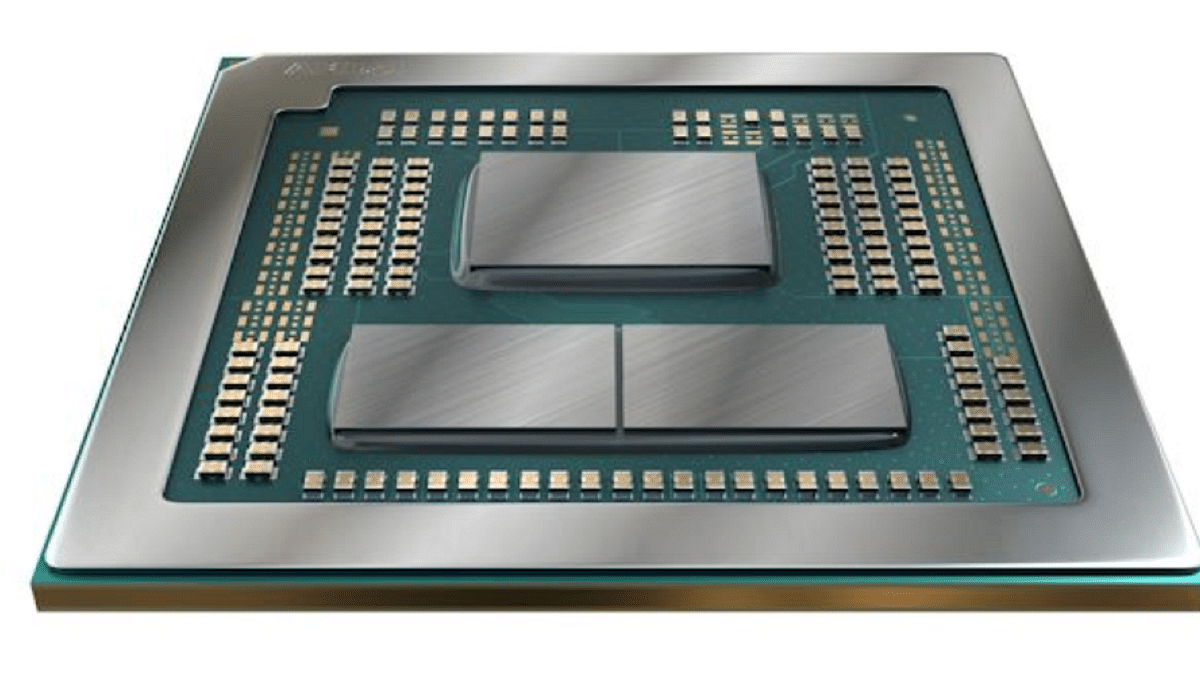
AMD has unveiled the AMD Ryzen 9 7945HX3D, a revolutionary addition to its renowned Ryzen processor family. This cutting-edge mobile processor boasts AMD 3D V-Cache Technology, setting new standards for performance in the mobile computing world. The processor will be launched first in the ASUS ROG Scar 17 gaming laptop. Also Read | Best Asus And Lenovo Gaming Laptops With AMD Chipsets

AMD 3D V-Cache Technology

The AMD Ryzen 9 7945HX3D is built on the highly anticipated “Zen 4” architecture, delivering clock speeds of up to 5.4GHz. Its hyper-efficient 55W TDP package ensures efficient power consumption while providing the raw processing power required to handle the most demanding games and applications seamlessly. The integration of AMD 3D V-Cache Technology sets this processor apart, paving the way for a new era of mobile computing.

Performance And Gaming

With the Ryzen 9 7945HX3D at its core, the ASUS ROG Scar 17 gaming laptop is expected to offer unparalleled performance and responsiveness. Gamers and users alike can expect a seamless gaming experience, even when running resource-intensive games and applications. The industry-proven AMD V-Cache technology enhances the laptop’s capabilities further, ensuring an extraordinary gaming journey like never before.

AMD Ryzen 9 7945HX3D: Availability
Beginning August 22, 2023, the ASUS ROG Scar 17 gaming laptop powered by AMD Ryzen 9 7945HX3D will be available for purchase.

Also Read | MediaTek Dimensity 7050 Vs Qualcomm Snapdragon 870: Best Value Flagship Chipset

Categories
Chipset Comparison Featured

MediaTek Dimensity 7050 Vs Qualcomm Snapdragon 870: Best Value Flagship Chipset

MediaTek is bringing in enhanced 5G chipsets in the Dimensity series for smartphone OEMs to design performance-oriented devices. The Dimensity 7050 processor equipped inside the new-generation OPPO Reno 10 5G is one of the latest examples of one such powerful chipset that MediaTek has introduced in recent times. This premium mid-range 5G processor is taking on some of the potent Qualcomm Snapdragon chipsets including the Snapdragon 870. How does these two chipsets compare in terms of performance delivery? Below is the comparison:

Qualcomm Snapdragon 870 Vs MediaTek Dimensity 7050 Chipset: CPU Performance

ChipsetSnapdragon 870Dimensity 7050
CPUOcta-coreOcta-core
Fabrication7nm TSMC6NM TSMC

The CPU architecture used by both Qualcomm Snapdragon 870 and the Dimensity 7050 is octa-core. However the former has a single Kyro 585 Prime Cortex-A77 core with 3.2GHz clock speed, three Cortex-A77 cores with 2.42GHz clock speed, and four Cortex-A55 cores with 1.8GHz clock speed.

On the other hand, the Dimensity 7050 chipset features dual Cortex-A78 cores with 2.6GHz clock speed and six Cortex-A55 cores with 2GHz clock speed. The fabrication process is thinner for the Dimensity 7050 which used a 6nm TSMC process. The Qualcomm Snapdragon 870 processor features a 7nm TSMC fabrication process.

Dimensity 7050 Vs Snapdragon 870: GPU Performance

ChipsetDimensity 7050Snapdragon 870
GPUMali-G68 MC4Adreno 600
Frequency800MHz670MHz

Speaking of the GPU, the MediaTek Dimensity 7050 features the Mali-G68 MC4 GPU for performance delivery. Whereas, Qualcomm has packed the Snapdragon 870 with the Adreno 600 GPU. Both these processors’ GPU have ample power to render extensive graphics smoothly.

MediaTek Dimensity 7050 Vs Qualcomm Snapdragon 870: Memory, Multimedia (ISP)

ProcessorSnapdragon 870Dimensity 7050
MemoryLPDDR5LPDDR5
StorageUFS 3.0, UFS 3.1UFS 2.1, UFS 2.2, UFS 3.0, and UFS 3.1
Max Display2160 x 3840 pixels1080 x 2520
Max Camera200MP, 2x 25MP200MP

These two flagship-grade chipsets feature an LPDDR5 memory type. While the Snapdragon 870 comes with a 2,750 MHz memory frequency, the Domensity 870 has a 3200 MHz memory frequency. The maximum memory supported by both these chipsets is 16GB. The storage type supported by the Snapdragon 870 is UFS 3.0 and UFS 3.1, whereas, the Dimensity 7050 has UFS 2.1, UFS 2.2, UFS 3.0, and UFS 3.1 storage type.

Coming to multimedia compatibility, the Snapdragon 870 supports a max display resolution of 2160 x 3840 pixels and a max camera resolution of 200MP, 2x 25MP. It is capable of recording 8K@30fps videos. The maximum display resolution supported by the Dimensity 7050 is 1080 x 2520 while the maximum camera resolution is 200MP.

Also Read: MediaTek Dimensity 7050 Vs Qualcomm Snapdragon 888 Chipset Comparison: Best Mobile Processor For Power Performance

Snapdragon 870 Vs Dimensity 7050: Verdict

The Qualcomm Snapdragon 870 and the Dimensity 7050 chipset compete in the premium mid-range segment. The performance delivery is good overall and both these processors can perform well with daily and complex tasks smoothly.

Also Read: MediaTek Dimensity 8200 Chipset Vs Qualcomm Snapdragon 778G Chipset Comparison: Which Performs Better?

Categories
Chipset Featured Info

MediaTek Dimensity 6100+ Chipset Launched: New SoC For Mid-Range 5G Phones?

Key Highlights

  • MediaTek Dimensity 6100+ chipset launched
  • Fabricated using 4nm process
  • Has up to 16GB LPDDR5 RAM support

MediaTek has launched multiple new mobile processors with 5G network this year. Some of the recent launches from the brand includes the Dimensity 6020 and the 6080 chipsets. Now, the brand has added another new chipset to the Dimensity 6000 series called the Dimensity 6100+. This latest processor is designed using a 4nm fabrication process and will be powering the future-generation mid-range 5G phones.

Also Read: MediaTek Dimensity 7050 Vs Qualcomm Snapdragon 888 Chipset Comparison: Best Mobile Processor For Power Performance

MediaTek Dimenisty 6100+ 5G Chipset Key Specs

MediaTek Dimensity 6100+Key Specs
CPUOcta-core (2.95GHz)
Fabrication4nm
GPUArm Mali-G77 MC9
MemoryUp to 16GB LPDDR5
StorageUFS 3.1

As mentioned above, MediaTek has used a thin 4nm TSMC fabrication process to design the Dimensity 6100+ mobile processor. This chipset also has eight cores similar to other new Dimensity 6000 processors. The octa-core CPU cluster of the Dimensity 6100+ mobile processor delivers a maximum clock speed of 2.95GHz. The chipset gets an Arm Mali-G77 MC9 GPU that will allow smooth graphics rendering with extensive apps and games.

Additionally, the chipset comes with the MediaTek HyperEngine 5.0 technology that will allow the chipset to perform well with gaming. It will optimize the overall gaming experience with this technology. In terms of memory, the Dimensity 6100+ mobile processor has up to 16GB of LPDDR5 RAM support. Whereas, the storage compatibility offered by the latest Dimensity 6000 series chipset is 1TB of UFS 3.1.

Also Read: MediaTek Dimensity 9000 Vs Qualcomm Snapdragon 870 Processor: Best Chipset For Value Flagship

Moving on to the multimedia features, the Dimensity 6100+ mobile chipset will be supporting a 90HZ Quad HD+ display or a 144Hz Full HD display. It will also support up to 200MP single rear camera (primary) or three 64MP sensors using the 2x 14-bit ISP. MediaTek has also used AI tech to further enhance the imaging capabilities of the Dimensity 6100+ mobile processor.

The MediaTek Dimensity 6100+ mobile chipset comes with 5G Sub-6 support. In addition to this, it offers Wi-Fi 6E, NFC, and Bluetooth 5.2 connectivity. The Dimensity 6100+ SoC is equipped with MediaTek HyperEngine 5.0 gaming technology, optimizing gaming performance and providing a smooth gaming experience.

Expected Smartphones To Launch With Dimensity 6100+ Chipset

The list of smartphones that will debut with the MediaTek  Dimensity 6100+ chipset is unknown. However, online reports suggests that smartphone OEMs will launch phones powered by the new Dimensity 6100+ chipset in Q3 2023. We will be looking out for the updates and will share the necessary information once available.

Also Read: Qualcomm Snapdragon 4 Gen 1 Vs MediaTek Dimensity 6020: Latest Affordable 5G Chipset For Android Devices

Categories
Chipset Comparison

Qualcomm Snapdragon 4 Gen 1 Vs MediaTek Dimensity 6020: Latest Affordable 5G Chipset For Android Devices

Key Highlights

  • Snapdragon 4 Gen 1: Faster download speeds.
  • Dimensity 6020: Better multi-core performance.
  • Both offer affordable 5G capabilities.

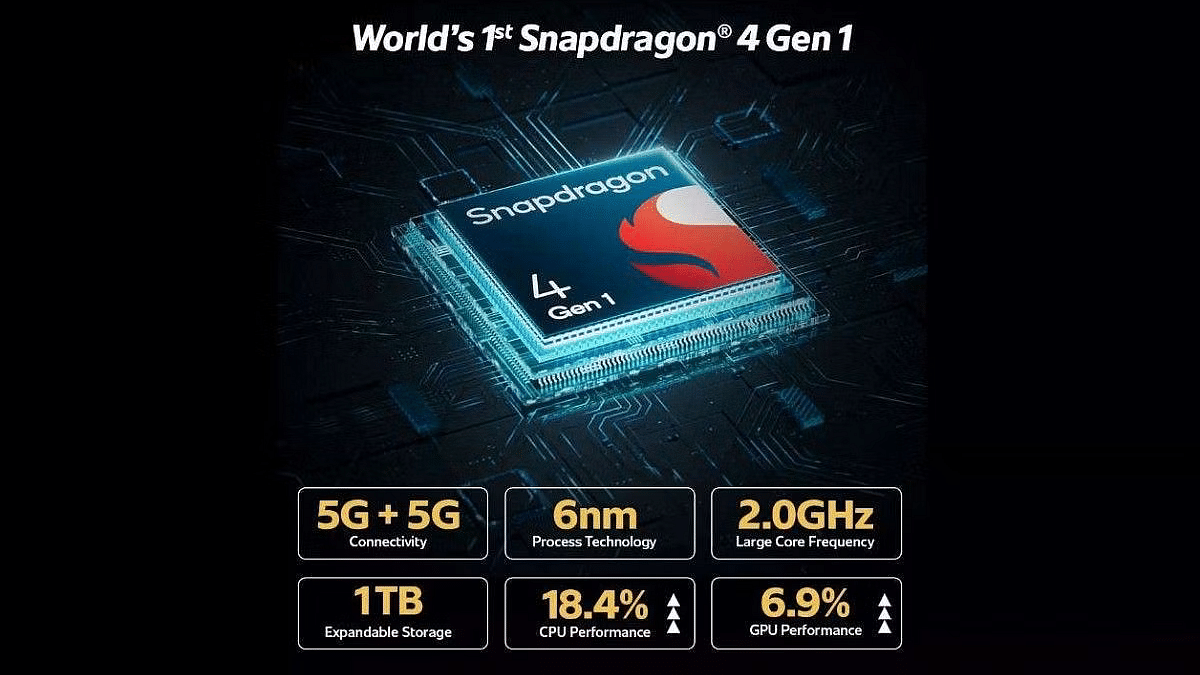
Qualcomm Snapdragon 4 Gen 1 and MediaTek Dimensity 6020 are the latest affordable 5G chipsets for Android devices. Snapdragon 4 Gen 1 offers higher clock speeds, faster download speeds, and a more powerful GPU. Dimensity 6020, on the other hand, provides better multi-core performance and higher upload speeds, making them both solid options for users looking for affordable 5G capabilities. In this comparison, we will explore the key differences and similarities between Snapdragon 4 Gen 1 and Dimensity 6020.

FeaturesQualcomm Snapdragon 4 Gen 1MediaTek Dimensity 6020
CPU Architecture2x 2 GHz Cortex-A78 6x 1.8 GHz Cortex-A552x 2.2 GHz Cortex-A76 6x 2 GHz Cortex-A55
Cores88
Frequency2000 MHz2200 MHz
GPU nameAdreno 619Mali-G57 MC2
Memory typeLPDDR4XLPDDR4X
Storage typeUFS 2.1, UFS 2.2UFS 2.2
Wi-Fi55
Bluetooth5.25.1
InfoAnnounced: October 2022Announced: March 2023

Also Read | Qualcomm Snapdragon 4 Gen 2 Chipset With Upgraded Performance Launched:

Qualcomm Snapdragon 4 Gen 1 Vs MediaTek Dimensity 6020: CPU Architecture

The Qualcomm Snapdragon 4 Gen 1 features an octa-core CPU with a 2x 2 GHz Cortex-A78 core and 6x 1.8 GHz Cortex-A55 cores. On the other hand, the MediaTek Dimensity 6020 also sports an octa-core CPU, but with a 2x 2.2 GHz Cortex-A76 core and 6x 2 GHz Cortex-A55 cores. Both chipsets utilize the ARMv8.2-A instruction set and offer efficient performance in their respective segments.

Also Read | MediaTek Dimensity 7050 Vs Qualcomm Snapdragon 888 Chipset Comparison: Best Mobile Processor For Power Performance

Qualcomm Snapdragon 4 Gen 1 Vs MediaTek Dimensity 6020: GPU Comparison

In terms of GPU performance, the Qualcomm Snapdragon 4 Gen 1 incorporates the Adreno 619, while the MediaTek Dimensity 6020 features the Mali-G57 MC2. The Adreno 619 offers a higher GPU frequency of 825 MHz compared to the Mali-G57 MC2’s 950 MHz. However, the Adreno 619 has more shading units with 128 compared to the Mali-G57 MC2’s 32. Despite these differences, both GPUs deliver satisfactory graphics capabilities for mid-range smartphones.

Also Read | MediaTek Dimensity 9200+ 5G Chipset Key Features

Qualcomm Snapdragon 4 Gen 1 Vs MediaTek Dimensity 6020: Memory, Multimedia (ISP) Comparison

Both chipsets support LPDDR4X memory type and have a memory frequency of 2133 MHz. They also offer similar memory bus configurations with 2x 16 Bit and maximum memory sizes of 8 GB for Snapdragon 4 Gen 1 and 16 GB for Dimensity 6020.

In terms of multimedia capabilities, the Snapdragon 4 Gen 1 and Dimensity 6020 support a maximum display resolution of 2520 x 1080. The Snapdragon 4 Gen 1 can handle camera resolutions up to 108MP and offers video capture at 1K 60FPS and 1080p 60FPS for playback. The Dimensity 6020, on the other hand, supports camera resolutions up to 64MP and offers video capture and playback at 2K 30FPS.

Also Read | MediaTek Dimensity 7050 Vs Qualcomm Snapdragon 888 Chipset Comparison: Best Mobile Processor For Power Performance

Qualcomm Snapdragon 4 Gen 1 Vs MediaTek Dimensity 6020: Final Verdict

Both chipsets offer affordable 5G capabilities for Android devices, with the Snapdragon 4 Gen 1 targeting the low-end segment and the Dimensity 6020 catering to the mid-range market.

The Snapdragon 4 Gen 1’s Cortex-A78 core provides slightly higher clock speeds, which may result in better single-core performance. The Adreno 619 GPU also offers more shading units, allowing for improved graphics rendering. Additionally, the Snapdragon 4 Gen 1 supports a faster download speed of up to 2500 Mbps compared to the Dimensity 6020’s 2770 Mbps.

On the other hand, the Dimensity 6020’s Cortex-A76 core and higher GPU frequency contribute to better multi-core performance and potentially enhanced gaming experiences. It also supports a higher upload speed of up to 1250 Mbps.

Categories
Chipset Featured Info

Qualcomm Snapdragon 4 Gen 2 Chipset With Upgraded Performance Launched

Key Highlights

  • Qualcomm Snapdragon 4 Gen 2 5G processor launched
  • Will power affordable 5G phones
  • First 5G chipset for affordable phones built on 4nm process

Qualcomm has launched a new budget 5G mobile processor that will be driving the future-generation entry-level Android devices. The brand has launched the Snapdragon 4 Gen 2 processor which comes with noted performance upgrades over the first-generation Snapdragon 4 Gen 1 mobile chipset. Below are the specs details and the expected phones powered by the Snapdragon 8 Gen 2 mobile processor.

Also Read: MediaTek Helio G36 Vs Qualcomm Snapdragon 480 Entry-Level Gaming Chipset Comparison

Qualcomm Snapdragon 4 Gen 2 Key Specifications

Qualcomm Snapdragon 4 Gen 2Key Specifications
CPUOcta-core
GPUAdreno series
MemoryLPDDR4X, LPDDR5
StorageUFS 3.1

Starting with the CPU architecture, the Qualcomm Snapdragon 4 Gen 2 SoC has an octa-core CPU cluster. It is the first-entry-level mobile processor that is fabricated using a 4nm TSMC process. The octa-core CPU has Kyro cores with up to 2.2GHz of clock speed. This new 5G Snapdragon chipset is claimed to offer around 10 percent of improved CPU efficiency compared to the Snapdragon 4 Gen 1 SoC. Furthermore, the chipset gets Adreno GPU for graphics rendering.

Moving on the multimedia capabilities, the Snapdragon 4 Gen 2 mobile chipset will be supporting displays with an FHD+ resolution of 1200 x 2560 pixels and a refresh rate of 120Hz.  The new entry-level 5G chipset from Qualcomm is integrated with Dual Image Signal Processor (ISP) and can support up to 108MP primary and a 32MP selfie lens.

The chipset brings Multi-Frame Noise Reduction (MFNR), Electronic Image Stabilization (EIS), and Motion Compensated Temporal Filtering (MCTF) technologies for enhanced imaging. The chipset further offers up to 1080p@60fps video recording compatibility and supports AVC (Advanced Video Codec), VP9, and H.265 (High-Efficiency Video Coding) codecs.

Also Read: MediaTek Dimensity 7050 Vs Qualcomm Snapdragon 888 Chipset Comparison: Best Mobile Processor For Power Performance

In terms of memory compatibility, the Qualcomm Snapdragon 4 Gen 2 entry-level mobile chipset will support both LPDDR4X and LPDDR5 RAM with a maximum memory frequency of up to 3200 MHz. Storage compatibility is UFS 3.1. Additional features offered by the Qualcomm Snapdragon 4 Gen 2 mobile chipset includes support for Sensor Assisted Positioning that will help with accurate location tracking and also NavIC satellite system.

Also Read: Qualcomm Snapdragon 778G Vs Dimensity 9000 Chipset: Premium Mid-Range Mobile Processors

Phones Expected To Launch With Snapdragon 4 Gen 2 Chipset?

The list of smartphones that will be launched with the latest Snapdragon 4 Gen 2 chipset is not confirmed. But we are expecting the popular brands catering to the affordable segment such as Realme, OPPO, Vivo, Motorola, Nokia, and others to introduce handsets powered by the entry-level Qualcomm 5G processor.

For the tech geeks, stay updated with the latest cutting-edge gadgets in the market, exclusive tech updates, gadget reviews, and more right on your phone’s screen. Join Giznext’s WhatsApp channel and receive the industry-first tech updates.

Categories
Chipset Featured Info

MediaTek Dimenisty 9200+ Flagship 5G Mobile Chipset Launched: Expected Phones In Pipeline

Key Highlights

  • MediaTek Dimensity 9200+ launched
  • Offers improved CPU and GPU performance over Dimensity 9200
  • Supports LPPDr5X memory type and UFS 4 storage

MediaTek is rapidly increasing its presence across the flagship mobile chipset market with its Dimensity 8000 and 9000 series 5G processor. The Dimensity 9200 is currently MediaTek’s most powerful mobile processor which competes the high-end Snapdragon 8 Gen chipset lineup. MediaTek has now launched the enhanced version of this processor called the Dimensity 9200+. The latest Dimenisty processor has been designed for premium phones and is said to bring along improved CPU and GPU performance.

MediaTek Dimensity 9200+ Chipset Specifications

MediaTek Dimensity 9200+Specifications
CPUOcta-core (single 3.35GHzCortex-X3
Three 3GHz Cortex-A715 cores                      
Four 2GHz Cortex-A510 cores )                            
GPUARM Immortalis G715
MemoryLPDDR5X
StorageUFS 4+ MCQ
DisplayFHD at 240Hz, WQHD at 144Hz

Starting with the CPU, the MediaTek Dimensity 9200+ processor features an octa-core CPU cluster similar to the remaining premium MediaTek Dimensity processors.  However, the latest processor comes with increased core efficiency where there is one Cortex-X3 core clocking at 3.35Ghz, three Cortex-A715 cores with 3GHz clock speed, and four Cortex A-510 cores with 2GHz clock speed.

Also Read: MediaTek Dimensity 7200 Vs Qualcomm Snapdragon 870 Premium Mobile Processor Comparison: CPU, GPU, Memory, And More

MediaTek has designed the Dimensity 9200+ processor using a thin 4nm TSMC fabrication process. The overall CPU performance is boosted compared to the standard Dimensity 9200 processor. The GPU packed with this new-generation Dimensity 9000 chipset is ARM Immortalis G715 GPU which as per the brand helps improve the GPU efficiency by up to 15 percent.

The Dimensity 9200+ processor also integrates a custom MediaTek HyperEngine 6.0 technology that is claimed to offer a stable performance delivery with extensive gaming. The memory compatibility with the MediaTek Dimenisty 9200+ chipset is LPDDR5X, while the storage type supported is UFS 4+ MCQ. In terms of display compatibility, the Dimensity 9200+ can support FHD resolution at 240Hz, WQHD resolution at 144Hz, and up to two screens with 5K resolution at 60Hz.

Also Read: Qualcomm Snapdragon 8 Gen 3 More Details Leaked: New CPU, GPU To Improve Performance Efficiency

MediaTek has also used some additional advanced features including the Imagiq 890 image signal processor, MiraVision 890 (ESS 2.0 Display Power Saving), 5G UltraSave 3.0, and more. The modem integrated is a 4CC-CA 5G Release-16 modem that will be able to switch between the sub-6GHz and mmWave connections.

Also Read: Honor Pad V8 First Premium Mid-Range Tablet With Dimensity 8020 Chipset, 2.5K Display Launched: Price, India Availability Timeline
Expected Phones Powered By MediaTek Dimensity 9200+ Chipset

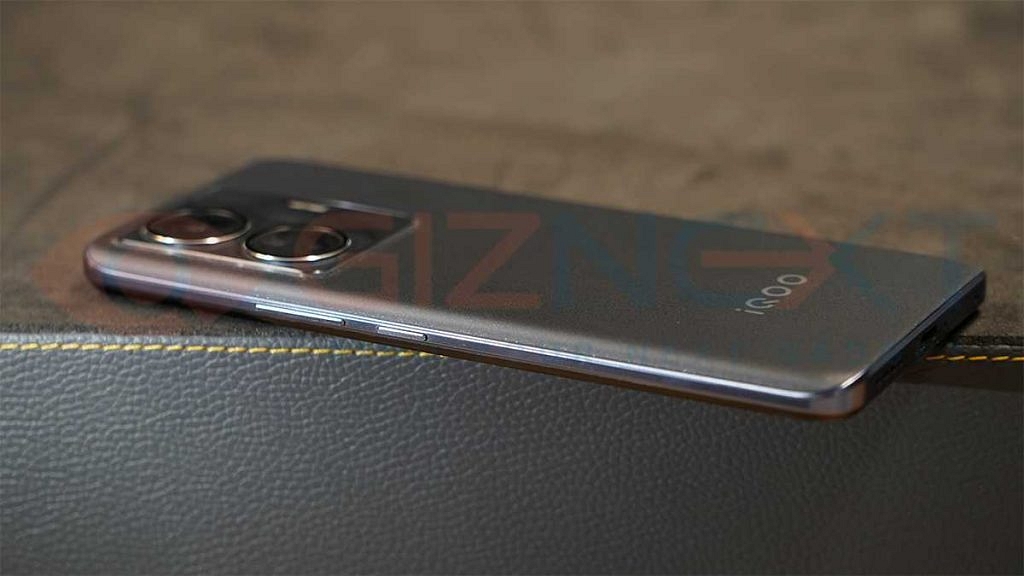
None of the smartphone OEMs have announced their plans to launch phones powered by the latest MediaTek Dimensity 9200+ 5G processor. However, rumors are rife that the iQOO 8 Pro could be the first premium Android phone to feature this Dimensity 9000 series chipset. More smartphone models driven by this MediaTek processor could be revealed in the coming months.

Also Read: MediaTek Dimensity 7050 Vs Qualcomm Snapdragon 888 Chipset Comparison: Best Mobile Processor For Power Performance