Categories
Chipset Comparison Featured

MediaTek Dimensity 700 Vs Qualcomm Snapdragon 750G Budget 5G Chipset Comparison

Snapdragon mobile chipsets are common across Android smartphones. Qualcomm has made available Snapdragon chipsets for all categories of smartphones. The company has even released a dedicated game-centric chipset lineup for premium and mid-range phones. The Snapdragon 750G is one of the variants that is driving handsets such as the Galaxy A52 5G, Xiaomi Mi 10i, and others.

Similarly, MediaTek also has a competitive mobile chipset for budget 5G Android phones called the Dimensity 700. It is one of the most capable mobile processors fabricated using a 7nm process. A quick comparison between both these mobile chipsets is below:

MediaTek Dimensity 700 Vs Qualcomm Snapdragon 750G: CPU Performance

Both MediaTek Dimensity 700 and the Qualcomm Snapdragon 750G have an octa-core CPU cluster. However, the fabrication process is different. Out of the two, the MediaTek Dimenisty 700 has the thinner 7nm fabrication. The CPU cluster comprises dual Cortex-A77 cores with 2.2GHz clock speed and six Cortex-A55 cores with 1.8GHz clock speed.

Qualcomm has used an 8nm process for the Snapdragon 750G where the octa-core CPU cluster features two Cortex-A76 cores with 2.2GHz clock speed and six Cortex-A55 cores with 2GHz clock speed and 2200MHz CPU frequency. The cluster design is almost similar, but the thinner fabrication design of the Dimensity 700 gives it an edge over the Snapdragon 750G mobile processor.

Dimensity 700 Vs Snapdragon 750G: GPU Performance

Coming to the GPU architecture, the Snapdragon 750G processor embeds Adreno 619 GPU to render graphics. This octa-core gaming chipset’s GPU churns out around 825 MHz frequency with two execution units and 128 shading units. MediaTek’s Dimensity 700 octa-core processor has the Mali-G57 MC2 GPU that delivers 950MHz frequency with two execution units and 32 shading units. The power capacity is equivalent on both these chipsets’ GPUs.  

MediaTek Dimensity 700 Vs Snapdragon 750G: Memory, Multimedia (ISP)

MediaTek Dimensity 700 mobile chipset supports LPDDR4X memory type. Qualcomm has also added the same LPDDR4X memory support with the Snapdragon 750G mobile chipset. The remaining aspects including the memory frequency and max memory size are identical, i.e., 2133MHz and 12GB respectively.
Speaking of storage compatibility, it’s UFS 2.2 with the Dimensity 700 and UFS 2.1, UFS 2.2, and UFS 3.0 storage app. Apart from this, the maximum display resolution is 1080 x 2520 (Dimensity 700 and Snapdragon 750G).

The maximum camera resolution is higher with the SD 750G at 1 x 192MP and 2x 32MP, whereas the Dimensity 700 offers 1 x 64MP and 2 x 16MP max camera resolution. The Snapdragon 750G supports 4K@30fps video recording which is lower at 2K@30fps with the Dimensity 700. The Qualcomm Snapdragon 750G mobile chipset offers better multimedia opportunities over the Dimensity 700 despite featuring a better CPU architecture.
Categories
Chipset Comparison Featured

MediaTek Dimensity 700 Vs Qualcomm Snapdragon 732G Chipset: Budget Android Mobile Processor Comparison

Key Highlights

MediaTek Dimensity 700 chipset is fabricated with 8nm process

Snapdragon 732G chipset is fabricated using 7nm process

Qualcomm Snapdragon 732G GPU is Adreno 618

MediaTek Dimensity 700 chipset integrates Mali-G57 MC2 GPU

MediaTek made it possible for smartphone OEMs to launch super pocket-friendly Android phones with 5G network support. Poco, Realme, Oppo, and other major tech brands are using Dimensity series chipsets for their affordable phones. The Dimensity 700 SoC is the most reliable budget 5G chipset by MediaTek used by multiple 5G Android phones under Rs. 15,000.

On the other hand, the Snapdragon 732G is another preferred budget Android mobile processor by Qualcomm, ensuring an optimum gaming experience. The Qualcomm Snapdragon 732G competes against the Dimensity 700 head on in terms of CPU and GPU performance. But which one outperforms the other? Read on here:

MediaTek Dimensity 700 Vs Qualcomm Snapdragon 732G: CPU Performance, Architecture

The MediaTek Dimenisty 700 is an octa-core chipset that is designed using a thinner 7nm process. The CPU cluster of this chipset comprises six Cortex-A55 cores clocked at 2.2GHz and six Cortex-A55 cores clocked at 2GHz. The overall frequency range with this chipset is 2200Mhz and the instruction set is ARMv8.2-A.

Qualcomm has used a thicker 8nm fabrication process to design the Snapdragon 732G gaming chipset which has two Cortex-A76 cores with 2.3GHz clock speed and six Cortex-A75 cores clocked at 1.8GHz. The CPU frequency with this chipset is 2300MHz and the instruction set used is ARMv8-A. Performance is almost equivalent when we compare the CPU cluster. You can expect smartphones powered by both these chipsets to perform well with moderate as well as extensive tasks.

MediaTek Dimenisty 700 Vs Qualcomm Snapdragon 732G: GPU Performance

The MediaTek Dimensity 700 processor in the GPU department has a Valhall-architecture-based Mali-G57 MC2 GPU support. The GOU frequency delivered by this processor is 950MHz with two execution units. The GPU integrated churns out power efficiently for fluid graphics rendering.

Qualcomm has used an Adreno 618 GPU inside the Snapdragon 732G gaming chipset. The GPU frequency produced by this budget chipset is 810MHz which is slightly lower compared to the Dimensity 700. But the GPU integrated between both these processors is capable of offering detailed graphics without any lags.

MediaTek Dimensity 700 Vs Qualcomm Snapdragon 732G: Memory, Multimedia (ISP)

The MediaTek Dimensity 700 chipset comes with LPDDR4X RAM compatibility so does the Snapdragon 732G. The memory frequency varies. The former offers around 2133 MHz memory, while the latter supports a 1866MHz frequency range which is higher than the Snapdragon chipset. Also, the maximum memory support offered by the Dimensity 700 chipset is higher at 12GB compared to 8GB supported by the Snapdragon 732G. The Dimensity 700 chipset takes the lead here.

 Additionally, the MediaTek Dimensity chipset comes with solo UFS 2.2 storage support, while the Snapdragon 732G has both eMMC 5.1 and UFS 21. Storage type compatibility. The maximum camera resolution is 1 x 192MP and 2x 22MP with the Snapdragon 732G and 1 x 64MP and 2x16MP with the Dimensity 700 chipset. The video recording is 4K@60fps with the Snapdragon 732G and 2K@30fps with the Dimensity 700. The Snapdragon 732G is slightly better in terms of multimedia and memory features.

Which One Offers Better Performance?

There isn’t much of a difference when we compare the Dimensity 700 with the Snapdragon 732G. Both are capable chipsets and can easily handle daily tasks that require moderate to extensive processing.

Categories
Chipset Comparison Featured

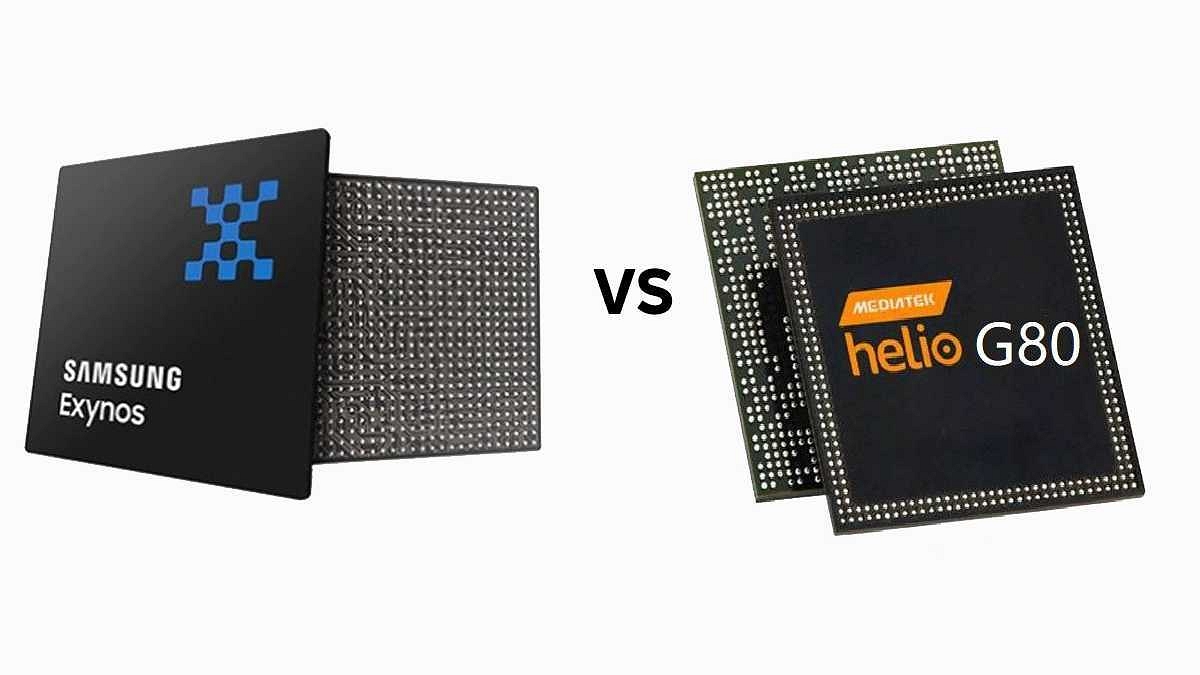
Samsung Exynos 850 Vs MediaTek Helio G80 SoC: Budget Mobile Chipset Comparison

Samsung has launched numerous budget smartphones in the last few years and is giving Chinese brands a hard time with its value-for-money products. Samsung uses Exynos series chipsets for all its smartphones including affordable, mid-range, and premium models. The Exynos 850 is one of the most capable mobile processors from the South Korean tech giant. Samsung is taking on MediaTek Helio processors with its affordable Exynos processors. The Helio G80 for instance. The comparison between these two chipsets is listed here. Take a look:

Samsung Exynos 850 Vs MediaTek Helio G80 Chipset: CPU Comparison

Samsung Exynos 850 chipset has an octa-core CPU cluster with all eight cores clocking at 2GHz speed. This chipset is made using an 8nm process and has a 2000MHz frequency. The octa-core Helio G80 chipset also comes with an octa-core CPU cluster and has two Cortex-A75 cores with 2GHz clock speed and six Cortex-A55 cores with 1.8GHz clock speed.

However, MediaTek has designed it using a thicker 12nm fabrication process. This processor is also able to achieve around 2000MHz of frequency. CPU processing capabilities are equivalent on both of these processors, but the Exynos 850 gets an advantage with its thinner fabrication process.

Exynos 850 Vs MediaTe Helio G80 SoC: GPU Comparison

GPU integrated inside the Exynos 850 is Mali-G52 MP1 which is the same as the MediaTek Helio G80 processor. The Bifrost architecture is used to design this GPU. While the GPU is the same with both these chipsets the frequency range differs.

The Exynos 850 GPU frequency is 820MHz, while the Heli G80 churns out around 950MHz frequency. The graphics rendering capability is decent with both of these budget mobile chipsets.

Exynos 850 Vs Helio G80: Memory, Multimedia (ISP)

The Samsung Exynos 850 chipset and the Helio G80 have the same LPDDR4X RAM memory support. The frequency range is different here as well. The Exynos 850 processor has an 1866 MHz frequency range and the Helio G80 has around 180MHz frequency range. The max memory size compatible with the Exynos 850 chipset is 8GB which again is same with the Helio G80. Storage support is also similar that is eMMC 5.1 with the Exynos 850 and an additional UFS 2.1 with the Helio G80.

If we speak of the multimedia type, the maximum display resolution syport is 1080 x 2520 pixels with both Helio G80 and the Exynos 850, while the max camera resolution is 1x48MP, 2X16MP. But the Helio G80 has a higher 2K@30fps video recording and playback support unlike 1K@60fps offered by the Exynos 850. Overall, both these budget mobile chipsets give a neck-to-neck competition to each other.

Categories
Chipset Comparison Featured

Qualcomm Snapdragon 778G Vs MediaTek Helio G88 Chipset: Which Mid-Range Mobile Processor Wins?

Smartphone OEMs are majorly targeting mid and premium mid-range smartphone buyers in India. We have multiple brands competing in this league with their value-for-money deals. All noted smartphone companies including Xiaomi, OPPO, Vivo, Realme, Poco, iQOO, and others have been quite proactive in the premium mid-range Android smartphone race with their 5G-ready handsets.

Qualcomm and MediaTek are the first preference for both smartphone companies and general audiences when we speak of mobile chipsets. Both these mobile chipset brands have launched numerous new options in the last few years in India. Both Qualcomm and MediaTek have created a dedicated mobile chipset lineup for gaming phones. And not just the flagship but the mid-range category also has some of the best options to consider.

From Qualcomm, it’s the Snapdragon 778G game-centric processor unleashing prowess with premium mid-tier Android phones. Whereas, MediaTek competes in this race with multiple of its chipsets. However, the Helio G88 is one of the best gaming chipsets by the company for the affordable range of Android phones. Which of the two has the best processing speeds, CPU, and GPU performance? Read on here:

Qualcomm Snapdragon 778G Vs Helio G88 Processor: CPU Comparison

The Qualcomm Snapdragon 778G is more powerful compared to the Helio G88. While both these processors have an octa-core CPU cluster, the Qualcomm SD 778G has a thinner fabrication processor. It is designed using 6nm fabrication compared to the 12nm process used by the Helio G88 chipset.

Qualcomm has used a single 2.4GHz Cortex-A78 core, three Cortex-A78 cores with 2.2GHz clock speed, and four Cortex-A55 cores with 1.9GHz clock speed, while the Helio G88 has two Cortex-A75 cores with 2GHz clock speed and six Cortex-A55 cores with 1.8GHz. The frequency range is higher with the Snapdragon 778G processor, i.e., 2400MHz. The Helio G88 offers a lower frequency range of 2000MHz.

Snapdragon 778G Vs Helio G88: GPU Comparison

The GPU integrated with the Qualcomm Snapdragon 778G is the Adreno 642L which offers around 490MHz of GPU frequency. On the other hand, the Helio G88 features the Mali G52 MC2 GPU which offers a higher 1000MHz. The execution unit is 2 with both chipsets, Vulkan Version is 1.1, the OpenCL version is 2.0, and the DirectX version is 12.

Snapdragon 778G Vs Helio G88: Memory, Multimedia (ISP) Compatibility

The Qualcomm Snapdragon 778G chipset features LPDDR5 RAM compatibility, while the Helio G88 is integrated with LPDDR4X RAM support. The memory frequency is higher with the Snapdragon 778G at 3200MHz and 1800MHz with the Helio G88.

The Snapdragon 778G processor supports a maximum 16GB memory size, while the Helio G88 has 8GB RAM maximum memory compatibility. The storage compatibility is UFS 2.1, UFS 2.2, and UFS 3.3, and UFS 3.1 with the Snapdragon 778G processor. Whereas, the Helio G88 has only eMMC 5.1 storage support.

Speaking of the display and camera resolution, the Snapdragon 778G ships with 1080 x 2520 pixels resolution and 1x 192MP, 2X36MP respectively. The Helio G88 offers the same display resolution of 1080 x 2520 pixels but a different 1x64MP, 2x 16MP max camera resolution. The video recording and playback support is 4K@30fps with the SD 778G and 2k@30fps with the Helio G88.

Final Verdict: Which One Is Better

The Qualcomm Snapdragon 778G is a better performer in terms of CPU and GPU performance. Overall performance and speed reliability are also good with the Snapdragon 778G processor compared to the Helio G88. A thinner fabrication makes it more premium compared to the MediaTek processor.

Categories
Chipset Comparison Featured

Qualcomm Snapdragon 778G Vs MediaTek Dimensity 810 Chipset: Best Mid-Range 5G Mobile Processor

Qualcomm and MediaTek mobile chipsets are the powerhouses of modern days smartphones. Both these brands have been consistently showing their expertise with mobile processors and are fabricating the thinnest and most premium offerings for Android phones. For the affordable 5G phones, Qualcomm has the Snapdragon 778G as one of the strongest contenders, while MediaTek competes in this race with the Dimensity 810 chipset. The comparison between both these two processors are listed below:

Qualcomm Snapdragon 778G Vs MediaTek Dimensity 810 Processor: CPU Architecture

Qualcomm is fabricating most of the latest premium and mid-range chipsets with a thinner process. The Qualcomm Snapdragon 778G chipset is fabricated using a 6nm process and features an octa-core CPU cluster. The cores cluster comprises a single Cortex A78 cores clocked at 2.4GHz, three Cortex-A78 cores clocked at 2.2GHz, and four Cortex-A55 cores with 1.9GHz clock speed.

Likewise, MediaTek has also designed the Dimensity 810 chipset with a 6nm process. This affordable 5G processor also features an octa-core CPU cluster with two Cortex-A76 cores clocked at 2.4GHz and six Cortex-A55 cores with 2GHz clock speed. The frequency range is 2400MHz with both these chipsets. Both these processors have good CPU performance and compete fairly against each other.

Snapdragon 778G Vs Dimensity 810: GPU Architecture

The GPU integration with the Snapdragon 778G chipset is Adreno 642L GPU, while the Dimensity 810 chipset has Mali-G57 MC2 GPU support. The GPU architecture that Qualcomm has used is 600, whereas, the Dimensity 800’s GPU is based on Valhall architecture. The GPU frequency is 490MHz with the Snapdragon 778G processor and 850MHz with Dimesity 810 5G chipset. Both these processors have two execution units, 1.1 Vulkan version, 2.0 OpenCL version, and 12 DirectX version. The GPU performance is also good with both these mobile processors, but the Snapdragon chipset is slightly better with rendering extensive graphics.

Snapdragon 778G Chipset Vs Dimensity 810: Memory, Multimedia (ISP)

The memory type supported by the Qualcomm Snapdragon 778G chipset is LPDDR5 RAM, while the Dimensity 810 chipset comes with LPDDR4X RAM support. The memory frequency is higher at 3200MHz with the Snapdragon 778G chipset. However, it is lower at 2133MHz with LPDDR4X with the MediaTek Dimensity 810 chipset.

Both these chipsets support up to 16GB maximum memory type. As for storage compatibility, Qualcomm has added support for UFS 2.1, UFS 2.2, UFS 3.0, and UFS 3.1. On the other hand, the Dimensity 810 has just the UFS 2.2 storage support.

Both Snapdragon 778G and the Dimensity 810 chipset offer a max display resolution of 1080 x 2520. The camera resolution is better with the Snapdragon 778G chipset, i.e.,  1 x 192MP and 2x 36MP. Whereas, the Dimensity 810 chipset has 1 x 64MP and 2x16MP support. The video recording and capture support is 4K@30fps with the Snapdragon 778G and 2K@30fps with the Dimensity 810.

Which One Is Better

Out of these two chipsets, the Snapdragon 778G offers a faster and more reliable performance in the CPU and GPU departments. The memory and multimedia compatibility is also good with the Snapdragon 778G chipset. But the MediaTek Dimensity 810 processor isn’t lagging far behind from the SD 778G in terms of performance.

Categories
Chipset Comparison Featured

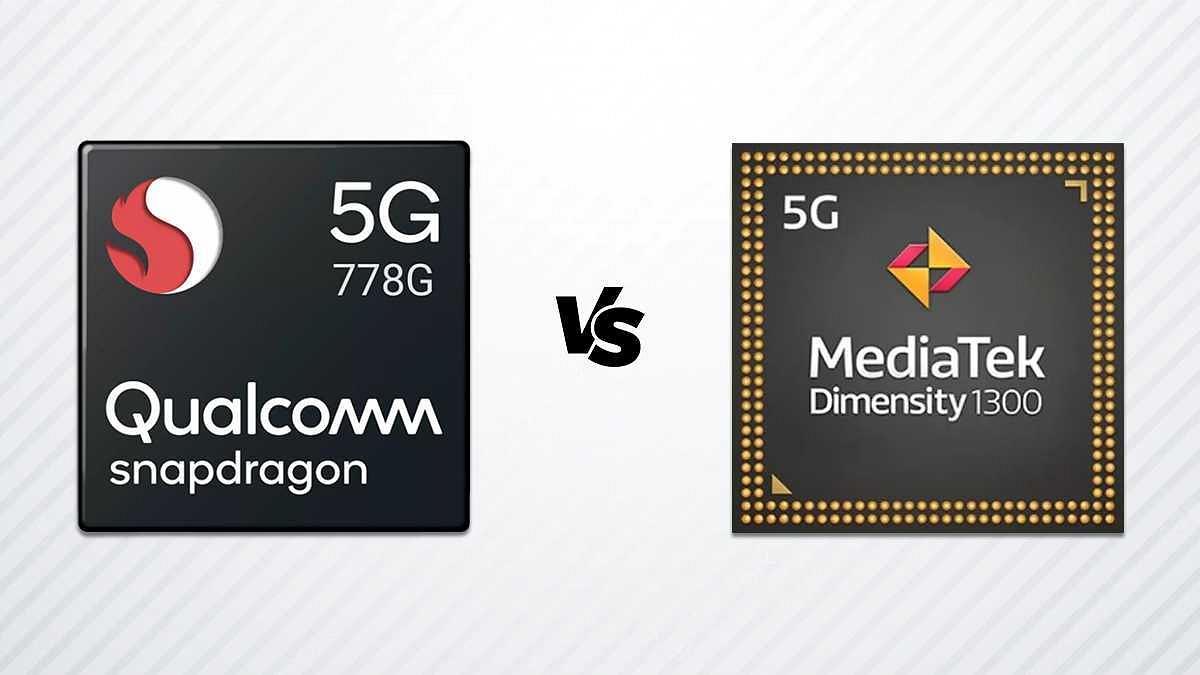
Qualcomm Snapdragon 778G Vs MediaTek Dimensity 1300 Chipset: Quick Comparison

Key Highlights

  • The Snapdragon 778G is based on the 6 nm fabrication process, while the Dimensity 1300 is also fabricated on a 6 nm processor.
  • The Snapdragon 778G has better memory compatibility with LPDDR5 RAM and UFS 3.

Qualcomm ventured into the mobile chipset space long ago and has been bringing in some of the best options for smartphone OEMs. The Snapdragon mobile processors have been used by numerous smartphone brands as a powerhouse for their offerings. Likewise, MediaTek has also been present in the mobile chipset industry for a while and has seen a massive surge in its demand. Both these chipset OEMs are meeting the demands of general and high-end users with their powerful chipset ranges.

The latest mobile chipsets from these brands are thinner despite integrated modem support for 5G connectivity. Qualcomm even has released a dedicated gaming chipset series. The Snapdragon 778G gaming processor is one of the best game-centric mobile chipsets used by some of the best latest Android phones including the Vivo T1 Pro 5G, iQOO Z6 Pro 5G, and others.

Similarly, MediaTek’s Dimensity 1300 chipset is one of the best examples of a premium mid-tier mobile chipset used by popular devices like the OnePlus Nord 2T, Vivo V25 Pro, OPPO Reno8 Pro 5G, and others.  The Qualcomm Snapdragon 778G battle and the Dimensity 1300 is quite stiff. Which one out of the two has a better CPU and GPU performance? Read on to know:

Also Read: Qualcomm Snapdragon 8 Gen 2 Vs MediaTek Dimensity 9200 Chipset Comparison: Most Advanced 5G Flagship Mobile Processor?

Qualcomm Snapdragon 778G Vs MediaTek Dimensity 1300 Processor: CPU Architecture And Performance

The Qualcomm Snapdragon 778G is an octa-core chipset with the CPU cluster featuring one 2.4GHz Cortex-A78 core, three Cortex-A78 cores with 2.2GHz clock speed, and four Cortex-A55 cores clocked at 1.9GHz. This chipset offers around 2400MHz of the frequency with its ARMv8.4-A instruction set. Qualcomm has used a 6nm fabrication which is used by MediaTek as well to design the Dimensity 1300 chipset.

MediaTek has also used an octa-core CPU cluster with ARMv8.2-A Instruction set and a 3200MHz frequency range. The cores included are one Cortex-A78 core with 3GHz clock speed, three Cortex A-78 cores clocked at 2.6GHz clock speed, and four Cortex-A55 cores clocked at 2GHz. Both SD 778G and the Dimensity 1300 have a solid CPU architecture and the performance delivery is also good.

Snapdragon 778G Vs Dimensity 1300 Chipset: GPU Hardware

Starting with the Snapdragon 778G processor, Qualcomm has used an Adreno 642L GPU which has around 490MHz GPU frequency. On the other hand, MediaTek has integrated the Mali-G77 MC9 GPU with the Dimensity 1300 chipset which offers around 850MHz. Execution units are 2 and 9, while the shading units are 384 and 144 with the Snapdragon 778G and the Dimensity 1300 respectively. Both these processors ship with the same 1.1 Vukan, 2.0 OpenCL, and 12 DirectX versions. You can expect a lag-free graphic rendering with both these premium mid-range processors but the Snapdragon 778G has a slightly better GPU performance.

Also Read: MediaTek Dimensity 9200 Processor Vs Qualcomm Snapdragon 8 Gen 1 Chipset: High-End Mobile Chipset Comparison

Snapdragon 778G Vs Dimensity 1300 SoC: Memory, Multimedia (ISP)

Memory compatibility is where the game changes and the Qualcomm chipset takes the lead. The Snapdragon 778G processor has LPDDR5 RAM support, while the Dimensity 1300 features LPDDR4X RAM. The memory frequency is 3200MHz with the SD 778G and 4266 with the Dimensity 1300. Both these processors have up to 16GB max memory support. As for the storage, UFS 2.1, UFS 2.2, UFS 3.0, and UFS 3.1 with the Snapdragon 778G and UFS 3.1 with the Dimensity 1300. Again, the Snapdragon processor is better with multiple storage support.

If we talk of multimedia support, the Snapdragon 778G has a 1080 x 2520 pixels max display and 1x192MP, and 2x36MP max camera resolution respectively. The MediaTek Dimensity ships with the same max display resolution by only 1x 200MP max camera resolution which is higher than the Snapdragon chipset. While the Snapdragon 778G can record and playback 4K@30fps videos, the Dimensity 1300 can record and playback 4K@60fps videos. The Dimensity 1300 offers better multimedia support.

Also Read: Qualcomm Snapdragon 750G Vs Snapdragon 732G: Premium Mid-Tier Gaming Chipset Comparison
Categories
Chipset Comparison mobile

Qualcomm Snapdragon 8 Plus Gen 1 Vs MediaTek Dimensity 9000 Chipset: Flagship Mobile Chipset Battle

MediaTek has marked its presence as the largest mobile chipset provider globally. The company has gradually ramped up competition for Qualcomm in all segments. With the Dimensity 9000 chipset, MediaTek has gone up against Qualcomm’s most premium mobile processor, i.e., the Snapdragon 8 Plus Gen 1 processor. Let’s compare both the flagship processors’ CPU and GPU performance along with the memory and multimedia compatibilities.

Qualcomm Snapdragon 8 Plus Gen 1 Vs Dimensity 9000 : CPU Comparison

Qualcomm’s Snapdragon 8 Plus Gen 1 chipset is a slim 4nm processor with an octa-core CPU cluster. This chipset has the ARMv9-A instruction set with a 3200MHz CPU frequency. Speaking of the core cluster, the SD 8 Plus Gen 1 chipset has one Cortex-X2 core with 3.2GHz speed, three Cortex-A710 processors with 2.75GHz clock speed, and four 2GHz Cortex A510 cores.

The Dimensity 9000 offers a 3050MHz frequency with its octa-core CPU cluster and ARMv9-A instruction set. The most premium MediaTek chipset has one Cortex-X2 core with 3.05GHz clock speed, three 2.85GHz Cortex-A710 cores, and four Cortex-A510 cores with 1.8GHz clock speed. MediaTek has also used a thinner 4nm fabrication processor like Qualcomm to design the Dimensity 9000 chipset. Performance-wise, both Snapdragon 8 Plus Gen 1 and the Dimensity 9000 processor are strong and can handle the most extreme of tasks fluidly.

Snapdragon 8 Plus Gen 1 Vs Dimensity 9000 Processor: GPU Comparison

Moving on to the GPU performance, the Qualcomm Snapdragon 8 Plus Gen 1 has the Adreno 730 GPU. This is one of the fastest GPUs from the Adreno 700 series with a 900MHz frequency range. On the contrary, the MediaTek Dimensity 9000 processor has the Mali-G710 GPU which is also potent enough to render extensive graphics without any stutter. Both these chipsets have the same 1.1 Vulkan, 2.0 OpenCL, and 12 DirectX versions.

Snapdragon 8 Plus Gen 1 Vs Dimensity 9000 SoC: Memory, Multimedia (ISP)

In the memory department, the Qualcomm Snapdragon 8 Plus Gen 1 has the standard LPDDR5 memory support. The MediaTek Dimensity 9000 chipset takes a lead with the advanced LPDDR5X RAM. The memory frequency is higher with the latter at 3,750 MHz, whereas with the former it’s 3200MHz. Both Snapdragon 8 Plus Gen 1 and the Dimensity 9000 processor have the same 24GB max memory and UFS 3.1 storage support.

If we speak of the multimedia aspects, the Snapdragon 8 Plus Gen 1 features a 2160 x 3840 pixels maximum display resolution and 1 x 200MP full camera resolution. These figures stand at 1440 x 2960 pixels and 1x320MPz 3x32MP respectively for the Dimensity 9000 chipset. Also, the video recording and playback support are higher with the Snapdragon 8 Plus Gen 1 compared to the Dimensity 9000 processor. The Qualcomm processor supports up to 8K@30fps videos, while the MediaTek chipset has just 4K@30fps video support.

Categories
Chipset Comparison Featured

Qualcomm Snapdragon 695 Vs MediaTek Dimensity 1300 5G Chipset: Quick Comparison

Qualcomm and MediaTek are flooding in options for smartphone OEMs and general users with mobile processors. Both these brands are making the most of the new technology innovations and designing the best-in-class chipsets for Android smartphones. While we do have a couple of other players in this market such as Samsung and Unisoc, MediaTek and Qualcomm are the preferred choices for a large segment of global smartphone brands as well as the audience.

 In continuation with the series of chipset comparisons, we are now pitting down the Snapdragon 695 5G processor from Qualcomm against the Dimensity 1300 chipset by MediaTek. Which of the two premium mid-range mobile chipsets outperforms the other in terms of CPU and GPU performance? Let’s find out:

Qualcomm Snapdragon 695 Vs MediaTek Dimensity 1300 5G Chipset: CPU Architecture, Performance

Qualcomm has used an octa-core CPU cluster for the Snapdragon 695 featuring two Cortex-A78 cores clocked at 2.2 GHz and six Cortex-A55 cores with 1.7GHz clock speed. The base frequency offered by the SD 695 5G is 2200MHz, while the Instruction set used is ARM8.2-A. This premium mid-range chipset is fabricated using a 6nm fabrication process.

Even MediaTek has used the same fabrication process for the Dimensity 1300 chipset along with an 8-core cluster. This processor offers a 3200MHz frequency range and has the ARMv8.2-A instruction set which is also the same as the Snapdragon 695 5G chipset. Overall, the CPU performance will be more or less similar with both these chipsets.


Snapdragon 695 SoC Vs Dimensity 1300 Chipset: GPU Performance

Qualcomm has packed an Adreno 600 series GPU inside the Snapdragon 695 processor; Adreno 619 GPU to be precise. This GPU frequency is 840MHz with 128 shading units, 1.1 Vulkan version, OpenCL 2.0, and DirectX 12. The MediaTek Dimensity 1300 processor has the Mali-G77 MC9 GPU based on Valhall architecture.

It delivers an 850MHz frequency range which isn’t much different from the SD 695. Also, the other aspects including the Vulkan version, OpenCL, and DirectX version are the same. The GPU performance with the Snapdragon 695 and the Dimensity 1300 chipset is equally powerful to render extensive graphics.

Qualcomm Snapdragon 695 Vs Dimensity 1300 Processor: Memory, Multimedia

The memory compatibility is identical on both Snapdragon 695 5G and the Dimensity 1300 processor, i.e., LPDDR4X RAM. However, the memory frequency is different. The former offers 2133MHz, while the latter delivers around 4266 MHz of memory frequency. The maximum memory size supported is 8GB with the Snapdragon 695 and 16GB with the Dimensity 1300. The higher memory support is an advantage of the MediaTek processor. The storage support is eMMC 5.1 and UFS 2.2 with the SD 695 and just UFS 3.1 with the Dimensity 1300 processor.

Coming to the memory features, the Snapdragon and the Dimensity processor has an identical 1080 x 2520 pixel max display resolution. The max camera resolution is different with the Qualcomm processor offering support for 1 x 10⁸MP and 2 x 16MP max camera resolution and 1 x 200MP camera resolution.

Categories
Chipset Comparison Featured

Qualcomm Snapdragon 888 Vs MediaTek Dimensity 1300 Chipset Quick Comparison

The smartphone industry is evolving with the latest hardware innovations. The modern age mobile phones are all laced with the best-in-class camera, display, and battery features delivering a premium user experience. The chipsets packed inside each smartphone play an equally vital role in delivering a high-end user experience by providing reliable and faster processing speeds.

And when we speak of mobile chipsets, MediaTek and Qualcomm are amongst the two major players offering a wide catalog of options ranging from affordable to the premium segment. We have been consistently comparing the most popular mobile chipsets driving the latest smartphones. This article is a quick comparison between the Qualcomm Snapdragon 888 and the MediaTek Dimensity 1300 processors which are used by some of the best premium Android phones.

Qualcomm Snapdragon 888 Vs MediaTek Dimensity 1300 Processor: CPU Architecture, GPU Comparison

The CPU architecture is one of the most crucial aspects of any processor. Starting with Qualcomm’s premium Snapdragon 888, it has an octa-core CPU cluster with a single Cortex X1 processor with 2.8GHz clock speed, three Cortex A78 cores with 2.42GHz clock speed, and four Cortex A-55 cores with 1.8GHz clock speed. This flagship Qualcomm Snapdragon 800 series processor is fabricated with a 5nm process and ARMv8.4-A instruction set. It offers a frequency range of 2840MHz.

MediaTek has also used an octa-core CPU cluster to design the Dimensity 1300 processor along with the ARMv8.2-A instruction set. The fabrication process used for the Dimensity 1300 processor is 6nm and the frequency range offered is 3000MHz.

Qualcomm has used the Adreno 600 series GPU architecture and integrated the Adreno 660 GPU inside the Snapdragon 888 processor. This flagship grade Qualcomm processor has a high 840MHz frequency range, 1.1 Vulkan, 2.2 OpenCL, and 12 DirectX version.

On the contrary, the MediaTek Dimensity 1300 processor also has the same Vulkan, OpenCL, and DirectX version, but a different Maki-G79 GPU which has a higher 850Mhz GPU frequency. The MediaTek Dimensity 1300 gives tough competition to the Snapdragon 888 SoC in the CPU and GPU performance but falls short by just a few pointers.

Snapdragon 888 Chipset Vs Dimensity 1300 Processor: Memory, Multimedia (ISP)

The memory type supported by the Qualcomm Snapdragon 888 chipset is LPDDR5 with a total memory frequency of 3200 MHz. It can accommodate up to 24GB of maximum memory. The MediaTek Dimensity 1300 processor has the older LPDDR4X RAM support with 4266MHz memory frequency. It offers a maximum memory support of up to 16GB. The storage support offered by the Snapdragon 888 chipset is UFS 3.0 and UFS 3.1, while the Dimensity 1300 just comes with UFS 3.1 storage support.

Speaking of the maximum camera resolution, it’s 2160 x 3840 pixels with the Snapdragon 888 and 1080 x 2520 pixels with the Dimensity 1300. The former enables support for 1 x 200MP and 2 x 25MP max camera resolution which is just 1 x 200MP with the latter. Also, the Snapdragon 888 processor has up to 8K video playback and recording support, while the Dimensity 1300 has 4K@60fps videos recording support.

Categories
AMD Featured Laptop

List Of Best Premium Gaming Laptops For E-Sports Gamers

The best gaming laptops provide more than just the latest hardware innovations but also power-efficient chassis for premium gameplay sessions. With several options available in the market, it can be challenging for professional gamers to choose the ideal gaming laptop specifically if you are a professional E-sports athelete. Your gaming laptop should have sufficient power to enable you to play your favorite games with ease.

Therefore, you can’t consider cutting corners with the processor when you shop. It makes perfect sense if you choose a high-tech gaming laptop if you wish for a top-notch gaming experience. Taking care of all your gaming requirements is AMD. The PC brand has the strongest product catalog with gaming laptop chipsets and GPUs.

 If you are one of the avid or professional E-Sports gamers, AMD backs you with its best-in-class gaming machines. Here, we have listed the best gaming laptops for e-sports gamers that are worth buying. Let’s check them out:

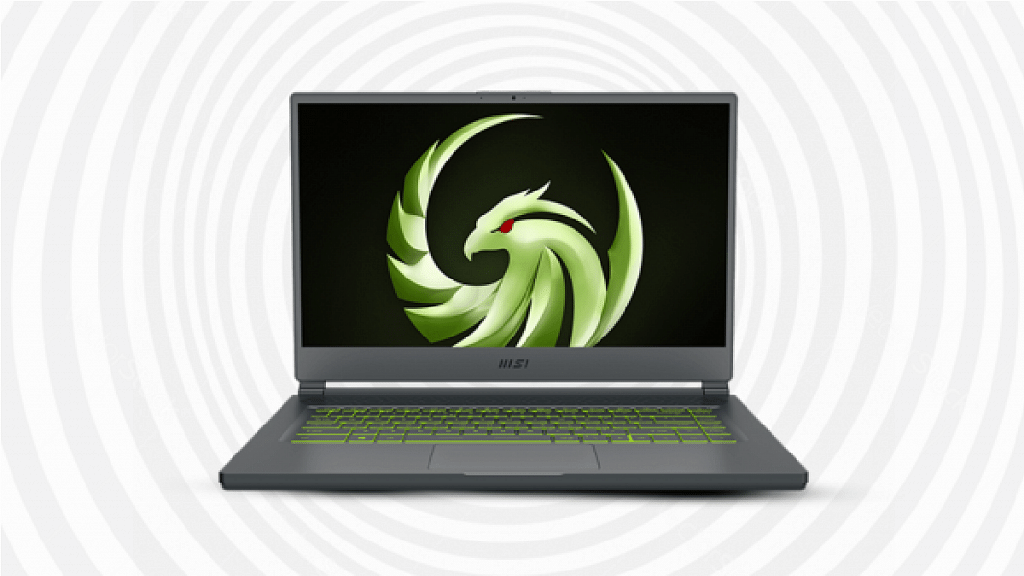
MSI Delta 15 AMD Advantage Edition

An all-powerful laptop with a high refresh rate display is the ideal machine for anyone wishing for a premium gameplay experience. With the MSI Delta 15 Advantage Edition laptop you get to take advantage of AMD’s Smart Access Memory technology. The brand-new Ryzen 9 5900HX octa-core CPU with support for up to 16 threads is included in the MSI Delta 15 AMD Advantage Edition. Additionally, the laptop has an AMD Radeon RX 6700M GPU with 10GB GDDR6 VRAM. This premium laptop’sFHD display with 240Hz maximum refresh rate support along with the top-tier hardware is what qualifies it as an eSports-compatible gaming laptop. The 16GB DDR4 RAM and 1TB of storage on this gaming laptop should be plenty for all use-case scenarios.

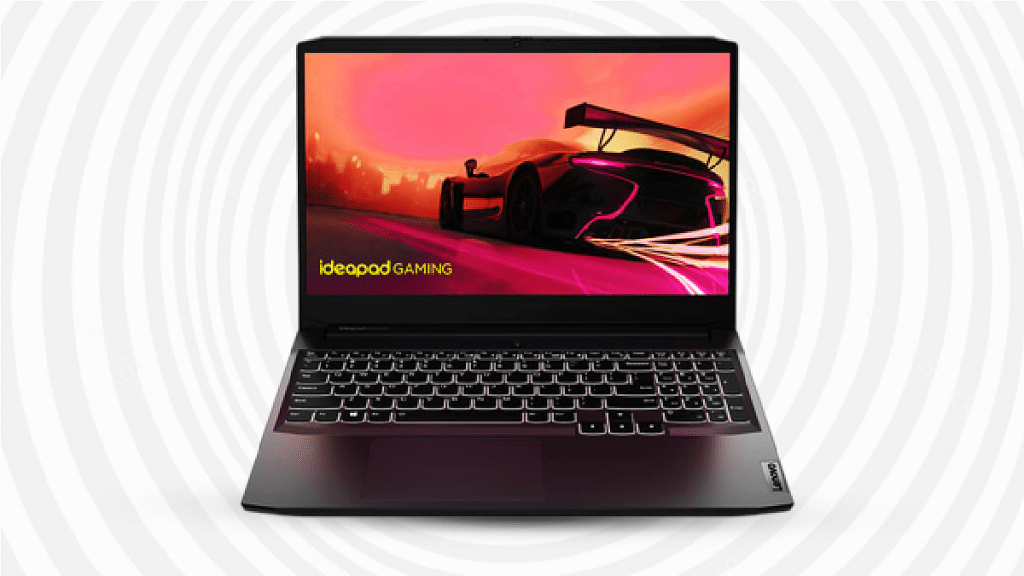
Lenovo Ideapad Gaming 3 AMDRyzen™ 7 5800H Gaming Laptop

Another excellent choice for your gaming needs is the Lenovo Ideapad Gaming 3 AMD Ryzen 7 5800H Gaming Laptop. This laptop is a delight for E-Sports fans with a 15.6-inch screen that is practically compact enough for all your gaming demands. This laptop is ideal for enhancing your gaming experience because it comes with an incredible vibration mechanism and a backlit keypad. When you have been playing your favorite gaming titles for long, your laptop won’t overheat thanks to its effective ventilation system.

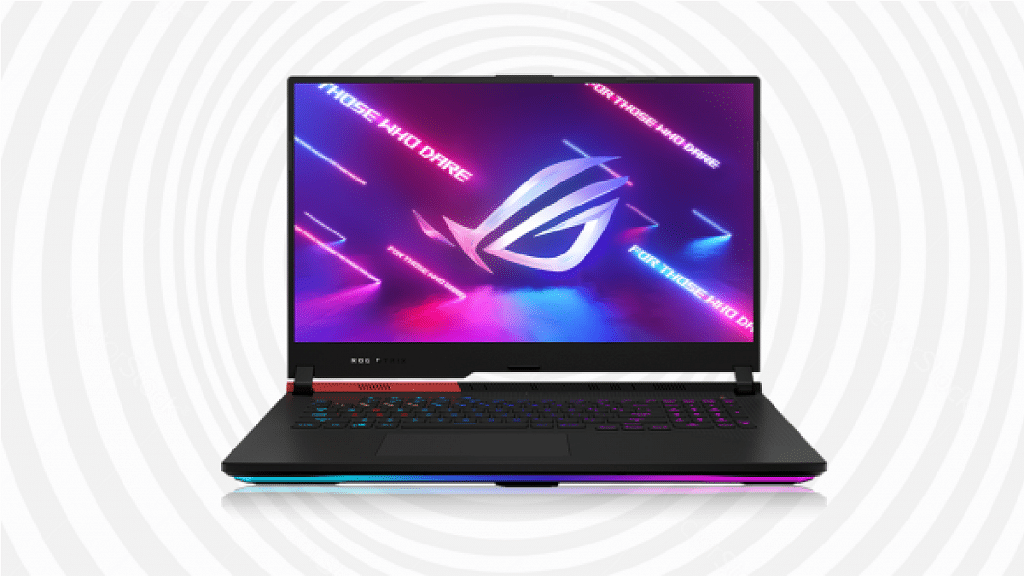
ASUS ROG Strix G17

The AMD Ryzen 9 6900HX, which has 8 cores, 16 threads, and a maximum boost frequency of 4.9GHz, powers the ASUS ROG Strix G17. Also, the device features the equally powerful Nvidia GeForce RTX 3070 Ti graphics along with 8GB GDDR6 VRAM for a rich gaming experience. Additionally, the device has a crisp 1440p display with a maximum 240Hz refresh rate that is ideal for eSports games. The RTX 3070 Ti is also quite capable of running a variety of eSports games at an insanely high FPS. The laptop has a 1TB SSD PCIe Gen 4 SSD and 16GB DDR5 RAM operating in the quad-channel mode for memory and storage.

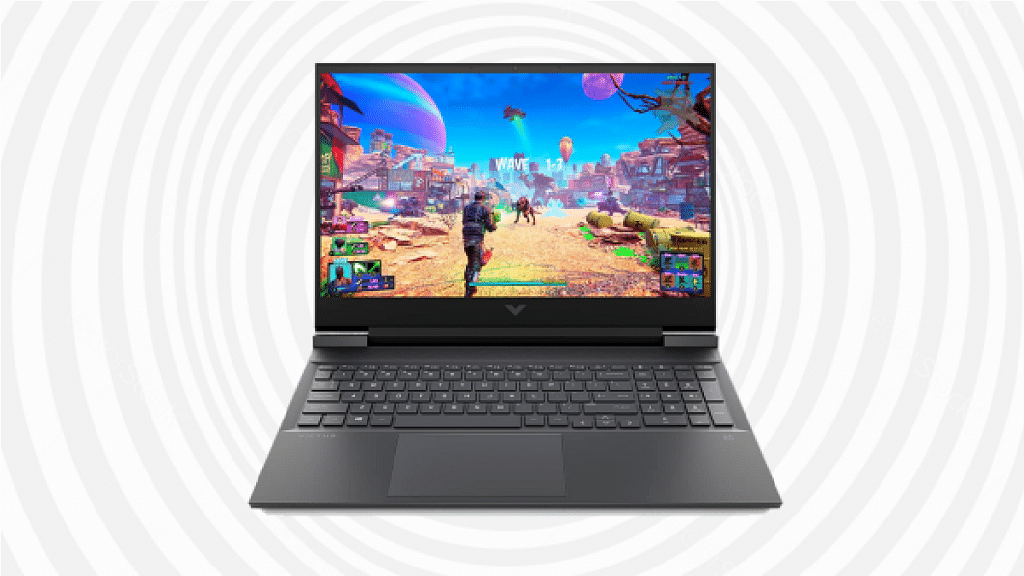
HP Victus AMDRyzen™ 7 FHD Gaming Laptop

Another strong and effective option that will easily suit all your gaming needs is the HP Victus AMD Ryzen 7 FHD Gaming Laptop. This laptop lets you easily browse for your next gaming necessity based on your needs and tastes. It is available in 512GB SSD and 1TB HDD configurations. This laptop is offered with a 16MB cache, 8 cores, 16 threads, and 16GB of extendable RAM that is expandable up to 32GB. Not only this, this gaming laptop reduces eye irritation after playing games for a long period by having a blue-light filter and an anti-glare screen.

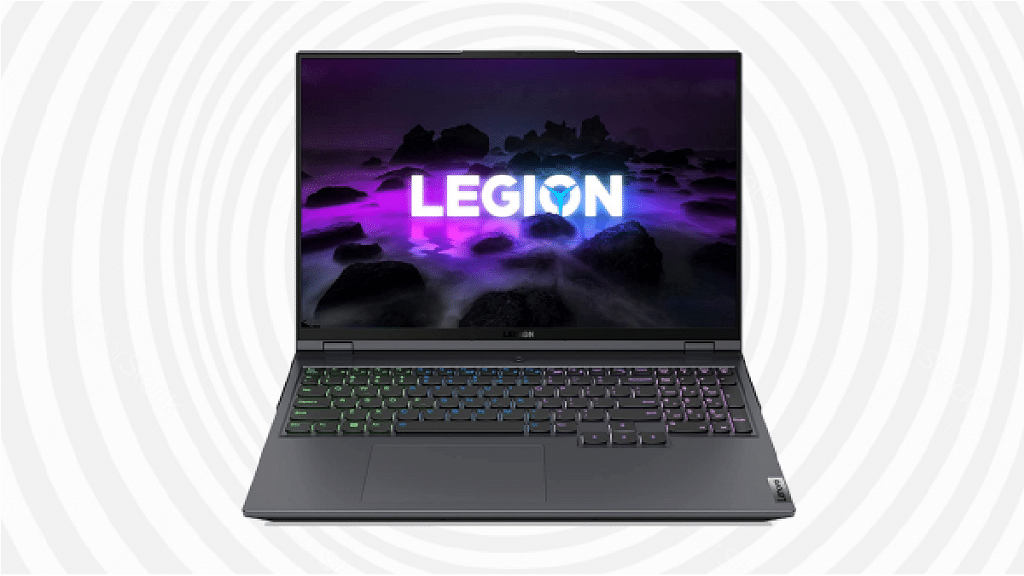
Lenovo Legion 5 Pro 16-Inch

The Lenovo Legion 5 Pro has a 16:10 aspect ratio screen that looks amazing while gaming and supports a 165Hz high refresh rate display. The laptop has a 16-inch AMD gaming laptop that’s highly suitable for eSports gaming. It comes with an AMD Ryzen 7 5800H processor which has 8 cores, 16 threads, and a maximum boost rate of 4.4GHz. The Legion 5 Pro is fitted with an RTX 3070 with 8GB GDDR6 VRAM to efficiently run eSports games. The laptop’s 16:10 QHD display offers a lovely appearance and a very high brightness level that provides a fantastic gaming experience.

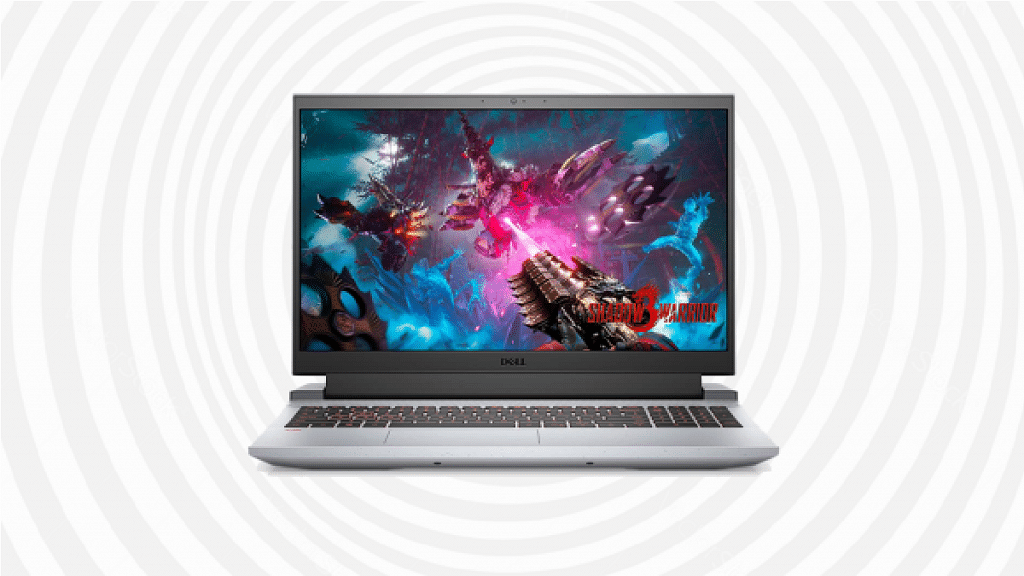
Dell New G15-5515 Gaming Laptop

The Dell New G15-5515 can be considered as a solid option when we speak of the best available gaming laptops in the current market. It has a screen size of 15.6-inch that offers you a decent display and makes this laptop easily portable. The laptop is equipped with an AMD Ryzen™7 5800H 8-core/16-thread mobile processor and RTX 3060 6GB GDDR6 GPU. this gaming laptop allows you to be immersed in your favorite games without worrying about the light around you. With plenty of ports available, you can easily connect your gaming laptop to other gaming accessories.