Categories
Comparison Mobile

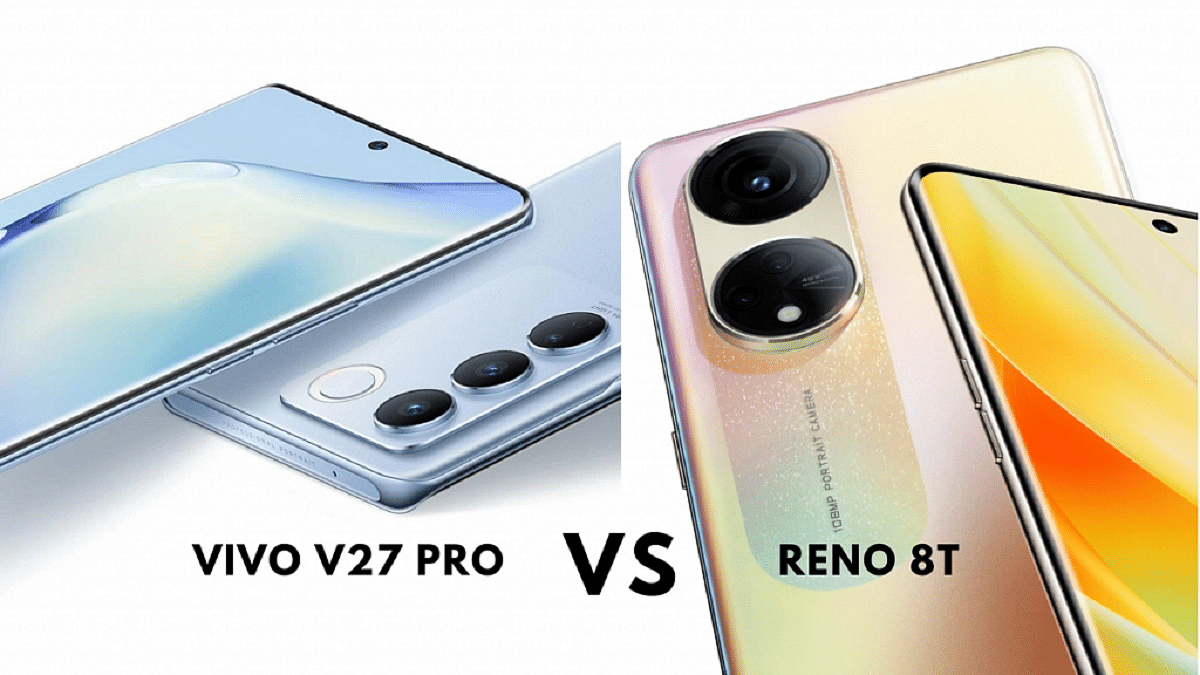
Vivo V27 Pro Vs Reno 8T: Latest Premium Mid Tier 5G Phones Battle

Key Highlights

  • Vivo V27 Pro and Reno 8T are two new mid-range smartphones with competitive specs and affordable prices.
  • Both phones offer similar camera specs, but the Vivo V27 Pro has a higher-resolution front-facing camera, making it a better choice for selfie lovers.
  • The Vivo V27 Pro is powered by a MediaTek Dimensity 8200 chipset, while the Reno 8T has a Qualcomm Snapdragon 695 5G chipset.

The mid-range smartphone market is getting increasingly competitive, and two of the latest offerings to hit the shelves are the Vivo V27 Pro and the Reno 8T. Both phones offer great specs at an affordable price, but which one is the better to buy? Let’s take a closer look at the features and specifications of each device to find out.

Also Read | How To Hard/ Factory Reset Vivo Smartphones?

Vivo V27 Pro Vs Reno 8T: Display Features, Specs

ModelVivo V27 ProReno 8T
Display Size6.78-inch6.7-inch
Display TypeAMOLEDAMOLED
Resolution 1080 x 2400 pixels 1080 x 2412 pixels
Screen-to-body ratio90.4%89.6%
Refresh Rate 120 Hz120 Hz

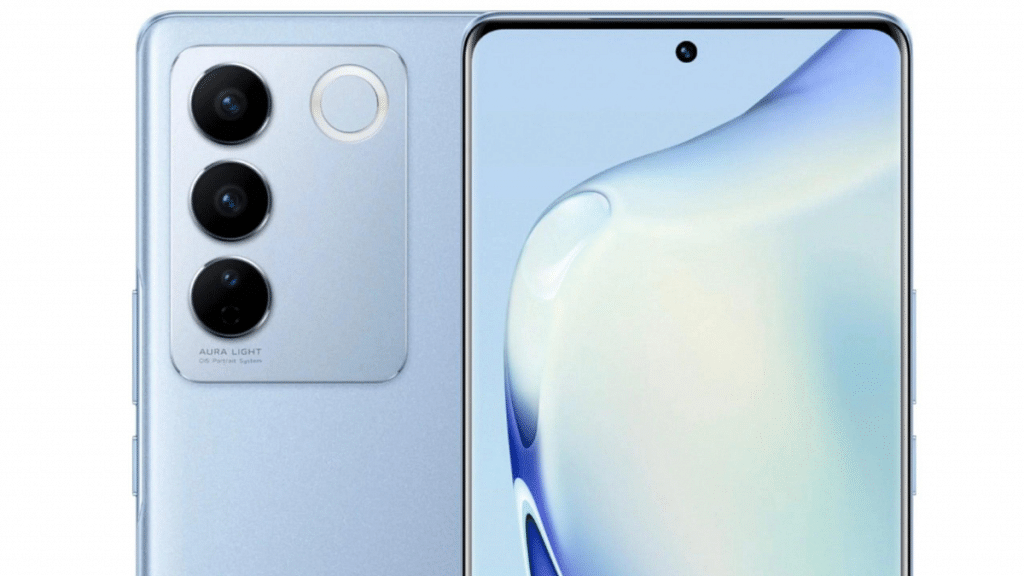
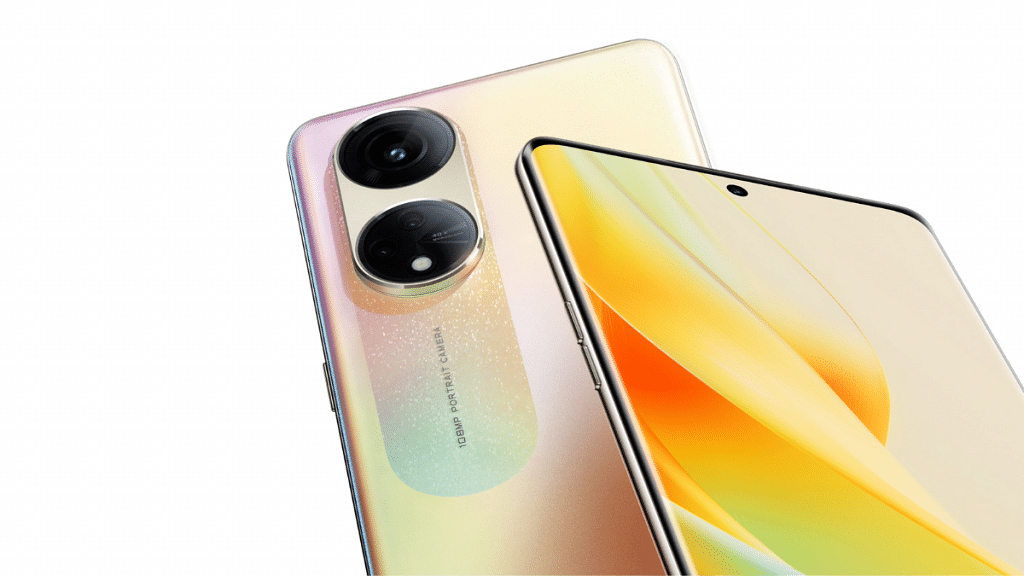
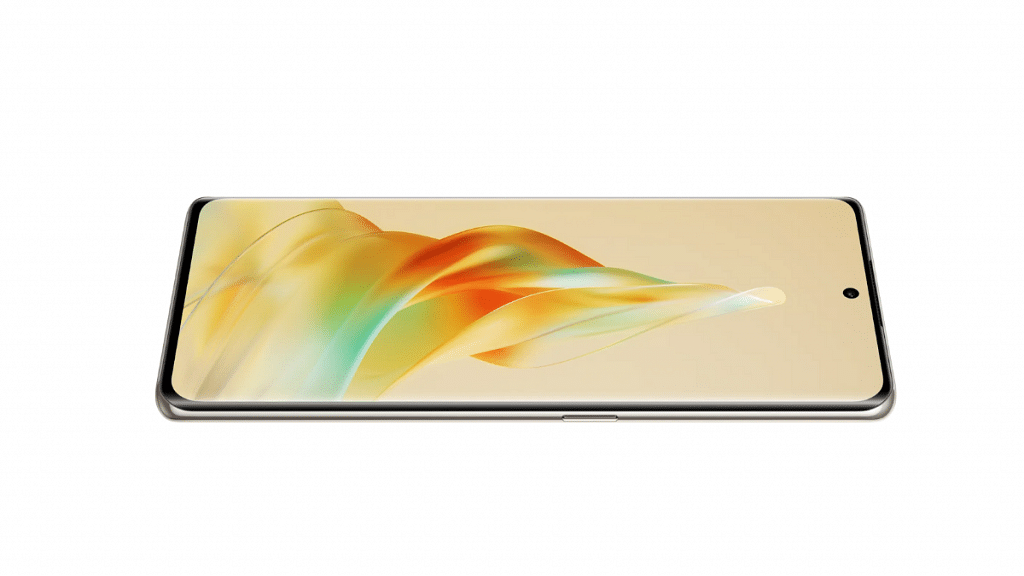
The Vivo V27 Pro boasts a 6.78-inch AMOLED display with a resolution of 1080 x 2400 pixels. The screen has a high refresh rate of 120Hz, which means smoother scrolling and better gaming performance. On the other hand, the Reno 8T comes with a slightly small 6.7-inch AMOLED display with a resolution of 1080 x 2412 pixels. It also has a 120Hz refresh rate, making it equally smooth for daily use and gaming.

Both phones offer similar display features, but the Vivo V27 Pro takes the lead with its 90.4% screen-to-body ratio, as it has slightly smaller bezels around the display, resulting in a more immersive viewing experience than the Reno 8T’s 89.6% screen-to-body ratio.

Also Read | iQOO Neo 7 5G Vs OPPO Reno 8T 5G Full Comparison: Best Phone Under Rs. 30,000 In 2023

Vivo V27 Pro Vs Reno 8T: Camera Specifications

ModelVivo V27 ProReno 8T
Rear Camera50MP+8MP+2MP108MP+2MP+2MP
Front Camera 50MP32MP
Video 4K@30/60fps, 1080p@30fps1080p@30fps

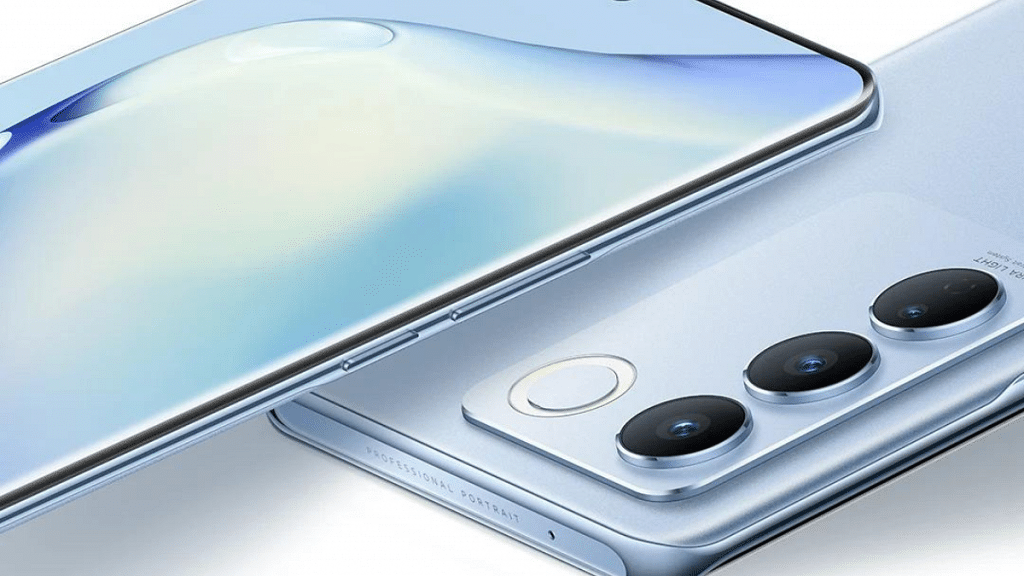
When it comes to camera specifications, the Vivo V27 Pro has a triple-camera setup at the back, with a 50MP (f/1.9) primary sensor, an 8MP(f/2.2) ultra-wide-angle lens, and a 2MP(f/2.4) macro sensor. It also has a 50MP (f/2.5) wide front-facing camera for stunning selfies.

The Reno 8T, on the other hand, also has a triple-camera setup, including a 108MP (f/1.7) primary sensor, a 2MP(f/3.3) macro lens, and a 2MP(f/2.4) depth sensor. It also has a 32MP (f/2.4) front-facing camera for selfies.

Both phones offer similar camera specs, with the Reno 8T offering a far better 108MP rear camera and a 2MP depth sensor. However, the Vivo V27 Pro’s front-facing camera outshines the Reno 8T’s with its higher resolution, making it a better choice for selfie lovers.

Also Read | iQOO Neo 7 5G Vs OPPO Reno 8T 5G Full Comparison: Best Phone Under Rs. 30,000 In 2023

Vivo V27 Pro Vs Reno 8T: Chipset, Battery

ModelVivo V27 ProReno 8T
ChipsetMediaTek Dimensity 8200Qualcomm Snapdragon 695 5G
OSAndroid 13Android 13
RAM8GB8GB or 12GB
Battery 4600 mAh4800 mAh
Fast Charging66W67W

Under the hood, the Vivo V27 Pro is powered by a 4nm MediaTek Dimensity 8200 chipset, coupled with up to 12GB of RAM and 128GB of internal storage. It also has a 4600mAh battery with support for 66W fast charging.

On the other hand, the Reno 8T is powered by a 6nm Qualcomm Snapdragon 695 5G chipset, coupled with 8GB of RAM and 256GB of internal storage. It also has a larger 4800mAh battery with support for 67W fast charging.

Both phones offer similar performance, but the Reno 8T’s slightly larger battery and faster charging capabilities make it a better choice for heavy users who need their device to last all day.

Also Read | Vivo V27, V27 Pro With Exclusive Wedding Style Portrait Camera Announced In India

Vivo V27 Pro Vs Reno 8T Final Verdict: Which Offers Better Value for Money?

ModelVivo V27 ProReno 8T
Price Rs. 37,999Rs. 29,999

The Vivo V27 Pro and Reno 8T offer great value for money, but when it comes down to it, the Reno 8T takes the lead with its slightly larger battery and faster charging capabilities. However, if you’re looking for a device with a better front-facing camera, the Vivo V27 Pro is the way to go.

While both phones offer competitive specs and features, the Reno 8T comes with a more affordable price tag of Rs. 29,999 compared to the Vivo V27 Pro’s price of Rs. 37,999.

Ultimately, the choice between these two mid-range smartphones will come down to your personal preferences and needs. Whether you prioritize battery life, camera specs, or display quality, the Vivo V27 Pro and Reno 8T have much to offer.

Also Read | OPPO Reno 8T 5G Vs Poco X5 Pro 5G Comparison: Latest Trending Smartphones Under Rs. 30,000

Categories
Comparison Featured

Realme GT 3 Vs OnePlus 11R: Value Flagship Phones Battle

The Realme GT 3, is a powerful smartphone that is similar to the OnePlus 11R in many ways. The more affordable model of the OnePlus 11 series is the OnePlus 11R. Both phones have identical chipsets, camera configurations, and other features. But, they also diverge in some crucial regions. We have compared these two phones to help you decide which one to buy.

Also Read: OPPO Reno 8T 5G Vs Poco X5 Pro 5G Comparison: Latest Trending Smartphones Under Rs. 30,000

Realme GT 3 Vs OnePlus 11R: Display Comparison

ModelRealme GT3OnePlus 11R
Display6.74-inch AMOLED6.74-inch AMOLED
Camera50MP(rear)+ 16MP(selfie)50MP(rear)+ 16MP(selfie)
ChipsetQualcomm Snapdragon 8+ Gen 1Qualcomm Snapdragon 8+ Gen 1
Battery4600mAh5000mAh
PriceRs. 44,730Rs. 45,363

The Realme GT3 and the OnePlus 11R both have a 6.74-inch AMOLED screen and a resolution of 1240 x 2772 pixels. Both devices offer HDR10+ and 10-bit color setup, but the OnePlus 11R supports a refresh rate of 120Hz while the Realme GT 3 supports a refresh rate of 144Hz.

Realme GT 3 Vs OnePlus 11R: Camera Comparison

The cameras on both phones have seen small tweaks. The OnePlus 11R and Realme GT 3 both have three cameras on the rear. Although the OnePlus 11R can extend the frame up to 120 degrees, the Realme GT 3 can only do so up to 112 degrees. Both phones include a 50-megapixel primary camera and an 8-megapixel ultrawide lens. While the OnePlus 11R and Realme GT 3 both have a 2-megapixel macro lens, respectively, they also have a 2-megapixel microscope lens. There is a 16-megapixel selfie camera on both phones.

Also Read: iQOO Neo 7 5G Vs OPPO Reno 8T 5G Full Comparison: Best Phone Under Rs. 30,000 In 2023

Realme GT 3 Vs OnePlus 11R: Battery And Chipset

The OnePlus 11R and Realme GT 3 both are powered by the Qualcomm Snapdragon 8+ Gen 1. The OnePlus 11R uses the OxygenOS 13 operating system, which is also based on Android 13, while the Realme GT 3 uses Realme UI 4.0. Three storage capacities—128GB with 8GB of RAM, 256GB with 12GB, and 512GB with 16GB—are available for the Realme GT3. The OnePlus 11R, on the other hand, has two storage options: 256GB with 16GB RAM and 128GB with 8GB RAM.

A 4600mAh battery that supports 240-watt rapid charging is included in the Realme GT3. In contrast, the OnePlus 11R has a 5000mAh battery and supports 100-watt rapid charging.

Also Read: OnePlus Nord CE 2 Vs Xiaomi 11i Vs Moto G82: Top Premium Mid-Range Phone Comparison

Realme GT 3 Vs OnePlus 11R: Verdict

The OnePlus 11R is costlier than the Realme GT 3. The camera’s performance and capabilities are comparable. And both devices automatically launch the Android 13 operating system. The Realme GT 3 outperforms the OnePlus 11R in terms of screen smoothness and charging speed.

Also Read: Tecno Spark Go 2023 Vs Poco C50 Vs Samsung Galaxy A04: Entry-Level Android Phone Comparison

Categories
Comparison Tablet

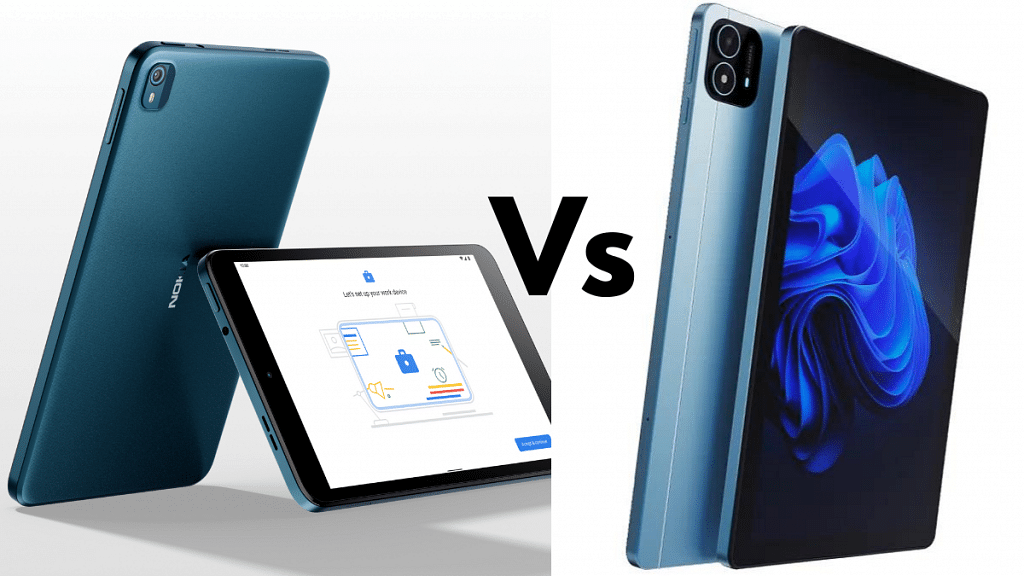
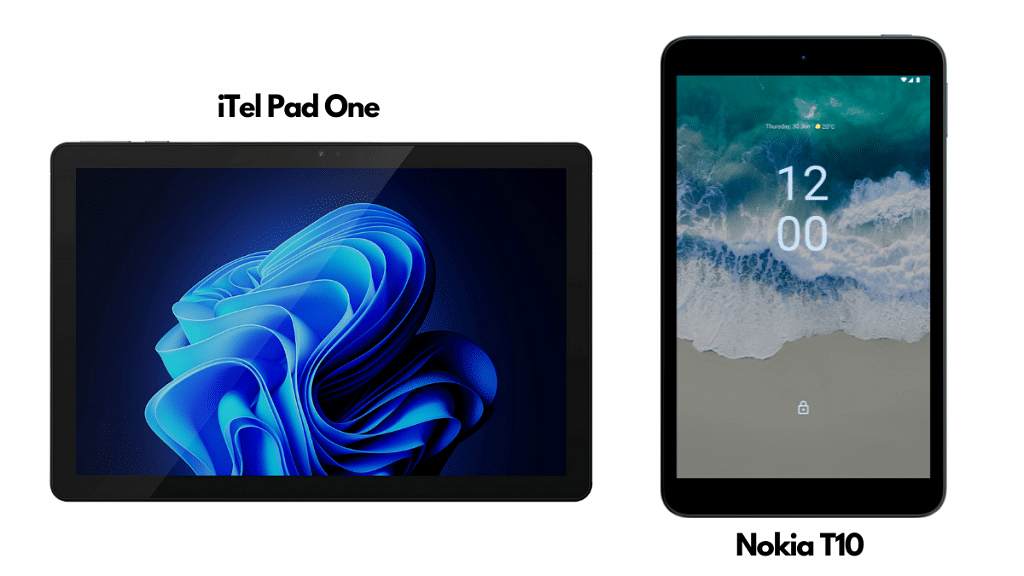
iTel Pad One vs Nokia T10: The Ultimate Budget-Friendly Tablet Comparison

Key Highlights

  • Budget-friendly tablets under Rs.15,000.
  • The iTel Pad One comes with a larger display than Nokia T10.
  • The iTel Pad One comes equipped with SC9863A1 processor whereas Nokia T10 comes equipped with 4nm Unisoc T606 chipset.
  • The iTel Pad One boasts a massive 6000 mAh battery while the Nokia T10 is no slouch either, packing a substantial 5250 mAh battery.


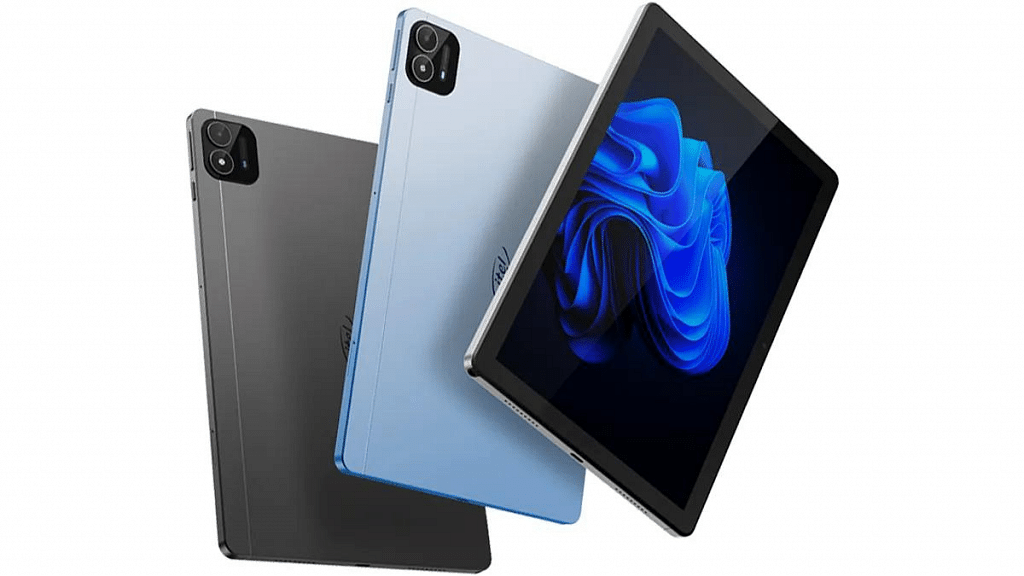
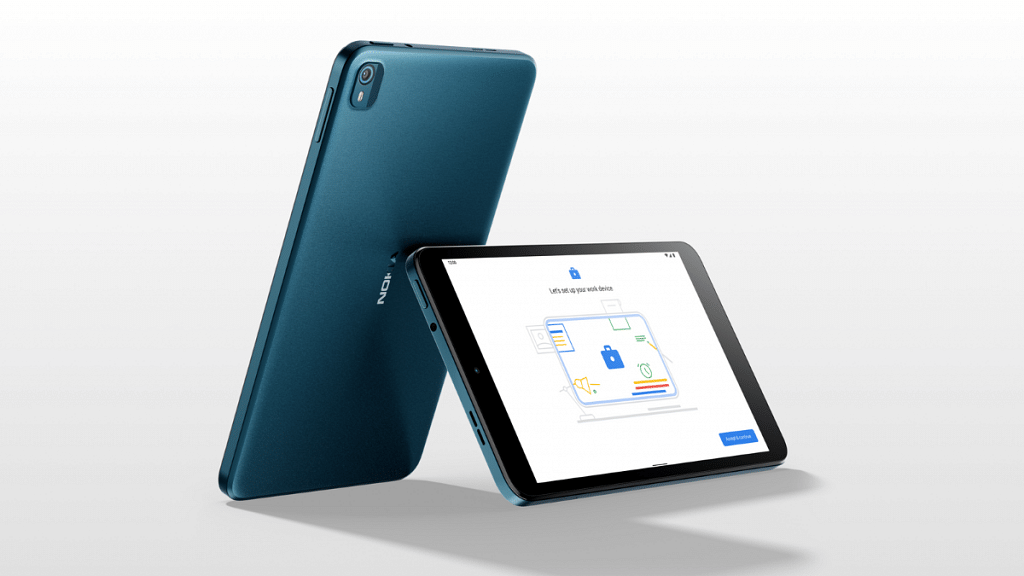
iTel and Nokia are two well-known brands and both have now a budget-friendly tablet market: the iTel Pad One and the Nokia T10. These tablets come with decent features and specifications, but which one of them is the better buy? In this article, we will be comparing the iTel Pad One and Nokia T10 to find out which one is the ultimate budget-friendly tablet.

Also Read: Nokia T10 New Model Costs A Bit Higher In India: Here’s Why

iTel Pad One vs Nokia T10: Display Specifications

Model iTel Pad OneNokia T10
Display Size10.1-inch8-inch
Resolution 1280 x 8001280 x 800
Pixel Density 224 PPI189 PPI

When it comes to display, the iTel Pad One offers a 10.1-inch IPS LCD and Nokia T10 offers an 8-inch IPS LCD both with a resolution of 1280 x 800 pixels. The displays are bright and clear and offer good viewing angles. Apart from the display size, there is a key difference between the two displays: the iTel Pad One comes with a higher pixel density of 224 PPI, while the Nokia T10 has a pixel density of 189 PPI. This means that the iTel Pad One offers slightly sharper and more detailed images compared to the Nokia T10.

Another aspect to consider when comparing the displays of these two tablets is their screen-to-body ratio. The iTel Pad One boasts an 10.1-inch display with an 80% screen-to-body ratio, while the Nokia T10 with an 8-inch screen has a slightly lower screen-to-body ratio of 72.4%. This means that the iTel Pad One has a slightly more immersive viewing experience, as the bezels are thinner and the screen takes up more of the front of the device.

Overall, both the iTel Pad One and Nokia T10 offer decent displays that are suitable for everyday use, but the iTel Pad One edge ahead slightly with its higher pixel density and better screen-to-body ratio.

Also Read: Honor Pad 8 India Availability Confirmed For March 7: Amazon Landing Page Live

iTel Pad One vs Nokia T10: Camera Specifications

Model iTel Pad OneNokia T10
Rear Camera5MP8MP
Front Camera8MP2MP

When it comes to cameras, the iTel Pad One and Nokia T10 are pretty evenly matched. The iTel Pad One comes with a 5MP rear camera and an 8MP wide-angle front-facing camera whereas Nokia T 10 comes with an 8MP rear camera and a 2MP front camera. The rear cameras are capable of capturing decent-quality images and videos, while the front-facing camera of iTel Pad One is suitable for video calls and selfies.

Both the tablets come with an LED flash for the rear camera. But, Nokia T10 with 8MP rear camera is better equipped for low-light photography and can produce better quality images in darker environments.

Overall, the camera specifications of both tablets are pretty basic and are suitable for casual photography and video calls.

Also Read: OnePlus Pad 5G Vs Xiaomi Pad 5 Premium Android Tablet Battle

iTel Pad One vs Nokia T10: Chipset, Battery

Model iTel Pad OneNokia T10
Chipset SC9863A1 processorUnisoc T606
RAM4GB3GB or 4GB
Battery 6000 mAh5250 mAh
Charging 10W10W

Under the hood, the iTel Pad One is powered by a SC9863A1 processor, which is paired with 4GB of RAM and 128GB of internal storage. The Nokia T10, on the other hand, is powered by a 4nm Unisoc T606 chipset, which is paired with 3GB or 4GB of RAM and 32GB or 64GB of internal storage respectively. Both the tablets come with a microSD card slot that allows users to expand the storage up to 512GB.

In terms of battery, the iTel Pad One comes with a 6000mAh battery, while the Nokia T10 comes with a slightly larger 5250 mAh battery. Both tablets offer 10W charging capabilities and have a decent battery life and can last for a full day with moderate usage.

When it comes to performance, the iTel Pad One has the edge over the Nokia T 10, thanks to its more powerful chipset and higher amount of RAM. However, both tablet offers the ability to expand the storage further with microSD.

Also Read: Nokia T21 Vs Moto Tab G62 Vs Lenovo M10 Tab HD (2nd Gen) Tablet: Best Option For Budget Audience

iTel Pad One vs Nokia T10: Price Comparison

Model iTel Pad OneNokia T10
Price Rs.12,999Rs.14,499

The iTel Pad One and Nokia T10 are two budget-friendly tablets that offer good value for money. The iTel Pad One is available at Rs.12,999 whereas Nokia T 10 is available at Rs.14,499.

Categories
Comparison Featured mobile

Poco C50 Vs Infinix Smart 7: Latest Entry-Level Android Phones Battle

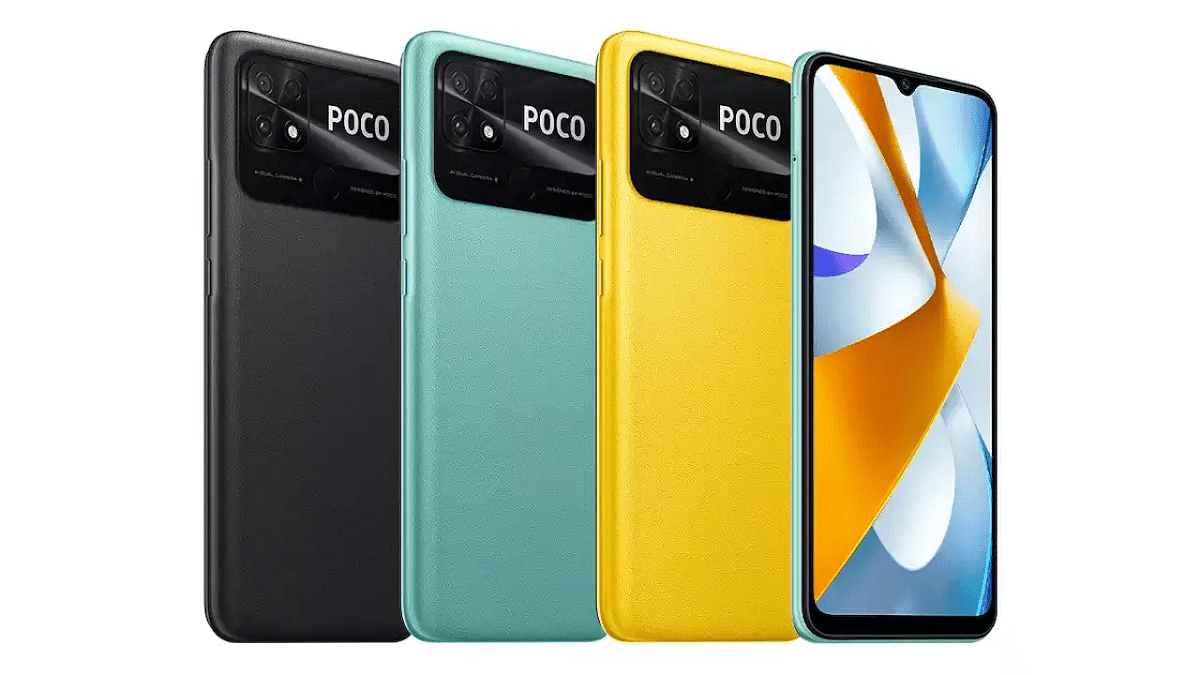
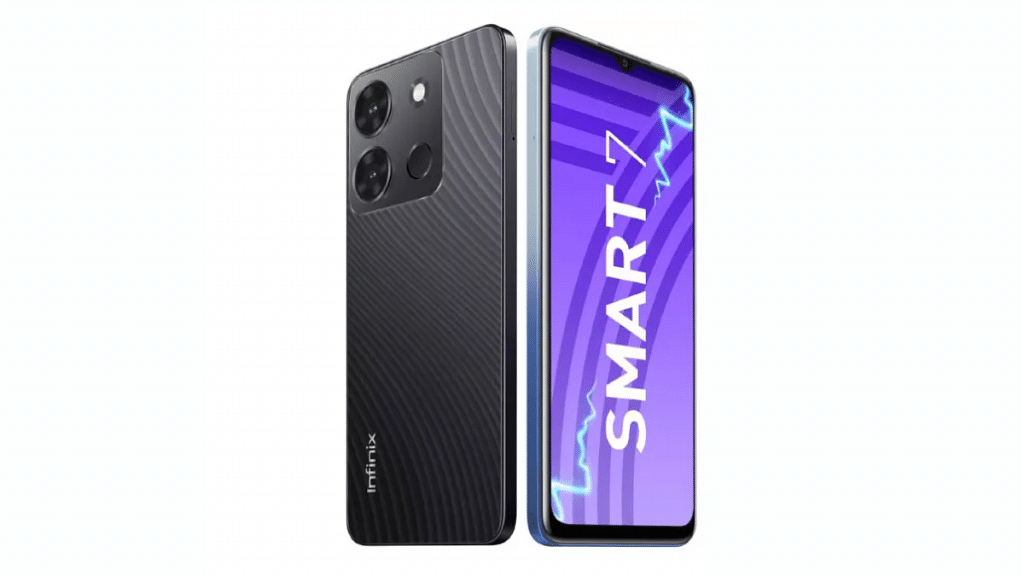
The first half of 2023 seems to be hectic for smartphone OEMs. We have witnessed a plethora of new handsets in the last two months. Infinix and Poco are the two brands battling in the sub Rs. 10,000 categories with their latest entry-level Android phones. The former launched the Smart 7 yesterday in the country, while the latter released the Poco C50 last month. Both these phones are laced with decent hardware but which one is a better value-for-money deal? Here in this comparison article we have broken down the pointers for you:

Poco C50 Vs Infinix Smart 7: Display Comparison

ModelInfinix Smart 7Poco C50
Display6.6-inch HD+ LCD6.5-inch HD+ LCD
Camera13MP dual rear, 5MP selfie8MP dual rear, 5MP selfie
ChipsetUnisoc SC9863A1MediaTek Heli A22
Battery6,000 mAh5,000 mAh
PriceRs. 6,249Rs. 7,299

We don’t find much difference when the display panel of both phones are compared. The Poco C50 has a 6.52-inch LCD display with 720 x 1600 pixels HD+ resolution and a 60Hz refresh rate. The display resolution offered by the Infinix Smart 7 is the same as the Poco C50; so is the LCD panel type. However, the screen size is bigger at 6.6-inch. For a larger screen, the Infinix Smart 7 will be a better pick. But overall viewing experience on both phones will be similar.

Also Read: Poco C50 Vs Vivo Y1s: Trending Budget Smartphone Competition

Poco C50 Vs Infinix Smart 7: Camera Comparison

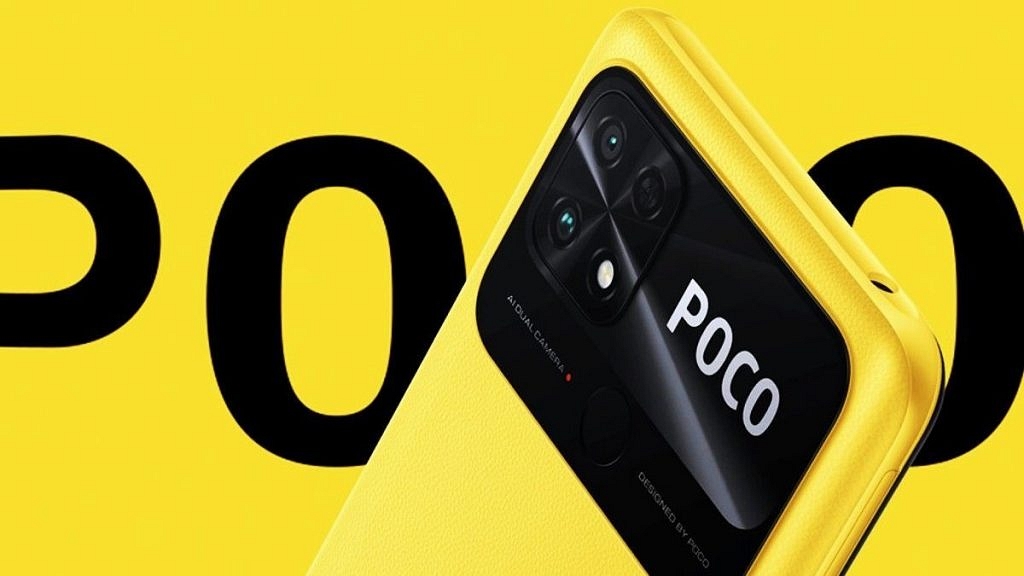
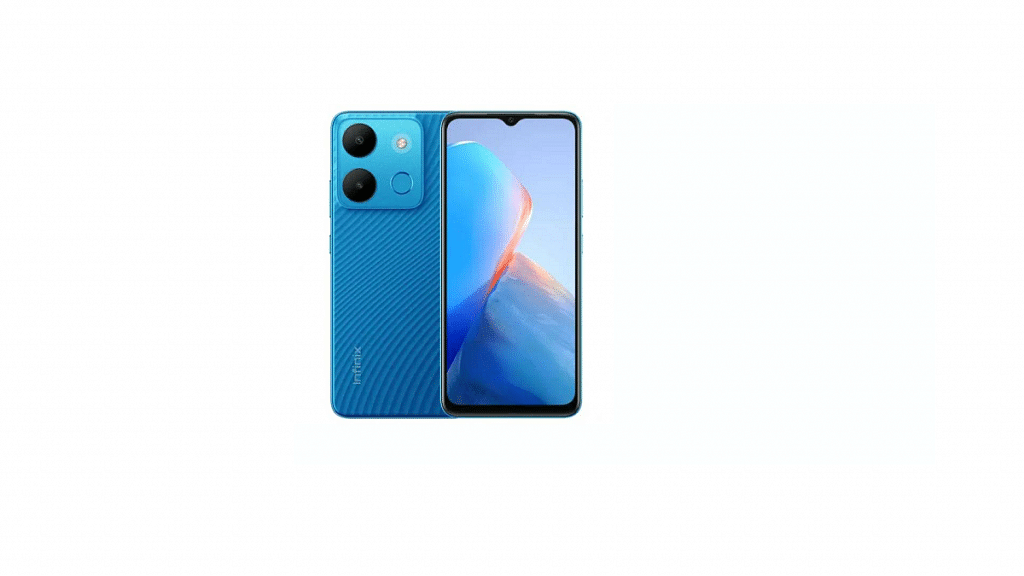
The Poco C50’s dual rear camera setup features an 8MP main camera with an f/2.0 aperture and a 0.08MP additional sensor for depth mapping. The Infinix Smart 7 has a bigger 13MP main camera at the rear combined with a 0.3MP depth lens. With the larger main sensor, the Infinix Smart 7’s image clarity could be better. As for the selfie camera, both Poco C50 and the Infinix Smart 7 has a 5MP main sensor with an f/2.0 aperture. This setup is adequate for general self-portrait shots.

Also Read: OPPO Reno 8T Vs Poco X4 Pro 5G: Best Premium Mid-Range Android Phone

Poco C50 Vs Infinix Smart 7: Battery, Chipset

Poco C50 uses the MediaTek Helio A22 chipset for performance delivery which is combined with PowerVR GE8320 GPU for graphics. Poco has packed this entry-level phone with 2GB/ 3GB RAM and 32GB built-in memory. It has a dedicated microSD card slot for storage expansion.

Infinix, on the other hand, has integrated the Unisoc SC9863A1 mobile processor inside the Smart 7. This phone has a total of 7GB RAM (4GB physical/ 3GB virtual) and 64GB storage. This entry-level mobile processor is built on a 28nm process compared to the 12nm process used by the Helio A22.

Also Read: Galaxy F23 5G Vs Redmi Note 11 Pro Plus Vs Poco X4 Pro 5G: This Should Be Your Pick Under Rs. 20,000

For general calling and internet browsing, the Poco C50 and the Smart 7 are well-equipped. Also, if you wish to use the standard Android version, the Infinix Smart 7 with Android 12 OS is what you need to consider. The Poco C50 has an Android 12 (Go Edition).

In the battery segment too, Infinix Smart 7 takes a lead with the 6,000 mAh unit. The Poco C50 has a 5,000 mAh battery module.

Also Read: Tecno Spark Go 2023 Vs Poco C50 Vs Samsung Galaxy A04: Entry-Level Android Phone Comparison

Poco C50 Vs Infinix Smart 7 Final Verdict: The Better Deal?

The Poco C50 price in India starts at Rs. 6,249, while the Infinix Smart 7 can be purchased starting at Rs. 7,299 in the country. Both these phones are good when we consider the spec sheet. However, the Inifnix Smart 7 has a bigger battery and display and features regular Android 12 OS instead of Android Go Edition.
Also Read: Nokia X30 5G Vs Poco X4 Pro 5G Vs Nokia G60 Comparison: Mid-Range 5G Phone You Should Consider

Categories
Comparison Featured Mobile

iQOO Neo 7 5G Vs OPPO Reno 8T 5G Full Comparison: Best Phone Under Rs. 30,000 In 2023

Smartphone OEMS in India are all aggressive with new product launches. Multiple new devices have been released this month under Rs. 30,000 price bracket. While OPPO expanded its popular Reno series with the Reno 8T, iQOO introduced its latest gaming handset called the Neo 7. Both these phones are performance-oriented handsets that cater to the premium mid-range audiences in the country. We are doing a quick spec sheet-based comparison between these two new premium mid-range Android phones. Let’s see which one makes for a better deal overall:
iQOO Neo 7 Vs OPPO Reno 8T: Display Features, Specs

ModeliQOO Neo 7OPPO Reno 8T
Display6.7-inch AMOLED6.7-inch AMOLED
Camera64MP triple rear108MP triple rear
ChipsetDimensity 8200Snapdragon 695
Battery5,000 mAh, 120W fast charging4,800 mAh, 67W fast charging
PriceRs. 29,999Rs. 29,999

The iQOO Neo 7 accommodates a premium 6.78-inch AMOLED display with 120Hz refresh rate. The screen supports 1080 x 2400 pixels resolution and has 1000 nits peak brightness level. The visual experience is further enhanced by the HDR 10+ certification on the iQOO Neo 7. On the other hand, the OPPO Reno 8T gives the Neo 7 stiff competition with its 6.7-inch AMOLED display.

The screen resolution and refresh rate is the same as the OPPO handset, i.e, FHD+ and 120Hz respectively. However, the peak brightness level is lower at 800 nits. The visual quality is good with both iQOO Neo 7 and the OPPO Reno 8T, but the latter has a disadvantage with lower brightness levels.

Also Read: OnePlus 11 5G Vs iQOO 11 5G: Latest Flagship Mobile Comparison

iQOO Neo 7 Vs OPPO Reno 8T: Camera Specifications

When we speak of the cameras, the iQOO Neo 7 offers a 64MP triple rear camera setup for primary photography. The rear panel has a pair of 2MP sensors for depth and macro photography in addition to the 64MP main camera. The iQOO Neo 7 is capable of recording up to 4K@30fps videos and offers HDR and other key shooting modes.

In the Reno 8T, there is also a triple-lens setup at the rear, however, the primary sensor is a larger 108MP lens with an f/1.7 aperture. The remaining two sensors are a set of 2MP lenses as the iQOO Neo 7 used for bokeh effects and macro shots. The OPPO Reno 8T takes a lead with a better primary sensor than the Neo 7. Overall imaging experience, specifically daylight will be good with the Reno 8T and the Neo 7 respectively.

Also Read: Realme 10 Pro Plus Vs iQOO Z6 Pro Vs Moto G82: Best Mid Range 5G Phone In 2022 In India

iQOO Neo 7 Vs OPPO Reno 8T: Chipset, Battery

The iQOO Neo 7 draws its power from the Dimensity 8200 chipset. It is a new-generation MediaTek processor for premium mid-rage phones and is fabricated using a 4nm process. The CPU is integrated with Mali-G610 MC6 GPU for graphics and up to 12GB RAM for multitasking.

The OPPO Reno 8T gets its power from the Qualcomm Snapdragon 695 chipset which is also an octa-core 5G processor for premium mid-range phones. Also, the fabrication process is thicker compared to the Dimensity 8200. This chipset is designed using a 6nm process.

The GPU is Adreno 619 and the RAM capacity is up to 8GB. The Reno 8T has up to 128GB storage option which is expandable via a microSDXC slot. The iQOO Neo 7 here is better and more efficient with speeds.

As for the battery capacity, the iQOO Neo 7 has a bigger 5,000 mAh battery unit compared to the 4,800 mAh battery unit of the Reno 8T. Also, the former has a faster 120W charging support. For reference, the OPPO Reno 8T has 67W fast charging support.

Also Read: iQOO Neo 6 Long Term User Review: Performance Beast In Its League

iQOO Neo 7 Vs OPPO Reno 8T Final Verdict: Which One Should You Buy?

Both iQOO Neo 7 and the OPPO Reno 8T are priced starting at Rs. 29,999 in India and are amongst the best handsets available in this price bracket. Depending on the usage, you can select the suitable variant. The iQOO Neo 7 is a good fit for audiences who demand powerful performance and speeds; specifically for gaming. The OPPO Reno 8T also offers good user performance, but it is best suited for photography.

Also Read: Samsung Galaxy S21 FE Vs OnePlus 10R Vs iQOO 9:Best Premium Gaming phone under Rs.35,000 in India

Categories
Comparison mobile

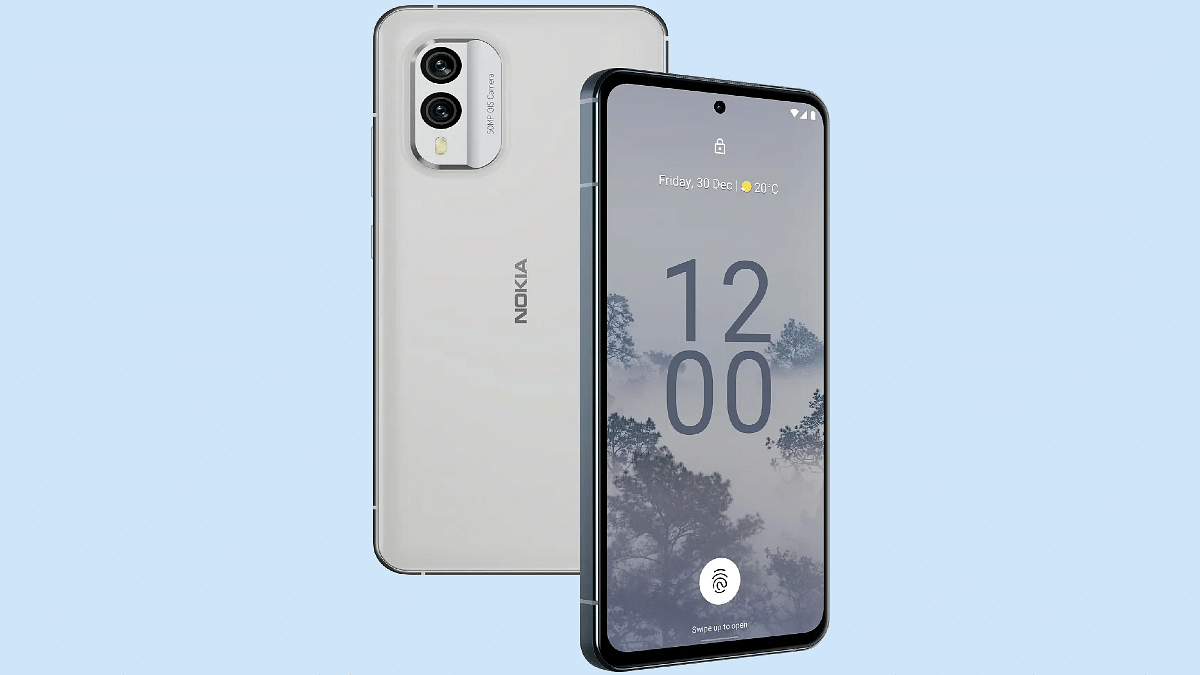
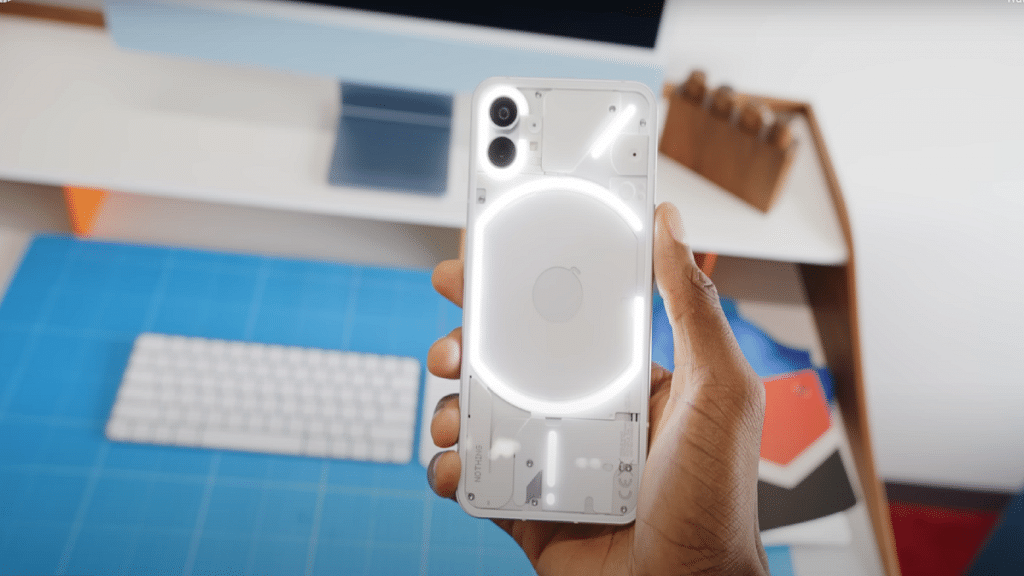
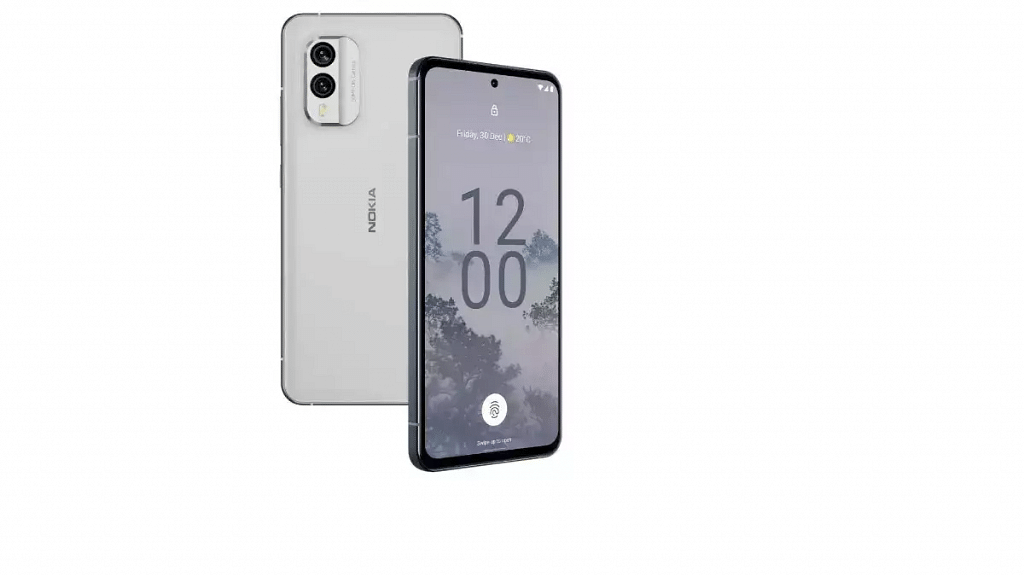
Nokia X30 5G Vs Nothing Phone 1: Which Should Be Your Pick?

With the rapidly evolving smartphone industry, we are witnessing the arrival of feature-rich phones in the budget and mid-range segment. HMD Global just expanded its portfolio in this premium mid-tier market with the launch of the

The latest Nokia X series phone is one of the most powerful options by the Finnish brand that is going up against other recently launched premium mid-tier 5G phones such as the Nothing Phone 1. The latter debuted last year in the Indian market with high-end features and a pocket-friendly price label. Which one out of the two phones offers the best value for money deal? Here is a quick comparison that will clear all your doubts:

Nokia X30 5G Vs Nothing Phone 1: Display Specs

ModelNokia X30Nothing Phone 1
Display6.4-inch AMOLED, 90Hz6.55-inch OLED, 120hz
Camera50MP+13MP dual rear, 16MP selfie50MP+50MP dual, 16MP selfie
ChipsetSnapdragon 695Snapdragon 778G+
ConfigurationUp to 8GB RAM+ 256GB storageUp to 12GB RAM+ 256GB storage
Battery4,500 mAh4,200 mAh

If you need a compact option, the Nokia X30 will be the model suitable for you. However, if you are a fan of big-screen phones, the Nothing Phone 1 will make the ideal pick. Nokia has packed the X30 5G with a 6.4-inch AMOLED screen. The display on the mid-range Nokia X series handset offers 1080 x 2400 pixels screen resolution and a 90Hz refresh rate, Brightness levels are average at 700 nits, while the refresh rate supported by this new Nokia phone is 90Hz.

Also Read: Nokia X30 5G Vs Poco X4 Pro 5G Vs Nokia G60 Comparison: Mid-Range 5G Phone You Should Consider

The Nothing Phone 1 employs an OLED screen that measures 6.55 inches and supports 1080 x 2400 pixels screen resolution. The display panel on the Nothing Phone 1 has the same 700 nits peak brightness levels as the Nokia X30 5G, but the refresh rate is 120Hz. Both these phones have similar display specs except for the panel type and refresh rate. The visual experience will be good on both Nokia X30 and the Nothing Phone 1 but the latter wins this race with a higher refresh rate.

Also Read: Nokia T21 Vs Moto Tab G62 Vs Samsung Galaxy Tab A8: Best Android Tablet Under Rs. 20,000 In India

Nokia X30 5G Vs Nothing Phone 1: Camera Comparison

The camera hardware on the Nokia X30 5G comprises a dual rear camera module and a single selfie snapper. The primary camera hardware placed at the Nokia X30’s back panel features a 50MP main sensor with PDAF and OIS and a 13MP secondary ultrawide sensor with 123-degree FoV. Just like the display, the camera hardware on the Nothing Phone 1 is the same as the Nokia X30 5G.

Also Read: How To Find Nothing Service Centres: See All Steps Here

The Nothing Phone 1 also features a dual-lens camera module at the back but with slightly altered sensors. The primary camera is a 50MP lens with an f/1.9 aperture which is combined with another 50MP ultrawide lens with an f/2.2 aperture. The video recording support is 4K@30fps and 1080p@60fps on the Nothing Phone 1 and the Nokia X30 5G respectively.

The selfie snapper is a 16MP lens on the Nokia X30 5G and the Nothing Phone 1. The latter emerges as a clear winner in the primary camera hardware. However, the selfie experience will be similar on both these handsets with the 16MP f/2.0 selfie snapper.

Also Read: Nokia X30 5G Vs Nokia G60 Vs Motorola Moto G71 5G: Top Latest Premium Mid-Range Mobile Comparison

Nokia X30 Vs Nothing Phone 1: Chipset, Battery Hardware Comparison

For power delivery, the Nokia X30 5G employs the octa-core Snapdragon 695 mobile chipset which is combined with up to 8GB RAM and a 256GB storage option. The Nothing Phone 1 has the octa-core Snapdragon 778G+ mobile processor which is also a premium mid-range SoC as the SD 695 5G and has 5G network support.

Also Read: Nokia T20 Vs Realme Pad Mini Vs Samsung Galaxy A7 Lite: Budget Tablet Specification Comparison

However, the Nothing Phone has up to 12GB RAM and 256GB onboard storage capacity. The Nokia X30 5G features Adreno 619 GPU, while the Nokia X30 5G comes with Adreno 642L GPU support. You can expect both these phones to drive all kinds of tasks smoothly, but the Nothing Phone 1 churns out slightly extra power with the SD 778G+ SoC.

In the battery segment too, the Nothing Phone 1 takes a lead with the bigger 4,500 mAh battery unit clubbed with a 33W fast charging. On the other hand, the Nokia X30 has a comparatively smaller 4,200 mAh battery with 33W fast charging.

Also Read: Samsung Galaxy M04 Vs Nokia C31 Vs Tecno Pova 4: Top Budget Android Smartphones For Daily Use

Nokia X30 5G Vs Nothing Phone 1 Final Verdict: Which Is The Winner?

The Nokia X30 5G will offer the aforementioned spec-sheet at Rs. 48,999, while the Nothing Phone 1 can be purchased at an asking price of Rs. 27,999. That’s almost Rs. 20,000 difference and you get a better chipset and battery with the Nothing Phone 1. So, you have the answer. The Nothing Phone 1 makes for an ideal pick with a starting price under Rs. 30,000 instead of the Nokia X30 5G which will cost you over Rs. 45,000.

Categories
Chipset Comparison

MediaTek Helio G36 Vs Qualcomm Snapdragon 480 Entry-Level Gaming Chipset Comparison

MediaTek released a new entry-level gaming mobile processor in India called the Helio G36. The latest Helio G series gaming chipset from MediaTek is released with almost an identical architecture as its older sibling, i.e., the Helio G37, and is expected to be used by the future-generation low-budget phones in the country.
 MediaTek’s this new mobile processor will be facing some direct heat from Qualcomm’s Snapdragon 400 series chipsets including the Snapdragon 480. Here’s a quick comparison between these two powerful budget mobile SoC from MediaTek and Qualcomm respectively. Which one outperforms the other in terms of CPU and GPU performance? Let’s find out:

Also Read: Qualcomm Snapdragon 778G Vs Dimensity 8100 5G Chipset: Premium Mid-Tier SoC Battle

MediaTek Helio G36 Vs Qualcomm Snapdragon 480 SoC: CPU Architecture

ChipsetMediaTek Helio G36Qualcomm Snapdragon 480
CPUOcta-coreOcta-core
GPUIMG PowerVR GE8320Adreno 600
MemoryLPDDR4XLPDDR4X
StorageeMMC 5.1eMMC 5.1, UFS 2.2
Fabrication12nm8nm

As mentioned above, the MediaTek Helio G36 mobile processor borrows the CPU architecture from its older sibling, i.e., the Helio G37. It features octa Cortex-A53 cores clocking at 2.2 GHz. For reference, the Helio G37 also features eight Cortex-A53 cores but the clock speed is 100MHz faster at 2.3GHz.

Also Read: Qualcomm Snapdragon 778G Vs MediaTek Dimensity 900 Chipset Quick Comparison

Qualcomm Snapdragon 480 chipset also has octa-cores including two Kyro 460 Gold cores clocked at 2GHz and six Kyro 460 silver cores clocked at 1.8GHz. The CPU memory frequency and fabrication process is also different for both these budget mobile processors.

The MediaTek Helio G36 has a 2300Mhz CPU fabrication and 12nm fabrication process. On the other hand, the Snapdragon 480 chipset has a thinner 8nm fabrication and 2000 MHz CPU frequency. The Snapdragon 480 SoC’s thin fabrication process allows improved efficiency over the Helio G36.

Also Read: MediaTek Helio G99 Vs Dimensity 700 Chipset Comparison: Best Budget Mobile Processor For Android Phones?

Helio G36 Vs Snapdragon 480 Chipset: GPU Comparison

Speaking of the GPU differences, the MediaTek Helio G36 mobile processor has the IMG PowerVR GE 8320 GPU. This processor’s GPU frequency is 650 MHz. The Snapdragon 480 chipset gets Adreno 619 GPU integration for graphics rendering. The Helio G36 is designed to cater to gaming demands with budget Android phones and has an efficient GPU for the same. The same is the case with the Snapdragon 480 mobile chipset where the GPU can easily render heavy graphics on the screen.

Also Read: Qualcomm Snapdragon 782G Vs Dimensity 920 SoC Premium Mid-Range Mobile Chipset Comparison

MediaTek Helio G36 Vs Snapdragon 480 Processor: Memory, Multimedia (ISP) Comparison

The MediaTek Helio G36 mobile chipset supports LPDDR4X memory type with up to 1600MHz frequency range. The maximum memory allocation compatibility with the Helio G86 is up to 8GB. Whereas, the Qualcomm Snapdragon 480 SoC also comes with LPDDR4X RAM support with a maximum allocation of up to 8GB. So, no difference in memory compatibility.

But that’s not the case with the storage type. The MediaTek Helio G36 comes with just eMMC 5.1 storage support, while the Snapdragon 480 has eMMC 5.1 and UFS 2.2 storage compatibility.

Helio G36 Vs Qualcomm Snapdragon 480: Final Verdict

Considering all the aspects, the Snapdragon 480 mobile processor seems to be slightly better for budget Android phones. But the performance delivery will be equivalent when we compare it with the Helio G36. Not much is different in both processors except for the thinner fabrication process and GPU. Both these chipsets would be a good pick if you have your budget fixed.

Categories
Comparison Tablet

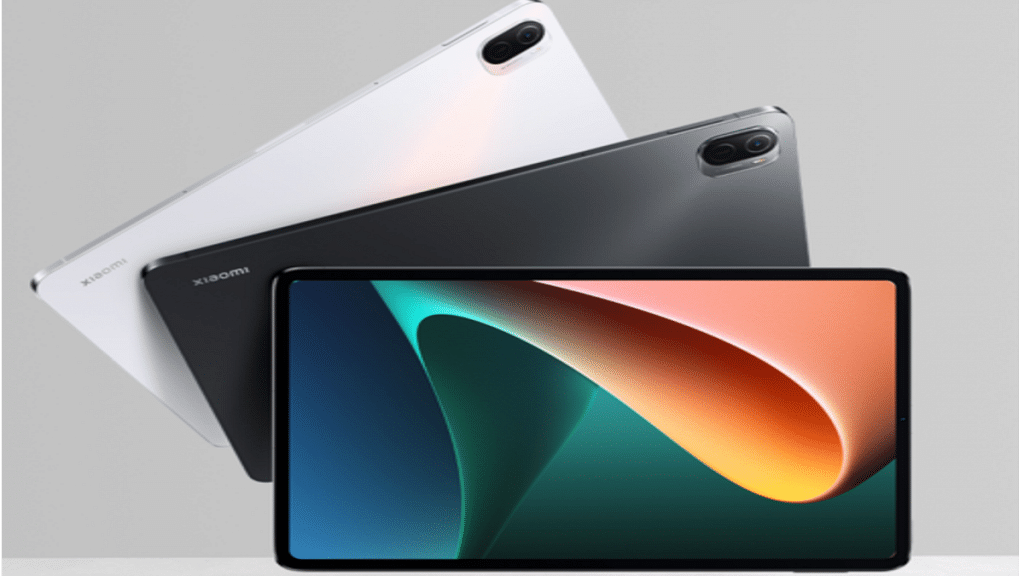
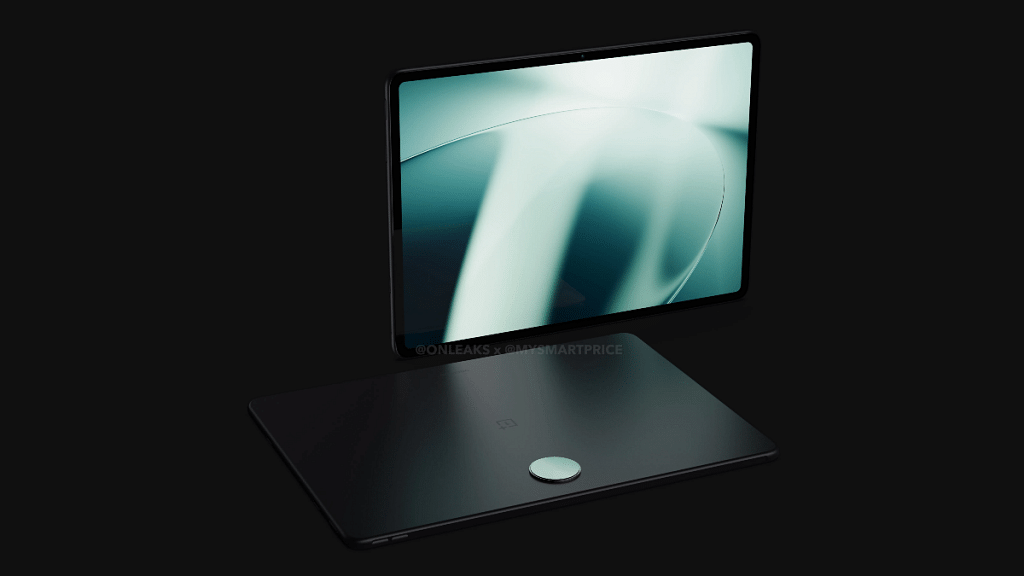
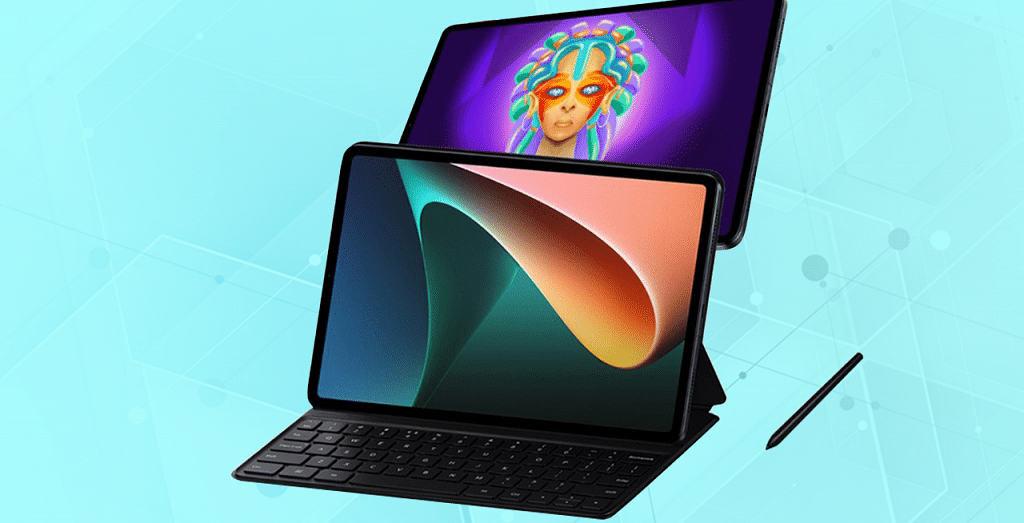
OnePlus Pad 5G Vs Xiaomi Pad 5 Premium Android Tablet Battle

OnePlus has made its official debut in the mobile tablet industry with the OnePlus Pad tablet. The highly anticipated OnePlus tablet has arrived with premium-grade hardware in India including the octa-core Dimensity 9000 chipset, a 120Hz display, and a beefy battery module. However, OnePlus isn’t the only player in this segment, Xiaomi already has a popular model called the Pad 5 with 5G network support and more. We are doing a spec sheet based comparison between the OnePlus Pad and the Xiaomi Pad 5 tablet. Which one will grab the market for long? Read on this article for the details:

OnePlus Pad Vs Xiaomi Pad 5: Display Specifications

ModelOnePlus PadXiaomi Pad 5
Display11.61-inch LCD11.0-inch LCD
Resolution2000 x 2800 pixels1600 x 2560 pixels
Refresh Rate144Hz120 Hz

The OnePlus Pad bestows a large 11.61-inch display. The panel type is LCD which is a standard panel type used in most premium mid-range Android tablets. The screen on the OnePlus Pad tablet supports a 2K resolution of 2000 x 2800 pixels and up to 144Hz refresh rate. It has an average brightness level of 500 nits.

When we compare the display parameters of the Xiaomi Pad 5, you get an IPS LCD screen here as well. However, the Xiapmi Pad 5’s display is slightly smaller at 11.0 inches and supports a lower resolution of 1600 x 2560 pixels. A premium viewing experience can be expected on both OnePlus Pad and the Xiaomi Pad 5 tablets. But the former beats the latter with a higher 144Hz refresh rate and a 2000 x 2800 pixels screen resolution.

Also Read: Nokia T21 Vs Moto Tab G62 Vs Samsung Galaxy Tab A8: Best Android Tablet Under Rs. 20,000 In India

OnePlus Pad Vs Xiaomi Pad 5: Camera Specifications

ModelOnePlus PadXiaomi Pad 5
Rear Camera13MP13MP
Front Camera8MP8MP
Video recording4K @30fpsUp to 4K @30fps

The OnePlus Pad Android tablet uses a 13MP main camera at the rear for photography. The primary sensor supports EIS stabilization that will help with clean shots even with moving or shaking backgrounds. The OnePlus Pad’s rear camera can further record up to 4K@ 30fps videos. The front snapper packed inside the OnePlus Pad Android tablet is an 8MP sensor that supports up to 1080p@30fps videos.

The exact same camera hardware is offered by the Xiaomi Pad 5 tablet. This tablet also features a 13MP main rear camera and an 8MP front camera for selfies and video calling. The Xiaomi Pad 5’s rear camera has the same video recording capability of up to 4K@ 30fps.

Also Read: Xiaomi Pad 5 Vs Apple iPad Air Vs Galaxy Tab S6 Lite: The Best Premium Tablets That You Should Consider

OnePlus Pad 5 Vs Xiaomi Pad 5: Chipset, Battery

ModelOnePlus PadXiaomi Pad 5
ChipsetMediaTek Dimensity 9000Qualcomm Snapdragon 860
RAMUp to 12GBUp to 6GB
Battery9,510 mAh8,720 mAh
Fast Charging67W33W

The chipset game is strong with both OnePlus Pad and the Xiaomi Pad 5 tablets. However, the former gets an edge with the new-generation flagship MediaTek Dimensity 9000 processor which is an octa-core SoC fabricated using a 4nm process.

The Xiaomi Pad 5 also has a flagship-grade chipset. But this model gets the Snapdragon 860 octa-core SoC. Both these tablets can perform well with extensive tasks but the OnePlus Pad can be expected to be more fluid and smooth. Additionally, up to 12GB RAM is an advantage with the OnePlus Pad compared to the 6GB RAM option offered by the Xiaomi Pad 5.

Speaking of the battery capacity, the OnePlus Pad uses a 9,510 mAH battery with 67W fast charging support, while the Xiaomi Pad 5 is packed with a 8,720 mAh battery with 33W fast charging.

Also Read: Nokia T20 Vs Lenovo Tab M8 4th Gen Vs Realme Pad Mini: Best Android Tablets

Categories
Chipset Comparison

Qualcomm Snapdragon 778G Vs MediaTek Dimensity 900 Chipset Quick Comparison

Snapdragon 778G’s popularity isn’t fading away anytime soon. Launched a few years back, it is one of most popular and powerful mobile chipsets which is both gaming oriented and 5G enabled. Poco has launched the X5 Pro with the same Qualcomm chipset in India and global markets. There are multiple competitors of the Snapdragon 778G out of which Dimensity 900 is amongst the latest. How well    these two premium mid-range 5G processors perform and which one is better than the other?

Qualcomm Snapdragon 778G Vs Dimensity 900 5G: CPU Comparison

ChipsetQualcomm Snapdragon 778GMediaTek Dimenisty 900
CPUOcta-coreOcta-core
GPUAdreno 642lMali-G68 MC4
MemoryLPDDR5LPDDR5
StorageUFS 2.1, UFS 2.2, UFS 3.0, and UFS 3.1UFS 2.1, UFS 3.1
Fabrication6nm6nm

Starting with the fabrication process, the Snapdragon 778G and the Dimenisty 900 5G have been developed using a 6nm process. Both these processors feature an octa-core CPU cluster. The former (SD 778G) has a single 2.4GHz Cortex-A78 core, three 2.2GHz Cortex-A78 cores, and four Cortex-A55 cores with 1.9 GHz clock speed. MediaTek has used an altered CPU cluster design for the Dimensity 900 SoC which comprises two Cortex-A78 cores with 2.4GHz clock speed and six Cortex-A55 cores with 2GHz clock speed.

The frequency response range offered by the Snapdragon 778G and Dimensity 900’s CPUs is the same, i.e., 2400 MHz. Both these mobile processors provide almost equal CPU power to complete demanding tasks smoothly.

Also Read: Qualcomm Snapdragon 778G Vs Dimensity 8100 5G Chipset: Premium Mid-Tier SoC Battle

Qualcomm Snapdragon 778G Vs Dimensity 900 5G Chipset: GPU Performance

Qualcomm Snapdragon 778G features the Adreno 642l GPU for graphics, while MediaTek has used the Mali-G68 MC4 GPU inside the Dimenisty 900 5G chipset. If we speak of the GPU frequency, it’s 490MHz and 900 MHz delivered by the SD 778G and the Dinenisty 900 SoC respectively.

Vulkan, OpenCL, and DirectX versions with both processors are 1.1, 2.0, and 12 respectively. These premium mid-range mobile processors by Qualcomm and MediaTek have a powerful GPU for fluid graphics rendering and gameplay.

Also Read: Qualcomm Snapdragon 695 Vs Snapdragon 778G Chipset: Premium Mid-Range Mobile Processors

Snapdragon 778G Vs Dimensity 900 Processor: Memory, Multimedia Differences

The Qualcomm Snapdragon 778G comes with LPDDR5 memory type with a 3200MHz memory frequency. MediaTek has also opted for the same LPDDR5 RAM for the Dimenisty 900 5G chipset and the maximum memory is also the same (16GB).

Speaking of storage compatibility, the Qualcomm Snapdragon 778G comes with UFS 2.1, UFS 2.2, UFS 3.0, and UFS 3.1 storage type, while the Dimensity 900 chipset just has the UFS 2.1 and UFS 3.1 storage type. In terms display and camera resolution, the Qualcomm Snapdragon 778G and the Dimensity 900 chipset have 1080 x 2520 pixels screen resolution and up to 192MP, and 200MP camera resolution respectively. Video recording and playback support is 4K@30fps.

Also Read: Qualcomm Snapdragon 778G Vs Dimensity 9000 Chipset: Premium Mid-Range Mobile Processors

Qualcomm Snapdragon 778G Vs MediaTek Dimensity 900 SoC: Final Verdict

Both Qualcomm Snapdragon 778G and the Dimensity 900 are top-of-the-line premium mid-range mobile processors that are designed for performance-oriented Android handsets. They both are almost similar in terms of CPU and GPU performance and offer 5G network connectivity as well.  

Also Read: Qualcomm Snapdragon 782G Vs Dimensity 920 SoC Premium Mid-Range Mobile Chipset Comparison

Categories
Comparison Featured Mobile

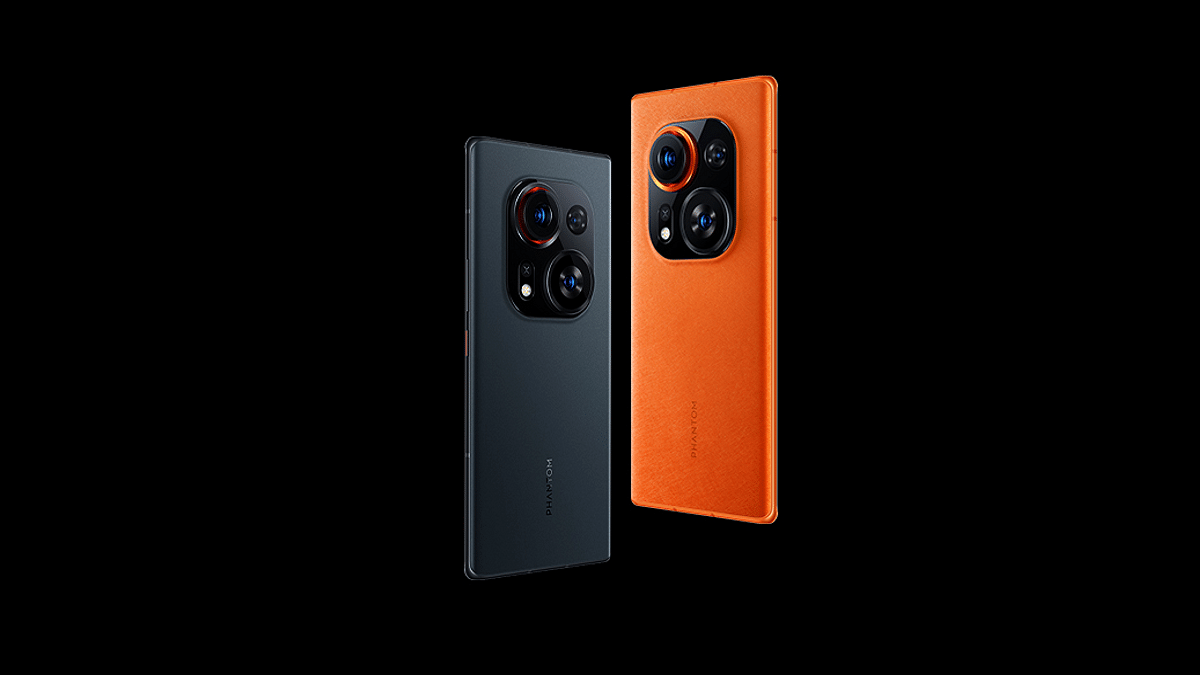
Tecno Phantom X2 Pro: Class-Leading Android Flagship With World’s First Retractable Portrait Camera

Tecno started its global mobile venture back in 2006 and entered the Indian market in 2017. Known for providing premium smartphones with great specs, the brand is a standout in the smartphone market. Now, the company is exploring the ultra-premium segment too and has come up with its most high-end phone by far named Tecno Phantom X2 Pro. It’s one of the most advanced Tecno phones with an original concept and futuristic design. 

The Phantom X2 Pro vows for Tecno’s ingenuity with mobile hardware; specifically, cameras. For the first time ever, we have a smartphone with retractable portrait cameras. That’s one of the head-turner features of the Tecno Phantom X2 Pro besides the premium design and other remaining flagship-grade hardware. In fact, several of its “industry-first” features and the advanced camera hardware earn the Phantom X2 Pro the top spot in its league.  

The Phantom X2 Pro is a truly premium device with its ergonomic and eye-catching unibody dual curved symmetric design complemented by a super smooth 120Hz AMOLED screen. That’s not all, the Phantom X2 Pro 5G is the brand’s first to use the powerful MediaTek Dimensity 9000 chipset that is fabricated using the thinnest 4nm process. Not just an admirably beautiful-looking handset, the Phantom X2 Pro has emerged as one of the most capable handsets in its league.  

But the industry has seen numerous advancements in the tech field and smartphone OEMs are making full use of it. This is why the Phantom X2 Pro 5G has got multiple rivals some of which are recent debutants in the flagship mobile market in India. Take for instance the OnePlus 11 5G and the iQOO 11 5G which can be considered the prime rivals of the Phantom X2 Pro 5G. Wondering which model should you place your bet on? Well, the pointers are broken down in this article.

Industry’s First Retractable Portrait Camera Phone For True Optical Bokeh Shots

Tecno has taken a leap and launched the world’s first retractable portrait camera phone for consumers. The Phantom X2 Pro’s A-grade camera hardware comprises a 65mm pop-in and pop-out style 50MP world’s first retractable portrait sensor with a large 1.49 aperture, a 7P 50MP primary lens, and an additional 13 MP ultra-wide sensor. 

For any mobile photography enthusiast, this camera hardware is a dream come true. And if you are amongst those users yearning for DSLR-like professional bokeh photos without spending a dime on a camera separately, you are definitely in for a surprise if you buy the Phantom X 2 Pro. Despite the competition including the OnePlus 11 5G and the iQOO 11 series offering a 50MP triple rear camera module, the Phantom X2 Pro’s imaging prowess remains unmatched. All thanks to the retractable portrait camera and advanced sensors that gives this handset a “Portrait king” crown and helps it emerge as a winner against the OnePlus 11 and the iQOO 11 phones. 

It offers a complete camera solution with a plethora of imaging features such as HDR mode, AI Scene Detection, Tripod Mode, Panorama, AR Shot, Custom makeup, and more. You hardly get any other flagship phone at this price range that is loaded with so many premium image and video-enhancing features. To top it off, the larger camera enhances low-light photography and you get clean and noise-free clicks in challenging light situations. This is something you don’t get with the competition including both OnePlus 11 and the iQOO 11. 

Tecno has refined the camera hardware on the Phantom X2 Pro making it more reliable for both general and professional photography. The improved phase detection mechanism and focus speeds allow for capturing high-quality images with a moving background. This is one of the few advantages Phantom X2 Pro has over the OnePlus 11 and the iQOO 11 5G. It is also capable of recording 4K videos at a high 60 fps seconds. And with added video features such as Ultra Steady technology, the videography experience is at par with most premium cameras out there. 

Processing Prowess With World’s First 4nm Chipset

Teno’s Phantom X2 Pro is being touted as an all-rounder which is being justified with the remaining top-tier hardware including the Dimensity 9000 5G processor. It’s the first mobile chipset fabricated using the thinnest 4nm technology. All the punch packed inside this tiny SoC allows the Phantom X2 Pro to deliver endless possibilities with smartphone usage. This powerful processor allows the Phantom X2 Pro to be more powerful compared to other flagships in this segment and take on some of the most demanding tasks efficiently.

With the integrated Mali G710 GPU, the latest Phantom X2 series handset gets more capable with gaming performance. It’s even better when you pit OnePlus 11 and the iQOO 11 as competition. Only the Phantom X2 Pro can handle the most graphic-intense games without any lags or frame drops.

Its improved vapor chamber cooling system and Hyper Engine 5.0 ensures smooth gameplay sessions for long. You get better haptic feedback with gaming specifically FPS in comparison to most premium flagships. This handset can handle temperature fluctuations efficiently. 

Faster Speeds Becomes Reality With Phantom X2 Pro

The chipset solely isn’t the factor contributing to the top-notch performance offered by the Phantom X2 Pro. The larger RAM and memory capacity aids with the same. The Phantom X2 Pro’s configuration sheet is better compared to the OnePlus 11 and the iQOO 11. Tecno has made sure there’s no compromise with the multitasking experience or file storage. 

It comes with up to 12GB RAM and 256GB UFS 3.1 storage to meet the demands respectively. But that’s not the entire RAM capacity. Tecno’s iconic Memory Fusion technology is also present inside the Phantom X2 Pro with which it becomes the only flagship phone that offers 17GB RAM (12GB LPDDR5 Physical+ 5GB Memory Fusion). 

The Phantom X2 Pro isn’t just a regular flagship phone but a practical device that would make you keep your tablets and laptops aside with its multitasking capabilities. Getting professional tasks done is simplified with the Phantom X2 Pro’s reliable CPU. App loading is instant which you might not see on the rivals including the OnePlus 11 and the iQOO 11 5G. Overall, the Phantom X2 Pro takes a lead in terms of performance delivery with the potent Dimensity 9000 5G processor.

Futuristic Flexible Curved AMOLED Panel With Life-Like Colors

The display is the primary USP of any smartphone and the Phantom X2 Pro ticks all boxes when we consider a future-ready screen. The large 6.8-inch dual-curved screen is something that the competition fails to deliver. The curved panel of the Phantom X2 Pro is simply gorgeous. Tecno surely has mastered the display tech and has successfully introduced a handset that can take on the OnePlus 11 5G and the iQOO 11 5G. The Phantom X2 Pro gets an edge compared to the OnePlus and iQOO flagships with the larger screen size, curved edges, and better resolution/refresh rate. Unlike the OnePlus 11 and the iQOO 11 5G, the picture quality is life-like with the Phantom X2 Pro. It’s an immersive experience with video playback every single time. 

The TUV SUD A-rated AMOLED display is super accurate with color production and allows a realistic viewing experience. The rich colors and high brightness levels combined with a 120Hz refresh rate make it smoother. The Phantom X2 Pro further beats the competition (OnePlus 11 and iQOO 11) with the dual curved panel which improves the viewing angles. 

You won’t see the display going black no matter from which angle you are viewing the videos or other content. So binge-watching experience is elevated with all OTT platforms and local directory video playback. And how can we forget the Corning Gorilla Glass Victus layering that safeguards the panel from scratches and accidental drops? It’s one of the necessary screen guard features that we have seen going missing from modern days flagships.

Beautiful And Bold Design Statement

Tecno Phantom X2 Pro wears a premium design language in the form of a unibody dual curved body. This handset is crafted using dazzling stained glass topped with AF Nano coating and CNC metallic middle frame that makes it both sleek and premium. The X2 Pro looks better than the OnePlus 11 and the iQOO 11 handset with its future-ready curved slim profile. 

It flaunts the world’s first 3.5D Moon Crater Inspired camera module design making it slimmer compared to the rivals in the market. The comfort level with the grips is enhanced by the 71° ergonomic golden grip angle which again is a unique feature of the Phantom X2 Pro. 

Multiple color options and eco-friendly material adds advantage over OnePlus and the iQOO 11. The Phantom X2 Pro’s Mars Orange variant uses the industry’s first renewable fiber back cover. This body material is not only 100% recyclable but made using eco-friendly material. The Phantom X2 Pro is any day better than the OnePlus 11 5G and the iQOO 11 5G in looks and feel. 

Segment’s Largest Battery Module

The Phantom X2 Pro has the biggest battery unit in its segment. It is packed with a 5,160 mAh battery which is bigger than the 5,000 mAh battery capacity offered by the OnePlus 11 and the iQOO 11. With this extra battery capacity, the Phantom X2 Pro is a beast with power delivery. 
It can last up to 25 days standby on a single charge. The media and video playback time on a single charge is an entire day (23 hours). And you don’t have to worry if the handset runs out of charging; the 45W fast charging support adds 50 percent fuel with a quick 20 minutes plug-in. 
Final Verdict

Despite the stiff competition from the latest popular flagships including the OnePlus 11 and the iQOO 11, the Phantom X2 Pro storms its way to the top spot. With a myriad of industry-first features, the Phantom X2 Pro elevates the overall user experience which is unmatched by any current flagship model in the country.