Categories
Comparison Mobile

Poco X5 Pro Vs Realme 10 Pro

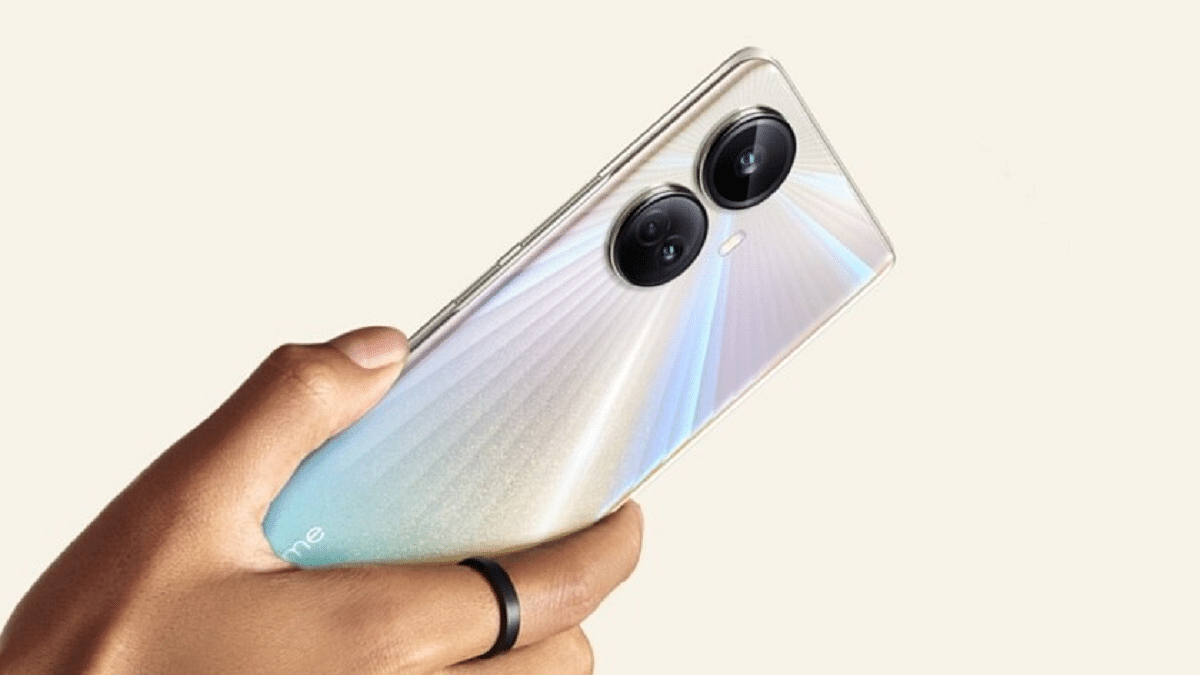
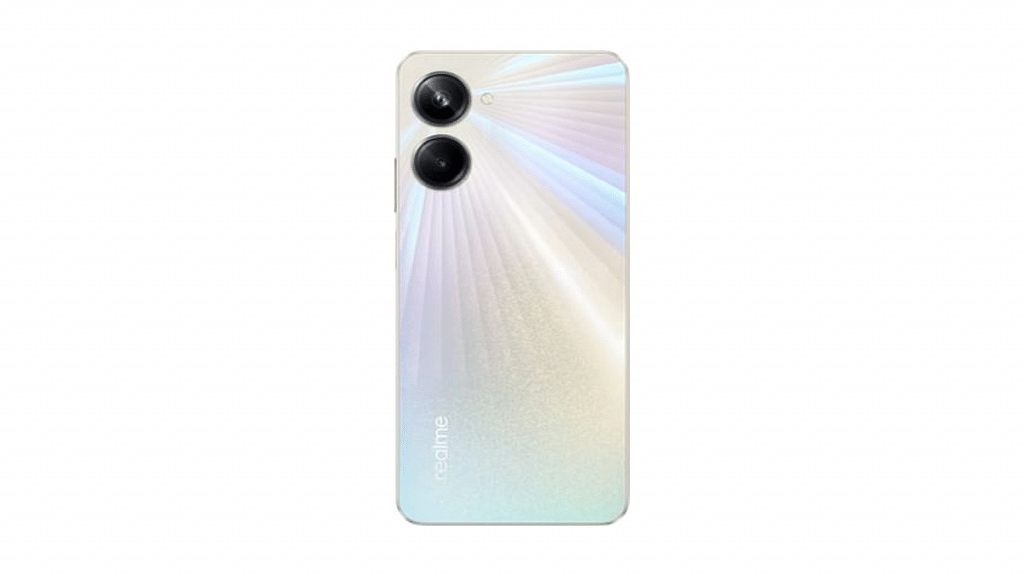
The sub-Rs. 30,000 price range has recently witnessed a lot of action in the Indian smartphone market. Poco is a business known for providing high-quality hardware at competitive prices in the mainstream and mid-range segments. Realme 10 pro termed it as the most aesthetically pleasing device. The Poco X5 Pro 5G and Realme 10 come under Rs. 30,000. Should you think about purchasing these phones? We help you decide.

Also Read: Poco X5 5G With 120Hz Display, SD 695 Now Official In India: Price, Full Features

Poco X5 Pro Vs Realme 10 Pro: Display Comparison

ModelPoco X5 ProRealme 10 Pro
Display6.67-inch Super AMOLED6.7-inch IPS LCD
Camera108MP(rear) + 16MP(front)108MP(rear) + 16MP(front)
Battery5,000mAh5,000mAh
ChipsetQualcomm Snapdragon 778G SoCQualcomm Snapdragon 695 SoC
RAM6GB8GB
PriceRs. 25,990Rs. 20,300

The 6.67-inch Super AMOLED display on the Poco X5 Pro 5G is tall and is believed to use chip-on-panel technology to keep the panel small. In comparison to the previous model, the bezels around the display are also a little bit slimmer. While the Poco X5 Pro 5G’s display does not have curved sides like the Realme 10 Pro+ 5G, it does support HDR10 and Dolby Vision playback. Netflix and other video streaming services do make use of it.


A 6.7-inch IPS LCD with FHD+ resolution and a refresh rate of 120Hz makes up the screen itself. It provides adequate DCI-P3 color gamut coverage and acceptable brightness levels for outdoor reading in bright sunlight. There is a punch hole at the top, and there is barely any backlighting there.

Also Read: Nokia C12 Vs Poco C50: Best Phone To Buy Under Rs. 8,000 In India?

Poco X5 Pro Vs Realme 10 Pro: Camera

The Poco X5 Pro 5G has three cameras on the back. A 2-megapixel macro camera, an 8-megapixel ultra-wide camera, and a 108-megapixel Samsung HM2 primary camera are included. The primary camera lacks optical image stabilization (OIS). There is a 16-megapixel front camera sensor in the phone as well.

The phone’s primary camera is a 108MP Samsung HM6 sensor, while the backup camera is a 2MP depth sensor. In the sunshine, the Realme 10 Pro produces detailed 12.5MP pixel-binned photos, as is typical for inexpensive phones today. Since the Realme 10 Pro’s camera system does not have an ultra-wide or a macro lens, versatility is lacking. The selfie camera’s regular 16MP lens may produce attractive images.

Also Read: Tecno Spark Go 2023 Vs Poco C50 Vs Samsung Galaxy A04: Entry-Level Android Phone Comparison

Poco X5 Pro Vs Realme 10 Pro: Chipset And Battery
A Qualcomm Snapdragon 778G SoC is present in the Poco X5 Pro 5G. The Adreno 642L GPU, LPDDR4X RAM, and UFS 2.2 storage are all included in the 6nm SoC. Seven 5G bands are also supported by the X5 Pro in India. Wi-Fi ac dual-band, Bluetooth 5.1, and a USB Type-C port are available as connectivity choices. The Poco X5 Pro 5G has a 5,000mAh battery.

The Qualcomm Snapdragon 695 SoC, which is a true performance workhorse in this market, powers the Realme 10 Pro. The device’s benchmark results are reasonably good considering its cost. The device’s Antutu score is 417,108, while Geekbench 5’s multi-core result is 2,022. Moreover, the Realme 10 Pro has a microSD card slot that allows the capacity to be upgraded to 1TB and up to 8GB of LPDDR4X RAM. The Realme 10 Pro comes with a 5,000mAh battery that should easily last you more than a day. The phone may also be fully charged in less than two hours with 33W charging.

Also Read: Best Entry-Level Android Phones Under Rs. 10,000 In India In 2023

Poco X5 Pro Vs Realme 10 Pro: Verdict
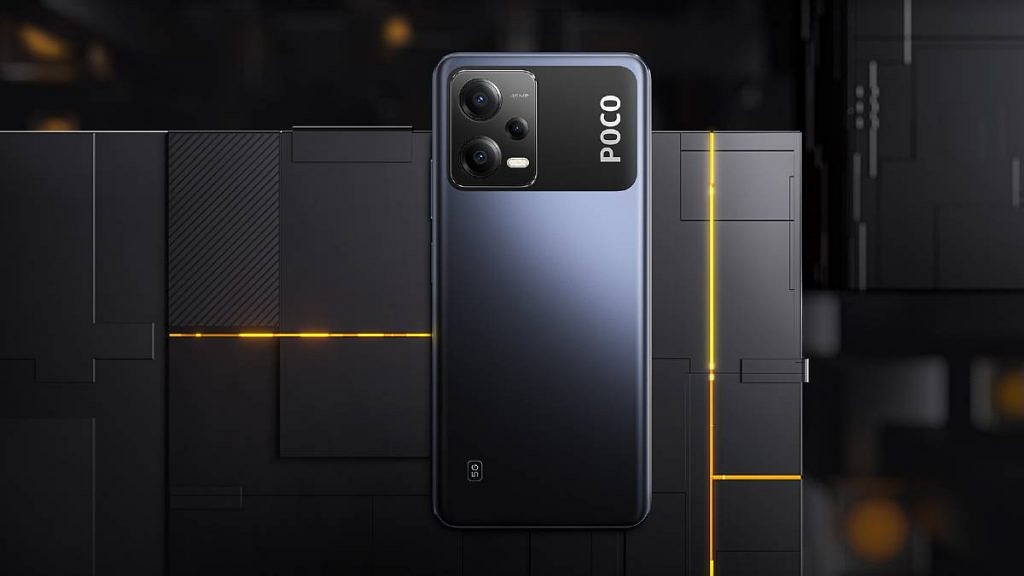
Excellent multimedia capabilities, reliable performance, and long battery life are all provided by the Poco X5 Pro 5G. The front camera and the main rear camera both perform well. The nearly bezel-less display, which is the Realme 10 Pro’s most distinctive design aspect, is also its most remarkable component. Although the device’s low-light camera performance falls short of expectations, it excels in other important areas like processor speed, battery life, and build quality.
Also Read: 2023 Upcoming: Top Expected Premium Mid-Range 5G Phones Coming Next Year Within Rs. 25,000 Price Range

Categories
Comparison Featured Laptop

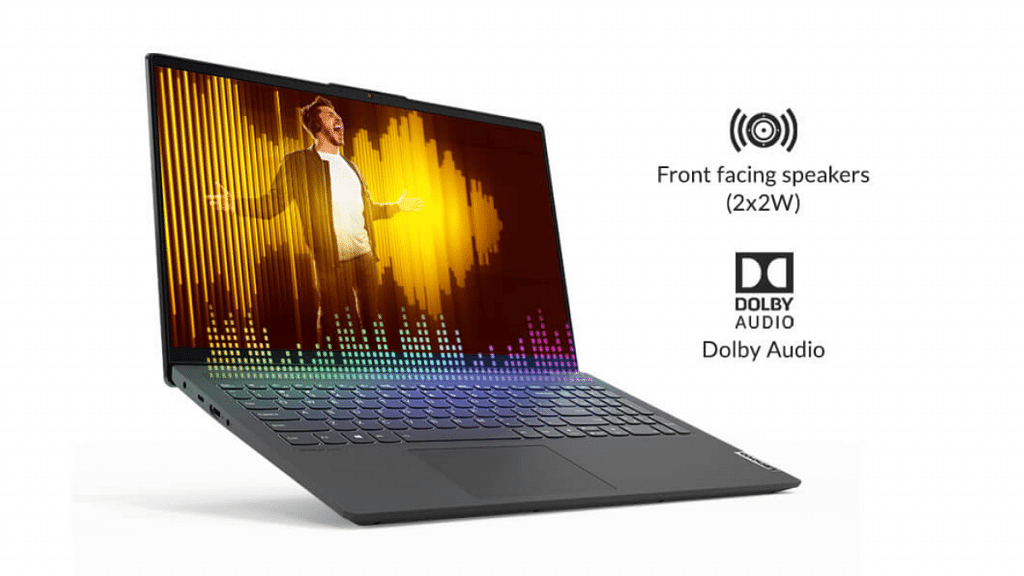
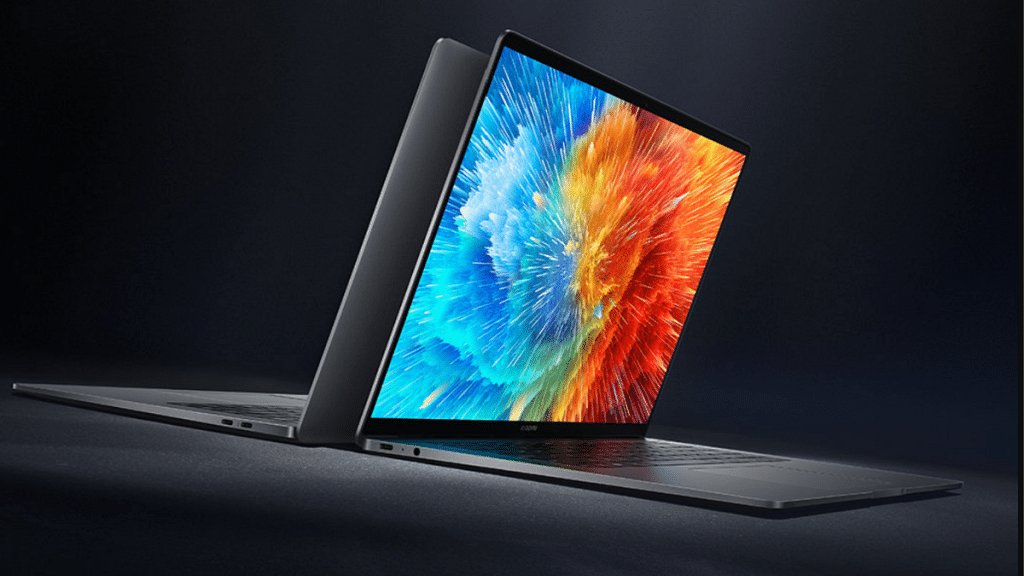
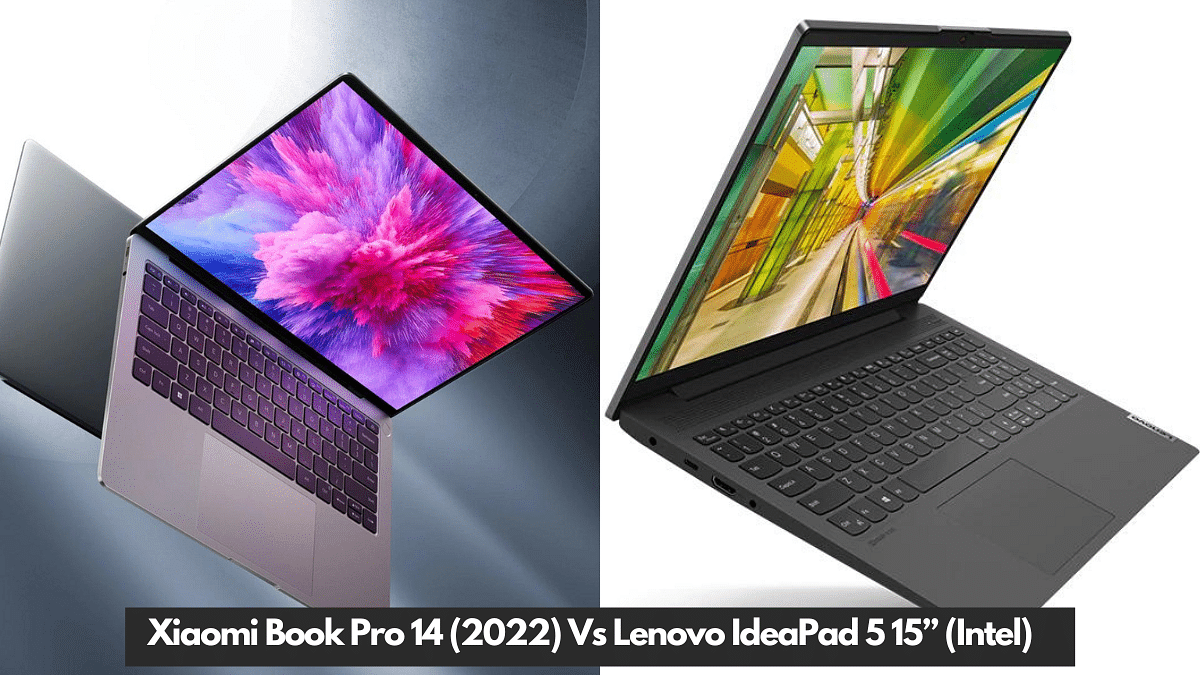
Xiaomi Book Pro 14 (2022) and Lenovo IdeaPad 5 15” (Intel): Which Laptop Offers the Best Value?

Key Highlights

  • The Xiaomi Book Pro 14 (2022) has a higher resolution display and longer battery life.
  • Xiaomi Book Pro 14 (2022) is less expensive but but offers premium features.
  • Both laptops are excellent options, but the best choice depends on individual needs and preferences.

In the world of laptops, Xiaomi and Lenovo are two of the most popular brands. Both companies released the models, the Xiaomi Book Pro 14 (2022) and the Lenovo IdeaPad 5 15” (Intel). These two laptops are both high-end and offer excellent features. But which one offers the best value?

ModelXiaomi Book Pro 14 (2022)Lenovo IdeaPad 5 15” (Intel)
Display14-inch15.6-inch
Resolution 2880 x 18001920 x 1080
Chipset11th Gen Intel Core i5-12450H MX550 11th Gen Intel Core i7-1165G7
RAM16GB12GB
Storage512GB512GB
Battery 56Wh57Wh
PriceRs.56,999Rs.57,990
Also Read: Xiaomi 13 Series Debuts With Top Of The Line Snapdragon 8 Gen 2 Chipset, Leica Cameras: India Launch This Year Or Next?

Xiaomi Book Pro 14 (2022) and Lenovo IdeaPad 5 15” (Intel): Display Features

The Xiaomi Book Pro 14 (2022) has a 14-inch display with a resolution of 2880 x 1800 pixels. It also features a 16:10 aspect ratio and a 90Hz refresh rate, making it perfect for watching videos and playing games. The Lenovo IdeaPad 5 15” (Intel), on the other hand, has a 15.6-inch display with a resolution of 1920 x 1080 pixels. It features a 16:9 aspect ratio and a 60Hz refresh rate. While the Lenovo display is bigger, the Xiaomi display has a higher resolution and refresh rate.

The Xiaomi Book Pro 14 (2022) has a 100% sRGB colour gamut and 300 nits of brightness. It also has a 178-degree viewing angle. The Lenovo IdeaPad 5 15” (Intel) has a 45% NTSC colour gamut and 300 nits of brightness. This means that both displays is much more vibrant and has better-viewing angles than the Lenovo display.

Also Read: Lenovo IdeaPad 1 With AMD Ryzen 3 7320U CPU Announced In India: Full Specs, Price

Xiaomi Book Pro 14 (2022) and Lenovo IdeaPad 5 15” (Intel): Chipset, Battery

Both laptops are powered by the latest Intel processors, with the Xiaomi Book Pro 14 (2022) featuring an 11th generation Intel Core i5-12450H MX550 processor, while the Lenovo IdeaPad 5 15” (Intel) features an 11th Gen Intel Core i7-1165G7 processor.

The Xiaomi Book Pro 14 (2022) comes with 16GB of LPDDR5 RAM and 512GB of NVMeSSD storage, while the Lenovo IdeaPad 5 15” (Intel) offers 12GB of DDR4 RAM and up to 512GB SSD storage.

The Xiaomi Book Pro 14 (2022) has a 56Wh battery that can last up to 12 hours, while the Lenovo IdeaPad 5 15” (Intel) has a 57Wh battery that can last up to 8 hours.

The Xiaomi Book Pro 14 (2022) also has a dedicated NVIDIA GeForce MX550 2GB graphics card, which is much more powerful than the integrated Intel UHD graphics card found in the Lenovo IdeaPad 5 15” (Intel). This means that the Xiaomi laptop can handle more demanding tasks like video editing and gaming.

Also Read: Lenovo Yoga 9i 14 (Gen 8) vs Samsung Galaxy Book 3 Pro : Features, Specs, and Price Compared

Xiaomi Book Pro 14 (2022) and Lenovo IdeaPad 5 15” (Intel): Keyboard, Connectivity, Ports

The Xiaomi Book Pro 14 (2022) has a backlit Island keyboard with a fingerprint sensor for added security. It also has Wi-Fi 6 and Bluetooth 5.1 connectivity, as well as two Thunderbolt 4 ports, a USB-C port, and a 3.5mm headphone jack. The Lenovo IdeaPad 5 15” (Intel) has a backlit keyboard with a numeric keypad. It has Wi-Fi 6 and Bluetooth 5.1 connectivity, as well as two USB 3.2 Gen 1 Type-A ports, a USB-C port, an HDMI port, and a 3.5mm headphone jack.

The Xiaomi Book Pro 14 (2022) has a precision touchpad that supports multi-touch gestures, while the Lenovo IdeaPad 5 15” (Intel) has a traditional touchpad. The Xiaomi laptop also has a 720p HD webcam with a privacy shutter, while the Lenovo laptop has a 720p HD webcam with a physical privacy shutter.

Also Read: Xiaomi Mi Notebook Pro Vs Realme Book Slim: Best Mid-Range Laptop Comparison

Xiaomi Book Pro 14 (2022) and Lenovo IdeaPad 5 15” (Intel): Price Compared

The Xiaomi Book Pro 14 (2022) starts at Rs.56,999 whereas the Lenovo IdeaPad 5 15” (Intel) starts at Rs.57,990. The Xiaomi Book Pro 14 (2022) is slightly less expensive and it offers a higher resolution display.

Also Read: Acer Swift Go 14 Premium Laptop Powered By AMD Ryzen 7000 Series Chipset Launched In India: Full Features, Price

Xiaomi Book Pro 14 (2022) and Lenovo IdeaPad 5 15” (Intel): Which Premium Laptop Is Better to Buy?

Both the Xiaomi Book Pro 14 (2022) and the Lenovo IdeaPad 5 15” (Intel) are excellent laptops that offer great features. If you are looking for a laptop with a higher resolution display, longer battery life, and Thunderbolt 4 ports, the Xiaomi Book Pro 14 (2022) is the better option. It also has a more modern design and a precision touchpad that supports multi-touch gestures.

However, to make a final decision, it’s important to consider your individual needs and budget. Think about what features are most important to you and how much you are willing to spend. Both the Xiaomi Book Pro 14 (2022) and the Lenovo IdeaPad 5 15” (Intel) offer excellent performance and features, so you can’t go wrong with either choice.

Also Read: Xiaomi’s New Mi and Redmi Laptops Coming To India Very Soon – What To Expect?
Categories
Comparison TV

Infinix 24Y1 Vs Blaupunkt Sigma TV Comparison: Best Cheapest 24 Inch Smart TV Under Rs. 10,000 In India

Infinix has increased the range of its Y1 line of smart TVs. Incidentally, the company debuted Y1 TVs measuring 32 and 43 inches last year. The smallest and most cheap option in the list has been added—the 24Y1. The 32-inch model cost less than Rs 10,000, and the most recent addition is available for less than Rs 8,000. A 24-inch smart TV from Blaupunkt that serves as a monitor, TV, and smart device all in one has been released in India. This follows the September 2022 release of their QLED Televisions. A flexible 3-in-1 experience is provided by the TV to improve productivity, enjoyment, and binge-watching. This month, Flipkart will begin selling the Infinix 24Y1 and Blaupunkt sigma. Here are the essential details.

Also Read: Infinix 50-inch 50X3 4K TV, Zero 55-inch QLED 4K TV Launched In India: See Price Here

Infinix 24Y1 Vs Blaupunkt Sigma TV Comparison: Display Comparison

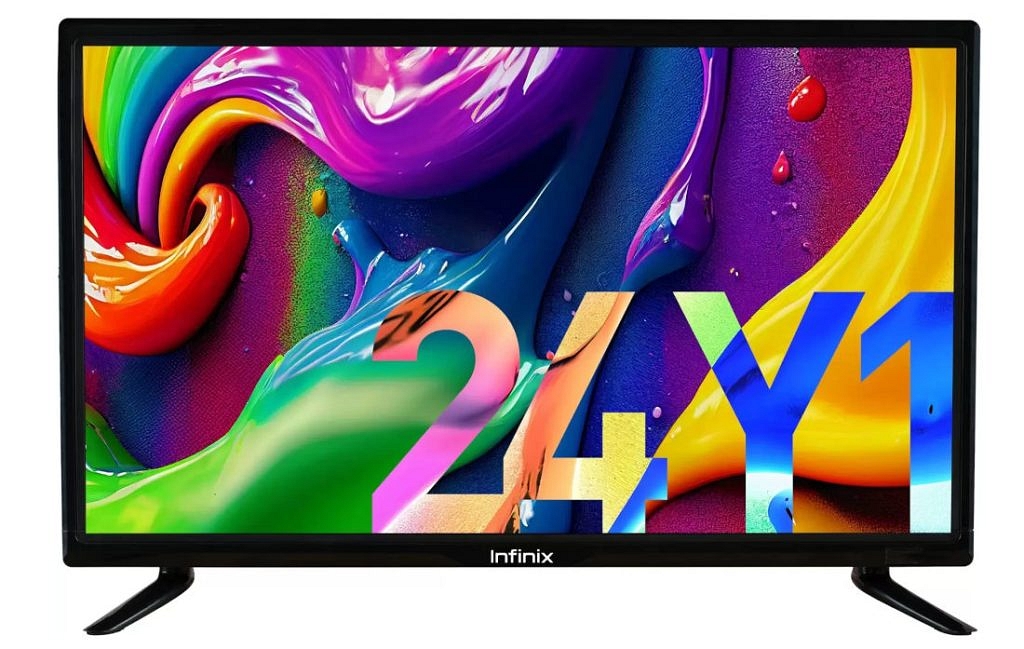
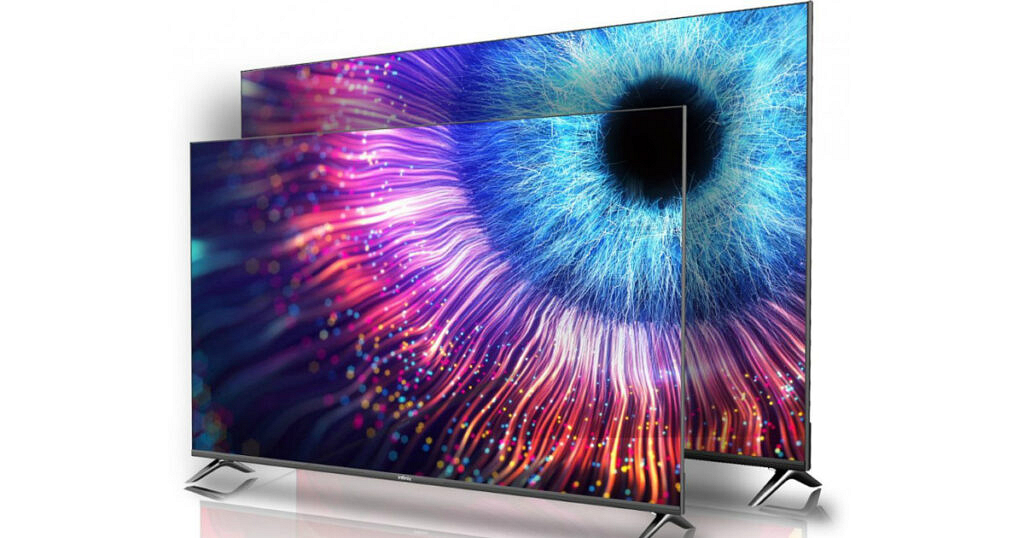
With a diagonal measurement of 24 inches and an HD resolution of 1,366 x 768 pixels, the Infinix 24Y1 offers a display. The display panel boasts a peak brightness of 250 nits. The enhanced dynamic range further supports the aesthetics that HLG support provides. There is an eye care setting that lowers the emissions of blue light to safeguard viewers’ eyes.

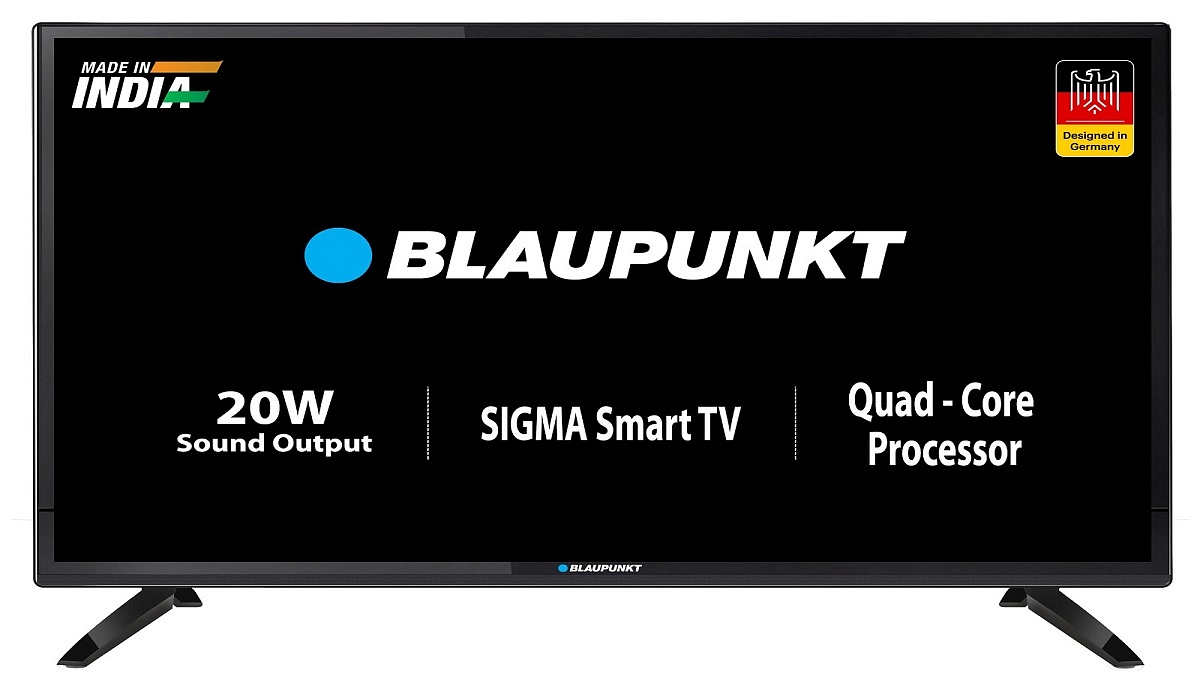
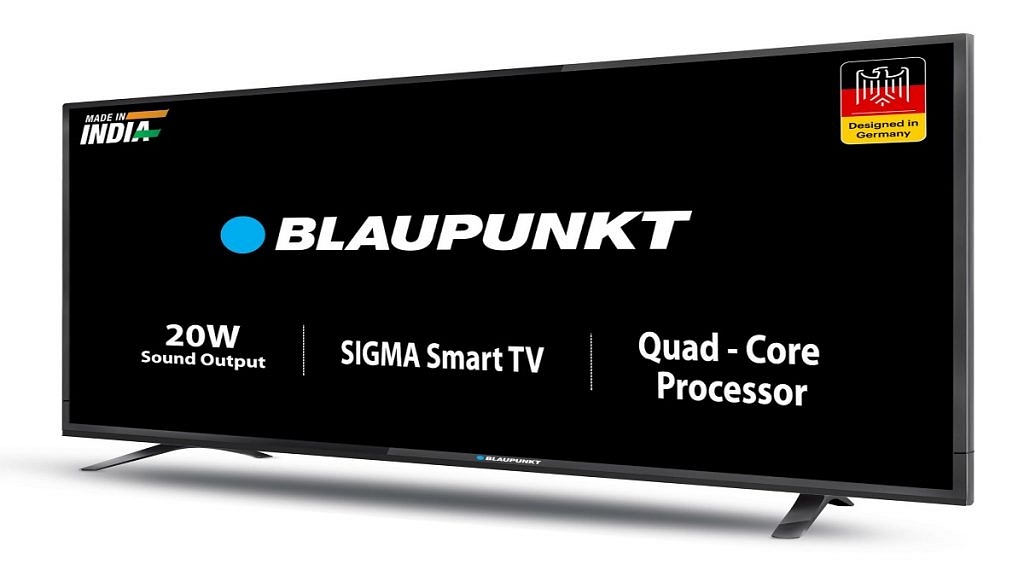
The 24-inch HD-Ready display on the Blaupunkt Sigma offers a brightness rating of 300 nits, a 1366 x 768-pixel resolution, and a refresh rate of 60 Hz. It has bezels that are thin.

Infinix 24Y1 Vs Blaupunkt Sigma TV Comparison: Audio

The Infinix 24Y1 features box speakers with audio output of up to 16W. Two 16W box speakers are used to handle the audio. Dolby has calibrated the audio, and different sound modes improve the audio quality.

The HD Ready Display, 20-watt Sound output with two Bottom Firing fitted speakers, and Surround sound technologies are all included in the smart premium TV line.

Infinix 24Y1 Vs Blaupunkt Sigma TV Comparison: OS And Features

The Infinix 24Y1 features a quad-core processor powering the device, which is how it performs. The chipset is coupled with 4GB of storage and 512MB of Memory. The Infinix 24Y1 runs Linux OS right out of the box in terms of software. Online content streaming apps are already preinstalled on it. The TV already has the apps Prime Video, YouTube, SonyLiv, Zee5, ErosNow, and AajTak loaded. Users can begin streaming without having to download any apps, so to speak.

The quad-core A35 processor and Mali-G31 GPU power the television. It includes 4GB of internal storage and 512MB of RAM. The bottom-firing speakers on the Linux-powered Smart TV have a 20W output. Furthermore, surround sound is supported.

Also Read: Blaupunkt Unveils 24-inch 3-in-1 Smart TV In India: Check Price And Specs

Infinix 24Y1 Vs Blaupunkt Sigma TV Comparison: Connectivity

The Infinix 24Y1 provides its consumers with a number of ports on the connectivity front. It has LAN and Wi-Fi connectivity options, two HDMI connectors, two USB ports, RF input, AV input, a headphone jack, COAX out, and two USB ports. The TV comes with a remote control with one-click access hotkeys for Amazon Video and YouTube.

The 24-inch Sigma TV has 2.4GHz Wi-Fi, Miracast, USB, and HDMI ports for connectivity. This is compatible with cell phones, laptops, and desktop computers. Moreover, a remote control is supported, equipped with special shortcut keys for opening YouTube and other apps.

Also Read: Blaupunkt TV Launches Three Affordable QLED TVs On Flipkart Ahead Of Big Billion Days

Infinix 24Y1 Vs Blaupunkt Sigma TV Comparison: Verdict

The Infinix 24Y1 speakers’ power has been reduced from 20W to 16W, nevertheless. The 43Y1, on the other hand, boasts a 43-inch FHD screen, 20W speakers, and Bluetooth functionality. The 43Y1 arrived with a sticker price of Rs 13,999, compared to the 32Y1’s initial price of Rs 8,999. The premium smart TV line from Blaupunkt provides a top-notch viewing experience with tailored recommendations, excellent sound, and optimized content.

Also Read: Infinix 24Y1 Smart TV Announced In India: Cheapest TV Starting At Rs. 6,799

Categories
Chipset Comparison Featured

MediaTek Dimensity 9000 Vs Qualcomm Snapdragon 870 Processor: Best Chipset For Value Flagship

Key Highlights

  • MediaTek Dimensity 9000 and Qualcomm Snapdragon 870 are top chipsets for value flagship smartphones.
  • MediaTek Dimensity 9000 offers better raw performance with 4nm manufacturing process.
  • Qualcomm Snapdragon 870 has better GPU performance and more mature software optimizations.
  • Both chipsets offer good value for money with high-end performance and power efficiency.

In the world of smartphones, choosing the right chipset is crucial as it determines the overall performance of the device. Two of the most popular chipsets available in the market today are the MediaTek Dimensity 9000 and the Qualcomm Snapdragon 870. These two processors are known for being powerful, efficient, and most importantly, cost-effective. But which one is the better choice for a value flagship smartphone?

Let’s dive into the details and compare the two.

ChipsetMediaTek Dimensity 9000Qualcomm Snapdragon 870
CPUOcta-core Octa-core
GPUArm Mali-G710 MC10Adreno 650
Memory LPDDR5XLPDDR5
Storage UFS 3.1UFS 3.0 and UFS 3.1
Fabrication 4nm7nm
Also Read: MediaTek Dimensity 9000+ Premium Chipset Fuelled iQOO Neo 7’s Geekebench Scores Out

MediaTek Dimensity 9000 Vs Qualcomm Snapdragon 870 Processor: CPU Architecture

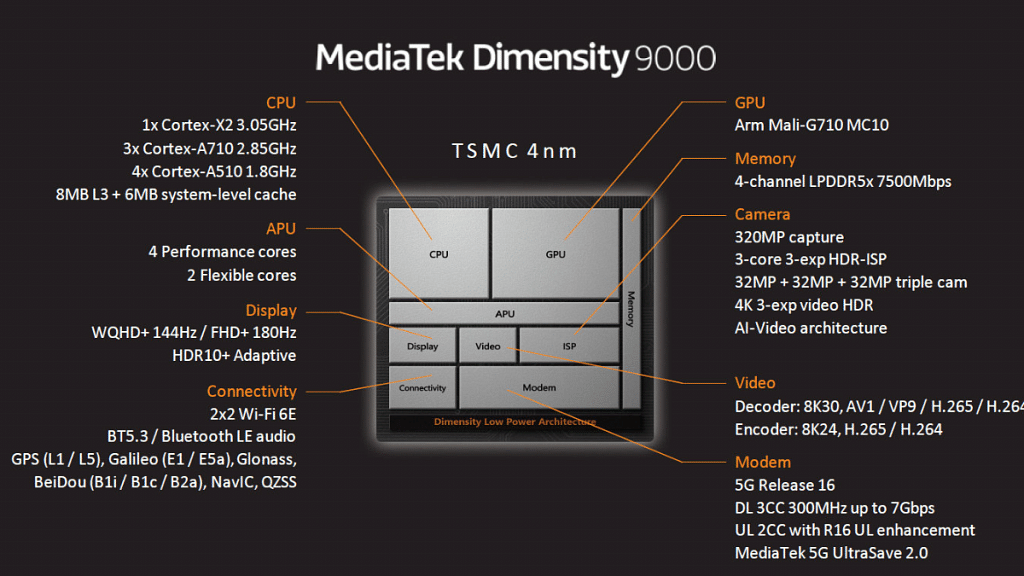
The MediaTek Dimensity 9000 is an 4nm octa-core processor that uses a 3.05GHz ultra-core ARM Cortex-X2, three 2.85GHz high-performance ARM Cortex-A710, and four 2.0GHz energy-efficient ARM Cortex-A510 cores. This setup ensures optimal performance while still being efficient on battery life.

On the other hand, the Qualcomm Snapdragon 870 is also a 7nm octa-core processor that uses a 3.2GHz Kryo 585 Prime core, three 2.42GHz Kryo 585 Gold cores, and four 1.80GHz Kryo 585 Silver cores. The Snapdragon 870’s CPU is powerful and efficient, making it perfect for a value flagship smartphone.

Out of both, the Dimensity 9000 processor has a better CPU architecture compared to the Snapdragon 870. 

Also Read: MediaTek Helio G36 Vs Qualcomm Snapdragon 480 Entry-Level Gaming Chipset Comparison

MediaTek Dimensity 9000 Vs Qualcomm Snapdragon 870 Processor: GPU Comparison

When it comes to gaming and graphics, the GPU is just as important as the CPU. The MediaTek Dimensity 9000 uses the world’s first Arm Mali-G710 MC10 GPU, which offers a 35% increase in performance compared to its predecessor, the Mali-G77.

On the other hand, the Qualcomm Snapdragon 870 uses the Adreno 650 GPU, which is also known for its exceptional performance. It’s important to note that the Adreno 650 has been used in other high-end Snapdragon processors, so it’s a proven and reliable option.

Also Read: Qualcomm Snapdragon 680 Vs MediaTek Helio G99 Chipset: Which Mid-Range SoC Fairs The Battle?

MediaTek Dimensity 9000 Vs Qualcomm Snapdragon 870 Processor: Memory, Multimedia (ISP) Comparison

The MediaTek Dimensity 9000 support LPDDR5X memory whereas Qualcomm Snapdragon 870 support LPDDR5 memory, both are efficient memory technology available today. However, the MediaTek Dimensity 9000 takes the lead with a better LPDDR5X memory and when it comes to multimedia capabilities. While Qualcomm has included support for both UFS 3.0 and UFS 3.1 storage, MediaTek has gone a step further by opting for exclusive support for the higher-performance UFS 3.1 storage technology, providing faster data transfer speeds and smoother app performance for users.

Further, MediaTek Dimensity 9000 has a powerful Image Signal Processor (ISP) with 32MP triple camera clubbed with 320-megapixel cameras, 4K HDR Video + AI-NR video recording and even 2X lossless zoom.

The Qualcomm Snapdragon 870, on the other hand, also has a powerful ISP that can support up to 200-megapixel cameras and 4K HDR video recording. However, the Dimensity 9000 chipset takes a lead here with 1 x 320MP and 3x32MP camera resolution support. 

Also Read: Qualcomm Snapdragon 780G Vs MediaTek Dimensity 8200 5G: Best Future Ready Gaming Chipset Comparison

MediaTek Dimensity 9000 Vs Qualcomm Snapdragon 870 Processor: Final Verdict

After comparing the MediaTek Dimensity 9000 and Qualcomm Snapdragon 870, it’s clear that both processors are excellent choices for a value flagship smartphone. The MediaTek Dimensity 9000 is an excellent option for users who prioritize multimedia capabilities, while the Qualcomm Snapdragon 870 is a reliable choice for overall performance.

Ultimately, the decision comes down to personal preference and what features you value the most. Both chipsets are capable of handling everyday tasks, multitasking, and gaming without any issues. It’s worth noting that the MediaTek Dimensity 9000 is a newer processor and might have some optimizations to come in the future.

In conclusion, the MediaTek Dimensity 9000 and Qualcomm Snapdragon 870 are both great options for a value flagship smartphone. They offer exceptional performance, energy efficiency, and multimedia capabilities, making them perfect for a wide range of users. With these two options available, users can be confident that they can find a powerful and cost-effective device that meets their needs.

Also Read: Qualcomm Snapdragon 782G Vs Dimensity 920 SoC Premium Mid-Range Mobile Chipset Comparison
Categories
Comparison mobile

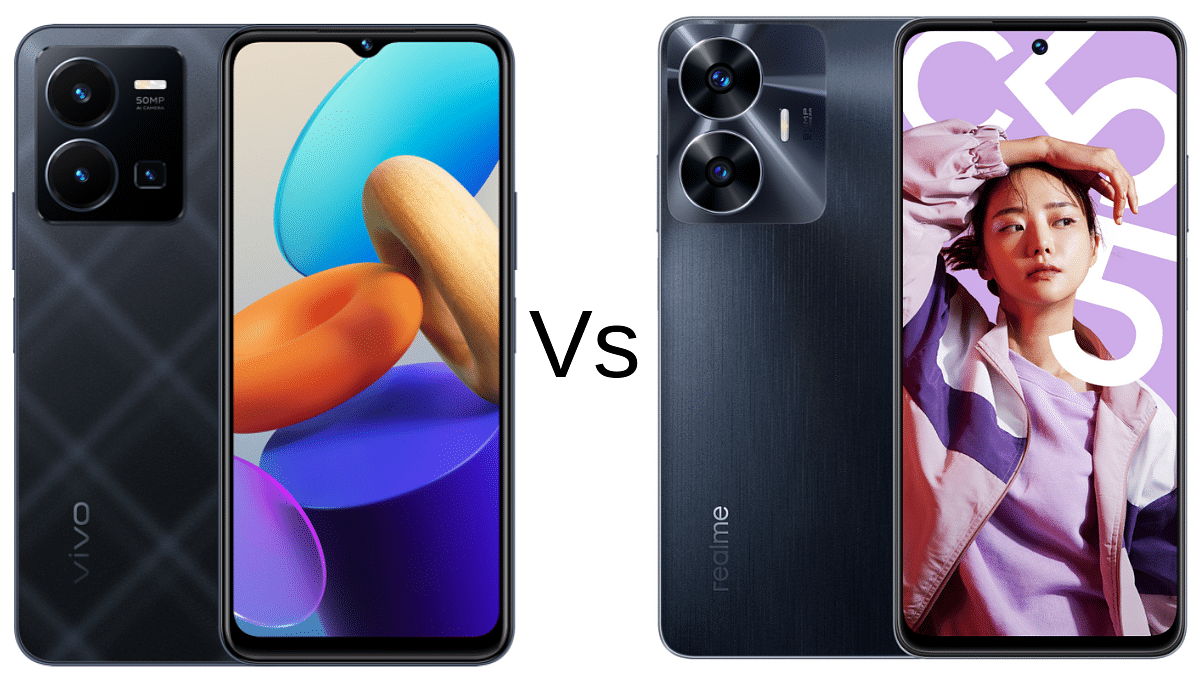
Realme C55 Vs Vivo Y35: Latest Affordable Android Phones Battle

Key Highlights

  • The Realme C55 offers a larger 6.72-inch display size, while the Vivo Y35 comes with a slightly smaller display size of 6.58 inches.
  • Both devices support fast charging, with the Vivo Y35 supporting 44W fast charging and the Realme C55 supporting 33W fast charging.
  • The Realme C55 is priced at approximately Rs.13,490, while the Vivo Y35 comes in at around Rs.18,499, making the Realme C55 a more budget-friendly option.

The market for affordable Android smartphones is constantly evolving, and the latest contenders in this segment are the Realme C55 and the Vivo Y35. Both devices offer impressive features and specifications that cater to the needs of the average smartphone user. In this article, we will compare the Realme C55 and the Vivo Y35 to help you know which is a better deal.

Also Read: Nokia T21 Vs Nokia T20 Vs Realme Pad Mini Tablet Comparison: Best Entry-Level Android Tablet For Daily Use

Realme C55 Vs Vivo Y35: Display Features, Specs

ModelRealme C55Vivo Y35
Display Size6.72-inch6.58-inch
Display TypeIPS LCDIPS LCD
Screen resolution 1080 x 24001080 x 2408
Refresh Rate 90Hz90Hz
Screen-to-body ratio86.7%83.4%

When it comes to the display, the Realme C55 offers a larger 6.72-inch IPS LCD panel, while the Vivo Y35 comes with a slightly smaller display size of 6.58 inches, but with the same display type as an IPS LCD panel. However, the Vivo Y35 boasts a slightly higher resolution of 1080 x 2408 pixels than the Realme C55’s 1080 x 2400 pixels. The Realme C55 also has a higher screen-to-body ratio of 86.7%, compared to the Vivo Y35’s 83.4%.

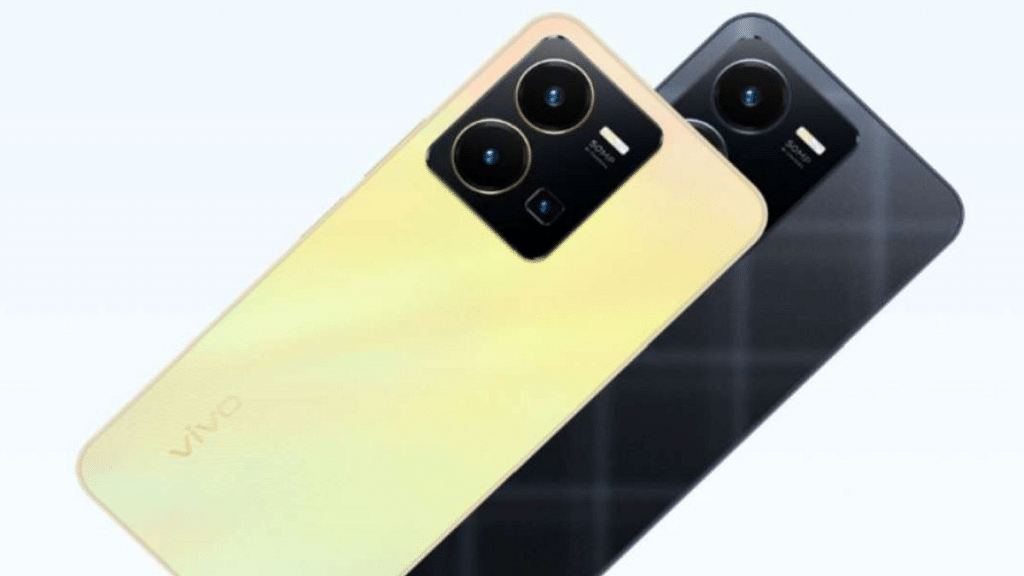
In terms of design, the Vivo Y35 has a waterdrop-style notch that houses the front-facing camera, while the Realme C55 has a punch-hole camera cutout on the top of the display. The Vivo Y35 also has a more attractive design, with a unique geometric pattern on the back panel.

Also Read: Vivo Y35 5G Is The Latest Budget 5G Phone With 15W Fast Charging: Is It Available In India?

Realme C55 Vs Vivo Y35: Camera Specifications

ModelRealme C55Vivo Y35
Back Camera64MP+2MP50MP+2MP+2MP
Front Camera8MP16MP
Video recording1080p@30/60fps1080p@30

The Vivo Y35 comes with a 50MP primary sensor and two 2MP sensors for depth and macro shots. Whereas, the Realme C55 has a dual camera setup with a 64MP primary camera and 2MP depth sensors which may result in slightly better low-light performance. On the front, Vivo Y35 has a 16MP selfie camera housed in a smaller notch whereas the Realme C55 has an 8MP selfie camera.

Also Read: Poco C50 Vs Vivo Y1s: Trending Budget Smartphone Competition

Realme C55 Vs Vivo Y35: Chipset, Battery

ModelRealme C55Vivo Y35
ProcessorMediaTek Helio G88Qualcomm Snapdragon 680
Memory 128GB 6GB RAM, 256GB 8GB RAM64GB 4GB RAM, 128GB 4GB RAM, 128GB 8GB RAM, 256GB 8GB RAM
Battery 5000 mAh5000mAh
Fast charging 33W44W

Under the hood, the Realme C55 is powered by a MediaTek Helio G88 processor, while a Qualcomm Snapdragon 680 processor powers the Vivo Y35. Realme C55 comes with up to 8GB RAM and 256GB of internal storage, whereas Vivo Y35 has up to 8GB RAM and 256GB of internal storage. In terms of battery, both phones pack a 5,000mAh battery. Both devices come with the added convenience of fast charging, making it easier for users to power up their phones on the go. The Vivo Y35 supports an impressive 44W fast charging capability, while the Realme C55 supports 33W fast charging.

Also Read: Tecno Phantom X2 Vs Vivo V27 Pro: Best Smartphone Under Rs. 40,000

Realme C55 Vs Vivo Y35: Price

ModelRealme C55Vivo Y35
PriceRs.13,490Rs.18,499

When it comes to pricing, the Realme C55 and the Vivo Y35 offer great value for their respective price points. The Realme C55 is priced at Rs.13,490, while the Vivo Y35 comes in at around Rs.18,499.

Overall, the Realme C55 is a more budget-friendly option for those looking for a great smartphone at an affordable price. On the other hand, the Vivo Y35 may appeal to those who are willing to spend a bit more for a phone with slightly better specs and features.

Also Read: Realme GT 3 Vs OnePlus 11R: Value Flagship Phones Battle

Realme C55 Vs Vivo Y35 Final Verdict: Which One Should You Buy?

Both the Realme C55 and the Vivo Y35 offer excellent value for their price point. However, the Realme C55 has a more attractive design, a slightly better display, and a larger aperture for the primary camera, which may appeal to some users. On the other hand, the Vivo Y35 has a more powerful chipset and a unique geometric pattern on the back, which some users may prefer.

Ultimately, the choice between the two phones comes down to personal preference. If you are tight on budget and prioritize design and camera performance, the Realme C55 may be the better choice for you. However, the Vivo Y35 may be the better choice if you prioritise performance and display design.

Also Read: Realme 10 Pro 5G, Realme 10 Pro+ 5G With 108MP Camera, 67W Fast Charging Official Announced: Price, Expected India Launch
Categories
Comparison Tablet

Honor Pad 8 Vs Realme Pad Vs Redmi Pad: Mid-Range Android Tablet Comparison

Ley Highlights

  • Honor Pad 8 sales have started this year in India via Flipkart
  • All three tablets are affordable options for mid-range consumers
  • All models feature an IPS LCD screen

It can be challenging to find an Android tablet in India these days because the majority of brands only sell versions that are either overpriced or weak. When it comes to Android development, Google hasn’t put a lot of emphasis on tablets, which makes it challenging for manufacturers to provide a high-quality experience (with apps) at an affordable price.

However, the same issues plague all Android tablets, regardless of the price range: a bad user interface (UI), unoptimized apps, and excessive screen waste. Apple’s iPads, in contrast, benefit from the iPad OS and receive stronger support from independent software developers.

What would happen if a smartphone manufacturer wanted to introduce a tablet that was more affordable than everything else on the market? We have compared Honor Pad 8, Realme Pad, and Redmi Pad. Let’s examine if, despite the general limitations of Android tablets, they are still a worthwhile purchase for anyone looking for a cheap tablet primarily for media consumption.

Also Read: Nokia T21 Vs Moto Tab G62 Vs Samsung Galaxy Tab A8: Best Android Tablet Under Rs. 20,000 In India

ModelHonor Pad 8Realme Pad Redmi Pad
Display12-inch10.4-inch10.6-inch
Camera5MP rear, 5MP front8MP rear, 5MP front8MP rear, 8MP front
ChipsetSnapdragon 680Helio G80Helio G99
Battery7,250 mAh7,100 mAh8,000 mAh

Honor Pad 8 Vs Realme Pad Vs Redmi Pad: Display Comparison

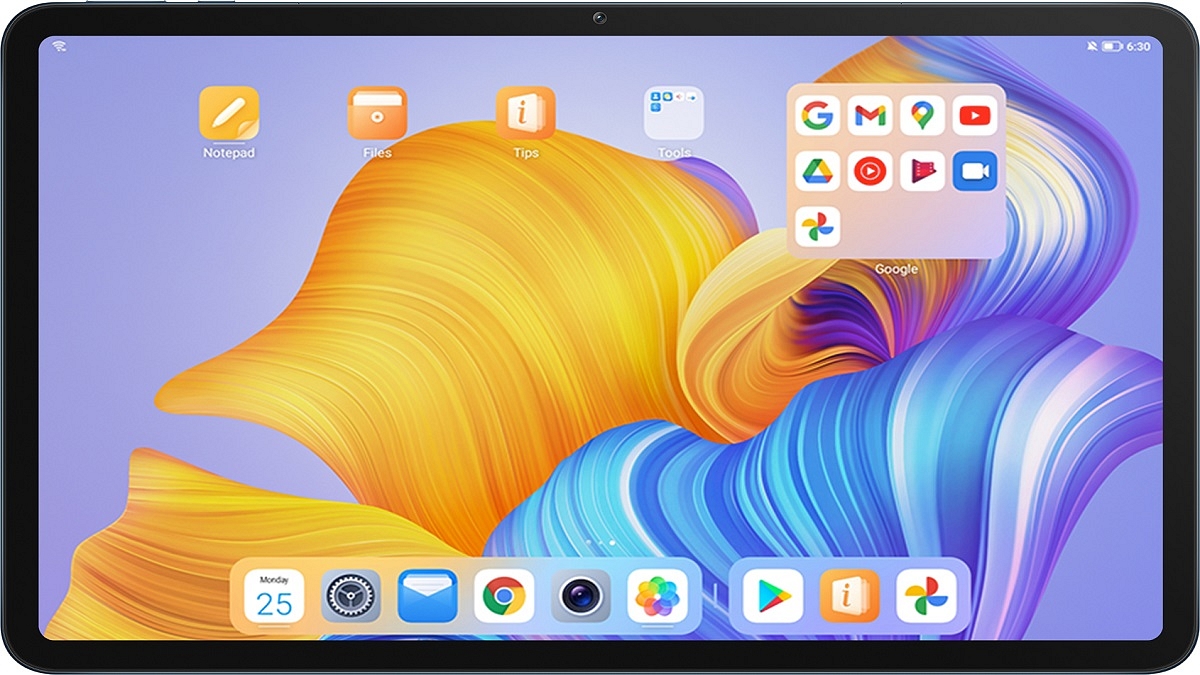
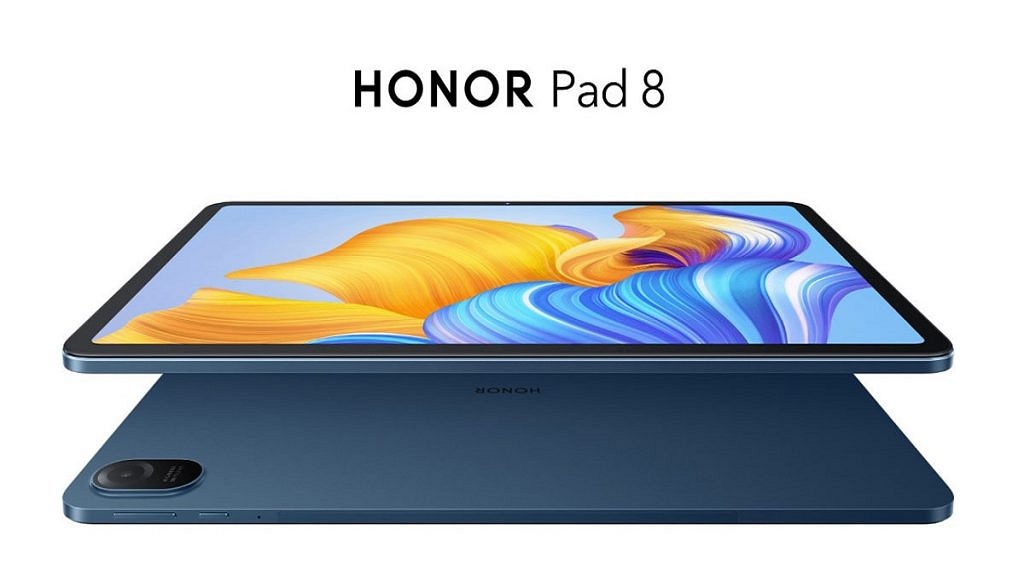
The Honor Pad 8 has an FHD+ resolution of 2,000 x 1,200 on the 12-inch IPS LCD panel and a 15:9 aspect ratio. When compared to the greatest Android tablets, the screen has huge bezels, but Honor benefits from this because there is enough space to hang on to at the sides.

The Realme Pad makes a strong first impression right away. The Pad has a metal body composed of an aluminum alloy, giving it a very upscale appearance. The chassis weighs 440 grams and is relatively lightweight considering its 6.9mm thinness.

The 10.4-inch WUXGA+ (2,000 x 1,200) LCD display takes center stage up front and is lovely and colorful too. It lacks the benefits of an AMOLED display and luxuries like a fast refresh rate or HDR capability, but it nevertheless produces vibrant, bold colors that are bright enough for outdoor use.

The Redmi Pad has a large, 10.61-inch display with a resolution of 2,000 x 1,200 pixels. The device’s 90Hz refresh rate display and support for up to a billion colors give it a slight edge over the competition. There isn’t any HDR10+ certification or Dolby Vision support, but the 10-bit screen is still capable of 70% NTSC coverage and has a maximum brightness of 400 nits.

Also Read: OPPO Pad 2 Vs OnePlus Pad 2 Vs Lenovo Tab P11 Pro (2nd Gen): Powerful Android Tablet Battle

Honor Pad 8 Vs Realme Pad Vs Redmi Pad: Camera Comparison

On the Honor Pad 8, there are two 5MP cameras: one on the back and one hidden in the side bezel up front. Given the size of the tablet and its intended use case, the rear camera is mostly an afterthought; you’re better off using your phone for snapping images. The front camera is adequate for video calls, and the one at the back is usable if you need to take a few pictures.

Both the front and back cameras on the Realme Pad are 8 megapixels. The camera interface on Realme smartphones is considerably different, with a minimalist design and only the most fundamental features and settings.

Realme has still made an effort to provide some diversity by incorporating an expert mode with manual options for ISO, shutter speed, white balance, autofocus, and exposure. The Redmi Pad’s front and rear cameras both sport an 8MP resolution. The rear-facing camera is not a wonderful tool for capturing your priceless experiences due to its poor dynamic range and slightly washed-out colors.

Also Read: Android Tablet Launch Roundup: Latest Tablets Launched In 2023

Honor Pad 8 Vs Realme Pad Vs Redmi Pad: Battery And Chipset

The Honor Pad 8’s hardware includes a 6nm Snapdragon 680 from Qualcomm. It has Cortex A73 and A53 cores. Furthermore, you get Wi-Fi ac and Bluetooth 5.1, as well as 4GB of RAM and 128GB of storage. The Honor Pad 8 has a 7,250mAh battery which is more than sufficient for daily use.

The Realme pad is powered by MediaTek’s Helio G80 SoC, an octa-core 12nm processor. Depending on the model you select, the smartphone has 3 or 4 GB of RAM on board, and you’ll find that it performs well for the majority of daily tasks like using social media apps, browsing the web, playing casual games, watching OTT content, etc. The 7,100mAh battery is another feather in the Realme Pad’s well-adorned cap and lasts fairly long.

The Redmi Pad is powered by MediaTek Helio G99 chipset. The processor comes with three different RAM and storage configurations: 3GB/64GB, 4GB/128GB, and 6GB/128 GB. The Redmi Pad has a large 8,000mAh battery.

The tablet’s loop test lasts for roughly 15 hours. With the size of the screen and the 5% battery loss in standby mode, it may easily go three to four days without a charge when used in a varied manner. Even though the tablet’s maximum charging power is only 18W, it comes with a 22.5W fast charger in the box. The battery must be completely charged for more than 2 hours and 30 minutes when using the provided brick.

Also Read: Best New Budget Android Tablets In India That You Can Buy: iTel, Nokia, And More

Honor Pad 8 Vs Realme Pad Vs Redmi Pad: Verdict

The Honor Pad 8’s affordability is one of its standout features; the tablet costs just Rs. 21,999 in India. As a result, the Honor Pad 8 has a lot to offer to those looking for a low-cost tablet primarily for browsing or watching films.

The superior yet lightweight design, respectable performance, reasonable screen, good audio, and extended battery life are the Realme Pad’s top features for a reasonably inexpensive tablet. Even while it might be a stretch to call it a disruptor, it’s still worth buying if you’re looking for a slate that can handle the typical content consumption use cases without burning a hole in your wallet.

The Redmi Pad has a simple design and is incredibly light in weight, making it simple to transport the gadget from one location to another. The tablet has respectable performance and works well for making video calls.

But not at all recommended if you want to take detailed pictures. The Redmi Pad’s battery is one of its best features. A full day of intense use will fully recharge the smartphone. I had about 42% left after watching three movies consecutively, for instance. The Redmi Pad is undoubtedly among the best “cheap” Android tablets now on the market.

Also Read: Itel pad 1 vs Samsung Galaxy Tab A7: Best Budget Tablet Under Rs. 15,000

Categories
Comparison Tablet

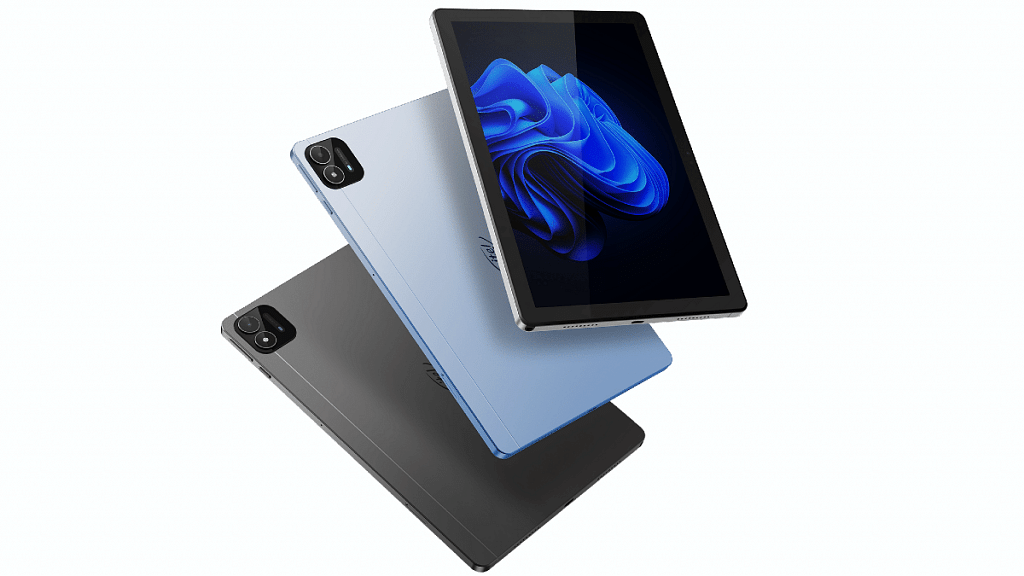
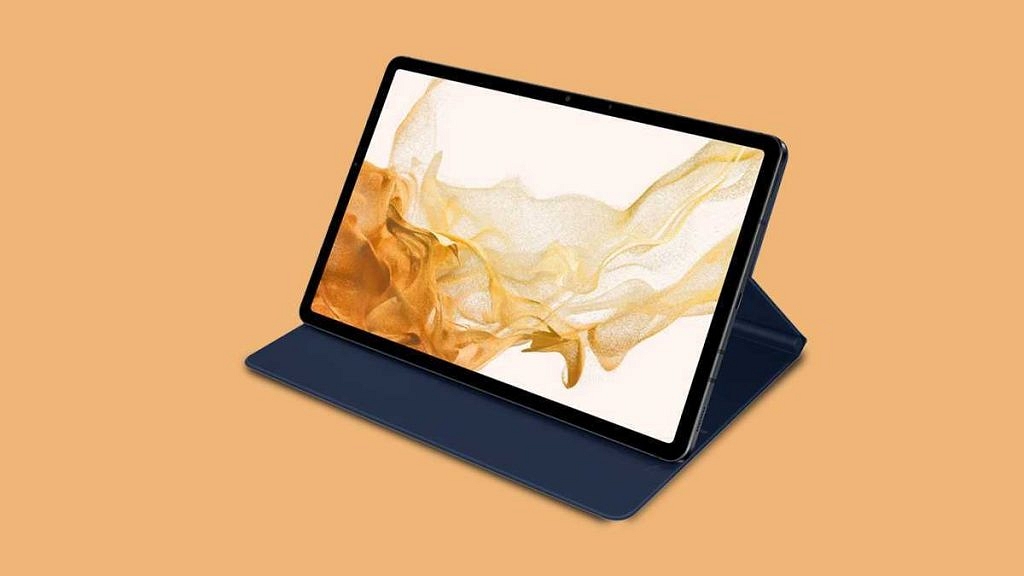
Itel pad 1 vs Samsung Galaxy Tab A7: Best Budget Tablet Under Rs. 15,000

Looking for a tablet that slays? The Samsung Galaxy Tab A7 is an inexpensive choice with superior performance and aesthetics. In several ways, this technology is a more potent substitute for basic cuisine. Itel introduced the PAD 1 Tablet with 4G Calling in India. This pad includes a large display, very sophisticated features, and lightning-fast 4G VoLTE for the best performance. Are these tablets right for you? Learn more in this review.

Also Read: Vivo Pad 2 Tablet Chipset Revealed: Other Key Features We Know

Itel pad 1 vs Samsung Galaxy Tab A7: Display Comparison

ModelItel pad 1Samsung Galaxy Tab A7
Display10.1-inch 10.4-inch
Camera5MP(rear)+ 8MP(selfie)8MP(rear)+5MP(selfie)
ChipsetUnisoc SC9863A1Qualcomm Snapdragon 662
Battery6,000mAh7,040mAh

The itel PAD 1 has a 10.1″ HD+ IPS Display, and the paper-thin metal design provides users with an immersive, vibrant viewing experience. It is thin, light, and fashionable. The Samsung Galaxy A7 has a diagonal measurement of 10.4 inches and a Full HD resolution of 2,000 by 1,200 pixels. The screen on this tablet is by far the nicest I’ve seen at this price point.

Itel pad 1 vs Samsung Galaxy Tab A7: Camera Comparison

The Itel Pad 1 has a front-facing camera and a rear camera for capturing special moments. There is a 5MP camera sensor on the back and an 8MP selfie camera on the front. If customers use this tablet as a productivity tool, they may rely more on the front camera during conference calls, hence the front camera sensor is larger. The Samsung Galaxy Tab A7 offers a 5MP front-facing camera and an 8MP back camera.

Itel pad 1 vs Samsung Galaxy Tab A7: Battery And Chipset

The iTel Pad 1 is powered by Unisoc SC9863A1. This tab includes 4GB of RAM and a 128GB internal storage space that is extendable. The Itel Pad 1 is equipped with Qualcomm Snapdragon 662. The tab has 3GB of RAM and 32GB of storage.

The Samsung Galaxy A7 has excellent battery life. With an internal battery of 7,040mAh, you have more than enough power to get you through the day. The Tab A7 effortlessly surpassed 10 hours of video playback, which is more than normal for a tab of this kind. The Itel Pad 1 comes with a 6,000mAh battery and a charger that supports 10W charging.

Itel pad 1 vs Samsung Galaxy Tab A7: Verdict

The itel pad 1 does offer an attractive design with great hardware on the inside. The pad is great for people who just want a pad that can fulfill their basic needs without breaking the bank. The Samsung Galaxy Tab A7 is an entry-level Android tablet. The Tab A7 nearly has it all with a solid body, fantastic screen, incredible battery life, and other features built-in.

Also Read: iTel Pad One vs Nokia T10: The Ultimate Budget-Friendly Tablet Comparison

Categories
Chipset Comparison

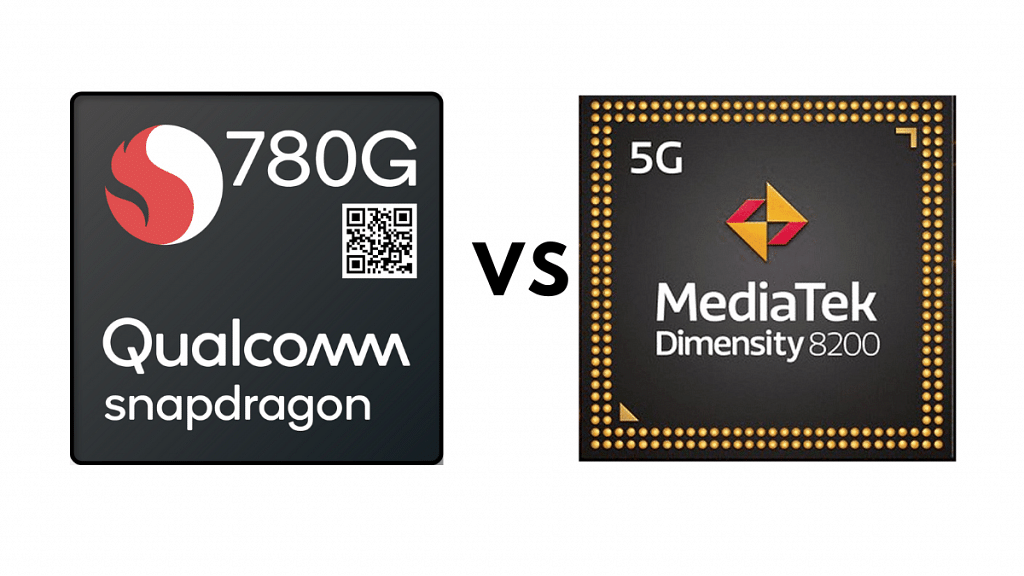
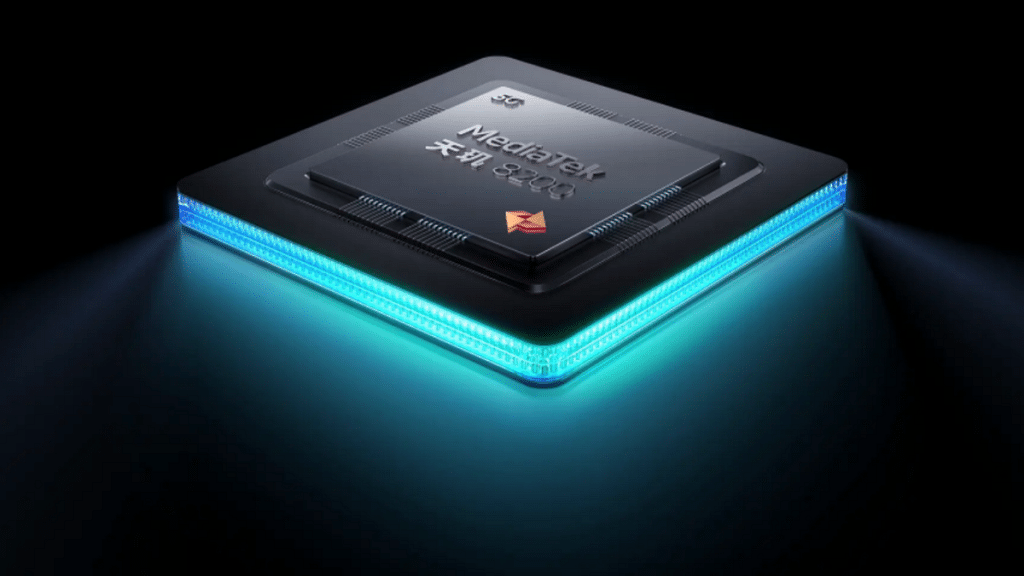
Qualcomm Snapdragon 780G Vs MediaTek Dimensity 8200 5G: Best Future Ready Gaming Chipset Comparison

Key Highlights

  • Both chipsets offer integrated 5G modems.
  • Qualcomm Snapdragon 780G offers excellent gaming performance, efficient power consumption.
  • Dimensity 8200 5G leads Snapdragon 780G in CPU performance with higher clock speed.

As 5G connectivity becomes more widely available, the demand for powerful chipsets that can handle the latest mobile games and applications is also increasing. Qualcomm and MediaTek are two of the leading chipset manufacturers in the industry, with their Snapdragon 780G and Dimensity 8200 5G respectively competing for the top spot in the market. In this article, we will compare these two chipsets and determine which one is the best for future-ready gaming.

Also Read: MediaTek Helio G99 Vs Dimensity 700 Chipset Comparison: Best Budget Mobile Processor For Android Phones?

Qualcomm Snapdragon 780G Vs MediaTek Dimensity 8200 5G: CPU Architecture

The CPU architecture is an essential aspect of a chipset’s performance, and both Snapdragon 780G and Dimensity 8200 5G feature powerful architectures. The Snapdragon 780G is built on an 5nm process and features a Cortex-A78 CPU with a maximum clock speed of 2.4GHz. On the other hand, the Dimensity 8200 5G is built on a 4nm process and features a Cortex-A78 CPU with a maximum clock speed of 3.1GHz.

In terms of CPU performance, the Dimensity 8200 5G takes the lead due to its higher clock speed and smaller manufacturing process. However, both the chipsets are no slouch, as their Cortex-A78 CPU provides powerful CPU architectures that can handle demanding mobile applications and multitasking with ease.

Also Read: Snapdragon 780G: The economic SoC champion

Qualcomm Snapdragon 780G Vs MediaTek Dimensity 8200 5G: GPU Comparison

The GPU is another critical aspect of a chipset’s performance, particularly for gaming. The Snapdragon 780G features an Adreno 642 GPU, while the Dimensity 8200 5G features a Mali-G610 MC6 GPU.

While both GPUs are powerful, the Adreno 642 GPU in the Snapdragon 780G is considered superior due to its better optimization and support for advanced gaming and graphics technologies such as HDR and ray tracing. The Mali-G610 MC6 GPU also provides excellent performance in other multimedia applications such as video playback and image rendering, but it may not be as feature-rich as the Adreno 642.

Also Read: MediaTek Dimensity 8200 VsQualcomm Snapdragon 870: Best 5G Chipset For Value Flagships

Qualcomm Snapdragon 780G Vs MediaTek Dimensity 8200 5G: Memory, Multimedia (ISP) Comparison

Memory and multimedia capabilities are also important factors to consider when comparing chipsets. The Snapdragon 780G supports LPDDR4X RAM up to 16GB, while the Dimensity 8200 5G supports LPDDR RAM up to 12GB.

In terms of multimedia, the Snapdragon 780G features a Spectra 570 Triple ISP, while the Dimensity 8200 5G features a MediaTek Imagiq 785 ISP. The Spectra 570 Triple ISP is known for its excellent image processing capabilities and supports up to three 25MP camera sensors. The Imagiq 785 ISP, on the other hand, supports up to 320MP camera sensors and features advanced AI-based image processing.

Overall, both chipsets offer excellent memory and multimedia capabilities, with the Snapdragon 780G slightly ahead in terms of memory speed and the Dimensity 8200 5G offering better image processing.

Also Read: MediaTek Dimensity 7200 Goes Official: New Powerful Mobile Chipset For Value Flagships

Qualcomm Snapdragon 780G Vs MediaTek Dimensity 8200 5G: Final Verdict

In conclusion, both the Snapdragon 780G and Dimensity 8200 5G are powerful chipsets that offer excellent performance for future-ready gaming. While the Snapdragon 780G may have a slight edge in CPU and memory performance, the Dimensity 8200 5G’s superior GPU and image processing capabilities make it the better choice for gaming and multimedia applications. Ultimately, the choice between these two chipsets depends on the user’s specific needs and preferences.

Also Read: MediaTek Dimensity 8200 VsQualcomm Snapdragon 870: Best 5G Chipset For Value Flagships
Categories
Comparison mobile

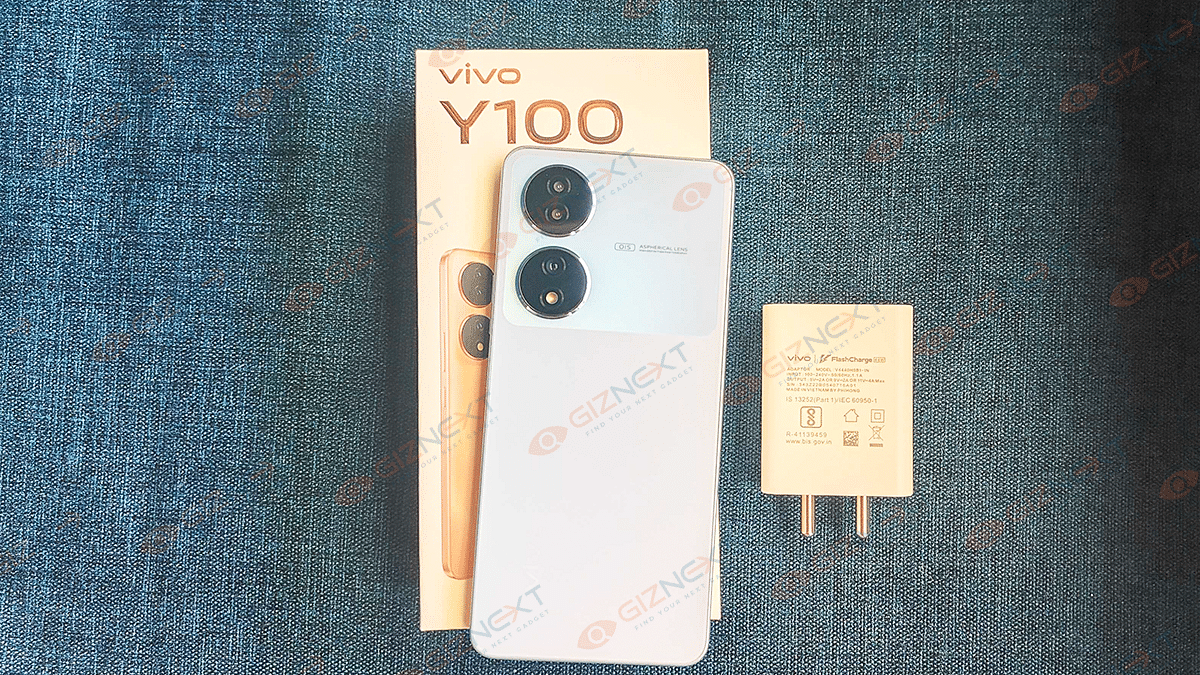
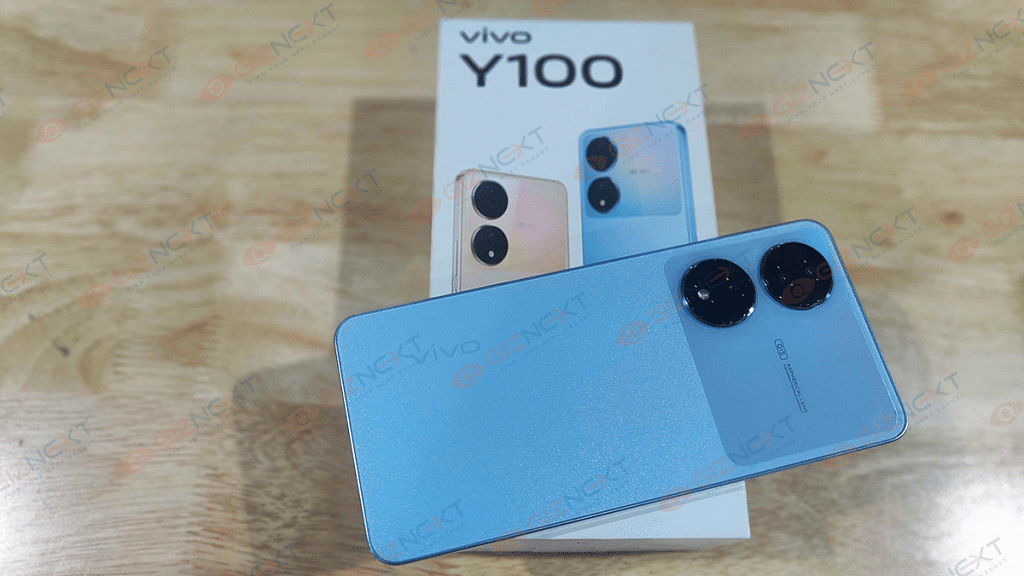
Samsung Galaxy A73 5G Vs Vivo Y100 5G: Best Mid-Range Phone Face Off

Samsung is one of the most popular smartphone brands in India. With the inexpensive M-series, the pricier A-series, and the flagship S and Z line of smartphones, the brand launches more smartphones each year than one can count on two hands. Naturally, the business has a devoted following in India, and with the brand-new Samsung Galaxy A73 5G, which provides an outstanding camera stack among other things, it aims to attract even more customers. With the addition of the Vivo Y100 5G to the lineup, Vivo is expanding its Y-Series selection in India. The Vivo Y100 promises to have top-notch specs and is the first Y Series smartphone to be priced beyond Rs. 20,000. It is the first 5G phone in the Vivo Y Series that also has a color-changing back panel design. Vivo released its first color-changing smartphone in 2022, and with the Vivo Y100, the company hopes to improve. Will these smartphones be able to stand out in the cutthroat market? Let’s investigate.

Samsung Galaxy A73 5G Vs Vivo Y100 5G: Display Comparison

ModelSamsung Galaxy A73 5G Vivo Y100 5G
Display6.7-inch 6.38-inch
Camera108MP(rear)+ 32MP(front)64MP(rear)+16MP(front)
ChipsetQualcomm Snapdragon 778GMediaTek Dimensity 900 MT6877 
Storage 128GB128GB
PriceRs. 42,999Rs. 20,500

The Super AMOLED Plus-enabled, 6.7-inch Samsung Galaxy A73 5G panel has FHD+ resolution and is supported by Super AMOLED technology. As the display is flat, you won’t have to worry about color distortion or unintentional touches either. The device’s quick refresh rate of 120Hz is the cherry on top, enabling it to maximize the performance of games like Alto’s Odyssey, which runs at 120FPS, as well as in-app animations.

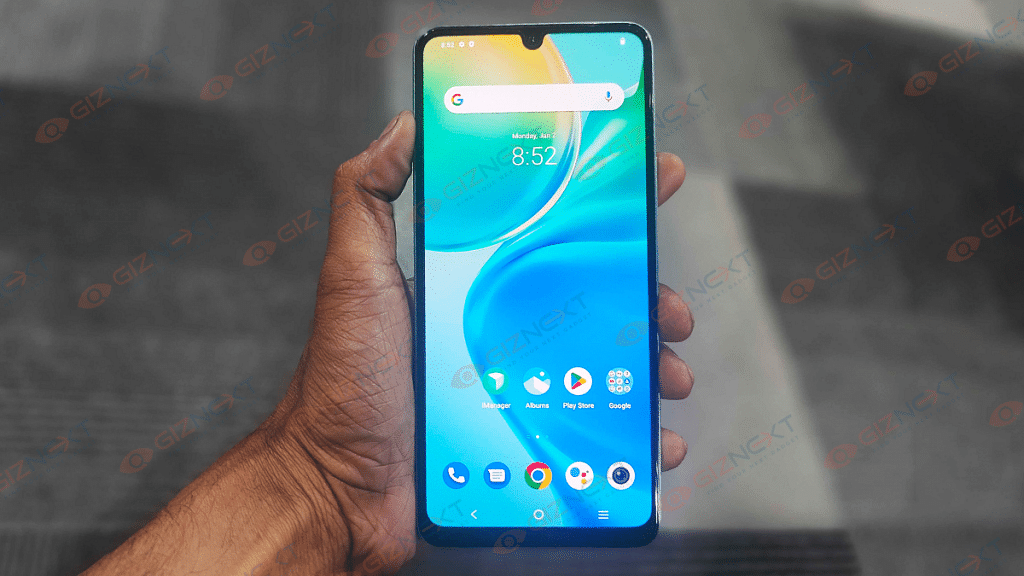
The Vivo Y100 has a 6.38-inch FHD+ AMOLED screen. The blacks appear intense and dramatic, the colors are vibrant, and the details are clear. It features a refresh rate of 90Hz, which is lower than the current standard of 120Hz for most smartphones. The touch sensitivity is excellent.

Also Read: Lava Blaze 5G Smartphone Launched With MediaTek Dimensity 700 Soc, 4GB RAM, And More In India

Samsung Galaxy A73 5G Vs Vivo Y100 5G: Camera Comparison

Samsung has gone above and beyond with the Galaxy A73 5G’s camera. The smartphone is really the first member of the Galaxy A series to come equipped with a 108MP primary camera. A 12MP ultrawide angle camera, a 5MP depth camera, a 5MP macro camera, and a 32MP selfie camera are among the other sensors. I should also mention that the camera has OIS capability, so you should be able to use the A73 5G’s primary sensor to capture videos that are smudge-free.

The Vivo Y100 smartphone has a triple camera setup. It has a 64MP primary camera and two 2MP lenses. The primary camera performs well in daylight since it captures images that are rich in detail, crisp, and have good color accuracy. OIS does a good job since as soon as the pictures are taken, they are Instagram-worthy. The smartphone has a 16MP front camera.

Samsung Galaxy A73 5G Vs Vivo Y100 5G: Battery And Chipset

The Samsung Galaxy A73 5G is powered by the Qualcomm Snapdragon 778G CPU, which also supports LPDDR4x Memory and UFS 2.2 storage. There is a 5000mAh battery in the smartphone.

The Vivo Y100 is powered by MediaTek Dimensity 900 chipset. Many apps can open and load rapidly thanks to the 6nm chipset, and moving between multiple running apps doesn’t cause any lags. Even with 15-20 programs running in the background without any lag or crashes, the 8GB RAM handled its job well.

Also Read: Asus ROG 6, Black Shark 5s, Realme GT Master Explorer Edition, And IQOO 10 Pro Smartphone Launching In July With Snapdragon 8+ Gen 1 Processor: See All Details Here

Samsung Galaxy A73 5G Vs Vivo Y100 5G: Verdict

For its starting price of Rs 41,999, the Samsung Galaxy A73 5G does quite a few things right. The smartphone is one of a select few Android phones under Rs. 50K which comes with an IP rating. Also, the item is rather lightweight and has a nice appearance. Most importantly, the phone comes equipped with a powerful processor that not only handles common chores without complaining but can even run games at decent graphics settings. The Vivo Y100 is a clear-cut mid-ranger that is priced at Rs. 25,000. It features a quick SoC, a decent 64MP camera lens, and a gorgeous color-changing design, but it also has certain drawbacks. The smartphone features bloatware, a 4500mAh battery, and a display with somewhat lower peak brightness levels. Vivo Y100, on the other hand, is a good option if you want a gadget that fits within your sub-30,000 budget, performs admirably and displays your fashionable individuality.
Also Read: Infinix Note 12 2023 Smartphone Launched 6.7-inch AMOLED Display, MediaTek Helio G99 SoC: See Price, Specifications, And More

Categories
Comparison Mobile

Tecno Phantom X2 Vs Vivo V27 Pro: Best Smartphone Under Rs. 40,000

In India, Tecno has mostly targeted the mid-range market. But, it appears as if Tecno will soon compete with other manufacturers like Xiaomi, Realme, and OnePlus in the flagship category with the release of the Phantom X2. The Tecno Phantom X2 is now on sale for Rs 39,999. On the other hand, Vivo has unveiled the V27 Pro smartphone in India, continuing the V-series six-monthly renewal cycle. The phone replaces the Vivo V25 Pro and comes with updated and new features. The new V-series model features improved performance and camera capabilities in addition to a slightly revised look. All of this does sound excellent, but can these phones compete as a “value buy” with other phones of its kind? Continue reading our review to find out.

Also Read: Best Premium Android Smartphones With 12GB RAM, 256GB Storage

Tecno Phantom X2 Vs Vivo V27 Pro: Display Comparison

Model Tecno Phantom X2Vivo V27 Pro
Display6.8-inch AMOLED6.78-inch AMOLED
Camera64MP(rear)+ 32MP(selfie)50MP(rear)+ 50MP(selfie)
Chipset MediaTek Dimensity 9000 MT6983MediaTek Dimensity 8200 MT6896Z
Battery5160mAh4600mAh
PriceRs. 25,999Rs. 39,990

The Tecno Phantom X2 captivating 6.8-inch 120Hz AMOLED curved display. The maximum brightness of this panel is 710 nits. Gorilla Glass Victus is used as its covering for ingress prevention. The Vivo V27 Pro features a sizable 6.78-inch AMOLED display. The smartphone has HDR10+ and FHD+ (1,080 x 2,400) resolution, 120Hz refresh rate, and Widevine L1 certification.
Tecno Phantom X2 Vs Vivo V27 Pro: Camera Comparison

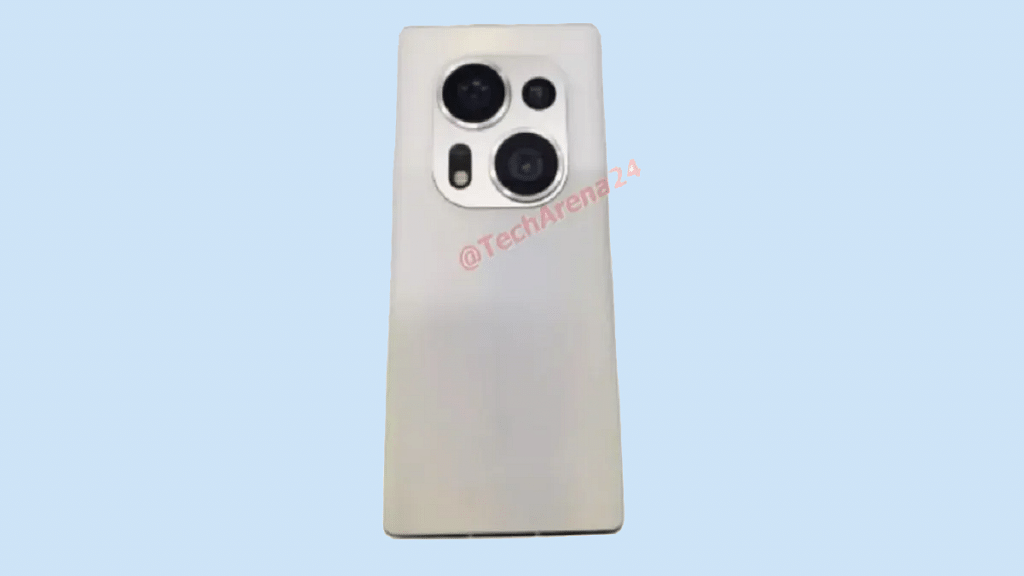
The Tecno Phantom X2 consists of a triple camera array of a 64MP primary sensor, a 13MP ultra-wide sensor, and a 2MP sensor with an LED flash. It includes a 64 MP selfie camera with OIS on the front of its optics. The Vivo V27 Pro comes with 50MP main sensor. Instead of a Samsung GW1, the sensor is a customized Sony IMX766V, which has a number of unique capabilities like a portrait with aura (LED) light and wedding-style portrait. The latter is a feature that is unique to India and was created with the color scheme of Indian weddings in mind. The device’s triple camera arrangement on the rear also includes a secondary 8MP wide-angle and a third 2MP macro sensor. The smartphone includes a 50MP camera up front for taking selfies and making video calls.

Also Read: Infinix Note 12i Smartphone Review: Ticks All Boxes Under Rs. 10,000

Tecno Phantom X2 Vs Vivo V27 Pro: Battery And Chipset

The Tecno Phantom X2 is powered by Mediatek Dimensity 9000, a 4nm-based chip with 5G future-proofing. It offers 256GB storage, 8GB RAM, and a clock speed of up to 3.05 GHz. The Vivo V27 Pro is powered by MediaTek Dimensity 8200 Chipset. The chipset is coupled with 128GB/256GB storage and 8GB/12GB of RAM. Although the storage cannot be expanded, the phone can use a portion of the storage to add up to 8GB of virtual RAM.

The Tecno Phantom X2 is equipped with a massive 5,160mAh battery with a 45W fast charging system. The Vivo V27 Pro houses a 4,600mAh battery.

Also Read: iQOO Neo 7 5G Vs OPPO Reno 8T 5G Full Comparison: Best Phone Under Rs. 30,000 In 2023

Tecno Phantom X2 Vs Vivo V27 Pro: Verdict

The Tecno Phantom X2 features the most recent MediaTek Dimensity 9000, a simple and distinctive back design, a 120Hz curved OLED display, a solid collection of hardware, a subpar camera setup, and a good battery backup with fast charging. The Vivo V27 Pro is an incremental improvement over the V25 Pro from August of last year, with a larger screen and a camera module that more fluidly integrates with the design for a more upscale appearance and feel. The new V-series product’s performance has also been slightly improved, and the cameras now appear to be performing better than previously. However, the phone still lacks a few features, such as stereo speakers and performance suitable for gaming.

Also Read: OPPO Reno 8T 5G Vs Poco X5 Pro 5G Comparison: Latest Trending Smartphones Under Rs. 30,000