Categories
Comparison Featured TV

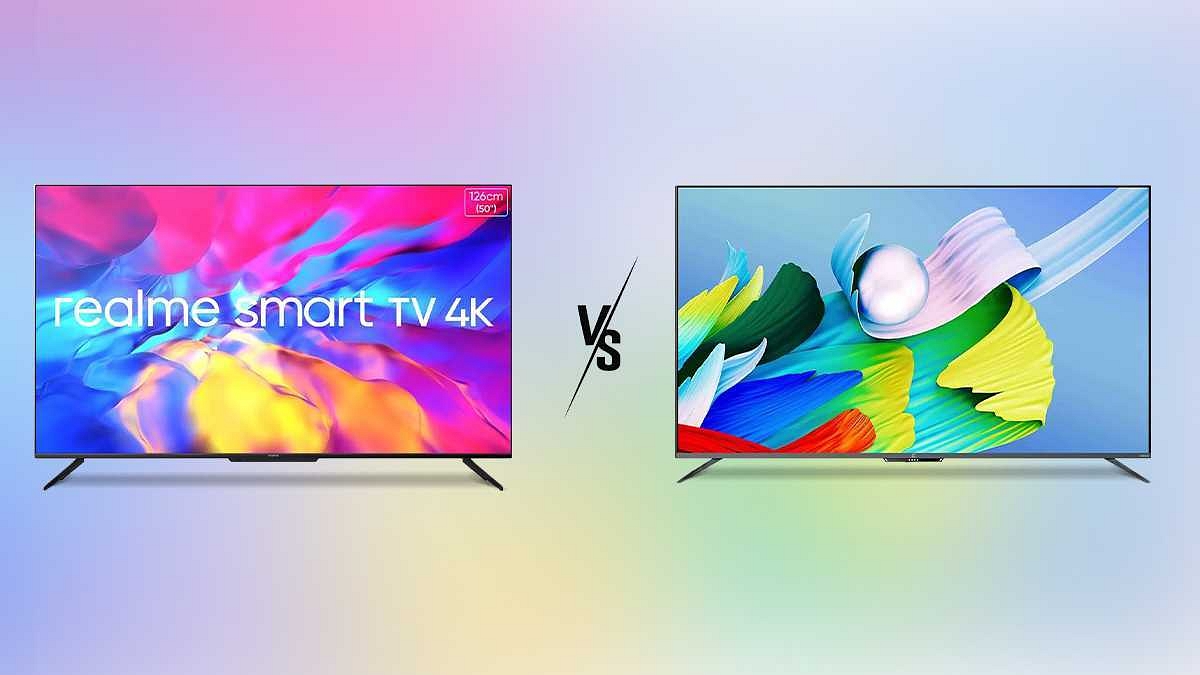
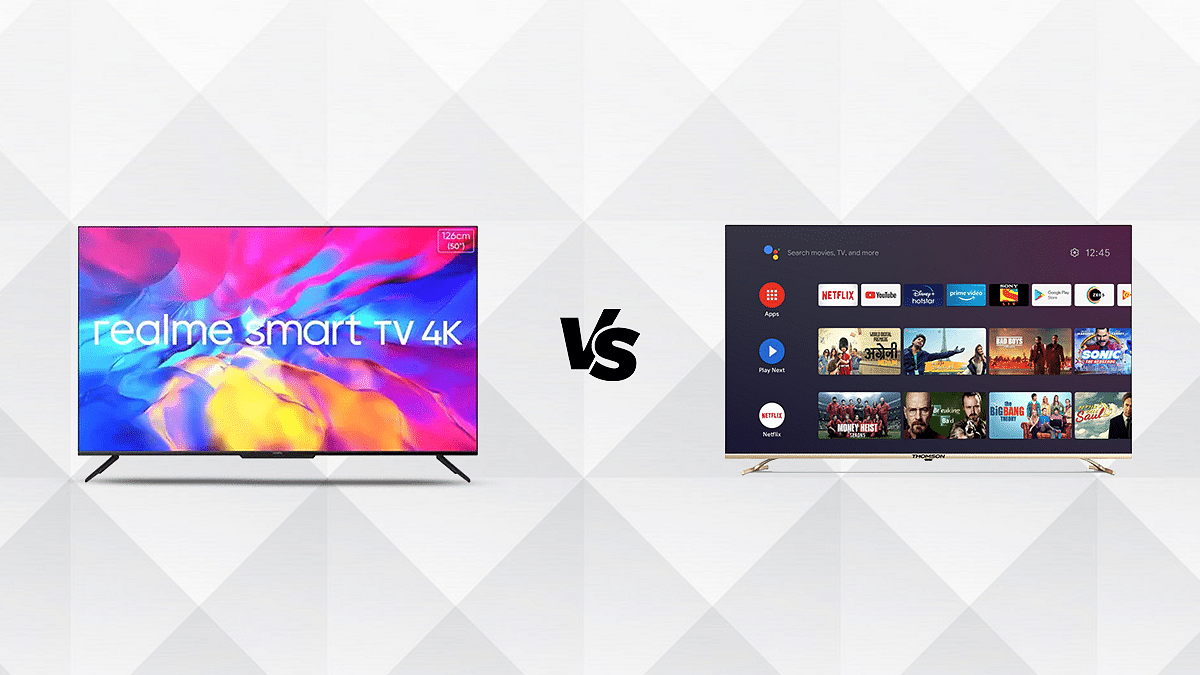
Realme Smart TV 50 inch (127 cm) LED 4K TV Vs Thomson 550PMAX9055 55 inch (139 cm) LED 4K TV: Top Budget Smart TV In India To But This Year

India’s television market has experienced significant, long needed price corrections in recent months, with most models now costing significantly more than they did in 2020. It used to be possible to acquire a well-equipped 55-inch Ultra-HD TV for about Rs. 40,000, but these days, pricing from many well-known companies, like Xiaomi, Hisense, and Vu, start at about Rs. 45,000 for a 55-inch LED TV. The Thomson 55OPMAX9055, which costs Rs. 36,999 on Flipkart, boasts an Ultra-HD screen, HDR capability, and runs the Android TV operating system. Naturally, I was interested in this brand-new 55-inch Ultra-HD TV from Thomson that costs under Rs. 40,000. On the other hand, One of the gadgets that Realme appears to be paying close attention to is the smart TV. In addition to the variety of smartphones, Realme Smart TVs are also anticipated to offer certified performance and quality. Are these the largest TV you can now purchase for the money? Let’s find out:

Design and Display

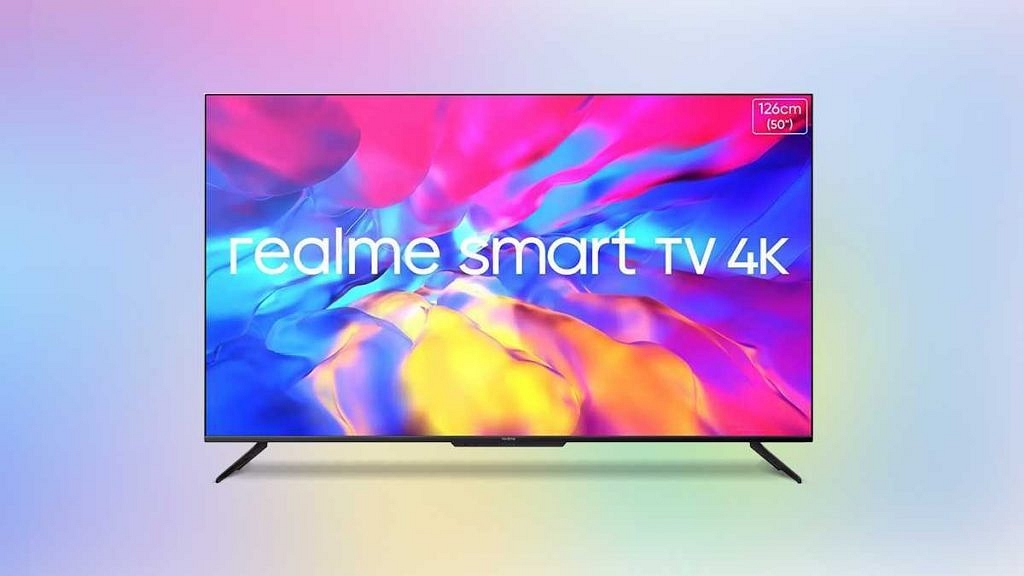
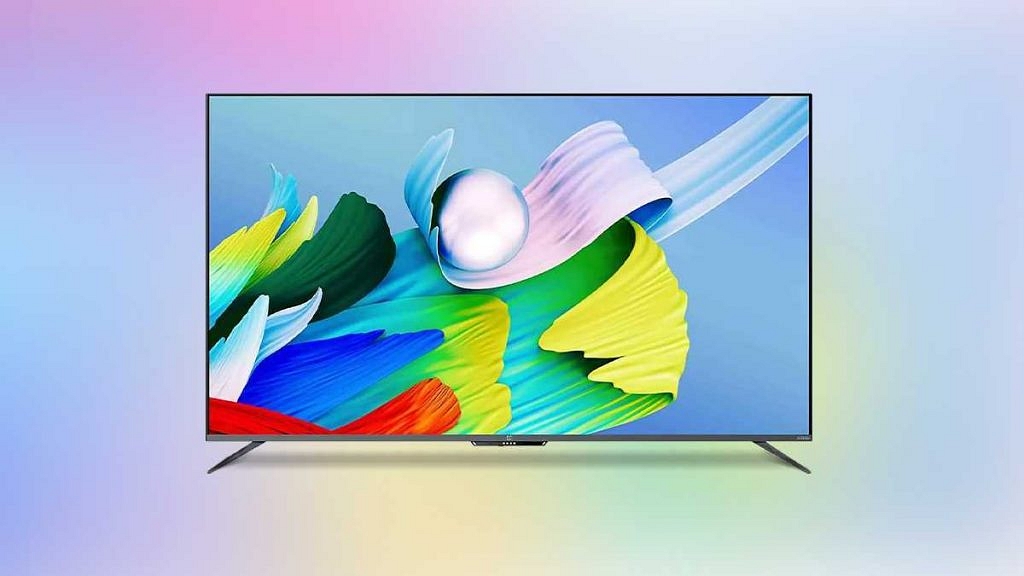
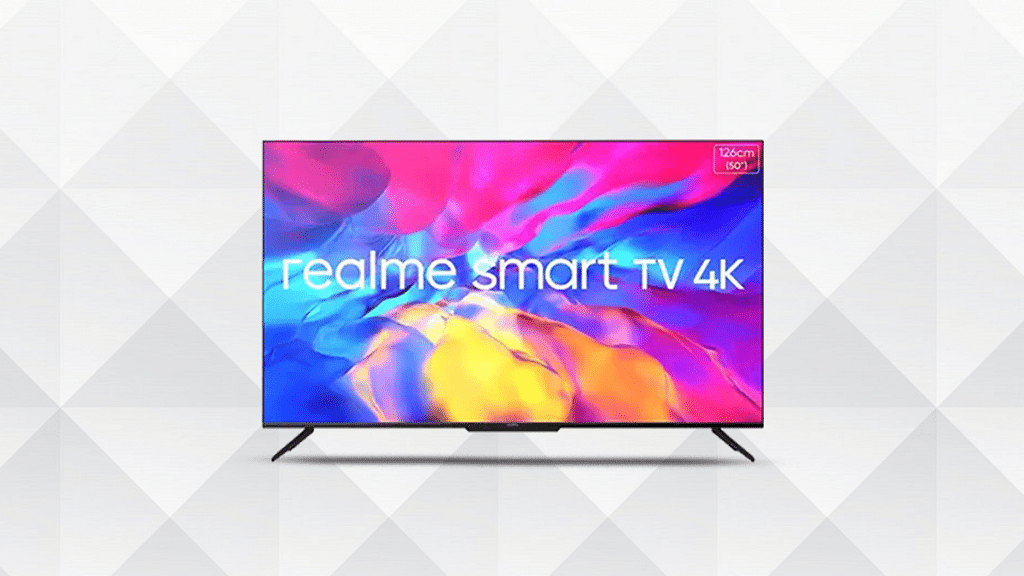
Realme’s smart TV 4K has a screen size of 50 inches (127 cm), an LED backlight, and a resolution of 3840 x 2160 on both sides, which falls into the 4K resolution category. The bezels on the Realme Smart TV 4K 50-inch model appear to be extremely thin—only 2.6 mm, or practically invisible—and are encased in a luxury bezel-less design. This 50-inch 4K Smart TV from Realme has a sleeker appearance because of the thin bezel design. Furthermore, it is able to deliver a more immersive viewing experience when used in conjunction with a variety of other technologies built into the Realme 4K 50-inch Smart TV, which also has a screen ratio of 97.2%.

Almost all 55-inch televisions available today have a basic set of features in common, such as an Ultra-HD (3840×2160 pixels) 60Hz screen, HDR content support, and smart networking. This is exactly what the IPS panel of the Thomson TV offers, which supports formats up to HDR10+. This Thomson TV is similar in many aspects to any other television of similar size and price that is now available for purchase. It may be placed on stands or a wall and features thin screen borders and a respectable thickness. The design’s conspicuous rose gold strip below the screen, which features the Thomson logo, the infrared receiver, and a status indication, does stand out. The bottom-firing speakers have a 40W rated output.
OS and Features

The Realme 50-inch 4K Smart TV is powered with a 64-bit quad-core architecture, 1.5GHz ARM Cortex A53 CPU, and new Mali G52 GPU, MediaTek’s potent 4K UHD engine.  A robust performance guarantee for picture quality is provided by the quad-core architecture, which can execute daily Smart TV applications steadily, rapidly, and smoothly.

The storage capacity of this Realme smart television is also fairly large, with 2GB RAM and 16GB Flash ROM. These memory configurations are able to satisfy the performance of the Android TV platform, so as to give users a very comfortable and seamless daily experience. Users are free to open numerous applications without worrying about getting trapped because to the sufficient storage capacity.

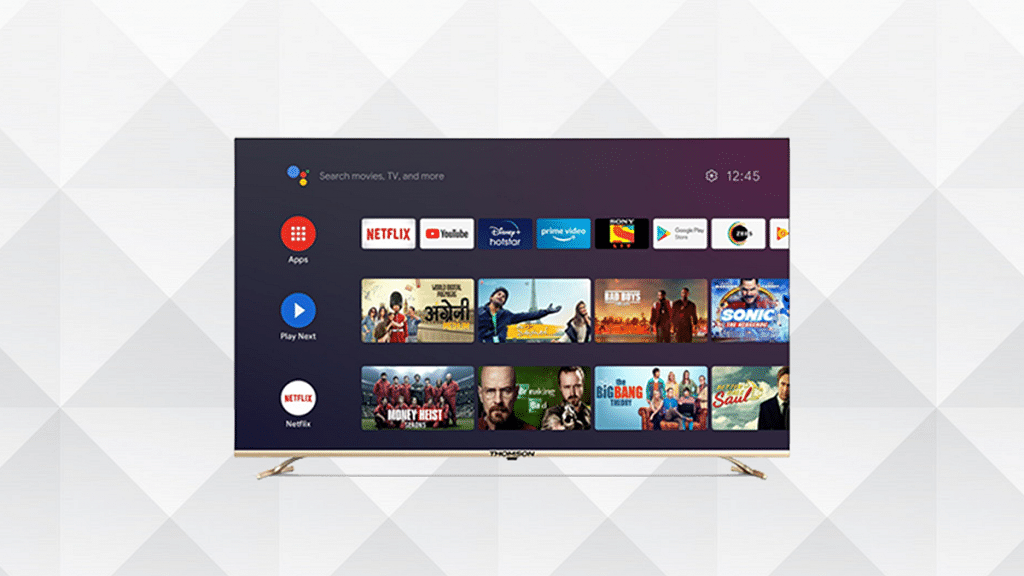
The Thomson 550PMAX9055 runs on Android TV 10 operating system. The Thomson 550PMAX9055 is powered with a Mediatek quad-core processor, 2GB of RAM, and 8GB of internal storage for apps and app data. The Dolby Audio and DTS TruSurround audio formats are supported, and its maximum brightness rating is 500 nits.

GizNext’s Expert Opinion

The realme 50-inch 4K Smart TV is deserving of the title of most valuable smart television. Realme’s 50-inch 4K Smart TV offers benefits and upgrades that are practically on par with those of more expensive high-end models. This 50-inch realme Smart TV 4K from realme has a viewing angle of up to 178°, making it ideal for watching TV with family or friends at home. For those of you who miss going to the movies but are hampered by the pandemic’s unfinished effects, so that it can be utilized as a remedy.

The Thomson 55-inch  LED TV appears to be a very attractive offer for Rs. 36,999, considering that many cheap 55-inch televisions from well-known brands currently cost over Rs. 40,000. With an Ultra-HD screen, HDR compatibility, a decent remote, and practical features like support for AirPlay and Google Assistant in addition to Android TV 10, it appears to be a great choice. However, in actual use, the performance does reflect the significant price gap between this TV and the majority of its rivals.
Categories
Chipset Comparison Featured

Qualcomm Snapdragon 732G Vs MediaTek Helio G88 Chipset Comparison: Which One Fairs The Competition?

Key Highlights

  • Qualcomm Snapdragon 732G is fabricated using 8nm fabrication.
  • MediaTek Helio G88 is fabricated using a thicker 12nm fabrication process.
  • Both chipsets support LPDDR4X RAM.

Qualcomm has been designing some excellent chipsets for Android mobile phones. The brand has shown its expertise with budget as well as gaming processors that are empowering new-generation smartphones. A number of smartphone OEMs have been using chipsets from Qualcomm to power their handset. MediaTek is another player in this segment which has gaming as well as 5G range of mobile processors driving modern-day’s smartphones.

We have compared numerous Qualcomm Snapdragon and MediaTek Helio chipsets. In this article, we are doing a quick comparison between the Snapdragon 732G and the Helio G88 which are amongst the two most powerful mid-range gaming chipsets from Qualcomm and MediaTek respectively.

FeaturesSnapdragon 732G Helio G88
CPUocta-coreocta-core
GPUAdreno 618Mali G57
MemoryLPDDR4XLPDDR4X
StorageeMMC 5.1 and UFS 2.eMMC 5.1
Fabrication8nm 12nm

Also Read: Qualcomm Snapdragon 778G Vs MediaTek Helio G88 Chipset: Which Mid-Range Mobile Processor Wins?

Qualcomm Snapdragon 732G Vs MediaTek Helio G88 Chipset: CPU Architecture Performance

The Qualcomm Snapdragon 732G as mentioned above is a gaming chipset that is fabricated using an 8nm process. On the contrary, MediaTek has used a slightly thicker 12nm fabrication process to construct the Helio G88 processor. Both chipsets have an octa-core CPU cluster with the Snapdragon 732G packing two 2.3GHz Cortex-A76 cores and six 1.8GHz Cortex-A55 cores. On the other hand, the Helio G88 features two Cortex A75 cores clocked at 2GHz and six Cortex A-55 cores clocking at 1.8GHz.

The frequency range is higher with the Snapdragon 732G at 2300MHz, whereas, the Helio G88 has a lower 2000MHz frequency range. Overall, the Snapdragon 732G octa-core chipset has a better CPU performance compared to the Helio G88.

Also Read: Qualcomm Snapdragon 782G Vs Snapdragon 778G Chipset: Quick Comparison

Snapdragon 732G Vs Helio G88 Processor: GPU Performance

Speaking of the GPU performance and architecture, the Qualcomm Snapdragon 732G chipset features Adreno 618GPU. The graphics rendering capacity of this GPU is better and it can easily handle extensive graphics and games. The frequency range delivered by the Snapdragon 732G’s GPU is 810MHz which is possible with two execution and 128 shading units.

On the other hand, the MediaTek Helio G88 employs a Mali-G57 MC2 GPU which delivers around 1000MHz of GPU frequency with two execution and 32 shading units. The Qualcomm Snapdragon chipset has got an edge over the Helio chipset in terms of GPU.

Also Read: Qualcomm Snapdragon 8 Gen 2 Vs MediaTek Dimensity 9200 Chipset Comparison: Most Advanced 5G Flagship Mobile Processor?

Qualcomm Snapdragon 732G Vs Helio G88 SoC: Memory, Multimedia (ISP)

Moving on to the memory aspect, the Qualcomm Snapdragon 732G chipset has LPDDR4X RAM compatibility with around 1866MHz frequency range. The MediaTek Helio G88 chipset is also compatible with an LPDDR4X RAM and offers a 1800MHz frequency range. Both these chipsets can support a maximum memory capacity of around 8GB. The storage support is eMMC 5.1 and UFS 2.1 with the Snapdragon 732G and just an eMMC 5.1 with the Helio G88.

If we speak of multimedia compatibility, the max display resolution supported by the Qualcomm Snapdragon 732G is 1440 x 3360 pixels, and 1080 x 2520 pixels with the Helio G88. The camera resolution maximum offered by the SD 732G is 1 x 192MP and 2x 22MP.

Whereas, the Helio G88 has 1 x 64MP and 1 x 16MP maximum camera resolution compatibility. The video playback and recording are 4K@30fps and 4K@60fps respectively with the Snapdragon 732G processor. The MediaTek Helio G88 is capable of recording and playback 2K@30fps videos. The Snapdragon 732G is overall better in terms of performance.

Also Read: MediaTek Vs Snapdragon Vs Exynos Vs Tensor: See Here For The Difference

Categories
Chipset Comparison Featured

MediaTek Helio G99 Vs Dimensity 700 Chipset Comparison: Best Budget Mobile Processor For Android Phones?

Key Highlights

  • MediaTek Dimensity is fabricated using 6nm process
  • Dimensity 700 is designed using a 7nm fabrication
  • Storage type supported is UFS 2.2

MediaTek has made it possible for smartphone OEMs to design affordable 5G-ready handsets for the consumer base. The company has released the dedicated Dimensity chipset lineup with 5G network compatibility. Multiple chipsets have been released in the Dimensity series out of which the Dimensity 700 is the cheapest 5G octa-core chipset.

The brand also has another popular mobile chipset series called Helio that has been driving some of the popular phones in the market. The Helio G series chipsets are also known for delivering powerful performance for a budget price point. The Helio G99 is one of the most powerful options in this chipset series.

Features MediaTek Helio G99MediaTek Dimensity 700
CPUocta-coreocta-core
GPUMali-G57 Mali-G57
MemoryLPDDR4XLPDDR4X
StorageUFS 2.2UFS 2.2
Fabrication7nm6nm

Dimensity 700 vs MediaTek Helio G99: CPU Architecture

The MediaTek Helio G99 is an octa-core processor which is designed using a 6nm fabrication process and has an ARMv8.2-A instruction set. This processor delivers around 2200Mhz frequency range with its octa-core CPU cluster that comprises two Cortex-A76 cores clocked at 2.2GHz and six Cortex-A55 cores clocked at  2GHz.

Also Read: Qualcomm Snapdragon 732G Vs MediaTek Helio G88 Chipset Comparison: Which One Fairs The Competition?

MediaTek has used a 7nm fabrication process for the Dimensity 700 processor and has used an eight-core cluster with dual Cortex A76 cores clocking at 2.2GHz and six octa-core Cortex A-55 cores clocking at 2GHz. The core cluster design is the same with both these chipsets and so is the frequency range. This budget 5G chipset has a 2200MHz frequency range. Overall, both these chipsets are similar in terms of CPU performance and can handle most tasks with ease.

MediaTek Helio G99 Vs Dimensity 700: GPU Comparison

The GPU architecture is also identical on both the Helio G99 and the Dimensity 700 similar to the CPU. The Helio G99 is integrated with the Mali-G57 MC2 GPU that delivers around 950MHz frequency using two execution and 32 shading units.

The same Mali-G57 MC2 GPU is embedded inside the Dimensity 700. The GPU frequency is 950MHz produced by two shading and three execution units. Both these MediaTek Helio and Dimensity series chipsets have a potent GPU that can easily render the graphics.

Helio G99 Vs MediaTek Dimensity 700: Memory, Multimedia (ISP)

Similar to the CPU and GPU performance, the memory type supported by both these chipsets is also the same. The memory compatibility is LPDDR4X RAM with both Helio G99 and the Dimensity 700 processor. The frequency range varies slightly. The Helio G99 has a higher 4,266MHz frequency range, while the Dimensity 700 offers a lower 2133MHz frequency range. The maximum memory compatibility is 10GB with the Helio G99 and 12GB with the Dimensity 700.

The storage type is UFS 2.2 which is supported by both Dimensity 700 and the Helio G99 processor. The maximum display resolution is 2520 x 1080 pixels with both chipsets. The max camera resolution differs from the Helio G99 supporting 1x10⁸MP and 2x16MP and 1x64MP and 2x16MP with the Dimensity 700. The video recording is 2K@30fps with the Helio G99 and the Dimensity 700.

Also Read: Best MediaTek-Powered Gaming Phones Under Rs. 20,000 In India

Categories
Chipset Comparison Featured

Qualcomm Snapdragon 750G Vs Snapdragon 732G: Premium Mid-Tier Gaming Chipset Comparison

Qualcomm has released several Snapdragon chipsets for mid and premium mid-tier Android smartphones. The brand is now replacing the older chipset lineups with new models ensuring power delivery is at its peak. The Qualcomm Snapdragon 750G is one of the best chipsets from Qualcomm which drives gaming-oriented phones.

Another popular chipset from the brand is Snapdragon 732G chipset for game-centric phones priced in the affordable segment. We have done several chipset comparison articles pitting processors from MediaTek, Qualcomm, Exynos, and Apple. In this article, we are comparing the Snapdragon 732G and the Snapdragon 750G’s CPU and GPU performance.

Qualcomm Snapdragon 750G Vs Snapdragon 732G: CPU Performance

The Qualcomm Snapdragon 750G chipset has an octa-core CPU cluster with an ARMv8.3-A Instruction set. This chipset is designed using an 8nm fabrication process. The core clusters comprise two Cortex-A77 Cores clocked at 2.2GH and six Cortex-A55 cores clocked at 1.8GHz. The frequency range is 2200MHz.

The octa-core Snapdragon 732G chipset is also fabricated using an 8nm process like the Snapdragon 750G chipset.  The frequency range with this chipset is 2300MHz and the octa-core cluster has dual octa-core Cortex-A76 cores and six Cortex-A55 cores.

Qualcomm Snapdragon 750G Vs Snapdragon 732G: GPU Performance

The Qualcomm Snapdragon 750G has Adreno 619 GPU integrated for graphics. On the contrary, the Snapdragon 732G also uses Adreno 600 series GPU; Adreno 618 GPU for graphics. The former delivers around 825MHz frequency range, while the Snapdragon 732G has around 810MHz frequency range. The execution and shading units are 2 and 128 respectively.

Snapdragon 750G Vs Snapdragon 732G: Memory, Multimedia (ISP)

The Qualcomm Snapdragon 750G and the Snapdragon 732G ship with LPDDR4X RAM support. The memory frequency is around 2133MHz with the Snapdragon 750G and 1866MHz with the Snapdragon 732G chipset. The maximum memory compatibility is 12GB with the former and 8GB with the Snapdragon 732G. The storage type is UFS 2.1, UFS 2.2, and UFS 3.0 with the SD 750G, whereas, the SD 732G has eMMC 5.1 and UFS 2.1 storage.

The maximum display resolution supported by the SD 750G is 1080 x 2520 pixels and 1440 x 3360 pixels. The former offer 1 x 192MP, 2x32MP maximum camera resolution, and 1 x 192MP and 2x22MP. The video recording and playback is 4K@30fps and 4K@60fps respectively.

Categories
Comparison Featured TV

OnePlus TV U1S VS Realme Smart TV 4K Quick Comparison: Budget-Friendly 50-Inch Smart TV In India

Key Highlights

  • OnePlus TV 50-inch offers a 2160 x 3840 pixels screen resolution
  • Realme 4K Smart TV 50-inch also offers the same pixel resolution
  • Multiple connectivity ports and wireless network support on both TVs
  • OnePlus TV U1S delivers 30W audio
  • Realme 4K Smart TV offers a 24W audio output

Smart TVs are filling in for the audiences demanding a theatre-like experience from the comfort of their homes. We now not only have established TV manufacturers, but also smartphone OEMs ramping up the competition in this space. OnePlus and Realme are the two popular smartphone OEMs that are offering some value-for-money deals when we speak of smart TVs.

The OnePlus TV U1S series is the best premium range TV from the Chinese firm that comes in 50-inch, 55-inch, and 65-inch screen sizes. Realme’s 4K Smart TV 50-inch is another good option for those demanding a theatre-like experience at home. This article is a quick comparison between the OnePlus TV U1S 50-inch and the Realme 4K Smart TV 50-inch.

Realme 4K Smart TV 50-inch Vs OnePlus TV U1S 50-inch: Display Features

The OnePlus TV U1S 50-inch smart TV has a high-resolution LED panel that supports a 93 percent DCI-P3 color gamut and a resolution of 2160 x 3860 pixels. The Picture Enhancer and the Gamma Engine improve the imaging quality and keep you hooked to the screen’s action. The TV further uses MEMC, Dynamic Contrast, and Color Space Mapping imaging features. The HDR10, HDR10+, and HLG support also boost the picture quality of the OnePlus TV U1S 50-inch.

The Realme 50-inch 4K Smart TV also offers a similar display resolution as the OnePlus TV, i.e., 2160 x 3860 pixels. The LED panel supports around 1.07B colors and a 16:9 aspect ratio. The wide 178-degree viewing angle lets you watch your favorite TV show or movie from any corner of the room. The MediaTek imaging processor handles all the graphics delivery. The Chroma Boost and Dolby Vision certification ensures a better viewing experience.

OnePlus TV U1S 50-inch Vs Realme 4K Smart TV 50-inch: Audio, Connectivity Options

Speaking of the audio, the Realme 4K smart TV is equipped with a quad-speaker system generating around 24W of output, the OnePlus TV U1S packs a dual speaker system producing a slightly higher 30W output. Dolby Audio support is present in both of these smart TVs, so you can expect good volume levels throughout.

However, a loud audio delivery is ensured with the 30W output churned out by the OnePlus TV U1S speakers. Both these smart TVs are backed with dual-band Wi-Fi and Bluetooth wireless network support. With this, you can add external accessories such as wireless remotes and speakers. Three HDMI ports are present in both these TVs along with two USB ports and one AV port.

Also Read | OnePlus TV HDMI Issue: How To Quickly Fix HDMI Picture Quality And Interface Issue With All OnePlus Smart TVs

Categories
Chipset Comparison Featured

Qualcomm Snapdragon 750G Vs MediaTek Dimensity 800 Chipset Comparison: Which Mid-Range 5G Chipset Is Better?

Key Highlights

Qualcomm Snapdragon 750G has an octa-core CPU and 8m fabrication

MediaTek Dimensity 800 is fabricated using a 7nm process

Snapdragon 750G has Adreno 619 GPU

Dimensity 800 has Mali-G57 MC4 GPU

Smartphone OEMs are looping in the latest hardware innovations to design their products. All modern days smartphones are relying on MediaTek and Qualcomm chipsets to power their mid-range and flagship Android phones. We just compared two of the most competent chipsets from both these brands including the Dimensity 700 and the Snapdragon 750G. In this article, we are pitting down another budget 5G chipset by MediaTek, i.e., the Dimensity 800 against the Snapdragon 750G. Which one out of the two has a better CPU architecture and overall performance? Read on the details here:

Qualcomm Snapdragon 750G Vs MediaTek Dimensity 800: CPU Architecture

The CPU core cluster is octa-core on both MediaTek Dimensity 800 and Snapdragon 750G mobile processors. However, the fabrication process is 8nm on the Snapdragon 750G, while the Dimensity 800 has a thinner 7nm fabrication process. The CPU frequency is 2200MHz with the Snapdragon 750G and 2000MHz with the Dimensity 2000.

If we speak of the cluster design, the Snapdragon 750G chipset has 2.2Ghz Cortex-A77 cores and six Cortex-A55 cores clocked at 1.8GHz. The higher frequency range is an advantage of the Snapdragon 750G when we consider the performance deliver aspect.

Qualcomm Snapdragon 750G Vs MediaTek Dimensity 800: GPU Architecture

The Qualcomm Snapdragon 750G octa-core Chipset has the Adreno 619 GPU support for graphics. The GPU integrated delivers around 825MHz frequency range with two execution and 128 shading units. On the contrary, the MediaTek Dimensity 800 processor has the Mali-G57 MC4 GPU that churns out around 650MHz of GPU frequency with four execution units and 64 shading units. Graphics rendering is good with both these mobile processors.

Snapdragon 750G Vs Dimensity 800: Memory, Multimedia (ISP)

Speaking of the memory type, it’s LPDDR4X RAM with both Snapdragon 750G and Dimensity 800 processor. The memory frequency is 2133MHz with both these chipsets but the maximum memory support is 12GB and 16GB with Snapdragon 750G and the Dimensity 800 respectively. The storage compatibility is UFS 2.1, UFS 2.2, and UFS 3.0 with the SD 750G and UFS 2.2 with the Dimensity 800.

The maximum display resolution is 1080 x 2520 pixels with both of these chipsets. The maximum camera resolution is 1 x 192MP and 2 x 32MP with the SD 750G and 1 x 80MP and 2 x 32MP with the Dimensity 800. The video recording support is 4K@30fps with both these processors.

Categories
Chipset Comparison Featured

MediaTek Dimensity 700 Vs Qualcomm Snapdragon 750G Budget 5G Chipset Comparison

Snapdragon mobile chipsets are common across Android smartphones. Qualcomm has made available Snapdragon chipsets for all categories of smartphones. The company has even released a dedicated game-centric chipset lineup for premium and mid-range phones. The Snapdragon 750G is one of the variants that is driving handsets such as the Galaxy A52 5G, Xiaomi Mi 10i, and others.

Similarly, MediaTek also has a competitive mobile chipset for budget 5G Android phones called the Dimensity 700. It is one of the most capable mobile processors fabricated using a 7nm process. A quick comparison between both these mobile chipsets is below:

MediaTek Dimensity 700 Vs Qualcomm Snapdragon 750G: CPU Performance

Both MediaTek Dimensity 700 and the Qualcomm Snapdragon 750G have an octa-core CPU cluster. However, the fabrication process is different. Out of the two, the MediaTek Dimenisty 700 has the thinner 7nm fabrication. The CPU cluster comprises dual Cortex-A77 cores with 2.2GHz clock speed and six Cortex-A55 cores with 1.8GHz clock speed.

Qualcomm has used an 8nm process for the Snapdragon 750G where the octa-core CPU cluster features two Cortex-A76 cores with 2.2GHz clock speed and six Cortex-A55 cores with 2GHz clock speed and 2200MHz CPU frequency. The cluster design is almost similar, but the thinner fabrication design of the Dimensity 700 gives it an edge over the Snapdragon 750G mobile processor.

Dimensity 700 Vs Snapdragon 750G: GPU Performance

Coming to the GPU architecture, the Snapdragon 750G processor embeds Adreno 619 GPU to render graphics. This octa-core gaming chipset’s GPU churns out around 825 MHz frequency with two execution units and 128 shading units. MediaTek’s Dimensity 700 octa-core processor has the Mali-G57 MC2 GPU that delivers 950MHz frequency with two execution units and 32 shading units. The power capacity is equivalent on both these chipsets’ GPUs.  

MediaTek Dimensity 700 Vs Snapdragon 750G: Memory, Multimedia (ISP)

MediaTek Dimensity 700 mobile chipset supports LPDDR4X memory type. Qualcomm has also added the same LPDDR4X memory support with the Snapdragon 750G mobile chipset. The remaining aspects including the memory frequency and max memory size are identical, i.e., 2133MHz and 12GB respectively.

Speaking of storage compatibility, it’s UFS 2.2 with the Dimensity 700 and UFS 2.1, UFS 2.2, and UFS 3.0 storage app. Apart from this, the maximum display resolution is 1080 x 2520 (Dimensity 700 and Snapdragon 750G).

The maximum camera resolution is higher with the SD 750G at 1 x 192MP and 2x 32MP, whereas the Dimensity 700 offers 1 x 64MP and 2 x 16MP max camera resolution. The Snapdragon 750G supports 4K@30fps video recording which is lower at 2K@30fps with the Dimensity 700. The Qualcomm Snapdragon 750G mobile chipset offers better multimedia opportunities over the Dimensity 700 despite featuring a better CPU architecture.

Categories
Comparison Featured TV

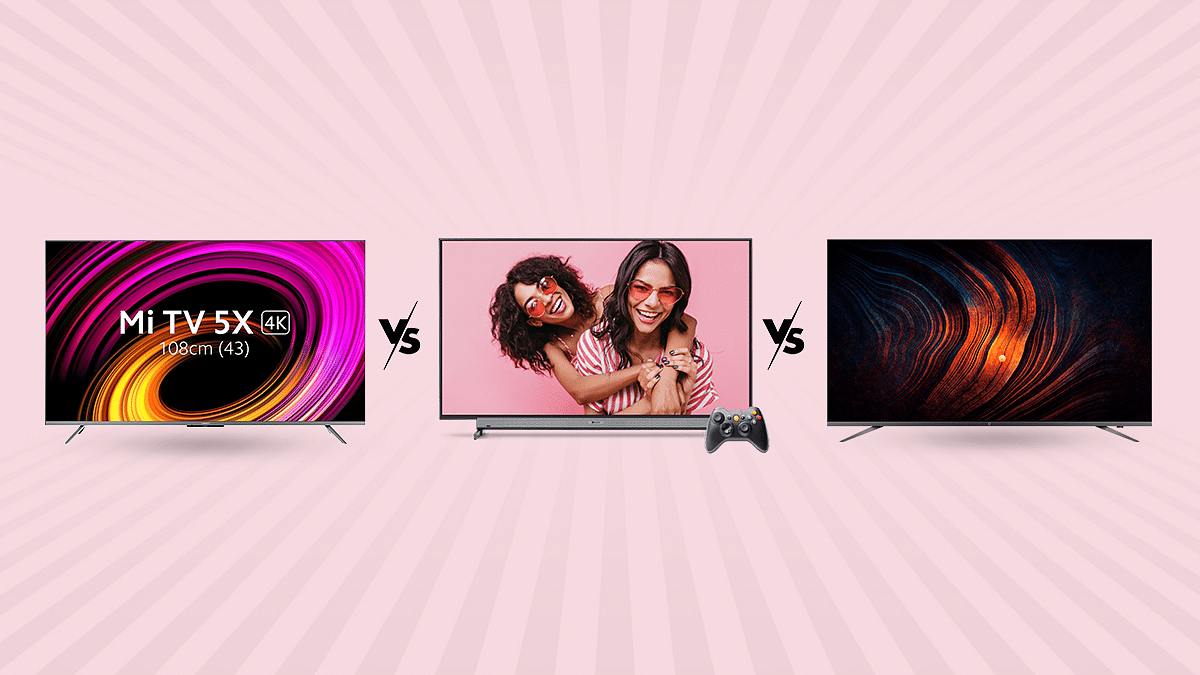
Xiaomi TV 5X Vs Motorola 55 UHD Vs OnePlus TV U Series 55-inch: Best Affordable Smart TV’s Under Rs. 40,000

We just went on a TV testing binge to identify the top 55-inch TVs within our price range.  Xiaomi’s TVs seem to be among the safest alternatives for anyone with a budget around 50,000. Particularly if you choose the cheapest model of the new Mi TV 5X, which costs only 31,999. The business has recently released the OnePlus TV U series and Y series, the latter being the most affordable and aimed at consumers looking for inexpensive smart TVs. Today, we’re examining the former. The OnePlus TV 55U1 4K LED Android TV is the only 55-inch model currently available in this series. The Motorola 55 UHD beats out lower-end TVs from higher-end brands as well as being the best in its price range for picture quality. Even though the on-paper spec list of these TV’s appears promising, we will check how everything actually works and whether any corners have been made that you should be aware of.

Design and Display

The Xiaomi TV 5X has a 55-inch Ultra-HD (3840×2160-pixel) LED-backlit screen with support for Dolby Vision and HDR10+ high dynamic range codecs. A 10-bit color depth with a 94% DCI-P3 color gamut is supported by this 55-inch IPS LCD screen, which also sports Vivid Picture Engine 2. The HDR standards Dolby Vision, HDR10, and HDR10+ are all supported, and it has a 4K resolution. A screen-to-body ratio of 96.6 percent is achieved by the thin bezels. Additionally, the TV has 178° of viewing angles.

The Motorola 55 UHD is equipped with 4K, 3840 x 2160 pixels and a refresh rate of 60Hz. The smart TV features 400 nits along with 178 degree viewing experience. Whether the screen is on or off, the bezels effortlessly blend into the 4K panel, creating an aesthetically pleasing effect.

The 55-inch screen on the OnePlus TV U1 model is quite large and most clearly intended for a large hallway rather than your bedroom. The 55-inch 4K UHD LED display and a bevy of other features on the OnePlus TV U1 combine to produce a fantastic viewing experience. Dolby Vision and HDR10+ are supported by the display. Additionally, it boasts capabilities including the MEMC technology, Gamma Engine, and a 93 percent DCI-P3 color gamut. There is also an Eye Protection setting that colors the display a cozier color to calm the eyes.

OS and Features

The Xiaomi TV 5X comes with a quad-core A55 CPU, a Mali G52 MP22 GPU, 2GB of RAM, and 16GB of storage are what power everything else. As an alternate launcher, Xiaomi has included Android TV version 10 with its own Patchwall UI. The latter can be made the default home screen.

The Motorola 55 UHD runs on Android and is powered by a CA53 quad-core Mali 450 processor. This Motorola 55 UHD TV  has 2.25 GB RAM and 16 GB internal storage. With this Android Smart TV, you may play practically all of your favorite programmes in addition to having a nice browsing experience. The Google Playstore is accessible on the TV, and the Google Assistant responds quickly to your voice instructions. The casting on this TV is flawless. You may connect your gaming pad, keyboard, mouse, and headphones to it via Bluetooth.

The OnePlus TV U1 uses an extremely thin OnePlus skin on top of Android TV 9.0. A quad-core MediaTek CPU, 3GB of RAM, and 16GB of internal storage power the TV. Many popular apps are preloaded, including Netflix, Prime Video, Hotstar, YouTube, Zee5, Google Play Movies, Eros Now, and Hungama Play. To access the Play Store, where you can download more OTT services and other third-party apps, you must login in using your Google account.

GizNext’s Expert Opinion

The smart TV industry in India is now booming. There are many excellent options to think about. And unlike in the past, buying a good smart TV doesn’t even need breaking the bank. Xiaomi performs its strengths. This entails providing a competing good at a reasonable cost. With better specs and features, this new 4K Mi TV from its 2021 collection seems and feels updated. This is a good option if you’re seeking for a new 4K smart TV for under Rs. 50,000. Xiaomi has a stronger brand cache and a wide network of customer service representatives than its rivals. One of those smart televisions that blurs the boundary between expensive and affordable is the OnePlus TV U1. The U1’s ability to accomplish this across the board is a plus. The U1 excels in all the important areas and then some, regardless of the design and construction components, specifications, or experience. When it come to The Motorola 55 UHD, this model is an affordable TV with faultless picture quality, acoustics, viewing angles, and Android compatibility.

Categories
Comparison Featured Laptop

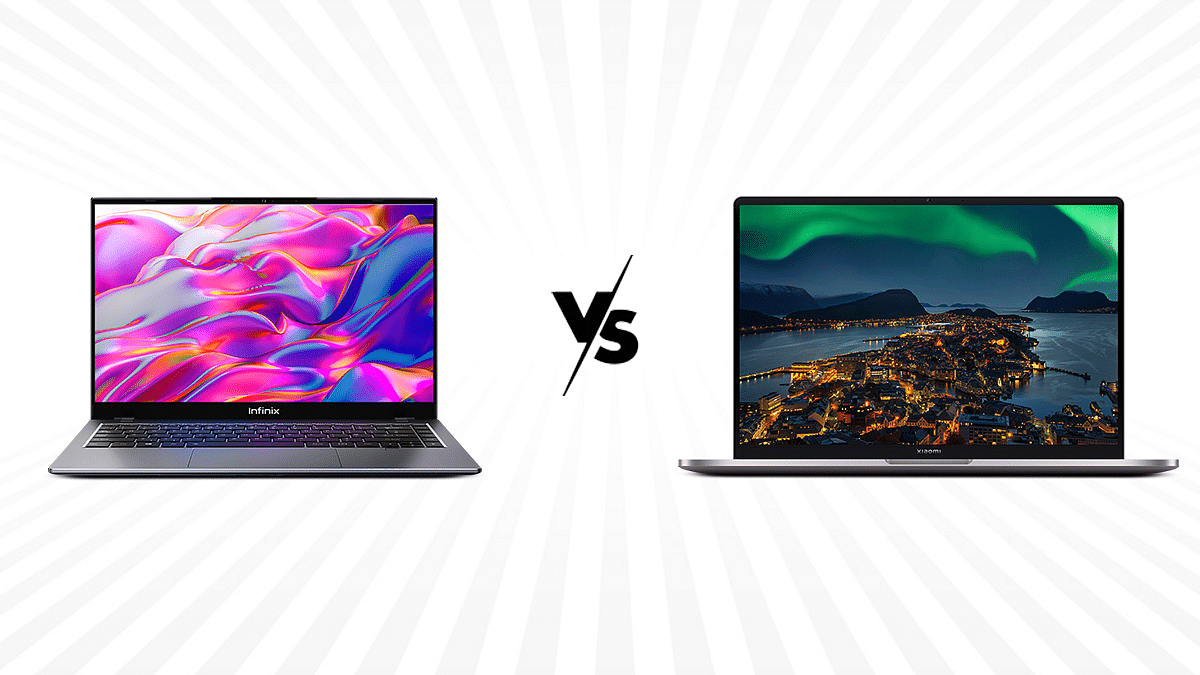
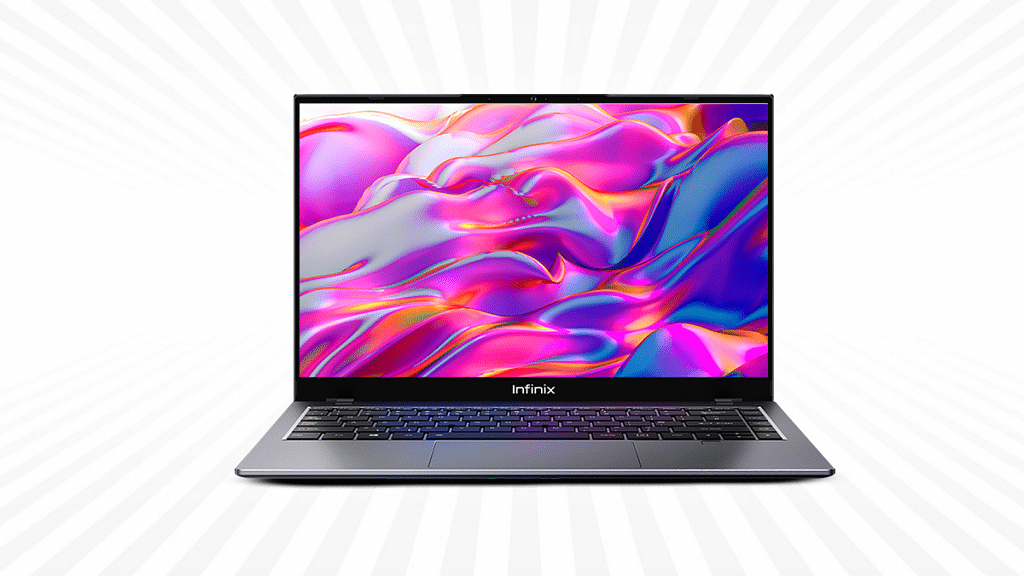
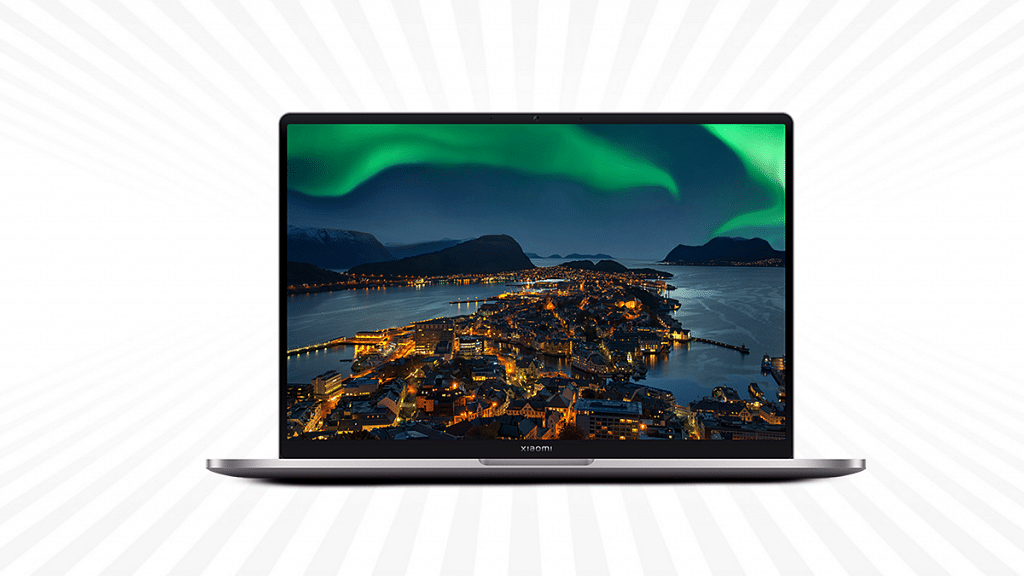
Infinix InBook Vs Mi NoteBook Pro: Best Pocket-Friendly Yet Powerful Laptop In India

With its affordable smartphones, Infinix has steadily climbed the smartphone industry’s ladder. The InBook X1 series of notebooks marked the company’s recent entry into the laptop market. On the other hand, Since the 2020 release of the Mi NoteBook 14 Horizon Edition, Xiaomi has been attempting to establish itself in the market for mid-range laptops.

In this review, we put the Mi NoteBook Pro and Infinix InBook X1 Pro through its paces to determine if these brands have discovered the best recipe for its lineup of laptops? Or is there still more work to be done for these companies in this industry?

Design and Display

Along with the other laptops in the InBook line, the Infinix InBook X1 Pro flaunts a striking skin that is sure to turn heads. The metal body of the InBook X1 Pro makes it durable. The Infinix InBook has crammed a 14-inch display. The Infinix laptop’s IPS panel, features a screen resolution of 1080 x 1920 pixels FHD+. The InBook X1 laptop features a standard 60Hz refresh rate and a 72 percent NTSC color gamut.

With one small distinction, Xiaomi maintains its metal-clad, sleek, and minimalist design aesthetic from the previous year with the Mi Notebook Pro. The Xiaomi logo can be seen on top of the lid this time. The Mi NoteBook Pro has a 14-inch LCD panel with QHD+ (2.5K) resolution and a 16:10 aspect ratio serves as the Mi Notebook Pro’s screen. It supports brightness levels of up to 300 nits and fully complies with the sRGB color gamut. The display has excellent viewing angles and provides accurate color reproduction. Additionally, it features DC Dimming, which offers a flicker-free experience for less eye strain.

Processor and Hardware

The hardware performance of the InBook X1 laptop will provide a generally positive user experience. Based on a 10nm manufacturing process, the Intel Core i7 processor powers the InBook X1 Pro. For smooth rendering of all high-end graphics, the quad-core i7 chipset is additionally paired with the Intel Iris Plus GPU. The laptop is able to multitask at a high level without stuttering when performing general tasks. The whole performance is flawless, with no stutters or problems. The large 16GB LPDDR4 RAM ensures flawless performance in all circumstances.

Moving on to the hardware, the Mi NoteBook Pro is powered by an Intel Core i7-11370H processor, the top model of which has 12M Cache and a maximum Turbo Boost frequency of 4.8 GHz. Furthermore, it includes a 512 GB NVMe type SSD and up to 16 GB of DDR4 RAM running at 3,200 MHz.

Battery and Connectivity

The InBook X1 series laptop has a 55Wh battery. A fast 65W USB Type-C connector charger is included with the laptop. Infinix claims that the InBook X1 Pro’s laptop can provide up to 13 hours of continuous backup on a single charge. The Infinix InBook X1 Pro has numerous ports and connectivity options. The laptop has two USB 3.0 ports, two USB Type-C connectors, and one HDMI 1.4 port. The laptop also has one DC power charging connector, one 3.5mm headphone jack, and one microSD card slot.

The Mi NoteBook Pro has an 11-hour all-day battery life, which is far greater than a number of Windows laptops. What’s surprising about it is its battery life and fast charging features. The Mi NoteBook Pro includes a 65 W power adapter to charge the battery on the charging side. The battery charges from 0% to 50% in around 34 minutes; you can anticipate that it will finish charging in about an hour.

The Mi NoteBook Pro has Wi-Fi 6 dual-band (802.11ax) 2.4 GHz and 5 GHz frequencies, more recent Bluetooth version 5.1, multiple ports, including 1 Type-C USB for charging and data transfer, 1 Thunderbolt 4 for the same, 2 Type-A USB ports, one with 3.2 Gen 1 and another with 2.0 version, 1 HDMI v1.4, and a 3.5 mm combo audio jack. Right next to it is a webcam with a microphone built in.

GizNext’s Expert Opinion

For the Indian market’s consumers who are price concerned, The Infinix InBook X1 Pro is a comprehensive package. It has a high-end appearance and enough power to compete successfully in the inexpensive laptop market. With features like its lightweight and small size, all-metal construction, 2.5K display, superior performance, powerful specifications, and excellent battery life. The Mi Notebook Pro has everything it needs to compete with other upper mid-range laptops in its class.

Categories
Chipset Comparison Featured

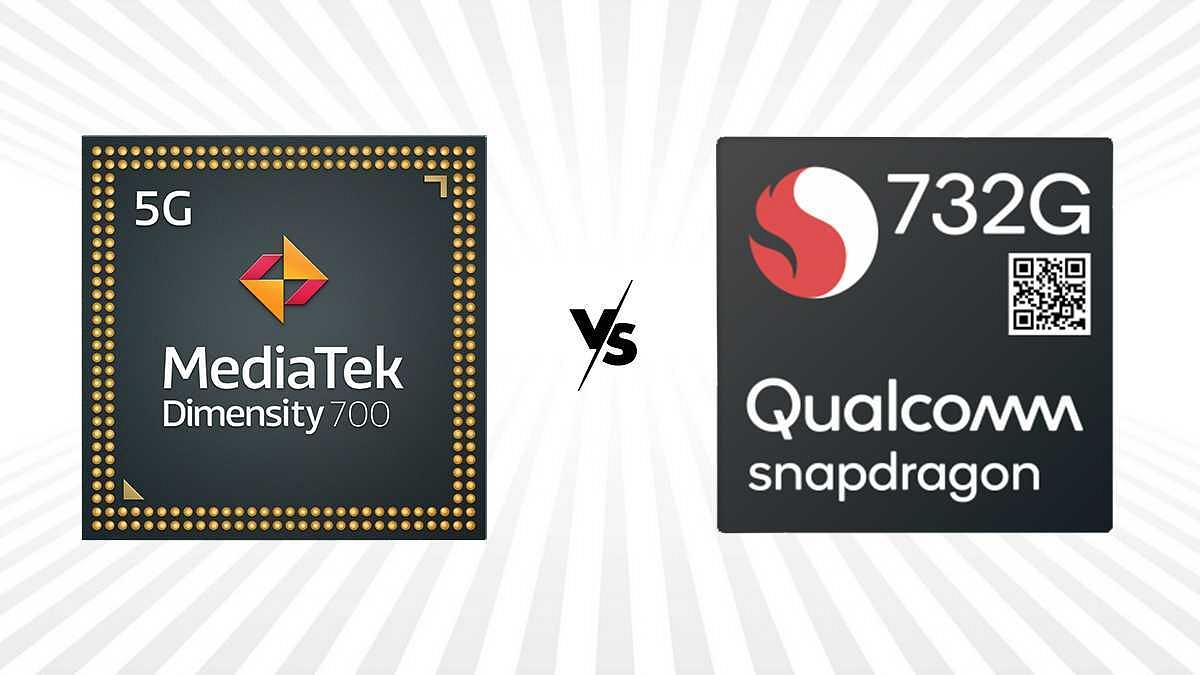
MediaTek Dimensity 700 Vs Qualcomm Snapdragon 732G Chipset: Budget Android Mobile Processor Comparison

Key Highlights

MediaTek Dimensity 700 chipset is fabricated with 8nm process

Snapdragon 732G chipset is fabricated using 7nm process

Qualcomm Snapdragon 732G GPU is Adreno 618

MediaTek Dimensity 700 chipset integrates Mali-G57 MC2 GPU

MediaTek made it possible for smartphone OEMs to launch super pocket-friendly Android phones with 5G network support. Poco, Realme, Oppo, and other major tech brands are using Dimensity series chipsets for their affordable phones. The Dimensity 700 SoC is the most reliable budget 5G chipset by MediaTek used by multiple 5G Android phones under Rs. 15,000.

On the other hand, the Snapdragon 732G is another preferred budget Android mobile processor by Qualcomm, ensuring an optimum gaming experience. The Qualcomm Snapdragon 732G competes against the Dimensity 700 head on in terms of CPU and GPU performance. But which one outperforms the other? Read on here:

MediaTek Dimensity 700 Vs Qualcomm Snapdragon 732G: CPU Performance, Architecture

The MediaTek Dimenisty 700 is an octa-core chipset that is designed using a thinner 7nm process. The CPU cluster of this chipset comprises six Cortex-A55 cores clocked at 2.2GHz and six Cortex-A55 cores clocked at 2GHz. The overall frequency range with this chipset is 2200Mhz and the instruction set is ARMv8.2-A.

Qualcomm has used a thicker 8nm fabrication process to design the Snapdragon 732G gaming chipset which has two Cortex-A76 cores with 2.3GHz clock speed and six Cortex-A75 cores clocked at 1.8GHz. The CPU frequency with this chipset is 2300MHz and the instruction set used is ARMv8-A. Performance is almost equivalent when we compare the CPU cluster. You can expect smartphones powered by both these chipsets to perform well with moderate as well as extensive tasks.

MediaTek Dimenisty 700 Vs Qualcomm Snapdragon 732G: GPU Performance

The MediaTek Dimensity 700 processor in the GPU department has a Valhall-architecture-based Mali-G57 MC2 GPU support. The GOU frequency delivered by this processor is 950MHz with two execution units. The GPU integrated churns out power efficiently for fluid graphics rendering.

Qualcomm has used an Adreno 618 GPU inside the Snapdragon 732G gaming chipset. The GPU frequency produced by this budget chipset is 810MHz which is slightly lower compared to the Dimensity 700. But the GPU integrated between both these processors is capable of offering detailed graphics without any lags.

MediaTek Dimensity 700 Vs Qualcomm Snapdragon 732G: Memory, Multimedia (ISP)

The MediaTek Dimensity 700 chipset comes with LPDDR4X RAM compatibility so does the Snapdragon 732G. The memory frequency varies. The former offers around 2133 MHz memory, while the latter supports a 1866MHz frequency range which is higher than the Snapdragon chipset. Also, the maximum memory support offered by the Dimensity 700 chipset is higher at 12GB compared to 8GB supported by the Snapdragon 732G. The Dimensity 700 chipset takes the lead here.

 Additionally, the MediaTek Dimensity chipset comes with solo UFS 2.2 storage support, while the Snapdragon 732G has both eMMC 5.1 and UFS 21. Storage type compatibility. The maximum camera resolution is 1 x 192MP and 2x 22MP with the Snapdragon 732G and 1 x 64MP and 2x16MP with the Dimensity 700 chipset. The video recording is 4K@60fps with the Snapdragon 732G and 2K@30fps with the Dimensity 700. The Snapdragon 732G is slightly better in terms of multimedia and memory features.

Which One Offers Better Performance?

There isn’t much of a difference when we compare the Dimensity 700 with the Snapdragon 732G. Both are capable chipsets and can easily handle daily tasks that require moderate to extensive processing.