Categories
Comparison Featured mobile

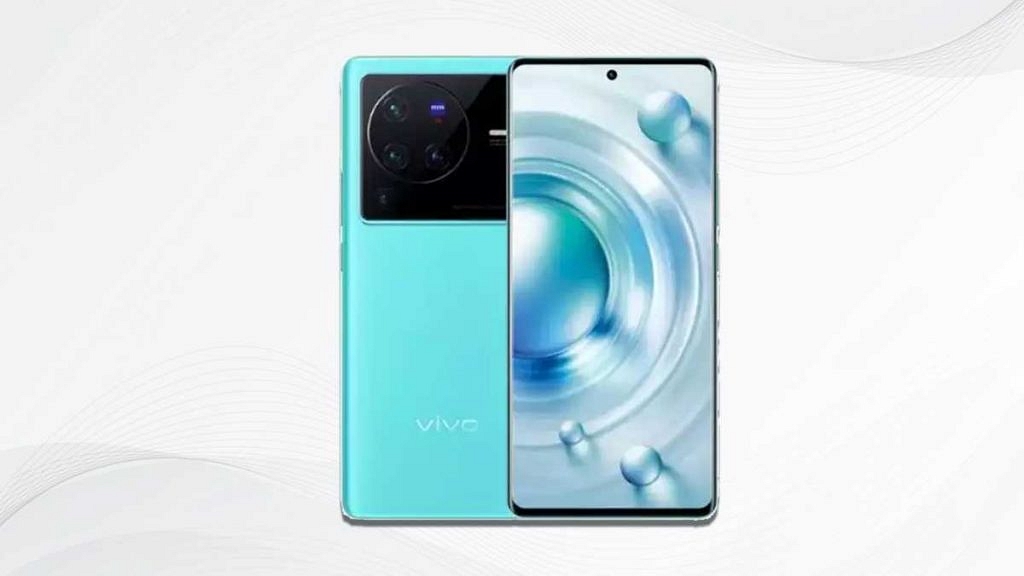
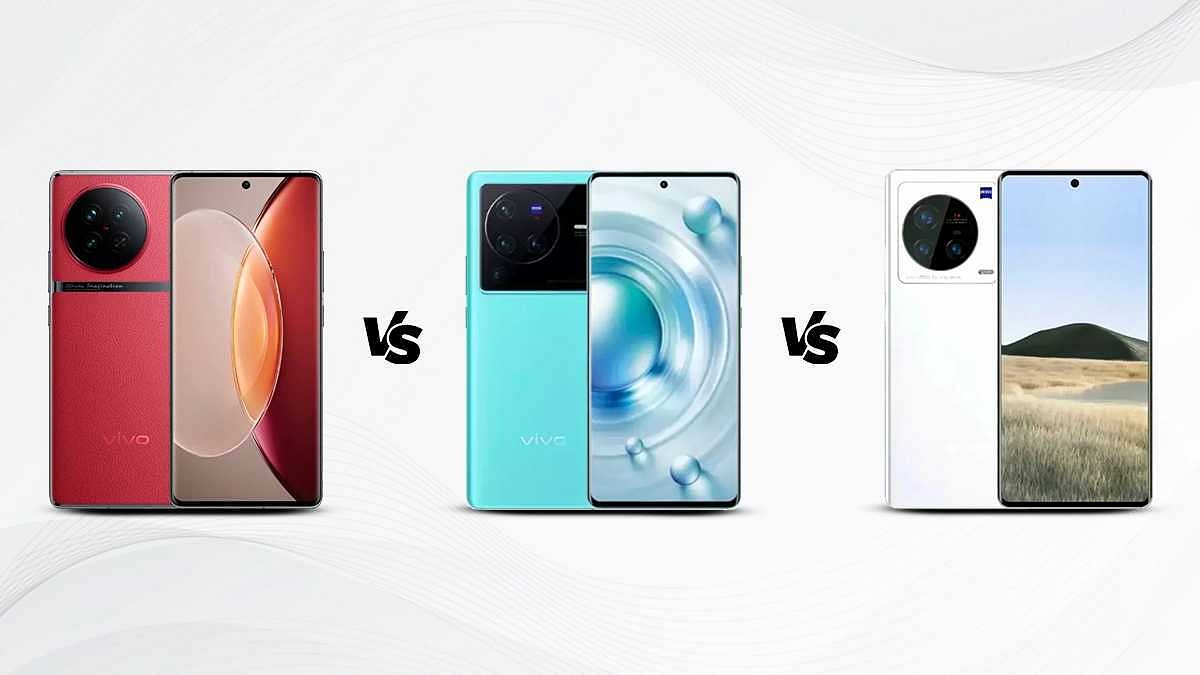
Vivo X90 5G Vs X90 Pro 5G Vs Vivo X90 Pro+ 5G: Best Camera Flagship Phone?

Key Highlights

  • Vivo X90 series is the latest camera flagship series
  • All three models including X90 5G, X90 Pro 5G, and the X90 Pro+ 5G are announced in China
  • Vivo X90 5G and X90 Pro 5G runs on Dimensity 9200 chipset, while X90 Pro+ 5G uses Snapdragon 8 Gen 2 chipset
  • 50MP triple rear camera on the X90 and X90 Pro 5G
  • Vivo X90 Pro+ has the best camera hardware featuring 50MP quad-lens setup
  • All three models sport a 32MP selfie camera
  • 120Hz AMOLED display

Vivo just got done refreshing its top-of-the-line X series with three new models. The Vivo X90 5G has been introduced alongside the X90 Pro and the X90 Pro+ in the company’s home country China. We are expecting Vivo to release all three new X series phones to the global markets soon. The X90 5G series phones wear a new design language and have also been updated in terms of specifications.

While the hardware is refreshed, they aren’t entirely different on all three models. What are the similarities and differences between the new-generation Vivo X series phone feature? Read on the comparison here:

SpecificationsVivo X90 5G Vivo X90 pro 5GVivo X90 Pro+ 5G
Display6.78-inch AMOLED
120Hz refresh rate
1300 nits brightness
6.78-inch AMOLED
120Hz refresh rate
1300 nits brightness
6.78-inch LTPO4 AMOLED
120Hz refresh rate
1800 nits brightness
Camera (rear)50MP+12MP+12MP50MP+50P+12MP50MP+64MP+48MP+50MP
(front)32MP32MP32MP
Android OS Android 13Android 13Android 13
ChipsetDimensity 9200Dimensity 9200Snapdragon 8 Gen 2
Battery4,810 mAh4,870 mAh4,700 mAh
Fast Charging120W120W80W

Vivo X90 5G Vs Vivo X90 Pro 5G Vs Vivo X90 Pro Plus 5G: Display Comparison

Vivo has kept the same display panel on the X90 and the X90 Pro 5G models. These two phones offer a 6.78-inch AMOLED screen with a 1260 x 2800 pixels screen resolution and 120Hz refresh rate. A punch-hole camera cutout sits upfront housing the selfie lens. Both these phones’ display also offers a 1300 nits peak brightness which will eliminate all the difficulties with outdoor content viewing.

The game changes with the X90 Pro Plus. This model has better display specs compared to the remaining two X90 series phones. The Vivo X90 Pro+ features a 6.78-inch LTPO4 AMOLED screen with 1440 x 3200 pixels screen resolution and 120Hz refresh rate. Brightness levels are also higher at 1800 nits. All three Vivo X90 series phones are HDR10+ compatible. While all three models in the X90 series have high-end screens, the X90 Pro+ gets some extra pointers.

Also Read: Samsung Galaxy F13 Vs OPPO A54 Vs MOTO G32: Best Affordable Android Smartphone To Buy In India

Vivo X90 5G Vs X90 Pro 5G Vs X90 Pro+ 5G: Camera Features
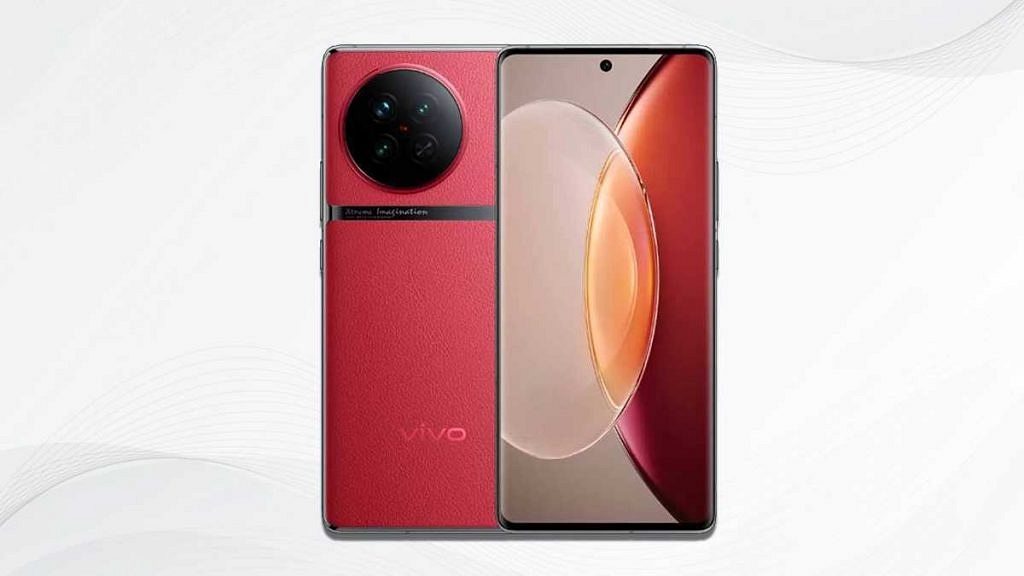
The new-generation Vivo X90 series brings along promising camera hardware powered by Zeiss lenses. All three models have a triple-lens setup but with a slight alteration in terms of sensors. The standard Vivo X90 5G has a 50MP main camera combined with a pair of 12MP sensors and features such as PDAF, OIS, and optical up to 2x optical zoom.  

Moving on to the Vivo X90 Pro 5G, the 50MP main camera and the 12MP ultrawide camera remains intact. However, it gets an additional 50MP telephoto sensor with 2x optical zoom. Imaging capabilities also remain same such as up to 8K video recording.

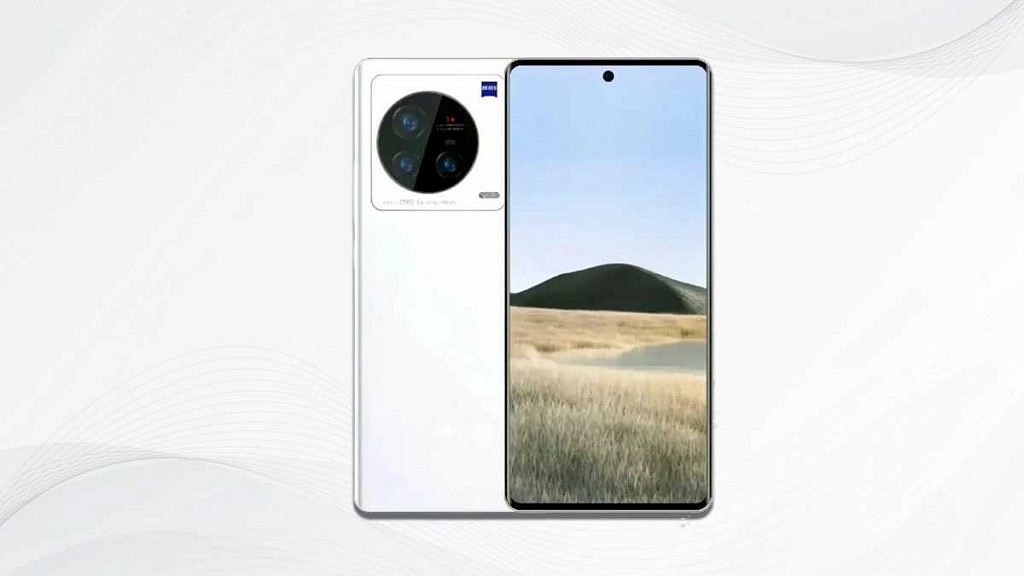
The Vivo X90 Pro+ seems to be an entire game changer with its powerful quad-lens setup for primary photography. This top-tier Vivo X series phone features a 50MP camera with an f/1.8 aperture, a 64MP periscope telephoto lens, a 50MP telephoto lens, and a 48MP ultrawide sensor. This variant has the best-in-class camera hardware in its league.

Vivo has packed a 32MP selfie camera with an f/2.5 aperture on the Vivo X90 5G series. The front camera offers additional features such as HDR and 4K@30fps video recording.

Vivo X90 5G Vs Vivo X90 Pro 5G Vs Vivo X90 Pro Plus 5G: Chipset, Battery
Both Vivo X90 Pro 5G and the vanilla X90 5G employs MediaTek’s Dimensity 9200 chipset for power delivery. This fabrication process is 4nm and GPU support is Immortalis G75. Both these phones have up to 12GB RAM and 512GB storage support. The Vivo X90 Pro Plus hardware is notch above. It comprises the Snapdragon 8 Gen 2 processor which is the latest premium processor from Qualcomm. This flagship mobile chipset gets Adreno 740 GPU and up to 12GB RAM+ 512GB storage support. All three phones have Android 13 OS-based Origin OS 3 UI pre-installed.

Battery capacity is different on all three models. The standard Vivo X90 5G has a 4,810 mAh battery with 120W fast charging and the X90 Pro 5G features a 4,870 mAh battery with the same 120W fast charging. The Vivo X90 Pro+ has a 4,700 mAh battery and 80W fast charging support.

Vivo X90 5G Vs X90 Pro 5G Vs X90 Pro+ 5G: Final Verdict

All three Vivo X90 5G series phones are highly capable in terms of overall performance, specifically imaging. If you want the best photpgraphy experience the X90 Pro+ is undeniably the best model. However, the remaining two models can easily give some of the best camera phones tough competition.
Categories
Comparison Featured Tablet

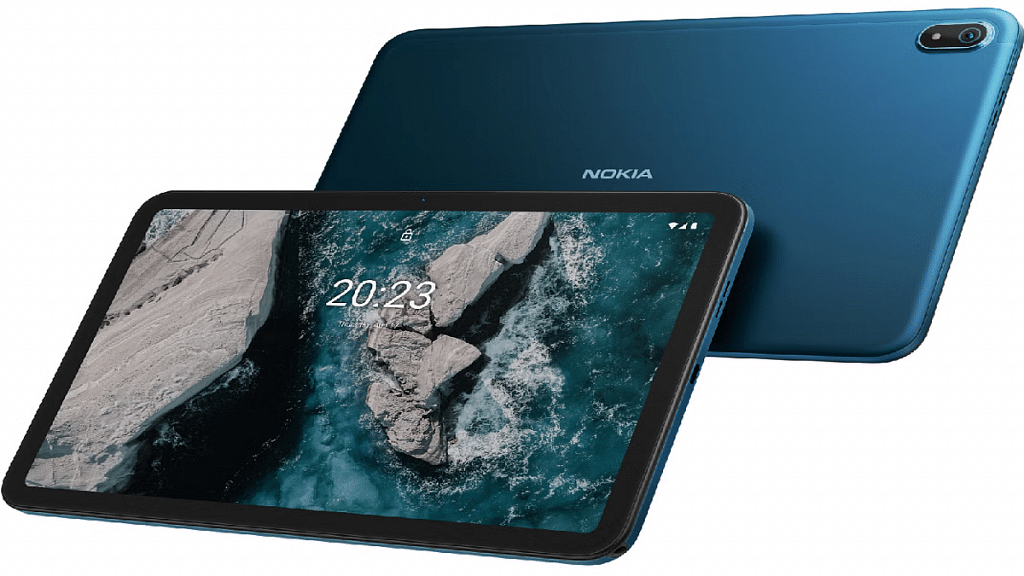
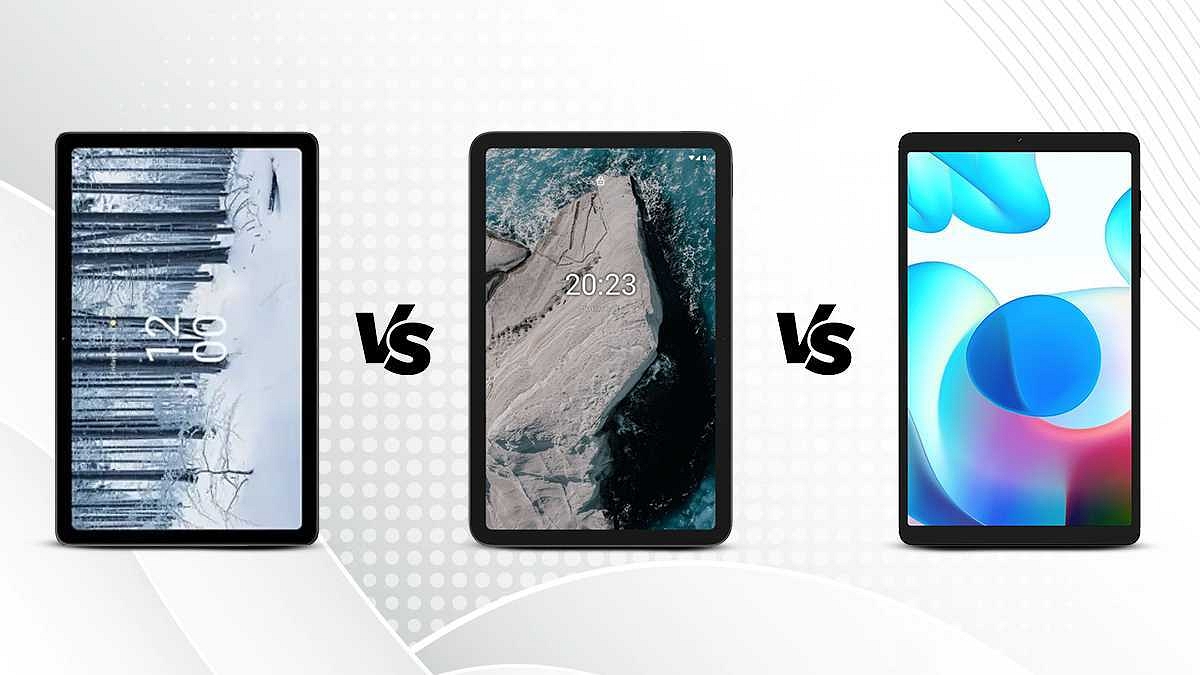
Nokia T21 Vs Nokia T20 Vs Realme Pad Mini Tablet Comparison: Best Entry-Level Android Tablet For Daily Use

Key Highlights

  • Nokia T21 is the latest entry-level Android tablet in the market
  • Nokia T20 and the Realme Pad Mini are the prime rivals of Nokia T21
  • All three models feature an IPS LCD screen
  • An 8MP rear camera handles photography on all three tablets

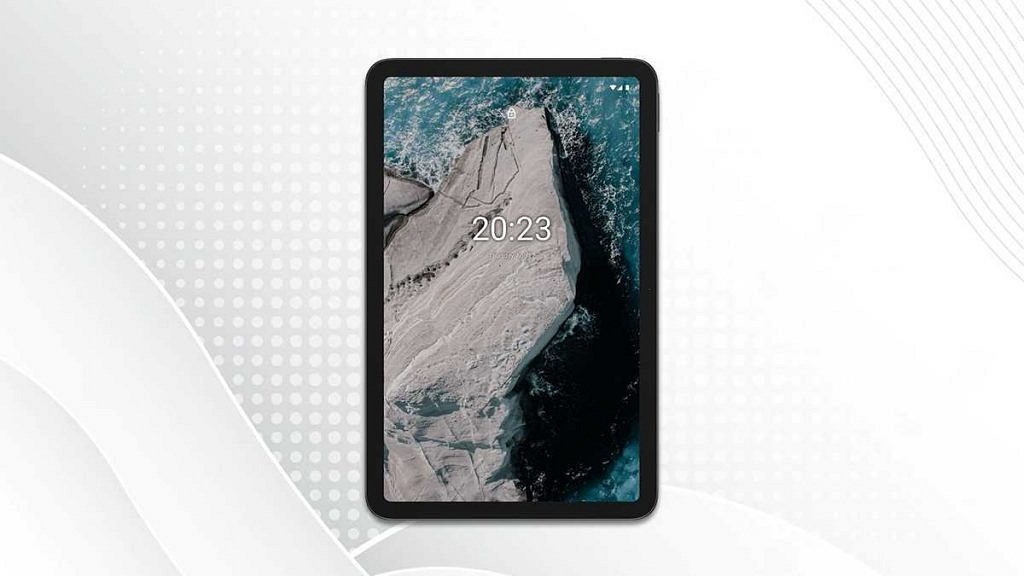
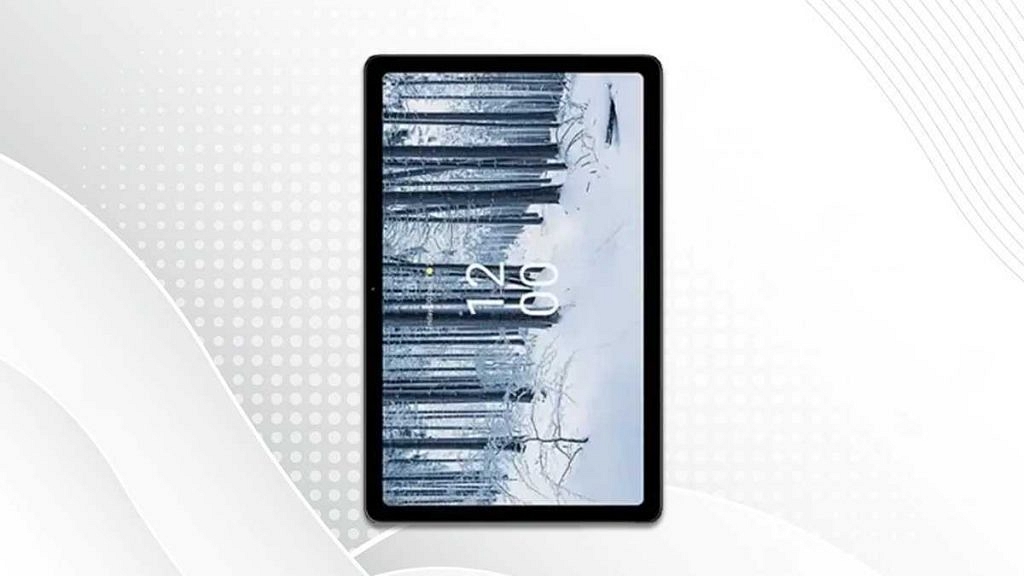
HMD Global just added a new budget mobile tablet to its product portfolio. The brand has now released the successor of the Nokia T20 which was released earlier this year. The Nokia T21 is the latest tablet model from the Finnish tech giant that has arrived in the international market. It borrows some of the features from its precursor such as the display and camera. Both these Nokia tablets have emerged as the best option for budget audiences.

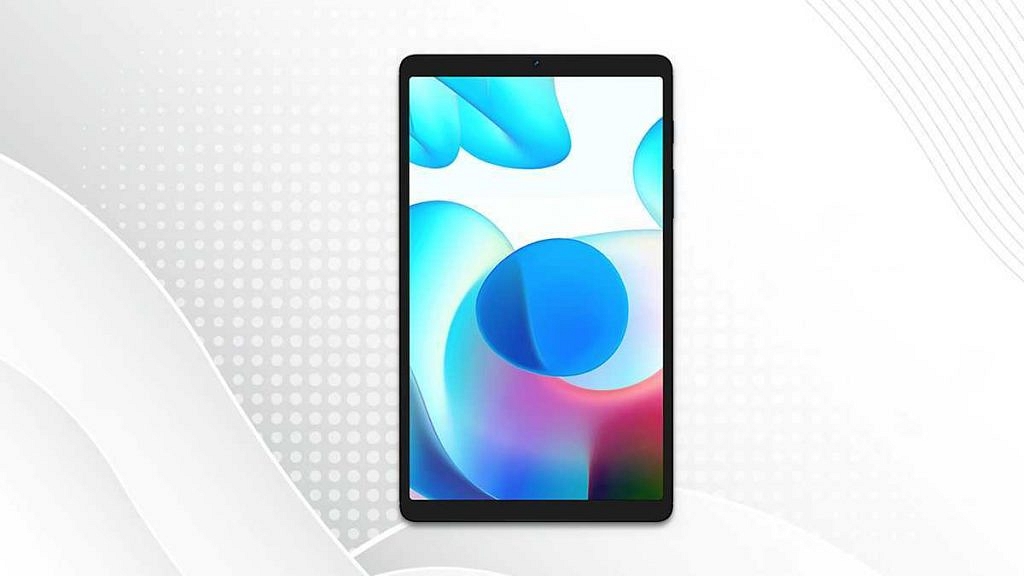
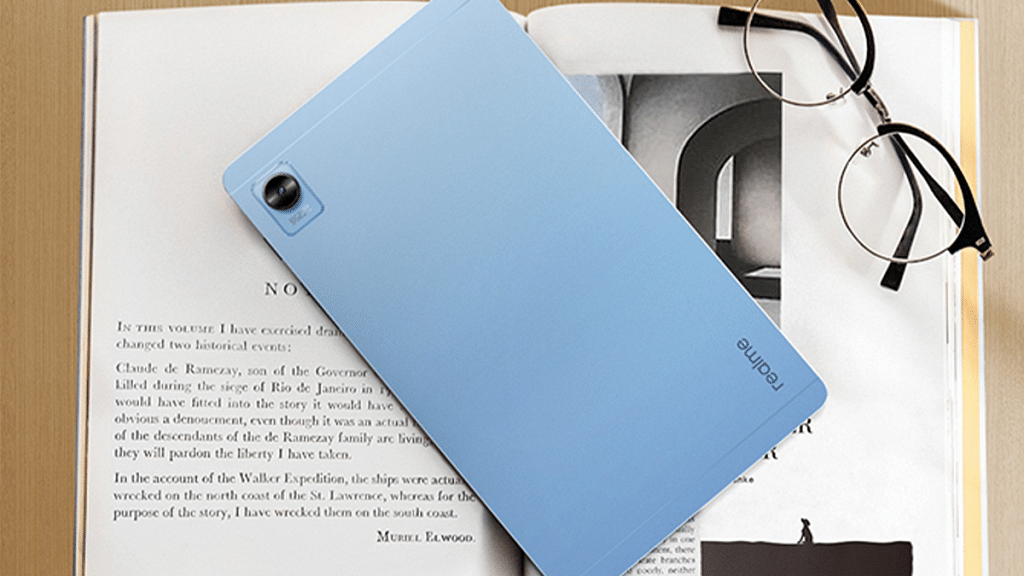
But we have a bunch of tablets from other brands that make for a good fit when you have a tight budget. The Realme Pad Mini is one of the models that has been topping the charts in the affordable tablet market. We are doing a quick comparison between all these three tablets that will eliminate all your confusion related to a new purchase.

SpecificationsNokia T21Nokia T20Realme Pad Mini
Display10.3-inch IPS LCD
1200 x 2000 pixels
10.4-inch IPS LCD
1200 x 2000 pixels
8.7-inch IPS LCD
800 x 1340 pixels
Rear Camera8MP8MP8MP
Selfie Camera 8MP5MP5MP
ChipsetUnisoc T612Unisoc T610Unisoc T616
Battery 8200 mAh8200 mAh6400mAh
Fast Charging 18W15W18W
PriceAprrox. Rs. 17,000Starts at Rs. 15,499Starts at Rs. 10,999
Nokia T21 Vs Nokia T20 Vs Realme Pad Mini Specs comparison

Nokia T21 Vs Nokia T20 Vs Realme Pad Mini: Display Specifications

HMD Global has used an IPS LCD screen on both Nokia T20 and the Nokia T21 but has used a different screen size for both variants. The latest model, i.e., the Nokia T21 features a 10.36-inch display which has a 2K screen resolution of 1200 x 2000 pixels.

The brand has used a toughened glass material and has support for Widevine L1 which enables HD video playback on Netflix. The panel has SGS low blue light certification and 400 nits peak brightness that aids with clear visibility outdoors.  

The older model, i.e., the Nokia T20 has a marginally bigger 10.41-inch screen which also supports a 2K resolution and 400 nits peak brightness levels. Comparatively, the Realme Pad Mini employs an 8.7-inches of IPS LCD screen with 84.9 percent screen-to-body ratio and 800 x 1340 pixels screen resolution.

If the display is your primary requirement, consider the Nokia T20 or the Nokia T21 as the options. This is because you get a larger panel along with a better screen resolution.

Also Read: Realme Pad Vs Lenovo Tab K10 Vs Moto Tab G20: Budget-Friendly Tablet You Should Consider

Nokia T21 Vs Nokia T20 Vs Realme Pad Mini: Camera Hardware

The camera hardware, specifically, the rear snapper is the same on all three tablets. The Nokia T20, Nokia T21, and the Realme Pad Mini sport an 8MP camera at the back that can capture some decent level of clarity with the captured shots along with balanced colors. This is a basic camera setup that is common across budget Android tablets.

The selfie camera segment is where the game changes. The Nokia T21 leads the selfie camera race with its 8MP front sensor. Whereas, the Nokia T20 and the Realme Pad Mini are equipped with a 5MP selfie camera. Out of all three models, the Nokia T21 will be the best pick for online conferencing and general photography.

Also Read: Nokia T10 Vs Nokia T20 Vs Samsung Galaxy Tab A7 Lite: Best Budget Tablets For Students In India

Nokia T21 Vs Nokia T20 Vs Realme Pad Mini: Chipset, Configuration

Nokia has used an entry-level Unisoc processor in both of these tablets. Realme also has opted for a Unisoc series processor to power the Pad Mini. The Nokia T21 runs on the octa-core Unisoc T612 chipset, while the Nokia T20 has the Unisoc T610 processor. On the other hand, the Realme Pad Mini has the Unisoc T616 processor which is slightly more powerful compared to the remaining two processors.

 You can buy the Nokia T21 with 4GB RAM and up to 128GB storage options, while the Nokia T20 comes with 3GB/4GB RAM and 32GB/64GB storage options. The Realme Pad Mini comes with up to 4GB RAM and 64GB storage options. All three tablets also feature a microSD card storage expansion feature.

Also Read: Xiaomi Pad 5 Vs Honor Pad 8 Vs Realme Pad X: Best Premium Mid-Range Tablet

Nokia T21 Vs Nokia T20 Vs Realme Pad Mini: Battery Specification

Both Nokia T21 and the T20 tablets pack an identical battery size of 8,200 mAh. However, the fast charging speeds are slightly altered in both models. The Nokia T21 features 18W fast charging, while the Nokia T20 has only 15W fast charging speeds.

The Realme Pad Mini is backed by a smaller 6,400 mAh battery combined with 18W fast charging. The large battery capacity makes the Nokia T20 and the Nokia T21 a better alternatives compared to the Realme Pad Mini.

Also Read: Nokia T10 Vs Oppo Pad Air Vs Realme Pad Mini: Best Budget Tablet To Buy In India?

Nokia T21 Vs Nokia T20 Vs Realme Pad Mini: Final Verdict

All three tablets in this list are decent in terms of features and performance. You wouldn’t find differences in terms of power delivery from these three tablets. If we take a look at the overall spec sheet, the Nokia T21 has the least compromises. But currently, this tablet is not launched in India, therefore opting for either the Nokia T20 or the Realme Pad Mini makes more sense.

Categories
Comparison Featured Tablet

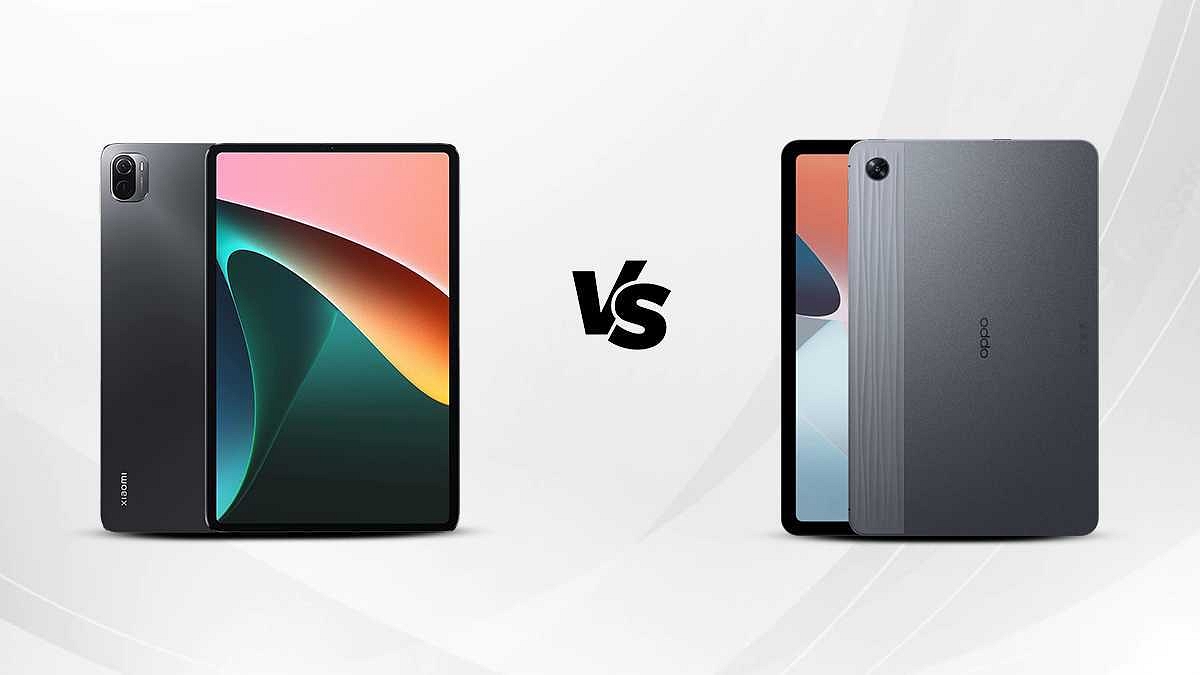
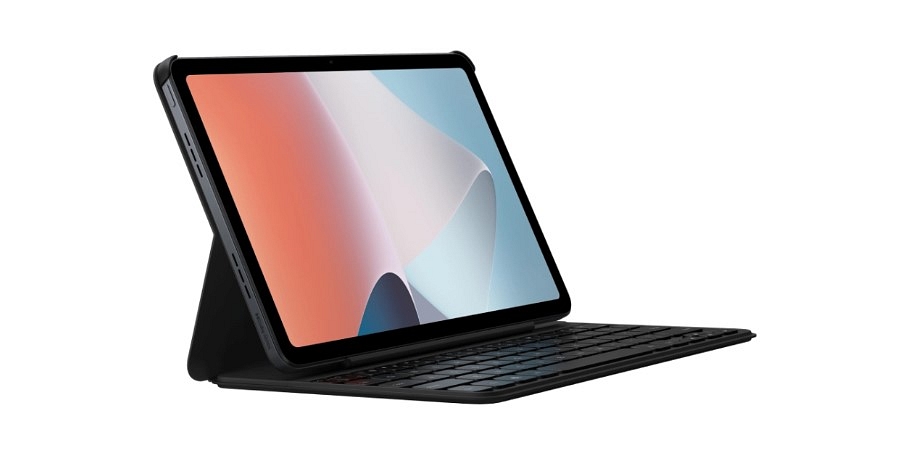
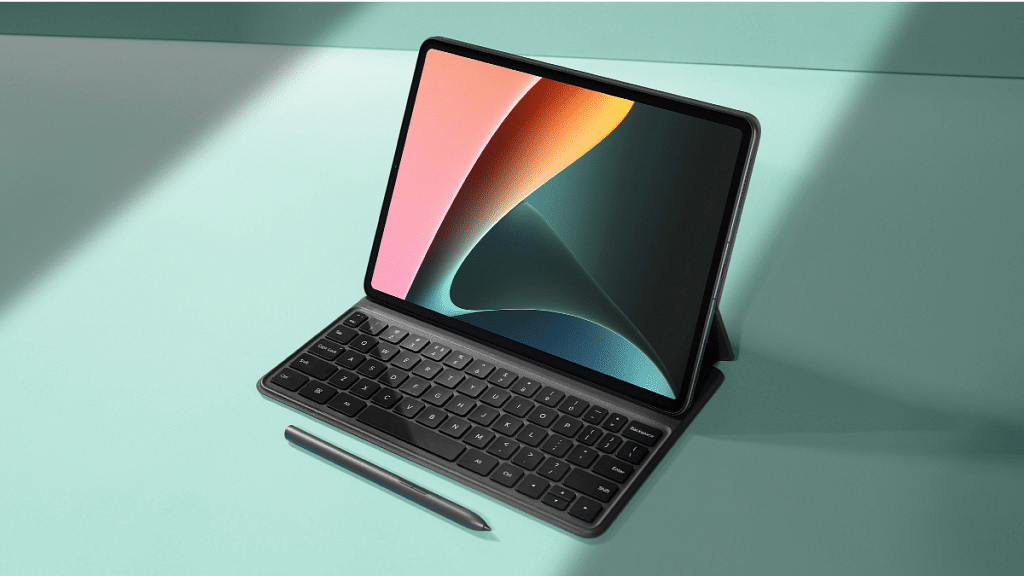
Xiaomi Redmi Pad Vs OPPO Pad Air Tablet: Which Budget Android Tablet Should Be Your Next Buy?

Key Specification Comparison

ModelXiaomi Redmi PadOPPO Pad Air
Display10.61-inch IPS LCD
1200 x 2000 pixels resolution
10.31-inch IPS LCD
1200x 2000 pixels resolution
Camera 8MP (rear)
8MP (front)
8MP (rear)
5MP (front)
Chipset MediaTek Helio G99 SoCQualcomm Snapdragon 680 4G
RAM, Storageup to 6GB RAM, 128GB storageup to 6GB RAM, 128GB storage
Android OSAndroid 12Android 12
Battery8,000 mAh 7,100 mAh
Fast charging 18W18W
PriceStarts at Rs. 14,999Starts at Rs, 16,999
Redmi Pad Vs OPPO Pad Air specs comparison

Xiaomi and OPPO are two of the most popular smartphone OEMs in India with a wide product catalog for both affordable and premium end consumers. In addition to smartphones, both these brands also have shown their expertise with other popular consumer gadgets such as smart wearables and smart home appliances. Mobile tablets are a new segment for both these brands with only a handful of models being introduced in recent years.

Xiaomi has launched the Redmi Pad tablet for budget consumers, while OPPO has the Pad Air model competing against the Redmi Pad in the affordable segment. Which of these two mobile tablets offers better performance and should be on your buying list? Read this comparison article to clear up the confusion.

Xiaomi Redmi Pad Vs OPPO Pad Air Tablet: Display Features

The display is a prime factor considered by a major chunk of users when buying a new tablet or smartphone. Xiaomi has used a large 10.61-inch display which is an IPS LCD panel on the Redmi Pad tablet. The screen on this budget Redmi tablet has an 80.9 percent screen-to-body ratio with a 1200 x 2000 pixels screen resolution and 220 PPI pixel density.

The Redmi Pad tablet’s display further supports 400 nits peak brightness that offers sufficient visibility outdoors under direct sunlight. It additionally offers a 90Hz refresh rate for a fluid touch response. OPPO has used a 10.36-inch display which is slightly smaller compared to the Redmi Pad tablet.

The panel type is LCD on this tablet as well which supports 1200 x 2000 pixels screen resolution and a 225 PPI pixel density. You wouldn’t find much difference in terms of display quality when you compare both Redmi Pad and the OPPO Pad Air tablets. Both these tablets will offer clear visuals with video playback and games.

Also Read: Oppo Pad Air Vs Samsung Galaxy Tab A7 Vs Honor Pad 8: Which Should Be Your Bet

Xiaomi Redmi Pad Vs OPPO Pad Air: Chipset, Android Version, Battery Capacity

Under the hood, both Redmi Pad and the OPPO Pad Air use a powerful mid-range mobile processor. The Redmi Pad runs on the MediaTek MT8781 processor which is otherwise known as the Helio G99 SoC.

This is an octa-core processor by MediaTek designed specifically to handle extensive gaming requirements at a budget price point. The Redmi Pad tablet’s chipset is coupled with Mali-G57 MC2 GPU for graphics and 3GB/4GB/6GB RAM options for multitasking. Storage options that you can select from include 64GB and 128GB.

Whereas, the OPPO Pad Air uses the octa-core Snapdragon 680 chipset for power delivery that is clubbed with Adreno 610 GPU to handle all the graphics requirements. OPPO has launched the Pad Air tablet with 4GB RAM/64GB storage, 4GB RAM/128GB storage, and 6GB RAM/128GB storage configuration.

The firmware used by both Redmi Pad and the OPPO Pad Air is Android 12 OS along with a custom UI. If performance delivery is your concern, you wouldn’t be disappointed by both of these tablets. Since a mid-range gaming chipset is employed for all tasks, the Redmi Pad and the OPPO pad Air can easily take on all extensive tasks without flinching a muscle.

The battery capacity packed inside the OPPO Pad Air is 7,100 mAh clubbed with 18W fast charging. On the other hand, the Redmi Pad tablet has a bigger 8,000 mAh battery capacity with 18W fast charging.

Also Read: Xiaomi Pad 5 Vs Honor Pad 8 Vs Realme Pad X: Best Premium Mid-Range Tablet

Redmi Pad Vs OPPO Pad Air Tablet: Camera Features

The imaging hardware isn’t much different on both Redmi Pad and the OPPO Pad Air tablets. An 8MP primary camera with an f/2.4 aperture and AF (autofocus) support handles all the photography requirements. The primary camera on these tablets can easily shoot 1080p videos at 30fps. The colors and details captured are decent by the rear camera on the Redmi Pad and the OPPO Pad Air tablets.

It’s the selfie camera department where things are slightly different. The Redmi Pad takes a lead here with an 8MP selfie snapper that has an f/2.2 aperture. On the contrary, the OPPO Pad Air features a smaller 5MP sensor with an f/2.0 aperture for self-portraits and video calls. The Redmi Pad will offer better performance with online video conferencing apps compared to the OPPO Pad Air.

Also Read: Nokia T10 Vs Oppo Pad Air Vs Realme Pad Mini: Best Budget Tablet To Buy In India?

Redmi Pad Vs OPPO Pad Air: Which Budget Tablet Is Better?

Both Redmi Pad and the OPPO Pad Air tablets offer a good spec sheet when you consider their price range. Be it chipset, display, or battery segment, the competition is stiff between both these tablets. But if a better selfie camera and a large battery is your preference, the Redmi Pad makes a good option out of the two.

Categories
Chipset Comparison Featured

Qualcomm Snapdragon 778G Vs Dimensity 9000 Chipset: Premium Mid-Range Mobile Processors

Key Highlights

  • Qualcomm Snapdragon 778G chipset is a premium mid-range chipset built on 6nm process
  • MediaTek Dimensity 9000 SoC is fabricated using a 4nm process
  • Both chipsets offer 5G network support

Qualcomm Snapdragon 778G might be an older release but is still one of the most preferred mobile chipsets by OEMs for their premium mid-range handsets. We have compared this mobile chipset with several other popular counterparts. MediaTek has multiple chipsets that compete with the SD 778G in different performance aspects including CPU, GPU, and Multimedia (ISP). We are now comparing the Snapdragon 778G with MediaTek’s Dimensity 9000 processor which is a recent release.

Qualcomm Snapdragon 778G Vs MediaTek Dimensity 9000 Chipset: CPU Architecture Comparison

Starting with the Snapdragon 778G processor, it is a 6nm chipset which has octa-core CPU cluster featuring one Cortex-A78 core with 2.4GHz clock speed, three Cortex-A78 cores with 2.2GHz speed, and four Cortex-A55 cores with 1.9GHz clock speed. MediaTek has fabricated the Dimensity 9000 chipset using a thinner 4nm process and octa-core CPU cluster comprising a 2.05GHz Cortex-X2 core, three 2.85GHz Cortex-A710 cores, and four Cortex-A510 cores with 1.85 GHz speed. The Dimensity 9000 processor gets an edge in terms of CPU design and performance.

Also Read: Qualcomm Snapdragon 8 Gen 2 Advanced Mobile Chipset With Ray Tracing, WiFi 7 Unveiled: List Of Phones To Launch With SD 8 Gen 2 Processor

Qualcomm Snapdragon 778G Vs Dimensity 9000 Processor: GPU Performance

The premium mid-range Snapdragon 778G processor has an Adreno 642L GPU support. This processor’s GPU has 490MHz frequency with two execution and 384 shading units. On the contrary, the Snapdragon 778G processor features the Mali-G710 GPU with 850MHz frequency range, 10 execution, and 512 shading units. Both processors have an identical 1.1 Vulkan version, 3.0 OpenCL version, and 12 DirectX version.

Snapdragon 778G Vs MediaTek Dimensity 9000 SoC: Memory, Multimedia (ISP)

The Qualcomm Snapdragon 778G chipset has LPDDR5 RAM support, while the MediaTek Dimensity 9000 processor features advanced LPDDR5X RAM. The memory frequency range is 3200MHz with the former and 3750MHz with the latter. The maximum memory support is 16GB with the SD 778G and 24GB with the Dimensity 9000 processor. Memory compatibility is UFS 2.1, UFS 2.2, and UFS 3.0/3.1 with the SD 778G and just UFS 3.1 with the Dimensity 9000 processor.

Maximum display resolution is 1080 x 2520 pixels and 1440 x 2960 pixels with the Snapdragon 778G and Dimensity 9000 chipsets respectively. The former supports 4K@30fps video recording and playback, while the latter supports 4K@30fps videos.

Also Read: MediaTek Dimensity 9200 Processor Vs Qualcomm Snapdragon 8 Gen 1 Chipset: High-End Mobile Chipset Comparison

Snapdragon 778G Vs Dimensity 9000 Processor: Final Verdict

The Qualcomm Snapdragon 778G is undeniably a powerful option for premium mid-tier smartphones. However, the Dimensity 9000 chipset has a better CPU architecture, GPU performance, and a thin fabrication process making it a better alternative compared to the Snapdragon 778G chipset.

Also Read: Qualcomm Snapdragon 750G Vs Snapdragon 732G: Premium Mid-Tier Gaming Chipset Comparison
Categories
Chipset Comparison Featured

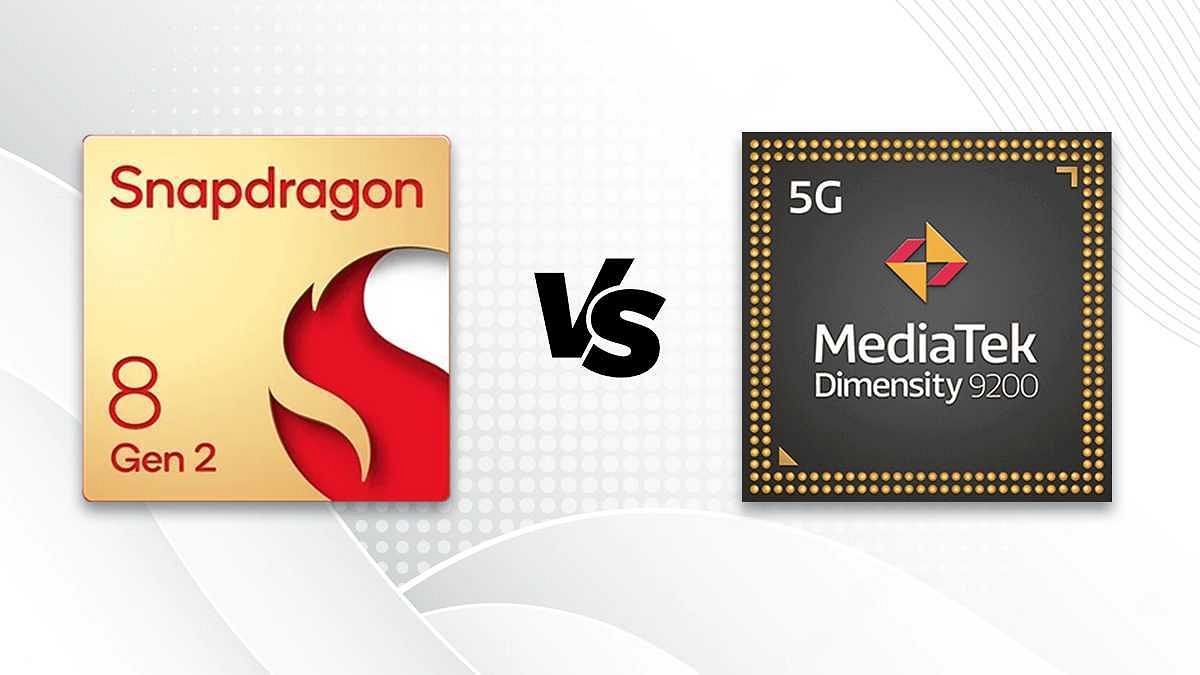
Qualcomm Snapdragon 8 Gen 2 Vs MediaTek Dimensity 9200 Chipset Comparison: Most Advanced 5G Flagship Mobile Processor?

Key Highlights

  • Both Snapdragon 8 Gen 2 and MediaTek Dimensity 9200 processors have an octa-core CPU
  • 4nm fabrication process used to manufacture both these flagship chipsets
  • Qualcomm has integrated the latest Adreno GPU
  • Dimensity 9200 features Mali-G75 Immortalis MC11 GPU

Qualcomm has just strengthened its portfolio in the premium mobile chipset category with the launch of the Snapdragon 8 Gen 2 processor. The successor of the Snapdragon 8 Gen 1 processor brings multiple upgrades and is claimed to offer around 35 percent better CPU performance along with a 25 percent improved GPU performance with all tasks. It integrates the latest Adeno GPU and advanced features such as Ray Tracing for a smooth gaming experience, and Wi-Fi 7 wireless network support.

The war between the flagship mobile processors is quite evident nowadays with the chipset OEMs integrating advanced features allowing for a top-notch user experience. While the Snapdragon 8 Gen 2 doesn’t have multiple rivals, the recently launched Dimensity 9200 processor is its strongest contender. How do both these chipsets compete when we consider the overall CPU, GPU, and Multimedia (ISP) performance? This comparison articles lists out all the differences.

Qualcomm Snapdragon 8 Gen 2 Vs MediaTek Dimensity 9200 Processor: CPU Comparison

These two premium mobile chipsets are fabricated using the same 4nm thin fabrication technology. They both also feature an octa-core CPU cluster design. Qualcomm has used one prime core with 3.2GHz clock speed, four performance cores with a 2.0GHz base frequency, and three efficiency cores with up to 2.0GHz clock speed.

Comparatively, the Dimensity 9200 chipset’s core cluster features one prime Cortex-X3 core clocked at 3.05 GHz, three Cortex-A715 cores with 2.85 GHz clock speed, and four 1.8GHz Cortex-A510 cores. Qualcomm hasn’t specified the maximum CPU frequency offered by the Snapdragon 8 Gen 2 chipset.

Also Read: Qualcomm Snapdragon 8 Gen 2 Advanced Mobile Chipset With Ray Tracing, WiFi 7 Unveiled: List Of Phones To Launch With SD 8 Gen 2 Processor

However, the Dimensity 9200 processor offers a 3050MHz frequency range. Performance-wise, both Snapdragon 8 Gen 2 and the Dimensity 9200 offer a top-notch response. The exact CPU performance can be compared once the flagship smartphones integrated with these chipsets are launched officially.

Snapdragon 8 Gen 2 Vs Dimensity 9200 Chipset: GPU Differences

Qualcomm has just confirmed the presence of the latest Adreno series GPU inside the Snapdragon 8 Gen 2 processor. The exact name of the GPU is yet to be confirmed. Nevertheless, the Snapdragon 8 Gen 2 processor’s GPU is said to bring around 25 percent better performance when compared to the last model. Also, it has become the first Qualcomm mobile processor that has a 1.3 Vulkan version.

Also Read: MediaTek Dimensity 9200 Processor Vs Qualcomm Snapdragon 8 Gen 1 Chipset: High-End Mobile Chipset Comparison

MediaTek has used the Mali-G75 Immortalis MC11 GPU which is also a premium range graphics processing unit for fluid frame transitions with gaming and video playback. Similar to the SD 8 Gen 2, the Dimensity 9200 also has a 1.3 Vulkan version making it the first MediaTek chipset with this option. You can expect both these GPUs to easily take on extensive graphics with ease without hampering the quality anyhow.

Snapdragon 8 Gen 2 Vs Dimensity 9200 Processor: Memory, Multimedia (ISP)

In terms of memory compatibility, the Qualcomm Snapdragon 8 Gen 2 is enabled with LPDDR5x RAM compatibility. This memory type supports up to 4200MHz memory frequency range. Whereas, the MediaTek Dimensity 9200 processor also has the LPDDR5x RAM memory type with a maximum frequency range of 8533MHz which is higher compared to the SD 8 Gen 2 chipset.

The storage type supported by the latest Snapdragon flagship processor is UFS 4.0. The Dimensity 9200 also features the same UFS 4.0 storage support. Moving on to the display resolutions, the maximum on-device display support is 4K@60Hz and QHD+@144Hz, while the max external display compatibility is up to 4K@60Hz.

It further has HDR10, HDR10+, and HDR Vivid support. MediaTek Dimensity 9200 processor features a maximum display resolution of 1440 x 2960 pixels. It is capable of recording and playing up to 8K@30fps videos.

Qualcomm Snapdragon 8 Gen 2 Vs Dimensity 9200 processor Final Verdict: Which Is Better?

FeaturesQualcomm Snapdragon 8 Gen 2MediaTek Dimensity 9200
CPUocta-core 64-bitocta-core 64-bit
GPULatest Adreno series GPUMali-G75 Immortalis MC11 GPU
Memory LPDDR5xLPDDR5x
Storage UFS 4.0UFS 4.0
5G supportYes Yes

When we consider all the factors such as CPU and GPU performance, both Snapdragon 8 Gen 2 and the Dimensity 9200 have a neck-to-neck competition. While both these processors are designed to offer the best-in-class user experience, the Ray Tracing feature available with the Snapdragon 8 Gen 2 gives it an edge.
Categories
Chipset Comparison Featured

MediaTek Dimensity 9200 Processor Vs Qualcomm Snapdragon 8 Gen 1 Chipset: High-End Mobile Chipset Comparison

Dimensity 9200 is the latest top-of-the-line chipset for smartphones and tablets from MediaTek. This new-generation Dimensity series chipset from MediaTek ships with 5G network compatibility and an octa-core CPU cluster. The Dimensity 9200 processor can easily outperform some of the most powerful mobile chipsets available in the market.

Since Qualcomm is one of the primary rivals of MediaTek in entry-level as well as premium chipset categories, we are comparing one of its potent chipsets with the Dimensity 9200 SoC. We are speaking of the Snapdragon 8 Gen 1 chipset which is driving the high-end smartphones launched in recent times. Which chipset out of the Dimensity 9200 or the Snapdragon 8 Gen 1 chipset is more capable in terms of CPU and GPU performance? Let’s find out in this comparison article.

MediaTek Dimensity 9200 Vs Qualcomm Snapdragon 8 Gen 1 Chipset: CPU Architecture, Performance

We’ll start off this comparison between the most powerful mobile processor in the market with the CPU performance. The Qualcomm Snapdragon 8 Gen 1 chipset has a thin 4nm fabrication process and an octa-core cluster. MediaTek has used the same 4nm thin fabrication process along with an octa-core core cluster design for the Dimensity 9200 processor.

The CPU cores in the Snapdragon 8 Gen 1 chipset feature one Cortex-X2 core with 3GHz clock speed, three Cortex-A710 cores with 2.5GHz clock speed, and four Cortex-A510 cores with 1.8GHz clock speed. The frequency range delivered by the Snapdragon 8 Gen 1 chipset is 3000 Mhz, whereas, the Dimensity 9200 has a similar 3050MHz frequency range. Both these processors have the ARMb9-A instruction set. Overall, the Dimensity 9200 and the Snapdragon 8 Gen 1 processors have neck-to-neck competition in terms of CPU performance.

Dimensity 9200 Vs Snapdragon 8 Gen 1 Processor: GPU Performance

Speaking of the GPU performance, the MediaTek Dimensity 9200 processor features the Mali-G715 Immortalis MC11 GPU which is based on Vallhall 3 GPU architecture. On the other hand, Qualcomm has used an Adreno 730 GPU with 818MHz GPU frequency to handle all the graphics delivery with the Snapdragon 8 Gen 1 processor. The GPU integrated within both these high-end processors are powerful and wouldn’t flinch with extensive graphics rendering.

MediaTek Dimensity 9200 Vs Snapdragon 8 Gen 1 Chipset: Memory, Multimedia (ISP) Compatibility

Moving on to memory compatibility, the MediaTek Dimensity 9200 processor takes a lead with its LPDDR5X memory support. The Qualcomm Snapdragon 8 Gen 1 ships with standard LPDDR5 RAM option. The memory frequency range is also higher with the Dimensity 9200 chipset.

It offers 8533MHz of memory frequency. On the contrary, the Snapdragon 8 Gen 1 chipset features a 3200MHz frequency range. Both these processor supports a maximum of 24GB memory compatibility. In addition to the RAM, the storage format is also better with the Dimensity 9200 processor. This processor has UFS 4.0 storage support that will offer faster read/write speeds along with transfer speeds compared to the Snapdragon 8 Gen 1 chipset. The latter is integrated UFS 3.1 storage support.

When we compare the multimedia aspects, the Snapdragon 8 Gen 1 chipset is a winner with a maximum display resolution of 3840 x 2160 pixels. The Dimensity 9200 processor ships with a max display resolution compatibility of 2960 x 1440 pixels. The SD 8 Gen 1 chipset supports 8K@30fps and 4K@120fps video playback and recording. The Dimensity 9200 has up to 8K@30fps video recording and playback compatibility.

MediaTek Dimensity 9200 Vs Snapdragon 8 Gen 1 Processor: Final Verdict

Both Dimensity 9200 and the Snapdragon 8 Gen 1 chipsets are primarily designed for top-tier Android phones and tablets. The 5G network compatibility combined with efficient and fast processing makes both these chipsets potent for flagship-grade devices. The power delivery is almost similar with both these chipsets, so you can easily consider any of the handsets driven by these two chipsets.

Categories
Comparison Featured

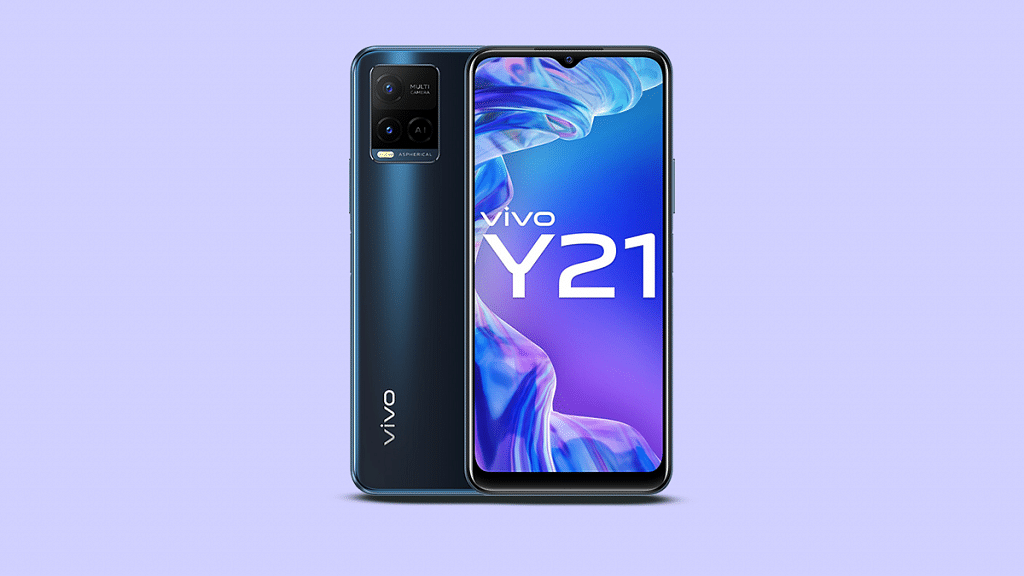
Vivo Y12 Vs Vivo Y13 Vs VivoY21T: Best Budget Vivo Android Phone Under Rs. 15,000 In India

Vivo phones are a part of the BBK Electronics group, which also controls the OPPO and OnePlus brands, and are increasingly marketed to smartphone users who are fashion-conscious. The brand’s marketing campaign, which goes by the slogan “Camera and Music,” focuses on the phone’s camera and audio features. The Y Series phones are located in the middle of the company’s product line and cover a wide range of features, we compared the reasonably priced but modestly equipped vivo Y12, Y13 and Y21T.

Design and Camera

The Vivo Y12 has a 6.35-inch IPS LCD screen with a screen resolution of 720 x 1,544 pixels and a sharpness density of 268 PPI. The vision is given more style by the 19.3:9 aspect ratio. The screen to body ratio is further increased by the bezel-free display with a tiny notch on top. The Vivo Y12 comes with the 13MP primary camera and the 8MP and 2MP sensors to have a rich and true color photography experience. Selfie photos taken with the 8MP front camera are just as outstanding and feature vibrant, sharp colors.

The Vivo Y13 is equipped with a pixel density of 255ppi, the 6.6-inch IPS LCD with a resolution of 720 x 1520 pixels. A waterdrop notch holding a front camera and a bezel-free display with no bezels have been offered by the manufacturer. The Vivo Y13 has three cameras on the back: a 2MP f/2.4 depth sensor, an 8MP ultra-wide angle camera, and a 13MP f/2.2 wide angle camera. On the front of the smartphone, there is a single 8MP f/2.4 Primary Camera that produces stunning portrait photos.

The Vivo Y21T has a 6.58-inch IPS LCD display with a waterdrop notch that houses the front camera. Additionally, its bezel-free display has a 20:9 aspect ratio, 401ppi pixel density, and a resolution of 1080 x 2408 pixels. The Vivo Y21T comes with a 50MP f/1.8 main camera, a 2MP f/2.4 macro camera, and a 2MP f/2.4 depth sensor. The ISO Control, Exposure Compensation, HDR mode, and LED Flash are some of this camera’s key features. Vivo has added an 8MP f/1.8 main front camera.

Configuration and Battery

The Vivo Y12 provides praised performance thanks to an octa-core Cortex A53 CPU with a clock speed of 2GHz. In addition, the PowerVR GE8320 GPU and 4GB RAM enable seamless multi-tasking. The MediaTek Helio P22 CPU, which controls the entire setup, does it with ease. A huge 5,000mAh Li-ion battery is included with the device to ensure long-lasting operation. One single charge from this enormous power pack will allow for a whole day of activities.

The Vivo Y13 comes with MediaTek Helio P60 chipset and an Octa-core CPU, which combines a Cortex A73 and a Cortex A53 layout and can operate at a maximum speed of 2GHz, are responsible for the Vivo Y13s’ potent performance. The smartphone’s 4GB RAM and Mali-G72 MP3 GPU enable rapid performance and a wonderful visual experience. The Vivo Y13s is equipped with a 5000mAh Li-Polymer battery. This can be used with a fast charging system.

The Vivo Y21T comes with a Qualcomm Snapdragon 680 chipset (6nm) and an Octa-core CPU with a dual Kryo 265 architecture that can reach a top speed of 2.2GHz. Additionally, it has an Adreno 610 GPU that provides consistency and a typical visual experience, along with 4GB of LPDDR4X type RAM. The Y21T is powered by 5000mAh battery from the manufacturer. It is a Li-ion type battery capable of 18W Fast Charging.

Storage and Connectivity

In terms of price, the Vivo Y12 offers a promising 32GB of internal storage, which can hold a lot of documents, data, programmes, images, and games. If the storage becomes full, one may use the external slot to increase memory up to 256GB and free up space for more items. The smartphone includes 4G VoLTE-enabled functionality for connectivity. Other features include Bluetooth, GPS, microUSB 2.0, Wi-Fi 802.11, b/g/n, Mobile Hotspot, and Wi-Fi.

The Vivo Y13, have 64GB of internal storage and  storage expansion (up to 256GB). The smartphone can be connected to a 4G VoLTE network of your choice for communication needs. Other features include Micro USB 2.0, A-GPS with Glonass, Wi-Fi, Bluetooth v5.1, and Mobile Hotspot.

The Vivo Y21T, which falls under the UFS 2.1 category, offers users 128GB of internal storage. The storage space can be increased to 1TB. For connectivity, the Vivo Y21T is compatible with 4G VoLTE network connections. The device also has Mobile Hotspot, Wi-Fi 802.11, b/g/n/n 5GHz, Bluetooth v5.0, USB Type-C, A-GPS with Glonass, and USB OTG functions.

GizNext’s Expert Opinion

The Vivo Y12 has a potent setup and a sizable battery backup that will deliver a genuine user experience. Even with frequent use, it can last all day. The triple rear lens, which is equipped with cutting-edge technology to improve the quality of the images, allows one to enjoy photography. It doesn’t have a full HD display, though. The Vivo Y13s is the ideal combination of strength and dependability for the price. When it comes to extended call time and gaming sessions, the 5000mAh battery is a major lifesaver. The Vivo Y21T is a respectable performer and promises a tonne of features to get users started. The deal-breaker is a 128GB storage capacity supported by a battery that is Fast Charging capable. Additionally, it has an expanded RAM facility.

Categories
AMD Comparison

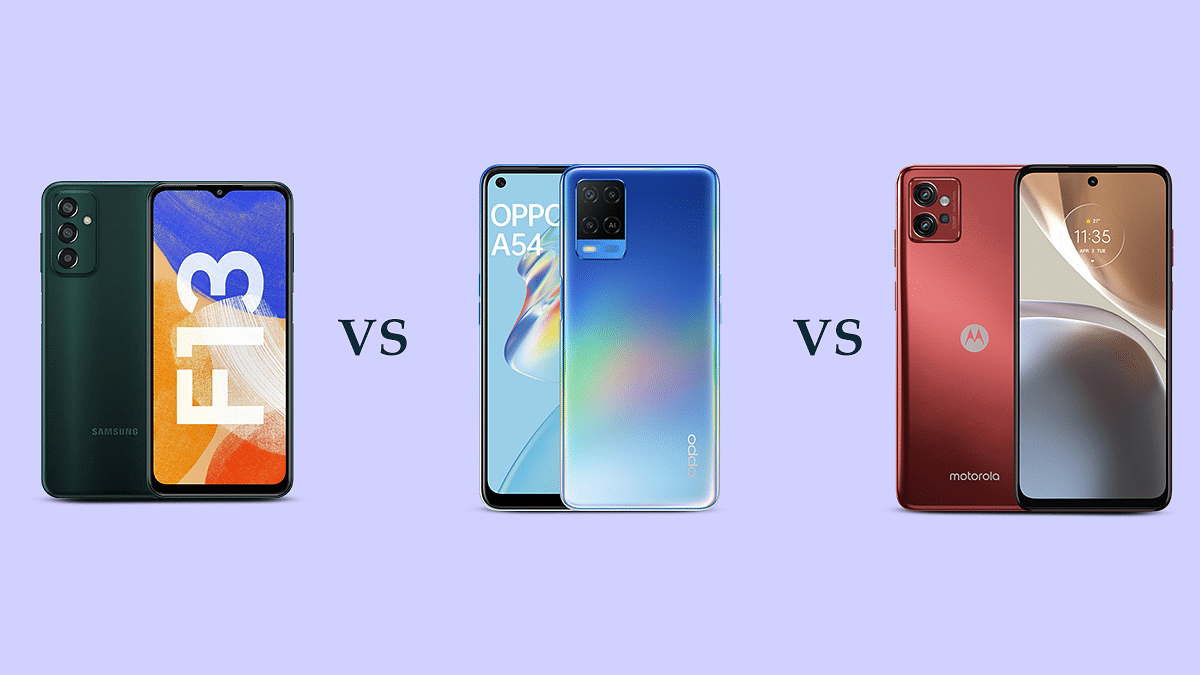
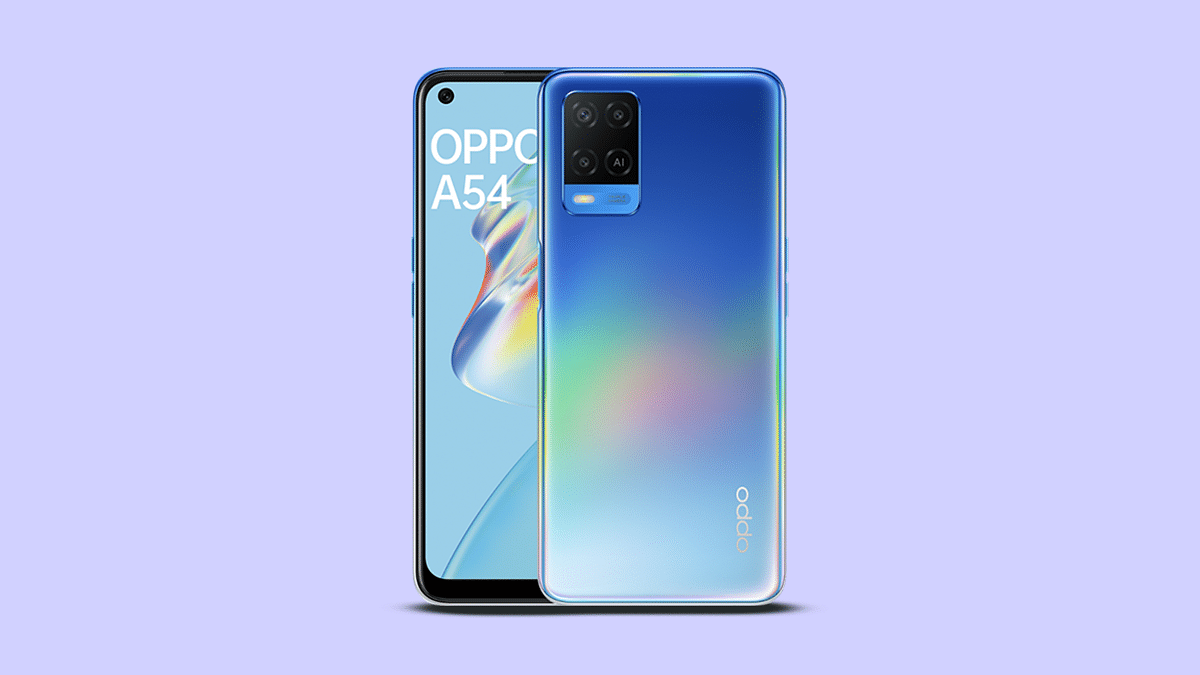
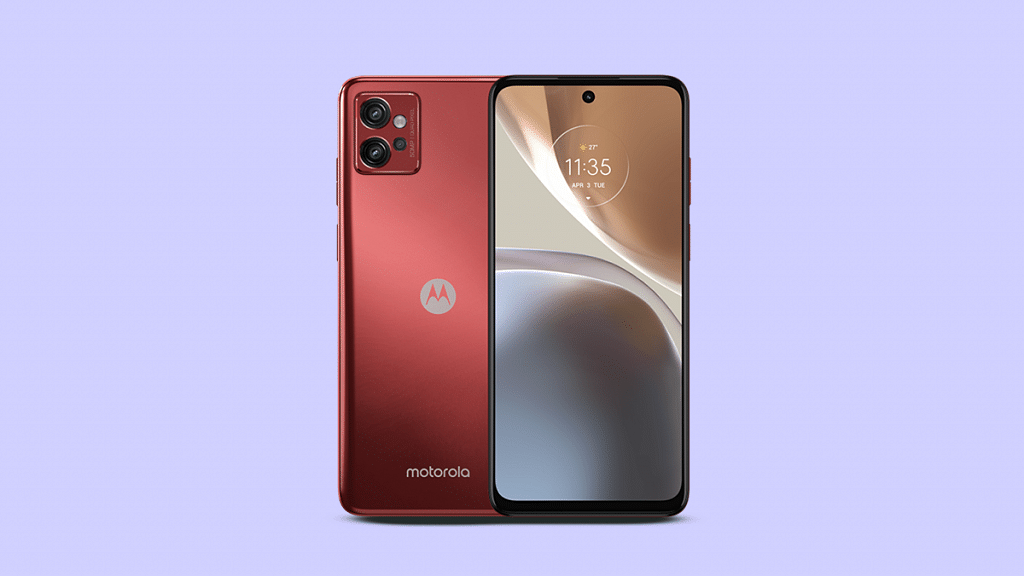
Samsung Galaxy F13 Vs OPPO A54 Vs MOTO G32: Best Affordable Android Smartphone To Buy In India

The most recent model in the company’s F-series lineup is the Samsung Galaxy F13. According to Samsung, this sub-Rs 12,000 phone meets the changing demands of Gen Z and millennials. The OPPO A54, a smartphone with a focus on affordability from the Chinese smartphone juggernaut OPPO, was recently revealed in India. The phone, which has a starting price of Rs 13,990, competes in a congested mobile market that is dominated by brands like Realme and Xiaomi. The Moto G32, a low-cost smartphone from Motorola, was unveiled in the middle of this year’s summer. It is the immediate replacement for the Motorola Moto G31, which was unveiled at the very end of the previous year. Let’s examine how these phones perform as a daily driver in this in-depth study.

Design and Camera

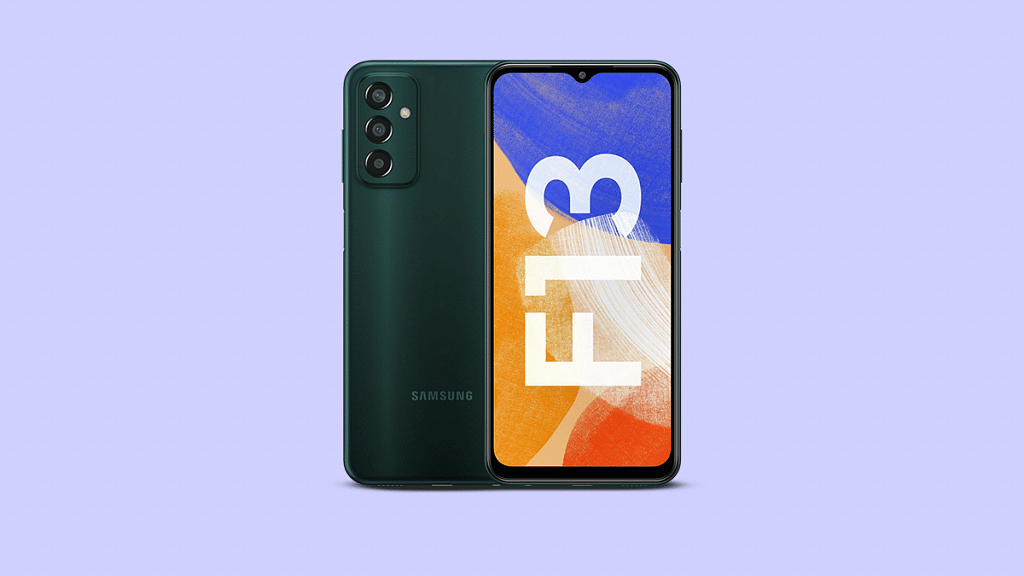
The Samsung Galaxy F13 has a 6.6-inch PLS LCD screen with a 20:9 aspect ratio, a 400ppi pixel density, and a 1080 x 2408 resolution. A front camera lens is housed in a waterdrop notch on the smartphone’s bezel-free display. The Samsung Galaxy F13’s back is equipped with a 50MP f/1.8 Wide Angle Lens, a 5MP f/2.2 Ultra-Wide Angle Lens, and a 2MP f/2.4 Depth Lens. The primary features of this camera configuration are Face Detection, Digital Zoom, Autofocus, Auto Flash, and HDR mode. On the front is a single 8MP f/2.2 Wide Angle Camera.

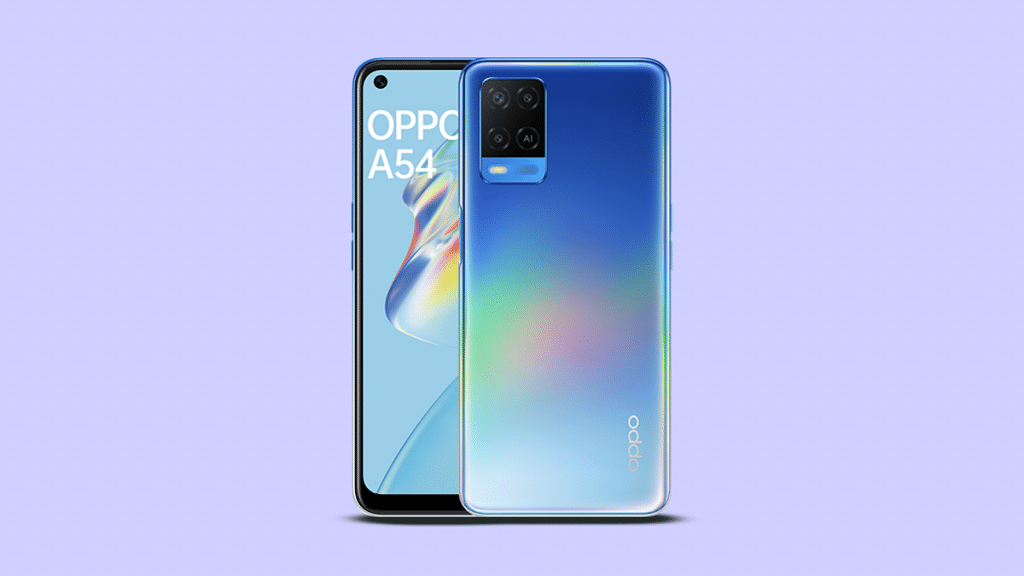
The display on the 6.51-inch OPPO A54 has a punch hole in it and is bezel-less. In addition to having a 270ppi pixel density, the smartphone’s IPS LCD has a 20:9 aspect ratio. Additionally, with a resolution of 720 x 1600 pixels and a refresh rate of 60Hz, OPPO provides a visually stunning experience. The smartphone has three cameras visible on its back: a 2MP f/2.4 macro camera, a 2MP f/2.4 depth camera, and a 13MP f/2.2 wide-angle main camera. LED flash, autofocus, ISO control, exposure compensation, HDR mode, continuous photography, auto flash, face identification, digital zoom, etc. are among the features displayed by the full camera setup. Additionally, a 16MP f/2.0 Wide Angle Primary Camera with AI enhancements is mounted on the front.

The 6.5-inch IPS LCD on the Moto G32 also has a punch-hole at the top. Furthermore, this display’s 1080 x 2400 resolution, 405ppi pixel density, and 90Hz refresh rate all contribute to its stunning graphics and fluid scrolling experience. On the back of the Moto G32, there is a three-lens camera setup. Along with a 50MP f/1.8 wide-angle camera, an 8MP f/2.2 ultra-wide angle lens, and a 2MP f/2.4 macro camera are also included. Autofocus, LED flash, and HDR mode Some of the built-in features are Face Detection, Exposure Compensation, and Continuous Shooting. There is a 16MP f/2.4 Selfie Camera on the front.

Configuration and Battery

The Galaxy F13 includes a 4GB RAM and Samsung Exynos 8 Octa 850 processor. A Mali-G52 GPU fulfils all of the computer’s graphic needs. It also has an Octa-core Cortex A55 processor, which can operate at a maximum speed of 2GHz. The huge 6000mAh Li-ion battery within the Samsung Galaxy F13 has a 15W Fast Charging compatibility.

The OPPO A54 is outfitted with a MediaTek Helio P35 chipset, a powerful 4GB of LPDDR4X RAM, and an Octa-core Cortex A53 engine running at 2.3GHz. A PowerVR GE8320 GPU handles all graphic-related needs. A strong Li-Polymer battery with a 5000mAh charge capacity is included with the smartphone. The cell is also capable of 18W Fast Charging.

The Moto G32’s internal Qualcomm Snapdragon 680 chipset enables customers to work continuously all day long. The Octa-core Dual Kryo 265 Processor Layout and 4GB RAM are also included with this chipset. The smartphone’s Adreno 610 produces stunning visuals. The Moto G32 has a Li-Polymer battery inside with a 5000mAh charging capacity. This non-removable battery is designed to work with a 33W Fast Charging system.

Storage and Connectivity

With the Samsung Galaxy F13, users receive 64GB of internal storage. Using a micro SD card, you can increase this storage by up to 1TB. The gadget has connectivity options such USB Type-C, Mobile Hotspot, Bluetooth v5.0, Wi-Fi, A-GPS with Glonass, and 4G VoLTE.

The 64GB internal storage of the OPPO A54 may be increased to 256GB using microSD cards. The smartphone offers 4G VoLTE networks, Bluetooth v5.0, Mobile Hotspot, Wi-Fi, A-GPS, Glonass, and USB Type-C as connectivity options.

The Moto G32 offers 64GB of internal storage that can be expanded by up to 1TB with a micro SD card. The Moto G32 comes with 4G VoLTE, Bluetooth v5.2, A-GPS with Glonass, USB Type-C, Wi-Fi, and Mobile Hotspot as connectivity choices.

GizNext’s Expert Opinion

The Samsung Galaxy F13 is a respectable smartphone that costs under Rs. 15,000. Its quad-camera setup and thorough battery profile are what really set it apart. But when it comes to storage, several manufacturers outperform this specific smartphone.  A balanced option to choose is the OPPO A54. Excellent camera setups on both sides of the device are supported by a strong battery system and a tonne of storage. However, the device’s self-weight is a bit on the heavy side. You should consider purchasing the highly effective and dependable Moto G32 smartphone. The device has a potent CPU, 4GB of RAM, and a sizable battery to keep you going all day. Additionally, you can rely on the specific to make some practical captures in a variety of lighting situations.

Categories
Comparison Featured mobile

Vivo Y12 Vs OPPO A57 Vs Realme Narzo 50i Prime: Cheap And Best Android Phones Under Rs. 15,000

Choosing the best phone for you can be difficult because tech companies continue to release new models on an almost annual basis. This is especially true for entry-level cellphones with smart features that cost under Rs. 15,000. A recently released selfie-focused smartphone called the Oppo A57 is aimed at those who care about price. It is priced below Rs. 15,000 and shares many characteristics with its more expensive brother, the Oppo F1s. The Vivo Y12 is another recent low-cost smartphone that everyone should keep an eye out for. A brand-new addition to the Realme lineup of entry-level phones  is the realme Narzo 50i Prime. But, are these phones worth buying? Let’s find out:

Display and Camera

The Vivo Y12 comes with a 6.35-inch IPS LCD screen and has a sharpness rating of 268 PPI and a screen resolution of 720 x 1,544 pixels. Its 19.3:9 aspect ratio gives the image some elegance. Furthermore, the screen-to-body ratio is raised by the bezel-free display with a tiny notch on top. One can have a rich and true color photography experience with the 13MP main camera combined with the 8MP and 2MP sensors. The model features an 8MP front camera, with sharp, vibrant colors.

The OPPO A57 comes with a 6.56-inch immersive IPS LCD screen. The smartphone features a 20:9 aspect ratio with a screen with a resolution of 1612 x 720 pixels and a pixel density of 269ppi. The smartphone’s screen-to-body ratio was calculated to be 84.62%. A dual camera arrangement is present on the back of the OPPO A57 2022. There is a 2MP camera added to the 13MP primary camera. Along with it, a front-facing 8MP selfie camera is also present. The smartphone’s camera setup also offers sophisticated features like Touch to Focus, Digital Zoom, Face Detection, HDR Mode, Exposure Compensation, and ISO Control.

The Realme Narzo 50i Prime’s front panel is covered by a stunning 6.5-inch IPS LCD display with a 20:9 aspect ratio. Due to its 1600 x 720 pixel resolution and 270 ppi pixel density, this display offers an immersive visual experience. The Realme Narzo 50i Prime comes with an 8MP wide-angle camera with an aperture of f/2.0. Advanced functions like Digital Zoom, ISO Control, LED Flash, HDR mode, and Exposure Compensation are also supported by this camera. Realme also includes a 5MP front camera.

Configuration and Battery

The Vivo Y12 provides praised performance thanks to an octa-core Cortex A53 CPU with a clock speed of 2GHz. In addition, the PowerVR GE8320 GPU and 4GB RAM enable seamless multi-tasking. The MediaTek Helio P22 CPU, which controls the entire setup, does it with ease. A huge 5,000mAh Li-ion battery is included with the device to ensure long-lasting operation. One single charge from this enormous power pack will allow for a whole day of activities.

The OPPO A57 is equipped with MediaTek Helio G35 CPU and 4GB RAM. For improved functionality, the smartphone also includes a PowerVR GE8320 GPU and an eight-core processor with a dual Cortex A53 architecture. The Li-Polymer battery of the OPPO A57 has a capacity of 5000mAh. Additionally, it complies with the 33W Super VOOC mechanism, which guarantees a 50% battery charge in 30 minutes.

The Realme Narzo 50i Prime’s internal operations are supported by its Unisoc T612 chipset and Octa-core CPU, which has a dual-core 1.82GHz Cortex A75 and a hexa-core 1.8GHz Cortex A55 configuration. The 3GB RAM and Mali-G57 GPU of this smartphone additionally support its features and performance. A 5000mAh Li-Polymer battery is housed in the Realme Narzo 50i Prime’s power compartment.

Storage and Connectivity

The 32GB internal storage of the Vivo Y12 is promising when compared to the price and can hold a lot of files, data, programmes, images, and games. If the storage becomes full, one can use the external slot to add up to 256GB of memory and free up space. The smartphone includes 4G VoLTE-enabled functionality for connectivity. Other features include Bluetooth, GPS, microUSB 2.0, Wi-Fi 802.11, b/g/n, Mobile Hotspot, and Wi-Fi.

The OPPO A57 features a 64GB of onboard eMMC 5.1 internal storage that can be expanded up to 1TB. A-GPS, Bluetooth v5.1, 4G VoLTE, Wi-Fi, and USB Type-C are all supported by the smartphone in terms of connectivity.

The Realme Narzo 50i Prime has a 32GB UFS 2.2 storage device. Users can add a 1TB memory card to boost the available capacity. As for the smartphone’s connectivity capabilities, it supports USB Type-C, Wi-Fi, Bluetooth v5.0, micro USB 2.0, Mobile Hotspot, and 4G VoLTE.

GizNext’s Expert Opinion

The Vivo Y12 has a potent setup and a sizable battery backup that will deliver a genuine user experience. Even with frequent use, it can last all day. The triple rear lens, which is equipped with cutting-edge technology to improve the quality of the images, allows one to enjoy photography. It doesn’t have a full HD display, though. The OPPO A57 guarantees a superb user experience that is both inexpensive and bug-free. This tool can produce the best outcomes with the maximum accuracy. Additionally, with Android v12, you can rely on the same to enjoy a flawless multitasking experience.Your daily demands are catered to with the Realme Narzo 50i Prime. It is an inexpensive device that you can use for leisure purposes, work-related tasks, or to scroll through social media updates.

Categories
Comparison Featured Tablet

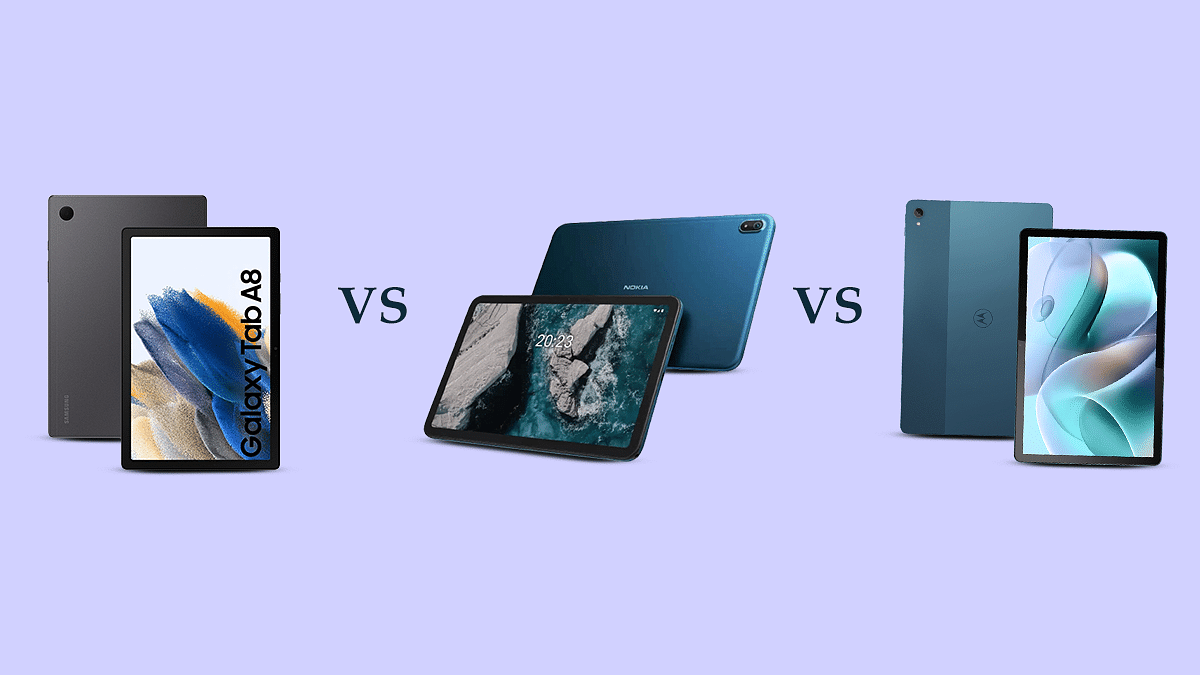
Samsung Galaxy Tab A8 Vs Nokia T10 Vs Moto Tab G62: Which Tablet Makes The Best Option For Budget Audience

Due to the pandemic’s impact on the market, tablet makers have enjoyed significant success in recent years. OEMs have risen to the challenge with new tabs in response to expanding needs. While Samsung and Apple currently produce a number of high-end, flagship tablets, other companies like Oppo, Motorola, Xiaomi, and Realme have entered the market for cost-effective, mid-range tablets. The newest product to enter this market is the Moto Tab G62. While, The Samsung Galaxy Tab A series has established a solid reputation for offering high-quality tablets at competitive rates. Samsung’s budget tablets have always excelled in terms of value, despite not having the most powerful CPUs or all the features of the Galaxy Tab S line. On the other hand, The Nokia T10 might be this year’s best 8-inch, low-cost Android tablet. It has a low starting under Rs. 15,000. So, do you need a tablet? You can discover which one to pick in this review.

Samsung Galaxy Tab A8 Vs Nokia T10 Vs Moto Tab G62 Specification Comparison

Display and Camera

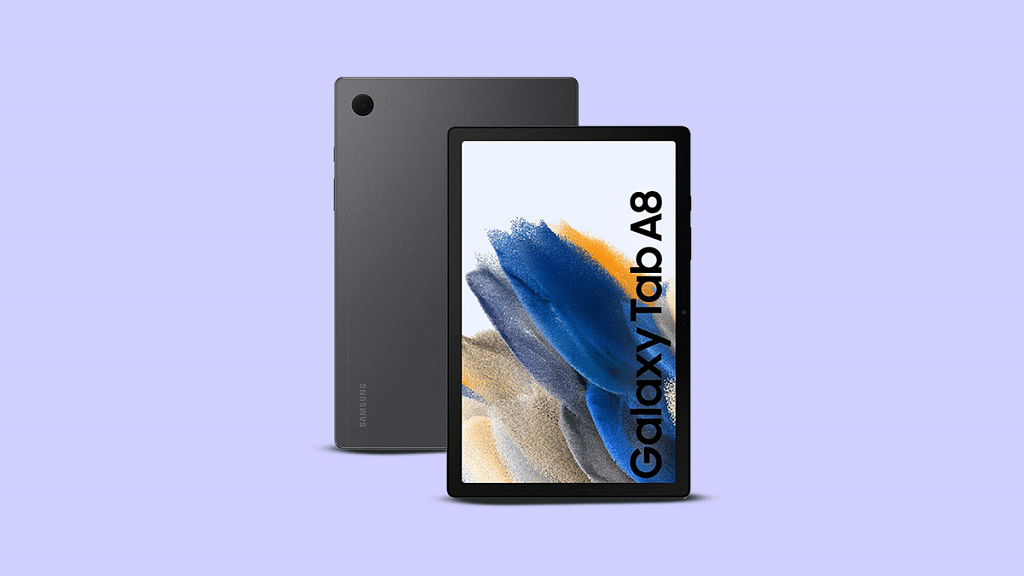
The Samsung Galaxy Tab A8 has a10.5-inch TFT screen and a pixel density of 216ppi and a screen resolution of 1200 x 1920 pixels. The tab’s bezel-free display has a capacitive touchscreen on top and supports multi-touch technology. The Samsung Galaxy Tab A8 2021 has an 8MP primary camera on the back. Some of the key features included are autofocus, digital zoom, and auto flash. On the front, there is a 5MP selfie camera.

The Nokia T10’s huge 8-inch display aids in providing fluid images. It has a 1280 x 800 resolution and an IPS LCD display with 189ppi pixel density. The tab’s screen-to-body proportion is 72.67%. On the back of the Nokia T10, there is an 8MP primary lens along with an LED flash. The Digital Zoom and Auto Flash functions of this camera are its key features. On the front end, there is a 2MP camera that uses Fixed Focus to take respectable pictures.

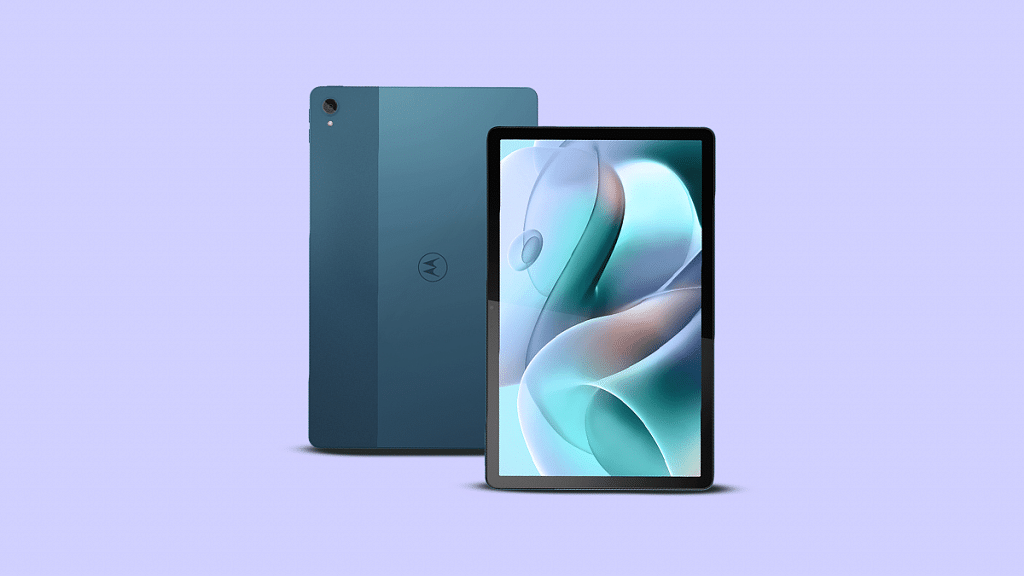
The Moto Tab G62’s front features an expansive 11-inch IPS LCD display. With a 212ppi pixel density and a 2000 x 1200 pixel resolution, it guarantees users the utmost in entertainment. The Moto Tab G62 has an 8MP rear-side camera in the optics sector. This camera supports an image resolution of 3264 x 2448 pixels and has a digital zoom capability. On the front of the tab, Moto has also included a 5MP camera that can be used to take pictures, videos, and make crystal-clear video calls.

Configuration and Battery

A Unisoc T618 CPU and 3GB RAM are included in the Samsung Galaxy Tab A8 2021. In order to achieve flawless results, it also includes a Mali-G52 MP2 GPU and an Octa-core processor with a Cortex A75 and Cortex A55 configuration. The Samsung Galaxy Tab A8 2021 comes with a sizable 7040mAh Li-Polymer battery that is non-replaceable by nature and supports 15W Fast Charging.

The Nokia T10’s performance is based on its Unisoc T606 chipset, 3GB of RAM, and its 8-core CPU, which consists of Dual-core Cortex A75 and Hexa-core Cortex A55 processors. Both of these processors operate at their maximum 1.6GHz speed. A Mali-G57 MP1 GPU also aids in projecting the internal processor onto the screen. A non-replaceable Li-Polymer type battery with a capacity of 5250mAh powers the Nokia T10.

The Moto Tab G62 is equipped with the MediaTek Helio G90 CPU, 4GB RAM, and Mali-G76 MC4 GPU. The company additionally installed an Octa-core CPU with a layout of Cortex A76 and Cortex A55 processors in order to control its internal operations flawlessly. The Moto Tab G62 has a sizable 7000mAh Li-Polymer battery. This device includes an 18W Fast Charging mechanism as well.

Storage and Connectivity

Internal storage on the Samsung Galaxy Tab A8 2021 is 32GB. A MicroSD Card allows users to increase the storage capacity to 1TB. The gadget has Bluetooth v5.0, Wi-Fi 802.11, b/g/n, a 3.5mm audio connector, and USB Type-C as standard connectivity options.

Nokia T10 comes with 32GB of storage. Additionally, consumers have the option of expanding their storage by up to 512GB. In terms of connectivity, this Nokia tablet has Wi-Fi 802.11, a/ac/b/g/n/n 5GHz, Bluetooth v5.0, and USB Type-C, but SIM cards are not supported.

The Moto Tab G62 has 64GB of inbuilt storage that can be increased to 1TB. There are no SIM card ports on this tab. Its connectivity options include Wi-Fi, Bluetooth v5.1, and USB Type-C.

GizNext’s Expert Opinion

Powerful and versatile, the Samsung Galaxy Tab A8 2021 is a great option for both personal and professional use. The gadget will enable you to take advantage of smooth operations, excellent battery life, expandable storage, and a common camera arrangement for conference calls. To connect to the internet, however, you will need to rely on external Wi-Fi networks. The Nokia T10 is the best option for you if you’re seeking for a low-cost gadget for your entertainment demands. You can watch movies and play games with continuous visuals by using this tab. It can also be used for video calls and eBook reading. Under this price, the Moto Tab G62 is an excellent entertainment device. It boasts a big display, a big battery, and strong configurations that make watching videos and playing games a breeze. Additionally, this tab has cameras on both sides that may be used for taking photos, video chatting, and taking online courses.