Categories
Comparison Featured Mobile

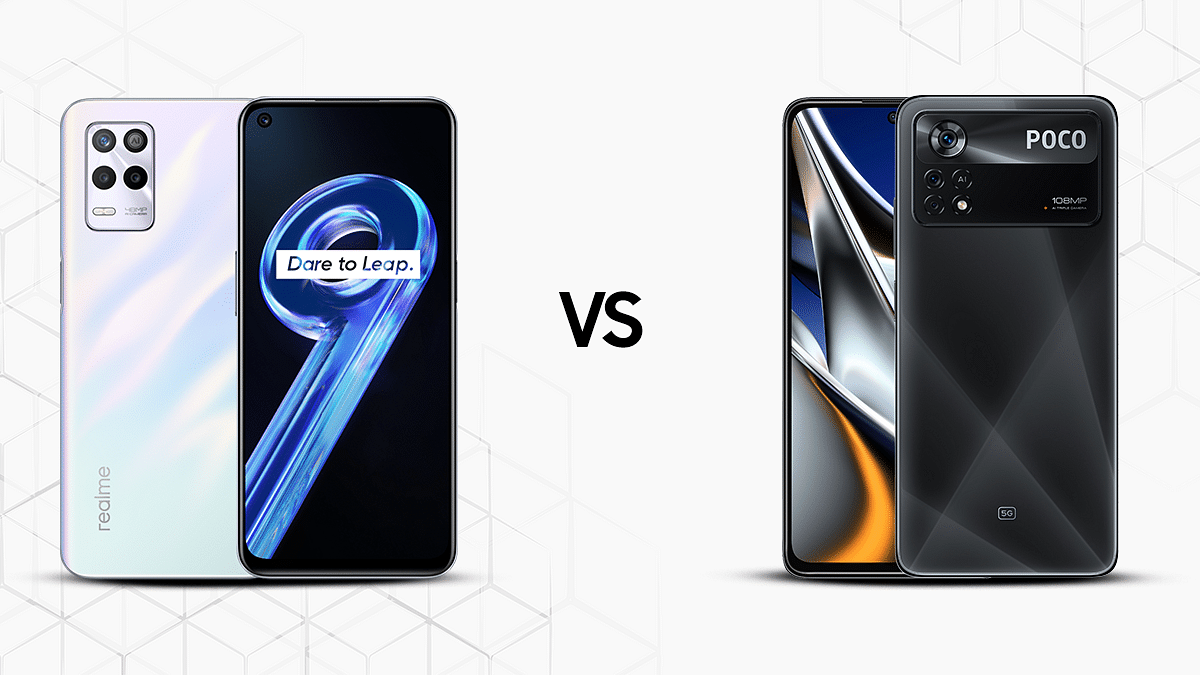
Realme 9 5G Vs Poco X4 Pro 5G: Which One Should You Pick?

The Realme 9 5G is one of the newly launched affordable 5G-ready smartphones in the market, which offers fast performance and 5G connectivity at an affordable price. Moreover, it comes with a good camera setup and is charged with a massive 5000mAh battery. One of the top contenders in the market after Realme is certainly Poco. Both smartphones offer high-end features, which fulfill the user’s needs and are absolutely worth their price. Today, we are going to carry out an in-depth analysis of Realme 9 5G and Poco X4 Pro 5G

Display Specifications 

The Realme 9 5G offers a 6.5-inches LCD display with a refresh rate of 90Hz and touch sampling rate of 180Hz, this allows smooth scrolling feedback with apps and web browsing. Moreover, it has a screen-to-body ratio of 90.5 percent and 1080p FHD+ resolution for better visuals with video consumption and gaming.

The Poco X4 Pro 5G is furnished with a slightly larger screen of 6.67-inches AMOLED display. It comes with a refresh rate of up to 120Hz for fluid scrolling, with precise and prompt touch. Overall, it ensures an unprecedented visual experience. 

Camera Specifications Comparison

The Realme 9 5G is certainly an upgrade from its predecessor and features an impressive triple camera setup. It comes with a 48MP (f\1.8) primary camera, a 2MP B&W portrait camera (f\2.4), and a 2MP macro camera (f\2.4). 

The Realme 9 camera features a wide range of modes such as HDR, a night camera, street photography, macro mode, panorama, and others. It also has a 16MP HD selfie camera, which brings out some vibrant self-portraits.

The Poco X4 Pro 5G is also equipped with a triple camera setup, which includes a 108MP rear camera (f\1.9), an 8MP ultra-wide camera (f\2.2), and a 2MP macro camera (f\2.4). Its photographic features include panoramic mode, HDR, super macro mode, and dual video. It also has a 16MP (f\2.4) selfie camera, which captures excellent portraits. 

The Poco X4 Pro 5G’s bigger 108MP primary camera, gives it a slight edge over the Realme 9 5G in terms of photography. 

Chipset, RAM, and Storage 

The Realme 9 5G operates on the Dimensty 810 5G processor, which ensures smooth performance. It is available in two variants, both of which feature 4GB of RAM and 64GB and 128GB of internal storage respectively. It allows an expandable memory of up to 1TB via a microSD card slot. 

The Poco X4 Pro 5G operates on the Qualcomm Snapdragon 695 5G processor built on a 6nm fabrication, It is available in four different variants to choose from.  

Including 6GB of RAM along with 64GB and 128GB of ROM respectively. The third and the fourth variant offer 8GB of RAM along with 64GB and 128GB of ROM respectively. It has a hybrid SIM card slot and allows an expandable memory of up to 1TB. 

Overall, the Poco X4 Pro 5G is better with daily performance. However, in terms of memory expansion, the Realme 9 5G features a dedicated microSD card slot. 

Battery, Fast Charging 

The Realme 9 5G features a 5000mAh battery accompanied by an 18W fast charging setup. The fast charger can completely charge the smartphone within an hour. Realme promises about 53 hours of talk time and an impressive standby of up to 683 hours with just a single charge. 

On the other hand, the Poco X4 Pro 5G also is a smart competitor and is furnished with a similar 5000mAh battery, which is accompanied by a 67W turbo charging setup. It can completely recharge the handset within 40 minutes (as per company claims). 

The Poco X4 Pro 5G offers a faster-charging technology when compared to the Realme 9 5G. However, the Realme 9 5G has a lesser battery consumption and can last a little longer than the Poco X4 Pro 5G. 

Which One To Pick?

Overall, the Poco X4 Pro is better in terms of chipset and camera features. The daily performance will be good with this mid-range phone. On the other hand, the Realme 9 5G also makes for a great deal if you need a budget-friendly Android phone with decent hardware features. 
Categories
Comparison Featured TV

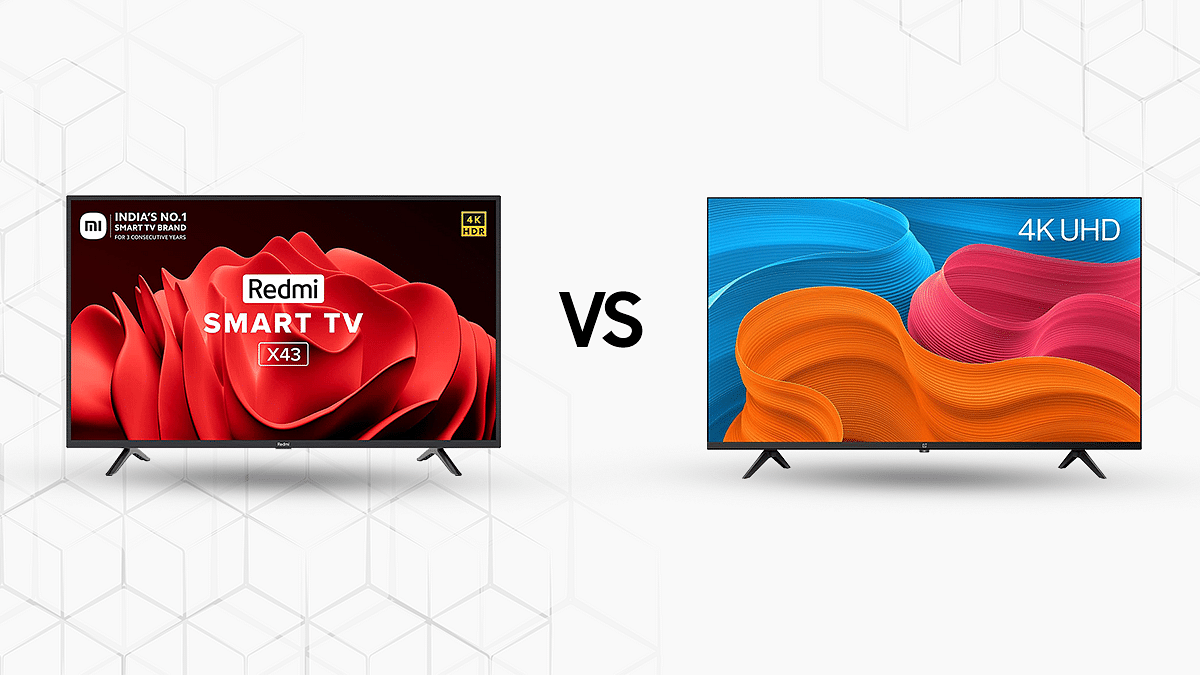
Redmi 43-in 4K UHD Vs Oneplus TV 43-in 4K UHD Budget Smart TV Comparison: Best TV For Your Living Room

The Redmi TV X43 and OnePlus TV Y1S 43-inch are the two most popular 4K TVs in India.  Both these TVs come under Rs 30,000 price mark in India. The Redmi TV X43 is priced at Rs 28,999 while the OnePlus TV Y1S 43-inch retails at Rs 26,999. Is it worth paying an extra Rs. 2,000 for a better experience? Let’s decide that with the features of both TVs.

Display And Sound

The Realme Smart TV 4K, has a 10-bit panel with HDR and 4K resolution of 3840 x 2160 pixels. This smart TV’s display features  83 percent NTSC and 90 percent DCI-P3 color accuracy which  is excellent for its price range. The smart TV comes with Dolby Vision, an array of apps (including Netflix), and Alexa integration. It also features a 30W speaker that has Dolby Audio encoding and Dolby Atmos Pass-Through e-ARC (Active SR Screening) technology which gives out superior listening experience.

The OnePlus TV Y1S is one of the most powerful 4K smart TVs with a resolution of 1920 x 1080 along with Dolby Vision, HDR10+, and 4K UHD native support. Its built-in speakers provide a high-fidelity audio experience that’s optimized for movies and games. The device also features a 20W speaker that provides loud and clear sound quality.

OS And Features

The Xiaomi  Redmi TV 4K packs  all the modern entertainment features. It is powered by a Quad-core 64-bit A55 CPU paired with Mali G31 MP2 GPU and runs on the latest Android TV OS. It comes with a 2GB RAM and 16GB internal storage giving you all the space for your favorite games and video streaming apps. The Redmi Smart TV 43-inch features several pre-installed app Mi Home App, Google Assistant, Language Universe, built-in Chromecast, smart recommendations, kids mode with parental lock and Free LIVE channels.The device runs Android TV 10 OS.

The Y1S is powered by Android TV 11 built-in Miracast technology allowing users to enjoy media content from other devices. OnePlus TV Y1S packs 1GB RAM and 8GB internal storage. Under the hood, it is powered by the MediaTek 9216 chipset paired with Mali G31 MP2 GPU. Out of both Redmi TV 43-inch and the OnePlus TV Y1s are the best options to buy in the sub Rs. 30,000 price bracket and you can consider any of these two models as your next big screen for living room.

Categories
Comparison Featured Tablet

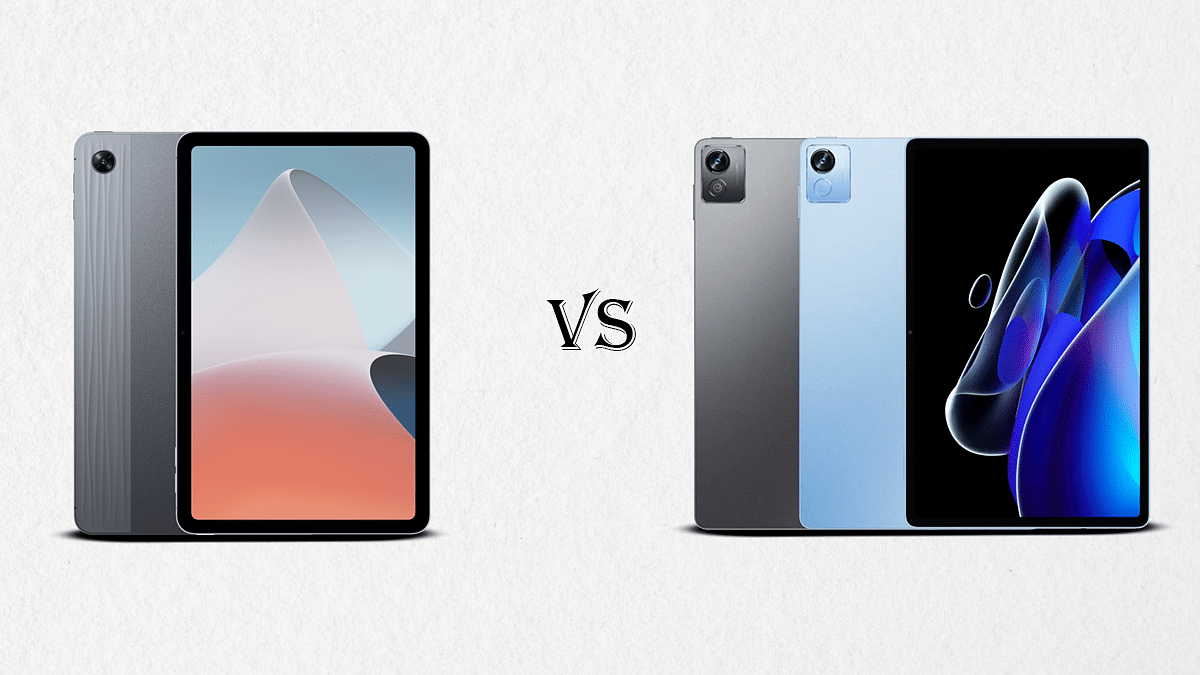
Realme Pad X Vs OPPO Pad Air: Best Mid-Range Android Tablet Under Rs. 25,000 To Buy In India?

OPPO Pad and Realme Pad X are in a tough fight in the market. Both of these tablets have their set of pros and cons. Both tabs come with a mid-range Snapdragon 600 series processor. With Realme Pad X and OPPO Pad Air, you get a great combination of premium quality and performance. The Realme Pad X starts at Rs. 19,999, whereas the OPPO Pad Air starts at  Rs. 16,999. Which of these two budget Android tablets makes for a great buy? Let’s find out in this comparison article:

Realme Pad X Vs OPPO Pad Air Tablet Specification Comparison

Display and Camera 

The Realme Pad X comes with a wider 10.95-inch display that supports 1200 x 2000 WUXGA+ screen resolution. The panel used by Realme for this mid-tier tablet is an IPS LCD that offers a balanced color production. The Realme Pad Pro has a 13MP front camera with an f/2.2 aperture for taking selfies and general video chats. The. It also has an 8MP camera on the rear with an f/2.2 aperture for imaging.

The OPPO Pad Air also features an IPS LCD panel that supports the same resolution of 1200 x 2000 pixels as the Realme Pad X. The viewing experience is good with both tablets. In fact, you can experience a similar visual experience with the Realme Pad X and the OPPO Pad Air tablets.

The OPPO Pad Air features the same single 8MP (f/2.0) as the Realme Pad X 5G. The rear camera on this tablet supports some enhanced shooting modes for an improved imaging experience. Upfront, the OPPO Pad Air has a smaller 5MP (f/2.2) camera for selfies and video calling.

Battery, Processor, RAM

The Realme Pad X has an 8340mAh battery which is bigger than that of the OPPO Pad Air. The OPPO Pad Air has only 7100 mAh. The charging technology is superior as well because it features 33W fast charging, while the OPPO tablet charging speed tops at 18W.

The Realme Pad X comes with 4GB/6GB RAM options. The Realme Pad X is powered by Qualcomm’s Snapdragon 695, an octa-core processor with 5G network support. 

The OPPO Pad Air promises fast processing speeds with its Qualcomm Snapdragon 680 chipset combined with 4GB RAM for multitasking. However, this tablet comes void of 5G network connectivity.

Storage and Connectivity 

The internal storage capacity of the Realme Pad X is up to 64GB and it can be further expanded up to 512GB. The connectivity features offered by the tablet are WiFi and Bluetooth v5.0 along with a C-type USB charging facility.

The OPPO Pad Air comes with 64GB of in-built storage. It offers users additional storage up to 512GB using a micro SD card. The OPPO Pad Air supports connectivity features such as Wi-Fi, USB OTG, Bluetooth v5.1, and USB OTG. Overall, the Realme Pad X is better for users looking for a 5G-ready tablet at an affordable price range, whereas, the OPPO Pad Air makes for the best buy if your requirement is a good mid-range tablet for daily usage.


Categories
Chipset Comparison Featured

Qualcomm Snapdragon 8 Plus Gen 1 Vs Apple A16 Bionic Chipset: Most Premium Mobile Processors Comparison

Key Highlights

  • Qualcomm Snapdragon 8+ Gen 1 is the most premium Android mobile chipset
  • Apple A16 Bionic is another premium mobile chipset for iPhones
  • OnePlus 10T, iQOO 9T are a few Snapdragon 8+ Gen 1 phones
  • Apple iPhone 14 Pro and iPhone 14 Pro Max were recently announced with an A14 bionic chipset

Apple at its Far Out 2022 event has released the new-generation iPhone 14 series. The top-of-the-line iPhone 14 Pro and the iPhone 14 Pro Max are driven by the company’s in-house A16 Bionic chipset. Apple has used the latest flagship-grade mobile processor for power delivery on the aforementioned iPhone 14 models. The A16 Bionic chipset comes with improved CPU and GPU efficiency compared to the A15 Bionic which is used by the vanilla iPhone 14 and the iPhone 14 Plus.

On the other hand, Qualcomm also has one of the world’s most powerful mobile chipsets in the form of the Snapdragon 8+ Gen 1 SoC. This top-tier octa-core Qualcomm 5G chipset is currently driving some of the most powerful Android phones in the market including the OnePlus 10T, iQOO 9T, and the Motorola Edge 30 Ultra. How do these two flagship-grade mobile processors from Apple and Qualcomm compare in terms of CPU and GPU performances? Read out this comparison article for all the details:

Qualcomm Snapdragon 8+ Gen 1 Vs Apple A16 Bionic: CPU Architecture

Both Apple A16 Bionic and the Qualcomm Snapdragon 8+ Gen 1 processors have a strong CPU architecture. Qualcomm has fabricated the Snapdragon 8 Plus Gen 1 processor on a 4nm fabrication process. The same fabrication process (4nm) is used to design the Apple A16 Bionic processor. The SD 8 Plus Gen 1 chipset ships with the ARMv9-A instruction set and has around a 3200 MHz frequency range.

The octa-cores on this premium Qualcomm processor comprise a single Cortex X2 core with a 3.2GHz clock speed, three Cortex-A710 cores with a 2.75GHz clock speed, and four Cortex A-510 cores clocked at 2GHz. The Apple A16 Bionic processor has Hexa cores where two Everest cores are clocked at 3.46GHz, while two Sawtooth cores are clocked at 2.02GHz. This chipset also has the same ARMv9-A instruction set as the Snapdragon 8+ Gen 1 chipset.

Qualcomm Snapdragon 8 Plus Gen 1 Vs Apple A16 Bionic: GPU Comparison

The Qualcomm Snapdragon 8 Plus Gen 1 chipset has the Adreno 730 GPU integrated which is a part of the Adreno 700 GPU architecture. This chipset has a 900MHz GPU frequency, 1.1 Vulkan version, 2.0 OpenCL version, and 12 DirectX version. The Apple A16 Bionic processor ships with the Apple GPU for graphics which has six execution units. The GPU integrated inside both Snapdragon 8+ Gen 1 and the Apple A16 Bionic is potent to render extensive tasks smoothly and offer a premium gaming experience.

Qualcomm Snapdragon 8+ Gen 1 Vs Apple A16 Bionic: Memory, Multimedia (ISP)

Speaking of memory compatibility, both Qualcomm Snapdragon 8 Plus Gen 1 chipset and the Apple A16 Bionic processor support LPDDR5 RAM. However, the Qualcomm chipset supports a 3200MHz memory frequency, but the Apple A16 Bionic chipset offers a double 6400MHz frequency. This processor has maximum memory compatibility of 24GB, while the Apple chipset has just 8GB maximum memory support. The storage support is UFS 3.1 with the Snapdragon 8+ Gen 1 chipset and NVMe with the Apple A16 Bionic.

The Qualcomm Snapdragon 8 Plus Gen 1 chipset supports a maximum display resolution of 2160 x 3840 pixels and a 1x 200MP max camera resolution support. The Apple A16 Bionic offers a lower max display resolution of 1290 x 2796 pixels. While the SD 8 Plus Gen 1 can record and play up to 8K@30fps videos, the Apple A16 Bionic is capable of shooting and rendering 4K@30fps videos.

Qualcomm has added H.264, H.265, VP8, and VP9 video codecs and AAC, AIFF, CAF, MP3, MP4, and WAV audio codecs support on the Snapdragon 8+ Gen 1 chipset. On the other hand, Apple has added H.264, H.265, VP8, VP9, and Motion JPEG video codec, and AAC, AIFF, CAF, MP3, MP4, WAV, AC-3, E-AC-3, AAX, and AAX+ audio codecs on the A16 Bionic chipset.

Also Read | Qualcomm Snapdragon 8+ Gen 1 SoC Vs Samsung Exynos 2100: Which Is Better?

Categories
Comparison Featured Smart Watch

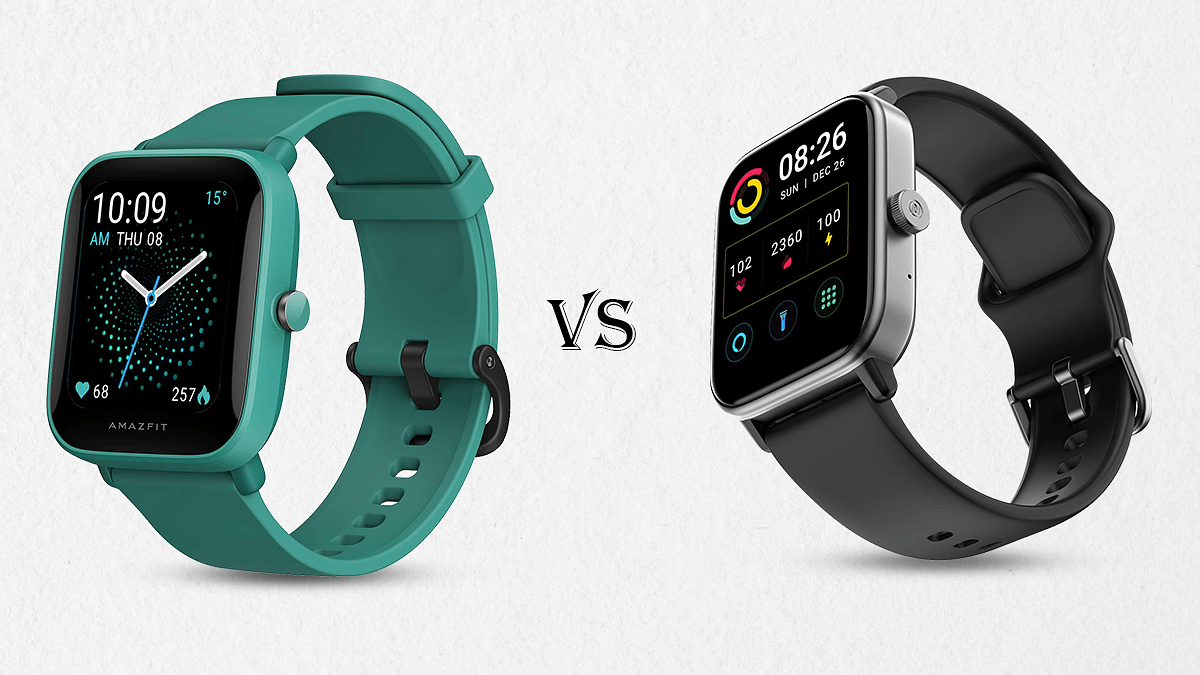
Amazfit Bip U Pro Vs Noise ColorFit Pro 4 Max Smartwatch: Best Pocket-Friendly Smartwatch To Buy In India

Smartwatches are the modern day’s consumer gadgets that have redefined how we keep a track of time. Besides monitoring time, these tech-advanced watches also help us keep a track of our health by monitoring different aspects such as heart rate, blood oxygen, sleep, steps, and other physical activities. In India, we have numerous brands that offer budget as well as a premium range of smartwatches enabled with health features. Some of the advanced watches are also capable of voice calling. We have compared two of the most popular feature-rich budget smartwatches in this article. Take a look:

Display 

The Amazfit Bit U Pro features a 1.43-inches screen which is an IPS LCD panel. It is a color display that operates on a resolution of 302 x 320 pixels. On the other hand, the Noise ColorFit Pro 4 Max offers a bigger 1.80-inches TFT display. This smartwatch’s display operates on a resolution of 240 x 285 pixels which is lower compared to the AmazFit Bit U Pro.

Overall, the Amazfit Bip U Pro offers a higher resolution display panel but the Noise ColorFit Pro 4 Max has a wider screen, which makes it easier to operate on. However, if the Noise ColorFIt Pro 4 Max offered a higher screen resolution, it would easily have taken a lead in the display race.

OS, Features

The Amazfit Bit U Pro operates on real-time operating software (RTOS) and is compatible with both Android and iOS devices. It supports Android  v5+ and above, while the iOS version supported is iOS10.0 and above. The same is applicable for Noise ColorFit Pro 4 Max, which is compatible with Android 6 + and iOS 9 and above.

The Amazfit Bip U Pro has multiple sensors including a PPG Biological Optical sensor, an acceleration sensor, a gyroscope sensor, and a geomagnetic sensor as well. It can also keep a track of your blood saturation level, stress level, sleep quality, and menstrual cycle.

The Noise ColorFit Pro 4 Max is also equipped with a SpO2 sensor, accelerometer, and an optical heart rate sensor and gives you various insights into your body, which includes a sleep monitor, stress monitor, female health tracker, and respiratory rate tracker. 

The Amazfit Bit U Pro offers 60 plus sports modes with high-precision GPS. On the other hand, the Noise ColorFit Pro 4 Max is equipped with a whopping 100 sports modes and has the capability to track multiple sports through the AI running partner. 

Both the watches have fairly the same features to give you regular insights of your health.

Overall, the Noise ColorFit Pro 4 Max offers a holistic tracking experience through the multiple sports modes that it offers. 

Battery Specs Comparison

The Amazfit Bip U Pro is equipped with a 230mAh lithium-ion polymer battery, which can be charged completely in just 2 hours. It can last up to 9 days with typical usage.

The Noise ColorFit Pro 4 Max offers a 300mAh battery, which can be charged completely within just 2 hours and can last up to 7 days with typical usage. 

Overall, the Amazfit Bip U Pro has a longer battery life and both the watches get charged within just two hours. 

Connectivity Aspects

The Amazfit Bip U Pro has GPS-enabled software. However, the ColorFit Pro 4 Max does not come with the GPS feature. The Amazfit Bip U Pro offers support for Bluetooth v5.0 and the Noise ColorFit Pro 4 Max offers support for Bluetooth v5.1, which supports Bluetooth calling as well. 

Which One Should You Choose?

Both the smartwatches offer a similar set of features, however, the Amazfit Bip U Pro operates on a higher screen resolution, has a bigger battery, and is GPS enabled. But, it just has 60 plus sports modes and a bit smaller screen, when compared to Noise ColorFit Pro 4 Max. Overall, the Amazfit Bip Pro is a high-end smartwatch that has slightly better hardware for daily usage.  

Categories
Comparison Featured Tablet

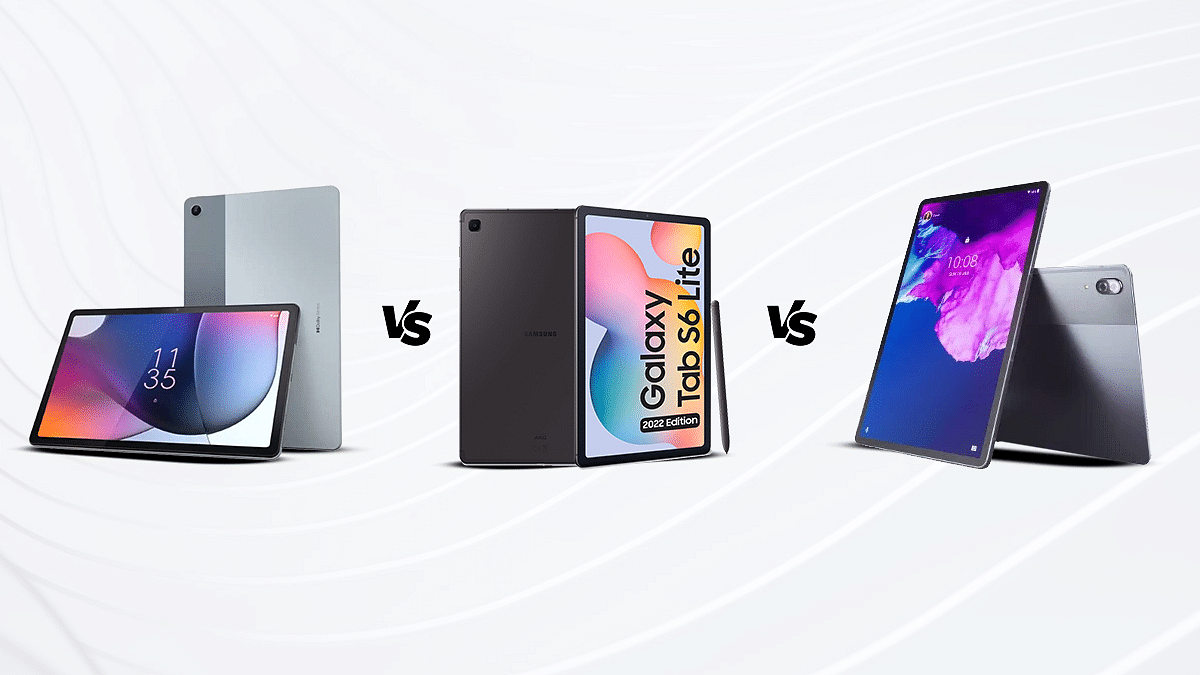
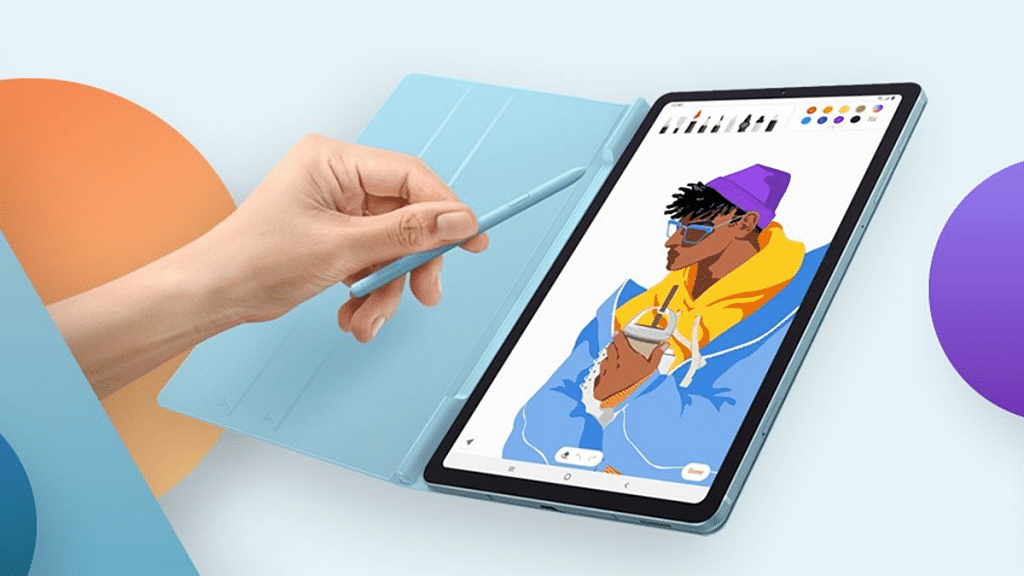
Samsung Galaxy Tab S6 Lite Vs Motorola Moto Tab G62 Vs Lenovo Tab P11 Pro: Which Mid-Range Tablet You Should Buy?

Key Highlights

  • The following article provides a thorough analysis of the hardware and overall performance of the three Tablets.
  • All three tablets come with a powerful processor.

Motorola has established itself as one of the strongest players in the smartphone and tablet market globally and in India. The brand has been upgrading its portfolio in both segments and has recently populated both these categories with new product launches. The Moto Tab G62 is the brand’s latest Android tablet which has been released for the mid-range audience wishing to upgrade from smartphones.

Besides, Motorola and some of the other popular smartphone OEMs are also considering India as their preferred market to introduce their iteration of consumer-centric tablets. Samsung and Lenovo are amongst those contenders in the tablet market and whose products we are comparing in this article.

Since the mid-range segment is the most demanded amongst the audience, we have selected models from the same category. We have selected the Samsung Galaxy Tab S6 Lite and the Lenovo Tab P11 Pro in this comparison article. How does the Motorola Tab G62 compare with the Samsung Galaxy Tab S6 Lite and the Lenovo Tab P11 Pro in terms of hardware and overall performance? Let’s find out:

Specifications Samsung Galaxy Tab S6 LiteLenovo Tab P11 ProMoto Tab G62
Display Size 10.4-inches11.5-inches10.6-inches
Resolution 1200 x 2000 pixels1600 x 2560 pixels1200 x 2000 pixels
Refresh Rate60 Hz120 Hz60 Hz
Processor Exynos 9611 chipset Snapdragon 730G chipsetSnapdragon 680 chipset
Back CameraSingle: 8MPDual: 13MP with 5MPSingle: 8MP
Storage Up to 4GB RAM and 128GBUp to 6GB RAM and 128GBUp to 4GB RAM and 64GB
Battery 7,040 mAh8,600 mAh7,770 mAh
Also Read: Samsung Galaxy Tab A8 Vs Nokia T10 Vs Moto Tab G62: Which Tablet Makes The Best Option For Budget Audience

Samsung Galaxy Tab S6 Lite Vs Motorola Moto Tab G62 Vs Lenovo Tab P11 Pro: Display Specifications

The Samsung Galaxy Tab S6 Lite has been announced as a premium mid-range Android tablet that has a tall 10.4-inch screen. Samsung has used a TFT LCD display which supports a 2K screen resolution of 1200 x 2000 pixels. The Galaxy Tab S6 Lite’s display has an aspect ratio of 81.6 percent and a 224 PPI pixel density.

Motorola has also used a similar display panel on the Moto Tab G62. This mid-range tablet employs a 10.6-inch display. The panel is IPS LCD instead of the TFT LCD that ships with the Galaxy Tab S6 Lite. The specifications are almost identical to the Samsung tablet. The Moto Tab G62’s screen also offers the same 1200 x 2000 pixels screen resolution and a standard 60Hz refresh rate. The Motorola tablet’s display supports a pixel density of 220 PPI and has an aspect ratio of 80.2 percent.

The Lenovo Tab P11 Pro features the best display panel compared to the remaining two models mentioned here. The Lenovo tablet’s screen size is 11.5-inches. In addition to the bigger screen size, the panel type is also better compared to the other two tablet models.

The company has used an OLED screen on this tablet that supports a higher 1600 x 2560 pixels resolution and has HDR10 certification along with Dolby Vision certification. You will get a better visual experience with the Lenovo Tab P1 Pro. The Samsung Galaxy Tab S6 Lite and the Moto Tab G62 will offer a decent experience with video playback.

Samsung Galaxy Tab S6 Lite Vs Moto Tab G62 Vs Lenovo Tab P11 Pro: Camera Specifications

Both Samsung Galaxy Tab S6 Lite and the Moto Tab G62 feature basic camera hardware both at the rear and upfront. Both these tablets are packed with a single rear camera which is an 8MP sensor with an f/1.4 aperture. The primary camera on both Samsung and the Motorola tablet can easily record 1080p@30fps videos. The camera quality is apt for daylight photography. The detailing levels are good with good lighting conditions.

The Lenovo Tab P11 Pro is quite strong in the camera department. The tablet with a dual rear as well as front camera module. It is one of the few premium mid-range Android tablets in the market which offers two selfie cameras. Speaking of its camera hardware, the back panel of Lenovo Tab P11 Pro is equipped with a 13MP main sensor which is accompanied by a 5MP secondary ultrawide sensor. Upfront, this tablet has an 8MP wide-angle selfie snapper along with another 8MP ToF sensor.

On the other hand, the Samsung Galaxy Tab S6 Lite offers a single 8MP selfie camera, while the Moto Tab G62 offers a smaller 5MP snapper for selfies and video calling. The spec-sheet clearly indicates the Lenovo Tab P11 Pro is the best deal amongst these three while considering the camera performance.

Also Read: Nokia T21 Vs Moto Tab G62 Vs Lenovo M10 Tab HD (2nd Gen) Tablet: Best Option For Budget Audience

Samsung Galaxy Tab S6 Lite Vs Moto Tab G62 Vs Lenovo Tab P11 Pro: Chipset, Battery Comparison

Samsung has integrated the in-house Exynos 9611 chipset for power delivery on the Galaxy Tab S6 Lite. This octa-core processor has been designed by Samsung primarily for mid-range Android phones and tablets. It is fabricated using a 10nm process and has Mali-G72 MP3 GPU support. The firmware version is the oldest on this tablet. It ships with an Android 10 OS-based OneUI interface. However, this tablet is eligible for up to Android 12 update. You can buy this Samsung tablet with up to 4GB RAM and 128GB storage configuration.

The Motorola tablet also features a mid-range chipset but from Qualcomm. This tablet is driven by the octa-core Snapdragon 680 chipset which is built on 6nm fabrication process. The Moto Tab G62;s mid-range chipset clubs Adreno 610 GPU for graphics. This tablet is also available with 4gB RAM and 64GB storage configuration. The firmware is new on this tablet, i.e., Android 12 OS.

The Lenovo Tab P11 Pro ships with the Qualcomm Snapdragon 730G chipset which is supported by Adreno 618 GPU and is fabricated using an 8nm TSMC process. Out of all three tablets, the Lenovo Tab P11 Pro has the best chipset for optimized power delivery. This tablet can be purchased with up to 6GB RAM and 128GB storage configuration.

Coming to the battery capacity, the Samsung Galaxy Tab S6 Lite is powered by 7,040 mAh battery unit which supports 15W fast charging. The Motorola Tab G62 employs a 7,770 mAh battery with 20W fast charging, while the Lenovo Tab P11 Pro has the biggest 8,600 mAh battery unit with 20W fast charging.

Also Read: Xiaomi Redmi Pad Vs OPPO Pad Air Tablet: Which Budget Android Tablet Should Be Your Next Buy?
Categories
Comparison Featured TV

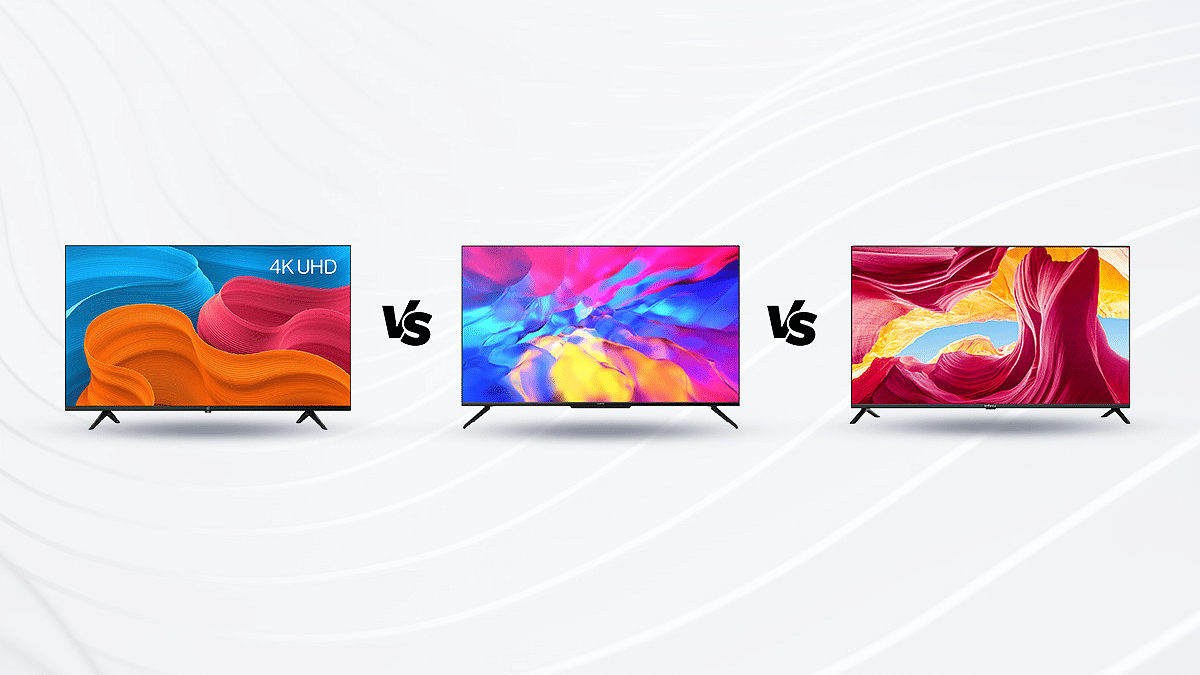
OnePlus TV Y1S Pro Vs Realme Smart TV 4K Vs Infinix Smart TV X1: Which Smart TV To Go For?

After a long day at work, turning on the television to watch your favorite shows is a modern form of peace. Today’s television, meanwhile, is about more than just watching entertainment; it’s also about enjoying the cinematic experience of seeing compelling stories in ultra-display, where no detail is overlooked.

The best Smart TV for your home will depend on how you intend to use it and where you want to put it. We have compared the OnePlus TV Y1S Pro, Realme Smart TV 4K, and Infinix Smart TV X1 to help you pick the best smart TV for your home. Let’s find out which TV is a worthy investment.

Design And Display

The OnePlus TV Y1S Pro sports a standard-looking design with narrow bezels covering the full panel. The device uses a 43-inch screen with a resolution of 2160 x 3840 pixels with HDR compatibility with HDR 10, HDR 10+ Decoding, and HLG. In order to enhance the watching experience, the OnePlus TV Y1S Pro also makes use of improved technologies including MEMC, Super-resolution, and Noise reduction technology.

The Realme Smart TV 4K TV, on the other hand, comes in two sizes, 43-inch, and 50-inch. You get Dolby Vision, a 10-bit panel with HDR, and 4K resolution. Additionally, it provides up to 83 percent NTSC and 90 percent DCI-P3 color accuracy.

When it comes to the Infinix X1 Smart TV, it features a bezel-less frame. You’ll also find Infinix branding in the middle of the lower bezel. It supports 1920 x 1080 Full HD resolution and HDR 10 certification. There are several different modes available, including Standard, Game, Vivid, Sports, Games, Movie, and Energy Saving.

OS And Features

The OxygenPlay firmware is pre-installed on the OnePlus TV Y1S Pro, which runs the Android TV 10 operating system. It includes 8GB of internal storage and 2GB of RAM. The smart TV has a lot of pre-installed OTT and other apps and supports internet connectivity. It is compatible with Alexa and has Google Assistant built-in. There are also built-in Miracast, Multicast, and Chromecast functions. One RJ45 ethernet port, three HDMI 2.1 connections, two USB 2.0 ports, and one AV input are among the ports of the OnePlus TV Y1S Pro.

Realme has chosen Android TV 10 for its Smart TV 4K series, and the television is using the default Android TV launcher. Realme is keeping things simple by using only one launcher. Some preinstalled apps on the Realme Smart TV 4K, including Netflix, Amazon Prime Video, and YouTube. An RF remote is included with this smart TV. After pairing, it can be used for the majority of purposes even when not aimed at the TV. This television has Google Chromecast built-in, allowing you to cast content from compatible devices and apps wirelessly.

The quad-core MediaTek MTK 6683 64-bit processor and Mali-470 GPU power the Infinix Smart TV X1. It includes 8GB of internal storage and 1GB of RAM. The smart TV also contains an Android TV 9.0 OS and a number of third-party apps that can be accessed using the remote. You can also download additional apps from the app store using the TV.

Verdict

The competition is stiff among all three models. However, the Realme Smart TV 4K provides a bigger display experience and is a well-packaged value-for-money smart TV. In our opinion, the Realme Smart TV 4K makes it a good value for money.

Categories
Comparison Info Mobile

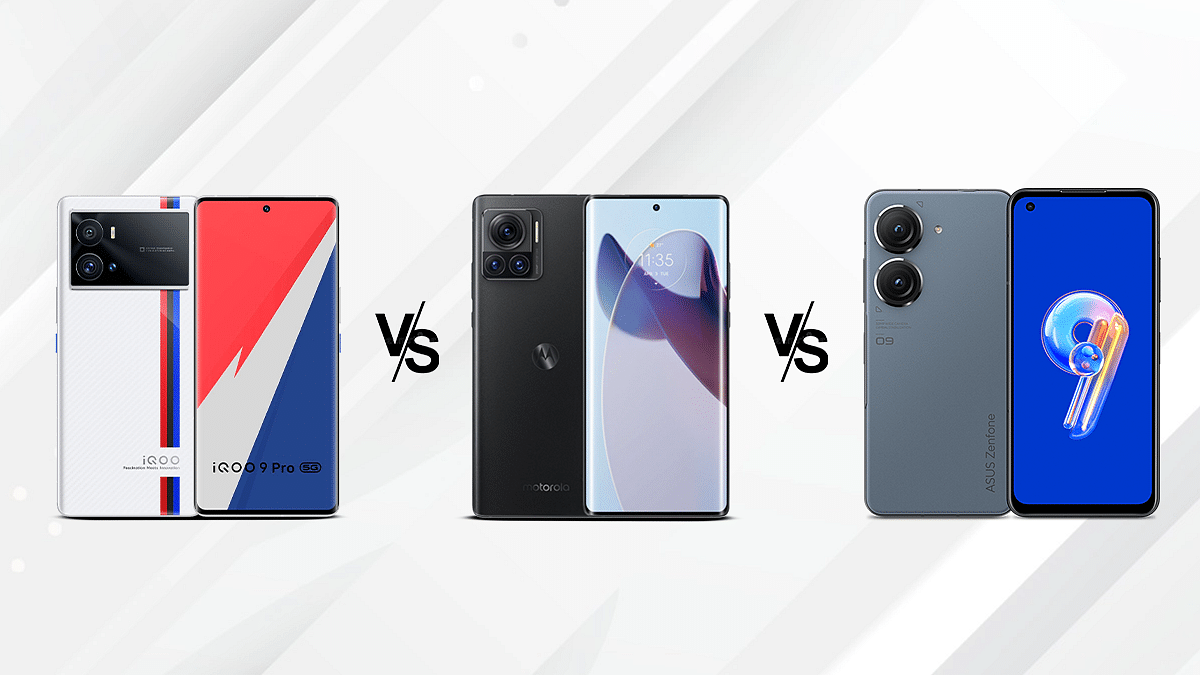
iQOO 9T Vs Motorola Edge 30 Ultra Vs Asus ZenFone 9: Premium Android Mobile Comparison

The flagship smartphone industry is getting ramped up with the launch of powerful Android smartphones from some of the popular brands. Motorola recently ramped its game in the premium smartphone market with the Moto Edge 30 Ultra which is the world’s first 200MP camera phone. Motorola isn’t just elevating the camera experience with the Edge 30 Ultra but also the overall user experience by equipping it with top-tier hardware.

The Motorola Edge 30 Ultra has joined the list of a few Snapdragon 8+ Gen 1 chipset-powered phones in the country. Amongst the previously introduced models are the iQOO 9T and the Asus ZenFone 9 both of which are also driven by Qualcomm’s new-age flagship Snapdragon 8+ Gen 1 processors. If you are confused about which out of three models makes for the best buy, this spec-sheet-based comparison will help you decide.

iQOO 9T Vs Motorola Edge 30 Ultra Vs Asus ZenFone 9: Display Specifications

Starting with the iQOO 9T, the flagship gaming handset has been launched with a massive 6.67-inch display, which is an AMOLED panel with an FHD+ resolution of 1080 x 2400 pixels. The screen on the iQOO 9T further supports HDR10+ certification and has 1500 nits peak brightness levels which allow for good visibility under direct sunlight. It has a 120Hz refresh rate for a fluid touch response. The panel on this iQOO phone is protected by a Corning Gorilla Glass 5 protection.

Motorola has released the Moto Edge 30 Ultra with an OLED display which is also tall and measures 6.67-inches. The Motorola Edge 30 Ultra’s screen also offers 1080 x 2400 pixels FHD+ screen resolution and has a standard 20:9 aspect ratio. The screen on the Moto Edge 30 Ultra supports a higher 144Hz refresh rate which is best suited for gaming visuals. The display on the Edge 30 Ultra has 1250 nits peak brightness which is lower than the iQOO 9T. However, the sunlight visibility is still good with this phone.

Asus has used a Super AMOLED screen on the ZenFone 9 that supports the same 1080 x 2400 pixels FHD+ resolution and 20:9 aspect ratio. The refresh rate on this phone is equal to the iQOO 9T, i.e., 120Hz. However, the ZenFone 9 has the smallest screen size out of all models on this list. It features a 5.9-inch display that is protected by Corning Gorilla Glass. The iQOO 9T has the brightest panel, while the Motorola Edge 30 Ultra has the highest refresh rate.

iQOO 9T Vs Motorola Edge 30 Ultra Vs Asus ZenFone 9: Camera Specifications

If you are looking for the best-in-class camera hardware, the Motorola Edge 30 Ultra with a 200MP triple rear camera is the best option. The flagship Moto handset’s main camera (200MP) combines a 12MP telephoto lens and a 50MP ultrawide sensor. The triple rear camera module on the Motorola Edge 30 Ultra can not only capture detailed daylight but also night images. The camera setup on the premium Motorola phone has up to 8K@30fps video recording support and has a bunch of shooting modes for an enhanced camera experience.

The iQOO 9T also ships with a triple rear camera setup where the primary lens is a 50MP sensor with an f/1.9 aperture. The iQOO 9T additionally features a 12MP secondary telephoto lens with an f/2.7 aperture and 2x optical zoom support and a 13MP ultrawide sensor with 120-degree FoV. This phone offers up to 4K@30fps video recording.

The Asus ZenFone 9 also ships with a 50MP main camera that has an f/1.9 aperture with gimbal OIS support. It is aided by a 12MP ultrawide camera that has a 113-degree FoV. In the selfie camera race as well, the Motorola Edge 30 Ultra takes the lead with the 60MP selfie snapper. The iQOO 9T and the Asus ZenFone 9 offers a 16MP and a 12MP selfie camera respectively.  

iQOO 9T Vs Motorola Edge 30 Ultra Vs Asus ZenFone 9: Chipset, Battery, Fast Charging Comparison

Under the hood, all these three phones, i.e., the iQOO 9T, Motorola Edge 30 Ultra, and the Asus ZenFone 9 use the latest generation Qualcomm premium chipset – the Snapdragon 8+ Gen 1 chipset. Fabricated using an ultra-thin 4nm process, the Snapdragon 8+ Gen 1 chipset makes sure power delivery is ample for basic as well as extensive tasks. The chipset further is integrated with Adreno 730 GPU. All three phones are launched with Android 12 OS and feature a custom user interface.

Both iQOO 9T and the Motorola Edge 30 Ultra offers up to 12GB RAM capacity, while the Asus ZenFone 9 comes with up to 16GB RAM option. As for the storage capacity, its 256GB with the iQOO 9T and the Asus ZenFone 9 and up to 512GB with the Motorola Edge 30 Ultra.

Speaking of the battery capacity and fast charging technology, the iQOO 9T ships with a 4,700 mAh battery unit with 120W fast charging, whereas the Motorola Edge 30 Ultra features a 4,610 mAh battery with 125W fast charging technology. Rounding off the Asus ZenFone 9’s spec-sheet is a compact 4,300 mAh battery with 30W fast charging technology.

Categories
Chipset Comparison Featured

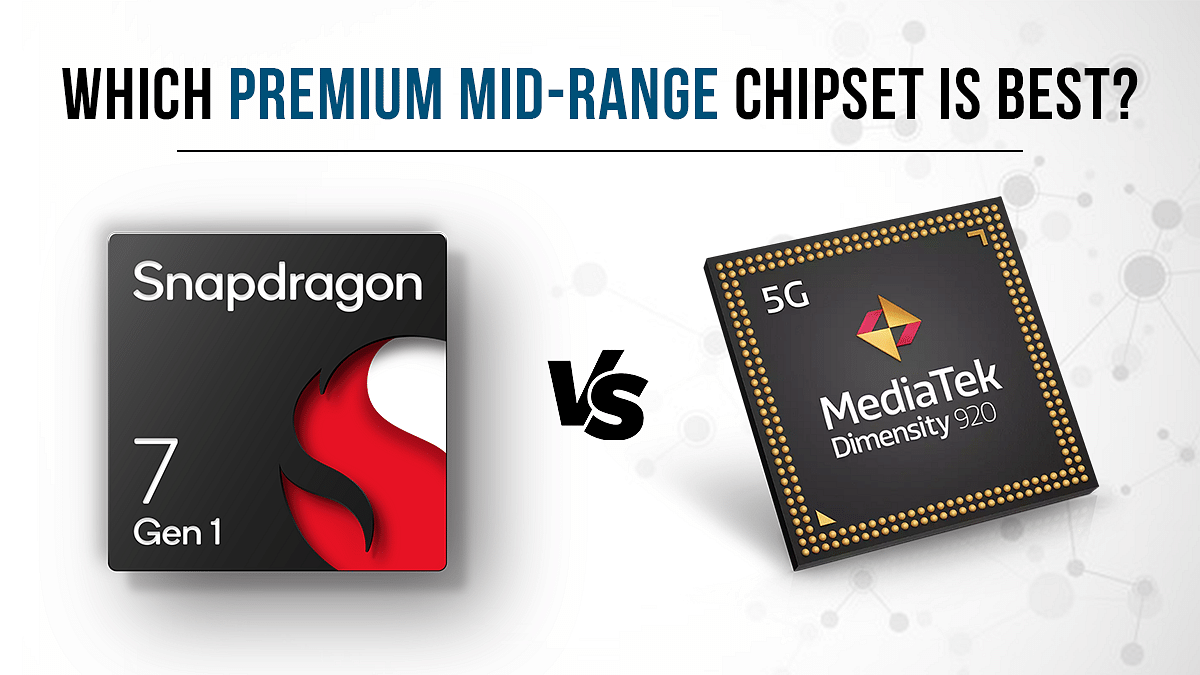
Qualcomm Snapdragon 7 Gen 1 Vs MediaTek Dimensity 920 Chipset: Which Premium Mid-Range Chipset Is Best?

Qualcomm is a known name in the mobile chipset industry with it catering to smartphone OEMs in all segments. The company is gradually replacing the older Snapdragon chipset lineups with the new one. The Snapdragon 6 Gen 1 and the Snapdragon 4 Gen 1 are the brand’s latest mobile processors for budget and mid-range smartphones. Earlier, Qualcomm released the Snapdragon 7 Gen 1 and the Snapdragon 8 Gen 1 series processors for premium mid-range and flagship grade smartphones.

The Snapdragon 7 Gen 1 performance delivery is suitable to carry out extensive tasks and also gaming. This Qualcomm premium mid-range chipset gets some serious competition from MediaTek’s Dimensity 920 processor which is also designed to be a powerhouse for premium mid-range Android phones in the market.

Smartphone OEMs are yet to flood the market with Snapdragon 7 Gen 1 processors, whereas, we already have seen a couple of Dimensity 920 chipset-powered phones in the market. If you are given an option to either buy a new Snapdragon 7 Gen 1 or Dimensity 920 chipset-powered phone which one should you go for? This chipset comparison article will help you decide.

Key FeaturesSnapdragon 7 Gen 1MediaTek Dimensity 920
CPUocta-coreocta-core
GPUAdreno 662Mali G68 MC4
MemoryLPPDR5LPPDR5
StorageUFS 3.1UFS 2.1, UFS 2.2, and UFS 3.1 storage

Qualcomm Snapdragon 7 Gen 1 Vs MediaTek Dimensity 920 SoC: CPU Architecture

Qualcomm’s latest premium mid-range Snapdragon 7 Gen 1 processor is fabricated using a thin 4nm process, while the MediaTek Dimensity 920 chipset is based on a 6nm fabrication process. The Qualcomm SD 7 Gen 1 chipset has octa-cores with a 2400MHz frequency range. The cores are a single Cortex-A710 core with a 2.4GHz clock speed, three Cortex-A710 cores clocked at 2.36GHz, and four Cortex-A510 cores clocked at 1.8GHz.

MediaTek’s Dimensity 920 chipset has the ARMv8.2A instruction set with 2500MHz base frequency. This chipset also has octa-cores out of which there are two Cortex-A78 cores with 2.5GHz clock speed and six Cortex-A55 Cores with 2GHz clock speed. The CPU architecture and the overall performance is slightly better with the Snapdragon 7 Gen 1 compared to the Dimensity 920 processor.

Also Read: Qualcomm Snapdragon 778G Vs Dimensity 9000 Chipset: Premium Mid-Range Mobile Processors

Qualcomm Snapdragon 7 Gen 1 Vs MediaTek Dimensity 920 Chipset: GPU Support

For graphics, the Qualcomm Snapdragon 7 Gen 1 processor integrates an Adreno 662 GPU which is based on the Adreno 600 architecture. The exact GPU frequency is not revealed for the SD 7 Gen 1 chipset. However, the remaining details are available including the 1.1 Vulkan version, 2.0 OpenCL version, and 12 DirectX version.

MediaTek has embedded the Mali-G68 MC4 GPU on the Dimensity 920 chipset which has 950MHz GPU frequency and Valhall 2 architecture.  This mid-range MediaTek processor has the same 1.1 Vulkan version, OpenCL 2.0 version, and DirectX 12 version. GPU performance is good on both processors with each of them packing ample punch for graphics rendering.

Also Read: MediaTek Dimensity 700 Vs Qualcomm Snapdragon 732G Chipset: Budget Android Mobile Processor Comparison

Qualcomm Snapdragon 7 Gen 1 Vs MediaTek Dimensity 920 Processor: Memory, Multimedia (ISP) Comparison

The Qualcomm Snapdragon 7 Gen 1 processor has LPDDR5 RAM compatibility with 3200MHz memory frequency. The Dimensity 920 processor also has LPDDR5 RAM and a 3200 MHz frequency similar to the SD 7 Gen 1. The maximum memory frequency support with both these Qualcomm and MediaTek processors is up to 16GB. The storage support is UFS 3.1 with the Qualcomm processor, while the MediaTek Dimensity 920 integrates UFS 2.1, UFS 2.2, and UFS 3.1 storage support.

Moving on to the memory compatibility, the Snapdragon 7 Gen 1 processor offers a 1600 x 3360 pixels max display resolution and 1 x 200MP max camera resolution. The chipset further supports 4K@30fps video recording and playback. The video and audio codecs supported are H.264, H.265, and VP9, and AAC, AIFF, CAF, MP3, MP4, and WAV.

The MediaTek Dimensity 920 processor has 1080 x 2520 pixels max screen resolution and a max camera resolution of 1x 10⁸MP and 2x20MP. The audio video codecs compatible with this processor are AAC, AIFF, CAF, MP3, WA, V and H.264, H.265, and VP9.

Also Read | Qualcomm Snapdragon 695 Vs MediaTek Dimensity 920 Mid-Range Mobile Chipset Comparison

Categories
Comparison Featured Mobile

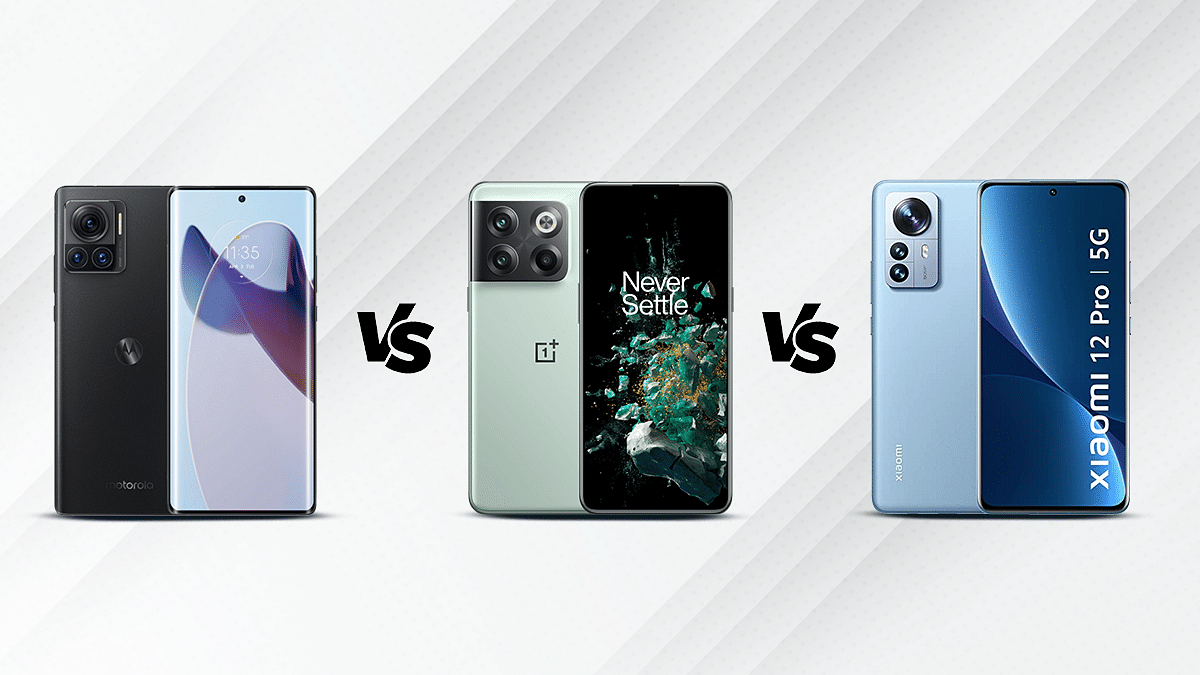
Motorola Edge 30 Ultra Vs OnePlus 10T Vs Xiaomi 12 Pro: Flagship Mobile Comparison

Motorola has leveled up its game in the mobile industry with the launch of the latest flagship Edge 30 lineup. The  Moto Edge 30 Ultra is the brand’s most premium offering for the Indian audience. Specifically, for mobile photography enthusiasts, the Moto Edge 30 Ultra stands out from the crowd for being the world’s first 200MP camera phone.

Besides the powerful camera setup, the Moto Edge 30 Ultra’s remaining spec sheet is also top-notch. It’s one of the few Snapdragon 8+ Gen 1 chipset-powered phones in the Indian market. The OnePlus 10T comes as one of the biggest rivals of the Motorola Edge 30 Ultra with the same Snapdragon 8+ Gen 1 processor and high-grade camera hardware.

We are comparing the two most premium Android phones that you can buy in India for a rich user experience. We have added the Xiaomi 12 Pro to the list to give you more choices if you plan to upgrade to a top-notch Android phone.

Motorola Edge 30 Ultra Vs OnePlus 10T Vs Xiaomi 12 Pro: Display Specifications

Starting with the freshest of the lot, i.e., the Motorola Edge 30 Ultra. This premium Motorola Edge series phone bestows a massive 6.67-inch display which is an OLED panel with an FHD+ resolution of 1080 x 2400 pixels and a 20:9 aspect ratio. The OLED screen is HDR 10+ certified to play 1080p videos on OTT websites. The display offers a high 144Hz refresh rate and 1250 nits of peak brightness levels for better outdoor visibility. The screen is protected by Corning Gorilla Glass 5 protection and sports a punch-hole cutout that accommodates the selfie snapper.

The OnePlus 10T competes with the Motorola Edge 30 Ultra with its 6.7-inch Fluid AMOLED display. The screen size is similar but the specs are slightly different compared to the Motorola Edge 30 Ultra. The OnePlus 10T’s display also comes with an FHD+ resolution of 1080 x 2412 pixels but has a lower 120Hz refresh rate compared to the Motorola model. The display on this phone is also HDR10+ certified and is protected by a Corning Gorilla Glass layer on top.

The third model, i.e, the Xiaomi 12 Pro ships with a similar sized screen, i.e., a 6.73-inch LTPO AMOLED panel. Xiaomi has added support for Dolby Vision and HDR10+ on this flagship Xiaomi 12 series phone. The panel here offers a 1000 nits peak brightness and a 120Hz refresh rate. The screen resolution offered by the Xiaomi 12 Pro is 1440 x 3200 WQHD+.

All three phones mentioned in this list are perfect for media consumption and gaming. You can consider any of the models if you need a top-notch viewing experience. The Motorola Edge 30 Ultra still gets a step ahead with its 144Hz OLED screen.

Motorola Edge 30 Ultra Vs OnePlus 10T Vs Xiaomi 12 Pro: Camera Hardware

Motorola has raised all the bars in the mobile camera segment with the Edge 30 Ultra. It has become the first brand in the world to launch a 200MP camera phone. The Motorola Edge 30 Ultra rear panel has three cameras. The primary 200MP camera has an f/1.9 aperture and is combined with a 12MP depth sensor with 2x optical zoom, and a 50MP ultrawide sensor.

This potent camera hardware can easily record up to 8K@30fps videos and also has several shooting modes to enhance the overall imaging experience in daylight as well as low-light scenarios.

OnePlus is also known for its powerful camera system with its flagship smartphones. The OnePlus 10T is no different and offers a triple-lens rear camera module with a 50MP main Sony IMX766 main sensor. The primary camera is accompanied by an 8MP ultrawide sensor and a 2MP macro lens.

The camera hardware on the OnePlus 10T is less powerful compared to the Motorola Edge 30 Ultra. The primary sensor alone on the latter is massive and the remaining sensors are big too compared to the latter. The camera features include Nightscape Mode, Ultra HDR, Smart Scene Recognition, Portrait, and Pro mode.

The Xiaomi 12 Pro also has capable camera hardware like the remaining two models. It positions itself between the Motorola Edge 30 Pro and the OnePlus 10T with its triple rear camera module that has a 50MP main sensor with an f/1.9 aperture, a 50MP telephoto sensor with an f/1.9 aperture with PDAF and 2x optical zoom, and another 50MP sensor which is an ultrawide lens with 115-degree FoV.

The Motorola Edge 30 Ultra is a winner in the selfie camera race as well with its massive 60MP front camera. The Xiaomi 12 Pro takes the second spot with its 32MP selfie snapper, while the OnePlus 10T takes the last position with a 16MP selfie camera.

Motorola Edge 30 Ultra Vs OnePlus 10T Vs Xiaomi 12 Pro: Chipset, Battery, Fast Charging

The Motorola Edge 30 Ultra and the OnePlus 10T employ Qualcomm’s most premium Snapdragon series mobile chipset for power delivery. The Snapdragon 8+ Gen 1 processor drives both these phones. This octa-core Qualcomm processor on the Motorola Edge 30 Ultra and the OnePlus 10T gets Adreno 730 GPU support. Whereas, the Xiaomi 12 Pro uses the standard Snapdragon 8 Gen 1 chipset for all the tasks.

Battery capacity is 4,610 mAh on the Motorola Edge 30 Ultra which is further supported by 125W fast charging support.