Categories
Comparison Featured Mobile

Vivo V25 Pro 5G Vs Poco F4 Vs Redmi K50i: Which Smartphone Should You Buy?

Finding a smartphone that suits the necessities and budget is a win-win situation, and the Indian mobile industry has a variety of brands and pricing points to pick from. The high-end specifications are seen in phones priced between Rs. 25,000 and Rs. 35,000 including flagship-class high refresh rate displays, powerful cameras, luxurious designs, big batteries, and a number of high-end features like wireless charging and water resistance.

The Vivo V25 Pro, which has a starting price of Rs. 35,999, was just introduced in India. It is intended for folks looking for a solid all-around phone. However, other smartphones with comparable price tags, including the Poco F4 and Redmi K50i, offer the same features. Which one should you get, then? We’ll help you decide in the comparison article where we are comparing the Vivo V25 Pro with Poco F4 and Redmi K50i.

Design & Display

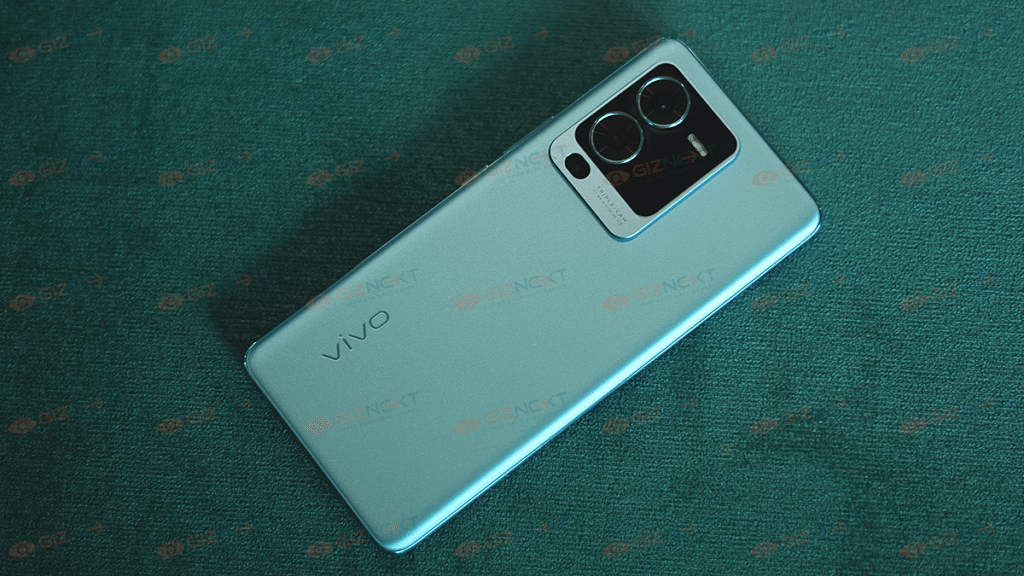
Vivo V25 Pro has been pitched as one of the most upscale-appearing mid-range smartphones on the market right now. The device is particularly simple to grip thanks to its flat bottom, metal edges, and curved glass sandwich design. It has a 2376x1080p resolution 6.5-inch FHD+ 3D curved AMOLED display.

On the other hand, the Poco F4 5G receives good marks for its looks, build quality, and overall in-hand appeal. It feels more upscale because of the glass body panel. It has a 6.67-inch AMOLED screen with Full HD+ resolution and 120Hz refresh rate, as well as HDR10+ and Dolby Vision support.

Moving to the Xiaomi Redmi K50i, its triple-camera carrying hump and color gradient design are similar to those of many other smartphones available in the market. The phone further sports a 6.6-inch tall Full HD+ screen with 144Hz refresh rate support.

Processor

The Mediatek Dimensity 1300 5G chipset powers the Vivo V25 Pro. It has 256GB of internal storage and 12GB of RAM. The phone further runs on Android 12 out of the box which is combined with Vivo’s own Funtouch OS 12 skin.

The Poco F4 5G, on the other hand, manages to give you reliable performance thanks to the Snapdragon 870 chipset which has somewhat become everyone’s favorite these days. It comes with up to 256GB of storage and up to 12GB of RAM. The Poco F4 comes preinstalled with MIUI 13 on top of Android 12. Xiaomi further promised three significant OS updates.

Now talking about the Redmi K50i, it has the MediaTek Dimensity 8100 SoC, a high-end Android SoC typically found in value flagships. The phone has up to 256GB of internal storage and up to 8GB of RAM. In addition, it comes pre-installed with MIUI 13 based on Android 12. Besides, it runs Android 12-based MIUI 13 out of the box.

Camera

The Vivo V25 Pro is at its best in this department. It features three rear cameras, the main one of which is a 64MP sensor and optical image stabilization (OIS). A 2MP macro sensor and an 8MP ultra-wide sensor follow. A 32MP camera with eye focus is used for selfies.
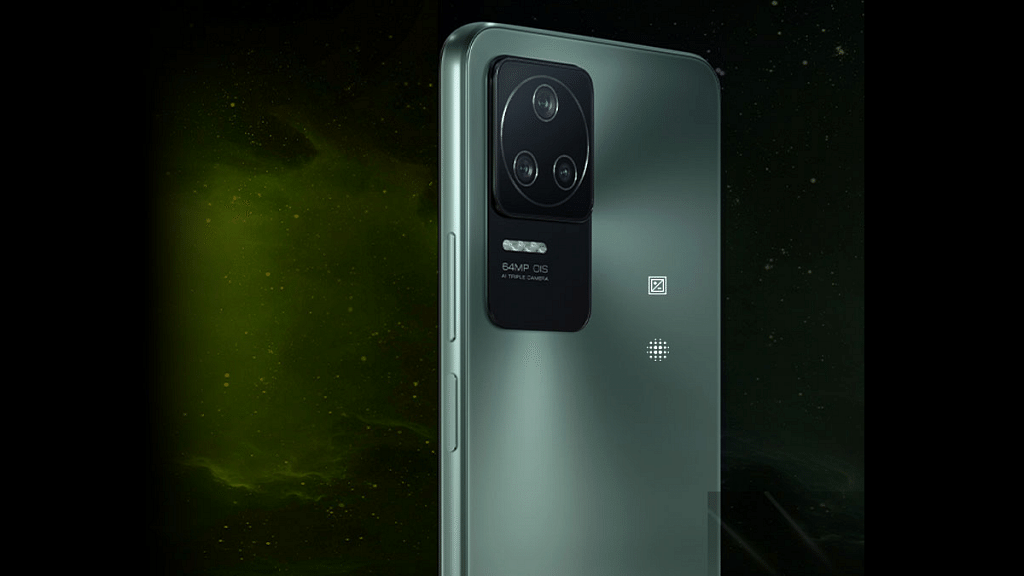
The 64MP primary OmniVision OV64B sensor with a Quad-Bayer filter is available in the Poco F4 5G. It sports an 8MP ultrawide camera, a 2MP macro camera, and a 20MP selfie camera. According to the maker, this is the first Poco to ever support OIS.

A triple camera arrangement is present on the back of the Redmi K50i. It has a 64MP main camera from the Samsung GW1, an 8MP ultrawide camera, and a 2MP macro camera. At the front, there is a 16MP camera for selfies and video calls.

Battery

The Vivo V25 Pro has a 4,830mAh battery inside that can be charged quickly using a 66W flash charge with the bundled power brick.

A 4,500mAh battery powers the Poco F4’s battery capacity. Additionally, a 67W rapid charger is included in the package to help you get going right away. The Redmi K50i, on the other hand, has a massive 5,080mAh battery. It includes a 67W quick charger.

Verdict

Vivo V25 Pro has quite a clear consumer base. The phone is for those who have cameras as their top priority, and this is without a doubt the V25 Pro’s best feature set. If you are someone who prefers a solid battery life and fast charging support, then you can go for Poco F4 5G. Apart from this, if you want a strong-performance-based phone, there’s could be nothing better than Xiaomi’s Redmi K50i.
Categories
Comparison Featured Tablet

Motorola Moto Tab G62 Vs Realme Pad X Vs Moto Tab G70: Best Premium Mid-Tier Tablet In India

Motorola is ramping up its tablet business in India. The company has released the Moto Tab G60 as its latest mid-range tablet in the country with a starting price tag of Rs. 15,999. With this mid-tier tablet, Motorola is competing against Realme, Lenovo, OPPO, and other players in the tablet market. We just compared the Moto Tab G62 with OPPO Pad Air and the Realme Pad. In this article, we are pitting the Tab G62 against the Realme Pad X and the Moto Tab G70. Which one of these tablets is a good option to consider? This spec-sheet-based comparison will clear all your confusion:

Motorola Moto Tab G62 Vs Realme Pad X Vs Moto Tab G70: Display Specifications

Starting with the latest model, i.e., the Moto Tab G62, it is packed with a 10.6-inch display which is an IPS LCD panel. The display features an aspect ratio of 5:3 and has a screen-to-body ratio of 80.2 percent. It comes with a 1200 x 200 pixels screen resolution.

The Realme Pad X also features an IPS LCD screen that is bigger in size when compared to the Moto Tab G62. The Realme 5G tablet’s display measures 10.95-inches and has the same screen resolution as the Moto Tab G62, i.e., 1200 x 2000 pixels.

The Moto Tab G70 has the biggest panel size of 11-inches. It is also an IPS LCD screen like the remaining two variants that supports 1200 x 2000 pixels screen resolution. All three tablet display is well-loaded to deliver a rich viewing experience be it with videos or gaming.

Moto Tab G62 Vs Realme Pad X Vs Moto Tab G70: Camera Features

The Motorola Moto Tab G62 comes with a single rear camera. It features an 8MP ultrawide primary camera which has an f/1.4 aperture and 118-degree FoV. The Moto Tab G62’s main camera can shoot 1080p@ 30fps videos and also have Autofocus support.

The Realme Pad X also features a single rear camera. The sensor here is bigger compared to the Moto Tab G62. The Realme 5G tablet offers a 13MP main wide-angle camera that has an f/2.2 aperture. The main camera on the Realme Pad X 5G offers a 1080p video recording compatibility@ 30fps and also has HDR and other shooting modes.

The Moto Tab G70 also has the same rear camera hardware as the Realme tablet. The primary sensor at its back is a 13MP lens with the same f/2.2 aperture. The video recording capabilities are also the same as the Realme Pad X 5G.

For selfies, the Moto Tab G62 employs an 8MP snapper upfront. The remaining two tablets are also packed with the same 8MP sensor for selfies and video calling. If good camera hardware is your primary requirement with the next tablet, the Realme Pad X and the Moto Tab G70 would be the ideal pick.

Moto Tab G62 Vs Realme Pad X Vs Moto Tab G70: Chipset Comparison

The Moto Tab G62 is a mid-tier Android tablet that uses the Snapdragon 680 4G chipset for power delivery. This 6nm octa-core chipset has Adreno 610 GPU for graphics. It is available with 4GB RAM and 64GB native storage capacity.

The Realme Pad X is a 5G tablet that employs the octa-core Snapdragon 695 5G processor under the hood. The mid-range 5G Qualcomm processor uses Adreno 619 GPU to render all high-end graphics. This tablet can be purchased in multiple configurations, unlike the Moto Tab G62. The highest RAM capacity offered by the Realme Pad X is 6GB, while the built-in storage capacity is 128GB. The tablet also supports an external microSD card for additional storage requirements.

The Moto Tab G70 is powered by a MediaTek processor. This tablet draws its power from the MediaTek Helio G90T mid-range gaming processor. The octa-core MediaTek processor here has Mali-G76 MC4 GPU support to handle the graphics. This mid-tier tablet comes with 4GB RAM and 64GB storage configuration and features external microSD card support for extra space.

Moto Tab G62 Vs Realme Pad X Vs Moto Tab G70: Battery And Fast Charging Capabilities

The Moto Tab G62 uses a 7,700 mAh battery unit which is clubbed with 20W fast charging support. The Realme Pad X has a better battery hardware which includes a battery capacity of 8,340 mAh. This tablet has 33W fast charging support. Lastly, the Moto Tab G70 uses the same setup as the Moro Tab G62, i.e., a 7,700 mAh battery unit with 20W fast charging.

Categories
Comparison Tablet

Moto Tab G62 Vs OPPO Pad Air Vs Realme Pad: Mid-Range Tablet Comparison

Motorola is rapidly expanding its tablet portfolio in India. The Moto Tab G62 is the brand’s latest bid in the mid-range tablet market with features like the Qualcomm Snapdragon chipset and 2K display. The latest Motorola tablet comes at an asking price of Rs. 15,999 and goes up against the likes of the Realme Pad and the OPPO Pad Air in the mid-tier Android tablet segment. This is a comparison article between these three tablet models to help you decide your next pick in this segment.

Moto Tab G62 Vs OPPO Pad Air Vs Realme Pad: Display Features

The Motorola Moto Tab G62 has been announced with a tall 10.6-inch display. The panel used by the new Motorola tablet is an IPS LCD that has a screen-to-body ratio of 80.2 percent and a 220 PPI pixel density. The Moto Tab G60’s display delivers a screen resolution of 1200 x 2000 pixels which makes it a good companion for high-resolution multimedia playback.

The Realme Pad competes with the Moto Tab G62 with its 10.4-inch display which is also an IPS LCD panel similar to the Moto tablet. The Realme Pad offers the same screen-to-body ratio of 80.2 percent and a 2K screen resolution of 1200 x 2000 pixels. The pixel density here is 224 PPI.

On the other hand, the OPPO Pad Air isn’t much different compared to the Moto Tab G62 and the Realme Pad in terms of display specifications. The panel size is 10.36-inches and the type is IPS LCD> This tablet also features the same 1200 x 2000 pixels 2K resolution and has a 225 PPI pixel density. Since the panel type and the resolution is the same on all three tablets, you can expect similar performance with video playback and gaming.

Moto Tab G60 Vs OPPO Pad Air Vs Realme Pad: Camera Features

The camera hardware is almost identical on all these three models. The Moto Tab G60 has an 8MP single rear camera that has an f/2.2 aperture and 118-degree FoV. The primary camera on the Motorola tablet comes with autofocus support and HDR. It can record 1080p FHD videos@ 30fps.

The Realme Pad also features an 8MP single rear camera like the Moto Tab G60. The camera here is also capable of recording 1080p@ 30fps videos and has HDR support. Lastly, the OPPO Pad Air’s back panel features an 8MP ultrawide camera with 105-degree FoV and 1080p @30fps video recording. The rear camera on all three tablets can click some good set of images when the background has ample lighting conditions.

Moving on to the selfie snapper, the Moto Tab G62, and the Realme Pad has an 8MP snapper, whereas, the OPPO Pad Air features a smaller 5MP sensor for self-portraits. You can consider any of the variants for a good photography experience. However, the Moto Tab G62 and the Realme Pad gets an edge over the OPPO Pad with a bigger selfie snapper.

Moto Tab G62 Vs OPPO Pad Air Vs Realme Pad: Hardware Performance

Power delivery is handled by the octa-core Qualcomm Snapdragon 680 chipset on the Moto Tab G62 and the OPPO Pad Air. The mid-range 4G chipset on both these tablets is built using a 6nm fabrication process and has Adreno 610 GPU support for graphics.

 The chipset driving both Moto Tab G62 and the OPPO Pad Air is powerful enough to handle extensive tasks without any lags or stutters. Both these tablets offer a good gaming experience as well.

Driving the Realme Pad is a MediaTek processor. The company has used the Helio G80 chipset which is built on a 12nm fabrication process. This is a mid-range chipset oriented toward gaming smartphones and tablets.

Coming to the configuration details, the Moto Tab G62 comes with 4GB RAM+ 64GB storage, whereas, the OPPO Pad Air offers up to 6GB RAM and 128GB storage option. The Realme Pad can be purchased with up to 6GB RAM and 128GB storage configuration.

Moto Tab G62 Vs Realme Pad Vs OPPO Pad: Battery Hardware

The battery capacity is the biggest on the Moto Tab G62. It is packed with a 7,700 mAh battery unit which is aided by 20W fast charging. On the other hand, the OPPO Pad Air and the Realme Pad feature the same 7,100 mAh battery unit along with 18W fast charging support.

Categories
Comparison Tablet

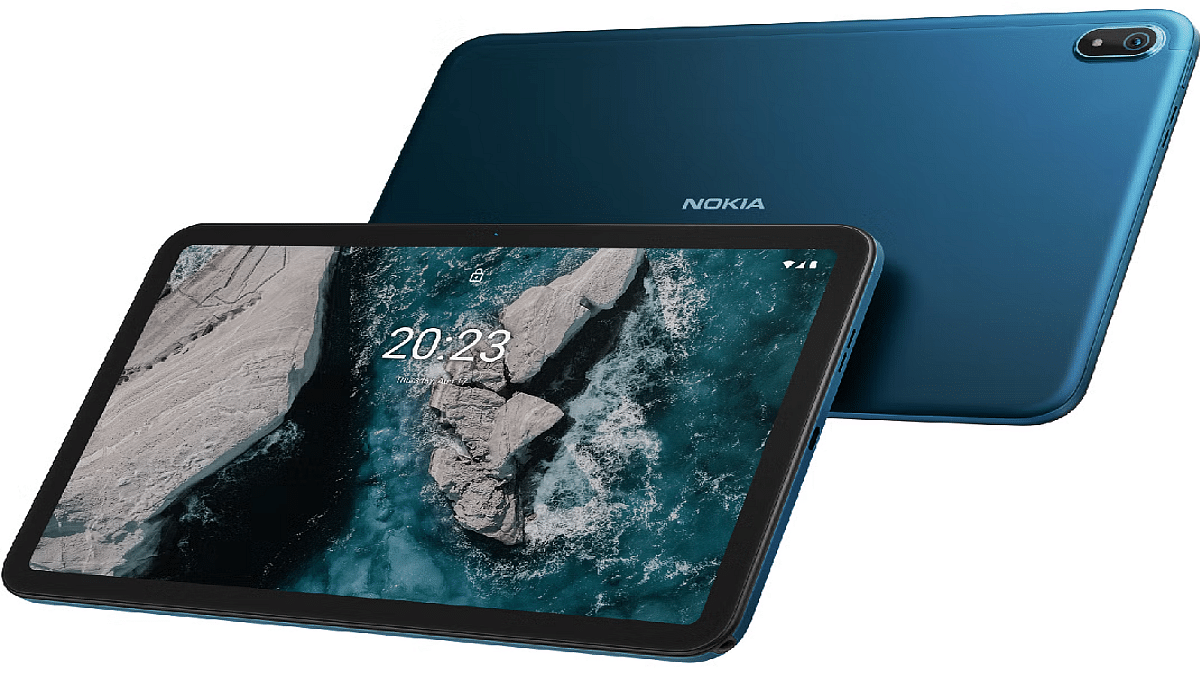
Nokia T20 Vs Moto Tab G20 Vs Lenovo Tab K10: Best Budget Tablet India

India is one of the developing markets for mobile and PC tablets. The contribution is now coming from the major tech giants and smartphone players. A few of the names added to the list are Oppo, Realme, Nokia, and Xiaomi. Other players such as Lenovo and Motorola have already marked their presence in the tablet space and have introduced a plethora of tablets in the last few years.

We have multiple choices if we go out to buy an affordable tablet in the Indian market. We have compared several tablets in the mid-range and premium tablets available for sale in the country. This article is for the budget audience who are specifically looking for tablets in the price range between Rs. 10,000- Rs. 15,000. In this list, we have done a spec-sheet-based comparison between the Nokia T20, Moto Tab G20, and the Lenovo Tab K10 tablets. Which budget tablet is a complete package? Read on to know the details:

Nokia T20 Vs Moto Tab G20 Vs Lenovo Tab K10: Display Specifications

The Nokia T20 has been introduced just a few months back in the Indian market with an IPS LCD screen that measures 10.4-inches and supports a pixel density of 224 PPI. The display of the Nokia T20 supports a 2K screen resolution of 1200 x 2000 pixels and has a scratch-resistant coating.

The Motorola Moto Tab G20 also features an IPS LCD screen but it is smaller compared to the Nokia T20 and measures only 8.0-inches. The Moto Tab G20’s display offers a pixel density of 189 PPI and supports a lower screen resolution of 800 x 1280.

The Lenovo Tab K10 flaunts a 10.3-inch display. It is an IPS LCD panel similar to the remaining two budget tablets. The display on the Lenovo K series tablet supports a screen resolution of 1200 x 1920 pixels and has a pixel density of 220 PPI. The panel quality is good on all three models with amole clarity levels and balanced color production. However, the Nokia T20 and the Lenovo Tab K10 will deliver the best performance with video playback due to the higher resolution support.

Nokia T20 Vs Moto Tab G20 vs Lenovo Tab K10: Camera Specifications

The camera hardware is identical on both Nokia T20 and the Lenovo Tab K10. Both these tablets are packed with an 8MP main camera sensor at the back. The main camera on the Nokia T20 and the Lenovo Tab K10 can capture 1080p@30fps videos.

Moving on to the Moto Tab G20, it’s packed with a smaller 5MP main camera at the back which is also capable of recording 1080p@30fps. The selfie camera is also identical on both the Nokia T20 and the Lenovo Tab K10. They both ship with a 5MP selfie snapper.

The Moto Tab G20 has the smallest camera sensor out of the three, i.e., a 2MP lens. Optics are better with the Nokia T20 and the Lenovo Tab K10. You can expect good performance with their cameras in broad daylight.

Nokia T20 vs Moto Tab G20 Vs Lenovo Tab K10: Chipset, UI

Under the hood, the Nokia T20 is packed with the Unisoc T610 processor that is fabricated using 12nm TSMC process. The octa-core Unisoc chipset has Mali-G52 MP2 GPU support for graphics and 3GB/4GB RAM for multitasking. The Nokia tablet offers a storage space of 32GB and 64GB which can be further expanded using a shared microSD card slot.

The Moto Tab G20 features the octa-core MediaTek Helio P22T Procesor which is also based on a 12nm fabrication process and has only 3GB RAM option for multitasking. The Motorola tablet comes with an onboard storage capacity of 32GB.

Lastly, the Lenovo Tab K10 tablet is driven by the MediaTek Helio P22T processor as the Moto Tab G20 with PowerVR GE8320 GPU. The firmware is Android 11 on all three tablets layered with a custom user interface on top.

Nokia T20 Vs Moto Tab G20 Vs Lenovo Tab K10: Battery And Fast Charging

Powering the Nokia T20 is a massive 8,200 mAh battery unit with 15W fast charging support, while the Nokia T20 is packed with a compact 5,100 mAh battery unit. Unfortunately, there is no fast charging support with the Moto Tab G20. The Lenovo Tab K10 has a 7,700 mAh battery unit.

Nokia T20 Vs Moto Tab G20 Vs Lenovo Tab K10 Verdict: The Best Affordable Tablet

The Nokia T20, Moto Tab G20, and Lenovo Tab K10 are good options when you have a budget constraint. All three tablets flaunt a big display with 2K resolution which is suitable for binge-watching shows and movies. The chipset and camera configuration are also decent on all three tablets. You can consider any of the models as a daily driver.

Categories
Comparison Tablet

Realme Pad X 5G Vs OPPO Pad Vs Xiaomi Pad 5G: Best 5G Android Tablet In India

Smartphone OEMs are consistently marking their presence across the tablet industry with new launches. We have seen some of the latest product offerings in the tablet market from popular brands such as Realme, OPPO, and Xiaomi. All three Chinese tech giants have just ventured in the mobile tablet space and have already started populating their product catalogs with new tablet models.

This week Realme refreshed its tablet portfolio with a new 5G tablet called the Realme Pad X 5G. OPPO and Xiaomi have also released their powerful premium mid-tier tablets enabled with 5G network support and flagship-grade Qualcomm Snapdragon chipset.

All three tablet models are versatile and pack internals to complete any given task smoothly. If you had to buy any of the tablet models from this list, which one should you consider? This full comparison between the Realme Pad X 5G, OPPO Pad, and Xiaomi Pad 5 will help you decide.

Realme Pad X 5G Vs Standard OPPO Pad Vs Xiaomi Pad 5: Display Features

The display size is large on all three tablets and the panel type is the same. The Realme Pad X 5G, OPPO Pad, and the Xiaomi Pad 5 offer an IPS LCD screen. The Realme Pad X 5G’s display measure 10.95-inches, whereas the remaining two tablets, i.e., the OPPO Pad and the Xiaomi Pad 5 sport an 11-inch screen.

The display resolution differs on the Realme Pad X 5G compared to the other two models. It supports a screen resolution of 1200 x 2000 pixels, whereas both OPPO Pad and the Xiaomi Pad 5G’s display deliver a 1600 x 2560 pixels resolution. The screen refresh rate is higher on the OPPO Pad and the Xiaomi Pad 5, i.e., 120Hz. The display performance will be slightly better with the OPPO and the Xiaomi tablets.

Realme Pad X 5G Vs OPPO Pad Vs Xiaomi Pad 5: Camera Hardware

Interestingly, all three tablets mentioned on this list are packed with the same camera hardware both at the rear and upfront. Speaking of the optics hardware, the Realme Pad X, OPPO Pad, and the Xiaomi Pad 5 are packed with a big 13MP lens at the back. It is the only sensor you get on these tablets’ rear panels. The primary camera of the Realme Pad X, OPPO Pad, and the Xiaomi Pad 5 can shoot videos of 4K resolution@ 30fps.

Moving on to the selfie camera setup, there is an 8MP snapper with an f/2.0 aperture and 105-degree FoV on all three models. You wouldn’t notice any major difference in the camera performance with the Realme Pad X 5G, OPPO Pad, and the Xiaomi Pad 5. So, you can select any of the models of photography is your primary concern.

Realme Pad X 5G VS OPPO Pad Vs Xiaomi Pad 5: Chipset, UI Comparison

The Realme Pad X 5G uses a Snapdragon 600 series chipset for power delivery, while both OPPO Pad and the Xiaomi Pad 5 are equipped with the Snapdragon 800 series processor. The processor powering the Realme Pad X 5G is the Snapdragon 695 5G chipset.

The octa-core Qualcomm chipset on the Realme tablet employs Adreno 619 GPU to render extensive graphics. It is clubbed with up to 6GB RAM and 128GB storage configuration. As for the OPPO Pad and the Xiaomi Pad 5, they both use the same Snapdragon 870 chipset for performance delivery. The octa-core Qualcomm processor on both these tablets gets Adreno 650 GPU support to render the high-end graphics with ease.

Notably, both these tablets also come with 5G network compatibility as the Realme Pad X 5G. The storage and RAM configuration that you can choose with the OPPO Pad and the Realme Pad X 5G is up to 8GB RAM and 256GB storage. These two tablets get more powerful here with the premium Qualcomm Snapdragon processor and a higher RAM and storage capacity.

But the Realme Pad X 5G gets a few extra pointers for the latest Android 12 OS firmware. The Xiaomi Pad 5 and the OPPO Pad boot on the Android 11 OS. All three tablets mentioned here ship with an in-house user interface.

Realme Pad X 5G Vs OPPO Pad Vs Xiaomi Pad 5: Battery, Fast Charging Technolgy

Rounding off the Realme Pad X 5G’s spec-sheet is the 8,340 mAh battery unit. It gets a super fast 33W charging support. On the other hand, OPPO has used an 8,360 mAh battery unit to drive the Pad tablet. The Xiaomi Pad 5 uses the biggest battery in this lot which has a total capacity of 8,720 mAh. The fast charging speeds with both OPPO Pad and Xiaomi Pad 5 are the same as the Realme Pad X 5G, i.e., 33W.

Realme Pad X 5G Vs OPPO Pad Vs Xiaomi Pad 5: Final Verdict

The Realme Pad X 5G, OPPO Pad, and the Xiaomi Pad 5 are fully loaded Android tablets with 5G network support. The hardware features are also premium on all three tablets. But the display and processor are better on the OPPO Pad and the Xiaomi Pad 5 tablets compared to the Realme Pad X 5G. Out of all three, the Xiaomi Pad 5 takes the lead with its largest battery unit.  

Categories
Comparison Tablet

Realme Pad X 5G Vs iPad 10.2 (9th Gen) Vs OPPO Pad Air Tablet Comparison: Which Beats The Competition?

Realme Pad X 5G is the latest competitor in the premium mid-range Android tablet market. Realme has announced its latest 5G tablet this week itself in the country with features such as the Snapdragon 695 5G chipset and a 13MP main camera system. We have compared the Realme Pad X 5G with a bunch of popular Android tablets including the Xiaomi Pad 5, Motorola Moto Tab G70, and also the OPPO Pad Air. In this article as well, we are comparing the Realme Pad X 5G with one of the most popular iPads, i.e., the iPad 9th Gen tablet. We are also throwing in the OPPO Pad Air to compare and see which out of the three tablets makes for the best buy under Rs. 30,000 price bracket in the Indian market.

Realme Pad X 5G Vs iPad 10.2 (9th Gen) Vs OPPO Pad Air: Display Specification

We’ll start this list with the Realme Pad X 5G which is the newest model in the tablet segment in India. The 5G Realme tablet is packed with an IPS LCD screen that is 10.95-inches in size and has a pixel density of 5:3. The Realme Pad X 5G supports a 2K screen resolution of 1200 x 2000 pixels which is perfect for high-resolution video playback. The panel on the Realme Pad X 5G offers s peak brightness levels of 450 nits which makes it decently bright under direct sunlight.

The iPad 9th Gen tablet accommodates a 10.2-inches Retina IPS LCD display. The panel size is slightly small compared to the Realme Pad X 5G. The screen resolution offered by the iPad tablet is 1620 x 2160 which is better than the Realme 5G tablet. The brightness levels here are also higher compared to the Realme tablet at 500 nits.

On the other hand, the OPPO Pad Air features a 10.36-inch display which is an IPS LCD panel like the Realme Pad X 5G tablet. The screen resolution is also the same as the Realme tablet, i.e., 1200 x 2000 pixels. The brightness levels are the lowest with this tablet in this list at 360 nits.

Realme Pad X 5G Vs iPad 10.2 (9th Gen) Vs OPPO Pad Air: Chipset And UI

The Realme Pad X 5G is powered by the Snapdragon 695 processor. This octa-core Qualcomm processor is made on a 6nm fabrication process and has Adreno 619 GPU support for graphics. The Realme Pad X 5G RAM and storage configuration options are 4GB/ 6GB RAM and 64GB/ 128GB storage.

The iPad 9th Gen tablet is powered by the Apple A13 Bionic processor which is built on a 7nm+ process. This is a hexa-core chipset that has Apple GPU (4-core graphics) support. The iPad 9th Gen tablet comes with 3GB RAM and 64GB/256GB storage configuration.

The OPPO Pad Air is a standard 4G tablet powered by the Snapdragon 680 chipset.  This octa-core Qualcomm processor is built on a 6nm process and has Adreno 610 GPU support for graphics. The OPPO Pad Air configuration variants are 4GB/6GB RAM and 64GB/128GB storage options. Both Realme Pad X 5G and the OPPO Pad Air rins on the same Android 12 OS with a custom UI on top, whereas, the iPad 9th Gen features iPadOS 15 which is upgradable to iPadOS 16.

Realme Pad X 5G Vs iPad 10.2 (9th Gen) Vs OPPO Pad Air: Camera Specifications

All three tablets in this list feature a single rear and front camera module for photography. The Realme Pad X 5G features a 13MP main camera at the back that can record 1080p@ 30fps videos. On the other hand, both iPad 10.2 (9th Gen) and the OPPO Pad Air feature an 8MP camera at the back.

The camera race is definitely led by the Realme Pad X 5G here. The remaining two tablets are also capable of shooting 4K videos@30fps. Speaking of the selfie cameras, the iPad 10.2 (9th Gen) is the clear winner here with a big 12MP selfie snapper. The Realme Pad X 5G follows the iPad tablet with an 8MP selfie lens. The OPPO Pad Air the last in this list with a 5MP selfie snapper.

Realme Pad X 5G Vs iPad 10.2 (9th Gen) Vs OPPO Pad Air: Battery, Fast Charging

The Realme Pad X 5G employs a beefy 8,340 mAh battery unit with 33W fast charging technology. The iPad 10.2 (9th Gen) has the biggest battery unit on this list measuring 8,557 mAh. The OPPO Pad Air has the smallest 7,100 mAh battery unit with 18W fast charging. For bigger battery backup, you should consider the iPad (9th Gen) tablet.

Realme Pad X 5G Vs iPad 10.2 (9th Gen) Vs OPPO Pad Air Final Verdict: Which One Is The Best?

All three models in this list are suitable for mid-range users. However, the iPad (9th Gen) has a slight edge over the remaining two with a bigger battery and selfie camera. But if you need a mid-tier tablet with the modern 5G network support, the Realme Pad X 5G would be an ideal pick.

Categories
Comparison Tablet

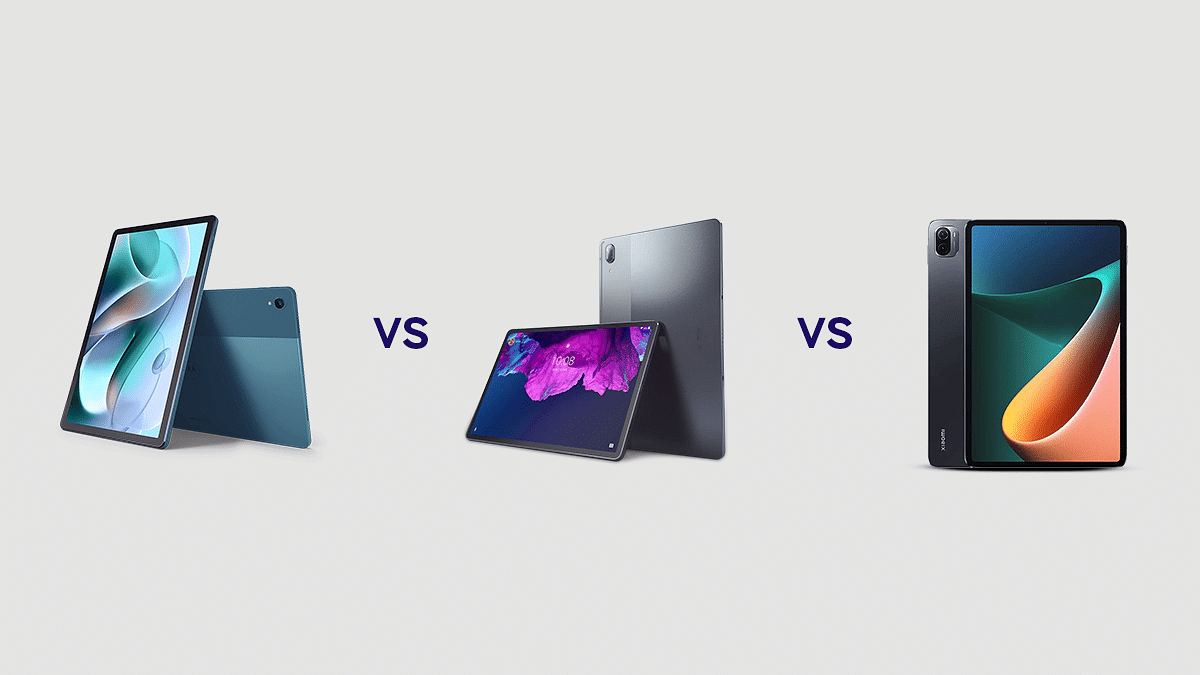
Motorola Tab G70 LTE Vs Lenovo Tab P11 Vs Xiaomi Pad 5: Which Tablet To Buy?

With the launch of the Motorola Tab G70 LTE, Motorola has given everything one could ask from an affordable Android tablet to a capable processor to a fancy design. The table costs Rs. 22,999 and for that price, it appears to be a good deal. However, there are some other tablets with similar features that you can consider at a similar price range. The major competitor of the Moto Tab G70 LTE is the Lenovo Tab P11 and Xiaomi Pad 5.

So, which one should you buy? To find the answer, we have here compared all three tablets, i.e., Motorola Tab G70 LTE, Lenovo Tab P11, and Xiaomi Pad 5, to see which one owns the crown. Let’s check out:

Design And Display

The Motorola Tab G70 LTE is a well-built tablet. It looks more stylish than any other tablet at this price. The metal half has a decent satin green finish while the plastic half has a matte texture. It has narrow bezels. Motorola has put the front camera at the center of the side bezel, which in the landscape layout imparts a laptop webcam-like effect.

The display of the Motorola Tab G70 LTE is 11-inch which is perfect for viewing content. It uses an IPS LCD panel with a 2K pixel resolution and rated brightness levels up to 400 nits. The display is certified for Amazon Prime HD and Netflix HD content. However, the refresh rate remains at the usual 60Hz.

On the other hand, the design of the Lenovo Tab P11 is accentuated by the fabric-clad detachable keyboard and kickstand. It is simple to tuck into a backpack and has a grey finish that makes it appear as though you are holding a notebook. The kickstand is simple to attach using magnets and is simply adjustable to any required angle.

The Tab P11’s 11-inch IPS screen has a 1200 x 2000 resolution. Colors are as bold as they could be for a panel of this type, and images appear clear and sharp. It further has a refresh rate of 60Hz.

Besides, the Xiaomi Pad 5 has a metal frame with flat sides, sandwiched between a glass screen on the front and a polycarbonate sheet at the back. The Gorilla Glass 3 display cover does not readily gather fingerprints.

The Gorilla Glass 3 cover over the display does not attract fingerprints easily. It has a 10.95-inch WQHD+ (1,600 x 2,560 pixel) LCD display along with 120Hz display.

Processor

Motorola is using the MediaTek Helio G90T from 2018 to power the tablet. It has 4GB LPDDR4X RAM and 64GB of uMCP storage. The tablet comes pre-installed with Android 11 and can be upgraded to Android 12. Though, there aren’t any productivity-enhancing features like a sidebar for quick access to apps, numerous floating windows, smarter widgets, or similar touches.

Moving to the Lenovo Tab P11, the tablet uses the Snapdragon 662 CPU under the hood. It includes 128GB of storage and 4GB of RAM. The Android 11 OS on the Tab P11 has been modified with a few enhancements to increase productivity.

The Qualcomm Snapdragon 860 SoC powers the Xiaomi Pad 5 tablet. It has 6GB of RAM. The Xiaomi tablet further runs ‘MIUI for Pad’ which is a customized version of MIUI 13.0.5 based on Android 11.

Camera

The Motorola Tab G70 LTE tablet comes with a 13MP rear camera. It also has an 8MP front camera with a dual-mic configuration that works well during video calls.

On the other hand, the Lenovo Tab P11 has a 13MP of rear camera and is decent enough to take a few photos in well-lit areas. For video calls, the front-facing 8MP camera is adequate.

Both the rear and front cameras on the Xiaomi Pad 5 are 13MP and 8MP respectively. It produces a decent image quality which is a lot better than what you can expect from a tablet.

Battery

The Motorola Tab G70 LTE’s battery life is great without LTE and decent with a SIM card inside. The 7,700mAh battery with generic usage, including 1-2 hours of gaming, and 2-3 hours of social media browsing on Wi-Fi can go up to two days with ease. The 20W TurboPower charger that Motorola includes in the box takes hours to charge.

On the other hand, the Lenovo Tab P11 has a 7,700mAh battery capacity. It has a great battery life for streaming hours of content and can also be recharged quite quickly. Moving to the Xiaomi Pad 5, the 8,720mAh battery can last for a day and a half.

Verdict

In terms of specifications, all three tablets have got it all right for their price segment. They have got a good display, decent performance, and a pretty design. The Lenovo Tab P11 is an affordable Android tablet with an official keyboard. Besides, Xiaomi Pad 5 is built with productivity in mind, which is not commonly found at this price point. However, it lacks 4G/5G cellular capability and is only available as a Wi-Fi model. In our opinion, the Motorola Tab G70 LTE is a good choice to go for under Rs. 25,000.

Categories
Comparison Tablet

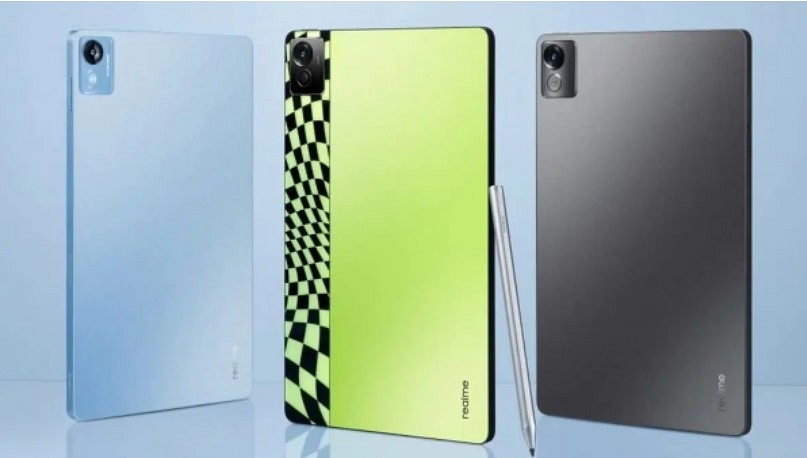
Realme Pad X 5G Vs Realme Pad Vs Realme Pad Mini: How Does All Realme Tablets Compare?

Realme is one of those smartphone OEMs that has set its foot in the Android tablet market recently. The Realme Pad and the Realme Pad Mini are from the brand’s first lot of tablets that have been catering to the mid-range audience globally. The brand has now been expanding its portfolio in the tablet segment and has released another advanced tablet for the budget-conscious audience called the Realme Pad X 5G.

The latest Realme tablet comes along with 5G capabilities and is equipped with mid-range hardware for all tasks and gaming. With the Realme Pad X 5G, Realme has made several hardware improvements compared to the last lot. But what exactly are the hardware differences between the Realme Pad X 5G and the previous-gen Realme Pad and the Realme Pad Mini models? Here in this article, we have broken down all the pointers.

Realme Pad X 5G Vs Realme Pad Vs Realme Pad Mini: Display Specification Comparison

Realme has used the same IPS LCD panel on all three tablets but has made slight differences in the screen size and resolution (specifically with the low-end Realme Pad Mini model). The latest Realme Pad X 5G flaunts a 10.95-inch screen that has an 82.6 percent screen-to-body ratio. The resolution on this model as well as the standard Realme Pad tablet is the same, i.e., 1200 x 2000 pixels.

The standard model also has a smaller 10.4-inches screen. The difference in the screen size isn’t much between the Realme Pad X and the standard Realme Pad. On the other hand, the Realme Pad Mini stacks below the remaining two models with an 8.7-inch IPS LCD panel with an 81.5 percent screen-to-body ratio.

Notably, the screen resolution is also lower with the Reamle Pad Mini at 800 x 1340 pixels. The display would be suitable for content consumption on all three Realme tablets. However, for better clarity, you would need to opt for the Realme Pad X 5G or the standard Realme Pad.

 Realme Pad X 5G Vs Realme Pad Vs Realme Pad Mini: Camera Hardware Comparison

The Realme Pad X 5G brings some major camera improvements over the existing Realme tablets. The Realme Pad X 5G is equipped with a bigger 13MP main camera at the back. For reference, the remaining two Realme tablets including the standard Realme Pad and the Realme Pad Mini are packed with an 8MP main rear camera.

The camera lens remains single with the new model as well. The Realme Pad X 5G like the remaining two tablets is also capable of recording 4K videos@30fps. As for the selfie snapper, the Realme Pad X 5G shares the same 8MP front camera with a 105-degree FoV as the standard Realme Pad tablet. The Realme Pad Mini has a smaller 5MP lens for selfies and video calling. The latest Realme Pad X 5G tablet should be your ideal pick if you wish to get an improved camera performance.

Realme Pad X 5G Vs Realme Pad Vs Realme Pad Mini: Chipset, UI Differences

The Realme Pad X 5G gets all-powerful in this list with the Snapdragon 695 5G processor. The latest Qualcomm chipset that offers a 5G network support is built on a 6nm process and is clubbed with Adreno 619 GPU for graphics. The latest Realme tablet has been announced with up to 6GB RAM and 128GB storage option.

The standard Realme Pad has been launched with the Helio G80 processor which is a mid-range gaming chipset from MediaTek with octa-cores and Mali-G52 MC2 GPU support. The Realme Pad is also available with up to 6GB RAM and 128GB storage configuration.

The Realme Pad Mini uses the Unisoc Tiger T616 chipset which is designed using a 12nm fabrication process and has up to 4GB RAM configuration for multitasking. The Realme Pad Mini has a built-in storage space of up t0 64GB which can be expanded using the microSDXC SIM slot (shared slot).

All three tablets in this list are good with general performance. You’ll have no difficulties using regular apps. However, if you need an advanced tablet with capable camera hardware and a chipset with 5G connectivity, the Realme Pad X 5G will be the best fit.

Realme Pad X 5G Vs Realme Pad Vs Realme Pad Mini: Batteries

The Realme Pad X 5G features an 8,340 mAh battery unit which can give a total backup of almost one full day with moderate usage and a single plug-in. The battery on the latest Realme 5G tablet supports 33W fast charging. The battery capacity is smaller than the standard Reame Pad tablet. It packs a 7,100 mAh battery with 18W fast charging. The Realme Pad Mini has the smallest battery on this list measuring 6,400 mAh and has 18W fast charging support.

Realme Pad X 5G Vs Realme Pad Vs Realme Pad Mini Final Verdict: Which Realme Tablet Model Is Best?

All three Realme tablets are good in some or other ways. The Realme Pad Mini is the best model for users who need a tablet that can handle only basic tasks and offers a big screen. Whereas, the Realme Pad makes for a good option who need a mid-range tablet as their daily driver. The Realme Pad X 5G will be best suitable for users looking for an advanced tablet with premium mid-range features.  

Categories
Chipset Comparison

SoC Vs Processors: Check The Difference And Which Is Better?

Smartphones, laptops, tablets, and tech other products have made our lives easy; however, our dependency on these products has been increasing every day as they are evolving. In fact, phones have changed as earlier we used to have feature phones and now smartphones have taken over the market.

These smartphones are compatible with 3G/ 4G/ 5G networks despite there being no 5G network in India at the present, but still, companies have launched devices in the same space.

These smartphone companies launch devices every month and sometimes two or three products in the same month.  For the unaware, these smartphone comes with an SoC (System on Chip), whereas personal computers and laptops support processor. Most of the time, we address processors for smartphones, but you’ll be surprised to know that both are different and in this article, we will tell you the exact difference between both of them.

What Is System On Chip Or SoC?

It is worth noting that SoC, or System-on-a-Chip, includes wireless radios, power management circuits, CPU, USB controller, GPU, memory, WiFi, 3G, 4G, LTE, and more. The SoCs have been used in smartphones.

The Qualcomm Snapdragon 8 Gen 1 mobile platform and MediaTek Dimensity 9000 or 9000+ chipsets are available in the premium devices. 

The Qualcomm Snapdragon 8 Gen 1 mobile platform comes with a sub-6 GHz, HSPA, WCDMA, LTE including CBRS support, 5G mmWave, and sub-6 GHz, FDD, SA (standalone), Dynamic Spectrum Sharing (DSS), TDD, 5G NR, NSA (non-standalone), TD-SCDMA, CDMA 1x, EV-DO, and GSM/EDGE.

Categories
Chipset Comparison

Qualcomm Snapdragon 888 Vs Samsung Exynos 2100: Best Smartphone Processor?

Key Highlights

  • We compare the Snapdragon 888 and Exynos 2100 chipsets
  • Snapdragon 888 is used by phones like the OnePlus 9 Pro, iQOO 9 SE
  • Samsung Galaxy S series is powered by the Exynos 2100

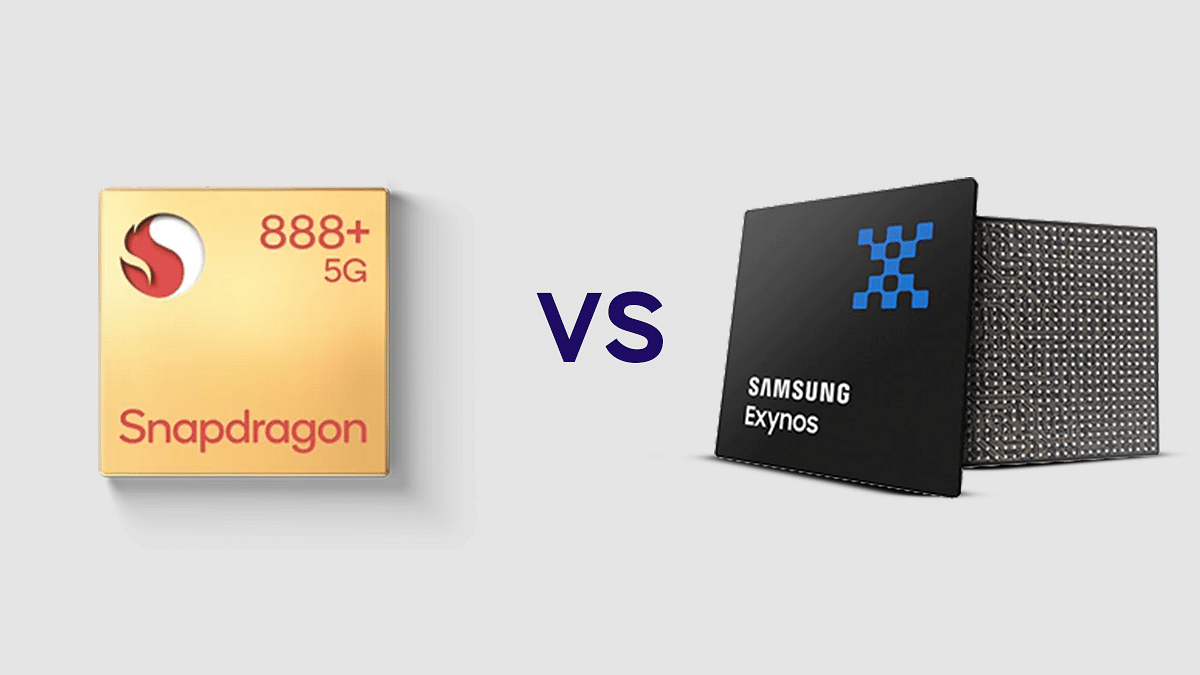
Among the processors, the two close competitors in the Android world are the Snapdragon 888 and Exynos 2100. Both the Snapdragon 888 and Exynos 2100 are 5nm chipsets; as a result of the transition to smaller node size, they perform better and use less power than their predecessors did. So, without further ado, let’s find out who wins the battle between the Qualcomm Snapdragon 888 and Samsung Exynos 2100.

Also Read | Qualcomm Snapdragon 782G Vs MediaTek Dimensity 1080 Chipset Quick Comparison: Latest Premium Mid-Range Mobile Processor Battle

Snapdragon 888 Vs Exynos 2100: CPU Performance

The CPU cores on both chips are similar, as is their configuration. The Snapdragon 888 has an octa-core CPU featuring the new Cortex-X1 core clocked at 2.84GHz. Samsung manufactured the flagship Qualcomm chipset, which is also made using the 5nm process.

On the other hand, the Samsung Exynos 2100 follows the same octa-core core design as the Snapdragon chip. It employs 5nm fabrication and ARM cores. It has eight CPUs built on tri-cluster architecture. The Cortex-X1 core runs at 2.9GHz, three A78 cores run at 2.8GHz, and four A55 cores running at 2.2GHz on the Exynos 2100.

Snapdragon 888 Vs Exynos 2100: GPU Performance

The Adreno 660 GPU is used by the Snapdragon 888 CPU. It delivers 818MHz of GPU frequency. The graphics architecture Adreno 660 on chipsets is capable to render any wide-ranging graphics without hitches or lags.

Coming to Exynos 2100, the Mali-G78 GPU offers sustained performance improvements of up to 46 percent. While its diverse graphics processing technologies facilitate decent gaming and mixed reality experiences. Meanwhile, the AMIGO technology delivers stable frame rates.

Snapdragon 888 Vs Exynos 2100: Connectivity

For the flagship processors, the two manufacturers have chosen to use an integrated 5G modem. However, Qualcomm leads the industry in terms of radios and 5G. The integrated X60 5G modem in the Snapdragon 888 boasts a maximum download speed of 7.5Gbps and a maximum upload speed of 3Gbps. It supports Carrier Aggregation and the mmWave and sub-6GHz bands. With Snapdragon 888, you also receive compatibility with Bluetooth 5.2 and WiFi 6E technology.

On the other hand, Samsung created its own internal 5G modem, which is also built inside the Exynos 2100 chipset. Theoretically, it can download data at speeds of up to 7.3Gbps and upload it at speeds of up to 3.6Gbps. Exynos 2100 also supports WiFi 6E and Bluetooth 5.2, similar to Snapdragon 888. Both the chipsets support mmWave and sub-6GHz spectrums.

Also Read | Qualcomm Snapdragon 8 Gen 2 Vs MediaTek Dimensity 9200 Chipset Comparison: Most Advanced 5G Flagship Mobile Processor?