Categories
Comparison Smart Watch

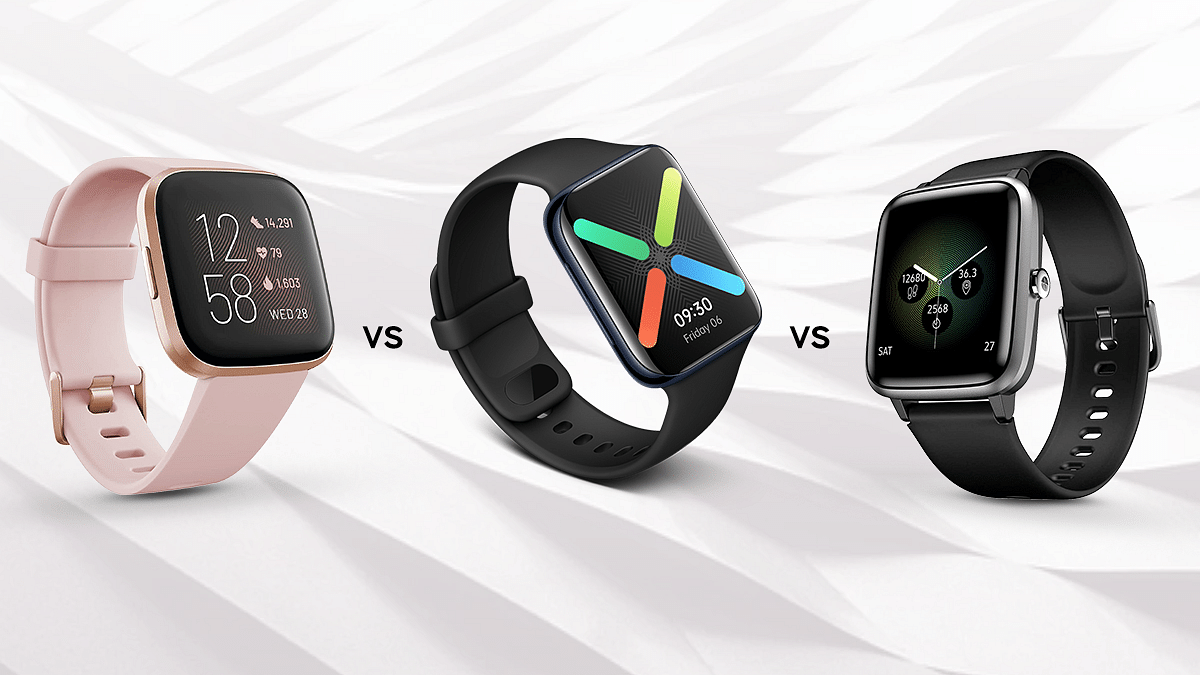
Fitbit Versa 2 Vs OPPO Watch Vs Noise Colorfit Pro 2: Which Smartwatch Wears The Crown?

The requirement for owning a smartwatch is constantly increasing purely due to the convenience that a user is receiving. They allow you to check smartphone messages as well as manage music and keep tabs on your health. You can also track your activities and health with a smartwatch from a number of brands, including Fitbit, OPPO, and Noise.

To assist you in selecting the best smartwatch, we will compare the Fitbit Versa 2, OPPO Watch, and Noise Colorfit Pro 2 in this article. Let’s check out which one you should consider buying:

Design And Display

The face of the Fitbit Versa 2 smartwatch is square and features rounded corners. The band is generally comfortable and the aluminum shell has a good appearance. At this pricing point, the Versa 2’s swim-proofness is a must-have feature.

On the other hand, the OPPO Watch can be mistaken as an imitation of the Apple Watch. The watch is available by the company in two distinct case sizes. While the 46mm model has a dual-curved glass front, the smaller 41mm variant has a flat display.

Moving to the Noise Colorfit Pro 2, it has a simple yet fashionable design. The device is offered in mist grey, teal green, and jet-black colors. The watch has a square touchscreen dial that, when lit up, looks amazing.

In terms of display, the color AMOLED touchscreen on the Fitbit Versa 2 has an attractive appearance. The Versa 2’s settings even allow you to set the display to always-on. While the high-resolution AMOLED display on the OPPO Watch shines brilliantly. Icons beautifully flow off the curved edges and look visually stunning.

Besides, the Noise Colorfit Pro 2 gets 1.3-inch in size with a resolution of 240 x 240 pixels. The display on the Fit Pro is sufficiently bright and offers bright visuals even in sunlight.

Overall, all three watches have a decent design and display. But, the OPPO Watch stands out among the other two in our opinion.

Features And Operating System

The Fitbit Versa 2 is a smartwatch with great features. You can take or discard incoming phone calls on the watch but you cannot make calls from it. It supports swift replies for notifications but only on Android. On the watch, you can also access music streaming services like Spotify or Deezer. You can use the smartwatch to check the weather, set timers, and manage your Echo devices as it supports Amazon’s Alexa.

On the other hand, the OPPO watch is powered by the Qualcomm Snapdragon Wear 3100 processor. It has 1GB of RAM which significantly improves performance. It is compatible with both Android and iPhone smartphones and runs Google’s Wear OS. As for daily activity, it helps you show a breakdown of steps, calories, workout time, and activity sessions throughout the day. The device even ties into a number of OPPO’s watch face complications as well as offers integration with Google Fit.

If we talk about the Noise Colorfit Pro 2, it has a sleep tracking feature that gauges and monitors your sleeping pattern throughout the day. The watch supports physical activities like walking, running, biking, hiking, climbing, treadmill, spinning, and Yoga and the monitoring functions work very well.

Battery And Connectivity

The battery life on the Fitbit Versa 2 is fairly good. It can last two days on a single charge. You can stretch out battery life to even three or maybe four days by disabling the always-on display or turning off push notifications completely.

Moving to the OPPO watch, the battery can last a full day and a bit more which allows for activities such as sleep tracking. On the other hand, the Noise ColorFit Pro 2 comes with a 210mAh battery which is decent for the price. It offers up to 45 days of standby time.

As for connectivity, the Fitbit Versa 2, OPPO Watch, and the Noise ColorFit Pro 2 – all three watches can be paired with an Android smartphone as well as an iPhone.

Price Comparison

The Fitbit Versa 2 is available for around Rs. 15,000 in India. Undoubtedly, it offers an improved display and battery front. No smartwatch comes close to the Versa 2’s battery life or sleep tracking ability at that price. However, its lack of in-built GPS limits its utility a lot. For a premium fitness device, this is an evident oversight.

On the other hand, the OPPO Watch is very well designed and is a full-featured smartwatch running Google’s Wear OS. The 46mm model can be purchased for Rs. 15,999. Besides, the Noise ColorFit Pro 2 price is Rs. 2,599 which is way too low if compared to the other two watches.

The Noise ColorFit Pro 2 is a perfect buy if you are looking for a smart fitness band without shelling out too much money. However, if you can spend more, you can go for the OPPO Watch.
Categories
Comparison Featured Smart Watch

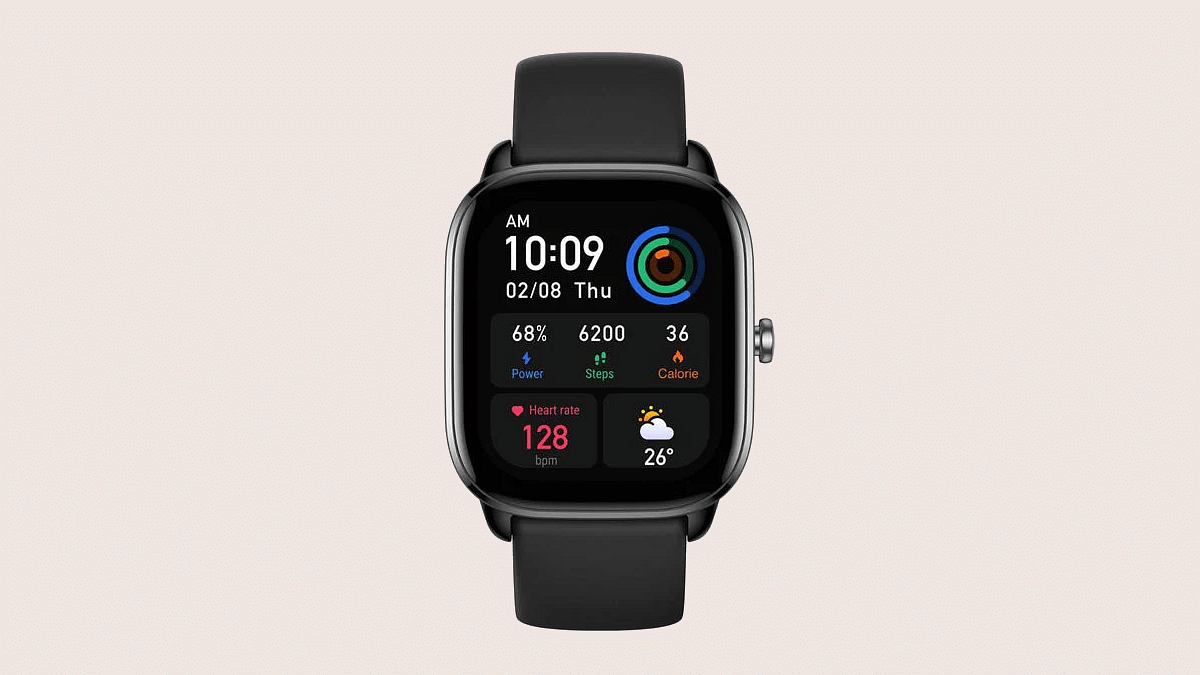
AmazeFit GTS 4 Mini Vs AmazeFit GTS 2 Mini Smartwatch: Which Is The Best Smartwatch In India?

Digital accessories sales have seen a boost in the last few years. Even the smart wearables industry has flourished with several brands competing in the affordable and premium range segment. Fitness bands and smart watches are preferred by the current generation. That’s also because it’s easier to monitor health and keep a track of physical activities on the go. The new age smartwatches also offer voice calling flexibility with Bluetooth.

Amazefit is one of the noted names in the smartwatch industry which is storming the markets with the new-generation Amazefit GTS 4 Mini. This smartwatch has arrived with significant upgrades over the Amazefit GTS 2 Mini including a bigger display, a new firmware, and advanced health features. If you have been planning to buy a new smartwatch and are considering the best available options, then this comparison article will be your guide. We have compared the features and pricing of the AmazeFit GTS 4 and the AmazeFit GTS 2 Mini. Take a look:

AmazeFit GTS 4 Mini Vs AmazeFit GTS 2 Mini: How Does The Display Compare?

The AmazeFit GTS 4 has a big 1.65-inches compared to the 1.55-inches panel on the AmazeFit GTS 2 Mini. However, the display panel is the same on both models, i.e., AMOLED. This high-resolution panel brings out vibrant colors. The screen on both smartwatches is touch-enabled. The scrolling experience will be smooth with the AMOLED display. The display on AmazeFit GTS 4 Mini and the GTS 2 Mini is protected by a tempered glass layer and an anti-fingerprint coating.

AmazeFit GTS 4 Mini Vs AmazeFit GTS 2 Mini: OS Version

The AmazeFit GTS 4 Mini is packed with the latest firmware. It runs on the latest Zepp OS which has advanced features and has been used earlier with high-end models including the AmazeFir GTR 3 and the AmazeFit GTS 3 series. These two premium range smartwatches were introduced back in 2021 in India. On the contrary, the AmazeFir GTS 2 Mini uses the older Amazefir OS. The new Zepp OS that ships with the AmazeFit GTS 4 Mini is more efficient compared to the previous-gen Amazefit OS and offers support for up to 10 mini apps including a calculator, BMI, hydration, and SOS, amongst others.

AmazeFit GTS 4 Mini Vs AmazeFit GTS 2 Mini: Sensors And Features

The AmazeFit GTS 4 Mini has been upgraded majorly on the hardware level. This smartwatch has been released with advanced health tracking features including all-day heart rate tracking, and blood oxygen tracking. It is also capable of monitoring the stress levels on-demand.

The latest GTS 4 Mini model additionally supports 126 different sports modes with up to 7 modes of automatic recognition. On the other hand, the AmazeFit GTS 2 Mini comes with only 68 sports mode. Both smartwatches also have a menstrual health tracking feature.

AmazeFit GTS 4 Mini Vs AmazeFit GTS 2 Mini: Connectivity, Battery

The AmazeFit GTS 4 Mini has a bigger battery compared to the AmazeFit GTS 2 Mini. The GTS 4 Mini us packed with a 270 mAh battery unit that is claimed to offer around 15 days of backup with moderate usage. It is said to last around 8 days with extensive usage.

The AmazeFit GTS 2 Mini runs on a smaller 220 mAh battery unit which delivers around 21 days of backup on the battery saver mode and 14 days of backup with heavy usage. Both smartwatches use Bluetooth technology for wireless pairing with smartphones. The former features Bluetooth 5.2, while the latter uses Bluetooth 5.0 technology.

Categories
Comparison Featured Tablet

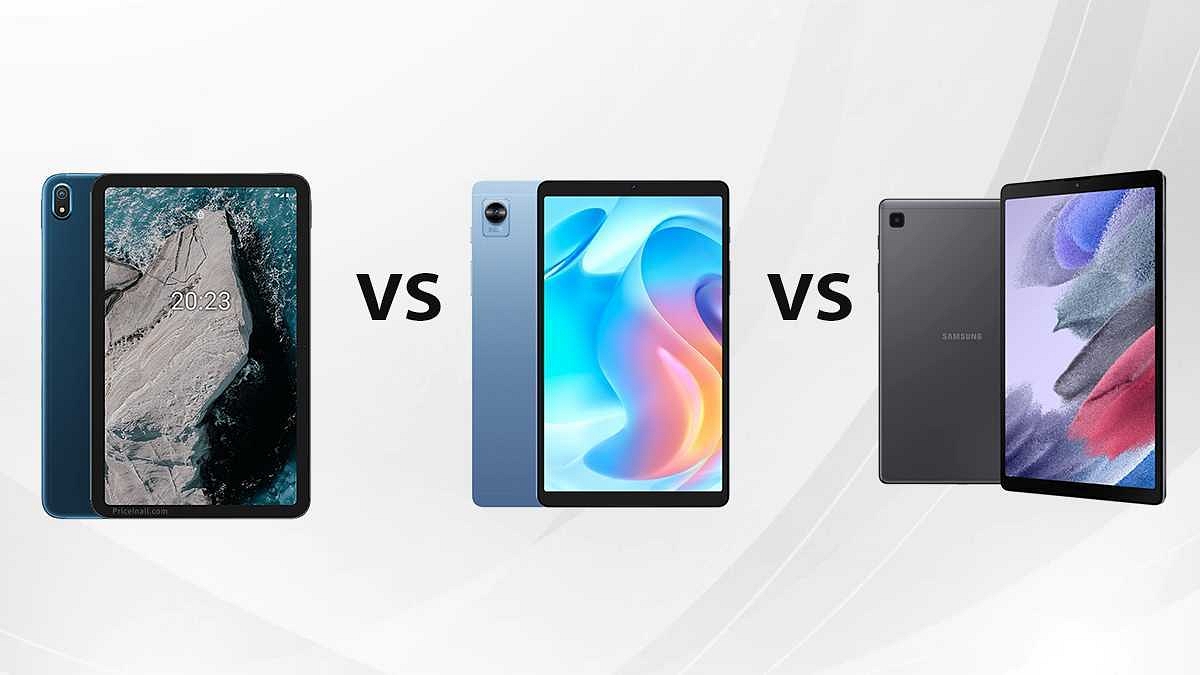
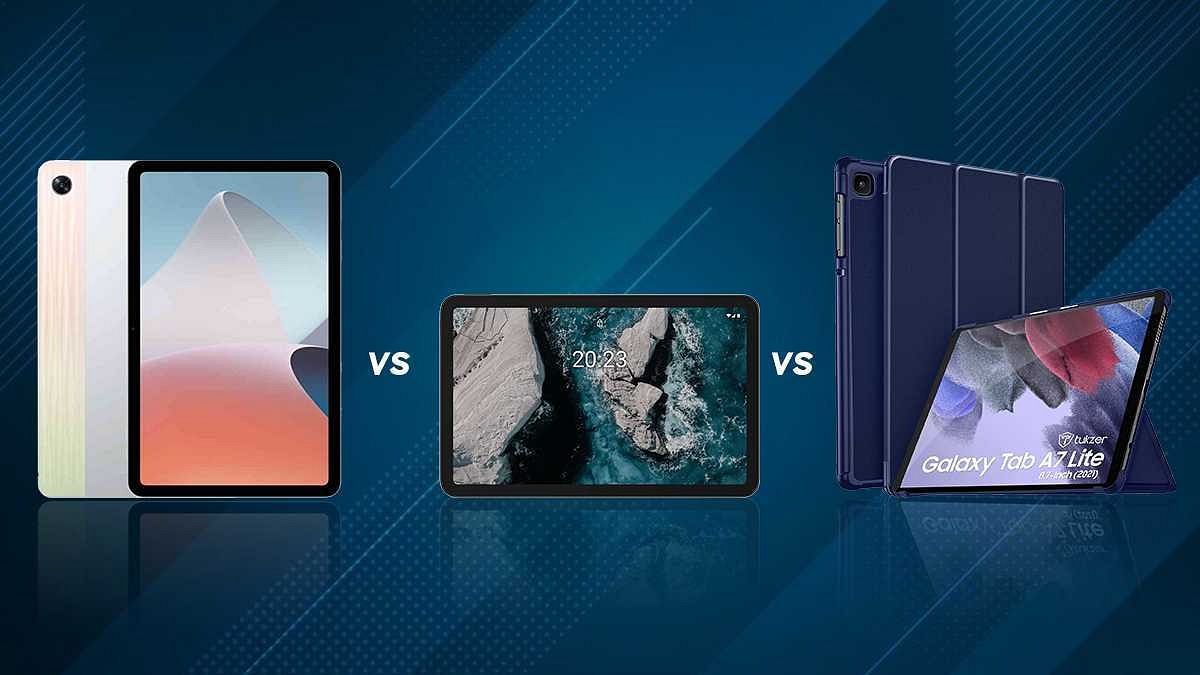
OPPO Pad Air vs Nokia T20 Vs Samsung Galaxy Tab A7: Best Latest Mid-Range Tablet

OPPO after all the wait finally introduced its pocket-friendly Android tablet to the Indian audience. The OPPO Pad Air is the first affordable tablet by the company loaded with mid-range hardware and a sub Rs. 20,000 price tag. The OPPO Pad Air is amongst the few pocket-friendly tablets in India which offer a complete package for its cheaper price tag in the country.

However, we have seen several new tablets in recent times that are a good value-for-money deal in this segment. One of the most latest tablets that goes up against the OPPO Pad Air is the Nokia T20 which also debuted a few months back in the Indian market. We have done several tablet comparison articles in the past few months.

We previously compared the OPPO Pad Air with the Realme Pad, Lenovo Tab P11 Plus, and a bunch of other popular mid-range Android tablets. This time we are pitting down the Pad Air against the Nokia T20 and the Samsung Galaxy Tab A7 both of which are currently the best sellers in the premium mid-range tablet market in India. This full comparison will help clear your confusion about which model should be your next buy.

OPPO Pad Air vs Nokia T20 Vs Samsung Galaxy Tab A7: Display Features

The latest OPPO tablet, i.e., the OPPO Pad Air bestows a large 10.36-inch display which is an IPS LCD panel with 1200 x 2000 pixels screen resolution. The display on the OPPO tablet offers a peak brightness of 360 nits and has a screen-to-body ratio of 80.5 percent. It is a decent panel for all types of content and also gaming.

Moving on to the Nokia T20, is also equipped with a similar 10.4-inch display which is also an IPS LCD similar to the OPPO tablet. The Nokia display offers a 1200 x 2000 pixels screen resolution and is protected by scratch-resistant glass. The bigger screen size along with high-resolution pixels offers the same vivid visuals as the Pad Air tablet. This panel is suitable for watching shows and movies on OTT platforms.

The Samsung Galaxy Tab A7 is almost identical to the remaining two models in terms of display size and specifications. The only primary difference is the TFT LCD panel instead of the IPS LCD. The Galaxy Tab A7 tablet’s panel also measures 10.4-inches with a 1200 x 2000 pixels screen resolution and 79 percent screen-to-body ratio.

You can consider all three models if good display specification is your requirement. The OPPO Pad Air and the Nokia T20 have a slight edge over the Samsung Galaxy Tab A7 with their IPS LCD panel.  But you won’t find any major differences in the display performance on the three tablets. So, even the Samsung Galaxy Tab A7 makes for a safe bet.

OPPO Pad Air Vs Nokia T20 Vs Samsung Galaxy Tab A7: Chipset, Configuration Differences

The OPPO Pad Air uses the octa-core Snapdragon 680 chipset. This is a new-generation Qualcomm mid-range processor which comes with 4G network connectivity and is supported by Adreno 610 GPU to render high-end graphics. The OPPO Pad Air can be purchased with up to 4GB RAM and 64GB storage configuration. It also has expandable memory support in case of a storage crunch.

The Nokia T20 on the other hand uses a Unisoc series processor (Unisoc T610). The budget chipset is designed using a 12nm fabrication process and is combined with Mali-G52 MP2 GPU for graphics. The Nokia mid-range tablet has up to 4GB of RAM for multitasking and 64GB native capacity.  

The Samsung Galaxy Tab A7 is also a Qualcomm Snapdragon chipset-powered tablet for the budget-conscious audience. This tablet is packed with the Snapdragon 662 chipset built on 11nm fabrication. The mid-range Qualcomm processor combined Adreno 610 GPU to handle the graphics.

For multitasking, the Galaxy Tab A7 has up to 4GB RAM and 64GB storage configuration. This tablet model also offers expandable storage support for extra space requirements. In terms of performance, the OPPO Pad Air and the Samsung Galaxy Tab A7 will be the best fit for moderate and extensive usage. The Nokia T20 will be a good daily driver.

OPPO Pad Air Vs Nokia T20 Vs Samsung Galaxy Tab A7: Camera Hardware Comparison

The OPPO Pad Air’s imaging setup is handled by a single 8MP lens with auto focus. This main camera supports 1080p video recording. The big sensor size allows for good clarity in broad daylight situations. You can expect a decent low-light camera performance with the OPPO Pad Air.

The main camera sensor on the remaining two models, i.e., the Nokia T20 and the Samsung Galaxy Tab A7 the same as the OPPO Pad Air and the Nokia T20. The main camera on three models can capture good photos with bright backgrounds. The recording capability is also the same, i.e., 1080p.

As for the selfie camera, the Nokia T20 and the OPPO Pad Air feature the same 5MP snapper, whereas the Samsung Galaxy Tab A7 has a smaller 2MP selfie lens.

OPPO Pad Air Vs Nokia T20 Vs Samsung Galaxy Tab A7: Battery, Fast Charging Speeds

The OPPO Pas Air employs a 7,100 mAh battery unit for power delivery. It comes with 18W fast charging. On the other hand, the Nokia T20 is equipped with an 8,200 mAH battery along with 15W fast charging support. The Samsung Galaxy Tab A7 uses a 7,040 mAh battery with 15W fast charging technology.

OPPO Pad Air Vs Nokia T20 Vs Samsung Galaxy Tab A7: Which One To Buy?

Out of all three models, the OPPO Pad Air is the latest and has the most powerful processor compared to the remaining two models. However, all three models are good for general performance and fit well as a daily driver.

Categories
Comparison Featured TV

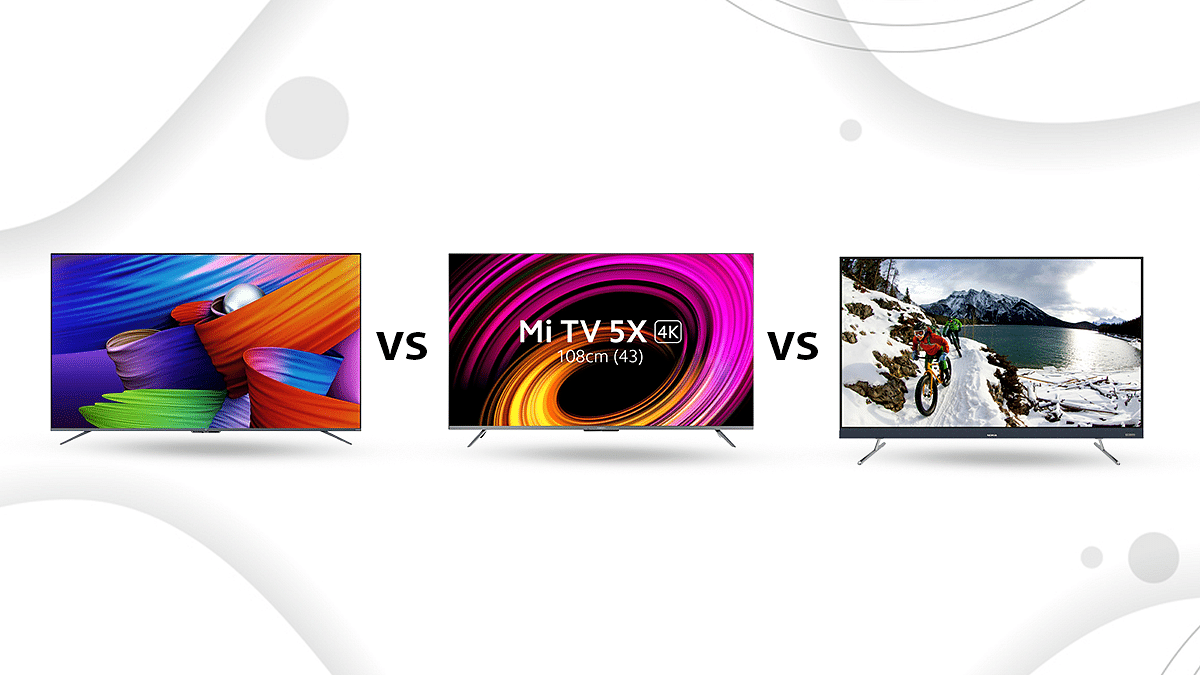
OnePlus U1S LED 4K TV Vs Xiaomi Mi TV 5X LED 4K TV Vs Nokia 50UHDADNVVGE LED 4K TV: Which Is Better?

With the rising craze for smart TVs, many popular brands are entering the market with high-end devices. The 50-inch is a popular TV size as they offer a great balance between performance, screen size, and price. However, every TV is not the same, and selecting the best out of crowded options is definitely a hard job.

The Nokia 50UHDADNVVGE LED 4K TV was unveiled in the market with many great features. But it faces stiff competition from the OnePlus U1S LED 4K TV and the Xiaomi Mi TV 5X LED 4K TV. So, if you too are confused about which one to go for, we are here to help you decide. In this post, we have compared these three 50-inch LED TVs that will make your purchase easier.

Design And Display

The OnePlus 50 U1S sports a near bezel-less design. The TV isn’t too thick nor too heavy. The grey bottom bezel has a trapezoid chin that hosts a bunch of LEDs and receivers for far-field mics along with a pair of power LEDs that look good.

On the other hand, the Xiaomi Mi TV 5X LED 4K TV has about 2cm thick bezels along the top, left, and right edges of the display. A thicker metal strip runs along the bottom of the display and has got the Xiaomi logo in between.

If we talk about the Nokia 50UHDADNVVGE LED 4K TV, it looks pretty good. It has a soft matte finish that looks more premium than its competitors. It has a sturdy design and its steel finish table top pegs look upmarket. The TV is lightweight and easy to set up, and the broad chin gives it a premium overall design.

Coming to the display, the OnePlus TV 50 U1S has a 50-inch panel with an Ultra HD resolution of 3840 x 2160 pixels and a 60Hz refresh rate. It can display over a billion shades and has a wide color gamut. However, the absence of Dolby Vision support is a notable omission.

Moving to the Xiaomi Mi TV 5X LED 4K TV, Xiaomi claims that it has added all the popular HDR codecs to this TV. Its display has a 10-bit color depth with 94% DCI-P3 for more and truer colors.

The Nokia TV’s LED-backlit LCD display supports a resolution of 4K, 3840 x 2160 pixels, and has a refresh rate of 60Hz. It has an aspect ratio of 16:9 and a 178-degree wide horizontal viewing angle.

OS And Features

The OnePlus 50 U1S runs the official Android TV OS and has a stock user interface. You have a row of installed apps. Other rows show the most recently watched or recommended content from different OTT services.

The Xiaomi Mi TV 5X LED 4K TV runs the company’s own PatchWall 4 UI that gives you IMDB ratings of the movies and TV shows. When it comes to the UI, it is a nice little addition. The UI can be managed with the aid of far-field microphones.

The Nokia TV runs on Android TV 9.0. It features a host of customization from Nokia’s end to better tune the image quality and the overall user experience.

Dolby Atmos is available on the OnePlus 50 U1S via HDMI passthrough. It includes Chromecast built-in, much like all certified Android TVs, allowing you to cast content to the TV from compatible apps on your phone or tablet. Besides, the sound output is rated at 30W RMS with support for Dolby Audio which is available via HDMI passthrough.

On the other hand, the Xiaomi Mi TV 5X LED 4K TV comes with 40W stereo speakers with Dolby Atmos support and with a bigger speaker cavity. Five sound settings are available: Standard, Movie, News, Game, and Custom. Besides, three HDMI 2.1 ports allow you to connect your PC or gaming console and enjoy big-screen gaming.

As part of its smart features, the Nokia 50UHDADNVVGE LED 4K TV gets access to OTT apps like Yes, Netflix, Prime Video, Disney+Hotstar, and YouTube. Along with other smart features like Android, the TV depends on a quad-core. Additionally, users receive RF remote control.

The TVs feature an integrated range of speakers designed in a sound bar form factor, with Japanese home audio brand Onkyo’s name featuring on the soundbar. The system has 48W of audio power including 18W tweeters and a 30W “QuatroX” speaker. The speakers further have Dolby Audio and Onkyo surround sound certification.

Verdict

The OnePlus 50 U1S can be purchased at Rs. 38,999. Although this TV offers a few extra features like far-field microphones and decent audio. But, similar-sized Dolby Vision-compliant TVs can be purchased for less than Rs. 35,000.

On the other hand, the Xiaomi Mi TV 5X LED 4K TV, which is priced at Rs. 38,999, is a decent TV when it comes to picture and sound quality. While the Nokia 50UHDADNVVGE LED 4K TV has a vast array of software features that give plenty of convenience at Rs. 33,999.

However, in our opinion, Xiaomi boasts a better brand cache and robust customer service network. So, if you are looking for a new TV, you can go with the Xiaomi Mi TV 5X LED 4K TV.

Categories
Chipset Comparison

MediaTek Dimensity 9000 Vs Snapdragon 8 Gen 1 Processor: Which Is Better?

After launching chipsets for affordable and mid-range smartphones, MediaTek has recently launched Dimensity 9000 processor that has been used in the Vivo X80 5G smartphone. The same chipset is expected to be available on the OnePlus Nord 3 5G, Xiaomi Redmi K50 5G, OnePlus 10 5G, and more.

It is worth noting that the chipset maker has already launched Dimensity 9000 Plus, but today we will are comparing MediaTek 9000 and Snapdragon 8 Gen 1 which is available in the OnePlus 10 Pro, Samsung Galaxy S22 Ultra 5G.

MediaTek Dimensity 9000 Processor Vs Snapdragon 8 Gen 1 Processor: Details

MediaTek Dimensity 9000 and Snapdragon 8 Gen 1 Processor comes with a 1 + 3 + 4 core configuration. Besides, MediaTek said that the chipset provides a 35 percent performance boost and 37 percent increase in efficiency as against Qualcomm 888 processor.

On the other hand, Qualcomm said that the chipset provides 20 percent faster performance and 30 percent power saving. However, MediaTek offers a clock-frequency advantage. In addition, the cores on the MediaTek Dimensity 9000 and Snapdragon 8 Gen 1 processor manage to log 1.8Ghz frequency; however, both chipsets come with different performances.

On the gaming front, the Snapdragon 8 Gen 1 comes with true 10-bit HDR gaming, Elite Gaming, dedicated Frame Motion Engine, and volumetric rendering. The Dimensity 9000 processor has raytracing SDK that is known for increasing graphic visuals while playing games.

Categories
Comparison Featured Tablet

Nokia T20 Vs Realme Pad Mini Vs Samsung Galaxy A7 Lite: Budget Tablet Specification Comparison

The budget tablet market in India is frequently getting revamped with new products. A major contribution is now coming in from smartphone OEMs. Nokia has also forayed into the tablet market and released many models including the Nokia T20 in India. Similarly, Realme has also launched two tablet models in the country for the mid-range and budget audience. For the latter, it’s the Realme Pad Mini which retails under Rs. 15,000 in the country. Going up against both these tablets is the Samsung Galaxy A7 Lite. We have done a full comparison of all three models in this article to help you with your next buy.

Nokia T20 Vs Realme Pad Mini Vs Samsung Galaxy Tab A7 Lite: Display Comparison

The Nokia T20 uses a 10.4-inches display which has a screen-to-body ratio of 78.9 percent and a pixel density of 224 PPI. The panel on the Nokia tablet is an IPS LCD that supports 1200 x 1200 pixels screen resolution and has 400 nits peak brightness levels.

The Realme Pad Mini features a smaller 8.7-inches screen which is also an LCD panel like the Nokia tablet. The display on the Realme Pad Mini has a lower screen resolution compared to the Nokia tablet. It offers 800 x 1340 pixels resolution and 179 PPI pixel density.

The Samsung Galaxy Tab A7 Lite has a similar 8.7-inch display but uses a TFT LCD instead of an IPS LCD. The Galaxy Tab A7 Lite’s screen support 800 x 1340 pixel resolution and has the same 179 PPI pixel density as the Realme Pad Mini. If your requirement is a bigger screen size and higher pixel resolution then the Nokia T20 would be the better model among the two.

Nokia T20 Vs Realme Pad Mini Vs Samsung Galaxy Tab A7 Lite: Chipset, Configuration

The Nokia T20 has been packed with the Unisoc T610 processor which is an entry-level mobile chipset based that supports 4G network support and is built on a 12nm fabrication process. The octa-core Unisoc processor on the Nokia T20 is supported by the Mali-G52 GPU for graphic rendering and 3GB/4GB RAM for multitasking. The Nokia T20 can be purchased with up to 64GB of internal storage. It has a dedicated microSD card slot for storage expansion in case of a crunch.

Realme has also used a Unisoc processor to power its budget tablet. The Realme Pad Mini is powered by the octa-core Unisoc Tiger T616 chipset which is also built on a 12nm fabrication process. The Realme Pad Mini comes with up to 4GB RAM and 64GB storage configuration and has a hybrid SIM slot for extra storage space.

Samsung on the contrary has equipped the Galaxy Tab A7 Lite with the octa-core MediaTek Helio P22T processor. This budget chipset is fabricated using a 12nm process like the remaining two models. The Galaxy Tab A7 Lite’s octa-core processor has PowerVR GE8320 GPU support and up to 4GB RAM and 64GB storage support. The performance delivery will be the same on all these tablets. You will be able to use it for basic as well as moderate tasks.

Nokia T20 Vs Realme Pad Mini Vs Samsung Galaxy Tab A7 Lite: Camera Comparison

The primary camera on the Realme Pad Mini, Samsung Galaxy Tab A7 Lite, and the Nokia T20 are the same. All three tablets offer an 8MP main camera with an f/2.0 aperture. The selfie snapper is identical to the Realme Pad Mini and the Nokia T20, i.e., a 5MP lens. However, the Samsung Galaxy Tab A7 Lite has a smaller 2MP sensor.

Nokia T20 Vs Realme Pad Mini Vs Samsung Galaxy Tab A7 Lite: Battery, Fast Charging

The Nokia T20 is a powerful beast with an 8,200 mAh battery unit with 15W fast charging. The Realme Pad Mini comes second in the list with a slightly smaller 6,400 mAh battery unit. On the other hand, the Samsung Galaxy Tab A7 Lite features the smallest battery capacity in this list, i.e., a 5100 mAh unit.

Categories
Comparison Featured Tablet

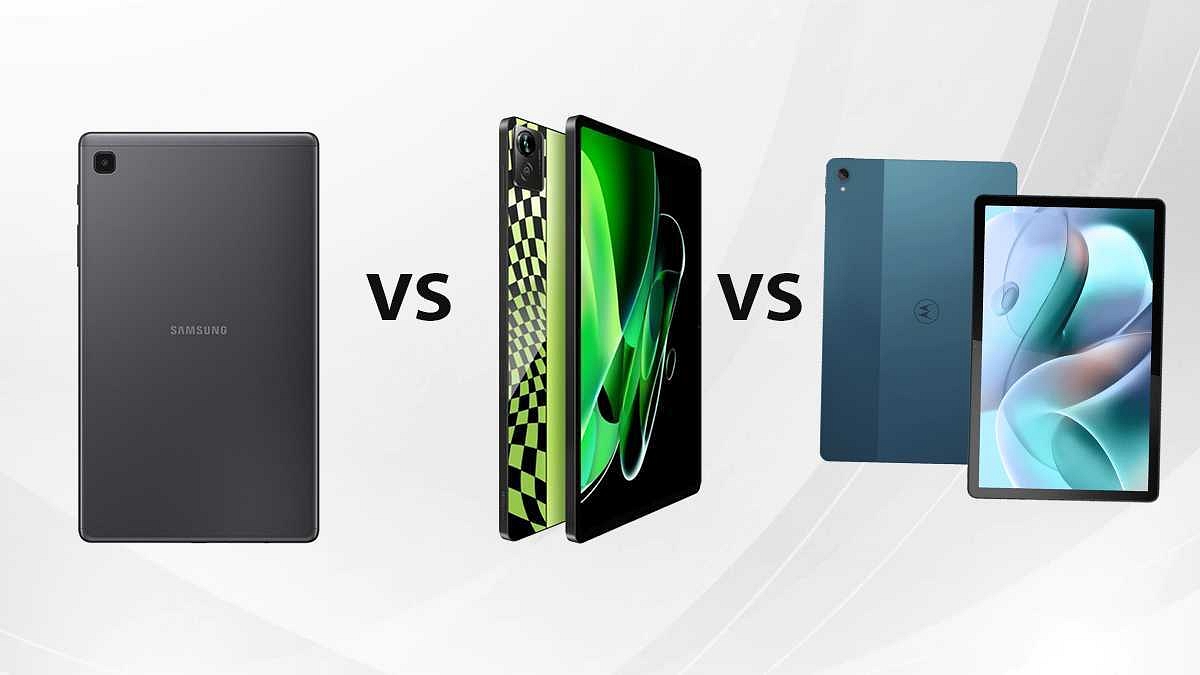
Samsung Galaxy Tab A8 Vs Moto Tab G70 Vs Realme Pad X 5G: Which One To Buy?

The tablet industry has seen major growth in the Indian market. The surge has been evident with the smartphone OEMs venturing into this segment. We have been comparing the best tablets in all the price categories that you can consider depending on your usage. In this article as well, we are comparing some of the most popular tablets with premium mid-range hardware. We have listed down the hardware differences between the Samsung Galaxy Tab A8, Moto Tab G70, and the Realme Pad X 5G.

Samsung Galaxy Tab A8 Vs Moto Tab G70 Vs Realme Pad X 5G: Display Specifications

The Samsung Galaxy Tab A8 bestows a TFT screen that measures 10.4-inches and supports 1200 x 2000 pixels screen resolution. The tall screen size is apt for high-resolution video playback. The Realme Pad X 5G features a similar-sized panel as the Samsung tablet. This Realme tablet is packed with a 10.6-inch screen which has an aspect ratio of 5:3 and a screen-to-body ratio of 7.4 percent.

Motorola has also used an IPS LCD screen on the Tab G70 which has an aspect ratio of 5:3 and a screen-to-body ratio of 81.8 percent. The Motorola tablets support a 2K resolution of 1200 x 2000 pixels which is optimum for content consumption. The Realme Pad X 5G and the Moto Tab G70 offer a good panel for daily usage, while the Samsung Galaxy Tab A8’s display is also decent for day-to-day use.

Samsung Galaxy Tab A8 Vs Moto Tab G70 Vs Realme Pad X 5G: Chipset, Configuration Details

The Motorola Tab G70 is packed with the MediaTek MT6785 processor. For the unaware, this MediaTek processor is marketed as the Helio G90T chipset which is built on a 12nm fabrication process. This is a game-centric processor that has Adreno 619 GPU support that can handle extensive tasks and games. This Motorola tablet is packed with up to 4GB RAM and 64GB storage configuration and also has a dedicated slot for storage expansion and dual microSD card support.

The Realme Pad X 5G features the Qualcomm Snapdragon 695 processor which supports 5G network and is built on a 6nm process. The octa-core 5G processor supports Adreno 619 GPU to render all the high-end graphics. This Realme 5G tablet comes with a 4GB/ 6GB RAM configuration and 64GB/ 128GB storage. This tablet also comes with expandable storage support.

Samsung has also used a Qualcomm chipset to drive the Galaxy Tab A8. This tablet is packed with the octa-core Snapdragon 662 chipset which is based on an 11nm process and supports standard 4G network connectivity. The Galaxy Tab A8’s octa-core processor combines Adreno 610 GPU for graphics.

And for multitasking, the Galaxy Tab A8 offers 3GB and 4GB RAM and 32GB and 64GB storage options. The option to support an external microSD card for additional space is also present here. All three tablet models in this list are suitable for users for daily use. However, if you require a future-ready tablet that is 5G ready, the Realme Pad X 5G would be the ideal pick.

Samsung Galaxy Tab A8 Vs Moto Tab G70 Vs Realme Pad X 5G: Camera Hardware

Speaking of the camera hardware, the Samsung Galaxy Tab A8 is the only model in this list that features basic camera hardware. The rear panel on the Galaxy Tab A8 comprises a single 8MP lens with autofocus and 1080p@30fps video recording. On the other hand, both Motorola Moto Tab G70 and the Realme Pad X 5G feature the same camera specifications. The primary camera on both these tablets includes a 13MP lens with an f/2.2 aperture and autofocus support. Both these tablets also record 1080p videos at 30fps.

Moving on to the selfie snapper, the Samsung Galaxy Tab A8 has a smaller 5MP lens for selfies and video chats. On the other hand, both Realme Pad X 5G and the Moto Tab G70 flaunt an 8MP selfie camera with an f/2.0 aperture. For better output, you should opt for the latter two models.

Samsung Galaxy Tab A8 Vs Moto Tab G70 Vs Realme Pad X 5G: Battery, Fast Charging Capacity

In terms of battery capacity, the Realme Pad X 5G is the most powerful model. Realme has packed the Pad X 5G with a beefy 8,340 mAh battery unit which combines 33W fast charging for faster refuels. The Moto Tab G70 is the next in line with a 7,700 mAh battery unit and 20W fast charging. Lastly, the Samsung Galaxy Tab A8 offers a slightly small 7,040 mAh battery unit aided by 15W fast charging technology.

Categories
Comparison Featured Mobile

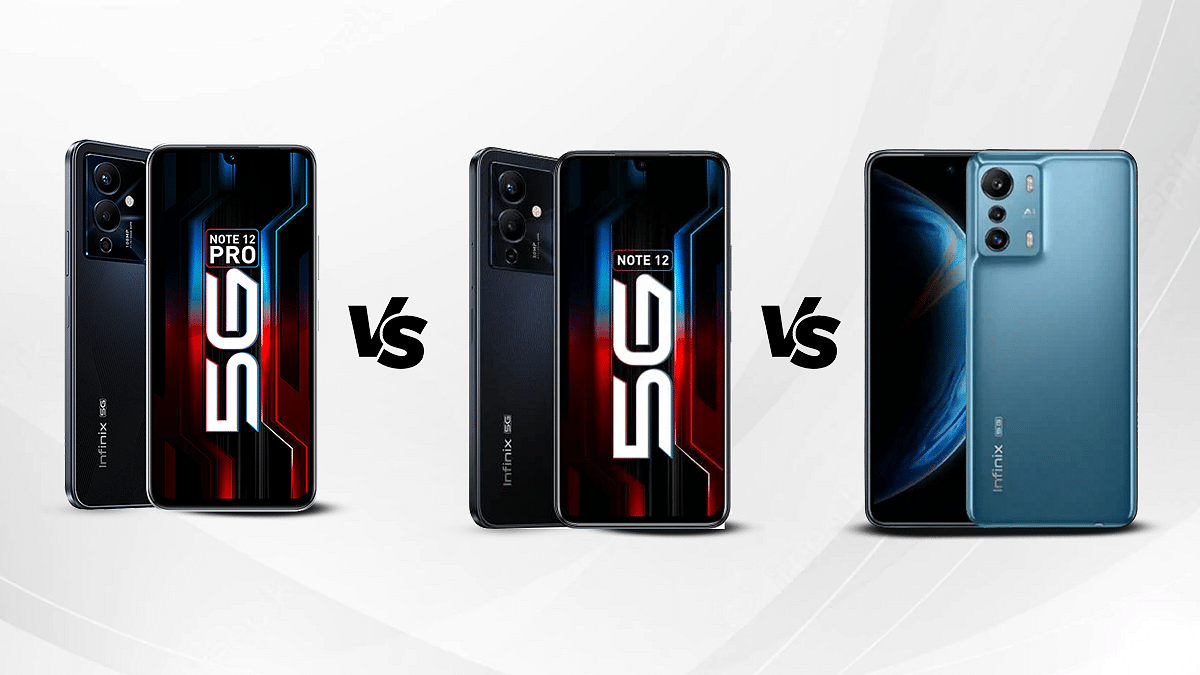
Infinix 12 Pro 5G Vs Infinix Note 12 5G Vs Infinix Zero 5G: Quick Specification Comparison

Infinix launched two smartphones on Friday ( July 8). The Infinix Note 12 12 5G and the Infinix 12 Pro 5G come with 5G connectivity. The Infinix Note 12 Pro 5G is priced at 17,999, whereas Note 12 5G will cost you Rs. 14,999 in India. Plus, the company has a Zero 5G device in the 5G segment, which is why we are comparing the specifications of all three devices. So, you can choose wisely.

Infinix 12 Pro 5G Vs Infinix Note 12 5G Vs Infinix Zero 5G: Specifications And Features

The Infinix Note 12 Pro 5G comes with a 6.7-inch full HD+ AMOLED display along with a 180Hz touch sampling ratio, 700 nits of peak brightness, screen resolution of 1,080×2,400 pixels, and Gorilla Glass 3 protection. It also has AG Matte Finish on the back panel.

On the other hand, the Infinix Note 12 5G 6.7-inch full HD+ AMOLED display along with 700 nits of peak brightness, a 180Hz touch sampling ratio, and Gorilla Glass 3 protection. The Infinix Zero 5G sports a 6.78-inch Full HD+ LCD display, 120Hz refresh rate, and 1080×2460 pixels resolution.

The Infinix Note 12 Pro 5G is powered by the 6nm MediaTek Dimensity 810 5G processor that is paired with MediaTek HyperEngine 2.0. The device has 8GB of LPDDR4x RAM and 13GB of dynamic RAM and 128GB of UFS2.2 storage space.

The Infinix Note 12 5G is powered by the 6nm MediaTek Dimensity 810 5G chipset, which is paired with 6GB of LPDDR4x RA and 64GB of UFS2.2 storage space, and 9GB of dynamic RAM.

The Infinix Zero 5G comes with a MediaTek Dimensity 900 processor, which is a 5G chipset. It is available in one variant that has 8GB of RAM and 128GB of storage, which can be expandable up to 256GB.

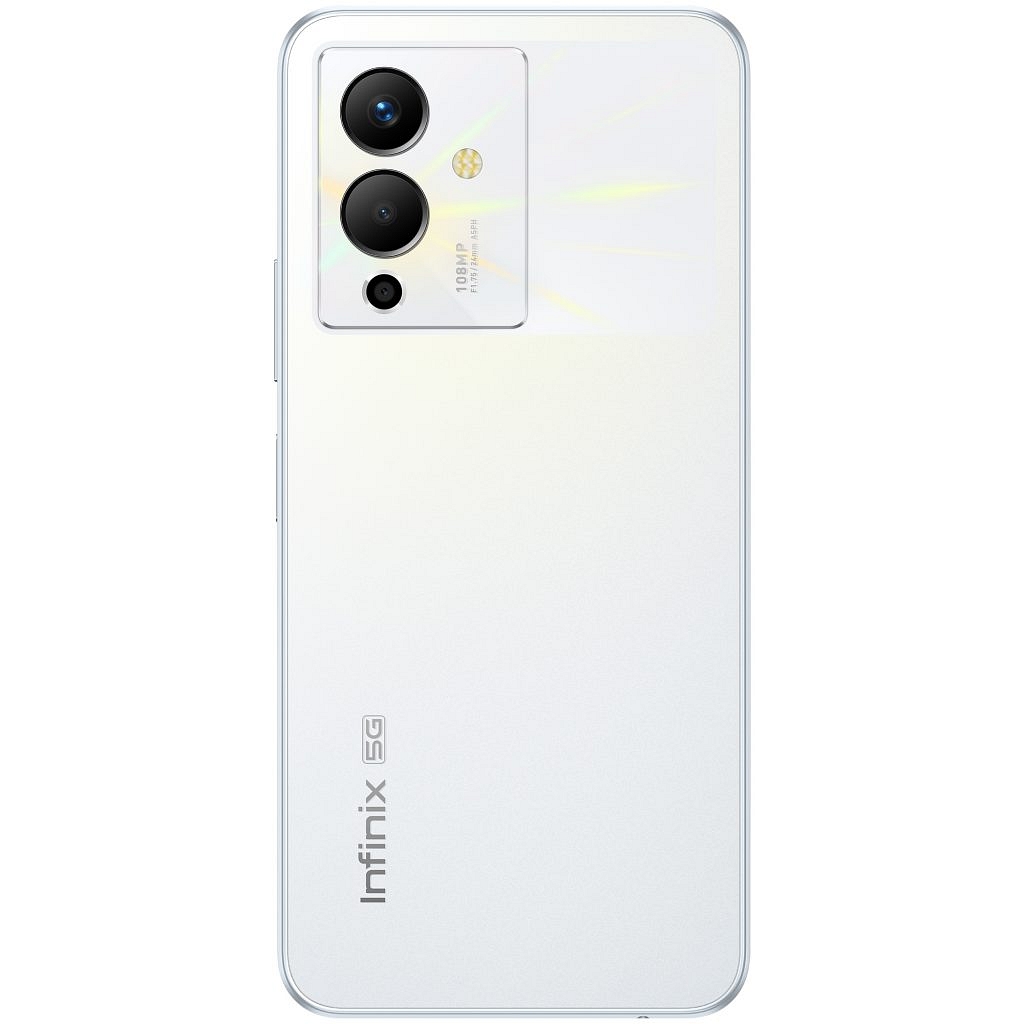
On the imaging front, the device has a triple camera set up at the back, including a 108MP primary camera, Quad-LED flash, and a 16MP selfie camera with dual-LED flash. Plus, you will find a 5,000mAh battery along with a 33W Type-C fast charger and DTS Surround system.

The Infinix Note 12 5G features a triple camera at the back, including a 50MP along with Quad-LED flash, and a 16MP camera at the front with dual-LED flash. On the battery front, the device supports a 5,000mAh battery along with 33W Type-C fast charger technology.

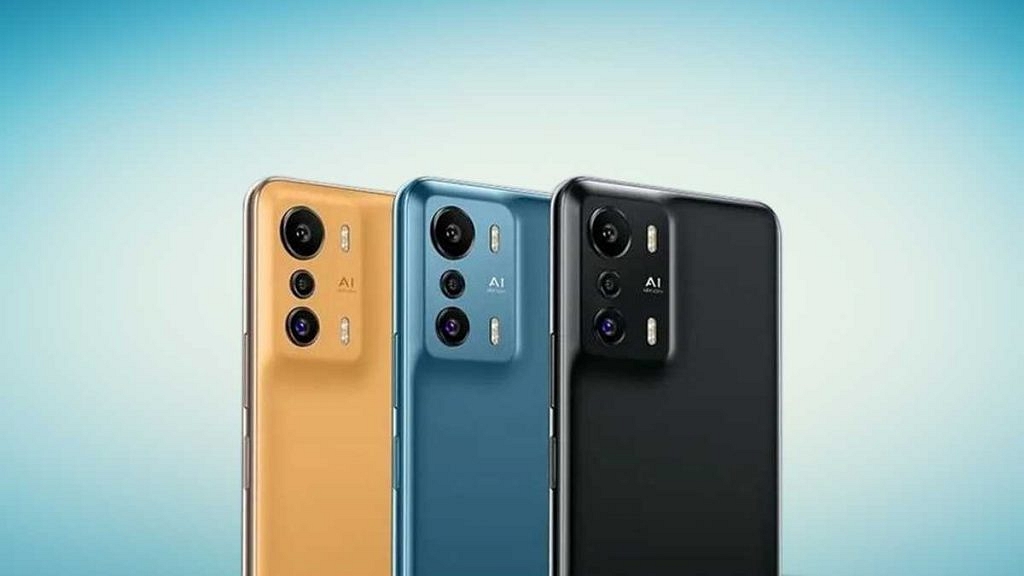
Similarly, Infinix Zero 5G features a triple camera to the back, including a 48MP primary sensor, which offers a 30x zoom option. It also has 13MP and 2MP senors. You will also find a 16MP camera on the front for selfies and video calls. The primary camera also allows you to shoot 4K videos.

Infinix 12 Pro 5G Vs Infinix Note 12 5G Vs Infinix Zero 5G: Price

The Infinix Note 12 Pro 5G will be priced at Rs. 17,999, whereas the Infinix Note 12 5G will cost you Rs. 14,999 in the country. Both smartphones will be available on Flipkart from July 14, while Infinix Zero 5G is already available on Flipkart for Rs. 18,999.

Categories
Comparison Featured Tablet

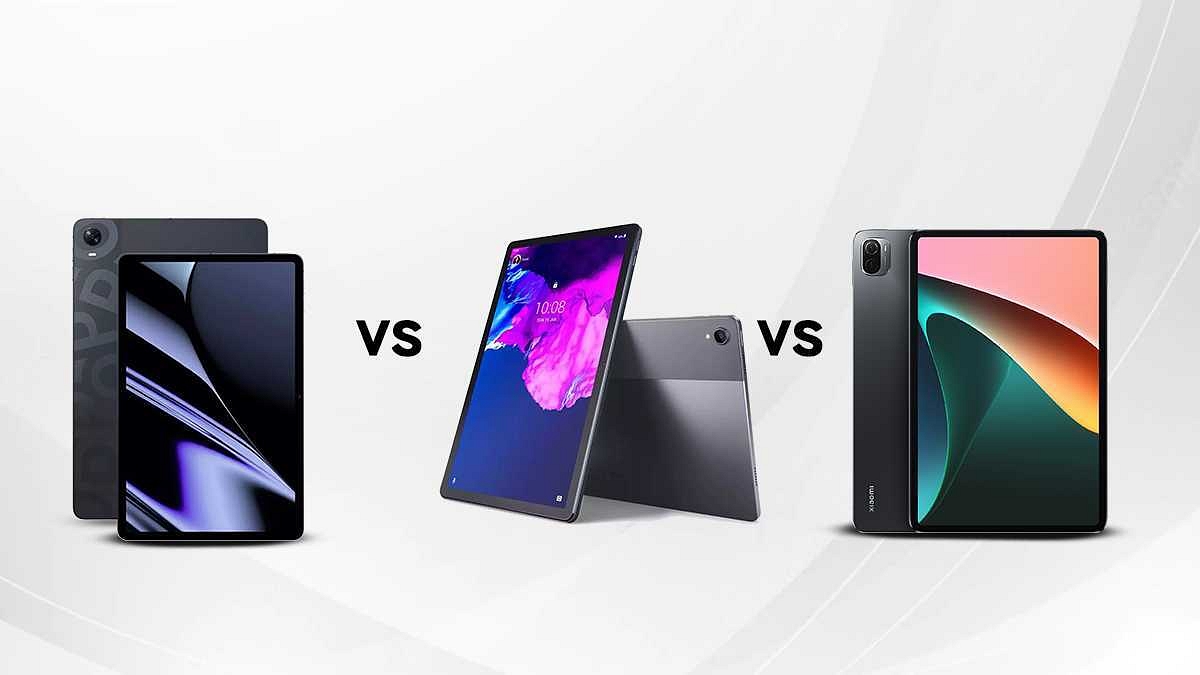
OPPO Pad Vs Lenovo Tab P11 Plus Vs Xiaomi Pad 5: Mid-Range Android Tablet Comparison

Several smartphone OEMs have forayed into the tablet market in the last few years. OPPO, Realme, Xiaomi, and others are amongst the latest brands in the tablet market that are currently competing against the existing players. Lenovo is one of the major players in the tablet industry which recently expanded its portfolio in this space with the Tab P11 Plus.

The latest Lenovo Tab P series tablet is going up against the likes of the OPPO Pad and the Xiaomi Pad 5 with its mid-range hardware. We are doing a spec-sheet-based comparison between all three models so that you can consider the best next tablet buy for you.

OPPO Pad Vs Lenovo Tab P11 Plus Vs Xiaomi Pad 5: Display Features

The OPPO Pad flaunts a tall 11-inch IPS LCD screen with an 84.9 percent screen-to-body ratio. The display on the OPPO tablet renders a 2K resolution of 1600 x 2560 pixels and has an aspect ratio of 16:10. This advanced panel also features a 120Hz refresh rate which allows for smooth frame transitions with every type of content.

The Lenovo Tab P11 Plus has also been announced with an IPS LCD screen that measures the same as the OPPO tablet, i.e., 11-inches. The panel comes with a 1200 x 2000 pixels screen resolution (slightly lower compared to the OPPO Pad tablet). The refresh rate is also higher on the OPPO model.  

You get an identical display on Xiaomi Pad 5 tablet as the OPPO Pad. The 11-inch IPS LCD screen flaunts a 120Hz refresh rate and a 2K resolution of 1600 x 2560 pixels. The display is HDR 10 certified that lets you consume 1080p content on OTT platforms including Netflix and Amazon Prime videos. All three tablets offer a premium watching experience with big screen size and higher resolution/refresh rate.

OPPO Pad Vs Lenovo Tab P11 Plus Vs Xiaomi Pad 5: Chipset Comparison

The chipset and configuration are the same on the OPPO Pad and the Xiaomi Pad 5. Both these Android tablets are packed with an octa-core Snapdragon 870 chipset. This is a premium mid-tier Qualcomm processor which comes with 5G network support and is suitable for high-end gaming. The OPPO Pad can be purchased with 6GB/ 8GB RAM and 128GB/ 256GB storage option.

 However, the Xiaomi Pad 5 only has a single 6GB RAM option which is clubbed with 128GB and 256GB storage configurations. As for the Lenovo Tab P11 Plus, this tablet is driven by a MediaTek gaming processor instead of a Qualcomm chipset like the OPPO and Xiaomi tablets. The chipset used is the MediaTek Helio G90T processor. The configuration here is lower compared to the remaining two models. The Tab P11 Plus is launched with 4GB/ 6GB RAM and 64GB/128GB storage space.

OPPO Pad Vs Lenovo Tab P11 Plus Vs Xiaomi Pad 5: Camera specification Comparison

While most of the hardware features are different on all three tablets, the camera specifications are identical. The OPPO Pad tablet comes with a 13MP main camera which is a wide AF lens that can record 1080p@30fps videos. The same is the case with the Lenovo Tab P11 Plus and the Xiaomi Pad 5. Both these tablets are equipped with a 13MP main camera at the back that is capable of shooting 1080p videos at 30 fps. You can expect a good daylight photography experience on all three OPPO, Xiaomi, and Lenovo tablets.

For selfies and video calls, the OPPO Pad, Lenovo Tab P11 Plus, and the Xiaomi Pad 5 use an 8MP snapper with an f/2.0 aperture. This is a decent setup for self-portraits and you’ll easily be able to flaunt your selfies and social media portals.

OPPO Pad Vs Lenovo Tab P11 Plus Vs Xiaomi Pad 5: Battery, Fast Charging

If you want the biggest battery setup, the Xiaomi Pad 5 will be the best suit. This tablet is packed with an 8,720 mAh battery unit. This tablet also features 33W fast charging so you aren’t stranded in case of emergencies and can refuel it quickly. The OPPO Pad follows with an 8,360 mAh battery unit. The OPPO tablet also features the same 33W fast charging as the Xiaomi tablet for quick backup. Lastly, the Lenovo Tab P11 Plus offers a slightly smaller 7,700 mAh battery unit which is aided by 20W fast charging.

Categories
Comparison Featured TV

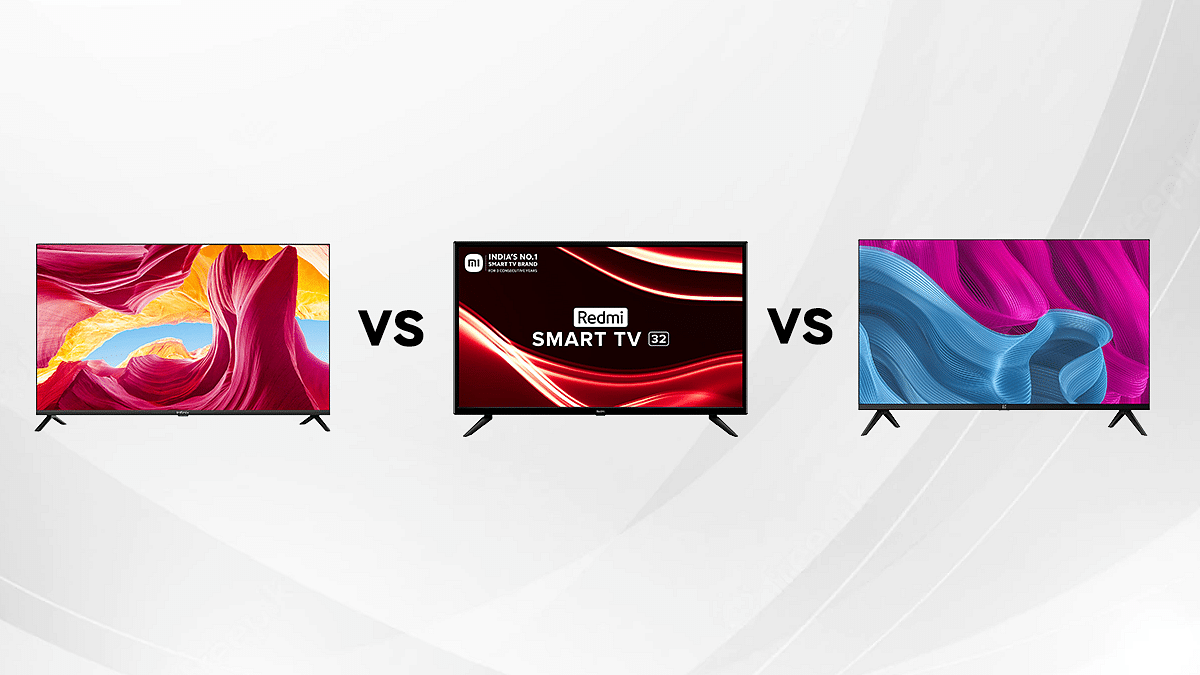
Infinix Y1 HD Smart TV Vs Redmi HD Ready LED Android Smart TV Vs OnePlus Y-Series HD Android TV: Best Affordable Smart TV?

Television is an essential part of the majority of Indian houses. Therefore, consumers want to make the best decision possible when making such a significant purchase. The smart TV market is growing quickly to meet customer demand, and companies like OnePlus, Xiaomi, and others are vying for market share.

Soon, Infinix will introduce the “Infinix Y1 32-inch,” a new, cost-effective smart TV in the Indian market. The Infinix Y1 will have a pretty aggressive retail price for a smart TV. The upcoming TV will be in direct competition with the OnePlus Y-Series HD Android TV and the Redmi HD Ready LED Android Smart TV.

So, if you’re searching for India’s top television brand but aren’t sure which one to choose, you have come to the right spot. We will help you decide which smart TV to go for in this comparison article. Let’s check it out:

Design And Display

Let’s talk about the design first. The upcoming Infinix 32 Y1 HD smart TV, as per the Flipkart microsite, is seen with a bezel-less display. It has the company’s branding located in the center of the bottom bezel. On the other hand, the Redmi HD Ready LED Android Smart TV is neither too sleek nor too thick. It has a black frame on all four sides and a plastic body.

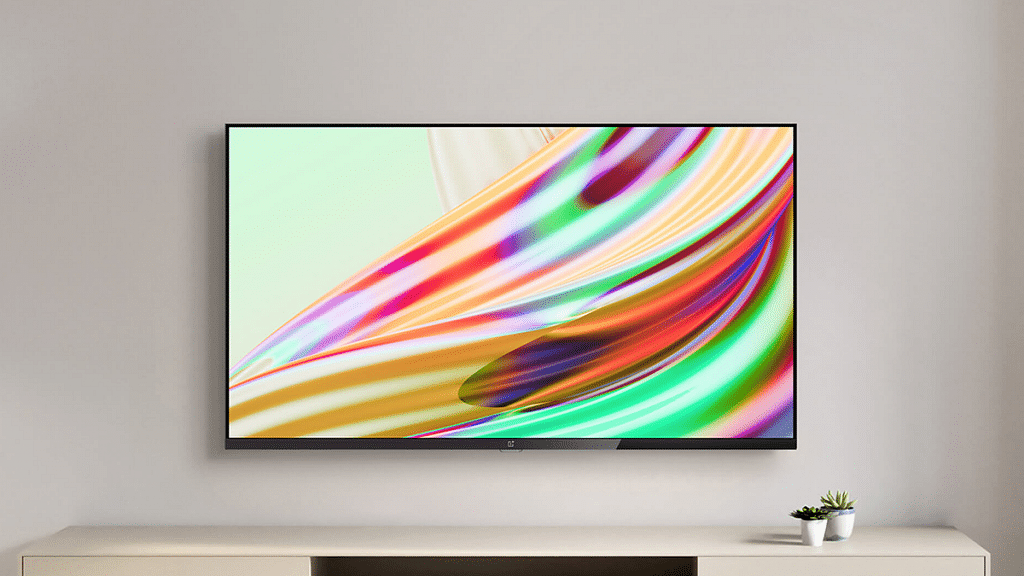
Coming to OnePlus, the Y-Series HD Android Smart TV comes with bezel-less panels. This maximizes the display space of the TV. This creates an immersive viewing experience.

In terms of display, the Infinix Y1 HD smart TV will come with a 32-inch display panel that will be rated HD+ resolution. No other information regarding its design has been revealed yet.

Besides, the 32-inch display of the Redmi Android Smart TV is HD-ready with 178-degree viewing angles and a Vivid Picture Engine. This is Xiaomi’s image processing algorithm that produces excellent colors, depth, and contrast on TV displays. It can display up to 16 million different colors. Moreover, Xiaomi has added custom picture controls for more granular control over settings which claims to be a ‘first in its segment.’

Moving to the OnePlus Y-series HD Android smart TV, the product has a bright 32-inch screen size that comes equipped with an HD display. It comes equipped with panels that boast a 93 DCI-P3 percent and an 83 percent NTSC color gamut. This will result in impressive picture quality and to-the-point color accuracy.

For TVs as affordable as the OnePlus TV 32 Y1, this is an impressive feature that makes it better than Redmi HD Ready LED Android Smart TV and Infinix Y1 HD smart TV.

OS And Features

The OnePlus Y-series TV comes running on the Android TV 9.0 platform. The OnePlus U1 smart TV, which costs more, is powered by the same software. Along with tens of thousands of apps, the most recent version of Android TV also includes premium features like support for Chromecast built-in on TVs.

On the other hand, the Redmi HD Ready LED Android Smart TV runs Xiaomi’s Patchwall 4.0 and can alternatively switch to the stock Android 11 TV OS. The Redmi Smart TVs include 20W speakers that support Dolby Audio. The TV comes with access to Google Play Store. Therefore, you can download whatever apps you want including Sony Liv, Disney+ Hotstar, and others.

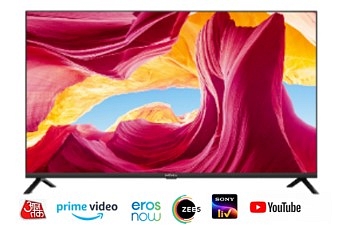
The Infinix Y1 HD smart TV will get a set of Dolby Stereo speakers with a combined maximum output of 20W. It will also get the latest OTT platforms such as Netflix, Amazon Prime, Sony Liv, Zee5, ErosNow, Aaj Tak, and Hotstar preloaded according to some speculations.

With details on the Infinix Y1 being scanty, more information should be out in the coming weeks as the company gears up for the launch of the TV. However, the number of features Infinix intends to offer with Y1 will grab substantial attention.

The sound system in the OnePlus Y-series HD Android TV is impressive. It has a sound system powered by Dolby Audio, with the OnePlus Y Series TVs promising a “cinematic soundstage” to fully immerse the user into their favorite shows.

Final Verdict

Regarding the price of the upcoming Infinix Y1, no official information has been revealed yet. However, it will adopt aggressive pricing and will be priced under Rs. 11,000 according to reports. The 32-inch smart TV will be among the most reasonably priced TVs in its class thanks to these prices.

On the other hand, the Redmi HD Ready LED Android Smart TV checks most of the boxes that are needed for a smart TV these days. It is a true value for money device at Rs. 15,999. Besides, the OnePlus 32-Inch Y-Series HD Android TV price starts from Rs. 15,999.

Considering the spec sheets, these three smart TVs give hard competition to each other as they boast similar features.