Categories
Comparison Featured Tablet

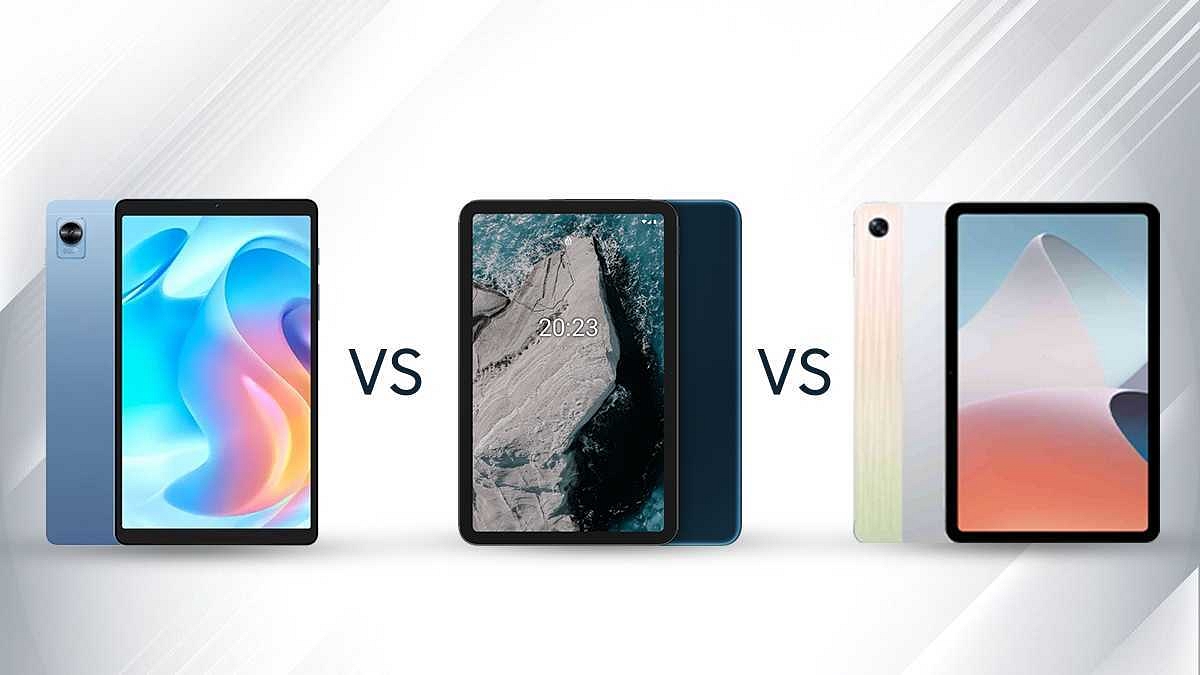
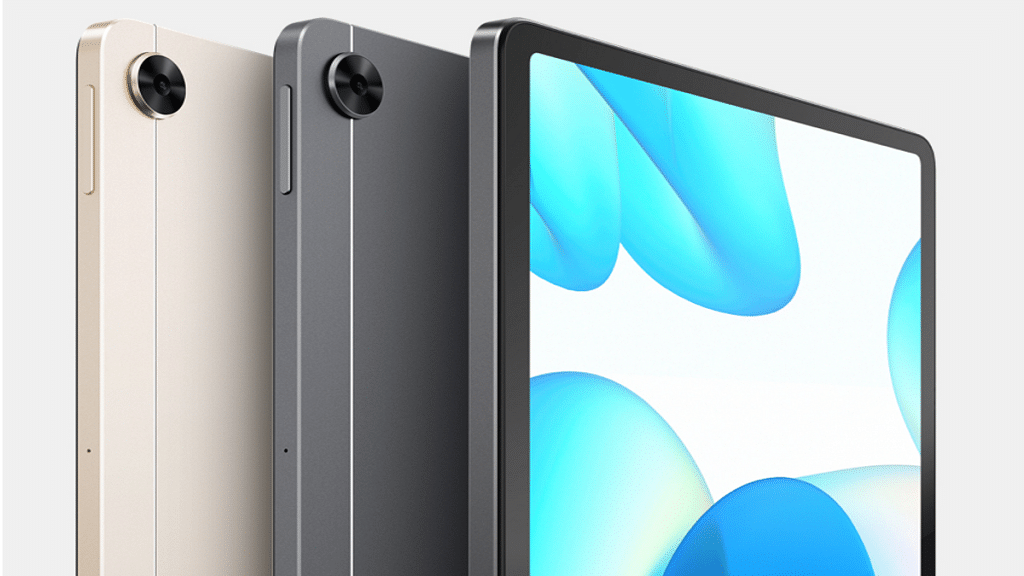
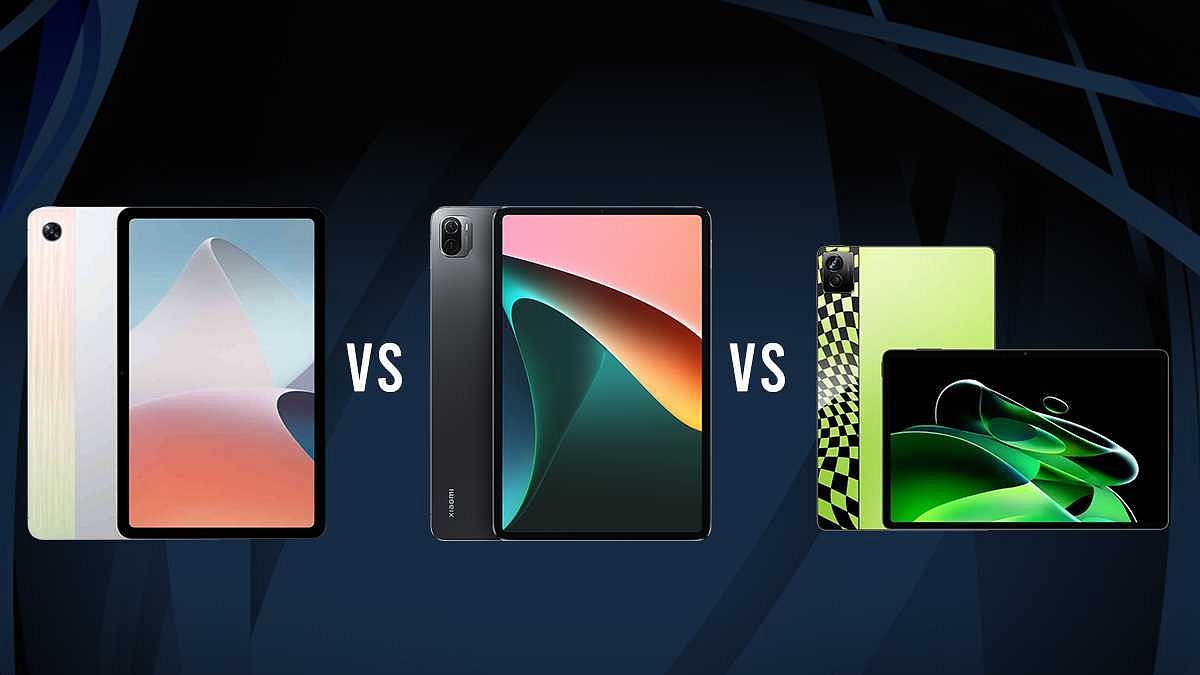
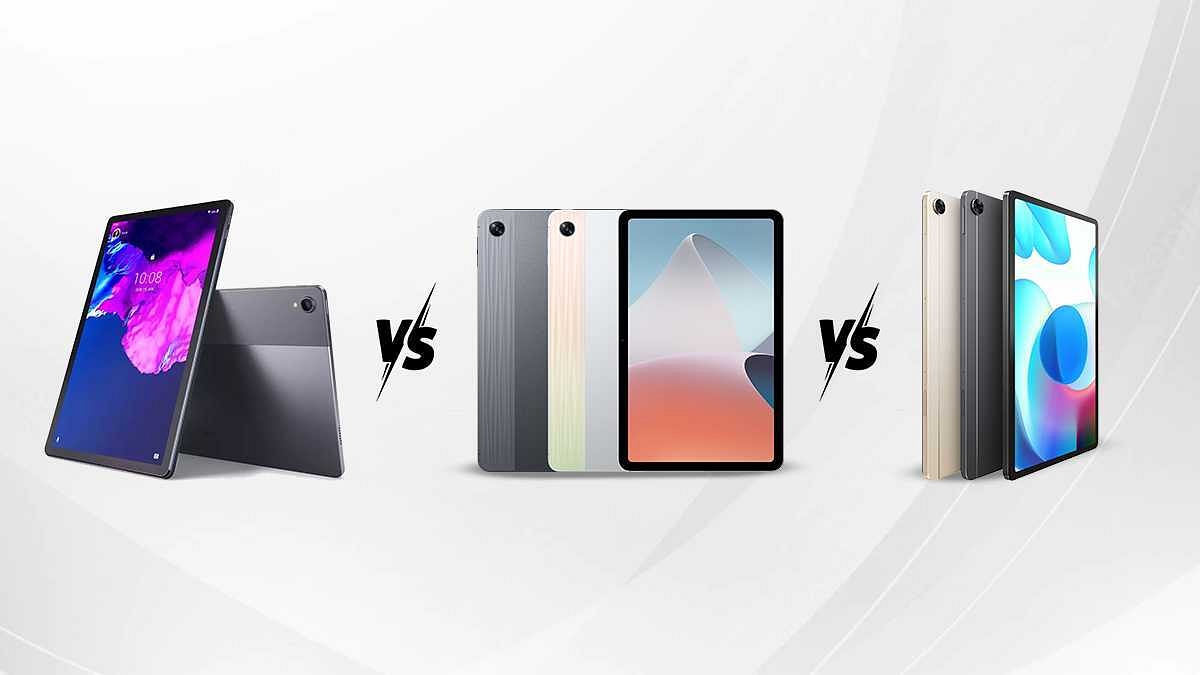
Lenovo Tab P11 Plus Vs OPPO Pad Air Vs Realme Pad: Mid-Range Tablet Comparison

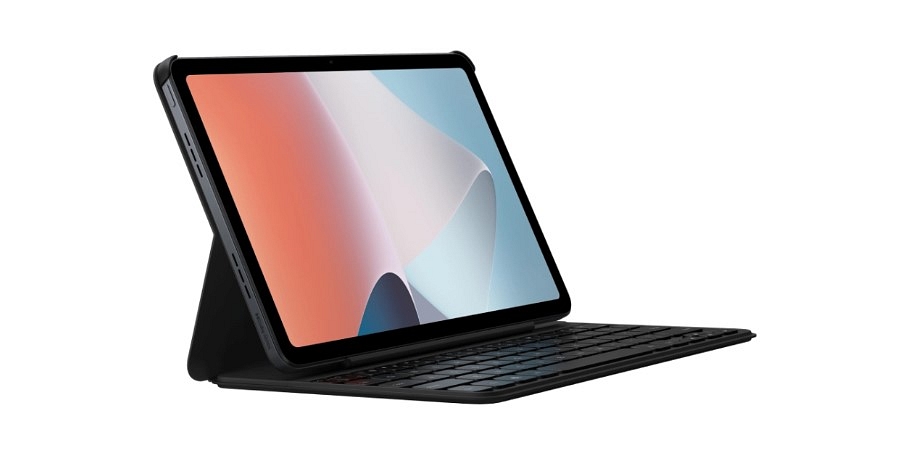
The Android tablet market is flourishing on a massive scale in the Indian market. This segment is getting populated with affordable as well as premium range tablets. The latest trend is with smartphone brands bringing user-oriented tablets at affordable price tags. OPPO and Lenovo are the latest brands that will be refreshing their Android tablet catalog in the country with new devices. OPPO is gearing up for the OPPO Pad Air tablet launch, while Lenovo is ready to introduce the Tab P11 Plus in the country.

Both upcoming OPPO Pad Air and the Lenovo Tab P11 Plus will be arriving as mid-range Android tablets in India. The features of both tablets are known since they have been announced in the international markets. We have been comparing the best available tablets in the market in terms of hardware and pricing so that it’s easy for you to decide on your next buy.

In this article, we are comparing these two upcoming tablets, i.e. the OPPO Pad Air and the Lenovo Tab P11 Plus with one of the most popular mid-range tablets in the country called the Realme Pad. Which one of the upcoming tablets or the existing one should you consider as your next tablet purchase? Read on this comparison article to know:

Lenovo Tab P11 Plus Vs OPPO Pad Air Vs Realme Pad: Display Specification Comparison

The Lenovo Tab P11 Plus mid-range Android tablet will be launched with a massive 11-inch display in India. The display type used by the upcoming Lenovo tablet will be a standard IPS LCD which will offer 1200 x 2000 pixels 2K screen resolution and a screen-to-body ratio of 81.8 percent. The Lenovo tablet’s display will support 400 nits peak brightness which makes visibility decent under direct sunlight.

The OPPO Pad Air will launch with a slightly smaller 10.3-inch display which will also be an IPS LCD panel similar to the Lenovo Tab P11 Plus and Realme Pad. The OPPO Pad Air’s display also supports a 2K screen resolution of 1200 x 2000 pixels and 225 PPI pixel density. The OPPO Pad Air’s panel will also support 360 nits peak brightness levels which is slightly lower compared to the Lenovo Tab P11 Plus.

The Realme Pad offers an identical set of display specifications as the OPPO Pad Air and the Lenovo Tab P11 Plus. The screen type is IPS LCD, but the screen size is 10.4-inches here. The Realme Pad’s display also supports a 2K screen resolution of 1200 x 2000 pixels and has peak brightness levels of 360 nits. The display type and features are almost similar on all three tablets listed above. However, if you need a bigger screen size and a brighter panel then the Lenovo Tab P11 Plus will be the better option.

Lenovo Tab P11 Plus Vs OPPO Pad Air Vs Realme Pad: Which One Offers Better Camera Hardware?

In the camera department, the Lenovo Tab P11 Plus has got edge over the remaining two models, i.e., the Realme Pad and the OPPO Pad Air. The Lenovo Tab P11 Plus will be arriving with a 13MP main camera sensor at the back which will support AF (Autofocus). The rear camera sensor on the Lenovo tablet will be able to record 1080p@30fps videos. This setup will capture clear images in broad daylight conditions, whereas the low-light photography experience would be decent. Coming to the remaining two models, OPPO Pad Air will also be debuting with a single rear camera. It will feature an 8MP snapper at the back which will also be capable of recording 1080p@30fps videos. The Realme Pad tablet will also feature the same 8MP single rear camera as the OPPO Pad Air that will record 1080p videos@30 fps.

In terms of the selfie snapper, the Lenovo Tab P11 Plus is expected to feature an 8MP camera for selfies. The same sensor is packed inside the Realme Pad for self-portraits. However, the OPPO Pad Air will be featuring a smaller 5MP sensor to click selfies and for video chats. If you look at the spec sheet, the Lenovo Tab P11 Plus gets an edge over the remaining two models in terms of photography.

Lenovo Tab P11 Plus Vs Realme Pad Vs OPPO Pad Air: Processor, Configuration, UI

The Lenovo Tab P11 Plus will be debuting in the Indian market powered by the octa-core Helio G90T processor. This is a mid-range game-centric processor built on 12nm fabrication process and combined with Mali-G76 MC4 GPU to render intensive graphics smoothly. The latest Lenovo Tab P series tablet is rumored to be available with up to 6GB RAM and 128GB onboard storage capacity.

On the other hand, the OPPO Pad Air is expected to ship with the octa-core Snapdragon 680 chipset. This 4G processor by Qualcomm is built using a 6nm TSMC process and has Adreno 610 GPU support to handle all graphics. The OPPO Pad Air will feature 4GB and 6GB RAM options. The storage capacity offered by the upcoming budget OPPO tablet will also bw up to 128GB similar to the Tab P11 Plus.

Lastly, the Realme Pad tablet uses the octa-core MediaTek Helio G80 chipset. This is also a gaming processor which is built on 12nm fabrication and has Mali-G52 MPU GPU support. You can expect a similar power delivery on all three Android tablets in this list.

Speaking of the firmware, both Lenovo Tab P11 Plus and the Realme Pad features the older Android 11 OS topped with a custom user interface. On the contrary, the OPPO Pad Air will arrive with the newer Android 12 OS topped with the custom Color OS interface.

Lenovo Tab P11 Plus Vs Realme Pad Vs OPPO Pad Air: Battery Capacity, Fast Charging

The Lenovo Tab P11 Plus will draw its power via a 7,700 mAh battery unit which will get 20W fast charging support. The Realme Pad will is packed with a 7,100 mAh battery unit. This tablet gets 18W fast charging capabilities. The OPPO Pad Air has the same battery and fast charging speeds as the Realme tablet, i.e., a 7,100 mAh capacity battery and 18W fast charging support.

Lenovo Tab P11 Plus Vs Realme Pad Vs OPPO Pad Air: Which Makes A Good Buy?

Out of all three models, the Lenovo Tab P11 Plus is somewhat better in terms of hardware. Specifically, the camera, battery, and fast charging specifications. Since the Lenovo tablet and the OPPO Pad Air are yet to go official in the Indian market, it would be difficult to anticipate which out of the three would be the best value for money deal in its segment.

Categories
Comparison Mobile

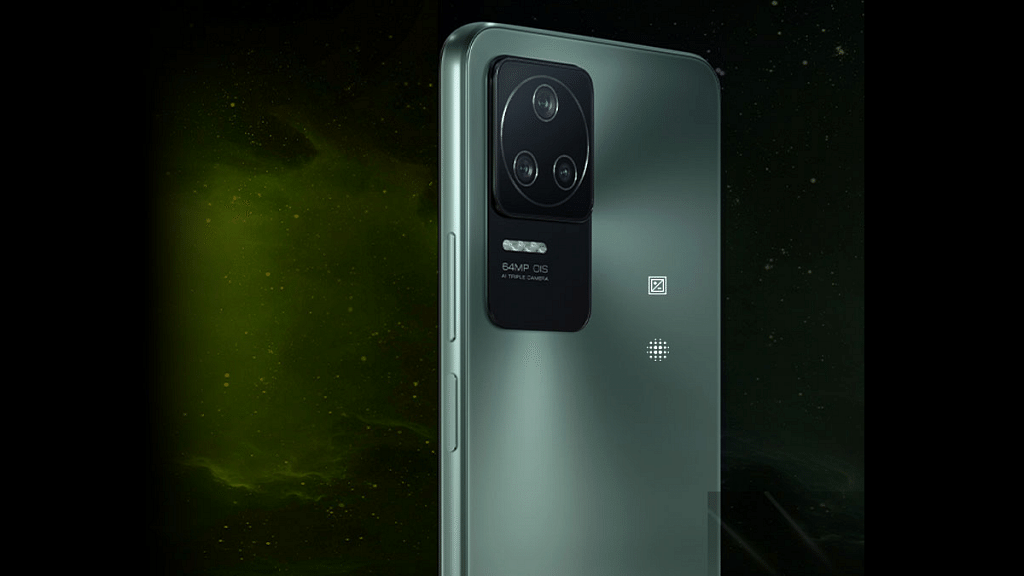
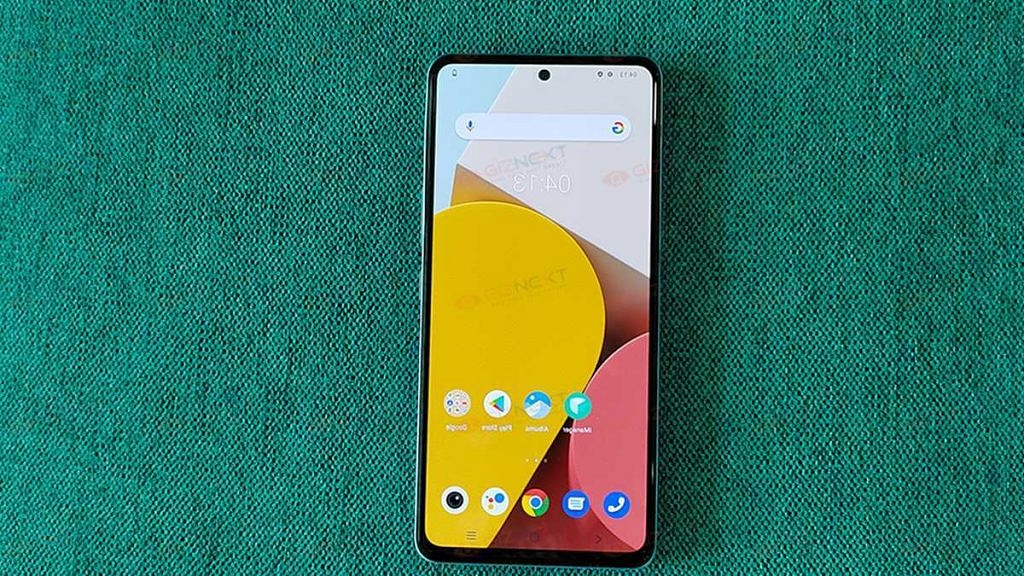
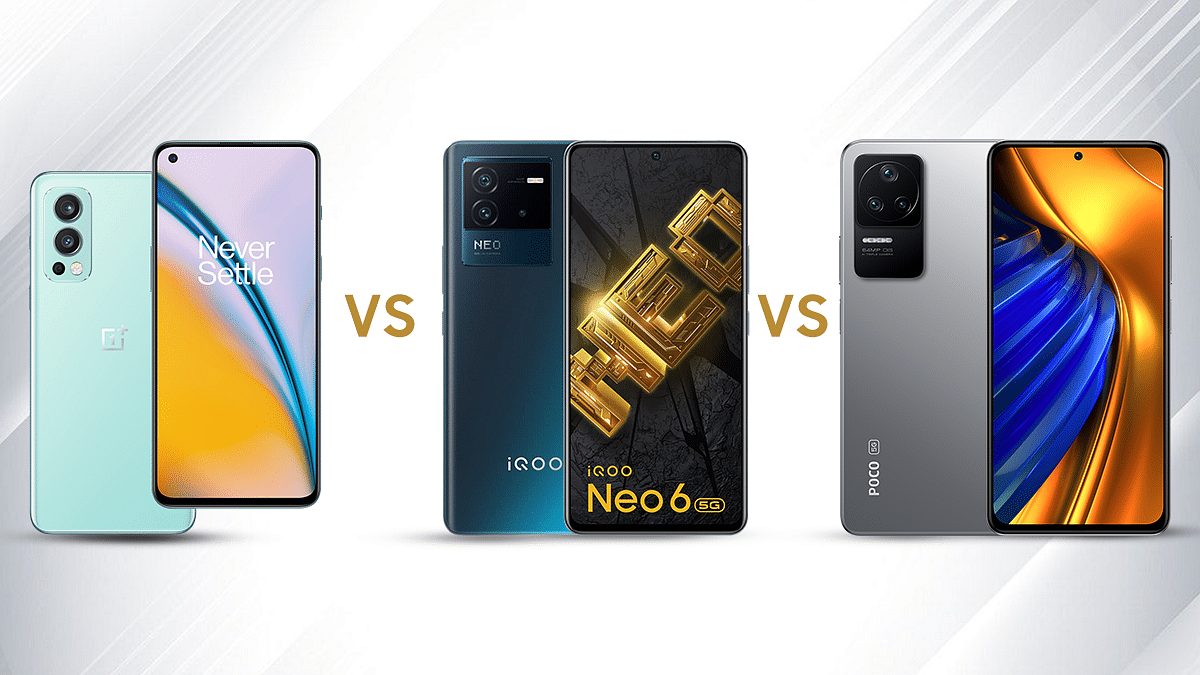
OnePlus Nord 2T 5G, Vs iQoo Neo 6, Vs Poco F4 5G Smartphone: Which Is Better For Your Pocket?

OnePlus launched Nord 2T 5G smartphone in India on Thursday ( July 1st, 2022). It is the successor of the OnePlus Nord 2 5G that was launched last year. The newly launched smartphone comes with an AMOLED display, 4,500mAh battery, and a triple camera at the back.

The device is powered by MediaTek Dimensity 1300 processor along with an 80W fast charging. It is worth noting that the iQoo Neo 6 and the Poco F4 5G will also have an AMOLED display and triple cameras at the back. However, the prices of these devices are different. So, to give clarity, we are comparing the specifications of these devices.

OnePlus Nord 2T 5G, Vs iQoo Neo 6, Vs Poco F4 5G Smartphone Specifications: Details

Let’s talk about the display first, where OnePlus Nord 2T comes with a 6.43-inch full-HD+ (1,080×2,400 pixels), 90Hz refresh rate, AMOLED display, and 20:9 aspect ratio. In addition, the OnePlus Nord 2T has an HDR10+ certification along with Corning Gorilla Glass 5.

The iQOO Neo 6 comes with a 6.62-inch full-HD+ AMOLED display along with a 360Hz touch sampling rate, while the Poco F4 5G comes with a 6.6-inch full HD+ AMOLED display, 360Hz touch sampling rate, and 120Hz refresh rate.

The OnePlus Nord 2T 5G features an octa-core MediaTek Dimensity 1300 processor and 12GB of RAM. Against iQOO Neo 6 and the Poco F4 5G come with a Snapdragon 870 processor and both devices has 12GB of RAM; however, the Poco F4 supports 12GB of LPDDR5 RAM.

In addition, all three devices come with dual-SIM support and Android 12 OS; however, the OnePlus Nord 2T 5G has OxygenOS 12.1, whereas Funtouch OS 12 and the Poco F4 5G have MIUI 13.

OnePlus Nord 2T 5G, Vs iQoo Neo 6, Vs Poco F4 5G Smartphone: Camera Details

On the imaging front, the newly launched device and others support the same camera setup at the back. The OnePlus device has 50MP primary camera along with optimal image stabilization support, an 8MP ultra-wide shooter, and a 2MP monochrome camera.

On the other hand, the iQOO Neo 6 smartphone includes 64MP primary sensor, 8MP wide-angle camera, and a 2MP macro camera. The Poco F4 5G smartphone supports 64MP primary camera, 8MP ultra-wide shooter, and 2MP macro shooter.

Categories
Comparison Featured Tablet

OPPO Pad Air Vs Realme Pad Mini Vs Moto Tab G70 Tablet Comparison: Best Budget Android Tablet To Buy In India?

OPPO is launching a new mobile tablet for the Indian audience. The upcoming tablet by the Chinese tech giant will be called the OPPO Pad Air which is debuting sometime soon. The features and India’s availability of the newest OPPO tablet are being tipped online via leaks and rumors. It is expected to be an offering for mid-range consumers in the country. Some of the popular affordable tablets that will be competing against the OPPO Pad Air in India are the Realme Pad Mini and the Motorola Moto Tab G70.

We have compared the OPPO Pad Air previously with the standard Realme Pad and the Nokia T20. In this comparison article, we are comparing the Pad Air with the remaining two models mentioned above, i.e., the Realme Pad Mini and the Moto Tab G70. Which one of the three tablets makes for the best buy option in the mid-range segment? Read on to know:

OPPO Pad Air Vs Realme Pad Mini Vs Moto Tab G70: Display Specs

Starting this list with the OPPO Pad Air, the upcoming mid-range Android tablet from OPPO will be packed with a tall 10.3-inch display. OPPO will be using an IPS LCD screen that will support a 2K screen resolution of 1200 x 2000 pixels and deliver an aspect ratio of 5:3. Notably, the aspect ratio stats are identical on all three tablet models. The OPPO Pad Ai’s display further supports 360 nits peak brightness levels and a pixel density of 225 PPI.

The Realme Pad Mini flaunts a slight compact display that measures 8.7-inches. The display resolution is also lower compared to the OPPO Pad Air, i.e., 800 x 1340 pixels. The peak brightness levels and the pixel density are set at 400 nits and 179 PPI respectively.

Lastly, the Moto Tab G70 tablet. This model employs an 11-inch IPS LCD screen which comes with a 1200 x 2000 pixels screen. The Moto Tab G70’s display offers 400 nits peak brightness that allows for decent sunlight visibility. Out of these three models, the OPPO Pad Air and the Realme Pad Mini feature the best display. That’s considering the specs and the size. However, the Realme Pad Mini’s panel is also fairly good for daily usage.

OPPO Pad Air Vs Realme Pad Mini Vs Moto Tab G70: Camera Comparison

Speaking of the optics, the OPPO Pad Air will be launched with a single front and rear camera module. The primary lens at the back will comprise an 8MP sensor with an f/2.0 aperture. This camera unit will be capturing a good amount of details in daylight. The camera setup can record 1080p@30fps videos.

The Realme Pad Mini also uses an 8MP snapper at the back for primary imaging. The camera sensor here as well is capable of shooting 1080p@30fps videos. The Moto Tab G70 is the clear winner in the camera race with its bigger 13MP camera. The video recording capability here is also identical to the remaining models, i.e., 1080p@30fps.

As for the selfie camera, the OPPO Pad Air and the Realme Pad Mini feature a single 5MP snapper with an f/2.0 aperture. The Moto Tab G70 is again the clear winner in the selfie camera department with its larger 8MP selfie camera.

OPPO Pad Air Vs Realme Pad Mini Vs Moto Tab G70: Chipset, UI Differences

The OPPO Pad Air uses the Qualcomm Snapdragon 680 chipset. This is a 4G chipset that is based on 6nm fabrication processor and clubs Adreno 610 GPU for graphics. This OPPO tablet will be available in India with up to 6GB RAM and 128GB storage configuration.

The Realme Pad mini uses an entry-segment Unisoc T616 processor which is built on a 12nm fabrication process. This chipset is further combined with Mali-G57 GPI and up to 4GB RAM. The storage option offered by the Realme Pad Mini is up to 64GB which is further expandable via a microSD card.

The Moto Tab G70 is powered by the octa-core Helio G90T chipset by MediaTek. This tablet has Mali-G76 MC4 GPU support to handle the graphics, while for multitasking it employs up to 4GB RAM and 64GB native storage capacity. The power delivery is similar on the OPPO Pad Air and the Moto Tab G70 tablet. The Realme Pad Mini will be perfect for daily tasks, while the other two will be able to handle extensive tasks slightly better.

In terms of the UI, the OPPO Pad Air is the only model that will ship with the Android 12 OS. The remaining two variants feature the older Android 11 OS along with a custom UI.

OPPO Pad Air Vs Realme Pad Mini Vs Moto Tab G70: Battery, Fast Charging Technology

Powering the OPPO Pad Air is a 7,100 mAh battery unit that is aided by 18W fast charging technology. On the other hand, the Realme Pad Mini uses a 6,400 mAh battery unit with 18W fast charging. The Moto Tab G70 features a 7,700 mAh battery unit with 20W fast charging technology. The numbers speak for themselves. The Motorola tablet is the best if you need a larger battery and faster-charging speeds.

OPPO Pad Air Vs Realme Pad Mini Vs Moto Tab G70 Verdict: Which One Should You Consider?

Since the OPPO Pad Air hasn’t gone official yet in the Indian market, it would be difficult to give a verdict based on the price-to-specs ratio. But if we only solely consider the features, both OPPO Pad Air and the Moto Tab G70 make for a good buy in the mid-range segment. But if still, you wish to spend less yet get a capable big-screen tablet, the Realme Pad Mini is also a good option to consider.

Categories
Comparison Featured TV

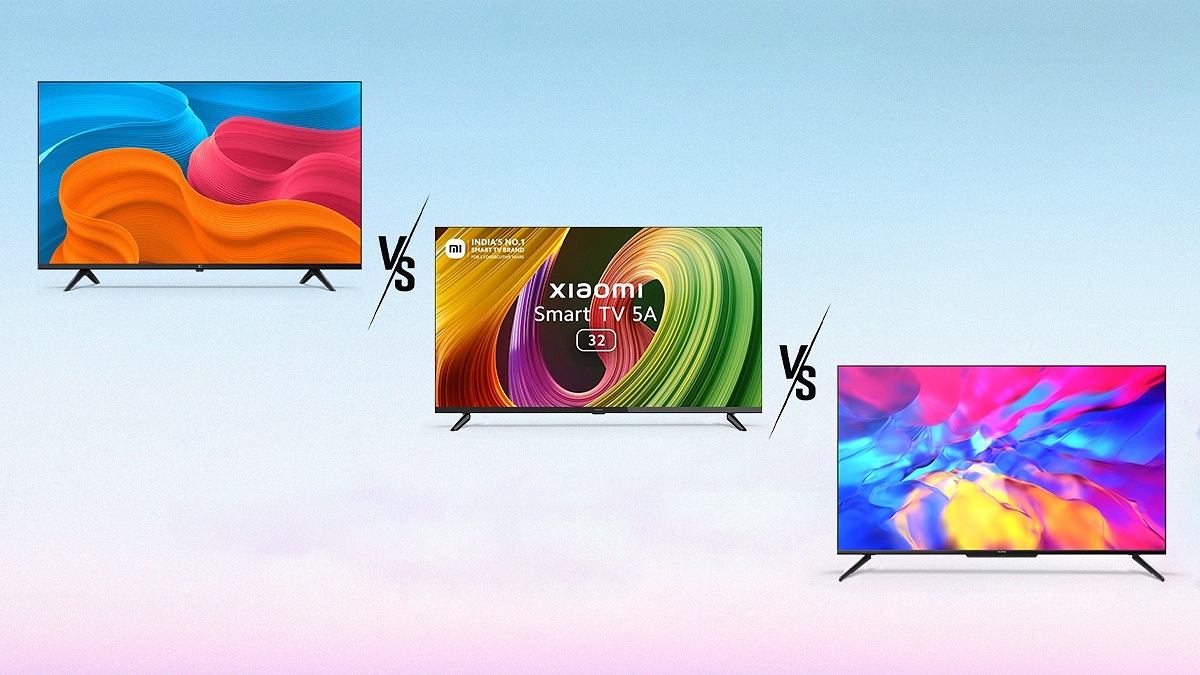
OnePlus TV 50 Y1S Pro Vs Realme Smart TV 4K Vs Xiaomi Smart TV 5A: Best Latest Smart TV?

The smart TV market in India is expanding rapidly and companies like OnePlus, Realme, and Xiaomi are fiercely competing with one another. Recently, OnePlus announced that their new smart TV called the OnePlus TV 50 Y1S Pro will debut in India. The upcoming OnePlus smart TV will directly compete with the Realme Smart TV 4K and Xiaomi Smart TV 5A in the Indian market.

The OnePlus TV 50 Y1S Pro, Realme Smart TV 4K, and the Xiaomi Smart TV 5A are your best options if you’ve been looking to get a feature-rich smart TV in India at a budget price point. Now, the question arises which out of these three smart TVs should be your next investment? We will help you decide in this comparison article. Let’s check it out:

Design And Display

In terms of design, the yet-to-launch OnePlus TV 50 Y1S Pro resembles the 43-inch OnePlus TV Y1s Pro model. The smart TV is said to come with an edge-to-edge screen design. On the other hand, the Realme Smart TV 4K has a fairly standard design with slim borders. At the bottom of this model, there is a long strip under the Realme logo and indicator lights.

The Xiaomi Smart TV 5A, on the other hand, has a premium metallic bezel-less design for sturdy build quality. It has a slim bezel profile and is quite lightweight. The base stands are made of plastic. It is one of the slimmest smart TVs in its class. Having said that, the pattern seems to be solid and its bezel-less display looks great.

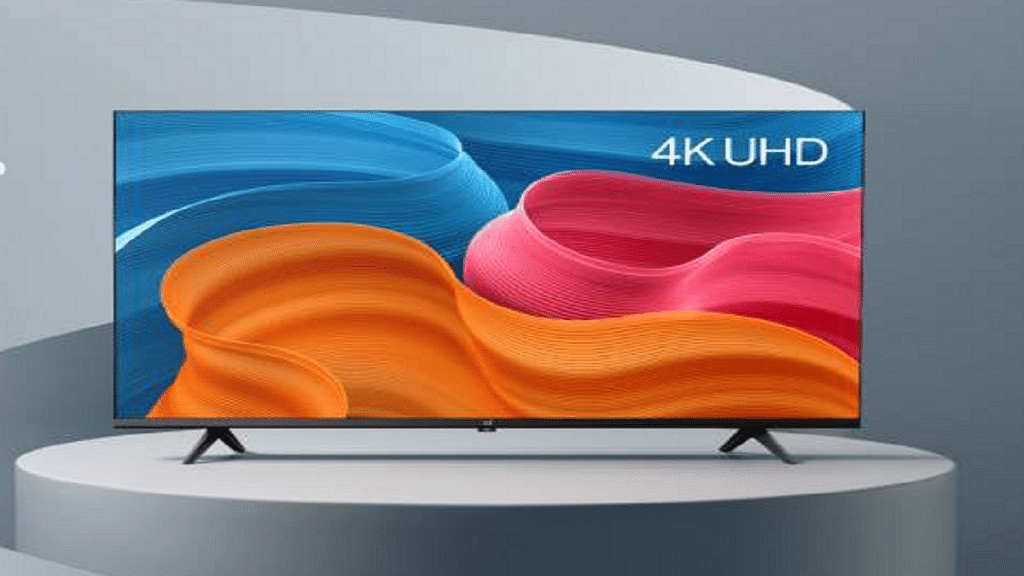
If we talk about display, the OnePlus TV Y1S Pro will have a 50-inch screen display. The smart TV is confirmed to come with a 4K resolution with a 10-bit color depth. It is also confirmed to come with MEMC technology and HDR10.

The Realme Smart TV 4K Ultra-HD television is available in two sizes, i.e., 43-inch and 50-inch. You get 4K resolution, a 10-bit panel with HDR, and Dolby Vision. It also offers up to 83% NTSC, and 90% DCI-P3 color accuracy.

The Xiaomi Smart TV 5A is offered in three sizes such as 32-inch, 40-inch, and 43-inch. All of them pack an LED-backlit LCD display with a 60Hz refresh rate and a 178° viewing angle. They have a resolution of Full HD with support for Xiaomi’s Vivid Picture Engine. This tunes the color, contrast, and depth of the picture. The display supports 100% DCI-P3 color gamut and offers over 16 million colors.

Overall, the OnePlus TV 50 Y1S Pro, Realme Smart TV 4K, and the Xiaomi Smart TV 5A are similar in terms of display and have a standard build quality.

OS And Features

For its Smart TV 4K series, Realme has chosen Android TV 10 and the television is using the stock Android TV launcher. Realme is sticking to the basics with just a single launcher, unlike Xiaomi’s televisions which also offer the PatchWall UI in addition to the stock Android TV. The Realme Smart TV 4K comes preinstalled with a few applications including Netflix, Amazon Prime Video, and YouTube.

The Xiaomi Smart TV 5A runs on the Android TV 11 operating system based on Android version 11 with PatchWall 4 interface on top. You get a security patch dated and Android updates from Xiaomi India. The PatchWall 4 is the latest version of Xiaomi’s proprietary software that several OTT apps support such as Netflix, Prime Video, Disney+ Hotstar, and more.

The OnePlus TV 50 Y1S Pro will come with a ‘Smart Manager’ software feature. This Smart Manager will let you accelerate your system speed and free up internal storage.

Moving to the Realme Smart TV 4K, this smart TV comes with an RF remote. Once paired, it can be used for most functions without even being pointed at the TV. This television includes Google Chromecast built-in allowing you to cast content wirelessly from devices and apps that are compatible.

Coming to the Xiaomi Smart TV 5A, it comes with support for Dolby audio, DTS-X, and DTS-X Virtual and granular audio controls. Google Assistant, Chromecast, Google Play Store, Play services, Bluetooth 5.0, dual-band Wi-Fi, an ethernet connector, and a 3.5mm headphone jack are additional benefits of the TV.

Verdict

Although, the OnePlus TV 50 Y1S Pro is yet to be launched in the market, so giving the final verdict about the same is quite tough at the moment. However, considering the spec sheets, these three smart TVs give hard competition to each other in terms of display quality and decent audio output.

However, the Realme Smart TV 4K offers a bigger display experience and is a well-packaged value-for-money smart TV for the salaried class. So, in our opinion, the Realme Smart TV 4K makes it a good value for money.

Categories
Comparison Featured Tablet

Realme Pad Vs Oppo Pad Air Vs Nokia T20 Full Comparison: Best Affordable Tablet In India?

The android tablet market is flourishing exponentially across the globe. Specifically, with the smartphone OEMs marking their presence in this sector, users are frequently presented with new options. And while you step out to buy a new tablet for yourself or for loved ones, you will have numerous choices in every price bracket. Popular smartphone brands such as Xiaomi, OPPO, Realme, and Motorola are becoming the first choices for tablet users in the country. This is specifically in the budget segment where users are not ready to compromise with the hardware and features despite an affordable price tag.

Amongst the most popular Android tablets in the Indian market available under Rs. 20,000 price tag are the Realme Pad and the Nokia T20. We have compared both these models alongside a budget Galaxy Tab A series tablet. Now, we are back with another tablet comparison between the Realme Pad, Nokia T20, and the OPPO Pad Air.

Now, before we go ahead with the comparison, we would like to add that OPPO is yet to bring the Pad Air tablet into the Indian market. But post its launch, it will go up against the other two models mentioned in this list. How well all these three affordable Android tablets compete against each other and which one would make for the best tablet under Rs. 20,000 price mark in the country? Read on this comparison article to know:

Realme Pad Vs Oppo Pad Air Vs Nokia T20: Display Features

The display is one of the most important aspects of any mobile tablet. A large screen size complemented with high-resolution specs is what users demand from a modern-day tablet. All these three models live up to the expectation with their feature-rich displays. The Realme Pad tablet uses a 10.4-inch display which is an IPS LCD with a resolution of 1200 x 2000 pixels. The Realme Pad’s display supports a 90Hz refresh rate and has a peak brightness of 360 nits.

The OPPO Pad Air also features a similar display panel. The LCD screen used by the OPPO Pad Air measures 10.36-inches and offers the same WQXGA+ resolution of 1200 x 2000 pixels. The display unit on the latest OPPO tablet supports a 60Hz refresh rate. This is the only area where it lags behind the Realme Pad.

The Nokia T20 isn’t much different in terms of display specifications compared to the aforementioned Realme and OPPO tablets. The Nokia T20 is packed with a 10.4-inch display which is the same size as the Realme Pad tablet. While the screen resolution is identical to the remaining two models, the refresh rate is the same here as the OPPO tablet, i.e., 60Hz. Out of all three models, the Realme Pad leads the display game with a higher 90Hz refresh rate.

Realme Pad Vs Oppo Pad Air Vs Nokia T20: Chipset, Configuration, Performance Comparison

The processor game is strong on all three Android tablets in this list. The Realme Pad is designed to handle gaming with its mid-range Helio G80 chipset. The octa-core MediaTek game-centric processor on the Realme Pad tablet is clubbed with Mali-G52 MC2 GPU and up to 6GB RAM. The storage option offered by the Realme Pad tablet is up to 128GB and you can also use an external microSD card for additional storage space.

The OPPO Pad Air uses the Qualcomm Snapdragon 680 chipset for power delivery which is backed by standard 4G network connectivity. The mid-range Qualcomm chipset on the Pad Air will be combined with up to 6GB RAM and 128GB storage model. The storage expansion support via an external microSD card is also present here.

Lastly, the Nokia T20 uses the entry-level Unisoc T610 processor which is built on a 12nm fabrication processor and has Mali-G52 MP2 GPU support. This budget-oriented Nokia tablet offers up to 4GB RAM and 64GB storage configuration. This tablet model has a dedicated microSD card slot that supports external microSD cards and dual SIM cards simultaneously.

You can expect a good general performance from all three tablet models. However, if you are looking for a refined performance with gaming and high-end tasks, you can opt for the Realme Pad or the OPPO Pad tablet.

Realme Pad Vs OPPO Pad Air Vs Nokia T20: Which Has The Best Camera Specifications?

Unlike smartphones, the mobile tablet’s camera department is still getting evolved. The concept of multiple camera sensors is currently limited to high-end models. The affordable and mid-range tablets still employ a single rear and front camera module. The Realme Pad has an 8MP single rear camera which has 1080p @30fps video recording capabilities.

The OPPO Pad Air will also use an 8MP main camera at the back that has an f/2.0 aperture and can record 1080p@30fps videos like the Realme tablet. The Nokia T20 also features the same 8MP camera as the remaining two tablet models in this list.

The photography experience on all three Realme, OPPO, and Nokia tablets will be decent with daylight. However, the low-light photography will not be super refined. Out of these three tablets, only the Realme Pad offers a bigger 8MP selfie snapper. The OPPO Pad Air and the Nokia T20 feature a smaller 5MP selfie camera.

Realme Pad Vs OPPO Pad Air Vs Nokia T20 Tablet: Battery And Fast Charging

The battery size of the Realme Pad is 7,100 mAh. It is capable of lasting an entire day on a single charge and with light usage. The fast charging speed supported by the Realme Pad tablet is 18W. The OPPO Pad Air uses the same battery size as the Realme Pad, i.e., a 7,100 mAh unit with 18W fast charging technology. The Nokia T20 wins the battery battle among these three models with an 8,200 mAh unit. The fast-charging capacity is the same as the remaining two models, i.e., 15W.

Realme Pad Vs OPPO Pad Air Vs Nokia T20 Tablet Final Verdict: Which One To Buy?

The Realme Pad, OPPO Pad Air, and the Nokia T20 aren’t much different in terms of features and specifications. However, if you consider the processing prowess, the Realme Pad and the OPPO Pad Air have an edge of the Nokia T20.

Categories
Comparison Featured Mobile

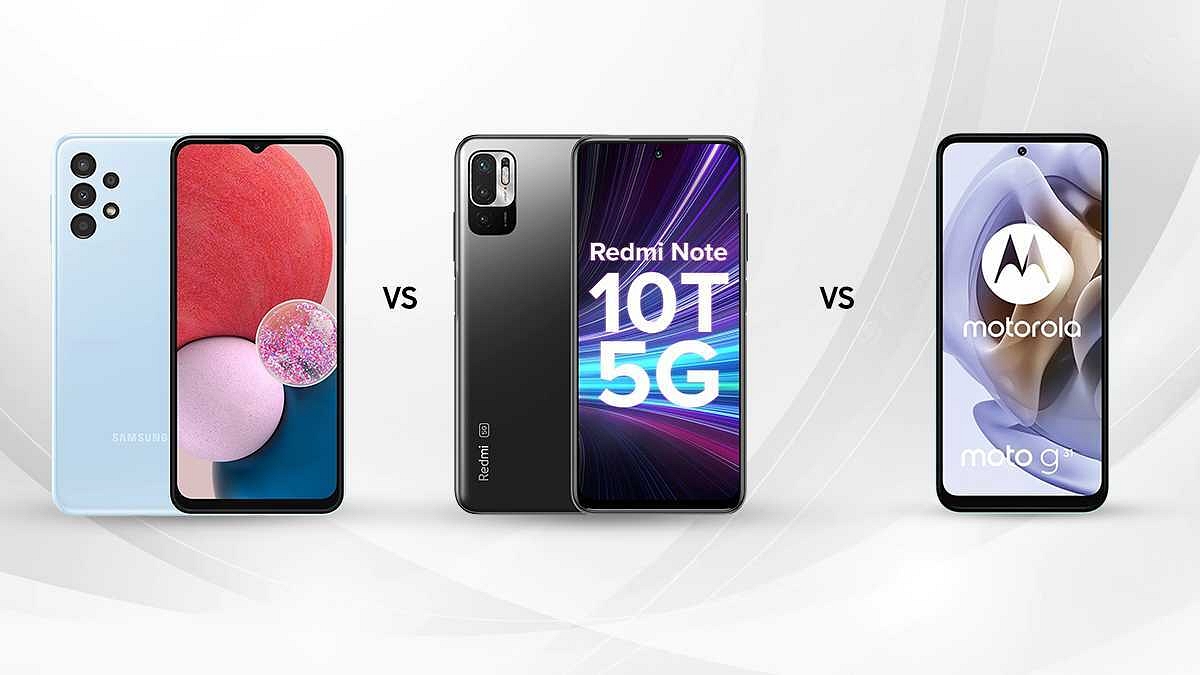
Samsung Galaxy A13 Vs Redmi Note 10T Vs Moto G31 Specs Comparison; Best Budget Phone Under Rs. 15,000 In India?

Key Highlights

  • The Samsung Galaxy A13 is one of the budget smartphones in India
  • The Xiaomi Redmi Note 11T also features a massive 6.5-inch LCD panel
  • The Motorola Moto G31 is an affordable game-centric Android phone

Samsung has been logging its name in the list of most successful brands in the smartphone market across the globe with the Galaxy A, Galaxy M, Galaxy F, and the Galaxy S series. The South Korean tech giant has been rapidly expanding its budget smartphone portfolio in the market and giving a tough time to the popular Chinese OEMs such as Xiaomi, Realme, OPPO, Vivo, and others.

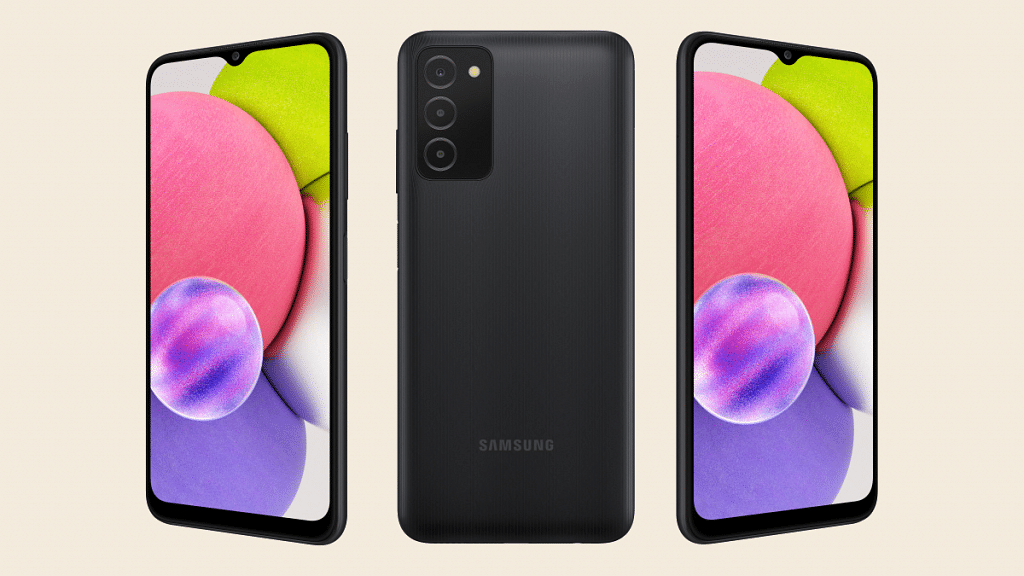
One of the latest Samsung smartphones for budget consumers in India is the Galaxy A13. It is the newest budget Android phone by Samsung that competes against the likes of the Redmi Note 10T and the Motorola Moto G31 in the sub-Rs. 15,000 price category.

We have been comparing popular smartphones, tablets, and other consumer gadgets to make it easy for you to select your next best buy. This article is another full comparison between the newly launched Samsung Galaxy A13, Redmi Note 10T, and the Motorola Moto G31.

Also Read | Tecno Phantom X Vs OPPO Reno 8 Vs Motorola Edge 30: Trending Premium Mid-Range Phones Comparison

Samsung Galaxy A13 Vs Redmi Note 10T Vs Moto G31: Display Specifications

The Samsung Galaxy A13 is an affordable Android phone under Rs. 15,000 with an LCD screen that measures 6.6 inches. The display comes with a standard 20:9 aspect ratio and an FHD+ screen resolution of 1080 x 2408 pixels. The Samsung Galaxy A13 has Corning Gorilla Glass 5 protection and a standard 60Hz refresh rate.

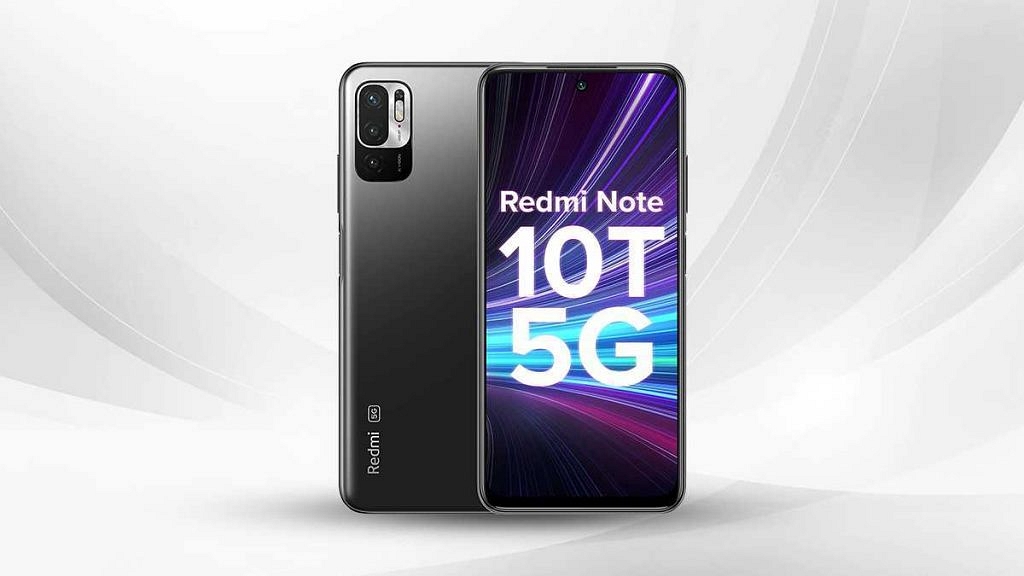
The Xiaomi Redmi Note 11T also features a massive 6.5-inch screen which is an LCD panel with 1080 x 2400 pixels screen resolution and a 20:9 aspect ratio. The refresh rate offered by the Redmi model is higher at 90Hz compared to the Samsung model.

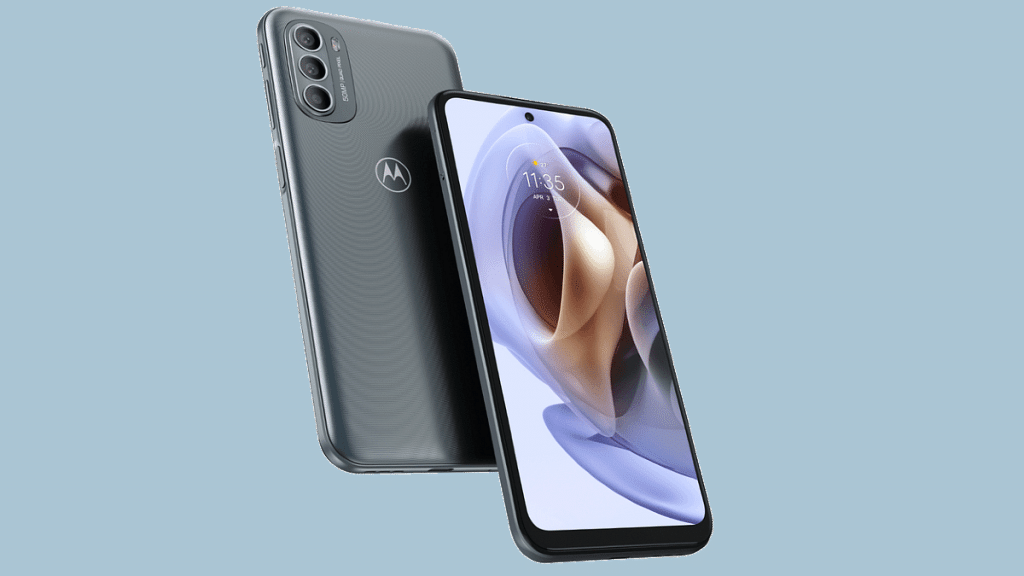
The Moto G31 is the winner in the display game with its AMOLED screen that is 6.4-inches in size and supports 1080 x 2400 pixels screen resolution. The high-resolution panel on the Moto G31 comes offers a 20:9 aspect ratio and has a 411 PPI density.

Samsung Galaxy A13 VS Redmi Note 10T Vs Moto G31: Chipset, Configuration, Firmware Differences

The Samsung Galaxy A13 is driven by an in-house Exynos 850 processor which is built on an 8nm fabrication process. The octa-core Samsung chipset clubs Mali-G52 GPU support for graphics. Whereas, it has up to 6GB RAM for multitasking and up to 12GB native storage capacity.

The Redmi Note 11T competes against the Galaxy A13 and the Moto G31 with the Dimensity 700 chipset. Just for reference, this is an entry-level processor by MediaTek with 5G network support. This Xiaomi Redmi series phone features the Mali-G57 GPU support for graphics and up to 6GB RAM for multitasking. The built-in storage capacity offered by this Xiaomi phone is also up to 128GB which is further expandable via a microSD card.

Lastly, the Motorola Moto G31 is an affordable game-centric Android phone that gets its power from the octa-core Helio H85 processor from MediaTek. The processor on this handset employs Mali-G52 MC2 GPU support and has up to 4GB RAM and a 128GB storage option.

Only the Samsung Galaxy A13 has the latest Android 12 OS. The remaining two models, i.e., the Xiaomi Redmi Note 11T and the Moto G31 ship with the Android 11 OS. Overall, all three devices pack decent internals for daily tasks. For extensive usage, the Moto G31 has the apt hardware.

Samsung Galaxy A13 Vs Redmi Note 10T Vs Moto G31: Camera Specifications

Samsung has launched the Galaxy A13 with four rear cameras. The primary sensor used is a 50MP lens which has an f/1.8 aperture which is paired with a 5MP ultrawide angle sensor that has an f/2.2 aperture and a set of 2MP sensors for depth and macro sensors.

The Redmi Note 10T also features capable camera hardware where the back panel features a 48MP main sensor with an f/1.8 aperture. There is a pair of 2MP sensors with an f/2.4 aperture for depth mapping and for maco shots. The Motorola Moto G32 competes against the Galaxy A13 and the Redmi Note 10T with a triple rear camera model. The main sensor is a 50MP lens with an f/1.8 aperture, an 8MP ultrawide sensor with an f/2.2 aperture, and a 2MP macro lens with an f/2.4 aperture.

As for the selfie cameras, the Samsung Galaxy A13 and the Redmi Note 10T feature the same 8MP snapper with an f/2.0 aperture. The Moto G31 has a bigger 13MP selfie snapper. .  The imaging hardware is good on all smartphones, but an additional sensor on the Galaxy A13 makes it a better option. But if you are a selfie fanatic, the Moto G31 is the option you need to consider.

Samsung Galaxy A13 Vs Redmi Note 10T Vs Moto G31: Battery, fast Charging Speeds

The Samsung Galaxy A13 uses a 5,000 mAh battery unit which has 15W fast charging support. The Redmi Note 10T also packs the same battery size (5,000 mAh) which is backed by a faster 18W charging. The battery capacity on the Moto G31 is also the same as the remaining two variants, but it misses on the fast charging support.

 Samsung Galaxy A13Redmi Note 10TMoto G31
Display6.6 inches PLS LCD6.5 inches IPS LCD6.4 inches AMOLED
ProcessorExynos 850 (8nm)MediaTek MT6833 Dimensity 700MediaTek MT6769Z Helio G85
RAM6GB6GB4GB
Camera50MP + 5MP + 2MP + 2MP48MP + 2MP + 2MP50MP + 8MP + 2MP
Selfie Camera8MP8MP13MP
Battery5000 mAh5000 mAh5000 mAh

Also Read | Nokia T21 Vs Nokia T20 Vs Realme Pad Mini Tablet Comparison: Best Entry-Level Android Tablet For Daily Use

Categories
Comparison Featured Smart Watch

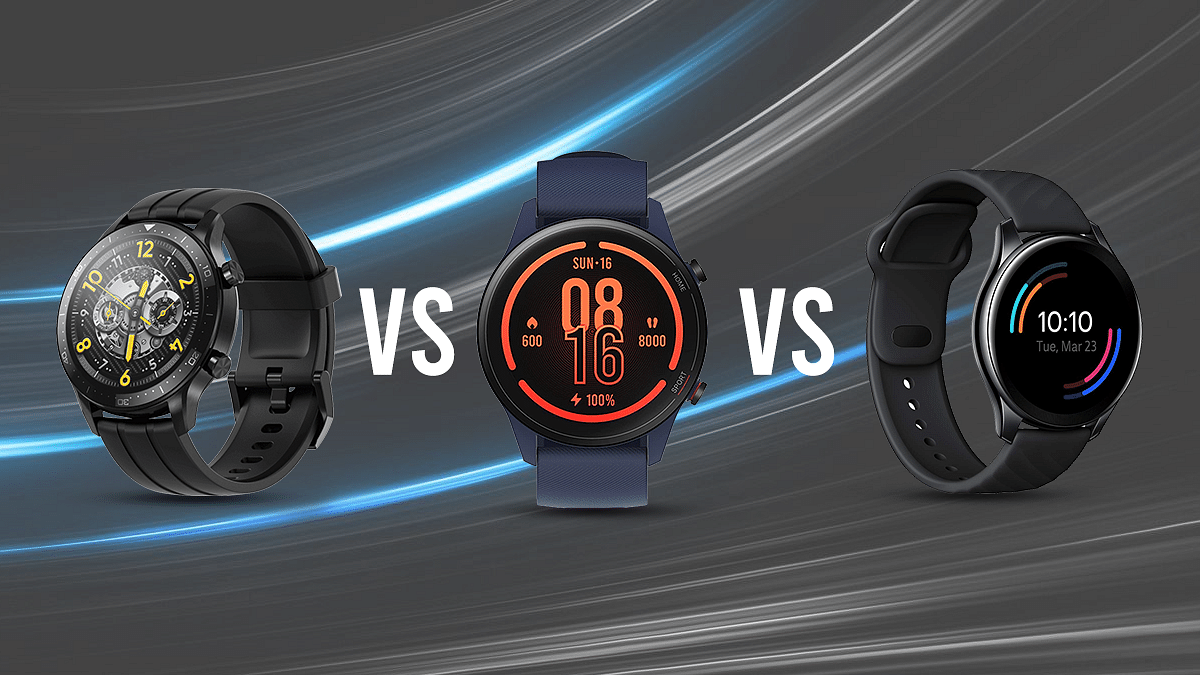
Xiaomi Watch Revolve Vs Realme Watch S Pro Vs OnePlus Watch: Which Is Better?

Key Highlights

  • Mi Watch Revolve is the company’s first smartwatch in the premium segment
  • It takes on the likes of the Realme Watch S Pro and the OnePlus Watch
  • These smartwatches have nearly identical features

The market for smart wearables in India has grown significantly in recent years as we witnessed numerous smartwatch launches. The Mi Watch Revolve by Xiaomi is the company’s first smartwatch in the premium segment. It is a rebranded Xiaomi Mi Watch Color which is available overseas for quite some time.

The Xiaomi Watch Revolve takes on the likes of the Realme Watch S Pro and the OnePlus Watch which have nearly identical specs. So, let’s get into our comparison between the Xiaomi Watch Revolve, Realme Watch S Pro, and the OnePlus Watch if you’re wondering which one is the better purchase. Also Read | Amazfit Bip U Pro Vs Noise ColorFit Pro 4 Max Smartwatch: Best Pocket-Friendly Smartwatch To Buy In India

Design And Display

The Xiaomi Watch Revolve measures 53.3 x 46.2 x 11.4 mm in dimension. It has a stainless-steel frame and a plastic back. The watch isn’t different from its counterparts in terms of display specs. The Xiaomi Watch Revolve features a 1.39-inch AMOLED display with a 454 x 454 pixels screen resolution. Its display has the Corning Gorilla Glass 3 protection.

On the other hand, the Realme Watch S Pro has a stainless-steel build. Its dial has a Circular Flat design and the strap is made of silicon. It sports a 1.39-inch AMOLED display with a resolution of 454 x 454 pixels and a max brightness of up to 450 nits. The watch has 2.5D Corning Gorilla Glass protection. It comes with an always-on feature.

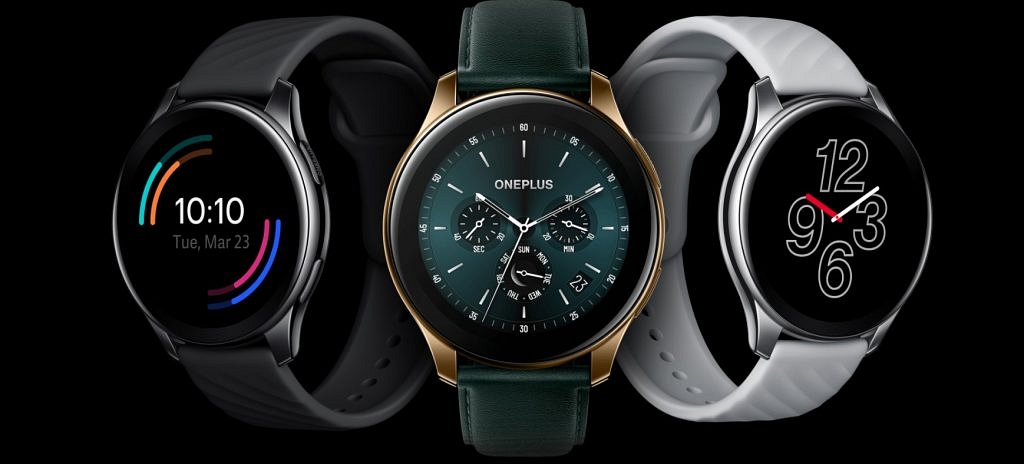
Moving to the OnePlus Watch, it offers a classic circular design. The case is made of polished stainless steel and has traditional lugs for fluoroelastomer straps. The watch also has an identical 1.39-inch AMOLED display with the Always-On feature. Overall, all the three watches are identical and have a standard built quality.

Features And Operating System

The Xiaomi Watch Revolve, Realme Watch S Pro, and the OnePlus Watch have a blood oxygen sensor, heart rate measurement monitor, and sleep tracker. However, the Realme Watch S Pro has a feature called sedentary reminder which reminds the users that it’s time for movement and stretching. For those who work for long hours, this is a great feature.

However, the Realme Watch S Pro misses out on the stress monitor as the Xiaomi Watch Revolve and OnePlus Watch. The standard step tracker feature is present on all three watches.

The Realme Watch S Pro runs on an unnamed custom OS. On the other hand, the OnePlus Watch runs on a custom OS by OnePlus.

Battery And Connectivity

The Xiaomi Watch Revolve packs a 420mAh Li-Po battery. It supports GPS and GLONASS for navigation and supports Bluetooth 5.0 wireless connectivity.

The Realme Watch S Pro has a 420mAh battery on board. It has Dual Satellite GPS and Bluetooth 5.0 BLE.

On the other hand, the OnePlus Watch has a 402mAh battery. It has a claimed battery life of 14 days. Also, it is equipped with Warp Charge. As for connectivity options, it has Bluetooth 5.0 for wireless compatibility with smartphones and tablets.

The Xiaomi Watch Revolve and the Realme Watch S Pro have a bit higher battery capacity than the OnePlus Watch. But all three watches have a similar battery life lasting up to 14 days. It also depends upon the user whether you actively use the watch for sports activities and make it your phone companion or you are a casual user.

Price Comparison

The Xiaomi Watch Revolve is available at Rs. 10,999 in India. The Realme Watch S Pro is the cheapest among the three, priced at Rs. 9,999. The OnePlus Watch is a bit pricey at Rs. 13,998. Overall, the Realme Watch S Pro is a good buy under Rs. 10,000. It has an array of watch faces and a better 6-axis accelerometer. It is one of the best watches in its segment.
Also Read | Fitbit Versa 2 Vs OPPO Watch Vs Noise Colorfit Pro 2: Which Smartwatch Wears The Crown?

Categories
Comparison Featured Mobile

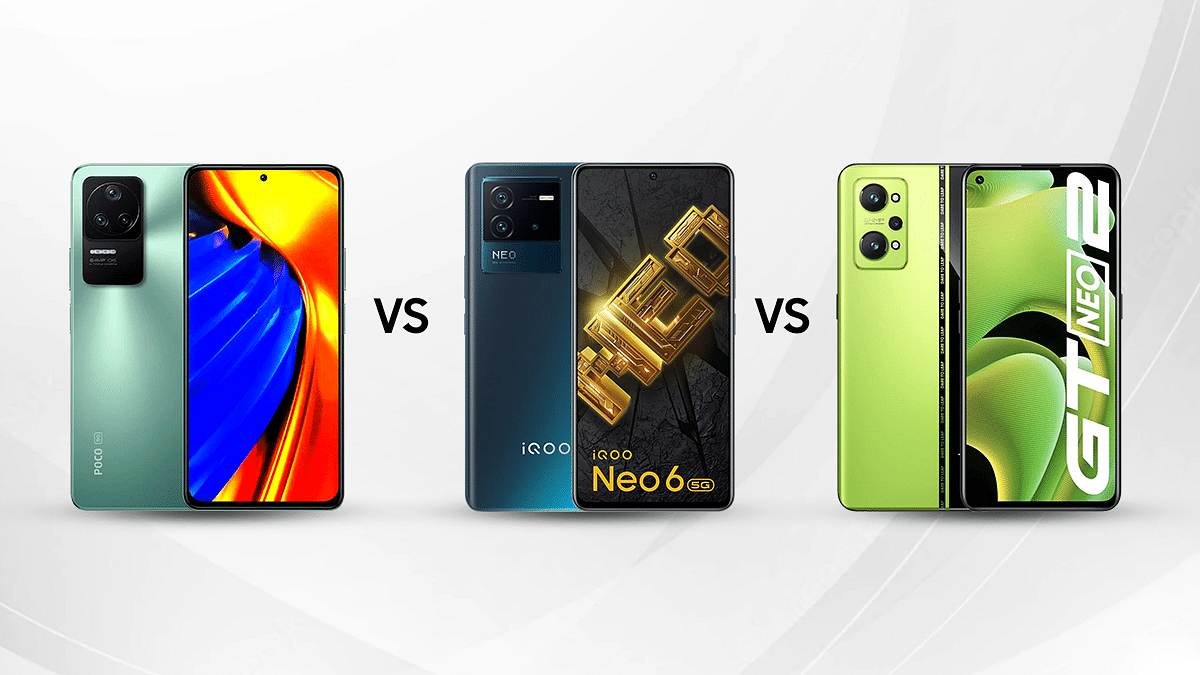
Poco F4 5G Vs iQOO Neo 6 5G Vs Realme GT Neo 2 Full Specs Comparison: Best Premium Mid-Range Android Phone In India?

Poco has announced a new mid-range smartphone ‘Poco F4’ in the Indian market. One of its major rivals is the iQOO Neo 6 5G and Realme GT Neo 2 which share similar specifications as the Poco F4.  Also, all three smartphones are powered by Qualcomm’s Snapdragon 870 chipset. So, the question is, which out of the three is a better choice to go for? Let us compare the specifications of the Poco F4 5G, iQOO Neo 6 5G, and the Realme GT Neo 2 and find out which one to go for.

Display

The Poco F4 5G features a 6.67-inch E4 AMOLED display with a refresh rate of 120Hz. The panel further comes with HDR10+ certification and Dolby Vision support.

Meanwhile, the iQOO Neo 6 features a tad smaller 6.63-inch display which is also an E4 AMOLED panel with a refresh rate of 120Hz, FHD+ resolution, and HDR10+ certification. However, it does not support Dolby Vision.

Coming to the Realme GT Neo 2 5G, the device is packed with a 6.62-inch E4 AMOLED display with a refresh rate of 120Hz and FHD+ resolution.

Overall, the display of the Poco F4 5G, iQOO Neo 6 5G, and the Realme GT Neo 2 is good enough to use in any condition. But we prefer the Poco F4 5G’s display as it comes with Gorilla Glass 5 protection and offers a smoother experience.

Processor

Under the hood, the Poco F4 5G, iQOO Neo 6 5G, and the Realme GT Neo 2 are powered by the Qualcomm Snapdragon 870 chipset. While all three smartphones have a maximum of 12GB of RAM, Poco F4 has LPDDR5 RAM along with 3GB virtual RAM support, while the Neo 6 has LPDDR4X RAM. All three handsets have up to 256GB of internal storage.

The Neo 6 comes with up to 4GB of extended RAM. On the other hand, the Realme GT Neo 2 also features Dynamic Ram Expansion of up to 7 GB. This is the largest dynamic ram expansion you would find on any premium mid-tier Android phone in the market.

All three smartphones run on the Android 12 operating system. The Poco F4 runs a tweaked version of MIUI 13. On the other hand, the Neo 6 runs on Vivo’s FunTouch OS. Coming to the Realme GT Neo 2, the handset ships with a custom Realme UI 2.0 interface.

In general use, all three smartphones – the Poco F4 5G, iQOO Neo 6 5G, and the Realme GT Neo 2 – offer similar performance and you can bet on any of these models for intensive and standard tasks.

Camera

The Poco F4 5G, iQOO Neo 6, and the Realme GT Neo 2 offer a similar triple camera setup. All three smartphones have a 64MP main camera, an 8MP ultra-wide camera, and a 2MP macro camera.

The Poco F4 5G has an OmniVision OV64B primary camera. On the other hand, the iQOO Neo 6 5G has a Samsung GW1P main sensor. Meanwhile, Realme used the Sony IMX682 camera in the GT Neo 2.

When it comes to selfies, the Poco F4 5G offers a 20MP front camera. The iQOO Neo 6 and Realme GT Neo 2 are equipped with a 16MP selfie camera.

Because of its better Sony IMX682 sensor, the Realme GT Neo 2 has been called a winner in this category.

Battery

For power delivery, the Poco F4 5G comes with a 4,500mAh battery capacity. It supports 67W fast charging. Coming to the iQOO Neo 6 5G, the device packs a 4,700mAh battery with 80W rapid charging support. Moving to the Realme GT Neo 2, the smartphone has a 5,000mAh battery compatible with 65W Super Dart charging facility. If you wish to go for bigger battery size, the Realme GT Neo 2 is the best fit, however, for faster-charging speeds, you should opt for the iQOO Neo 6 5G.

Verdict

The high-end variant of the Poco F4 5G which offers 12GB RAM and 256GB of internal storage is priced at Rs. 32,999. The same configuration of the iQOO Neo 6 costs Rs. 33,999. Besides, the Realme GT Neo 2 will cost you a little higher Rs. 38,999.

If price is the key deciding feature, the Poco F4 5G clearly tops in this comparison. Besides, if you are ready to spend more money on better cameras and a massive battery capacity, the Realme GT Neo 2 is a good choice.

Categories
Comparison Mobile

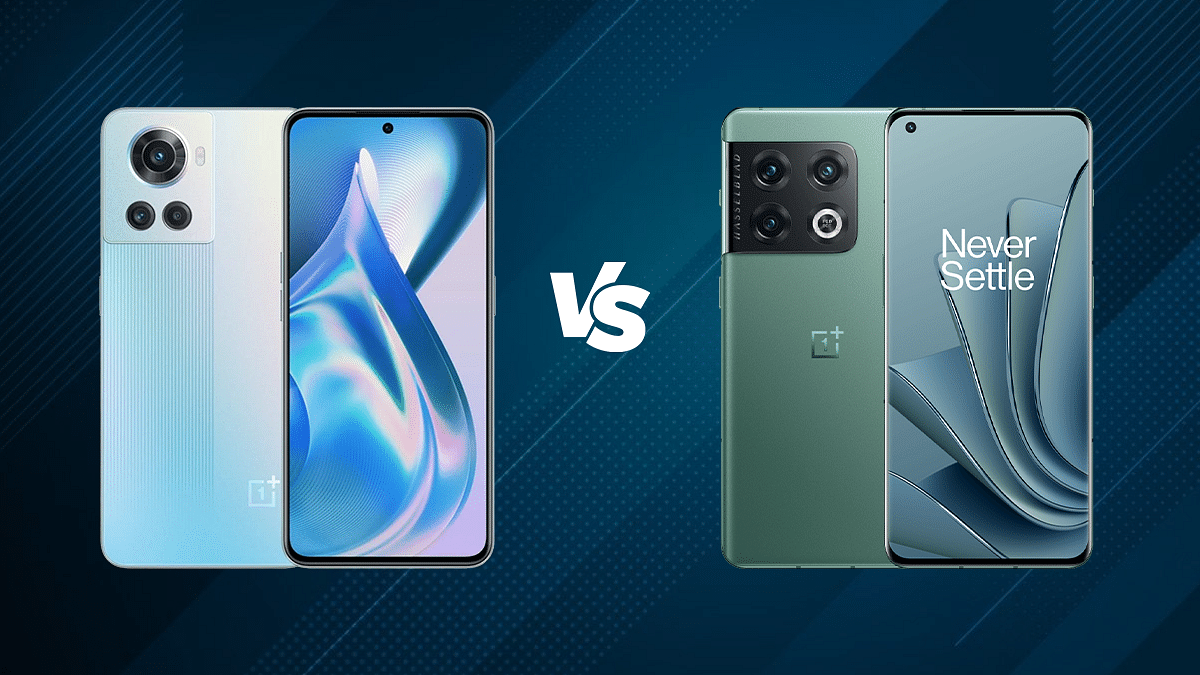
OnePlus Ace Vs OnePlus 10Pro 5G: Quick Specification Comparison

OnePlus is expected to launch the ACE smartphone in India soon. Notably, the device is already available in China and is expected to be available in India. However, the company has not made any official announcement on the launch date, but the device is likely to be available next month in the country.

On the other hand, the most high-end device that is available in India is the OnePlus 10 Pro 5G, which is priced at Rs. 66,999 for the 8GBof RAM and 128GB of storage and the 12GB of RAM+256GB of the variant will cost you Rs. 71,999. So, let’s discuss the specifications of both devices.

OnePlus Ace Smartphone: Specifications

The OnePlus Ace is available in China and comes with a 120Hz refresh rate, an aspect ratio of 20:9, and a resolution of 1080×2412 pixels (FHD+). In addition, the display sports Gorilla Glass for protection and is powered by an octa-core MediaTek Dimensity 8100 5G processor.

The device also has 8GB and 12GB of RAM. It runs Android 12 and is backed up by a 4500mAh battery along with proprietary fast charging. On the optics front, the device supports a triple camera setup, including a 50MP primary camera, 8MP ultra-wide angle, and a 2MP macro camera.

In addition, the back camera supports autofocus. You will also find a 16MP camera along with an f/2.4 aperture. There is a 128GB/ 256GB/ 512GB of stoarge. Moreover, the smartphone supports Nano-SIM, USB Type-C, 3G, 4G 5G, Wi-Fi 802.11 a/b/g/n/ac/ax, GPS, and Bluetooth v5.20, NFC.  Also, you will find sensors like gyroscope, proximity sensor, accelerometer, ambient light sensor, compass/ magnetometer, and in-display fingerprint sensor.

OnePlus 10 Pro Smartphone: Specifications

In April, this year, the smartphone company launched its high-end device called the OnePlus 10 Pro 5G in India. The device comes with a Snapdragon processor, 120Hz refersh rate, and a fast charger. Besides, the device is always available in two color options: Emerald Forest, and Volcanic Black. The device is already available on Amazon.

Under the hood, the Oneplus 10 Pro is powered by a Snapdragon 8 Gen 1 processor in the country. It runs Android 12 OS and is coupled with 8GB of RAM / 128GB of storage and 12GB/ 256GB of storage. Additionally, the device comes with a 5,000mAh battery along with an 80W fast charger.

On the optics front, the device supports a 48MP primary camera, a 50MP ultra-wide sensor, and an 8MP macro shooter. The 32MP camera is placed on the front side.  Furthermore, the devicesupports a 6.7-inch AMOLED display along with a 120Hz refresh rate, punch hole display design, and holds a selfie camera.

Categories
Comparison Featured Tablet

OPPO Pad Air Vs Xiaomi Pad 5 Vs Realme Pad X 5G Specs Comparison: Which Premium Mid-Range Android Tablet Is Best?

OPPO is all set to launch a new Android tablet in India called the OPPO Pad Air. The upcoming tablet will be coming as a slightly trimmed-down version of the standard OPPO Pad model. OPPO might launch the Pad Air tablet alongside the Reno8 series in the country as per the rumors. It will be going up against the likes of the Xiaomi Pad 5 and the Realme Pad X in India.

If you are planning to buy a new Android tablet that has capable hardware features and also a lower price range, you might have checked several options including the ones from Xiaomi, Realme, and OPPO. Notably, the Pad Air is an upcoming tablet in the country and if it is on your buying list, this comparison article will give you an insight. We have pit down the OPPO Pad Air against the Xiaomi Pad 5 and the Realme Pad X. Here’s which one will make for the best buy depending on your requirements and budget:

OPPO Pad Air Vs Xiaomi Pad 5 Vs Realme Pad X 5G: Display Specification Comparison

Starting with the OPPO Pad Air, the premium mid-range tablet is packed with a big 10.36-inch display. It is an IPS LCD screen that comes with a 2K resolution of 1200 x 2000 pixels and has a standard 60Hz refresh rate. The OPPO tablet’s display further supports 360 nits peak brightness levels and has a screen-to-body ratio of 80.5 percent.

The Xiaomi Pad packs a slightly bigger 11-inch display. The panel used by the premium mid-range Xiaomi tablet is also IPS LCD. However, the specifications are slightly better compared to the OPPO Pad Air. The Xiaomi Pad 5 LCD display supports 1600 x 2560 pixels screen resolution and has a higher 120Hz refresh rate and 450 nits peak brightness levels. The panel is also HDR 10 certified which makes it suitable for OTT platforms such as Netflix and Amazon Prime videos.

The Reame Pad X 5G also sports a large 10.6-inch display which is an IPS LCD screen with 1200 x 1200 pixels screen resolution. The display on the Realme Pad X 5G comes with an aspect ratio of 5:3 which is the same as the remaining two tablet models in this list. Out of all three tablet models, the Xiaomi Pad 5 packs the best display with a higher resolution and refresh rate.

OPPO Pad Air Vs Xiaomi Pad 5 Vs Realme Pad X 5G: Camera Hardware Comparison

All these three tablets compete massively in the camera department as well. The OPPO Pad Air’s imaging setup comprises a single rear and front camera. At the back, the OPPO Pad Air comprises an 8MP sensor with an f/2.0 aperture. The primary camera is capable of recording 1080p@30fps videos. This setup is suitable to click clean and crisp shots in daylight.

The Xiaomi Pad 5 is equipped with a larger 13MP snapper at the back that has an f/2.0 aperture. The main sensor is single here as well and is capable of recording 1080p@30fps videos.  The Xiaomi Pad 5’s camera comes with auto HDR and other shooting modes as well. In addition to 1080p videos, this Xiaomi Pad tablet’s rear camera can also shoot 4K videos at 30fps.

Moving on to the Realme Pad X 5G, you get a single-lens camera module here as well. The camera sensor used at the back is a 13MP lens with an f/2.2 aperture. The Xiaomi Pad 5 tablet also supports the standard 1080p@30fps videos.

In the selfie camera department, only the OPPO Pad Air has a smaller 5MP front camera. The remaining two models (Xiaomi Pad 5 and the Realme Pad X 5G) feature an 8MP sensor for self-portraits. If good camera hardware is your requirement, both Xiaomi Pad 5 and the Realme Pad X 5G are the tablet models you should consider. The OPPO Pad Air also has decent camera hardware but the remaining two models offer better specs.

OPPO Pad Air Vs Xiaomi Pad 5 Vs Realme Pad X 5G: Chipset And UI Differences

All three tablets mentioned in this list are for premium mid-tier consumers. The OPPO Pad Air is the only 4G tablet model in this list that is driven by the Snapdragon 680 processor. The octa-core Qualcomm processor is based on a 6nm fabrication and has Adreno 610 GPU support. The OPPO Pad Air comes has been announced with 4GB/6GB RAM and 64GB/128GB storage configuration.

The Xiaomi Pad 5 uses a slightly powerful chipset compared to the OPPO Pad Air and the Realme Pad X 5G. It uses the octa-core Snapdragon 860 chipset which is built on 7nm fabrication and gets Adreno 640 GPU support to render all rich graphics with ease. The configuration options for the Xiaomi Pad 5 are 6GB RAM and up to 256GB onboard storage space.

Coming to The Realme Pad X, this is also a 5G Android tablet similar to the Xiaomi Pad 5 but uses a Qualcomm 6XX series chipset instead of the Snapdragon 8XX processor. This latest Realme tablet uses the Snapdragon 695 5G processor which is also built on 6nm fabrication process and has Adreno 619 GPU support.

The performance delivery will be good on all these Android tablets. You will get a decent working experience on all. However, the Xiaomi Pad 5 will be better overall with multitasking and gaming with its high-range Snapdragon 860 processor.

Only the Xiaomi Pad 5 in this list ships with Android 11 OS. You will find a custom MIUI skin on top. Whereas, the remaining two options including the Realme Pad X 5G and the OPPO Pad Air have the Android 12 OS layered with the in-house user interface.

OPPO Pad Air Vs Xiaomi Pad 5 Vs Realme Pad X 5G: Battery And Fast Charging Speeds

The OPPO Pad Air’s lights are kept on via a 7100 mAh battery unit which is a non-removable module. This large battery size is complemented by an 18W fast charging support. On the other hand, the Xiaomi Pad 5 is packed with a bigger battery setup compared to the OPPO Pad Air.

The battery capacity on this model is 8,720 mAh which is accompanied by 33W fast charging. The Realme Pad X 5G isn’t too far behind the Xiaomi Pad 5 in terms of battery capacity. This tablet uses an 8,340 mAh battery unit which also supports a  high 33W charging speed.

All three tablet models have a capacious battery that can last almost a day with a single charge and with moderate usage. But if you need faster-charging speeds and larger battery capacity, you need to consider the Xiaomi Pad 5 followed by the Realme Pad X 5G and the OPPO Pad Air.

OPPO Pad Air Vs Xiaomi Pad 5 Vs Realme Pad x 5G: Price, Which One To Buy?

The OPPO Pad Air is unannounced in the Indian market and so is the Realme Pad X 5G. However, both these tablets are expected to launch under Rs. 20,000 price mark in the country. The Xiaomi Pad 5 tablet costs a bit higher at around Rs. 26,999 in the Indian market.

If your preference is a 5G-supported tablet, the Xiaomi Pad 5 and the Realme Pad X 5G make the best options for you. However, if you need a tablet with 4G network connectivity, the OPPO Pad Air at a cheaper price point will be the best buy in this list.