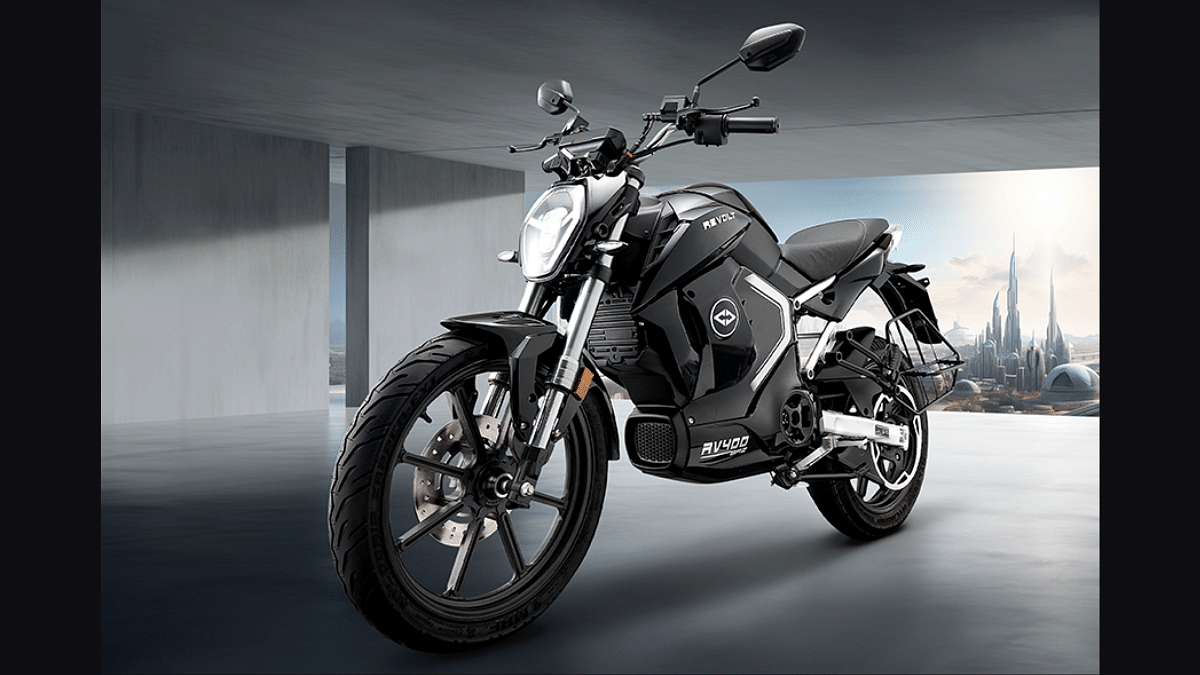
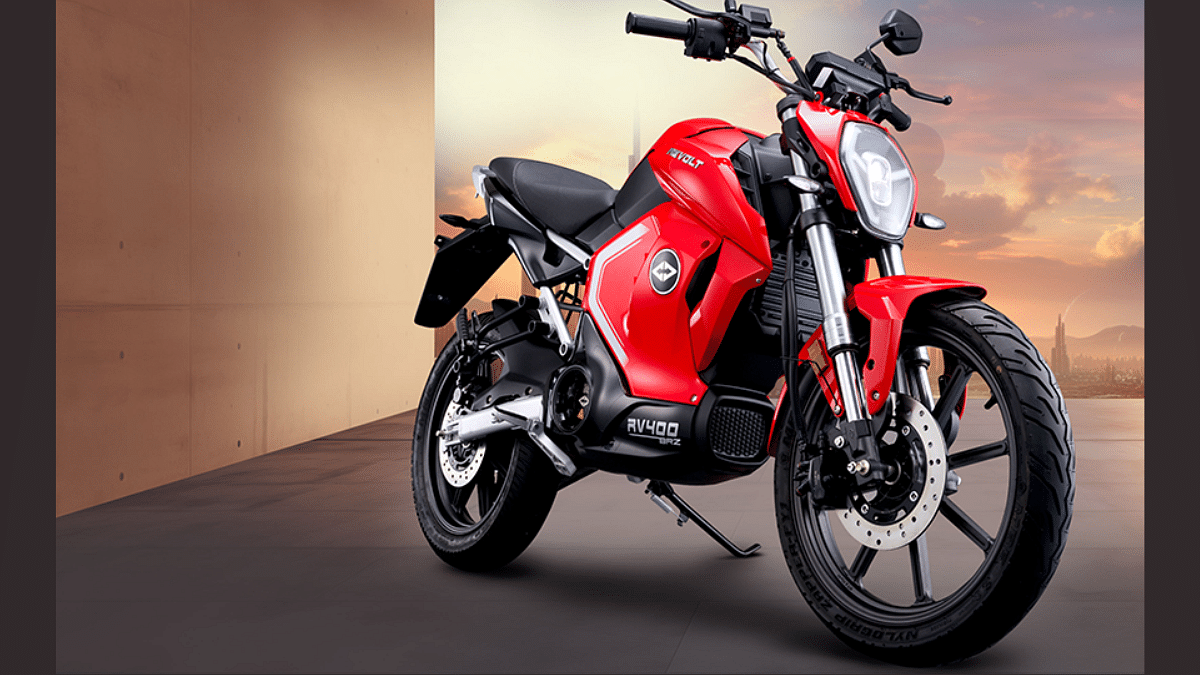
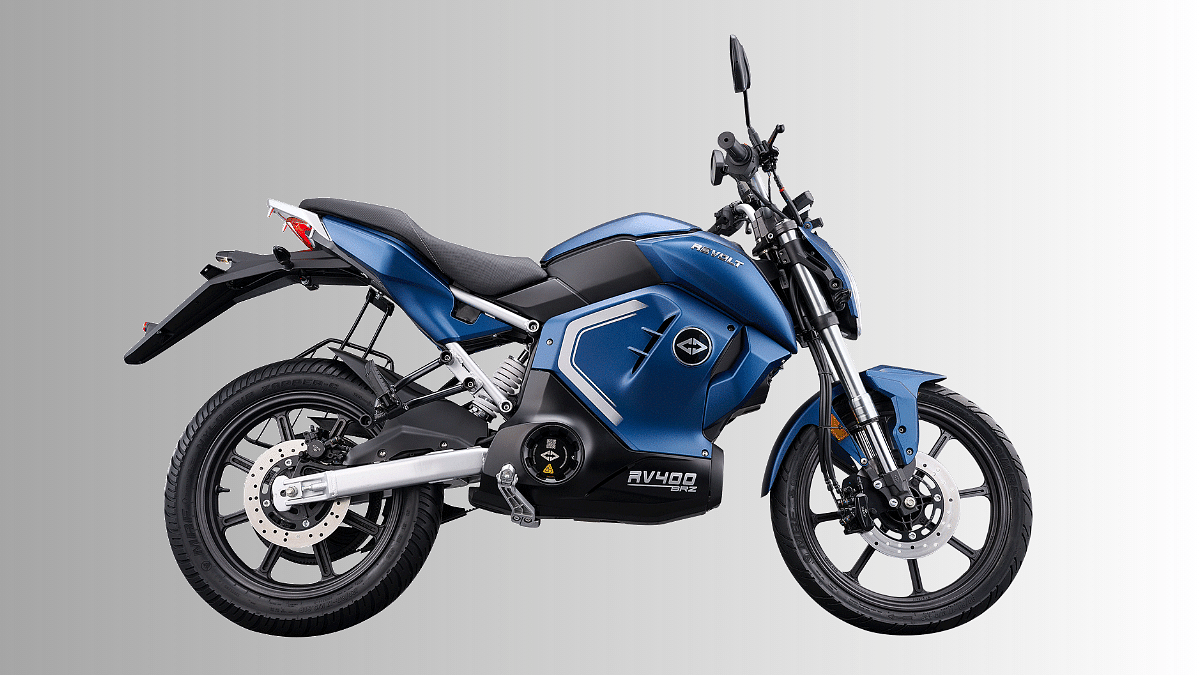
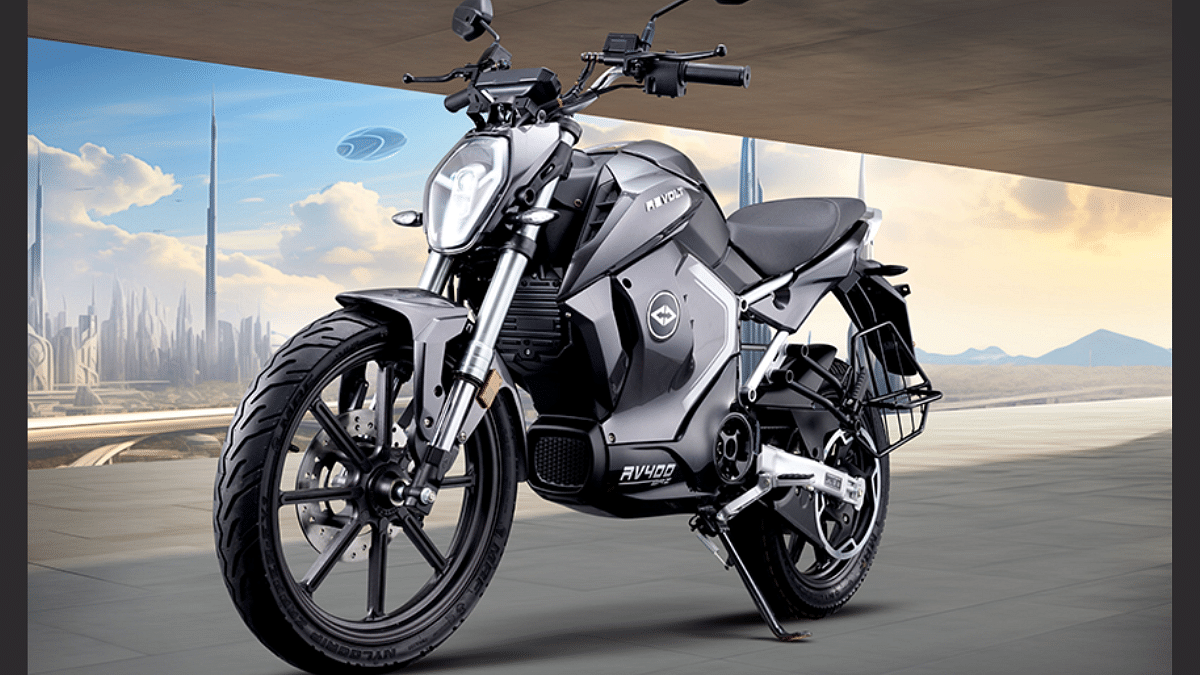
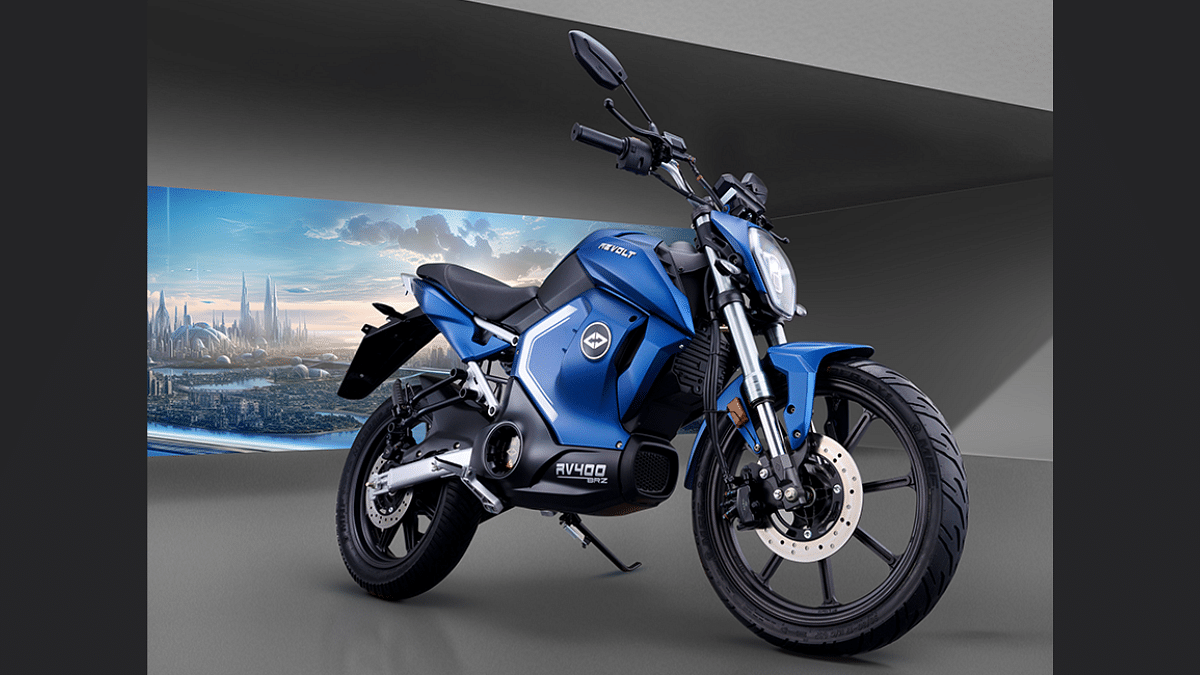
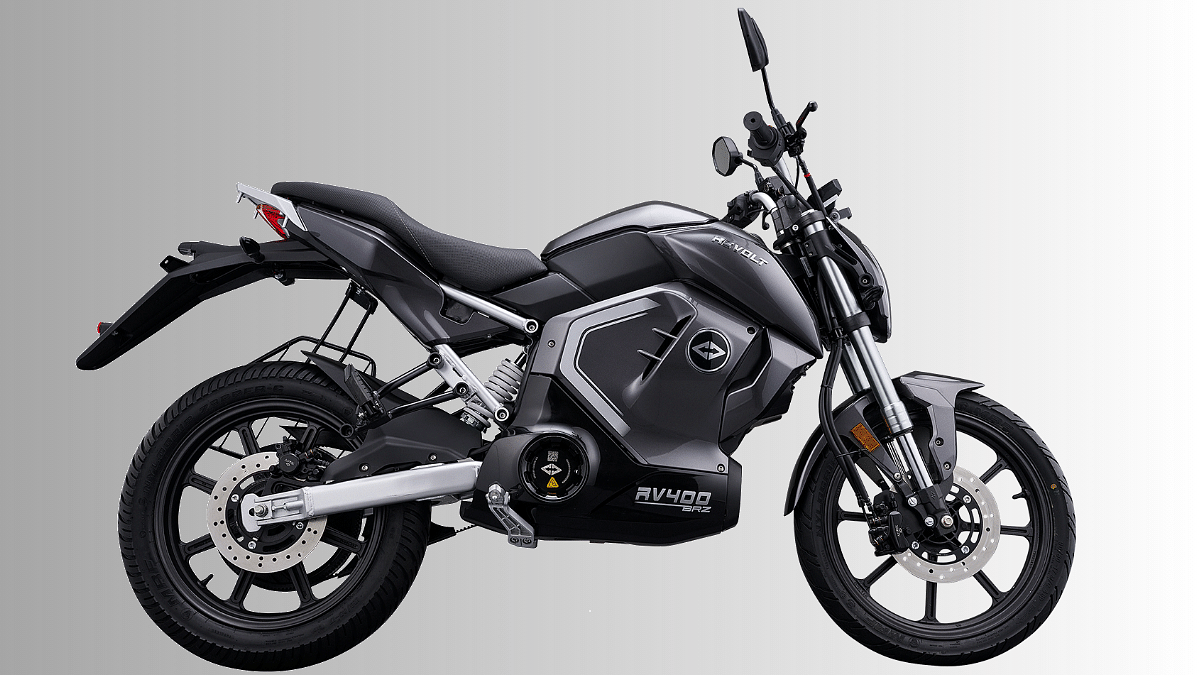
Revolt Motors have launched another new electric motorcycle for the Indian consumers. The company has released a new RV400 model called the RV400 BRZ. The latest Revolt motorcycle offers the same sporty road presence and a powerful performance but at lower rates.
Revolt RV400 BRZ Powertrain: Anything New Or Same Old?
Revolt RV400 BRZ
Powertrain
Motor
Mid-drive electric
Battery
3.2 kWh
Range
Up to 150 km (Eco Mode) Up to 100 km (Normal Mode) Up to 80 km (Sport Mode)
Top Speed
85 kph
Power
3kW
The newly launched Revolt RV400 BRZ edition is almost identical to the standard Revolt RV400 in terms of powertrain. This electric motorcycle has been packed with a mid-drive motor with 3kW rated power. This new variant employs the same 3.2 kWh battery module as the standard model.
The claimed range offered by the RV400 BRZ model is up to 150 km on a full charge. This high riding range can be achieved in the Eco mode. The electric motorcycle additionally comes with Normal and Sport mode where the range delivery stands at 100 km and 80 km per charge respectively.
Revolt claims the total charging time for the RV400 BRZ’s battery will be around 4 hours and 30 minutes (from 0- 100 percent). Whereas, it will take around 3 hours straight to charge the e-motrocycle’s battery from 0 to 75 percent. For an enhanced range efficiency, this new electric motorcycle also features regenerative braking which we get with the high-end model as well.
Moving on to the features, the Revolt RV400 BRZ variant comes with a digital instrument cluster and has LED headlights. Braking is taken care off by disc brakes both upfront and the rear accompanied by CBS (combi braking system). For suspension, this electric motorcycle uses USD fork suspension at the front and monoshock absorbers at the rear.
The answer is yes. The Revolt RV400 is an affordable option when compared to the standard model. It’s price is set at Rs. 1.38 lakh in India. Speaking of the color options, you can select from Dark Silver, Lunar Green, and Pacific Blue shades.
This sub Rs. 1.40 price range makes it a cheaper alternative to the popular e-bikes such as the Tork Kratos and Oben Rorr. Considering the affordable segment has always witnessed the highest demands, the RV400 BRZ will possibly strike the right notes.
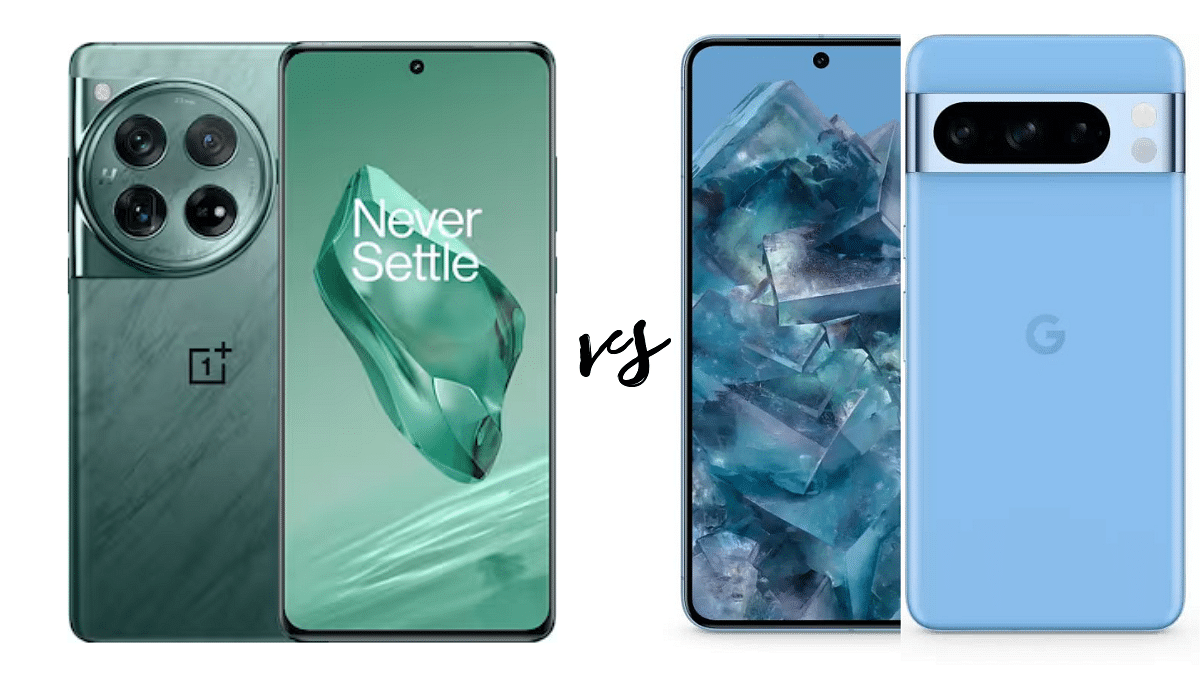
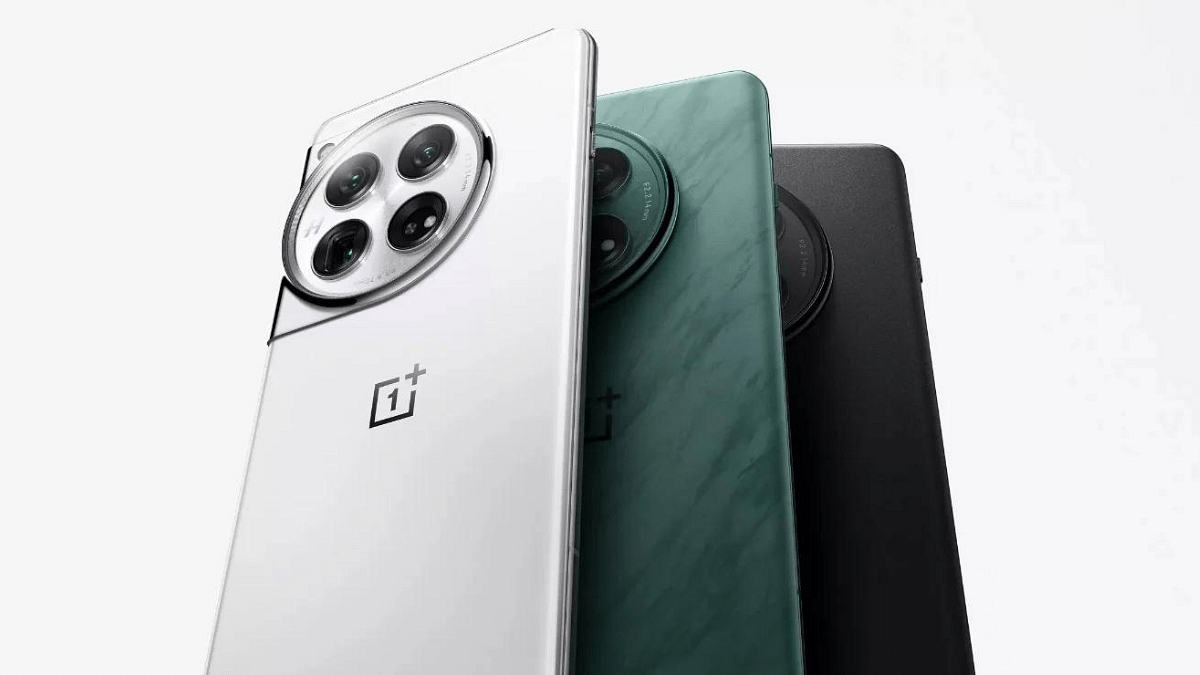
Choosing between the OnePlus 12 and Google Pixel 8 can be a tough call. Both are top-tier Android phones with impressive specs, but they cater to slightly different priorities. Let’s delve into their key features and see which one reigns supreme:
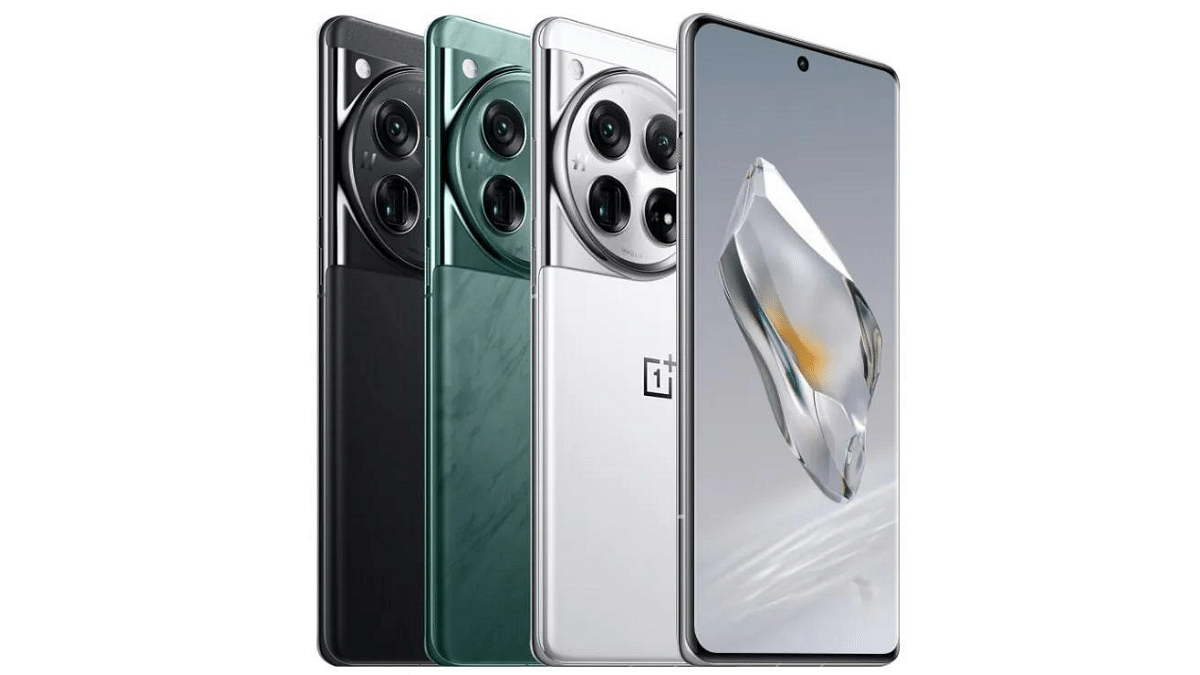
OnePlus 12: Boasts a larger 6.82-inch AMOLED display with a smoother 120Hz refresh rate and a sharper 1440 x 3168 resolution. Its sleek design features a glass front and back with an aluminium frame, but it’s slightly heavier than the Pixel 8.
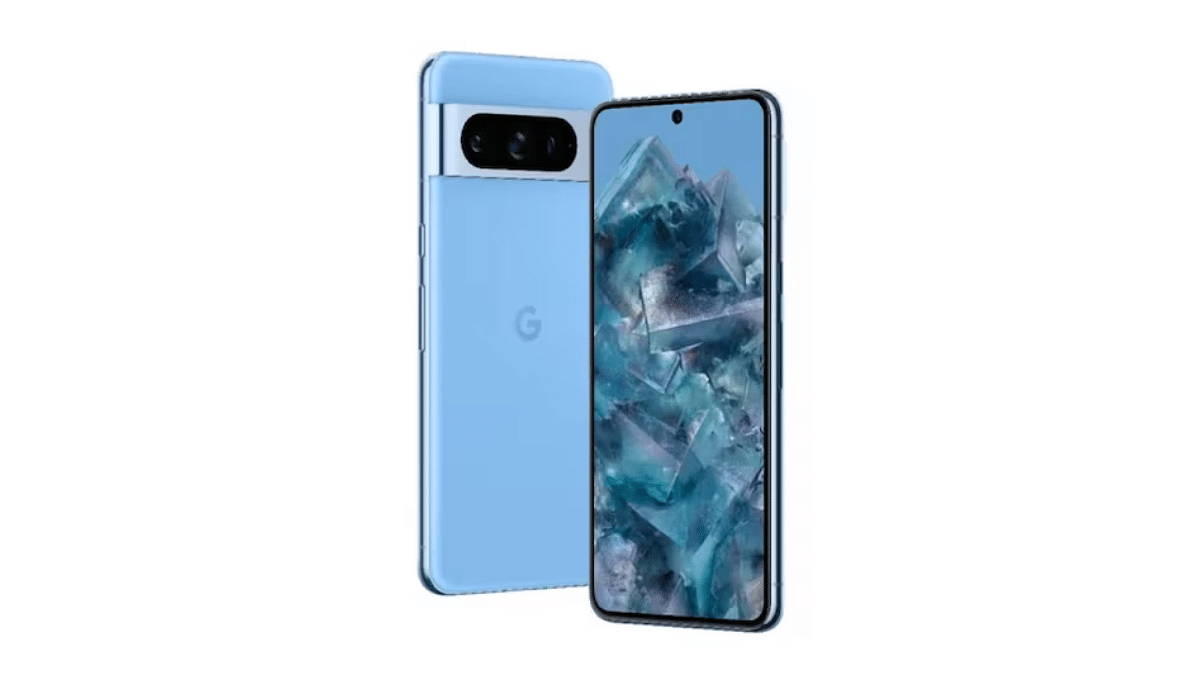
Google Pixel 8: Offers a more compact 6.2-inch OLED display with a crisp 1080 x 2400 resolution and a 120Hz refresh rate. It’s lighter and more pocketable, with a similar glass and aluminium construction.
OnePlus 12: Packs the latest Qualcomm Snapdragon 8 Gen 3 processor, paired with up to 16GB RAM and 1TB storage. This promises blazing-fast performance for demanding tasks and multitasking.
Google Pixel 8: Runs on the custom-built Google Tensor G3 chip, which may not benchmark as high as the Snapdragon 8 Gen 3, but excels in AI-powered features and image processing. It comes with 8GB RAM and up to 256GB storage.
OnePlus 12: Features a triple-camera system with a 50MP main sensor, a 64MP telephoto lens with 3x optical zoom, and a 48MP ultrawide lens. It boasts Hasselblad color calibration and impressive video capabilities.
Google Pixel 8: Sports a dual-camera setup with a 50MP main sensor and a 12MP ultrawide lens. While it lacks a dedicated telephoto lens, its computational photography prowess often produces stunning results, especially in low-light conditions.
OnePlus 12: Houses a massive 5400mAh battery with incredibly fast 100W wired charging. It can be fully charged in just 26 minutes!
Google Pixel 8: Packs a smaller 4575mAh battery with slower 27W wired charging. While it may not win the speed race, it offers decent battery life and convenient wireless charging.
OnePlus 12: Runs on Android 14 with OxygenOS 14 (International) or ColorOS 14 (China). While OxygenOS is known for its clean and lightweight interface, ColorOS can feel slightly bloated.
Google Pixel 8: Runs on the latest stock Android 14 experience, guaranteeing faster updates and access to the newest features straight from Google.
Choosing between the OnePlus 12 and Google Pixel 8 depends on your priorities. If you prioritize raw performance, a larger display, and blazing-fast charging, the OnePlus 12 takes the cake. However, if you value a clean software experience, superior camera performance in low light, and faster updates, the Google Pixel 8 might be the better fit. Ultimately, both phones are excellent choices, so consider your needs and preferences before making your decision.
Intel Core Ultra 5 & 7 CPUs + Acer AI tools boost performance and visuals.
1.5K IPS touchscreen with AI optimization for stunning clarity.
16GB RAM, 512GB SSD & QuickPanel & LifeConnect.
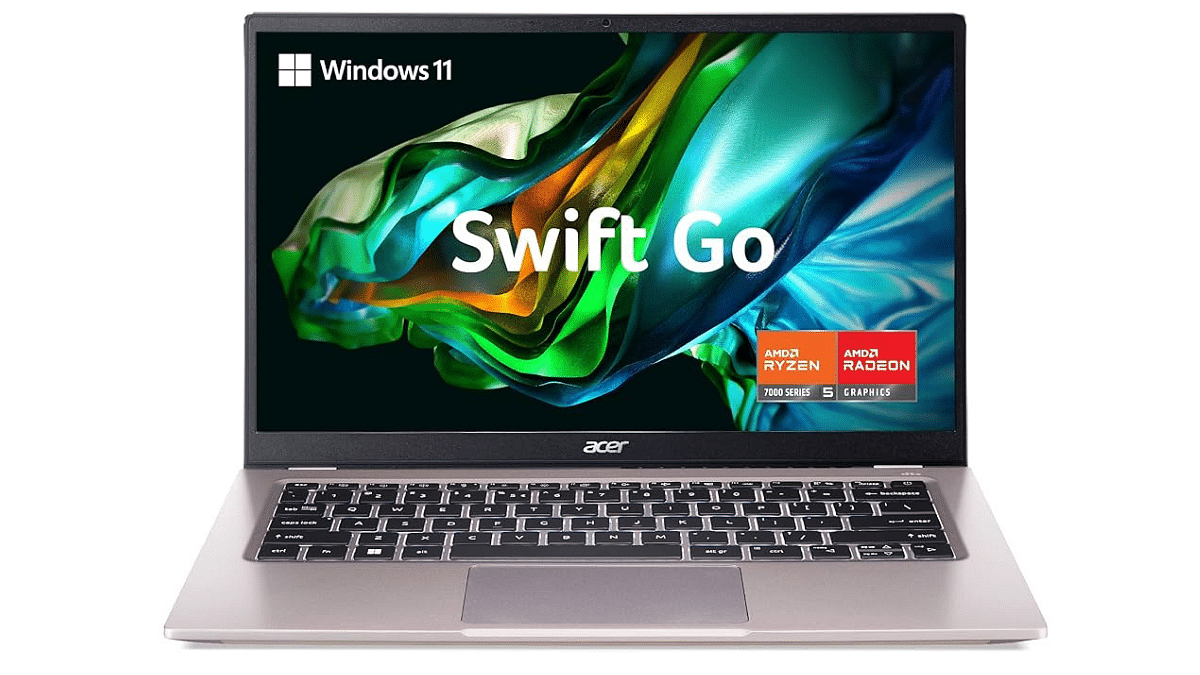
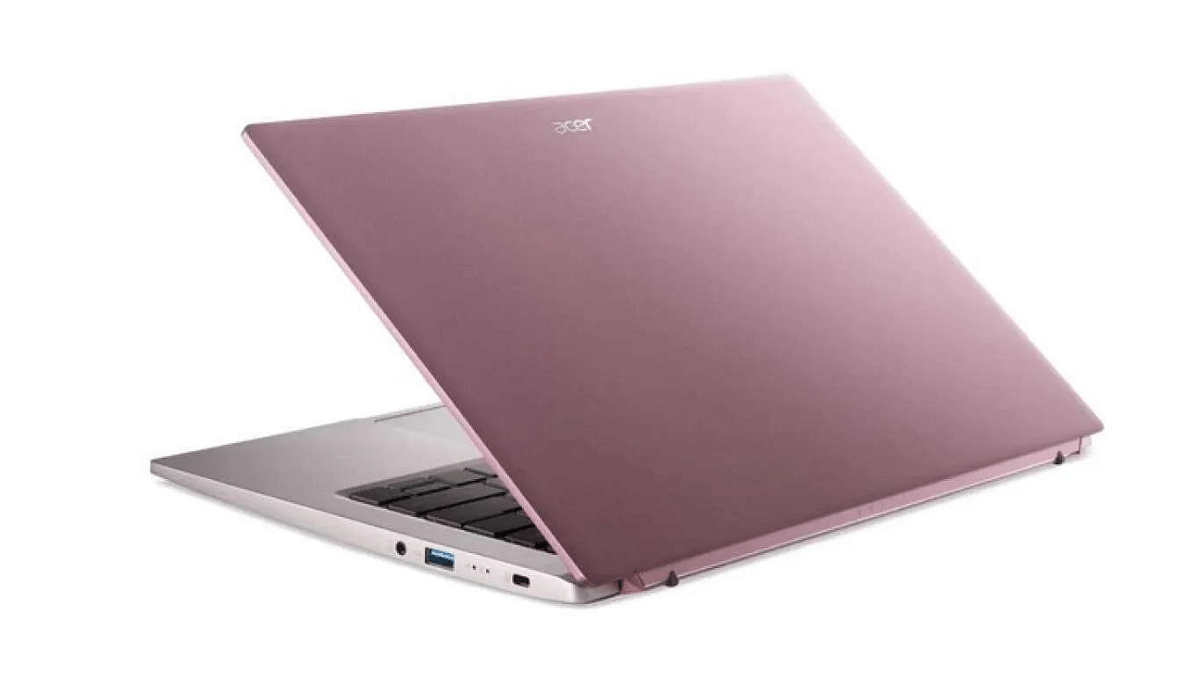
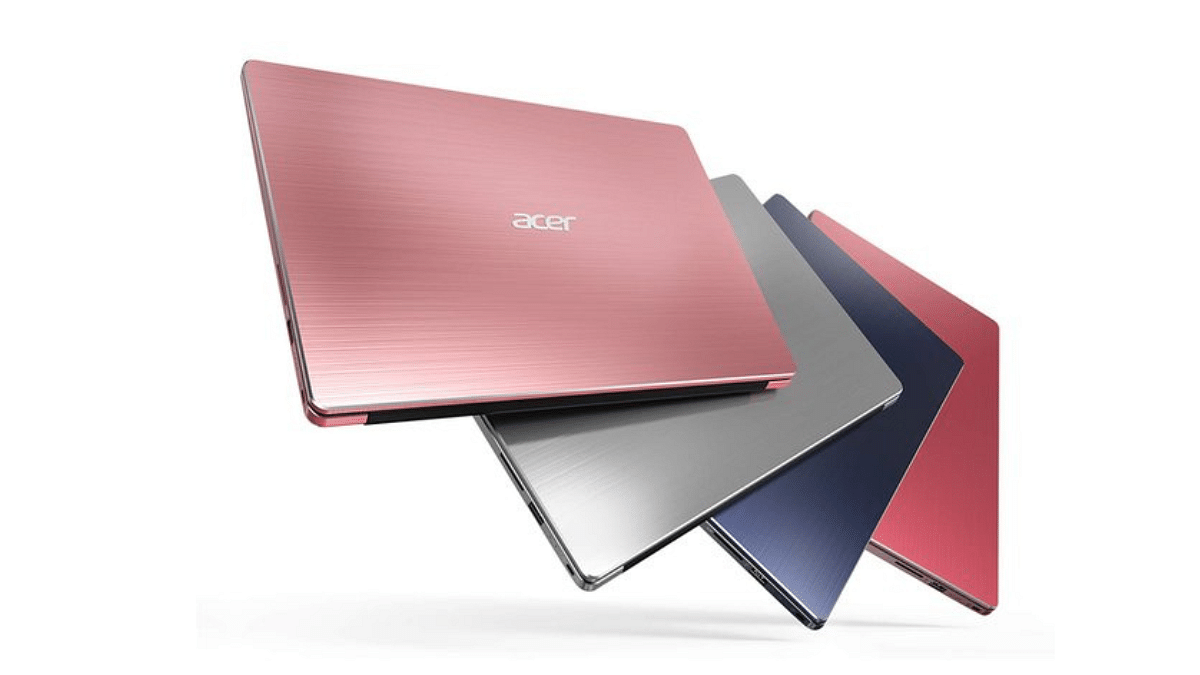
Acer has unveiled the highly-anticipated Swift Go 14 in the Indian market, bringing AI-powered computing experiences to professionals and creators alike. This laptop comes with the latest Intel Core Ultra processors, packed with AI Boost and Intel Arc graphics, making it a capable companion for demanding tasks and immersive entertainment.
Let’s dive into its key features and see what makes it stand out.
Crisp 1.5K Display: 14-inch IPS touchscreen with a 16:10 aspect ratio, perfect for multitasking and enjoying visuals.
AI-powered Enhancements: Acer AlterView and Acer AI Zone optimize audio and video quality for crystal-clear communication and video calls, while Microsoft Copilot and Acer PurifiedView further elevate your video conferencing experience.
Powerful Processors: You can choose from Intel Core Ultra 5 or 7 processors for seamless multitasking and efficient power consumption. 16GB LPDDR5X RAM and a 512GB SSD ensure smooth operation and ample storage space.
AI-powered Convenience: Acer QuickPanel and LifeConnect simplify user interaction, especially during virtual meetings, boosting your productivity.
Seamless Connectivity: It comes with a range of ports, including a 1440p QHD webcam for sharp video calls, USB-C charging with up to 100W fast charging support, and HDMI connectivity for external displays.
The Acer Swift Go 14 is available for purchase in India through Flipkart, starting at Rs. 84,999. With its blend of cutting-edge technology, AI-powered features, and stunning visuals, it offers a compelling proposition for users seeking a future-ready laptop experience.
Challenges remain: Affordability, infrastructure need government push.
Reliance Jio, India’s leading telecom giant, has ignited the debate for digital transformation by urging the government to phase out 2G and 3G services. This bold move, outlined in response to TRAI’s consultation paper, aims to propel India into the 5G era, unlocking a plethora of benefits for both consumers and industries.
Jio’s call for a 2G/3G sunset stems from several factors:
Unlocking Resources: Maintaining aging 2G and 3G networks diverts resources from modernizing infrastructure and expanding 4G and 5G coverage. Phasing them out frees up valuable spectrum, funds, and manpower for better serving current and future needs.
Encouraging Migration: By shutting down older networks, Jio hopes to incentivize users to upgrade to 4G and 5G, enjoying faster speeds, improved reliability, and access to a wider range of applications.
Fueling 5G Ecosystem: A 2G/3G-free landscape allows telecom operators like Jio to focus on building a robust 5G ecosystem, enabling innovative use cases in sectors like IoT, smart cities, and AI-driven industries.
Jio’s 5G push isn’t happening in a vacuum. Airtel, Jio, and soon Vi, are actively rolling out their 5G networks, offering users a glimpse into the future of connectivity. However, challenges remain:
Affordability: 5G smartphones are expensive, hindering penetration among low-income groups still heavily reliant on 2G/3G devices. Vi rightly points out the need for government subsidies to bridge this affordability gap.
Infrastructure Development: Expanding 5G coverage across India’s vast geographical expanse requires significant infrastructure investment. While operators are making strides, government support and streamlined regulations are crucial for faster progress.
Jio’s call for a 2G/3G sunset is a catalyst for India’s digital transformation journey. The government, in collaboration with telecom operators, must craft a comprehensive roadmap for phasing out older networks while ensuring affordability and accessibility of 5G for all. This roadmap should include:
Subsidies for 5G-enabled phones: Making 5G accessible to low-income groups is crucial for inclusive digital growth.
Streamlined regulations: Simplifying approvals and licensing processes can accelerate infrastructure development.
Digital literacy initiatives: Educating users about the benefits of 5G will encourage faster adoption.
By overcoming these challenges, India can unlock the immense potential of 5G and cement its position as a global leader in the digital age.
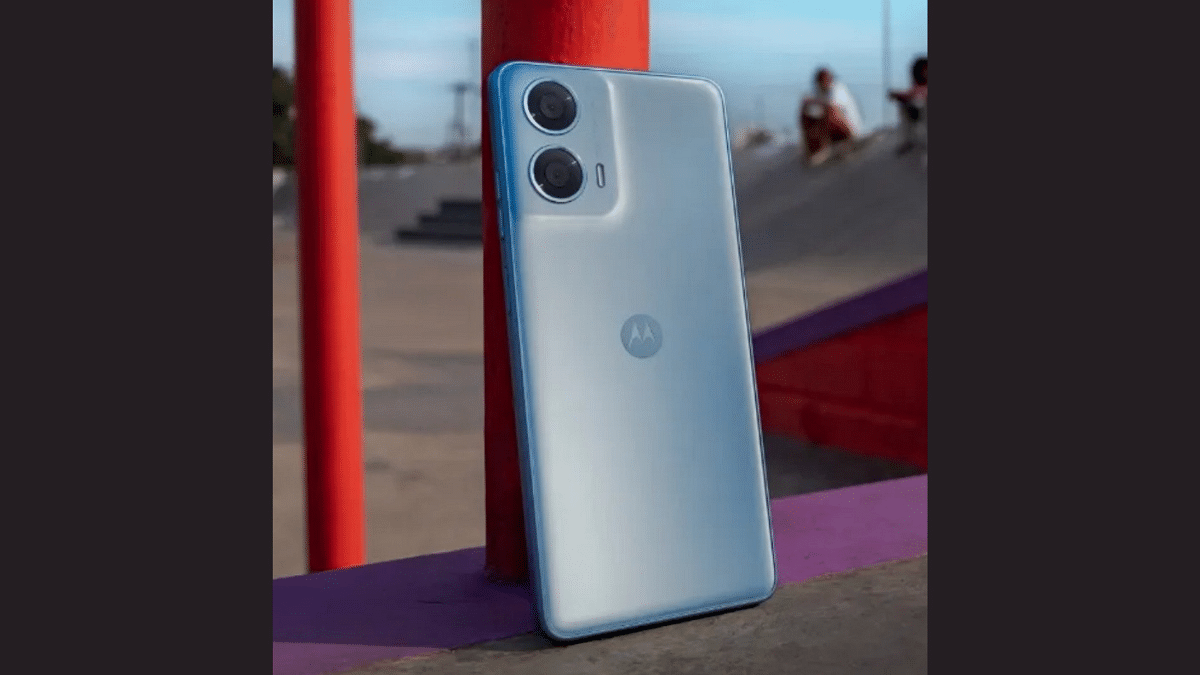
Motorola G24 Power launched as new budget Android phone
Price starts under Rs. 10,000
Offers a 50MP dual camera
Is powered by the Helio G85 Processor
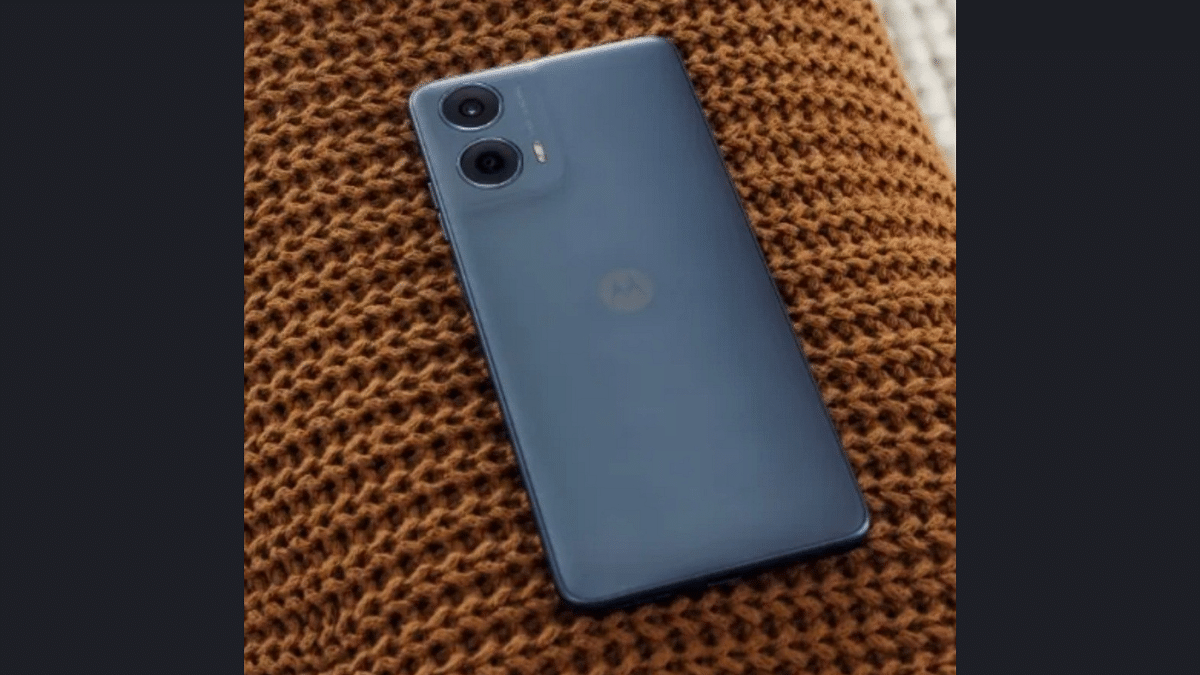
Motorola has launched a new budget Android. phone for the Indian consumers. The latest entrant comes in the Moto G series and is called as the Moto G24 Power which carries a sub Rs. 10,000 price label and offers high-end features such as a 50MP dual camera setup, up to 16GB RAM, and 33W fast charging.
Motorola G24 Power Full Spec-Sheet
Moto G24 Power
Spec-Sheet
Display
6.65-inch HD+ LCD
Refresh rate
90Hz
Rear camera
50MP+ 2MP
Selfie camera
16MP
Chipset
Helio G35
RAM
Up to 8GB
Storage
Up to 256GB
Battery
6,000 mAh
Fast Charging
33W
Display
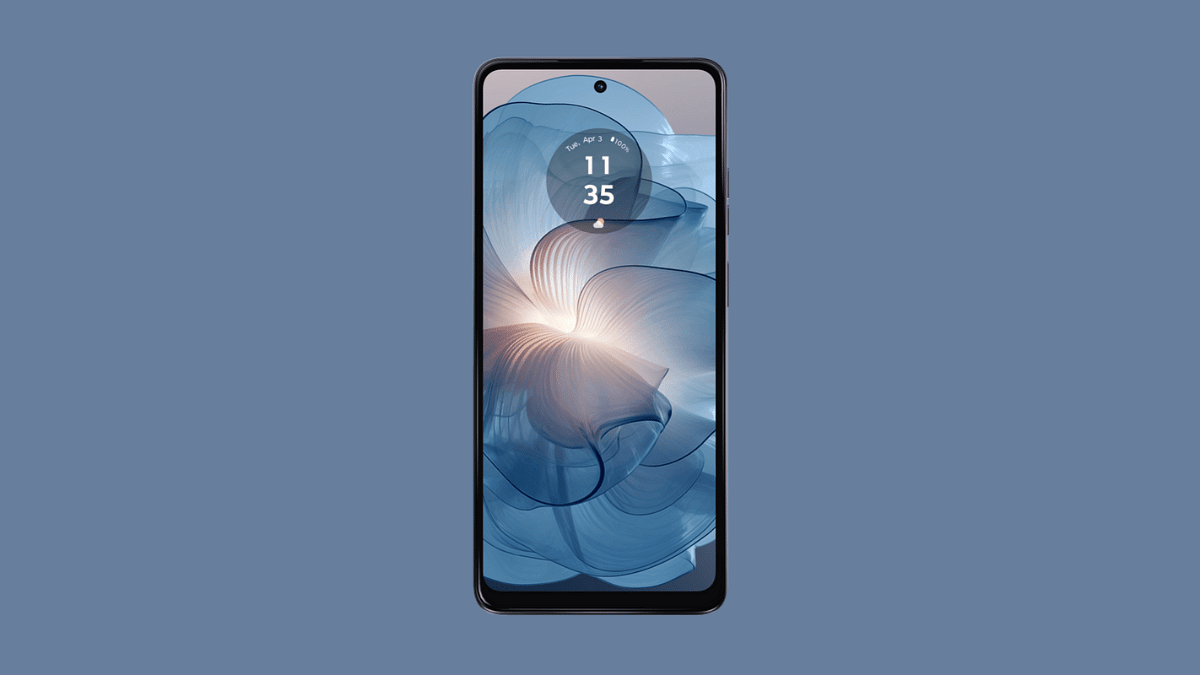
The Moto G24 Power despite being a budget phone offers a high-res 90Hz screen. It features a large 6.65-inch display where the panel type is LCD and the supported resolution is HD+. It’s large screen form factor and high refresh rate will offer a good viewing experience.
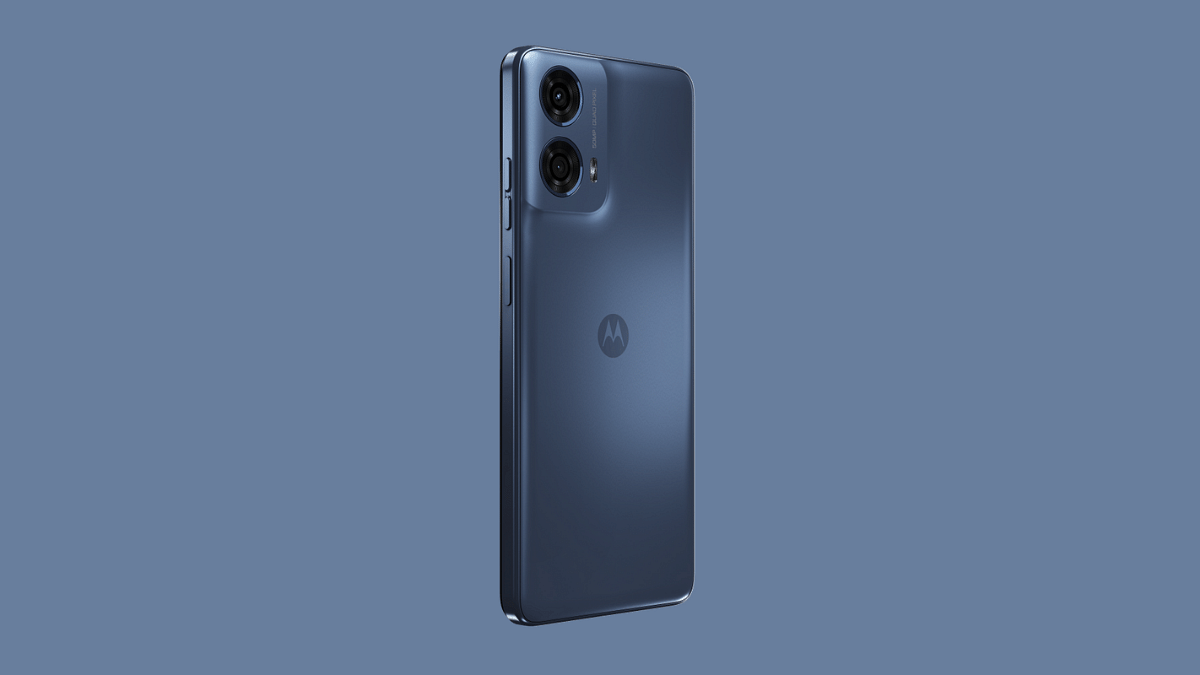
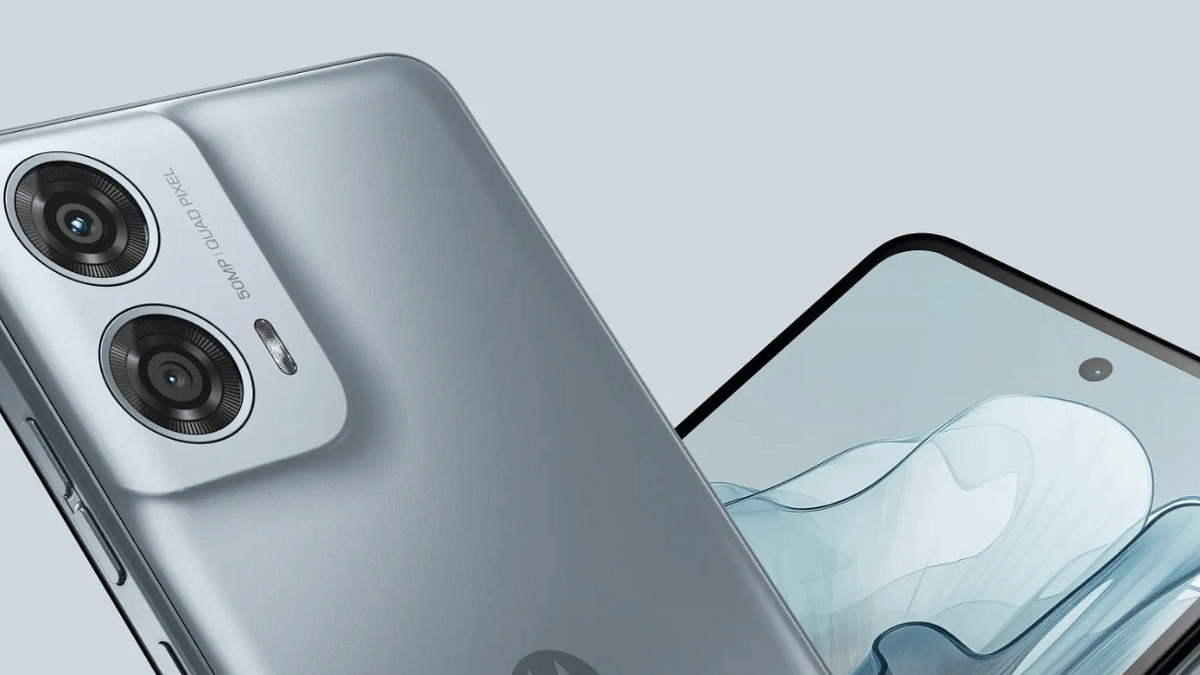
Optics setup is the key highlight of the Moto G24 Power. This affordable Android phone accommodates dual sensors at the rear where the primary lens being a large 50MP sensor with an f/1.8 aperture, PDAF, and Quad Pixel technology. The secondary lens is a 2MP macro lens for detailed close up shots. This sensor comes with an f/2.4 aperture. Rear camera setup of the Moto G24 Power can record 1080p@30fps videos. The selfie camera equipped inside the Moto G24 Power is a 16MP sensor with an f/2.45 aperture.
For performance delivery, the Moto G24 Power uses the octa-core Helio G85 gaming chipset from MediaTek. The SoC has Mali G52-GPU support that handles graphic delivery. The G24 Power comes with 4GB and 8GB RAM options and support up to 8GB virtual RAM. It has 128GB/256GB storage configuration options and up to 1TB expandable storage support. This handset will boot on Android 14 OS and support 3 years of security and 1 year of major OS update.
A large 6,000 mAh battery powers the Moto G24 Power which has 33W fast charging support. It is one of the few handsets to support this high fast charging in its segment.
Starting price for the Moto G24 Power is set at Rs. 8,999. At this price, the company is selling this handset with 4GB RAM and 128GB storage. There is also an 8GB RAM+ 256GB storage option that is priced at Rs. 9,999. Only two color options have been released including Glacier Blue and Ink Blue both of which will be available starting February 7 via Flipkart.
Conclusion
The Moto G24 Power brings some solid hardware to the table when we look at its price label. This phone gets multiple rivals from Xiaomi, Realme, Infinix, and other popular contenders in the sub Rs. 10,000 price bracket. But the latest firmware in addition to the 50MP dual camera setup and fast charging supported battery certainly gives it an edge over the rivals.
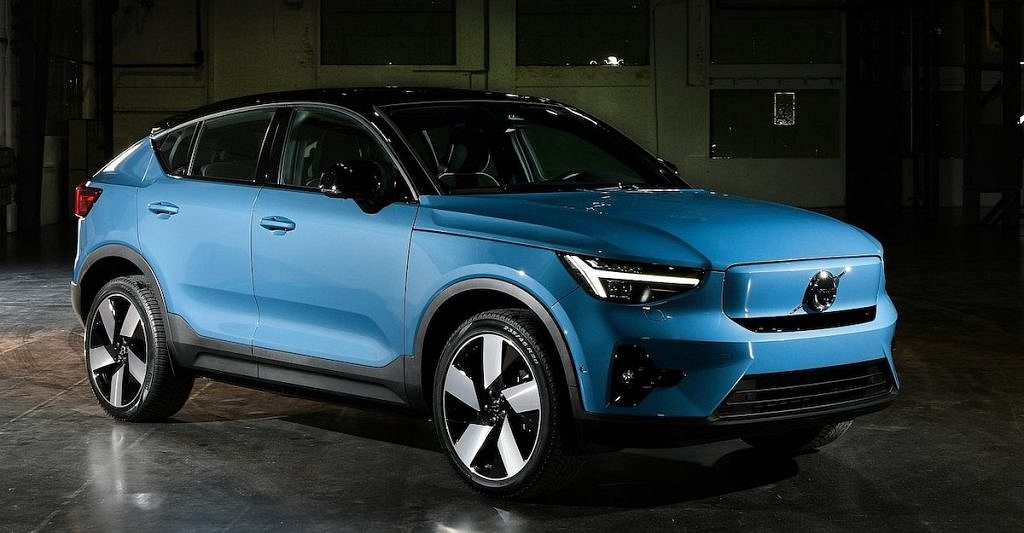
Volvo Cars is best known for its luxury four wheelers in India. The brand’s C40 recharge which was introduced back in 2023 is one of the most expensive and premium EVs available for sale in India. This electric car is well related when it comes to safety with the electric vehicles. But seems like the fears with EVs isn’t going away anytime soon. The latest incident of the Volvo C40 Recharge electric car catching fire is a scary reminder to the cons with EVs. What is this incident and what does Volvo has to say on the matter? Read details below:
Volvo C40 Recharge EV Fire Accident India: What Is The Case?
Internet is currently flooded with images and reports of the Volvo C40 Recharge EV going up in flames. The incident is being reported from Chattisgarh, India, where the car is said to have catch fire during an ongoing trip. Thankfully, no casualty or death has been reported from this incident.
The occupants of the car including the driver and passengers are said to have claimed made an escape on time before the flames engulfed the EV completely. Looking at the images of the burning Volvo C40 Recharge, it appears the fire intensity is high on the driver’s side. This incident involving one of the safest cars has definitely raised security concerns amongst the potential EV buyers.
What Does Volvo Say On The Matter?
Volvo has been silent as of now. The company is yet to release an official statement that could confirm what caused this C40 Recharge electric car to go up in flames. Whether it was any owner induced incident or some defective part issue is still to be confirmed. However, investigations on this matter are said to be underway and we are expecting Volvo to acknowledge and share an insight on the same.
This isn’t any new incident where an electric vehicle catching up fire has grabbed the headlines. However, it is for the first time when we have come across reports of a safe electric car bursting into flames. This definitely raises concerns related to safety with EVs. Automobile brands should look out on all the factors that adds to such mishaps and fix before making their EVs commercial.
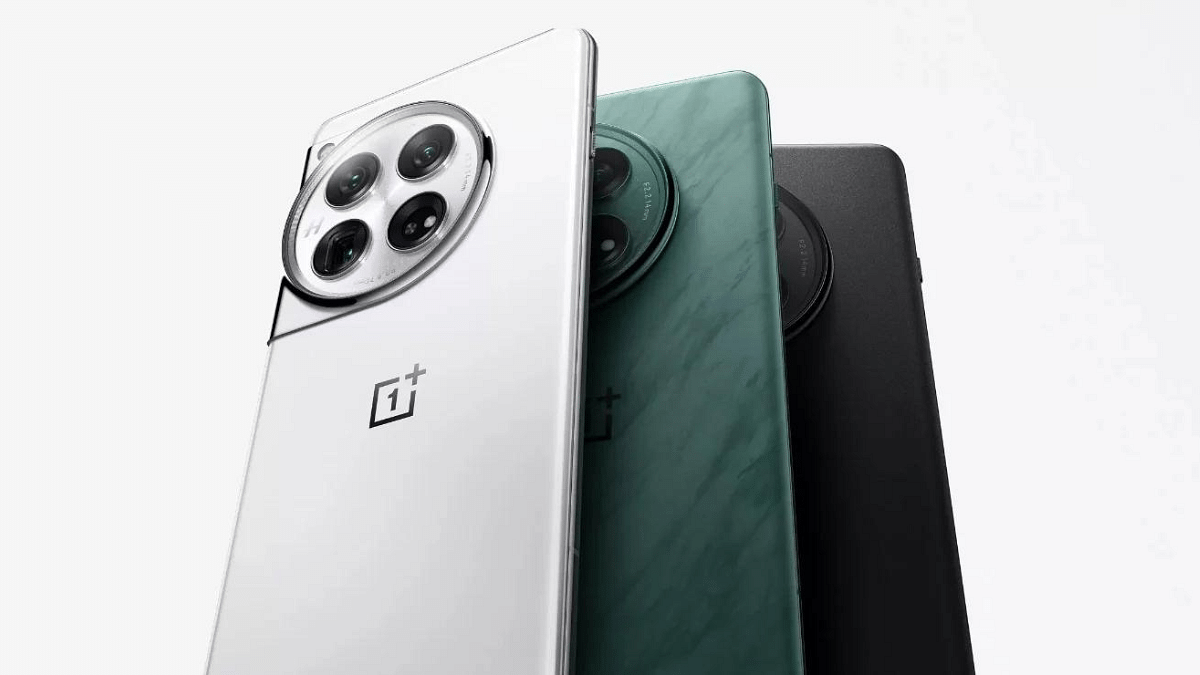
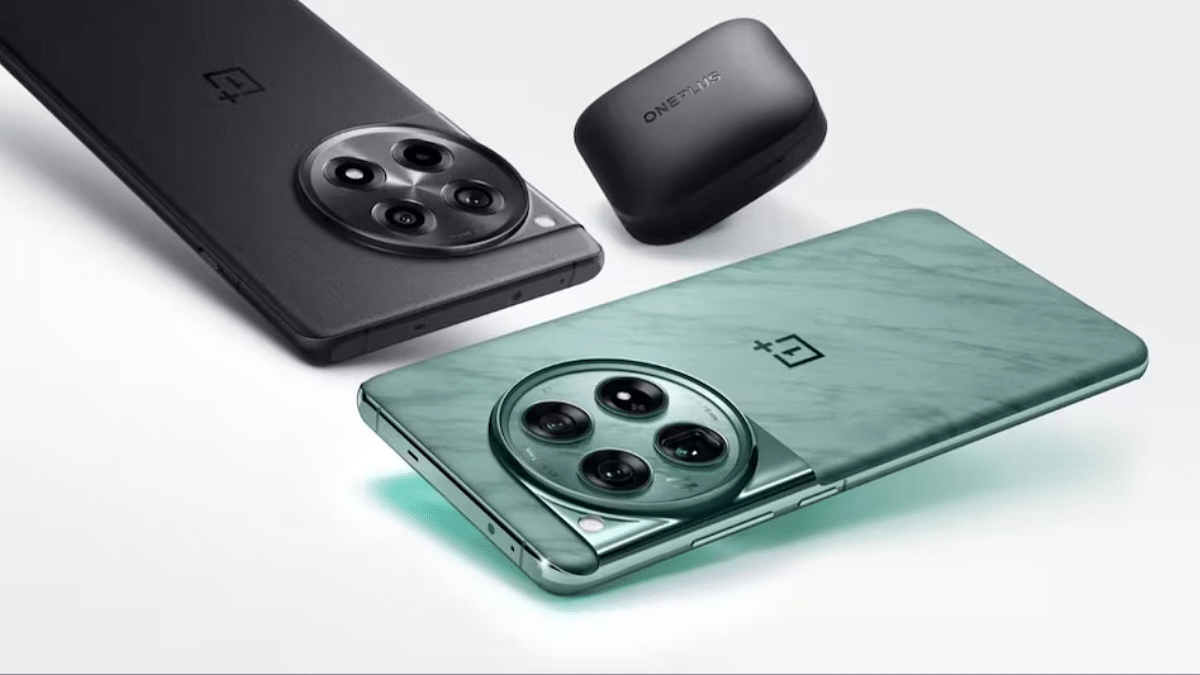
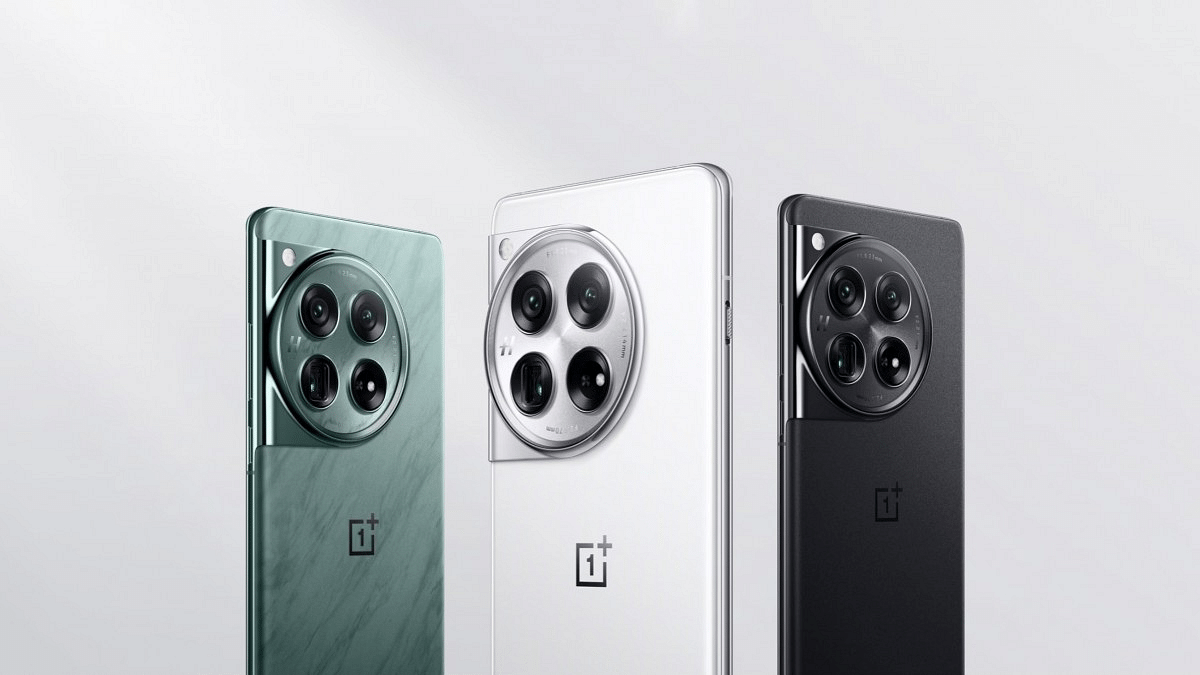
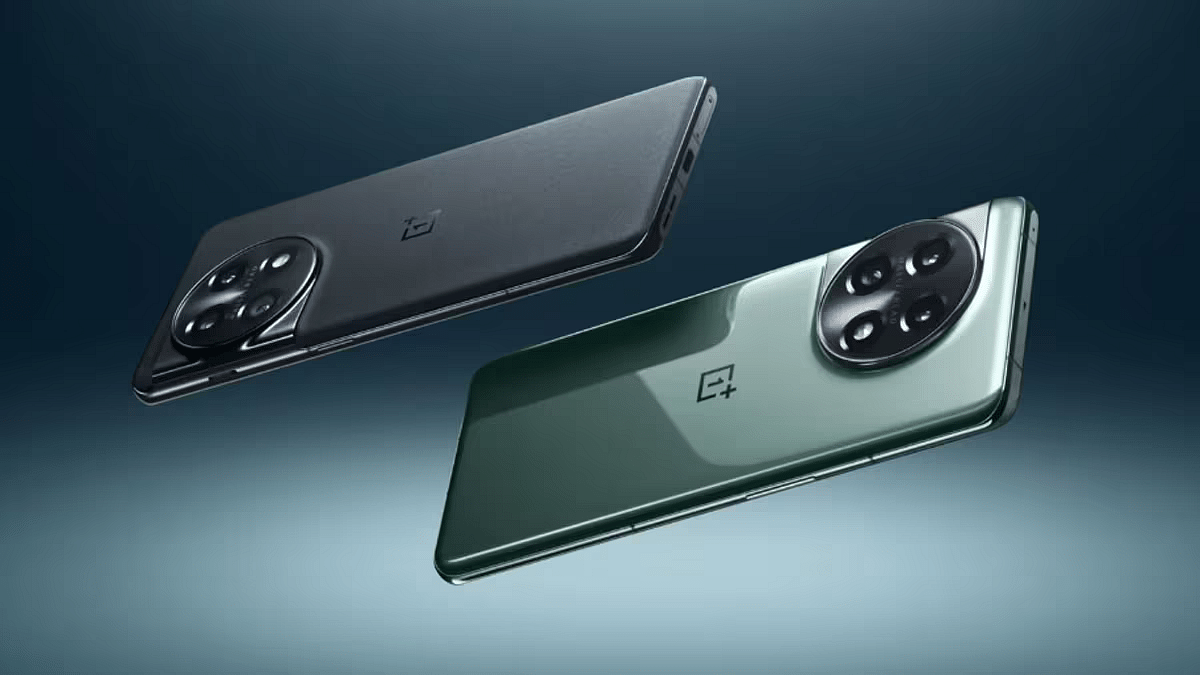
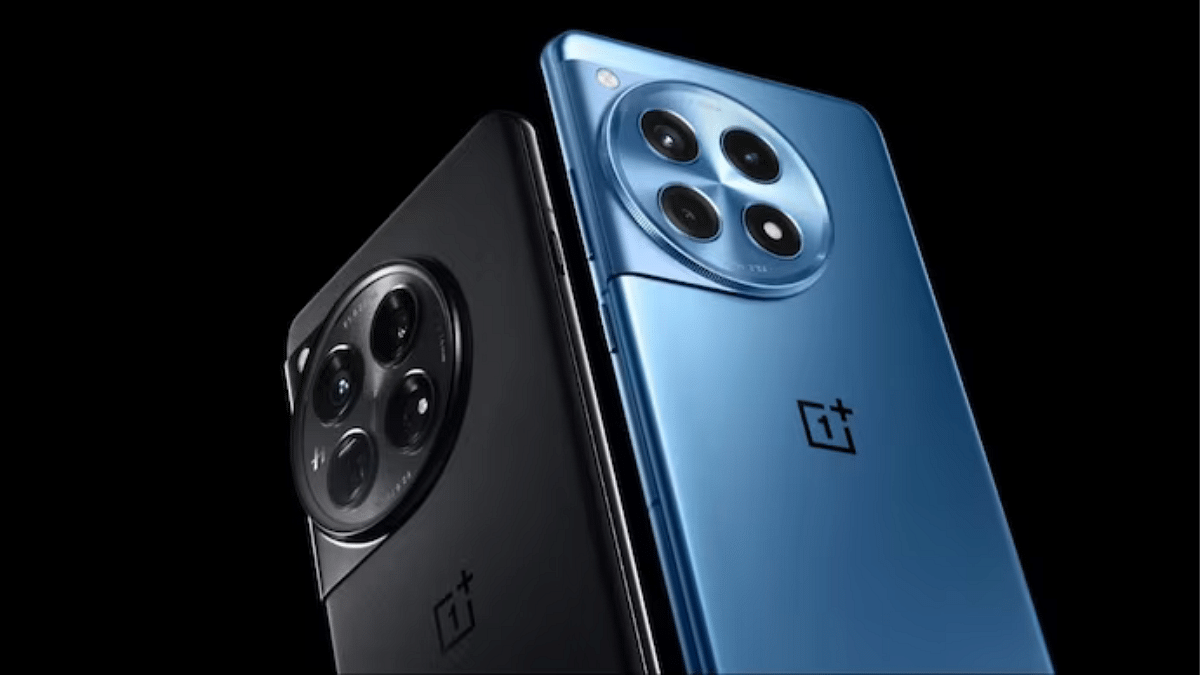
The OnePlus 12 has arrived in India, packing a powerful punch with its Snapdragon 8 Gen 3 processor, 50MP triple camera setup, and super-fast charging. So, before you hit that buy button, let’s explore some top alternatives to the OnePlus 12.
Samsung Galaxy S24 Ultra: This phones comes with powerful camera system, a gorgeous display, and the latest Snapdragon 8 Gen 3 chip. It is expensive, but you get a truly premium experience.
iQOO 12 5G: Offering raw power and lightning-fast charging at a slightly lower price than the S24 Ultra, the iQOO 12 packs a punch. It’s aggressive design and competitive specs might be your perfect match if speed is your priority.
vivo X100 Pro 5G: Vivo’s flagship flaunts a stunning AMOLED display, a versatile camera system, and a sleek, minimalist design. Its MediaTek Dimensity 9300 chip offers excellent performance, making it a well-rounded choice for casual gamers.
OnePlus 12R: Looking for a slightly more affordable OnePlus experience? The 12R equipped with Snapdragon 8 Gen 2 delivers almost the same performance as OnePlus 12, but with a slightly less powerful camera and a more modest design.
Xiaomi Redmi Note 13 Pro Plus 5G: This budget phone offers incredible value for money. With a 120Hz display, a powerful MediaTek 7200-ultra chip, and a long-lasting battery, it’s a fantastic option for everyday tasks and light gaming.
vivo V29: Vivo’s mid-range offering shines with a stylish design, a capable camera system, and a vibrant AMOLED display. Starting at the price of Rs. ₹ 32,999 makes it a great choice for those seeking a balance of features and affordability.
Ultimately, the best alternative to the OnePlus 12 depends on your priorities. Consider factors like performance, camera quality, display, UI preference, and budget to find the phone that ticks all your boxes. Remember, there’s no one-size-fits-all solution, so explore your options and find the flagship that truly complements your needs and style.
Instagram is testing a new feature called Flipside, promising a dedicated space for sharing with your closest circle. This could be a game-changer for privacy and authenticity on the platform, but it’s still in the early stages. Let’s dive into what Flipside is all about and how it might work.
Imagine a hidden Instagram profile, accessible only to a select group of friends. Flipside allows you to create a custom profile with a unique name, bio, and photo. Here, you can share exclusive content, like photos, videos, and stories, that won’t be visible to your broader audience.
Combat Finstas: Fake “finsta” accounts have become a popular way for users to share more personal content with close friends. Flipside offers a native, secure solution within Instagram, eliminating the need for separate accounts.
More Private Sharing: Many users crave a space for less curated, more authentic content with their closest crew. Flipside provides that space, fostering deeper connections without sacrificing privacy.
Details are still under wraps, but based on leaks and expert insights, here’s a possible scenario:
Creating your Flipside: You’ll likely access it through a toggle or hidden icon on your main profile. Customize your profile picture, name, and bio to reflect your inner circle persona.
Adding friends: Choose who gets to see your Flipside content. You can select specific friends or create custom lists.
Sharing on Flipside: Post photos, videos, and stories just like on your main profile, but choose “Flipside” as the audience. Your chosen friends will see it in their feeds, while others remain oblivious.
Whether Flipside becomes a permanent fixture on Instagram remains to be seen. Meta is carefully considering user feedback and weighing potential downsides. But if successful, Flipside could revolutionize how we share and connect on the platform, promoting more genuine and private interactions with our closest circles.
Stay tuned for updates! As Flipside evolves, we’ll keep you informed about its features and potential impact.
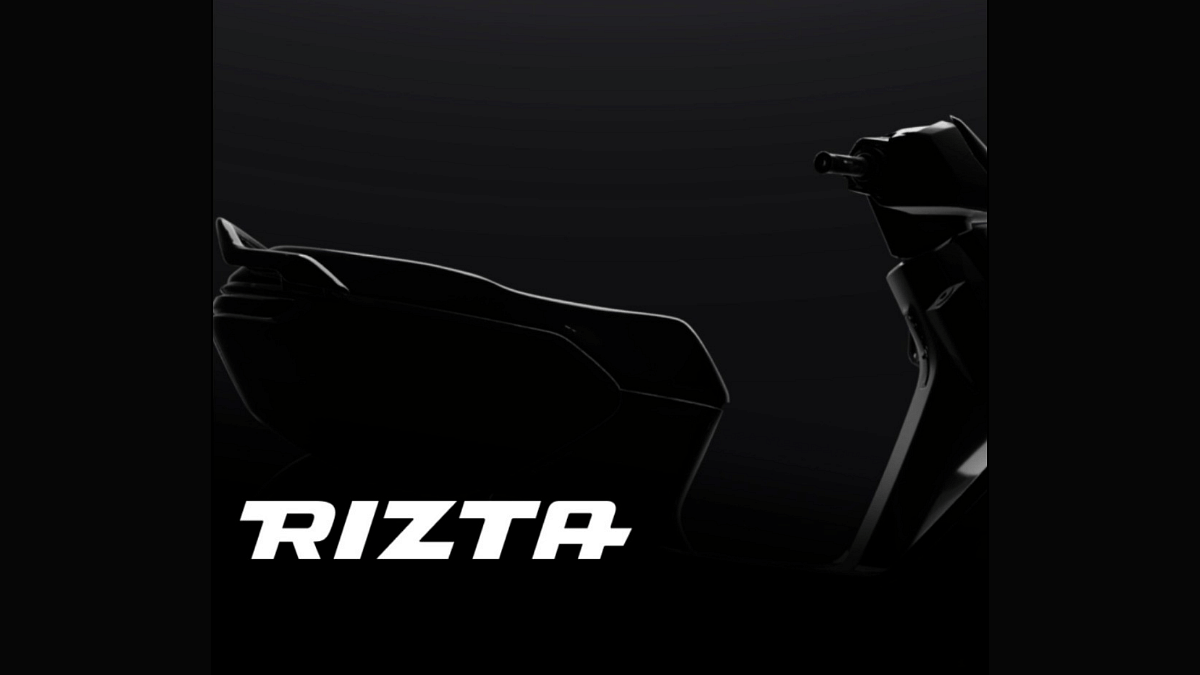
Ather Energy recently announced a new family scooter under development for the Indian market and had also shard a teaser. The company put a rest to the rumors indicating Diesel e-scooter moniker and confirmed the upcoming model to be Rizta. Ather has suggested its launch in the next six months and in the meanwhile has started testing it on the Indian roads.
Ather Rizta E-Scooter Official Testing Begins
Ather has started testing the Rizta e-scooter and the test mule images has surfaced online. The leaked spy shots shows the upcoming electric scooter heavily wrapped hiding the cuts and creases of the design. But going by the overall stance, this electric scooter will offer a bigger build factor than the existing Ather 450 series electric scooters.
Ather already had teased the larger form factor of the Rizta e-scooter which specifically is designed for the family-oriented buyers. Sticking to the basics, the Ritza appears like a conventional two-wheeler scooter. What strikes different in the images is the overall larger profile.
Besides, Ather is testing the Rizta e-scooters performance is being tested with different factors. Unlike usual test mule sightings where we see the electric two-wheelers being tested with a single rider, the Rizta was spotted being tested with both rider and the pillion along with a luggage bag.
It appears that Ather is thoroughly testing Ritza’s performance metrics with heavy load considering it is aiming at families with this new electric scooter. We can also see a larger floorboard which will offer utility with luggage carriage.
The Ather Rizta electric scooter will possibly be equipped with telescopic front suspension and mono-shock absorbers at the rear. It cold come with 12-inch alloy wheels as seen in the image. Rumors suggest that the braking will be handled by disc brakes both upfront and the rear.
Currently, we are unaware of the powertrain and features that the Rizta electric scooter will be packed with. But we might see a slightly improved performance metrics compared to the 450 series electric scooters. Some reports also hints at a riding range between 150- 180 km on a full charge.
Ather is gradually picking up the popular consumer segments with its electric two-wheelers. After grabbing all the fame in performance-oriented e-scooter category, the brand is now aiming to take hold of the family segment too. But will Rizta e-scooter earn the brand the same fame as its previous offerings is what remains to be seen.
Vivo has been at the forefront when it comes to mobile camera technologies.The Vivo X smartphone series lineup is well known for bringing advanced camera features to the table. This flagship series has recently been refreshed with new models in India. The new Vivo X100 lineup includes the vanilla X100 and the X100 Pro both of which has been introduced as the camera flagships. The latter comes as the top-tier model offering premium features such as 50MP Zeiss-backed triple lens setup, powerful Dimensity 9300 chipset, a 120Hz display and more.
Now, the Vivo X100 Pro definitely offers the best-in-class camera hardware on papers. But is the camera performance worth the hype? Also, this phone appears to be a complete package if you look through the spec-sheet. Is that the case or its just the camera that makes it worth an investment? Well, we have been using the Vivo X100 Pro for almost a month now and here is our take.
Pros
Upgraded cameras perform well overall
Super high clarity levels with daylight shots
Offers high speed performance with a variety of tasks
Gaming experience is good
Clean and vivid visuals
Cons
User interface isn’t entirely free of bloatware
Phone feels a bit slipper without cover
Selfie camera doesn’t support 4K recording
Vivo X100 Pro : India Price
Vivo X100 Pro has been launched at Rs. 89,999 in India. You get 16GB RAM and 512GB storage configuration at this price point. This camera flagship is available in three color options including Startrail Blue, Asteroid Black, and Sunset Orange globally. Only the Asteroid Black color variant has been introduced in the Indian market.
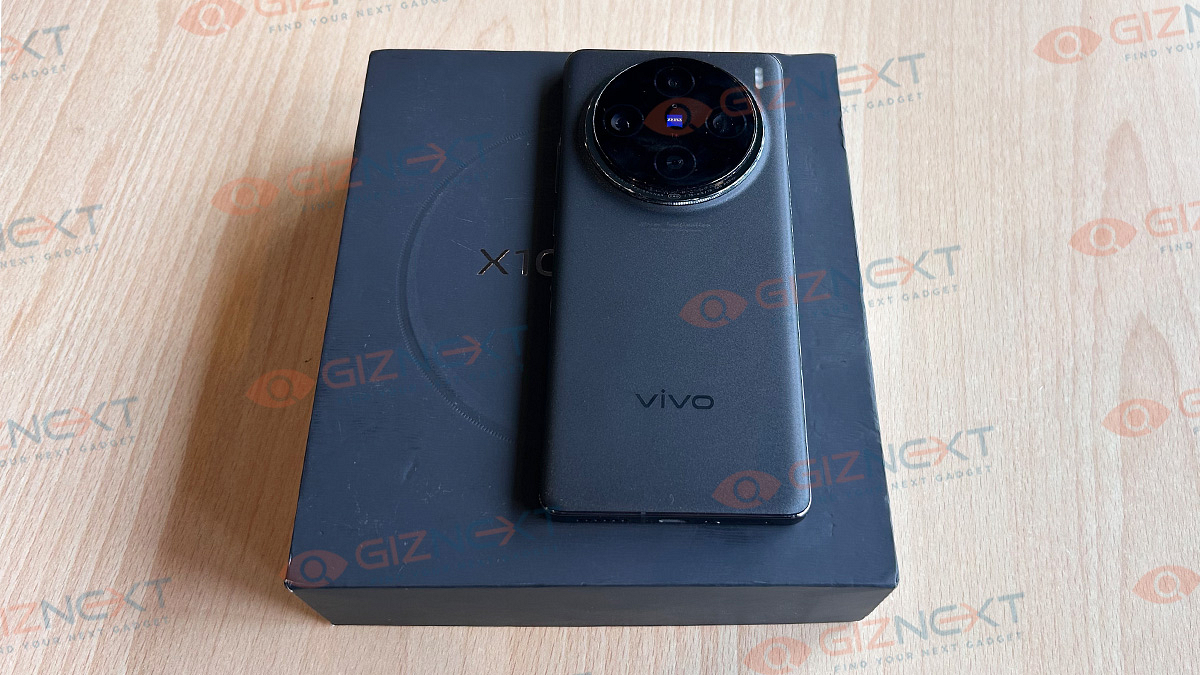
The Vivo X100 Pro doesn’t deviate much in terms of designing compared to its successor. But still gets some new elements that maintains the premium and luxury feel in addition which is signature for the X series. The primary difference that you will notice at the first glance is the re-designed camera island.
The X100 Pro gets a big protruding camera module wrapped with a stainless steel layering. Now, this is a unique touch to enhance the appeal overall with the new-gen model. This design as per Vivo is inspired from the Sun and Moon Halo.
Speaking of the construction overall, the X100 Pro offers a sleek design and includes the same 3D curved edge display as the predecessors. Its durability is enhanced with the aerospace-grade stainless steel wrapping at the side panels. At the rear, it features Fluorite AG glass which seems resistive to fingerprints and smudges. This will address concerns of the masses who like flaunting their phone without covers as keeping it clean isn’t a big task.
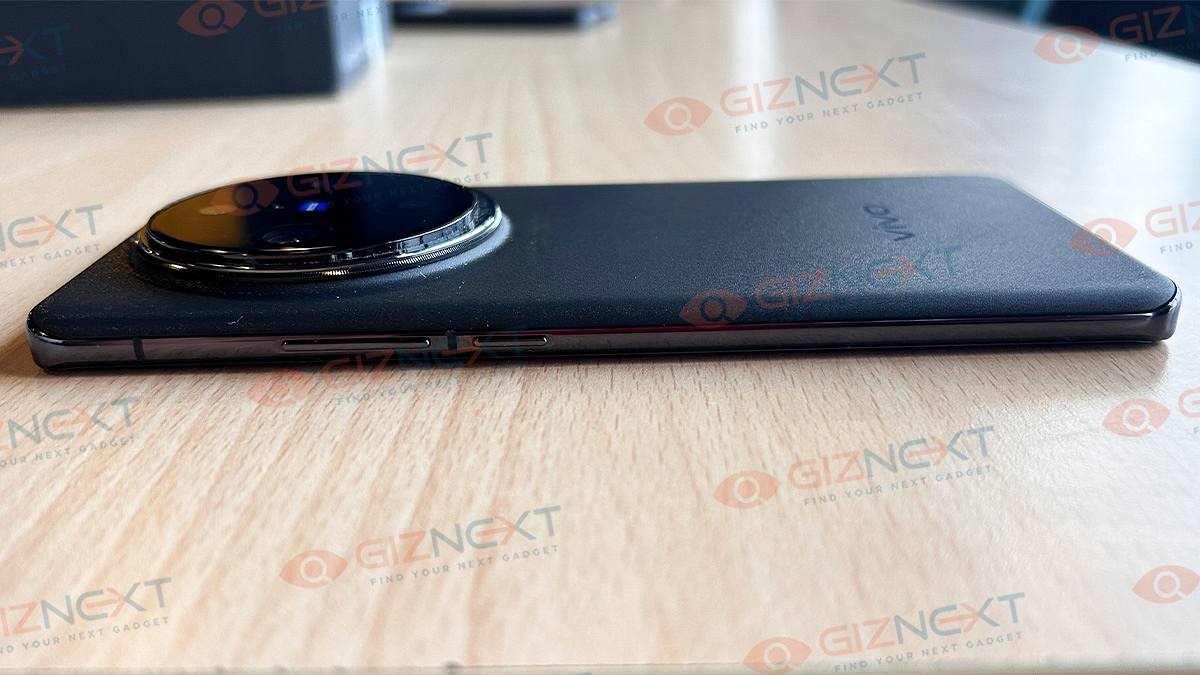
But the smartphone does feel slippery without the cover. So, if you wish to avoid any mishaps with accidental falls, make sure you use the provided case. The ports and keys placement remains standard as most of the Android flagships.
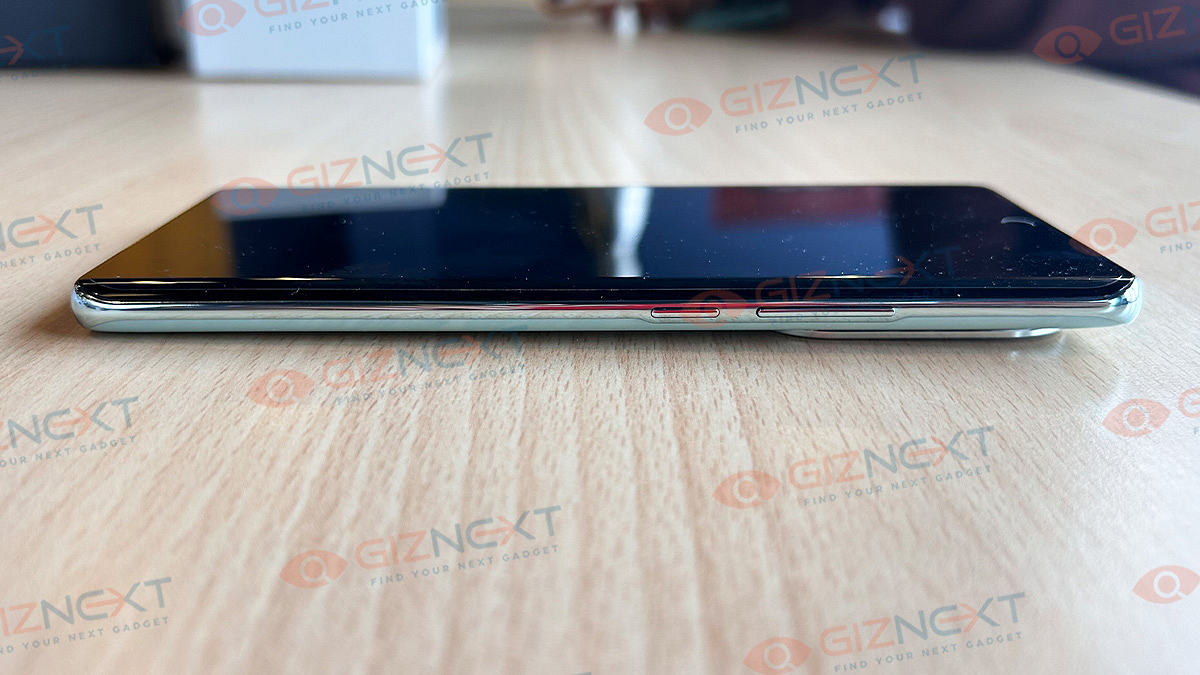
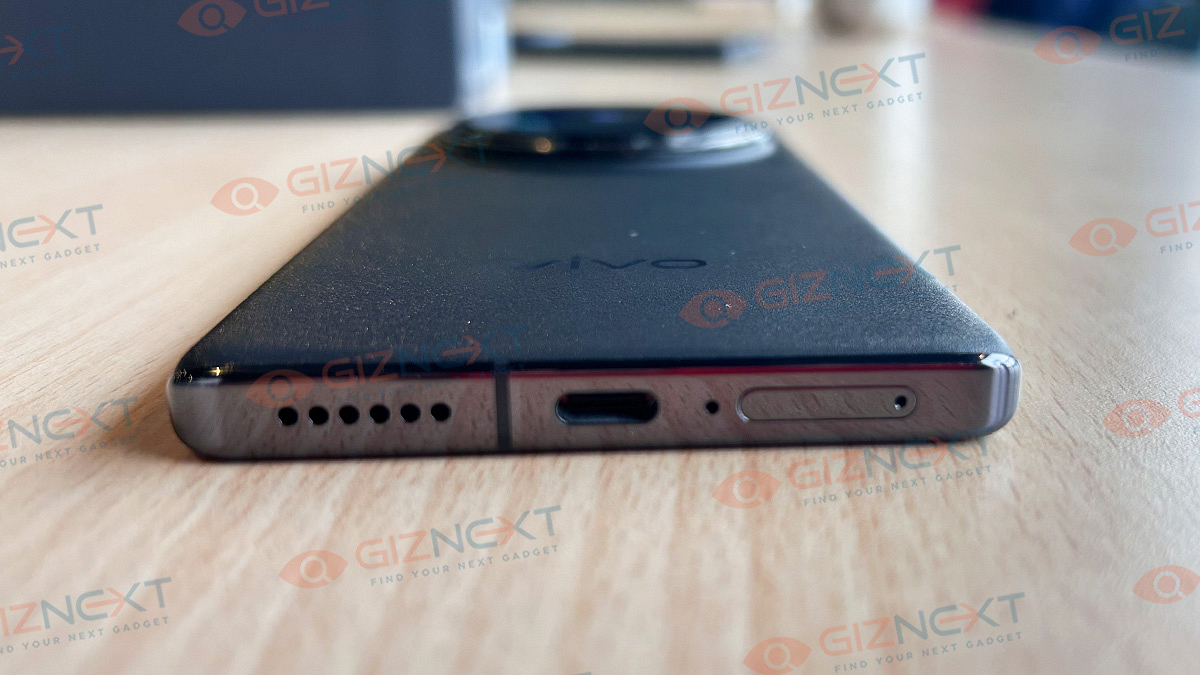
It has the volume and the power key on the right spine and the SIM card tray, USB Type-C port, and the speaker grille are positioned at the bottom. This phone comes with a hybrid SIM slot and not a dedicated microSD tray.
The X100 Pro with a weight of around 200 gms isn’t super heavy. But the overall build and the form factor might feel a little more than that. But that doesn’t cut down on the comfort during extensive usage. Summarizing the design aspects, the Vivo X100 Pro feels super premium and oozes out luxury with its each stance.
Performance Review: No Compromise Gaming And Multitasking
Under its hood, the X100 Pro features the high-end Dimensity 9300 processor. It lands as the first Android smartphone in India powered by the latest MediaTek flagship chipset combined with the in-house V3 imaging co-processor. This setup collectively offers high performance power for not just gaming but imaging as well.
The unit comes with 16GB of physical RAM in addition to up to 16GB virtual RAM. This allows for high-speed efficiency with all tasks you perform on the X100 Pro. Toggling between the loaded apps and also the app loading is instant. We could see it handling most extensive apps and games smoothly with no lags at sight.
We have been using this phone extensively all this while. And throughout the usage there hasn’t been a single flinch even when there are several of heavy apps running in the background. You get to swiftly toggle between loaded apps. What also impresses us is that the unit doesn’t heat up radically despite heavy usage or gaming. This is credited to the updated vapour chamber cooling module.
For the gaming enthusiast, playing the most graphic-hungry games is a pleasing experience. No stutters on the screen whatsoever. You can tune in the highest graphics settings and will get an immersive gameplay experience throughout.
The X100 Pro boots on Android 13-based Funtouch OS 14. Vivo has customized the new UI which now feels refined compared to the previous versions. But it still isn’t entirely free of bloatware. You will see a bunch of pre-installed apps but the updated UI seems neat and easier to use.
Vivo has showcased the best of camera tech with the X series and the X100 Pro isn’t anything different. This year too, the latest camera flagship comes with Zeiss-labelled camera hardware. The imaging setup on the Vivo X100 Pro has a 50MP Sony IMX989 lens. This primary lens is a large 1-inch sensor with PDAS, OIS, and also laser-assisted autofocus.
The secondary 50MP Zeiss telephoto lens with 0.5-inch OV64B sensor is the star of the show here. This is new addition which replaces the older 64MP OmniVision lens and is further clubbed with a 50MP Samsung Jn1 sensor that captures ultrawide frames.
Image detailing is no compromise with the Vivo X100 Pro cameras. We have been truly impressed with the quality of images we got with each click. Every shooting mode is treat and you get the best-grade outputs you can imaging with any smartphone camera. The detailing levels are sharp despite the lighting conditions in the background. The same is the case with the dynamic range which is high with the X100 Pro’s cameras.
But what truly captures the attention is the quality of portrait shots you get with the X100 Pro cameras. Vivo is offering a professional-grade portrait experience where you can select from different focal lengths for the shots. There is a 24mm, 35mm, 50mm, 85mm, and 100mm portrait shot modes. You can select the apt mode for high-quality bokeh photos.
When shooting portraits using the Portrait camera mode, Vivo lets you select specific professional portrait focal lengths (24mm, 35mm, 50mm, 85mm, 100mm) which have been optimised keeping in mind the camera sensors and lenses. Portrait photos captured at all of these focal lengths came out well with excellent detail even under artificial or low light conditions.
The imaging experience isn’t limited to the portrait mode. The X100 Pro offers premium photography experience with the Astro mode as well as the macro shots. We have captured some of the best moon photographs with the X100 Pro which we are sharing below. Macro photography is also next level and you witness the expertise Vivo has with cameras here. We are coming up with a detailed camera review soon so stay tuned with us.
A 5,400 mAh battery acts as the powerhouse for the Vivo X100 Pro. This flagship has 100W fast wired charging support along with 50W fast wireless charging. The former takes around 30 minutes for up to 90 percent backup. The full charge is well under an hour mark (within 40 minutes). Now, for the ones who are on a constant run, this quick charging time is surely handy.
That said, the backup this unit offers is more than a day if usage is moderate. This includes basic app usage and occasional media playback. If you are constantly hooked to the screen binging on any videos or gaming, you might need to give it a re-plug by the end of the day.
The Vivo X100 Pro undeniably stands out with its exceptional camera performance. While the camera does most of the talking, this phone remains to be complete package when it comes to the performance delivery. Vivo has done a great job with improving the overall photography and user experience with the X100 series making it one solid bet to invest in.