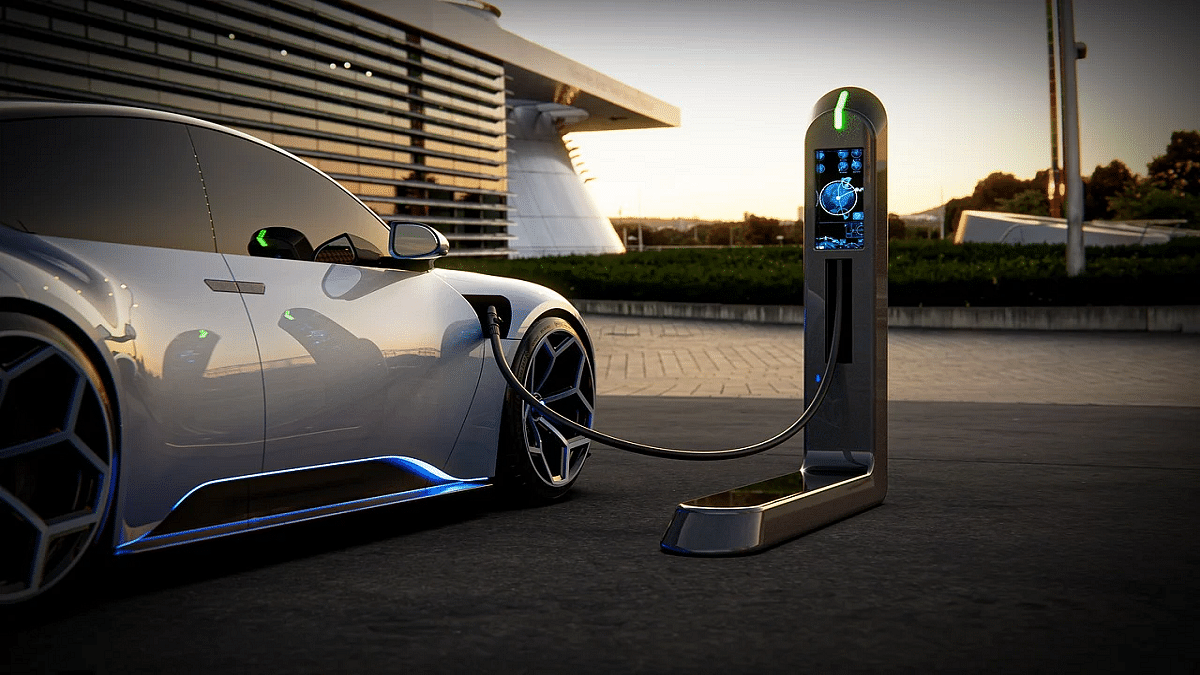
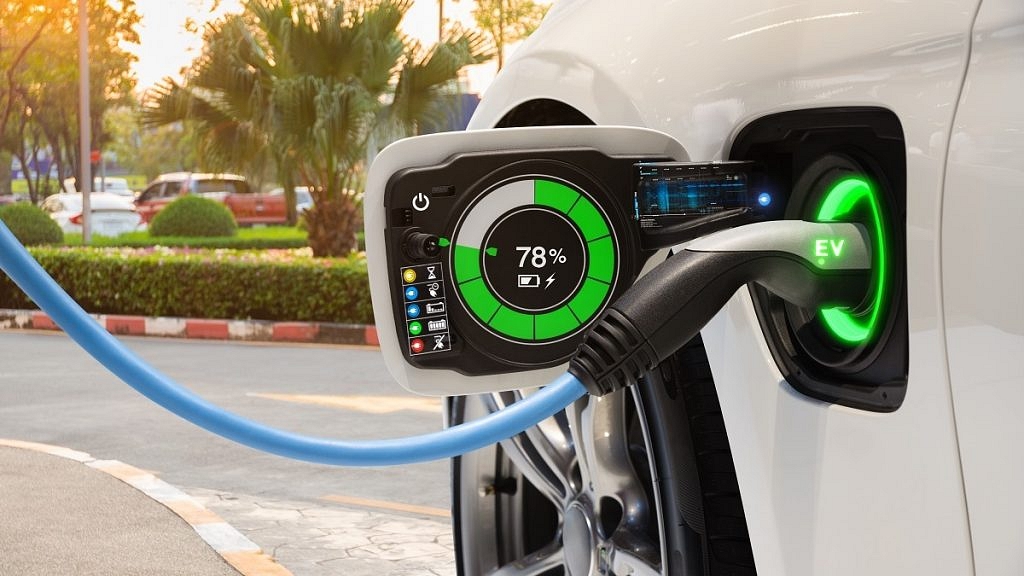
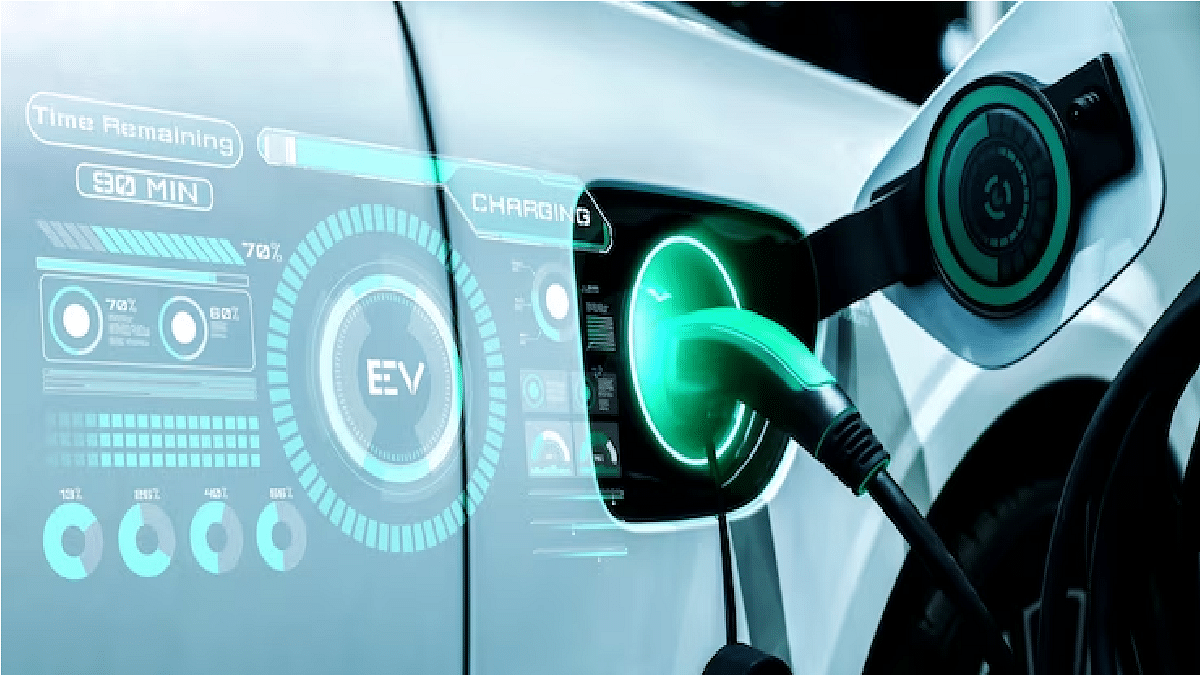
They prevent 112 million metric tons of CO2 emissions annually
BloombergNEF projects a significant shift toward sustainable transportation
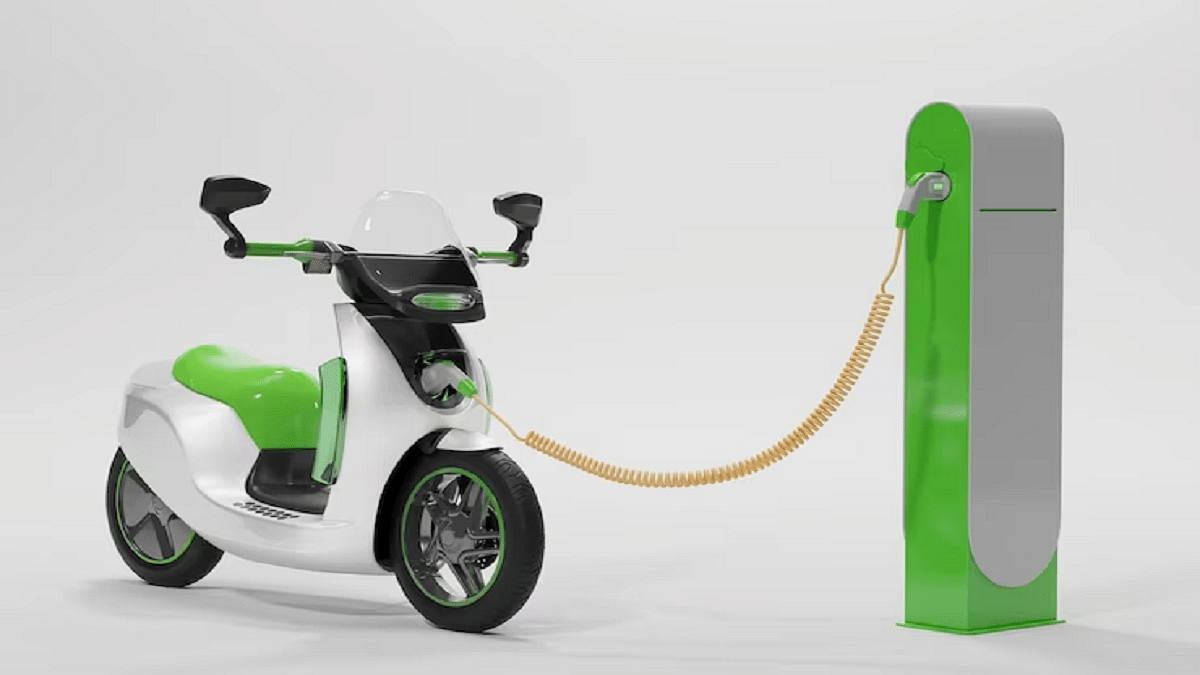
In 2023, electric vehicles and fuel-cell vehicles are expected to have a substantial impact on the environment by avoiding approximately 1.8 million barrels of oil per day. This marks a 4.1 percent reduction in the demand for oil in the road transport sector. Notably, this figure has risen from 1.5 million barrels a day in the preceding year. Also Read | 6 Must-Have Electric Bike Accessories Every Owner Should Have
Surge In Avoided Oil Consumption Over The Years
The avoided consumption of oil has surged by nearly two and a half times from 2015 to 2023, escalating from around 720,000 barrels per day in 2015. Anticipated growth in this trend suggests a further acceleration in the coming years.
Two- and Three-Wheeled EVs As Key Contributors
In 2023, two- and three-wheeled EVs play a pivotal role, accounting for approximately 60 percent of the avoided oil demand. Their rapid adoption, especially in regions like China, Southeast Asia, and India, contributes significantly to the substantial reduction in oil consumption.
Changing Dynamics
In 2022, passenger EVs surpassed buses to become the second-largest source of avoided oil demand. Projections for 2023 estimate that passenger EVs will represent 23 percent of the total avoided oil demand, while buses and commercial vehicles are expected to account for 13 percent and 3 percent, respectively.
BNEF’s Outlook
Under BloombergNEF’s (BNEF) base-case economic transition scenario, EVs and FCVs are poised to displace 12.4 million barrels of oil per day by 2035. Furthermore, in the net-zero scenario, which envisions a globally zero-emission vehicle fleet by mid-century, an additional 4 million barrels per day will be displaced in 2035.
Remarkably, BNEF highlights that electric two-wheelers and three-wheelers contribute almost twice as much to the avoidance of burning oil each day compared to passenger electric cars, trucks, and SUVs. This underscores the need for increased global attention and coverage in this segment.
CO2 Emission Reductions
Beyond the reduction in oil consumption, BNEF estimates that electric vehicles play a crucial role in preventing 112 million metric tons of CO2 emissions annually. This figure takes into account net emissions reductions, factoring in emissions from additional electricity generation.
Global Emission Elimination
While the progress is promising, BNEF emphasizes that there is still a long way to go in eliminating global heating emissions from road transport. The estimated avoided emissions for 2023 represent only about two percent of all emissions from road transport. The transition to a sustainable vehicle fleet requires time, emphasizing the importance of initiating efforts to replace fossil-powered vehicles with cleaner alternatives.
In the fast-evolving landscape of automotive technology, the rise of EVs has become a defining chapter in the pursuit of a sustainable and eco-friendly transportation future. As more consumers consider making the switch to electric, understanding the costs associated with electric vehicle ownership becomes crucial. Here, we will delve into the various aspects of owning an electric vehicle and what consumers can expect in terms of costs.
One of the primary considerations when purchasing an electric vehicle is the upfront cost. Historically, electric vehicles tended to be more expensive than their internal combustion engine counterparts. However, advancements in technology and increasing market competition are gradually narrowing this gap. Government incentives, tax credits, and rebates can further alleviate the initial financial burden for EV buyers.
Charging Infrastructure
Investing in an electric vehicle also requires careful consideration of charging infrastructure. While charging at home using a standard electrical outlet is an option, installing a Level 2 home charging station can significantly reduce charging time. Public charging stations are becoming more widespread, but the cost of charging at these stations may vary. Some public charging stations offer free charging, while others may charge per kilowatt-hour or at a time-based rate.
Electricity Costs
The primary advantage of electric vehicles lies in their operating costs, which are often lower than traditional gas-powered vehicles. In general, the cost of electricity per mile is less than that of petrol. To estimate the cost of charging an electric vehicle, consumers can multiply the vehicle’s kWh consumption per mile by the local electricity rate. Additionally, some utilities offer special rates for EV owners, further reducing charging costs.
Maintenance Savings
Electric vehicles typically have fewer moving parts than traditional vehicles, leading to lower maintenance costs. EV owners can expect savings on items such as oil changes, exhaust system repairs, and transmission maintenance. Brake wear is also reduced due to regenerative braking systems, which convert kinetic energy back into electrical energy during deceleration.
The battery is a crucial component in an electric vehicle, and its replacement cost has been a concern for potential EV buyers. However, advancements in battery technology have led to increased longevity and decreased costs. Many automakers now offer warranties that cover the battery for a specified number of years or miles.
Insurance Considerations
Insurance rates for electric vehicles are generally comparable to those for traditional vehicles. However, some insurers offer discounts or special rates for EV owners, recognizing the lower risk of accidents and reduced maintenance costs associated with electric vehicles.
Resale Value
Resale values of electric vehicles are rising relative to those of conventional automobiles as the market for these vehicles grows. Factors such as the vehicle’s make and model, battery condition, and technological advancements play a role in determining resale value. Keeping the battery in good condition through proper charging habits and following manufacturer recommendations can positively impact resale value.
While the initial cost of purchasing an electric vehicle may be higher than that of a traditional vehicle, the overall cost of ownership over the vehicle’s lifespan can be comparable or even lower. As technology progresses and the electric vehicle market expands, consumers can expect lower upfront costs, improved charging infrastructure, and ongoing enhancements in battery technology. These developments make electric vehicles a more appealing and economically viable choice for environmentally conscious drivers.
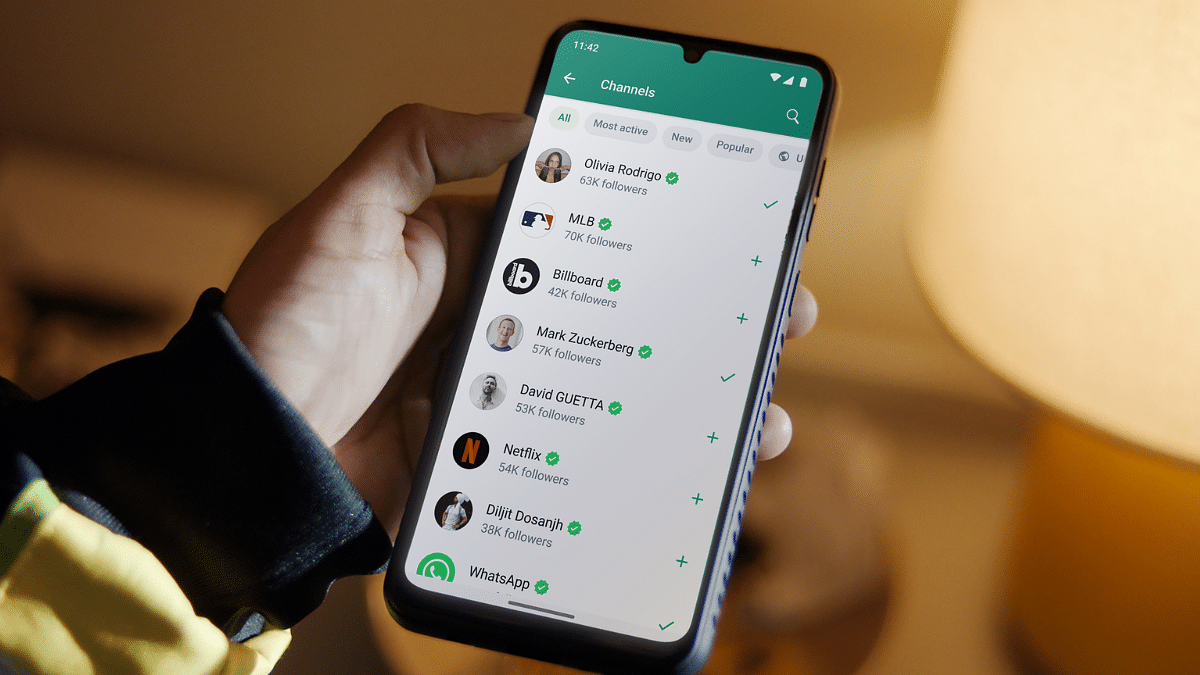
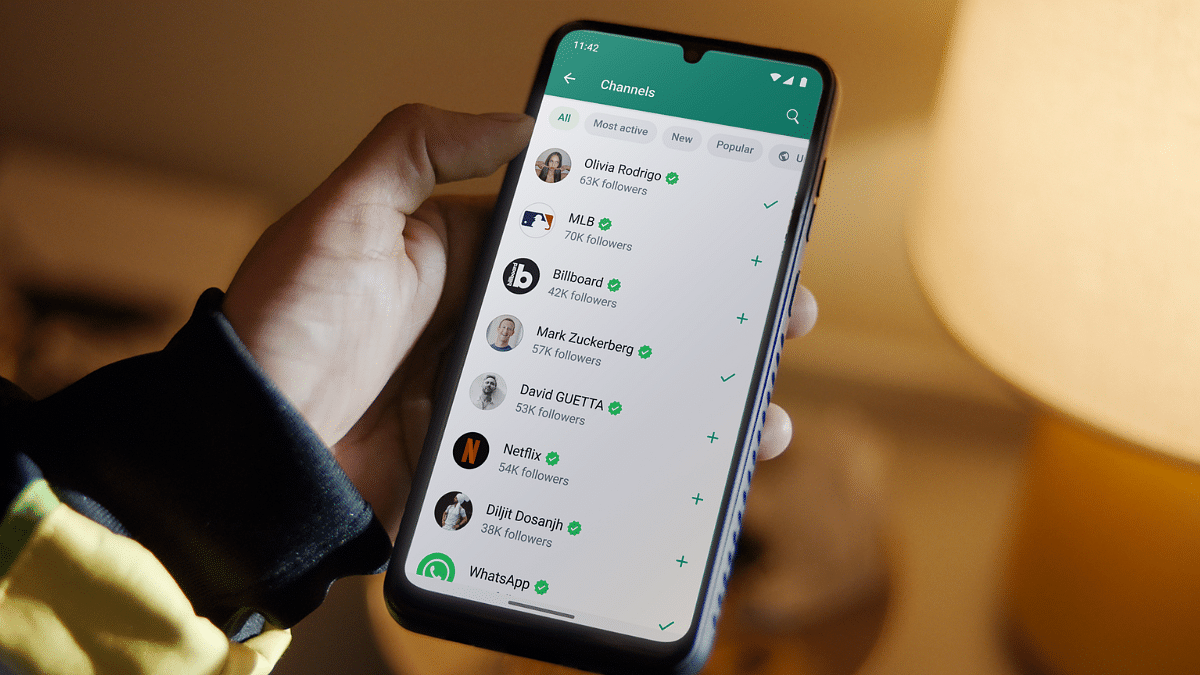
For the tech geeks, stay updated with the latest cutting-edge gadgets in the market, exclusive tech updates, gadget reviews, and more right on your phone’s screen. Join Giznext’s WhatsApp channel and receive the industry-first tech updates.
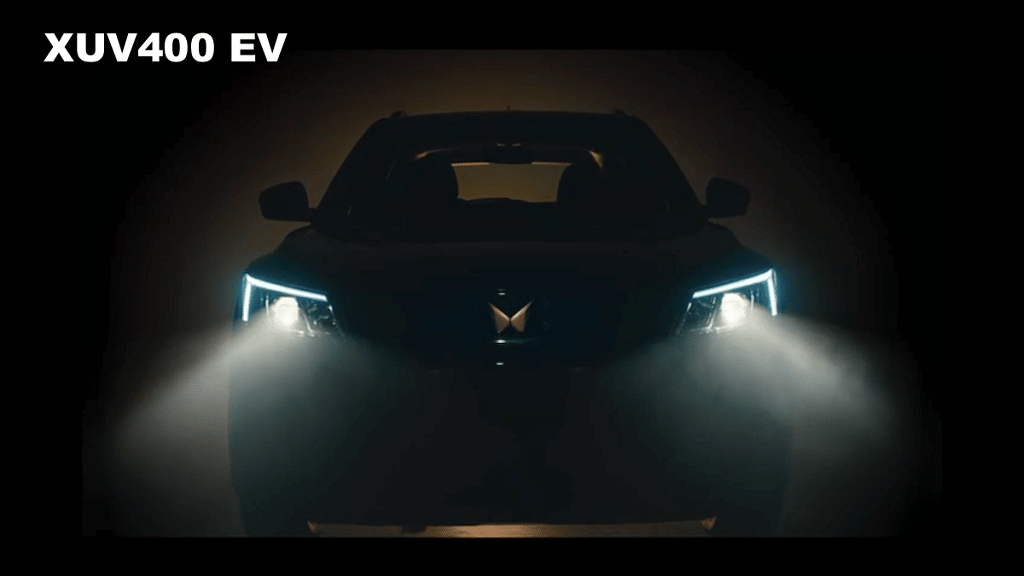
Mahindra is set to launch new XUV 400 electric facelift car
Is said to bring cometic upgrades
Feature upgrades also expected
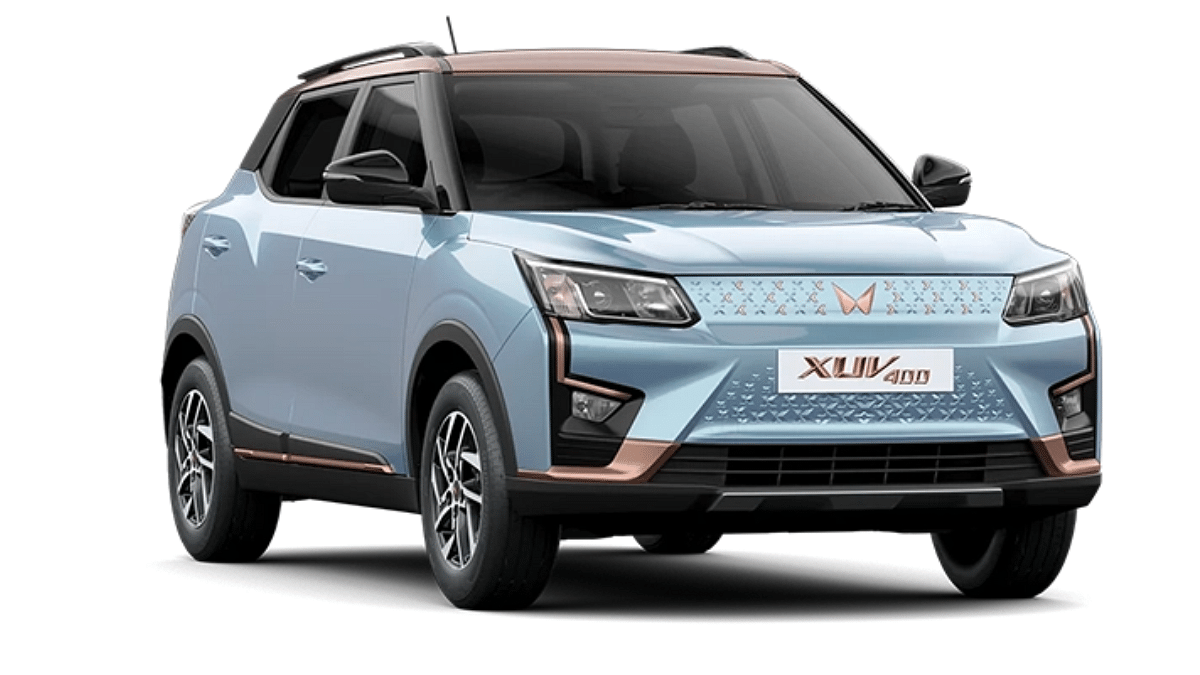
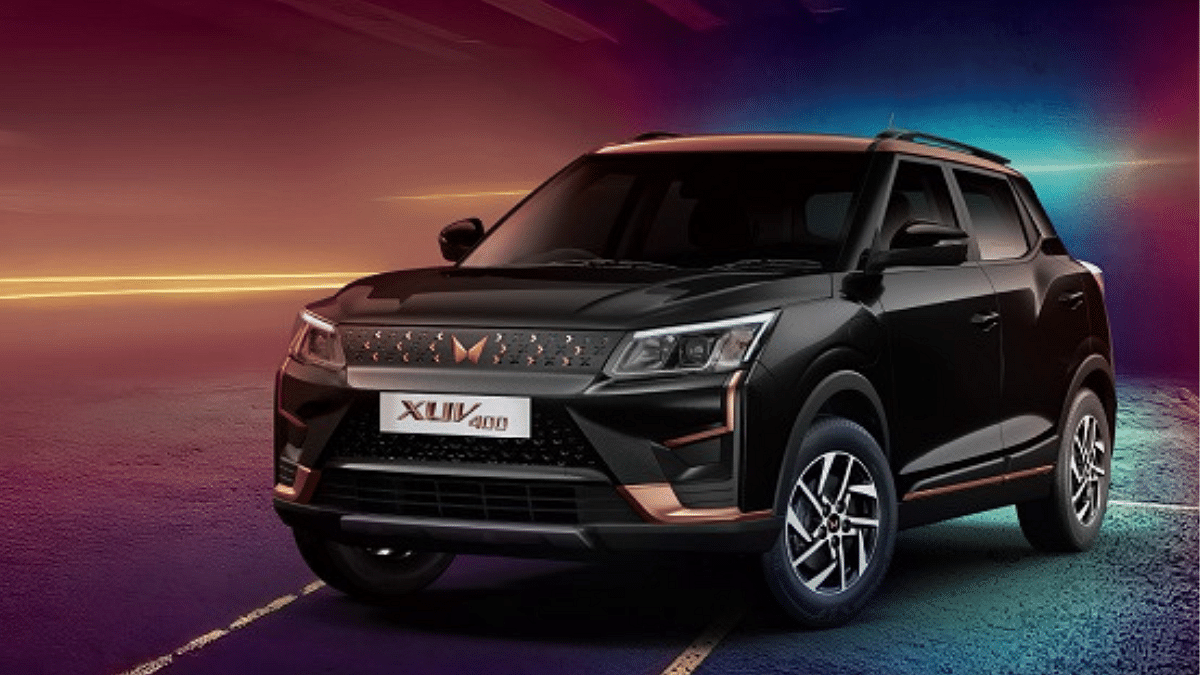
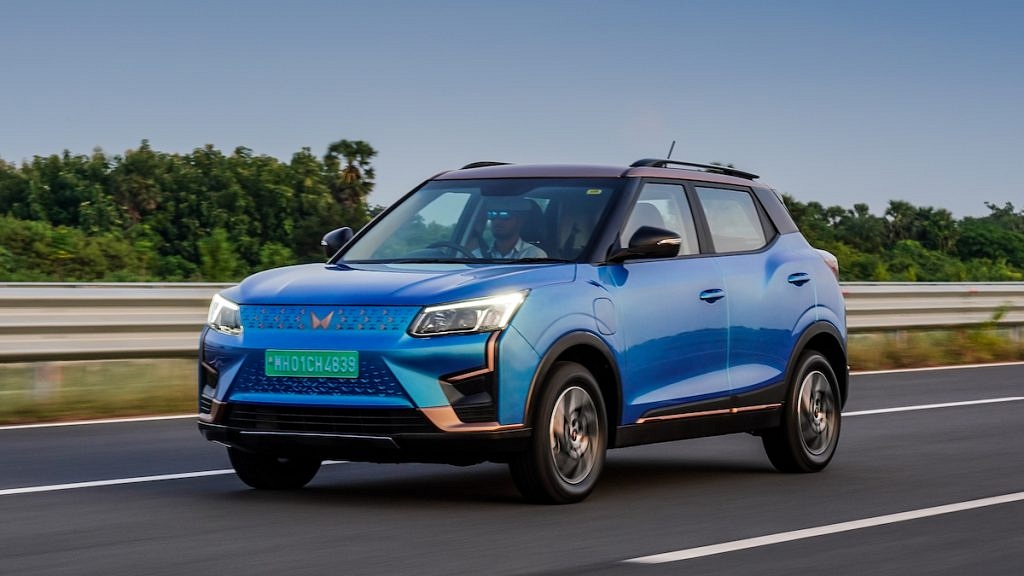
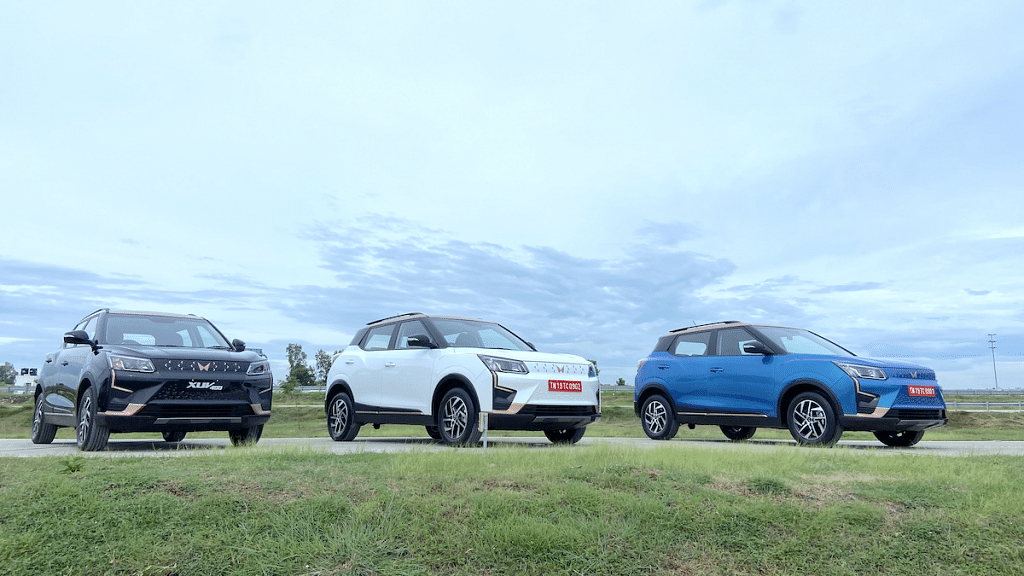
Mahindra is set to expand its EV lineup with the launch of a new compact electric SUV. The brand is rumored to now introduce the facelift version of the XUV 400 electric car in the Indian market. Ahead of the launch, multiple sightings of the test mules have been reported with the most recent one revealing some of the key design overhauls. Since the Mahindra XUV 400 electric is one of the most anticipated electric four wheelers on the Indian market, we have listed the top five things that you should know.
Launch Date
Mahindra has not yet announced any official date for the launch of XUV 400 facelift model. However, going by the online leaks and rumors, Mahindra will possible introduce the upgraded version sometime in 2024. Whether the launch takes place in the first or second half of 2024 remains uncertain at this point. But looking at all the developments, we are expecting the timeline to be revealed soon.
Mahindra XUV 400 facelift model will bring along multiple cometic upgrades compared to the existing version. The spy shots of the test mule spotted recently hints XUV 700-inspired LED headlamps downward pointing slim DRLs. Furthermore, the new XUV 400 facelift model is likely to boast a flat yet sharp bumper.
It is also expected to borrow some design cues from the ICE version of XUV 300; specifically, the copper grille that branches out of the headlamps upfront. Interiors are also expected to get some tweaks compared to the existing models. We are expecting the details to surface in the coming months.
The exact specs and features that the upcoming Mahindra XUV 400 facelift model will offer are unannounced. There is no concrete information available at the rumor mill as of now. But some reports to suggest a larger digital infotainment system as compared to the current-generation model.
Additionally, it is speculated to come with a 360-degree camera system. Mahindra is also expected to throw in Advanced Driver Assistance System (ADAS) and a wireless smartphone charger.
Mahindra is unlikely to any changes to the powertrain. In fact, the XUV 400 facelift model will probably retain the same electric motor, battery capacity, and other hardware as the existing model. So, we can expect the same range of up to 456 km on a single charge.
Pricing for the Mahindra XUV 400 Electric SUV facelift model is also not revealed by any of the reliable sources. But we might get to see the same price range as the existing XUV 400 electric SUV, i.e., within Rs. 15- Rs. 20 lakh price range.
Google has just unveiled its latest and most advanced artificial intelligence (AI) model, Gemini, amidst growing anticipation about the company’s AI monetization strategy. Gemini is set to revolutionize AI capabilities, offering three distinct versions: Gemini Ultra, Gemini Pro, and Gemini Nano. Let us explore Google’s new AI key features and potential applications.
Google has just introduced Gemini, its most powerful artificial intelligence (AI) model to date. Gemini comes in three sizes: Gemini Ultra, the largest and most capable; Gemini Pro, versatile across various tasks; and Gemini Nano, designed for specific tasks and mobile devices. The model is set to be licensed through Google Cloud for customer use in their applications.
Gemini In Action
Starting December 13, developers and enterprise customers can access Gemini Pro via the Gemini API in Google AI Studio or Google Cloud Vertex AI. Android developers can also harness the power of Gemini Nano for mobile applications. Google is set to incorporate Gemini into its products, including the Bard chatbot and Search Generative Experience (SGE), which aims to answer search queries with conversational-style text.
Applications Of Gemini
Gemini is not just a standalone creation; it will be integrated into various Google products, including the Bard chatbot and the Search Generative Experience (SGE), aiming to respond to search queries with conversational-style text. Enterprises can leverage Gemini for advanced customer service through chatbots, personalized product recommendations, trend identification for advertising, and even content creation for marketing campaigns or blog content.
Capabilities Of Gemini
Image Credit: ZDNET
Gemini Ultra stands out by surpassing human experts in Massive Multitask Language Understanding (MMLU), covering subjects like math, physics, history, law, medicine, and ethics. It can understand complex subjects, demonstrating nuanced reasoning. Google’s CEO, Sundar Pichai, highlighted that Gemini is multimodal, seamlessly processing different types of information, including text, code, audio, image, and video.
Integration With Bard
Google’s chatbot Bard will now use Gemini Pro for enhanced reasoning, planning, and understanding. Shortly, “Bard Advanced” will leverage Gemini Ultra, marking a significant upgrade to the ChatGPT-like chatbot.
Efficiency And Safety
Despite its size, Gemini Ultra is more cost-effective to serve, showcasing improved efficiency in training AI models. Google underscores its commitment to safety, claiming that Gemini is the most highly tested AI model the company has built.
Whatsapp rolled out view once voice note feature globally
Record and Tap: Create voice note, tap clock icon to vanish.
Messages disappear, safeguarded by end-to-end encryption.
WhatsApp has recently rolled out a new privacy-focused feature called View Once for voice messages, providing users with the ability to send voice notes that vanish after being listened to. This guide will walk you through the process of using this innovative disappearing voice notes feature.
Before you can start using the disappearing voice notes feature, make sure your WhatsApp application is up to date. Head to your app store, search for WhatsApp and install any available updates.
Step 2: Record Your Voice Note
Open the chat where you want to send a disappearing voice note. Press and hold the microphone icon to record your message as you normally would. Once your voice note is ready, proceed to the next step.
Step 3: Activate View Once Feature
Before sending your voice note, look for the new one-time icon – it resembles a clock. Tap on this icon to activate the View Once feature for your voice message.
Step 4: Send and Wait
After activating the View Once feature, hit the send button. Your recipient will be able to listen to the voice message only once. Once they’ve heard it, the message will disappear from their chat history.
Step 5: Enjoy Enhanced Privacy
Rest easy knowing that your voice notes are now equipped with an extra layer of privacy. The disappearing feature ensures that your messages won’t be forwarded or linger in chat histories, adding a new level of confidentiality to your conversations.
Important Note: End-to-End Encryption
Remember that, like all personal messages on WhatsApp, disappearing voice messages are protected with end-to-end encryption by default. This ensures that only you and your recipient can access and hear the message.
Electric scooters in India comes in different price segment
Options available with fixed and removable battery pack
Swappable batteries with IPX certification in high demand
Electric scooters market is consistently witnessing a growth which is eventually leading to multiple new launches. Top brands in this segment are not just the existing automobile giants but multiple new startups. There are several factors considered by the consumers while buying a new electric scooter. Range and top speed are amongst the top factors besides the smart tech features in an electric scooter.
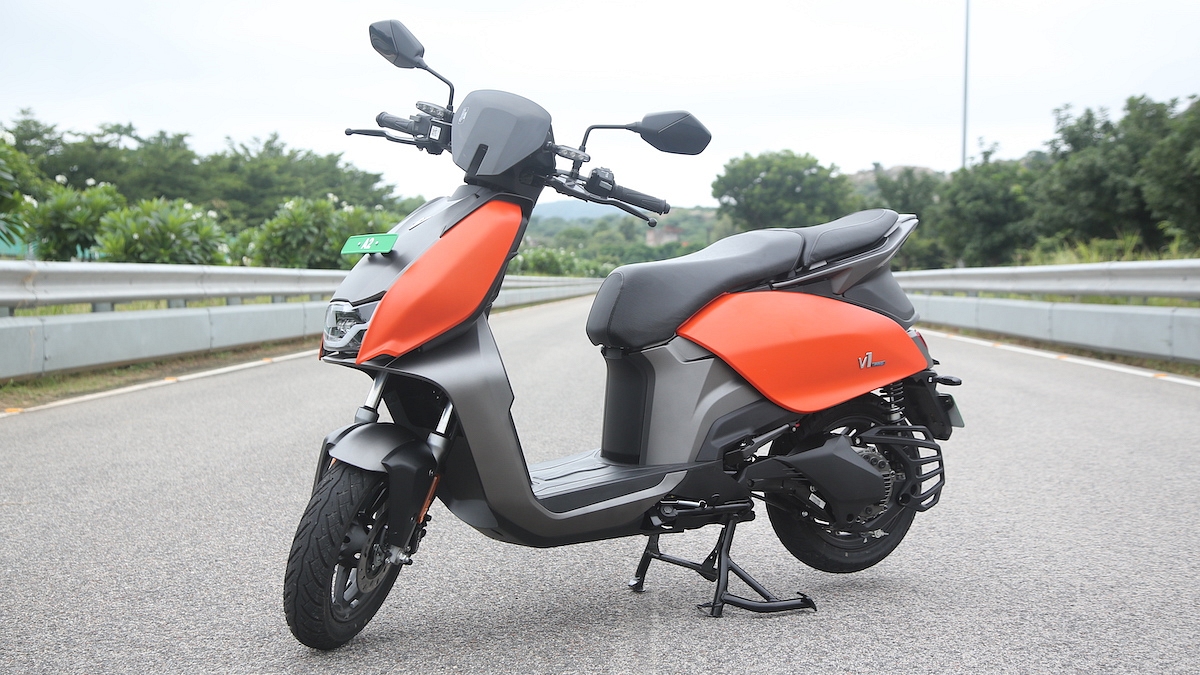
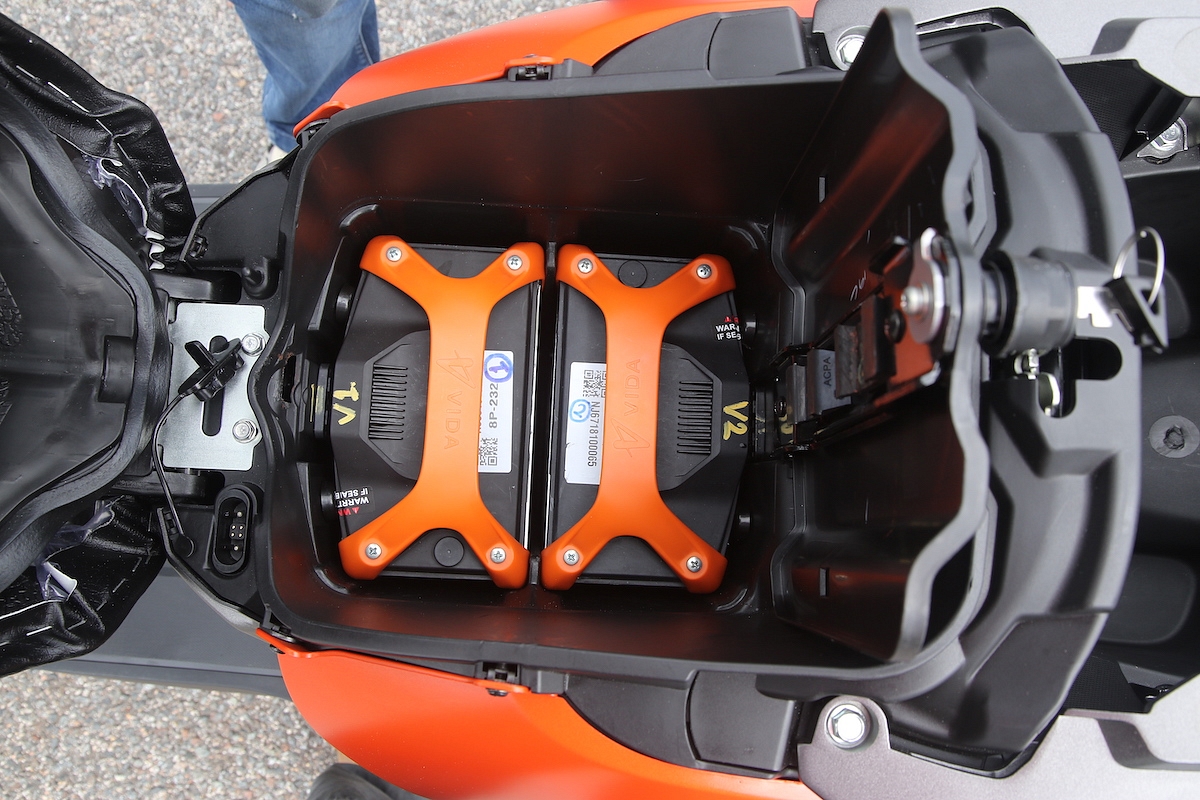
Another key factor is the battery pack where swappable battery module is in high demand. With the removable battery pack, you can keep the extra battery ready and handy for emergencies. Here we have listed the top electric scooters that you can buy in India with a swappable or removable battery pack. Take a look:
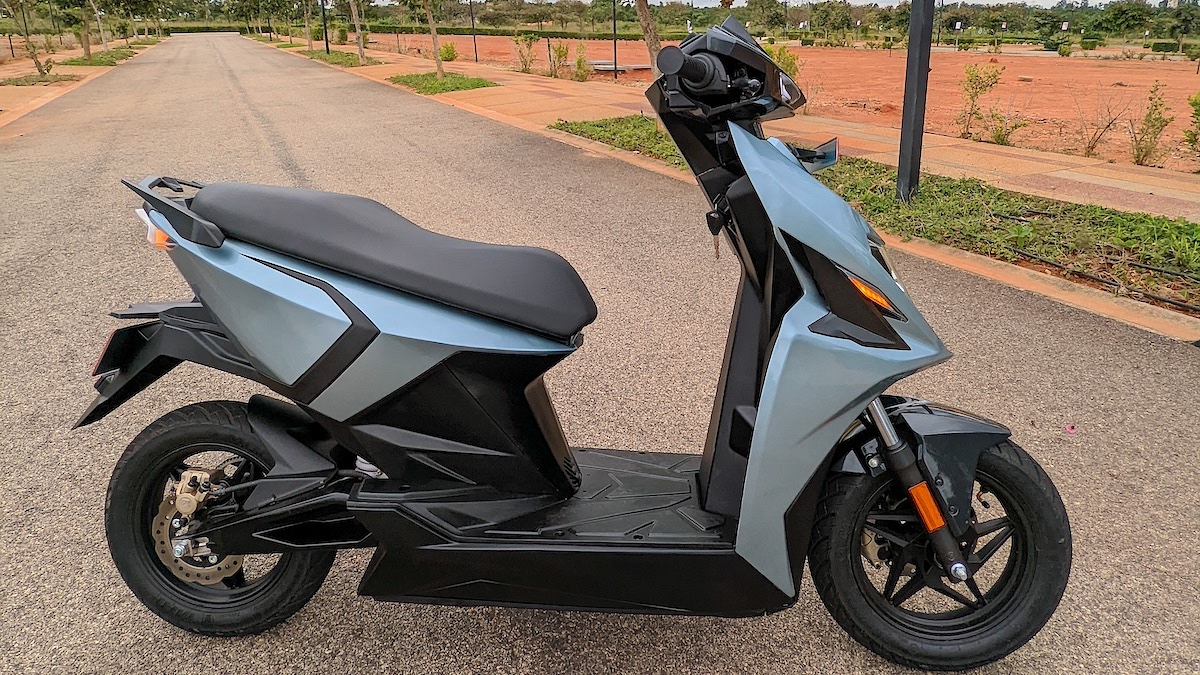
Simple One Electric Scooter
Powerful electric scooter featuring a swappable battery pack
Battery size is 5 kW
Range offered by the Simple One e-scooter is 212 km on a single charge
Offers around 105 kmph top speed
Is backed by an 4.8 kW electric motor
Can produce a peak torque of 72 Nm
Acceleration speed is 0-40 kmph in just 2.77 seconds
Multiple riding modes and a large 7-inch digital infotainment screen
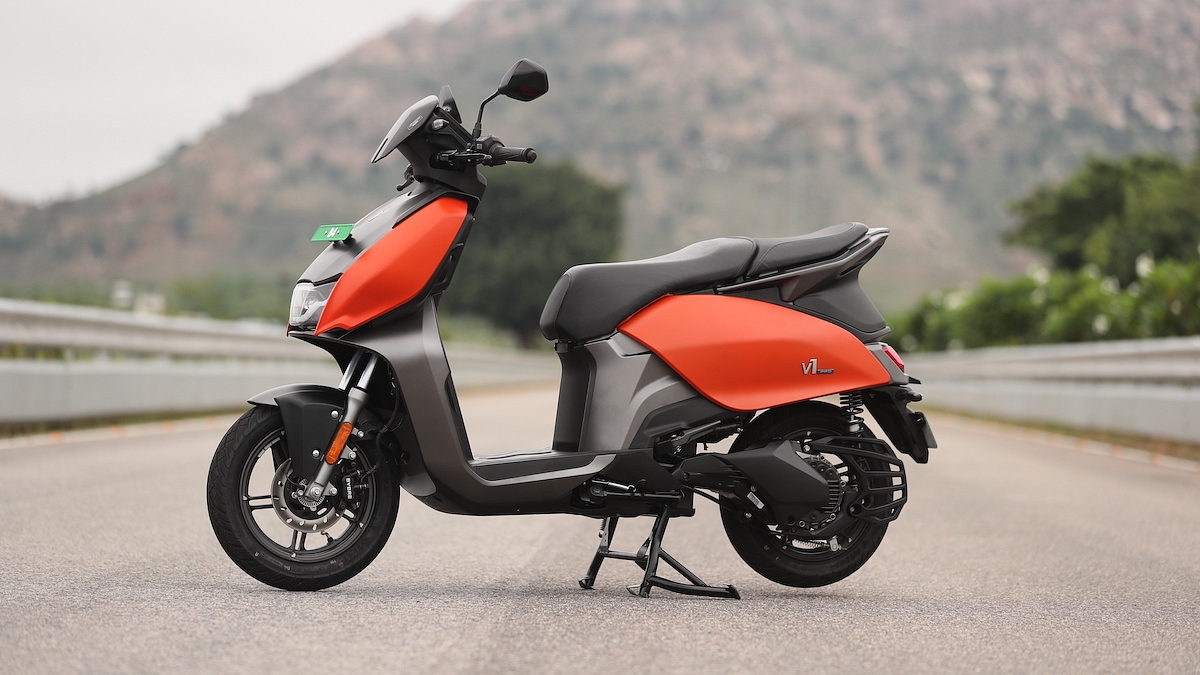
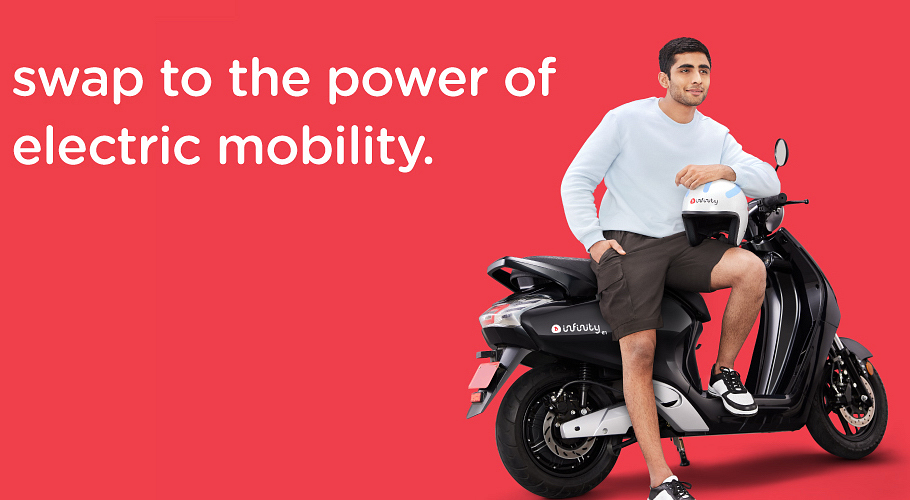
All these electric scooters makes for a convenient option for the consumers in the Indian market. Thanks to the swappable battery module one gets to travel hassle free. Also, the additional batter pack in any electric scooter works as a backup for long commutes. Depending on your budget, you can consider any of the aforementioned electric scooters. For the premium consumers, the Hero Vida V1 will be the best model, while for budget conscious audiences, the Bounce Infinity E1 electric scooter would be the apt pick.
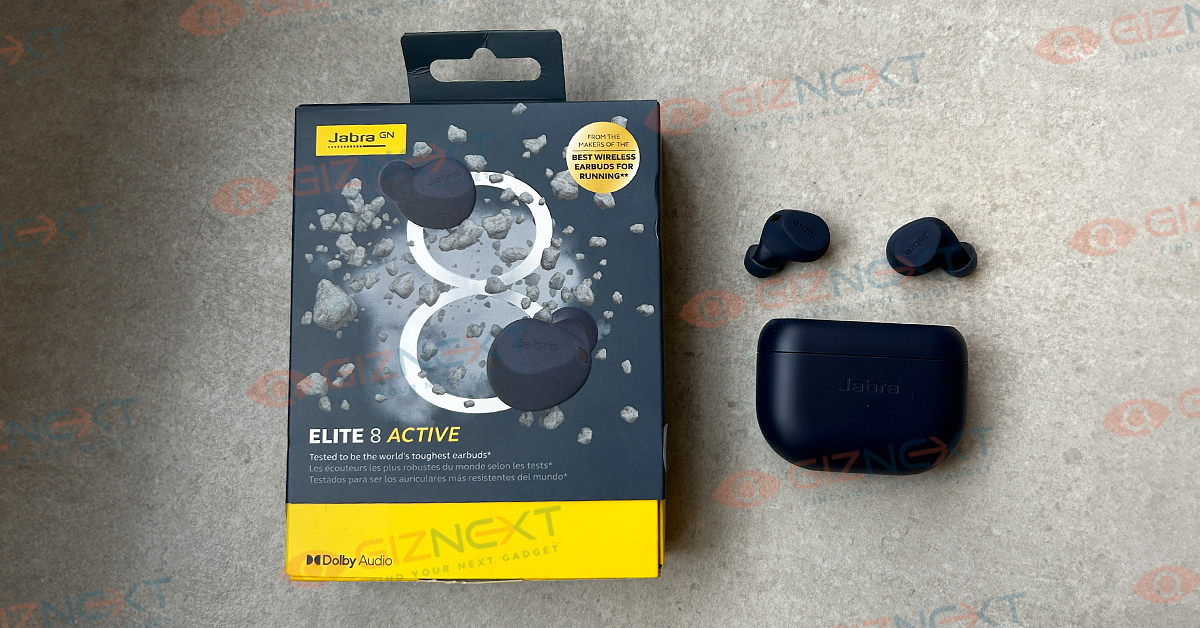
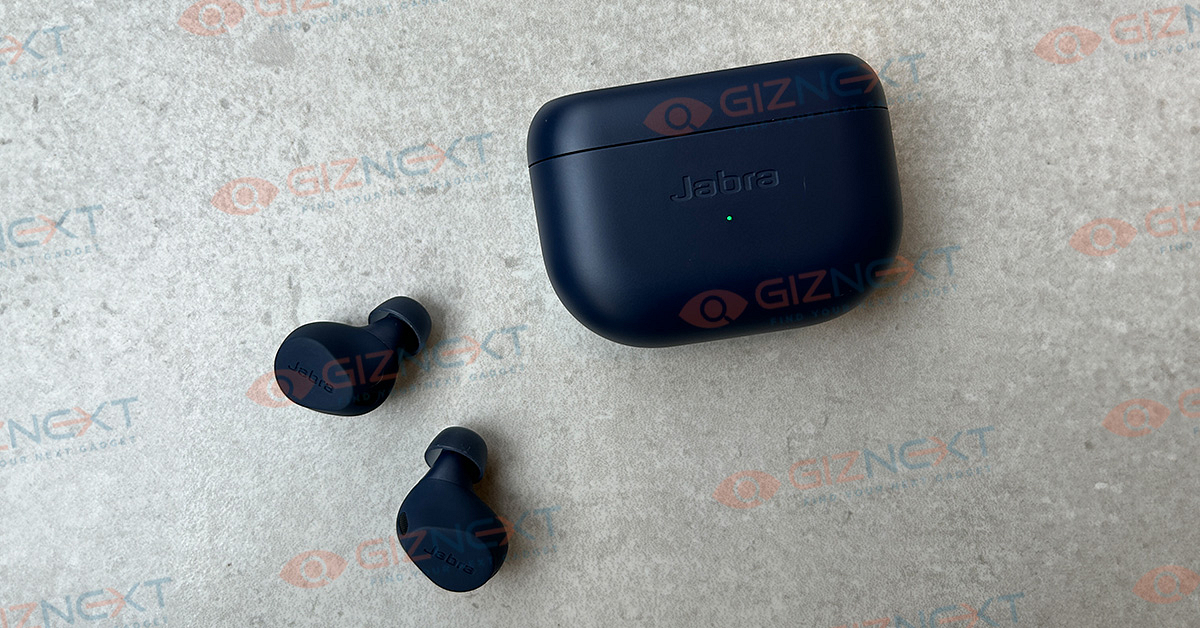
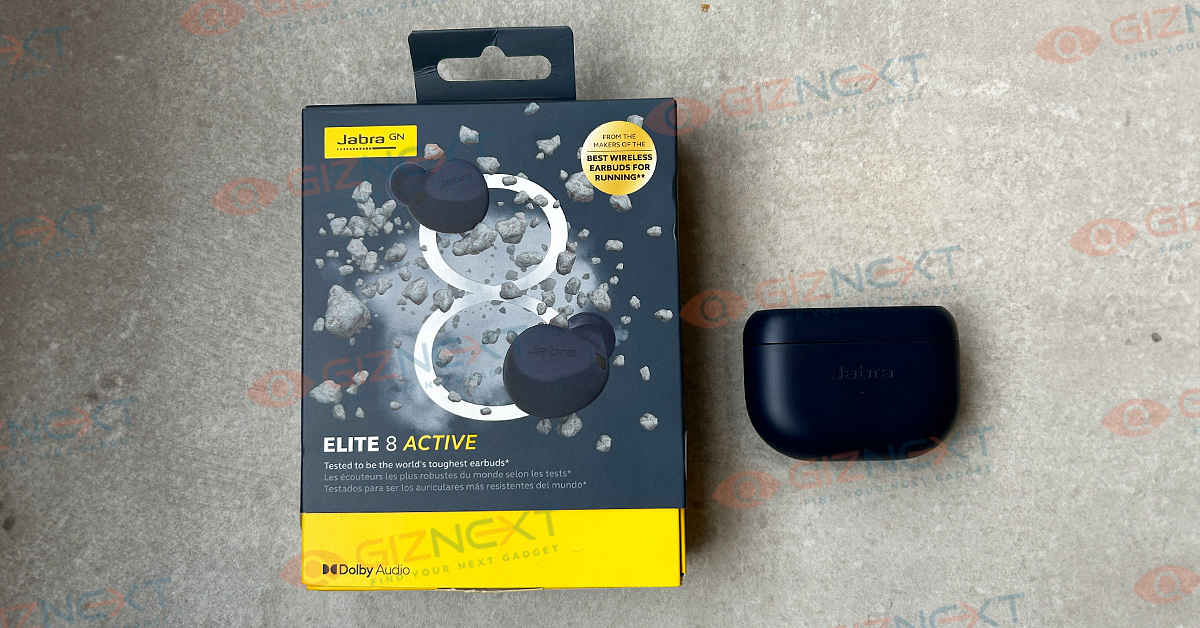
Jabra is a seasoned player in the audio segment and has been showing its expertise with the wireless audio products globally. The Elite Active series is Jabra’s premium audio product lineup which is refreshed frequently with new and advanced models. Catering to the fitness enthusiasts is the latest model from the brand called the Jabra Elite Active 8.
An upgraded version of the Elite Active 7, this new TWS comes at a price of Rs. 15,999 in India and is amongst the most premium TWS earbuds in the market. That said, the TWS market has evolved exponentially and we have numerous options with ANC and other advanced features available at a cost lower than the Elite Active 8. So what makes it worth a buy despite a higher price range?
At Giznext, we got the Jabra Elite Active 8 for review and after fiddling with the unit for long, we are sharing our feedback. Whether or not this TWS earbud stands out from the crowd and offers all the punch an audiophile needs? Here’s what we think:
Retail Box Contents
Main TWS charging case
Earbuds
Extra eartips
USB Type-C to USB Typ-A cable
User manual and warranty cards
Design
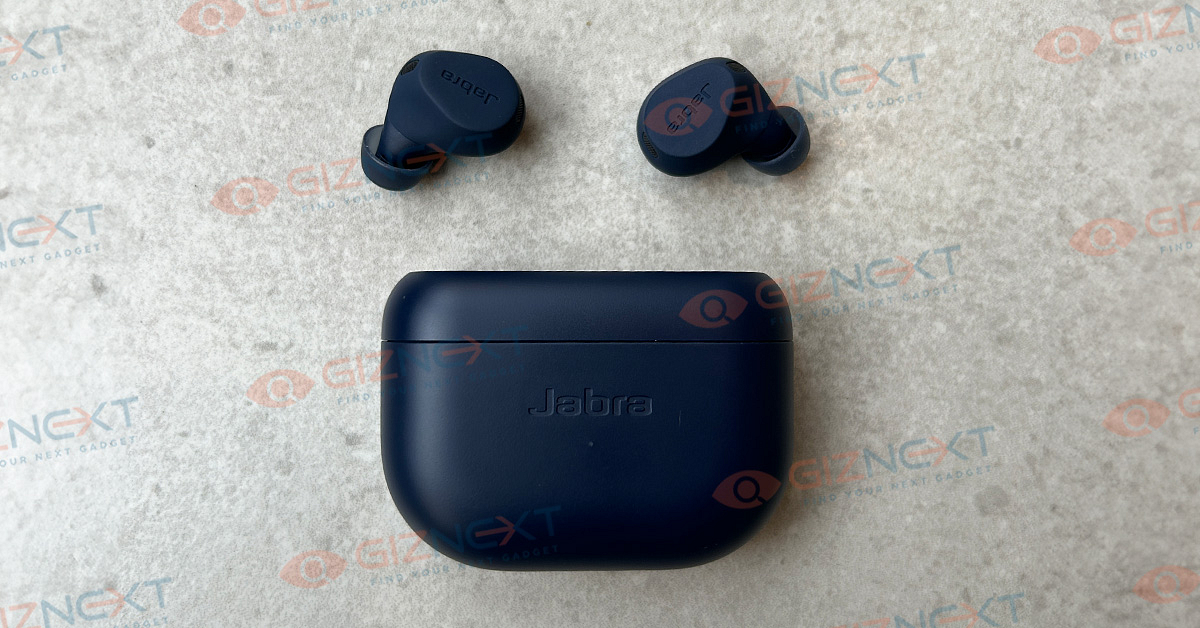
Jabra has stick to the basics with the Elite 8 Active TWS earbuds’ design. Nothing’s overdone to make it look funky. In fact, the straightforward design looks subtle yet premium at the same time. The Elite Active 8’s design highlight is its ergonomic and rugged build that makes it the perfect sports TWS earbuds.
Both charging case and the TWS earbuds have a soft silicone grip that adds to the overall grip and also a luxurious feel to touch. The durability is enhanced with the IP68 certifications which safeguards the pair from dust, sweat, and water. Additionally, this TWS earbuds is said to drop-proof by up to 1 m.
This is what makes the Jabra Elite Active 8 the best pair for workouts and other extensive outdoor activities where you need your music along. Jabra is touting this pair to be the “world’s toughest earbuds” and they couldn’t be wrong here.
What impresses us about the design is the snug fit design that is not just comfortable but also enhances the noise cancellation. The earbuds also ships with additional eartips that you can use depending on the comfort levels.
The Jabra Elite Active 8’s earbuds feature physical controls for music and audio levels. The manual controls ensures that there are no accidental song change or audio adjustments which generally is the case with touch sensitive earbuds available in the market.
Besides, audio and playback control using the physical keys is a decent experience. The clicks are soft and precise and doesn’t feel flimsy at all. The set of controls offered by each earbud are mentioned below:
Left Earbud Controls
Single Tap: Toggle on/ off ANC and Hear Through mode
Single Tap During Calls: Answer, mute/ unmute call
Double Tap: Summon voice assistant
Double Tap During Calls: Disconnect or reject call
Triple Tap: Can be configured with the supported Jabra app to set new function
Press and Hold: Volume reduce
Right Earbuds Controls
Single Tap: Play/ pause audio
Single Tap During Calls: Answer, mute, and unmute
Double Tap: Play next song
Double Tap During Calls: Reject and disconnect an ongoing call
Jabra has loaded the Elite Active 8 with 6mm drivers. Despite being tiny in size, these earbuds can easily please any audiophile. The soundstage is rich and you’ll start grooving as soon as you put the pair on. Throughout our music listening sessions, these earbuds performed extremely well. Sound clarity is high and you wouldn’t hear any muffles or white noise when the volume levels are tuned to max.
Bass produced has ample punch and you wouldn’t be left disappointed here anyhow. Besides, the Elite Active 8 includes several advanced sensors and features that helps it to offer the best-in-class audio. Well, the biggest competitor of the Elite Active 8 is the Sony’s top-of-the-line WF-1000XM5 TWS earbuds. And with the premium sound experience, the former establishes itself amongst the top spot.
All the audio aspects are at point which includes balanced lows, mids, and high. No overlapping with the vocals and instruments. Audio delivery here is crisp and you’ll be able to clearly distinguish the vocals from background music. Its the enhanced dialogue delivery that enhances the overall high-res video playback.
As for the ANC, it does a good job overall to silence the ambient or surrounding noises that can hamper the listening experience. We have been using the ANC mode during commutes in noisy public transport and have been impressed by its performance. You hardly get to listen to any of the chaos when you toggle on the ANC.
In addition to the music listening experience, the Jabra Elite Active 8 is a delight to listen when binging on shows and movies. In fact, the sound quality is so refined that even if you are streaming videos from OTT platforms such as Netflix and Amazon Prime videos, the audio response is of high quality.
Pairing, Calling, And Companion App
Besides, you can additionally refine the audio by using the equalizer from the Jabra companion app. Apart from the default set of equalizer, you can also customize the EQ as per your requirements. Enabling the Dolby Spatial Sound feature is also an option using the supported app.
Notably, you can easily download the Jabra Sound Plus app on both Android and iOS devices. Some of the preset music equalizers include Neutral, Bass Boost, Treble Boost, Smooth, and Energize.
Pairing experience is also smooth and the connections takes place in a jiffy. You would simply need to take out and wear the earbuds and press and hold the control keys once to activate the pairing mode.
Speaking of the calling experience, the Jabra Active 8 offers a hassle free and crisp calling experience. It is integrated with in-line microphone that allows it to deliver a clear and crisp calling experience.
Battery backup claimed by Jabra for the Elite Active 8 is up to 8 hours. This backup is for the earbuds without the charging case. At higher audio levels, the backup is a bit lower than the claimed time. However, with moderate audio levels the earbuds do last close to 8 hours. Additional backup is provided by the charging case which saves hassle of a plug reconnect.
The Jabra Elite Active 8 is a premium option for audiophiles; specifically for the fitness freaks who can’t compromise on the audio quality during workouts or other sports activities . It has a plethora of advanced features and allows it to deliver the best-in-class audio performance and also the wearing comfort despite usage with extensive outdoor activities. The rich and realistic sound stage offered by the Jabra Elite Active 8 makes it worth a purchase.
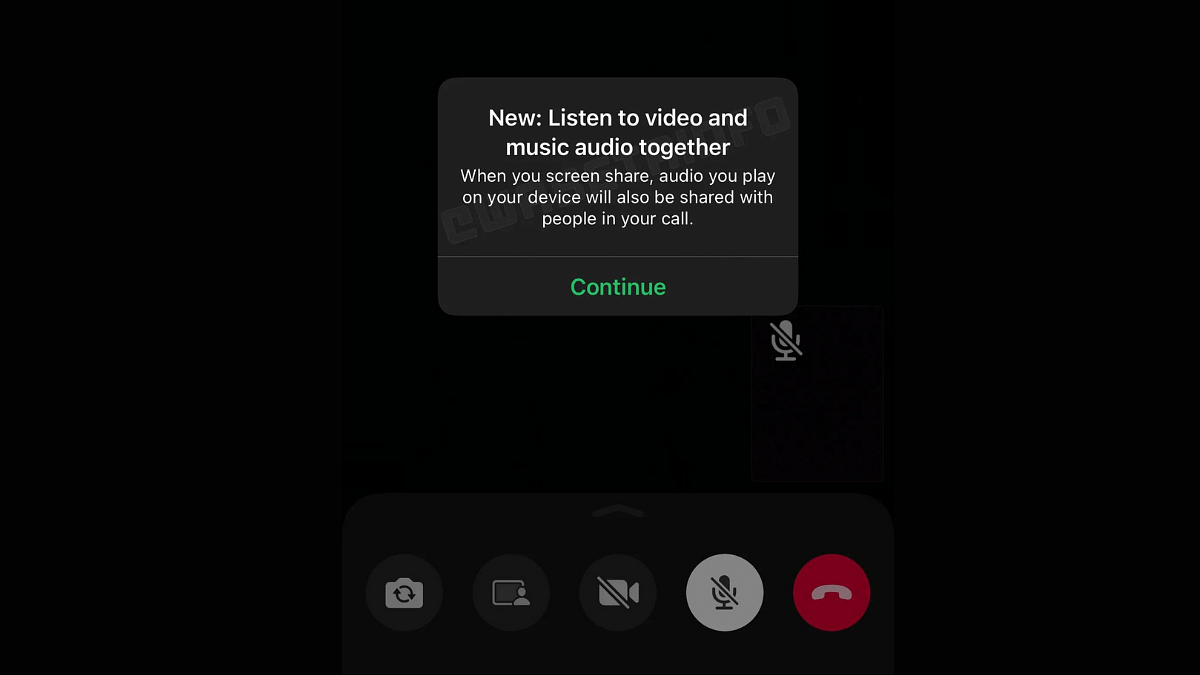
iPhone users can share music during a video call on WhatsApp.
Playing audio on the device automatically shares the music with participants in the video call.
This feature allows users to enjoy their favourite music while engaged in a video call.
WhatsApp is always on the lookout for innovative features to enhance user experience. After the successful rollout of the screen-sharing feature a few months ago, the platform is now testing a music-sharing feature, adding a new dimension to video calls. This feature, currently in beta, is specifically designed for iOS users, allowing them to share and listen to music during video calls.
WABetaInfo first spotted this upcoming feature, and it’s important to note that it won’t function during audio-only calls. Although there is no official timeline for the rollout to Android users, this new addition promises to make WhatsApp video calls more engaging and interactive.
How It Works
Step-by-Step Guide to Using WhatsApp’s Music Feature During Video Calls:
1. Ensure App and Device Compatibility:
Confirm that you have the latest version of WhatsApp installed on your iPhone.
Ensure that your device is running the necessary iOS version supporting this feature.
2. Initiate a Video Call:
Start a video call with your desired contact by selecting the video call icon within the chat.
3. Enable Screen Sharing:
During the video call, locate and tap on the “Screen Share” option. This may be found in the call interface, typically as an icon representing screens or devices.
4. Play Music or Video:
Once screen sharing is activated, open your preferred music or video player on your iPhone.
Play the desired music or video file that you want to share with your contact.
5. Real-Time Audio Sharing:
As you play the music or video, the audio will be shared in real-time with all participants in the video call.
Enjoy an immersive audio-visual experience, creating a shared atmosphere with your friends.
Limitations And Compatibility
This feature works exclusively during video calls and is not compatible with voice calls on WhatsApp.
Additionally, it won’t function if the video is turned off during the call.
In case the feature doesn’t work, ensure that both you and your contact have the latest versions of WhatsApp.
Verify that your device and iOS version meet the requirements for this feature.
What’s Next For WhatsApp?
This music-sharing feature follows the August rollout of the screen-sharing feature, which simplifies collaborative tasks during video calls. Whether it’s sharing documents in a work meeting or showcasing a presentation, WhatsApp’s screen-sharing feature has become a valuable tool.
In addition to the music-sharing feature, WhatsApp is exploring new capabilities, including directly sharing WhatsApp Status updates to Instagram. This aligns with Meta’s vision of achieving cross-platform compatibility across all its applications.
Hero MotoCorp partners with Ather Energy to expand fast charging stations
Consumers will get to use VIDA and Ather charging grids
Is expected to be largest EV charging network in India
Transition in the EV market has been exponential in the last few years. But the consistency with new product launches picked a pace in the last one year. Increasing demands for new electric two and four wheelers is directly impacting the need for charging stations. To boot the charging network in India, Hero Motocorp has joined hands with Ather Energy to bring interoperable charging network to the country. What is this new partnership and how will it help the EV consumers in the Indian market? Read on the details below:
Hero MotoCorp, Ather Energy Collaboration Details
The latest collaboration between Hero MotoCorp and Ather Energy will bring a vast interoperable charging network in the Indian subcontinent. According to the reports, Hero MotoCorp has already filed for required documentation with the BSE regulatory yesterday, i.e., December 6, 2023.
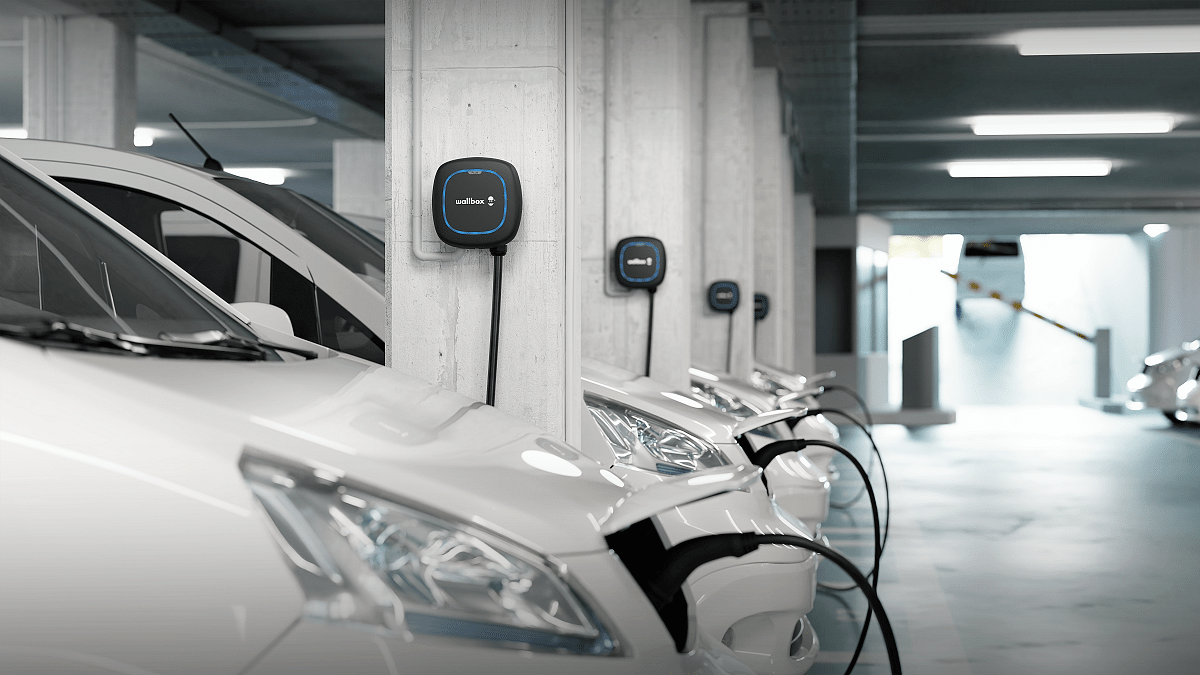
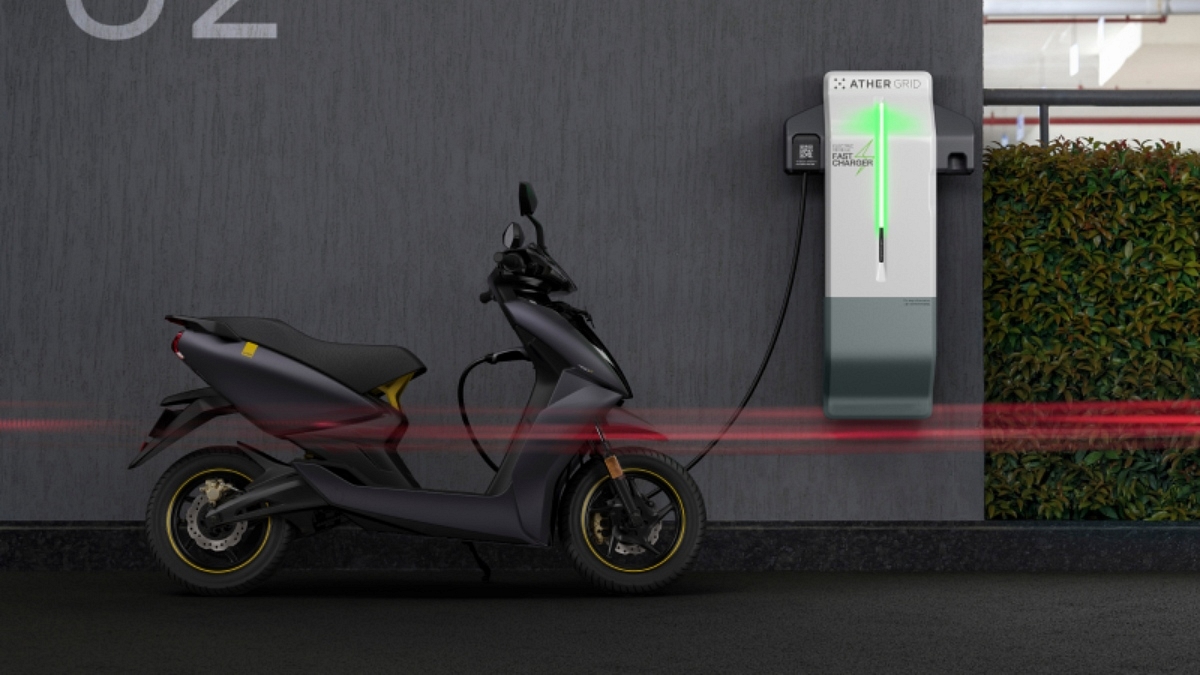
This new initiative from Hero MotoCorp and Ather aims to expand the interoperable fast charging station network in the entire Indian region. Just for reference, interoperable charging stations allows consumers riding different electric vehicles to access and use a common public or private charging platform.
These interoperable charging stations will have standardized connecters or ports that will allow charging different EV vehicles. In a statement Swadesh Srivastava, Hero MotoCorp’s Chief Business Officer said, “”We are happy to extend our association with Ather Energy through this interoperable fast-charging network. VIDA’s brand promise is building a “Worry-free EV ecosystem”, and this largest charging network in the country will go a long way in providing a seamless & convenient ownership experience to customers.”
Impact On Indian EV Market And Charging Infastructure?
Hero and Ather’s vision to create a worry-free EV ecosystem is much required in India. It is being said that over 100 cities are planned to get the interoperable fast charging stations from this joint collaboration. All these 100 cities in the list will get over 1900 different charging points. What would be impressive is all these charging points will include fast charging points which will allow the EV owners to quickly refuel their vehicles.
77% of parents report that their children express dissatisfaction with their excessive smartphone use
The study encompasses over 1500 respondents across major Indian cities
Join Vivo on December 20 to switch off digital screens for an hour
In this digital age, smartphones have integrated into our daily lives, becoming essential companions. However, the widespread and excessive use of these devices has raised concerns about the impact on our most cherished relationships. The fifth edition of the Vivo Switch Off Research study, conducted in collaboration with Cybermedia Research (CMR), delves into the repercussions of excessive smartphone use on parent-child relationships. Let’s have a look. Also Read | Vivo T2 Pro Review: A Feature-Rich Smartphone On A Budget
Survey Findings
Smartphone As An Enabler In Daily Lives
Smartphones serve as crucial tools for information acquisition and social connections among parents. Approximately 70% acknowledge their role in enhancing knowledge, while over 60% value them for connecting with family and friends. Similarly, nearly 60% of children see smartphones as instrumental for acquiring information and connecting with distant loved ones.
Child Mental Health Impact
The study exposes concerning patterns in children’s smartphone usage, revealing that they initiate smartphone use at the age of 12, spending an average of 6.5 hours daily. This extensive engagement raises alarms about emotional reliance, with 91% experiencing anxiety when separated from their devices.
Parents’ Concerns Over Children’s Smartphone Usage
Parents express deep concerns about their children’s mental well-being, social skills, and overall development. A staggering 94% worry about their children’s mental health, with 91% advocating for restrictions on smartphone access. The study emphasizes widespread concerns regarding the potential negative impact on children’s social skills.
Strain On Parent-Child Relationships
The study illuminates a significant challenge in parent-child relationships due to excessive smartphone use. A notable 90% of parents admit to occasional irritation when interrupted by their children engrossed in smartphone activities. Another 90% confess to spending less quality time with their children, potentially straining familial bonds.
Despite the challenges, the study unveils a silver lining, with 93% of parents and children expressing feelings of guilt about the quality of their relationships. Notably, 94% of parents prioritize meaningful in-person interactions over smartphone scrolling during leisure time. An encouraging 96% of parents and 93% of children express a strong mutual desire to deepen family connections.
Additional Key Findings
Parents spend an average of 7.7 hours per day with smartphones, 1.2 hours more than children.
87% and 73% of parents check their phones as the first and last thing in the morning and before bedtime.
On average, children and parents spend about two hours together, but approximately 75% use their phones during this shared time.
90% of children feel lonelier due to their parents’ smartphone usage, even with a significant social media presence.
Raising Awareness: ‘Switch Off’ Day
Recognizing the need to sensitize people about responsible technology use, Vivo has declared December 20 as ‘Switch Off’ day. This initiative encourages Indian consumers to power down their digital screens and allocate quality time to their families. Renowned health and science writer Catherine Price, author of ‘How to Break Up with Your Phone,’ has joined hands with Vivo to guide efforts in promoting healthier smartphone habits.