Categories
Auto Tech Featured

Types Of Sunroofs Compared: Sunroof vs Moonroof vs Panoramic Sunroof

Key Highlights

  • Sunroofs have become highly desirable in modern cars, even in affordable models like compact hatchbacks and SUVs
  • The term “sunroof” is often used generically, but there are actually different types of glass roof panels available in cars
  • The article aims to explain the distinctions between various types of glass roof panels, including the difference between a sunroof and a moonroof

Out of all comfort and convenience features, a sunroof has become the most sought-after thing in a modern-era car. At one point in time, only high-end luxury cars had the novelty of a sunroof. Due to the increasing love for sunroofs among affordable car buyers, even compact hatchbacks and SUVs now come with this feature. Also Read | MG Comet EV Vs Tata Tiago EV Vs Citroen eC3 Budget Electric Car Comparison: Which Is The Best?

While the presence of a glass panel on the roof is generalized as a sunroof, there’s more element to the story. There are multiple types of sunroofs available in cars nowadays, and people often mistake a moonroof for a sunroof. Here, we have described the differences between different types of glass roof panels in cars sold in the modern era:

Sunroof

Contrary to what most people believe and even what carmakers promote nowadays, a sunroof is essentially an opaque panel. This panel is present on the roof of the vehicle, which matches the color of the vehicle and can be either tilted open or taken off wholly.

Moonroof

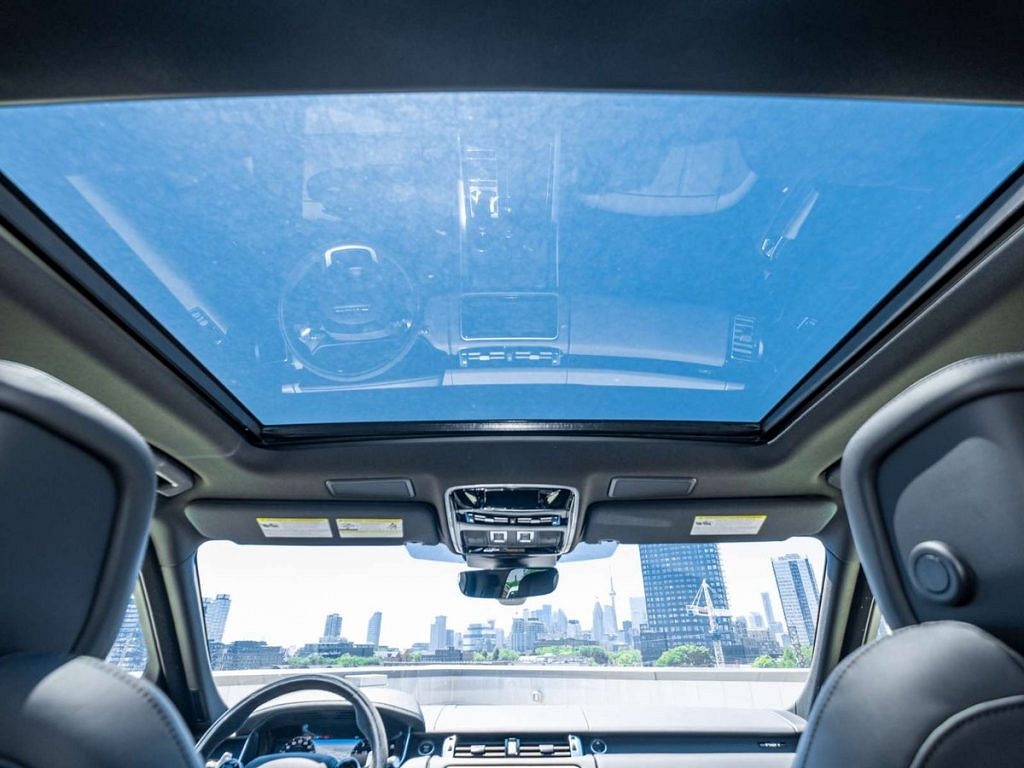
It is the actual sunroof that matches the perception of most people. It is also a type of sunroof, but it is a glass panel present on the roof of a vehicle. This glass panel can tilt open or slide between the roof panel and the headliner of the vehicle. For added protection and aesthetics, a moonroof also comes with an additional sliding panel. Almost all modern cars now come with a single-pane or a panoramic moonroof. An example of a car with a moonroof is the new 2022 Brezza.

Also Read | Upgrading To Electric Cars? Top Upcoming Electric Cars Under Rs. 10 Lakh In India In 2023

Panoramic roof

While some carmakers are yet to offer a single-pane sunroof in their popular models, a few have edged ahead by offering panoramic sunroofs. As the name suggests, a panoramic sunroof gives a panoramic view of the skies above. It is possible by a larger glass panel covering more than half of the roof panel. An example of an SUV with a panoramic sunroof is the Tata Harrier.

This glass panel generally has two halves. While the glass panel above the front row can slide and open, the other half glass panel above the rear rows has a fixed design. However, in some cars, there is a single large glass panel as a panoramic unit, which partially slides or opens up. A panoramic unit is more effective in making the cabin feel airier and brighter when compared to a single-pane sunroof.

In recent times, SUVs like Hyundai Creta, MG Hector, and Mahindra XUV700 have popularized the concept of panoramic sunroofs. Single-pane sunroofs have made their way in most sub-compact SUVs and even hatchbacks like the Hyundai i20 and Honda Jazz.

Also Read | Data On Wheels: Why High-Capacity Storage Is The New Fuel For Modern Cars?

Categories
Featured Gaming Mobile

Asus ROG Phone 6, ROG Phone 6 Pro Flagship Gaming Phones With 165HZ AMOLED Display, SD 8+ Gen 1 Chipset Announced: Price In India, Full Specifications

Highlights

  • Asus ROG Phone 6, ROG Phone 6 Pro launched in India
  • Snapdragon 8+ Gen 1 chipset, up to 18GB RAM
  • 6.78-inch AMOLED display with 2K resolution and 165HZ refresh rate
  • 50MP triple rear cameras

Asus has finally unveiled the much-anticipated flagship gaming smartphone series – the ROG Phone 6. As expected, the Taiwanese tech giant has announced both ROG Phone 6 and the ROG Phone 6 Pro gaming phones in the Indian market. The latest premium Asus gaming phones feature some top-of-the-line hardware such as a 165Hz AMOLED display, a new-generation Snapdragon 8+ Gen 1 chipset, and a whopping 18GB RAM capacity. Read on to know the Asus ROG 6, and ROG 6 Pro price in India and the full spec sheet:

Asus ROG Phone 6, ROG Phone 6 Pro Full Hardware Details

We’ll start with the vanilla ROG Phone 6 specifications. The standard variant uses the Snapdragon 8+ Gen 1 processor that supports Adreno 730 GPU to handle all high-end graphics smoothly. The standard ROG Phone 6 has been announced with 12GB RAM and 256GB of UFS 3.1 storage. Asus has equipped the vanilla ROG Phone 6 with a 6.78-inch AMOLED display that comes with a WQHD+ display and 165Hz refresh rate.

The handset also features a dedicated Pixelworks i6 display processor whose functionality is to offer a smooth visual experience by adding additional framed on-screen. The 2.5D curved glass also gets Corning Gorilla Glass Victus 5 protection from scratches and accidental drops.

In the camera department, the Asus ROG Phone 6 uses a triple-lens camera module at the back which features a 50MP Sony IMX766 main camera. Additional sensors include a 13MP ultrawide sensor and a macro lens. For selfies and video chats, it features a 12MP front camera. The vanilla ROG 6 variant is packed with a gigantic 6,000 mAh battery unit that has 65W fast charging support. Notably, the bundled charger’s capacity is 30W.

Moving on to the ROG Phone 6 Pro, this high-end model has almost similar internals as the standard ROG Phone 6. However, there are some differences. Specifically, in the configuration and rear panel design.

The Asus ROG Phone 7 Pro also features the same 6.78-inch 2.5D AMOLED display with WQHD resolution and 165HZ refresh rate. The imaging setup is a 50MP triple rear camera module and a 12MP selfie lens. Both smartphones also have the same Android 12 OS firmware topped with a custom user interface.

The 18GB RAM and 512GB storage option is one primary difference between the latest flagship Asus ROG gaming phones. The ROG Phone 6 Pro additionally sports a pMOLED ROG Vision secondary display and RGB illuminated back.

An in-display fingerprint scanner handles the biometrics on the latest ROG Phone 6 series. The IPX4 certification is another common factor on the ROG Phone 6 and the ROG Phone 6 Pro. Asus has also integrated new AirTrigger 6 trigger keys for enhanced gaming. The battery capacity and fast charging speeds are similar to the standard model.  

Asus ROG Phone 6, ROG 6 Pro India Price, Sale Details

The Asus ROG Phone 6 is priced at Rs. 71,999 in India which is for the sole 12GB RAM and 256GB storage configuration. The ROG Phone 6 Pro is launched at Rs. 89,999 for the single 18GB RAM and 512GB storage option. The vanilla ROG Phone 6 will be available in black and white shades, while the Pro variant will be available only in a white color option.

Categories
Featured Laptop

Microsoft Laptop Surface Go 2 With 11th-Gen Intel Core i7 Processor Debuts In India; Price, Key Specifications

Highlights

  • Microsoft Laptop Surface Go 2 series announced in India
  • 11th Gen Intel Core i7 processor
  • Price starts at Rs. 73,999

Microsoft has refreshed its laptop portfolio in India with the launch of new Surface series laptops. The Redmond giant has unveiled the latest Surface Laptop Go 2 series in the country. The brand has announced the new-generation Surface Go 2 series laptops for the affordable masses in the country with the latest 11-th Gen Intel Core i5 processors.  The Surface Go 2 laptop lineup was introduced recently in the international markets and has finally arrived in the Indian market as well.

Microsoft Surface Laptop GO 2 Full Specifications And Features

The Microsoft Surface Laptop Go 2 features a compact and lightweight design. The laptop is just around 1.1 Kg in weight and flaunts a 12.4-inch PixelSense display. The Surface Laptop Go 2’s display features a 1024 x 1536 pixels screen resolution that is perfect for FHD media playback and gaming.

Under its hood, the latest Microsoft Surface Laptop Go 2 uses the 11th-gen Intel Core i5 processor. This high-end processor will allow the Laptop Surface Go 2 to deliver a lag-free performance with basic tasks and gaming. The Microsoft Surface Go 2 laptop has been announced with up to 8GB RAM which will handle all the multitasking with ease. This Microsoft laptop comes with up to 256GB storage option. The configuration can be further expanded for a better user experience.

As for the connectivity options, the Microsoft Surface Laptop Go 2 offers one USB Type-C port and one standard USB port that will allow pairing with external supported devices. For charging and data transfers, the Microsoft Surface Go 2 Laptop still features the standard Surface Connect port as the previous-generation models.

Microsoft has also refreshed the design and has equipped the Surface Go 2 with an improved keyboard and trackpad. The battery backup is also significantly improved with the new-generation model.

Microsoft Surface Laptop Go 2 Price In India

The Microsoft Laptop Surface Go 2 has been announced in India with an asking price of Rs. 73,999. You will get the base model with 8GB RAM and 128GB storage model with this price tag. On the other hand, the Surface GO 2 with 8GB RAM and 256GB storage configuration can be bought at Rs. 80,999. Notably, for business consumers, the Microsoft Laptop Surface Go 2 will be available with a starting price range of Rs. 79,990 in the country.

Categories
Apps Featured How To

How To Share Instagram Posts With Other Social Media Channels: A Step-By-Step Guide

Nowadays, Instagram is one of the most widely used social media networks. But that doesn’t deny the significance of other platforms. On Instagram and other platforms, users usually share the same content but doing so manually can be time-consuming.

Sometimes you want to share a photo or video you’ve uploaded to Instagram on other social media sites. The good thing is that users can connect to their social media platforms so that they do not have to put up the same post separately every time. For this, you need to connect your Instagram account to other social media platforms. Here’s how to do it:

How To Use Link Instagram To Your Other Social Media Channels

It is simpler for followers to find your content and for you to share Instagram posts that you have made when your account is linked to your other social media platforms. Additionally, it shows that you are active across a number of channels which strengthens your online presence. Below are the steps that you need to follow in order to link your Instagram account to your other social media channels:

Step 1: On your mobile phone, open the Instagram app.

Step 2: Go to your profile and open the menu by tapping on the three dots in the top right corner.

Step 3: Click on ‘Settings’.

Step 4: Tap on ‘Account’.

Step 5: Now, tap on ‘Sharing to other apps’.

Step 6: Select the account you want to link from options like Facebook, Twitter, Tumblr, Ameba, and OK.ru.

Step 5: Enter the login information and you are all set to go.

The social media accounts are now linked to your Instagram account. You only need to upload the photo or video, edit it, add a description, tag people, and add location whenever you want to share a post on Instagram and other platforms. You simply need to enable the toggle for the accounts you want to share.

Besides, if you have chosen Advanced Settings (located under the social media services settings in the Settings), your posts or videos will be automatically posted to Facebook.

Categories
Featured Info Mobile

Xiaomi 12S, Xiaomi 12S Pro, Xiaomi 12S Ultra Launched: Know Specifications, Price

Key Highlights

  • Xiaomi 12S series has been launched in China
  • These are the first phones to use Qualcomm’s Snapdragon 8+ Gen1 chipset
  • The smartphones come with Leica optics

The Xiaomi 12S series has now been officially unveiled in China. These are the latest flagship offerings by the company. The lineup includes three models, i.e., the Xiaomi 12S, Xiaomi 12S Pro, and the Xiaomi 12S Ultra. All three smartphones are powered by the Qualcomm Snapdragon 8+ Gen 1 SoC and come with Leica optics. Check out the specifications and prices of the newly launched devices:

Xiaomi 12S, Xiaomi 12S Pro, Xiaomi 12S Ultra Specifications

The Xiaomi 12S features a 6.2-inch FHD+ AMOLED display with a refresh rate of 120Hz. On the other hand, the Xiaomi 12S Pro comes with a larger 6.73-inch QHD+ AMOLED panel with a 120Hz refresh rate. Meanwhile, the Xiaomi 12S Ultra features a 6.73-inch AMOLED micro-curved display with up to 120Hz refresh rate. The AMOLED panel on the Xiaomi 12S series supports 1500 nits of peak brightness and comes with Gorilla Glass Victus protection.

Under the hood, the Xiaomi 12S and 12S Ultra are powered by the new Snapdragon 8+ Gen 1 chipset. On the other hand, the Xiaomi 12S Pro comes in two variants: one with the Snapdragon 8+ Gen 1 chipset and the second with the Dimensity 9000+ chipset. The Xiaomi 12S and 12S Pro have up to 256GB of UFS 3.1 storage and 12GB of LPDDR5 RAM. Meanwhile, the Xiaomi 12S Ultra has up to 12GB RAM and 512GB storage.

Further, the Xiaomi 12S boasts a 4,500mAh battery with support for 67W fast wired charging. The Xiaomi 12S Pro is housed by a 4,600mAh battery with 120W and 50W wireless fast charging support. The Xiaomi 12S Ultra packs a large 4,860mAh battery with 67W wired and 50W wireless charging support.

Moving to optics, the Xiaomi 12S has a triple camera setup. It carries a 50MP Sony IMX707 sensor, a 13MP ultrawide snapper, and a 5MP tele-macro camera. The device packs a 32MP selfie camera on the front.

The Xiaomi 12S Pro packs a triple camera setup. It includes a 50MP Sony IMX707 camera. The other two cameras are a 50MP ultra-wide shooter and a 50MP telephoto shooter.

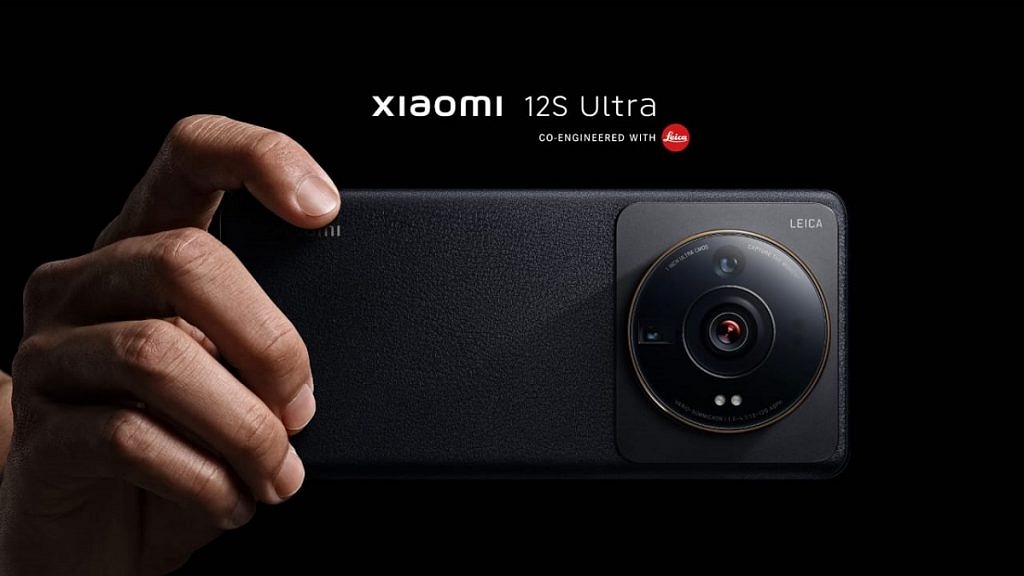
Coming to the Xiaomi 12S Ultra, it has a triple camera array on the back. The custom 1-inch Sony IMX989 sensor is used for the first time in a phone. The device has a 50MP ultra sensor, a 48MP ultra-wide lens, and a 48MP zoom lens. For selfies, the phone has a 32MP camera on the front.

Xiaomi 12S, Xiaomi 12S Pro, Xiaomi 12S Ultra Price

The Xiaomi 12S comes at a starting price of CNY 3,999 (around Rs. 47,194) while the Xiaomi 12S Pro has a starting price of CNY 4,699 (around Rs. 55,408). On the other hand, the Xiaomi 12S Ultra price begins at CNY 5,999 (around Rs. 70,700).

The Xiaomi 12S and the Xiaomi 12S Pro will go on sale in China from July 6. On the other hand, the Xiaomi 12S Ultra will be available in the country starting July 8.

Categories
Featured Home Appliances Info

Xiaomi Showcases A Bio-Inspired Quadruped Robot ‘CyberDog’ In India: Check Out Specs

Key Highlights

  • Xiaomi showcases its CyberDog in India
  • It is the company’s first robotic dog
  • CyberDog has a lot of potential in the home security segment

As Xiaomi celebrates its anniversary month, the brand showcased its ‘CyberDog’ in India today (July 4, 2022). This is Xiaomi’s first robotic dog. It is loaded with advanced features like an Intel processor, an NVIDIA GPU, and support for open-source algorithms.

The Xiaomi CyberDog has emerged as one of the most talked-about topics in the tech world and the users are quite interested in learning more about the brand’s first robotic dog. Here is all the information you need to know about the CyberDog:

All About Xiaomi’s CyberDog

The NVIDIA AI computing platform and custom-designed servo motors power the Xiaomi CyberDog. This produces 220 rpm rotation and up to 32 Nm of torque. Xiaomi claims that its CyberDog can execute complex motions as well as postures including backflips and moving speeds of up to 11 kmph. Additionally, it is capable of running and walking as well as more complex movements including rolling, jumping, leaning forward, and standing on its rear legs.

The CyberDog’s body is equipped with 11 high-precision sensors and specialized touch sensors. comes with 128GB of SSD storage. Along with an Intel RealSense D450 depth sensor, room mapping ultrasonic sensors, and geolocation processors, the CyberDog comes with embedded cameras for sight.

According to Xiaomi, the CyberDog has custom programmable computer vision. Therefore, you can teach the dog to respond appropriately when it notices something intriguing. Additionally, you can train it with custom voice instructions. Besides, the robot is also capable of auto-tracking and SLAM mapping.

Ultra-wide fisheye cameras with binocular capability and AI interactive cameras that can read the environment also contribute to the robot’s vision. It’s interesting to note that this CyberDog can recognize faces to provide its owner with personalized experiences. The Xiaomi CyberDog can also respond to human gestures.

Furthermore, the Xiaomi CyberDog has three USB-C ports and one HDMI port that can be used to connect extra cameras, LiDAR sensors, and other devices.

Xiaomi CyberDog Price

Xiaomi has not yet made any official statements regarding its price. However, the company is offering this CyberDog for 9,999 yuan in China which translates to Rs 1.15 lakh.

Categories
Comparison Featured Tablet

Lenovo Tab P11 Plus Vs OPPO Pad Air Vs Realme Pad: Mid-Range Tablet Comparison

The Android tablet market is flourishing on a massive scale in the Indian market. This segment is getting populated with affordable as well as premium range tablets. The latest trend is with smartphone brands bringing user-oriented tablets at affordable price tags. OPPO and Lenovo are the latest brands that will be refreshing their Android tablet catalog in the country with new devices. OPPO is gearing up for the OPPO Pad Air tablet launch, while Lenovo is ready to introduce the Tab P11 Plus in the country.

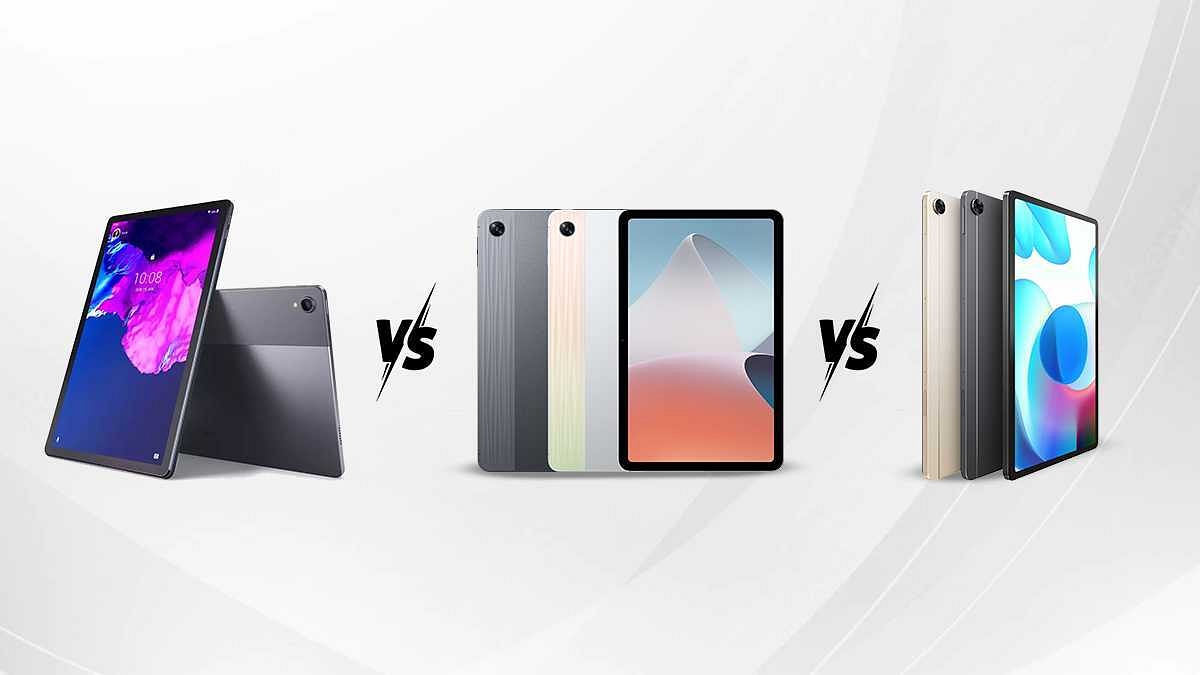
Both upcoming OPPO Pad Air and the Lenovo Tab P11 Plus will be arriving as mid-range Android tablets in India. The features of both tablets are known since they have been announced in the international markets. We have been comparing the best available tablets in the market in terms of hardware and pricing so that it’s easy for you to decide on your next buy.

In this article, we are comparing these two upcoming tablets, i.e. the OPPO Pad Air and the Lenovo Tab P11 Plus with one of the most popular mid-range tablets in the country called the Realme Pad. Which one of the upcoming tablets or the existing one should you consider as your next tablet purchase? Read on this comparison article to know:

Lenovo Tab P11 Plus Vs OPPO Pad Air Vs Realme Pad: Display Specification Comparison

The Lenovo Tab P11 Plus mid-range Android tablet will be launched with a massive 11-inch display in India. The display type used by the upcoming Lenovo tablet will be a standard IPS LCD which will offer 1200 x 2000 pixels 2K screen resolution and a screen-to-body ratio of 81.8 percent. The Lenovo tablet’s display will support 400 nits peak brightness which makes visibility decent under direct sunlight.

The OPPO Pad Air will launch with a slightly smaller 10.3-inch display which will also be an IPS LCD panel similar to the Lenovo Tab P11 Plus and Realme Pad. The OPPO Pad Air’s display also supports a 2K screen resolution of 1200 x 2000 pixels and 225 PPI pixel density. The OPPO Pad Air’s panel will also support 360 nits peak brightness levels which is slightly lower compared to the Lenovo Tab P11 Plus.

The Realme Pad offers an identical set of display specifications as the OPPO Pad Air and the Lenovo Tab P11 Plus. The screen type is IPS LCD, but the screen size is 10.4-inches here. The Realme Pad’s display also supports a 2K screen resolution of 1200 x 2000 pixels and has peak brightness levels of 360 nits. The display type and features are almost similar on all three tablets listed above. However, if you need a bigger screen size and a brighter panel then the Lenovo Tab P11 Plus will be the better option.

Lenovo Tab P11 Plus Vs OPPO Pad Air Vs Realme Pad: Which One Offers Better Camera Hardware?

In the camera department, the Lenovo Tab P11 Plus has got edge over the remaining two models, i.e., the Realme Pad and the OPPO Pad Air. The Lenovo Tab P11 Plus will be arriving with a 13MP main camera sensor at the back which will support AF (Autofocus). The rear camera sensor on the Lenovo tablet will be able to record 1080p@30fps videos. This setup will capture clear images in broad daylight conditions, whereas the low-light photography experience would be decent. Coming to the remaining two models, OPPO Pad Air will also be debuting with a single rear camera. It will feature an 8MP snapper at the back which will also be capable of recording 1080p@30fps videos. The Realme Pad tablet will also feature the same 8MP single rear camera as the OPPO Pad Air that will record 1080p videos@30 fps.

In terms of the selfie snapper, the Lenovo Tab P11 Plus is expected to feature an 8MP camera for selfies. The same sensor is packed inside the Realme Pad for self-portraits. However, the OPPO Pad Air will be featuring a smaller 5MP sensor to click selfies and for video chats. If you look at the spec sheet, the Lenovo Tab P11 Plus gets an edge over the remaining two models in terms of photography.

Lenovo Tab P11 Plus Vs Realme Pad Vs OPPO Pad Air: Processor, Configuration, UI

The Lenovo Tab P11 Plus will be debuting in the Indian market powered by the octa-core Helio G90T processor. This is a mid-range game-centric processor built on 12nm fabrication process and combined with Mali-G76 MC4 GPU to render intensive graphics smoothly. The latest Lenovo Tab P series tablet is rumored to be available with up to 6GB RAM and 128GB onboard storage capacity.

On the other hand, the OPPO Pad Air is expected to ship with the octa-core Snapdragon 680 chipset. This 4G processor by Qualcomm is built using a 6nm TSMC process and has Adreno 610 GPU support to handle all graphics. The OPPO Pad Air will feature 4GB and 6GB RAM options. The storage capacity offered by the upcoming budget OPPO tablet will also bw up to 128GB similar to the Tab P11 Plus.

Lastly, the Realme Pad tablet uses the octa-core MediaTek Helio G80 chipset. This is also a gaming processor which is built on 12nm fabrication and has Mali-G52 MPU GPU support. You can expect a similar power delivery on all three Android tablets in this list.

Speaking of the firmware, both Lenovo Tab P11 Plus and the Realme Pad features the older Android 11 OS topped with a custom user interface. On the contrary, the OPPO Pad Air will arrive with the newer Android 12 OS topped with the custom Color OS interface.

Lenovo Tab P11 Plus Vs Realme Pad Vs OPPO Pad Air: Battery Capacity, Fast Charging

The Lenovo Tab P11 Plus will draw its power via a 7,700 mAh battery unit which will get 20W fast charging support. The Realme Pad will is packed with a 7,100 mAh battery unit. This tablet gets 18W fast charging capabilities. The OPPO Pad Air has the same battery and fast charging speeds as the Realme tablet, i.e., a 7,100 mAh capacity battery and 18W fast charging support.

Lenovo Tab P11 Plus Vs Realme Pad Vs OPPO Pad Air: Which Makes A Good Buy?

Out of all three models, the Lenovo Tab P11 Plus is somewhat better in terms of hardware. Specifically, the camera, battery, and fast charging specifications. Since the Lenovo tablet and the OPPO Pad Air are yet to go official in the Indian market, it would be difficult to anticipate which out of the three would be the best value for money deal in its segment.

Categories
Featured Info Mobile

Asus ROG 6, Black Shark 5s, Realme GT Master Explorer Edition, And IQOO 10 Pro Smartphone Launching In July With Snapdragon 8+ Gen 1 Processor: See All Details Here

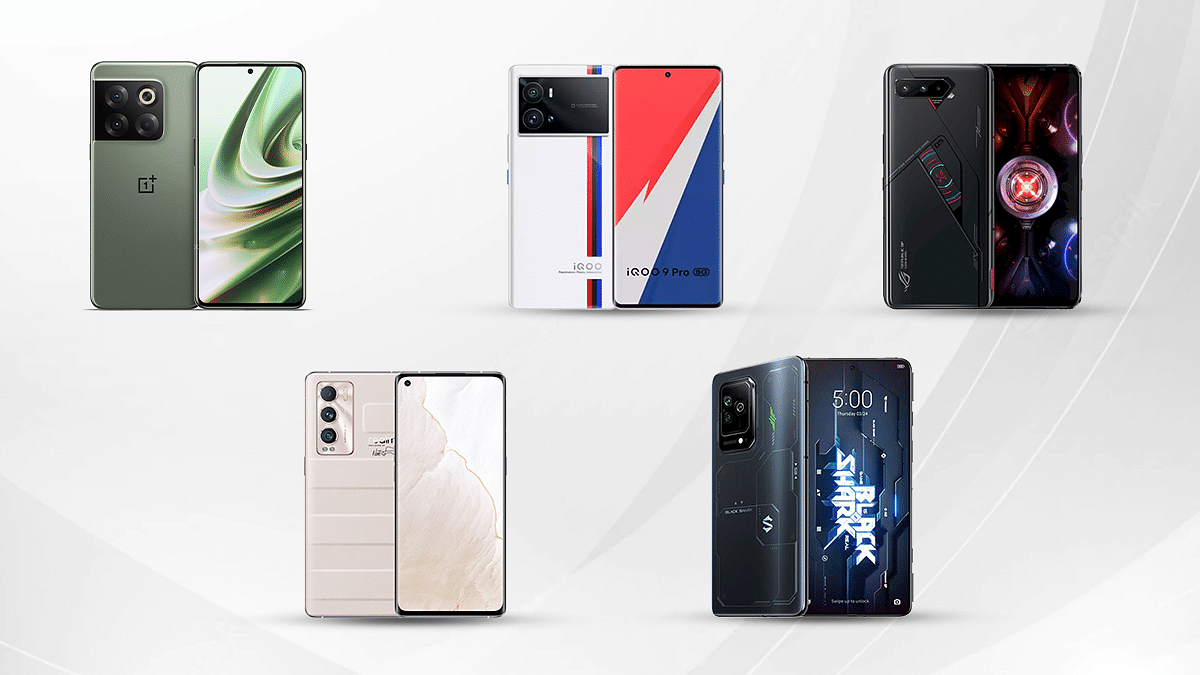
Qualcomm has recently unveiled a new processor called the Snapdragon 8+ Gen 1 SoC, which is the successor of the Snapdragon 8 Gen 1 processor. Both processors have been developed for flagship smartphones. However, the Snapdragon 8+ Gen 1 processor support mmWave and a sub-6Hz network. In fact, several smartphone players are all set to launch new devices on the newly launched processor. So, in that way, we are listing all those devices that will be launched on the same processor this month.

Asus ROG 6 Smartphone: Details

Asus is all set to launch its much-awaited smartphone on July 5th in India. The smartphone will have a 6.78-inch Full-HD+ OLED display with a 165Hz refresh rate. The device will support Snapdragon 8+ Gen 1 processor, which will be the first smartphone with the same processor.

Also, the smartphone is expected to have 1 TB storage options along with 18GB of RAM. Apart from that, the device will be available in 8GB or 12GB of RAM and 128GB or 256GB of storage. In addition, the smartphone will have triple camera support at the back, including a 64MP main camera.

Black Shark 5s Smartphone Series: Details

Black Shark 5s and the Shark 5s Pro smartphone are expected to have Snapdragon 8+ Gen 1 chipset. Both devices are expected to have 6.67-inch OLED displays with FHD+ resolution and might support a centered punch hole.

Realme GT Master Explorer Edition: Details

The Realme GT 2 Master Explorer Edition is likely to have an OLED display that has a 120Hz refresh rate. On the optics front, the device will have a 50MP camera at the back and optical Image Stabilization support. The device will also have a 32MP camera on the front.

In addition, the smartphone will have a Qualcomm Snapdragon 8+ Gen 1 octa-core processor that is paired with 8GB and 12GB of RAM. Besides, the phone is expected to have 4,800mAh battery+ 150W fast charging, 5,000mAh battery along with 100W fast charging combination.

IQoo 10 Pro Smartphone: Details

The iQOO 10 Pro is likely to have Snapdragon 8+ Gen 1 processor, 50MP primary camera, LTPO screen, 200W wired charging, 65W wireless charging, and ultrasonic in-display fingerprint scanner. In addition, the device is expected to be launched this month.

Categories
Featured TV

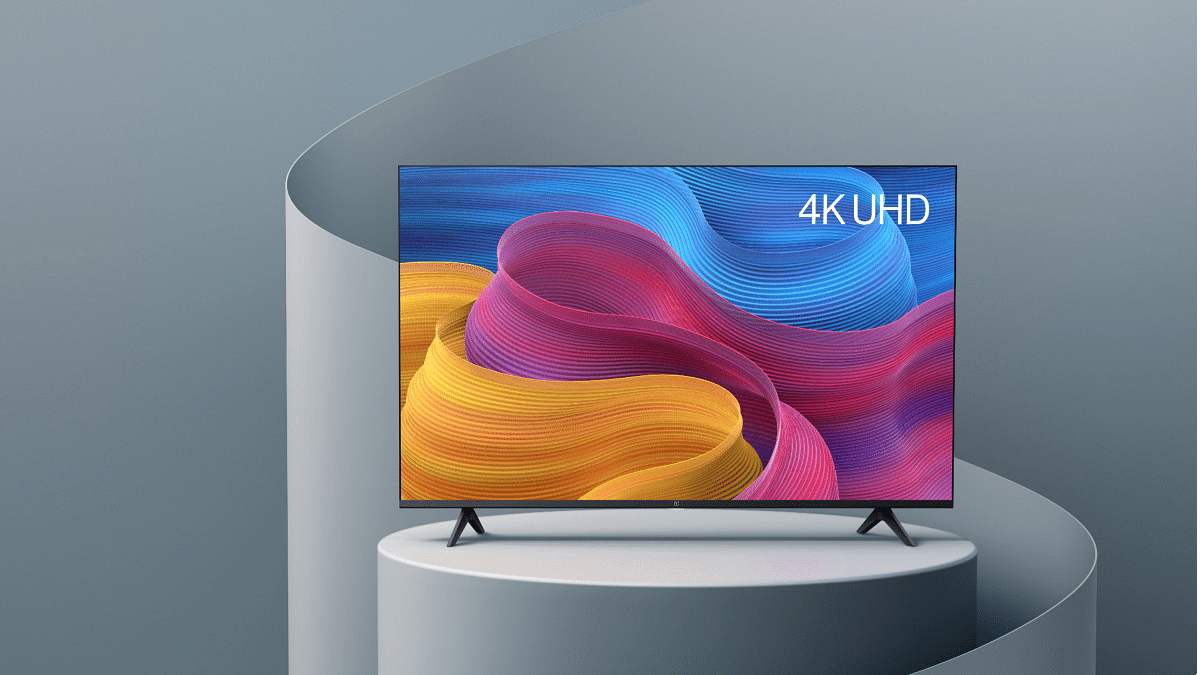
OnePlus TV 50 Y1S Pro 4K UHD TV With Dolby Audio Announced In India; Full Specifications, Price

Highlights

  • OnePlus TV 50 Y1S Pro launched in India
  • 4K UHD display with HDR/HDR10+ certification
  • Priced at Rs. 32,999 in India

OnePlus is one of those Chinese smartphone OEMs which is also catering to the audience with other consumer goods such as smart wearables and smart TVs. The brand has been expanding its portfolio in each category proactively. Earlier, the company introduced the Nord 2T in India and now it has introduced a pocket-friendly smart TV for the audience in its popular Y1S series. The OnePlus TV 50 Y1S Pro brings a bigger screen size with 4K UHD resolution support and more.

OnePlus TV 50 Y1s Pro Full Specifications And Features

The OnePlus TV 50 Y1s Pro is essentially a bigger screen variant of the OnePlus TV 43 Y1S Pro. The latter was announced earlier this year in the Indian market. Besides the bigger screen size, the remaining hardware features of the OnePlus TV 50Y1S Pro are identical to the OnePlus TV 43 Y1S Pro.

The latest OnePlus TV Y1s Pro model (50 Y1S Pro) features a 50-inch screen panel. The display specifications are similar to the 43-inch model where the panel supports a 4K UHD resolution along with 10-bit color depth. The latest OnePlus TV Y1s Pro’s display also supports HDR 10 and the HDR10+ profiles along with HLG for 1080p video playback at OTT platforms including Netflix and Amazon Prime videos.

The OnePlus TV 50 Y1S Pro’s other key highlights include support for voice-based digital Assistants, i.e., Google Assistant. The audio aspects of the latest OnePlus TV Y1S Pro model are handled by two full-range speakers that deliver 24W output. The TV also comes with Dolby Audio technology to further enhance the audio experience.

The OnePlus TV 50 Y1S Pro will ship with Android TV 10.0 OS combined with OxygenOS and also have support for OnePlus Connect 2.0 for easy pairing with smartphones. As for the connectivity ports, the OnePlus TV 50 Y1s Pro features three HDMI 2.1 ports, two USB 2.0 ports, and ethernet. This OnePlus TV comes with Bluetooth 5.0 and dual-band Wi-Fi for wireless connectivity. It also features Multicast and Google Duo support.

OnePlus TV 50 Y1s Pro Price In India, Sale Details

The OnePlus TV 50 Y1S Pro is priced at Rs. 32,999 in India and can be purchased via Amazon and OnePlus India official website. The latest 4K UHD OnePlus smart TV’s open sale is going live starting July 7 in the country.

Categories
Auto Tech Featured

Top Electric Two-Wheelers That Don’t Require A License to drive In India

The electric mobility segment in India is still in its nascent stage when compared to those in developed countries. However, the sudden spike in demand and much-needed push by governments have resulted in several names joining the bandwagon. As a result of this, we have got several new-age electric two-wheelers which are bettering in performance and efficiency.

However, many of the new models are entering the entry-level category, which has restricted performance and outputs. Some of these restrictions include a power output of less than 250W and a top speed of less than 25 kmph. These restrictions enable them to comply with the E-bike category under the Central Motor Vehicle Rules (CMVR). For this category, one does not require registration of the vehicle and a valid driver’s license. Following are some of the most popular electric two-wheelers falling in the E-bike category, which do not require a valid driver’s license to ride:

Joy E-bike Monster

Fancied owning a Honda Grom in India? While that’s going to be a distant dream, for the time being, Joy E-bike is offering a similar kind of mini-bike essence to the Monster. The Joy E-bike Monster looks like a conventional motorcycle but attracts glances due to its compact dimensions. Powering the Monster is a 250W hub motor and a lithium-ion battery pack, with the latter offering a decent range of 75 km. The Monster also gets premium features like upside-down front telescopic forks, a digital instrument console and front and rear disc brakes.

AMO Fiesty

Coming from the portfolio of AMO Electric Bikes, AMO Fiesty is an affordable option with a visually appealing design targeted at youngsters. While the AMO Fiesty is an entry-level option, it is decently equipped with features like a front disc brake, alloy wheels, side stand sensor and electronically-assisted braking system.

AMO Jaunty Pro

Another offering from AMO Electric Bikes, the Jaunty Pro is a slightly more desirable product than the Fiesty. Designed for daily urban riding duties, the AMO Jaunty Pro features an electronically-assisted braking system, alloy wheels and a stylish headlamp.

Hop Lyf

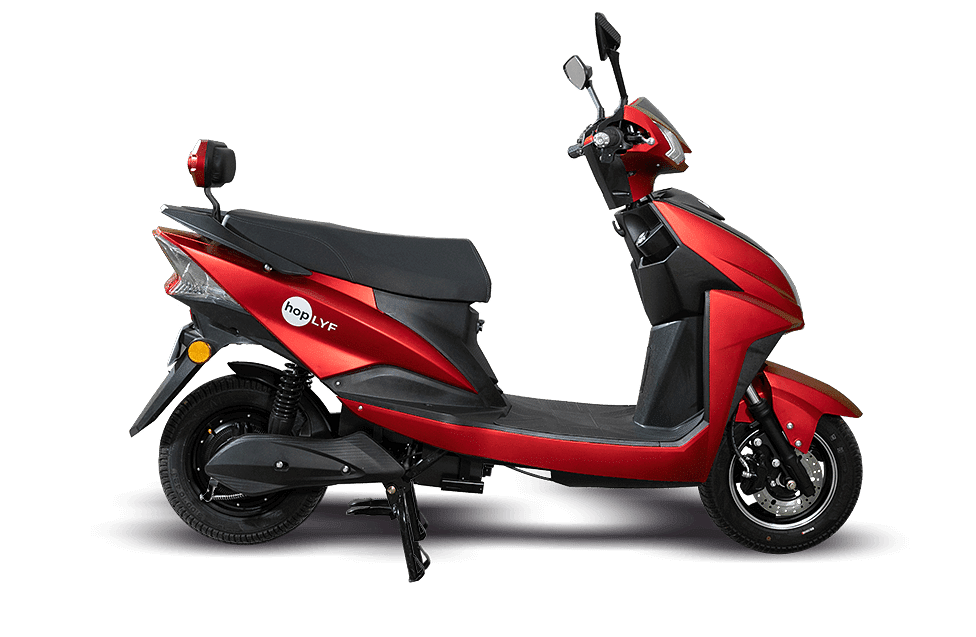
The Hop Lyf is another entry-level E-bike from Jaipur-based HOP electric mobility. The scooter features a lithium-ion battery, which can go between 70 to 125 km on a single charge. The Hop Lyf is available in both standard and extended range variants and does not require a license.

Hero Electric Optima E5

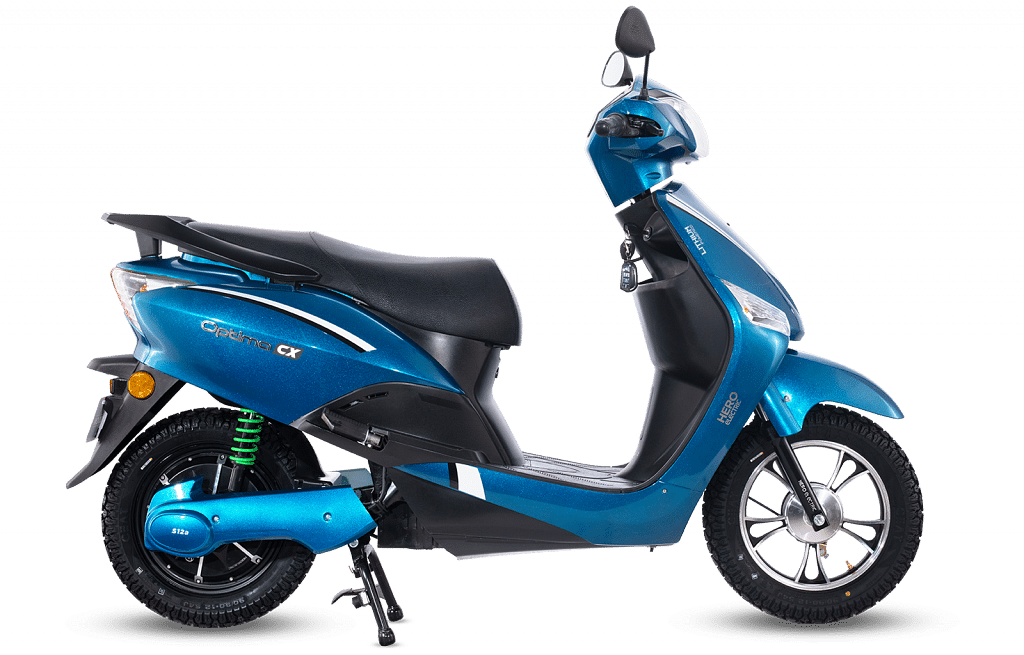
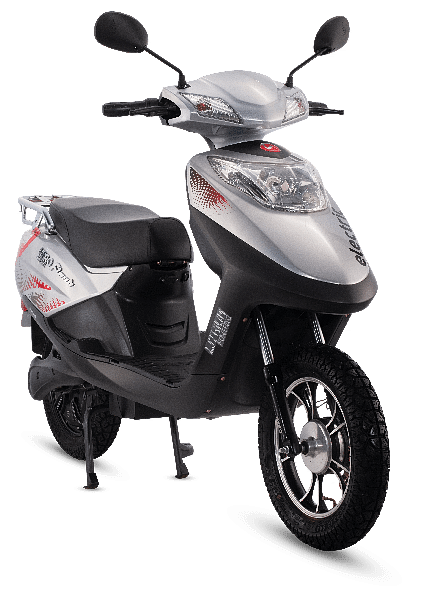
The Hero Electric Optima E5 has emerged as one of the highest-selling E-bikes in the country that do not require a driving license. It looks like any other conventional IC engine scooter. However, it gets a floorboard-mounted battery back and a 250W electric motor. The scooter is available in two versions – one with a lead-acid battery pack and the other with a more premium lithium-ion battery pack. Other salient features of Hero Electric Optima E5 include 16-inch alloy wheels and drum brakes on both wheels.

Hero Electric Flash E2

The Hero Electric Flash E2 is one of the most affordable electric scooters with a lithium-ion battery pack in India. Powering the Flash E2 is a hub-mounted 250W electric motor, which is assisted by a 48V 28Ah lithium-ion battery. Tipping the weighing scales at just 69 kg, the Hero Electric Flash E2 has a top speed of 25 kmph.

Okinawa R30

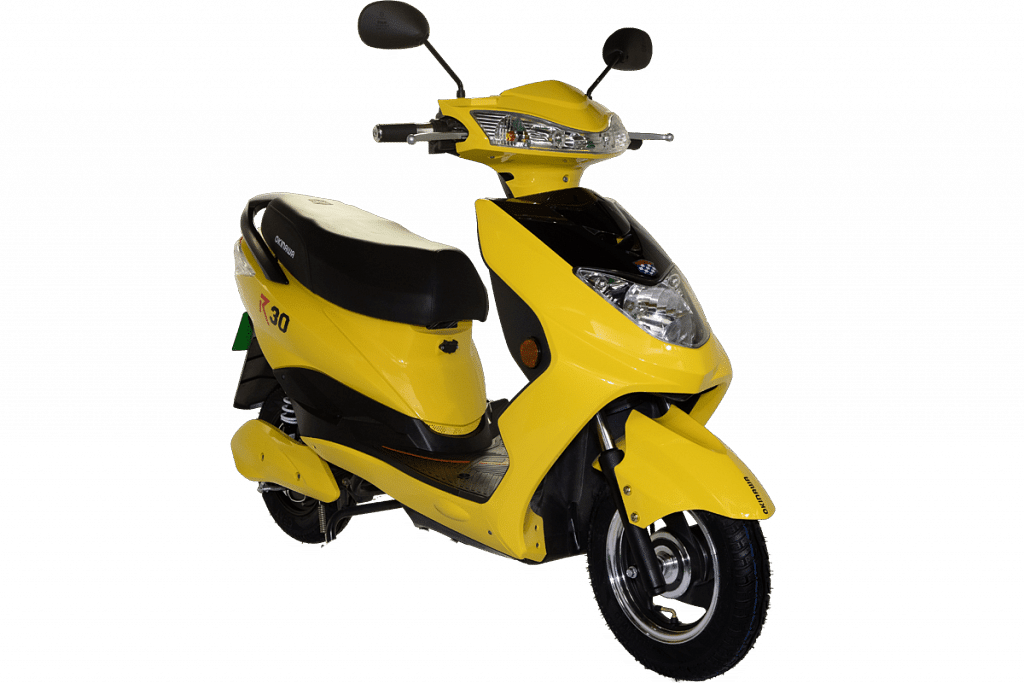
While Okinawa has climbed the ladder of fam with the Praise Pro, the R30 serves as its most affordable model. The Okinawa R30 comes with a hub-mounted 250W electric motor and a 1.34 kWh lithium-ion battery pack. The R30’s battery pack takes 4-5 hours for a full charge and provides a range of around 60 km.

Odysse E2Go

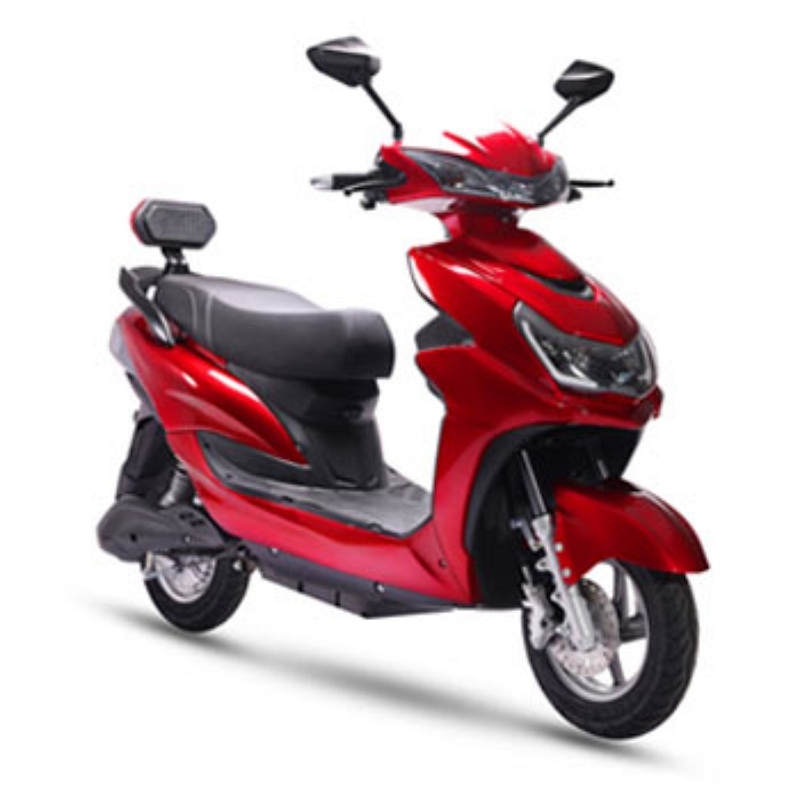
Another new entrant in the E-bike category is the sharp-looking Odysse E2Go. This electric scooter has a 250W, 60V BLDC motor and a lithium-ion battery, with the latter offering a range of 60 km. The battery of E2Go takes around 4-5 hours for a full charge. The scooter gets a couple of handy features like LED headlamps and a pillion backrest.

Techo Electra Neo

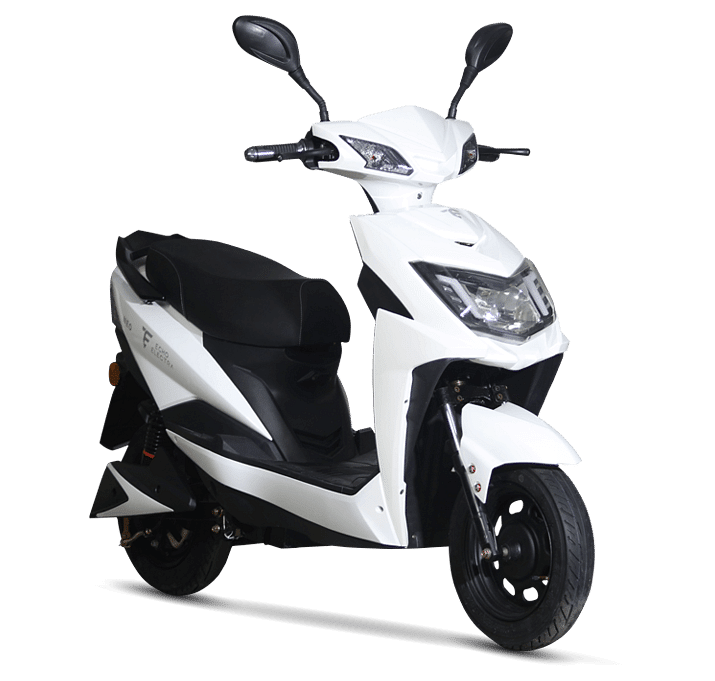
Another affordable electric scooter which can be ridden without a valid driver’s license is Techo Electra Neo. This E-Bike comes with an edgy-looking design and features like an LED headlamp with daytime running LEDs. Power comes from a 250W electric motor, with the scooter getting four 12V 20Ah lead-acid batteries claiming a range of 55-60 km.

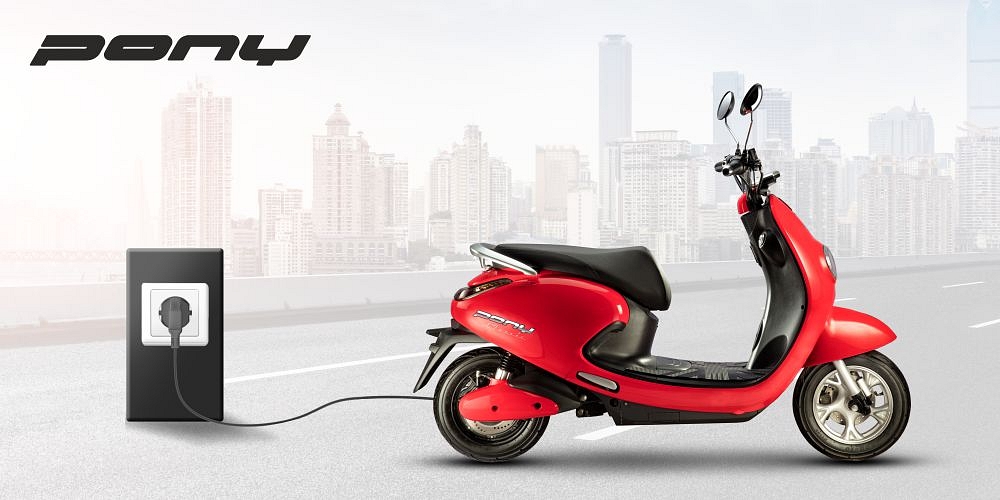
Evolet Pony

The Evolet Pony has an impressive rounded retro-themed design, which makes it look different from other E-bikes. With funky looks and affordable pricing, it is aimed at newer riders. The Evolet Pony is available in two variants – EZ and Classic, both of which get a 250W motor. The Pony EZ has a 48V 24Ah lead-acid battery, which offers a range of 60 km. On the other hand, the Pony Classic has a 48V 24Ah lithium-ion battery, which returns a higher range of 80 km.