Aadhaar card is one of the most important documents in the nation. It contains several crucial details about citizens including names, addresses, photos, biometric data, and more. But what would you do if your Aadhaar card contained an error? You would have it fixed, right? But how? Here, we’ll explain.
Your Aadhaar needs to be error-free as it is one of the most crucial documents required to verify your identity and complete official tasks. Online corrections for errors in your name, address, date of birth, and other information on your Aadhaar card are simple to complete. You simply need to adhere to a few basic instructions.
How To Update Your Aadhaar Card Online?
According to the official website of UIDAI, an individual is permitted to change their name on the Aadhaar Card only twice. The date of birth and gender of the Aadhaar card holder can be changed only once.
Step 5: Log in with your 12-digit Aadhaar number. Click on Send OTP after filling the captcha. An OTP will be sent to your registered mobile number.
Step 6: A new page will load after you enter the OTP. Now, you have to provide your personal information including your name, address, and date of birth.
Step 7: Select the section where you want to make the changes. You can now get the option to change your name, date of birth, and address. Click on update name if you wish to update your name.
Step 8: To change the name, you must have ID proof. You must upload your PAN card, driver’s license, voter ID card, and ration card as identification proof.
Step 9: Once you are done with filling in all the details, a verification OTP will be sent to your registered mobile number and you will need to verify it. Now, you can save the changes.
The android tablet market is flourishing exponentially across the globe. Specifically, with the smartphone OEMs marking their presence in this sector, users are frequently presented with new options. And while you step out to buy a new tablet for yourself or for loved ones, you will have numerous choices in every price bracket. Popular smartphone brands such as Xiaomi, OPPO, Realme, and Motorola are becoming the first choices for tablet users in the country. This is specifically in the budget segment where users are not ready to compromise with the hardware and features despite an affordable price tag.
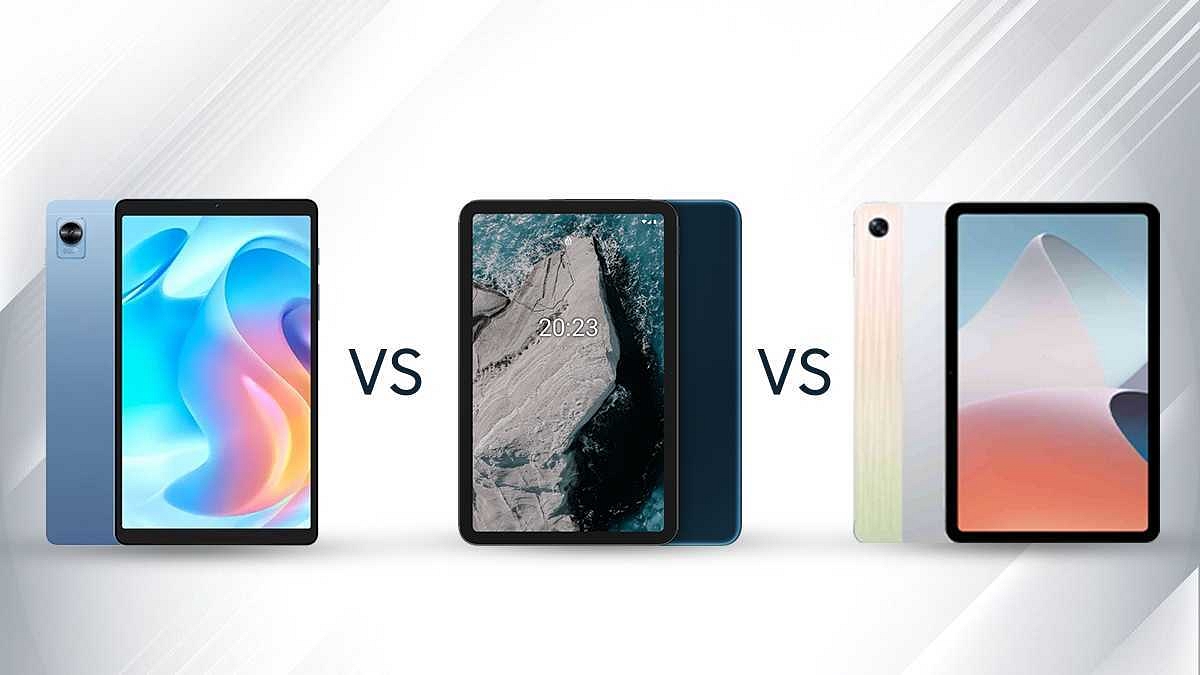
Amongst the most popular Android tablets in the Indian market available under Rs. 20,000 price tag are the Realme Pad and the Nokia T20. We have compared both these models alongside a budget Galaxy Tab A series tablet. Now, we are back with another tablet comparison between the Realme Pad, Nokia T20, and the OPPO Pad Air.
Now, before we go ahead with the comparison, we would like to add that OPPO is yet to bring the Pad Air tablet into the Indian market. But post its launch, it will go up against the other two models mentioned in this list. How well all these three affordable Android tablets compete against each other and which one would make for the best tablet under Rs. 20,000 price mark in the country? Read on this comparison article to know:
Realme Pad Vs Oppo Pad Air Vs Nokia T20: Display Features
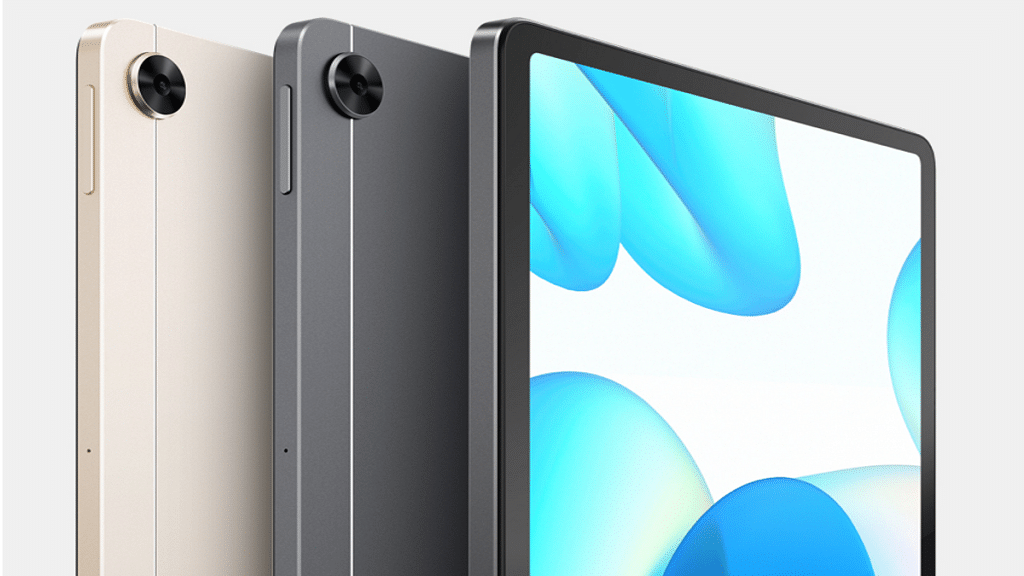
The display is one of the most important aspects of any mobile tablet. A large screen size complemented with high-resolution specs is what users demand from a modern-day tablet. All these three models live up to the expectation with their feature-rich displays. The Realme Pad tablet uses a 10.4-inch display which is an IPS LCD with a resolution of 1200 x 2000 pixels. The Realme Pad’s display supports a 90Hz refresh rate and has a peak brightness of 360 nits.
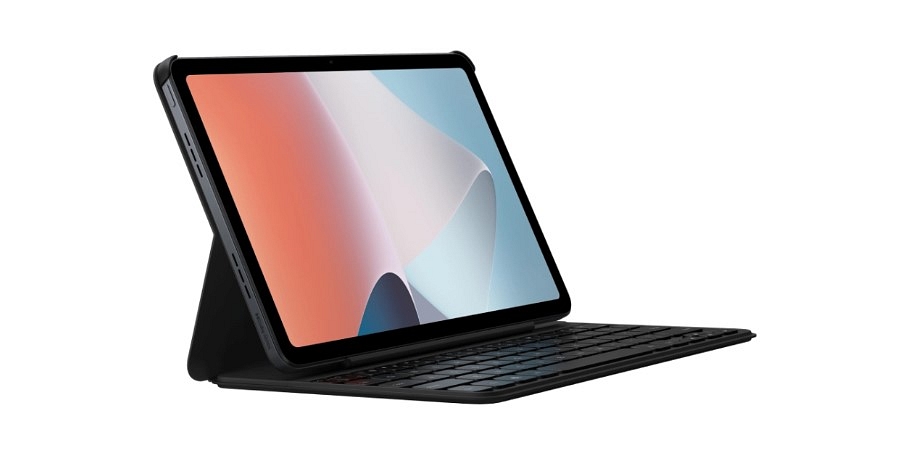
The OPPO Pad Air also features a similar display panel. The LCD screen used by the OPPO Pad Air measures 10.36-inches and offers the same WQXGA+ resolution of 1200 x 2000 pixels. The display unit on the latest OPPO tablet supports a 60Hz refresh rate. This is the only area where it lags behind the Realme Pad.
The Nokia T20 isn’t much different in terms of display specifications compared to the aforementioned Realme and OPPO tablets. The Nokia T20 is packed with a 10.4-inch display which is the same size as the Realme Pad tablet. While the screen resolution is identical to the remaining two models, the refresh rate is the same here as the OPPO tablet, i.e., 60Hz. Out of all three models, the Realme Pad leads the display game with a higher 90Hz refresh rate.
Realme Pad Vs Oppo Pad Air Vs Nokia T20: Chipset, Configuration, Performance Comparison
The processor game is strong on all three Android tablets in this list. The Realme Pad is designed to handle gaming with its mid-range Helio G80 chipset. The octa-core MediaTek game-centric processor on the Realme Pad tablet is clubbed with Mali-G52 MC2 GPU and up to 6GB RAM. The storage option offered by the Realme Pad tablet is up to 128GB and you can also use an external microSD card for additional storage space.
The OPPO Pad Air uses the Qualcomm Snapdragon 680 chipset for power delivery which is backed by standard 4G network connectivity. The mid-range Qualcomm chipset on the Pad Air will be combined with up to 6GB RAM and 128GB storage model. The storage expansion support via an external microSD card is also present here.
Lastly, the Nokia T20 uses the entry-level Unisoc T610 processor which is built on a 12nm fabrication processor and has Mali-G52 MP2 GPU support. This budget-oriented Nokia tablet offers up to 4GB RAM and 64GB storage configuration. This tablet model has a dedicated microSD card slot that supports external microSD cards and dual SIM cards simultaneously.
You can expect a good general performance from all three tablet models. However, if you are looking for a refined performance with gaming and high-end tasks, you can opt for the Realme Pad or the OPPO Pad tablet.
Realme Pad Vs OPPO Pad Air Vs Nokia T20: Which Has The Best Camera Specifications?
Unlike smartphones, the mobile tablet’s camera department is still getting evolved. The concept of multiple camera sensors is currently limited to high-end models. The affordable and mid-range tablets still employ a single rear and front camera module. The Realme Pad has an 8MP single rear camera which has 1080p @30fps video recording capabilities.
The OPPO Pad Air will also use an 8MP main camera at the back that has an f/2.0 aperture and can record 1080p@30fps videos like the Realme tablet. The Nokia T20 also features the same 8MP camera as the remaining two tablet models in this list.
The photography experience on all three Realme, OPPO, and Nokia tablets will be decent with daylight. However, the low-light photography will not be super refined. Out of these three tablets, only the Realme Pad offers a bigger 8MP selfie snapper. The OPPO Pad Air and the Nokia T20 feature a smaller 5MP selfie camera.
Realme Pad Vs OPPO Pad Air Vs Nokia T20 Tablet: Battery And Fast Charging
The battery size of the Realme Pad is 7,100 mAh. It is capable of lasting an entire day on a single charge and with light usage. The fast charging speed supported by the Realme Pad tablet is 18W. The OPPO Pad Air uses the same battery size as the Realme Pad, i.e., a 7,100 mAh unit with 18W fast charging technology. The Nokia T20 wins the battery battle among these three models with an 8,200 mAh unit. The fast-charging capacity is the same as the remaining two models, i.e., 15W.
Realme Pad Vs OPPO Pad Air Vs Nokia T20 Tablet Final Verdict: Which One To Buy?
The Realme Pad, OPPO Pad Air, and the Nokia T20 aren’t much different in terms of features and specifications. However, if you consider the processing prowess, the Realme Pad and the OPPO Pad Air have an edge of the Nokia T20.
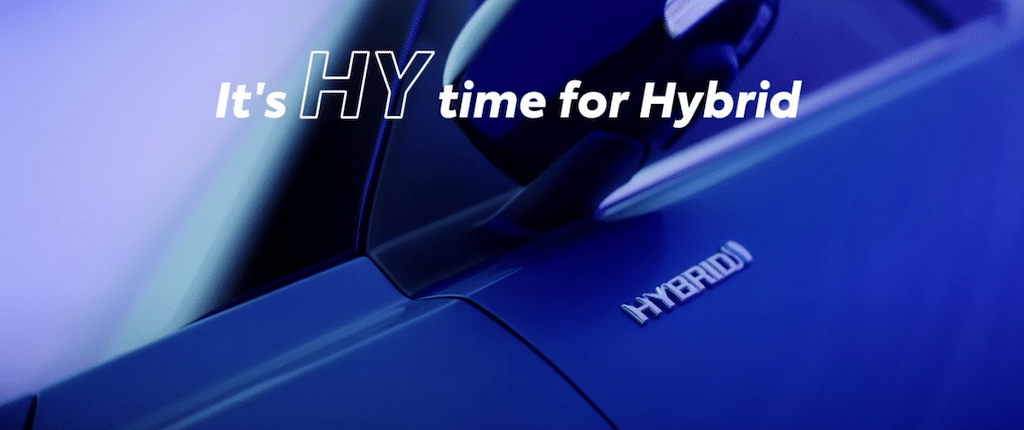
Toyota is all set to launch the all-new Hyryder SUV in India. With launch slated for 1st of July, official teasers are now out. At the same time, we do know a few important pointers about this hybrid mid-size SUV. Do remember, this is Toyota is coming up with an all-new product after ages! Will this help them get a sizeable market share?
Made with Maruti
Both Toyota and Maruti have jointly developed this new product. The companies have been working closely for years now, with Toyota selling re-branded Baleno (Glanza) and Brezza (Urban Cruiser) in India. They will soon sell the Ciaz and Ertiga under new names as well. Maruti too will launch their own version of the Hyryder later this year. As we understand, production might only happen at Toyota’s plant in Karnataka.
Competes with Creta & Seltos
Both Maruti and Toyota do not have any options in the Rs 11-16 lakh bracket of mid-size SUVs. This segment has products like the Hyundai Creta, Kia Seltos, MG Astor among others. While Maruti has the Breeza (new coming on the 30th June) and Toyota offers the Urban Cruiser, these are in the Rs 7-10 lakh bracket. The Hyryder will have unique features that will give it an edge over other mid-size SUVs. The only factor where the Korean offerings are better is in terms of offering a Diesel engine option.
Proper Hybrid Tech
Yes, the Hyryder will not be a mild hybrid like we see in current Maruti offerings. Toyota already sells hybrids worldwide and the Hyryder will be the only / first SUV in its segment to come with an EV only mode too. If the battery has enough power, you will be able to drive the Hyryder on electric power only. This is much like what we see in the new Honda City hybrid. Ofcourse the pure EV mode lasts a few km only but in urban runs, helps bump up fuel economy by a huge margin. The battery for the hybrid set-up gets charged when the petrol engine runs, plus of course during braking via regeneration of energy.
Will get AWD (all-wheel drive)
Another highlight will be the availability of AWD in the Hyryder. This is where Suzuki’s tech comes into play. The Japanese maker is known for All-Grip AWD system that sends power to all the four wheels as and when required. We are told the Hyryder will get this in the higher versions. This could make it the most affordable AWD 5-door in India.
Feature loaded
The Toyota Hyryder Hybrid will also get ample features including a sunroof, TPMS (tyre pressure monitoring system), HUD (heads up display), connected apps and as many as 6 Airbags. Both manual and automatic transmissions will be on offer and the usual suite of climate control, push button start, Digital display et al will be offered.
Toyota Hyryder Hybrid Prices
We expect the Toyota Hyryder to have a starting price of Rs 10-11 lakh, ex-showroom Delhi. This will be for the manual petrol model with a mild hybrid (SHVS) set-up. The higher versions with full hybrid and automatic might go as high as Rs 16-18 lakh, ex-showroom Delhi.
Apple iPhones come with a flashlight feature. The LED flash that is a part of the phone’s rear camera system can be used as a flashlight. When you don’t want to wake up people or pets by turning on the lights, this feature is quite useful.
A good thing about the iPhone flashlight is that it is bright. Like, it can help you find a dropped key in the middle of the night in an open field. A bad thing about it is that it can be ‘Bright’. Well, the iPhone’s Control Center allows you to adjust the LED flash’s brightness, too.
If you are new to iPhones, here’s a step-by-step guide that will help you turn the flashlight on or off and adjust its brightness:
How To Brighten Or Dim The iPhone’s Flashlight Using Control Centre
On your iPhone or iPad, you can adjust the flashlight’s brightness using the device’s Control Centre. Check out the steps:
Step 1: On your iPhone or the iPad, swipe down from the upper-right corner to access the Control Centre.
Step 2: Next, the iPhone or the iPad
Step 3: Now, press and hold the flashlight button.
Step 4: Now, drag the slider up or down to set the desired brightness on your iPhone or iPad.
How To Turn On/Off The Flashlight On Your iPhone Using Control Centre
Using the Control Centre on your iPhone or iPad, you can activate the flashlight. Follow these steps to turn on the flashlight on your device:
Step 1: On your iPhone or the iPad, swipe down from the upper-right corner to access the Control Centre.
Step 2: Click on the Flashlight button.
Step 3: Tap the Flashlight button again to turn off the flashlight.
How To Turn On/Off The iPhone Flashlight Using Siri
You can activate the flashlight on your iPhone or iPad in a number of different ways. Asking Siri to complete the task is among the simplest methods to go about it. All you have to do is say, “Hey Siri, will you turn on my flashlight?”. You can also say “Hey Siri, turn on my flashlight”. Likewise, you can turn off the flashlight by saying, “Hey Siri, turn off my flashlight.”
Well-engineered electric vehicles are finally gaining the attention and acceptance they deserve. However, there is an issue in terms of entry level cost. We do agree that electric cars promise a significant amount of savings in ownership costs. However, when it comes to the initial cost of buying, electric vehicles carry a hefty premium over their IC-engine counterparts. There is a huge demand for electric cars under Rs 10 lakh, as many cost-conscious car buyers look forward to this category.
The government is trying its best to make electric cars affordable by offering subsidies. However, there is still a very limited number of offerings which fulfil the search for electric cars under Rs 10 lakh (well, almost!).
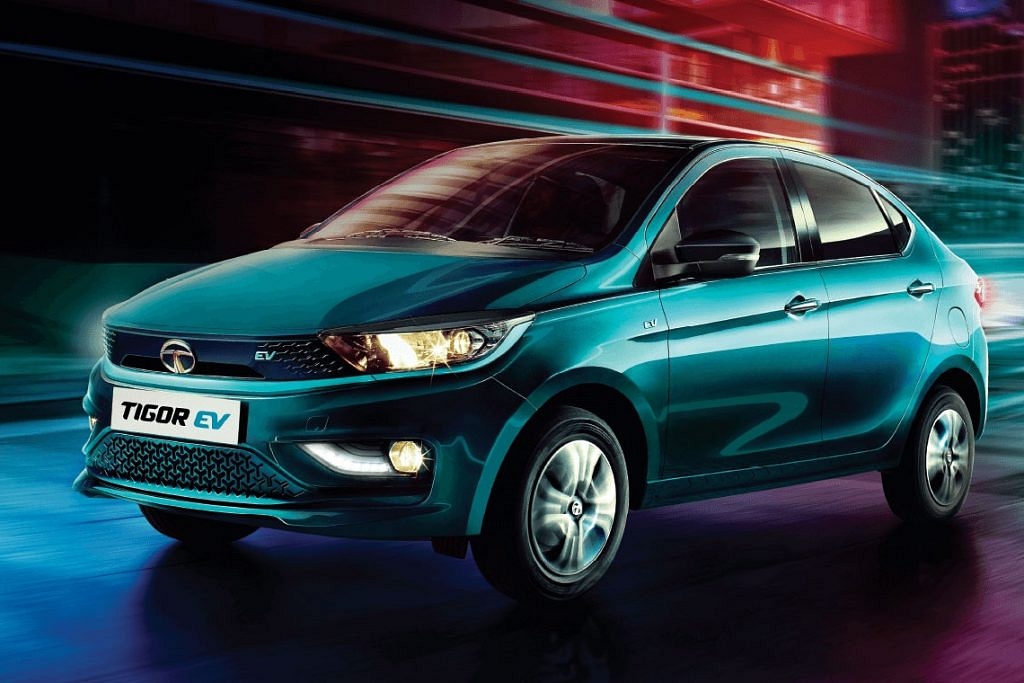
Tata Tigor EV
With a starting price of Rs 12.49 lakh, the Tata Tigor EV doesn’t truly fall in the category of electric cars under Rs 10 lakh. However, the subsidies currently offered by central and state governments do bring the on-road price further down.
The Tigor EV is also available as Xpress-T. This model is essentially the pre-facelifted version of the Tigor EV, now sold exclusively for fleet operators. It has a smaller battery pack and is much more affordable than the Tigor EV.
The Tata Tigor EV is powered by a front-mounted electric motor, which produces 74 PS of power and 170 Nm of torque. The Tigor EV is available with a 26 kWh battery pack, which promises a maximum driving range of 306 km.
Mahindra e-Verito
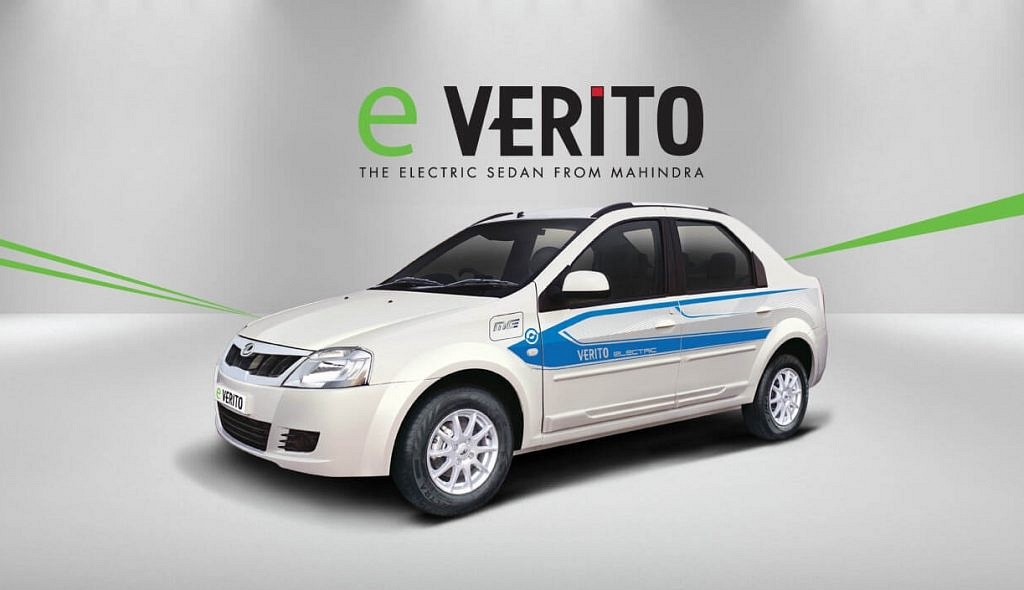
The Mahindra e-Verito is on sale in the Indian car market for quite some time now. The e-Verito is not as technically well-advanced as the Tigor EV. However, it is currently the most affordable electric car. It is the only genuine offering in the category of electric cars under Rs 10 lakh.
The Mahindra e-Verito is available in the Indian car market in three variants – D2, D4 and D6 – the range of which starts at Rs 10.11 lakh. Taking subsidies into account, even the range-topping variant of the e-Verito comes below Rs 10 lakh. All the three variants of the Mahindra e-Verito are on offer with a front-mounted electric motor. It pumps out 42 PS of maximum power and 91 Nm of maximum torque. The battery on duty here is a 21.2 kWh battery pack, which claims a driving range of 140 km. Due to its dated design in and out and a very limited range, the e-Verito is now out of the radar of most EV buyers.
Proper EV Options
If you are in the market for a proper EV car for you and your family, the options start from Tigor onwards. And then, there is the Nexon EV starting from 14.79 lakh (ex-showroom). At the same time, we want to update you on the upcoming 2023 Auto Expo. This is where a lot of manufacturers will showcase smaller EVs, under the Rs 10 lakh bracket and this will be a revolution for congested cities. Stay tuned to this space for more!
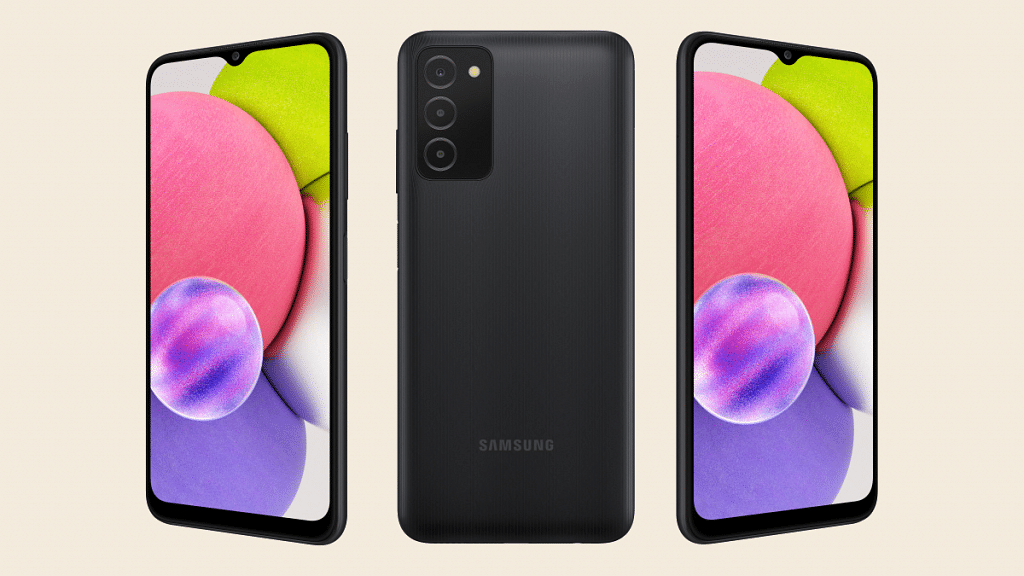
The Samsung Galaxy A13 is one of the budget smartphones in India
The Xiaomi Redmi Note 11T also features a massive 6.5-inch LCD panel
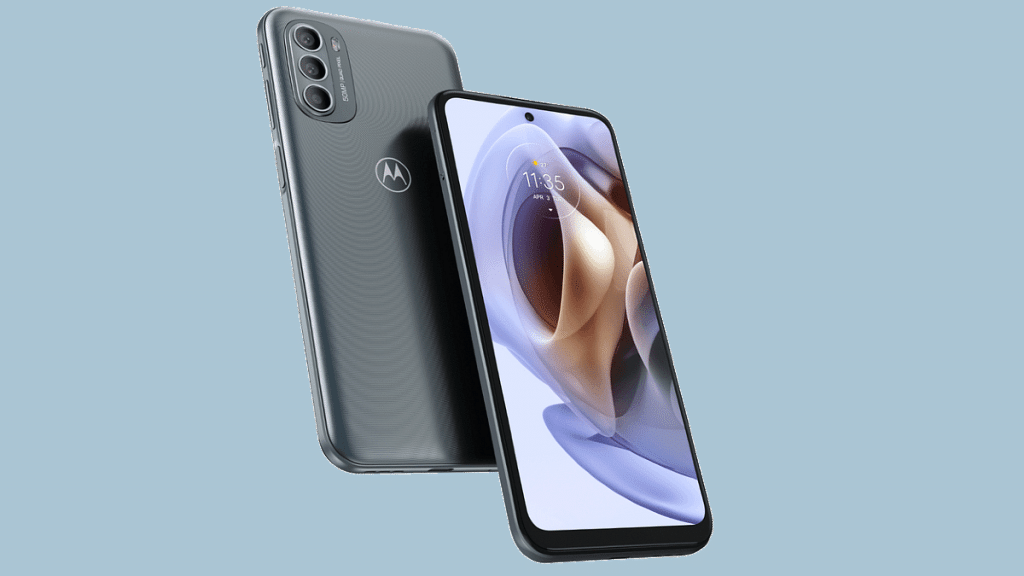
The Motorola Moto G31 is an affordable game-centric Android phone
Samsung has been logging its name in the list of most successful brands in the smartphone market across the globe with the Galaxy A, Galaxy M, Galaxy F, and the Galaxy S series. The South Korean tech giant has been rapidly expanding its budget smartphone portfolio in the market and giving a tough time to the popular Chinese OEMs such as Xiaomi, Realme, OPPO, Vivo, and others.
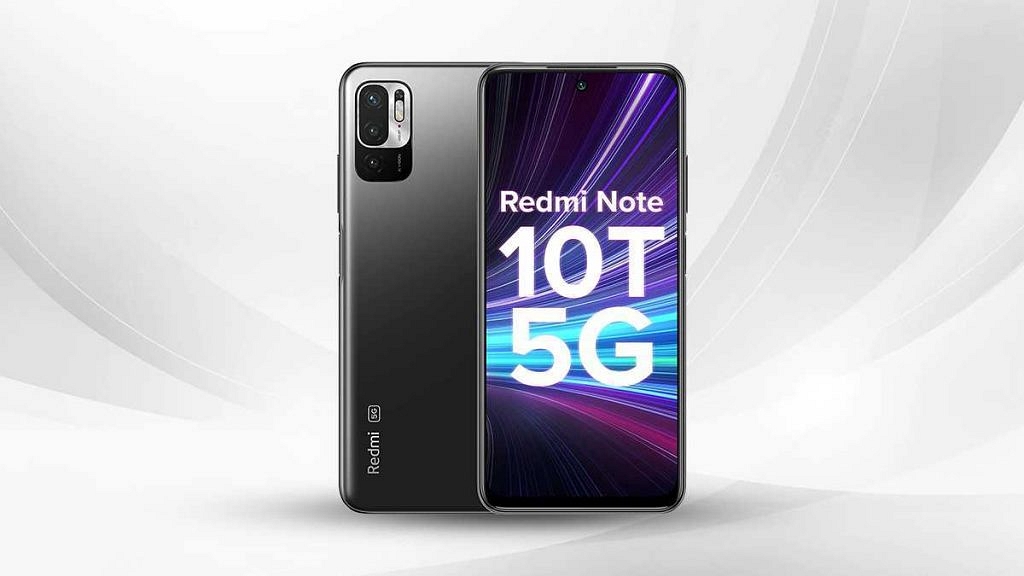
One of the latest Samsung smartphones for budget consumers in India is the Galaxy A13. It is the newest budget Android phone by Samsung that competes against the likes of the Redmi Note 10T and the Motorola Moto G31 in the sub-Rs. 15,000 price category.
We have been comparing popular smartphones, tablets, and other consumer gadgets to make it easy for you to select your next best buy. This article is another full comparison between the newly launched Samsung Galaxy A13, Redmi Note 10T, and the Motorola Moto G31.
Samsung Galaxy A13 Vs Redmi Note 10T Vs Moto G31: Display Specifications
The Samsung Galaxy A13 is an affordable Android phone under Rs. 15,000 with an LCD screen that measures 6.6 inches. The display comes with a standard 20:9 aspect ratio and an FHD+ screen resolution of 1080 x 2408 pixels. The Samsung Galaxy A13 has Corning Gorilla Glass 5 protection and a standard 60Hz refresh rate.
The Xiaomi Redmi Note 11T also features a massive 6.5-inch screen which is an LCD panel with 1080 x 2400 pixels screen resolution and a 20:9 aspect ratio. The refresh rate offered by the Redmi model is higher at 90Hz compared to the Samsung model.
The Moto G31 is the winner in the display game with its AMOLED screen that is 6.4-inches in size and supports 1080 x 2400 pixels screen resolution. The high-resolution panel on the Moto G31 comes offers a 20:9 aspect ratio and has a 411 PPI density.
Samsung Galaxy A13 VS Redmi Note 10T Vs Moto G31: Chipset, Configuration, Firmware Differences
The Samsung Galaxy A13 is driven by an in-house Exynos 850 processor which is built on an 8nm fabrication process. The octa-core Samsung chipset clubs Mali-G52 GPU support for graphics. Whereas, it has up to 6GB RAM for multitasking and up to 12GB native storage capacity.
The Redmi Note 11T competes against the Galaxy A13 and the Moto G31 with the Dimensity 700 chipset. Just for reference, this is an entry-level processor by MediaTek with 5G network support. This Xiaomi Redmi series phone features the Mali-G57 GPU support for graphics and up to 6GB RAM for multitasking. The built-in storage capacity offered by this Xiaomi phone is also up to 128GB which is further expandable via a microSD card.
Lastly, the Motorola Moto G31 is an affordable game-centric Android phone that gets its power from the octa-core Helio H85 processor from MediaTek. The processor on this handset employs Mali-G52 MC2 GPU support and has up to 4GB RAM and a 128GB storage option.
Only the Samsung Galaxy A13 has the latest Android 12 OS. The remaining two models, i.e., the Xiaomi Redmi Note 11T and the Moto G31 ship with the Android 11 OS. Overall, all three devices pack decent internals for daily tasks. For extensive usage, the Moto G31 has the apt hardware.
Samsung Galaxy A13 Vs Redmi Note 10T Vs Moto G31: Camera Specifications
Samsung has launched the Galaxy A13 with four rear cameras. The primary sensor used is a 50MP lens which has an f/1.8 aperture which is paired with a 5MP ultrawide angle sensor that has an f/2.2 aperture and a set of 2MP sensors for depth and macro sensors.
The Redmi Note 10T also features capable camera hardware where the back panel features a 48MP main sensor with an f/1.8 aperture. There is a pair of 2MP sensors with an f/2.4 aperture for depth mapping and for maco shots. The Motorola Moto G32 competes against the Galaxy A13 and the Redmi Note 10T with a triple rear camera model. The main sensor is a 50MP lens with an f/1.8 aperture, an 8MP ultrawide sensor with an f/2.2 aperture, and a 2MP macro lens with an f/2.4 aperture.
As for the selfie cameras, the Samsung Galaxy A13 and the Redmi Note 10T feature the same 8MP snapper with an f/2.0 aperture. The Moto G31 has a bigger 13MP selfie snapper. . The imaging hardware is good on all smartphones, but an additional sensor on the Galaxy A13 makes it a better option. But if you are a selfie fanatic, the Moto G31 is the option you need to consider.
Samsung Galaxy A13 Vs Redmi Note 10T Vs Moto G31: Battery, fast Charging Speeds
The Samsung Galaxy A13 uses a 5,000 mAh battery unit which has 15W fast charging support. The Redmi Note 10T also packs the same battery size (5,000 mAh) which is backed by a faster 18W charging. The battery capacity on the Moto G31 is also the same as the remaining two variants, but it misses on the fast charging support.
Poco launches X4 GT devices globally. The device has been launched with a MediaTek Dimensity processor, 20.5:9 aspect ratio, and supports Dolby Vision.
The smartphone features 8GB of RAM and 256GB of storage. It has a 5080mAh battery unit and 67W fast charging.
The Poco X4 GT smartphone comes with a Hi-Res audio support, Wi-Fi 6, Bluetooth 5.3, IP53 rating, and X-Axis motor.
Poco has launched a new device under its X4 series of smartphones. The Poco X4 GT has launched globally along with the Poco X4 5G that has been launched in India. Besides, the newly launched smartphone features a MediaTek Dimensity processor, supports a 144Hz screen refresh rate display, and Dolby Vision.
It is important to note that the device is likely to launch in India soon as the Redmi K50i. So, let’s have a look at all details of the smartphone.
Poco X4 GT Smartphone: Specifications And Features
The Poco X4 GT comes with a 6.6-inch Full HD+ LCD screen along with a 144 Hz refresh rate, 20.5:9 aspect ratio, and supports Dolby Vision. It is powered by MediaTek Dimensity 8100 processor along with four premium Arm Cortex-A78 cores, a clock speed of 2.85GHz, and four Cortex-A55 cores.
The Poco X4 GT smartphones comes with 8GB of RAM and 256GB of storage. It gets power from a 5080mAh battery unit along with 67W fast charging.
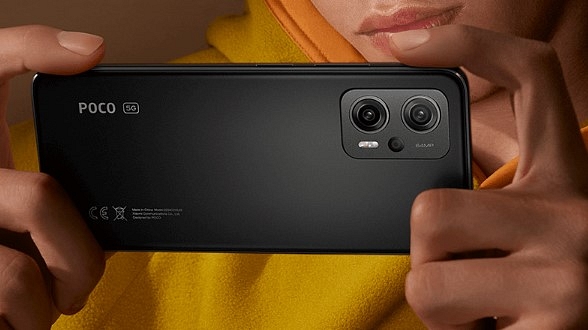
Poco X4 GT Smartphone
On the imaging front, the device supports a triple camera at the back, including a 64MP primary camera, 8MP wide-angle lens, and a 2MP macro snapper. Besides, there is a 16MP camera on the front for selfies and video chats.
On the software front, the smartphone runs Android 12, which is based on MIUI 13. It has Hi-Res audio support, Wi-Fi 6, Bluetooth 5.3, IP53 rating, X-Axis motor, a 3.5mm headphone jack, Dolby Atmos, X-axis linear motor, and VC liquid cooling. Moreover, the device weighs 200 grams and measures 163.6×74.3×8.8mm.
Poco X4 GT Smartphone: Price And Availability
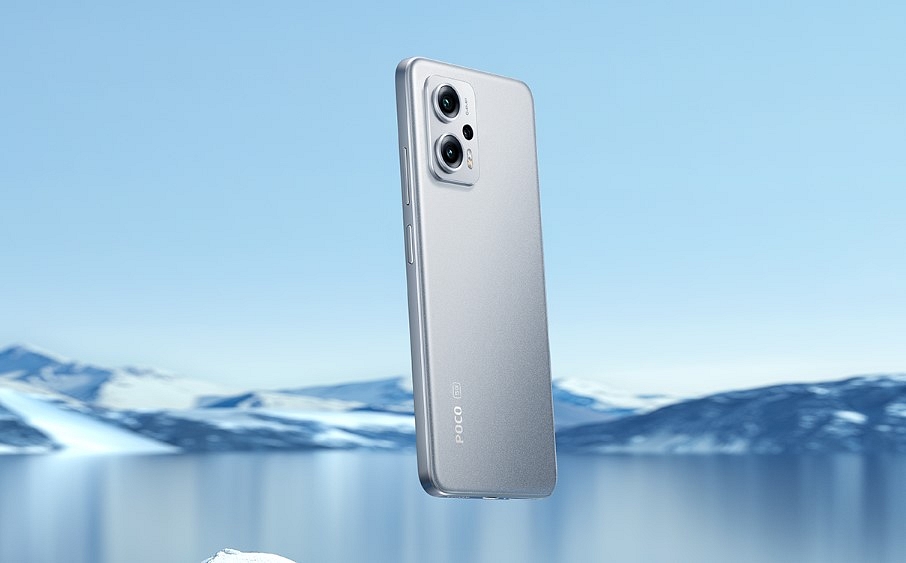
Poco X4 GT Smartphone
The 8GB+128GB variant starts at EUR 379 which is close to Rs. 31,200 and 8GB + 256GB will cost you EUR 429 that is close to Rs. 35,300. However, as an introductory offer, the device is priced at EUR 80 less. It will be available in three color options Blue, Black, and Silver.
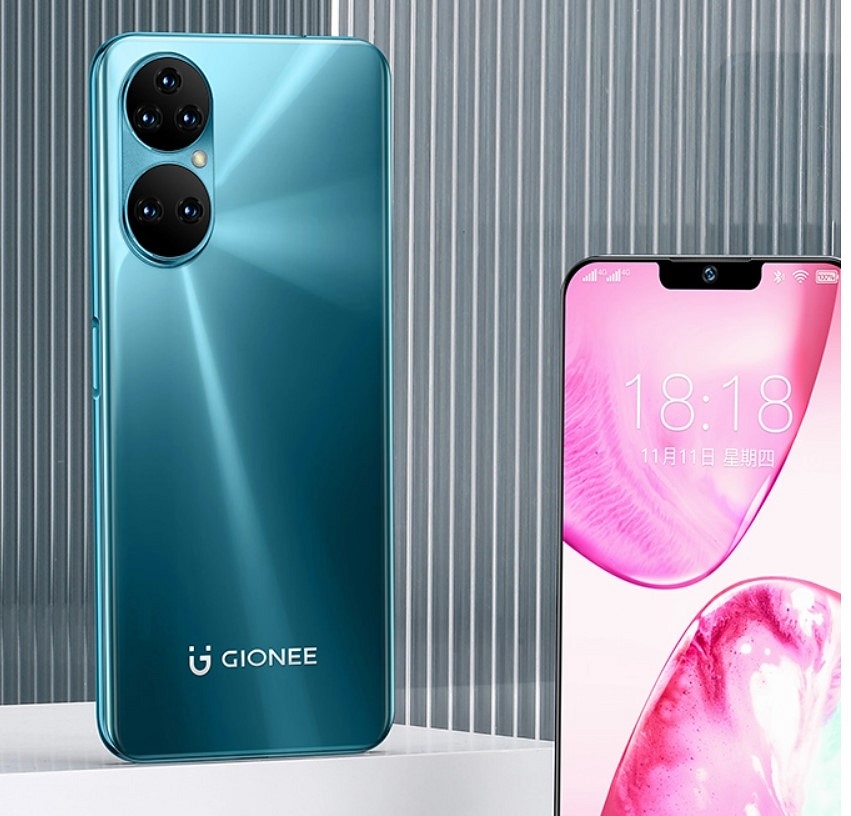
Gionee has launched new smartphone in China. The newly launched smartphone looks similar to the iPhone 13 and the Huawei P50 Pro smartphone. The Gionee P50 Pro device comes with a boxy design and a notch on the selfie camera.
However, the back camera is similar to the Huawei P50 Pro smartphone and has five cameras with two circular modules. In addition, the smartphone has a 6.517-inch FHD+ display, 4 connectivity, and 6GB of RAM. However, the processor has not been shared.
Gionee P50 Pro Smartphone: Specifications
The Gionee P50 Pro device is also listed on the company’s website. The smartphone comes with a 6.51-inch FHD display along with a 93 percent screen-to-body ratio, and a 20:9 aspect ratio.
However, the processor has not been shared. The device has 6GB of RAM and 128GB of storage, which can be expandable. On the imaging front, the device has 13MP primary sensor that is paired with four other sensors along with an LED flash.
Again the details of the other sensor are not known yet. Besides, you’ll see a 5MP camera on the front for selfies and video chats. Also, it has a few modes like portrait beauty lens, HD Night shot, macro shot, and others.
On the connectivity front, the smartphone has Bluetooth, 4G LTE, OTG, Wi-Fi, and USB Type-C. Also, you will find a side-mounted fingerprint sensor and AI face unlock. The device weighs 211 grams and measures 165×77.3×8.9mm.
Gionee P50 Pro Smartphone: Price
The 4GB RAM + 64GB storage variant of the Gionee P50 Pro will cost you RMB 659 which is close to Rs. 7,600, whereas the 4GB + 128GB version will cost you RMB 739 which is close to Rs 8,600, and lastly, the 6GB RAM + 128GB storage variant is priced at RMB 759 which is near to Rs. 8,800.
Gionee P50 Pro Smartphone: Availability
Moreover, the device has been launched in three color options Bright Black, Crystal, and Dark Blue. The newly launched device is available on JD.com, a Chinese e-commerce platform. It is worth noting that the company has not been launching its products in the Indian market.
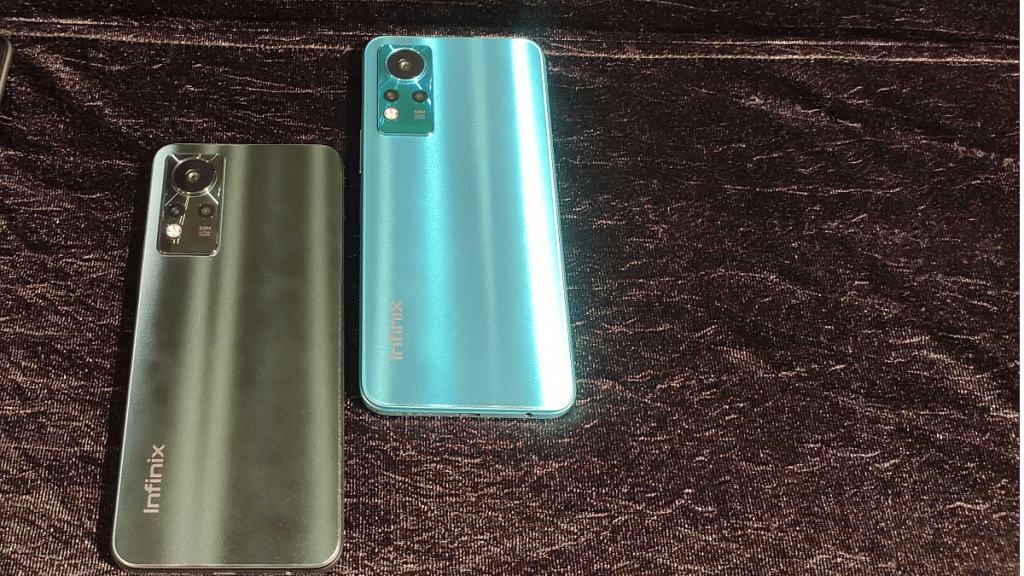
Infinix Note 11 is available at Rs. 8,549 during the sale
The sale will be live until June 29
For those who are waiting to lay their hands on their favorite Infinix devices, now is the perfect opportunity to make it happen. At the ongoing Flipkart Electronics sale, the premium smartphone brand from the Transsion group has come up with massive discounts on its most popular recent models.
The 4GB / 64GB model of the Infinix Note 11 is priced at Rs. 10,499 in India. During the sale, you can purchase the handset at Rs. 8,549. Besides, the Infinix Note 11 6GB / 28GB variant is priced at Rs. 12,499. You can get it at Rs. 10,499. The sale started on June 23 and will go until June 29, 2022.
Infinix Note 11: Offers And Discounts
You can get a 10 percent instant additional discount with purchases made from your SBI Credit Card. On any debit and credit card transactions, customers are eligible for a prepaid discount worth Rs. 1,000. In addition to this, you can purchase the Infinix Note 11 (4/64) for the lowest cost of an AMOLED smartphone. The smartphone is available for sale at only Rs. 8,549 during the sale.
Infinix Note 11: Specifications
The Infinix Note 11 features a 6.7-inch FHD+ AMOLED display with a water drop style notch. The display has a 20:9 aspect ratio and a 180Hz touch sampling rate. The display has Gorilla Glass 3 for protection.
Under the hood, the Infinix Note 11 comes equipped with the MediaTek Helio G88 processor. It has up to 6GB LPDDR4x RAM and up to 128GB eMCP storage. The smartphone runs on Android 11-based XOS 10 out of the box.
Talking about the optics, the smartphone sports a triple camera setup on the back. It consists of a 50MP primary lens, 2MP depth sensor, and AI lens. As for selfies and video calls, it has a 16MP camera at the front.
The Infinix Note 11 is backed by a 5,000mAh battery with 33W fast charging support. For security purposes, the phone features a side-mounted fingerprint.
The Infinix Note 11 is available in three color options, i.e., Graphite Black, Celestial Snow, and Glacier Green.
In addition to this, the Flipkart Electronics Sale 2022 is also offering a huge discount on Infinix Note 11s, Infinix Hot 11s, Infinix Zero 5G, and more.
Mi Watch Revolve is the company’s first smartwatch in the premium segment
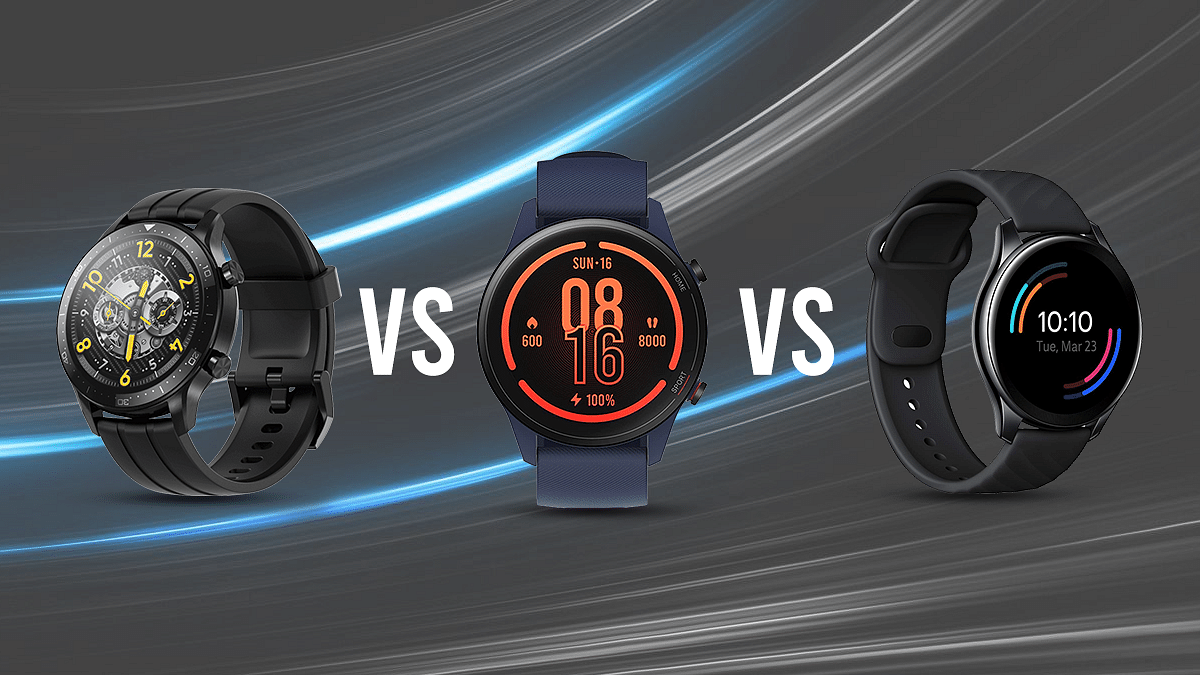
It takes on the likes of the Realme Watch S Pro and the OnePlus Watch
These smartwatches have nearly identical features
The market for smart wearables in India has grown significantly in recent years as we witnessed numerous smartwatch launches. The Mi Watch Revolve by Xiaomi is the company’s first smartwatch in the premium segment. It is a rebranded Xiaomi Mi Watch Color which is available overseas for quite some time.
The Xiaomi Watch Revolve measures 53.3 x 46.2 x 11.4 mm in dimension. It has a stainless-steel frame and a plastic back. The watch isn’t different from its counterparts in terms of display specs. The Xiaomi Watch Revolve features a 1.39-inch AMOLED display with a 454 x 454 pixels screen resolution. Its display has the Corning Gorilla Glass 3 protection.
On the other hand, the Realme Watch S Pro has a stainless-steel build. Its dial has a Circular Flat design and the strap is made of silicon. It sports a 1.39-inch AMOLED display with a resolution of 454 x 454 pixels and a max brightness of up to 450 nits. The watch has 2.5D Corning Gorilla Glass protection. It comes with an always-on feature.
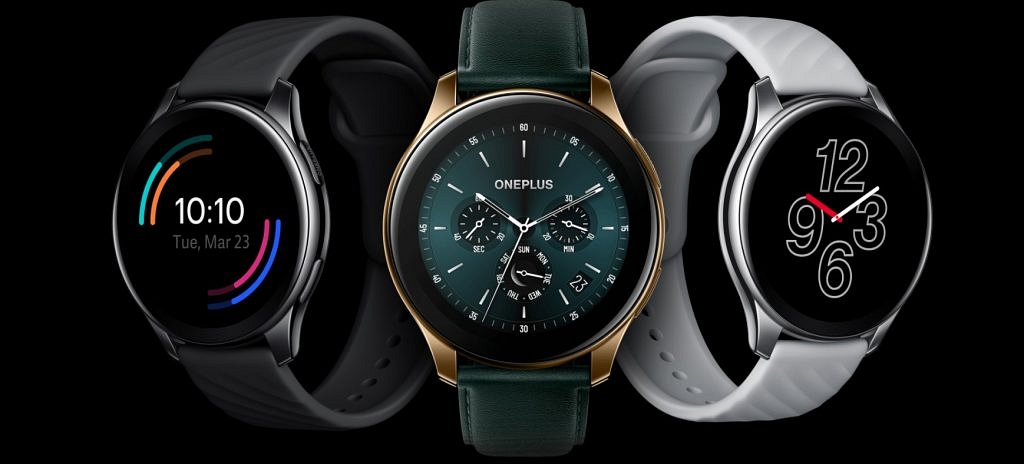
Moving to the OnePlus Watch, it offers a classic circular design. The case is made of polished stainless steel and has traditional lugs for fluoroelastomer straps. The watch also has an identical 1.39-inch AMOLED display with the Always-On feature. Overall, all the three watches are identical and have a standard built quality.
Features And Operating System
The Xiaomi Watch Revolve, Realme Watch S Pro, and the OnePlus Watch have a blood oxygen sensor, heart rate measurement monitor, and sleep tracker. However, the Realme Watch S Pro has a feature called sedentary reminder which reminds the users that it’s time for movement and stretching. For those who work for long hours, this is a great feature.
However, the Realme Watch S Pro misses out on the stress monitor as the Xiaomi Watch Revolve and OnePlus Watch. The standard step tracker feature is present on all three watches.
The Realme Watch S Pro runs on an unnamed custom OS. On the other hand, the OnePlus Watch runs on a custom OS by OnePlus.
Battery And Connectivity
The Xiaomi Watch Revolve packs a 420mAh Li-Po battery. It supports GPS and GLONASS for navigation and supports Bluetooth 5.0 wireless connectivity.
The Realme Watch S Pro has a 420mAh battery on board. It has Dual Satellite GPS and Bluetooth 5.0 BLE.
On the other hand, the OnePlus Watch has a 402mAh battery. It has a claimed battery life of 14 days. Also, it is equipped with Warp Charge. As for connectivity options, it has Bluetooth 5.0 for wireless compatibility with smartphones and tablets.
The Xiaomi Watch Revolve and the Realme Watch S Pro have a bit higher battery capacity than the OnePlus Watch. But all three watches have a similar battery life lasting up to 14 days. It also depends upon the user whether you actively use the watch for sports activities and make it your phone companion or you are a casual user.
Price Comparison
The Xiaomi Watch Revolve is available at Rs. 10,999 in India. The Realme Watch S Pro is the cheapest among the three, priced at Rs. 9,999. The OnePlus Watch is a bit pricey at Rs. 13,998. Overall, the Realme Watch S Pro is a good buy under Rs. 10,000. It has an array of watch faces and a better 6-axis accelerometer. It is one of the best watches in its segment.