Uber users will be able to book flights with major carriers, select seats, and pay through the app
The new feature is part of Uber’s ongoing efforts to create a seamless travel experience, from door-to-door
The new feature aims to offer a stress-free and simple solution to booking and managing air travel
Uber has partnered with Canada-based travel agency Hopper to launch a new feature that allows UK users to book flights directly from the Uber app. This feature marks a significant milestone in Uber’s mission to provide a seamless door-to-door travel experience. In addition to booking flights, users can also access user-friendly maps and guides to Uber pickup points at major airports through the recently launched “Directions to pickup” feature. The ride-hailing platform also allows access to nationwide car rentals on the app, providing users with the opportunity to explore all that the UK has to offer. Also Read | Book An Uber Ride Using WhatsApp: Follow These Steps
How To Book A Flight Through The Uber App
To book a flight, users in the UK can enter their travel details, including the destination, dates, and number of passengers, in the Uber app. After selecting their preferred flights, users can choose their seats and pay through the app for major carriers. The tickets will then be sent to the users’ registered email address.
Benefits Of The New Uber Flight Booking Service
The new flight booking feature on the Uber app provides users with a stress-free and simple solution to manage their air travel needs, taking as little as one minute to complete. This feature offers choice, flexibility, and transparency to UK consumers who are looking for a hassle-free way to book travel. Furthermore, the ability to book flights through the same app where users already book other forms of transportation provides added convenience.
Expanding The Uber Flight Booking Service
The new feature is currently available only in the UK, and there is no official word on when it will expand to other countries. However, this new partnership with Hopper is expected to strengthen Uber’s position as a leader in the travel industry.
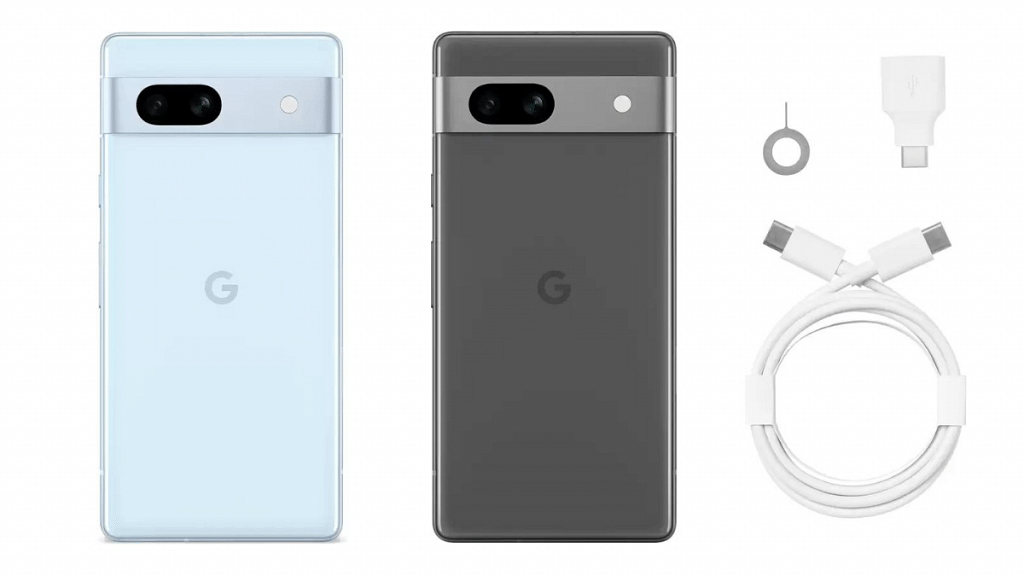
Google Pixel 7a is powered by Google’s advanced AI technology.
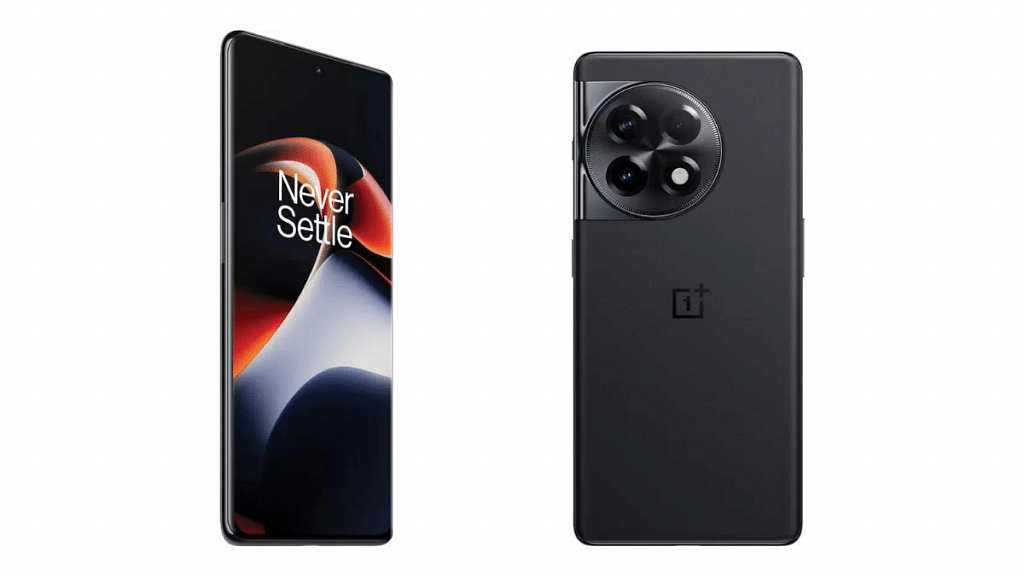
OnePlus 11R comes with 120Hz refresh rate display.
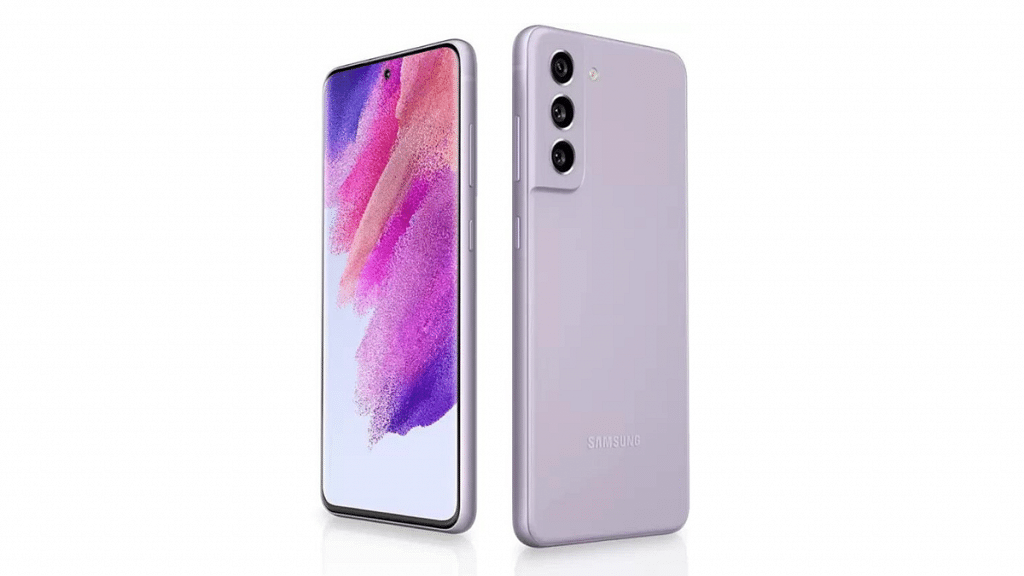
Samsung Galaxy S21 FE boasts a Super AMOLED display.
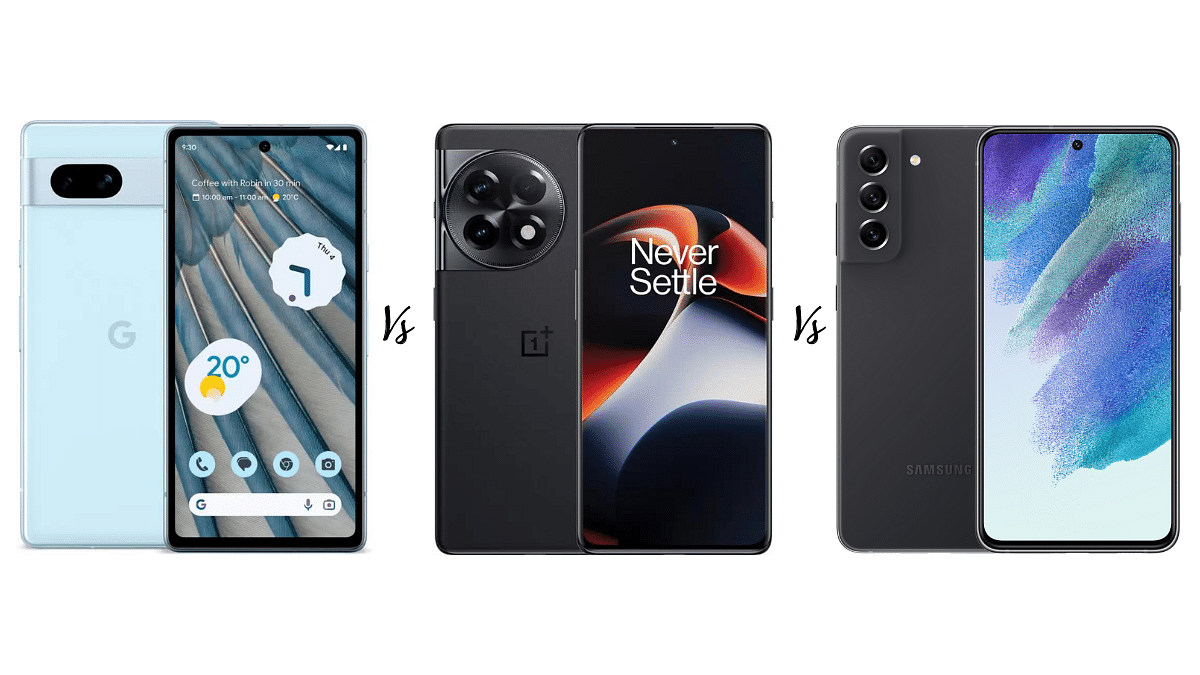
As the competition for the best premium smartphones under Rs.50,000 heats up, the Google Pixel 7a, OnePlus 11R, and Samsung Galaxy S21 FE are emerging as top contenders.
In this article, we compare and contrast the Google Pixel 7a, OnePlus 11R, and Samsung Galaxy S21 FE, highlighting their pros and cons to help you make an informed decision.
Google Pixel 7a Vs OnePlus 11R Vs Samsung Galaxy S21 FE: Display
Specification
Google Pixel 7a
OnePlus 11R
Samsung Galaxy S21 FE
Display Type
OLED, HDR, 90Hz
Fluid AMOLED, 1B colours, 120Hz, HDR10+
Dynamic AMOLED 2X, 120Hz, HDR10+
Display Size
6.1 inches, 90.7 cm2
6.74 inches, 109.2 cm2
6.4 inches, 100.5 cm2
Screen-to-body Ratio
~81.8%
~90.0%
~86.7%
Display Resolution
1080 x 2400 pixels, 20:9 ratio
1240 x 2772 pixels, 20:9 ratio
1080 x 2340 pixels, 19.5:9 ratio
Pixel Density
~429 ppi
~451 ppi
~403 ppi
Protection
Corning Gorilla Glass 3
N/A
Corning Gorilla Glass Victus
The Google Pixel 7a boasts a 6.1-inch OLED screen with HDR support and a fast 90Hz refresh rate, making it great for watching videos and playing games.
On the other hand, the OnePlus 11R has a larger 6.74-inch Fluid AMOLED display with an impressive 120Hz refresh rate and HDR10+ support, making it ideal for gaming and streaming high-quality content. The Samsung Galaxy S21 FE comes with a 6.4-inch Dynamic AMOLED 2X screen, which offers a smooth 120Hz refresh rate and HDR10+ support, delivering stunning visuals with rich colors and deep blacks.
All three phones also come with Corning Gorilla Glass protection. Additionally, the Google Pixel 7a and Samsung Galaxy S21 FE feature always-on displays that show the time, notifications, and other useful information at a glance.
The Google Pixel 7a features a dual-camera setup with a 64MP primary sensor and a 13MP ultrawide sensor, both with optical image stabilization. The phone also supports Pixel Shift technology that captures multiple images to produce a more detailed final result.
The OnePlus 11R has a triple-camera setup, with a 50MP primary sensor, an 8MP ultrawide sensor, and a 2MP macro sensor. The phone’s camera offers multi-directional PDAF, HDR, and gyro-electronic image stabilization.
The Samsung Galaxy S21 FE also has a triple-camera setup, including a 12MP primary sensor, an 8MP telephoto sensor with 3x optical zoom, and a 12MP ultrawide sensor. The phone’s camera comes with optical image stabilization, auto-HDR, and supports HDR10+ video recording.
In terms of selfie cameras, the Google Pixel 7a and Samsung Galaxy S21 FE both offer 4K video recording and HDR, while the OnePlus 11R’s selfie camera can shoot 1080p video with HDR.
Google Pixel 7a Vs OnePlus 11R Vs Samsung Galaxy S21 FE: Chipset, Memory & Battery
Specifications
Google Pixel 7a
OnePlus 11R
Samsung Galaxy S21 FE
Platform OS
Android 13
Android 13, OxygenOS 13
Android 12, upgradable to Android 13, One UI 5.1
Chipset
Google Tensor G2
Qualcomm SM8475 Snapdragon 8+ Gen 1
Qualcomm SM8350 Snapdragon 888 5G
CPU
Octa-core
Octa-core
Octa-core
GPU
Mali-G710 MP7
Adreno 730
Adreno 660 – Version 1, Mali-G78 MP14 – Version 2
Memory
128GB 8GB RAM,
128GB 8GB RAM, 256GB 16GB RAM,
128GB 6GB RAM, 128GB 8GB RAM, 256GB 8GB RAM
Battery
4385 mAh,
5000 mAh
4500 mAh,
Charging
Wired, PD3.0
100W wired
25W wired,15W wireless, Reverse wireless
The Google Pixel 7a runs on the Google Tensor G2 chipset and comes with 8GB of RAM and 128GB of internal storage, while the OnePlus 11R is powered by the Qualcomm Snapdragon 8+ Gen 1 chipset, with options for 8GB or 16GB of RAM and 128GB or 256GB of internal storage.
The Samsung Galaxy S21 FE comes in two chipset versions: the Qualcomm Snapdragon 888 5G and the Exynos 2100, both with options for 6GB or 8GB of RAM and 128GB or 256GB of internal storage. In terms of battery, the Google Pixel 7a comes with a 4385mAh battery with wired and wireless charging support. The OnePlus 11R features a 5000mAh battery with blazing-fast 100W wired charging, while the Samsung Galaxy S21 FE has a 4500mAh battery with 25W wired charging and 15W wireless charging, as well as reverse wireless charging.
Google Pixel 7a Vs OnePlus 11R Vs Samsung Galaxy S21 FE: Price & Availability
Phone Model
Price in India
Google Pixel 7a
Rs.43,999
OnePlus 11R
Rs.39,999
Samsung Galaxy S21 FE
Rs.49,999
The Google Pixel 7a, OnePlus 11R, and Samsung Galaxy S21 FE are all available in India through various online and offline retailers. The Google Pixel 7a is priced at Rs.43,999, while the OnePlus 11R is priced at Rs.39,999 for the 128GB variant and Rs.44,999 for the 256GB variant. The Samsung Galaxy S21 FE is priced at Rs.49,999. All three phones can be purchased from popular e-commerce websites such as Flipkart and Amazon, as well as offline stores such as Croma and Vijay Sales.
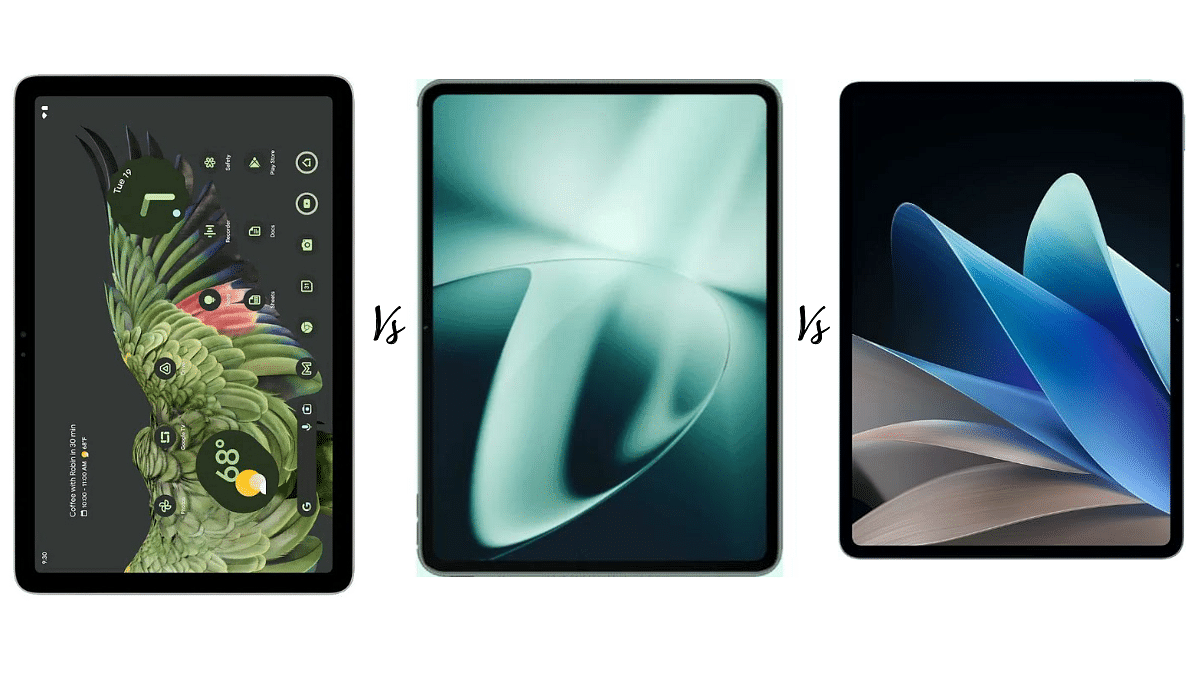
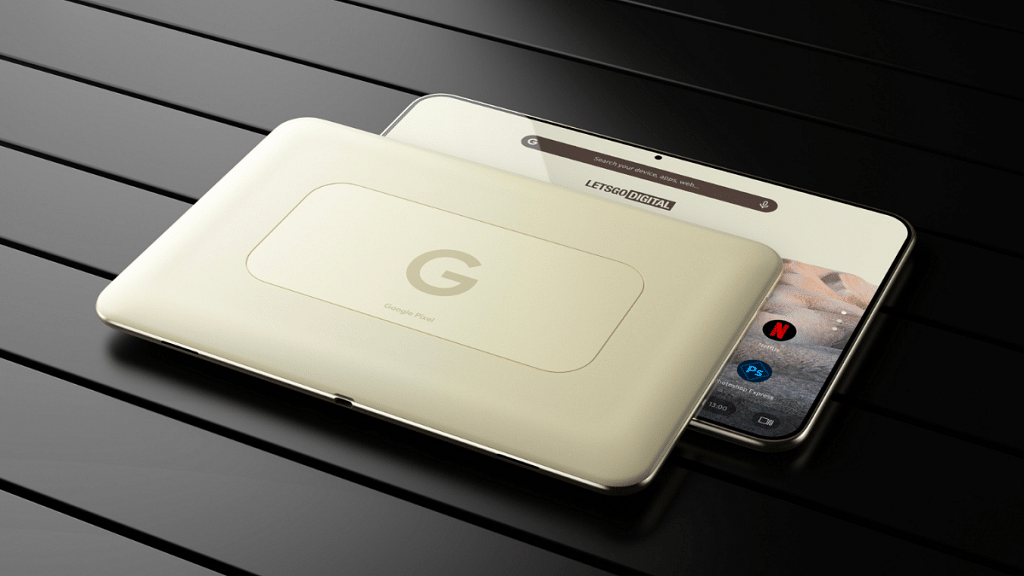
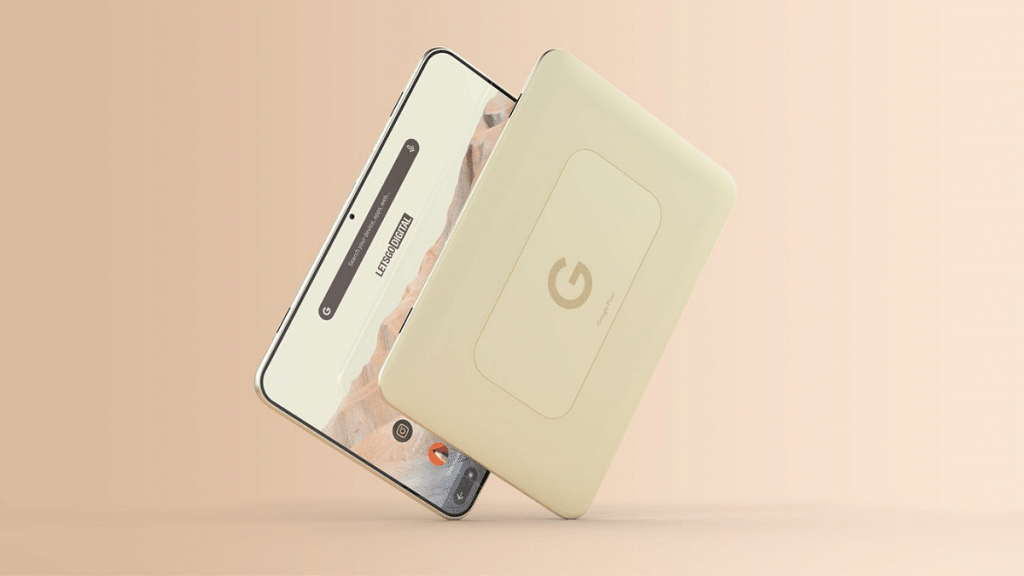
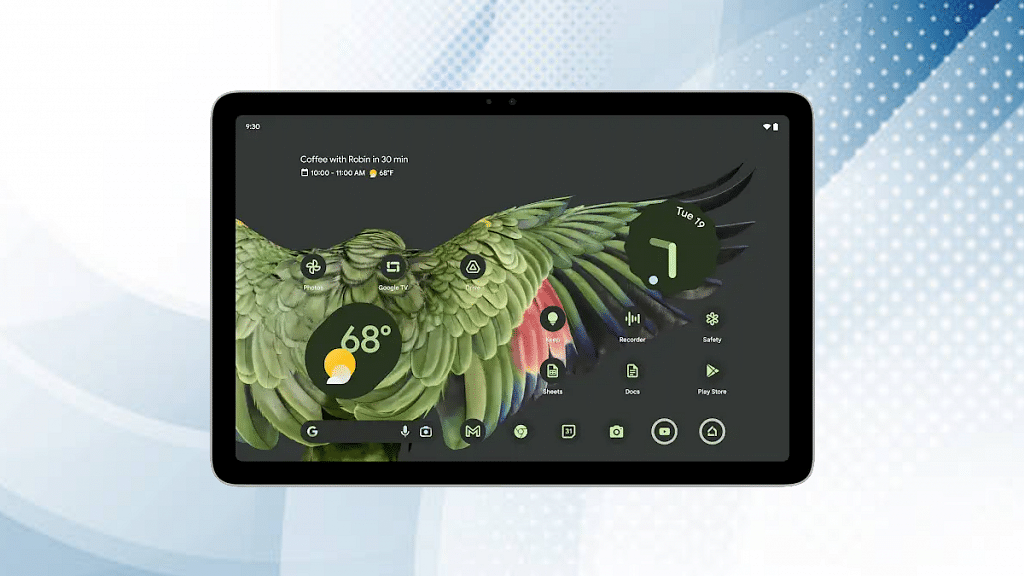
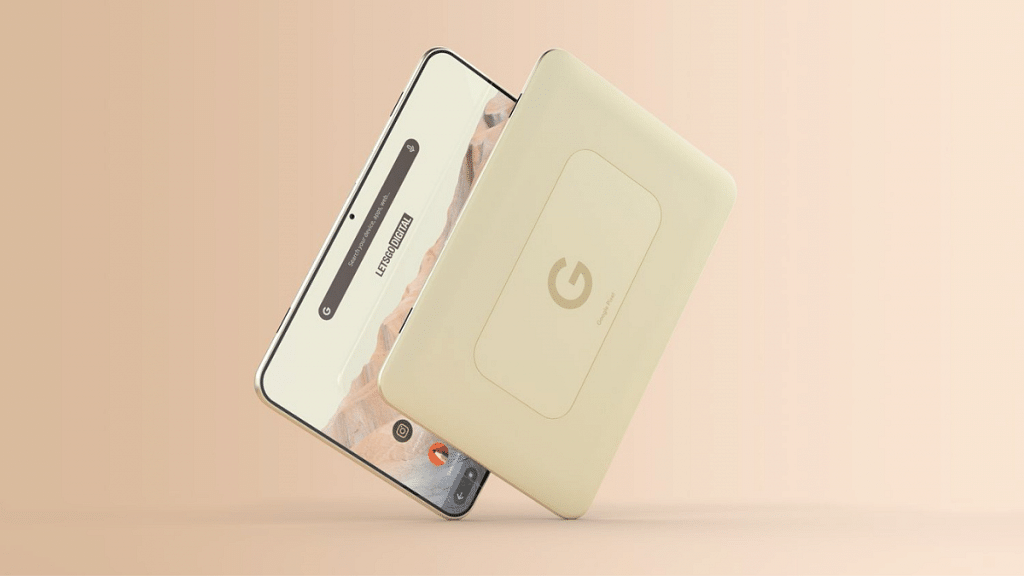
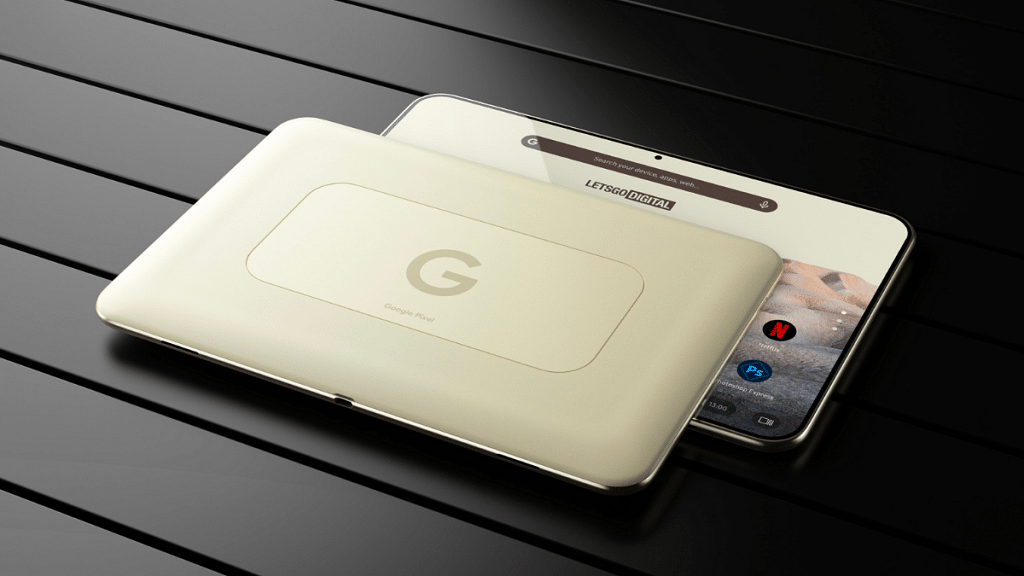
Google Pixel Tablet: IPS LCD display with vibrant colors.
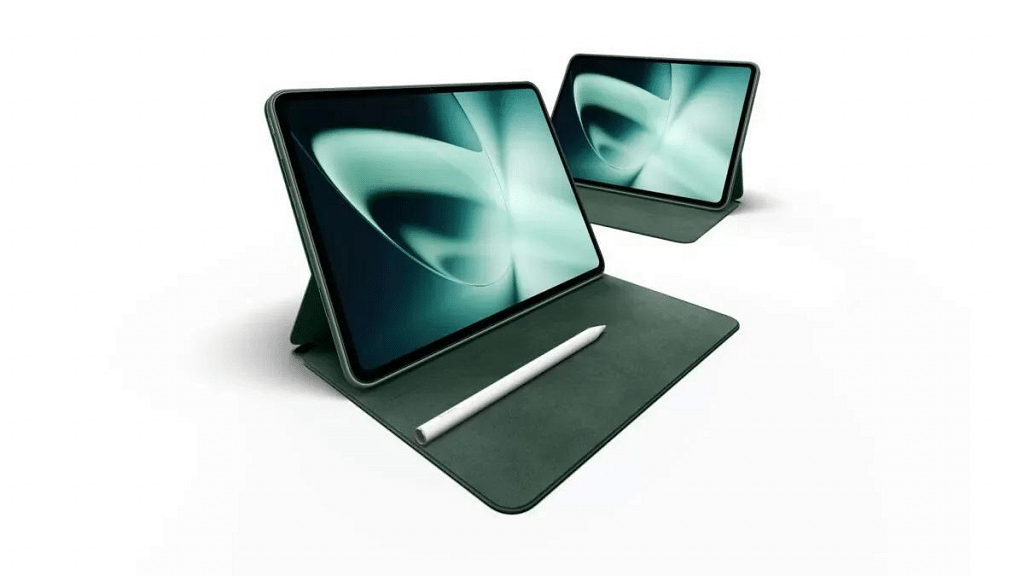
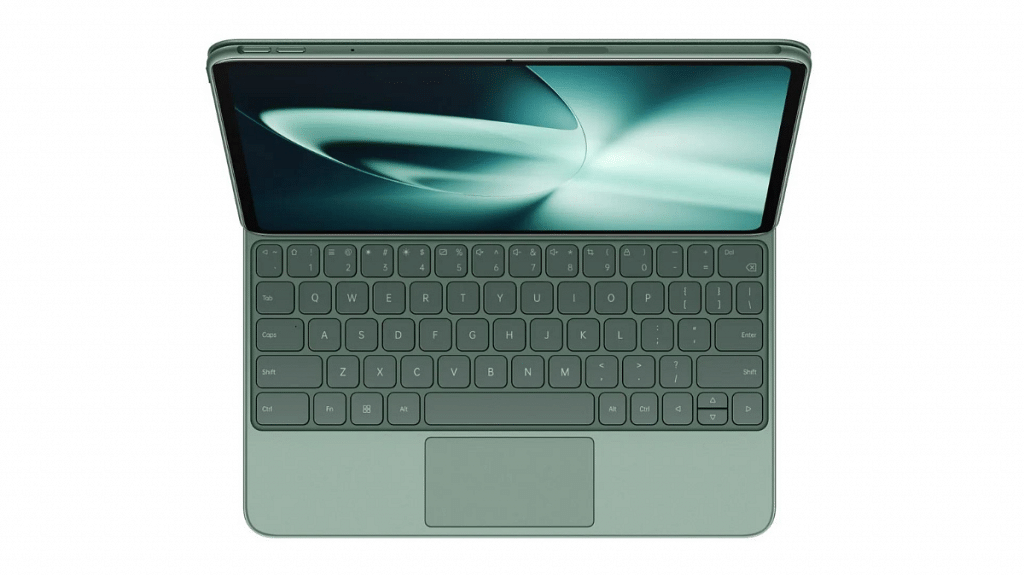
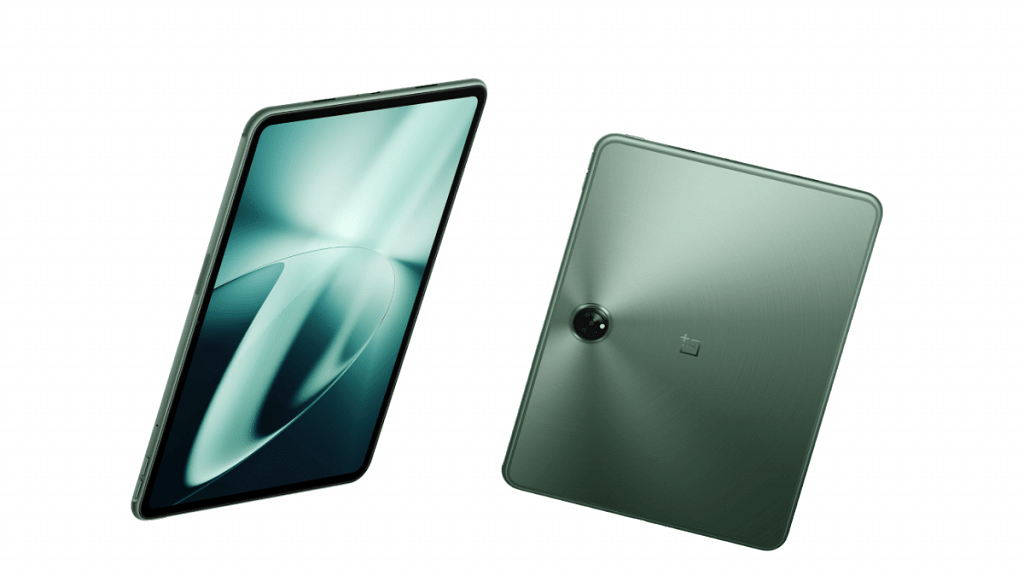
OnePlus Pad: IPS LCD display with Dolby Vision and HDR10+ support.
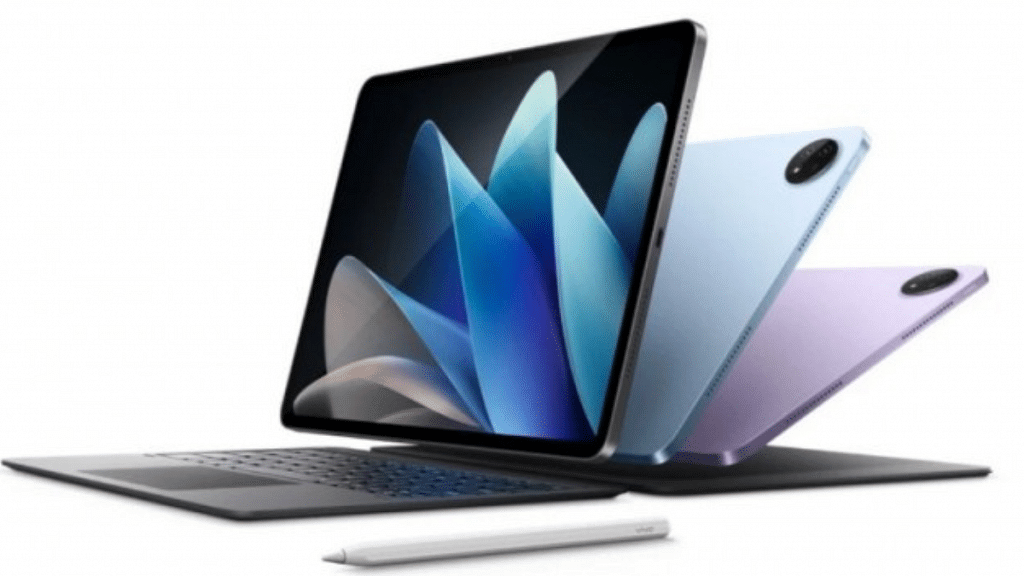
Vivo Pad 2: Large IPS LCD display with 144Hz refresh rate and HDR10 support.
All three tablets offer flagship-level performance and features at a competitive price point.
The Google Pixel Tablet, OnePlus Pad, and Vivo Pad 2 are some of the top value flagship tablets on the market today. These tablets come packed with the latest technology and powerful processors to deliver top-notch performance.
In this article, we will compare these three tablets across several key areas, including display, chipset, memory, battery, camera, price, and availability.
Google Pixel Tablet Vs OnePlus Pad Vs Vivo Pad 2: Display
Tablet
Display Size
Display Type
Resolution
Pixel Density
Refresh Rate
Additional Features
Google Pixel Tablet
11.0 inches
IPS LCD
1600 x 2560 pixels
~274 ppi
N/A
N/A
OnePlus Pad
11.61 inches
IPS LCD
2000 x 2800 pixels
~296 ppi
144Hz
Dolby Vision, HDR10+
Vivo Pad 2
12.1 inches
IPS LCD
1968 x 2800 pixels
~284 ppi
144Hz
HDR10, 600 nits
When it comes to the display, all three tablets – Google Pixel Tablet, OnePlus Pad, and Vivo Pad 2 – offer great viewing experiences, but there are some differences in their specifications. The Google Pixel Tablet comes with an 11.0-inch IPS LCD display with a resolution of 1600 x 2560 pixels and a pixel density of around 274 ppi.
The OnePlus Pad, on the other hand, boasts a slightly larger 11.61-inch IPS LCD display with a resolution of 2000 x 2800 pixels and a pixel density of around 296 ppi. The display of the OnePlus Pad also comes with additional features such as Dolby Vision, HDR10+, and a 144Hz refresh rate. The Vivo Pad 2, on the other hand, comes with a larger 12.1-inch IPS LCD display with a resolution of 1968 x 2800 pixels and a pixel density of around 284 ppi.
Additionally, it also offers HDR10 and a 144Hz refresh rate, and a higher brightness of 600 nits. Overall, the Vivo Pad 2 has the largest display and the highest brightness, while the OnePlus Pad has the highest refresh rate and additional display features like Dolby Vision and HDR10+.
The Google Pixel Tablet is powered by the Google Tensor chipset, built on a 5nm process, and has an octa-core CPU comprising 2×2.80 GHz Cortex-X1, 2×2.25 GHz Cortex-A76, and 4×1.80 GHz Cortex-A55, along with a Mali-G78 MP20 GPU. It comes with 6GB or 8GB of RAM and internal storage options of 128GB or 256GB.
In contrast, both the OnePlus Pad and Vivo Pad 2 are powered by the MediaTek MT6983 Dimensity 9000 chipset, built on a 4nm process, and have an octa-core CPU with a combination of Cortex-X2, Cortex-A710, and Cortex-A510 cores, along with a Mali-G710 MC10 GPU. The OnePlus Pad comes with 8GB or 12GB of RAM and internal storage options of 128GB or 256GB, while the Vivo Pad 2 offers internal storage options of 128GB, 256GB, or 512GB with 8GB or 12GB of RAM.
In terms of battery, the Google Pixel Tablet has a 7680mAh battery, while the OnePlus Pad has 9510 mAh battery with 67W fast charging capability whereas Vivo Pad 2 come with a larger 10,000mAh battery. Overall, the OnePlus Pad and Vivo Pad 2 offer similar specifications in terms of chipset and memory, with the Vivo Pad 2 offering higher internal storage options.
Google Pixel Tablet Vs OnePlus Pad Vs Vivo Pad 2: Camera
Features
Google Pixel Tablet
OnePlus Pad
Vivo Pad 2
Rear Camera
Dual 8 MP
Single 13 MP
Dual 13 MP + 2 MP
Rear Camera Specs
4K@30fps, 1080p@30fps
4K@30fps, 1080p@30fps
4K@30fps, 1080p@30fps
Front Camera
Single 8 MP
Single 8 MP
Single 8 MP
Front Camera Specs
1080p@30fps
1080p@30fps
1080p@30fps
The Google Pixel Tablet features a dual-camera setup with two 8 MP sensors and can record videos in 4K at 30fps or 1080p at 30fps. The selfie camera is a single 8 MP sensor that can record videos at 1080p at 30fps.
In comparison, the OnePlus Pad features a single 13 MP rear camera with an f/2.2 aperture and a wide-angle lens of 23mm. It also features LED flash and gyro-electronic image stabilization and can record videos in 4K at 30fps or 1080p at 30fps. The selfie camera is an 8 MP sensor with an f/2.3 aperture and can record videos at 1080p at 30fps.
On the other hand, the Vivo Pad 2 has a dual-camera setup with a 13 MP ultra-wide sensor and a 2 MP macro sensor. The ultra-wide sensor has an f/2.2 aperture and a wide-angle lens of 21mm, while the macro sensor has an f/2.4 aperture. It also features LED flash and panorama and can record videos in 4K at 30fps or 1080p at 30fps. The selfie camera is an 8 MP sensor with an f/2.0 aperture and can record videos at 1080p at 30fps.
Overall, the OnePlus Pad offers the highest resolution for its main camera compared to the Google Pixel Tablet and Vivo Pad 2. However, the Vivo Pad 2 provides more camera versatility with its dual-camera setup, featuring an ultra-wide and a macro sensor
Google Pixel Tablet Vs OnePlus Pad Vs Vivo Pad 2: Price & Availability
Tablet Model
Price in India
Google Pixel Tablet
Rs. 48,000
OnePlus Pad
Rs. 37,999
Vivo Pad 2
Rs. 28,600
The Google Pixel Tablet will reportedly cost Rs. 48,000 for the 128GB model in India, while the OnePlus Pad is expected to be priced at Rs. 37,999. The Vivo Pad 2 is the most budget-friendly option of the three, priced at Rs. 28,600.
As for availability, the Google Pixel Tablet and the OnePlus Pad are expected to be available in major retail stores in coming months and online marketplaces such as Amazon and Flipkart.
Offers improved CPU and GPU performance over Dimensity 9200
Supports LPPDr5X memory type and UFS 4 storage
MediaTek is rapidly increasing its presence across the flagship mobile chipset market with its Dimensity 8000 and 9000 series 5G processor. The Dimensity 9200 is currently MediaTek’s most powerful mobile processor which competes the high-end Snapdragon 8 Gen chipset lineup. MediaTek has now launched the enhanced version of this processor called the Dimensity 9200+. The latest Dimenisty processor has been designed for premium phones and is said to bring along improved CPU and GPU performance.
MediaTek Dimensity 9200+ Chipset Specifications
MediaTek Dimensity 9200+
Specifications
CPU
Octa-core (single 3.35GHzCortex-X3 Three 3GHz Cortex-A715 cores Four 2GHz Cortex-A510 cores )
GPU
ARM Immortalis G715
Memory
LPDDR5X
Storage
UFS 4+ MCQ
Display
FHD at 240Hz, WQHD at 144Hz
Starting with the CPU, the MediaTek Dimensity 9200+ processor features an octa-core CPU cluster similar to the remaining premium MediaTek Dimensity processors. However, the latest processor comes with increased core efficiency where there is one Cortex-X3 core clocking at 3.35Ghz, three Cortex-A715 cores with 3GHz clock speed, and four Cortex A-510 cores with 2GHz clock speed.
MediaTek has designed the Dimensity 9200+ processor using a thin 4nm TSMC fabrication process. The overall CPU performance is boosted compared to the standard Dimensity 9200 processor. The GPU packed with this new-generation Dimensity 9000 chipset is ARM Immortalis G715 GPU which as per the brand helps improve the GPU efficiency by up to 15 percent.
The Dimensity 9200+ processor also integrates a custom MediaTek HyperEngine 6.0 technology that is claimed to offer a stable performance delivery with extensive gaming. The memory compatibility with the MediaTek Dimenisty 9200+ chipset is LPDDR5X, while the storage type supported is UFS 4+ MCQ. In terms of display compatibility, the Dimensity 9200+ can support FHD resolution at 240Hz, WQHD resolution at 144Hz, and up to two screens with 5K resolution at 60Hz.
MediaTek has also used some additional advanced features including the Imagiq 890 image signal processor, MiraVision 890 (ESS 2.0 Display Power Saving), 5G UltraSave 3.0, and more. The modem integrated is a 4CC-CA 5G Release-16 modem that will be able to switch between the sub-6GHz and mmWave connections.
Expected Phones Powered By MediaTek Dimensity 9200+ Chipset
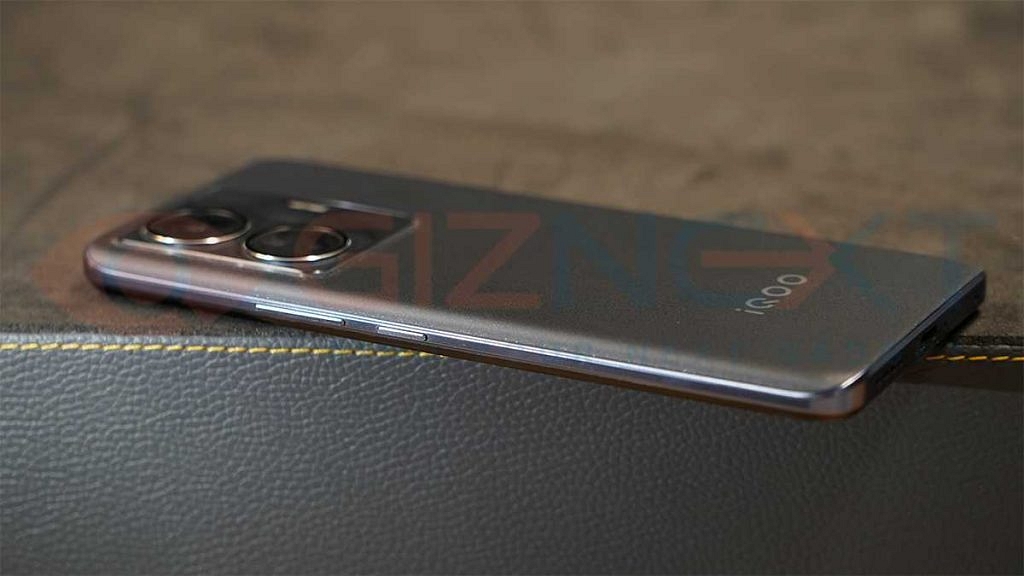
None of the smartphone OEMs have announced their plans to launch phones powered by the latest MediaTek Dimensity 9200+ 5G processor. However, rumors are rife that the iQOO 8 Pro could be the first premium Android phone to feature this Dimensity 9000 series chipset. More smartphone models driven by this MediaTek processor could be revealed in the coming months.
Google I/O 2023 just concluded where the new-generation Pixel devices have been introduced for the masses. The search giant has expanded its portfolio with a new affordable Pixel smartphone and has finally forayed into the tablet and foldable smartphone market with the launch of the Pixel Tablet and the Pixel Fold foldable phone. As expected the affordable Pixel 7a offers mid-range hardware including a custom Google Tensor G2 chipset and an identical camera island to the existing Pixel 7 series.
The Google Pixel 7a bestows a tall 6.1-inch display. Google has used an OLED screen for its affordable Pixel handset that supports an FHD+ resolution. The screen also supports a 90Hz refresh rate that will deliver smooth touch feedback with scrolling. The Pixel 7a also gets IP67 certification which makes it dust and water resistant.
The budget Pixel 7a phone features a dual-lens camera setup as the remaining Pixel 7 series phones. The primary sensor packed at the rear is a 64MP sensor with an f/1/.73 aperture and an additional 13MP sensor top capture ultra-wide-angle frames. The selfie snapper packed inside the Google Pixel 7a is a single 13MP snapper that can capture some clear self-portraits that are suitable for social media platforms. The back and front cameras on the Pixel 7a can record 5K@60 fps and 4K@30 fps videos respectively.
At its core, the Google Pixel 7a makes use of the custom Tensor G2 processor. This is the same chipset that drives the current-gen Pixel 7 phones including the vanilla Pixel 7 and the Pixel 7 Pro. The affordable Pixel 7a handset has been introduced with 8GB RAM and 128GB storage configuration. Google has pre-installed the Pixel 7a with Android 13 OS and offers promised major firmware upgrades for this handset. Keeping the lights on is a 4,380 mAh battery unit that gets 20W fast-wired charging support.
The Google Pixel 7a has been introduced with a $499 price tag. In India, the affordable Pixel 7a is available with a launch price of Rs. 39,999 (Rs. 43,999 MRP) via Flipkart in Charcoal, Snow, Sea, and Coral color options.
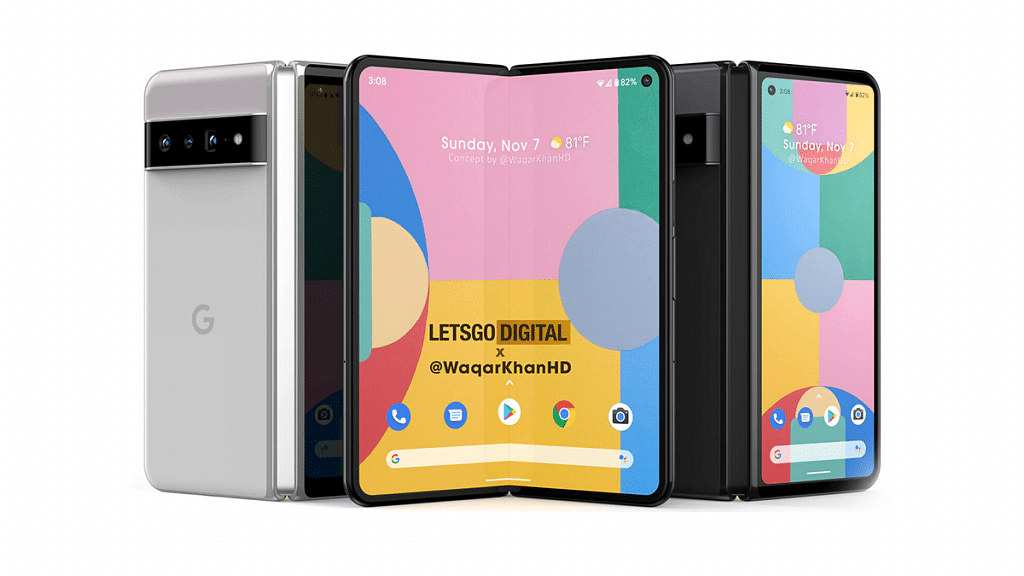
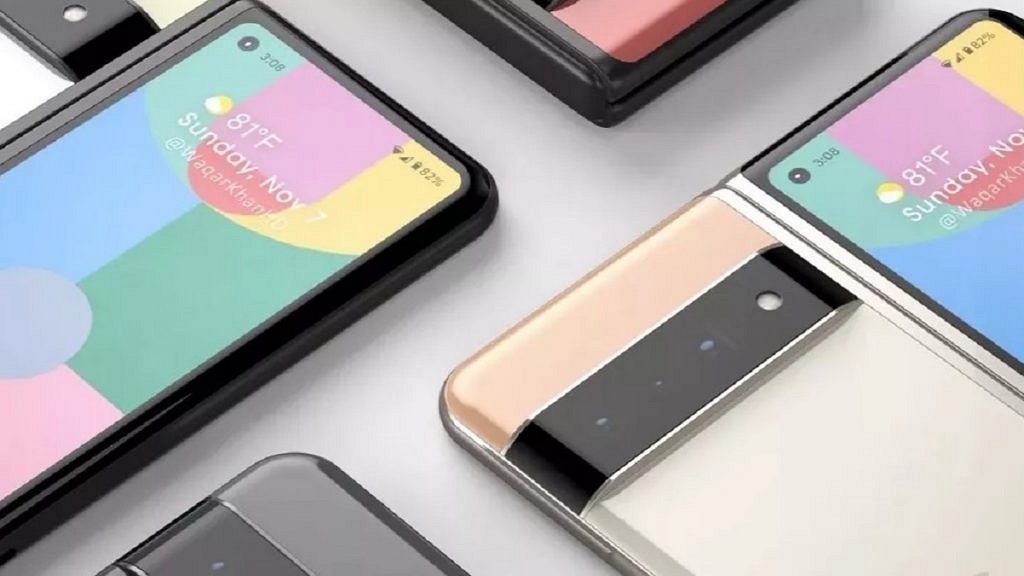
Google made Pixel Fold official at Google I/O 2023
The smartphone comes with the largest 4,821mAh battery
Pixel Fold will compete with Samsung, Huawei, and Oppo
Google I/O 2023, the tech giant’s annual event, unveiled several new products, including hardware and software, that left tech enthusiasts eager for more. Among these new products is the highly anticipated Google Pixel Fold smartphone, which we will discuss in detail in this article. Also Read | Best Phones Under Rs. 20,000 in India
Google Pixel Fold Specifications
Display
7.6 inches
Processor
Google Tensor G2
Camera
48 MP + 10 MP + 10 MP
Selfie Camera
10MP
OS
Android 13 out-of-the-box
Battery
4,821mAh
Pixel Fold: Design, Display
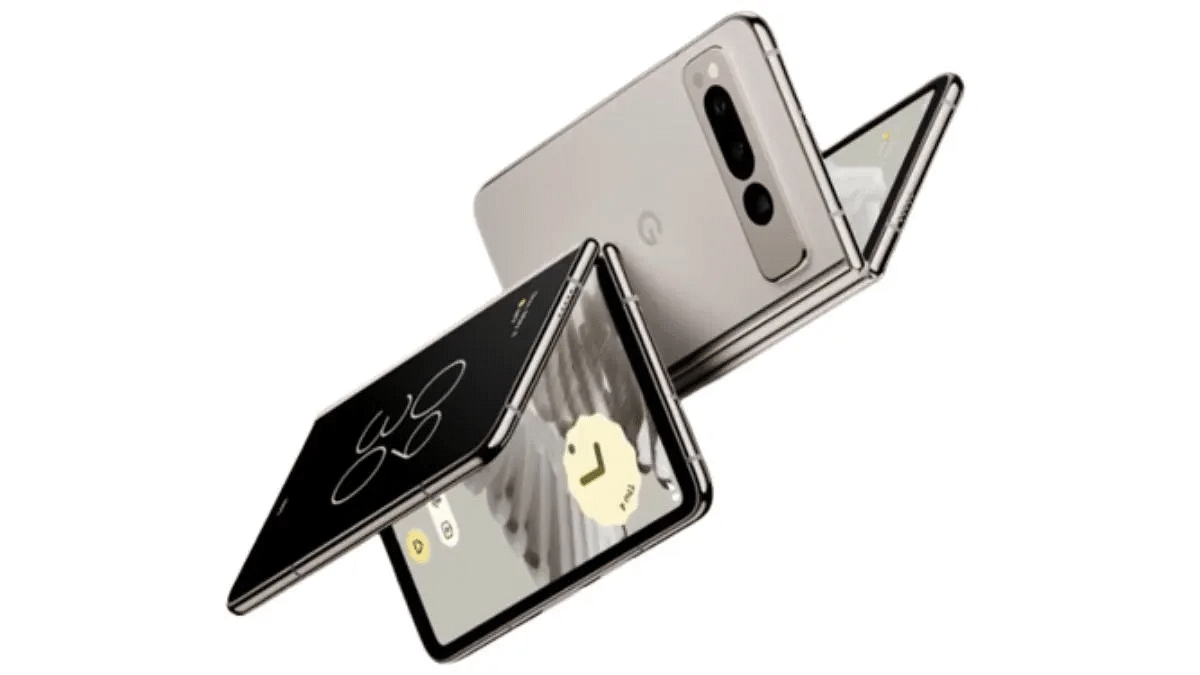
The Google Pixel Fold smartphone features an outer display that fully opens up to reveal a larger inner display, a design similar to Samsung’s Galaxy Z Fold phones. The outer display measures 5.79 inches, while the inner display measures 7.69 inches. The display panel is made by Samsung and boasts a resolution of 1840 x 2208, a peak brightness of 1200 nits, and a refresh rate of 120Hz.
Pixel Fold: Processor, Camera
Google’s in-house Tensor chipset powers the phone, and it comes with either 256GB or 512GB storage options. It has three cameras on the back: a 48MP primary Sony IMX787 sensor, a 10MP Samsung S5K3J1 telephoto lens, and a 10MP Sony IMX386 ultrawide sensor. For selfies, it comes with a 10MP IMX355 front-facing camera, along with another Samsung S5K3J1 camera on the front.
The Pixel Fold boasts the largest battery capacity among foldable phones, with a 4,821mAh battery supporting 30W charging. It runs on the latest Android 13 out-of-the-box operating system, with adaptive elements specifically designed for the folding screen.
Pixel Fold: Price
The Google Pixel Fold smartphone is priced at $1799 (approx. 1,48,000) for the 256GB storage variant and $1919 for the 512GB storage model. Pre-orders of the Pixel Fold smartphone open today and the device will start shipping in June 2023.
Pixel Fold: Competition
With its premium features and specifications, the Google Pixel Fold smartphone will compete with other foldable phones from industry giants like Samsung, Huawei, and Oppo.
Overall, the Google Pixel Fold is a highly anticipated foldable phone with impressive features and specifications. Its unique design and large displays, along with the latest Android 14 operating system, make it a top contender in the foldable phone market.
Google Pixel Tablet officially debuts at Google I/O 2023.
The tablet will be available to purchase on Flipkart , 11 May onwards.
It comes with a 27Wh battery that lasts up to 12 hours on a single charge.
Priced at Rs.48,000
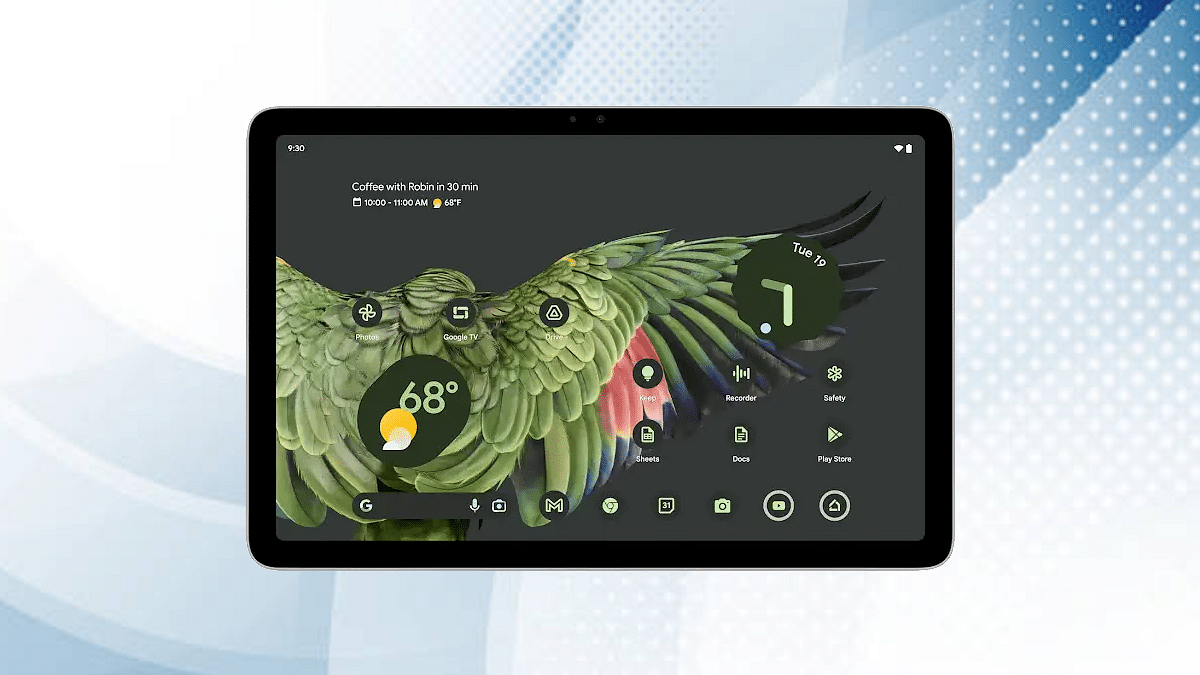
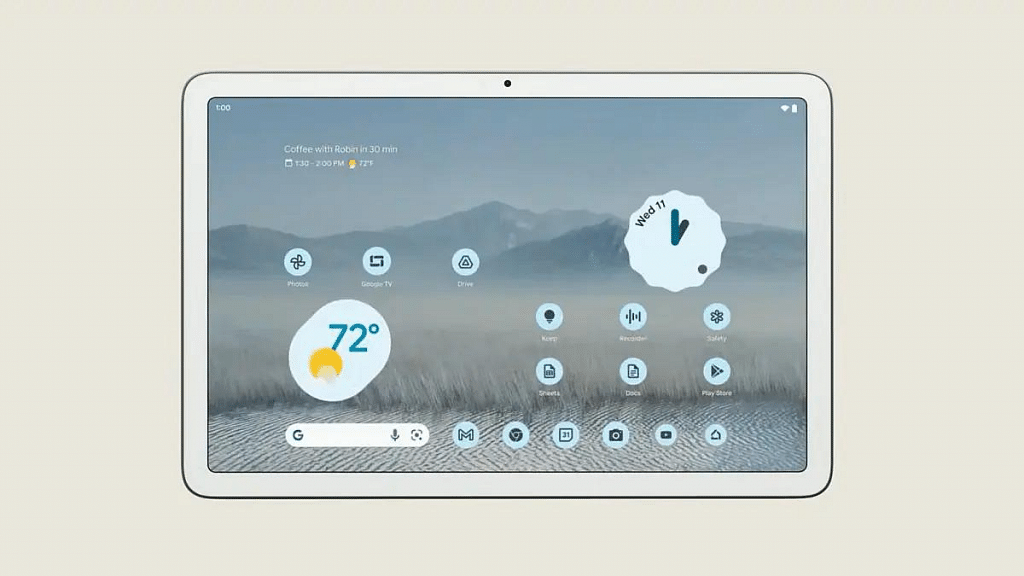
The Pixel Tablet has marked its official debut as Google’s first-ever Android tablet at the annual Google I/O 2023 developer conference hosted at Shoreline in Mountain View, California today. This value flagship tablet has been introduced alongside the affordable Google Pixel 7a and the company’s first fodable phone called the Google Pixel Fold. The firt Pixel tablet will be available for purchase via Flipkart starting May 11 onwards.
With the Pixel Tablet, Google has set a new standard for tablets, offering a powerful Tensor G2 Processor and 27Wh battery for extended usage. Now, let’s delve deeper into the specifications and pricing of the Google Pixel Tablet to see how it stacks up against the competition.
The Google Pixel Tablet boasts a sleek design with an LCD screen that measures 10.95 inches. The screen has a resolution of 1600 x 2560 pixels and support a peak brightness of 500 nits making it perfect for streaming movies, playing games, or reading e-books. Additionally, the tablet supports the USI 2.0 Stylus pen which will allow users to create artwork and take notes with ease.
In terms of optics, the Google Pixel Tablet features an 8MP main camera at the rear and a single 8MP camera at the front for selfies and video calling. This should allow users to capture high-quality photos and videos.
At its core, the Pixel Tablet is powered by the Google Tensor G2 processor combined with an 8GB LPDDR5 RAM and 128GB/256GB storage option (UFS 3.1). This hardware sheet promises to deliver unparalleled performance with multitasking and offers ample storage space for all your files, photos, and apps.
The Google Pixel Tablet is a premium device that boasts top-of-the-line specs and features with powerful Google Tensor G2 processor, 8GB LPDDR5 RAM, and 128GB/256GB storage options (UFS 3.1) for which it is priced accordingly at Rs. 48,000. The Pixel Tablet falls into the high-end range of tablets that will be sold via Flipkart starting May 11.
The TV starts from an affordable price of Rs 40,990
The TV’s bezel-less design promises to provide a high-end viewing experience
The television business is extremely competitive because more and more companies are providing top-notch equipment at competitive pricing. The days of burning a hole in your wallet to buy a 4K OLED TV are long gone. TCL has added more televisions to its lineup and introduced the C645. Customers who purchase the smart TV are promised a unique watching experience. Here is everything you need to know about the TV.
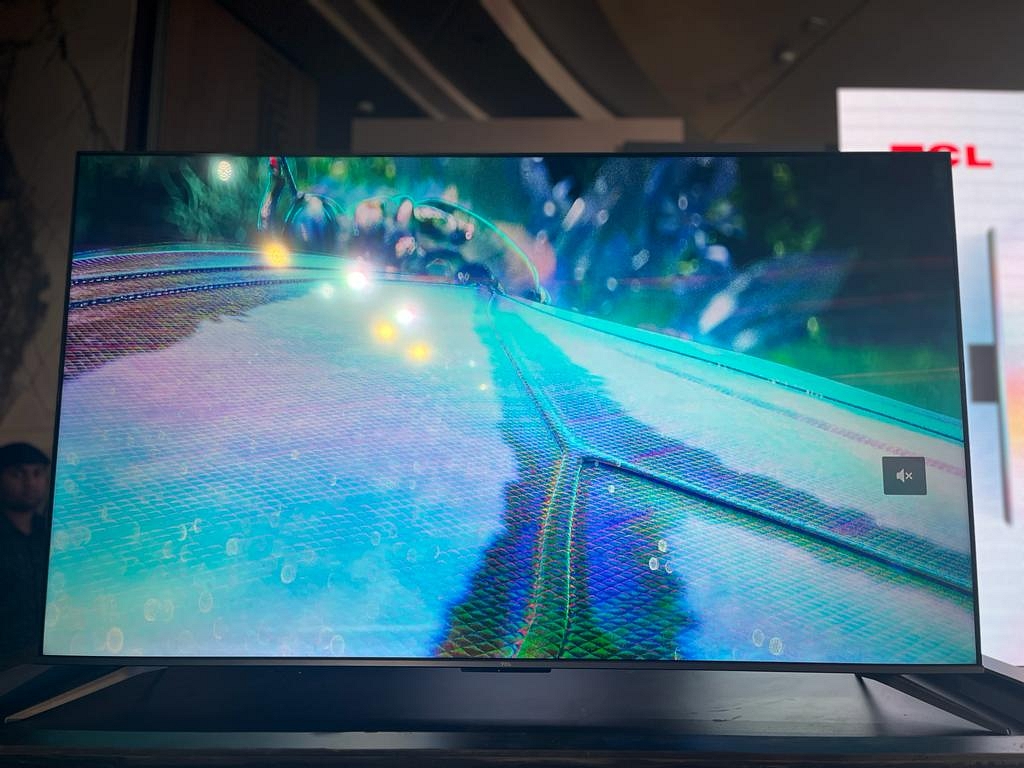
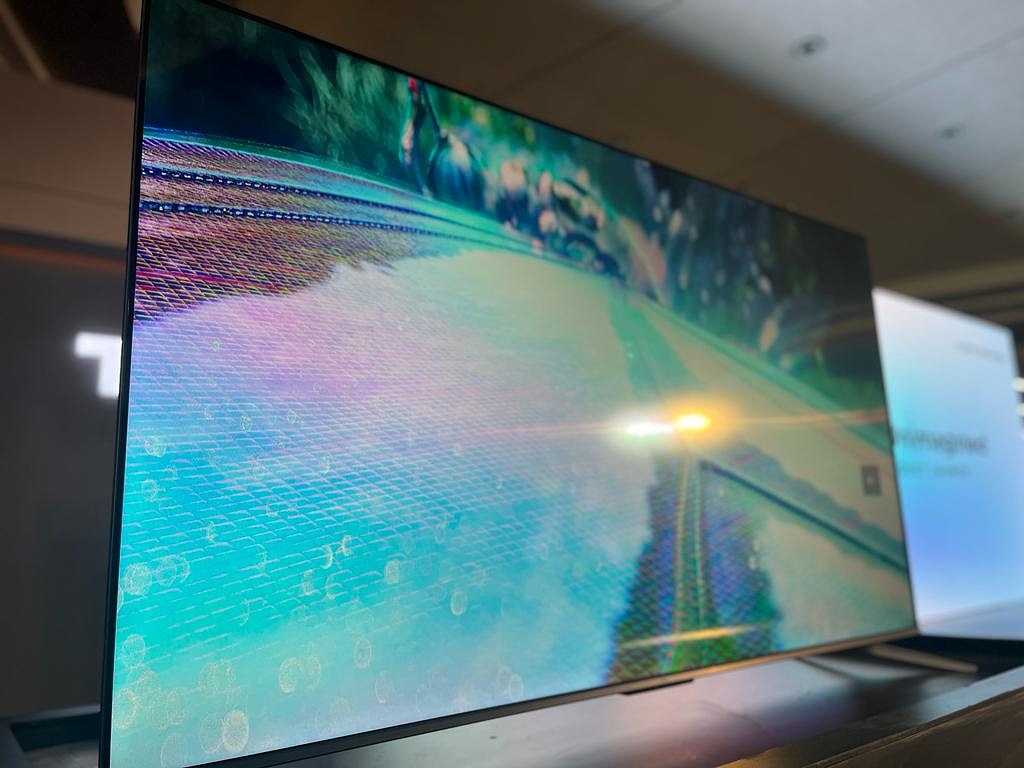
The C645 features Google TV OS to provide a customized entertainment experience. To enable customers to control TCL’s WI-Fi connected gadgets and appliances from the convenience of their smartphones, it also incorporates Google Watchlist, Google Photos, and TCL Home. The TV has a bezel-less design to provide a high-end viewing experience. Additionally, HDR10+ support is included.
TCS is concentrating on gamers with the launch of its newest TV line. Because of this, the C645 has a 120Hz gaming accelerator. According to the manufacturer, the TV’s auto-adjustment feature will guarantee a higher refresh rate and reduced latency so that gamers may play their favorite games without any interruptions.
Additionally, the TV has AMD FreeSync technology, which guarantees a fluid gaming experience free of artifacts. Dolby Vision and Dolby Atmos are also supported by the C645 to improve consumers’ streaming and gaming experiences.
TCL C645 pricing begins at Rs 40,990. It comes in four distinct display sizes, including 65, 55, 50, and 43 inches. E-commerce sites like Reliance Digital and Croma offer the TV for sale. Both TCL’s physical stores and website allow customers to purchase the television.
The cost of the 43-inch TV is Rs 40,990, while the 65-inch TV in this price range is the priciest at Rs 79,990. Priced at Rs. 56,990 for the 55-inch model and Rs. 48,990 for the 50-inch model.
Furthermore, TCL is now having a pre-booking promotion that begins today (May 10) and runs through May 16. In addition to winning a sound bar for free, consumers who buy the TCL QLED 4K Smart TV can take advantage of this promotion. However, the promotion is exclusive to Reliance Digital and Croma and only applies to a few models.
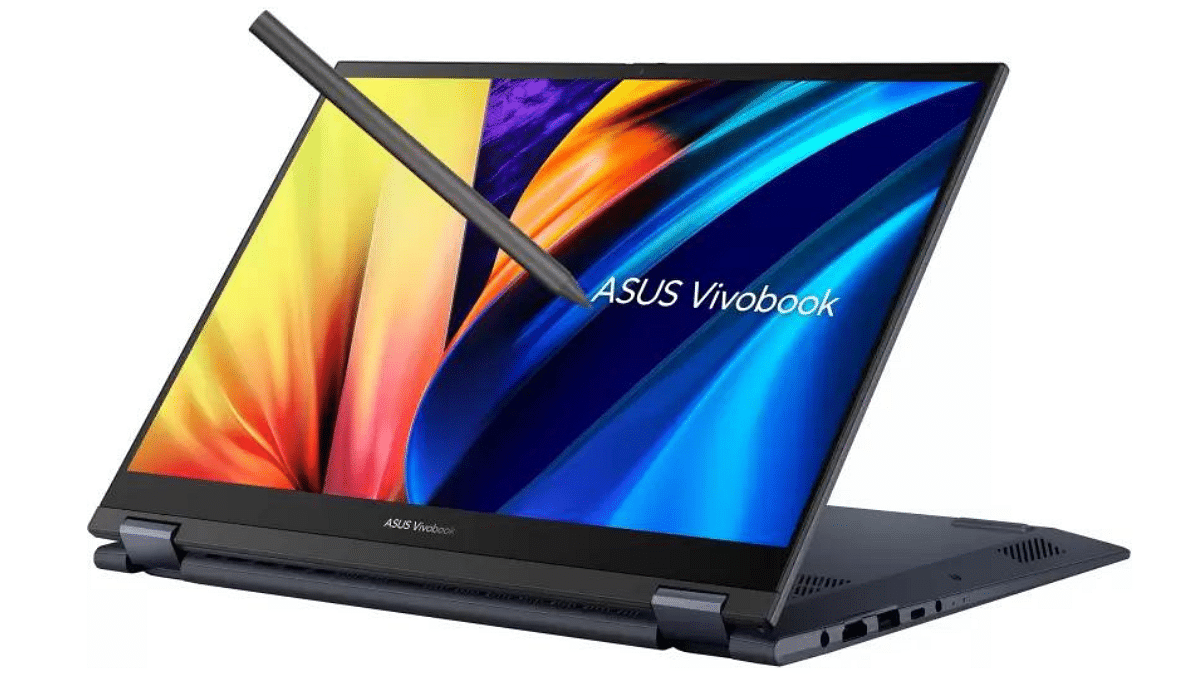
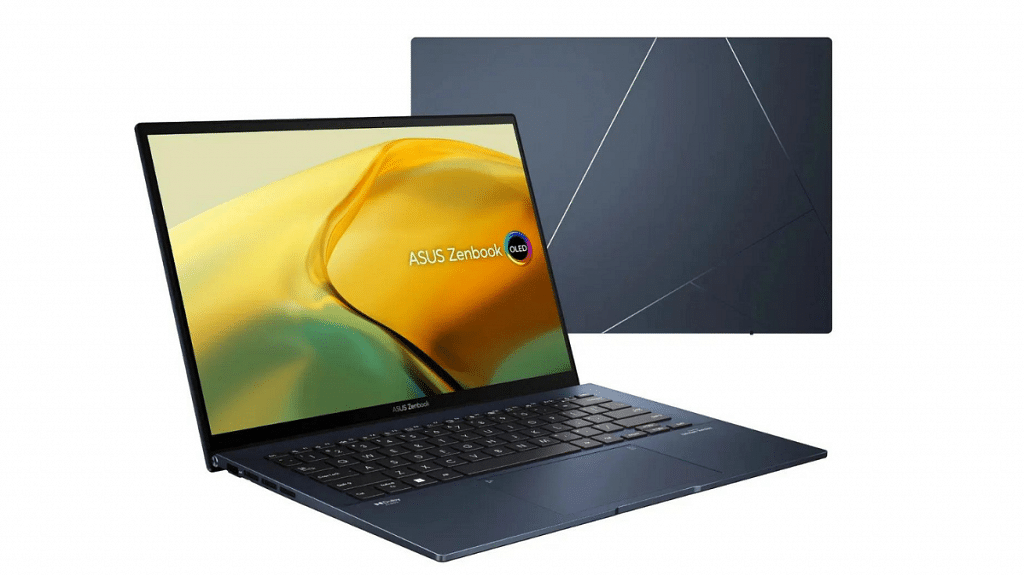
ASUS has launched its latest creator and VivoBook series laptops in India.
The laptops are designed for premium consumers who require high-end features for creative work.
The new laptops offer powerful performance, OLED displays, and long battery life.
The models are now available in India via ASUS Exclusive stores, ROG stores, and online through ASUS e-shop, Flipkart, and Amazon India.
ASUS has recently launched its latest series of laptops, the Creator Series, designed for content creators, 3D graphic designers, and vloggers. The Taiwanese electronics manufacturer has introduced five models in the series with powerful performance, stunning displays, and multiple connectivity options. The laptops are now available for premium consumers in India.
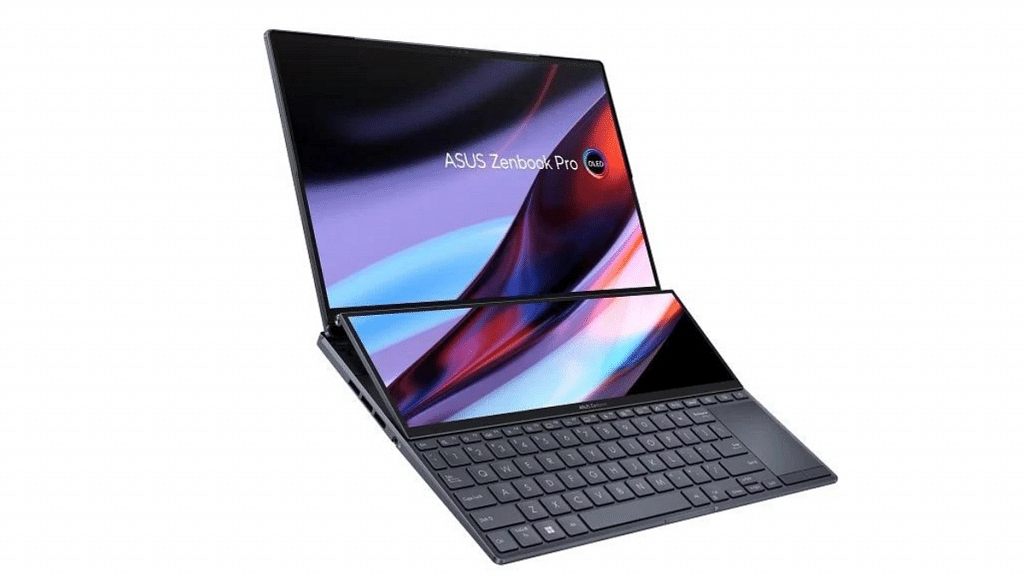
12.7-inch 120Hz touchscreen with stylus input support
The Zenbook Pro 14 Duo OLED is the first laptop in the Creator Series. It comes with a sleek and portable chassis and features a 13th Gen Intel Core i9 CPU, NVIDIA GeForce RTX 4050 graphics, and 32GB of memory. The laptop has a 14.5-inch 2.8K OLED display with a resolution of 2880 x 1800 pixels and a 120Hz refresh rate. Additionally, the Zenbook Pro 14 Duo OLED comes with a 12.7-inch 120Hz touchscreen, called the ScreenPad Plus display, that supports stylus input, providing creators with a versatile user experience while editing photos and videos.
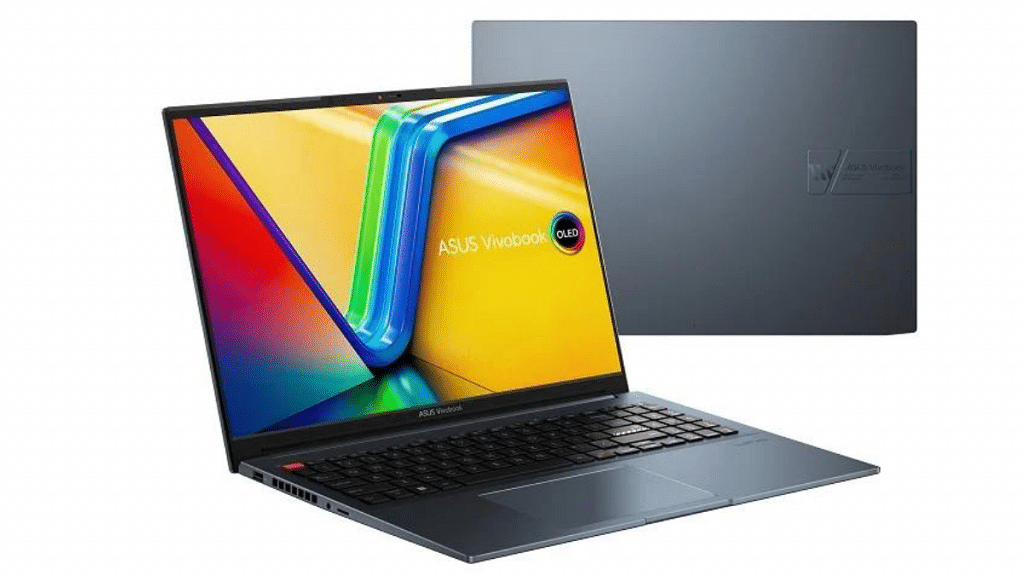
The next laptop in the series is the Vivobook Pro 16 OLED (K6602). It features a 16-inch 3.2K ASUS Lumina OLED display with 100% DCI-P3 and Pantone validated colors. The laptop utilizes the latest 13th Gen Intel Core processors, with the topmost model packing a Core i9-13900H chipset with 16GB DDR5 RAM. The graphics are powered by an NVIDIA GeForce RTX 4050 GPU. The Vivobook Pro 16 OLED also has a 96WHr battery with 150W AC fast-charging, Wi-Fi 6E, Bluetooth 5, and Thunderbolt 4 connectivity. Additionally, it features a fingerprint scanner with Windows Hello for enhanced security and privacy.
Wi-Fi 6, Bluetooth 5.2, USB Type-C, USB Type-A, HDMI, SD card reader
Audio
Harman Kardon certified
Keyboard
Backlit, with 1.4mm key travel
Touchpad
Precision Touchpad (PTP) with up to four finger smart gestures
Battery
70Whr, with fast charging support
Colors
Quiet Blue, Cool Silver
The ASUS Vivobook Pro 15 OLED (K6502) features a 15.6-inch display laptop that provides creators with a brighter and more detailed viewing experience. The notebook’s display features a 1,000,000:1 contrast ratio and a peak brightness of 600 nits. The laptop can be customized with processor and storage options up to Intel Core i9-13900H and 32 GB 4800 MHz DDR5 and 2 TB PCIe 4.0 SSD with dual M.2 Slot. The laptop utilizes a Precision Touchpad (PTP) technology which allows users to use up to four finger smart gestures. The laptop is available in two colors, Quiet Blue and Cool Silver.
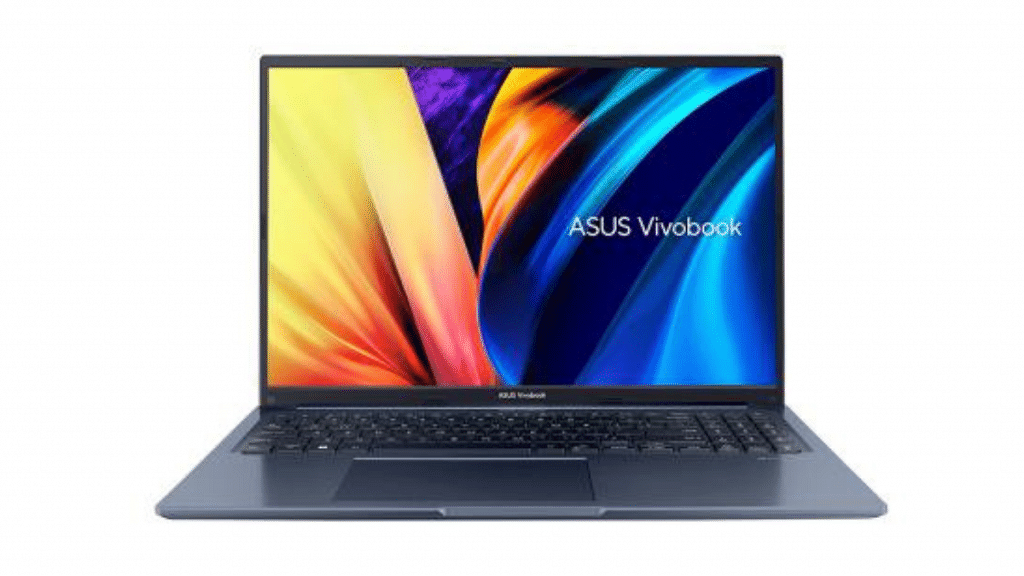
ASUS Vivobook 14X, Vivobook 14X OLED, and Vivobook 16X
Model
Display
Processor
Graphics
Memory
Connectivity
Vivobook 14X
14-inch
Up to 13th Gen Intel Core processors
NVIDIA graphics
Up to DDR5 RAM
Wi-Fi 6, Bluetooth 5
Vivobook 14X OLED
14-inch OLED
Up to 13th Gen Intel Core processors
NVIDIA graphics
Up to DDR5 RAM
Wi-Fi 6, Bluetooth 5
Vivobook 16X
16-inch
Up to 13th Gen Intel Core processors
NVIDIA graphics
Up to DDR5 RAM
Wi-Fi 6, Bluetooth 5
ASUS has also introduced the Vivobook 14X, Vivobook 14X OLED, and Vivobook 16X models in the new series. The Vivobook 14X models come with a 14-inch display, with one of them having an OLED panel, while the 16X packs a 16-inch screen. The OLED variant has a 0.2ms response time, and all displays utilize a 16:10 aspect ratio. The Vivobook 14X OLED boasts a 1,000,000:1 contrast ratio, up to 600-nit peak brightness, and a slim bezel design, providing creators with a more immersive viewing experience. The laptops are powered by up to the latest 13th Gen Intel Core processors, NVIDIA graphics, and DDR5 RAM. They also come with Wi-Fi 6 and Bluetooth 5 connectivity options.
DTS sound, 2-speaker system, built-in array microphone, AI noise-canceling technology
DTS sound, 2-speaker system, built-in array microphone, AI noise-canceling technology
Color
Graphite Black
Graphite Black
Weight
2.30kg
2.60kg
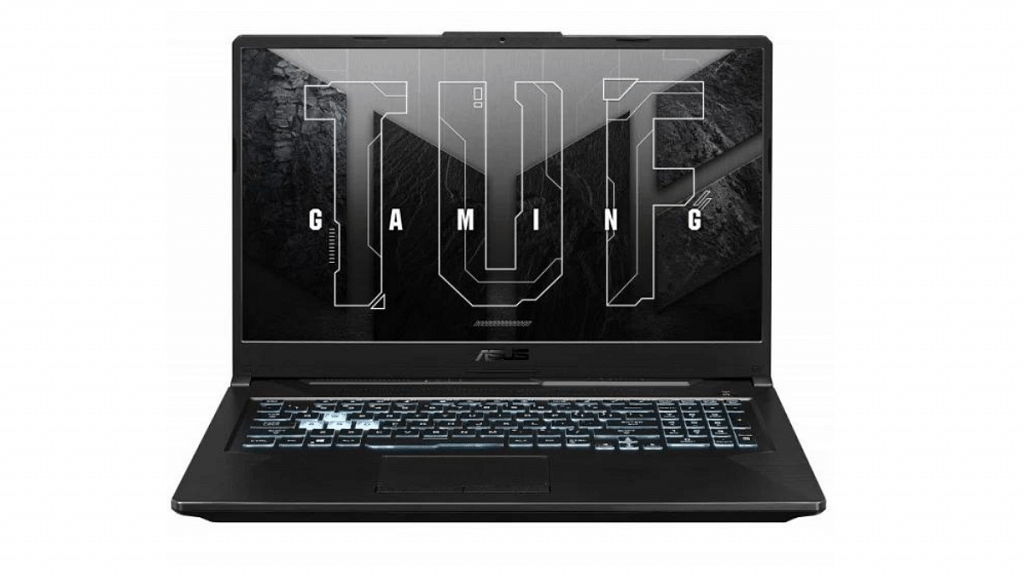
Thes laptops come equipped with a 720p HD camera, a backlit chiclet keyboard with 1-zone RGB lighting, a 2-speaker system, built-in array microphone, AI noise-canceling technology, and DTS sound. They also have a 48WHrs battery (90WHrs for the 17″ model) and a 150W AC adapter, providing extended hours of uninterrupted gaming. Running on Windows 11 Home, gamers can enjoy the latest features and security updates.
The laptops come in a Graphite Black color and weigh 2.30kg and 2.60kg respectively. Their powerful cooling system amplifies CPU performance and keeps acoustics stealthy. The laptops also have military-grade durability, making them ideal for gaming on the go. With a 144Hz refresh rate, a 16:9 aspect ratio, and a 250nits brightness, gamers can enjoy crisp and clear visuals while playing their favorite games.
Asus Creator, VivoBook Series Laptops: Pricing & Availabilty
Laptop Model
Price in INR
Price in USD
ASUS Zenbook Pro 16 OLED
Rs.199,990
$2,445
ASUS Vivobook Pro 16 OLED
Rs.124,990
$1,528
ASUS Vivobook Pro 15 OLED
Rs.122,990
$1,508
ASUS Vivobook 14X OLED
Rs.79,990
$978
ASUS Vivobook 16X
Rs.68,990
$843
ASUS Vivobook 14X
Rs.62,990
$770
ASUS TUF Gaming F15
Rs.62,990
$770
ASUS TUF Gaming F17
Rs.62,990
$770
These models can be purchased from ASUS Exclusive stores, ROG stores, and online via ASUS e-shop, Flipkart, and Amazon India. Customers can choose from a wide range of options and purchase the laptop model that suits their needs and budget.
Lenovo upgrades ThinkStation & ThinkPad P series with the latest CPUs and GPUs.
New ThinkStation models include P3 Tower, P3 Ultra, and P3 Tiny.
New ThinkPad P series includes P16 Gen 2, P1 Gen 6, P16v i Gen 1, and P14s i/P16s i Gen 2.
ThinkStation P3 Tower supports up to 128GB of DDR5 RAM and Nvidia RTX A5500 GPU.
Lenovo has recently launched its new and refreshed models of the popular ThinkStation and ThinkPad P series of workstation PCs in the Chinese market. The upgraded PCs will feature the latest Intel CPUs and Nvidia GPUs, promising enhanced performance and increased productivity for content creators and professionals.
The ThinkStation models launched by Lenovo include the ThinkStation P3 Tower, ThinkStation P3 Ultra, and ThinkStation P3 Tiny. The flagship model of the lineup, the P3 Tower, is now equipped with 13th Gen Intel Core CPUs and Nvidia RTX A5500 graphics cards, and can support up to 128GB of DDR5 RAM. The P3 Ultra and P3 Tiny models also feature Intel’s 13th Gen chips, paired with Nvidia T1000 and RTX A550 GPUs, respectively.
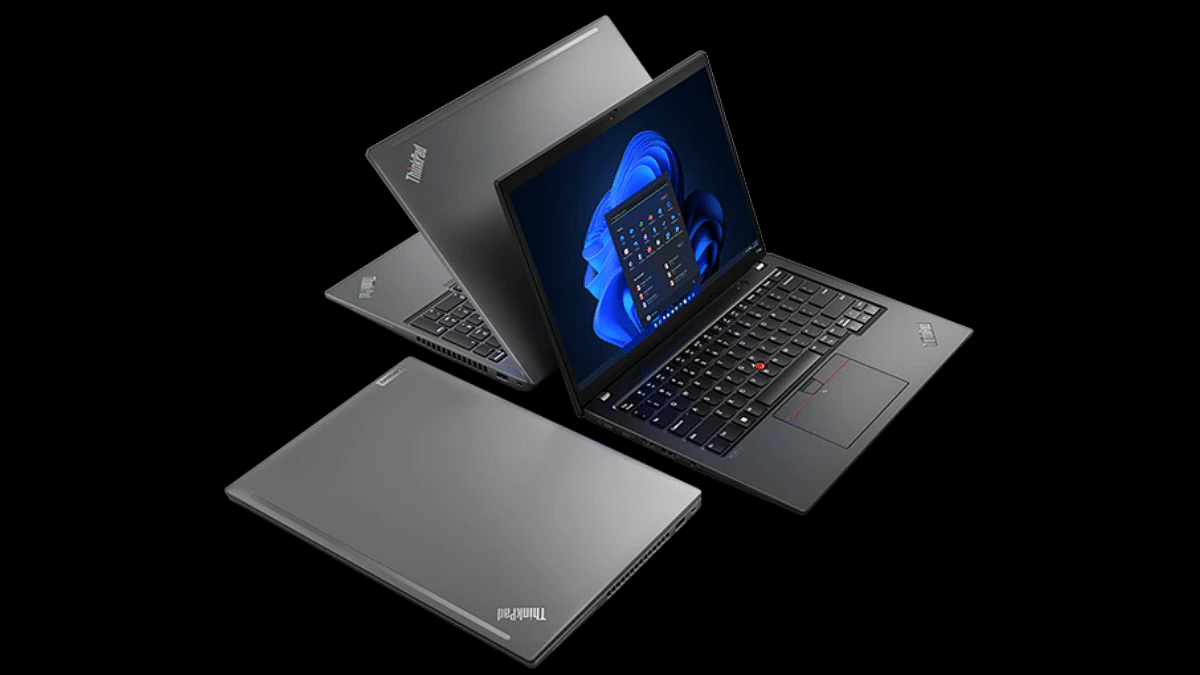
Lenovo has also announced some of its ThinkPad P series of workstation notebook refreshes. The brand is bringing five new laptops, including the ThinkPad P16 Gen 2, ThinkPad P1 Gen 6, Thinpad P16v i Gen 1, and the ThinkPad P14s i and P16s i Gen 2 models. The ThinkPad P16 Gen 2 is equipped with the 13th Gen Intel Core HX series CPUs and Nvidia’s Quadro RTX 5000 graphics cards with up to 192GB of DDR5 RAM the top-of-the-line model in the lineup.
Other models in the series also feature updated specifications, including Quadro RTX 5000 series or even the latest and greatest RTX 4090 GPU in their new laptops. The ThinkPad P1 Gen 6 even features a 16-inch OLED touchscreen panel. Mid-range workstation laptops powered by Intel 13th Gen H series CPUs and RTX 2000 series graphics cards are also available in the series.
Unfortunately, Lenovo has not yet revealed the pricing for these new and refreshed PCs. However, the upgraded ThinkStation and ThinkPad P series are expected to go on sale by the end of this month, promising users an enhanced computing experience with the latest Intel CPUs and Nvidia GPUs.