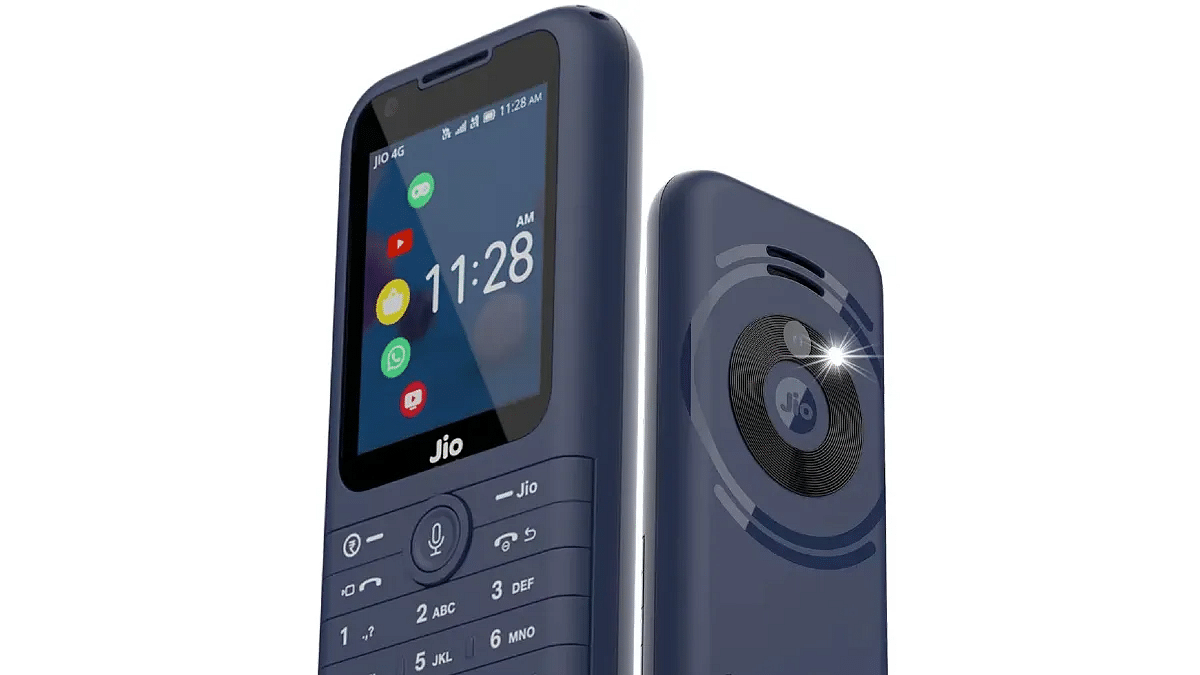
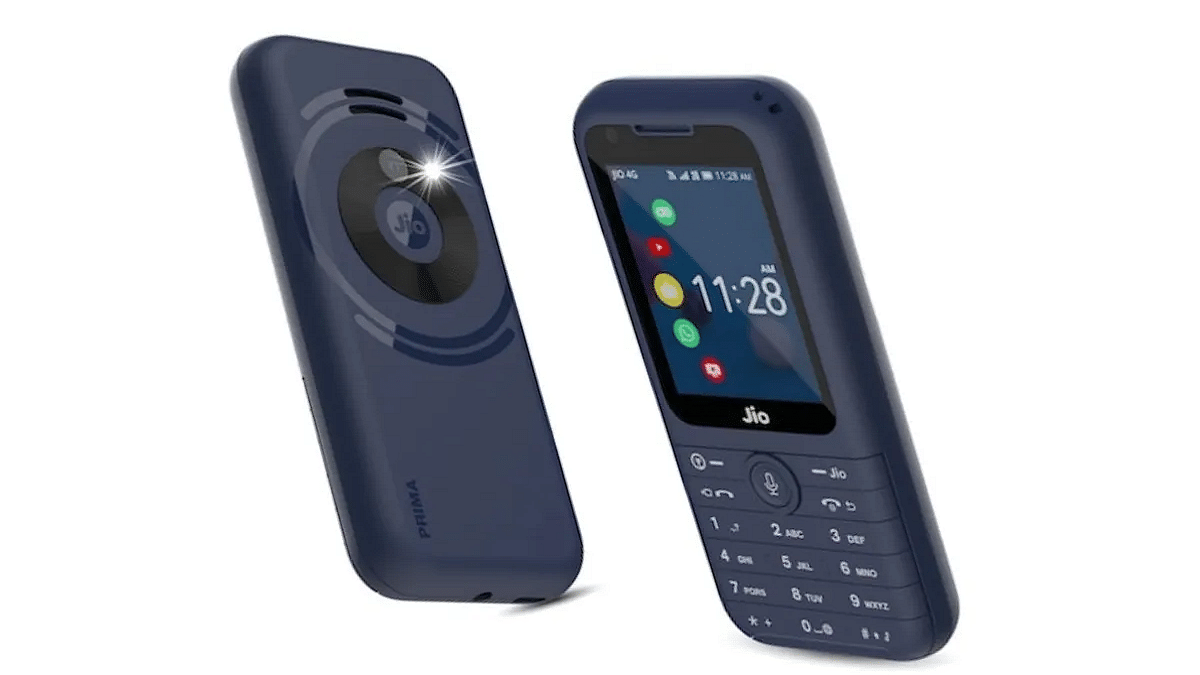
It supports popular apps like WhatsApp and YouTube
The feature phone is priced at Rs. 2,599
Reliance-backed Jio has made a significant announcement at the Indian Mobile Congress (IMC) by introducing the new JioPhone Prima 4G feature phone. This seemingly traditional device comes with some noteworthy modern features, including support for popular apps like YouTube and WhatsApp. With 4G LTE connectivity and the capability to communicate in 23 languages, the JioPhone Prima 4G aims to be accessible to a wide range of users. Also Read | Nokia 105 Classic Feature Phone Launches With Built-in UPI At Rs. 1,000
Pricing And Availability
The JioPhone Prima 4G is priced at an affordable Rs. 2,599 and is available in two colors, Blue and Yellow. Interested buyers can purchase this feature phone through JioMart.
JioPhone Prima 4G: Key Specifications
The JioPhone Prima 4G boasts the following specifications:
Display: The device is equipped with a 2.4-inch TFT display featuring a resolution of 320×240 pixels.
Processor: It is powered by the ARM Cortex A53 processor.
Memory: With 512MB of RAM and the option to expand storage up to 128GB via a microSD card, users can have ample storage for their needs.
Language Support: This feature phone supports 23 languages, promoting inclusivity.
Operating System: Built on the KaiOS open-source platform, which has its roots in Firefox OS, the device supports over 1200 applications, including popular ones like YouTube, Google Apps, and Facebook.
Pre-installed Apps: Noteworthy pre-installed apps include YouTube, JioTV, Jio Cinema, JioSaavn, and JioNews.
Connectivity: The JioPhone Prima features an FM Radio, a single SIM slot, a 3.5mm audio jack, and Bluetooth 5.0 connectivity.
Battery: Equipped with a 1,800mAh battery, this device promises lasting performance.
Camera: On the back, you’ll find a single camera sensor along with an LED flash.
Comparison With JioBharat B1 Feature Phone
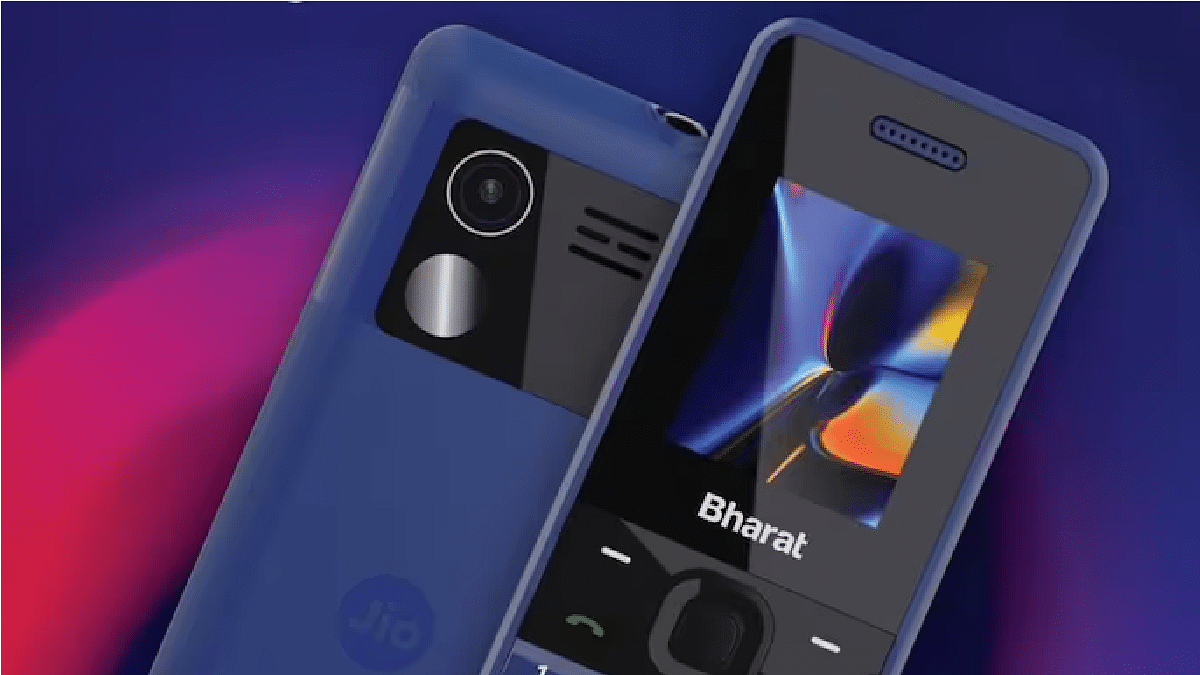
For those seeking a more budget-friendly option, Jio has already unveiled the JioBharat B1 feature phone in India. It comes with a larger 2.4-inch display, support for the JioPay app for UPI payments, a 2,000mAh battery, and more. Priced at just Rs. 1,299, it is available through Amazon and official Jio stores.
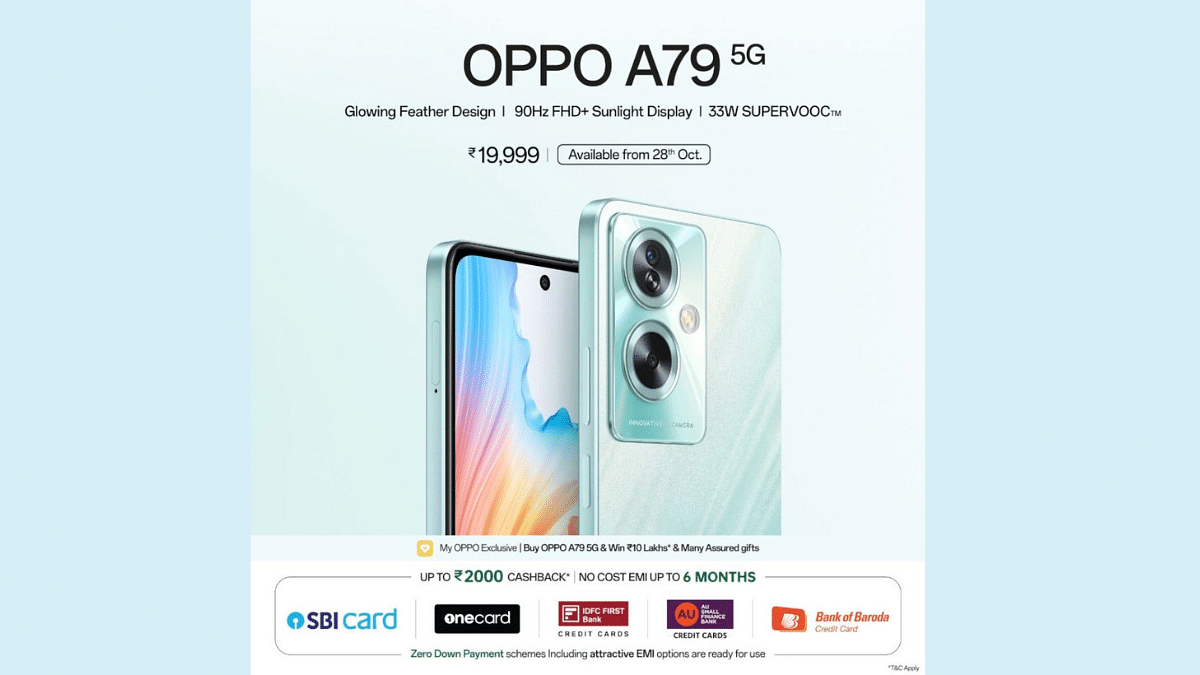
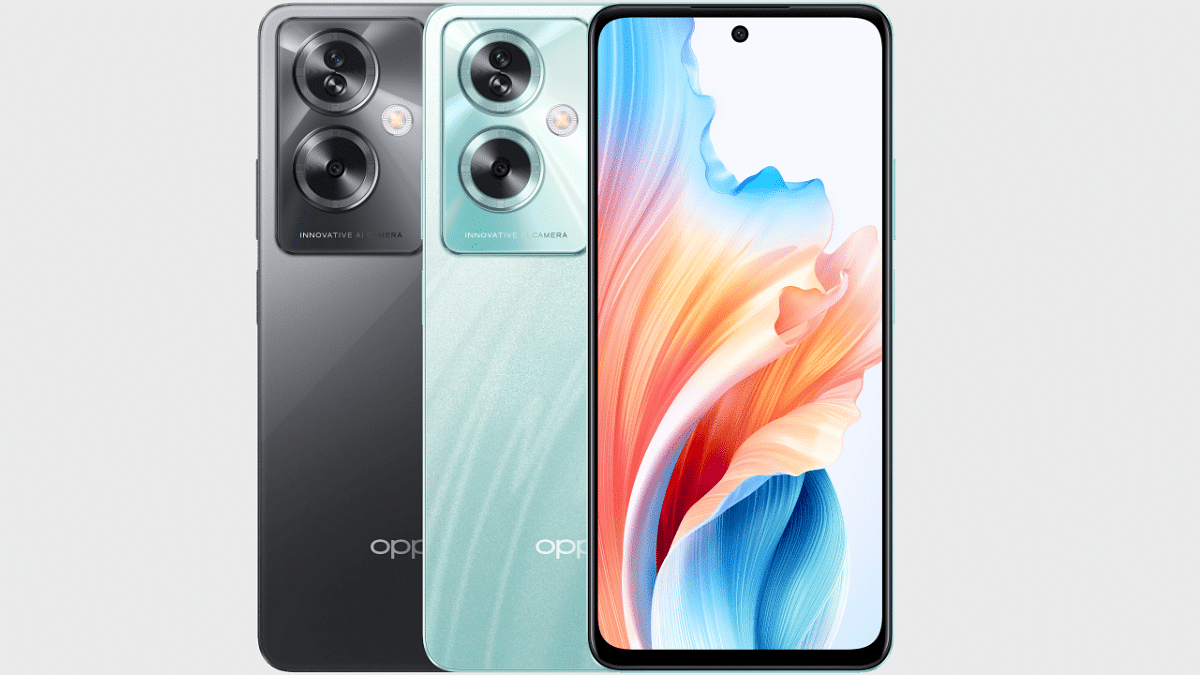
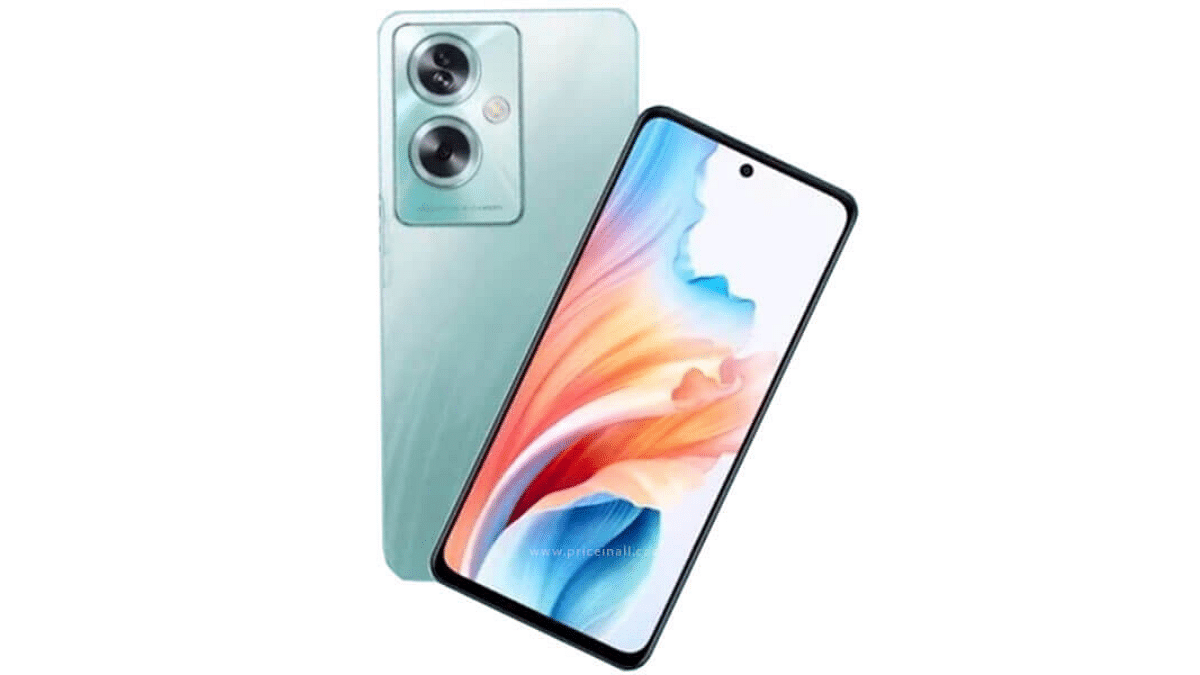
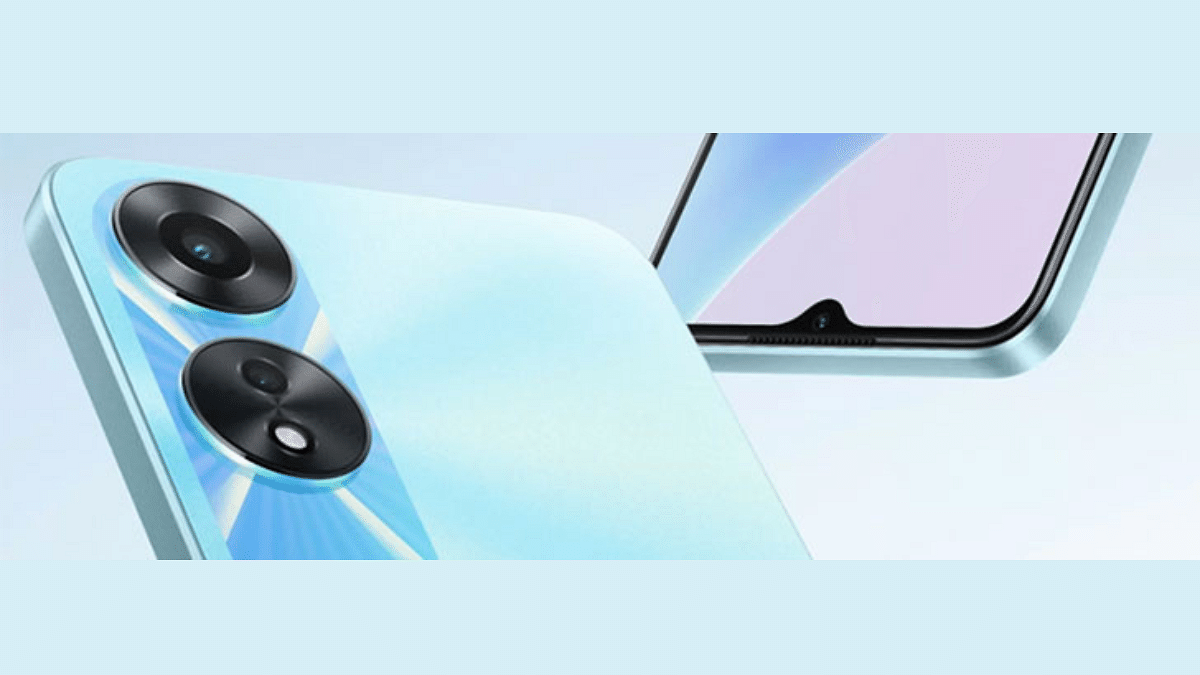
Oppo has launched its latest mid-range smartphone, the Oppo A79 5G. Despite being an affordable device, it comes with a 7.99mm design, MediaTek Dimensity 6020 chipset, a 50MP Samsung camera, and an impressive 6.72-inch FHD+ display.
In this article, we’ll dive into the specifications, design, and pricing of the Oppo A79 5G, and explore what makes it stand out in the crowded smartphone landscape.
Oppo measures just 7.99mm in thickness and weighs a mere 193 grams. It comes with a polycarbonate frame with a metallic texture, a result of a unique treatment process. The back panel houses a dual-camera setup, with both sensors enclosed in a striking ring housing. On the front, the A79 5G flaunts a 6.72-inch display with FHD+ resolution and a 90Hz refresh rate. To ensure a safe viewing experience, Oppo has incorporated its All Day AI eye protection technology. With Widevine L1 certification, users can also enjoy HD content from streaming services like Amazon Prime and Netflix.
Under the hood, the Oppo A79 5G is powered by the MediaTek Dimensity 6020 SoC, coupled with 8GB of RAM and 128GB of internal storage.
The A79 5G sports a 50-megapixel Samsung ISOCELL JN1 primary sensor, accompanied by a 2-megapixel portrait shooter on the rear. For selfies, there’s an 8-megapixel front camera.
Powering this device is a substantial 5,000mAh battery, which supports 33W fast charging for added convenience. Other notable features include the Android 13 OS with ColorOS 13 out of the box, virtual RAM expansion up to 8GB, a dual-speaker setup with stereo support, and dual SIM functionality.
The Oppo A79 5G is available in two colour options: Glowing Green and Mystery Black. It has been priced at 19,999 INR, making it an attractive choice for budget-conscious consumers. To sweeten the deal, Oppo is offering cashback of up to 4,000 INR, along with no-cost EMI options. Additionally, there is a device exchange option that can further reduce the price by 4,000 INR, making the Oppo A79 5G even more accessible to a wide range of users.
Nokia 105 Classic feature phone goes official in India
It will be available in Blue and Charcoal colors
One-year replacement guarantee is included with this phone
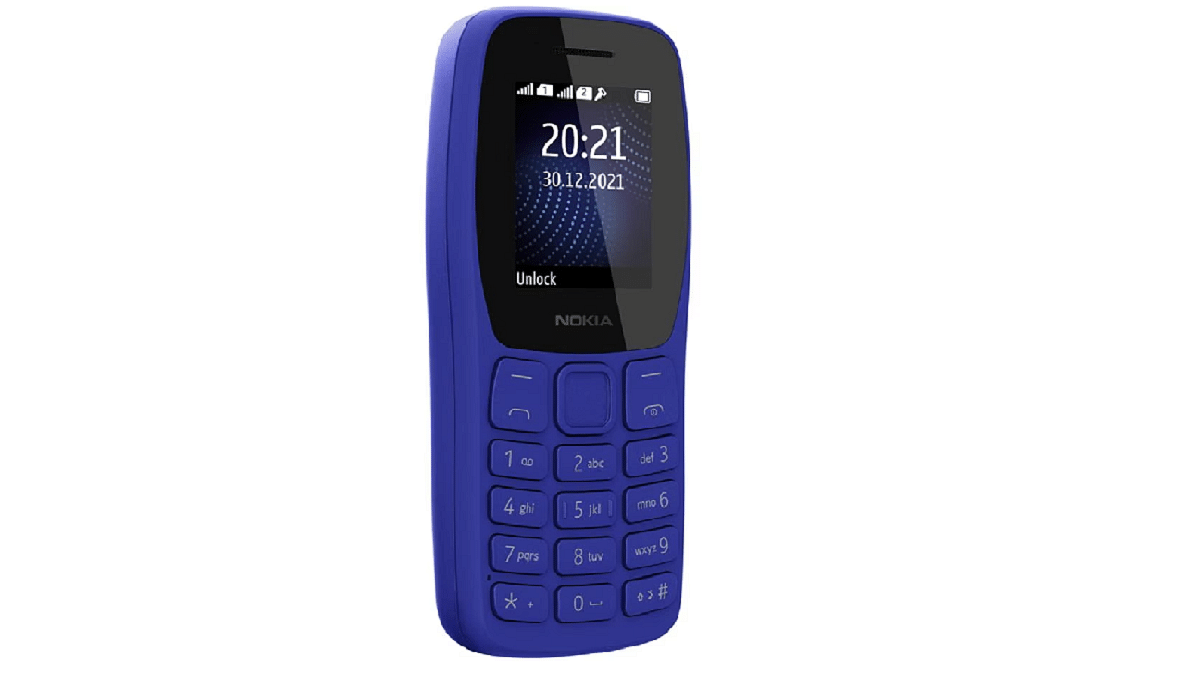
HMD Global has introduced the all-new Nokia 105 Classic feature phone in India. Packed with an array of features, including an inbuilt UPI application and wireless FM radio, this budget-friendly phone has a lot to offer. In this article, we will delve into the pricing, availability, and specifications of the Nokia 105 Classic feature phone. Also Read | Most Unique Smartphones Available Globally
Nokia 105 Classic Price And Availability
The Nokia 105 Classic feature phone is now available in India at an affordable price of just Rs. 999.
Color Options
Customers have the choice of selecting the Nokia 105 Classic in either Charcoal or Blue color variants, both of which can be purchased through the official online store of the company.
Variants
The Nokia 105 Classic comes in four distinct options to cater to various user preferences, including Single SIM, Dual SIM, with a charger, and without a charger.
Guarantee
One noteworthy feature of the Nokia 105 Classic is its one-year replacement guarantee, providing peace of mind to buyers.
Built-in UPI Application: The Nokia 105 Classic feature phone boasts a built-in UPI application, making it convenient for users to perform digital transactions.
Battery Life: Equipped with an 800mAh battery, the Nokia 105 Classic ensures extended usage without frequent recharging.
Entertainment and Efficiency: The Nokia 105 Classic is designed to keep users engaged and efficient. Notable features include Wireless FM Radio. Users can enjoy their favorite radio stations without the need for a headset, thanks to the wireless FM radio feature.
Comparison With JioBharat B1 Feature Phone
Specs
Nokia 105 Classic
JioBharat B1
Display
1.8-inch QQVGA
2.4-inch QVGA
Connectivity
3.5mm headphone jack Micro-USB (1.1)
Bluetooth Wi-Fi USB connectivity
Battery
1,000mAh
2,000mAh
OS
S30+
Threadx RTOS
Networks
GSM, Mini SIM
Nano Sim Single JioLocked
Size (HxWxD)
115.07mm x 49.4mm x 14.45mm
125mm x 52mm x 17mm
Weight
78.7 g
110 g
In a market where feature phones are gaining popularity, it’s worth mentioning the JioBharat B1 feature phone launched by Jio this month. Priced at Rs. 1,299 and available in black, it supports both new and old Jio SIM cards. This phone comes with a 2.4-inch display, making it suitable for playing music and videos. It boasts a substantial 2,000mAh battery, ensuring extended usage on a single charge.
Additional Features
The JioBharat B1 phone also includes pre-installed JioCinema and JioSaavn apps, supports built-in FM radio, offers native reading support for 23 languages, and includes the JioPay app for UPI payments, allowing users to scan QR codes for payments using the phone’s camera.
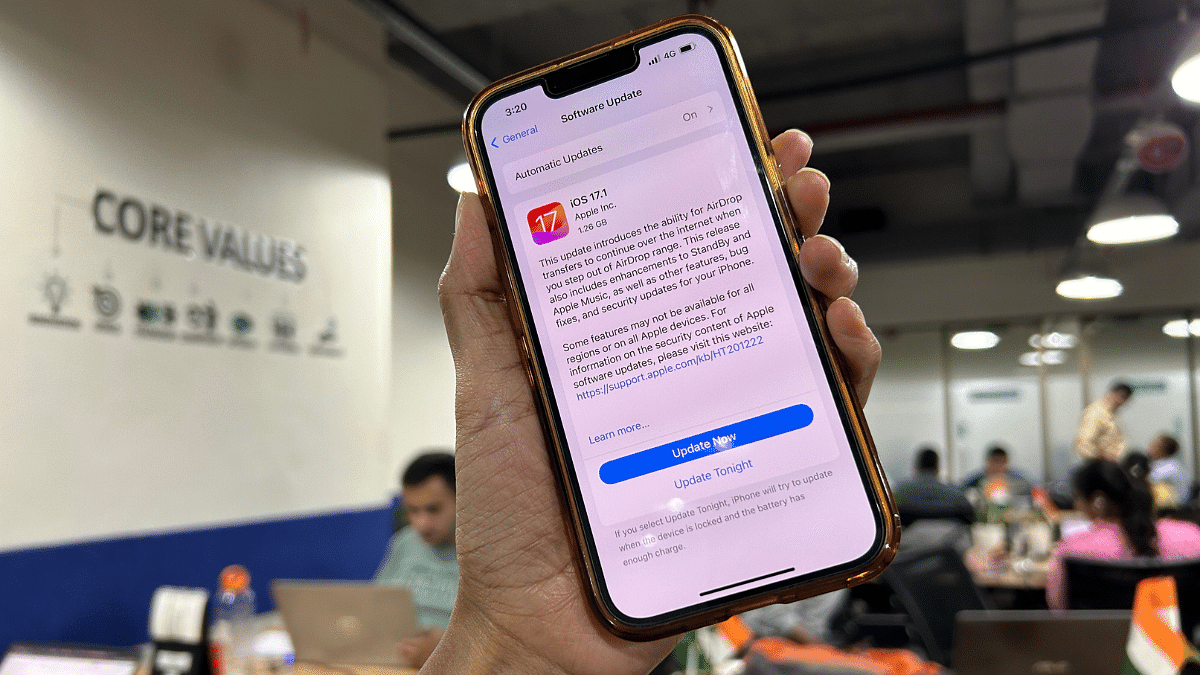
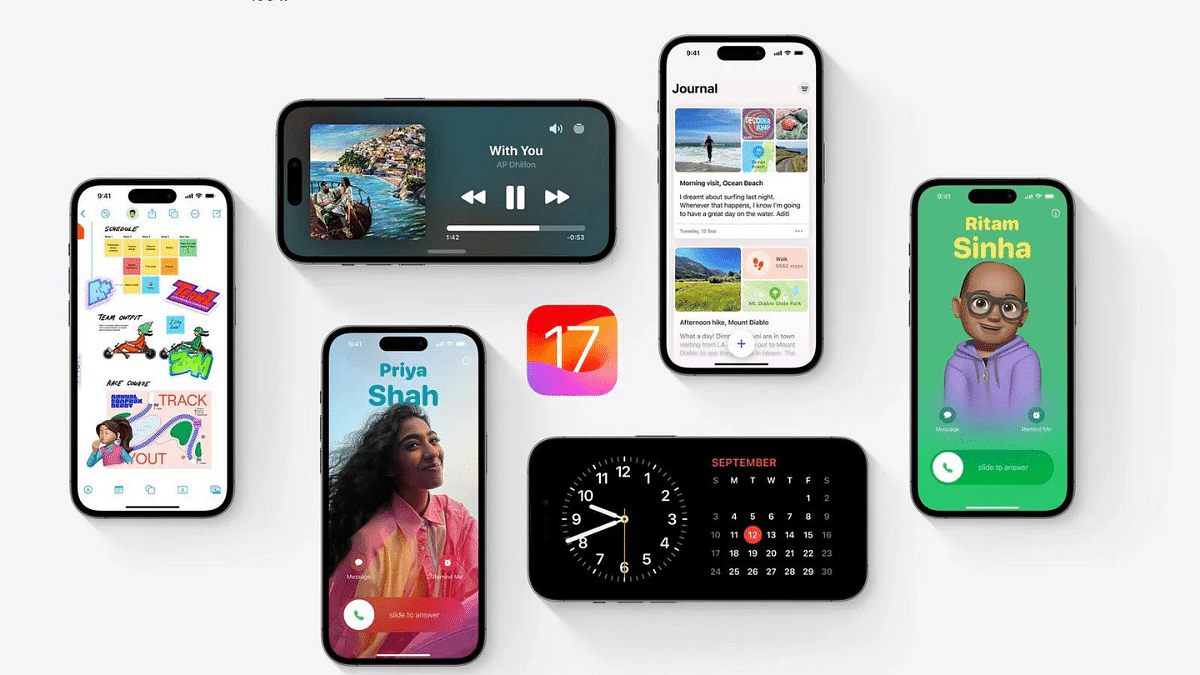
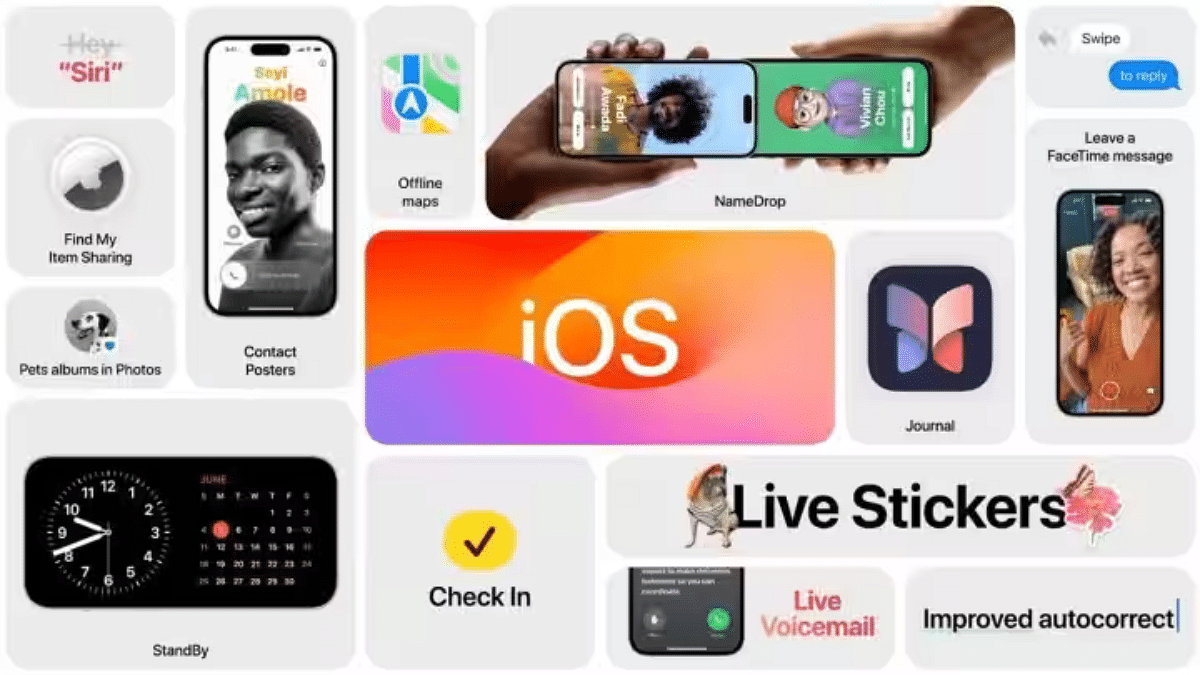
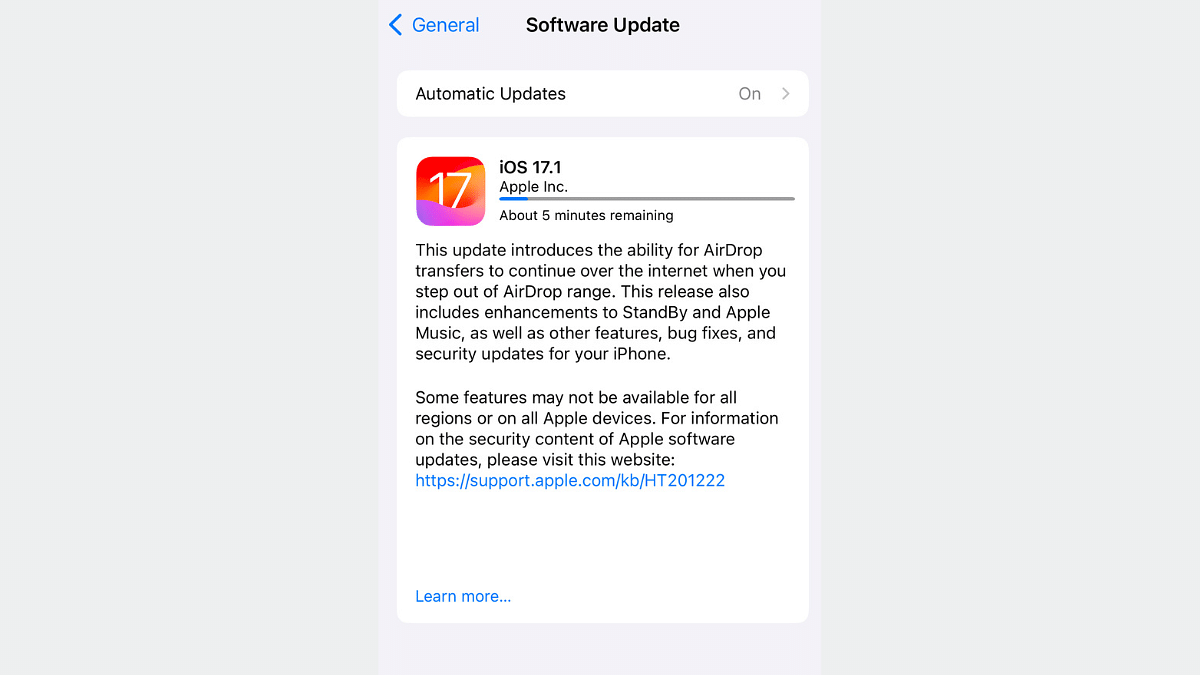
Apple released iOS 17.1 update which focuses on enhancing the user experience and addressing key issues that many users stated in last few months. Notably, it brings improvements to AirDrop, the StandBy feature, and Apple Music. Additionally, iOS 17.1 is supported on all iPhones capable of running iOS 17, including the iPhone XR and later models.
In this update, the company has also focused on adding functionality to some of its key features.
With iOS 17.1, with AirDrop users can now continue transferring large files over the internet, even when their devices are out of the traditional AirDrop range. This means seamless sharing of files between devices which makes it easier to send photos, videos, and documents to friends and family.
2. Upgrade In StandBy Feature
The StandBy feature, available on the iPhone 14 Pro, iPhone 14 Pro Max, iPhone 15 Pro, and iPhone 15 Pro Max, now offers new options when the display goes off. This feature, especially useful for devices with Always-on-Display (AOD) functionality, provides users with more control over how their devices behave when not in active use. It allows for more personalization options and convenience in managing your device’s standby mode.
3. Apple Music Gets a Facelift
iOS 17.1 brings exciting changes to the Favorites section. Now, you can include songs, albums, and playlists in your Favorites, allowing for a more comprehensive music collection. The ability to filter these favorites makes it easier to find and enjoy your preferred tunes. Playlists now feature song suggestions, making music discovery more engaging. Additionally, the cover art collection gets a fresh design with customizable colors, enhancing the visual appeal of your music library.
4. Various Fixes And Improvements
iOS 17.1 optimizes Crash Detection for the iPhone 14 and iPhone 15 series, improving the stability and performance of these devices. Users now have the option to select a specific album for the Photo Shuffle feature on the Lock screen, adding a personal touch to your device’s appearance. Furthermore, iOS 17.1 brings Home key support for Matter locks, enhancing your smart home security. The reliability of Screen Time settings is also enhanced, giving users better control over their digital habits.
Additionally, iOS 17.1 stops the reset of Significant Location privacy settings when transferring an Apple Watch or pairing a new one. Problems like callers’ names disappearing during calls and keyboard unresponsiveness are fixed. Custom and paid ringtones now appear correctly as text tones, eliminating confusion, and the display image persistence issue is resolved.
Updating your device to iOS 17.1 is a simple process. Here are the step-by-step instructions:
Access Your Settings: Open your device and locate the “Settings” app. It’s typically represented by a gearwheel icon.
Select General: Within the Settings menu, scroll down and find the “General” option. Tap on it to proceed.
Choose Software Update: Under the “General” settings, you will see an option labeled “Software Update.” Tap on this to initiate the update process.
Check for Updates: Your device will now check for available updates. If iOS 17.1 is available for your device, you will receive a notification.
Download and Install: Once you receive the prompt to download and install iOS 17.1, follow the on-screen instructions. This will initiate the download and installation process.
Connect to Wi-Fi: To ensure a smooth and uninterrupted download, it’s recommended to connect your device to a Wi-Fi network. This prevents data overage charges and speeds up the process.
Ensure Sufficient Battery: Before proceeding with the update, make sure your device has sufficient battery life to complete the installation. It’s advisable to have your device connected to a charger during this process to prevent any interruptions due to low battery.
Wait for Installation: The installation process may take some time, depending on your device’s performance and the size of the update. Be patient and let the update run its course.
Complete the Update: Once the update is downloaded and installed, your device will restart to apply the changes. After the restart, you’ll be running the latest iOS 17.1 version.
Motorola showcases the flexible display concept phone
The device boasts a 6.9-inch FHD+ pOLED display
Additionally, Motorola has released the MotoAI
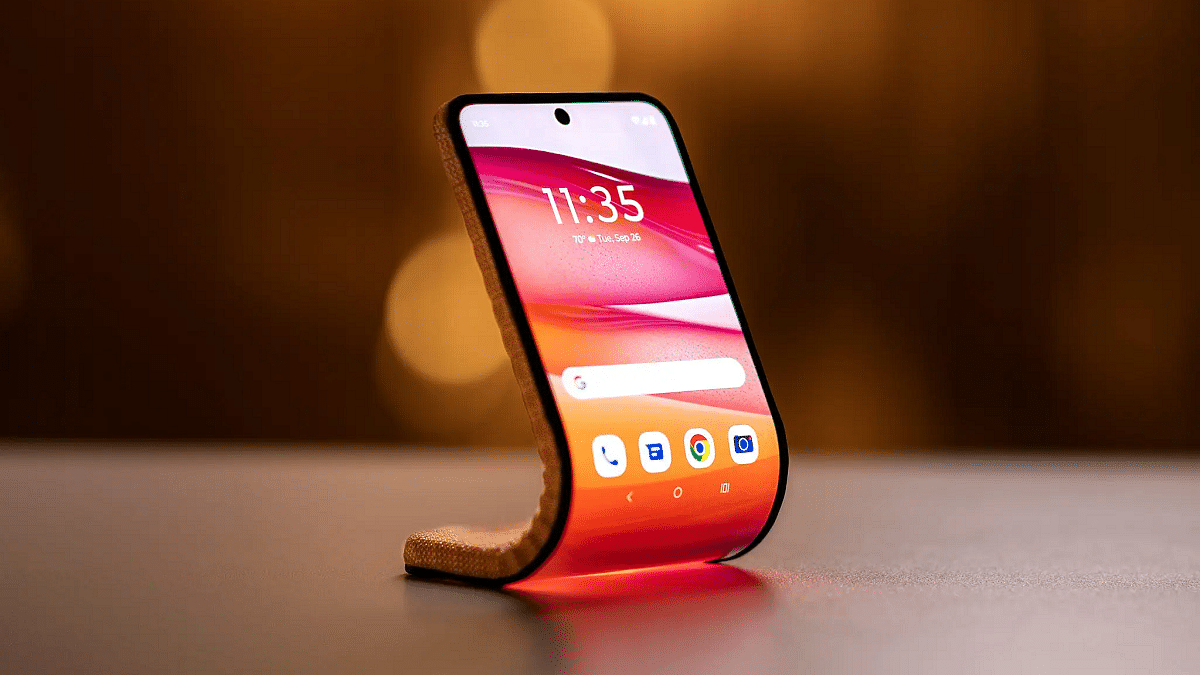
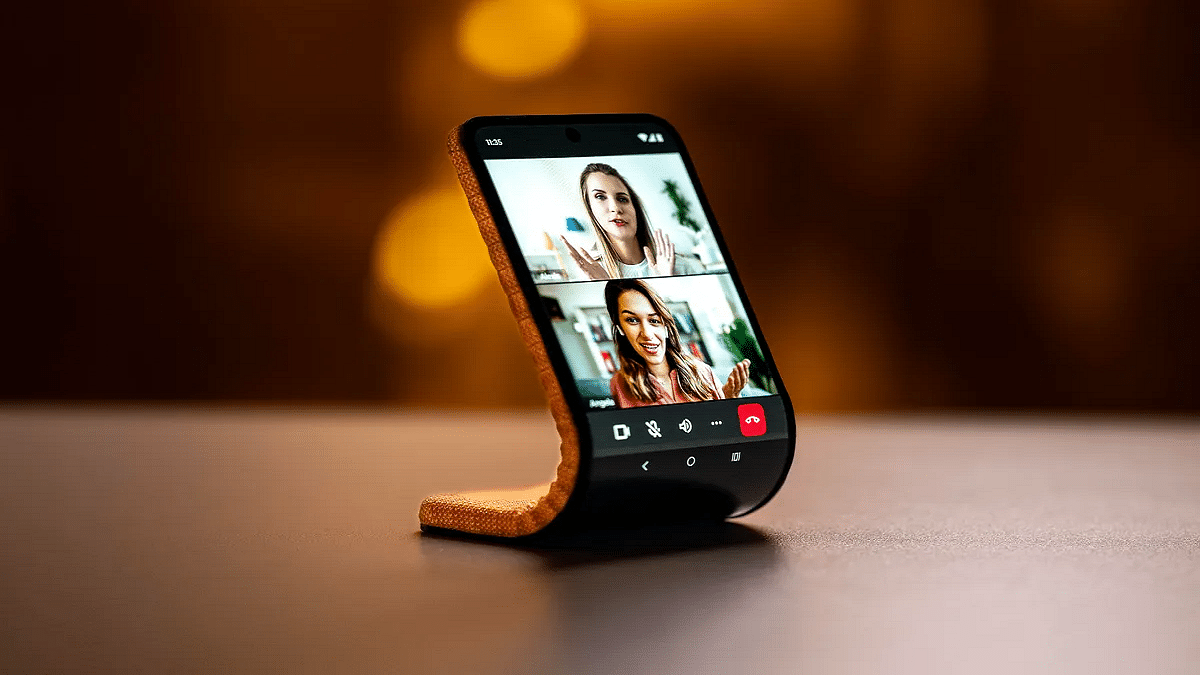
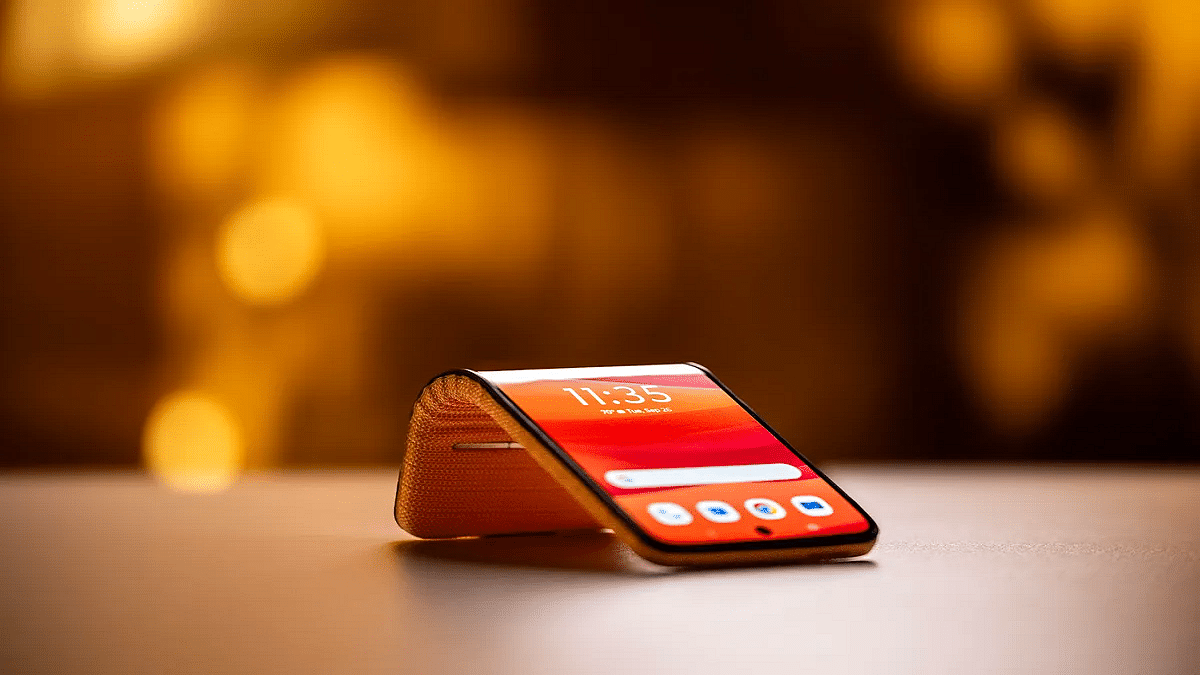
At the Lenovo Tech World ’23, Motorola introduced a groundbreaking concept phone, the ‘Adaptive Display Concept’. The smartphone features a flexible display that can adapt to various shapes, and even be worn like a bracelet on your wrist. Here’s all you need to know. Also Read | Four Must-Have Mobile Phone Accessories For Better Photography
Multifaceted Display
This innovative device boasts a 6.9-inch FHD+ pOLED display in its fully extended, flat state. However, when the display is bent, it transforms into the remarkable ‘Adaptive Display’ concept, which opens up new possibilities.
In addition to the flexible display concept, Motorola-owned Lenovo is also venturing into AI territory with MotoAI, a personal assistant designed to operate on both smartphones and PCs. MotoAI is poised to assist users in answering questions, composing messages, and managing schedules, although the exact timeline for its deployment remains unclear.
Fashionable AI: Motorola’s AI capabilities extend to generating multiple images based on a user’s outfit, offering them as wallpaper options. The AI processing takes place locally on the device to ensure user privacy.
Imaging with AI: The Doc Scanner app from Motorola is set to receive AI enhancements, improving the quality of scanned images by reducing wrinkles and shadows. This will be a valuable addition for those relying on this app for document scanning needs.
Text Summarization: Motorola is also working on an AI Text Summarization feature that will provide concise summaries of lengthy texts, such as chats, emails, and articles. This feature promises to streamline the consumption of information for users, making it easier to digest lengthy written content.
Flexible Displays
This isn’t Motorola’s first foray into flexible displays; they previously dabbled in this technology in 2016. The latest iteration builds upon years of advancements in display and mechanical innovation, pushing the boundaries of what’s possible.
While this concept is undeniably exciting, its practical implementation as a consumer product remains uncertain. It remains to be seen whether this vision will materialize in the market.
Two of the most powerful contenders in the arena are the Snapdragon 8 Gen 3 and the Dimensity 9200. Both of these chipsets promise cutting-edge performance, advanced features, and seamless user experiences.
In this article, we’ll dive deep into the specifications of these two flagship processors and compare their strengths and weaknesses.
Snapdragon 8 Gen 3 Vs Dimensity 9200: CPU Architecture And Performance
Aspect
Snapdragon 8 Gen 3
Dimensity 9200
CPU Cores
1x Cortex-X4, 5x Cortex-A720, 2x Cortex-A520
1x Cortex-X3, 3x Cortex-A715, 4x Cortex-A510
Max CPU Frequency
3.3 GHz
3.05 GHz
Process
4nm
4nm
L3 Cache
12 MB
8 MB
Instruction Set
ARMv9-A
ARMv9-A
The Snapdragon 8 Gen 3 boasts a formidable CPU setup. It features a tri-cluster architecture, comprising 1x Cortex-X4 core running at 3.3 GHz for high-performance tasks, 5x Cortex-A720 cores at 3.2 GHz for a balance between performance and power efficiency, and 2x Cortex-A520 cores at 2.3 GHz for power-saving purposes. This 8-core CPU is built on a 4nm process, allowing for improved efficiency and performance. The Snapdragon 8 Gen 3 also supports ARMv9-A instructions and offers a substantial 12 MB L3 cache, ensuring speedy data access.
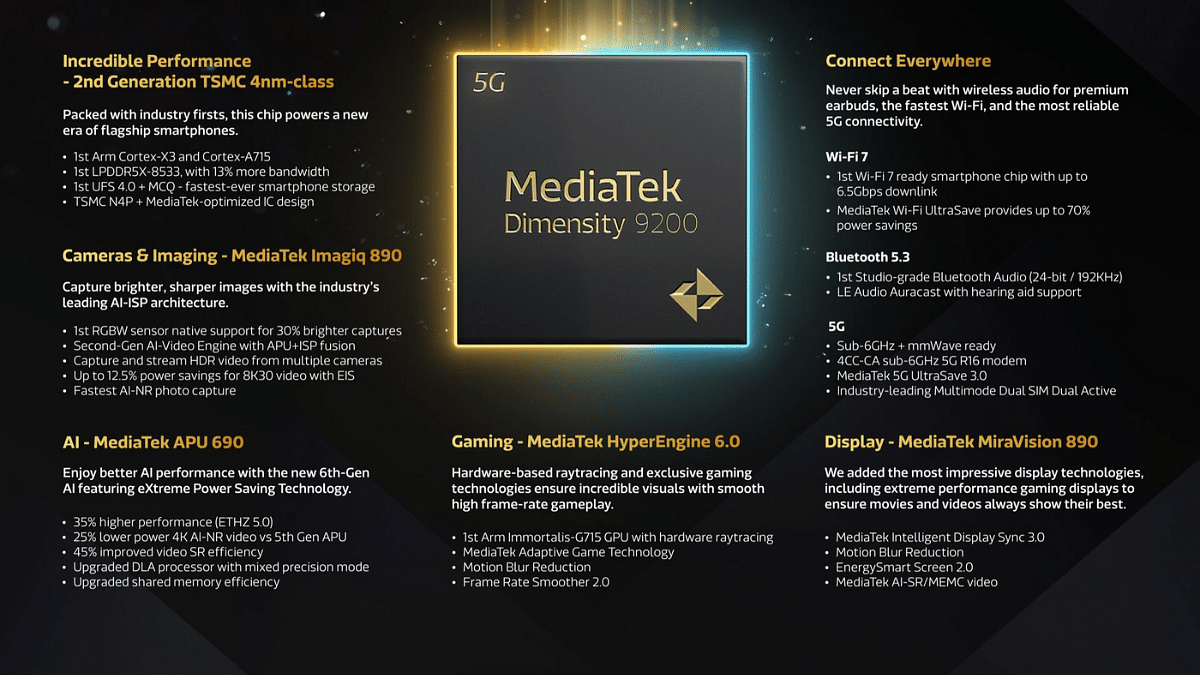
The Dimensity 9200 comes with an octa-core CPU setup, featuring 1x Cortex-X3 core running at 3.05 GHz for high-performance tasks, 3x Cortex-A715 cores at 2.85 GHz for a balance between performance and power efficiency, and 4x Cortex-A510 cores at 1.8 GHz for power efficiency. The 4nm manufacturing process ensures energy efficiency, and this chipset has a significant 8 MB L3 cache. With an ARMv9-A instruction set, it is no slouch when it comes to performance.
In terms of raw CPU performance, the Snapdragon 8 Gen 3 seems to have an edge with its faster Cortex-X4 core. However, real-world performance will depend on various factors, including software optimization and thermal management.
Snapdragon 8 Gen 3 Vs Dimensity 9200: GPU Performance
Aspect
Snapdragon 8 Gen 3
Dimensity 9200
GPU Name
Adreno 750
Mali-G715 Immortalis MP11
GPU Frequency
770 MHz
850 MHz
The Snapdragon 8 Gen 3 is equipped with the Adreno 750 GPU, based on the Adreno 700 architecture. It operates at 770 MHz, delivering impressive graphics capabilities for gaming and multimedia.
On the other hand, the Dimensity 9200 features the Mali-G715 Immortalis MP11 GPU, based on the Valhall 4th gen architecture, running at 850 MHz. With 11 execution units and 192 shading units, it offers remarkable graphics performance, promising a visually immersive experience.
When it comes to GPU performance, the Dimensity 9200 with its Mali-G715 GPU appears to have the upper hand. It has more execution units and a higher clock speed, potentially providing better gaming and graphics performance.
Snapdragon 8 Gen 3 Vs Dimensity 9200: Memory and Multimedia Capabilities
Aspect
Snapdragon 8 Gen 3
Dimensity 9200
Memory Type
LPDDR5X
LPDDR5X
Memory Frequency
4800 MHz
4266 MHz
Max Memory Size
24 GB
24 GB
Max Memory Bandwidth
N/A
68.3 Gbit/s
Max Camera Resolution
1x 200MP
1x 320MP
Both chipsets support LPDDR5X memory with similar frequencies, making them well-equipped for multitasking and fast app loading. The Dimensity 9200, however, boasts a slightly higher maximum memory bandwidth.
In terms of multimedia capabilities, both chipsets support 8K video capture and playback, as well as popular video codecs like H.264, H.265, AV1, and VP9. They also support high-resolution cameras, with the Dimensity 9200 offering a higher maximum camera resolution. Audio codec support is comprehensive on both chipsets.
Snapdragon 8 Gen 3 Vs Dimensity 9200: Connectivity
Aspect
Snapdragon 8 Gen 3
Dimensity 9200
Modem
Snapdragon X75
MediaTek T800
4G Support
LTE Cat. 24
LTE Cat. 24
5G Support
Yes
Yes
Download Speed
Up to 10000 Mbps
Up to 7900 Mbps
Upload Speed
Up to 3500 Mbps
Up to 4200 Mbps
Wi-Fi
7
7
Bluetooth
5.4
5.3
Navigation
GPS, GLONASS, Beidou, Galileo, QZSS, NAVIC
GPS, GLONASS, Beidou, Galileo, QZSS, SBAS, NAVIC
Both chipsets offer advanced connectivity options, including 5G support, fast download and upload speeds, and modern Wi-Fi and Bluetooth standards. The Snapdragon 8 Gen 3, however, offers slightly faster download and upload speeds, making it a better choice for users who require lightning-fast internet connections.
Snapdragon 8 Gen 3 Vs Dimensity 9200: Final Verdict
If you need a phone for power-hungry tasks and faster internet, the Snapdragon 8 Gen 3 is the way to go. It has a stronger CPU and faster internet speeds. On the other hand, if you’re into gaming and graphics, the Dimensity 9200’s GPU is a better choice. It’s also good for photography with its high-resolution camera support. Both chipsets offer solid performance, so your decision should match your priorities, whether it’s power or gaming and visuals.
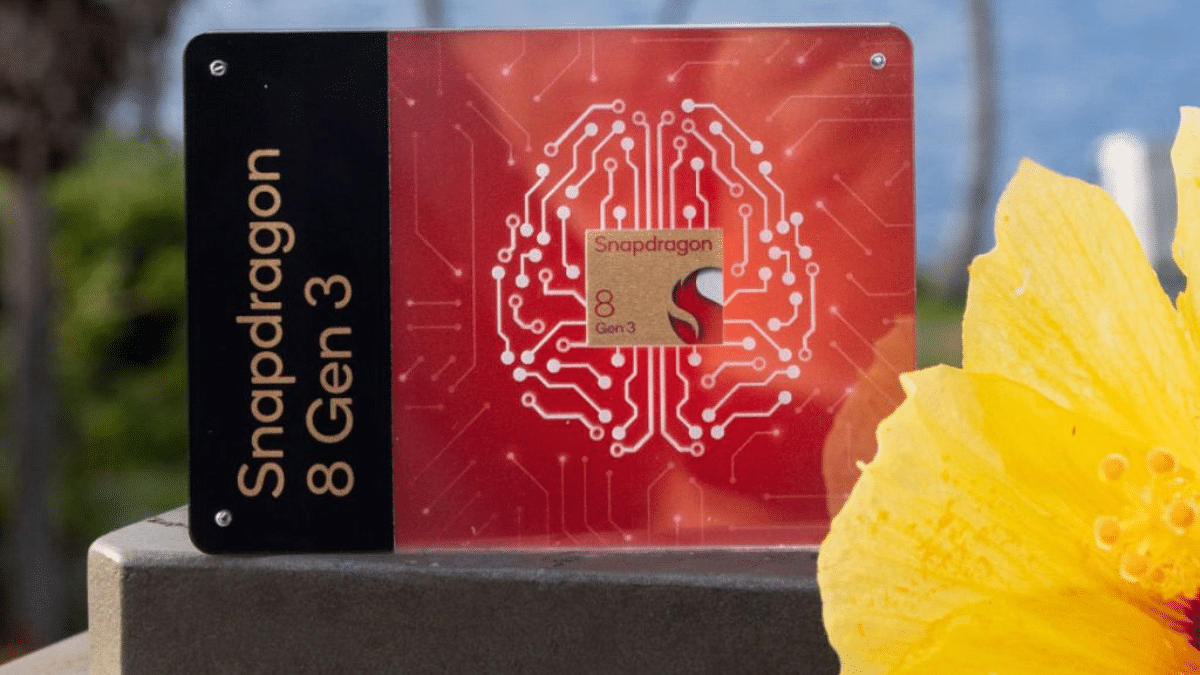
Qualcomm has officially launched Snapdragon 8 Gen 3
Brings significant improvements over Snapdragon 8 Gen 2
Is expected to power top flagships from OnePlus, iQOO and, more
Qualcomm has just introduced its latest top-of-the-line mobile chipset called the Snapdragon 8 Gen 3. The new premium mobile processor promises to offer the best user experience and has improved GPU and CPU efficiency over the second-gen Snapdragon 8 Gen series chipset. Speculations surrounding the phones that will debut with Snapdragon 8 Gen 3 processor is also doing rounds for a while. Infact, some of the popular brands have confirmed the list of phones that are ready to launch with the latest flagship Qualcomm chipset. We have listed the phones that are confirmed as well as rumored to feature the Qualcomm Snapdragon 8 Gen 3 Chipset.
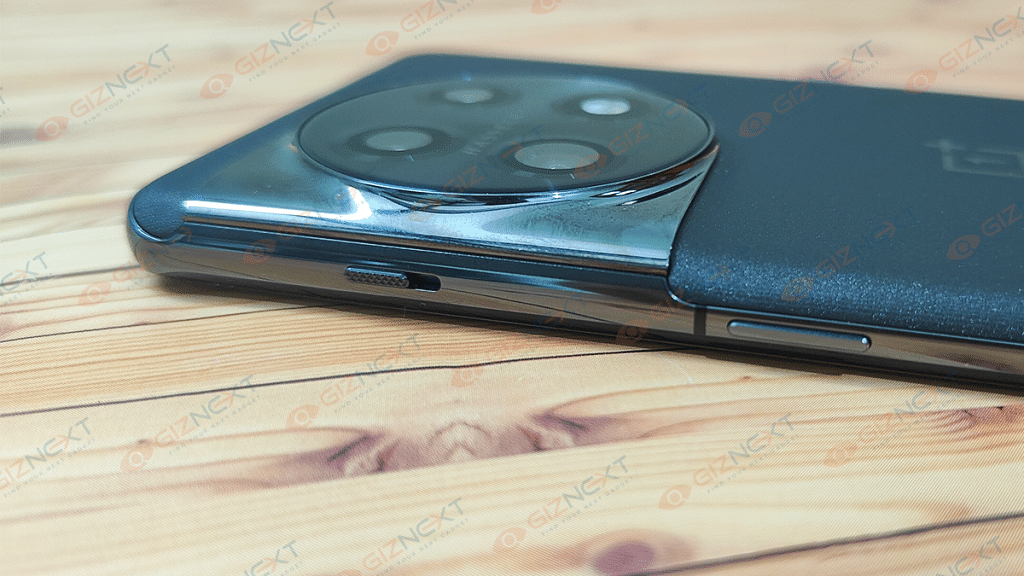
OnePlus 12
Will be the successor to the Oneplus 11 and use the latest-gen Snapdragon 8 Gen 3 processor for power delivery
Chipset details confirmed by the brand itself
Model showcased at ahead of China launch
Will sport a new LTPO OLED display with 2K screen resolution
Rounded display edges and centrally aligned punch hole cutout for the selfie snapper
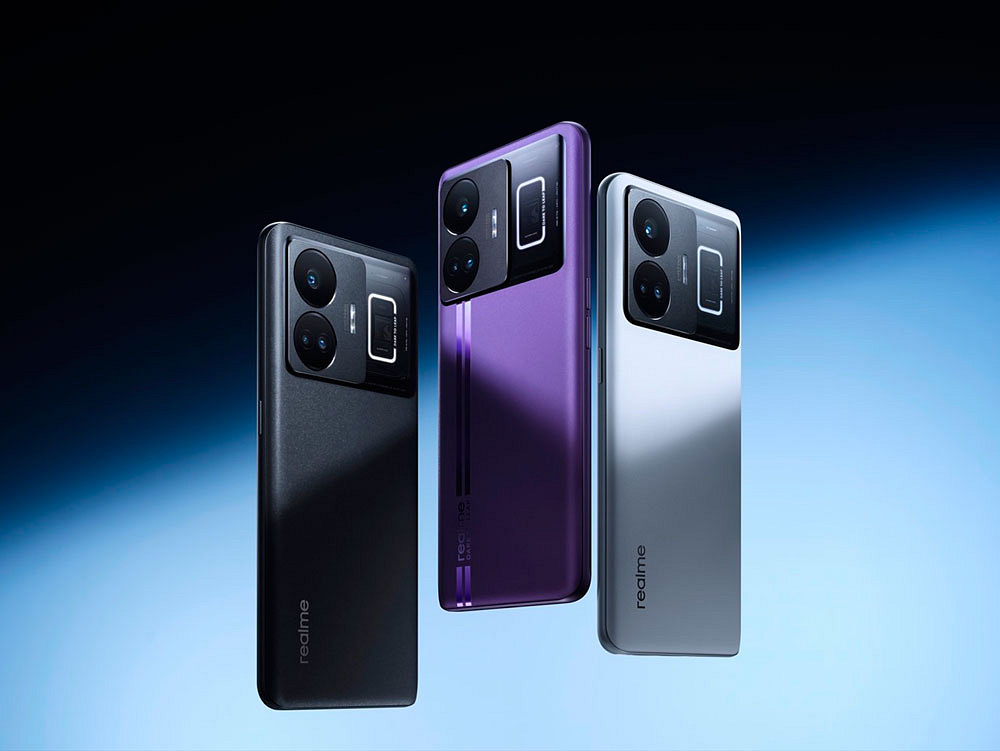
Another flagship 5G gaming phone that will debut with the new Qualcomm Snapdragon 8 Gen processor
Upcoming launch tipped officially
Will sport a curved display type
Display panel is said to support 1.5K screen resolution and
Optics is said to include three sensors at the rear panel
Setup will compromise a IMX966 primary sensor which will be paired with a seconds Sony IMX581 ultrawide sensor, and one IMX890 lens with 3X zoom capabilities
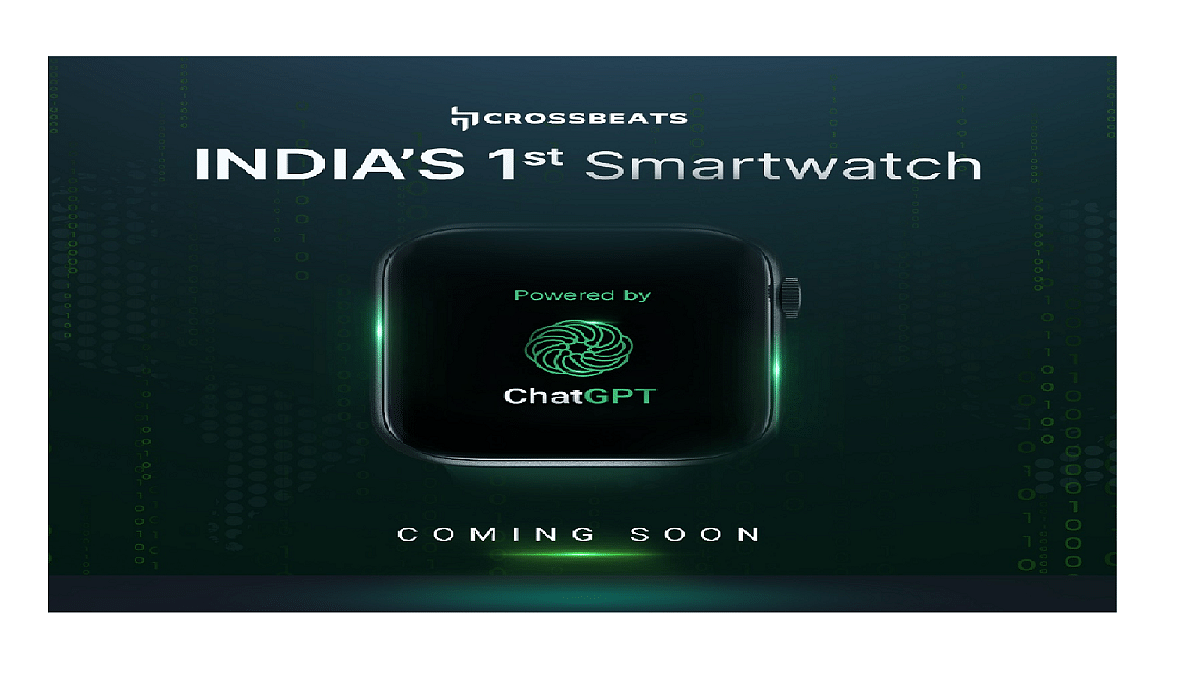
This is India’s First ChatGPT-Integrated Smartwatch
Priced at Rs. 5,999
Crossbeats has just unveiled its latest creation, the Crossbeats Nexus, and it is set to redefine the world of smartwatches. Priced at Rs. 5,999 and available in Silver and Black variants, the Nexus promises to be a game-changer in the wearable technology market. Also Read | List Of Best Smartwatches You Can Buy Under Rs. 500 In India
Crossbeats Nexus Features
One of the standout features of the Crossbeats Nexus is its integration of ChatGPT technology. This is a groundbreaking addition that transforms this smartwatch into a versatile companion beyond traditional timekeeping. With this innovative technology, the Nexus is not just a timepiece; it becomes a hub for information, communication, and entertainment.
The device boasts a 2.1-inch full-touch AMOLED display, which is a visual treat and a joy to interact with. This vibrant display ensures that everything on the Nexus is crisp and clear, from notifications to route tracking.
Speaking of route tracking, the Crossbeats Nexus includes GPS Dynamic Route Tracking, ensuring that users can keep tabs on their locations accurately. The Dynamic Island feature takes this a step further, offering a unique way to visualize and explore your routes. The inclusion of an Ebook Reader is another bonus, allowing users to indulge in reading on the go.
Exclusive Pre-Booking Offers
For early adopters, Crossbeats has a pre-booking offer. For just Rs. 999, you can secure your Nexus, and this amount will be adjusted against the final purchase price. Additionally, those who jump on this opportunity will be entitled to exclusive discounts.
The official launch of the Crossbeats Nexus is scheduled for Diwali, creating the perfect opportunity for tech enthusiasts and smartwatch enthusiasts to get their hands on this device. The combination of ChatGPT technology, a decent display, and the array of features make the Nexus an ideal choice for those seeking a smartwatch that goes above and beyond.
It’s the first phone to feature Snapdragon 8 Gen 3 SoC
Launch event will be held in China at 7 PM local time
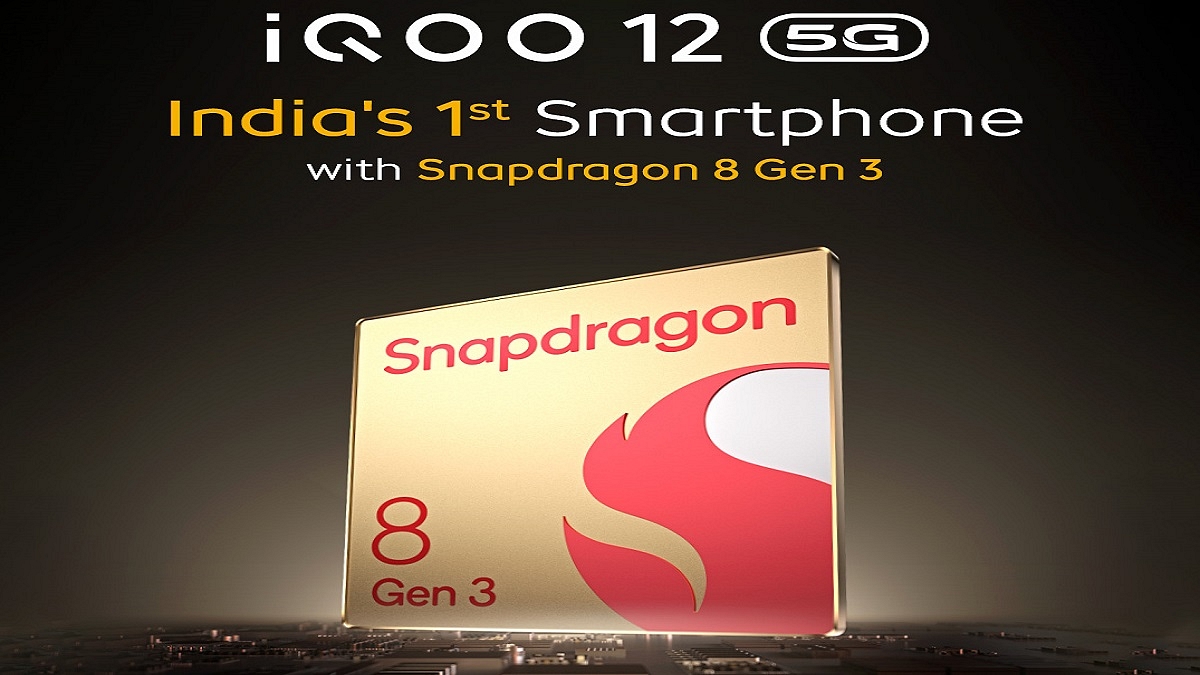
iQOO 12 and iQOO 12 Pro are poised for a much-anticipated release in China next month. The Vivo sub-brand made an official announcement via Weibo, confirming the imminent arrival of these gaming-focused smartphones. What sets them apart is their use of Qualcomm’s latest Snapdragon 8 Gen 3 SoC.
The unveiling of iQOO 12 and iQOO 12 Pro is scheduled for November 7, with a launch event taking place in China at 7 PM local time. This launch event marks the grand entrance of smartphones powered by Qualcomm’s Snapdragon 8 Gen 3 SoC. This chip focuses on generative AI. Notably, its CPU features a prime core with a clock speed of 3.3GHz and supports Wi-Fi 7 and dual Bluetooth connectivity.
iQOO 12 In India
iQOO India CEO Nipun Marya teased the imminent arrival of the iQOO 12 5G in India. This announcement carries substantial weight, as it will make the iQOO 12 the first phone in India to feature the Snapdragon 8 Gen 3 chipset.
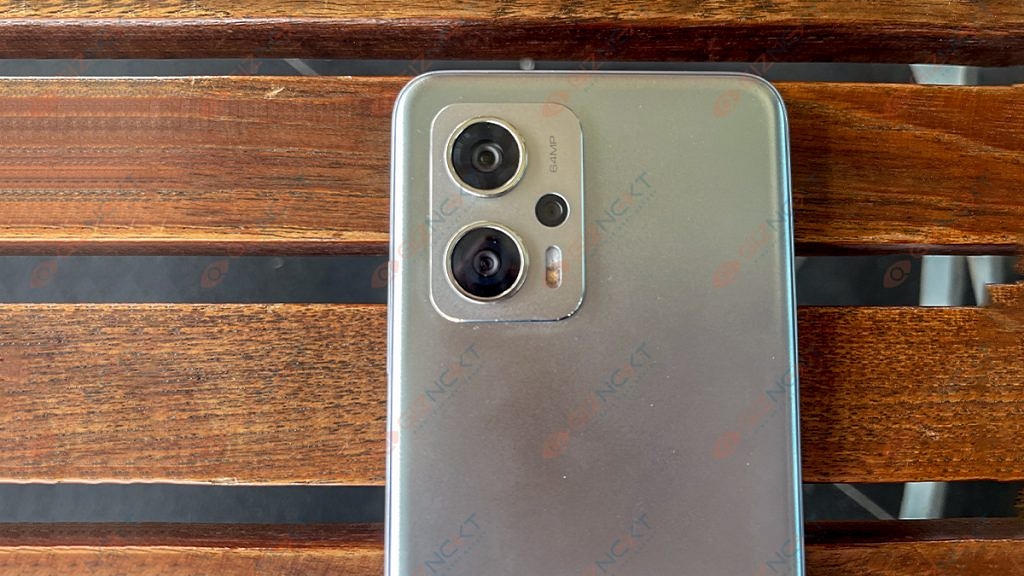
The iQOO 12 and iQOO 12 Pro are rumored to offer up to 24GB of RAM and 1TB of storage. The devices are anticipated to come preloaded with Android 14 and feature Samsung E7 AMOLED displays with a 2K resolution and 144Hz refresh rate. The camera setup comprises a 50MP OmniVision OV50H sensor with optical image stabilization, another 50MP Samsung ISOCELL JN1 sensor with an ultra-wide-angle lens, and a 64MP OV64B telephoto sensor with 3x zoom and OIS support.
The standard iQOO 12 is expected to feature a 4,880mAh dual-cell battery with support for fast 120W charging. Conversely, the iQOO 12 Pro might offer a larger 4,980mAh battery, complemented by 120W wired fast charging and 50W wireless charging capabilities.
It represents a significant milestone in the evolution of PC processors
It supports 5G mmWave connectivity along with Wi-Fi 7
Qualcomm has introduced its cutting-edge Snapdragon X Elite chipset for personal computing devices, including laptops and 2-in-1s. This chipset, based on the advanced 4nm process, boasts “Best in class performance vs x86 systems” and delivers a great combination of features. Let’s delve into the details. Also Read | Qualcomm Snapdragon 7s Gen 2 Mid-Range 5G Processor Launched: Will Debut With Redmi Note 13 Pro+ 5G
Snapdragon X Elite: CPU, GPU, and Power Efficiency
Robust CPU Performance
The Snapdragon X Elite is powered by the Qualcomm Oryon 3.8GHz CPU, featuring 12 high-performance cores with a dual-core boost reaching 4.3GHz. In comparison to x86 processors, such as those from Intel and AMD, this chipset offers a staggering 2X improvement in CPU performance.
GPU Capabilities
This chipset houses the 4.6 Teraflops Qualcomm Adreno GPU, which is notably 2X faster than its counterparts. What’s more, it supports triple UHD monitor setups.
Power Efficiency
Snapdragon X Elite claims the title of “leading PC performance per watt” by consuming 68 percent less power while delivering the same peak performance. This efficiency is a substantial stride in the realm of personal computing.
AI Capabilities
The chipset also excels in AI processing. It can handle 13 billion+ parameters on-device and generate 30 tokens per second for 7B LLMs. It comes with a 4.5X boost in AI NPU processing. Notably, it is the first PC processor to feature an “Always-Sensing” Image Signal Processor (ISP).
The Snapdragon X Elite supports 5G mmWave technology, offering peak download speeds of 10Gbps and upload speeds of 3.5 Gbps. It also has Wi-Fi 7 support as well as Bluetooth 5.4.
Memory And Storage
The chipset supports LPDDR5X RAM with a bandwidth of up to 136GB/s. Storage standards include SD v3.0, NVMe SSD over PCIe Gen 4, and UFS 4.0.
Camera And Display
Snapdragon X Elite enables devices to feature up to a single 64MP or dual 32MP camera, along with the capability of recording 4K HDR video. On the display front, it can support up to a UHD 120Hz on-device display and dual 5K 60Hz external displays. Additionally, there’s support for AV1 encoding and decoding for up to 4K HDR video streaming.
Versatile Interfaces
The chipset offers a range of interface options, including 3x USB-C with USB4, 2x USB3.2 Gen2, or 1x eUSB2 ports, ensuring compatibility with various peripherals and accessories.