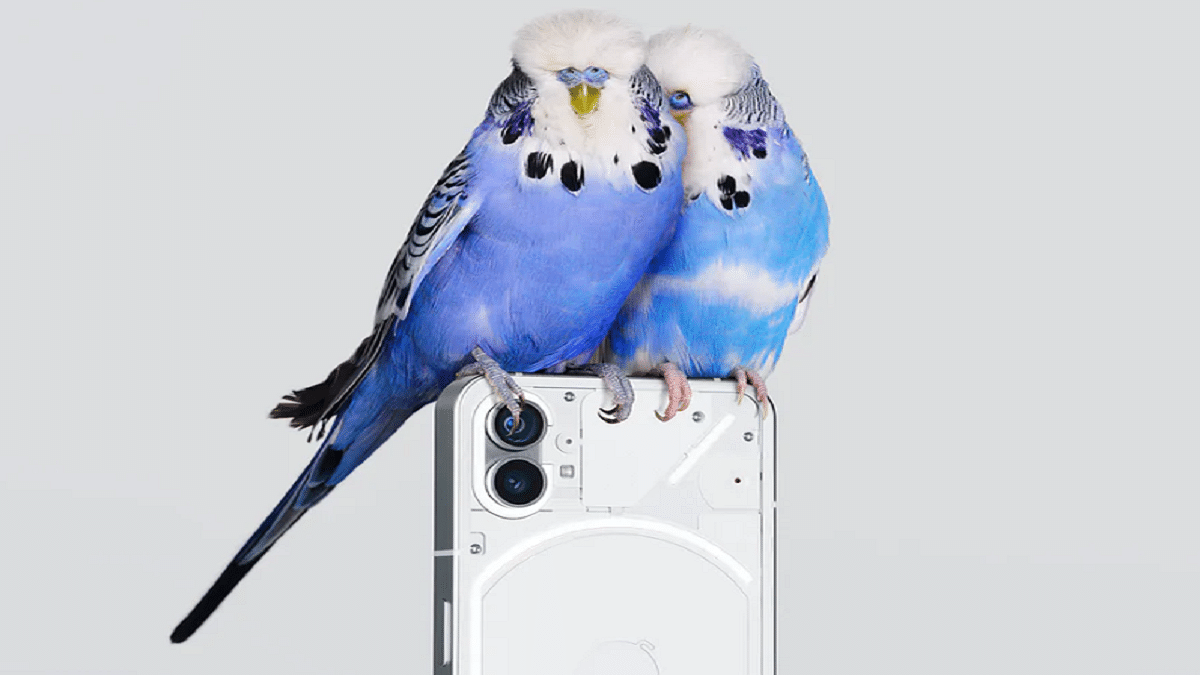
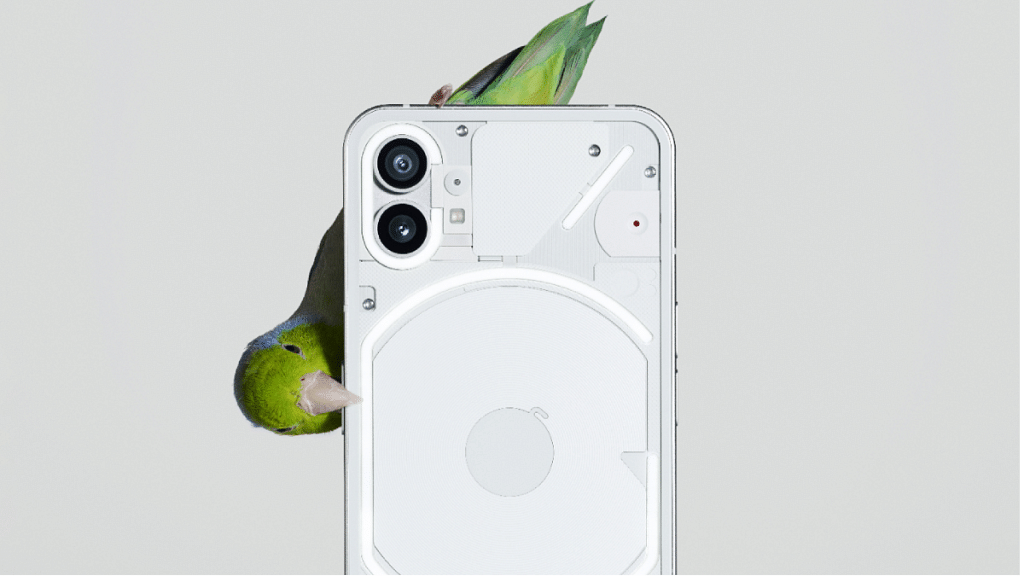
Nothing Phone (1) will launch today at 8:30 PM IST
The event will be live-streamed on its official YouTube channel
The phone will be sold through Flipkart
Nothing Phone (1) launch day is finally here. Carl Pei’s startup is all set to debut its first-ever smartphone globally and in India later today. Although the company has not yet unveiled the smartphone officially, it has been sharing the phone’s new features on its social media handles.
Nothing Phone (1) is already confirmed to come with the Snapdragon 778G+ chipset, a 120Hz AMOLED display, an in-display fingerprint sensor for security, besides a 50MP dual rear camera. Here’s all you need to know about the upcoming Nothing Phone (1):
Nothing Phone (1) Launch Event: How To Watch?
The Nothing Phone (1) will be launched at a special event in London that will be live-streamed for viewers across the globe. If you wish to watch the live launch event of the upcoming Phone (1), you can head to Nothing’s official YouTube channel at 8:30 PM IST. Besides, the company has already confirmed that the phone will be sold via the e-commerce platform Flipkart.
Nothing Phone (1) Price Specifications (Expected)
The Nothing Phone (1) is rumored to pack a 6.55-inch FHD+ AMOLED display with a punch-hole cutout on the front. It is confirmed to be powered by the Snapdragon 778+ 5G chipset paired with up to 12GB RAM and 256GB of internal storage.
The smartphone is likely to boot Android 12 OS along with Nothing OS custom skin on top. For power, it is rumored to be backed by a 4,500mAh battery capacity with support for 33W fast charging.
Coming to the optics, the Nothing Phone (1) features a dual-camera setting at the rear. It is expected to consist of a 50MP primary sensor and a 16MP ultra-wide shooter. At the front, the Nothing Phone (1) can pack a 16MP selfie shooter.
Nothing Phone (1) Price In India (Expected)
The price of Nothing Phone (1) in India is not revealed so far. But we can speculate the price might get set between Rs. 25,000 to Rs. 30,000 for the base model. The company is further offering a Rs. 2,000 instant discount via HDFC Credit and EMI transactions on Flipkart as a launch offer.
Android devices come with numerous useful features. One of the most useful ones is Google text-to-speech. Many of us use this well-known productivity hack to write sentences more swiftly and easily. This screen reader app was made specifically for the Android operating system by Google.
Once you enable this feature, it can be used by different apps such as Google Play Books, Google Translate, and many other apps available in the Play Store. So, if you haven’t already enabled it, do so right away.
This article shows how to enable and use Android’s Google text-to-speech feature so that texts are read aloud to you. It contains details about managing the language as well as the voice used for reading text aloud.
How To Enable Google Text-To-Speech
You should first enable Google text-to-speech before using it. It is already enabled on many Android smartphones. Follow the below-mentioned steps to enable this feature:
Step 4: At the bottom of the screen, tap on the ‘Text-to-speech’ output.
Step 5: Then, you will see ‘Preferred Engine’ at the top of the screen.
Step 6: Select the ‘Google text to speech’ engine as the preferred one.
How To Use Google Text-To-Speech On Android
Step 1: Swipe down from the top of the phone, then click the gear icon to open the device’s ‘Settings’.
Step 2: In the Settings menu, click ‘Accessibility’.
Step 3: Now, tap ‘Select to Speak’.
Step 4: Tap the Select to Speak toggle switch to turn it on.
Step 5: To enable this function on your mobile phone, tap OK to confirm the permissions that are required.
Step 6: Tap the ‘Select to Speak’ icon in the bottom-right corner of any app that is open on your phone. It’s either a speech bubble or a person-shaped icon, depending on the version of Android.
Step 7: Tap the Play icon. The phone reads whatever you see from the top of the screen down. Simply highlight the text you wish to read aloud, then hit the ‘Select to Speak’ icon.
Step 8: Tap Stop to end playback. And you are all done.
In order to give more benefits to users, Airtel revised Rs. 265 prepaid plan. This plan used to offer 1GB of data for 28 days and now, customers will get benefits for 30 days. This development comes after the telecom operator launched four new packs for its customers of Rs. 109, Rs. 111, Rs. 128, and Rs. 131 respectively.
Airtel Rs. 265 Prepaid Plans: Details
The Rs. 265 prepaid plan is valid for 30 days instead of 28 days. Besides, this pack now provides 1.5GB of data per day as against 1 GB of data, which means users will get 45GB of data in total instead of 30GB. However, after FUP, the speed of the internet will be reduced to 64Kbps.
In addition, this revised pack offers 100 messages per day and after the exhaustion, users have to pay Rs. 1 for the single messages and Rs. 1.5 per STD SMS. In addition, the pack offers Airtel Wynk Music and Hello Tunes.
Airtel New Four Plans: Details
Apart from the revised plans, the telecom operator launched four plans that are priced at Rs. 109, Rs. 111, Rs. 128, and Rs. 131. The first plan of Rs. 109 offers 200MB of data, talk time worth Rs. 99, Rs. 1 SMS for local, and Rs. 1.5 per message per STD messages. This pack is valid for 30 days.
Airtel Rs. 111 Plan: Details
The Rs. 111 plan offers the same benefits for 30 days. The benefit can be dependent on the validity of the month like 28/ 29/ 30/ 31 days. This pack offers 200MB of Data, and talk time worth Rs. 99. Plus, users have to pay Rs. 1.
Both Android and iPhone users have access to the call recording warning.
Automatic third party call recording apps have been restricted on App stores
Call recording warning can be disabled manually on Android phones
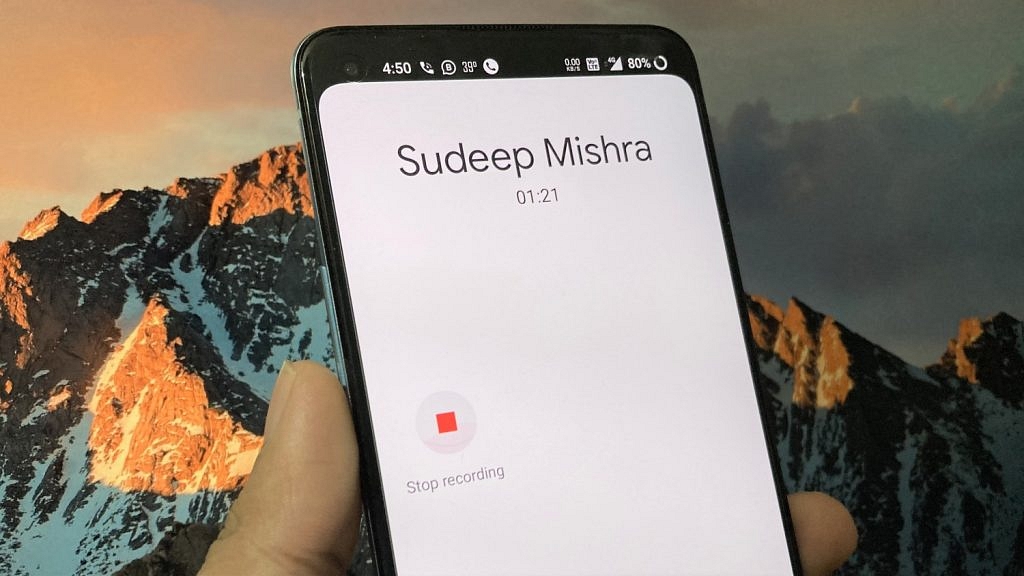
If you are looking for ways to disable or off pre-announcement of the call being recorded announcement, then you might be surprised to know that few methods allow you to do that. For the unaware, the moment you press the record button, the Google dialer informs the other about the recording.
This means recording secretly has become difficult as other people get to know quickly. But, by adopting these three methods you can record calls on your Android phones without any warning or pre-announcement.
It is worth noting that smartphone brands from Samsung, Asus, and Chinese smartphones come with inbuilt call recording features. However, Realme allows you to use or record calls to the company’s application without sending any alert to the other person.
In addition, another Chinese smartphone brand OnePlus also allows you to disable call recording warnings by installing ported OnePlus Dialer in smartphones like OnePlus 8T, OnePlus 9, 9R, 9 Pro, and Nord. On the other hand, smartphones like Samsung, IQOO, and Vivo allow you to use a preloaded Dialer without any recording warning.
Apart from using a preloaded dialer, you can use the Truecaller Caller ID application to record calls as it has an in- built-in option to do the same. However, you should know the methods before using them.
Step 1: Install Truecaller first, then tap on the call recordings that you found in the hamburger menu on the left side.
Step 2: You will receive a pop-up message saying set up Truecaller as your default dialer, which is optional. After that, click on the continue button and accept all terms and conditions.
Step 3: Click on the continue button and allow recording audio through the microphone. After that, click on the phone setting, accessibility, and True Caller settings. Now, turn it on, and call recording has been enabled. You Just need to tap on the record button to start the recording and to stop the recording you need to press that button again.
Step 1: Install the TTSLexx application from the Play Store. Now, open the settings on your smartphone.
Step 2: Click on the system, additional settings, and languages & Input option.
Step 3: Click on the preferred engine and click on the TTSLESxx. Now, click on the home screen and again tap on the Google dialer icon. Then, select app info.
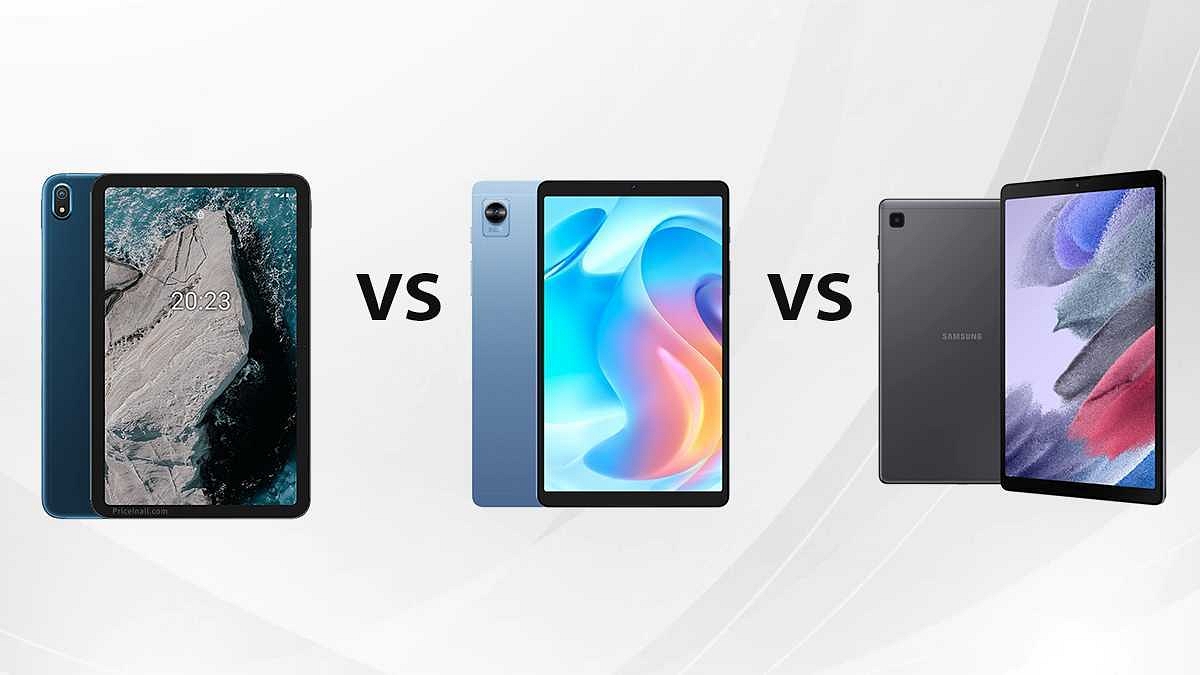
The budget tablet market in India is frequently getting revamped with new products. A major contribution is now coming in from smartphone OEMs. Nokia has also forayed into the tablet market and released many models including the Nokia T20 in India. Similarly, Realme has also launched two tablet models in the country for the mid-range and budget audience. For the latter, it’s the Realme Pad Mini which retails under Rs. 15,000 in the country. Going up against both these tablets is the Samsung Galaxy A7 Lite. We have done a full comparison of all three models in this article to help you with your next buy.
Nokia T20 Vs Realme Pad Mini Vs Samsung Galaxy Tab A7 Lite: Display Comparison
The Nokia T20 uses a 10.4-inches display which has a screen-to-body ratio of 78.9 percent and a pixel density of 224 PPI. The panel on the Nokia tablet is an IPS LCD that supports 1200 x 1200 pixels screen resolution and has 400 nits peak brightness levels.
The Realme Pad Mini features a smaller 8.7-inches screen which is also an LCD panel like the Nokia tablet. The display on the Realme Pad Mini has a lower screen resolution compared to the Nokia tablet. It offers 800 x 1340 pixels resolution and 179 PPI pixel density.
The Samsung Galaxy Tab A7 Lite has a similar 8.7-inch display but uses a TFT LCD instead of an IPS LCD. The Galaxy Tab A7 Lite’s screen support 800 x 1340 pixel resolution and has the same 179 PPI pixel density as the Realme Pad Mini. If your requirement is a bigger screen size and higher pixel resolution then the Nokia T20 would be the better model among the two.
Nokia T20 Vs Realme Pad Mini Vs Samsung Galaxy Tab A7 Lite: Chipset, Configuration
The Nokia T20 has been packed with the Unisoc T610 processor which is an entry-level mobile chipset based that supports 4G network support and is built on a 12nm fabrication process. The octa-core Unisoc processor on the Nokia T20 is supported by the Mali-G52 GPU for graphic rendering and 3GB/4GB RAM for multitasking. The Nokia T20 can be purchased with up to 64GB of internal storage. It has a dedicated microSD card slot for storage expansion in case of a crunch.
Realme has also used a Unisoc processor to power its budget tablet. The Realme Pad Mini is powered by the octa-core Unisoc Tiger T616 chipset which is also built on a 12nm fabrication process. The Realme Pad Mini comes with up to 4GB RAM and 64GB storage configuration and has a hybrid SIM slot for extra storage space.
Samsung on the contrary has equipped the Galaxy Tab A7 Lite with the octa-core MediaTek Helio P22T processor. This budget chipset is fabricated using a 12nm process like the remaining two models. The Galaxy Tab A7 Lite’s octa-core processor has PowerVR GE8320 GPU support and up to 4GB RAM and 64GB storage support. The performance delivery will be the same on all these tablets. You will be able to use it for basic as well as moderate tasks.
Nokia T20 Vs Realme Pad Mini Vs Samsung Galaxy Tab A7 Lite: Camera Comparison
The primary camera on the Realme Pad Mini, Samsung Galaxy Tab A7 Lite, and the Nokia T20 are the same. All three tablets offer an 8MP main camera with an f/2.0 aperture. The selfie snapper is identical to the Realme Pad Mini and the Nokia T20, i.e., a 5MP lens. However, the Samsung Galaxy Tab A7 Lite has a smaller 2MP sensor.
Nokia T20 Vs Realme Pad Mini Vs Samsung Galaxy Tab A7 Lite: Battery, Fast Charging
The Nokia T20 is a powerful beast with an 8,200 mAh battery unit with 15W fast charging. The Realme Pad Mini comes second in the list with a slightly smaller 6,400 mAh battery unit. On the other hand, the Samsung Galaxy Tab A7 Lite features the smallest battery capacity in this list, i.e., a 5100 mAh unit.
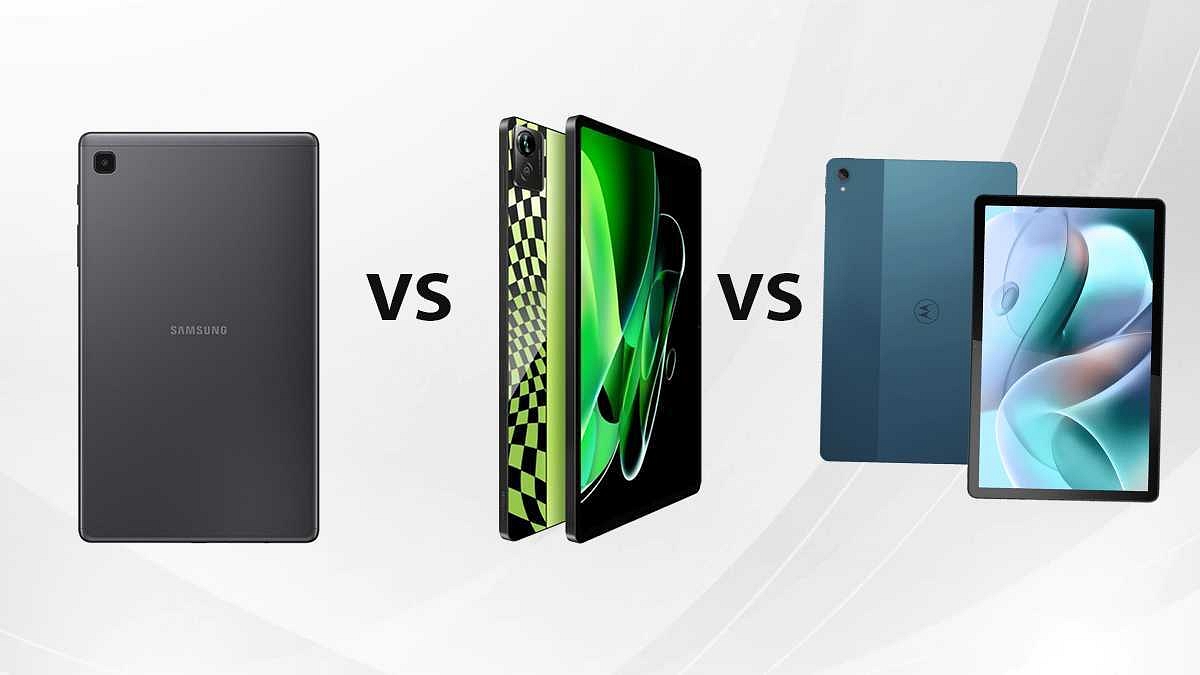
The tablet industry has seen major growth in the Indian market. The surge has been evident with the smartphone OEMs venturing into this segment. We have been comparing the best tablets in all the price categories that you can consider depending on your usage. In this article as well, we are comparing some of the most popular tablets with premium mid-range hardware. We have listed down the hardware differences between the Samsung Galaxy Tab A8, Moto Tab G70, and the Realme Pad X 5G.
Samsung Galaxy Tab A8 Vs Moto Tab G70 Vs Realme Pad X 5G: Display Specifications
The Samsung Galaxy Tab A8 bestows a TFT screen that measures 10.4-inches and supports 1200 x 2000 pixels screen resolution. The tall screen size is apt for high-resolution video playback. The Realme Pad X 5G features a similar-sized panel as the Samsung tablet. This Realme tablet is packed with a 10.6-inch screen which has an aspect ratio of 5:3 and a screen-to-body ratio of 7.4 percent.
Motorola has also used an IPS LCD screen on the Tab G70 which has an aspect ratio of 5:3 and a screen-to-body ratio of 81.8 percent. The Motorola tablets support a 2K resolution of 1200 x 2000 pixels which is optimum for content consumption. The Realme Pad X 5G and the Moto Tab G70 offer a good panel for daily usage, while the Samsung Galaxy Tab A8’s display is also decent for day-to-day use.
Samsung Galaxy Tab A8 Vs Moto Tab G70 Vs Realme Pad X 5G: Chipset, Configuration Details
The Motorola Tab G70 is packed with the MediaTek MT6785 processor. For the unaware, this MediaTek processor is marketed as the Helio G90T chipset which is built on a 12nm fabrication process. This is a game-centric processor that has Adreno 619 GPU support that can handle extensive tasks and games. This Motorola tablet is packed with up to 4GB RAM and 64GB storage configuration and also has a dedicated slot for storage expansion and dual microSD card support.
The Realme Pad X 5G features the Qualcomm Snapdragon 695 processor which supports 5G network and is built on a 6nm process. The octa-core 5G processor supports Adreno 619 GPU to render all the high-end graphics. This Realme 5G tablet comes with a 4GB/ 6GB RAM configuration and 64GB/ 128GB storage. This tablet also comes with expandable storage support.
Samsung has also used a Qualcomm chipset to drive the Galaxy Tab A8. This tablet is packed with the octa-core Snapdragon 662 chipset which is based on an 11nm process and supports standard 4G network connectivity. The Galaxy Tab A8’s octa-core processor combines Adreno 610 GPU for graphics.
And for multitasking, the Galaxy Tab A8 offers 3GB and 4GB RAM and 32GB and 64GB storage options. The option to support an external microSD card for additional space is also present here. All three tablet models in this list are suitable for users for daily use. However, if you require a future-ready tablet that is 5G ready, the Realme Pad X 5G would be the ideal pick.
Samsung Galaxy Tab A8 Vs Moto Tab G70 Vs Realme Pad X 5G: Camera Hardware
Speaking of the camera hardware, the Samsung Galaxy Tab A8 is the only model in this list that features basic camera hardware. The rear panel on the Galaxy Tab A8 comprises a single 8MP lens with autofocus and 1080p@30fps video recording. On the other hand, both Motorola Moto Tab G70 and the Realme Pad X 5G feature the same camera specifications. The primary camera on both these tablets includes a 13MP lens with an f/2.2 aperture and autofocus support. Both these tablets also record 1080p videos at 30fps.
Moving on to the selfie snapper, the Samsung Galaxy Tab A8 has a smaller 5MP lens for selfies and video chats. On the other hand, both Realme Pad X 5G and the Moto Tab G70 flaunt an 8MP selfie camera with an f/2.0 aperture. For better output, you should opt for the latter two models.
Samsung Galaxy Tab A8 Vs Moto Tab G70 Vs Realme Pad X 5G: Battery, Fast Charging Capacity
In terms of battery capacity, the Realme Pad X 5G is the most powerful model. Realme has packed the Pad X 5G with a beefy 8,340 mAh battery unit which combines 33W fast charging for faster refuels. The Moto Tab G70 is the next in line with a 7,700 mAh battery unit and 20W fast charging. Lastly, the Samsung Galaxy Tab A8 offers a slightly small 7,040 mAh battery unit aided by 15W fast charging technology.
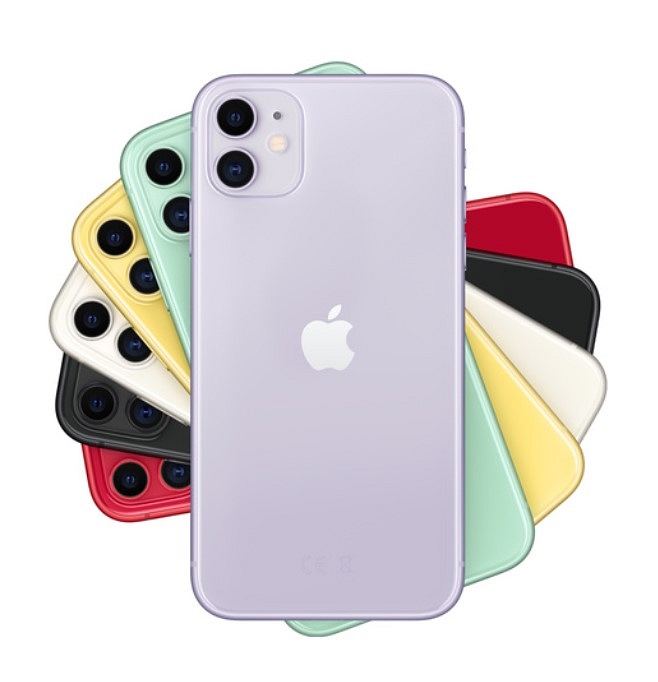
If you are looking for ways to buy iPhone 11 and the iPhone 12 at a discounted price, then this is the right time as Flipkart is hosting an Electronics sale on its platform. In addition, platforms like Amazon Prime, Croma, and Imagine are providing several offers on the iPhone 13 on their platform.
It is worth noting that Flipkart has also joined hands with CITI Bank to provide a 10 percent discount. Plus, buyers will get several offers on CITI Bank, including an Rs. 2,000 discount.
iPhone 11 Smartphone: Discount On Flipkart
Under the ongoing sale, Flipkart is providing the iPhone 11 64GB of storage option for Rs. 42,999. The 128GB storage variant will be priced at Rs. 47,999. In addition, CITI bank credit and debit card will get Rs. 2,000 off that will bring down the cost to Rs. 40,000.
Additionally, the e-commerce player is providing an exchange offer of up to Rs. 10,000, which will bring down the smartphone cost to Rs. 30,000.
Also, Flipkart is providing Rs. 10,000 exchange value on the iPhone XR in a good condition. However, the exchange value depends on the exact condition of the smartphone.
iPhone 12 smartphone: Discount On Flipkart
The iPhone 12 is also listed with discounts on Flipkart. The 64GB model of the iPhone 12 is available at a starting price of Rs. 54,999. The 128GB and 256GB storage models will be available for Rs. 59,999 and Rs. 69,999 respectively.
Moreover, CITI Bank credit or debit users will get Rs. 2,000 off that will bring down the cost to Rs. 52,999.
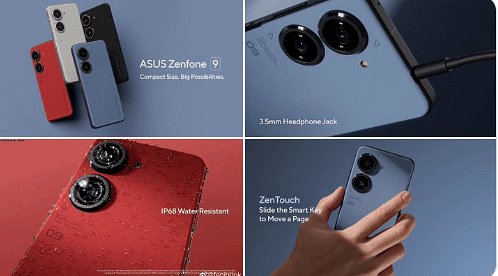
After launching ROG Phone 6, Asus is likely to bring a new smartphone series for its customers. Notably, the company is expected to launch the successor of the Asus 8, which was launched last year. The development comes after the company accidentally shared the video for the upcoming device.
The video shows the entire design and specifications of the design. In addition, the smartphone is expected to be available in Blue, Black, and Red color options like Zenfone 8Z. In addition, the smartphone is likely to be launched soon.
ASUS Zenfone 9 Smartphone: Expected Specifications
Asus Zenfone 9 is likely to have a 5.9-inch AMOLED display along with a 120Hz refresh rate, slim bezels, and punch-hole cutout. Also, the phone is expected to have Qualcomm Snapdragon 8+ Gen1 chipset.
According to the promotional video, the device will have a 4,300mAh battery along with fast charging support. Also, you will find a notification LED, a side-mounted fingerprint sensor, and a new smart slider.
The smartphone will also have upgraded camera specifications over the predecessor. The device has 50MP Sony IMX766 primary sensor along with a 6-axis Hybrid Gimbal stabilization. Also, you will find a 3.5mm audio jack and IP68 water-resistant.
ASUS Zenfone 9 Smartphone: Expected Price
As per the Snoopy Tech post, the smartphone is likely to cost around €800-900, which is close to Rs. 64,700 to Rs. 72,800. However, the price is not known yet.
Key Specifications Of Asus Zenfone 9 50 MP + 12 MP Rear camera 16 MP Selfie camera 4300 mAh Battery Qualcomm Snapdragon 8 Plus Gen 1 8 GB Processor 5.9 inches display
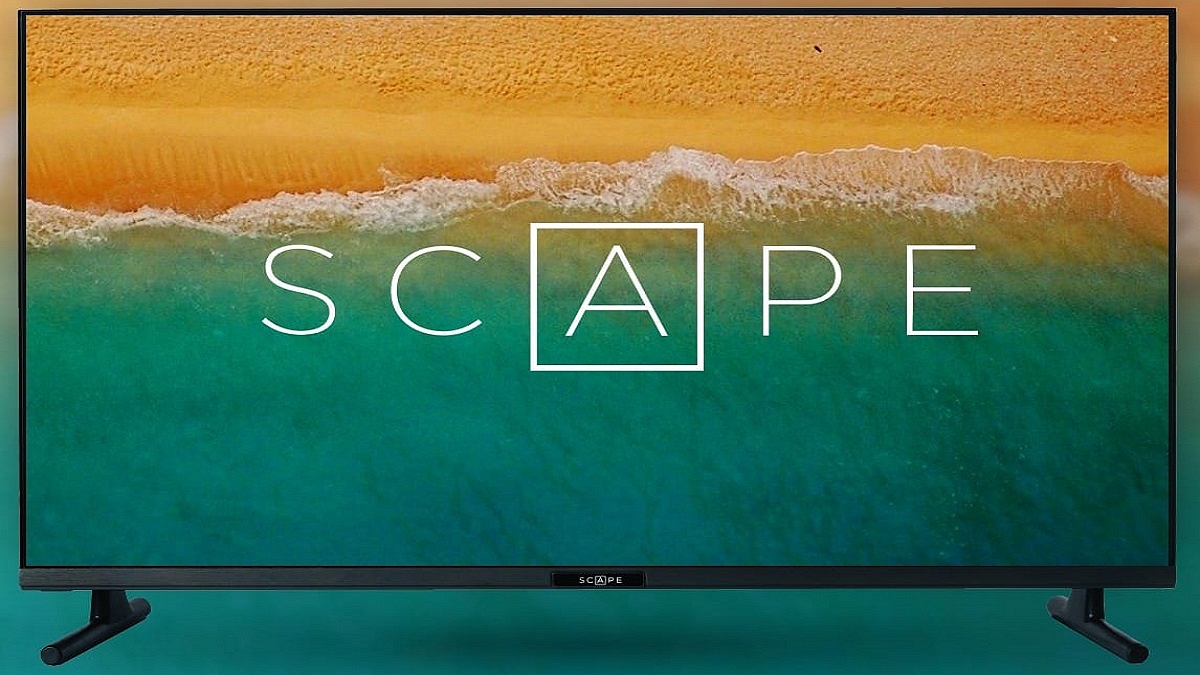
Smart TVs are today one of the most vital parts of modern households. Last year, more than eight out of every 10 televisions brought by Indians were Smart TVs. Due to the rapid surge in smart TV demand, OEMs are rapidly increasing smart TV production in the global as well as the Indian market. One such brand is Scape TV.
Scape TV is a dynamic and technology-orientated brand that is exclusively Made in India. They offer a luxury experience with their premium products while being affordable. Their growth in the offline market has been phenomenal considering the fact that the 2020 and 2021 consumer market was affected by lockdown, yet the start-up could achieve amazing growth and even extend to North Indian states.
Giznext has done an exclusive interaction with Scape TV founder, Yadhu Krishnan about what kind of competition he sees in a similar segment, his plans to get more users to grow the platform, and more.
How did you establish yourself in the retail market in such a short span? A brief of your journey so far.
We started our journey in 2020, precisely during the peak of the pandemic. We started in Kerala with a single distributor and instead of online which was easier, we chose an offline market to start with. I could say we deliberately chose those circumstances because we knew if we are able to sail through it, we would be able to emerge as a stronger brand with a strong ground presence and brand recall.
Currently, we are present in 10 states with a very well-connected and supported dealer-distributor-service network.
What hurdles have you overcome while establishing a Made in India Brand for the consumers?
I think the people are specifically looking for made-in-India products nowadays. Given a choice between Indian products and a non-Indian brand, consumers will go for an Indian brand provided they are convinced about the quality and service support. As a new brand, I would definitely agree that creating a brand recall for a start-up is definitely going to be difficult but if we are able to provide the after-sales support with a best-in-the-class product/service customers are definitely going to remember you just like a major brand even without a huge marketing spend.
What’s your strategy and roadmap with the Made In India Television market?
We are not going to expand to all states in a short span of time. We are currently in 10 states and we would be focusing in the next few months on making a very strong offline presence and building a dealer-service network in these states rather than going live in Pan India.
At the same time, we definitely want our smart TV to reach pan India, so the online presence is going to be crucial too.
How do you ensure the quality of your products?
We adhere to the highest quality standards just like any major brand and we select our vendors after multiple processes of quality testing of the components. The fault ratio is less than 2% currently which is a very good number considering the industry standard and we thrive to keep the fault ratio as minimal as possible.
Most of our Smart TVs carry a comprehensive warranty of up to three years. Thanks to the high-quality components.
In an extremely competitive market like India which is already dominated by a number of small and big players, how has Scape TV positioned itself?
I agree that India is an extremely competitive market and it is currently dominated by a few major brands but if you look at the past, we can see a trend that major players can be replaced given how well we place the new product in the market. From the kind of response, we are getting from the market, we can assure you that Scape TV is going to be in the top five choices of consumers by 2024.
Which are the segments you are targeting and whom do you consider your potential buyers?
We are already in the Smart Tv segment and we will be soon launching Premium Speaker and Home Appliances as well. We are concentrating on the customers who look for value for money products but premium in terms of quality and aesthetics.
What are the trends that you foresee will drive the consumer electronics market in the coming years?
Artificial Intelligence is going to play a major role in Consumer Electronics in the coming years. There are wonderful stand-alone innovations in the field of artificial intelligence which we have not yet incorporated into consumer electronics at an affordable price. If manufacturers of consumer electronics are able to do that it is going to be a game-changer for sure.
How does Scape TV compete with its rivals?
It might look like the same thing every brand says if I say it is in terms of quality and the after-sales service because every brand claims so. We would say our customer satisfaction is the main reason for our success. We are delivering and working on a solution that the consumers are looking for. We made sure to go to any possible extreme to make the customer happy with the product and after-sale service.
What is your vision for the next few years to be a go-to brand for millennials in India?
As I mentioned earlier, the proper use of AI can be a deal-breaker for millennials in the consumer segment. As a young company, this is one of the advantages we have which is we can adapt to new changes very easily as we have structured the organization in such a way from the beginning. In the coming years, we will be introducing more and more consumer products with the latest technology which will make Scape a go-to brand for not just the millennials but for everyone.
What are the opportunities you see in the Indian market in regard to Scape TV?
We do have a very huge opportunity in the Indian market. The consumer segment especially the Smart TV segment is one that grows exponentially year after year and even having a mere 5% in the coming year would make a huge difference for the brand. The non-smart TV segment is slowly going away and that, in turn, is going to be a huge boost for the Smart TV segment ultimately.
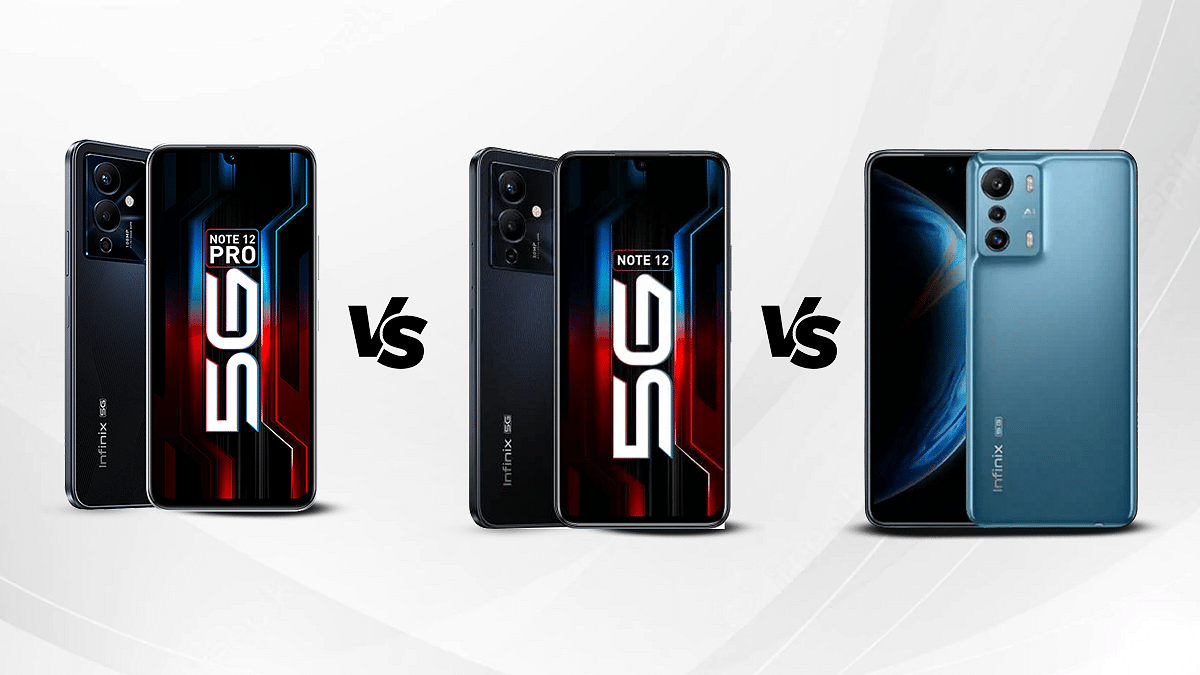
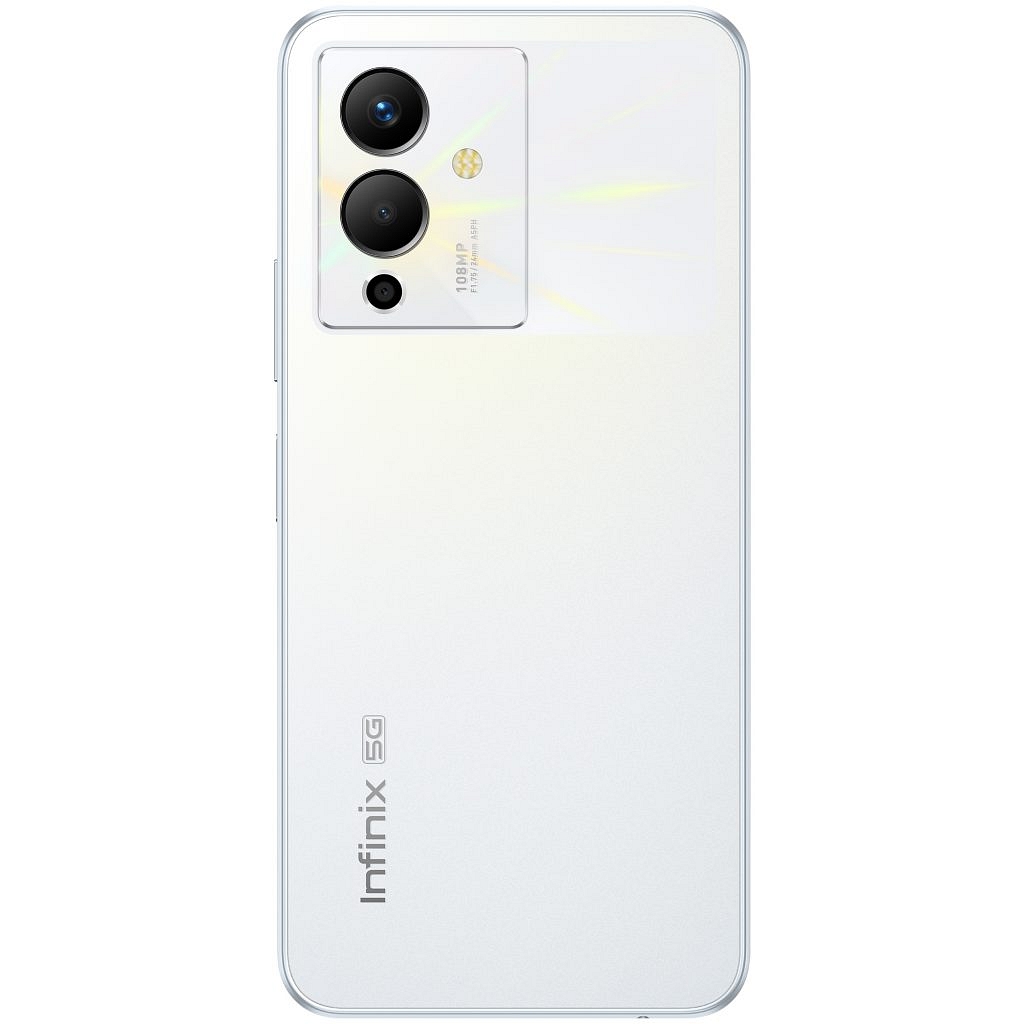
Infinix launched two smartphones on Friday ( July 8). The Infinix Note 12 12 5G and the Infinix 12 Pro 5G come with 5G connectivity. The Infinix Note 12 Pro 5G is priced at 17,999, whereas Note 12 5G will cost you Rs. 14,999 in India. Plus, the company has a Zero 5G device in the 5G segment, which is why we are comparing the specifications of all three devices. So, you can choose wisely.
Infinix 12 Pro 5G Vs Infinix Note 12 5G Vs Infinix Zero 5G: Specifications And Features
The Infinix Note 12 Pro 5G comes with a 6.7-inch full HD+ AMOLED display along with a 180Hz touch sampling ratio, 700 nits of peak brightness, screen resolution of 1,080×2,400 pixels, and Gorilla Glass 3 protection. It also has AG Matte Finish on the back panel.
On the other hand, the Infinix Note 12 5G 6.7-inch full HD+ AMOLED display along with 700 nits of peak brightness, a 180Hz touch sampling ratio, and Gorilla Glass 3 protection. The Infinix Zero 5G sports a 6.78-inch Full HD+ LCD display, 120Hz refresh rate, and 1080×2460 pixels resolution.
The Infinix Note 12 Pro 5G is powered by the 6nm MediaTek Dimensity 810 5G processor that is paired with MediaTek HyperEngine 2.0. The device has 8GB of LPDDR4x RAM and 13GB of dynamic RAM and 128GB of UFS2.2 storage space.
The Infinix Note 12 5G is powered by the 6nm MediaTek Dimensity 810 5G chipset, which is paired with 6GB of LPDDR4x RA and 64GB of UFS2.2 storage space, and 9GB of dynamic RAM.
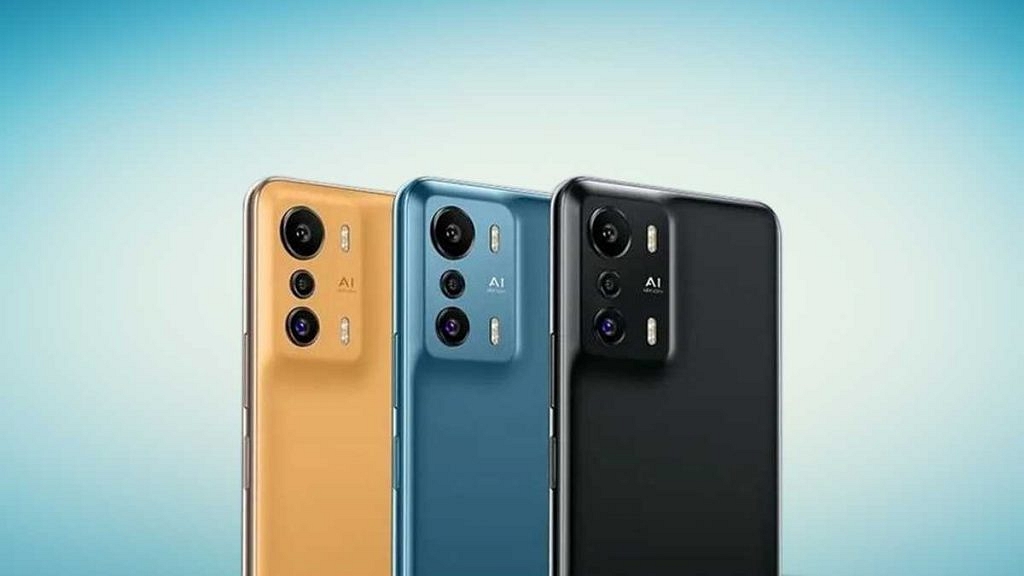
The Infinix Zero 5G comes with a MediaTek Dimensity 900 processor, which is a 5G chipset. It is available in one variant that has 8GB of RAM and 128GB of storage, which can be expandable up to 256GB.
On the imaging front, the device has a triple camera set up at the back, including a 108MP primary camera, Quad-LED flash, and a 16MP selfie camera with dual-LED flash. Plus, you will find a 5,000mAh battery along with a 33W Type-C fast charger and DTS Surround system.
The Infinix Note 12 5G features a triple camera at the back, including a 50MP along with Quad-LED flash, and a 16MP camera at the front with dual-LED flash. On the battery front, the device supports a 5,000mAh battery along with 33W Type-C fast charger technology.
Similarly, Infinix Zero 5G features a triple camera to the back, including a 48MP primary sensor, which offers a 30x zoom option. It also has 13MP and 2MP senors. You will also find a 16MP camera on the front for selfies and video calls. The primary camera also allows you to shoot 4K videos.
Infinix 12 Pro 5G Vs Infinix Note 12 5G Vs Infinix Zero 5G: Price
The Infinix Note 12 Pro 5G will be priced at Rs. 17,999, whereas the Infinix Note 12 5G will cost you Rs. 14,999 in the country. Both smartphones will be available on Flipkart from July 14, while Infinix Zero 5G is already available on Flipkart for Rs. 18,999.