To be built on same platform as the facelift ICE version
Hyundai Creta is the top selling mid-range SUV in India which has been refreshed twice already in recent times. Following the Facelift and the Creta N-Line, the Creta EV is also set to hit the shelves in India. The test mules have also started getting snapped across different cities both in India and international market. The upcoming mid-range electric SUV is spotted once again detailing the aesthetics as well the placement of its charging port.
Hyundai Creta EV New Test Mule Spotted: More Insights Out?
The Hyndai Creta EV’s latest test mule has been clicked parked at a charging dock. The standstill shots of the mid-range electric SUV’s side profile snapshots shows the charger hooked to the front grille. This confirms the previous leaks hinting at a front grille-integrated charging port.
Moving to the remaining design highlights, the Creta EV’s latest test mule is also snapped with camouflage wrapping. However, the identical silhouette as the the Creta Facelift ICE can be seen included with EV-specific design aesthetics. This besides the front-mounted charging port will include an EV labelling at the front and rear both and aero-inspired alloy wheels. Also, the front engine bay will possibly be replaced with “frunk” (front boot space).
Also, Hyundai Creta EV will get the same interiors as the ICE version. It will include a wide panoramic sunroof, large full touchscreen digital instrument cluster featuring Android Auto and Apple CarPlay tech compatibility.
The range of Creta EV’s cabin features doesn’t end here. The mid-range e-SUV could also offer dual-zone climatic control as the ICE version along with ventilated front seats. Level 2 Adas and 360° camera console will also be present for additional security measures.
Hyndai Creta EV’s powertrain specifics aren’t out officially yet. However, this mid-range Hyundai e-SUV is said to come with a 45 kWh battery pack. Some reports also hints at an additional battery variant but the details are not confirmed. The range delivery offered by the Hyundai Creta EV is expected to be around 500 km per charge with the big battery variant and up to 300 km with the smaller battery model.
Maruti Suzuki EV venture is set to take off next year with the launch of eVX. The first EV with which Maruti will foray in the electric four wheeler segment has been showcased as a concept and also been spotted doing test runs. Now, Maruti has revealed the sales strategy for its first EV vehicle in India. The company will be routing to its premium sales partner Nexa to commence EV sales in India.
Maruti Suzuki eVX which will be the company’s first electric vehicle will be made available for sale via Nexa. There are reports doing round that Maruti is also planning to export its “Made in India” EVs in the international markets including its home country China.
Just for reference, Maruti had introduced Nexa as its top-end sales platform for its premium and luxury vehicles back in 2015. Since then, the brand has catered to over 1 million consumers across 200 cities in the country.
That said, the eVX is due for launch in 2025 in India and now it’s confirmed to retail via the company’s premium sales channel — Nexa. This information comes directly from Maruti Suzuki India’s, Senior Executive Officer, Marketing and Sales, Shashank Srivastava.
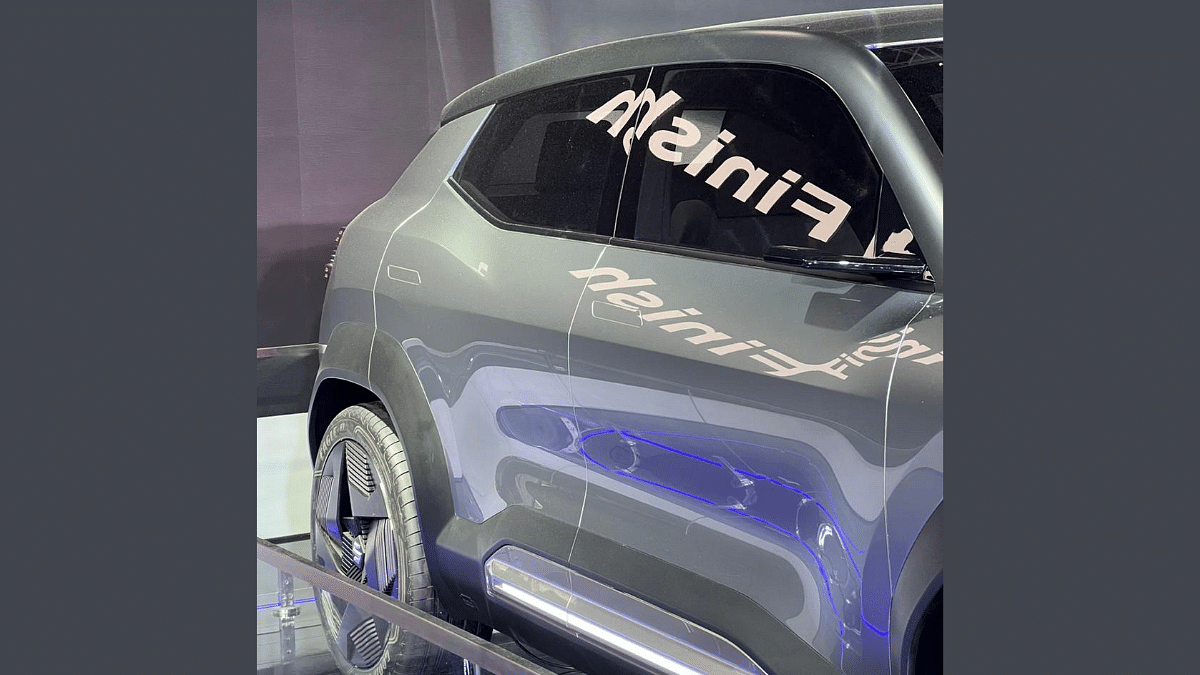
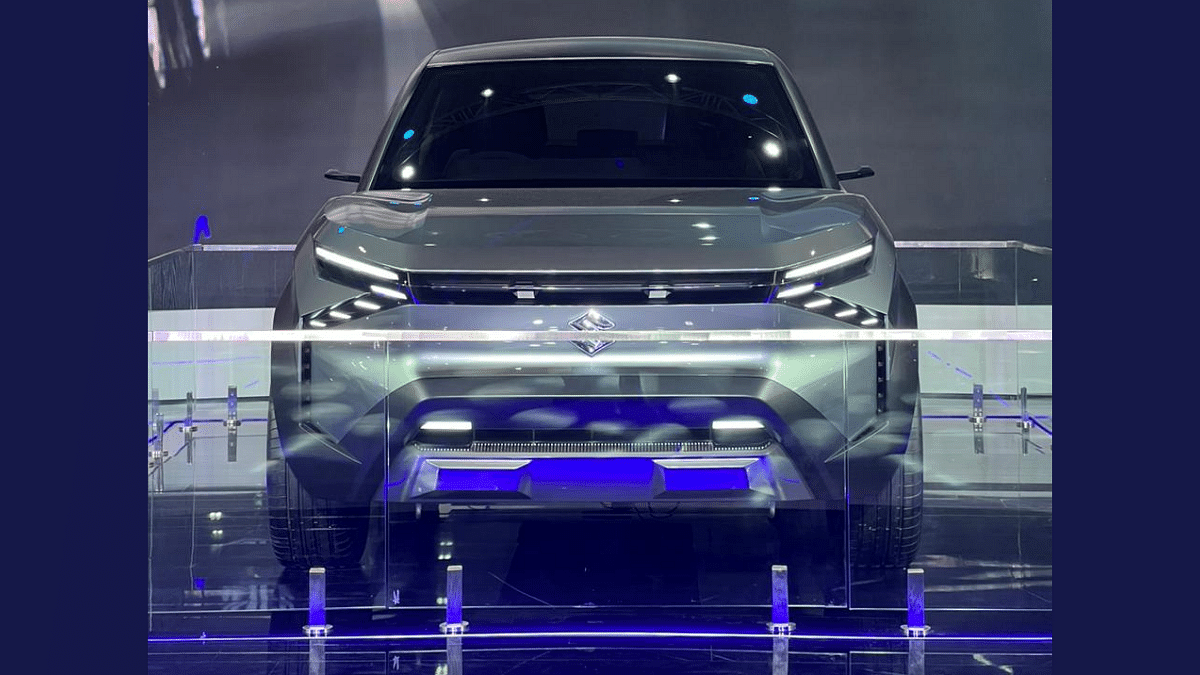
The Maruti Suzuki eVX concept showcased at the Bharat Mobility Global Expo and Auto Expo 2023 revealed a futuristic compact SUV design. It flaunts a bold front grille and sporty rear spoiler. It will be built on Toyota’s 27PL platform which is developed on the YY8 skateboard-style born electric chasis. The Maruti Suzuki eVX will come with both FWD (front-wheel drive) and AWD (All-wheel-drive) options.
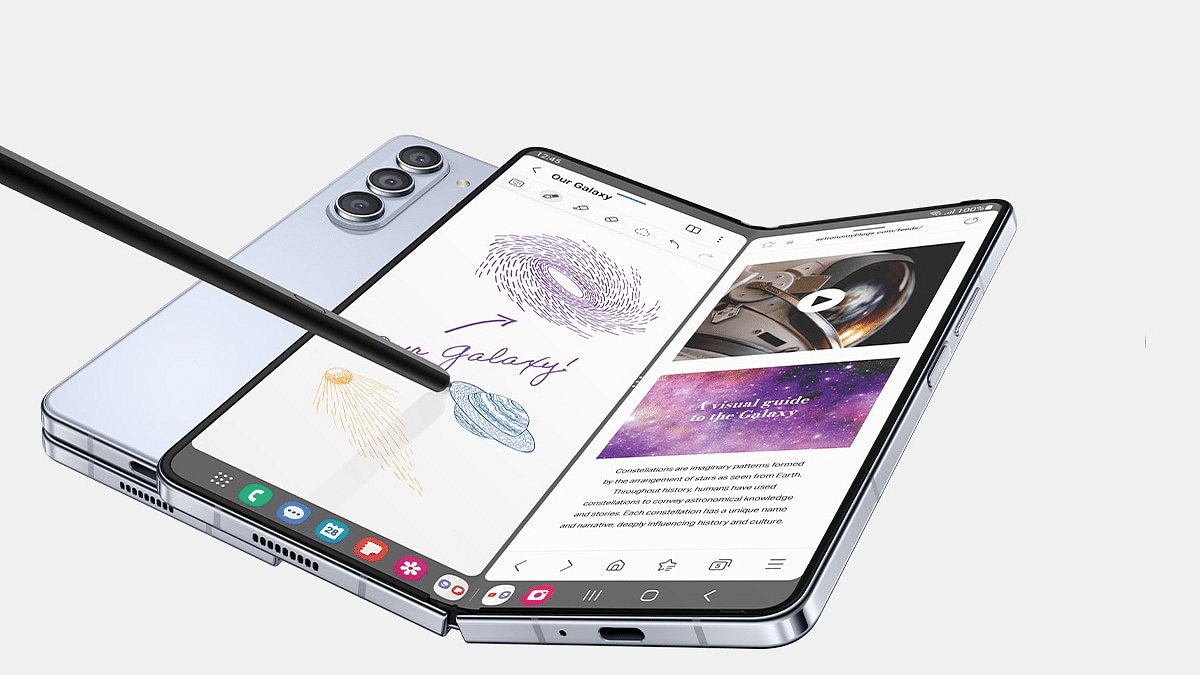
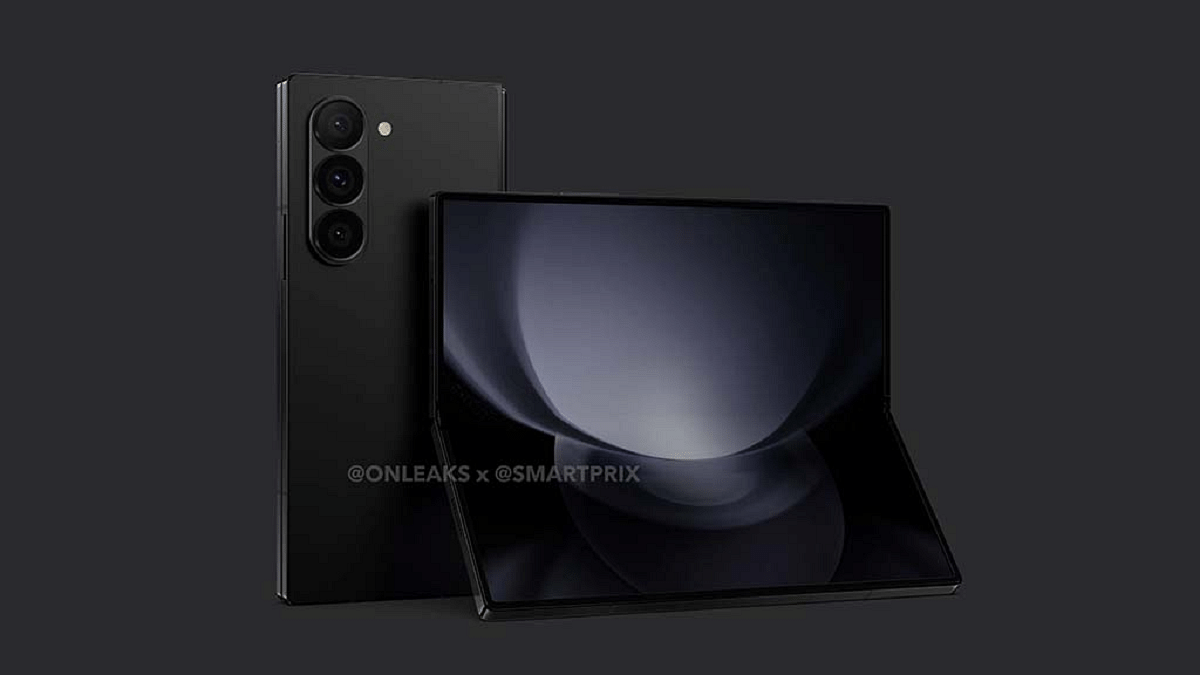
Recent reports suggest that Samsung might surprise us with not just one, but two smartphones in the Z Fold 6 series: a standard Galaxy Z Fold 6 and an Ultra model. This anticipation has kept tech enthusiasts on the edge of their seats, eager to see what Samsung has in store for its loyal customers.
Tipster Drops A Bombshell
A renowned tipster, Revegnus, shared a bombshell revelation on social media platform X (formerly Twitter). According to the tipster, the Samsung Galaxy Z Fold 6 is set to revolutionize the industry with its titanium frame. Although the original post by the tipster is no longer available, reports from Gizmochina confirm the news.
The Power Of Titanium
Why is titanium such a big deal? Well, for starters, it’s incredibly strong yet lightweight. This means the Galaxy Z Fold 6 could offer both durability and a luxurious feel without compromising on weight. Furthermore, titanium’s resistance to scratches and dents could make the device even more robust, ensuring it stands the test of time.
Aside from the titanium frame, rumors are swirling about other exciting features of the Galaxy Z Fold 6. It’s expected to pack a punch with the Snapdragon 8 Gen 3 processor, along with enhancements like improved cooling, a redesigned hinge for smoother folding, fortified Gorilla Glass Armor, and a long-lasting 4,600mAh battery. Plus, brace yourselves for a sleek new boxy design that’s sure to turn heads.
Bigger And Better Displays
Display analyst Ross Young dropped another bombshell, suggesting that the Galaxy Z Fold 6 and Galaxy Z Flip 6 might boast even larger displays than their predecessors. This means more screen real estate for all your multitasking needs.
Expected Release Date
When can we get our hands on the Galaxy Z Fold 6? While nothing is set in stone, speculation is rife that both the Galaxy Z Fold 6 and its sibling, the Galaxy Z Flip 6, could hit the shelves around mid-July 2024. Keep your calendars marked for what could be a monumental moment in smartphone history.
Conclusion
As anticipation builds for the Samsung Galaxy Z Fold 6, one thing is clear: Samsung is gearing up to redefine the foldable smartphone landscape once again. With its titanium frame and a slew of other innovative features, the Galaxy Z Fold 6 promises to be a game-changer in the world of mobile technology.
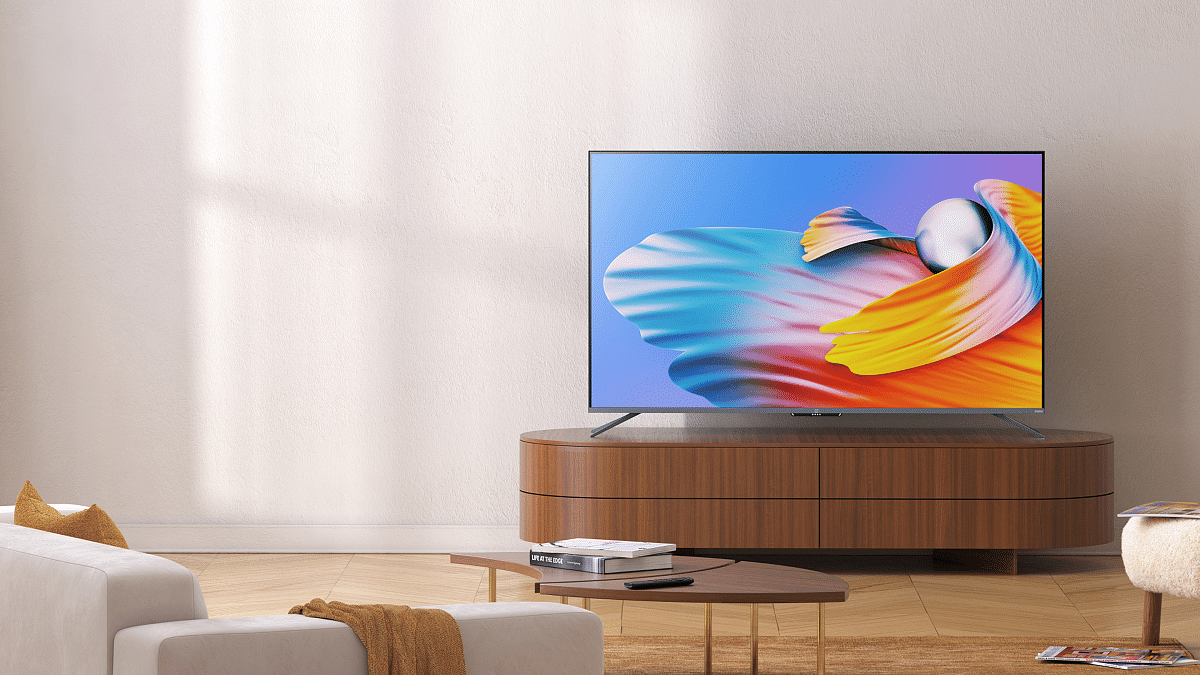
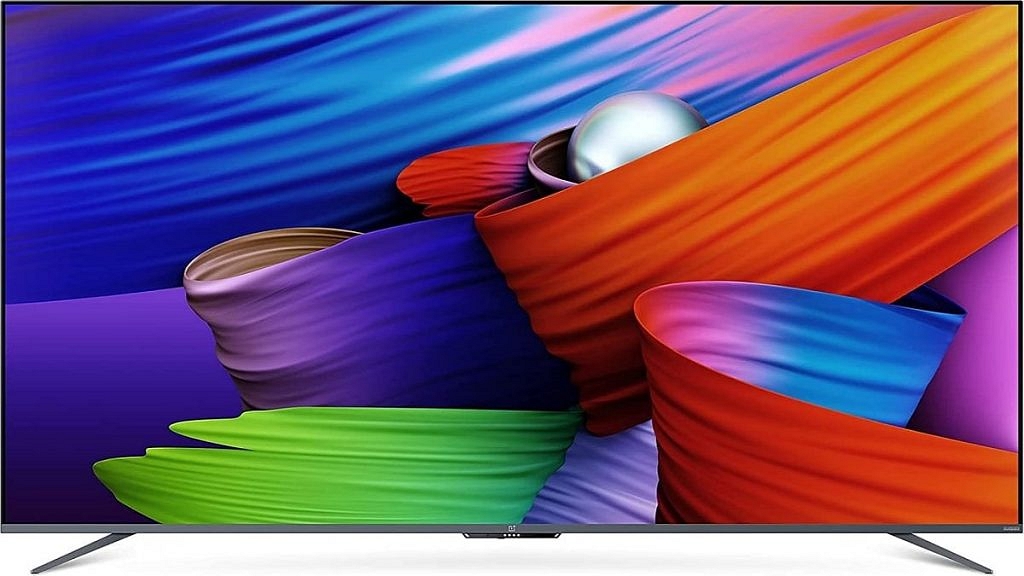
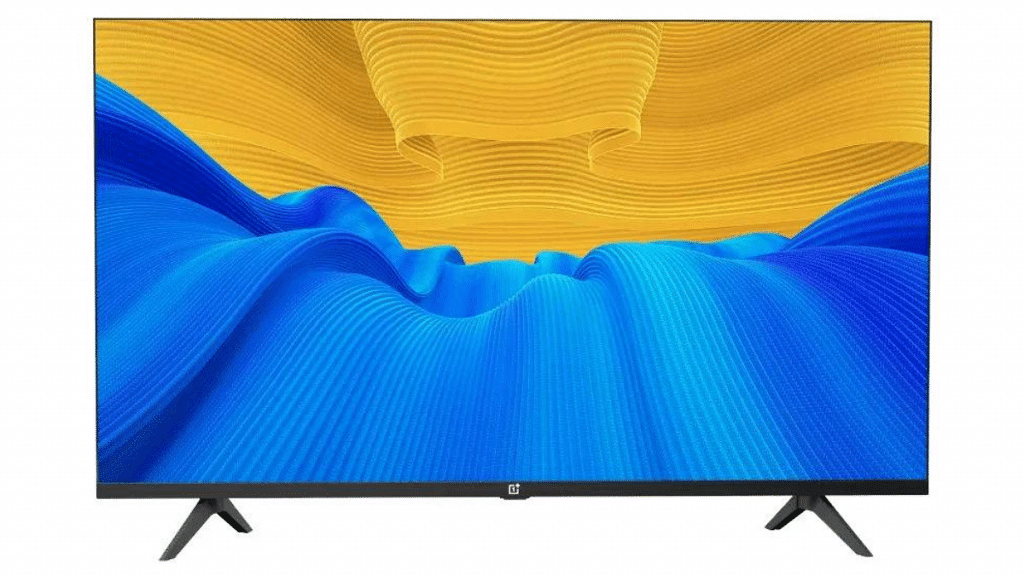
OnePlus stopped making TVs in India, focusing on smartphones
Their TV lineup vanished from their website
Existing TV owners need support and spare parts
It seems like OnePlus is no longer making smart TVs in India. Recent news suggests that OnePlus hasn’t released any new smart TVs in India for a while. Instead, they’re focusing on making more smartphones and trying out new things like tablets and foldable phones. They’ve even removed all their TV models from their website. Here are all the details. Also Read | Best 43-inch Smart TVs Under Rs. 40,000 In 2024
No More OnePlus TVs On The Website
If you check the OnePlus website, you won’t find any of their TV models listed there. This probably means they’re done selling TVs in India.
We started getting hints about this change last October. There was a report saying that OnePlus and Realme might stop making smart TVs. The report said they’re leaving the TV business altogether.
Big Decisions Take Time
Deciding to stop making a product isn’t easy. It’s likely OnePlus has been thinking about this for a while, especially since they started working with OPPO. They’re probably focusing more on making popular products like smartphones.
Phones and TVs are different. People usually change their phones every few years, but they keep their TVs for much longer. OnePlus probably realized this difference.
OnePlus needs to take care of its existing TV customers. They should make sure they can still get help and spare parts for their TVs. OnePlus started selling smart TVs in India in 2019, but now it seems they’ve stopped.
If OnePlus has really stopped making TVs in India, they should tell everyone about it. This is especially important for people who bought their TVs.
What’s Next?
With OnePlus and Realme leaving the TV market, and Xiaomi not bringing laptops to India anymore, people might go back to buying from more traditional brands like Samsung, LG, and Sony.
Comes as India’s first electric sports car with scissor doors
Both RWD and AWD variants introduced
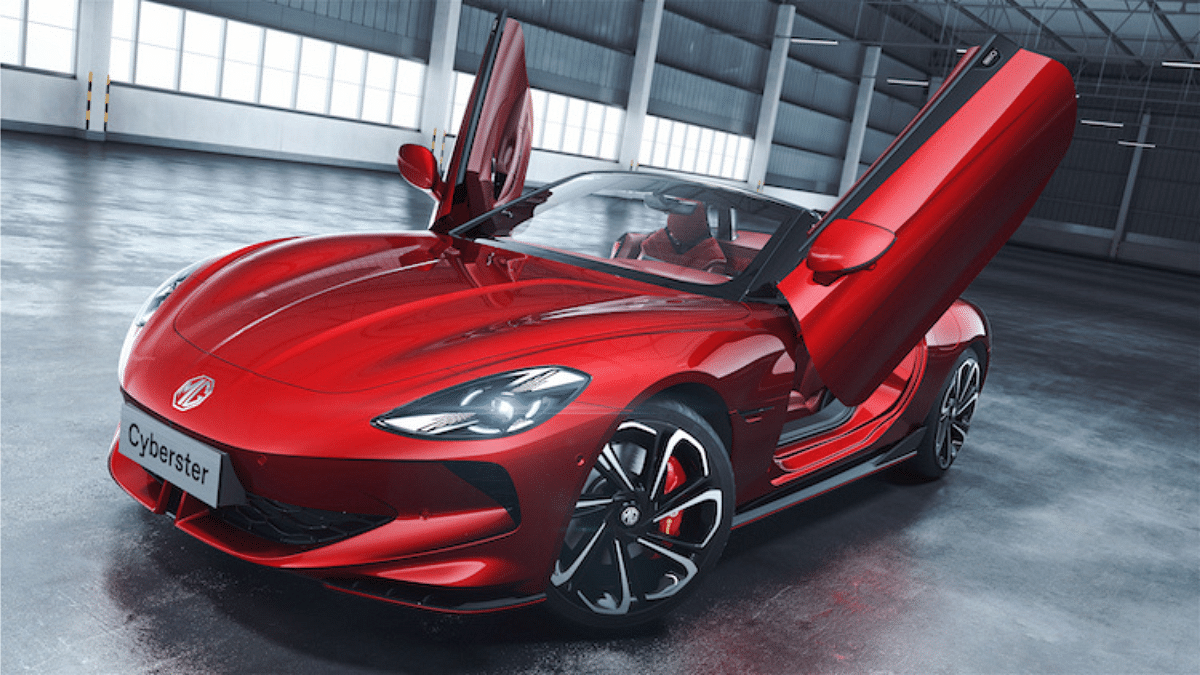
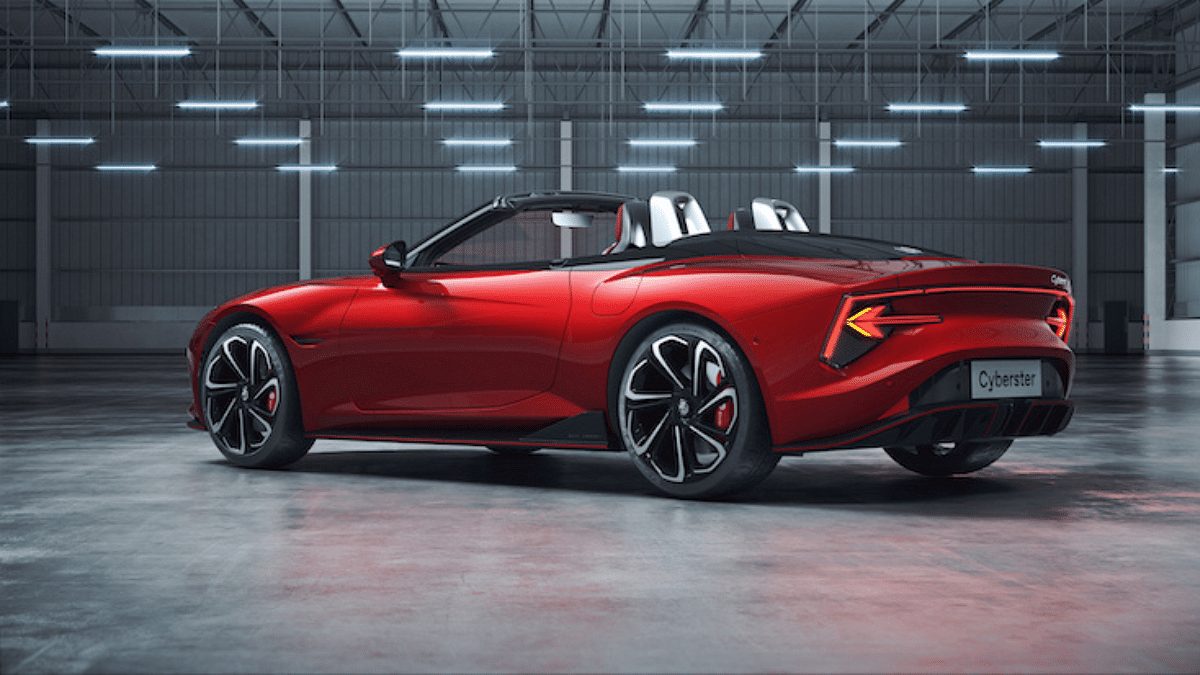
MG Motors is taking up a significant leap in the Indian four-wheeler EV market. Its latest offering for the Indian consumers ins’t just another regular electric SUV but a powerful and futuristic sports electric vehicle. Called the MG Cyberster EV, the new sports electric car comes as a product of MG Motors and JSW group’s joint venture. Combining its future-ready design and powerful electric drivetrain, the MG Cyberster EV is all set to raise the bars in the premium category. Here are the top highlights:
MG’s Cyberster EV flaunts a typical sports car attire which is aerodynamically-enhanced combined with petal-style alloy wheels. The new MG sports EV has decent dimension stats with the wheelbase sitting at 2,689 mm. The remaining dimensions of the Cyberster EV measures 4,533mm x 1,912mm x 1,328mm (length x width x height).
The Cyberster EV’s fascia is designed with an aerodynamic approach and has neatly curved silhouettes clubbed with a full-length light bar. The headlamps get a sweptback styling and large air intakes completes the front profile. It’s scissor door design has become the talk of the town and is first of its kind for a premium EV in India.
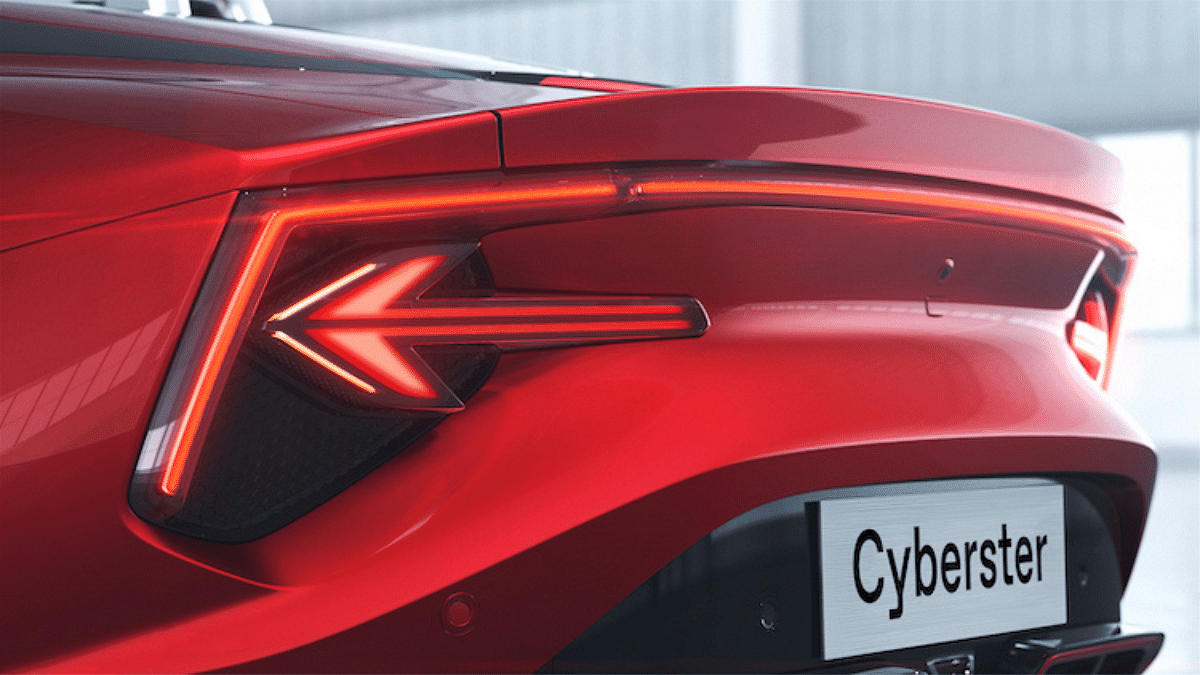
Side profile is distinguishable with its sporty petal-shaped alloy wheels, side skirts, scissor doors, fabric soft top and smooth body panelling. At the rear, MG Cyberster gets a full-width rectangular light bar, arrow-shaped tail lights and a muscular split diffuser. Users can expect a luxurious experience with soft-touch materials all across and leather-wrapped components
The aggressive sports styling is also adopted for the Cyberster EV’s interiors. The sports electric car has a flat bottom steering wheel with soft leather wrapping. The steering wheel gets control-mounting for media playback and other useful cabin features. MG has used soft-touch finish for the Cyberster EV’s cabin for the luxury feel. The dashboard of the Cyberster EV will feature both infotainment screen and an instrument cluster.
The MG Cyberster sports EV will be available with dual motor and battery pack variants. The base model of the Cyberster EV will use a single electric motor setup which will be mounted on the rear axle and will generate 308 hp power. This low-end model will have a 64kWh battery with a range delivery of up to 520 km on per charge cycle.
The Cyberser sports EV’s high-end variant has a dual motor AWD drivetrain with the motor setup producing 535 hp of peak power. It will be driven by a 82.5 kWh battery that will help it to reach a max range of up to 580 km per charge.
MG Cyberster Sports Electric Car Price
The premium MG Cyberster sports electric car is said to be priced rather reasonably in India. With the local manufacturing and the new government EV policies at place, the Cyberster EV’s price is said to be starting at around Rs. 53 lakh.
Honor’s MagicBook X14 Pro, X16 Pro are all set to release in April
Don’t miss out on pre-order offers starting March 25, 2024
MagicBook X14 Pro is expected to be priced at approx. Rs. 54,000
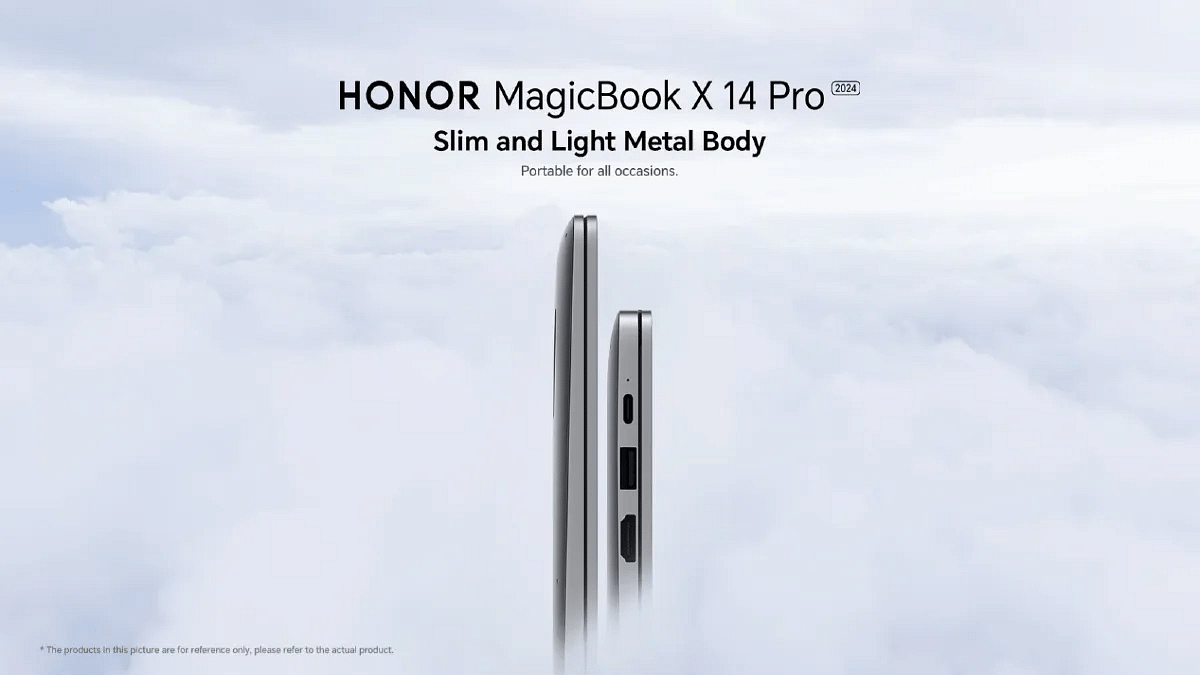
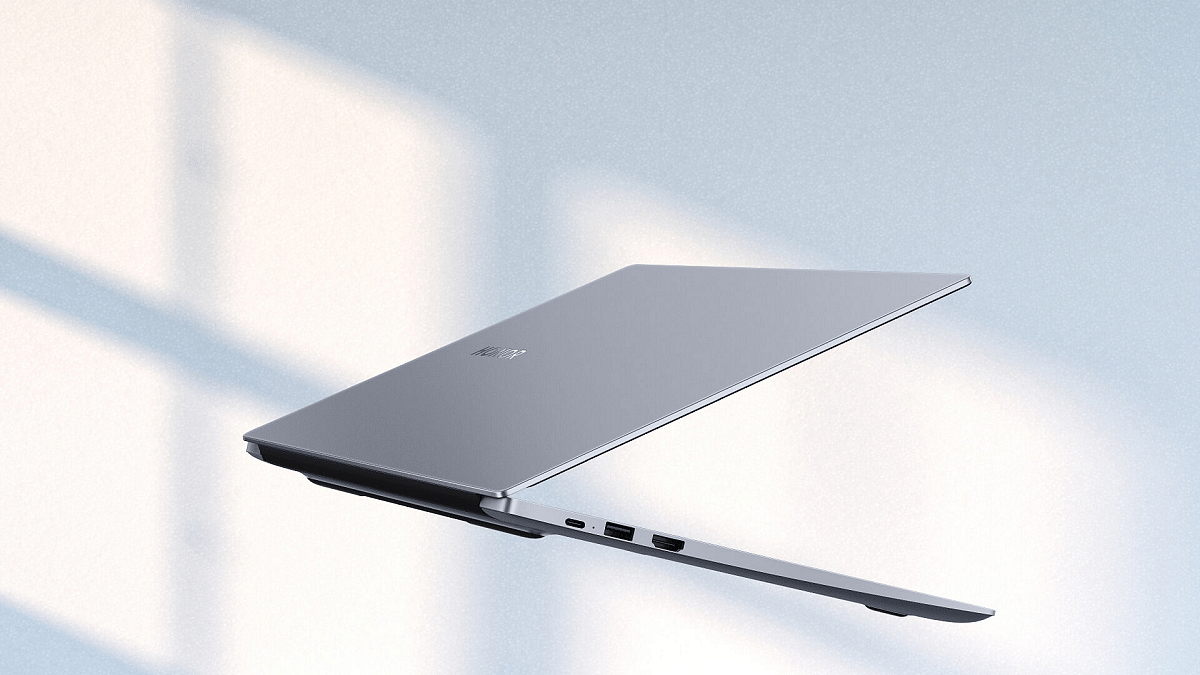
Honor has officially announced the imminent release of its MagicBook X14 Pro and X16 Pro models. These laptops are poised to hit the shelves in the first week of April, promising top-notch performance at a price point that won’t break the bank. Here are all the details. Also Read | Best Laptops Under Rs.45,000 For Online Learning
Specifications
The MagicBook X14 Pro and X16 Pro are slated to feature the latest 13th Gen Intel Core i5 ‘H-series’ processors. Coupled with up to 16GB of RAM and a 512GB SSD, these laptops ensure seamless multitasking and swift data access. Moreover, users can expect smooth operation with Windows 11 Home pre-installed.
Introducing the latest laptops from HONOR!
I'm thrilled about the i5 13th Gen “H Series” advanced processor & Multi-screen collaboration ensuring seamless integration.
In addition to robust hardware, Honor is bringing a slew of features to enhance user experience. The Pro variants boast AI-powered noise cancellation, delivering crystal-clear audio for calls and entertainment. Furthermore, the laptops come equipped with high-resolution stereo speakers and full-sized backlit keyboards, ensuring both productivity and entertainment needs are met.
Battery Life
With a 60Wh large capacity battery onboard, the MagicBook X14 Pro and X16 Pro offer great battery life. Users can enjoy over 10 hours of regular office use or 11.5 hours of local video playback on a single charge.
As per industry insiders, the Honor MagicBook X14 Pro is expected to hit the market at approximately Rs. 54,000, while the MagicBook X16 Pro might come in at a price below Rs. 60,000.
Pre-order Offers And Availability
Exciting pre-order offers await prospective buyers, with pre-orders starting on March 25, 2024. These offers make owning a premium laptop more accessible than ever before, further solidifying Honor’s commitment to providing value-driven products to the Indian market.
The upcoming launch of the MagicBook X14 Pro and X16 Pro follows Honor’s successful introduction of the X14 and X16 models in 2023. This consistent innovation underscores Honor’s status as a global technology leader, dedicated to catering to the diverse needs of users worldwide.
Conclusion
The Honor MagicBook X14 Pro and X16 Pro represent a great option for those in search of high-performance laptops at an affordable price.
When Lava made its comeback in the Indian market, many doubted its success against the dominance of Chinese smartphones. However, today’s landscape has shifted, with Chinese brands competing in higher price brackets. In this scenario, Lava introduces the Blaze Curve 5G, taking a more modest approach compared to its rivals.
Priced below Rs. 18,000, this new addition to the Blaze series not only impresses with its design but also offers stock Android without any unnecessary pre-installed apps, a rarity in its price segment. After more than a week of testing, it’s evident that the Blaze Curve 5G is a strong contender, particularly as it represents a homegrown brand. However, every phone has its flaws. Now, the question arises: Could Lava’s new-entry wear the crown for budget smartphone champion of 2024? To find out, let’s delve into the review of the Lava Blaze Curve 5G. Also Read | OPPO F25 Pro Long Term Review: A Performance-Oriented Mid-Ranger
Pros
Cons
Curved display, sleek design
Limited outdoor visibility in sunlight
Stock Android experience
Slightly dated software
Long-lasting battery
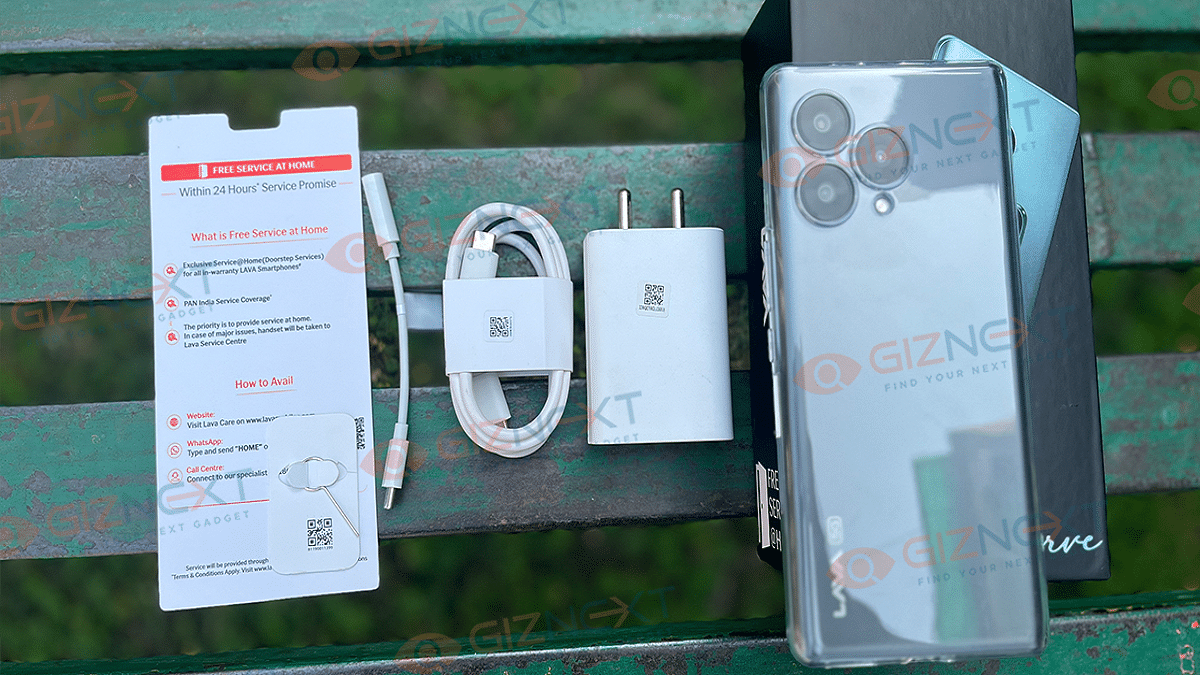
What’s Inside The Box?
Lava Blaze Curve 5G Box Content
Lava Blaze Curve 5G handset (Iron Glass)
Charger
Data cable
SIM ejector pin
Service leaflet
Back cover
C to 3.5mm jack
Design: A Touch Of Elegance
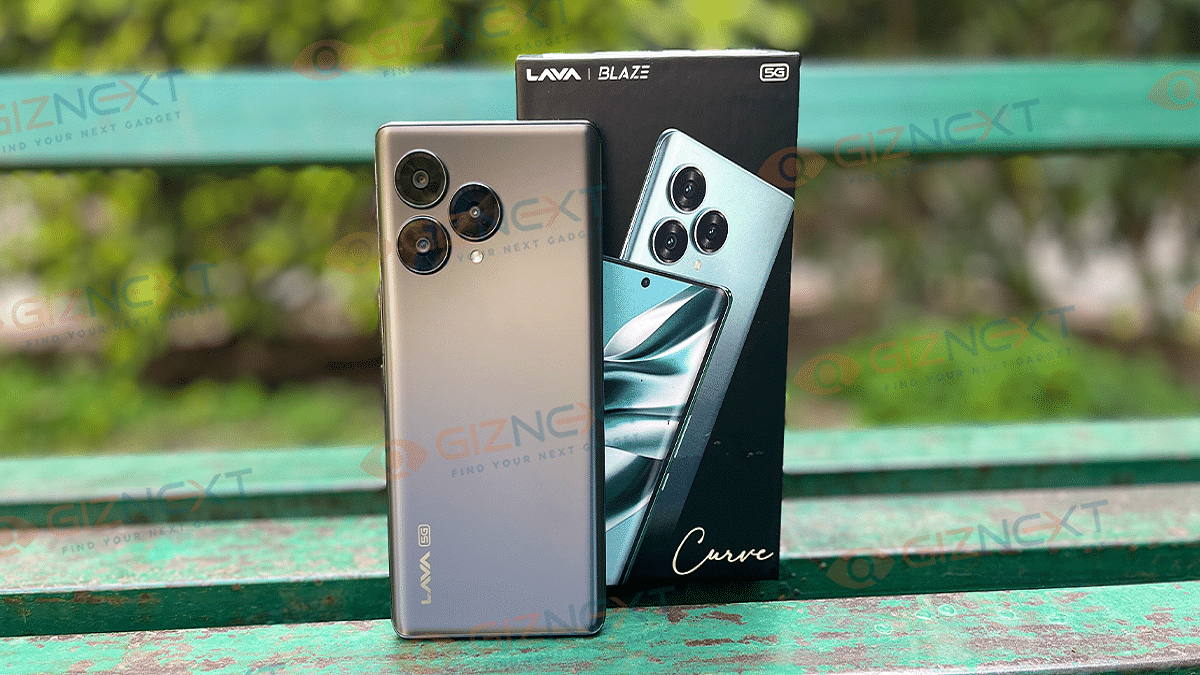
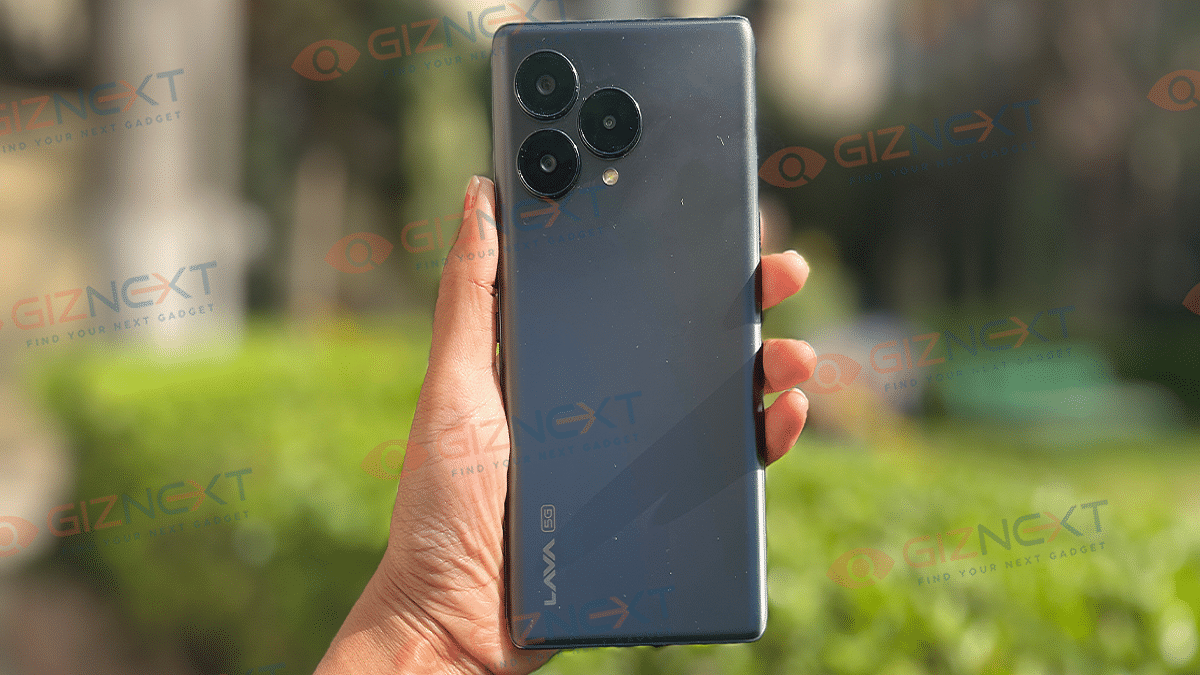
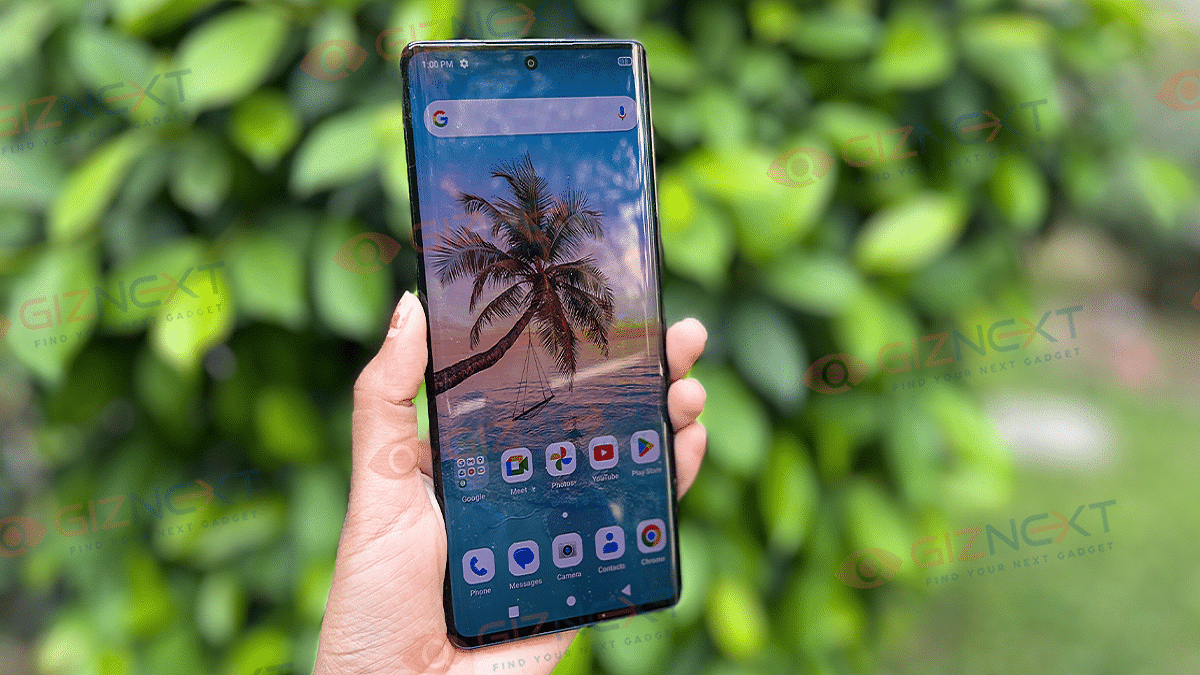
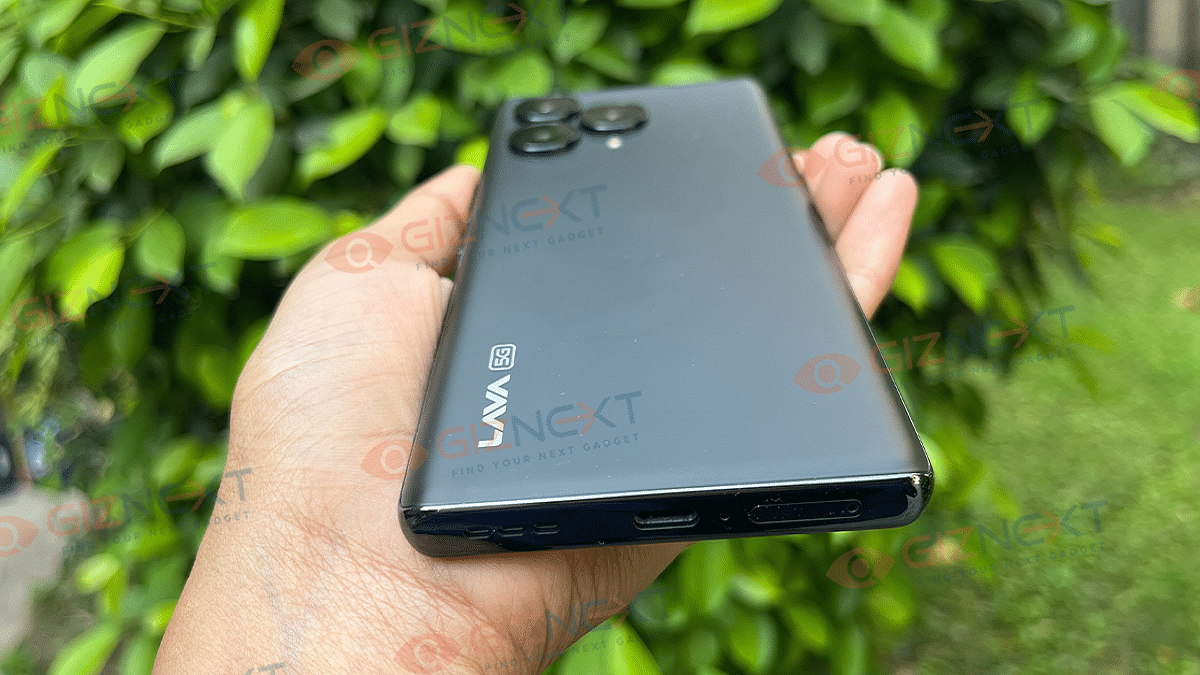
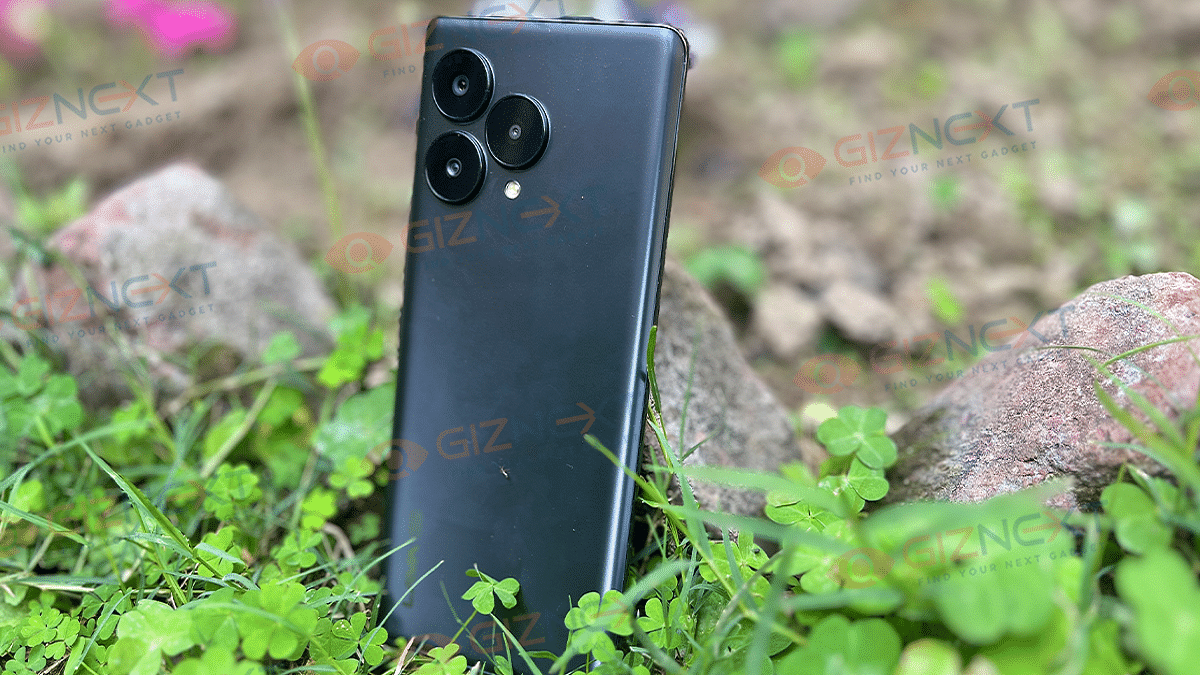
From the moment I unboxed it, the design of the Lava Blaze Curve 5G has consistently impressed me. It displays a premium feel that surpasses even pricier phones. This is largely thanks to two standout features: the curved AMOLED display, which is a rarity in this price range according to Lava, and the matte-finish back glass. Not only does this panel look sleek, but it also keeps away fingerprints and smudges, albeit making it a tad slippery to grip. Moreover, the device is available in two sophisticated colors: Iron Glass and Viridian Glass. I got the former variant for the review.
The weight distribution is well-balanced, avoiding any top-heaviness. I commend Lava for opting for a subtle and minimalist design approach with the finish and color choices, a refreshing departure from the flashy finishes commonly found in this segment.
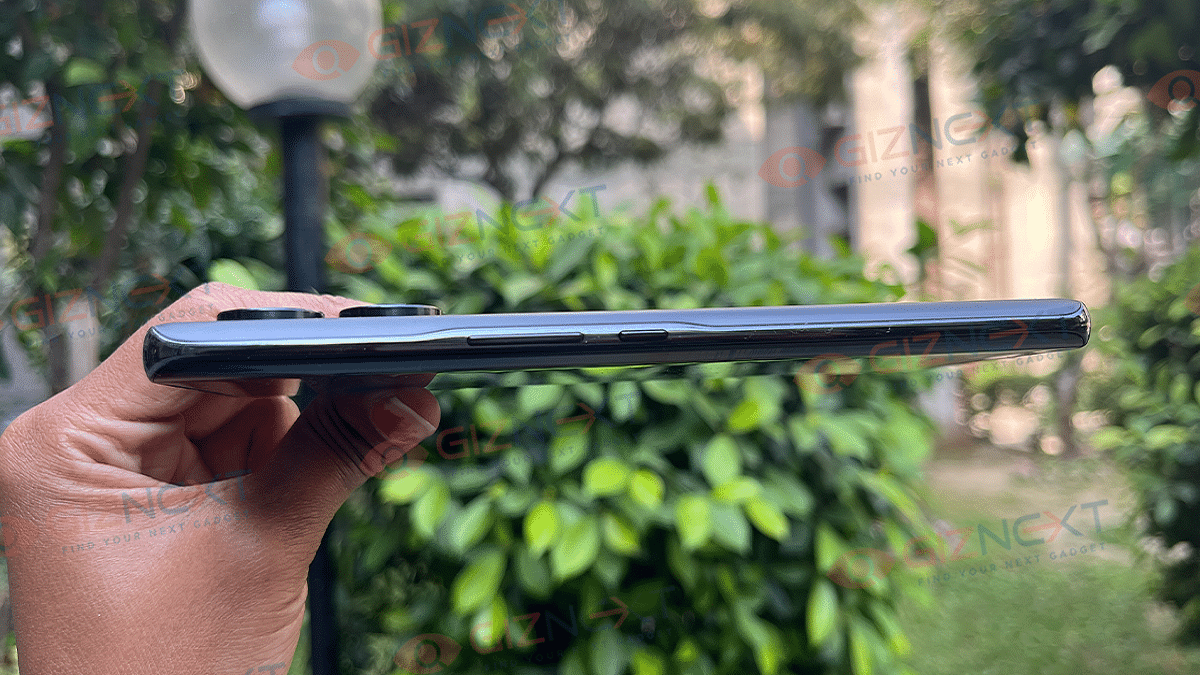
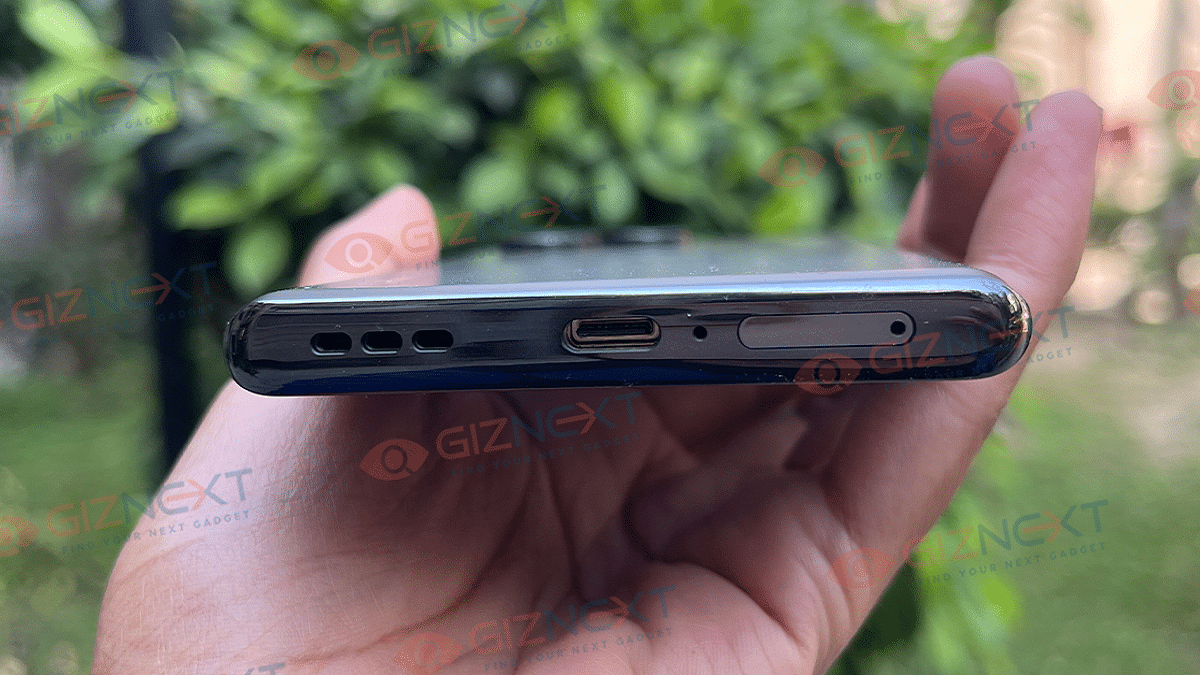
The placement of the power button and volume rockers along the right side of the phone ensures easy access without requiring finger frowns. In terms of connectivity, the handset features a USB Type-C port at the bottom for charging and data transfer, alongside the speaker grille. Up top, the speaker’s like a mini concert maker, giving you stereo sound for fun times. And for keeping your phone safe, there’s a fingerprint scanner hiding in the display.
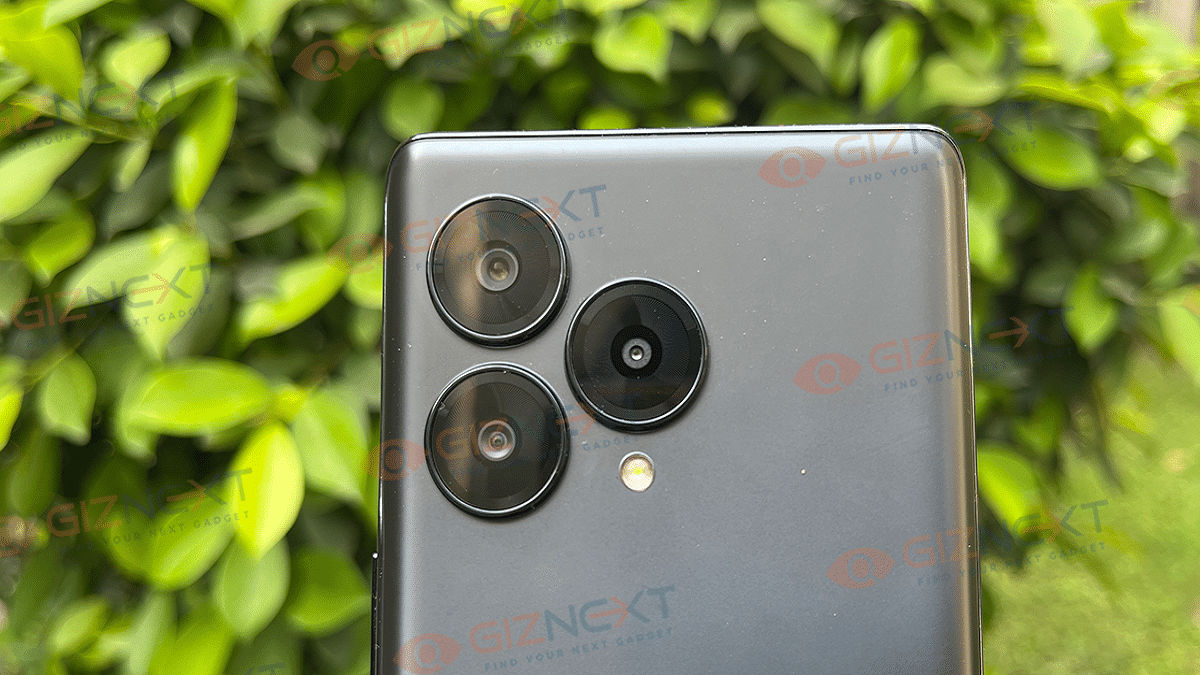
Turning to the camera module, the device boasts three different camera cutouts accompanied by a flash module. The circular design within the camera modules, coupled with the curved back merging effortlessly into the frame, lends the Curve 5G an aura of luxury and sophistication. While aesthetics are subjective, it’s safe to say that the Curve 5G stands out as one of the most visually appealing phones in the sub-20K segment.
Display: Vibrant Visuals
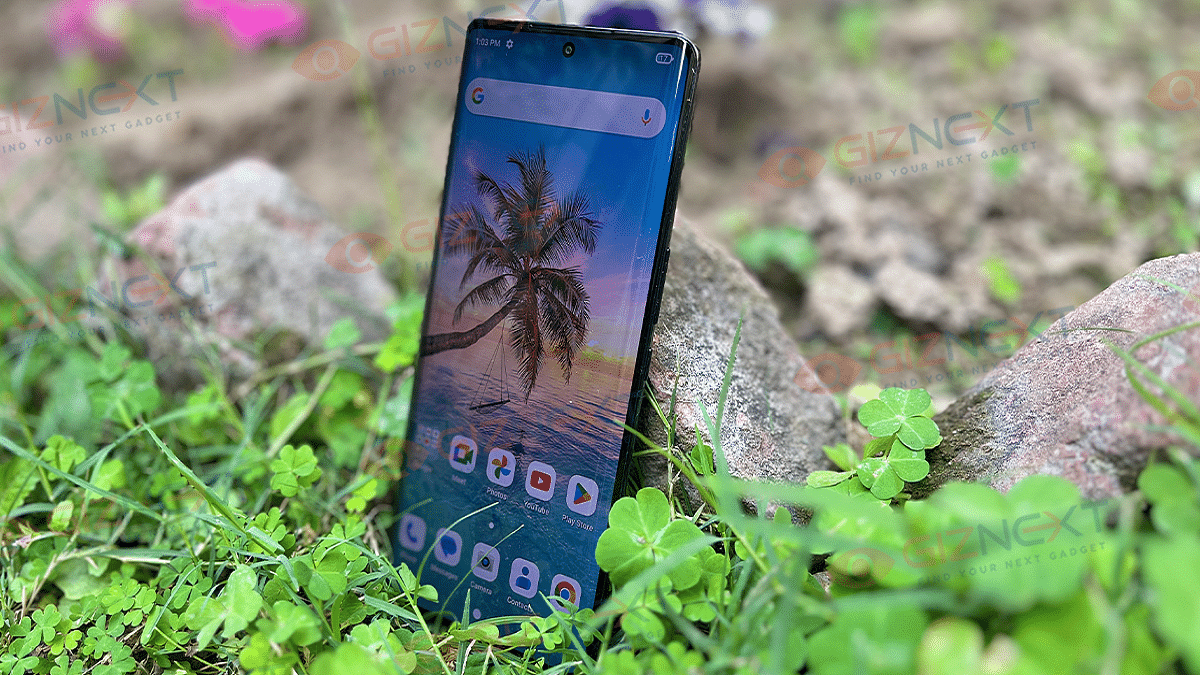
As the name suggests, the smartphone comes with a 6.67-inch FHD+ 120Hz Curved HDR10+ AMOLED display, shining bright with a peak brightness of 800 nits. Users even get a 120Hz option to lock the refresh rate. In our daily use, the display proved vibrant and colorful, perfect for enjoying content. While it may not be the most color-accurate, it nails what most users love: bold and lively visuals. Yet, the curved design has a tiny downside – sometimes it registers accidental touches on the edges.
Plus, the device supports Widevine L1, letting users binge-watch their favorite shows in top quality. But alas, outdoor visibility takes a hit. With limited brightness, it struggles in sunlight, urging us to seek shade for phone use.
Performance: A Smooth Sail Through Daily Tasks
The Lava Blaze Curve 5G impresses with its MediaTek Dimensity 7050 SoC, 8GB RAM, and either 128GB or 256GB storage. But watch out, as there’s no microSD card slot, so plan your storage needs wisely.
Using this smartphone daily is a breeze. It smoothly handles browsing, scrolling, and multitasking without a hitch. Even light gaming is a pleasure, with titles like Call of Duty and BGMI running smoothly at moderate graphics settings. While it does warm up a bit during gaming sessions, it’s nothing alarming for a non-performance-focused phone.
But what truly shines is its software. Running a clean, bloatware-free version of Android 13, it’s a breath of fresh air. It feels far from a budget device, especially with the silky-smooth 120Hz refresh rate. The only downside? The software update schedule could be better, with an expected Android 14 update in June and two years of total updates, stopping at Android 15. It would’ve been nice to see it launch with Android 14 pre-installed.
Also, a standout feature is that Lava offer free home service during the warranty, so any problems with the phone can be fixed quickly.
Before we dive deeper, let’s talk about the camera setup on the Lava Blaze Curve 5G. It packs a 64MP main camera, an 8MP UltraWide lens, and a 2MP macro camera. However, the overall camera performance is just okay. While it takes decent photos during the day, it falls short in some areas.
In daylight, the main camera captures photos with good detail, vibrant colors, and a decent dynamic range. But sometimes, it tends to overexpose objects. This isn’t uncommon for phones in this price range. The ultrawide lens provides a wide view but lacks sharpness and suffers from color distortion. The macro camera doesn’t impress much either.
In low light, the camera struggles, making it not the best choice for photography. On the bright side, the front camera, with its 32MP sensor, takes good selfies with accurate skin tones and decent detail. It also does well with portraits, providing a nice depth effect.
But there’s a noticeable shutter lag when taking photos, which can be frustrating. Videos from the main camera are sharp and stable in daylight but lack detail at night. Software updates could potentially improve the camera performance.
Lava Blaze Curve 5G Camera Sample (Zoom)
Lava Blaze Curve 5G Camera Sample (Zoom)
In short, while the Lava Blaze Curve 5G has potential, there’s room for improvement in its camera performance through software updates.
Battery: Endurance Tested
The Lava Blaze Curve 5G packs a heavy 5,000mAh battery. When fully recharged, it easily lasts a full day for most users. Plus, it supports 33W fast charging, which is a lifesaver when you’re in a hurry. It can juice up the battery in just 80 minutes. And kudos for including a USB-C to USB-C cable, keeping up with the trend away from the older USB-A port type. During my usage, I found it can offer over five to six hours of screen-on-time, though it does get a bit warm while charging.
Giznext’s Final Verdict: A Budget Gem Or A Missed Opportunity?
After exploring every aspect of the Lava Blaze Curve 5G, it’s clear that Lava has launched a great contender in the budget smartphone arena. Priced at Rs. 17,999, it offers a sleek design, stock Android experience, and decent performance. While the camera setup and outdoor visibility could see improvements, the device excels in everyday use and battery life, lasting a full day with ease. With its premium feel and solid features, the Blaze Curve 5G emerges as a strong competitor in its price segment, potentially competing for the title of budget smartphone champion of 2024.
Vivid display with high brightness suitable for outdoor
Powerful Sony IMX890 camera sensor
Quick charging compatibility
Cons
Bloatware in UI
Slightly thicker bezel profile
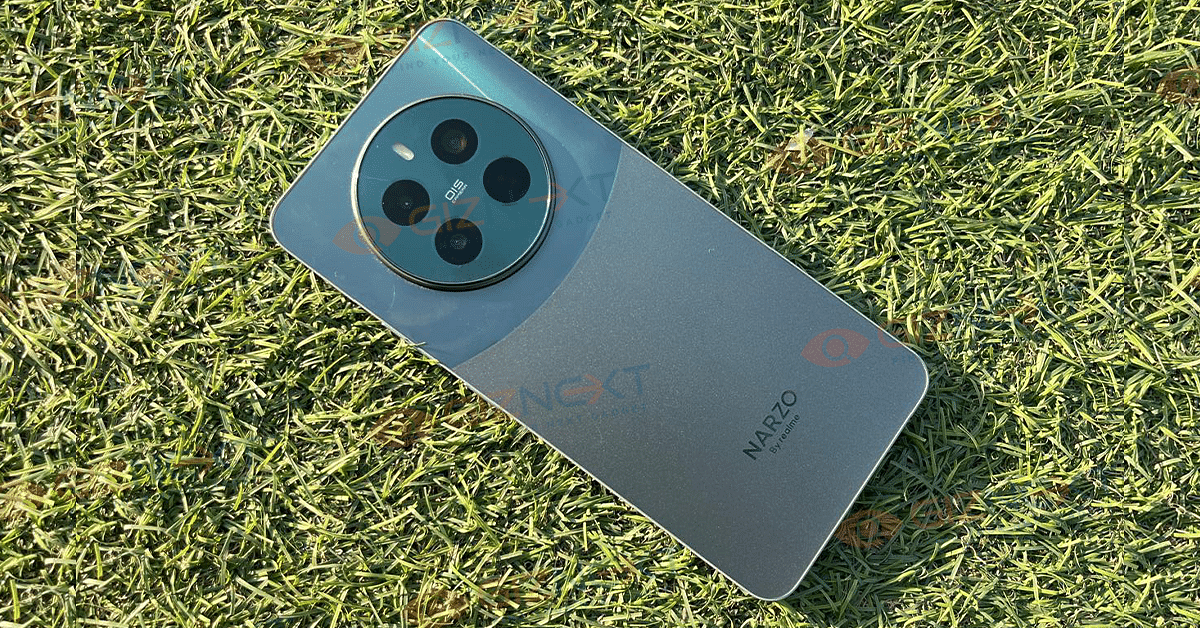
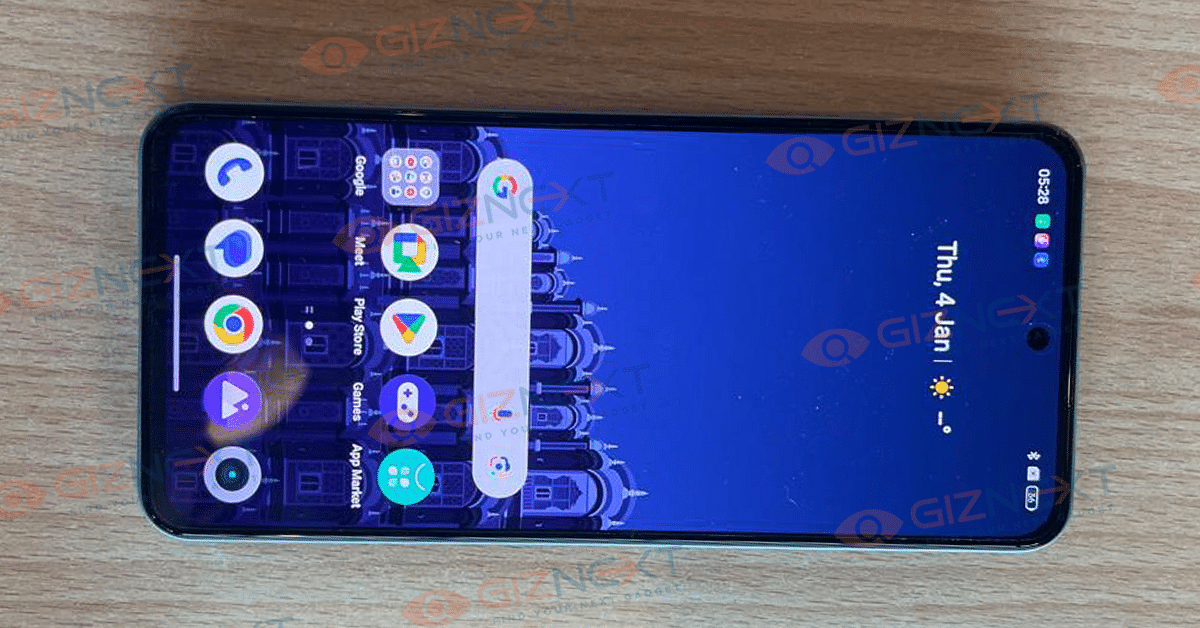
Realme today expanded its affordable Narzo lineup in India with the Narzo 70 Pro. We have seen a consistent improvement with this mid-range lineup and seems like Realme is taking now taking leaps with new innovations. The Narzo 70 Pro 5G with a price range under Rs. 30,000 brings a promising feature-range to the table. Take for instance, its super bright AMOLED screen, AI-backed advanced camera hardware, and SuperVooc fast charging supported battery. The Narzo 70 Pro seems to pack necessary punch for an all-round performance. If you are planning to buy this handset anytime soon, make sure you go through this quick review before sealing the deal.
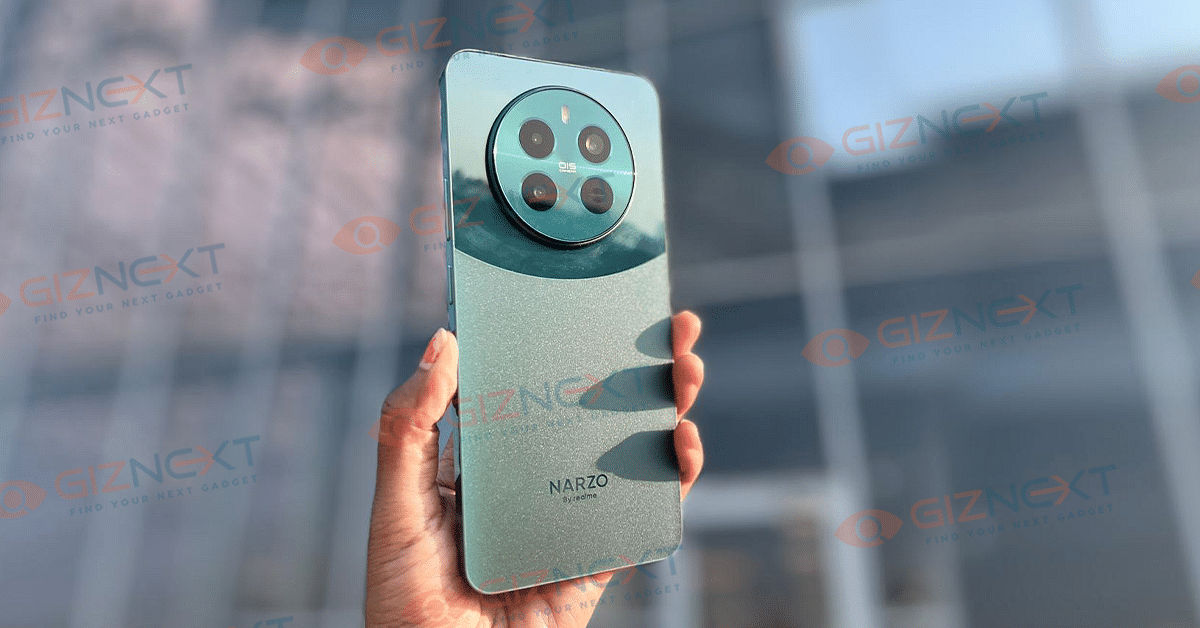
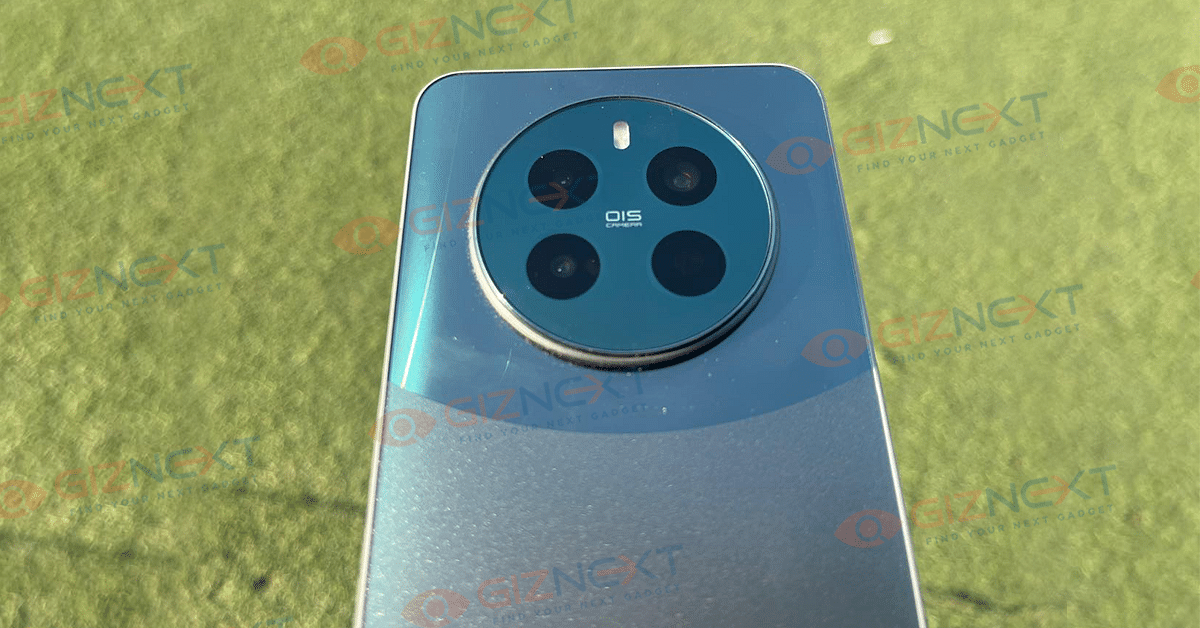
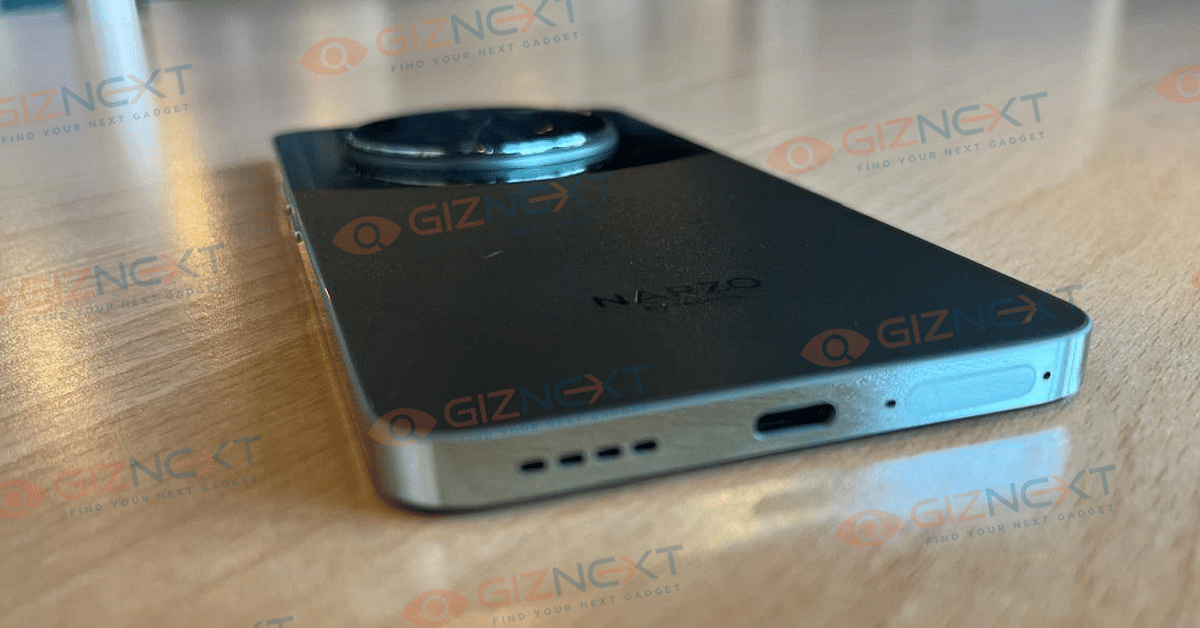
Realme surely has designed a premium looking handset which doesn’t cost a fortune. The glass back of the Narzo 70 Pro gets dual tone shade featuring a round camera module at the center top. Combined with the flat frame design, this handset’s design also gets the ergonomics correct. It offers a good hold and grip. But since it’s a glass back it might feel slippery in sweaty palms.
Super Bright AMOLED Screen
The Realme Narzo 70 Pro has one of the best-in-class screens which has high brightness levels suitable for outdoor usage. It equips a big 6.7-inch AMOLED screen supporting an FHD+ resolution and 120Hz refresh rate. There is also an HDR10+ certification for an enhanced viewing with OTT and other online platforms. We found the panel’s touch feedback smooth and the overall responsiveness is also impressive. There is an integrated in-display fingerprint scanner which has been quick and accurate during our initial testing. The 2000 nits peak brightness level makes outdoor visibility less straining, while the vivid output is a delight for both gamers and entertainment buffs.
Potent AI Camera Hardware
Realme has been enhancing the photography experience with each new Narzo series model. The Narzo 70 Pro 5G has also received its share of upgrade and offers a potent triple rear camera hardware backed by a flagship Sony sensor. The 50MP Sony IMX890 primary camera with an f/1.88 aperture and OIS captures super clear shots. Accompanying this flagship main lens is an 8MP ultra-wide sensor with 112° FoV and a 2MP macro sensor. The selfie snapper offered by the Narzo 70 Pro is a 16MP lens. We have currently tested the Narzo 70 Pro briefly and can say it delivers a good photography experience for its budget. We will be discussing the camera performance throughly in the long term review.
Fast Charging
Powering up the Narzo 70 Pro 5G is a 5,000 mAh battery that gets 67W SuperVooc fast charging support. This setup stores sufficient fuel to drive the handset through almost a day but with basic to moderate usage. For the instances where usage is extensive and backup required is quick, the 67W SuperVooc fast charging will address the concerns. We haven’t tested the battery to its full potential yet, but got a good feedback with the initial test runs.
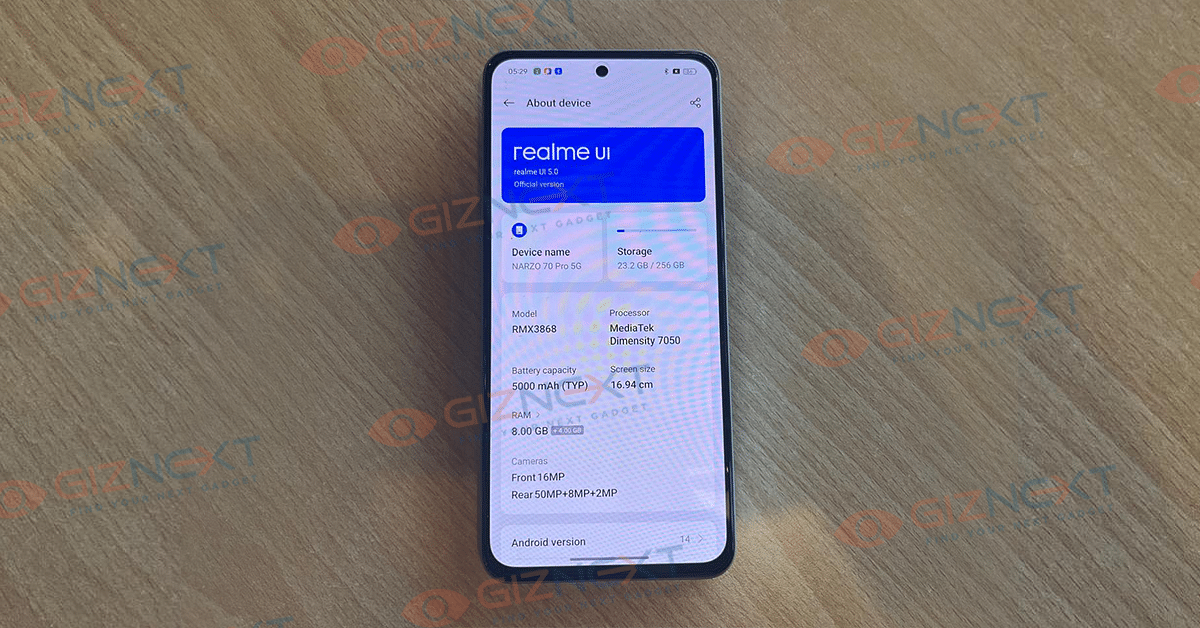
The reason Narzo 70 Pro 5G’s processor gets tagged in the cons’ list is the old Dimensity 7050 chipset borrowed from its precursor, i.e., the Narzo 60 Pro. While the chipset is carried forward from the older-gen model, the performance delivery isn’t much different either. The Narzo 70 Pro has shown efficient speed delivery overall while performing extensive tasks. Gaming has also been a decent experience until now. You can opt from a single 8GB RAM option and dual storage variants including 128GB and 256GB. Out initial testing suggests the Narzo 70 Pro is also decent with handling multitasking which we have seen with the previous-gen model too.
Conclusion
The Narzo 70 Pro is Realme’s solid bet in the mid-range segment; specifically under Rs. 25,000 category which is most crowded. With the base model priced at Rs. 19,999, and the top model priced at Rs. 21,999, the Realme Narzo 70 Pro 5G is a reasonably priced 5G phone. Besides, our initial impressions have been fairly good and we expect this phone to be best suited as a daily driver. However, we are coming up with the detailed review soon where we will discuss the daily performance aspects in a longer run.
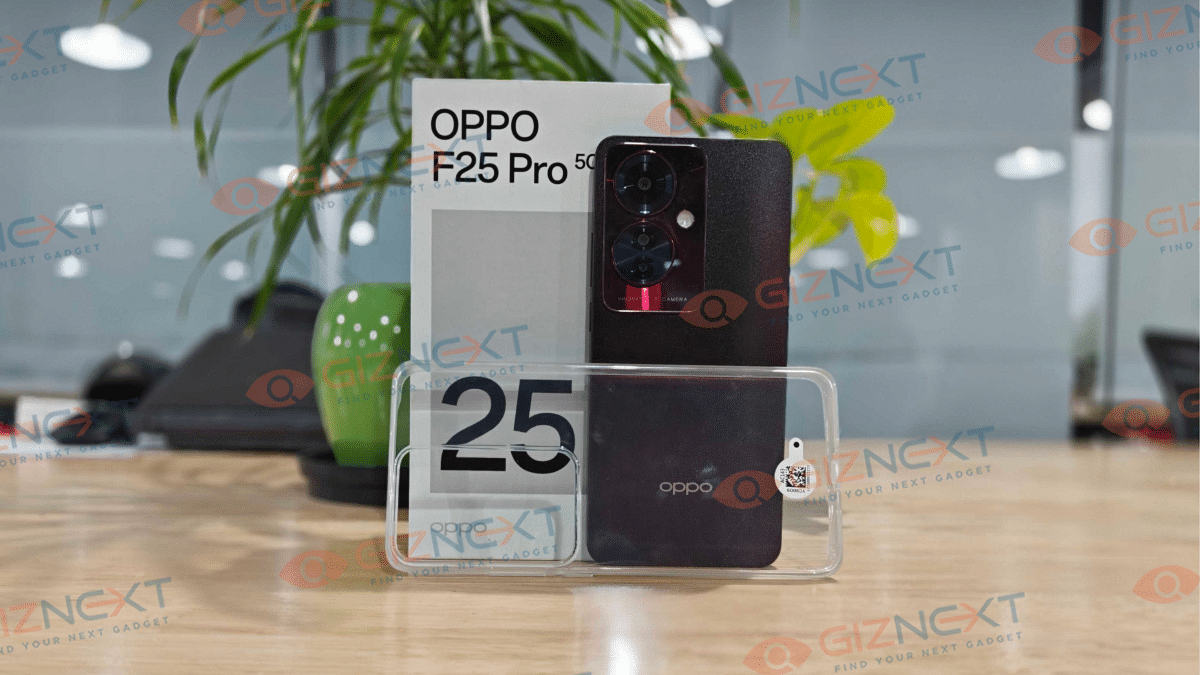
OPPO logged its name in the list of top players in the global mobile industry. The Chinese OEM has multiple Android smartphone lineups targeting different consumer segments. The fairly new OPPO F series is designed specifically for the mid-range consumers and has been receiving a good response all this while. OPPO is transforming this series with future-ready models and the latest entrant in this race comes in the form of the F25 Pro which debuted this month itself in the country.
The OPPO F25 Pro comes in two variants with the base model featuring 8GB RAM + 128GB storage priced at Rs. 23,999. Whereas, the top model with 8GB RAM and 256GB storage costs Rs. 25,999. With the sub Rs. 30,000 segment flooded with some of the advanced models, does the F25 Pro makes a cut? At Giznext, we reviewed the F25 Pro’s daily performance with a variety of tasks and here’s what we think:
OPPO has been showing a solid expertise with smartphone designing which isn’t limited to the premium but also affordable and mid-range units. With the F25 Pro too, OPPO has taken all the necessary aspects into consideration and crafted an appealing phone meeting modern day standards.
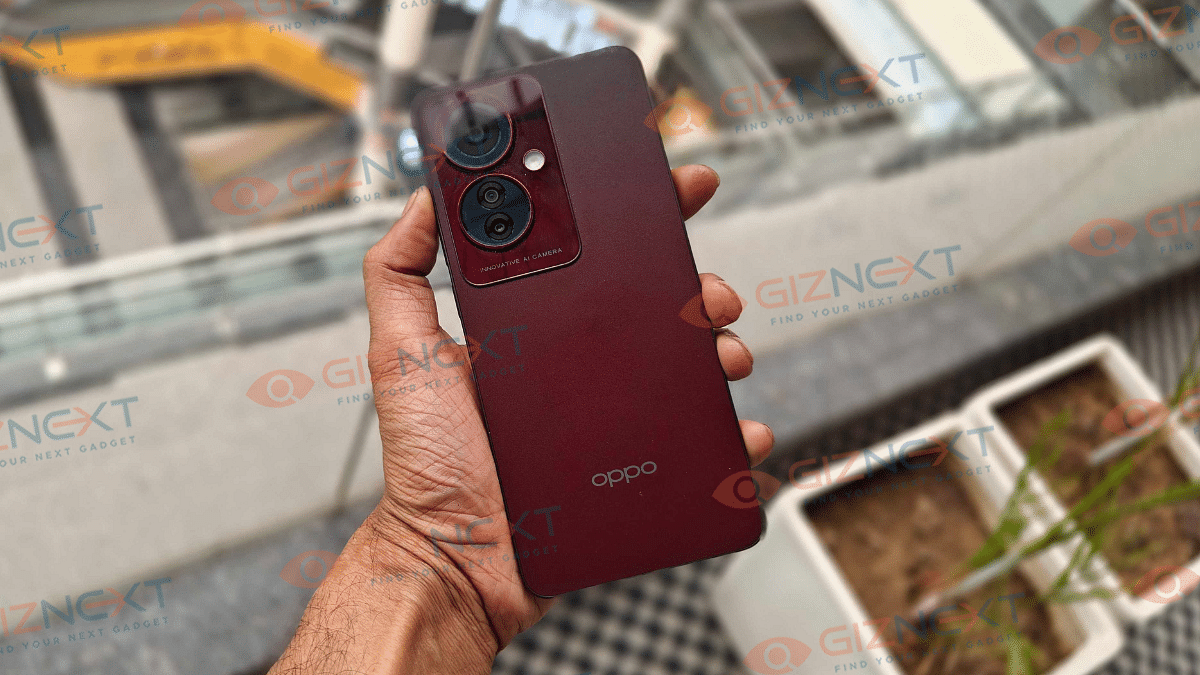
The OPPO F25 Pro gets a flat boxy yet slim profile with which it offers a comfortable user grip. The phone features just 7.44mm thickness and weighs around 177 grams. You won’t find the unit being bulky unless you add on an external case. You can opt for the OPPO F25 Pro in dual shades including Lava Red and Ocean Blue.
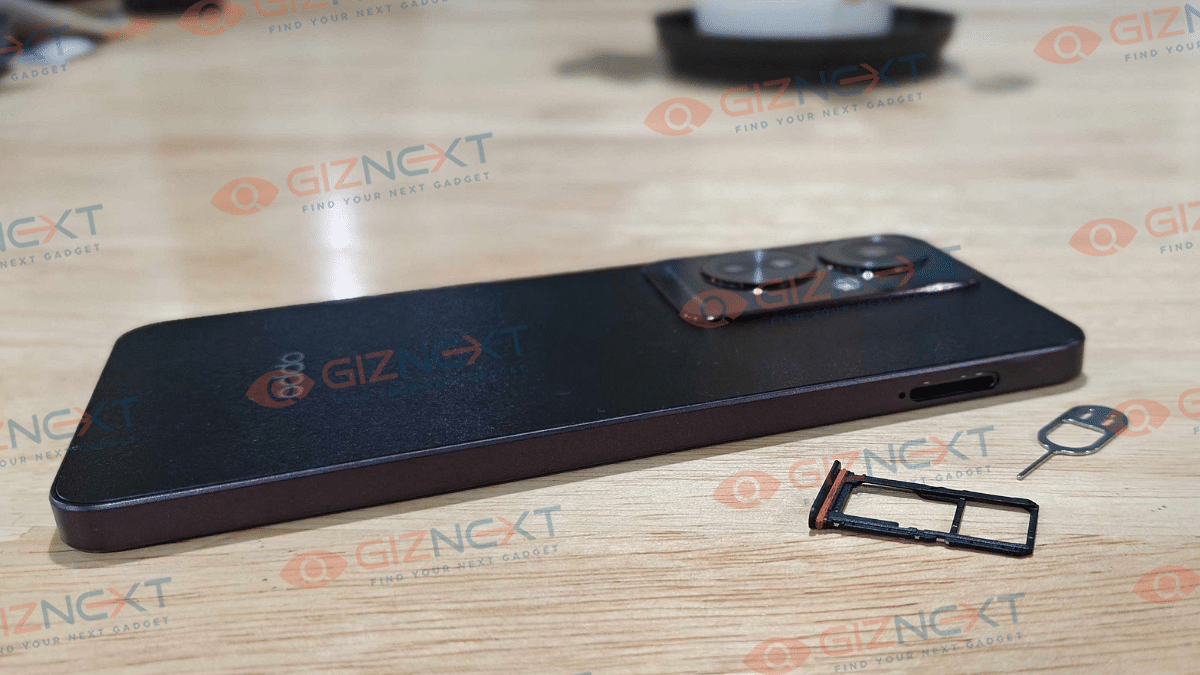
We got to test the Lava Red variant which offers a mix of dark red and burgundy tones when exposed to different light angles. The rear surface produces a shimmering effect but isn’t prone to picking up dust and fingerprints. This did impress us as keeping the phone clean and flaunting it without a cover becomes easier.
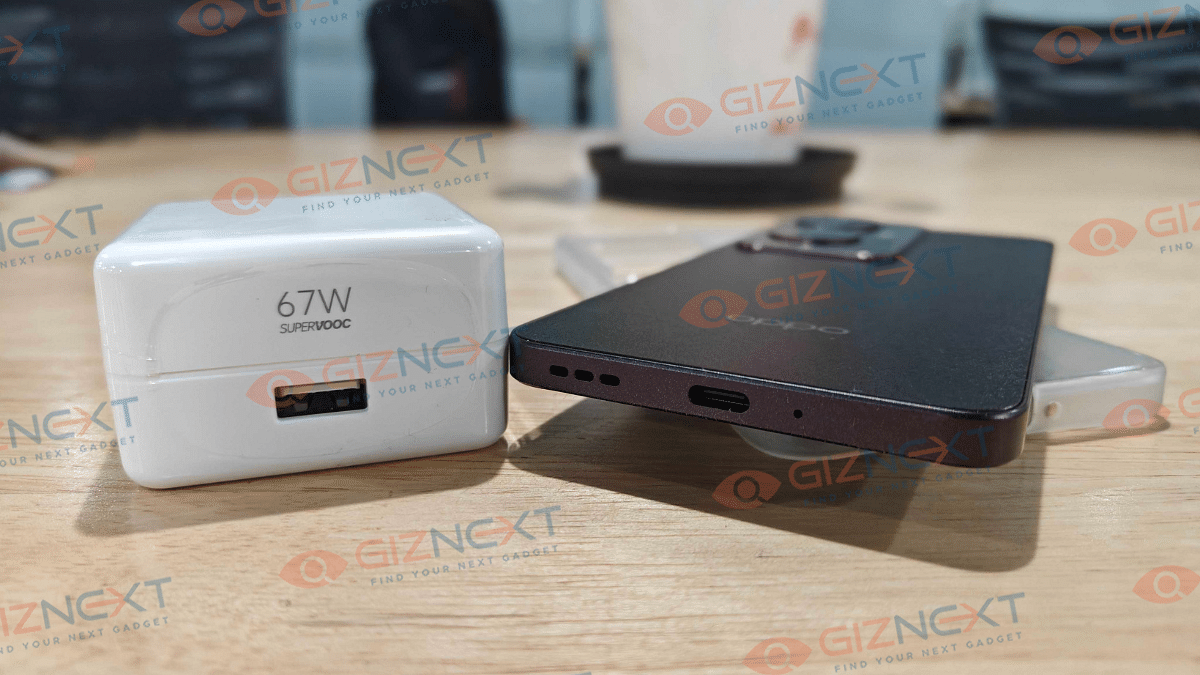
The phone’s premium design is complemented by a large rectangular camera module positioned on the top-left housing dual camera rings. Next up is the placement of the keys and ports where you get the standard positioning of the volume and power keys on the right panel. The SIM card tray is located on the left panel and the Type-C port, speaker grille are placed on the bottom panel.
Holding the OPPO F25 Pro feels premium and the IP65 certification adds additional protection from dust and water splashes. So, outdoor usage specifically in bad weather conditions doesn’t come as a big concern with the F25 Pro.
Upfront, the design is straightforward. A punch-hole cutout for the selfie camera is mounted at the centre-top of the screen and the bezel-profile is also ultra-slim on all corners. The flat frame design is adequate for consumers who aren’t a big fan of curved-edged displays.
The panel used by the OPPO F25 Pro is AMOLED with the screen size being 6.7-inch. Now, despite this tall display, the F25 Pro fits easily in the palms. Operations with a single hand is easy when its for basic web browsing and app usage. For gaming and other extensive tasks only you would need to use both hands.
Supporting an FHD+ resolution of 1080 x 2412 pixels and 120Hz dynamic refresh rate, the visual clarity is of high levels. The AMOLED panel of the F25 Pro produces clean and crisp content which allows us to binge watch shows and movies. The experience with viewing content on OTT platforms is further refined with the HDR10+ certification and 2160Hz PWM dimming features.
We tested the display’s performance with multiple such platforms including the top shots such as Netflix, Disney+ Hotstar, and others. The output kept us hooked to the screen. The same has been the case with gaming as the screen remains responsive while displaying actions. No display lag is noticeable with heavy games and you can easy tune to the moderate as well as highest settings.
The OPPO F25 Pro equips a 6nm octa-core Dimensity 7050 chipset. MediaTek’s mod-range SoC on the F25 Pro brings along 5G capabilities and speedy performance. Now, level of expectations weren’t super high before we used this handset. However, the F25 Pro surprisingly packs solid punch despite getting its power from a mid-range MediaTek chipset.
Using the phone for basic tasks has been a good experience overall. We can easily say the same for multitasking as well operations that require potent hardware. With up to 8GB of physical RAM and an additional 8GB Dynamic RAM, the F25 Pro handles all operations smoothly. If you are amongst those users who are dependent on mobiles for variety of day-to-day tasks, you wouldn’t be disappointed.
This device handles all such tasks quite efficiently with least of lags experienced. Be it app launch speed or switching between the ones running in background, there is no delay encountered. As for the storage space, the F25 Pro has dual options including 128GB and 256GB.
After selecting the variant depending on your requirements, you can further expand the storage using an external microSD card. It offers a 3-way SIM slot supporting dual SIM cards and one microSD card (up to 2TB). It’s good to see that this mid-range Android phone still retains this setup instead of a hybrid SIM slot which is being preferred by majority of the brands in this segment.
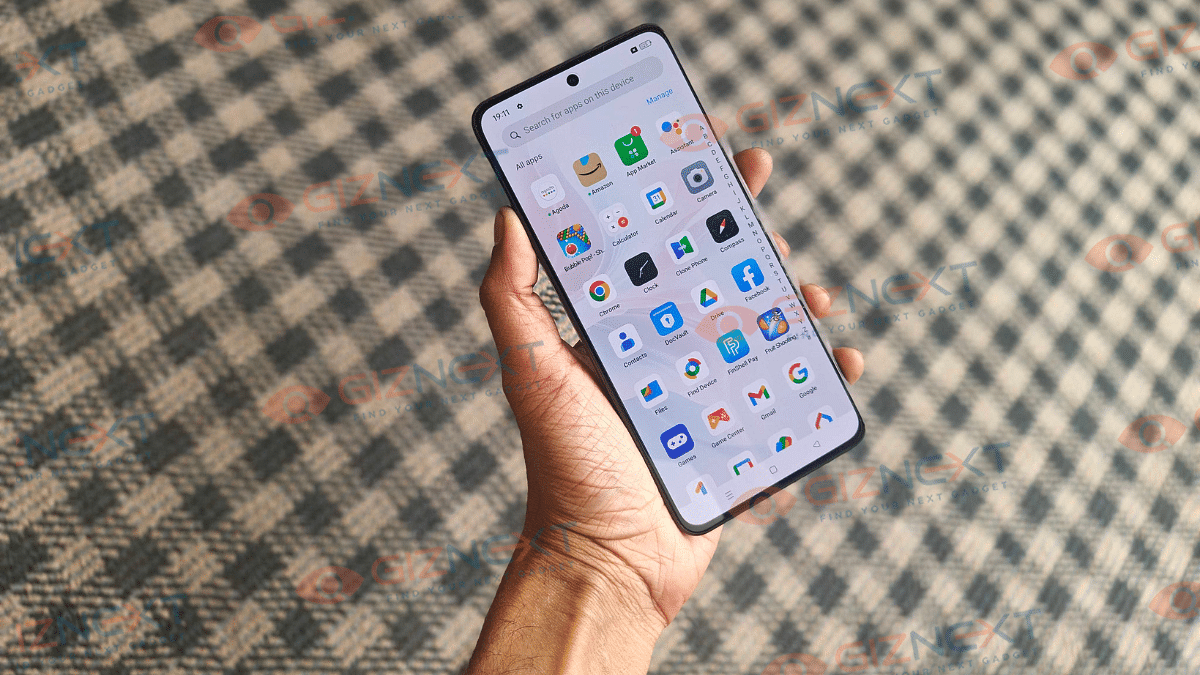
The OPPO F25 Pro boots on the Android 14 OS that has a Funtouch OS 14 UI layered on top. While OPPO has made several advancements to the UI, it still doesn’t come entirely free of bloatware. This could come a bummer for the masses who are bent towards using a cleaner UI. Thankfully, most of the pre-installed bloatware can be uninstalled manually and the app drawer’s clutter can be removed.
The OPPO F25 Pro becomes a complete package with the beefy 5,000 mAh battery capacity. This phone has provided backup of almost one full day on a single charge. However, its only if you use this handset moderately.
Take for instance, basic web browsing and social media app usage along with light gameplay. With this much of usage, the backup would be over 10 hours easily. But if your mobile usage is extensive, you might need a re-plug towards the end of the day.
The F25 Pro features 67W fast charging with which it gets a complete re-charge from 0-100 percent in less than two hours (1 hour 35 minutes approx.). While this speed is decent, we would have appreciated a slightly higher charging speeds.
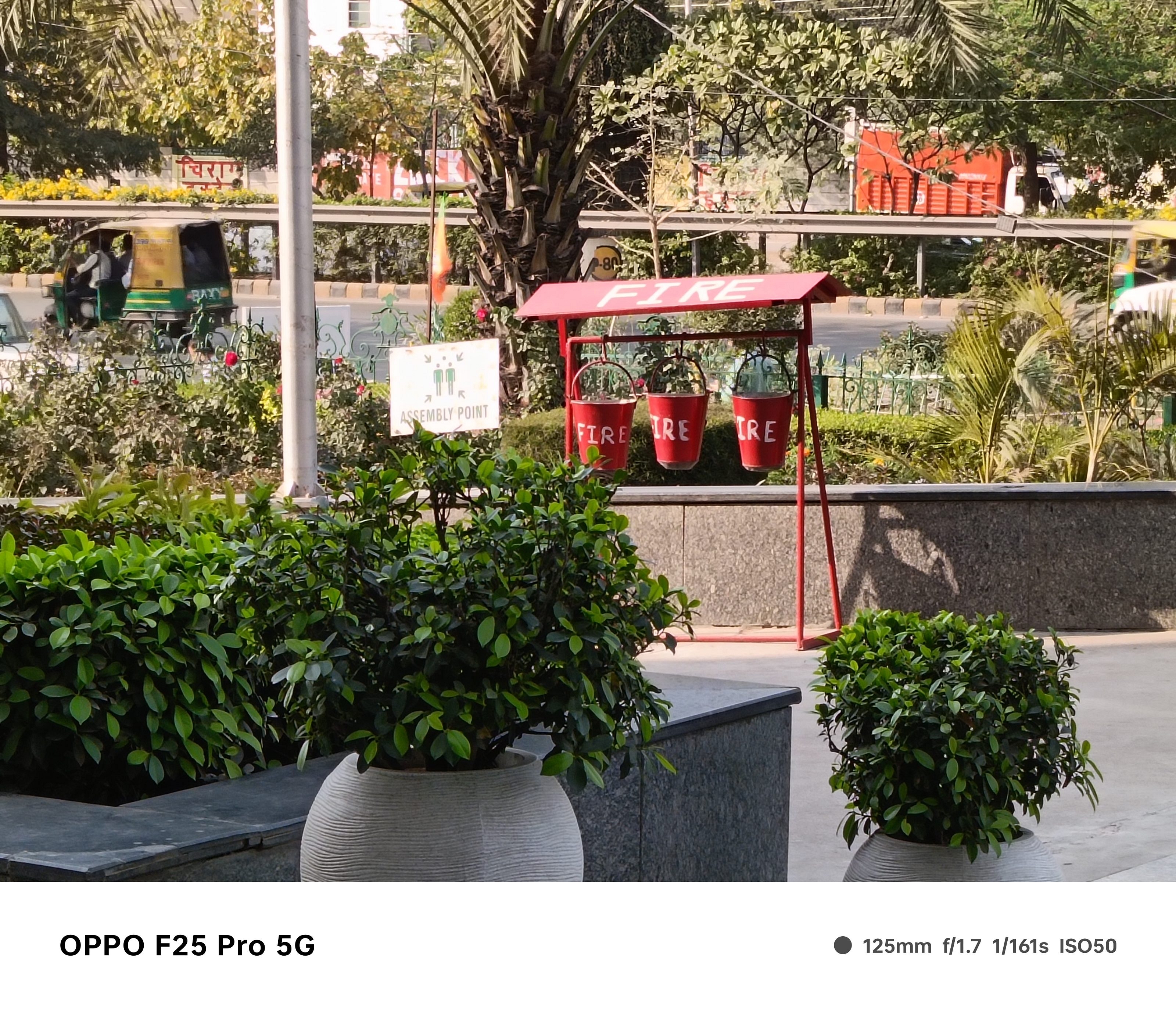
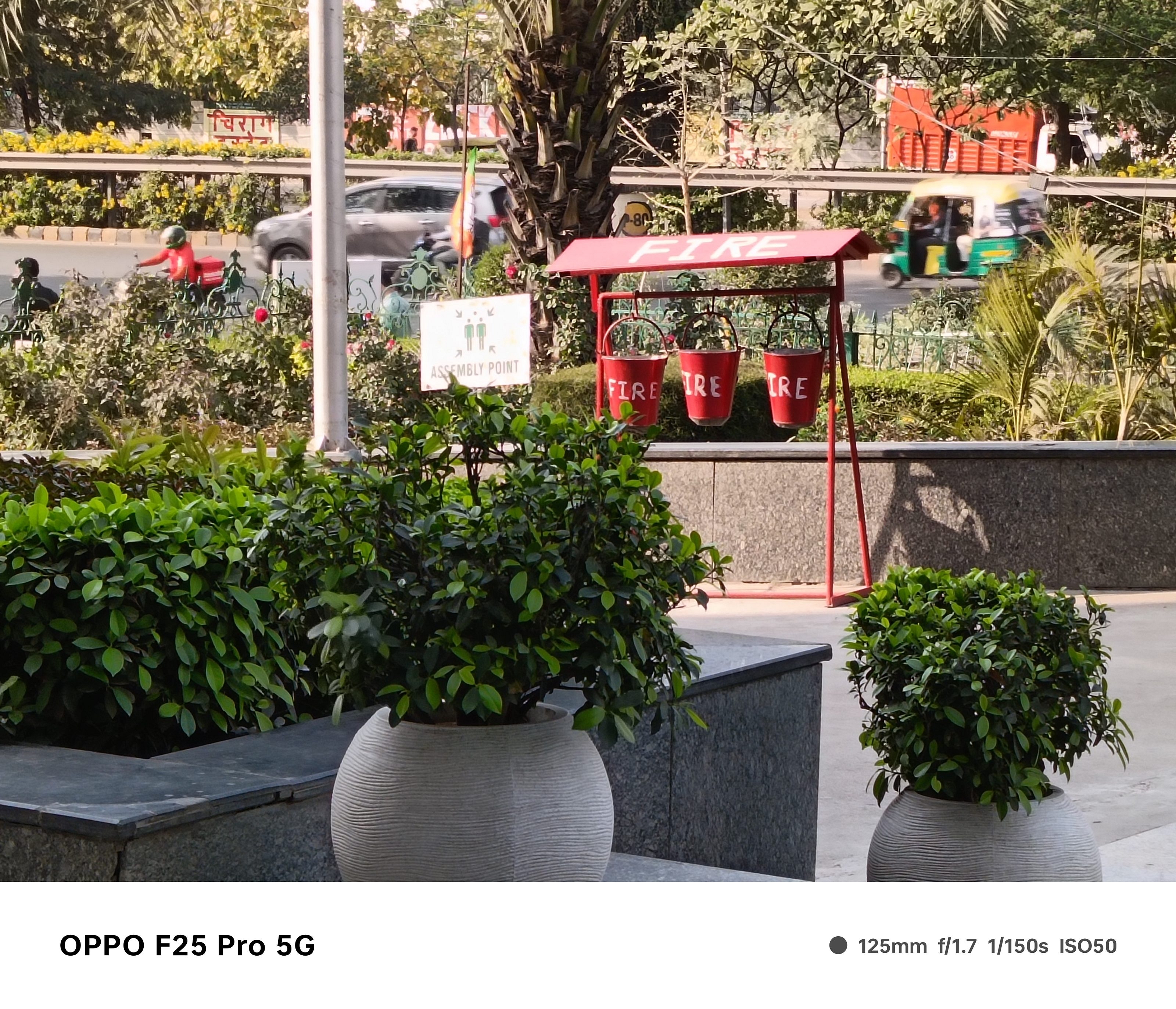
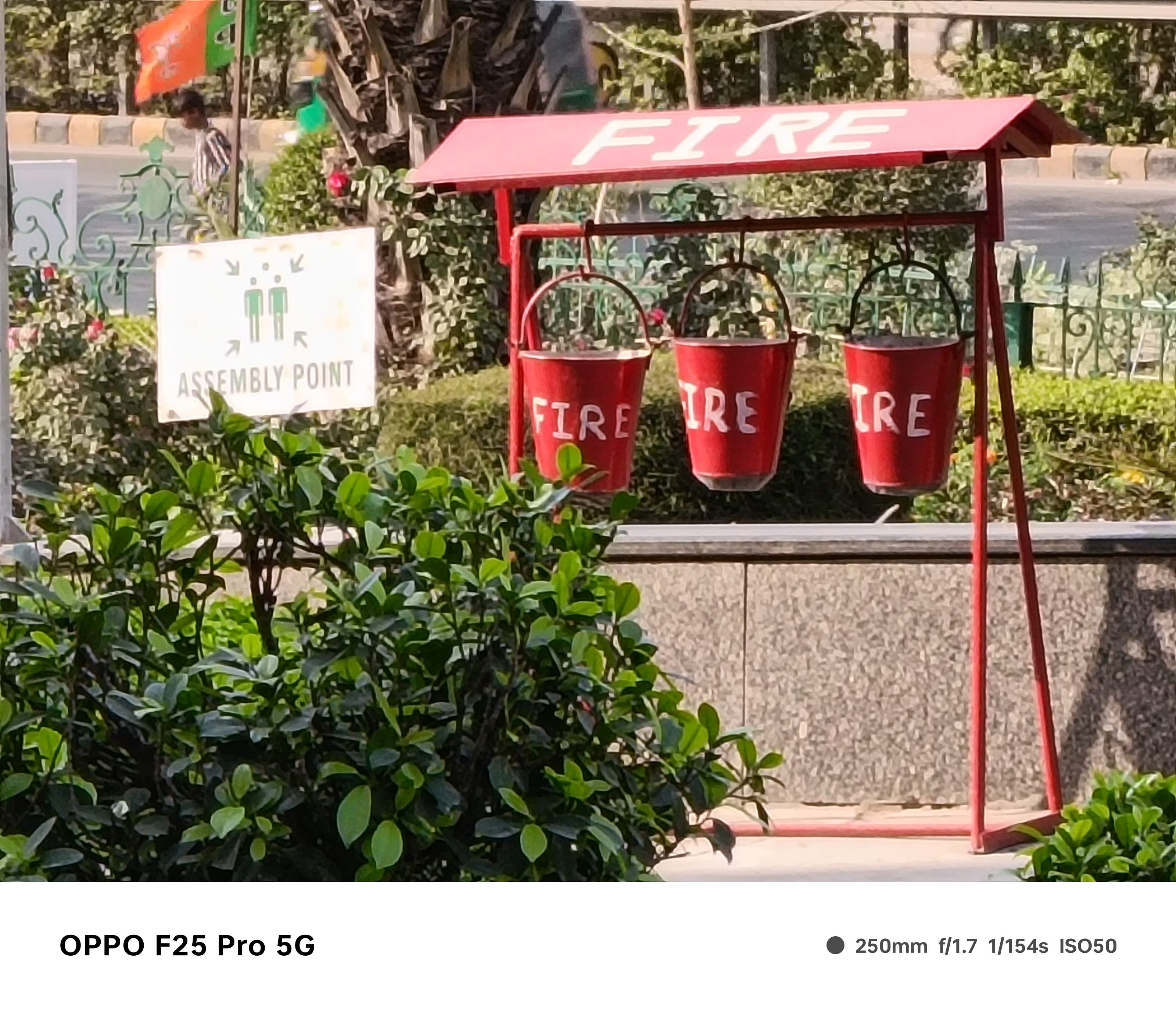
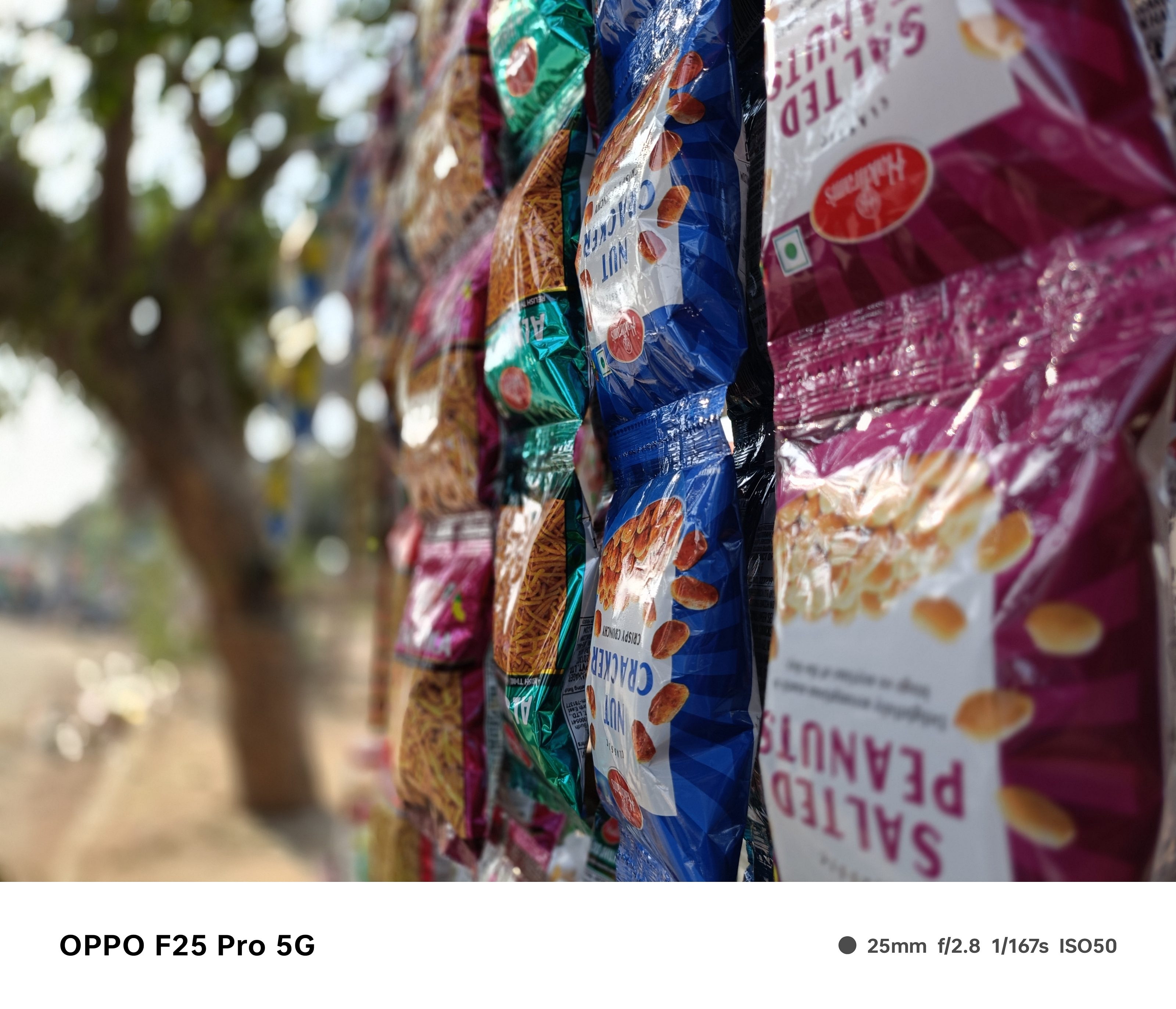
Before we proceed on to the camera performance, let’s first take a quick look at its hardware. The primary camera hardware on the OPPO F25 Pro includes triple sensors. Primary sensor is a 64MP OV64B sensor with an f/1.7 aperture and 25mm focal length. The secondary sensor is an 8MP Sony IMX355 lens with an f/2.2 aperture and 112° FoV (Field of View) which further gets paired up with a 2MP lens for close ip macro shots.
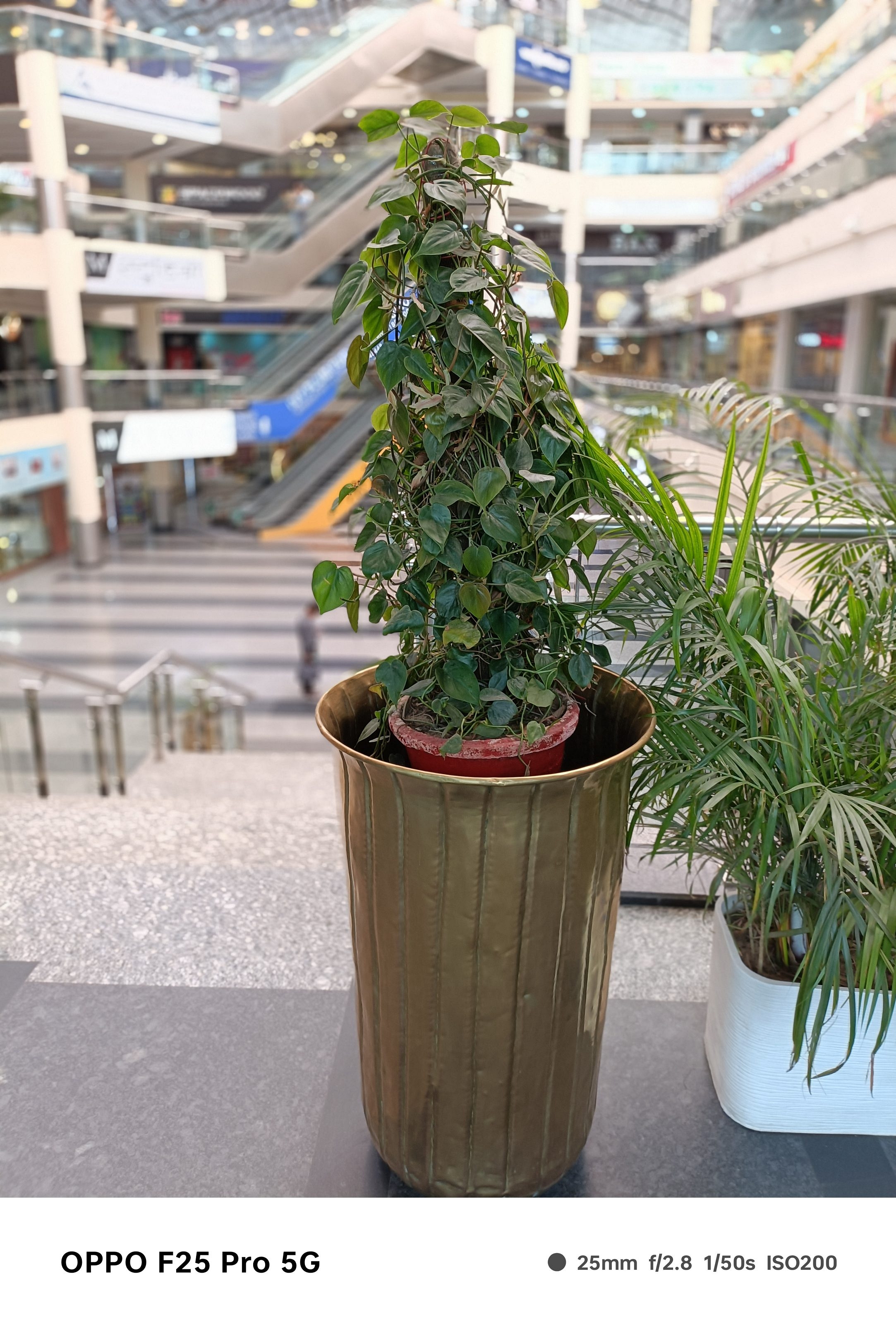
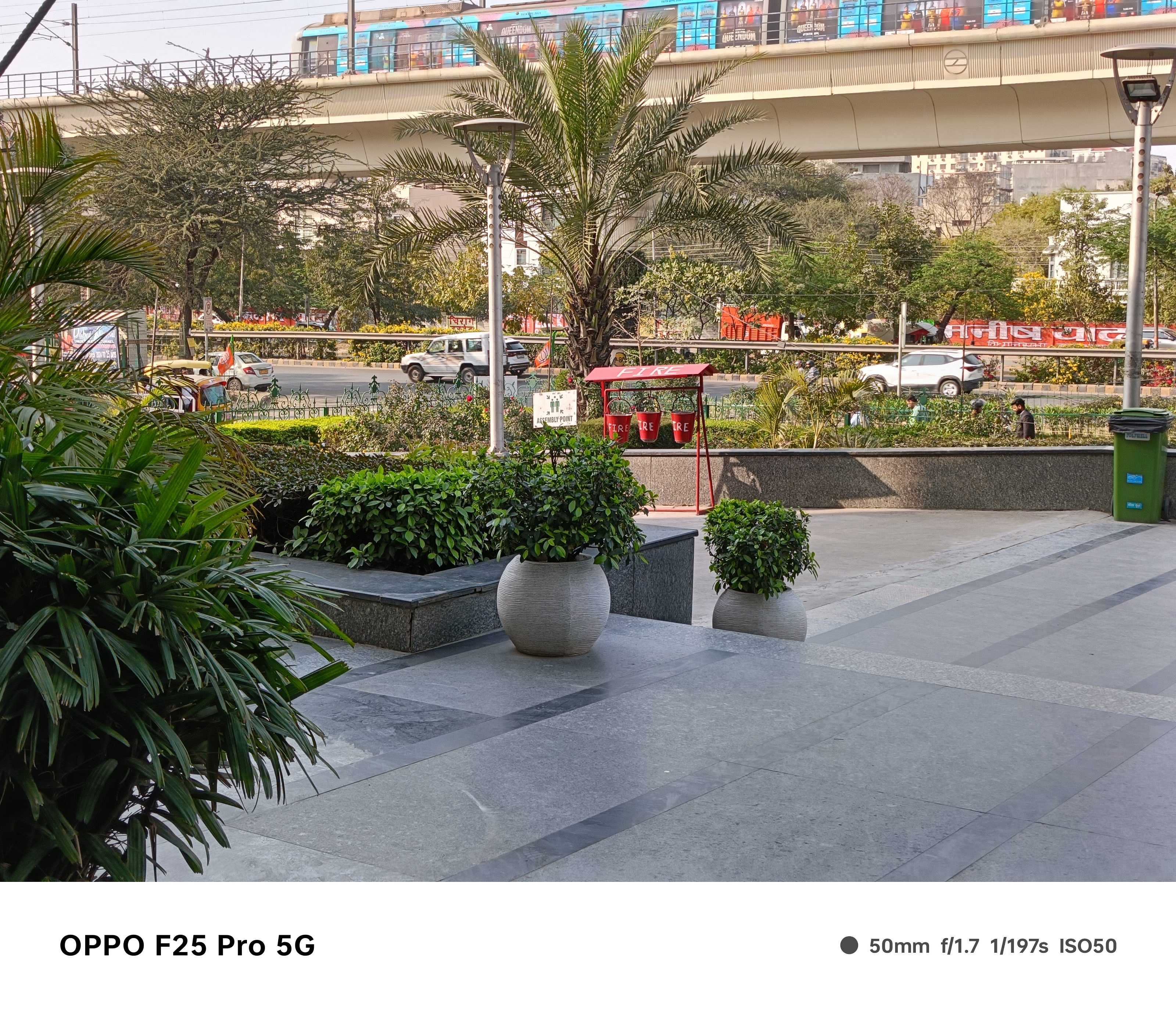
Cameras on the OPPO F25 Pro have offered a mixed package overall. The setup is potent enough to capture details with the shots that have well-lit backgrounds. Specifically, the larger primary sensor can click high-res photos while cutting down on the unwanted noise.
The AI does a good job with image processing. You might encounter the images going subtly oversaturated at times but the quality doesn’t seem inferior. For wide angle shots, the OPPO F25 Pro’s dedicated ultra-wide-lens does its job fairly well.
The output while capturing landscapes is good overall with the subjects getting properly highlighted in the frame. Color saturation as mentioned earlier tends be on the higher side by default. Portrait photography is also decent with the background blurs appearing natural. While it isn’t the best of the portrait shots you get with the F25 Pro, the overall quality isn’t disappointing either.
Well, if your requirements is a mid-range phone which is capable to perform daily tasks and offer a consistence performance, the F25 Pro makes worth the cut. This phone is reliable and efficient at the same time which is one of the primary criteria for a good mid-tier handset. Besides, the asking price range under Rs. 25,000 for a 5G phone which can deliver an all round performance gets our expert recommendation.
It will have two models: X Fold 3 and X Fold 3 Pro
Standard model priced at CNY 7,999, Pro model at CNY 9,999
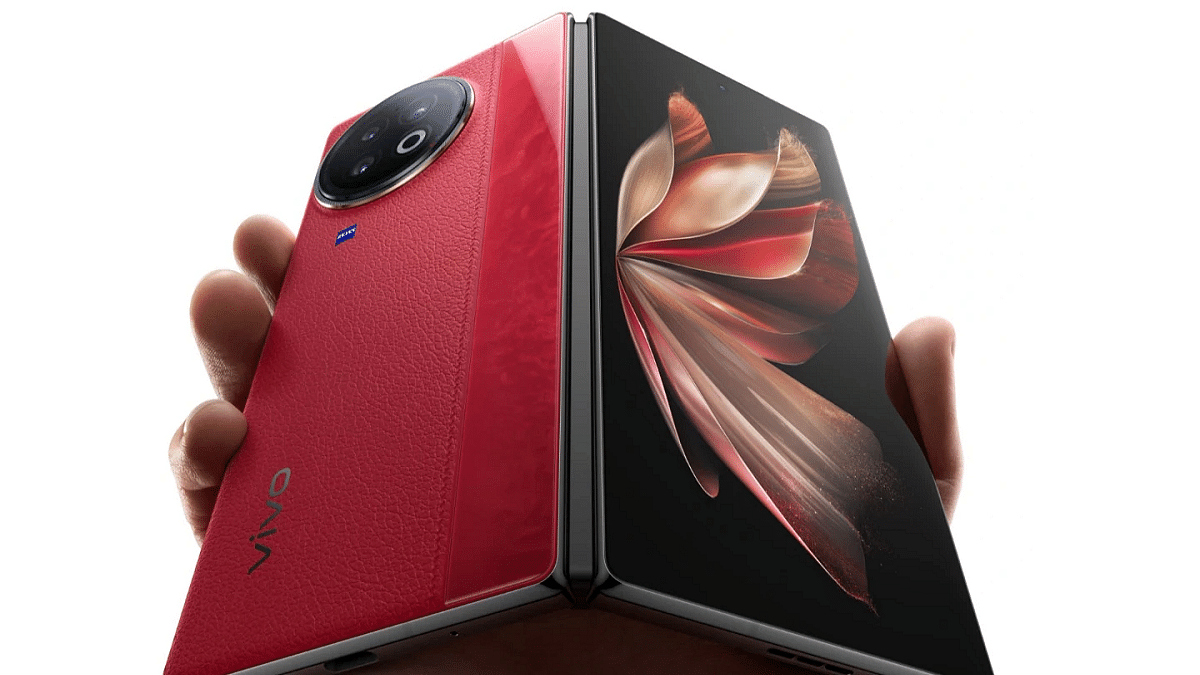
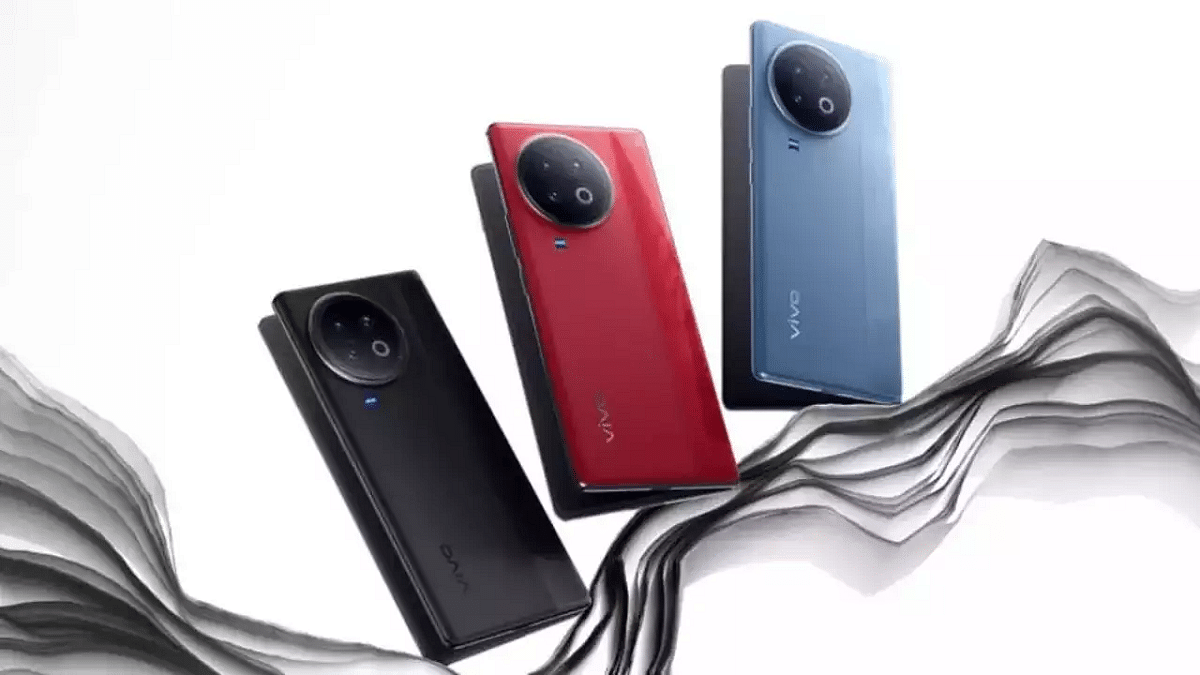
Vivo is getting ready to unveil its new smartphones in China. The upcoming Vivo X Fold 3 series is generating a lot of buzz. This series will include two models: the Vivo X Fold 3 and the Vivo X Fold 3 Pro. Here’s everything we know at this point. Also Read | Oppo Launches Self-Help Assistant For Indian Smartphone Users: Here’s How To Use
Launch Announcement
The company has officially announced the launch date for these phones. The event is set to take place on March 26 at 7pm local time in Shanghai World Expo Center. Along with the phones, Vivo will also introduce a new smartwatch and a pair of TWS earphones.
Vivo X Fold 3 Series:Key Features
Vivo has given us a sneak peek at the design of the Vivo X Fold 3 series. They’ve teased us with images showing that the phones will come in Black and White colors.
Vivo claims that these will be the thinnest and lightest foldable smartphones ever made. They will be powered by Qualcomm’s Snapdragon 8 Gen 3 chipset. The Pro model will have an 8.03-inch display, Vivo’s V3 imaging chip, and a high-quality Zeiss-backed camera.
Vivo X Fold 3 Series:Special Design Features
The Vivo X Fold 3 series will feature an “Armor Feather” design, making them durable and resistant to drops. They will also have an IPX8 rating for splash resistance, making them safe from water damage.
These phones will come with a “Blue Ocean” battery system, promising longer battery life. They will also feature Vivo’s “Blue Heart” AI model for smarter performance.
Comparisons and Expectations
Leaked information suggests that the Vivo X Fold 3 phones will be lighter than the latest iPhone models. They are expected to run on Android 14-based OriginOS 4 and offer top-notch camera capabilities.
Expected Pricing
The standard Vivo X Fold 3 is anticipated to be priced at CNY 7,999 (approx. Rs. 94,000), while the Pro model may start at CNY 9,999 (approx. Rs. 117959).
Conclusion
With its sleek design, powerful features, and competitive pricing, the Vivo X Fold 3 series is set to make waves in the smartphone market. Stay tuned for the official launch to learn more about these exciting new devices.