As the Assistant Editor, Sandeep is generating tech-oriented content and also monitoring the content published on the website. He has over six years of experience in tech journalism and has expertise in product reviews, news articles, listicles, and media campaigns.
Ola Electric has been at the forefront when we speak of electric two-wheelers in India. The brand has emerged as one of the first preferences for the consumers looking to buy an e-scooter at affordable rates. Seems like, Ola is now working on a new electric scooter which will be catering to B2B (Business-to-Business) consumers. This information comes from a recent patent filing of an unknown Ola electric scooter. Check out the details below:
Upcoming Ola Electric Scooter Patent Filing Complete
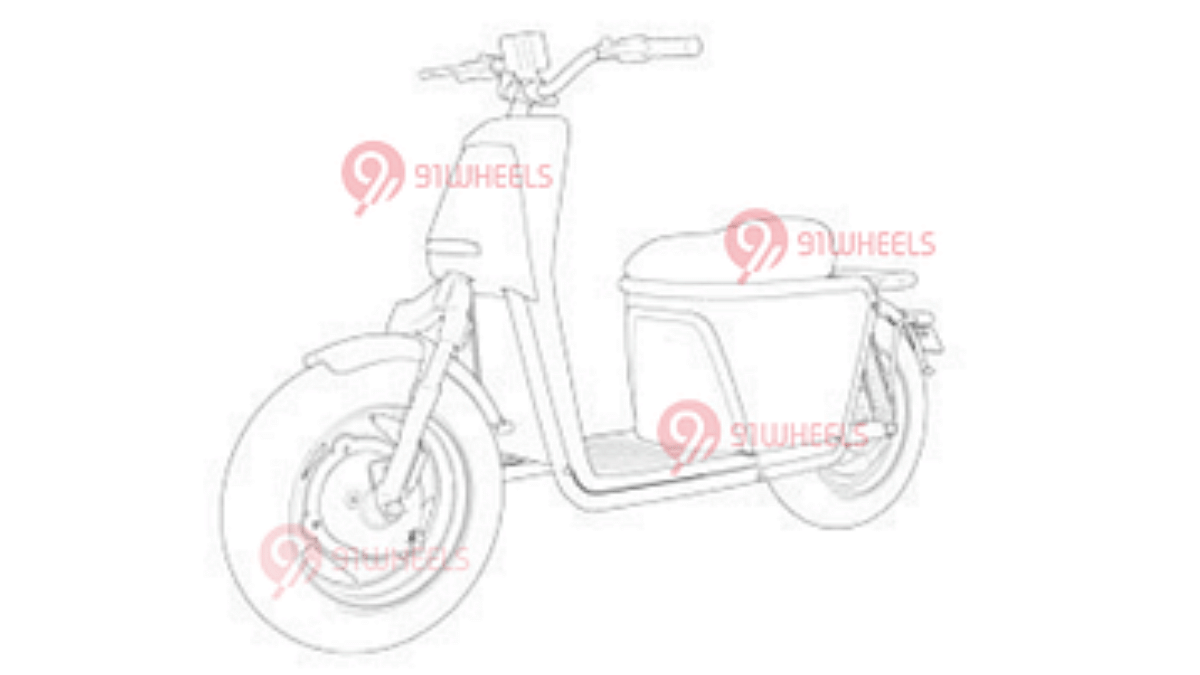
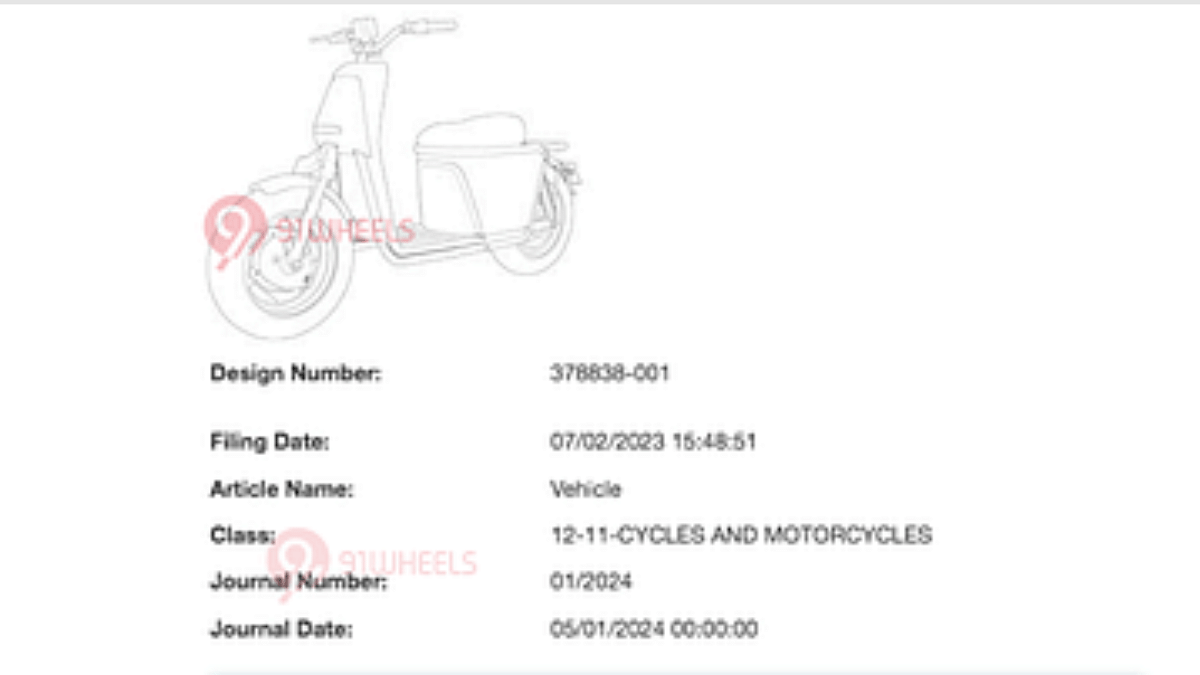
Publication 91Wheels have shared the fresh patent filing for the upcoming Ola electric scooter. The leaked patent images of the upcoming electric scooter has revealed the design aspects which seems to be different than the current Ola S series e-scooters.
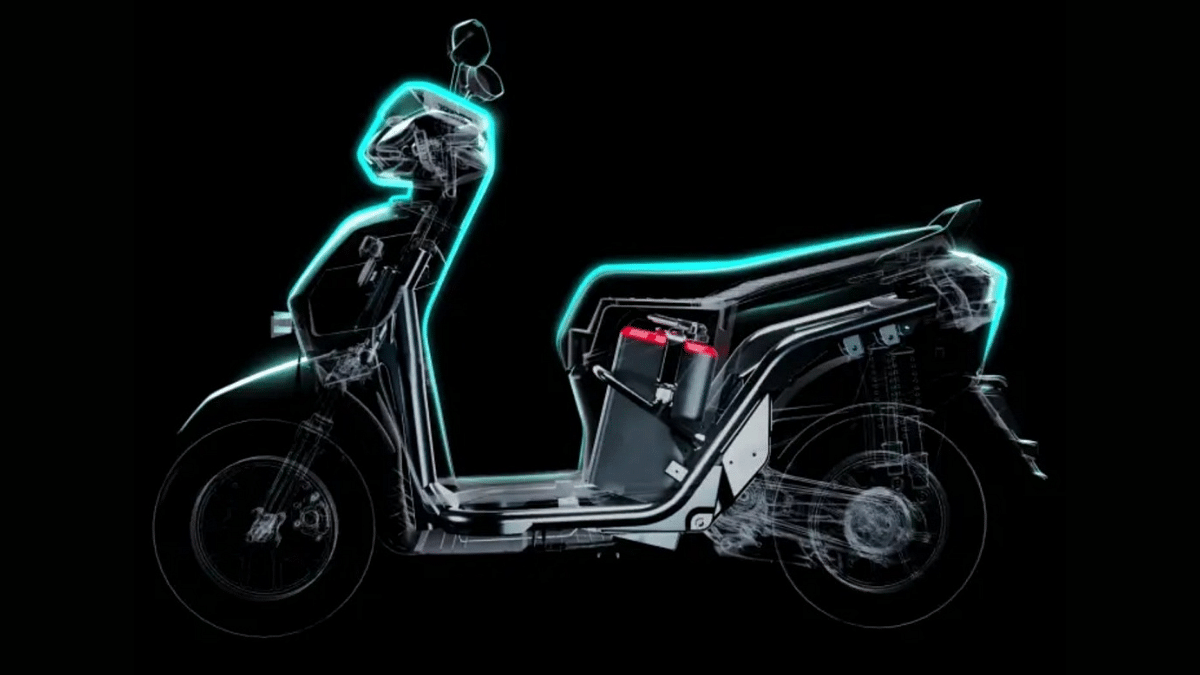
Going by the image on the patent filing, the upcoming Ola e-scooter will flaunt a new design language compared to the existing Ola e-scooter fleet. It moves away from the trendy and stylish design to utility-oriented. The patented design is rather minimalistic which appears to be based on a standard frame.
What makes us believe the upcoming Ola electric scooter will be a B2B e-scooter is the presence of a luggage carrier at the rear. The seat also appears to be designed for a solo rider which reiterates the fact that it could be a business-oriented e-scooter. The front bumper design is also basic and compact and it is likely to feature drum brakes both upfront and rear for braking.
It could use a wishbone fork suspension at the front, while at the rear, we could see dual spring shock absorbers. The instrument cluster is also expected to be standard contrary to the current-gen Ola S series e-scooter which have a fully loaded digital console.
As of now, only the patent filing confirmation have emerged for the upcoming Ola e-scooter. The motor type, battery pack, and other performance metrics are not revealed by any of the credential sources. But since the patent filing is complete, we can expect the information to start flowing soon.
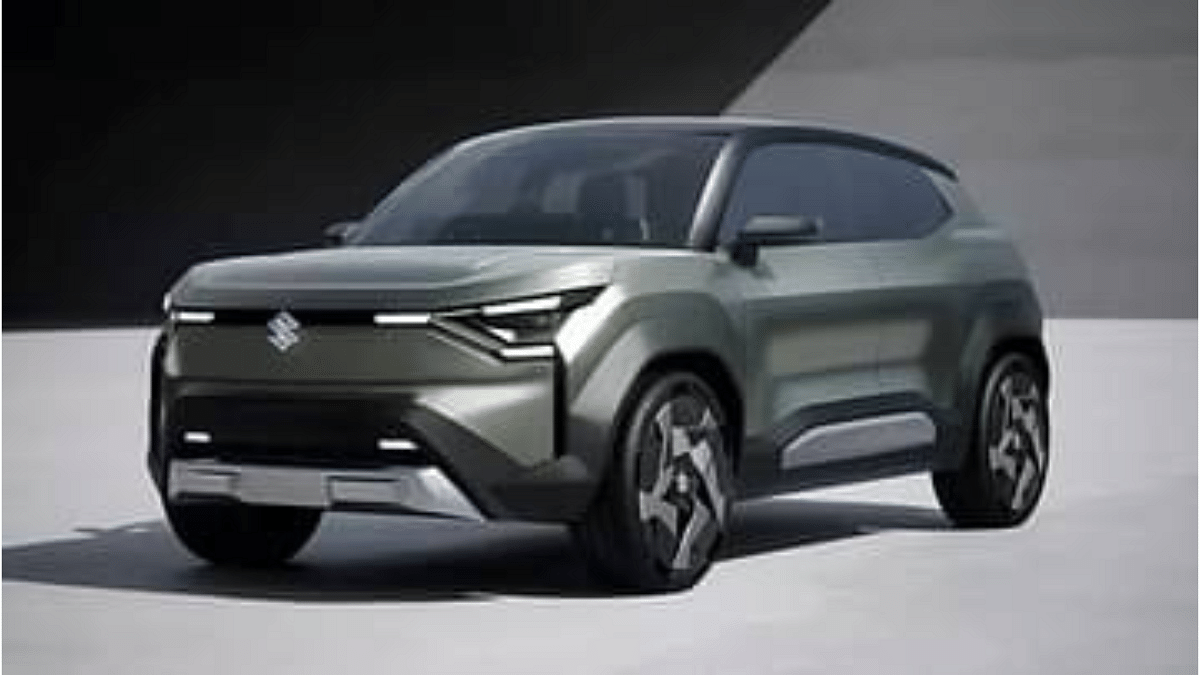
Maruti Suzuki’s first electric car is heading closer to its official launch. The company has started testing the electric SUV on the Indian roads and we have come across another sighting of the test mule. The eVX was first showcased as an concept vehicle last year at the Auto Expo 2023. The fresh testing of the upcoming eVX electric SUV has given some additional insight related to the core features. Let’s dive into the details below:
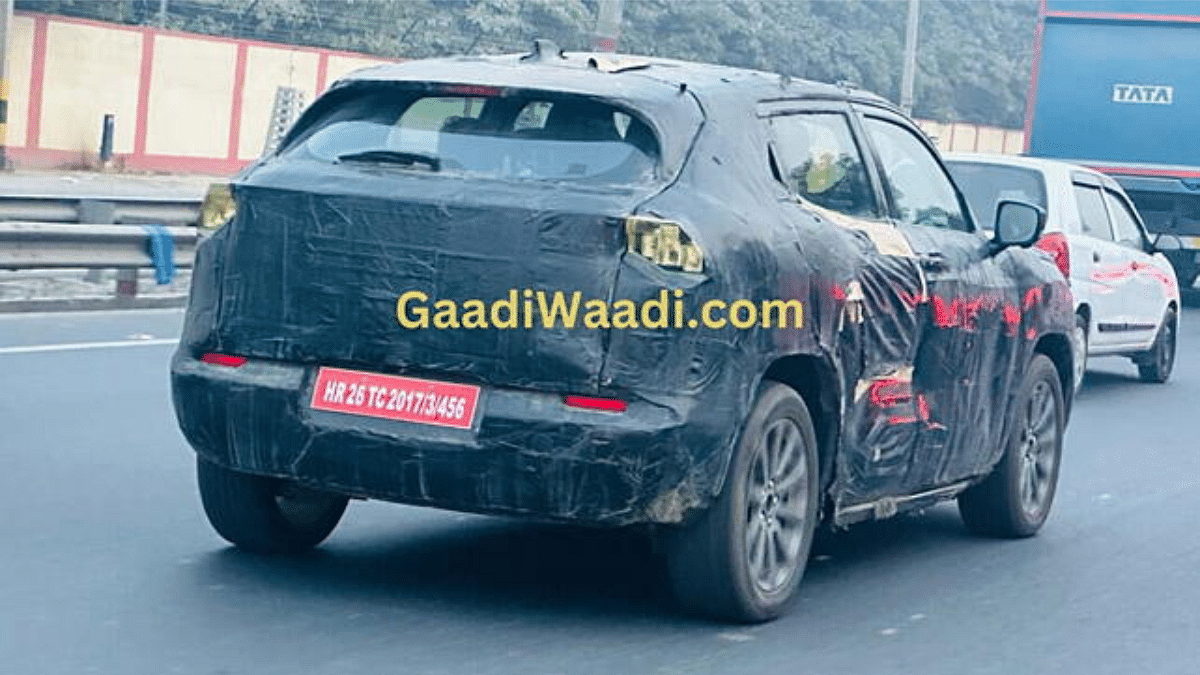
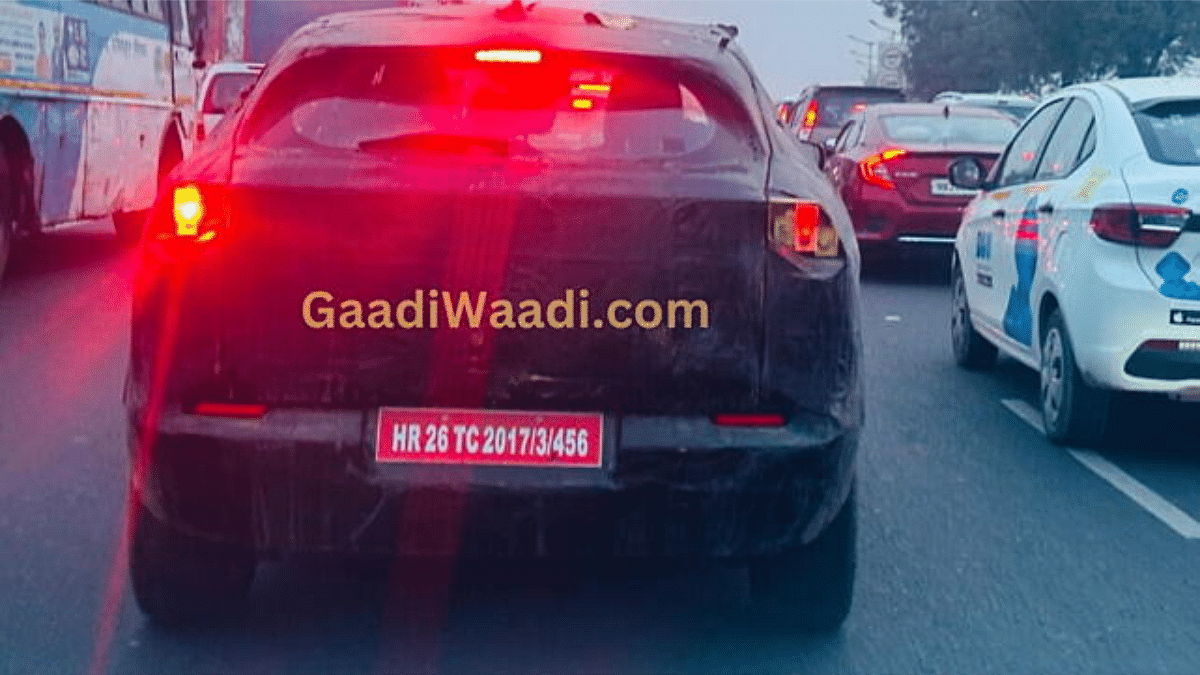
The latest set of leaked Maruti Suzuki eVX test mule images shows the car wrapped in heavy camouflage. However, it seems that an ADAS sensor is mounted upfront. Until now, Maruti Suzuki hasn’t incorporated ADAS into any of its available models. If this information is correct, it would be the first time ever we will get to see ADAS suite in any Maruti Suzuki-labelled vehicle.
Unfortunately, the leaked image doesn’t reveal if the eVX electric SUV will be loaded with ADAS Level 1 or ADAS Level 2 suite. We should get a confirmation on this once the launch approaches. The exterior design as seen with the test mule is similar to the concept version showcased earlier. The interiors are yet to be spied.
However, we can expect the eVX to offer a range of advanced features including a 360-degree camera and a two-spoke steering wheels with controls mounted on it. The Maruti Suzuki eVX is also expected to come with a panoramic sunroof and adjustable seats for comfortable drive positioning.
Maruti Suzuki eVX Electric SUV Powertrain: What Can We Expect?
Maruti Suzuki eVX
Powertrain (expected)
FWD (front-wheel-drive) model
single electric
AWD (all-wheel-drive) model
dual
Battery
45 kWh/ 60 kWh
Range
Over 500 km per charge
Exact powertrain is yet to be confirmed for the eVX. But the rumors suggest, the first electric SUV from Maruti Suzuki could be made available with both AWD (all-wheel-drive) and FWD (front-wheel-drive) options. The former is likely to feature a dual-motor setup, while the latter could come with a single motor.
It is expected to be built on the 27PL platform from Toyota. The electric SUV could be made available with dual battery pack options including a 45 kWh and a 60 kWh model. As for the range delivery, the eVX is rumored to deliver over 500 km range on a full charge cycle.
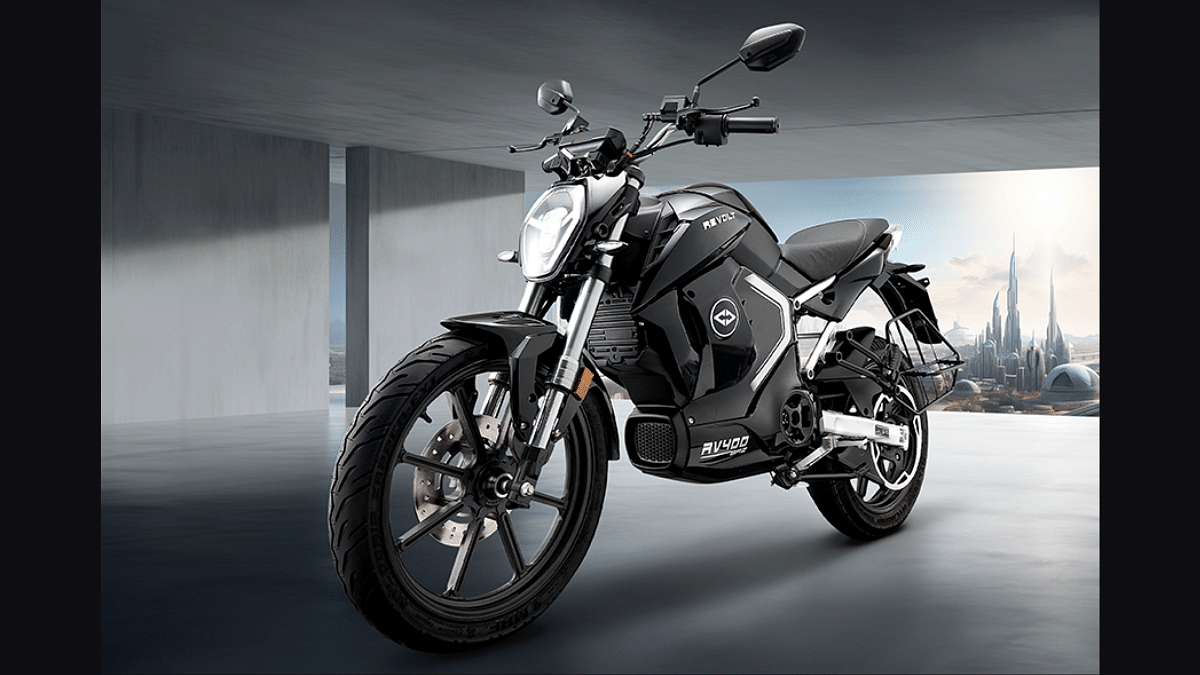
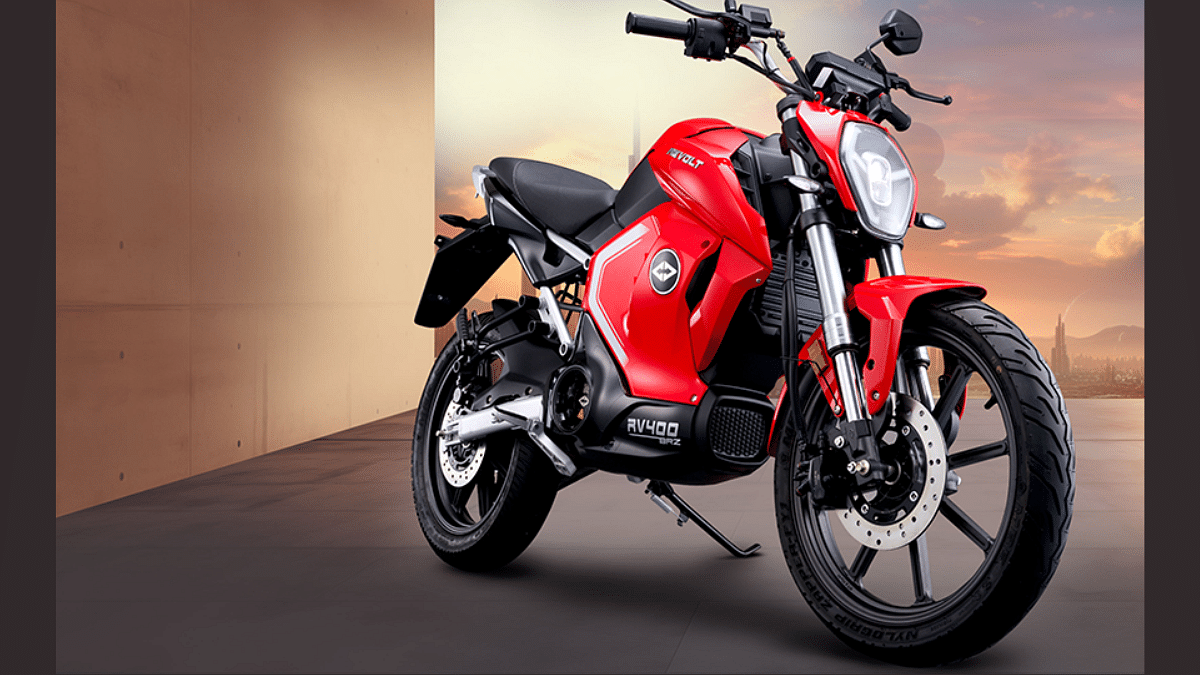
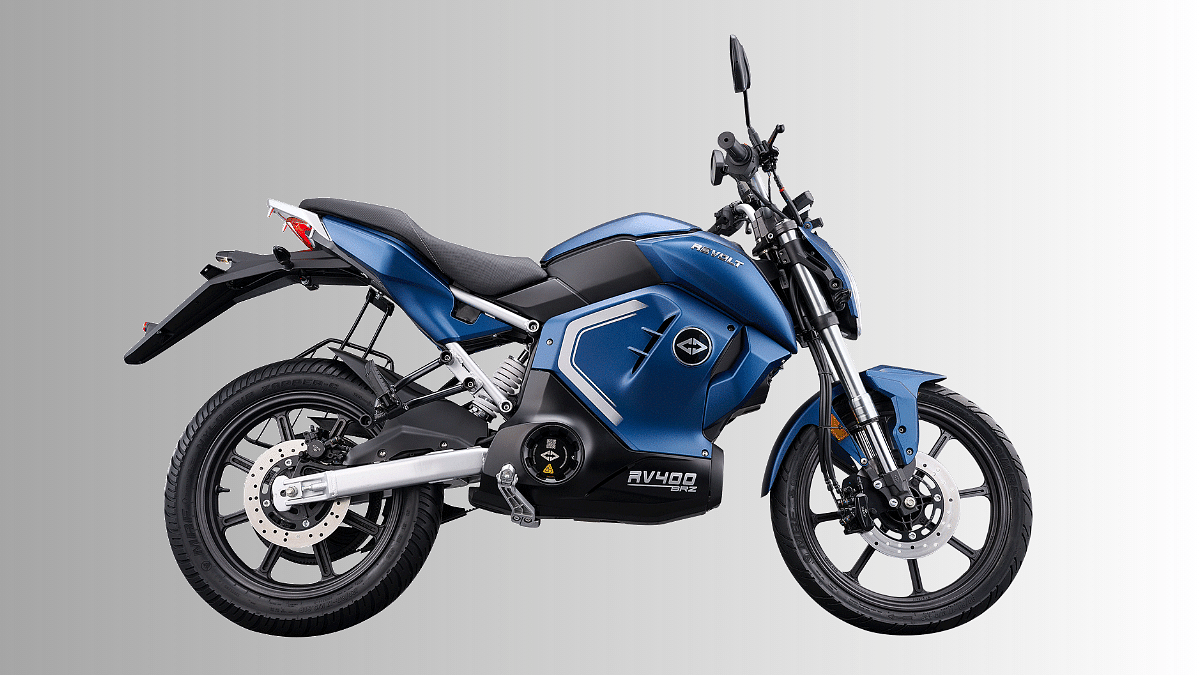
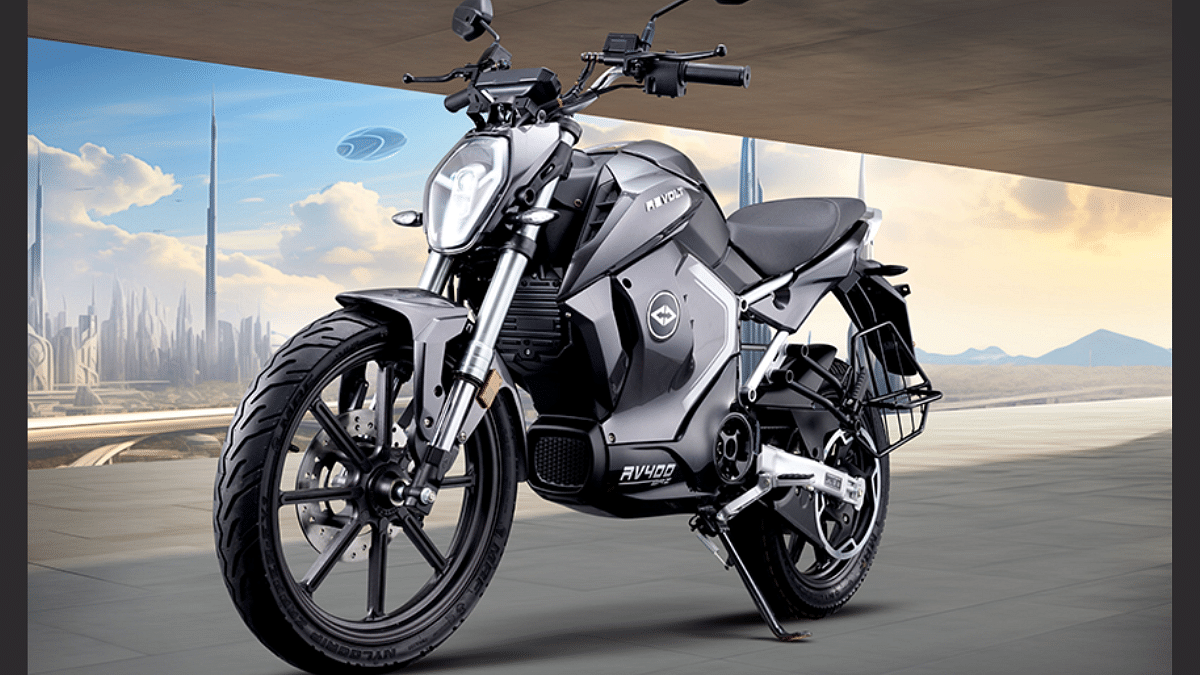
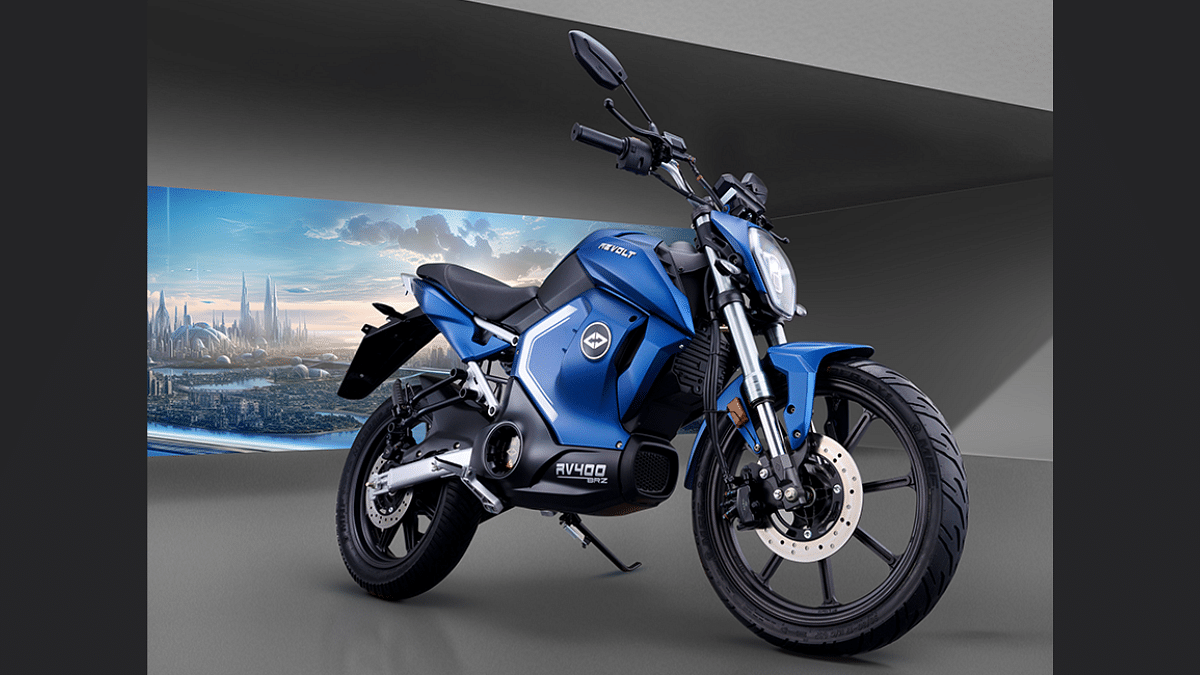
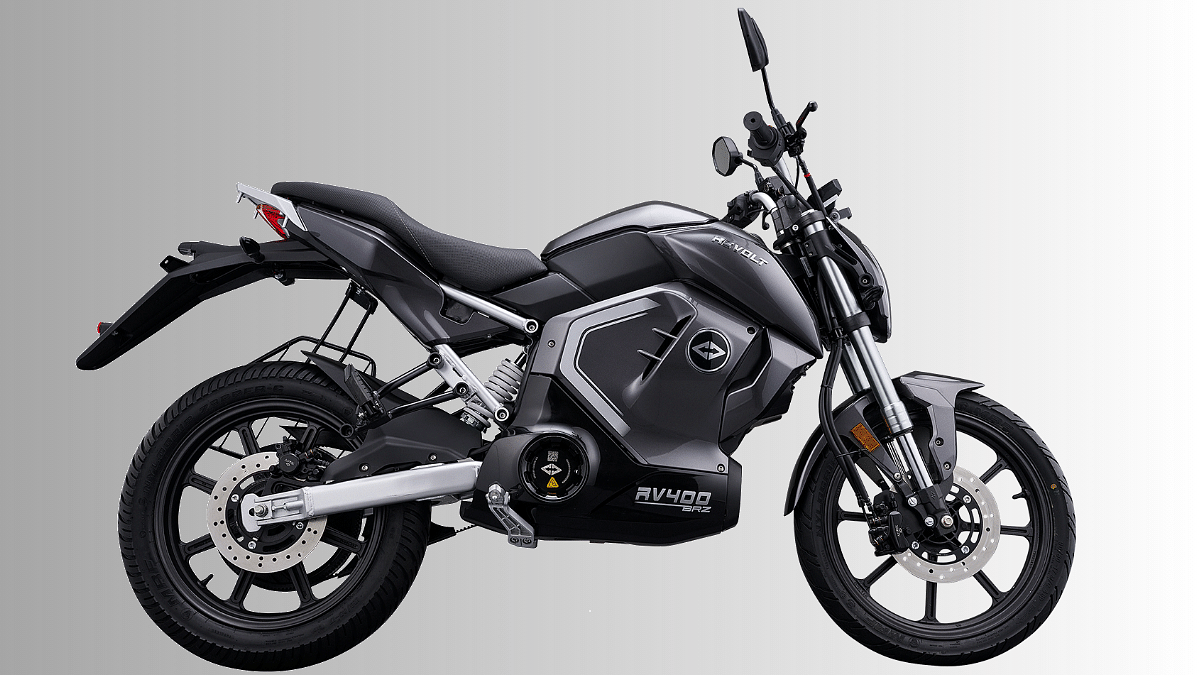
Revolt Motors have launched another new electric motorcycle for the Indian consumers. The company has released a new RV400 model called the RV400 BRZ. The latest Revolt motorcycle offers the same sporty road presence and a powerful performance but at lower rates.
Revolt RV400 BRZ Powertrain: Anything New Or Same Old?
Revolt RV400 BRZ
Powertrain
Motor
Mid-drive electric
Battery
3.2 kWh
Range
Up to 150 km (Eco Mode) Up to 100 km (Normal Mode) Up to 80 km (Sport Mode)
Top Speed
85 kph
Power
3kW
The newly launched Revolt RV400 BRZ edition is almost identical to the standard Revolt RV400 in terms of powertrain. This electric motorcycle has been packed with a mid-drive motor with 3kW rated power. This new variant employs the same 3.2 kWh battery module as the standard model.
The claimed range offered by the RV400 BRZ model is up to 150 km on a full charge. This high riding range can be achieved in the Eco mode. The electric motorcycle additionally comes with Normal and Sport mode where the range delivery stands at 100 km and 80 km per charge respectively.
Revolt claims the total charging time for the RV400 BRZ’s battery will be around 4 hours and 30 minutes (from 0- 100 percent). Whereas, it will take around 3 hours straight to charge the e-motrocycle’s battery from 0 to 75 percent. For an enhanced range efficiency, this new electric motorcycle also features regenerative braking which we get with the high-end model as well.
Moving on to the features, the Revolt RV400 BRZ variant comes with a digital instrument cluster and has LED headlights. Braking is taken care off by disc brakes both upfront and the rear accompanied by CBS (combi braking system). For suspension, this electric motorcycle uses USD fork suspension at the front and monoshock absorbers at the rear.
The answer is yes. The Revolt RV400 is an affordable option when compared to the standard model. It’s price is set at Rs. 1.38 lakh in India. Speaking of the color options, you can select from Dark Silver, Lunar Green, and Pacific Blue shades.
This sub Rs. 1.40 price range makes it a cheaper alternative to the popular e-bikes such as the Tork Kratos and Oben Rorr. Considering the affordable segment has always witnessed the highest demands, the RV400 BRZ will possibly strike the right notes.
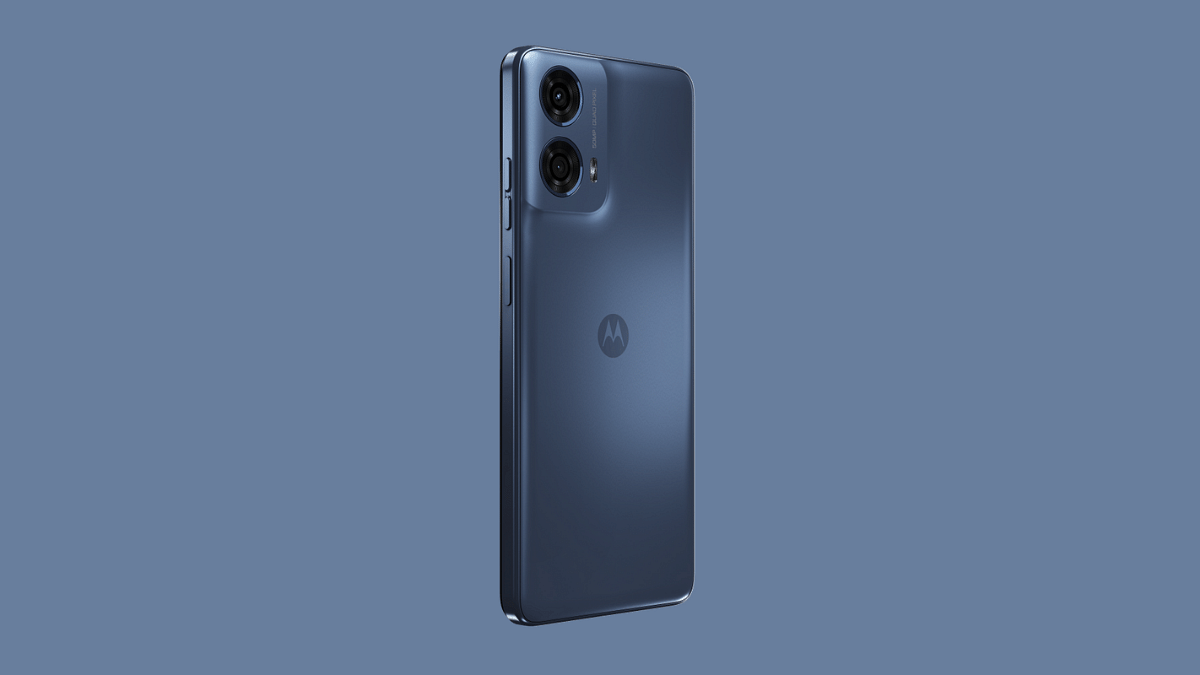
Motorola G24 Power launched as new budget Android phone
Price starts under Rs. 10,000
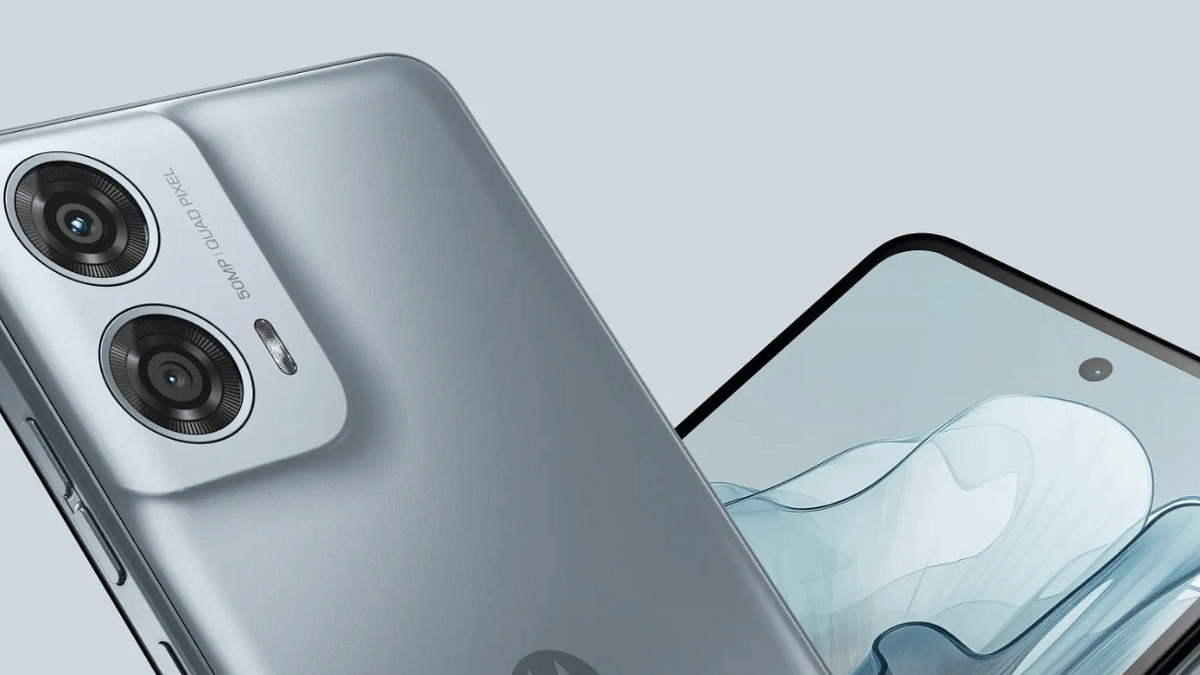
Offers a 50MP dual camera
Is powered by the Helio G85 Processor
Motorola has launched a new budget Android. phone for the Indian consumers. The latest entrant comes in the Moto G series and is called as the Moto G24 Power which carries a sub Rs. 10,000 price label and offers high-end features such as a 50MP dual camera setup, up to 16GB RAM, and 33W fast charging.
Motorola G24 Power Full Spec-Sheet
Moto G24 Power
Spec-Sheet
Display
6.65-inch HD+ LCD
Refresh rate
90Hz
Rear camera
50MP+ 2MP
Selfie camera
16MP
Chipset
Helio G35
RAM
Up to 8GB
Storage
Up to 256GB
Battery
6,000 mAh
Fast Charging
33W
Display
The Moto G24 Power despite being a budget phone offers a high-res 90Hz screen. It features a large 6.65-inch display where the panel type is LCD and the supported resolution is HD+. It’s large screen form factor and high refresh rate will offer a good viewing experience.
Optics setup is the key highlight of the Moto G24 Power. This affordable Android phone accommodates dual sensors at the rear where the primary lens being a large 50MP sensor with an f/1.8 aperture, PDAF, and Quad Pixel technology. The secondary lens is a 2MP macro lens for detailed close up shots. This sensor comes with an f/2.4 aperture. Rear camera setup of the Moto G24 Power can record 1080p@30fps videos. The selfie camera equipped inside the Moto G24 Power is a 16MP sensor with an f/2.45 aperture.
For performance delivery, the Moto G24 Power uses the octa-core Helio G85 gaming chipset from MediaTek. The SoC has Mali G52-GPU support that handles graphic delivery. The G24 Power comes with 4GB and 8GB RAM options and support up to 8GB virtual RAM. It has 128GB/256GB storage configuration options and up to 1TB expandable storage support. This handset will boot on Android 14 OS and support 3 years of security and 1 year of major OS update.
A large 6,000 mAh battery powers the Moto G24 Power which has 33W fast charging support. It is one of the few handsets to support this high fast charging in its segment.
Starting price for the Moto G24 Power is set at Rs. 8,999. At this price, the company is selling this handset with 4GB RAM and 128GB storage. There is also an 8GB RAM+ 256GB storage option that is priced at Rs. 9,999. Only two color options have been released including Glacier Blue and Ink Blue both of which will be available starting February 7 via Flipkart.
Conclusion
The Moto G24 Power brings some solid hardware to the table when we look at its price label. This phone gets multiple rivals from Xiaomi, Realme, Infinix, and other popular contenders in the sub Rs. 10,000 price bracket. But the latest firmware in addition to the 50MP dual camera setup and fast charging supported battery certainly gives it an edge over the rivals.
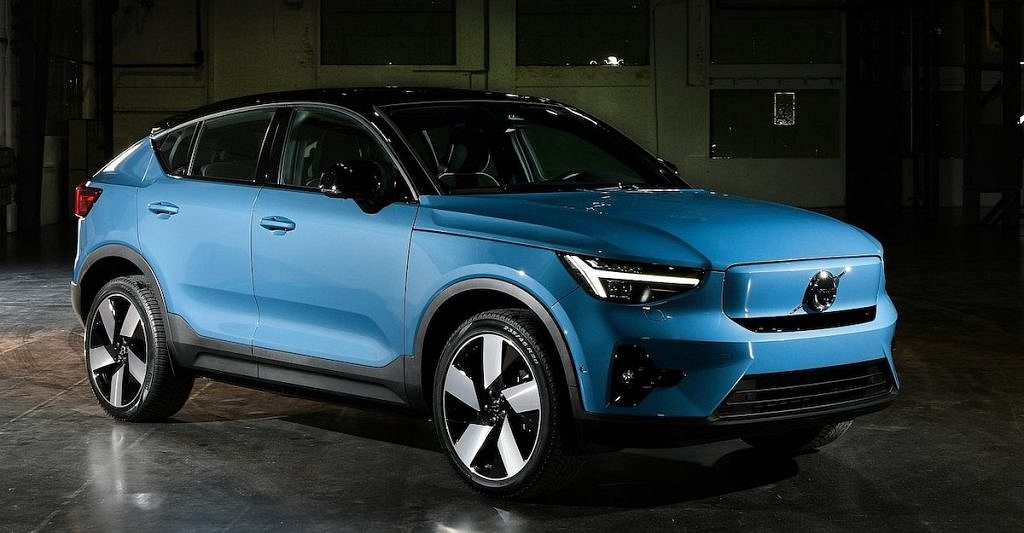
Volvo Cars is best known for its luxury four wheelers in India. The brand’s C40 recharge which was introduced back in 2023 is one of the most expensive and premium EVs available for sale in India. This electric car is well related when it comes to safety with the electric vehicles. But seems like the fears with EVs isn’t going away anytime soon. The latest incident of the Volvo C40 Recharge electric car catching fire is a scary reminder to the cons with EVs. What is this incident and what does Volvo has to say on the matter? Read details below:
Volvo C40 Recharge EV Fire Accident India: What Is The Case?
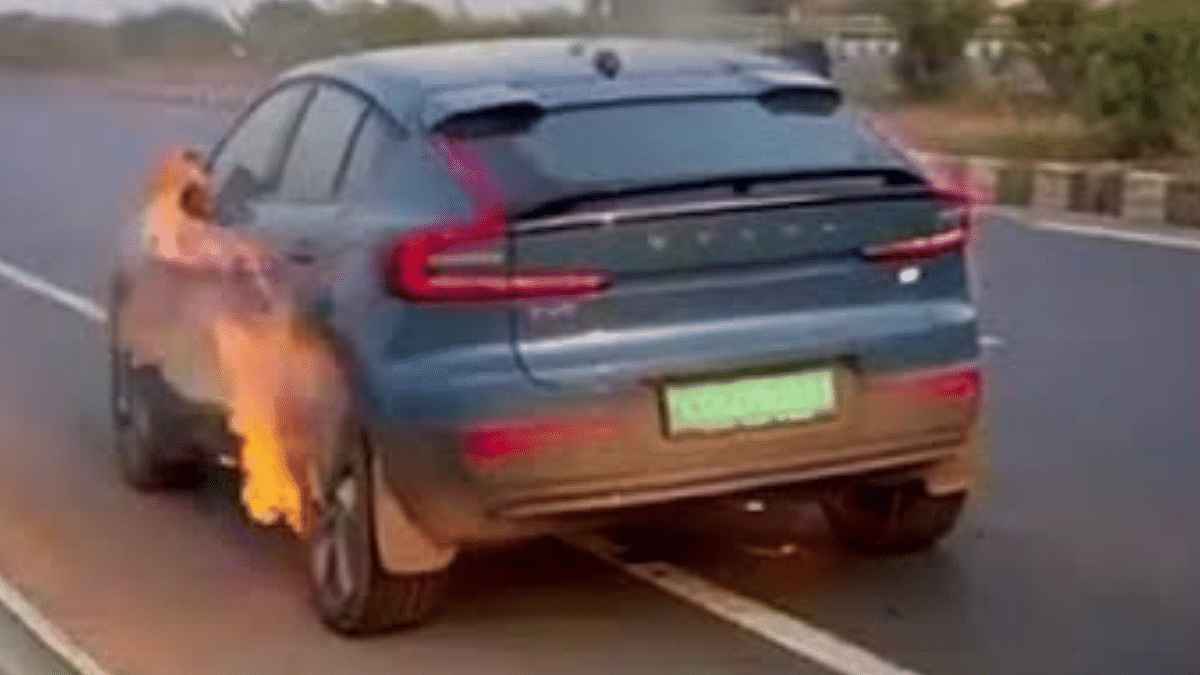
Internet is currently flooded with images and reports of the Volvo C40 Recharge EV going up in flames. The incident is being reported from Chattisgarh, India, where the car is said to have catch fire during an ongoing trip. Thankfully, no casualty or death has been reported from this incident.
The occupants of the car including the driver and passengers are said to have claimed made an escape on time before the flames engulfed the EV completely. Looking at the images of the burning Volvo C40 Recharge, it appears the fire intensity is high on the driver’s side. This incident involving one of the safest cars has definitely raised security concerns amongst the potential EV buyers.
What Does Volvo Say On The Matter?
Volvo has been silent as of now. The company is yet to release an official statement that could confirm what caused this C40 Recharge electric car to go up in flames. Whether it was any owner induced incident or some defective part issue is still to be confirmed. However, investigations on this matter are said to be underway and we are expecting Volvo to acknowledge and share an insight on the same.
This isn’t any new incident where an electric vehicle catching up fire has grabbed the headlines. However, it is for the first time when we have come across reports of a safe electric car bursting into flames. This definitely raises concerns related to safety with EVs. Automobile brands should look out on all the factors that adds to such mishaps and fix before making their EVs commercial.
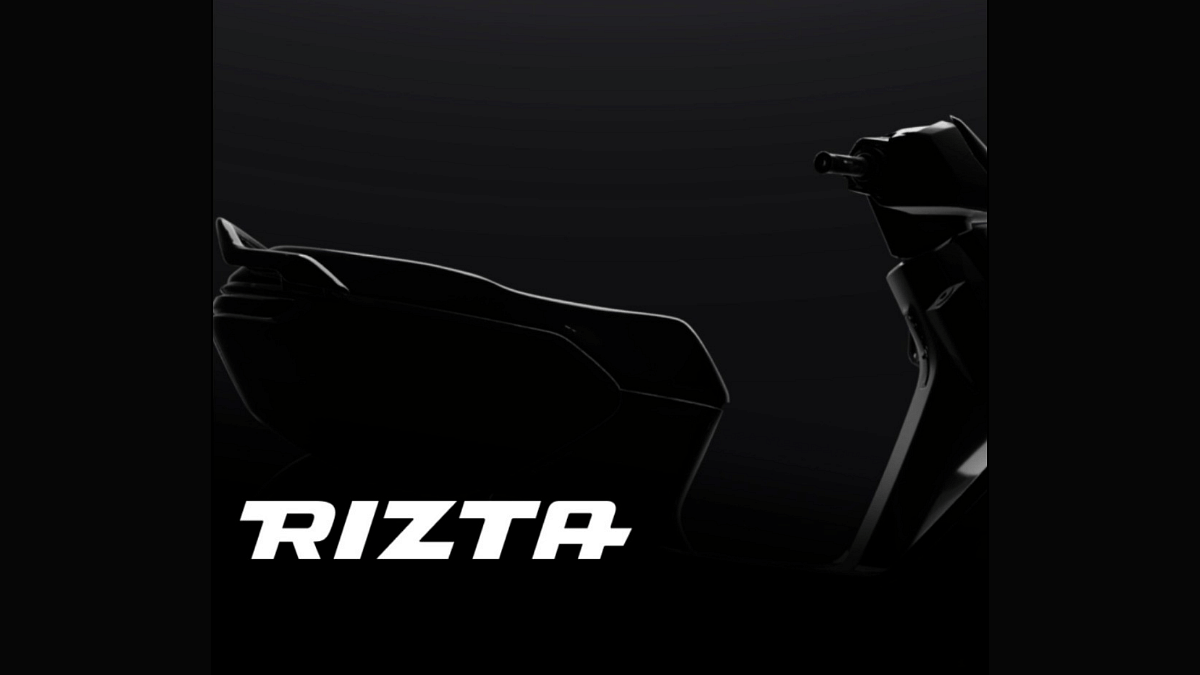
Ather Energy recently announced a new family scooter under development for the Indian market and had also shard a teaser. The company put a rest to the rumors indicating Diesel e-scooter moniker and confirmed the upcoming model to be Rizta. Ather has suggested its launch in the next six months and in the meanwhile has started testing it on the Indian roads.
Ather Rizta E-Scooter Official Testing Begins
Ather has started testing the Rizta e-scooter and the test mule images has surfaced online. The leaked spy shots shows the upcoming electric scooter heavily wrapped hiding the cuts and creases of the design. But going by the overall stance, this electric scooter will offer a bigger build factor than the existing Ather 450 series electric scooters.
Ather already had teased the larger form factor of the Rizta e-scooter which specifically is designed for the family-oriented buyers. Sticking to the basics, the Ritza appears like a conventional two-wheeler scooter. What strikes different in the images is the overall larger profile.
Besides, Ather is testing the Rizta e-scooters performance is being tested with different factors. Unlike usual test mule sightings where we see the electric two-wheelers being tested with a single rider, the Rizta was spotted being tested with both rider and the pillion along with a luggage bag.
It appears that Ather is thoroughly testing Ritza’s performance metrics with heavy load considering it is aiming at families with this new electric scooter. We can also see a larger floorboard which will offer utility with luggage carriage.
The Ather Rizta electric scooter will possibly be equipped with telescopic front suspension and mono-shock absorbers at the rear. It cold come with 12-inch alloy wheels as seen in the image. Rumors suggest that the braking will be handled by disc brakes both upfront and the rear.
Currently, we are unaware of the powertrain and features that the Rizta electric scooter will be packed with. But we might see a slightly improved performance metrics compared to the 450 series electric scooters. Some reports also hints at a riding range between 150- 180 km on a full charge.
Ather is gradually picking up the popular consumer segments with its electric two-wheelers. After grabbing all the fame in performance-oriented e-scooter category, the brand is now aiming to take hold of the family segment too. But will Rizta e-scooter earn the brand the same fame as its previous offerings is what remains to be seen.
Vivo has been at the forefront when it comes to mobile camera technologies.The Vivo X smartphone series lineup is well known for bringing advanced camera features to the table. This flagship series has recently been refreshed with new models in India. The new Vivo X100 lineup includes the vanilla X100 and the X100 Pro both of which has been introduced as the camera flagships. The latter comes as the top-tier model offering premium features such as 50MP Zeiss-backed triple lens setup, powerful Dimensity 9300 chipset, a 120Hz display and more.
Now, the Vivo X100 Pro definitely offers the best-in-class camera hardware on papers. But is the camera performance worth the hype? Also, this phone appears to be a complete package if you look through the spec-sheet. Is that the case or its just the camera that makes it worth an investment? Well, we have been using the Vivo X100 Pro for almost a month now and here is our take.
Pros
Upgraded cameras perform well overall
Super high clarity levels with daylight shots
Offers high speed performance with a variety of tasks
Gaming experience is good
Clean and vivid visuals
Cons
User interface isn’t entirely free of bloatware
Phone feels a bit slipper without cover
Selfie camera doesn’t support 4K recording
Vivo X100 Pro : India Price
Vivo X100 Pro has been launched at Rs. 89,999 in India. You get 16GB RAM and 512GB storage configuration at this price point. This camera flagship is available in three color options including Startrail Blue, Asteroid Black, and Sunset Orange globally. Only the Asteroid Black color variant has been introduced in the Indian market.
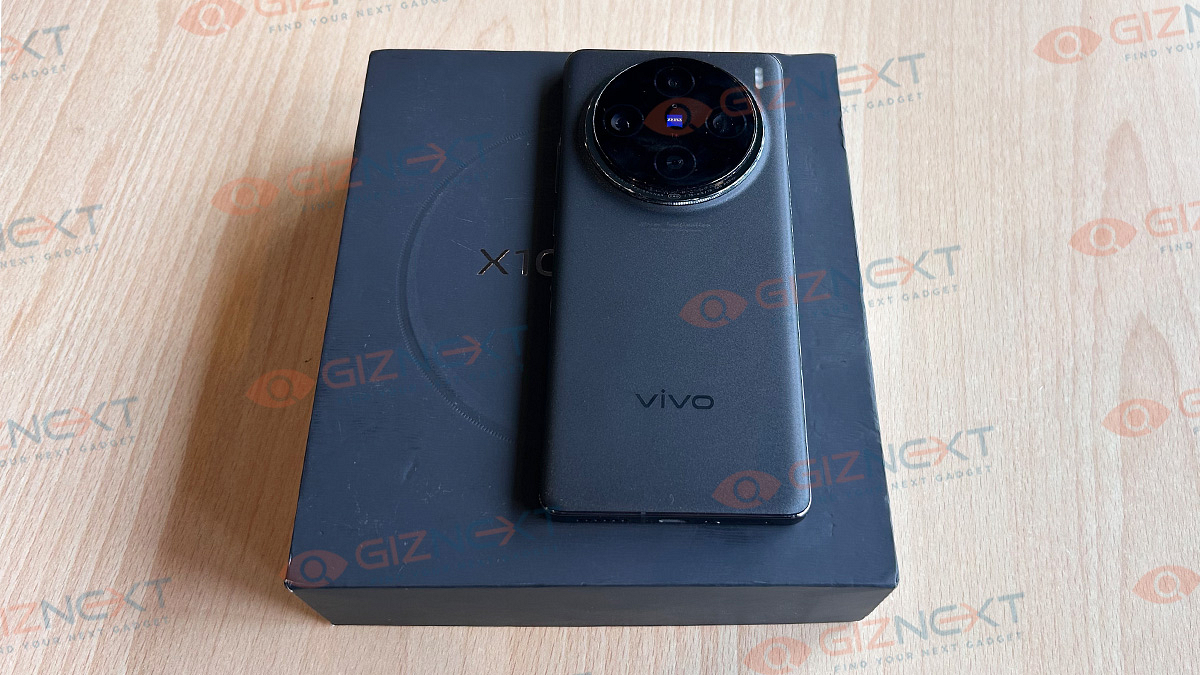
The Vivo X100 Pro doesn’t deviate much in terms of designing compared to its successor. But still gets some new elements that maintains the premium and luxury feel in addition which is signature for the X series. The primary difference that you will notice at the first glance is the re-designed camera island.
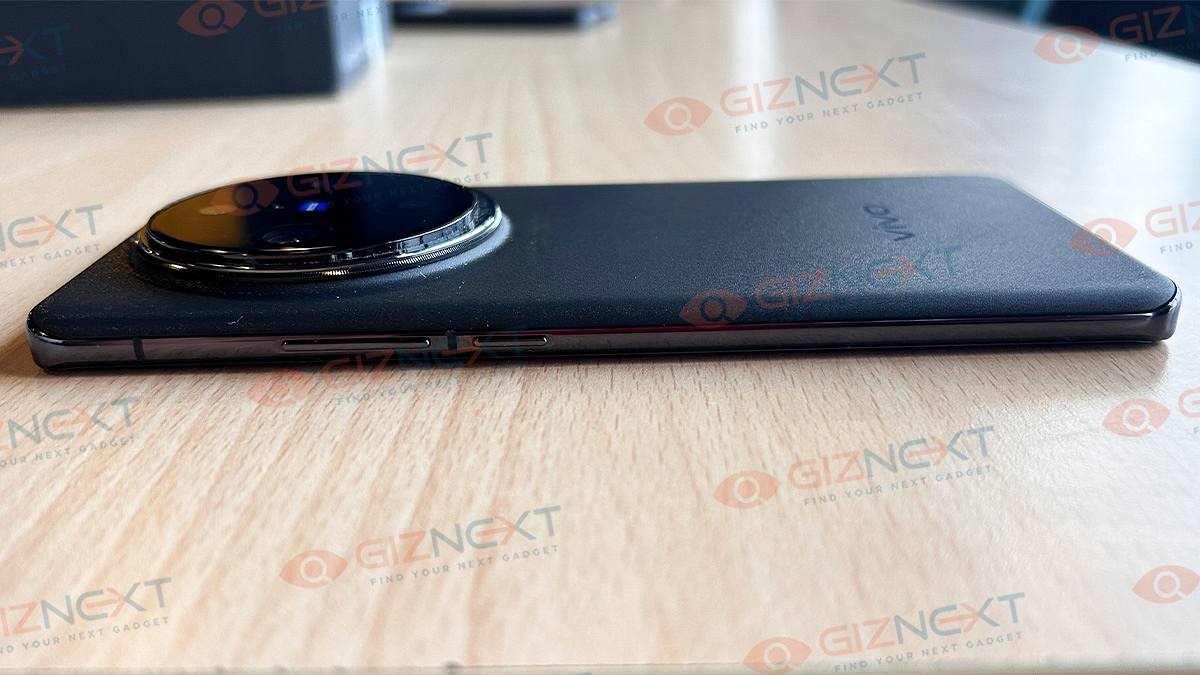
The X100 Pro gets a big protruding camera module wrapped with a stainless steel layering. Now, this is a unique touch to enhance the appeal overall with the new-gen model. This design as per Vivo is inspired from the Sun and Moon Halo.
Speaking of the construction overall, the X100 Pro offers a sleek design and includes the same 3D curved edge display as the predecessors. Its durability is enhanced with the aerospace-grade stainless steel wrapping at the side panels. At the rear, it features Fluorite AG glass which seems resistive to fingerprints and smudges. This will address concerns of the masses who like flaunting their phone without covers as keeping it clean isn’t a big task.
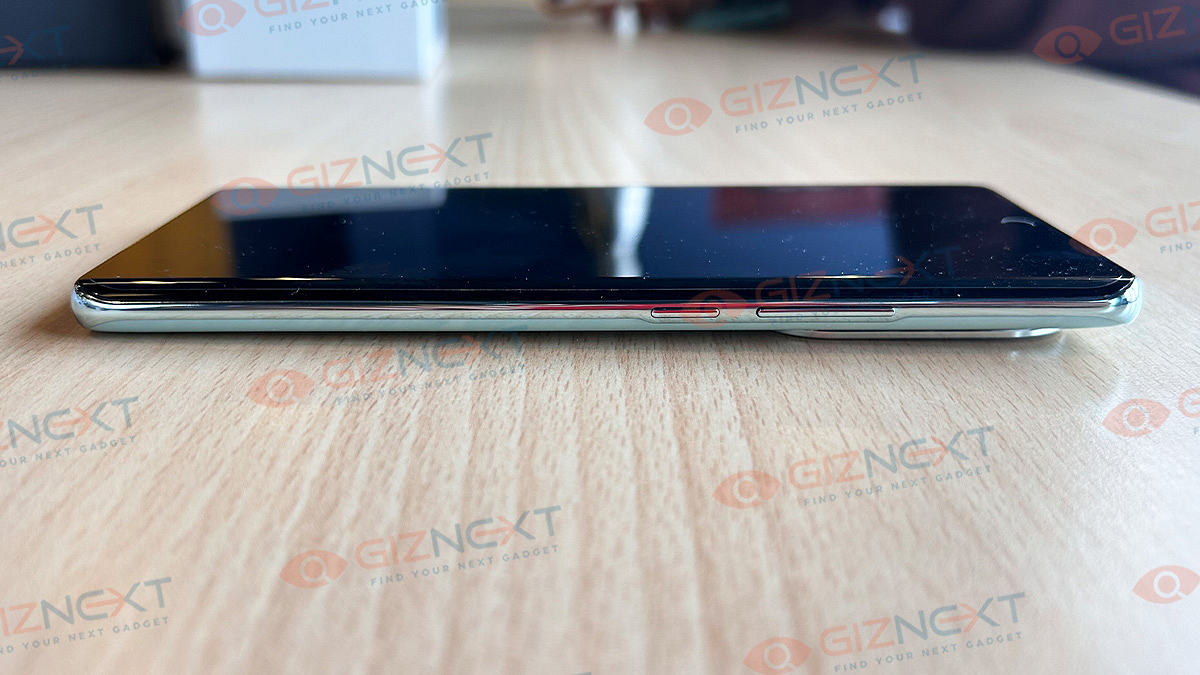
But the smartphone does feel slippery without the cover. So, if you wish to avoid any mishaps with accidental falls, make sure you use the provided case. The ports and keys placement remains standard as most of the Android flagships.
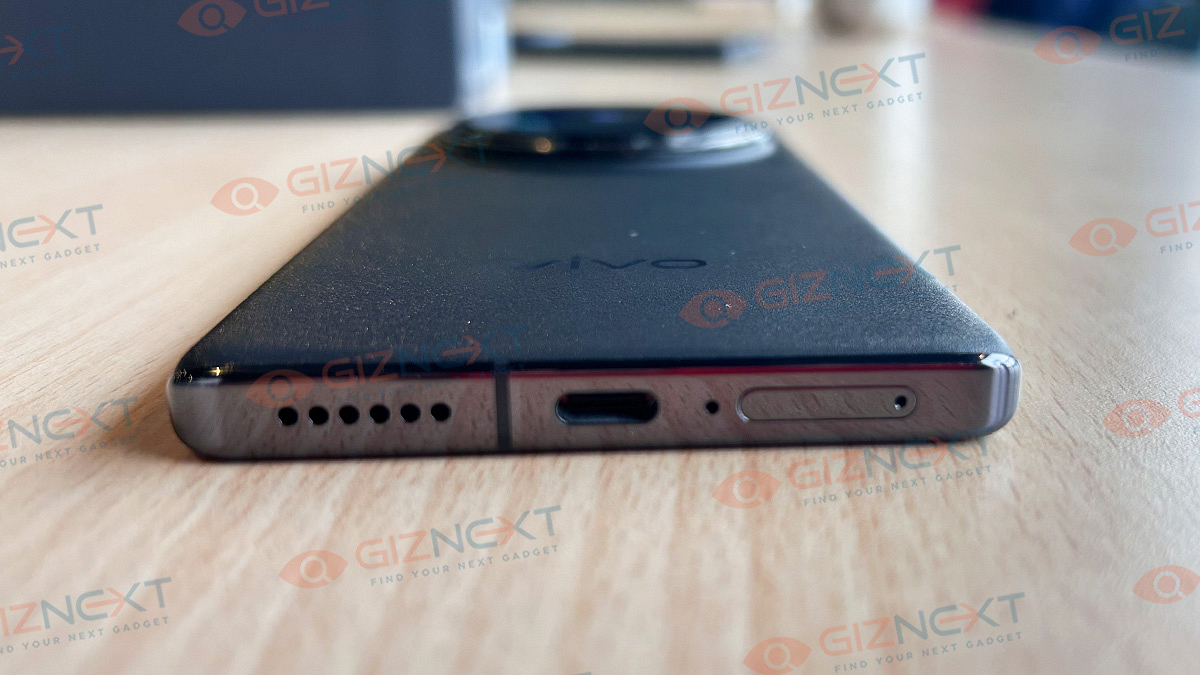
It has the volume and the power key on the right spine and the SIM card tray, USB Type-C port, and the speaker grille are positioned at the bottom. This phone comes with a hybrid SIM slot and not a dedicated microSD tray.
The X100 Pro with a weight of around 200 gms isn’t super heavy. But the overall build and the form factor might feel a little more than that. But that doesn’t cut down on the comfort during extensive usage. Summarizing the design aspects, the Vivo X100 Pro feels super premium and oozes out luxury with its each stance.
Performance Review: No Compromise Gaming And Multitasking
Under its hood, the X100 Pro features the high-end Dimensity 9300 processor. It lands as the first Android smartphone in India powered by the latest MediaTek flagship chipset combined with the in-house V3 imaging co-processor. This setup collectively offers high performance power for not just gaming but imaging as well.
The unit comes with 16GB of physical RAM in addition to up to 16GB virtual RAM. This allows for high-speed efficiency with all tasks you perform on the X100 Pro. Toggling between the loaded apps and also the app loading is instant. We could see it handling most extensive apps and games smoothly with no lags at sight.
We have been using this phone extensively all this while. And throughout the usage there hasn’t been a single flinch even when there are several of heavy apps running in the background. You get to swiftly toggle between loaded apps. What also impresses us is that the unit doesn’t heat up radically despite heavy usage or gaming. This is credited to the updated vapour chamber cooling module.
For the gaming enthusiast, playing the most graphic-hungry games is a pleasing experience. No stutters on the screen whatsoever. You can tune in the highest graphics settings and will get an immersive gameplay experience throughout.
The X100 Pro boots on Android 13-based Funtouch OS 14. Vivo has customized the new UI which now feels refined compared to the previous versions. But it still isn’t entirely free of bloatware. You will see a bunch of pre-installed apps but the updated UI seems neat and easier to use.
Vivo has showcased the best of camera tech with the X series and the X100 Pro isn’t anything different. This year too, the latest camera flagship comes with Zeiss-labelled camera hardware. The imaging setup on the Vivo X100 Pro has a 50MP Sony IMX989 lens. This primary lens is a large 1-inch sensor with PDAS, OIS, and also laser-assisted autofocus.
The secondary 50MP Zeiss telephoto lens with 0.5-inch OV64B sensor is the star of the show here. This is new addition which replaces the older 64MP OmniVision lens and is further clubbed with a 50MP Samsung Jn1 sensor that captures ultrawide frames.
Image detailing is no compromise with the Vivo X100 Pro cameras. We have been truly impressed with the quality of images we got with each click. Every shooting mode is treat and you get the best-grade outputs you can imaging with any smartphone camera. The detailing levels are sharp despite the lighting conditions in the background. The same is the case with the dynamic range which is high with the X100 Pro’s cameras.
But what truly captures the attention is the quality of portrait shots you get with the X100 Pro cameras. Vivo is offering a professional-grade portrait experience where you can select from different focal lengths for the shots. There is a 24mm, 35mm, 50mm, 85mm, and 100mm portrait shot modes. You can select the apt mode for high-quality bokeh photos.
When shooting portraits using the Portrait camera mode, Vivo lets you select specific professional portrait focal lengths (24mm, 35mm, 50mm, 85mm, 100mm) which have been optimised keeping in mind the camera sensors and lenses. Portrait photos captured at all of these focal lengths came out well with excellent detail even under artificial or low light conditions.
The imaging experience isn’t limited to the portrait mode. The X100 Pro offers premium photography experience with the Astro mode as well as the macro shots. We have captured some of the best moon photographs with the X100 Pro which we are sharing below. Macro photography is also next level and you witness the expertise Vivo has with cameras here. We are coming up with a detailed camera review soon so stay tuned with us.
A 5,400 mAh battery acts as the powerhouse for the Vivo X100 Pro. This flagship has 100W fast wired charging support along with 50W fast wireless charging. The former takes around 30 minutes for up to 90 percent backup. The full charge is well under an hour mark (within 40 minutes). Now, for the ones who are on a constant run, this quick charging time is surely handy.
That said, the backup this unit offers is more than a day if usage is moderate. This includes basic app usage and occasional media playback. If you are constantly hooked to the screen binging on any videos or gaming, you might need to give it a re-plug by the end of the day.
The Vivo X100 Pro undeniably stands out with its exceptional camera performance. While the camera does most of the talking, this phone remains to be complete package when it comes to the performance delivery. Vivo has done a great job with improving the overall photography and user experience with the X100 series making it one solid bet to invest in.
Tata Motors have populated electric four wheeler segment in India
Punch.ev launched recently starting at Rs. 10.99 lakh
Upcoming lot confirmed includes Curvv EV, Harrier EV, Sierra EV, Altroz EV
Tata Motors is readily taking over the electric four wheeler market in India. The brand already has launched three EVs in the country and is planning to upgrade its portfolio in the coming years with multiple other models. Tata has started revealing its plan and roadmaps to diversify its electric fleet with the following models. Take a look.
Tata Curvv EV
Model Name- Tata Curvv EV
Model Type- Coupe SUV
Drivetrain Expected: Both Electric And ICE
Expected Launch Timeline: Late 2024
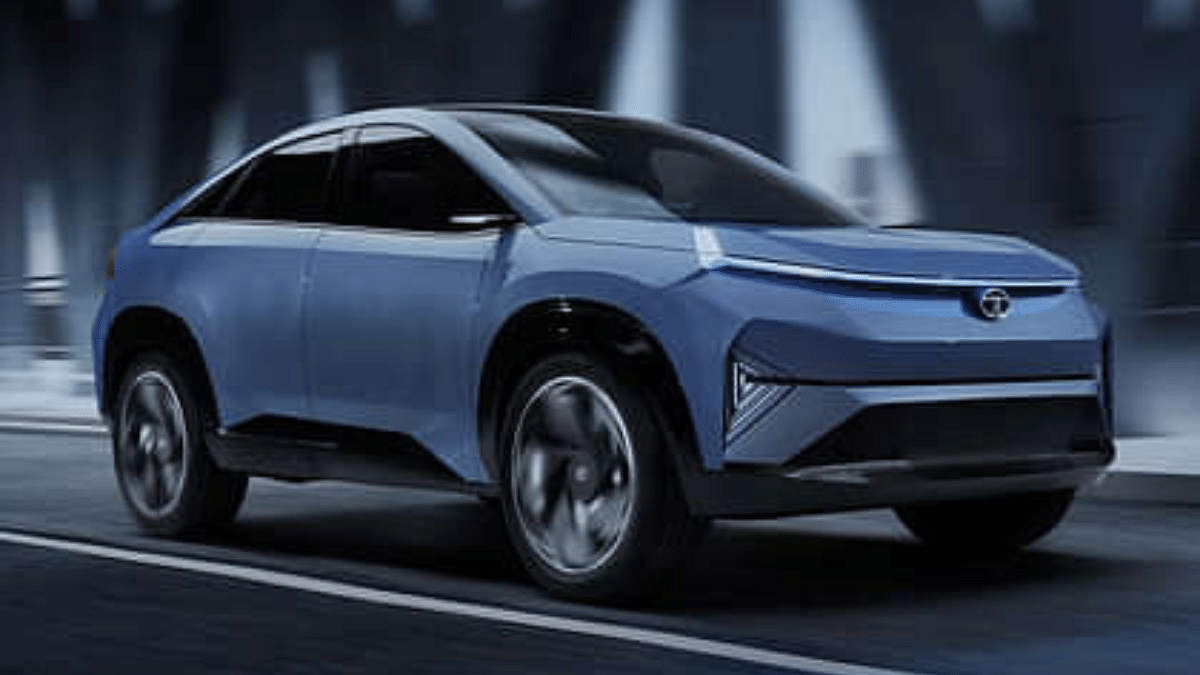
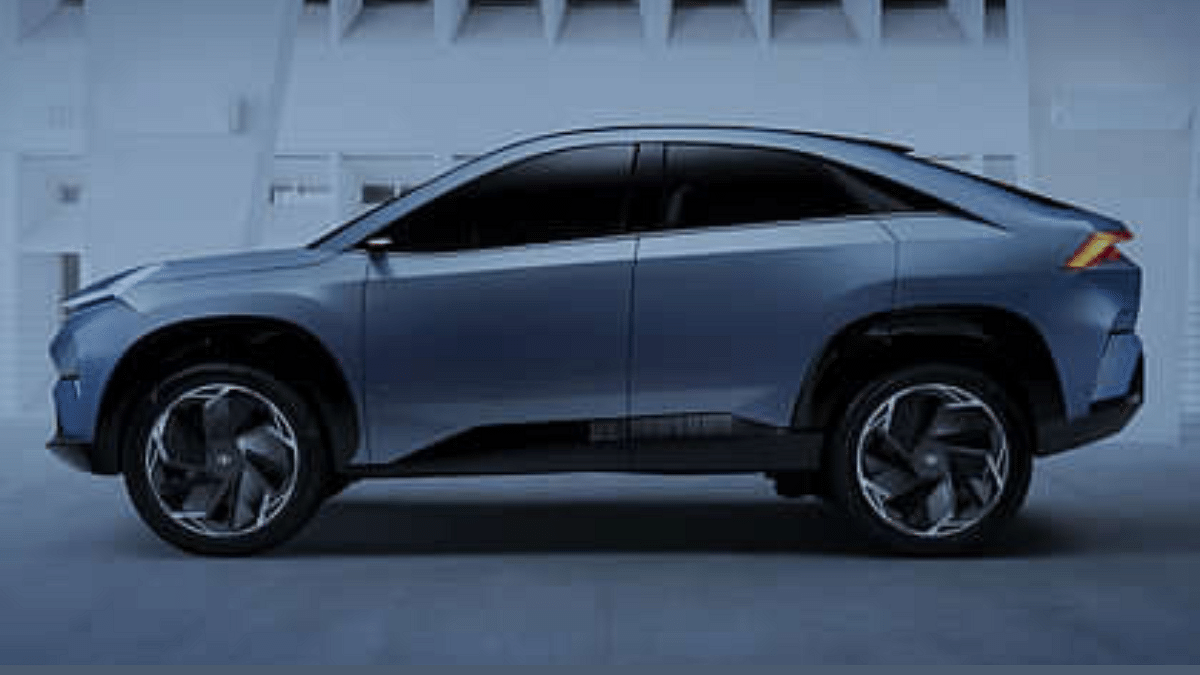
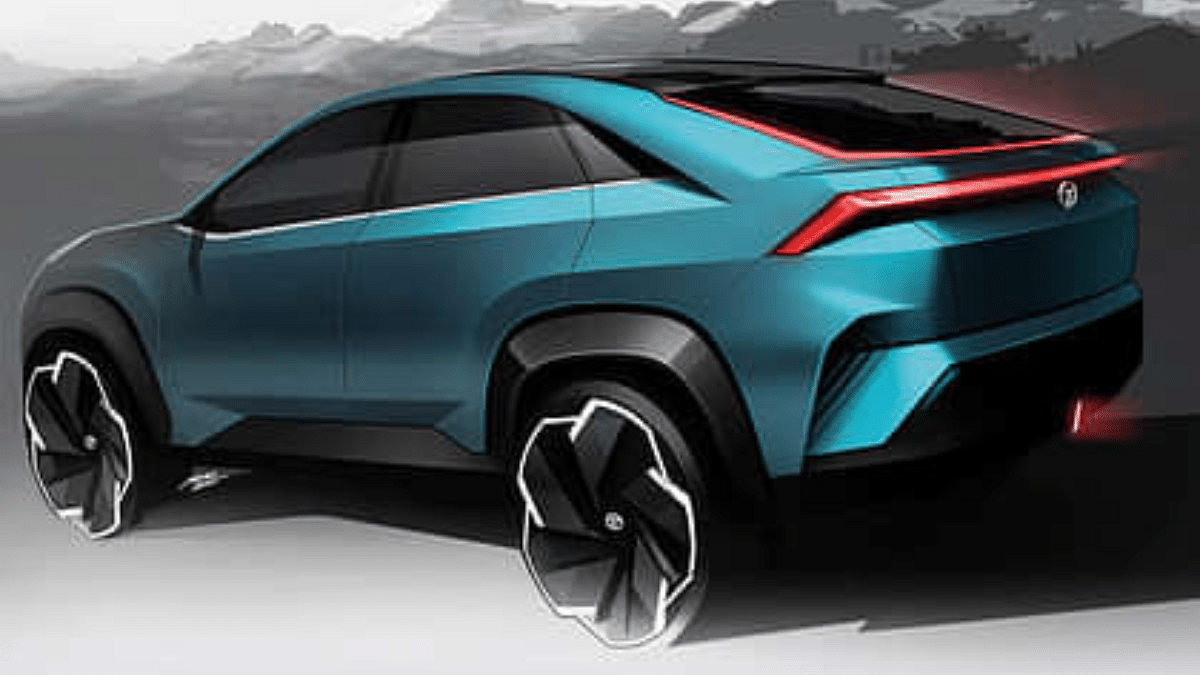
After the Punch.ev, next-in-line from Tata is the Curvv EV. This would be another mid-range Tata electric SUV which is rumored to go up against the likes of the Hyundai Creta EV and the Maruti Suzuki eVX. The concept version of Curvv e-SUV was first premiered at the Auto Expo 2023 featuring a four-door coupe design. Recent developments further reveals Tata to launch ICE-engine variants of the Curv e-SUV. As for the EV variant, we would possibly see the new active.ev architecture as the Punch.ev and remaining upcoming models.
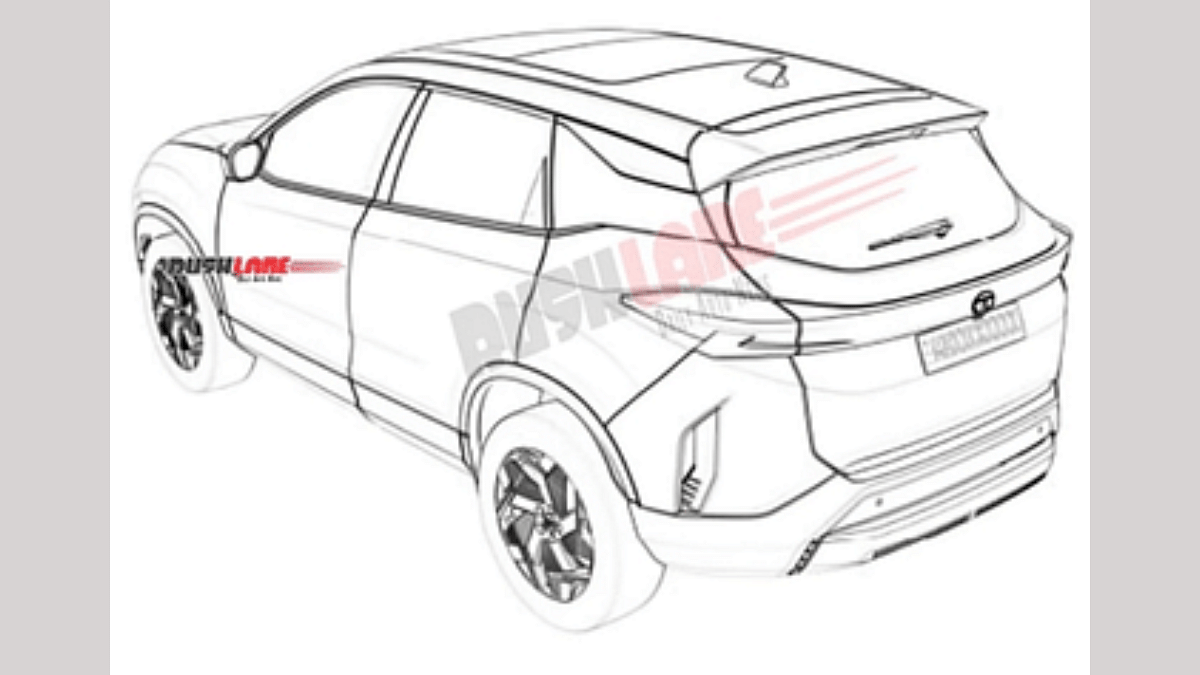
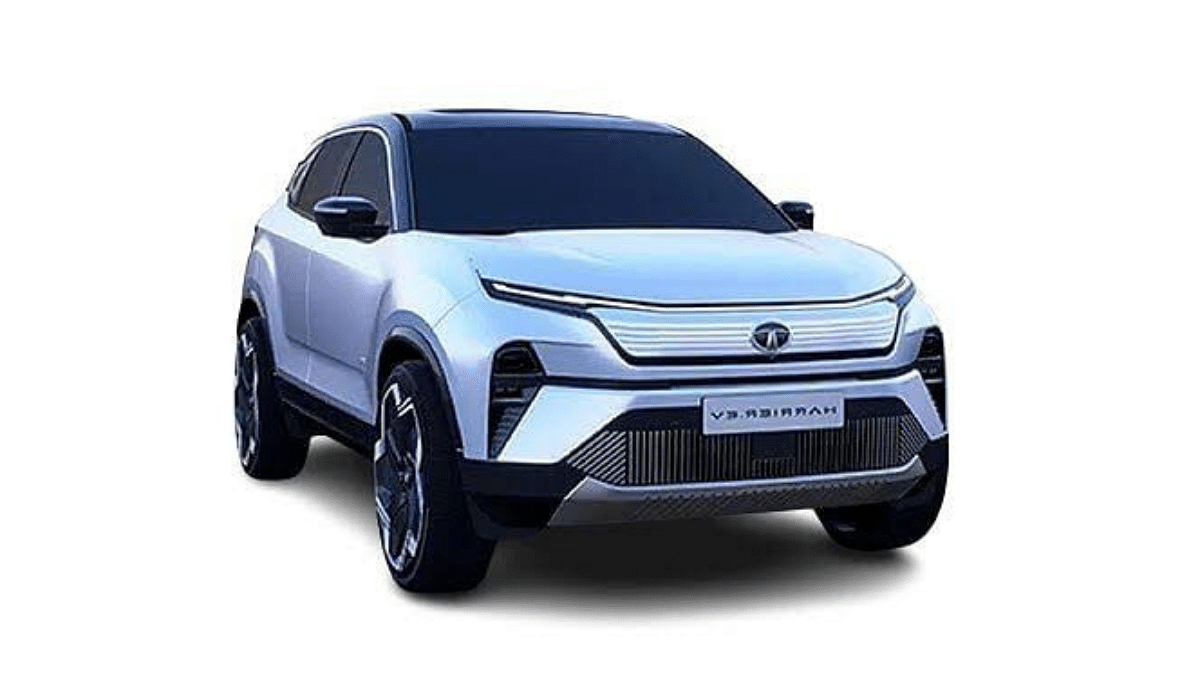
Tata’s next electric SUV that is expected to see the light of the day post Curvv EV is the Harrier EV. Recent patent filing confirms its upcoming launch which again is anticipated in the late 2024. Tata could use the same active.ev architecture for this electric SUV which will be positioned above the Nexon and the Curvv EV. Price range expected for the Harrier EV is starting from Rs. 35 lakh. We have also came across reports hinting at up to 80 kWh battery pack and 500 km range per charge.
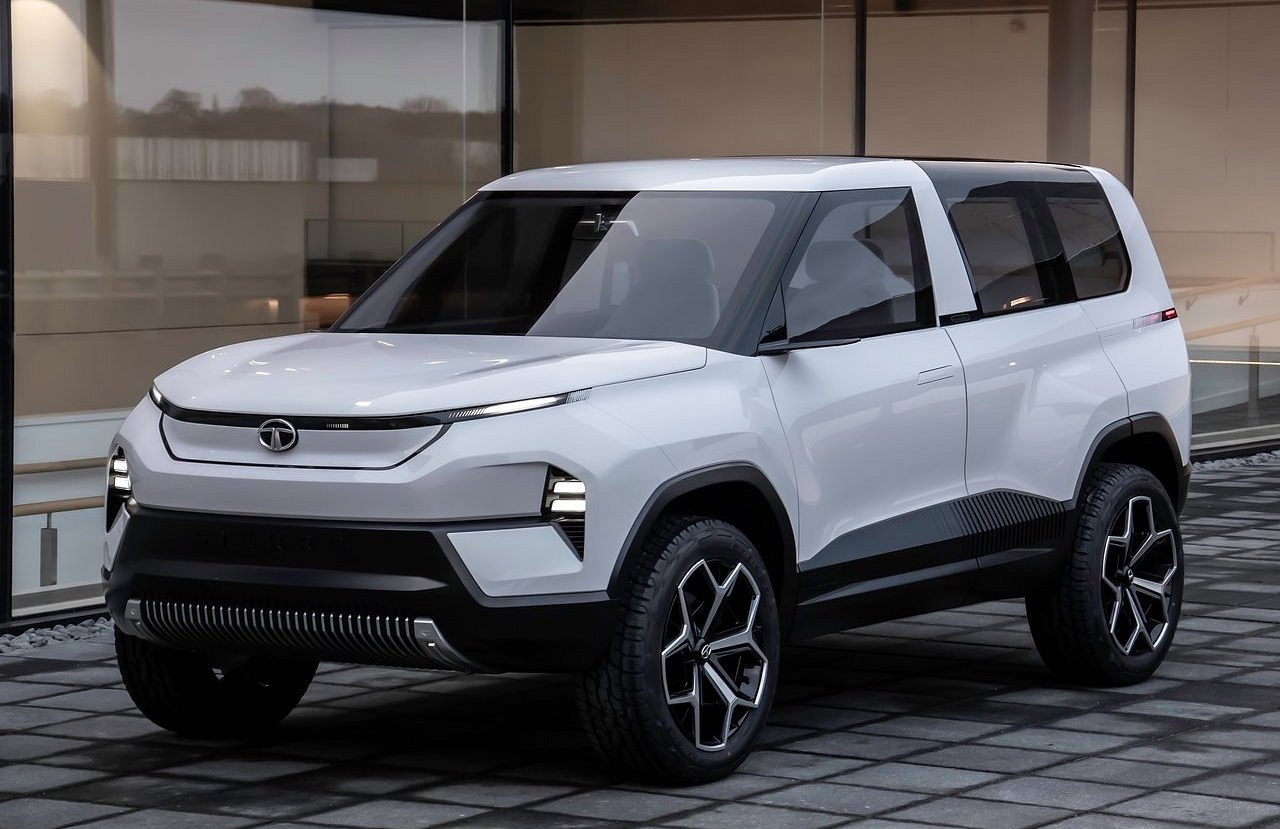
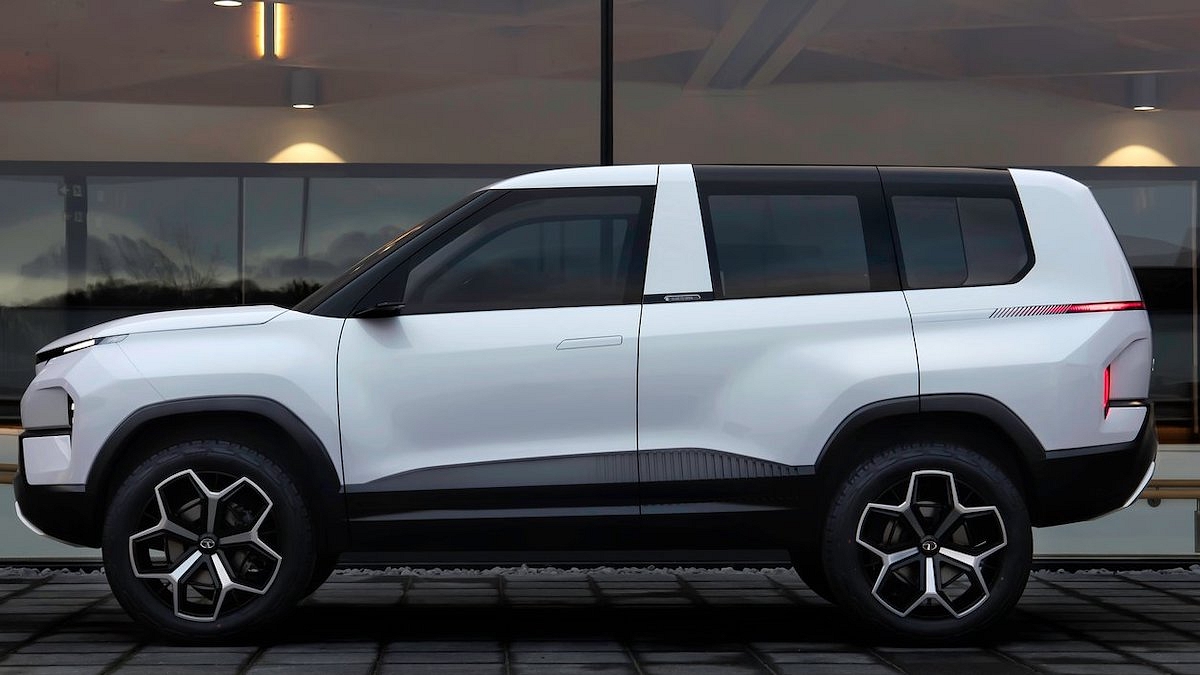
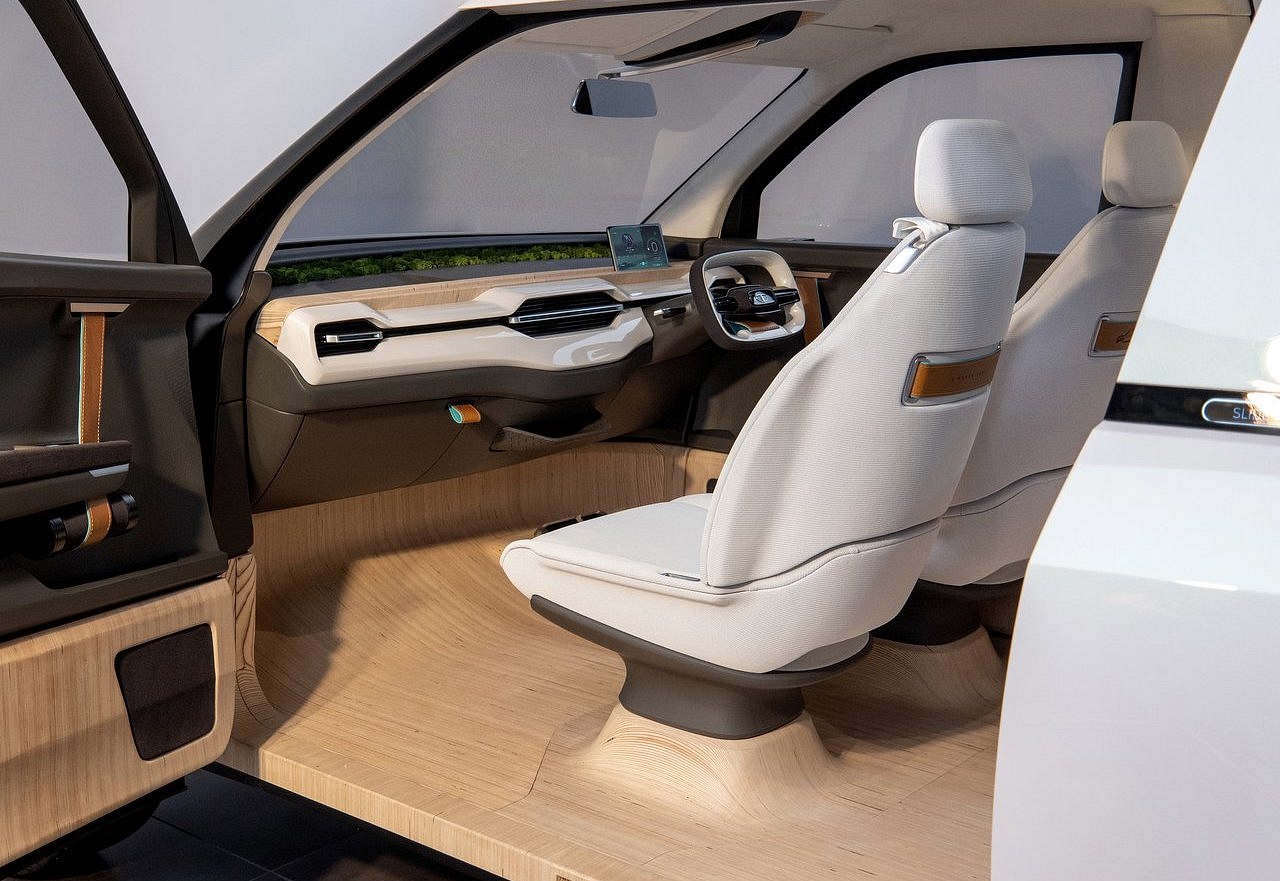
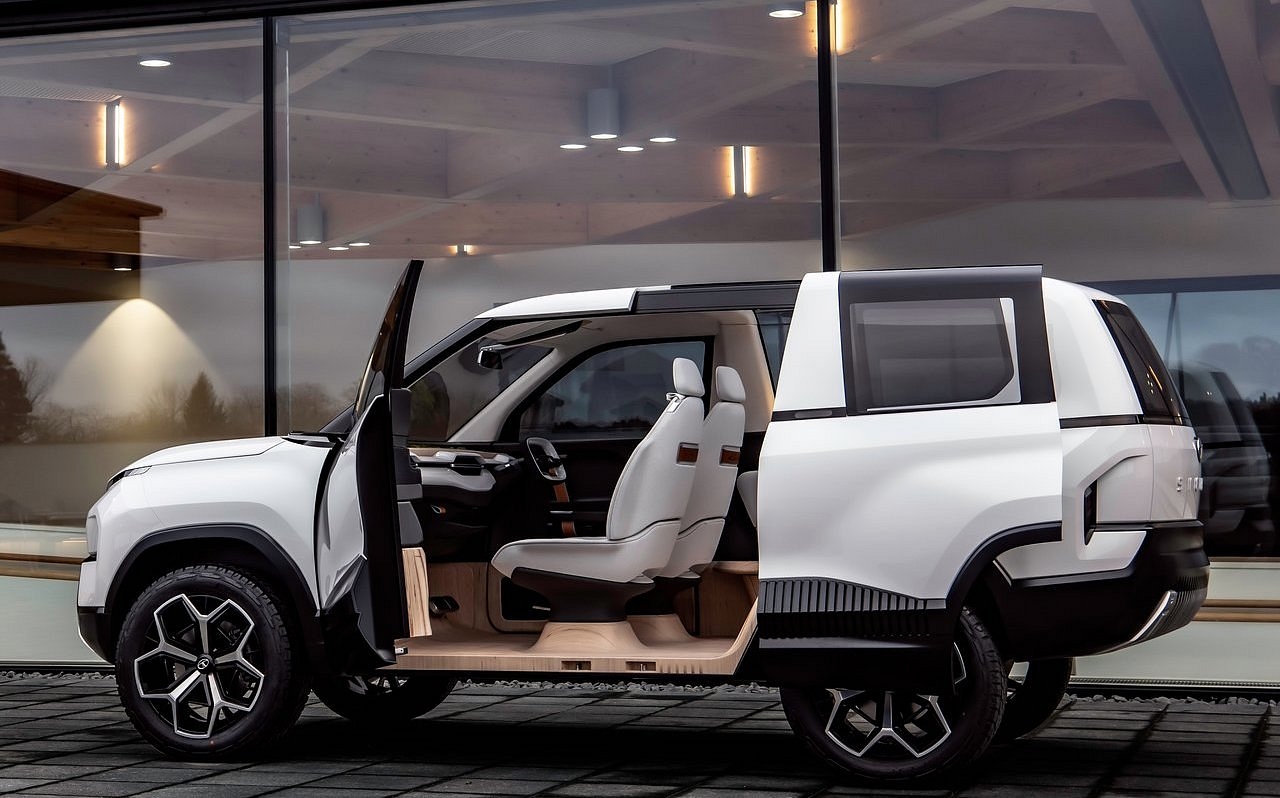
Tata Sierra EV will be brand’s next bet in the electric SUV segment. It will be a powerful SUV featuring an all-electric drivetrain with an expected price range starting at Rs. 25 lakh. The Sierra EV has also been showcased as a concept which is possibly going commercial after the Harrier EV next year. Details related to the Tata Sierra EVs powertrain and features are scarce at this point but the details could emerge soon.
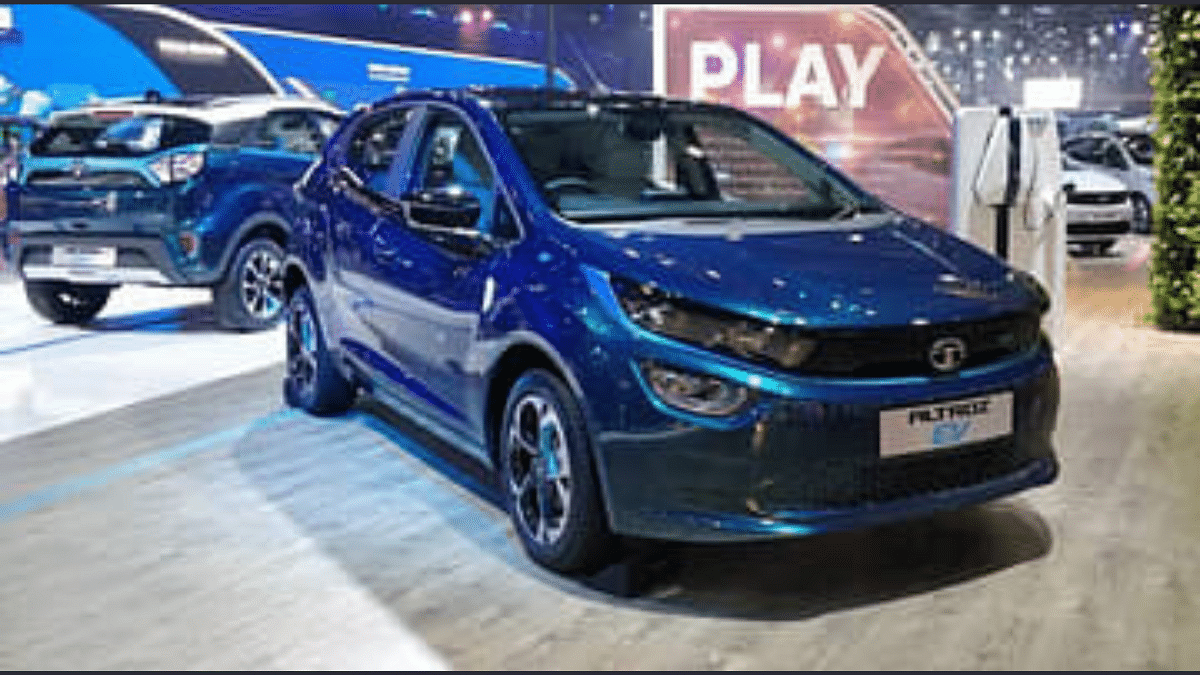
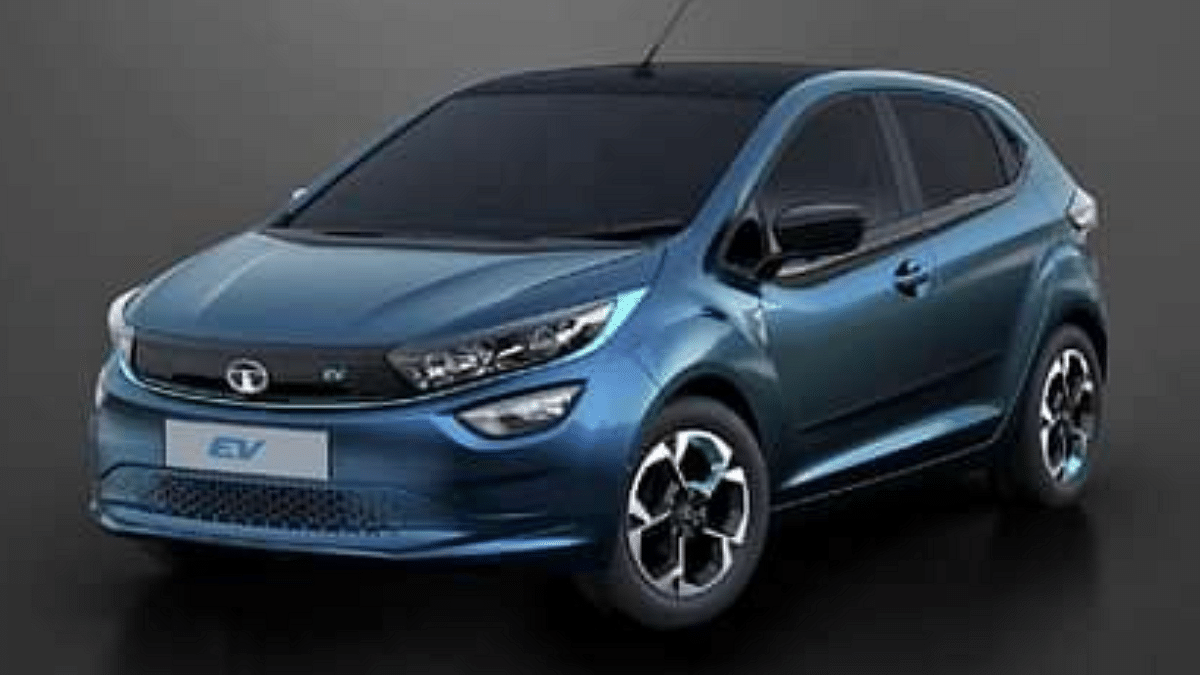
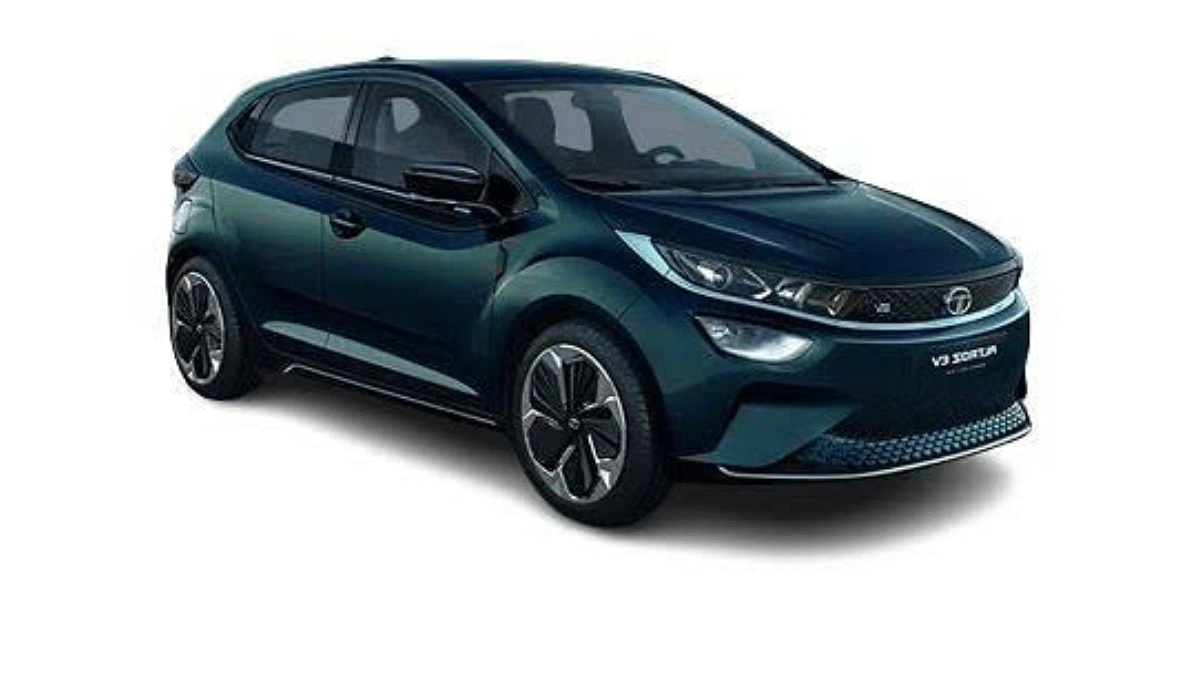
It’s not just the electric SUV segment that Tata is aiming at. Going forward, we are also expecting the Altroz EC hatchback to make its debut in the Indian market. Tata will be bringing the Altroz with an all-electric drivetrain, certain design tweaks specifically for the EV version. Expected battery pack is up to 35 KWh and the range delivery is over 400 km mark per charge. The launch timeline anticipated for the Tata Altroz EV in India is also by 2025.
Roadmap for new electric scooter and bike launch out
Expected models from Ather, TVS, and more
In India, we are witnessing an exponential growth in the electric two wheeler industry. Several auto giants and startups have flooded this market with future-ready electric vehicles. Multiple brands have already dished out the roadmap for upcoming electric scooter and electric bike launches in the Indian market. This article is a compilation of the top electric two-wheelers that are set to debut in the country this year.
Ather Rizta Family E-Scooter
Ather will be launching a family oriented electric scooter in India this year called the Ather Rizta. The brand has already teased the upcoming e-scooter which will be catering to the Indian families. The spy shots of the Rizta e-scooter have also been leaked which reveals a traditional scooter design with large flat floorboard and wide comfortable seat. Ather is expected to launch the Rizta e-scooter in the coming six months. Unfortunately, not much is known at this point except for the timeline.
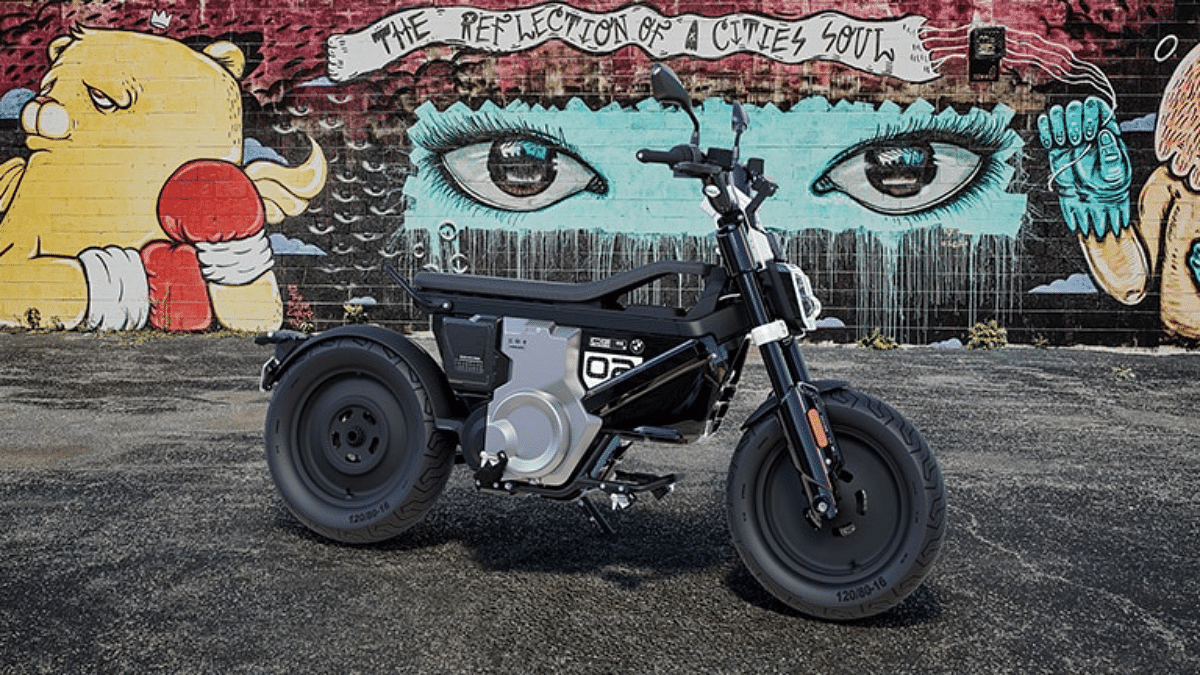
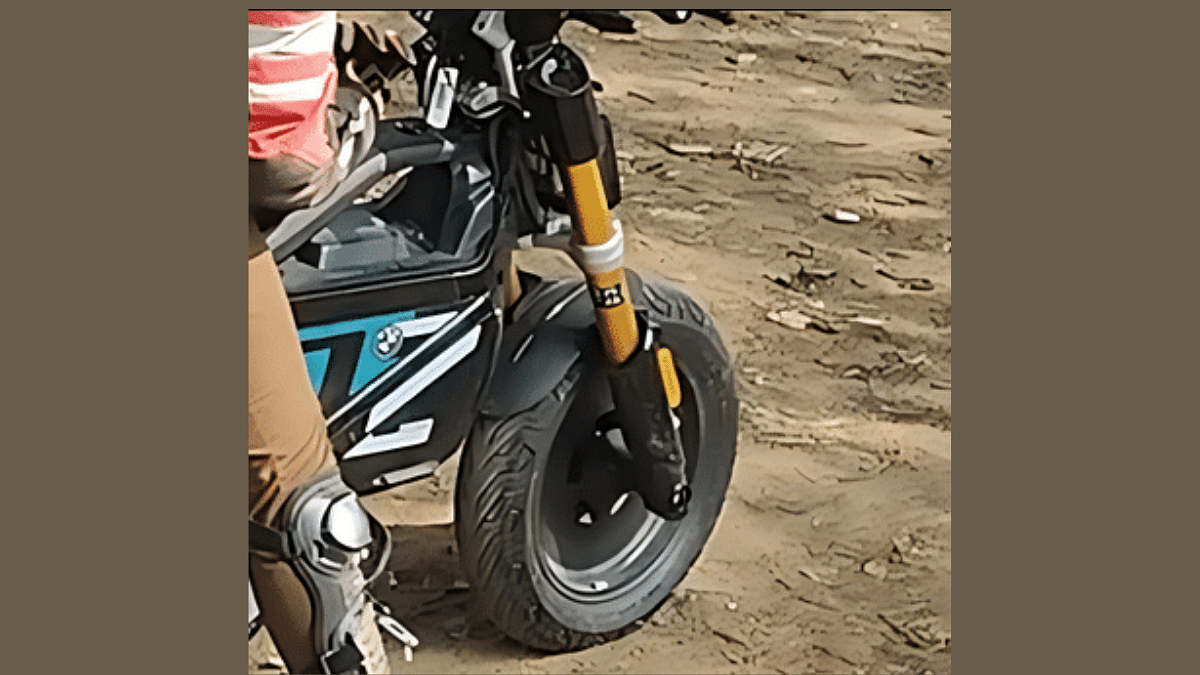
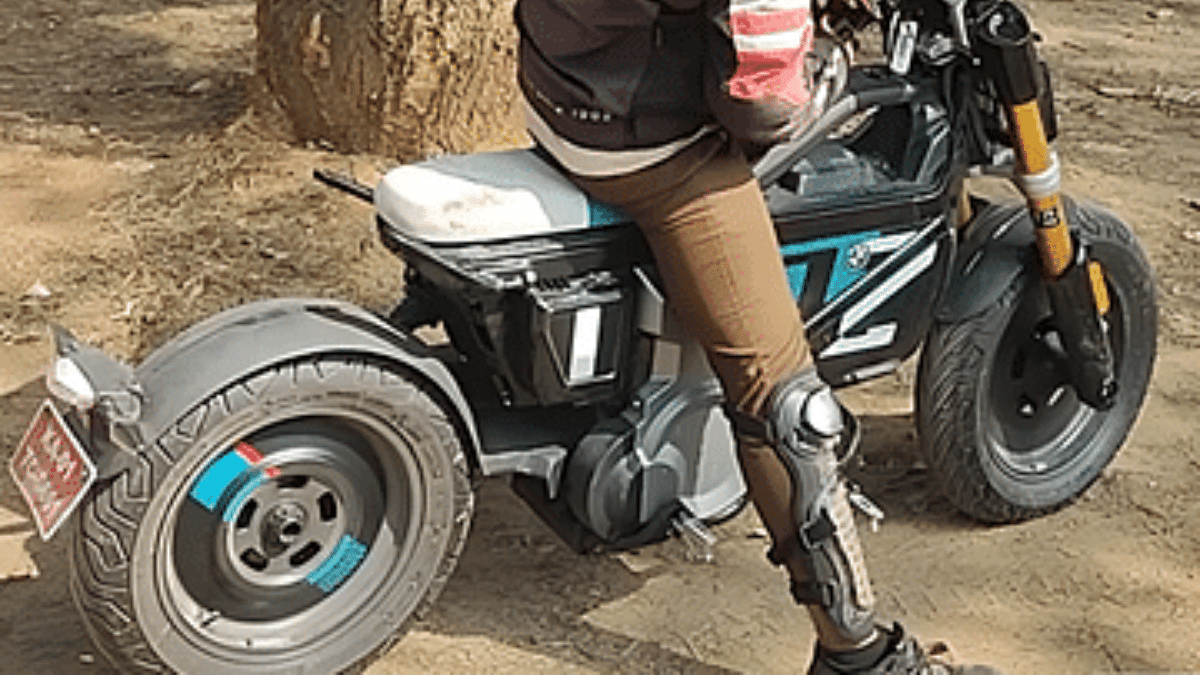
BMW is also ready to foray into the two-wheeler electric segment in India with the launch of the CE02 e-scooter. It will be the most premium electric scooter in the country featuring a dual battery pack. The BMW CE02 e-scooter exact launch date is yet to be announced, but it has been spotted testing multiple times hinting at an upcoming launch.
This e-scooter will offer 15 hp power, 54 Nm torque, and range of up to 90 km per charge. It will be reaching a top speed of up to 95 kph. The BMW CE02 e-scooter is expected to carry the highest price tag in the Indian market when compared with most premium e-scooters.
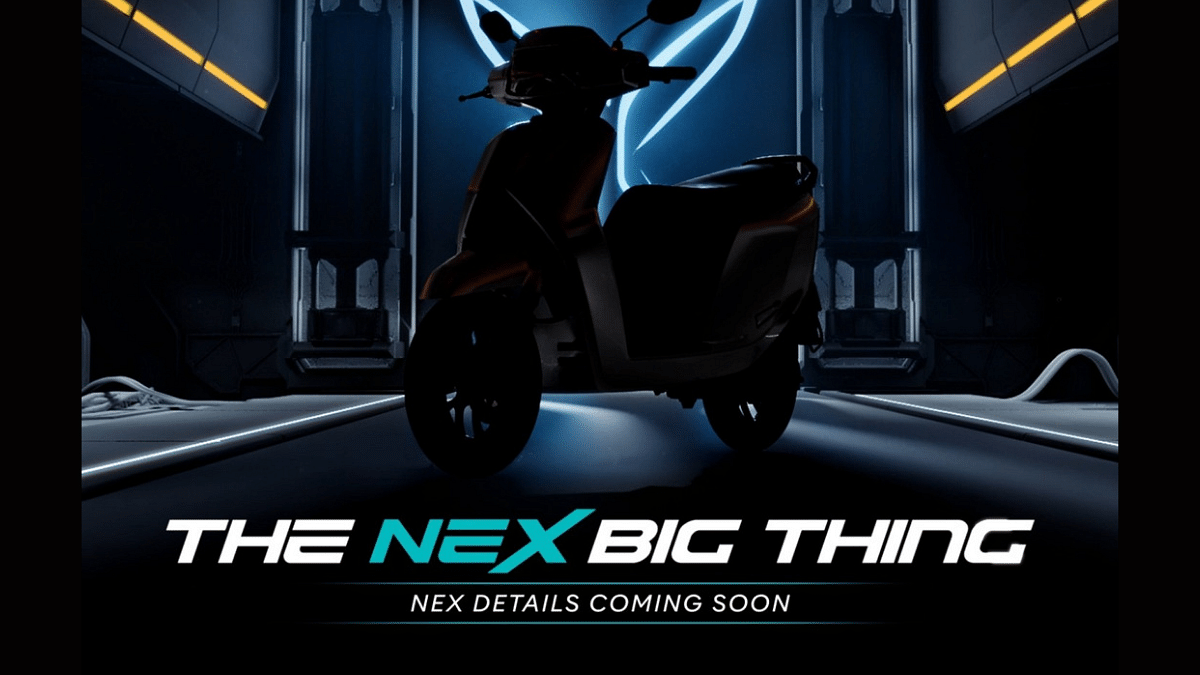
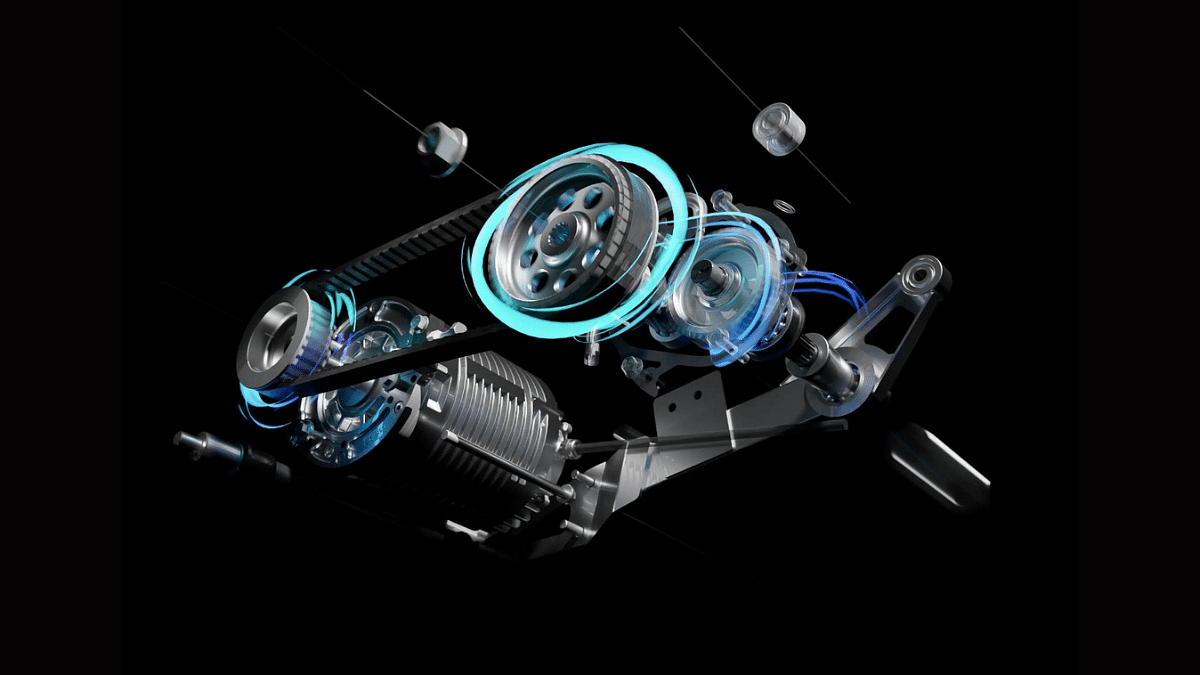
Ampere will also be expanding its portfolio in India with its performance-oriented NXG e-scooter. This premium electric scooter will be launched soon in the Indian market and has gone up for pre-orders already in the country. The Ampere NXG e-scooter can be pre-booked at Rs. 499 via the official India website. Powertrain details along the features are unknown. But Ampere is hosting a Kashmir to Kanyakumari ride with the NXG e-scooter showcasing the prowess of this premium electric scooter.
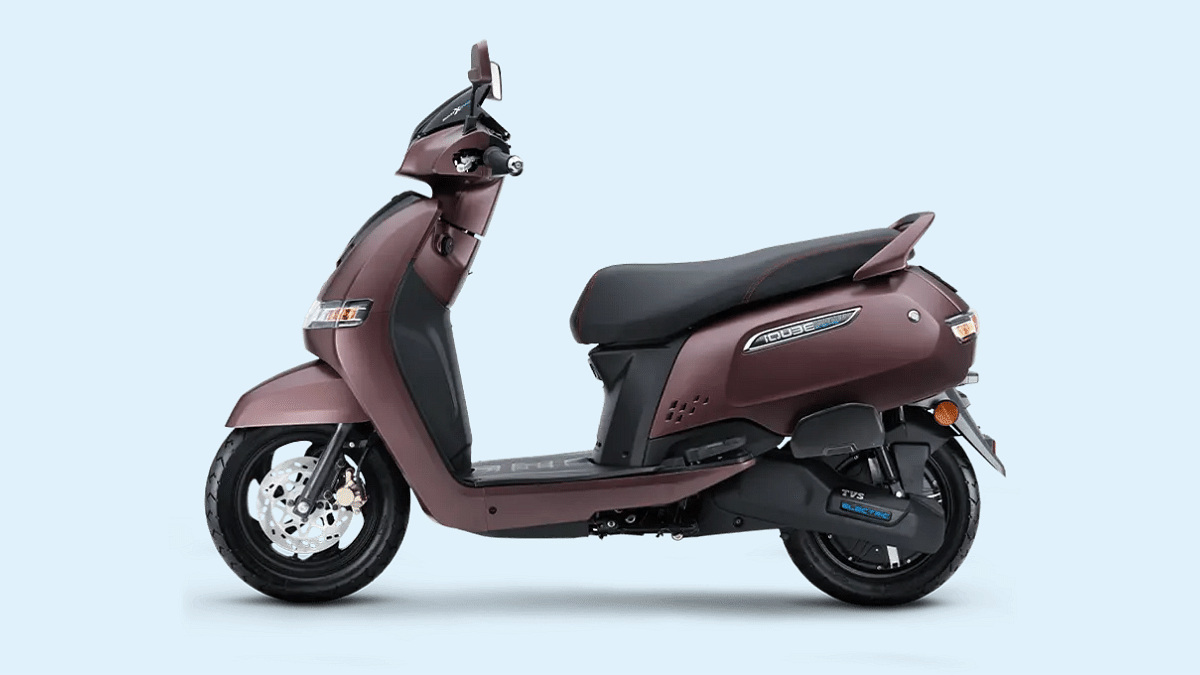
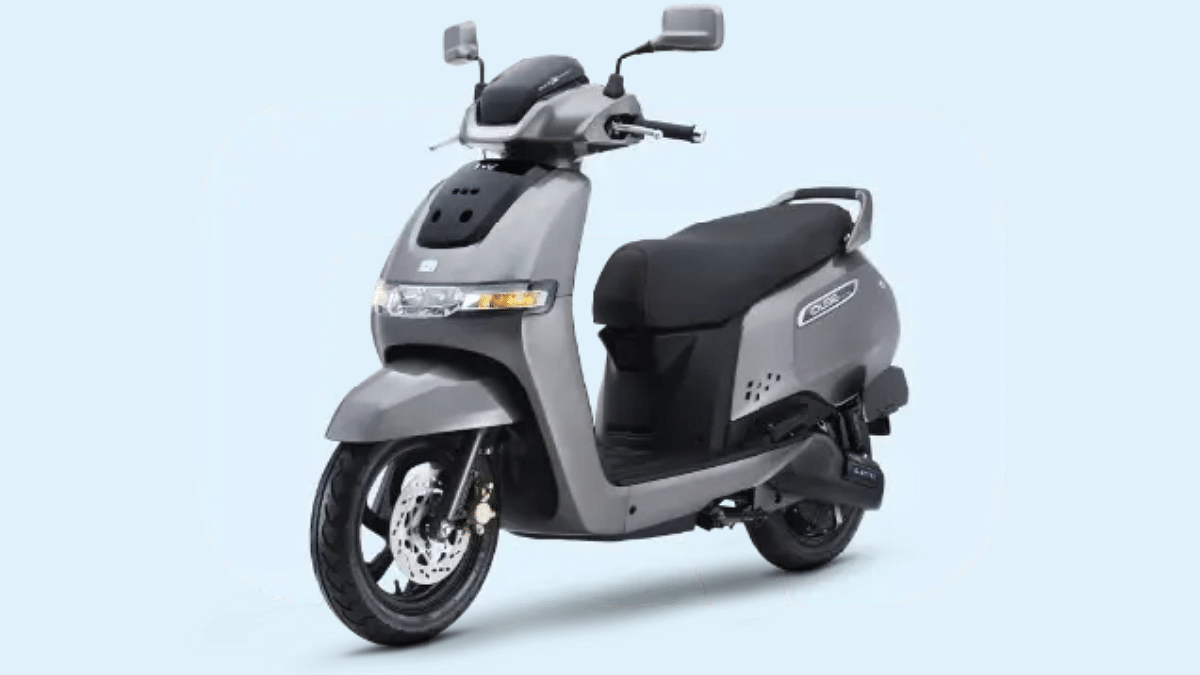
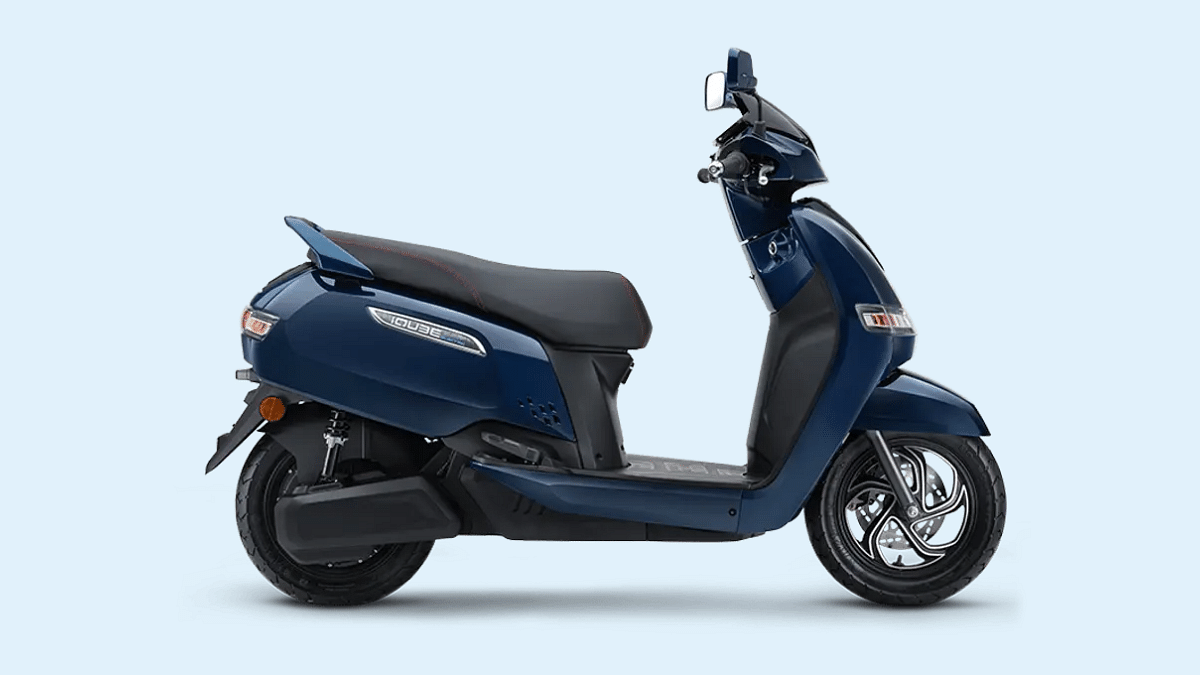
TVS could also bring the iQube ST in India. This speculations is doing rounds since the company’s CEO hinted at an upcoming e-scooter launch scheduled for the Indian market within next three months. The TVS iQube ST’s launch has been pending since the last year and finally could hit the showrooms across the country.
Speaking of the expected powertrain and features, this iQube series electric scooter will draw its power from a BLDC hub mounted motor generating 4.4 kWh power and 140 Nm torque. It will feature a 4.5 kWh battery and offer 145 km range per charge.
2024 is definitely going to be eventful when we speak of the EV industry. All these aforementioned electric two wheelers will be premium options suitable for the Indian roads and driving conditions. What would be interesting to see is if the price range is also apt depending on the target audience.
Kinetic e-luna moped pre-bookings started at Rs. 500
Will be available via popular e-commerce platforms
Will be priced under Rs. 80,000 in India
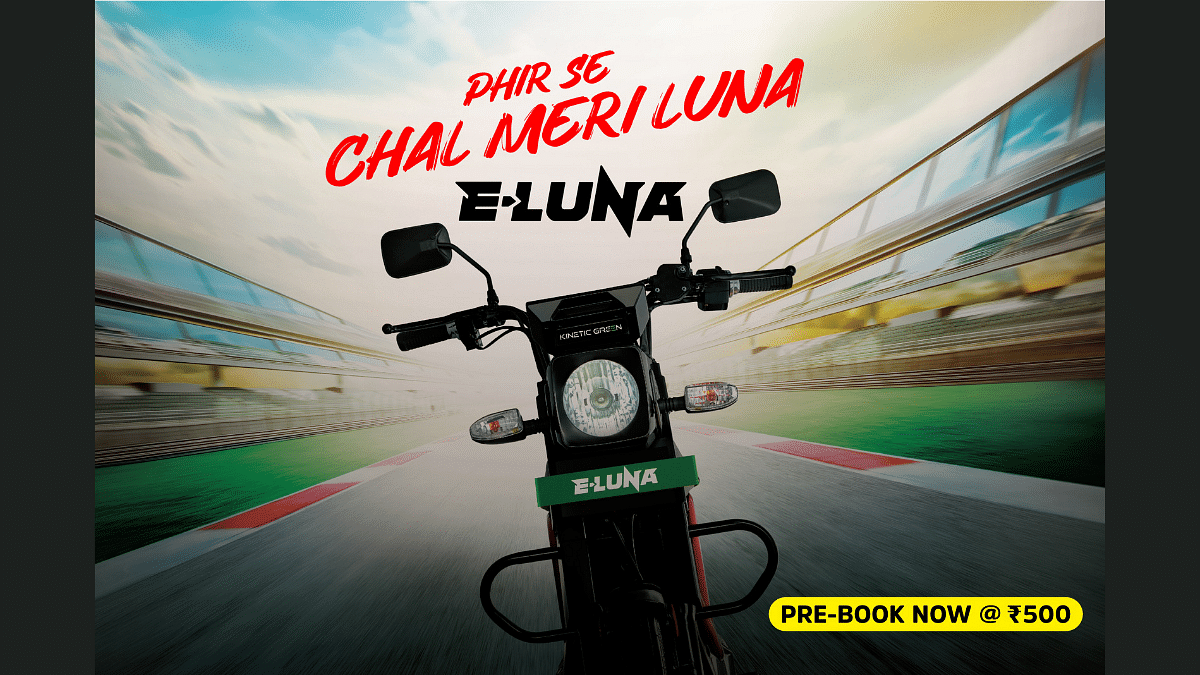
Kinetic Green is all set for a new electric two wheeler launch in India. The iconic Luna moped is getting a re-birth in an all-electric avatar and will carry the e-Luna moniker. Previously, we revealed the upcoming launch timeline for the e-Luna moped along with its pre-booking details. Now, the availability of the Luna electric moped has further been confirmed by the popular e-commerce portals in the country. Ahead of the launch, the pricing has also been revealed.
The Kinetic e-Luna electric moped is being made available via the e-commerce giants Flipkart and Amazon in India. Both these online retailing giants have listed the upcoming electric moped from on their respective platforms which not only confirms its imminent launch but also the price range.
As per the e-commerce platforms, the e-Luna moped will cost Rs. 74,990 (ex-showroom). This price range below Rs. 80,000 will categorize the e-Luna moped in the affordable segment which is widely popular across India. Just to recap, the e-Luna moped can be pre-booked with a token amount of Rs. 500.
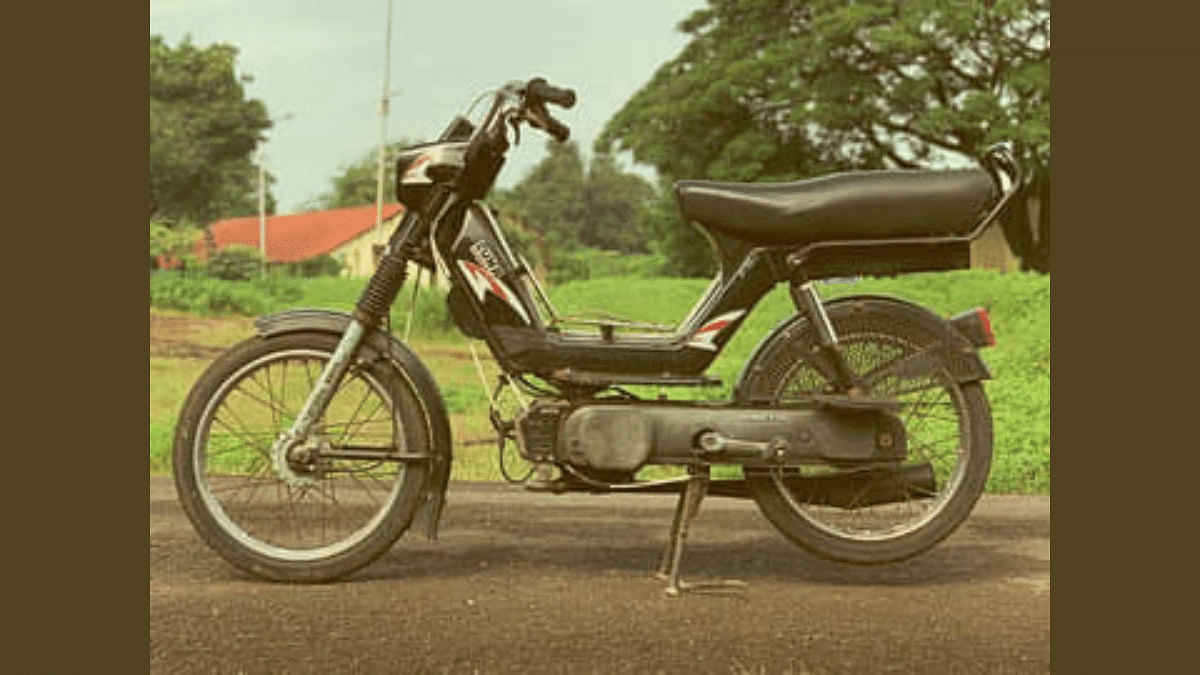
The E-Luna electric moped will be coming with an identical design language as its legendary ICE sibling. However, it is expected to get a digital instrument cluster detailing ride specifics and battery status. The moped will feature an all-electric drivetrain instead of an ICE engine.
That said, the e-Luna electric moped is expected to be powered by a 2kWh battery module. It will use an electric motor under the hood which will be hub mounted. The e-Luna moped is expected to offer around 22 Nm of torque.
The e-Luna moped might offer up to 110 km range on a full charge. This is the claimed range which could be slightly different than the real life scenarios. Battery charging time for the e-Luna moped is said to be around 4 hours using a standard charger. Lastly, the top speed expected to be delivered by the e-Luna moped is up to 52 kmph.