Categories
Auto Tech Featured

Gensol EV Teases Its First Made-in-India Electric Car For 2024 Unveiling

Key Highlights

  • Gensol EV releases a video teaser for its made-in-India electric car
  • The video reveals groundbreaking features
  • Gensol EV is set to make its debut in March 2024

Gensol Electric Vehicles, a subsidiary of Gensol Engineering and supported by BluSmart, has provided an enticing glimpse of its inaugural electric vehicle through the release of a video teaser. The much-anticipated full reveal of the Gensol EV is scheduled for the year 2024, generating anticipation and excitement among electric vehicle enthusiasts. Also Read | Year-End Bonanza: Tata Nexon EV Prime And Max Offer Up To Rs. 2.60 Lakh Discounts

Innovative Features Set The Gensol EV Apart

The video teaser has disclosed some great features that promise to distinguish the Gensol EV in the competitive electric car segment. Noteworthy specifications include an electric range exceeding 200 kilometers and a top speed of 80 kilometers per hour. What truly sets it apart, however, are the industry-first features, including a moonroof, the most extensive boot space available, and AI-based cloud analytics.

March 2024 Debut: Marking A Milestone For Gensol

Gensol Electric Vehicles has reserved March 2024 for the grand debut of its all-electric car. Anmol Singh Jaggi, the Managing Director of Gensol Engineering, expressed immense pride in unveiling this modern marvel. He emphasized the significant contribution of the new EV to the overarching mission of decarbonizing the planet, aligning with the global push toward sustainable mobility.

Also Read | Electric Vehicles Reduce Oil Usage By 1.8 Million Barrels: Key Impact Of EV On Environment

State-of-the-Art Manufacturing Facility In Chakan, Pune

The manufacturing of the Gensol EV takes place at a state-of-the-art greenfield plant situated in Chakan, Pune. This facility is equipped with an in-plant testing track and a cutting-edge end-of-line vehicle testing facility. These facilities ensure that each Gensol EV not only meets but exceeds the highest standards of quality and performance. The emphasis on stringent testing reflects Gensol’s commitment to delivering a reliable and high-performance electric vehicle.

Full EV Leasing Solutions By Gensol

In addition to manufacturing electric vehicles, Gensol Engineering is actively involved in offering complete EV leasing solutions. The company is currently serving prominent ride-hailing players with its buy-and-lease package for electric cars.

Verdict

As the electric vehicle landscape continues to evolve, Gensol Electric Vehicles aims to play a pivotal role in shaping the future of eco-friendly and innovative mobility solutions. The upcoming full reveal in 2024 is expected to provide a closer look at the Gensol EV’s design, features, and overall contribution to the electric vehicle market.

Also Read | Range Rover EV Teaser Out: Coming Soon In India?

Categories
Auto Tech Featured

Year-End Bonanza: Tata Nexon EV Prime And Max Offer Up To Rs. 2.60 Lakh Discounts

Key Highlights

  • Tata Nexon EV Prime, Max models receive year-end discounts
  • The pre-facelift Nexon EV Prime is now priced between Rs. 12.60 lakh and Rs. 14.60 lakh
  • Offers are valid until December 31 or until stocks last

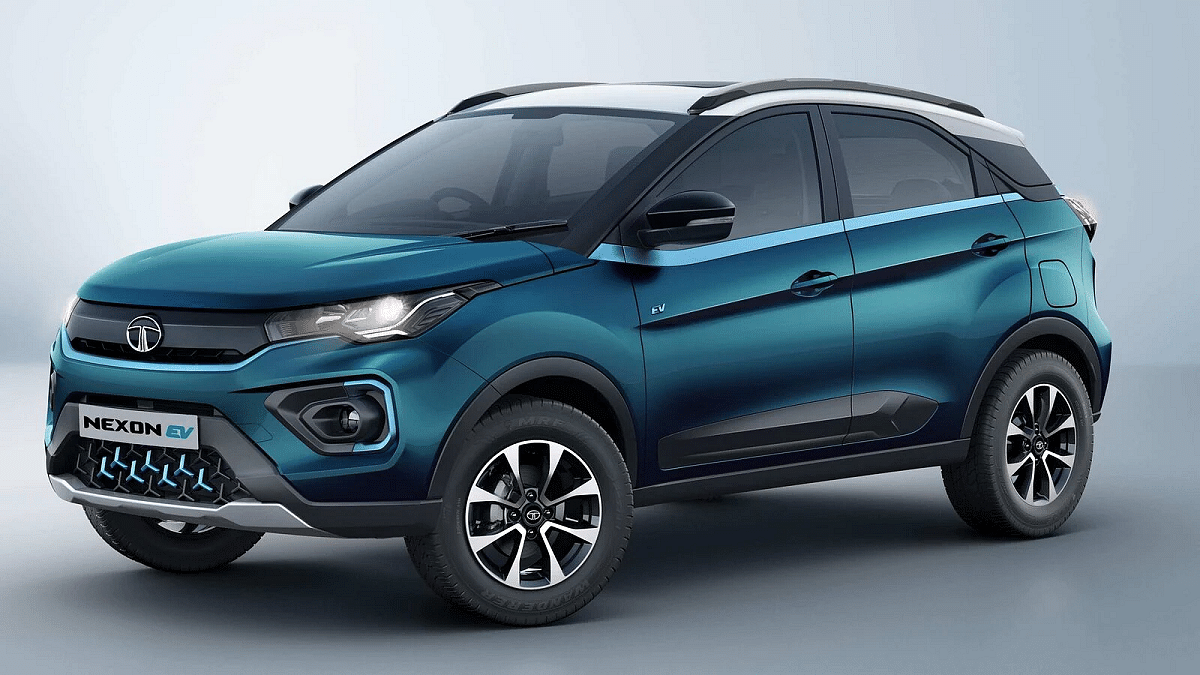
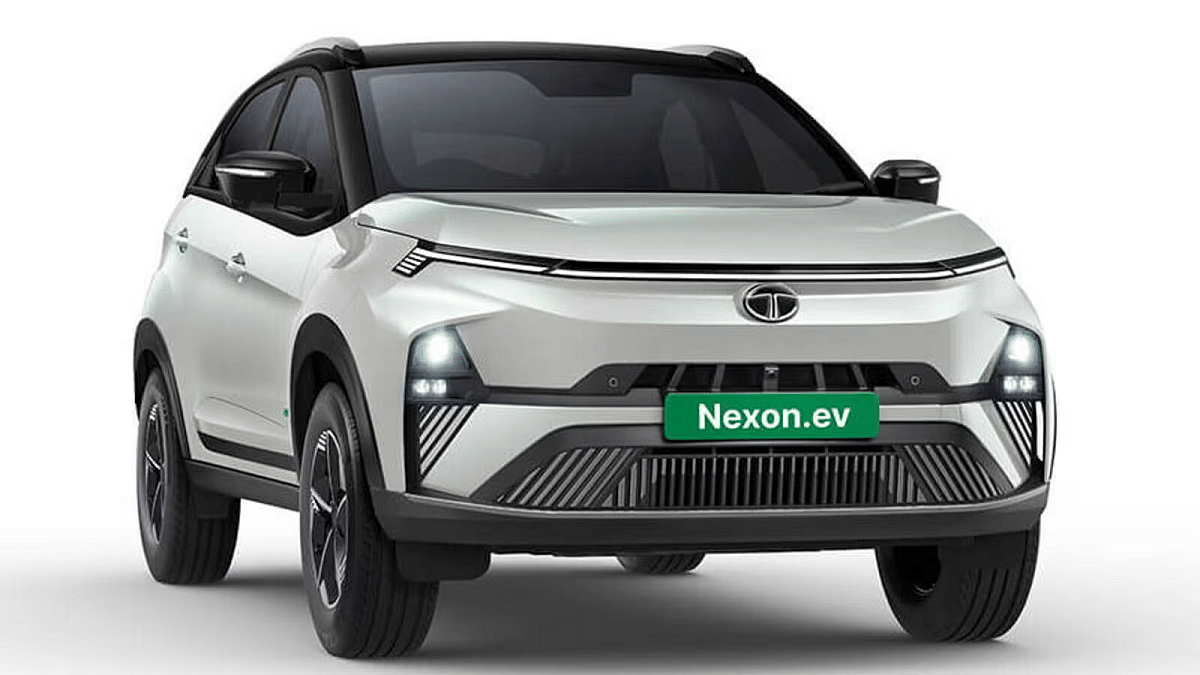
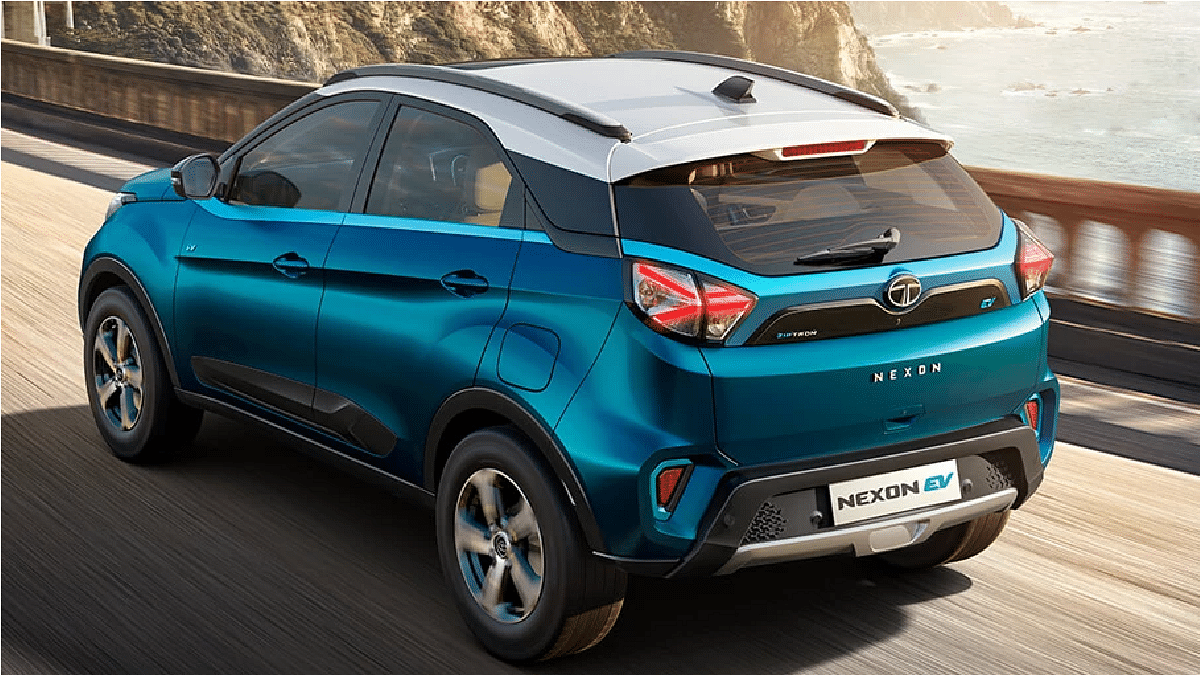
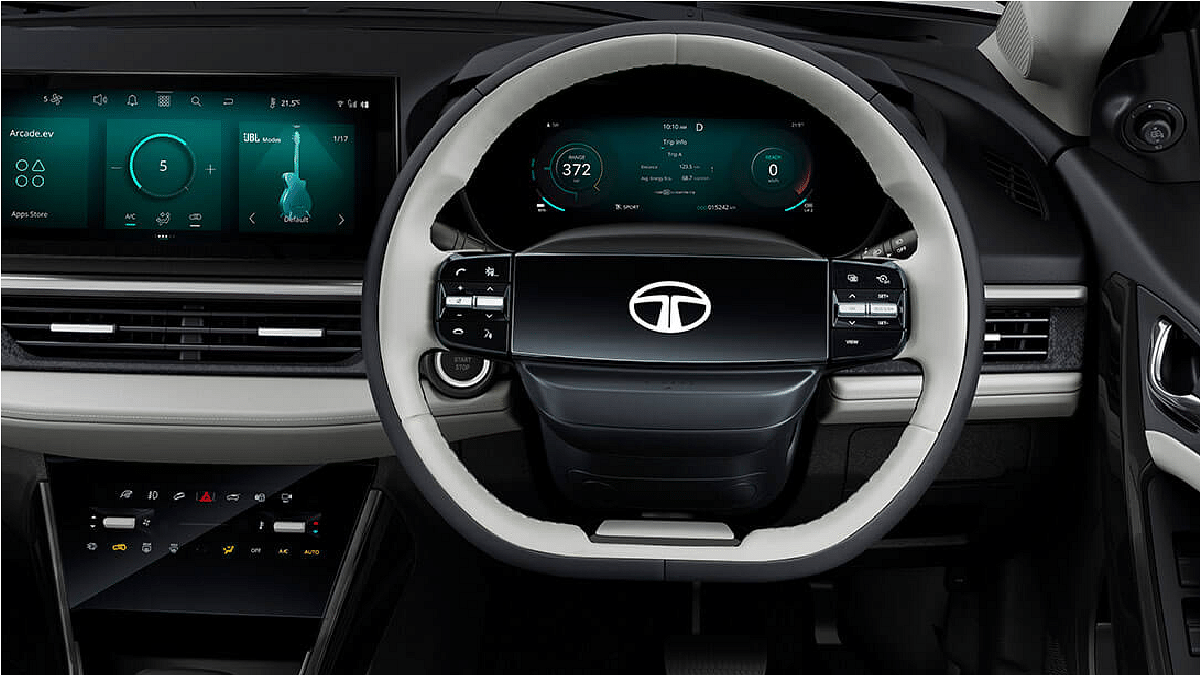
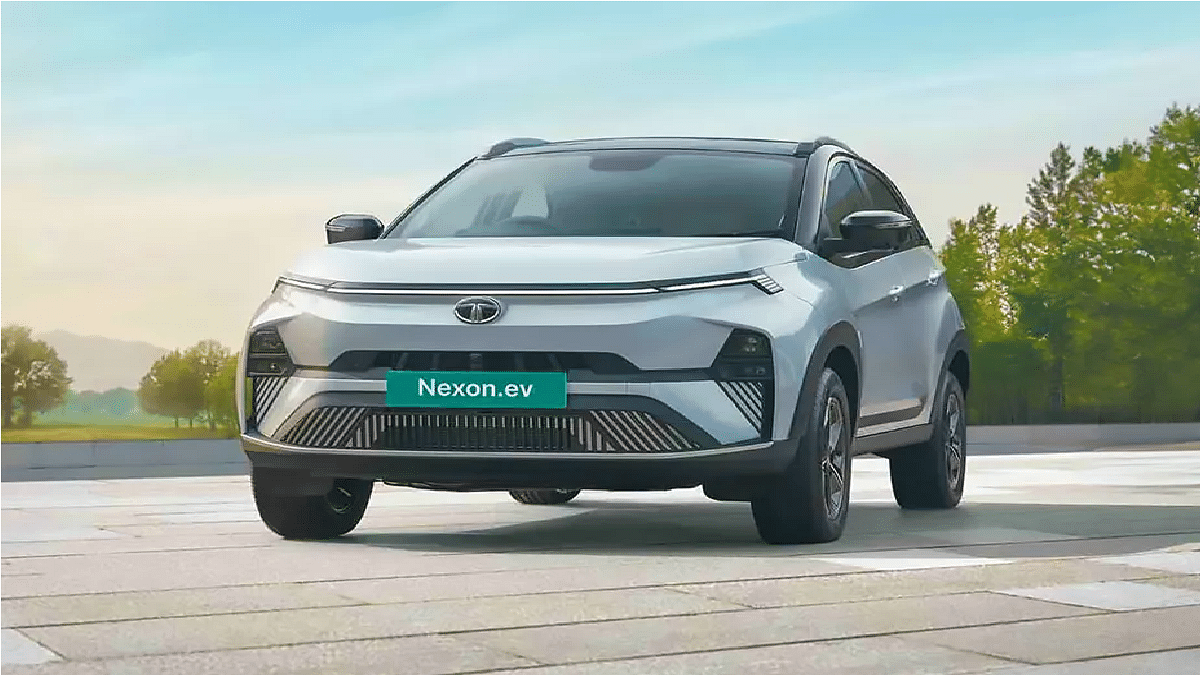
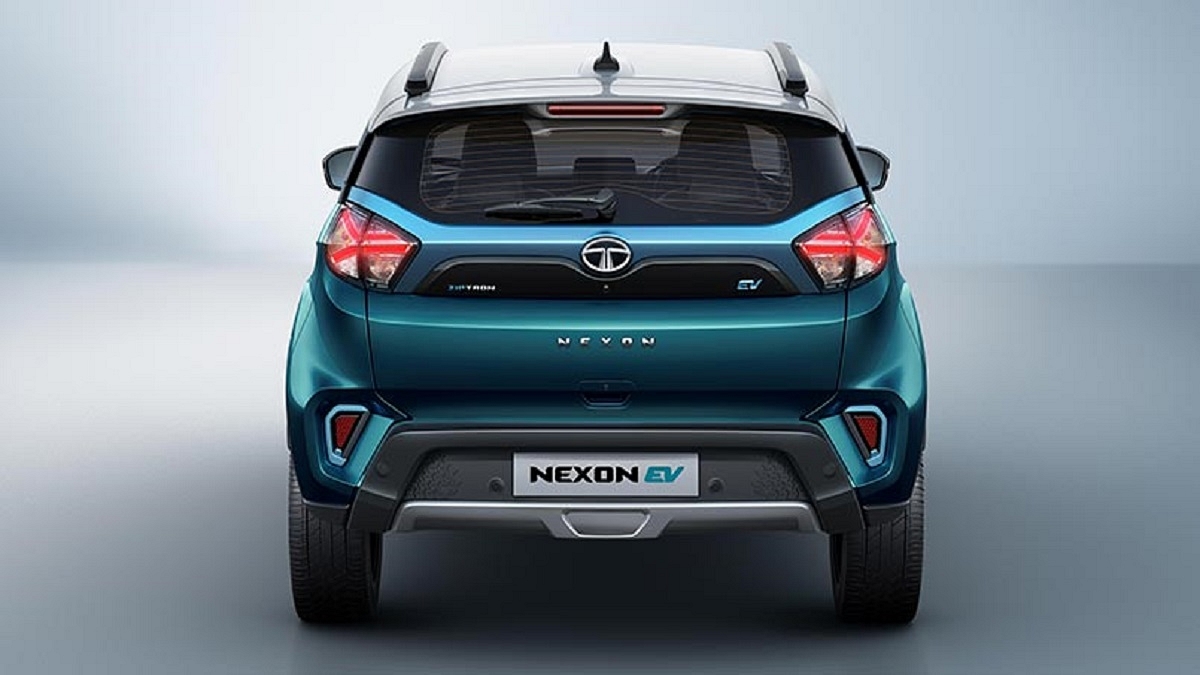
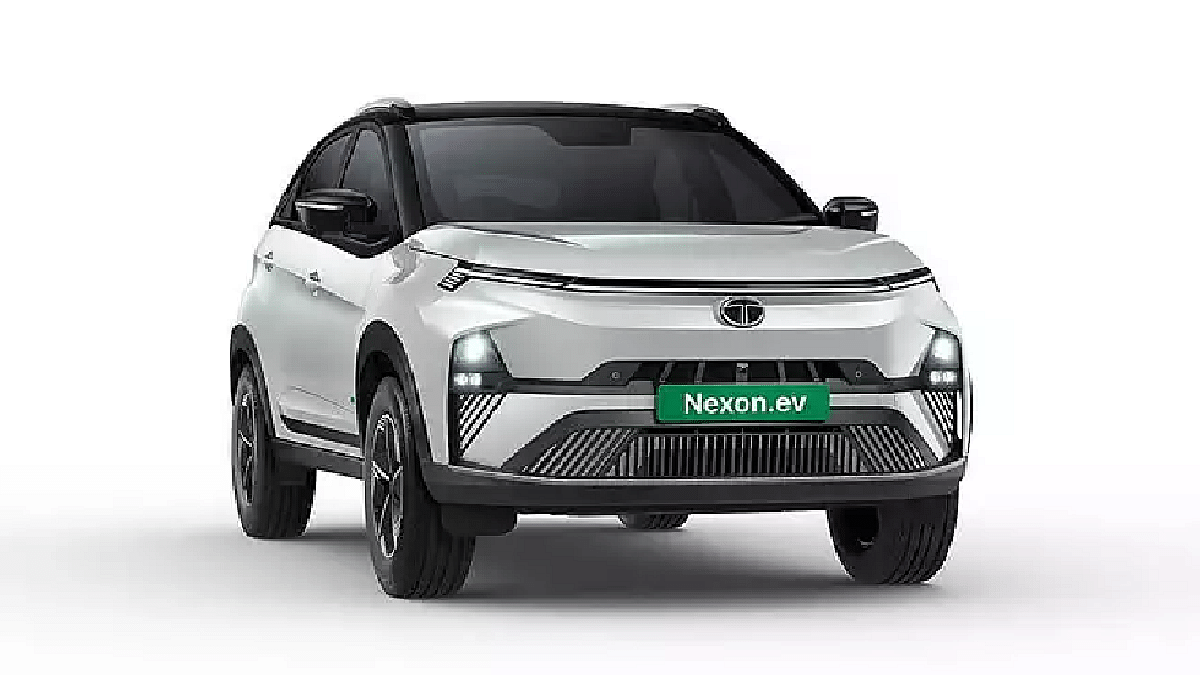
Tata Motors introduced the Nexon EV facelift in September, but dealers still have unsold stock of the pre-facelift Nexon EV Prime and Max variants. To clear inventory, the automaker is providing attractive year-end benefits of up to Rs 2.60 lakh on these models, available in the form of cash discounts and exchange bonuses. It’s essential to note that these offers are valid until December 31 or until stocks last. Also Read | Electric Vehicles Reduce Oil Usage By 1.8 Million Barrels: Key Impact Of EV On Environment

Discounts On Pre-Facelift Nexon EV Models

Tata Motors is extending a cash discount of Rs. 1.40 lakh on all versions of the pre-facelift Nexon EV Prime, coupled with an exchange bonus of Rs. 50,000. Similarly, the pre-facelift Nexon EV Max variants are offered with cash discounts of Rs. 2.10 lakh along with an exchange bonus of Rs. 50,000. Corporate offers, however, do not apply to either variant.

The pre-facelift Nexon EV Prime, originally priced between Rs. 14.50 lakh and Rs. 17.19 lakh, can now be acquired for Rs. 12.60 lakh to Rs. 14.60 lakh after applying the discounts. On the other hand, the pre-facelift Max variants, initially priced between Rs. 16.49 lakh and Rs. 19.54 lakh, now range from Rs. 13.89 lakh to Rs. 16.94 lakh after discounts.

Nexon EV Discounts Compared To XUV400 EV Discounts

Coincidentally, the rival XUV400 EV is also subject to compelling year-end discounts to clear slow-selling stock. The XUV400 EV, with discounts ranging from Rs. 1.70 lakh for the EC trim to Rs. 4.20 lakh for the XL trim, can be effectively purchased for Rs. 14.29 lakh to Rs. 15.19 lakh after discounts. Despite its advantages over the XUV400, the pre-facelift Nexon EV remains an appealing option.

Also Read | Bihar Cabinet Grants EV Policy A Nod: To Offer Up To Rs. 1.25 Lakh Incentives

Up To Rs. 35,000 Savings On The New Nexon EV

Tata Motors is offering benefits of up to Rs. 35,000 on the facelifted Nexon EV. However, these savings apply only to the mid-spec Fearless+ and Fearless+ S trims of both the Medium-Range (MR) and Long-Range (LR) variants, priced between Rs. 16.69 lakh and Rs. 19.19 lakh.

Tata Nexon EV Range And Specifications

SpecificationNexon EV PrimeNexon EV Max
Electric Motor Power129hp143hp
Battery Capacity30.2kWh40.5kWh
ARAI-Certified Range312km437km
Cash Discount (Year-End)Rs. 1.40 lakhRs. 2.10 lakh
Exchange Bonus (Year-End)Rs. 50,000Rs. 50,000
Corporate OffersNot ApplicableNot Applicable
Original Price Range (Pre-facelift)Rs. 14.50 lakh – Rs. 17.19 lakhRs. 16.49 lakh – Rs. 19.54 lakh
Discounted Price RangeRs. 12.60 lakh – Rs. 14.60 lakhRs. 13.89 lakh – Rs. 16.94 lakh

Also Read | Revolt RV 400 Electric Motorcycle Refreshed With Latest Lightening Yellow Shade: Price, Powertrain

Categories
Apps Auto Tech Info

Gogoro Partners With Swiggy For Electric Scooter Deliveries In India

Key Highlights

  • Swiggy and Gogoro collaborate to bring electric mobility to India’s delivery fleets
  • The partnership aligns with Swiggy’s goal to cover 8 lakh kilometers daily through EV deliveries

Gogoro has announced a collaboration with Swiggy, India’s leading on-demand delivery platform. This alliance aims to accelerate the electrification of India’s hyperlocal fleets through the addition of Gogoro Smartscooters and cutting-edge battery-swapping technology. Also Read | Hero Motocorp, Ather Energy Teams Up To Boost Interoperable EV Charging Network: How Beneficial It Will Be?
Gogoro And Swiggy’s Vision for Electric Transformation

Horace Luke, the founder, and CEO of Gogoro, emphasized the joint commitment to advancing the electric transformation of India’s urban fleets. The partnership with Swiggy, a key player in the industry, is seen as crucial in successfully transitioning India’s urban delivery systems to electric vehicles. This collaboration seeks to provide a seamless pathway for riders to embrace sustainable electric transportation while enhancing overall business efficiency.

Swiggy’s Perspective On The Partnership

Mihir Shah, Head of Operations at Swiggy, expressed the significance of the collaboration in aligning with Swiggy’s commitment to eco-friendly and cost-effective solutions for its delivery fleet. The integration of Gogoro’s battery-swapping technology is identified as a crucial step in achieving greener and more efficient last-mile deliveries in India.

Also Read | Gogoro CrossOver E-Scooter India Debut Set For Next Week: Everything We Know

Swiggy’s Sustainability Milestones

Swiggy, having committed to covering 8 lakh kilometers daily through electric vehicle deliveries in 2021, has been at the forefront of sustainable transportation. The company has previously partnered with industry leaders such as Reliance BP Mobility Limited and Hero Lectro to incorporate electric vehicles, resulting in significant cost savings for delivery partners.

Gogoro’s Solution For Last-Mile Deliveries

Recognizing the unique needs of last-mile delivery fleets, the Gogoro platform offers a sophisticated two-wheel battery swapping system. This technology empowers delivery operators to efficiently manage their fleets while contributing to sustainable practices, surpassing the limitations of traditional internal combustion engine (ICE) vehicles.

Gogoro Battery Swapping Network

Gogoro’s Network, described as a new generation of swappable battery refueling, boasts smart, safe, and dynamic features. With over 12,000 battery-swapping stations at 2,500 locations in Taiwan, the network supports nearly 550,000 riders, conducting an average of 400,000 daily battery swaps. Having facilitated over 480 million total swaps, the Gogoro Network has effectively saved more than 670,000 tons of CO2 since its inception.

Also Read | Electric Vehicles Reduce Oil Usage By 1.8 Million Barrels: Key Impact Of EV On Environment

Categories
Auto Tech Featured Info

Electric Vehicles Reduce Oil Usage By 1.8 Million Barrels: Key Impact Of EV On Environment

Key Highlights

  • Electric vehicles reduce oil consumption
  • They prevent 112 million metric tons of CO2 emissions annually
  • BloombergNEF projects a significant shift toward sustainable transportation

In 2023, electric vehicles and fuel-cell vehicles are expected to have a substantial impact on the environment by avoiding approximately 1.8 million barrels of oil per day. This marks a 4.1 percent reduction in the demand for oil in the road transport sector. Notably, this figure has risen from 1.5 million barrels a day in the preceding year. Also Read | 6 Must-Have Electric Bike Accessories Every Owner Should Have

Surge In Avoided Oil Consumption Over The Years

The avoided consumption of oil has surged by nearly two and a half times from 2015 to 2023, escalating from around 720,000 barrels per day in 2015. Anticipated growth in this trend suggests a further acceleration in the coming years.

Two- and Three-Wheeled EVs As Key Contributors

In 2023, two- and three-wheeled EVs play a pivotal role, accounting for approximately 60 percent of the avoided oil demand. Their rapid adoption, especially in regions like China, Southeast Asia, and India, contributes significantly to the substantial reduction in oil consumption.

Changing Dynamics

In 2022, passenger EVs surpassed buses to become the second-largest source of avoided oil demand. Projections for 2023 estimate that passenger EVs will represent 23 percent of the total avoided oil demand, while buses and commercial vehicles are expected to account for 13 percent and 3 percent, respectively.

BNEF’s Outlook

Under BloombergNEF’s (BNEF) base-case economic transition scenario, EVs and FCVs are poised to displace 12.4 million barrels of oil per day by 2035. Furthermore, in the net-zero scenario, which envisions a globally zero-emission vehicle fleet by mid-century, an additional 4 million barrels per day will be displaced in 2035.

Also Read | EV Launch Roundup: Electric Scooters Set To Debut In December 2023

Two-Wheelers In Oil Avoidance

Remarkably, BNEF highlights that electric two-wheelers and three-wheelers contribute almost twice as much to the avoidance of burning oil each day compared to passenger electric cars, trucks, and SUVs. This underscores the need for increased global attention and coverage in this segment.

CO2 Emission Reductions

Beyond the reduction in oil consumption, BNEF estimates that electric vehicles play a crucial role in preventing 112 million metric tons of CO2 emissions annually. This figure takes into account net emissions reductions, factoring in emissions from additional electricity generation.

Global Emission Elimination

While the progress is promising, BNEF emphasizes that there is still a long way to go in eliminating global heating emissions from road transport. The estimated avoided emissions for 2023 represent only about two percent of all emissions from road transport. The transition to a sustainable vehicle fleet requires time, emphasizing the importance of initiating efforts to replace fossil-powered vehicles with cleaner alternatives.

Also Read | Bihar Cabinet Grants EV Policy A Nod: To Offer Up To Rs. 1.25 Lakh Incentives

Categories
Auto Tech Featured

Electric Vehicle Ownership: What To Expect In Terms Of Costs

Key Highlights

  • Upfront prices are decreasing
  • More charging options becoming available
  • Ongoing advancements enhance EV performance

In the fast-evolving landscape of automotive technology, the rise of EVs has become a defining chapter in the pursuit of a sustainable and eco-friendly transportation future. As more consumers consider making the switch to electric, understanding the costs associated with electric vehicle ownership becomes crucial. Here, we will delve into the various aspects of owning an electric vehicle and what consumers can expect in terms of costs.

Also Read | Planning A Long Drive With Your EV? Here Are Five Questions Every EV Owner Should Consider

Upfront Costs

One of the primary considerations when purchasing an electric vehicle is the upfront cost. Historically, electric vehicles tended to be more expensive than their internal combustion engine counterparts. However, advancements in technology and increasing market competition are gradually narrowing this gap. Government incentives, tax credits, and rebates can further alleviate the initial financial burden for EV buyers.

Charging Infrastructure

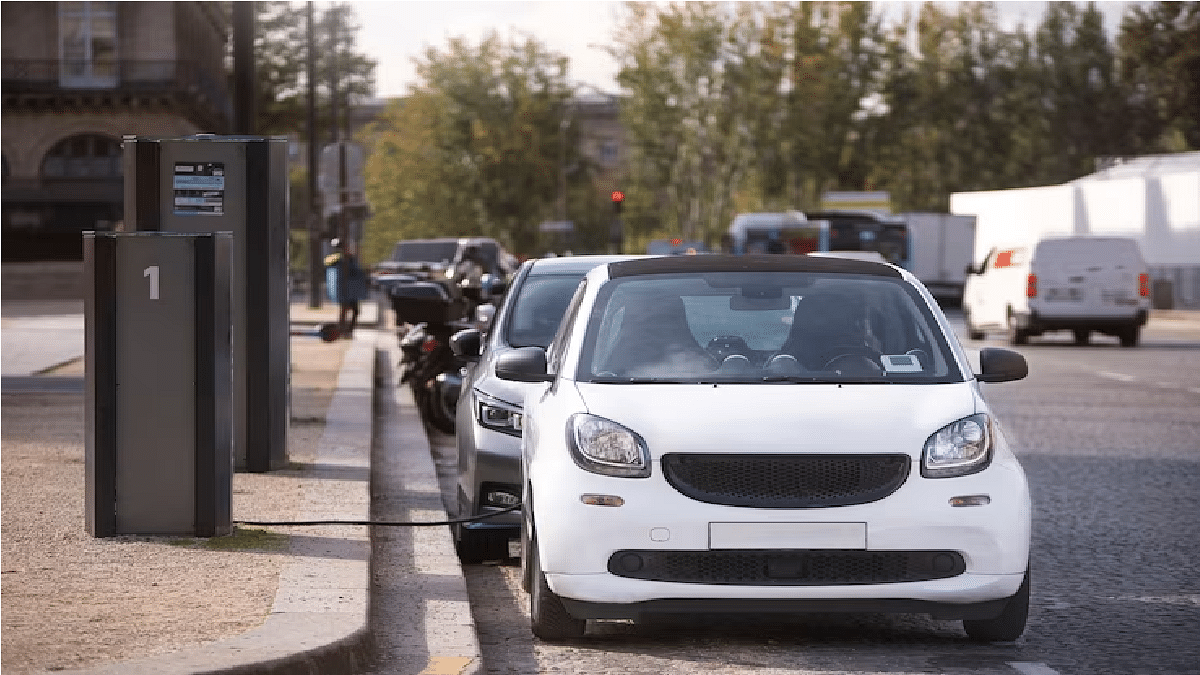
Investing in an electric vehicle also requires careful consideration of charging infrastructure. While charging at home using a standard electrical outlet is an option, installing a Level 2 home charging station can significantly reduce charging time. Public charging stations are becoming more widespread, but the cost of charging at these stations may vary. Some public charging stations offer free charging, while others may charge per kilowatt-hour or at a time-based rate.

Electricity Costs

The primary advantage of electric vehicles lies in their operating costs, which are often lower than traditional gas-powered vehicles. In general, the cost of electricity per mile is less than that of petrol. To estimate the cost of charging an electric vehicle, consumers can multiply the vehicle’s kWh consumption per mile by the local electricity rate. Additionally, some utilities offer special rates for EV owners, further reducing charging costs.

Maintenance Savings

Electric vehicles typically have fewer moving parts than traditional vehicles, leading to lower maintenance costs. EV owners can expect savings on items such as oil changes, exhaust system repairs, and transmission maintenance. Brake wear is also reduced due to regenerative braking systems, which convert kinetic energy back into electrical energy during deceleration.

Also Read | EV Charging Tips And Tricks: Seven Ways To Find EV Charging Stations Across India

Battery Replacement Costs

The battery is a crucial component in an electric vehicle, and its replacement cost has been a concern for potential EV buyers. However, advancements in battery technology have led to increased longevity and decreased costs. Many automakers now offer warranties that cover the battery for a specified number of years or miles.

Insurance Considerations

Insurance rates for electric vehicles are generally comparable to those for traditional vehicles. However, some insurers offer discounts or special rates for EV owners, recognizing the lower risk of accidents and reduced maintenance costs associated with electric vehicles.

Resale Value

Resale values of electric vehicles are rising relative to those of conventional automobiles as the market for these vehicles grows. Factors such as the vehicle’s make and model, battery condition, and technological advancements play a role in determining resale value. Keeping the battery in good condition through proper charging habits and following manufacturer recommendations can positively impact resale value.

Also Read | 6 Must-Have Electric Bike Accessories Every Owner Should Have

Verdict

While the initial cost of purchasing an electric vehicle may be higher than that of a traditional vehicle, the overall cost of ownership over the vehicle’s lifespan can be comparable or even lower. As technology progresses and the electric vehicle market expands, consumers can expect lower upfront costs, improved charging infrastructure, and ongoing enhancements in battery technology. These developments make electric vehicles a more appealing and economically viable choice for environmentally conscious drivers.

For the tech geeks, stay updated with the latest cutting-edge gadgets in the market, exclusive tech updates, gadget reviews, and more right on your phone’s screen. Join Giznext’s WhatsApp channel and receive the industry-first tech updates.

Categories
Featured Info Mobile

Vivo Switch-Off Study: Smartphone Overuse Strains Parent-Child Bonds

Key Highlights

  • 77% of parents report that their children express dissatisfaction with their excessive smartphone use
  • The study encompasses over 1500 respondents across major Indian cities
  • Join Vivo on December 20 to switch off digital screens for an hour

In this digital age, smartphones have integrated into our daily lives, becoming essential companions. However, the widespread and excessive use of these devices has raised concerns about the impact on our most cherished relationships. The fifth edition of the Vivo Switch Off Research study, conducted in collaboration with Cybermedia Research (CMR), delves into the repercussions of excessive smartphone use on parent-child relationships. Let’s have a look. Also Read | Vivo T2 Pro Review: A Feature-Rich Smartphone On A Budget

Survey Findings

Smartphone As An Enabler In Daily Lives

Smartphones serve as crucial tools for information acquisition and social connections among parents. Approximately 70% acknowledge their role in enhancing knowledge, while over 60% value them for connecting with family and friends. Similarly, nearly 60% of children see smartphones as instrumental for acquiring information and connecting with distant loved ones.

Child Mental Health Impact

The study exposes concerning patterns in children’s smartphone usage, revealing that they initiate smartphone use at the age of 12, spending an average of 6.5 hours daily. This extensive engagement raises alarms about emotional reliance, with 91% experiencing anxiety when separated from their devices.

Parents’ Concerns Over Children’s Smartphone Usage

Parents express deep concerns about their children’s mental well-being, social skills, and overall development. A staggering 94% worry about their children’s mental health, with 91% advocating for restrictions on smartphone access. The study emphasizes widespread concerns regarding the potential negative impact on children’s social skills.

Strain On Parent-Child Relationships

The study illuminates a significant challenge in parent-child relationships due to excessive smartphone use. A notable 90% of parents admit to occasional irritation when interrupted by their children engrossed in smartphone activities. Another 90% confess to spending less quality time with their children, potentially straining familial bonds.

Also Read | Vivo V29e Review: The Smartphone’s Camera Steals The Show

Silver Lining

Despite the challenges, the study unveils a silver lining, with 93% of parents and children expressing feelings of guilt about the quality of their relationships. Notably, 94% of parents prioritize meaningful in-person interactions over smartphone scrolling during leisure time. An encouraging 96% of parents and 93% of children express a strong mutual desire to deepen family connections.

Additional Key Findings

  • Parents spend an average of 7.7 hours per day with smartphones, 1.2 hours more than children.
  • 87% and 73% of parents check their phones as the first and last thing in the morning and before bedtime.
  • On average, children and parents spend about two hours together, but approximately 75% use their phones during this shared time.
  • 90% of children feel lonelier due to their parents’ smartphone usage, even with a significant social media presence.

Raising Awareness: ‘Switch Off’ Day

Recognizing the need to sensitize people about responsible technology use, Vivo has declared December 20 as ‘Switch Off’ day. This initiative encourages Indian consumers to power down their digital screens and allocate quality time to their families. Renowned health and science writer Catherine Price, author of ‘How to Break Up with Your Phone,’ has joined hands with Vivo to guide efforts in promoting healthier smartphone habits.

Also Read | WhatsApp Phasing Out Support For These Old Android Smartphones: Time To Upgrade Your Device?

Categories
Auto Tech Featured

Want To Boost Your Electric Vehicle’s Range? Here Are Some Pro Tips

Key Highlights

  • Regular maintenance is highlighted as a key factor in maximizing EV mileage
  • Mindful driving practices are essential
  • Thoughtful route planning and energy management

As EVs increasingly join into our daily lives, maximizing the efficiency and range of these eco-friendly automobiles is a priority for many users. While EVs are known for their environmental benefits and lower operating costs, there are several strategies to optimize their mileage further. Here, we explore practical tips to enhance the mileage and overall efficiency of electric vehicles. Let’s check them out.

Also Read | 6 Must-Have Electric Bike Accessories Every Owner Should Have

Driving Habits

One of the most impactful ways to improve mileage on an electric vehicle is through mindful driving habits. Smooth acceleration and braking, as opposed to abrupt starts and stops, contribute significantly to energy conservation. EVs often feature regenerative braking systems that capture and convert kinetic energy back into stored energy in the battery, providing a mileage boost when braking is gentle.

Tire Maintenance

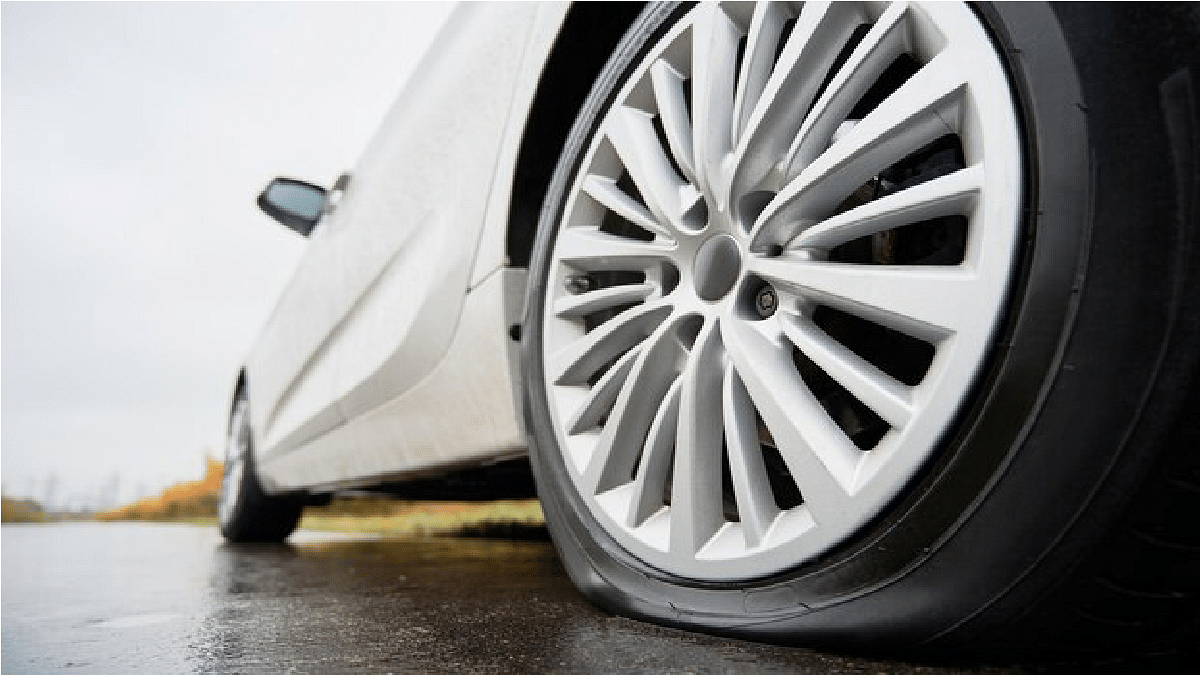
Proper tire maintenance is a key factor in ensuring optimal mileage for electric vehicles. Underinflated tires create additional rolling resistance, reducing efficiency. Regularly checking and maintaining tire pressure according to the manufacturer’s recommendations can help improve range and overall performance.

Climate Control

While maintaining a comfortable interior temperature is essential, using the climate control system carefully can impact an EV’s mileage. Preconditioning the vehicle while it’s still plugged in can reduce the reliance on the battery for heating or cooling, thereby preserving energy for driving.

Route Planning

Planning your routes and using navigation systems that consider charging station locations and real-time traffic conditions can help optimize the efficiency of your electric vehicle. Minimizing detours and choosing routes that allow for consistent speeds can positively impact mileage.

Also Read | EV Launch Roundup: Electric Scooters Set To Debut In December 2023

Battery Management

Effective management of the vehicle’s battery is crucial for maximizing mileage. Avoiding frequent deep discharges and charges can help prolong the battery life. Additionally, charging the battery to around 80% for daily use, rather than a full 100%, can contribute to long-term battery health.

Lighten The Load

Just like traditional vehicles, excess weight can impact the efficiency of an electric vehicle. Removing unnecessary items from the car and avoiding carrying excess cargo when not needed can improve the overall mileage.

Charging Habits

Strategic charging habits can also play a role in improving the mileage of an electric vehicle. Charging during off-peak hours when electricity rates are lower may result in cost savings. Additionally, consider using fast-charging stations for quick top-ups during long journeys, but be mindful that frequent fast charging can have an impact on battery longevity.

Stay Updated With Software

Manufacturers often release software updates that can enhance the efficiency and performance of electric vehicles. Keeping the vehicle’s software up-to-date ensures that you benefit from the latest optimizations and improvements.

Also Read | Bihar Cabinet Grants EV Policy A Nod: To Offer Up To Rs. 1.25 Lakh Incentives

Verdict

Optimizing the mileage of electric vehicles involves a combination of mindful driving practices, regular maintenance, and strategic planning. As technology advances and more users embrace electric mobility, these practical tips will continue to play a crucial role in ensuring that electric vehicles deliver on their promise of efficiency, cost-effectiveness, and a greener mode of transportation. By incorporating these strategies into your daily routine, you not only contribute to a sustainable future but also get the most out of your electric vehicle experience.

For the tech geeks, stay updated with the latest cutting-edge gadgets in the market, exclusive tech updates, gadget reviews, and more right on your phone’s screen. Join Giznext’s WhatsApp channel and receive the industry-first tech updates.

Categories
Auto Tech Featured

Five Common Myths About Electric Cars: Busting The Misconceptions

Key Highlights

  • Electric Cars are surrounded by several myths and misconceptions
  • It’s essential to dismiss the myths
  • EVs offer good range, convenient charging, and more

Electric cars have been gaining popularity as environmentally friendly and economically sensible alternatives to traditional gasoline-powered vehicles. However, despite their growing acceptance, there are still several myths and misconceptions surrounding electric cars that often deter potential buyers.

Here, we aim to debunk some of the most common myths about electric cars and shed light on the reality of this rapidly evolving technology. Let’s dive in.

Also Read | Power Up Safely: Eight Essential Measures For Charging Your EV In Public

Myth 1: Limited Range Anxiety

One widespread myth surrounding electric cars is the fear of running out of charge, commonly referred to as “range anxiety.” Early electric cars did have limited ranges, but recent advancements in battery technology have significantly improved this aspect. Modern EVs can often cover distances comparable to traditional cars on a single charge. For example, popular models like the Tesla Model 3 and Chevrolet Bolt offer ranges well over 200 miles, alleviating concerns about range anxiety for most daily commutes.

Myth 2: Long Charging Times

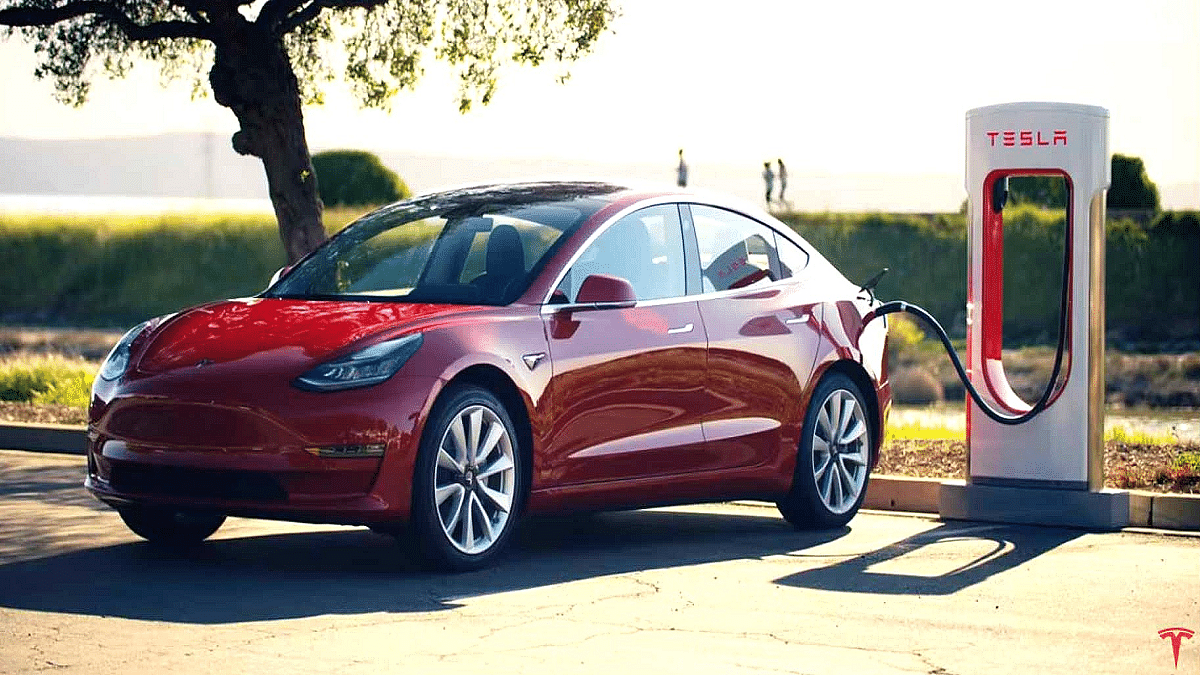
Another misconception is that charging an electric car takes too long. While it’s true that charging times can vary based on the charging infrastructure and the specific vehicle, rapid advancements in charging technology have significantly reduced charging durations. Fast-charging stations, such as Tesla’s Supercharger network, can provide a substantial charge in a short time, making long-distance travel more feasible. Additionally, many electric car owners charge their vehicles at home overnight, taking advantage of off-peak electricity rates.

Myth 3: Limited Charging Infrastructure

Some individuals believe that a lack of charging infrastructure makes owning an electric car impractical. However, governments and private companies are investing heavily in expanding charging networks globally. The number of public charging stations is continually increasing, making it more convenient for electric car owners to find places to charge their vehicles. Moreover, the majority of electric car charging is done at home, as many owners install Level 2 chargers in their garages, providing a reliable and convenient charging solution.

Also Read | Range Anxiety Vs. Charging Infrastructure: Addressing Common EV Concerns

Myth 4: High Upfront Costs

The perception that electric cars are significantly more expensive than traditional vehicles persists, but this is changing rapidly. While the initial purchase price of an electric car may be higher, various factors contribute to a lower total cost of ownership over the vehicle’s lifespan. Reduced maintenance costs, tax incentives, and decreasing battery prices contribute to making electric cars more economically viable in the long run. As technology advances and production scales up, the upfront cost of electric cars is expected to decrease further.

Myth 5: Environmental Impact of Manufacturing Batteries

Some critics argue that the production of electric vehicle batteries has a high environmental cost, often citing concerns about resource extraction and energy-intensive manufacturing processes. While it’s true that battery production has environmental impacts, studies show that the overall carbon footprint of electric cars, including manufacturing, is still lower than that of traditional vehicles over their lifecycle. Furthermore, ongoing advancements in battery technology aim to reduce the environmental impact of manufacturing electric car batteries.

Also Read | EV Charging Tips And Tricks: Seven Ways To Find EV Charging Stations Across India

Verdict

As electric cars become increasingly mainstream, it’s essential to dismiss the myths that surround them. Modern electric vehicles offer impressive ranges, convenient charging solutions, and competitive total ownership costs. As technology continues to advance and awareness grows, misconceptions about electric cars are likely to diminish.

For the tech geeks, stay updated with the latest cutting-edge gadgets in the market, exclusive tech updates, gadget reviews, and more right on your phone’s screen. Join Giznext’s WhatsApp channel and receive the industry-first tech updates.

Categories
Auto Tech Featured

Who’s Leading India’s Electric Charge? Here’s The Top Five Electric Vehicle Companies

Key Highlights

  • The EV market in India is rapidly evolving
  • Several well-known businesses are establishing new benchmarks

The landscape of the Indian automotive industry is undergoing a significant transformation with the rise of electric vehicles. As the nation embraces sustainable mobility, several companies have emerged as pioneers in the electric vehicle space. Here, we explore the top five EV companies in India and highlight key features that make them stand out.

Also Read | 2024 EV Update:Top Upcoming Electric Scooters In India

1. Tata Motors

Tata Motors, a household name in the Indian automotive scene, has made remarkable strides in the electric vehicle sector. The Tata Nexon EV, the company’s flagship electric SUV, has garnered attention for its impressive range and robust performance. Key features include:

RangeOver 300 kilometers on a single charge
PerformanceAcceleration from 0 to 100 km/h in under 10 seconds
ChargingFast-charging capability for quick refueling

2. Mahindra Electric

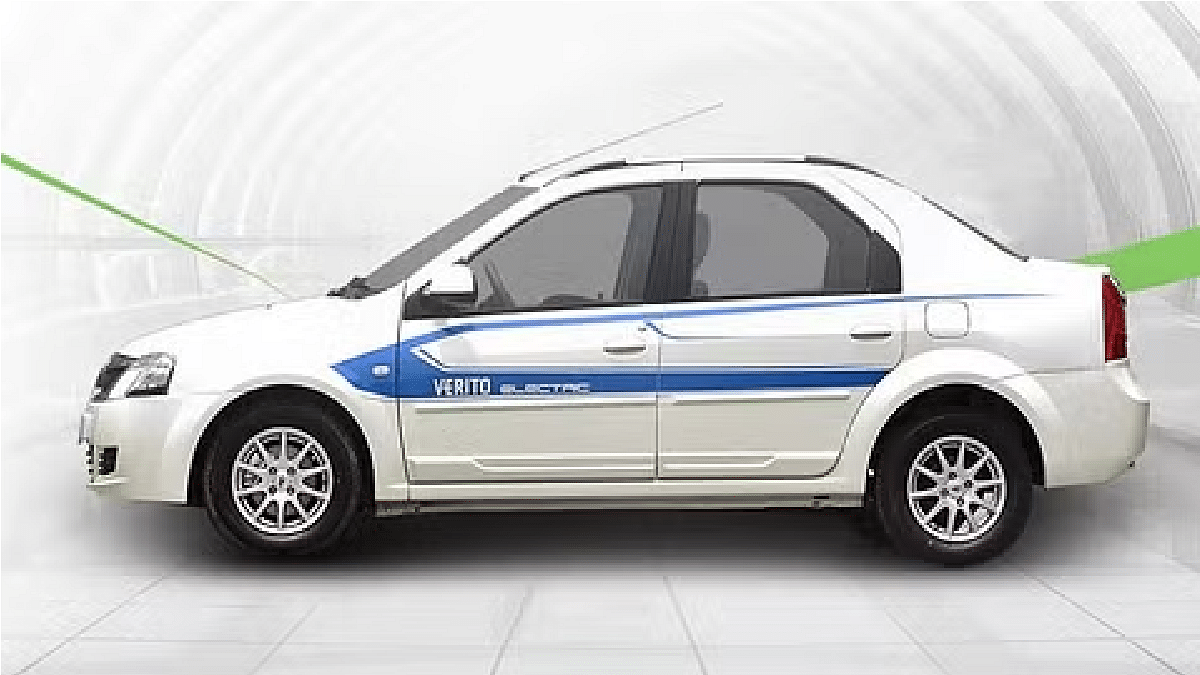
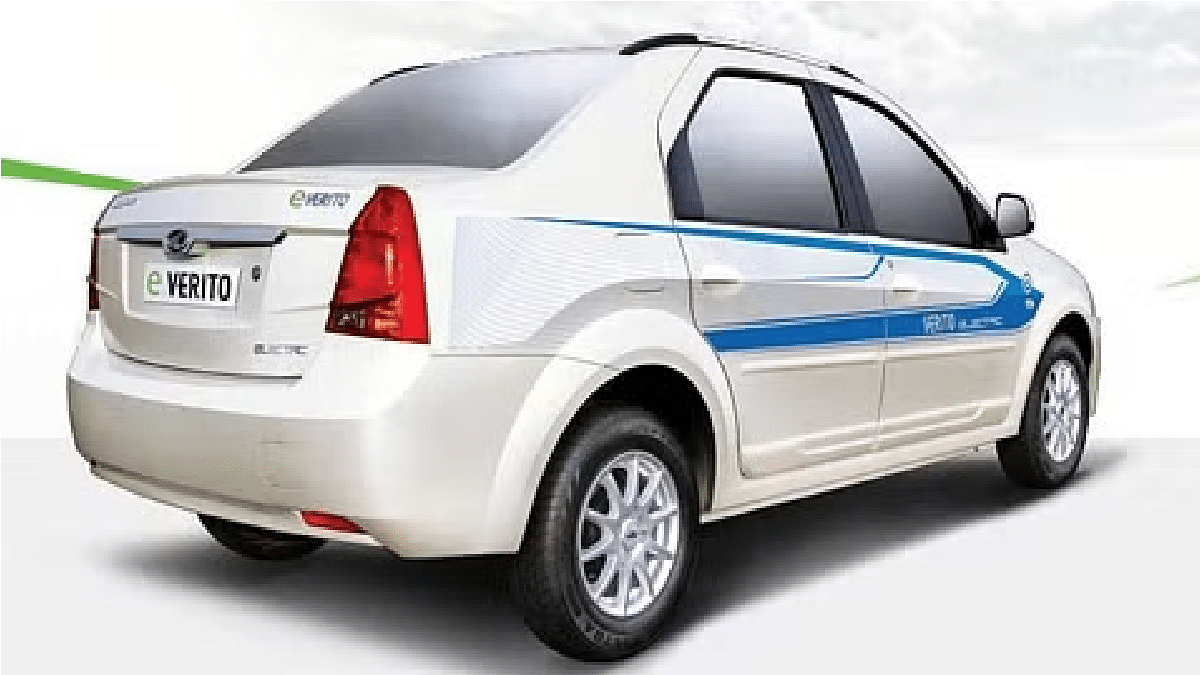
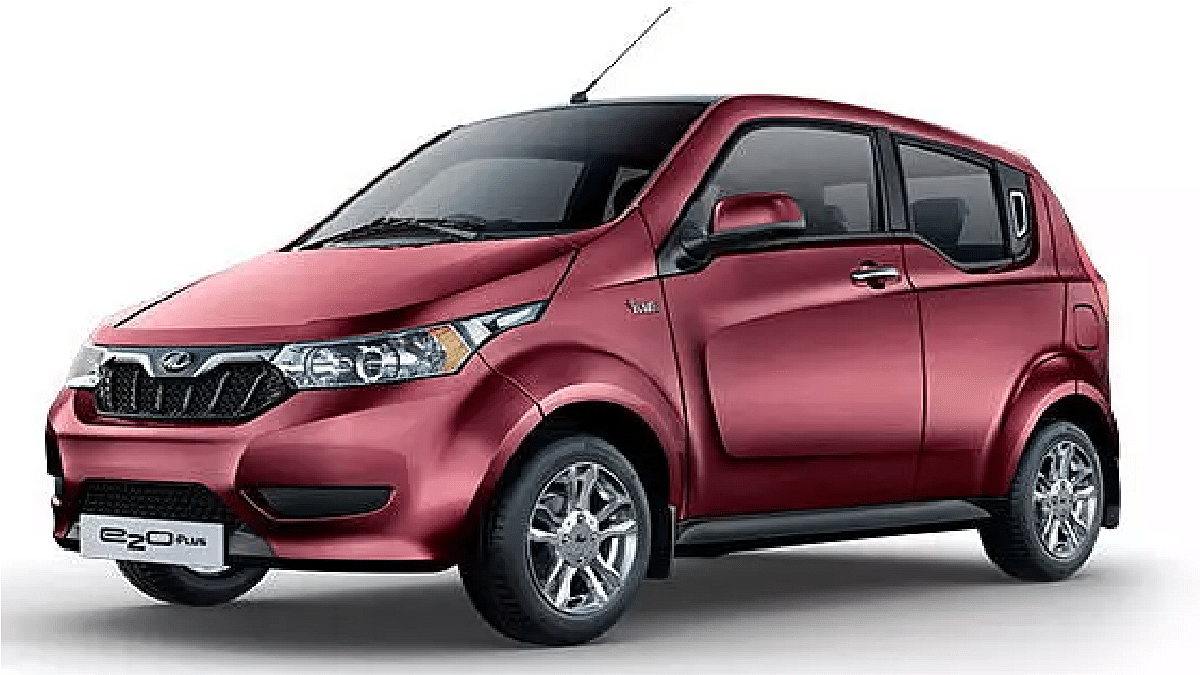
Mahindra Electric, a subsidiary of the Mahindra Group, has been at the forefront of electric mobility in India. The Mahindra eVerito, an electric sedan, and the compact e2o Plus have contributed to the company’s success. Features include:

RangeCompetitive range suitable for urban commuting
ConnectivitySmart features for remote monitoring and control
SustainabilityFocus on using eco-friendly materials in manufacturing

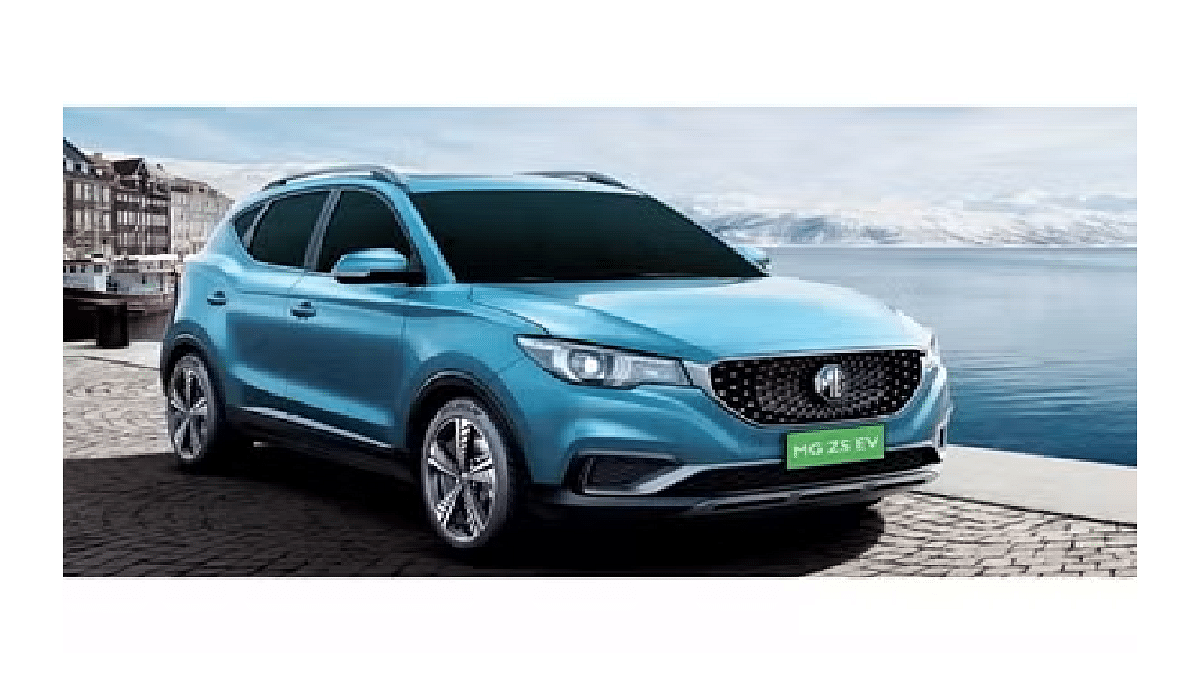
3. MG Motor India

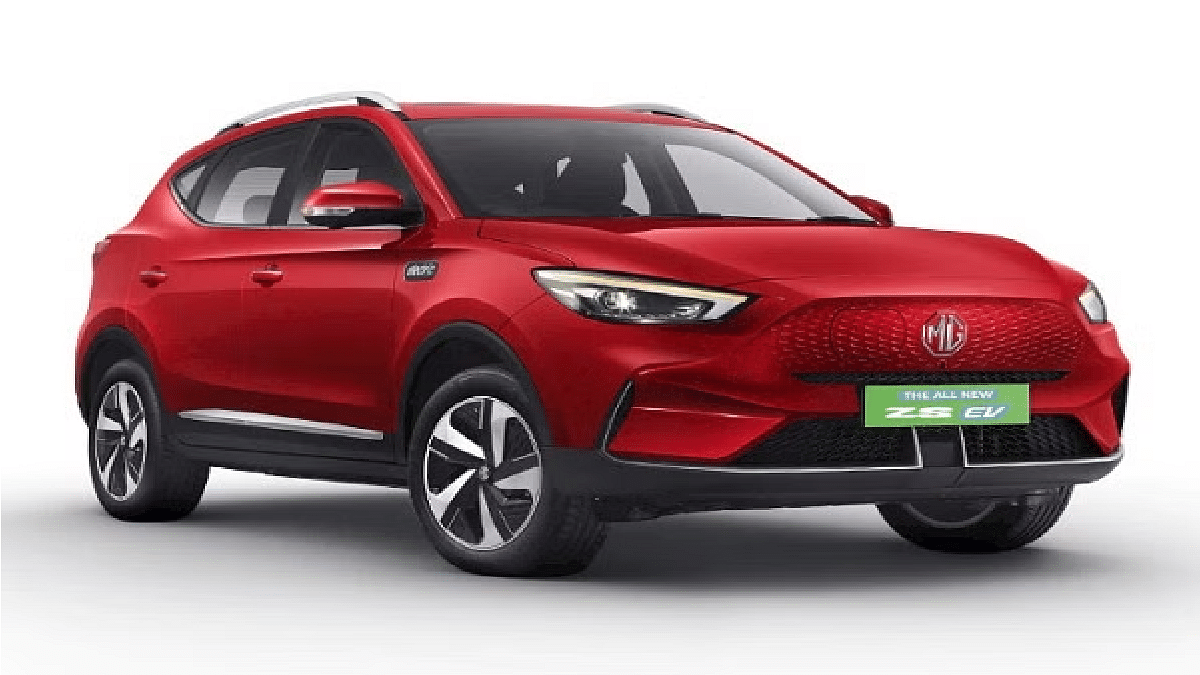
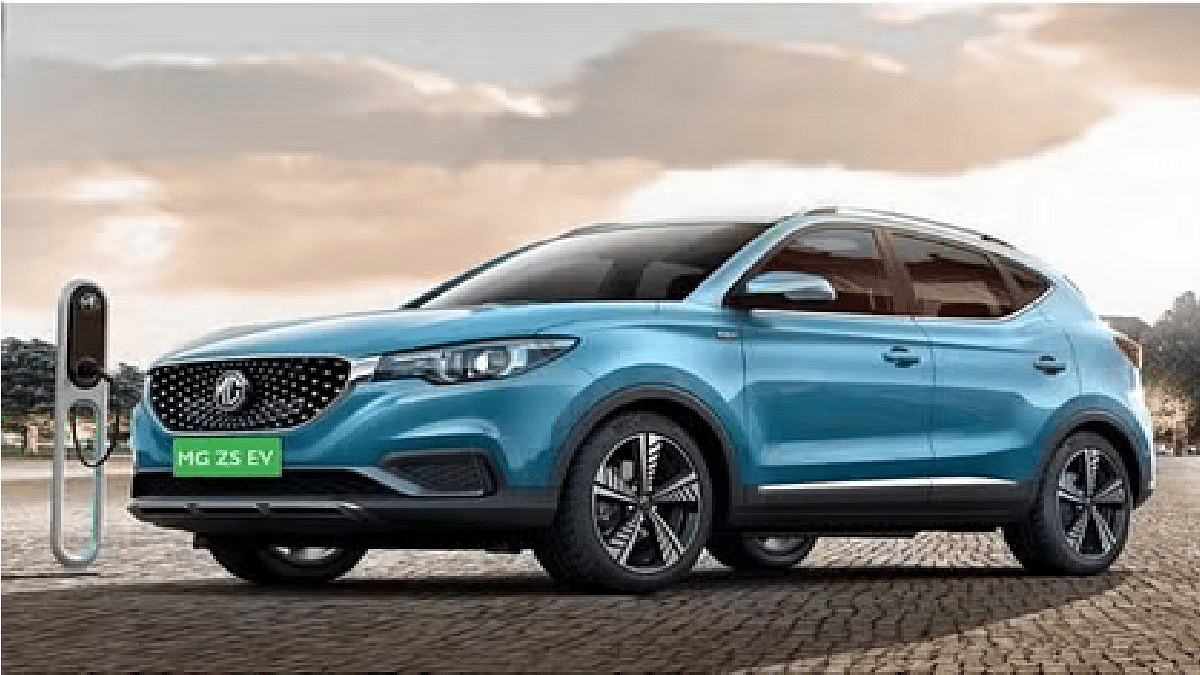
MG Motor India has made a splash in the EV market with the MG ZS EV, an electric SUV that combines style with advanced technology. Notable features include:

InfotainmentLarge touchscreen with in-built connectivity features
SafetyHigh safety standards with multiple airbags and advanced driver-assistance systems
InnovationsContinuous software updates for enhanced performance

Also Read | EV Charging Tips And Tricks: Seven Ways To Find EV Charging Stations Across India

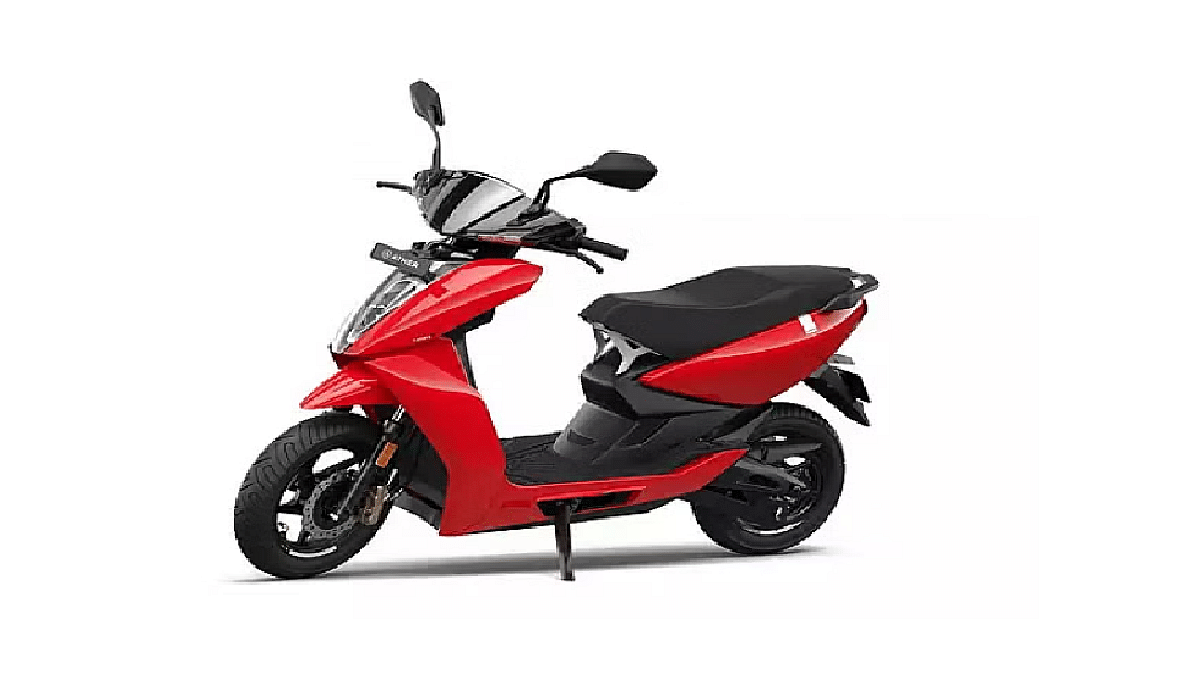
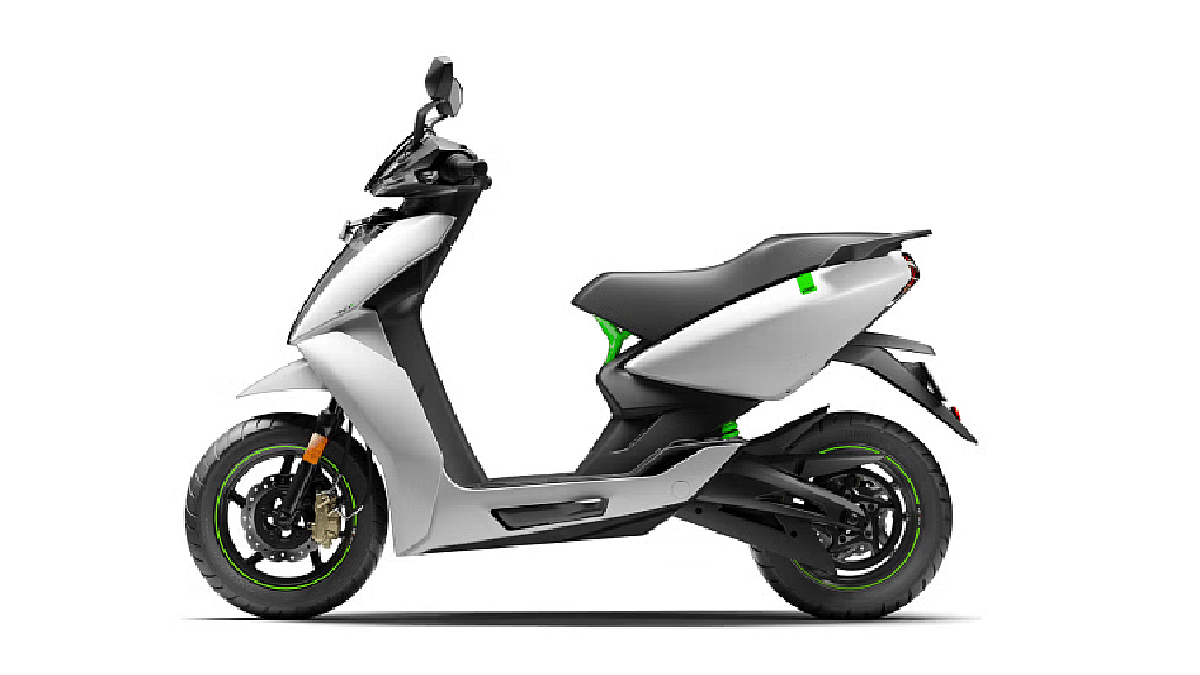
4. Ather Energy

Ather Energy has carved a niche in the electric scooter segment, offering high-performance electric scooters with a focus on smart connectivity. The Ather 450X and Ather 450 Plus boast the following features:

PerformanceQuick acceleration and agile handling for urban commuting
ConnectivityIntegrated touchscreen dashboard with navigation and over-the-air updates
CustomizationUser-configurable ride modes for personalized preferences

5. Ola Electric

Ola Electric, a recent entrant in the EV space, has made waves with its Ola S1 and S1 Pro electric scooters. Key features include:

DesignSleek and aerodynamic design for a modern appeal
RangeLong-range capability for extended city rides
TechnologyVoice-activated features for a hands-free experience

Also Read | EV Launch Roundup: Electric Scooters Set To Debut In December 2023

Conclusion

These top five electric vehicle companies in India are not only shaping the future of mobility but are also setting new standards for performance, technology, and sustainability. As the nation continues to transition towards cleaner transportation, these companies are at the forefront, contributing to a greener and more sustainable automotive future.

For the tech geeks, stay updated with the latest cutting-edge gadgets in the market, exclusive tech updates, gadget reviews, and more right on your phone’s screen. Join Giznext’s WhatsApp channel and receive the industry-first tech updates.

Categories
Auto Tech Comparison Featured

Hybrid Cars vs. Electric Vehicles: Which Way To Go?

Key Highlights

  • Hybrid or electric vehicle has become a crucial decision
  • Hybrid cars combine an internal combustion engine with an electric motor
  • EVs rely solely on electric motors

The choice between a hybrid car and an electric vehicle has become a crucial decision for eco-conscious consumers. As the world seeks sustainable alternatives to traditional gasoline engines, the spotlight is on these two contenders, each with its unique set of advantages and considerations.

Here, we separate the differences between hybrid cars and electric vehicles, aiming to help prospective buyers make an informed decision that aligns with their lifestyle and environmental values. Also Read | Range Anxiety Vs. Charging Infrastructure: Addressing Common EV Concerns

Powertrain Dynamics

AspectHybrid CarElectric Vehicle
Power SourceInternal combustion engine + Electric motorElectric motor
Operating ModesCan switch between gasoline and electric powerSolely relies on electricity
Environmental ImpactDepends on frequency of electric motor useZero tailpipe emissions

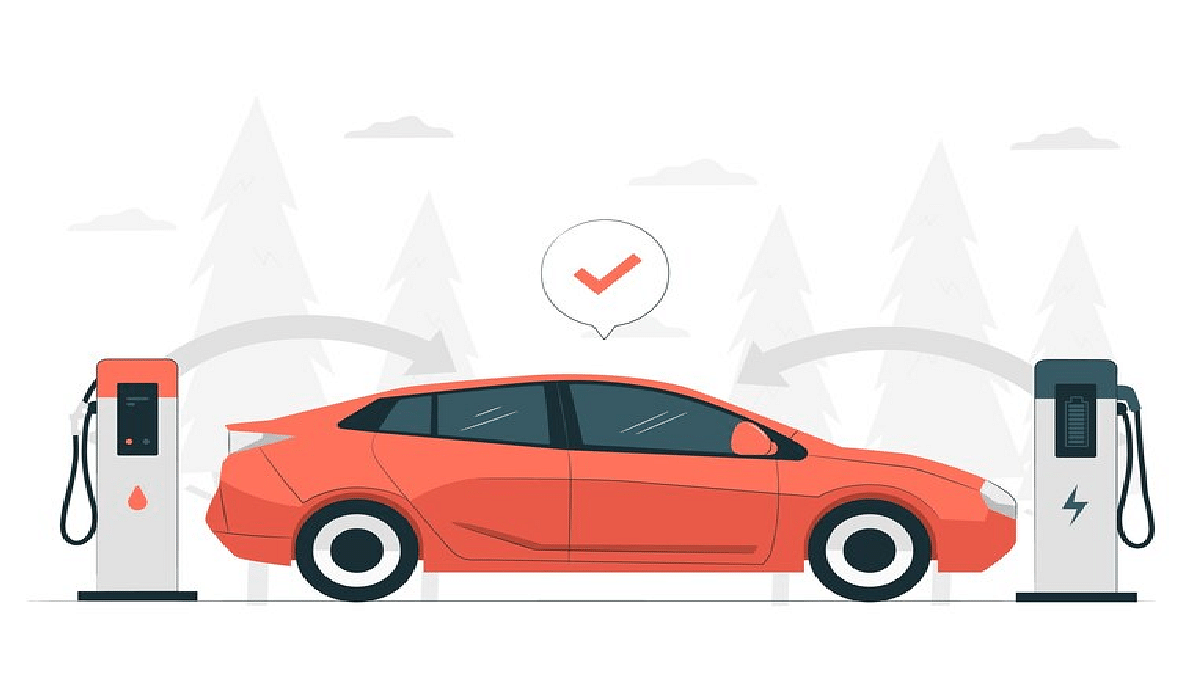
Hybrid cars, as the name suggests, combine an internal combustion engine with an electric motor. This dual-power system allows the vehicle to switch between the two or operate both simultaneously.

On the other hand, electric vehicles solely rely on electricity for propulsion, utilizing powerful batteries to store and discharge energy. The key distinction lies in the source of power – a blend of gasoline and electric power versus pure electricity.

Environmental Impact

Hybrid cars, while more fuel-efficient than traditional gasoline vehicles, still rely on fossil fuels. The extent of their environmental friendliness depends on how frequently the electric motor is engaged.

In contrast, electric vehicles produce zero tailpipe emissions, making them a cleaner alternative with lower greenhouse gas footprints. However, the overall environmental impact also hinges on how the electricity used to charge EVs is generated – whether from renewable sources or conventional power grids.

Driving Range

AspectHybrid CarElectric Vehicle
RangeTypically longer due to gasoline backupRange can vary, and may require careful planning

One of the chief concerns for potential buyers is the driving range. Hybrid cars typically have a longer range than purely electric vehicles since they can rely on gasoline when the battery is depleted.

Electric vehicles, while making significant strides, might require careful planning for longer journeys and access to charging infrastructure. The choice between the two may hinge on individual driving habits and the availability of charging stations.

Also Read | Xiaomi SU7 EV And SU7 Max EV Stun In Covert Road Trials: Picture Perfect Reveals

Charging Infrastructure

AspectHybrid CarElectric Vehicle
RefuelingAny gas stationRequires charging stations
InfrastructureWidely availableDeveloping, availability varies by region
ConvenienceEasy and quickDepends on charging station accessibility and speed

A key aspect influencing the adoption of electric vehicles is the charging infrastructure. While hybrids can refuel at any gas station, electric vehicles require charging stations. The availability and accessibility of charging points play a crucial role in the convenience of owning an electric vehicle. Governments and private entities are investing heavily in expanding charging networks, but the current infrastructure may still pose challenges in certain regions.

Cost Considerations

AspectHybrid CarElectric Vehicle
Upfront CostGenerally lowerHigher upfront cost, but decreasing over time
Operational CostModerateLower maintenance, potential cost efficiency
Government IncentivesVaries by region, may include tax creditsOften includes tax credits and incentives

Cost remains a considerable factor in the decision-making process. Hybrid cars generally have a lower upfront cost compared to electric vehicles. However, the operational costs may tilt the scale in favor of EVs due to lower maintenance expenses and the overall cost efficiency of electric power. Government incentives and tax credits aimed at promoting sustainable transportation can also influence the financial equation.

Verdict

The choice between a hybrid car and an electric vehicle depends on individual preferences, driving habits, and environmental considerations. Both options contribute to reducing the carbon footprint, but the path they take to achieve this goal differs. As technology advances and infrastructure improves, the decision-making process is likely to become simpler. For now, prospective buyers must weigh the trade-offs and embrace a driving future that aligns with their values and the evolving demands of a sustainable planet.

Also Read | Planning A Long Drive With Your EV? Here Are Five Questions Every EV Owner Should Consider