Categories
Auto Tech Featured

Electric Vehicle Test Drives: What To Look For And Questions To Ask

Key Highlights

  • EVs are popular for their eco-friendly features
  • Test driving is a crucial step in decision-making
  • It helps you assess whether it aligns with your preferences

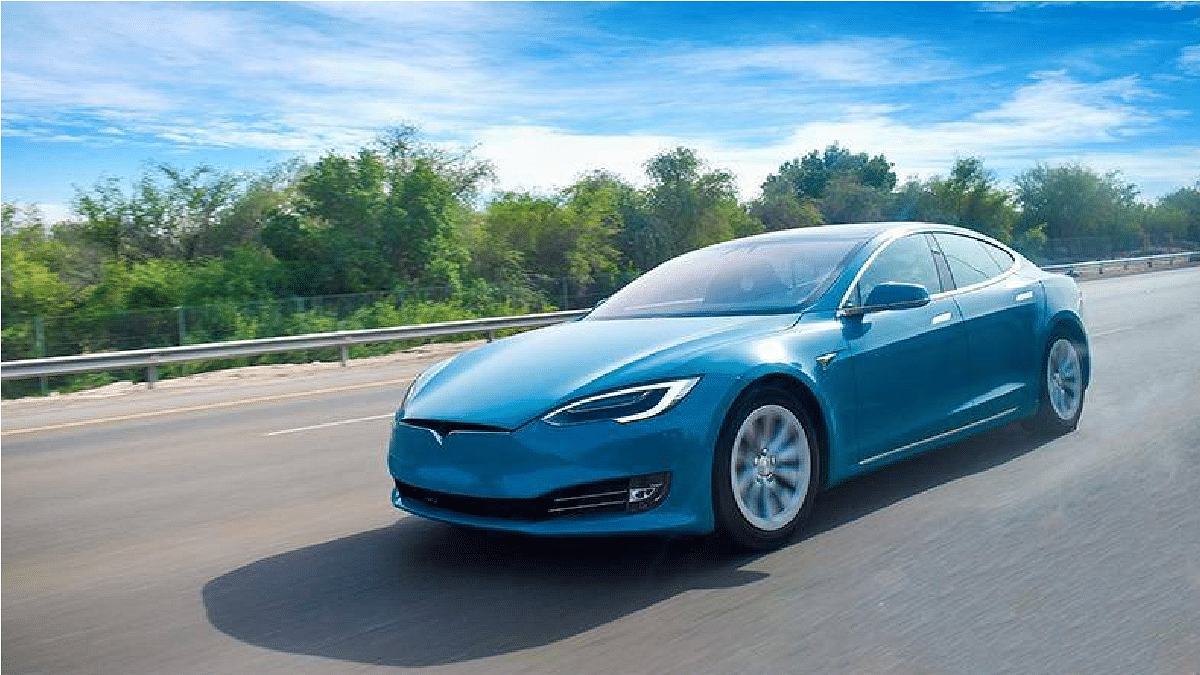
As the automotive industry undergoes a transformative shift towards sustainability, electric vehicles are gaining immense popularity for their eco-friendly features and advanced technology. If you’re considering making the switch to an electric vehicle, test driving is a crucial step in the decision-making process. A test drive not only allows you to experience the unique driving dynamics of an electric vehicle but also helps you assess whether it aligns with your preferences and lifestyle. To make the most out of your electric vehicle test drive, here are some key aspects to look for and questions to ask. Also Read | 2024 EV Update:Top Upcoming Electric Scooters In India

Range And Charging Infrastructure
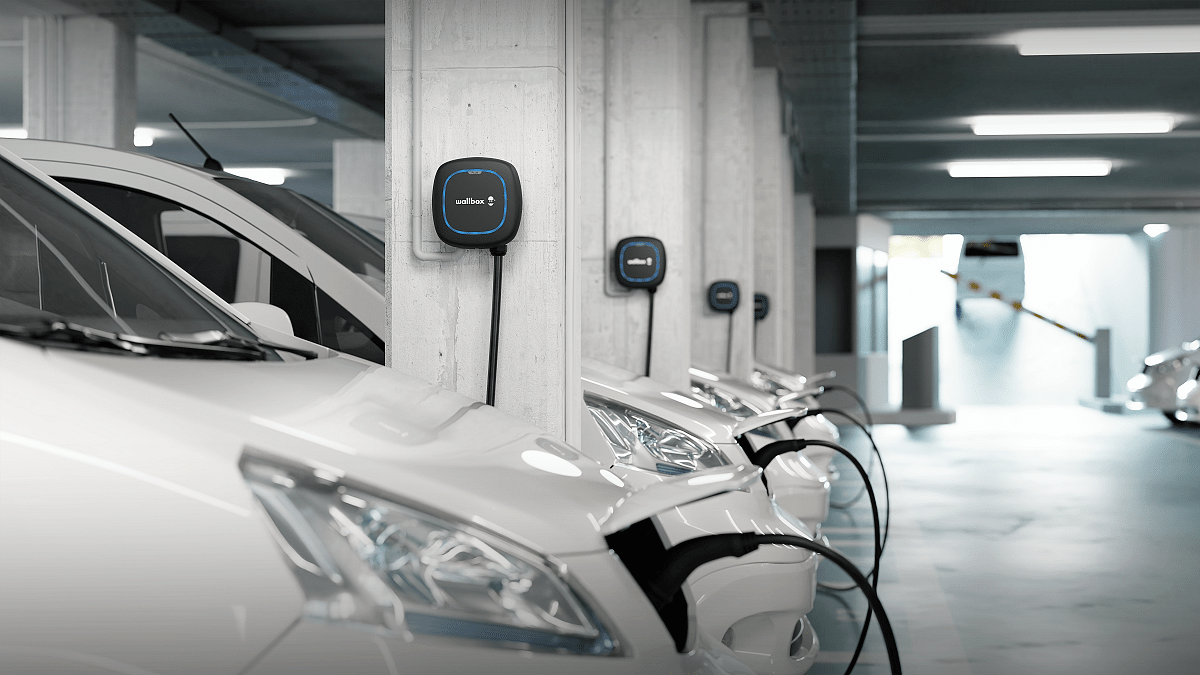
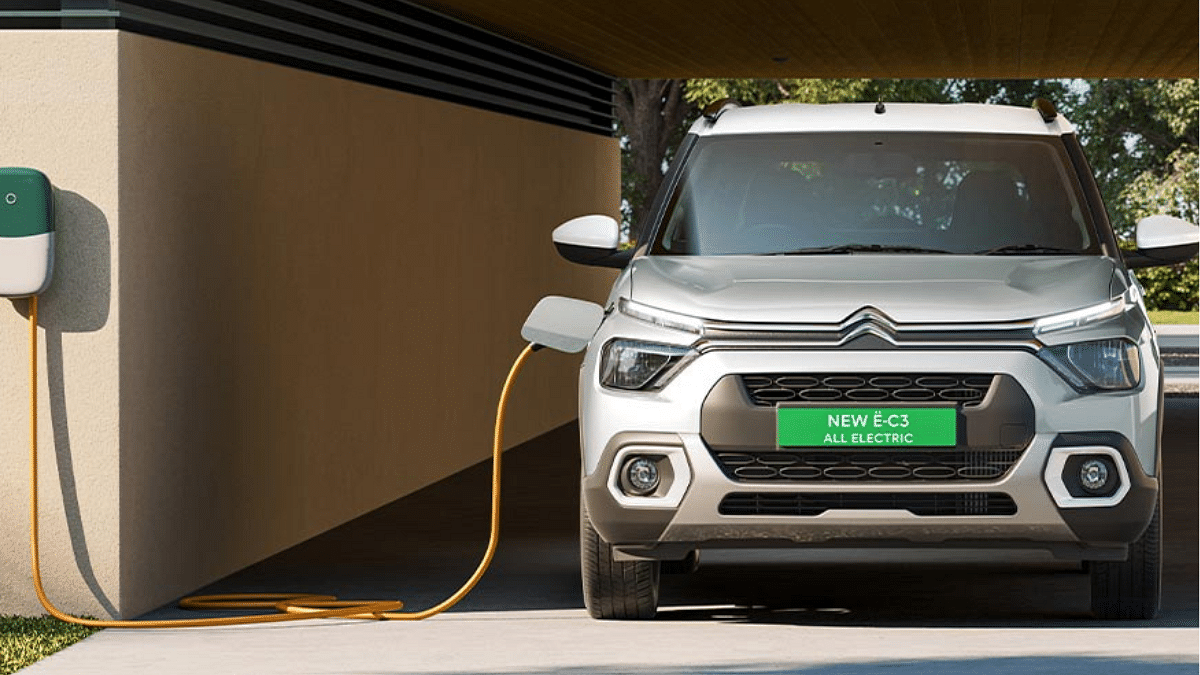
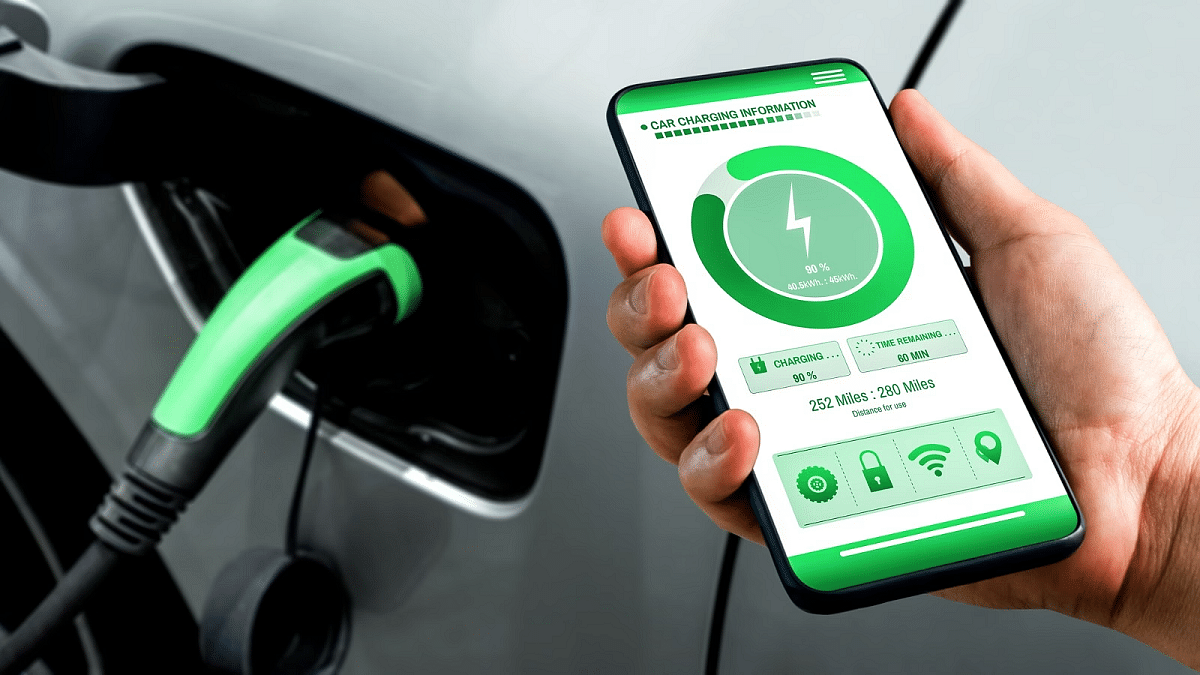
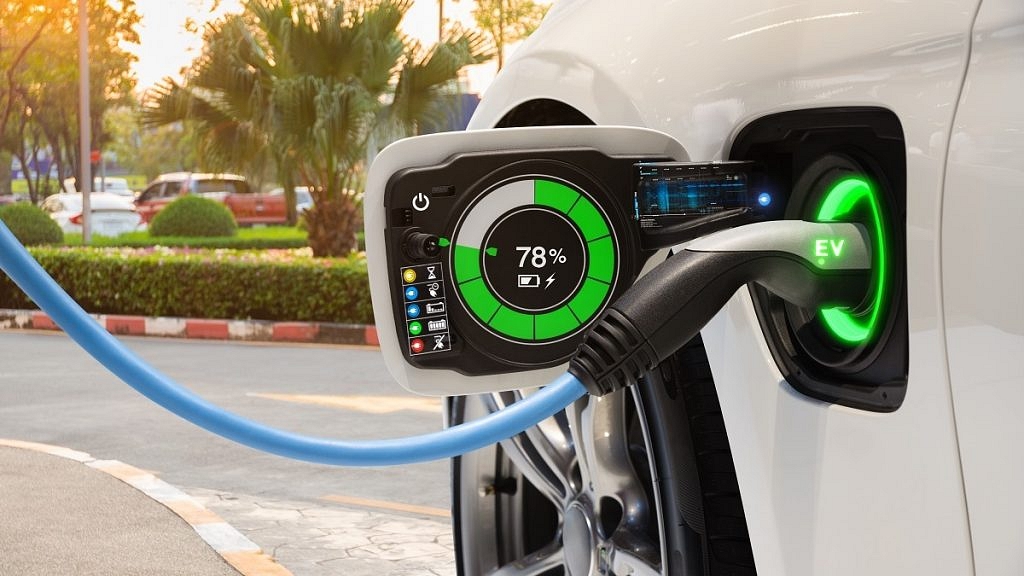
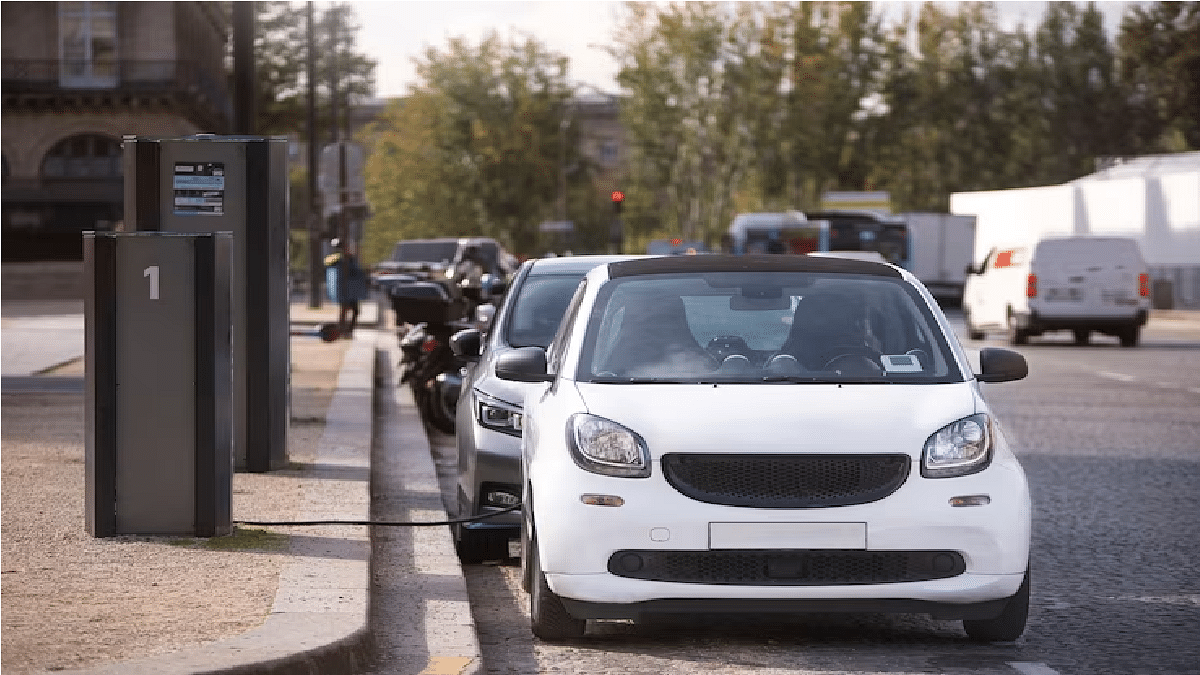
Understanding the range of an electric vehicle and the availability of charging infrastructure is fundamental. During your test drive, pay attention to the vehicle’s estimated range on a full charge and consider whether it meets your daily commuting needs. Additionally, inquire about the charging options and infrastructure in your area. Ask the dealership representative about the charging time required for different charging levels (fast charging, home charging) and the convenience of accessing charging stations.

Questions To Ask
What’s the full-charge range?
Explain charging options and times.
Any features to optimize the range?

Charging Adapters And Accessories

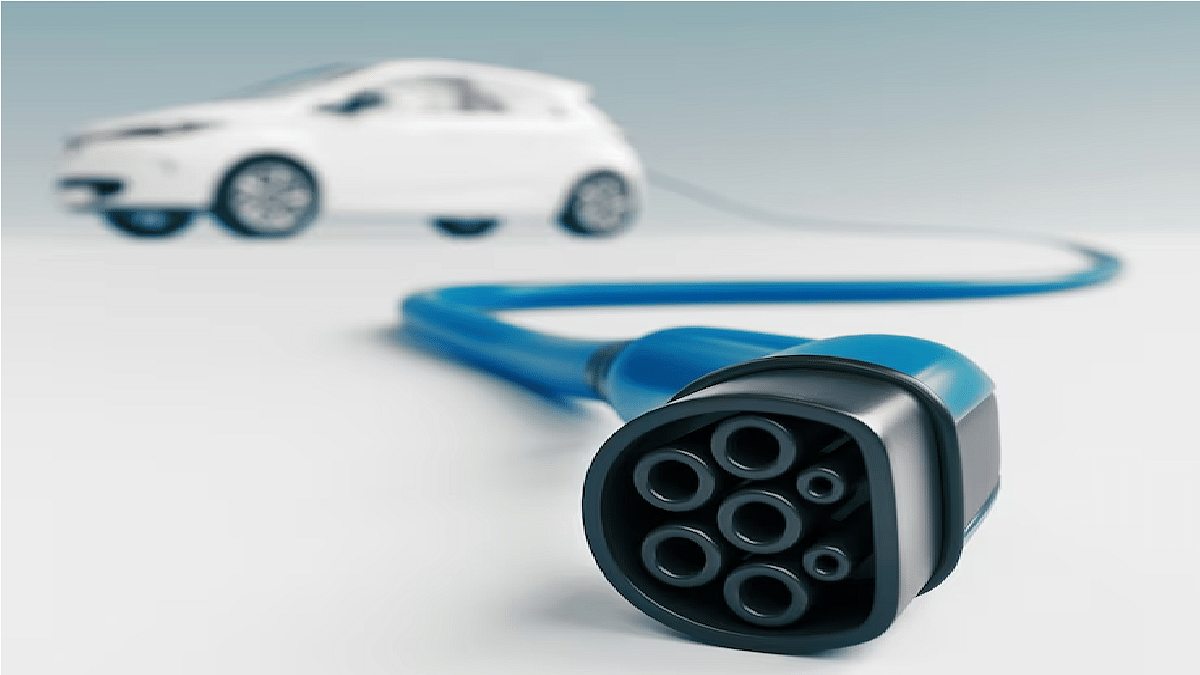
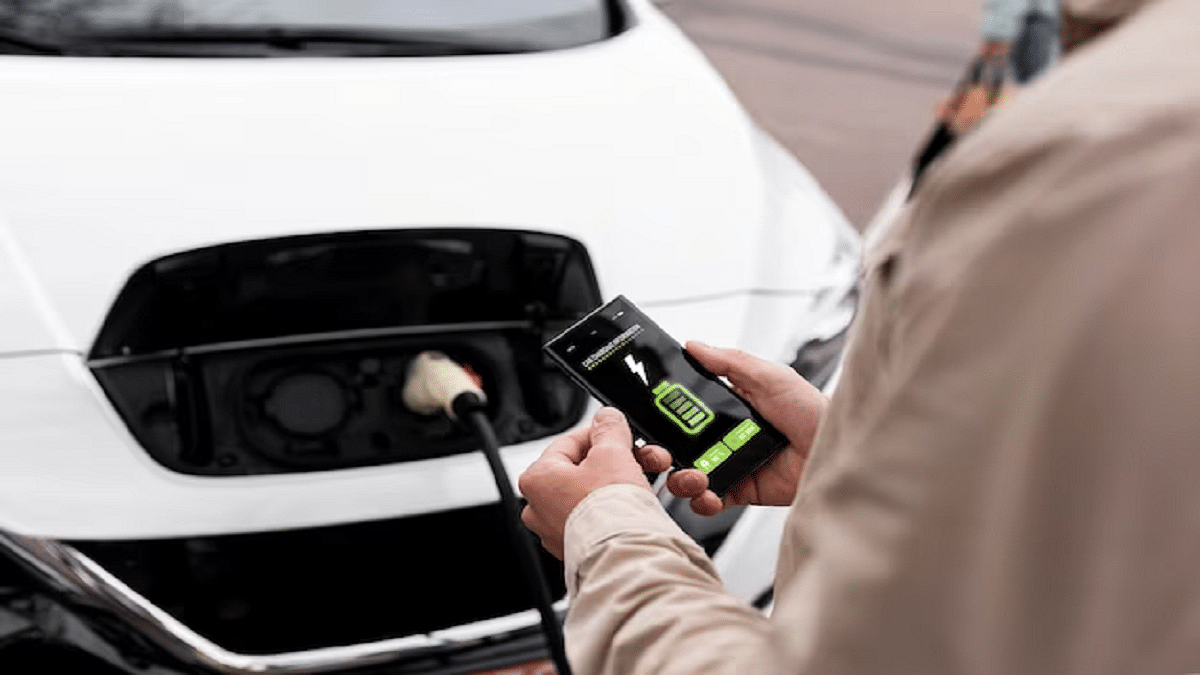
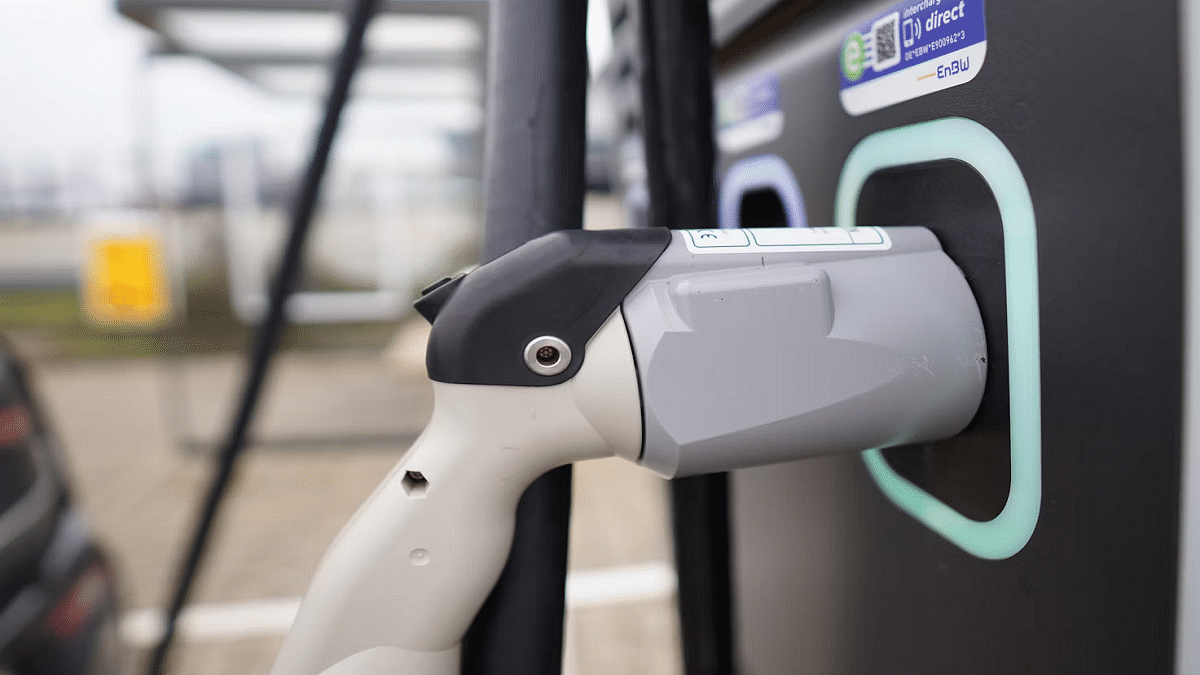
Electric vehicles often come with various charging adapters and accessories to enhance the charging experience. Inquire about the types of charging cables and adapters that come with the vehicle. Some EVs may include adapters for both home charging and public charging stations. Understanding these aspects will help you plan for charging in different scenarios.

Questions To Ask
Included charging cables and adapters?
Any additional charging accessories?

Performance And Driving Dynamics

EVs are known for their instant torque and smooth acceleration. Pay close attention to the vehicle’s performance during your test drive. Evaluate its acceleration, braking, and overall driving dynamics. Consider how the electric motor responds to your input and assess the ride comfort. If possible, test the vehicle in different driving modes to experience the range of performance options.

Questions To Ask
Describe driving modes.
Acceleration and regenerative braking details.
Unique performance features?

Battery Life And Warranty

The battery is a critical component of an electric vehicle, and understanding its lifespan and warranty coverage is essential. Inquire about the warranty for the battery, including the duration and mileage coverage. Ask about the manufacturer’s recommendations for battery maintenance and what steps they have taken to ensure the longevity of the battery.

Questions To Ask
Battery warranty details?
Maintenance requirements for the battery?
Manufacturer’s approach to long-term battery durability?

Also Read | EV Charging Tips And Tricks: Seven Ways To Find EV Charging Stations Across India

Interior Features And Technology

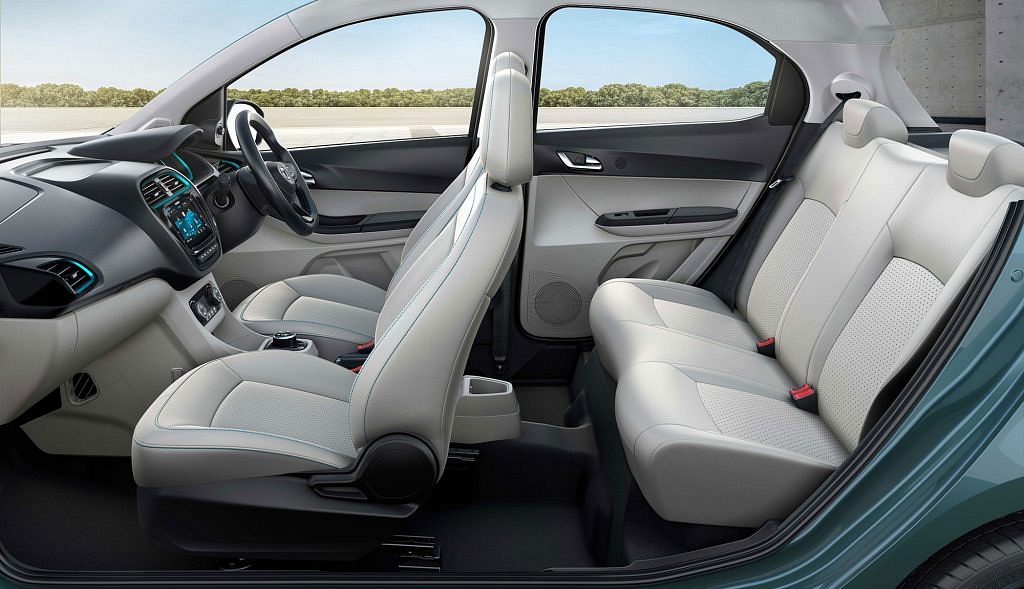
Explore the interior features and technology offerings of the electric vehicle. Check the infotainment system, connectivity options, and any unique features related to electric driving. Many electric vehicles come equipped with advanced driver assistance systems (ADAS) and autonomous driving capabilities, so make sure to understand and experience these features during your test drive.

Questions To Ask
Key infotainment features?
Smartphone integration support?
ADAS or autonomous features and their functionality?

Ownership Costs And Incentives

Electric vehicles often come with lower operating costs, but it’s crucial to consider the total cost of ownership. Inquire about maintenance costs, insurance rates, and potential incentives or tax credits available for electric vehicle buyers. Understanding these factors will help you make an informed decision based on your budget and financial considerations.

Questions To Ask
Expected maintenance costs?
Electric vehicle insurance considerations?
Available incentives or tax credits?

Environmental Impact

One of the major reasons for choosing an EV is its positive impact on the environment. Ask about the vehicle’s eco-friendly features, such as recycled materials in the interior, energy-efficient manufacturing processes, and the overall carbon footprint. Consider the environmental benefits of driving an electric vehicle compared to traditional internal combustion engine vehicles.

Questions To Ask
Eco-friendly materials in the interior?
Sustainability in the manufacturing process?
Carbon footprint compared to traditional vehicles?

Verdict

Electric vehicle test drives are an exciting opportunity to explore the future of sustainable transportation. By paying attention to the range, charging infrastructure, performance, battery life, interior features, ownership costs, and environmental impact, you can make an informed decision about whether an electric vehicle aligns with your needs and preferences. Don’t hesitate to ask questions during the test drive process to ensure you have a comprehensive understanding of the electric vehicle you’re considering.

Also Read | Planning A Long Drive With Your EV? Here Are Five Questions Every EV Owner Should Consider


Categories
Auto Tech Featured

DIY Maintenance For Electric Scooters: Easy Tips For A Smooth Ride

Key Highlights

  • Keep your electric scooter in top shape
  • Extend the life of your scooter’s battery
  • Prioritize safety with routine checks on brakes and tires

Just like any other mechanical device, your electric scooter requires regular maintenance to ensure a smooth and safe ride. Fortunately, many maintenance tasks can be easily performed at home with a little know-how and some basic tools. Here, we’ll explore some simple do-it-yourself (DIY) maintenance tips to keep your electric scooter in top condition for years to come. Also Read | Are You EV-Ready? Top Apps Every Electric Car Owner Should Have

Regular Cleaning

Start your maintenance routine with a good cleaning. Wipe down the scooter frame, handlebars, and any exposed electrical components with a damp cloth. Avoid using excessive water to prevent damage to electrical parts, and make sure to dry the scooter thoroughly afterward. Cleaning not only keeps your scooter looking new but also helps prevent dirt and debris from interfering with moving parts.

Tire Inspection And Maintenance

Regularly check the tires for appropriate wear and inflation. Underinflated tires can affect performance and efficiency, while overinflated tires may compromise comfort and traction. Use a tire pressure gauge to ensure that the tires are inflated to the recommended pressure. Additionally, inspect the tires for any signs of wear, such as cuts or bulges, and replace them if necessary.

Brake Check

Electric scooters rely on efficient brakes for rider safety. Examine the brake pads for damage and replace them if necessary. Tighten loose brake cables and ensure that the brake system is functioning properly. Regularly checking and maintaining your brakes can prevent accidents and prolong the life of your scooter.

Battery Care

One of the most important parts of your electric scooter is the battery. To extend its lifespan, avoid completely draining the battery regularly and recharge it before it reaches a low state of charge. Additionally, store your scooter in a cool, dry place, especially during extreme temperatures, as extreme heat or cold can affect battery performance. Observe the charging and storage instructions provided by the manufacturer.

Also Read | EV Charging Tips And Tricks: Seven Ways To Find EV Charging Stations Across India

Inspect And Tighten Fasteners

Vibrations and regular use can loosen nuts and bolts. Periodically check all visible fasteners, such as those on the handlebars, stem, and deck, and tighten them as needed. Use the appropriate tools to avoid over-tightening, which can cause damage.

Check Lights And Electronics

Ensure that all lights, including headlights and taillights, are working properly. Test the turn signals and brake lights to guarantee your visibility on the road. If you notice any issues with the electronics, such as a glitchy display or malfunctioning throttle, consult your scooter’s user manual or contact the manufacturer for guidance.

Inspect The Drive System

The drive system, including the chain or belt, should be inspected regularly. Lubricate the chain if your scooter uses one, and ensure it is tensioned properly. If your scooter has a belt drive, check for any signs of wear or damage and replace the belt if necessary.

Verdict

By incorporating these easy DIY maintenance tips into your routine, you can ensure that your electric scooter remains in excellent condition for the long haul. Regular care not only enhances performance but also contributes to a safer and more enjoyable riding experience. Happy riding, and here’s to many more years of smooth journeys on your electric scooter!

Also Read | Planning A Long Drive With Your EV? Here Are Five Questions Every EV Owner Should Consider
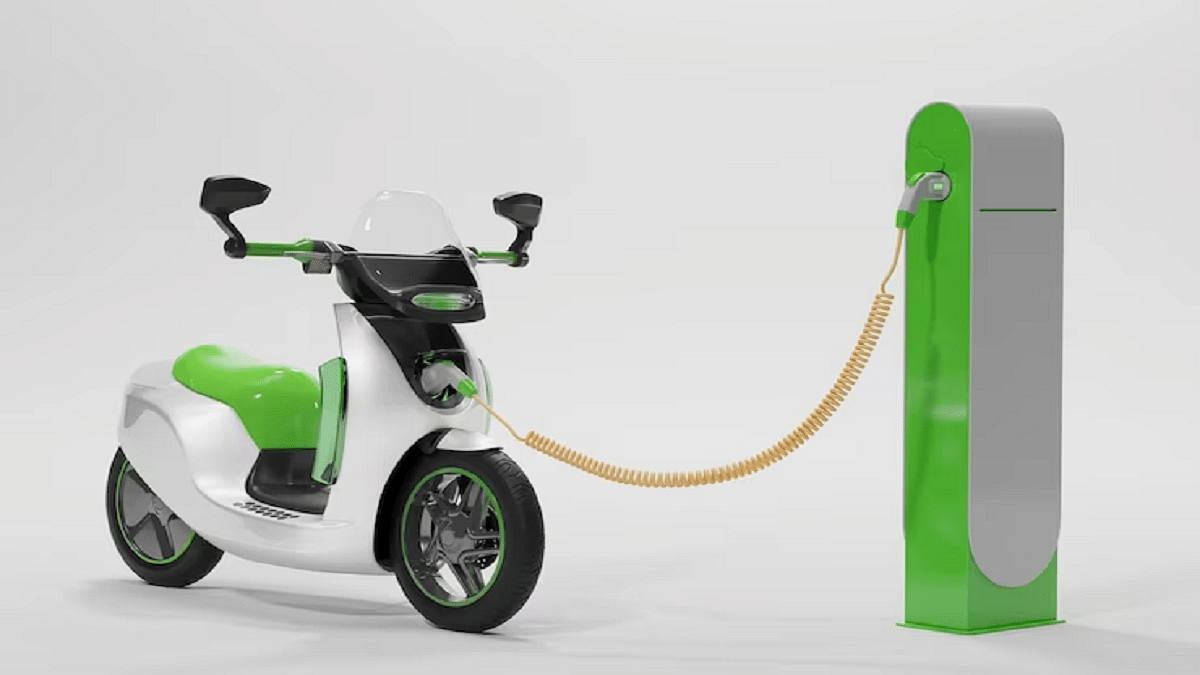
Categories
Auto Tech Featured

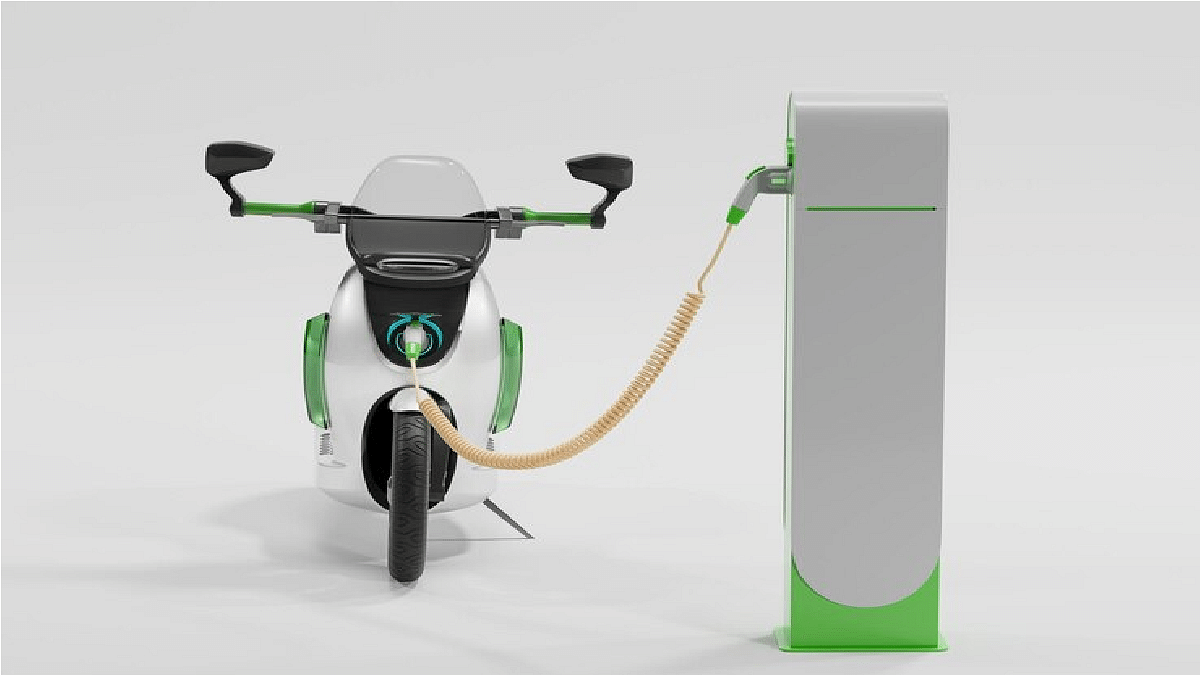
Planning A Long Drive With Your EV? Here Are Five Questions Every EV Owner Should Consider
Key Highlights

  • Understand your EV’s range and plan accordingly
  • Research the availability of charging stations along your route
  • Plan for weather-related challenges

As electric vehicles gain popularity in India, more and more drivers are considering long drives in their electric cars. While the idea of a road trip with an EV is exciting, it requires careful planning to ensure a smooth and enjoyable journey. Whether you are a seasoned EV owner or a first-timer, asking the right questions before embarking on a long drive can make a significant difference. Here are some key considerations for Indian EV owners planning a long road trip. Also Read | Are You EV-Ready? Top Apps Every Electric Car Owner Should Have

How far can my EV go on a single charge?

Electric Vehicle ModelApproximate Range on Full Charge
Tata Nexon EV300 kilometers
MG ZS EV340 kilometers
Hyundai Kona Electric450 kilometers
Mahindra eVerito140 kilometers
Audi e-tron400 kilometers (varies by model)

The range of an electric vehicle varies depending on the model. For example, a popular model like the Tata Nexon EV has an approximate range of 300 kilometers on a full charge. It’s essential to check your vehicle’s specifications for accurate information.

Are there enough charging stations along my planned route?

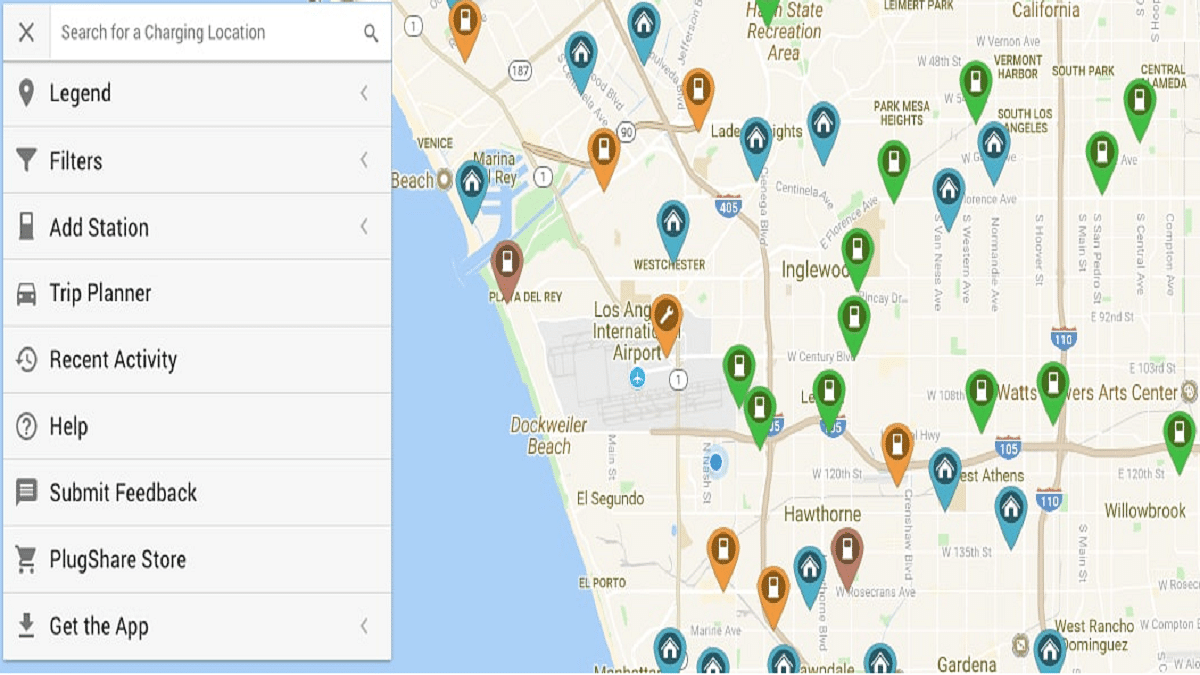
Before embarking on your journey, use online tools and apps like PlugShare or the OEM-specific app to locate charging stations along your route. In India, major highways and cities are increasingly equipped with charging infrastructure but planning ensures a more seamless experience.

How long does it take to charge my EV at different types of charging stations?

Charging Station TypeCharging Time for 80% Charge (Approx.)
Fast Charger30-60 minutes
Standard ChargerSeveral hours
Home Charger (AC)Overnight (varies based on charger)

Charging times vary based on the type of station. Fast chargers can charge your EV significantly quicker than standard chargers. As a general guideline, fast chargers may take around 30-60 minutes for an 80% charge, while standard chargers could take several hours.

Also Read | EV Charging Tips And Tricks: Seven Ways To Find EV Charging Stations Across India

How do extreme weather conditions impact my EV’s range?

Weather ConditionsImpact on EV Range
High TemperaturesFaster battery degradation, reduced range
Cold TemperaturesTemporary range reduction, especially in extreme cold

Weather conditions can affect an EV’s performance. In extreme temperatures, especially high heat, the battery may experience faster degradation. Conversely, in cold weather, the range might be temporarily reduced. It’s crucial to be aware of these impacts and plan accordingly.

What’s my plan if a charging station is occupied or out of service?

Always have a backup plan. Identify alternative charging stations along your route and be prepared to adjust your schedule if needed. Carry a portable charging cable as a backup, and stay updated with real-time information through charging network apps or websites to avoid inconveniences.

Verdict

Embarking on a long drive with your electric vehicle in India can be a thrilling experience, provided you plan and address potential challenges. By considering these key questions, Indian EV owners can ensure a smooth and enjoyable road trip while contributing to a more sustainable mode of transportation. Happy driving, and here’s to many more eco-friendly journeys!

Also Read | 2024 EV Update:Top Upcoming Electric Scooters In India

Categories
Auto Tech How To

Need To Charge Your Electric Car At Home? Here’s A Step-by-Step Guide

Key Highlights

  • You need to choose the right charging equipment for your EV
  • Hire a certified electrician to ensure proper Level 2 charger installation
  • Use a smartphone app to monitor the charging process

With the growing popularity of electric vehicles, many individuals are making the switch to cleaner and more sustainable transportation. One of the conveniences of owning an electric car is the ability to charge it at home. Charging at home not only saves time and money but also contributes to reducing your carbon footprint. In this step-by-step guide, we’ll walk you through the process of charging your electric car at home. Also Read | 2024 EV Update:Top Upcoming Electric Scooters In India

How To Charge Your EV At Home

Step 1: Before you can charge your electric car at home, you’ll need to invest in the right charging equipment. There are generally two types of home charging stations: Level 1 and Level 2.

  • Level 1 Charger (120V): This charger plugs into a standard household outlet and is suitable for overnight charging. While it’s the slowest option, it is convenient for those who have more time between trips.
  • Level 2 Charger (240V): This charger provides a faster charging speed compared to Level 1 and is the most common choice for home charging. It requires professional installation and may need additional electrical work, but it significantly reduces charging time.

Step 2: For Level 1 charging, simply plug the charger into a standard household outlet. However, for Level 2 charging, it’s recommended to hire a certified electrician for proper installation. The electrician will assess your electrical system, install a dedicated circuit, and mount the charging station in a convenient location.

Step 3: Different electric car models come with various charging ports and connectors. Make sure you have the correct charging cable for your vehicle. Most EVs come with a standard Level 1 charger, and for Level 2, you may need to purchase a separate charging cable or use the one provided by the car manufacturer.

Also Read | Spark Or Strain? The Pros And Cons Of Choosing An Electric Vehicle

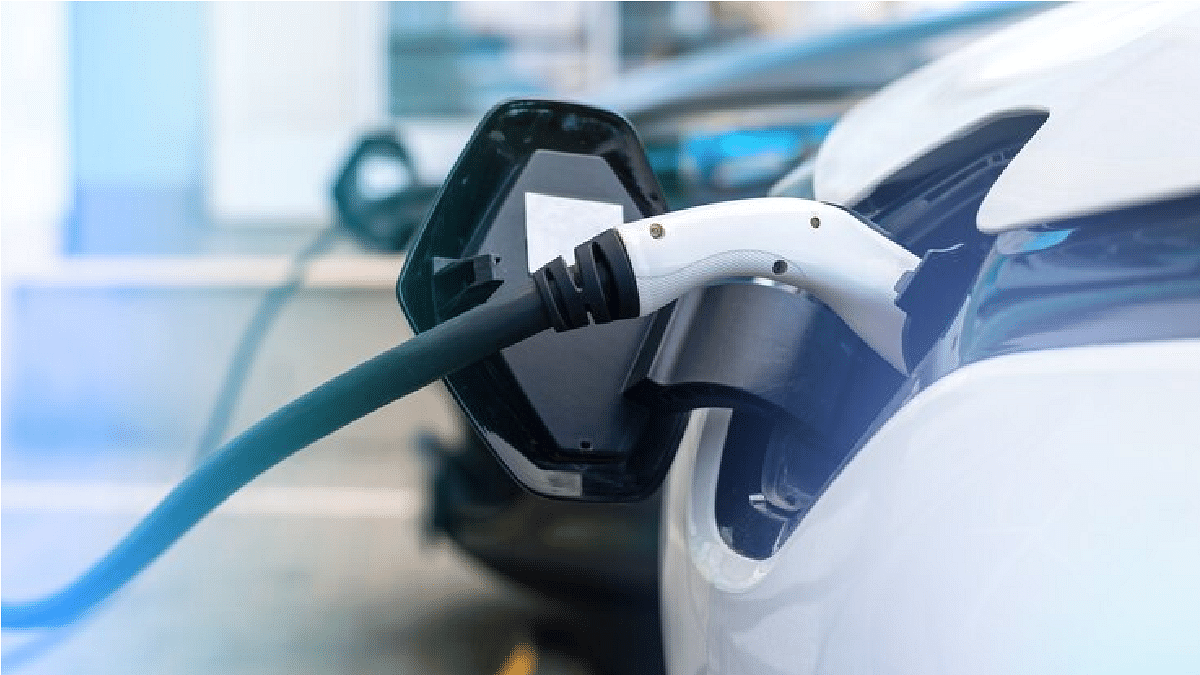
Step 4: Once the charging station is installed and the appropriate cable is selected, it’s time to connect your electric car. Open the charging port on your vehicle and plug in the charging cable securely. Ensure that the connector is properly aligned and fully inserted to establish a good connection.

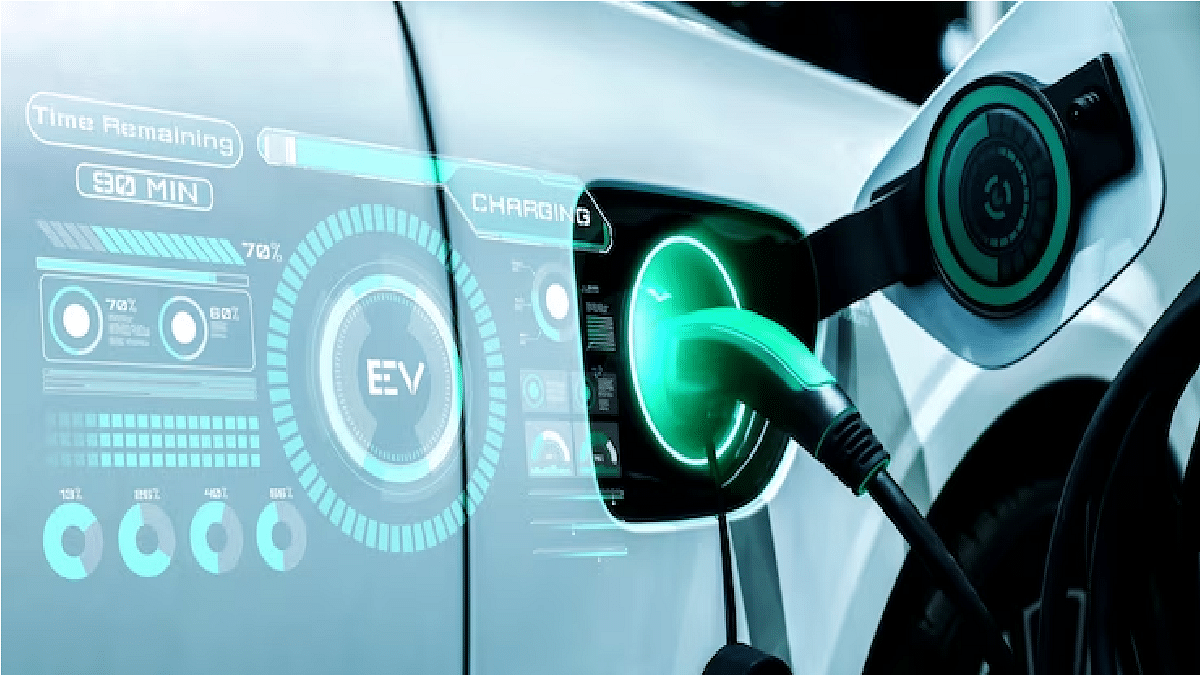
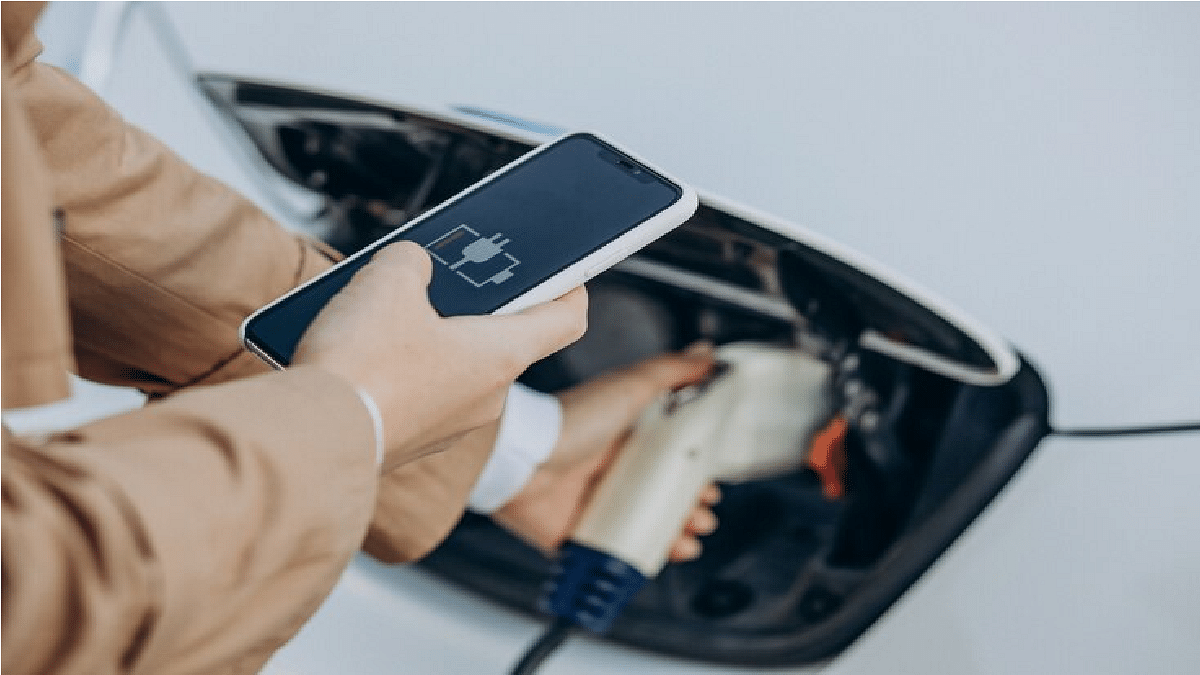
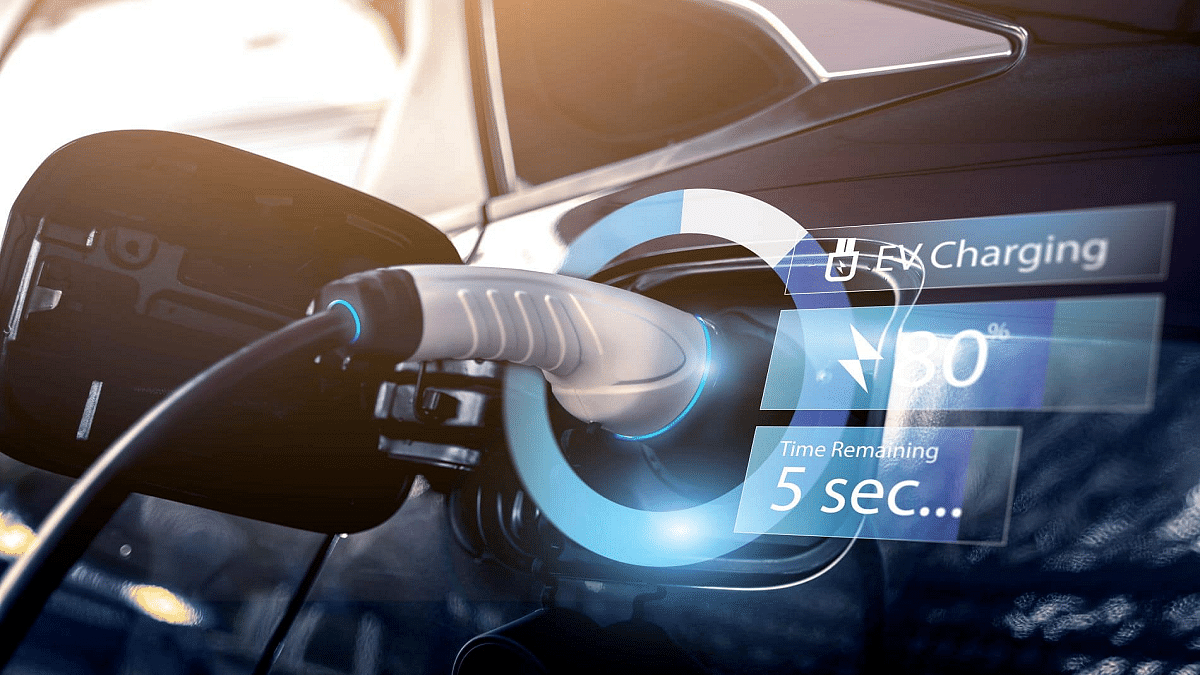
Step 5: Modern electric cars often have a dashboard display or a smartphone app that allows you to monitor the charging process. Keep an eye on the charging status, remaining time, and battery level. This information will help you plan your charging routine effectively.

Step 6: Once your electric car is fully charged, safely unplug the charging cable from both the vehicle and the charging station. Store the cable in a secure and dry location to prevent damage.

Verdict

Charging your electric car at home is a straightforward process that becomes second nature with time. By following this step-by-step guide, you can enjoy the convenience of home charging while contributing to a cleaner and more sustainable future. As electric vehicle technology continues to advance, the experience of charging at home will only become more efficient and user-friendly.

Also Read | Are You EV-Ready? Top Apps Every Electric Car Owner Should Have

Categories
Apps Auto Tech Featured

Are You EV-Ready? Top Apps Every Electric Car Owner Should Have

Key Highlights

  • Many apps offer services from locating charging stations to improving driving routes
  • MapmyIndia offers electric vehicle-specific features
  • ChargeGrid simplifies the EV charging process

In recent years, India has witnessed a surge in the adoption of electric vehicles, driven by a growing awareness of environmental issues and the government’s push towards sustainable transportation. Electric car owners are now seeking efficient ways to enhance their driving experience and make the most of their electric vehicles. To assist in this journey, several essential apps have emerged, offering a range of services from locating charging stations to optimizing driving routes. Here, we explore the must-have apps for electric car owners in India. Also Read | Spark Or Strain? The Pros And Cons Of Choosing An Electric Vehicle

PlugShare

PlugShare is a global platform that facilitates electric vehicle charging station discovery. For Indian electric car owners, this app is a game-changer. PlugShare allows users to find charging stations, check their availability, and even review them based on personal experiences. The app’s community-driven approach ensures that users have access to real-time information about charging stations, making it an indispensable tool for planning road trips or daily commutes.

ProsCons
Global NetworkReliability Concerns
Community ReviewsLimited Offline Functionality
User-Friendly InterfaceAvailability Accuracy

ChargeGrid

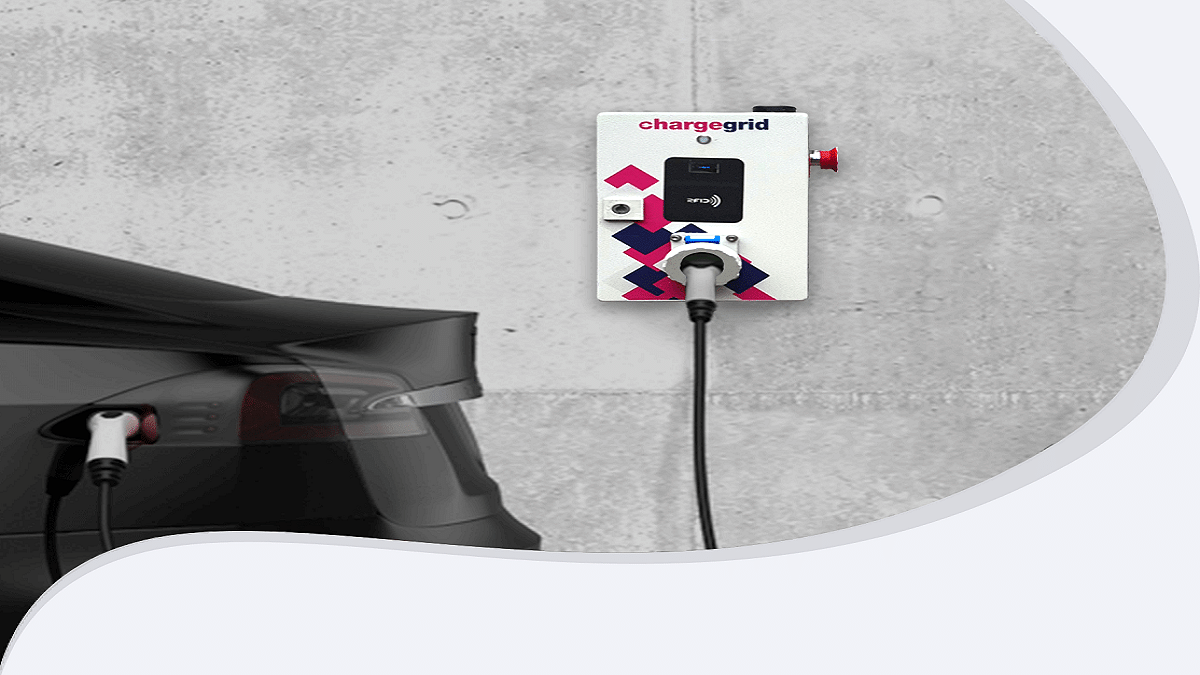
ChargeGrid, developed by Magenta Power, is a comprehensive app designed to simplify the charging process for electric car owners. The app not only helps users locate charging stations but also provides real-time updates on station status and availability. Additionally, ChargeGrid enables users to initiate and monitor charging sessions, making it a one-stop solution for a hassle-free charging experience.

ProsCons
Seamless Charging InitiativesLimited Network Coverage
Comprehensive Station InformationBrand-Specific Limitation
User-Friendly InterfaceOccasional Technical Glitches

Also Read | Top 3 Electric Scooters That You Can Drive Without License In India In 2023

MapmyIndia

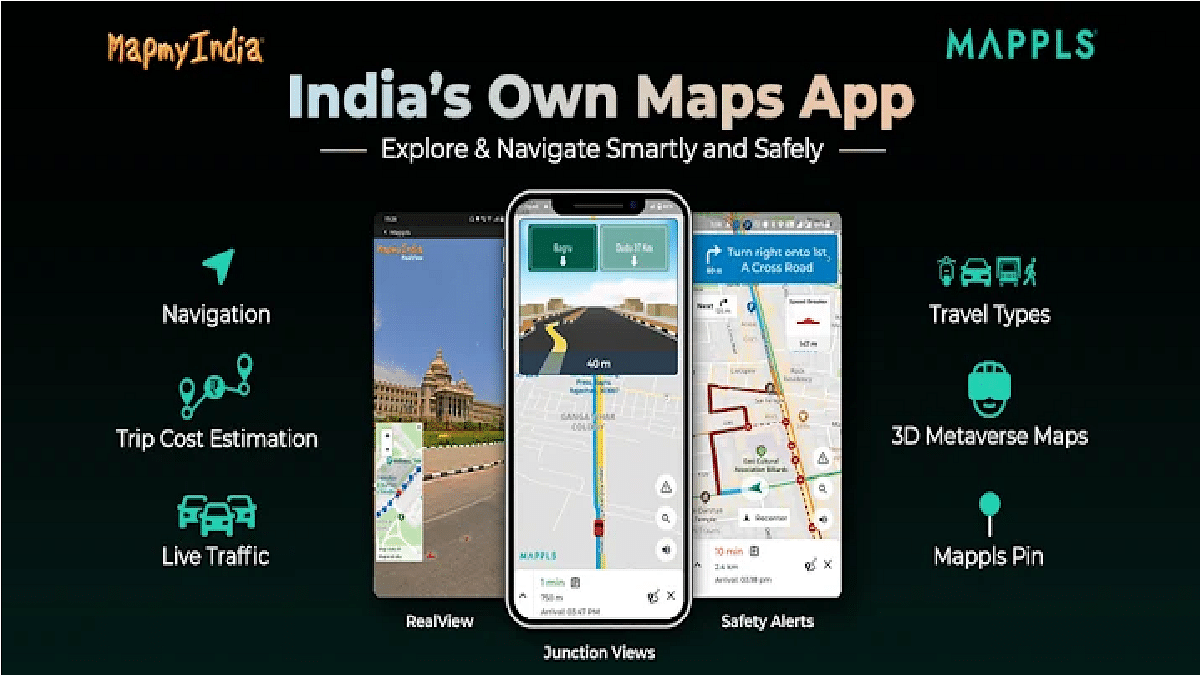
MapmyIndia, a leading mapping and location-based services provider, offers a valuable app for electric car owners. The app incorporates EV-specific features, such as locating charging stations, planning routes with charging stops, and estimating charging times. With detailed maps and real-time traffic updates, MapmyIndia becomes an essential companion for electric car owners looking to optimize their travel plans.

ProsCons
EV-Specific FeaturesLimited Global Coverage
Detailed MapsOccasional Interface Lag
Real-Time Traffic UpdatesLimited Community Interaction

Ather

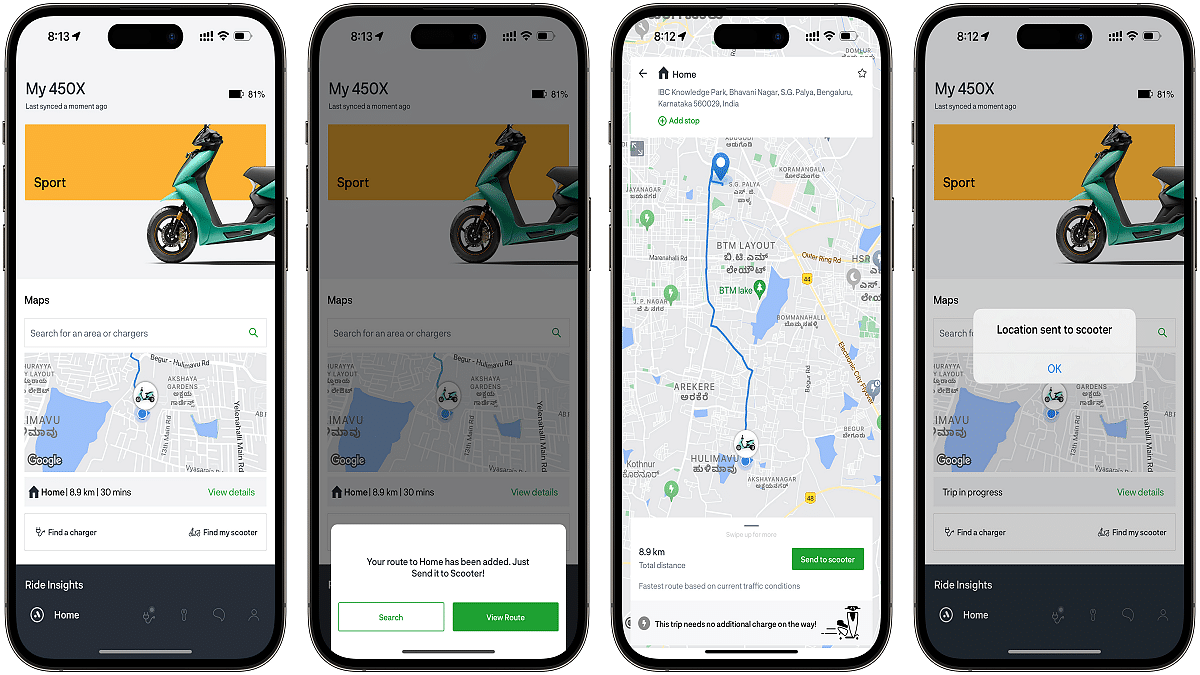
For owners of Ather Energy’s electric scooters, the Ather app is a must-download. Apart from standard features like locating charging stations and planning routes, the Ather app provides specific functionalities tailored for Ather electric scooters. Users can track their vehicle’s health, receive over-the-air updates, and even customize ride parameters. This brand-specific app enhances the overall ownership experience for Ather electric vehicle users.

ProsCons
Brand-Specific FeaturesLimited to Ather Owners
Customization OptionsPotential Brand Dependency
OTA UpdatesLearning Curve

Verdict

As India accelerates its transition towards sustainable transportation, electric car owners can leverage a variety of apps to enhance their driving experience. From finding charging stations to staying informed about the latest developments in the EV sector, these apps play a crucial role in supporting the growing community of electric vehicle enthusiasts. Embracing these essential apps ensures that electric car owners are well-prepared to navigate the electric road ahead, making every journey a seamless and eco-friendly experience.

Also Read | List Of Most Anticipated Electric Cars In 2024

Categories
Auto Tech Featured

EV Charging Tips And Tricks: Seven Ways To Find EV Charging Stations Across India

Key Highlights

  • Charging apps can locate charging stations, availability, and more
  • Plan your routes in advance using online route planners
  • Engage with the EV community through online forums

As electric vehicles gain traction in India, the need for an efficient charging infrastructure becomes increasingly vital. Finding EV charging stations can sometimes be a challenge, but with the right tips and tricks, you can seamlessly navigate the country’s growing EV landscape. Here, we’ll explore some strategies to help you locate charging stations with ease. Also Read | Winter Care Tips For Electric Vehicles: How To Keep Your EV Healthy In Cold Weather

Mobile Apps And Online Platforms

App NameFeatures
PlugShareReal-time location, availability, and reviews
ChargeGridComprehensive charging network information
MapMyIndiaMaps integrated with charging station locations

In the digital age, mobile apps and online platforms play a crucial role in simplifying tasks, and finding EV charging stations is no exception. Numerous apps, such as PlugShare, ChargeGrid, and MapMyIndia, provide real-time information about the location, availability, and types of charging stations. Downloading these apps on your smartphone can be a game-changer in your EV journey.

Plan Your Route With Charging Stations In Mind

Before embarking on a journey, plan your route strategically by identifying charging stations along the way. Utilize online route planners that integrate EV charging points into their calculations. This proactive approach ensures that you won’t be left stranded without a charging option, especially on longer trips.

Stay Informed About Charging Networks

Charging NetworkKey Features
Tata Power EZ ChargeWide network coverage, multiple charging options
Ather GridDedicated to Ather Energy vehicles
Fortum Charge & Drive          International network, fast-charging capabilities

Stay informed about different charging networks operating in India. Some popular networks include Tata Power EZ Charge, Ather Grid, and Fortum Charge & Drive. Familiarizing yourself with these networks can help you access charging stations more efficiently and take advantage of any membership perks they may offer.

Use Government Portals And Initiatives

InitiativeFocus
National E-Mobility ProgrammeInformation on charging stations, government incentives

Government initiatives play a pivotal role in expanding the EV charging infrastructure. Keep an eye on official portals and programs launched by local authorities. For instance, the National E-Mobility Programme in India may provide valuable information on the location of charging stations, government incentives, and policies supporting the growth of EVs.

Also Read | Buying Used Electric Car Or Two Wheeler? What All Should You Check?

Consider Workplace And Residential Charging

LocationCharging Options Available
WorkplaceCharging infrastructure for employees
Residential ComplexDedicated charging points for residents

Explore the option of charging your EV at your workplace or residential complex. Many companies and housing societies are installing charging infrastructure to support employees and residents who own electric vehicles. Knowing the charging options available in your daily surroundings can be a convenient and reliable solution.

Community Engagement And Forums

Engage with the EV community through forums and social media groups. Fellow EV enthusiasts often share real-time information about charging stations, experiences, and tips. Platforms like Facebook groups, Reddit communities, or dedicated forums can be treasure troves of insights and recommendations.

Keep An Eye On Technological Advancements

Stay abreast of technological advancements in the EV sector, particularly those related to charging infrastructure. New innovations may bring about faster charging solutions, increased station density, and improved accessibility. Being aware of these developments can enhance your overall EV experience.

Verdict

Efficiently finding EV charging stations across India is becoming increasingly simple as the charging infrastructure expands. By leveraging digital tools, planning ahead, and staying informed, you can ensure a smooth and hassle-free experience as you navigate the exciting world of electric mobility. Embrace these tips and tricks to make your electric vehicle journey not only environmentally friendly but also highly convenient.

Also Read | Spark Or Strain? The Pros And Cons Of Choosing An Electric Vehicle

Categories
Auto Tech Featured

Spark Or Strain? The Pros And Cons Of Choosing An Electric Vehicle

Key Highlights

  • Electric vehicles are great for the environment
  • They usually cost less to operate and maintain
  • While EVs have many benefits, finding charging stations can be a bit tricky

In the last few years, cars have been changing a lot to be more eco-friendly. Electric vehicles (EVs) are becoming quite popular as an eco-friendly option compared to regular cars that use gasoline. As more people consider making the switch to electric, it’s essential to weigh the pros and cons before making a decision. Here’s a comprehensive look at the advantages and disadvantages of owning an electric vehicle. Let’s check them out. Also Read | Top Budget Electric Vehicles You Can Buy In 2023
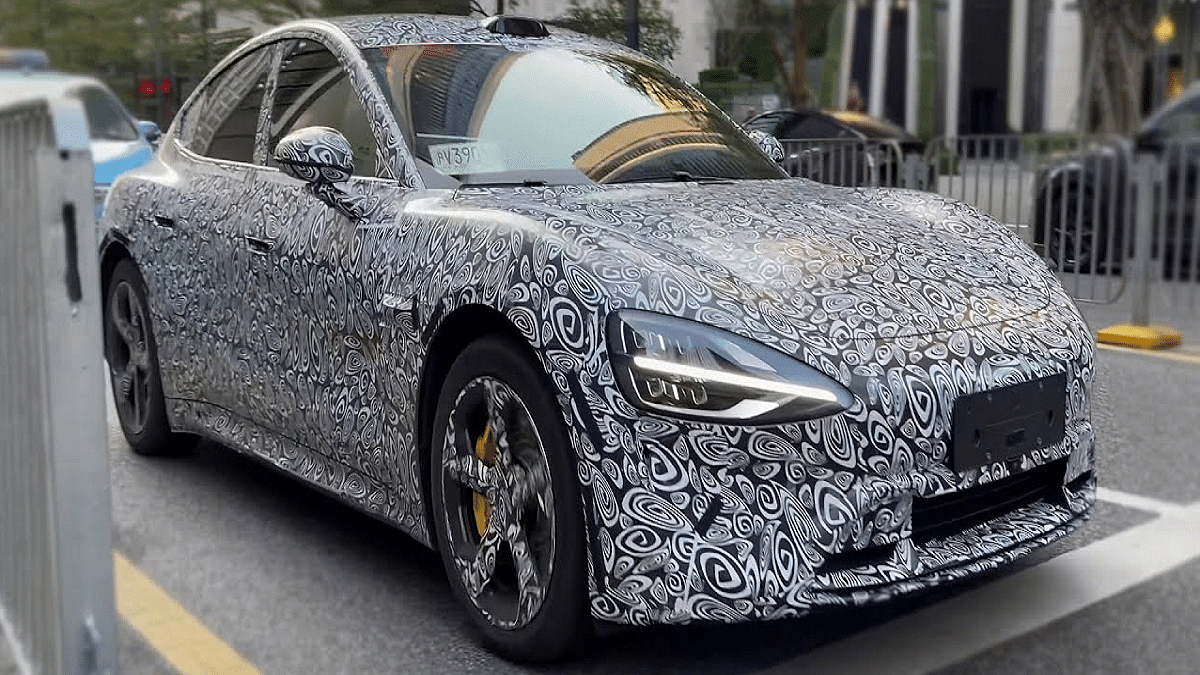
Pros

Environmentally Friendly

The lower environmental effect of electric vehicles is one of their main advantages. EVs produce zero tailpipe emissions, contributing to lower air pollution and a smaller carbon footprint, especially when charged using renewable energy sources.

Lower Operating Costs

Electric vehicles generally have lower operating costs than their gasoline counterparts. Electricity is often cheaper than gasoline, and EVs have fewer moving parts, reducing maintenance costs over the vehicle’s lifetime.

Government Incentives

Worldwide, many governments provide incentives to promote the use of electric vehicles. These incentives may include tax credits, rebates, and access to carpool lanes, making EVs more financially attractive for consumers.

Energy Independence

By relying on electricity instead of gasoline, EV owners are less affected by fluctuations in oil prices. This provides a level of stability in energy costs and reduces dependence on fossil fuels.

Quiet and Smooth Operation

The silent and seamless operation of electric vehicles is something we all know about. The absence of a traditional internal combustion engine results in a quieter driving experience, contributing to reduced noise pollution in urban areas.

Also Read | Buying Used Electric Car Or Two Wheeler? What All Should You Check?

Cons

Limited Range

Range anxiety, or the fear of running out of battery power, remains a concern for some potential EV buyers. Although advancements in battery technology are extending the range of electric vehicles, long trips may still require careful planning.

Charging Infrastructure

The charging infrastructure for electric vehicles is not as widespread as traditional gas stations. While it is improving, finding charging stations, especially in rural areas, can be a challenge, and charging times are generally longer than refueling with gasoline.

Upfront Cost

The initial cost of purchasing an electric vehicle is often higher than that of a comparable gasoline-powered car. Although long-term savings on operating costs can offset this, the higher upfront cost remains a barrier for some buyers.

Limited Model Options

While the variety of electric vehicle models is increasing, the market still has fewer options compared to traditional vehicles. This limitation may make it challenging for consumers to find an electric vehicle that meets all their specific needs and preferences.

Battery Degradation

Over time, the performance of electric vehicle batteries can degrade, impacting the overall range. While advancements in battery technology are addressing this concern, replacing a battery can be a significant expense for the vehicle owner.

Verdict

Owning an electric vehicle comes with both advantages and challenges. As technology continues to evolve and governments invest in charging infrastructure, the drawbacks associated with EVs are gradually diminishing. For environmentally-conscious consumers willing to adapt to the current limitations, the benefits of reduced emissions, lower operating costs, and government incentives make electric vehicles a compelling choice. Ultimately, the decision to go electric depends on individual needs, preferences, and the local infrastructure available.

Also Read | Winter Care Tips For Electric Vehicles: How To Keep Your EV Healthy In Cold Weather

Categories
Auto Tech Featured

Range Anxiety Vs. Charging Infrastructure: Addressing Common EV Concerns

Key Highlights

  • Modern EVs boast longer ranges, thanks to high-energy-density batteries
  • A surge in public charging stations and fast-charging tech are enhancing accessibility and convenience
  • Level 2 chargers and standard outlets make home charging practical

The automotive industry is undergoing a revolutionary shift towards sustainable transportation, with electric vehicles leading the charge. Despite the environmental benefits and lower operating costs associated with EVs, some common concerns have slowed down their widespread adoption. Two major concerns that often dominate discussions about EVs are “range anxiety” and the state of charging infrastructure.

Here, we’ll delve into these concerns and explore how advancements in technology are addressing these issues, making electric vehicles a more feasible and attractive option for consumers. Also Read | Winter Care Tips For Electric Vehicles: How To Keep Your EV Healthy In Cold Weather

Understanding Range Anxiety

Range anxiety is a term used to describe the fear or concern that an electric vehicle’s battery will run out of charge before reaching its destination. This anxiety is rooted in the limited range of early electric vehicles and the perceived inconvenience of finding charging stations. Traditional gasoline vehicles have an extensive infrastructure of gas stations, providing drivers with a sense of security and convenience that is not immediately replicated in the electric vehicle landscape.

Advancements In Battery Technology

Battery AdvancementsImpact on EVs
High-energy-density batteriesLonger ranges on a single charge
Ongoing research and innovationContinued improvement in range capabilities
Tesla’s innovationDemonstrated potential with impressive EV ranges

One of the most significant contributors to range anxiety is the limited range of early electric vehicle models. However, advancements in battery technology are steadily alleviating these concerns. The development of high-energy-density batteries allows modern EVs to achieve longer ranges on a single charge. Moreover, ongoing research and innovation in battery chemistry are composed to further extend the range of electric vehicles, eventually reaching levels that rival or surpass those of traditional internal combustion vehicles.

Tesla, a pioneer in the electric vehicle market, has demonstrated the potential of cutting-edge battery technology with its electric cars achieving impressive ranges. Other automakers are following suit, investing heavily in research and development to enhance the capabilities of their electric vehicles.

Expansion Of Charging Infrastructure

Addressing range anxiety also involves expanding the charging infrastructure to make charging more accessible and convenient. In recent years, there has been a significant increase in the number of public charging stations worldwide. Governments, businesses, and private entities are investing in building a robust charging network to support the growing fleet of electric vehicles.

Expansion Of Charging InfrastructureImpact on EVs
Increase in public charging stationsImproved accessibility and convenience
Fast-charging technologies (e.g., Tesla Supercharger)Rapid charging for longer journeys
Smart charging solutionsOptimized charging based on various factors

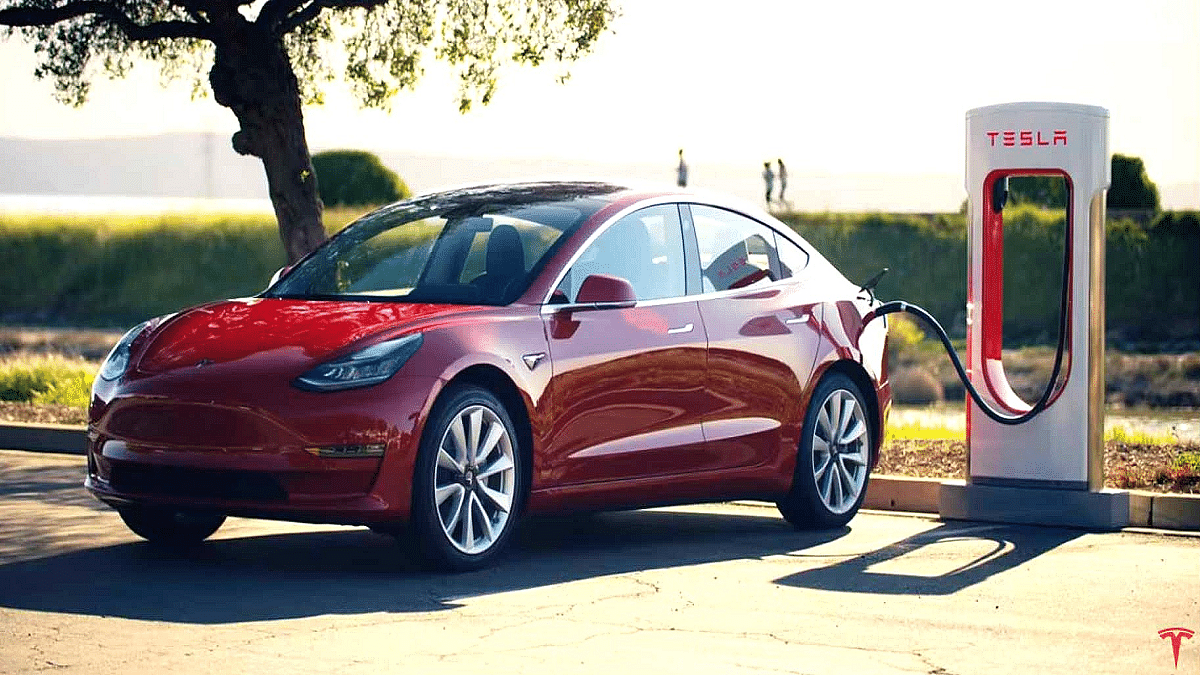
Fast-charging technologies have emerged as a game-changer, allowing EVs to charge more quickly than ever before. High-power chargers, such as those provided by Tesla’s Supercharger network, can add hundreds of miles of range in a matter of minutes. This not only reduces the time spent at charging stations but also contributes to alleviating range anxiety by making it more practical for drivers to top up their batteries during breaks or on longer journeys.

Also Read | Purchasing the Tata Nexon EV? Read about this omission first!

Smart Charging Solutions

The integration of smart charging solutions adds another layer of convenience for electric vehicle users. These systems use advanced algorithms to optimize charging based on factors such as electricity demand, grid capacity, and the user’s schedule. Smart charging helps alleviate concerns about overloading the grid during peak hours and ensures more efficient use of available charging infrastructure.

Home Charging Solutions

Home Charging SolutionsImpact on EVs
Level 2 chargersConvenient overnight charging at home
Standard household outletsBasic charging option for daily commuting

While public charging stations are crucial for longer journeys, the majority of EV charging occurs at home. Home charging solutions, such as Level 2 chargers and even more accessible standard household outlets, empower EV owners to conveniently charge their vehicles overnight. This reduces dependence on public charging infrastructure for daily commuting and contributes to a seamless electric vehicle ownership experience.

Giznext Verdict

The evolution of electric vehicles is transforming the automotive landscape, offering a sustainable and efficient alternative to traditional internal combustion engine vehicles. As the industry addresses common concerns like range anxiety and charging infrastructure, the adoption of electric vehicles is expected to accelerate. Advances in battery tech, charging infrastructure, fast charging, and smart solutions are making electric vehicles more practical and appealing to a wider audience. With ongoing innovation and investment, the automotive industry is on track to overcome these challenges, paving the way for a future where electric vehicles are the norm rather than the exception.
Also Read | Power Up Safely: Eight Essential Measures For Charging Your EV In Public

Categories
Auto Tech Featured Info

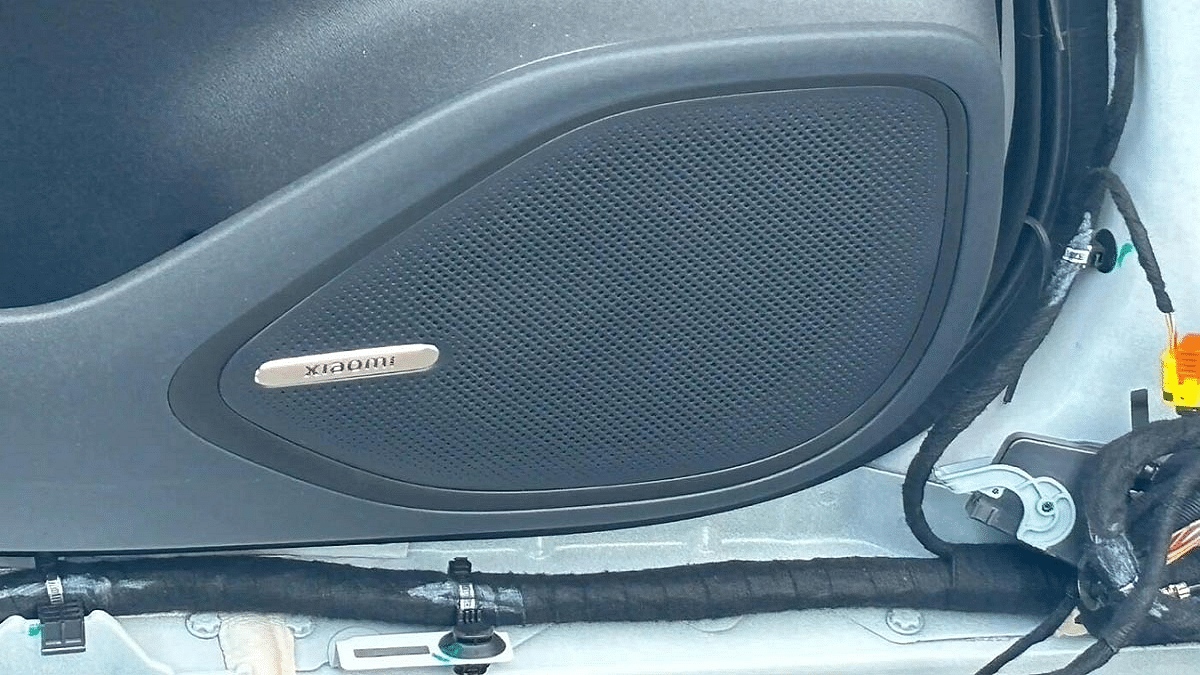
Xiaomi SU7 EV And SU7 Max EV Stun In Covert Road Trials: Picture Perfect Reveals

Key Highlights

  • Xiaomi is venturing into electric vehicles with three different models
  • Images reveal a sneak peek into the interior of Xiaomi’s upcoming EVs
  • SU7 EVs are expected to debut at a price of RMB 300,000 (approx. Rs. 35,00,000)

Xiaomi is gearing up to make a significant entry into the electric vehicle (EV) market. The Ministry of Industry and Information Technology (MIIT) in China has recently unveiled images of the upcoming Xiaomi Smart Speed Ultra 7 (SU7 EV), hinting at the company’s foray into the EV sector. Also Read | Winter Care Tips For Electric Vehicles: How To Keep Your EV Healthy In Cold Weather

Variants Unveiled

MIIT’s certification has shed light on Xiaomi’s plans to introduce not just one, but three variations of its electric vehicles. The trio includes the SU7 EV, SU7 Pro EV, and SU7 Max EV.

On-Road Testing: Spy Photos Revealed

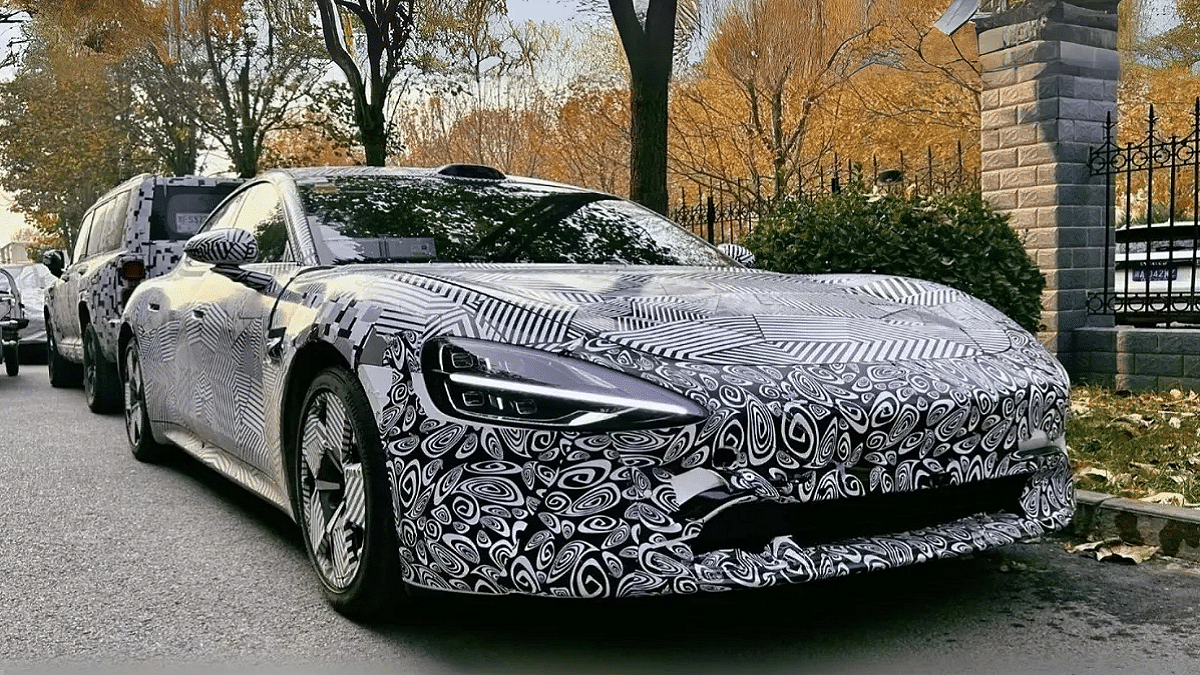
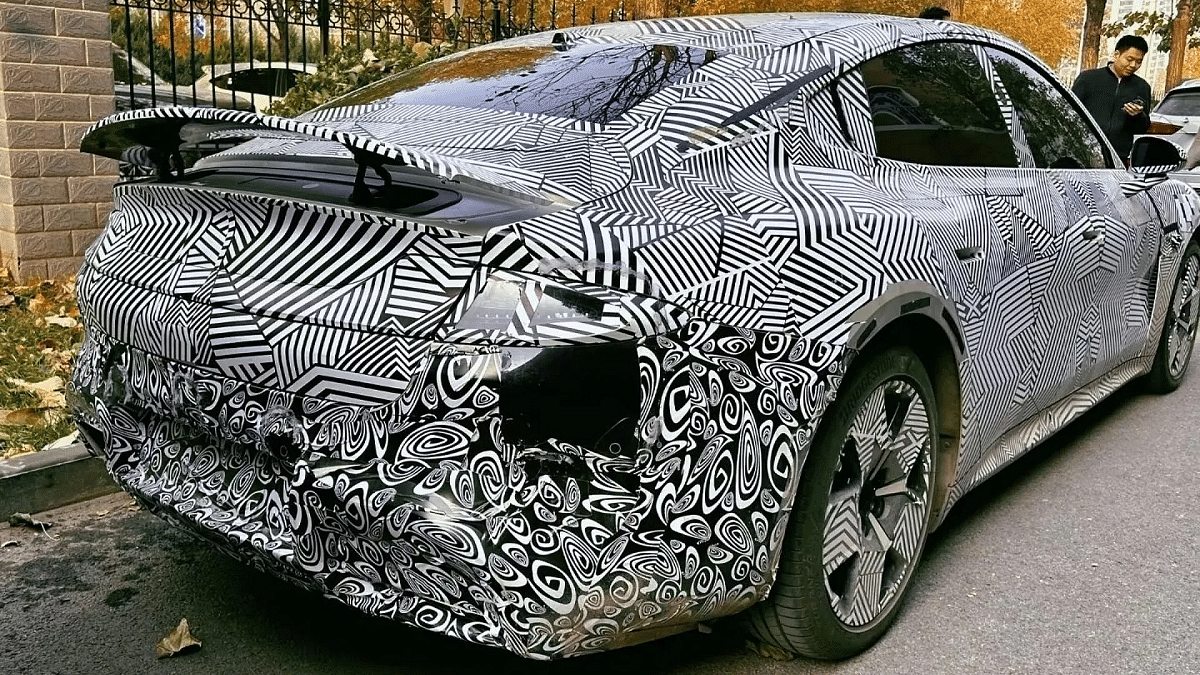
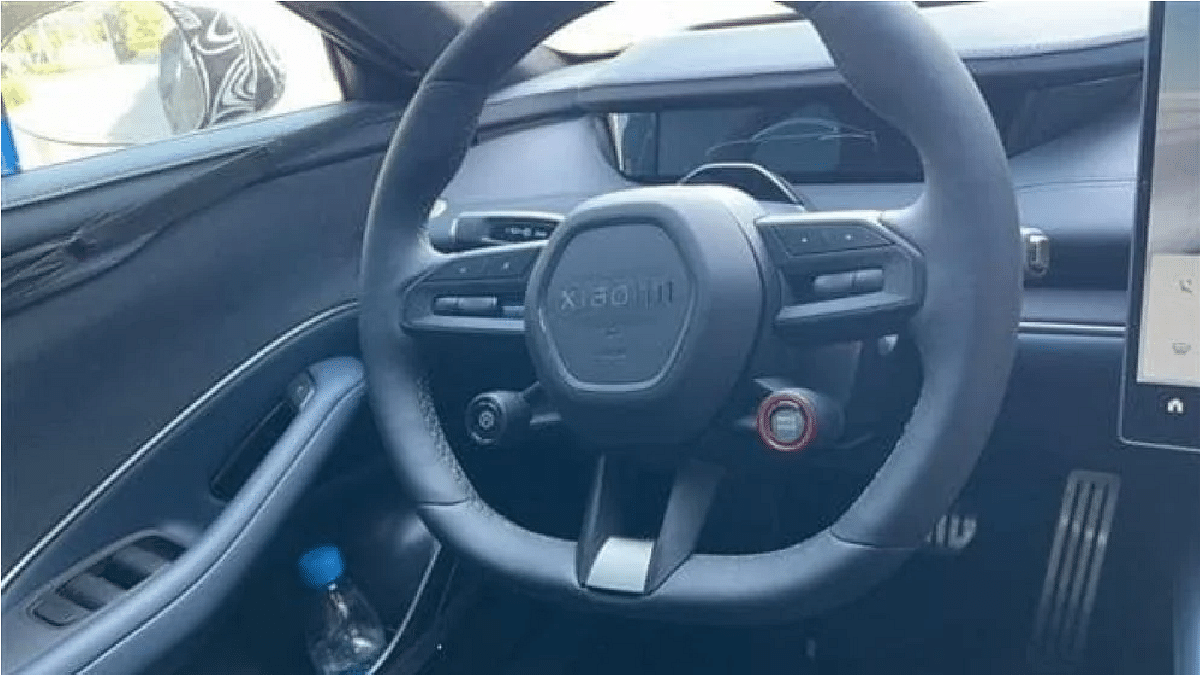
Weibo users have shared intriguing spy photos of Xiaomi’s upcoming electric vehicles, providing a sneak peek at what lies beneath the disguise. These images not only showcase the exterior but also offer a glimpse into the interior of Xiaomi’s upcoming EVs.

SU7 EV: A Luxury Sedan Competing With The Giants

  • The camouflaged SU7 EV, in line with MIIT’s designs, resembles a C-class luxury sedan.
  • Xiaomi is set to compete with industry leaders such as Tesla, NIO, and Geely with the SU7 EV.
  • Contrary to earlier rumors, the images confirm the placement of a LiDAR sensor on the roof, not behind the windscreen.
  • An active wing, designed for optimal air redirection, enhances acceleration speed.
  • Xiaomi’s focus on aerodynamics is evident with flush door handles and thin headlights, coupled with a sloped bonnet for added elegance.
  • Wider wheel arches and a distinctive five-spoke alloy wheel with yellow brake calipers contribute to the SU7 EV’s unique design.
  • Unlike the trend of virtual exterior mirrors, Xiaomi opts for small side-view mirrors.
  • Interior details include a three-spoke steering wheel, multiple switches, a drive mode selector, and a prominent Xiaomi inscription button.
  • The infotainment screen promises to be sizable, comparable to those found in Tesla’s EVs.

Also Read | Electric Car / Bike Insurance : Everything You Need To Know

SU7 Max EV: A High-Performance Marvel

  • A leaked image on Weibo reveals a Face-ID sensor on the B-pillar, suggesting a premium touch for the SU7 Max EV.
  • The rear of the vehicle sports an active spoiler, signaling Xiaomi’s intent to position it as a high-performance option.
  • Brembo brake calipers, commonly associated with upscale electric vehicles, add to the premium features of the SU7 Max EV.

Xiaomi’s Ambitious Investment

In 2021, Xiaomi announced a substantial USD 10 billion investment in its electric car segment. Speculations suggested the debut of the first prototype in August 2024, and MIIT’s recent certification and spy images seem to align with these plans.

In conclusion, Xiaomi’s entry into the electric vehicle market appears poised to make waves, with a diverse lineup catering to different segments and a focus on innovation and performance.

Also Read | Power Up Safely: Eight Essential Measures For Charging Your EV In Public

Categories
Auto Tech Featured

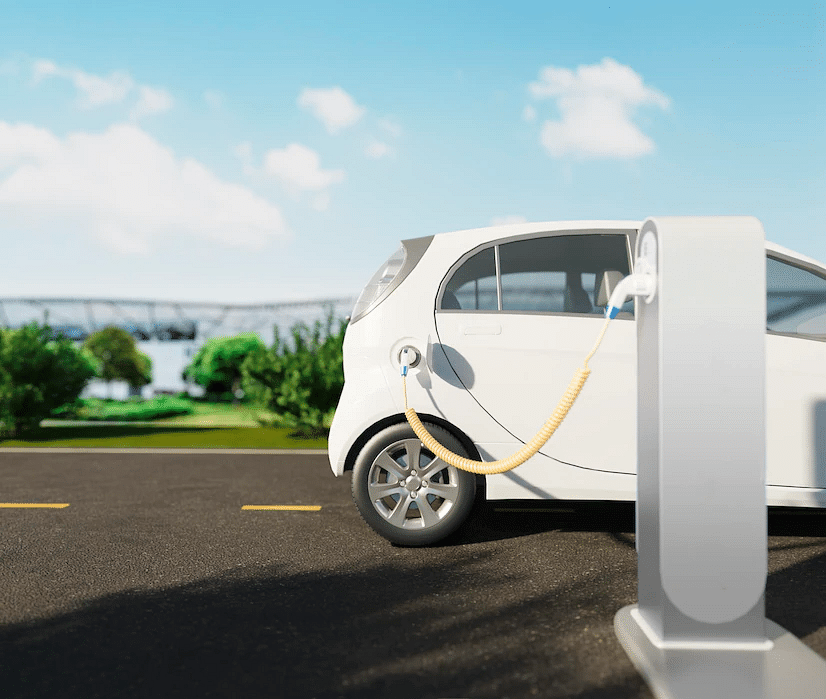
Power Up Safely: Eight Essential Measures For Charging Your EV In Public

Key Highlights

  • EV owners should prioritize safety while charging in public stations
  • Opt for well-established charging stations
  • Be aware of any fees, time limits, or additional safety instructions

The increasing adoption of electric vehicles (EVs) has led to a surge in the demand for public charging stations. While these stations provide convenient access to charging, it’s crucial for EV owners to prioritize safety. This article aims to outline essential safety measures to follow when charging your EV at public stations. Also Read | Electric Car / Bike Insurance : Everything You Need To Know

1. Choose Recognized Charging Stations

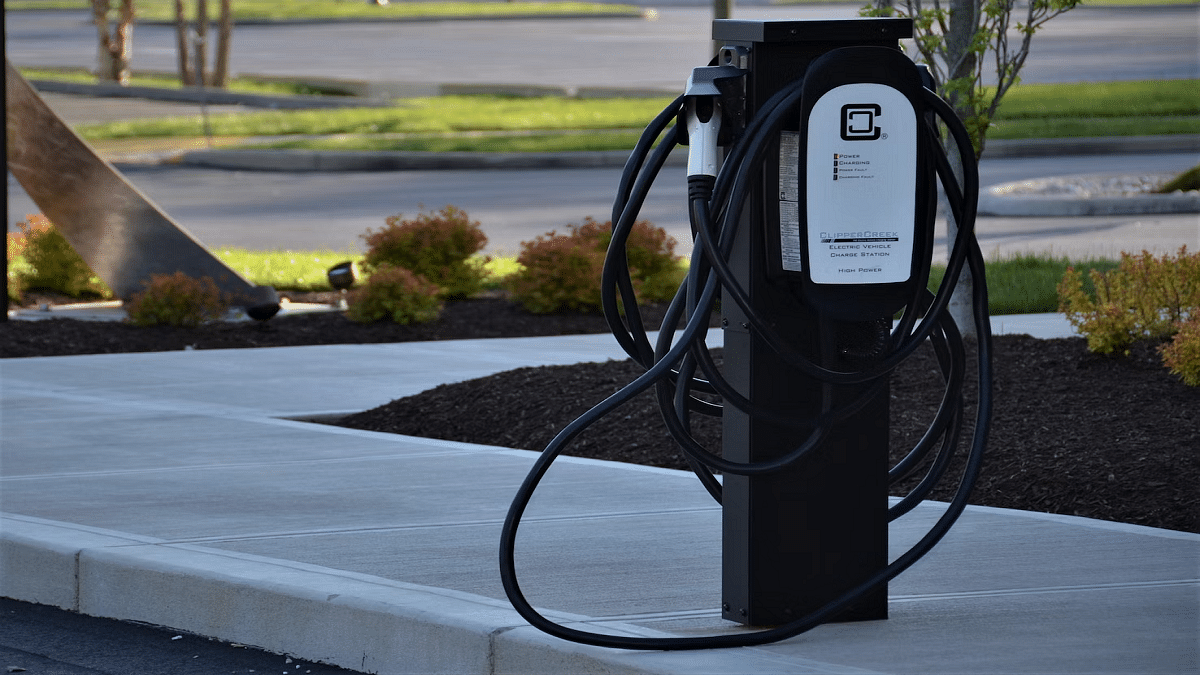
Selecting well-established and reputable charging stations is the first step in ensuring safety. Look for stations operated by reputable companies or those affiliated with government initiatives. These stations are more likely to adhere to strict safety standards and undergo regular inspections.

2. Verify Station Compatibility

Before plugging in your EV, ensure that your vehicle is compatible with the charging station. Different EV models may require specific charging connectors or have varying charging capacities. Confirm compatibility to avoid potential damage to your vehicle and the charging infrastructure.

3. Inspect Charging Equipment

Take a moment to inspect the charging equipment for any visible damage or signs of wear. If you notice any issues, report them to the station operator immediately. Charging stations should be well-maintained to prevent accidents and ensure optimal performance.

4. Follow Proper Charging Etiquette

Adhering to proper charging etiquette is not only considerate but also contributes to safety. Avoid hogging charging stations once your vehicle is fully charged, allowing others to utilize the resources efficiently. Observe posted time limits and be mindful of the needs of fellow EV owners.

Also Read | Winter Care Tips For Electric Vehicles: How To Keep Your EV Healthy In Cold Weather

5. Beware Of Overheating

While charging, keep an eye on your EV to ensure it doesn’t overheat. Overheating can lead to malfunctions and pose safety risks. If you notice any unusual smells, smoke, or excessive heat, immediately disconnect the charging cable and report the issue to the station operator.

6. Secure Charging Cables Properly

Handle charging cables with care and ensure they are securely connected to both your vehicle and the charging station. Avoid creating tripping hazards by placing cables in designated areas or using cable management systems provided by the charging station.

7. Be Prepared For Emergencies

In case of an emergency, familiarize yourself with the location of emergency shut-off buttons and fire extinguishers at the charging station. Additionally, keep emergency contact numbers readily available. Prompt response to unforeseen circumstances is crucial for minimizing risks.

8. Stay Informed About Station Policies

Every charging station may have specific rules and policies. Familiarize yourself with these guidelines, including any fees, time limits, or additional safety instructions. Staying informed helps create a safer and more efficient charging environment for everyone.

Giznext Verdict

As the electric vehicle revolution continues to gain momentum, prioritizing safety at public charging stations becomes paramount. By following these safety measures and practicing responsible charging habits, EV owners contribute to the overall well-being of the charging infrastructure and promote a positive experience for all users. Safe charging not only protects your vehicle but also ensures a seamless transition to a sustainable and electrified future.

Also Read | Top Budget Electric Vehicles You Can Buy In 2023