Categories
Auto Tech Featured

EV Charging Tips And Tricks: Seven Ways To Find EV Charging Stations Across India

Key Highlights

  • Charging apps can locate charging stations, availability, and more
  • Plan your routes in advance using online route planners
  • Engage with the EV community through online forums

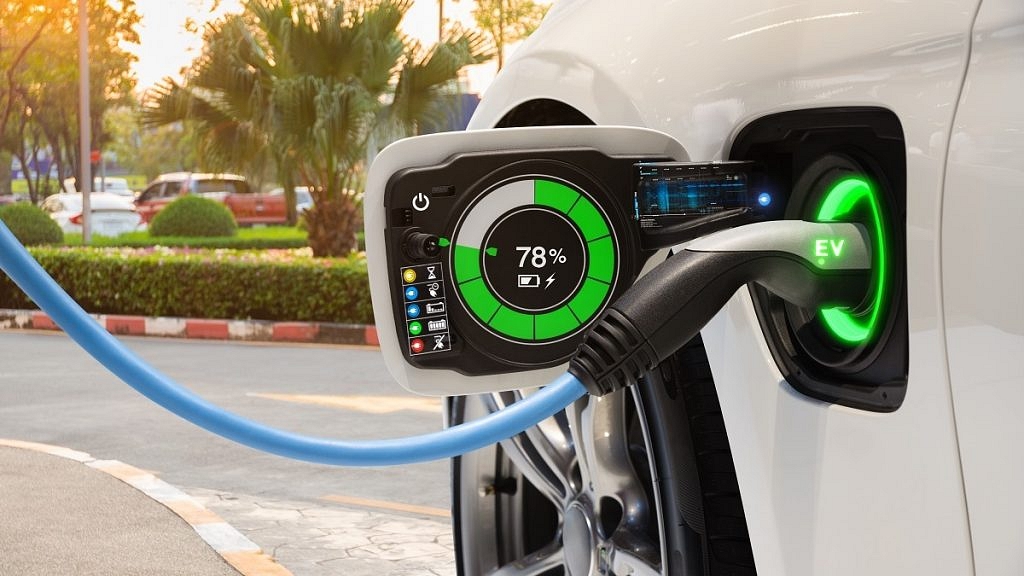
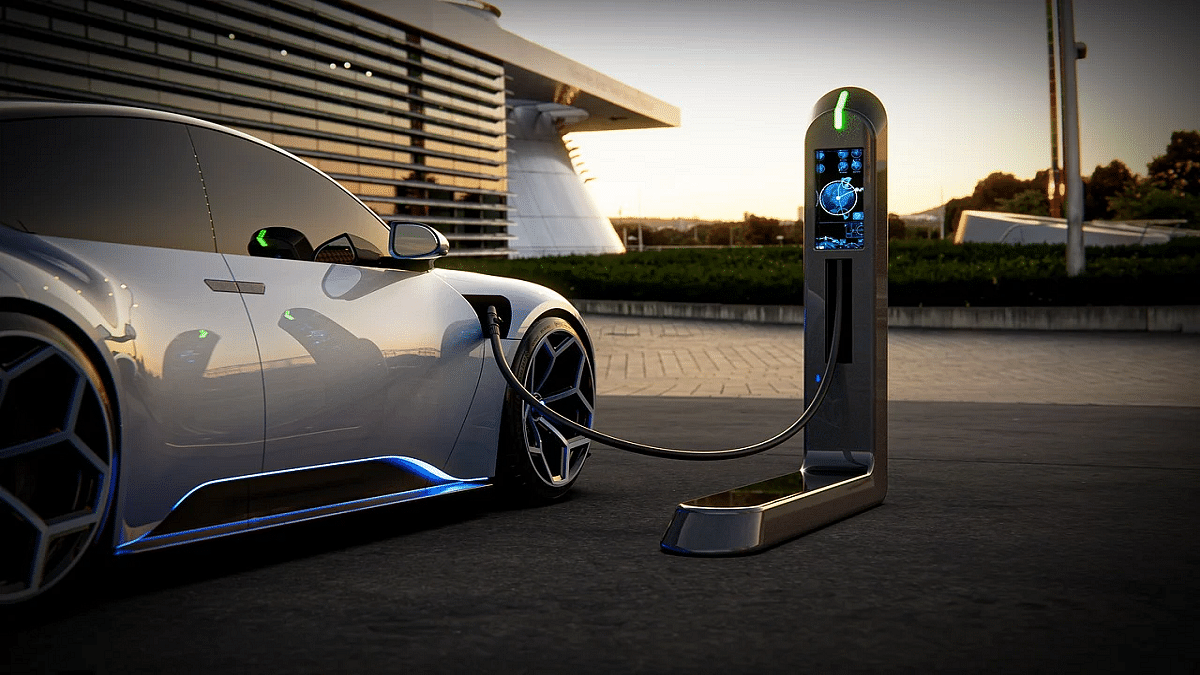
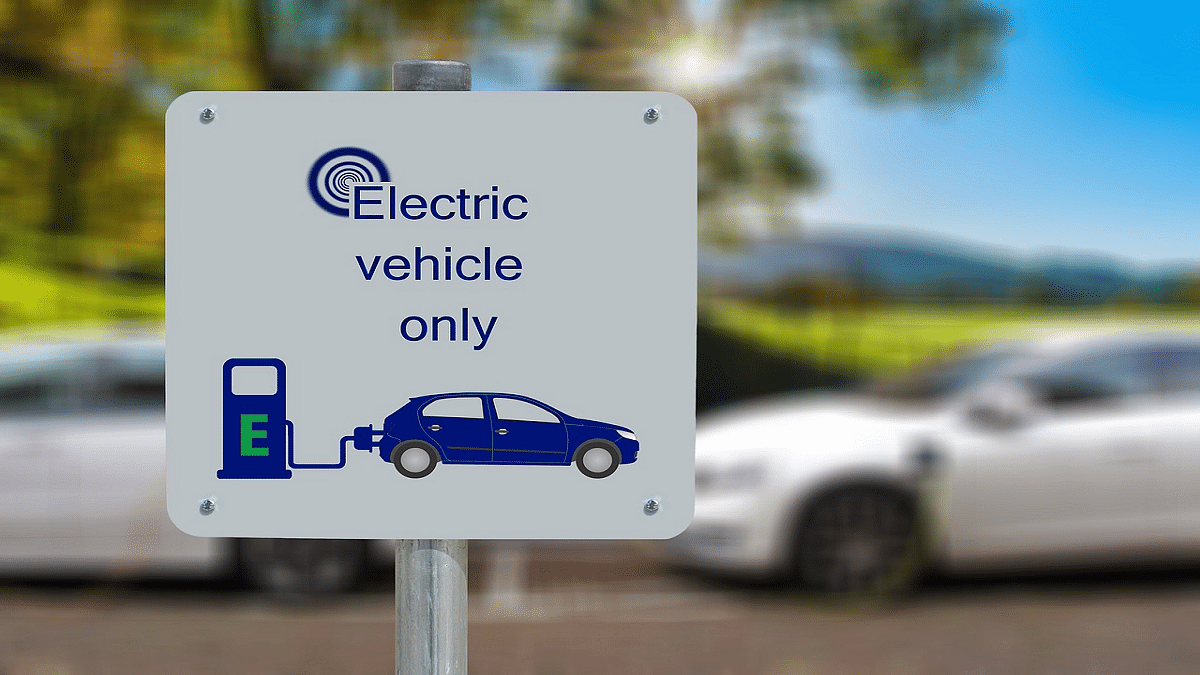
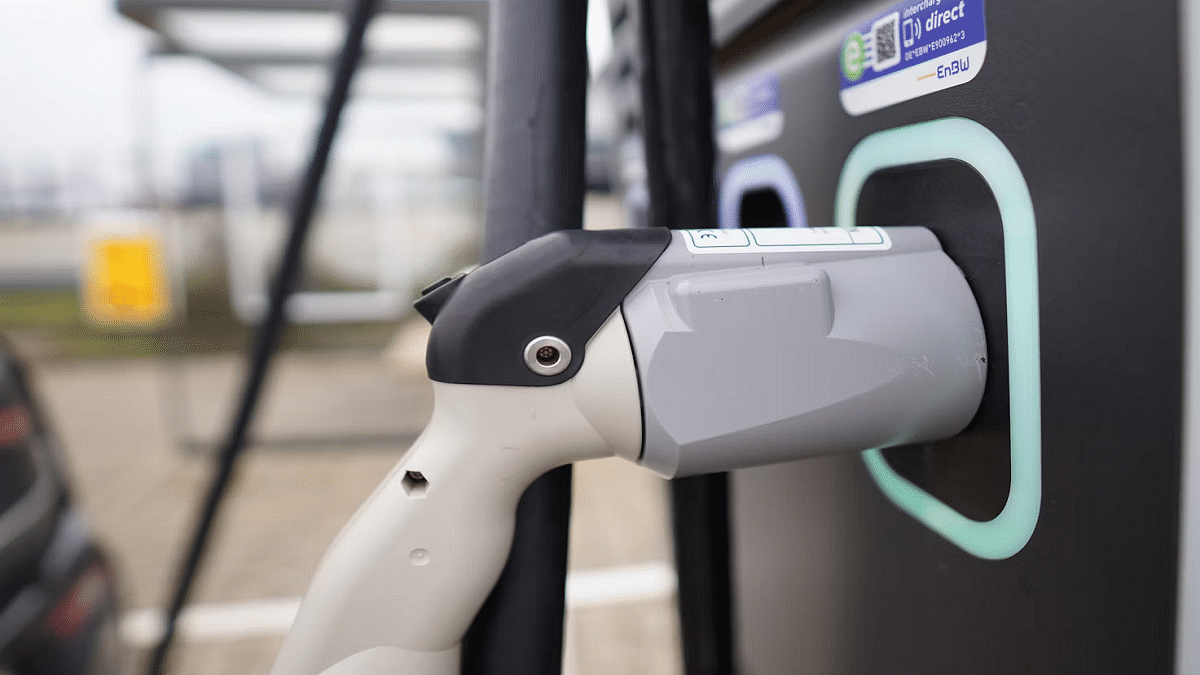
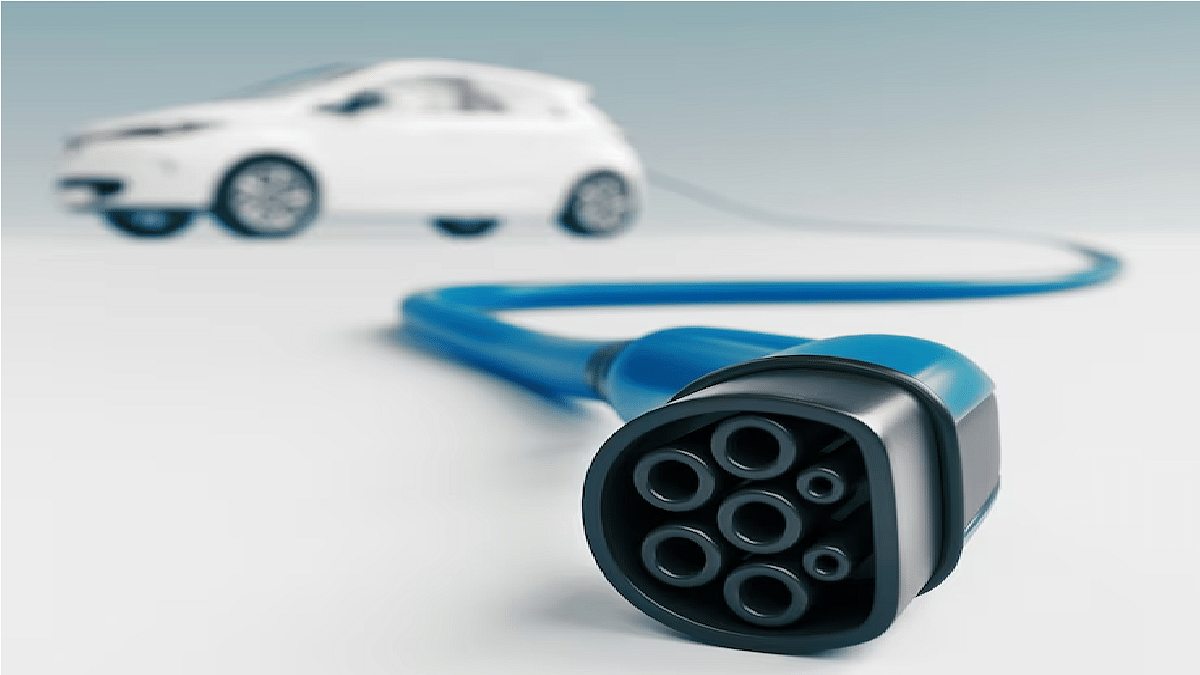
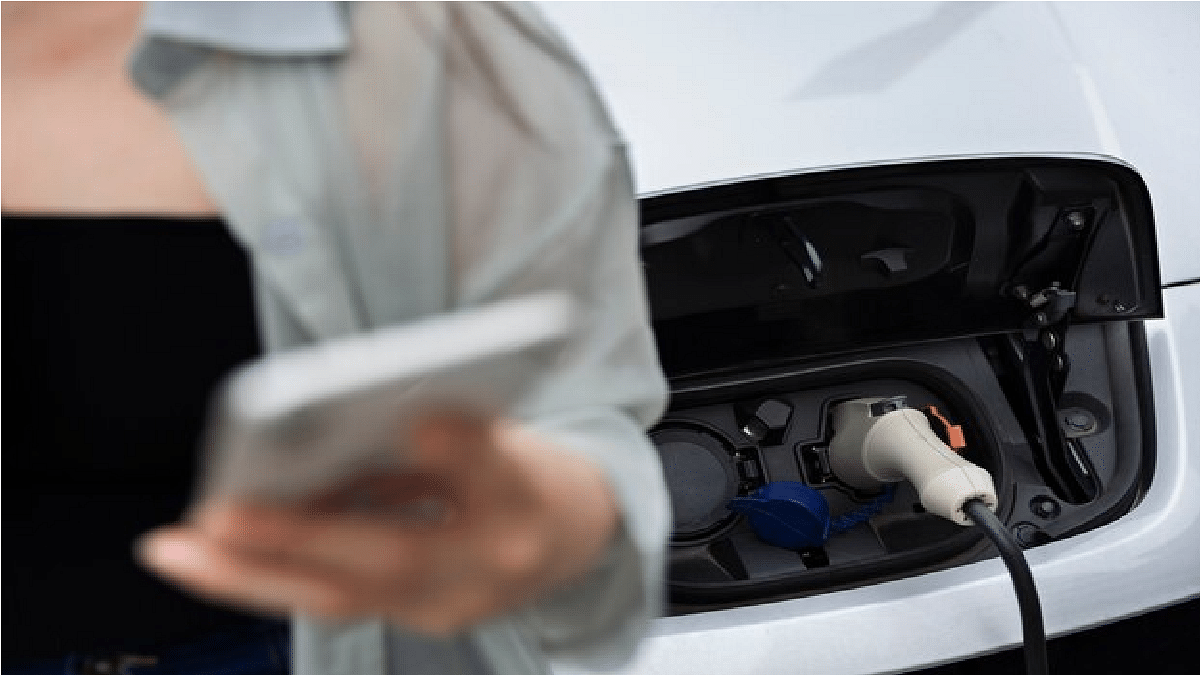
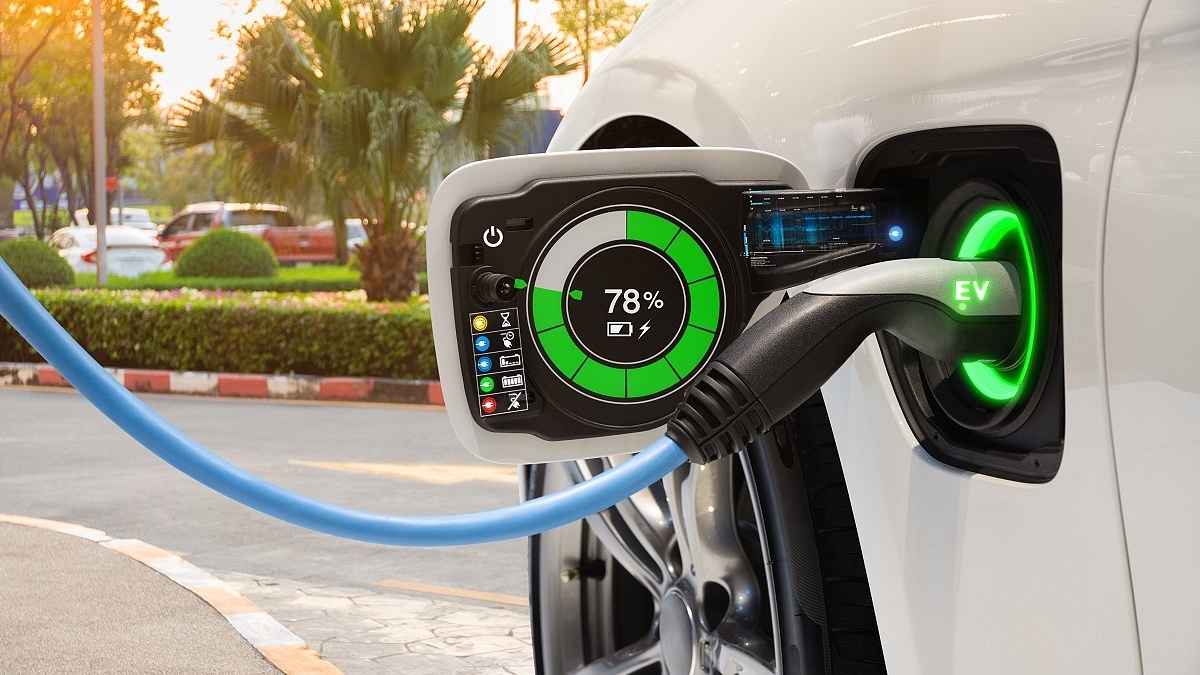
As electric vehicles gain traction in India, the need for an efficient charging infrastructure becomes increasingly vital. Finding EV charging stations can sometimes be a challenge, but with the right tips and tricks, you can seamlessly navigate the country’s growing EV landscape. Here, we’ll explore some strategies to help you locate charging stations with ease. Also Read | Winter Care Tips For Electric Vehicles: How To Keep Your EV Healthy In Cold Weather

Mobile Apps And Online Platforms
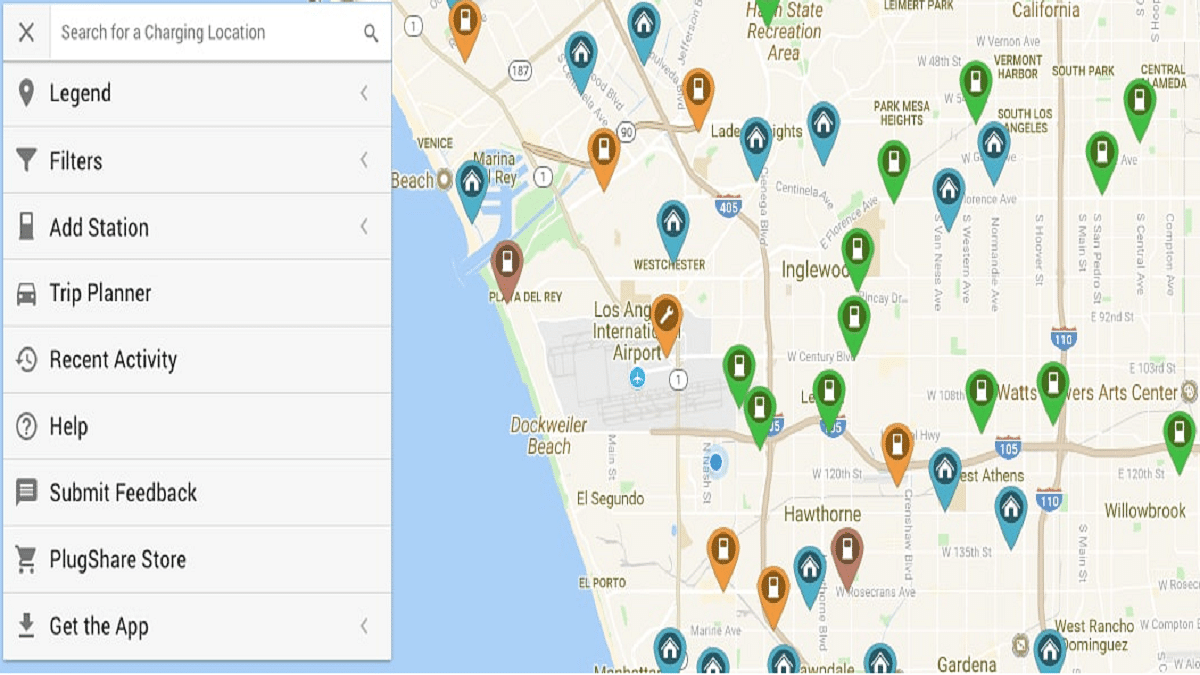
App NameFeatures
PlugShareReal-time location, availability, and reviews
ChargeGridComprehensive charging network information
MapMyIndiaMaps integrated with charging station locations

In the digital age, mobile apps and online platforms play a crucial role in simplifying tasks, and finding EV charging stations is no exception. Numerous apps, such as PlugShare, ChargeGrid, and MapMyIndia, provide real-time information about the location, availability, and types of charging stations. Downloading these apps on your smartphone can be a game-changer in your EV journey.

Plan Your Route With Charging Stations In Mind
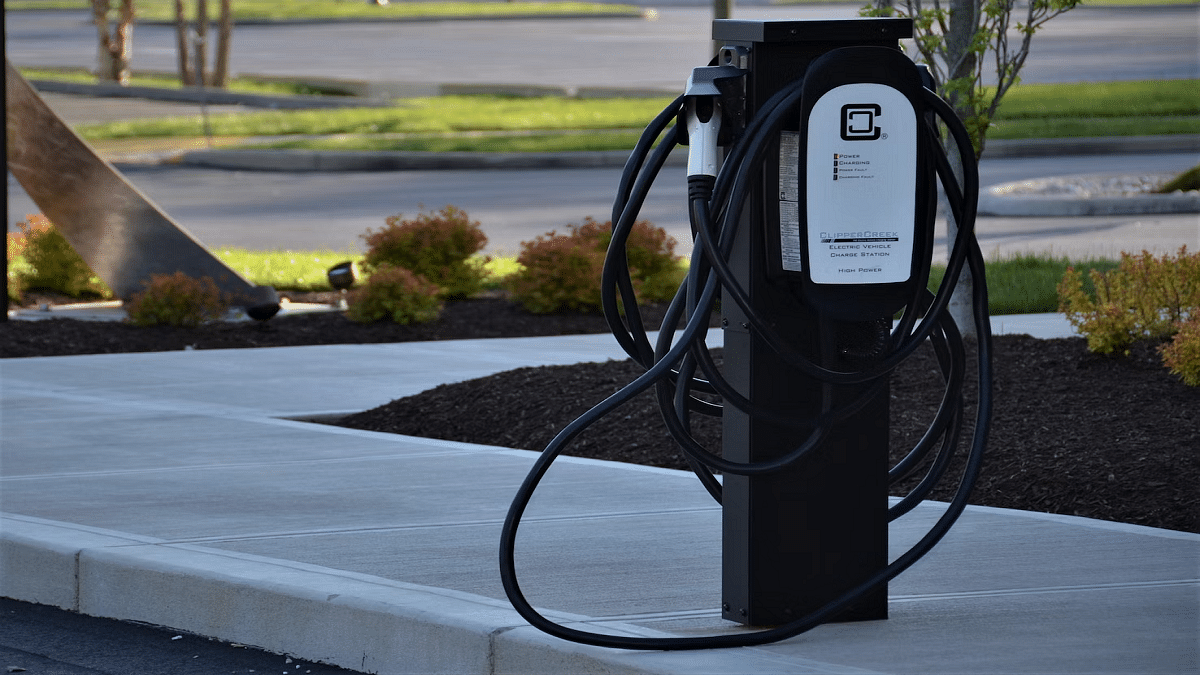
Before embarking on a journey, plan your route strategically by identifying charging stations along the way. Utilize online route planners that integrate EV charging points into their calculations. This proactive approach ensures that you won’t be left stranded without a charging option, especially on longer trips.

Stay Informed About Charging Networks
Charging NetworkKey Features
Tata Power EZ ChargeWide network coverage, multiple charging options
Ather GridDedicated to Ather Energy vehicles
Fortum Charge & Drive          International network, fast-charging capabilities

Stay informed about different charging networks operating in India. Some popular networks include Tata Power EZ Charge, Ather Grid, and Fortum Charge & Drive. Familiarizing yourself with these networks can help you access charging stations more efficiently and take advantage of any membership perks they may offer.

Use Government Portals And Initiatives
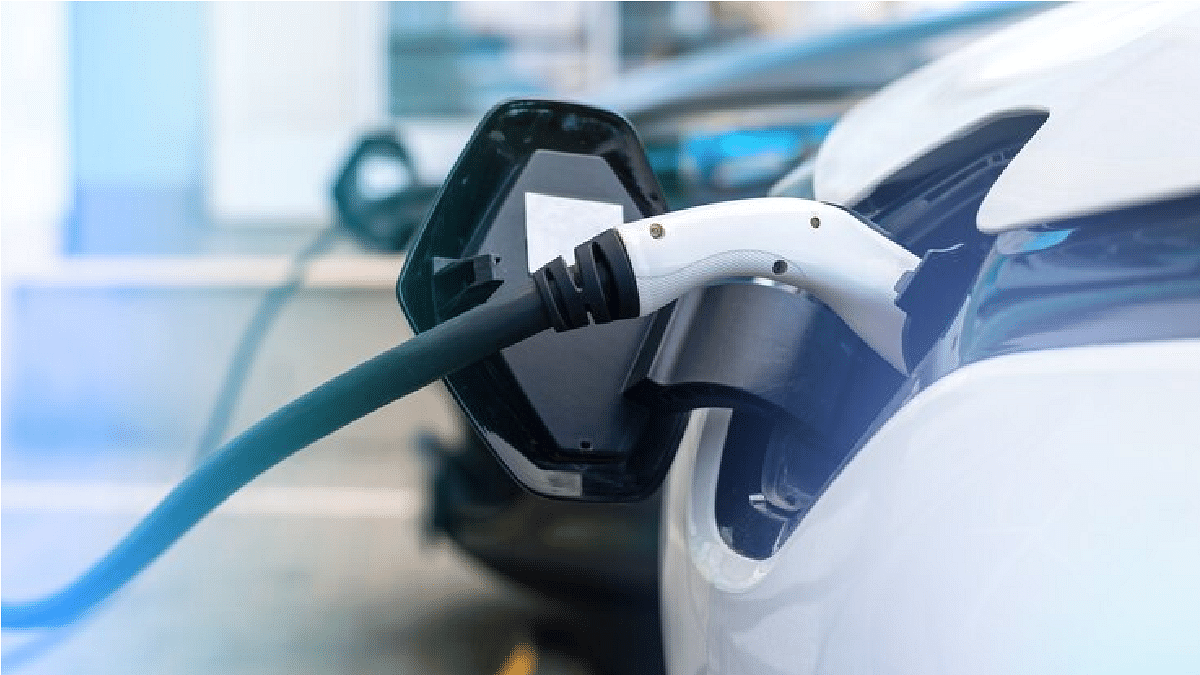
InitiativeFocus
National E-Mobility ProgrammeInformation on charging stations, government incentives

Government initiatives play a pivotal role in expanding the EV charging infrastructure. Keep an eye on official portals and programs launched by local authorities. For instance, the National E-Mobility Programme in India may provide valuable information on the location of charging stations, government incentives, and policies supporting the growth of EVs.

Also Read | Buying Used Electric Car Or Two Wheeler? What All Should You Check?

Consider Workplace And Residential Charging
LocationCharging Options Available
WorkplaceCharging infrastructure for employees
Residential ComplexDedicated charging points for residents

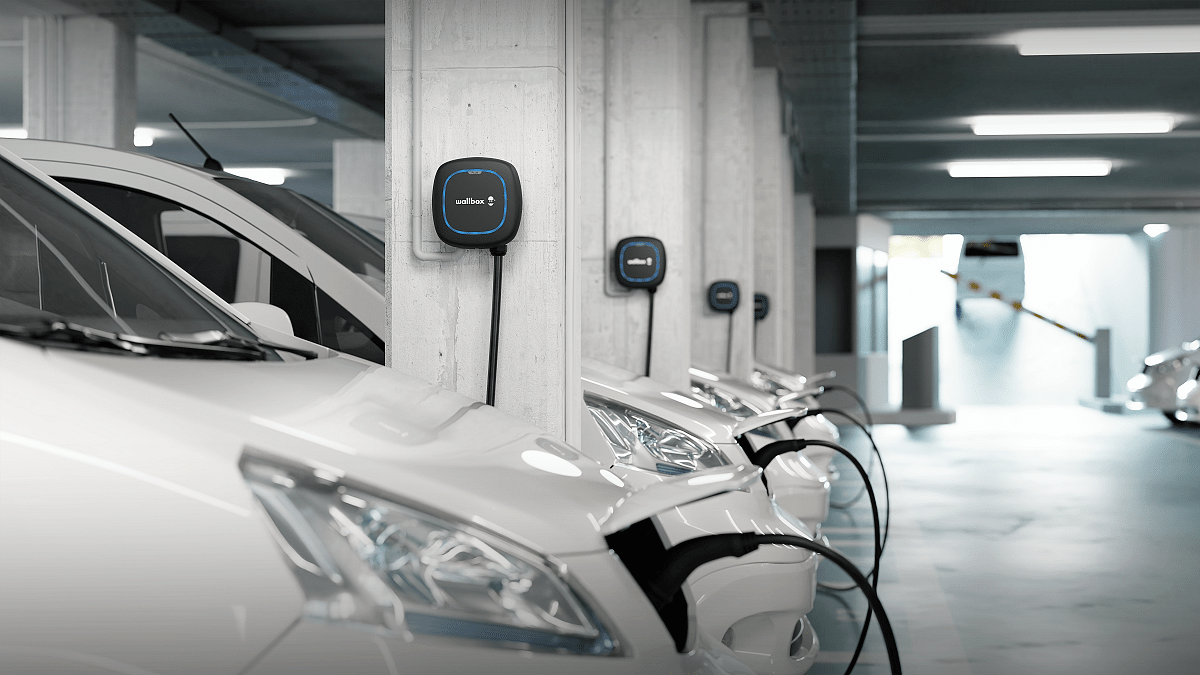
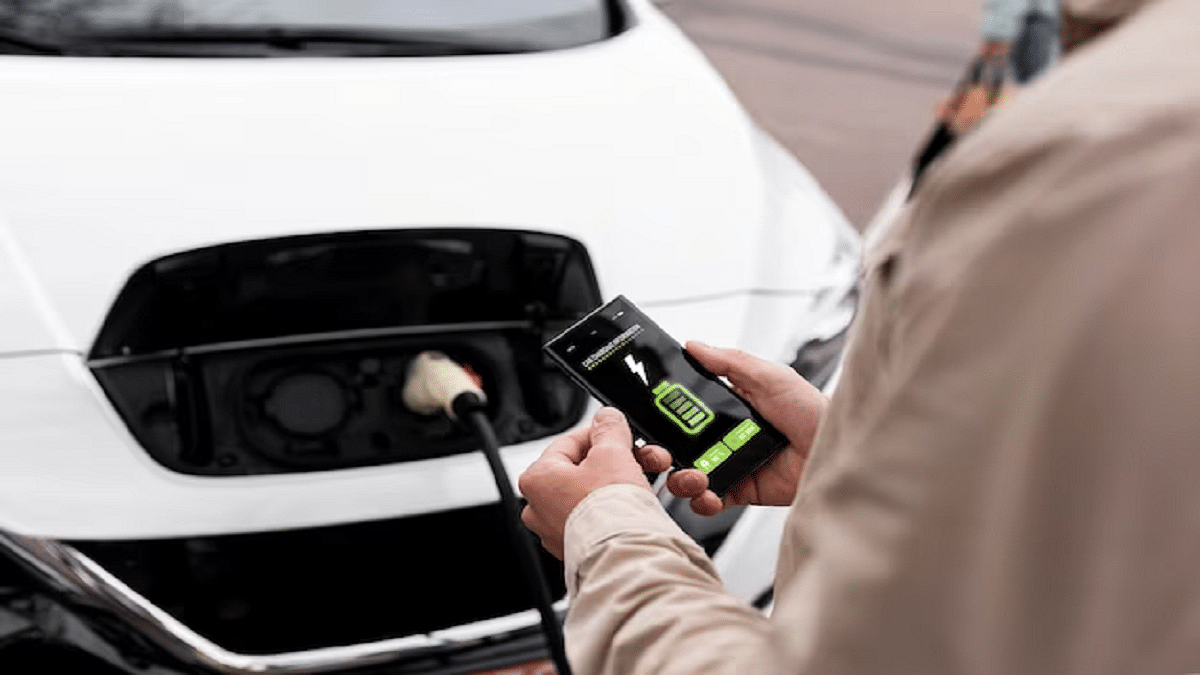
Explore the option of charging your EV at your workplace or residential complex. Many companies and housing societies are installing charging infrastructure to support employees and residents who own electric vehicles. Knowing the charging options available in your daily surroundings can be a convenient and reliable solution.

Community Engagement And Forums

Engage with the EV community through forums and social media groups. Fellow EV enthusiasts often share real-time information about charging stations, experiences, and tips. Platforms like Facebook groups, Reddit communities, or dedicated forums can be treasure troves of insights and recommendations.

Keep An Eye On Technological Advancements
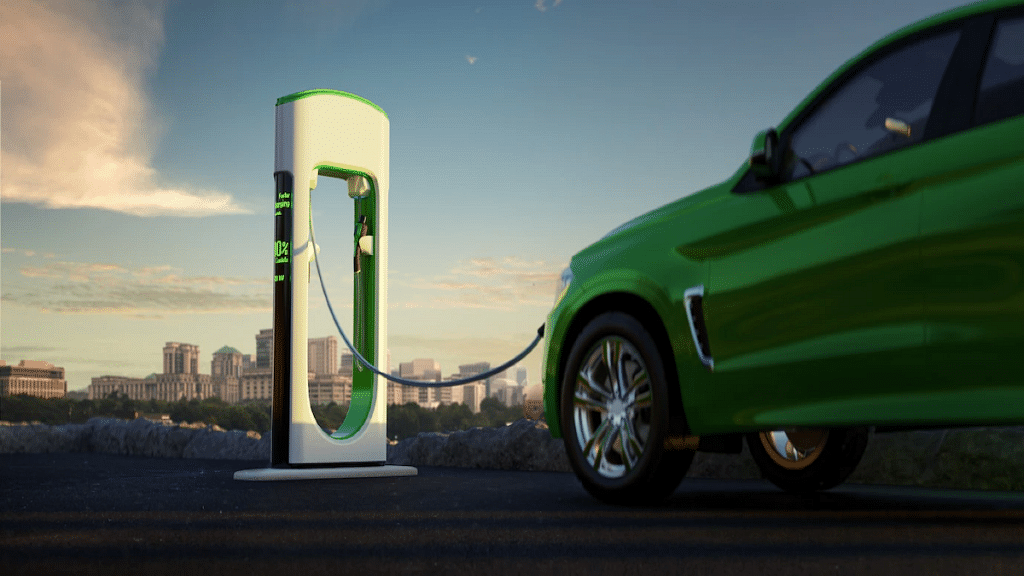
Stay abreast of technological advancements in the EV sector, particularly those related to charging infrastructure. New innovations may bring about faster charging solutions, increased station density, and improved accessibility. Being aware of these developments can enhance your overall EV experience.

Verdict

Efficiently finding EV charging stations across India is becoming increasingly simple as the charging infrastructure expands. By leveraging digital tools, planning ahead, and staying informed, you can ensure a smooth and hassle-free experience as you navigate the exciting world of electric mobility. Embrace these tips and tricks to make your electric vehicle journey not only environmentally friendly but also highly convenient.

Also Read | Spark Or Strain? The Pros And Cons Of Choosing An Electric Vehicle
Categories
Auto Tech Featured

Orxa Mantis Electric Motorcycle With 221KM Range Launched: Ultraviolette F77 Rival?

Key Highlights

  • Orxa Mantis electric bike launched in India
  • Is a powerful e-bike with 221 km range
  • Takes on Ultraviolette F77 with 135 kmph top speed

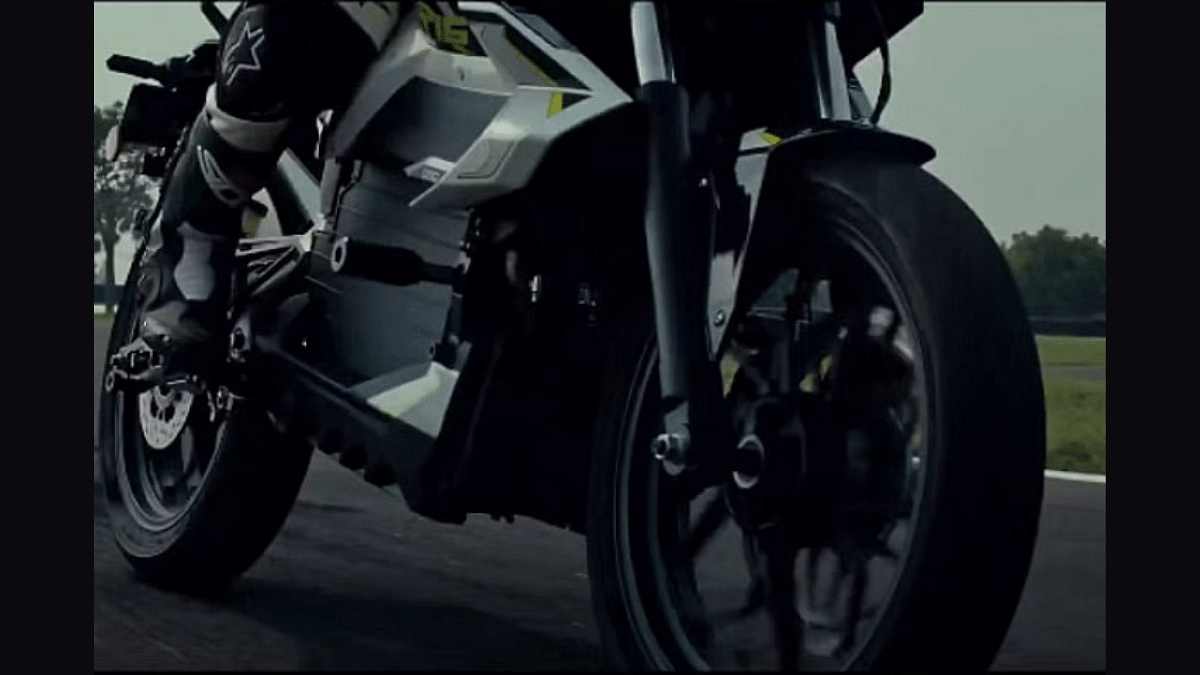
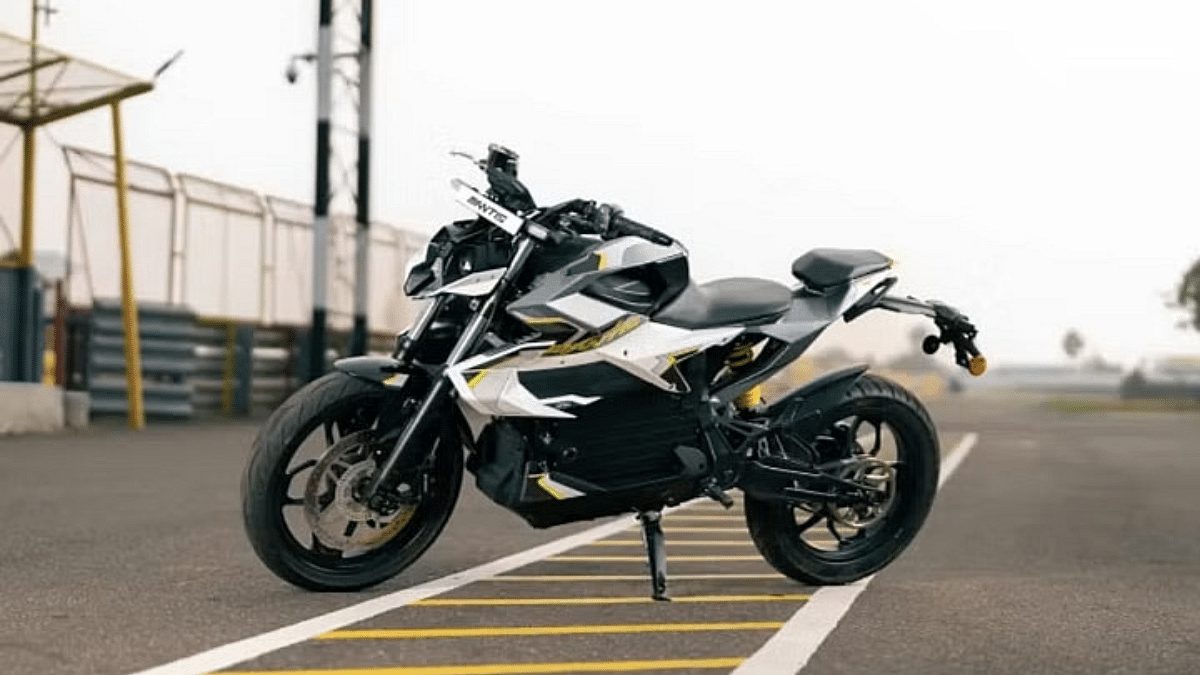
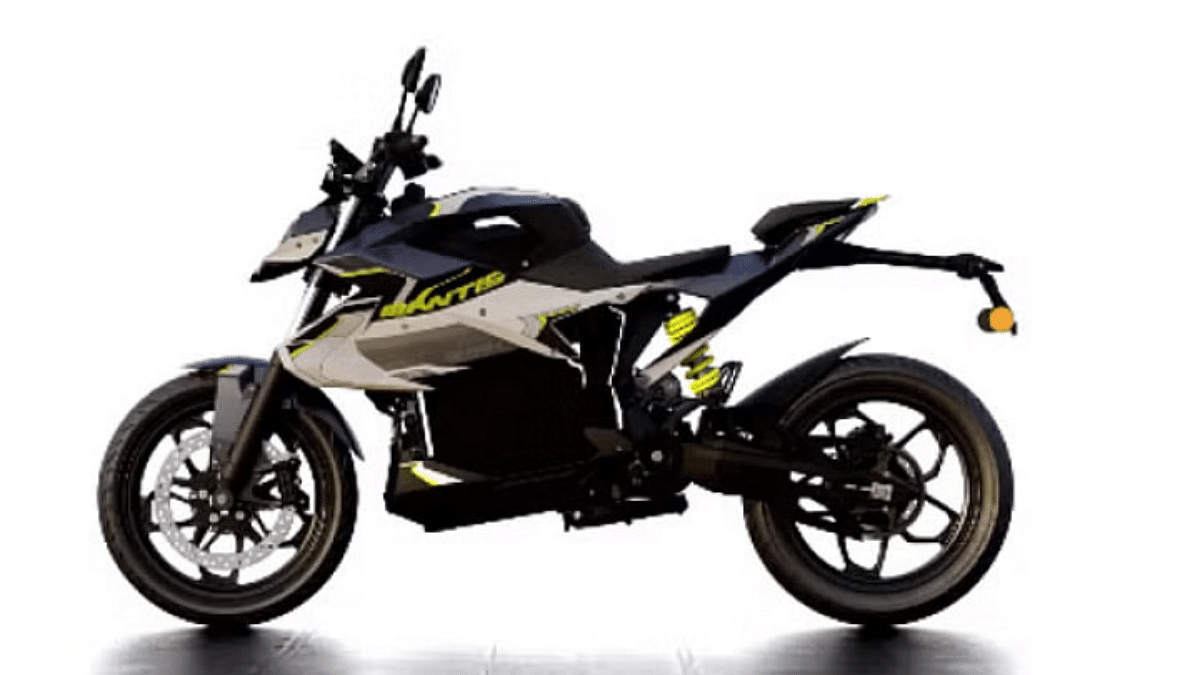
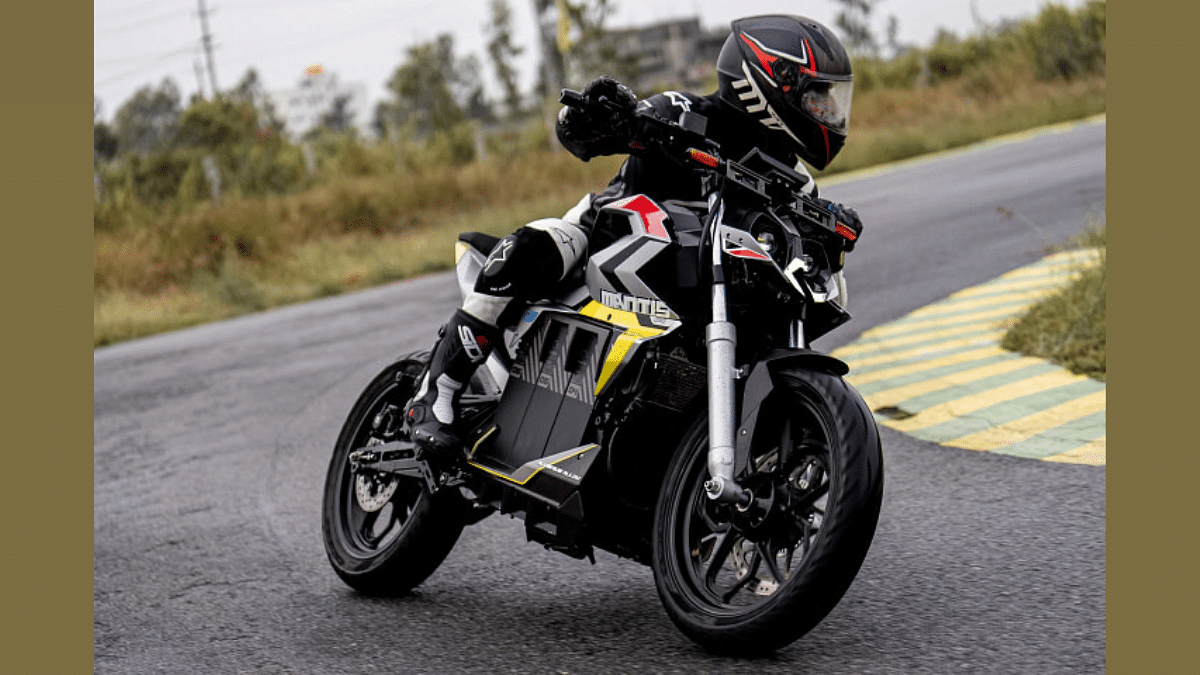
Orxa Energies have launched a new premium electric motorcycle in India. The latest entrant in the electric two wheeler segment in the country is the Orxa Mantis. Powerful features such as up to 135 kmph top speed, 221 km range, and a connected tech system are the top highlights of the newly launched Orxa Mantis e-bike. How much does it cost and would it be worth an investment? Find out below:

Orxa Mantis Electric Motorcycle Design

  • Features a naked-sports bike design
  • Has an all-alaluminium aerospace-grade alloy frame
  • and subframe for robust build
  • Has all-LED lighting system
  • Mantis inspired twin LED headlamps
  • 180 mm ground clearance

Also Read: Spark Or Strain? The Pros And Cons Of Choosing An Electric Vehicle

Orxa Mantis Electric Motorcycle Powertrain

  • Equipped with a liquid-cooled PMSM electric motor
  • Generates 20.5 kW peak power
  • Offers 93 Nm peak torque
  • Can reach 0-100 kmph in 8.9 sec and 20-100 kmph in 6.7 sec
  • Top speed attained is 135 km/h

Also Read: Buying Used Electric Car Or Two Wheeler? What All Should You Check?

Orxa Mantis Electric Motorcycle Battery, Range

  • Uses a non-removable battery pack
  • 8.9kWh battery pack which is IP67 Certified
  • Can deliver 221 km range with single charge (IDC range)
  • Battery takes up to 5 hours for 0-80 percent charge with the standard 1.3kW charger
  • With Blitz 3.3kW fast charger charging speed is 2.5 hours
  • Only 15A socket supported

Also Read: Winter Care Tips For Electric Vehicles: How To Keep Your EV Healthy In Cold Weather

Orxa Mantis Electric Motorcycle Braking And Suspension

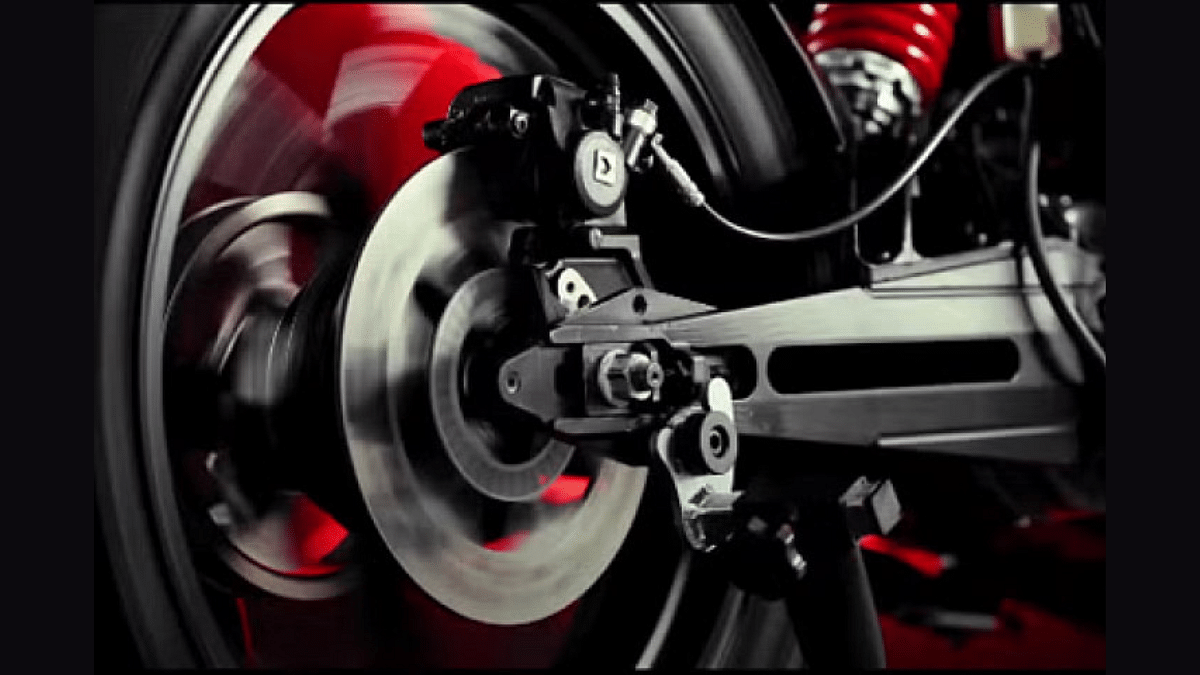
  • Integrates Disc braking system with single channel ABS
  • Features 320mm disc upfront with four-piston fixed caliper
  • Features 230 mm disc with single-piston floating caliper at the rear
  • Has telescopic forks suspension at the front
  • Hydraulic mono-shock suspension at the rear

Also Read: e-Sprinto Rapo, Roamy Electric Two-Wheeler Scooters: Affordable City Commuters

Orxa Mantis Electric Motorcycle Additional Features

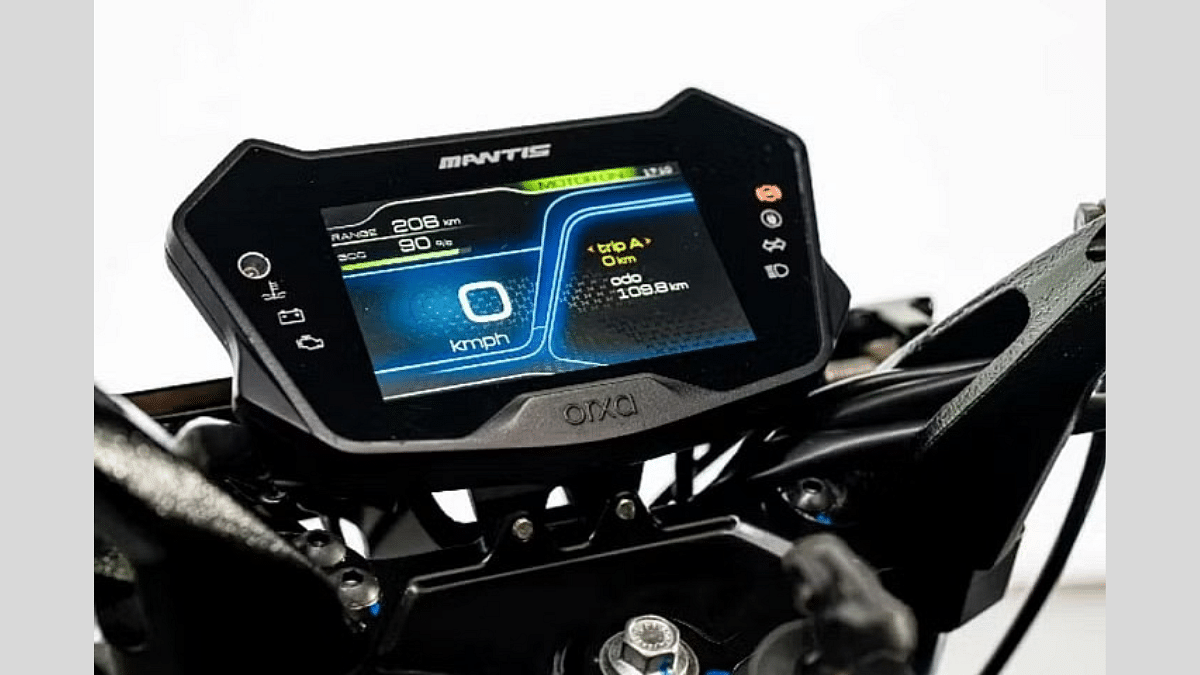
  • Sports a 5-inch TFT digital instrument cluster
  • Has connected tech ecosystem
  • Console displays phone ride analytics and smartphone notifications
  • Supports Bluetooth connectivity
  • Features regenerative breaking system
  • Side stand sensor also included

Also Read: Best Electric Scooters With Long Range And Affordable Price In India

Orxa Mantis Electric Motorcycle Price In India

The Orxa Mantis has been launched at Rs. 3.6 lakh in India (ex-showroom) in India. The company has included a standard 1.3kW charger at this cost.

Final Verdict

With the rapidly evolving EV sector in India, audiences are now considering premium options as well. But with limited models available in the electric motorcycle segment, the Orxa Mantis surely grabs the attention. The sporty design and powerful features makes this a good package overall.

Categories
Auto Tech Comparison

Ola S1 Air Vs River Indie Electric Scooter: Top Contender In Budget Segment

Key Highlights

  • Ola S1 Air: Affordable Practicality with 151km Range
  • River Indie: Quirky Styling, Robust 6.7kW Power
  • Budget Battle: Ola’s Rs 1.19L vs. River’s Rs 1.25L

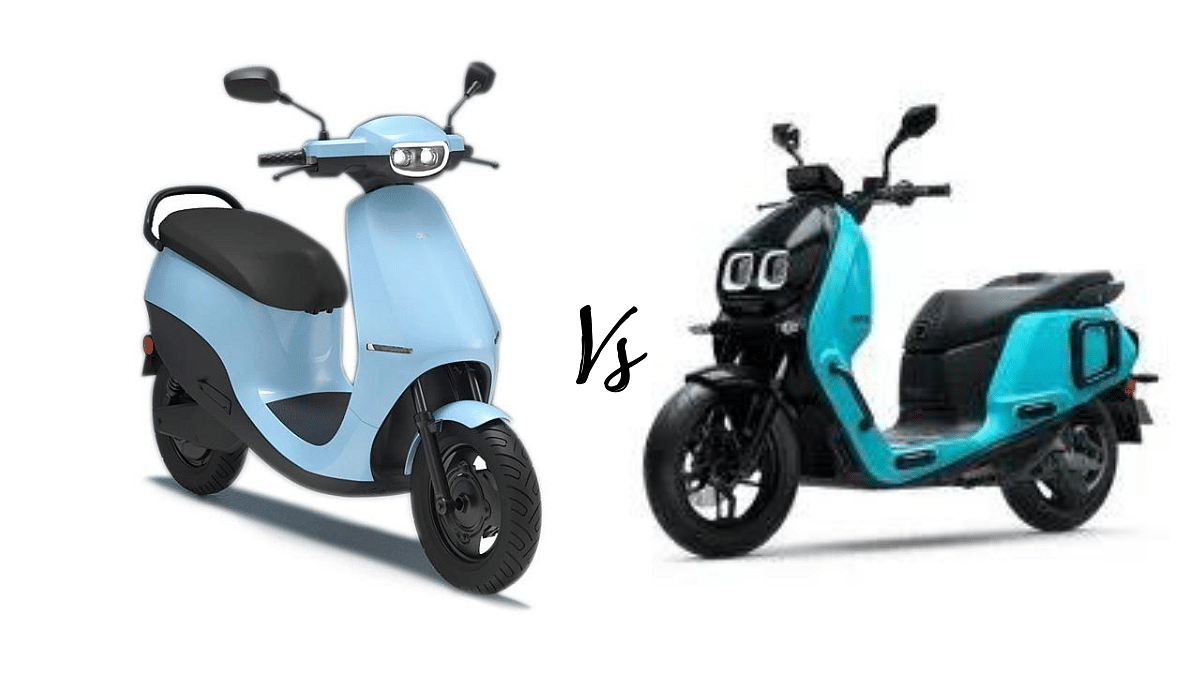
In this comparison, we’ll delve into the budget segment to closely examine two promising contenders: the Ola S1 Air and the River Indie Electric Scooter. Join us as we explore the features, performance, and eco-friendly potential of these electric scooters.

Also Read: Best Electric Scooters With Long Range And Affordable Price In India

Ola S1 Air Vs River Indie Electric Scooter: Design

SpecificationOla S1 AirRiver Indie Electric Scooter
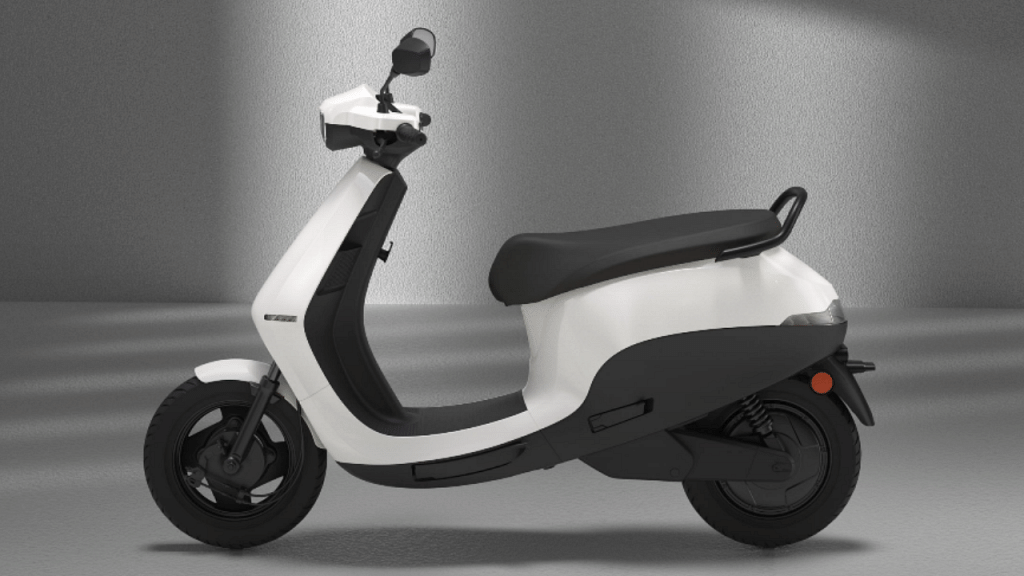
Body DesignCommuter-oriented, flat floorboard, black body cladding, steel wheelsQuirky styling, rugged appearance, LED headlights, crash guards, chunky grab rail

Ola S1 Air Design

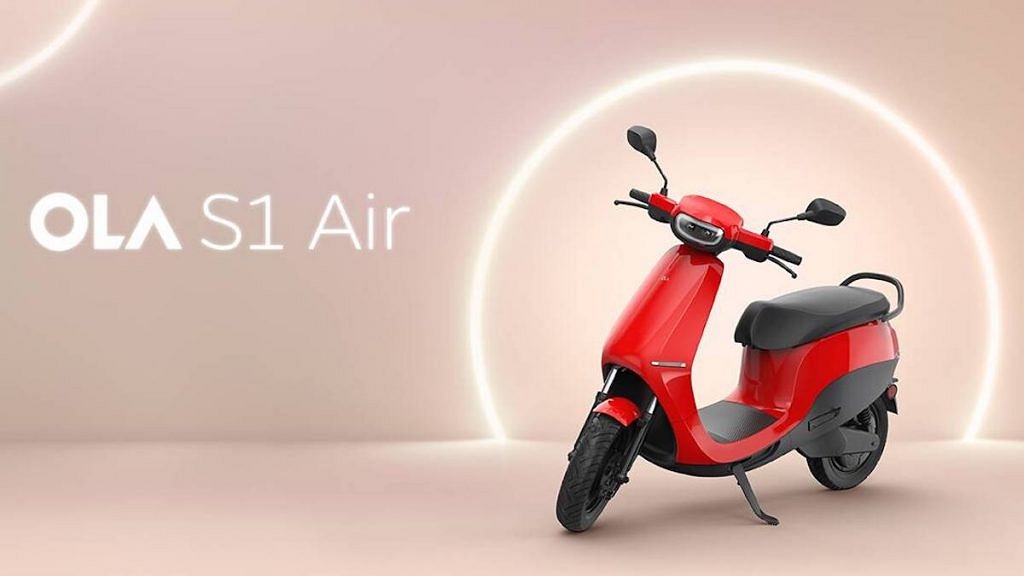
The Ola S1 Air adopts a commuter-centric design, featuring a flat floorboard, black body cladding, a one-piece pillion grab rail, and practical steel wheels. While it may lack the flamboyant design of its sibling, the S1 Pro, the S1 Air’s design emphasizes budget-friendly functionality. LED lighting, a 7-inch touchscreen TFT instrument console with Bluetooth connectivity, and a contoured single-piece seat contribute to its overall appeal.

River Indie Design

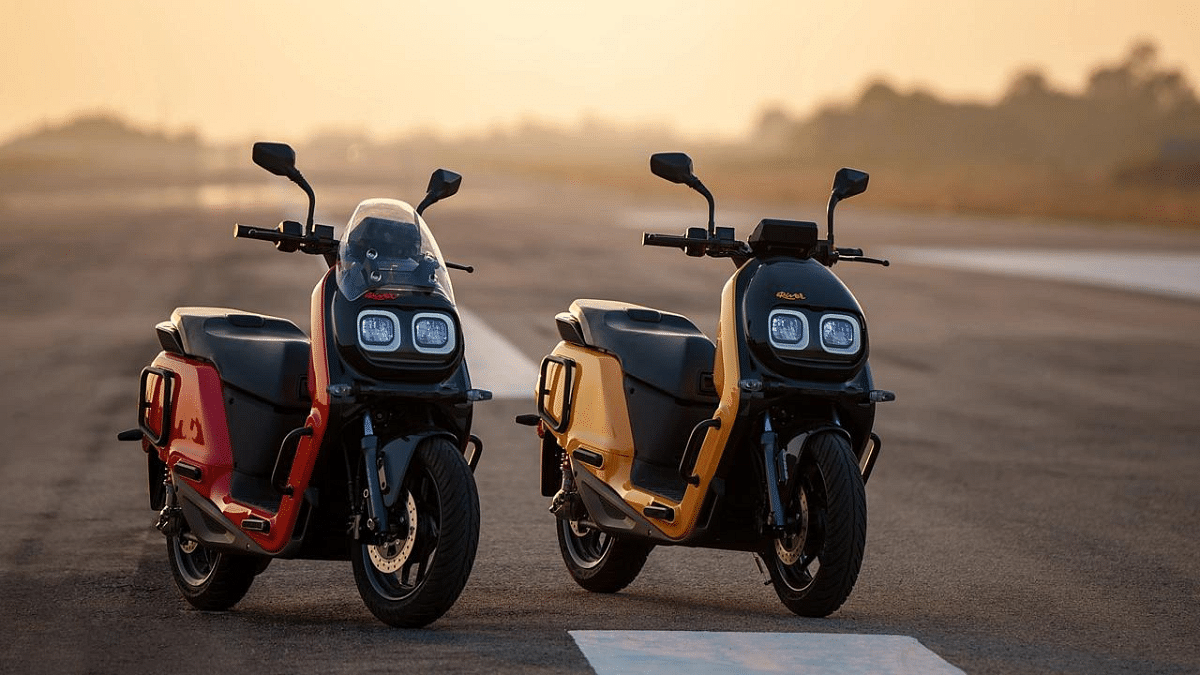
The River Indie Electric Scooter showcases a quirky and rugged styling reminiscent of the Yamaha Neo. With an LED headlight, LED DRL, crash guards, and a chunky single-piece grab rail, the Indie exudes a robust persona. Its features include a six-inch LCD instrument console, three riding modes (Eco, Ride, and Rush), and a capacious 43-liter underseat storage.

Also Read: Bajaj Chetak Electric Scooter Prices Axed In India: Now Cheaper By Up to Rs. 22,000

Ola S1 Air Vs River Indie Electric Scooter: Powertrain

SpecificationOla S1 AirRiver Indie Electric Scooter
Motor TypeHub motor6.7kW motor with belt final drive
Power OutputNominal: 2.7kW, Peak: 4.5kWPeak: 6.7kW, Peak Torque: 26Nm
Battery Capacity3kWh4kWh
Certified Range141km120km (real-world)
Top Speed85kmph90kmph

Ola S1 Air Powertrain

Powered by a hub motor with a nominal output of 2.7kW and a peak power of 4.5kW, the Ola S1 Air boasts a 3kWh battery pack. It offers a certified range of 141km and a top speed of 85kmph. The scooter incorporates a tubular frame, telescopic fork, twin shock absorbers, and drum brakes equipped with Combined Braking System (CBS).

River Indie Powertrain

The River Indie is equipped with a 6.7kW, 26Nm peak motor linked to a belt final drive, claiming a top speed of 90kmph. Its underpinnings include a telescopic fork and twin shocks, providing a dynamic and responsive ride.

Also Read: TVS X: Three Affordable Alternatives To The Luxury Electric Scooter Of 2.5 Lakh

Ola S1 Air Vs River Indie Electric Scooter: Battery

SpecificationOla S1 AirRiver Indie Electric Scooter
Certified Range151km120km (real-world)
Charging Time5 hours5 hours (0-80% with standard charger)

Ola S1 Air Battery

The S1 Air boasts a 3kWh battery pack, offering a certified range of 151km. Charging the battery takes approximately 5 hours, providing a balance between range and charging time.

River Indie Battery

With a 4kWh battery pack, the River Indie claims a real-world range of 120km. Charging from 0-80 percent takes about five hours using a standard charger.

Also Read: OLA S1 Electric Scooter Goes Up In Flames In Pune

Ola S1 Air Vs River Indie Electric Scooter: Price

SpecificationOla S1 AirRiver Indie Electric Scooter
Ex-Showroom PriceRs 1,19,999Rs. 1.25 Lakh

Ola S1 Air Price

Priced at Rs 1,19,999, the Ola S1 Air positions itself as an attractive and affordable option within Ola’s electric scooter lineup.

River Indie Price

The River Indie is priced at Rs 1.25 Lakh (Ex-Showroom), making it a competitive choice in the budget electric scooter segment.

Also Read: Top 3 Electric Scooters That You Can Drive Without License In India In 2023

Ola S1 Air Vs River Indie Electric Scooter: Final Verdict

In the final analysis, both the Ola S1 Air and River Indie Electric Scooter offer distinct advantages. The Ola S1 Air appeals to the budget-conscious rider, providing a practical and feature-rich solution. On the other hand, the River Indie stands out with its unique design and performance. The choice between the two ultimately depends on individual preferences.

Also Read: Range Anxiety Vs. Charging Infrastructure: Addressing Common EV Concerns

Categories
Auto Tech Featured

Spark Or Strain? The Pros And Cons Of Choosing An Electric Vehicle
Key Highlights

  • Electric vehicles are great for the environment
  • They usually cost less to operate and maintain
  • While EVs have many benefits, finding charging stations can be a bit tricky

In the last few years, cars have been changing a lot to be more eco-friendly. Electric vehicles (EVs) are becoming quite popular as an eco-friendly option compared to regular cars that use gasoline. As more people consider making the switch to electric, it’s essential to weigh the pros and cons before making a decision. Here’s a comprehensive look at the advantages and disadvantages of owning an electric vehicle. Let’s check them out. Also Read | Top Budget Electric Vehicles You Can Buy In 2023

Pros

Environmentally Friendly

The lower environmental effect of electric vehicles is one of their main advantages. EVs produce zero tailpipe emissions, contributing to lower air pollution and a smaller carbon footprint, especially when charged using renewable energy sources.

Lower Operating Costs

Electric vehicles generally have lower operating costs than their gasoline counterparts. Electricity is often cheaper than gasoline, and EVs have fewer moving parts, reducing maintenance costs over the vehicle’s lifetime.

Government Incentives

Worldwide, many governments provide incentives to promote the use of electric vehicles. These incentives may include tax credits, rebates, and access to carpool lanes, making EVs more financially attractive for consumers.

Energy Independence

By relying on electricity instead of gasoline, EV owners are less affected by fluctuations in oil prices. This provides a level of stability in energy costs and reduces dependence on fossil fuels.

Quiet and Smooth Operation

The silent and seamless operation of electric vehicles is something we all know about. The absence of a traditional internal combustion engine results in a quieter driving experience, contributing to reduced noise pollution in urban areas.

Also Read | Buying Used Electric Car Or Two Wheeler? What All Should You Check?

Cons

Limited Range

Range anxiety, or the fear of running out of battery power, remains a concern for some potential EV buyers. Although advancements in battery technology are extending the range of electric vehicles, long trips may still require careful planning.

Charging Infrastructure

The charging infrastructure for electric vehicles is not as widespread as traditional gas stations. While it is improving, finding charging stations, especially in rural areas, can be a challenge, and charging times are generally longer than refueling with gasoline.

Upfront Cost

The initial cost of purchasing an electric vehicle is often higher than that of a comparable gasoline-powered car. Although long-term savings on operating costs can offset this, the higher upfront cost remains a barrier for some buyers.

Limited Model Options

While the variety of electric vehicle models is increasing, the market still has fewer options compared to traditional vehicles. This limitation may make it challenging for consumers to find an electric vehicle that meets all their specific needs and preferences.

Battery Degradation

Over time, the performance of electric vehicle batteries can degrade, impacting the overall range. While advancements in battery technology are addressing this concern, replacing a battery can be a significant expense for the vehicle owner.

Verdict

Owning an electric vehicle comes with both advantages and challenges. As technology continues to evolve and governments invest in charging infrastructure, the drawbacks associated with EVs are gradually diminishing. For environmentally-conscious consumers willing to adapt to the current limitations, the benefits of reduced emissions, lower operating costs, and government incentives make electric vehicles a compelling choice. Ultimately, the decision to go electric depends on individual needs, preferences, and the local infrastructure available.

Also Read | Winter Care Tips For Electric Vehicles: How To Keep Your EV Healthy In Cold Weather

Categories
Auto Tech Featured

Buying Pre-Owned Electric Car Or Two Wheeler? What All Should You Check?

Key Highlights

  • India is emerging a big market for EV
  • Budget electric cars and two wheelers getting popular
  • Used EV suitable for budget consumers
  • Proper inspection should be done before final purchase

EVs are shaping up the future of automobile industry across the globe. India too has seen evident growth in the EV segment and several brands have populated the electric four and two wheeler vehicles. However, electric cars or two wheelers carry a slightly higher price range compared to their ICE counterparts. This is one of the primary reasons why buying a second hand electric car/ scooter/ motorcycle makes sense for budget conscious consumers. But what factors should be considered before purchasing a used EV? Here’s everything you should know:

External Damages

  • Essential factor to check while buying a pre-owned EV
  • Do check for dents and scratches that may add up additional repair costs
  • Also rust, and other physical damages should be checked
  • Charging ports should be well maintained
  • Tyre condition should be good

Also Read: Top 3 Electric Scooters That You Can Drive Without License In India In 2023

Battery

  • Cross check if the battery is new or has been replaced
  • If the battery has been replaced it should be from an authorized dealer or service center
  • Know the battery replacement costs so that you are aware of future expenses
  • Check if battery replacement support is available in your neighborhood
  • Test battery drain speed with longer test rides
  • Do check the battery health indicator SoH (State of Health) to know the battery status
  • Battery warranty also crucial

Also Read: Yakuza Karishma: India’s Cheapest Electric Car

Power Delivery

  • Always select an EV depending on your daily run requirements
  • Test drive of a pre-owned EV is a must
  • Always check throttle response
  • Power response should be adequate depending on the EV variant

Also Read: MG Motors Starts Comet EV Compact Electric Car Pre-Bookings In India: Booking Amount, Price, Key Specs

Charging Network

  • Vast charging network is required for longer commutes
  • If required get compatible charger installed at your house for easy charging
  • Charging infrastructure should be good for the EV you are considering to purchase
  • Check if the EV supports fast charging or just standard charging speeds

Final Verdict

Buying a pre-owned EV is considered an apt solution for consumers who wish to drive an economic and environmental friendly vehicle for daily as well as long commutes. The options are multiple but going with the one depending on the requirements is a wise decision. Crosschecking all the factors mentioned above will make sure your money is invested in the right space.

Categories
Auto Tech Featured

Top 3 Electric Scooters That You Can Drive Without License In India In 2023

Key Highlights

  • Two wheeler EV space is rapidly evolving in India
  • Low-cost options being made available to the masses
  • Electric scooters options that don’t need driving license available

EV space specifically two-wheeler electric scooter market in India has considerably grown bigger in the last few years. Not only existing automotive giants but several EV startups have taken up the opportunity and launched options across different price categories. For some of the electric scooters, you don’t even need a driving license. These e-scooters becomes a convenient options for students or senior citizens. The list is mentioned below:

Hero Optima LX Electric Scooter

  • Low-weight electric scooter (68 kg)
  • Features a 250W peak power
  • Uses a  48V/28Ah battery pack
  • Can offer up to 110 km rage
  • Features telescopic fork suspension up front
  • Dual shock absorbers suspension at the rear
  • Features drum brakes both at the rear and front
  • Price starts at Rs. 51,400 in India

Also Read: Range Anxiety Vs. Charging Infrastructure: Addressing Common EV Concerns

Kinetic Green Zing Electric Scooter

  • Another lightweight option suitable for students and senior citizens
  • Uses a BLDC motor
  • Has a 250W motor
  • Is powered by a 1.68 Kwh battery
  • Takes around 3- 4 hours for a full battery charge
  • Can deliver 100 km range with a full charge
  • Features disc brakes both upfront and rear
  • Price in India starts at Rs. 71,500

Also Read: MG Comet EV Vs Tata Tiago EV Vs Citroen eC3 Budget Electric Car Comparison: Which Is The Best?

Gemopai Miso Electric Scooter

https://newsimg.giznext.com/mobile/production/news/wp-content/uploads/2023/11/28161357/miso1.mp4
  • Budget friendly mini scooter priced under Rs. 1 lakh
  • Draws power from a 48v17.5Ah battery module
  • Detachable battery pack
  • Battery can be full charged within 2- 3 hours
  • Offers up to 75km range per charge
  • Has a 250W electric motor
  • Can deliver a top speed of up to 35 kmph
  • Features tubeless tyres
  • Equipped with drum brakes both upfront and rear
  • Price in India starts at Rs. 44,000

Also Read: e-Sprinto Rapo, Roamy Electric Two-Wheeler Scooters: Affordable City Commuters

Which Electric Scooters Don’t Need A License?

Power Delivery: The electric scooters that features a 250W motor or less don’t need a driving license in India. This rule has been implemented by the Central Motor Vehicle governance body.
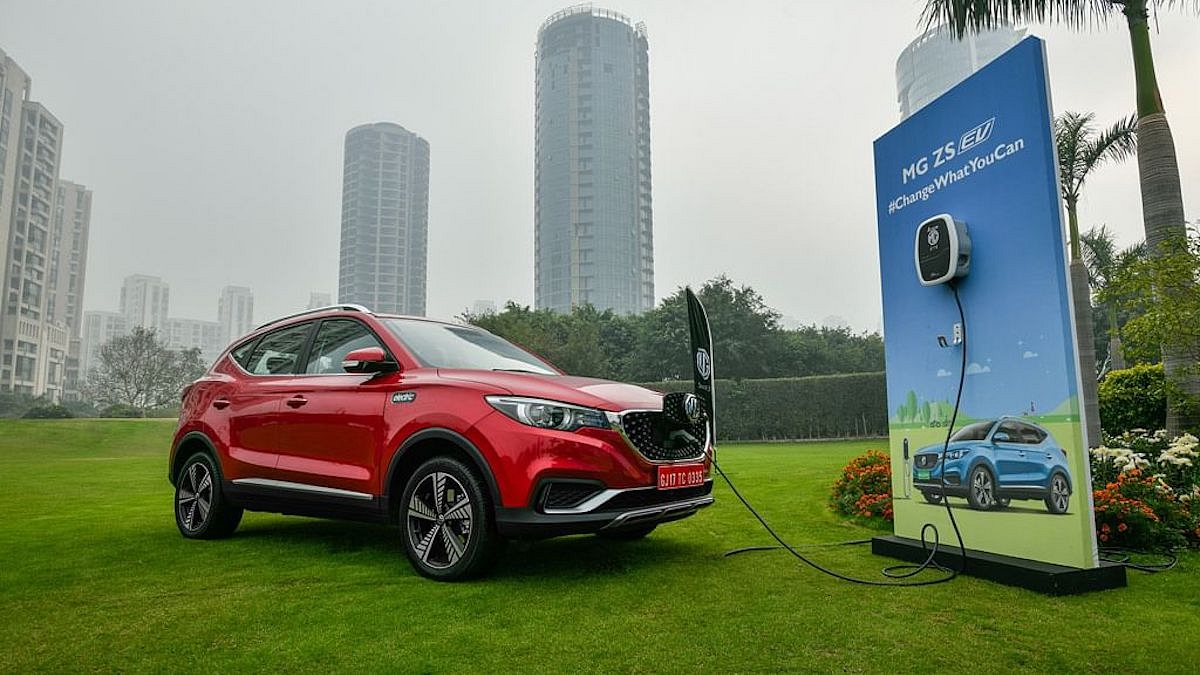
Top Speed: The top speed set for electric scooters without driving license is 25 kmph.

Categories
Auto Tech Featured

Range Anxiety Vs. Charging Infrastructure: Addressing Common EV Concerns

Key Highlights

  • Modern EVs boast longer ranges, thanks to high-energy-density batteries
  • A surge in public charging stations and fast-charging tech are enhancing accessibility and convenience
  • Level 2 chargers and standard outlets make home charging practical

The automotive industry is undergoing a revolutionary shift towards sustainable transportation, with electric vehicles leading the charge. Despite the environmental benefits and lower operating costs associated with EVs, some common concerns have slowed down their widespread adoption. Two major concerns that often dominate discussions about EVs are “range anxiety” and the state of charging infrastructure.

Here, we’ll delve into these concerns and explore how advancements in technology are addressing these issues, making electric vehicles a more feasible and attractive option for consumers. Also Read | Winter Care Tips For Electric Vehicles: How To Keep Your EV Healthy In Cold Weather

Understanding Range Anxiety

Range anxiety is a term used to describe the fear or concern that an electric vehicle’s battery will run out of charge before reaching its destination. This anxiety is rooted in the limited range of early electric vehicles and the perceived inconvenience of finding charging stations. Traditional gasoline vehicles have an extensive infrastructure of gas stations, providing drivers with a sense of security and convenience that is not immediately replicated in the electric vehicle landscape.
Advancements In Battery Technology

Battery AdvancementsImpact on EVs
High-energy-density batteriesLonger ranges on a single charge
Ongoing research and innovationContinued improvement in range capabilities
Tesla’s innovationDemonstrated potential with impressive EV ranges

One of the most significant contributors to range anxiety is the limited range of early electric vehicle models. However, advancements in battery technology are steadily alleviating these concerns. The development of high-energy-density batteries allows modern EVs to achieve longer ranges on a single charge. Moreover, ongoing research and innovation in battery chemistry are composed to further extend the range of electric vehicles, eventually reaching levels that rival or surpass those of traditional internal combustion vehicles.
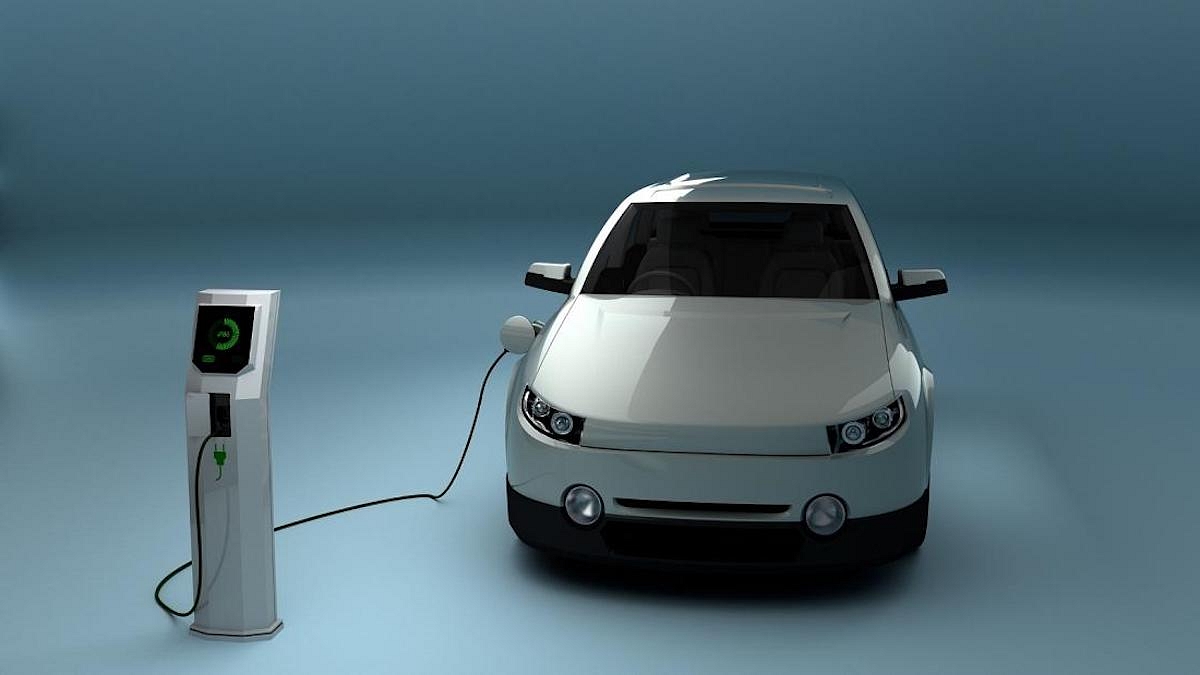
Tesla, a pioneer in the electric vehicle market, has demonstrated the potential of cutting-edge battery technology with its electric cars achieving impressive ranges. Other automakers are following suit, investing heavily in research and development to enhance the capabilities of their electric vehicles.

Expansion Of Charging Infrastructure

Addressing range anxiety also involves expanding the charging infrastructure to make charging more accessible and convenient. In recent years, there has been a significant increase in the number of public charging stations worldwide. Governments, businesses, and private entities are investing in building a robust charging network to support the growing fleet of electric vehicles.

Expansion Of Charging InfrastructureImpact on EVs
Increase in public charging stationsImproved accessibility and convenience
Fast-charging technologies (e.g., Tesla Supercharger)Rapid charging for longer journeys
Smart charging solutionsOptimized charging based on various factors

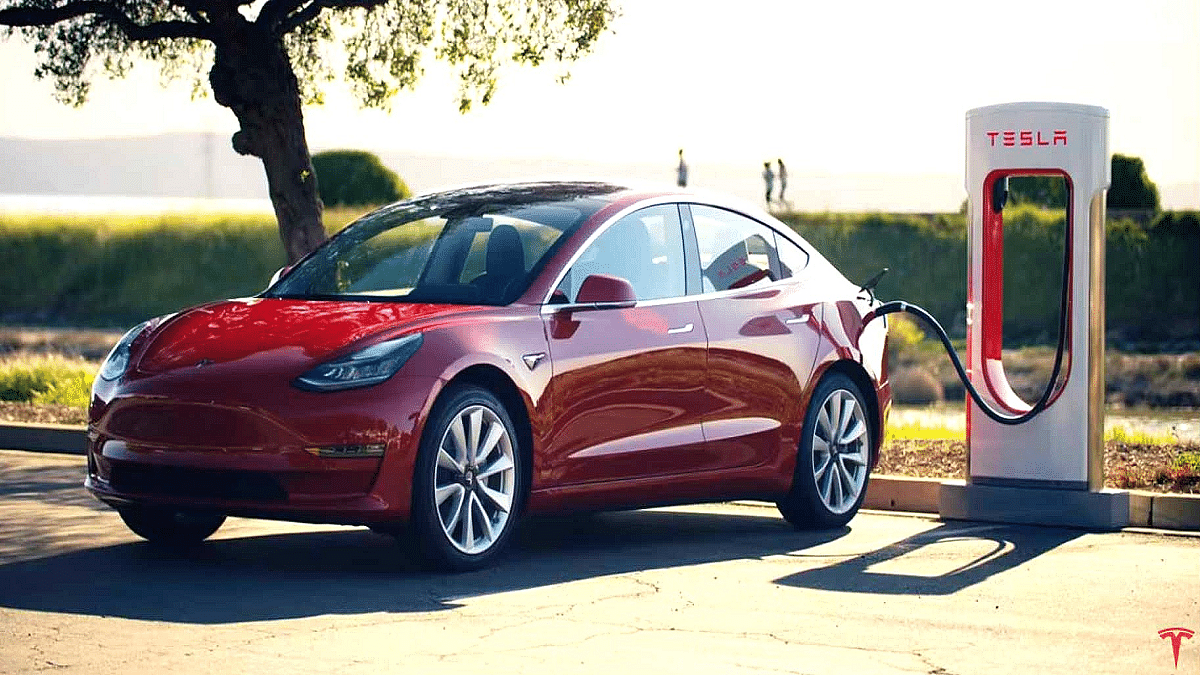
Fast-charging technologies have emerged as a game-changer, allowing EVs to charge more quickly than ever before. High-power chargers, such as those provided by Tesla’s Supercharger network, can add hundreds of miles of range in a matter of minutes. This not only reduces the time spent at charging stations but also contributes to alleviating range anxiety by making it more practical for drivers to top up their batteries during breaks or on longer journeys.

Also Read | Purchasing the Tata Nexon EV? Read about this omission first!

Smart Charging Solutions

The integration of smart charging solutions adds another layer of convenience for electric vehicle users. These systems use advanced algorithms to optimize charging based on factors such as electricity demand, grid capacity, and the user’s schedule. Smart charging helps alleviate concerns about overloading the grid during peak hours and ensures more efficient use of available charging infrastructure.
Home Charging Solutions

Home Charging SolutionsImpact on EVs
Level 2 chargersConvenient overnight charging at home
Standard household outletsBasic charging option for daily commuting

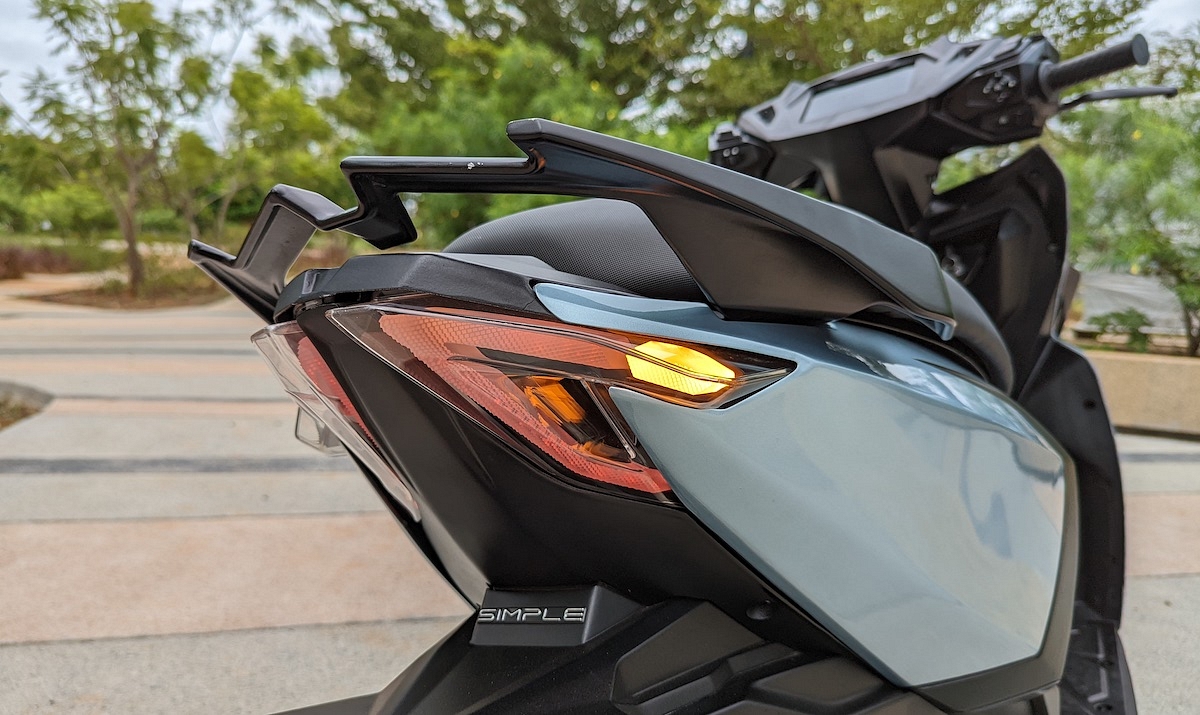
While public charging stations are crucial for longer journeys, the majority of EV charging occurs at home. Home charging solutions, such as Level 2 chargers and even more accessible standard household outlets, empower EV owners to conveniently charge their vehicles overnight. This reduces dependence on public charging infrastructure for daily commuting and contributes to a seamless electric vehicle ownership experience.

Giznext Verdict

The evolution of electric vehicles is transforming the automotive landscape, offering a sustainable and efficient alternative to traditional internal combustion engine vehicles. As the industry addresses common concerns like range anxiety and charging infrastructure, the adoption of electric vehicles is expected to accelerate. Advances in battery tech, charging infrastructure, fast charging, and smart solutions are making electric vehicles more practical and appealing to a wider audience. With ongoing innovation and investment, the automotive industry is on track to overcome these challenges, paving the way for a future where electric vehicles are the norm rather than the exception.

Also Read | Power Up Safely: Eight Essential Measures For Charging Your EV In Public

Categories
Auto Tech Info

Maruti Suzuki eVX Test Mule Spotted, Potential 2025 Launch

Key Highlights

  • Stealthy Testing Unveils eVX’s Dynamic Design
  • 360-degree View and Charging Port Revealed
  • Anticipated To Launch in 2025

The Maruti Suzuki eVX, an eagerly awaited electric SUV, has recently been spotted in a more refined concept form at the Japan Mobility Show. Having initiated its testing phase on international grounds in June 2023, the electric SUV is now undergoing trials in India, marking a significant stride towards its anticipated launch in 2025.

Also Read: Power Up Safely: Eight Essential Measures For Charging Your EV In Public

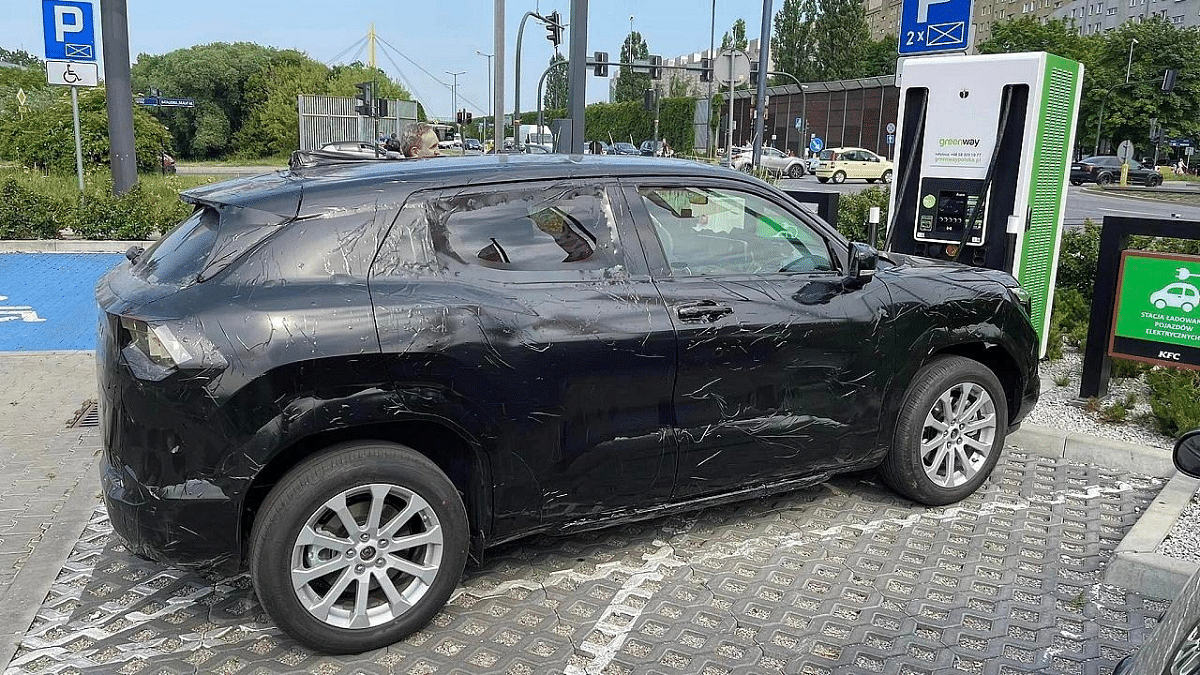
The Sneak Peek: What Was Spotted?

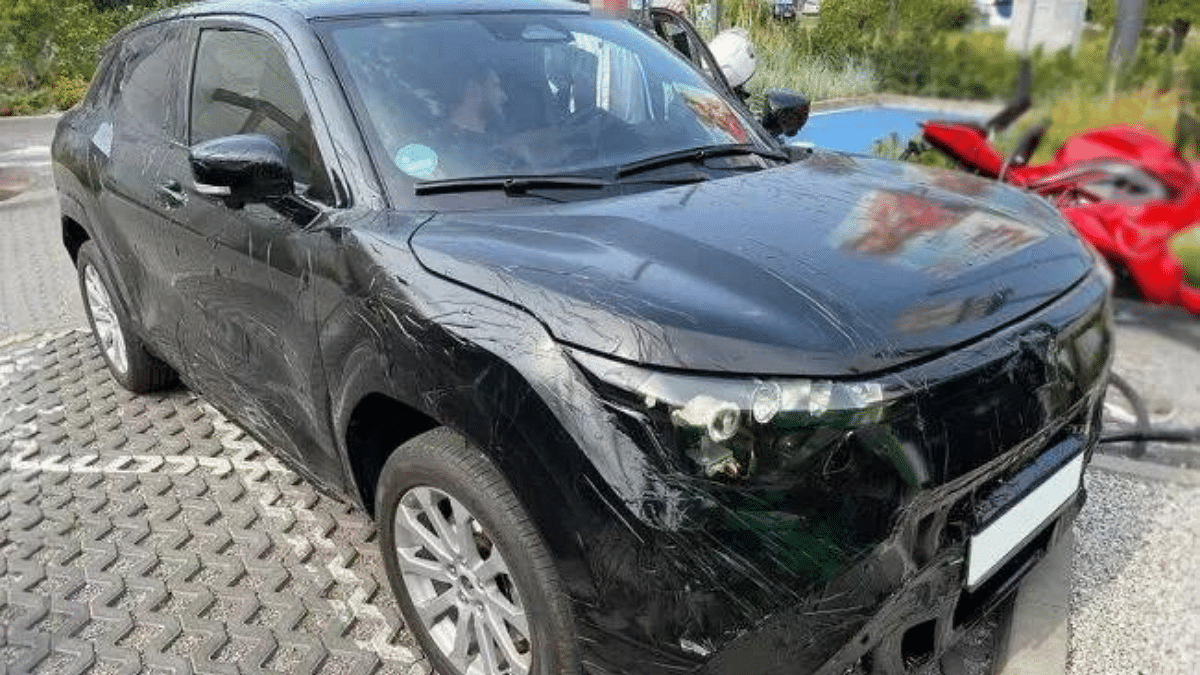
In recently surfaced spy shots, the eVX test mule is concealed beneath heavy black camouflage, revealing only fragments of its rear and side profiles. The makeshift taillights offer a glimpse of the SUV’s design, indicating dimensions that align with those of the new Maruti Grand Vitara. Notably, the spy shots capture the presence of a charging port on the left front fender, signalling the electrifying nature of this upcoming vehicle.

Additionally, the test mule is equipped with a 360-degree camera setup, evident from the left Outside Rear View Mirror (ORVM)-mounted camera. The alloy wheels on display mirror those observed on the internationally spied model. Although the front fascia remains veiled in this set of images, expectations are high for LED headlights, daytime running lights (DRLs) featuring a triangular element, and robust bumpers.

Interior Insights: What To Expect

  • Suzuki revealed the eVX’s interior at the Japan auto show.
  • Dual displays are a focal point of discussion.
  • One display is dedicated to infotainment.
  • The other serves as the digital instrument cluster.
  • Glimpses show elongated vertical slats for traditional AC vents.
  • A distinctive 2-spoke steering wheel resembling a yoke is featured.
  • The central console houses a rotary dial for gear selection.

Beneath the Surface: Details Of Its Electric Powertrain

  • Specific details of eVX’s electric powertrain are undisclosed.
  • Maruti Suzuki’s Auto Expo 2023 revelations share key insights.
  • The eVX will feature a substantial 60kWh battery pack.
  • The battery is expected to offer an impressive 550km range.
  • Confirmed inclusion of a dual-motor setup for all-wheel-drive functionality.
  • Dual-motor setup enhances performance and overall versatility.

Anticipated Launch And Pricing

  • Maruti Suzuki eVX’s India launch is expected in 2025.
  • The anticipated starting price is approximately Rs 25 lakh (ex-showroom).
  • Positioned for direct competition with MG ZS EV and Hyundai Kona Electric.
  • Offers a premium alternative to the Tata Nexon EV and Mahindra XUV400.

Table: Comparison With Competitors

FeatureMaruti Suzuki eVXMG ZS EVHyundai Kona ElectricTata Nexon EV
Battery Capacity (kWh)6050.3 39.230 to 40.5 kWh
Estimated Range (km)Up to 550Up to 461Up to 452325 to 465 km
Drive ConfigurationDual-motor AWDAutomaticAutomaticAutomatic

Also Read: Thomson Unveils New Semi-Automatic Top Load Washing Machines On FlipkartXiaomi SU7 EV And SU7 Max EV Stun In Covert Road Trials: Picture Perfect Reveals

Categories
Auto Tech Featured

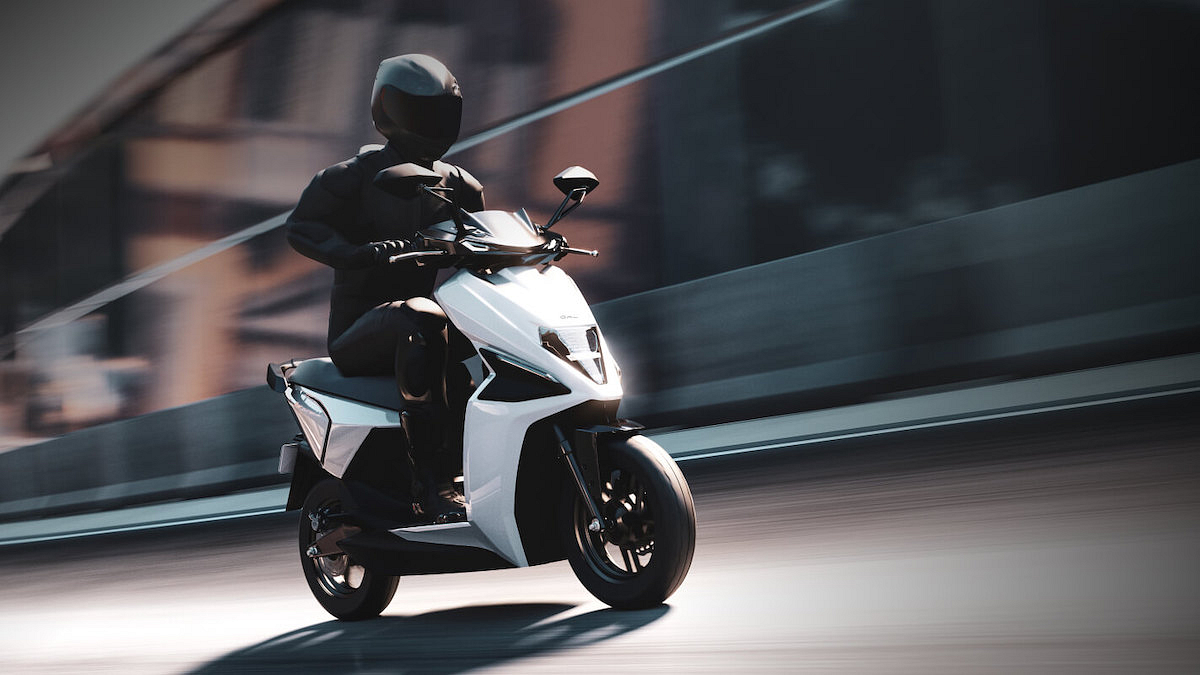
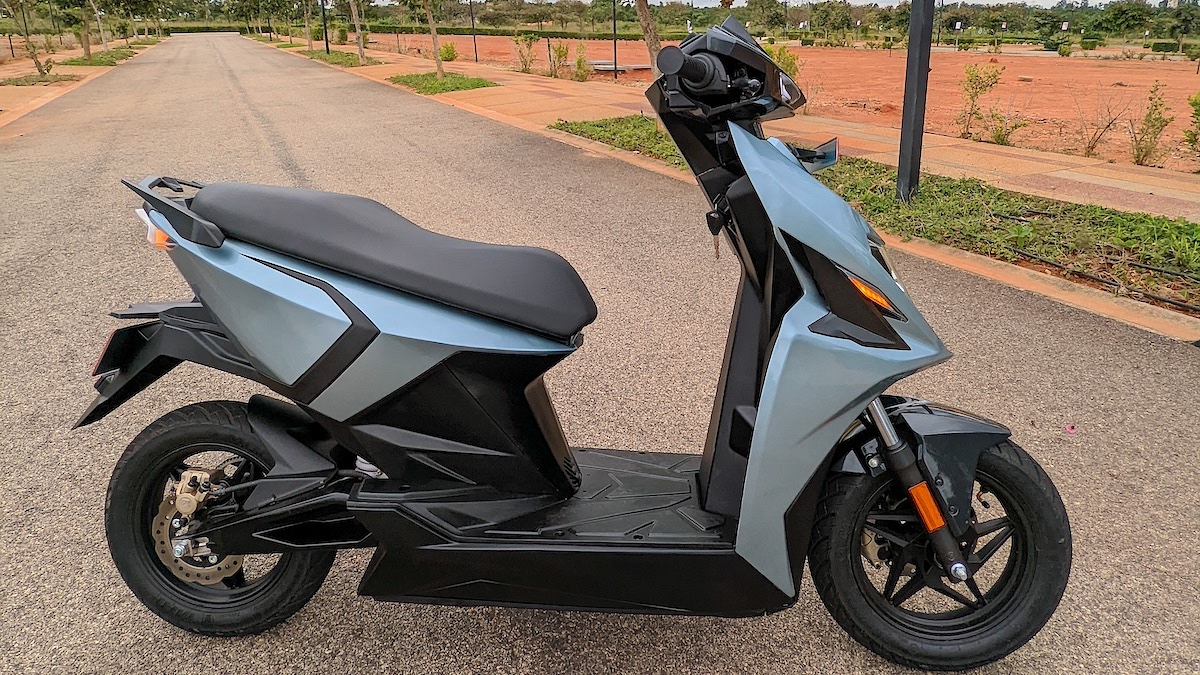
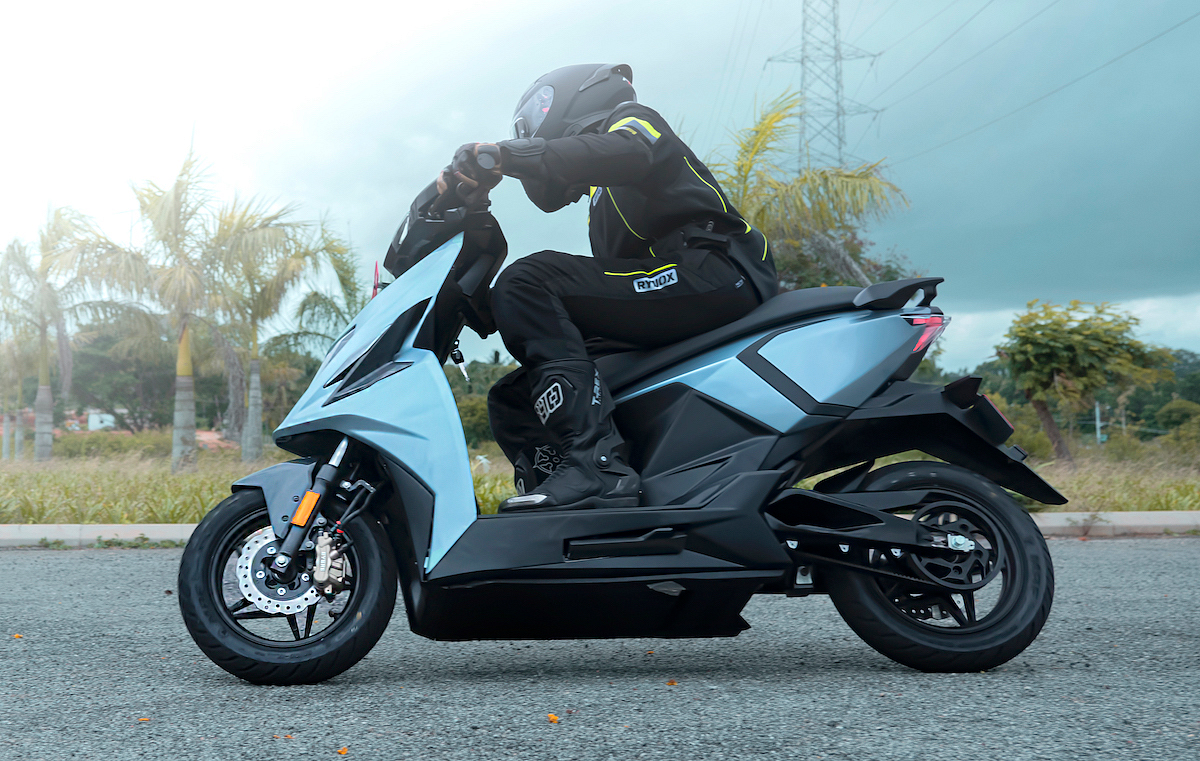
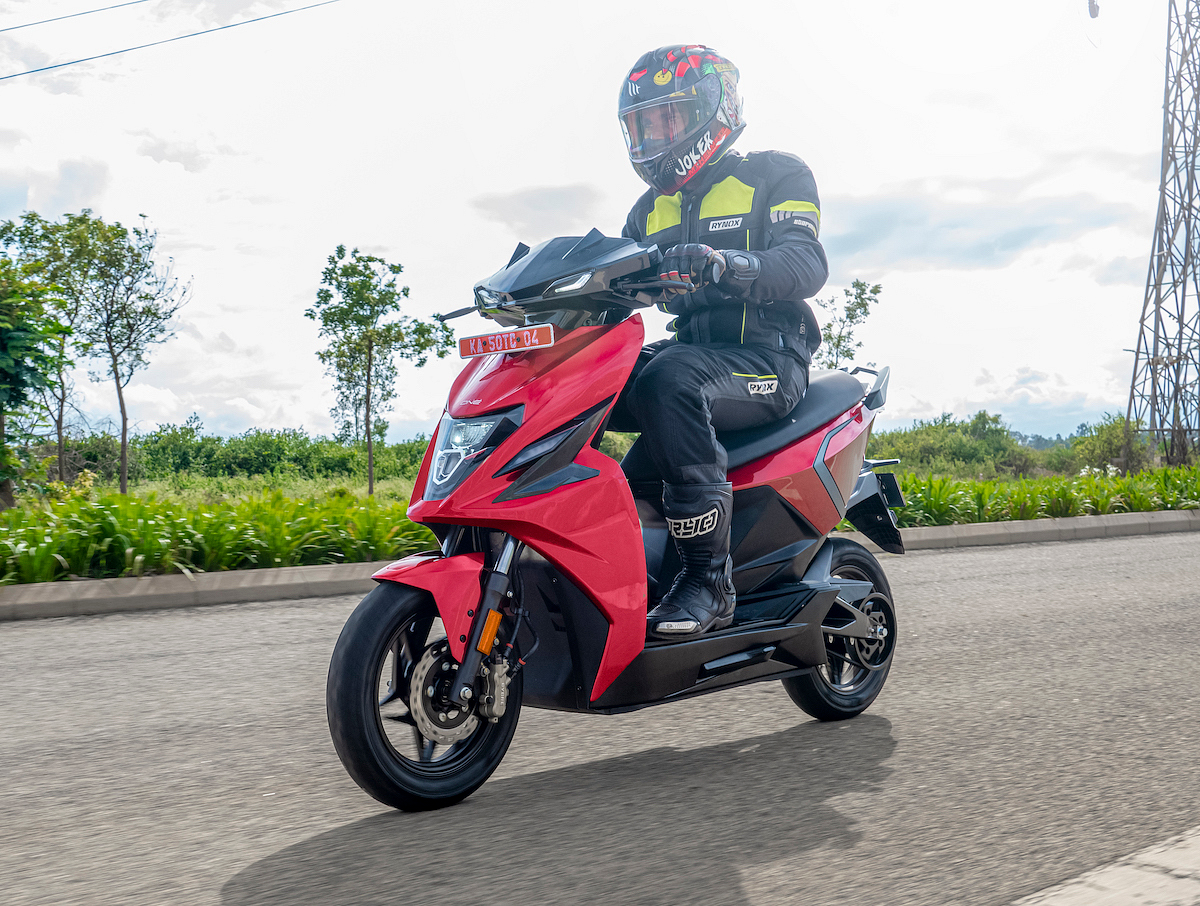
Simple Dot One E-Scooter India Launch On December 15: New Ola S1 Air Rival?

Key Highlights

  • Upcoming Simple energy electric scooter announced
  • Will be called Simple Dot One e-scooter
  • Affordable option competing against Ola S1 Air
  • To offer 151 km range

Simple Energy, the EV startup forayed into the two wheeler EV segment with its budget friendly Simple One electric scooter. Now, the company has announced a new variant that will be priced lower than the first-gen model. dubbed Simple Dot One electric scooter, the upcoming variant is expected to compete against the Ola S1 Air which is priced below Rs. 1.20 lakh. What else do we know? Find out below:

Simple Dot One E-Scooter Official India Launch Date Announced

Simple Energy is set to expand its presence in the Indian two wheeler EV market with the launch of Dot One electric scooter. The brand has scheduled the launch on December 15 in the Indian market.

Also Read: Power Up Safely: Eight Essential Measures For Charging Your EV In Public

What Could Be Its Price? Expected Rivals?

Simple Dot One electric scooter is being said to be a rival to the Ola S1 Air electric scooter. Now, Simple Energy hasn’t revealed the exact pricing for its upcoming e-scooter. But since it is expected to be a lower end variant compared to the Simple One electric scooter it definitely will carry a lower price tag below Rs. 1.45 lakh in the Indian market.

Furthermore, the Simple Dot One electric scooter could be a rival to the Ola S1 Air which retails at around Rs. 1.19 lakh in the country. This makes us believe that Simple could launch the Dot One electric scooter under Rs. 1.20 lakh price segment in the country.

Also Read: Yakuza Karishma 3-Seater Electric Car Launched: Cheaper Than Hero Karizma XMR At Just Rs. 1.70 Lakh

What About Simple Dot One Electric Scooter’s Powertrain And Features?

Simple Energy has shared only a handful powertrain and feature details of the Dot One electric scooter currently. The entire spec-sheet and the powertrain could be announced in the coming weeks. That said, let’s take a look at the currently available details:

  • Simple Dot One electric scooter will be build on the same platform as the first-gen model
  • Will be powered by a 3.7 kWh battery pack
  • Is said to deliver 151 km certified range per charge
  • IDC range claimed is up to 160 km per charge
  • Peak power and peak torque figures unannounced
  • Will offer 30 liter under seat storage

Also Read: Power Up Safely: Eight Essential Measures For Charging Your EV In Public

Worth The Wait?

Well, Indian two wheeler electric scooter market is growing exponentially and the demand has increased in the last few years. More options for the audience makes it easy to choose the right variant depending on their daily ride requirements.

That said, with over 150 km range and 30 liter under seat storage, the Simple Dot electric scooter will be an ideal ride option for the consumers. The remaining factors deciding its success in the Indian market would be the set of features it will offer and the cost.

Categories
Auto Tech Featured Info

Xiaomi SU7 EV And SU7 Max EV Stun In Covert Road Trials: Picture Perfect Reveals

Key Highlights

  • Xiaomi is venturing into electric vehicles with three different models
  • Images reveal a sneak peek into the interior of Xiaomi’s upcoming EVs
  • SU7 EVs are expected to debut at a price of RMB 300,000 (approx. Rs. 35,00,000)

Xiaomi is gearing up to make a significant entry into the electric vehicle (EV) market. The Ministry of Industry and Information Technology (MIIT) in China has recently unveiled images of the upcoming Xiaomi Smart Speed Ultra 7 (SU7 EV), hinting at the company’s foray into the EV sector. Also Read | Winter Care Tips For Electric Vehicles: How To Keep Your EV Healthy In Cold Weather

Variants Unveiled

MIIT’s certification has shed light on Xiaomi’s plans to introduce not just one, but three variations of its electric vehicles. The trio includes the SU7 EV, SU7 Pro EV, and SU7 Max EV.

On-Road Testing: Spy Photos Revealed

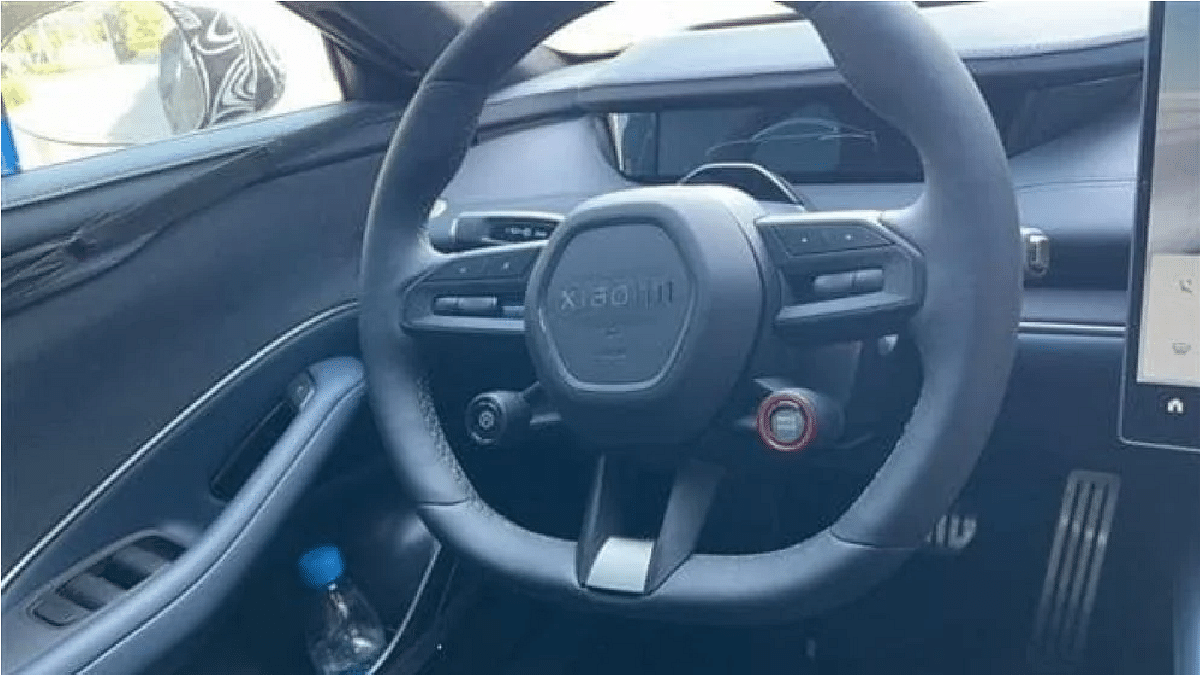
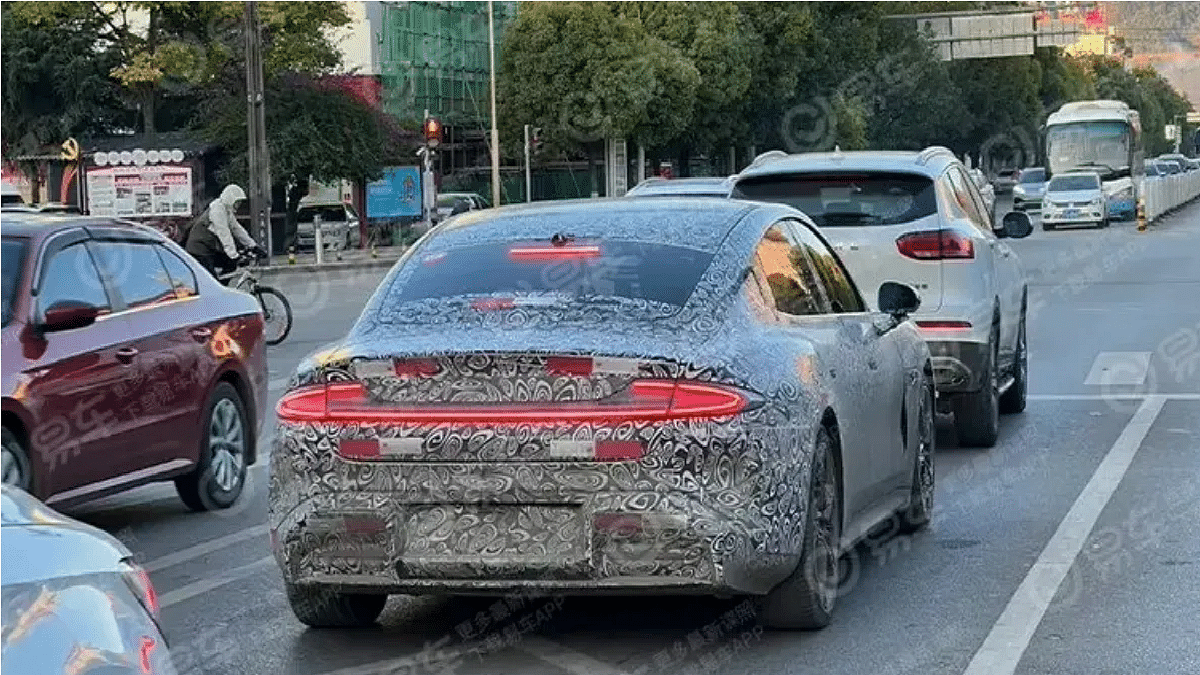
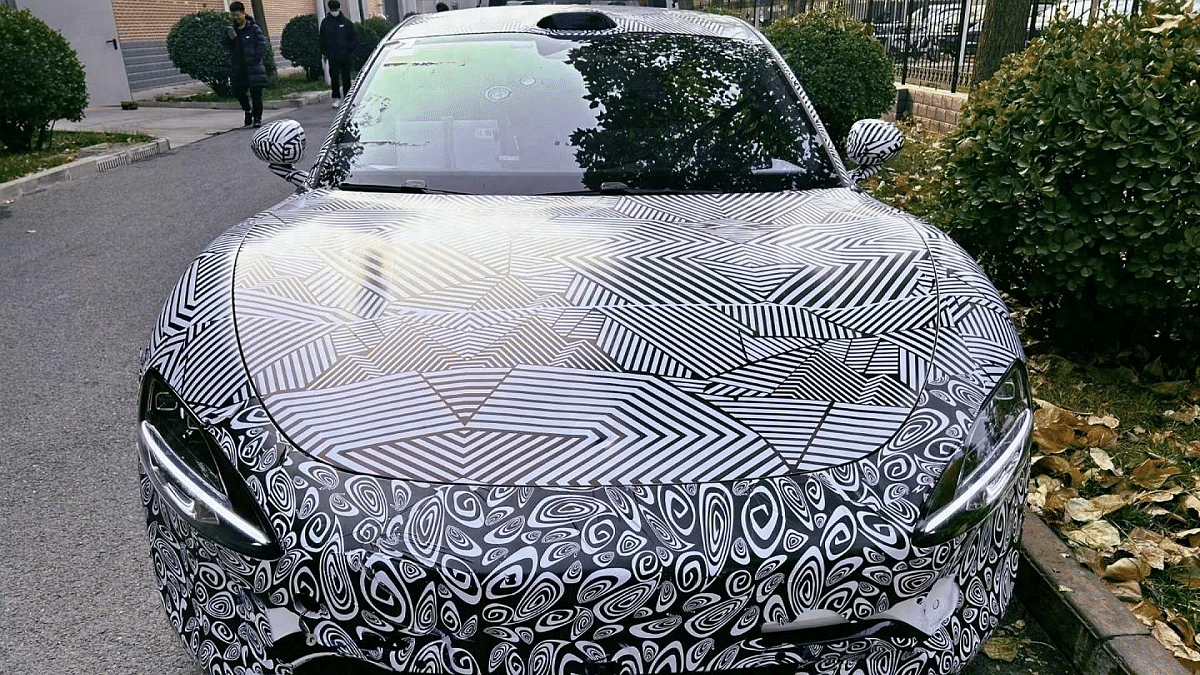
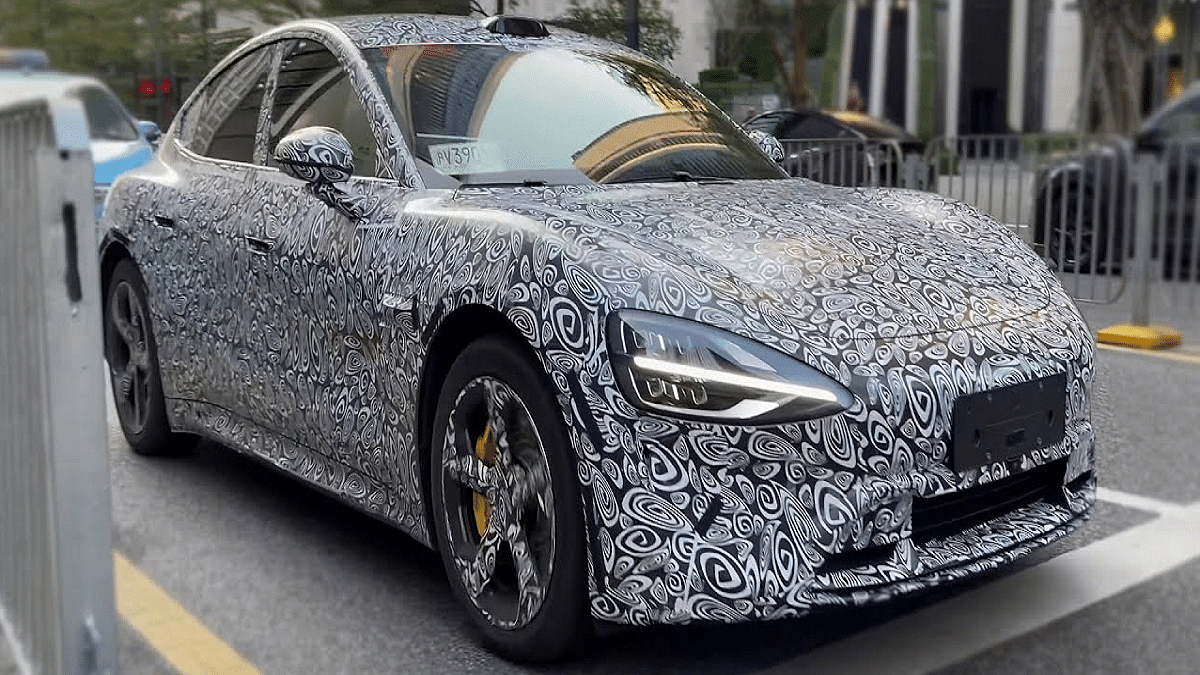
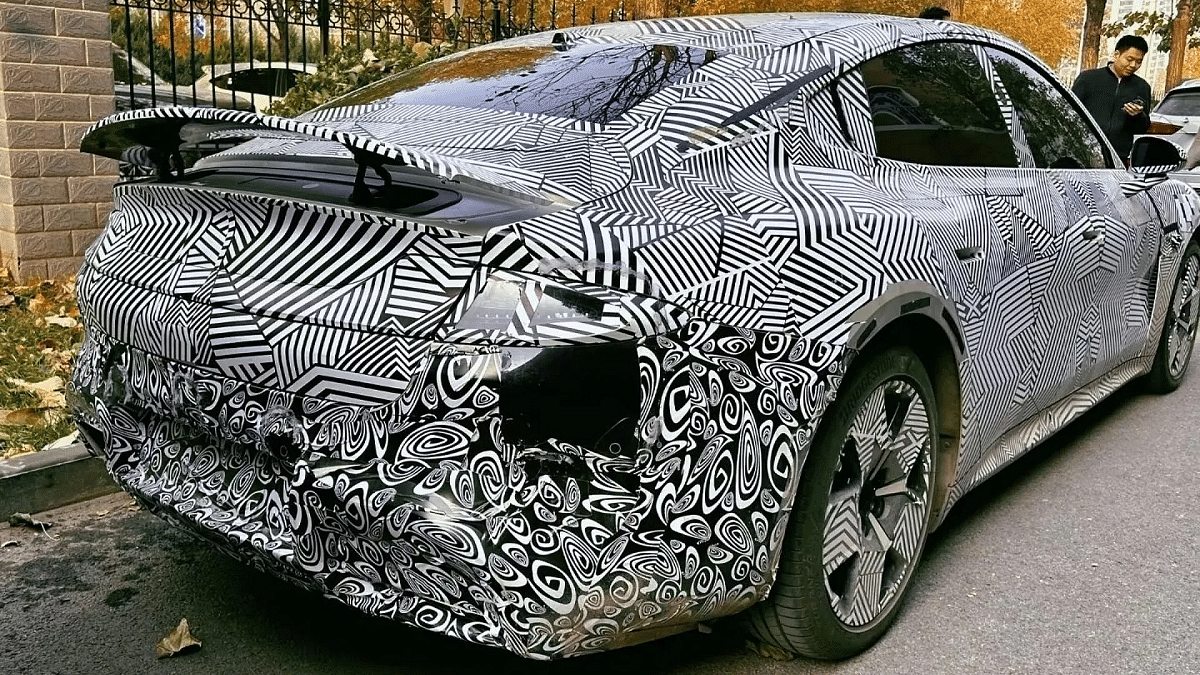
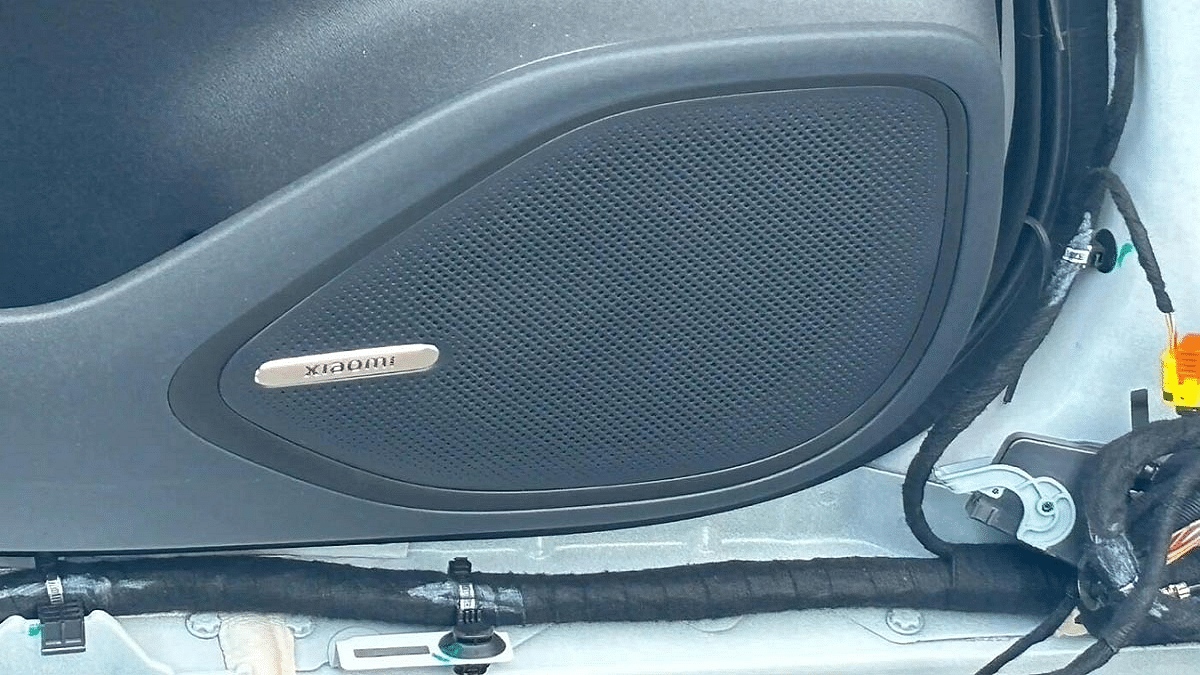
Weibo users have shared intriguing spy photos of Xiaomi’s upcoming electric vehicles, providing a sneak peek at what lies beneath the disguise. These images not only showcase the exterior but also offer a glimpse into the interior of Xiaomi’s upcoming EVs.

SU7 EV: A Luxury Sedan Competing With The Giants

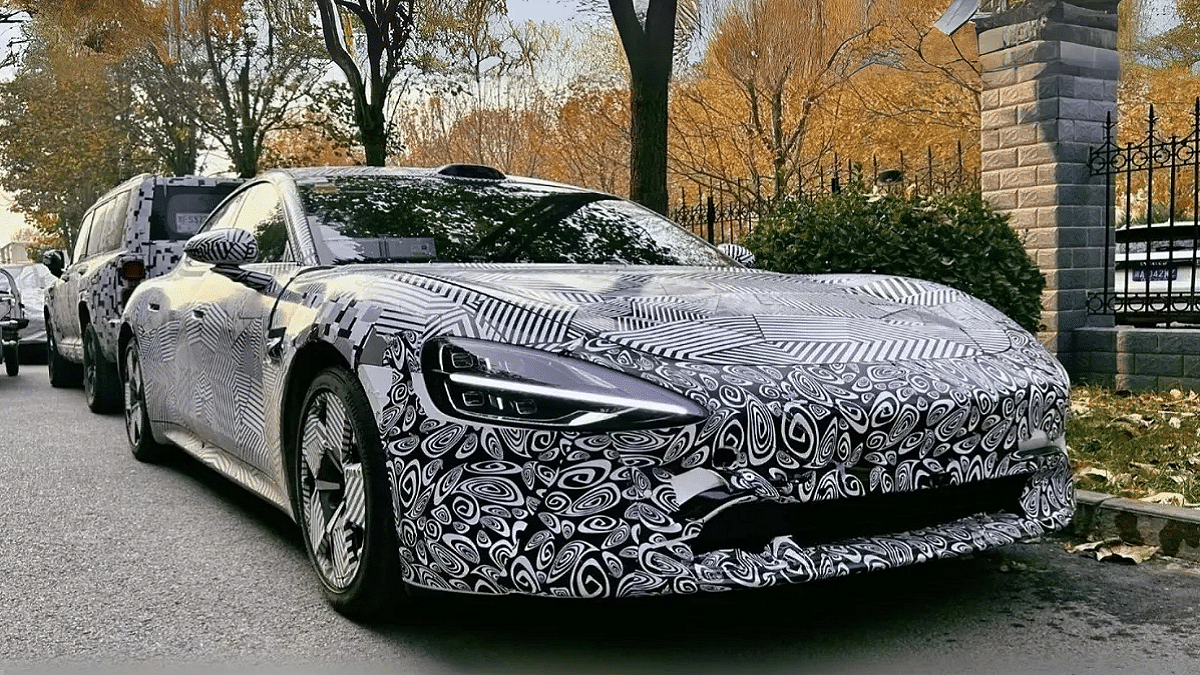
  • The camouflaged SU7 EV, in line with MIIT’s designs, resembles a C-class luxury sedan.
  • Xiaomi is set to compete with industry leaders such as Tesla, NIO, and Geely with the SU7 EV.
  • Contrary to earlier rumors, the images confirm the placement of a LiDAR sensor on the roof, not behind the windscreen.
  • An active wing, designed for optimal air redirection, enhances acceleration speed.
  • Xiaomi’s focus on aerodynamics is evident with flush door handles and thin headlights, coupled with a sloped bonnet for added elegance.
  • Wider wheel arches and a distinctive five-spoke alloy wheel with yellow brake calipers contribute to the SU7 EV’s unique design.
  • Unlike the trend of virtual exterior mirrors, Xiaomi opts for small side-view mirrors.
  • Interior details include a three-spoke steering wheel, multiple switches, a drive mode selector, and a prominent Xiaomi inscription button.
  • The infotainment screen promises to be sizable, comparable to those found in Tesla’s EVs.

Also Read | Electric Car / Bike Insurance : Everything You Need To Know

SU7 Max EV: A High-Performance Marvel

  • A leaked image on Weibo reveals a Face-ID sensor on the B-pillar, suggesting a premium touch for the SU7 Max EV.
  • The rear of the vehicle sports an active spoiler, signaling Xiaomi’s intent to position it as a high-performance option.
  • Brembo brake calipers, commonly associated with upscale electric vehicles, add to the premium features of the SU7 Max EV.

Xiaomi’s Ambitious Investment

In 2021, Xiaomi announced a substantial USD 10 billion investment in its electric car segment. Speculations suggested the debut of the first prototype in August 2024, and MIIT’s recent certification and spy images seem to align with these plans.

In conclusion, Xiaomi’s entry into the electric vehicle market appears poised to make waves, with a diverse lineup catering to different segments and a focus on innovation and performance.

Also Read | Power Up Safely: Eight Essential Measures For Charging Your EV In Public