It’s 2023 and smartphone brands are all geared up to refresh their existing product lineups with new models. Mobile chipsets brands including Qualcomm and MediaTek are also on standby to aid smartphone OEMs with powerful mobile processors. The former had released multiple Snapdragon processors with 5G capabilities for all categories of mobile phones. The Snapdragon 782G which debuted a few months back is expected to be a common offering for premium mid-range phones. We are doing a quick comparison of the Snapdragon 782G with the Snapdragon 695 which is a popular mid-range 5G processor released earlier.
Qualcomm Snapdragon 782G Vs Qualcomm Snapdragon 695: CPU Comparison
Chipset
Snapdragon 782G
Snapdragon 695
CPU
octa-core
octa-core
GPU
Adreno 642L
Adreno 619
Memory
LPDDR5
LPDDR4x
Storage
UFS 2.2, UFS 3.0, and UFS 3.1
eMMC 5.1 and UFS 2.2
Qualcomm Snapdragon 782G and the Snapdragon 695 processors are specifically designed to power high-end mid-range phones. Built using the same 6nm processor, both SD 695 and the SD 782G SoC offer octa-core CPU. The former features a single 2.7GHz Cortex-A78 core, three 2.2GHz Cortex-A78 cores, and four Cortex-A55 cores with 1.9GHz clock speed. On the other hand, the latter (SD 695) ships with dual Cortex-A78 cores with 2.2GHz clock speed and six Cortex-A55 cores with 1.7GHz clock speed. A 2700 MHz CPU frequency is delivered by the Snapdragon 782 while the Snapdragon 695 has a 2200 MHz CPU frequency range.
Qualcomm Snapdragon 782G Vs Snapdragon 695: GPU Differences
The Snapdragon 782G employs the Adreno 642L GPU which is slightly more powerful compared to the Adreno 619 GPU used by the Snapdragon 695. However, both these processors are capable of handling extensive graphics with fluid speeds. The former will be slightly more faster with graphics rendering compared to the latter.
Snapdragon 782G Vs Qualcomm Snapdragon 695: Memory, Multimedia (ISP)
When we speak of memory support, the Snapdragon 782G has the new-gen LPDDR5 RAM type. Whereas, the Snapdragon 695 features LPDDR4X RAM. The Snapdragon 782G’s memory frequency is 3200MHz, while the Snapdragon 695’s memory frequency range is 2133MHz. The former comes with up to 16GB and the latter has up to 8GB maximum memory type support.
The SD 782G is compatible with UFS 2.2, UFS 3.0, and UFS 3.1 storage types. On the other hand, the SD 695 5G supports eMMC 5.1 and UFS 2.2 storage types. Maximum display resolution compatibility is 1080 x 2520 pixels with both these premium mid-range 5G processors. However, the SD 782G supports up to 200MP maximum camera, while the SD 695 only has up to 108MP main camera support.
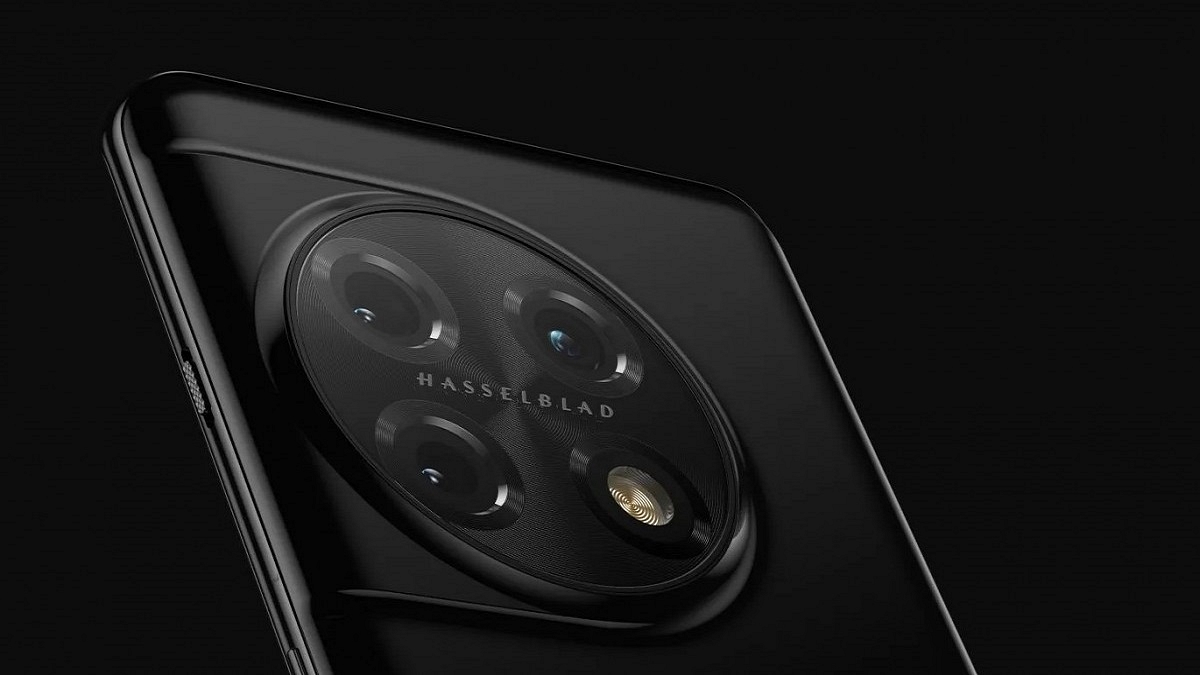
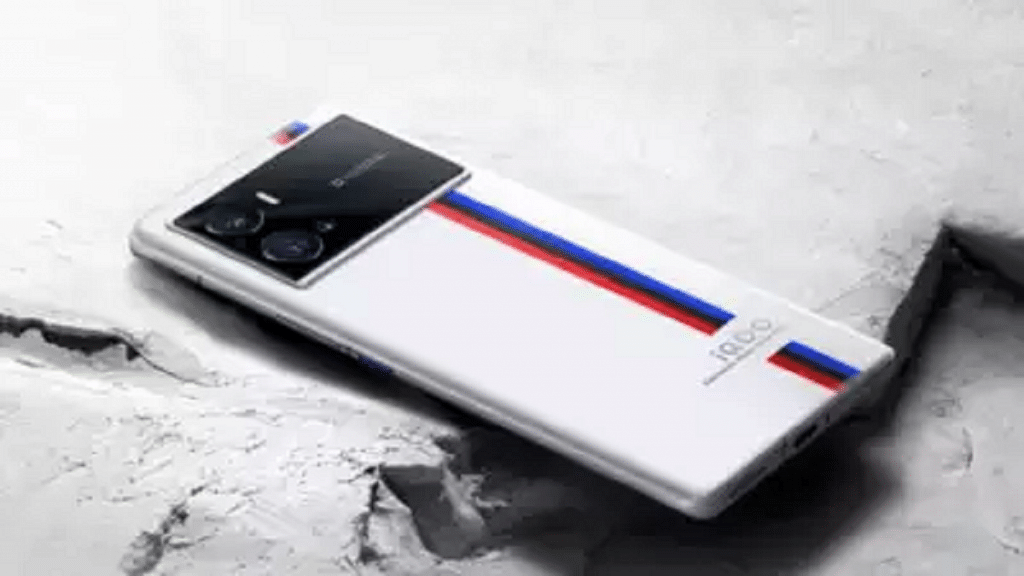
OnePlus has unleashed its most powerful Android smartphone for the masses. The company has released the OnePlus 11 5G in its home country China with top-of-the-line specifications such as the Snapdragon 8 Gen 2 mobile processor and 50MP Hasselblad camera setup and more. The iQOO 11 5G which is another upcoming flagship phone in the Indian market is arriving as one of the biggest competitors of the newly launched OnePlus 11 5G. Which one will emerge as a winner if we compared these two premium Android phones? Read all details below:
OnePlus 11 5G Vs iQOO 11 5G: Display Comparison
Model
OnePlus 11 5G
iQOO 11 5G
Display
120Hz 6.7-inch LPO3 AMOLED
144Hz 6.7-inch LTPO4 AMOLED
Camera
50MP+32MP+48MP
50MP+13MP+8MP
Chipset
Snapdragon 8 Gen 2
Snapdragon 8 Gen 2
Battery
5,000 mAh
5,000 mAh
Fast Charging
100W
120W
The OnePlus 11 5G has been announced with an AMOLED display. The 6.7-inch screen on LTPO3 display supports 1440 x 3216 pixels screen resolution and 120Hz refresh rate. It also comes with HDR10+ certification, Always-on feature, and 1300 nits peak brightness. iQOO has used a slightly more powerful panel on nthe iQOO 11 5G compared to the OnePlus 11 5G.
The iQOO 11 5G packs a 6.78-inch display panel with 1440 x 3200 pixels screen resolution along with 144Hz refresh rate. Besides the higher refresh rate, the peak brightness is also better on the iQOO 11 5G at 1800 nits. While both OnePlus 11 5G and the iQOO 11 5G have a premium-class display, the latter will perform better with gaming and video playback.
OnePlus 11 5G Vs iQOO 11 5G: Camera Specification Comparison
Speaking of the camera hardware, the OnePlus 11 5G offers a 50MP main wide camera with PDAF and OIS, a 32MP telephoto sensor with 2x optical zoom, and a 48MP ultrawide-angle sensor with 115-degree FoV. This is a Hasselblad series camera that promises a rich photography experience under all scenarios. A 16MP camera is used by this new-generation OnePlus phone with an f/2.4 aperture.
The iQOO 11 5G also jas a triple lens camera setup with the primary sensor being a 50MP lens with OIS and PDAF, 13MP telephoto sensor, and an 8MP ultra-wide angle lens. This phone also features a 16MP camera for selfies and video conferencing. In the camera department, the OnePlus 11 5G will offer a slightly better experience compared to the iQOO 11 5G.
The Qualcomm Snapdragon 8 Gen 2 processor works as the powerhouse for both iQOO 11 5G and the OnePlus 11 5G. This octa-core chipset is built on 4nm process and has Adreno 740 GPU support. Both these phones will boot on Android 13 OS out-of-the-box with a custom UI overlay.
The OnePlus 11 5G and the iQOO 11 5G are fully capable of handling the most demanding and extensive tasks with the flagship-grade Qualcomm processor. A 5,000 mAh battery drives both OnePlus 11 5G and the iQOO 11 5G. However, the former supports 100W fast charging, while the latter supports 120W support.
Both OnePlus 11 5G and the iQOO 5G can outperform the most high-end phones in the market. The competition is stiff between both these phones. However, for better optics, the OnePlus 11 5G has the required hardware, while the iQOO 11 5G will serve best for gaming.
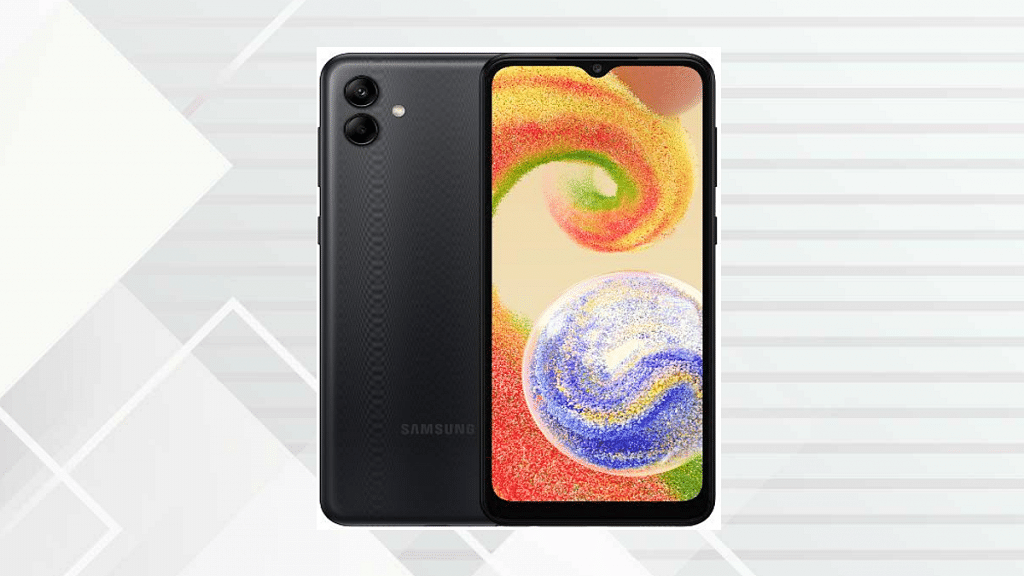
We are officially in 2023 and new products have started making their debut in the Indian market. After Poco, Samsung has also revamped its budget smartphone lineup with the launch of the Galaxy F04. Similar to the Poco C50, the Galaxy F04 is also an entry-level Android phone priced under Rs. 10,000 in the country. In this article, we are doing a quick comparison between both these new budget Android phones that debuted in the first week of 2023 in India.
Samsung Galaxy F04 Vs Poco C50: Display Comparison
Model
Samsung Galaxy F04
Poco C50
Display
6.5-inch HD+
6.5-inch HD+
Camera
13MP dual rear, 5MP selfie
8MP dual rear, 5MP selfie
Processor
Helio P35
Helio A22
Battery
5,000 mAh
5,000 mAh
Price
Starts at Rs. 7,499
Starts at Rs. 6,499
Samsung has integrated an LCD screen inside the Galaxy F04 which measures 6.5 inches and supports 720 x 1600 pixels screen resolution. This is a standard display type that can be found on most entry-level Android phones. The Poco C50 also sports an LCD screen measuring 6.5 inches with 720 x 1600 pixels screen resolution and 20:9 aspect ratio. The refresh rate supported by both these budget phones is 60Hz. The overall viewing experience is the same on both smartphones and streaming videos is a decent experience on both handsets.
Both these entry-segment budget Android phones are packed with a dual-lens camera system at the rear. The Galaxy F04’s optics include a 13MP main camera sensor at the back with an f/2.2 aperture and a 2MP additional sensor for depth lens with an f/2.4 aperture. It is capable of recording 1080p@30fps videos. For selfies, the Galaxy A04 employs a single 5MP front camera for selfies and video calling.
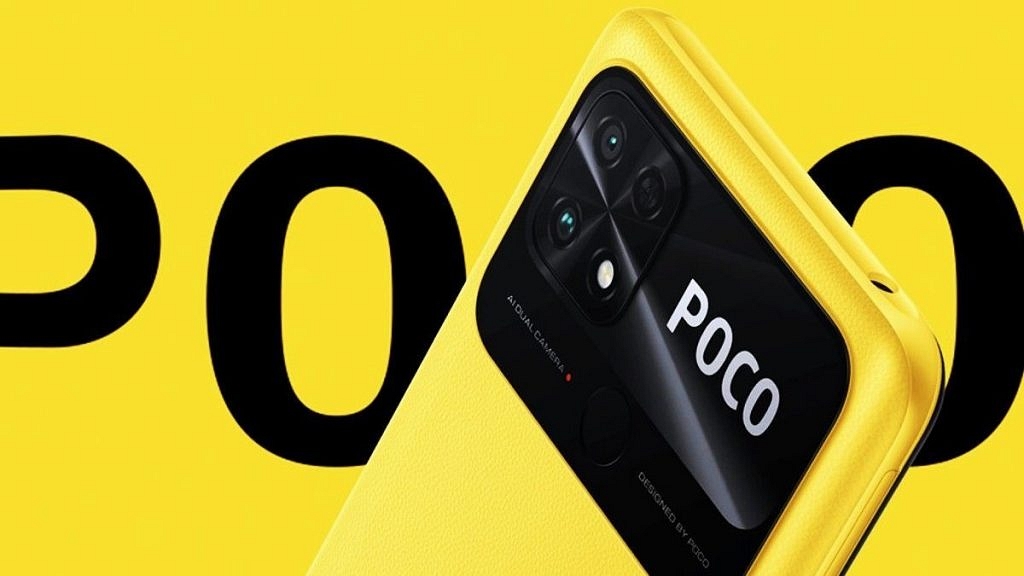
The Poco C50’s dual rear camera setup packs an 8MP main camera and a 0.8MP depth camera. This budget Android phone also features a 5MP selfie camera like the Samsung Galaxy F04. Both these phones offer a basic imaging experience, but the Galaxy F04 has better camera specs than the Poco C50.
The Samsung Galaxy F04 runs on the MediaTek Helio P35 chipset built using a 12nm fabrication process. It has the PowerVR GE8320 GPU support and up to 4GB RAM compatibility. The device comes with up to 64GB storage and will also feature expandable storage support. The Poco C50 uses the MediaTek Helio A22 processor which is also fabricated using a 12nm process. This handset comes with up to 3GB RAM and 32GB storage.
Both these phones are designed to handle basic tasks such as media playback and web browsing without much difficulty. Both Galaxy F04 and the Poco C50 feature a 5,000 mAh battery unit but only the former comes with 15W fast charging support.
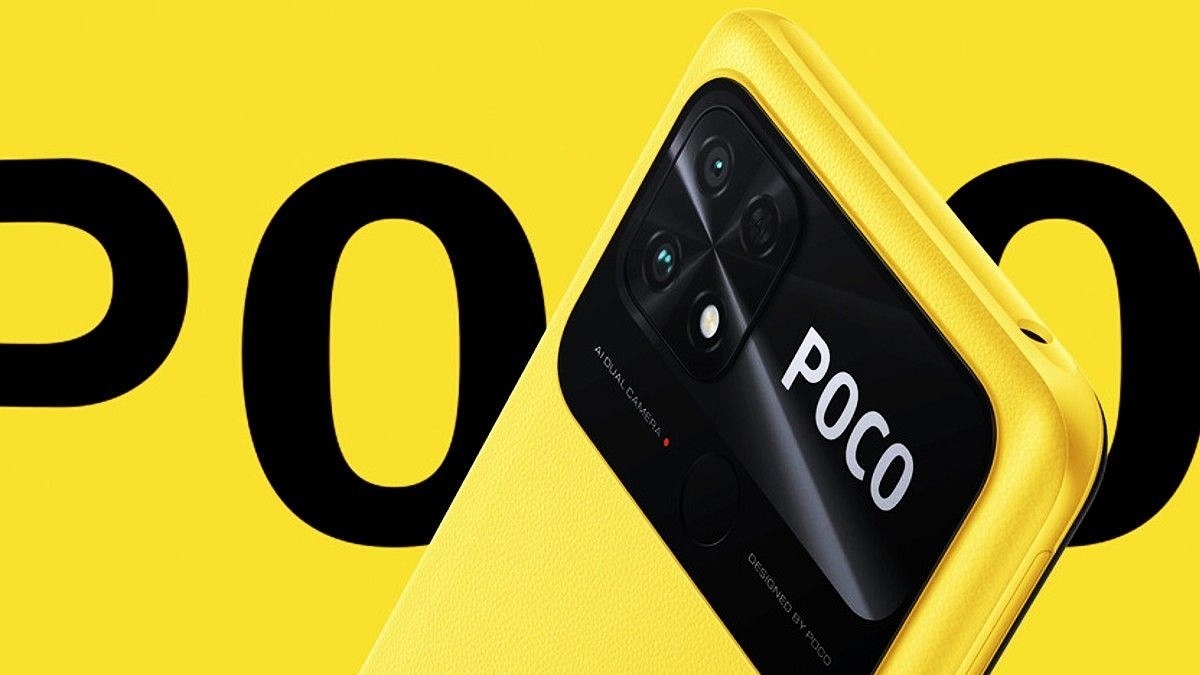
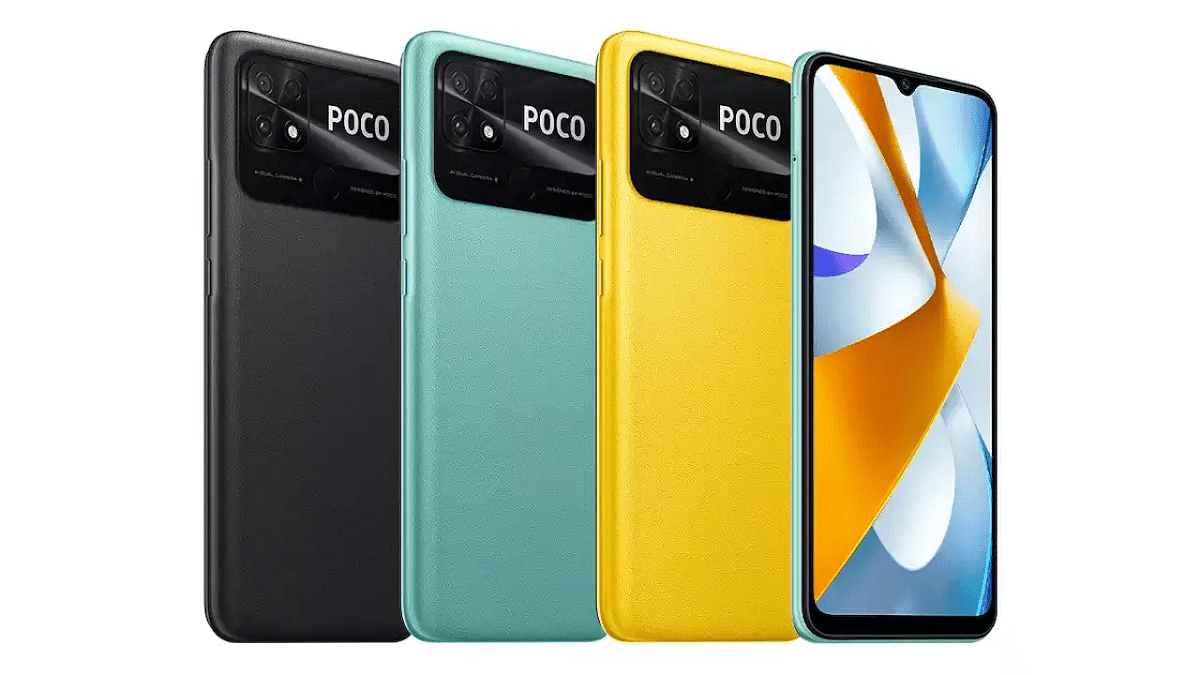
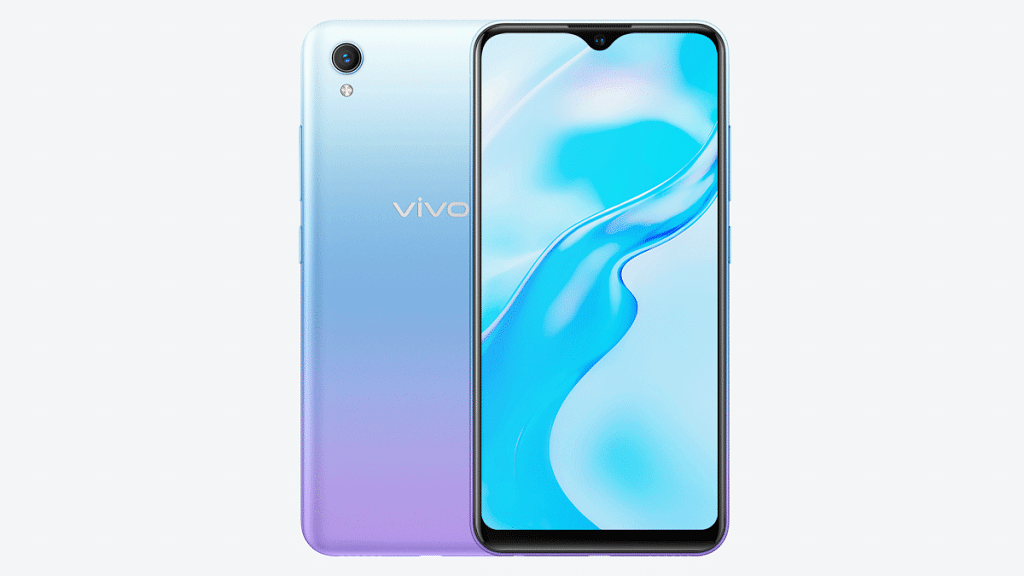
Poco has kickstarted 2023 with the launch of a new entry-level Android phone called the Poco C50. The newest addition to the budget Poco C series comes as an Android Go Edition phone driven by the entry-segment MediaTek Helio A22 chipset and an HD+ LCD screen. With an asking price of Rs. 6,499, the Poco C50 is one of the cheapest Android Go phones in the country that competes against the likes of Vivo Y1s. The latter is also a popular budget Android phone that can be bought at cheaper rates in India. Which out of the Poco C50 and the Vivo Y1s offers a premium user experience despite an affordable price tag:
Poco C50 Vs Vivo Y1s: Display Comparison
Model
Poco C50
Vivo Y1s
Display
6.2-inch HD+
6.5-inch HD+
Camera
8MP dual rear 5MP selfie
13MP main 5MP selfie
Processor
Helio A22
Helio P35
Battery
5,000 mAh
4,050 mAh
Price
starts Rs, 6,499
starts at Rs. 8,499
Since both these Android handsets are entry-level offerings they both are equipped with a standard screen display type and resolution. The Poco C50 features a 6.2-inch LCD screen that has a 720 x 1520 pixels screen resolution and 60Hz refresh rate. The Vivo Y1s offers a taller 6.5-inch LCD screen with 720 x 1600 pixels screen resolution and a 20:9 aspect ratio along with a 60Hz refresh rate. Despite the slightly taller frame, the panel quality on both these budget phones is decent with the viewing experience being optimum for daily viewing.
Poco C50 Vs Vivo Y1s: Camera Specifications Differences
While the Poco C50 sports a dual rear camera setup, the Vivo Y1s offers a single camera setup. However, the latter takes a lead with a bigger main camera. The Poco C50 ships with 8MP + 0.8MP sensors (depth and portrait camera respectively). On the contrary, a 13MP main camera is used by the Vivo Y1s for photography.
The selfie snapper packed inside both of these Android Go Edition phones is a 5MP lens with an f/2.2 aperture. Photography experience would be basic with both these phones. But for an improved depth affect you would need to opt for the Poco C50.
Poco C50 Vs Vivo Y1s: Processor, Battery Comparison
Under the hood, the Poco C50 employs the MediaTek Helio A22 chipset based on 12nm fabrication. The Vivo Y1s also uses a MediaTek Helio chipset (Helio P35) which is also based on 12nm process. Both these handsets come with up to 3GB RAM and 32GB storage options and have expandable microSD card slot expansion provisions too.
If you wish to use the latest firmware, then the Poco C50 with Android 12 Go edition makes for a good pick. Whereas, the Vivo Y35 features older Android 10 OS. Battery capacity inside the Poco C50 measures 5,000 mAh which comes with standard 10W charging speeds, whereas, the Vivo Y1s ships with a smaller 4,030 mAh battery.
If we speak of the overall performance, the Poco C50 and the Vivo Y1s have a neck-to-neck competition. But the former offers a newer firmware and has support for Android Go apps that should allow a speedy performance in the longer run.
We have seen multiple new mobile processors getting announced in the last few years. 2022 has been eventful for the chipset brands and we have got to see new SoC for affordable, mid-range, and flagship smartphones and tablets. In India, the trend has seen an all-time high with mid-range and premium mid-tier mobile chipsets. MediaTek Helio G99 is a potent mid-range gaming chipset used by popular phones such as the Infinix Zero 20, Realme 10, and the Moto G72.
Qualcomm is also strengthening its portfolio with a new range of 5G mobile chipsets. However, it still has a stronghold in the affordable and mid-range segments with 4G processor. The Snapdragon 680 is one of the processors that competes head-on with the aforementioned Helio G99 SoC from MediaTek and has been used by several popular Android phones and tablets. Let’s quickly look at the comparison between the Helio G99 and the Snapdragon 680 4G’s CPU and GPU performance along with multimedia capabilities.
Qualcomm Snapdragon 680 Vs MediaTek Helio G99 Chipset: CPU Architecture
Chipset Name
Qualcomm Snapdragon 680
MediaTek Helio G99
Fabrication
6nm TSMC
6nm TSMC
cores
Octa-core
Octa-core
GPU
Adreno 610
Mali-G57 GPU
Storage
eMMC 5.1, UFS 2.2
UFS 2.2
Memory
LPDDR4x
LPDDR4x
When we speak of the fabrication, a 6nm TSMC process is used by both MediaTek and Qualcomm for the Helio G99 and the Snapdragon 680 SoC respectively. While both these mobile processors come with an octa-core cluster design, the core clusters are different. The processor comes with four Cortex A-73 cores with 2.4GHz clock speed and four Cortex-A53 cores with 1.9Ghz clock speed.
MediaTek Helio G99 processor features dual Cortex-A76 cores with 2.2GHz clock speed and six Cortex-A76 cores with 2GHz clock speed. The frequency response range is 2400MHz delivered by the Snapdragon 680, whereas the Helio G99 offers 2200MHz clock speed. Performance delivery is good if we consider both these mobile processors and they can easily take on a different set of tasks swiftly.
Qualcomm Snapdragon 680 Vs Helio G99 Chipset: GPU Architecture
Qualcomm has integrated the Snapdragon 680 chipset with the Adreno 610 GPU. This graphics processor unit delivers 1114MHz of GPU frequency and is deemed fit to render extensive graphics with fluid speeds. On the other hand, the MediaTek Helio G99 processor features a Mali-G57 MC2 GPU that comes with 2 execution and 32 shading units. This GPU packed inside the Helio G99 is also capable to render rich graphics with ease.
Snapdragon 680 Vs Helio G99 Processor: Memory, Multimedia (ISP)
The memory type used is same by both Snapdragon 680 and the Helio G99 processor. These processors employ an LPDDR4X memory type with the former offering 2133MHz frequency and the latter offering 4266MHz frequency. The maximum RAM allocation size for the Snapdragon 680 is 8GB, while the MediaTek Helio G99 has 10GB maximum RAM support.
Storage type supported by the Snapdragon 680 chipset is eMMC 5.1 and UFS 2.2, while the Helio G99 comes with UFS 2.2 storage type only. The maximum display resolution compatible with both these processors is 1080 x 2520 pixels. Whereas, the maximum camera resolution supported by the SD 680 is up to 64MP and up to 108MP with the Helio G99. While the Snapdragon chipset can record 1080P @60fps videos, the latter can record and playback 2K@30fps videos.
Qualcomm Snapdragon and Dimensity 1080 SoC uses the same 6nm fabrication
Octa-core CPUs on both chipsets
LPPDR5 memory type also common
SD 778G supports Adreno 642l GPU
Dimensity 1080 features Mali-G68 MC4 GPU support
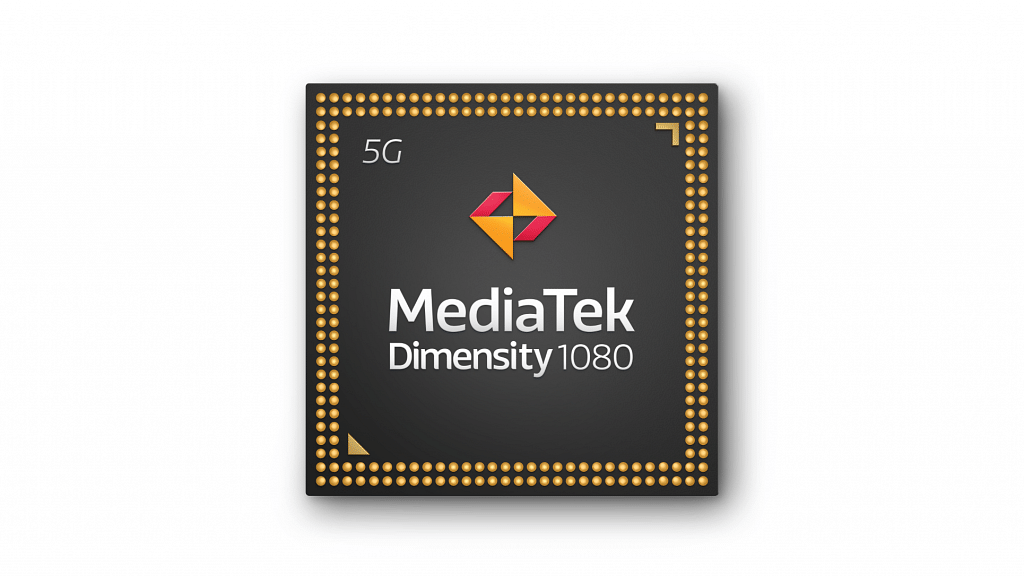
Dimensity 1080 is the newest mobile processor from MediaTek which has specifically developed for premium mid-tier Android phones and tablets. This new octa-core 5G chipset is expected to be the powerhouse for some of the popular smartphones. In fact, we might see multiple renowned smartphone and tablet OEMs sourcing this new MediaTek processor in the coming years.
Until now, Qualcomm had a stronger grip in this league with its capable Snapdragon 700 series mobile processors. While the brand has released a new-gen Snapdragon 7 Gen 1 mobile chipset for high-end mid-tier Android phones, the Snapdragon 778G is still one of those chipsets that most of the brands bet on. We have compared the SD 778G with several mobile chipsets but not the Dimensity 1080. This article has all the differences listed below:
Qualcomm Snapdragon 778G Vs MediaTek Dimensity 1080: CPU Architecture And Performance
Model
Snapdragon 778G
Dimensity 1080
CPU
octa-core
octa-core
GPU
Adreno 642L
Mali G68 MC4
Memory
LPDDR5
LPDDR5
Storage
UFS 2.1, UFS 2.2, UFS 3.0
UFS 2.2 and UFS 3.1
TSMC Fabrication
6nm
6nm
An octa-core cluster design has been used for the Dimensity 1080 and the Snapdragon 778G mobile processors. The fabrication process is also the same, i.e., 6nm TSMC. However, the core clusters are different on both of these mobile processors. The Qualcomm Snapdragon 778G ships with a single 2.4GHz Cortex-A78 core, three Cortex-A78 2.2GHz cores, and four Cortex-A55 cores with 1.9GHz clock speed.
The MediaTek Dimensity uses two Cortex-A78 cores with 2.6GHz clock speed and six Cortex-A55 cores with 2GHz clock speed. The frequency range is 2400MHz delivered by the SD 778G and 2600MHz with the Dimensity 1080. Only a minute difference between both these chipsets feature in terms of CPU performance.
The Snapdragon 778G chipset comes packed with Adreno 642L GPU that can operate with around 490Mhz GPU frequency using two execution and 384 shading units. The Dimensity 1080 processor employs a Mali GPU, Mali-G68 MC4 GPU to be precise which has four execution and 64 shading units. The Vukan, OpenCL, and DirectX versions offered by both SD778G and the Dimensity 1080 SoC are 1.1, 2.0, and 12 respectively. Just like the CPU, the GPU performance is also equivalent on these mobile processors.
Snapdragon 778G Vs MediaTek Dimensity 1080 SoC: Memory, Multimedia (ISP)
Qualcomm and MediaTek both have used an LPDDR5 memory type for the Snapdragon 778G and the Dimensity 1080 SoC respectively. The memory frequency that both the premium mid-tier Android phones offer is 3200MHz. So, expect an equivalent multitasking experience on both of these chipsets. Also, a 16GB maximum memory type can be accommodated by the Snapdragon 778G and the Dimensity 1080 processor.
The storage type compatible with the Snapdragon 778G is UFS 2.1, UFS 2.2, UFS 3.0, and UFS 3.1. Whereas, only UFS 2.2 and UFS 3.1 storage type is supported by the Dimensity 1080 chipset When we speak of multimedia aspects, the SD 778G comes with a maximum display and camera resolution of 1080 x 2520 pixels and 192MP respectively. The Dimensity 1080 chipset offers better camera support by integrating up to 200MP maximum camera resolution support. Video recording and playback compatibility is 4K@30fps with both these chipsets.
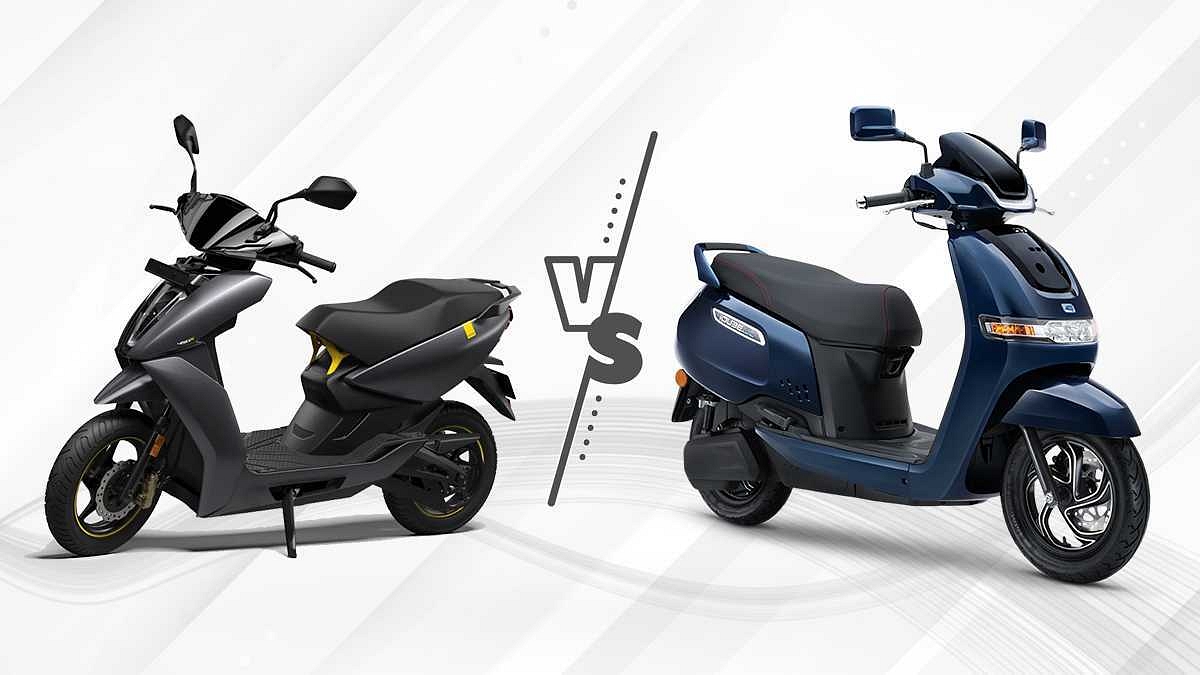
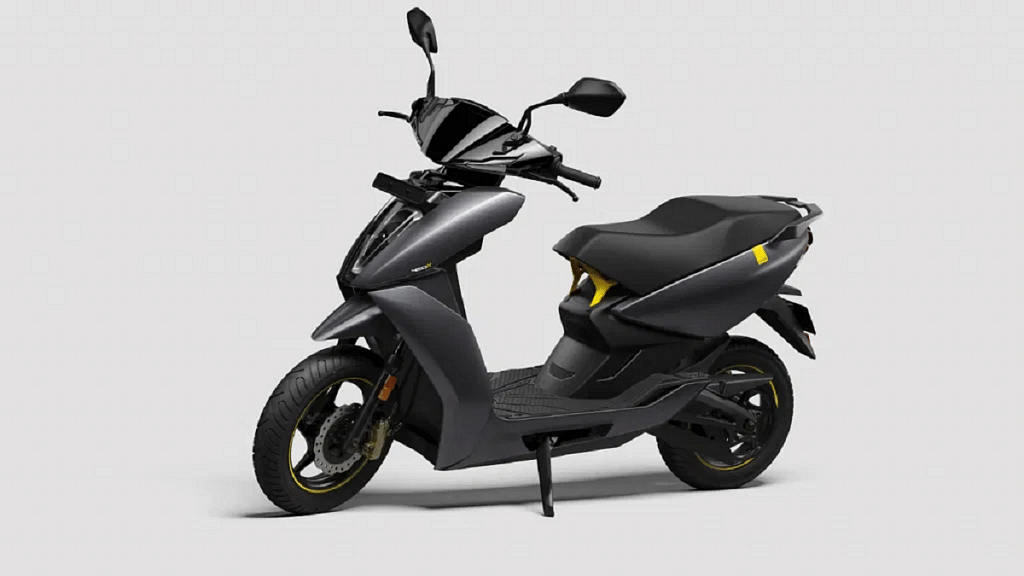
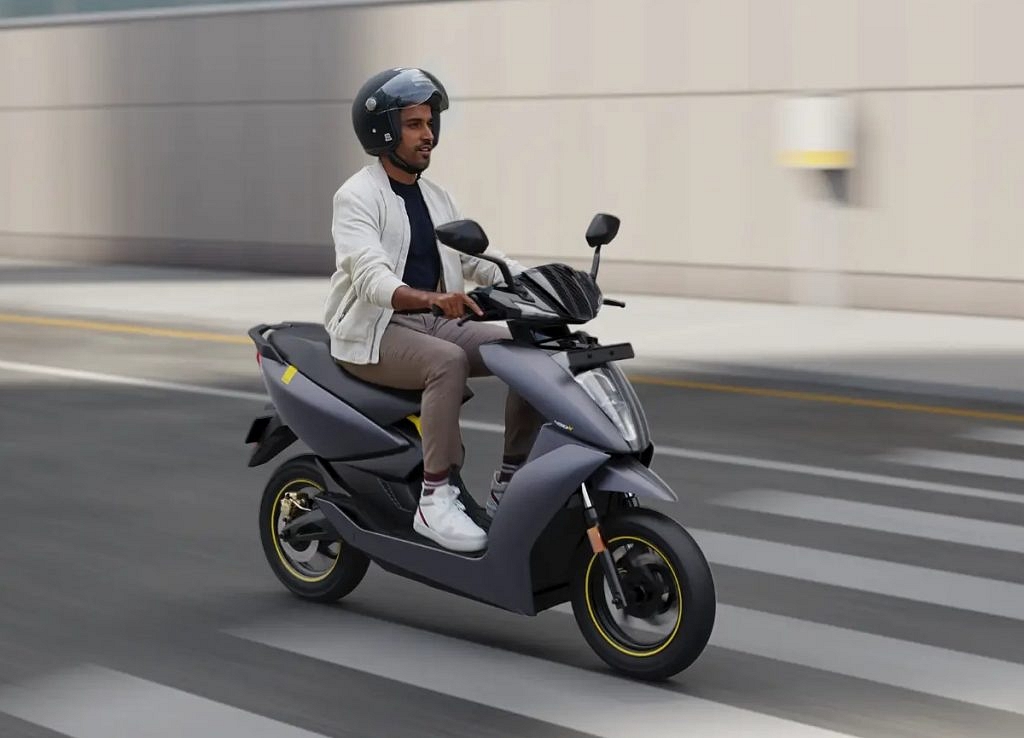
Ather 450X Gen 3 and the TVS iQube are the most popular electric scooters in India
Ather 450X Gen 3 features PMS motor with 5.4kW peak power and 22Nm torque
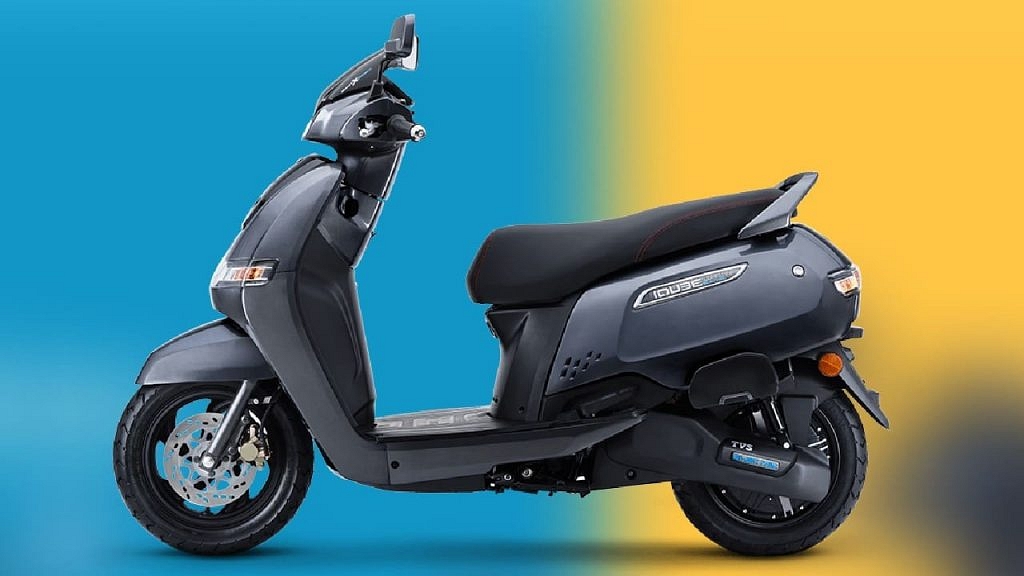
TVS iQube electric scooter features hub-mounted electric motor with 4.4kW peak power
Ather 450X Gen 3 costs around Rs. 1.3 lakh (ex showroom) in India
TVS iQube comes at an asking price of 1.05 lakh (ex showroom) in India
India is emerging as one of the biggest markets for electric vehicles. Multiple automobile giants have routed to the Indian market this year and have populated the Indian EV segment with electric cars, scooters, and bikes. The electric scooter category is rapidly being expanded with new models in all price categories. However, the trend is surging majorly in the budget segment.
OLA, TVS, and Bajaj have emerged as the prime contenders in this segment. The OLA S1 Pro, TVS iQube, and the Bajaj Chetak electric are a few examples. Ather also stole the limelight with its capable and practical Ather 450 electric scooter. We bet, most of you must be considering switching to an electric vehicle (scooter in this case) over the petrol counterparts for cost-effective riding.
And selecting the best option could be a task when you are out buying a new electric scooter. Since Ather 450 and the TVS iQube are amongst the most popular pocket-friendly electric scooters in the country, we are doing a quick comparison that will help you decide which one to buy.
Ather 450X Gen 3 Vs TVS iQube Electric Scooter: Engine, Top Speeds
Model
Ather 450X Gen 3
TVS iQube
Motor
PMS motor
hub-mounted
Peak Power
5.4kW
4.4kW
Peak Torque
22Nm
140Nm
Range
108Km
100km
Battery
3.7kWh
3.4kWh
Top Speed
80km/hr
78km/hr
Price
1.3 lakh (ex-showroom)
1.05 lak (ex showroom)
Both Ather 450X Gen 3 and the TVS iQube come as new-age electric scooters with integrated Li-ion batteries. The Ather 450X Gen 3 electric scooter generates a maximum power of 5.4kW, while it has 3.3kW (rated power capacity) with the PMS motor. The TVS iQube generates slightly less 4.4kW and 3kW maximum and rated power capacity respectively with its hub-mounted electric scooter.
While the Ather 450X Gen 3 delivers more maximum power, it falls short of the maximum torque compared to the TVS iQube. It offers around 22Nm maximum torque, while the TVS iQube delivers around 140nm of maximum torque. As for the top speed, the Ather 450X Gen 3 electric scooter can deliver up to 80km/hr speed, whereas, the TVS iQube offers up to 78km/hr speeds.
Ather 450X Gen 3 Vs TVS iQube Electric Scooter: Battery, Riding Range
Ather has integrated a 3.7kWh Li-ion battery inside the 450X electric scooter. On the other hand, the TVS iQube runs on a 3.4kWh Li-ion battery capacity. The former takes around 5.4 hours for a full charge, while the latter can be charged from zero to 100 percent in five hours. Both these electric scooters ship with a 5A charger. Speaking of the range, the Ather 450X can run up to 108km on a single charge compared to the 100km range offered by the TVS iQube electric scooter.
Ather 450X Gen 3 Vs TVS iQube Electric Scooter: Additional Features
The Ather 450X Gen 3 electric features multiple utility features and riding modes including Sport, Ride, Eco, and Smart Eco. It also integrates an on-board navigation system, and Remote diagnostics. Moving on to the TVS iQube, it offers over 118 connected features, smart statistics-based telematics, and remote charge status. The TVS iQube electric scooter also comes integrated with Q-park and Navigation assist features.
Ather 450X Gen 3 Vs TVS iQube Electric Scooter: Price Comparison
The Ather 450X Gen 3 electric scooter is expensive compared to the TVS iQube electric scooter. The former is priced at around 1.3 lakh (ex-showroom), while the latter costs approx. Rs. 1.5 lakh (ex-showroom) in India.
It should go without saying that 5G is currently India’s next major advancement. You only need to arm yourself with the cheapest 5G phone to be prepared. In India, the market for inexpensive 5G smartphones is expanding, with POCO dominating. Even though there is much discussion regarding whether individuals should consider purchasing 5G phones at this time, you do get to use the new, improved hardware that is now on the market. And it’s great when 5G devices from companies like Realme, POCO, Samsung, and others are affordable. These 5G mobile phones are the least expensive ones you can get. Therefore, without further ado, let’s look at the list.
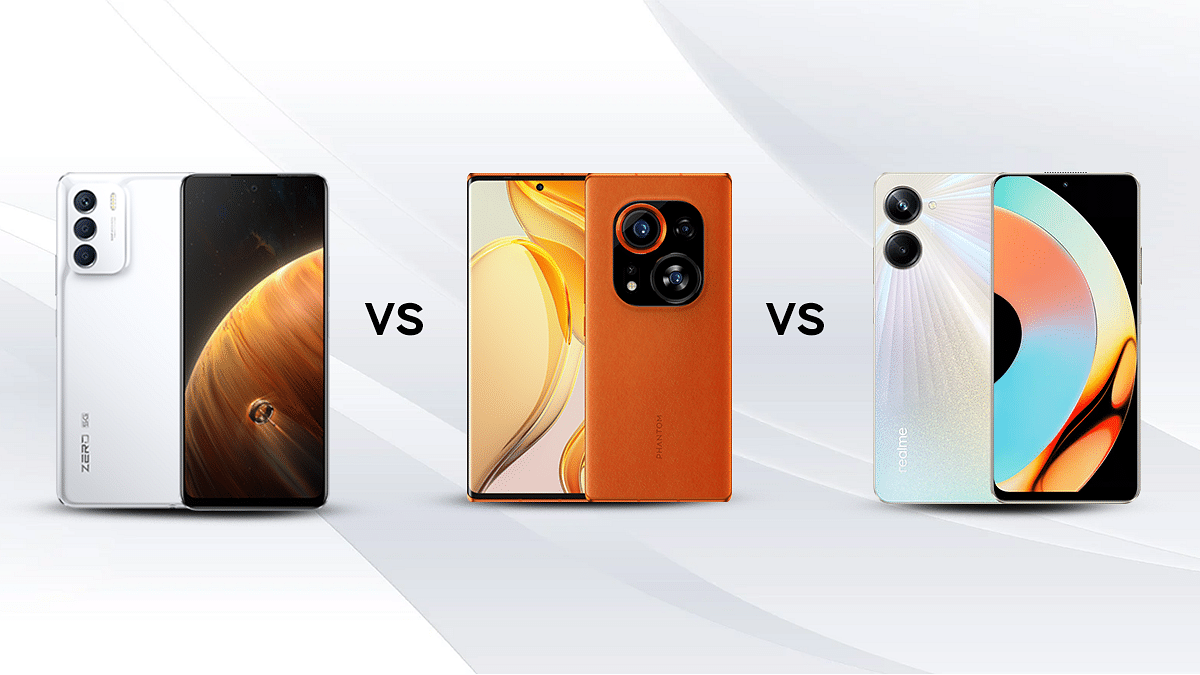
Infinix Zero 5G 2023 Vs Tecno Phantom X2 Vs Realme 10 Pro: Specifications
Model
Infinix Zero 5G 2023
Tecno Phantom X2
Realme 10 Pro
Display
6.78-inches
6.8-inches
6.72-inches
Camera
50MP (rear) 16MP (front)
64 + 13 + 8MP 50MP and 8MP
108MP (rear) 16MP (front)
Battery
5000mAh 33W Fast Charging
5000mAh 67W fast charging
5000mAh 33W fast charging
RAM
8GB
8GB
6GB
Chipset
MediaTek Dimensity 1080 MT6877V
MediaTek Dimensity 9000 MT6983
Qualcomm Snapdragon 695
Display And Camera
A stunning 6.78-inch IPS LCD screen with a 20:9 aspect ratio is featured on the Infinix Zero 5G 2023. This display also has a pixel density of 396ppi, a refresh rate of 120Hz, and a resolution of 2460 x 1080 pixels to give fluid graphics. The Infinix Zero 5G 2023 has a triple camera setup on the back. It has a 50MP Wide Angle Main Shooter, a 2MP Macro Shooter, and a 2MP Depth Shooter. The Wide Angle Main Shooter has an f/1.6 aperture. This smartphone also includes a 16MP resolution Wide Angle Camera to meet users’ needs for front cameras. Dual LED Flash and an f/2.0 aperture are both elements of this front camera.
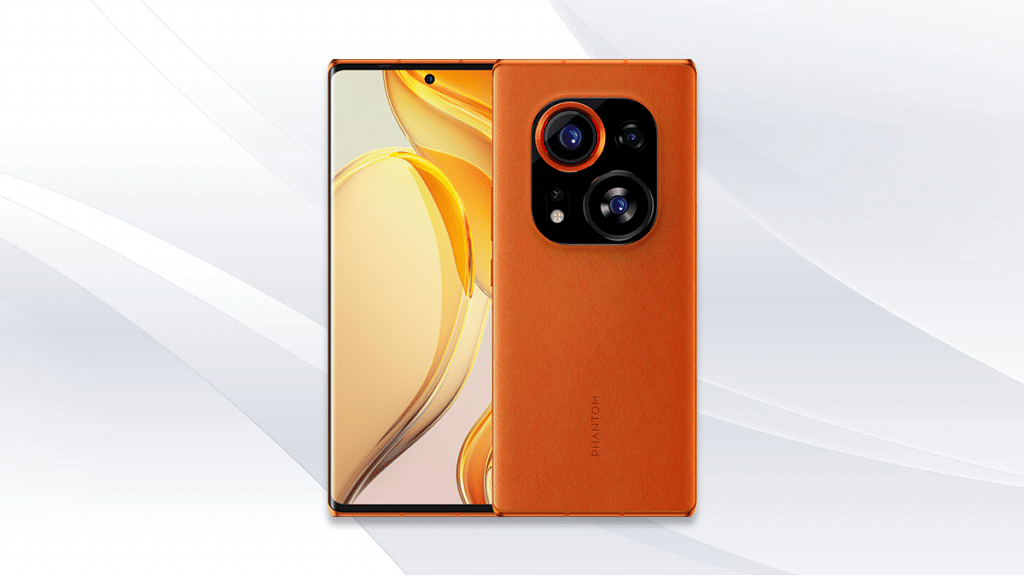
The Tecno Phantom X2 receive a 6.8-inch Super AMOLED display. A layer of Corning Gorilla Glass is built into this display to shield the phone from outside harm. Additionally, the front screen has a resolution of 1080 x 2400 pixels, a refresh rate of 120 Hz, and a pixel density of 387 ppi. Optics on the Tecno Phantom X2 include a triple camera array on the back. 64 + 13 + 8 (MPs) cameras make up this. Aside from Touch to Focus, Continuous Shooting Mode, Face Detection, Auto Flash, ISO Control, HDR Mode, and Exposure Compensation, there are more eye-catching camera features. Two 50MP and 8MP cameras are located on the front of the smartphone.
The 6.72-inch, bezel-free Realme 10 Pro display has a 392ppi pixel density. Additionally, the IPS LCD front screen has a punch-hole at the top, a 20:9 aspect ratio, and a resolution of 1080 x 2400 pixels. A Corning Gorilla Glass layer guarantees sufficient defence against unintentional falls. The Realme 10 Pro has a 108 MP primary camera with an f/1.75 aperture and an 83° field of view, along with a 2 MP depth camera on the back. A 16MP f/2.5 Selfie Shooting lens is also included on the front.
Configuration And Battery
A MediaTek Dimensity 1080 MT6877V chipset, 8GB RAM, and an Octa-core (Cortex A78 and Cortex A55) processor running at the maximum frequency of 2.6GHz power the Infinix Zero 5G 2023. A Mali-G68 MC4 graphics chip has also been fitted by the manufacturer to provide a fantastic gaming and movie-watching experience. A 5000mAh Li-Polymer battery provides the Infinix Zero 5G 2023 with its operational power. The battery may be charged quickly at a 33W rate.
With the Mali-G710 MC10 GPU, 8GB RAM, and a MediaTek Dimensity 9000 MT6983 processor, the Tecno brand’s Phantom X2 model offers exceptional performance. There is also an Octa-core CPU using the Cortex A76 and A55 architectures. Users of the Tecno Phantom X2 can expect a reliable 5000mAh capacity Li-Polymer-type battery to support their daily activities. A 67W fast charging mechanism will also be provided to users in order to recharge the battery.
The Realme 10 Pro offers a Qualcomm Snapdragon 695 processor and 6GB of RAM. For high-quality graphics, the manufacturer equipped the gadget with an Adreno 619 GPU. Furthermore, an Octa-core processing set up loaded within offers flawless multitasking. It consists of 2.2GHz, Kryo 660, Dual-core + 1.7GHz, Kryo 660, Hexa core. The battery within the device has a Li-Polymer battery that supports 33W VOOC Charging. The fully charged battery also boasts a 5000mAh charging capacity.
Storage And Connectivity
The Infinix Zero 5G 2023 has 256GB of storage. A-GPS with Glonass, Bluetooth v5.2, Mobile Hotspot, 4G VoLTE, Wi-Fi, USB Type-C, 5G, and USB OTG are among the connection features it offers.
Users of the Tecno Phantom X2 utilise the 256GB internal storage to retain a large amount of data. The smartphone has A-GPS, Mobile Hotspot, Wi-Fi, 4G VoLTE, 5G, USB Type-C, and Bluetooth v5.2 as connectivity options.
The 128GB internal capacity of the Realme 10 Pro can be increased to 1TB with a MicroSD card. In addition to allowing customers to make smooth voice and video conversations over 4G VoLTE networks, this smartphone is 5G ready. There are also Wi-Fi 802.11, Bluetooth v5.2, USB OTG, A-GPS Glonass, and Mobile Hotspot connectivity options preinstalled.
The Infinix Zero 5G 2023 is offered at a fair price when taking into account its specifications. The manufacturer created this equipment to be versatile so that everyone can utilise it for their individual duties and increase their productivity. When purchasing this item, you can also select from the lovely hues of Coral Orange, Pearl White, and Submariner Black. The Tecno Phantom X2 is a great option for battery, setup, and display. The primary selling point of this smartphone is the dual camera setup on the front, which makes it possible for customers to take detailed selfies. Despite the device’s limited storage capacity, 256 GB is more than adequate to hold thousands of media files and documents. Realme 10 Pro is ready to change your daily life with its 108MP Primary Camera, which is supported by a superb display and battery design. Additionally, the device’s extendable storage and robust RAM are reliable.
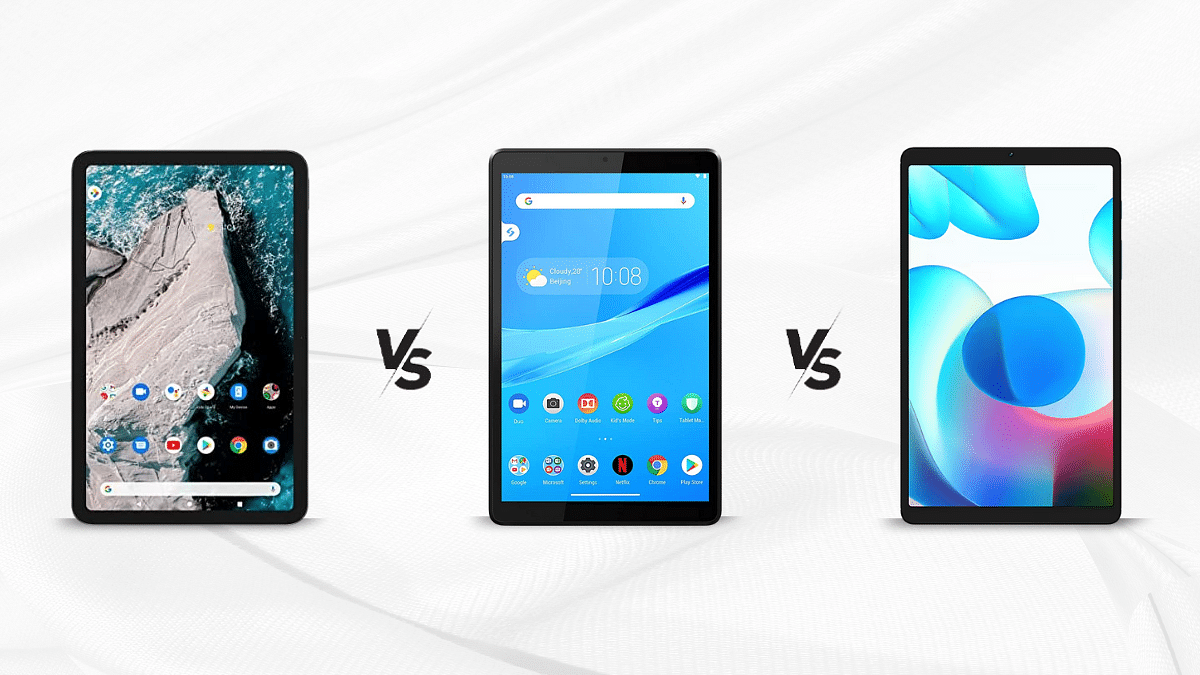
Making a compromise while choosing one of the top affordable tablets is necessary. To save prices, you’ll need to give up some features or performance. However, you will save a lot of money by doing this as opposed to purchasing one of the greatest iPads or Android tablets available. With so many choices, we’re here to point you in the direction of the ideal slate for a reasonable price.
Nokia T20 Vs Lenovo Tab M8 4th Gen Vs Realme Pad Mini: Specifications
Model
Nokia T20
Lenovo Tab M8 4th Gen
Realme Pad Mini
Display
10.4-inch
8-inch
8.7-inch
Camera
8MP (rear) 5MP (front)
8MP (rear) 2MP (front)
8MP (rear) 5MP (front)
Battery
8200mAh battery 15W Fast Charging
5100mAh battery
6400mAh battery
RAM
3GB
2GB
3GB
Chipset
Unisoc T610
MediaTek Helio A22
Unisoc T616
Display And Camera
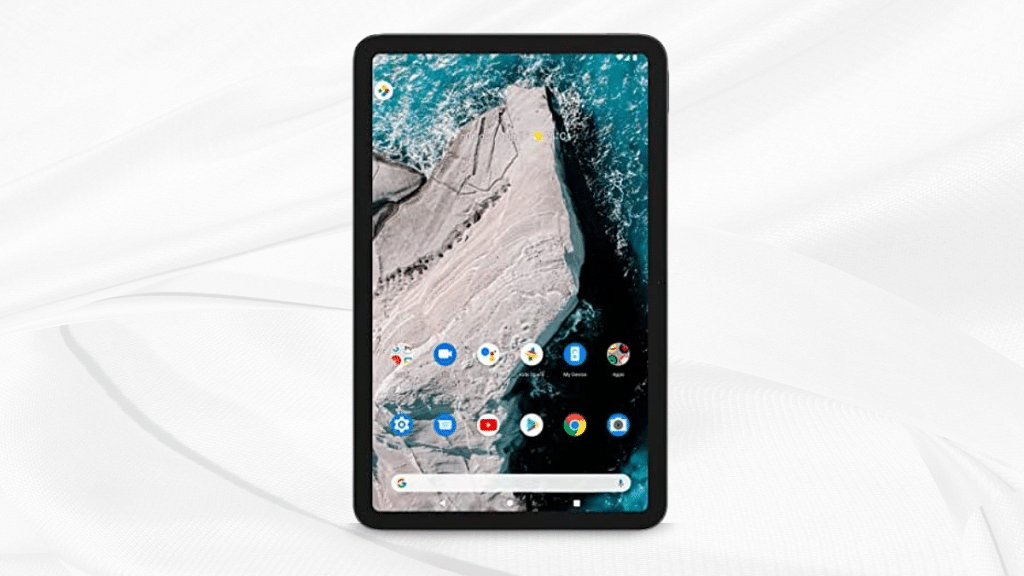
The 10.4-inch Nokia T20 display boasts a 1200 x 2000 pixel resolution. Additionally, the gadget has a capacitive touchscreen with 224ppi of pixel density. The manufacturer has mounted a single camera setup on the device’s back that includes an 8MP primary camera and an LED flash. Some of the features of the back camera include autofocus, digital zoom, and auto flash. A 5MP primary camera on the front handles selfies and video calls.
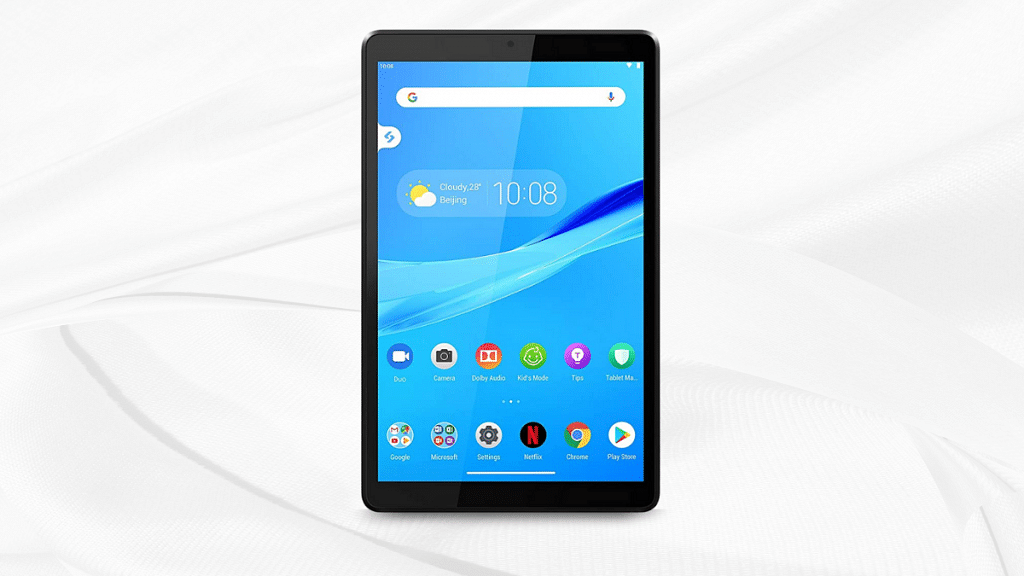
The Lenovo Tab M8 sports an 8-inch IPS LCD screen with a pixel density of 189 PPI and an 800 x 1280 pixel resolution. The gadget boasts a 76.79% screen-to-body ratio. It has an 8MP primary lens on the back that can take high-quality pictures and record high-definition videos. On the front, there is a 2MP selfie camera that can take decent pictures.
The 8.7-inch capacitive touchscreen of the Realme Pad Mini is an IPS LCD. This multi-touch display’s screen resolution is 800 x 1340 pixels, and its pixel density is 179ppi. The manufacturer has included an 8MP main camera and an LED flash on the back for image reasons. These cameras have digital zoom and autofocus as features. A 5MP camera is featured on the Realme Pad Mini’s front side.
Configuration And Battery
The Octa-core processor running at 1.8GHz in the Nokia T20 has eight cores. With its 3GB RAM, Unisoc T610 chipset, and Mali-G52 GPU, it guarantees an outstanding user experience when traveling and flawless multitasking. The tablet comes with a sizable 8200mAh Li-Polymer battery, which by nature is non-replaceable and supports 15W Fast Charging.
The MediaTek Helio A22 chipset of the Lenovo Tab M8 is driven by a 2GHz Cortex A53 quad-core processor. The combination controls the system’s overall performance, and a PowerVR GE8300 GPU and 2GB RAM help as well. The device has a 5,100mAh Li-Polymer battery, which is sufficient to function as a backup for a respectable amount of time.
The Realme Pad Mini’s performance is based on its Octa-core processor, which can operate at a maximum frequency of 2GHz. The tablet’s 3GB RAM and Unisoc T616 processor have an impact on how quickly it processes data. The Realme Pad Mini comes with a 6400mAh Li-Polymer battery for calls and entertainment purposes. Users cannot change it, and 18W Fast Charging is compatible with it.
Storage And Connectivity
When using a microSD card, Nokia’s 32GB of internal storage can be increased to 512GB. FourG VoLTE, Bluetooth v5.0, USB Type-C, A-GPS, Wi-Fi, and Mobile Hotspots are just a few of the many connectivity choices available.
The Lenovo Tab M8 comes with 32GB of internal storage that can be expanded by a memory card to 128GB. Wi-Fi, Bluetooth, and microUSB are just a few of the many connectivity choices available on the gadget.
The Realme Pad Mini has 32GB of inbuilt storage for storage needs. It may also be expanded up to 1TB for the convenience of users. Users are able to make smooth voice and video conversations thanks to the device’s interoperability with the 4G VoLTE network. Also included are USB Type-C, A-GPS, Bluetooth v5.0, Wi-Fi, and Mobile Hotspot, among other connectivity options.
GizNext’s Expert Opinion
Both professionals and students who balance work-from-home schedules and online classes might benefit from the Nokia T20. The manufacturer has included a high-quality 3GB RAM, a conventional camera design, an 8200mAh battery, and 32GB of extendable internal storage, enabling fluid operation. An attractive tablet with several fundamental functions is the Lenovo Tab M8. It has a respectable configuration and can handle multiple tasks well. The battery can also deliver a respectable battery backup. The device would have been ideal, though, if the display had been of higher quality. You may fully immerse yourself in a visual experience with the Realme Pad Mini. The gadget also makes it comfortable for consumers to read online books and binge-watch movies. It is a wonderful alternative to invest in because it is within budget and has good cameras on both sides, a broad display, a large battery, and 4G VoLTE connectivity.
There is a sizable selection to pick from if you are searching the Indian smartphone market for a cheap smartphone that is affordable. The top cheap smartphones in India have improved with time and are now competitive with their more costly equivalents. Budget smartphones now come with strong cameras and even stronger technology to handle all of your mobile computing requirements. The best affordable phones currently available in India feature high refresh rate displays, multiple high-resolution camera setups, attractive aesthetics, and user-friendly software. Additionally, they have powerful processors that can run games at low or medium settings. For consumers looking for a capable smartphone without spending a fortune, our list of the top cheap smartphones offers the greatest possibilities.
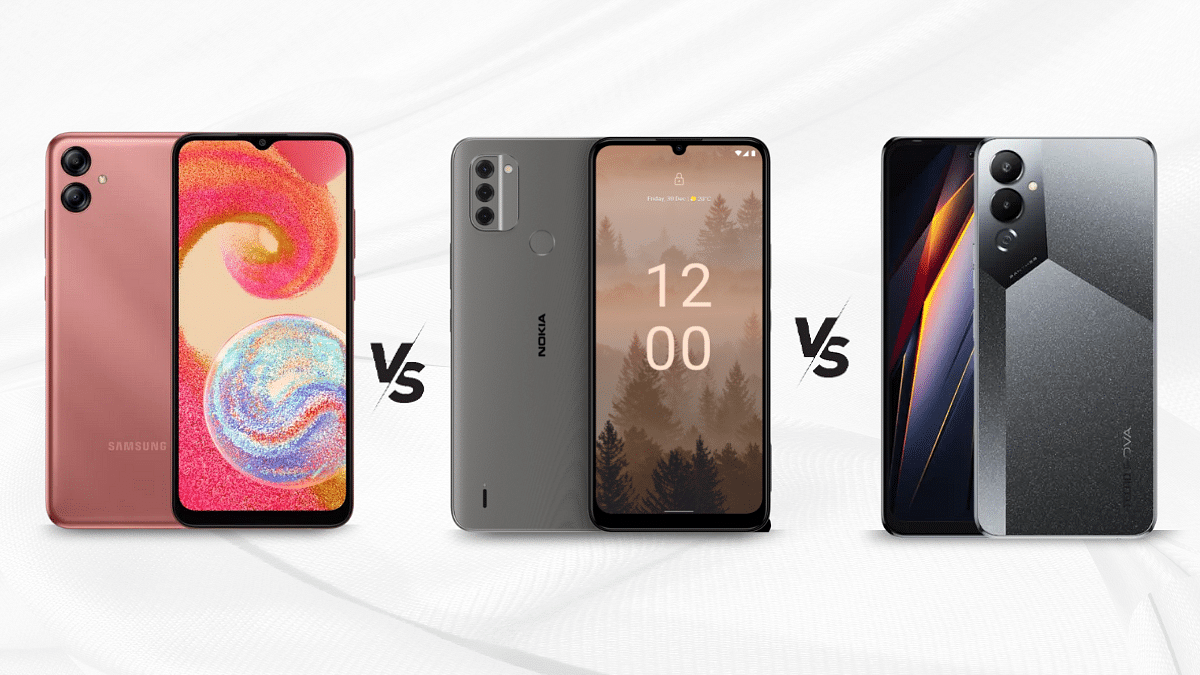
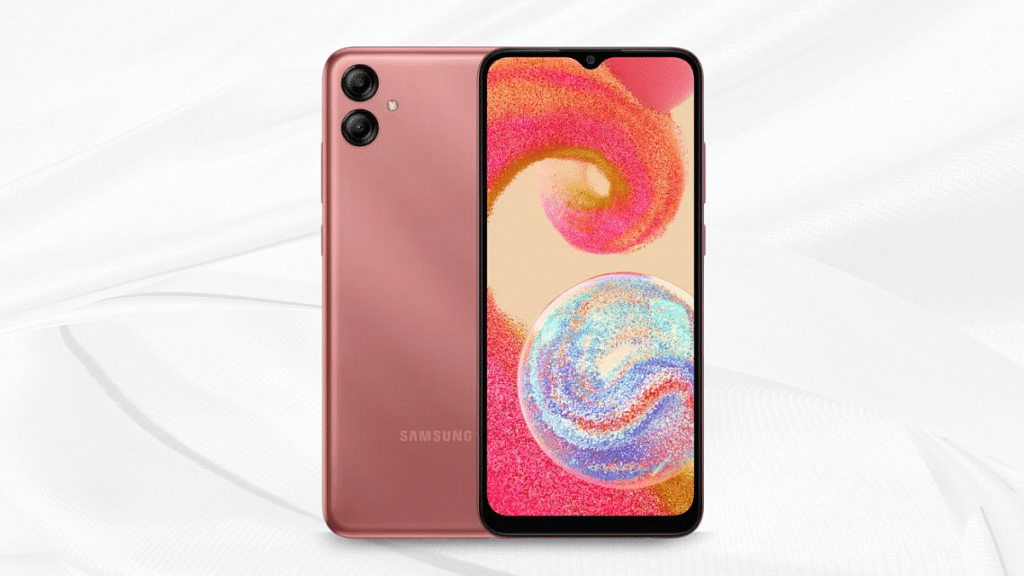
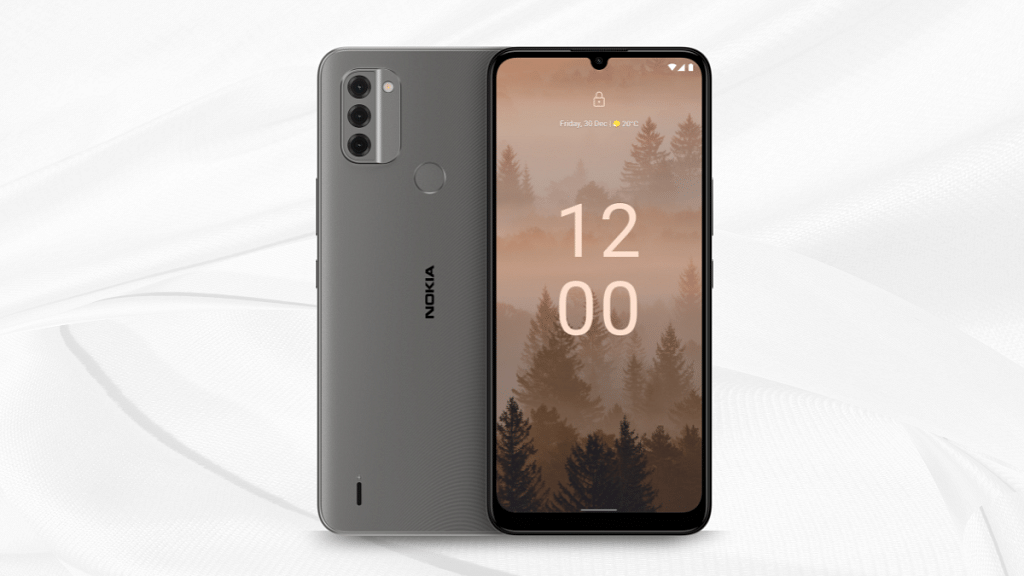
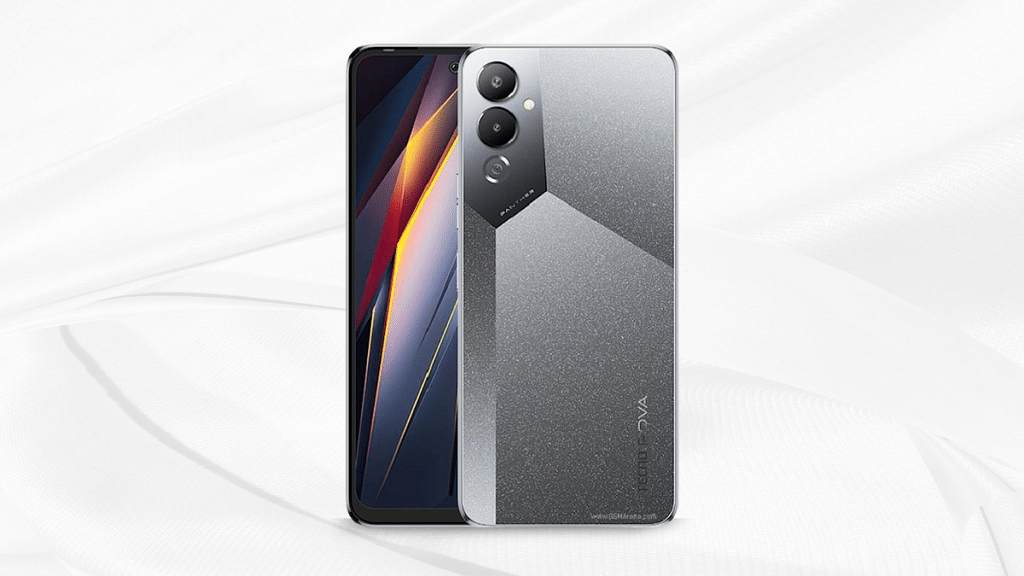
Samsung Galaxy M04 Vs Nokia C31 Vs Tecno Pova 4: Specifications
Model
Samsung Galaxy M04
Nokia C31
Tecno Pova 4
Display
6.5-inch
6.7-inch
6.82-inch
Camera
13MP (rear) 5MP (front)
13MP (rear) 5MP (front)
50MP (rear) 8MP (front)
Battery
5000mAh
5050mAh
6000mAh
RAM
4GB
3GB
8GB
Chipset
MediaTek Helio P35
Unisoc SC9863A
MediaTek Helio G99
Design And Camera
The 6.5-inch IPS LCD panel of the Samsung Galaxy M04 also features a waterdrop notch. The 720 x 1600 resolution and 270 ppi pixel density of this display promise to give each viewer a pleasant and engrossing visual experience. The Samsung Galaxy M04 has two cameras and an LED flash built on its back surface for photography. A 2MP camera and a 13MP main camera are being used. Users may also take pictures, record videos, and conduct video calls with the smartphone’s 5MP front-facing camera.
The Nokia C31’s IPS LCD display is excellent for navigating through social media and watching movies. This display’s 20:9 aspect ratio and 6.7-inch size contribute to its 82.23% screen-to-body ratio. The display also has a 262ppi pixel density and a 1600 x 720 pixel resolution. The triple camera system on the back of the Nokia C31 satisfies all of the users’ photographic needs. It has a Wide Angle Shooter with a resolution of 13MP, a Depth Shooter with a resolution of 2MP, and a Macro Shooter with a resolution of 2MP. Nokia also equipped the C31’s front with a 5MP selfie camera.
The most recent Tecno Pova 4 comes with a large 6.82-inch IPS LCD front screen. It also has a 20:9 aspect ratio, a 263 ppi pixel density, and a screen resolution of 720 by 1640 pixels. The bezel-free display features a punch hole in the top as well. The Tecno Pova 4’s back is furnished by a 50MP single-camera configuration. There are numerous functions accessible, including Face Detection, Continuous Shooting, Digital, Zoom, Autofocus, Auto Flash, and HDR Mode. A front-facing 8MP camera aids with the selfie aspect.
Configuration And Battery
Users of the Samsung Galaxy M04 can work more productively thanks to the MediaTek Helio P35 CPU. An Octa-core dual Cortex A53 CPU and 4GB RAM are also used to support the smartphone’s processing. Furthermore, the PowerVR GE8320 GPU provides customers with high-quality graphics. The Samsung Galaxy M04 is equipped with a Li-Polymer type battery that is also designed to accommodate a Fast Charging mechanism. Additionally, this battery has a 5000mAh capacity.
The Nokia C31’s Unisoc SC9863A chipset, 3GB LPDDR4X RAM, and PowerVR GE8322 GPU guarantee reliable performance for all routine operations including talking, messaging, playing light games, watching movies, and checking social media. An Octa-core dual Cortex A55 CPU is also used to support all of the device’s features. A huge 5050mAh Li-Polymer battery is present within the Nokia C31.
The Android v12 operating system runs on the Tecno Pova 4. The operating energy is further optimised by its MediaTek Helio G99 chipset, giving you a bug-free user interface to work with. Additionally included are an Octa-Core Cortex A76 and A55 processor, 8GB RAM, and a Mali-G57 MC2 GPU. The Tecno Pova 4’s 6000mAh battery life will allow you to use it for a very long time. The loaded cell is a non-removable Li-Polymer type. Support for 18W Fast Charging is also available.
Storage And Connectivity
The Samsung Galaxy M04 has 64GB of onboard storage. Even more capacity can be added by inserting a micro SD card, up to 1TB. This Samsung smartphone supports 4G VoLTE, Wi-Fi, Mobile Hotspot, A-GPS with Glonass, and Bluetooth v5.2 for connectivity.
The 32GB of internal storage provided by the Nokia C31 meets all of the consumers’ storage needs. They can even add up to 256GB to this storage. The Nokia C31 offers the following connectivity options: micro USB 2.0, A-GPS, Bluetooth v4.2, Wi-Fi, 4G VoLTE, and Mobile Hotspot.
The internal memory of the Tecno Pova 4 is 128GB. This RAM can be increased to 512GB in total. The 4G (VoLTE) networks are easily compatible with this smartphone. Additionally, GPS, Wi-Fi 802.11, Mobile Hotspot, and Bluetooth v5.1 are all accessible.
GizNext’s Expert Opinion
The Samsung Galaxy M04 is a capable multitasker at your disposal. The gadget appears to be a good investment right now. Comparing the loaded camera profile to other devices in the same price range, it should have been better. The company offers a smartphone with an excellent price-to-performance ratio once more with the Nokia C31. The device’s powerful specifications will enable users to complete daily tasks quickly and easily. Additionally, the company also produced it in eye-catching shades including Cyan, Mint, and Charcoal. The Tecno Pova 4 is a powerful performer that serves a huge clientele. You can continue with the outstanding spec sheet for this particular version. Finally, a sizable 6000mAh battery panel within, supported by 18W Fast Charging capability, makes all the difference. In contrast to the cost, the manufacturers could have done a better job with the rear camera.