Categories
Comparison Featured

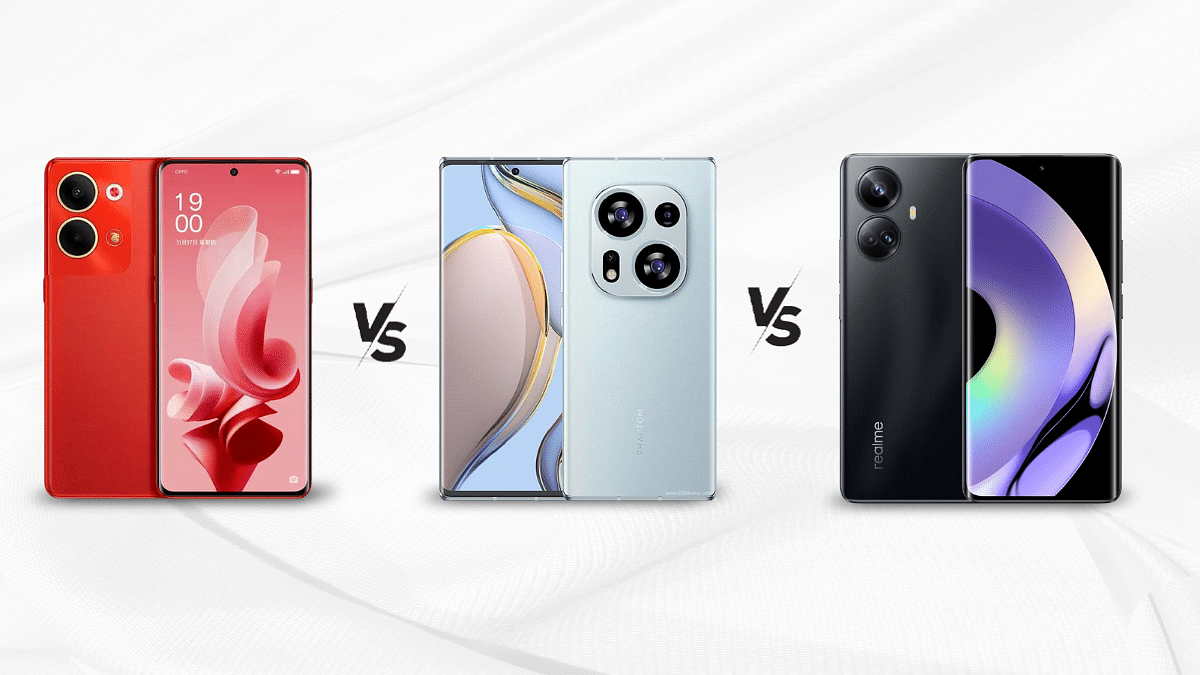
Tecno Phantom X2 vs Realme 10 Pro 5G Vs OPPO Reno 9 Pro Full Comparison: Best Latest Premium Mid-Range 5G Smartphones Of 2022

One of the brands owned by the Chinese tech behemoth Transsion is Tecno. It is most frequently used in foreign markets, particularly in Africa. If you’ve heard of Tecno, it’s probably because of their well-known Camon brand of affordable gadgets, which has a strong emphasis on the camera experience. The Phantom line, on the other hand, has more or less grown into a distinct entity of its own. one that seeks to offer genuine top products and services. In India, the Realme 10 Pro series has finally been released. Two new midrange smartphones have been released by the firm as a part of its new number series. The Realme 10 Pro+ 5G is the line’s flagship device and succeeds the Realme 9 Pro+ 5G. On the other hand, the Oppo Reno 8 Pro 5G is a high-end smartphone made by the firm with a premium focus. The phone is made of glass and metal and has a sleek, sophisticated look. Let’s look at the features and specifications of these phones in details below:

Also Read: OPPO Reno9 5G Series Landing Page Goes Live Ahead Of November 24 Launch: Everything You Should Know

Tecno Phantom X2 vs Realme 10 Pro 5G Vs OPPO Reno 9 Pro Full Comparison: Best Latest Premium Mid-Range 5G Smartphones Of 2022: Specifications

ModelTecno Phantom X2Realme 10 Pro 5GOPPO Reno 9 Pro
Display6.8-inches6.72-inches6.7-inches
Camera 64MP (rear)
50MP (front)
108MP (rear)
16MP (front)
64MP (rear)
32MP (front)
Battery 5000mAh capacity5000mAh
67W Fast Charging
4500mAh
67W Fast Charging 
RAM8GB RAM8GB RAM8GB RAM
ChipsetMediaTek Dimensity 9000 MT6983Qualcomm Snapdragon 695Qualcomm Snapdragon 778G

Design And Camera

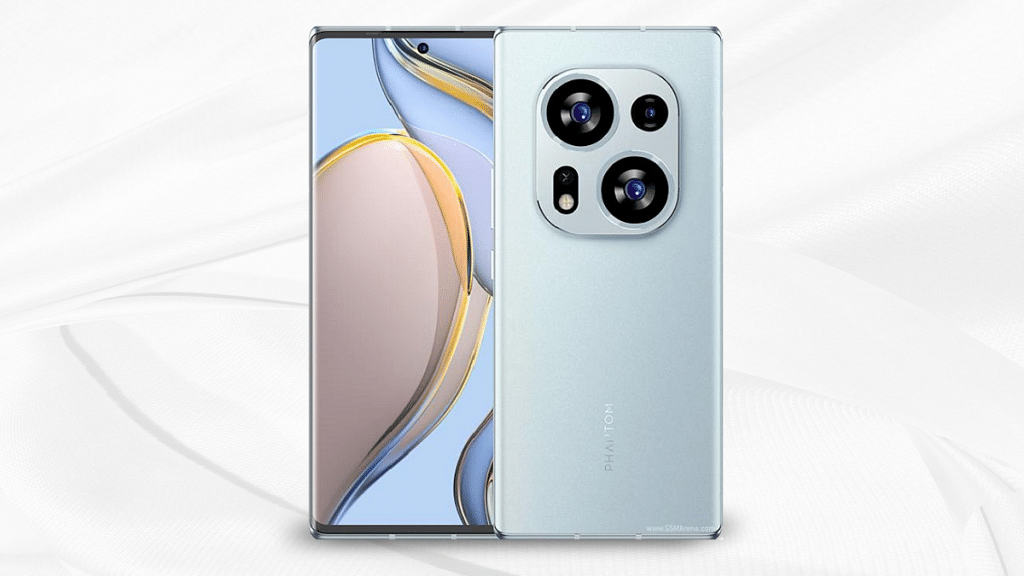
The Tecno Phantom X2 has a 6.8-inch Super AMOLED display. A layer of Corning Gorilla Glass is built into this display to shield the phone from outside harm. Additionally, the front screen has a resolution of 1080 x 2400 pixels, a refresh rate of 120 Hz, and a pixel density of 387 ppi. A triple camera configuration is included with the Tecno Phantom’s optics department on the back. 64 + 13 + 8 (MPs) cameras make up this. Aside from Touch to Focus, Continuous Shooting Mode, Face Detection, Auto Flash, ISO Control, HDR Mode, and Exposure Compensation, there are more eye-catching camera features. Two 50MP and 8MP cameras are located on the front of the smartphone.

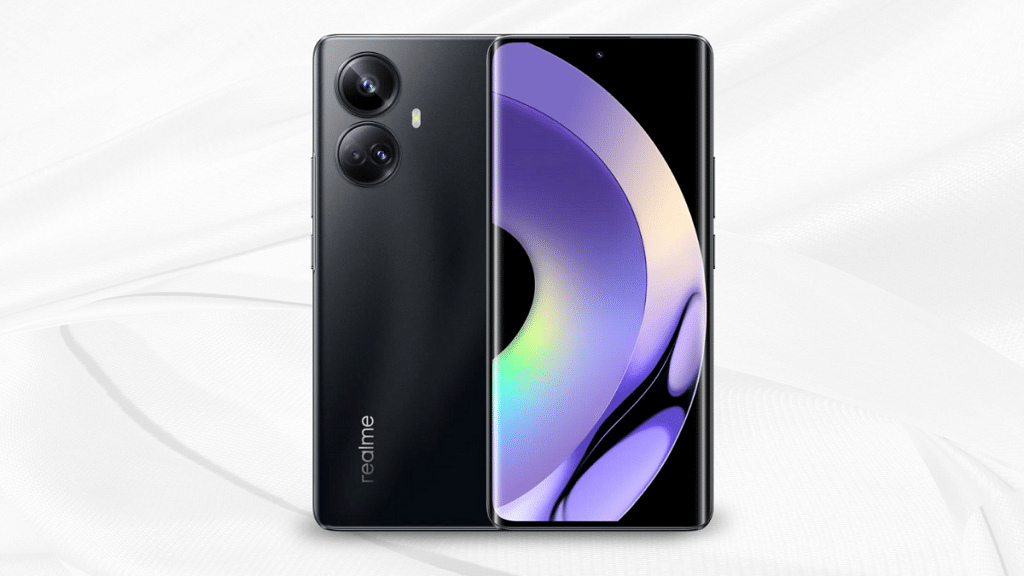
The 6.72-inch, bezel-free Realme 10 Pro display has a 392ppi pixel density. Additionally, the IPS LCD front screen has a punch-hole at the top, a 20:9 aspect ratio, and a resolution of 1080 x 2400 pixels. A Corning Gorilla Glass layer guarantees sufficient defence against unintentional falls. The Realme 10 Pro has a 108 MP primary camera with an f/1.75 aperture and an 83° field of view, along with a 2 MP depth camera on the back. A 16MP f/2.5 Selfie Shooting lens is also included on the front.

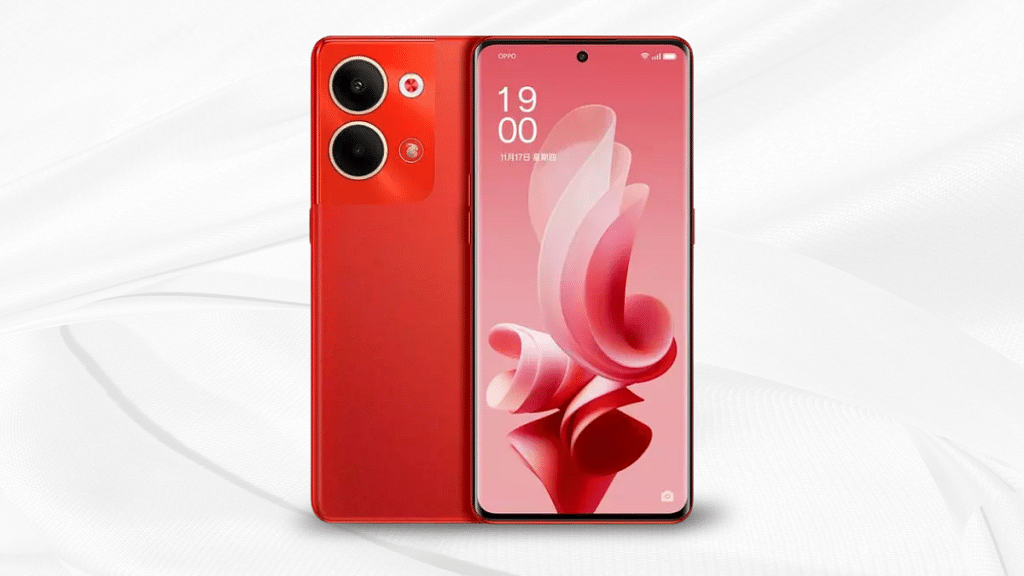
The 6.7-inch bezel-free AMOLED display on the OPPO Reno9 Pro has a 394ppi pixel density, a 120Hz refresh rate, and a resolution of 1080 x 2412. Along with supporting multi-touch, this capacitive touchscreen also boasts a 20:9 aspect ratio. On the rear of the OPPO Reno9 Pro, the manufacturer has placed a dual-core camera configuration along with an LED flash. It has a 64MP primary camera and a 2MP close-up camera. A potent 32MP camera is also included on the front of the smartphone.
Configuration And Battery

With the Mali-G710 MC10 GPU, 8GB RAM, and a MediaTek Dimensity 9000 MT6983 processor, the Tecno brand’s Phantom X2 model offers exceptional performance. There is also an Octa-core CPU using the Cortex A76 and A55 architectures. Users of the Tecno Phantom X2 can expect a reliable 5000mAh capacity Li-Polymer-type battery to support their daily activities. Additionally, users will receive a 67W fast charging device to recharge their batteries.

The Realme 10 Pro offers a Qualcomm Snapdragon 695 processor and 8GB of RAM. For high-quality graphics, the manufacturer equipped the gadget with an Adreno 619 GPU. Furthermore, an Octa-core processing set up loaded within offers flawless multitasking. It consists of 2.2GHz, Kryo 660, Dual-core + 1.7GHz, Kryo 660, Hexa core. The battery inside the gadget is a non-removable Li-Polymer battery that supports 67W Fast Charging. The fully charged battery also boasts a 5000mAh charging capacity.

The Qualcomm Snapdragon 778G chipset that the OPPO Reno9 Pro is equipped with enables it to handle demanding games and several programmes without experiencing any lag. The device’s incredible performance is further aided by its 8GB RAM, Adreno 642L GPU, and Octa-core CPU with triple Kryo 670 processing arrangement. The device’s 4500mAh battery is powered by a 67W Fast Charging mechanism. It belongs to the Li-Polymer class and is non-removable.
Storage And Connectivity

Users of the Tecno Phantom X2 use the internal 256GB storage to keep a tonne of data. With the smartphone, users get access to A-GPS, Mobile Hotspot, Wi-Fi, 4G VoLTE, 5G, USB Type-C, and Bluetooth v5.2.

The 256GB internal memory of the Realme 10 Pro can be increased to 1TB with a MicroSD card. In addition to allowing customers to make smooth voice and video conversations over 4G VoLTE networks, this smartphone is 5G ready. There are also Wi-Fi 802.11, Bluetooth v5.2, USB OTG, A-GPS Glonass, and Mobile Hotspot connectivity options preinstalled.

The OPPO Reno9 Pro offers users a limited 256GB of internal storage. The gadget can connect to both 4G VoLTE and 5G networks for communication. A-GPS Glonass, USB Type-C, Wi-Fi, Bluetooth v5.2, and Mobile Hotspot are among its additional features.

GizNext’s Expert Opinion

The Tecno Phantom X2 is a great option for battery, setup, and display. The primary selling point of this smartphone is the dual camera setup on the front, which makes it possible for customers to take detailed selfies. Realme 10 Pro is ready to change your daily life with its 108MP Primary Camera, which is supported by a superb display and battery design. Additionally, the device’s extendable storage and robust RAM are reliable. With a powerful processor, 8GB of RAM, and a snappy display, the OPPO Reno9 Pro offers an amazing operational experience all around.

Also Read: Tecno Phantom X2 Series Arriving On December 7: Curved Or Flat-Edged Display This Time?
Categories
Chipset Comparison Featured

Qualcomm Snapdragon 695 5G Vs MediaTek Dimensity 1080 5G: Top 5G Mid-Range Chipset For Android Smartphones And Tablets

Key Highlights

  • Both Snapdragon 695 and Dimensity 1080 are premium mid-range mobile SoCs
  • Snapdragon 680 chipset features Adreno 619 GPU
  • Dimensity 1080 SoC comes with Mali

Snapdragon 695 chipset is one of the most powerful mid-range 5G chipsets for Android devices released by Qualcomm this year. It has been used in several popular smartphones and even tablets this year. We have seen a bunch of other high-end mid-range chipsets launched in 2022 including the Dimensity 1080. If you have been following us, we have done multiple comparison articles between multiple mobile processors. This article is centered around the CPU, GPU, and hardware differences between the Dimensity 1080 and the Snapdragon 695.

Also Read: Qualcomm Snapdragon 780G Vs MediaTek Dimensity 8200 5G: Best Future Ready Gaming Chipset Comparison

Qualcomm Snapdragon 695 Vs MediaTek Dimensity 1080: CPU Comparison

FeaturesQualcomm Snapdragon 695MediaTek Dimensity 1080
CPUocta-coreocta-core
GPUAdreno 619Mali-G68 MC4
MemoryLPDDR4LPDDR5
StorageeMMC 5.1 and UFS 2.2UFS 2.2 and UFS 3.1
Fabrication6nm6nm

A 6nm TSMC process has been by both Qualcomm and MediaTek to design the Snapdragon 695 5G and Dimensity 1080 5G processor. The core cluster is octa-core with the Snapdragon 695 chipset featuring Cortex-A78 cores with 2.2GHz and six Cortex-A55 cores with 1.7 GHz. The Dimensity 1080 5G chipset’s CPU cluster features two Cortex-A78 cores with 2.6GHz clock speed and six Cortex-A55 cores with 2GHz clock speed.

The frequency response range is 2200MHz delivered by the SD 695 SoC using the ARMv8.2-A instruction set. The same instruction set is used by the Dimensity 1080 chipset and the frequency response is 2600MHz. Both the chipsets have an equivalent CPU performance that is powerful to handle all the required tasks.

Also Read: MediaTek Dimensity 8200 Chipset Vs Qualcomm Snapdragon 778G Chipset Comparison: Which Performs Better?

Snapdragon 695 Vs Dimensity 1080 Chipset: GPU Comparison

In terms of GPU, the Snapdragon 695 5G processor comes with Adreno 619 GPU to handle all demanding graphics with apps. GPU frequency with this processor is 840MHz and the shading units are 128. The Mali-G68 MC4 GPU is used by the Dimensity 1080 chipset with 64 shading units. Both these processors’ GPUs have 1.1 Vulkan, 2.0 OpenCL, and 12 DirectX versions.

Also Read: Qualcomm Snapdragon 7 Gen 1 Vs MediaTek Dimensity 1080 Chipset: Best Premium Mid-Range Mobile Chipset Released In 2022

Qualcomm Snapdragon 695 Vs Dimensity 1080 SoC: Memory, Multimedia (ISP)

MediaTek has opted for a better memory type for the Dimensity 1080 chipset compared to Qualcomm. While the Snapdragon 695 chipset features LPDDR4 RAM, the Dimensity 1080 processor has the LPDDR5 RAM type which is comparatively better than what the SD 695 offers. The memory frequency offered is 2133 MHz and 3200 MHz by Snapdragon 695 and Dimensity 1080 chipset respectively. The former supports up to 8GB maximum memory type, while the latter integrates up to 16GB maximum memory.

Also Read: Qualcomm Snapdragon 778G Vs MediaTek Dimensity 900 Chipset Quick Comparison

When we speak of storage compatibility, the Snapdragon 695 5G features eMMC 5.1 and UFS 2.2, whereas, the Dimensity 1080 5G processor comes with up to UFS 2.2 and UFS 3.1 storage support. Max display and camera resolution support is 2520 x 1080 pixels and up to 108MP respectively with the Snapdragon 695 5G processor. On the other hand, the Dimensity 1080 processor supports up to 200MP camera. Video recording and playback is 1080p@60fps and 4K@30fps with the SD 695 5G and the Dimensity 1080 SoC respectively.

Also Read: Qualcomm Snapdragon 695 Vs MediaTek Dimensity 1300 5G Chipset: Quick Comparison

Categories
Chipset Comparison Featured

Qualcomm Snapdragon 7 Gen 1 Vs MediaTek Dimensity 1080 Chipset: Best Premium Mid-Range Mobile Chipset Released In 2022

Key Highlights

  • Qualcomm Snapdragon is a premium mid-range 5G chipset based on 4nm process
  • Dimensity 1080 is fabricated with 6nm TSMC process
  • LPDDR5 memory compatibility with both chipsets
  • Up to 200MP camera resolution support on both chipsets

Realme just released its latest premium mid-range phone called the Realme 10 Pro 5G powered by the Dimensity 1080 chipset. Several other OEMs are also planning to launch their new devices packed with this MediaTek 5G chipset going forward. With the Dimensity 1080 processor, MediaTek is promising to deliver reliable performance and faster connectivity speeds which is why it is being considered by multiple popular smartphone brands for their upcoming handsets.

The Snapdragon 7 Gen 1 chipset launched earlier this year has emerged as one of the strongest rivals of the MediaTek Dimensity 1080 processor. This updated Snapdragon chipset also brings along 5G network connectivity along with fast and reliable performance. A comparison between these two powerful mid-range mobile chipsets is listed below.

Qualcomm Snapdragon 7 Gen 1 Vs MediaTek Dimensity 1080: CPU Performance, Architecture

FeaturesQualcomm Snapdragon 7 Gen 1MediaTek Dimensity 1080
CPUocta-coreocta-core
GPUAdreno 662Mali G68
MemoryLPDDR5LPDDR5
StorageUFS 3.1UFS 2.1, UFS 3.1
Fabrication4nm6nm

Starting with the Snapdragon 7 Gen 1, a thin 4nm fabrication process has been used by Qualcomm to develop this processor. It is designed on an octa-core CPU cluster which comprises a single 2.3GHz Cortex-A710 core, three 2.36GHz Cortex-A710 cores, and four Cortex A510 cores with up to 1.8GHz clock speed.

On the contrary, MediaTek has used a slightly thicker 6nm fabrication process to design the Dimensity 1080 processor. This chipset’s octa-core CPU cluster features dual Cortex-A78 cores with 2.6GHz clock speed and six Cortex-A55 cores with 2GHz clock speed. The SD 7 Gen 1 offers a 2400MHz frequency range, while the Dimensity 1080 delivers 2600MHz. Out of the two, the Qualcomm Snapdragon 7 Gen 1 is better which is closely followed by the Dimensity 1080 SoC.

Also Read: Samsung Exynos 850 Vs MediaTek Helio G80 SoC: Budget Mobile Chipset Comparison

Dimensity 1080 Vs Snapdragon 7 Gen 1: GPU Performance

Moving on to the GPU, the SD 7 Gen 1 has the Adreno 662 GPU integrated which comes with 384 execution units. MediaTek has embedded the Mali-G68 MC4 GPU inside the Dimensity 1080 chipset with 64 execution units. Both these processors’ GPU is powerful and graphics rendering is a fluid experience.

Also Read: Qualcomm Snapdragon 782G Vs MediaTek Dimensity 1080 Chipset Quick Comparison: Latest Premium Mid-Range Mobile Processor Battle

Snapdragon 7 Gen 1 Vs Dimensity 1080 Chipset: Memory, Multimedia (ISP) Comparison

Speaking of memory compatibility, the Snapdragon 7 Gen 1 chipset ships with LPDDR5 RAM support. The MediaTek Dimensity 1080 processor also has the same LPDDR5 memory compatibility. A 3200MHz memory frequency is delivered by both of these chipsets, while the maximum RAM support is 16GB.

Storage compatibility is UFS 3.1 with the Snapdragon 7 Gen 1 and UFS 2.2, UFS 3.1 with the Dimensity 1080 chipset. Coming to the multimedia aspects, the former comes with a 1600 x 3360 pixels maximum display resolution, while the latter’s display resolution is not known. Both these premium mid-range mobile processors come with up to 200MP maximum camera resolution support and 4K@30fps video recording, and playback support.

Also Read: MediaTek Dimensity 8200 Chipset Vs Qualcomm Snapdragon 778G Chipset Comparison: Which Performs Better?

Categories
Chipset Comparison Featured

MediaTek Dimensity 8200 Chipset Vs Qualcomm Snapdragon 778G Chipset Comparison: Which Performs Better?

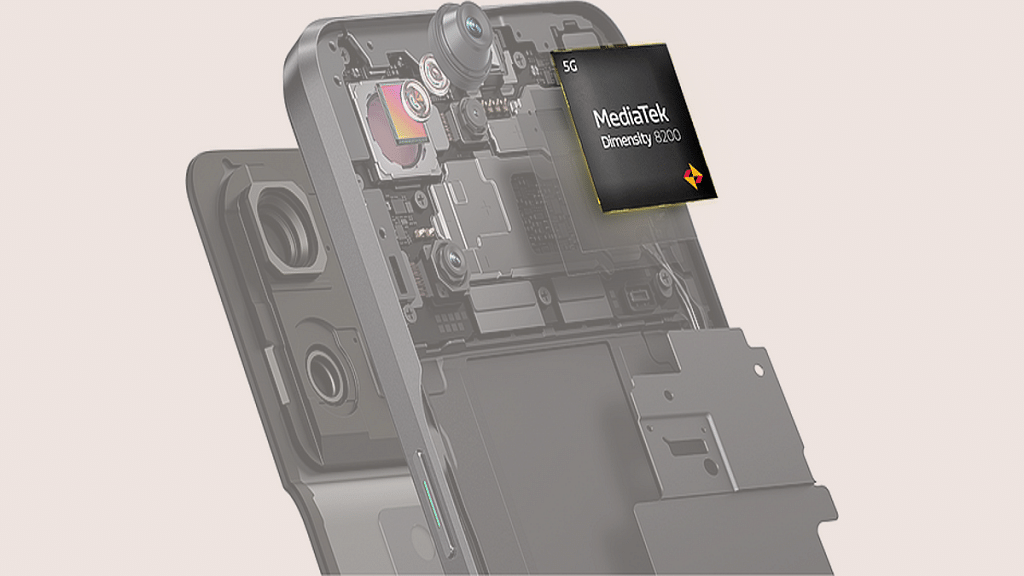
MediaTek is gradually strengthening its mobile chipset portfolio with the new range of 5G processors. The brand has launched several mid-range and premium mobile chipsets backed with 5G network technology under its Dimensity lineup. The Dimensity 8200 is one of the latest mobile processors from MediaTek which has been introduced for premium mid-tier Android phones and tablets.

On the other hand, Qualcomm is also populating its 5G mobile chipset range and has released multiple new chipsets with the latest network capabilities. While Qualcomm has unveiled new mobile processors this year, the Snapdragon 778G remains the popular choice amongst the smartphone OEMs and also buyers.

We are doing a quick comparison between MediaTek’s latest 5G-ready Dimensity 8200 chipset and the Snapdragon 778G. Let’s see which offers a better CPU and GPU performance.

MediaTek Dimensity 8200 Chipset Vs Qualcomm Snapdragon 778G Processor: CPU

Features MediaTek Dimensity 8200Snapdragon 778G
CPU octa-coreocta-core
GPUMali G610 Adreno 642l
Memory LPDDR5LPDDR5
Storage UFS 3.1UFS 2.1, UFS 2.2, UFS 3.0, and UFS 3.1
Fabrication4nm 6nm

Starting with the architecture design, both MediaTek Dimensity 8200 and the Snapdragon 778G chipset feature an octa-core CPU cluster design. The Dimensity 8200 has a single Cortex-A78 core with 3.1GHz clock speed, three Cortex-A78 cores with 3GHz clock speed, and four Cortex-A55 cores with two GHz clock speed.

Whereas, the Snapdragon 778G comprises a single Cortex-A78 core with 2.4GHz clock speed, three 2.2GHz Cortex-A78 cores, and four Cortex A-55 cores with 1.9GHz clock speed.  The CPU frequency is higher with the Dimensity 8200 chipset at 3100MHz, while the Snapdragon 778G chipset features a 2400MHz CPU frequency. Also, the MediaTek Dimensity 8200 chipset is fabricated using a thinner 4nm process compared to the 6nm process used by the Snapdragon 778G chipset. CPU performance is slightly better with the Dimensity 8200 chipset.

Also Read: Qualcomm Snapdragon 782G Vs MediaTek Dimensity 1080 Chipset Quick Comparison: Latest Premium Mid-Range Mobile Processor Battle

Dimensity 8200 Vs Snapdragon 778G Chipset: GPU Performance

The MediaTek Dimensity 8200 chipset is aided by the Mali-G610 MC6 GPU, while the Qualcomm Snapdragon 778G chipset uses Adreno 642l GPU. The memory frequency range is not revealed for the Dimensity 8200, but the SD 778G offers 490MHz memory frequency. The Vulkan version is 1.1 with the Dimensity 8200, 2.0 OpenCL, and DirectX version is 12 on the Snapdragon 778G. Only the Vilkan version is upgraded on the Dimensity 8200 (1.2) rest all aspects remain the same.

MediaTek Dimensity 8200 Vs Qualcomm Snapdragon 778G Chipset: Memory, Multimedia

In terms of memory compatibility, the MediaTek Dimensity uses the same LPPDR5 memory support as the Snapdragon 778G chipset. Despite the same memory format, the memory frequency offered by both these chipsets is different. The MediaTek Dimensity 8200 chipset offers around 6400 Mhz memory frequency, while the Snapdragon 778G processor only has a 3200MHz memory frequency range.

The storage compatibility with the Dimensity 8200 chipset is UFS 3.1, whereas, the SD 778G supports UFS 2.1, UFS 2.2, UFS 3.0, and UFS 3.1 storage support. Speaking of multimedia compatibilities, the maximum display resolution supported by the Snapdragon 778G chipset is 1080 x 2520 pixels and the maximum camera resolution support is 192MP.

The Dimensity 8200 chipset has 1440 x 2960 pixels maximum display resolution support and up to 320MP maximum camera resolution. Both these processors support 4K video recording and playback. However, the Snapdragon 778G only supports 30fps, while the Dimensity 8200 supports 60fps recording and playback.

Also Read: Qualcomm Snapdragon 8 Gen 2 Vs MediaTek Dimensity 9200 Chipset Comparison: Most Advanced 5G Flagship Mobile Processor?

Qualcomm Snapdragon 778G Vs MediaTek Dimensity 8200: Which One Is Better?

If we speak of performance delivery, both Qualcomm Snapdragon 778G and the MediaTek Dimensity 8200 chipset are fully capable to handle any kind of task. But the Dimensity 8200 has an edge for being a new-generation chipset with slightly better performance capabilities.  

Also Read: Qualcomm Snapdragon 750G Vs MediaTek Dimensity 800 Chipset Comparison: Which Mid-Range 5G Chipset Is Better?

Categories
Comparison Featured

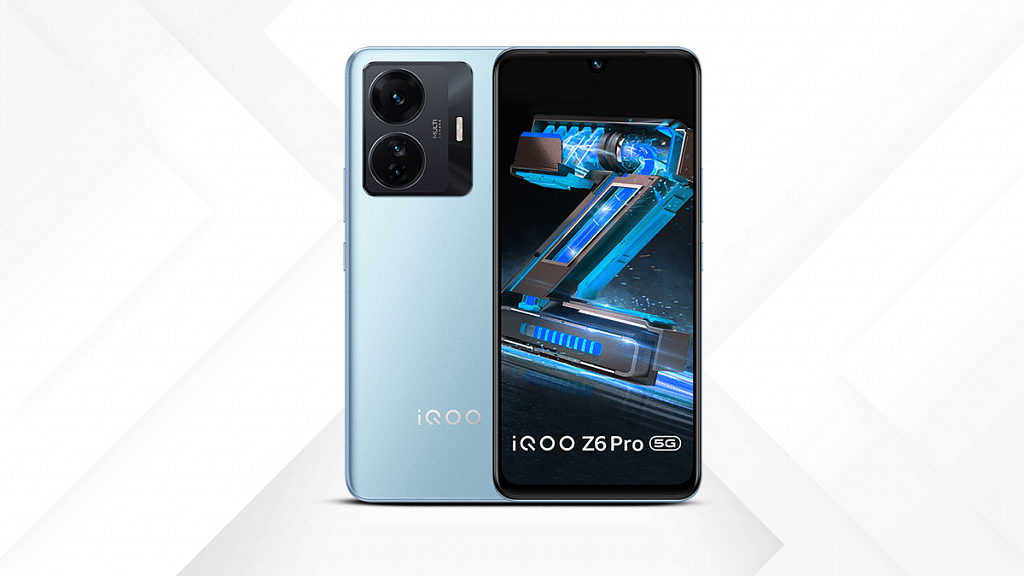
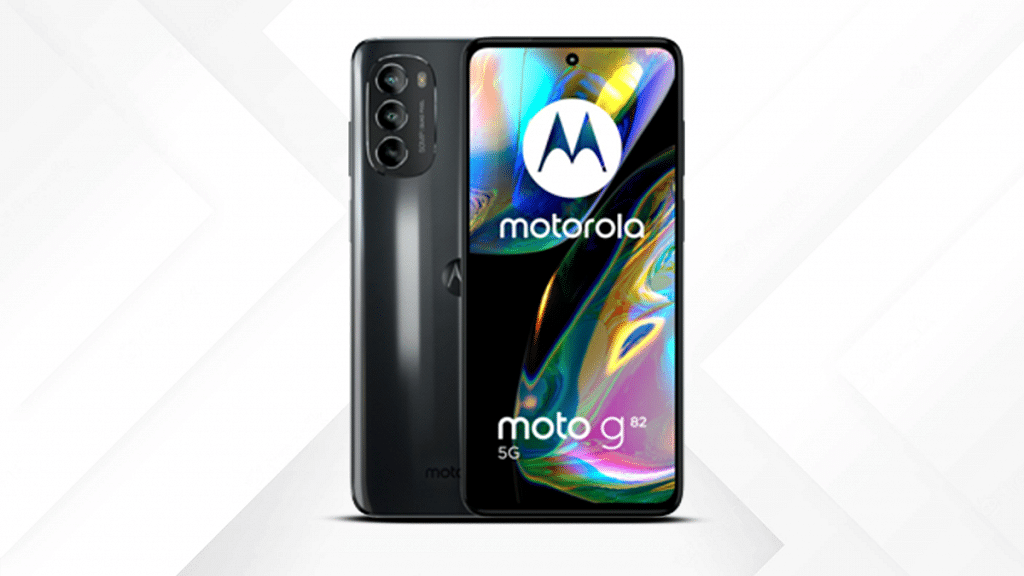
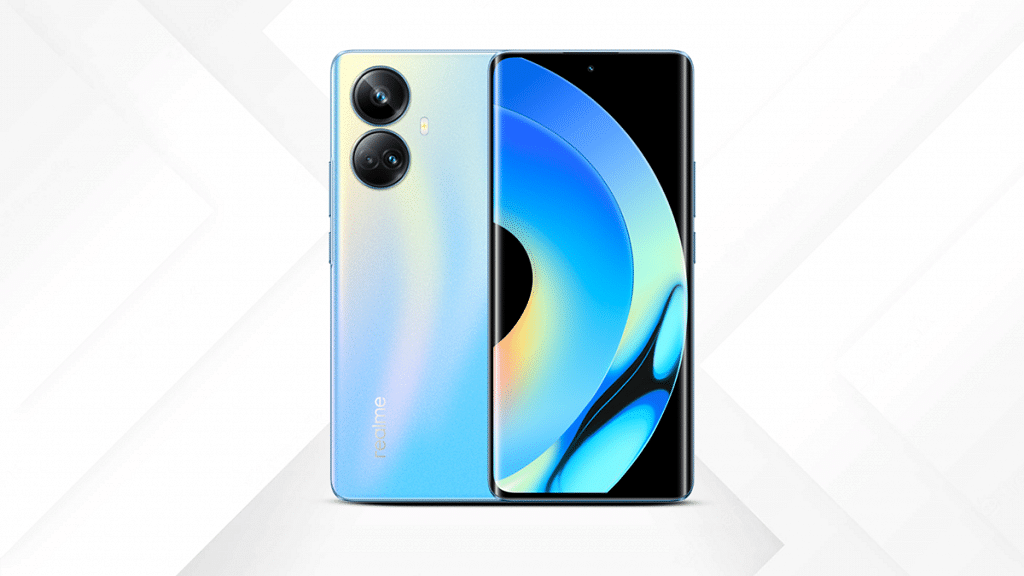
Realme 10 Pro Plus Vs iQOO Z6 Pro Vs Moto G82: Best Mid Range 5G Phone In 2022 In India

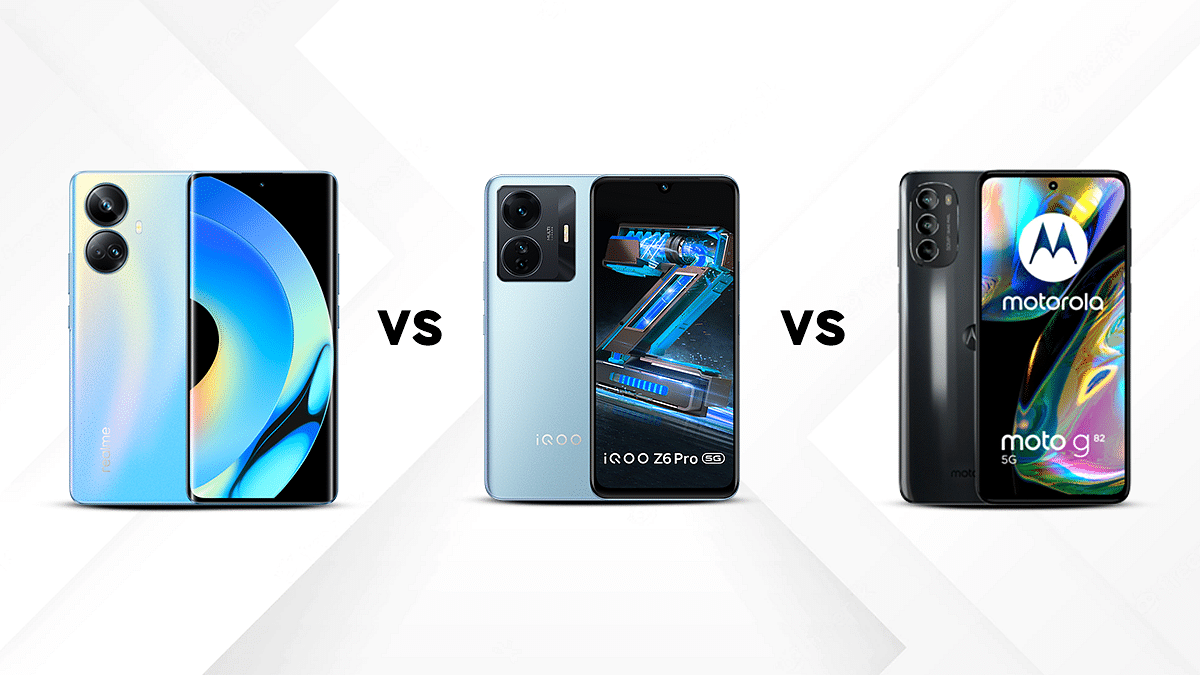
Realme has unveiled the Realme 10 Pro+ 5G in India with a 108MP camera on the rear supplemented by a macro and ultra-wide lens. Considering that Realme is known for having strong camera systems on its phones, we have high expectations from the Realme 10 Pro+ as well. To be certain, we put the phone up against the iQOO Z6 Pro 5G and the Moto G82 5G Let’s see if the Realme 10 Pro+ can claim victory over these two phones. Let’s find out.

Also Read: Moto To Launch G82 Device In July In India: Check Specifications And Price In India

Realme 10 Pro Plus Vs iQOO Z6 Pro Vs Moto G82: Quick Specifications

Specifications Realme 10 Pro PlusiQOO Z6 ProMoto G82
Display6.7-inch
120Hz refresh rate
6.44-inch
90Hz refresh rate
6.6-inch
120Hz refresh rate
Camera108 MP (rear)
16 MP (front)
64MP (rear)
16MP (front)
50MP (rear)
16MP (front)
Battery5000 mAh 4700 mAh 5000 mAh
RAM6 GB6 GB 6 GB
ChipsetMediaTek Dimensity 1080 MT6877VQualcomm Snapdragon 778GQualcomm Snapdragon 695

Realme 10 Pro Plus Vs iQOO Z6 Pro Vs Moto G82: Design And Camera

The 6.7-inch Super AMOLED front screen on the Realme 10 Pro Plus has a pixel density of 393ppi and a resolution of 1080 x 2400. The smartphone’s bezel-free display also has a punch-hole at the top that houses the selfie camera. The brand has added a layer of Corning Gorilla Glass v5 to guard the screen against external harm.

The Realme 10 Pro Plus has three cameras set up on the back. This consists of a 108MP primary camera, an 8MP wide-angle camera, and a 2MP depth camera. Significant features like Digital Zoom, Auto Flash, HDR Mode, Touch to Focus, etc. are available in the default camera configuration. Additionally, the smartphone has a 16MP lens on the front for taking selfies.

The 6.44-inch multi-touch AMOLED screen on the iQOO Z6 Pro has a 20:9 aspect ratio. The bezel-less display has a resolution of 1080 x 2404 pixels and a pixel density of 409ppi. Additionally, it provides fluid scrolling thanks to a 90Hz refresh rate. The iQOO Z6 Pro has a triple camera configuration on its back, which is available for optics. A 16MP f/2.0 Main Camera, put on the front of the device by iQOO, allows for crystal-clear video conversations, self-portraits, and recording.

The Moto G82’s 6.6-inch P-OLED bezel-less display has a pixel density of 399ppi and a resolution of 1080 x 2400 pixels. With a refresh rate of 120Hz, it provides a fluid viewing experience. The display also has a punch-hole in the upper centre and a 20:9 aspect ratio. The Moto G82 has a 50MP f/1.8 Wide-Angle Main Camera on the back.

It is supported by a 2MP f/2.4 macro camera and an 8MP f/2.2 ultra-wide angle camera. In addition to having three cameras, this set-up also has an LED flash, digital zoom, HDR mode, and other capabilities. On the front of the smartphone, there is also a potent 16MP f/2.2 Wide-Angle Main Shooter.

Realme 10 Pro Plus Vs iQOO Z6 Pro Vs Moto G82: Configuration And Battery

The Realme 10 Pro Plus has a MediaTek Dimensity 1080 MT6877V chipset and 6GB of RAM. Additionally, the functionality is improved by the Octa-core processor’s Cortex A78 and Cortex A55 processors. A Mali-G68 MC4 GPU has been added to handle the graphic requirements. The Li-Polymer battery powering the Realme 10 Pro Plus has a 5000mAh capacity for charging. A 67WFast-Charging system is compatible.

The Qualcomm Snapdragon 778G chipset powers the internal workings of the iQOO Z6 Pro. Additionally, it has a triple Kryo 670 processor and an octa-core CPU with 6GB RAM. The smartphone’s Adreno 642L GPU enables users to play graphically demanding games in high definition.The battery capacity of the iQOO Z6 Pro is 4700mAh. It has Li-ion cell that may be charged using a 66W flash charger.

The Moto G82 is equipped with a dual Kryo 660-based Octa-core processor and a Qualcomm Snapdragon 695 chipset. With the aid of its 6GB RAM and Adreno 619 GPU, it also guarantees lightning-fast speed and an immersive visual experience. A 5000mAh battery powers the Moto G82. This Li-Polymer battery enables 30W Turbo Power Charging.

Realme 10 Pro Plus Vs iQOO Z6 Pro Vs Moto G82: Storage And Connectivity

The Realme 10 Pro Plus boasts a sizable internal capacity of 128GB, which is by definition non-expandable. Bluetooth v5.3, USB OTG, Mobile Hotspot, and Wi-Fi are among its connectivity features. Realme 10 Pro Plus stands out for being compatible with 5G and 4G VolTE networks for seamless video and phone communications.

The 128GB internal storage of the iQOO Z6 Pro can be used by users to store their data. The smartphone can connect to both 4G and 5G VoLTE networks for internet browsing and communication. Additionally offered are A-GPS with Glonass, Bluetooth v5.2, Wi-Fi, USB Type-C, and Mobile Hotspot.

Moto G82 is equipped with 128GB of internal storage capacity on the device for storage needs. Additionally, users have the option of 1TB of expansion. The gadget supports 5G and 4G VoLTE network connections in addition to A-GPS with Glonass, Bluetooth v5.1, Wi-Fi, and USB Type-C.

GizNext’s Expert Opinion

The Realme 10 Pro Plus is a high-end product with a wide range of features. Users can complete their everyday tasks simultaneously thanks to the device’s large RAM capacity, fast-charging battery, and smooth display. Additionally, the camera profile placed therein guarantees consistently accurate clicks.

The iQOO Z6 Pro offers a tonne of practical connectivity capabilities, a sizable amount of storage, and a snappy display. The Moto G82 ensures smooth operations all day long with to its Qualcomm Snapdragon 695 chipset, 6GB RAM, and a well-planned battery configuration. The device’s display and camera configuration are both of high calibre.

Also Read: iQOO Z6 Pro 5G Vs OnePlus Nord CE 2 5G Vs Oppo F21s Pro: Best Mid-Range 5G Smartphone To Buy In India

Categories
Comparison Featured

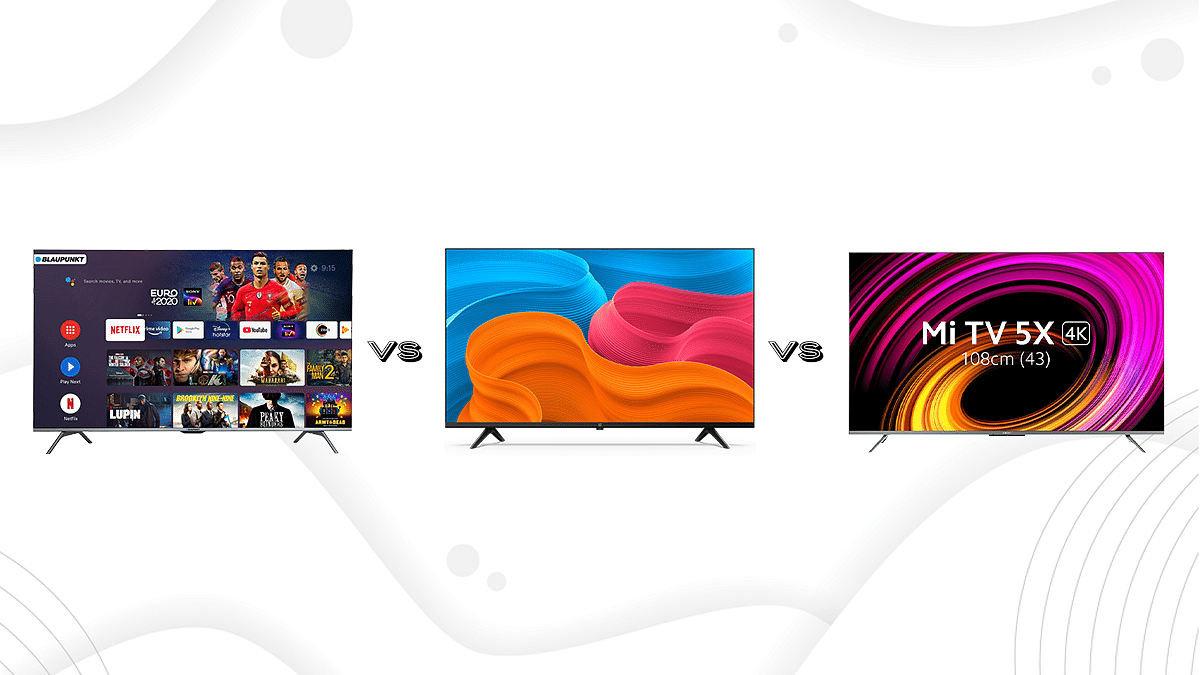
Blaupunkt 50-inch Cybersound UHD Android TV Vs Mi TV 5X Vs OnePlus TV Y1 Pro: Specifications Comparison

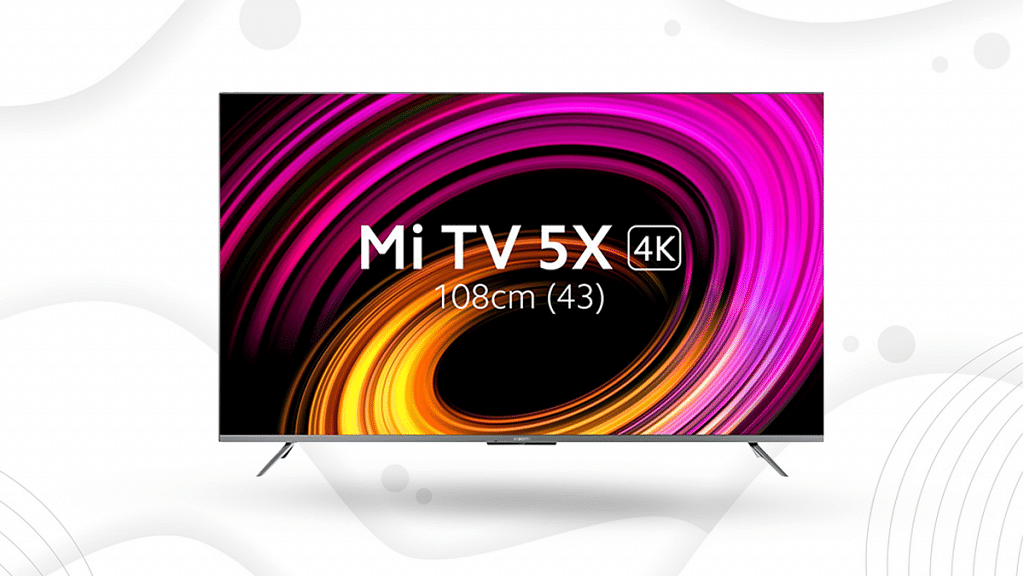
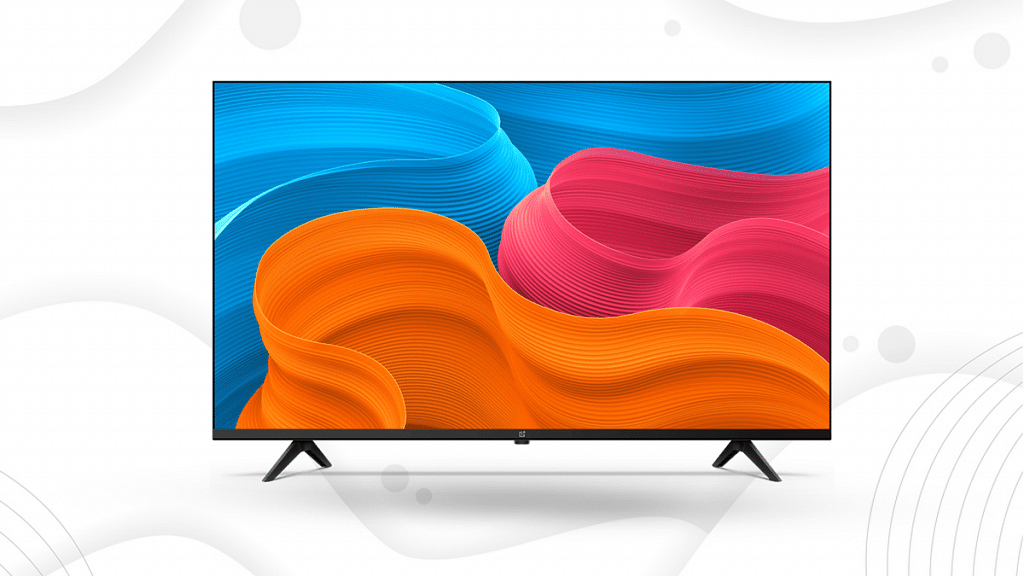
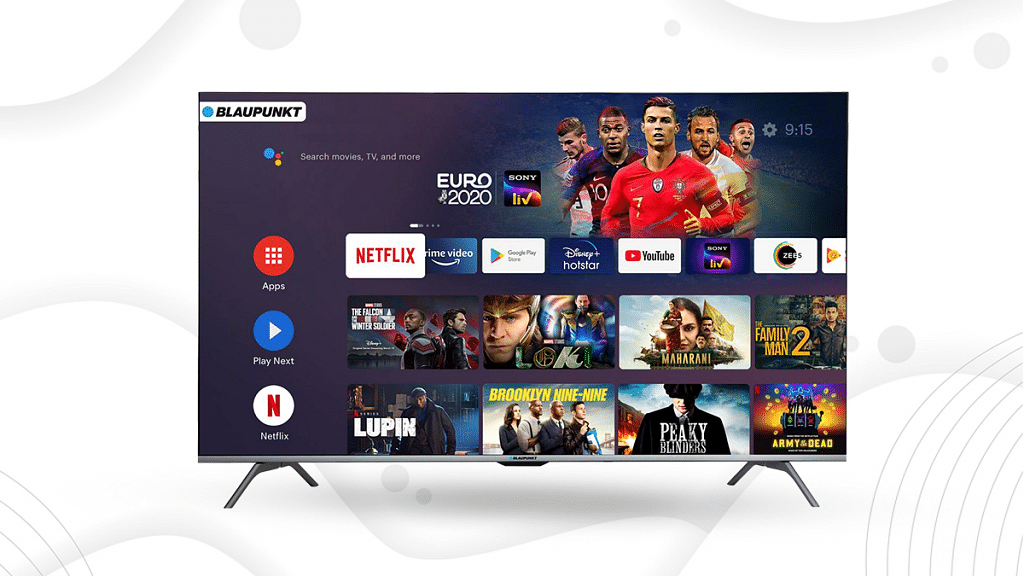
The budget and mid-range television sectors in India are largely covered by Xiaomi and its Redmi sub-brand, but Xiaomi will always place a premium on value, which also extends to higher-end models. The Mi TV 5X, aims to continue that trend while maintaining the competitive and affordable cost that has drawn customers to the brand. Blaupunkt, a well-known German electronics brand, made a comeback in the Indian Smart TV market through a partnership with Super Plastronics Pvt. Ltd., an Indian TV manufacturer that also happens to own the brand rights for Thomson and Kodak TVs. Thanks to Blaupunkt’s competence in the audio field, the Cybersound range of TVs promises a superb balance of visual clarity and sound. The Y series TVs from OnePlus are their most economical models because they come with only the bare minimum of features that are required and nothing extravagant, which is essentially what potential customers in this market segment look for. Which of these TV’s are worth buying? Let’s find out:

Blaupunkt 50-inch Cybersound UHD Android TV Vs Mi TV 5X Vs OnePlus TV Y1 Pro: Design And Display

The 50-inch Blaupunkt Cybersound TV offers a 60Hz refresh rate, 3840 x 2160 Ultra HD (4K) resolution, and an IPS display. Its maximum brightness rating is 550 nits. The TV is compatible with well-known HDR specifications including HDR10/10+ and HLG with 10-bit colour depth.

With support for Dolby Vision and HDR10+ high dynamic range codecs, the Mi TV 5X 55 has a 55-inch Ultra-HD (3840×2160-pixel) LED-backlit screen. While Xiaomi’s televisions have undergone general design and branding changes over the past few months and years, the company’s approach to the remote has remained relatively consistent.

The TV OnePlus Y1S Pro maintains the sleek look we’ve come to expect from OnePlus devices. The 4K UHD display has gorgeous colours. Thanks to the 10-bit colour depth feature, OnePlus claims users can see over a billion colours in every frame. For a better viewing experience, it also provides Ultra HD display and HDR10+, HDR10, and HLG format support.

Blaupunkt 50-inch Cybersound UHD Android TV Vs Mi TV 5X Vs OnePlus TV Y1 Pro: Operating System, Features

A Mediatek SoC with four Cortex-A53 cores running at 1.5GHz apiece and a Mali-G52 GPU powers the Blaupunkt Cybersound TV. You receive 2GB RAM and 8GB of internal storage, with the Android TV 10 OS and pre-installed apps using some of the latter. As a result, you have slightly more than 4GB of space left over for other purposes, like adding new programmes. It includes Chromecast built-in, much like all certified Android TVs, allowing you to cast content to the TV from compatible apps on your phone or tablet.

Anyone who has previously used a Xiaomi television will be familiar with the software experience on the Xiaomi Mi TV 5X, much like they are with the remote. The television uses Android TV 10 with Xiaomi’s customised PatchWall 4 launcher in addition to the basic Android TV user interface. Users have full access to the Google Play Store for Android TV to download any of the more than 5,000 accessible apps, and all popular apps are supported. Since there are no actual manufacturer-imposed restrictions in this case, users of other Android TV devices will be familiar with the stock Android TV UI.

TVs have developed into smart hubs that enable us to switch between screens. Like most Android TVs, this one’s setup is simple. It runs on the Android TV 10.0 operating system and lets you use Google Assistant for convenient controls. Another intriguing feature that we haven’t yet examined is the OnePlus TV’s Game Mode, which enables you to activate the unique ALLM feature for an immersive gaming experience with low latency by connecting your gaming console to the OnePlus TV via HDMI.

Also Read: OnePlus TV Y1s Pro Vs Xiaomi MI TV 4X: Best 43-inch Smart TV Model Under Rs. 30,000 In India

Blaupunkt 50-inch Cybersound UHD Android TV Vs Mi TV 5X Vs OnePlus TV Y1 Pro: Audio, Connectivity Ports

With support for the Dolby Digital and DTS:X standards, Blaupunkt Cybersound TV Sound output is rated at 60Watts RMS. The two-way Bluetooth on this TV allows you to stream music wirelessly from your phone through the TV speakers or wirelessly through Bluetooth earbuds or speakers. Given that the speakers on this TV are quite good, this feature is quite useful. Both IR and Bluetooth are used by the wireless remote control. Following then, Bluetooth is used for all operations save for the power button. By hitting the designated button, Google Assistant will launch and you can give voice requests. The voice commands here generally function effectively.

The Mi TV 5X 55’s two speakers can handle Dolby Atmos and DTS-HD and have a 40W rated sound output. One of the HDMI connections supports HDMI ARC, and connectivity options include dual-band Wi-Fi ac and Bluetooth 5. The TV is equipped with a quad-core processor, 2GB of RAM, and 16GB of app and app data storage.

The OnePlus Y1S Pro offers dual band Wi-Fi with Bluetooth 5.0, 3x HDMI 2.1 (1x eARC), 2x USB 2.0, and ethernet connections. Both Alexa and Chromecast are supported.

GizNext’s Expert Opinion

On Flipkart, the Blaupunkt Cybersound 50CSA7007 TV is available for Rs. 36,999 with a one-year warranty. For a smart TV with good picture quality, the Android TV 10 platform, and a respectable sound output, that is a fair price. It would have been much better if it had supported Dolby Vision and the more recent HDMI 2.1 connectors. That could be too much to ask, or is it?

The Mi TV 5X is an excellent illustration of why reasonably priced TVs are worthwhile to consider, and Xiaomi’s emphasis on value for money and competitive pricing continues to pay off for the firm. It provides a solid balance of performance, functionality, and design, and makes relatively few mistakes. Most importantly, it provides you with everything you could possibly want or expect from a television at this price.

Overall, the OnePlus Y1S Pro is a solid performer on most fronts. It has a very sharp screen for the price, decent audio output for most use cases, a snappy remote control, and appears to be a reasonable choice to consider if you’re looking for a 43-inch smart TV for a small room.

Also Read: Xiaomi Mi TV 5X 43-inch UHD Smart LED TV Vs Nokia 43TAUHDN 43-inch UHD Vs Sony Bravia 43-inch Full HD Smart TV: Which One To Consider?

Categories
Comparison Featured Tablet

Nokia T21 Vs Moto Tab G62 Vs Lenovo M10 Tab HD (2nd Gen) Tablet: Best Option For Budget Audience

Budget smartphone and mobile tablet industry is steadily expanding with new models in India. Multiple brands including smartphone OEMs have launched tablets for budget users. Motorola, Nokia, and Lenovo are a bunch of smartphone brands that are bringing in options under Rs. 15,000 in India. For users with budget constraints, it might get difficult to find the apt unit.

We have picked the latest and best-selling Android tablets in India that you can buy at a budget price point and get done with almost all possible tasks you would otherwise get from premium end tablets. In this article, we are comparing the Nokia T21, Moto Tab G62, and the Lenovo Tab M10 HD (2nd Gen) tablets.

ModelNokia Tab T21Motorola Tab G62Lenovo Tab M2 HD (2nd Gen)
Display10.4-inch IPS LCD
1200 x 2000 pixels resolution
10.6-inch IPS LCD
1200 x 2000 pixels resolution
10.1-inch IPS LCD
800 x 1280 pixels resolution
Camera 8MP (rear)
8MP (front)
8MP (rear)
8MP (front)
8MP (rear)
5MP (front)
Chipsetocta-core Unisoc Tiger T612octa-core Snapdragon 680octa-core Helio P22
Android OSAndroid 12Android 12Android 10
Battery 8,200 mAh7,700 mAh5,000 mAh
Charging 18W18W10W
PriceYet to be announcedRs. 16,499Rs. 13,999

Nokia T21 Vs Moto Tab G62 Vs Lenovo Tab M10 HD (2nd Gen): Display Features

A standard IPS LCD with is used by all three tablets in this list, but with a slightly different screen size and display resolution. The Nokia T21 flaunts a 10.4-inch display with a 1200 x 2000 pixels screen resolution, 360 nits peak brightness, and 224 PPI pixel density. The Moto Tab G62’s display measures 10.6-inches and offers the same 1200 x 2000 pixels screen resolution along with 220 PPI pixel density.

The Lenovo Tab M10 HD (2nd Gen) has a smaller 10.1-inch screen with 149 PPI pixel density. The screen resolution is also lower compared to the remaining two models, i.e., 800 x 1280 pixels. Visual experience will be better with the Nokia T21 and the Moto Tab G62 compared to the Nokia T21.

Also Read: Nokia T21 Vs Nokia T20 Vs Realme Pad Mini Tablet Comparison: Best Entry-Level Android Tablet For Daily Use

Nokia T21 Vs Moto Tab G62 Vs Lenovo Tab M10 HD (2nd Gen): Chipset, Battery Differences

Starting with the Nokia T21, the budget tablet employs the entry-level Unisoc Tiger T612 chipset. Based on 12nm fabrication, this low-end processor combined Mali-G57 GPU along with 4GB RAM and up to 128GB onboard storage capacity.

The Moto Tab G62 gets a more powerful Qualcomm Snapdragon 680 chipset clubbed with Adreno 610 GPU and up to 4GB RAM and 64GB storage configuration. On the contrary, the Lenovo Tab M10 HD (2nd Gen) features an entry-level MediaTek Helio P22 chipset combined with PowerVR GE8320 GPU and up to 4GB RAM+ 64GB storage. Android version is dated with the Lenovo tablet, i.e., Android 10 OS. However, you can opt either for the Nokia or the Motorola tablet if you need a new Android OS, i.e., Android 12 OS.

Battery size is the biggest on the Nokia T21 measuring at 8,200 mAh followed by the Moto Tab G62 which packs a 7,700 mAh battery unit. Both these tablets feature 18W fast charging. The Lenovo Tab M10 (2nd gen) tablet has the smallest 5,000 mAh battery combined with standard 10W charging. Out of all three models, the Motorola Tab G62 will perform best with multitasking and extensive tasks.

Also Read: Nokia T10 Vs Oppo Pad Air Vs Realme Pad Mini: Best Budget Tablet To Buy In India?

Nokia T21 Vs Moto Tab G62 Vs Lenovo Tab HD (2nd Gen): Camera Harwdare

The primary camera (rear) used by the Nokia T21, Motorola Tab G62, and the Lenovo Tab M10 (2nd Gen) is the same. All three tablets feature an 8MP main camera at the back that is capable of recording 1080p@30fps videos. The selfie snapper is also 8MP, but only on the Nokia T21 and the Motorola Tab G62. The Lenovo Tab M10 HD (2nd Gen) sports a smaller 5MP selfie lens. The imaging capabilities are equivalent on these tablets offering decent feedback with the online conferencing.

Also Read: Xiaomi Pad 5 Vs Honor Pad 8 Vs Realme Pad X: Best Premium Mid-Range Tablet

Nokia T21 Vs Moto Tab G62 Vs Lenovo M10 Tab HD (2nd Gen): Final Verdict

All three options in this list are suitable for budget users. But performance-wise, the Motorola Tab G62 will offer the best user experience. The remaining two models including the Nokia T21 and the Lenovo Tab M10 (2nd Gen) follows.

Also Read: Samsung Galaxy Tab A8 Vs Nokia T10 Vs Moto Tab G62: Which Tablet Makes The Best Option For Budget Audience

Categories
Chipset Comparison

Qualcomm Snapdragon 782G Vs MediaTek Dimensity 1080 Chipset Quick Comparison: Latest Premium Mid-Range Mobile Processor Battle

Key Highlights

  • Qualcomm Snapdragon 782G and MediaTek Dimensity 1080 are both mid-range mobile chipsets
  • Snapdragon 782G has a slightly better CPU and GPU performance
  • Dimensity 1080 has better 5G connectivity and camera features

Qualcomm and MediaTek processors are two of the most popular brands for mobile and tablet processors. Both these brands have launched multiple new mobile chipsets for new-generation Android smartphones and tablets. The former has just introduced the Snapdragon 782G octa-core chipset for gaming-oriented devices, whereas, the latter has introduced the Dimensity 1080 chipset.

Both Snapdragon 782G and the Dimensity 1080 processors are designed to offer high-end performance and are designed using the same fabrication process. A quick comparison between these chipsets’ CPU, GPU, and other aspects is done in this article. Take a look:

Also Read: MediaTek Dimensity 9200 Processor Vs Qualcomm Snapdragon 8 Gen 1 Chipset: High-End Mobile Chipset Comparison

Qualcomm Snapdragon 782G Vs MediaTek Dimensity 1080 Chipset: CPU Performance

ChipsetQualcomm Snapdragon 782GMediaTek Dimensity 1080
Fabrication6nm TSMC6nm TSMC
CPU octa-coreocta-core
GPUAdreno 642LValhall 2
Memory LPDDR5LPDDR5

Qualcomm and MediaTek both have uses the same 6nm TSMC fabrication process to design the Snapdragon 782G and the Dimensity 1080 processor respectively. While the fabrication process is the same, the instruction set and frequency range is different. The Snapdragon 782G uses an ARMv8.4-A instruction set, whereas, the Dimensity 1080 chipset features an ARMv8.2A instruction set.

The former offers a higher frequency range of 2700MHz, while the latter delivers a 2600MHz frequency range. If we speak of the CPU cores, both these chipsets feature an octa-core cluster. Qualcomm has used one 2.7GHz Cortex-A78 core, three Cortex-A78 cores, and four Cortex-A55 cores with 1.9 GHz clock speed for the Snapdragon 782G processor.

The MediaTek Dimensity 1080 chipset has two Cortex-A78 cores with 2.6GHz clock speed and six Cortex-A55 cores with 2GHz clock speed. CPU performance offered is adequate and equivalent by these two processors and task handling would be swift by these two chipsets.

Also Read: Qualcomm Snapdragon 782G Vs Snapdragon 778G Chipset: Quick Comparison

Snapdragon 782G Vs Dimensity 1080 Processor: GPU Performance

Qualcomm Snapdragon 782G employs the Adreno 642L GPU for graphics handling. This latest Qualcomm chipset’s GPU is fully capable of rendering extensive graphics with demanding apps and games flawlessly. The frame drops and lags would be the least with the SD 782G’s GPU. On the other hand, MediaTek Dimensity 1080 processor has the Valhall 2 GPU integrated for graphics with 64 shading units. Both SD 782G and the Dimensity 1080’s GPU is a premium ranges to offer a swift experience with graphics.

Also Read: Qualcomm Snapdragon 8 Gen 2 Vs MediaTek Dimensity 9200 Chipset Comparison: Most Advanced 5G Flagship Mobile Processor?

Qualcomm Snapdragon 782G Vs Dimensity 1080 Chipset: Memory, Multimedia (ISP)

In terms of memory configurations, the Snapdragon 782G has LPDDR5 RAM memory type support. Interestingly, the Dimensity 1080 chipset also has the same LPDDR5 memory compatibility. Not just the memory type, but the performance and maximum memory support are also identical on both these chipsets. The MediaTek Dimensity 1080 and the Snapdragon 782G processors also offer the same 3200MHz memory frequency and up to a maximum of 16GB maximum RAM.

Storage compatibility doesn’t differ much. The Snapdragon 782G chipset has UFS 2.2, UFS 3.0, and UFS 3.1 storage support. On the other hand, octa-core Dimensity 1080 processor has the UFS 2.2 and UFS 3.1 storage type.

The maximum display resolution compatibility with the Snapdragon 782G is 1080 x 2520 pixels, while the Dimensity 1080 chipsets aren’t revealed. Both these processors support up to 200MP maximum camera resolution. The video playback and capturing support is 4K@30fps with both these processors.

For the tech geeks, stay updated with the latest cutting-edge gadgets in the market, exclusive tech updates, gadget reviews, and more right on your phone’s screen. Join Giznext’s WhatsApp channel and receive the industry-first tech updates.

Categories
Chipset Comparison Featured

Qualcomm Snapdragon 782G Vs Snapdragon 870 SoC: Falsghip Qualcomm Chipset Comparison

Key Highlights

  • Qualcomm Snapdragon 782G is the newest octa-core premium mid-range chipset fabricated using 6nm process
  • The Snapdragon 870 processor features octa-core CPU cluster and is based on 7nm fabrication
  • GPU compatibility is Adreno 642L with the SD 782G chipset and Adreno 650 with the SD 870
  • Memory support is LPDDR5 on both chipsets

Qualcomm has launched several new mobile processors for Android smartphones as well as tablets. The Snapdragon 8 Gen 1 and the Snapdragon 782 processors are the brand’s latest generation chipsets for Android gadgets. Both these octa-core processors are designed for premium 5G phones oriented toward gaming.

The latter comes as an upgrade to the Snapdragon 778G which is the most popular premium mid-tier chipset with gaming capabilities. We previously compared both these chipsets to analyze the performance difference. Now, we are doing a comparison between the Snapdragon 782G and the Snapdragon 870 SoC to see which one offers better performance.

Qualcomm Snapdragon 782G Vs Snapdragon 870: CPU and GPU Differences

ChipsetQualcomm Snapdragon 782GQualcomm Snapdragon 870
CPUocta-core CPUocta-core CPU
GPUAdreno 642LAdreno 650
Memory LPDDR5LPDDR5
Fabrication6nm7nm

Like most of the premium mid-range and flagship chipsets, the Snapdragon 782G and the Snapdragon 870 processors feature an octa-core CPU cluster but with a different fabrication process. The Snapdragon 782G chipset uses a 6nm process, contrary to the 7nm TSMC fabrication used by the Snapdragon 870 chipset. The frequency range is 2700 and 3200 MHz respectively.

If we speak of the core clusters, the Snapdragon 782G features one Cortex-A78 core with 2.7GHz clock speed, three Cortex-A78 cores with 2.2GHz clock speed, and four Cortex-A55 cores with 1.9GHz clock speed. The Snapdragon 870 chipset has a single Cortex-A77 core with 2,42GHz clock speed, three 2.42Ghz Cortex-A77 cores, and four Cortex-A55 cores with 1.8GHz clock speed. Power delivery is equivalent by both Snapdragon 782G and the Snapdragon 870 chipsets. But the thinner fabrication process is an advantage for the SD 782G.

Also Read: Qualcomm Snapdragon 782G Vs Snapdragon 778G Chipset: Quick Comparison

Snapdragon 782G Vs Snapdragon 870 SoC: GPU Comparison

In terms of GPU, the Snapdragon 870 takes the lead with the Adreno 650GPU integration. On the other hand, the Snapdragon 782G processor has the Adreno 642L GPU compatibility which has 1.1 Vulkan, 2.0 OpenCL, and 12 DirectX versions. The Snapdragon 870 chipset’s GPU frequency is around 675MHz, but this statistic is currently not confirmed by Qualcomm. Nevertheless, the graphics rendering capacity is good with both of these chipsets with the least lags and stutters while gaming and with other graphic extensive tasks.

Also Read: Qualcomm Snapdragon 778G Vs Dimensity 9000 Chipset: Premium Mid-Range Mobile Processors

Snapdragon 782G Vs Snapdragon 870 Processor: Memory. Multimedia (ISP)

Both Snapdragon 782G and the Snapdragon 870 processor have the same memory compatibility. Qualcomm has used the same LPDDR5 RAM support, however, the memory frequency delivered is different. While the Snapdragon 782G chipsets offers a 3200MHz memory frequency, the Snapdragon 870 processor offers a 2750 MHz memory frequency. The maximum memory compatibility remains the same with both processors, i.e, 16GB.

Storage compatibility differs with the Snapdragon 782G processor supporting UFS 2.2, UFS 3.0, and UFS 3.1 memory types, while the Snapdragon 870 processor supports just UFS 3.0 and UFS 3.1 memory.

Moving on to display resolution., the Snapdragon 870 supports 2160 x 3840 pixels max display resolution. The Snapdragon 782G comes with 1080 x 2520 pixels max display resolution support. Maximum camera resolution is up to 200MP with both these chipsets. The Snapdragon 870 gets an edge with up to 8K video recording and playback support instead of 4K@30fps supported by the Snapdragon 782G chipset.

Also Read: Qualcomm Snapdragon 870 Vs Dimensity 9000 Premium Chipset Comparison: Which Is Better?

Snapdragon 782G Vs Snapdragon 870: Final Verdict

Performance delivery is undeniably high-end when we speak of these two processors. The CPU and GPU performance is powerful and both these processors deem fit for gaming and even general tasks.

Also Read: Qualcomm Snapdragon 8 Gen 2 Vs MediaTek Dimensity 9200 Chipset Comparison: Most Advanced 5G Flagship Mobile Processor?

Categories
Comparison Featured Mobile

Samsung Galaxy A14 Vs Galaxy A34 Vs Galaxy A54: Upcoming Samsung Galaxy A Series Phones Comparison

Key Highlights

  • Samsung Galaxy A14 and Galaxy A34 expected launch next year
  • Galaxy A54 is also likely to debut in 2023
  • All three phones feature a triple rear camera
  • Galaxy A14 and Galaxy A34 will sport an Infinity U display
  • Galaxy A54 will feature an Infinity O panel

Samsung Galaxy A series has some of the most capable handsets with a reasonable price tag. The South Korean tech behemoth has launched multiple models in this lineup and has started working on next year’s models. We have been the first to leak the Galaxy A34 and the Galaxy A14’s 5K render and 360-degree video. Another model that is rumored to hit the shelves is the Galaxy A54. Based on the leaked details, we have done a quick comparison between these three models. Here is all you can expect from Samsung’s upcoming mid-range smartphones.

ModelSamsung Galaxy A14Samsung Galaxy A34Samsung Galaxy A54
Display6.4-inch Infinity U6.5-inch Infinity U6.4-inch Infinity O
Dimensions167.7 x 78.7 x 9.3mm161.3 x 77.7 x 8.2 mm158.3 x 76.7 x 8.2mm
Camera (rear)Triple lensTriple lensTriple lens
Fast ChargingYesYesYes

Samsung Galaxy A14 Vs Galaxy A34 Vs Galaxy A54: Design

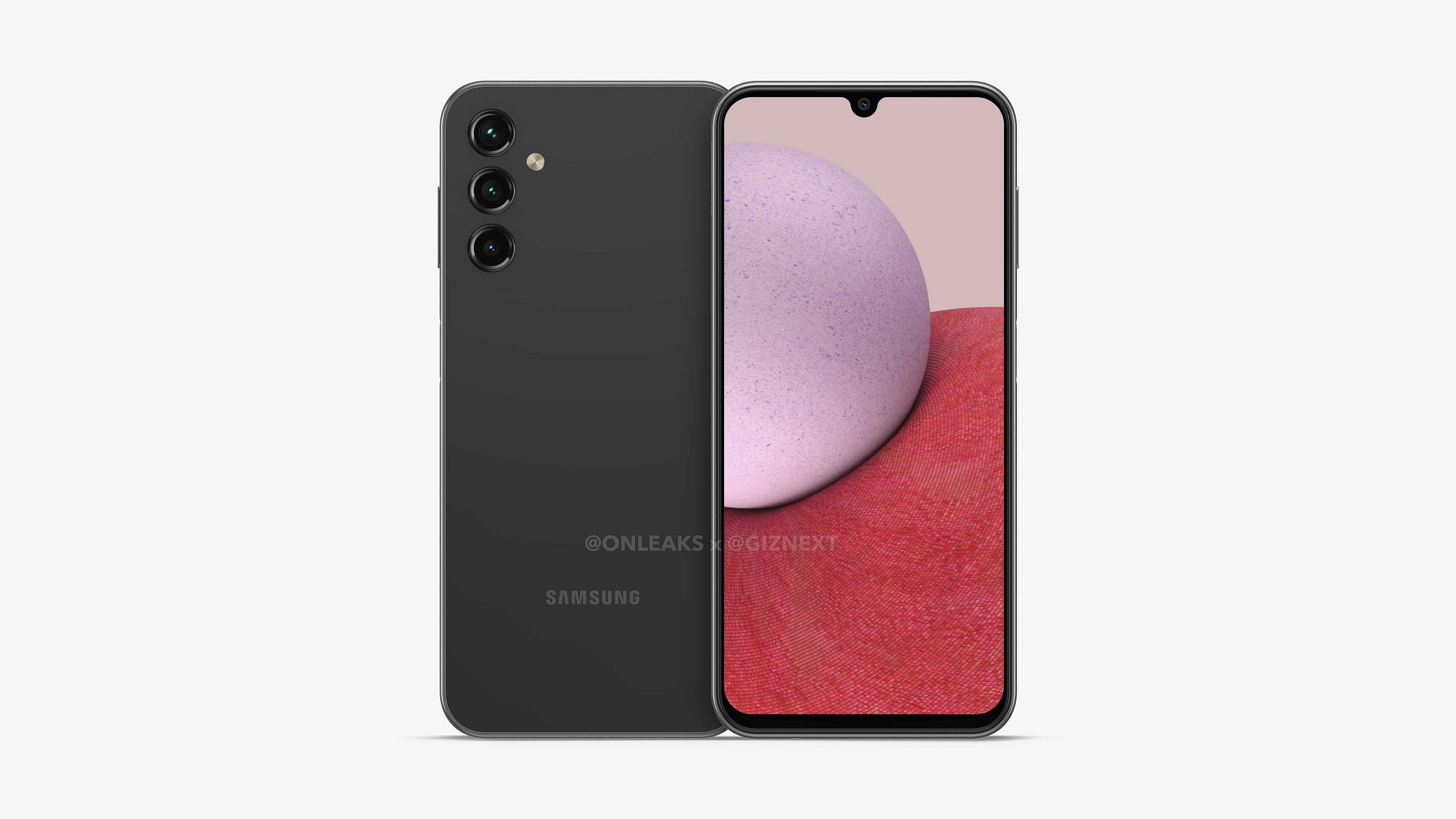
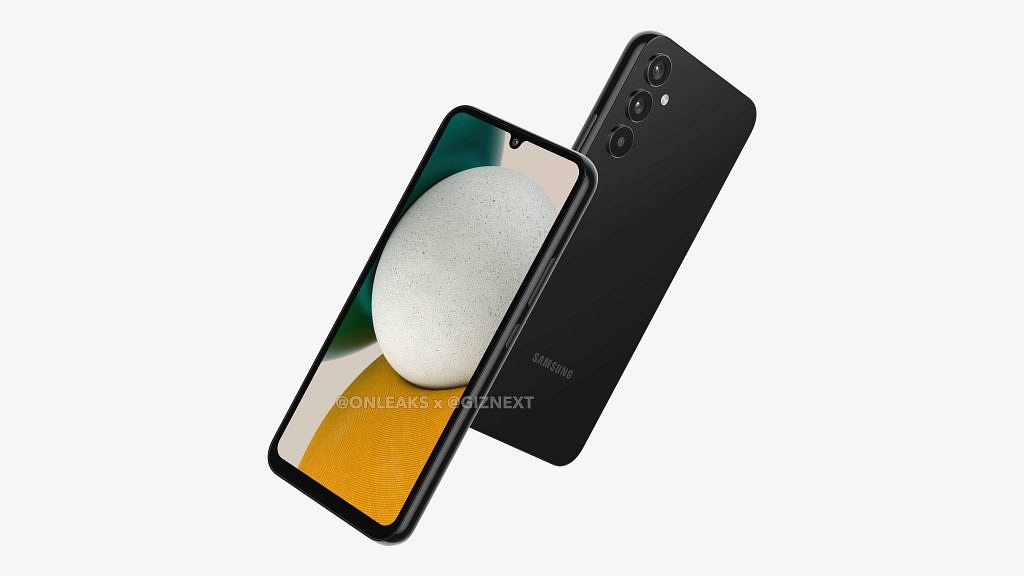
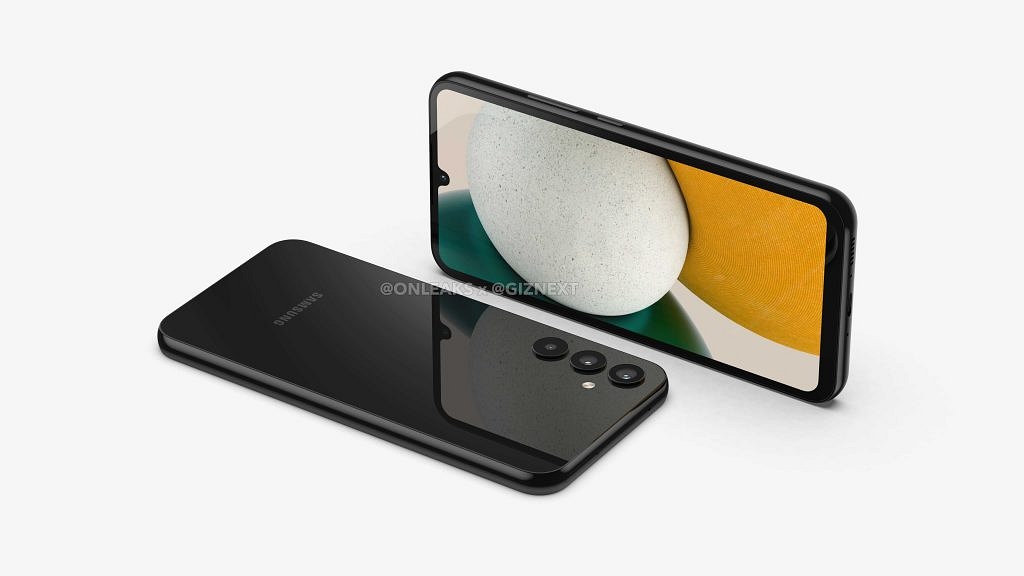
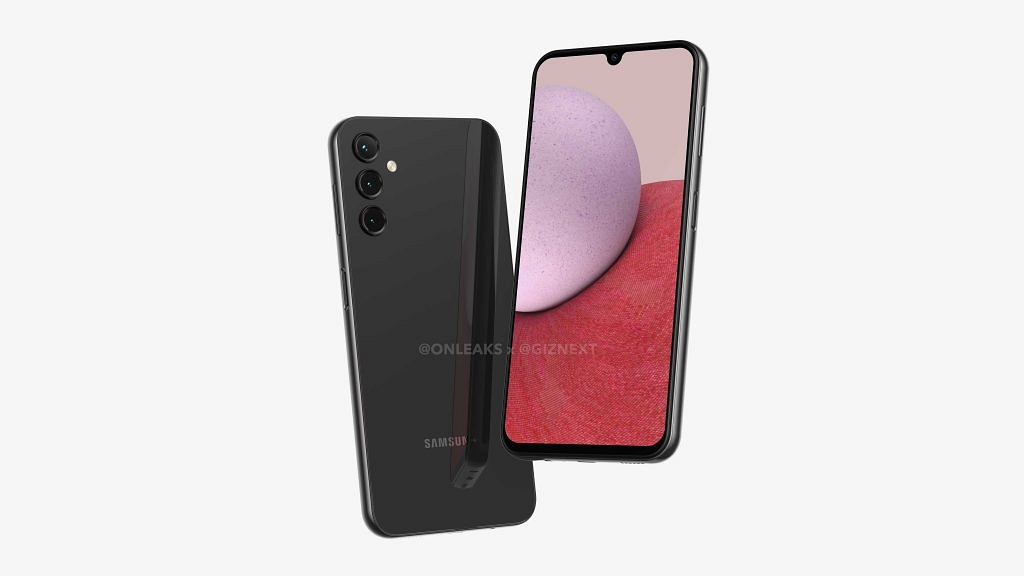
Samsung hasn’t experimented much with smartphone design and offers a subtle design language with most of its phones. The Galaxy A14 and the Galaxy A34’s leaked 5K renders shows a whole lot of similarities between the design. Both these upcoming mid-range Galaxy A series phones have been leaked with an Infinity-U display. A tiny waterdrop notch has been spotted upfront via the leaked renders.  Also, both these phones are seen with a thinner profile and slightly round edges.

On the contrary, the Galaxy A54’s leaked renders suggest a punch-hole camera cutout unlike the waterdrop notch on both Galaxy A14 and the Galaxy A34. The dimensions of all three phones are also leaked alongside the renders. The Galaxy A14 is said to measure 167.7 x 78.7 x 9.3mm in dimensions, whereas the Galaxy A134 is said to come with 161.3 x 77.7 x 8.2 mm dimensions.

Out of all three upcoming Galaxy A series phones, the Galaxy A54 will feature the slimmest profiles with its 158.3 x 76.7 x 8.2mm dimensions. All three phones will accommodate the volume and power key on the right, the USB Type C port, and the 3.5mm headphone jack at the bottom.

Also Read: [Giznext Exclusive]: Samsung Galaxy A34 First Look Revealed; Take A Look At 5K Renders, 360-degree Video, Key Specs Here

Samsung Galaxy A14 Vs Galaxy A34 Vs Galaxy A54: Display

The leaks have also leaked the display details of the Galaxy A14. The Samsung Galaxy A14 is rumored to pack a 6.4-inch Infinity U display, while the Galaxy A34 is tipped to sport a 6.5-inch Infinity U display. We are not aware of the exact display specifications that these three Galaxy A series phones will offer. But we can expect all three phones to feature an FHD+ display and a 90Hz/ 120Hz refresh rate.

Also Read: [Giznext Exclusive]: Samsung Galaxy A14 Leaked 5K Renders, Video Reveals Design In Full Glory: Here’s The First Look

Samsung Galaxy A14 Vs Galaxy 34 Vs Galaxy A54: Camera, Chipset, Battery

All three upcoming Galaxy A models will be offering a triple-lens camera setup stacked vertically in the upper left corner of the back panel. Unfortunately, the exact camera specifications of the Galaxy A14, Galaxy A34, and Galaxy A54 are unspecified.

We might see a 48 or 50MP main camera but the exact hardware would be difficult to verify. The same goes for the chipset and battery configuration. Since all three phones are in the development phase, the primary specifications are not known at this point. We will do a full comparison once the details are out.

Also Read: Samsung Galaxy A13 Vs Redmi Note 10T Vs Moto G31 Specs Comparison; Best Budget Phone Under Rs. 15,000 In India?