Categories
Comparison Featured Tablet

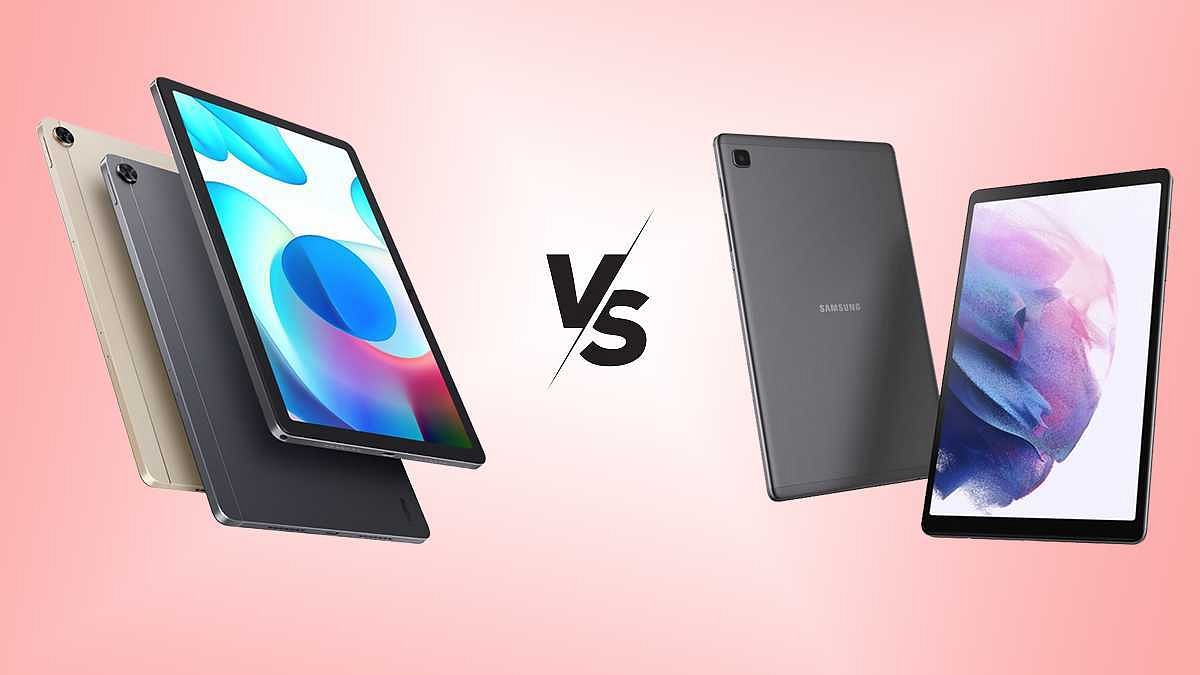
Realme Pad Mini Vs Samsung Galaxy Tab A7 Lite Specification Comparison: Best Budget Android Tablet To Buy In India?

Realme started its innings in the mobile industry with budget Android smartphones. Gradually, the Chinese smartphone brand has ventured beyond the smartphone space into other consumer electronics markets with smart TVs, smart wearables, and other tech gadgets. The company just introduced a slew of devices in the Indian market including a tablet for the budget audience. The Realme Pad Mini is the latest affordable tablet that we are speaking of.

The Realme Pad Mini is announced in India at a starting price of Rs. 10,999. This is the cost of the basic variant with 3GB RAM and 32GB storage Wi-Fi variant. The same configuration with 4G+ Wi-Fi support is priced slightly higher at Rs. 12,999. This budget tablet is also available with 4GB RAM and 64GB storage configuration. The Wi-Fi variant of the 4GB RAM model is priced at Rs. 13,999, while for the Wi-Fi and LTE model you’ll have to shell out Rs. 14,999.

The Realme Pad Mini isn’t the only budget tablet in its segment that you can buy in India. The Samsung Galaxy Tab A7 Lite is another popular option for tablet users in the budget segment in India. Both tablets offer entry-level hardware that makes them a perfect daily drivers with big screen requirements.

But whether it’s the Realme Pad Mini or the Samsung Galaxy Tab S7 Lite that you should buy if you have some budget constraints or it’s a basic tablet requirement that needs to be fulfilled? We have tried to break it down for you in this comparison article:

Realme Pad Mini Vs Samsung Galaxy Tab A7 Lite Comparison: Display Specification

The Realme Pad Mini isn’t a super large tablet. With an 8.7-inch screen size, it is tagged in the compact tablet segment. The Pad Mini’s display is a standard LCD that comes with a screen-to-body ratio of 81.5 percent and a pixel density of 179PPI. The display supports a standard 60Hz refresh rate and 800 x 1340 pixels.

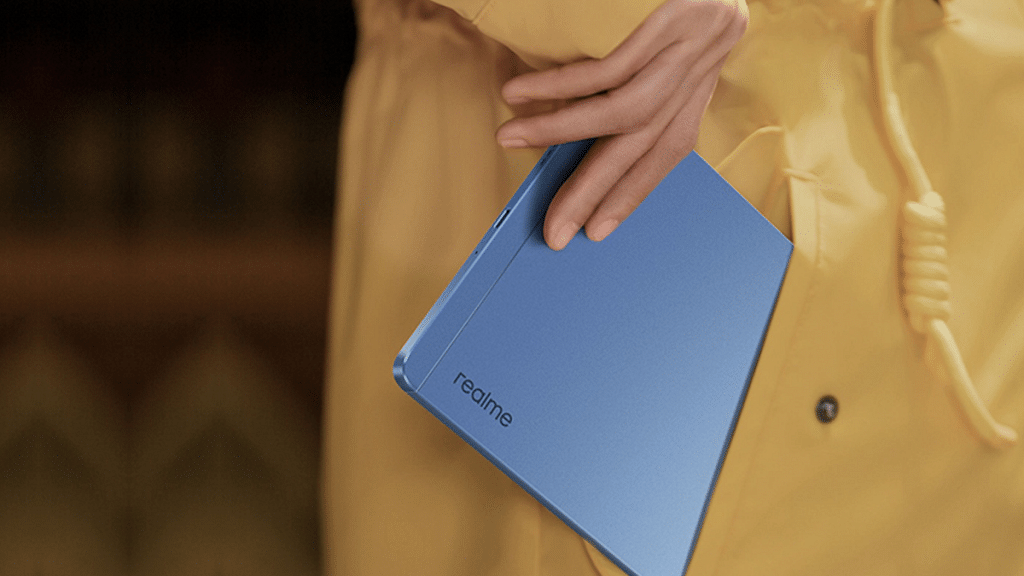
The Samsung Galaxy Tab A7 Lite competes with the Realme Pad Mini with a similar 8.7-inch screen. However, Samsung has used a TFT panel instead of an LCD panel. The Tab A7 Lite’s display has the same 800 x 1300 pixels screen resolution as the Pad Mini and an aspect ratio of 5:3. The display performance offered by both Realme and Samsung budget tablets would be similar. They both would serve best for HD video playback and also moderate gaming.

Realme Pad Mini Vs Samsung Galaxy Tab A7 Lite Camera: Which Offers the Best Photography Experience?

The optics on the Realme Pad Mini is handled by a single 8MP camera at the back. The primary rear camera sensor on the Pad Mini has an f/2.0 aperture. It is a basic camera setup that will offer decent feedback with daylight photography. The Realme Pad Mini’s back camera is capable of capturing high-res 1080p@30 fps videos. For self-portraits, the Realme Pad Mini is equipped with a single 5MP selfie camera. The selfie snapper on the Pad Mini has an f/2.2 aperture.

The Samsung Galaxy Tab A7 Lite also has an identical rear camera setup as the Realme Pad Mini. The budget Samsung tablet is equipped with the same 8MP snapper as the Pad Mini with an f/2.0 aperture. You’ll get the same imaging experience as the Realme tablet. The video recording capability is the same 1080p@30fps. The Galaxy Tab A7 Lite loses some points in the selfie camera race. Instead of a 5MP lens, the Tab A7 Lite features a smaller 2MP sensor for selfies and video calling.

Do let us know your thoughts in the comments below. You can follow the GizNext Tech Enthusiast Telegram group and GizNext Tech Enthusiast WhatsApp group for fresh technology updates.
Categories
Comparison Featured Mobile

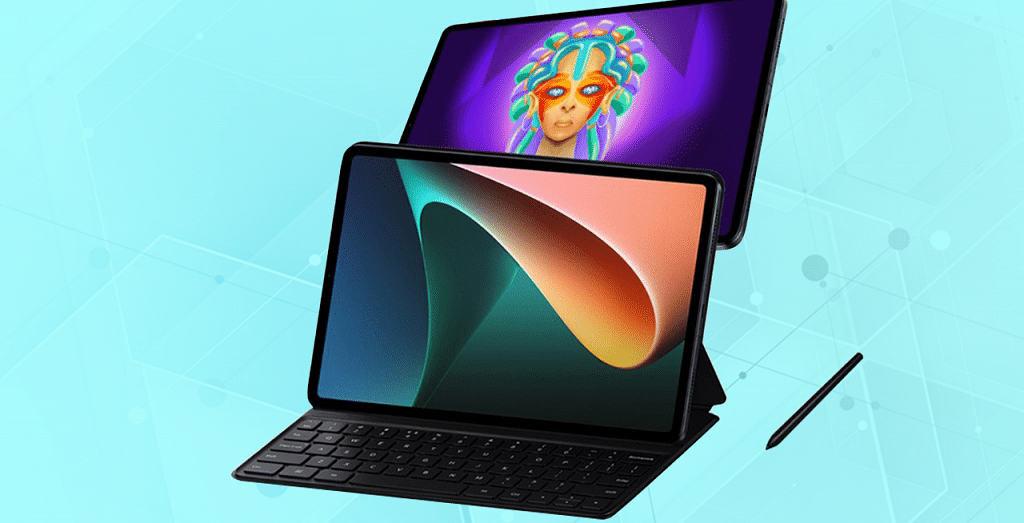
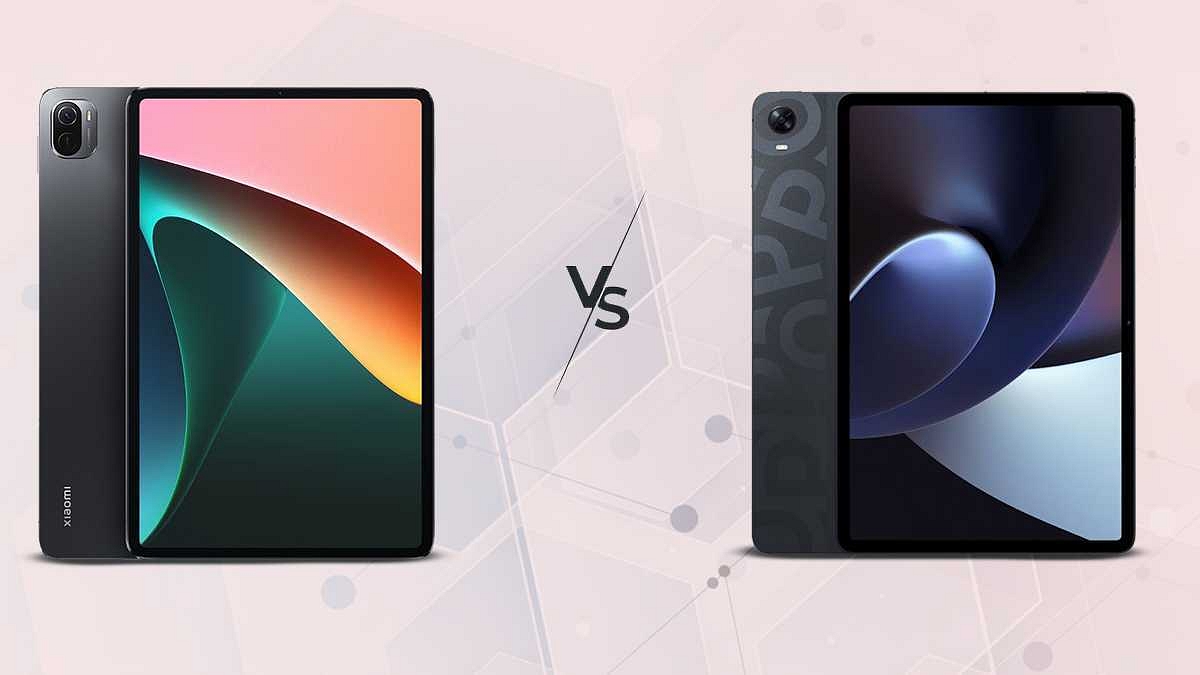
Xiaomi Pad 5 Vs OPPO Pad Tablet Full Specification Comparison; Best Buy Under Rs. 30,000 In India?

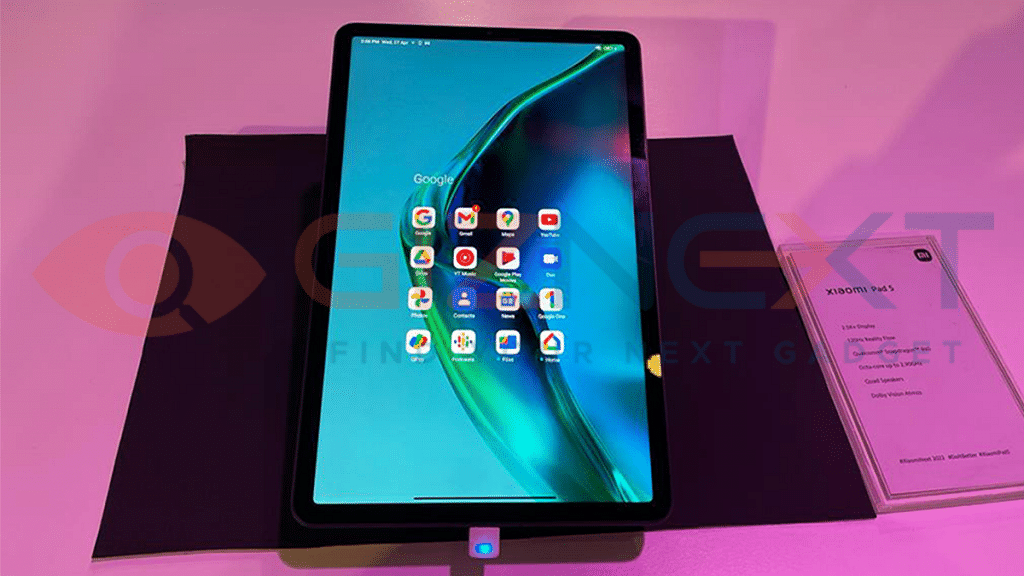
Xiaomi has started its fresh innings in the tablet space in India. The Chinese tech giant forayed into the tablet market in the country with the Xiaomi Pad 5 tablet. The first Xiaomi tablet is tagged under Rs. 30,000 and is equipped with a capable set of internals including the octa-core Snapdragon 860 chipset and a 13MP camera.

Xiaomi has earned its fame in the mobile industry in India and across the globe with its pocket-friendly devices. And amongst the top rivals of Xiaomi has been OPPO. Both these Chinese OEMs have been flooding the Indian smartphone and digital accessories market with new products and for the first time, they both have introduced a premium mid-tier Android tablet. We have done several tablet comparison articles recently.

Earlier we compared the Xiaomi Pad 5 Pro and the OPPO Pad tablet. In this article, we are comparing the standard Xiaomi Pad 5 with the OPPO Pad tablet. Which one of the two Xiaomi or the OPPO tablets is a good buy option under Rs. 30,000 price brackets in the country. Read on to know:

Xiaomi Pad 5 Vs OPPO Pad tablet: Display Features

We’ll start off this list with the Xiaomi Pad 5 tablet. Xiaomi has layered an IPS LCD panel on the Xiaomi Pad 5 that measures 11-inches in size. This LCD panel comes with a 1600 x 2560 pixels screen resolution and has an aspect ratio of 16:10. The Xiaomi tablet’s display further features an 82.8 percent screen-to-body ratio and HDR10+ certification to support 1080p video playback at OTT platforms such as Netflix and Amazon Prime videos, etc. The Xiaomi Pad 5 tablet’s display has a high 120Hz refresh rate that helps with smooth frame transitions with graphic-intensive apps and games.

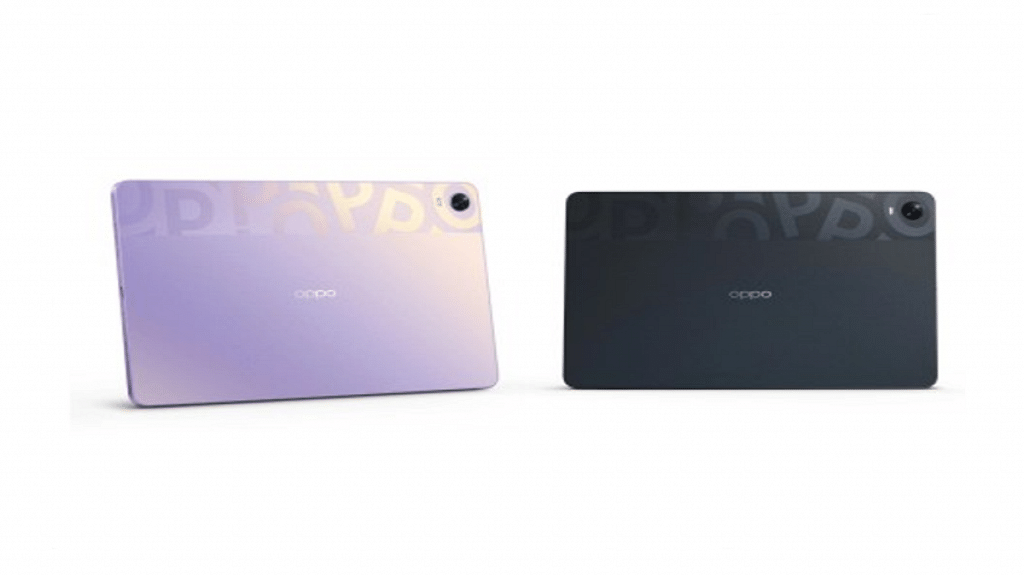
The OPPO Pad tablet also employs a high-resolution LCD panel which is similar to the Xiaomi Pad 5 in terms of features and size. The OPPO Pad tablet’s display is also 11-inches in size and supports the same 1600 x 2560 pixels screen resolution as the Xiaomi Pad 5 tablet. The refresh rate and remaining display specifications of the OPPO Pad are also identical to the Xiaomi Pad 5. Be it the 120Hz refresh rate or HDR10+ certification. You will have a good experience with binge-watching shows and movies and with gaming.

Xiaomi Pad 5 Vs OPPO Pad Tablet: Chipset, Configuration Comparison

The Xiaomi Pad 5 is tagged in the premium mid-tier tablet category with its Snapdragon 860 octa-core chipset. The 7nm flagship-grade Qualcomm chipset driving the Xiaomi Pad 5 tablet employs Adreno 640 GPU to handle all the graphically intensive apps and games without any stutters.

Xiaomi has launched its first Android tablet in India with 6GB RAM and 128GB UFS 3.1 storage. The configuration offered by the Xiaomi Pad 5 is powerful enough to drive general and basic tasks with ease. This tablet can also perform well with high-end apps and gaming.

The OPPO Pad tablet also uses a premium range Qualcomm 800 series chipset for power delivery; the Snapdragon 870 processor to be specific. This is a new-generation premium mobile chipset that is best known for its lag-free gaming performance.

This 5G chipset is slightly more powerful compared to the Snapdragon 860 chipset offered by the Xiaomi Pad 5 tablet. The OPPO tablet is available with 6GB/ 8GB RAM and 128GB/256GB of UFS 3.1 storage capacity.

Coming to the software, the Xiaomi Pad 5 has been pre-loaded with Android 11 OS which is topped with a custom MIUI 12.5 interface. The Xiaomi tablet also has pre-installed multiple third-party Android apps including a bunch of in-house Xiaomi apps. The OPPO Pad tablet also uses the same Android version, i.e, Android 11 OS. This tablet also has a custom UI (ColorOS 12) and a bunch of in-house and third-party apps pre-installed.

Overall, both Xiaomi Pad 5 and the OPPO Pad are among the most potent tablets under Rs. 30,000. Do note that OPPO is yet to bring the Pad 5 tablet to India. But the expected pricing of the upcoming OPPO tablet could be similar to the Xiaomi Pad 5 (below Rs. 30,000).

Xiaomi Pad 5 Vs OPPO Pad: Which One To Choose For Better Cameras?

The camera hardware on both Xiaomi Pad 5 and the OPPO Pad tablets can handle general photography requirements. The Xiaomi Pad 5 sports a single rear camera that is similar to the OPPO Pad tablet.

The Xiaomi Pad 5’s imaging setup comprises a 13MP main snapper at the back with an f/2.0 aperture along with an LED flash. The Xiaomi Pad 5’s camera setup has multiple camera modes including HDR and Panorama. The Xiaomi tablet can record 4K and 1080@30fps video recording.

The OPPO Pad tablet also has basic camera hardware likewise the Xiaomi Pad 5. The back panel on the OPPO tablet also has the same 13MP snapper with an f/2.2 aperture. This tablet’s camera also supports 4K and 1080p@30fps video recording. The shooting modes are also the same as the Xiaomi tablet so is the selfie camera.

Speaking of the selfie cameras, both Xiaomi Pad 5 ad the OPPO Pad tablet uses an 8MP camera with an f/2.2 aperture. The selfie camera on both Xiaomi and OPPO tablets can record 1080p@30fps videos. This basic camera snapper will help with decent self-portraits.

Xiaomi Pad 5 Vs OPPO Pad Tablet: Battery And Fast Charging Capacity

The Xiaomi Pad 5 tablet gets its fuel from a mammoth 8,270 mAh battery unit. This large-sized battery is capable of driving the Xiaomi tablet for more than half a day on a single charge. That’s with moderate usage all day. The fast charging speed supported by the Xiaomi Pad 5 tablet is 33W which can quickly recharge the power backup.

On the other hand, the OPPO Pad 5G tablet features a slightly bigger 8,360 mAh battery that will offer more backup compared to the Xiaomi pad tablet. The fast charging speeds offered by the OPPO tablet are the same as the Xiaomi tablet, i.e. 33W.

Xiaomi Pad 5 Vs OPPO Pad Tablet Comparison Verdict: Which One To Buy?

Both Xiaomi Pad 5 and the OPPO Pad tablet are among the most feature-rich tablets in the market. The prices for the Xiaomi Pad 5 are known since this tablet has gone official in India. However, OPPO is yet to bring the OPPO Pad tablet in the Indian market, hence, its pricing and availability details are not known. You can go for any of the tablets depending on which one goes easy on your pockets.

Do let us know your thoughts in the comments below. You can follow the GizNext Tech Enthusiast Telegram group and GizNext Tech Enthusiast WhatsApp group for fresh technology updates.
Categories
Comparison Featured Tablet

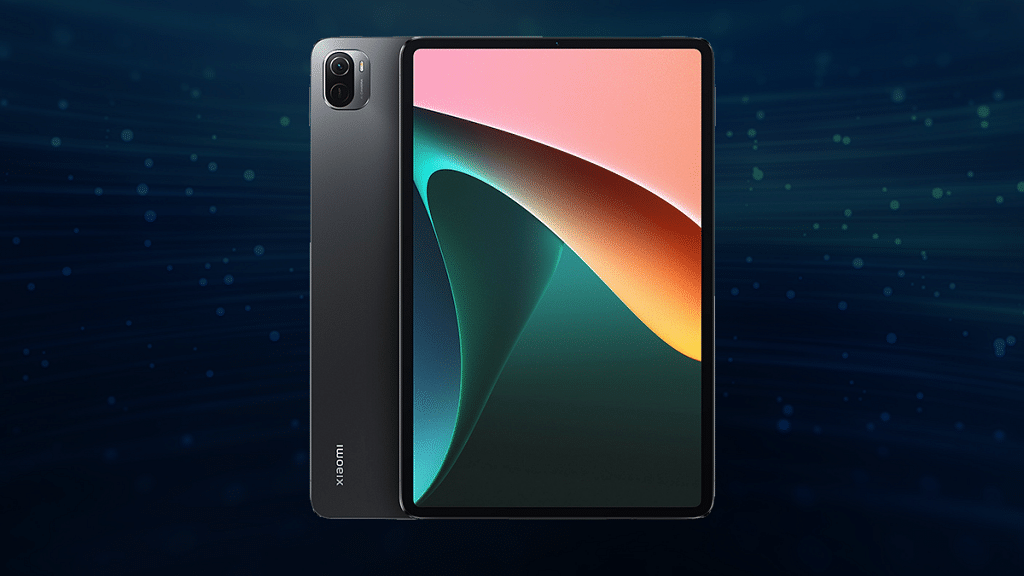
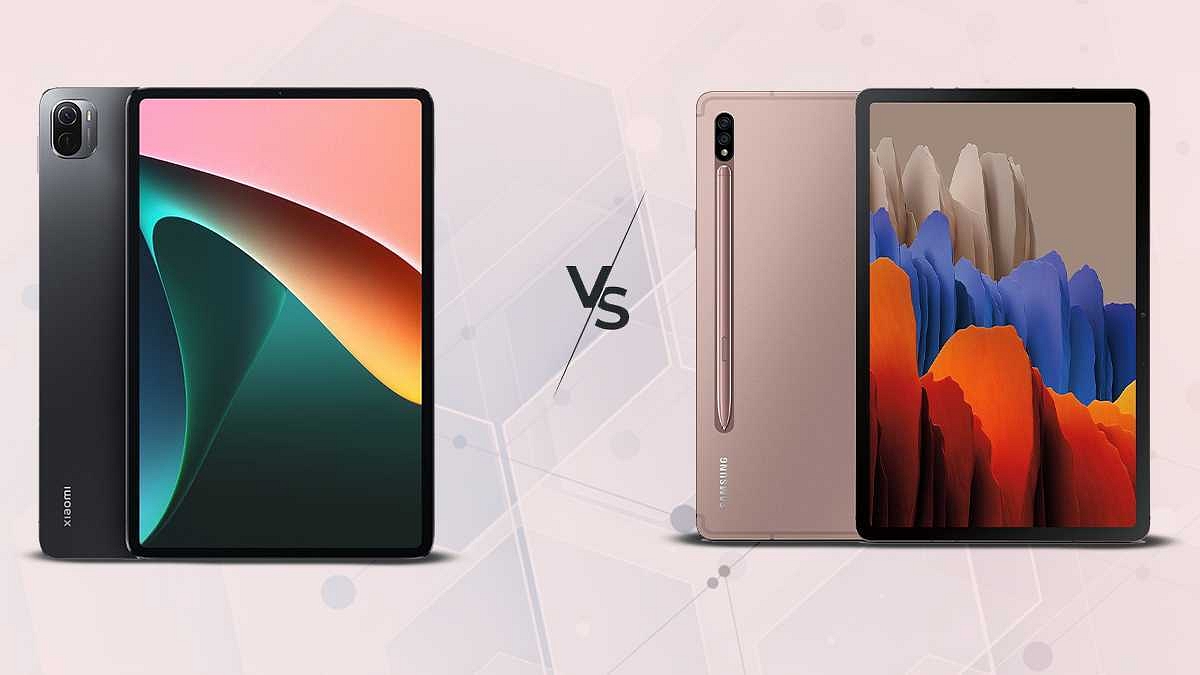
Xiaomi Pad 5 Vs Samsung Galaxy Tab S7 Tablet Comparison; Which Tablet Is Best Buy Under Rs. 30,000?

Xiaomi has revamped its product portfolio in India with a slew of products. The Xiaomi Pad 5 also broke covers alongside the flagship Xiaomi 12 Pro series and the OLED Vision smart TV lineup. Xiaomi had introduced all new products for the premium audience in the Indian market. The Xiaomi Pad 5 has arrived as one of the most capable Android tablets under Rs. 30,000 in India. It is also Xiaomi’s first Android tablet for the Indian audience.

There have been a bunch of new launches in the tablet segment in the aforementioned price bracket. The OPPO Pad tablet is one of the latest strongest contenders for the Xiaomi Pad 5. We already have compared both these premium mid-tier Android tablets. This time we are pitting the Xiaomi Pad 5 against Samsung’s popular premium range tablet, i.e, the Galaxy Tab S7.

The Xiaomi Pad 5 brings potent hardware at lower rates compared to the Galaxy Tab S7? But can it easily beat the Samsung tablet based on spec-sheet and performance? We have tried to break it down for you in this comparison article:

Xiaomi Pad 5 Vs Galaxy Tab S7: Display Specification Comparison

The Xiaomi Pad 5 has been launched in India with a massive 11-inch display panel. Xiaomi has used a standard IPS LCD panel which has an aspect ratio of 16:10. The Xiaomi tablet’s display supports 1600 x 2560 pixel screen resolution and 1B colors. The large LCD panel further offers a 120Hz refresh rate and is HDR10+ certified.

The panel also features Dolby Vision for better visuals in every scenario. Xiaomi has used a good quality display on the Pad 5 tablet that will be suitable in every scenario. It fits best for high-resolution video consumption and also gaming.

The Samsung Galaxy Tab S7’s display size and specifications are almost identical to the Xiaomi Pad 5 tablet. The Galaxy Tab S7 also features an 11-inch display that is an LCD panel with 1600 x 2560 pixels screen resolution. The Samsung Galaxy tablet’s display also supports the same 120Hz refresh rate as the Xiaomi Pad 5’s panel and is also HDR10+ certified.

The display performance wouldn’t be much different on both Samsung Galaxy Tab A7 and the Xiaomi Pad 5. Besides the video playback experience, the Samsung tablet’s display will offer good gaming visuals as well.

Xiaomi Pad 5 Vs Galaxy Tab S7 Tablet: Which Has Better Camera Hardware?

The Xiaomi Pad 5 has basic camera hardware for imaging. At the back, the Xiaomi Pad 5 uses a single 13MP primary sensor with an f/2.0 aperture. The main camera has a bunch of shooting modes pre-installed in the camera app for an improved imaging experience. The Xiaomi Pad tablet supports 4K@30fps and 1080p@30fps video recording. It also is capable of capturing HDR images and Panorama shots.

The Samsung Galaxy Tab S7 isn’t far behind the Xiaomi Pad 5 in terms of imaging hardware. Samsung has also used a single 13MP camera for optics on the Galaxy Tab S7. The main camera comes with an f/2.0 aperture and has almost the same features and shooting modes as the Xiaomi tablet. This Samsung tablet is also capable of recording 4K@30fps video recording and offers HDR, Panorama, and other shooting modes.

While both Xiaomi Pad 5 and the Samsung Galaxy Tab A7 have identical rear camera hardware, it’s the selfie camera race where the Xiaomi tablet wins. Xiaomi has used an 8MP snapper with an f/2.0 aperture for selfies and video chats, while Samsung has used a smaller 5MP camera for selfies on its premium mid-range tablet.

Xiaomi Pad 5 Vs Samsung Galaxy Tab S7 Tablet: Chipset, Software Comparison

Under the hood, the Xiaomi Pad 5 tablet utilizes the Snapdragon 860 processor as its brain of operations. The premium Qualcomm chipset is built using a 7nm fabrication process and has octa-cores combined with Adreno 640 GPU. This high-range chipset will allow the Xiaomi Pad 5 Pro to take on all the tasks swiftly.

This tablet’s performance delivery will be good with general as well as extensive tasks. As for the configuration, the Xiaomi Pad 5 comes with a single 6GB RAM but a dual 128G/ 256GB storage configuration.

On the other hand, the Samsung Galaxy Tab A7 has a slightly upgraded chipset compared to the Xiaomi Pad 5. The Samsung tablet is driven by the octa-core Snapdragon 865 chipset. This is also an octa-core Qualcomm chipset that is used on premium range devices. The Galaxy Tab A7’s processor employs Adreno 650 GPU to render intensive graphics with ease.

This Samsung tablet is available with a higher RAM and storage configuration which adds some extra pointers here. You can buy the Galaxy Tab A7 with 6GB+ 128GB, 8GB+ 256GB, and 8GB+512GB RAM configuration.

If you wish to use the latest Android OS, then the Xiaomi Pad 5 is the one you need to consider. The Xiaomi Pad 5 tablet is launched with Android 11 OS and has MIUI 12.5 interface pre-installed. On the other hand, the Samsung Galaxy Tab S7 ships with older Android 10 OS out-of-the-box topped with a custom OneUI interface.

Xiaomi Pad 5 Vs Samsung Galaxy Tab S7: Battery And Fast Charging Comparison

The Xiaomi Pad 5 has been launched with a humongous 8,720 mAh battery. With this massive battery capacity, the Xiaomi tablet will deliver close to an entire day of backup on a single charge. The fast charging speed offered by the Xiaomi Pad 5 is 33W. The Samsung Galaxy Tab S7 is powered by a slightly smaller 8,000 mAh battery. The Samsung tablet makes up for the smaller battery by offering faster 45W charging speeds.

Xiaomi Mi Pad 5 Vs Samsung Galaxy Tab S7 Verdict: Which One Is The Best Deal?

If we compare the specifications, both Xiaomi Mi Pad 5 and the Samsung Galaxy Tab S7 are feature-rich in terms of hardware. The Samsung tablet has slightly better fast charging speeds and also higher configurations. But if you consider the pricing, the Xiaomi Pad 5 takes the lead here.

Do let us know your thoughts in the comments below. You can follow the GizNext Tech Enthusiast Telegram group and GizNext Tech Enthusiast WhatsApp group for fresh technology updates.
Categories
Comparison Featured Mobile

Upcoming Samsung Galaxy A04s Vs Galaxy A03s: Budget Android Phone Comparison

Samsung is all set to revamp its budget smartphone series with the launch of the Galaxy A04s. The upcoming handset will be an entry-level phone similar to its predecessor, i.e, the Galaxy A03s. Samsung had introduced the Galaxy A03s last year with a budget Helio P series processor, an HD+ display, and a massive 5,000 mAh battery. However, the Galaxy A04s is rumored to bring some noticeable changes compared to its predecessor.

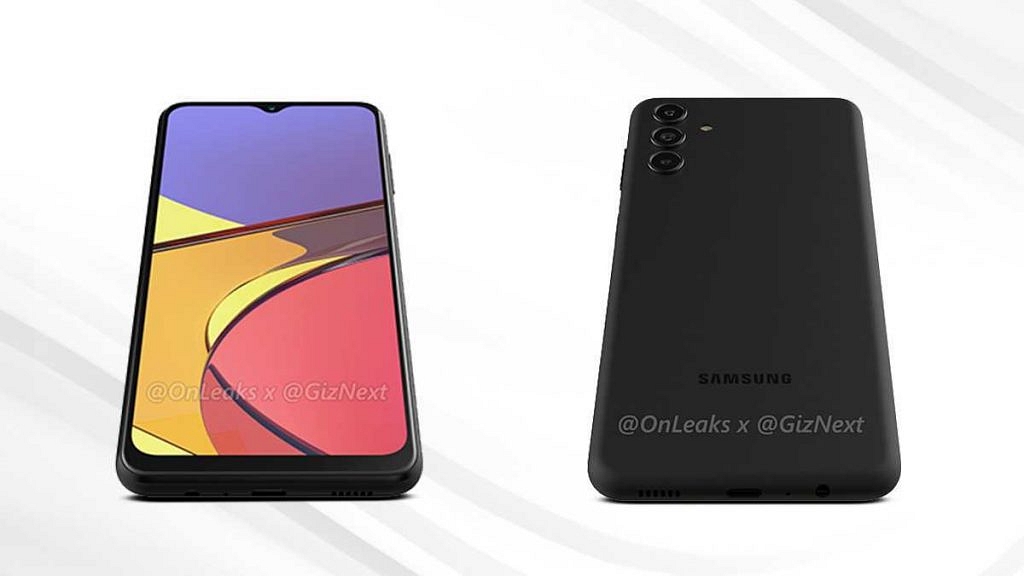
The changes are not just going to be limited to just the hardware. We can confirm the latter as we have received the 5K renders of the Galaxy A04s via a noted industry source (@onleaks). Samsung might launch the Galaxy A04s in India alongside the global regions in the coming months. But what all upgrades would we get to see on the latest Galaxy A series phone? Would it be priced higher compared to its predecessor in India? Let’s find out:

Samsung Galaxy A04s Vs Galaxy A03s: Design Comparison

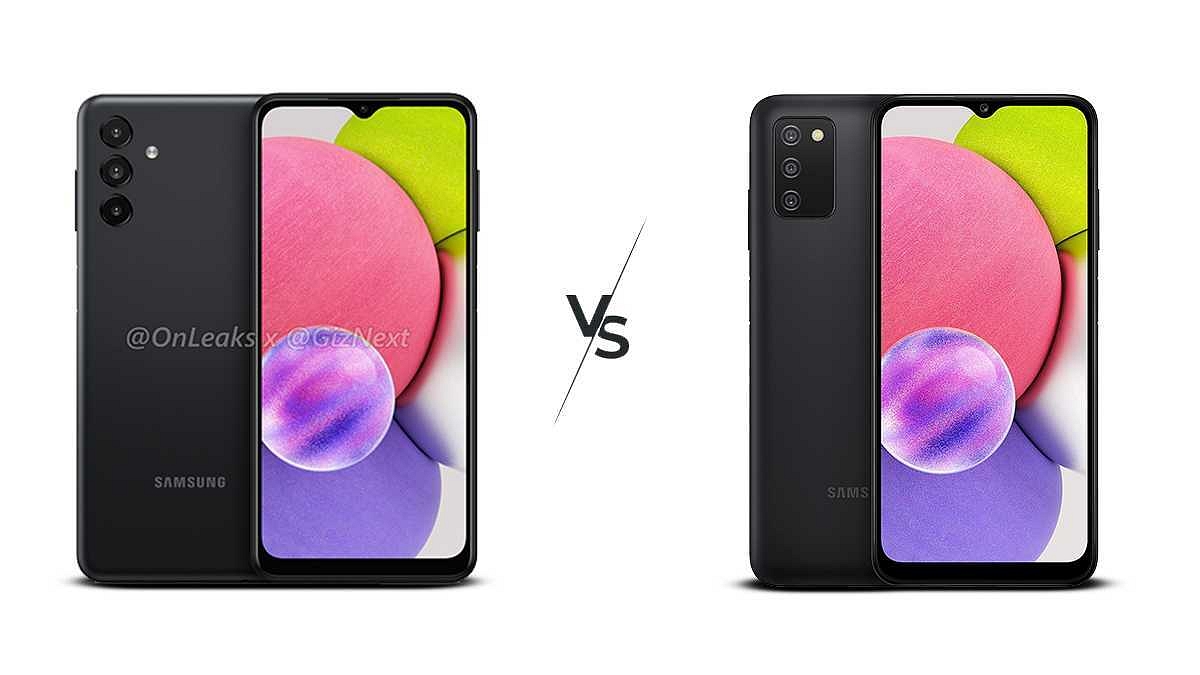
The Samsung Galaxy A04s will have a refreshed design compared to its predecessor, i.e, the Galaxy A03s. The 5K renders that we received showed a re-worked back panel which is now more appealing. The upcoming Galaxy A04s will wear a matte skin at the back with an all-new camera module. This time also Samsung has used a triple-lens setup on the Galaxy A04s.

However, all the cameras are positioned on the upper left corner separately instead of being packed inside a vertical or square-shaped module. This is one of the key design differences between both Galaxy A04s and Galaxy A03s. For reference, the Galaxy A03s has a vertical camera module on the top-left of the back panel.

Upfront, the Galaxy A04s will pack a tall display that will have a slim side and top bezel but a thick chin bezel. The notch isn’t changed compared to the Galaxy A03s. Both units sport a waterdrop style notch (Infinity V panel). The remaining design aspects of the Galaxy A03s and the Galaxy A04s remain unchanged.

Both handsets pack the power and the volume key on the right spine. Notably, the power key on both phones integrates a fingerprint scanner for security. The bottom panel on both Galaxy A03s and the Galaxy A04s has the USB Type-C port along with the speaker grille.

Samsung Galaxy A04s Vs Galaxy A03s: Display Specification Comparison

Our tipster has revealed the display specifications of the Galaxy A04s. The upcoming budget Galaxy A series phone will be packing a 6.5-inch display. The screen resolution and refresh rate details aren’t revealed just yet. However, we might see a standard 720P HD+ screen resolution along with a 60Hz refresh rate.  

The Galaxy A03s was also launched with a 6.5-inch HD+ display. The panel used is TFT with 720p HD+ resolution. It remains to be seen if Samsung uses an upgraded LCD panel on the Galaxy A04s uses the same TFT panel.

Samsung Galaxy A04s Vs Galaxy A03s: Other Key Specs Comparison

The Samsung Galaxy A04s is rather a newbie at the rumor mill. Its remaining hardware specifications such as camera and battery details are unannounced as of now. Samsung might change the chipset and the camera hardware on the new-generation budget Galaxy A phone. But the changes would be confirmed once more details on the hardware are available.  Nevertheless, the Galaxy A04s will also be an entry-level handset similar to its predecessor.

So we can expect a similar launch price as the Galaxy A03s in India. Speaking of which, the Galaxy A03s is now available for sale in India at around Rs. 10,998 via Amazon for the 3GB RAM and 32GB storage model and Rs. 11,599 for the 4GB RAM and 64GB storage model. This suggests the Galaxy A04s will be launched under Rs. 15,000 price bracket in India.

Categories
Comparison Featured Mobile

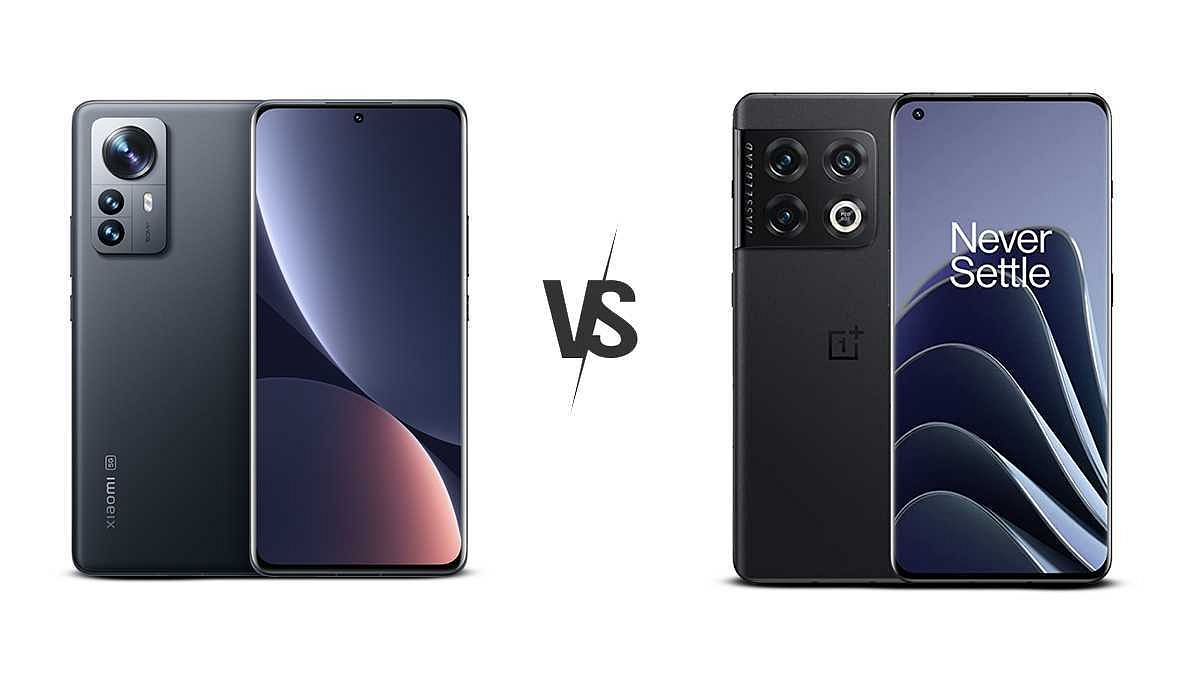
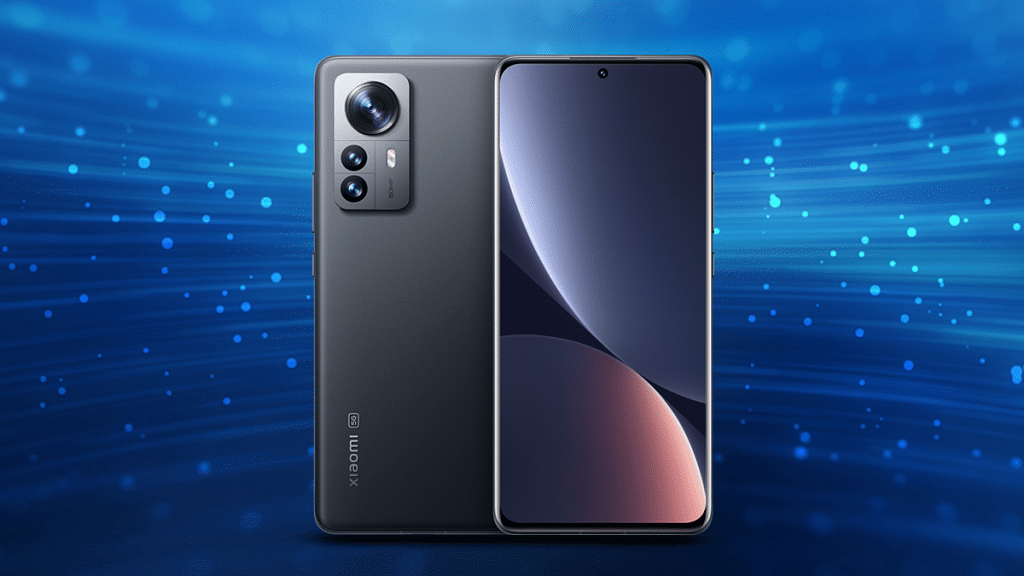
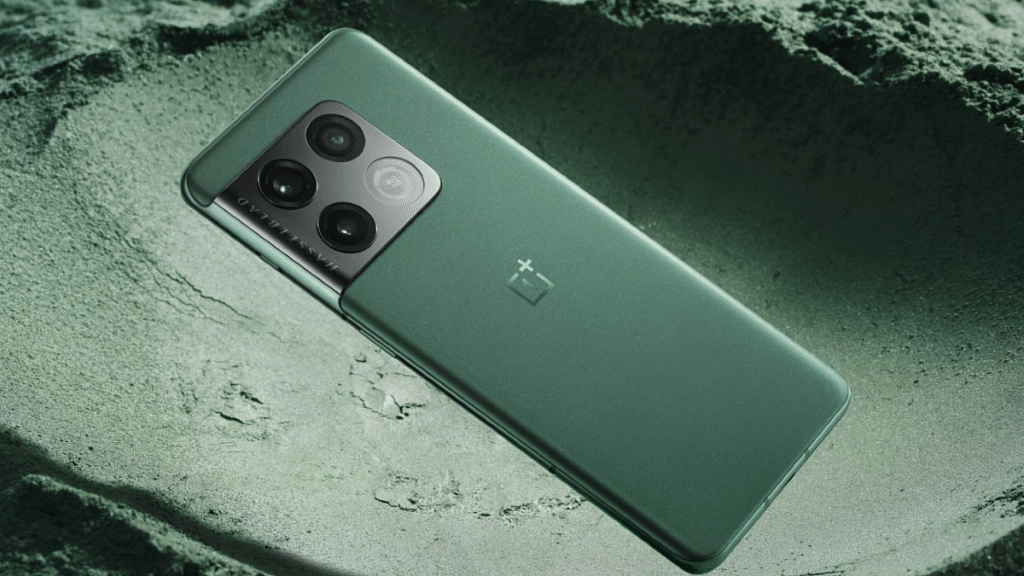
Xiaomi 12 Pro Vs OnePlus 10 Pro Full Specification Comparison; Which Flagship Phone Is Best?

After being a hub for budget smartphones, India has now become a popular market for smartphone OEM’s for premium range devices. Specifically, the Chinese smartphone OEMs that have dominated the affordable Android smartphone category in India are now flooding the Indian shelves with high-end phones. Earlier this year OnePlus introduced its first Snapdragon 8 Gen 1 chipset-driven phone, i.e, the OnePlus 10 Pro. Now, Xiaomi has also launched its new player in the premium smartphone race dubbed Xiaomi 12 Pro.

The latest flagship Xiaomi handset is also powered by the new-generation Qualcomm flagship Snapdragon 8 Gen 1 SoC and takes on the OnePlus 10 Pro with its potent camera and display hardware. But if you had to select any one of the Xiaomi 12 Pro or the OnePlus 10 Pro, which one should it be? In this comparison article, we listed down the key specs and differences between both OnePlus and Xiaomi phones so that it becomes easy for you to decide.

Xiaomi 12 Pro Vs OnePlus 10 Pro: Display Features

Both Xiaomi 12 Pro and the OnePlus 10 Pro are equipped with the best-in-class display panel. If we speak of the specifications, the Xiaomi 12 Pro has a big 6.73-inch display which is an LTPO AMOLED panel with an 89.6 percent screen-to-body ratio and a 20:9 aspect ratio. The Xiaomi flagship phone’s display offers a QHD+ screen resolution of 1440 x 3200 and a 120Hz refresh rate.

Additionally, the Xiaomi 12 Pro’s display also features HDR10+ certification, Dolby Vision support, and peak brightness levels of 1000 nits. Protecting the panel here from scratches and accidental drops is a Corning Gorilla Glass Victus protection.

The OnePlus 10 Pro also features a 6.7-inch display. It is a Fluid AMOLED LTPO2 display that has almost identical specs as the Xiaomi 12 Pro. The OnePlus 10 Pro’s display supports the same QHD+ screen resolution of 1400 x 3216 and 120Hz refresh rate. This panel is also HDR10+ certified and protected by the Corning Gorilla Glass Victus layer on top.

Notably, the display on both Xiaomi 12 Pro and the OnePlus 10 Pro is embedded with an optical fingerprint scanner for security. Performance-wise, both Xiaomi 12 Pro and the OnePlus 10 Pro’s display will deliver crisp and vivid output that will enhance the overall viewing experience.

Xiaomi 12 Pro Vs OnePlus 10 Pro: Camera Comparison

The imaging setup is where both Xiaomi 12 Pro and the OnePlus 10 Pro compete majorly for the top spot. Starting with the Xiaomi 12 Pro, the triple rear camera setup at the back here features a 50MP Sony IMX 707 main sensor with OIS (Optical Image Stabilization) and dual pixel PDAF. The primary camera on the Xiaomi 12 Pro is combined with another 50MP camera which is an ultrawide lens with an f/2.2 aperture and a third 50MP telephoto sensor with an f/1.9 aperture and 2X optical zoom.

The Xiaomi 12 Pro’s rear cameras are capable of recording up to 8K@24fps videos. The large camera sensors along with Xiaomi’s latest mobile camera technology will allow the Xiaomi 12 Pro to deliver professional-grade output.

The OnePlus 10 Pro’s Hasselblad series cameras at the back are also designed for the photography-oriented masses. The specifications here are different compared to the Xiaomi 12 Pro. The OnePlus 10 Pro also offers three cameras at the back with the main lens being a 48MP sensor with an f/1.8.

The primary camera gets OIS (Optical Image Stabilization) and Laser AF support along with PDAF (multidirectional). Aiding the main camera on the OnePlus 10 Pro is an 8MP telephoto sensor with 3.3x optical zoom and a 50MP ultrawide sensor with 150-degree FoV. The OnePlus 10 Pro’s rear cameras are also capable of recording up to 8K@24fps videos. On paper, the Xiaomi 12 Pro has slightly better camera hardware at the back compared to the OnePlus 10 Pro.

Coming to the selfie cameras, both Xiaomi 12 Pro and the OnePlus 10 Pro feature the same sized 32MP snapper with an f/2.5 aperture. The front camera on both OnePlus and Xiaomi phones can record up to 1080p@60/30fps selfie videos.

Xiaomi 12 Pro Vs OnePlus 10 Pro: Chipset, Configuration, Software Comparison

Both Xiaomi 12 Pro and the OnePlus 10 Pro’s power delivery is handled by Qualcomm’s top-tier Snapdragon 8 Gen 1 chipset. The flagship octa-core processor is designed using a 4nm fabrication process and has Adreno 730 GPU support. The new-gen Xiaomi and OnePlus phones can deliver a lag-free experience even with extensive multitasking or gaming.

Both smartphones come with up to 12GB LPDDR5 RAM and 512GB UFS 3.1 storage capacity. The Xiaomi 12 Pro and the OnePlus 10 Pro are pre-loaded with the latest Android 12 OS. While the Android version is the same on both smartphones, the custom user interface is different. The Xiaomi 12 Pro features an MIUI interface, while the OnePlus 10 Pro has OxygenOS UI.

Xiaomi 12 Pro Vs OnePlus 10 Pro: Battery Hardware, Fast Charging Comparison

The Xiaomi 12 Pro gets its power from a 4,600 mAh battery unit which is accompanied by 120W fast wired charging. The handset also supports 70W wireless charging. The OnePlus 10 Pro packs a bigger 5,000 mAh battery compared to the Xiaomi 12 Pro. However, the wired fast charging speed is slightly lower here at 80W. The wireless charging speeds are better than the Xiaomi 12 Pro, i,e. 65W.

Do let us know your thoughts in the comments below. You can follow the GizNext Tech Enthusiast Telegram group and GizNext Tech Enthusiast WhatsApp group for fresh technology updates.
Categories
Comparison Featured TV

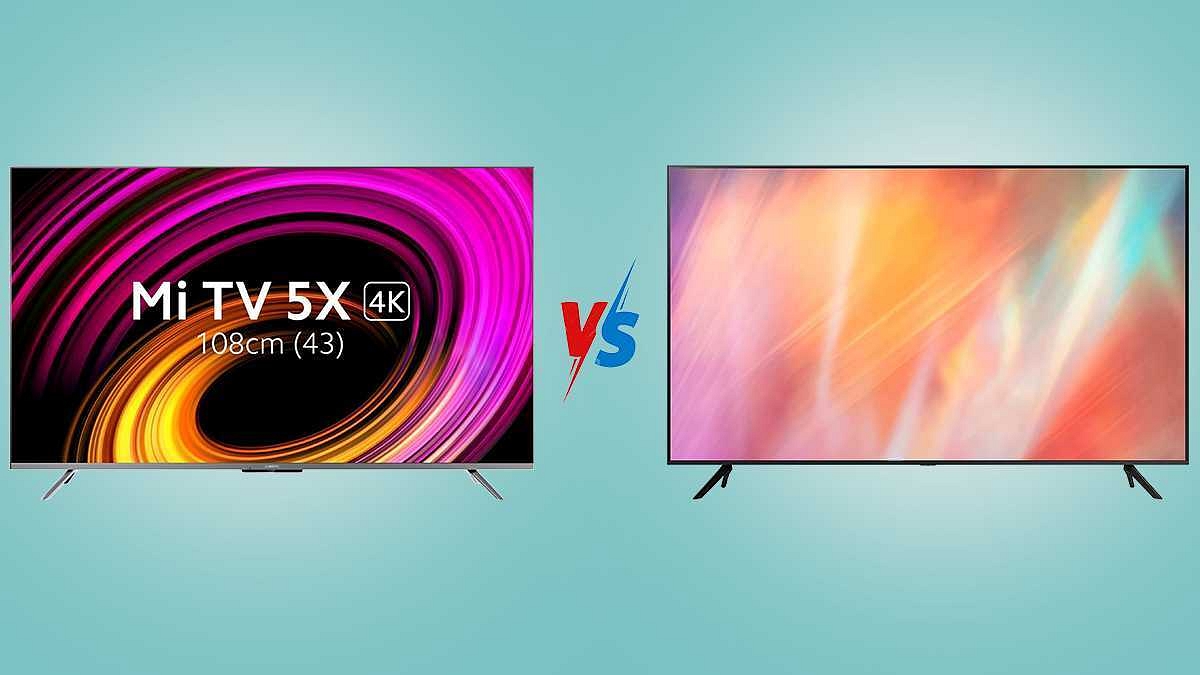
Quick Comparison of Specifications Between Xiaomi TV 5X and Samsung AUE60 4K UHD Smart TVs

Key Highlights

  • India as a whole has experienced a boom in the smart TV industry
  • Most high-end smart TV makers have recently begun offering more affordable solutions for the Indian market
  • Third-party OTT apps like Netflix, Amazon Prime videos, and YouTube are pre-installed on both Samsung and Xiaomi smart TVs

The smart TV business has flourished all across India. Smartphone OEMs have also started their innings in the smart TV space giving users numerous options to choose from. If we speak of some of the most popular brands for smart TVs for the affordable audience, then we have Xiaomi, OnePlus, Realme, and Infinix. All these companies are going up against the existing large screen players in India such as Samsung, Sony, and LG.

If you are out to buy a new Android smart TV, you definitely have a plethora of options from all the aforementioned brands. For the affordable audience, Xiaomi is one of the first preferences for the audience. But for premium customers, Samsung and Sony smart TVs come as the first choice.

Off late, most premium smart TV manufacturers have started introducing affordable options for the Indian market. Take for example the Samsung AUE60 4K UHD Smart TV priced under Rs. 35,000 for the 43-inch screen size. It is one of the best smart TVs in its segment with a 4K UHD screen and multiple connectivity options.

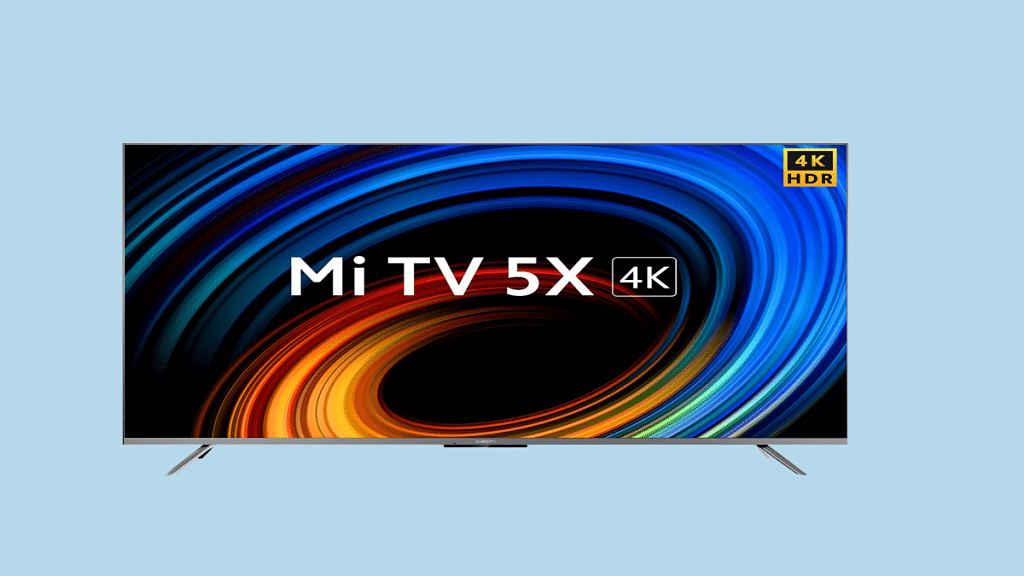
The Xiaomi Mi 5X series with an asking price of around Rs. 31,999 comes as the strongest contender for the affordable Samsung 4K UHD smart TV. In fact, Xiaomi has gained huge popularity in the smart TV segment with its value for money offerings.  If you have been considering buying a feature-rich smart TV with a high-resolution display in India under Rs. 35,000 then both Samsung AUE60 and the Xiaomi Mi TV 5X 43-inch model make for the best buy. But which of the two smart TVs should be your next investment? This comparison article will help you decide:

Also Read: Smart TV Buying Guide: Best Smart TVs With Voice Control Feature In India In 2022

Samsung AUE60 4K UHD Smart TV Vs Xiaomi Mi 5X 4K UHD Smart TV: Design Differences

The Samsung AUE60 4K UHD smart TV’s bring a premium design language to the table. This affordable Samsung smart TV has a narrow bezel on all sides. Even the bottom bezel is thin on the Samsung AUE60 which makes it feel premium. The slim frame design adds to the overall premium appeal.

Similar to most modern-day’s smart TVs, the Samsung AUE60 can be placed on a tabletop or also be mounted on the wall. On the other hand, the Xiaomi MI 5X 4K UHD TV also features a premium design where it flaunts a slim bezel profile except for the chin. But the Xiaomi Mi 5X UHD smart TV features a metal frame that Samsung has skipped on the AUE60 44K UHD smart TV. This is where the Mi TV 5X gets an edge.

Also Read: Xiaomi TV 5X Vs Motorola 55 UHD Vs OnePlus TV U Series 55-inch: Best Affordable Smart TV’s Under Rs. 40,000

Samsung AUE60 4K UHD Smart TV Vs Xiaomi Mi 5X UHD Smart TV: Display Comparison

It is worth mentioning we are comparing the 43-inch screen size of both the Samsung AUE60 4K UHD smart TV and the Xiaomi Mi 5X 4K UHD smart TV. And both affordable smart TVs are packed with high-resolution LED panel that comes as a treat for OTT consumers. The Samsung AUE60 4K UHD smart TV’s display supports 2160 x 3840 pixels screen resolution along with HDR, HDR10+, and HLG video profiles.

The Xiaomi Mi 5X isn’t far behind the Samsung smart TV in terms of display specifications. The Mi 5X is also a 4K UHD LED TV that features the same 2160 x 3840 pixels screen resolution.The Xiaomi Mi smart TV also features HDR, HDR10+, and HLG video profiles. The picture quality would be similar on both Android smart TV’s. The screen refresh rate offered by both smart TV is also the same, i.e, 60Hz. You will have a good movie and general video watching experience with both smart TVs.

Samsung AUE60 4K UHD Smart TV Vs Xiaomi Mi 5X Smart TV: Other Specification Comparison

The Samsung AUE60 4K UHD smart TV is powered by the in-house Tizen OS and Crystal 4K chipset. This is an in-house TV software designed specifically for Samsung smart TVs. Whereas, Xiaomi has used the quad-core A55 processor which is combined with Mali-G52 GPU and PatchWall 4 OS. Both smart TVs are enabled with voice-based digital assistant support. Both Samsung and Xiaomi smart TVs come pre-installed with third-party OTT apps including Netflix, Amazon Prime videos, and YouTube.

Also Read: Smart TV Buying Guide: Best Smart TVs With Voice Control Feature In India In 2022

Categories
Comparison Featured Mobile

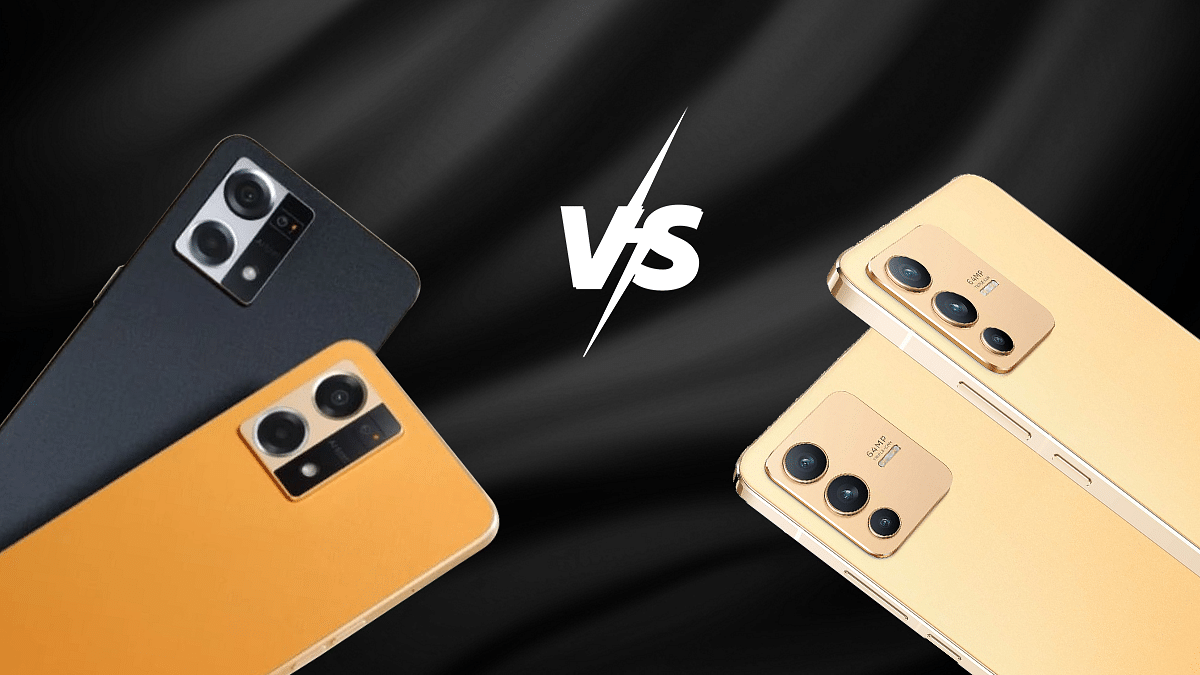
OPPO F21 Pro 5G Vs Vivo V23 5G Specs Comparison: The Mid-Range 5G Phone Battle

OPPO is a known face in the budget smartphone race. But lately, the brand has been getting a stronghold in the premium mid-tier and flagship mobile segment with its value for money smartphones. After launching multiple ‘A’ and Reno7 series phones, OPPO has now revamped its F smartphone lineup with the F21 Pro series. The OPPO F21 Pro 5G is the brand’s latest player in the mid-range 5G category that brings a unique Fiberglass Leather design and latest Snapdragon 695 5G octa-core processor, and 33W fast charging.

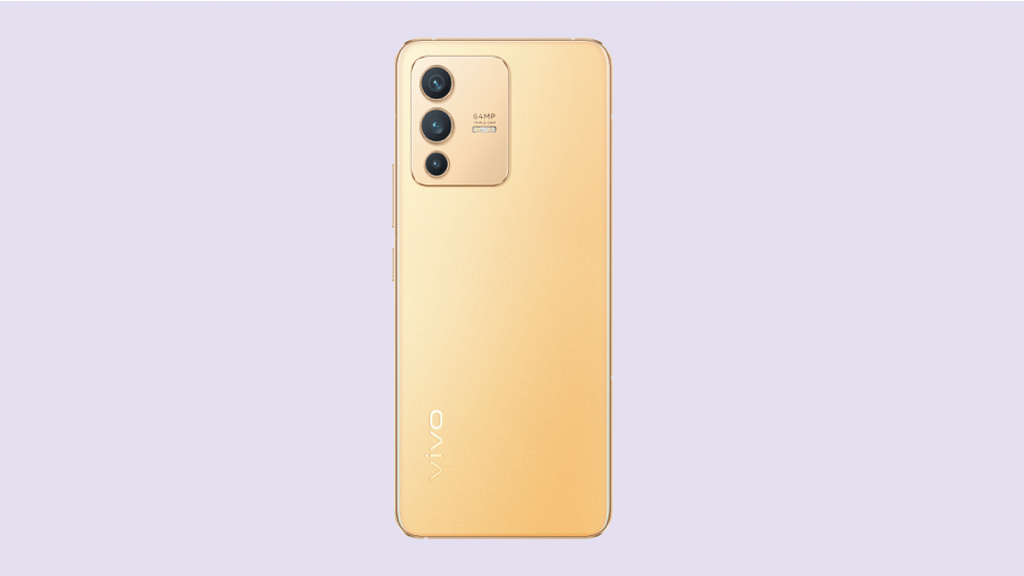
The OPPO F21 Pro 5G is one of the most competent Android smartphones launched in recent times. It has several rivals from popular brands such as Vivo. The Vivo V23 5G is also one of the recent premium mid-tier phones that give tough competition to the OPPO F21 Pro 5G. But which of the two models is a complete package under Rs. 30,000 in India and should be next on your buying list? Read on to know:

OPPO F21 Pro 5G Vs Vivo V23 5G: Which One Features Better Display?

The OPPO F21 Pro 5G flaunts a flat-edge display design where the AMOLED panel measures 6.43-inches and supports 1080 x 2400 pixels FHD+ screen resolution. The OPPO F21 Pro 5G’s compact display has 600 nits peak brightness and a 90Hz refresh rate that helps with good gaming visuals. The Vivo V23 5G also features a similar display as the OPPO F21 Pro 5G. The V23 5G is packed with a 6.44-inch display.

The panel used here is also AMOLED which supports 1080 x 2400 pixels screen resolution and 90Hz refresh rate. The display on both the latest OPPO F series and Vivo V series phones has a tiny punch-hole camera cutout for the selfie camera. The viewing experience is good with both OPPO and the VIVO 5G phones.

OPPO F21 Pro 5G Vs Vivo V23 5G Chipset Comparison: Which One Is More Powerful?

The OPPO F21 Pro 5G is backed by the Snapdragon 695 processor. This octa-core 5G processor is designed for new-generation premium mid-range 5G phones. This Qualcomm chipset supports Adreno 619 GPU for graphics and 8GB RAM for multitasking. The OPPO F series phone comes with an in-built memory of 128GB that eliminates the general storage crunch issues.

On the other hand, the Vivo V23 5G is powered by an octa-core Dimensity 920 5G processor. This is also a new-generation 5G processor by MediaTek for the premium mid-tier 5G Android phones that gets Mali G68 GPU support. Performance delivery by the Vivo model is also decent. It can handle both general tasks as well as gaming.

OPPO F21 Pro Vs Vivo V23 5G: Which Is Best For Camera?

OPPO has used a triple rear camera setup on the F21 Pro 5G. The latest OPPO mid-range 5G phone has a 64MP main camera with an f/1.7 aperture and PDAF (phase detection autofocus). The main camera sensors are combined with a pair of 2MP sensors for macro and depth shots. The F21 Pro 5G’s camera setup is potent for daylight shots, while for the low-light photography users can make use of the dedicated Night mode.

The primary camera at the back of the Vivo V23 measures the same as the OPPO model, i.e, a 64MP main camera with an f/1.9 aperture. The main camera is paired up with an 8MP ultrawide angle sensor that has 120-degree FoV and an additional 2MP snapper for macro shots.

The imaging experience on the VIVO V23 5G will be similar to that of the OPPO F21 Pro 5G. The OPPO F21 Pro 5G enhances the selfie experience with the 32MP Sony IMX709 main camera. The VIVO V23 5G features a dual selfie camera module comprising a 50MP+ 8MP setup.

OPPO F21 Pro 5G Vs Vivo V23 5G: Battery Backup And Fast Charging Speeds

The OPPO F21 Pro is driven by a 4,500 mAh battery. This decent-sized batter is expected to give a backup of more than half a day on a single charge and with moderate to extensive usage. The F21 Pro 5G comes with 33W fast charging support for quick refuels. The VIVO V23 5G draws its power from a slightly smaller 4,200 mAh battery. However, it balances out the smaller battery size with the faster 44W charging speeds.

If we go by the spec sheet, both OPPO F21 Pro 5G and the VIVO V23 5G are well-loaded devices in the premium mid-range Android segment. You can expect a similar power delivery, viewing, and imaging experience on both these 5G phones.

Do let us know your thoughts in the comment section below. You can also follow the GizNext Tech Enthusiast Telegram group and the GizNext Tech Enthusiast WhatsApp group for all the fresh tech updates.

Categories
Comparison Featured TV

OnePlus TV Y1S Pro Vs Xiaomi Mi TV 5X 4K HDR Smart TV Comparison; Which Android TV Is Best Under Rs. 30,000?

With the onset of Android and smart TVs, the viewing experience on large screens has exponentially improved. You don’t have to rely on your cable operators to watch content on your TVs. Just hook it with the internet and download or access built-in OTT apps for binge-watching movies and shows. The technology advancements in the smart TV segment have been exponential. This has been the case with the venture of popular smartphone OEMs in this space.

OnePlus is one of the contenders that is trying to get hold of the smart TV market with its budget-friendly devices. The OnePlus TV Y1 is the most popular smart TV lineup by the Chinese brand that is feature-rich yet pocket friendly. The OnePlus Y1S Pro is the latest smart TV by OnePlus laced with modern technologies priced under Rs. 30,000. Besides OnePlus, Xiaomi is one of the oldest players in the smart TV department known for its Redmi and Mi smart TVs.

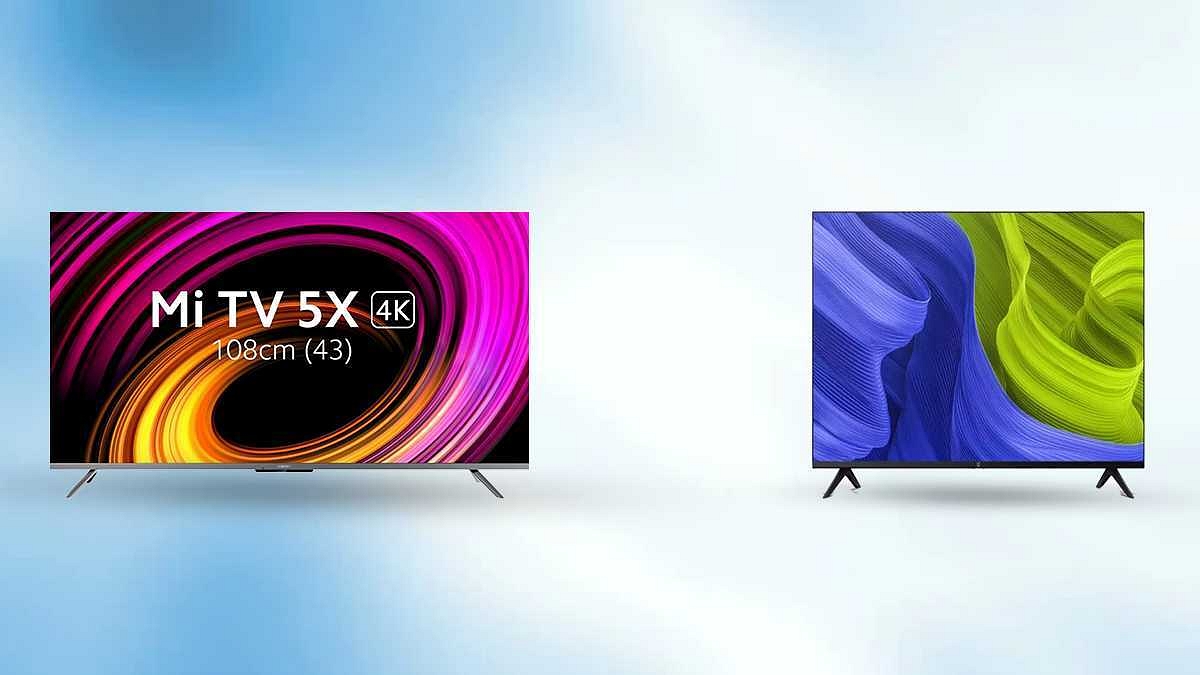
In this article, we are comparing the OnePlus TV Y1S with one of Xiaomi’s most popular smart TVs under Rs. 30,000, i.e, the Mi TV 5X. Both new OnePlus and the Xiaomi Mi 5X smart TVs come with a 43-inch screen size and 4K UHD resolution. Let’s quickly compare the OnePlus TV Y1S Pro and Mi TV 5X 43-inch smart TVs specification and see which one makes for a good buy.

OnePlus TV Y1S Pro Vs Xiaomi Mi TV 5X Smart TV: Which One Looks More Premium?

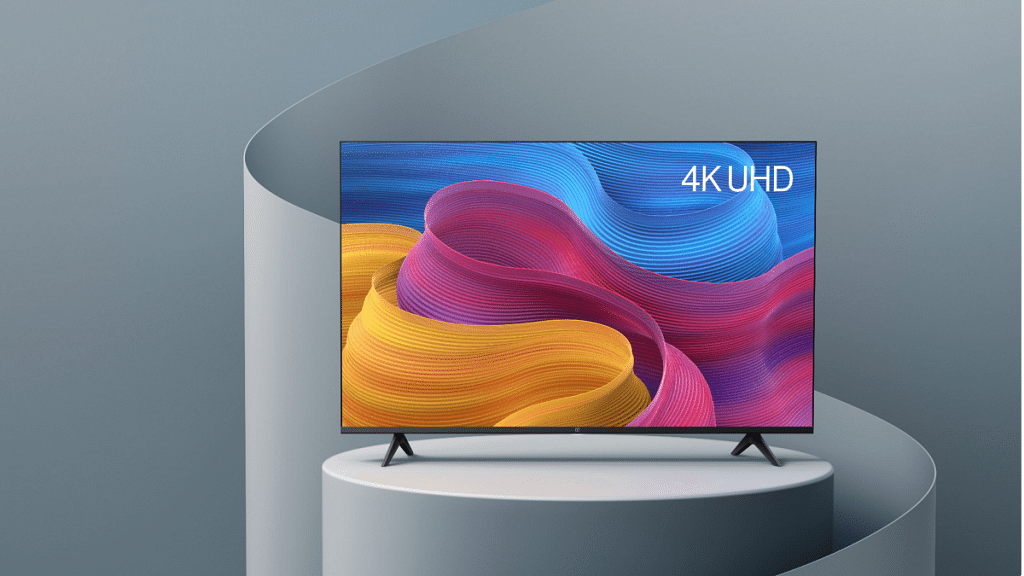
Both these 4K UHD smart TVs come from major smartphone OEMs. The OnePlus TV Y1S Pro comes with a standard-looking design where the entire panel has thin bezels (except for the chin). It can be placed on any tabletop or can also be mounted on the wall. The Xiaomi Mi TV 5X feels more premium compared to the OnePlus TV Y1S Pro with its bezel-less metal frame.

The metallic body frame on the Mi 5X TV features diamond-cut edges that enhance the overall appeal. Similar to the OnePlus TV Y1S Pro, the Mi TV 5X can also be placed on a tabletop and can also be mounted on the wall. The design game is slightly better on the Xiaomi Mi TV 5X compared to the OnePlus TV Y1S Pro.

OnePlus TV Y1S Pro Vs Xiaomi Mi TV 5X Smart TV: Which Has The Best Display In Its Segment?

Both OnePlus and Xiaomi are well known in the smartphone industry for using high-resolution display panels. The same expertise has been shown by these Chinese brands in the smart TV segment as well. Starting with the OnePlus TV Y1S Pro, it employs a 43-inch screen that supports 2160 x 3840 pixels resolution and is also HDR compatible with HDR 10, HDR 10+ Decoding, and HLG. The OnePlus TV Y1S Pro also uses enhanced technologies such as MEMC, Super-resolution, and Noise reduction technology to improve the viewing experience.

The Mi TV 5X is also a 4K HDR TV similar to the OnePlus TV Y1S that supports a 2160 x 3860 pixels screen resolution. The screen size here is also 43-inch but you can opt for the larger display panel. The Mi TV 5X is also HDR compatible and supports HDR 10+ and HDR 10 certification along with HLGReality Flow. The Mi TV 5X uses a Vivid Picture engine that comes with Adaptive Brightness technology and a wide 94 percent DCI-P3 color gamut.

OnePlus TV Y1S Pro Vs Xiaomi Mi 5X Smart TV: Remaining Key Specification Comparison

The OnePlus TV Y1S Pro is based on Android TV 10 operating system and has the OxygenPlay firmware pre-installed. It has a 2GB RAM capacity and 8GB onboard storage. This latest OnePlus TV Y1 series smart TV supports internet connectivity and has a bunch of OTT and other apps pre-installed. Netflix, Amazon Prime Video, YouTube, and Hotstar are a few of the pre-installed applications that you get on the latest OnePlus smart TV.

OnePlus has also added voice-based digital assistant support on the Y1S Pro smart TV. It has built-in Google Assistant and is also compatible with Alexa. Built-in Chromecast, Miracast, and Multicast features are also present.

On the other hand, the Xiaomi Mi TV 5X 43-inch model is driven by the Quad-core A55 chipset that is aided by Mali G52 MP2 GPU. This popular Xiaomi smart TV is also based on Android TV 10 operating system layered with PatchWall OS UI. The Mi 5X smart TV has the same RAM capacity as the OnePlus TV Y1S Pro, i.e, 2GB.

But the built-in storage capacity here is double the OnePlus TV Y1S Pro, i.e, 16GB. This Mi TV 5 series model is also enabled with digital voice assistants including Google Assistant and Amazon Alexa. As for the audio output, the OnePlus TV Y1S Pro has dual speakers that support Dolby Atmos and delivers a total output of 24W.

The Xiaomi Mi TV 5X is slightly louder compared to the OnePlus TV Y1S with its 30W speakers. The Xiaomi Mi TV 5 series model also has Dolby Atmos like the OnePlus TV in addition to the DTS- HD and eARC- HDMI.

OnePlus TV Y1S Pro Vs Mi TV 5X 43-inch: Connectivity Options

Both OnePlus TV Y1S Pro and the Mi TV 5X 43-inch offer multiple connectivity options and also Wi-Fi and Bluetooth connectivity. The Wi-Fi technology used is dual-band 2.4GHz/ 5GHz, while the Bluetooth version supported is Bluetooth 5.0. The ports available on the OnePlus TV Y1S Pro includes one RJ45 ethernet port, three HDMI 2.1 ports, two USB 2.0 port, and one AV input.

Similar to the OnePlus TV Y1S Pro, the Mi TV 5X also has wireless network support. As for the ports, the Xiaomi Mi TV 5X 43-inch model offers three HDMI 2.1 ports, one optical, and one 3.5 mm headphone jack. Both OnePlus TV Y1S Pro and the Mi TV 5X 43-inch model are backed with high-end features that account for their premium factor.

The competition is stiff among both models. If you want to buy a complete package where you wouldn’t necessarily need to plug-in external speakers, then the Xiaomi Mi TV 5X makes for a good choice. But the OnePlus TV Y1S Pro is also suitable for you if you can work around the default audio.

Do let us know your thoughts in the comments section below. You can follow the GizNext Tech Enthusiast Telegram group and GizNext Tech Enthusiast WhatsApp group for more such comparison articles and latest technology updates.
Categories
Comparison Featured Mobile

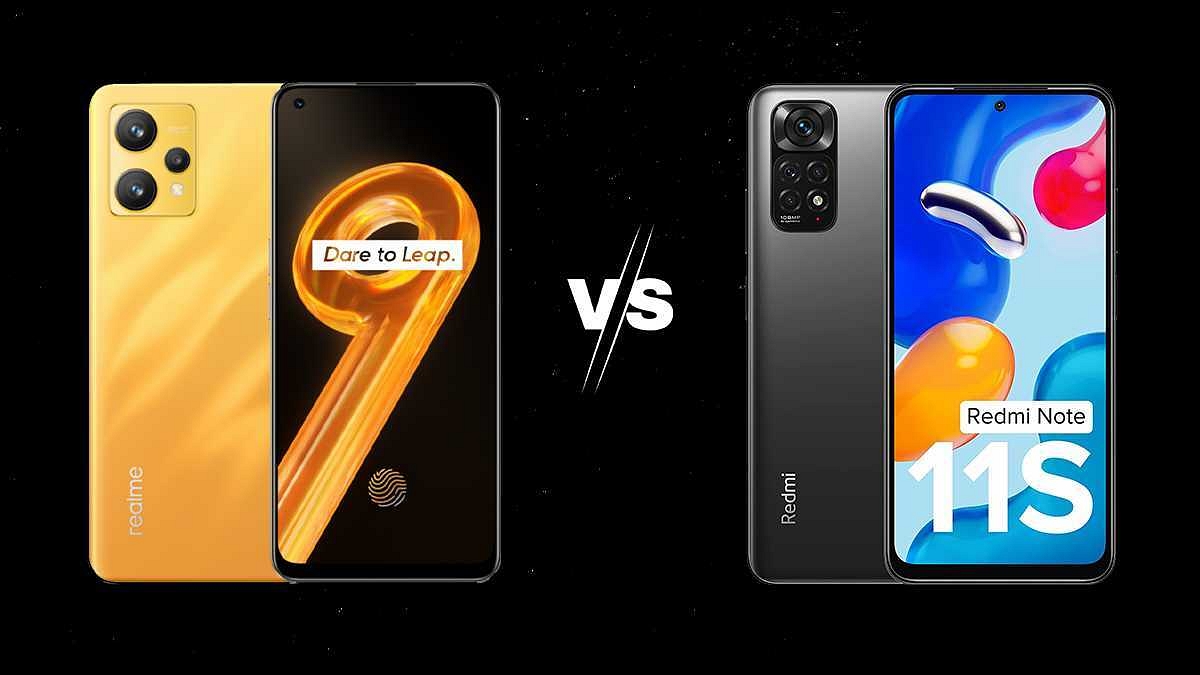
Realme 9 4G Vs Xiaomi Redmi Note 11S Specification Comparison: Which Mid-Range Android Phone You Should Buy?

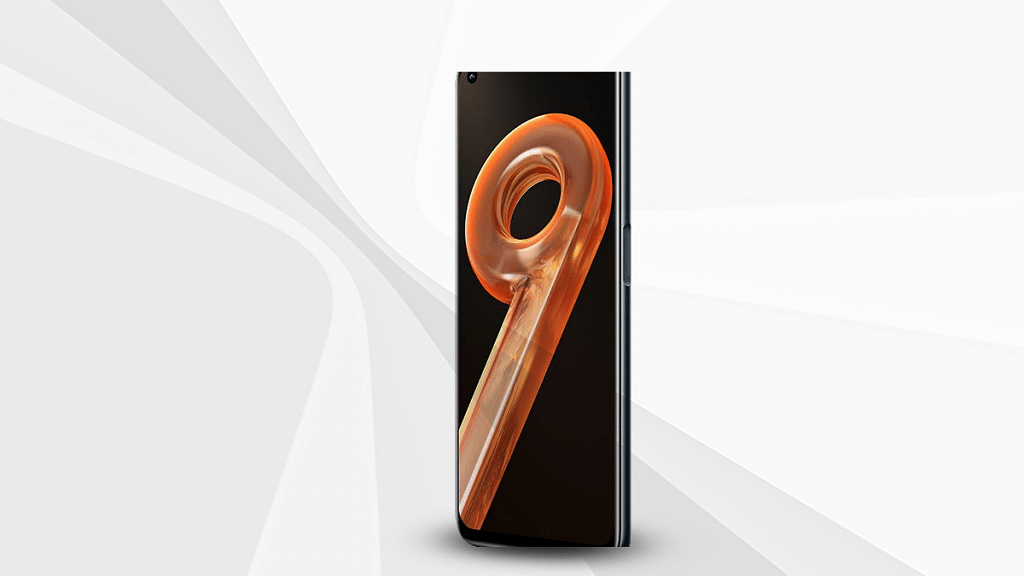
Realme has just refreshed its smartphone product lineup in India with two new devices. The Realme GT 2 Pro has been introduced for the flagship audience in the country, while the Realme 9 4G comes as the brand’s latest offering for the budget-conscious audience. We already have done a comparison article of the flagship Realme GT 2 Pro with the OnePlus 10 Pro. In this article, we are focusing on the affordable Realme 9 4G and are comparing it with another popular affordable 4G phone, i.e, the Xiaomi Redmi Note 11S. Which one of the latest Realme or the Xiaomi mid-range phones makes for the best buy under Rs. 20,000 segment? Read on to know:

Realme 9 4G Vs Redmi Note 11S: Display Specification

We are starting the Realme 9 4G and the Xiaomi Redmi Note 11S spec-sheet comparison with the display hardware. The Realme 9 4G has been announced with a 6.4-inch display. The panel used by the affordable Realme 4G phone is Super AMOLED that supports 1080 x 2400 pixels FHD+ screen resolution and 98.9 percent screen-to-body ratio. The Realme  9’s display further offers 1000 nits peak brightness levels and supports a 90Hz refresh rate.

Realme has recently started upgrading the display panel on its affordable smartphones. The brand has opted for a Super AMOLED panel instead of the IPS LCDs that were used on the previous-gen Realme smartphones. Protecting the Realme 9 4G’s panel would be a Corning Gorilla Glass 5 layering on top. On the contrary, the Redmi Note 11S competes with the Realme 9 4G with a 6.43-inch display. However, Xiaomi has used a standard AMOLED panel instead of Super AMOLED as the Realme model.

The remaining Redmi Note 11S specifications are identical to the Realme 9 4G. The Redmi Note 11S display also has the same 1080 x 2400 pixels FHD+ screen resolution and an aspect ratio of 20:9. The refresh offered by the Xiaomi Redmi Note 11S is 90Hz similar to the Realme 9 4G.  You will get a good video playback and gaming experience with the Realme 9 4G and the Redmi Note 11 4G. However, the Super AMOLED panel on the Realme model will offer slightly better output compared to

Realme 9 4G Vs Redmi Note 11S: Camera Hardware Comparison

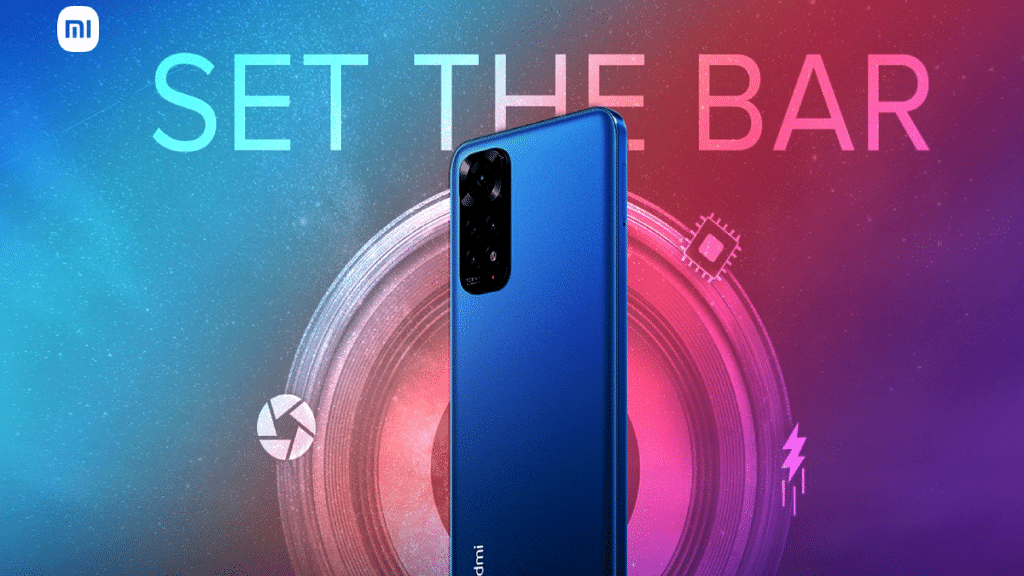
In the camera department, the Realme 9 4G is slightly less powerful compared to the Redmi Note 11S. Realme has used a triple-lens setup on the Realme 9 4G, while Xiaomi has opted for a quad-lens camera module on the Redmi Note 11S. The Realme 9 4G features a 108MP main camera that has an f/1.8 aperture. The primary sensor on the budget Realme handset is combined with an 8MP ultrawide angle sensor that has 120-degree FoV.

The Realme 9 4G’s third camera sensor is a 2MP macro lens with an f/2.4 aperture. The massive 108MP main camera is a star attraction here. But if you look at the Xiaomi Redmi Note 11S, there is the same 108MP main camera and an additional dedicated sensor. Both cameras are good for imaging, but the extra lens on the Redmi Note 11S will enhance the overall imaging experience. Specifically, with the bokeh shots. As for the selfie camera, both Realme 9 4G and the Redmi Note 11S have a 16MP snapper.

Realme 9 4G Vs Redmi Note 11S: Chipset, Battery Differences

The Realme 9 4G gets its power from Qualcomm’s new-generation Snapdragon 680 4G processor. This octa-core Snapdragon chipset has Adreno 610 GPU and up to 8GB RAM support. This Realme handset comes with up to 128GB of internal storage that can be further expanded via an external microSD card.  The Redmi Note 11S uses the MediaTek Helio G96 processor to drive all the tasks. Both Realme and Xiaomi phones have a premium mid-range chipset.

The performance delivery wouldn’t be much different on both smartphones. The Snapdragon chipset does have an edge over the MediaTek processor. Overall, the Realme 9 4G and the Redmi Note 11S will perform lag-free with moderate and extensive gaming as well as general usage. The battery capacity and the fast charging speeds are also identical on both Realme 9 4G and the Redmi Note 11S. These mid-range Android phones are powered by a 5,000 mAh battery that gets 33W fast charging support.

Do let us know your thoughts in the comment section below. You can also follow the GizNext Tech Enthusiast Telegram group and the GizNext Tech Enthusiast WhatsApp group for the latest technolgy updates.

Categories
Comparison Featured Mobile

Realme GT 2 Pro Vs OnePlus 10 Pro: Full Specification Comparison

India has been a favorite market for smartphone OEMs for their affordable products. But the audience here has been demanding premium range phones as well. This rising demand has been supplemented by multiple smartphone brands; specifically, the Chinese OEMs that are flooding this space with value flagship devices. Realme is amongst those brands that have introduced its flagship GT 2 Pro powered by the Snapdragon 8 Gen 1 chipset.

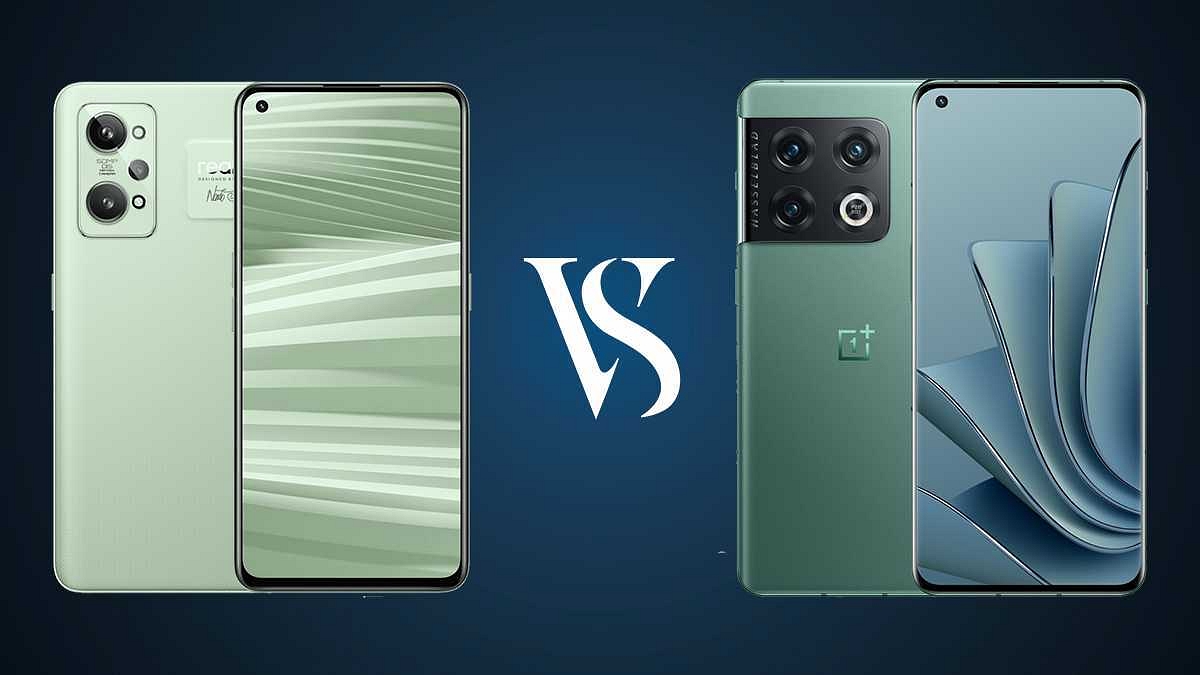
Earlier, OnePlus also took the center stage to unveil its top-most flagship, i.e, the OnePlus 10 Pro in the country. Both Realme GT 2 Pro and the OnePlus 10 Pro are amongst the most powerful Android phones that you can buy in the Indian market. But which of the two packs all the punch? Let’s find out in this comparison article:

Realme GT 2 Pro Vs OnePlus 10 Pro: Display Specs Comparison

Realme has been getting its game stronger in the mobile display segment. The brand has been loading its flagship GT series with high-end panels. The same is the case with the Realme GT 2 Pro which features a massive 6.7-inch display. It is an LTPO AMOLED panel that supports a QHD+ screen resolution of 1440 x 3216 pixels and has a pixel density of 509 PPI. The GT 2 Pro’s display comes with a 120Hz refresh rate that helps with smoother frame transitions with rich graphics. It also supports HDR 10+ certification and gets a Corning Gorilla Glass Victus protection.

The OnePlus 10 Pro’s display panel and specifications aren’t much different compared to the Realme GT 2 Pro. The OnePlus 10 Pro features a Fluid AMOLED display that measures 6.7-inches and supports a QHD+ resolution of 1440 x 3216 pixels (identical to the Realme GT 2 Pro). The OnePlus 10 Pro’s display also has the same 120Hz refresh rate and HDR 10+ certification along with the Corning Gorilla Glass Victus protection. Both the Realme GT 2 Pro and the OnePlus 10 Pro features similar display hardware for vivid and clear output.

Realme GT 2 Pro Vs OnePlus 10 Pro: Camera Specs Comparison

Mobile photography is one of the key focus areas of flagship smartphones across the globe. Both Realme and OnePlus are well known for using high-end camera hardware on their premium range phones. The Realme GT 2 Pro is packed with a triple-lens camera module at the back where the primary sensor is a 50MP lens with an f/1.8 aperture and PDAF., OIS (Optical Image Stabilization) support. The main camera on the GT 2 Pro is clubbed with another 50MP ultrawide sensor with an f/2.2 aperture and a 3MP sensor with an f/3.3 aperture and 40X zoom.

The Realme GT 2 Pro has powerful camera hardware with a large primary sensor that will allow capturing high-resolution images both in daylight and low-light conditions. The GT 2 Pro’s camera is capable of capturing 8K videos at 24fps and has multiple shooting modes to enhance the photography experience.

On the other hand, the OnePlus 10 Pro packs slightly more powerful camera hardware compared to the Realme GT 2 Pro. The OnePlus 10 Pro also features a triple rear camera module where the main sensor measures 48MP with PDAF, OIS, and Laser AF technology. The Hasselblad series camera on the OnePlus 10 Pro also includes an 8MP telephoto sensor with 3.3x optical zoom and a 50MP additional ultrawide sensor with an f/2.2 aperture. The selfie snapper is identical on both Realme GT 2 Pro and the OnePlus 10 Pro, i.e, a 32MP lens.

Realme GT 2 Pro Vs OnePlus 10 Pro: Chipset, Battery Specs Comparison

Power delivery isn’t a compromise on both Realme GT 2 Pro and the OnePlus 10 Pro. Both flagship Android phones use the same octa-core Snapdragon 8 Gen 1 chipset that is based on a 4nm fabrication process and gets Adreno 730 GPU support. The configuration is also the same on both devices, i.e, up to 12GB LPDDR5 RAM and 512GB UFS 3.1 storage.

Coming to the battery capacity, the Realme GT 2 Pro gets its fuel via a 5,000 mAh battery. It features 65W fast charging support. The OnePlus 10 Pro also has a 5,000 mAh battery. However, the OnePlus model features faster-charging speeds, i.,e 80W. Overall, both the Realme GT 2 Pro and the OnePlus 10 Pro are power-packed Android phones. However, the OnePlus 10 Pro gets a few extra pointers for the faster-charging speeds and better rear camera hardware.

Do let us know your thoughts in the comment section below. You can also follow the GizNext Tech Enthusiast Telegram group and the GizNext Tech Enthusiast WhatsApp group for all the fresh tech updates.