Categories
Apps Featured Info

Is Google Deleting Your Gmail Account Next Month? Here’s The Truth

Key Highlights

  • Google deleting inactive Gmail accounts in December.
  • Security measure to protect users’ data.
  • Active users need not worry.

If you’re a Gmail user, you may have heard rumors that Google is deleting inactive Gmail accounts next month. Let’s get to the bottom of this and understand what’s really happening.

Also Read: Google Pixel 8 Series Launched: Top Highlights, Price

What’s Going On?

Google has recently announced a change in its policy, stating that it will begin deleting inactive Gmail accounts from December 2023 onwards. This move is aimed at enhancing security. Inactive accounts are more susceptible to cyber threats, and Google wants to protect its users from potential security breaches.

Also Read: Google Introduces Emoji Reactions To Gmail For Android: Here’s How To Use It

The Policy Details

According to Google’s new policy, accounts that have been inactive for two years will be deleted. But don’t worry, this doesn’t affect accounts that are regularly used. If you frequently use Gmail, Docs, Calendar, or Photos, your account is safe. This policy only targets accounts that have not been used for a significant period.

Also Read: Google Tensor Vs Exynos 2200 Chipset Comparison

Why Is This Happening?
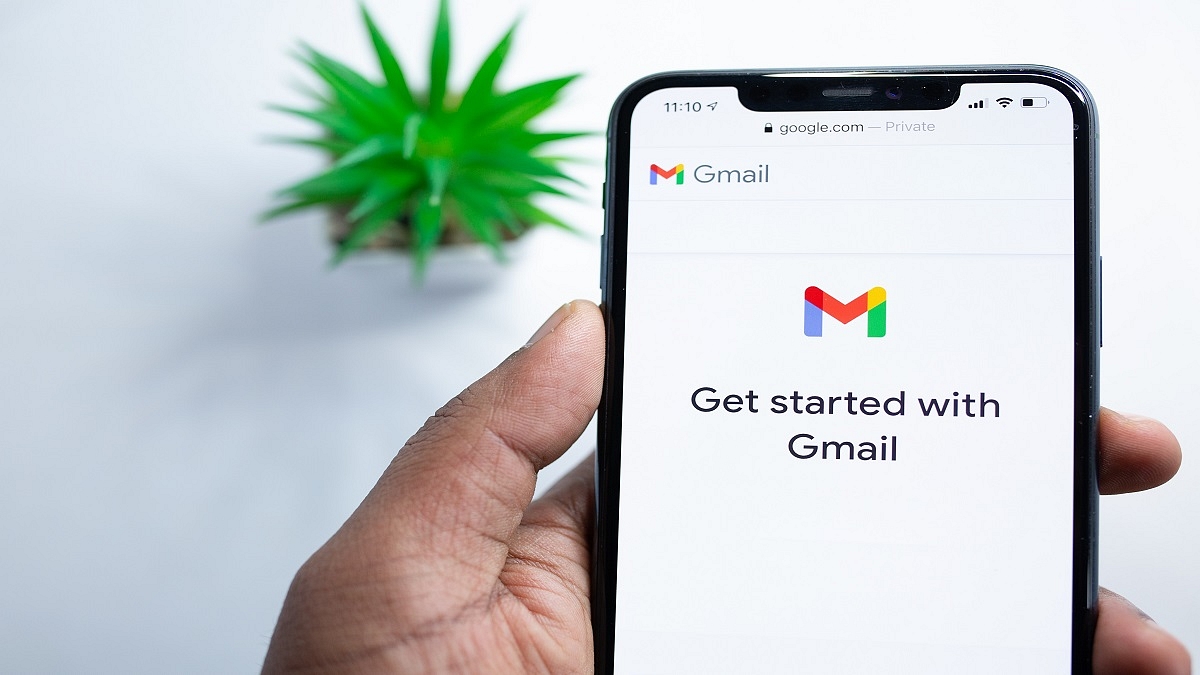
Google’s primary motivation is to boost security. Inactive accounts often have outdated or reused passwords, lack two-factor authentication, and receive fewer security checks. These factors make them easy targets for cybercriminals. Google stated, “If a Google Account has not been used or signed into for at least 2 years, we may delete the account and its contents.” This includes data within Google Workspace, which encompasses Gmail, Docs, Drive, Meet, Calendar, and Google Photos.

Also Read: Google For India 2023: A Recap Of Key Announcements

How To Keep Your Account Safe

To ensure your Gmail account doesn’t get deleted, you should take a few simple steps. Google will send multiple notifications to both your account email address and the recovery email you provided before deleting your account. This gives you ample time to take action and prevent your account from being deleted.

Also Read: Google Pixel Car Crash Detection Comes To India: How To Use?

The Final Word

In a nutshell, Google’s decision to delete inactive Gmail accounts is a security measure to protect its users. If you’re an active user, there’s no need to worry. Just keep using your Gmail account, and you’ll be safe. However, if you haven’t logged in for a while, it’s time to do so to prevent any unwanted surprises. Your data and privacy are important, and Google is taking steps to safeguard them.

Also Read: Google Chrome’s New Feature: You Can Easily Monitor Tab RAM Usage Now
Categories
Chipset Featured Info

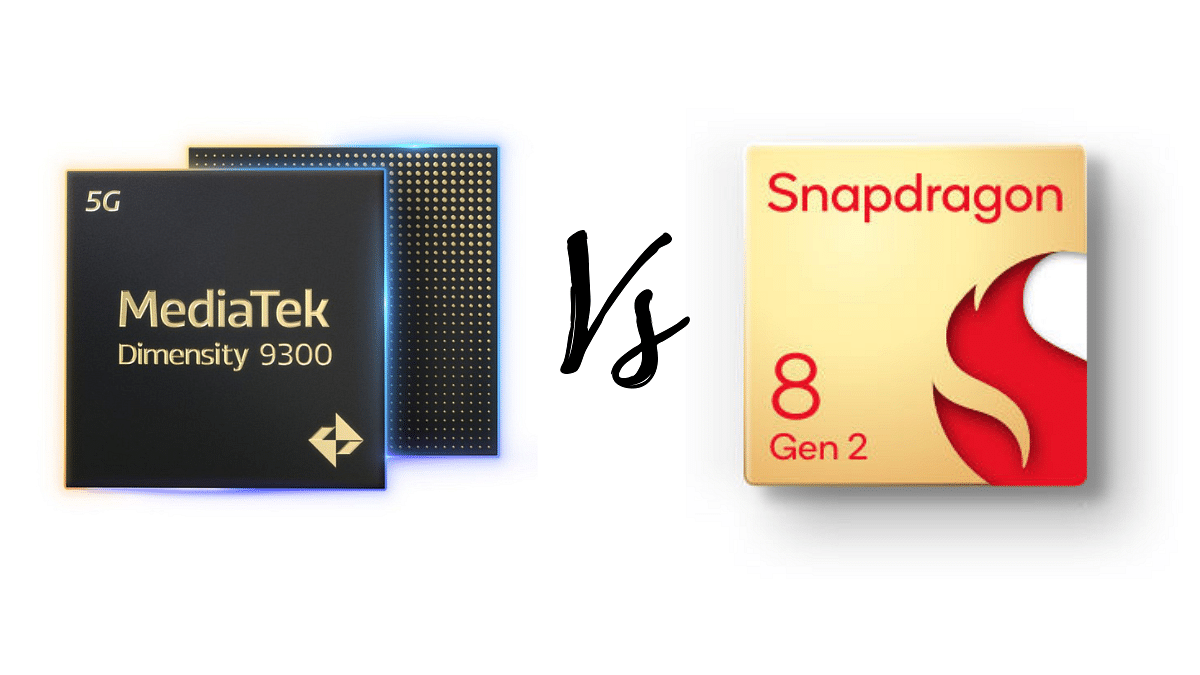
Mediatek Dimensity 9300 Vs Snapdragon 8 Gen 2: Chipset Comparison

Mediatek Dimensity 9300 and Snapdragon 8 Gen 2 offers good overall performance, AI processing, and multimedia capabilities. But which one is the better choice for your specific needs?

Let’s dive into the details to find out.

Mediatek Dimensity 9300 Vs Snapdragon 8 Gen 2: CPU Architecture

SpecificationMediatek Dimensity 9300Snapdragon 8 Gen 2
Process 4nm4nm
Cores88
High-Performance Cores1x Cortex-X4 @ 3.25 GHz1x Cortex-X3 @ 3.2 GHz
3x Cortex-X4 @ 2.85 GHz2x Cortex-A715 @ 2.8 GHz
4x Cortex-A720 @ 2 GHz2x Cortex-A710 @ 2.8 GHz
3x Cortex-A510 @ 2 GHz

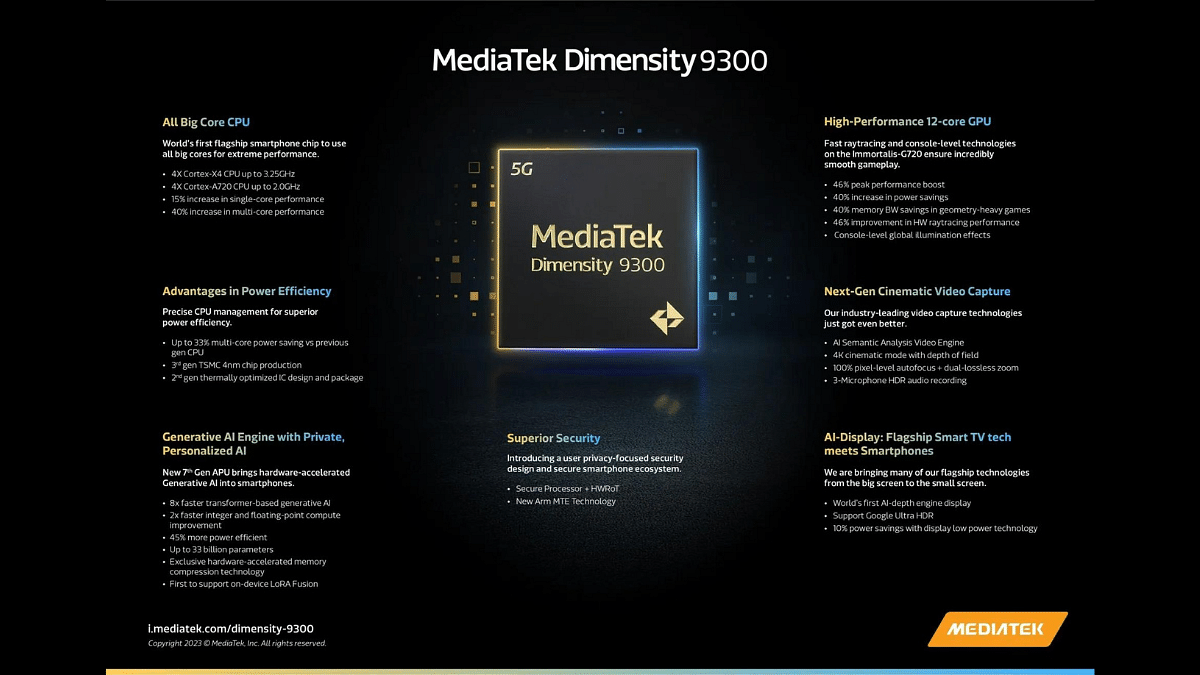
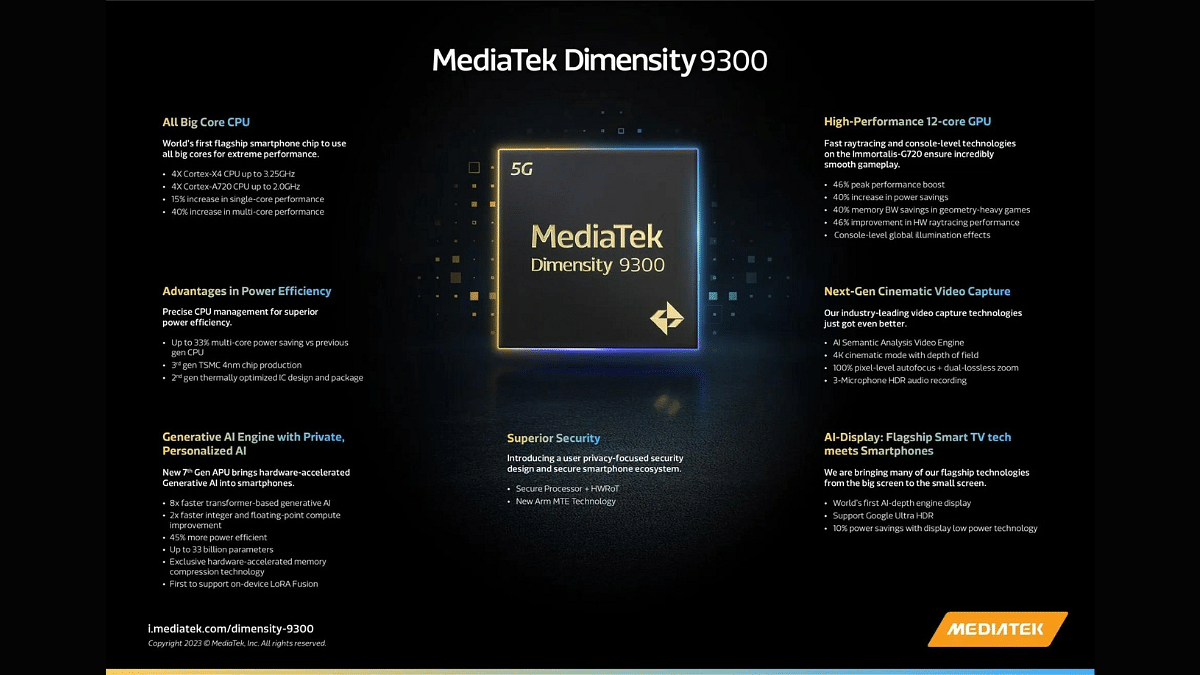
Mediatek Dimensity 9300 comes with an octa-core CPU architecture, featuring 1 Cortex-X4 core running at an impressive 3.25 GHz, 3 Cortex-X4 cores at 2.85 GHz, and 4 Cortex-A720 cores at 2 GHz. This blend of high-performance and efficiency cores allows for a versatile user experience.

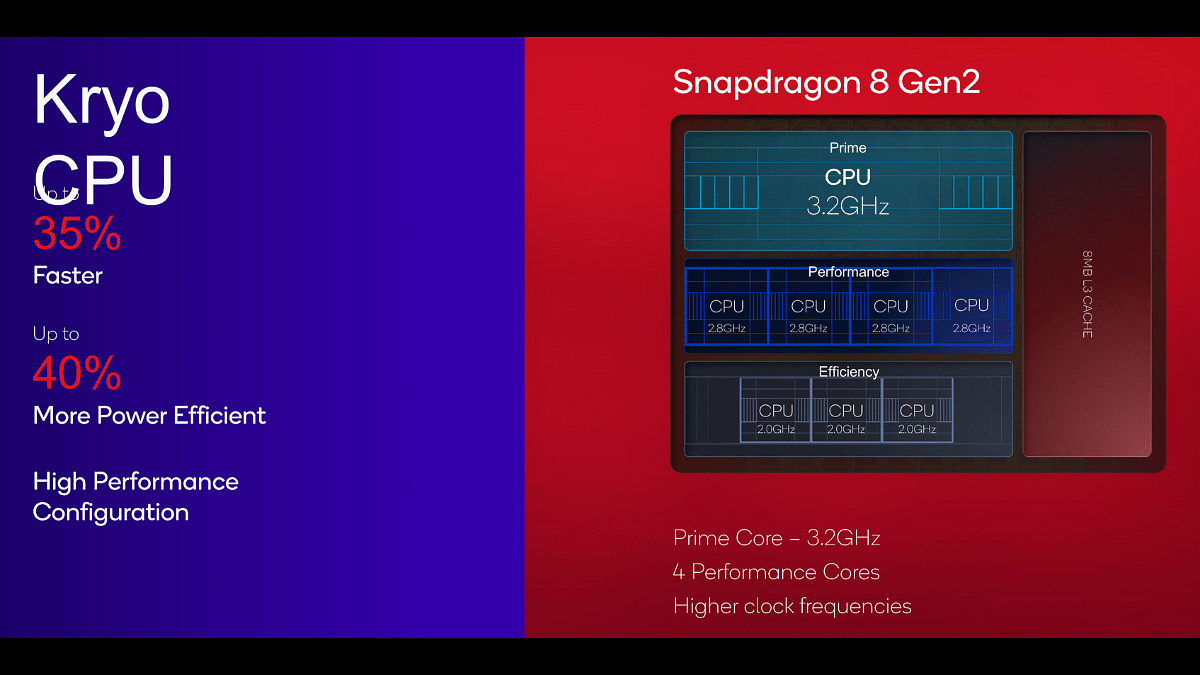
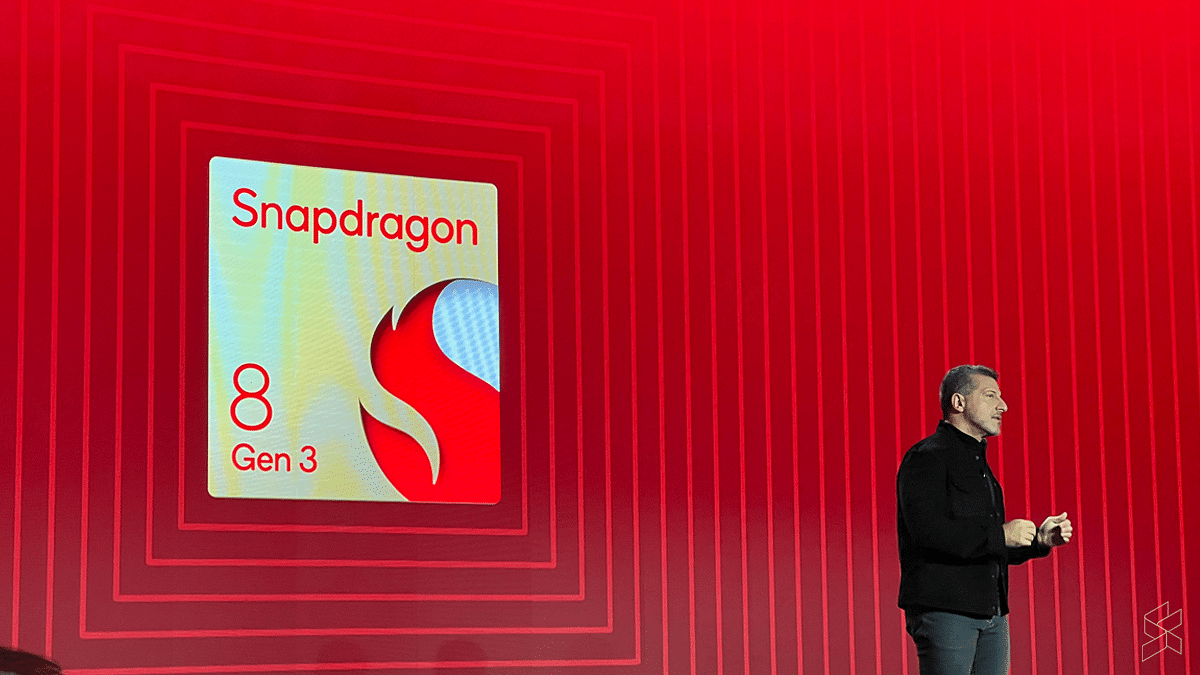
Snapdragon 8 Gen 2 comes with an equally potent octa-core setup, it consists of 1 Cortex-X3 core at 3.2 GHz, 2 Cortex-A715 cores at 2.8 GHz, 2 Cortex-A710 cores at 2.8 GHz, and 3 Cortex-A510 cores at 2 GHz. Snapdragon 8 Gen 2 offers a balance of high and low-powered cores for optimal performance.

Also Read: List Of Upcoming Flagship Android Smartphones Powered By Qualcomm Snapdragon 8 Gen 3 Chipset

Mediatek Dimensity 9300 Vs Snapdragon 8 Gen 2: GPU, Memory

SpecificationMediatek Dimensity 9300Snapdragon 8 Gen 2
GPUMali-G720 Immortalis MP12Adreno 740
GPU Frequency1300 MHz680 MHz
Gigaflops5990.43481.6

Mediatek Dimensity 9300 features the Mali-G720 Immortalis MP12 GPU, running at 1300 MHz. This GPU delivers a substantial 5990.4 Gigaflops of computing power, ideal for gaming and graphics-intensive tasks.
Snapdragon 8 Gen 2 is equipped with the Adreno 740 GPU, operating at 680 MHz, it offers a total of 2560 shading units, delivering 3481.6 Gigaflops. Snapdragon’s Adreno GPU is renowned for its graphics prowess.

SpecificationMediatek Dimensity 9300Snapdragon 8 Gen 2
Memory TypeLPDDR5TLPDDR5X
Memory Frequency4800 MHz4200 MHz
Max Memory Size24 GB24 GB

Both chipsets support LPDDR5-type memory, with Mediatek Dimensity 9300 having a higher memory frequency at 4800 MHz, compared to Snapdragon 8 Gen 2’s 4200 MHz. Both support a maximum memory size of 24 GB.

Also Read: List Of Upcoming Flagship Android Smartphones Powered By Qualcomm Snapdragon 8 Gen 3 Chipset

Mediatek Dimensity 9300 Vs Snapdragon 8 Gen 2: Display And Camera

SpecificationMediatek Dimensity 9300Snapdragon 8 Gen 2
Max Display Resolution2960 x 14403840 x 2160
Max Camera Resolution1x 320MP1x 200MP

Mediatek Dimensity 9300 supports a maximum display resolution of 2960 x 1440 and camera resolution of up to 320MP, making it ideal for high-resolution displays and camera systems.


Snapdragon 8 Gen 2 offers an even higher maximum display resolution of 3840 x 2160 and camera resolution of up to 200MP, which is impressive for users seeking top-tier display and photography capabilities.

Also Read: Snapdragon 8 Gen 3 Vs MediaTek Dimensity 9300: Flagship Chipset Comparison

Mediatek Dimensity 9300 Vs Snapdragon 8 Gen 2: Multimedia (ISP), AI And Connectivity

SpecificationMediatek Dimensity 9300Snapdragon 8 Gen 2
AI ProcessorYesHexagon
Video Capture8K at 30FPS, 4K at 60FPS8K at 30FPS, 4K at 120FPS
Video Playback8K at 30FPS, 4K at 60FPS8K at 60FPS, 4K at 120FPS

Mediatek Dimensity 9300 chipset incorporates a powerful Neural Processor Unit (NPU) for AI-driven tasks, supporting up to 8K video capture and playback at 30FPS, and 4K at 60FPS. It’s versatile in handling various video codecs and audio codecs.


Snapdragon 8 Gen 2 relies on Hexagon for AI processing, supports 8K video capture at 30FPS, 4K at 120FPS, and 8K video playback at 60FPS. It also offers a range of video and audio codecs, catering to diverse multimedia requirements.

SpecificationMediatek Dimensity 9300Snapdragon 8 Gen 2
4G SupportLTE Cat. 24LTE Cat. 24
5G SupportYesYes
Download SpeedUp to 10,000 MbpsUp to 10,000 Mbps
Upload SpeedUp to 7,000 MbpsUp to 3,500 Mbps

Both chipsets support 4G and 5G. Mediatek Dimensity 9300 boasts incredible download speeds of up to 10,000 Mbps and upload speeds of up to 7,000 Mbps, while Snapdragon 8 Gen 2 offers impressive download speeds of up to 10,000 Mbps and upload speeds of up to 3,500 Mbps. The difference in upload speeds may be a significant factor for some users.

Mediatek Dimensity 9300 features Wi-Fi 7 and Bluetooth 5.4. On the other hand, Snapdragon 8 Gen 2 offers Wi-Fi 7 and Bluetooth 5.3, still providing solid wireless connectivity but with slightly older Bluetooth technology.

Also Read: Snapdragon 8 Gen 3 Vs Apple A16 Bionic Chip: Chipset Comparison

Mediatek Dimensity 9300 Vs Snapdragon 8 Gen 2: Final Verdict

Choose the Mediatek Dimensity 9300 for strong overall performance, AI power, and great multimedia, ideal for gaming and content creation. Opt for the Snapdragon 8 Gen 2 if you value stunning displays, excellent camera capabilities, and solid performance, especially if you’re keen on visuals and photography.

Ultimately, your choice depends on your personal preferences and how you use your smartphone. Both chipsets offer cutting-edge technology, so you’re in good hands with either.

Also Read: MediaTek Dimensity 9300 Flagship Chipset Launched: Expected Phones Roadmap

Categories
Featured Gaming Info

Resident Evil 4 India: iPhone, iPad, And Mac Release Details Unveiled

Key Highlights

  • Resident Evil 4 is set to launch on December 20
  • Resident Evil 4 is available for pre-order
  • A free demo of Resident Evil 4 will be available

During Apple’s September iPhone launch event, an unexpected announcement stole the show. The event revealed that the latest A17 Pro processor in the iPhone 15 Pro and iPhone 15 Pro Max would support full-fledged AAA titles typically found on gaming consoles. Among the titles showcased on stage, the Resident Evil franchise garnered significant attention. Also Read | Take Your Gaming To The Next Level: Four Must-Have SSDs And HDDs For Gamers

Resident Evil 4 iPhone 15 Pro: Release Date

Capcom’s official Resident Evil franchise account disclosed that Resident Evil 4 is set to launch on iPhone, iPad, and Mac on December 20. However, it will only be available on devices equipped with Apple’s most powerful chips. Here’s the list of compatible Apple devices for Resident Evil 4:

  • iPhone 15 Pro
  • iPhone 15 Pro Max
  • iPad models featuring the M1 chip or higher
  • Mac devices powered by the M1 chip or higher

Upon release, Resident Evil 4 will include a free demo, allowing users to experience this popular survival horror title on supported devices. The official post invites gamers, saying, “Infiltrate the village, save baby Eagle! A demo will be available for those wanting a taste of Leon’s intense mission! Pre-order on the App Store now!”

Also Read | Best Games On Xbox Game Pass That Are Worth Playing

Resident Evil 4 iPhone 15 Pro: Price

The full game will be priced at USD 59.99, which also covers the Separate Way DLC pack. This price point is higher than the USD 39.99 cost for Resident Evil Village when it initially launched on Apple devices. Nevertheless, Capcom has confirmed that Resident Evil 4 will support Universal Purchase, meaning you can buy the game on one device and play it on any other supported Apple device.

Support For Controllers

Resident Evil 4 for iPhone will come with fully customizable on-screen touch controls. The game will support PlayStation and Xbox wireless controllers for a more intuitive gaming experience.

Apple’s AAA Game Lineup

Apple‘s commitment to AAA gaming on the iPhone 15 Pro models doesn’t stop at Resident Evil. The event also highlighted other compatible console games making their way to the new iPhone models, including Death Stranding Director’s Cut and Assassin’s Creed Mirage.

Also Read | Best Action Games For Android In 2023

Categories
Apps Featured Info

Google Chrome’s New Feature: You Can Easily Monitor Tab RAM Usage Now
Key Highlights

  • Chrome Update: See Tab Memory Usage Instantly Now
  • Google promises smoother browsing with Chrome’s New RAM Monitoring
  • It easily manages RAM for Open Tabs in Chrome

Google Chrome has introduced a new feature that allows users to monitor the memory consumption of individual tabs in real time. This feature, reported by 9to5Google, aims to offer users clear information about how much system memory their open tabs are using.

For seamless access to this feature, users can navigate to Chrome’s settings, specifically under the ‘Performance’ section. Here, they can activate both Memory and Energy Saver modes. Furthermore, users have the option to designate specific sites to remain continually active, ensuring critical pages don’t reload each time they are accessed.

Also Read: BenQ Introduces India’s First Google EDLA-Certified Smart Boards With Integrated Google Mobile Services

This feature streamlines the process of identifying tabs that may be using an excessive amount of system resources. By merely hovering over a tab, users can quickly check real-time memory usage. This feature can be a valuable resource, particularly for those who frequently work with numerous open tabs, seeking to maintain optimal computer performance.

While Chrome had previously introduced a “Memory Saver” mode, this latest update takes it a step further by providing on-the-fly memory usage data. It eliminates the need for users to navigate through intricate settings to determine the system resources used by their open web pages.

The update is already available on the stable Chrome 119 channel and is expected to roll out to all users soon. For those who prefer not to wait, there’s a manual way to enable it via Chrome’s experimental settings.

Also Read: Google Launches 3 Chromebooks For Cloud Gaming: See Here For Specifictions, Availability, And More

Categories
Featured How To

How To Change Your Aadhaar Card Photo: A Step-by-Step Guide

Key Highlights

  • Aadhaar card photos are a crucial part of identity confirmation
  • You can get access to a number of government and non-government benefits with Aadhaar
  • Holders of Aadhaar cards are able to change their photos

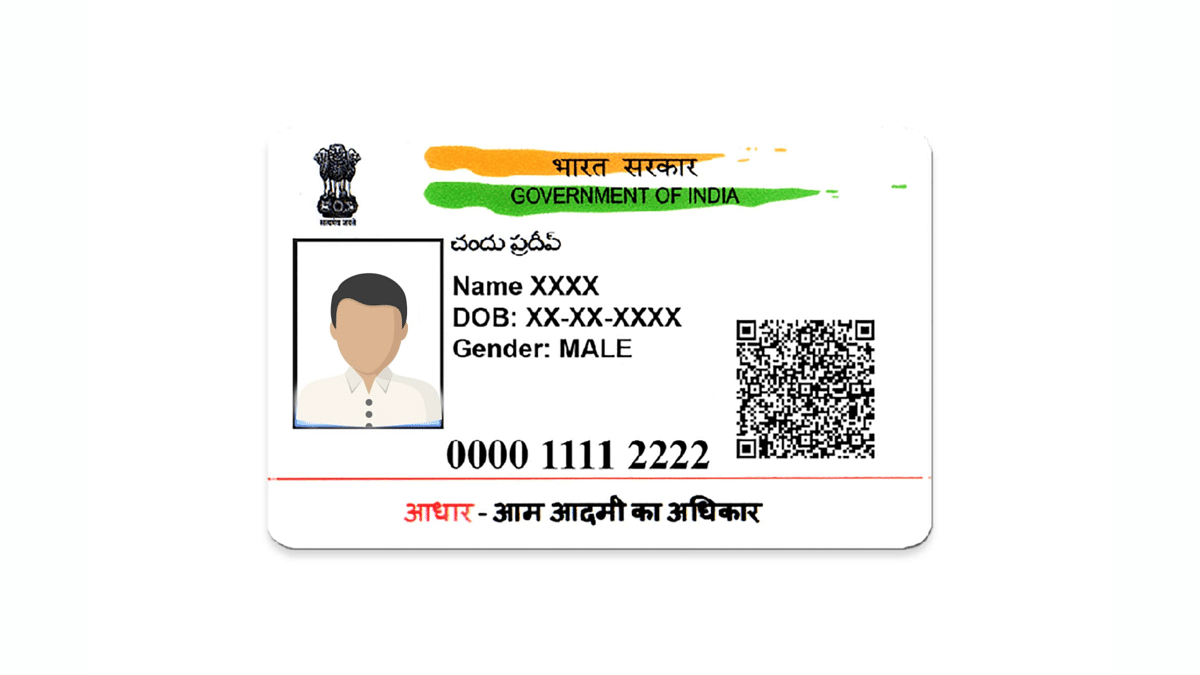
Your Aadhaar card photo plays a crucial role in verifying your identity, granting you access to various government and non-government services and benefits. However, there might be instances when you need to replace your Aadhaar card photo due to issues like poor quality, outdated appearance, or discrepancies with other official documents. In this article, we’ll walk you through the process of changing your Aadhaar card photo. Also Read | What Is A Masked Aadhaar Card? Here’s How You Can Download It Online

How To Change Aadhaar Card Photo

Step 1: Visit the Official UIDAI Website

To initiate the process of changing your Aadhaar card photo, start by visiting the official UIDAI website.

Step 2: Obtain the Aadhar Enrollment Form

You can download the Aadhar enrollment form from the UIDAI website, or you can collect it from the nearest Aadhar Sewa Kendra or Aadhaar Enrolment Centre.

Step 3: Complete the Enrollment Form

Fill out all the necessary details in the enrollment form accurately.

Step 4: Submission of Enrollment Form

Submit the completed enrollment form to the nearest Aadhar Sewa Kendra or Aadhar Enrollment Center. To locate the nearest center, visit the link: appointments.uidai.gov.in/.

Step 5: Biometric Verification

An Aadhar executive at the center will verify all the details through biometric verification.

Also Read | How To Update And Change Mobile Number On Aadhaar Card Online

Step 6: Capturing the New Photo

The executive will then capture a new photo to update on your Aadhar card.

Step 7: Service Fee

A service fee of Rs. 100 with GST will be charged for this process.

Step 8: Acknowledgment Slip and URN

Upon completing the photo update, you will receive an acknowledgment slip along with an Update Request Number (URN). This URN can be used to monitor the status of updates on the UIDAI website.

Also, note that the process may take up to 90 days for the updated information to reflect on your Aadhaar card. You can use the URN number to check the status of the Aadhaar update online. Once your Aadhaar card is updated, you can obtain a physical copy at your nearest Aadhaar Enrollment Centre or download an e-Aadhaar from the official UIDAI website.

Also Read | Need To Lock And Unlock Your Aadhaar Card Biometrics? Here’s How To Do It

Categories
Featured mobile Telecom

Jio Collaborates With Lava, Itel, And Nokia To Introduce Next-Gen 4G Feature Phones: What You Need To Know

Key Highlights

  • Major Collaboration for Next-Gen 4G Feature Phones
  • Transitioning 2G Users to 4G
  • Affordable JioBharat Phones with Special 4G Plans

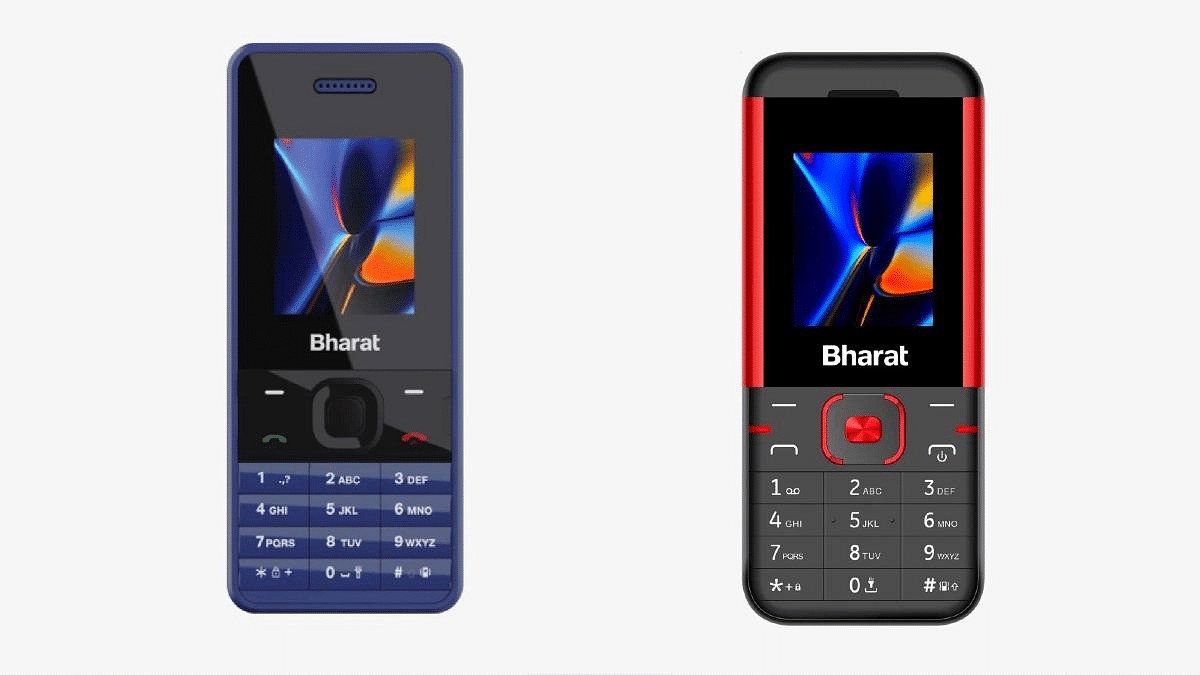
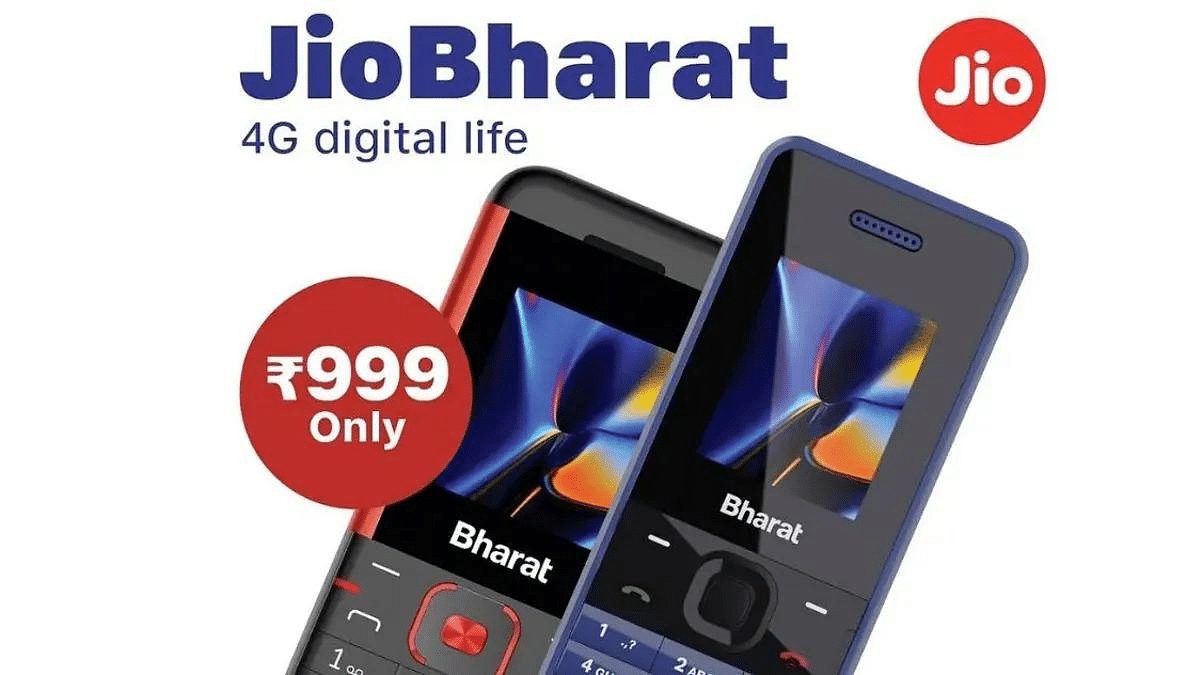
In a process to bring more people into the world of smart features, Jio backed by Reliance, introduced its JioBharat feature phone series earlier this year. These phones are designed for those who want smart features but aren’t quite ready to make the leap to smartphones.

Let’s explore the latest developments in Jio’s mission to expand the reach of 4G feature phones.

Also Read: Two New Jio Phones Coming Soon To India: BIS Certified Before Reliance AGM 2023

Vision: JioBharat Lineup

Sunil Dutt, President of Jio’s devices division, shared some exciting plans for the future of the JioBharat feature phones. The ultimate goal is to transition about 250 million 2G users to 4G and beyond. To achieve this ambitious goal, Jio is collaborating with renowned feature phone manufacturers like Lava, Nokia, and Itel.

Jio’s vision is to establish JioBharat as a common platform that offers a consistent experience across all devices. While each manufacturer may bring their own unique designs, sizes, and colours to the table, certain core aspects of the phones will remain consistent. This approach allows users to easily recognize and connect with JioBharat, irrespective of the specific device they choose.

Also Read: Jio’s Annual Independence Day Offer: Rs. 2,999 Recharge Pack Brings Endless ConnectionAirtel Xstream AirFiber: How To Buy And Set Up Wireless Home Wi-Fi Connection

Monthly Plans With A Difference

One of the key differentiators of JioBharat feature phones is the bundled 4G monthly plans. Currently, Jio offers a Rs 123 recharge plan with a 28-day validity period. This plan includes 14GB of 4G data, unlimited calling, 300 daily SMS, and access to popular Jio apps like JioCinema and JioSaavn.

Also Read: How To Use Airtel Xstream To Watch Live TV And On-Demand Content

Range of JioBharat Models

The JioBharat feature phone series currently includes three models: JioBharat V2, JioBharat B1, and JioBharat K1 Karbonn. Priced at Rs 999, Rs 999, and Rs 1,299 respectively, these phones offer a budget-friendly entry point for users seeking essential smart features.

Also Read: JioMotive Plug-and-Play 4G GPS Tracker For Cars Unveiled: Features

Categories
Chipset Comparison Featured

Snapdragon 8 Gen 3 Vs MediaTek Dimensity 9300: Flagship Chipset Comparison

Two of the leading flagship chipsets are the Snapdragon 8 Gen 3 and the newly released MediaTek Dimensity 9300. In this article, we will compare two flagship chipsets, the Snapdragon 8 Gen 3 and the MediaTek Dimensity 9300, based on their CPU architecture, GPU, memory, multimedia capabilities, and connectivity.

Also Read: MediaTek Dimensity 9300 Flagship Chipset Launched: Expected Phones Roadmap

Snapdragon 8 Gen 3 Vs MediaTek Dimensity 9300: CPU Architecture

CategorySnapdragon 8 Gen 3MediaTek Dimensity 9300
Primary Core1x 3.3 GHz Cortex-X41x 3.25 GHz Cortex-X4
High-Performance Cores3x 3.15 GHz Cortex-A7203x 2.85 GHz Cortex-X4
Mid-Range Cores2x 2.96 GHz Cortex-A7204x 2 GHz Cortex-A720
Power-Efficient Cores2x 2.26 GHz Cortex-A520
Total Cores88

The Snapdragon 8 Gen 3 boasts a 1x Cortex-X4 core clocked at 3.3 GHz, 3x Cortex-A720 cores at 3.15 GHz, 2x Cortex-A720 cores at 2.96 GHz, and 2x Cortex-A520 cores at 2.26 GHz. On the other hand, the Dimensity 9300 features a 1x Cortex-X4 core at 3.25 GHz, 3x Cortex-X4 cores at 2.85 GHz, and 4x Cortex-A720 cores at 2 GHz. Both chipsets are manufactured using a 4-nanometer process.

The Dimensity 9300 has a slightly higher L3 cache of 18 MB compared to the Snapdragon 8 Gen 3’s 12 MB. This means that the Dimensity 9300 may have an advantage in multitasking and overall performance.

Also Read: Snapdragon 8 Gen 3 Vs Apple A16 Bionic Chip: Chipset Comparison

Snapdragon 8 Gen 3 Vs MediaTek Dimensity 9300: GPU, Memory

CategorySnapdragon 8 Gen 3MediaTek Dimensity 9300
GPUAdreno 750Mali-G720 Immortalis MP12
GPU Frequency770 MHz
Memory TypeLPDDR5XLPDDR5T
Memory Frequency4800 MHz9600 MHz
Max Memory Size24 GB24 GB

The Snapdragon 8 Gen 3 is equipped with the Adreno 750 GPU, while the Dimensity 9300 features the Mali-G720 Immortalis MP12 GPU. The Adreno 750 has a GPU frequency of 770 MHz, whereas the GPU frequency for the Mali-G720 is not specified. While it’s challenging to compare these GPUs directly, Adreno GPUs have a strong reputation for gaming performance, which may give the Snapdragon 8 Gen 3 an edge in this department.

In terms of memory, both chipsets support LPDDR5X memory, but the Dimensity 9300 has an advantage with a higher memory frequency of 9600 MHz compared to the Snapdragon 8 Gen 3’s 4800 MHz. The bus interface for memory is the same for both chipsets, with 4x 16-bit channels. They both support a maximum memory size of 24 GB.

Also Read: Snapdragon 8 Gen 3 Vs Dikensity 9200

Snapdragon 8 Gen 3 Vs MediaTek Dimensity 9300: Multimedia, Video Capabilities

CategorySnapdragon 8 Gen 3MediaTek Dimensity 9300
Neural Processor (NPU)HexagonYes
Storage TypeUFS 4.0UFS 4.0
Max Display Resolution3840 x 21602960 x 1440
Max Camera Resolution1x 200MP1x 320MP
Video Capture8K at 30FPS, 4K at 120FPS8K at 30FPS, 4K at 60FPS
Video Playback8K at 30FPS, 4K at 120FPS8K at 30FPS, 4K at 60FPS

The Snapdragon 8 Gen 3 features Qualcomm’s Hexagon NPU and supports UFS 4.0 storage. It can handle a maximum display resolution of 3840 x 2160 and offers a maximum camera resolution of 200MP. It supports 8K video capture at 30FPS and 4K at 120FPS, along with various video codecs like H.264, H.265, AV1, VP8, and VP9. For audio, it supports AAC, AIFF, CAF, MP3, MP4, and WAV codecs.

The Dimensity 9300 also supports UFS 4.0 storage and boasts a max display resolution of 2960 x 1440. It can handle a whopping 320MP camera resolution, although its video capture capabilities are slightly lower than the Snapdragon 8 Gen 3, supporting 8K video at 30FPS and 4K at 60FPS. Its supported video codecs include H.264, H.265, AV1, and VP9, along with AAC LC, MP3, HE-AACv1, HE-AACv2, and FLAC audio codecs.

Snapdragon 8 Gen 3 Vs MediaTek Dimensity 9300: Connectivity

CategorySnapdragon 8 Gen 3MediaTek Dimensity 9300
ModemSnapdragon X75
4G SupportLTE Cat. 24LTE Cat. 24
5G SupportYesYes
Download SpeedUp to 10,000 MbpsUp to 10,000 Mbps
Upload SpeedUp to 3,500 MbpsUp to 7,000 Mbps
Wi-FiWi-Fi 7Wi-Fi 7
Bluetooth5.45.4
NavigationGPS, GLONASS, Beidou, Galileo, QZSS, NAVICGPS, GLONASS, Beidou, Galileo, QZSS, NAVIC

In terms of connectivity, both chipsets support 4G LTE Cat. 24 and 5G. The Snapdragon 8 Gen 3 features the Snapdragon X75 modem, offering download speeds of up to 10,000 Mbps and upload speeds of up to 3,500 Mbps. The Dimensity 9300 also supports download speeds of up to 10,000 Mbps but offers faster upload speeds of up to 7,000 Mbps. Both chipsets support Wi-Fi 7 and Bluetooth 5.4, as well as various navigation systems.

Also Read: Qualcomm Announces Flagship Snapdragon X Elite Chipset For PCs

Snapdragon 8 Gen 3 Vs MediaTek Dimensity 9300: Final Verdict

The Snapdragon 8 Gen 3 and MediaTek Dimensity 9300 are both powerful flagship chipsets, but they excel in different areas. The Snapdragon 8 Gen 3 offers a potent CPU with a reputation for gaming performance, while the Dimensity 9300 shines in memory speed and camera capabilities.

Your choice between these chipsets will ultimately depend on your priorities. If gaming and GPU performance are your top concern, the Snapdragon 8 Gen 3 may be the better choice. On the other hand, if you prioritize camera capabilities and memory speed, the Dimensity 9300 could be the more suitable option. Both chipsets offer excellent connectivity and multimedia features, ensuring a high-quality user experience.

Also Read: Google Tensor Vs Exynos 2200 Chipset Comparison

Categories
Chipset Featured

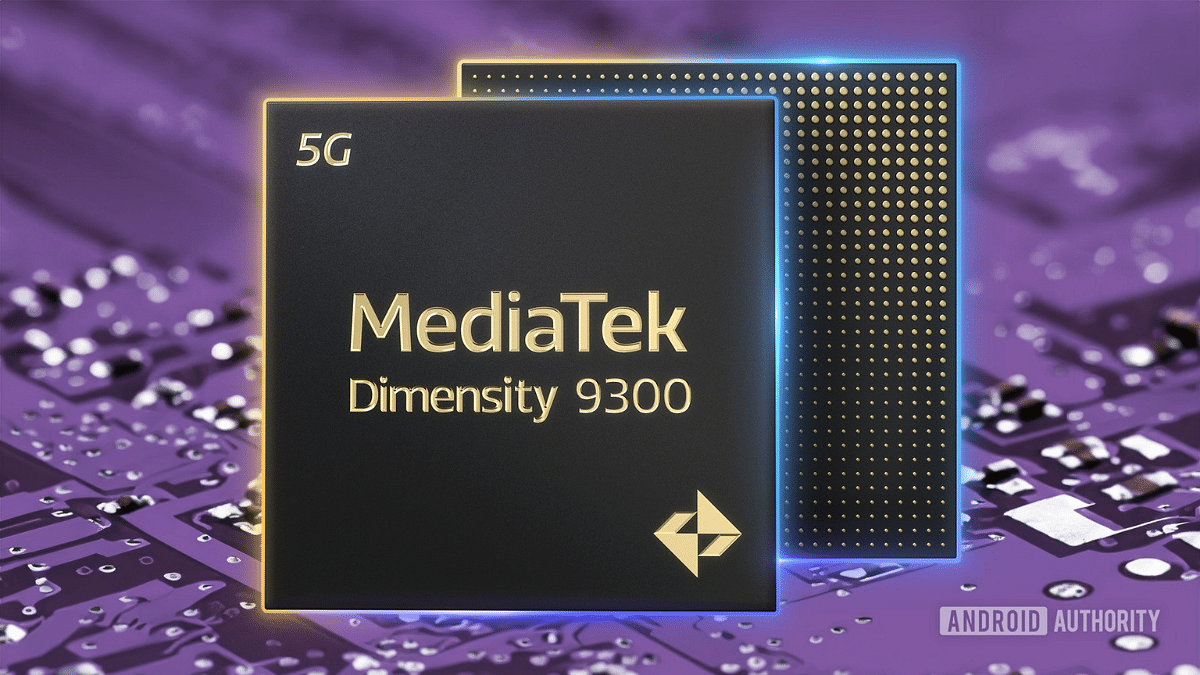
MediaTek Dimensity 9300 Flagship Chipset Launched: Expected Phones Roadmap

Key Highlights

  • MediaTek Dimensity 9300 launched as latest mobile flagship chipset
  • Significant improvements over Dimensity 9200 5G SoC
  • To debut with Vivo X100 series

MediaTek’s latest bet in the flagship mobile chipset comes in the form of the Dimensity 9300. The new SoC is designed for next-generation premium Android smartphones. Qualcomm has released the Dimensity 9300 as a contender to the Qualcomm’s Snapdragon 8 Gen 3 mobile processor. Here’s the upgrade that the latest Dimensity chipset offers over its predecessor:

MediaTek Dimensity 9300 Chipset Specifications

  • The MediaTek Dimensity 9300 chipset has been fabricated using a thin 4nm process.
  • This is TSMC second-generation 4nm process which is also used by the Qualcomm’s Snapdragon 8 Gen 3 mobile processor
  • Features octa core CPU cluster
  • Architecture includes four AEM Cortex-X4 cores with a maximum clock speed of 3.25GHz and four Cortex-A720 cores with up to 2.0GHz clock speed
  • MediaTek Dimensity 9300 comes with the powerful Arm Immortalis G720 GPU
  • According to MediaTek, the Dimensity 9300’s GPU offers up to 46 percent improved efficiency
  • The latest mobile chipset in the Dimensity series has an integrated APU 790 AI processor which is an improved generative AI for efficient energy and up to 45 percent reduced power consumption
  • MediaTek Dimensity 9300 chipset offers support for 4K resolution videos@ 60fps
  • Also supports recording 4K@ 30fps cinematic mode, 4K AI Noise rediction (AI-NR), and AI processing on RAW images and videos which will eventually offer improved imaging experience
  • Has compatibility for the latest Ultra HDR video format released with the Android 14 OS
  • Will deliver enhanced image quality with the MiraVision Picture Quality (PQ)
  • Has support for Wi-Fi 7 for enhanced network connectivity
  • Dimensity 9300 chipset now offers up to 6.5 Gbps fast network speeds via Wi-Fi

Also Read: Best Smart TVs In India With 120hz Refresh Rate: Popular Options From LG, Samsung, And More

Expected Phones To Launch With MediaTek Dimenisty 9300 Mobile Chipset

The Vivo X100 will be the first flagship Android smartphone lineup to launch with the Dimensity 9300 processor. More OEM’s are expected to announce the roadmap for the new devices that will feature this new Dimensity premium 5G processor.

Also Read: Best smartphones under Rs, 30000

Categories
Accessories Featured

Eco-Friendly Diwali Gadgets: Best Four Alternatives For A Greener Celebration

Diwali, the festival of lights, is a time of joy and cheerfulness. However, the traditional celebrations often come at a cost to the environment due to the excessive use of fireworks and disposable lamps. In recent years, there has been a growing awareness of the need for eco-friendly alternatives. This article explores innovative eco-friendly gadgets and innovations that can help reduce the environmental impact of Diwali, such as solar-powered lamps and reusable diyas. Also Read | Diwali Tech Gifting Ideas: Top Android Smartphones To Gift This Diwali Under Rs. 25,000

Digital Diwali Greeting Cards

  • Zero Paper Waste: Digital Diwali greeting cards are sent electronically, eliminating the need for paper cards and reducing paper waste.
  • Multimedia Elements: These cards often allow you to include multimedia elements like images, music, and videos, making your greetings more personalized and engaging.
  • Instant Delivery: Digital cards can be sent instantly, even to recipients far away, saving time and reducing the environmental impact of postal services.
  • Recyclable and Shareable: Many digital greeting cards can be easily shared and saved electronically, reducing physical clutter and allowing recipients to enjoy them for years to come.

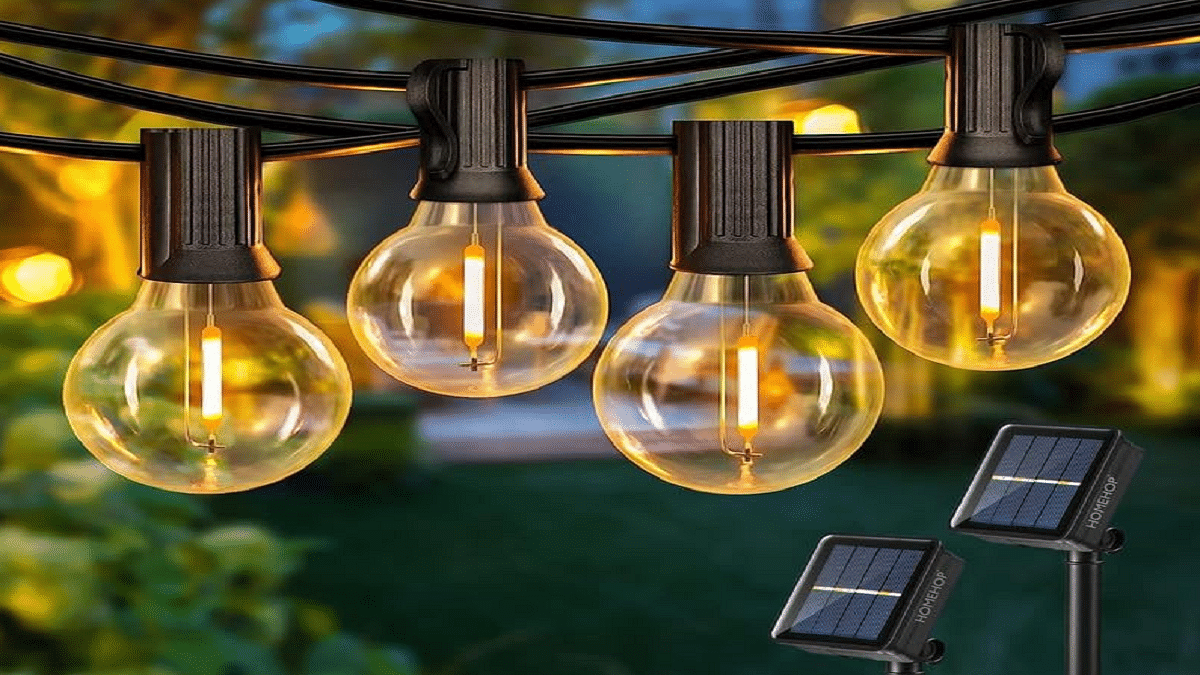
Solar-Powered Diwali Lamps

  • Harness the Power of the Sun: These lamps are equipped with solar panels that charge during the day and provide illumination at night without consuming electricity.
  • Energy-Efficient LEDs: Solar lamps often use energy-efficient LED bulbs, reducing power consumption and extending the lifespan of the lamps.
  • Low Maintenance: With no need for batteries or frequent bulb replacements, these lamps are low-maintenance and cost-effective.
  • Environmentally Friendly Materials: Many solar lamps are made from eco-friendly materials, further reducing their impact on the environment.

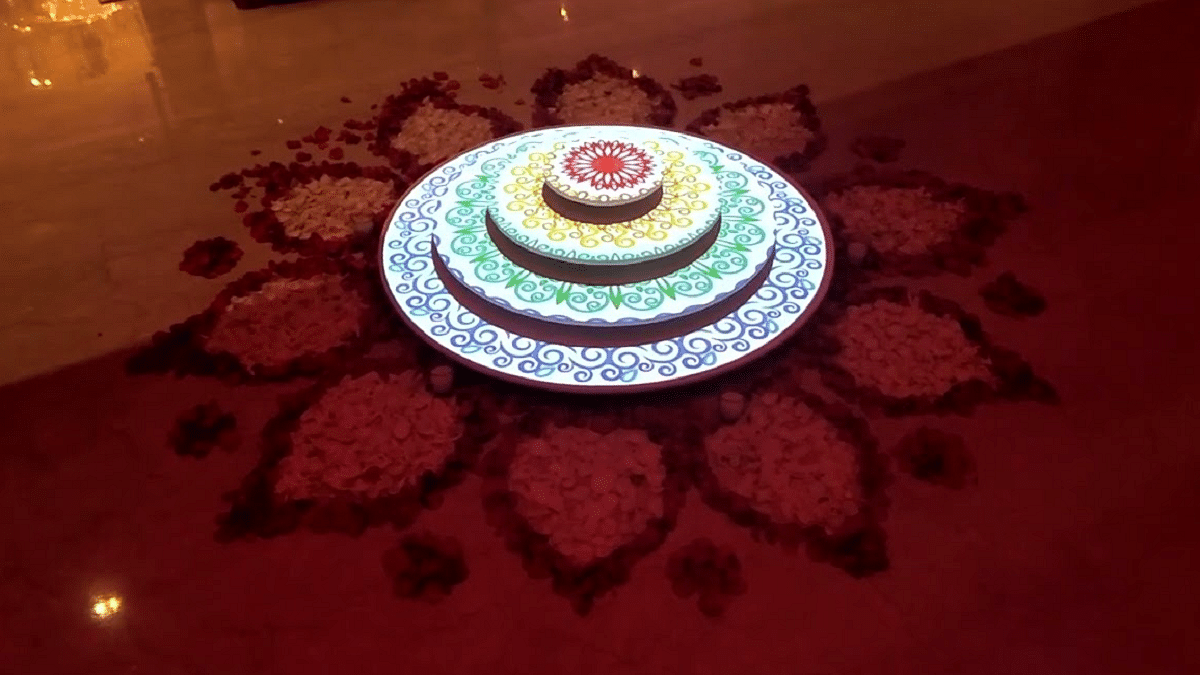
Digital Rangoli Projectors

Image Source: OtherLogic
  • Customizable Designs: Digital rangoli projectors allow you to project intricate and customizable rangoli designs on the floor, eliminating the need for physical rangoli materials.
  • Reusable and Eco-Friendly: These projectors can be used for multiple Diwali celebrations and reduce the consumption of rangoli colors.
  • Easy Cleanup: Since there are no physical materials to clean up, using digital rangoli projectors simplifies post-celebration cleanup.
  • Energy-Efficient: Most projectors are energy-efficient, consuming less power compared to traditional lighting and decorations.

Eco-Friendly Firecracker Alternatives

  • LED Firecracker Lights: These battery-operated lights mimic the look of fireworks with LED effects, providing a safe and eco-friendly alternative.
  • Soundless Celebrations: For those who enjoy the sound of fireworks, soundless firecracker alternatives offer visual effects without noise pollution.
  • Reusable Sky Lanterns: Eco-friendly sky lanterns made from biodegradable materials offer a beautiful and environmentally responsible way to celebrate.
  • Smokeless Sparklers: Smokeless sparklers emit dazzling sparks without the harmful smoke and chemicals associated with traditional sparklers.

In conclusion, embracing eco-friendly Diwali gadgets and innovations not only reduces the environmental impact of the festival but also promotes a sense of responsibility and sustainability in our celebrations. With the options mentioned above, you can have a greener and more environmentally conscious Diwali, preserving the beauty of the festival for generations to come.

Also Read | Diwali Is Coming: Here’s Top Four Ideal Earbud Gifts Under Rs. 5,000

Categories
Featured Info Leaks mobile

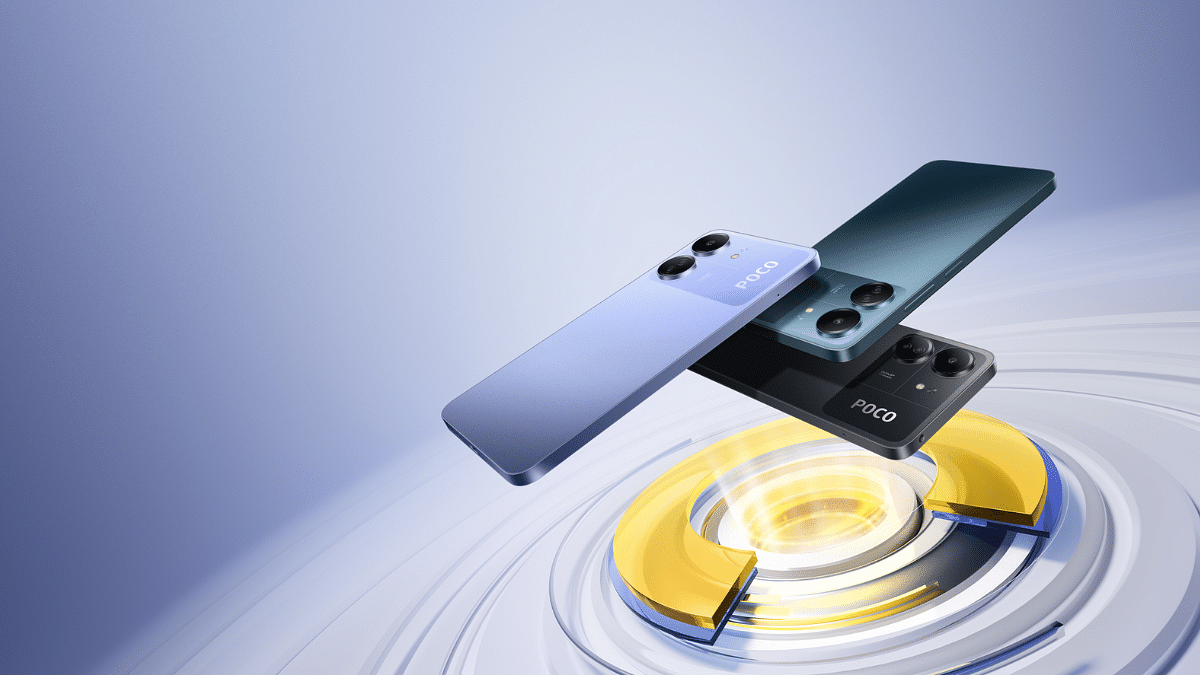
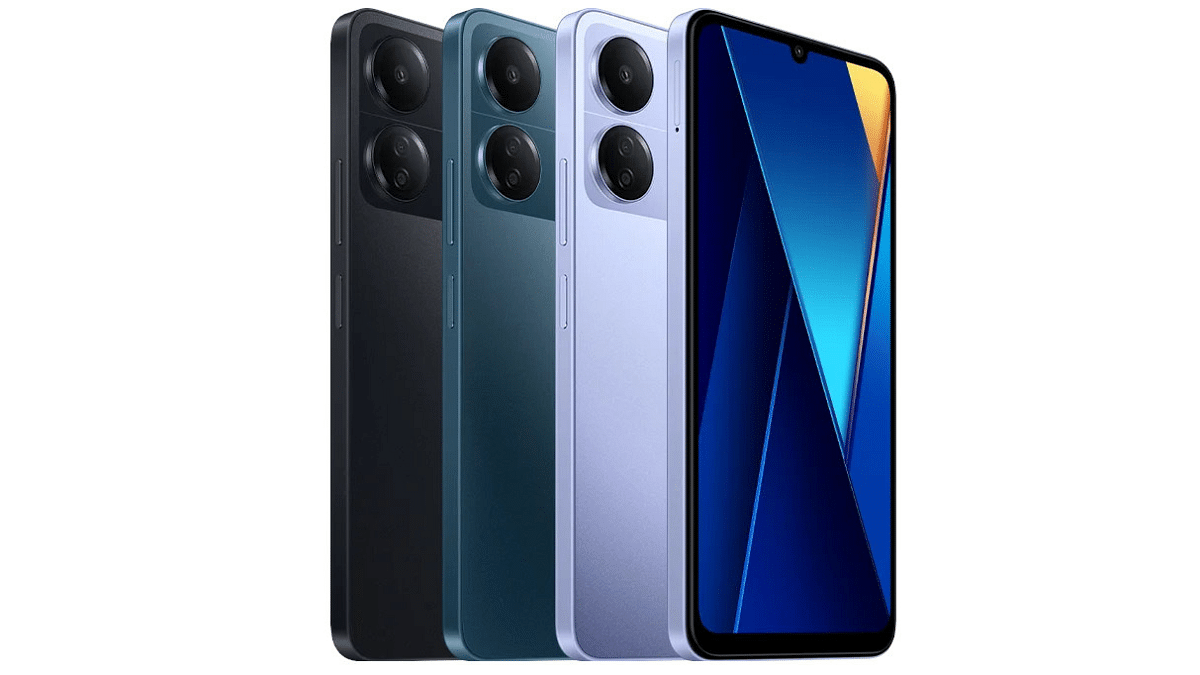
Poco C65 With 6.74-Inch HD+ Display, MediaTek Helio G85 SoC, 5000 mAh Battery Launched: Full Features, Price

Key Highlights

  • Large 6.74-Inch HD+ Display
  • Mediatek Helio G85
  • Long-Lasting 5000mAh Battery

Poco recently unveiled its new phone, the Poco C65, on November 5. This phone is the successor to the Poco C55, which was released earlier this year. The new model comes with some improvements in key areas, including the cameras, RAM, storage, and charging specifications. The Poco C65 is currently available for purchase in the US, but details about its launch in India are yet to be revealed.

Let’s dive into the specifications and pricing of this new smartphone.

Also Read: Xiaomi 14 vs Google Pixel 8:

Poco C65: Specifications

FeatureSpecifications
Display6.74-inch HD+ (1,600 x 720 pixels), 90Hz
ProtectionCorning Gorilla Glass
Operating SystemAndroid 13-based MIUI 14 for Poco
ProcessorMediaTek Helio G85
RAMUp to 8GB
StorageUp to 256GB (expandable up to 1TB)
Main Camera50MP primary + 2MP macro
Front Camera8MP
Battery5,000mAh with 18W wired fast charging
Connectivity4G, Wi-Fi, Bluetooth, GPS
Audio3.5mm audio jack, FM radio support
SecuritySide-mounted fingerprint sensor

The Poco C65 features a 6.74-inch HD+ display with a resolution of 1,600 x 720 pixels. It has a 90Hz refresh rate. The display is also protected with tough Corning Gorilla Glass to prevent scratches and damage. The phone runs on the Android 13-based MIUI 14 designed for Poco.

Under the hood, the Poco C65 is powered by a MediaTek Helio G85 SoC, which is the same chipset as its predecessor, the Poco C55. This processor is capable of handling everyday tasks and some light gaming. The phone comes with up to 8GB of RAM and up to 256GB of storage, which can be expanded up to 1TB using a microSD card.

In the camera department, the Poco C65 has a 50-megapixel primary sensor for taking photos, along with a 2-megapixel sensor with a macro lens for close-up shots. On the front, there’s an 8-megapixel camera for your selfies.

The phone is equipped with a 5,000mAh battery, which should last you all day, and it supports 18W wired fast charging via a micro USB port. It also offers various connectivity options like 4G, Wi-Fi, Bluetooth, GPS, and more. There’s even a 3.5mm audio jack for your headphones and FM radio support.

Also Read: MediaTek Dimensity 7200 Ultra Octa-Core Mobile Chipset For Premium Mid-Range Phones Launched: To Debut With Redmi Note 13 Series

Poco C65: Price, Availability

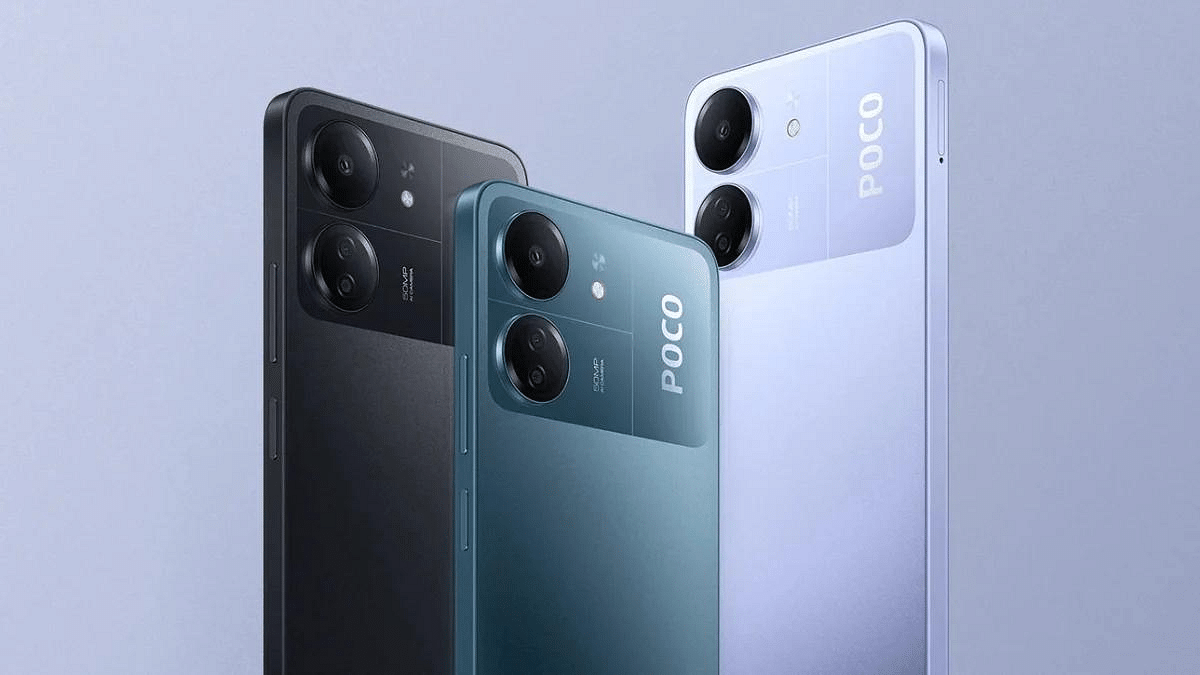
The Poco C65 comes in two storage variants. The 6GB RAM + 128GB storage version is priced at $129 (about Rs. 10,700), while the 8GB RAM + 256GB storage version is listed at $149 (about Rs. 12,400). There are also options available at $109 (about Rs. 9,100) and $129 (about Rs. 10,700), respectively. You can choose from three colours: Black, Blue, and Purple.

Also Read: List Of Upcoming Flagship Android Smartphones Powered By Qualcomm Snapdragon 8 Gen 3 Chipset