Matrimonial sites are online platforms designed for individuals seeking to find a spouse
These sites allow users to search for potential partners based on various criteria
Matrimonial apps offer a convenient and accessible way for people to find a compatible partner
Nowadays, marriages are arranged through a variety of free matrimonial apps, which were formerly thought to be made in heaven. The apps offer a simple user experience that makes finding a good match easier. They also secure user privacy and are safe to use.
The best thing to happen to arranged marriages in India is matrimonial apps. There are many matrimony apps available in India and most of them are free. However, for additional features, premium memberships are available for purchase. Here, we’ve compiled a list of the top matrimonial apps for your phone that you could find useful. Also Read | Finding Love? These Are The Best Dating Apps In India You Should Try
Shaadi.com
Shaadi.com is a popular service that claims to make a new match every 2.4 seconds and has 5 million success stories. The app allows users to effortlessly conduct searches based on caste, education, height, religion, astrology, and photographs. There are also paid membership options that offer a range of opportunities, as well as instant messenger options that allow users to talk to people they find interesting. This is a free matrimony app for both Android and iOS.
People frequently use Jeevansathi.com when looking for a life partner who matches their preferences. While the online matrimonial site links millions of individuals, Jeevansathi also has offline Match Point Centers all throughout the country and a dedicated Customer Care team for more in-depth and one-on-one conversations with potential brides, grooms, and/or families. This app provides you with one of the best matchings algorithms.
BharatMatrimony
BharatMatrimony is one of the most popular and reliable matrimonial apps in India. You can browse through lakhs of compatible profiles online with the assurance that your personal information is secure. Additionally, you can try out the Matrimony messenger. This top matrimonial app has won numerous awards and was listed in the Limca Book of World Records for having the most documented marriages online.
Betterhalf.ai has only one goal: to provide a safe environment for those who want to settle down and are willing to take the initiative to locate a compatible life partner of their own choice, at their own pace, and without the direct involvement of parents. It provides users with the quickest matching in the world in a single click. With just one click, it can forecast a user’s behavioral traits, religion, language, salary insights, community, relationship choices, and behavioral attributes.
Foldable smartphones are the future of the mobile industry with popular brands like Samsung, OPPO, Xiaomi, and Vivo bringing new versions of foldable Android phones. Vivo is currently in the headlines for its upcoming foldable smartphone. The Chinese tech giant had introduced its first foldable phone in the form of the X Fold. Now, the new-generation foldable phone is said to debut with the Vivo X Fold S moniker. Its features have been tipped in the latest developments.
Vivo X Fold S Specifications: What’s Changed?
The Vivo X Fold S latest leak has been shared by tipster Panda Is Bald. The leak shared details of the key features which the successor of the Vivo X Fold will bring to the table. Going by the information provided by the tipster, the Vivo X Fold S will be launched in the markets with the Qualcomm Snapdragon 8+ Gen 1 chipset.
We have seen only a handful of high-end phones powered by this Qualcomm chipset. Also, this is an upgraded chipset compared to the Snapdragon 8 Gen 1 used on the standard Vivo X Fold. The Vivo X Fold S will be launched with 12GB of LPDDR5 RAM. The foldable Vivo phone will offer multiple storage options including 256GB and 512GB.
Speaking of the display the Vivo X Fold S will be flaunting an 8.03-inch AMOLED panel with LTPO technology, This will be the foldable panel that will come with a 1916 x 2160 pixels screen resolution. This foldable display will also support a 120Hz refresh rate and have an HDR10+ certification.
The Vivo X Fold S’s outer display in the unfolded state will measure 6.53-inches. This will also be an AMOLED panel that will come with 1080 x 2520 pixels screen resolution and a 120Hz refresh rate. Also, this cover display on the Vivo X Fold S will be integrating the in-display fingerprint scanner for biometrics.
Coming to the optics, the Vivo X Fold S will flaunt a 16MP selfie snapper on the outer display. The back panel of the next Vivo foldable phone will feature a quad-lens setup comprising a 50MP main lens with OIS and laser autofocus, a 48MP ultra-wide sensor, and a 12MP telephoto sensor with 2x optical zoom.
The device will also feature an additional 8MP sensor with 5x optical zoom and OIS support. The upcoming foldable Vivo phone will feature a 4,600 mAh battery along with 66W fast wired charging. It will also have 50W fast wireless charging technology.
Notifications help people stay updated with everything that’s happening in the collection of installed apps and services on a Windows PC. But receiving what seems like a continuous stream of notifications can be daunting and exhausting. You have therefore come to the right place if you’re seeking for a technique to turn off notifications in Windows 11, say for a particular app or the OS as a whole.
Windows notifications are enabled by default on most Windows 11 PCs. However, some apps and websites may ask you to turn it on manually. This allows notifications to be sent even if the app is not actively open. These notifications can pile up and eventually become useless. In this article, we will help you learn how to turn off notifications in Windows 11 and reduce distractions like a pro.
Steps To Turn Off App Notifications In Windows 11
Nothing annoys anyone more than a machine telling its users what to do. Microsoft’s suggested notifications for Windows 11 feature promotion are sent out. Although this might be helpful for beginners, power users frequently find it unnecessary and forced. Here’s how to turn them off for good in Windows 11 if you don’t want to get distracted with suggested notifications:
Step 1: Tap the Windows start menu icon at the bottom to get started.
Step 2: Now, click on ‘Settings’.
Step 3: Then, click on ‘Notifications’.
Step 4: Locate the app you want to stop receiving notifications for by scrolling down and looking for it.
Step 5: Now, on the right side, tap where it reads ‘On’ to turn off your notifications.
Step 6: Simply scroll up and click the button next to the word ‘Notifications’ to disable notifications for all apps.
In Windows 11, you can swiftly turn off app alerts for specific apps or for all apps. You can stay focused on the task that you are doing on screen by turning off notifications. We advise you to disable notifications only for certain irksome apps. For example, WhatsApp or Telegram apps like these may delay your work by continuously pushing notifications from channels and groups.
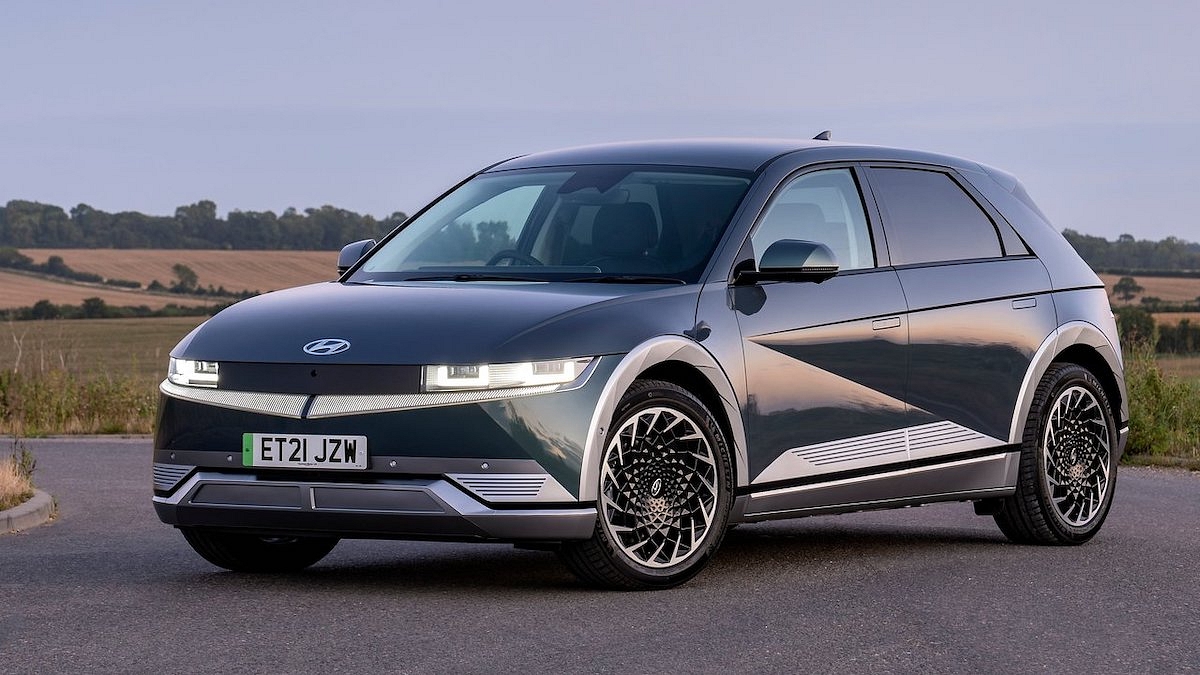
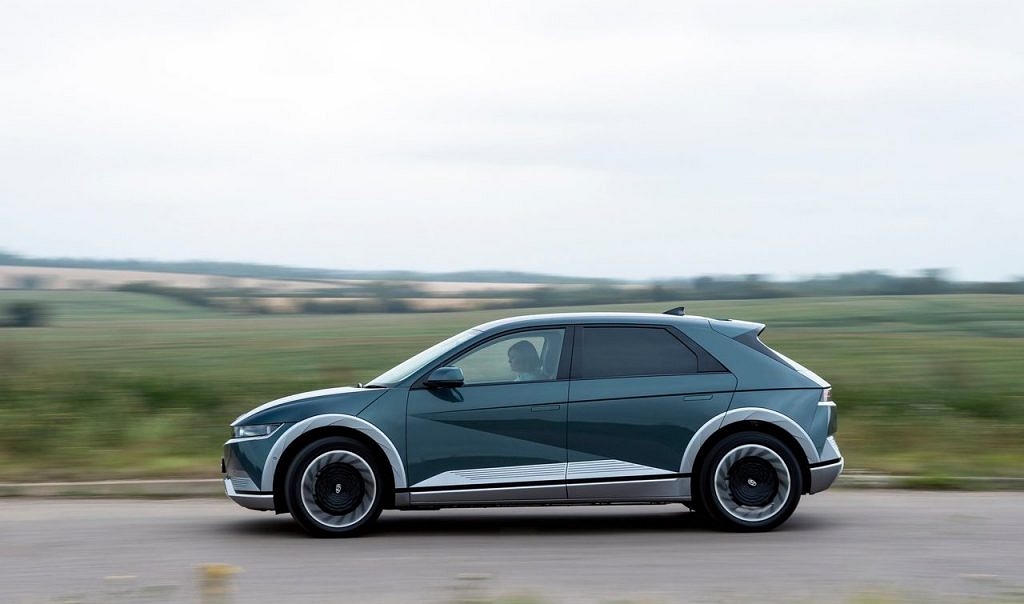
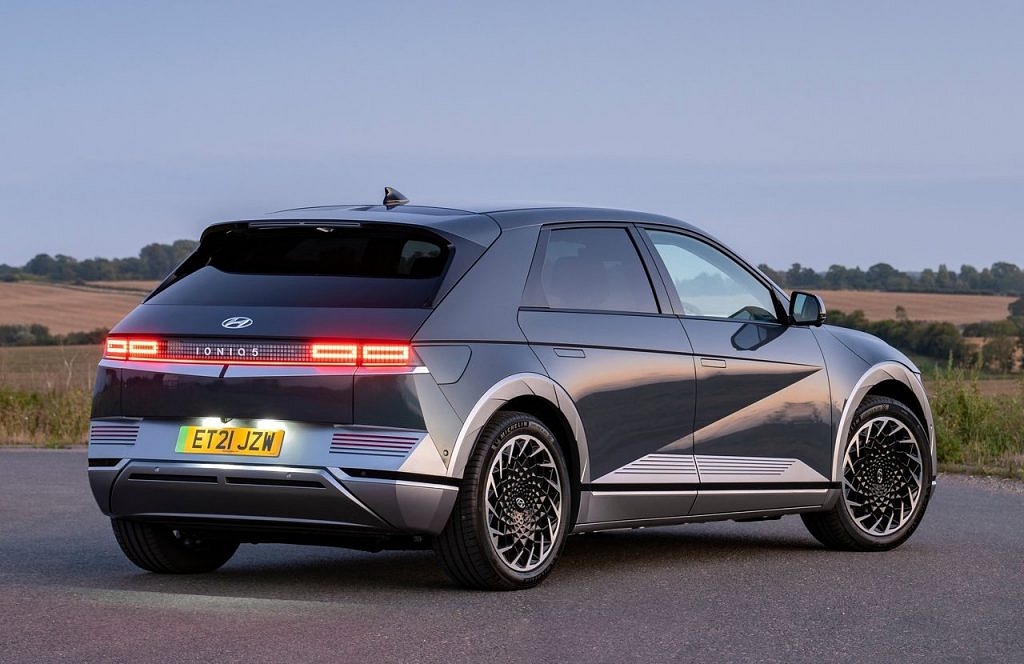
Hyundai is all set to offer their 2nd electric car for the Indian auto market. The Ioniq 5 EV will be in showrooms later this year. We now have confirmed reports that the media drive will take place in end Nov or early December and the car will go on sale before that. The Ioniq 5 is currently undergoing real world evaluations in India and has been spotted several times. For the uninitiated, the vehicle shares the same e-GMP platform as its cousin, Kia EV6 and we can expect the launch early next year.
What’s interesting is that even though both the Ioniq 5 EV and Kia EV6 share the same platform, the former will be priced lower than the other. The reason behind is the fact that Hyundai will localise their car here in India itself and is expected to bring the car with a smaller battery pack. The difference in pricing of both the models will be substantial.
We expect the South Korean carmaker to bring the smaller 58 kWh battery pack that gives a certified range of 383 km on a single charge. In global markets, the Ioniq 5 is also offered with a larger battery pack of 77.4 kWh which gives a more driving range to the customers. However, the bigger battery packs adds a lot of cost to the vehicle.
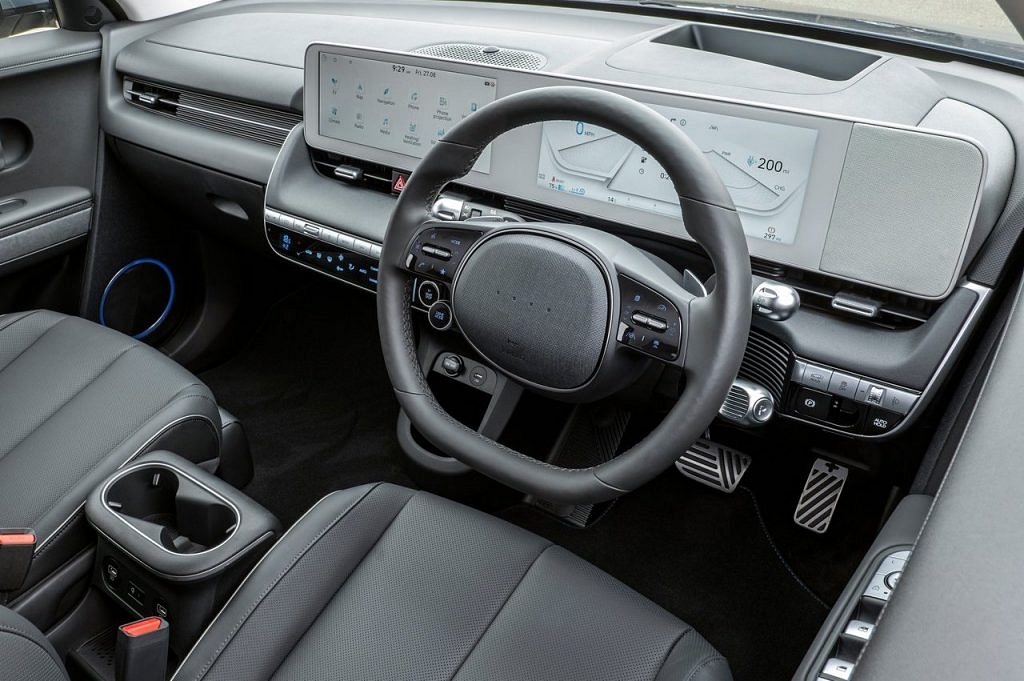
Feature-wise, the Ioniq 5 EV will be offered with a lot of modern amenities. We can expect a large touchscreen infotainment system with wireless Apple CarPlay and Android Auto, wireless charging, dual-zone climate control, a digital instrument cluster, massive panoramic sunroof and more.
Other features like ventilated cooled front seats, head-up display, UV cut glasses, drive modes will also be included in the Ioniq 5. Safety equipment on the upcoming EV includes multiple airbags, ABS with EBD and ESP, front and rear parking sensors, hill hold control, hill descent control, tyre-pressure monitoring system and more.
Hyundai already sells the Kona EV in India. This was launched in July 2019, much before we saw options like the MG ZS EV and the Tata Nexon EV. The Kia EV6 is priced from Rs 59.95 lakh, ex-showroom, Delhi. We expect the upcoming Hyundai Ioniq 5 to be priced from as low as Rs 48 lakh. All prices stick to ex-showroom, Delhi. Once launched, the Ioniq 5 will lock horn with Volvo XC40 Recharge, Kia EV6 and Mini Cooper SE.
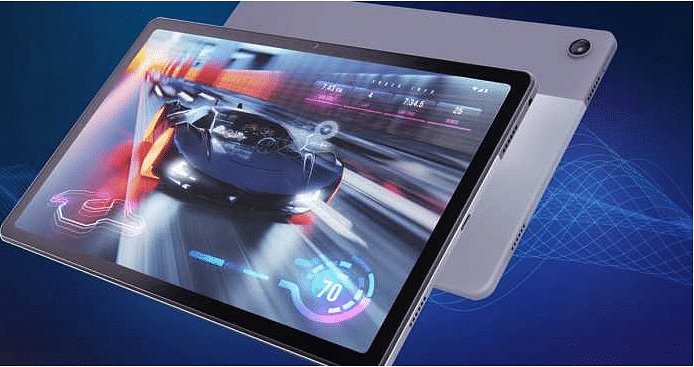
Motorola has announced the launch of the new tablet in India. The Moto G62 tablet comes with a 7,700mAh battery, 2K screen, an 8MP camera on the back, and more. Also, the tablet features a big display and gets power from Qualcomm Snapdragon 600 series processor.
In addition, the newly launched tablet G62 comes in two variants such as LTE and Wi-Fi. The tablet will cost you under Rs. 20,000. In fact, the tablet is expected to give tough competition to the existing pads like Nokia T20, Realme Pad, and more.
Moto Tab G62 LTE And Wi-Fi Model: Price And Availability In India
The Moto Tab G62 LTE is already available on pre-order. However, the tablet will be available on Flipkart starting from August 22 and is priced at Rs. 17,999 for the LTE model. On the other hand, the Wi-Fi model of the Moto Tab G62 is priced at Rs. 15,999.
Moto Tab G62 LTE And Wi-Fi Model: Specifications Details
The Moto tab has a 6nm Snapdragon octa-core processor and it is paired with 64GB of built-in storage. In fact, there is also support for storage expansion up to 1TB via a microSD card. The tablet comes with a 10.6-inch display along with support for 2K resolution.
In addition, the device has TUV-certified eye protection that will reduce eye strain. Plus, the company claims that the display comes with increased outdoor visibility and better viewing angles. You will also find an 8MP camera on the back along with an LED flash and you will find a 5MP camera on the front for selfies and video calls.
Moreover, the tablet comes with a stereo speaker system, which is backed by Dolby Atmos. The tablet runs Android 12 OS and 7,700mAh battery along with a 20W rapid charger. In addition, the company claims that all users will get 12 hours of battery life with a single charge.
It also has Google Kids Space, a special reading mode, multiple user accounts, and many more. There is also a 3.5mm audio jack, which you will not get in the mid-range and high-end products these days.
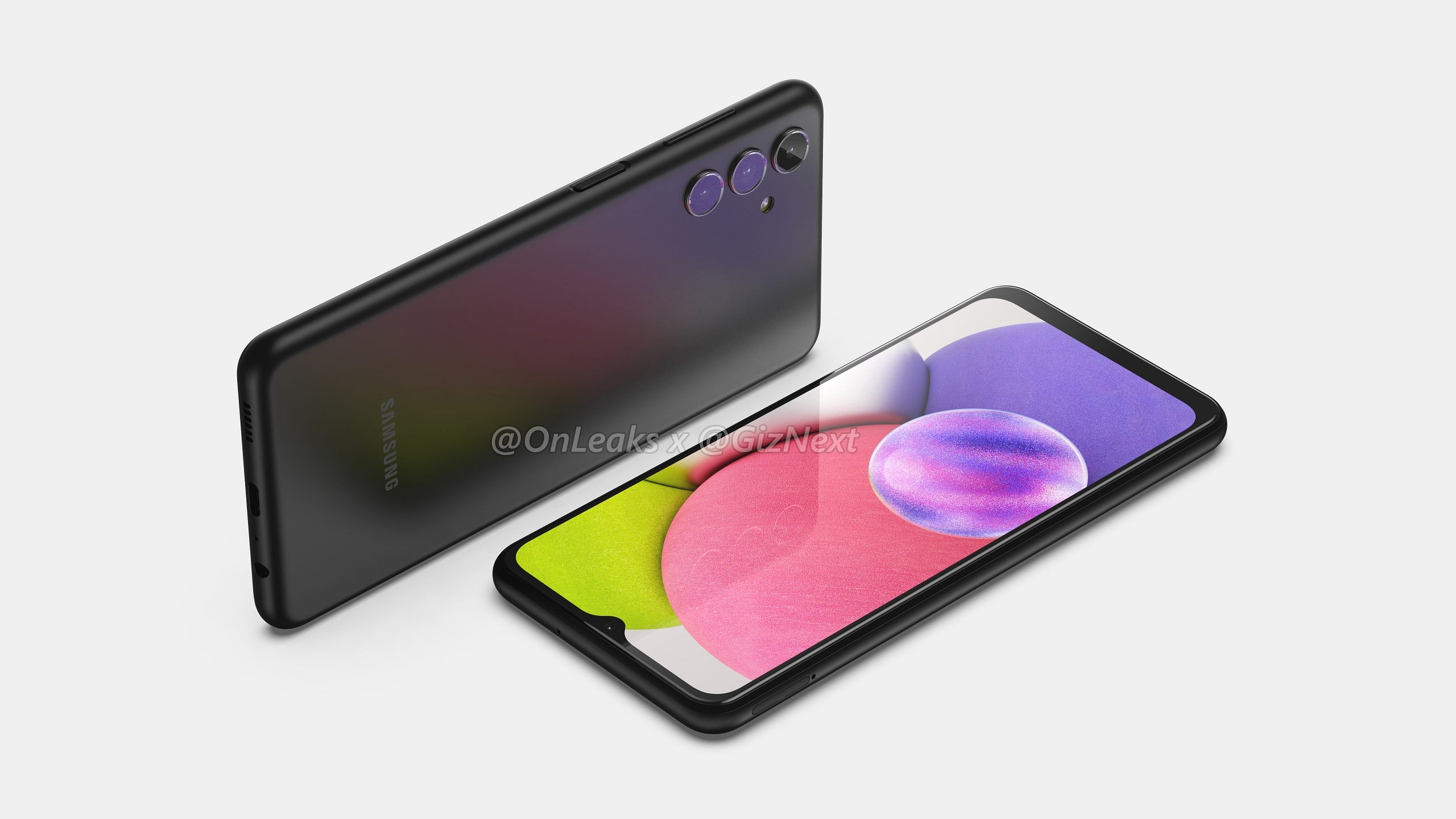
Samsung has been showing its expertise with budget Android smartphones and has launched numerous affordable handsets in the Galaxy A and Galaxy M series in the last few years. The Samsung Galaxy A04s Core is one of the recent offerings from Samsung in the entry-level segment. Now, the company is also working on another low-end Android phone from the same series dubbed Galaxy A04 Core. The upcoming phone has been benchmarked and its performance scores along with features have been confirmed. Here are the upgrades with the new model will bring:
Samsung Galaxy A04 Core Key Specifications Leaked On Geekbench
The Samsung Galaxy A04 Core has been spotted on Geekbench with the SM-A042F model number. Besides the model number, the website listing mentions the chipset and RAM capacity of the upcoming budget Samsung Galaxy A series phone. As per the listing, the Galaxy A04 Core will be equipped with the ARM MT6765V/CB chipset.
While the exact name of this chipset isn’t mentioned, it is none other than the Helio G35. The octa-core MediaTek processor is designed specifically as a low-end gaming mobile chipset for Android phones. The budget chipset on the Galaxy A04 Core will be combined with 3GB RAM according to Geekbench.
It is not known at the moment if the upcoming phone will be made available with the single 3GB RAM option or if there will be additional variants as well. The processor will also have IMG PowerVR GE8320 GPU support as per the benchmark website.
The Samsung Galaxy A04 Core’s storage capacity isn’t listed on Geekbench. But the aforementioned RAM variant is likely to be accompanied by an onboard storage capacity of 32GB. The handset will also come with an additional microSD card support for storage expansion.
There will be a dedicated 3-way SIM slot for the same. Furthermore, the Geekbench listing reveals Android 12 OS as the firmware. This will be topped with Samsung’s proprietary One UI interface. The other crucial detail confirmed by the Geekbench listing is the benchmark scores. The Galaxy A04 Core has achieved 802 points in the single-core test and 3,556 points in the multi-core test.
On 15th August this year, Ola Electric not only launched a more affordable versions of the electric scooter (READ) but also unveiled its upcoming electric car. According to Ola Electric’s live video on August 15th, the upcoming Ola Electric car will be the “sportiest car built in India.” This Ola e-car will have a 500 km driving range on a single charge and as per the teaser, the company will launch it in 2024. This car will be produced from the new manufacturing facility in Tamil Nadu. The company also claims that by 2026, the brand plans to produce 1 million vehicles.
Ola Electric Car
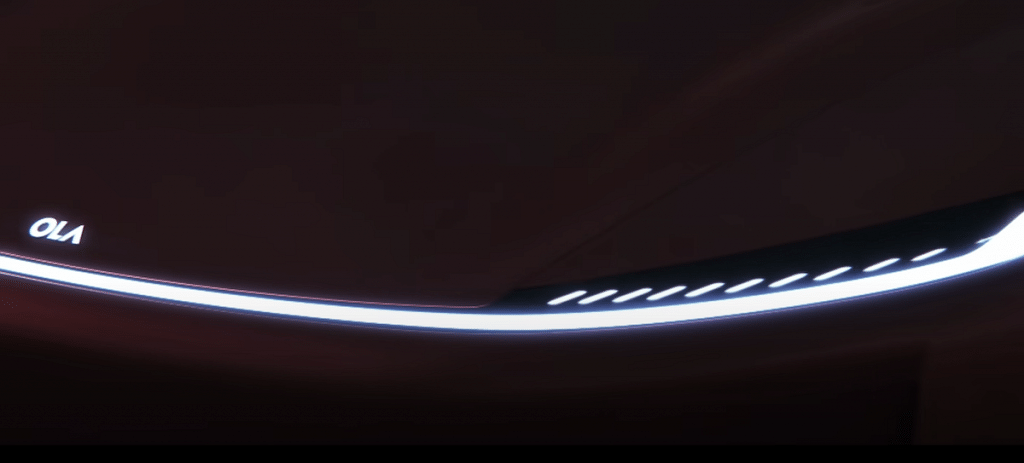
As per the teaser video, the upcoming Ola Electric vehicle will have a curvy, futuristic design. A large connected LED lightbar with an illuminated Ola logo would be included with the car. Even though the rear supports the same integrated LED connecting taillight system as the front, the roof line design recalls a coupe. This will surely add to the ‘sporty’ theme. The vehicle will also have a unique, all-glass roof with a roof line reminiscent of, again, a coupe. Other design specifics are still a mystery.
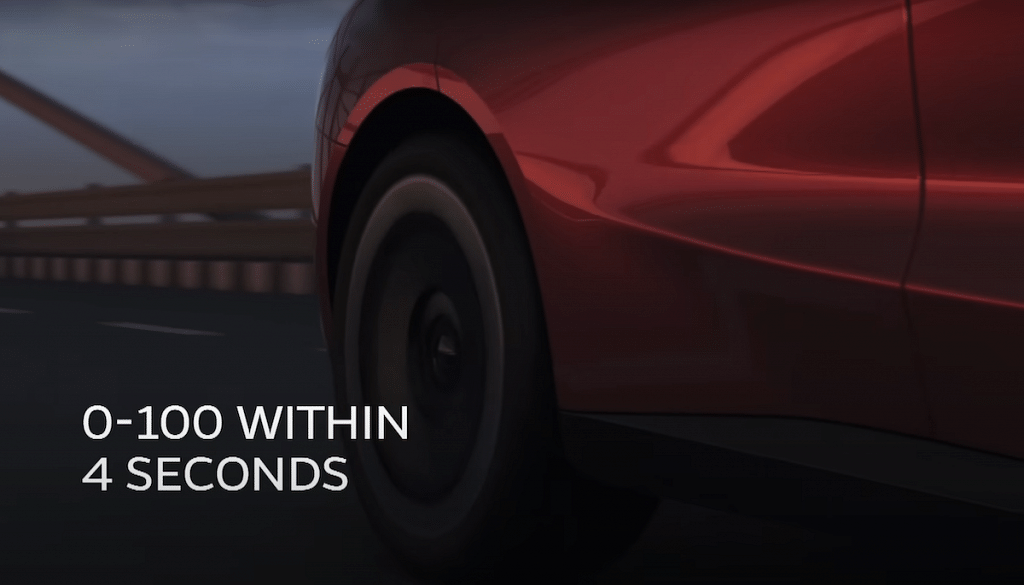
According to Bhavish Aggarwal, CEO of Ola Electric, “the future Ola car will incorporate cutting-edge technology and Ola’s MoveOS.” Although not much else has been revealed about the vehicle, it will have a range of more than 500 kilometres on a full charge. The Ola Electric Car will also be capable of accelerating from 0 to 100 kilometres per hour in under 4 seconds, thus making is quicker than some of the so called ‘sporty’ turbo petrol sports cars in the market. As mentioned by the CEO of Ola during the live video, the Ola Electric car will also include keyless and handle-less doors. Additionally, it will have a driver assistance system for comfort while driving and many other cutting-edge technologies. The upcoming Ola car will use the brand’s exclusive Li-ion battery pack, which the business just made public.
Ola Electric might participate at the upcoming 2023 Auto Expo. If they do so, they might showcase a more production ready version of the e-car. Stay tuned!
Realme is soon going to add a new budget Android smartphone to its catalog. The brand will be adding the Realme 9i 5G to the existing Realme 9 series tomorrow, i,e, August 18. Ahead of the launch, the upcoming affordable 5G Realme phone has received certifications via multiple mobile authentication websites. We now have seen got all insights into the Realme 9i’s design courtesy of leaked live images. The features have also been tipped by the recent leaks.
Realme 9i 5G: Everything We Are Aware Of
The latest confirmed detail related to the Realme 9i 5G is the display and battery specifications. The upcoming budget 5G Realme 9 series phone will be packed with a 6.6-inch display. It will be an IPS LCD panel that will support 1080p FHD+ screen resolution. Thanks to the leaked renders, we know the panel will sport a waterdrop style notch for the selfie camera. The display is said to offer a 90Hz refresh rate.
In addition to the FHD+ LCD display, a 5,000 mAh battery capacity has also been confirmed in the latest developments. The upcoming Realme 9 series 5G phone will come with 18W fast charging support. As per the details available, the Realme 9i 5G will employ the octa-core Dimensity 810 5G chipset for power delivery.
The processor will be combined with 6GB RAM capacity on the latest handset. The storage capacity tipped is 128GB which can be further expanded using a microSD card. The Realme 9i 5G will also feature up to 5GB of dynamic RAM feature.
This is nothing but the virtual RAM feature which seems to be the latest trend with affordable and mid-range phones in the market. The camera hardware packed inside the Realme 9i 5G will be a triple camera module at the back featuring a 50MP main lens. It will be combined with a pair of 2MP sensors for depth mapping and macro shots.
The Realme 9i will be packed with an 8MP sensor for selfies and video calling. The expected pricing for the Realme 9i is under Rs. 15,000 which will make it one of the cheapest 5G Android smartphones in the Indian market. The official launch is set for tomorrow and we will update the pricing and availability details once it is announced.
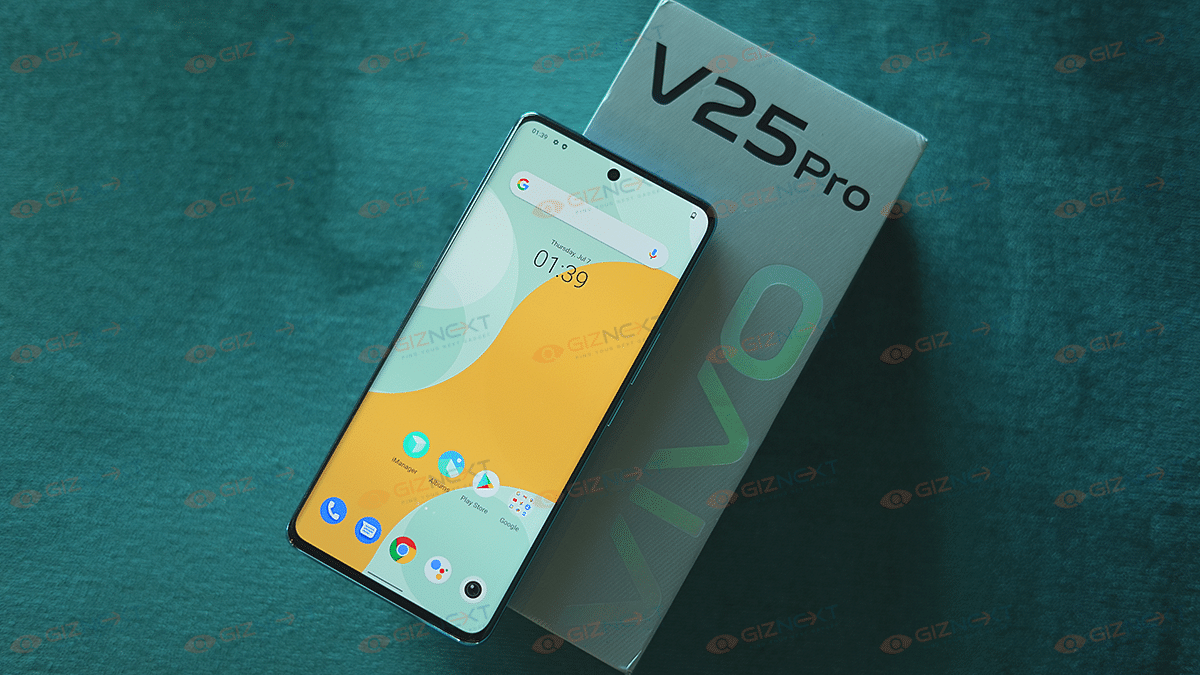
Vivo has introduced the V25 series in India comprising the vanilla V25 and the Vivo V25 Pro. These smartphones remain true to the essence of the V-series and provide cutting-edge hardware and a color-changing back panel in V25 Pro. Selfies are another feature that has been a constant improvement in the V Series.
Vivo has made incremental upgrades to its selfie cameras every year, particularly with its V series. The Vivo V25 Pro offers a curved-edge display, an enhanced chipset, and a good camera. At first glance, Vivo appears to have done well enough to support its pricing point.
So, how does the V25 Pro stack up? Is the phone a good purchase? We have been using the phone for a short while and here is what we think about the phone.
What’s Inside The Box?
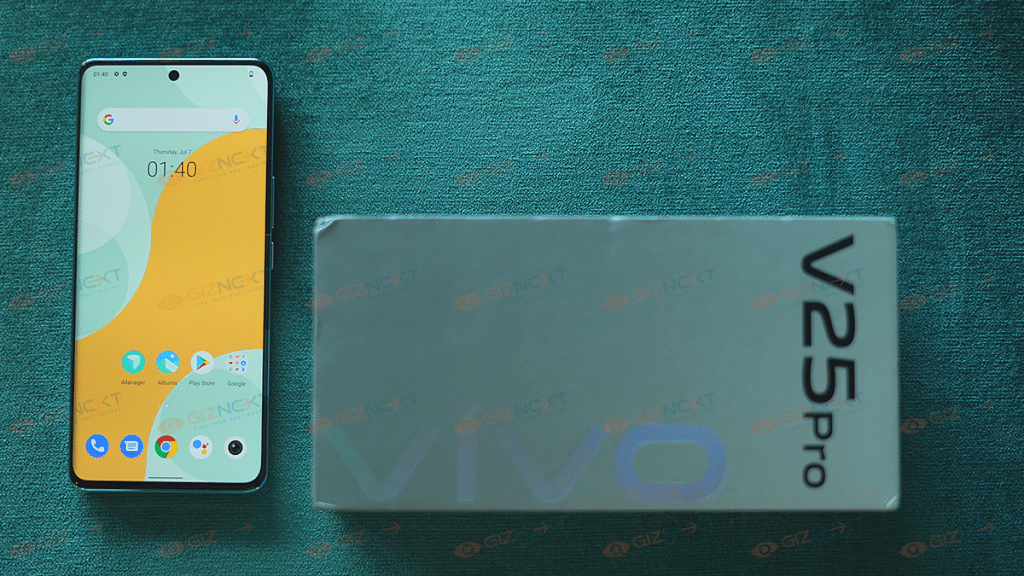
Vivo V25 Pro handset (main unit)
USB Type C to Type A Charging cable
66W Charging Brick
SIM eject tool
Quick start guide
Warranty card
Phone case
Design
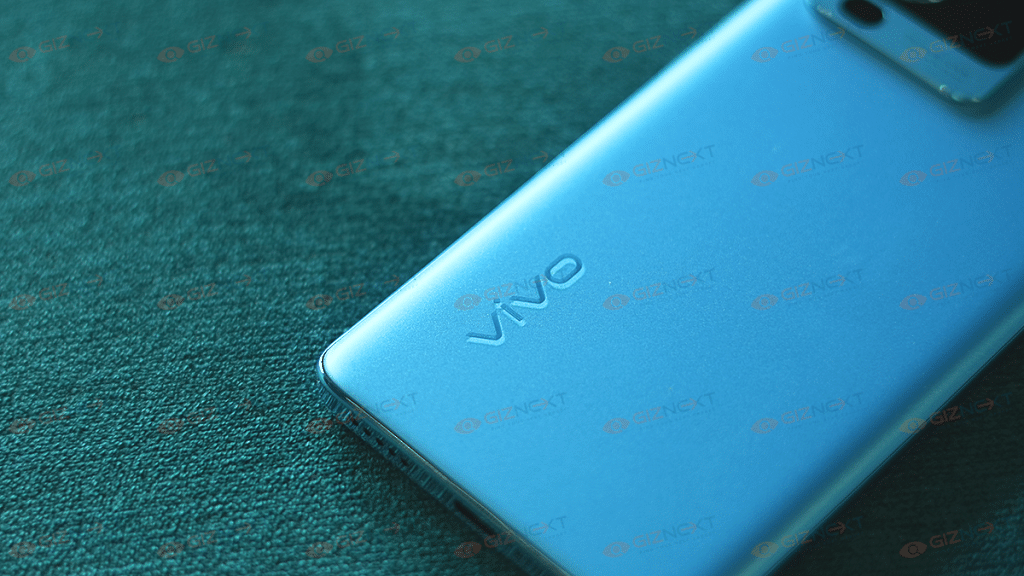
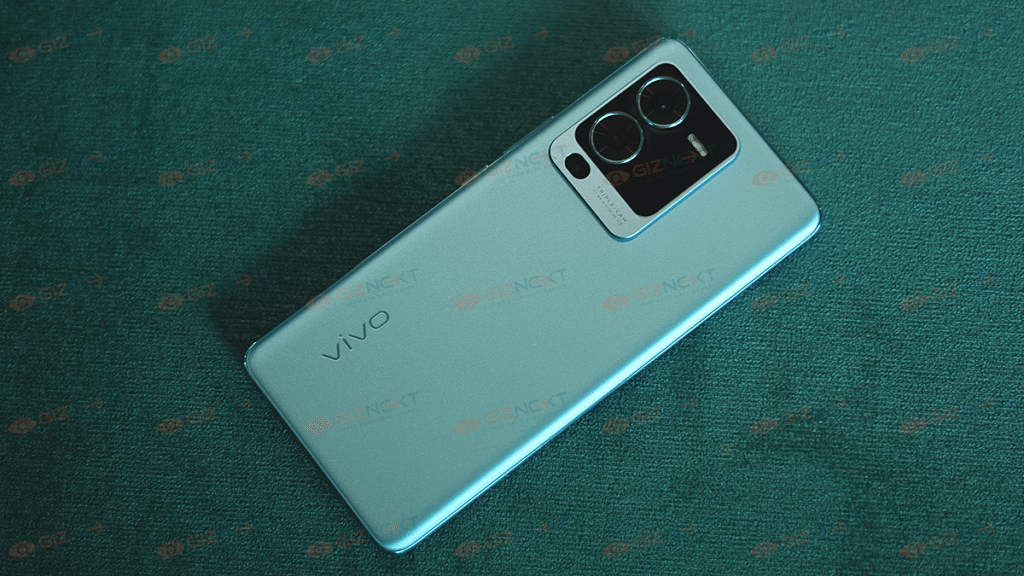
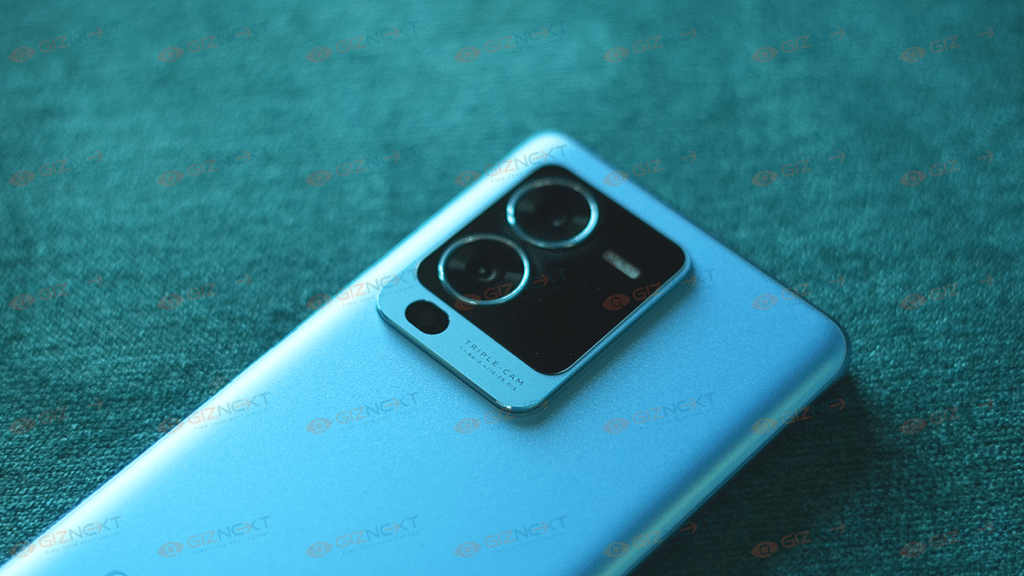
Vivo has done a great job of providing a soft-touch matte finish on the V25 Pro. The handset’s polycarbonate frame has a lustrous, chrome-like finish. Color-changing anti-glare glass, used for the back panel, appears to be effective in preventing fingerprints enhancing the appeal simultaneously. One thing to keep in mind is that only the Sailing Blue finish is capable of changing the color which we are using right now. Additionally, the color-changing feature isn’t as impressive as it was with the V23 Pro from the previous year because it merely shifts from a brighter shade of blue to a darker one under UV radiation.
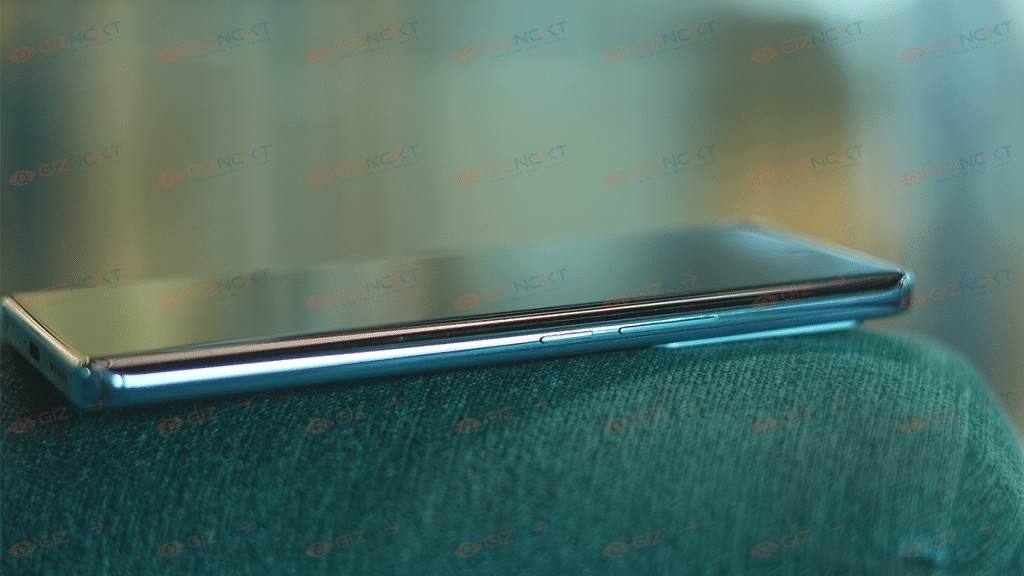
The Vivo V25 Pro has a curved screen, but even the back is curved, giving the device a slim and sleek design while holding. The phone’s back panel has a rectangular bump for the cameras. It has the three sensors aligned vertically, which is nice. The device looks and feels truly premium.
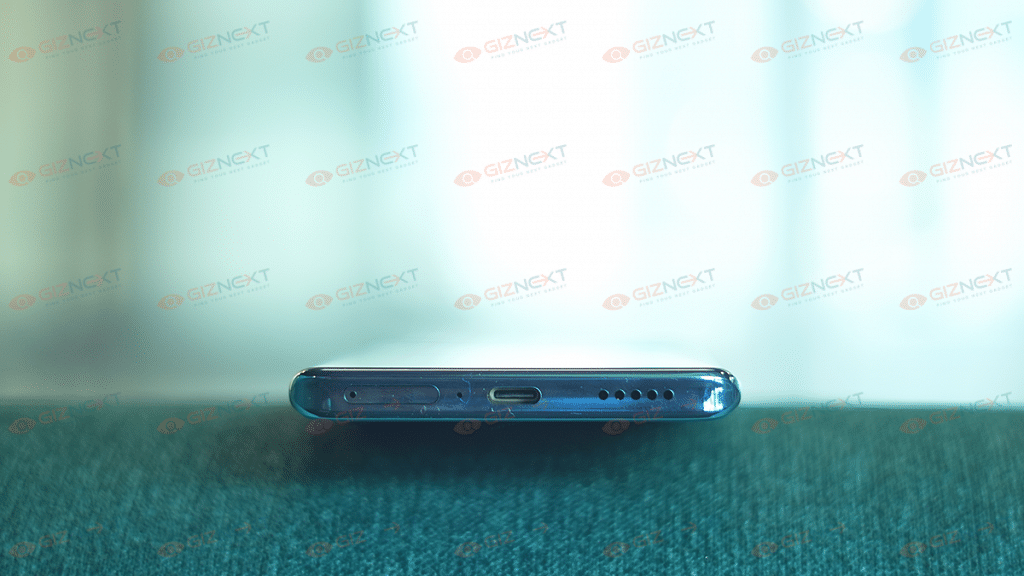
The volume rocker and power button are located on the right side of the handset, whereas the left panel is kept empty. The speaker grille, USB Type-C charging connector, and SIM card slot are all located on the bottom.
Well, the color option of Sailing Blue that we have is what has us most impressed. With curved edges on the side and decent weight distribution, holding the V25 Pro is a delightful experience in itself.
Display
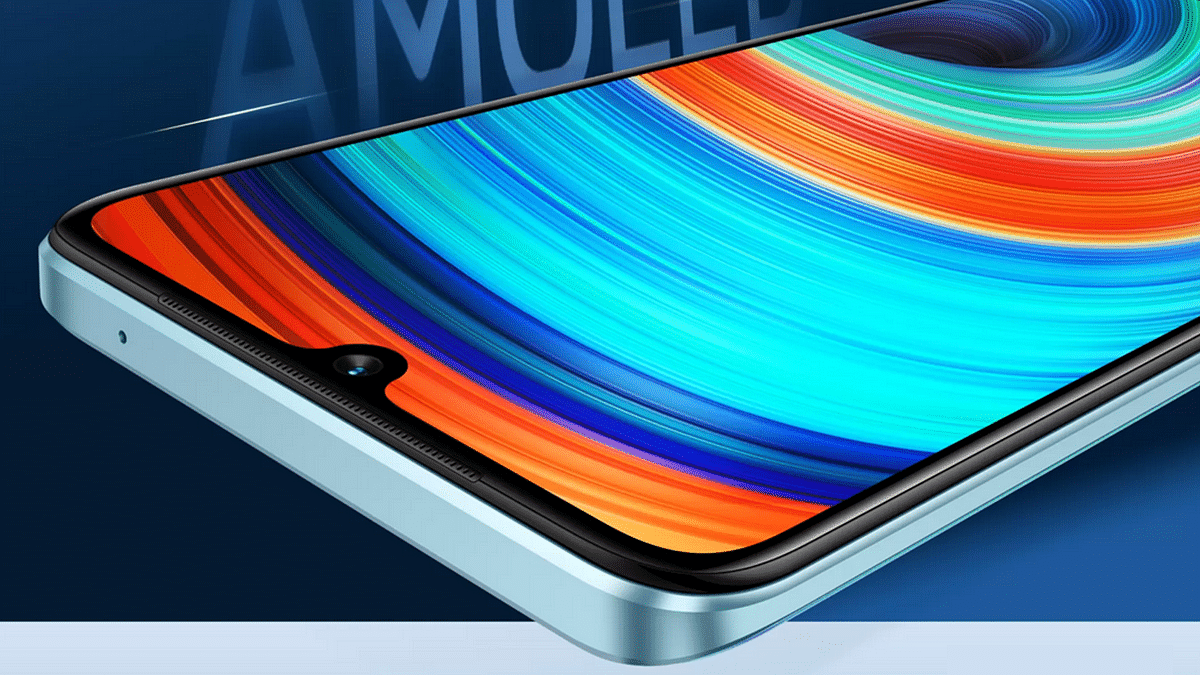
The 6.56-inch, curved-edge display of the Vivo V23 Pro has thin bezels all around it. These days, curved displays are a feature reserved for mostly high-end smartphones and is yet to become a norm with affordable and budget phones. It is an AMOLED panel with a refresh rate of up to 120Hz and a touch sampling of up to 300Hz. This is an improvement over the 90Hz display found on the V23 Pro and should be used for playing video games.
The AMOLED display has good brightness levels and is risk-free for outdoor use. When compared directly to other products in this price range, color reproduction is also passable but can fall short.
With a 100 percent DCI-P3 wide color gamut, the display is also color accurate. Additionally, there are certifications for HDR 10+, Netflix HDR, and low blue light from SGS.
Processor
The Vivo V25 Pro gets the MediaTek Dimensity 1300 SoC under its hood. Our review unit came with an 8GB / 128GB configuration but the RAM 3.0 tech increased the available RAM by an extra 8GB from the ROM.
The smartphone comes with a ‘Game Boost Mode’ with optimization features. Also, it features a linear vibration motor for haptic feedback. The company has also worked on thermals, with the new Bionic Cooling System, featuring liquid cooling.
Since it has the Dimensity 1300 SoC, our gaming experience was quite decent. Apex Legends ran without any stutters at HD graphics and a High frame rate. It has been smooth and fast to navigate the FunTouch OS while doing a bit of gaming, processing images, and other tasks.
As for software, the phone runs Vivo’s Funtouch OS 12 which is based on Android 12. During our initial usage, we did notice plenty of preinstalled third-party apps. There is a ton of bloatware, some of which can be removed and some of which can be disabled.
Camera
Given that it’s a Vivo V series smartphone, the imaging system is quite advanced. The Vivo V25 Pro sports a triple camera system. It features a 64MP main sensor, an 8MP wide-angle sensor, and a 2MP macro sensor. Meanwhile, the selfie shooter is a 32MP unit. It’s interesting to note that the front camera enables tracking eye autofocus and should be able to provide clear photos and videos of the user.
In daylight, the camera clicks nice, detailed photos. Both the rear and selfie cameras effectively use HDR. We also observed some level of consistency in the color tuning of the ultrawide and primary cameras when clicking photos in the daytime.
In low light situations, the processing algorithm has the tendency to smoothen out photos to reduce noise. However, there are some visible grains, which makes the images appear less sharp. Thanks to OIS, the primary camera takes far better nighttime photos than the ultrawide.
The V25 Pro really shines when it comes to selfies. The 32MP camera front snapper captures a good amount of facial details. The images that we clicked from its front camera were crisp and beautiful.
Coming to the videos, the phone can record optically stabilized videos up to 4K resolution at 60fps. However, stabilized ‘Super Night’ films can only be recorded at 1080p at 30fps, while super stable recordings with hybrid stabilization are limited to 1080p at 60fps. Additionally, you cannot use HDR and Super Night settings at the same time.
Battery
The Vivo V25 Pro packs a 4,830mAh battery. We were able to squeeze out about seven and a half hours worth of screen on time during our usage, and in a real-world scenario, it can last an entire day without charging. It also has good standby time, and it only loses about a percent of its battery overnight when it’s not being used.
The battery can be charged with the bundled 66W FlashCharger. This seems slightly lower than the competition. We would have liked to see 80W charging at this price point.
Final Verdict
With features catered specifically to their requirements, the V25 Pro is a selfie enthusiast’s dream. A whole smartphone experience, on the other hand, revolves around striking the ideal balance between cameras, performance, and battery. While the smartphone leaves a little something to be desired when it comes to performance and battery life, it does scores high on design and selfie capabilities.
Vivo has expanded its V series with the launch of the V25 lineup in India. The next from the company’s lot will be three new Y series phones. Rumors are rife that Vivo will now introduce the Y22, Y22s, and the Y16 in the country. All three upcoming Vivo Y series phones will be launched for affordable audiences in the country. All three phones have started making consistent appearances online in the form of leaks. The latest development is in the form of leaked promotional posters of the Vivo Y22s and the Y16. Here are the details revealed by the poster images:
Vivo Y22s, Vivo Y16 Features Leaked Via Promotional Posters
The Vivo Y22s and the Y16 leaked promotional posters have been leaked by Mysmartprice. The publication has collaborated with tipster Paras Guglani to share the leaked promotional posters of both upcoming Vivo Y series phones. The poster images are in the Vietnamese language suggesting its imminent launch in Vietnam. We’ll speak of the launch details later, let’s first look at the features revealed by the promotional poster.
Starting with the Vivo Y22s, the handset is said to flaunt a new laser pattern design along with flat edges. The Y22s will be packed with the Snapdragon 680 chipset which is an octa-core 4G processor by Qualcomm. The processor will be clubbed with Adreno 610 GPU and will have a maximum clock speed of 2.4 GHz.
The poster also reveals an 8GB RAM capacity. While the storage capacity isn’t confirmed, it could be 128GB. The Vivo Y22s will also have an additional 8GB virtual RAM option. The Vivo Y22s will be packed with a 90Hz display that will have a 2.5D curved glass on top.
The handset will offer a dual camera setup including a 50MP main lens and a 2MP depth sensor. There will be an 8MP camera for selfies and video calls. The Vivo Y22s will be powered by a 5,000 mAh battery along with 18W fast charging support.
The Vivo Y16’s chipset details are not confirmed by the promotional poster. It rather hints at 4GB RAM and 128GB storage. The Y16 will come with a 1GB virtual RAM option. It will also feature a 2.5d curved display and a dual rear camera module housing a 13MP main camera and a 2MP secondary sensor. The device will use the same 5,000 mAh battery setup along with 10W charging. The Vivo Y22s will be available in green and blue shades, while the Y16 will come in black and gold shades.