WhatsApp enhances privacy with IP address concealment.
Calls relayed through WhatsApp servers for protection.
Simple steps to enable IP address protection.
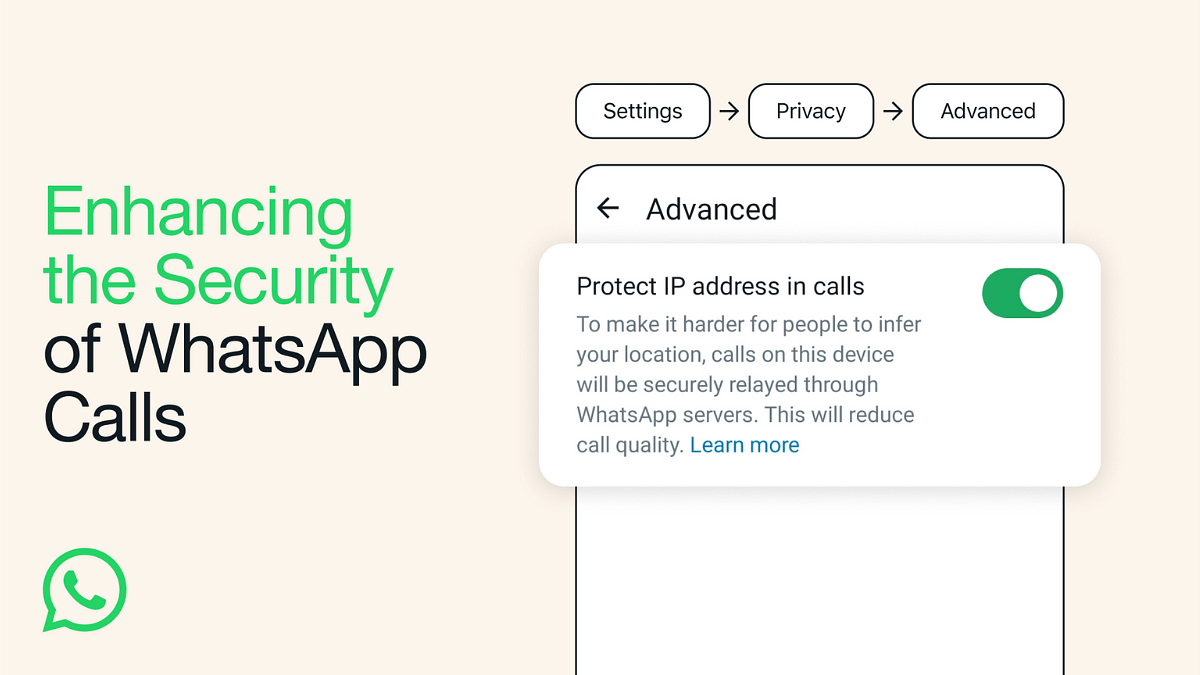
WhatsApp is introducing a new privacy feature that allows Android and iOS users to protect their location and IP address during calls. This feature ensures your privacy by relaying the call connection through WhatsApp’s servers. Let’s see how to enable this feature and its implications for your privacy.
What Is WhatsApp’s IP Address Protection Feature?
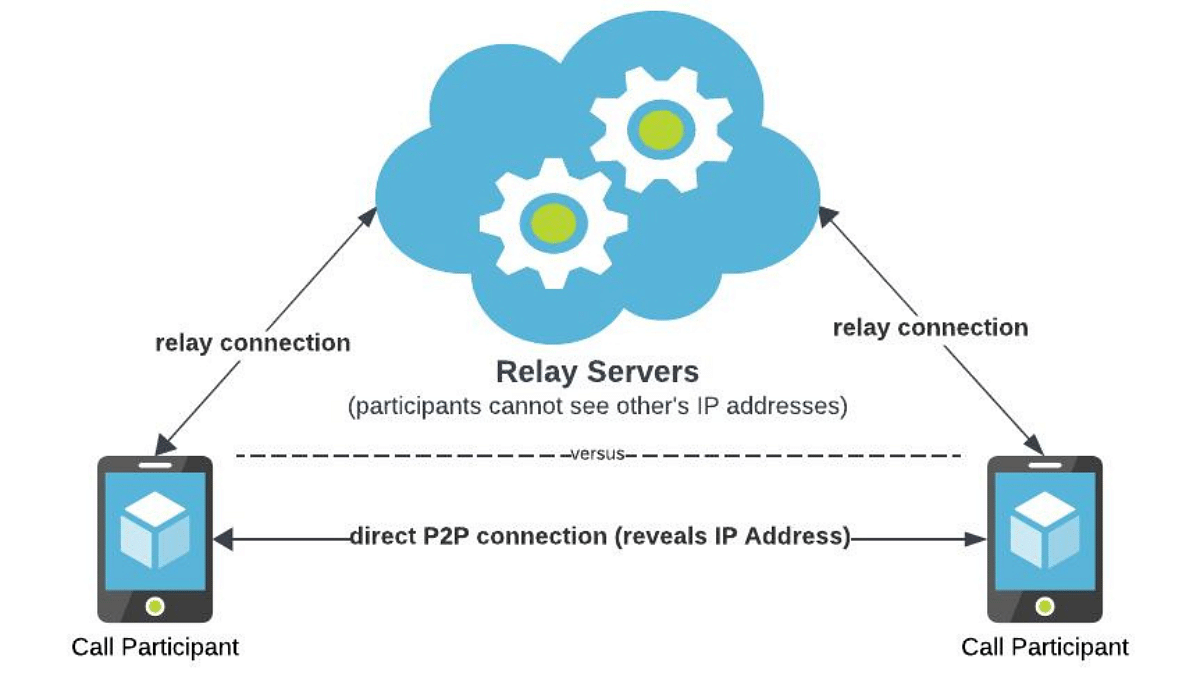
WhatsApp’s engineering team has designed this feature to enhance user privacy. When enabled, your location and IP address are concealed from other call participants. It achieves this by switching from the standard peer-to-peer direct connection between callers to routing the call through WhatsApp servers. This obfuscates the IP address metadata that could reveal your internet service provider or general geographical location.
It’s essential to note that while your calls are relayed through WhatsApp’s servers to obscure your location, the company cannot listen in on your calls. WhatsApp’s calls are end-to-end encrypted, ensuring the privacy and security of your conversations. The new feature mainly focuses on protecting the privacy-conscious users.
WhatsApp is also introducing a feature that allows users to silence unknown callers. This feature offers protection against more advanced cyber-attacks on your data, adding an extra layer of security for users.
Google deleting inactive Gmail accounts in December.
Security measure to protect users’ data.
Active users need not worry.
If you’re a Gmail user, you may have heard rumors that Google is deleting inactive Gmail accounts next month. Let’s get to the bottom of this and understand what’s really happening.
Google has recently announced a change in its policy, stating that it will begin deleting inactive Gmail accounts from December 2023 onwards. This move is aimed at enhancing security. Inactive accounts are more susceptible to cyber threats, and Google wants to protect its users from potential security breaches.
According to Google’s new policy, accounts that have been inactive for two years will be deleted. But don’t worry, this doesn’t affect accounts that are regularly used. If you frequently use Gmail, Docs, Calendar, or Photos, your account is safe. This policy only targets accounts that have not been used for a significant period.
Google’s primary motivation is to boost security. Inactive accounts often have outdated or reused passwords, lack two-factor authentication, and receive fewer security checks. These factors make them easy targets for cybercriminals. Google stated, “If a Google Account has not been used or signed into for at least 2 years, we may delete the account and its contents.” This includes data within Google Workspace, which encompasses Gmail, Docs, Drive, Meet, Calendar, and Google Photos.
To ensure your Gmail account doesn’t get deleted, you should take a few simple steps. Google will send multiple notifications to both your account email address and the recovery email you provided before deleting your account. This gives you ample time to take action and prevent your account from being deleted.
In a nutshell, Google’s decision to delete inactive Gmail accounts is a security measure to protect its users. If you’re an active user, there’s no need to worry. Just keep using your Gmail account, and you’ll be safe. However, if you haven’t logged in for a while, it’s time to do so to prevent any unwanted surprises. Your data and privacy are important, and Google is taking steps to safeguard them.
Mediatek Dimensity 9300 and Snapdragon 8 Gen 2 offers good overall performance, AI processing, and multimedia capabilities. But which one is the better choice for your specific needs?
Let’s dive into the details to find out.
Mediatek Dimensity 9300 Vs Snapdragon 8 Gen 2: CPU Architecture
Specification
Mediatek Dimensity 9300
Snapdragon 8 Gen 2
Process
4nm
4nm
Cores
8
8
High-Performance Cores
1x Cortex-X4 @ 3.25 GHz
1x Cortex-X3 @ 3.2 GHz
3x Cortex-X4 @ 2.85 GHz
2x Cortex-A715 @ 2.8 GHz
4x Cortex-A720 @ 2 GHz
2x Cortex-A710 @ 2.8 GHz
3x Cortex-A510 @ 2 GHz
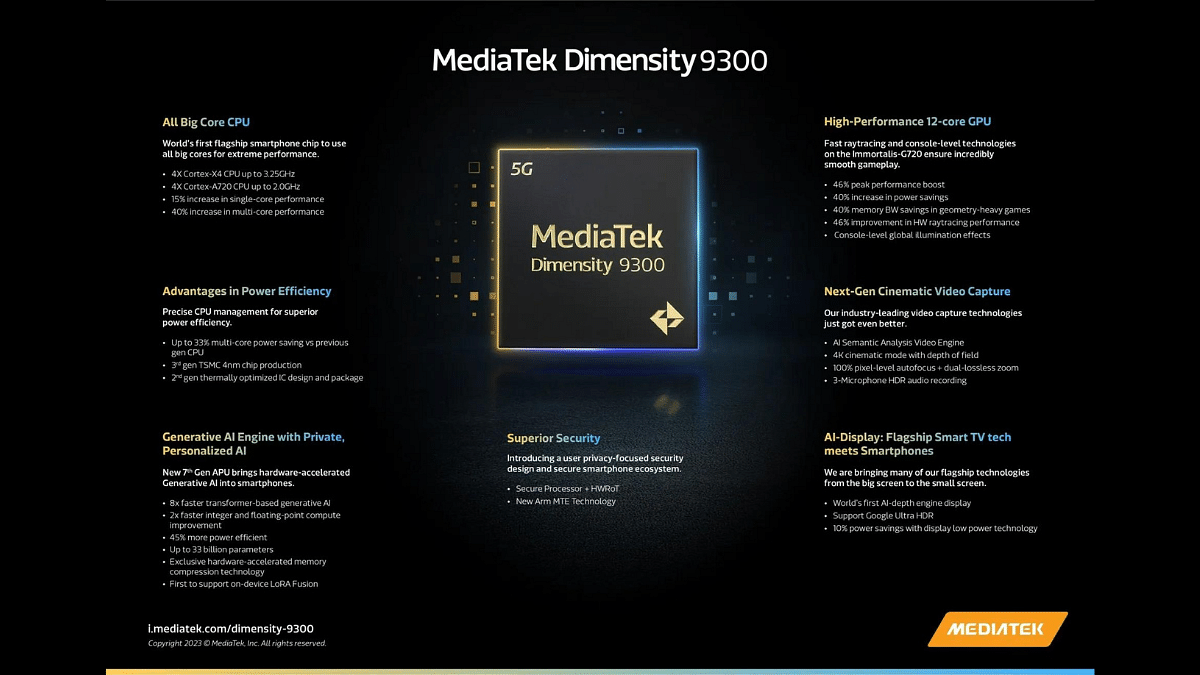
Mediatek Dimensity 9300 comes with an octa-core CPU architecture, featuring 1 Cortex-X4 core running at an impressive 3.25 GHz, 3 Cortex-X4 cores at 2.85 GHz, and 4 Cortex-A720 cores at 2 GHz. This blend of high-performance and efficiency cores allows for a versatile user experience.
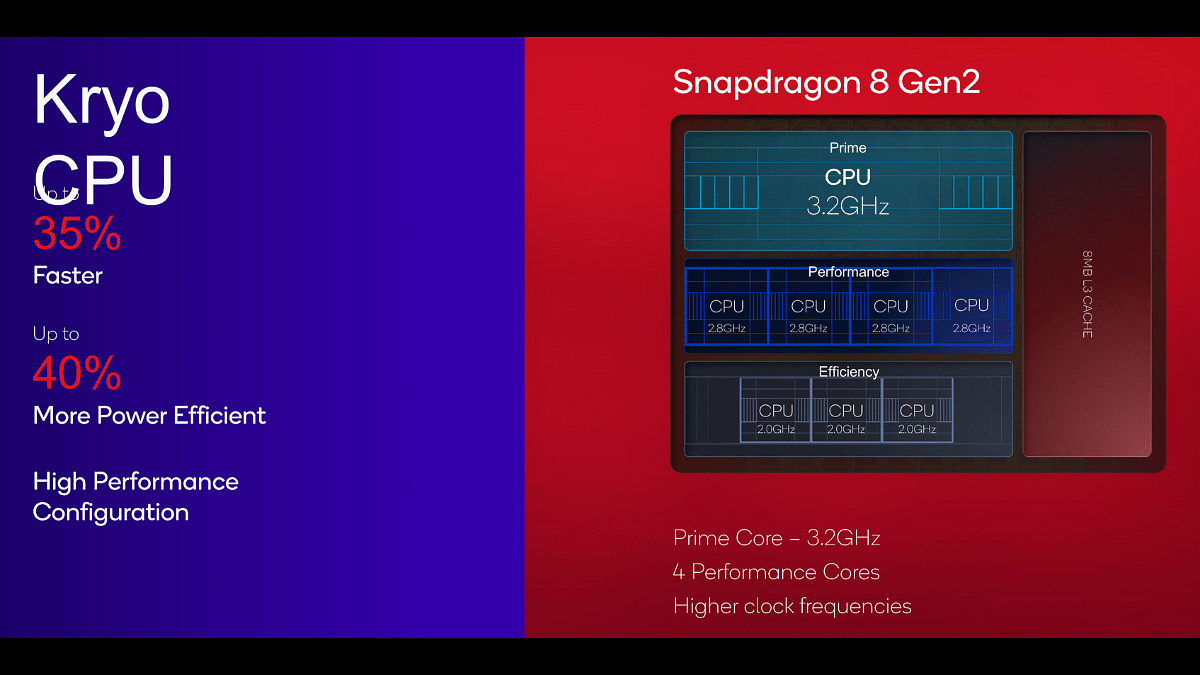
Snapdragon 8 Gen 2 comes with an equally potent octa-core setup, it consists of 1 Cortex-X3 core at 3.2 GHz, 2 Cortex-A715 cores at 2.8 GHz, 2 Cortex-A710 cores at 2.8 GHz, and 3 Cortex-A510 cores at 2 GHz. Snapdragon 8 Gen 2 offers a balance of high and low-powered cores for optimal performance.
Mediatek Dimensity 9300 Vs Snapdragon 8 Gen 2: GPU, Memory
Specification
Mediatek Dimensity 9300
Snapdragon 8 Gen 2
GPU
Mali-G720 Immortalis MP12
Adreno 740
GPU Frequency
1300 MHz
680 MHz
Gigaflops
5990.4
3481.6
Mediatek Dimensity 9300 features the Mali-G720 Immortalis MP12 GPU, running at 1300 MHz. This GPU delivers a substantial 5990.4 Gigaflops of computing power, ideal for gaming and graphics-intensive tasks. Snapdragon 8 Gen 2 is equipped with the Adreno 740 GPU, operating at 680 MHz, it offers a total of 2560 shading units, delivering 3481.6 Gigaflops. Snapdragon’s Adreno GPU is renowned for its graphics prowess.
Specification
Mediatek Dimensity 9300
Snapdragon 8 Gen 2
Memory Type
LPDDR5T
LPDDR5X
Memory Frequency
4800 MHz
4200 MHz
Max Memory Size
24 GB
24 GB
Both chipsets support LPDDR5-type memory, with Mediatek Dimensity 9300 having a higher memory frequency at 4800 MHz, compared to Snapdragon 8 Gen 2’s 4200 MHz. Both support a maximum memory size of 24 GB.
Mediatek Dimensity 9300 Vs Snapdragon 8 Gen 2: Display And Camera
Specification
Mediatek Dimensity 9300
Snapdragon 8 Gen 2
Max Display Resolution
2960 x 1440
3840 x 2160
Max Camera Resolution
1x 320MP
1x 200MP
Mediatek Dimensity 9300 supports a maximum display resolution of 2960 x 1440 and camera resolution of up to 320MP, making it ideal for high-resolution displays and camera systems.
Snapdragon 8 Gen 2 offers an even higher maximum display resolution of 3840 x 2160 and camera resolution of up to 200MP, which is impressive for users seeking top-tier display and photography capabilities.
Mediatek Dimensity 9300 Vs Snapdragon 8 Gen 2: Multimedia (ISP), AI And Connectivity
Specification
Mediatek Dimensity 9300
Snapdragon 8 Gen 2
AI Processor
Yes
Hexagon
Video Capture
8K at 30FPS, 4K at 60FPS
8K at 30FPS, 4K at 120FPS
Video Playback
8K at 30FPS, 4K at 60FPS
8K at 60FPS, 4K at 120FPS
Mediatek Dimensity 9300 chipset incorporates a powerful Neural Processor Unit (NPU) for AI-driven tasks, supporting up to 8K video capture and playback at 30FPS, and 4K at 60FPS. It’s versatile in handling various video codecs and audio codecs.
Snapdragon 8 Gen 2 relies on Hexagon for AI processing, supports 8K video capture at 30FPS, 4K at 120FPS, and 8K video playback at 60FPS. It also offers a range of video and audio codecs, catering to diverse multimedia requirements.
Specification
Mediatek Dimensity 9300
Snapdragon 8 Gen 2
4G Support
LTE Cat. 24
LTE Cat. 24
5G Support
Yes
Yes
Download Speed
Up to 10,000 Mbps
Up to 10,000 Mbps
Upload Speed
Up to 7,000 Mbps
Up to 3,500 Mbps
Both chipsets support 4G and 5G. Mediatek Dimensity 9300 boasts incredible download speeds of up to 10,000 Mbps and upload speeds of up to 7,000 Mbps, while Snapdragon 8 Gen 2 offers impressive download speeds of up to 10,000 Mbps and upload speeds of up to 3,500 Mbps. The difference in upload speeds may be a significant factor for some users.
Mediatek Dimensity 9300 features Wi-Fi 7 and Bluetooth 5.4. On the other hand, Snapdragon 8 Gen 2 offers Wi-Fi 7 and Bluetooth 5.3, still providing solid wireless connectivity but with slightly older Bluetooth technology.
Mediatek Dimensity 9300 Vs Snapdragon 8 Gen 2: Final Verdict
Choose the Mediatek Dimensity 9300 for strong overall performance, AI power, and great multimedia, ideal for gaming and content creation. Opt for the Snapdragon 8 Gen 2 if you value stunning displays, excellent camera capabilities, and solid performance, especially if you’re keen on visuals and photography.
Ultimately, your choice depends on your personal preferences and how you use your smartphone. Both chipsets offer cutting-edge technology, so you’re in good hands with either.
During Apple’s September iPhone launch event, an unexpected announcement stole the show. The event revealed that the latest A17 Pro processor in the iPhone 15 Pro and iPhone 15 Pro Max would support full-fledged AAA titles typically found on gaming consoles. Among the titles showcased on stage, the Resident Evil franchise garnered significant attention. Also Read | Take Your Gaming To The Next Level: Four Must-Have SSDs And HDDs For Gamers
Resident Evil 4 iPhone 15 Pro: Release Date
Capcom’s official Resident Evil franchise account disclosed that Resident Evil 4 is set to launch on iPhone, iPad, and Mac on December 20. However, it will only be available on devices equipped with Apple’s most powerful chips. Here’s the list of compatible Apple devices for Resident Evil 4:
iPhone 15 Pro
iPhone 15 Pro Max
iPad models featuring the M1 chip or higher
Mac devices powered by the M1 chip or higher
Upon release, Resident Evil 4 will include a free demo, allowing users to experience this popular survival horror title on supported devices. The official post invites gamers, saying, “Infiltrate the village, save baby Eagle! A demo will be available for those wanting a taste of Leon’s intense mission! Pre-order on the App Store now!”
The full game will be priced at USD 59.99, which also covers the Separate Way DLC pack. This price point is higher than the USD 39.99 cost for Resident Evil Village when it initially launched on Apple devices. Nevertheless, Capcom has confirmed that Resident Evil 4 will support Universal Purchase, meaning you can buy the game on one device and play it on any other supported Apple device.
Support For Controllers
Resident Evil 4 for iPhone will come with fully customizable on-screen touch controls. The game will support PlayStation and Xbox wireless controllers for a more intuitive gaming experience.
Apple’s AAA Game Lineup
Apple‘s commitment to AAA gaming on the iPhone 15 Pro models doesn’t stop at Resident Evil. The event also highlighted other compatible console games making their way to the new iPhone models, including Death Stranding Director’s Cut and Assassin’s Creed Mirage.
Google promises smoother browsing with Chrome’s New RAM Monitoring
It easily manages RAM for Open Tabs in Chrome
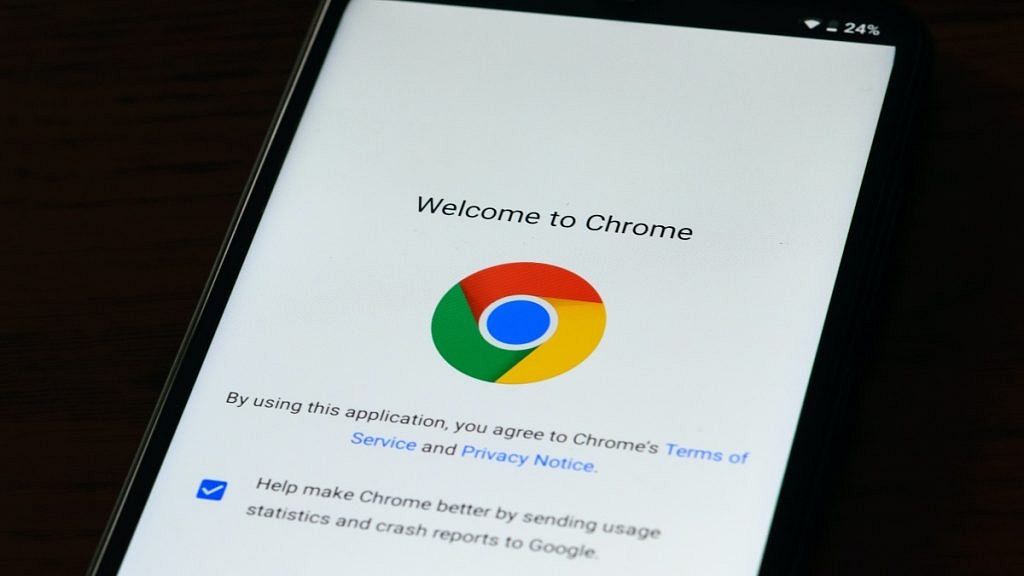
Google Chrome has introduced a new feature that allows users to monitor the memory consumption of individual tabs in real time. This feature, reported by 9to5Google, aims to offer users clear information about how much system memory their open tabs are using.
For seamless access to this feature, users can navigate to Chrome’s settings, specifically under the ‘Performance’ section. Here, they can activate both Memory and Energy Saver modes. Furthermore, users have the option to designate specific sites to remain continually active, ensuring critical pages don’t reload each time they are accessed.
This feature streamlines the process of identifying tabs that may be using an excessive amount of system resources. By merely hovering over a tab, users can quickly check real-time memory usage. This feature can be a valuable resource, particularly for those who frequently work with numerous open tabs, seeking to maintain optimal computer performance.
While Chrome had previously introduced a “Memory Saver” mode, this latest update takes it a step further by providing on-the-fly memory usage data. It eliminates the need for users to navigate through intricate settings to determine the system resources used by their open web pages.
The update is already available on the stable Chrome 119 channel and is expected to roll out to all users soon. For those who prefer not to wait, there’s a manual way to enable it via Chrome’s experimental settings.
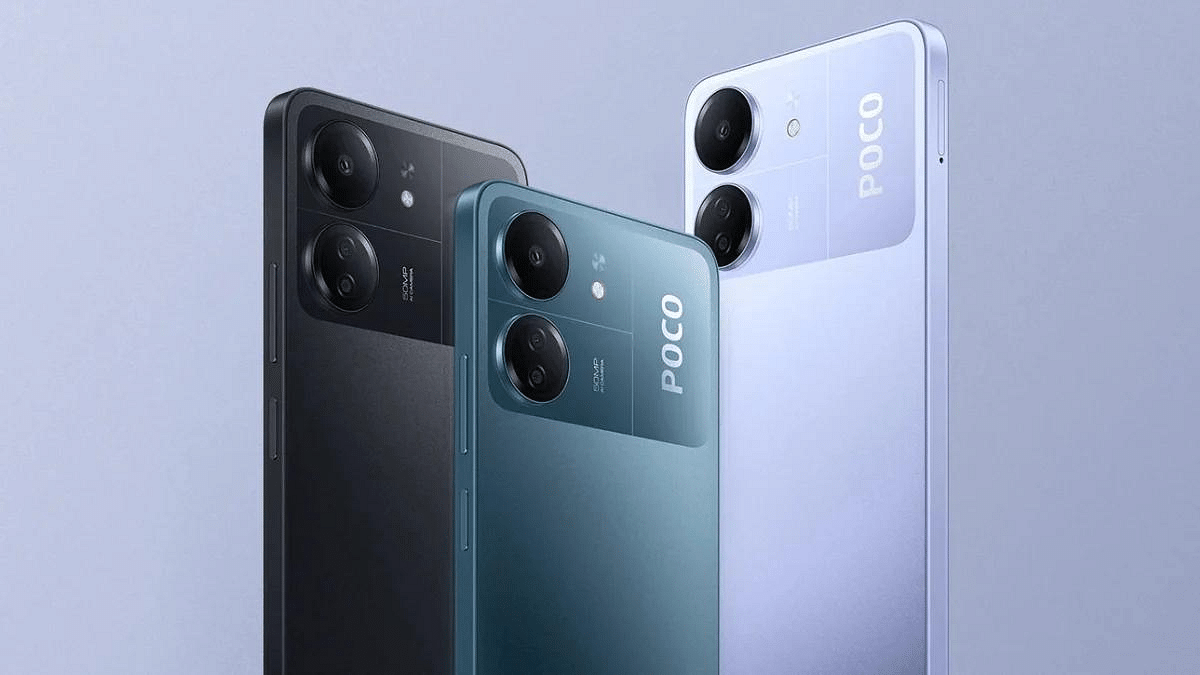
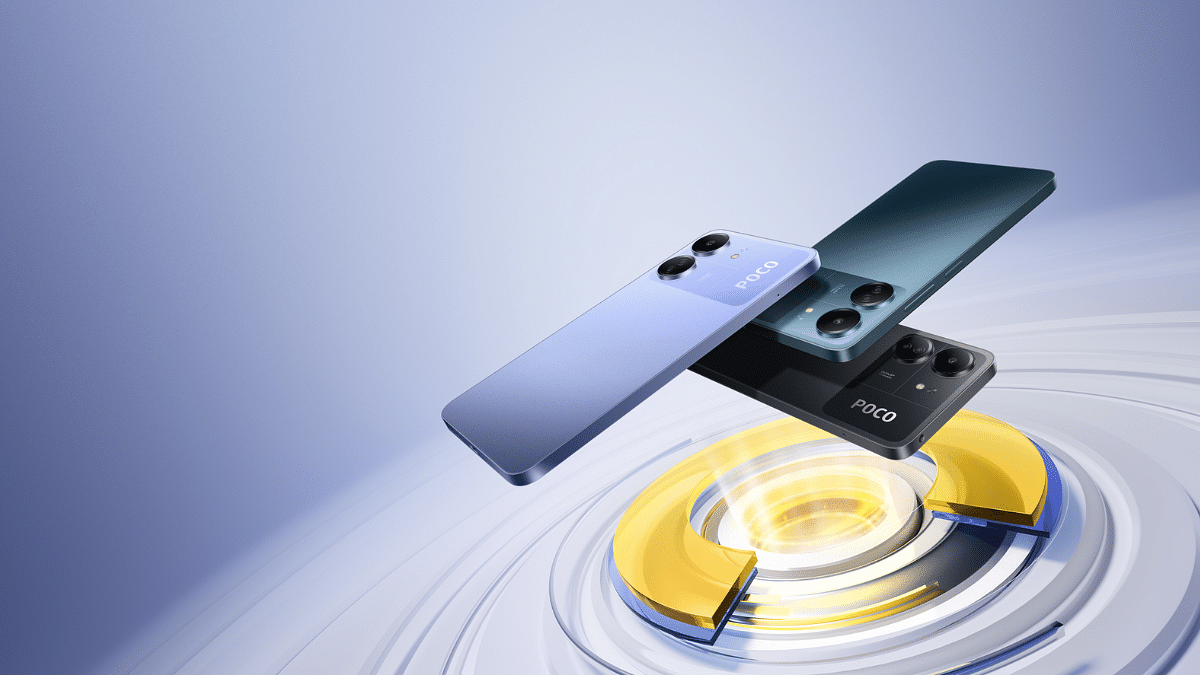
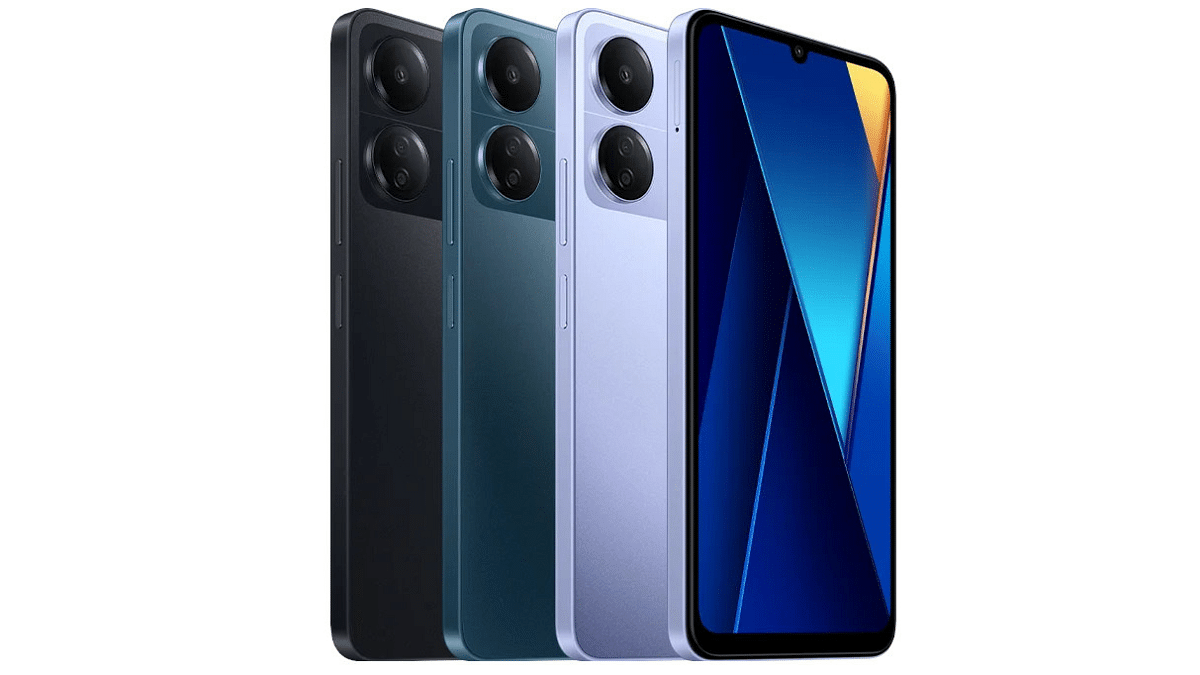
Poco recently unveiled its new phone, the Poco C65, on November 5. This phone is the successor to the Poco C55, which was released earlier this year. The new model comes with some improvements in key areas, including the cameras, RAM, storage, and charging specifications. The Poco C65 is currently available for purchase in the US, but details about its launch in India are yet to be revealed.
Let’s dive into the specifications and pricing of this new smartphone.
The Poco C65 features a 6.74-inch HD+ display with a resolution of 1,600 x 720 pixels. It has a 90Hz refresh rate. The display is also protected with tough Corning Gorilla Glass to prevent scratches and damage. The phone runs on the Android 13-based MIUI 14 designed for Poco.
Under the hood, the Poco C65 is powered by a MediaTek Helio G85 SoC, which is the same chipset as its predecessor, the Poco C55. This processor is capable of handling everyday tasks and some light gaming. The phone comes with up to 8GB of RAM and up to 256GB of storage, which can be expanded up to 1TB using a microSD card.
In the camera department, the Poco C65 has a 50-megapixel primary sensor for taking photos, along with a 2-megapixel sensor with a macro lens for close-up shots. On the front, there’s an 8-megapixel camera for your selfies.
The phone is equipped with a 5,000mAh battery, which should last you all day, and it supports 18W wired fast charging via a micro USB port. It also offers various connectivity options like 4G, Wi-Fi, Bluetooth, GPS, and more. There’s even a 3.5mm audio jack for your headphones and FM radio support.
The Poco C65 comes in two storage variants. The 6GB RAM + 128GB storage version is priced at $129 (about Rs. 10,700), while the 8GB RAM + 256GB storage version is listed at $149 (about Rs. 12,400). There are also options available at $109 (about Rs. 9,100) and $129 (about Rs. 10,700), respectively. You can choose from three colours: Black, Blue, and Purple.
The Redmi 13C official teaser reveals colors and specs
Before launch, the smartphone is also listed on Amazon
The smartphone will reportedly have a starting price of EUR 130
The Redmi 13C, the much-anticipated successor to the Redmi 12C, has been generating a lot of buzz in the tech world. With the necessary certifications in the bag, it seems that the phone’s launch is imminent. Xiaomi Nigeria has taken to social media to provide an official teaser, though without revealing the actual launch date. Furthermore, the device is currently listed on Amazon’s global website (via Paras Guglani), complete with specifications and pricing details. As of now, the Redmi 13C’s India launch details remain a closely guarded secret. Also Read | Best Phones With Fast Charging Under Rs. 15,000
Redmi 13C: Design And Colors
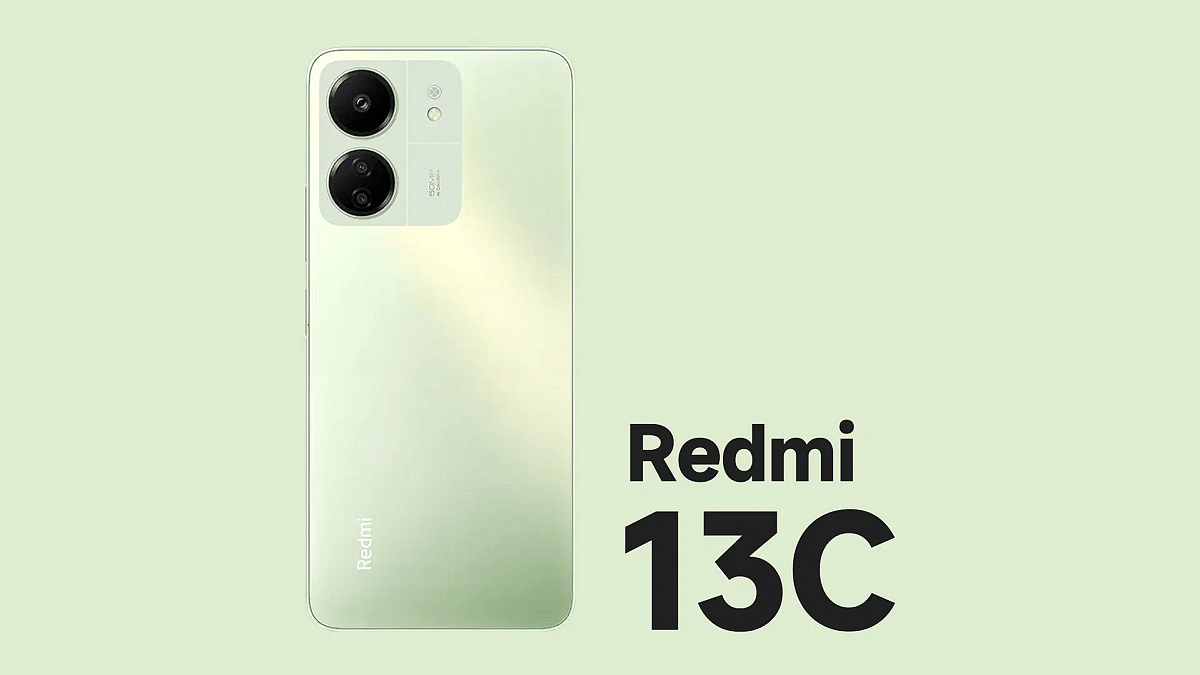
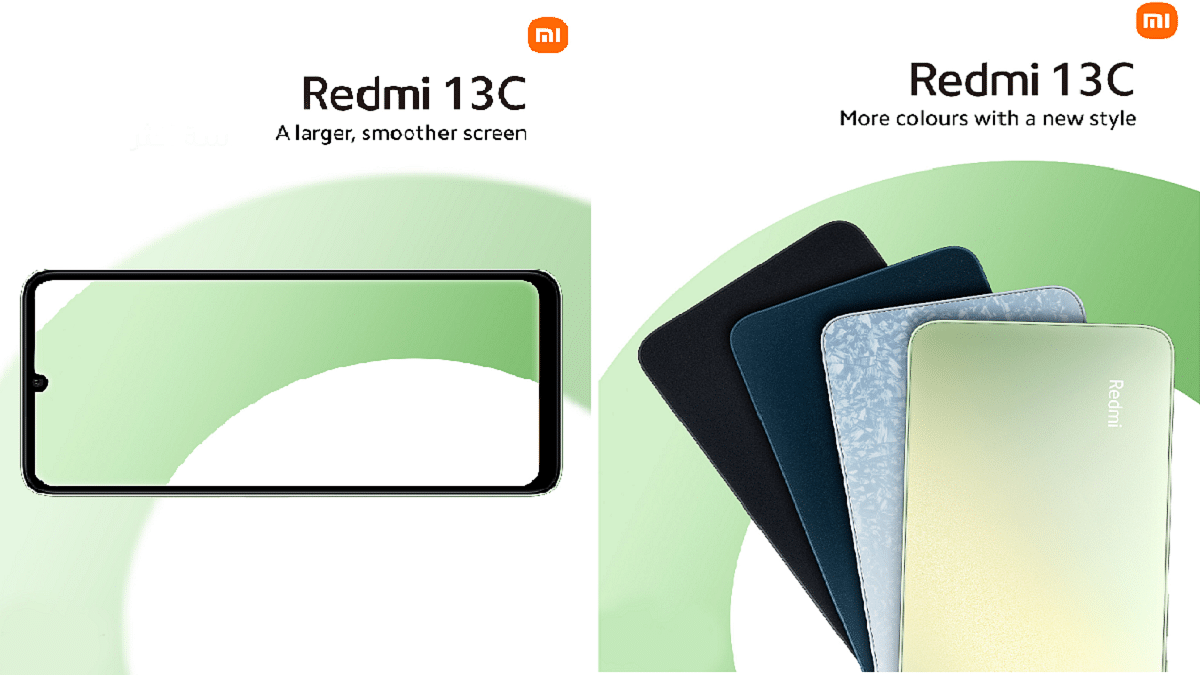
Xiaomi has teased fans by sharing rendered images of the Redmi 13C, showcasing the phone’s design in all its glory. The teaser poster image reveals the Redmi 13C in four attractive colors: Green, Black, Blue, and White.
If you guessed Redmi 13C on the riddle challenge, then you are right! 🕺
🚀 The Redmi 13C is coming, and it's bringing more colors, a fresh style, stronger and more stable performance, a larger and smoother screen, plus cameras that guarantee greater accuracy and a clearer view!… pic.twitter.com/1d3Qjwx8Ho
Notable design features include a waterdrop notch for the selfie camera, flat edges, and a big chin beneath the screen. Leaked hands-on images also hint at two circular rings housing the camera sensors and an LED flash. While the official launch date remains undisclosed, expectation is building for the phone’s arrival.
Redmi 13C: Expected Price Range
A report citing a reliable source has shed light on the expected pricing of the Redmi 13C. The phone is likely to come in two models: one with 4GB of RAM and 128GB of storage and another with 8GB of RAM and 256GB of storage. The former is expected to be priced at around EUR 130 (approx. Rs. 11,600), while the latter might be around EUR 150 (approx. Rs. 13,400).
Redmi 13C: Specifications For 4G And 5G Versions
Here are the expected specifications for the Redmi 13C, covering both the 4G and 5G variants:
Specs
Redmi 13C 4G
Redmi 13C 5G
Display
6.74-inch HD+
6.74-inch HD+
Processor
MediaTek Helio G85 SoC
MediaTek Dimensity 6100 Plus SoC
OS
Android 13-based MIUI 14
Android 13-based MIUI 14
RAM / Storage
Up to 8GB RAM + 256GB Storage
Up to 8GB RAM + 256GB Storage
Rear Camera
50MP + 2MP + 2MP
50MP + 2MP + 2MP
Selfie Camera
8MP
8MP
Battery
5,000mAh
5,000mAh
With these specifications and pricing, the Redmi 13C smartphone is poised to make a significant impact in the smartphone market once it officially launches.
GoI banned 22 online betting apps, including Mahadev Book
Accused individuals, including a constable from the Chhattisgarh Police, are in custody
The banned Mahadev app was involved in illegal gambling on various games
Amidst ongoing investigations by the Enforcement Directorate (ED) into the illegal betting app Mahadev Online Book, the Indian government has taken action against the app and 21 others. The Ministry of Electronics and Information Technology (MeitY) issued blocking orders against these apps and websites, including Mahadev Book and Reddyannaprestopro. Let’s get into the details of this significant development. Also Read | Apple Lockdown Mode: What Is This Security Feature? How To Use?
Blocking Orders Issued
On Sunday, the government imposed blocking orders against 22 illegal betting apps and websites, among them Mahadev Book Online and Reddyannaprestopro. The Ministry’s decision follows the ED’s probe into an illegal betting app syndicate connected to the Mahadev app case. The government’s actions were prompted by the unlawful operations discovered during investigations and raids on Mahadev Book in Chhattisgarh.
Arrests And Legal Proceedings
Accused individuals Bhim Singh Yadav, a constable in the Chhattisgarh Police, and Asim Das are currently in custody, facing charges under the Prevention of Money Laundering Act (PMLA). The owners of Mahadev Book have also been arrested under Section 19 of PMLA, facing charges for money laundering offenses.
Allegations And Illegal Operations
The ED alleged that the Mahadev app operated by franchising “panel/branches” to known associates, with a 70-30 profit-sharing ratio. The app was used to join new users, create IDs, and launder money through a complex network of Benami bank accounts. This operation reportedly generated a shocking daily revenue of Rs. 200 crore.
The Mahadev app scandal revolved around an online betting platform enabling illegal gambling on various games, including poker, card games, badminton, tennis, football, and cricket. The app was run by Saurabh Chandrakar, based in Dubai, and his accomplice Ravi Uppal, both hailing from Chhattisgarh. Chandrakar’s journey from a former juice seller to an app operator adds another layer of intrigue to the story.
AI brings all four Beatles members together for ‘Now and Then’
AI technology revives John Lennon’s vocals, completing ‘Now and Then’
The song showcases the power of AI in the music industry
The legendary Beatles band is back with a new song, “Now and Then,” marking the final musical journey for all four iconic members. This extraordinary reunion is made possible through the incredible advancements in artificial intelligence (AI) and machine learning. Also Read | Apple Developing AI Chatbot ‘Apple GPT’ To Compete With OpenAI’s ChatGPT: All Details Here
Reuniting The Fab Four
The Beatles
In a remarkable feat, The Beatles, which tragically lost two of its members over the years, has orchestrated a reunion that transcends time and technology. Despite the passing of John Lennon in December 1980 and George Harrison in 2001, Paul McCartney, George Harrison, and Ringo Starr, alongside AI technology, have resurrected the band’s spirit. The song even features the late John Lennon, thanks to innovative AI methods.
A Musical Rebirth
To accomplish this musical rebirth, The Beatles tapped into old recordings of John Lennon, piecing together his contribution to “Now and Then.” In the 1990s, the band attempted a similar endeavor with Lennon’s demos, resulting in the creation of “Free as a Bird” and “Real Love.” However, technical limitations at the time hindered their efforts.
The turning point for this ambitious project came when director Peter Jackson, known for his work on the “Get Back” documentary, and his team developed a technology. This technology harnessed machine learning to “split all the different components into separate tracks.” With this innovation, McCartney and Starr finally had the means to mix and create a proper record of “Now & Then.” Although the short film about the song’s creation doesn’t delve deeply into George Harrison’s past recordings, McCartney mentions incorporating elements from the Anthology sessions and contributing a slide guitar solo in Harrison’s signature style.
A Bittersweet Farewell
While “Now & Then” marks the last new song from The Beatles, the excitement of hearing all four members once again is high. The song’s release highlights the incredible potential of AI and machine learning in the world of music. “Now & Then” is now available for streaming on various platforms, including Apple Music and Spotify.
Link series comprises smartphone printers Mini Link 2, Square Link, and Link Wide
Fujifilm India also offers an Instax Biz app for personalized prints
Fujifilm India has introduced an innovative way to revive cherished memories and evoke nostalgia with its smartphone printer series. These user-friendly devices are bridging the gap between modern technology and traditional memory preservation methods.
The Link series of smartphone printers lets you see your photos instantly and allows you to hold and feel them physically. Additionally, the dedicated Instax Biz app enables effortless personalization of prints with just a single tap. When used in conjunction with Instax cameras and Instax smartphone printers, Instax Biz streamlines the printing experience. Also Read | Best Printers With Scanners Available In India
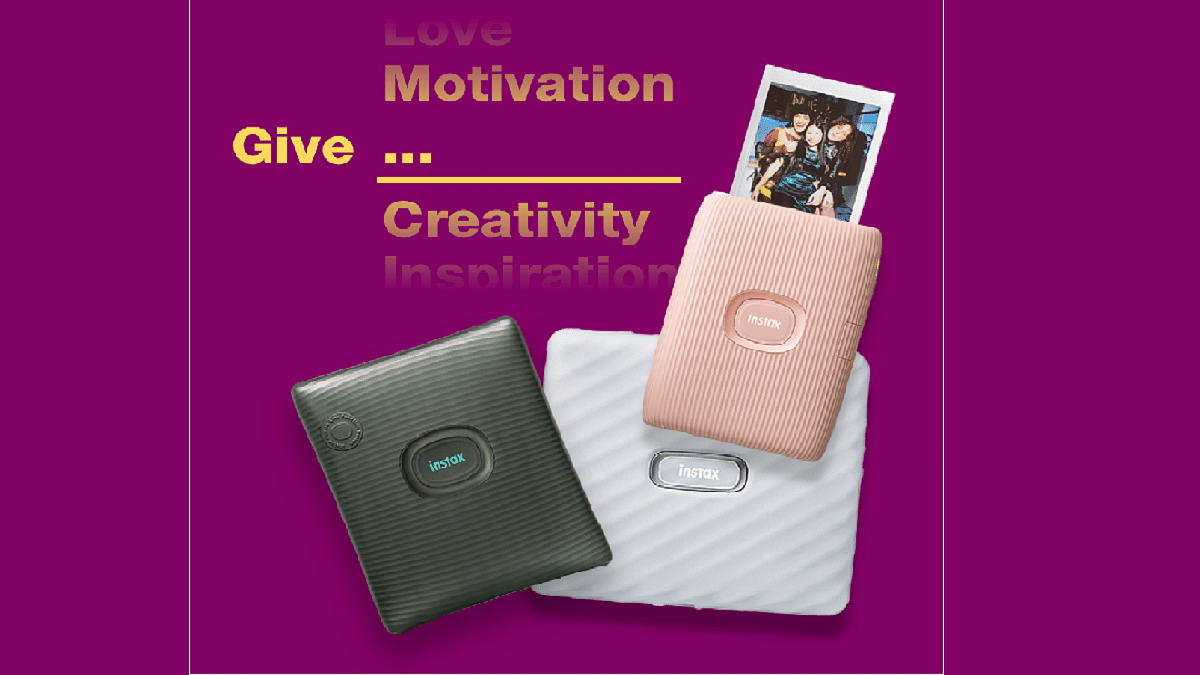
Instax Mini Link 2
The Instax Mini Link 2 is a sleek smartphone printer compatible with card-sized Instax film. It is available in three colors: soft pink, clay white, and space blue. It offers instant high-quality prints and features functions like instax AiR and SPRAY ART. This printer opens up creative possibilities with shareable messages such as printable QR codes and the ability to draw with various brush types and colors. It further come with modes like instax-Natural and instax-Rich for capturing special moments like holidays, festivals, birthdays, and travel adventures.
Square Link Printer Speed
For those seeking speed and versatility, the Square Link smartphone printer delivers by printing images in just 90 seconds. Available in two colors, Ash White and Midnight Green, this printer is designed for portability. It comes with a rechargeable battery, making it ideal for longer photo shoots or vacations. This device further offers advanced AR functions, including ‘Add special FX’ and ‘Add Doodle,’ along with the ability to superimpose messages using INSTAX Connect.
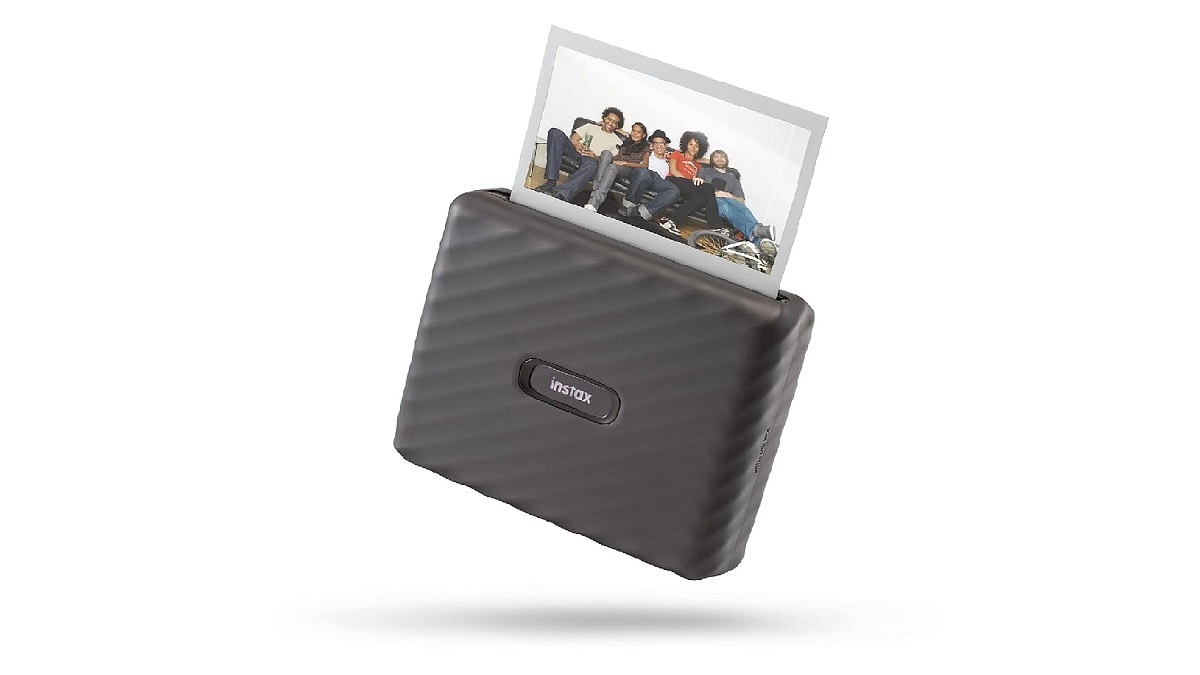
If you prefer larger prints, the Link Wide smartphone printer is the ultimate choice. It can print smartphone-captured images on wide-format film (86mm x 108mm), which is twice the size of regular card-size Instax prints. Despite its ability to produce large prints, it remains compact and lightweight. It’s available in two elegant colors: Ash White and Mocha Gray. To preserve these larger prints, consumers can also choose the Wide Album and the Acrylic Photo Frame.
Price
The Link printer range starts at an affordable street price of Rs. 10,999.