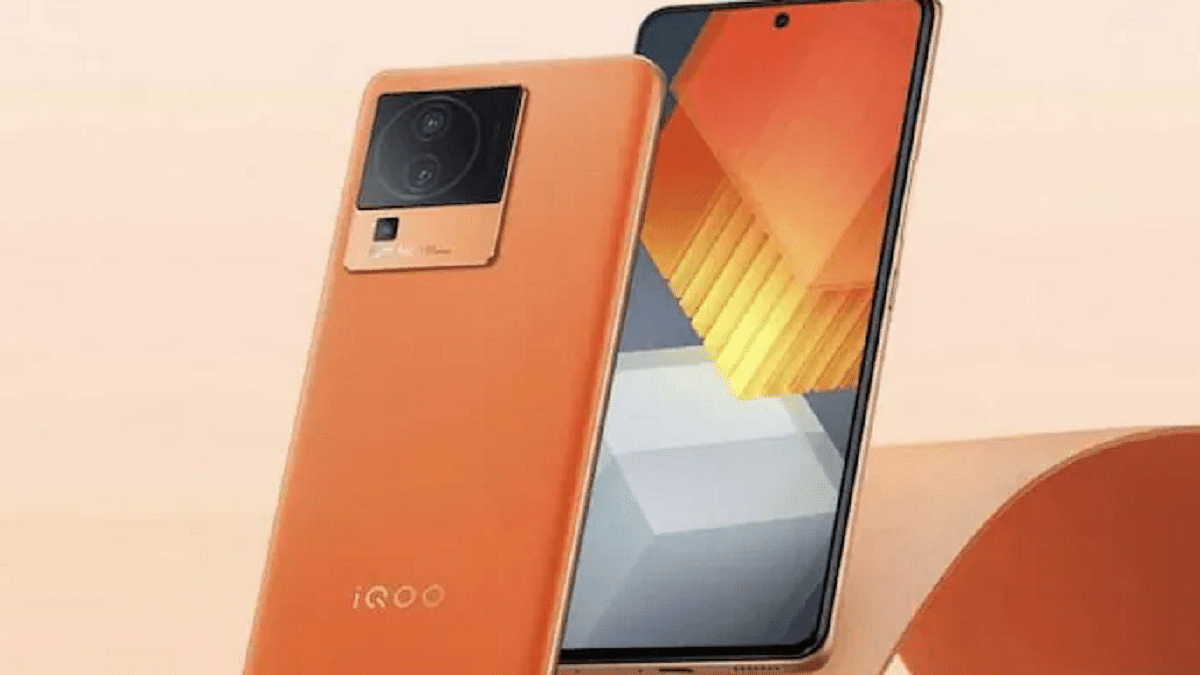
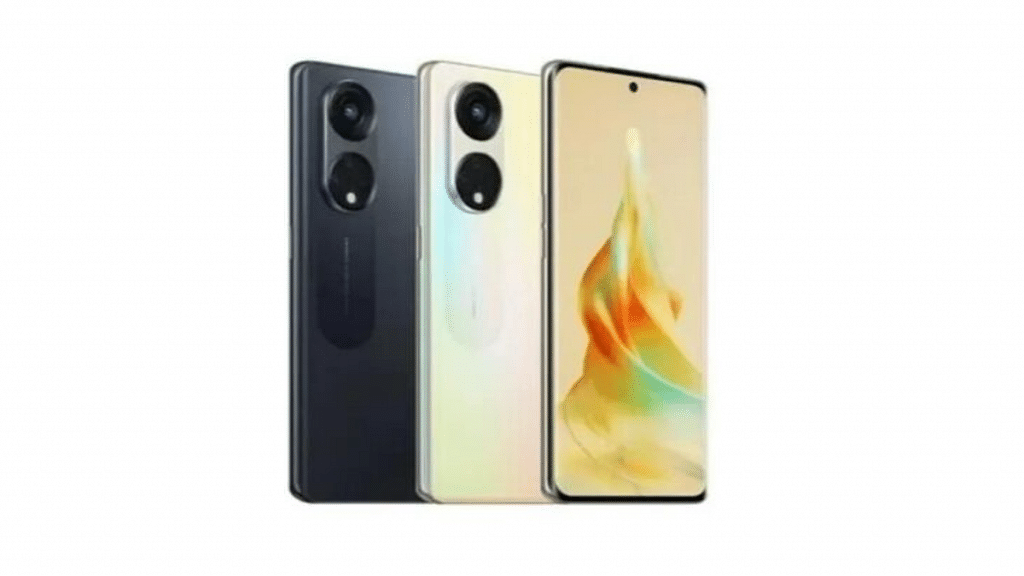
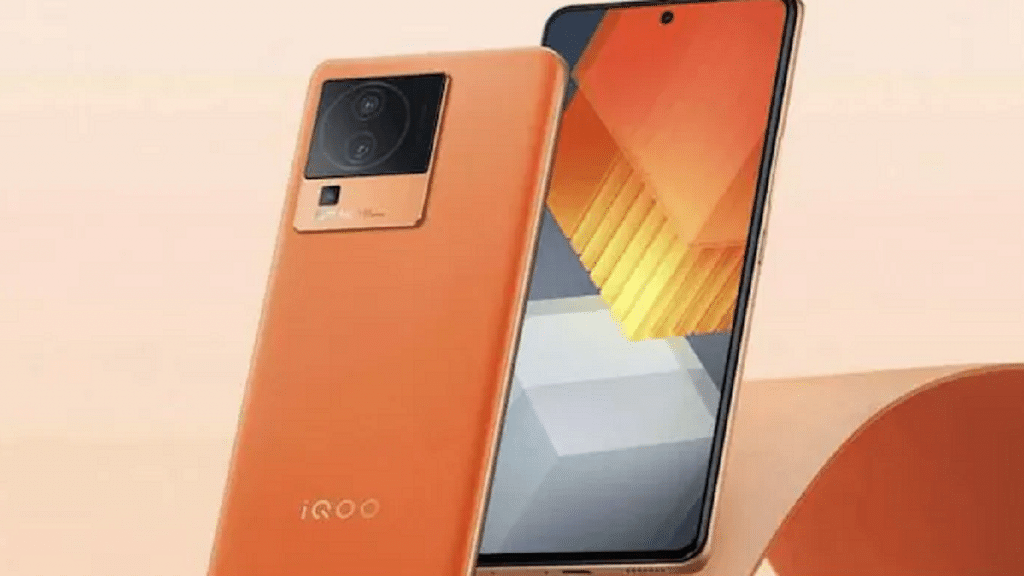
Smartphone OEMS in India are all aggressive with new product launches. Multiple new devices have been released this month under Rs. 30,000 price bracket. While OPPO expanded its popular Reno series with the Reno 8T, iQOO introduced its latest gaming handset called the Neo 7. Both these phones are performance-oriented handsets that cater to the premium mid-range audiences in the country. We are doing a quick spec sheet-based comparison between these two new premium mid-range Android phones. Let’s see which one makes for a better deal overall:
iQOO Neo 7 Vs OPPO Reno 8T: Display Features, Specs
Model
iQOO Neo 7
OPPO Reno 8T
Display
6.7-inch AMOLED
6.7-inch AMOLED
Camera
64MP triple rear
108MP triple rear
Chipset
Dimensity 8200
Snapdragon 695
Battery
5,000 mAh, 120W fast charging
4,800 mAh, 67W fast charging
Price
Rs. 29,999
Rs. 29,999
The iQOO Neo 7 accommodates a premium 6.78-inch AMOLED display with 120Hz refresh rate. The screen supports 1080 x 2400 pixels resolution and has 1000 nits peak brightness level. The visual experience is further enhanced by the HDR 10+ certification on the iQOO Neo 7. On the other hand, the OPPO Reno 8T gives the Neo 7 stiff competition with its 6.7-inch AMOLED display.
The screen resolution and refresh rate is the same as the OPPO handset, i.e, FHD+ and 120Hz respectively. However, the peak brightness level is lower at 800 nits. The visual quality is good with both iQOO Neo 7 and the OPPO Reno 8T, but the latter has a disadvantage with lower brightness levels.
When we speak of the cameras, the iQOO Neo 7 offers a 64MP triple rear camera setup for primary photography. The rear panel has a pair of 2MP sensors for depth and macro photography in addition to the 64MP main camera. The iQOO Neo 7 is capable of recording up to 4K@30fps videos and offers HDR and other key shooting modes.
In the Reno 8T, there is also a triple-lens setup at the rear, however, the primary sensor is a larger 108MP lens with an f/1.7 aperture. The remaining two sensors are a set of 2MP lenses as the iQOO Neo 7 used for bokeh effects and macro shots. The OPPO Reno 8T takes a lead with a better primary sensor than the Neo 7. Overall imaging experience, specifically daylight will be good with the Reno 8T and the Neo 7 respectively.
The iQOO Neo 7 draws its power from the Dimensity 8200 chipset. It is a new-generation MediaTek processor for premium mid-rage phones and is fabricated using a 4nm process. The CPU is integrated with Mali-G610 MC6 GPU for graphics and up to 12GB RAM for multitasking.
The OPPO Reno 8T gets its power from the Qualcomm Snapdragon 695 chipset which is also an octa-core 5G processor for premium mid-range phones. Also, the fabrication process is thicker compared to the Dimensity 8200. This chipset is designed using a 6nm process.
The GPU is Adreno 619 and the RAM capacity is up to 8GB. The Reno 8T has up to 128GB storage option which is expandable via a microSDXC slot. The iQOO Neo 7 here is better and more efficient with speeds.
As for the battery capacity, the iQOO Neo 7 has a bigger 5,000 mAh battery unit compared to the 4,800 mAh battery unit of the Reno 8T. Also, the former has a faster 120W charging support. For reference, the OPPO Reno 8T has 67W fast charging support.
iQOO Neo 7 Vs OPPO Reno 8T Final Verdict: Which One Should You Buy?
Both iQOO Neo 7 and the OPPO Reno 8T are priced starting at Rs. 29,999 in India and are amongst the best handsets available in this price bracket. Depending on the usage, you can select the suitable variant. The iQOO Neo 7 is a good fit for audiences who demand powerful performance and speeds; specifically for gaming. The OPPO Reno 8T also offers good user performance, but it is best suited for photography.
Smart TV market has evolved over the last decade exponentially and we now have some of the best-in-class large-screen TVs with high-resolution displays and other features. Brands like TCL, Samsung, Sony, and LG are the pioneers when we speak of the premium range TVs. However, Chinese OEMs including smartphone manufacturers have also joined this bandwagon and introduced some value-for-money deals for the audiences.
And buying a new smart TV is no easy task with the plethora of options available in the market. We have compiled a list of the four best smart TVs in India that caters to different consumer segments. From affordable to premium range of TVs, this listicle will help you decide the next buy. Take a look:
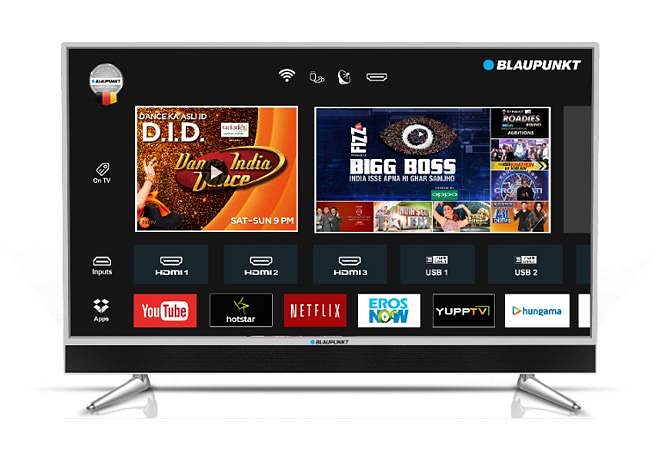
Blaupunkt has also established itself as a successful player in the audio-visual gadget industry. The Blaupunkt 24-inch smart TV is the cheapest TV model that you can buy in the Indian market. This is an HD Ready smart TV that has a 24-inch screen size with 300 nits peak brightness.
The display is A+ certified and is suitable for 720p video playback. The Blaupunkt 24-inch smart TV is suitable for small rooms. Talking of the key features, this super affordable Blaupunkt TV runs on the quad-core A35 processor and has 4GB ROM and 512MB RAM. Furthermore, this Blaupunkt TV can also be used as a monitor for PCs. The Blaupunkt 24-inch smart TV can be purchased at just Rs. 7,499 via in India.
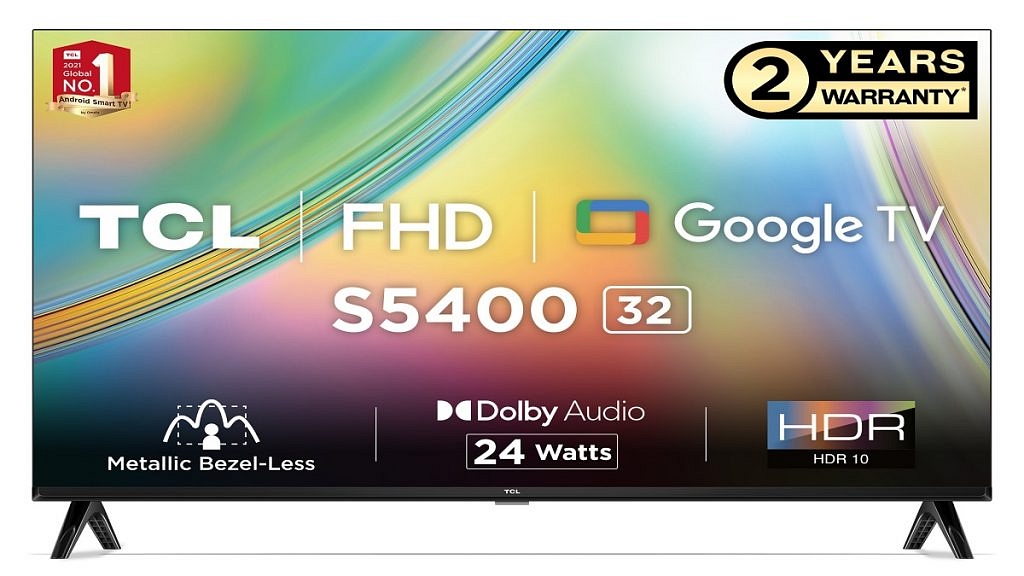
TCL is one of the biggest players in the smart TV industry which has a wide catalog for consumers. The brand recently launched a new Google TV lineup in the country including the S5400 32-inch FHD TV. The TCL S5400 smart TV has a 32-inch screen size which supports 1080P FHD+ screen resolution.
This TCL Google TV is equipped with 16GB storage and 1.5GB RAM. Power delivery is handled by a 64-bit quad-core processor. The TCL S5400 budget Google TV also supports third-party streaming and music apps. Interested buyers can head to the major online retail channels including Amazon and Flipkart in addition to the offline retail market. As for the pricing, the TCL S540032-inch FHD smart TV can be purchased at Rs. 15,990 in the country.
Best Premium Smart TV Models To Consider In 2023 In India
Model
AIWA MAGNIFQ 43-inch
OnePlus TV 65 Q2 Pro QLED
Display size
43-inch*
65-inch
Resolution
4K
4K
Processor
Quad-core
Dedicated MediaTek 4K image processor
RAM
2GB
3GB
Storage
16GB
32GB
Audio
30W
70W+ 30W
Price
Starts Rs. 59,999
Starts Rs. 99,999
AIWA Magnifiq Google TV
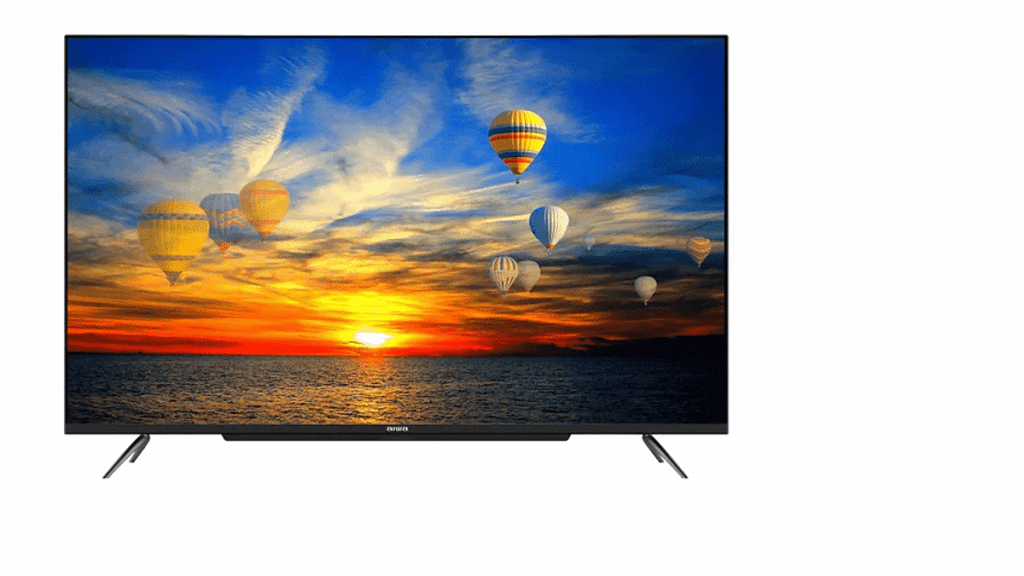
AIWA is a vintage player in the TV industry that has made a comeback in India recently. The company recently added the MAGNIFIQ Google TV to its portfolio. The Aiwa MAGNIFIQ 43-inch is one of the best premium range Google TVs that is available for sale in the Indian market. Aiwa has designed the MAGNIFIQ TV range to cater to both general as well as commercial users.
The 43-inch AIWA MAGNIFIQ smart TV offers a 4K UHD resolution and has Dolby Atmos, DTS Audio support. The high-end Aiwa MAGNIFIQ 43-inch smart TV employs a quad-core processor under the hood for performance delivery. It has 2GB RAM and 16GB of internal storage.
This AIWA smart TV comes with multiple connectivity ports such as USB and HDMI (two and three ports respectively). The Aiwa MAGNIFIQ 43-inch smart TV can be purchased starting at Rs. 57,990 via Croma, Reliance Digital, and other partner retail channels in India.
OnePlus is rather a new player in the smart TV market. However, in a short span, the company has logged itself amongst the top contenders in the TV industry. At the Cloud 11 event hosted earlier this month, OnePlus introduced its most premium smart TV in the market.
Called the OnePlus Q2 Pro 65-inch, the latest high-end smart TV succeeds the OnePlus TV Q1 Pro. The OnePlus TV 65 Q2 Pro as the name suggests packs a massive 65-inch screen that supports a 4K screen resolution and 97 percent DCI-P3 color gamut.
The OnePlus TV 65 Q2 PRO QLED TV uses a dedicated MediaTek 4K image processor clubbed with 3GB memory. It features 2.1 channel stereo speakers generating 70W output and an additional subwoofer with 30W output. The OnePlus TV 65 Q2 Pro can be purchased at Rs. 99,999 in India.
Vivo is launching a new smartphone in the Indian market. Following the expansion of the Vivo Y series, the company will now be revamping its V smartphone lineup in the country. The Vivo V27 series is all set to break covers next month in the country. The official landing page of the upcoming Vivo V27 lineup already went live on Flipkart. Now, the company itself has announced the exact launch timeline for the Vivo 27 series in India. Below are the details:
Vivo V27 Series Official India Launch Timeline
The Vivo V27 series is all set to make its official debut on March 1, 2023. Vivo has confirmed the upcoming launch timeline for the new V series phones. According to reports, the Vivo V27 lineup will include three models including the Vivo V27 Pro and the V27e besides the standard Vivo V27. To recap, the Vivo V27 series will be succeeding the Vivo V25 lineup which was introduced last year in the country.
Vivo has just announced the upcoming V27 series launch that is slated for March 1, 2023. The pricing details have been kept under wraps. We do believe Vivo will launch the V27 lineup with the same price range as the previous-generation models. This means that the pricing range of the V27 series could start at Rs. 35,000. This pricing would be for the vanilla Vivo V27. The Vivo V27 Pro could be available with a starting price range of Rs. 40,000.
Vivo V27 Series Expected Features And Specifications
Model
Vivo V27
Vivo V27 Pro
Display
120Hz AMOLED, FHD+
120Hz curved AMOLED, FHD+
Camera
Sony IMX766V primary sensor
Sony IMX766V primary sensor
Chipset
Octa-core Dimenisty 7200
Dimensity 8200
Android
Android 13
Android 13
According to recent leaks, the Vivo V27 series will be launching with a curved display design. Both vanilla Vivo V27 and the Vivo V27 Pro are expected to flaunt a 60-degree display curvature. The camera cutout will be punch-hole which will be housing the selfie snapper. The screen size of the Vivo V27 and the V27 Pro is not confirmed, but an HDR10+ certification, FHD+ resolution, and 120Hz refresh rate eee tipped.
Additionally, the vanilla Vivo V27 is rumored to launch with the MediaTek Dimensity 7200 chipset, while the Dimensity 8200 processor will possibly ship with Dimensity 8200 octa-core chipset. A custom FunTouch OS-based Android 13 UI will be pre-installed.
Imaging setup would be the key highlight of the Vivo V27 series. The company is likely to pack a Sony IMX766V main lens which will be aided by OIS (Optical Image Stabilization) support. Other than this, the color-changing back panel will also be one of the highlights of the Vivo V27 lineup.
Xiaomi is all set to launch its new-generation Android tablet which will be the successor to the brand’s successful Xiaomi Pad 5. Called the Xiaomi Pad 6, the next tablet form the Chinese tech giant has been visiting the rumor mill since 2022. Now, a fresh set of live images of the Xiaomi Pad 6 has been leaked which hints at an imminent launch and also Xiaomi 12 Pro-series-inspired camera design.
Xiaomi Pad 6 Leaked Live Images Surface Online
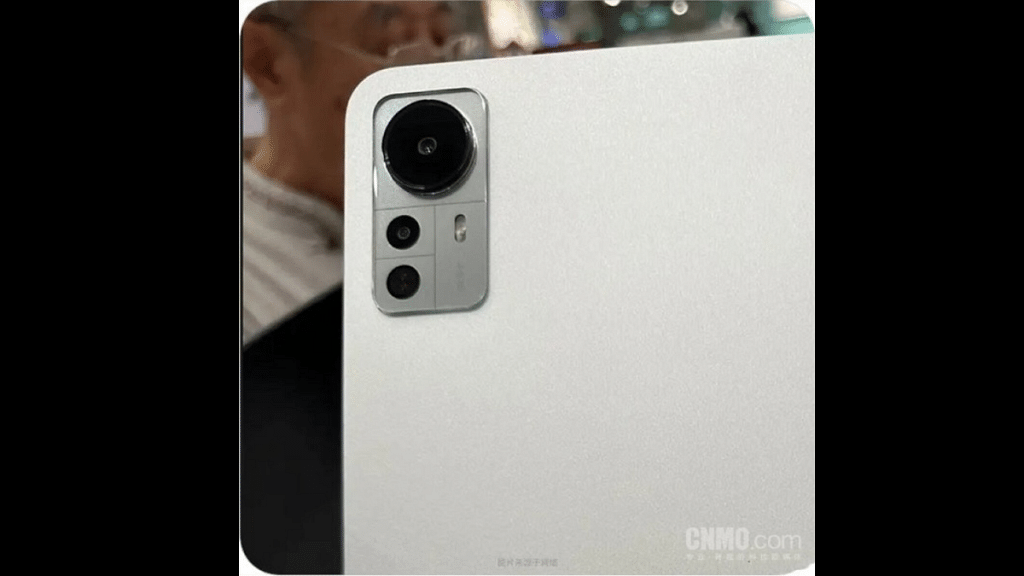
The Xiaomi Pad 6 design has been leaked via a Chinese publication called CNMO. The images have been shared on the Chinese microblogging website Weibo. Only a glimpse of the Xiaomi Pad 6’s rear panel has been leaked online. According to the image, the Xiaomi Pad 6 will flaunt a vertical camera module that is borrowed from the Xiaomi 12 Pro.
Also, the presence of multiple camera sensors in the Xiaomi Pad 6 tablet is confirmed by the leaked live image. It appears that Xiaomi has upgraded the camera hardware with the Pad 6 tablet and used a tripe-lens setup. Unfortunately, the Xiaomi Pad 6’s exact camera specifications have not been revealed by this leak. It remains to be seen whether Xiaomi will be upgrading the setup rather than using the same 13MP sensor as the previous-gen model.
Just for reference, the leaked live images are of the vanilla Xiaomi Pad 6 and not the Xiaomi Pad 6 Pro. Therefore, the presence of three camera sensors is a massive upgrade over its successor, i.e., the Xiaomi Pad 5 which only offers a single 13MP camera.
The Xiaomi Pad 6 has been subject to leaks for a long. The upcoming Xiaomi tablet is rumored to be a flagship-grade variant that will be driven by the Qualcomm Snapdragon 8 Gen 1 chipset. However, this piece of information hasn’t yet been confirmed officially by Xiaomi. The leaks have also hinted at a 120Hz display.
But there is no clarification if it will be an AMOLED panel or the same old IPS LCD screen as the previous versions. Additionally, the Xiaomi Pad 6 tablet is expected to ship with 120W fast charging support which again is a massive upgrade over the first-gen model.
In recent years, the tablet market has been flooded with new devices, each claiming to offer the latest and greatest features. However, some stand out above the rest. Here are a few of the best tablets launched this year that you can consider buying. Let’s take a look:
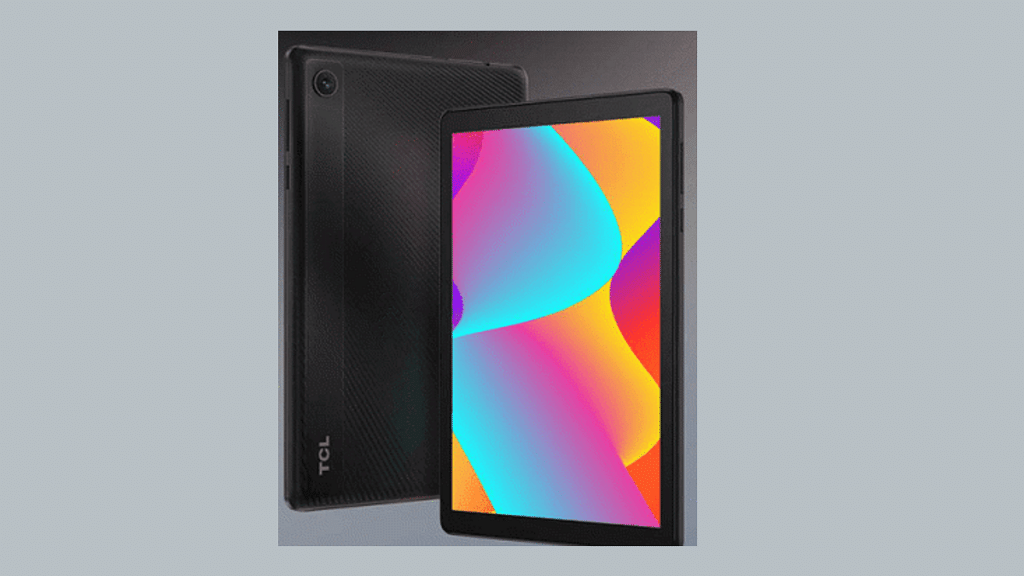
During CES 2023, TCL unveiled its brand-new Android tablet, the TCL Tab 8 LE. The tablet has an 8-inch LCD screen with a 1280 x 800-pixel resolution. The MediaTek MT8766 quad-core processor and 3GB Memory power the slate. Its storage is 32GB, but it can be increased to 512GB with a microSD card. In the US, the TCL Tab 8 LE has been released with a price tag of $159 (around Rs. 12,000).
OnePlus Pad
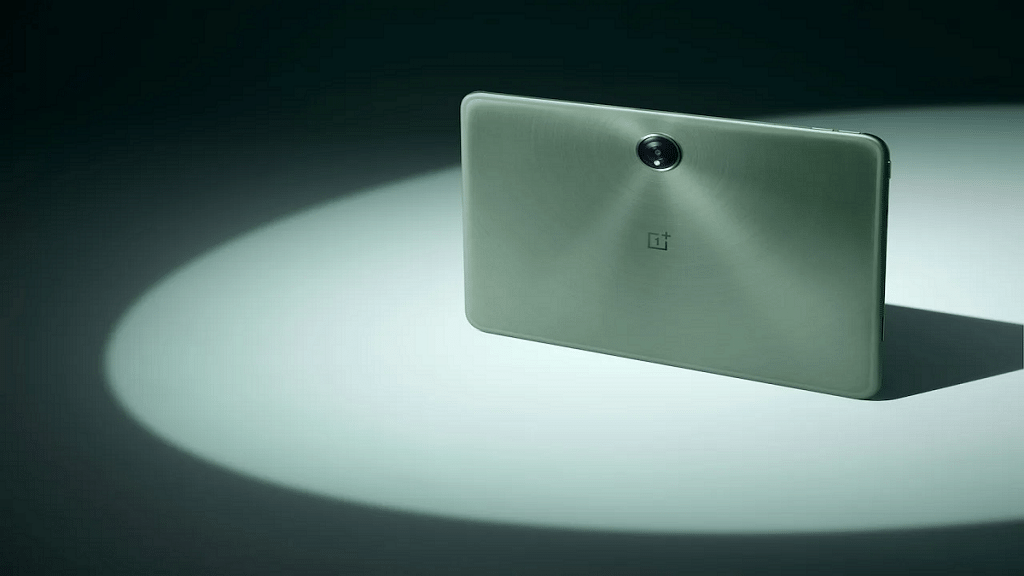
The recently released OnePlus Pad sports a massive 11.61-inch 144Hz 10-bit IPS LCD screen with a 7:5 aspect ratio and Dolby Vision compatibility. It has the MediaTek Dimensity 9000 chipset and is the first device to have a Cortex X2 processor with a 3.05GHz maximum clock speed. Up to 12GB of RAM and 128GB of UFS 3.1 storage are available on the OnePlus tablet. Although OnePlus hasn’t released an official price, it may cost approximately Rs. 40,000. The tablet will be available for pre-order sometime in April.
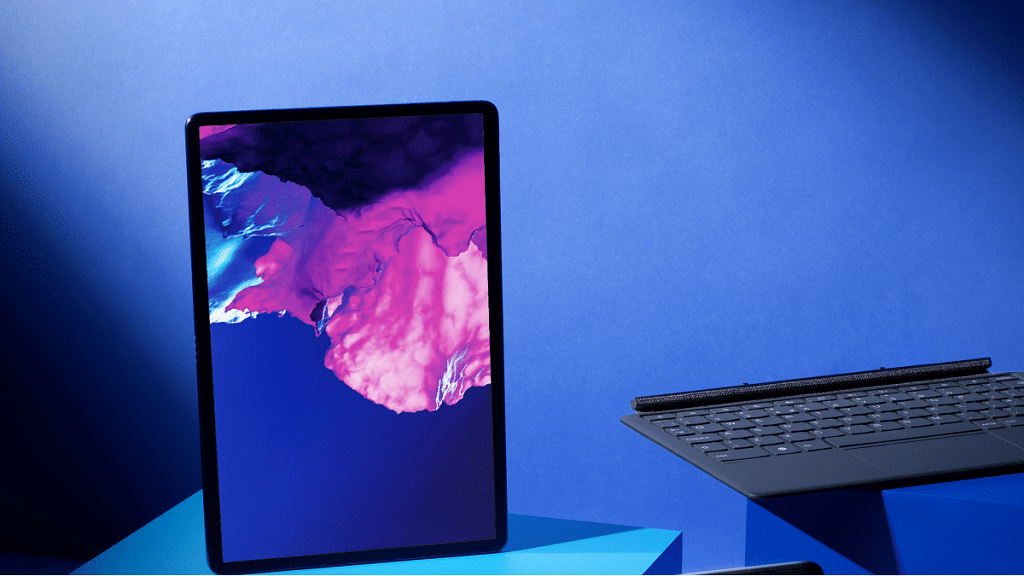
Lenovo recently unveiled the Tab P11 5G tablet. It sports an 11-inch 2K IPS LCD display with support for Dolby Vision and a quad-speaker setup with Dolby Atmos enhancements. The Qualcomm Snapdragon 750G CPU powers the tablet and offers 8GB of LPDDR4x RAM and up to 256GB of inbuilt UFS 2.1 storage. It has a microSD card slot that enables users to increase the storage capacity to 1TB. The 6GB RAM, 128GB storage, and 256GB storage versions of the Tab P11 are available on the Lenovo website and Amazon for Rs. 29,999 and Rs. 34,999, respectively.
OPPO Pad 2
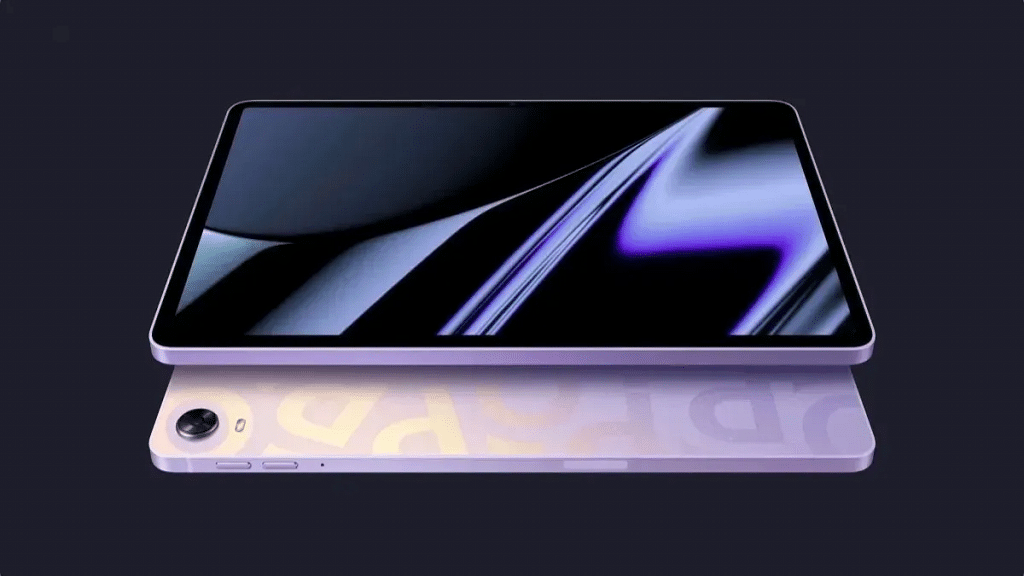
The OPPO Pad 2 is a new, high-end Android tablet that has not been released by the company. Yet, details about it have leaked before of time, highlighting the improvements it would make over its predecessor. According to reports, the tablet would have a display bigger than the 11-inch panel found on the previous generation OPPO Pad. The new display panel will feature a 2800 x 2000-pixel resolution and support Dolby Vision, HDR10+, and a 144Hz refresh rate. The tablet will get the MediaTek Dimensity 9000 SoC which will be paired with 8GB or 12GB of RAM. It is expected to be priced at Rs. 31,990 in India.
Slightly cluttered UI with pre-installed bloatware
Average night photograpyhy
Battery capacity could have been increased
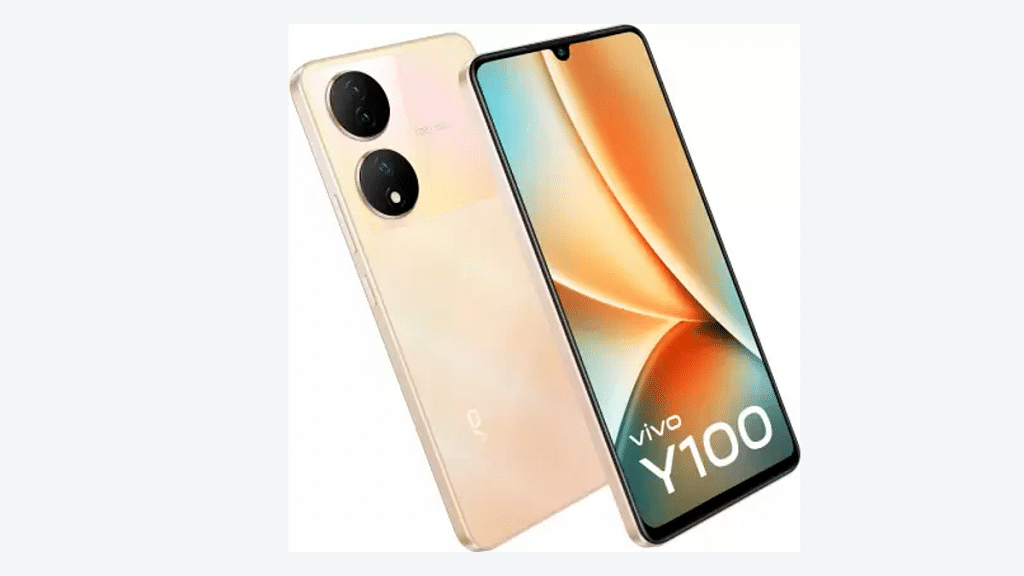
Chinese OEMs have been dominating the smartphone industry in India since the last few years. Specifically, their hold has been strongest in the affordable and mid-range segments. Vivo is one of those companies which have created a large user base in the country via offline and online retail channels. The Vivo Y series is well-known for bringing in performance-oriented budget Android phones for the masses. Keeping the legacy alive, Vivo has now introduced the Y100 which is a new pocket-friendly smartphone with 5G connectivity, a powerful chipset, and a unique color changing design.
Vivo has launched the Y100 5G at Rs. 24,999 in India and is selling it via major online retail chains including Amazon and Flipkart. The sub Rs. 25,000 price category has been crucial for all smartphone giants and innovations across this segment has been massive. Vivo bids to stand out in this league with the latest Y100 5G. But does it makes the cut? Here’s what we think:
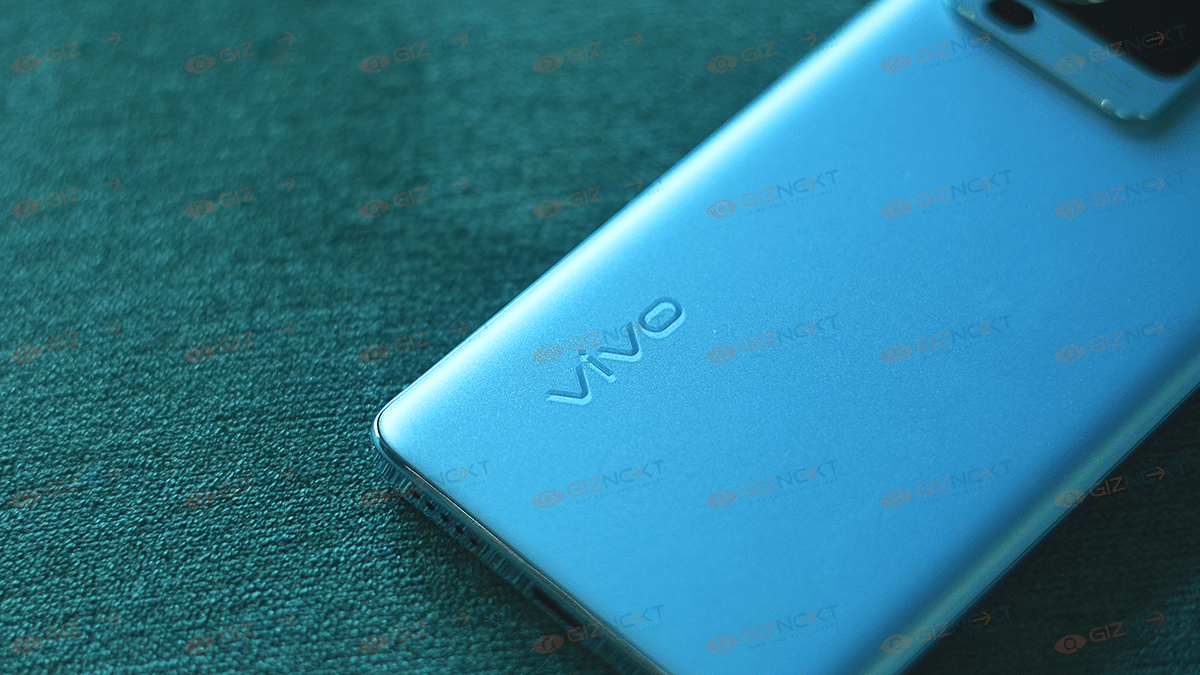
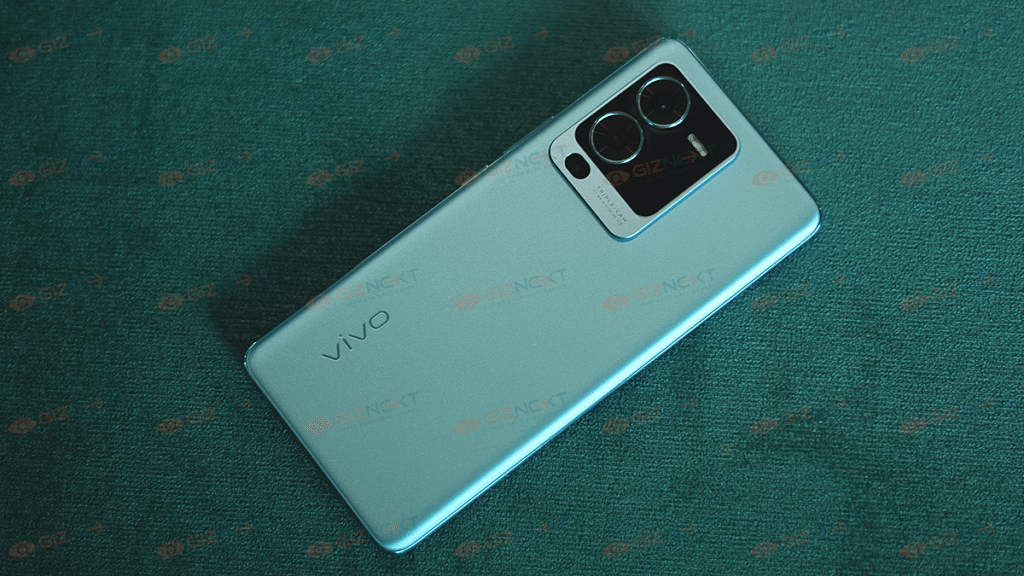
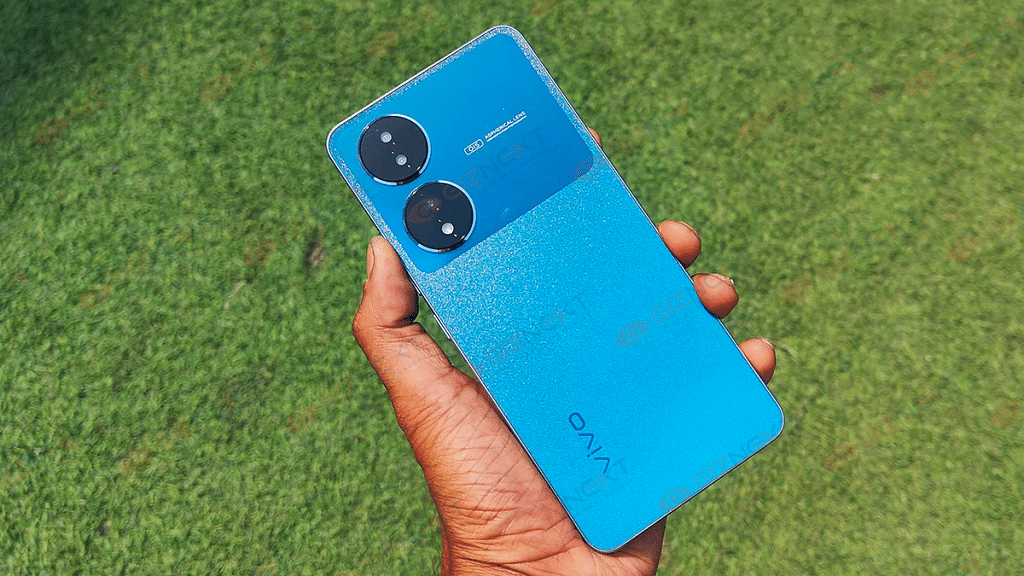
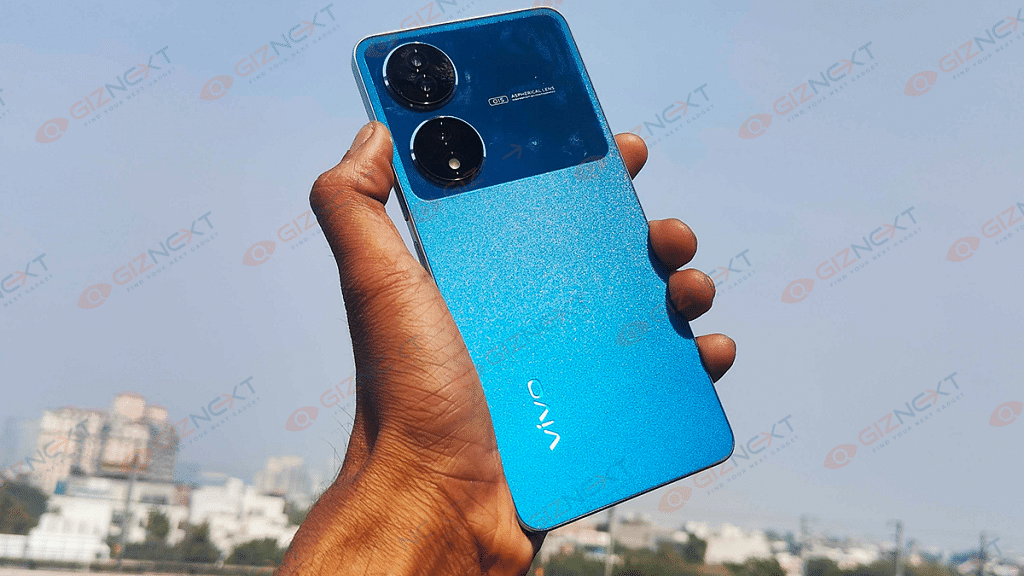
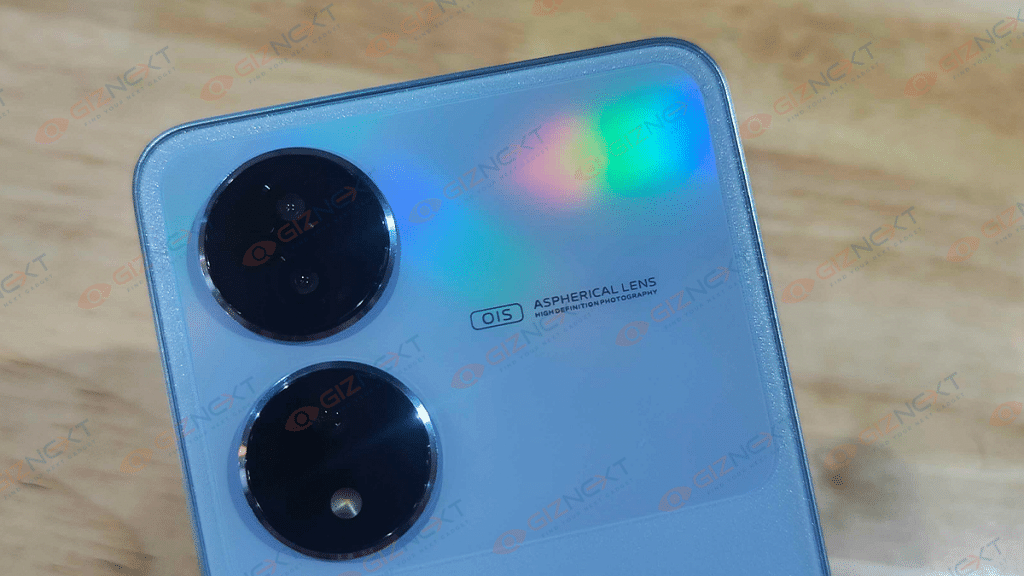
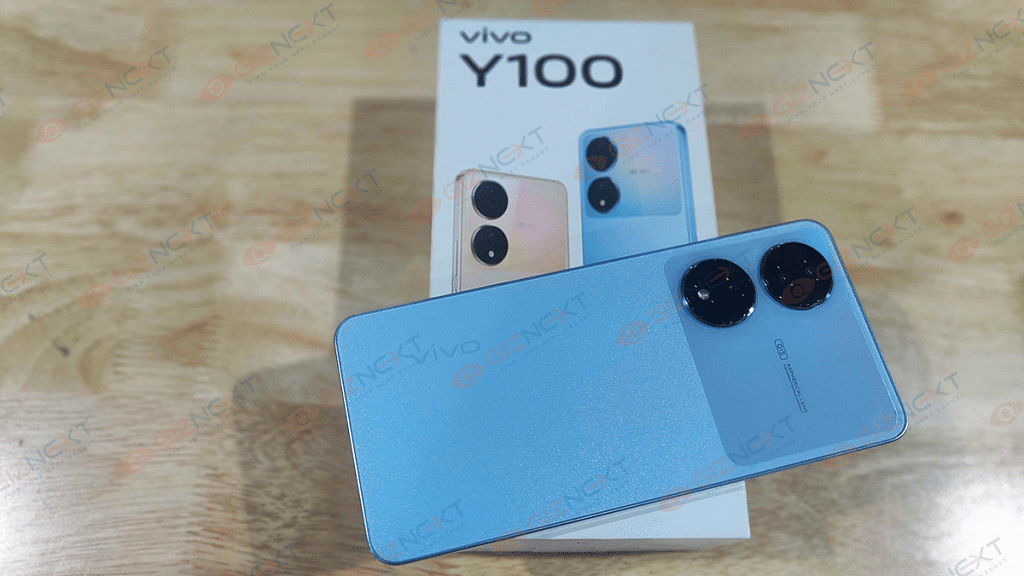
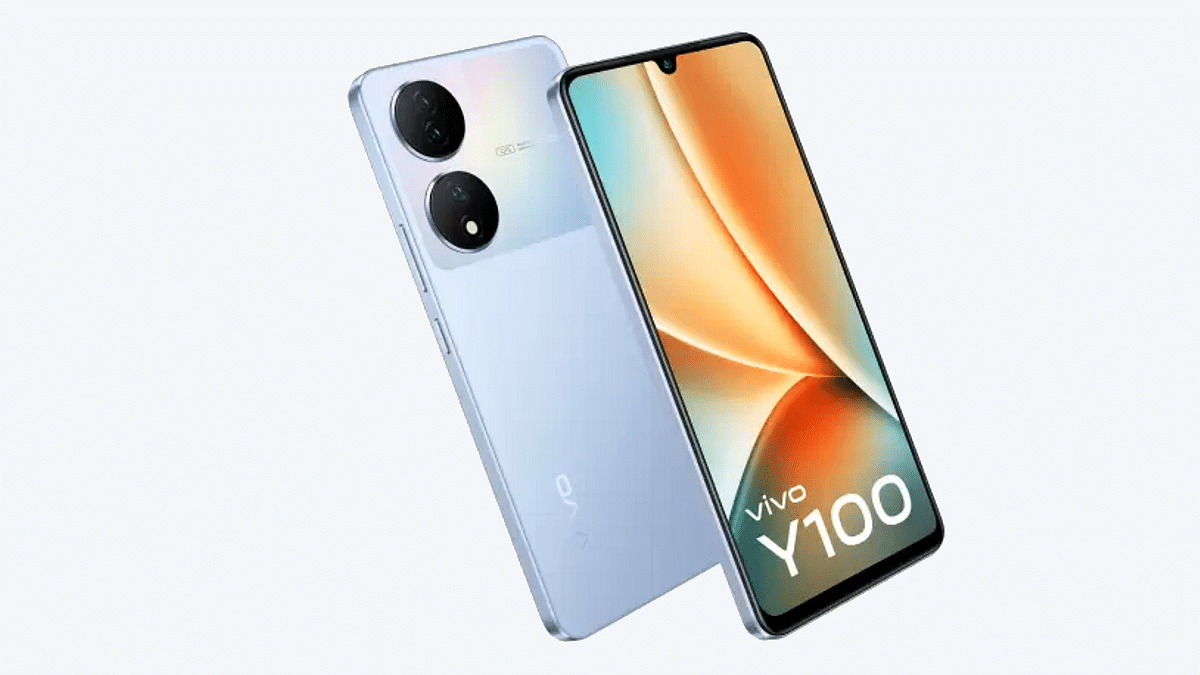
Vivo has always paid a strong emphasis on smartphone design and has introduced some futuristic phones in the last few years. The Vivo Y100 hits the sweet spot with its color-changing back panel and flat-frame thin profile. At first glance, it might look like any standard smartphone. It’s when the light rays hit the back panel that you see the magic. The color-changing pattern is what we are speaking of here. Vivo has shipped the Pacific Blue color variant to us for review which changes its skin to a different shade of aqua blue when exposed to sun rays or light.
The back panel has a shimmering surface but offers a matte finish when touched. During our usage, the back panel did pick up fingerprints and smudges frequently. Using a case or back cover is the only way to keep fingerprint impressions and dust at bay. Talking of the grip and overall hold factor, the flat-frame thin design makes it easy to hold and also slip it into the pockets. It’s worth highlighting the device is slippery. Therefore, using a case becomes a necessity.
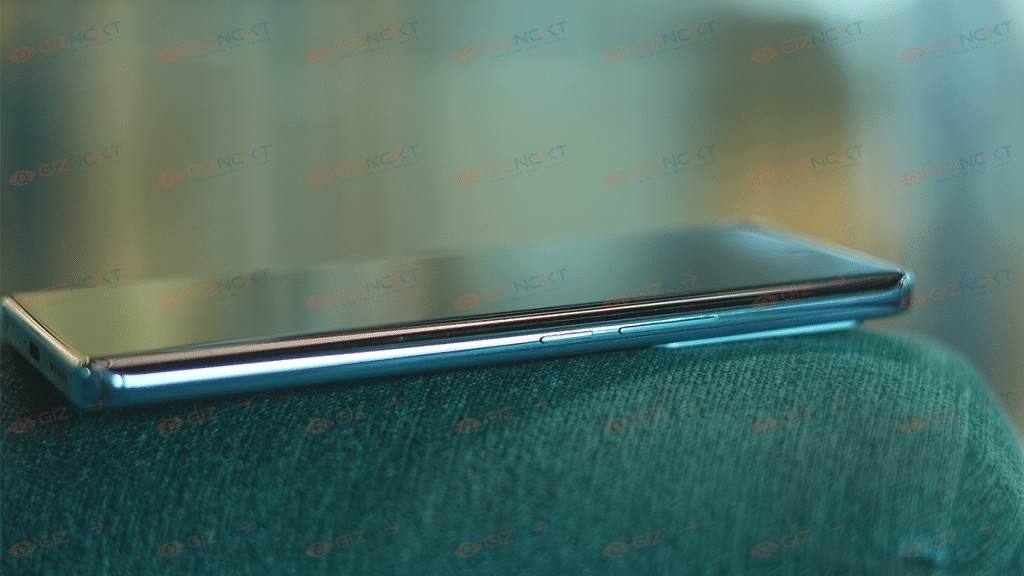
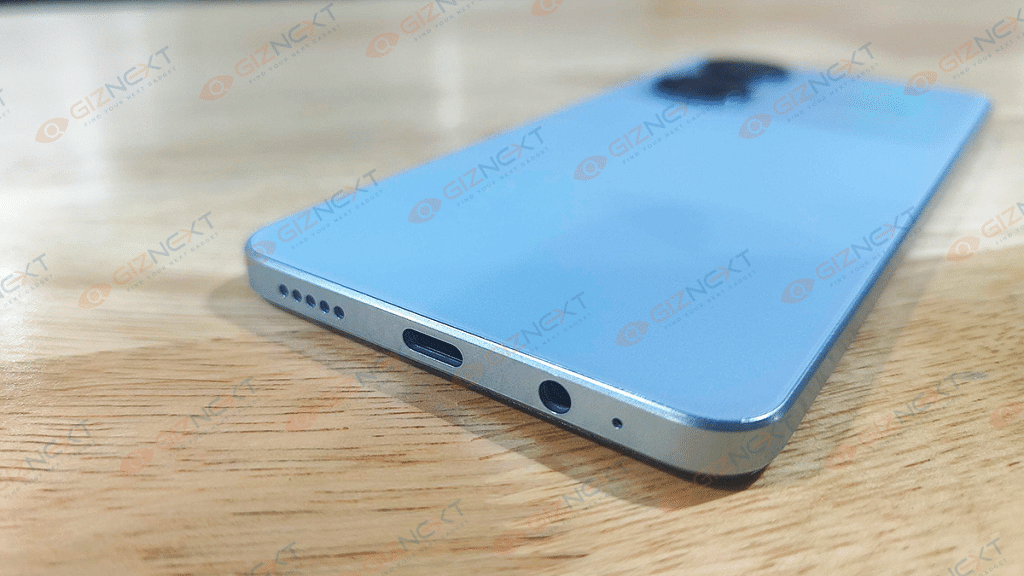
The remaining design aspects are standard as other popular Vivo Y series phones. You get the volume and the power key on the right spine, a USB Type-C port, a 3.5mm headphone jack, and the speaker grilles at the bottom. The left panel on the Y100 5G is blank, while the hybrid SIM slot is placed on the top frame.
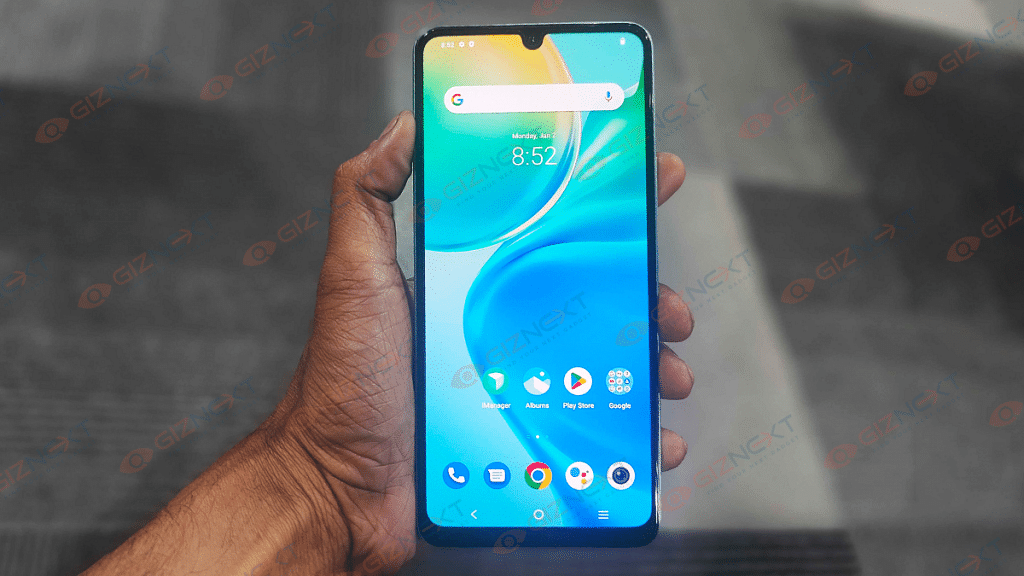
We had no trouble using the Vivo Y100 with a single hand. Specifically, when the tasks were basic such as internet browsing or texting. If we talk about the front profile, it’s the only design aspect that seems slightly dated. While the bezels have been trimmed on all corners, the chin is still considerably thick and the notch style is waterdrop instead of the modern day’s punch-hole camera cutout. The handset is sturdy overall. No complaints about the build quality. Summing it up, the Vivo Y100 flaunts an eye-catchy appeal and is practical for daily usage.
Vivo Y100 Display Performance: Apt For High-Resolution Video Playback And Gaming
The Vivo Y100 packs an impressive AMOLED screen which is vivid and bright in functionality. The screen size offered by the Vivo Y100 is 6.38 inches. Now, this might be smaller than most of the available budget phones in the country, but it still is suitable for video playback and gaming. The AMOLED screen on the Y100 has a 1080p FHD+ screen resolution and supports a 90Hz refresh rate. The touch feedback while scrolling is smooth and the visual clarity is high. The panel is able to bring out vibrant colors with deeper levels of black.
We have had a good experience with watching shows and movies. And if you are one of those users who prefer a mobile screen for entertainment, the Y100 will be a good fit. That’s also due to the fact the panel here is HDR10+ certified and has 1300 nits peak brightness, the viewing experience gets all enhanced. This caters to the demands of audiences who are always on the move and find it a hassle to use laptops or big-screen tablets for watching videos.
You won’t experience any major issues with content viewing under direct sunlight. The panel doesn’t go all black or appear dim outdoors as is the case with phones offering a lower peak brightness level. Our experience with streaming apps including Netflix, Discovery Plus, and Amazon Prime Videos has been decent throughout. While a 90Hz refresh rate is good, we have options available with up to 120Hz refresh rate. That’s one of the shortcomings of Vivo Y100’s display in our opinion.
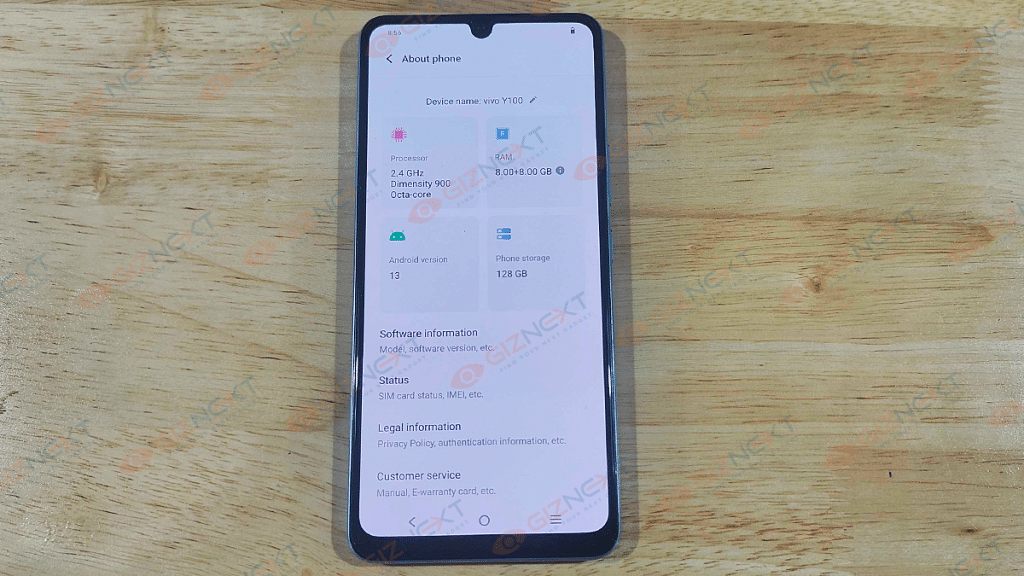
The Vivo Y100 features the octa-core Dimensity 900 mobile chipset. This is a premium mid-range mobile chipset used by a couple of other popular mid-range handsets such as the Infinix Zero 5G, OnePlus Nord CE 2 5G, and others. The performance delivery is good specifically if the tasks are basic or moderate.
With extensive tasks too, the Vivo Y100 didn’t flinch much with the power delivery and was able to perform smoothly. With the integrated Mali-G68 MC4 GPU, the Y100 further offers fluid graphics rendering speeds. That helps with lag-free gaming when the graphics settings are highest. There are slight warm-up issues with consistent gameplay sessions, but that can be avoided.
The temperature fluctuation has been random and not frequent. Vivo has packed the Y100 5G with 8GB RAM. This is the single RAM option that is available with Y100. However, this phone also can supplement an additional 8GB RAM using the virtual RAM feature. Thanks to the high RAM capacity (both physical ad virtual), we had a good experience with multitasking.
The handset is capable of firing up apps instantly. That’s the case even when there are several of applications running in the background. You won’t notice any lags with app launches. Furthermore, the onboard storage capacity of 128GB is sufficient for general file and data storage. You may expand the memory by using an external microSD card, but if you do so, you’ll only be able to use one single SIM. That’s because Vivo has added a hybrid SIM slot on the Y100 instead of a dedicated 3-way SIM slot.
The firmware pre-installed inside the Vivo Y100 5G is Android 13-based FunTouch OS 13. While Vivo has made several improvements to its in-house user interface, it still isn’t entirely free of bloatware. Therefore, the UI isn’t as neat as you get on stock Android phones. Keeping this factor aside, you’ll have access to all the Android 13 goodies for an overall improved user experience.
Battery capacity packed inside the Vivo Y100 5G is a 4,500 mAh unit. The battery size might have been significantly reduced compared to other budget Vivo handsets buy the performance aspects are least hampered.
The average backup that you get with the Vivo Y100’s battery is almost an entire day. But that’s when you use the handset moderately throughout the day. Expect a faster battery drain when gaming sessions are extensive and long. This handset ships with a 44W fast charger which refuels the unit from zero to 100 percent in less than an hour.
Vivo is known for offering the best-in-class mobile camera experience with its handsets. The Vivo Y100 certainly has established this fact with its capable 64MP triple rear cameras and a 16MP selfie snapper. The primary photography hardware at the rear comprises a 64MP main sensor with an f/1.8 aperture, PDAF (Phase Detection Autofocus), and OIS (Optical Image Stabilization).
Vivo is currently marketing this setup as an Anti-shake camera as the phone has a caliber of capturing clear shots despite any moving background. It’s one of the biggest advantages that the Y100’s cameras gets over the rivals. The primary 64MP snapper is paired up with a set of 2MP lenses for depth and macro photography. These dedicated sensors do an average job overall.
The background blurs and macro shots are not super refined but decent enough considering the mid-range price point. The rear cameras on the Vivo Y100 5G produce clean and vivid pictures when the background has good lighting conditions. The daylight performance of the cameras is definitely better compared to the low-light shots. The noise levels and grains are evident in night photography.
The dedicated Night mode inside the camera app doesn’t have any major impact on improving low-light image quality. Video recording support is up to 4K@60fps. However, you can also record videos at 720 and 1080p@ 30/60 fps. You will get better results with videography once you enable the stabilization feature.
For selfie fans, the 16MP snapper upfront will be a delight. The Vivo Y100’s front camera can capture self-portraits with high clarity levels.
The Vivo Y100 is a complete package for users with a budget below Rs. 25,000. It not only caters to multimedia requirements but offers a great deal for mobile gaming and photography enthusiast in the country. You can place your bet on the Vivo Y100 5G if you wish for a fully-loaded premium mid-range Android phone with a unique color changing design.
WhatsApp web supports video and audio call feature
Making WhatsApp video calls on a Mac is a simple and easy process
Users must allow WhatsApp to access the camera and microphone
WhatsApp is a widely popular messaging app used by millions of people worldwide. It offers a range of features, including audio and video calls, file sharing, and instant messaging. If you’re a Mac user and want to make video calls on WhatsApp, you’ll be happy to know that the process is straightforward. In this article, we’ll walk you through the steps to make WhatsApp video calls on your Mac.
Step 1: You need to download and install the WhatsApp desktop app for Mac.
Step 2: After installing the WhatsApp desktop app, open it and log in to your account by scanning the QR code on the screen using your phone’s WhatsApp app. Once you’re logged in, you’ll see the familiar WhatsApp interface on your Mac.
Step 3: To make a video call, select the contact you want to call from your chat list. You can do this by clicking on the chat icon located in the top-left corner of the screen.
Step 4: Once you’re in the chat, click on the video camera icon located in the top-right corner of the screen to start the call.
Note: Users must allow WhatsApp to access the camera and microphone when they see a popup.
During the video call, you can adjust the audio and video settings by clicking on the gear icon located in the top-right corner of the screen. Here, you can choose the camera and microphone you want to use, as well as adjust the video quality and bandwidth settings.
Overall, making WhatsApp video calls on a Mac is a simple and straightforward process. By downloading the WhatsApp desktop app and logging in to your account, you can easily make video calls to your friends and family from your Mac. Whether you’re using it for work or personal use, WhatsApp offers a convenient way to stay connected with others.
India is one of the fastest-growing smartphone markets in the world, with a large and diverse consumer base. In the last week, several new smartphones have been launched in the country, offering consumers a wide range of features and capabilities. From high-end devices with top-of-the-line specs to more affordable options with impressive features, here are the smartphones that were launched this week in India.
The iQOO Neo 7, which succeeds the last year’s iQOO Neo 6, has been introduced in India. It has a 6.7-inch Full-HD+ screen with a refresh rate of 120Hz and a touch sampling rate of 300Hz. It is the first phone in India to be powered by MediaTek Dimensity 8200 processor. The 8GB RAM + 128GB storage version of the iQOO Neo 7 starts at Rs. 29,999 in India.
Nokia X30 5G
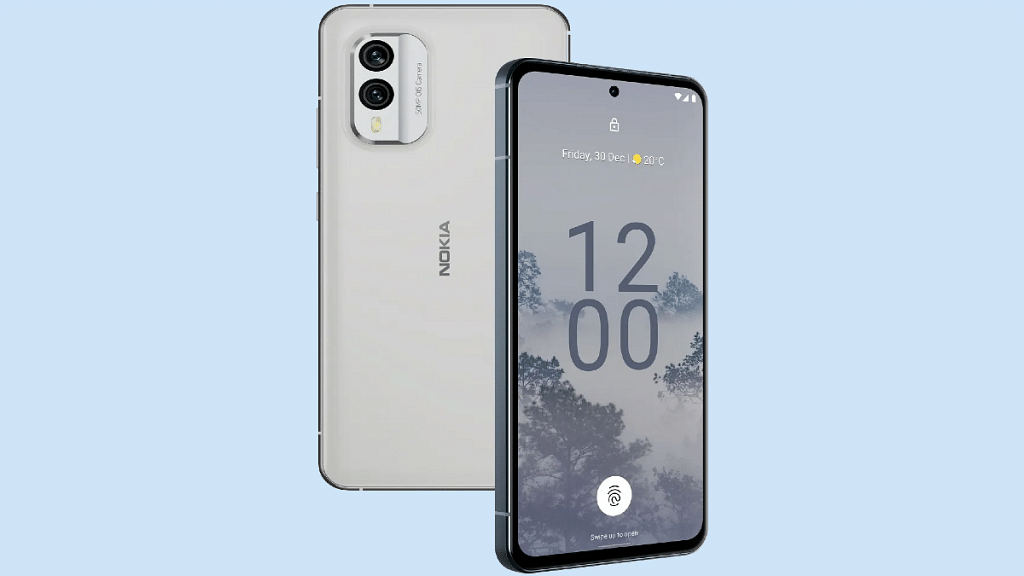
The Nokia X30 was introduced in India and instantly became the most expensive phone with the 5G-enabled Qualcomm Snapdragon 695 SoC. The 6.43-inch FHD+ AMOLED display with a 90Hz refresh rate, 50MP primary camera, and 4,200mAh battery with 33W rapid charging is among the smartphone’s prominent features. It will be available for purchase through the Amazon and Nokia websites starting on February 20 at a limited-time pricing of Rs. 48,999.
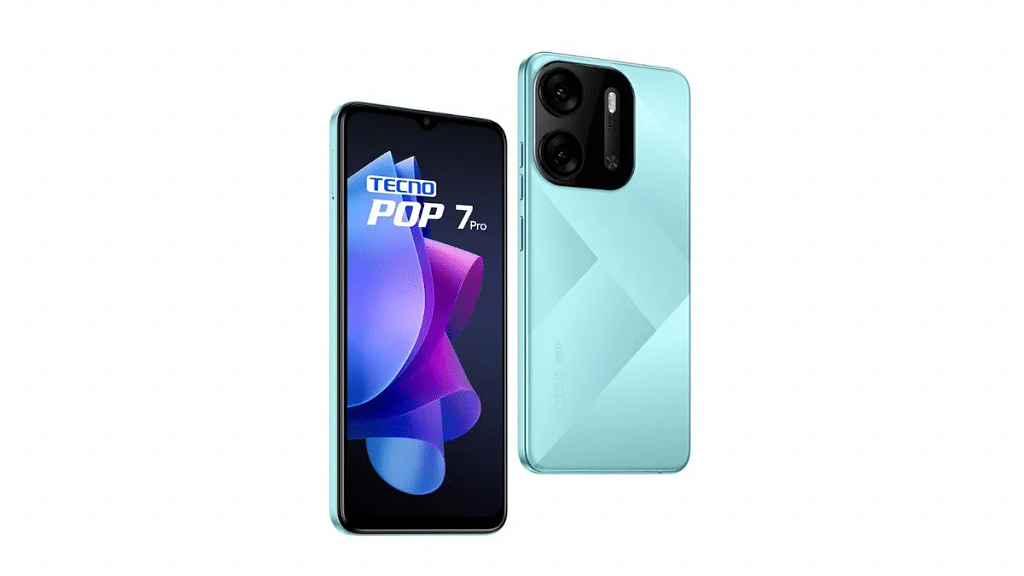
Tecno Pop 7 Pro
Tecno Mobile has launched the Tecno Pop 7 Pro, the company’s next budget smartphone in India, as the successor to last year’s Pop 6 Pro. It retains the 6.56 HD+ display with 120Hz touch sampling rate, and 2GHz Quad-Core MediaTek Helio A22 processor, but this now comes with 2GB and 3GB RAM variants. The cost of the smartphone is set at Rs. 6,799 for the 2GB + 64GB model and Rs. 7,299 for the 3GB + 64GB model. Beginning on February 22, the smartphone will be available on Amazon.
Vivo Y56 5G
According to reports, the Vivo Y56 has been quietly introduced through offline retailers in India. The device includes a 6.58-inch display, Android 13 OS, MediaTek Dimensity 700 SoC, a 5,000mAh battery, and support for 5G networks. According to a popular offline retailer Mahesh Telecom, the Vivo Y56 5G is available through offline stores in India. As per Mahesh Telecom, the price of the smartphone is Rs. 19,999 for the single 8GB/128GB model.
The smartphone comes with a primary foldable OLED screen and a dual-camera system
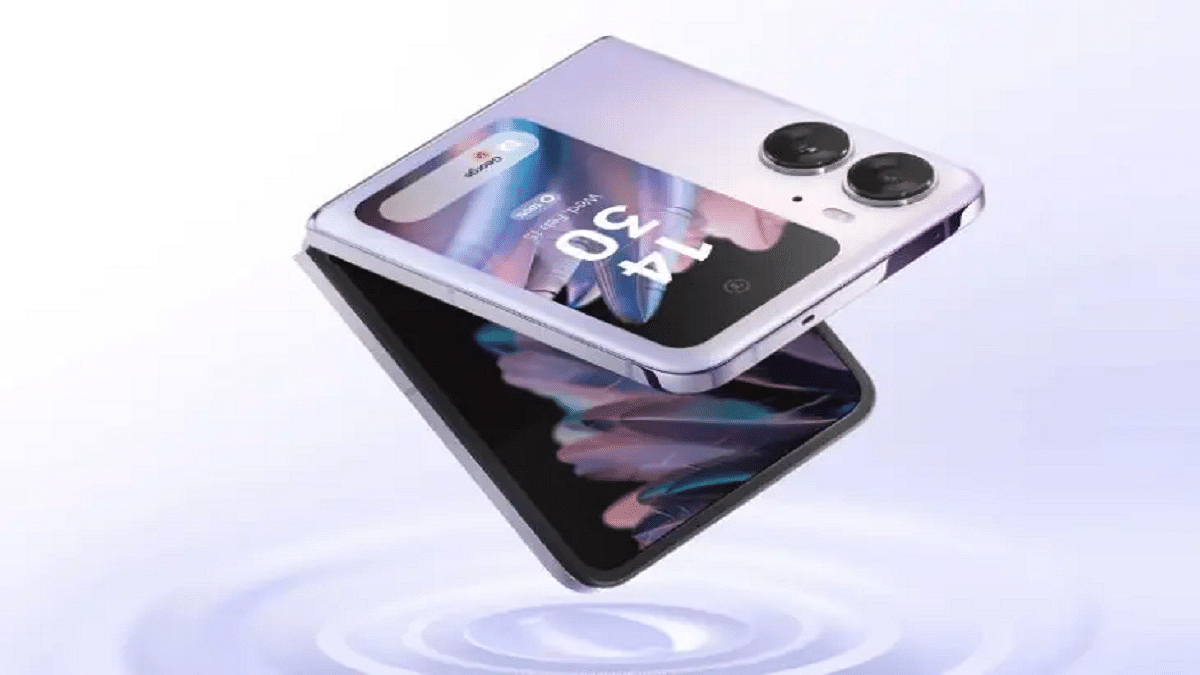
The Oppo Find N2 Flip to take on the Samsung Galaxy Z Flip 4
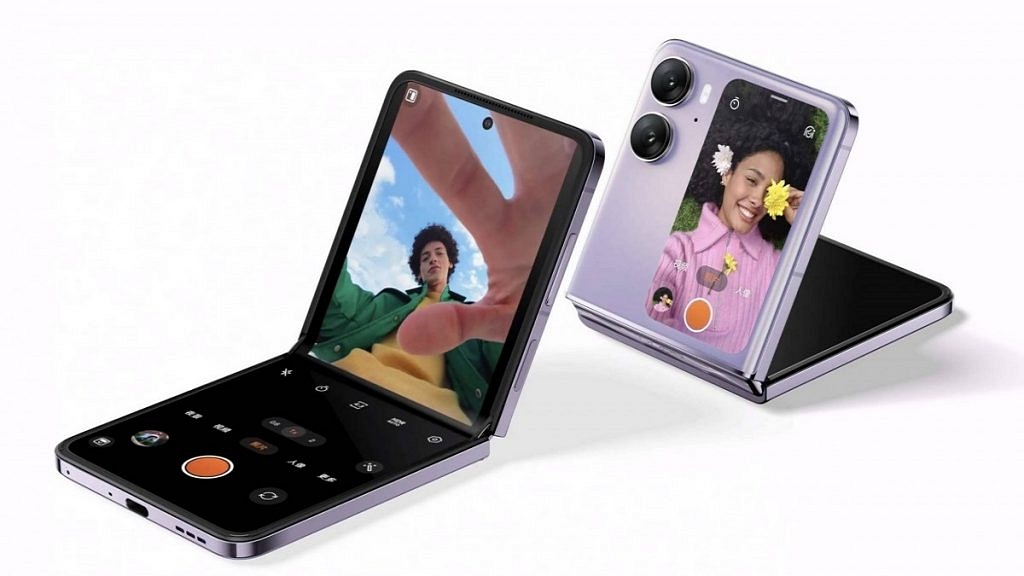
The Oppo Find N2 Flip has officially been launched globally. The device was initially announced in China at Oppo INNO Day 2022 in December and is the company’s first clamshell folding smartphone. The Find N2 Flip aims to bring competition to the foldable smartphone market, especially the Samsung Galaxy Z Flip 4. Here is all the information you need to know about Oppo’s newly launched foldable phone.
The Oppo Find N2 Flip features a 6.8-inch AMOLED LTPO primary display with a peak brightness of 1,600 nits. The display refresh rate can range from 1Hz to 120Hz. The MediaTek Dimensity 9000+ SoC, along with 8GB of LPDDR5 RAM and 256GB of UFS 3.1 storage, power the device. Oppo’s Flip smartphone also features an integrated MariSilicon X NPU for improved image processing.
Optics on the Find N2 Flip include a dual-camera system with a 50MP Sony IMX890 primary sensor and an 8MP Sony IMX355 ultrawide camera with a 112-degree field of view that was co-engineered with Hasselblad. While the main cameras can also be used to take selfies thanks to the large cover screen, the inner display includes a 32MP selfie camera on top.
The Oppo Find N2 Flip also features a 4,300mAh battery with 44W rapid charging which is the highest battery capacity of any Flip phone.
Oppo Find N2 Flip Vs Samsung Galaxy Z Flip 4
Oppo Find N2 Flip
Samsung Galaxy Z Flip 4
Display
6.8 inches AMOLED LTPO
Foldable Dynamic AMOLED 2X
Processor
Mediatek Dimensity 9000+
Qualcomm Snapdragon 8+ Gen 1
Rear Camera
50MP + 8MP
12MP + 12MP
Selfie Camera
32MP
10MP
OS
Android 13, ColorOS 13
Android 12, upgradable to Android 13, One UI 5.1
Battery
4,300mAh
3,700mAh
Oppo Find N2 Flip Price
The Oppo Find N2 Flip is priced at £849 (around Rs. 84,500) in the UK for the 8GB/256GB variant. The smartphone comes in Astral Black and Moonlit Purple color options. Additionally, the smartphone is available in other regions in Europe. The phone will also be coming to the Indian market soon. Oppo Find N2 Flip prices in India are expected to start at under Rs. 80,000.
Vivo has introduced its new Y series Android phone in the Indian market. The Vivo Y100 is the latest offering from the company with powerful mid-range hardware including 5G network connectivity. The latest mid-range phone from Vivo brings along a unique color changing, an FHD+ AMOLED screen, and more. Here’s everything you need to know:
The Vivo Y100 is a mid-range 5G phone which employs the octa-core Dimensity 900 chipset under the hood. This powerful mid-range 5G MediaTek chipset uses Mali G68 GPU for graphics and has 8GB RAM support for multitasking. The Y100 5G comes with 128GB built-in storage capacity and also has expandable memory support (hybrid). In addition to the 8GB physical RAM, the Y100 also has up to 8GB extended RAM support.
Vivo has loaded the new Y series phone with the latest Android 13 OS and has a custom FunTouchOS 13 UI. The smartphone is packed with a 6.38-inch AMOLED screen which has 1080 x 2400 pixels FHD+ resolution support. The display panel has high brightness levels of 1300 nits and a 90Hz refresh rate. The panel further features HDR10+ certification for enhanced visuals.
In the camera department, the Vivo Y100 has been packed with a single 16MP selfie snapper upfront. The rear panel gets three cameras. There is a 64MP main lens with (OIS) Optical Image Stabilization combined with a pair of 2MP sensors.
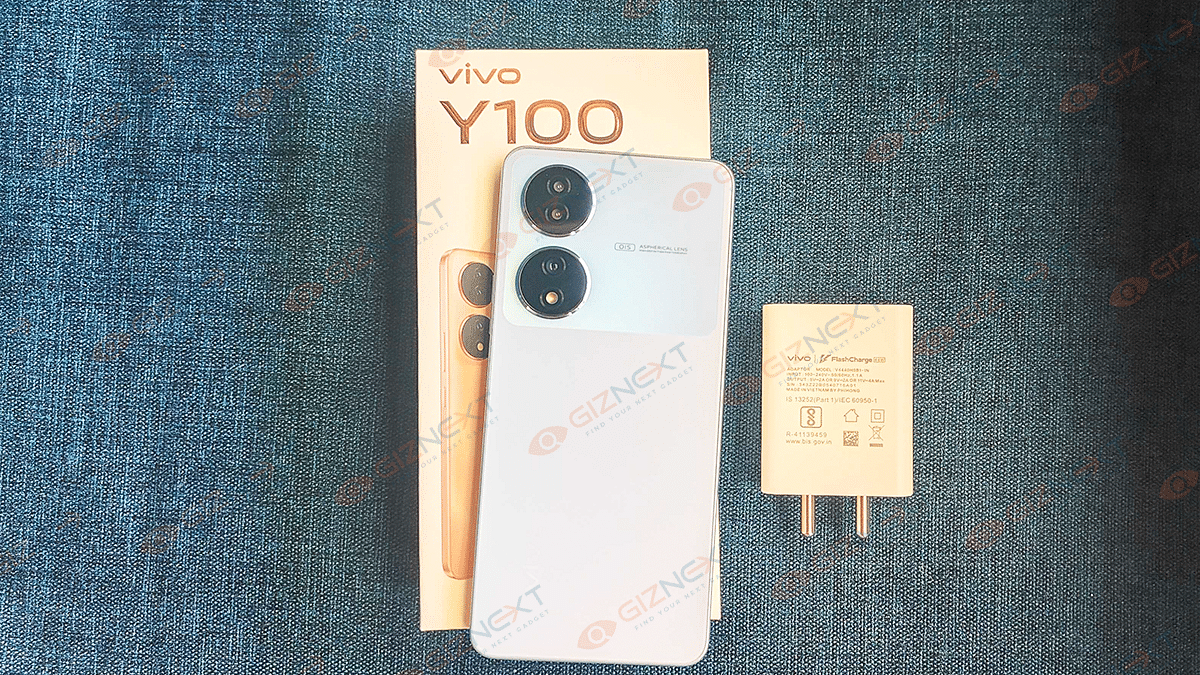
The Vivo Y100 gets a 4,500 mAh battery with 44W FlashCharge support.Besides the powerful spec sheet, the color changing back panel and a slim profile makes the phone more premium in its segment.
The Vivo Y100 5G has been launched at an asking price of Rs. 24,999 in the Indian market. However, users can avail a limited-period discount of Rs. 1,000 while making purchases via HDFC, ICICI, and SBI bank credit or debit cards. The Vivo Y100 5G will be available in Metal Black, Twilight Gold, and Pacific Blue shades via Amazon, Flipkart and Vivo’s official online and offline stores. Note, only the Twilight Gold and Pacific Blue have the color changing back panels and not the Metal Black option.