Key Highlights
- Phishing attacks and scams common during natural disaster events
- Scammers target public offering job volunteering, fake relief fund scams, etc.
- Verification must before making any donations or payments
- Avoid sharing personal and confidential details to impersonators online
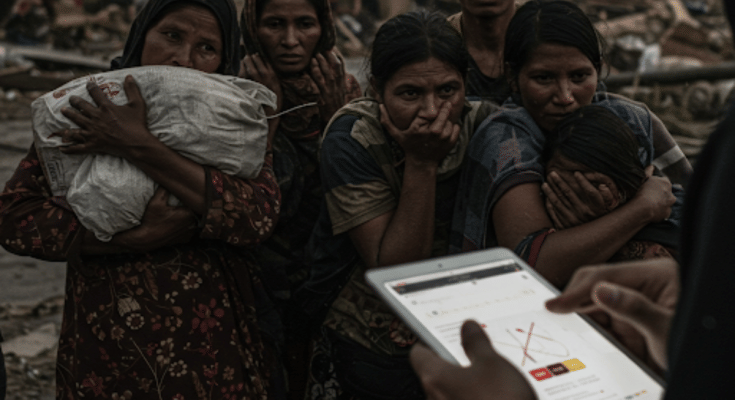
Natural disaster events can strike without any prior warning impacting not just humans but also economics and the environment. During such catastrophic events, governments ensure that relief funds and food is made available to the masses in the affected region. Sadly, even tough times like these turn out to be an opportunity for scammers to rob netizens off their hard earned money.
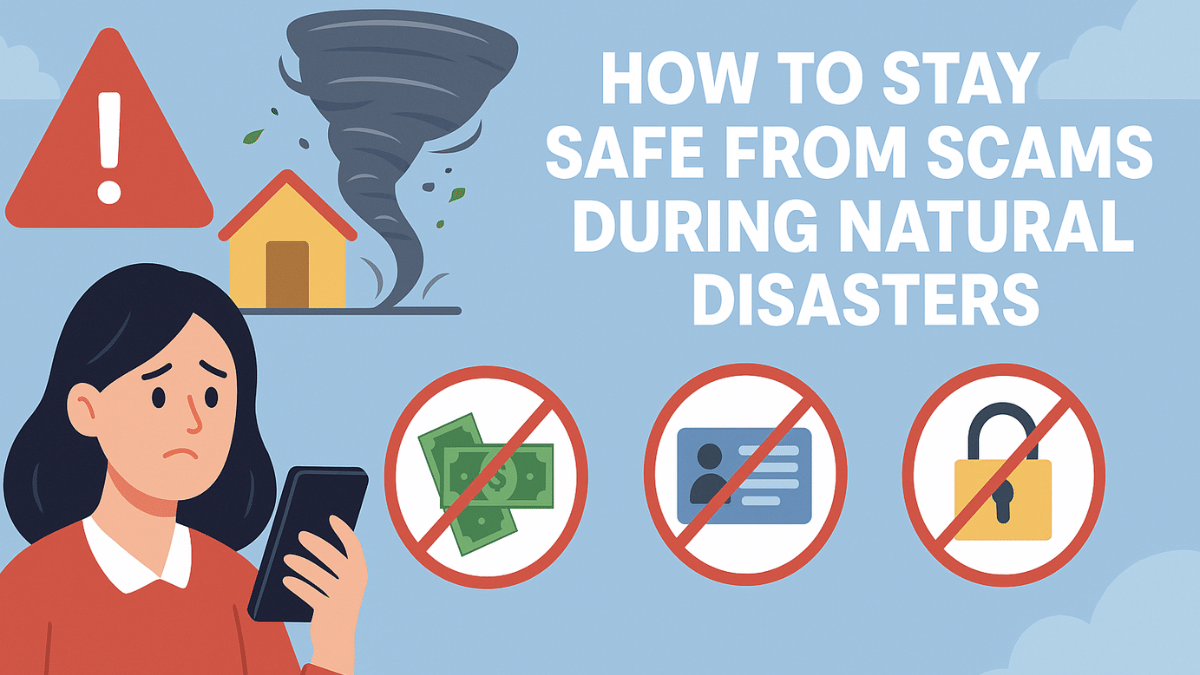
We have come across numerous such cases where imposters have exploited the chaos during natural disaster to scam people and rob money, personal identities, and sensitive and private data. While this is an unfortunate situation, being vigilante and alert can help you stay safe from such nuisance scams during natural disasters. Here we are exploring the common scams during a natural disaster and how can you stay protected from them. Let’s take a look:
For the tech geeks, stay updated with the latest cutting-edge gadgets in the market, exclusive tech updates, gadget reviews, and more right on your phone’s screen. Join Giznext’s WhatsApp channel and receive the industry-first tech update.
Also Read: Instagram Reels In WhatsApp? Here’s How To Watch Them Using Meta AI
Most Common Scams During Natural Disasters
There are several common scams that take place during any natural disaster event. From fake emergency funds, to volunteering services asking money, and social media scams, these common scam practices have been adopted by scammers globally.
1. Phishing Attacks Via Fake Donation Websites, Emails

This is the most digital scam method adopted by scammers where a phishing mail or fake website link is sent to a user. These mails and websites contains link which when clicked gives remote access to personal information and sometime even the device compromising the user security. Often these links install harmful malware on your device which can give the remote access to these attackers.
Also Read: Android Auto Customization: How To Change Wallpaper With And Without Smartphone
2. Government Official Imposters
Often scammers disguise as government officials during natural disaster events. If you recieve calls or messages from NDRF and similar organizations, it could be a scam. Specifically, if you are directly or indirectly asked for donations.
Also Read: Three Effective Ways To Restore Deleted Games And Apps On Windows 11 Laptops And PC: How To Guide
3. Offers For Job And Volunteering Could Be Fake
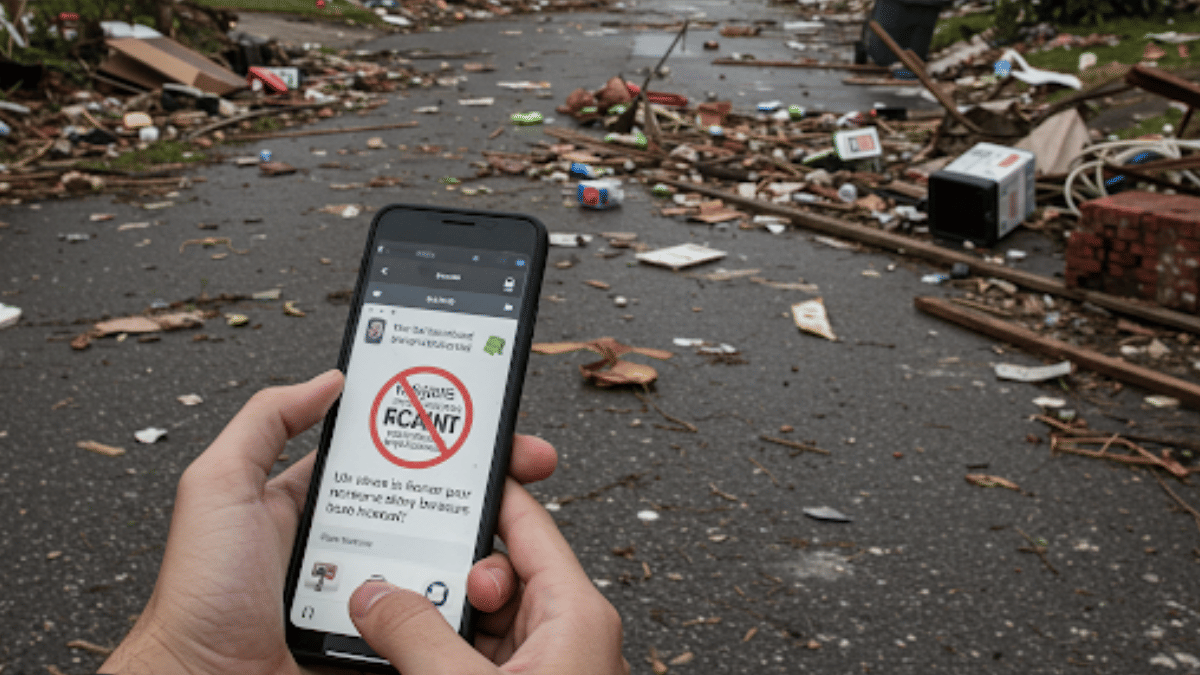
If you receive calls and messages asking for volunteering or jobs during any natural disaster that too with an entry fees, it could be a scam. You might be scammed in the name of “processing fee” to be a part of such relief activities.
4. Emergency Relief Fund Frauds
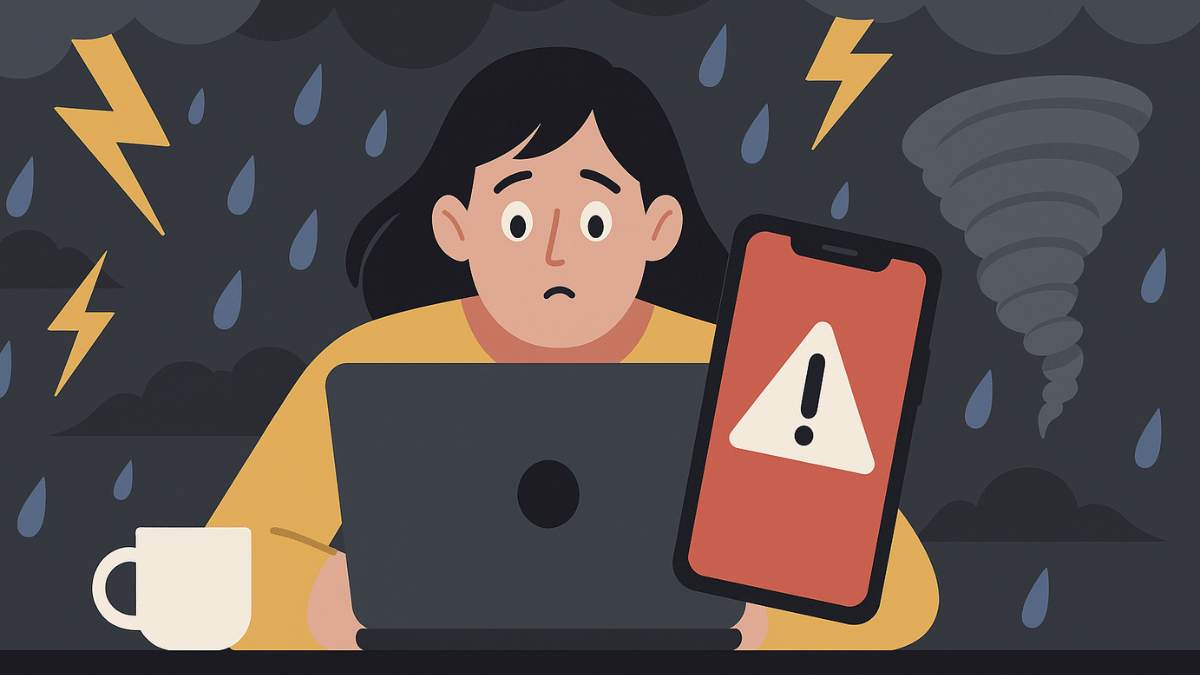
This is another common fraud targeting masses amidst all the chaos caused by natural disasters. Messages on WhatsApp and other platforms are circulated by the scammer for relief funds and donations.
Also Read: No Microsoft Account? No Problem: Here’s How To Install Windows 11 Your Way
5. Social Media Fraud
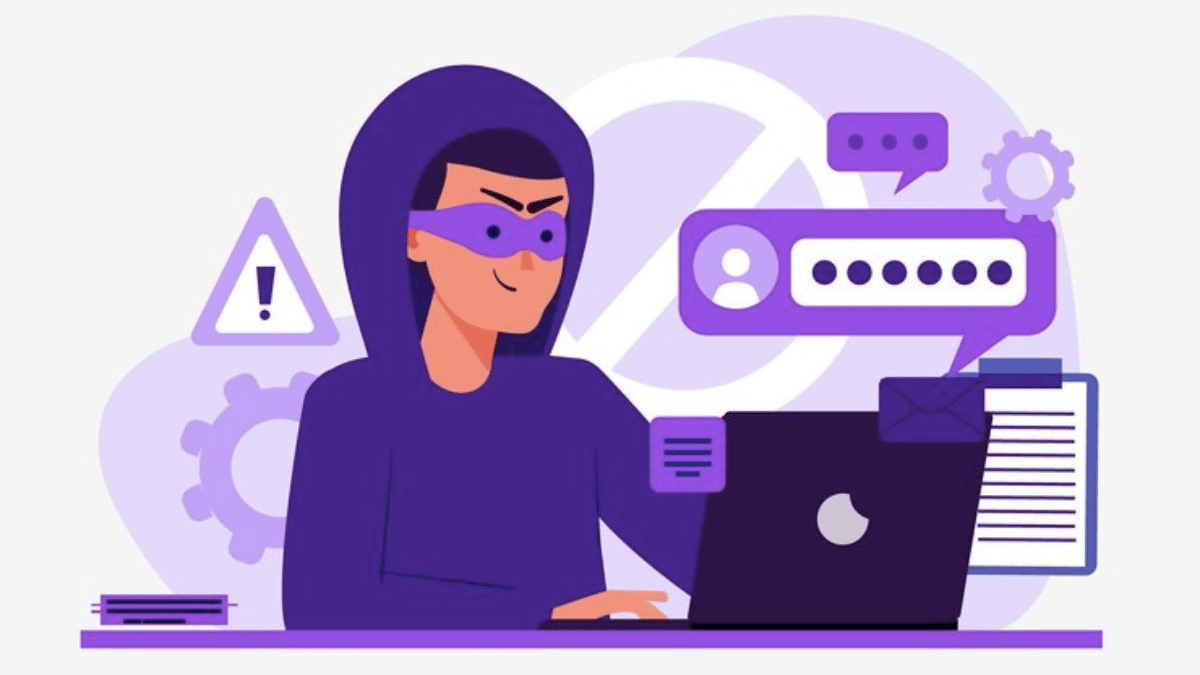
With the digitization at its boom, online scams are now more common than ever. The same goes for natural disaster events where social media platforms are used by the scammers to con public and collect money in the name of donations.
Also Read: Measure Distance Between Two Points With Pinpoint Accuracy On Google Maps: How To Guide
How to Stay Safe from Scams During Natural Disasters
1. Rely Only On Trusted News Sources

Only trust the official news sources during such events. Avoide fake WhatsApp, Facebook, or YouTube media. Sites like NDMA, IMD, and primary media houses should be referred.
1. No Donation Without Verification
If you wish to make donations, directly visit official NGO or disaster management websites, Refrain from clicking any unauthorised donation link, it could give attackers your personal and banking details. Online platforms such as Milaap and GiveIndia can also be visited for the same.
3. Don’t Share OTPs With Any Random Official

If you get calls from NGOs or banking officials for emergency relief fund donations and are sharing OTPs, avoid giving it over the calls. These OTPs or PINs can empty your bank accounts which could be a nightmare for you.
4. Credibility Of Insurance Providers

Insurance scams can also take place during a natural disaster. If you get calls from an insurance company asking any form of monetary benefits or official documents, it could be scam. Verify from the official insurance providers in such events.