Key Highlights
- UPI refund fraud is the new online scam in India
- Targets UPI users
- Often money gets deducted from users account in pretext of refunds
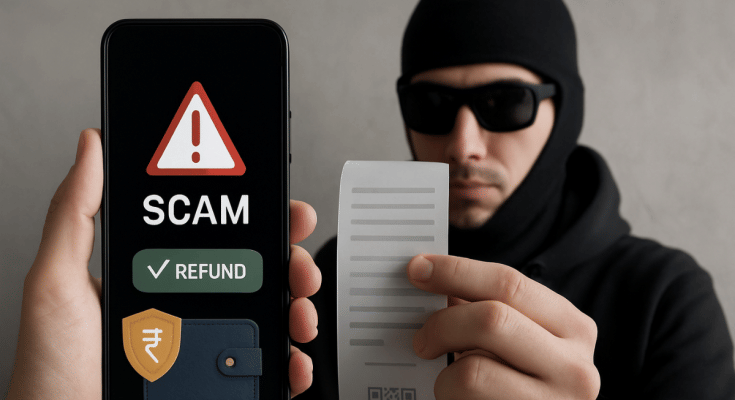
UPI adoption has been rapid over the last few years, with the Indian masses shifting towards the digital payments services. We definitely have seen a boom in the digital transactions and the surge in UPI app usage across the country. This certainly has also paved in way for cybercriminals to scam innocents robbing them off their hard earned money. Digital scams have certainly become more common with the imposters coming out with new ways each time for such frauds. UPI refund is another scam which is being reported nowadays where criminals send fake messages and create emergencies citing wrong fund transfers and asking a refund for the same. In this guide, we break down this new UPI refund scam and the tips to avoid falling in such traps.
For the tech geeks, stay updated with the latest cutting-edge gadgets in the market, exclusive tech updates, gadget reviews, and more right on your phone’s screen. Join Giznext’s WhatsApp channel and receive the industry-first tech updates.
Also Read: Travelling Overseas? Here’s How To Activate International UPI On Gpay, PhonePe For Payments Abroad
UPI Refund Scam Breakdown: How It Works?

As is the case with most of the digital scams, cybercriminals use modern tactics involving UPI app for frauds. Scammers tricks UPI users into believing that money has been sent accidentally to their account for which they need a refund. A sense of emergency is being created to transfer the money back which essentially is the scam. Let’s take a look at how this UPI scam is carried out:
- Money Transfer: This is a deliberate move where the scammer will send a small amount of money to your UPI or bank account. It could also be a SMS stating amount credited to your account which likely will be fake.
- The Initial Contact: This is the first stage where the imposter sends you message or tries to contact you citing accidental money transfer yo your account. It could be a standard phone or WhatsApp call.
- Emotional Tactics: The scammer will then persuade the victim under emotional baggage and request for money refund.
- UPI Refund Request: You might also receive money transfer (refund) request on your UPI app from the fraudster. In some cases, you might be shared a QR code scanner for fund transfer.
- Final Scam: If you approve the UPI refund request then sadly you have fallen a victim to the UPI refund scam.
How to Stay Safe From UPI Refund Scams
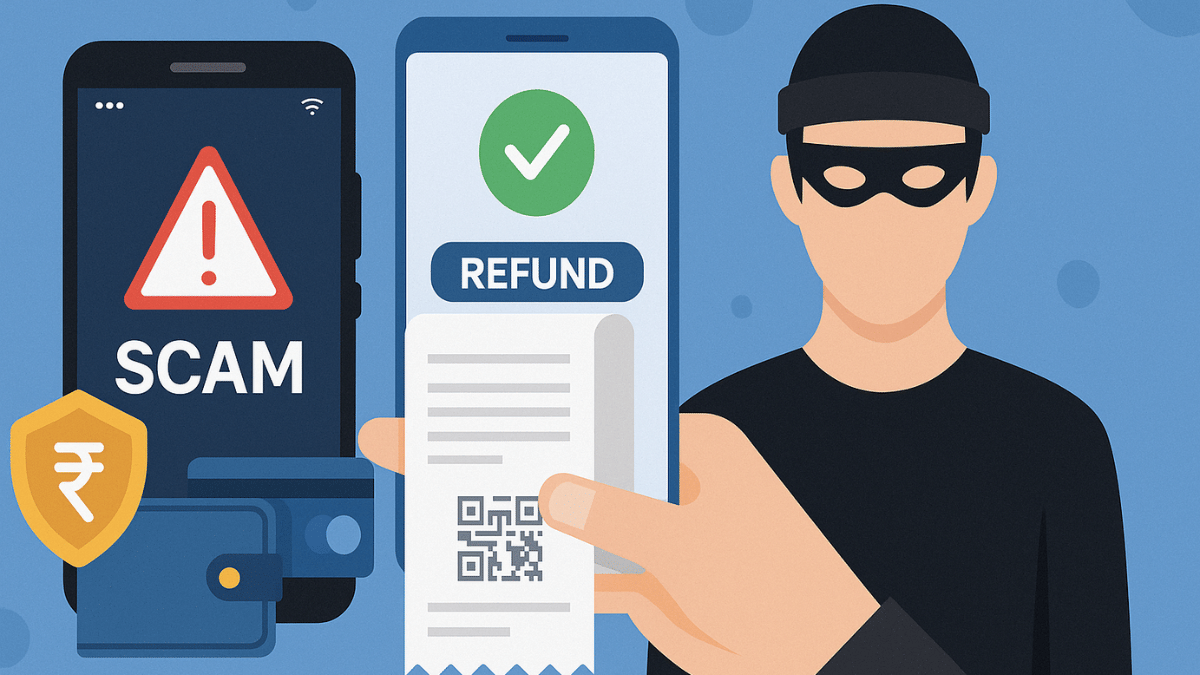
To stay safe from such UPI and other digital scam, follow the do’s and the dont’s listed below:
The Do’s
- Verify message and sender authenticity: Make use of caller ID platforms or your contacts to verify the sender. This can help you stay vigilant of such scams.
- Enable UPI Message Alerts: Ensure you have enabled notifications and SMS/ message alert feature enabled for all UPI apps. In case of transactions including money receiving and transfers, you’ll be notified directly.
- Verify and cross-check UPI requests: Never approve any random UPI request. All requests should be verified even for the smallest of transactions.
- No authorisation required for refunds: Remember, none of the shopping, food delivery, and similar apps will ask for authorisation, OTPs, etc., for refunds. Make sure you report such requests. Hence, never approve UPI refund or payment requests from strangers.
The Don’ts
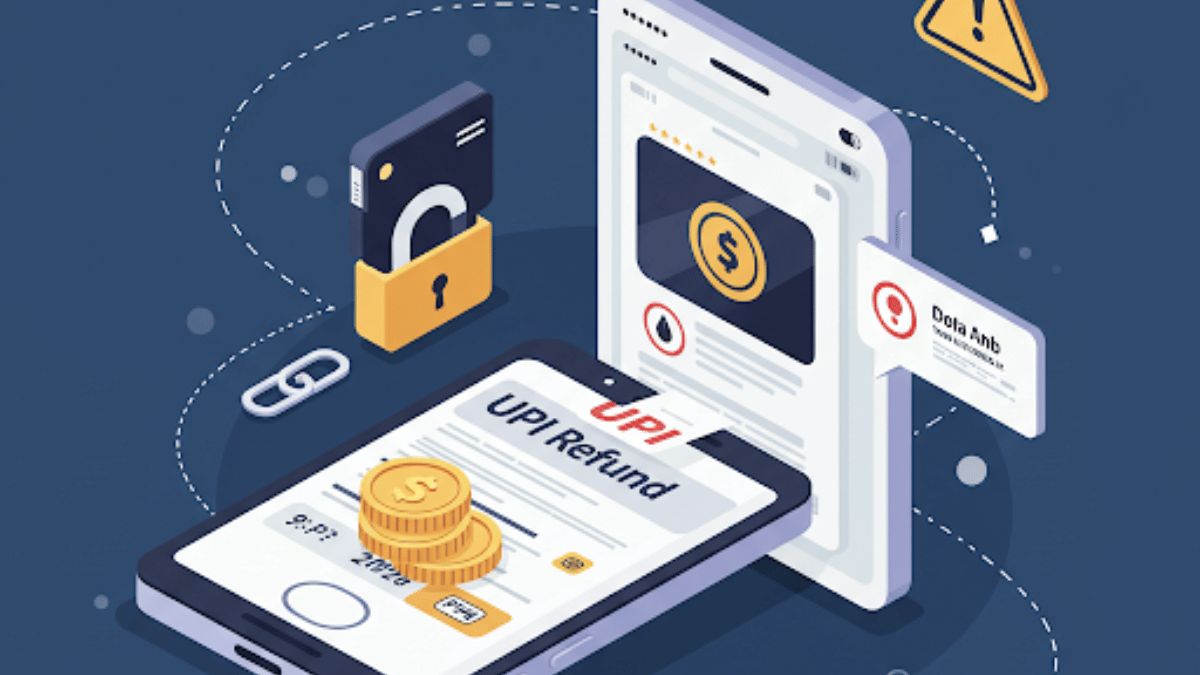
- Scan QR Codes: Never scam random QR codes. Specifically, if you are lured in to receive a refund or free money.
- Accept Payment/ Refund Request: Never approve any payment or refund related requests uyou receive without any prior information on your UPI apps. If you receive any SMS or WhatsApp messages with similar links avoid clicking them.
- Share UPI PIN: Ensure you don’t share your UPI pin with any random person or official. It could be a scammer disguised as a professional.
- Click messages containing links from unknown sources: If you recieve any message from unknown number containing promotional or some banking links, never click on them. It could give attackers access of your device and accounts.