Categories
Chipset Comparison Featured

MediaTek Dimensity 9000 Vs Qualcomm Snapdragon 870 Processor: Best Chipset For Value Flagship

Key Highlights

  • MediaTek Dimensity 9000 and Qualcomm Snapdragon 870 are top chipsets for value flagship smartphones.
  • MediaTek Dimensity 9000 offers better raw performance with 4nm manufacturing process.
  • Qualcomm Snapdragon 870 has better GPU performance and more mature software optimizations.
  • Both chipsets offer good value for money with high-end performance and power efficiency.

In the world of smartphones, choosing the right chipset is crucial as it determines the overall performance of the device. Two of the most popular chipsets available in the market today are the MediaTek Dimensity 9000 and the Qualcomm Snapdragon 870. These two processors are known for being powerful, efficient, and most importantly, cost-effective. But which one is the better choice for a value flagship smartphone?

Let’s dive into the details and compare the two.

ChipsetMediaTek Dimensity 9000Qualcomm Snapdragon 870
CPUOcta-core Octa-core
GPUArm Mali-G710 MC10Adreno 650
Memory LPDDR5XLPDDR5
Storage UFS 3.1UFS 3.0 and UFS 3.1
Fabrication 4nm7nm
Also Read: MediaTek Dimensity 9000+ Premium Chipset Fuelled iQOO Neo 7’s Geekebench Scores Out

MediaTek Dimensity 9000 Vs Qualcomm Snapdragon 870 Processor: CPU Architecture

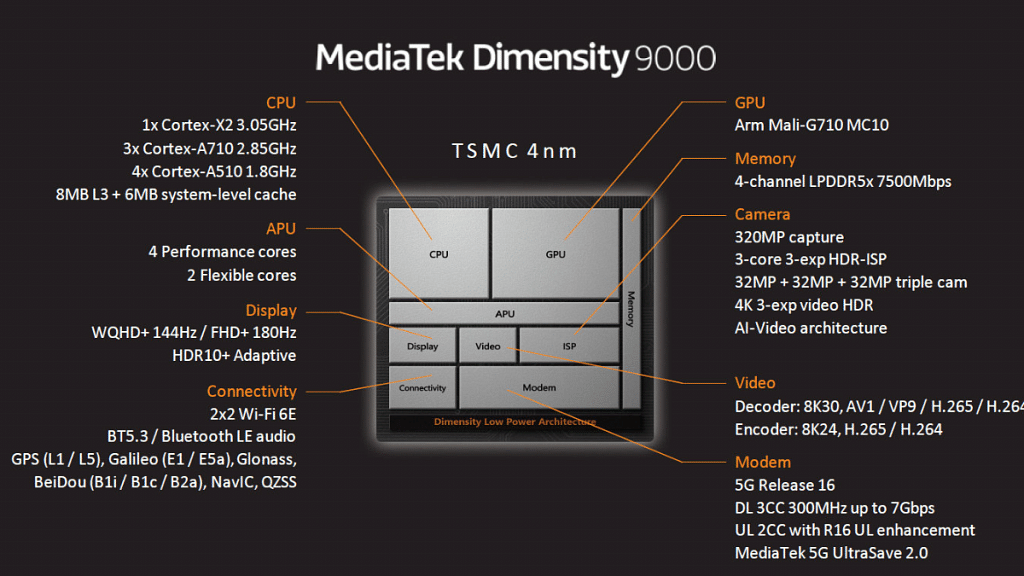
The MediaTek Dimensity 9000 is an 4nm octa-core processor that uses a 3.05GHz ultra-core ARM Cortex-X2, three 2.85GHz high-performance ARM Cortex-A710, and four 2.0GHz energy-efficient ARM Cortex-A510 cores. This setup ensures optimal performance while still being efficient on battery life.

On the other hand, the Qualcomm Snapdragon 870 is also a 7nm octa-core processor that uses a 3.2GHz Kryo 585 Prime core, three 2.42GHz Kryo 585 Gold cores, and four 1.80GHz Kryo 585 Silver cores. The Snapdragon 870’s CPU is powerful and efficient, making it perfect for a value flagship smartphone.

Out of both, the Dimensity 9000 processor has a better CPU architecture compared to the Snapdragon 870. 

Also Read: MediaTek Helio G36 Vs Qualcomm Snapdragon 480 Entry-Level Gaming Chipset Comparison

MediaTek Dimensity 9000 Vs Qualcomm Snapdragon 870 Processor: GPU Comparison

When it comes to gaming and graphics, the GPU is just as important as the CPU. The MediaTek Dimensity 9000 uses the world’s first Arm Mali-G710 MC10 GPU, which offers a 35% increase in performance compared to its predecessor, the Mali-G77.

On the other hand, the Qualcomm Snapdragon 870 uses the Adreno 650 GPU, which is also known for its exceptional performance. It’s important to note that the Adreno 650 has been used in other high-end Snapdragon processors, so it’s a proven and reliable option.

Also Read: Qualcomm Snapdragon 680 Vs MediaTek Helio G99 Chipset: Which Mid-Range SoC Fairs The Battle?

MediaTek Dimensity 9000 Vs Qualcomm Snapdragon 870 Processor: Memory, Multimedia (ISP) Comparison
The MediaTek Dimensity 9000 support LPDDR5X memory whereas Qualcomm Snapdragon 870 support LPDDR5 memory, both are efficient memory technology available today. However, the MediaTek Dimensity 9000 takes the lead with a better LPDDR5X memory and when it comes to multimedia capabilities. While Qualcomm has included support for both UFS 3.0 and UFS 3.1 storage, MediaTek has gone a step further by opting for exclusive support for the higher-performance UFS 3.1 storage technology, providing faster data transfer speeds and smoother app performance for users.

Further, MediaTek Dimensity 9000 has a powerful Image Signal Processor (ISP) with 32MP triple camera clubbed with 320-megapixel cameras, 4K HDR Video + AI-NR video recording and even 2X lossless zoom.

The Qualcomm Snapdragon 870, on the other hand, also has a powerful ISP that can support up to 200-megapixel cameras and 4K HDR video recording. However, the Dimensity 9000 chipset takes a lead here with 1 x 320MP and 3x32MP camera resolution support. 

Also Read: Qualcomm Snapdragon 780G Vs MediaTek Dimensity 8200 5G: Best Future Ready Gaming Chipset Comparison

MediaTek Dimensity 9000 Vs Qualcomm Snapdragon 870 Processor: Final Verdict

After comparing the MediaTek Dimensity 9000 and Qualcomm Snapdragon 870, it’s clear that both processors are excellent choices for a value flagship smartphone. The MediaTek Dimensity 9000 is an excellent option for users who prioritize multimedia capabilities, while the Qualcomm Snapdragon 870 is a reliable choice for overall performance.
Ultimately, the decision comes down to personal preference and what features you value the most. Both chipsets are capable of handling everyday tasks, multitasking, and gaming without any issues. It’s worth noting that the MediaTek Dimensity 9000 is a newer processor and might have some optimizations to come in the future.

In conclusion, the MediaTek Dimensity 9000 and Qualcomm Snapdragon 870 are both great options for a value flagship smartphone. They offer exceptional performance, energy efficiency, and multimedia capabilities, making them perfect for a wide range of users. With these two options available, users can be confident that they can find a powerful and cost-effective device that meets their needs.


Also Read: Qualcomm Snapdragon 782G Vs Dimensity 920 SoC Premium Mid-Range Mobile Chipset Comparison
Categories
Apps Featured Info

WhatsApp New Update To Bring Temporary Group Feature With Expiry Date: Read Details Here

Key Highlights

  • WhatsApp is set to release a new update that includes a temporary group feature with an expiry date.
  • Users will be able to set an expiry date according to their preference for groups created for short-term purposes, such as planning a trip or organizing an event.
  • The new feature will be available on both Android and iOS platforms and is aimed at giving users greater control over their groups.
  • The update is expected to roll out to all WhatsApp users in the coming weeks, providing more flexibility and reducing clutter in the app.
Also Read: WhatsApp Account Hijacking: What Is It? How To Stay Safe?

WhatsApp is gearing up to launch a revolutionary update that will empower users with a temporary group feature with an inbuilt expiry date. This novel feature will enable users to create groups for a limited period, and once the set timeframe elapses, the group will be deleted automatically.

Sources suggest that the much-anticipated feature will be accessible to users across Android and iOS platforms. Users will have the freedom to customize the expiry date of their short-term groups, providing them with a higher degree of control over group management. This update is expected to be particularly useful for those who regularly create groups for short-term tasks like organizing an event or planning a trip.

The new feature is easy to use, and all users need to do is create a group as they would usually do and then set the expiry date from the group settings. The group will remain active until the set date, after which it will be automatically deleted, and all members will be removed.

Also Read: WhatsApp Privacy: How To Setup And Use WhatsApp With Landline Number

This new update is aimed at making the app more user-friendly and giving users greater control over their groups. Users will no longer have to worry about manually deleting groups they no longer need, which can be a tedious task. Instead, they can set an expiry date and let the app take care of the rest.

WhatsApp has been constantly updating its app with new features and improvements to enhance the user experience. The app recently introduced a disappearing messages feature that automatically deletes messages after a set period. This feature is similar to the temporary group feature, but it applies to individual messages rather than groups.

The new update is expected to roll out to all WhatsApp users in the coming months. Users are advised to ensure that they have the latest version of the app to access the feature.

Also Read: WhatsApp Web Video Calling: How To Make/ Answer WhatsApp Video Calls On Windows Laptops/ PCs

Categories
Comparison mobile

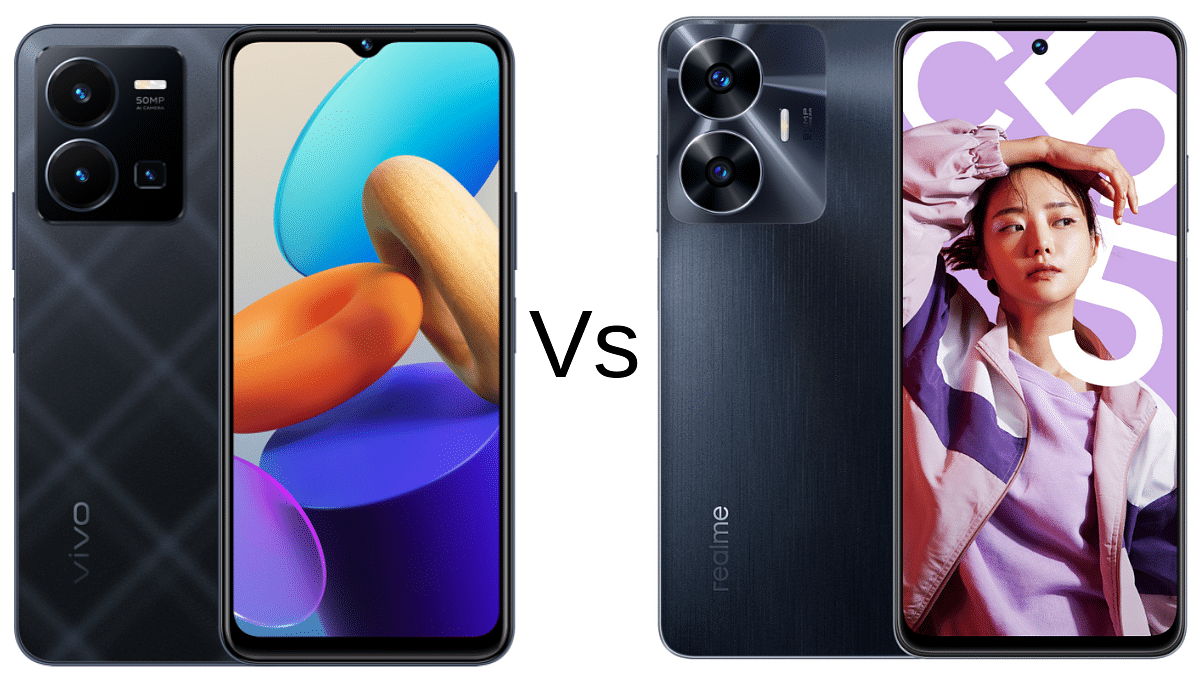
Realme C55 Vs Vivo Y35: Latest Affordable Android Phones Battle

Key Highlights

  • The Realme C55 offers a larger 6.72-inch display size, while the Vivo Y35 comes with a slightly smaller display size of 6.58 inches.
  • Both devices support fast charging, with the Vivo Y35 supporting 44W fast charging and the Realme C55 supporting 33W fast charging.
  • The Realme C55 is priced at approximately Rs.13,490, while the Vivo Y35 comes in at around Rs.18,499, making the Realme C55 a more budget-friendly option.

The market for affordable Android smartphones is constantly evolving, and the latest contenders in this segment are the Realme C55 and the Vivo Y35. Both devices offer impressive features and specifications that cater to the needs of the average smartphone user. In this article, we will compare the Realme C55 and the Vivo Y35 to help you know which is a better deal.

Also Read: Nokia T21 Vs Nokia T20 Vs Realme Pad Mini Tablet Comparison: Best Entry-Level Android Tablet For Daily Use

Realme C55 Vs Vivo Y35: Display Features, Specs

ModelRealme C55Vivo Y35
Display Size6.72-inch6.58-inch
Display TypeIPS LCDIPS LCD
Screen resolution 1080 x 24001080 x 2408
Refresh Rate 90Hz90Hz
Screen-to-body ratio86.7%83.4%

When it comes to the display, the Realme C55 offers a larger 6.72-inch IPS LCD panel, while the Vivo Y35 comes with a slightly smaller display size of 6.58 inches, but with the same display type as an IPS LCD panel. However, the Vivo Y35 boasts a slightly higher resolution of 1080 x 2408 pixels than the Realme C55’s 1080 x 2400 pixels. The Realme C55 also has a higher screen-to-body ratio of 86.7%, compared to the Vivo Y35’s 83.4%.

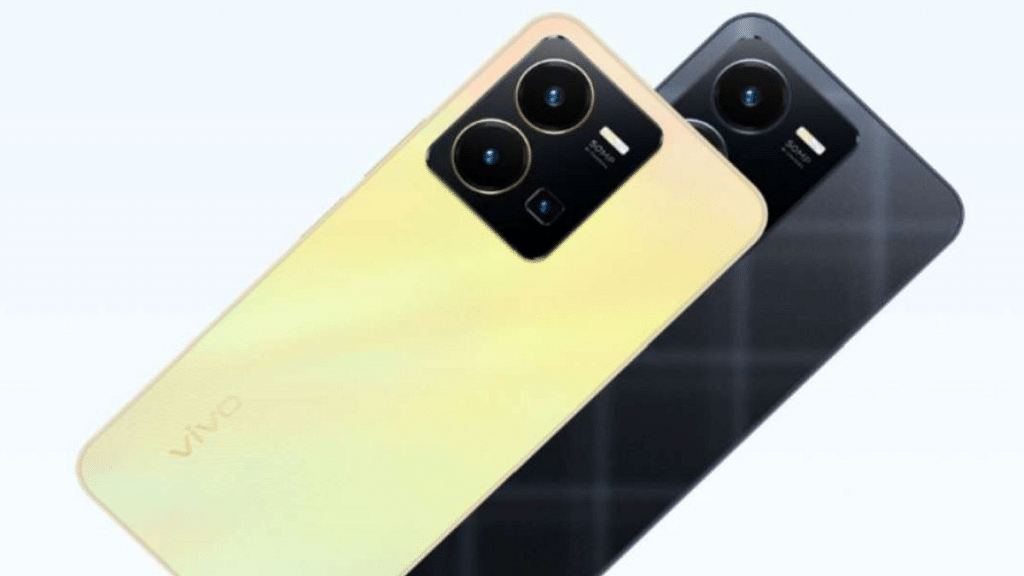
In terms of design, the Vivo Y35 has a waterdrop-style notch that houses the front-facing camera, while the Realme C55 has a punch-hole camera cutout on the top of the display. The Vivo Y35 also has a more attractive design, with a unique geometric pattern on the back panel.

Also Read: Vivo Y35 5G Is The Latest Budget 5G Phone With 15W Fast Charging: Is It Available In India?

Realme C55 Vs Vivo Y35: Camera Specifications

ModelRealme C55Vivo Y35
Back Camera64MP+2MP50MP+2MP+2MP
Front Camera8MP16MP
Video recording1080p@30/60fps1080p@30

The Vivo Y35 comes with a 50MP primary sensor and two 2MP sensors for depth and macro shots. Whereas, the Realme C55 has a dual camera setup with a 64MP primary camera and 2MP depth sensors which may result in slightly better low-light performance. On the front, Vivo Y35 has a 16MP selfie camera housed in a smaller notch whereas the Realme C55 has an 8MP selfie camera.

Also Read: Poco C50 Vs Vivo Y1s: Trending Budget Smartphone Competition

Realme C55 Vs Vivo Y35: Chipset, Battery

ModelRealme C55Vivo Y35
ProcessorMediaTek Helio G88Qualcomm Snapdragon 680
Memory 128GB 6GB RAM, 256GB 8GB RAM64GB 4GB RAM, 128GB 4GB RAM, 128GB 8GB RAM, 256GB 8GB RAM
Battery 5000 mAh5000mAh
Fast charging 33W44W

Under the hood, the Realme C55 is powered by a MediaTek Helio G88 processor, while a Qualcomm Snapdragon 680 processor powers the Vivo Y35. Realme C55 comes with up to 8GB RAM and 256GB of internal storage, whereas Vivo Y35 has up to 8GB RAM and 256GB of internal storage. In terms of battery, both phones pack a 5,000mAh battery. Both devices come with the added convenience of fast charging, making it easier for users to power up their phones on the go. The Vivo Y35 supports an impressive 44W fast charging capability, while the Realme C55 supports 33W fast charging.

Also Read: Tecno Phantom X2 Vs Vivo V27 Pro: Best Smartphone Under Rs. 40,000

Realme C55 Vs Vivo Y35: Price

ModelRealme C55Vivo Y35
PriceRs.13,490Rs.18,499

When it comes to pricing, the Realme C55 and the Vivo Y35 offer great value for their respective price points. The Realme C55 is priced at Rs.13,490, while the Vivo Y35 comes in at around Rs.18,499.

Overall, the Realme C55 is a more budget-friendly option for those looking for a great smartphone at an affordable price. On the other hand, the Vivo Y35 may appeal to those who are willing to spend a bit more for a phone with slightly better specs and features.

Also Read: Realme GT 3 Vs OnePlus 11R: Value Flagship Phones Battle

Realme C55 Vs Vivo Y35 Final Verdict: Which One Should You Buy?

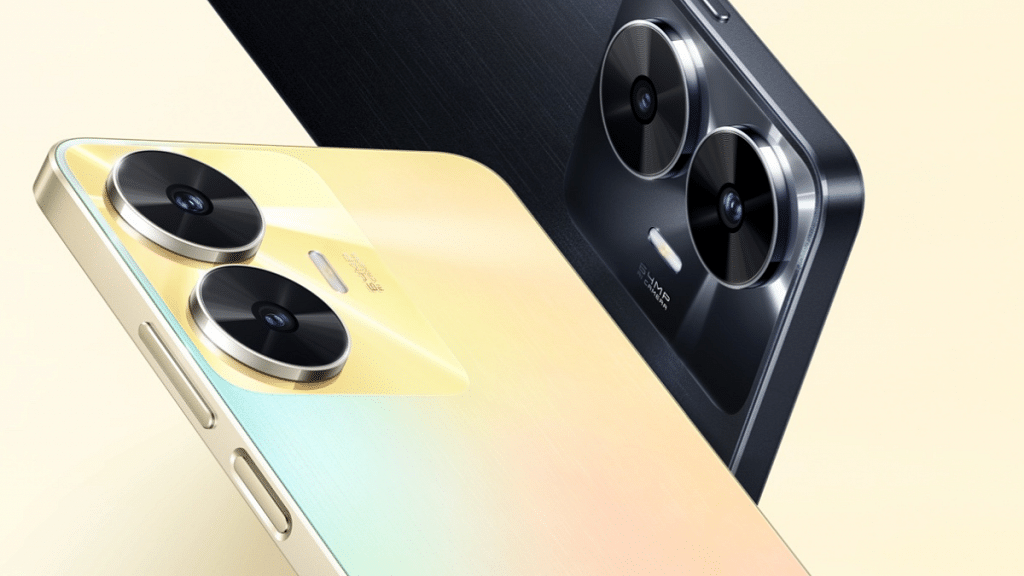
Both the Realme C55 and the Vivo Y35 offer excellent value for their price point. However, the Realme C55 has a more attractive design, a slightly better display, and a larger aperture for the primary camera, which may appeal to some users. On the other hand, the Vivo Y35 has a more powerful chipset and a unique geometric pattern on the back, which some users may prefer.

Ultimately, the choice between the two phones comes down to personal preference. If you are tight on budget and prioritize design and camera performance, the Realme C55 may be the better choice for you. However, the Vivo Y35 may be the better choice if you prioritise performance and display design.

Also Read: Realme 10 Pro 5G, Realme 10 Pro+ 5G With 108MP Camera, 67W Fast Charging Official Announced: Price, Expected India Launch
Categories
Laptop

Acer Swift Go 14 Premium Laptop Powered By AMD Ryzen 7000 Series Chipset Launched In India: Full Features, Price

Key Highlights

  • Acer has launched its latest Swift Go 14 Premium laptop in India, featuring the latest AMD Ryzen 7000 series chipset.
  • The device boasts a 14-inch OLED display with slim bezels and comes with 8GB of RAM and 512GB of SSD storage.
  • The Acer Swift Go 14 is priced at an affordable rate of Rs. 62,990, making it an attractive option for users in need of a powerful yet affordable laptop.

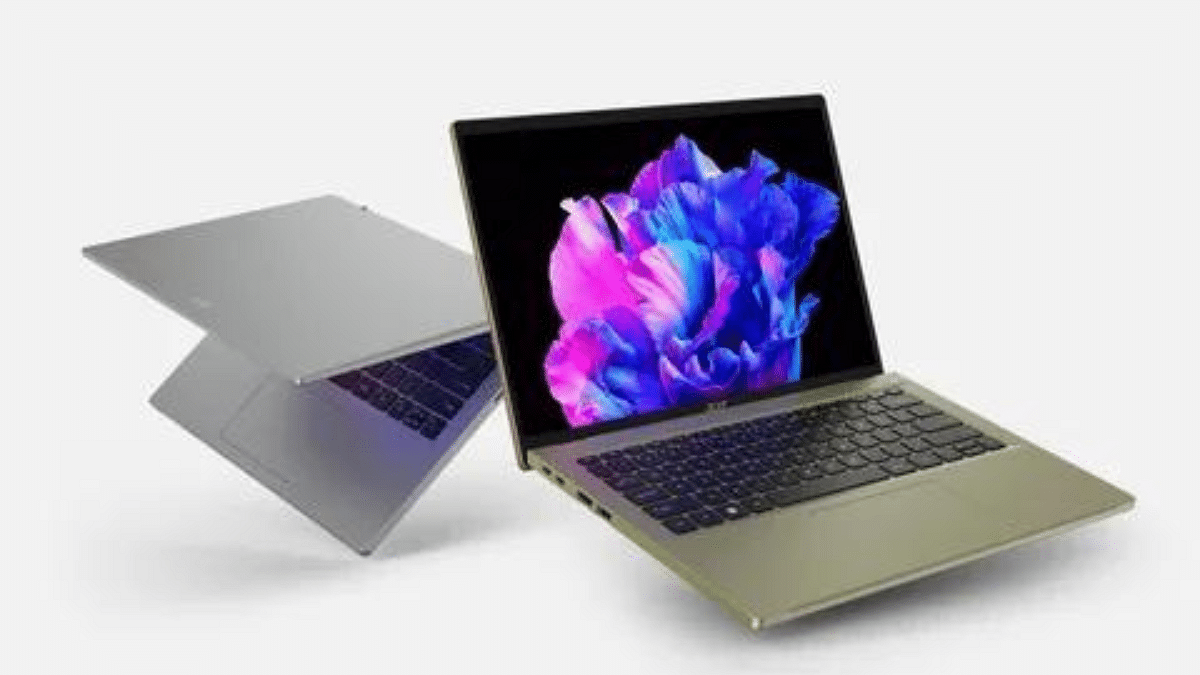
Acer has launched its new Acer Swift Go 14 laptop in India. This new laptop is powered by the latest AMD Ryzen 7000 series chipset, making it one of the most powerful and efficient laptops available in the market. Boasting a long battery life, fast charging capabilities, and a lightweight design, this laptop is a great option for those in need of a high-performance device on the go.

Also Read: Acer Predator Helios 300 SpatialLabs Edition Launched In India: See Here For Specifications, Price, And More

Acer Swift Go 14: Full Specifications

Acer Swift Go 14Specification
Display 14-inch, OLED display
Processor AMD Ryzen 7000 series chipset
Storage8GB RAM , 512GB internal storage
Battery 45Wh, lasts 9.5 hrs
PriceRs. 62,990

The Acer Swift Go 14 comes with a 14-inch OLED display, which delivers stunning visuals with vivid colours and sharp details. The display has a resolution of 2.8K pixels, and has a screen-to-body ratio of 90%. It has a refresh rate of 120Hz.

Under the hood, the laptop is powered by the latest AMD Ryzen 7000 series chipset, which is paired with up to 8GB of DDR4 RAM and up to 512GB of NVMe SSD storage. This powerful combination allows the laptop to handle heavy multitasking and demanding applications with ease.

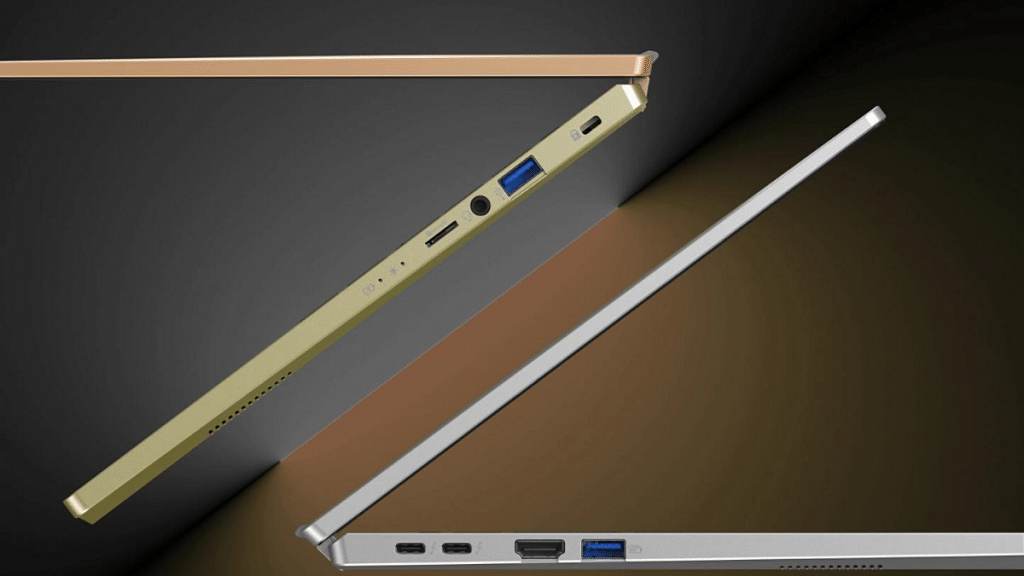
The laptop also comes with a range of connectivity options, including Wi-Fi 6, Bluetooth 5.2, HDMI, USB 3.2 Type-A, USB 3.2 Type-C, and a 3.5mm headphone jack. It also features a backlit keyboard, a precision touchpad, and a fingerprint sensor for secure logins.

One of the most notable features of the Acer Swift Go 14 is its battery life. The laptop is equipped with a 45Wh battery, which is said to provide up to 9.5 hours of battery life on a single charge. This makes it an ideal laptop for people who are always on the go and need a laptop that can keep up with their busy lifestyle.

In terms of design, the Acer Swift Go 14 has a sleek and slim profile, measuring just 14.9mm in thickness and weighing only 1.25kg. The laptop is available in two colours: Urban Silver and Safari Gold, which give it a premium look and feel.

Also Read: Samsung Galaxy Book 3 Pro Vs Lenovo Yoga Slim 7i Carbon: Which Should Be Your Bet?

Acer Swift Go 14: India Price

The Acer Swift Go 14 is priced at Rs. 62,990 in India, which makes it an excellent value-for-money proposition for users looking for a premium laptop. The laptop will be available for purchase on Acer’s official website, as well as through select retailers and e-commerce platforms.

Also Read: Acer Swift 3 OLED Laptop Launched With 2th Gen Intel Core H-Series Processor: See All Details Here

Categories
Leaks mobile

Exclusive: Nothing Phone 2 Leak Confirms Snapdragon 8 Gen 1 Processor

Key Highlights

  • Chipset revealed by Qualcomm Executive on LinkedIn creating a buzz in the tech community.
  • Nothing Phone 2 will be powered by a powerful Snapdragon 8 series System-on-a-Chip (SoC).
  • With the new Snapdragon 8+ Gen 1, the Nothing Phone 2 is poised to deliver a smooth and seamless user experience

Nothing, the tech startup founded by OnePlus co-founder Carl Pei, has been making headlines since its inception in 2020. The company’s mission is to “remove barriers between people and technology” by creating innovative and minimalist tech products. After the successful launch of their first smartphone Nothing Phone 1, the company is gearing up for its next big release: the Nothing Phone 2.

In this article, we will discuss the leaked information about the Nothing Phone 2 and what we can expect from this highly anticipated release.

Also Read: Nokia X30 5G Vs Nothing Phone 1: Which Should Be Your Pick?

Nothing Phone 2: Qualcomm Snapdragon 8 Gen 1 Chipset Revealed

Recently, a Qualcomm executive revealed that the phone will be powered by the Qualcomm Snapdragon 8 Gen 1 chipset, which is the latest and most powerful processor from Qualcomm. This is great news for tech enthusiasts who are eagerly waiting for the launch of the phone.

The Qualcomm Snapdragon 8 Gen 1 chipset is the successor to the Snapdragon 888 chipset, which was used in many flagship smartphones in 2021. The new chipset is expected to deliver a significant performance boost, with improvements in processing power, graphics performance, and energy efficiency.

The Snapdragon 8 Gen 1 chipset will provide a smoother and more responsive user experience, allowing users to seamlessly multitask, play games, and stream media. The chipset will enable faster download and upload speeds, as well as better connectivity and overall performance.

In addition to the powerful chipset, the Nothing Phone 2 is expected to feature a host of other impressive specifications. Rumours suggest that the phone will have a 6.67-inch OLED display with a 120Hz high refresh rate, a triple-camera setup with a 50-megapixel primary sensor, and at least 8GB of RAM with 128GB of internal storage. The phone is also rumoured to have a large 4,700 mAh battery with fast charging support.

Also Read: Nothing Ear (Stick) Competitions: Best Alternatives To Consider Under Budget

Nothing Phone 2: Launch Timeline

The official launch date for the Nothing Phone 2 is yet to be announced, but rumours suggest that it will be unveiled in the second half of 2023. The accidental leak of the phone’s chipset has sparked excitement among tech enthusiasts and fans of the brand, who are eagerly waiting for more information.

Also Read: Nothing Phone (2), Nothing Buds 2: Developments We Know So far

Nothing Phone 2: Price

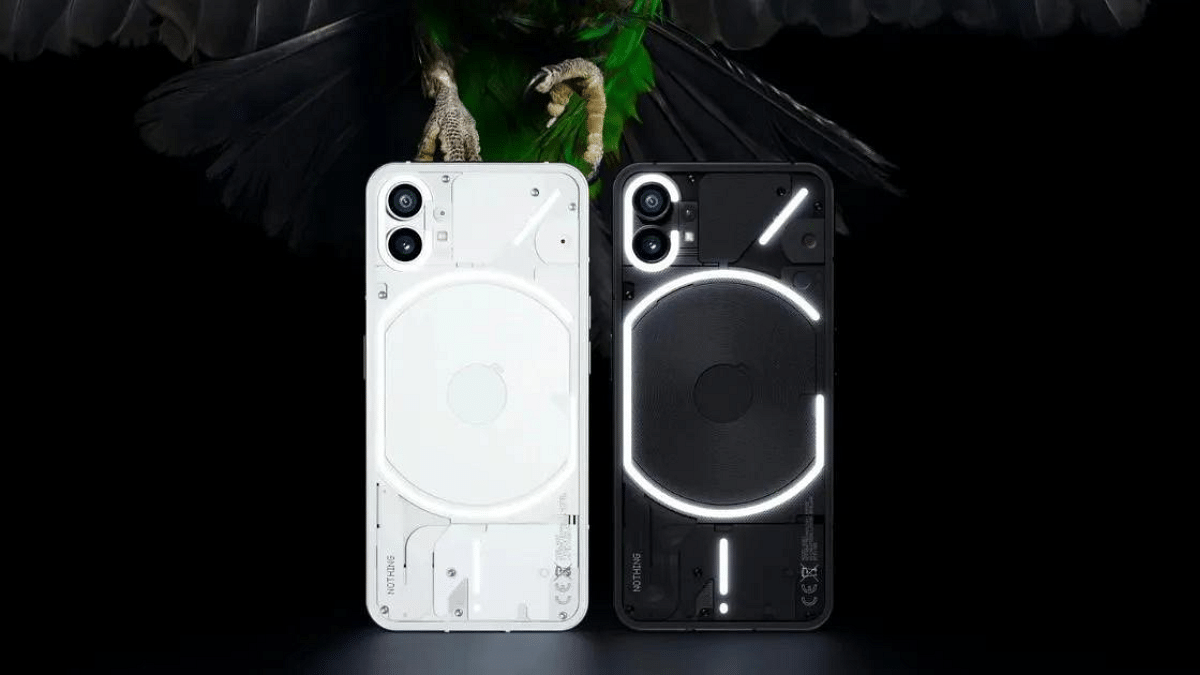
While there is no official word on the price of the Nothing Phone 2, industry experts predict that it could be priced at around Rs.39,990. This puts it in direct competition with other high-end smartphones like the Vivo V27 Pro and the iPhone 13. However, given Nothing’s focus on minimalist design with a unique glyph interface and affordable pricing, it wouldn’t be surprising if the company manages to offer the phone at a lower price point than this.

In conclusion, the accidental leak of the Nothing Phone 2 chipset has given us a glimpse of what to expect from the upcoming smartphone. With its minimalist design, powerful processor, and impressive specifications, the phone is sure to shape up to be a strong contender in the high-end smartphone market.

Also Read: Nothing Phone (1) Custom Snapdragon 778+ Chipset Confirmed Officially
Categories
Chipset Comparison

Qualcomm Snapdragon 780G Vs MediaTek Dimensity 8200 5G: Best Future Ready Gaming Chipset Comparison

Key Highlights

  • Both chipsets offer integrated 5G modems.
  • Qualcomm Snapdragon 780G offers excellent gaming performance, efficient power consumption.
  • Dimensity 8200 5G leads Snapdragon 780G in CPU performance with higher clock speed.

As 5G connectivity becomes more widely available, the demand for powerful chipsets that can handle the latest mobile games and applications is also increasing. Qualcomm and MediaTek are two of the leading chipset manufacturers in the industry, with their Snapdragon 780G and Dimensity 8200 5G respectively competing for the top spot in the market. In this article, we will compare these two chipsets and determine which one is the best for future-ready gaming.

Also Read: MediaTek Helio G99 Vs Dimensity 700 Chipset Comparison: Best Budget Mobile Processor For Android Phones?

Qualcomm Snapdragon 780G Vs MediaTek Dimensity 8200 5G: CPU Architecture

The CPU architecture is an essential aspect of a chipset’s performance, and both Snapdragon 780G and Dimensity 8200 5G feature powerful architectures. The Snapdragon 780G is built on an 5nm process and features a Cortex-A78 CPU with a maximum clock speed of 2.4GHz. On the other hand, the Dimensity 8200 5G is built on a 4nm process and features a Cortex-A78 CPU with a maximum clock speed of 3.1GHz.

In terms of CPU performance, the Dimensity 8200 5G takes the lead due to its higher clock speed and smaller manufacturing process. However, both the chipsets are no slouch, as their Cortex-A78 CPU provides powerful CPU architectures that can handle demanding mobile applications and multitasking with ease.

Also Read: Snapdragon 780G: The economic SoC champion

Qualcomm Snapdragon 780G Vs MediaTek Dimensity 8200 5G: GPU Comparison

The GPU is another critical aspect of a chipset’s performance, particularly for gaming. The Snapdragon 780G features an Adreno 642 GPU, while the Dimensity 8200 5G features a Mali-G610 MC6 GPU.

While both GPUs are powerful, the Adreno 642 GPU in the Snapdragon 780G is considered superior due to its better optimization and support for advanced gaming and graphics technologies such as HDR and ray tracing. The Mali-G610 MC6 GPU also provides excellent performance in other multimedia applications such as video playback and image rendering, but it may not be as feature-rich as the Adreno 642.

Also Read: MediaTek Dimensity 8200 VsQualcomm Snapdragon 870: Best 5G Chipset For Value Flagships

Qualcomm Snapdragon 780G Vs MediaTek Dimensity 8200 5G: Memory, Multimedia (ISP) Comparison

Memory and multimedia capabilities are also important factors to consider when comparing chipsets. The Snapdragon 780G supports LPDDR4X RAM up to 16GB, while the Dimensity 8200 5G supports LPDDR RAM up to 12GB.

In terms of multimedia, the Snapdragon 780G features a Spectra 570 Triple ISP, while the Dimensity 8200 5G features a MediaTek Imagiq 785 ISP. The Spectra 570 Triple ISP is known for its excellent image processing capabilities and supports up to three 25MP camera sensors. The Imagiq 785 ISP, on the other hand, supports up to 320MP camera sensors and features advanced AI-based image processing.

Overall, both chipsets offer excellent memory and multimedia capabilities, with the Snapdragon 780G slightly ahead in terms of memory speed and the Dimensity 8200 5G offering better image processing.

Also Read: MediaTek Dimensity 7200 Goes Official: New Powerful Mobile Chipset For Value Flagships

Qualcomm Snapdragon 780G Vs MediaTek Dimensity 8200 5G: Final Verdict

In conclusion, both the Snapdragon 780G and Dimensity 8200 5G are powerful chipsets that offer excellent performance for future-ready gaming. While the Snapdragon 780G may have a slight edge in CPU and memory performance, the Dimensity 8200 5G’s superior GPU and image processing capabilities make it the better choice for gaming and multimedia applications. Ultimately, the choice between these two chipsets depends on the user’s specific needs and preferences.

Also Read: MediaTek Dimensity 8200 VsQualcomm Snapdragon 870: Best 5G Chipset For Value Flagships
Categories
Laptop

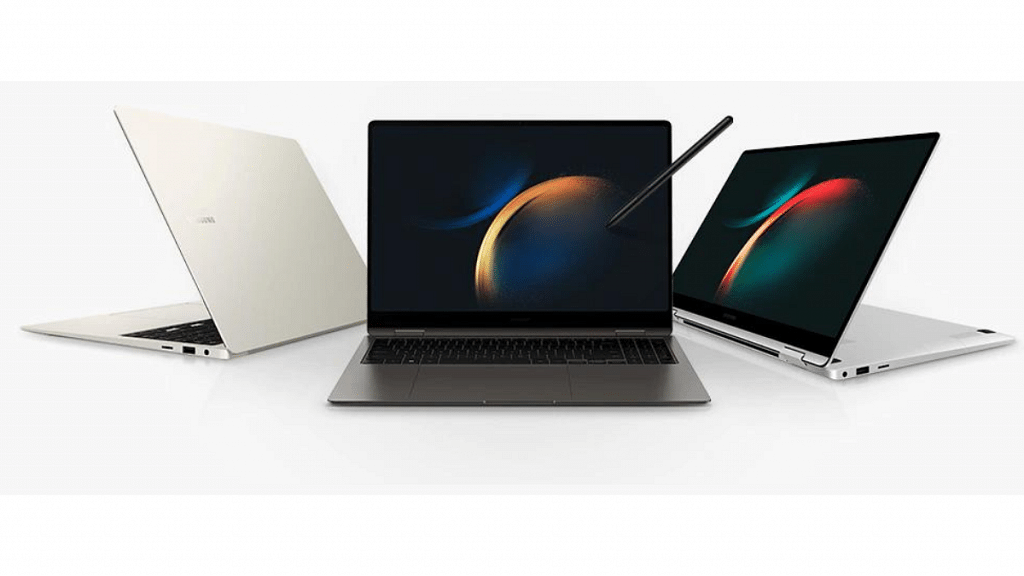
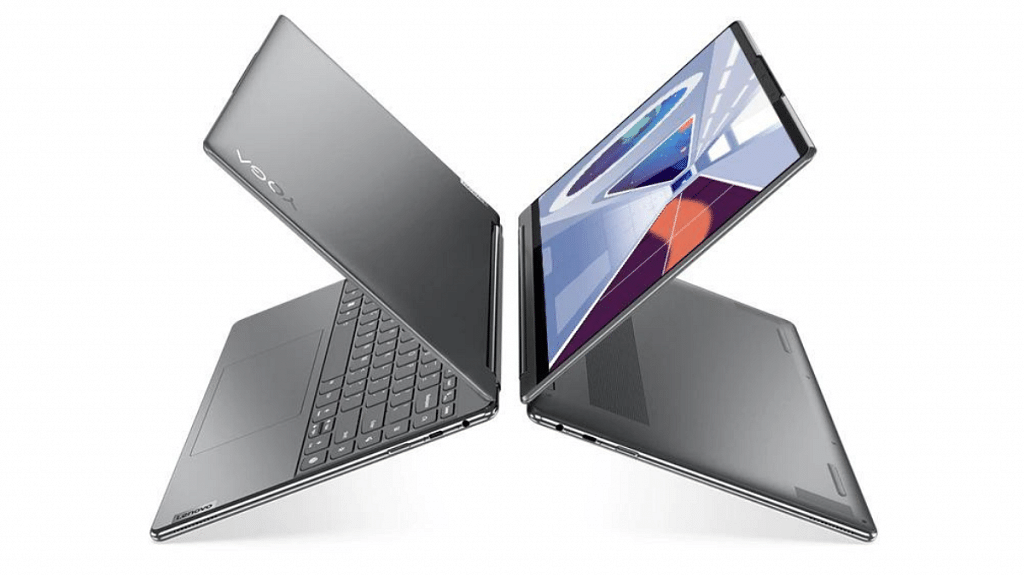
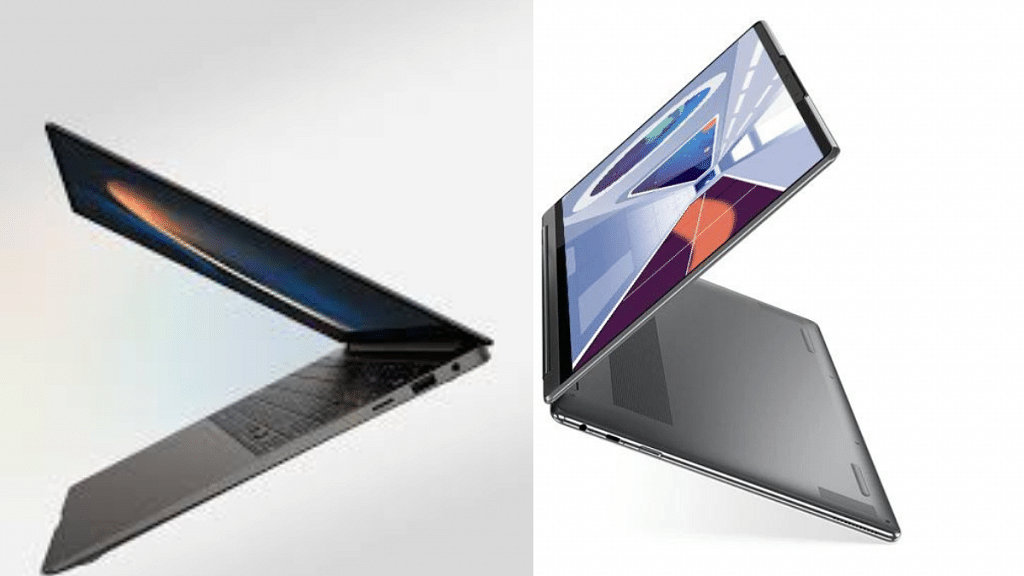
Lenovo Yoga 9i 14 (Gen 8) vs Samsung Galaxy Book 3 Pro : Features, Specs, and Price Compared

Key Highlights

  • Lenovo Yoga 9i 14 (Gen 8) and Samsung Galaxy Book 3 Pro are both premium laptops with impressive features.
  • Lenovo Yoga 9i 14 (Gen 8) and Samsung Galaxy Book 3 Pro both offers a superior display with a 2-in-1 design.
  • Both laptops have excellent connectivity options and advanced security features.
  • The Lenovo Yoga 9i 14 (Gen 8) is more expensive than the Samsung Galaxy Book 3 Pro, making it a more premium option.

In the competitive world of premium laptops, the Lenovo Yoga 9i 14 (Gen 8) and the Samsung Galaxy Book 3 Pro are two devices that stand out from the crowd. Both laptops boast powerful processors, ample storage, and stunning displays, making them popular choices for both personal and professional use. But which one is right for you?

In this article, we will compare the features, specs, and price of the Lenovo Yoga 9i 14 (Gen 8) and the Samsung Galaxy Book 3 Pro to help you make an informed decision.

Model Lenovo Yoga 9i 14 (Gen 8)Samsung Galaxy Book 3 Pro
Display14-inch, 4K OLED16-inch, AMOLED
Resolution 3840 x 24002880 x 1800
Chipset Intel Core i7-1360PIntel Core i7-1360P
RAM16GB LPDDR516GB LPDDR5
Storage 512GB/1TB1TB
Battery 76Wh63Wh
PriceRs. 1,74,990Rs. 155,990
Also Read: Lenovo Yoga Slim 7i Carbon Laptop Review: Modern And Practical Solution For Premium Users

Lenovo Yoga 9i 14 (Gen 8) vs Samsung Galaxy Book 3 Pro: Display Features

When it comes to display features, both the Lenovo Yoga 9i 14 (Gen 8) and the Samsung Galaxy Book 3 Pro have impressive offerings. The Lenovo Yoga 9i 14 (Gen 8) comes with a 35.56cms (14) 4K OLED (3840 x 2400) display with an IPS panel, a 100% DCI-P3 colour gamut, and a 16:10 aspect ratio. It also has Vesa Certified Display HDR True Black 500 and Dolby Vision technology for enhanced picture quality. The display is a touchscreen with PureSight technology, providing a brightness of 400 nits and a refresh rate of 60Hz.

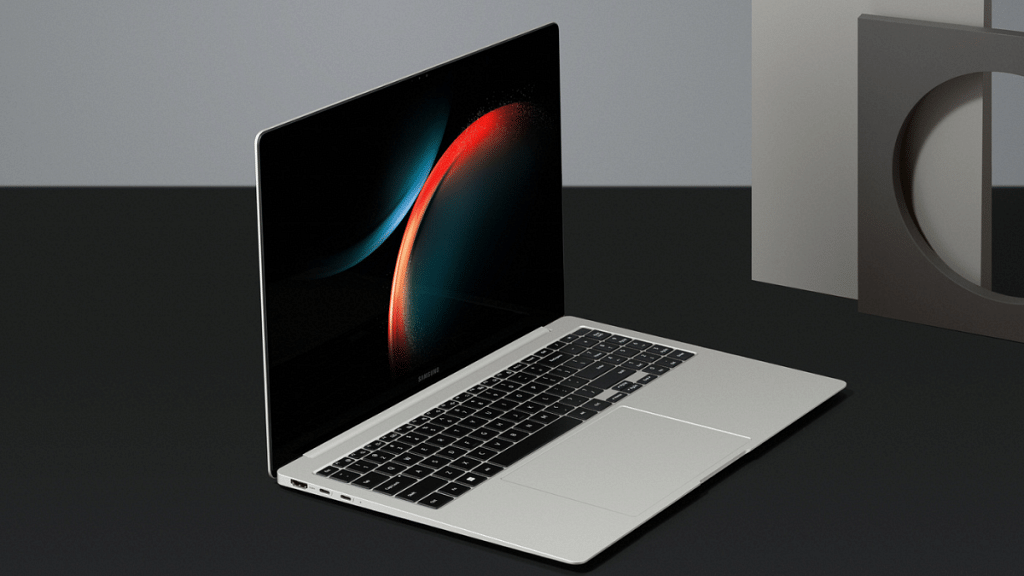
On the other hand, the Samsung Galaxy Book 3 Pro has a larger 16-inch touch display with a resolution of 2,880 x 1,800. It uses a 120Hz AMOLED 2X panel with a brightness of 400 nits and a 120 per cent DCI-P3 colour volume. The display is capable of showing high-quality content with rich colours and deep blacks.

Overall, both laptops have impressive displays, but the Samsung Galaxy Book 3 Pro’s larger touch screen and higher refresh rate give it an edge in this category.

Also Read: Samsung Galaxy Book 3 Pro Vs Lenovo Yoga Slim 7i Carbon: Which Should Be Your Bet?

Lenovo Yoga 9i 14 (Gen 8) vs Samsung Galaxy Book 3 Pro: Chipset, Battery

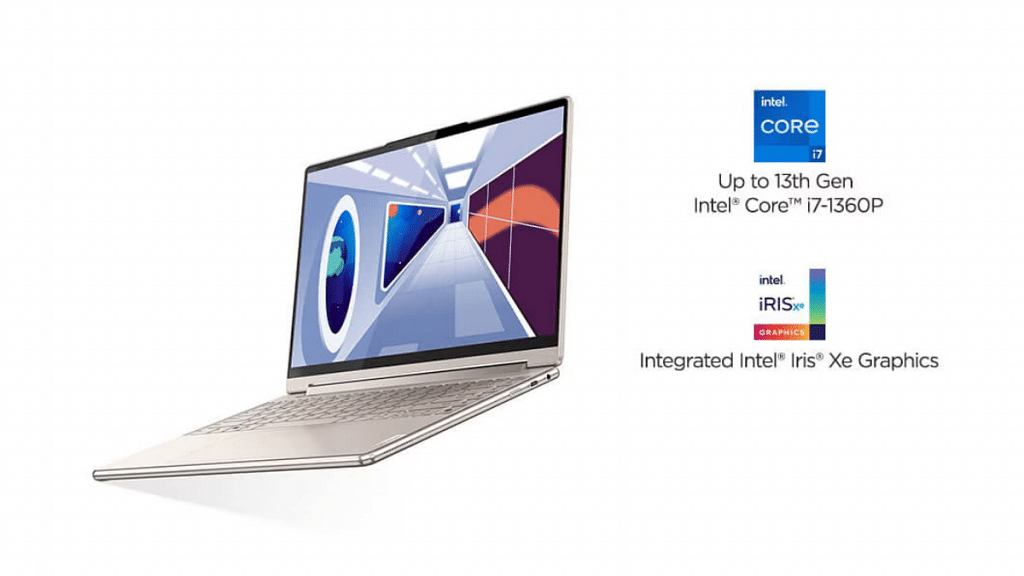
Under the hood, the Lenovo Yoga 9i 14 (Gen 8) boasts an up to 13th Gen Intel Core i7-1360P processor and up to Windows 11 Pro operating system, while the Samsung Galaxy Book 3 Pro features an Intel Core i7-1360P processor and Windows 11 Home.

In terms of battery capacity, the Lenovo Yoga 9i 14 (Gen 8) comes with a 76Wh battery that can last up to 10.5 hours on regular usage and up to 14 hours on1080p playback, with Rapid Charge Boost technology that provides 2 hours of usage with just 15 minutes of charging.

On the other hand, the Samsung Galaxy Book 3 Pro comes with a 63Wh battery that promises 7 hours of usage and is paired with Intel Iris Xe graphics and 16GB LPDDR5 memory.

Also Read: Lenovo Yoga 9i Debuts As India’s First Intel 13th Gen Laptop With Slim Convertible Design

Lenovo Yoga 9i 14 (Gen 8) vs Samsung Galaxy Book 3 Pro: Keyboard, Connectivity, Ports

Both the Lenovo Yoga 9i 14 (Gen 8) and Samsung Galaxy Book 3 Pro come with well-designed keyboards that offer a comfortable typing experience. The Yoga 9i has a backlit keyboard with a numeric keypad and a touchpad that supports gestures, while the Galaxy Book 3 Pro has a backlit keyboard with slight spacing between the keys and a touchpad that supports multi-touch gestures.

The Lenovo Yoga 9i 14 (Gen 8 offers slightly better connectivity options with WiFi 6E, Bluetooth 5.2, and a good selection of connectivity ports, including 2x USB-C Thunderbolt 4.0 (DisplayPort/power delivery/USB 3.2), USB-A Gen 3.2, USB-C 3.2 Gen 2 (full-function), and a headphone/mic combo. However, the Samsung Galaxy Book 3 Pro still offers a solid array of ports, including Wi-Fi 6E (Gig+), 802.11 ax 2×2, and Bluetooth 5.1. It also includes an HDMI port, which can be useful for connecting to external displays. Both laptops offer similar connectivity options, but the Yoga 9i with multiple ports may be more convenient for some users.

Also Read: Samsung Galaxy Book 3 Pro Vs Lenovo Yoga Slim 7i Carbon: Which Should Be Your Bet?

Lenovo Yoga 9i 14 (Gen 8) vs Samsung Galaxy Book 3 Pro: Price Compared

The Lenovo Yoga 9i 14 (Gen 8) is priced at Rs. 1,74,990, while the Samsung Galaxy Book 3 Pro is priced at Rs. 155,990. The Lenovo Yoga 9i 14 (Gen 8) is slightly more expensive than the Samsung Galaxy Book 3 Pro. However, it does come with some additional features such as the 2-in-1 portable design, IR camera, and longer battery life. Ultimately, the choice between the two laptops will depend on the user’s personal needs and preferences, as both laptops offer high-end performance and premium features.

Also Read: Lenovo IdeaPad 1 With AMD Ryzen 3 7320U CPU Announced In India: Full Specs, Price

Lenovo Yoga 9i 14 (Gen 8) vs Samsung Galaxy Book 3 Pro: Which Premium Laptop Is Better to Buy?

The Lenovo Yoga 9i 14 (Gen 8) has a stunning 4K OLED display with excellent colour accuracy, a versatile 2-in-1 design, and long battery life. It also has a comfortable keyboard and touchpad, and the audio quality is top-notch. It also has a slim and lightweight design, making it easy to carry around.

On the other hand, the Samsung Galaxy Book 3 Pro has a larger 16-inch AMOLED display with a 120Hz refresh rate which can also turn into a tablet, making it perfect for content creation and consumption. The battery life is impressive, and it has fast charging capabilities. However, it’s a bit on the heavier side, its battery capacity is less and it can get warm under heavy workloads.

Also Read: Lenovo IdeaPad 5 Gaming Chromebook With Intel Core i5, i3 Chipsets Announced; Price, India Launch Date
Categories
Comparison Mobile

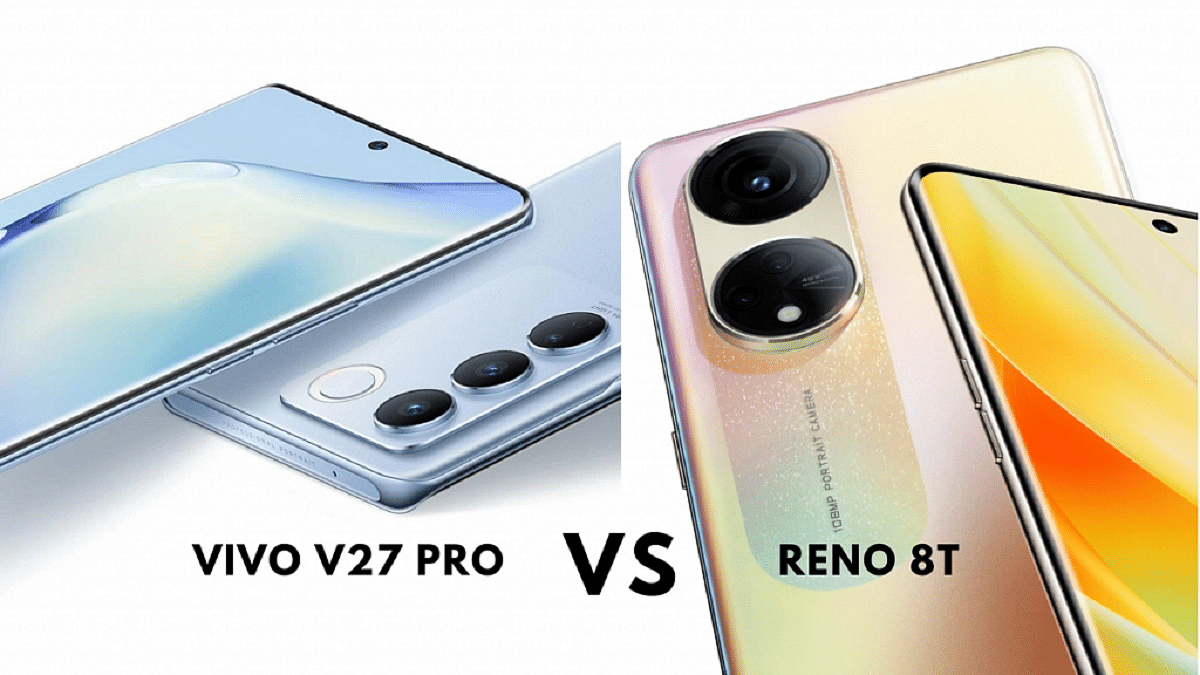
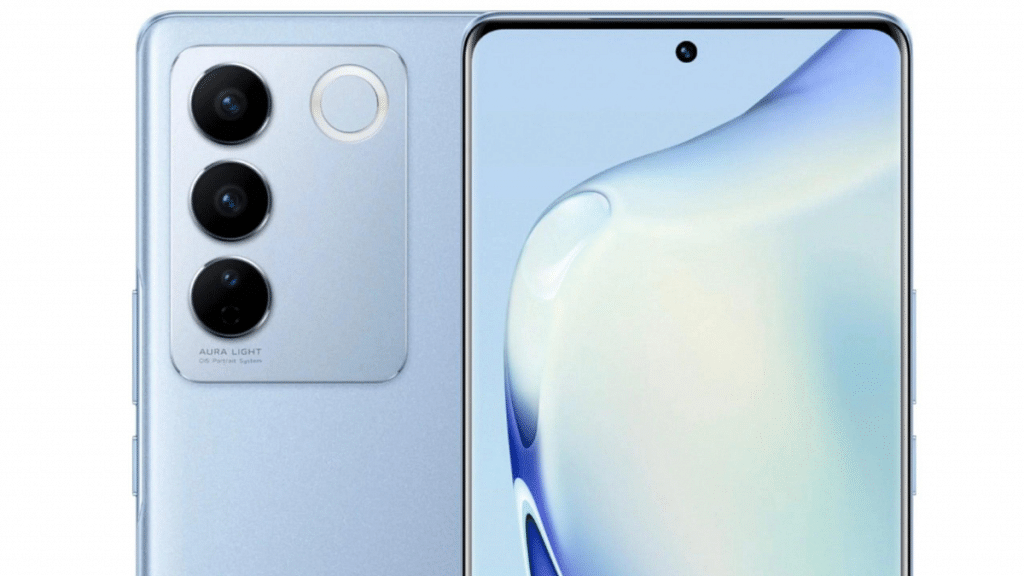
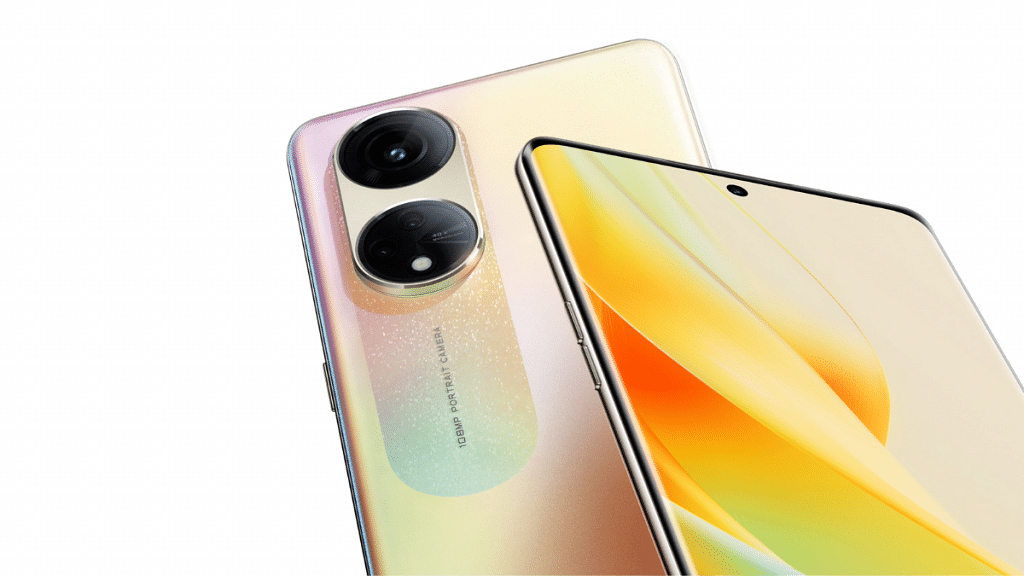
Vivo V27 Pro Vs Reno 8T: Latest Premium Mid Tier 5G Phones Battle

Key Highlights

  • Vivo V27 Pro and Reno 8T are two new mid-range smartphones with competitive specs and affordable prices.
  • Both phones offer similar camera specs, but the Vivo V27 Pro has a higher-resolution front-facing camera, making it a better choice for selfie lovers.
  • The Vivo V27 Pro is powered by a MediaTek Dimensity 8200 chipset, while the Reno 8T has a Qualcomm Snapdragon 695 5G chipset.

The mid-range smartphone market is getting increasingly competitive, and two of the latest offerings to hit the shelves are the Vivo V27 Pro and the Reno 8T. Both phones offer great specs at an affordable price, but which one is the better to buy? Let’s take a closer look at the features and specifications of each device to find out.

Also Read | How To Hard/ Factory Reset Vivo Smartphones?

Vivo V27 Pro Vs Reno 8T: Display Features, Specs

ModelVivo V27 ProReno 8T
Display Size6.78-inch6.7-inch
Display TypeAMOLEDAMOLED
Resolution 1080 x 2400 pixels 1080 x 2412 pixels
Screen-to-body ratio90.4%89.6%
Refresh Rate 120 Hz120 Hz

The Vivo V27 Pro boasts a 6.78-inch AMOLED display with a resolution of 1080 x 2400 pixels. The screen has a high refresh rate of 120Hz, which means smoother scrolling and better gaming performance. On the other hand, the Reno 8T comes with a slightly small 6.7-inch AMOLED display with a resolution of 1080 x 2412 pixels. It also has a 120Hz refresh rate, making it equally smooth for daily use and gaming.

Both phones offer similar display features, but the Vivo V27 Pro takes the lead with its 90.4% screen-to-body ratio, as it has slightly smaller bezels around the display, resulting in a more immersive viewing experience than the Reno 8T’s 89.6% screen-to-body ratio.

Also Read | iQOO Neo 7 5G Vs OPPO Reno 8T 5G Full Comparison: Best Phone Under Rs. 30,000 In 2023

Vivo V27 Pro Vs Reno 8T: Camera Specifications

ModelVivo V27 ProReno 8T
Rear Camera50MP+8MP+2MP108MP+2MP+2MP
Front Camera 50MP32MP
Video 4K@30/60fps, 1080p@30fps1080p@30fps

When it comes to camera specifications, the Vivo V27 Pro has a triple-camera setup at the back, with a 50MP (f/1.9) primary sensor, an 8MP(f/2.2) ultra-wide-angle lens, and a 2MP(f/2.4) macro sensor. It also has a 50MP (f/2.5) wide front-facing camera for stunning selfies.

The Reno 8T, on the other hand, also has a triple-camera setup, including a 108MP (f/1.7) primary sensor, a 2MP(f/3.3) macro lens, and a 2MP(f/2.4) depth sensor. It also has a 32MP (f/2.4) front-facing camera for selfies.

Both phones offer similar camera specs, with the Reno 8T offering a far better 108MP rear camera and a 2MP depth sensor. However, the Vivo V27 Pro’s front-facing camera outshines the Reno 8T’s with its higher resolution, making it a better choice for selfie lovers.

Also Read | iQOO Neo 7 5G Vs OPPO Reno 8T 5G Full Comparison: Best Phone Under Rs. 30,000 In 2023

Vivo V27 Pro Vs Reno 8T: Chipset, Battery

ModelVivo V27 ProReno 8T
ChipsetMediaTek Dimensity 8200Qualcomm Snapdragon 695 5G
OSAndroid 13Android 13
RAM8GB8GB or 12GB
Battery 4600 mAh4800 mAh
Fast Charging66W67W

Under the hood, the Vivo V27 Pro is powered by a 4nm MediaTek Dimensity 8200 chipset, coupled with up to 12GB of RAM and 128GB of internal storage. It also has a 4600mAh battery with support for 66W fast charging.

On the other hand, the Reno 8T is powered by a 6nm Qualcomm Snapdragon 695 5G chipset, coupled with 8GB of RAM and 256GB of internal storage. It also has a larger 4800mAh battery with support for 67W fast charging.

Both phones offer similar performance, but the Reno 8T’s slightly larger battery and faster charging capabilities make it a better choice for heavy users who need their device to last all day.

Also Read | Vivo V27, V27 Pro With Exclusive Wedding Style Portrait Camera Announced In India

Vivo V27 Pro Vs Reno 8T Final Verdict: Which Offers Better Value for Money?

ModelVivo V27 ProReno 8T
Price Rs. 37,999Rs. 29,999

The Vivo V27 Pro and Reno 8T offer great value for money, but when it comes down to it, the Reno 8T takes the lead with its slightly larger battery and faster charging capabilities. However, if you’re looking for a device with a better front-facing camera, the Vivo V27 Pro is the way to go.

While both phones offer competitive specs and features, the Reno 8T comes with a more affordable price tag of Rs. 29,999 compared to the Vivo V27 Pro’s price of Rs. 37,999.

Ultimately, the choice between these two mid-range smartphones will come down to your personal preferences and needs. Whether you prioritize battery life, camera specs, or display quality, the Vivo V27 Pro and Reno 8T have much to offer.
Also Read | OPPO Reno 8T 5G Vs Poco X5 Pro 5G Comparison: Latest Trending Smartphones Under Rs. 30,000

Categories
Comparison Tablet

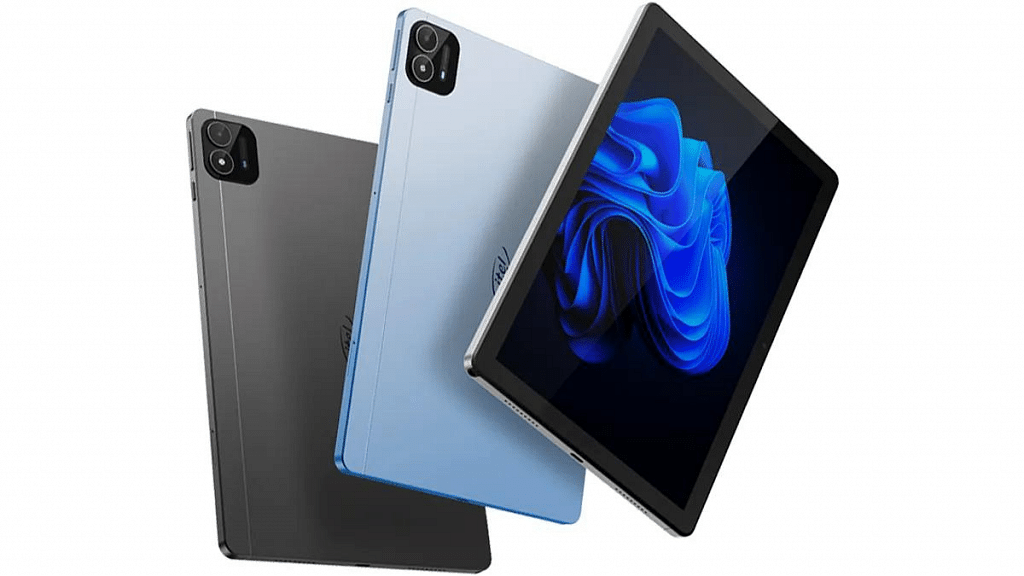
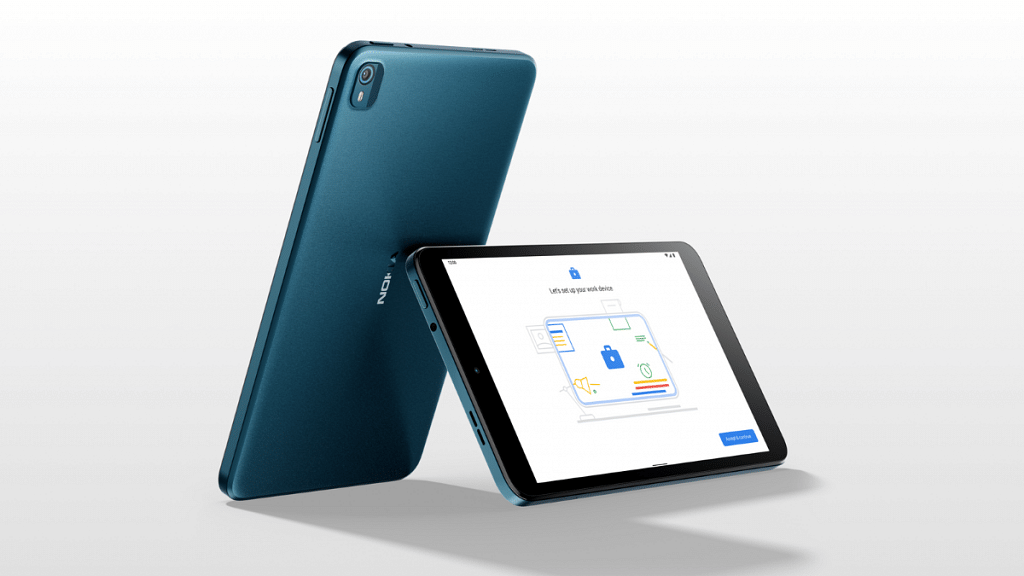
iTel Pad One vs Nokia T10: The Ultimate Budget-Friendly Tablet Comparison

Key Highlights

  • Budget-friendly tablets under Rs.15,000.
  • The iTel Pad One comes with a larger display than Nokia T10.
  • The iTel Pad One comes equipped with SC9863A1 processor whereas Nokia T10 comes equipped with 4nm Unisoc T606 chipset.
  • The iTel Pad One boasts a massive 6000 mAh battery while the Nokia T10 is no slouch either, packing a substantial 5250 mAh battery.


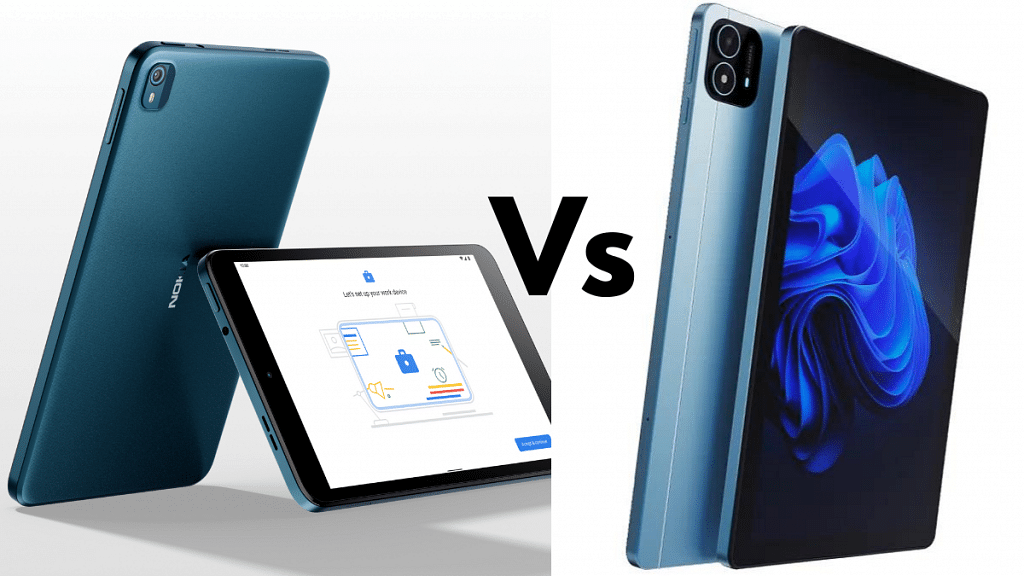
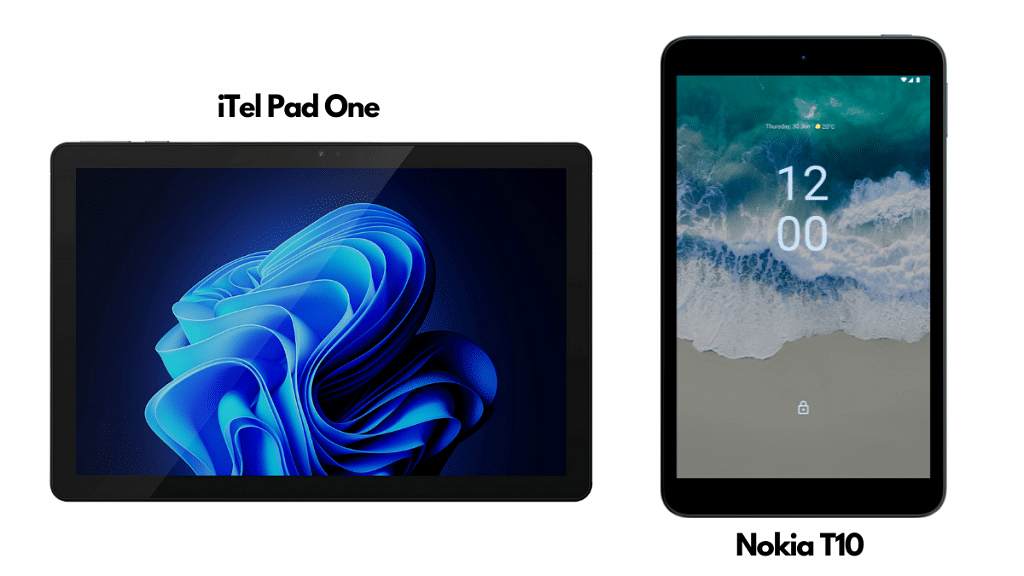
iTel and Nokia are two well-known brands and both have now a budget-friendly tablet market: the iTel Pad One and the Nokia T10. These tablets come with decent features and specifications, but which one of them is the better buy? In this article, we will be comparing the iTel Pad One and Nokia T10 to find out which one is the ultimate budget-friendly tablet.

Also Read: Nokia T10 New Model Costs A Bit Higher In India: Here’s Why

iTel Pad One vs Nokia T10: Display Specifications

Model iTel Pad OneNokia T10
Display Size10.1-inch8-inch
Resolution 1280 x 8001280 x 800
Pixel Density 224 PPI189 PPI

When it comes to display, the iTel Pad One offers a 10.1-inch IPS LCD and Nokia T10 offers an 8-inch IPS LCD both with a resolution of 1280 x 800 pixels. The displays are bright and clear and offer good viewing angles. Apart from the display size, there is a key difference between the two displays: the iTel Pad One comes with a higher pixel density of 224 PPI, while the Nokia T10 has a pixel density of 189 PPI. This means that the iTel Pad One offers slightly sharper and more detailed images compared to the Nokia T10.

Another aspect to consider when comparing the displays of these two tablets is their screen-to-body ratio. The iTel Pad One boasts an 10.1-inch display with an 80% screen-to-body ratio, while the Nokia T10 with an 8-inch screen has a slightly lower screen-to-body ratio of 72.4%. This means that the iTel Pad One has a slightly more immersive viewing experience, as the bezels are thinner and the screen takes up more of the front of the device.

Overall, both the iTel Pad One and Nokia T10 offer decent displays that are suitable for everyday use, but the iTel Pad One edge ahead slightly with its higher pixel density and better screen-to-body ratio.

Also Read: Honor Pad 8 India Availability Confirmed For March 7: Amazon Landing Page Live

iTel Pad One vs Nokia T10: Camera Specifications

Model iTel Pad OneNokia T10
Rear Camera5MP8MP
Front Camera8MP2MP

When it comes to cameras, the iTel Pad One and Nokia T10 are pretty evenly matched. The iTel Pad One comes with a 5MP rear camera and an 8MP wide-angle front-facing camera whereas Nokia T 10 comes with an 8MP rear camera and a 2MP front camera. The rear cameras are capable of capturing decent-quality images and videos, while the front-facing camera of iTel Pad One is suitable for video calls and selfies.

Both the tablets come with an LED flash for the rear camera. But, Nokia T10 with 8MP rear camera is better equipped for low-light photography and can produce better quality images in darker environments.

Overall, the camera specifications of both tablets are pretty basic and are suitable for casual photography and video calls.

Also Read: OnePlus Pad 5G Vs Xiaomi Pad 5 Premium Android Tablet Battle

iTel Pad One vs Nokia T10: Chipset, Battery

Model iTel Pad OneNokia T10
Chipset SC9863A1 processorUnisoc T606
RAM4GB3GB or 4GB
Battery 6000 mAh5250 mAh
Charging 10W10W

Under the hood, the iTel Pad One is powered by a SC9863A1 processor, which is paired with 4GB of RAM and 128GB of internal storage. The Nokia T10, on the other hand, is powered by a 4nm Unisoc T606 chipset, which is paired with 3GB or 4GB of RAM and 32GB or 64GB of internal storage respectively. Both the tablets come with a microSD card slot that allows users to expand the storage up to 512GB.

In terms of battery, the iTel Pad One comes with a 6000mAh battery, while the Nokia T10 comes with a slightly larger 5250 mAh battery. Both tablets offer 10W charging capabilities and have a decent battery life and can last for a full day with moderate usage.

When it comes to performance, the iTel Pad One has the edge over the Nokia T 10, thanks to its more powerful chipset and higher amount of RAM. However, both tablet offers the ability to expand the storage further with microSD.

Also Read: Nokia T21 Vs Moto Tab G62 Vs Lenovo M10 Tab HD (2nd Gen) Tablet: Best Option For Budget Audience

iTel Pad One vs Nokia T10: Price Comparison

Model iTel Pad OneNokia T10
Price Rs.12,999Rs.14,499

The iTel Pad One and Nokia T10 are two budget-friendly tablets that offer good value for money. The iTel Pad One is available at Rs.12,999 whereas Nokia T 10 is available at Rs.14,499.

Categories
Info Tablet

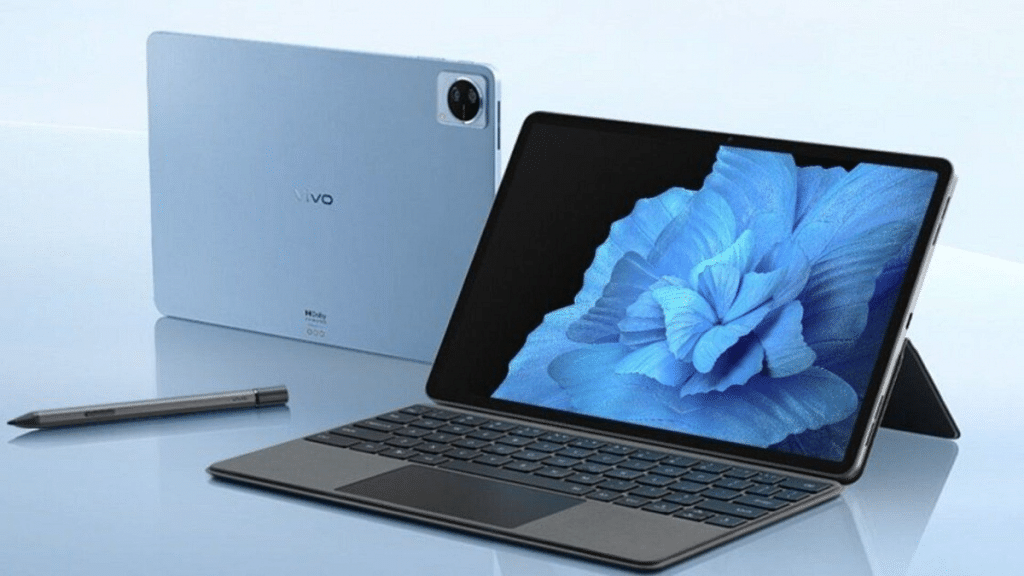
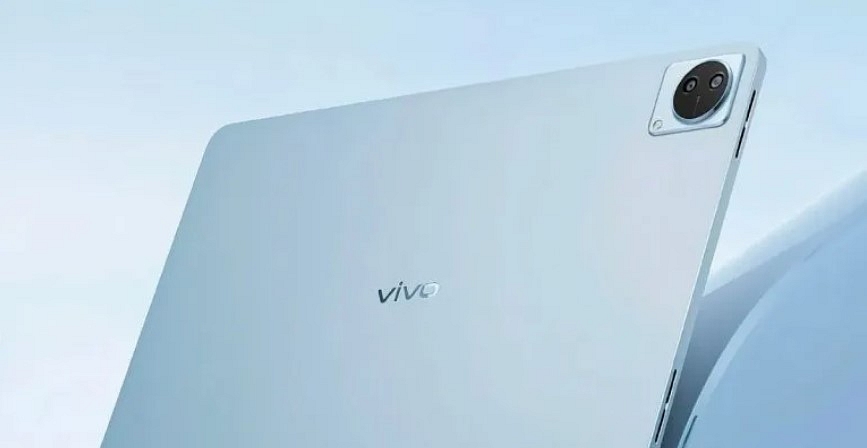
Vivo Pad 2 Tablet Chipset Revealed: Other Key Features We Know

Key Highlights

  • Expected to launch in April 2023
  • Comes equipped with MediaTek Dimensity 9000 processor

Leaked information suggests that this new tablet will feature a powerful new chipset, making it an exciting upgrade from the previous Vivo Pad.

Also Read: Vivo Pad Full Specifications Leaked: Check Here For Price And Other Details

Vivo Pad 2 Official India Launch Timeline

According to industry insiders, the Vivo Pad 2 is expected to launch in India in the second quarter of 2023. The exact launch date has not been confirmed by Vivo, but fans are eagerly waiting for the announcement.

Vivo Pad 2 Price In India, Buying Details

Although the exact price for the Vivo Pad 2 has not been officially announced, rumors suggest that it will be competitively priced higher than the previous Vivo Pad.

The Vivo Pad 2 is expected to be available for purchase both online and offline in India. Online platforms like Amazon, Flipkart, and Vivo’s own e-store are expected to sell the tablet. Customers can also purchase the Vivo Pad 2 from offline retail stores.

Also Read: Oppo Pad Vs Vivo Pad Tablet: Specification Comparsion

Previous Vivo Pad Features And Specifications

The Vivo Pad comes with a 11-inch display with a resolution of 1600 x 2560 pixels. The tablet feature a  Snapdragon 870 processor, making it a high-performance device that can handle demanding applications with ease.

Leaked information regarding the Vivo Pad 2 suggests that the tablet will feature a MediaTek Dimensity 9000 processor. This powerful chipset is the same one that is expected to power the upcoming OnePlus Pad and OPPO Pad 2. The Dimensity 9000 is a high-performance processor that is built on a 4nm architecture, making it extremely efficient and capable of handling demanding applications with ease.

Also Read: Honor Pad 8 India Availability Confirmed For March 7: Amazon Landing Page Live

The Vivo Pad 2 is also expected to come with a large battery capacity than Vivo Pad which has 8040 mAh battery capacity. It is also expected to come with 5G connectivity, making it one of the few tablets in the market to support the latest technology. Other features of the Vivo Pad 2 are expected to include a dual-camera setup at the back.

According to sources, the Vivo Pad 2 is shaping up to be an exciting tablet for Vivo fans. With a powerful chipset, large battery capacity, and 5G connectivity, it is sure to be a high-performance device that can compete with the best in the market.

Also Read: OnePlus Pad 5G Vs Xiaomi Pad 5 Premium Android Tablet Battle