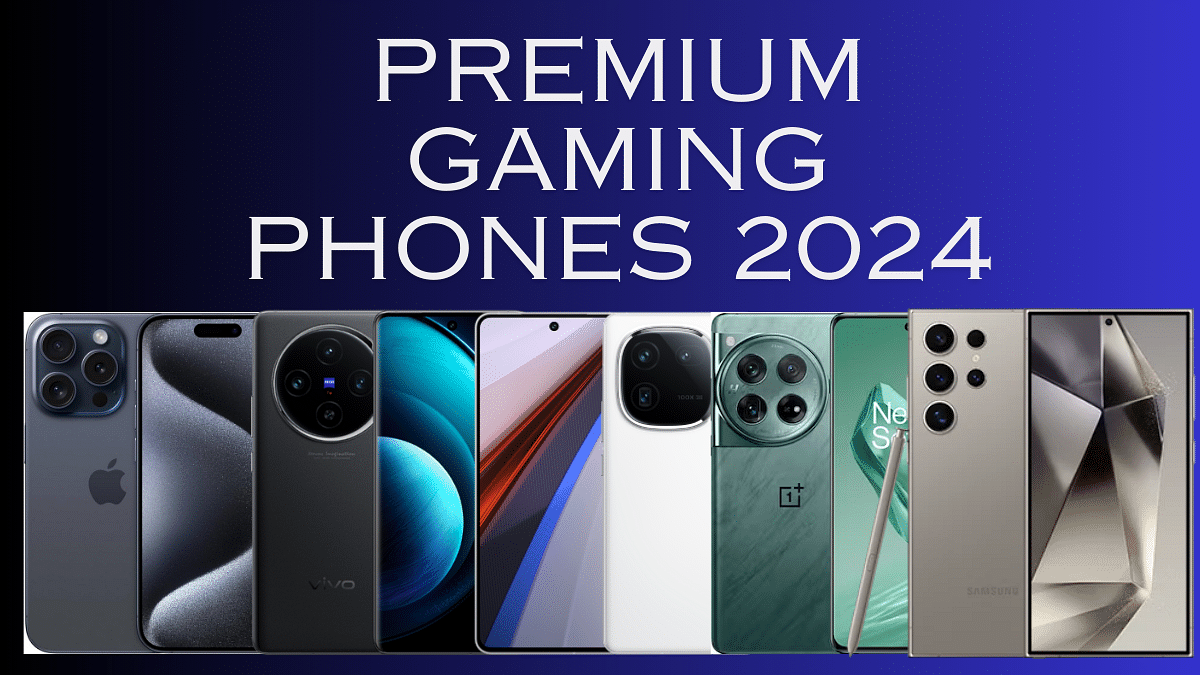
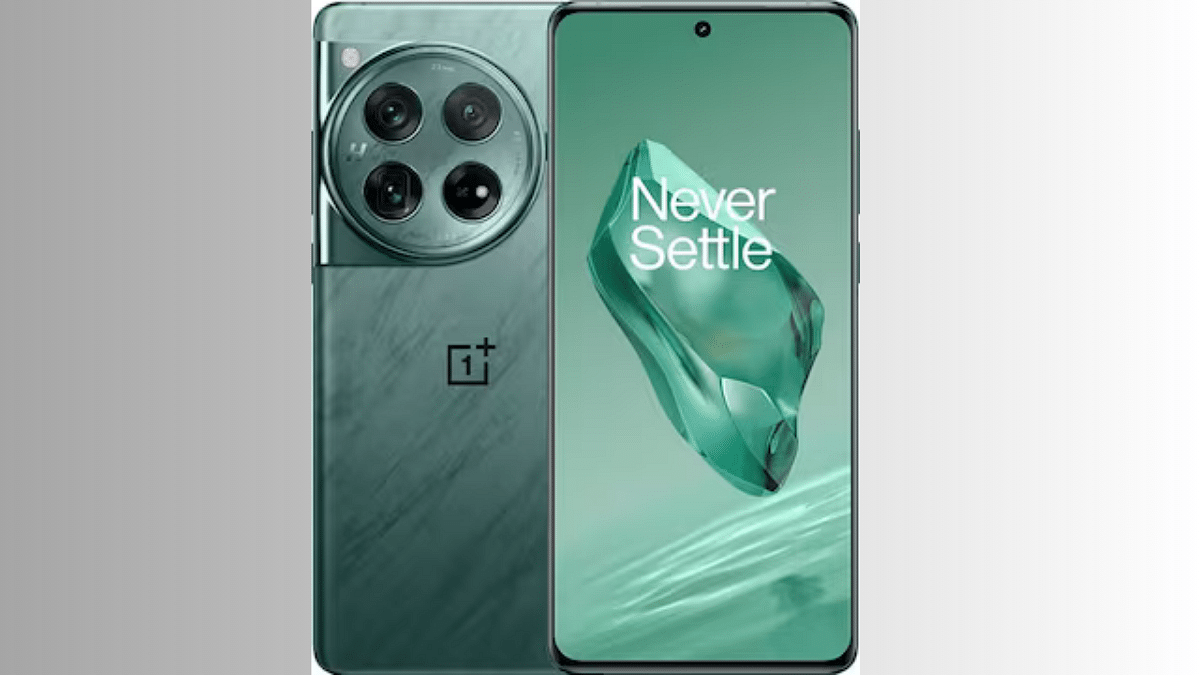
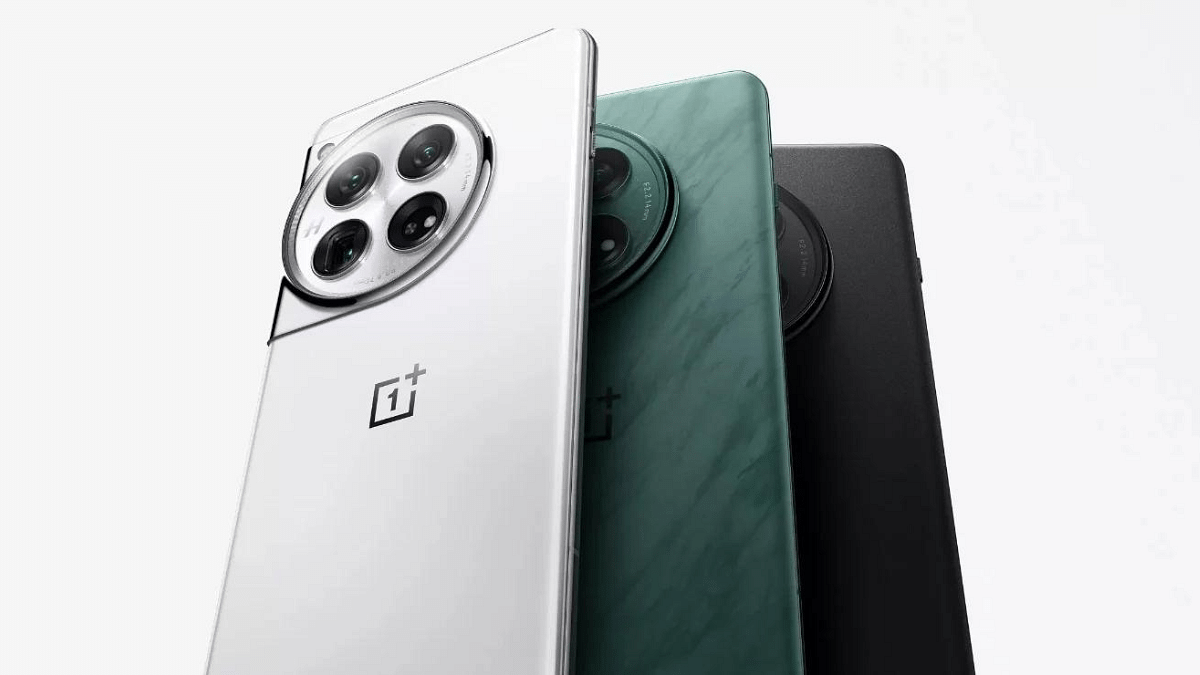
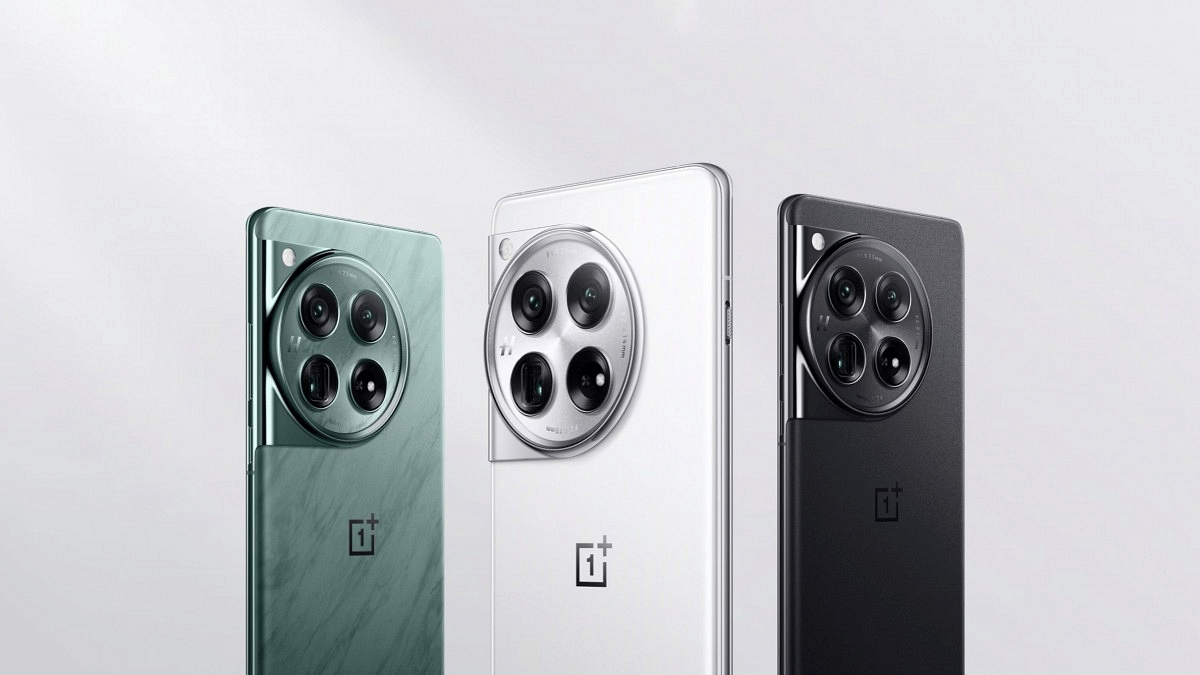
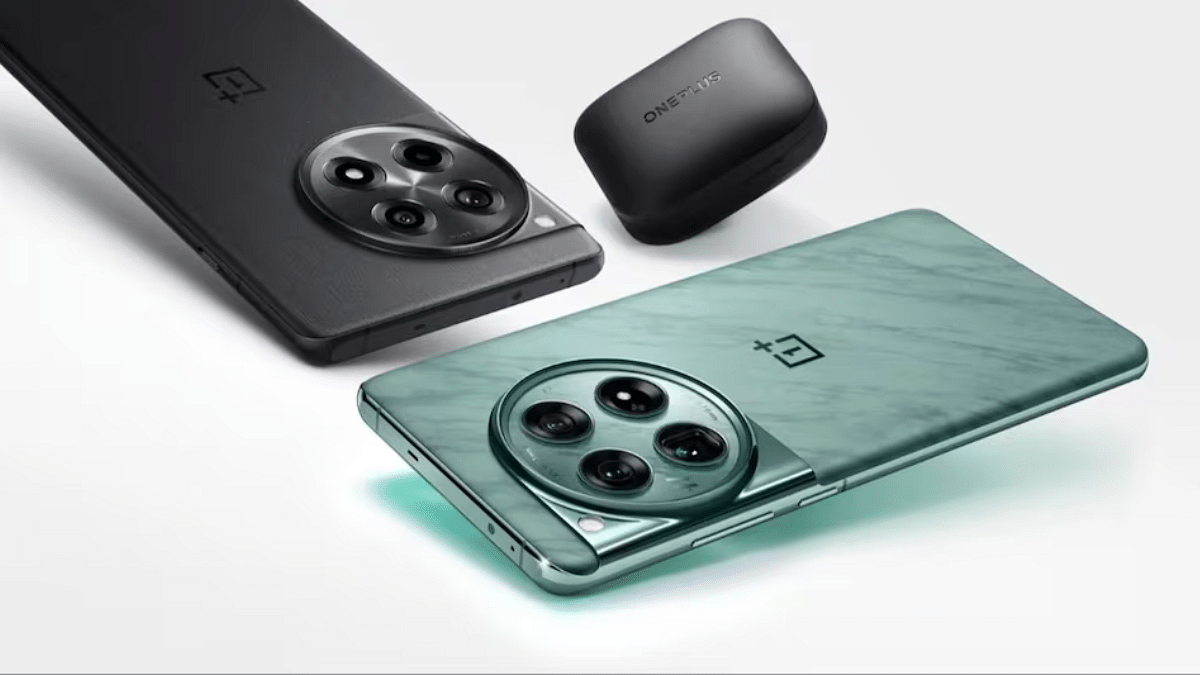
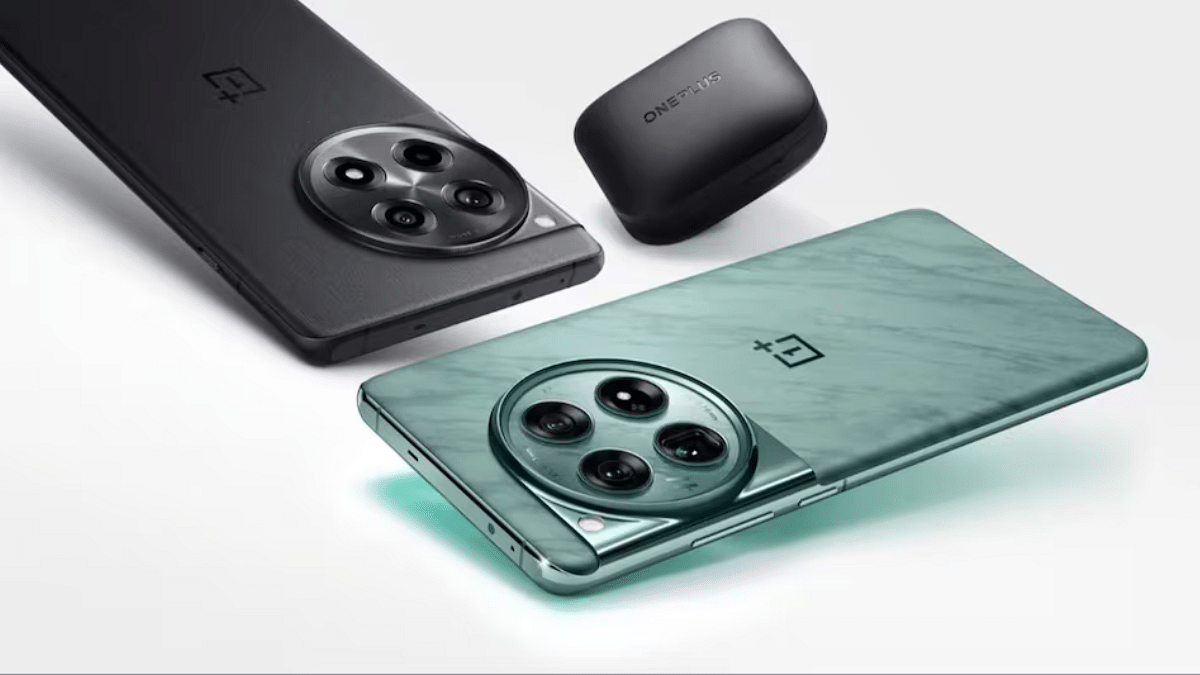
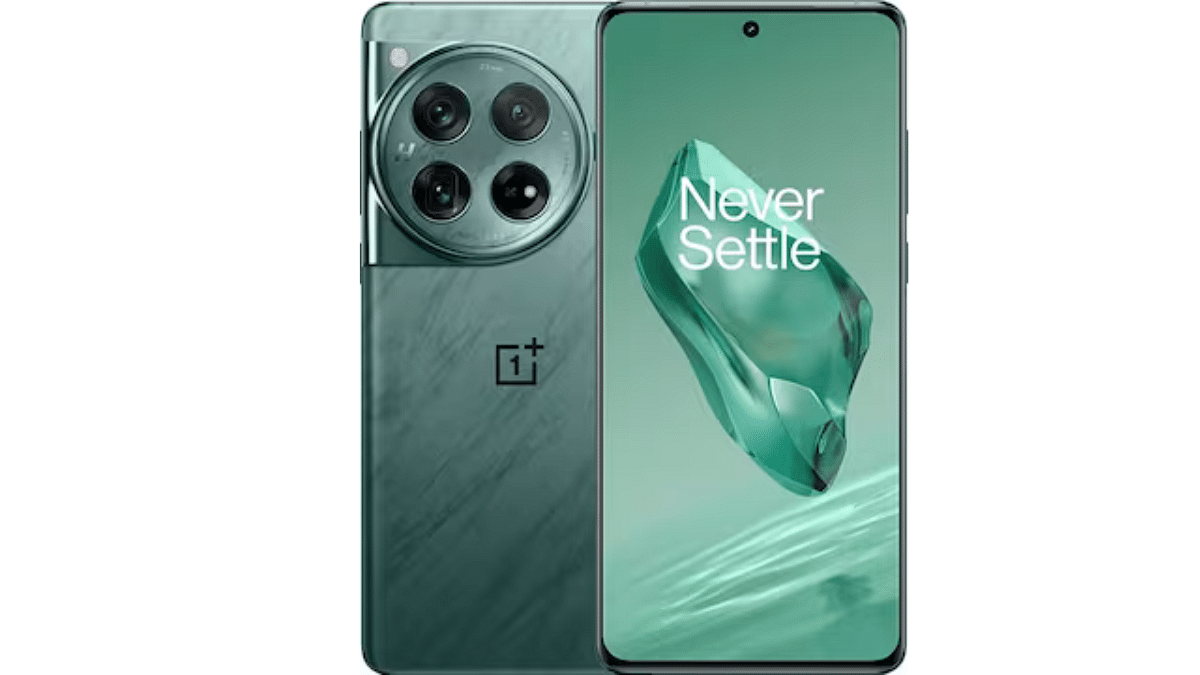
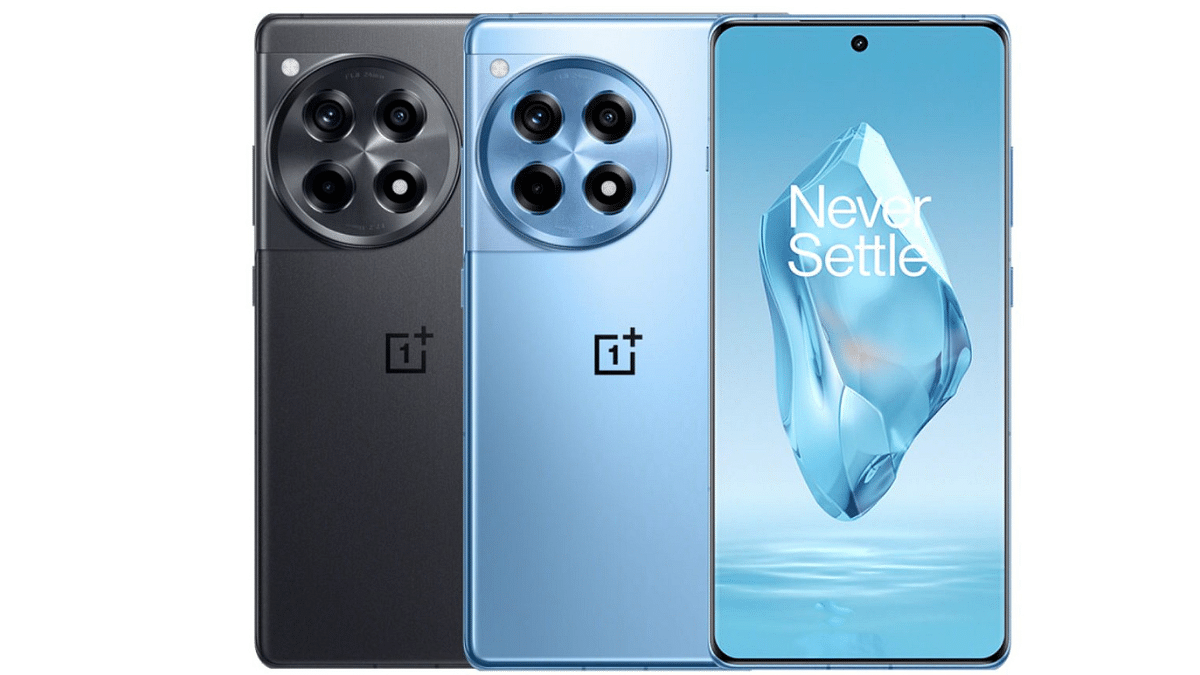
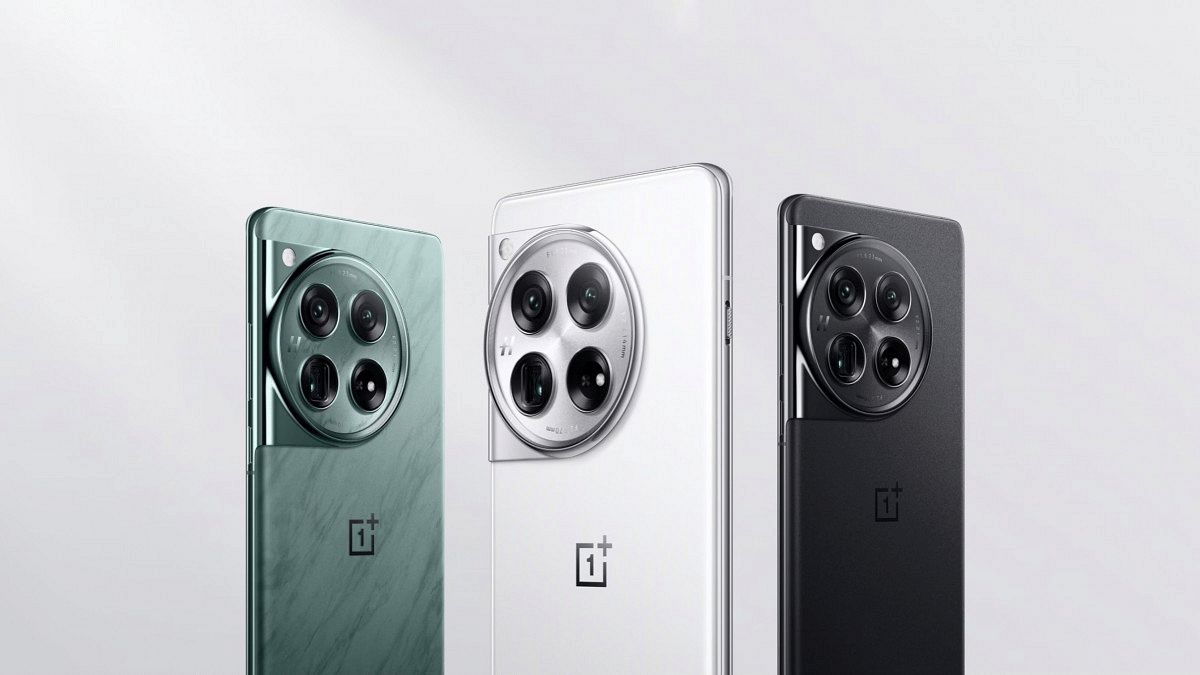
The OnePlus 12 strikes a perfect balance between power and affordability. It’s equipped with the latest Qualcomm Snapdragon 8 Gen 3 processor, ensuring smooth gameplay even for the most demanding titles. The 6.82-inch AMOLED display boasts a 120Hz refresh rate for buttery-smooth visuals, while the 5,400mAh battery keeps you gaming for hours on end.
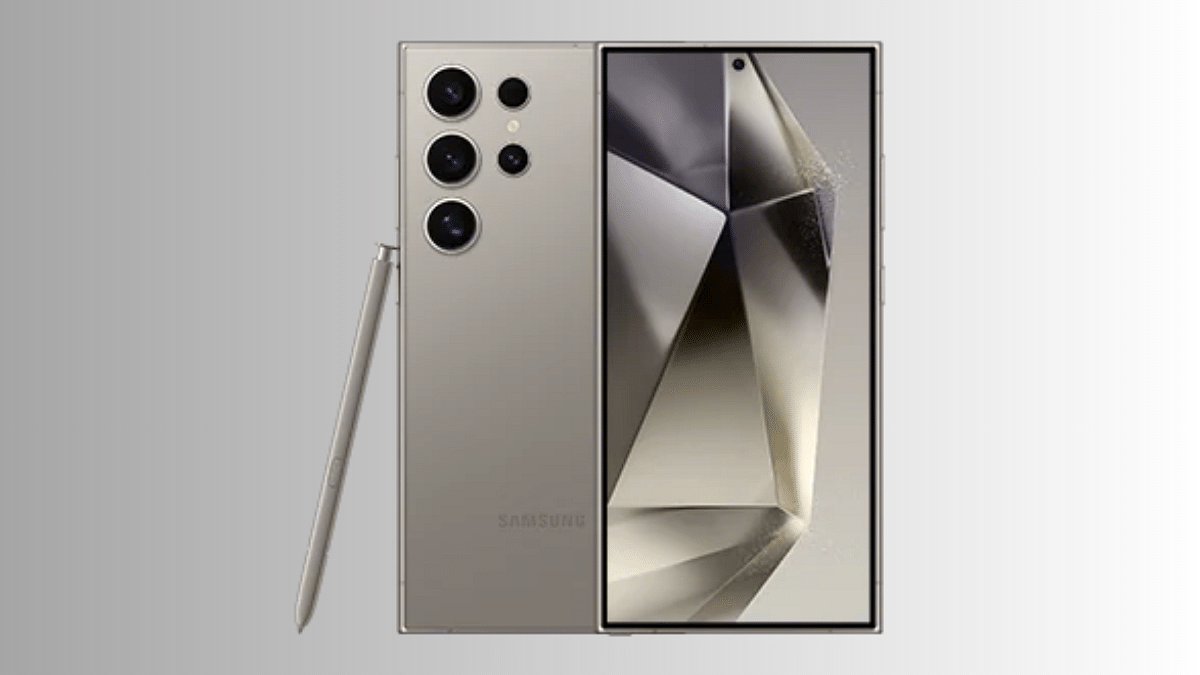
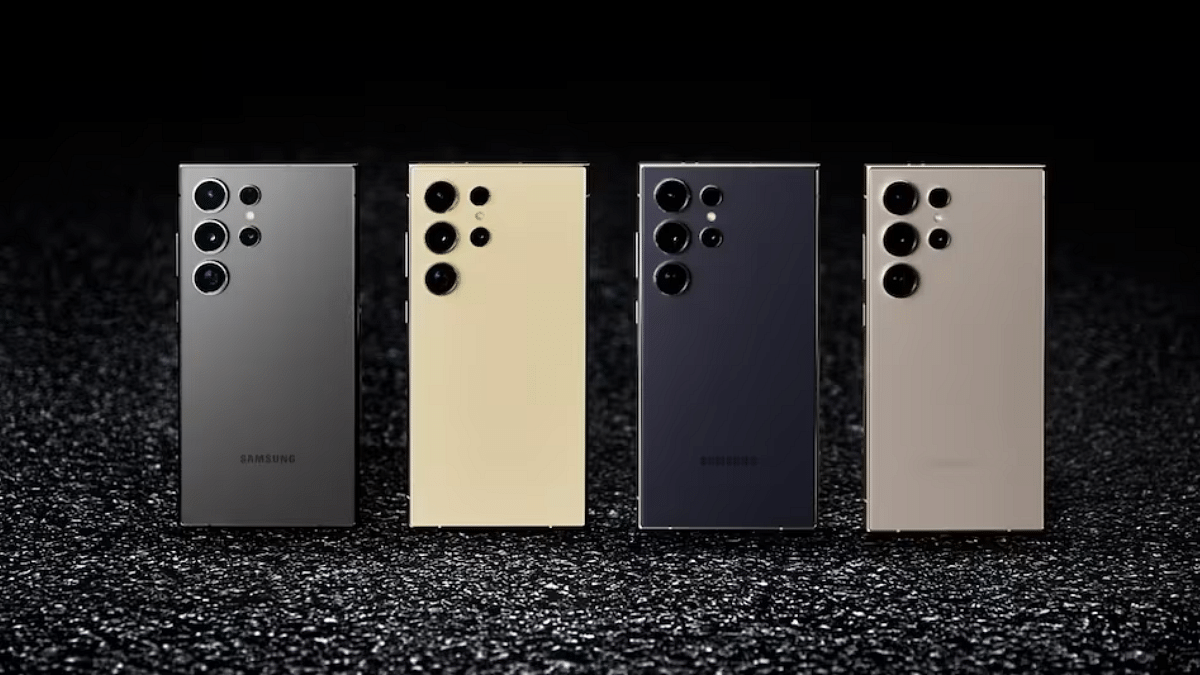
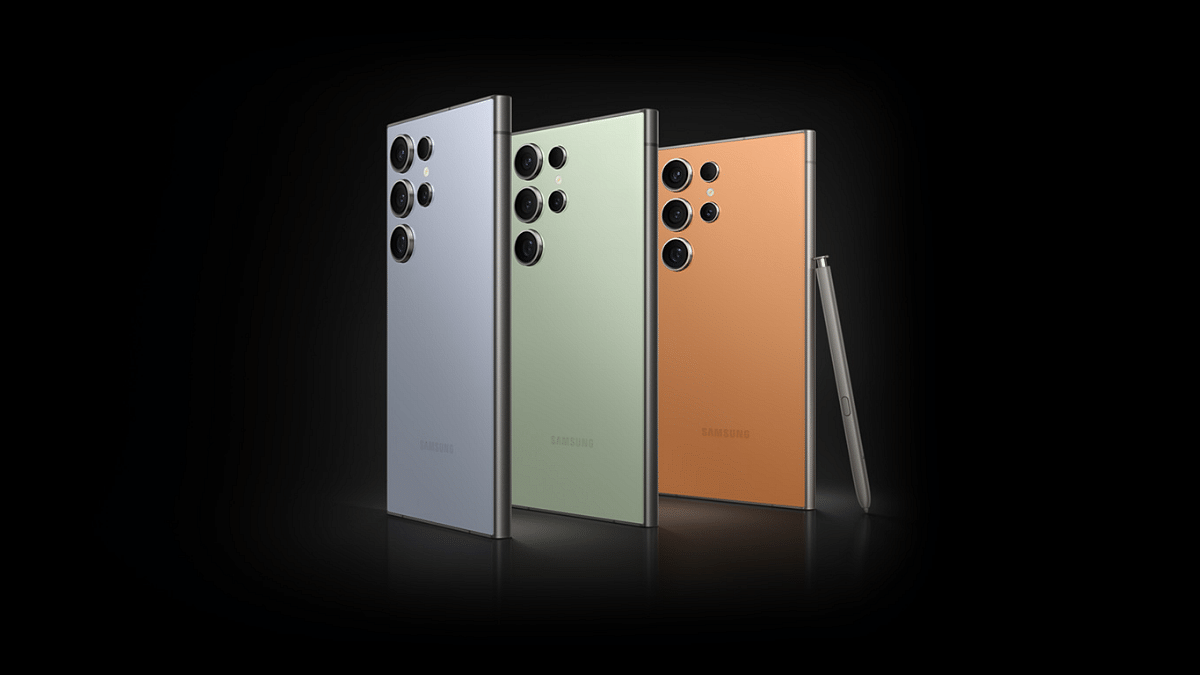
If you’re looking for the absolute best, the Samsung Galaxy S24 Ultra is comes with top-of-the-line Snapdragon 8 Gen 2 for Galaxy processor, a stunning 6.8-inch 120Hz AMOLED display, and a massive 5,500mAh battery. It also boasts advanced cooling technology to prevent overheating during intense gaming sessions.
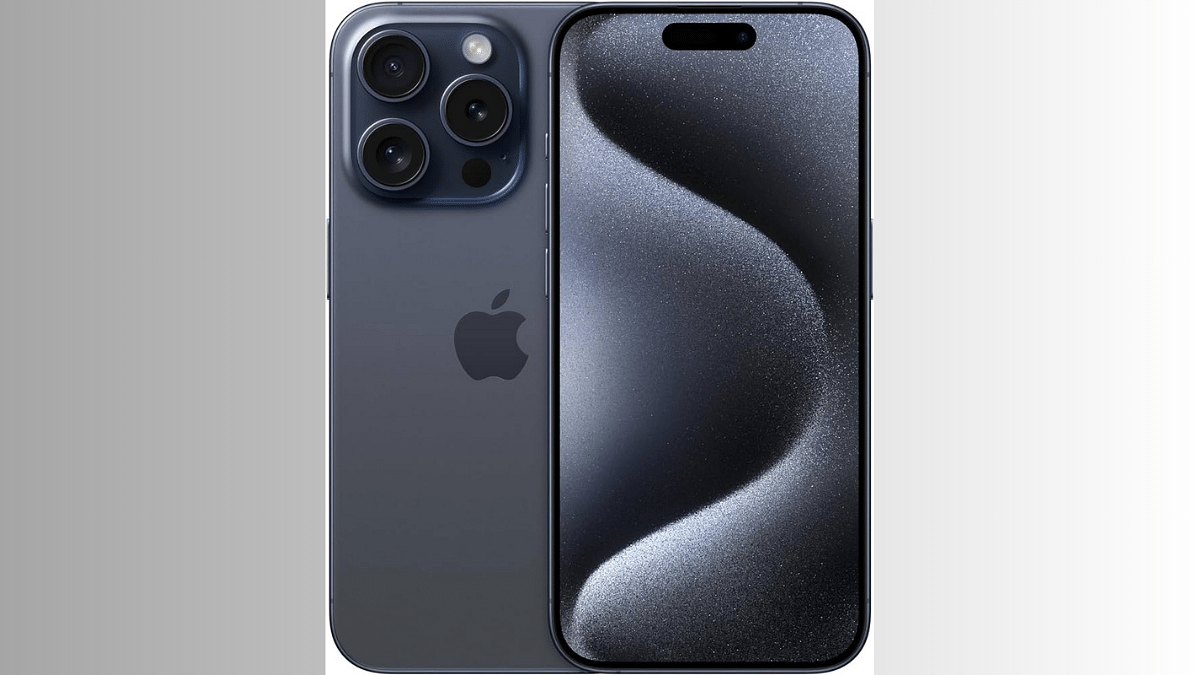
Apple’s latest flagship, the iPhone 15 Pro, may not be marketed as a gaming phone, but it’s a powerhouse nonetheless. The A17 Pro Bionic chip is incredibly fast and efficient, while the 6.1-inch 120Hz ProMotion display delivers stunning visuals. And of course, iOS has a vast library of high-quality games to choose from.
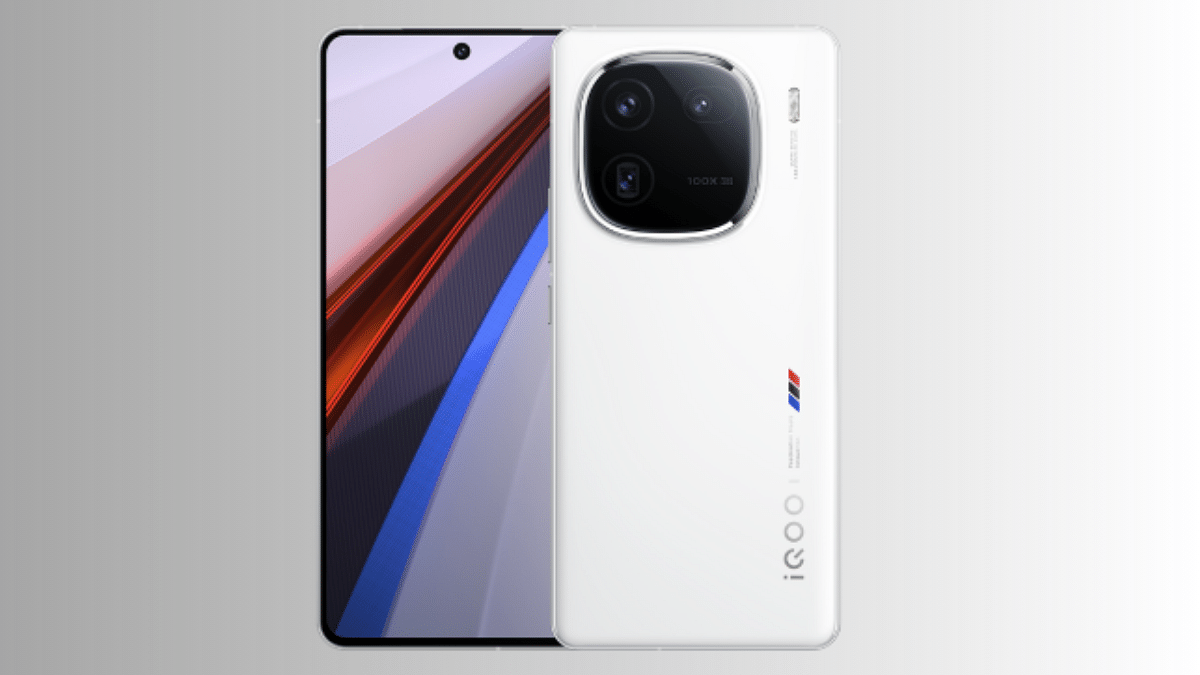
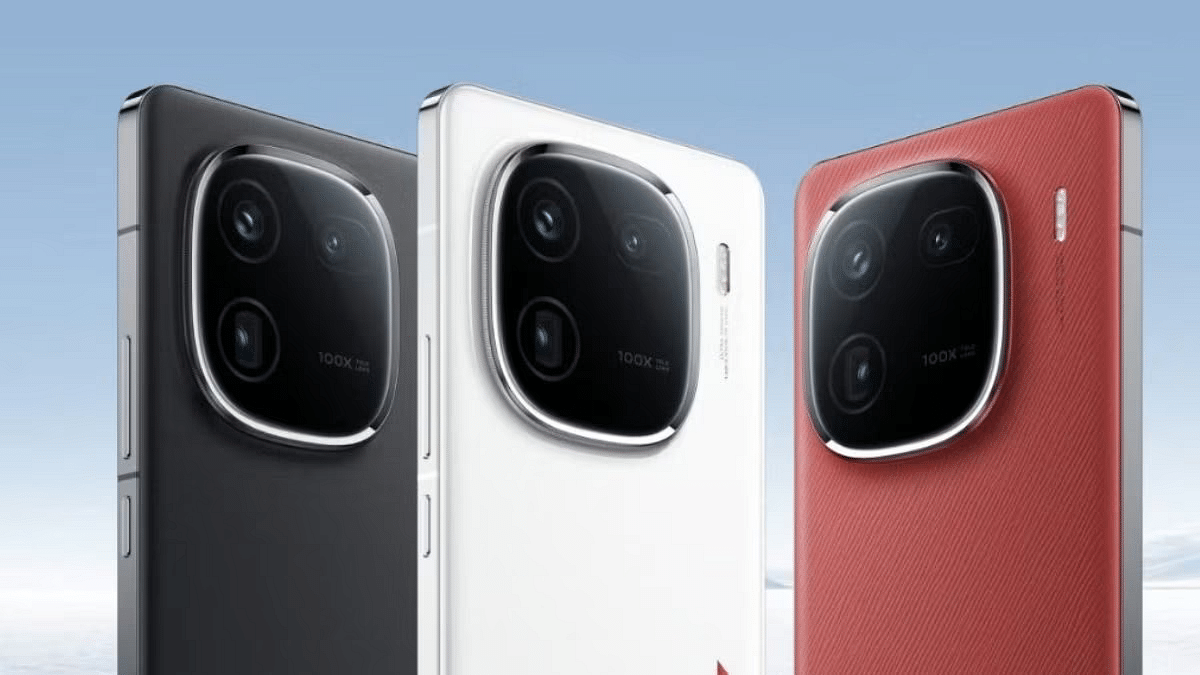
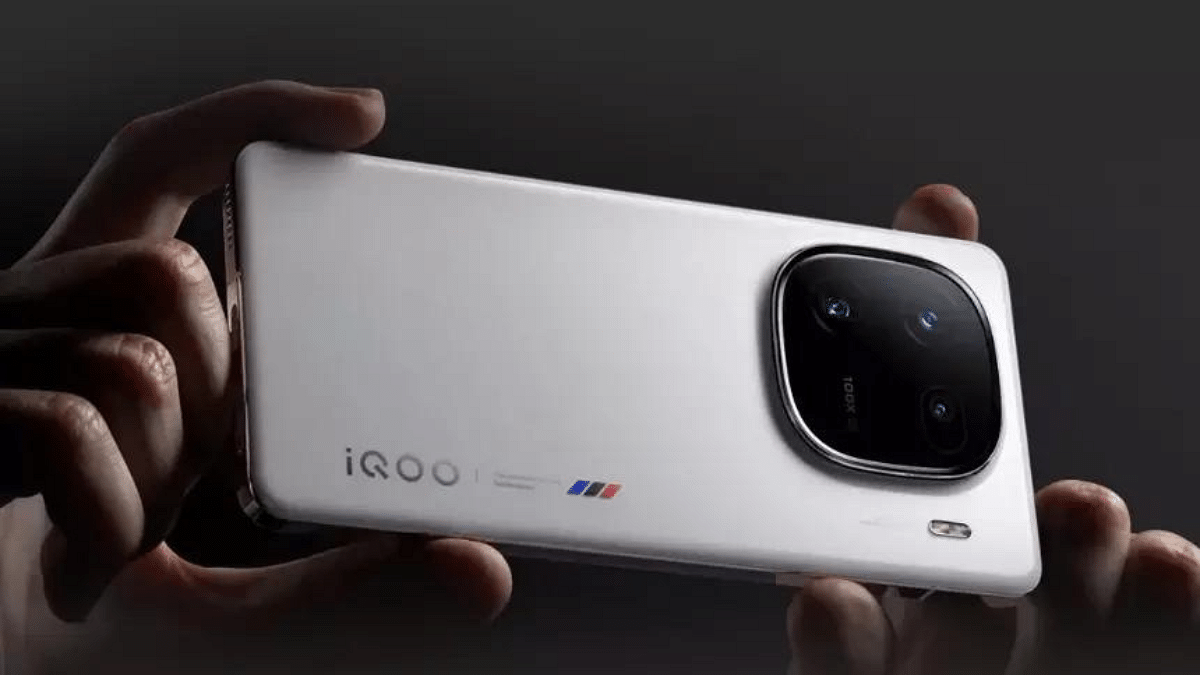
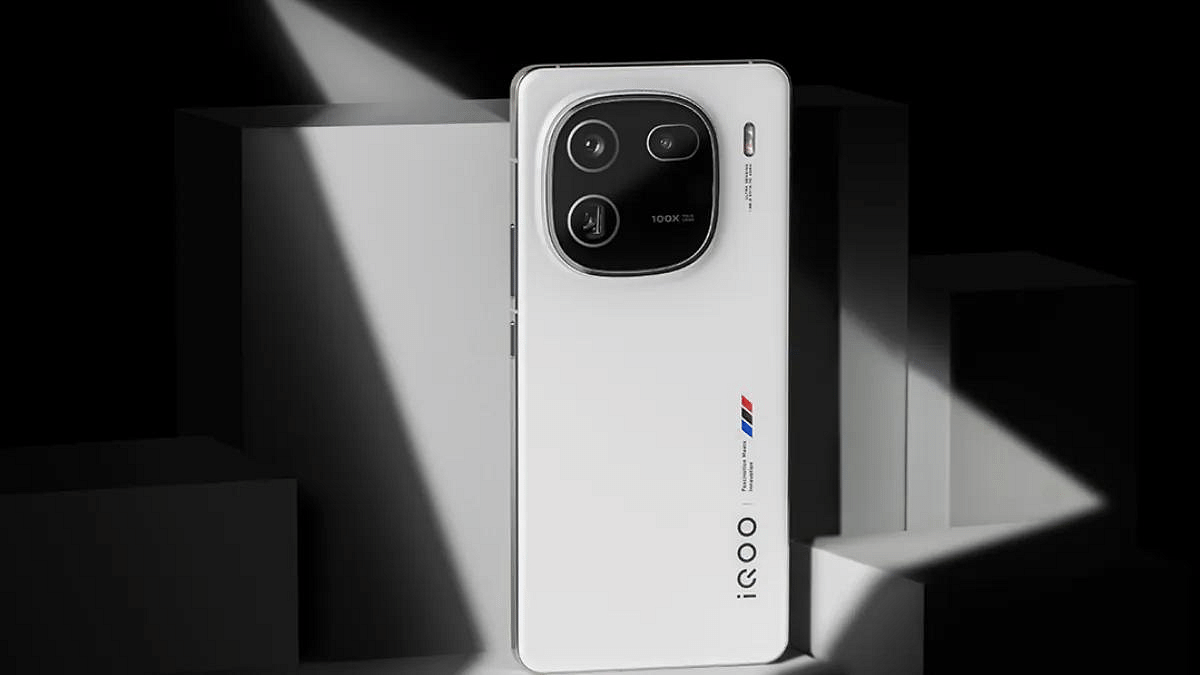
iQOO is known for its gaming-focused smartphones, and the iQOO 12 is no exception. It boasts the Snapdragon 8 Gen 3 processor, a 6.78-inch 144Hz AMOLED display, and a whopping 5,000mAh battery with 120W fast charging. This phone is built for marathon gaming sessions without sacrificing on performance.
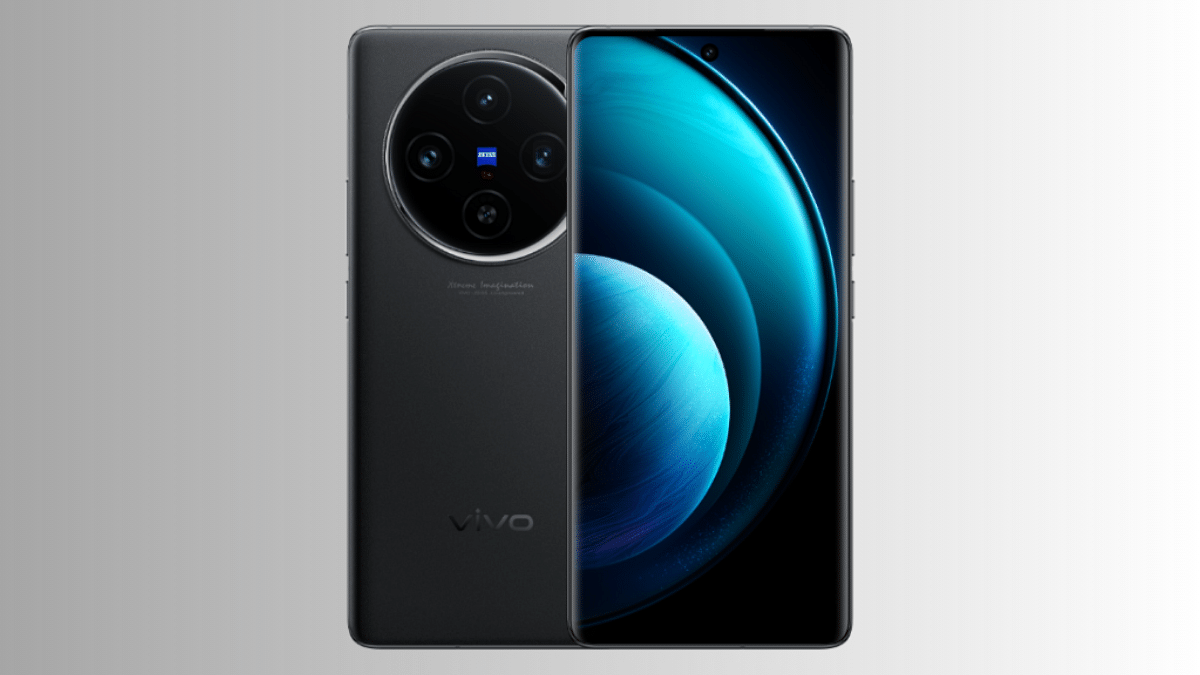
If you’re looking for a gaming phone that doesn’t compromise on style, the Vivo X100 is the one for you. It has a premium design with a sleek ceramic back and a powerful Mediatek Dimensity 9300 processor.
The Vivo X100 boasts a 6.78-inch 120Hz AMOLED display for smooth visuals and a 5,000mAh battery with 120W fast charging. While not the absolute powerhouse on this list, it offers well-rounded performance and a unique design at a competitive price point.
Oppo has recently unveiled its latest addition to the Reno series in India – the Reno 11 5G. Renowned for its stylish design and notable features, Oppo continues to stand out in the crowded smartphone market. With a new design, enhanced cameras, and the latest software, Oppo’s Reno 11 5G enters the fiercely competitive premium mid-range segment of 2024, dominated by smartphones launched in 2023. Having had the opportunity to use Oppo’s latest Reno smartphone, here’s my take on whether it stands a chance in this cutthroat market. Let’s get started. Also Read | OPPO F23 5G Quick Review: Makes The Cut Under Rs. 25,000?
Pros
Cons
Stylish design
OLED panel
Fast charging
Pre-installed Apps
Decent performance
Camera downgrade
What’s Inside The Box?
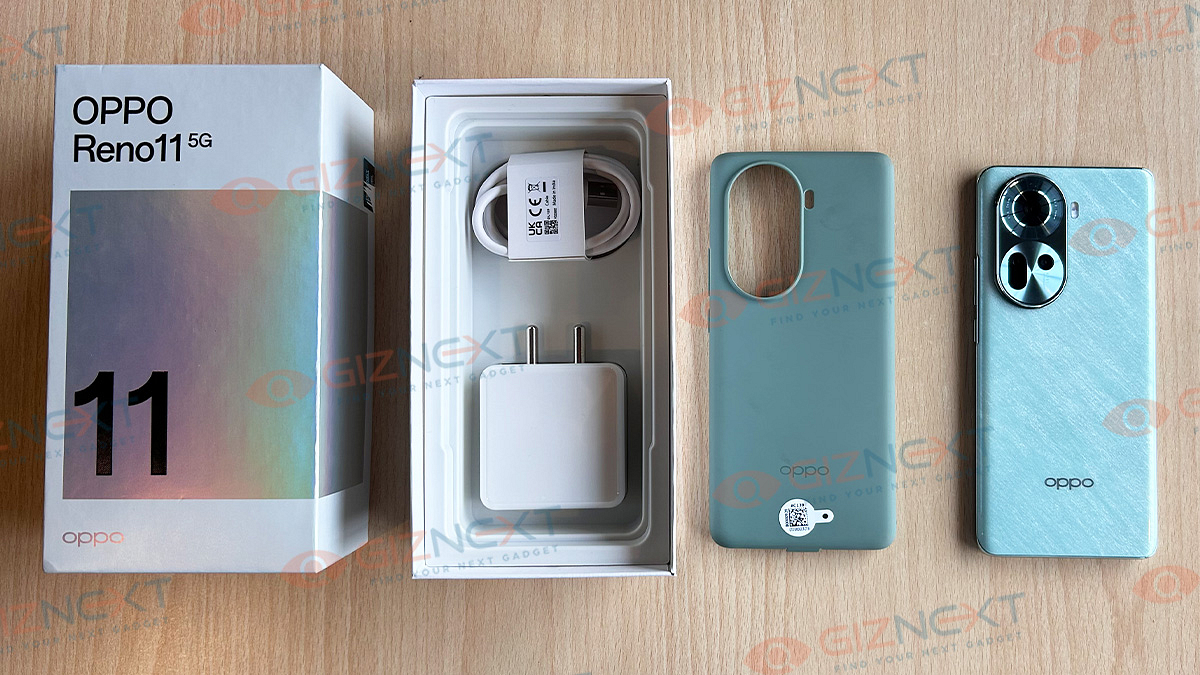
Oppo Reno 11 5G handset
67W Adaptor
Micro USB Cable
TPU Case
Sim Ejector Pin
Quick Start Guide
Warranty Card
Design
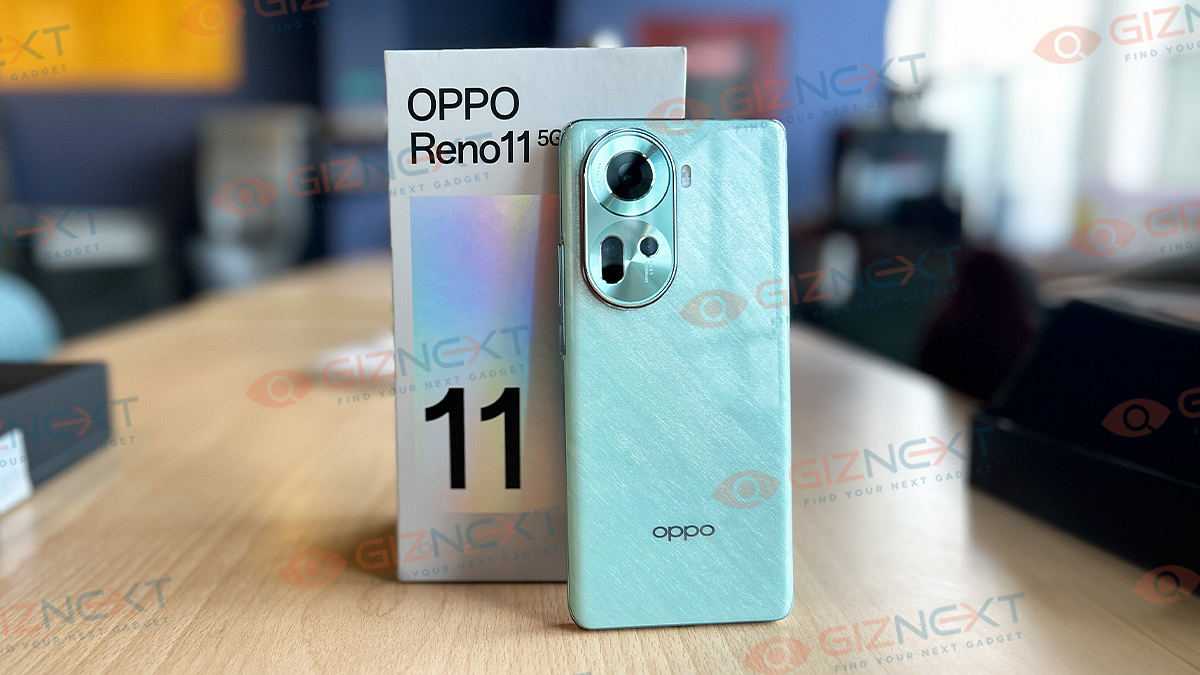
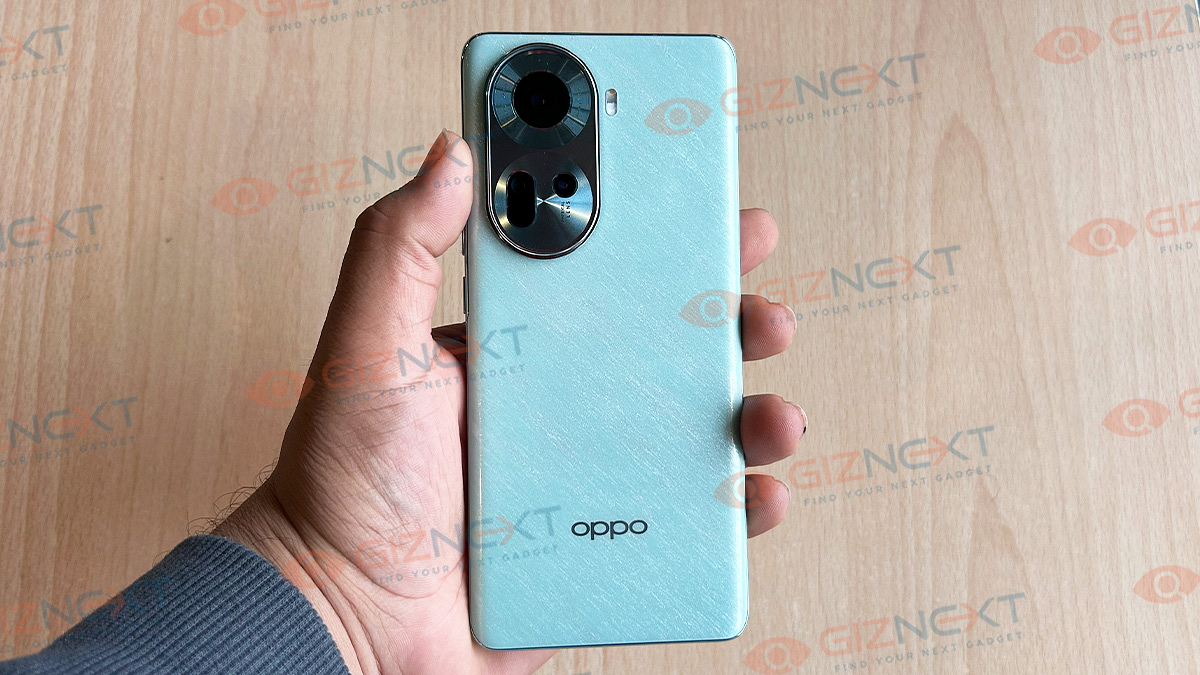
The Oppo Reno 11 5G caught my eye right away with its first appearance. The back panel design has undergone a refreshing change from the previous model, Oppo Reno 10 5G. I got my hands on the Wave Green variant, and I must say, the pastel shade adds a touch of elegance, making it stand out.
The back panel features silver Oppo branding at the bottom and a slightly protruding silver eclipse-shaped camera module on the top-left side. The phone is slim and lightweight to hold giving a comfortable grip, perfect for long hours of use.
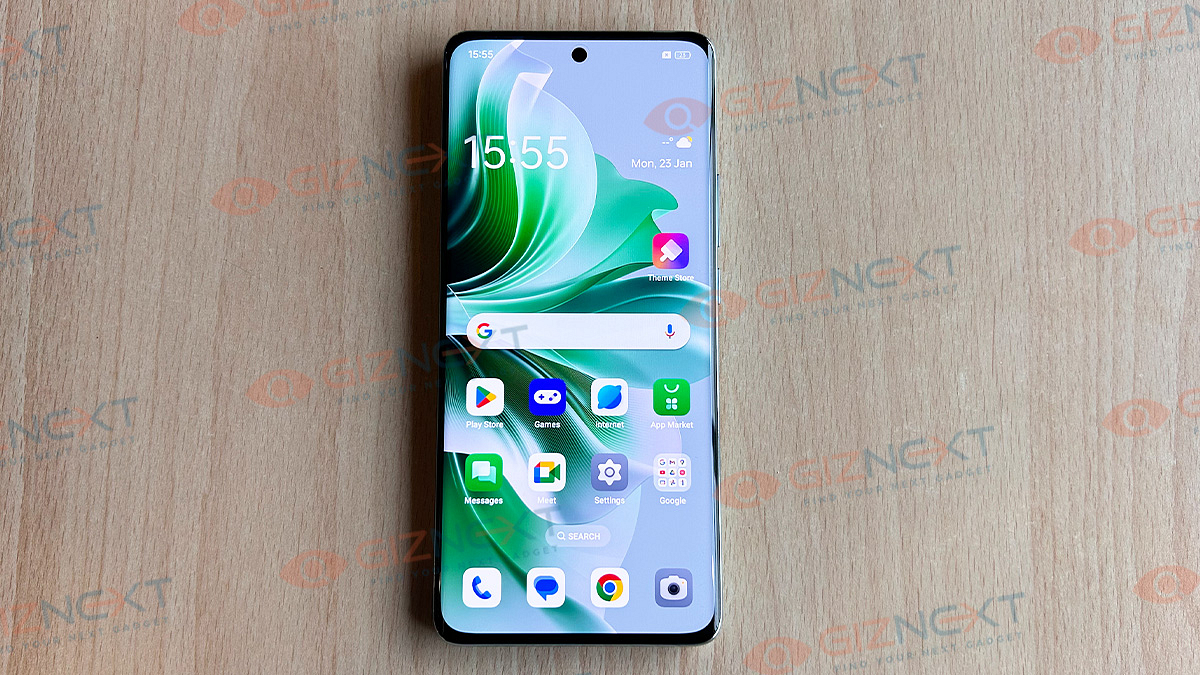
Turning to the front, the curved OLED display with rounded edges and a punch-hole cutout for the selfie camera is eye-catching. The display is protected by tempered glass.
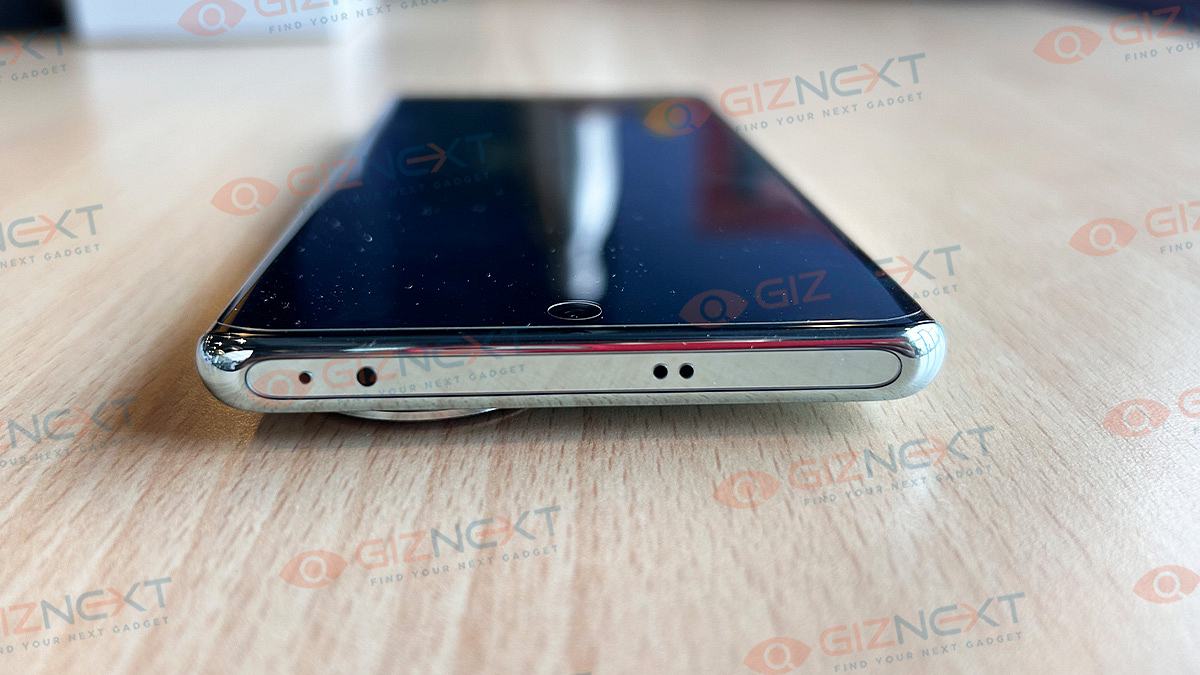
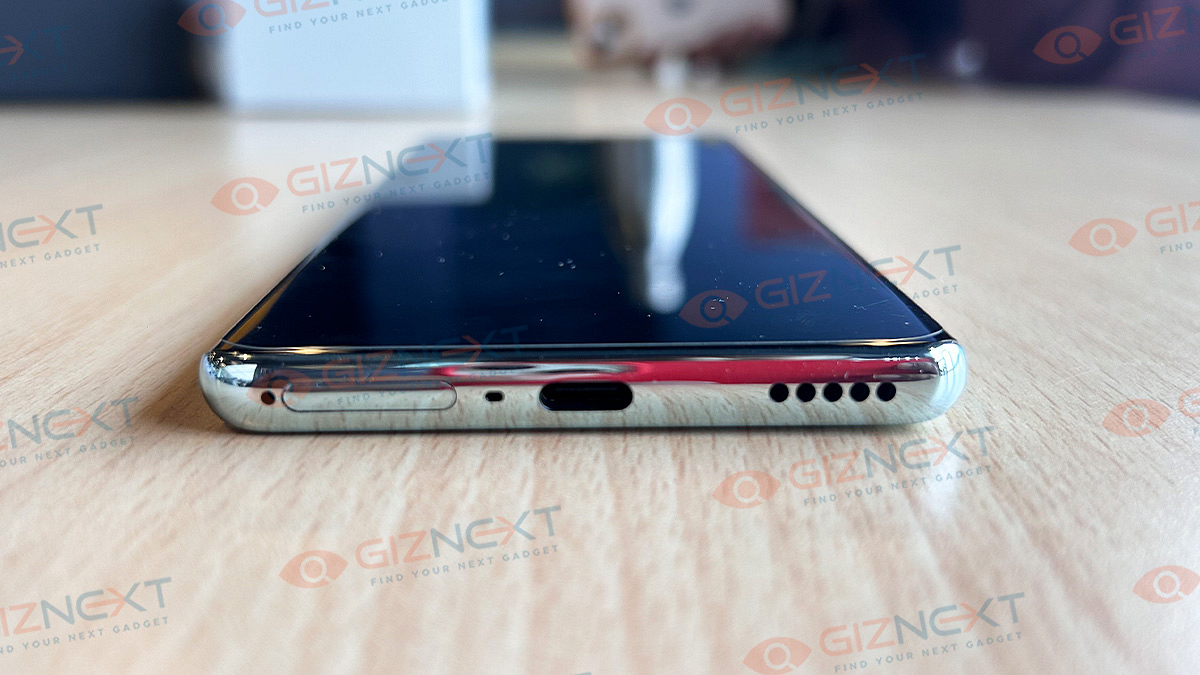
The power button and volume rockers are on the right, while the left side is empty. The top edge houses a microphone, IR blaster, and a speaker, while the bottom includes a SIM tray, speaker grille, and a USB-C port for charging—no 3.5mm headphone jack, though.
Overall, the Oppo Reno 11 5G not only looks beautiful but also caters to those who want their smartphone to reflect their style. With a new design that maintains its premium feel, Oppo continues the legacy of the Reno Series, known for its style quotient.
Display
The display is where you’ll notice a slight step down from the Reno 10 5G in the Oppo Reno 11 5G. The newer model features a 6.7-inch OLED panel, whereas its predecessor boasted an AMOLED panel of the same size. Although the refresh rate remains at 120Hz, it’s unusual for a smartphone brand to opt for a lower-grade display in the next series.
Despite this downgrade, it’s important to note that the display on the Reno 11 5G is by no means subpar. In everyday use, the visuals are vibrant, rich, and detailed. The colors appear natural, and the viewing angles are decent. However, the peak brightness might feel a bit insufficient under intense sunlight. While it would have been preferable for Oppo to stick with the AMOLED panel, the overall display quality remains above average.
Performance
The Oppo Reno 11 5G, powered by the MediaTek Dimensity 7050 chipset, delivers fast and seamless performance. It is free from any annoying lags or hiccups even when juggling multiple apps simultaneously. There’s 8GB RAM and 256GB storage in the phone that caters to your multitasking needs.
Gaming enthusiasts will find the Oppo Reno 11 5G satisfactory, handling light and moderate games with ease. However, heavy titles may experience occasional frame rate drops during extended play.
On the software front, the Oppo Reno 11 5G comes equipped with ColorOS 14, based on the latest Android 14 out of the box. The phone does have some pre-installed apps like Spotify, Snapchat, Netflix, Facebook, and Linked In, which could be considered bloatware. However, if you find these unnecessary, they can be easily removed to streamline your device to your liking.
All in all, the Oppo Reno 11 5G delivers decent performance, ample storage, and a gaming experience that suits most users. While some pre-installed apps may be deemed unnecessary, the flexibility to remove them ensures a personalized and efficient user experience.
Oppo has made some interesting changes in the camera department with the Oppo Reno 11. Unlike its predecessor, the Reno 11 features a 50MP main camera, accompanied by the unchanged 32MP and 8MP secondary lenses. The front camera maintains its 32MP snapper for selfies and video calls.
The 50MP main camera captures vibrant and colorful shots in natural light. Thanks to optical image stabilization, even moving objects are well-captured, displaying intricate details in every shot. Zooming in reveals clear and precise details, with decent color accuracy. In low-light conditions, the primary camera still performs well, although it does not reach the same quality as outdoor shots.
Oppo Reno 11 5G Shot (under low light)
Oppo Reno 11 5G Shot (7.5x zoom)
Oppo Reno 11 5G (Moving Shot)
Oppo Reno 11 5G (Zoom)
The 8MP ultrawide camera covers a large area without distortion issues. Daylight shots showcase character and detail, but in low-light settings, there’s a slight decrease in quality.
For portraits, the 32MP lens is good for capturing human subjects for social media profiles. Portrait mode effectively blurs the background, focusing solely on the subject. However, this effect is not replicated in normal selfie mode.
Oppo Reno 11 5G Selfie (Portrait)
Oppo Reno 11 5G Portrait
The 32MP selfie snapper, without background blur, is ideal for group selfies, capturing a large number of faces in the frame. With natural-looking skin tones and realistic facial details, the Oppo Reno 11’s front camera performs well, offering a versatile photography experience.
Battery & Charging
The Oppo Reno 11 5G comes with a 5,000mAh battery. This ensures full-day usage with ease under moderate conditions. This includes activities like calling, messaging, social media browsing, light gaming, video streaming, and music playback. However, with heavier usage, the battery might require a recharge before the day concludes.
Oppo includes a noteworthy 67W wired fast charging adapter in the package. This high-speed charging solution can refill the battery from 0 to 100 percent in approximately 40 minutes. In practical terms, even a brief 10-minute charging session can charge the smartphone 40 percent, providing users with quick and convenient power top-ups.
Giznext Verdict: Is It A Good Buy?
The Oppo Reno 11 5G has a stylish design, a big battery, and runs on Android 14. It comes with some drawbacks like pre-installed apps, a slightly lower-quality OLED screen, and a 50MP triple camera. However, if you want a trendy phone with a long battery life and the latest operating system, the Oppo Reno 11 5G is a good choice. Plus, Oppo offers a more affordable version with 8GB RAM and 128GB storage, priced at Rs. 29,999, making it a more budget-friendly option.
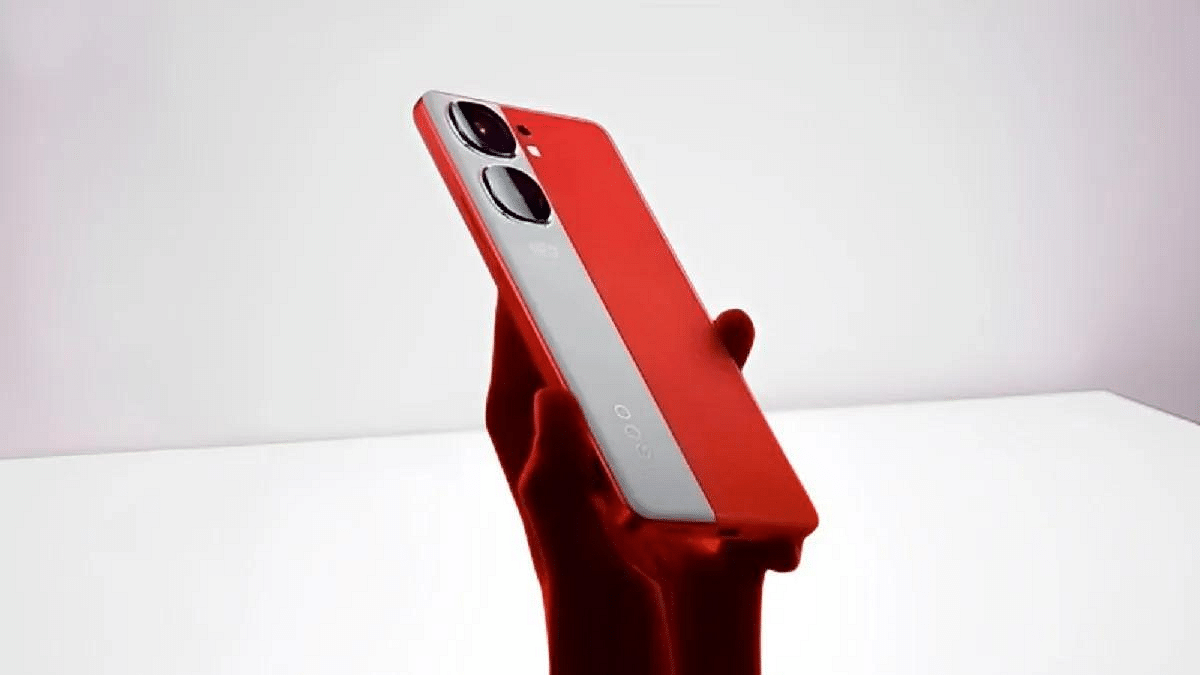
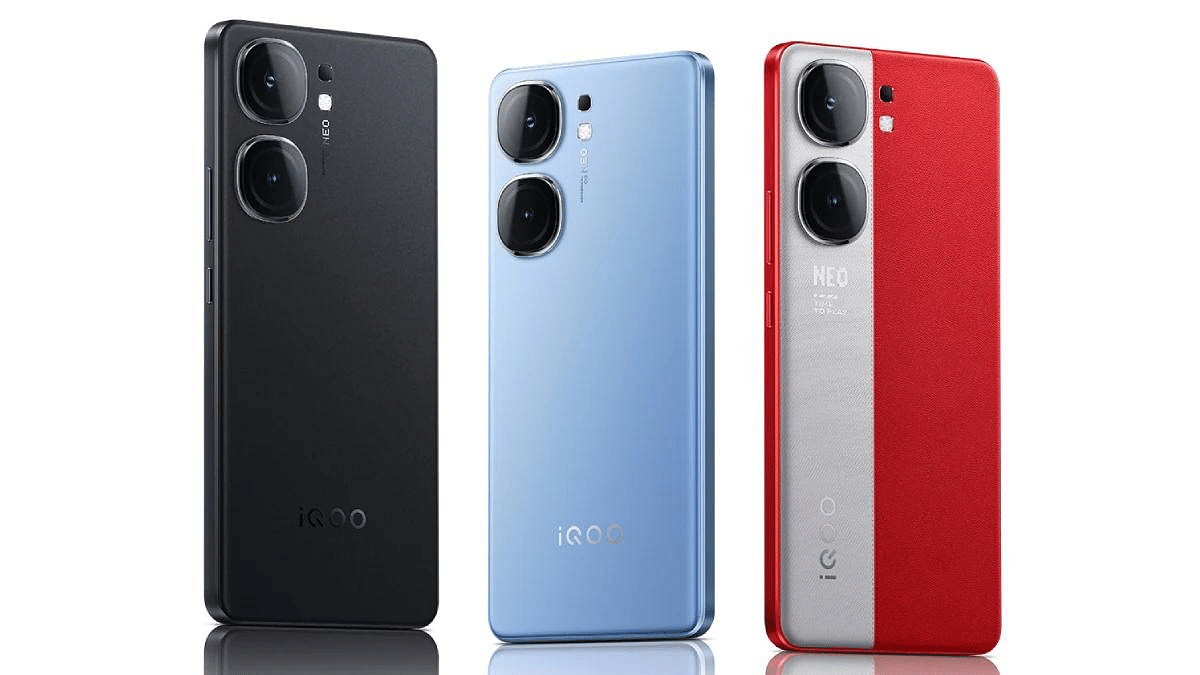
The highly anticipated iQOO Neo 9 Pro is set for an Indian debut on February 22nd, 2024. This flagship phone promises to be a significant upgrade over its predecessor, the iQOO Neo 7 Pro, which impressed users with its “complete package for gamers” offering. So, what can you expect from this smartphone?
Let’s dive into the confirmed specs, design, and launch details.
The iQOO Neo 9 Pro boasts the top-of-the-line Qualcomm Snapdragon 8 Gen 2 mobile platform, ensuring smooth performance for even the most demanding tasks and games.
Storage and RAM options include 8GB RAM + 256GB storage and 12GB RAM + 256GB storage, catering to different user needs.
iQOO’s signature Q1 chip makes a comeback, promising 144fps gaming at 900 pixels for an immersive and lag-free experience.
The iQOO Neo 9 Pro features a dual-camera setup on the back, with a 50-megapixel Sony IMX920 primary sensor. While details about the secondary sensor are yet to be revealed, we can expect capable photography performance.
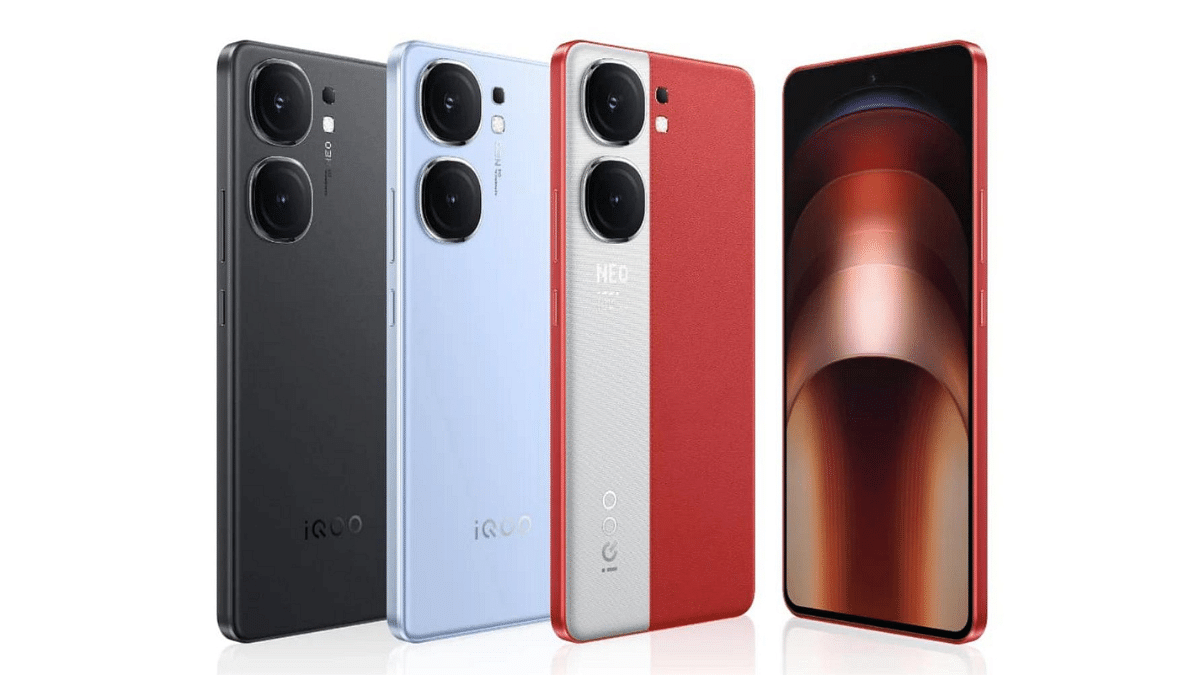
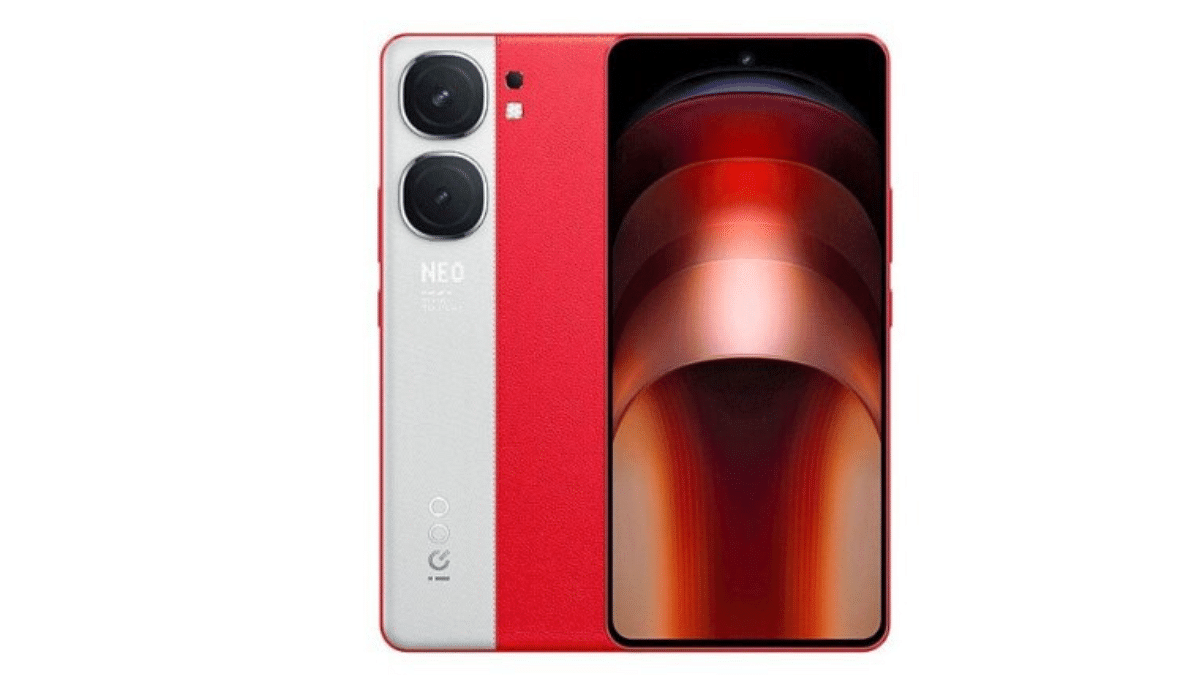
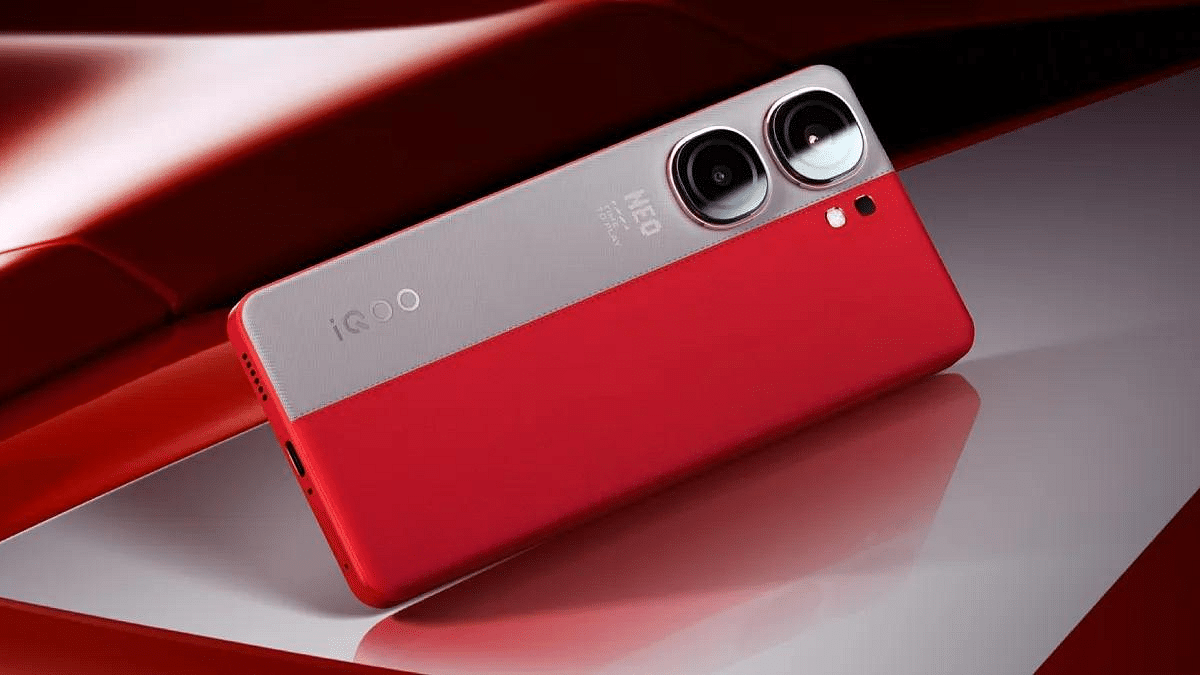
Teasers hint at a dual-tone design on the back panel, featuring a combination of red and white.
The phone boasts a flat display with red edges and a square-ish camera module housing the two lenses.
The phone will be exclusively available for purchase on Amazon India and the iQOO e-store, starting from February 22nd. While the official price hasn’t been announced yet, based on reports and market trends, the iQOO Neo 9 Pro is expected to be priced around Rs.35,999.
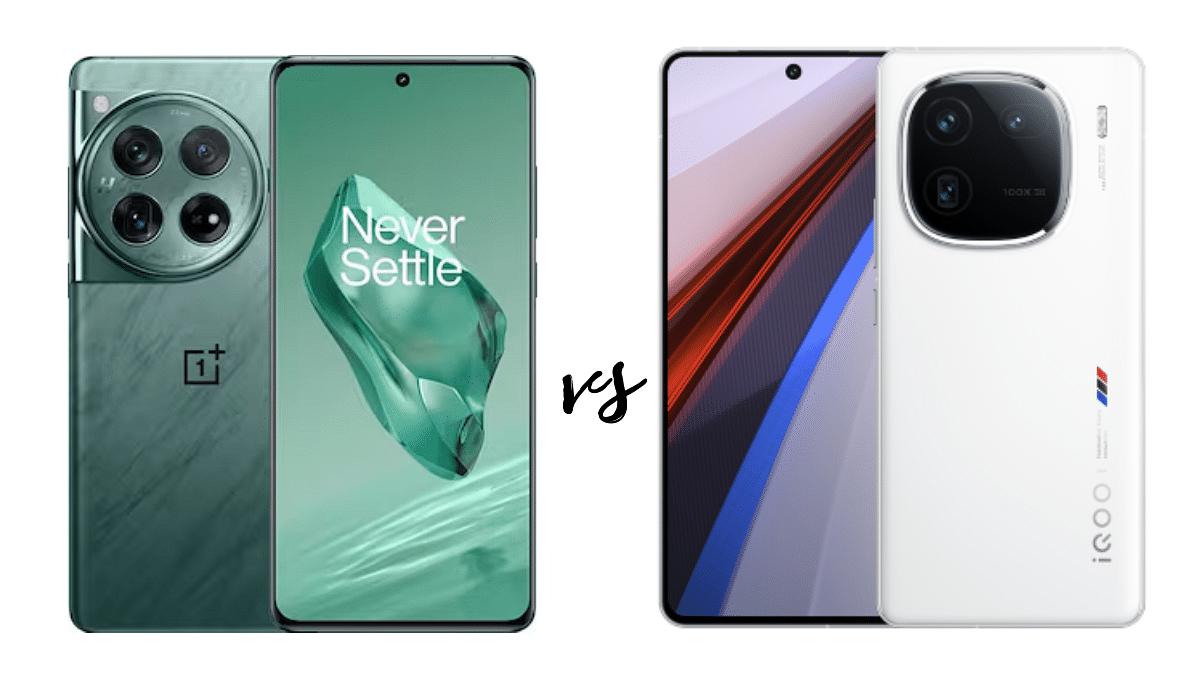
Picking a top-notch smartphone can be tough, given the many powerful choices out there. The OnePlus 12 and iQOO 12 are two new options that catch the eye, loaded with cool features. But which one is better? Let’s compare them closely to make it easier for you to choose.
Both phones flaunt gorgeous AMOLED displays with high refresh rates (120Hz for OnePlus 12 and 144Hz for iQOO 12) for smooth visuals. While the OnePlus 12 boasts a slightly larger screen (6.82 inches vs. 6.78 inches), the iQOO 12 edges out in resolution (2800 x 1260 vs. 3168 x 1440). Both offer vibrant colors and excellent viewing experiences.
Design-wise, the OnePlus 12 takes a more premium approach with its curved display and Gorilla Glass Victus 2 protection. The iQOO 12 opts for a boxier aesthetic with a flat display, but it’s still protected by the same durable glass. Both phones offer a comfortable in-hand feel despite their large screens.
Both phones are powered by the same Qualcomm Snapdragon 8 Gen 3 processor, ensuring exceptional performance for demanding tasks like gaming and multitasking. However, the iQOO 12 takes the lead in benchmark scores, suggesting slightly better raw power. Both offer ample RAM and storage options, with the iQOO 12 maxing out at a whopping 16GB RAM and 512GB storage.
The OnePlus 12 runs OxygenOS 14 based on Android 14, known for its clean interface and customization options. The iQOO 12 utilizes Funtouch OS 14 based on Android 14, offering a feature-rich experience with some added customizations. Ultimately, software preference comes down to personal taste.
Hasselblad Camera for Mobile, Nightscape, Dolby Vision, etc.
OIS, Various Scene Modes
Both phones feature capable triple-camera setups, but their approaches differ. The OnePlus 12 opts for a 50MP main sensor with OIS, a 64MP telephoto lens with 3x optical zoom, and a 48MP ultrawide sensor. The iQOO 12 goes with a 50MP main sensor with OIS, a 50MP ultrawide sensor, and a 64MP telephoto lens with 3x optical and 6x hybrid zoom. While both deliver good image quality, the iQOO 12 seems to offer slightly better versatility with its dual 50MP sensors and wider zoom range.
The OnePlus 12 packs a larger 5400mAh battery compared to the iQOO 12’s 5000mAh (typical capacity). However, the iQOO 12 compensates with its impressive 120W fast charging, significantly faster than the OnePlus 12’s 100W charging. Real-world battery life depends on usage patterns, but both phones should provide a full day’s charge for most users.
The OnePlus 12 starts at ₹64,999 for the 12GB RAM and 256GB storage option, while the iQOO 12 starts at ₹52,999 for the same configuration. The iQOO 12 offers a more competitive price point, especially considering its faster charging and slightly better benchmark scores.
Both the OnePlus 12 and iQOO 12 are excellent flagship smartphones with their own strengths and weaknesses. Ultimately, the best choice for you will depend on your individual priorities and budget.
If you prioritize a premium design, a larger display, and a cleaner software experience, the OnePlus 12 might be a better fit. However, if you value faster charging, a more versatile camera system, and a better price-to-performance ratio, the iQOO 12 is the more compelling option.
Users can now protect data with tougher security in iOS 17.3.
You can stream content directly using AirPlay in select hotels.
Update available for iPhone and iPad users
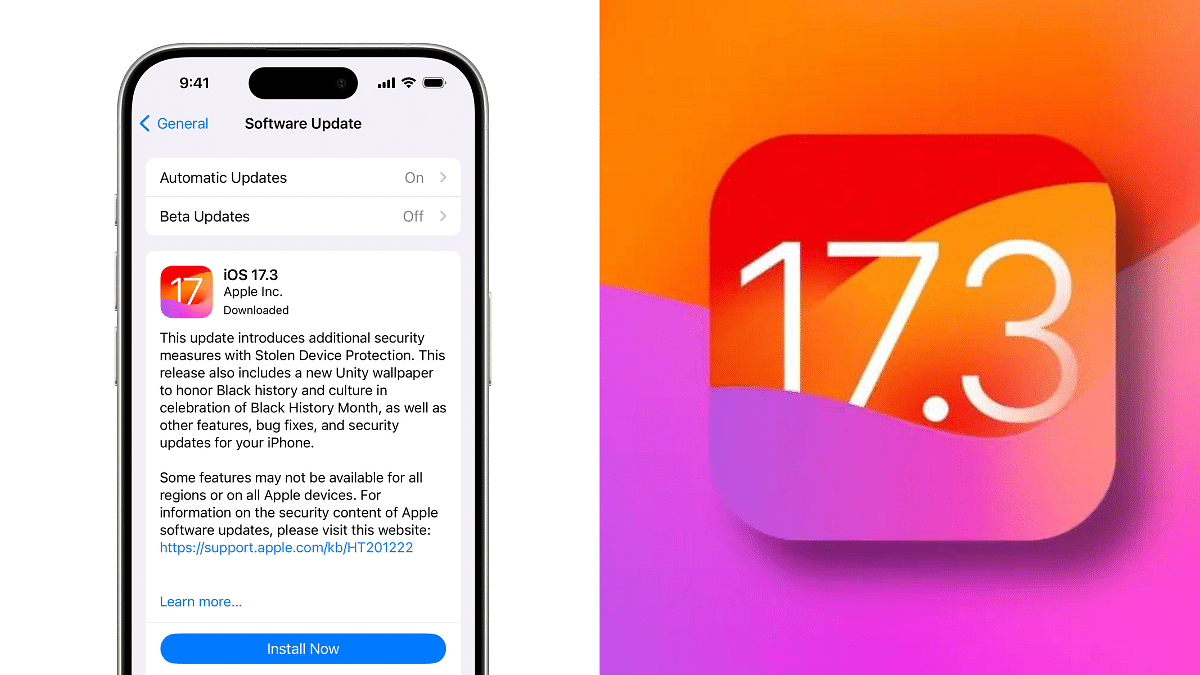
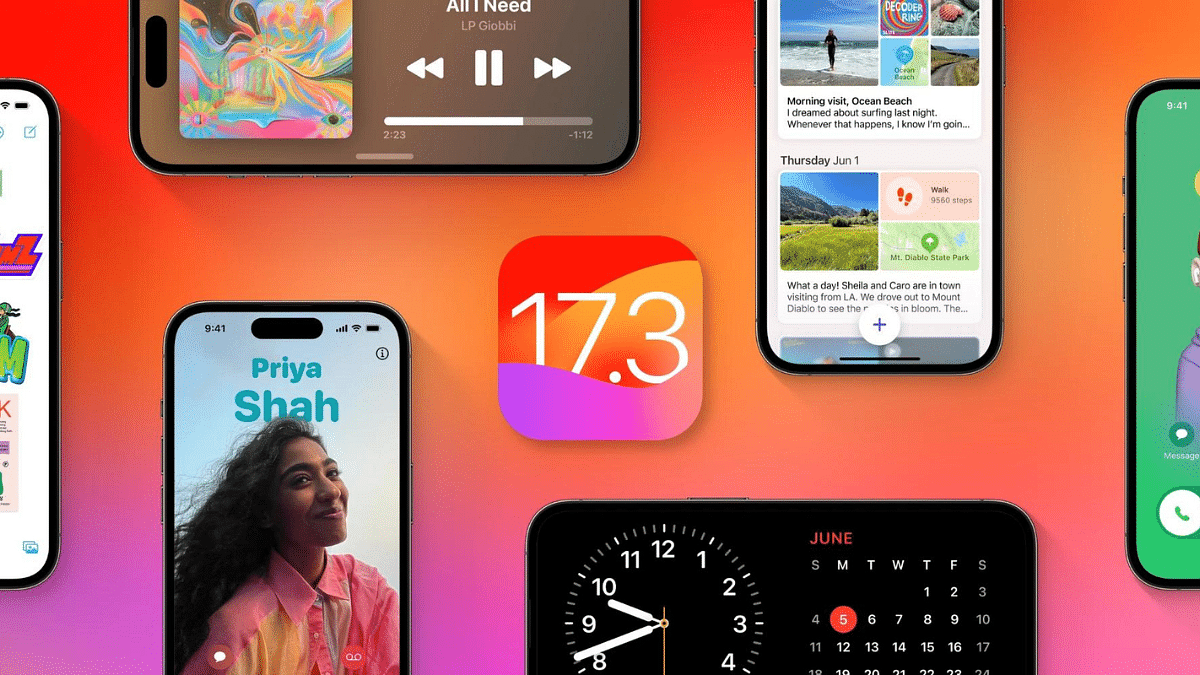
Apple has released iOS 17.3, the latest software update for iPhones and iPads. This update brings a host of new features and improvements, including a highly anticipated security measure: Stolen Device Protection.
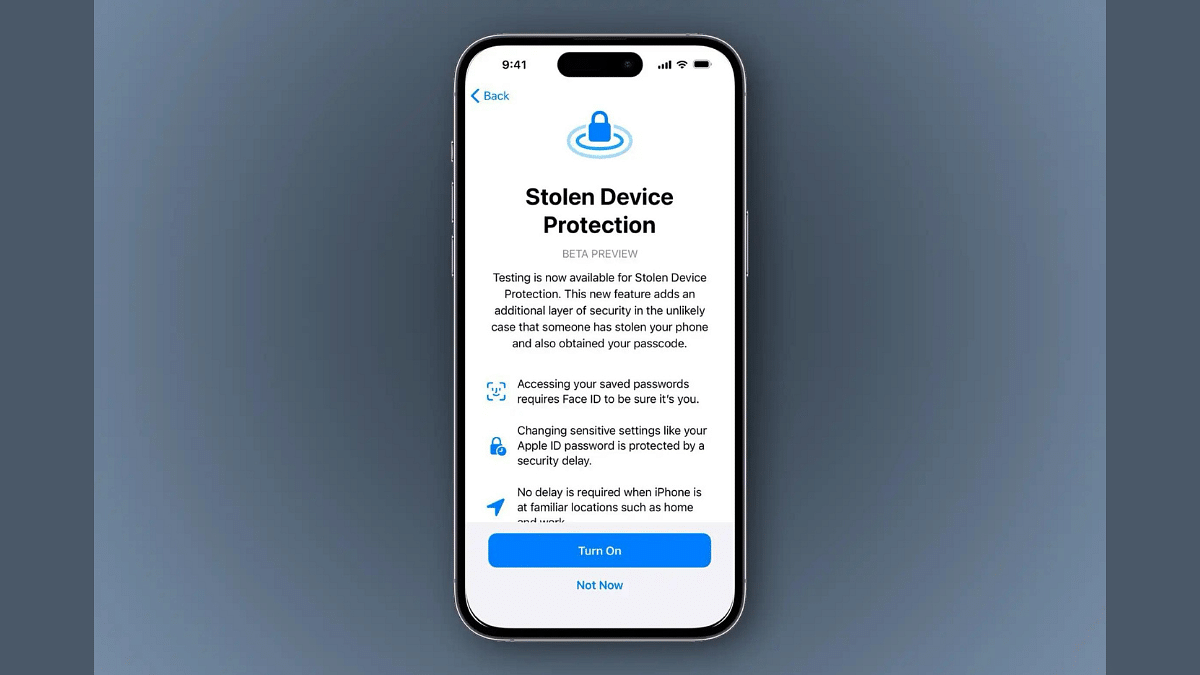
One of the most valuable additions in iOS 17.3 is Stolen Device Protection. This feature adds an extra layer of security to your iPhone, making it more difficult for thieves to access your sensitive information even if they know your passcode.
With Stolen Device Protection enabled, critical actions like viewing passwords, applying for an Apple Card, or erasing your device will require Face ID or Touch ID authentication, not just your passcode. This makes it much harder for unauthorized users to gain access to your data.
For even more sensitive actions, iOS 17.3 introduces a one-hour security delay. This means that even after successfully authenticating with Face ID or Touch ID, users will need to wait an hour before performing specific actions like changing their Apple ID password or turning off Find My. This additional layer of protection gives you time to react if your device is stolen and someone tries to tamper with your accounts.
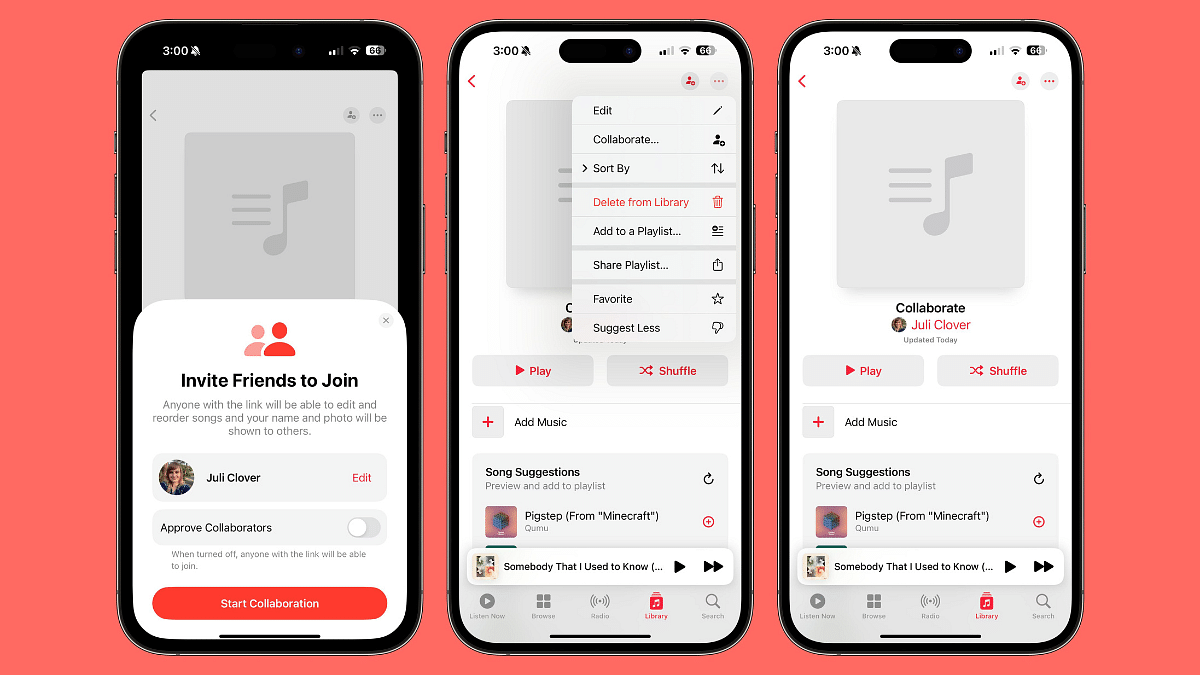
iOS 17.3 introduces Collaborative Playlists on Apple Music, allowing users to invite friends to join playlists. This feature enables participants to add, reorder, and remove songs, fostering a shared music experience. Users can also express their reactions with a range of emojis, enhancing the social aspect of music curation.
This update also introduces AirPlay support for hotel TVs in select locations. So, you can easily stream your favorite content from your iPhone or iPad directly to the TV in your hotel room.
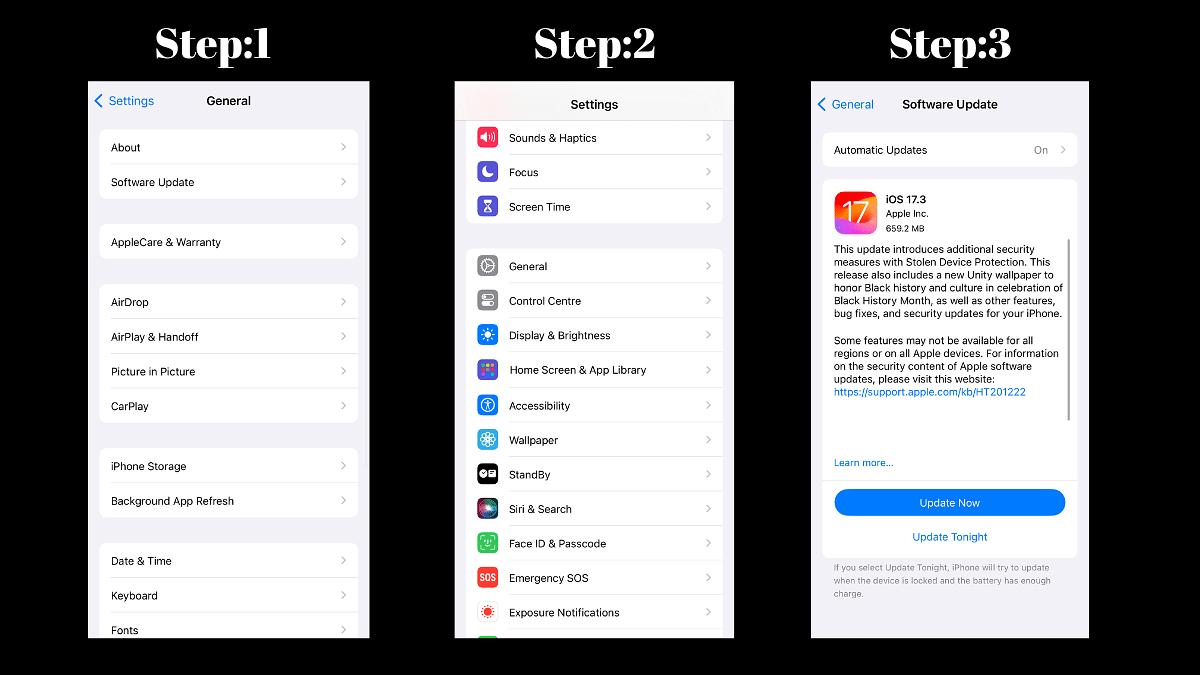
If you’re an iPhone or iPad user, we highly recommend updating to iOS 17.3 to benefit from the enhanced security, new features, and performance improvements. The update is available now over-the-air, so simply head to Settings > General > Software Update to download and install it.
Powerful processors: Snapdragon 8 Gen 3 and 8 Gen 2
Upgraded cameras: Periscope camera on OnePlus 12
Super-fast charging: 100W on both phones
OnePlus has finally launched its highly anticipated flagship smartphones, the OnePlus 12 and 12R, in the Indian market. Both phones boast powerful specs, including the latest Snapdragon 8 Gen 3 processor, upgraded cameras, and super-fast charging. Let’s take a closer look at the key features of each phone:
If you’re looking for the absolute best performance and camera capabilities, the OnePlus 12 is the clear winner. However, if you’re on a tighter budget, the OnePlus 12R offers excellent value for money with its powerful processor, smooth display, and fast charging.
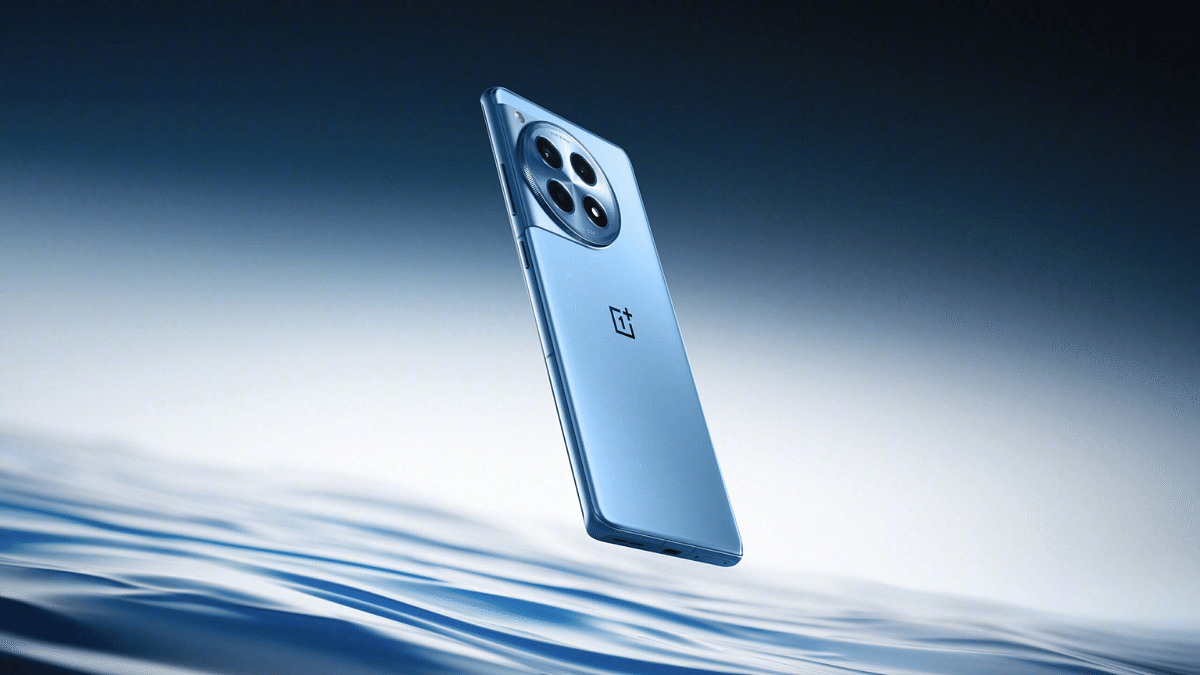
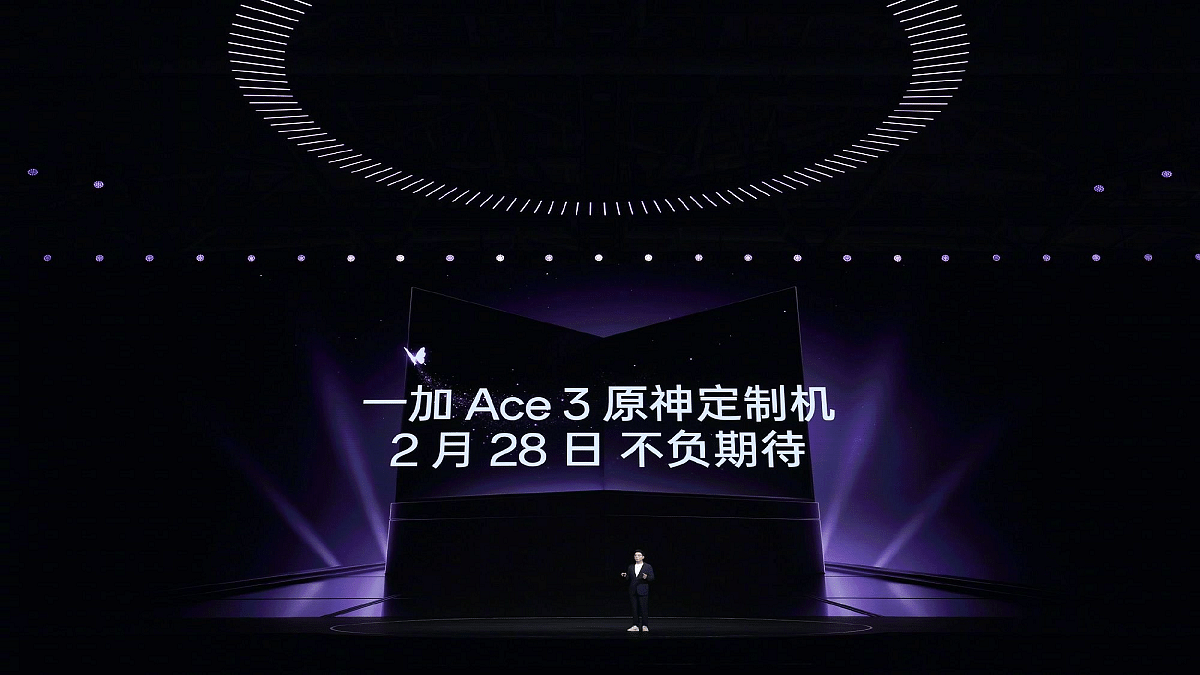
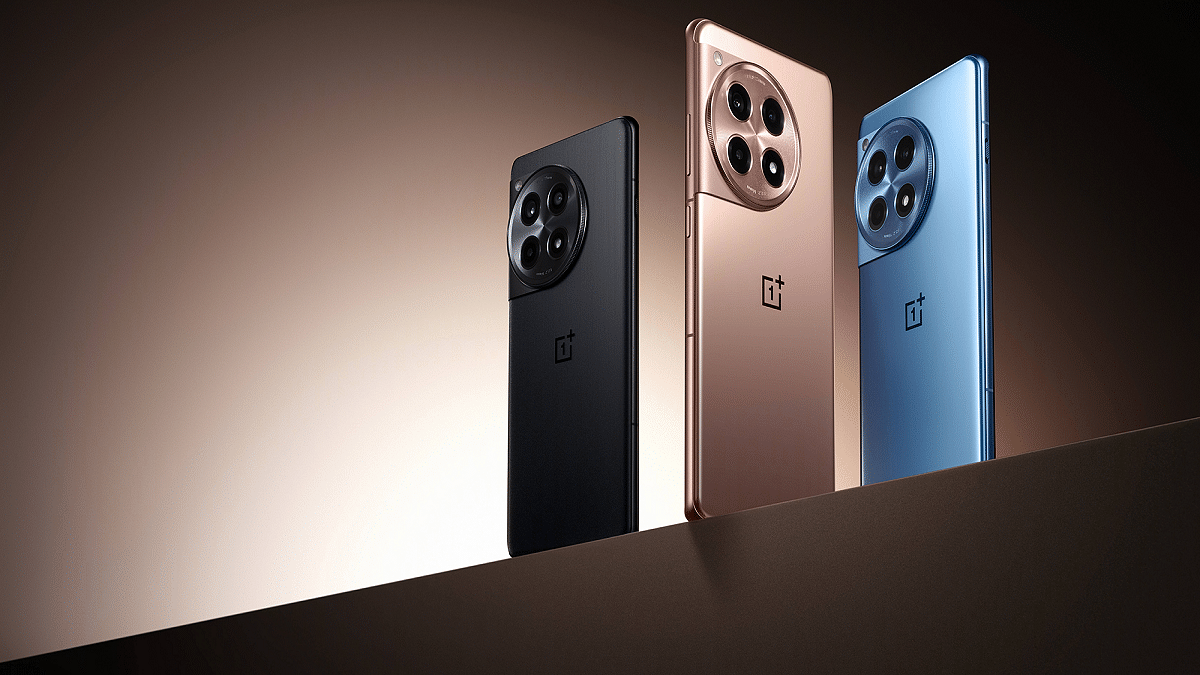
The OnePlus Ace 3 Genshin Impact Custom Edition is scheduled for launch on February 28.
This unique edition, inspired by the game’s character ‘Keqing,’ will incorporate design elements from Genshin Impact.
While the official design remains under wraps, teasers hint at a purple-themed design based on the character.
The special edition will not only showcase distinctive design features but also bring significant customization upgrades tailored for an enhanced Genshin Impact experience.
Display: Boasting a 6.78-inch 1.5K 8T LTPO AMOLED display with a 120Hz refresh rate, the OnePlus Ace 3 offers a vivid visual experience.
Processor: Powered by the Qualcomm Snapdragon 8 Gen 2 chipset with Adreno graphics and 9140mm² VC cooling support.
RAM and Storage: Available with up to 16GB of LPDDR5x RAM and 1TB of UFS 4.0 storage.
Cameras: The device features a 50MP primary camera with OIS, an 8MP ultrawide sensor, a 2MP macro camera, and a 16MP selfie camera.
Battery: Equipped with a 5,500mAh battery supporting 100W wired charging for fast charging.
Software: Running on Android 14-based ColorOS 14, the OnePlus Ace 3 promises three years of OS updates and four years of security patches.
Additional Features: It includes 5G support, Wi-Fi-7, an IR blaster, Bluetooth 5.3, USB-C socket, GPS, and NFC capabilities.
Pricing and Expectations
Starting at 2,599 yuan (approximately Rs. 30,271) for the base model with 12GB RAM and 256GB storage, the Genshin Impact edition is expected to be priced higher than the regular variant.
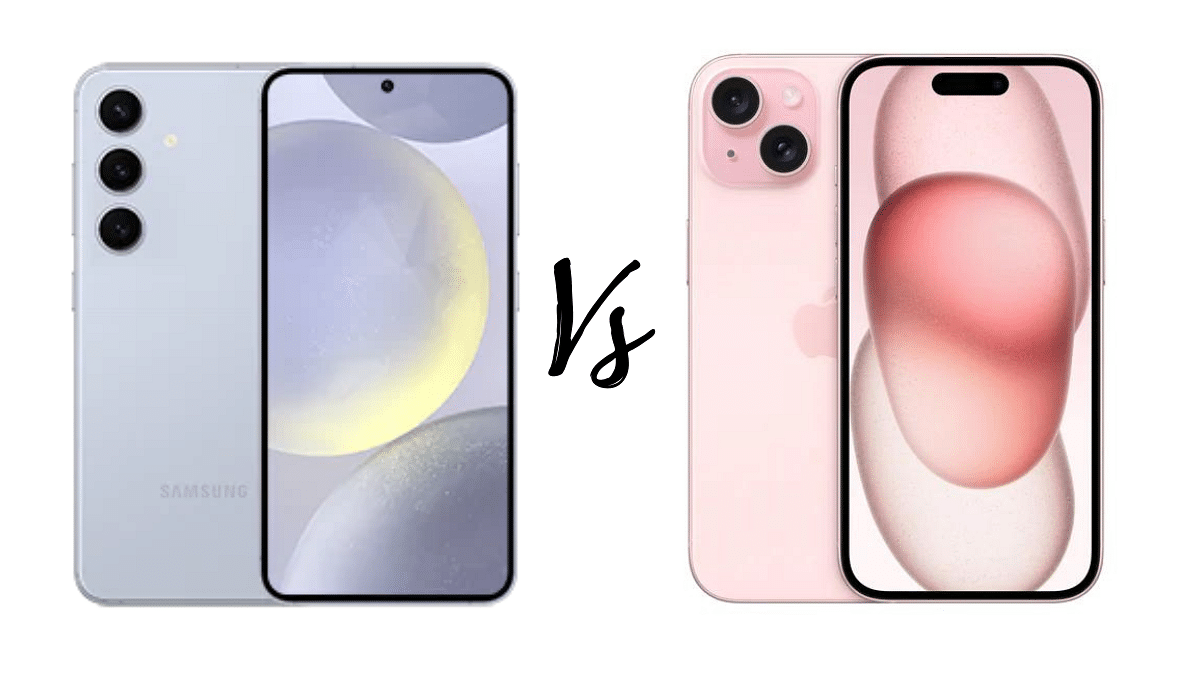
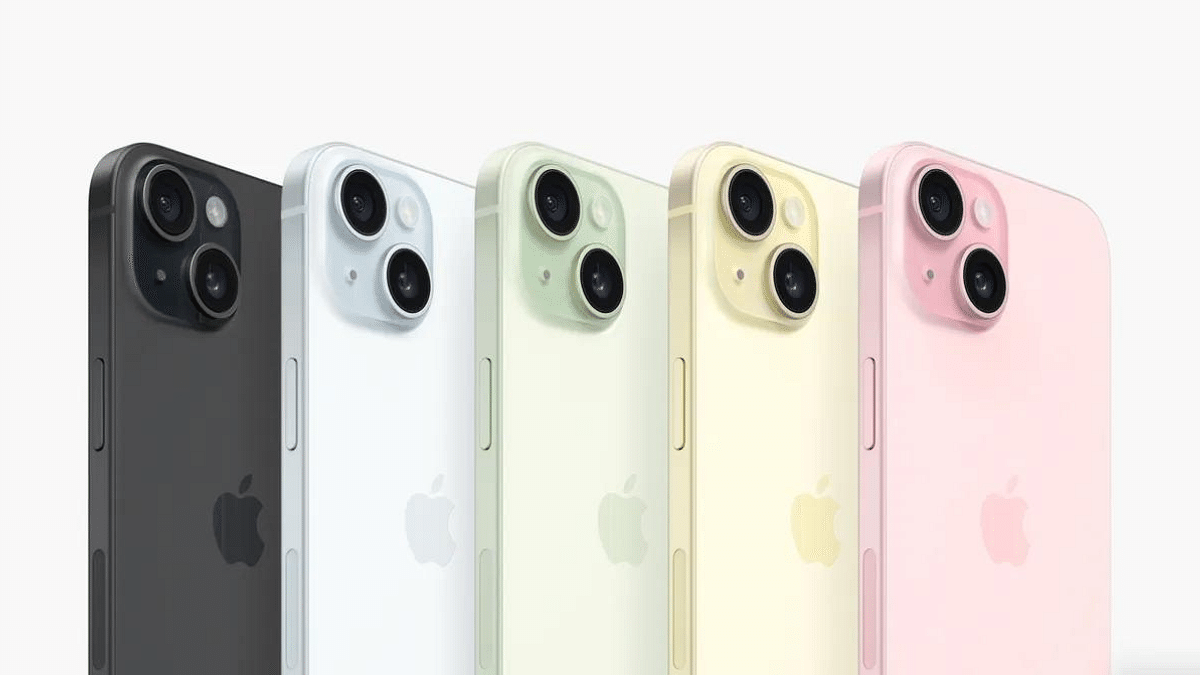
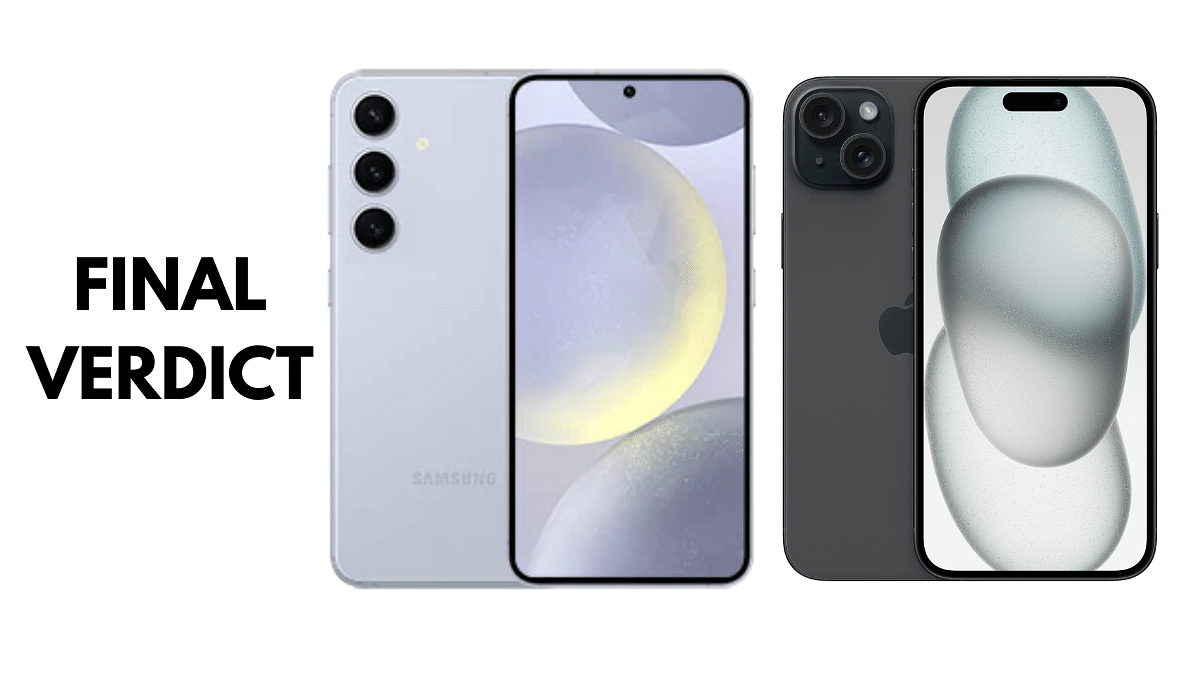
The battle for smartphone supremacy rages on, and this year, the newly launched Samsung Galaxy S24 and iPhone 15 stand as top contenders. Both flaunt powerful specs, sleek designs, and cutting-edge features, but which one deserves a spot in your pocket? Let’s dive into a detailed comparison to help you decide.
Size and Weight: Both phones boast similar screen sizes, but the Galaxy S24 edges out the iPhone in terms of height and width. However, the iPhone 15 is slightly heavier.
Build and Durability: Both utilize glass and aluminum builds with Gorilla Glass protection. The S24 boasts an “Armor aluminum 2 frame” for enhanced drop and scratch resistance.
Display: The Galaxy S24’s Dynamic LTPO AMOLED 2X panel boasts a higher refresh rate (120Hz) compared to the iPhone 15’s Super Retina XDR OLED (60Hz). Both offer exceptional brightness and HDR support.
Processor and RAM: The Galaxy S24 packs Qualcomm’s Snapdragon 8 Gen 3 or Exynos 2400 chipsets,alongside 8GB or 12GB RAM. The iPhone 15 houses Apple’s A16 Bionic chip and 6GB RAM. While benchmark scores may differ, both processors deliver exceptional performance for everyday tasks and demanding games.
Operating System: The Galaxy S24 runs on Android 14 with One UI 6.1, offering customization and flexibility. The iPhone 15 utilizes iOS 17, known for its user-friendly interface and seamless integration within Apple’s ecosystem.
Main Camera: The Galaxy S24 wins with a triple-lens setup (50MP wide, 10MP telephoto, 12MP ultrawide) compared to the iPhone 15’s dual-lens system (48MP wide, 12MP ultrawide). Both offer image stabilization and impressive detail, but the S24’s telephoto lens provides additional zoom versatility.
Front Camera: Both phones sport 12MP selfie cameras with decent capabilities.
Samsung Galaxy S24 vs iPhone 15: Battery and Charging
Specification
Samsung Galaxy S24
iPhone 15
Capacity
4000mAh
3349mAh
Charging
25W wired, 15W wireless, 4.5W reverse wireless
20W wired, 15W wireless (MagSafe/Qi2)
Battery Capacity: The Galaxy S24 boasts a larger 4000mAh battery compared to the iPhone 15’s 3349mAh.Real-world battery life will depend on usage patterns, but the S24 might offer an edge.
Charging: Both support fast wired and wireless charging. The Galaxy S24 offers faster wired charging (25W) compared to the iPhone 15 (20W), but MagSafe compatibility could be a deciding factor for Apple users.
Samsung Galaxy S24 vs iPhone 15: Price, Other Features
Price: Both phones begin at around ₹79,999 in India, with higher storage options costing more.
Additional Features: The Galaxy S24 boasts Samsung DeX for desktop connectivity, a microSD card slot (missing on the iPhone), and reverse wireless charging. The iPhone 15 counters with Emergency SOS via satellite and UWB support for spatial awareness features.
The Galaxy S24’s larger display, faster refresh rate, triple-lens camera, and larger battery appeal to users who prioritize versatility and customization. The iPhone 15 shines with its sleek design, user-friendly iOS, powerful A16 Bionic chip, and MagSafe ecosystem integration. Ultimately, the “best” phone depends on your specific needs and priorities. Consider which features matter most to you and take a test drive at a store before making your choice.
Samsung released its generative AI features with the new Galaxy S24 series
The tech giant is ready to ship it to these older devices
Samsung recently unveiled its latest flagship models, the Galaxy S24, S24+, and S24 Ultra, all boasting an array of advanced AI features under the Galaxy AI umbrella. Running on Android 14 with One UI 6.1, these devices promise a unique AI experience not seen in previous Samsung offerings. Also Read | Samsung Galaxy S24 Ultra Top Alternatives: Google Pixel, OnePlus, And More
AI Features Coming Soon To These Older Samsung Devices
For Samsung users with older devices, there’s good news on the horizon. Samsung has confirmed that many AI features showcased on the S24 series will make their way to selected older models. The devices slated to receive these AI enhancements in the first half of the year include:
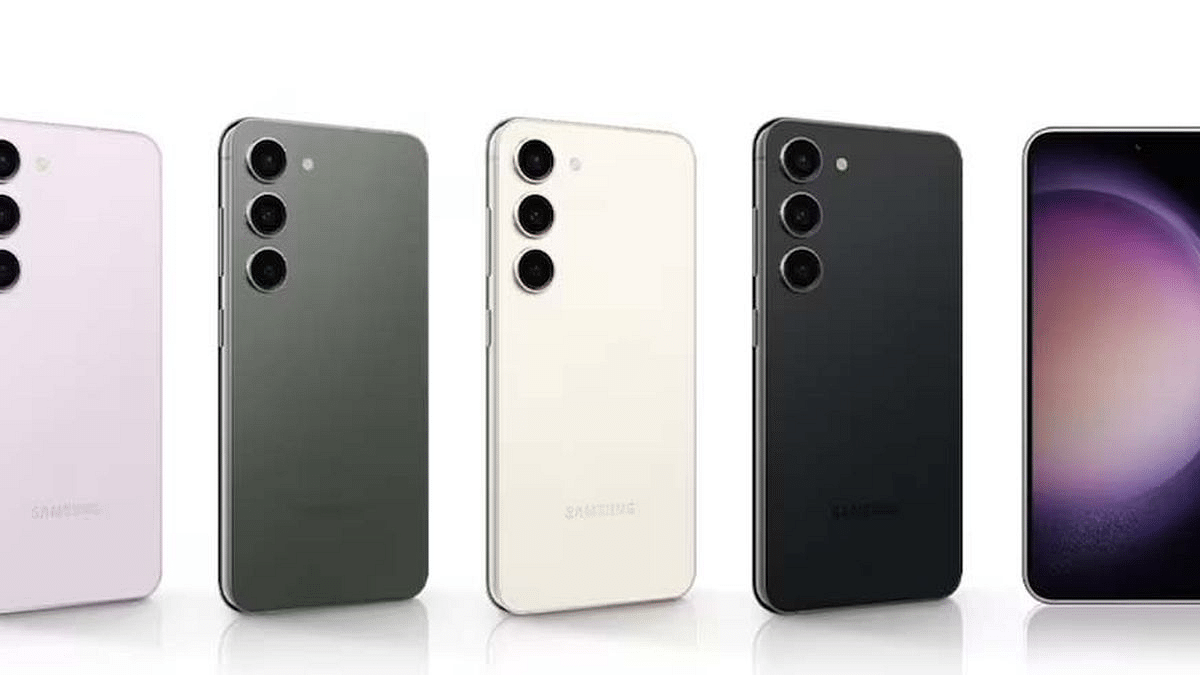
Samsung Galaxy S23
Samsung Galaxy S23+
Samsung Galaxy S23 Ultra
Samsung Galaxy S23 FE
Samsung Galaxy Z Fold5,
Samsung Galaxy Z Flip5
Samsung Galaxy Tab S9 series
One UI 6.1 Update: Gateway To AI Infusion
The expectation is that these older devices will be updated to One UI 6.1 by the end of June, bringing with it a significant infusion of AI capabilities. While the specifics of which features will be included are yet to be fully disclosed, users can anticipate experiencing live translation, AI summarizing tools, and enhanced photo editing similar to the S24 lineup.
In addition to AI advancements, Samsung has made a significant commitment to its users by announcing 7 years of OS upgrades and security updates, starting with the Galaxy S24 lineup. This long-term support ensures that users can enjoy the latest features and security enhancements for an extended period.
Powerful Partnerships: On-Device AI Processing
Samsung’s dedication to on-device AI processing is evident through its partnership with Google for the Gemini large language model. This collaboration aims to seamlessly integrate AI capabilities into the Galaxy AI ecosystem, providing users with a powerful and efficient AI experience across their devices.
Verdict
Samsung’s recent Galaxy S24 unveiling marks a significant leap in AI integration with a promise to extend these smart features to a range of older devices.
S24 starts friendly: Base model undercuts rivals like iPhone 15 Pro, OnePlus 11 Pro.
Ultra’s price peak: Most expensive in comparison, even compared to its own siblings.
Budget options: iQOO, OnePlus offer wallet-friendly alternatives to S24 series.
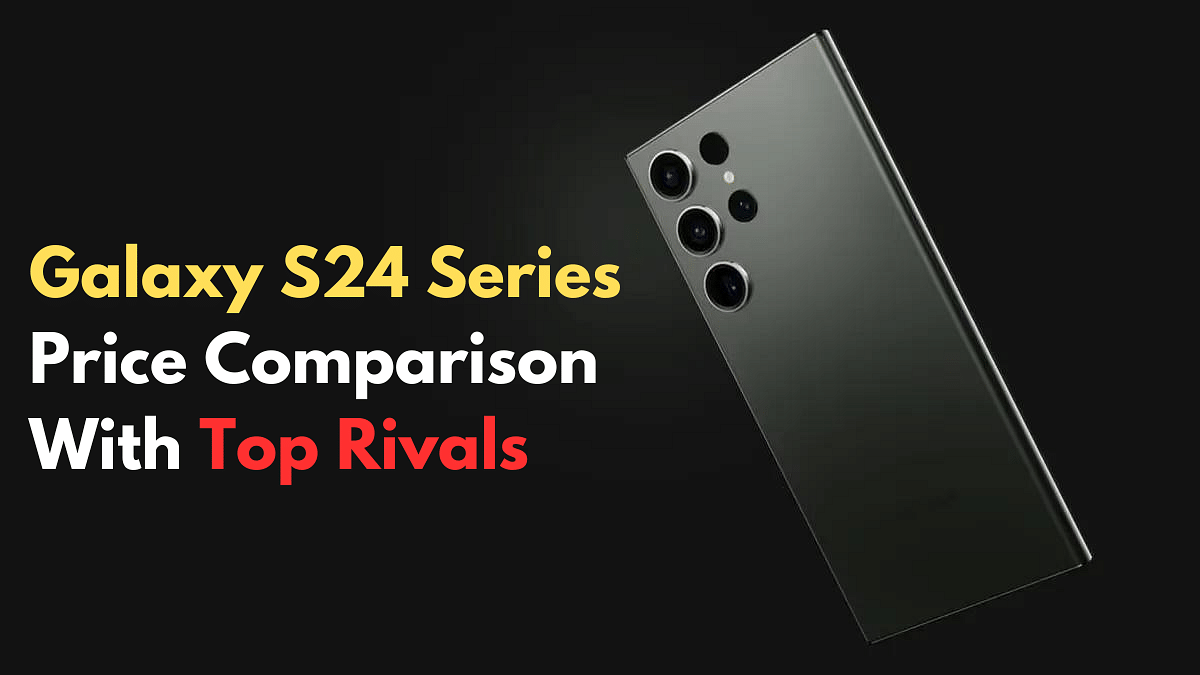
Samsung’s latest flagship smartphones, the Galaxy S24 series, have arrived in India, and with them comes the burning question: But how do their prices compare to the competition?
In this article, we’ll take a quick look at the price tags of the Galaxy S24, S24+, and S24 Ultra, and compare them to some of their top rivals in the Indian market.
Now, let’s see how these prices stack up against some of the Galaxy S24’s biggest competitors:
Model
Storage
Current Price (INR)
Samsung Galaxy S23 Ultra 5G
256 GB
₹95,600
Apple iPhone 15 Pro Max
256 GB
₹156,900
iQOO 12 5G
256 GB
₹52,999
vivo X100 Pro 5G
512 GB
₹89,999
Samsung Galaxy S23 5G
128 GB
₹56,500
Google Pixel 8 Pro
128 GB
₹106,999
Samsung Galaxy S23 Plus 5G
256 GB
₹84,999
Apple iPhone 15 Pro
128 GB
₹130,990
Apple iPhone 15
128 GB
₹74,900
Samsung Galaxy Z Fold5
256 GB
₹154,999
Apple iPhone 15 Plus
128 GB
₹84,900
OnePlus 11
128 GB
₹56,998
Budget Model Competition : The base Galaxy S24 (₹79,999) punches above its weight, undercutting both the iPhone 15 Pro (₹1,29,900) and OnePlus 11 Pro (₹89,999) at their base capacities.
Mid-Range Model Competition : The Galaxy S24 Plus (₹99,999) faces stiff competition from the well-equipped vivo X100 Pro 5G (₹89,999). Samsung’s own Galaxy S23 Plus 5G (₹84,999) emerges as a tempting alternative.
Flagship Model Competition: The Galaxy S24 Ultra (₹1,29,999) claims the price crown, towering over rivals like the iPhone 15 Pro Max (₹1,56,900) and Samsung Galaxy Z Fold5 (₹1,54,999). However, the outgoing Galaxy S22 Ultra (₹80,200) offers a compelling blend of power and value.
S24 vs. S23 Ultra: The new base S24 undercuts its predecessor by a cool ₹15,601, making it a tempting upgrade for some.
Budget Buys: OnePlus 11 and Samsung Galaxy S23 5G offer the most wallet-friendly options.
Performance Play: The newly launched iQOO 12 5G delivers high performance at a relatively lower price than the S24.
The new Samsung Galaxy S24 phones come in many sizes and prices, so you can find one that fits your needs and how much you want to spend. But there are lots of other great phones out there, too, from big brands like Apple to newer ones like iQOO. So, do your research, figure out what’s important to you, and pick the phone.
Note: Prices can change depending on where you buy the phone. So, compare prices online and in stores before purchasing.