From Nothing Phone (2a)’s affordability to Honor’s X9B, options.
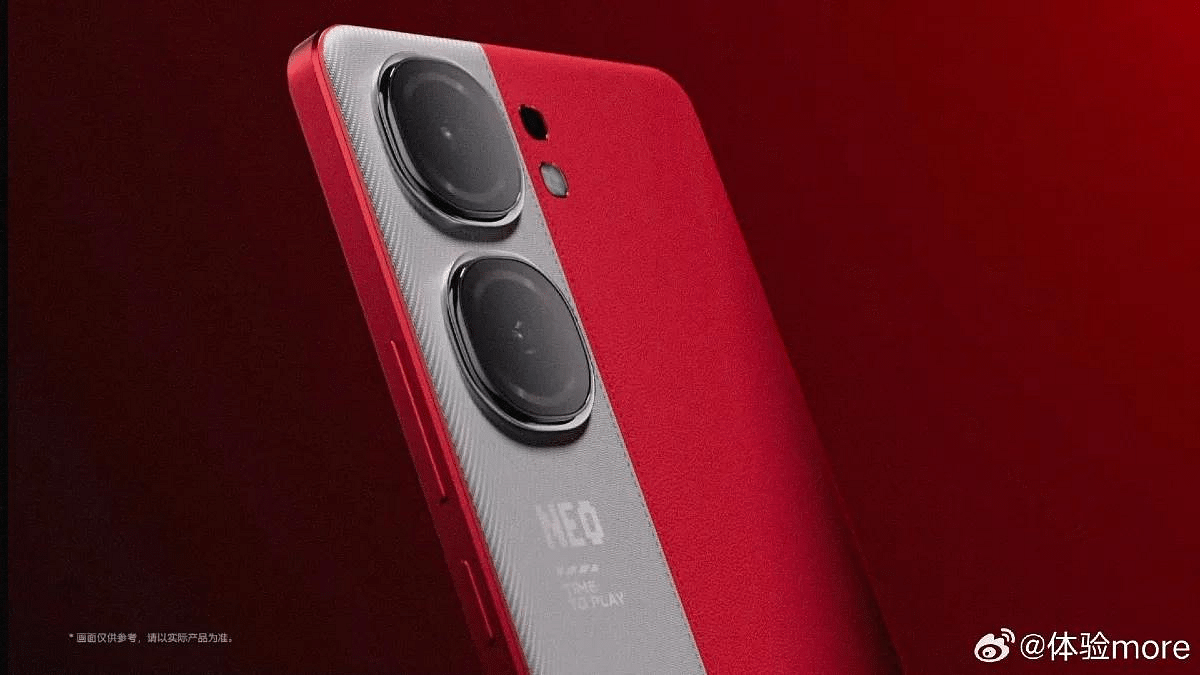
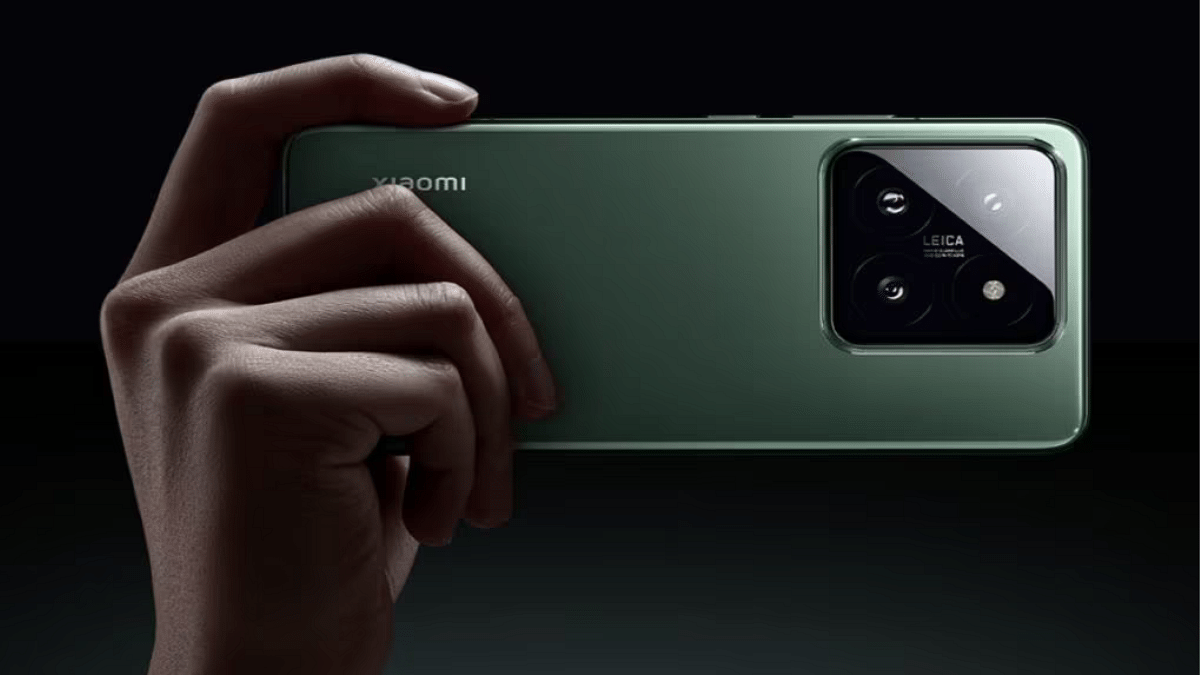
iQOO Neo 9 Pro packs the Snapdragon 8 Gen 2, while rumours hint at a Xiaomi 14 Ultra flagship.
Expect surprises and official announcements as brands unveil their latest at the MWC.
While January saw big names like Samsung and OnePlus unveil their latest flagships, February promises an even bigger wave of smartphones ahead of the Mobile World Congress (MWC). From budget-friendly options to powerhouse performers, let’s dive into what’s coming your way:
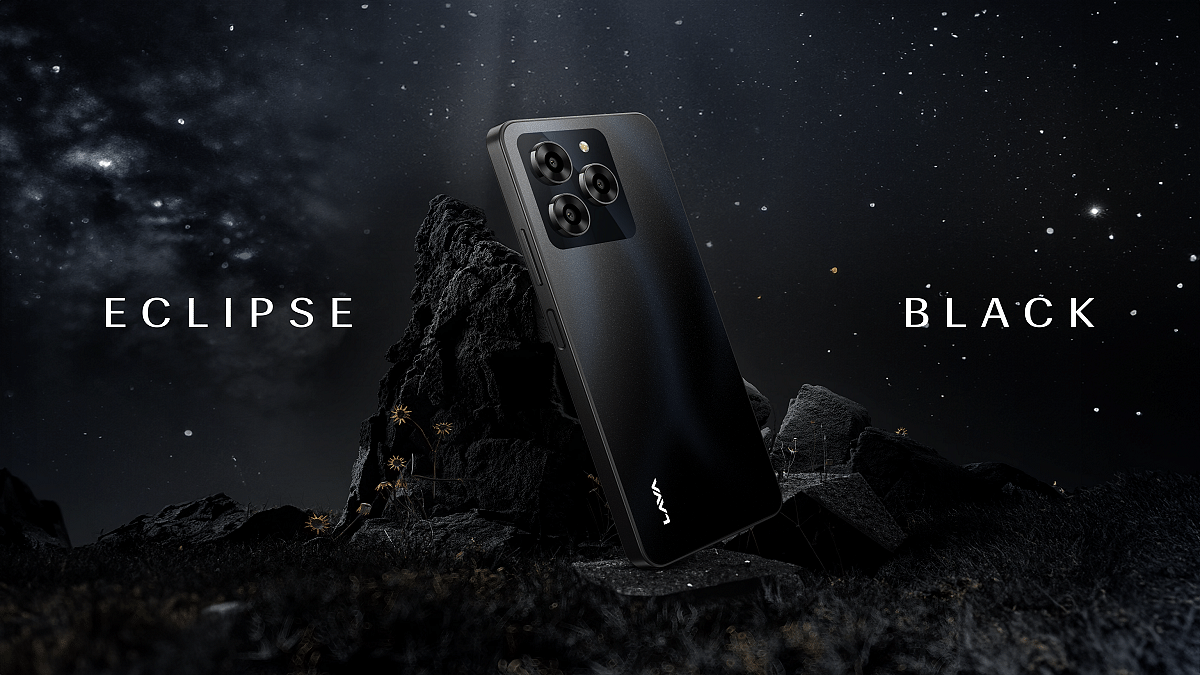
Lava Yuva 3 is equipped with UNISOC T606 Octa-core Processor
The smartphone features a side fingerprint sensor
Yuva 3’s price starts from Rs. 6,799
Yuva 3 smartphone will be available for purchase starting February 7
Lava International introduces the Yuva 3 smartphone. It is specifically designed to meet the expectations of young Indian consumers, blending style and performance at an attractive starting price of Rs. 6,799. Here’s everything you need to know about the upcoming smartphone from the house of Lava. Also Read | Best Feature Packed Smartphones Under Rs. 10,000
Lava Yuva 3: Specifications
Design: The Yuva 3 boasts a premium back design with a side fingerprint sensor.
Display: The smartphone provides an immersive viewing experience with its 90Hz 6.5-inch HD+ punch-hole display.
Processor: The Lava Yuva 3 is powered by the UNISOC T606 Octa-core Processor.
RAM: It features 4+4 (Virtual) GB RAM and a choice between 64GB or 128GB UFS 2.2 ROM. The device supports 18W Fast Charging through a Type-C USB Cable.
Camera: It integrates a 13MP Triple AI rear camera with a 5MP front camera for photography.
Battery: The device has a 5,000mAh battery that ensures long-lasting usage with a quick full charge.
Additional features: The device includes a bottom-firing speaker, stock Android 13, and face unlock for enhanced security.
Future Updates: Lava promises two years of assured security updates and a guaranteed Android 14 upgrade.
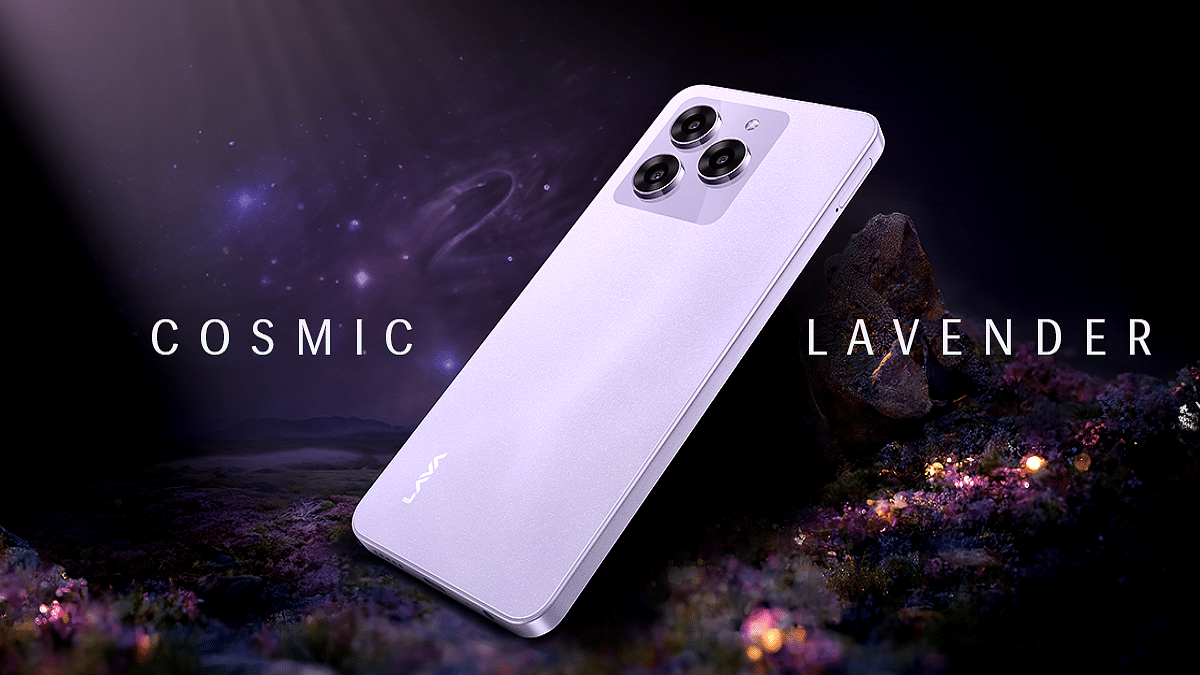
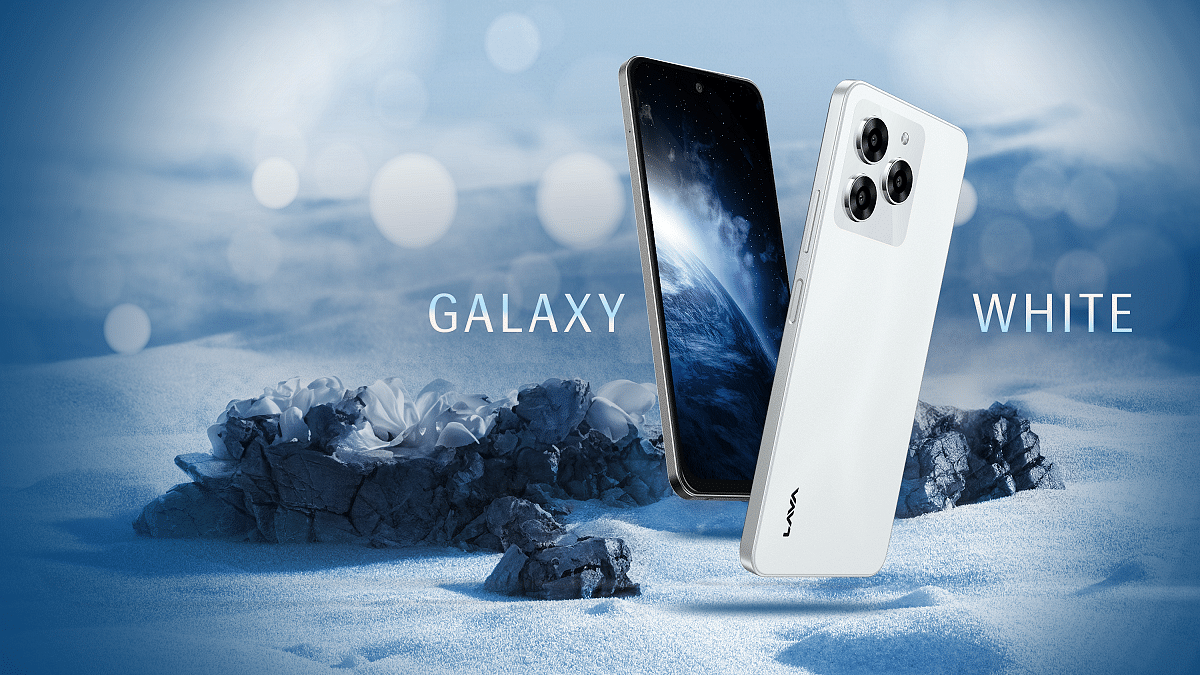
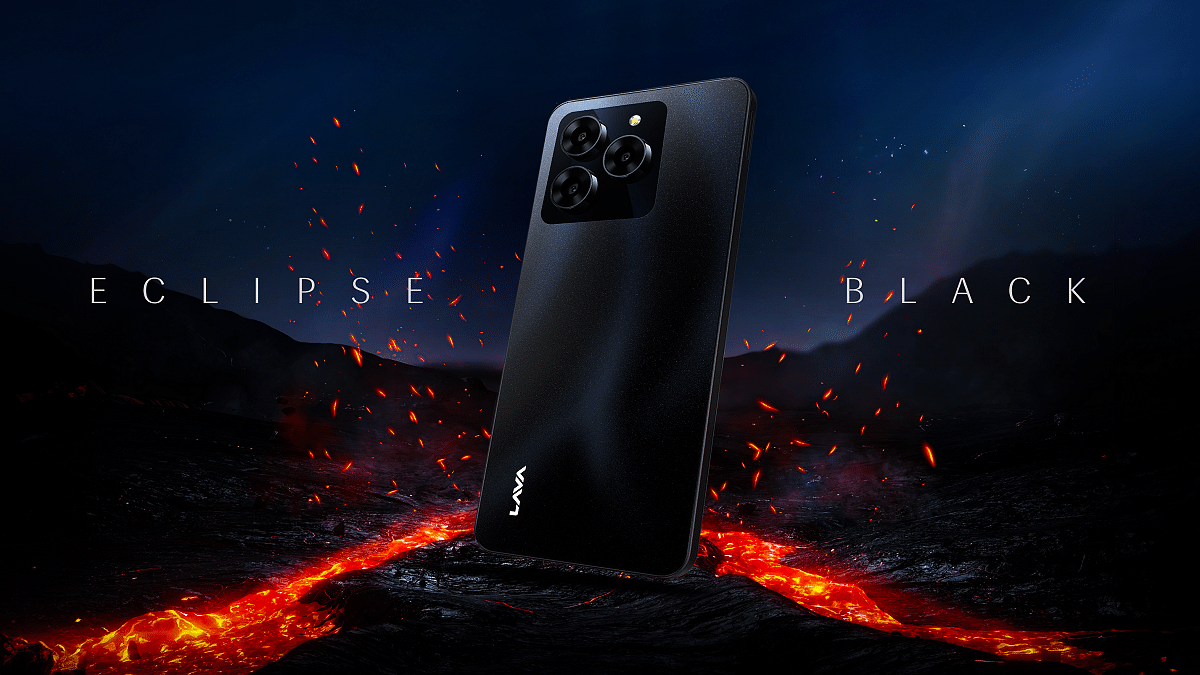
The Lava Yuva 3 smartphone will be available for purchase starting February 7, 2024, on Amazon, offering two storage options: 64GB and 128GB. Lava’s retail network and the Lava e-store will feature the smartphone in three vibrant color variants: Eclipse Black, Cosmic Lavender, and Galaxy White, beginning February 10, 2024.
iOS 18 is set to be Apple’s most significant update yet
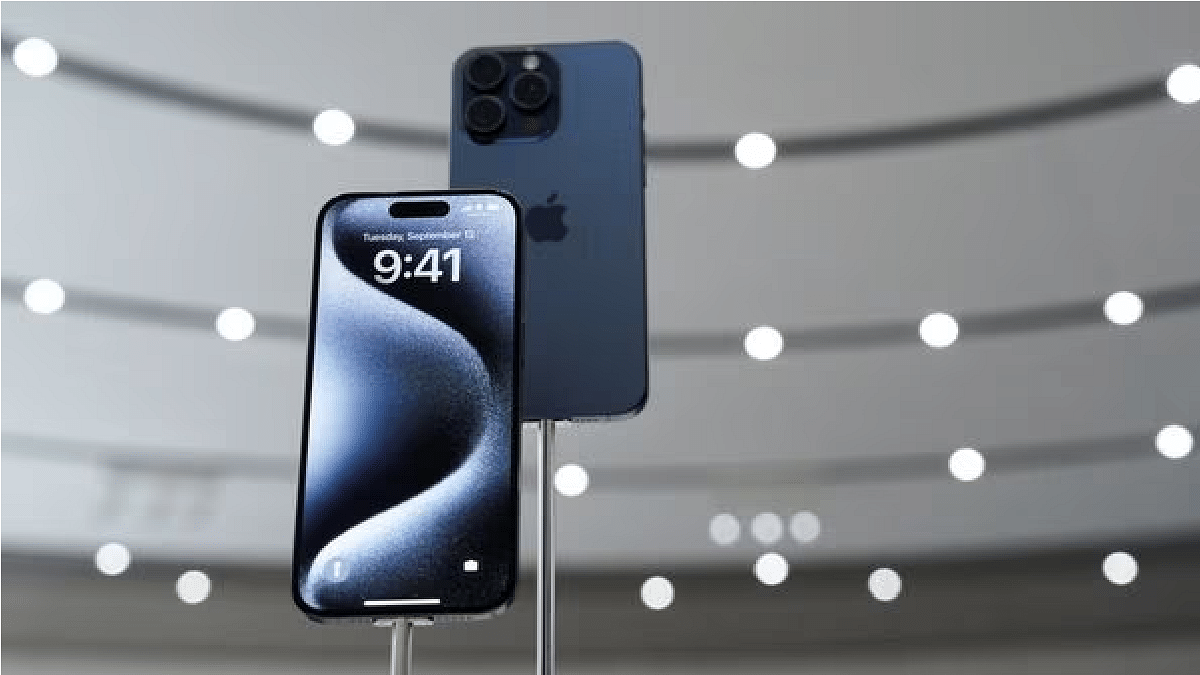
The public release of iOS 18 is expected to coincide with the launch of the iPhone 16
iOS 18, the upcoming version of Apple‘s mobile operating system, promises fundamental shifts in how we use and engage with our iPhones. Set to be unveiled at WWDC 2024 in June, this highly anticipated software update is positioned to become Apple’s most impactful release to date. Its public launch is slated to align with the introduction of the iPhone 16 later this year. Here are five features that Apple might introduce with the iOS 18 update. Also Read | iOS Tips And Tricks: How To Setup And Use AutoFill For Contact Cards And Credit Cards In Safari On iPhones And iPads
1. Support For RCS Messaging
One of the noteworthy updates in iOS 18 is the confirmation from Apple that iMessage will finally support the RCS protocol. This advancement will facilitate seamless messaging between Android and iOS devices, enabling users to exchange multimedia files and audio messages effortlessly. Despite this integration, the age-old blue and green bubble debate will persist, as text messages from Android devices will still appear in green.
2. App Sideloading Worldwide
Building on the introduction of app sideloading in Europe with iOS 17.4, iOS 18 might extend this feature globally. Users could access third-party app stores from Apple’s App Store, enabling them to download and install apps signed or unsigned by Apple. This move would depart from Apple’s longstanding restriction on app sideloading, requiring users to jailbreak their iPhones for non-App Store installations.
iOS 18 will elevate Siri’s capabilities by incorporating ChatGPT-like generative AI features. While initial reports suggested Apple was developing its generative AI model, recent insights hint at the possible utilization of OpenAI’s GPT technology, akin to Copilot. This upgrade extends beyond Siri, with generative AI making its way into the Notes and Music apps, potentially introducing AI-backed photo and video editing features reminiscent of recent offerings from Google and Samsung.
4. Powerful Web Browsing Beyond WebKit
With iOS 17.4 already allowing developers to create web browsers without WebKit, iOS 18 is expected to take this liberation to the next level. Renowned brands like Opera are gearing up to launch AI-powered web browsers that support desktop-like web browsing. iOS 18’s widespread implementation of this protocol will empower third-party developers to design fully custom web browsers, emancipating them from the constraints of the stringent WebKit framework.
5. Third-Party Payment Gateways
iOS 18 may usher in the era of third-party payment gateways for app subscriptions. This change could lead to a significant reduction in purchase or subscription charges, potentially up to 30%. Companies like Spotify and Epic are already exploring their iPhone payment gateways, with initial availability slated for Europe. iOS 18 could extend this experience globally, reshaping the landscape for in-app transactions.
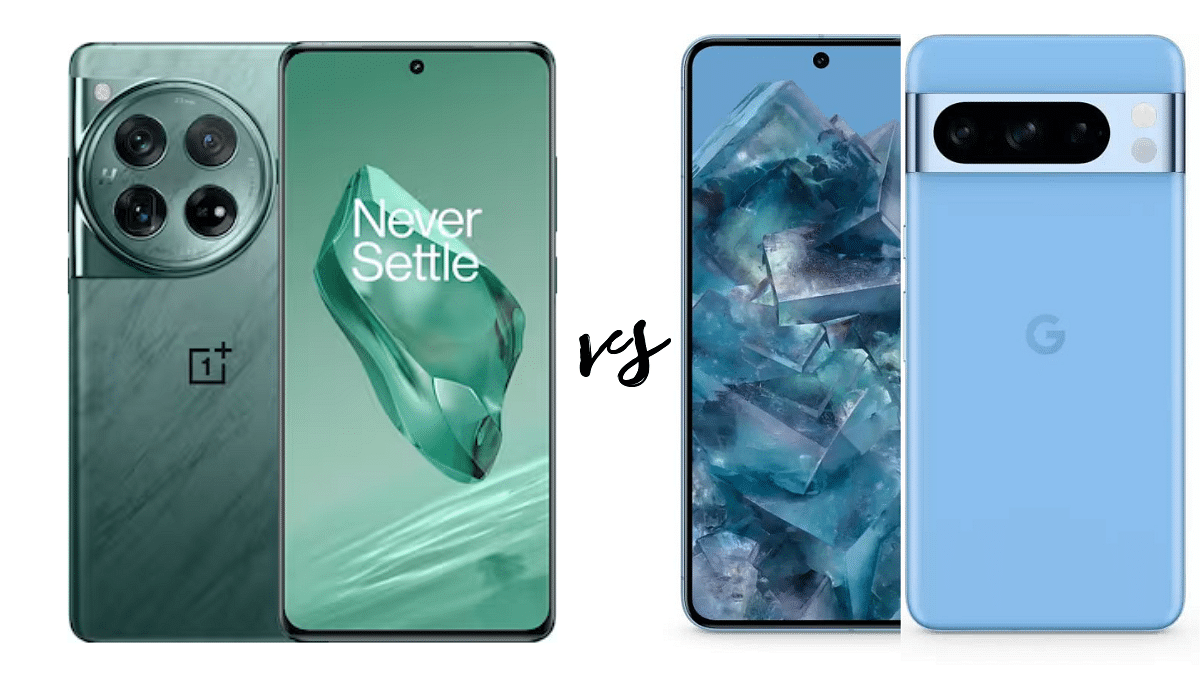
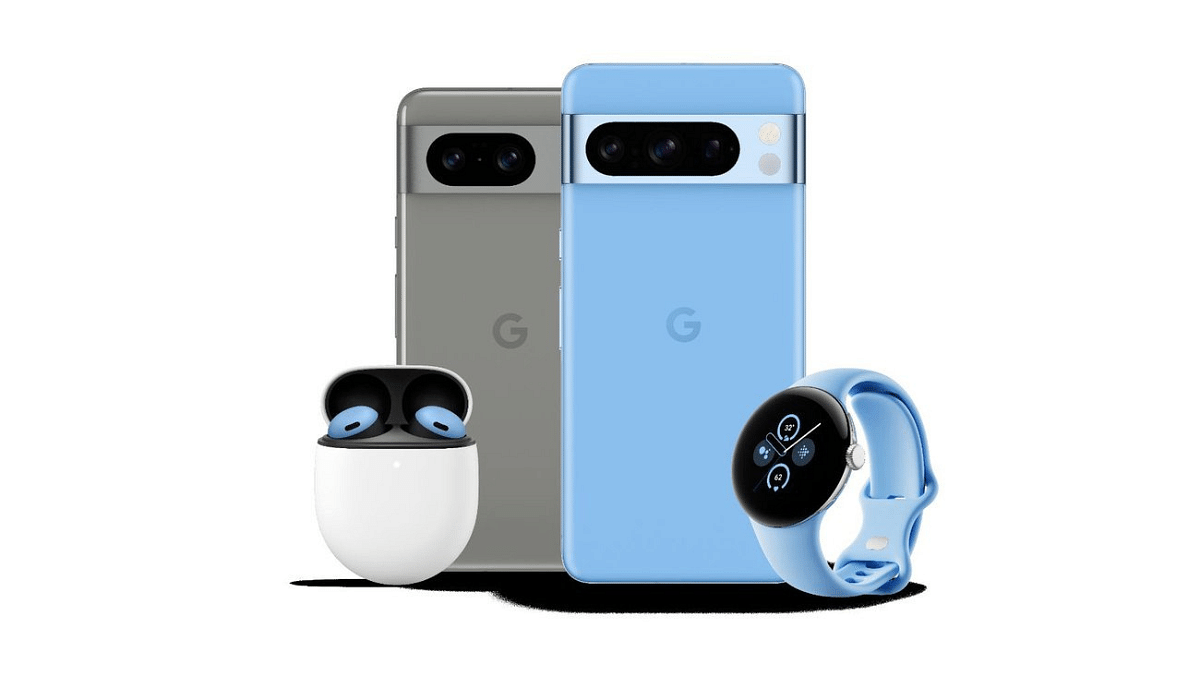
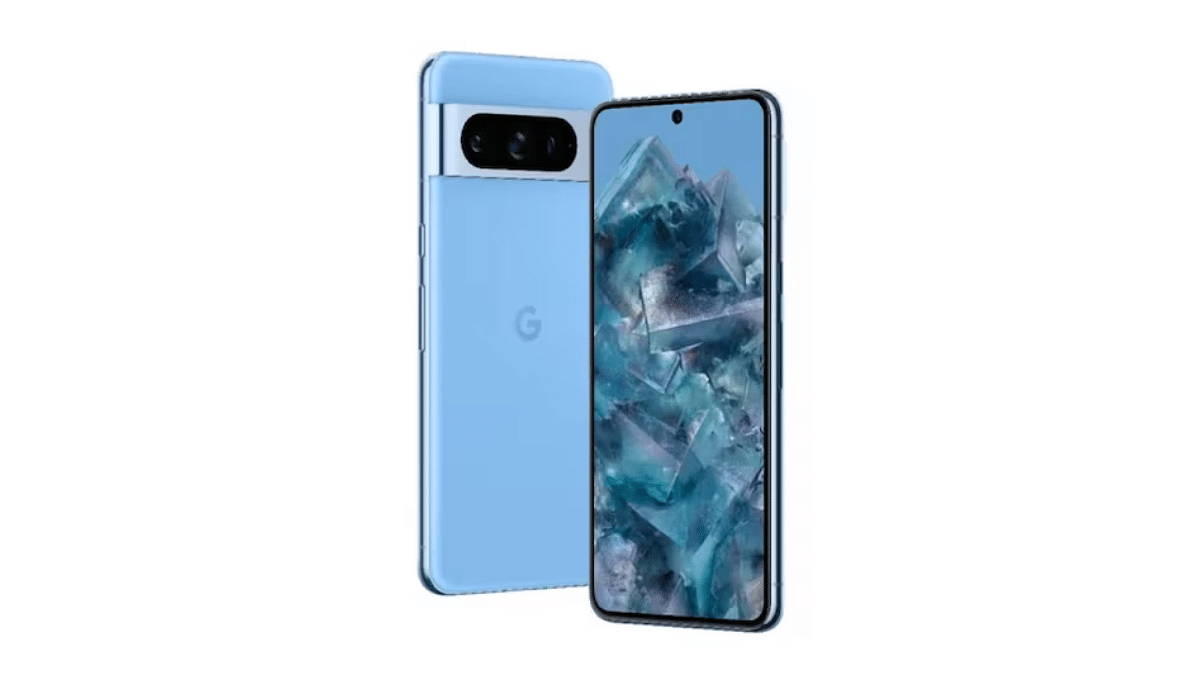
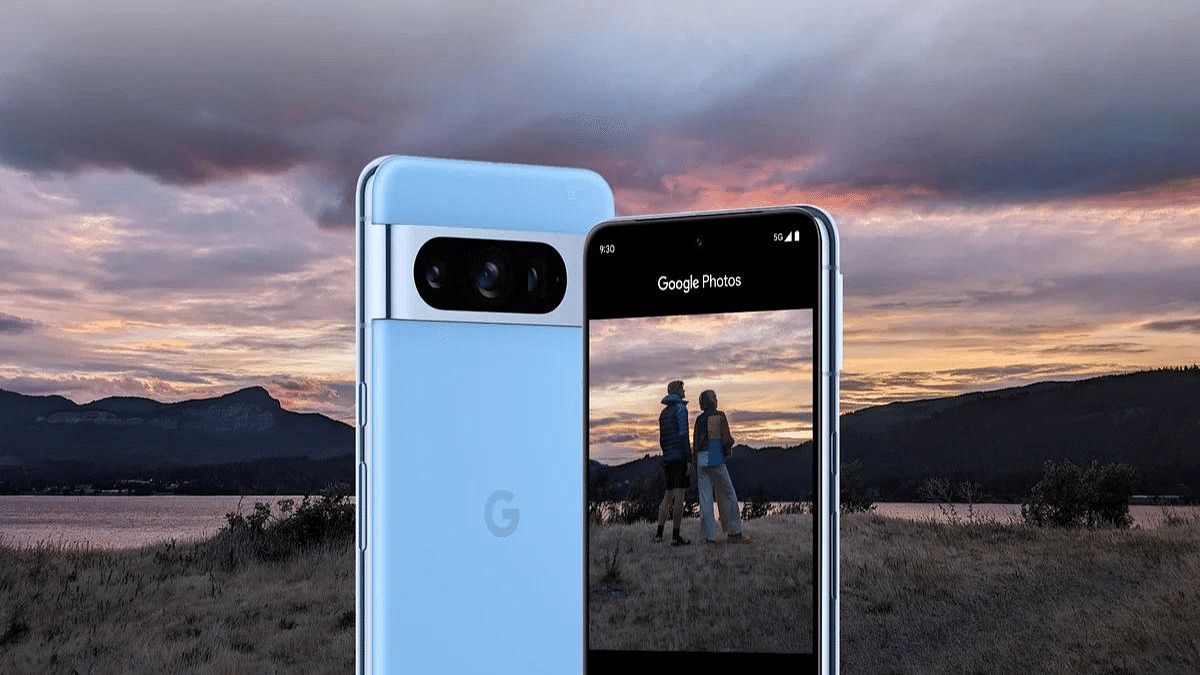
Choosing between the OnePlus 12 and Google Pixel 8 can be a tough call. Both are top-tier Android phones with impressive specs, but they cater to slightly different priorities. Let’s delve into their key features and see which one reigns supreme:
OnePlus 12: Boasts a larger 6.82-inch AMOLED display with a smoother 120Hz refresh rate and a sharper 1440 x 3168 resolution. Its sleek design features a glass front and back with an aluminium frame, but it’s slightly heavier than the Pixel 8.
Google Pixel 8: Offers a more compact 6.2-inch OLED display with a crisp 1080 x 2400 resolution and a 120Hz refresh rate. It’s lighter and more pocketable, with a similar glass and aluminium construction.
OnePlus 12: Packs the latest Qualcomm Snapdragon 8 Gen 3 processor, paired with up to 16GB RAM and 1TB storage. This promises blazing-fast performance for demanding tasks and multitasking.
Google Pixel 8: Runs on the custom-built Google Tensor G3 chip, which may not benchmark as high as the Snapdragon 8 Gen 3, but excels in AI-powered features and image processing. It comes with 8GB RAM and up to 256GB storage.
OnePlus 12: Features a triple-camera system with a 50MP main sensor, a 64MP telephoto lens with 3x optical zoom, and a 48MP ultrawide lens. It boasts Hasselblad color calibration and impressive video capabilities.
Google Pixel 8: Sports a dual-camera setup with a 50MP main sensor and a 12MP ultrawide lens. While it lacks a dedicated telephoto lens, its computational photography prowess often produces stunning results, especially in low-light conditions.
OnePlus 12: Houses a massive 5400mAh battery with incredibly fast 100W wired charging. It can be fully charged in just 26 minutes!
Google Pixel 8: Packs a smaller 4575mAh battery with slower 27W wired charging. While it may not win the speed race, it offers decent battery life and convenient wireless charging.
OnePlus 12: Runs on Android 14 with OxygenOS 14 (International) or ColorOS 14 (China). While OxygenOS is known for its clean and lightweight interface, ColorOS can feel slightly bloated.
Google Pixel 8: Runs on the latest stock Android 14 experience, guaranteeing faster updates and access to the newest features straight from Google.
Choosing between the OnePlus 12 and Google Pixel 8 depends on your priorities. If you prioritize raw performance, a larger display, and blazing-fast charging, the OnePlus 12 takes the cake. However, if you value a clean software experience, superior camera performance in low light, and faster updates, the Google Pixel 8 might be the better fit. Ultimately, both phones are excellent choices, so consider your needs and preferences before making your decision.
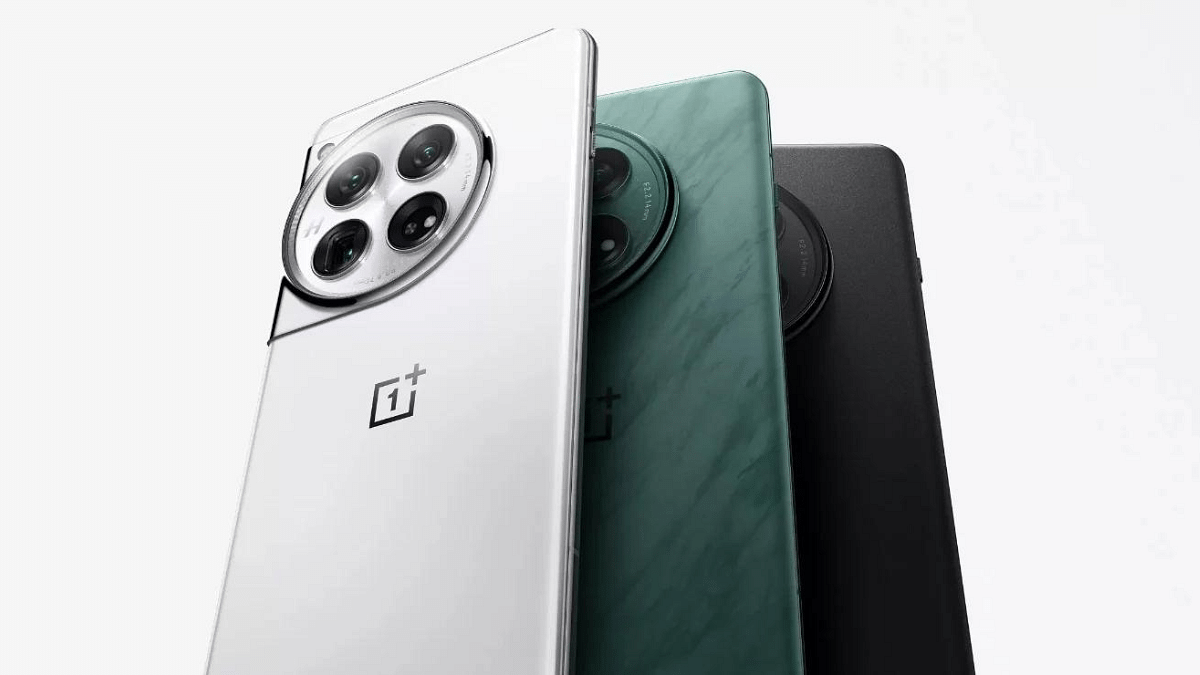
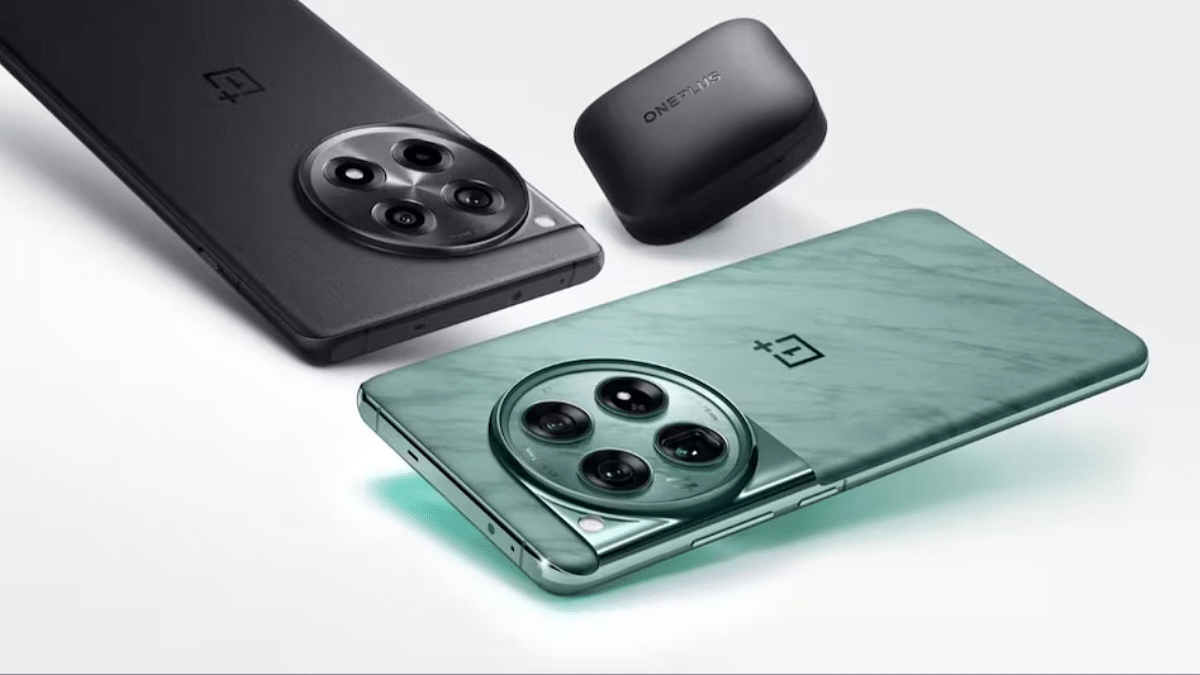
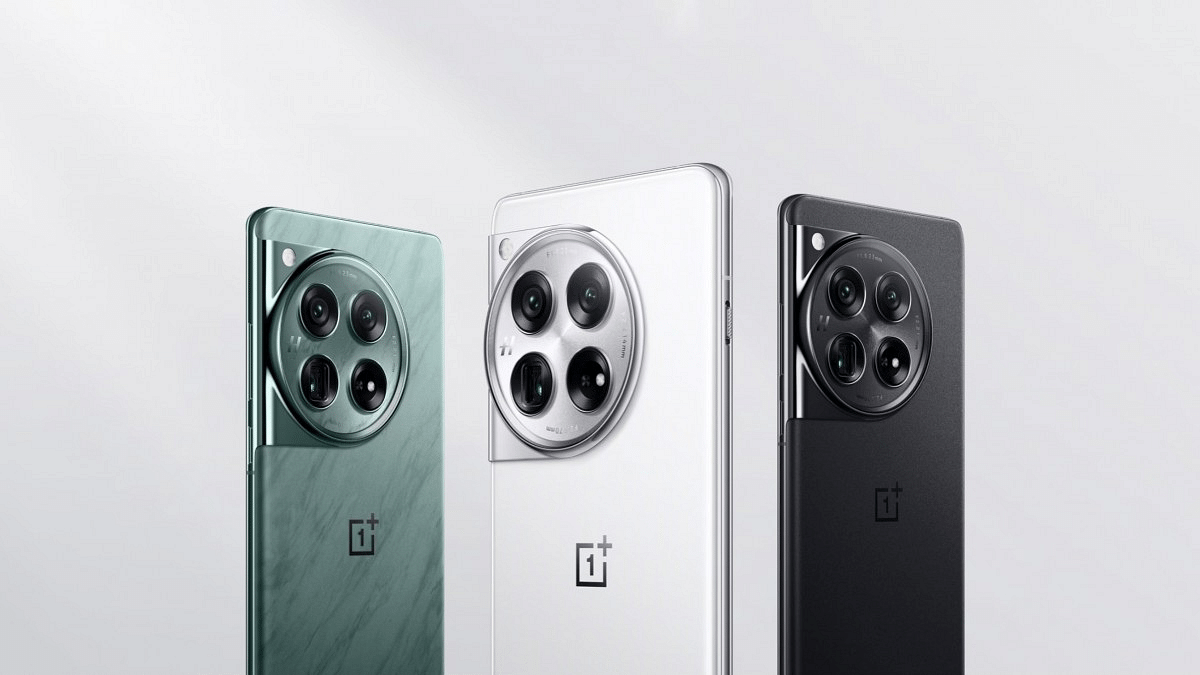
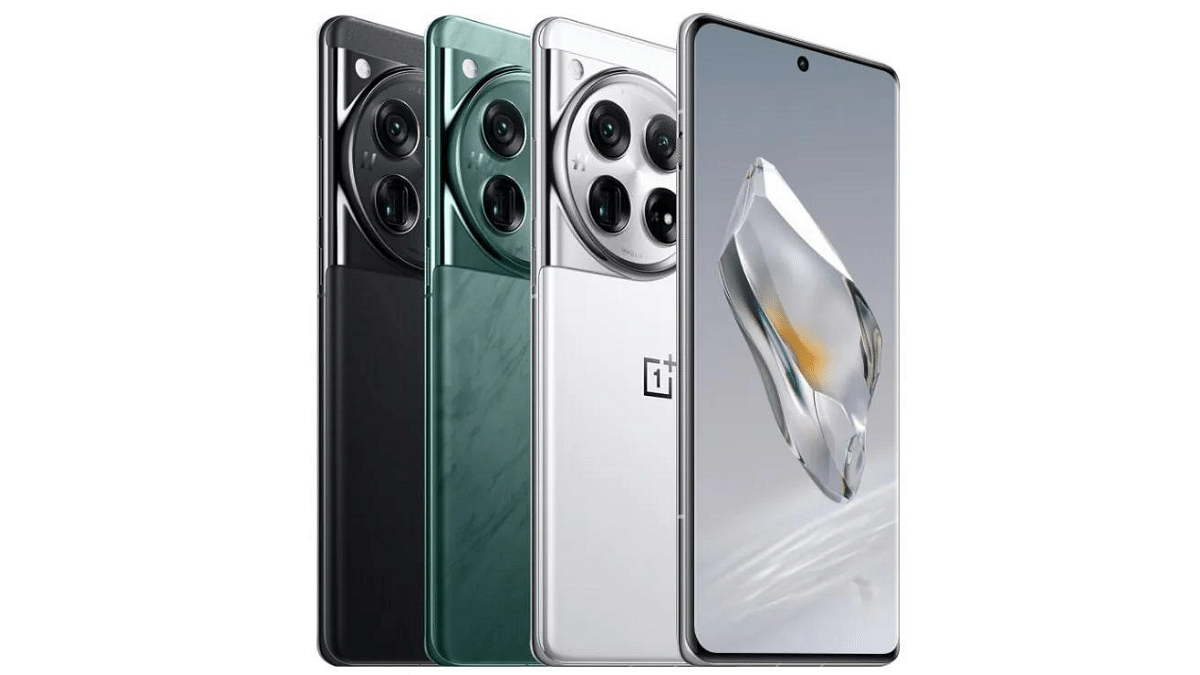
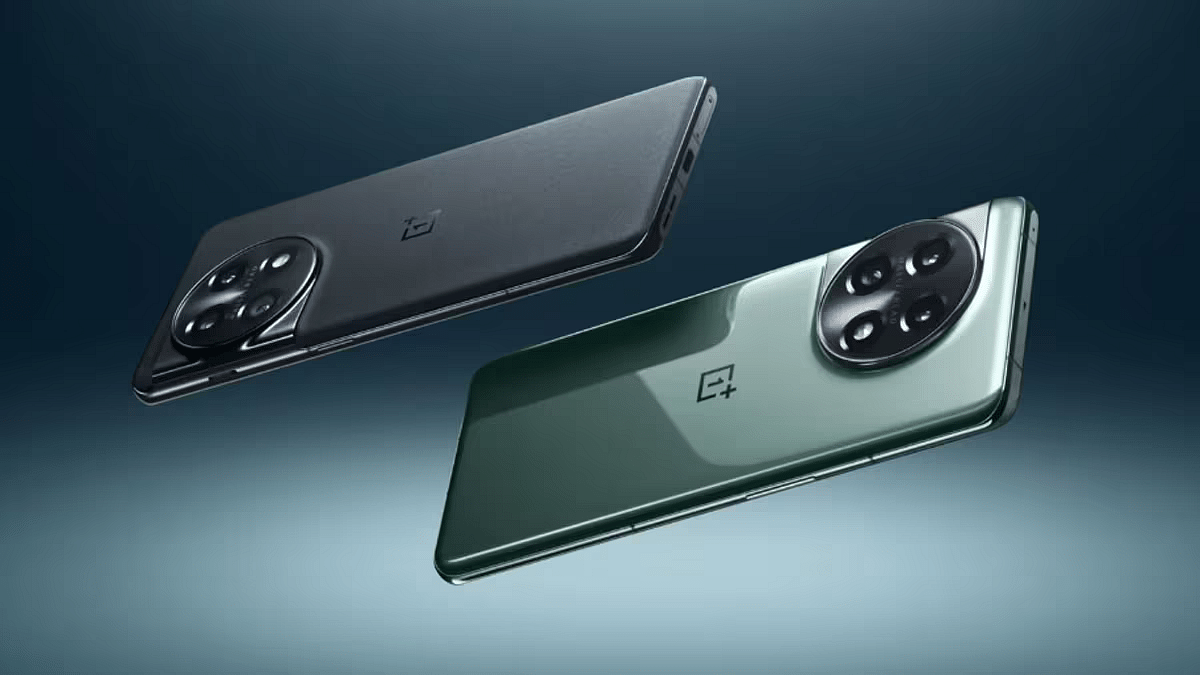
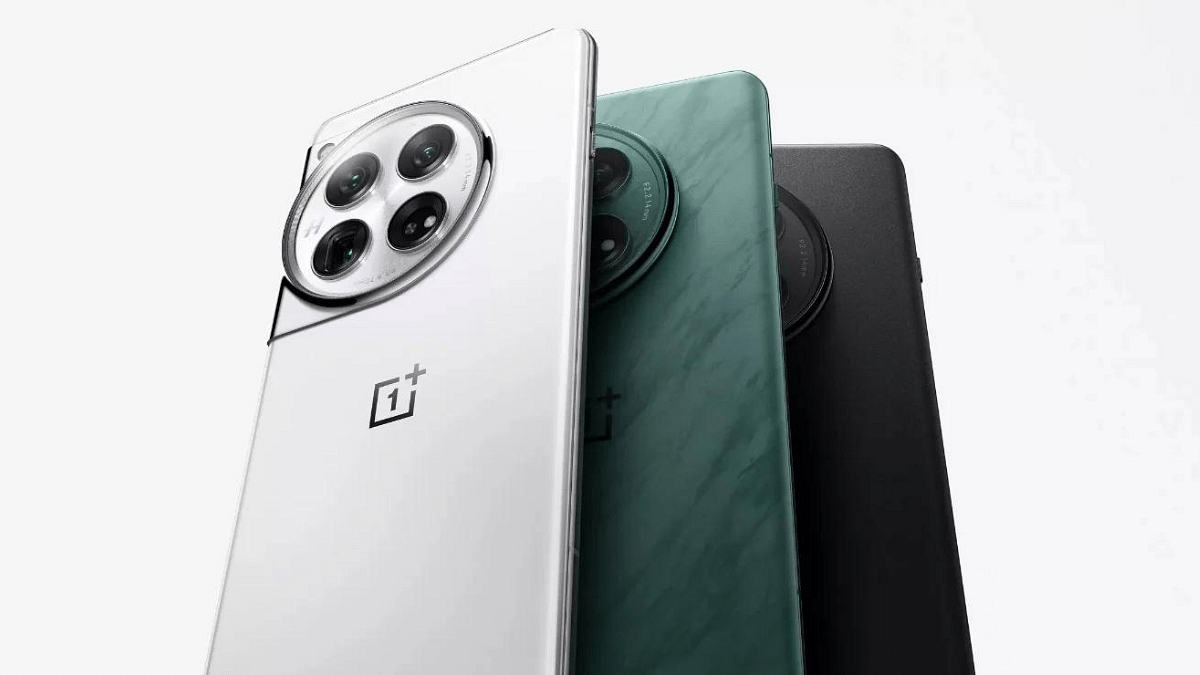
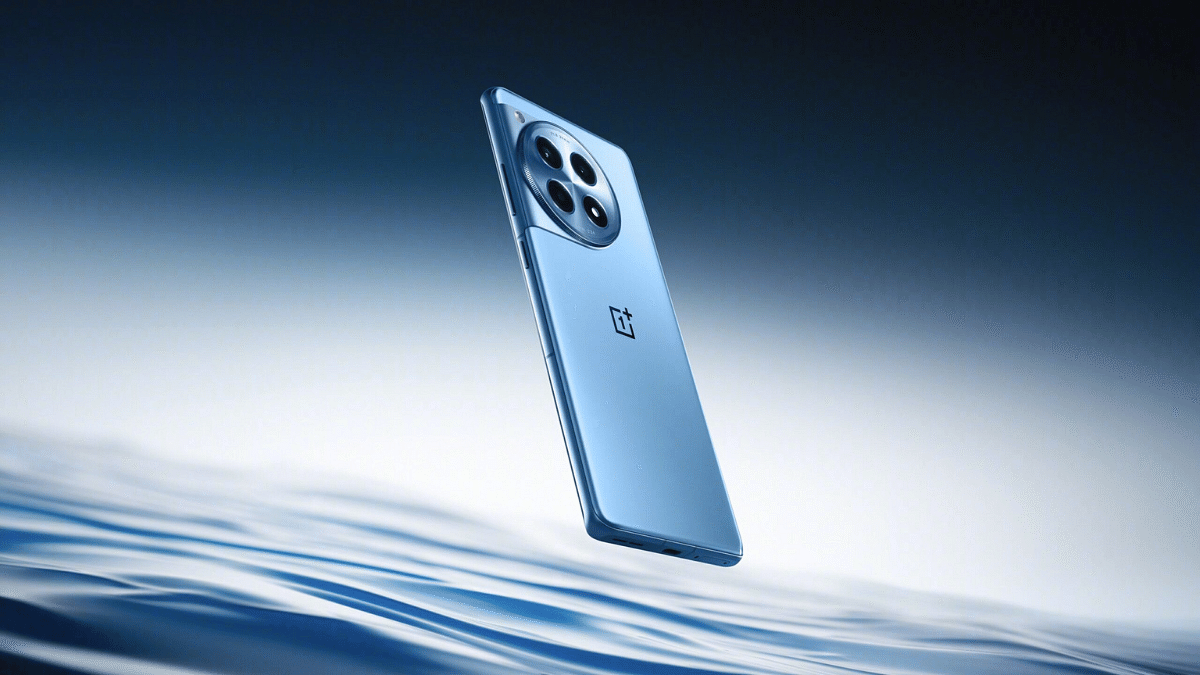
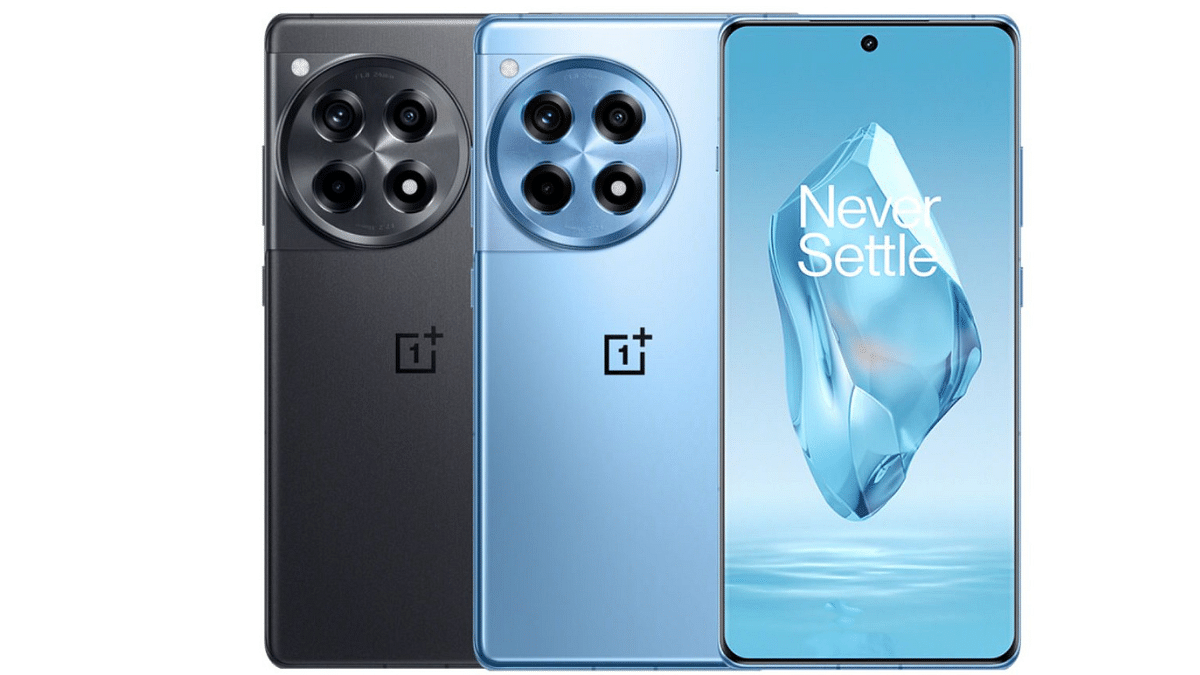
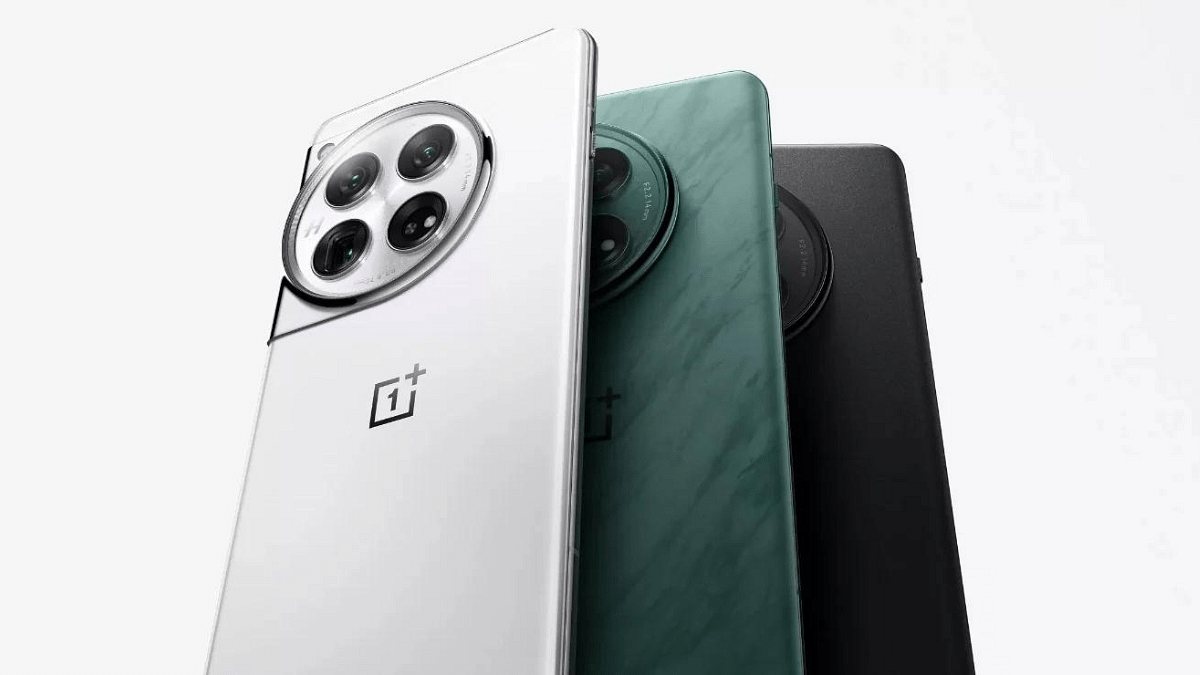
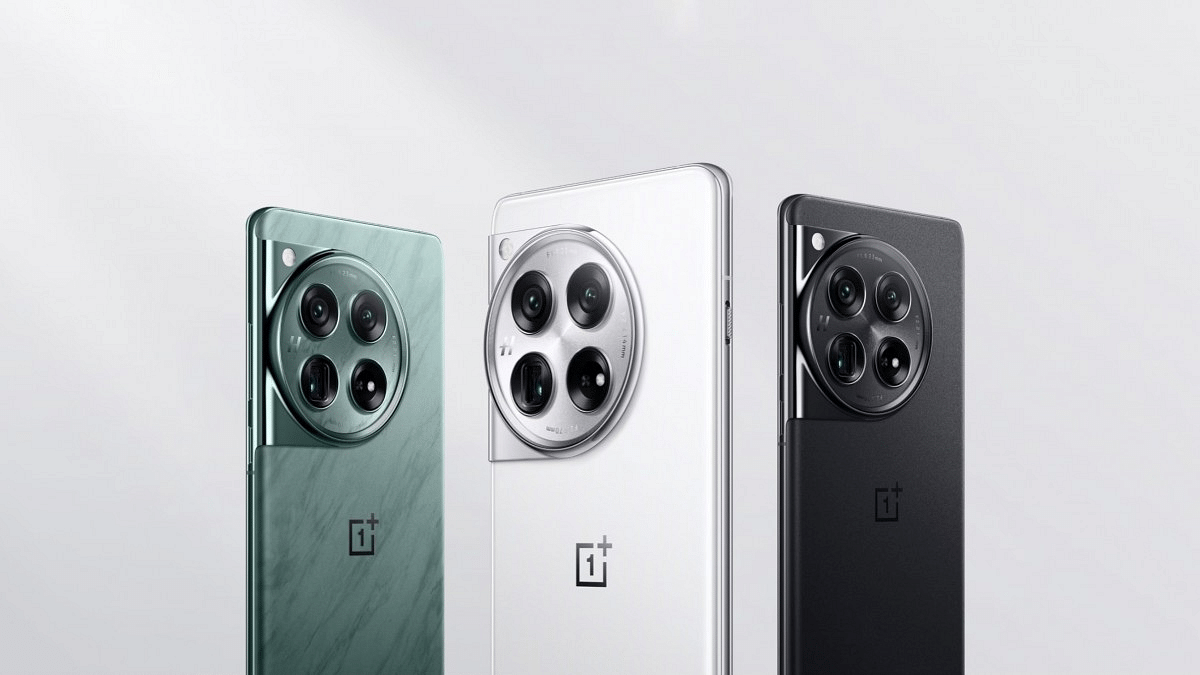
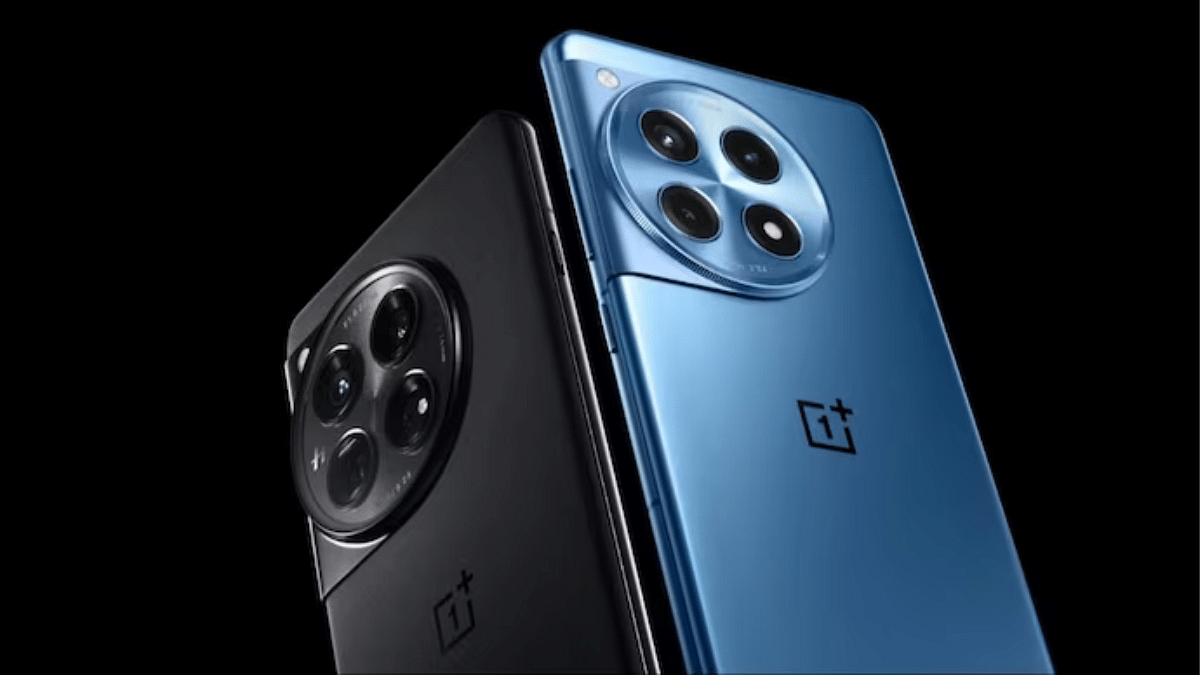
The OnePlus 12 has arrived in India, packing a powerful punch with its Snapdragon 8 Gen 3 processor, 50MP triple camera setup, and super-fast charging. So, before you hit that buy button, let’s explore some top alternatives to the OnePlus 12.
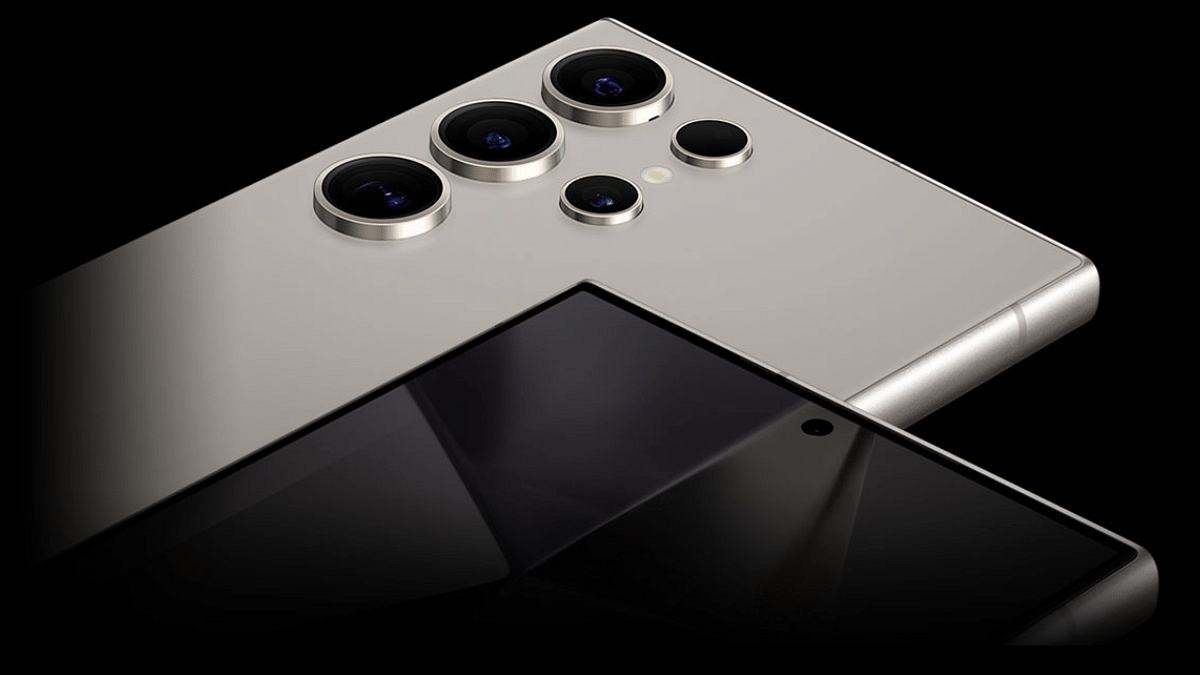
Samsung Galaxy S24 Ultra: This phones comes with powerful camera system, a gorgeous display, and the latest Snapdragon 8 Gen 3 chip. It is expensive, but you get a truly premium experience.
iQOO 12 5G: Offering raw power and lightning-fast charging at a slightly lower price than the S24 Ultra, the iQOO 12 packs a punch. It’s aggressive design and competitive specs might be your perfect match if speed is your priority.
vivo X100 Pro 5G: Vivo’s flagship flaunts a stunning AMOLED display, a versatile camera system, and a sleek, minimalist design. Its MediaTek Dimensity 9300 chip offers excellent performance, making it a well-rounded choice for casual gamers.
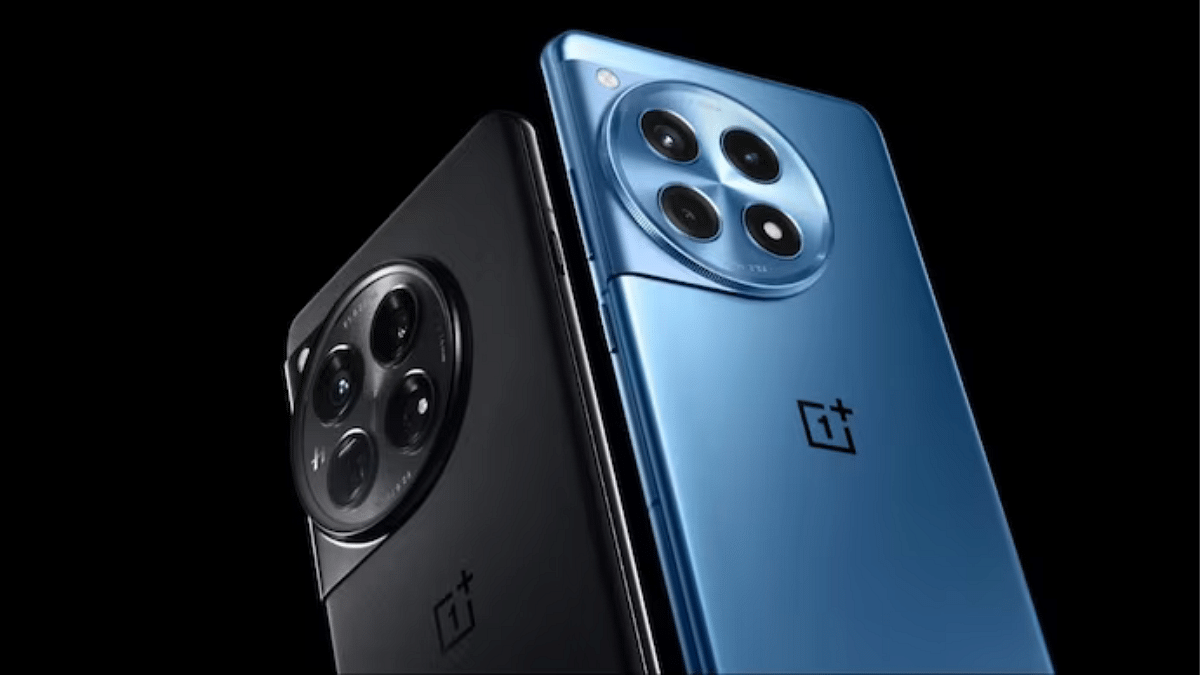
OnePlus 12R: Looking for a slightly more affordable OnePlus experience? The 12R equipped with Snapdragon 8 Gen 2 delivers almost the same performance as OnePlus 12, but with a slightly less powerful camera and a more modest design.
Xiaomi Redmi Note 13 Pro Plus 5G: This budget phone offers incredible value for money. With a 120Hz display, a powerful MediaTek 7200-ultra chip, and a long-lasting battery, it’s a fantastic option for everyday tasks and light gaming.
vivo V29: Vivo’s mid-range offering shines with a stylish design, a capable camera system, and a vibrant AMOLED display. Starting at the price of Rs. ₹ 32,999 makes it a great choice for those seeking a balance of features and affordability.
Ultimately, the best alternative to the OnePlus 12 depends on your priorities. Consider factors like performance, camera quality, display, UI preference, and budget to find the phone that ticks all your boxes. Remember, there’s no one-size-fits-all solution, so explore your options and find the flagship that truly complements your needs and style.
Vivo has been at the forefront when it comes to mobile camera technologies.The Vivo X smartphone series lineup is well known for bringing advanced camera features to the table. This flagship series has recently been refreshed with new models in India. The new Vivo X100 lineup includes the vanilla X100 and the X100 Pro both of which has been introduced as the camera flagships. The latter comes as the top-tier model offering premium features such as 50MP Zeiss-backed triple lens setup, powerful Dimensity 9300 chipset, a 120Hz display and more.
Now, the Vivo X100 Pro definitely offers the best-in-class camera hardware on papers. But is the camera performance worth the hype? Also, this phone appears to be a complete package if you look through the spec-sheet. Is that the case or its just the camera that makes it worth an investment? Well, we have been using the Vivo X100 Pro for almost a month now and here is our take.
Pros
Upgraded cameras perform well overall
Super high clarity levels with daylight shots
Offers high speed performance with a variety of tasks
Gaming experience is good
Clean and vivid visuals
Cons
User interface isn’t entirely free of bloatware
Phone feels a bit slipper without cover
Selfie camera doesn’t support 4K recording
Vivo X100 Pro : India Price
Vivo X100 Pro has been launched at Rs. 89,999 in India. You get 16GB RAM and 512GB storage configuration at this price point. This camera flagship is available in three color options including Startrail Blue, Asteroid Black, and Sunset Orange globally. Only the Asteroid Black color variant has been introduced in the Indian market.
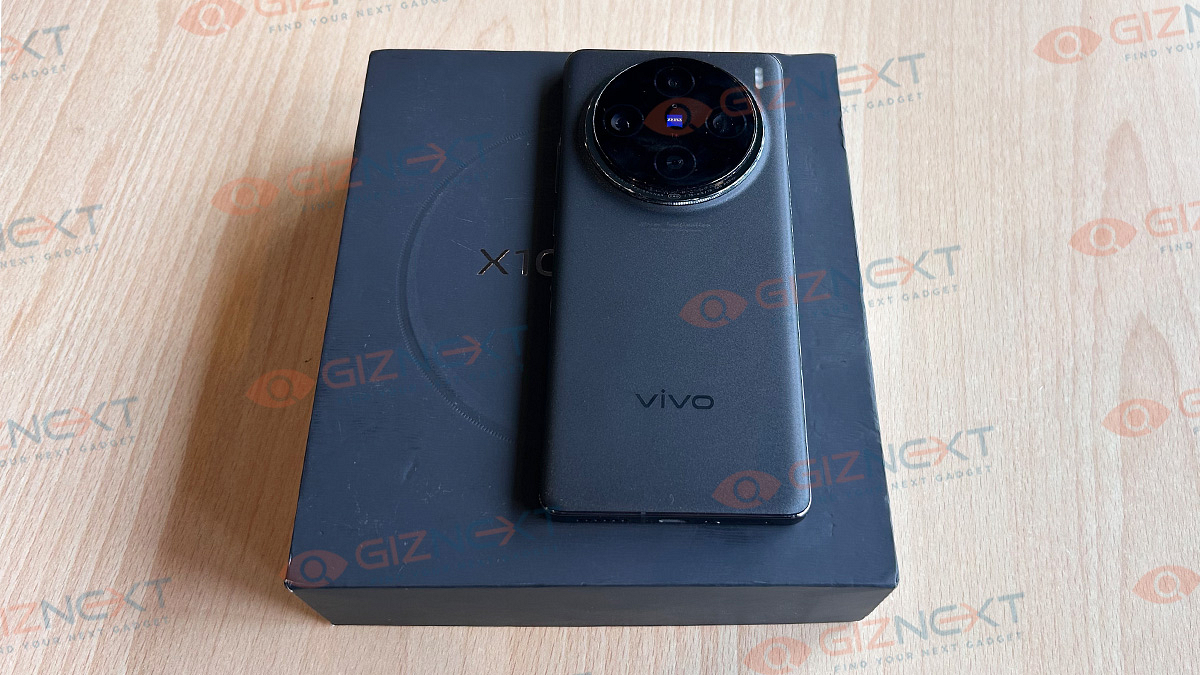
The Vivo X100 Pro doesn’t deviate much in terms of designing compared to its successor. But still gets some new elements that maintains the premium and luxury feel in addition which is signature for the X series. The primary difference that you will notice at the first glance is the re-designed camera island.
The X100 Pro gets a big protruding camera module wrapped with a stainless steel layering. Now, this is a unique touch to enhance the appeal overall with the new-gen model. This design as per Vivo is inspired from the Sun and Moon Halo.
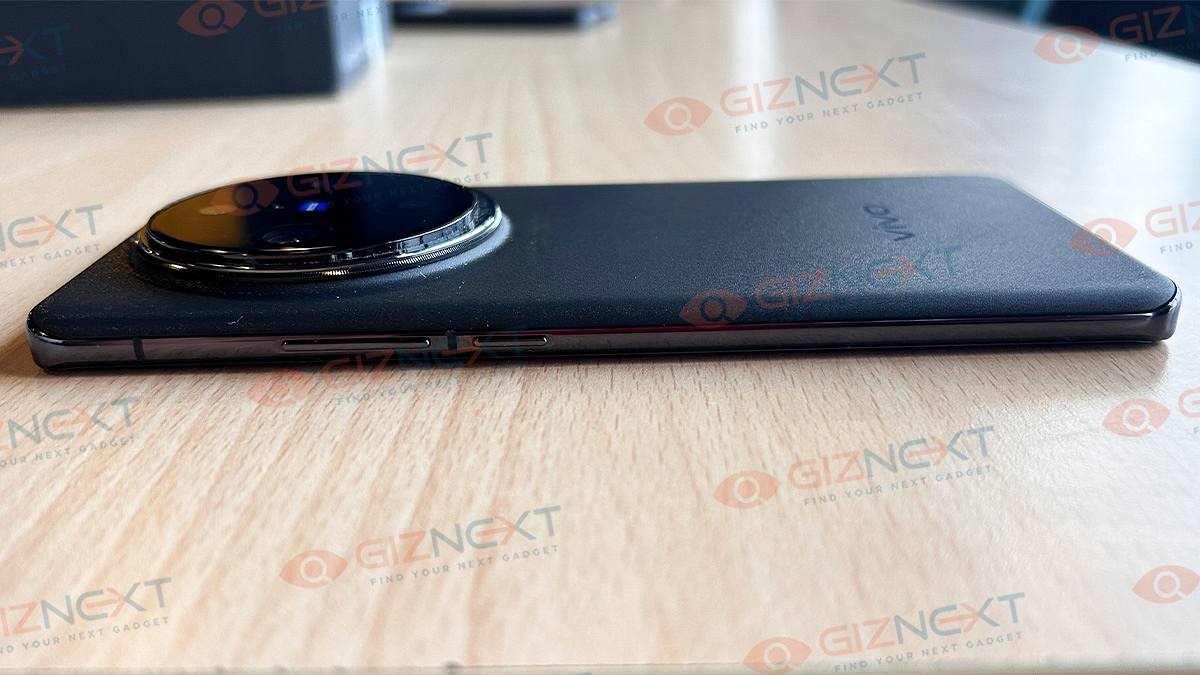
Speaking of the construction overall, the X100 Pro offers a sleek design and includes the same 3D curved edge display as the predecessors. Its durability is enhanced with the aerospace-grade stainless steel wrapping at the side panels. At the rear, it features Fluorite AG glass which seems resistive to fingerprints and smudges. This will address concerns of the masses who like flaunting their phone without covers as keeping it clean isn’t a big task.
But the smartphone does feel slippery without the cover. So, if you wish to avoid any mishaps with accidental falls, make sure you use the provided case. The ports and keys placement remains standard as most of the Android flagships.
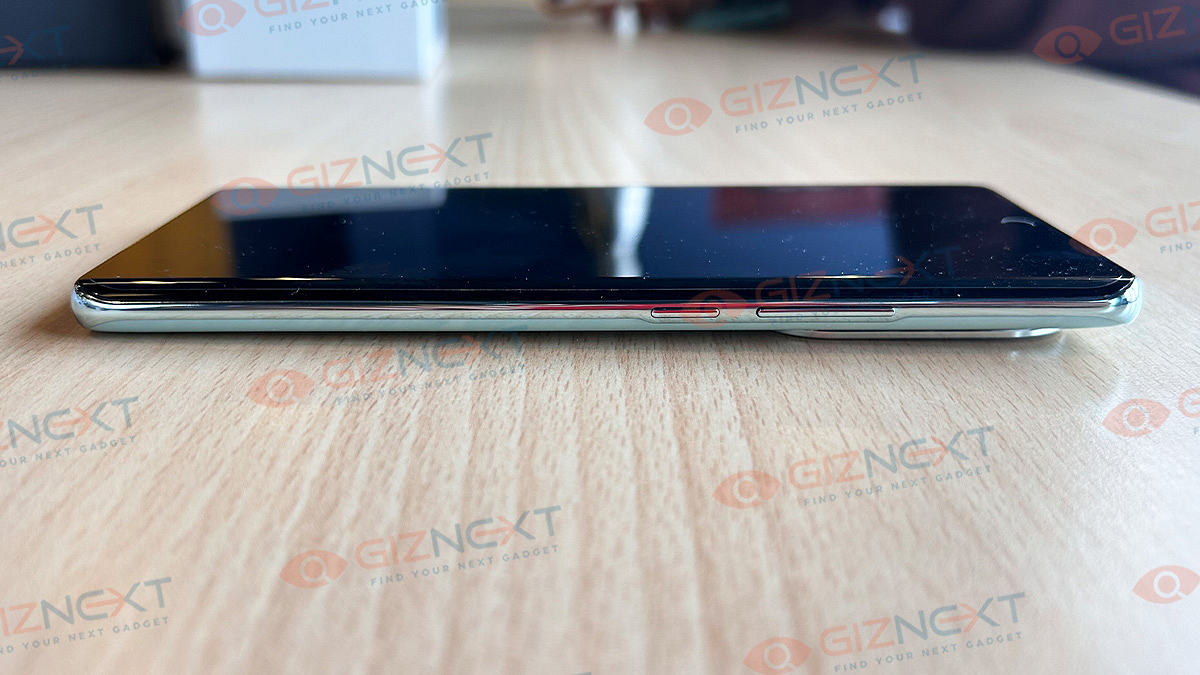
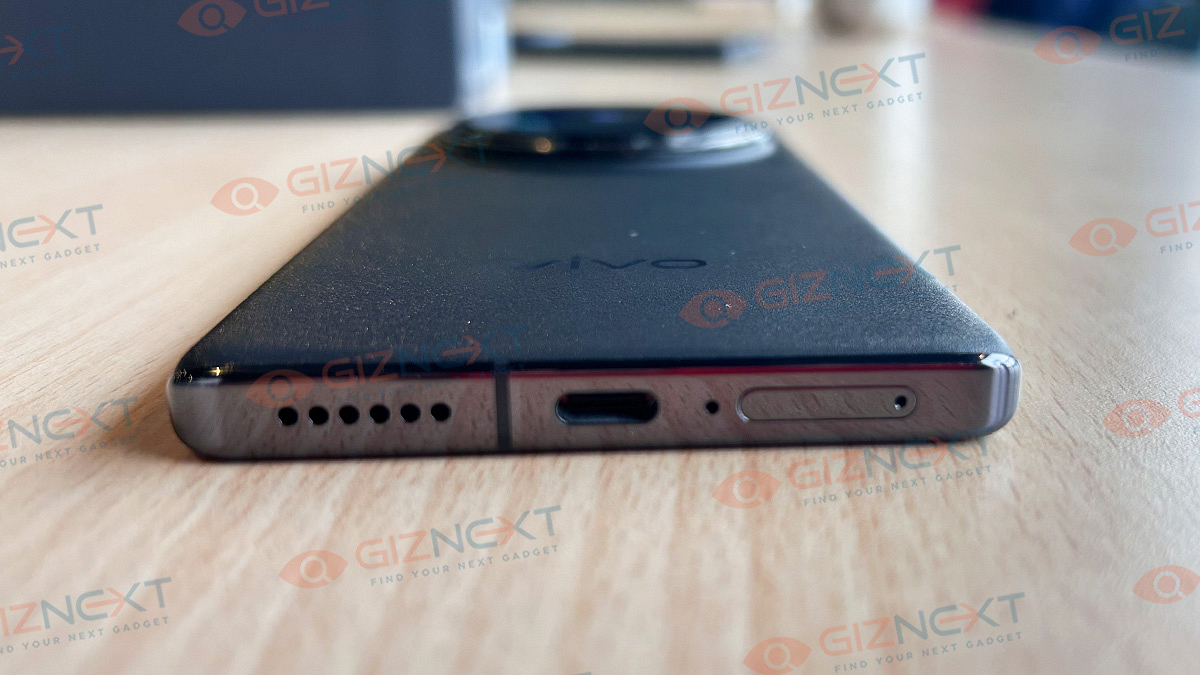
It has the volume and the power key on the right spine and the SIM card tray, USB Type-C port, and the speaker grille are positioned at the bottom. This phone comes with a hybrid SIM slot and not a dedicated microSD tray.
The X100 Pro with a weight of around 200 gms isn’t super heavy. But the overall build and the form factor might feel a little more than that. But that doesn’t cut down on the comfort during extensive usage. Summarizing the design aspects, the Vivo X100 Pro feels super premium and oozes out luxury with its each stance.
Performance Review: No Compromise Gaming And Multitasking
Under its hood, the X100 Pro features the high-end Dimensity 9300 processor. It lands as the first Android smartphone in India powered by the latest MediaTek flagship chipset combined with the in-house V3 imaging co-processor. This setup collectively offers high performance power for not just gaming but imaging as well.
The unit comes with 16GB of physical RAM in addition to up to 16GB virtual RAM. This allows for high-speed efficiency with all tasks you perform on the X100 Pro. Toggling between the loaded apps and also the app loading is instant. We could see it handling most extensive apps and games smoothly with no lags at sight.
We have been using this phone extensively all this while. And throughout the usage there hasn’t been a single flinch even when there are several of heavy apps running in the background. You get to swiftly toggle between loaded apps. What also impresses us is that the unit doesn’t heat up radically despite heavy usage or gaming. This is credited to the updated vapour chamber cooling module.
For the gaming enthusiast, playing the most graphic-hungry games is a pleasing experience. No stutters on the screen whatsoever. You can tune in the highest graphics settings and will get an immersive gameplay experience throughout.
The X100 Pro boots on Android 13-based Funtouch OS 14. Vivo has customized the new UI which now feels refined compared to the previous versions. But it still isn’t entirely free of bloatware. You will see a bunch of pre-installed apps but the updated UI seems neat and easier to use.
Vivo has showcased the best of camera tech with the X series and the X100 Pro isn’t anything different. This year too, the latest camera flagship comes with Zeiss-labelled camera hardware. The imaging setup on the Vivo X100 Pro has a 50MP Sony IMX989 lens. This primary lens is a large 1-inch sensor with PDAS, OIS, and also laser-assisted autofocus.
The secondary 50MP Zeiss telephoto lens with 0.5-inch OV64B sensor is the star of the show here. This is new addition which replaces the older 64MP OmniVision lens and is further clubbed with a 50MP Samsung Jn1 sensor that captures ultrawide frames.
Image detailing is no compromise with the Vivo X100 Pro cameras. We have been truly impressed with the quality of images we got with each click. Every shooting mode is treat and you get the best-grade outputs you can imaging with any smartphone camera. The detailing levels are sharp despite the lighting conditions in the background. The same is the case with the dynamic range which is high with the X100 Pro’s cameras.
But what truly captures the attention is the quality of portrait shots you get with the X100 Pro cameras. Vivo is offering a professional-grade portrait experience where you can select from different focal lengths for the shots. There is a 24mm, 35mm, 50mm, 85mm, and 100mm portrait shot modes. You can select the apt mode for high-quality bokeh photos.
When shooting portraits using the Portrait camera mode, Vivo lets you select specific professional portrait focal lengths (24mm, 35mm, 50mm, 85mm, 100mm) which have been optimised keeping in mind the camera sensors and lenses. Portrait photos captured at all of these focal lengths came out well with excellent detail even under artificial or low light conditions.
The imaging experience isn’t limited to the portrait mode. The X100 Pro offers premium photography experience with the Astro mode as well as the macro shots. We have captured some of the best moon photographs with the X100 Pro which we are sharing below. Macro photography is also next level and you witness the expertise Vivo has with cameras here. We are coming up with a detailed camera review soon so stay tuned with us.
A 5,400 mAh battery acts as the powerhouse for the Vivo X100 Pro. This flagship has 100W fast wired charging support along with 50W fast wireless charging. The former takes around 30 minutes for up to 90 percent backup. The full charge is well under an hour mark (within 40 minutes). Now, for the ones who are on a constant run, this quick charging time is surely handy.
That said, the backup this unit offers is more than a day if usage is moderate. This includes basic app usage and occasional media playback. If you are constantly hooked to the screen binging on any videos or gaming, you might need to give it a re-plug by the end of the day.
The Vivo X100 Pro undeniably stands out with its exceptional camera performance. While the camera does most of the talking, this phone remains to be complete package when it comes to the performance delivery. Vivo has done a great job with improving the overall photography and user experience with the X100 series making it one solid bet to invest in.
The smartphone will feature a curved AMOLED display
It comes equipped with Qualcomm Snapdragon 6 Gen 1 SoC
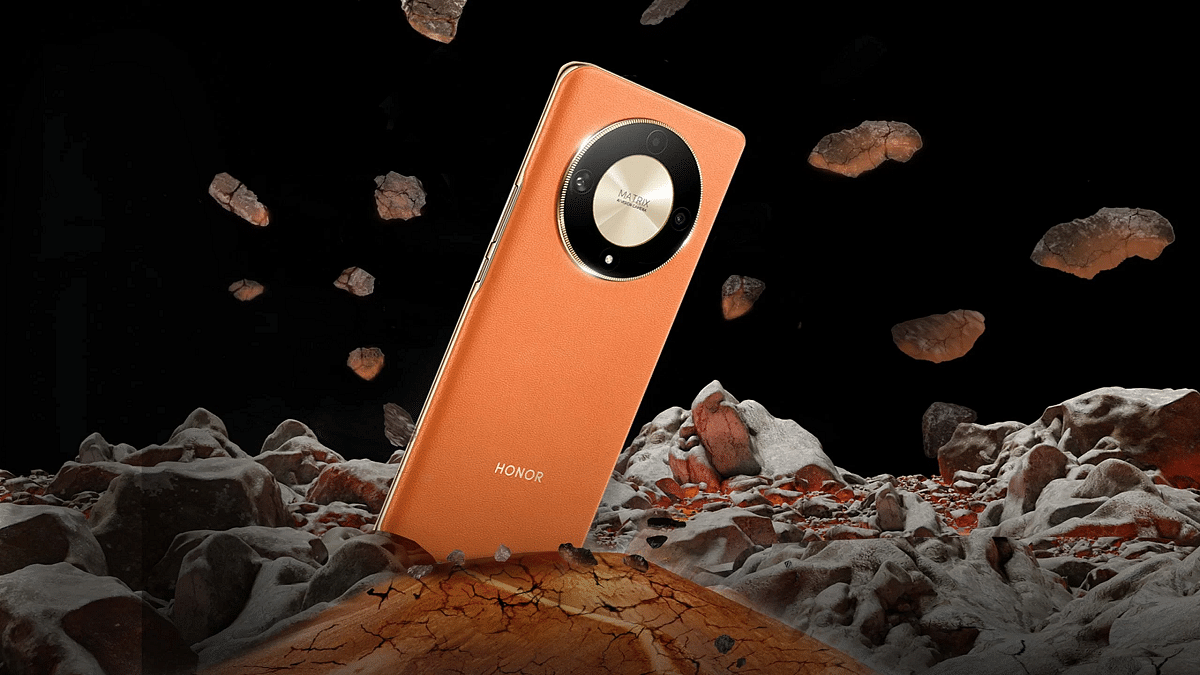
Honor is set to introduce a new smartphone in India, the Honor X9b, scheduled for a debut in February. While the brand remains tight-lipped about specific details, leaks and an accidental Amazon listing provide insights into the anticipated device. Let’s have a look. Also Read | Best Phones With Fast Charging Under Rs. 15,000
Honor X9b: Launch Date and Teaser
The Honor X9b is slated to launch in India on February 15. The smartphone’s teaser suggests a notable focus on display quality, hinted by the phrase “RIP Tempered Glass.”
Amazon Listing Leak
The smartphone made an unintended appearance on Amazon, showcasing key details, design, and color options. However, the listing is no longer visible.
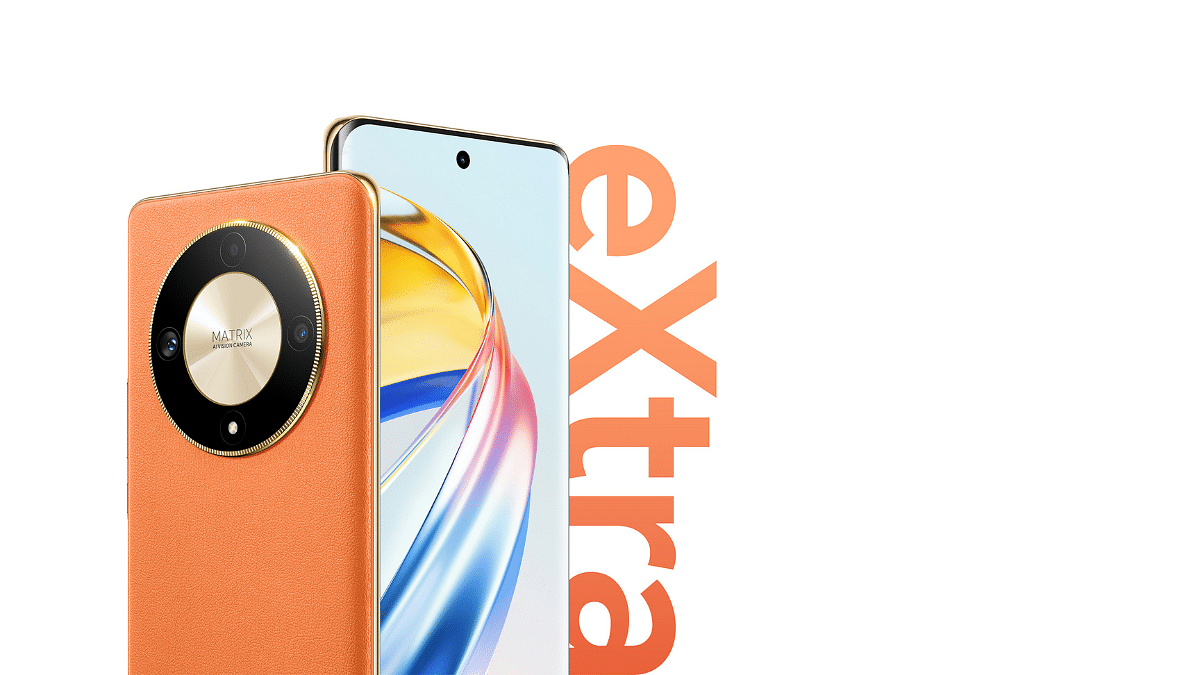
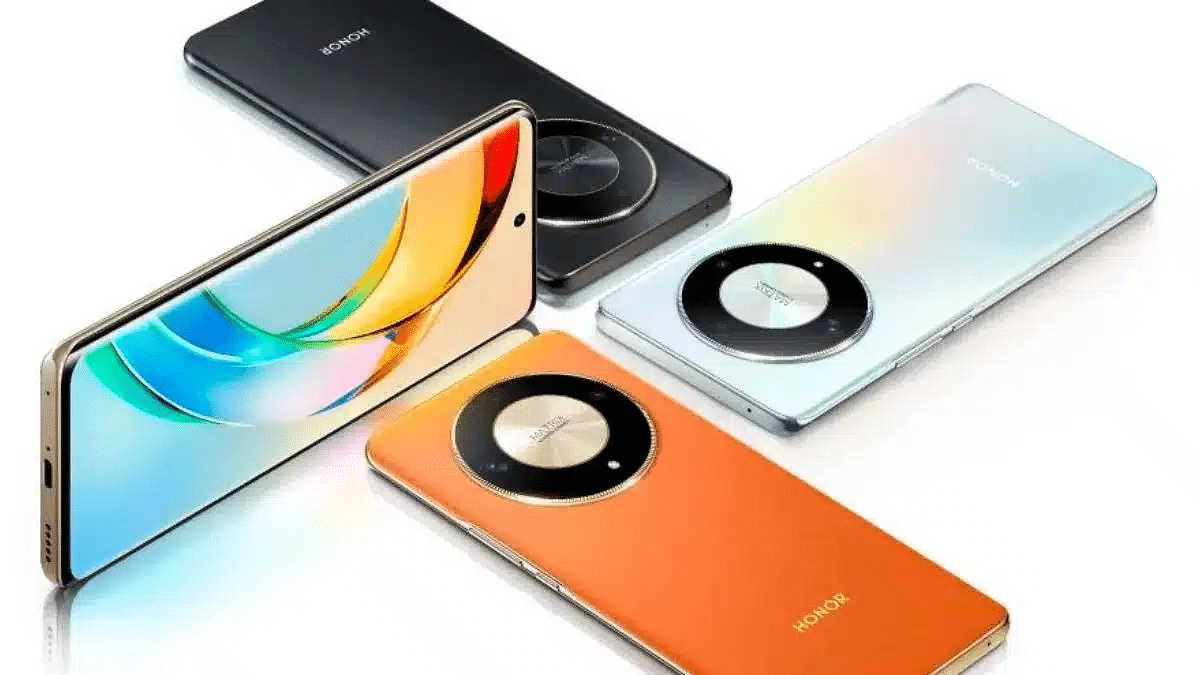
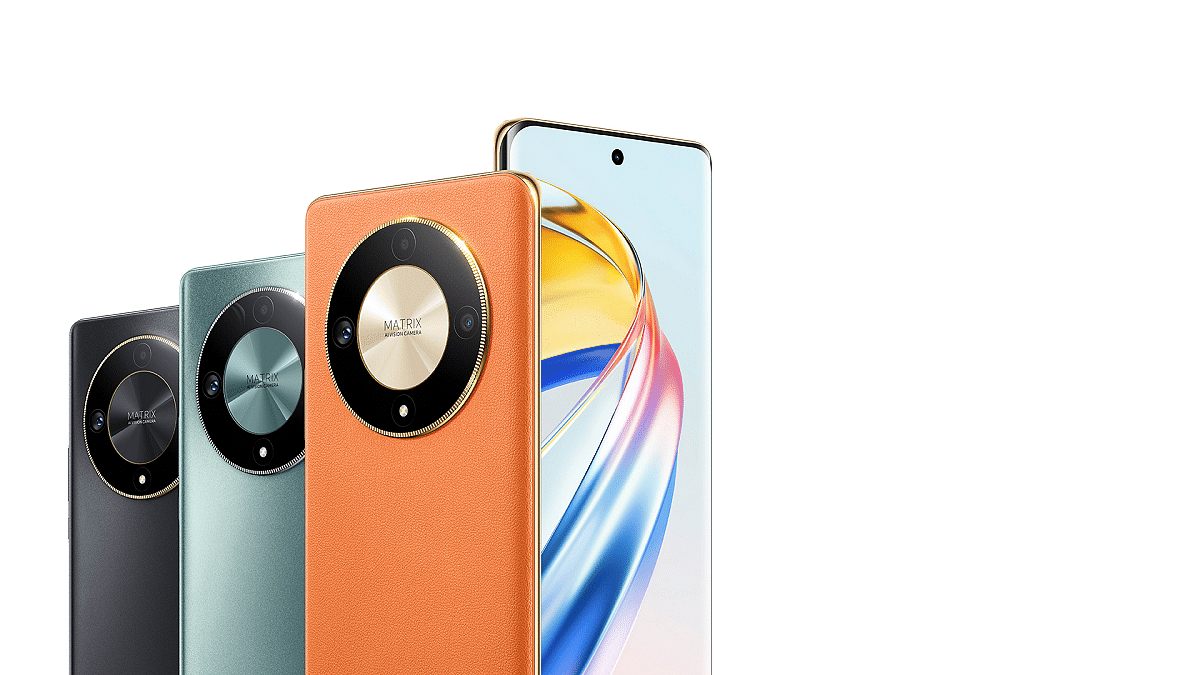
Sunrise Orange, Midnight Black, Emerald Green, and Titanium Silver
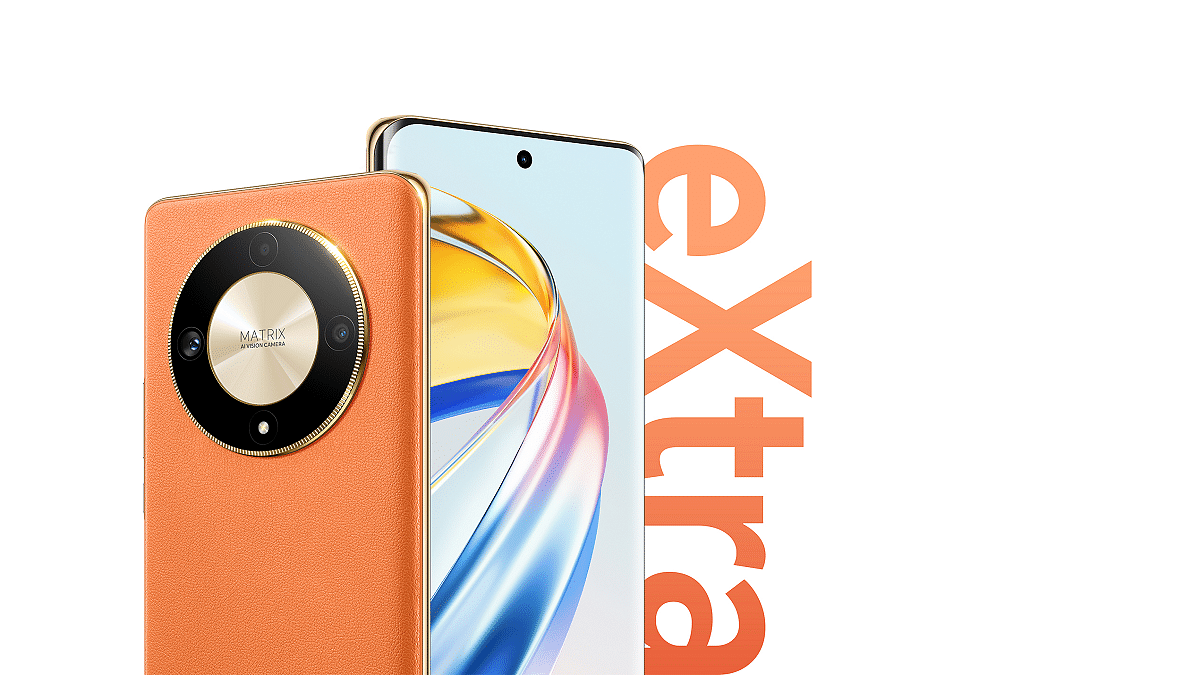
Design: The Honor X9b showcases a curved display with a punch-hole camera, a circular rear camera arrangement with an LED flash, and a central metal casing—a design reminiscent of the Chinese debut model.
Display: A 6.78-inch FHD+ AMOLED display with a 120Hz refresh rate, 1920Hz PWM dimming, 1200 nits peak brightness, and SGS Glass protection. It will feature the Honor Ultra Bounce Anti-Drop display.
Processor: Powered by the Qualcomm Snapdragon 6 Gen 1 chipset paired with Adreno 710 GPU.
Memory and Storage: Options for 8GB and 12GB of RAM, along with 256GB of UFS 3.1 onboard storage and 8GB of virtual RAM support.
Cameras: A 108MP primary camera, 5MP ultra-wide-angle sensor, and 2MP macro lens on the rear, complemented by a 16MP selfie camera.
Battery and Charging: Equipped with a 5,800mAh battery and 35W fast charging support.
Software: Running on Android 13-based MagicOS 7.2 custom skin out-of-the-box.
Note: All specifications are subject to official confirmation during the device’s launch. The smartphone is further confirmed to come in ‘Sunrise Orange,’ along with black and green variants.
Honor X9b: Launch Date and Pricing
As announced by the brand, the Honor X9b is to launch in India on February 15, with an estimated price range between Rs. 25,000 and Rs. 30,000. HTECH asserts that the introduction of this smartphone will mark the end of tempered glasses in the industry. The teaser reveals the brand’s plan to outfit the smartphone with India’s pioneering ultra-bouncing display, incorporating ‘Airbag’ technology.
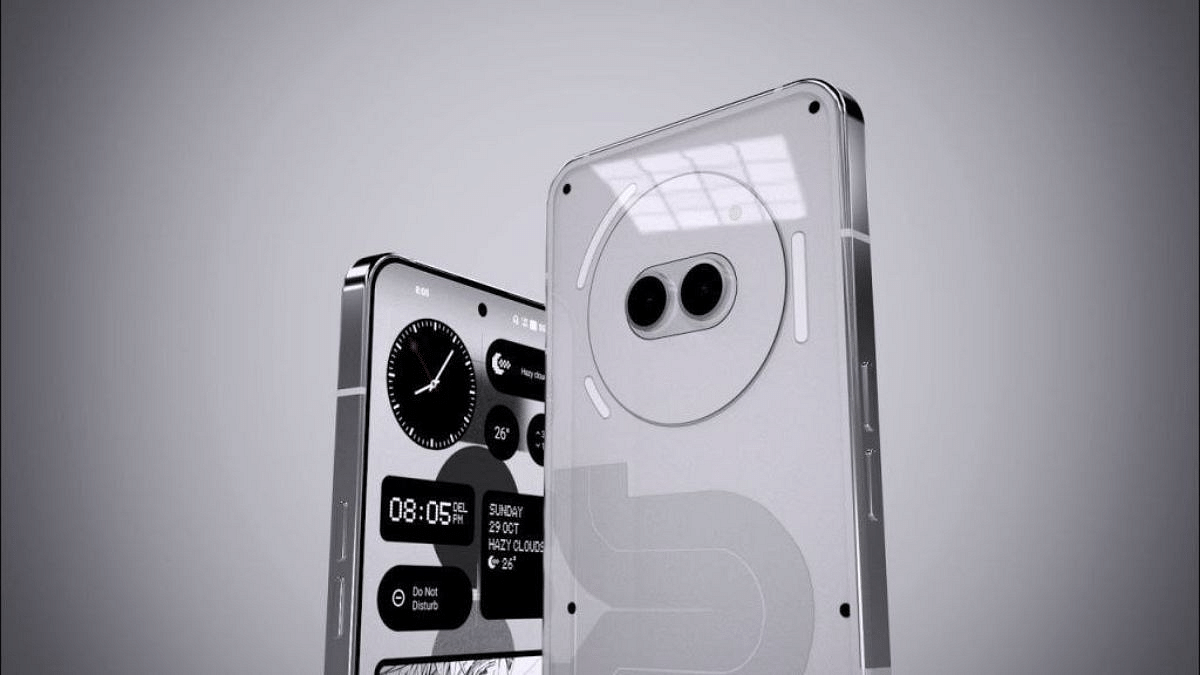
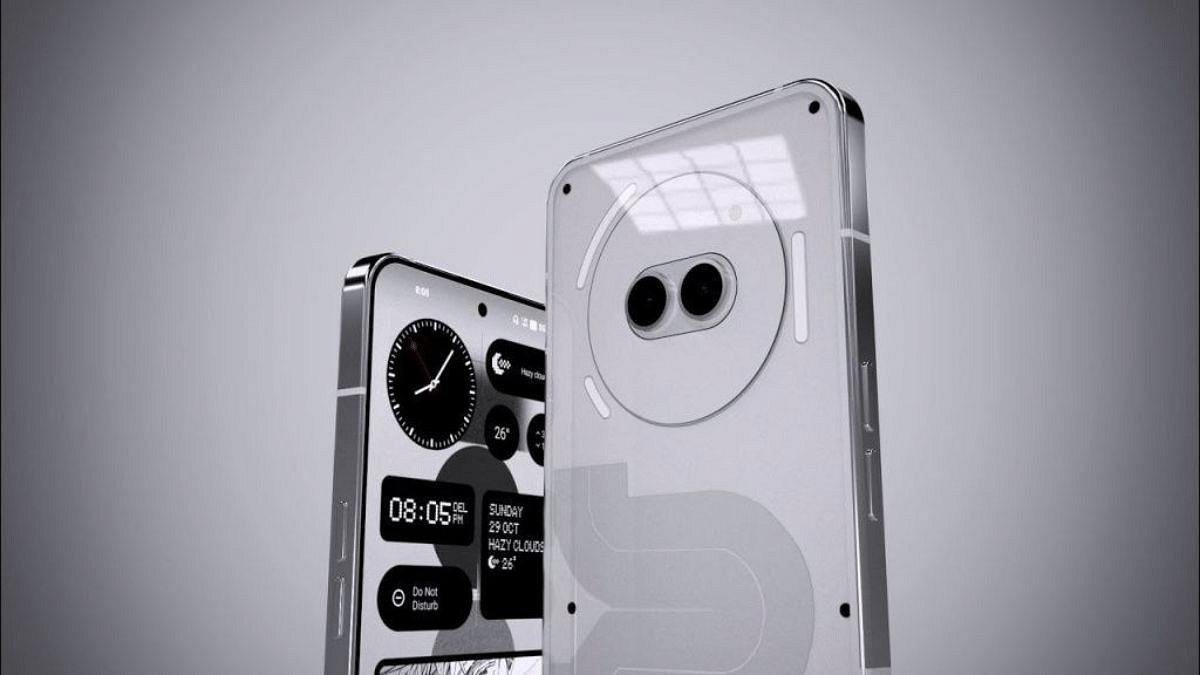
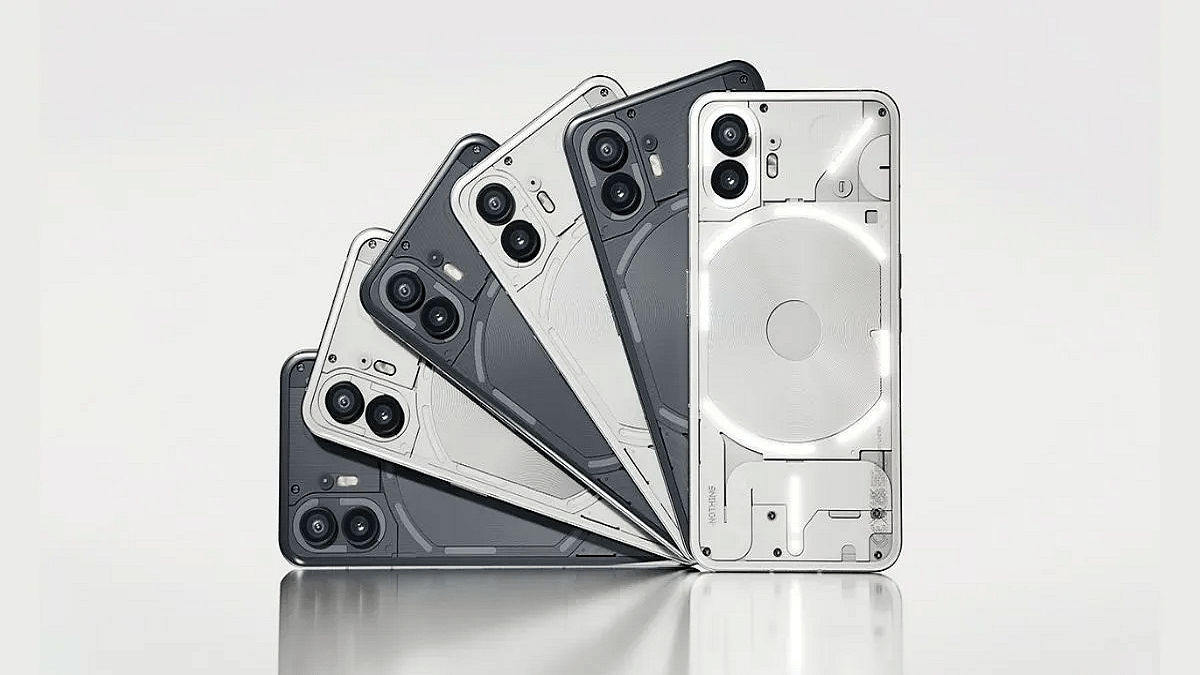
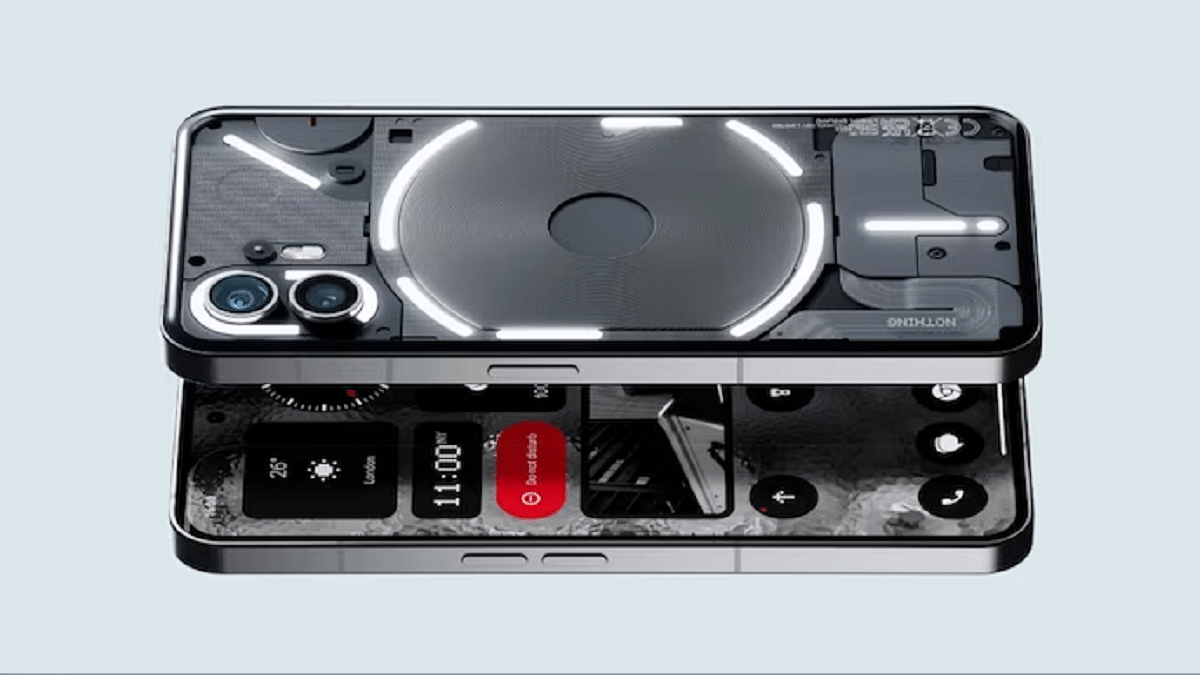
Nothing Phone 2a is set to make its debut in late February
Nothing Phone 2a will support 45W charging
The phone will feature a MediaTek chipset
Nothing Phone 2a, anticipated as the midrange counterpart to the Phone 2, is set to make its debut in late February. This will mark the company’s first device featuring a MediaTek chipset. Leaks have already provided insights into the phone’s design, specifications, and color options, building anticipation among smartphone enthusiasts. Also Read | Nokia X30 5G Vs Nothing Phone 1: Which Should Be Your Pick?
Listed on the TUV certification website under model number A142, the Nothing Phone 2a’s details have been uncovered, shedding light on its charging capabilities. The TUV listing discloses support for 45W charging, mirroring the Nothing Phone 2. However, the status of wireless charging remains unconfirmed.
USB Power Delivery Standard Support
The TUV certification also reveals that the Nothing Phone 2a will adopt the USB Power Delivery (PD) standard, eliminating the need for a proprietary charging protocol. This implies compatibility with any USB PD charger for charging the device.
Specifications are based on leaks and TUV certification details. Actual specifications may vary upon official release.
Specifications
Details
Model
Nothing Phone 2a (A142)
Chipset
MediaTek Dimensity 7200
Display
6.7-inch Full-HD AMOLED, 120Hz refresh rate
Operating System
Android 14-based Nothing OS 2.5
RAM
Up to 12GB
Storage
256GB
Charging
45W (Supports USB Power Delivery standard)
Wireless Charging
Not Confirmed
Rear Camera Setup
Dual: 50MP primary, 50MP ultra-wide-angle
Front Camera
16MP
Previous leaks hint at the Nothing Phone 2a being powered by MediaTek’s Dimensity 7200 processor, boasting up to 12GB RAM and 256GB storage. The smartphone is expected to feature a 6.7-inch full-HD AMOLED display with a 120Hz refresh rate, running on Android 14-based Nothing OS 2.5 out of the box.
Rumors suggest a dual rear camera setup on the Nothing Phone 2a, comprising a 50MP primary camera and a 50MP ultra-wide-angle camera. Additionally, a 16MP front camera is anticipated for capturing photos and videos.
Unveiling at MWC 2024
Nothing is expected to reveal the affordable smartphone at the upcoming Mobile World Congress (MWC 2024) event. While the company is yet to officially announce the handset, leaks point to a debut at Nothing’s scheduled event on February 27.
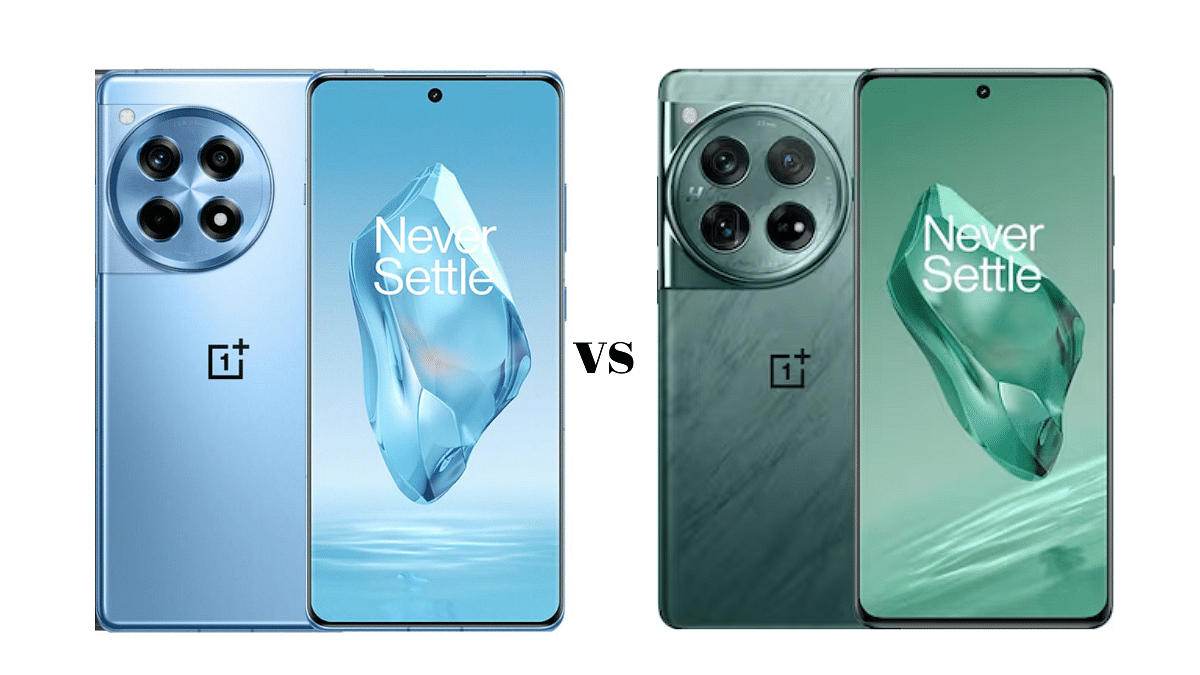
Choosing between the latest flagships from OnePlus can be a head-scratcher. Both the OnePlus 12 and OnePlus 12R boast powerful specs, sleek designs, and lightning-fast charging. But which one reigns supreme? Let’s dive into a detailed comparison to help you make the perfect choice.
Size & Resolution: The OnePlus 12 boasts a slightly larger 6.82-inch display with a higher 1440 x 3168 resolution compared to the 6.78-inch and 1264 x 2780 resolution of the 12R. This translates to sharper visuals on the 12, but both offer buttery smooth 120Hz refresh rates for a seamless experience.
Material & Build: Both phones feature premium glass front and back panels with Gorilla Glass Victus 2 protection. However, the 12R has an aluminum frame, while the 12 has a slightly heavier stainless steel frame.
IP Rating: Both phones are IP65 dustproof and water-resistant, offering peace of mind against spills and splashes.
Processor & RAM: Both phones pack the latest Snapdragon 8 Gen 2 chipset, ensuring top-notch performance for multitasking, gaming, and demanding applications. The 12 boasts a 12GB RAM option alongside the 8GB RAM available on both, offering smoother multitasking for power users.
Cameras: The main camera setups are similar, with both boasting a 50MP main sensor, 8MP ultrawide sensor, and 2MP macro sensor. However, the 12 takes the lead with a 64MP telephoto lens offering 3x optical zoom compared to the 12R’s 5MP telephoto lens. The 12 also features a higher-resolution 32MP selfie camera compared to the 16MP on the 12R.
Battery Capacity: The OnePlus 12R edges ahead with a slightly larger 5500mAh battery compared to the 5400mAh battery in the 12.
Charging Speed: Both phones support blazing-fast 100W wired charging, promising a full charge in around 26 minutes. However, the 12 also boasts 50W wireless charging, a feature missing on the 12R.
OnePlus 12R vs OnePlus 12: Price & Other Features
Price: The OnePlus 12R starts at ₹45,999, while the OnePlus 12 starts at ₹64,999. This makes the 12R a more budget-friendly option, although you sacrifice some features like the higher resolution display, telephoto lens, and wireless charging.
Other Features: Both phones come with OxygenOS 14, the latest iteration of OnePlus’s custom Android skin. They also share similar connectivity features like Wi-Fi 6/7, Bluetooth 5.3/5.4, NFC, and in-display fingerprint sensors.
The choice between the OnePlus 12 and 12R boils down to your priorities and budget. If you prioritize raw performance, a sharper display, and superior cameras, the OnePlus 12 is the clear winner, despite its higher price tag. However, if you’re looking for a more affordable option with excellent performance, a slightly larger battery, and don’t mind sacrificing some camera features and wireless charging, the OnePlus 12R is a fantastic choice.
Ultimately, the best phone for you depends on your individual needs and preferences. Weigh the pros and cons of each phone carefully before making your decision. You can’t go wrong with either the OnePlus 12 or 12R, as both are top-tier contenders in the flagship smartphone arena.
The Galaxy S24 series introduces Galaxy AI, an AI suite enhancing user experience
Galaxy AI integrates with Samsung Keyboard, enabling easy sentence rephrasing in diverse styles
With Galaxy AI, the S24 series aims for a streamlined user experience
The Galaxy S24 series, revealed at Unpacked 2024, introduces the remarkable Galaxy AI—a complete set of AI-powered features designed to simplify users’ lives. A standout feature, Galaxy AI in Samsung Keyboard, enhances text creation with generative texts, allowing users to rephrase sentences in various styles and moods effortlessly. Let’s check out some key features. Also Read | Samsung Galaxy S24 Display Features Already Out: New Upgrades Worth Checking Out
Rephrase Sentences
Users can unleash their creativity with the Samsung Keyboard’s Galaxy AI integration. This allows them to effortlessly rephrase sentences in diverse styles and moods. Whether you aim for a professional, casual, or social media-friendly tone, the AI adapts, even incorporating emojis and hashtags for a personalized touch.
Real-Time Translation Made Simple
Going beyond simple paraphrasing, the Galaxy AI in Samsung Keyboard introduces a real-time translation feature. Imagine texting someone who speaks a different language. Instead of the cumbersome process of copying text, pasting it into a translation app, composing a reply, and translating it back and forth, Galaxy AI streamlines this with ease. Users can press the new Galaxy AI icon, select the “Chat translation” option, choose the languages for both sender and receiver and start texting. The system automatically translates sent and received messages in the selected languages, facilitating smooth communication.
Translation Feature In Messages
Within the Messages app, Samsung has developed an in-built translation system resembling the functionality of Google Translate on mobile devices. Users, within the chat window, will encounter a floating bubble at the top. Here, they can modify language conversion settings and view all text exchanges translated into two languages, catering to both the sender and recipient.
Samsung is making the Notes app super easy. They’ve added a cool AI summarization feature, inspired by Google’s Bard. Now, Galaxy AI organizes messy text into tidy bullet points and headers. You can even have fun adjusting text spacing and headline colors with a simple swipe, like editing photos with filters.
Spelling And Grammar Assistance
The Galaxy AI also proves helpful in improving the quality of written communication. By offering spelling and grammar suggestions, it scans the typed text and recommends corrections for any errors. This ensures that users can express themselves clearly without worrying about mistakes in spelling or grammar.
Verdict
The Galaxy AI in Samsung Keyboard exceeds traditional texting experiences. With real-time translation and advanced spelling and grammar assistance, it seamlessly elevates communication. The Galaxy S24 series empowers users to express themselves effectively, making written interactions smoother and error-free.