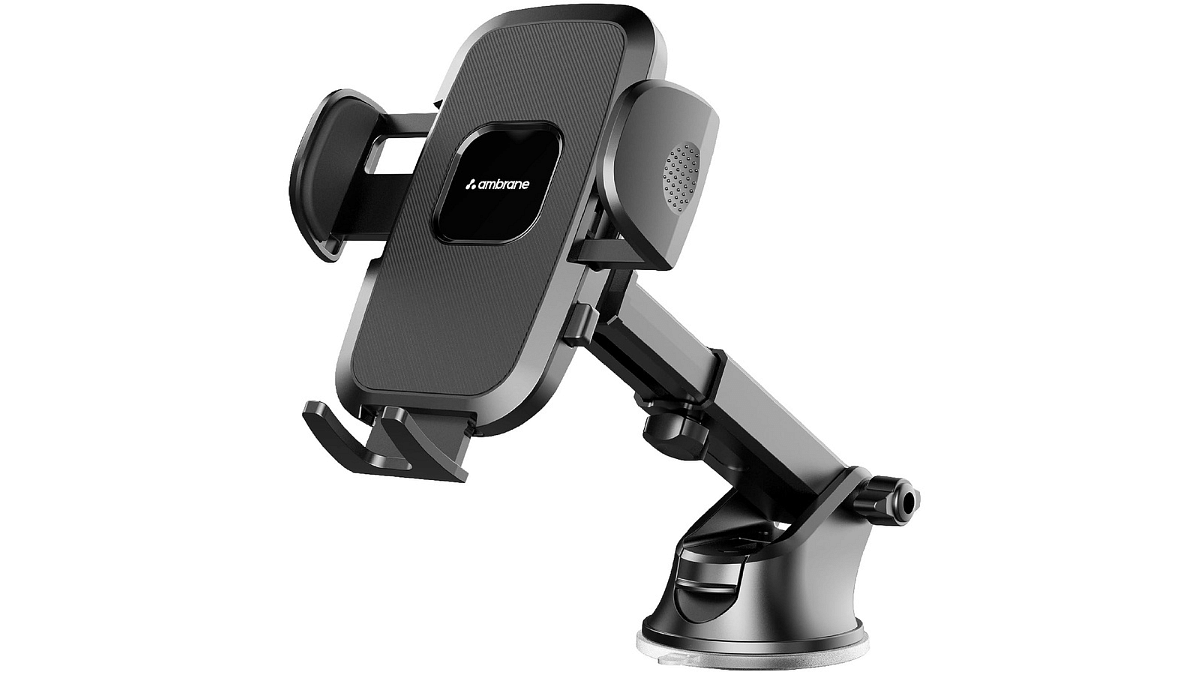
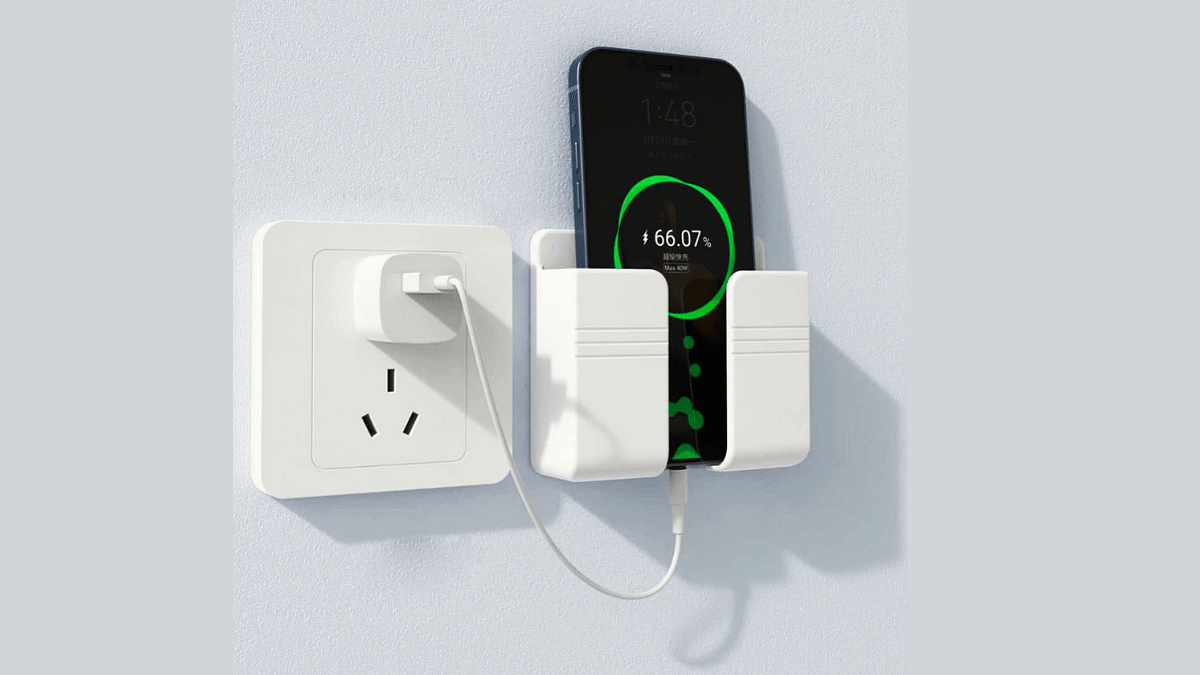
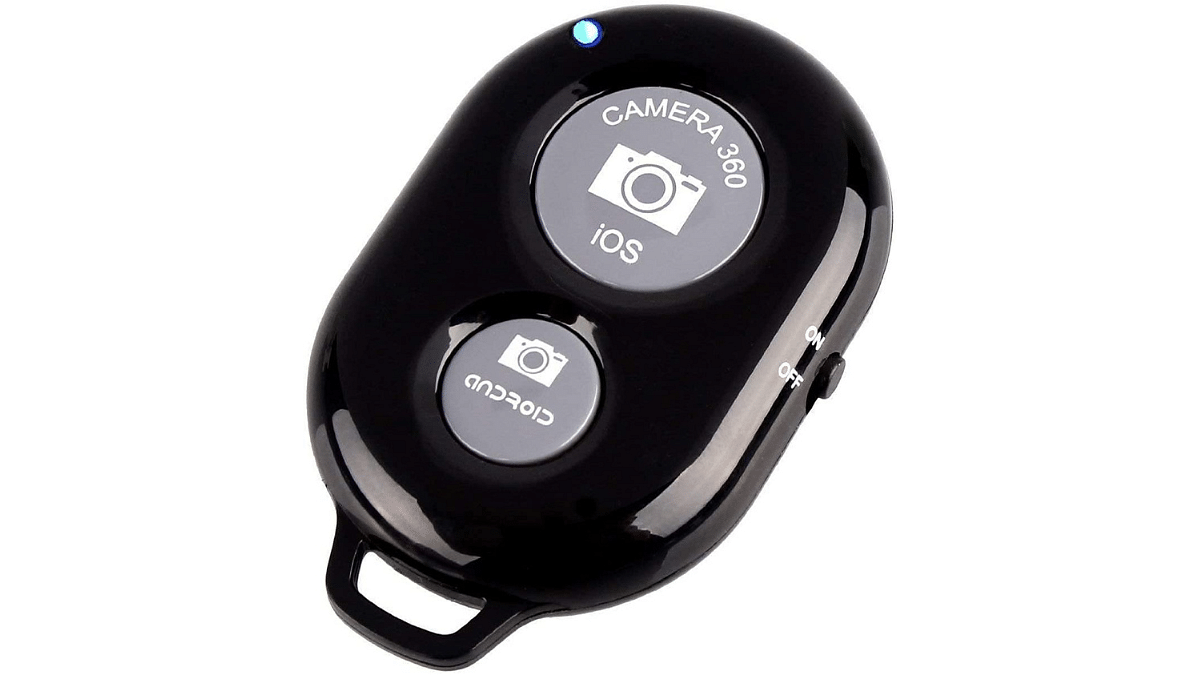
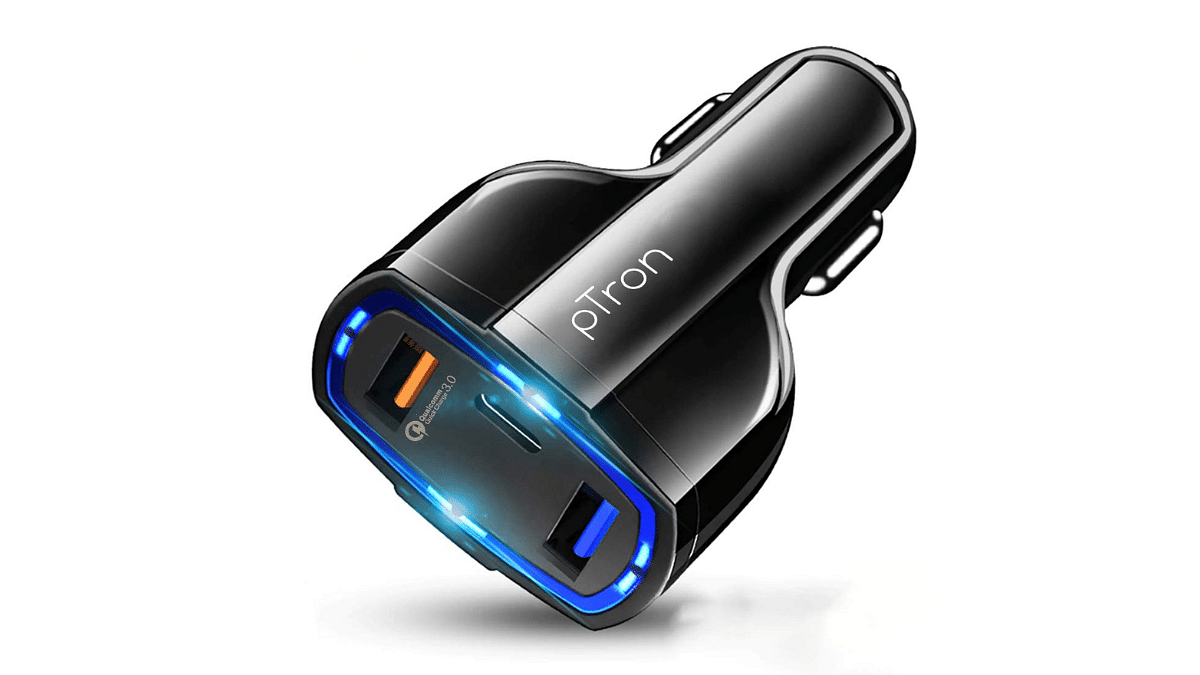
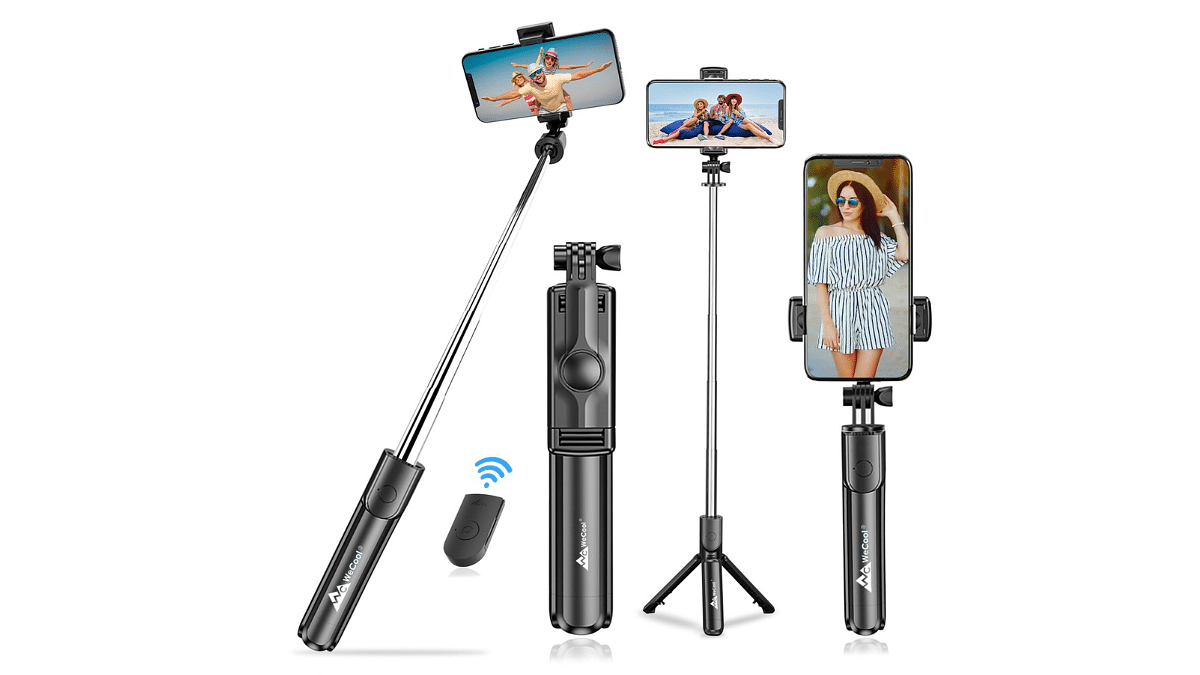
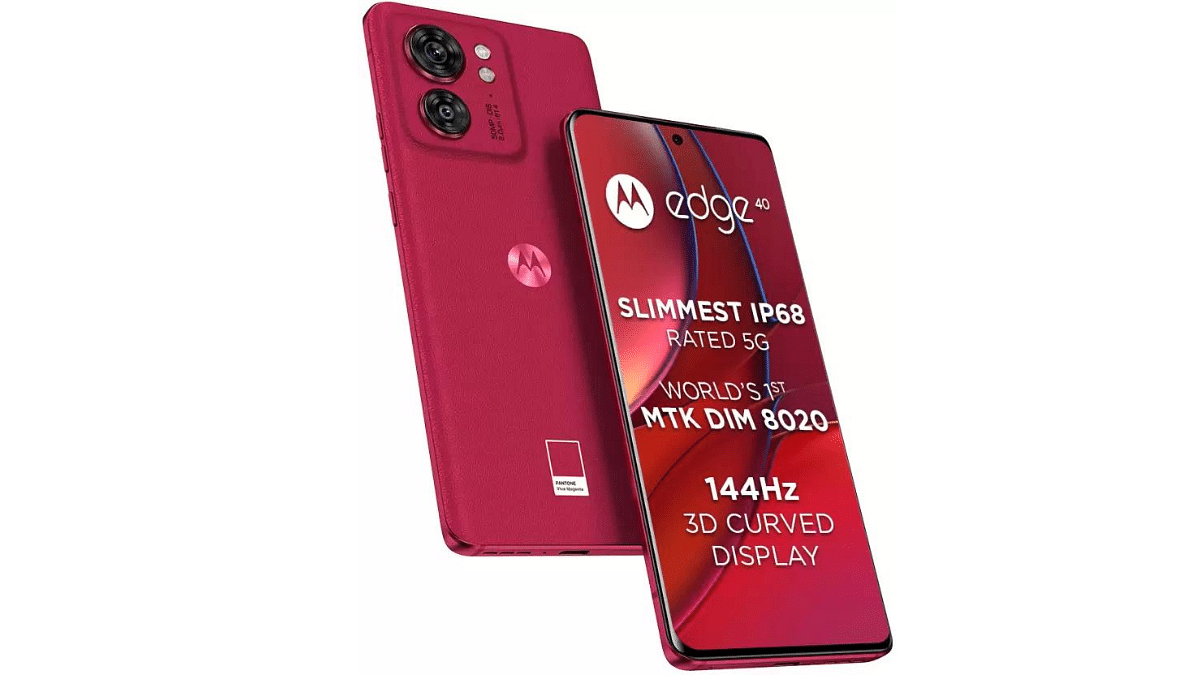
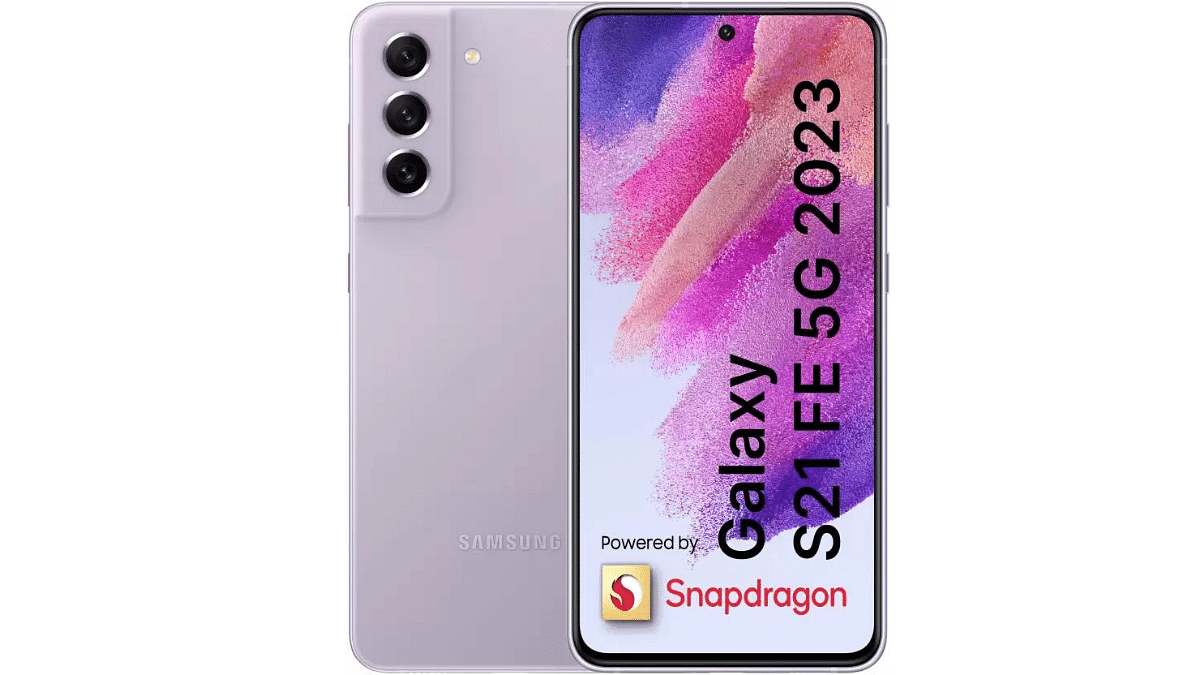
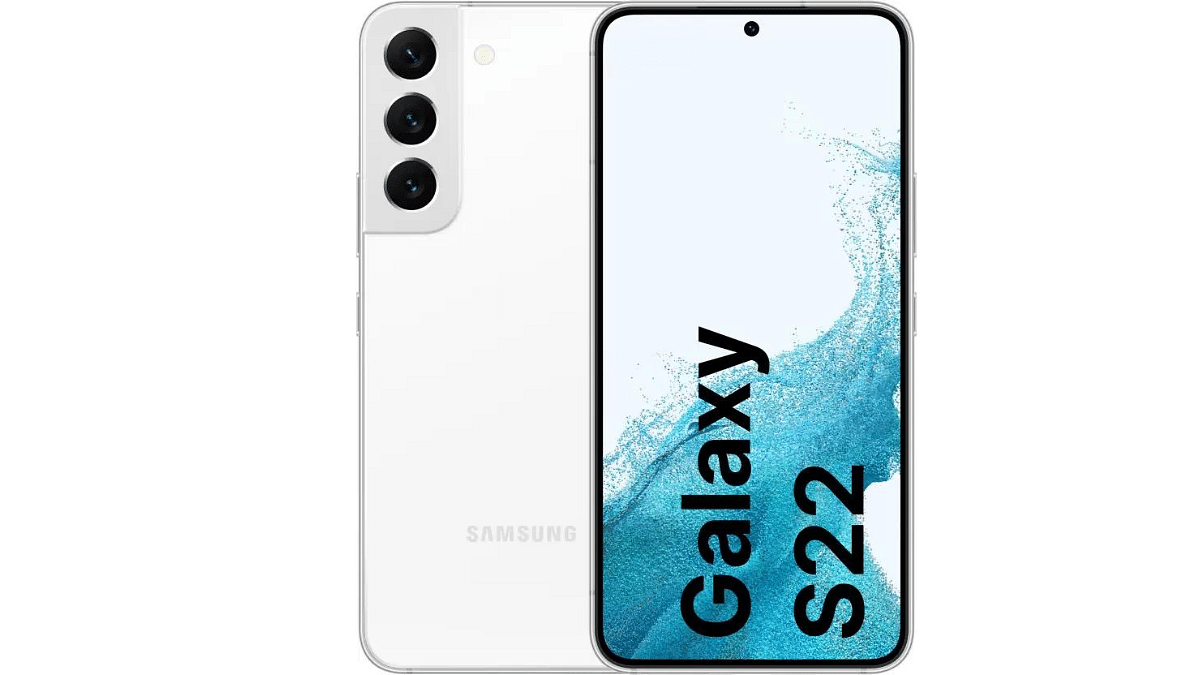
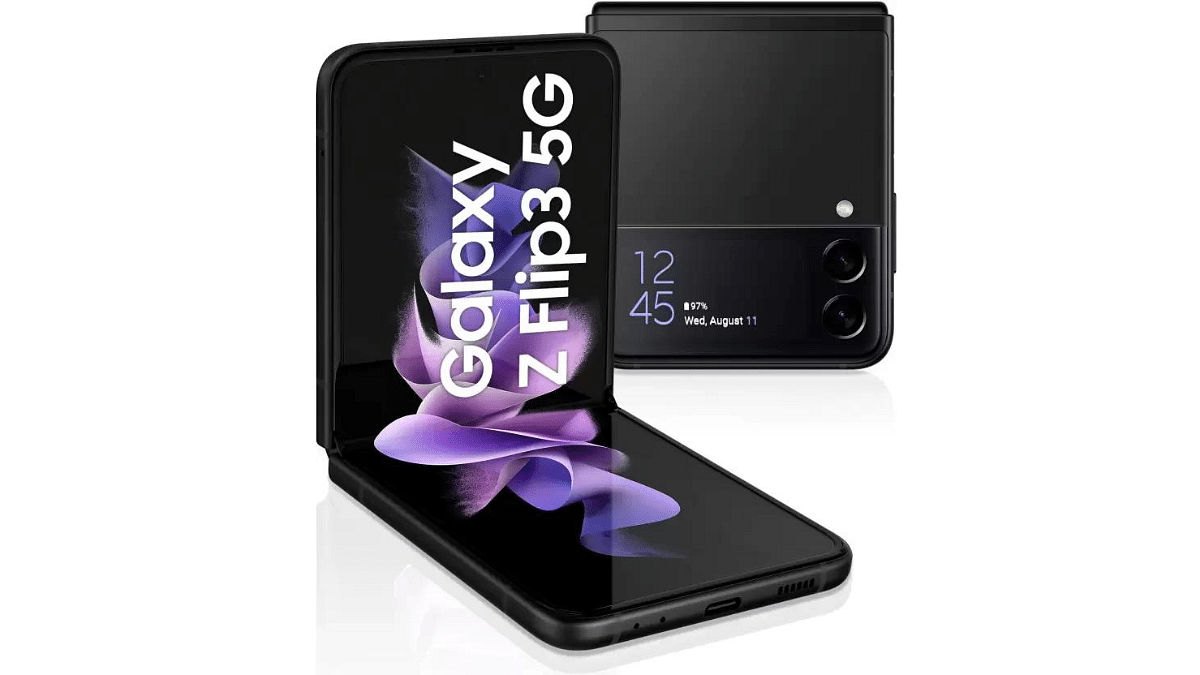
You can get incredible discounts at the Amazon Republic Day Sale with up to 85% off on a diverse range of mobile accessories. From chargers to selfie sticks, you can find quality products all available at exceptionally low prices.. This limited-time offer can be a great opportunity to enhance your mobile experience at low cost. Check out the best deals below.
The launch of the Xiaomi 14 Ultra in India may take place soon
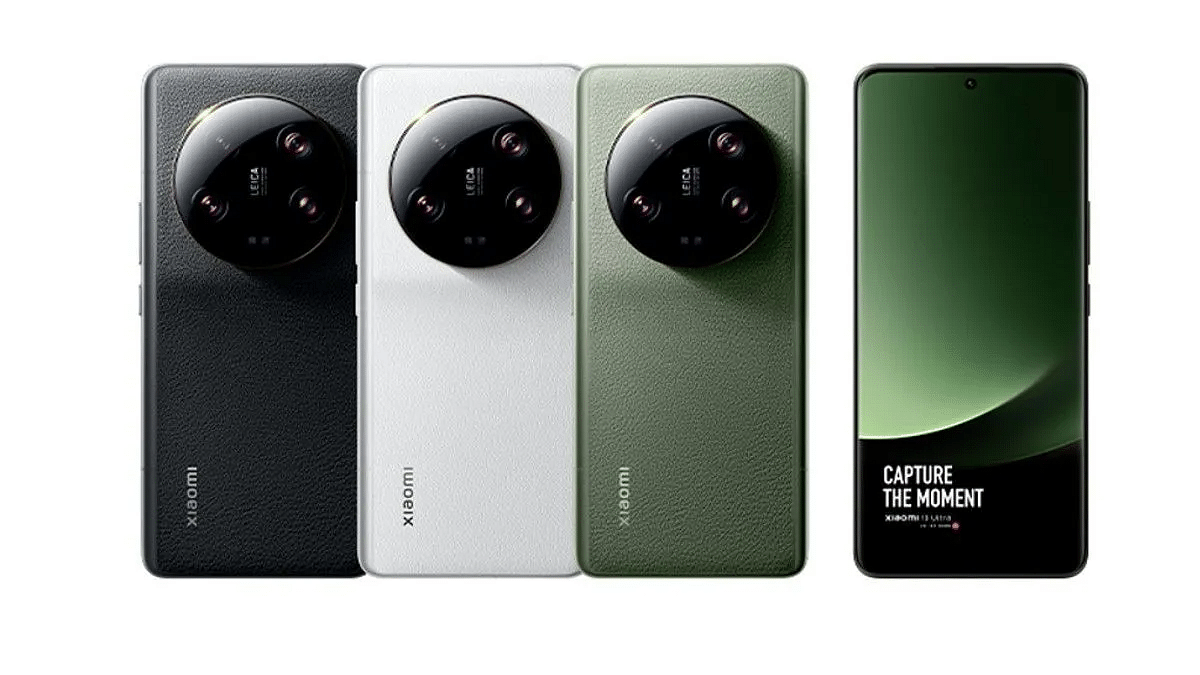
It will be the successor to the Xiaomi 13 Ultra
The highly anticipated Xiaomi 14 Ultra is set to enter the Indian market soon, as evidenced by its recent appearance on the Bureau of Indian Standards (BIS) website. This crucial regulatory approval suggests that the phone has met the necessary certifications required by Indian authorities. Having previously secured certifications from the EEC and IMEI, all signs point to the Xiaomi 14 Ultra being prepared for a global release. The model number 24030PN60G on the BIS website further strengthens the expectation of an imminent launch. Also Read | Nokia C12 Vs Poco C50: Best Phone To Buy Under Rs. 8,000 In India?
Following In The Footsteps Of Its Predecessor
Serving as the successor to the Xiaomi 13 Ultra, which made its debut in India around February, the Xiaomi 14 Ultra seems poised for a similar launch timeline. Recent leaks on X (formerly Twitter) have even provided Geekbench scores, with the phone scoring 2,267 points in the single-core test and an impressive 6,850 in the multi-core test. Set to use the Snapdragon 8 Gen 3 chip, the same chip featured in the Xiaomi 14 Pro and Xiaomi 14, the Xiaomi 14 Ultra is geared to provide a powerful performance.
Xiaomi 14 Ultra: Sneak Peek Into Specifications
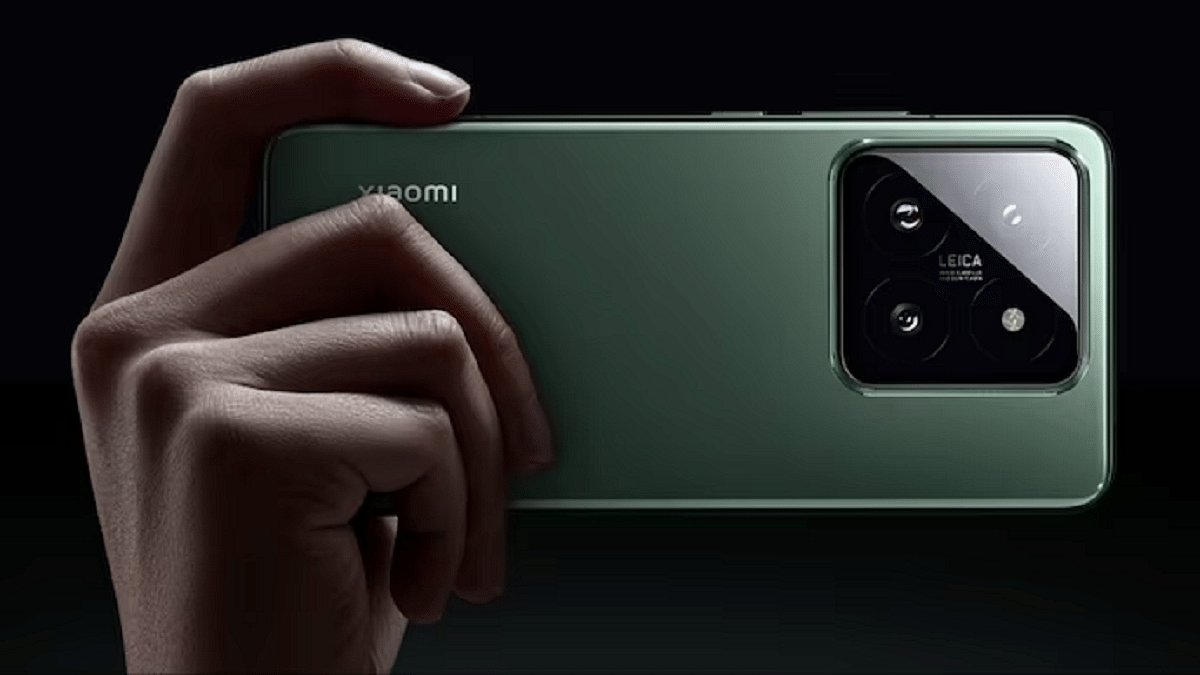
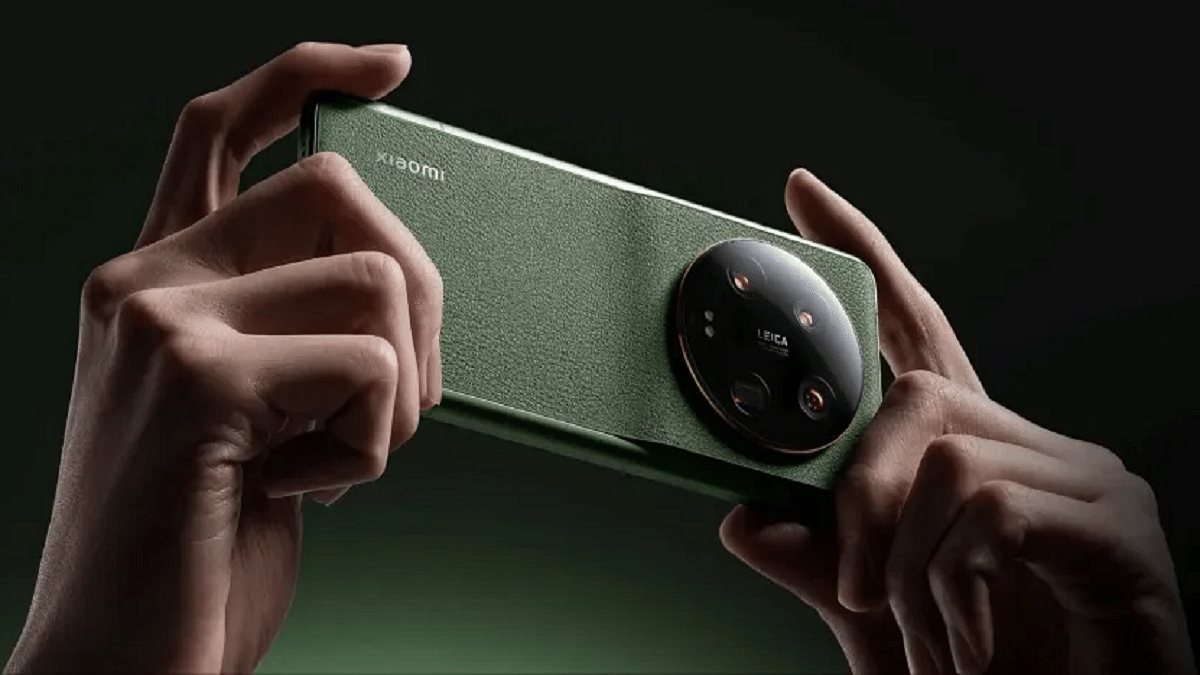
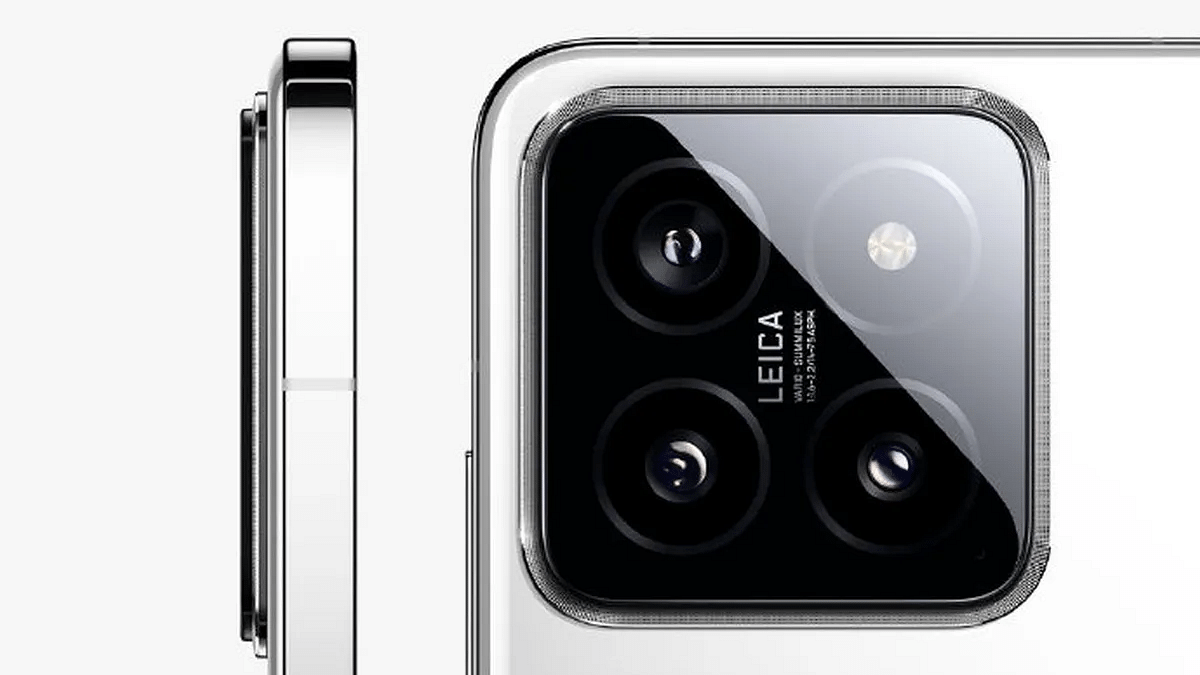
While specific details about the Xiaomi 14 Ultra remain limited, leaked information suggests a substantial upgrade from its predecessor. Notably, the phone is rumored to sport a prominent camera module protruding from the rear panel. Features such as under-display camera technology for selfies, support for satellite communication, and an ultrasonic fingerprint scanner for enhanced biometric authentication are expected. The phone’s rear camera setup is speculated to include four 50MP cameras, with a Sony LYT 900 sensor serving as the main camera.
50MP with OIS, 50MP, 50MP telephoto lens, fourth camera with Sony LYT900 sensor
Front Camera
32MP
OS
HyperOS based on Android 14
Battery
5,500mAh
Other Features
In-display fingerprint scanner, IP68 rating
Awaiting The Xiaomi 14 Ultra: The Best Yet?
With its awaiting launch, the Xiaomi 14 Ultra is poised to compete with notable smartphones like the iQOO 12, Vivo X100 Pro, and the upcoming OnePlus 12. Expected to showcase the best that Xiaomi has to offer, the smartphone is likely to satisfy the anticipation of users eagerly awaiting its arrival. Stay tuned for updates as Xiaomi unveils its latest flagship in the Indian market.
Discover incredible deals on smartphones during the Flipkart Republic Day Sale, with up to 55% off on popular brands like Samsung, Redmi, and more. The sale is live until January 19th, offering amazing deals ranging from budget-friendly options to premium phones. Let’s check out the top discounts below.
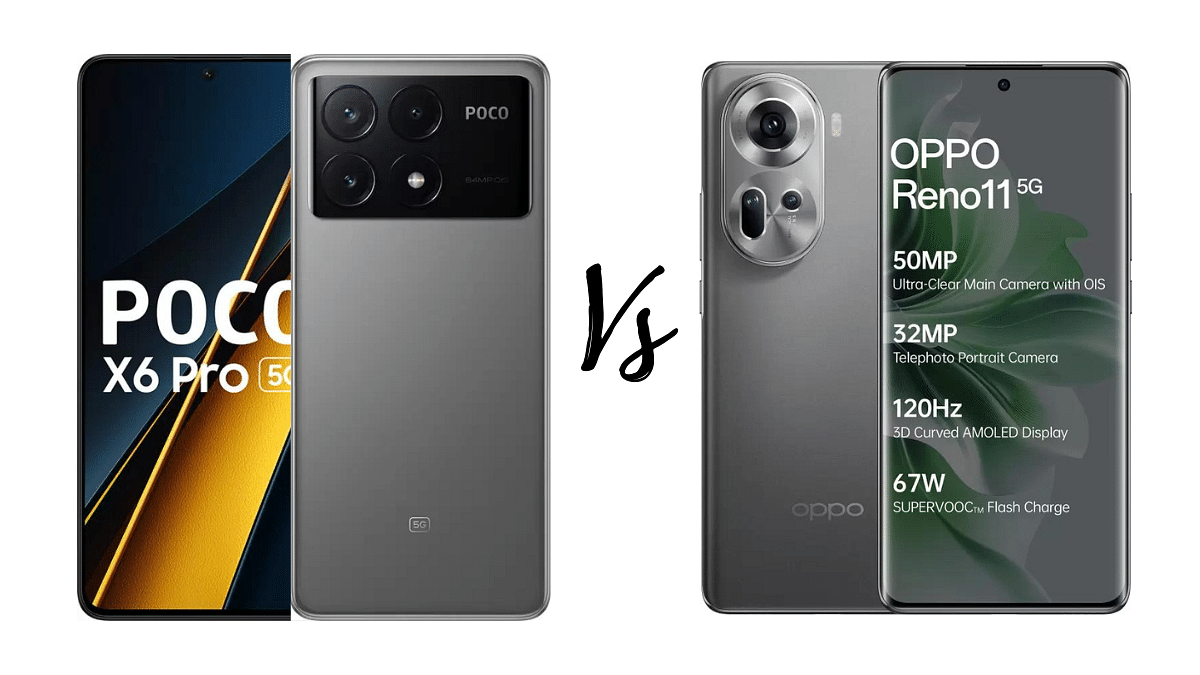
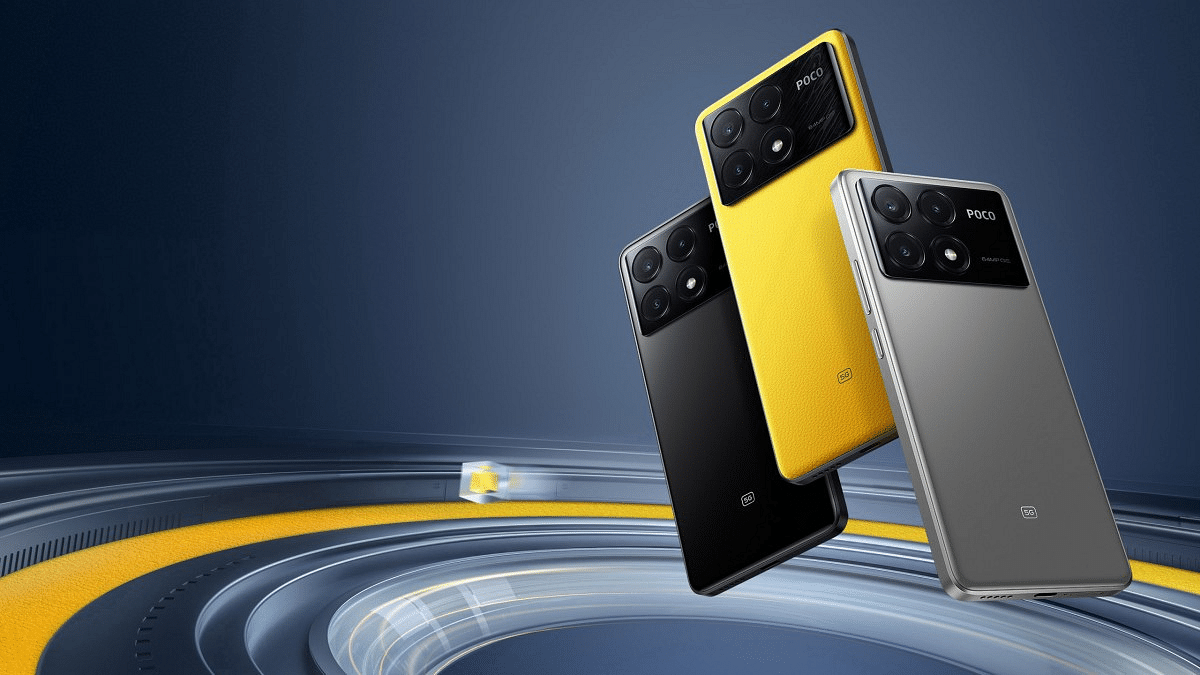
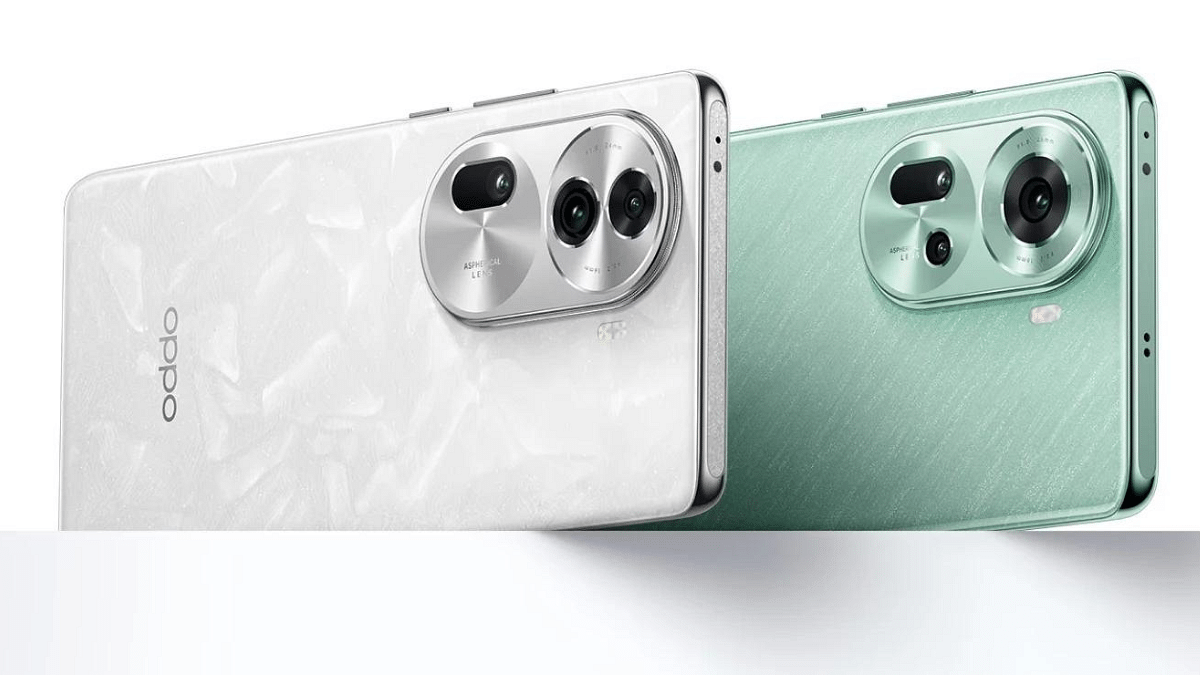
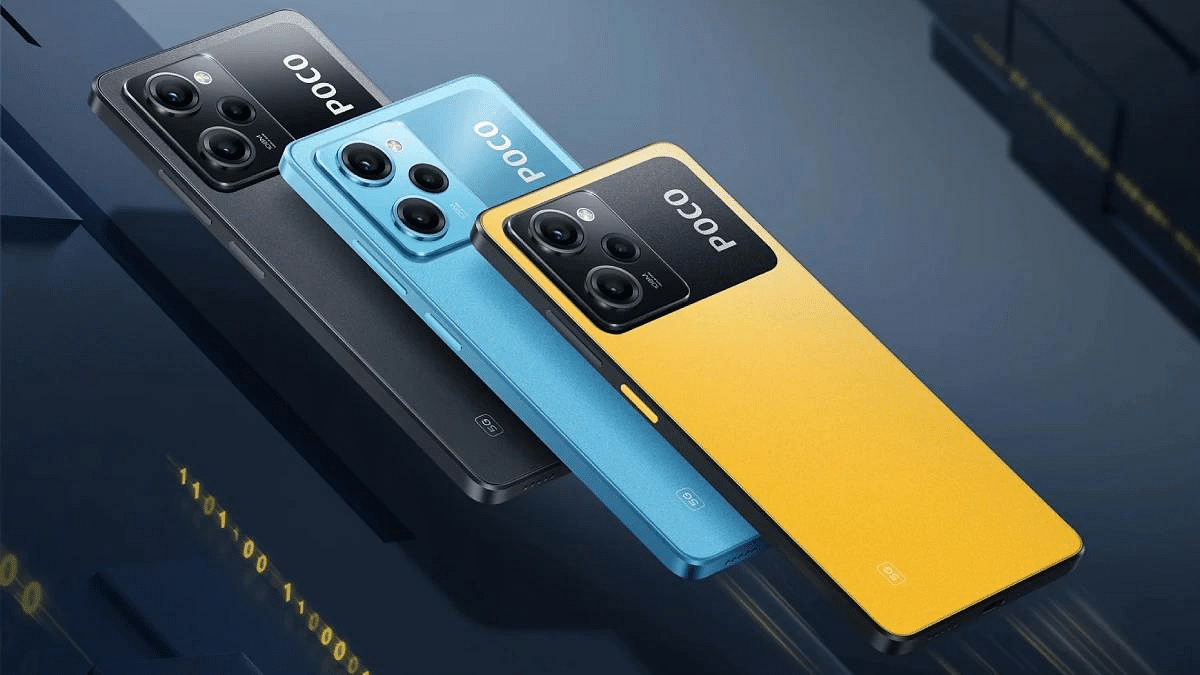
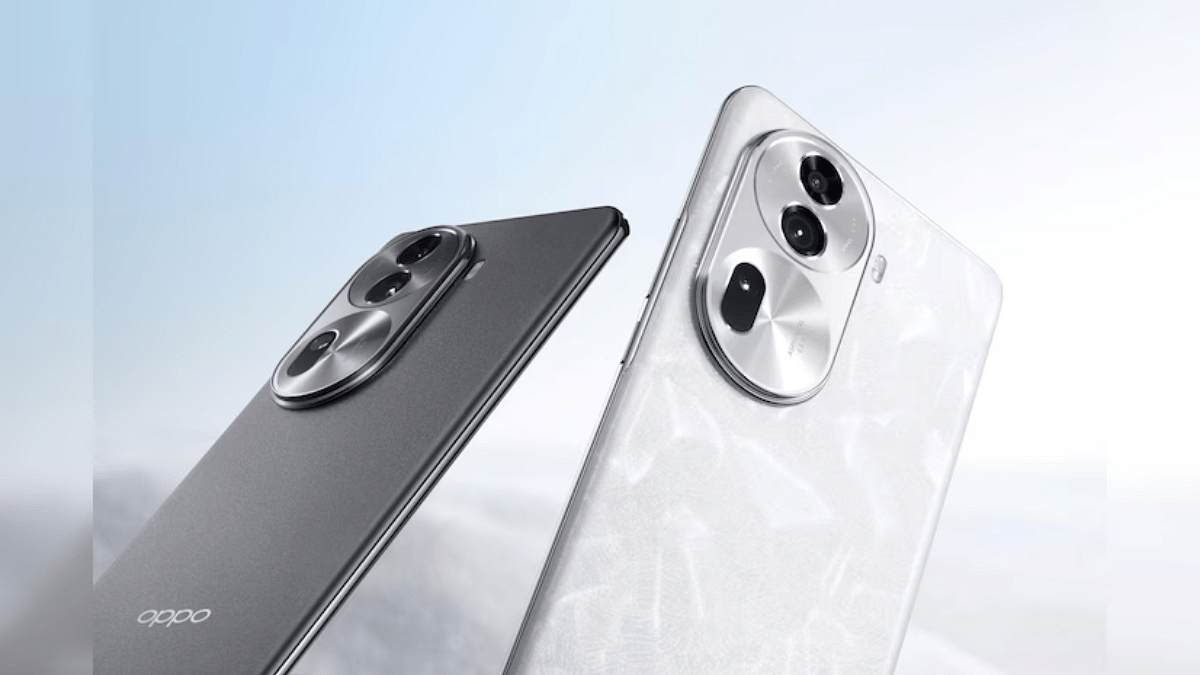
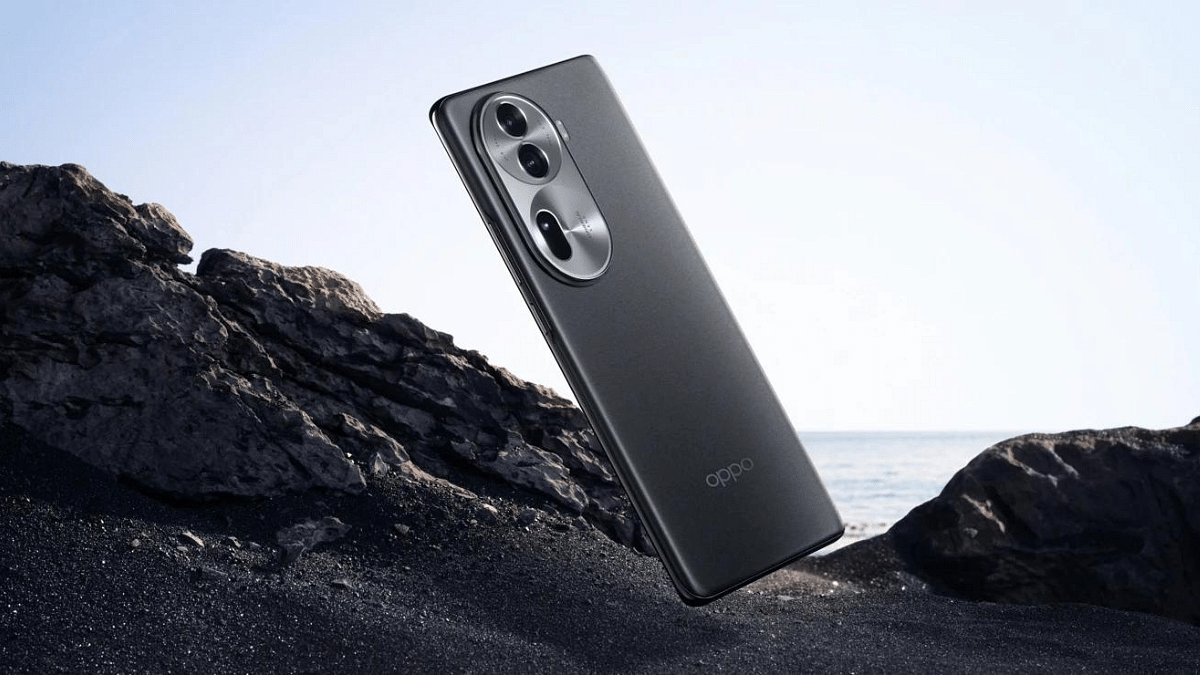
Among all mid-range Android smartphones, the newly launched Oppo Reno 11 and Poco X6 Pro emerge as excellent options for individuals seeking phones under Rs.30k. Let’s delve into a detailed comparison of these devices, considering their display features, processing power, camera capabilities, connectivity options, and pricing.
The Oppo Reno 11 comes with 6.7-inch Full HD+ 120Hz 3D Curved AMOLED display. With a resolution of 2412 x 1080 pixels, it offers a color saturation of 100% DCI-P3 coverage and 93% of screen-to-body ratio. The phone’s display supports HDR, has a 120Hz refresh rate, and a 240Hz touch sampling rate, providing smooth and vibrant visuals.
On the other hand, the Poco X6 Pro features a slightly larger 6.67-inch 120Hz 1.5K AMOLED display. The resolution is higher at 2712 x 1220 pixels. With Dolby Vision support, a peak brightness of 1800 nits, and a 94.27% screen-to-body ratio, the Poco X6 Pro provides good viewing experience.
Running on Android 14, the Oppo Reno 11 is powered by the Mediatek Dimensity 7050 octa-core processor. Clocking at 2.6 GHz, it ensures smooth multitasking and efficient performance. The phone supports 5G connectivity.
Similarly, the Poco X6 Pro operates on Android 14 and is equipped with the Dimensity D8300 Ultra octa-core processor. With clock speeds of up to 3.35 GHz, this device promises a snappy user experience. It supports 5G, 4G LTE, and a variety of other network options.
The Oppo Reno 11 offers ample storage options with variants of 128GB and 256GB, coupled with 8GB of RAM. The memory is expandable up to 2TB using a microSD card, providing users with flexibility. The Poco X6 Pro, on the other hand, provides higher internal storage options of 256GB and 512GB, paired with 8GB and 12GB of RAM.
Oppo Reno 11 features triple camera setup, including a 50MP main camera, 8MP wide camera, and a 32MP telephoto camera. This phone comes with advanced features like 20x digital zoom, 4K video recording, and a 32MP front camera.
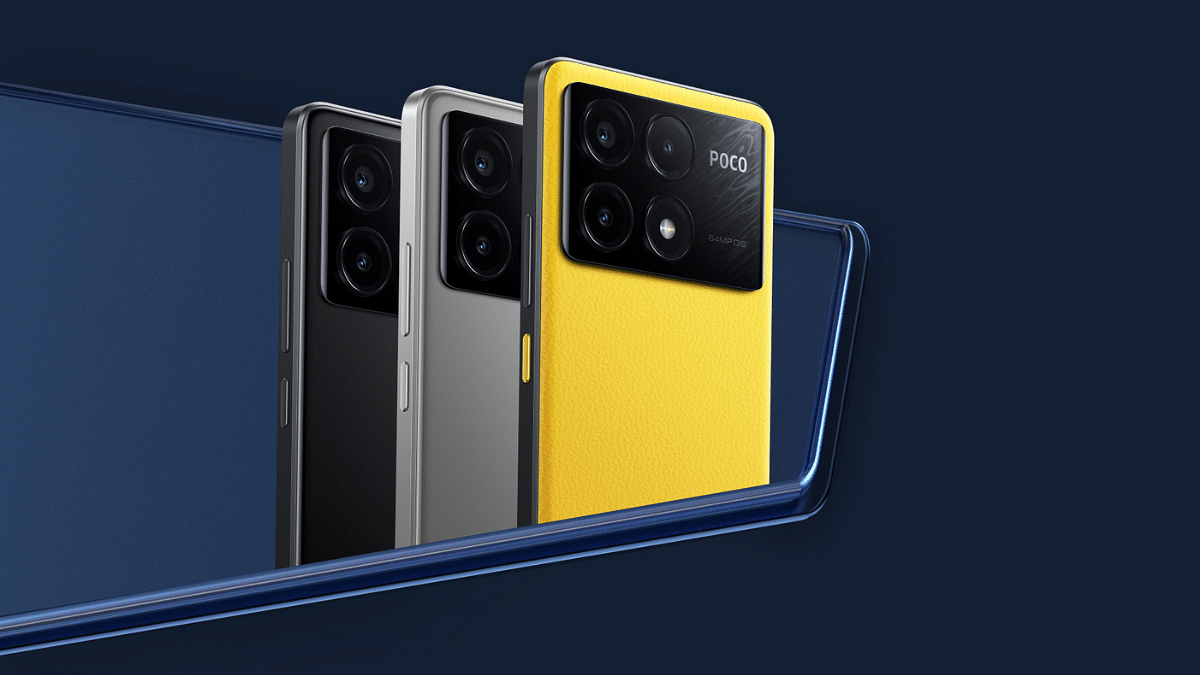
The Poco X6 Pro, on the other hand, sports a powerful 64MP main camera, an 8MP ultra-wide camera, and a 2MP macro camera. The camera capabilities are diverse, offering features like 10x digital zoom, 4K video recording, and a 16MP front camera.
Oppo Reno 11 Vs Poco X6 Pro: Battery, Connectivity
Specification
Oppo Reno 11
Poco X6 Pro
Network Type
5G, 4G, 3G, 2G
2G, 3G, 4G, 4G VOLTE, 5G
Wi-Fi Version
Wi-Fi 6 (802.11 ax), Wi-Fi 5 (802.11 ac)
Wi-Fi 6, Supports 2.4 GHz and 5 GHz Dual Band
Bluetooth Version
v5.3
v5.4
USB Port
USB 2.0 Type-C
USB Type C
Battery Capacity
5000 mAh
5000 mAh
Both phones share a massive 5000mAh battery capacity, ensuring prolonged usage.
Oppo Reno 11 supports a wide array of network options, including 5G, 4G, 3G, and 2G. With features like Wi-Fi 6, Bluetooth v5.3, and USB 2.0 Type-C, it ensures seamless connectivity. The Poco X6 Pro also embraces diverse connectivity options with support for 5G, 4G VoLTE, Wi-Fi 6, and Bluetooth v5.4. The inclusion of USB Type-C further enhances connectivity.
The Oppo Reno 11 is priced starting at Rs.29,999 for the 8GB/128GB variant, while the Poco X6 Pro starts at Rs.30,999 for the 8GB/256GB variant.
If you want stunning display with vibrant colors and a 120Hz refresh rate, the Oppo Reno 11 is a solid choice. On the other hand, if you lean towards a slightly larger display with Dolby Vision support and higher resolution, the Poco X6 Pro can be a better choice.
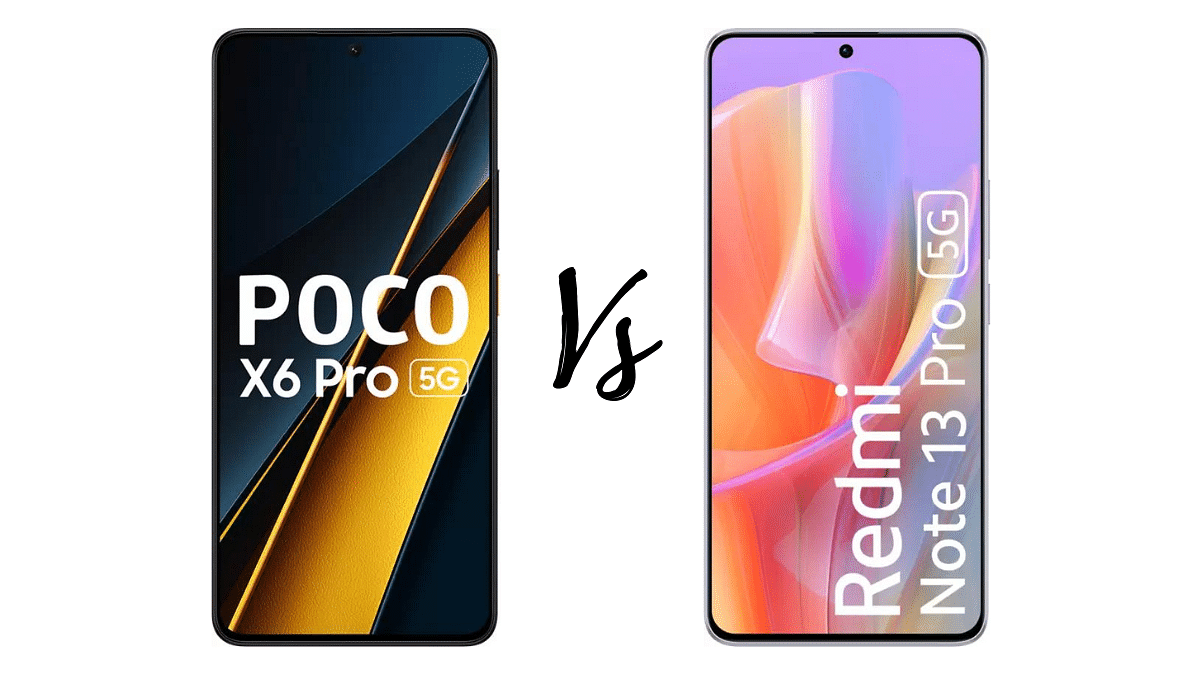
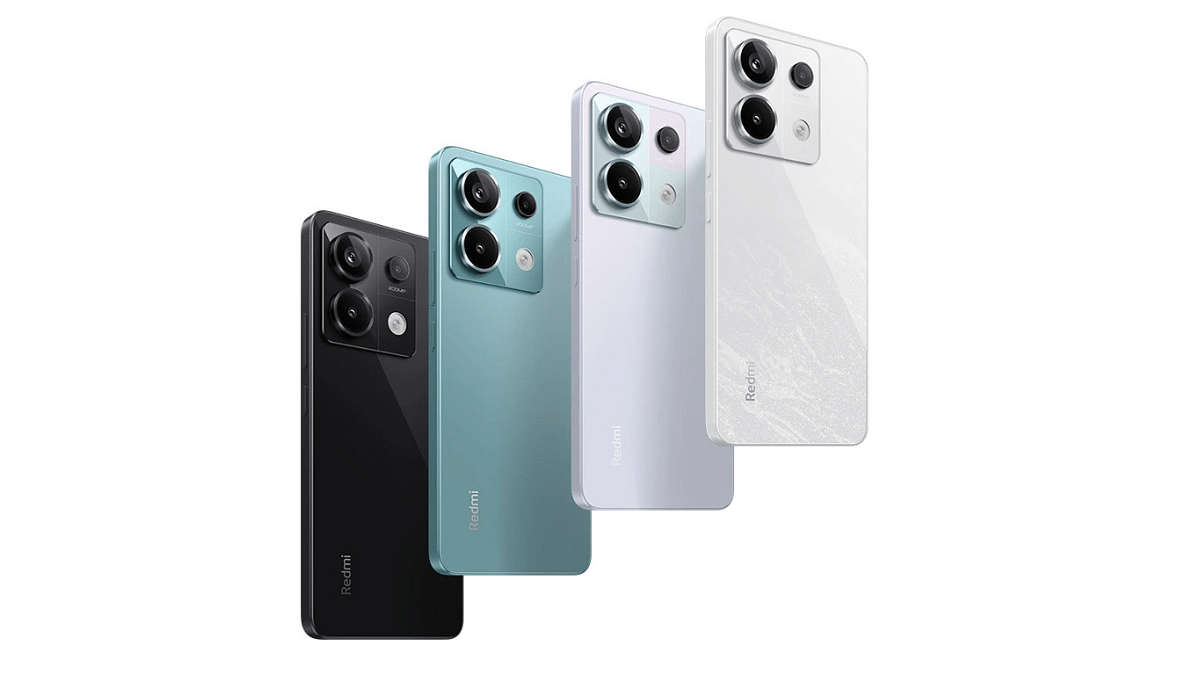
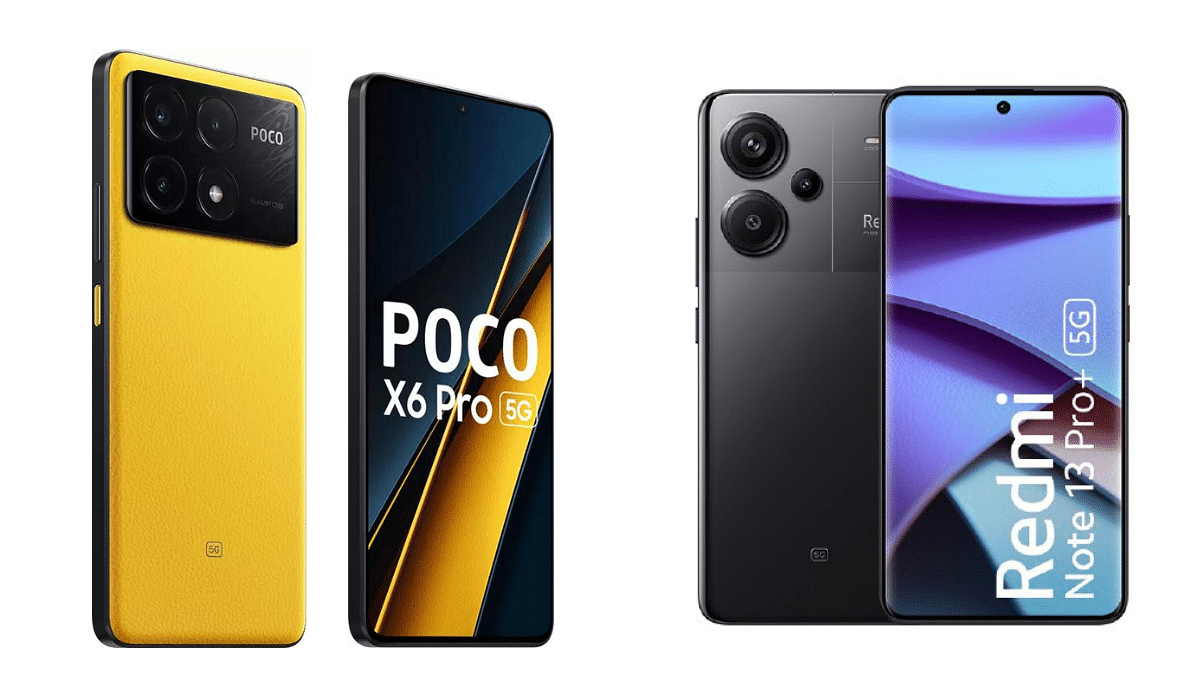
The Poco X6 Pro 5G and Xiaomi Redmi Note 13 Pro 5G each comes with impressive specifications. The Poco X6 Pro comes with a 120Hz 1.5K AMOLED display, a Mediatek Dimensity D8300 Ultra processor, and a triple-camera setup. Meanwhile, the Xiaomi Redmi Note 13 Pro stands out with 200MP main camera, a Snapdragon 7s Gen 2 processor, and a 5100mAh battery.
Poco X6 Pro 5G Vs Xiaomi Redmi Note 13 Pro 5G: Design and Display
Feature
Poco X6 Pro 5G
Xiaomi Redmi Note 13 Pro 5G
Design & Dimensions
Sleek design, 74.34mm x 160.45mm x 8.35mm, 190g
Stylish build, 74.24mm x 161.15mm x 7.98mm, 187g
Display Size
6.67 inches
6.67 inches
Display Type
120Hz 1.5K AMOLED, Dolby Vision
120Hz Adaptive 1.5K Curved AMOLED
Contrast Ratio
5,000,000:1
16000:1
Peak Brightness
1800 nits
1800 nits
Screen-to-Body Ratio
94.27%
N/A
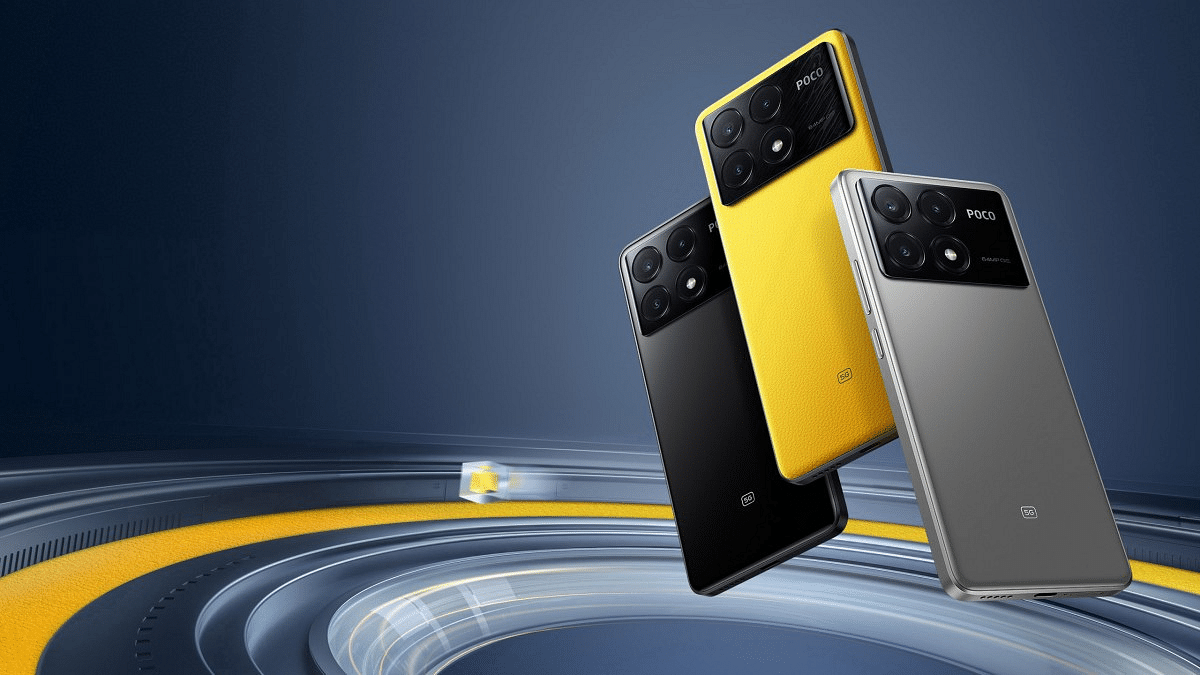
The Poco X6 Pro comes with a sleek design with dimensions measuring 74.34 mm in width, 160.45 mm in height, and a slender 8.35 mm in depth. It weighs in at 190 g, making it a comfortable device to hold. The 6.67-inch 120Hz 1.5K AMOLED display is a visual treat with Dolby Vision, a contrast ratio of 5,000,000:1, and a staggering peak brightness of 1800 nits. The phone’s screen-to-body ratio is an impressive 94.27%, providing an immersive viewing experience.
The Redmi Note 13 Pro, on the other hand, shares a similar display size of 6.67 inches and boasts a 120Hz Adaptive 1.5K Curved AMOLED display. With dimensions measuring 74.24 mm in width, 161.15 mm in height, and a slim 7.98 mm depth, it weighs slightly lighter at 187 g. The display features 16000 brightness levels and a peak brightness of 1800 nits, promising vibrant and sharp visuals.
Verdict: Both phones offer stunning displays, but the Poco X6 Pro’s higher screen-to-body ratio might give it a slight edge in terms of immersive viewing.
Running on Android 14, the Poco X6 Pro is powered by the Mediatek Dimensity D8300 Ultra octa-core processor. With clock speeds of 3.35 GHz, 3.2 GHz, and 2.2 GHz across its cores, this device ensures smooth multitasking and efficient performance. The substantial 12 GB RAM and 512 GB internal storage provide ample space and memory for users.
The Redmi Note 13 Pro operates on Android 13, equipped with the Snapdragon 7s Gen 2 Mobile Platform 5G octa-core processor. Clocking in at 2.4 GHz for the primary core and 1.95 GHz for the secondary core, it delivers solid performance. The phone features 8 GB of RAM and 128 GB of internal storage, catering to users’ needs for speed and storage.
Verdict: Both devices offer robust performance, but the Poco X6 Pro’s higher RAM and internal storage may appeal to users with more demanding usage requirements.
Poco X6 Pro 5G Vs Xiaomi Redmi Note 13 Pro 5G: Camera Capabilities
Feature
Poco X6 Pro 5G
Xiaomi Redmi Note 13 Pro 5G
Primary Camera Setup
64MP + 8MP + 2MP
200MP + 8MP + 2MP
In-Sensor Zoom
2x in-sensor lossless zoom
In-sensor zoom with 2X, 4X lossless zoom
Main Camera Features
Night mode, 4K video recording
OIS + EIS, Night mode, 4K video recording
Front Camera
16MP
16MP
Front Camera Features
Quality selfies, video calls
Professional-grade photography, finesse in selfies
The Poco X6 Pro boasts a triple camera setup featuring a 64MP main camera, 8MP ultra-wide camera, and a 2MP macro camera. With features like 2x in-sensor lossless zoom, night mode, and 4K video recording, the camera array is versatile. The 16MP front camera ensures quality selfies and video calls.
The Redmi Note 13 Pro ups the ante with a whopping 200MP main camera, 8MP ultra-wide camera, and a 2MP macro camera. With in-sensor zoom, OIS + EIS, and 4K video recording, it promises professional-grade photography. The 16MP front camera adds finesse to selfies and video calls.
Verdict: While both devices offer impressive camera setups, the Redmi Note 13 Pro’s 200MP main camera might attract photography lovers seeking top-tier camera capabilities.
Poco X6 Pro 5G Vs Xiaomi Redmi Note 13 Pro 5G: Connectivity and Battery
Feature
Poco X6 Pro 5G
Xiaomi Redmi Note 13 Pro 5G
Network Support
5G, 4G LTE, Wi-Fi 6
5G, 4G LTE, Wi-Fi
USB Port
USB Type-C
USB Type-C
Battery Capacity
5000mAh
5100mAh
The Poco X6 Pro supports 5G, 4G LTE, and Wi-Fi 6 connectivity. With a USB Type-C port and a substantial 5000mAh battery, it ensures a reliable and fast connection along with long-lasting battery life.
The Redmi Note 13 Pro supports 5G, 4G LTE, and Wi-Fi connectivity. Its USB Type-C port and a slightly larger 5100mAh battery promise enduring connectivity and power.
Verdict: Both devices provide similar connectivity options, but the Redmi Note 13 Pro edges slightly with a marginally larger battery.
Versatile triple-camera setup with 64MP main shooter.
5000mAh battery for extended usage.
Xiaomi Redmi Note 13 Pro 5G:
Massive 200MP main camera for photography enthusiasts.
Snapdragon 7s Gen 2 processor ensures smooth performance.
8GB RAM and 128GB storage for efficient multitasking.
5100mAh battery for lasting power.
Choose the Poco X6 Pro 5G for a stellar display and good performance. You can opt for the Xiaomi Redmi Note 13 Pro 5G if photography is your top priority with its 200MP camera.
Galaxy S24 Series: Processor Variants For Different Markets
A recent report from the German website WinFuture.de, citing reliable sources, provides insights into the processor configurations for the Galaxy S24 series. In Germany and Europe, the Snapdragon Galaxy S24 and Galaxy S24 Plus will boast the Samsung Exynos 2400 chipset, while the global market will see the Qualcomm Snapdragon 8 Gen 3 SoC. On the other hand, the Galaxy S24 Ultra will feature the Qualcomm Snapdragon 8 Gen 3 chipset across all markets.
Galaxy S24 Series: Detailed Data Sheets, Colors, And Prices Leaked
Despite numerous leaks providing substantial information about the Galaxy S24 series, WinFuture has now released nearly comprehensive data sheets specifically for the European variants of all three models. This leak led to the official unveiling of the Galaxy S24 series, which is eagerly expected on January 17.
While all three models share common features like a 120Hz fast LTPO AMOLED display with an always-on mode, a sub-6 GHz 5G modem, and an integrated ultrasonic fingerprint sensor, there are distinct differences that potential buyers should be aware of. Notably, the Qualcomm Snapdragon 8 Gen 3 will be exclusive to the Galaxy S24 Ultra in Europe, with seven out of the eight computing cores being slower than the regular Snapdragon 8 Gen 3.
50MP primary sensor, 12MP ultra-wide-angle lens, and 10MP telephoto sensor with 3x optical zoom
Battery
4,000mAh with 25W wired charger and 15W wireless charger support
Samsung Galaxy S24 Ultra: Top-Tier Features
Display
6.8-inch QHD+ Dynamic AMOLED
Resolution
3120 x 1440 pixels
Refresh Rate
120Hz
Camera Setup
200MP primary sensor, two telephoto lenses (50MP with 5x optical and 10MP with 3x optical zoom), and a 12MP ultra-wide-angle camera with a 120° field of view
Camera Features
Super Quad Pixel autofocus, OIS, and Super Clear lens
This series features a 50MP camera with various modes for improved photography.
It faces tough competition in the market with phones from Vivo, Samsung, and more.
Pre-orders are available on Flipkart with up to 21% discounts.
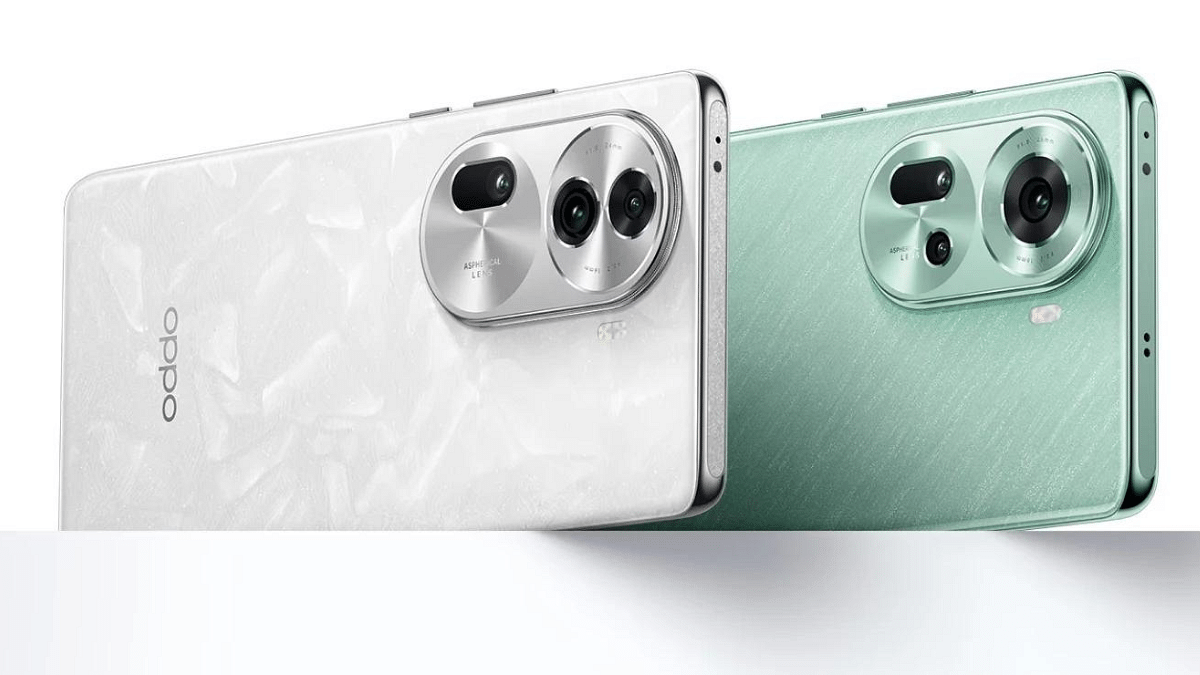
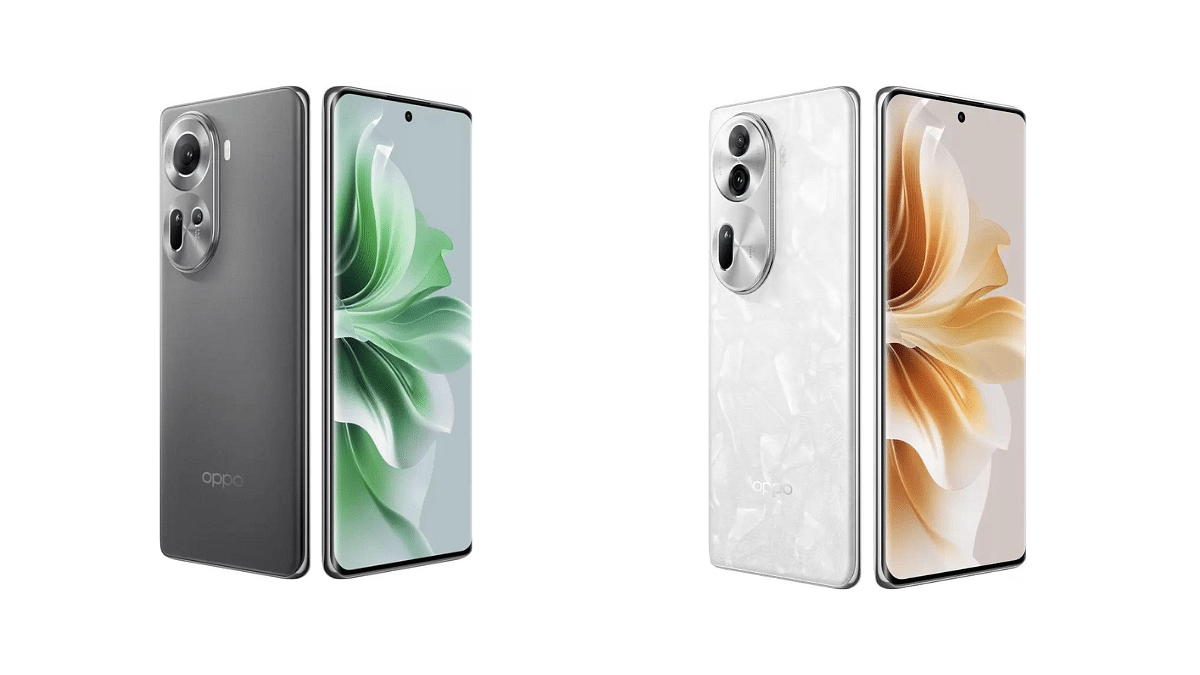
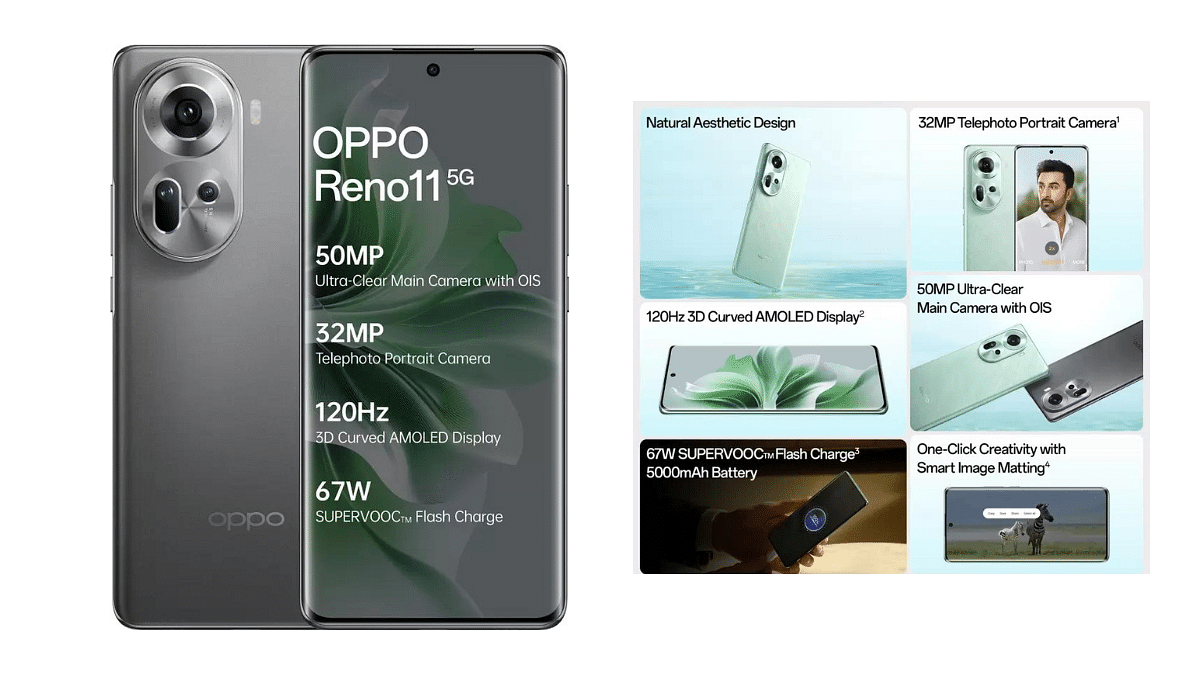
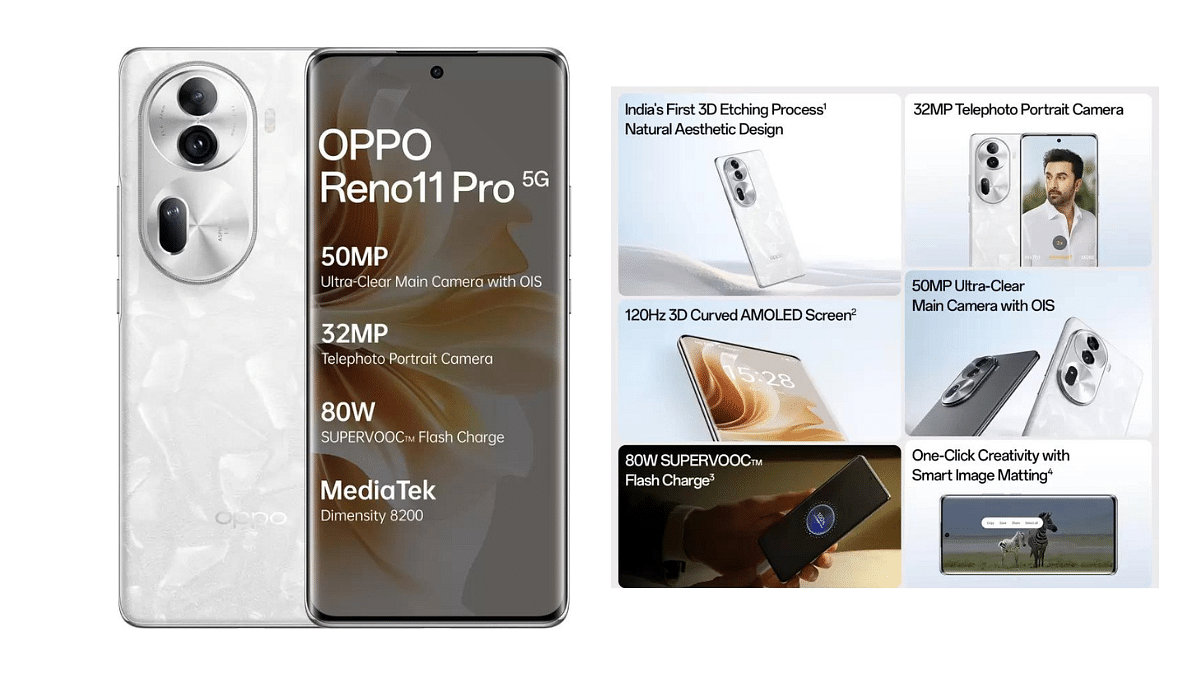
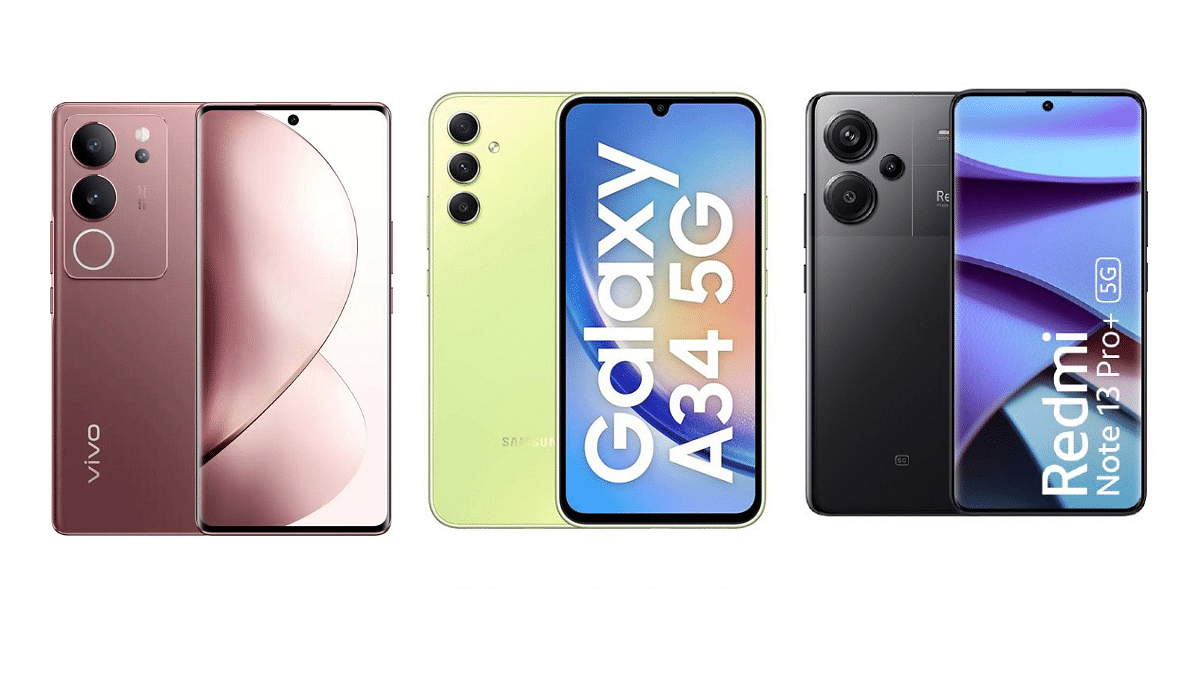
Oppo has launched its latest smartphones, the Oppo Reno 11 and Reno 11 Pro, featuring the powerful MediaTek Dimensity 8200 and a stellar 50MP camera. As these smartphones make their debut, they face formidable competition from rivals like the Vivo V29e, Samsung’s Galaxy A34, and the Redmi Note 13 Pro+ 5G.
The Oppo Reno 11 5G and Oppo Reno 11 Pro 5G features a 17.02 cm (6.7 inch) Full HD+ 120Hz 3D Curved AMOLED screen. With a resolution of 2412 x 1080 pixels, it offers vibrant visuals and a high 93% screen-to-body ratio.
Powered by Mediatek processors, the Oppo Reno 11 5G runs on the Dimensity 7050 chipset, while the Oppo Reno 11 Pro 5G employs the Dimensity 8200. Both phones provide a seamless experience with octa-core CPUs, clock speeds up to 3.1 GHz, and ample memory – 8GB RAM and 128GB internal storage for the Reno 11, and 12GB RAM with 256GB storage for the Reno 11 Pro.
3. Oppo Reno 11 5G, Oppo Reno 11 Pro 5G: Camera
The camera setups on both phones are impressive. The Oppo Reno 11 5G features a versatile triple-camera system, including a 50MP main camera, 8MP wide camera, and a 32MP telephoto camera. Meanwhile, the Oppo Reno 11 Pro 5G mirrors this setup, ensuring high-quality photos with features like 3-axis EIS and OIS.
4. Oppo Reno 11 5G, Oppo Reno 11 Pro 5G: Battery
The Oppo Reno 11 5G packs a 5000mAh battery, ensuring long-lasting usage. On the other hand, the Oppo Reno 11 Pro 5G features a slightly smaller 4600mAh battery. Nevertheless, both phones support fast charging, delivering a reliable and efficient power solution.
The Oppo Reno 11 Pro 5G shares similar specifications. It features a 6.7-inch Full HD+ 120Hz 3D Curved AMOLED display with a 93% screen-to-body ratio. This smartphone is running on the Mediatek Dimensity 8200 Octa-Core processor at 3.1 GHz, coupled with 12GB RAM and 256GB internal storage.
The camera setup mirrors that of its sibling, with a 50MP main camera, 8MP ultra-wide-angle lens, and a 32MP telephoto camera. The 4600mAh battery powers the device, and it runs on Android 14 with ColorOS 14.0.
Oppo Reno 11 Series: Price, Pre-Order Available From Today
Variant
Original Price (Rs.)
Pre-Order Price (Rs.)
Reno 11 5G 8GB/128GB
38,999
29,999
Reno 11 5G 8GB/256GB
40,999
31,999
Reno 11 Pro 5G 12GB/256GB
44,999
39,999
The Oppo Reno 11 5G is priced at Rs. 38,999 for 8GB/128GB and Rs. 40,999 for 8GB/256GB. On pre-ordering through Flipkart, you can avail of special discounts, bringing the effective prices down to Rs. 29,999 and Rs. 31,999, respectively. Meanwhile, the Oppo Reno 11 Pro 5G comes with a price tag of Rs. 44,999 for 12GB/256GB, and its pre-order price on Flipkart is Rs. 39,999.
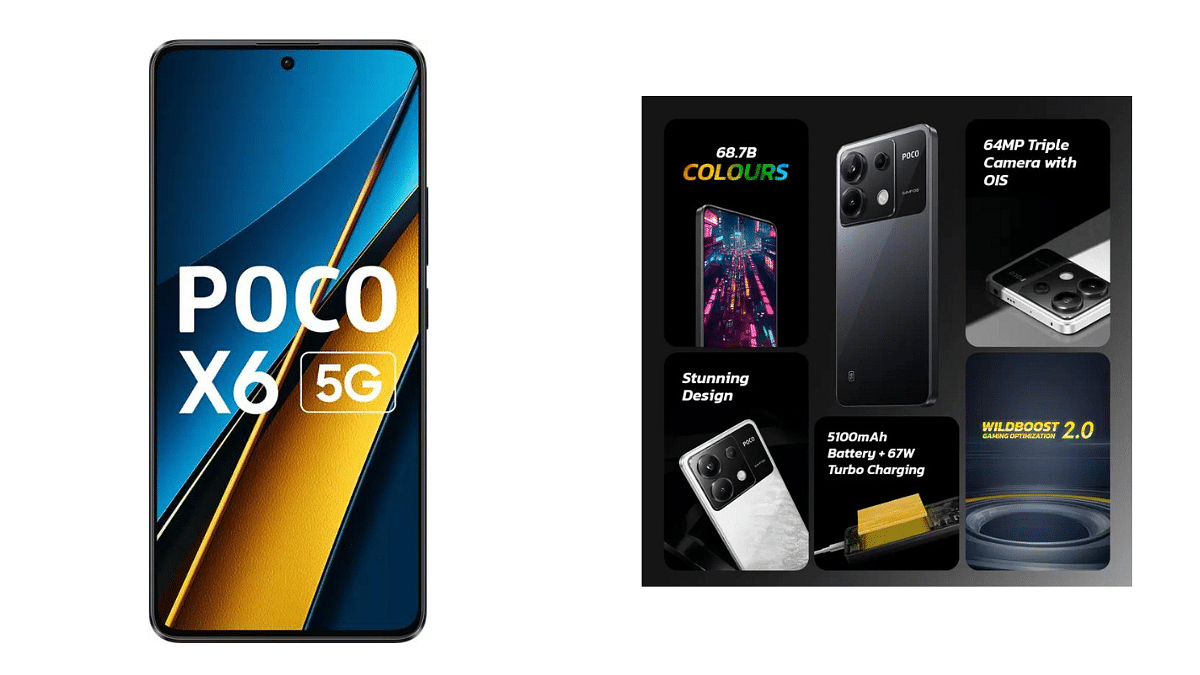
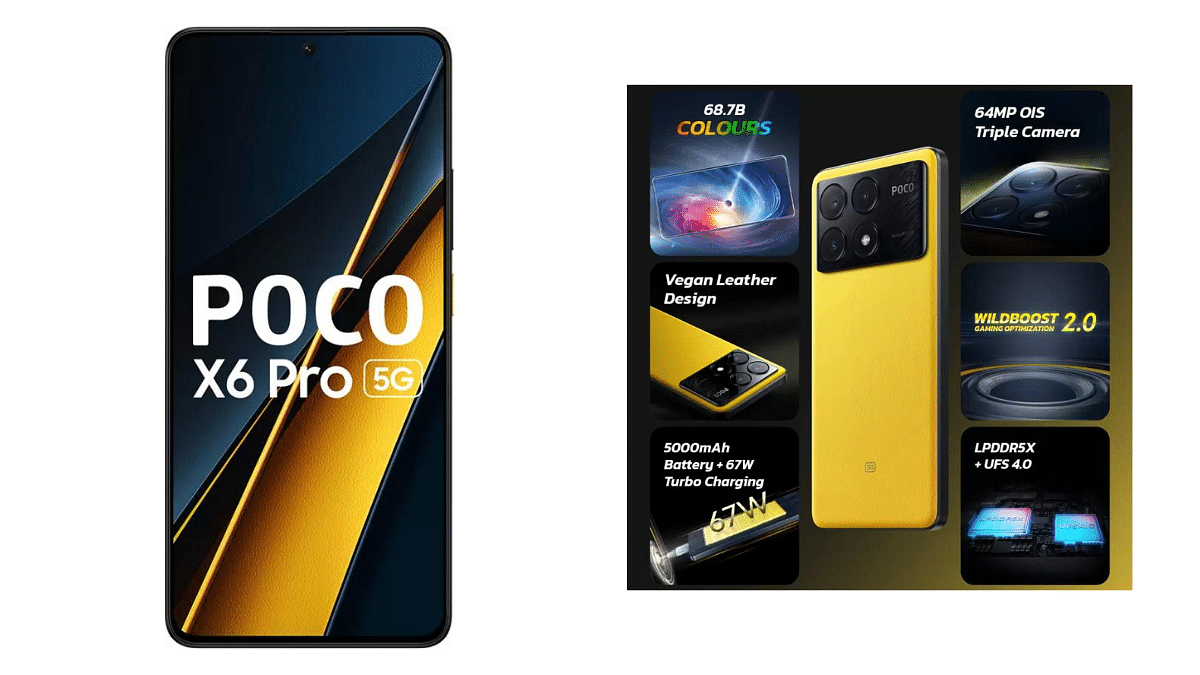
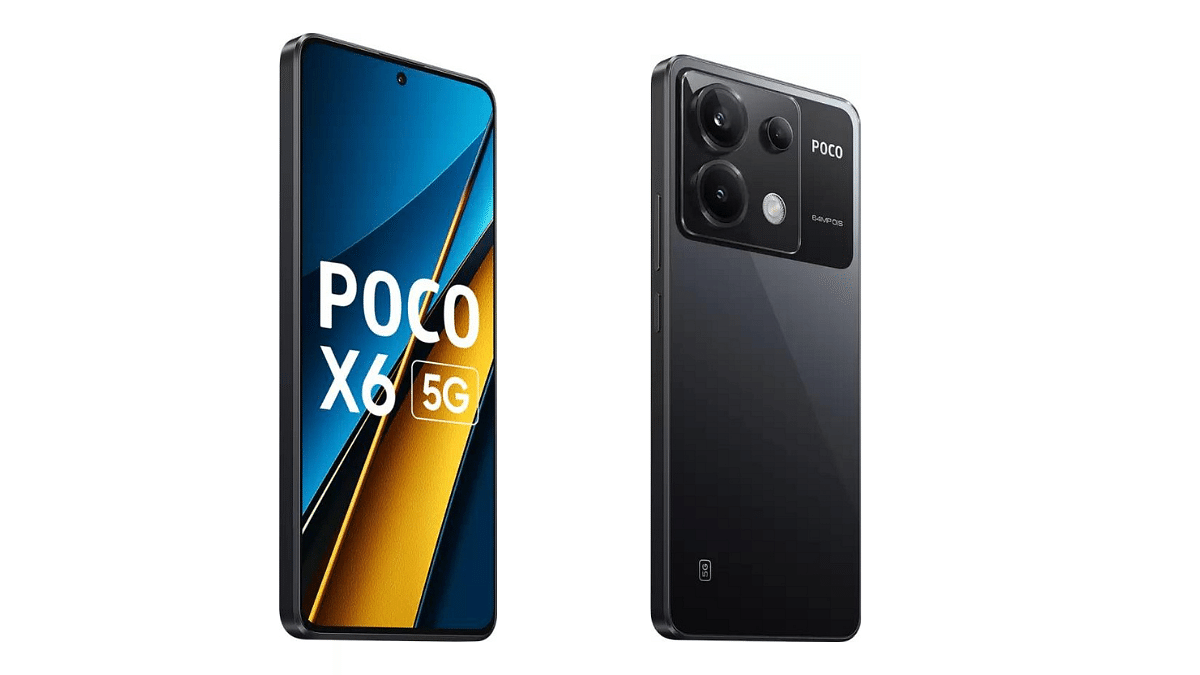
Poco X6 Series comes with 64MP Rear Camera for photography.
Equipped with Xiaomi HyperOS for improved performance.
Pre-Booking Opens Tonight, Check Details Below
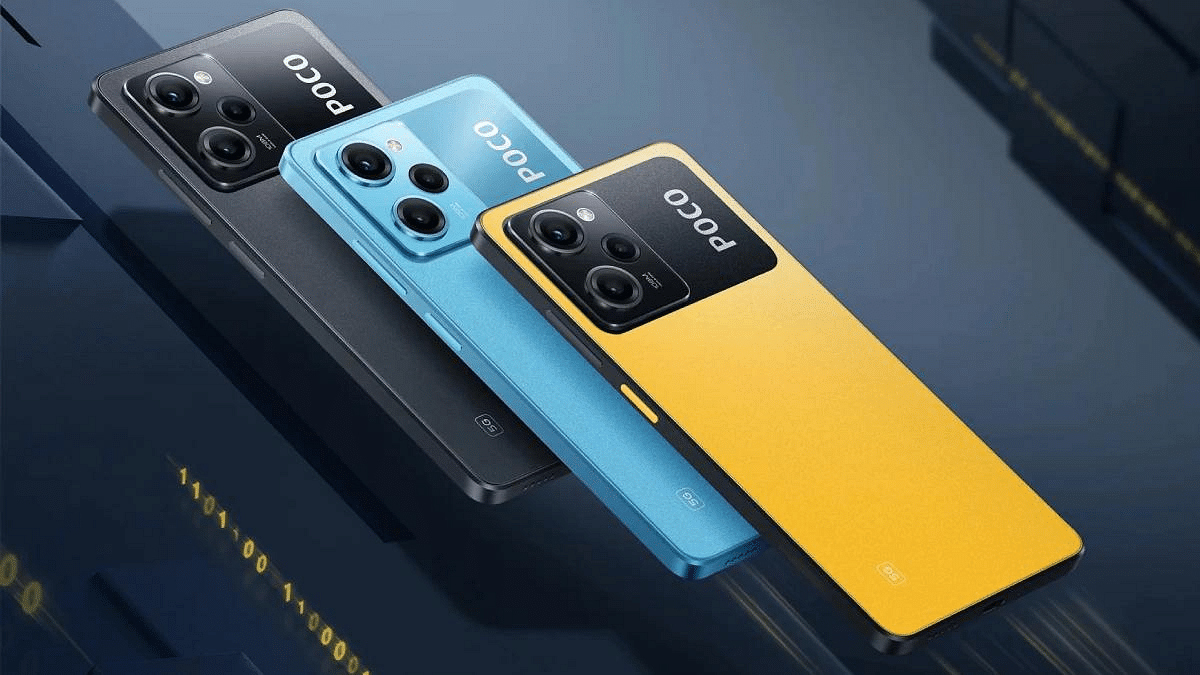
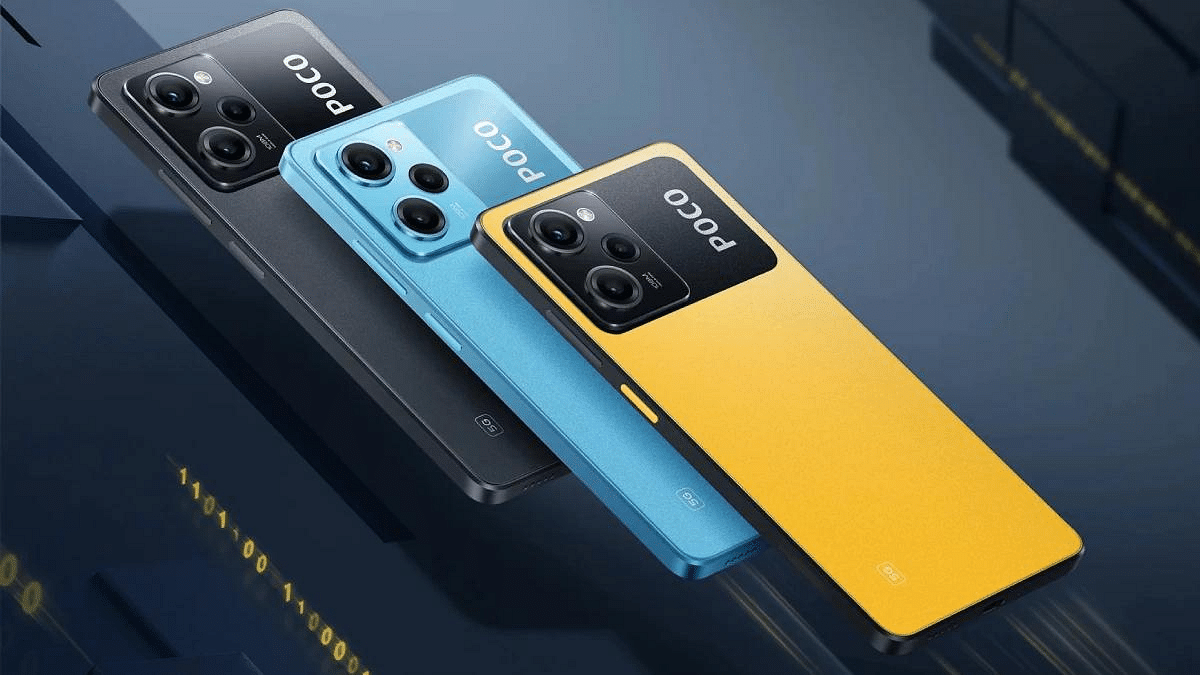
Xiaomi has launched its latest smartphones, the X6 Series, featuring a powerful 64MP camera and the new Xiaomi HyperOS. As it enters the Indian market, it faces stiff competition from rivals like vivo V29, Itel S23 Plus, realme 11x 5G, POCO M6 Pro 5G, and more. The pre-booking opens tonight at 8 pm on Flipkart.
Let’s delve into the key specifications of both models: Poco X6 5G and Poco X6 Pro 5G.
The Poco X6 5G is priced starting at Rs. 24,999 for the 8GB/256GB variant, while the Poco X6 Pro 5G comes with a starting price of Rs. 30,999 for the same configuration.
The Poco X6 Series faces tough competition from a range of smartphones, including vivo V29, Itel S23 Plus, realme 11x 5G, POCO M6 Pro 5G, vivo T2x, Xiaomi Redmi Note 13 Pro Plus 5G, iQOO Neo 7, and iQOO 12 5G.
Equipped with a 64MP camera, a high refresh rate display, and powerful processors, the Poco X6 Series establishes itself as a strong option in the mid-range category. The integration of Xiaomi HyperOS delivers a smoother user experience, improved performance, and efficient resource management.
Looking for a mid-range feature-packed smartphone?
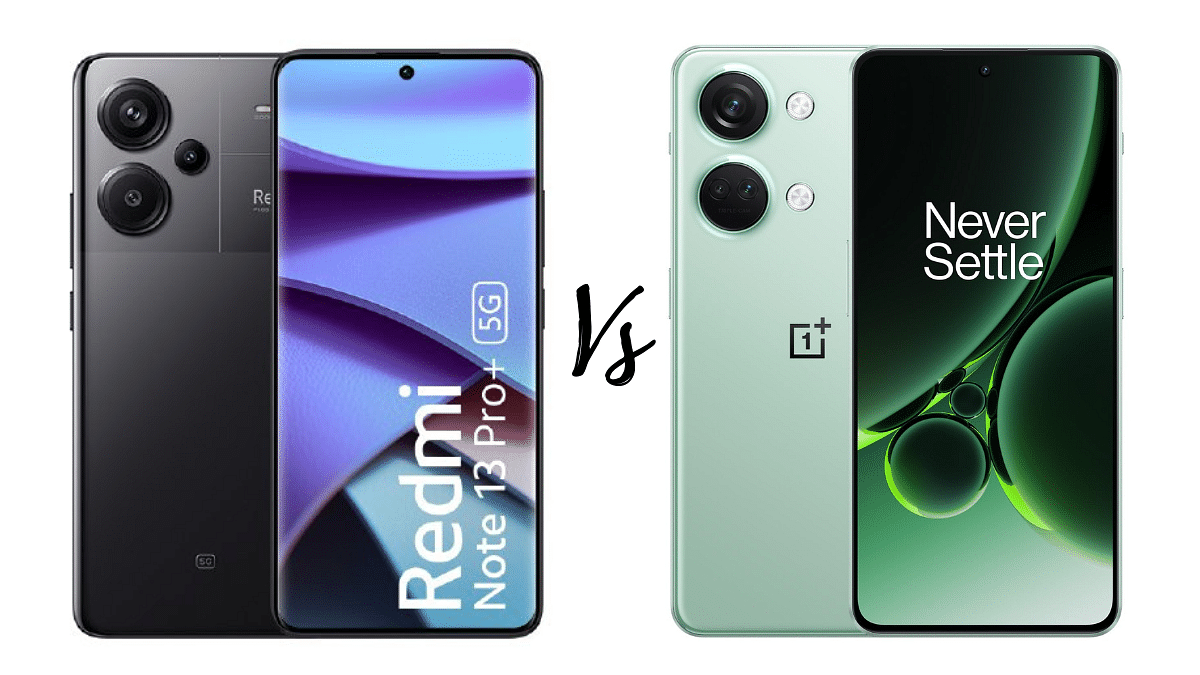
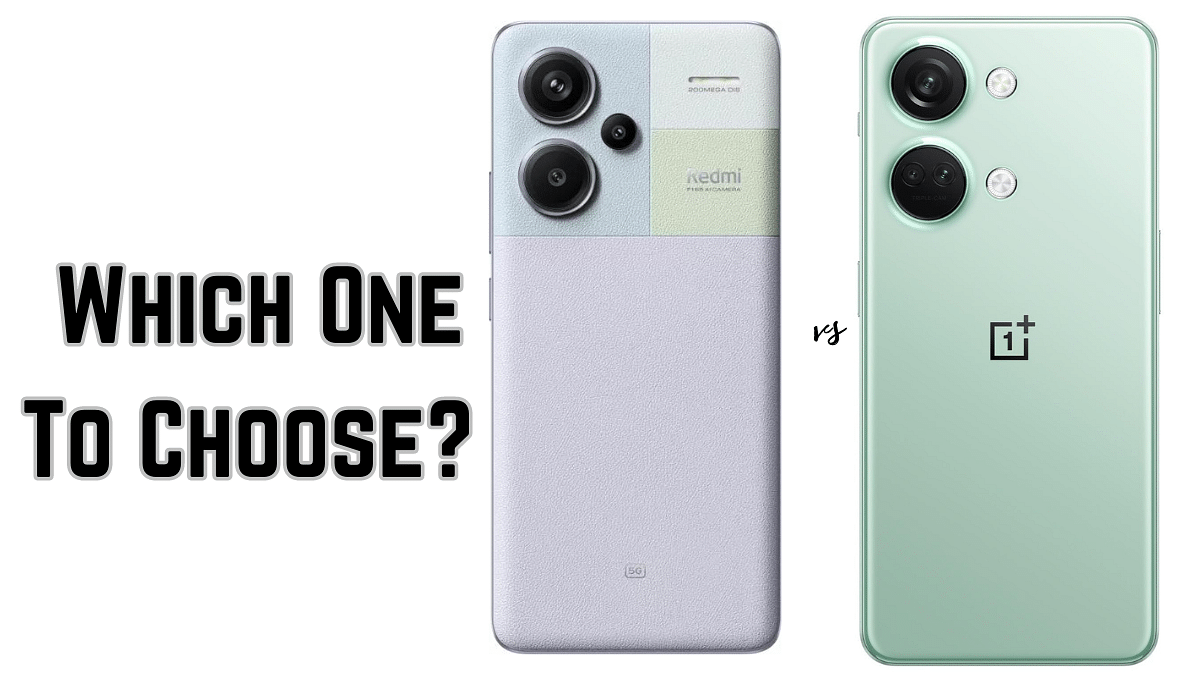
Priced at Rs. 37,999, the Redmi offers a 200MP camera and a rapid 120W HyperCharge. On the other side, the OnePlus Nord 3 5G, starting at ₹33,999, comes with a sleek design, a 120Hz Super Fluid AMOLED display, and a powerful MediaTek Dimensity 9000 processor. Let’s dive into the specs and see which one you should choose.
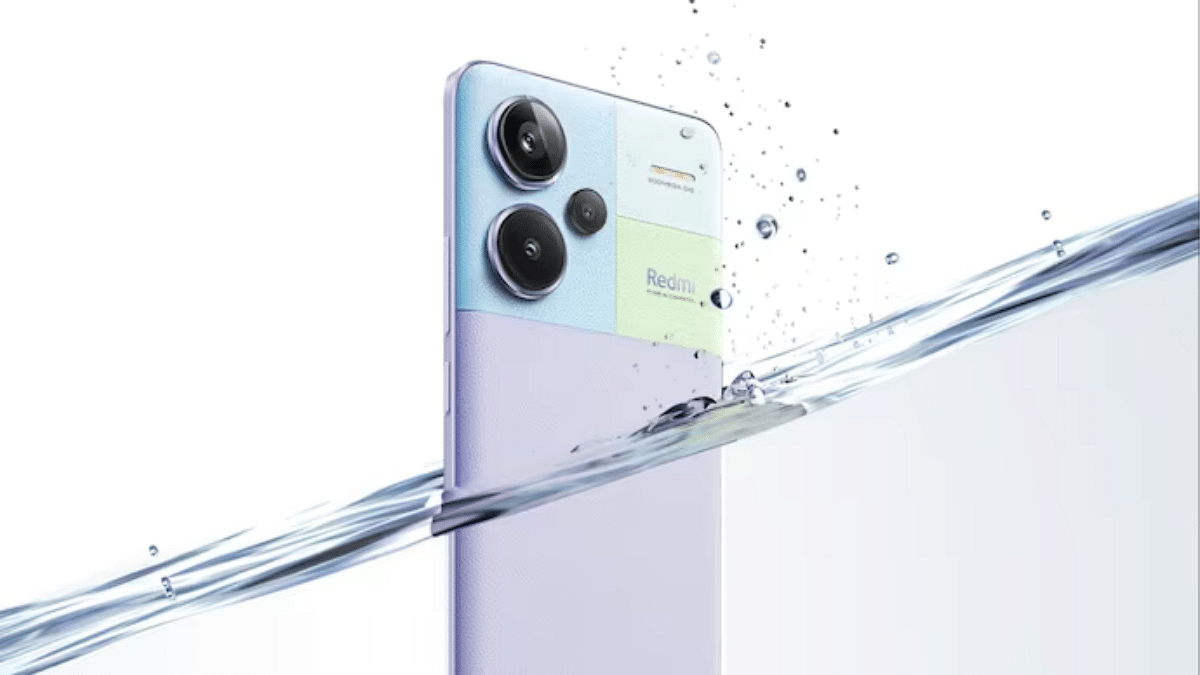
The Redmi Note 13 Pro+ boasts a 6.67-inch 3D curved AMOLED display with a resolution of 2712 x 1220, offering a pixel density of 446PPI. The 120Hz refresh rate, along with AdaptiveSync display and Dolby Vision support, ensures a smooth and vibrant visual experience. With a peak brightness of 1800nits and Corning Gorilla Glass Victus protection, the display is both sharp and durable.
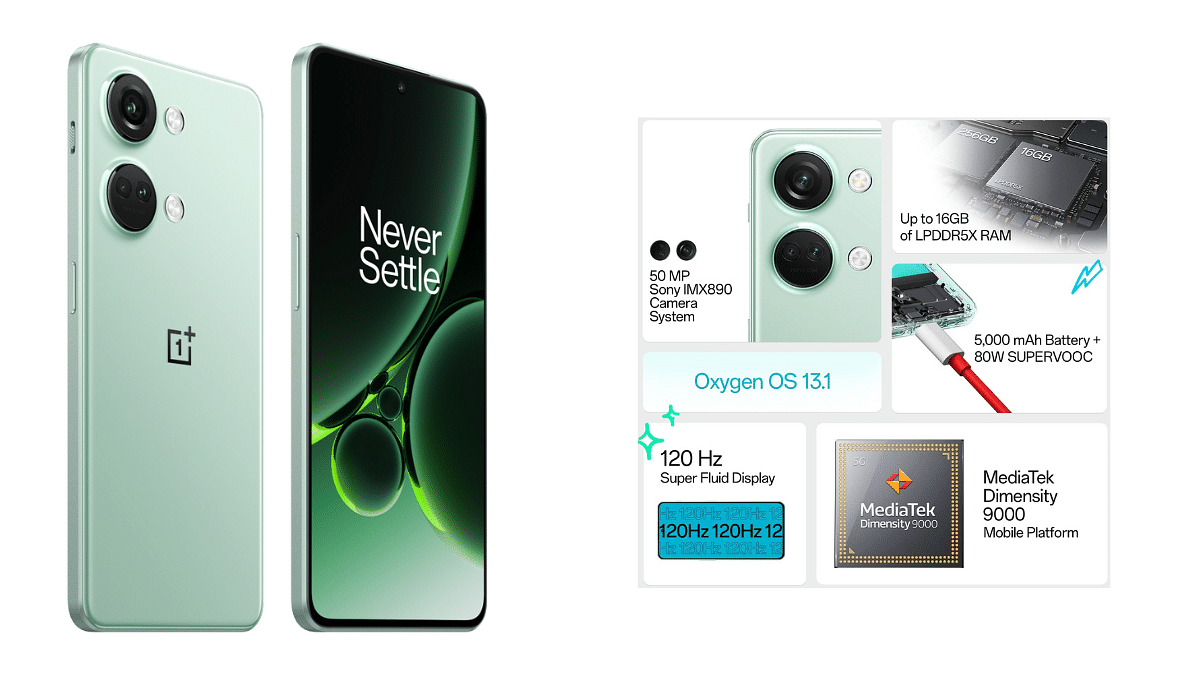
On the other hand, the OnePlus Nord 3 5G sports a 6.74-inch Super Fluid AMOLED display with a resolution of 2772 x 1240 pixels, featuring a 120Hz refresh rate and supporting HDR10+. This smartphone comes with added features like Eye Comfort and Dark Mode which makes the viewing experience more better.
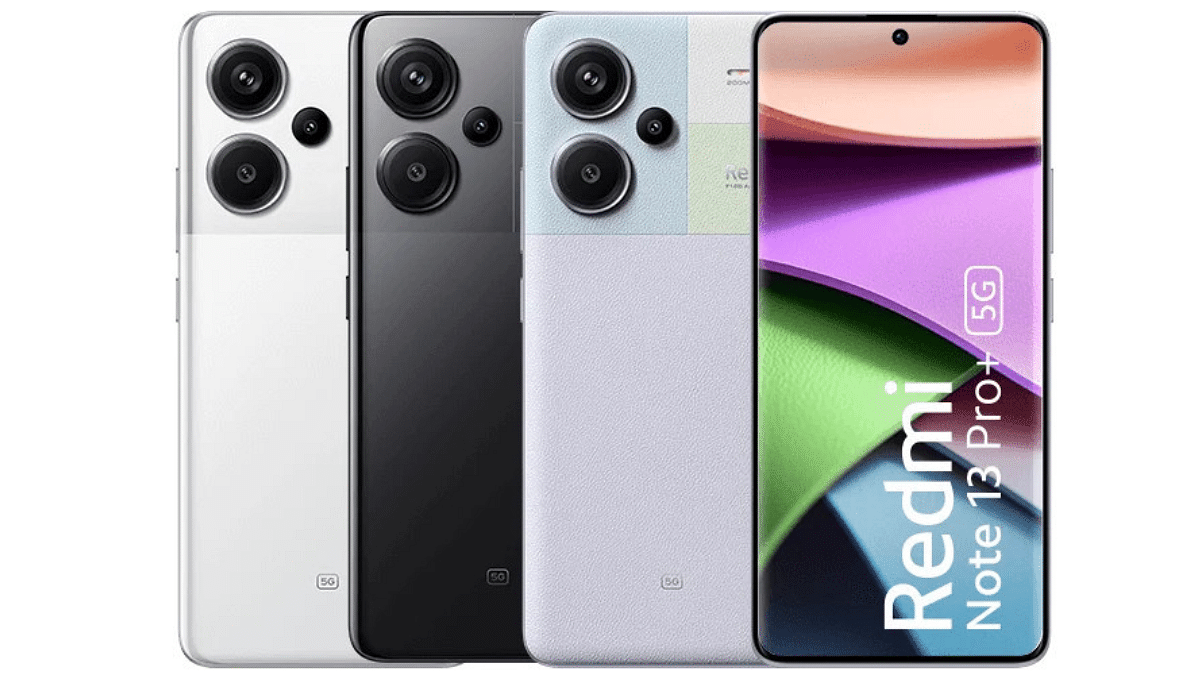
In terms of design, the Redmi Note 13 Pro+ flaunts a Fusion Black, Fusion White, and Fusion Purple color palette. The 3D curved front and glass back, along with a sleek 8.9mm thickness, contribute to a ergonomic design. Included TÜV certifications for displays that are easy on your eyes, don’t flicker, and emit low blue light.
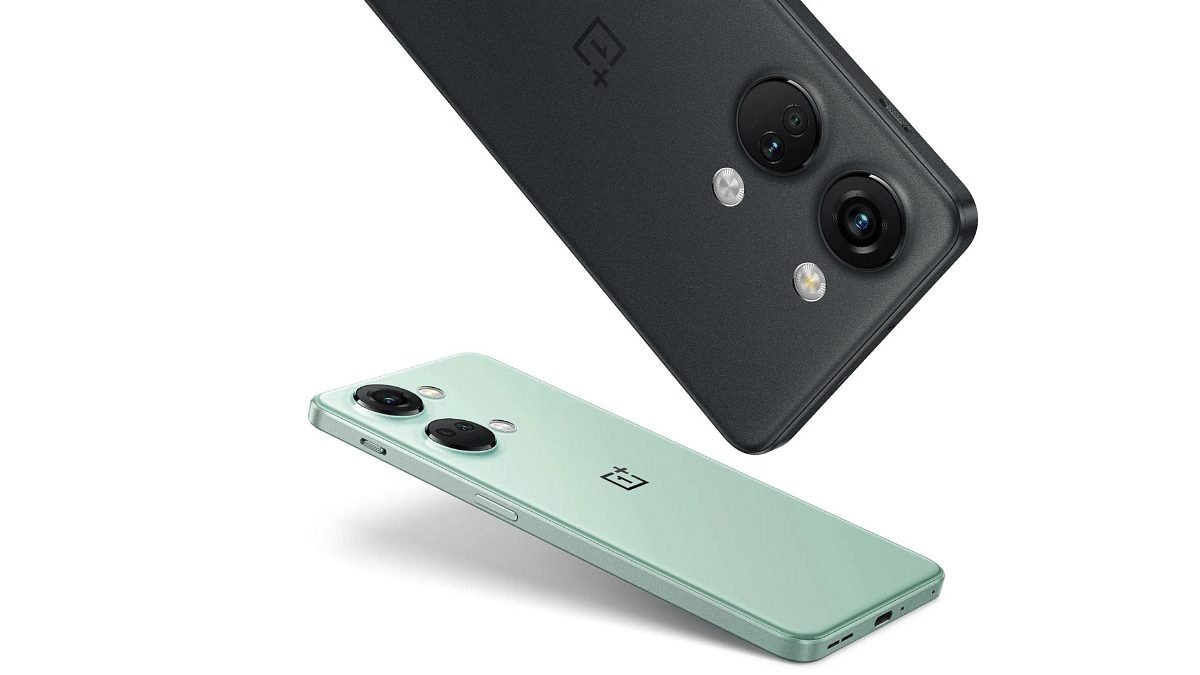
On the other hand, the OnePlus Nord 3 5G comes in Tempest Gray and Misty Green colors. It’s really slim, just 0.81cm thick, and weighs 193.5g. This makes it look and feel lightweight and slim, which is great for people who want something easy to carry around.
The Redmi Note 13 Pro+ comes with 200MP Ultra-High Res Camera powered by a Samsung ISOCELL HP3 sensor. The camera setup includes an 8MP UltraWide Angle lens and a 2MP Macro lens, offering versatile photography options. The 200MP Mode, Night Mode, and various AI-enhanced features promise a delightful photography experience.
Meanwhile, the OnePlus Nord 3 5G features a 50MP main camera (Sony IMX890 sensor) and an 8MP Ultra-wide camera, accompanied by a 2MP Macro lens. The device supports 20x zoom and various video recording modes.
Redmi Note 13 Pro+ Vs OnePlus Nord 3 5G: Processor, Storage
Feature
Redmi Note 13 Pro+
OnePlus Nord 3 5G
Processor
MediaTek Dimensity 7200-Ultra
MediaTek Dimensity 9000
Process Technology
4nm
4nm
CPU
Up to 2.8 GHz
Up to 3.05 GHz
GPU
ARM G610 MC4
Arm Mali G710 MC10
RAM
LPDDR5 + UFS3.1
8GB/16GB LPDDR5X
Storage Configurations
8+256GB, 12+256GB, 12+512GB
128GB/256GB UFS 3.1
Under the hood, the Redmi Note 13 Pro+ is powered by the MediaTek Dimensity 7200-Ultra processor, utilizing 4nm process technology. This phone comes with a CPU clocked at up to 2.8 GHz and advanced features like Smart Charging Engine.
Conversely, the OnePlus Nord 3 5G opts for the MediaTek Dimensity 9000 processor, complemented by 8GB/16GB LPDDR5X RAM and 128GB/256GB UFS 3.1 storage configurations.
Redmi Note 13 Pro+ Vs OnePlus Nord 3 5G: Connectivity, Battery & Charging
Feature
Redmi Note 13 Pro+
OnePlus Nord 3 5G
Battery Capacity
5000mAh (typ)
5000mAh (Dual-cell 2,500mAh, non-removable)
Charging Technology
120W HyperCharge
80W SUPERVOOC
Charging Time (0-100%)
19 minutes (claimed)
30 minutes (claimed)
Charging Port
USB Type-C
USB Type-C
Both devices offer comprehensive connectivity options, including 5G support, Wi-Fi 6, Bluetooth v5.3, and NFC. The Redmi Note 13 Pro+ ensures water and dust resistance with an IP68 rating.
The Redmi Note 13 Pro+ integrates a 5000mAh battery and supports 120W HyperCharge technology, ensuring a rapid 19-minute full charge. It comes with the Xiaomi Surge P1 Chip and a 4000mm² VC cooling system to help manage power effectively. On the other hand, the OnePlus Nord 3 5G relies on a 5000mAh dual-cell battery, supporting 80W SUPERVOOC charging technology.
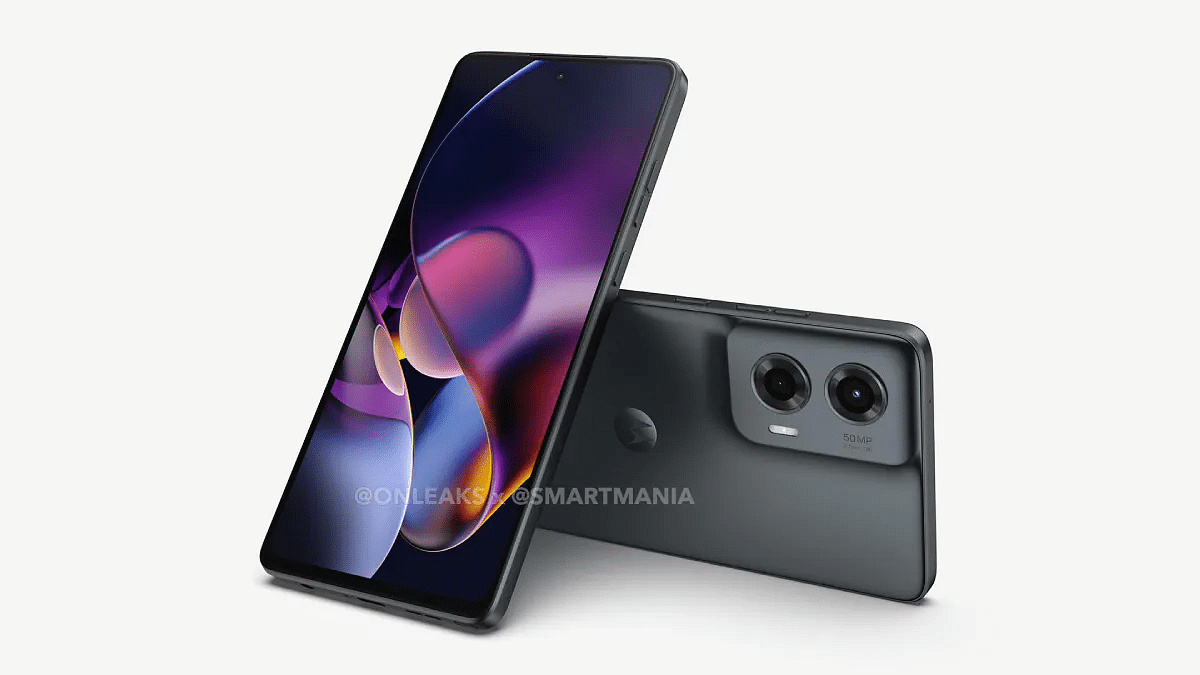
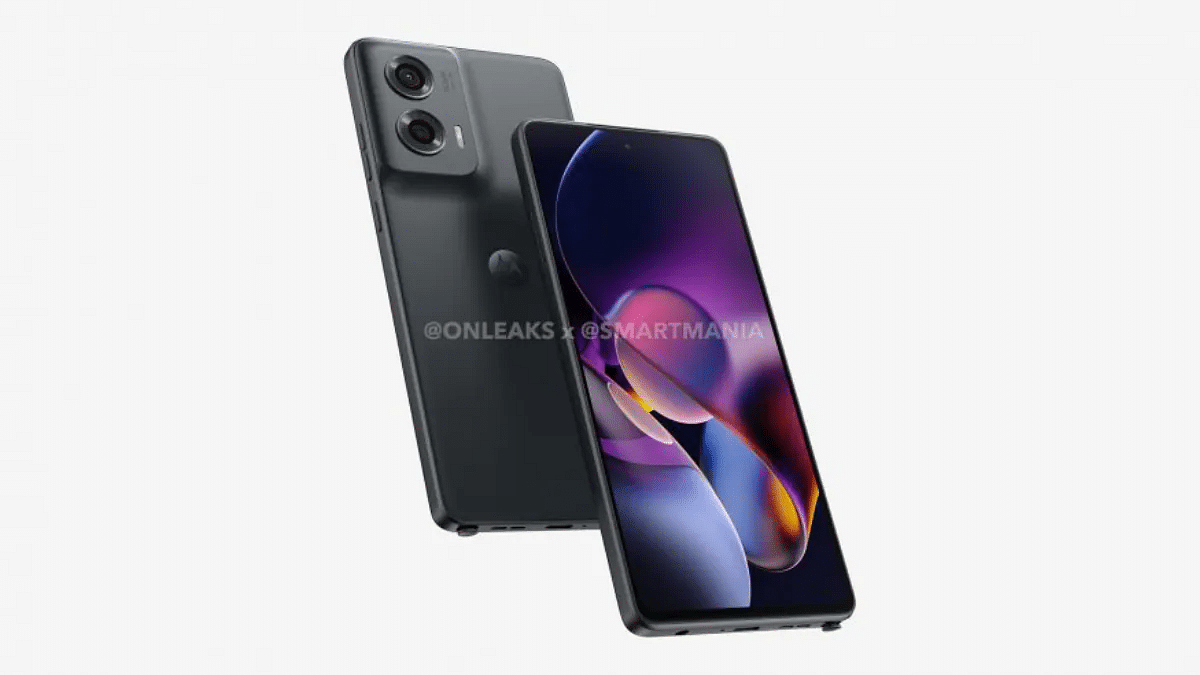
Motorola, following the success of the Moto G Stylus 5G, is set to introduce the Moto G Stylus 2024. While official details remain under wraps, a recent report provides insights into the expected design and specifications of this upcoming smartphone. Here’s all we know. Also Read | Best Gaming Phones Under Rs. 35000
Design Highlights
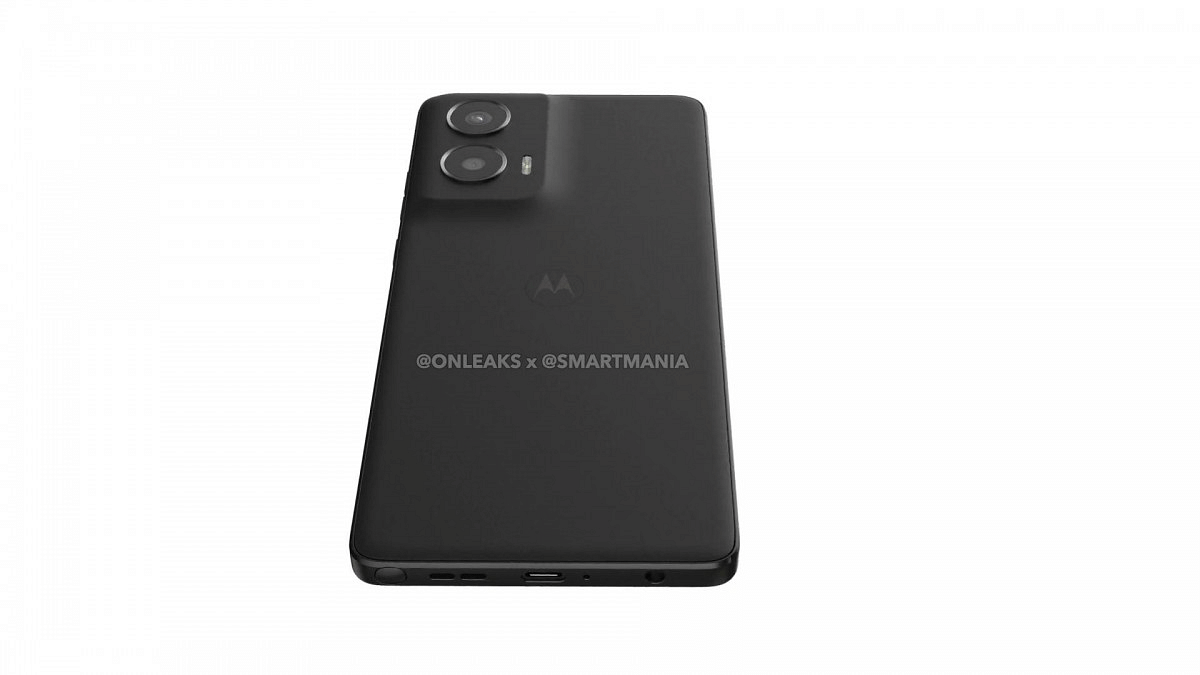
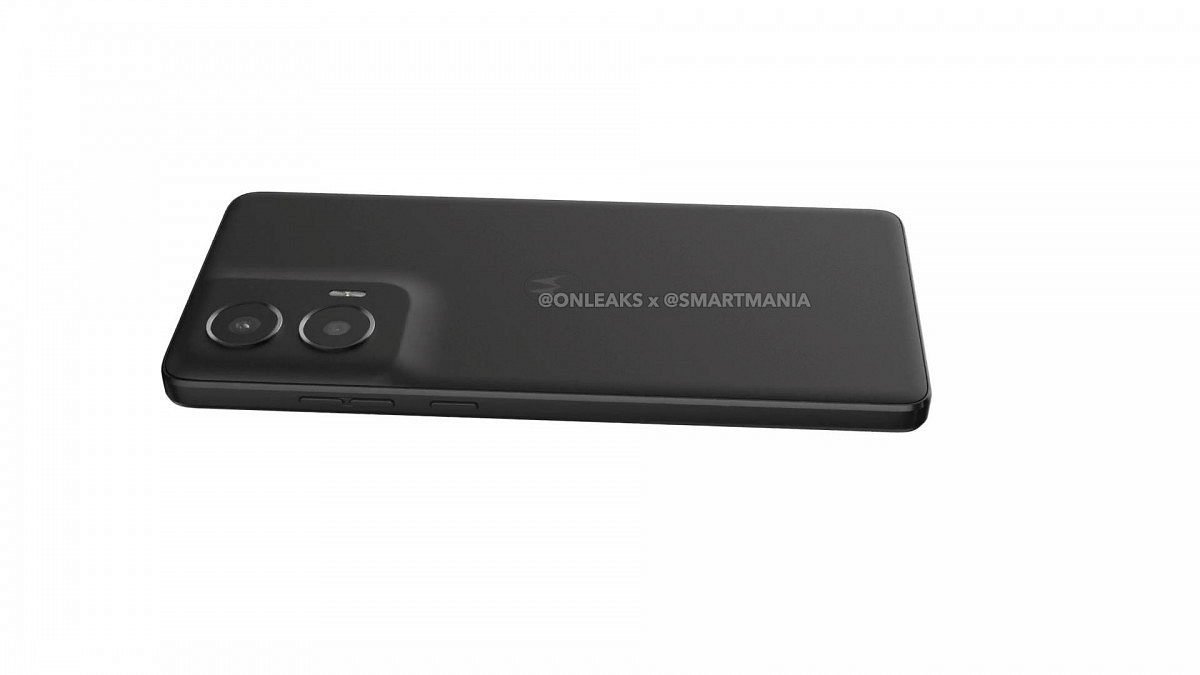
The Moto G Stylus 2024 is set to undergo a significant design transformation, departing from the conventional aesthetics of its predecessor. The anticipated design shift embraces contemporary trends, featuring a more cuboid shape with straight sides and an elegantly crafted camera module. This design philosophy is expected to extend across Motorola’s 2024 phone lineup, aligning with the Moto G Play 2024 model.
Notable Design Elements
The standout feature of the Moto G Stylus 2024 is its built-in stylus, conveniently located in the lower right corner. The phone will house a 3.5mm headphone jack on the left side, and at the center, a USB-C port will be positioned. Thicker frames around the display, particularly at the bottom, suggest a departure from flagship status. The phone will boast slightly larger dimensions compared to its counterparts, featuring a 6.5-inch display. The expected measurements are 162.5 x 74.7 x 8.09mm, with a thickness of 10.28mm around the camera module area.
While Motorola has kept details about the Moto G Stylus 2024 under wraps, leaks and rumors provide a glimpse into the expected specifications.
Display: A 6.5-inch IPS LCD Full HD+ display with a 90Hz refresh rate.
Chipset: Powered by Qualcomm Snapdragon octa-core SoC; exact details yet to be disclosed.
Storage: 128GB internal storage with microSD support.
Camera Setup: Expected to feature a 50MP OIS main camera and a secondary camera with undisclosed sensor details. An 8MP front camera for selfies.
Software: Running on Android 13 OS.
Battery: Equipped with a 5,000mAh battery supporting fast charging.
Additional Features: Expected features include 5G support, Bluetooth 5.2, NFC, Wi-Fi 802.11 a/b/g/n/ac (2.4 and 5 GHz), USB-C, and GPS.
Verdict
While the Moto G Stylus 2024 may not fall into the flagship category, its blend of stylus features and affordability makes it an appealing choice for users.