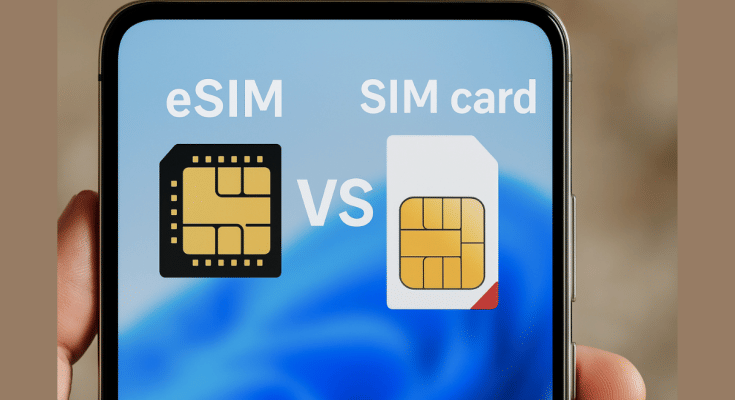
Key Highlights
- eSIM (Embedded SIM) is taking over physical SIM cards gradually
- Is a programmable chip for mobile connectivity
- Supported mostly by flagship devices
With smartphones evolving at lightning speed, the humble SIM card is undergoing a transformation too. While physical SIMs have been the standard for decades, eSIM (Embedded SIM) technology is becoming increasingly popular in 2025. Whether you’re upgrading your device or planning international travel, choosing between an eSIM and a physical SIM can directly impact your mobile experience. Here’s a complete breakdown of both to help you decide—and boost your digital awareness.
Also Read: Airtel eSIM: Here’s How To Activate On Smartphones
eSIM Vs Physical 3G/4G/5G SIM: Key Differences
1. Physical SIM:
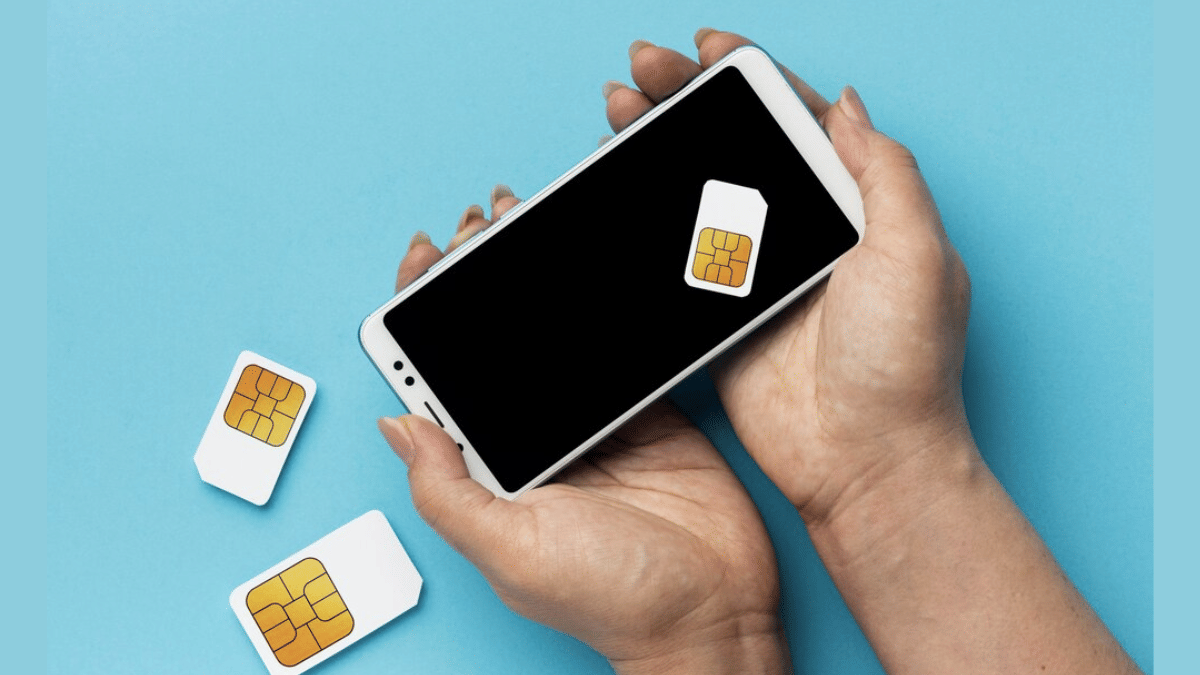
- The traditional SIM card or the mobile chip which is inserted inside a phone in a dedicated slot. Provided by all telecom operators, these tiny chips helps with all the calling, messaging, and internet access.
- SIM cards are removable and a same SIM can be used on different devices.
- SIM cards are linked with a specific phone number for each user.
- Prone to physical damage and card misplace risks
2. eSIM:
- Offers same functionality as a physical SIM card but doesn’t come in a physical card form.
- Instead, its a programmable chip that is integrated inside your smartphone or device.
- Doesn’t require a physical card slot or tray for integration
- Allows all carrier services such as calling, messaging, and data services
- Safe from physical damage or theft risks
Also Read: ChatGPT Search Quick Hacks: How To Use ChatGPT As Default Search Engine In Google Chrome
eSIM Vs Physical SIM Cards: Form Factor, Device, Carrier Compatibility
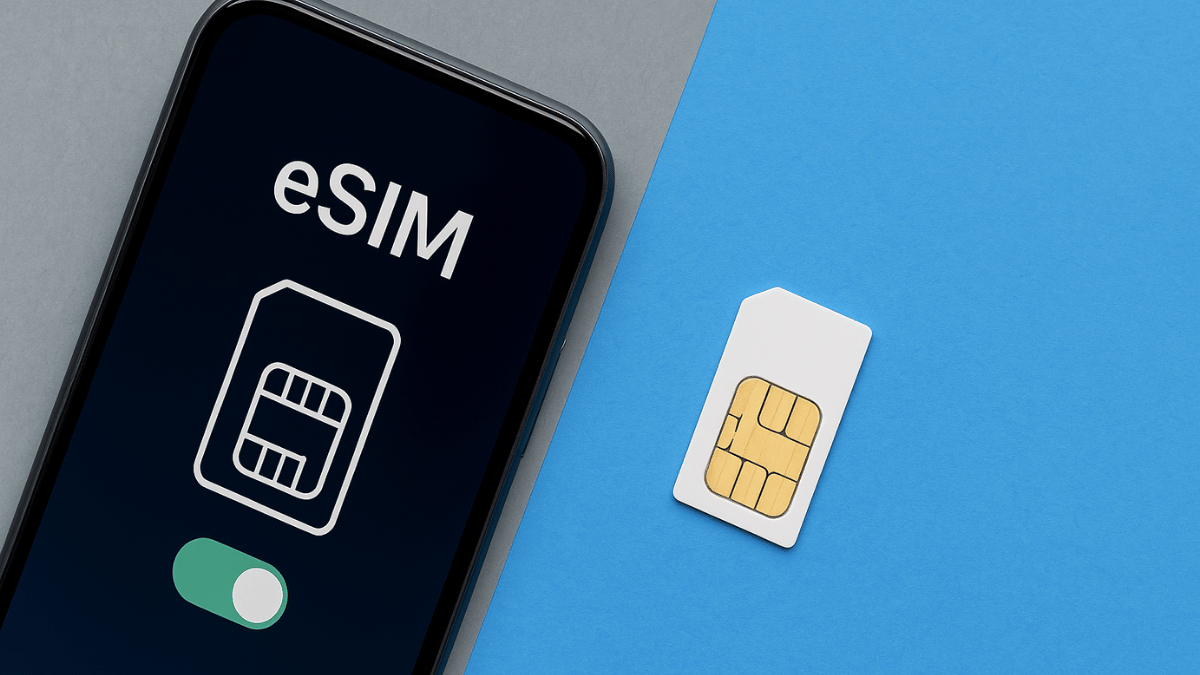
| Feature And Compatibilities | eSIM | Physical SIM Cards |
| Design/ Form factor | MFF2 (Miniaturised Form Factor 2) or Embedded | Standard physical chip (nano and micro chips) |
| Removable | Non removable | Removable |
| Remote service provision | Yes | No |
| Carrier Supported | Limited carrier support | Supported by all telecom providers |
| Device compatibility | Mostly supported by flagship Android and iOS devices | Supported by all devices |
| Dual SIM Support | Limited | Mostly supported |
Also Read: Three Effective Ways To Restore Deleted Games And Apps On Windows 11 Laptops And PC: How To Guide
eSIM Vs Physical SIM Cards: Transfers And Backups

| Transfers And Backups | eSIM | Physical SIM Card |
| Activation Process | Easy | Easy |
| Activation Duration | Almost instant | Can take anywhere between a few hours to a day or two |
| Remote activation | Supported via QR code provided by carrier, or app | Not supported, physical card needs to be inserted before use |
| Backup and data restore | Can be complex | Easy |
Also Read: Can DeepSeek Really Rival ChatGPT? Bobble AI Reveals Key Insights
eSIM Vs Physical SIM Cards: Which One To Pick In 2025
eSIM Should Be Your Preference If:

- You wish to get rid of physical SIM cards
- If you are a frequent international traveller
- If you wish to get a full digital telecom experience
- Have fears of misplacing or loosing physical SIM cards
- Are using a flagship smartphone that supports this new-age feature
- You wish to experience a neat and stock phone setup experience
Physical SIM Should Be Preference If:
- Your device doesn’t support eSIM card feature
- You are frequent with changing devices
- You are frequently changing mobile numbers
- If your region has limited eSIM support and coverage
- You wish to avoid complex setup process
- If you are using a mid-range or budget phone that comes void of eSIM support