As the Assistant Editor, Sandeep is generating tech-oriented content and also monitoring the content published on the website. He has over six years of experience in tech journalism and has expertise in product reviews, news articles, listicles, and media campaigns.
YouTube Shorts is short format videos to take on Instagram Reels and TikTok
YouTube Shorts can be downloaded using third party apps
Shortnoob and savetube.me are the popular platforms to download YouTube Shorts
YouTube is the biggest platform for online video playback. The Google-owned streaming platform has the biggest library for professional and amateur content. The popularity has been an all-time high in the last few years. The company has been consistently upgrading the services on YouTube and has been providing a rich user experience across mobile and the desktop app.
YouTube also stepped into the race of short videos with YouTube Shorts. This feature has been released to counter Instagram Reels and the likes of TikTok and others. YouTube Shorts has gained immense popularity in a short span; specifically, amongst budding content creators. It’s one of the easiest ways to increase the audience reach on the platform.
We have already shared the method with which you can create and upload YouTube Shorts videos. But what if you are scrolling through the app and stumble upon a YouTube Short that you wish to play offline later? Well, downloading that YouTube Shorts video is the only option then. There is no direct option offered by Google to download YouTube Shorts videos on respective smartphones, tablets, laptops, or PCs. However, this doesn’t make the task impossible. There is an easy method with which you can download and play YouTube Shorts video offline. Below are the steps:
How To Download YouTube Shorts Videos On Smartphones, Laptops, PCs
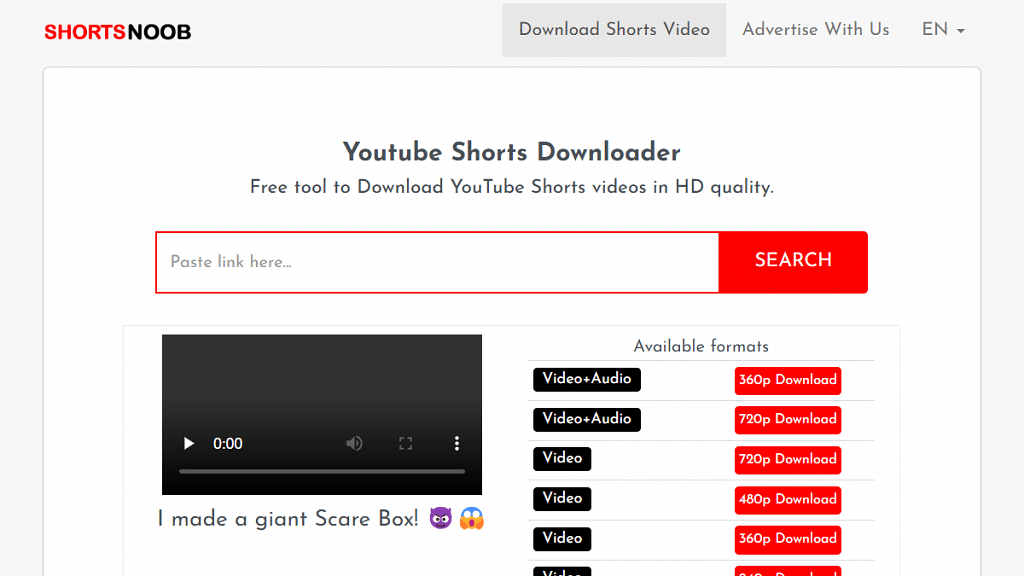
You will need a third-party app or website to download YouTube Shorts videos online. Shortnoob and savetube.me are a few of the portals from where you can download the YouTube Shorts videos on your respective devices.
Step 1: Open YouTube app on your respective devices.
Step 2: Go to the Shorts video that you wish to download.
Step 3: Tap on the Share option.
Step 4: In the next step, copy the video link
Step 5: Now, launch Shortnoob or savetube.me on any web browser. You can do this on smartphones, tablets, laptops, or PCs
Step 6: Paste the video link in the designated tab
Step 7: Select the resolution in which you want the video file to be downloaded
Step 8: Wait for the download link
Step 9: Once the download link is created, hit on Download. That’s it, the YouTube Shorts video will be downloaded on your device.
TV evolution has been massive in the last decade and we now have smart TVs with premium screens and features such as wireless network and third-party app support. Buying a new TV is not as easy as it was a few years back. You can now get a plethora of options even if you are tight on budget. We have covered several listicles of smart TVs categorized into different segments. This time we are listing down some of the best smart TV options that can be purchased for under Rs. 35,000. The list includes smart TVs from popular brands such as TCL, Samsung, and OnePlus.
Another premium range TV that will cost you less than Rs. 35,000 in India is the Hisense A6GE 4K UHD LED TV. Just like the TCL QLED TV, the Hisense A6GE is also available with 43-inch screen size. The LED panel here offers a 4K ultra HD screen resolution which makes it suitable for streaming or local high-res video playback. Under its hood, the quad-core processor clubbed with Mali470MP handles the power delivery.
The additional set of features include Bluetooth 5.0, Wi-Fi, three HDMI ports, and two USB ports. This TV has several pre-installed streaming apps including Netflix, Prime Video, Disney+, Hotstar, YouTube, Sony Liv, ErosNow, JioCinema, Voot, SunNXt, and others. This is one of the cheapest models in this list which can be purchased starting at just Rs. 20,990.
The OnePlus TV Y1s Pro is also a premium range smart TV that runs on the Android TV platform and is available under Rs. 35,000 in the country. The screen size offered by this model is also 43-inch and the display resolution of Full HD. It features a Gamma Engine that further improves the overall picture quality. The OnePlus TV Y1s’ speakers produce 24W audio and have Dolby Audio certification for enhanced listening. The OnePlus TV Y1s Pro can be purchased starting at Rs. 27,999 in India.
Samsung Wondertainment Series A43TE50FAKXXL Smart TV
Samsung is one of the strongest players in the TV industry. The Wondertainement series smart TVs from Samsung are designed to cater the budget-conscious audiences. The screen size you get is 43 inches and the screen resolution is Full HD. The Samsung UA43TE50FAKXXL 43-inch smart TV has built-in Alexa support. It has 20W audio output and third party app support. The starting price of Samsung Wondertainment UA43TE50FAKXXL smart TV is Rs. 28,990 in the country.
TCL QLED 4K TV C635
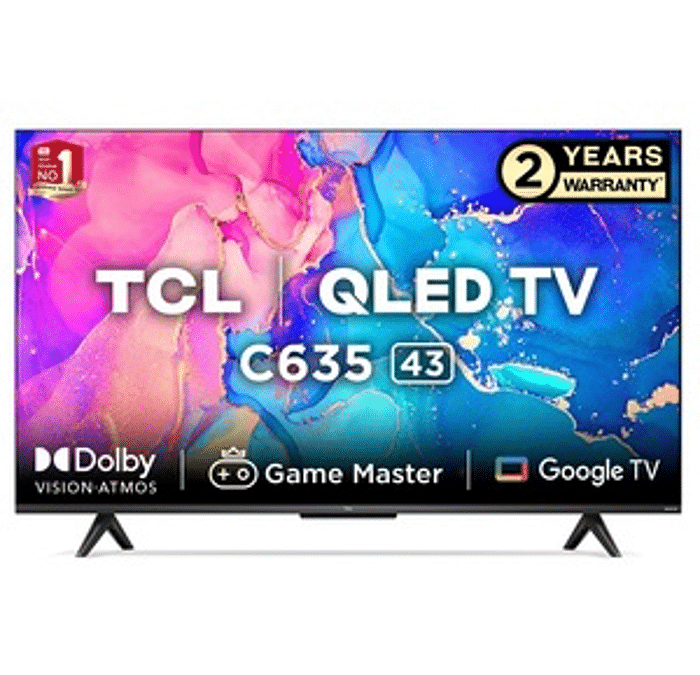
The TCL QLED 4K TV C635 is one of the most high-end smart TVs that is available for purchase below Rs. 35,000 in India. The available screen sizes are 43 inches and 55 inches. The QLED display panel on this TCL tv supports a 4K resolution which allows for a premium user experience.
In addition to the rich visuals, the TCL QLED 4K TV features Quantum Dot technology and ONKYO sound system. The TV operated on Google TV OS and has other high-end features such as Dolby Atmos audio, Bluetooth 5.0, and dual-band Wi-Fi (both 2.4 and 5GHz). Furthermore, this TCL QLED TV draws power from a 64-bit quad-core processor combined with 2GB RAM and 16GB flash memory. The TCL QLED 4K TV C635 can be purchased in India starting at Rs. 30,999.
Fast and reliable performance with Snapdragon 8 Gen 2 SoC
Good camera performance
Good battery backup
Cons
Slightly slippery design
Low light camera performance could have been better
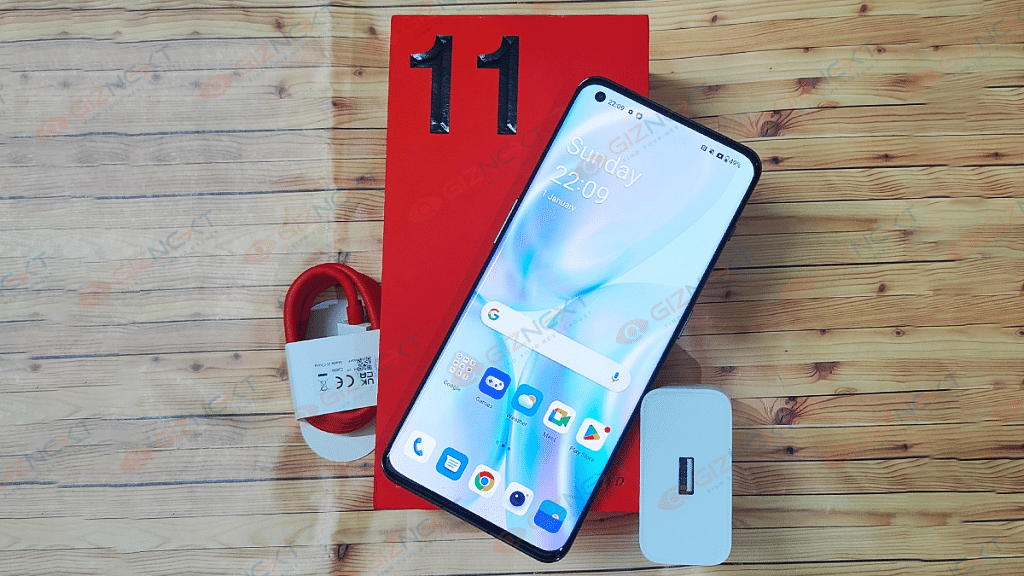
OnePlus has been evolving its smartphone game and has introduced some of the best-in-class value flagships until now. This year the brand has released the OnePlus 11 series comprising the vanilla OnePlus 11 5G and the OnePlus 11R. Both models are catering to premium users, however, the latter is a more affordable option for the masses.
With the OnePlus 11 5G, the company has brought in some new innovations and also revived what was missing from the previous-gen model; the iconic OnePlus alert slider. This year too OnePlus is all aggressive with the pricing and is set to grab a major chunk of the premium user segment.
Features like the Snapdragon 8 Gen 2 chipset with ray tracing, a QHD+ AMOLED display, and 100W fast charging starting at Rs. 56,999 makes the game strong for the OnePlus 11 5G. But does this mean it wins the competition and stands out of the league? We got to use the latest OnePlus flagship and here’s what we think:
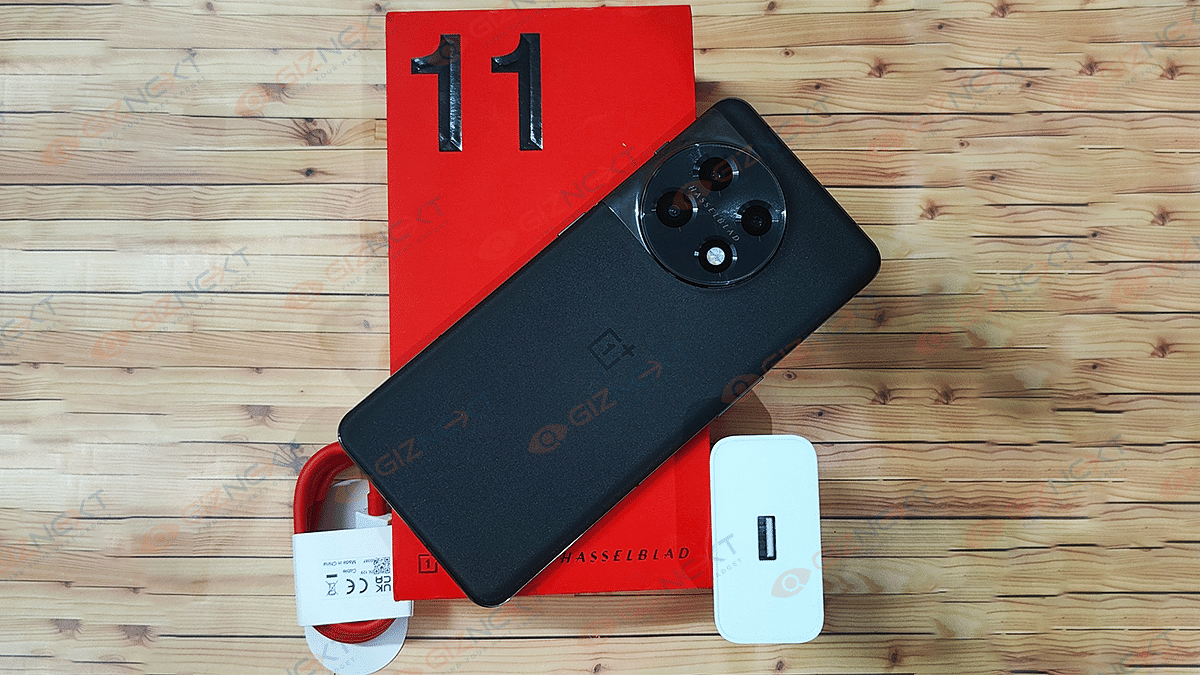
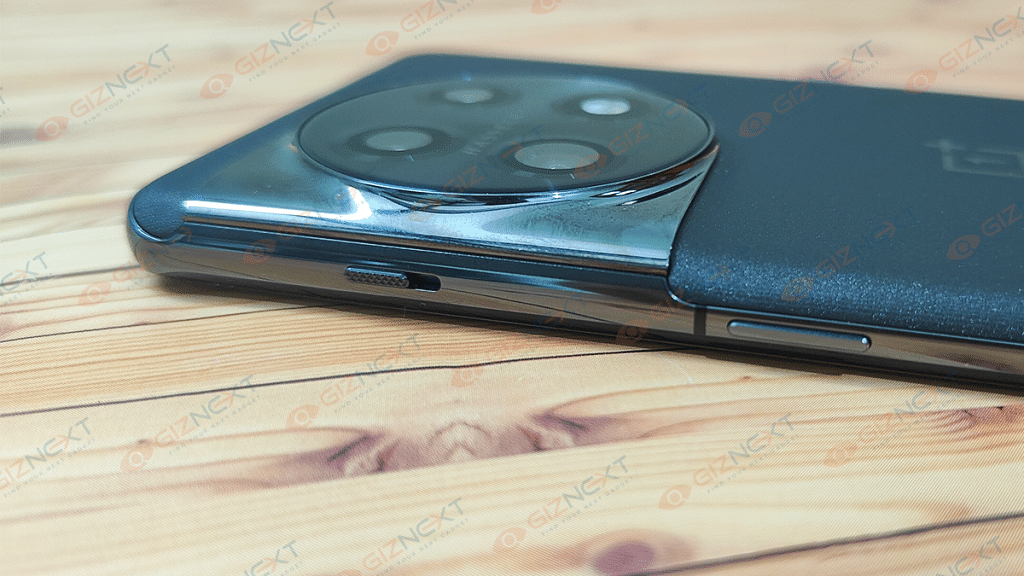
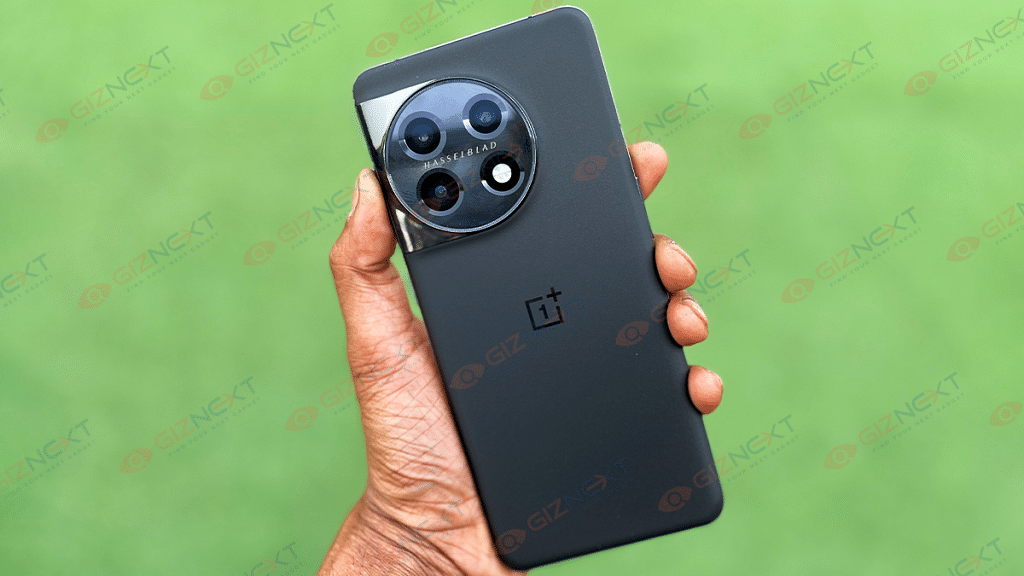
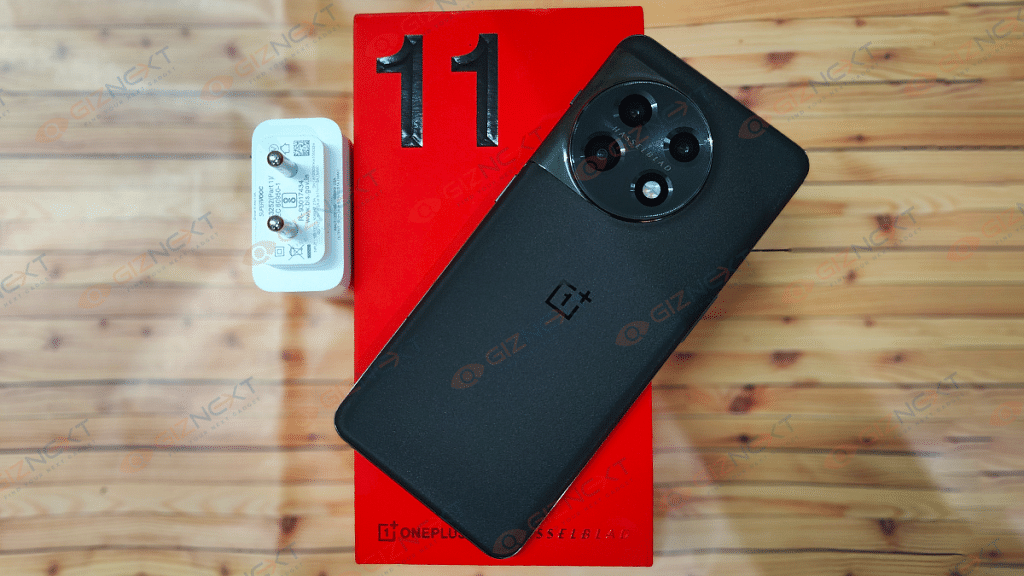
The OnePlus 11 5G bears resemblance to the last year’s OnePlus 10T, but the design overhaul is evident with the camera module and the curved panel. The camera island this time is circular instead of the squarish module that the previous-gen model featured. The camera module on the OnePlus 11 5G also has the same steel material blending into the aluminum frame.
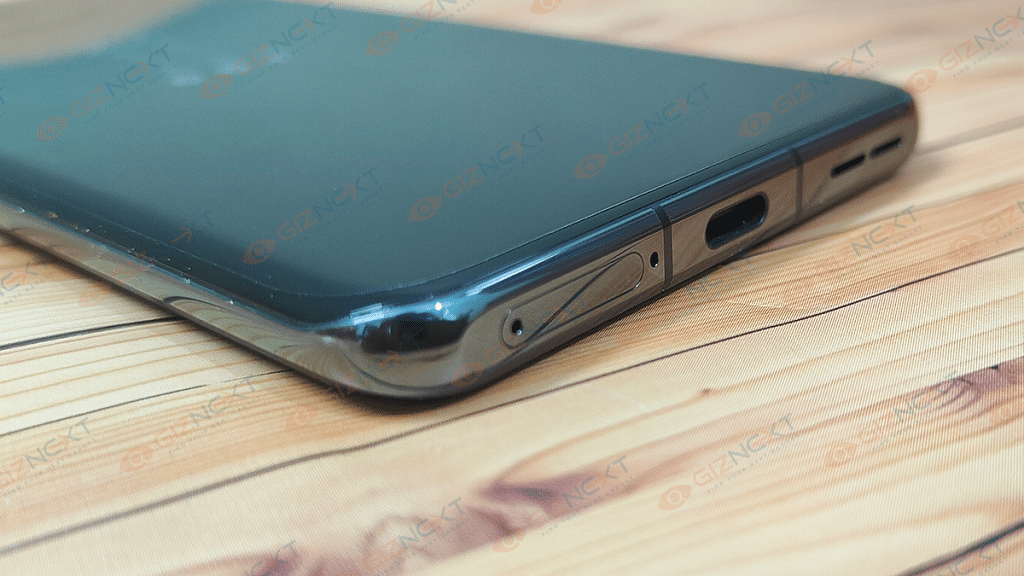
The return of the iconic OnePlus alert slider is a relief for all OnePlus fans. Only the power key is positioned on the right spine alongside the alert slider. The volume rockers are on the left panel, while the USB Type-C port is sandwiched between the SIM tray and the speaker grille at the bottom. The top and the bottom frames are flat, while the side panels are slightly rounded complementing the curved display design.
The overall look and feel of the OnePlus 11 5G is all premium and there is no compromise with the usage comfort. The curved edges and slim form factor improves the grip with single-hand usage. Even with the case, the device doesn’t feel bulky which is impressive.
You would find it easy to operate this phone with a single hand with different tasks. Of course, for extensive gaming, you will need both hands on deck. The Corning Gorilla Glass protection both upfront and the rear adds to the durability. a But overall, the OnePlus offers a fair usage experience.
OnePlus 11 5G Display Performance: Bright And Vivid
The OnePlus 11 5G bestows a massive 6.7-inch screen which offers impressive specifications. The visual experience is all enhanced with this new OnePlus phone. The panel type used Fluid AMOLED with LTPO technology. The display on the OnePlus 11 5G supports 1440 x 3216 pixels QHD+ resolution and the pixel density is 525 ppi.
This phone is capable of auto-switching between FHD+ and QHD+ resolution. There is a dedicated setting for this which when enabled changes the resolution type depending on the app. There is a dynamic refresh rate of 1- 120Hz, sRGB, Dolby Vision HDR, and 10-bit color depth. Let’s now move to the display performance.
The color production and panel clarity is super refined and we have had the best experience with video playback and gaming. With 1300 nits peak brightness level, the OnePlus 11 5G’s visibility is least hampered outdoors under direct/harsh sunlight. The high QHD+ resolution and the 120Hz refresh rate makes the game strong for OnePlus 11 5G in the display segment.
As mentioned earlier, the panel brings out vivid output which is suitable for both video consumption and gaming. You can expect no frame drops or lags while gaming with the settings tuned to the highest. Color production is crisp and the visual clarity is also top-notch. The blacks are deeper and the screen does justice to the dark scenes in any movie or TV show. The display on the OnePlus 11 5G also has an in-display fingerprint scanner integrated that enhances security. The scanner is quick and efficient with device unlocking.
Personally, I find the panel apt for binge-watching shows and movies via OTT apps including Netflix, Amazon Prime, Videos, and others. Also, the touch response is fluid, hence the feedback with scrolling and gaming is also unbeatable with this phone. It wouldn’t be wrong to say that the display game is improved with the OnePlus 11 5G.
Camera hardware on the OnePlus 11 5G is also evolved. There is a 50MP Sony IMX890 6P main lens with an f/1.8 aperture, OIS, and EIS support. It is combined with a 48MP secondary Sony IMX581 ultra-wide lens with an f/2.2 aperture and 115-degree FoV and a 32MP Sony IMX709 telephoto lens with 2X optical zoom.
Speaking of the camera modes, the OnePlus 11 5G is loaded with Night, Portrait, Movie, Panorama, Slow-motion, Time-Lapse, Xpan, Auto macro, Long-Exposure, AI scene enhancement, and more. The camera also comes with 10but Color and High-Efficiency image support.
If we talk of video recording capabilities, the OnePlus 11 5G’s rear camera can record 8K@34 fps, 4K@30/60 fps, 1080p@30/60 fps, and 720p@30/60 fps videos. The slow-motion video recording support is up to 1080p@240fps, while the time-lapse video recording supported is 4K@30fps.
This model’s camera features the Hasselblad branding as the previous-gen model. OnePlus touted the imaging prowess of the OnePlus 11 5G during the launch and we were eager to test its capabilities with different scenarios and backgrounds.
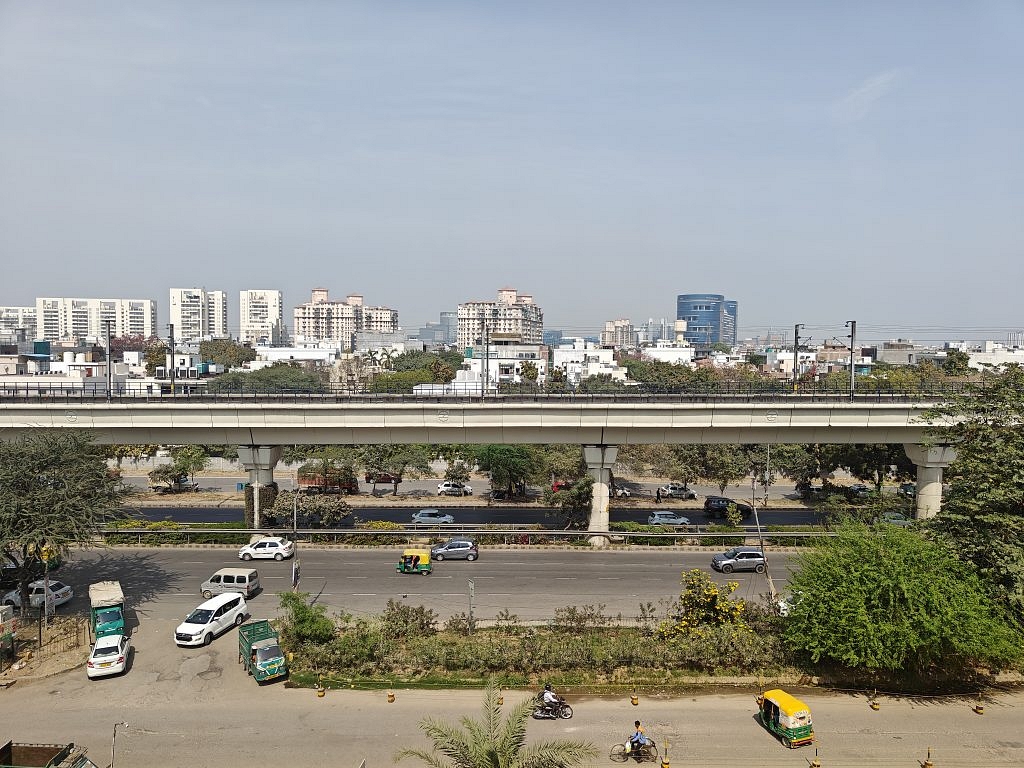
That said, the quality of the shots captured by the OnePlus 11 5G is good. Image clarity is not compromised when the background is well-lit. No noise or grains are noticeable with the daylight shots. Color saturation is balanced, nothing is overtly saturated. Enabling the AI scene enhancement does the trick to improve the quality with each click. Details are enhanced with general and close up shots. The Auto
You can also toggle on the Hi-res and Auto HDR modes to capture images with the highest clarity levels. However, you will only be able to capture images in 1x and 0.6 ultra-wide frames with the Hi-res mode on. With this, you can easily crop out unwanted scenes or objects in the background without deteriorating the image quality.
Portrait shots are good and they live up to the expectation. We are sharing some camera samples where you can check the photography quality. As for night photography, the built-in Night mode captures all the details with low-lit backgrounds. However, a bluish tint is visible if the background is completely dark. Use the apt settings and you will hardly see any noise or grains in the background. Below are the night camera sample of the OnePlus 11 5G.
For selfie fans, OnePlus has added a 16MP front camera with an f/2.45 aperture and EIS (Electronic Image Stabilization) support. The selfie snapper does a decent job of capturing self-portraits. The output is optimum for social media uploads.
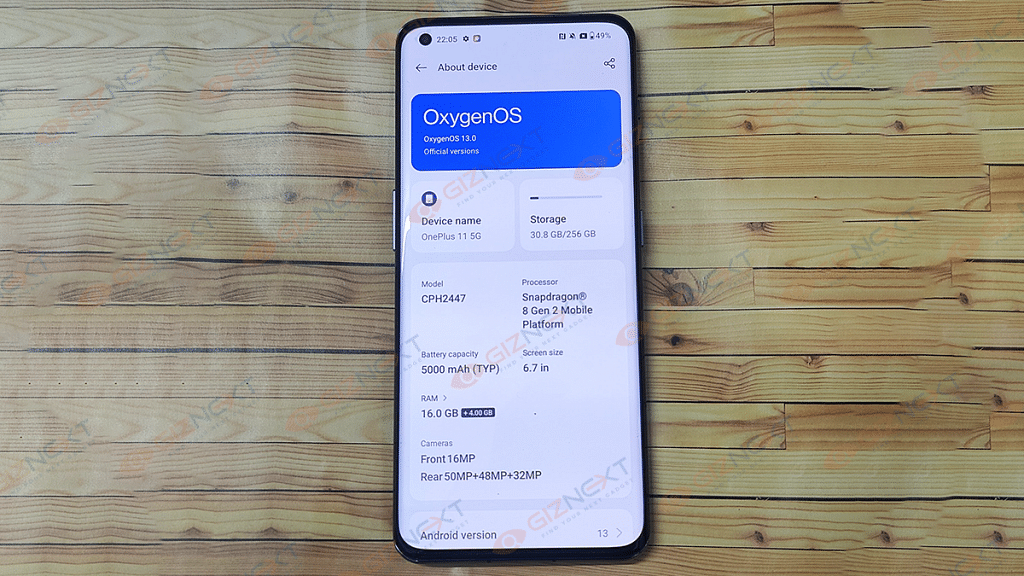
OnePlus has established itself as a flagship killer ever since its debut in the smartphone industry. With the OnePlus 11 5G, the company has definitely set new standards. The Snapdragon 8 Gen 2 mobile chipset under the hood makes it a performance beast. The latest flagship Qualcomm chipset has Adreno 740 GPU support for graphics. Onboard storage capacity options include 128GB UFS 3.1 and 256GB UFS 4.0 paired with 8GB and 16GB LPDDR5X RAM respectively.
We have received the 16GB+ 256GB variant and have experienced a lag-free performance no matter how extensive a task is thrown at it. OnePlus is one of those few Android flagships that supports hardware-accelerated Ray Tracing. However, there is no mobile game available at this point that supports or is compatible with this feature. But this doesn’t count for any limitations.
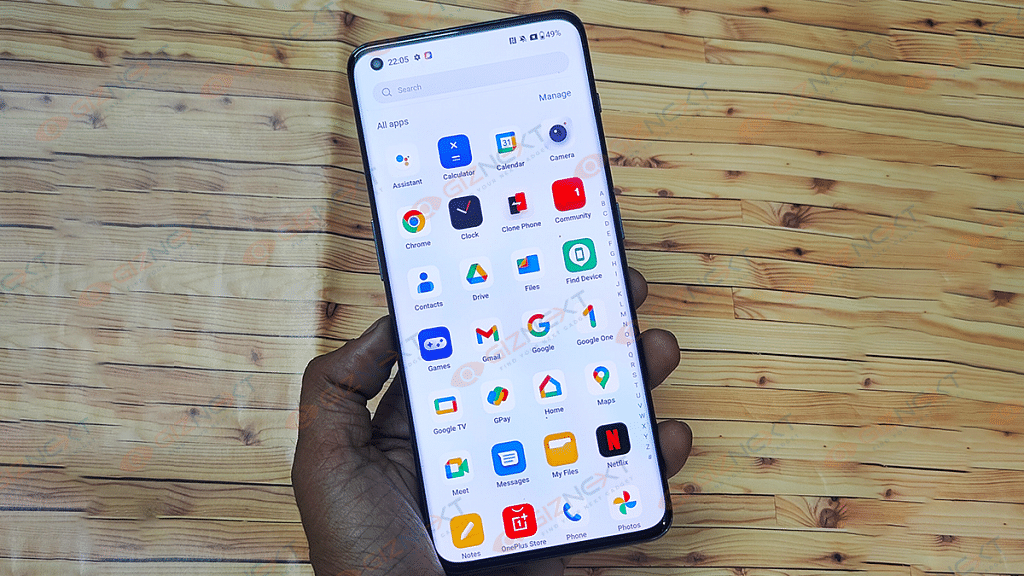
Rather, the handset is future-ready with this advanced technology. Besides, OnePlus is already providing up to four year of promised firmware updates to all of its newly launched phones and the OnePlus 11 5G isn’t different. It has the Android 12-based OxygenOS 13.0 UI pre-installed and with the added support, it will be a perfect flagship for at least the next five years. OnePlus has made several improvements to the UI and tried to add a stock Android UI appeal. Less bloatware and pre-installed third-party apps are a respite this time.
The performance delivery is stable and reliable with the top-of-the-line SD 8 Gen 2 chipset. Faster speeds and efficiency are further achieved with the high RAM and storage capacity. The multitasking experience is super smooth with the top-end variant. The same can be expected with the base model too. App loading is instant even if there are several of them are already running in the background. It’s definitely the fastest OnePlus handset released till date. We also performed a couple of benchmark tests including Geekbench 6 where the scorecard is good.
Gaming feedback is also top-notch. The improved haptic feedback complements the lag-free gameplay sessions. You will be able to play demanding games like Asphalt 9 Legend, COD, and others at the highest settings without any frame drops. There is no warm-up of temperature instability issues when you use the OnePlus 11 5G extensively or during gaming. This further improves the overall user experience. To summarize, the OnePlus 11 5G is a no compromise in terms of speed and reliability.
The OnePlus 11 5G has been packed with a 5,000 mAh battery unit. This is a 2,500 mAh dual-cell setup that supports 100W SuperVOOC flash charging. Now, this is a downgrade compared to the OnePlus 10T which offers 160W fast charging.
However, the 100W charging support doesn’t disappoint either. The handset can still get a complete refuel (zero to 100 percent) within 30 minutes. The battery drainage rate is not high unless you are using this handset extensively. Otherwise, expect over eight hours of backup with a single charge.
OnePlus has upgraded its game with the launch of the OnePlus 11 5G and is also returning to the roots of bringing in the best-in-class value flagships. This new-generation OnePlus phone is future-ready and has some of the most advanced features that any phone in this segment offers.
To recap, the OnePlus 11 5G with 8GB RAM is priced at Rs. 56,999, while the top-end model with 16GB RAM is priced at Rs. 60,999. If you are looking for phone that is no compromise in terms of speeds and performance, the OnePlus 11 5G is definitely worth considering. For photography and gaming enthusiasts too, the OnePlus 11 5G is a complete package. This handset is definitely a hit in our opinion.
OnePlus Buds Pro 2 was released earlier this month in India
Offers ANC and other premium audio features
Zen Mode Air allows White Noise audio playback with simple swipe gestures
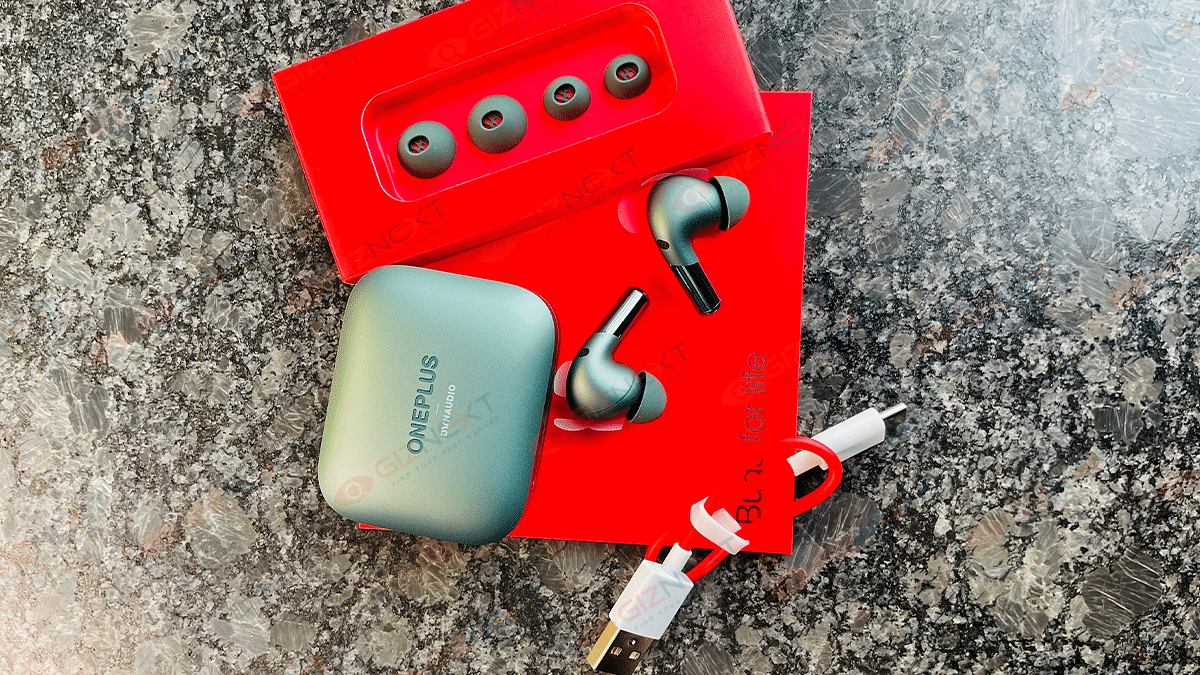
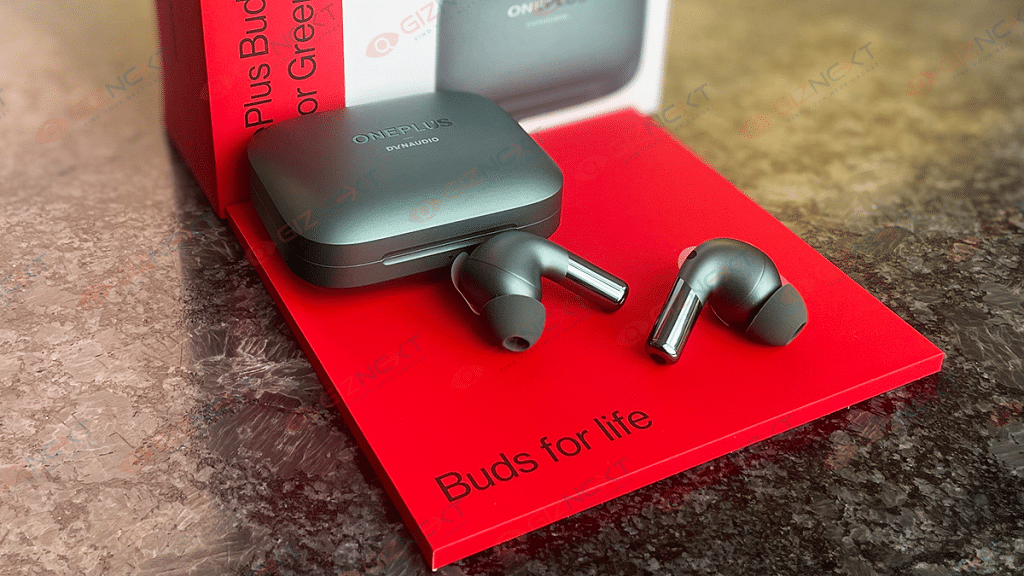
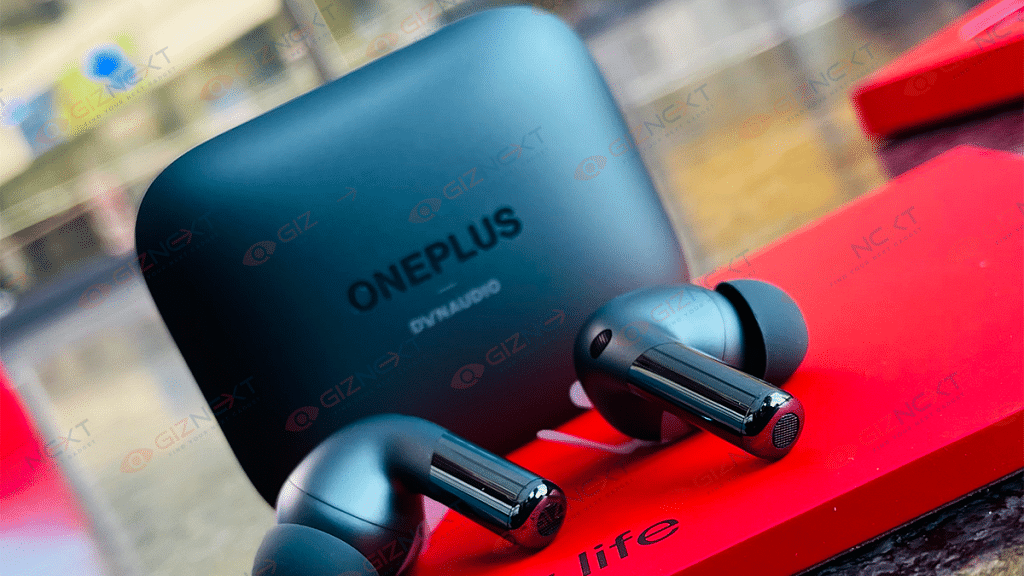
OnePlus launched its most premium audio product for the Indian and global audience at the Cloud 11 launch event held earlier this month. Called OnePlus Buds 2 Pro, the latest TWS earbuds from the company offers ANC, an improved dual-driver module, and more. The Buds 2 Pro is by far the most advanced truly wireless earbuds from OnePlus that comes as a treat for audiophiles.
One of the coolest features offered by the OnePlus Buds 2 Pro is the Zen Mode Air. This nifty feature allows users to enable white noise using a simple gesture. With this one can keep all distractions and noise at bay while doing any specific task.
Using the Zen Air Mode can benefit students or even professionals trying to concentrate and complete tasks without any distractions with surrounding or background noise. The option to activate this nifty feature with a simple swipe gesture is what makes it unique. However, in order to use the Zen Mode Air feature on OnePlus Buds Pro 2, you would need to follow a specific set of steps that we have listed in this article:
How To Activate And Use OnePlus Buds 2 Pro Zen Mode Air Feature
To use the Zen Mode Air feature on your OnePlus Buds Pro 2 TWS, you must first activate it using the Hey Melody app. You can also enable this feature using the Earbud function setting when paired with a OnePlus phone.
Step 1: On your OnePlus or any other Android smartphone that is paired with the OnePlus Buds 2 Pro earbuds, open Bluetooth settings
Step 2: Select the Earbud function option
Step 3: Once you are on the Earbud function page, select the Zen Mode Air option
Step 4: Toggle on the Zen Mode Air setting to activate this feature
Step 5: Now, tap on the White Noise option to customize the white noise audio
Facebook Photos and videos can be transferred to Google Photos
Transfer process is possible only with the desktop version of the app
Documents can also be moved to Google Docs
Facebook is a widely popular social media platform used by thousands of users globally. Multiple new features and tools have been added to the platform that enhances the experience for general users and professional. Stories, videos, and other media playback options are some of the most useful features offered by Facebook. Photo and video sharing is also an option that is proactively being used by the audiences.
Often users have tried downloading photos and videos shared or uploaded on Facebook from their own profile or other uploads. But do you know, that there is an in-built feature with which you can directly transfer or download Facebook videos or photos to Google Photos? Not just photos and videos, one can also transfer posts and notes to Google Docs. In this article, we have listed the steps with which you can migrate or download all your Facebook photos and videos to Google Photos. Take a look:
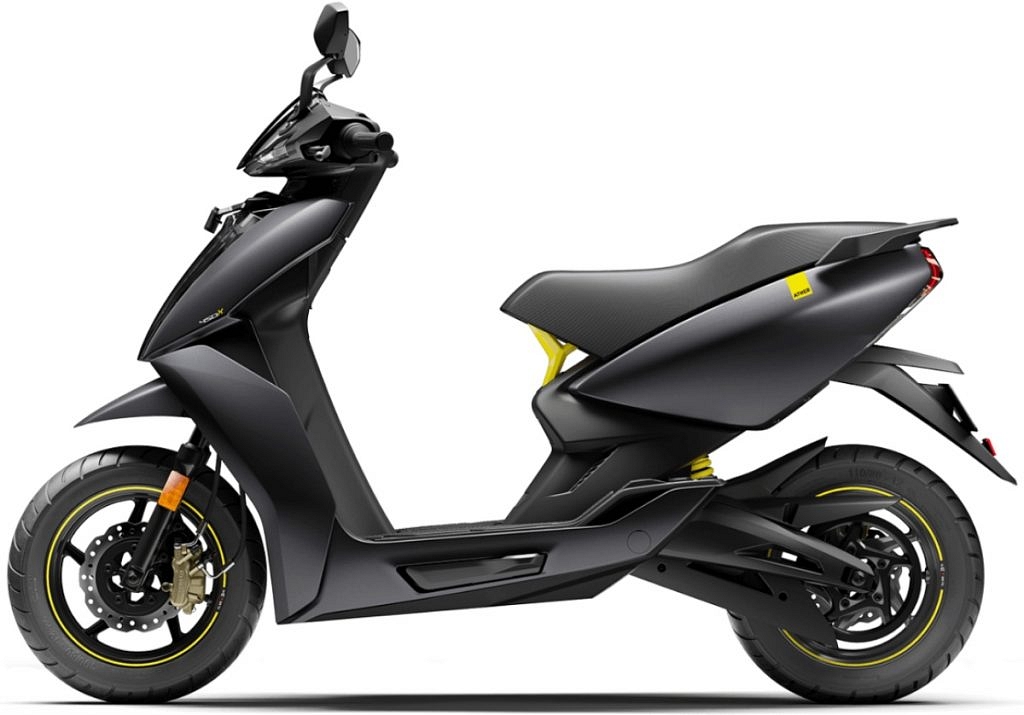
The electric scooter market is rapidly expanding in India and multiple new options have been released for audiences demanding electric scooters. Ola, Ather, Hero, and several other brands have launched a wide range of feature-loaded electric scooters for Indian consumers. Gradually, all these brands have started targeting the budget segment bringing in options lower than Rs. 1 lakh price tag. After Ola, Ather is now rumored to bring its low-cost electric scooter that will be introduced below Rs. 1 lakh. The test mule of the upcoming Ather electric scooter has also been spotted. Here’s all the development you need to know:
Ather Budget Electric Scooter Under Rs. 1 Lakh Test Mule Spotted
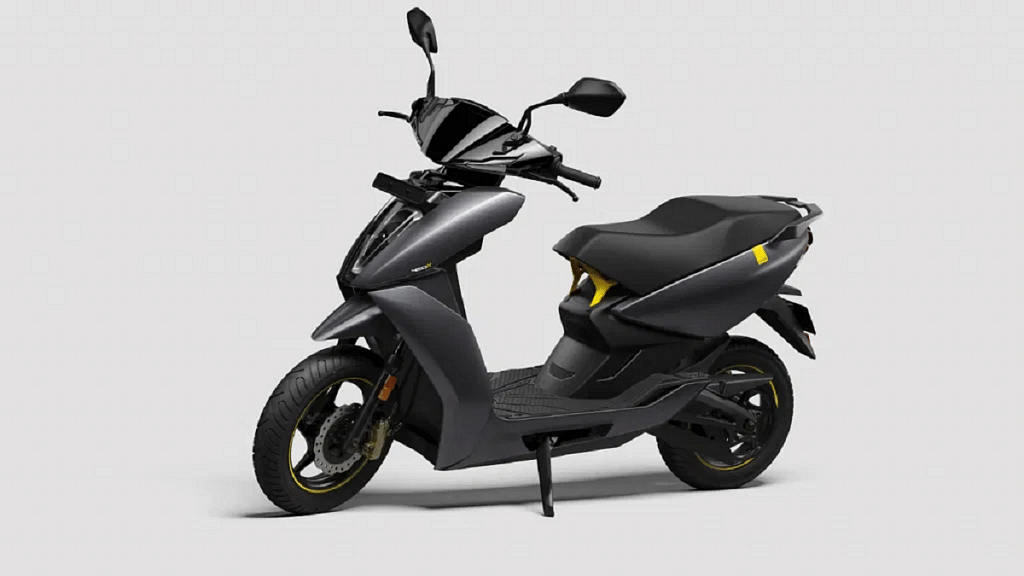
Rushlane has shared the test mule image of the upcoming Ather electric scooter. While not much is visible in terms of design overhaul, the powertrain and features are said to be trimmed down compared to the current-gen model including Ather 450X and the Ather 450 Plus electric scooter variants.
Just for reference, the Ather 450X and the 450 Plus are integrated with a 3.7 kWh li-ion battery unit. We are not sure if the brand will reduce the battery size on the upcoming model. Also, the former has a 5.4kW motor and the latter has a 6.2kW battery.
The new Ather electric scooter will have a lower capacity motor and probably the battery too to reduce the cost. We might also see a less riding range per charge compared to the current-generation model. One of the common features which the reports suggest to be present is the 7-inch digital instrument cluster.
Ather has recently revamped its portfolio with Gen 3 electric scooters, however, the moniker or the lineup of the next budget electric scooter is not revealed. However, we are expecting some details in the coming days.
Ather Upcoming Electric Scooter Price And Launch Timeline
According to the report, this new Ather electric scooter whose test mule has been spotted will cost under a lakh in India. This would be the cheapest Ather electric scooter that we will debut in India. Unfortunately, the launch timeline is not yet confirmed or revealed by the leaks or the brand. Therefore, its availability is uncertain.
Dimenisty 8200 is a new flagship mobile chipset from MediaTek
Snapdragon 870 has been introduced a while ago
Dimensity 8200 is fabricated using 4nm process
Snapdragon 870 is fabricated using 7nm process
Both chipsets have octa-core CPUs
MediaTek Dimensity is the latest choice for smartphone OEMs for their premium mid-range phones. Several of the models have already debuted with this new MediaTek mobile chipset this year and multiple others are likely to join the list soon. Likewise, the Snapdragon 870 chipset has been one of the most popular options available for value flagship Android phones in the market. We have been doing a series of comparison articles of the recently launched mobile chipsets. In line with the same, we are doing a comparison between the MediaTek Dimensity 8200 and the Snapdragon 870 mobile processors.
MediaTek Dimensity 8200 Vs Qualcomm Snapdragon 870: CPU Comparison
Chipset
MediaTek Dimensity 8200
Snapdragon 870
CPU
Octa-core
Octa-core
GPU
Adreno 650
Mali-G610 MC6
RAM
LPDDR5
LPDDR5
Storage
UFS 3.1
UFS 3.0, UFS 3.1
Fabrication
4nm
7nm
The MediaTek Dimensity 8200 mobile chipset has an octa-core CPU cluster that comprises a single 3.2 GHz Cortex-A77 cores, three Cortex-A77 cores clocked at 2.42GHz, and four Cortex-A55 cores clocked at 1.8GHz. This chipset is fabricated using a 4nm process and offers a 3200MHz CPU frequency.
The Qualcomm Snapdragon 870 mobile chipset has been constructed using a thin 7nm TSMC process. The octa-core CPU cluster features a single 3.1GHz Cortex-A78 core, three Cortex-A78 cores with 3GHz frequency, and four Cortex-A55 cores with 2GHz clock speed. The Snapdragon 870 mobile chipset is designed to handle the performance
Qualcomm Snapdragon 870 Vs MediaTek Dimensity 8200: GPU Comparison
The Qualcomm Snapdragon 870 mobile chipset features Adreno 650 GPU, while the MediaTek Dimensity 8200 mobile chipset comes with Mali-G610 MC6 GPU integration. The GPU frequency offered by the former is 675MHz, whereas, the latter offers around 950MHz of GPU frequency. The capabilities to render extensive graphics is ample with both of these mobile processors.
MediaTek Dimensity 8200 Vs Snapdragon 870 Chipset: Memory, Multimedia (ISP)
In the memory department, both MediaTek Dimensity 8200 and the Snapdragon 870 mobile chipset feature the same LPDDR5 memory compatibility. However, the former delivers around 2,750 MHz memory frequency and the latter offers around 6700MHz memory frequency. The maximum memory allocation is 16GB with both these premium mid-range mobile chipsets.
Storage compatibility is UFS 3.0 and UFS 3.1 with the Snapdragon 870 mobile chipset whereas the Dimensity 8200 chipset has UFS 3.1 storage type. The Qualcomm Snapdragon 870 can record up to 8K videos and has up to 200MP maximum camera resolution. On the other hand, the MediaTek Dimensity 8200 supports up to 320MP maximum camera resolution but has only 4K@60fps video recording support.
MediaTek Dimensity 8200 Vs Snapdragon 870 SoC: Final Verdict
For value flagship phones, both MediaTek Dimensity 8200 and the Snapdragon 870 are the most potent mobile processors. Performance-wise both these chipsets are well-equipped to handle any kind of task with ease. However, a thinner fabrication process makes the Dimensity 8200 a slightly better opponent.
Vivo is all set to launch its new V series phones in the Indian market. The brand is introducing the V27 series on March 1, 2023. The leaks have been consistently pouring in detailing the key specifications and features of the V27 Pro. Now, right ahead of the upcoming Vivo V27 India launch, the full specifications of the Vivo 27 Pro have emerged online.
The Vivo V27 Pro specifications have been leaked online right ahead of the official launch by a publication called Appuals. According to the report, the next-generation Vivo V27 Pro will be arriving with a massive 6.78-inch display panel. Vivo will be using a 60-degree curved AMOLED screen on the V27 Pro. This display panel will support 1080 x 2400 pixels FHD+ resolution. It will also have 120Hz refresh rate support and a punch-hole camera cutout for the selfie lens.
The Vivo V27 Pro, like its predecessor, will be a premium mid-tier Android handset with an LPDDR5 RAM and UFS 3.1 storage support. Unfortunately, the exact RAM and storage capacity is yet to be confirmed. Additionally, the Vivo V27 Pro will ship with Android 13 OS and will be coming pre-installed with FunToch OS 13 user interface.
For imaging, Vivo will be upgrading the selfie setup by including a 50MP autofocus-enabled front camera. The V27 Pro’s back panel will also feature a 50MP main sensor which will be a Sony IMX766V lens. The main camera will be combined with an 8MP ultra-wide sensor and a 2MP macro lens.
For connectivity, there will be 5G, dual SIM, a 3.5mm headphone jack, Wi-Fi, and Bluetooth network compatibility. A 4,600 mAh battery unit with 66W fast charging is also said to handle the power delivery.
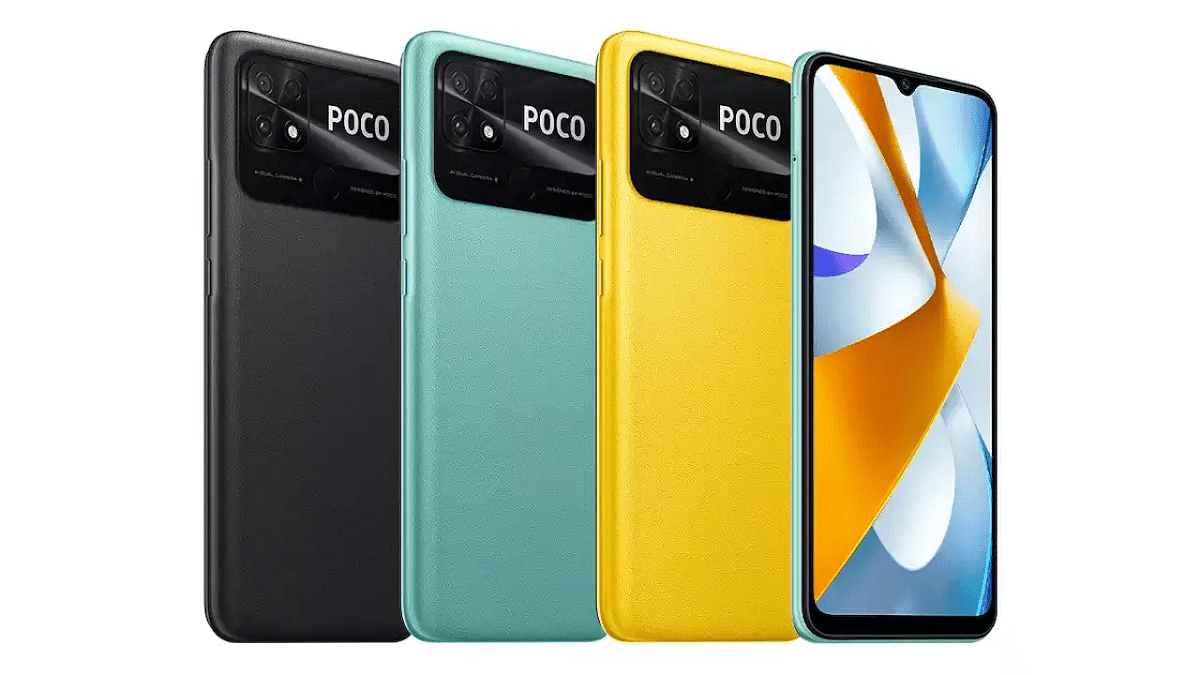
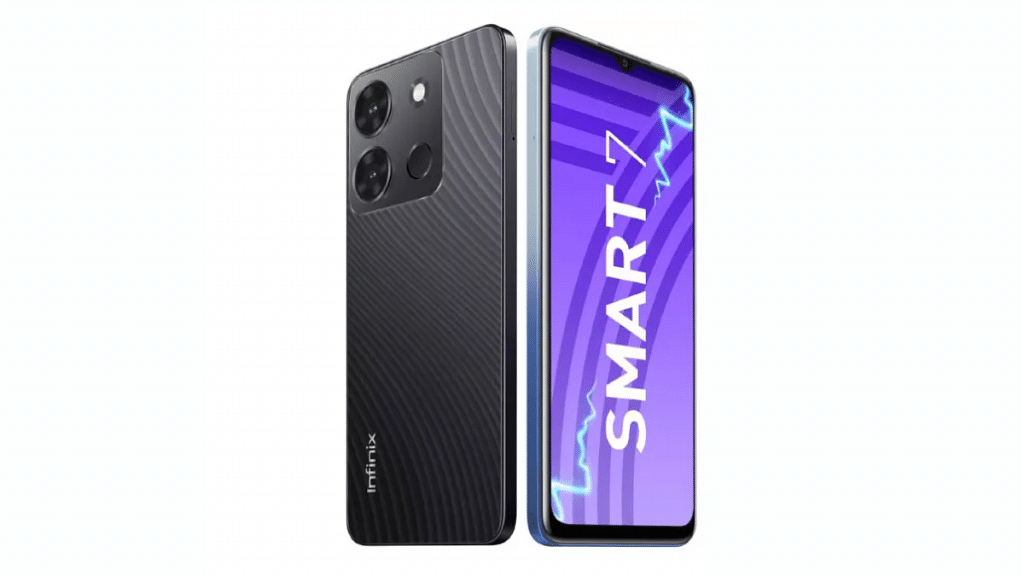
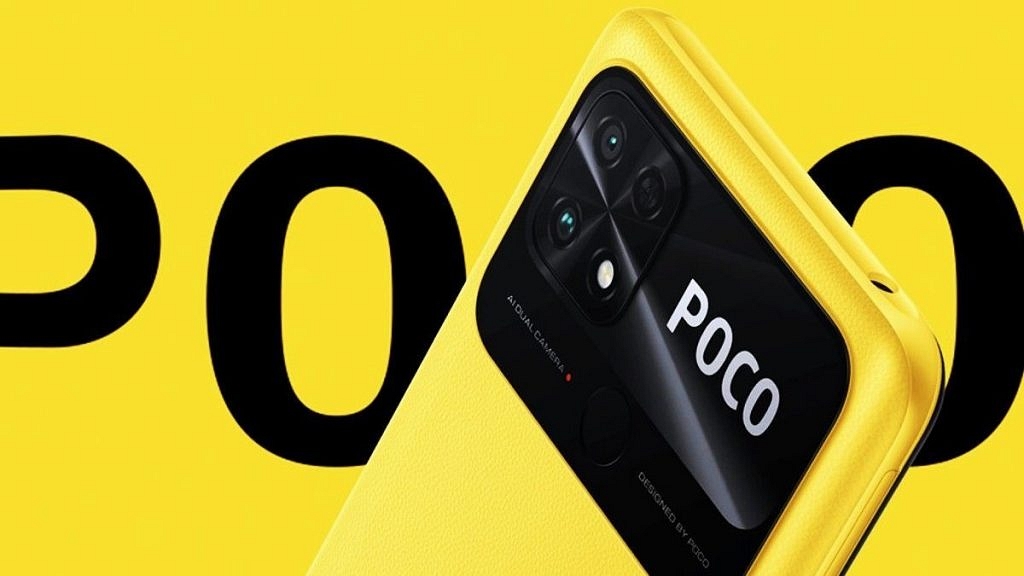
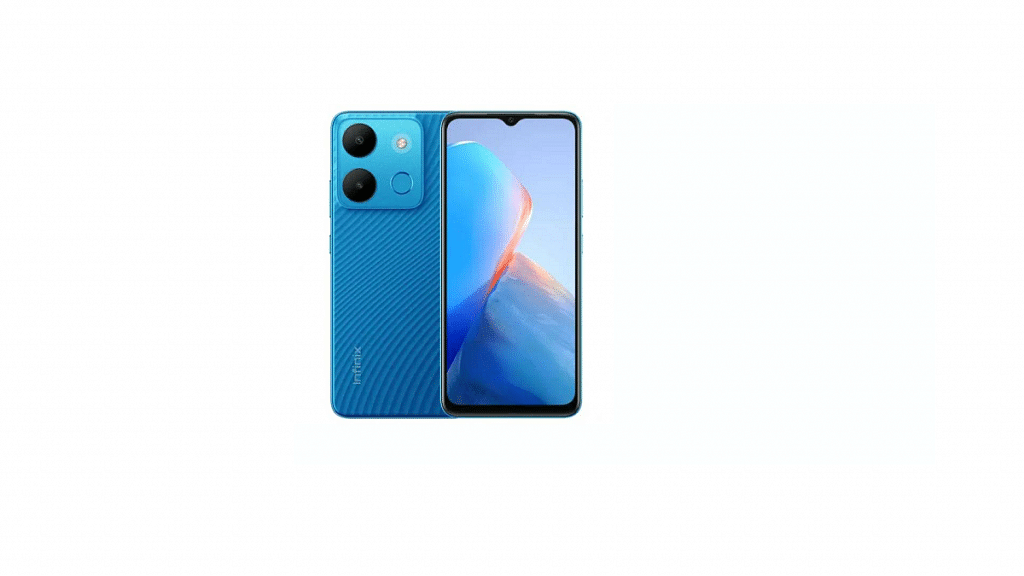
The first half of 2023 seems to be hectic for smartphone OEMs. We have witnessed a plethora of new handsets in the last two months. Infinix and Poco are the two brands battling in the sub Rs. 10,000 categories with their latest entry-level Android phones. The former launched the Smart 7 yesterday in the country, while the latter released the Poco C50 last month. Both these phones are laced with decent hardware but which one is a better value-for-money deal? Here in this comparison article we have broken down the pointers for you:
Poco C50 Vs Infinix Smart 7: Display Comparison
Model
Infinix Smart 7
Poco C50
Display
6.6-inch HD+ LCD
6.5-inch HD+ LCD
Camera
13MP dual rear, 5MP selfie
8MP dual rear, 5MP selfie
Chipset
Unisoc SC9863A1
MediaTek Heli A22
Battery
6,000 mAh
5,000 mAh
Price
Rs. 6,249
Rs. 7,299
We don’t find much difference when the display panel of both phones are compared. The Poco C50 has a 6.52-inch LCD display with 720 x 1600 pixels HD+ resolution and a 60Hz refresh rate. The display resolution offered by the Infinix Smart 7 is the same as the Poco C50; so is the LCD panel type. However, the screen size is bigger at 6.6-inch. For a larger screen, the Infinix Smart 7 will be a better pick. But overall viewing experience on both phones will be similar.
The Poco C50’s dual rear camera setup features an 8MP main camera with an f/2.0 aperture and a 0.08MP additional sensor for depth mapping. The Infinix Smart 7 has a bigger 13MP main camera at the rear combined with a 0.3MP depth lens. With the larger main sensor, the Infinix Smart 7’s image clarity could be better. As for the selfie camera, both Poco C50 and the Infinix Smart 7 has a 5MP main sensor with an f/2.0 aperture. This setup is adequate for general self-portrait shots.
Poco C50 uses the MediaTek Helio A22 chipset for performance delivery which is combined with PowerVR GE8320 GPU for graphics. Poco has packed this entry-level phone with 2GB/ 3GB RAM and 32GB built-in memory. It has a dedicated microSD card slot for storage expansion.
Infinix, on the other hand, has integrated the Unisoc SC9863A1 mobile processor inside the Smart 7. This phone has a total of 7GB RAM (4GB physical/ 3GB virtual) and 64GB storage. This entry-level mobile processor is built on a 28nm process compared to the 12nm process used by the Helio A22.
For general calling and internet browsing, the Poco C50 and the Smart 7 are well-equipped. Also, if you wish to use the standard Android version, the Infinix Smart 7 with Android 12 OS is what you need to consider. The Poco C50 has an Android 12 (Go Edition).
In the battery segment too, Infinix Smart 7 takes a lead with the 6,000 mAh unit. The Poco C50 has a 5,000 mAh battery module.
Poco C50 Vs Infinix Smart 7 Final Verdict: The Better Deal?
The Poco C50 price in India starts at Rs. 6,249, while the Infinix Smart 7 can be purchased starting at Rs. 7,299 in the country. Both these phones are good when we consider the spec sheet. However, the Inifnix Smart 7 has a bigger battery and display and features regular Android 12 OS instead of Android Go Edition.
River Indie maxi electric scooter offers 120km range
Packed with a 4Kwh battery
Priced at Rs. 1.25 lakh
Available for pre-orders at a token amount of Rs. 1,250
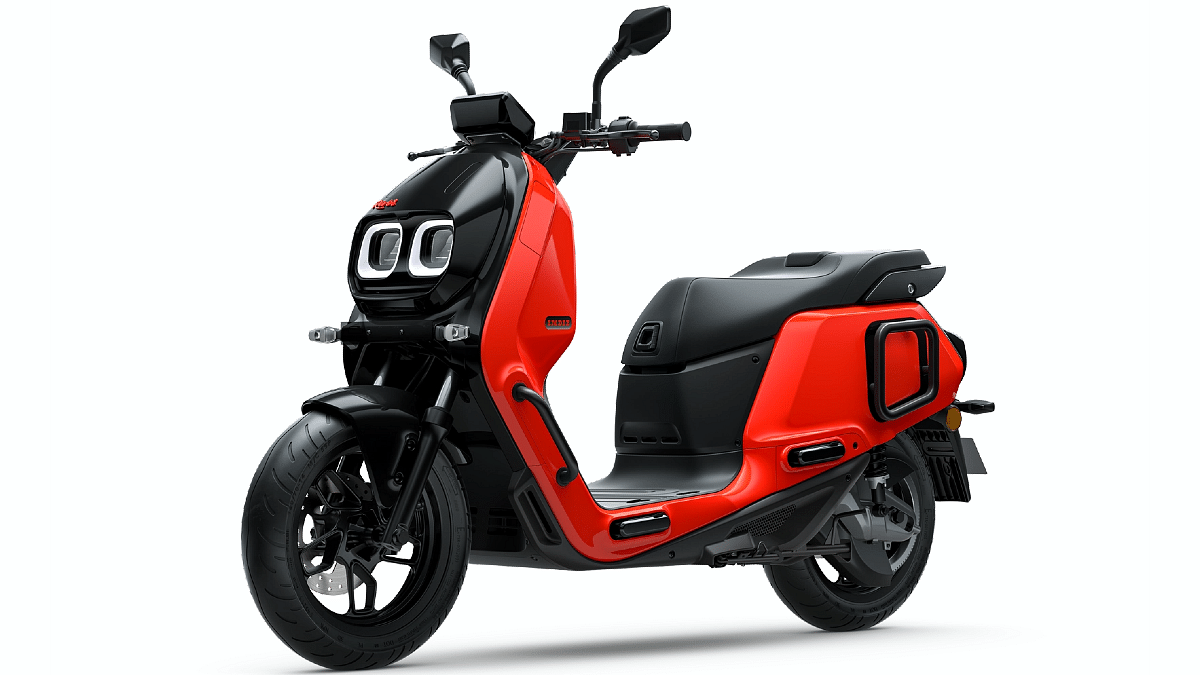
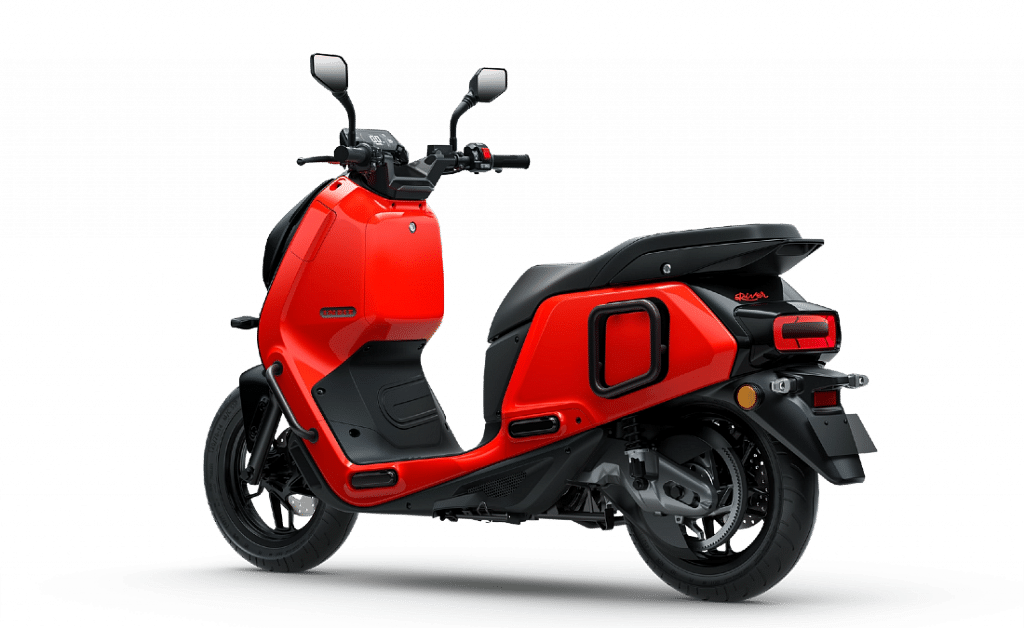
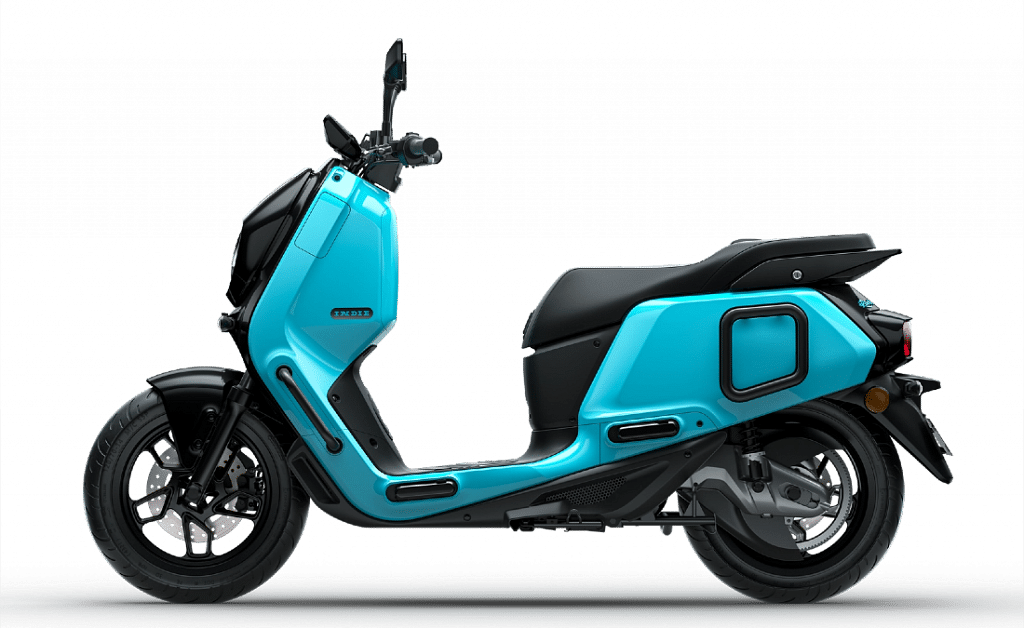
A new electric scooter has been launched in the Indian market. After Ola and Okaya, a Bengaluru-based EV brand called River has launched the country’s first maxi-style electric scooter. The River Indie maxi electric scooter has arrived with a pocket-friendly price label and features like multiple riding modes, up to 120km range, and more.
River Indie Maxi Electric Scooter Powertrain, Features
River Indie Maxi Electric scooter
Powertrain
Motor
Mid-drive PMSM electric motor
Battery
4kWh
Battery Certification
IP67
Range
120 km per charge
Charging time
Five hours for up to 80 percent
Top Speed
90 km/h
Price
Rs. 1.25 lakh (ex-showroom)
The River Indie maxi electric scooter has been equipped with a mid-drive PMSM electric motor. This new electric scooter produces a peak power of 9hp. The company has used a 4kWh battery module to power the country’s first maxi style electric scooter. The battery pack is a Li-ion module that has IP67 certification for water resistance.
The River Indie maxi-style electric scooter will deliver a maximum riding range of 120 km with each charging cycle. It can take up to five hours for the battery to get up to 80 percent charge. This is the true range as per the brand claims. Furthermore, the River Indie electric scooter can offer a top speed of 90 km/h.
It can accelerate from zero to 40 kmph in just 3.9 seconds. This electric scooter is integrated with three riding models including Eco, Ride, and Rush modes. There’s also a reverse parking mode to assist with parking at tight spots. Remaining features offered by the River Indie electric scooter includes signature LED DRLs up front and rear, 6-inch monochrome digital instrument cluster, and a USB charger.
The River Indie maxi electric scooter will be a practical solution for the masses with its 43l under-seat storage and 12-litre glove box with lock. It also comes with pannier mounts and front footpegs.
River Indie Maxi Electric Scooter Price In India, Sale
The River Indie maxi electric scooter comes with a price tag of Rs. 1.25 lakh in the Indian market. Currently, the company is taking pre-orders for the maxi electric scooter at a token amount of Rs. 1,250 via its official portal. Color options available are Summer Red, Monsoon Blue, and Spring Yellow.