As the Assistant Editor, Sandeep is generating tech-oriented content and also monitoring the content published on the website. He has over six years of experience in tech journalism and has expertise in product reviews, news articles, listicles, and media campaigns.
Waterdrop notch display and textured rear panel confirmed
Snapdragon 778G processor tipped
Earlier this year, Giznext leaked the exclusive press renders of Samsung’s upcoming rugged Android smartphone, i.e., the Galaxy XCover 6 Pro. Since then the device has made several online appearances and had also cleared its certification via FCC in the US indicating an imminent launch. Samsung is taking the wraps off the Galaxy XCover 6 Pro rugged phone on July 13 in the international market. With the approaching launch, more leaks and rumors have started surfacing online revealing all the crucial details. The fresh ones come in the form of promo images and specifications. The user manual has also been spotted online ahead of the launch.
Samsung Galaxy XCover 6 Pro More Details Emerge Ahead Of Launch
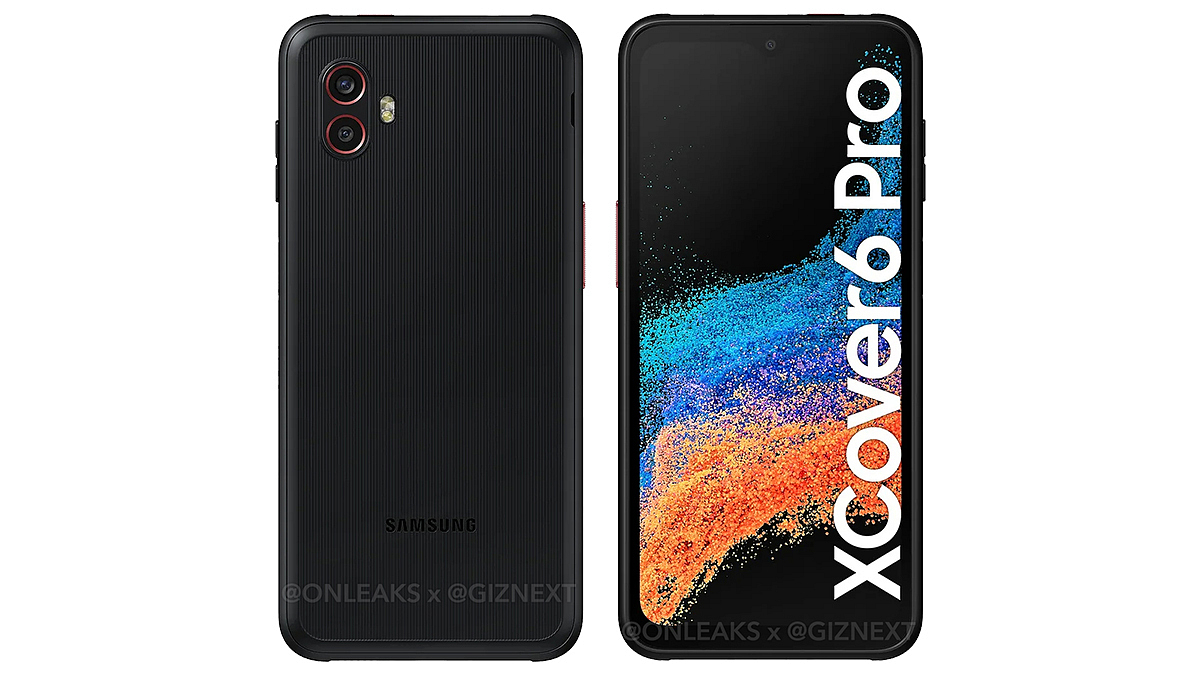
The Samsung Galaxy XCover 6 Pro promotional images have been leaked via tipster Evan Blass on Twitter. The render images are identical to what we shared previously. The details shared include the dimension measuring 168.8 x 79.9 x 9.9 mm and 235 grams weight. The images show the same design aspects as the official renders we shared in the past including a waterdrop style notch display surrounded by thick bezels.
The Galaxy XCover 6 Pro’s back panel has a textured surface and a dual-lens vertical. As per the reports, the rugged Samsung phone’s display can be used even with leather gloves that are 2mm or less in thickness. Separately, the user manual of the Galaxy XCover 6 Pro has also surfaced online with the SM-G736B model number. The leaked user manual suggests a removable battery setup.
The Samsung Galaxy XCover 6 Pro will come with a 3.5mm headphone jack and will rely on a side-mounted fingerprint scanner and Face Unlock for security features. The device will also feature MIL-STD 810 military-grade certification for durability. The device will also feature a Xcover Key on the side panel and a programmable key on the top.
Speaking of the Galaxy XCover 6 Pro leaked specifications, the handset will use a Snapdragon 778G processor with 5G network connectivity and up to 6GB RAM. The device will come with 128GB onboard storage capacity and feature an expandable microSD card support.
The rugged Samsung phone will flaunt a 6.5-inch TFT screen with 120Hz refresh rate and Corning Gorilla Glass protection.The Galaxy XCover 6 Pro will come with a 50MP main camera at the rear along with an 8MP ultrawide sensor. The device is rumored to flaunt a 13MP camera for selfies and video chats.
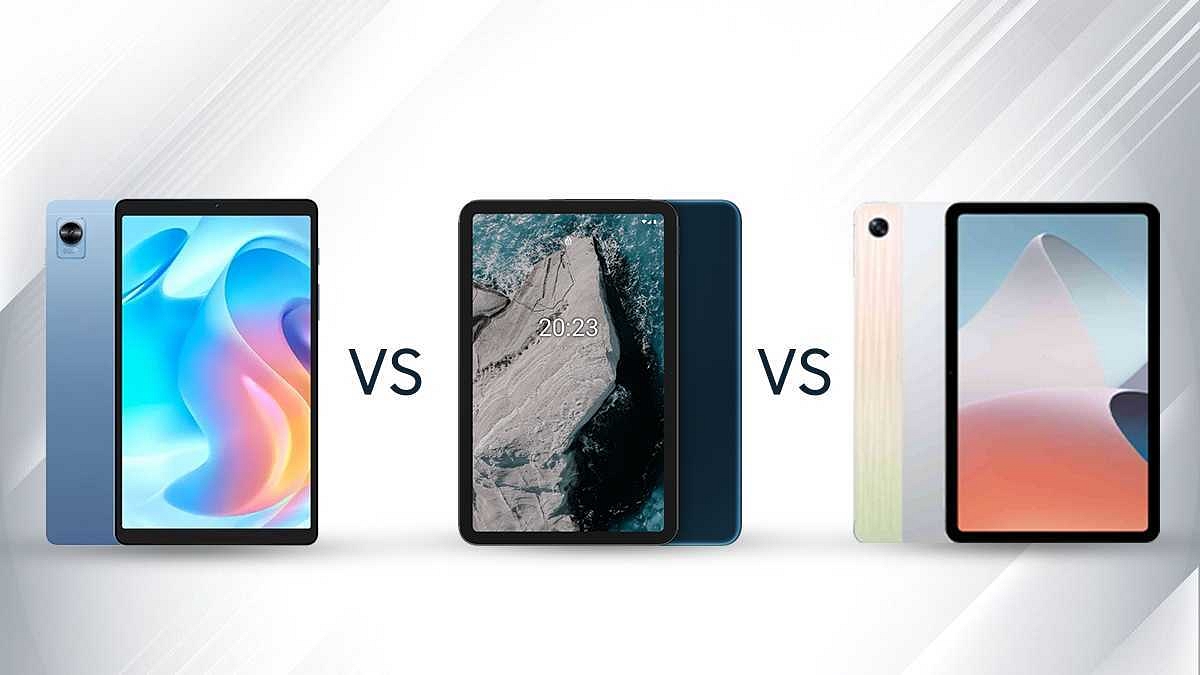
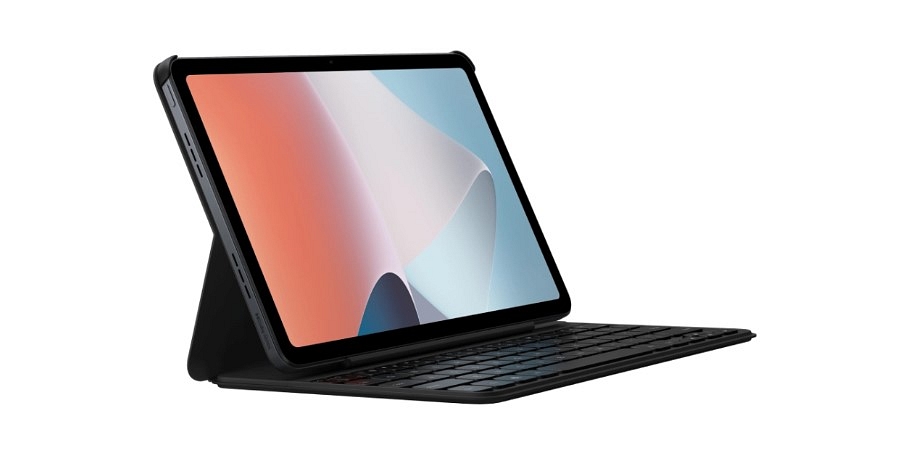
OPPO is launching a new mobile tablet for the Indian audience. The upcoming tablet by the Chinese tech giant will be called the OPPO Pad Air which is debuting sometime soon. The features and India’s availability of the newest OPPO tablet are being tipped online via leaks and rumors. It is expected to be an offering for mid-range consumers in the country. Some of the popular affordable tablets that will be competing against the OPPO Pad Air in India are the Realme Pad Mini and the Motorola Moto Tab G70.
We have compared the OPPO Pad Air previously with the standard Realme Pad and the Nokia T20. In this comparison article, we are comparing the Pad Air with the remaining two models mentioned above, i.e., the Realme Pad Mini and the Moto Tab G70. Which one of the three tablets makes for the best buy option in the mid-range segment? Read on to know:
OPPO Pad Air Vs Realme Pad Mini Vs Moto Tab G70: Display Specs
Starting this list with the OPPO Pad Air, the upcoming mid-range Android tablet from OPPO will be packed with a tall 10.3-inch display. OPPO will be using an IPS LCD screen that will support a 2K screen resolution of 1200 x 2000 pixels and deliver an aspect ratio of 5:3. Notably, the aspect ratio stats are identical on all three tablet models. The OPPO Pad Ai’s display further supports 360 nits peak brightness levels and a pixel density of 225 PPI.
The Realme Pad Mini flaunts a slight compact display that measures 8.7-inches. The display resolution is also lower compared to the OPPO Pad Air, i.e., 800 x 1340 pixels. The peak brightness levels and the pixel density are set at 400 nits and 179 PPI respectively.
Lastly, the Moto Tab G70 tablet. This model employs an 11-inch IPS LCD screen which comes with a 1200 x 2000 pixels screen. The Moto Tab G70’s display offers 400 nits peak brightness that allows for decent sunlight visibility. Out of these three models, the OPPO Pad Air and the Realme Pad Mini feature the best display. That’s considering the specs and the size. However, the Realme Pad Mini’s panel is also fairly good for daily usage.
OPPO Pad Air Vs Realme Pad Mini Vs Moto Tab G70: Camera Comparison
Speaking of the optics, the OPPO Pad Air will be launched with a single front and rear camera module. The primary lens at the back will comprise an 8MP sensor with an f/2.0 aperture. This camera unit will be capturing a good amount of details in daylight. The camera setup can record 1080p@30fps videos.
The Realme Pad Mini also uses an 8MP snapper at the back for primary imaging. The camera sensor here as well is capable of shooting 1080p@30fps videos. The Moto Tab G70 is the clear winner in the camera race with its bigger 13MP camera. The video recording capability here is also identical to the remaining models, i.e., 1080p@30fps.
As for the selfie camera, the OPPO Pad Air and the Realme Pad Mini feature a single 5MP snapper with an f/2.0 aperture. The Moto Tab G70 is again the clear winner in the selfie camera department with its larger 8MP selfie camera.
OPPO Pad Air Vs Realme Pad Mini Vs Moto Tab G70: Chipset, UI Differences
The OPPO Pad Air uses the Qualcomm Snapdragon 680 chipset. This is a 4G chipset that is based on 6nm fabrication processor and clubs Adreno 610 GPU for graphics. This OPPO tablet will be available in India with up to 6GB RAM and 128GB storage configuration.
The Realme Pad mini uses an entry-segment Unisoc T616 processor which is built on a 12nm fabrication process. This chipset is further combined with Mali-G57 GPI and up to 4GB RAM. The storage option offered by the Realme Pad Mini is up to 64GB which is further expandable via a microSD card.
The Moto Tab G70 is powered by the octa-core Helio G90T chipset by MediaTek. This tablet has Mali-G76 MC4 GPU support to handle the graphics, while for multitasking it employs up to 4GB RAM and 64GB native storage capacity. The power delivery is similar on the OPPO Pad Air and the Moto Tab G70 tablet. The Realme Pad Mini will be perfect for daily tasks, while the other two will be able to handle extensive tasks slightly better.
In terms of the UI, the OPPO Pad Air is the only model that will ship with the Android 12 OS. The remaining two variants feature the older Android 11 OS along with a custom UI.
OPPO Pad Air Vs Realme Pad Mini Vs Moto Tab G70: Battery, Fast Charging Technology
Powering the OPPO Pad Air is a 7,100 mAh battery unit that is aided by 18W fast charging technology. On the other hand, the Realme Pad Mini uses a 6,400 mAh battery unit with 18W fast charging. The Moto Tab G70 features a 7,700 mAh battery unit with 20W fast charging technology. The numbers speak for themselves. The Motorola tablet is the best if you need a larger battery and faster-charging speeds.
OPPO Pad Air Vs Realme Pad Mini Vs Moto Tab G70 Verdict: Which One Should You Consider?
Since the OPPO Pad Air hasn’t gone official yet in the Indian market, it would be difficult to give a verdict based on the price-to-specs ratio. But if we only solely consider the features, both OPPO Pad Air and the Moto Tab G70 make for a good buy in the mid-range segment. But if still, you wish to spend less yet get a capable big-screen tablet, the Realme Pad Mini is also a good option to consider.
Could be the first Snapdragon 8+ Gen 1 phone in India
iQOO is ready to revamp its flagship Android gaming series with the launch of the iQOO 10 and the iQOO 10 Pro. Both iQOO phones are expected to launch sometime in July 2022 with the fastest 200W charging speeds and the new-generation octa-core Dimensity 9000+ and the Snapdragon 8+ Gen 1 processor. While the brand is currently all packed with the iQOO 10 series global launch, it apparently is also bringing a new iQOO 9 series model to the Indian shores simultaneously. The iQOO 9T is the rumored model which is said to launch soon in India. It has also bagged its certification which confirms the upcoming launch.
iQOO 9T India Launch Before iQOO 10 Series?
iQOO has already introduced the iQOO 9 series in India this year itself. The brand is now gearing up to expand this lineup with the iQOO 9T which will also be debuting in July. The upcoming iQOO model’s launch has been tipped by the publication 91Mobiles. The report has not specified the exact date for the iQOO 9T’s India launch. All we know is the handset’s breaking covers in India the same month as the iQOO 10 series in global markets.
Backing up the upcoming iQOO 9T launch timeline is the fresh BIS (Bureau Of Indian Standards) listing. The flagship gaming phone has been certified by the Indian mobile authentication platform with the I2201 model number. The listing has not detailed many details related to the next iQOO 9 model. However, the publication has shared some details related to the iQOO 9T key features.
iQOO 9T Rumored Specifications And Features
According to the report, the iQOO 9T could be launched with the Snapdragon 8+ Gen 1 processor. There are a bunch of flagship Android phones expected with this top-notch Qualcomm processor in the coming months.
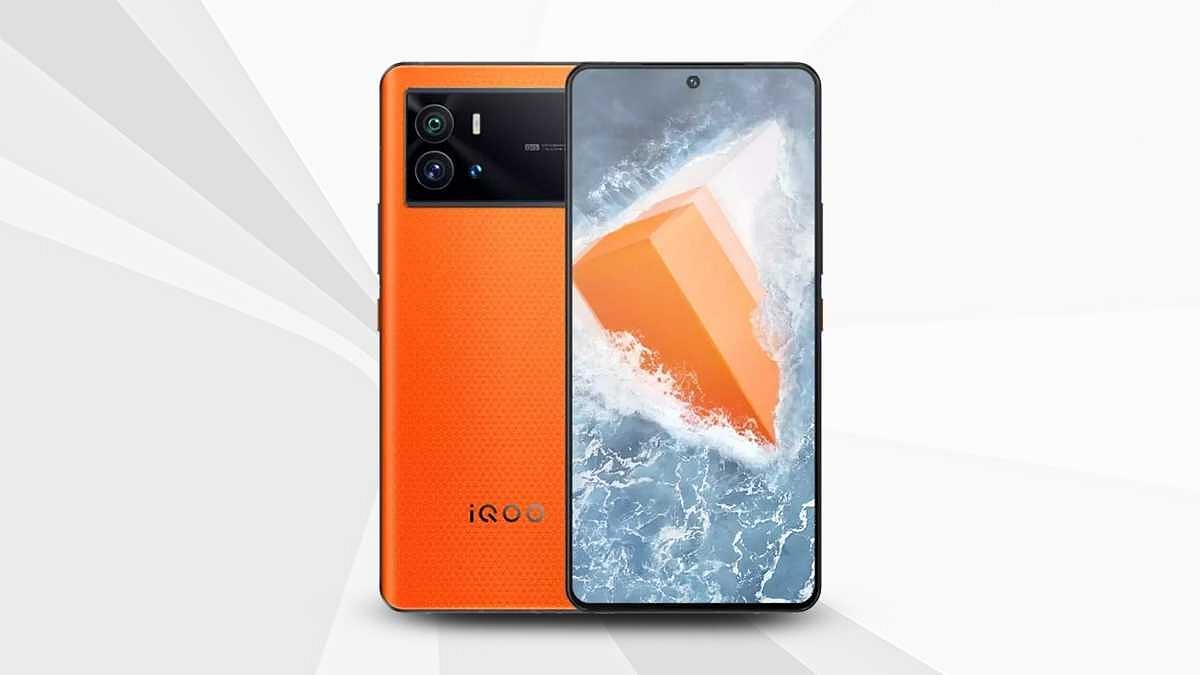
The iQOO 9T could be the first in the lot in the Indian market to feature the latest premium Snapdragon chipset. The octa-core chipset will be aided by 8GB/12GB RAM and 128GB/256GB storage configuration.
The iQOO 9T is also said to come with an AMOLED screen that’ll measure 6.78-inches. The display refresh rate is not revealed but the 120Hz refresh rate is tipped. The iQOO 9 9T is further said to come with 120W fast charging capabilities but the battery capacity is a mystery yet.
Google has the largest ecosystem of different services and tools that helps the masses with an easy lifestyle. Maps are one of the brand’s most useful tools that are helping commuters with navigation. Reaching an unknown destination is now hassle-free with the availability of maps on both smartphones and laptops/ PCs. And not just for Android users, the Google Maps is also available for iOS users.
If you are an Apple iPhone or an iPad user, you can download and install the Google Maps application from the App Store. You will get access to all the features that are available for Android users. Downloading an offline route is one such feature that Apple iPhone and iPad users can access on their devices.
For the unaware, Google Maps had introduced the offline feature that lets users download a route so that they can travel even without the internet. This also is suitable for users traveling to remote locations with low internet coverage in the area.
Downloading a destination’s route offline on Google Maps is quite a simple task. Most Android users might be aware of it. But, if you are trying to download Maps offline on iPhone you will have to follow the same procedure as on the Android devices. We have listed down the steps to download and use offline Maps on Apple iPhones and iPads. Below are the steps:
How To Download And Use Maps Offline On Apple iPhones and iPads?
Step 1: Unlock your iPhone or iPad and open the app store.
Step 2: Download and install Google Maps. Launch the app if you already have this app installed.
Step 3: You would now need to search for the destination that you want to download offline.
Step 4: Scroll down to the bottom and tap on the name or address of the place where exactly you are traveling.
Step 5: You will see the More option (three horizontal dots). Tap on it.
Step 6: Select the Download. The Maps destination will be downloaded for offline use later.
What All Features You Can Access In Offline Maps On Apple iPhones And iPads?
Once you have downloaded the Maps offline on your respective Android and iOS devices, you’ll be able to use different features. With the offline Maps, you can get directions and use the standard navigation features as well. You will also be able to search for different locations in that area with the offline Maps.
iQOO 10 could be the first Dimensity 9000+ chipset-powered phone
iQOO 10 series confirmed to feature 200W fast charging technology
iQOO is bringing a new flagship Android smartphone lineup for mobile gaming enthusiasts in the form of the iQOO 10 series. Expected to launch next month, the upcoming iQOO gaming series is likely to come with at least two models including the iQOO 10 and the iQOO 10 Pro. We have come across a bunch of leaks that hints at some top-notch hardware on the iQOO 10 Pro model such as 120Hz 2K display, Snapdragon 8+ Gen 1 processor, and more. Now, the standard iQOO 10’s features have started splashing up via leaks. The renders of the handset have also surfaced revealing a massive camera module at the back. Here are all the details:
Standard iQOO 10 Chipset Details, Renders Leak
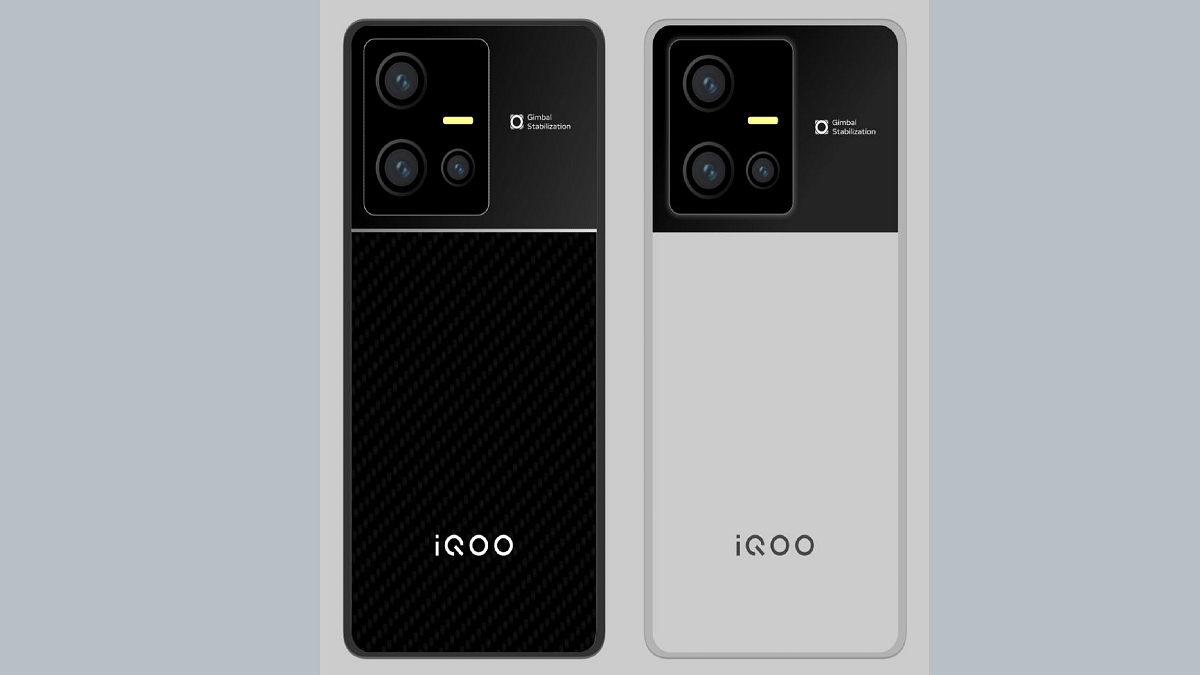
The iQOO 10 renders and features have been leaked by tipsters @iceuniverse and Digital Chat Station on Twitter and Weibo respectively. Starting with the design aspects, the iQOO 10 render images shows major changes in terms of design compared to the previous-generation iQOO 9 series. The rear panel’s images show two color options including black and white.
BREAKING !!! iQOO 10 leaked for the first time! It adopts a revolutionary new ID with modular splicing design on the back. We can also find some familiar elements, such as classic aramid fiber stripes. The new and the old together contribute to its noticeable avant-grade look. pic.twitter.com/TOWTWlFK03
The iQOO 10’s black variant has a textured design, while the white color variant has a smooth texture. Both variants have a dual-tone finish with a large camera island that covers almost one-third of the top panel. It also confirms the Gimbal stabilization which until now we have seen only with the Vivo X series.
Additionally, the iQOO 10 render images also reveal three camera sensors along with an LED flash at the back panel. The leaked renders don’t show which the fascia, but we are expecting a single punch-hole camera design as the previous-generation models. The remaining design aspects are yet to be revealed.
Is iQOO 10 World’s First Dimensity 9000+ Chipset Powered Phone?
A fresh leak courtesy of tipster Digital Chat Station on the Chinese microblogging website Weibo suggests the iQOO 10 will be driven by the Dimensity 9000+ chipset. This makes it the first Android phone which will be powered by MediaTek’s latest premium 5G processor.
Now, the tipster has mentioned of an iQOO phone powered by the aforementioned MediaTek Dimensity chipset. It hasn’t been clarified if the suggested model is the standard iQOO 10 or the iQOO 10 Pro. Therefore, we will have to wait for a while to be sure of which chipset drives which variant.
If we go by the past leaks, the iQOO 10 series will be the world’s first lineup to ship with a 200W fast charging technology. Both standard iQOO and the iQOO 10 Pro are expected to ship with these high charging speeds. However, the battery capacity is at large.
The display panel tipped for the upcoming iQOO flagship gaming series is 2K+ LTPO along with 120Hz refresh rate. We might see the iQOO 10 series pre-loaded with Android 12 OS topped with a custom UI. Lastly, the triple lens camera setup at the back is said to feature a 50MP main camera sensor. We are still waiting for iQOO to start releasing the official teasers. The official launch timeline along with the key features would be confirmed then.
WhatsApp is one of the most secure platforms for personal and professional conversations that you can download on Android, iOS smartphones, and also on laptops/ PCs. It is the end-to-end encryption model that makes WhatsApp the preferred mobile application for private chats. The company has been making improvements to the privacy aspects of its platform and has released several updates to enhance all the security aspects.
Off late, WhatsApp has started imposing bans on users and accounts that came under the radar for sharing objectionable posts and content. The company has been taking account of all the suspicious activities carried out by any profile and banning them based on the complaints and reports. What exactly can get your account banned on WhatsApp and what should you do to avoid it? Also, if in case your account has already been blocked or banned accidentally by WhatsApp, what can be done in such a scenario? This article will help you with all the details. Take a look:
When Is An Account Banned On WhatsApp?
WhatsApp generally bans an account on its platform for violating its Terms of Services. There are several scenarios wherein WhatsApp can take the extreme measure of banning any account on its platform. The primary ones remain spamming or scamming other users. Also, if any user reports the objectionable content shared from your account, you will be notified of the account ban.
Even if any account or user is trying to compromise other’s security, WhatsApp might impose a ban on the account. There are instances where accidental red flags on an account lead to an account ban on WhatsApp. That’s when you can need to follow the steps mentioned below to revoke the ban on your accounts.
How To Know If Your WhatsApp Account Is Banned?
If in case WhatsApp has already imposed a ban on your account, you will not be able to access the application and use its services for messaging. In such scenarios, a message stating “This account is not allowed to use WhatsApp.” will show up as soon as you launch the application. You will see the option to request a review in such scenarios for the ban to get lifted from your WhatsApp account. Below are the steps for the same:
Step 1: As soon as you launch the app, you’ll see the “Support” option. This will be right below the info message stating your account has been banned. Click on it.
Step 2: A “Contact Support page” will open up wherein you will be able to type in the message request to unblock your account. You will also get the option to add relevant screenshots that will help revoke the ban on your account.
Step 3: Click on Next.
Step 4: A new email page will open up from where you can send the request to remove the ban from your WhatsApp account.
Step 5: Once you have raised the request successfully, WhatsApp will look through the case and will revoke the ban if it is accidental.
It is worth mentioning that WhatsApp will not remove the ban from your account if you have indeed violated the Terms of services on the application. So, it is always advised to follow all the protocols on WhatsApp and not share any objectionable content to other users.
Nothing Phone (1) offline India sales via Reliance Digital stores
Official launch slated for 12 July 2022
Online availability already confirmed via Flipkart
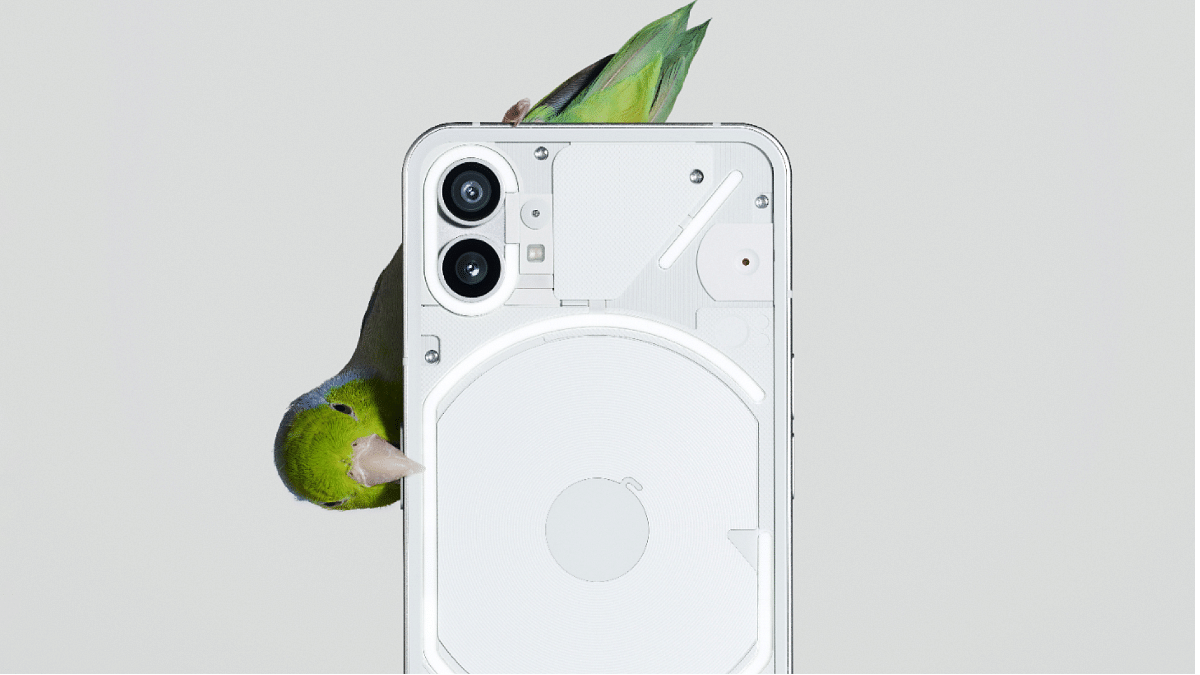
Nothing has been the talk of the town ever since it announced its first Android smartphone called the Nothing Phone (1). The company has released multiple teasers already that have revealed all features we can expect from the first Nothing smartphone. The official design teasers and also the hand-on video of the Nothing Phone (1) has surfaced in recent times highlighting the unique transparent back design.
Nothing is confirmed to launch the Nothing Phone (1) on July 12 in India and other global markets. Ahead of its arrival, the leaks and rumors are consistently dropping in revealing every possible detail of the Nothing Phone (1). Its availability in the Indian market is said to be via Flipkart. The company has also revealed its sale strategy (invite-based) for its first Android handset. Now, a fresh report from 91Mobiles suggests the brand has partnered with one of the country’s largest retailers for offline sales. Below are the details:
Nothing Phone (1) Offline India Sale Details
Nothing has already confirmed the Nothing Phone (1)’s online availability in the Indian market via Flipkart. It has been a while since the e-commerce giant uploaded a dedicated microsite on its platform revealing the key features. Now, an exclusive report by 91Mobiles suggests that Nothing is already working to mark its presence in the offline market as well in India.
The publication learned from tipster Yogesh Brar that the brand is currently in talks with Reliance Digital for the Nothing Phone (1) offline sales. It is worth mentioning that the company has also announced an invite-only system for its first handset’s availability. The pre-order passes will be made available for the handset’s initial sales.
While the leaks and rumors have spilled all the beans related to the Nothing Phone (1) hardware and design, the exact pricing details along with the variants are not specified yet. But based on the leaked spec sheet, we are anticipating the Nothing Phone (1) to debut between Rs. 30,000- Rs. 35,000 price range.
Nothing Phone (1) Features And Specifications We Know Of
The Nothing Phone (1) is said to be either powered by the Snapdragon 7 Gen 1 processor. There are some other reports as well that suggest the device will be powered by the Snapdragon 778G octa-core chipset instead. The device might come with up to 8GB RAM and 128GB storage configuration. The Android 12 OS topped with Nothing launcher is already announced.
In fact, Nothing had also released the Nothing OS Launcher beta version on Google Play Store for the users to get a taste of it. Nothing is said to pack the Nothing Phone (1) with a 120Hz FHD+ OLED screen. The handset might ship with 50MP triple rear cameras. Powering the Nothing Phone (1) could be a 4,500 mAh battery unit with 45W fast charging support.
Google has established itself beyond just being a massive search engine. The California-based tech giant has a plethora of services to offer to the general as well as professional users globally. Be it entertainment, navigation, or digital wallets, Google has marked its presence in almost every segment. Most Google services require an active internet connection to function properly. However, the company has been improvising with the advancements in the tech field and adding options to use its different apps and tools without an internet connection.
Google has made it possible for users to access Maps and YouTube features offline. Now, Google’s dedicated email service, i.e., Gmail has also joined the list of services and apps that you’ll be able to use without any active internet connection or in areas with low internet connectivity. If you are one of those users who rely on Gmail for personal and professional emails, you should read this article to know all the steps:
Gmail Now Available Offline: Is It For All Users?
Google has officially announced Gmail’s offline availability for the users going forward. The search giant has confirmed that Gmail users will now have the ability to read as well reply to emails even if there is no active internet connection. All the Gmail users will be able to access this offline email feature on the Gmail desktop version.
This offline email option on Gmail would come in handy for the users traveling to remote destinations or for the masses living in areas with low internet speeds. To use the Gmail offline feature, you would first need to activate this option and also bookmark the dedicated link for easy access in the later stages.
How Can You Bookmark Gmail Offline?
Google itself is recommending all users to bookmark the Gmail offline link for easy usage.
Step 1: Download and install the Google Chrome web browser on your respective laptop/ PCs or smartphones to bookmark the Gmail offline link.
Step 2: In the address bar, type in mail.google.com and hit enter.
How To Toggle On Gmail Offline Feature
Step 1: Open Gmail offline settings on the Chrome browser.
Step 2: Select the “Enable offline mail” option.
Step 3: You will now need to select the number of days till when you wish your messages to syn.
Step 4: Confirm and save the changes.
Now that you have made desired changes to activate the Gmail offline settings, you will now need to bookmark this page.
Step 1: Open Google Chrome once again and go to the Gmail inbox.
Step 2: On the right of the address bar, you’ll see the “Star” option. Select it.
That’s it, you have successfully bookmarked Gmail offline for easy access in later stages. It is worth adding that when you’ll be sending mails in the offline settings, the messages will be shown in the “Outbox” folder. As soon as you get connected to the internet, the email will show in the sent messages folder.
If for some reason, you wish to turn off the Gmail offline feature and also remove the synced offline data, you can follow the steps mentioned below:
Steps To Turn Off Gmail Offline
Step 1: Open Gmail offline settings.
Step 2: Now, untick the “Enable offline mail” check box.
Process To Unistall Gmail Offline
Step 1: Open Google Chrome web browser.
Step 2: Click on the three dots option and select “Settings”.
Step 3: Scroll down to the bottom and select “Advanced”.
Step 4: Click on “Privacy and security”.
Step 5: Tap on “Content Settings”.
Step 6: Select Cookies > See all cookies and site data> Remove all.
The last step will clear all the saved offline synced data in Gmail.
The android tablet market is flourishing exponentially across the globe. Specifically, with the smartphone OEMs marking their presence in this sector, users are frequently presented with new options. And while you step out to buy a new tablet for yourself or for loved ones, you will have numerous choices in every price bracket. Popular smartphone brands such as Xiaomi, OPPO, Realme, and Motorola are becoming the first choices for tablet users in the country. This is specifically in the budget segment where users are not ready to compromise with the hardware and features despite an affordable price tag.
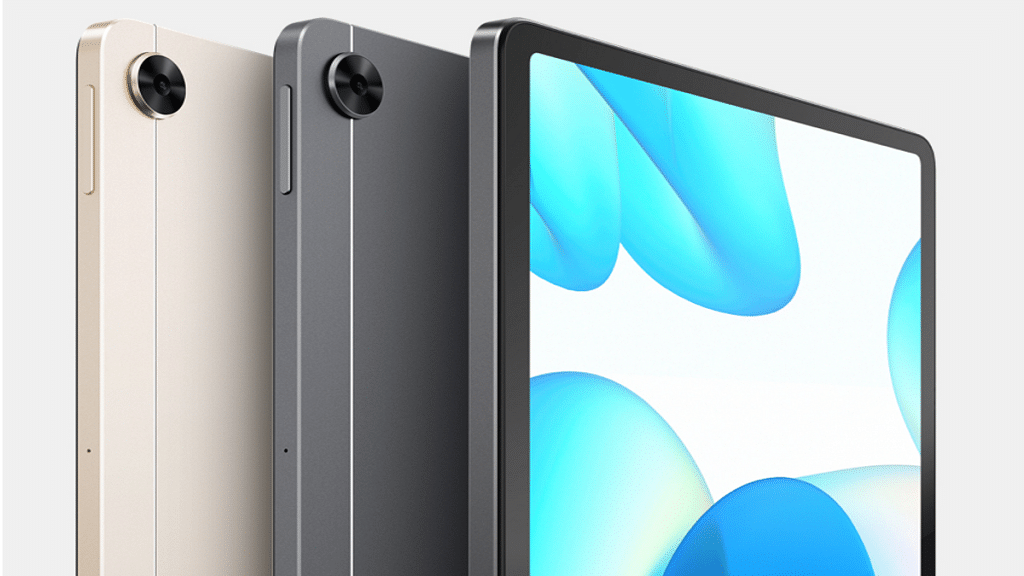
Amongst the most popular Android tablets in the Indian market available under Rs. 20,000 price tag are the Realme Pad and the Nokia T20. We have compared both these models alongside a budget Galaxy Tab A series tablet. Now, we are back with another tablet comparison between the Realme Pad, Nokia T20, and the OPPO Pad Air.
Now, before we go ahead with the comparison, we would like to add that OPPO is yet to bring the Pad Air tablet into the Indian market. But post its launch, it will go up against the other two models mentioned in this list. How well all these three affordable Android tablets compete against each other and which one would make for the best tablet under Rs. 20,000 price mark in the country? Read on this comparison article to know:
Realme Pad Vs Oppo Pad Air Vs Nokia T20: Display Features
The display is one of the most important aspects of any mobile tablet. A large screen size complemented with high-resolution specs is what users demand from a modern-day tablet. All these three models live up to the expectation with their feature-rich displays. The Realme Pad tablet uses a 10.4-inch display which is an IPS LCD with a resolution of 1200 x 2000 pixels. The Realme Pad’s display supports a 90Hz refresh rate and has a peak brightness of 360 nits.
The OPPO Pad Air also features a similar display panel. The LCD screen used by the OPPO Pad Air measures 10.36-inches and offers the same WQXGA+ resolution of 1200 x 2000 pixels. The display unit on the latest OPPO tablet supports a 60Hz refresh rate. This is the only area where it lags behind the Realme Pad.
The Nokia T20 isn’t much different in terms of display specifications compared to the aforementioned Realme and OPPO tablets. The Nokia T20 is packed with a 10.4-inch display which is the same size as the Realme Pad tablet. While the screen resolution is identical to the remaining two models, the refresh rate is the same here as the OPPO tablet, i.e., 60Hz. Out of all three models, the Realme Pad leads the display game with a higher 90Hz refresh rate.
Realme Pad Vs Oppo Pad Air Vs Nokia T20: Chipset, Configuration, Performance Comparison
The processor game is strong on all three Android tablets in this list. The Realme Pad is designed to handle gaming with its mid-range Helio G80 chipset. The octa-core MediaTek game-centric processor on the Realme Pad tablet is clubbed with Mali-G52 MC2 GPU and up to 6GB RAM. The storage option offered by the Realme Pad tablet is up to 128GB and you can also use an external microSD card for additional storage space.
The OPPO Pad Air uses the Qualcomm Snapdragon 680 chipset for power delivery which is backed by standard 4G network connectivity. The mid-range Qualcomm chipset on the Pad Air will be combined with up to 6GB RAM and 128GB storage model. The storage expansion support via an external microSD card is also present here.
Lastly, the Nokia T20 uses the entry-level Unisoc T610 processor which is built on a 12nm fabrication processor and has Mali-G52 MP2 GPU support. This budget-oriented Nokia tablet offers up to 4GB RAM and 64GB storage configuration. This tablet model has a dedicated microSD card slot that supports external microSD cards and dual SIM cards simultaneously.
You can expect a good general performance from all three tablet models. However, if you are looking for a refined performance with gaming and high-end tasks, you can opt for the Realme Pad or the OPPO Pad tablet.
Realme Pad Vs OPPO Pad Air Vs Nokia T20: Which Has The Best Camera Specifications?
Unlike smartphones, the mobile tablet’s camera department is still getting evolved. The concept of multiple camera sensors is currently limited to high-end models. The affordable and mid-range tablets still employ a single rear and front camera module. The Realme Pad has an 8MP single rear camera which has 1080p @30fps video recording capabilities.
The OPPO Pad Air will also use an 8MP main camera at the back that has an f/2.0 aperture and can record 1080p@30fps videos like the Realme tablet. The Nokia T20 also features the same 8MP camera as the remaining two tablet models in this list.
The photography experience on all three Realme, OPPO, and Nokia tablets will be decent with daylight. However, the low-light photography will not be super refined. Out of these three tablets, only the Realme Pad offers a bigger 8MP selfie snapper. The OPPO Pad Air and the Nokia T20 feature a smaller 5MP selfie camera.
Realme Pad Vs OPPO Pad Air Vs Nokia T20 Tablet: Battery And Fast Charging
The battery size of the Realme Pad is 7,100 mAh. It is capable of lasting an entire day on a single charge and with light usage. The fast charging speed supported by the Realme Pad tablet is 18W. The OPPO Pad Air uses the same battery size as the Realme Pad, i.e., a 7,100 mAh unit with 18W fast charging technology. The Nokia T20 wins the battery battle among these three models with an 8,200 mAh unit. The fast-charging capacity is the same as the remaining two models, i.e., 15W.
Realme Pad Vs OPPO Pad Air Vs Nokia T20 Tablet Final Verdict: Which One To Buy?
The Realme Pad, OPPO Pad Air, and the Nokia T20 aren’t much different in terms of features and specifications. However, if you consider the processing prowess, the Realme Pad and the OPPO Pad Air have an edge of the Nokia T20.
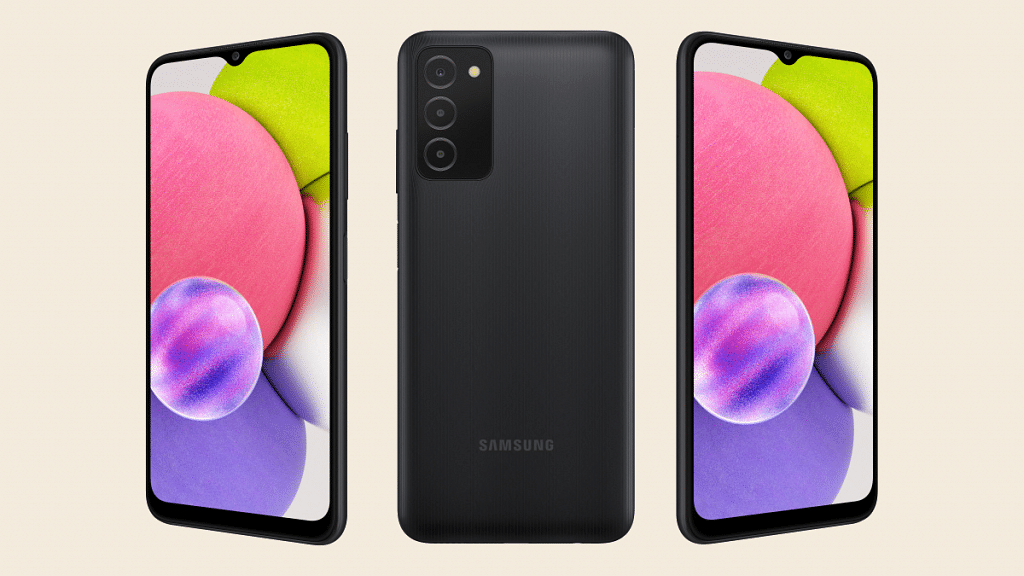
The Samsung Galaxy A13 is one of the budget smartphones in India
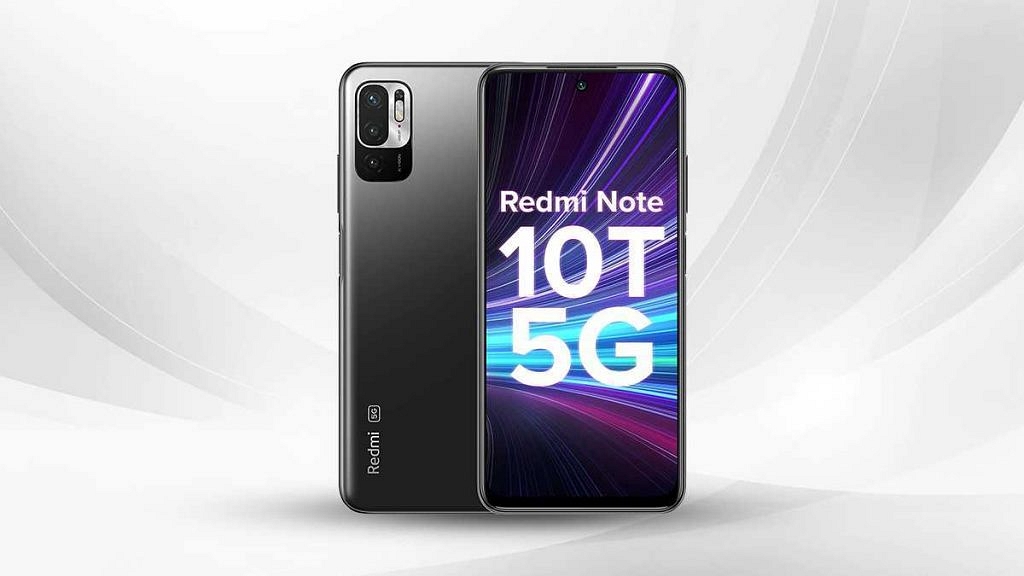
The Xiaomi Redmi Note 11T also features a massive 6.5-inch LCD panel
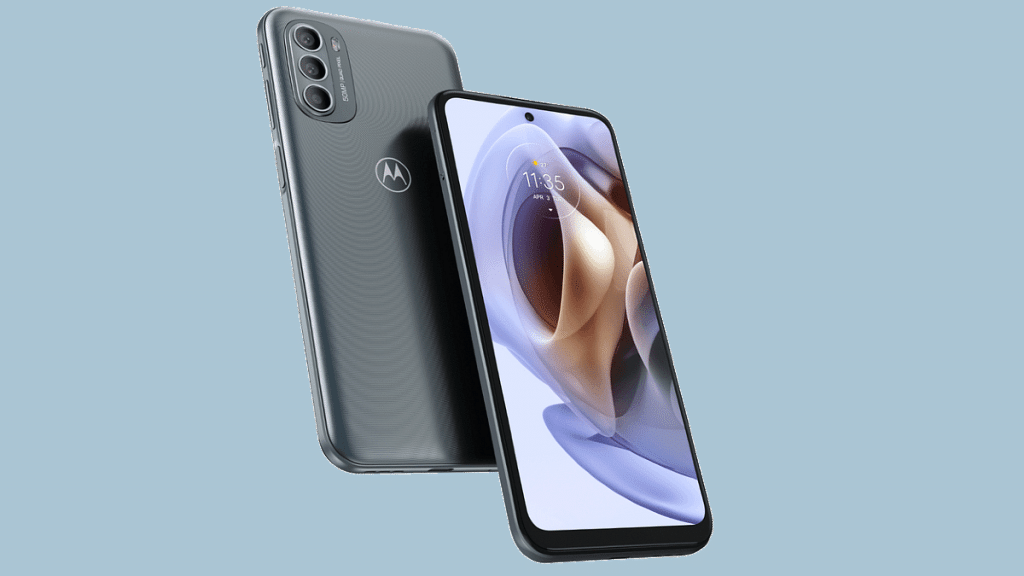
The Motorola Moto G31 is an affordable game-centric Android phone
Samsung has been logging its name in the list of most successful brands in the smartphone market across the globe with the Galaxy A, Galaxy M, Galaxy F, and the Galaxy S series. The South Korean tech giant has been rapidly expanding its budget smartphone portfolio in the market and giving a tough time to the popular Chinese OEMs such as Xiaomi, Realme, OPPO, Vivo, and others.
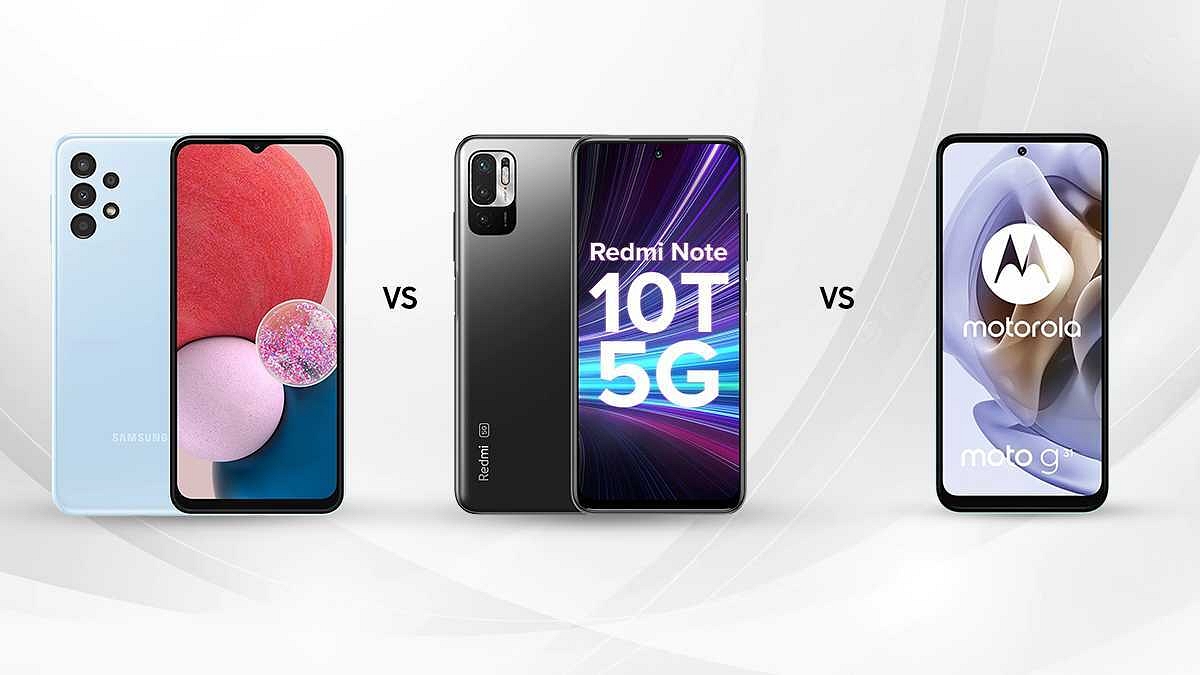
One of the latest Samsung smartphones for budget consumers in India is the Galaxy A13. It is the newest budget Android phone by Samsung that competes against the likes of the Redmi Note 10T and the Motorola Moto G31 in the sub-Rs. 15,000 price category.
We have been comparing popular smartphones, tablets, and other consumer gadgets to make it easy for you to select your next best buy. This article is another full comparison between the newly launched Samsung Galaxy A13, Redmi Note 10T, and the Motorola Moto G31.
Samsung Galaxy A13 Vs Redmi Note 10T Vs Moto G31: Display Specifications
The Samsung Galaxy A13 is an affordable Android phone under Rs. 15,000 with an LCD screen that measures 6.6 inches. The display comes with a standard 20:9 aspect ratio and an FHD+ screen resolution of 1080 x 2408 pixels. The Samsung Galaxy A13 has Corning Gorilla Glass 5 protection and a standard 60Hz refresh rate.
The Xiaomi Redmi Note 11T also features a massive 6.5-inch screen which is an LCD panel with 1080 x 2400 pixels screen resolution and a 20:9 aspect ratio. The refresh rate offered by the Redmi model is higher at 90Hz compared to the Samsung model.
The Moto G31 is the winner in the display game with its AMOLED screen that is 6.4-inches in size and supports 1080 x 2400 pixels screen resolution. The high-resolution panel on the Moto G31 comes offers a 20:9 aspect ratio and has a 411 PPI density.
Samsung Galaxy A13 VS Redmi Note 10T Vs Moto G31: Chipset, Configuration, Firmware Differences
The Samsung Galaxy A13 is driven by an in-house Exynos 850 processor which is built on an 8nm fabrication process. The octa-core Samsung chipset clubs Mali-G52 GPU support for graphics. Whereas, it has up to 6GB RAM for multitasking and up to 12GB native storage capacity.
The Redmi Note 11T competes against the Galaxy A13 and the Moto G31 with the Dimensity 700 chipset. Just for reference, this is an entry-level processor by MediaTek with 5G network support. This Xiaomi Redmi series phone features the Mali-G57 GPU support for graphics and up to 6GB RAM for multitasking. The built-in storage capacity offered by this Xiaomi phone is also up to 128GB which is further expandable via a microSD card.
Lastly, the Motorola Moto G31 is an affordable game-centric Android phone that gets its power from the octa-core Helio H85 processor from MediaTek. The processor on this handset employs Mali-G52 MC2 GPU support and has up to 4GB RAM and a 128GB storage option.
Only the Samsung Galaxy A13 has the latest Android 12 OS. The remaining two models, i.e., the Xiaomi Redmi Note 11T and the Moto G31 ship with the Android 11 OS. Overall, all three devices pack decent internals for daily tasks. For extensive usage, the Moto G31 has the apt hardware.
Samsung Galaxy A13 Vs Redmi Note 10T Vs Moto G31: Camera Specifications
Samsung has launched the Galaxy A13 with four rear cameras. The primary sensor used is a 50MP lens which has an f/1.8 aperture which is paired with a 5MP ultrawide angle sensor that has an f/2.2 aperture and a set of 2MP sensors for depth and macro sensors.
The Redmi Note 10T also features capable camera hardware where the back panel features a 48MP main sensor with an f/1.8 aperture. There is a pair of 2MP sensors with an f/2.4 aperture for depth mapping and for maco shots. The Motorola Moto G32 competes against the Galaxy A13 and the Redmi Note 10T with a triple rear camera model. The main sensor is a 50MP lens with an f/1.8 aperture, an 8MP ultrawide sensor with an f/2.2 aperture, and a 2MP macro lens with an f/2.4 aperture.
As for the selfie cameras, the Samsung Galaxy A13 and the Redmi Note 10T feature the same 8MP snapper with an f/2.0 aperture. The Moto G31 has a bigger 13MP selfie snapper. . The imaging hardware is good on all smartphones, but an additional sensor on the Galaxy A13 makes it a better option. But if you are a selfie fanatic, the Moto G31 is the option you need to consider.
Samsung Galaxy A13 Vs Redmi Note 10T Vs Moto G31: Battery, fast Charging Speeds
The Samsung Galaxy A13 uses a 5,000 mAh battery unit which has 15W fast charging support. The Redmi Note 10T also packs the same battery size (5,000 mAh) which is backed by a faster 18W charging. The battery capacity on the Moto G31 is also the same as the remaining two variants, but it misses on the fast charging support.