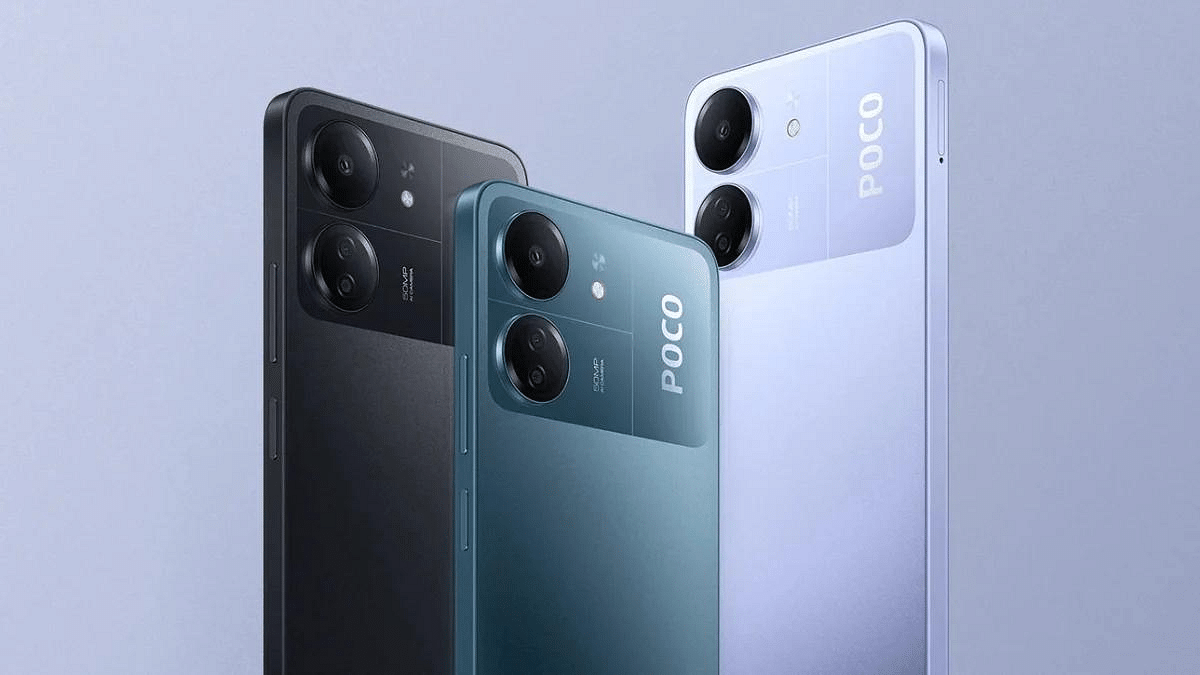
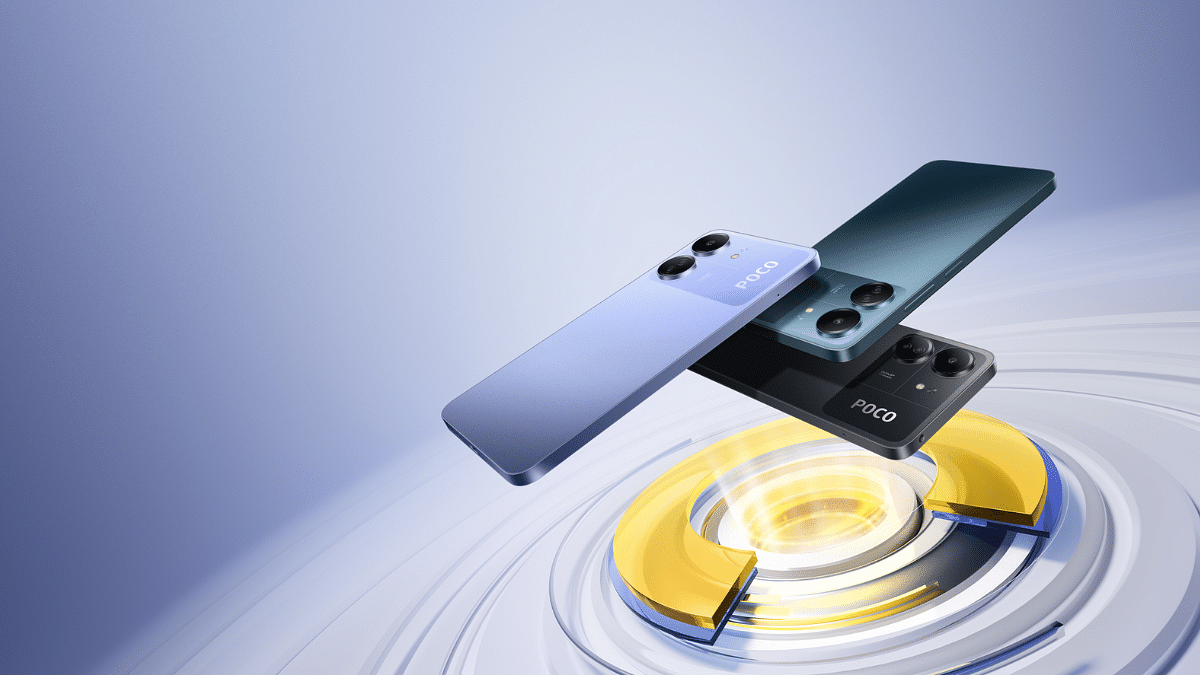
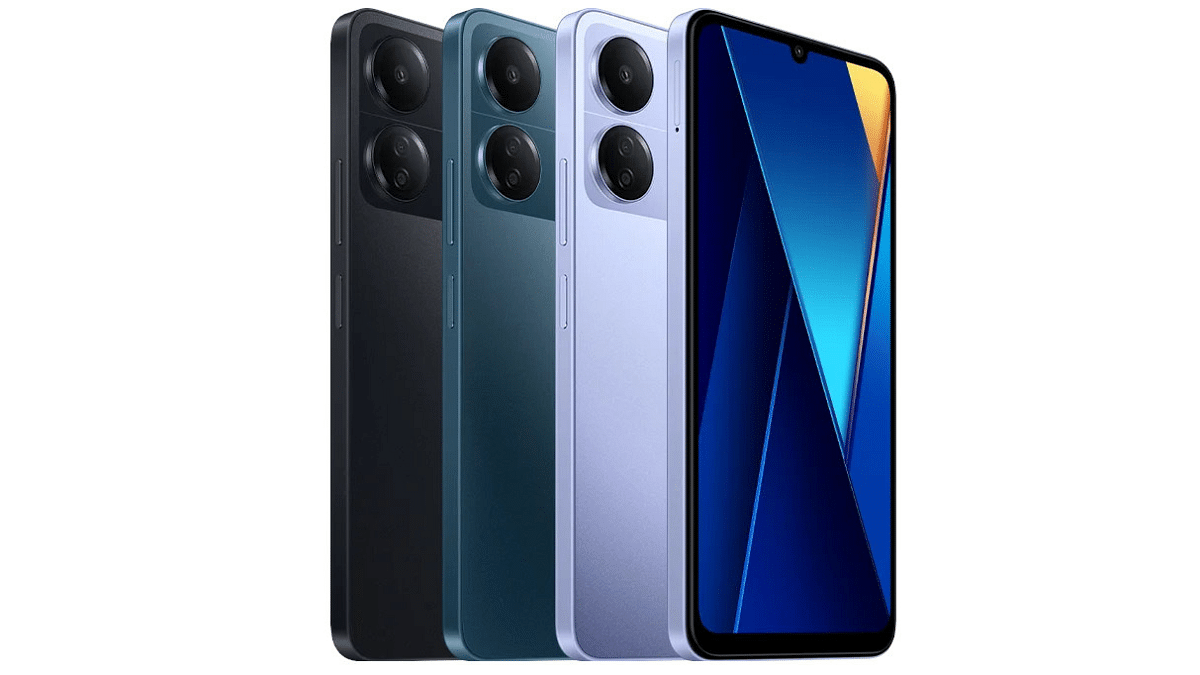
Poco recently unveiled its new phone, the Poco C65, on November 5. This phone is the successor to the Poco C55, which was released earlier this year. The new model comes with some improvements in key areas, including the cameras, RAM, storage, and charging specifications. The Poco C65 is currently available for purchase in the US, but details about its launch in India are yet to be revealed.
Let’s dive into the specifications and pricing of this new smartphone.
The Poco C65 features a 6.74-inch HD+ display with a resolution of 1,600 x 720 pixels. It has a 90Hz refresh rate. The display is also protected with tough Corning Gorilla Glass to prevent scratches and damage. The phone runs on the Android 13-based MIUI 14 designed for Poco.
Under the hood, the Poco C65 is powered by a MediaTek Helio G85 SoC, which is the same chipset as its predecessor, the Poco C55. This processor is capable of handling everyday tasks and some light gaming. The phone comes with up to 8GB of RAM and up to 256GB of storage, which can be expanded up to 1TB using a microSD card.
In the camera department, the Poco C65 has a 50-megapixel primary sensor for taking photos, along with a 2-megapixel sensor with a macro lens for close-up shots. On the front, there’s an 8-megapixel camera for your selfies.
The phone is equipped with a 5,000mAh battery, which should last you all day, and it supports 18W wired fast charging via a micro USB port. It also offers various connectivity options like 4G, Wi-Fi, Bluetooth, GPS, and more. There’s even a 3.5mm audio jack for your headphones and FM radio support.
The Poco C65 comes in two storage variants. The 6GB RAM + 128GB storage version is priced at $129 (about Rs. 10,700), while the 8GB RAM + 256GB storage version is listed at $149 (about Rs. 12,400). There are also options available at $109 (about Rs. 9,100) and $129 (about Rs. 10,700), respectively. You can choose from three colours: Black, Blue, and Purple.
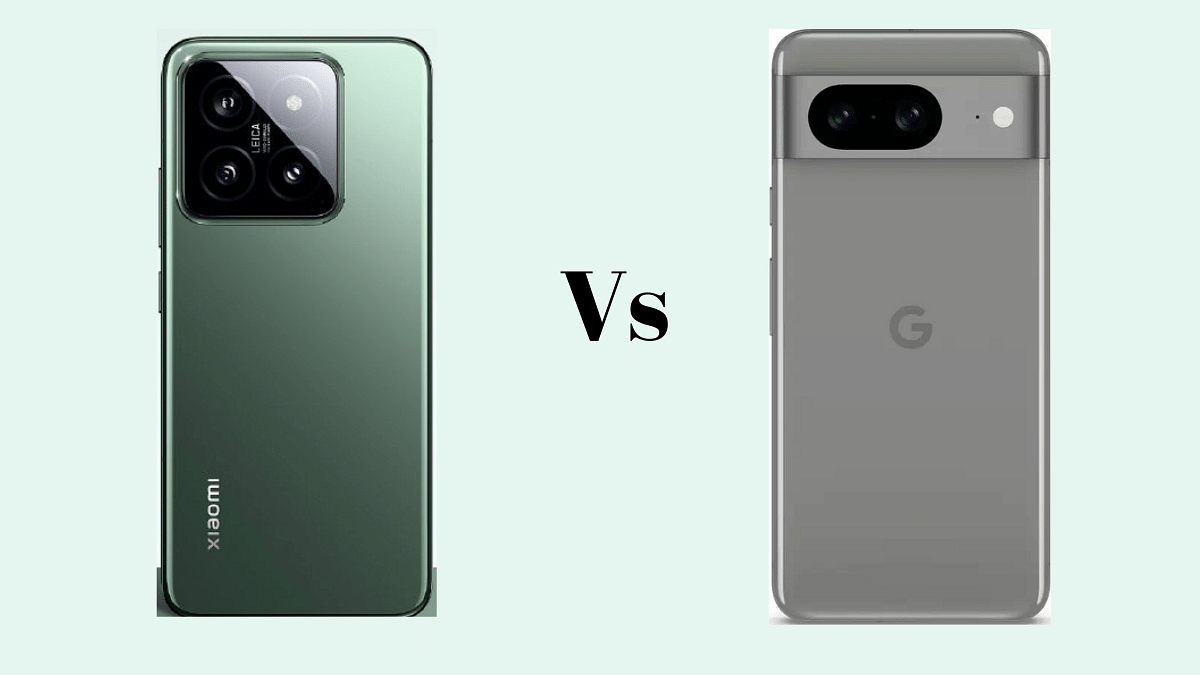
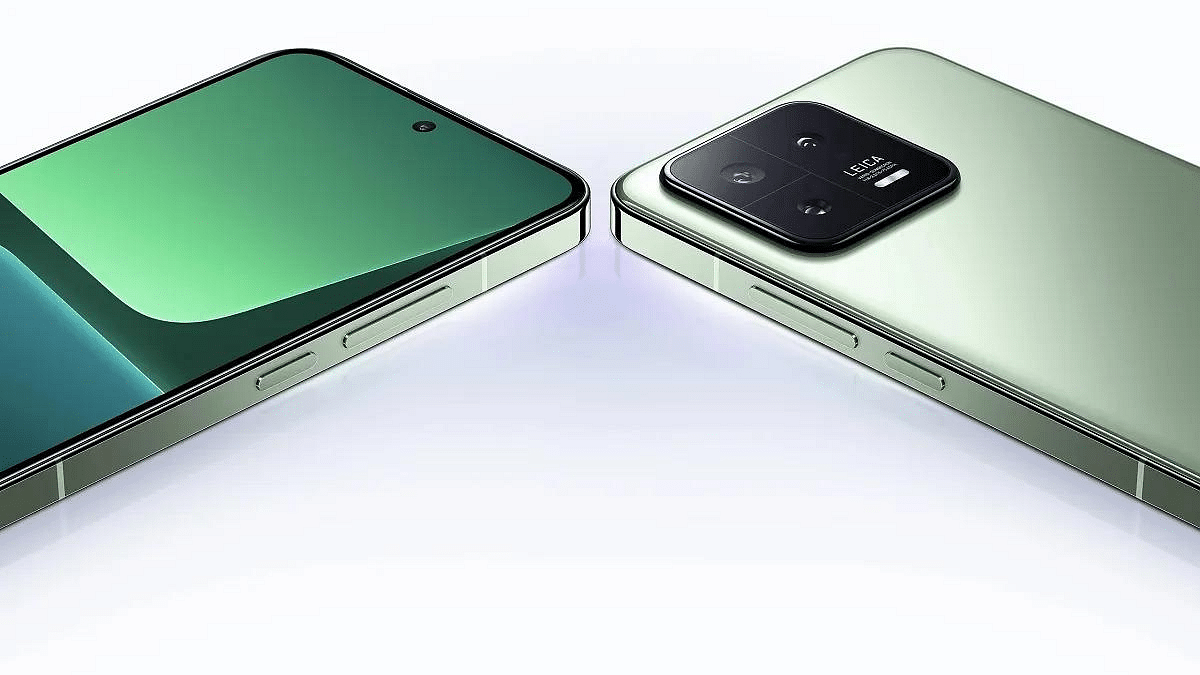
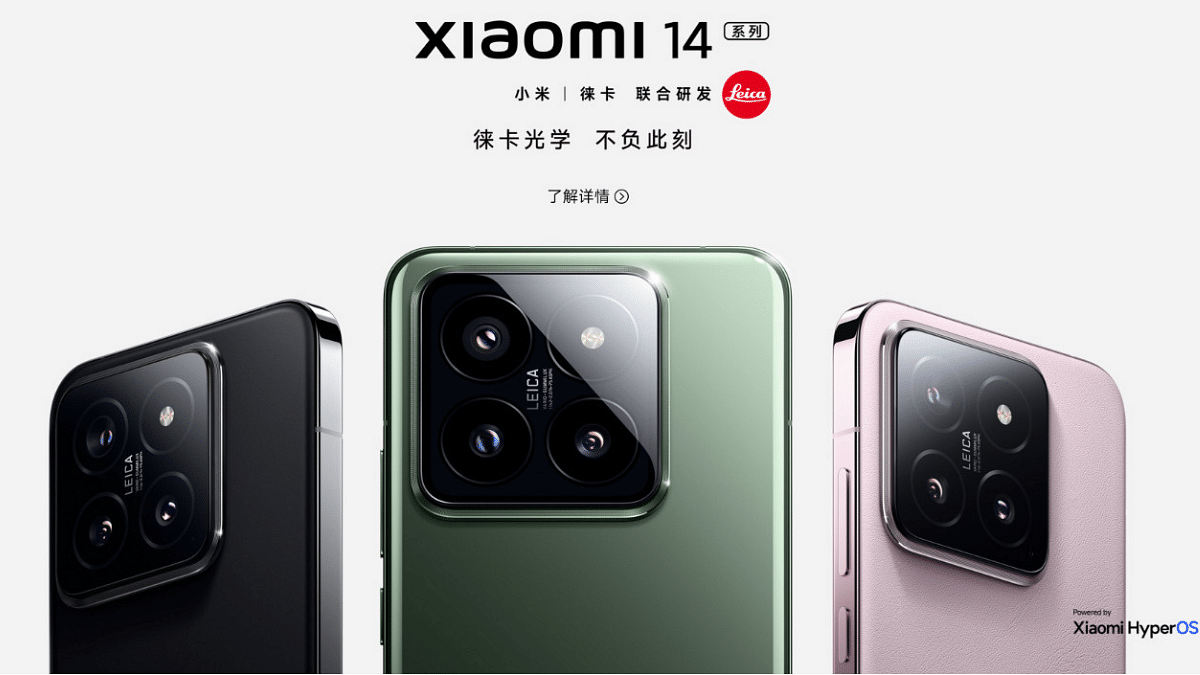
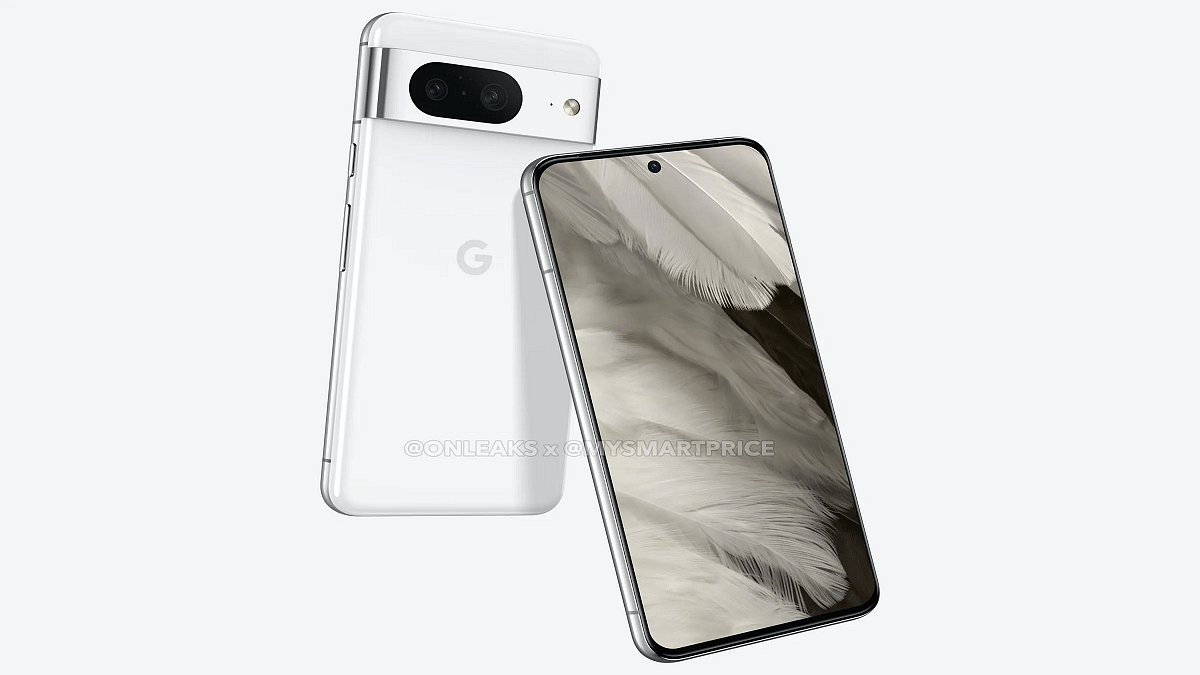
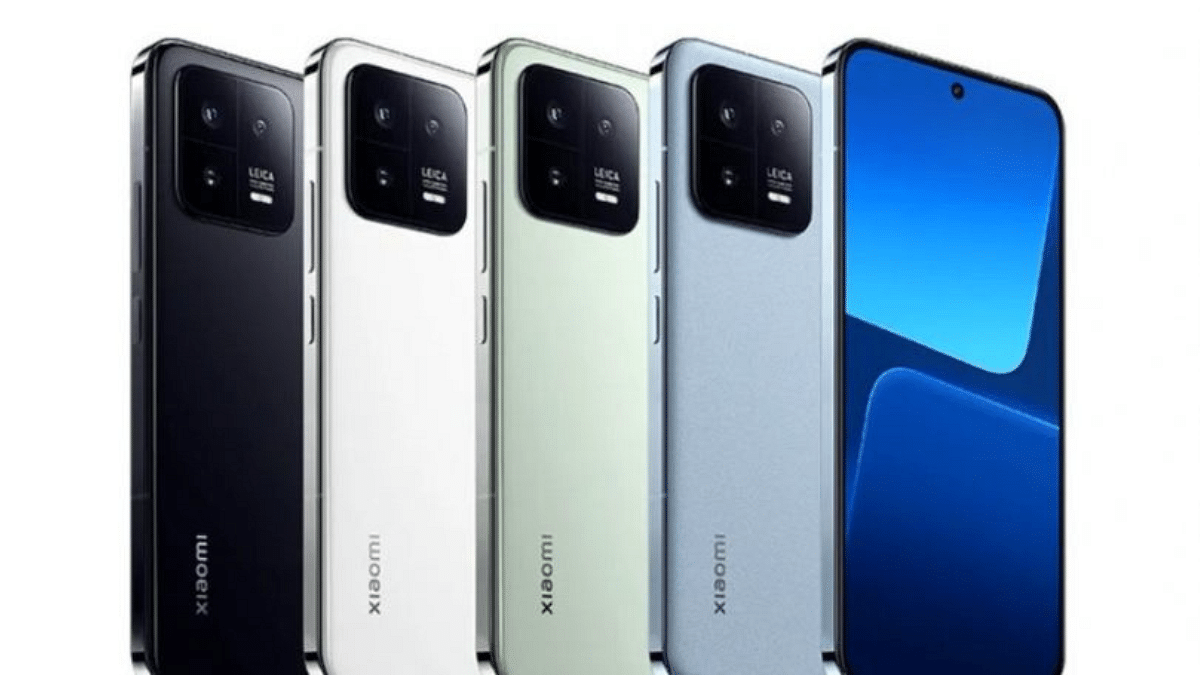
Xiaomi 14 and Google Pixel 8 are two Android smartphones that offer different features and specifications. In this comparison article, we’ll take a closer look at these two devices, examining their body, display, platform, camera, battery, and other essential aspects.
Xiaomi 14 comes with a sleek design with dimensions of 152.8 x 71.5 x 8.2 mm or 8.3 mm and a weight of 188 g or 193 g. It features a glass front and back with an aluminium frame, providing a premium and sturdy build. It is also IP68 dust and water-resistant, allowing it to withstand submersion up to 1.5 meters for 30 minutes. Users can choose between a glass back or a silicone polymer back.
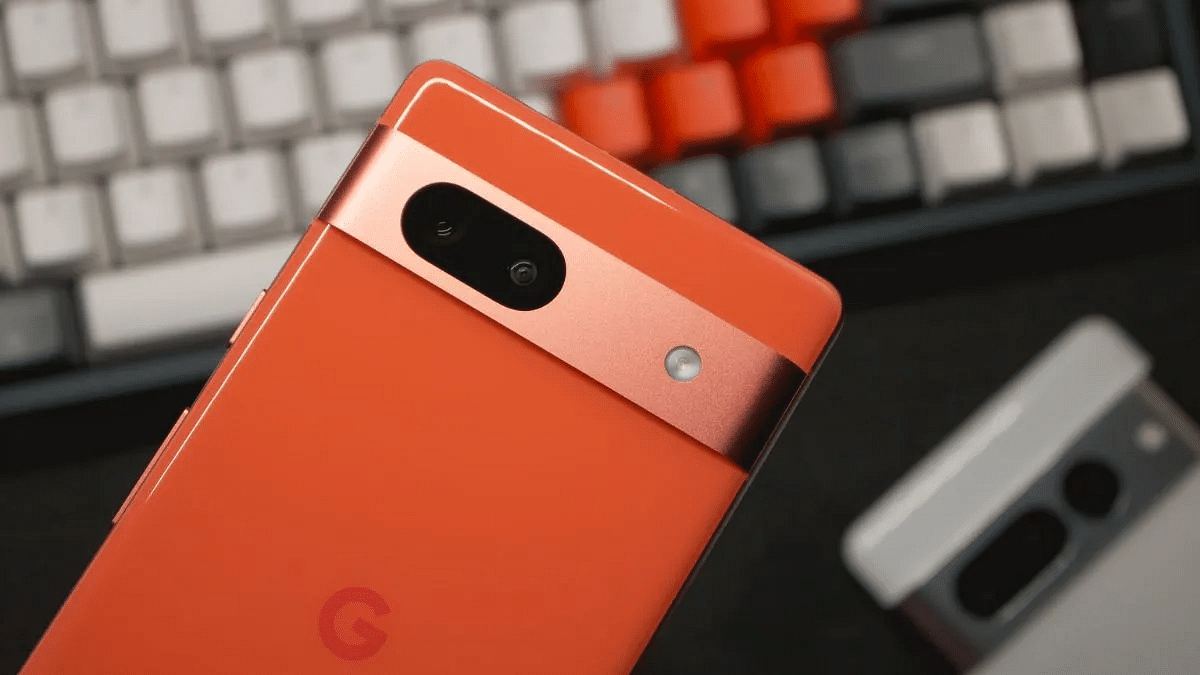
In contrast, the Google Pixel 8 has a slightly smaller and lighter build, measuring 150.5 x 70.8 x 8.9 mm and weighing 187 g. It features a glass front and back with an aluminium frame and IP68-rated for dust and water resistance.
Xiaomi 14 comes with a 6.36-inch LTPO OLED display with impressive features like 120Hz refresh rate, Dolby Vision, HDR10+, and a peak brightness of 3000 nits. This display ensures vibrant colours and smooth visuals. Google Pixel 8, on the other hand, offers a 6.2-inch OLED display with a 120Hz refresh rate and HDR10+ support. While it may not match Xiaomi 14’s peak brightness, it still provides an excellent viewing experience.
Xiaomi 14 runs on Android 14 with the HyperOS overlay. It is powered by the Qualcomm Snapdragon 8 Gen 3 chipset, featuring an octa-core CPU with Cortex-X4, Cortex-A720, and Cortex-A520 cores, along with an Adreno 750 GPU. On the other hand, the Google Pixel 8 runs on Android 14 with Google’s custom Tensor G3 chipset, equipped with a nona-core CPU and the Immortalis-G715s MC10 GPU.
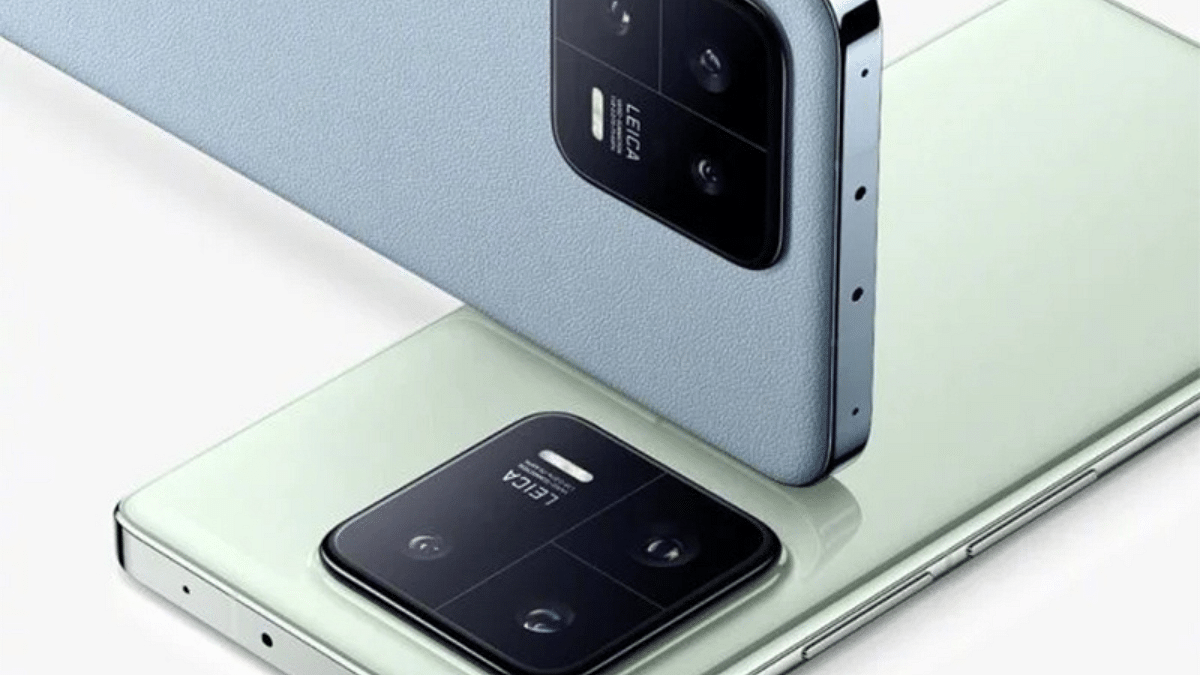
Xiaomi 14 offers a triple-camera setup with three 50 MP lenses for wide, telephoto, and ultrawide shots. The camera setup includes features like Leica lenses, dual-LED dual-tone flash, and impressive video recording capabilities, including 8K at 24fps and 4K at up to 60fps.
Google Pixel 8, on the other hand, features a dual-camera setup with a 50 MP wide lens and a 12 MP ultrawide lens. While the Pixel 8’s camera system may seem simpler, it excels in computational photography, providing good image quality, and supports 4K video recording.
Xiaomi 14 is equipped with a 4610 mAh non-removable battery and supports fast charging with a 90W wired charger, claiming a full charge in just 31 minutes. It also supports 50W wireless charging and 10W reverse wireless charging.
Google Pixel 8 has a 4575 mAh non-removable battery and supports 27W wired charging, claiming 50% charge in 30 minutes, as well as 18W wireless charging and reverse wireless charging. Both phones offer fast charging options, with Xiaomi 14 taking the lead in wired charging speed.
Xiaomi 14 offers a larger, more versatile camera setup, a stunning display, and faster-wired charging, making it an attractive option for multimedia enthusiasts. Google Pixel 8, with its computational photography prowess, stock Android experience, and solid build quality, is a good choice for those who prioritize photography and simplicity. The decision between these two phones will ultimately depend on your priorities in a smartphone.
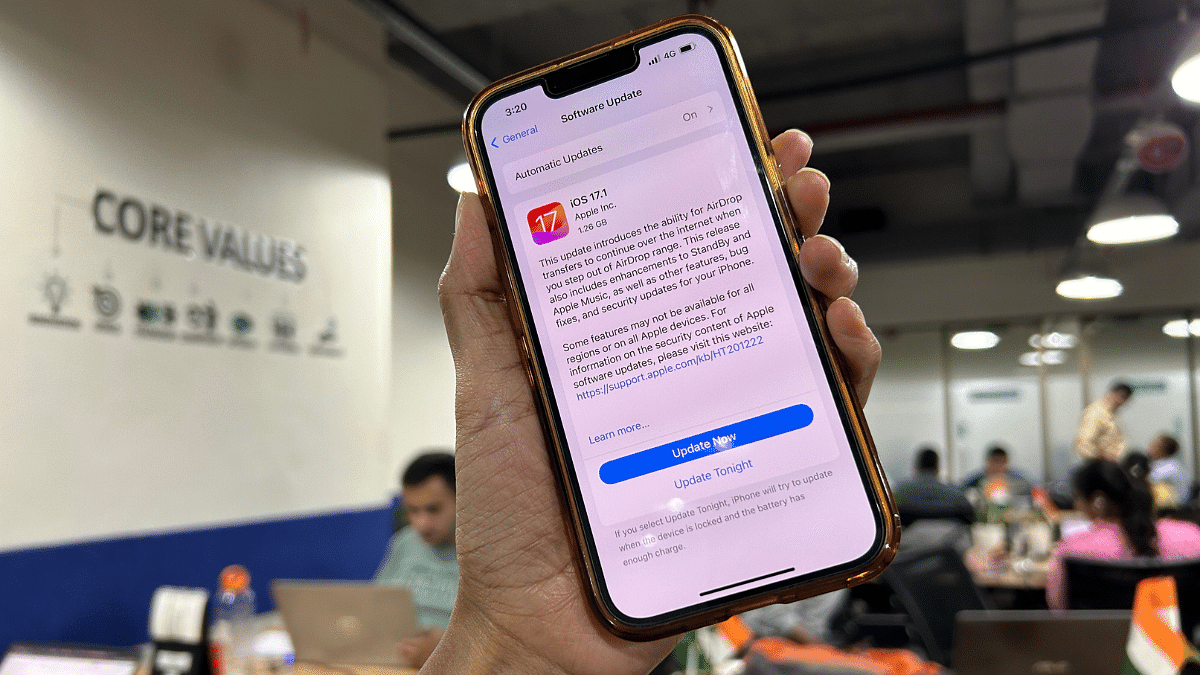
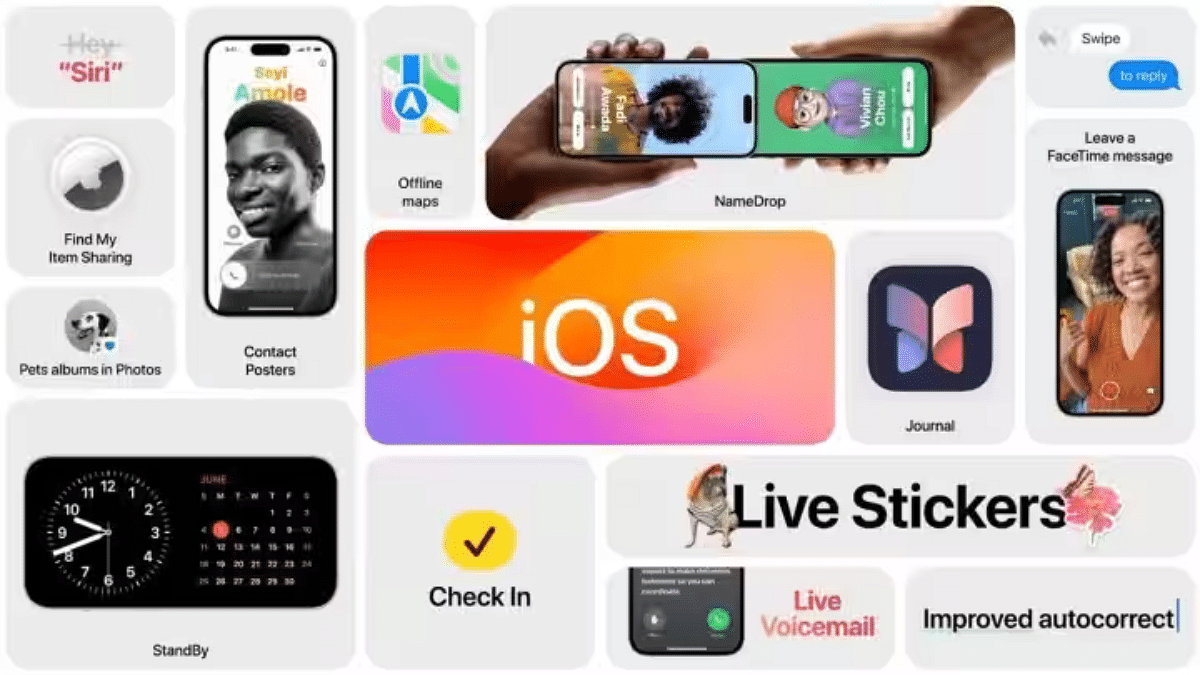
Apple released iOS 17.1 update which focuses on enhancing the user experience and addressing key issues that many users stated in last few months. Notably, it brings improvements to AirDrop, the StandBy feature, and Apple Music. Additionally, iOS 17.1 is supported on all iPhones capable of running iOS 17, including the iPhone XR and later models.
In this update, the company has also focused on adding functionality to some of its key features.
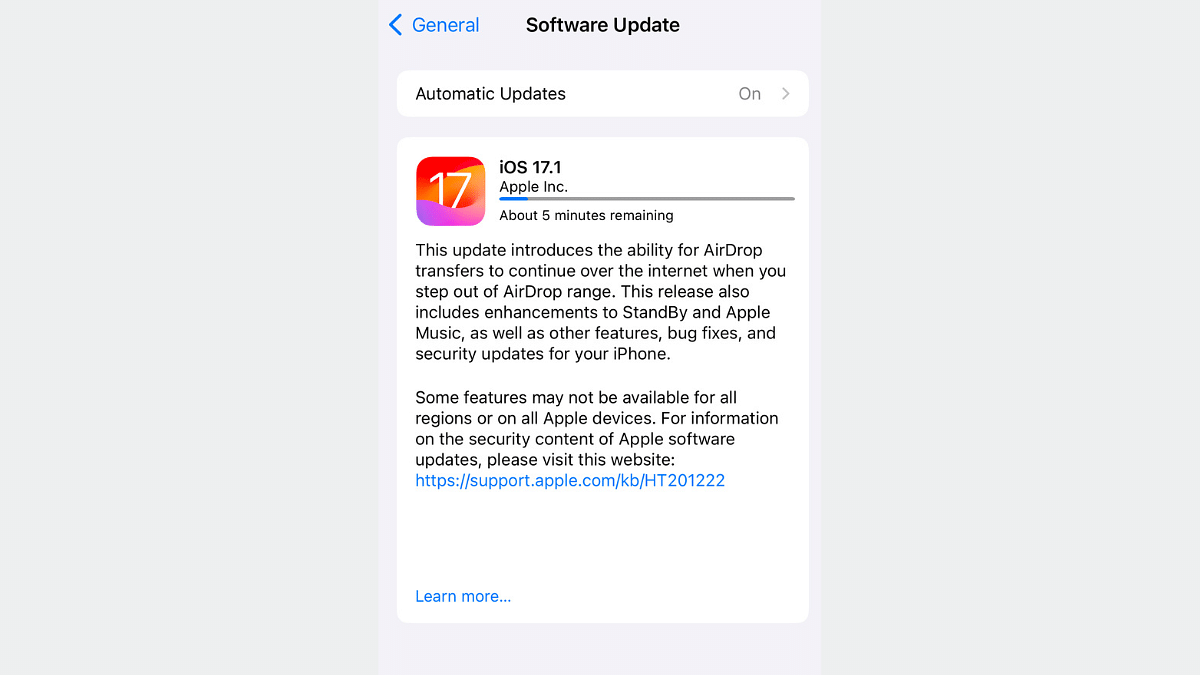
With iOS 17.1, with AirDrop users can now continue transferring large files over the internet, even when their devices are out of the traditional AirDrop range. This means seamless sharing of files between devices which makes it easier to send photos, videos, and documents to friends and family.
2. Upgrade In StandBy Feature
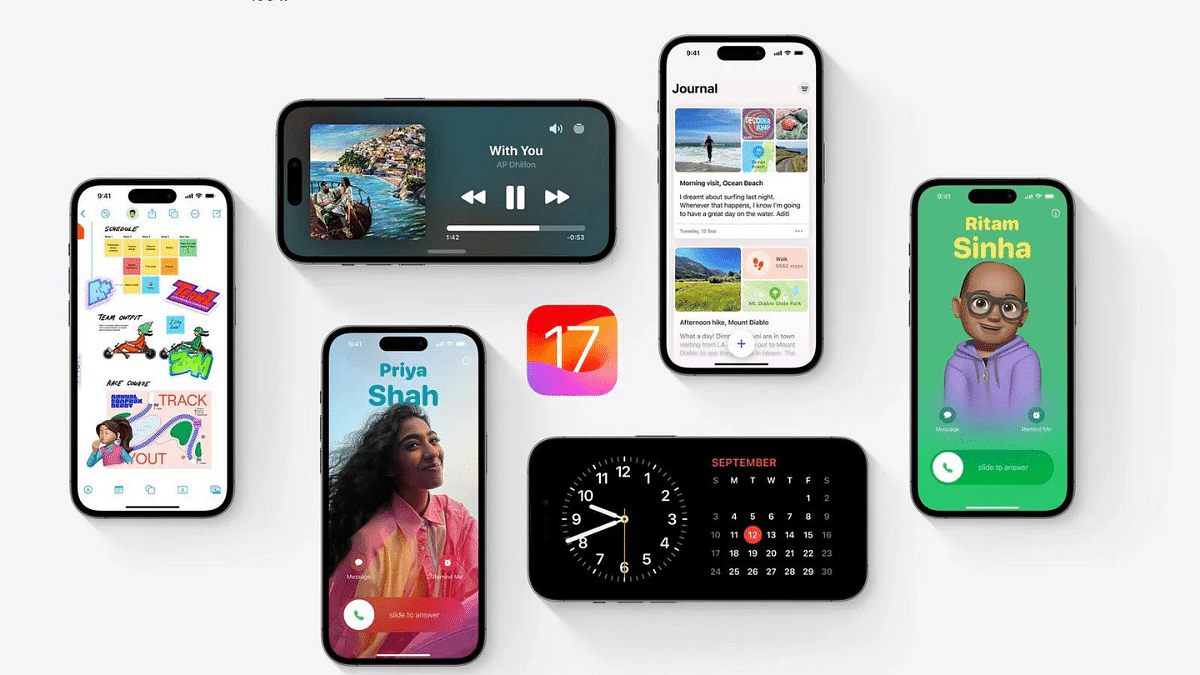
The StandBy feature, available on the iPhone 14 Pro, iPhone 14 Pro Max, iPhone 15 Pro, and iPhone 15 Pro Max, now offers new options when the display goes off. This feature, especially useful for devices with Always-on-Display (AOD) functionality, provides users with more control over how their devices behave when not in active use. It allows for more personalization options and convenience in managing your device’s standby mode.
3. Apple Music Gets a Facelift
iOS 17.1 brings exciting changes to the Favorites section. Now, you can include songs, albums, and playlists in your Favorites, allowing for a more comprehensive music collection. The ability to filter these favorites makes it easier to find and enjoy your preferred tunes. Playlists now feature song suggestions, making music discovery more engaging. Additionally, the cover art collection gets a fresh design with customizable colors, enhancing the visual appeal of your music library.
4. Various Fixes And Improvements
iOS 17.1 optimizes Crash Detection for the iPhone 14 and iPhone 15 series, improving the stability and performance of these devices. Users now have the option to select a specific album for the Photo Shuffle feature on the Lock screen, adding a personal touch to your device’s appearance. Furthermore, iOS 17.1 brings Home key support for Matter locks, enhancing your smart home security. The reliability of Screen Time settings is also enhanced, giving users better control over their digital habits.
Additionally, iOS 17.1 stops the reset of Significant Location privacy settings when transferring an Apple Watch or pairing a new one. Problems like callers’ names disappearing during calls and keyboard unresponsiveness are fixed. Custom and paid ringtones now appear correctly as text tones, eliminating confusion, and the display image persistence issue is resolved.
Updating your device to iOS 17.1 is a simple process. Here are the step-by-step instructions:
Access Your Settings: Open your device and locate the “Settings” app. It’s typically represented by a gearwheel icon.
Select General: Within the Settings menu, scroll down and find the “General” option. Tap on it to proceed.
Choose Software Update: Under the “General” settings, you will see an option labeled “Software Update.” Tap on this to initiate the update process.
Check for Updates: Your device will now check for available updates. If iOS 17.1 is available for your device, you will receive a notification.
Download and Install: Once you receive the prompt to download and install iOS 17.1, follow the on-screen instructions. This will initiate the download and installation process.
Connect to Wi-Fi: To ensure a smooth and uninterrupted download, it’s recommended to connect your device to a Wi-Fi network. This prevents data overage charges and speeds up the process.
Ensure Sufficient Battery: Before proceeding with the update, make sure your device has sufficient battery life to complete the installation. It’s advisable to have your device connected to a charger during this process to prevent any interruptions due to low battery.
Wait for Installation: The installation process may take some time, depending on your device’s performance and the size of the update. Be patient and let the update run its course.
Complete the Update: Once the update is downloaded and installed, your device will restart to apply the changes. After the restart, you’ll be running the latest iOS 17.1 version.
Exclusive 5K renders and 360-degree video leaked recently
Will flaunt flat frame design and triple camera sensors aligned vertically
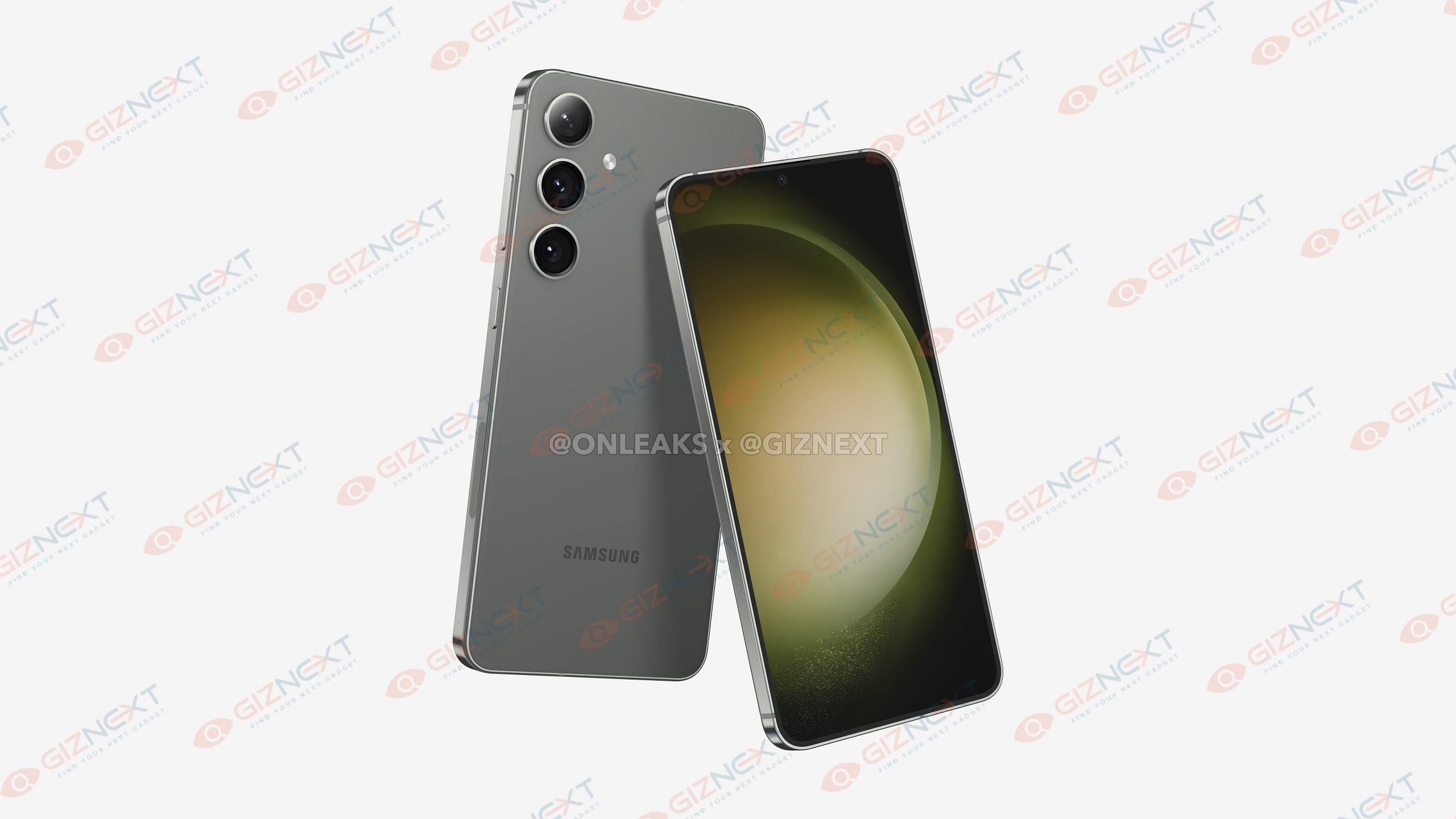
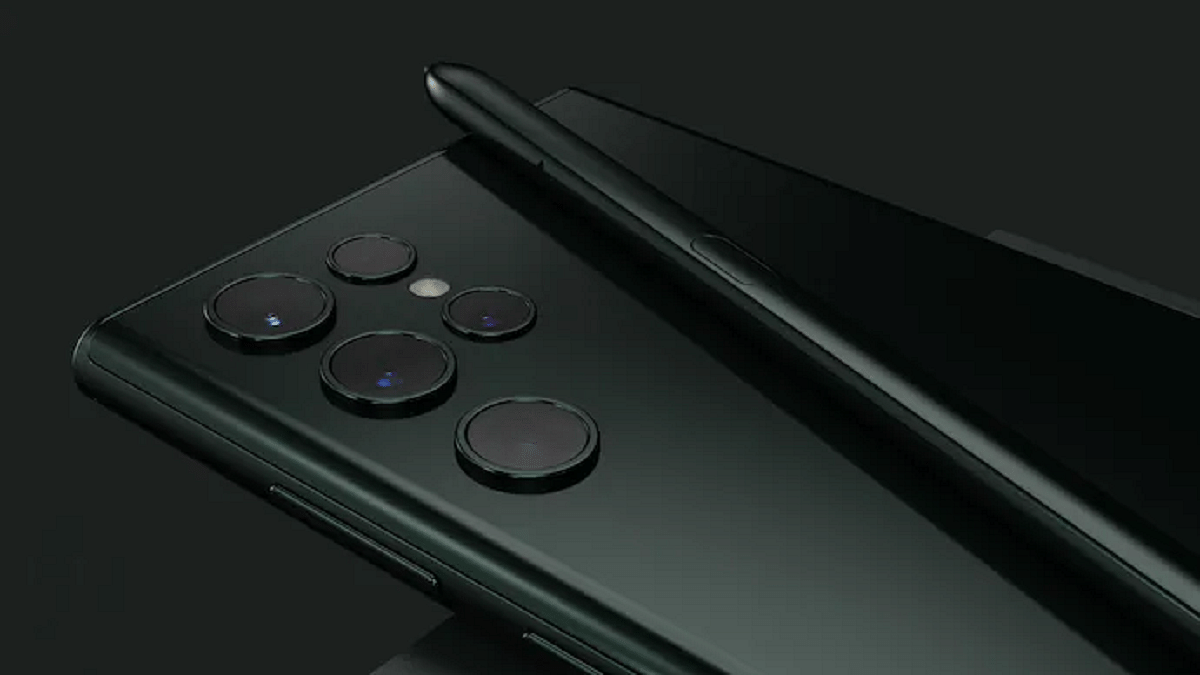
Samsung has started working on its next top-of-the-line Android flagship phones from the Galaxy S series. The upcoming Galaxy S24 lineup has already started visiting the leaks factory and is possibly launching in the next few months globally. Samsung is rumored to launch the latest Galaxy S24 lineup comprising multiple models including the vanilla Galaxy S24, Galaxy S24+, and the Galaxy S24 Ultra. The 5K renders and 360-degree video of all three models have been leaked. Giznext also contributed to the share and revealed the exclusive first look of the Galaxy S24+ model. We also shared the expected features of the next-gen Samsung Galaxy S series flagship phone. This article has the top alternatives that would make the best Galaxy S24+ rival next year. Take a look:
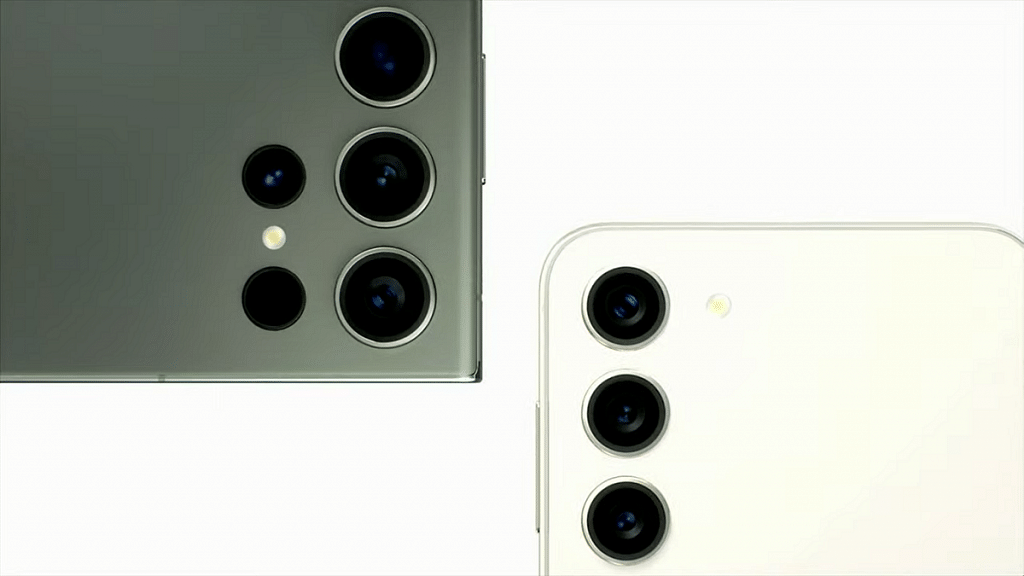
This year’s top-end Galaxy S23 series model will compete against the upcoming Galaxy S24+. We might see only a minor hardware differences between these two models.
Festive season is approaching and retailing platforms have announced sale deals
Smartphones makes for best gifting solution
Lis includes top five feature packed smartphones under Rs. 10,000
Festive season is just around the corner and online as well offline retailers have started giving a glimpse of deals and discounts that buyers can get during the festive sale. And in this fast paced lifestyle, smartphones and smart wearables make for the best gifting solution. This article has the top five smartphones that you can gift your loved ones this festive season.
India has witnessed a rampant growth in the 5G mobile sector and the opportunity has been ceased by most of the smartphone OEMs. You can easily buy a new 5G smartphone starting under Rs. 15,000 price bracket in the country. But now, iTel is set to bring its first ever 5G smartphone that will retail under Rs. 10,000 in India. A new report has revealed the upcoming affordable iTel 5G phone’s moniker and other details. Read on below:
First iTel 5G Phone Launching Soon Under Rs. 10,000
The first 5G Android smartphone from iTel will be called P55 5G. The brand is aiming to launch the cheapest yet 5G smartphone in the Indian market and is said to keep its pricing below Rs. 10,000 in the country. The iTel P55 5G will be launched in the country by the end of this moth, i.e., September 2023.
However, the exact launch date is yet to be announced in the Indian market for the iTel P55 5G. With the launch of this new 5G smartphone, iTel will be creating its niche in the affordable 5G Android space. Currently, brands like Poco, Realme, Xiaomi, and others are dominating the mid-range 5G segment but none of the OEMs have yet ventured in the sub Rs. 10,000 category.
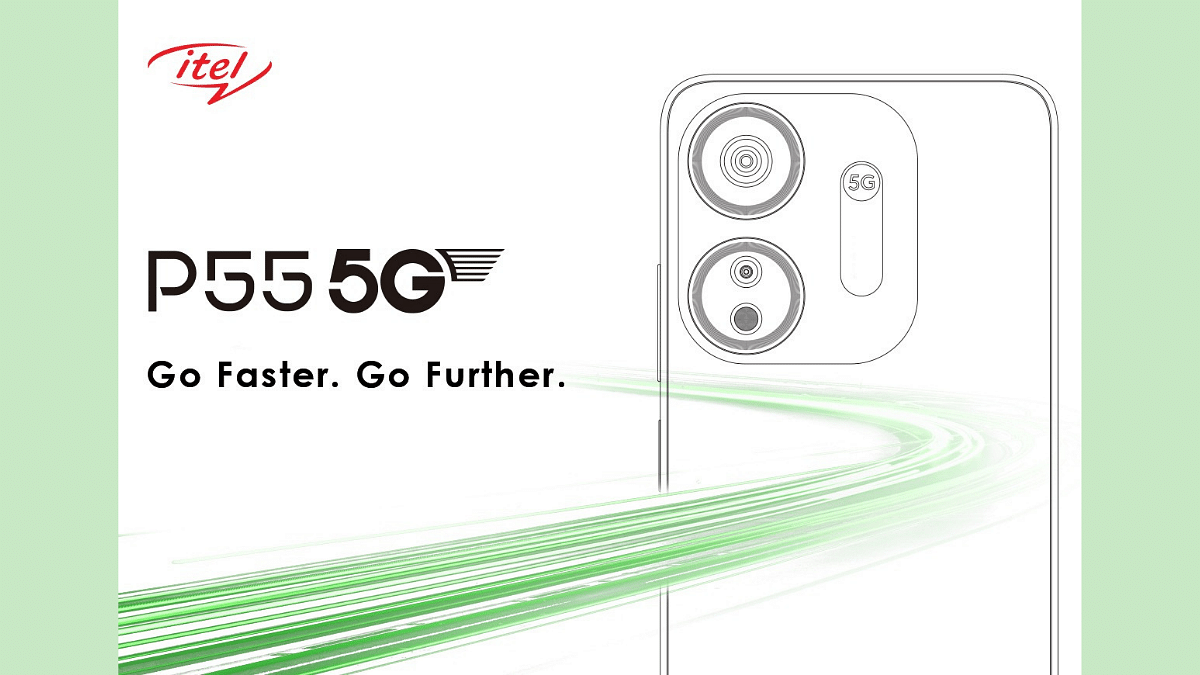
iTel has shared a teaser poster image of the P55 5G budget Android phone. Only a glimpse of the back panel is revealed by the poster image. The schematics reveal curved edge design which will make this handset look premium despite being an entry-level 5G phone.
The image also shows a large squarish camera island with 5G labeling and dual camera rings housing two sensors and one LED flash. We have not received any information related to the camera or other key hardware features which the iTel P55 5G will be packed with. But we are likely to get some details ahead of the official India launch.
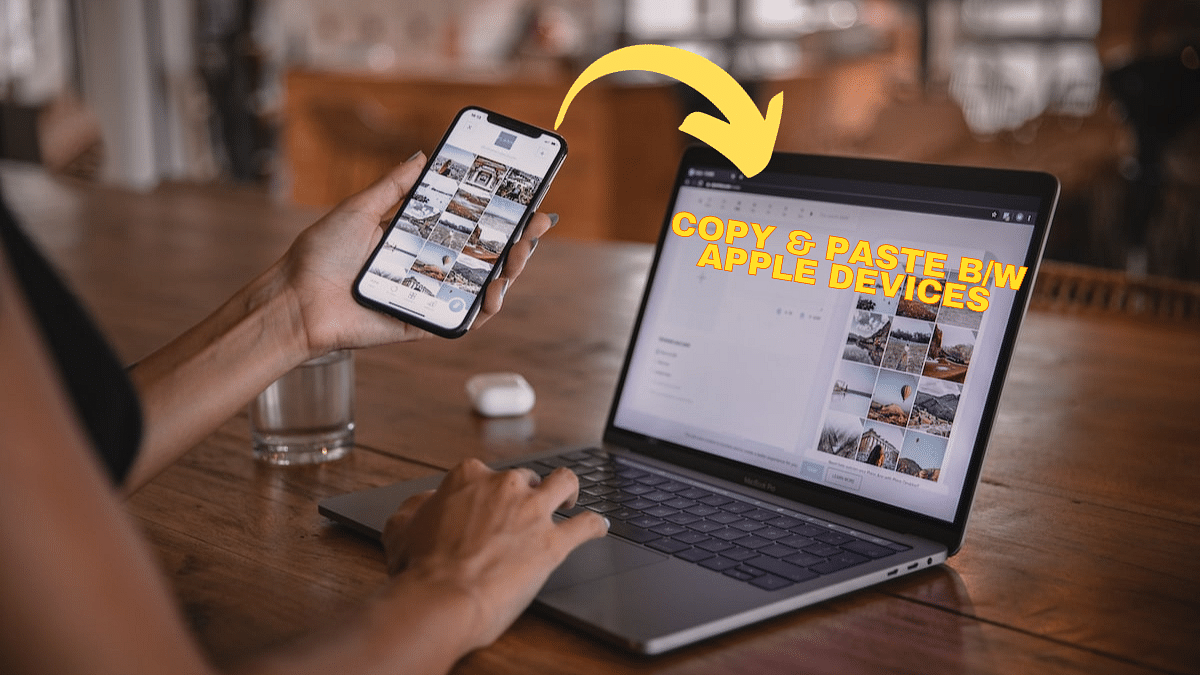
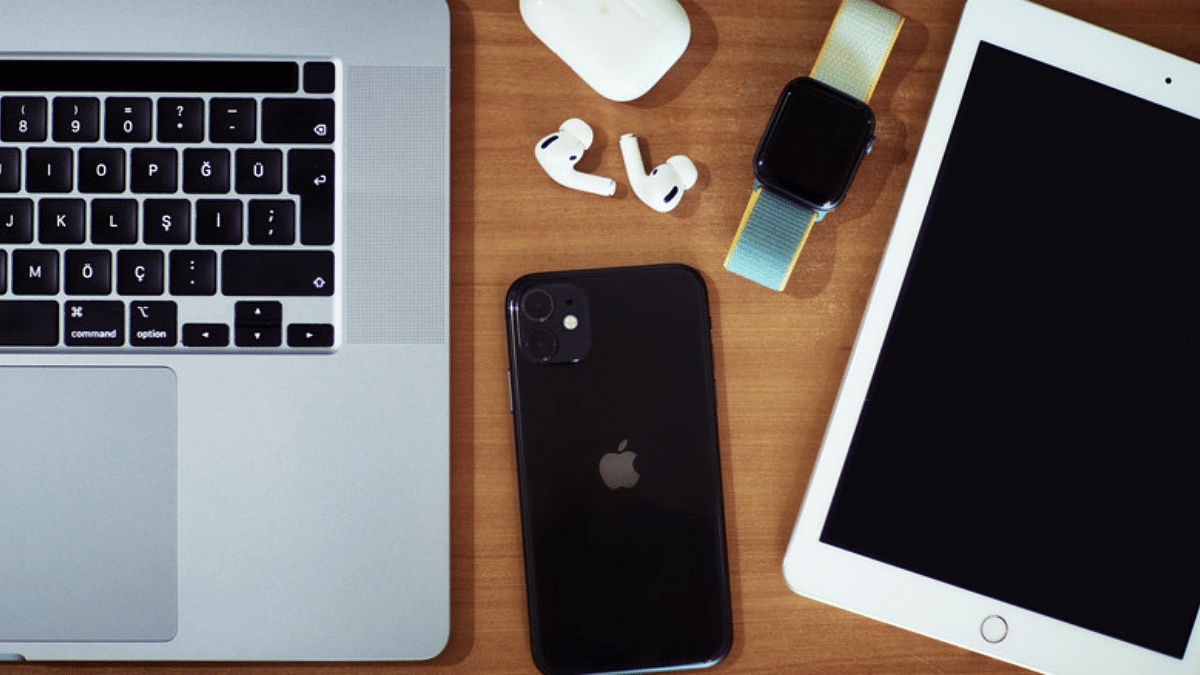
Apple’s Universal Clipboard feature simplifies the process by allowing you to cut or copy content on your iPhone and paste it on an iPad, another iOS device, or a Mac computer, and vice versa. In this guide, we’ll walk you through the steps to make this happen.
Before you start sending things back and forth, make sure of a few things:
Same Apple ID: Use the same Apple ID on both the device you’re sending from (like your iPhone) and the one you’re sending to (like your iPad or Mac). This helps them talk to each other.
Turn on Connections: On your Mac, make sure Wi-Fi, Bluetooth, and Handoff are on. On your iPhone and other Apple gadgets, also make sure Wi-Fi, Bluetooth, and Handoff are activated.
Stay Close: Keep your devices within about 33 feet or 10 meters of each other. They need to be close for this to work.
Software Updates: Make sure your devices are using a recent software version. Think iOS 10, iPadOS 13, macOS 10.12, or newer.
To cut, copy, and paste between your iPhone and other devices seamlessly using Universal Clipboard, follow these steps:
1. Enable Universal Clipboard: Ensure that Universal Clipboard is enabled on all your Apple devices by signing in with the same Apple ID and ensuring they run macOS Sierra or later and iOS 10 or later.
2. Familiarise with Gestures: Learn these gestures for efficient use:
Copy: Pinch closed with three fingers.
Cut: Pinch closed with three fingers twice.
Paste: Pinch open with three fingers.
3. Perform Copy, Cut, and Paste:
For copying or cutting, select the text or content on your iPhone and perform the respective gesture.
To paste, navigate to the target location on another device and use the paste gesture.
4. Alternatively, Use Menu Options:
Select text or content and tap “Cut,” “Copy,” or “Paste” from the menu that appears.
5. Timely Transfer: Remember that you must cut, copy, and paste your content within a short timeframe to ensure it’s available for transfer. Paste it on the target device promptly.
By following these steps, you’ll master the art of cutting, copying, and pasting content seamlessly between your iPhone and other Apple devices using Universal Clipboard.
5G, 4G, UWB, WPT, and NFC connectivity features confirmed
Google is set to launch the new-generation Pixel smartphone lineup next month. The search giant has scheduled the launch of Pixel 8 series on October 4 in the global markets. Google has already started sharing insights on the new Pixel 8 series smartphones via official teasers on microblogging platform Twitter. In the latest development, the Google Pixel 8 Pro has cleared its certification via IMDA which reveals the network connectivity options of the high-end Pixel model.
Google Pixel 8 Pro IMDA Certified: What All Is Revealed?
The Google Pixel 8 Pro has stopped by the IMDA mobile authentication platform. The top-end Google Pixel 8 series model is listed with the GC3VE model number on the certification website. The fresh online listing has revealed the key network connectivity features that the Pixel 8 Pro will offer. Speaking of which, the handset will offer 5G network connectivity as most of the new-generation flagship Android smartphones.
In addition to 5G, the Pixel 8 Pro will also support standard 3G and 4G networks. Additionally, the IMDA listing of the Pixel 8 Pro reveals UWB, WPT, and NFC connectivity options along with Wi-Fi. Unfortunately, this new online sighting of the Pixel 8 Pro doesn’t reveal any additional information related to the hardware. But the rumor mill has detailed enough information until now and we know what all key features it would possibly offer.
According to the recent leaks and also official teasers, the Pixel 8 series including the Pixel 8 Pro will be powered by the Google’s in-house Tensor G3 mobile chipset. This model is possibly launching with up to 12GB RAM and 512GB storage configuration. It will boot on the new Android 14 OS which will be introduced alongside the Pixel 8 series on October 4, 2023.
The Google Pixel 8 Pro is rumored to ship with a 6.7-inch screen. The new-generation Pixel phone will use an LTPO OLED display which will support 120Hz. Google is further said to pack the Pixel 8 pro with three rear cameras comprising a 50MP main camera, a 64MP ultra-wide sensor, and a 48MP telephoto lens. We might see the handset equipped with a 5,000 mAh. battery pack and 27W fast charging support.
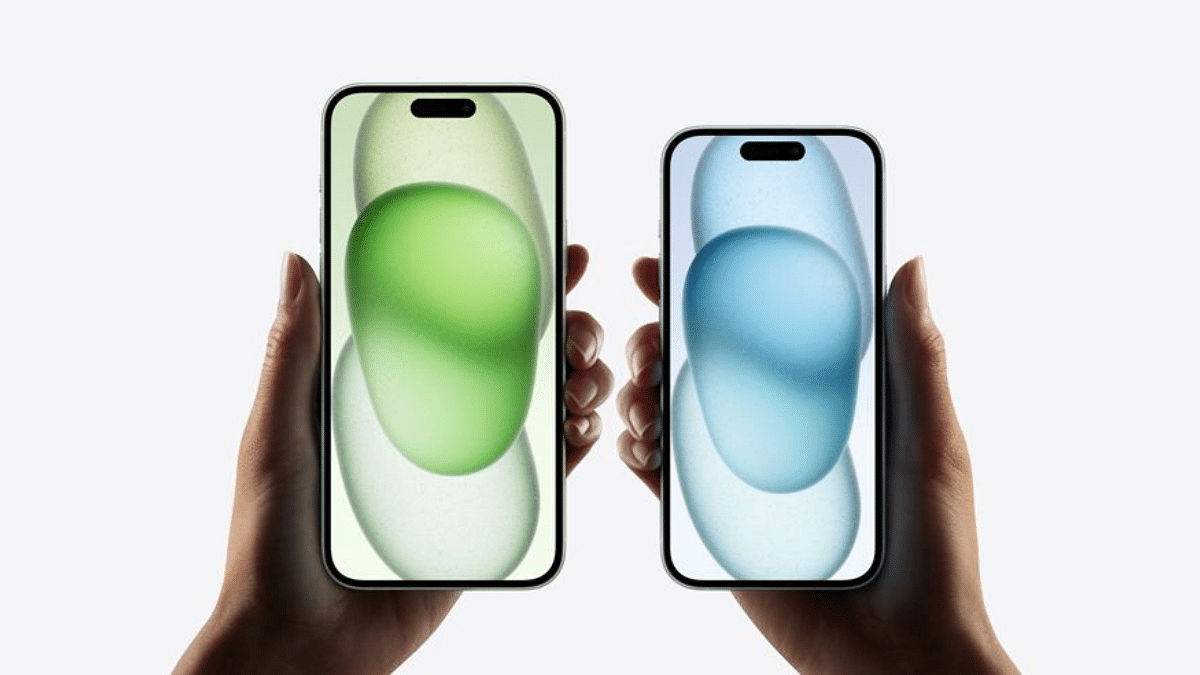
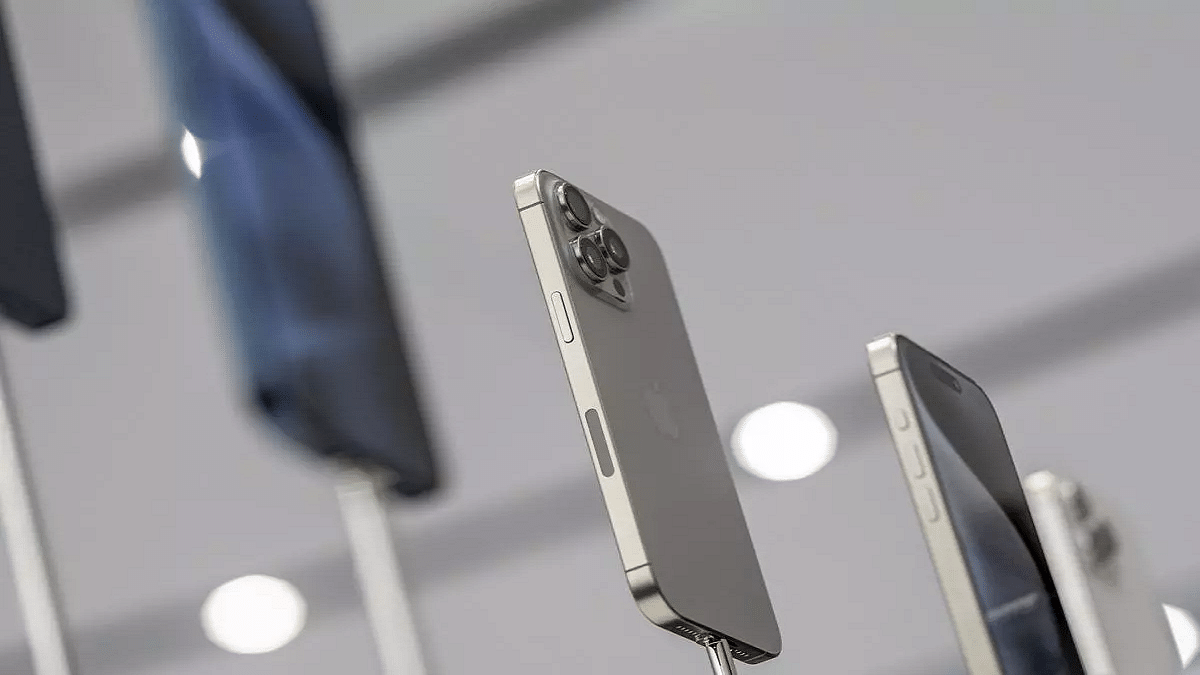
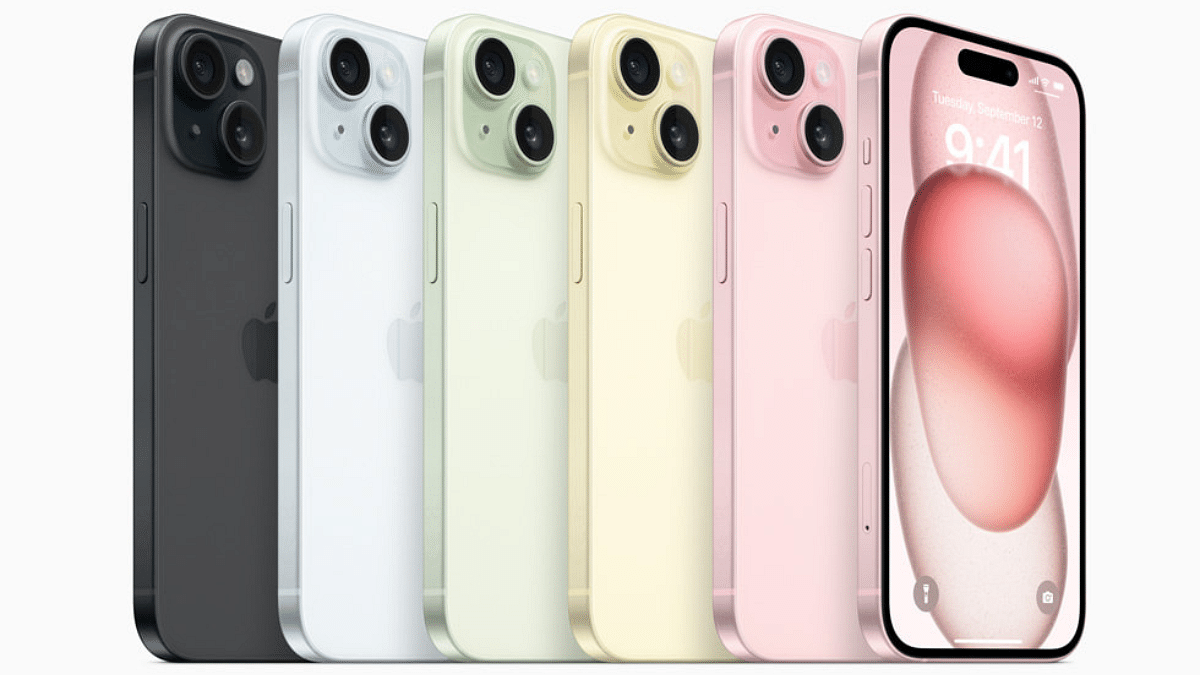
Earlier this week, Apple launched the latest iPhone 15 series. And now, the wait is finally over as the pre-orders for these devices have officially begun. Let’s dive into the details of what’s in store.
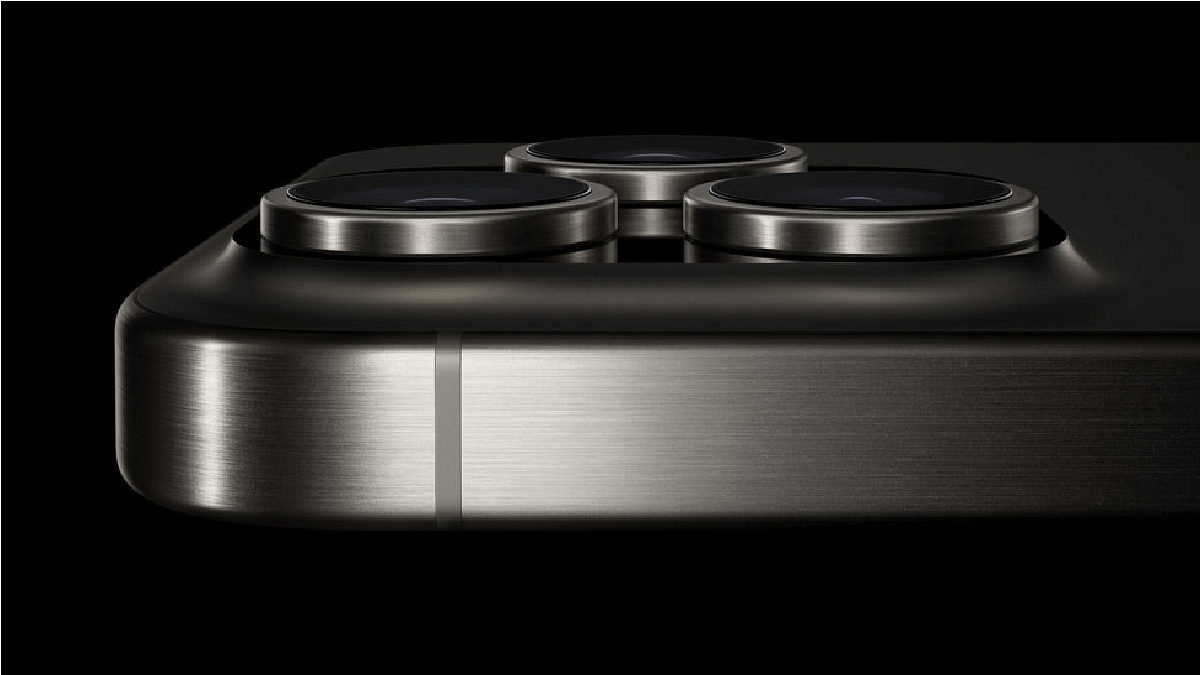
The Apple iPhone 15 series boasts four incredible models: the iPhone 15, iPhone 15 Plus, iPhone 15 Pro, and iPhone 15 Pro Max. Each one promises to deliver a remarkable smartphone experience that’s sure to captivate users.
Starting from 5:30 pm IST today, on September 15, 2023, you can get your hands on the iPhone 15 series. The phones will be available for purchase through various channels, including the Apple Store, Flipkart, Amazon, and numerous offline and online retailers.
Apple is introducing some special launch offers. If you opt for the iPhone 15 or iPhone 15 Plus models and make the purchase using an HDFC bank card, you’ll enjoy a flat INR 5,000 discount. Those eyeing the premium iPhone 15 Pro and iPhone 15 Pro Max can also benefit from this offer, with a generous INR 6,000 discount on HDFC bank card transactions.
Samsung has already started working on flagship Galaxy S24 lineup
New leak reveals key display specs
Samsung could use Snapdragon 8 Gen 3 chipset in the new Galaxy S24 lineup
Samsung has released its most powerful Android smartphone lineup in the form of the Galaxy S23 series. Following its success, the brand is now gearing up to launch the next-generation flagship Galaxy S24 series. While the launch of the new premium Samsung Galaxy S lineup is still months away, the rumor mill has already started spilling beans on the features and specs. The latest development comes in the form of display specification leak of the Galaxy S24 Ultra model. Is Samsung making any major upgrades to the Galaxy S24 Ultra’s hardware or will we see some minor tweaks? Here’s what the new leak reveals:
Samsung Galaxy S24 Ultra Display Specifications Leaked Ahead Of Launch
Samsung Galaxy S24 Ultra
Leaked Specification
Display size
6.8-inch (6.78-inch actual size)
Display resolution
1440 x 3122 pixels
Peak brightness
2500 nits
Chipset
Snapdragon 8 Gen 3
Camera
50MP telephoto (tipped)
Tipster @Iceuniverse has shared a leak on X (formerly known as Twitter) that has revealed the key display specs of the Galaxy S24 even before its launch. According to the tweet, the Samsung Galaxy S24 will be equipped with a 6.8-inch display panel. If we speak of its predecessor, i.e., the Samsung Galaxy S23 Ultra then the display size is identical as tipped for the new model.
Seems like Samsung wouldn’t make any major differences to the shape and size of the most premium Galaxy S24 model. The tipster further notes the actual display size of the Galaxy S24 will be 6.78-inches, but hasn’t revealed what panel it will be using this time for its most high-end phone. Samsung could stick to the same Dynamic AMOLED 2X panel as the previous-gen model.
Moving on to the resolution, the upcoming Samsung Galaxy S24 Ultra’s screen is said to support a resolution of 1440 x 3122 pixels which is only slightly higher compared to the Galaxy S23. Not much difference here as well. The Galaxy S24 Ultra’s display will come with the same 19:5:9 aspect ratio as the previous-gen model but will support almost double the peak brightness levels compared to its precursor.
That said, the Galaxy S23 Ultra is said to offer a 2500 nits peak brightness that will allow clear visibility outdoors despite harsh sunlight. That’s all the latest leak has revealed about the upcoming high-end Samsung Galaxy S24 Ultra smartphone.
If we believe the previous leaks, the Samsung is expected to use the unreleased Qualcomm Snapdragon 8 Gen 3 mobile chipset to power the Galaxy S24 Ultra. The leaks have also pointed at a powerful 50MP telephoto sensor which will be an upgrade over the 10MP telephoto sensor offered by the Galaxy S23 Ultra. We are still waiting for some more authentic information to emerge and will keep you posted with all the details.